


Señales de tráficoMéxico
 Normas de tráfico
 México
76. Sistema start-stop
Un sistema start-stop apaga automáticamente el motor cuando el vehículo está detenido y lo vuelve a arrancar cuando el conductor está preparado para moverse. Es habitual en vehículos con motor de combustión para reducir el ralentí innecesario.
Normalmente funciona automáticamente cuando se cumplen determinadas condiciones, como al detenerse en tráfico. Su funcionamiento no sustituye la responsabilidad del conductor de controlar el vehículo con seguridad y respetar las normas aplicables.
What is a start-stop system?
A start-stop system automatically switches off the engine when the vehicle is stationary and restarts it when the driver is ready to continue.
Why do vehicles use a start-stop system?
The system is primarily intended to reduce unnecessary engine idling, particularly when a vehicle is waiting in traffic.
Does the engine always switch off when the vehicle stops?
Not necessarily. The system may keep the engine running when operating conditions do not allow an automatic stop, depending on the vehicle and its systems.

77. Cambio manual
Un cambio manual es una transmisión en la que el conductor selecciona las marchas manualmente, normalmente mediante una palanca junto con un pedal de embrague. El conductor acciona el embrague para desconectar y volver a conectar el motor de la transmisión al arrancar, detenerse o cambiar de marcha.
Conducir un vehículo manual exige coordinar embrague, acelerador y selección de marcha. A diferencia de una transmisión automática, los cambios los controla directamente el conductor.
What is a manual transmission?
A manual transmission is a gearbox in which the driver manually selects the appropriate gear, normally using a gear lever and clutch pedal.
What does the clutch do in a manual vehicle?
The clutch temporarily disconnects the engine from the transmission, allowing the driver to start, stop and change gears smoothly.
What is the difference between a manual and automatic transmission?
With a manual transmission, the driver selects and changes gears. An automatic transmission normally selects the appropriate gears automatically without requiring a conventional clutch pedal.
78. Cambio automático
Un cambio automático cambia de marchas automáticamente sin exigir al conductor utilizar un pedal de embrague convencional ni seleccionar manualmente cada marcha. Según el diseño, el conductor suele elegir posiciones como estacionamiento, marcha atrás, punto muerto y avance mientras la transmisión gestiona los cambios.
Puede simplificar la conducción al eliminar la necesidad de coordinar un embrague y cambios manuales. Existen distintas tecnologías, como automáticos convencionales, transmisiones de variación continua y sistemas de doble embrague.
What is an automatic transmission?
An automatic transmission is a gearbox that automatically selects and changes gears without requiring the driver to operate a conventional clutch pedal.
How is an automatic transmission different from a manual transmission?
With an automatic transmission, gear changes are handled automatically, while a manual transmission normally requires the driver to operate a clutch and select each gear manually.
Do all automatic transmissions work in the same way?
No. Different designs include conventional automatic transmissions, continuously variable transmissions and dual-clutch systems, although they can all operate without the driver manually controlling a clutch during normal driving.
79. Acelerador
El acelerador es un control utilizado para regular la potencia producida por un motor. En la mayoría de coches y camiones se controla mediante el pedal del acelerador, mientras que las motocicletas suelen utilizar un puño giratorio en el manillar.
Aumentar el acelerador generalmente aumenta la potencia disponible para acelerar, mientras que reducirlo disminuye la potencia transmitida a las ruedas. El sistema exacto difiere entre vehículos de combustión, híbridos y eléctricos.

What is a throttle?
A throttle is a control that regulates how much power an engine or motor produces.
How does a driver control the throttle?
In most cars, the throttle is controlled using the accelerator pedal. Motorcycles and some other vehicles commonly use a twist-grip throttle.
Is the throttle the same as the accelerator?
They are closely related but not exactly the same. The accelerator is the driver's control, while the throttle refers more broadly to the system that responds to that input and regulates engine or motor power.
80. Cuentarrevoluciones
Un cuentarrevoluciones es un instrumento que muestra la velocidad de giro de un motor, normalmente medida en revoluciones por minuto (RPM). Suele aparecer en el cuadro de instrumentos cerca del velocímetro.
Ayuda al conductor a comprender a qué velocidad gira el motor y puede ayudar a seleccionar una marcha adecuada en vehículos manuales. Mide la velocidad del motor, no la velocidad del vehículo.
What is a tachometer?
A tachometer is an instrument that measures and displays the rotational speed of an engine or motor, usually in revolutions per minute.
What does RPM mean on a tachometer?
RPM means revolutions per minute and indicates how many complete rotations the engine's crankshaft makes in one minute.
Is a tachometer the same as a speedometer?
No. A tachometer shows engine rotational speed, while a speedometer shows the vehicle's road speed.
81. Volante
El volante es el mando principal utilizado por el conductor para cambiar la dirección del vehículo. Al girarlo se acciona el sistema de dirección, que cambia el ángulo de las ruedas directrices y orienta el vehículo por la trayectoria deseada.
El conductor debe utilizar el volante con suavidad y mantener el control total del vehículo. Los sistemas modernos pueden incluir asistencia y mandos para funciones como audio, control de crucero o información del conductor.

What is a steering wheel?
A steering wheel is the driver's main control for changing the direction in which a vehicle travels.
How does a steering wheel control the vehicle?
Turning the steering wheel operates the vehicle's steering system, which changes the direction of the steered wheels.
Should you make sudden steering movements?
Normally, no. Steering should be smooth and controlled because sudden movements can destabilise the vehicle or create danger for other road users.
82. Dirección asistida
La dirección asistida ayuda al conductor a girar las ruedas, reduciendo el esfuerzo físico necesario en el volante. La asistencia puede ser hidráulica, eléctrica o combinar distintos sistemas.
Hace los vehículos más fáciles de maniobrar, especialmente a baja velocidad y al estacionar. La cantidad de asistencia puede variar con la velocidad para mantener una dirección estable y sensible a velocidades mayores.
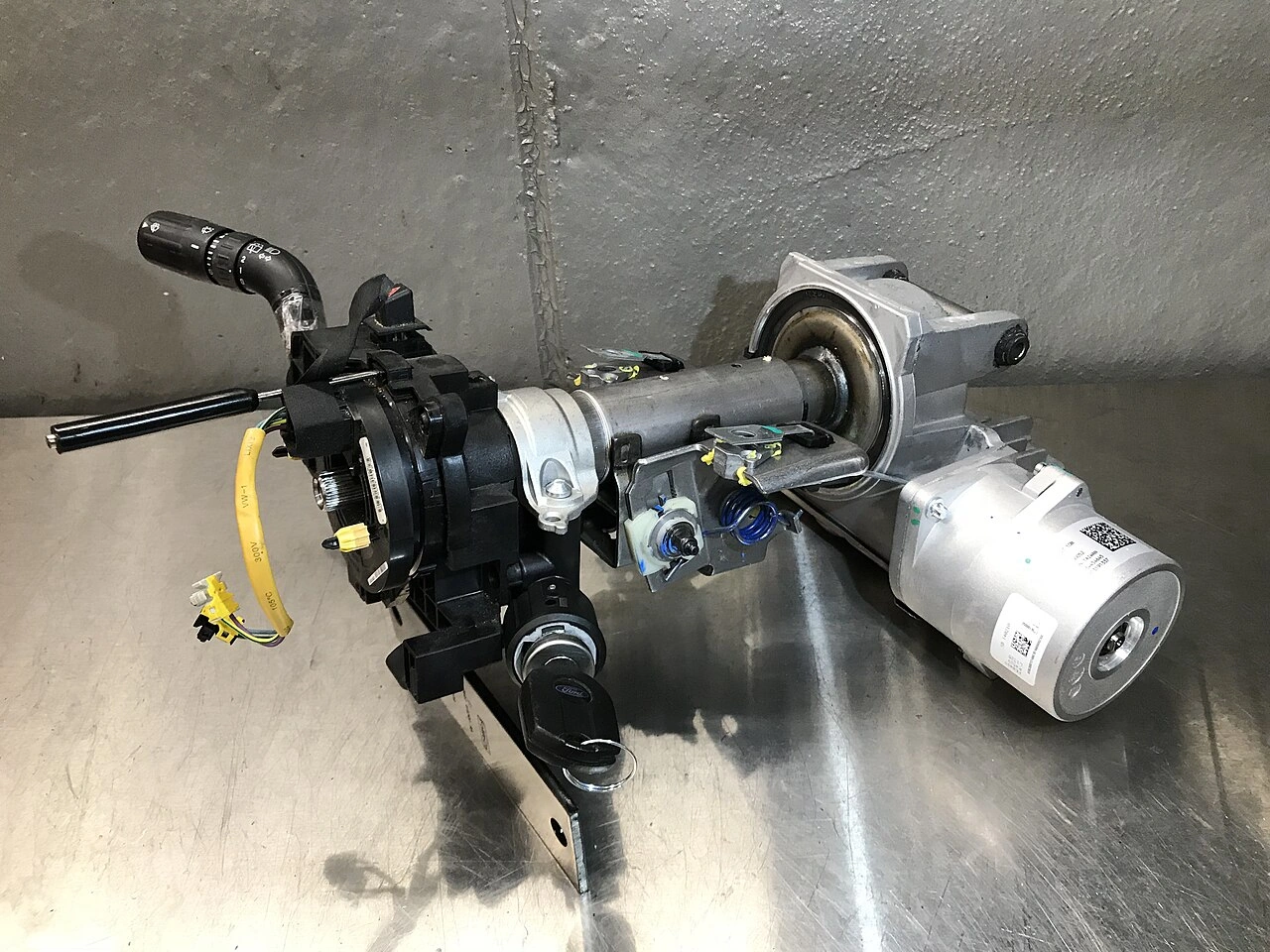
What is power steering?
Power steering is a system that assists the driver's steering effort, making the steering wheel easier to turn.
What types of power steering are used?
Vehicles may use hydraulic, electro-hydraulic or electric power steering, depending on their design.
What happens if power steering fails?
Steering may become considerably heavier or a warning may appear. The driver should maintain control, reduce speed safely and have the steering system checked as soon as possible.
83. Exploración visual
La exploración visual es la técnica de observar continuamente la carretera por delante, los espejos, laterales y tráfico circundante para detectar peligros y cambios lo antes posible. Una exploración eficaz implica mover regularmente la atención entre distintas partes del entorno en lugar de fijarse en un solo punto.
Los conductores deben mirar lejos hacia delante, comprobar los espejos con regularidad y observar zonas laterales y ángulos muertos, especialmente antes de cambiar velocidad, dirección o posición.

What is scanning while driving?
Scanning means continuously observing different parts of the traffic environment so that hazards and changes can be detected early.
What should a driver scan?
A driver should regularly observe the road ahead, mirrors, intersections, side areas, vulnerable road users and relevant blind spots.
Why is scanning important?
Scanning helps drivers identify hazards earlier and gives them more time to adjust speed, position or direction safely.
84. Espejo
Un espejo es un dispositivo instalado en un vehículo que permite al conductor observar el tráfico detrás y a los lados sin apartar la vista de la carretera durante demasiado tiempo. Los vehículos suelen utilizar un espejo interior y uno o más exteriores.
Ayudan a controlar el entorno antes de cambiar de dirección, cambiar de carril, adelantar, incorporarse o reducir la velocidad. Como no muestran todas las zonas, también deben comprobarse los ángulos muertos mediante observación directa cuando sea necesario.
What is a vehicle mirror?
A vehicle mirror allows the driver to observe traffic and other road users behind or beside the vehicle.
What is the difference between an interior and exterior mirror?
An interior rear-view mirror normally provides a view through the rear window, while exterior side mirrors provide views along the sides and towards the rear of the vehicle.
When should you check your mirrors?
Check your mirrors regularly and particularly before changing speed or direction, changing lane, overtaking, merging, turning or stopping.
Should you adjust your mirrors before driving?
Yes. Mirrors should be adjusted from the normal driving position before setting off so that they provide the intended view of traffic behind and beside the vehicle.
Do mirrors eliminate blind spots?
No. Even correctly adjusted mirrors can leave areas that are not visible to the driver. These are commonly called blind spots.
Should you check your blind spot before changing lane?
Yes. Where necessary, use a brief direct observation in addition to the mirrors before moving sideways so that a cyclist, motorcycle or other vehicle hidden from the mirrors is not overlooked.
Can a damaged mirror affect road safety?
Yes. A cracked, loose, missing or badly adjusted mirror can reduce the driver's view of surrounding traffic and should be repaired or replaced when necessary.
Can cameras replace conventional mirrors?
Some vehicles use approved camera-based indirect-vision systems instead of or in addition to conventional mirrors. Whether such a system is legally permitted depends on the vehicle's approval and local technical requirements.
Why should you check mirrors before opening a vehicle door?
Checking the mirrors can help detect cyclists, motorcyclists and other approaching road users before a door is opened into their path.
Do motorcycles also need mirrors?
Yes, according to the applicable vehicle requirements. Motorcycles normally have one or more rear-view mirrors so that the rider can observe traffic behind without turning around for extended periods.
85. Combustible
El combustible es una fuente de energía utilizada para alimentar el motor de un vehículo. Entre los combustibles habituales se incluyen gasolina, diésel, GLP, GNC y combustibles alternativos. Los vehículos eléctricos utilizan electricidad en lugar de combustibles líquidos o gaseosos convencionales.
Los conductores deben utilizar siempre un combustible compatible con su vehículo. Usar uno incorrecto puede dañar el motor o sistema de alimentación, mientras que una conducción eficiente y un mantenimiento adecuado pueden reducir el consumo.

Which fuels are commonly used in road vehicles?
Common fuels include petrol, diesel, LPG and CNG. Some vehicles can also use biofuels or other alternative fuels, while electric vehicles obtain their energy from a battery rather than conventional fuel.
How do I know which fuel my vehicle needs?
Check the vehicle manufacturer's instructions and the fuel information shown near the filler opening or on the vehicle. Fuel pumps are normally labelled to help drivers identify compatible fuels.
How can a driver reduce fuel consumption?
Smooth acceleration, anticipating traffic, maintaining an appropriate speed, correct tyre pressure, avoiding unnecessary loads and keeping the vehicle properly maintained can help reduce fuel consumption.
86. Indicador de combustible
Un indicador de combustible es un instrumento del cuadro que muestra aproximadamente cuánto combustible queda en el depósito. Suele utilizar una escala de vacío a lleno y puede incluir una luz de reserva.
La lectura es aproximada y puede variar ligeramente cuando el vehículo está en pendiente, acelera, frena o gira. Los conductores deben repostar antes de que el depósito quede completamente vacío.

What does a fuel gauge show?
A fuel gauge shows the approximate amount of fuel remaining in the vehicle's tank. Most gauges use a scale between empty and full.
What does the low-fuel warning light mean?
The low-fuel warning light indicates that the amount of fuel remaining has reached a low level. The driver should refuel soon rather than relying on the remaining reserve.
Is a fuel gauge completely accurate?
No. A fuel gauge provides an approximate reading. The indicated level can vary because of vehicle movement, road gradient, tank shape and the design of the fuel-level sensor.
87. Gasolina
La gasolina, también llamada petrol en inglés británico, es un combustible líquido utilizado habitualmente en motores de encendido por chispa. Se produce principalmente a partir del petróleo y puede contener componentes renovables como etanol.
Los distintos tipos de gasolina se identifican por su octanaje y contenido de etanol. Los conductores deben utilizar siempre un combustible que cumpla las especificaciones recomendadas por el fabricante del vehículo.
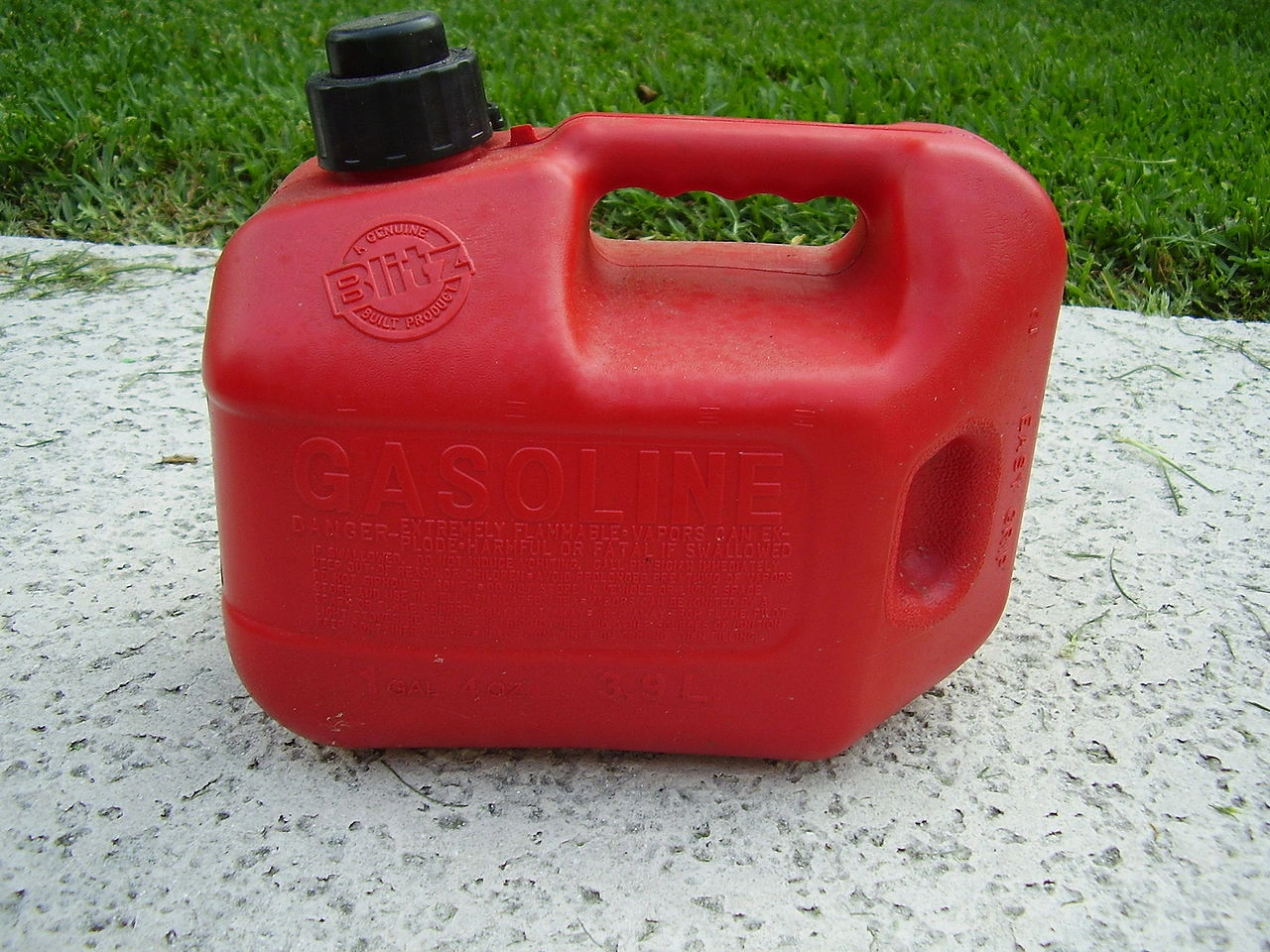
What is petrol?
Petrol is a liquid motor fuel used mainly in spark-ignition engines. It is called petrol in many countries and may contain ethanol or other renewable components.
What does the octane rating of petrol mean?
The octane rating indicates the fuel's resistance to uncontrolled combustion or engine knocking. Vehicles should use petrol with at least the octane rating specified by the manufacturer.
What is the difference between E5 and E10 petrol?
E5 and E10 indicate the permitted ethanol content of petrol. E5 contains up to 5% ethanol by volume, while E10 contains up to 10%. Drivers should check whether their vehicle is compatible with the selected fuel.
88. Diésel
El diésel es un combustible líquido utilizado en motores de encendido por compresión. A diferencia de los motores de gasolina, en los diésel el combustible se enciende por el calor producido al comprimir aire y no mediante bujías.
Puede contener componentes renovables como biodiésel. Los conductores deben utilizar un tipo aprobado por el fabricante, ya que un combustible incompatible puede dañar el motor o sistema de alimentación.

What is diesel fuel?
Diesel is a liquid motor fuel designed primarily for compression-ignition engines. These engines compress air until it becomes hot enough to ignite the injected fuel.
What do labels such as B7 and B10 mean?
The letter B identifies diesel containing biodiesel components. The number indicates the maximum percentage of biodiesel in the fuel, so B7 may contain up to 7% and B10 up to 10% biodiesel.
Can every diesel vehicle use every type of diesel?
No. Compatibility depends on the vehicle and engine. Drivers should follow the manufacturer's specifications before using fuels such as B10, higher biodiesel blends or synthetic diesel.
89. Líquido de escape diésel
El líquido de escape diésel (DEF) es un líquido utilizado por muchos vehículos diésel modernos con sistemas de reducción catalítica selectiva (SCR) para reducir las emisiones nocivas de óxidos de nitrógeno (NOx). En Europa se conoce comúnmente por la marca AdBlue.
No es combustible diésel y se almacena en un depósito separado. Es una solución de urea de alta pureza y agua que se inyecta en el sistema de escape, donde ayuda a convertir los óxidos de nitrógeno en sustancias menos nocivas.
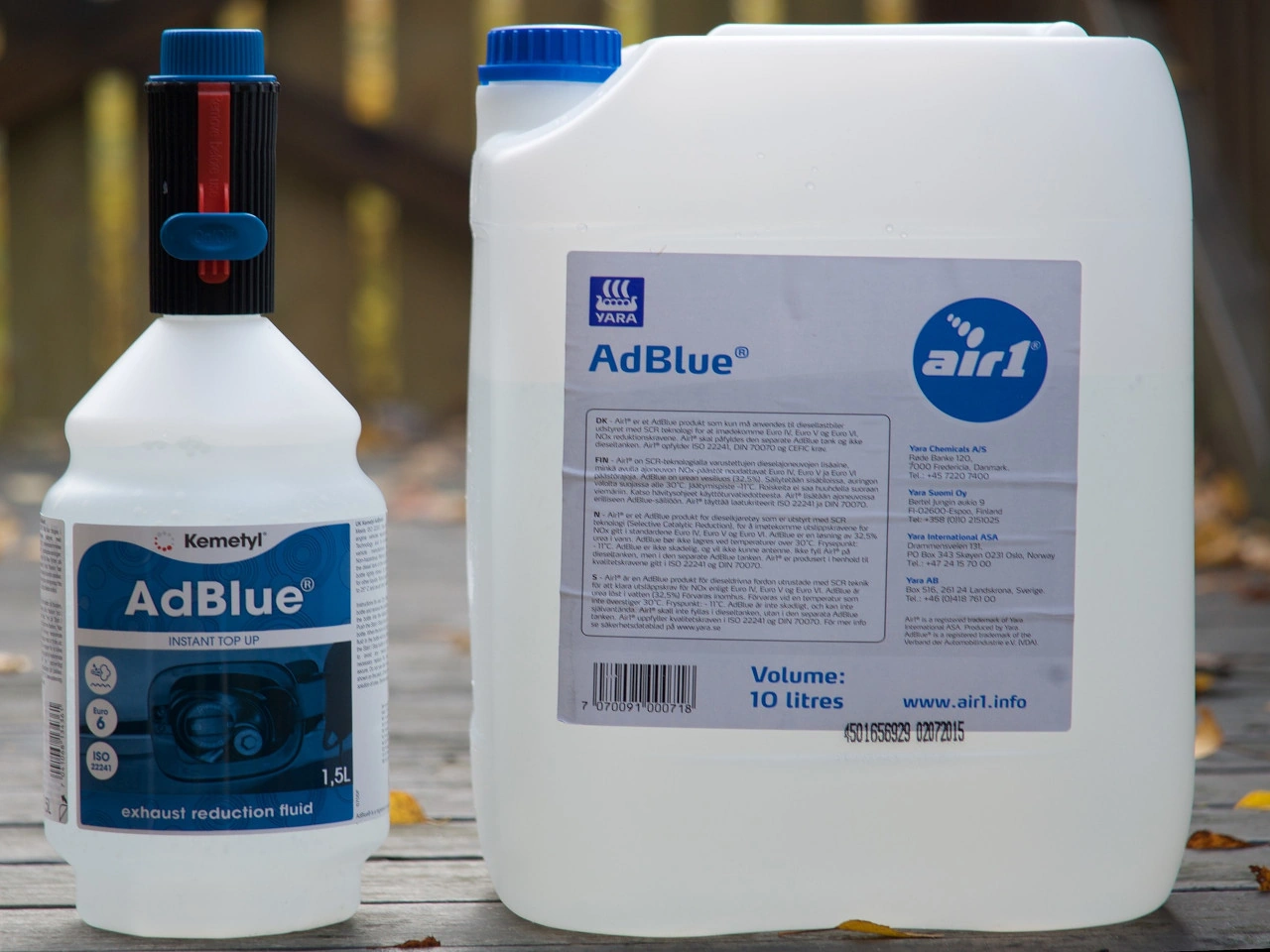
What is diesel exhaust fluid used for?
Diesel exhaust fluid is used in vehicles equipped with an SCR system. It is injected into the exhaust gases to help reduce nitrogen oxide emissions produced by the diesel engine.
Is diesel exhaust fluid the same as diesel fuel?
No. Diesel exhaust fluid is not a fuel and must never be poured into the diesel tank. Vehicles that use it have a separate DEF tank, usually identified by a dedicated filler cap.
What should you do when the DEF warning appears?
Refill the DEF tank with fluid that meets the specification required by the vehicle manufacturer. Do not ignore the warning, because some vehicles can restrict operation or prevent restarting if the DEF supply becomes empty.
90. Seguro de automóvil
El seguro de automóvil es protección financiera frente a riesgos asociados a poseer o utilizar un vehículo. Según la póliza, puede cubrir responsabilidad por lesiones o daños causados a terceros, así como daños, robo u otras pérdidas del vehículo asegurado.
La cobertura mínima legal varía entre países. Los conductores suelen poder contratar protección adicional por encima del mínimo obligatorio, como colisión, todo riesgo, robo, incendio o asistencia en carretera.

What does car insurance cover?
Coverage depends on the policy. Liability insurance generally covers injury or damage caused to other people, while optional forms of insurance may also cover damage to the insured vehicle, theft, fire or other risks.
Is car insurance compulsory?
Many countries require at least a minimum level of motor liability insurance before a vehicle may be used on public roads. The exact requirements and exemptions depend on national law.
What is the difference between liability and comprehensive insurance?
Liability insurance primarily covers damage or injury for which the insured driver is legally responsible toward others. Comprehensive or similar optional cover can also protect the insured vehicle against risks such as theft, fire, vandalism or accidental damage, depending on the policy.
91. Botiquín de primeros auxilios
Un botiquín de primeros auxilios es un conjunto de suministros médicos destinado a proporcionar atención básica inmediata tras una lesión o accidente. Un botiquín para vehículo suele contener apósitos estériles, vendas, tiritas y otros materiales básicos para heridas.
Algunos países obligan a determinados vehículos a llevarlo y otros solo lo recomiendan. Debe guardarse en un lugar accesible y revisarse regularmente para que los elementos exigidos estén completos y utilizables.

Why should a first aid kit be carried in a vehicle?
A first aid kit provides basic materials that can be used to treat injuries or control bleeding while waiting for professional medical assistance.
Is a first aid kit compulsory in every country?
No. Requirements vary between countries and vehicle types. Some countries require motorists to carry an approved first aid kit, while others only recommend having one.
Should a vehicle first aid kit be checked regularly?
Yes. Its contents should remain complete, clean and usable. Used items should be replaced, and products with expiry dates should be checked periodically.
92. Extintor
Un extintor es un dispositivo portátil de seguridad utilizado para controlar o apagar un incendio pequeño. Los extintores de vehículo están diseñados para incendios que pueden implicar materiales, combustible, equipos eléctricos u otros componentes, según el tipo.
Algunos países exigen llevarlo en determinados vehículos y otros solo lo recomiendan. Debe estar bien sujeto, accesible, ser adecuado para vehículos y mantenerse en condiciones de funcionamiento.

Why carry a fire extinguisher in a vehicle?
A fire extinguisher can help control a small fire before it spreads, provided it is safe to use. If a fire is already large or spreading rapidly, occupants should move away from the vehicle and contact the emergency services.
Is a fire extinguisher compulsory in every vehicle?
No. Requirements vary between countries and vehicle types. Some countries require extinguishers in passenger cars or particular commercial vehicles, while others only recommend carrying one.
Where should a vehicle fire extinguisher be kept?
It should be securely mounted in an accessible location and protected from damage. Drivers should also check its condition, seal and expiry or service information according to the applicable requirements.
93. Ropa de alta visibilidad
La ropa de alta visibilidad está diseñada para hacer que una persona sea más fácil de ver. Suele utilizar material fluorescente brillante combinado con bandas retrorreflectantes que devuelven la luz de los faros.
Es especialmente útil cuando un conductor o pasajero debe abandonar el vehículo después de una avería o emergencia. Los requisitos varían entre países, por lo que debe comprobarse si es obligatorio llevar o usar un chaleco reflectante.

What is high-visibility clothing?
High-visibility clothing is designed to make the wearer more noticeable to other road users. Safety vests typically combine fluorescent material for daytime visibility with retro-reflective material that becomes particularly visible when illuminated at night.
When should a high-visibility vest be worn?
It should be worn whenever leaving a vehicle in a situation where approaching traffic could present a danger, particularly after a breakdown or emergency and in conditions of poor visibility.
Is high-visibility clothing compulsory for drivers?
This depends on the country. Some countries require a reflective vest to be carried in the vehicle and worn in specified breakdown or emergency situations, while others only recommend it.
94. Primeros auxilios
Los primeros auxilios son la asistencia inmediata prestada a una persona lesionada o que enferma repentinamente antes de que llegue ayuda médica profesional. Su objetivo es preservar la vida, evitar que empeore la situación y favorecer la recuperación.
En un accidente vial comienzan asegurándose de que el lugar sea seguro, evaluando a la víctima y contactando con emergencias cuando sea necesario. La ayuda debe limitarse a acciones que la persona sepa realizar con seguridad.

What is the purpose of first aid?
First aid aims to preserve life, prevent an injury or illness from becoming worse and provide appropriate immediate care until professional medical assistance becomes available.
What should you do first when giving first aid after a road accident?
First check that it is safe to approach. Assess the casualty, contact the emergency services when necessary and provide appropriate assistance within your level of knowledge and training.
Should an injured person always be moved?
No. An injured person should generally not be moved unnecessarily because movement can worsen certain injuries. Moving the casualty may be necessary when remaining in the location creates an immediate danger, such as fire or approaching traffic.
95. Barrera escalonada de hormigón
Una barrera escalonada de hormigón es una barrera de contención con un perfil frontal escalonado o inclinado. Se utiliza a lo largo de carreteras o medianas para contener y redirigir vehículos que abandonan su trayectoria y reducir el riesgo de entrar en tráfico opuesto o alcanzar peligros laterales.
Puede construirse in situ o mediante secciones prefabricadas conectadas. Su nivel de contención, comportamiento ante impactos y movimiento permitido dependen del sistema y la instalación concretos.

What is the purpose of a concrete step barrier?
A concrete step barrier is designed to contain or redirect a vehicle that leaves its intended path. It can be used to separate opposing traffic or protect road users from dangerous areas beside the roadway.
How is a concrete step barrier different from a Jersey barrier?
Both are concrete vehicle-restraint barriers, but they use different cross-sectional profiles. A step barrier has a stepped-profile face, while a Jersey barrier uses the characteristic Jersey-shaped sloping profile. Their actual safety performance depends on the tested barrier system rather than simply on its shape.
Are concrete step barriers always permanently cast into the road?
No. Step barriers can be constructed as continuous cast-in-place barriers or as prefabricated concrete sections, depending on the particular road-restraint system and installation.
96. Barreras
Las barreras son dispositivos físicos utilizados para bloquear, restringir, guiar o separar tráfico. Pueden proteger usuarios, cerrar carreteras o carriles, controlar accesos, separar sentidos opuestos o proteger personas y zonas de trabajo.
Pueden ser permanentes o temporales e incluir puertas, barreras de brazo, hormigón, barreras móviles y otros sistemas de contención o cierre. Los conductores deben respetarlas y no atravesarlas cuando indiquen que una carretera o zona está cerrada.

What are road barriers used for?
Road barriers can close roads or lanes, control access, separate traffic streams, protect work zones and prevent vehicles from entering hazardous or restricted areas.
Can road barriers be temporary?
Yes. Temporary barriers are commonly used during roadworks, emergencies and special traffic arrangements, while permanent barriers may be installed for access control or long-term protection.
May you drive past a closed traffic barrier?
No. A closed barrier normally indicates that access is prohibited or unsafe. Drivers should stop and follow any accompanying signs, signals or instructions rather than attempting to drive around it.
97. Luces del vehículo
Las luces del vehículo son dispositivos de iluminación y señalización que ayudan al conductor a ver, hacen visible el vehículo y comunican intenciones. Incluyen luces de cruce y carretera, posición, circulación diurna, traseras, freno, intermitentes, marcha atrás, antiniebla y emergencia.
Los conductores deben utilizar las luces adecuadas a la visibilidad, tiempo y tráfico. Deben mantenerse limpias y en funcionamiento, y las que puedan deslumbrar solo utilizarse cuando esté permitido.
What are the main types of vehicle lights?
Common vehicle lights include dipped-beam and main-beam headlights, position lights, daytime running lights, rear lights, brake lights, direction indicators, reversing lights, fog lights and hazard warning lights.
When should dipped-beam headlights be used?
Dipped-beam headlights are normally used at night and whenever visibility is poor. Unlike main beams, they are designed to illuminate the road while reducing glare for other road users.
When should main-beam headlights not be used?
Main beams should be changed to dipped beams whenever they could dazzle approaching or preceding road users. The precise requirements and distances vary between countries.
98. Alumbrado público
El alumbrado público son instalaciones fijas utilizadas para iluminar carreteras, intersecciones, cruces, aceras y otras zonas públicas durante la oscuridad. Mejoran la visibilidad de la calzada, usuarios y peligros potenciales.
No sustituye la responsabilidad del conductor de utilizar las luces obligatorias ni de adaptar la velocidad a la visibilidad. Los niveles de iluminación pueden variar mucho y algunas carreteras estar parcialmente iluminadas o completamente oscuras.

What is the purpose of street lights?
Street lights improve visibility during darkness and can help road users see the road layout, intersections, pedestrians, cyclists, obstacles and other traffic more clearly.
Do you still need vehicle lights on a street with street lighting?
Usually yes. Street lighting does not normally replace the vehicle-lighting requirements that apply at night or in poor visibility. Drivers must follow the lighting rules of the country in which they are driving.
Should you use main-beam headlights on a well-lit street?
Main beam should not be used when it could dazzle other road users, and many countries require dipped beam instead on sufficiently illuminated roads. Drivers should use the appropriate lighting for the road and traffic conditions.
99. Luces de cruce
Las luces de cruce son la configuración de corto alcance de los faros de un vehículo. Iluminan la carretera por delante dirigiendo la luz hacia abajo para reducir la posibilidad de deslumbrar a conductores y otros usuarios de la vía.
Normalmente se utilizan de noche, con mala visibilidad y siempre que las luces de carretera puedan deslumbrar a otro usuario. Proporcionan menos iluminación que las luces de carretera, pero son adecuadas para la conducción normal cuando hay tráfico cerca.

What is dipped beam?
Dipped beam is the normal low-beam headlight setting. It illuminates the road in front of the vehicle while limiting glare towards approaching and preceding road users.
When should dipped beam be used?
Dipped beam is generally used during darkness, in reduced visibility and whenever main-beam headlights could dazzle another road user. Exact requirements vary between countries.
What is the difference between dipped beam and main beam?
Dipped beam directs light lower and is suitable when other traffic is present. Main beam projects light farther ahead but must be switched off when it could dazzle other road users.
100. Luces de carretera
Las luces de carretera son la configuración de los faros diseñada para iluminar la vía a gran distancia. Proporcionan una iluminación más intensa y de mayor alcance que las luces de cruce, pero pueden deslumbrar a otros usuarios si se utilizan incorrectamente.
Son especialmente útiles en carreteras oscuras cuando no hay tráfico cercano que pueda resultar deslumbrado. Los conductores deben cambiar a las luces de cruce siempre que lo exijan las condiciones del tráfico o las normas nacionales.

What is high beam used for?
High beam provides long-range illumination and can help a driver see farther ahead on dark roads where there is little or no other traffic.
When should you switch from high beam to dipped beam?
You should switch to dipped beam whenever high beam could dazzle approaching or preceding road users. Exact requirements and distances vary between countries.
Can high beam be used on a well-lit road?
Often not when the existing road lighting already provides sufficient visibility. National traffic rules may specifically require dipped beam instead in adequately illuminated areas.