


Señales de tráficoNoruega
 Normas de tráfico
 Noruega
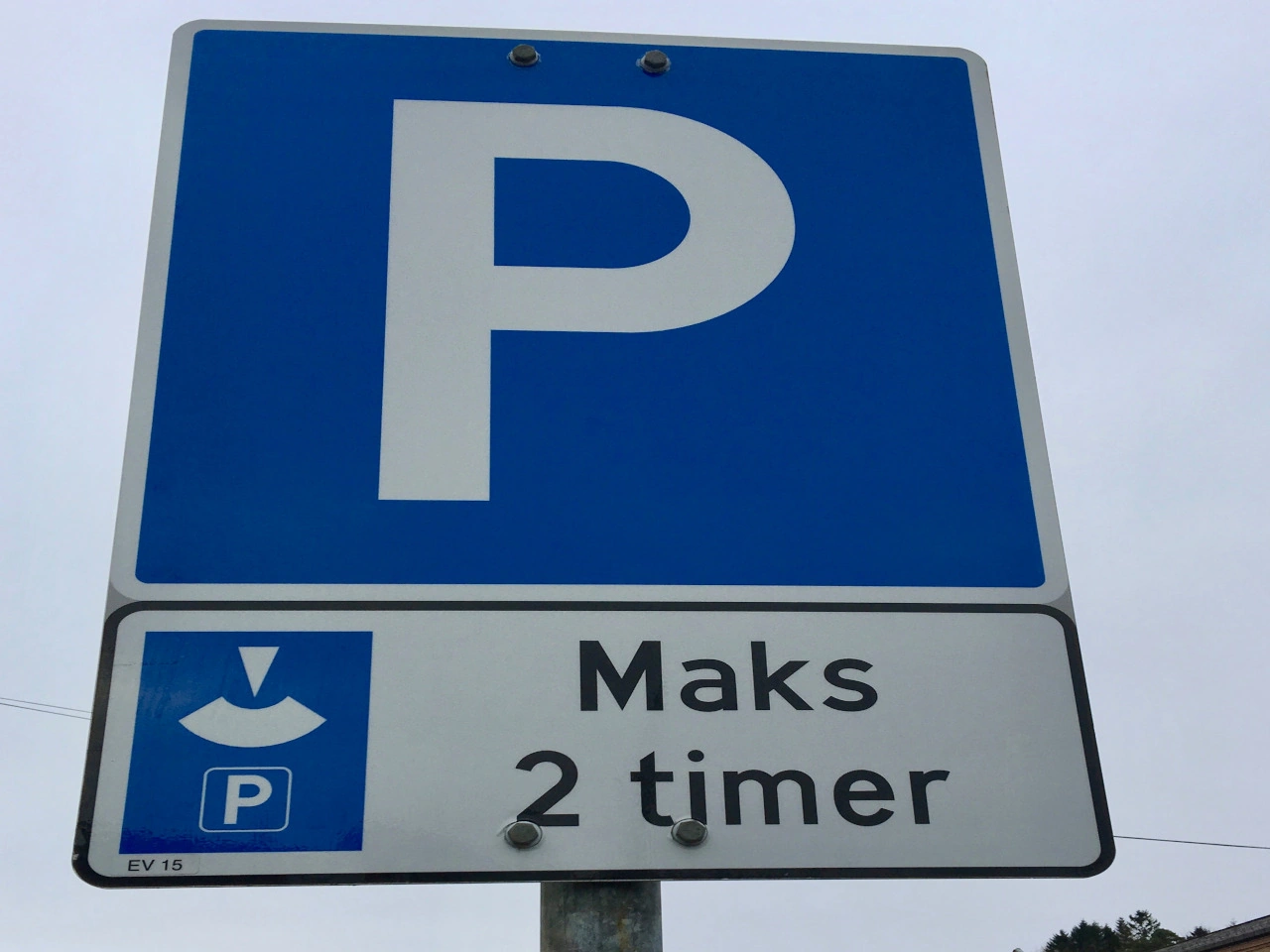
26. Disco de estacionamiento
Un disco de estacionamiento es un dispositivo utilizado para indicar la hora a la que se estacionó un vehículo en una zona con duración limitada. El conductor ajusta el disco a la hora de llegada exigida y lo muestra claramente dentro del vehículo.
Estos sistemas son habituales en zonas azules u otras áreas con tiempo limitado. La duración permitida, los horarios y la forma de ajustar el disco dependen de las normas nacionales o locales y de las señales instaladas.
What is a parking disc used for?
A parking disc shows when a vehicle arrived at a time-limited parking space. It allows parking enforcement officers to determine whether the permitted parking period has been exceeded.
Where should a parking disc be displayed?
It should normally be placed clearly visible behind the windscreen or in another position specified by local traffic rules so that the indicated time can be read from outside the vehicle.
Can you change the time on a parking disc without moving the vehicle?
Generally no where the applicable rules prohibit extending the parking period in this way. The vehicle normally has to leave the parking space before a new parking period can begin.

27. Marcha atrás
La marcha atrás consiste en conducir un vehículo hacia atrás. Se utiliza habitualmente al estacionar, salir de un espacio reducido o recolocar un vehículo cuando avanzar no es práctico.
Antes de dar marcha atrás, el conductor debe comprobar espejos y ángulos muertos, mirar cuidadosamente alrededor y asegurarse de que la zona posterior está libre. Debe hacerse lentamente y solo durante el tiempo necesario porque la visibilidad hacia atrás suele ser limitada.
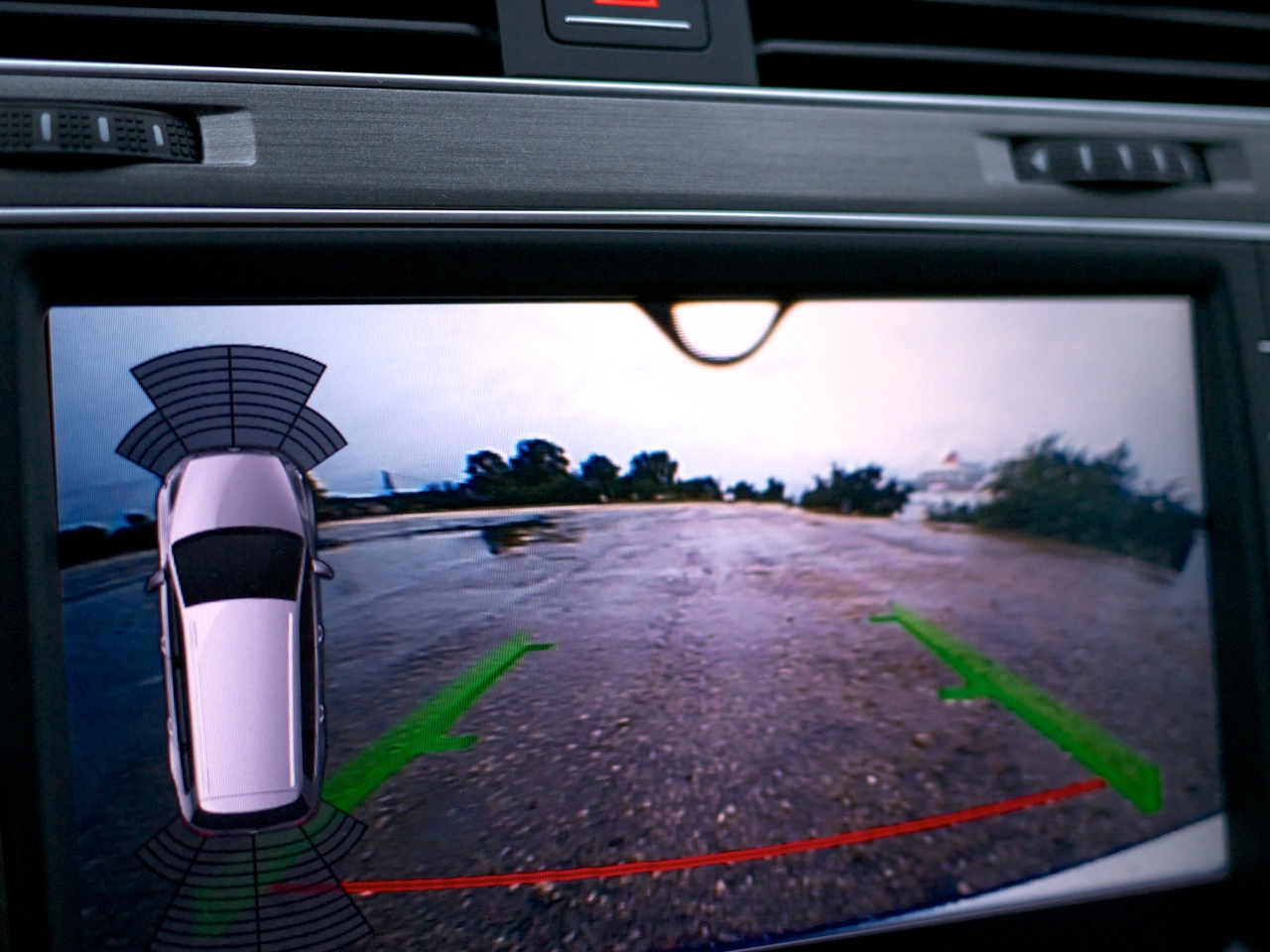
What should you check before reversing?
Check behind and around the vehicle for pedestrians, cyclists, other vehicles and obstacles. Use mirrors and cameras where available, but also look directly because monitoring systems can have blind spots.
Who has priority when a vehicle is reversing?
In many countries, reversing is treated as a manoeuvre and the reversing driver must give way to other road users. The exact legal requirements depend on national traffic rules.
Should you reverse for a long distance?
No. Reversing should normally be limited to the distance necessary to complete the manoeuvre safely. Driving forward generally provides better visibility and vehicle control.
28. Equitación
Equitación se refiere a montar a caballo y a las actividades relacionadas con caballos y jinetes. En el tráfico vial, un jinete puede utilizar carreteras, caminos ecuestres o rutas especialmente designadas, según las normas y la infraestructura disponibles.
Los conductores que se aproximen a caballos y jinetes deben reducir la velocidad, dejar espacio suficiente y evitar ruidos o movimientos bruscos que puedan asustar al animal. Los jinetes también deben respetar las normas de tráfico que les sean aplicables.
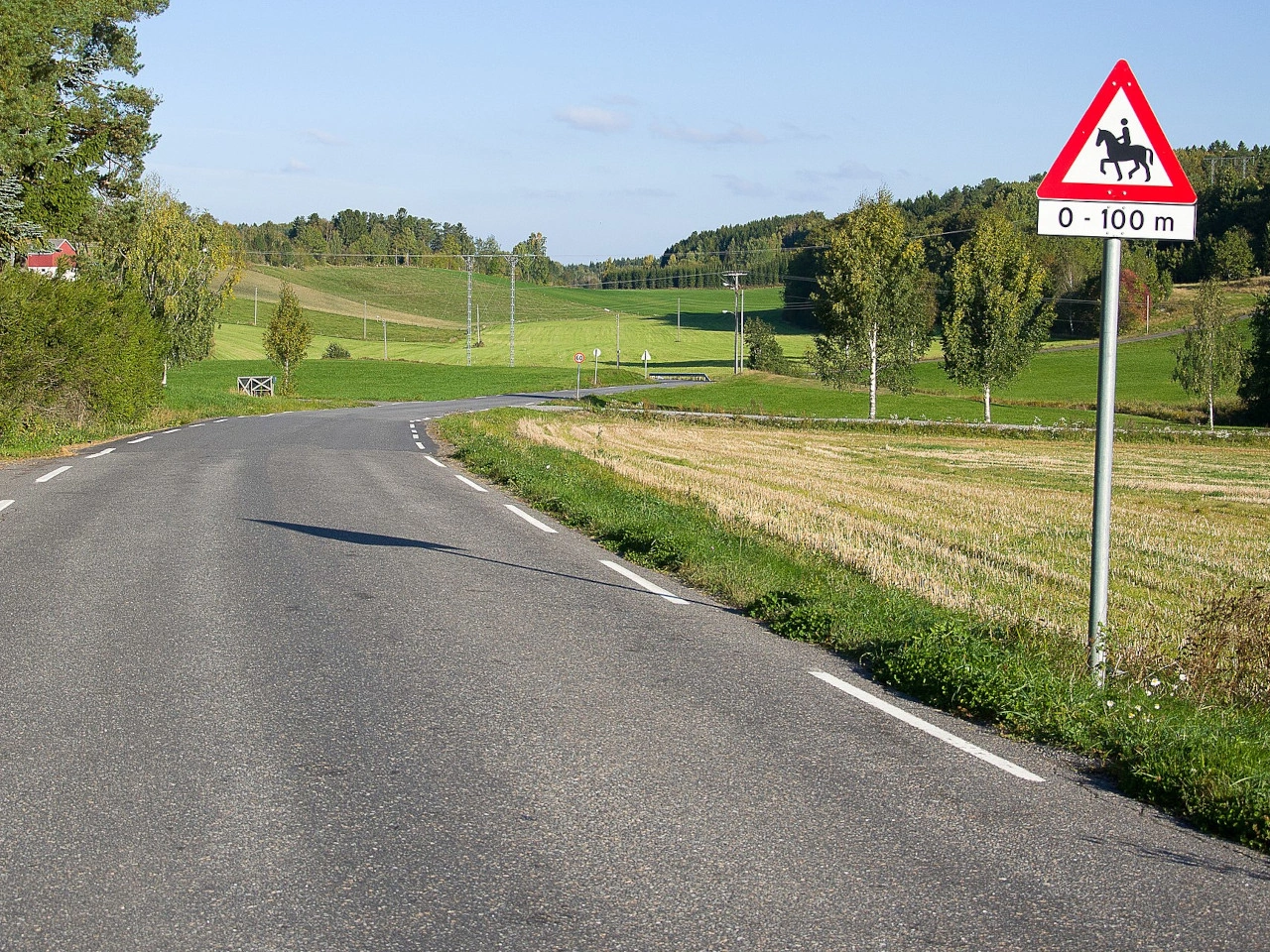
What does equestrian mean in road traffic?
Equestrian refers to horse riding and, in a traffic context, particularly to people travelling on horseback or using designated horse-riding routes.
Where can equestrians ride?
Depending on local rules, riders may use roads, bridleways, paths or routes specifically designated for horse riding.
How should drivers behave near horse riders?
Drivers should slow down, leave plenty of space and pass calmly, avoiding sudden acceleration, horn use or other actions that could frighten the horse.
29. Límite de población
Un límite de población marca la entrada o salida de una ciudad, pueblo u otra zona urbana legalmente definida. En muchos países, esta señal también determina dónde comienzan o terminan determinadas normas urbanas, como límites generales de velocidad.
Los conductores deben observar si la señal tiene efectos legales sobre velocidad, estacionamiento, uso del claxon u otras normas. El diseño y consecuencias varían entre países.
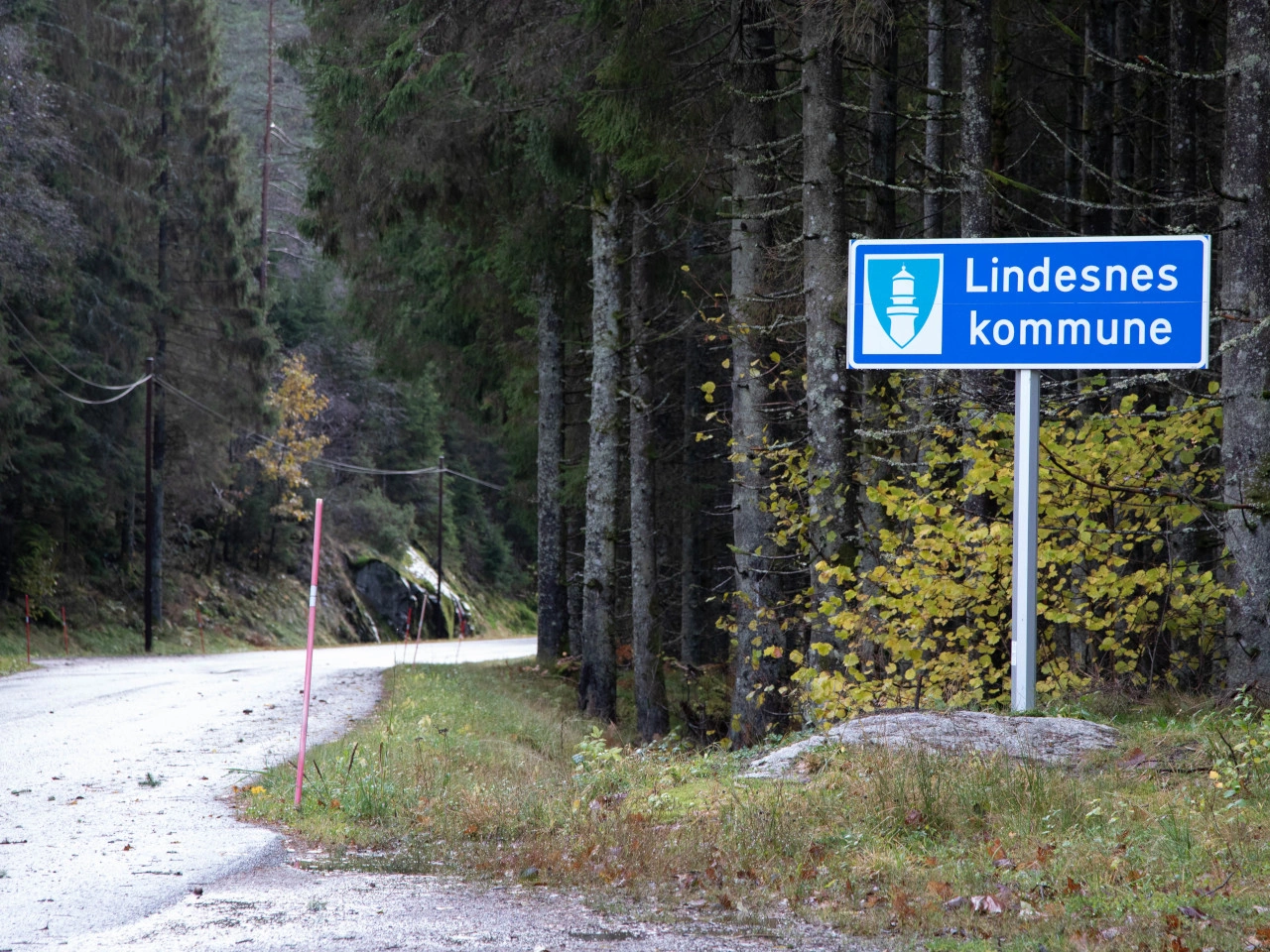
What is a city limit?
A city limit marks the boundary of a city, town, village, locality or municipality. On roads, it is often indicated by a place-name or boundary sign.
Does a city-limit sign always mark a built-up area?
No. A city-limit or locality sign may simply identify a place or administrative boundary. A legally defined built-up area can use a different sign or definition.
Does passing a city-limit sign always change the speed limit?
No. In some countries a locality or boundary sign has consequences for traffic rules, while in others it mainly identifies the place. Drivers must follow the traffic signs and rules that apply in that country.
Is a city limit the same as a municipal boundary?
Not always. Some signs indicate an administrative municipal boundary, while others identify a city, town, village or locality without exactly following the municipality's legal boundary.
What is the difference between a city limit and a built-up area?
A city limit identifies the boundary of a named place or administrative area. A built-up area is a traffic-law concept that may affect rules such as default speed limits. The two boundaries can coincide, but they do not have to.
30. Matrícula
Una matrícula, también llamada placa de matrícula, es una placa que muestra un identificador único asignado a un vehículo por la autoridad competente. Permite identificarlo para fines como matriculación, control de tráfico, impuestos, seguro y control de estacionamiento.
El aspecto, formato, ubicación y número de placas exigidas varían entre países y categorías de vehículos. Los conductores deben asegurarse de que las matrículas estén correctamente instaladas, claramente visibles y legibles y seguir las normas locales cuando una placa se pierda, sea robada, dañada o sustituida.
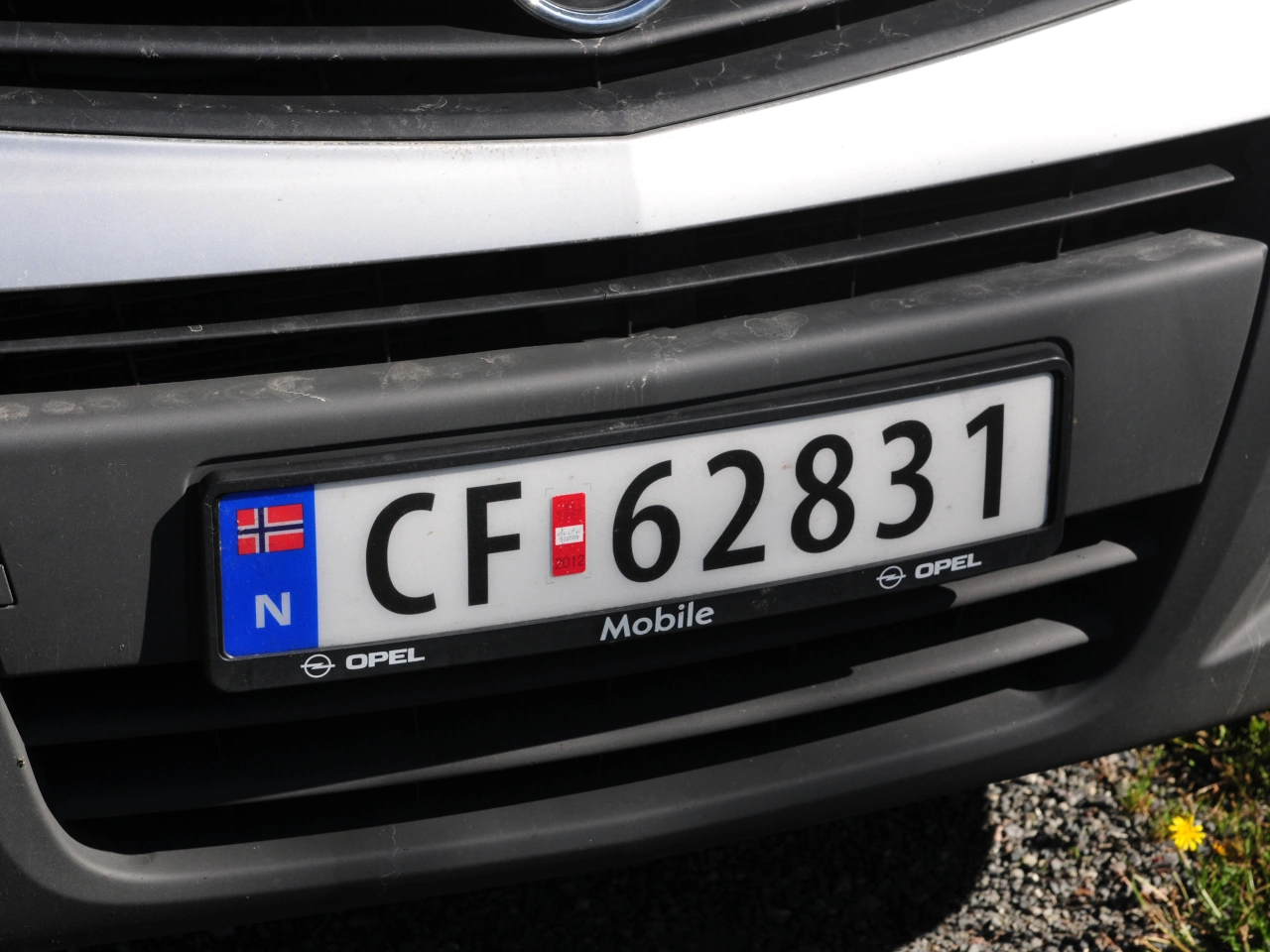
What is a licence plate?
A licence plate is a plate displaying the registration identifier assigned to a vehicle. It allows authorities and other authorised systems to identify the vehicle's registration.
Is a licence plate the same as a registration plate?
Yes. Licence plate, registration plate and number plate are different terms commonly used for the plate displaying a vehicle's official registration number.
Does every vehicle need a licence plate?
Most motor vehicles used on public roads must display one or more registration plates, but requirements differ for motorcycles, trailers, agricultural vehicles and other special vehicle categories.
Do vehicles need both front and rear licence plates?
This depends on the country and vehicle type. Cars commonly require front and rear plates, while motorcycles and certain other vehicles may require only a rear plate.
Must a licence plate remain visible?
Yes. A required registration plate must normally remain clearly visible and readable. It should not be hidden by luggage, dirt, accessories or other objects.
Can you modify a licence plate?
Generally no. Changing the characters, colours, dimensions or appearance of an official plate may make it invalid or illegal. Plates and authorised reproductions must comply with local specifications.
What should you do if a licence plate is lost or stolen?
Follow the local reporting and replacement procedure. Many countries require the loss or theft to be reported to the police or vehicle-registration authority before a replacement plate can be issued.
Can you drive with a damaged licence plate?
A plate must remain legible and compliant with local requirements. If damage prevents it from being read or makes it invalid, it should be replaced according to the local registration procedure.
Can a licence plate be personalised?
Some countries allow motorists to request a personalised registration combination. The available characters, formats and prohibited combinations are determined by the registration authority.
Does a licence plate stay with the vehicle when it is sold?
This varies between countries. In some systems the plate remains with the vehicle, while in others it remains associated with the registered holder and may be retained or returned when the vehicle is sold.
31. Estación de carga
Una estación de carga es un lugar equipado con uno o más puntos donde la batería de un vehículo eléctrico o híbrido enchufable puede conectarse a una fuente de electricidad y recargarse. Puede estar situada junto a vías públicas, en aparcamientos, áreas de servicio o propiedades privadas.
Las plazas de carga pueden estar reservadas a vehículos que estén cargando y sujetas a restricciones de estacionamiento, límites de tiempo, pago u otras condiciones. Los conductores deben respetar las señales, normas de estacionamiento e instrucciones de carga aplicables.
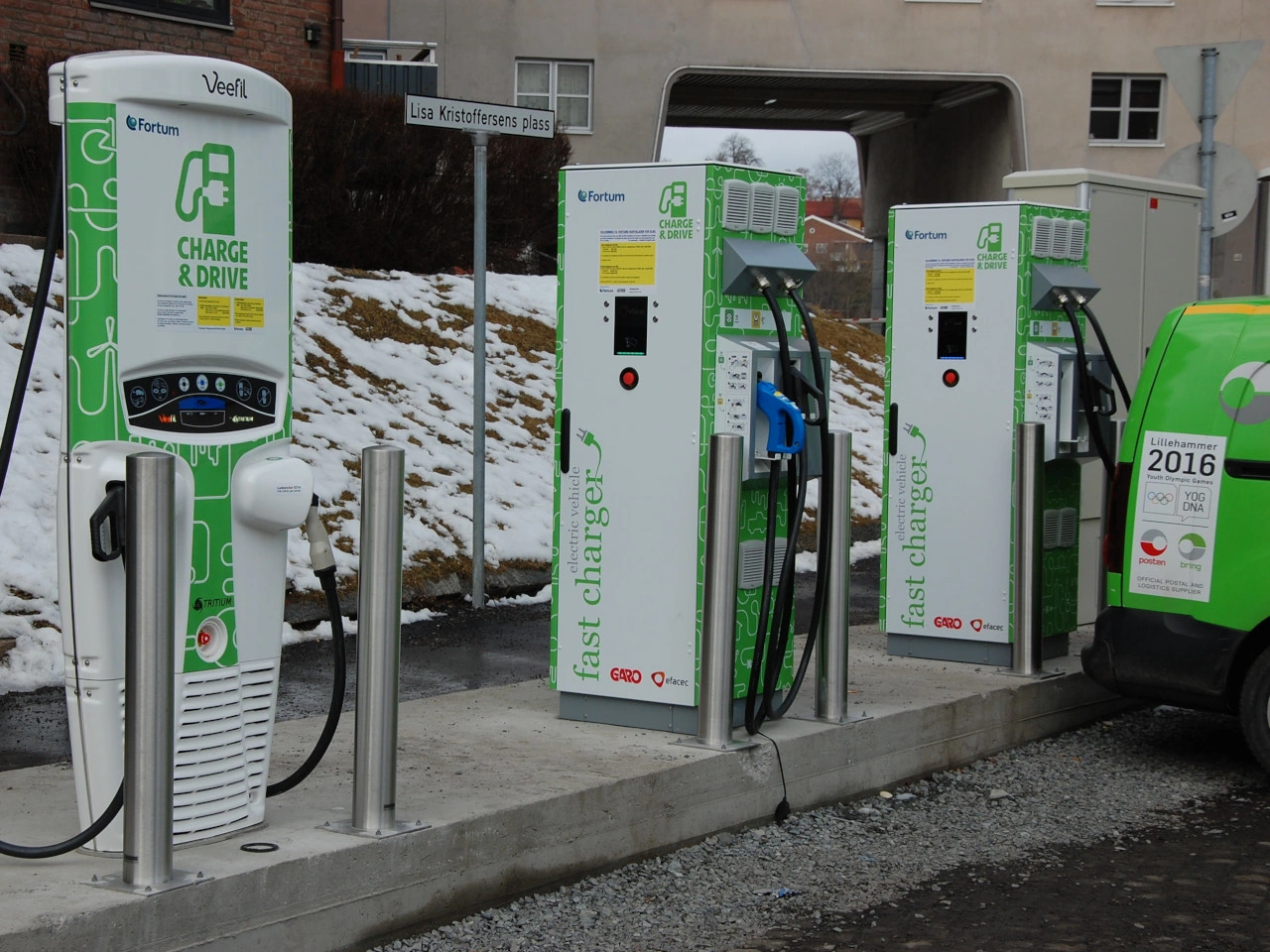
What is a charging station?
A charging station is a location where electric vehicles can be connected to an electricity supply to recharge their batteries. A station may contain one or several individual charging points.
Who can use an electric-vehicle charging station?
Charging stations are intended for vehicles that can be externally charged, such as battery-electric vehicles and plug-in hybrid vehicles. The exact vehicle categories permitted may be indicated by local signs or operator conditions.
Is a charging space an ordinary parking space?
Not necessarily. A space beside a charger may be reserved for electric vehicles or vehicles that are charging. Drivers must check the signs and markings before parking there.
Can a petrol or diesel vehicle park at a charging station?
Not where the parking space is officially reserved for electric vehicles. An ordinary parking space located near a charger may be different, so the applicable signs and markings determine who may park there.
Can an electric vehicle park at a charging point without charging?
This depends on the local traffic and parking rules. Many charging spaces require the vehicle to be connected to the charger, even if the vehicle itself is electric.
Do you have to pay to use a charging station?
Charging may be free or subject to payment. The price and payment method are determined by the charging operator, while separate parking charges may also apply.
Can a charging station have a maximum parking time?
Yes. Traffic signs, parking regulations or charging conditions may establish a maximum duration to encourage drivers to move their vehicles and make the charger available to others.
Must you move the vehicle when charging is finished?
Follow the local parking rules and charging conditions. Some locations require vehicles to leave after charging or impose additional fees or time limits when the charging session has ended.
Does using a charger override ordinary parking restrictions?
No. A charging station does not allow a driver to ignore no-parking rules, reserved spaces, time limits or other traffic regulations. The vehicle must still be legally parked.
Are all charging stations equally fast?
No. Charging stations can provide different charging powers. Some are intended for longer parking periods, while high-power chargers can recharge compatible vehicles much more quickly.
32. Peligros
Una señal de peligro general advierte de un riesgo próximo que no está representado por una señal de advertencia más específica. El peligro concreto puede explicarse mediante un panel complementario, texto, símbolo u otra indicación situada junto a la señal.
Los conductores deben aumentar la atención, observar la carretera por delante y adaptar la velocidad a la naturaleza del peligro y a las condiciones del entorno. El aspecto exacto y la forma de identificar el peligro varían entre países, por lo que deben respetarse las señales y normas de tráfico locales.
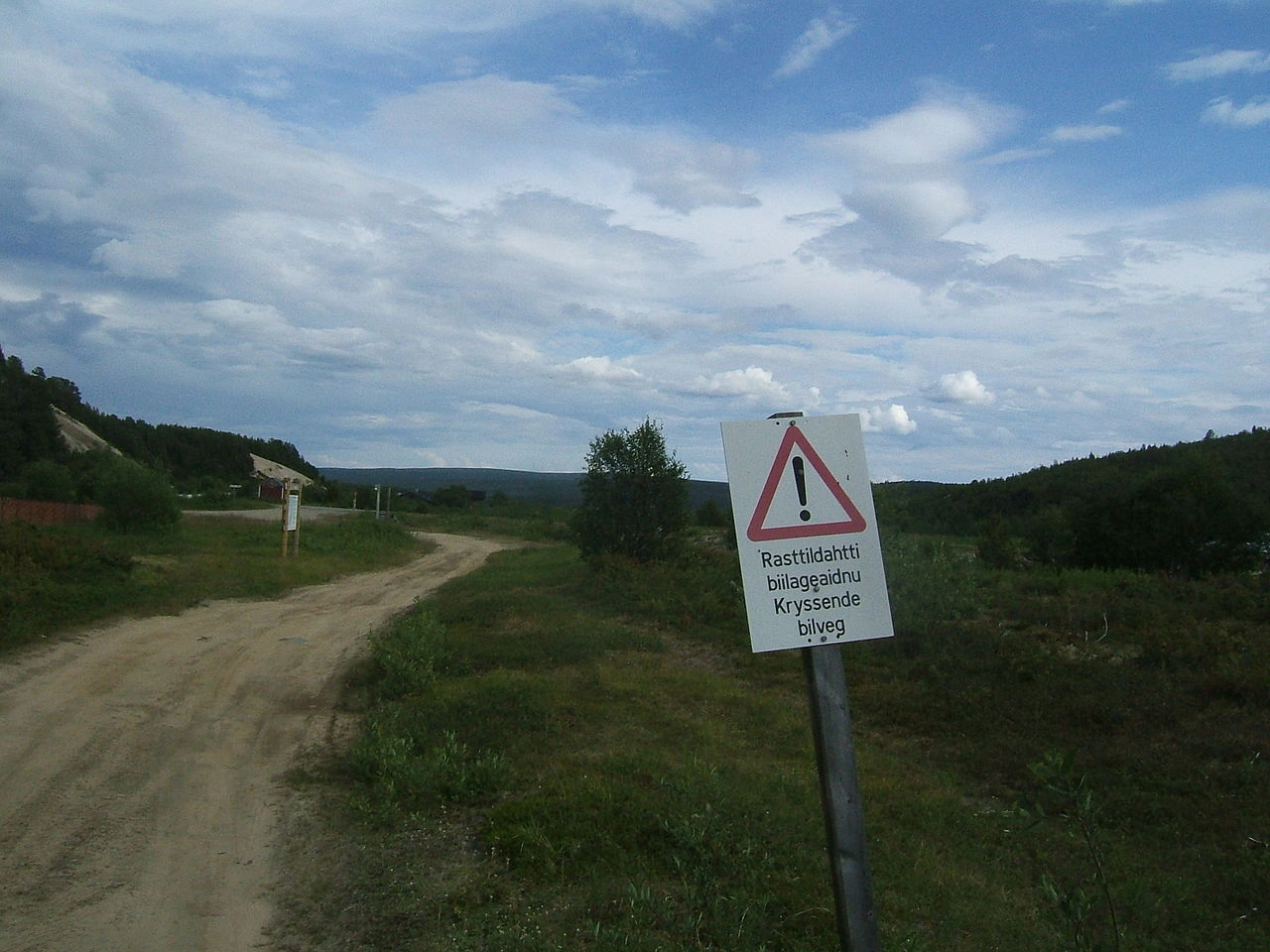
What does a general danger warning sign mean?
A general danger warning sign indicates that there is a hazard ahead that is not represented by a more specific warning sign in the local traffic-sign system.
What kind of danger can the sign indicate?
It can be used for unusual or uncommon hazards for which no dedicated warning symbol exists. The nature of the danger may be explained by an additional panel, symbol or message.
How can you know what the danger is?
Look for a supplementary panel, text or symbol accompanying the warning sign. It may describe the hazard or provide information needed to understand the warning.
What should you do when you see a general danger warning sign?
Increase your attention, observe the road and surroundings carefully and adapt your speed where necessary so that you can respond safely to the hazard.
Does the sign impose a specific speed limit?
Not normally. A warning sign alerts road users to danger rather than establishing a numerical speed limit. A separate speed-limit sign may be provided where a specific maximum speed is required.
Why is a general warning sign used instead of a specific warning sign?
It is used when the traffic-sign system does not contain a specific symbol that accurately represents the particular hazard.
Can the danger be temporary?
Yes. A general warning sign may be used for either a temporary or continuing hazard, depending on local signing rules and the circumstances.
Can a supplementary panel indicate the distance to the danger?
Yes. Depending on the country's traffic-sign system, an additional panel may indicate the distance to the hazard, the length of the dangerous section or other useful information.
Does a general danger sign give anyone priority?
No. A danger warning sign does not by itself change the priority rules. Drivers must continue to follow traffic lights, priority signs and the normal right-of-way rules.
Does the warning end immediately after the sign?
Not necessarily. The sign normally warns of a hazard ahead of the sign, and the dangerous situation may extend over a section of road. Supplementary information may indicate its location or length.
33. Camión
Un camión es un vehículo de motor diseñado principalmente para transportar mercancías o cargas. Puede ir desde vehículos ligeros de reparto hasta vehículos pesados articulados con remolques o semirremolques.
Los camiones suelen tener mayor masa, dimensiones, distancia de frenado y ángulos muertos que los turismos. Pueden estar sujetos a límites de velocidad, restricciones de acceso, tiempos de conducción, peajes y normas de carga específicos.
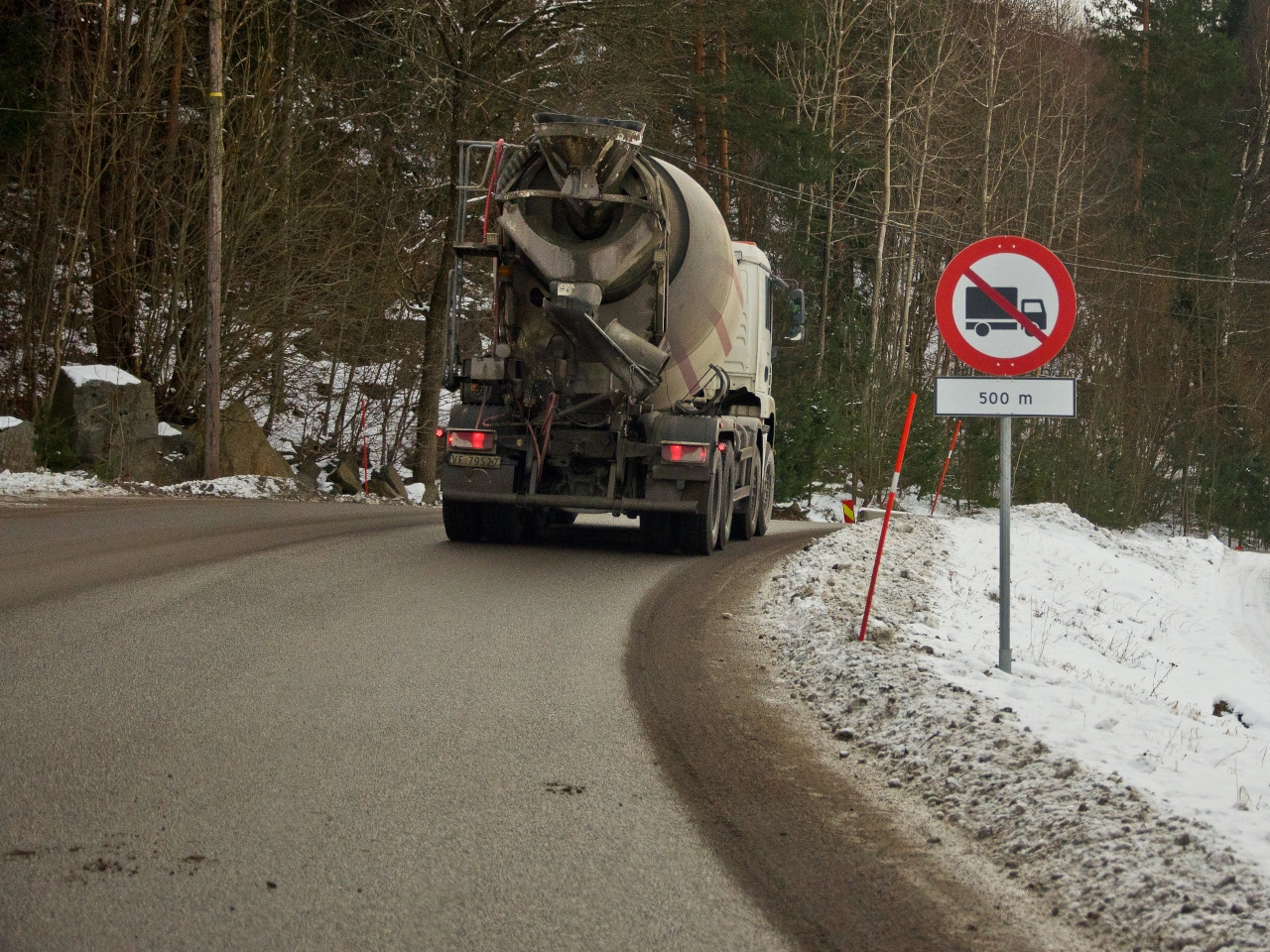
What is a truck?
A truck is a motor vehicle designed primarily for transporting goods.
Are all trucks considered heavy goods vehicles?
No. Trucks can include lighter goods vehicles as well as heavy trucks. Traffic laws often apply different rules according to the vehicle's maximum authorised mass.
Why should other road users take extra care around trucks?
Trucks may have larger blind spots, longer stopping distances and wider turning paths than smaller vehicles, so other road users should avoid remaining unnecessarily close beside or in front of them.
34. Autobús
Un autobús es un vehículo a motor diseñado para transportar a varios pasajeros, normalmente por carretera como parte del transporte público, escolar, privado u otro servicio de pasajeros. Los autobuses suelen tener mayor capacidad que los turismos y pueden estar diseñados para pasajeros sentados, de pie o ambos.
Pueden aplicarse normas especiales sobre permiso de conducir, capacidad de pasajeros, límites de velocidad, cinturones, carriles bus, paradas y subida de pasajeros. La clasificación legal de autobuses y autocares y las normas aplicables varían entre países, por lo que conductores y pasajeros deben seguir las normas locales de tráfico.
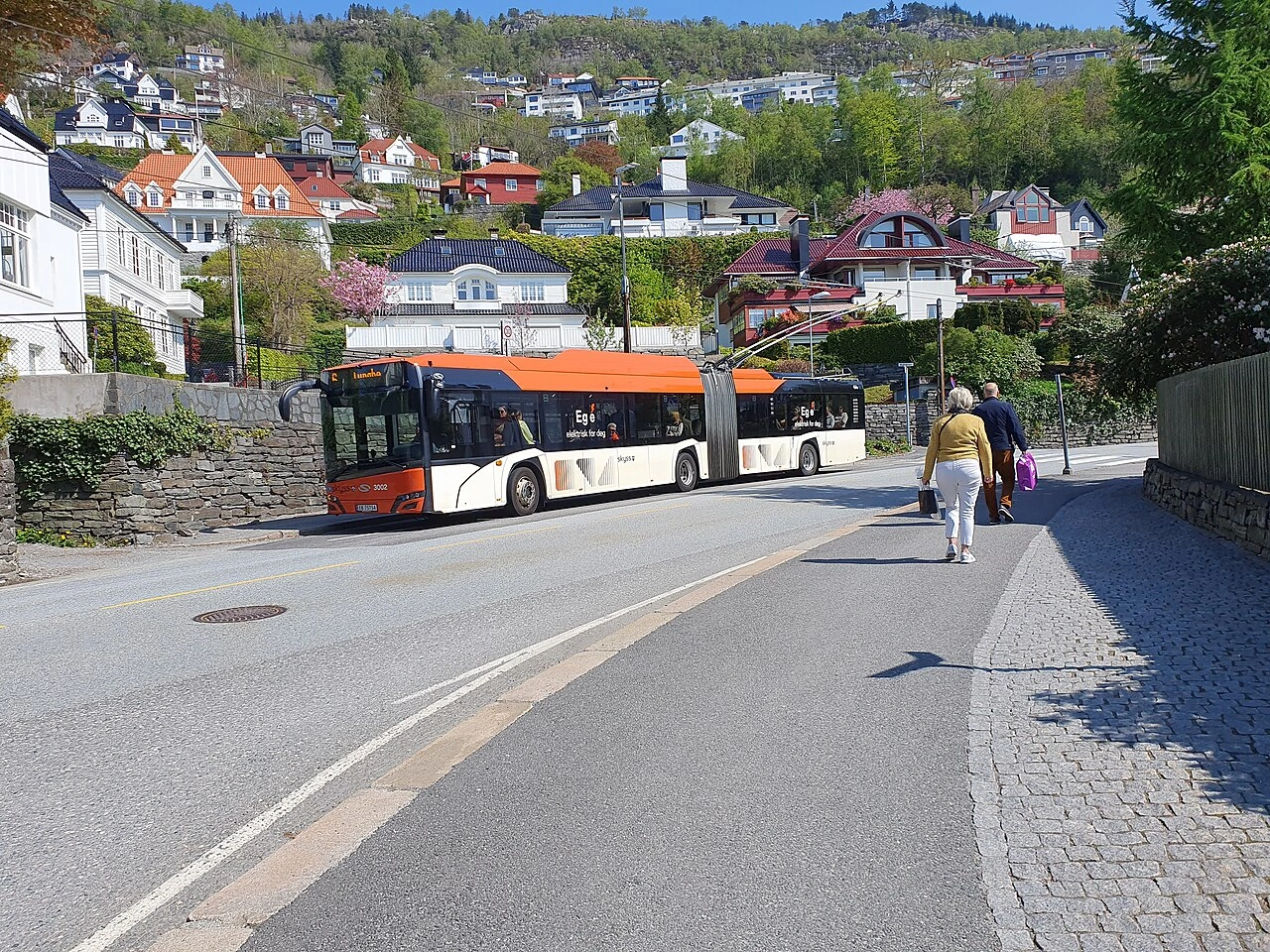
What is a bus?
A bus is a motor vehicle designed to transport a relatively large number of passengers. It may be used for public transport, school transport, private services or other passenger transport.
What is the difference between a bus and a coach?
A bus is commonly designed for frequent passenger boarding and may allow standing passengers, while a coach is generally designed for longer journeys with passengers seated. Exact legal definitions vary between countries.
Do you need a special driving licence to drive a bus?
Yes. Driving a vehicle designed to carry more than a specified number of passengers normally requires a dedicated bus or passenger-vehicle driving licence.
Can passengers stand on a bus?
Only when the vehicle is designed and approved to carry standing passengers. Coaches and other vehicles designed exclusively for seated passengers must not be used beyond their approved passenger configuration.
Must bus passengers wear seat belts?
Where seat belts are provided and local law requires their use, passengers must wear them correctly. Urban buses designed for standing passengers may have seating positions or operating conditions that differ from coaches.
Can buses use bus lanes?
Yes, where permitted. Bus lanes are commonly reserved for public transport buses, although local signs may also allow taxis, bicycles or other specified vehicles to use them.
Do buses always have priority when leaving a bus stop?
No. Some countries require other drivers to give way to buses leaving designated stops, particularly in urban areas, while others apply the normal merging rules.
Should you take extra care near a stopped bus?
Yes. Passengers may be boarding, leaving or crossing the road near the bus. Reduce speed where necessary and watch carefully for pedestrians emerging from behind or in front of the vehicle.
Do buses have special speed limits?
They can. Some countries impose lower maximum speeds on buses than on passenger cars, particularly on high-speed roads. Different limits may apply to buses and coaches.
Can a bus use a motorway?
Yes, normally. Buses that satisfy the applicable construction and access requirements may use motorways, but they must obey any vehicle-specific speed limits, lane restrictions and other local rules.
35. Policía
La policía es la autoridad pública responsable de hacer cumplir las leyes, mantener la seguridad pública y gestionar situaciones que pueden afectar al tráfico. En la circulación, los agentes pueden controlar vehículos, hacer cumplir las normas, investigar colisiones, dirigir el tráfico y responder a emergencias.
Los usuarios deben obedecer las instrucciones legales de los agentes u otro personal autorizado de control. Las indicaciones policiales pueden prevalecer temporalmente sobre semáforos, señales o la organización normal del tráfico, según la legislación local.
What is the role of police in road traffic?
Police help enforce traffic laws, manage traffic, investigate collisions and respond to dangerous situations. They may also carry out roadside checks and direct road users.
Must you obey a police officer directing traffic?
Yes. Lawful directions given by an authorised police officer must be followed. In many countries, those directions take precedence over traffic lights, road signs and normal priority rules.
What should you do if police signal you to stop?
Slow down, follow the officer's directions and stop at a safe location as instructed. Do not make sudden movements or continue driving unless directed to do so.
Can police direct you through a red traffic light?
Yes, where authorised by local law. A police officer controlling traffic may instruct road users to proceed even when a traffic light or sign would normally require them to stop.
Can police check your driving documents?
Yes. Police may require drivers to provide documents such as a driving licence, vehicle registration, identification or proof of insurance according to local law.
Can police carry out alcohol or drug checks?
Yes. Traffic police may conduct legally authorised alcohol and drug checks using procedures such as breath, saliva or other approved tests.
Can police temporarily close a road?
Yes. Roads or lanes may be temporarily closed or traffic diverted because of collisions, emergencies, investigations, public events or other safety concerns.
What should you do near police controlling an accident scene?
Reduce speed, remain alert and follow all directions. Do not enter a closed area or interfere with emergency personnel, and leave sufficient space for emergency vehicles.
What should you do when a police vehicle approaches with emergency signals?
Follow the local rules for priority vehicles. Drivers generally have to make sufficient space, give way and stop where necessary so that the emergency vehicle can pass safely.
Can police order a parked vehicle to be moved?
Yes, where local law permits it. Police or another authorised authority may require a vehicle to be moved when it obstructs traffic, creates danger or must be removed for operational reasons.
36. Ambulancia
Una ambulancia es un vehículo equipado y utilizado para prestar asistencia médica de emergencia o transportar pacientes hasta o entre centros sanitarios. Puede llevar material médico y personal formado capaz de proporcionar tratamiento durante el transporte.
Durante una respuesta de emergencia, puede utilizar luces de emergencia y sirena y recibir prioridad especial o exenciones de determinadas normas. Los demás usuarios deben seguir las reglas locales para vehículos de emergencia, dejar espacio suficiente y evitar obstaculizar su paso.
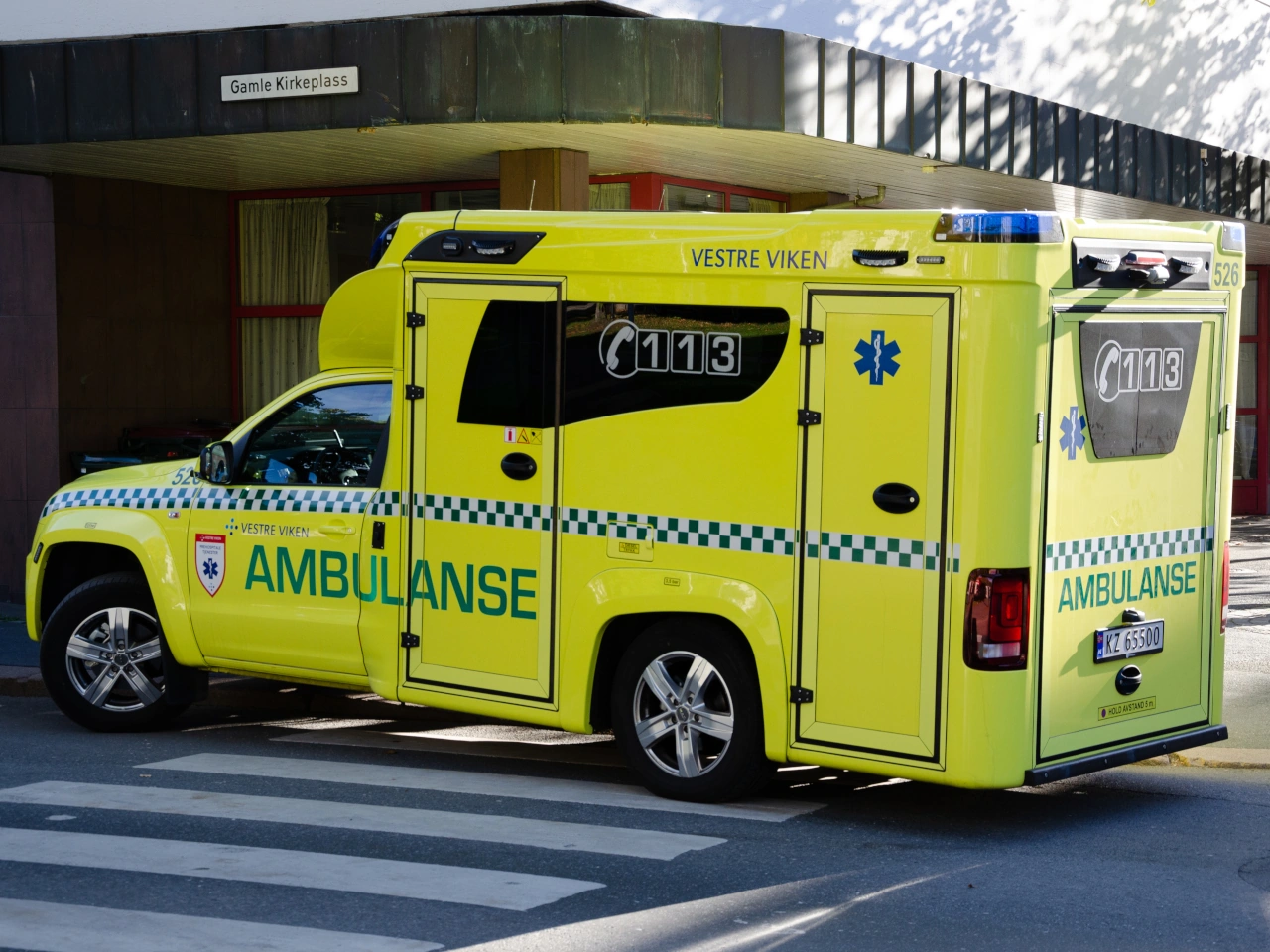
What is an ambulance?
An ambulance is a specially equipped vehicle used to provide emergency medical assistance and transport sick or injured people.
When does an ambulance have priority?
This depends on the local traffic rules and warning signals being used. Ambulances responding to emergencies commonly use flashing lights and a siren to indicate that other road users must make way.
What should you do when an ambulance approaches?
Remain calm and make sufficient space for it to pass. Slow down or stop where necessary, but avoid sudden or dangerous manoeuvres.
Should you stop immediately when you hear an ambulance siren?
Not necessarily in your exact position. Move or stop in a way that creates a safe passage without blocking an intersection, pedestrian crossing or another part of the road needed by the ambulance.
Can an ambulance pass a red traffic light?
Emergency vehicles may be allowed to pass a red light during an urgent response under special legal conditions. The precise rules differ between countries, and the ambulance driver must still take appropriate precautions.
Can an ambulance exceed the speed limit?
Many countries permit emergency vehicles to depart from certain normal speed rules during an urgent mission, subject to safety requirements and national legislation.
Can an ambulance drive through a traffic queue?
Yes, when responding to an emergency and legally permitted to do so. Other road users should create space and keep emergency corridors or access routes clear where required.
Can you follow an ambulance through traffic?
You should not use the passage created for an ambulance as a way to bypass congestion. Maintain a safe distance and continue to obey the normal traffic rules.
Do ambulances always use their sirens?
No. The use of warning lights and sirens depends on the urgency of the mission and local regulations. An ambulance transporting a patient does not necessarily need to use emergency signals throughout the journey.
What should you do near a stationary ambulance?
Reduce speed and remain alert. Medical personnel, patients or other emergency workers may be entering the road, and the ambulance may need to move unexpectedly.
37. Taxi
Un taxi es un vehículo autorizado para transportar pasajeros a cambio de una tarifa. Puede recogerse en la calle, en una parada, reservarse por teléfono o mediante una aplicación, según el sistema local.
Los taxis pueden estar sujetos a licencias, tarifas, distintivos, zonas de parada y normas de acceso especiales. Algunos carriles o zonas restringidas pueden permitir taxis cuando otros vehículos no están autorizados.
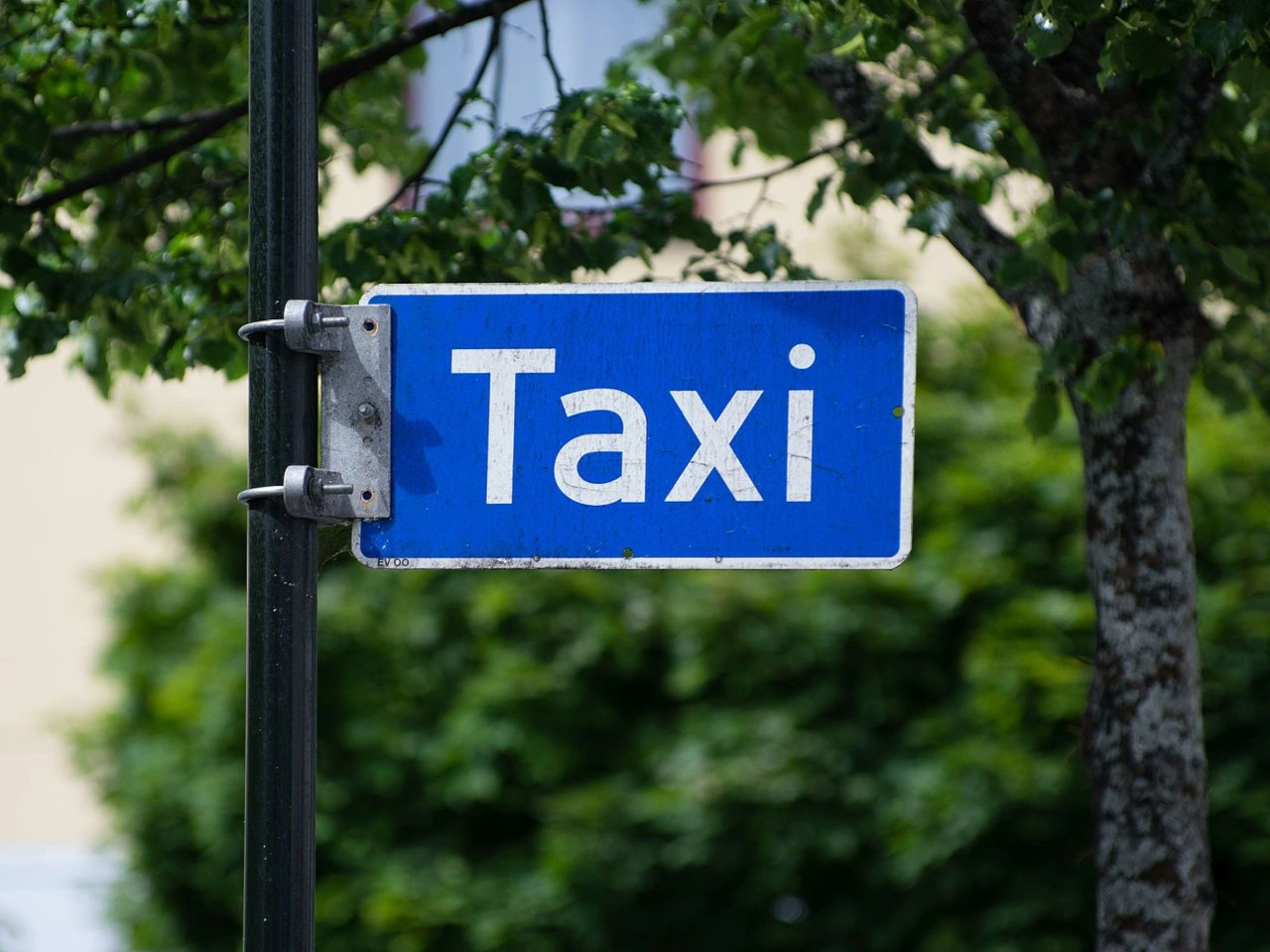
What is a taxi?
A taxi is a vehicle used to transport passengers for payment, normally providing journeys requested by individual customers.
Where can passengers find a taxi?
Depending on the local system, taxis may be available at taxi stands, airports, railway stations, on the street or through telephone and app-based booking services.
Are taxis regulated?
Yes. Taxi services are generally subject to licensing and operating requirements, although the exact rules concerning vehicles, drivers, fares and permitted operating areas vary between jurisdictions.
38. Norma europea de emisiones
Una norma europea de emisiones, comúnmente llamada norma Euro, es una clasificación europea de vehículos basada en límites para los contaminantes emitidos por vehículos y motores. Normas sucesivas como Euro 4, Euro 5 y Euro 6 introdujeron requisitos progresivamente más estrictos para contaminantes como óxidos de nitrógeno, partículas, monóxido de carbono e hidrocarburos.
La norma Euro de un vehículo se determina como parte de su homologación de tipo y depende de factores como categoría, combustible y legislación de emisiones aplicable cuando fue homologado. Las normas Euro también pueden utilizarse para determinar el acceso a zonas de bajas emisiones, pero las reglas locales varían entre países y ciudades.

What is a European emission standard?
A European emission standard, or Euro standard, classifies vehicles according to the emissions requirements they had to satisfy when approved for use in the European market.
What do Euro 4, Euro 5 and Euro 6 mean?
They are successive generations of European emission requirements. In general, a higher Euro number represents a newer and stricter emissions standard, although the exact limits differ according to vehicle and fuel type.
Which pollutants do Euro standards regulate?
Depending on the vehicle and standard, limits apply to pollutants such as nitrogen oxides, particulate matter, carbon monoxide and hydrocarbons. Newer standards also regulate additional environmental aspects.
Is the Euro standard the same as a vehicle's CO2 emissions?
No. Euro standards primarily regulate harmful air pollutants from vehicles. Carbon-dioxide emissions and fuel or energy consumption are subject to separate measurements and regulatory requirements.
How can you find a vehicle's Euro standard?
The Euro standard may appear on the vehicle registration certificate, certificate of conformity or other official vehicle documentation. Its location and format vary between countries.
Does the year of a vehicle determine its Euro standard?
The date of first registration can provide an indication, but it does not always determine the standard with certainty. The official vehicle documents or type-approval information provide the more reliable classification.
Can petrol and diesel vehicles with the same Euro number have different emission limits?
Yes. The applicable emission limits and testing requirements can differ according to the vehicle category, engine and fuel type even when vehicles belong to the same general Euro generation.
Can the Euro standard affect access to a low-emission zone?
Yes. Many low-emission zones use the vehicle's Euro standard together with factors such as fuel type and vehicle category to determine whether it may enter.
Does installing a particulate filter automatically change the Euro standard?
Not normally. The official Euro standard is linked to the vehicle's approved emissions classification. Retrofitting emission-control equipment does not necessarily result in a different official Euro classification.
What is Euro 7?
Euro 7 is the latest European emissions framework for road vehicles. It builds on earlier Euro standards and also introduces requirements covering areas such as non-exhaust particle emissions and battery durability.
39. Bache
Un bache es un agujero o depresión en la superficie causado por desgaste, meteorología, agua, cargas repetidas o deterioro del pavimento. Puede variar mucho en tamaño y profundidad y desarrollarse gradualmente o empeorar tras heladas, lluvias intensas o tráfico repetido.
Los baches pueden afectar a dirección, frenada y estabilidad y dañar neumáticos, llantas o suspensión. Los conductores y motoristas deben observar la carretera, adaptar la velocidad y evitar maniobras bruscas o peligrosas.

What is a pothole?
A pothole is a hole or depression that develops in a road surface when the pavement becomes damaged or deteriorates.
How do potholes form?
Potholes can develop through a combination of water, temperature changes, traffic loads and deterioration of the road material. Cracks can gradually expand until pieces of the surface break away.
Why are potholes dangerous?
A pothole can cause a vehicle to change direction suddenly, lose stability or suffer tyre, wheel or suspension damage. Deep potholes can present a particularly serious hazard at higher speeds.
What should you do when you see a pothole?
Reduce speed when necessary, maintain control of the vehicle and avoid abrupt steering or braking. Only move around the pothole when this can be done safely without endangering other road users.
Should you brake while driving through a pothole?
If possible, reduce your speed before reaching the pothole. Sudden heavy braking or steering while passing over a damaged surface can make the vehicle less stable.
Are potholes particularly dangerous for motorcycles?
Yes. A pothole can disturb the steering or balance of a motorcycle and may cause the rider to lose control.
Are potholes dangerous for cyclists?
Yes. Bicycle wheels can be strongly affected by deep holes or sharp edges, particularly when the cyclist has little time or space to avoid the hazard.
Can a pothole damage a car?
Yes. Severe impacts can damage tyres, wheel rims, suspension components, steering parts or wheel alignment.
Should you swerve suddenly to avoid a pothole?
No. A sudden evasive movement may create a greater danger by bringing the vehicle into conflict with cyclists, pedestrians, oncoming traffic or vehicles in another lane.
Can a warning sign indicate potholes ahead?
Yes. Depending on the country's traffic-sign system, an uneven-road or general-danger warning sign may be used where poor road conditions create a significant hazard.
40. Camino
Un camino es una ruta relativamente estrecha destinada a peatones y, cuando esté permitido, a otros usuarios o vehículos pequeños. Los caminos pueden atravesar zonas urbanas, campo, parques, bosques o conectar otras carreteras, y pueden estar pavimentados o no.
Un camino no es necesariamente lo mismo que una acera o vía ciclista. Los usuarios que pueden utilizarlo dependen de su estatus legal, anchura, señales de tráfico y normas locales.

What is a path?
A path is a relatively narrow route intended primarily for pedestrians and, where permitted, other road users or small vehicles.
Is a path the same as a footpath?
Not necessarily. A footpath is specifically intended for pedestrians, while a path may also permit cyclists or other users according to local rules.
Is a path the same as a cycle path?
No. A cycle path is specifically designated for bicycles and other permitted users. An ordinary path does not automatically have that legal status.
Can cyclists use a path?
This depends on the legal status, width and signs applying to the path. Some paths permit cyclists, while others are reserved for pedestrians or particular users.
Can motor vehicles use a path?
This depends on local law. Some paths prohibit motor vehicles entirely, while narrow vehicles may be permitted on other paths unless traffic signs restrict access.
Can a path be part of the public-road network?
Yes. A narrow path can legally form part of the public-road network even when it is unsuitable for ordinary cars.
Does a path need to be paved?
No. Paths can be paved, gravelled, compacted or unsurfaced depending on their location and purpose.
Can traffic signs restrict access to a path?
Yes. Signs can reserve a path for particular road users or prohibit certain vehicles, regardless of whether they could physically fit on it.
Who has priority when a path joins a larger road?
The applicable local priority rules determine who must give way. Special rules often apply when a minor path joins an ordinary road.
Can pedestrians and cyclists share a path?
Yes, where both are permitted. Faster users should adapt their speed and avoid endangering or unnecessarily obstructing pedestrians.
Can a path cross another road?
Yes. At the crossing, users must follow the applicable priority signs, traffic lights, road markings and general right-of-way rules.
Is every narrow route legally a path?
No. Its legal classification depends on the definitions and regulations of the country concerned. A narrow route might instead be a footpath, cycle path, private access road or another type of facility.
41. Partículas
Las partículas, o material particulado (PM), son pequeñas partículas sólidas o gotas líquidas suspendidas en el aire. En el tráfico, las emisiones de partículas pueden proceder de gases de escape, desgaste de frenos, desgaste de neumáticos y desgaste de la superficie vial, además del polvo levantado por el paso de vehículos.
El material particulado suele clasificarse por tamaño. PM10 se refiere a partículas de hasta aproximadamente 10 micrómetros de diámetro, mientras que PM2.5 se refiere a partículas más finas de hasta aproximadamente 2,5 micrómetros. Las normas de emisiones, filtros de partículas y medidas de calidad del aire se utilizan para reducir la exposición a estos contaminantes.
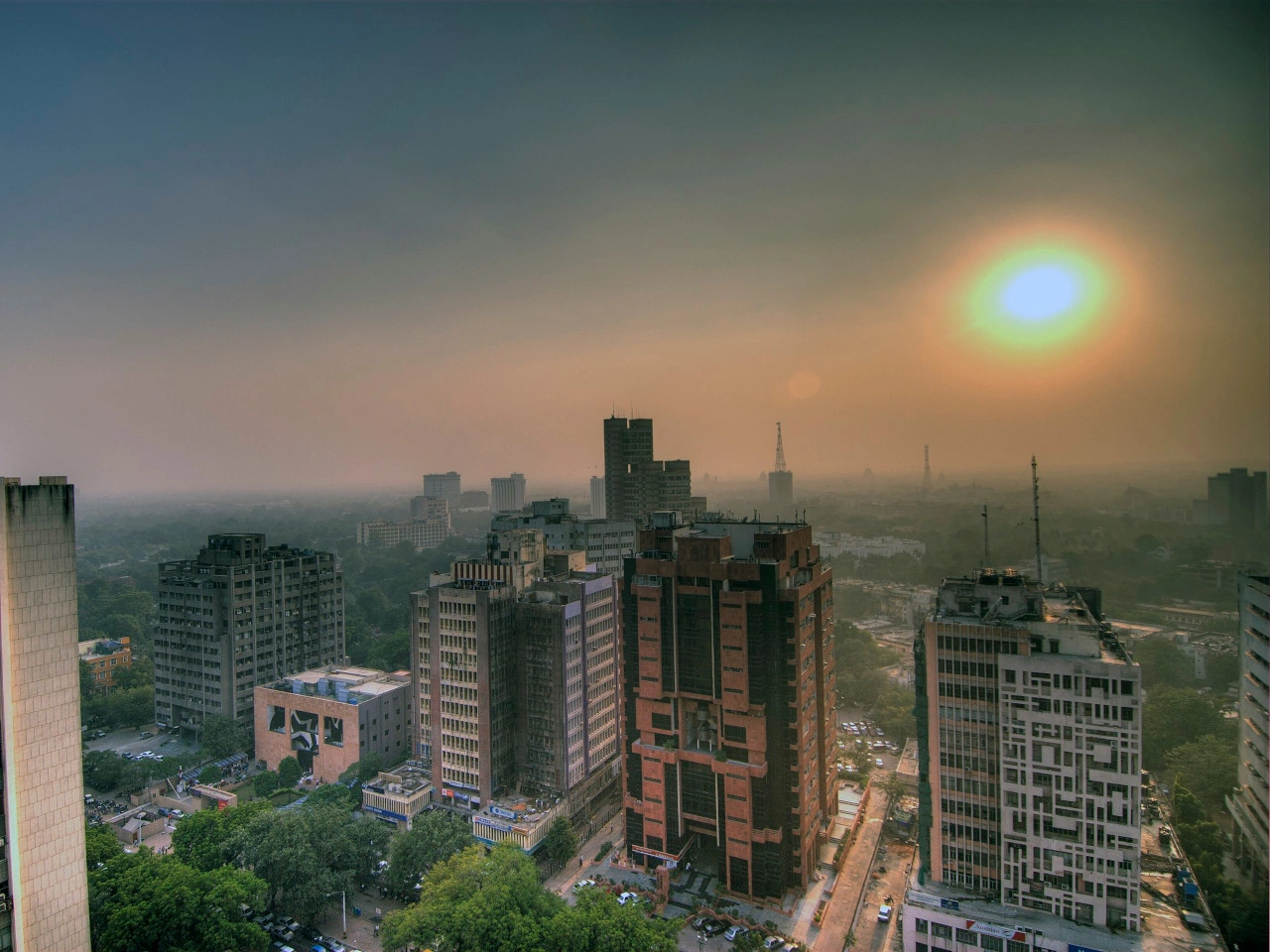
What are particulates?
Particulates, or particulate matter, are very small solid particles or liquid droplets suspended in the air.
What are PM10 and PM2.5?
PM10 refers to particles with a diameter of up to approximately 10 micrometres. PM2.5 refers to finer particles with a diameter of up to approximately 2.5 micrometres.
Where do traffic particulates come from?
Road traffic can produce particles through engine exhaust, brake wear, tyre wear and road-surface wear. Passing traffic can also resuspend dust already present on the road.
Are diesel vehicles a source of particulates?
Yes. Combustion in diesel engines can produce very small soot particles. Modern diesel vehicles commonly use particulate filters to capture a large proportion of these exhaust particles.
What is a particulate filter?
A particulate filter is an exhaust-treatment device designed to trap particulate matter produced by an engine. Diesel particulate filters are commonly known as DPFs.
Do petrol engines produce particulates?
Yes. Petrol engines can also produce particulate emissions, particularly certain direct-injection engines. Appropriate emission-control systems may therefore include particulate filters.
Do electric vehicles produce particulates?
Fully electric vehicles produce no exhaust particulates from a combustion engine, but particles can still result from tyre wear, road wear and braking.
Are brake and tyre particles regulated?
Vehicle-emission regulation is increasingly addressing non-exhaust emissions. The European Euro 7 framework includes requirements concerning brake-particle emissions and tyre abrasion.
Is particulate matter the same as CO2?
No. Particulate matter consists of tiny airborne particles, while carbon dioxide is a gas. They are different types of vehicle emissions and are regulated for different environmental reasons.
How can vehicle particulate emissions be reduced?
Measures include effective particulate filters, cleaner vehicle technologies, correctly maintained emission-control systems and reductions in brake, tyre and road-wear emissions.
42. Contaminación del aire
La contaminación del aire es la presencia de gases, partículas u otras sustancias en concentraciones que pueden perjudicar la salud humana, el medio ambiente o los ecosistemas. El tráfico contribuye mediante emisiones de escape y fuentes no relacionadas con el escape como desgaste de frenos, neumáticos y polvo de la carretera.
Entre los contaminantes importantes del tráfico se incluyen óxidos de nitrógeno, material particulado, monóxido de carbono y compuestos orgánicos volátiles. Algunos se emiten directamente y otros se forman en la atmósfera mediante reacciones químicas. Las normas de emisiones, tecnologías más limpias y medidas de gestión del tráfico ayudan a reducirlos.

What is air pollution?
Air pollution is contamination of the air by gases, particles or other substances that can adversely affect human health, the environment or ecosystems.
How does road traffic cause air pollution?
Vehicles produce pollutants through fuel combustion, exhaust systems, brake wear, tyre wear and road-surface interaction. Moving traffic can also resuspend dust already present on the road.
Which air pollutants are associated with road traffic?
Important traffic-related pollutants include nitrogen oxides, particulate matter, carbon monoxide and volatile organic compounds. Their relative importance depends on the vehicle, fuel and driving conditions.
What is nitrogen dioxide?
Nitrogen dioxide (NO2) is an air pollutant associated particularly with combustion processes and road traffic. High concentrations are commonly found near busy roads and densely trafficked urban areas.
What is particulate matter?
Particulate matter consists of tiny solid particles or liquid droplets suspended in the air. Road traffic can produce particles from exhaust, brakes, tyres and road surfaces.
Is CO2 the same as ordinary air pollution?
No. Carbon dioxide is primarily regulated as a greenhouse gas because of its contribution to climate change. Local air-quality pollution generally focuses on substances such as nitrogen dioxide, particulate matter, ozone and other pollutants that directly affect air quality and health.
Do electric vehicles cause air pollution?
Fully electric vehicles produce no combustion-engine exhaust emissions while driving, but they can still contribute to non-exhaust particulate emissions through tyres, brakes and road wear.
Can air pollution be worse near busy roads?
Yes. Concentrations of traffic-related pollutants can be higher close to heavily trafficked roads because many emissions occur close to ground level and near where people live and travel.
What is a low-emission zone?
A low-emission zone is an area where access by more polluting vehicles is restricted in order to reduce traffic-related air pollution. Access criteria may depend on factors such as fuel type, vehicle category and emission standard.
How can traffic-related air pollution be reduced?
Measures include cleaner vehicles, stricter emission standards, effective emission-control equipment, low-emission zones, public transport, cycling and walking, as well as traffic-management measures that reduce unnecessary congestion and emissions.
43. Hora punta
La hora punta es un periodo en el que las carreteras y redes de transporte público tienen una demanda especialmente elevada, normalmente porque mucha gente se desplaza al trabajo, colegio u otros destinos habituales. Suele producirse por la mañana y al final de la tarde o por la noche en días laborables.
Puede causar congestión, velocidades menores, viajes más largos y paradas frecuentes. Los conductores deben mantener una distancia segura, tener paciencia, anticipar cambios del tráfico y seguir cualquier medida temporal o dinámica de gestión.

What is rush hour?
Rush hour is a period when unusually large numbers of people travel at the same time, resulting in increased traffic and often congestion.
When does rush hour occur?
Rush hour commonly occurs during the morning and late afternoon or evening on working days, but the exact times vary according to the city, road and local travel patterns.
Does rush hour always last one hour?
No. The term does not mean that congestion lasts exactly one hour. In busy urban areas, peak traffic conditions may continue for several hours.
Why does traffic become congested during rush hour?
Congestion develops when traffic demand approaches or exceeds the available road capacity. Intersections, merging traffic, collisions, roadworks and weather can make the congestion worse.
Should you increase your following distance in rush-hour traffic?
Yes. Leave sufficient distance to react to sudden braking and frequent changes in traffic speed. Avoid following another vehicle too closely even when traffic is moving slowly.
Should you frequently change lanes during congestion?
Unnecessary lane changes can create additional conflicts and may not significantly reduce journey time. Choose an appropriate lane, observe surrounding traffic and change lane only when it can be done safely.
Can speed limits change during rush hour?
Yes. Roads equipped with variable traffic management may display lower speed limits during congestion. Drivers must follow the speed limit currently indicated.
What is a rush-hour lane?
A rush-hour lane is an additional traffic lane that can be opened during busy periods to increase road capacity. It may use a lane or shoulder that is closed to normal traffic at other times.
Can you use a rush-hour lane whenever traffic is congested?
No. Such a lane may only be used when traffic signals or signs indicate that it is open. Never assume that congestion alone permits its use.
How can you prepare for a journey during rush hour?
Check current traffic conditions and expected journey times, allow additional travel time and consider an alternative route, departure time or mode of transport where appropriate.
44. Código de circulación
Un código de circulación es un conjunto de leyes y normas que regulan cómo se utilizan las vías públicas. Establece reglas para conductores, ciclistas, peatones y otros usuarios y abarca materias como prioridad, velocidad, adelantamiento, estacionamiento, semáforos, señales y marcas viales.
Los códigos difieren entre países y a veces entre regiones. Se espera que todo usuario conozca y respete las normas aplicables donde circula, incluso cuando sean distintas de las de su país de origen.
What is a road code?
A road code is the body of traffic rules and regulations governing how road users must behave on public roads.
What does a road code regulate?
A road code can regulate subjects such as priority, speed, overtaking, turning, parking, traffic signals, road signs and road markings, as well as the responsibilities of different road users.
Are road codes the same in every country?
No. Although many traffic rules and signs are similar internationally, each country establishes its own traffic legislation and may apply different rules, signs, speed limits and requirements.
45. Canaleta de la calle
Una canaleta de la calle es un canal estrecho junto al borde de una carretera o calle que recoge agua de lluvia y la conduce hacia desagües u otros sistemas. Suele situarse entre la calzada y el bordillo y puede ser de hormigón, adoquines o formar parte de la superficie.
Es principalmente un elemento de drenaje y no un carril de tráfico. Los usuarios deben tener cuidado porque puede contener agua, residuos, aberturas de desagüe o superficies irregulares.

What is a street gutter?
A street gutter is a drainage channel along the edge of a road that collects rainwater and directs it toward drains or another drainage system.
Is a street gutter a traffic lane?
Normally, no. A gutter is primarily part of the road's drainage system and is not intended to function as a normal traffic lane.
Why should cyclists take care near street gutters?
Gutters may contain water, leaves, debris, drain covers or uneven surfaces, which can reduce grip or make cycling less stable.
46. Bicicleta de carga
Una bicicleta de carga está diseñada para transportar mercancías, niños u otras cargas mayores que una bicicleta convencional. Puede utilizar una caja o plataforma delante o detrás del ciclista, un portaequipajes trasero alargado o un diseño de varias ruedas.
Puede ser impulsada completamente por el ciclista o disponer de asistencia eléctrica al pedaleo. Las dimensiones permitidas, capacidad de pasajeros, uso de vías ciclistas y límites de asistencia dependen de las normas locales de tráfico y vehículos.

What is a cargo bike?
A cargo bike is a bicycle designed to carry goods, children or larger loads than a conventional bicycle.
What types of cargo bikes are there?
Common designs include two-wheel box bikes, three-wheel cargo bikes and longtail bicycles with an extended rear carrying area.
Can a cargo bike be electric?
Yes. Many cargo bikes use electric pedal assistance to make it easier to move heavier loads or travel longer distances.
Is an electric cargo bike still a bicycle?
It can be. If the electrical assistance remains within the applicable power and assistance-speed limits, the vehicle may remain legally classified as a bicycle. More powerful or faster models may belong to another category.
Can a cargo bike carry children?
Yes, when it is designed and equipped for passenger transport. Children should use the seats, restraints, foot protection or other safety equipment provided by the manufacturer and required by local law.
Can a cargo bike carry goods?
Yes. Transporting goods is one of its main purposes. Loads must be securely positioned and must not make the bicycle unstable, obstruct the rider's view or exceed applicable dimensional or weight limits.
Can a cargo bike use a cycle path?
This depends on its dimensions and legal classification. Ordinary-sized cargo bicycles generally follow bicycle rules, while unusually wide models may be excluded from certain cycle facilities.
Does a cargo bike need a driving licence?
Normally not when it remains legally classified as an ordinary bicycle or electrically assisted bicycle. Faster or more powerful vehicles may be subject to different licensing requirements.
Is a helmet compulsory on a cargo bike?
This depends on the country's bicycle rules and the vehicle's classification. A model legally classified as a faster motorised vehicle may have different helmet requirements from an ordinary cargo bicycle.
Should you ride differently when a cargo bike is heavily loaded?
Yes. Additional weight can affect acceleration, braking, steering and stability. Reduce speed where necessary, allow greater stopping distance and take particular care when turning.
Can a cargo bike tow a trailer?
Yes, where permitted. The bicycle, trailer and total load must comply with the applicable dimensional, mass, braking and passenger-transport requirements.
Why should drivers take care around cargo bikes?
Cargo bikes can be longer, wider and heavier than ordinary bicycles and may need additional space when turning or stopping. Drivers should leave sufficient passing distance and avoid cutting across their path.
47. Vehículo forestal
Un vehículo forestal está diseñado, equipado o adaptado para trabajos relacionados con silvicultura y gestión forestal. Puede utilizarse para arrastrar maquinaria, transportar madera, llevar equipos o realizar tareas de tala, saca o mantenimiento del terreno.
Puede incluir tractores, máquinas autopropulsadas especializadas, remolques y equipos intercambiables. Los requisitos de matriculación, permiso, velocidad, acceso y técnicos dependen de su clasificación legal y de las normas locales.
What is a forestry vehicle?
A forestry vehicle is a vehicle designed or adapted for forestry work, such as pulling machinery, carrying equipment, transporting timber or working on forest land.
Is a forestry vehicle always a tractor?
No. Forestry vehicles can include tractors, specialised self-propelled machines, trailers and other equipment. Their legal classification depends on their design and use.
What is a forestry tractor?
A forestry tractor is a powered vehicle primarily designed to pull, push, carry or operate equipment or trailers used for forestry work.
Can forestry vehicles travel on public roads?
Yes, when legally permitted and properly equipped. Registration, insurance, lighting, dimensions, speed and driving-licence requirements may apply before a forestry vehicle can use public roads.
Do you need a special driving licence for a forestry vehicle?
This depends on the vehicle classification, mass and country. Some countries have special agricultural or forestry vehicle licence categories, while other machines require ordinary car or heavy-vehicle licences.
Do forestry vehicles have special speed limits?
They may. The permitted speed can depend on the vehicle's construction speed, mass, road type and local traffic rules. Posted speed limits must also be respected.
Can forestry vehicles use motorways?
This depends on the country and vehicle classification. Agricultural and forestry vehicles are often restricted from high-speed roads, particularly when their construction speed is unsuitable for motorway traffic.
Why should drivers take care when passing a forestry vehicle?
Forestry vehicles can be large, slow, wide or equipped with projecting machinery. Reduce speed where necessary and overtake only when there is sufficient visibility and space.
Can a forestry vehicle tow a trailer?
Yes, where the vehicle is designed and approved to do so. Forestry tractors commonly tow trailers carrying timber, machinery or other forestry materials.
Can forestry equipment extend beyond the normal width of the vehicle?
Some machinery or loads may make a forestry vehicle unusually wide or long. Where legal limits are exceeded, special markings, lighting, permits or escort arrangements may be required under local law.
48. Vehículo de construcción
Un vehículo de construcción es un vehículo o máquina móvil diseñada o adaptada para trabajos de construcción, obras viales, excavación, elevación o movimiento de materiales. Ejemplos son excavadoras, cargadoras, bulldozers, rodillos, grúas móviles, volquetes y hormigoneras.
Varían mucho en tamaño, velocidad y clasificación. Algunos son vehículos ordinarios y otros máquinas especializadas destinadas principalmente a obras. Cuando circulan por vías públicas deben cumplir las normas aplicables de matriculación, permiso, iluminación, dimensiones, peso, velocidad y tráfico.
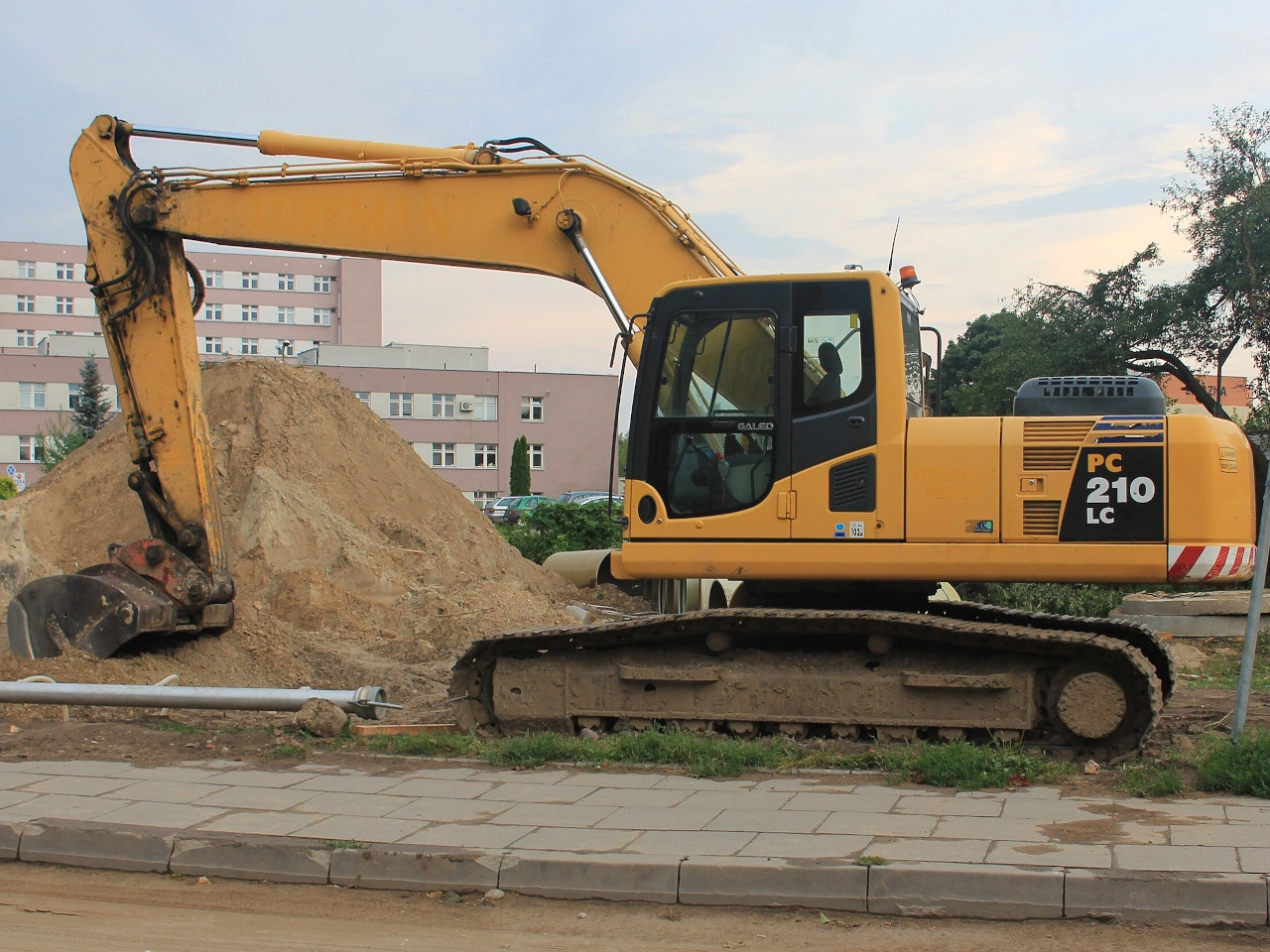
What is a construction vehicle?
A construction vehicle is a vehicle or mobile machine used for construction, excavation, lifting, roadworks or transporting construction materials.
What are examples of construction vehicles?
Examples include excavators, wheel loaders, bulldozers, road rollers, mobile cranes, dump trucks and concrete mixers.
Is every construction vehicle legally the same type of vehicle?
No. A construction vehicle may legally be classified as a truck, mobile machine, special-purpose vehicle or another vehicle category depending on its design and use.
Can construction vehicles travel on public roads?
Yes, when the vehicle is legally permitted and suitably equipped for road use. Some machines are designed mainly for construction sites and may be subject to special restrictions when travelling on public roads.
Do you need a driving licence for a construction vehicle?
This depends on the vehicle category, mass, speed and local law. Heavy trucks, mobile cranes and specialised machines may require different licence categories.
Do construction vehicles have special speed limits?
They may. A vehicle's design speed, mass, tyres, suspension and legal classification can result in a lower permitted speed than that applying to ordinary cars.
Why should you take extra care near construction vehicles?
Construction vehicles can be large, slow and difficult to manoeuvre and may have significant blind spots. They may also turn, reverse or enter a construction site unexpectedly.
What do flashing amber lights on a construction vehicle mean?
Flashing amber lights generally warn other road users that the vehicle is working, moving slowly or creating an unusual obstruction or hazard. They do not normally give the vehicle the same priority as an emergency vehicle.
Can a construction vehicle be wider or heavier than an ordinary vehicle?
Yes. Some construction machinery exceeds normal vehicle dimensions or masses. Special permits, route restrictions, warning equipment or escorts may then be required.
What should you do when passing a construction vehicle?
Reduce speed where necessary and leave sufficient space. Be aware of blind spots, projecting equipment, wide turns and workers who may be present nearby.
49. Camión articulado
Un camión articulado es un conjunto formado por una cabeza tractora y un semirremolque utilizado principalmente para transportar mercancías. El semirremolque se acopla de modo que una parte importante de su peso es soportada por la tractora en lugar de únicamente por sus propias ruedas.
Se utiliza habitualmente para transporte de larga distancia y puede llevar contenedores, mercancías refrigeradas, líquidos, graneles u otras cargas. Pueden aplicarse normas especiales sobre permisos, dimensiones y masas máximas, velocidad, carriles, adelantamiento, carga y tiempos de conducción y descanso.
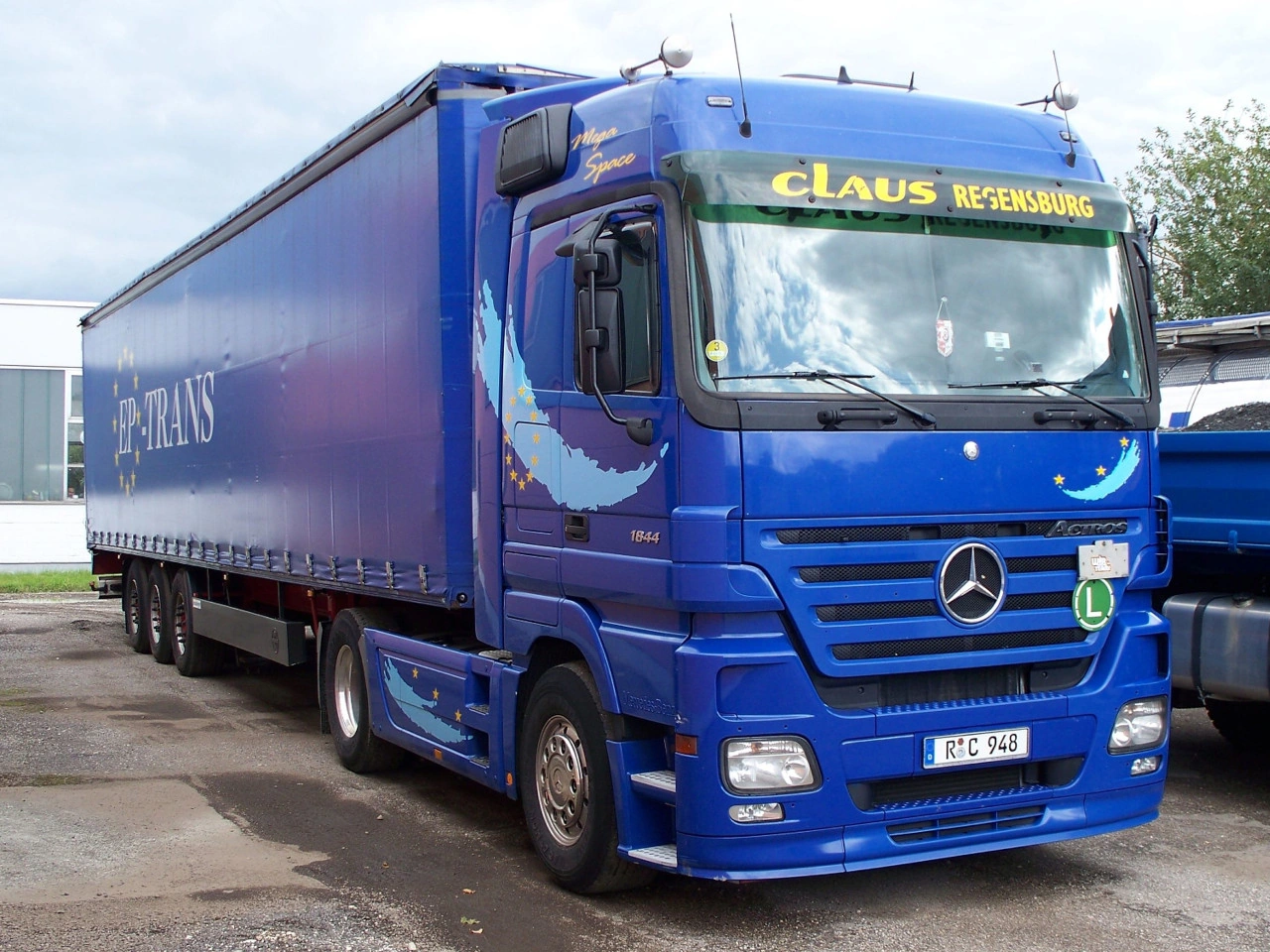
What is a semi-trailer truck?
A semi-trailer truck consists of a powered road tractor coupled to a semi-trailer primarily used to transport goods.
What is a semi-trailer?
A semi-trailer is a trailer designed so that part of the trailer and a significant part of its load are supported by the towing tractor.
What is the difference between a semi-trailer and an ordinary trailer?
An ordinary trailer generally supports its own weight through its axles, while a semi-trailer transfers a substantial vertical load to the tractor through its coupling.
How is a semi-trailer connected to the tractor?
The semi-trailer is normally connected through a kingpin and fifth-wheel coupling mounted behind the tractor cab.
Why are semi-trailer trucks called articulated vehicles?
The tractor and semi-trailer are connected by a pivoting coupling, allowing the two parts to turn relative to each other when the combination changes direction.
Do you need a special licence to drive a semi-trailer truck?
Yes. Heavy articulated trucks normally require a heavy-goods-vehicle licence that also authorises the driver to tow a heavy trailer or semi-trailer. The precise licence categories differ between countries.
Do semi-trailer trucks have lower speed limits?
They often do. Many countries impose vehicle-specific maximum speeds on heavy goods vehicles, particularly on motorways and other high-speed roads.
Why do semi-trailer trucks need more space to turn?
The semi-trailer's rear wheels follow a tighter path than the tractor's front wheels. Drivers therefore need additional space when turning, particularly at narrow intersections.
Why should you leave extra distance behind a semi-trailer truck?
Large trucks can restrict your view of traffic ahead and require considerable stopping distance. Keeping an appropriate following distance improves visibility and reaction time.
Why should you take care when driving beside a semi-trailer truck?
Large trucks have substantial blind spots around the cab and trailer. Avoid remaining beside the vehicle unnecessarily and be particularly careful when the truck is turning or changing lane.
50. Trolebús
Un trolebús es un autobús eléctrico que normalmente obtiene energía de cables aéreos mediante captadores montados en el vehículo. A diferencia de un tranvía, circula sobre ruedas normales y es dirigido por el conductor en lugar de estar guiado por raíles.
Se utiliza generalmente para transporte público de pasajeros y puede usar carriles bus, paradas y otras infraestructuras. Algunos trolebuses modernos también tienen baterías o sistemas auxiliares que permiten recorrer distancias cortas sin conexión a los cables.

What is a trolleybus?
A trolleybus is an electrically powered bus that normally receives electricity from overhead wires while travelling on ordinary road wheels.
Is a trolleybus the same as a tram?
No. A tram runs on rails and follows the path of its tracks. A trolleybus has ordinary tyres and is steered like a conventional bus.
Is a trolleybus an electric bus?
Yes. A trolleybus uses an electric motor, but unlike a battery-electric bus it traditionally receives most or all of its operating power from overhead electrical wires.
How does a trolleybus receive electricity?
Electrical current is normally collected from overhead wires through poles or another current-collection system mounted on the vehicle.
Can a trolleybus drive without overhead wires?
Some trolleybuses can. Modern vehicles may have batteries or auxiliary motors that allow limited operation away from the overhead wiring.
Can a trolleybus change lane?
Yes. Because it is steered rather than rail-guided, a trolleybus can move sideways within the range permitted by its overhead electrical connection and road layout.
Can trolleybuses use bus lanes?
Yes, where local rules permit. Trolleybuses operating public-transport services can normally use infrastructure reserved for authorised buses and public transport.
Do trolleybuses have priority when leaving stops?
This depends on the local traffic law. Some countries require other drivers to allow public-transport buses, including trolleybuses, to leave designated stops.
Should drivers slow down near a stopped trolleybus?
Yes. Passengers may be boarding, leaving or crossing the roadway. Drivers should approach carefully and give passengers sufficient space where required.
Does a trolleybus produce exhaust emissions?
A trolleybus operating entirely on electric power produces no combustion-engine exhaust emissions at the vehicle. Non-exhaust emissions from tyres, brakes and road wear can still occur.