


Señales de tráficoMundial
 Normas de tráfico
 Mundial
76. Teléfono de emergencia
Un teléfono de emergencia es un teléfono específico instalado junto a la carretera o en un túnel que conecta directamente a los usuarios con un centro de emergencias, control del tráfico o asistencia en carretera. Estos teléfonos se instalan habitualmente en túneles, autopistas u otros lugares donde es importante poder comunicar rápidamente un accidente, una avería o un incendio. Pueden proporcionar a los operadores información útil sobre la ubicación de quien llama y seguir disponibles en lugares con mala cobertura de telefonía móvil.
What is an emergency telephone?
An emergency telephone is a dedicated telephone used to contact emergency services, a traffic-control centre or roadside assistance from the road.
Where are emergency telephones commonly found?
They are commonly installed in road tunnels, motorway emergency areas and other locations where rapid assistance may be needed.
When should you use an emergency telephone?
Use an emergency telephone to report situations such as a breakdown, accident, fire or other serious road emergency when assistance is required.
Why use an emergency telephone instead of a mobile phone?
An emergency telephone may allow the operator to identify your location immediately and connect you directly with the responsible control centre. It can also be useful where mobile reception is poor.
Are emergency telephones available on every motorway?
No. Their availability varies between countries and road networks. Mobile phones and emergency apps have replaced many traditional roadside call boxes.
Is an emergency telephone free to use?
Dedicated emergency telephones are generally intended for emergency assistance and do not require normal telephone payment, although systems vary between countries.

77. Frontera internacional
Una frontera internacional es el límite legal entre dos países. Una señal fronteriza puede identificar el país al que se entra y recordar a los conductores que pueden aplicarse normas de tráfico, límites de velocidad, señales, requisitos del vehículo y normas documentales diferentes.
La propia señal de frontera normalmente no obliga a detenerse. Los controles de pasaporte, inmigración o aduanas pueden realizarse en un puesto fronterizo, pero algunas fronteras internacionales pueden cruzarse sin controles rutinarios en virtud de acuerdos regionales.
What is an international border?
An international border is the legal boundary between two countries.
How can you recognise an international border?
It may be identified by a country-name sign, national or regional symbols, flags, border posts, customs facilities or passport-control signs.
Does every international border have a road sign?
No. Borders may be marked differently, and some minor roads or open-border areas may have only a small identification sign or boundary marker.
Does a border sign require you to stop?
Not normally. Stop only when required by traffic lights, barriers, officers, customs signs, passport controls or another instruction.
When do the destination country’s traffic rules begin?
The new country’s traffic laws apply from the international boundary, not merely from the next town or major intersection.
Does the border sign itself impose the new rules?
No. The rules change because you have entered another country. The sign identifies that change of jurisdiction.
Can the driving side change at a border?
Yes. Where neighbouring countries use different driving sides, a specially designed road arrangement guides traffic safely from one side to the other.
Can speed limits change at the border?
Yes. The destination country may have different general limits for motorways, built-up areas, rural roads and particular vehicle categories.
Is the border sign a speed-limit sign?
No. Drivers must learn the destination country’s general limits and obey any regulatory signs displayed after crossing.
Can traffic-sign designs change?
Yes. Colours, symbols, shapes and road-marking conventions may differ, even when neighbouring countries follow similar international standards.
Can vehicle-equipment requirements change?
Yes. Requirements concerning safety vests, warning triangles, winter tyres, lights, toll equipment or environmental stickers may differ between countries.
Which documents may be required?
Depending on the journey, drivers may need a passport or identity card, driving licence, vehicle-registration document, insurance evidence, visa or customs documents.
Is a border check the same as customs control?
No. Border or immigration control concerns people and travel documents. Customs control principally concerns goods, cargo, money and applicable duties or restrictions.
Can immigration and customs controls occur together?
Yes. Both may operate at the same border facility even though they perform different legal functions.
Does every border have passport control?
No. Countries participating in an open-border area may normally cross internal borders without routine checks, although temporary controls may still be introduced.
Does every border have customs control?
No. Countries within a customs union may allow goods to move across their internal borders without ordinary customs duties or routine customs formalities.
Is an open border completely uncontrolled?
No. Police, customs and other authorities may still conduct lawful checks, enforce national rules and temporarily control the border where permitted.
May you cross the border anywhere?
Only where local law permits it. External or controlled borders may have to be crossed through an authorised border-crossing point during its operating hours.
Can a border crossing be temporarily closed?
Yes. Closures or restrictions may result from security measures, emergencies, severe weather, roadworks or administrative decisions.
Can certain vehicles be restricted?
Yes. A crossing may restrict heavy vehicles, dangerous goods, agricultural traffic, pedestrians or cyclists because of road design or border-control facilities.
May goods have to be declared?
Yes. Commercial goods, restricted products, goods exceeding personal allowances and certain amounts of cash may require declaration.
Do tolls or road charges change at the border?
They may. The destination country may use toll roads, vignettes, distance-based charges, low-emission zones or other payment systems.
Should you rely only on navigation software?
No. Navigation information may not include current border controls, vehicle restrictions or document requirements. Follow official signs and instructions.
What should you do before an international road journey?
Check the destination and transit countries’ traffic rules, required documents, insurance, vehicle equipment, tolls and border or customs requirements.
Do instructions from border officers override ordinary signs?
Yes. Follow lawful instructions from authorised border, police and customs officers, even when they temporarily differ from the normal traffic arrangement.
78. Paso inferior peatonal
Un paso inferior peatonal es un paso que permite a los peatones desplazarse por debajo de una carretera, vía férrea u otro obstáculo sin cruzar la ruta del tráfico al mismo nivel. Es una forma de cruce peatonal a distinto nivel.
Los pasos inferiores peatonales pueden ser accesibles mediante escaleras, rampas o ascensores y formar parte de una red más amplia de caminos o itinerarios peatonales. Los ciclistas y otros usuarios solo pueden utilizar el paso cuando el diseño, las señales y las normas locales lo permitan.
What is a pedestrian underpass?
A pedestrian underpass is a passage that allows pedestrians to cross beneath a road, railway or other obstacle without entering the traffic route above.
Why are pedestrian underpasses used?
They separate pedestrians from motor vehicles, trains or other traffic, reducing direct conflicts at busy or high-speed crossings.
Is a pedestrian underpass the same as a tunnel?
Not exactly. A pedestrian underpass is specifically intended to allow pedestrians to pass beneath an obstacle, while a tunnel can carry roads, railways, pedestrians or other forms of transport.
Is an underpass the same as a pedestrian overpass?
No. An underpass passes beneath the obstacle, while an overpass or footbridge carries pedestrians above it. Both provide grade-separated crossings.
Can cyclists use a pedestrian underpass?
This depends on the signs and design of the facility. Some underpasses are shared with cyclists, while pedestrian-only underpasses may require cyclists to dismount.
Can a pedestrian underpass have a cycle path?
Yes. Some underpasses contain separate or shared pedestrian and cycle facilities so both categories can cross safely away from motor traffic.
Can motor vehicles use a pedestrian underpass?
No when the passage is specifically reserved for pedestrians. Maintenance or emergency access may be permitted in exceptional circumstances.
Can an underpass be accessible to wheelchairs?
Yes, when suitably designed. Ramps or lifts can provide step-free access, although accessibility depends on the individual facility.
Do pedestrians have to follow signs inside an underpass?
Yes. Users must follow any signs indicating permitted users, direction of travel, separated sections or temporary closures.
Can a pedestrian underpass be temporarily closed?
Yes. Maintenance, flooding, construction, safety concerns or other circumstances may require temporary closure or diversion.
Does an underpass give pedestrians priority over traffic above?
The underpass physically separates the movements, so pedestrians do not directly cross the traffic route above. Priority rules still apply wherever the pedestrian route later crosses another roadway or cycle facility.
What should cyclists do in a pedestrian-only underpass?
Where cycling is not permitted, cyclists should dismount and continue on foot if pedestrian access with a bicycle is allowed.
79. Ruta ciclista
Una ruta ciclista es un itinerario planificado o señalizado destinado a guiar a los ciclistas entre lugares o a través de una zona determinada. Puede discurrir por vías ciclistas, calles tranquilas, carreteras compartidas, vías verdes u otras rutas consideradas adecuadas para el ciclismo.
Una ruta ciclista no concede necesariamente a los ciclistas un uso exclusivo de la carretera o camino y no debe confundirse con una vía ciclista o carril bici. Las normas de tráfico, prioridad y usuarios permitidos dependen de las carreteras y caminos concretos que forman la ruta y de las señales y normas locales.
How can you recognise a cycling route?
Cycling routes are commonly indicated by direction signs, bicycle symbols, route numbers, colours or destination markers. The design of the signs and route-numbering system varies between countries and regions.
Do cyclists have to follow a cycling route?
Usually not. A cycling-route sign normally provides direction or route guidance rather than imposing a mandatory direction. However, separate mandatory traffic signs may require cyclists to use a particular cycle path or direction.
Is a cycling route the same as a cycle path?
No. A cycle path is a specific part of a road or separate path intended for cyclists under local traffic rules. A cycling route is an entire itinerary and may include cycle paths, ordinary roads, cycle streets and other types of infrastructure.
Are cycling routes reserved for cyclists?
Not necessarily. Many cycling routes use roads and paths that are also open to motor vehicles, pedestrians or other road users. Access is determined by the signs and rules applying to each individual section.
Do cyclists have priority on a cycling route?
Not automatically. Being on a designated cycling route does not normally change the priority rules. Cyclists must continue to obey traffic lights, give-way and stop signs, crossing rules and other applicable traffic regulations.
Does a cycling route always have cycle paths?
No. A route may combine dedicated cycle infrastructure with quiet streets, shared roads, rural roads and other suitable connections. The quality and level of separation from motor traffic can therefore change along the route.
Can a cycling route cross busy roads?
Yes. A cycling route may cross or temporarily follow busy roads. At such locations, cyclists must follow the crossing, priority and traffic-light rules indicated by local signs and markings.
Can other vehicles use roads forming part of a cycling route?
Yes, unless access is restricted by separate traffic signs or regulations. A cycling-route designation by itself does not normally prohibit cars, motorcycles or other vehicles from using an otherwise public road.
Can cycling routes be recreational or long-distance routes?
Yes. Cycling routes may be designed for daily travel, tourism or recreation. Some form part of regional, national or international networks and may be identified by route names or numbers.
What should you do when a cycling-route sign conflicts with a traffic sign?
Always follow the official traffic signs, signals and road markings. A route marker provides navigation and does not override a prohibition, mandatory direction, road closure or other traffic regulation.
80. Fin de restricción
Una señal de fin de restricción indica que una limitación anterior, como un límite de velocidad o una prohibición de adelantamiento, deja de aplicarse. A partir de ese punto vuelven a aplicarse las normas generales o cualquier nueva restricción señalizada.
La señal no significa necesariamente que no exista ningún límite. Los conductores deben conocer qué norma general se aplica después y observar cualquier otra señal o condición de tráfico.
What does de-restriction mean?
De-restriction means that a previously imposed local traffic restriction has ended.
Does de-restriction mean there are no speed limits?
No. When a local restriction ends, the normal speed limit and other traffic rules applicable to that road still remain in force.
How is the end of a restriction indicated?
Depending on the country, it may be indicated by an end-of-restriction sign, a crossed-out restriction sign or another sign introducing a new rule.
81. Estacionamiento
Estacionar significa dejar un vehículo inmóvil en un lugar durante un periodo de tiempo, en lugar de detenerlo solo brevemente por las condiciones del tráfico u otra necesidad inmediata. Muchos países distinguen el estacionamiento de una parada corta para recoger o dejar pasajeros o para cargar o descargar mercancías, aunque la definición legal exacta varía.
El estacionamiento puede estar permitido, restringido, reservado, limitado en el tiempo o prohibido mediante señales de tráfico, marcas viales, zonas de estacionamiento y normas locales. Los conductores deben estacionar sin crear peligro ni obstrucción innecesaria y cumplir las condiciones relativas a pago, permisos, categorías de vehículos o duración máxima.
What is the difference between parking and stopping?
Parking generally means leaving a vehicle stationary for longer than a brief stop required for passengers, loading or unloading. A vehicle stopped because of traffic lights, congestion, an emergency or another traffic condition is normally not considered parked. The precise legal definitions vary between countries.
How can you tell where parking is allowed?
Look for parking signs, prohibition signs, road markings and parking-zone signs. Local rules may also permit parking along certain roads even when individual parking spaces are not marked.
Can you park anywhere if there is no sign prohibiting parking?
No. General traffic rules can prohibit parking even when no specific prohibition sign is present. Common examples include locations where a parked vehicle would obstruct visibility, crossings, intersections, cycle facilities or the movement of other traffic.
Can you park on a pavement or sidewalk?
Parking on a pavement or sidewalk is prohibited or restricted in many countries unless signs or markings specifically allow it. Vehicles must not force pedestrians into the roadway or block an accessible pedestrian route.
Can you park near a pedestrian crossing?
Parking on or close to a pedestrian crossing is generally restricted because a vehicle can hide pedestrians from approaching drivers. The required clearance distance varies between countries.
Can you park close to an intersection?
Many countries prohibit parking within a specified distance of an intersection because parked vehicles can reduce visibility and obstruct turning traffic. Follow the local distance requirements and any signs or markings.
What does a parking sign mean?
A parking sign identifies a place or area where parking is permitted or regulated. Additional signs or panels may specify time limits, payment requirements, vehicle categories, permits or particular parking arrangements.
How does paid parking work?
Where parking is subject to payment, drivers must follow the instructions displayed locally. Payment may be made through a parking meter, ticket machine, mobile application or another authorised system. The permitted duration and charging periods vary by location.
Who may use an accessible parking space?
Spaces marked for people with disabilities are reserved for vehicles displaying or registered with the required disability parking permit. Eligibility, permit display requirements and parking privileges depend on national and local law.
Can you leave a vehicle parked for an unlimited time?
Not necessarily. Local rules may impose a maximum parking duration, even where parking is otherwise permitted. Different limits may apply to abandoned, commercial, heavy or recreational vehicles.
82. Prohibido estacionar
Prohibido estacionar indica que los vehículos no pueden quedar estacionados en el lugar o tramo de carretera cubierto por la restricción. Según la legislación local, todavía puede permitirse detenerse brevemente para recoger o dejar pasajeros o para cargar o descargar mercancías, siempre que la parada en sí no esté prohibida.
La prohibición de estacionar puede aplicarse de forma continua o solo durante determinadas horas, días, categorías de vehículos o tramos de carretera. Su alcance exacto y las excepciones vienen determinados por la señal, los paneles complementarios, las marcas viales y las normas locales.
What does a no-parking sign mean?
A no-parking sign prohibits leaving a vehicle parked in the area or along the section of road to which the restriction applies. The exact legal definition of parking and the extent of the prohibition vary between countries.
Is no parking the same as no stopping?
No. A no-parking restriction commonly still permits certain brief stops, such as picking up or dropping off passengers or loading or unloading goods. A no-stopping restriction is stricter and generally prohibits voluntary stopping as well as parking.
Can you wait in your vehicle where parking is prohibited?
Remaining inside the vehicle does not necessarily mean that it is not parked. If the vehicle remains stationary beyond what local law permits as a brief stop, it may legally be considered parked even when the driver stays inside.
Can you pick up or drop off passengers in a no-parking area?
Often yes, if stopping is permitted and the vehicle remains there only as long as reasonably necessary for passengers to get in or out. Local rules may impose stricter restrictions at particular locations.
Can you load or unload goods where parking is prohibited?
In many countries, genuine loading or unloading is treated as stopping rather than parking and may therefore be permitted. The vehicle should remain there only for the time reasonably necessary for the activity.
How far does a no-parking restriction apply?
This depends on the country's signing rules. The restriction may continue to the next intersection, an end sign, a stated distance or the end of a designated zone. Supplementary arrows or distance panels may indicate its exact extent.
Does a no-parking sign apply on both sides of the road?
Usually a roadside no-parking sign applies only to the side of the road on which it is placed, unless it forms part of a zonal restriction or local signs indicate otherwise.
Can a no-parking restriction apply only at certain times?
Yes. A supplementary panel may restrict the prohibition to particular hours, days or periods. Outside those periods, parking may be permitted if no other rule prohibits it.
Can a no-parking restriction apply only to certain vehicles?
Yes. Additional signs or symbols may make a parking restriction applicable to particular vehicle categories, such as heavy vehicles, motorcycles or other specified vehicles.
Can you park immediately after a no-parking sign ends?
Only if parking is otherwise legal. The end of a specific no-parking restriction does not override general parking prohibitions near crossings, intersections, driveways, traffic signs or other protected locations.
83. Prohibido parar
Prohibido parar significa que los vehículos no pueden detenerse voluntariamente en el lugar indicado, ni siquiera brevemente para recoger o dejar pasajeros o cargar o descargar mercancías. Es una restricción más estricta que una prohibición de estacionar.
Puede indicarse mediante una señal, marca vial o norma local. El conductor debe continuar hasta un lugar donde esté permitido detenerse, salvo que se vea obligado a hacerlo por las condiciones del tráfico, una emergencia u otra obligación legal.
What does a no stopping restriction mean?
It means that a driver may not voluntarily stop the vehicle in the restricted area. The prohibition normally includes stopping to pick up or drop off passengers or to load or unload goods.
What is the difference between no stopping and no parking?
No stopping is the stricter restriction. A no-parking rule may still allow a brief stop for activities such as picking up passengers or loading goods, while a no-stopping rule prohibits these voluntary stops as well.
Can you stop in a no-stopping area during an emergency?
A driver may have to stop because of an emergency, traffic conditions, a red light, police instructions or another situation outside the driver's control. Such compulsory stops are generally different from voluntarily stopping the vehicle.
84. Estacionamiento en línea
El estacionamiento en línea es un método de estacionar un vehículo paralelo al borde de la carretera, normalmente en un espacio entre dos vehículos estacionados. Se utiliza habitualmente cuando las plazas están dispuestas a lo largo del lateral de una calle.
Normalmente implica colocar el vehículo junto al espacio disponible y entrar marcha atrás comprobando cuidadosamente espejos, ángulos muertos y tráfico circundante. El vehículo debe quedar dentro de la zona permitida y suficientemente cerca del borde de la vía sin obstaculizar a otros usuarios.
What is parallel parking?
Parallel parking means positioning a vehicle parallel to the edge of the road, typically between vehicles already parked along the kerb or roadside.
What should you check before parallel parking?
Check mirrors and blind spots, signal when required and make sure there is enough space to complete the manoeuvre without endangering pedestrians, cyclists or other traffic.
How should a vehicle be positioned after parallel parking?
The vehicle should be completely within the permitted parking area, reasonably close to the road edge and positioned so that it does not unnecessarily obstruct traffic or access to other vehicles.
85. Aparcamiento disuasorio
Un aparcamiento disuasorio es una instalación donde los conductores dejan su vehículo y continúan el viaje en transporte público, bicicleta u otro medio. Estas instalaciones suelen situarse en las afueras de una ciudad o cerca de grandes rutas de transporte.
Pueden reducir el tráfico y la demanda de estacionamiento en zonas urbanas concurridas al animar a los conductores a completar parte del viaje sin coche. Las tarifas, duración máxima de estacionamiento y conexiones de transporte público varían entre ubicaciones.
What does P+R mean?
P+R stands for park and ride. It indicates a facility where drivers can park their vehicle and continue their journey using public transport or another form of transport.
Where are park-and-ride facilities usually located?
They are commonly located on the outskirts of cities, near major roads or beside railway, metro, tram or bus connections so that drivers can transfer conveniently to another mode of transport.
Is parking at a park-and-ride always free?
No. Some facilities are free, while others charge for parking or offer special combined parking and public-transport fares. Conditions depend on the individual facility and local authority.
86. Kiss and Ride
Una zona Kiss and Ride es un lugar designado donde los conductores pueden detenerse brevemente para dejar o recoger pasajeros. Estas zonas se encuentran habitualmente cerca de colegios, estaciones de tren, aeropuertos y otros destinos concurridos, permitiendo que los pasajeros entren o salgan sin ocupar plazas de estacionamiento normales.
Una zona Kiss and Ride está pensada para paradas muy breves, no para esperar ni estacionar. Los conductores deben permanecer únicamente el tiempo necesario y respetar señales, límites de tiempo, marcas y normas locales.
What is a Kiss and Ride area?
A Kiss and Ride area is a designated place where drivers can briefly stop to drop off or pick up passengers. It is intended to keep passenger transfers quick and reduce unnecessary parking or congestion near busy destinations.
Can you park in a Kiss and Ride area?
Normally no. Kiss and Ride areas are intended for immediate passenger drop-off or pick-up rather than ordinary parking. The exact legal restrictions depend on the signs and local regulations applying to the area.
Can you wait for someone in a Kiss and Ride area?
Generally, you should not remain in the area waiting for a passenger who is not ready to enter the vehicle. If waiting is necessary, use an ordinary parking or waiting area unless local signs specifically permit waiting.
How long may you stay in a Kiss and Ride area?
Only for the short period necessary for passengers to get in or out, unless signs specify a particular maximum time. Some locations establish an explicit time limit, while others simply require immediate drop-off or pick-up.
Should the driver remain in the vehicle?
Where possible, the driver should normally remain ready to move the vehicle immediately. Leaving the vehicle to accompany a passenger into a building may turn the stop into parking and can prevent other drivers from using the area efficiently.
Can you use a Kiss and Ride area to load luggage?
Passengers may normally take the luggage they need when entering or leaving the vehicle, provided this forms part of the immediate passenger transfer. Using the area for prolonged loading or unloading may not be permitted.
Where are Kiss and Ride areas commonly found?
They are frequently located near schools, railway stations, airports, hospitals and other busy destinations where many passengers are dropped off or collected within a short period.
Can taxis use a Kiss and Ride area?
This depends on the local signs and regulations. A general passenger drop-off area may be available to taxis, while some locations provide separate taxi ranks or reserve the Kiss and Ride area for particular users.
Can you leave your vehicle unattended in a Kiss and Ride area?
Normally this should be avoided. Kiss and Ride areas are designed for rapid passenger transfers, and leaving the vehicle unattended can obstruct other users. Specific local rules may expressly prohibit parking or unattended vehicles.
What should you do if your passenger is not ready?
Move to a suitable parking or waiting area and return when the passenger is ready to be collected. Remaining in the Kiss and Ride area unnecessarily can block the facility and contribute to congestion.
87. Estacionamiento alterno
El estacionamiento alterno es un sistema en el que los vehículos deben estacionar en distintos lados de una calle en diferentes momentos o fechas. Puede utilizarse para mantener las calles accesibles, repartir el estacionamiento o permitir tareas como limpieza o mantenimiento.
El lado aplicable puede cambiar diariamente, semanalmente, mensualmente o según otro calendario. Los conductores deben comprobar cuidadosamente las señales y normas locales porque el momento y método de cambio varían entre países y municipios.
What is alternate-side parking?
Alternate-side parking requires vehicles to park on one side of a street during a specified period and on the opposite side during another period. The applicable side is normally determined by traffic signs or local regulations.
Why is alternate-side parking used?
It can help maintain sufficient road width, distribute parked vehicles between both sides of a street and provide access for street cleaning, maintenance, snow removal or emergency vehicles.
When must you move a vehicle to the other side?
The changeover time depends on the local rules. Drivers should check the signs carefully because some systems require vehicles to change sides at a particular time or on specific dates.
88. Parquímetro
Un parquímetro es un dispositivo utilizado para regular y normalmente cobrar el estacionamiento en una plaza o zona designada. Puede exigir el pago de un determinado periodo de estacionamiento, introducir la matrícula o obtener un ticket que deba mostrarse en el vehículo.
Los parquímetros pueden aceptar monedas, tarjetas, pagos sin contacto o métodos electrónicos, según el sistema local. Los conductores deben seguir las instrucciones, horarios, duración máxima y tarifas indicadas en el parquímetro, señales cercanas u otra información oficial.
What is a parking meter?
A parking meter is a device used to regulate parking and, in many cases, collect payment for the time a vehicle occupies a parking space or parking area.
How does a parking meter work?
The driver normally selects or pays for a permitted parking period according to the instructions on the machine. Depending on the system, the driver may receive a ticket, enter the vehicle registration number or activate parking electronically.
Do you always have to display a parking ticket?
No. Some systems issue a ticket that must be displayed visibly inside the vehicle, while others record the vehicle registration number electronically and require no paper ticket.
How can you tell when paid parking applies?
Check the parking signs, parking meter and local instructions. They normally indicate the hours and days during which payment is required, as well as the applicable tariff and maximum parking duration.
Can parking be free outside the meter's operating hours?
Often yes, but this depends on the local parking regulations. The meter or nearby signs should indicate when payment is required and whether other restrictions continue to apply outside those hours.
Can a parking meter limit how long you may park?
Yes. Paid parking areas may have a maximum parking duration. Paying additional money does not necessarily allow you to remain beyond the maximum period specified by the parking rules.
What should you do if a parking meter is out of order?
Follow the local instructions for defective machines. You may be required to use another meter, a parking disc, a mobile payment service or another permitted method. The procedure varies between countries and municipalities.
Can you pay for parking with a mobile phone?
Many parking authorities allow payment through an approved mobile application, text-message service or other electronic system. Only use payment methods officially indicated for the parking area.
What happens if you pay for the wrong vehicle?
In systems linked to a vehicle registration number, entering the wrong registration may mean that the vehicle has no valid parking session. Check the information carefully before confirming payment.
Does paying a parking meter make parking legal everywhere?
No. Payment does not override general traffic rules or parking prohibitions. The vehicle must still be parked legally and must not obstruct crossings, intersections, driveways, reserved spaces or other protected locations.
89. Disco de estacionamiento
Un disco de estacionamiento es un dispositivo utilizado para indicar la hora a la que se estacionó un vehículo en una zona con duración limitada. El conductor ajusta el disco a la hora de llegada exigida y lo muestra claramente dentro del vehículo.
Estos sistemas son habituales en zonas azules u otras áreas con tiempo limitado. La duración permitida, los horarios y la forma de ajustar el disco dependen de las normas nacionales o locales y de las señales instaladas.
What is a parking disc used for?
A parking disc shows when a vehicle arrived at a time-limited parking space. It allows parking enforcement officers to determine whether the permitted parking period has been exceeded.
Where should a parking disc be displayed?
It should normally be placed clearly visible behind the windscreen or in another position specified by local traffic rules so that the indicated time can be read from outside the vehicle.
Can you change the time on a parking disc without moving the vehicle?
Generally no where the applicable rules prohibit extending the parking period in this way. The vehicle normally has to leave the parking space before a new parking period can begin.
90. Estacionamiento para personas con discapacidad
El estacionamiento para personas con discapacidad se refiere a plazas y privilegios reservados para personas con discapacidad que cumplen los requisitos aplicables. Las plazas reservadas suelen identificarse con el símbolo internacional de la silla de ruedas y situarse para facilitar el acceso a instalaciones cercanas.
El uso de una plaza reservada normalmente requiere una tarjeta o permiso válido para personas con discapacidad. El permiso suele corresponder a la persona autorizada y no a un vehículo concreto, y solo puede utilizarse cuando esa persona conduce o viaja en el vehículo.
Who may use a disabled parking space?
Disabled parking spaces are intended for eligible people who hold a valid disabled parking permit or card. The exact eligibility requirements and permit system depend on the country.
Can someone use a disabled parking permit when the holder is not present?
Generally no. Disabled parking permits are normally personal and may only be used when the permit holder is driving or travelling in the vehicle.
Does a disabled parking permit always provide free parking?
No. A permit may provide access to reserved spaces or exemptions from certain parking restrictions, but rules concerning parking charges and time limits vary between countries and local authorities.
91. Gestión del tráfico
La gestión del tráfico es el control, regulación y orientación organizada de los usuarios para mejorar la seguridad, fluidez y uso eficiente de las carreteras. Puede incluir semáforos, señales, marcas, controles de carril, límites variables, desvíos e instrucciones de personas autorizadas.
La gestión puede ser permanente o temporal. Las medidas temporales son habituales durante obras, congestión, colisiones, eventos públicos u otros incidentes. Los usuarios deben seguir las señales e instrucciones aplicables en el lugar aunque difieran de la disposición normal.
What is traffic management?
Traffic management is the organised control and guidance of traffic using signs, signals, road markings, lane controls, speed restrictions, diversions and other measures.
Why is traffic management used?
Traffic management is used to improve safety, control traffic flow and reduce disruption. It can also protect road workers, pedestrians, cyclists and emergency services.
How can traffic be managed?
Common methods include traffic lights, road signs, road markings, variable-message signs, lane-control signals, temporary barriers, speed restrictions and diversions. Authorised persons may also direct traffic.
Can traffic management change the normal speed limit?
Yes. Temporary or variable speed-limit signs may impose a different maximum speed because of congestion, roadworks, weather, incidents or other conditions. Drivers must follow the limit currently displayed.
Can traffic management change which lanes you may use?
Yes. Lane-control signals, temporary signs or road markings may close lanes, move traffic into different lanes or require drivers to change lane. Follow the current signs and markings rather than the normal road layout.
What should you do when a traffic lane is closed?
Move into an open lane safely and in good time, following any arrows, signs and local merging rules. Never continue along a lane that is clearly indicated as closed.
Can temporary traffic signs be compulsory?
Yes. Properly authorised temporary signs used for roadworks, incidents or other traffic-management measures must be obeyed in the same way as other official traffic signs.
What should you do when an authorised person directs traffic?
Follow the directions of the authorised person. In many countries, these directions take precedence over traffic lights, road signs or the normal traffic rules.
How is traffic managed around roadworks?
Roadworks may use temporary speed limits, lane closures, barriers, temporary markings, traffic lights and diversions. Road users should reduce speed where necessary and carefully follow the temporary route.
Does traffic management also protect pedestrians and cyclists?
Yes. Temporary or permanent traffic arrangements should account for pedestrians and cyclists as well as motor vehicles. They may be provided with separate routes, crossings, signals or diversions where necessary.
92. Incorporación
La incorporación es el proceso de unirse a una corriente de tráfico desde otro carril o carretera, como cuando un carril de entrada se une a una autopista o dos carriles se convierten en uno. El conductor que se incorpora debe observar el tráfico, señalizar cuando corresponda y entrar en un hueco adecuado con seguridad.
Los conductores que ya circulan por el carril que continúa deben estar atentos a los vehículos que se incorporan y evitar impedirles innecesariamente la entrada. En tráfico muy congestionado y cuando termina un carril pueden aplicarse normas especiales de incorporación en cremallera.
What does merging mean in traffic?
Merging means joining another stream or lane of traffic, usually where an entry lane, acceleration lane or another traffic lane connects with the continuing roadway.
Who has priority when merging?
This depends on the road layout and national traffic rules. In many situations, the driver changing lanes must give way to vehicles already travelling in the lane being entered, unless signs or specific merging rules provide otherwise.
What is zipper merging?
Zipper merging is a system used where a lane ends during congested traffic. Drivers use both lanes up to the merging point and then enter the continuing lane alternately, one vehicle from each traffic stream.
93. Marcha atrás
La marcha atrás consiste en conducir un vehículo hacia atrás. Se utiliza habitualmente al estacionar, salir de un espacio reducido o recolocar un vehículo cuando avanzar no es práctico.
Antes de dar marcha atrás, el conductor debe comprobar espejos y ángulos muertos, mirar cuidadosamente alrededor y asegurarse de que la zona posterior está libre. Debe hacerse lentamente y solo durante el tiempo necesario porque la visibilidad hacia atrás suele ser limitada.
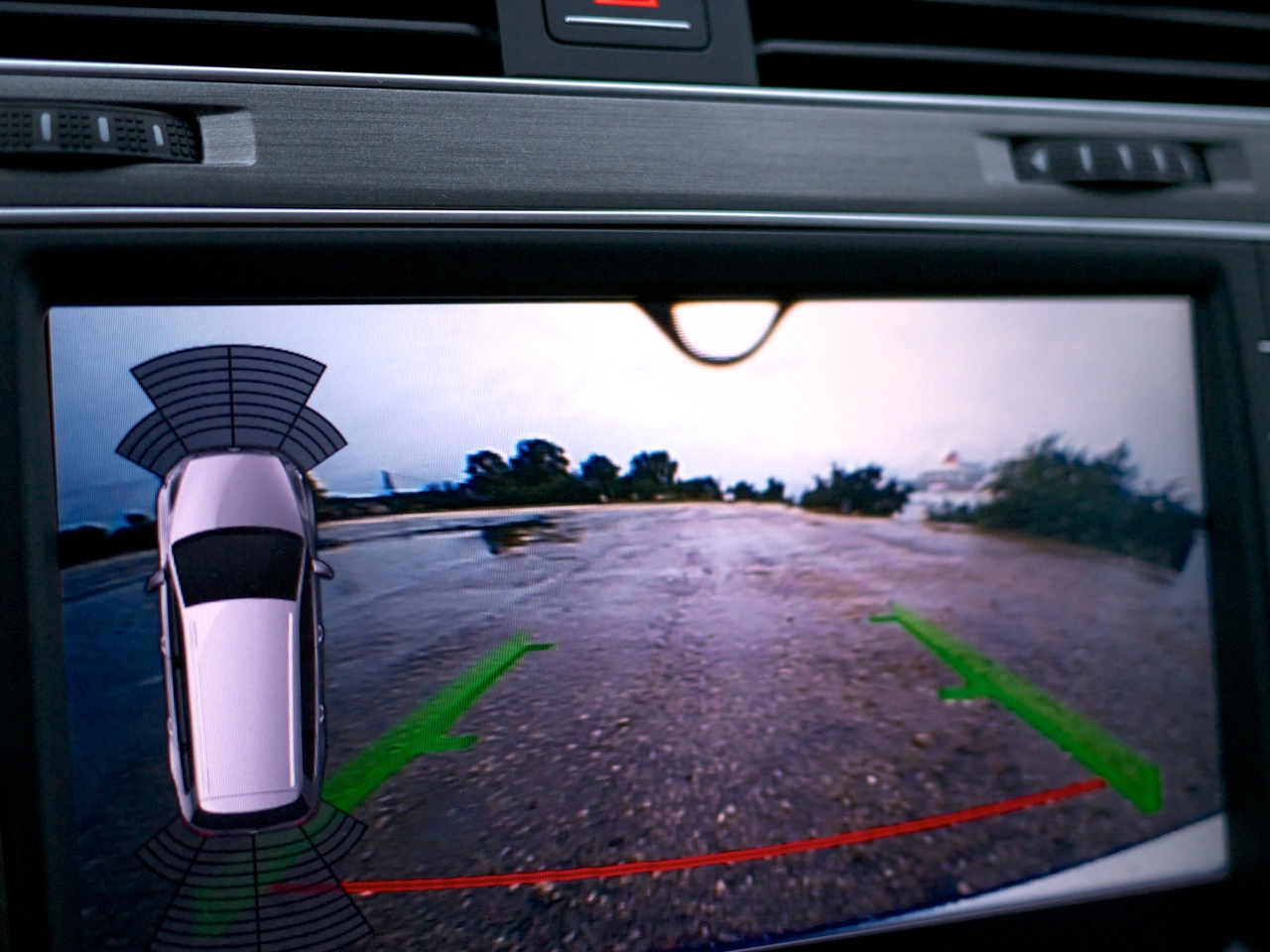
What should you check before reversing?
Check behind and around the vehicle for pedestrians, cyclists, other vehicles and obstacles. Use mirrors and cameras where available, but also look directly because monitoring systems can have blind spots.
Who has priority when a vehicle is reversing?
In many countries, reversing is treated as a manoeuvre and the reversing driver must give way to other road users. The exact legal requirements depend on national traffic rules.
Should you reverse for a long distance?
No. Reversing should normally be limited to the distance necessary to complete the manoeuvre safely. Driving forward generally provides better visibility and vehicle control.
94. Cambio de sentido
Un cambio de sentido es una maniobra en la que un vehículo gira para circular en la dirección opuesta. Normalmente implica cruzar parte de la calzada y reincorporarse al tráfico orientado hacia la dirección de la que venía.
Antes de realizarlo, el conductor debe comprobar el tráfico, peatones y ciclistas, señalizar cuando sea obligatorio y asegurarse de que hay visibilidad y espacio suficientes. Los cambios de sentido pueden estar prohibidos mediante señales o en determinados tipos de vías.
What is a U-turn?
A U-turn is a manoeuvre used to reverse a vehicle's direction so that it continues along the road in the opposite direction.
What should you check before making a U-turn?
Check traffic in all relevant directions, mirrors and blind spots, and look for pedestrians, cyclists and other road users. Make sure there is sufficient visibility and space and that the manoeuvre is permitted.
Can you make a U-turn anywhere?
No. U-turns may be prohibited by traffic signs or road rules and should never be attempted where visibility, road layout or traffic conditions make the manoeuvre unsafe.
95. Viaje compartido
Compartir coche significa realizar un trayecto con una o más personas que viajan en la misma dirección. Los ocupantes pueden compartir gastos o simplemente viajar juntos para reducir el número de vehículos separados que hacen el mismo recorrido.
Es habitual para desplazamientos al trabajo, viajes escolares y trayectos de larga distancia. Algunas redes disponen de aparcamientos específicos donde los viajeros pueden reunirse, dejar un vehículo y continuar juntos.
What is carpooling?
Carpooling means two or more people sharing the same car for a journey instead of travelling separately in different vehicles.
What is a carpool parking area?
A carpool parking area is a designated place where travellers can meet, park one or more vehicles and continue their journey together in a shared car.
Is carpooling the same as carsharing?
No. Carpooling means several people travelling together in the same vehicle, while carsharing means different users having access to the same shared vehicle at different times.
96. Atasco
Un atasco es una situación en la que el tráfico se congestiona intensamente y los vehículos avanzan muy despacio o permanecen detenidos durante periodos prolongados. Los atascos suelen deberse a grandes volúmenes de tráfico, accidentes, obras, cierres de carril o mal tiempo. Los conductores deben mantener la calma, conservar una distancia segura, evitar cambios innecesarios de carril y vigilar motocicletas, vehículos de emergencia y frenadas repentinas. Cuando los carriles se unen durante la congestión, las normas locales pueden exigir una incorporación en cremallera.
What is a traffic jam?
A traffic jam occurs when traffic becomes congested and vehicles move slowly or remain stationary because the road cannot accommodate the normal flow of traffic.
What causes traffic jams?
Common causes include heavy traffic, accidents, roadworks, lane closures, bottlenecks and poor weather.
How should you drive in a traffic jam?
Keep a safe distance, avoid sudden braking and unnecessary lane changes, and remain alert for changing traffic conditions and emergency vehicles.
Should you change lanes frequently in a traffic jam?
Usually not. Frequent lane changes can disrupt traffic flow and increase the risk of collisions. Change lanes only when necessary and safe.
What is zipper merging?
Zipper merging is a system where drivers use all available lanes until a lane ends or becomes blocked and then merge alternately into the remaining lane.
Should you leave space for emergency vehicles in a traffic jam?
Yes. Many countries require or recommend drivers to create space for emergency vehicles when traffic becomes congested or stationary.
97. Desvío
Un desvío es una ruta alternativa temporal utilizada cuando la carretera habitual está cerrada, bloqueada o no disponible. Los desvíos se establecen normalmente durante obras, accidentes, eventos públicos, inundaciones u otras interrupciones. Los conductores deben seguir cuidadosamente las señales temporales, reducir la velocidad cuando sea necesario y esperar carreteras desconocidas, prioridades cambiadas o tráfico adicional en la ruta alternativa.
What is a detour?
A detour is an alternative route that directs traffic around a closed, blocked or restricted section of road.
Why are detours used?
Detours may be introduced because of roadworks, accidents, flooding, public events or other temporary obstructions that prevent normal use of the road.
Do you have to follow a detour?
Drivers must follow mandatory traffic signs and authorised traffic directions. A signed detour should be followed when the normal route is closed or restricted.
Are detours always temporary?
Most detours are temporary and remain in place only while the normal route is unavailable, although they can sometimes last for an extended period during major works.
Should you drive differently on a detour?
Yes. Detours may use unfamiliar or smaller roads, so drivers should reduce speed where necessary, watch for changed priorities and follow temporary signs carefully.
What is the difference between a detour and a diversion?
Detour and diversion generally describe the same concept: an alternative route around a road that cannot be used normally. The preferred term varies between countries and languages.
98. Intersección sin regulación
Una intersección sin regulación es un cruce donde la prioridad no está regulada específicamente por semáforos, una persona autorizada o señales que asignen prioridad a determinados accesos. Los conductores deben determinar quién tiene prioridad aplicando las normas generales del país.
La regla aplicable varía entre países y puede ser prioridad por la derecha, prioridad por la izquierda u otra norma general de preferencia. Los conductores deben aproximarse con cuidado, observar el tráfico de todas las direcciones y no suponer que una vía más ancha o concurrida tiene automáticamente prioridad.
What is an uncontrolled crossroad?
An uncontrolled crossroad is an intersection where priority is not specifically assigned by traffic lights, an authorised person or priority signs. Drivers must use the default priority rules of the country.
Who has priority at an uncontrolled crossroad?
This depends on the local traffic law. Some countries use priority from the right, while others use different rules. Drivers should know the default intersection rule of the country in which they are driving.
Does the wider road automatically have priority?
Not necessarily. The width, surface or amount of traffic on a road does not by itself determine priority unless local law specifically provides otherwise.
Should you slow down at an uncontrolled crossroad?
Yes. Approach at a speed that allows you to observe approaching traffic, determine who has priority and stop safely if necessary.
Do cyclists have to follow the priority rules at an uncontrolled crossroad?
Yes. Cyclists generally follow the applicable intersection priority rules unless a specific cycle facility, sign or local rule provides otherwise.
Does driving straight ahead automatically give you priority?
No. Continuing straight ahead does not automatically give priority over traffic approaching on another road. The applicable priority rules must still be followed.
Does turning right or left change the priority rules?
Turning may create additional obligations, particularly towards pedestrians, cyclists or opposing traffic. Drivers must follow both the intersection priority rule and the rules governing the intended turn.
What if two vehicles reach an uncontrolled crossroad at the same time?
Apply the country's default priority rule. Do not rely simply on which vehicle appears to have arrived first unless local law specifically uses that rule.
What if the traffic lights at an intersection are not working?
The intersection is not necessarily completely uncontrolled. Priority signs, road markings and default priority rules may still determine who must give way. Drivers should approach with particular caution.
What should you do if you are unsure who has priority?
Reduce speed and be prepared to stop. Never force your way through an intersection simply because the priority situation is unclear.
99. Estado de la calzada
Una advertencia sobre el estado de la calzada indica que la carretera puede estar irregular, dañada o en mal estado y afectar a la estabilidad, dirección o frenada del vehículo. El peligro puede incluir baches, depresiones, socavones, pavimento roto u otras irregularidades.
Los conductores deben reducir la velocidad cuando sea necesario, mantener una distancia segura y evitar movimientos bruscos de dirección o frenada al pasar sobre una superficie irregular. El significado y aspecto exactos de la señal varían entre países, por lo que deben respetarse las señales y normas locales.
What does a road surface warning mean?
A road surface warning indicates that the surface ahead may be uneven, damaged or otherwise capable of affecting the safe movement of vehicles.
What kinds of road defects can the warning indicate?
Depending on the country, it may warn of bumps, depressions, potholes, broken pavement, uneven repairs or other surface irregularities.
What should you do when you see a road surface warning?
Reduce speed where necessary, increase your awareness of the road ahead and be prepared for changes in the vehicle's stability or direction.
Does a road surface warning impose a specific speed limit?
Not normally. A warning sign alerts drivers to a hazard rather than establishing a numerical speed limit. A separate speed-limit sign may be used where a particular maximum speed is required.
Should you brake before reaching an uneven road surface?
Where slowing is necessary, it is generally safer to reduce speed before reaching the irregular surface rather than braking sharply while travelling over it.
Why can an uneven road surface be dangerous?
A severe surface irregularity can affect tyre contact, steering, braking and vehicle stability. It can also damage tyres, wheels or suspension components.
Are motorcycles and bicycles particularly affected by uneven surfaces?
Yes. Two-wheeled vehicles can be particularly sensitive to potholes, ridges and other irregularities because these hazards may disturb their balance or alter their direction suddenly.
Is an uneven-road warning the same as a slippery-road warning?
No. An uneven-road warning concerns the physical condition or shape of the road surface. A slippery-road warning concerns reduced tyre grip caused by the surface or conditions such as water, ice, mud or other substances.
Can the warning apply over a longer section of road?
Yes. A supplementary sign may indicate the distance to the hazard or the length of the affected section, depending on the country's traffic-sign system.
Should you increase your following distance on a poor road surface?
Yes, when conditions require it. Additional distance provides more time to react if the vehicle ahead slows suddenly to avoid a pothole or other surface defect.
100. Banda sugerida para bicicletas
Una banda sugerida para bicicletas es una franja visualmente marcada junto al borde de la calzada que indica una posición recomendada para ciclistas y recuerda a otros usuarios que pueden estar presentes. Puede diferenciarse mediante color, material de la superficie o símbolos de bicicleta.
No es necesariamente un carril bici o vía ciclista legalmente reservada. Por ello, los vehículos de motor pueden estar autorizados a circular sobre ella o atravesarla según la legislación local. Ciclistas y conductores deben seguir respetando las normas ordinarias de posición, adelantamiento, estacionamiento y prioridad.

What is a bicycle suggestion strip?
A bicycle suggestion strip is a visually marked part of the roadway intended to highlight the expected position or presence of cyclists.
Is a bicycle suggestion strip the same as a cycle path?
No. A cycle path is normally legally reserved for specified road users, while an advisory or suggestion strip may remain part of the ordinary roadway.
Must cyclists use a bicycle suggestion strip?
Not necessarily. Because it is generally an advisory road feature rather than a compulsory cycle facility, cyclists follow the normal road-position rules unless local law provides otherwise.
Can cars drive on a bicycle suggestion strip?
Often yes, because the strip may remain part of the roadway. The exact rules depend on the country's traffic law and any additional signs or markings.
Can vehicles stop or park on a bicycle suggestion strip?
This depends on the ordinary stopping and parking rules applying at the location. The strip itself may not create a parking prohibition unless local law gives it that effect.
Why are bicycle suggestion strips used?
They can make cyclists more visible, indicate an appropriate cycling position and remind drivers that the roadway is shared with cyclists.
Does a bicycle suggestion strip give cyclists priority?
No, not automatically. Priority at intersections and crossings continues to be determined by traffic lights, signs, markings and the normal priority rules.
Can a bicycle suggestion strip be coloured?
Yes. Different colour or surface material may be used to visually distinguish the strip from the rest of the roadway.
Can cyclists ride outside a bicycle suggestion strip?
Where the strip is merely advisory, cyclists may leave it when permitted by the normal traffic rules, for example to avoid an obstacle, maintain a safe position or prepare for a turn.
Should drivers leave passing distance when overtaking a cyclist on a suggestion strip?
Yes. The presence of a painted strip does not replace the minimum or safe lateral passing distance required by local traffic law.
Does the strip physically protect cyclists?
No. A painted or differently surfaced strip provides no physical separation from motor traffic.
Can suggestion strips be used where there is not enough space for a separate cycle path?
Yes. They are often used on roads where cyclists and motor vehicles must share the roadway and a fully separated cycle facility is not provided.