


道路標識アイスランド
 交通ルール
交通ルール
 アイスランド
176. ハイドロプレーニング
ハイドロプレーニング(aquaplaning)は、タイヤと路面の間に水膜ができてタイヤが路面との接触を失う現象です。操舵、制動、加速が大幅に効きにくくなります。速度、滞水、摩耗タイヤで危険が高まります。大雨時は減速し、急な操舵・制動を避け、十分な溝深さのある良好なタイヤを使用します。
What is hydroplaning?
Hydroplaning occurs when water separates the tyres from the road surface, reducing or temporarily removing normal tyre grip.
What causes hydroplaning?
The risk increases with higher speed, standing water, worn tyres and insufficient tyre tread. Tyre pressure and road conditions can also affect the risk.
How can you reduce the risk of hydroplaning?
Reduce speed in heavy rain, avoid driving through deep standing water where possible and keep your tyres properly maintained with sufficient tread depth.
What should you do if your vehicle starts hydroplaning?
Remain calm, ease off the accelerator and avoid sudden braking or steering. Keep the steering movements smooth and controlled until the tyres regain contact with the road.
Can worn tyres increase the risk of hydroplaning?
Yes. Tyre grooves help move water away from the contact area. Worn tyres can remove less water, increasing the risk of losing grip on a wet road.
At what speed does hydroplaning occur?
There is no single speed at which hydroplaning always begins. The risk depends on speed, water depth, tyre condition, tyre pressure and the road surface.

177. 路面の浮き砂利
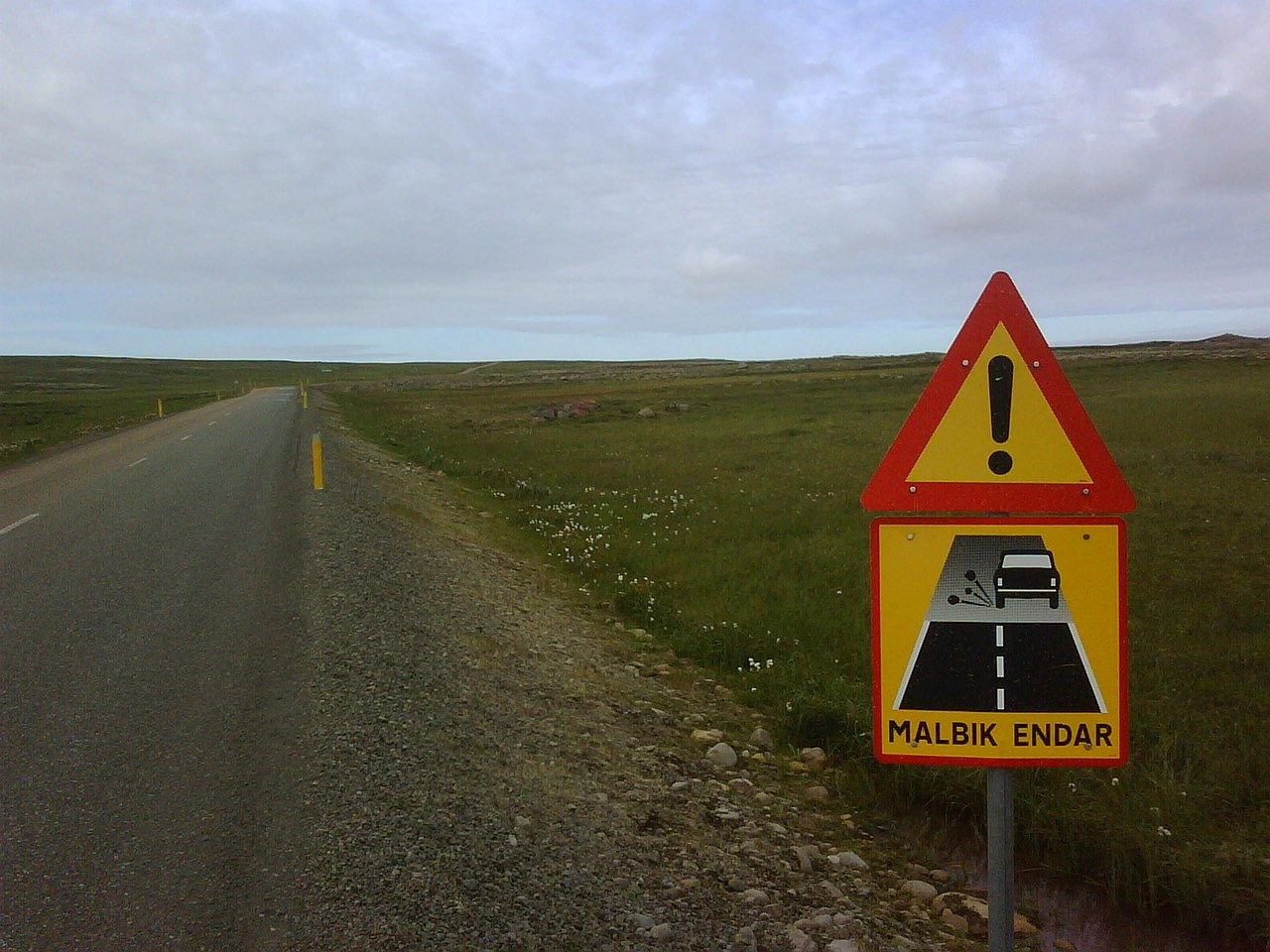
路面の浮き砂利は、道路工事や表面処理後などに路面へ残る小石や砂利です。タイヤグリップを低下させ、制動距離を増やし、通過車両によって飛び上がってフロントガラスや他車を傷つけることがあります。減速し、車間距離を増やし、急な加速、制動、操舵を避け、他車のタイヤから石が飛ぶ可能性がある場合はさらに間隔を取ります。
What are loose chippings?
Loose chippings are small stones or pieces of gravel lying loose on the road surface, often after resurfacing or road maintenance.
Why are loose chippings dangerous?
Loose stones can reduce tyre grip and vehicle control and may be thrown into the air by tyres, potentially damaging windscreens or other vehicles.
How should you drive on loose chippings?
Reduce speed, increase your following distance and avoid sudden acceleration, braking or steering. Keep additional space from other vehicles where stones may be thrown up by their tyres.
Can loose chippings increase stopping distance?
Yes. Loose material between the tyres and road can reduce available grip, making braking and steering less effective.
Why are loose chippings common after roadworks?
Some road-surfacing methods use a layer of small stone aggregate. Until the material settles or excess stones are removed, loose chippings may remain on the surface.
Can loose chippings damage a vehicle?
Yes. Stones thrown up by tyres can cause chips or cracks in windscreens, headlights and vehicle paintwork.
178. 死角
死角は、運転者が直接またはミラーで見ることのできない車両周囲の区域です。車両の大きさ・設計によって異なり、トラック、バスなど背の高い大型車では特に広くなります。運転者はミラーを正しく調整し、車線変更、右左折、発進前に車両側方を確認します。自転車、歩行者、オートバイ利用者も大型車の運転者から見えない位置に長く留まらないようにします。
What is a blind spot?
A blind spot is an area around a vehicle that cannot be seen directly by the driver or adequately through the mirrors.
Do all vehicles have blind spots?
Yes. The size and position of blind spots depend on the vehicle design, mirrors and driver position. Large vehicles generally have larger blind spots than passenger cars.
How should you check a blind spot?
Adjust the mirrors correctly and, where necessary, make a brief direct check beside the vehicle before changing lanes, turning or moving away. The exact technique depends on the vehicle.
Why are truck blind spots dangerous?
Trucks can have large areas around the front, sides and rear that are difficult or impossible for the driver to see. Cyclists and pedestrians can therefore disappear from view even when they are close to the vehicle.
Can mirrors eliminate every blind spot?
No. Correctly adjusted mirrors can greatly improve visibility, but some areas may still remain difficult to see. Drivers should use all available mirrors and direct observation where appropriate.
Where should cyclists avoid riding near a truck?
Cyclists should avoid remaining directly beside, immediately in front of or close behind a large vehicle, particularly near intersections where the vehicle may turn.
179. 注意散漫
注意散漫は、安全な車両制御や道路観察から運転者の注意をそらすものです。携帯電話、ナビゲーション、乗客、飲食、操作装置の調整、道路から目を離す行為などが含まれます。視覚的、手動的、精神的な注意散漫があり、反応時間を大きく延ばす可能性があります。運転者は道路へ注意を集中し、ナビゲーションなどの設定は出発前に済ませ、安全運転を妨げる活動を避けます。

What is distracted driving?
Distracted driving occurs when a driver's visual, manual or mental attention is diverted from driving and the surrounding traffic.
What are common driving distractions?
Common distractions include mobile phones, navigation systems, passengers, eating, adjusting vehicle controls and looking away from the road.
Why is using a phone while driving dangerous?
Using a phone can combine visual, manual and mental distraction, reducing the driver's ability to notice hazards and react quickly.
Can hands-free phone use still be distracting?
Yes. Even when the driver's hands remain on the wheel, a conversation can create mental distraction and reduce attention to traffic.
Can a navigation system distract a driver?
Yes. Entering destinations or repeatedly looking at a screen can divert attention from the road. Set the route before driving whenever possible and use voice guidance where helpful.
How can you reduce distractions while driving?
Prepare navigation and vehicle settings before moving, secure loose objects, keep your phone away from unnecessary use and focus continuously on the road and traffic.
180. 感情
感情は、注意、判断、運転行動へ影響します。怒り、ストレス、恐怖、悲しみ、興奮などにより注意散漫、焦り、リスクを取る行動が起こりやすくなります。強い感情は集中力や反応時間にも影響します。自分の感情状態が安全運転を妨げていると感じたら、必要に応じて減速、休憩、安全な場所への停止を行い、落ち着いて注意深く続けられる状態になるまで待ちます。

Can emotions affect driving?
Yes. Strong emotions can affect attention, judgement, reaction time and decision-making, which can make safe driving more difficult.
Why is anger dangerous when driving?
Anger can lead to impatience, aggressive manoeuvres, speeding or reduced attention. Drivers should avoid reacting emotionally to other road users.
Can stress affect concentration while driving?
Yes. Stress can make it harder to focus on traffic and process information calmly, especially in complex or busy situations.
What should you do if you are too emotional to drive safely?
If your emotional state is affecting concentration or judgement, stop or delay the journey when possible and continue only when you feel able to drive safely.
Can excitement also be a distraction?
Yes. Positive emotions such as excitement can still reduce concentration or encourage impulsive behaviour if they take attention away from driving.
How can you stay calm while driving?
Allow enough travel time, avoid reacting to aggressive drivers, keep a safe distance and take a break when stress or frustration becomes difficult to manage.
181. ロードレージ
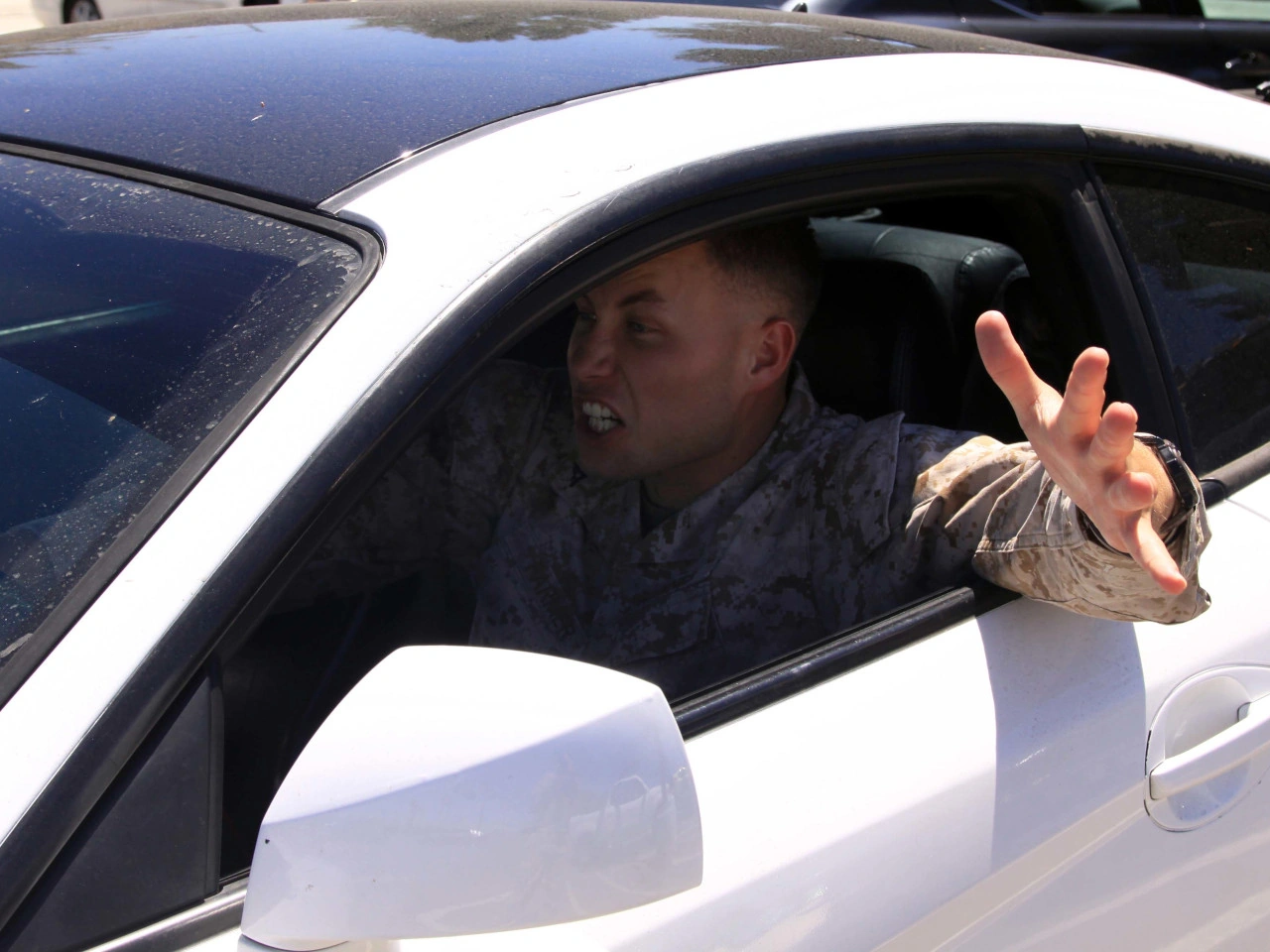
ロードレージは、交通中に他者へ向ける攻撃的、敵対的、威圧的な行動です。過度なクラクション、車間距離を詰める、怒鳴る、威嚇的ジェスチャー、進路妨害、意図的に攻撃的な運転操作などがあります。怒りは判断を低下させリスク行動を増やし、小さな交通上の対立を危険な状況へ発展させることがあります。対立を避け、落ち着き、安全な距離を保ち、攻撃的行動へ報復してはいけません。
What is road rage?
Road rage is aggressive, hostile or intimidating behaviour directed at other road users, often caused by anger or frustration in traffic.
What are examples of road rage?
Examples can include tailgating, excessive honking, shouting, threatening gestures, deliberately blocking another vehicle or aggressive overtaking and lane changes.
Why is road rage dangerous?
Anger can reduce judgement and encourage impulsive or risky driving, increasing the chance of collisions and escalating conflicts between road users.
What should you do if another driver becomes aggressive?
Stay calm, avoid confrontation, maintain a safe distance and do not retaliate or copy the other driver's behaviour. If necessary, move away from the situation when it is safe to do so.
Should you stop to confront an aggressive driver?
Generally, no. Confrontation can make the situation more dangerous. It is usually safer to remain in your vehicle and create distance from the aggressive road user.
How can you avoid road rage?
Allow enough travel time, accept that other road users make mistakes, avoid competing for road space and focus on reaching your destination safely rather than reacting emotionally.
182. 健康状態
健康状態は、安全運転能力へ影響することがあります。病気、けが、視力低下、運動能力低下、疲労、特定の医療状態、薬などは集中力、反応時間、判断、車両制御を妨げます。身体的・精神的状態が運転を危険にする可能性を認識し、必要なら医師へ相談します。国によっては特定の健康状態を申告し、医学検査や免許条件が必要です。

How can health affect driving?
Health problems can affect vision, concentration, reaction time, judgement, coordination and vehicle control, making safe driving more difficult.
Should you drive when you are ill?
Not if the illness makes it difficult to concentrate, react quickly or control the vehicle safely. Drivers should delay the journey or seek medical advice when necessary.
Can medication affect driving?
Yes. Some medicines can cause drowsiness, dizziness, blurred vision or slower reactions. Always follow the instructions provided with the medicine and advice from a healthcare professional.
Can poor eyesight affect driving?
Yes. Good vision is essential for recognising traffic signs, road users, hazards and changes in traffic conditions. Many countries set minimum eyesight requirements for drivers.
Can a medical condition affect a driving licence?
Yes. Depending on the country and condition, a driver may need a medical assessment, licence restriction or adapted vehicle before being permitted to drive.
Who is responsible for deciding whether someone is fit to drive?
This depends on local law. The driver usually has a responsibility to ensure they are fit to drive, while doctors or specialised assessment centres may evaluate driving fitness when required.
183. てんかん
てんかんは、意識、運動、感覚、認知などに変化を生じる反復性発作を起こすことがある神経疾患です。発作中は一時的に車両を安全に制御できなくなるため、運転適性と免許要件へ影響します。規則は国によって異なり、発作の種類、発作がない期間、治療、医学的評価などによって決まります。発作を経験した人は適用される運転規則に従い、再び運転する前に医療専門家へ相談します。

Can epilepsy affect your ability to drive?
Yes. A seizure can cause loss of awareness, consciousness or vehicle control, so epilepsy can affect whether a person is medically fit to drive.
Can a person with epilepsy have a driving licence?
In many countries, yes, provided specific medical and seizure-free requirements are met. The exact conditions depend on the country, licence category and individual medical situation.
What should you do after having a seizure?
Do not assume it is safe to continue driving. Seek medical advice and check the applicable driving-licence rules, because a temporary period without driving may be required.
Why is a seizure-free period required for driving?
A seizure-free period helps assess the risk of another seizure occurring while driving. The required period varies depending on the type and cause of the seizure and local regulations.
Can epilepsy medication affect driving?
Yes. Anti-seizure medicines can sometimes cause effects such as drowsiness, dizziness or reduced concentration. Changes in treatment can also affect seizure control, so medical advice should be followed.
Are driving rules stricter for professional drivers with epilepsy?
Usually, yes. Drivers of trucks, buses and vehicles used for certain professional transport generally face stricter medical fitness requirements because of the greater potential consequences of a seizure while driving.
184. 夜盲症
夜盲症(nyctalopia)は、暗闇や低照度で視力が低下する状態です。夜間や薄暮時に歩行者、自転車、路面標示、カーブ、障害物を認識しにくくなります。眼疾患、ビタミン不足、網膜の問題など原因はさまざまです。暗い場所で見えにくい運転者は、視力が不十分な条件での運転を避け、眼科など専門的な診察を受けます。
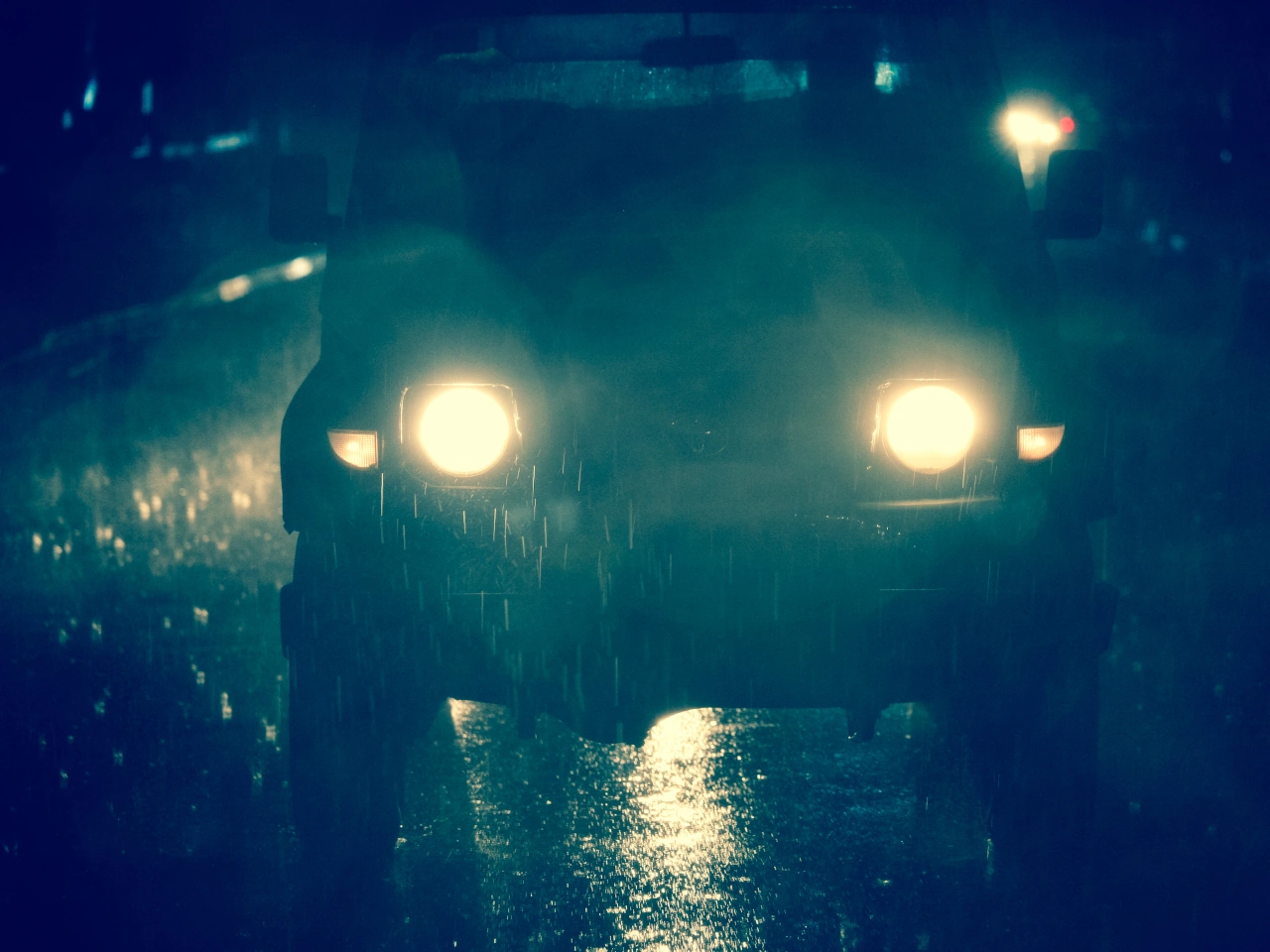
What is night blindness?
Night blindness is difficulty seeing in darkness or low-light conditions, even when daytime vision may be relatively good.
Why is night blindness dangerous when driving?
It can make pedestrians, cyclists, road edges, signs and obstacles harder to detect, reducing the time available to react safely.
Is night blindness the same as being completely blind at night?
No. Night blindness usually means reduced vision in dim conditions, not a complete loss of sight.
What can cause night blindness?
Possible causes include retinal disorders, cataracts, certain inherited eye conditions and some nutritional deficiencies. An eye-care professional can determine the underlying cause.
Can glasses correct night blindness?
Glasses may help when poor low-light vision is partly caused by an uncorrected refractive error, but not every cause of night blindness can be corrected with glasses.
Should you drive at night if you have night blindness?
If your low-light vision is not sufficient for safe driving, you should avoid driving at night or in other dark conditions and seek medical advice.
185. 視覚障害
視覚障害は、明瞭に見る、距離を判断する、動きを検知する、危険を認識する能力へ影響する視力低下です。視力低下、視野狭窄、コントラスト感度低下、複視、暗所視力低下などがあります。安全運転は視覚へ大きく依存するため、運転者はその国の最低視力基準を満たし、必要なら眼鏡、コンタクトレンズなど認められた視力補助具を使用します。

How can visual impairment affect driving?
Visual impairment can make it harder to recognise signs, detect pedestrians and vehicles, judge distance and speed or see hazards in time.
What aspects of vision are important for driving?
Important visual functions include visual acuity, field of vision, contrast sensitivity, depth perception and the ability to see in changing light conditions.
Can you drive if you need glasses or contact lenses?
Yes, provided your corrected vision meets the applicable legal standards. If your licence requires glasses or contact lenses, they must be used while driving.
Can someone with vision in only one eye drive?
In some countries, yes, provided the person meets specific visual-acuity, visual-field and adaptation requirements. The exact rules vary between countries.
Can visual impairment lead to restrictions on a driving licence?
Yes. Depending on the impairment, a licence may include conditions such as mandatory glasses, daytime-only driving, geographic restrictions or other limitations.
What should you do if your eyesight becomes worse?
If your vision changes significantly or may no longer meet the required standards, seek an eye examination and medical advice before continuing to drive.
186. 疲労
疲労は、運転中の集中力、反応時間、判断力、覚醒維持能力を低下させます。長時間運転、睡眠不足、病気、不規則勤務、身体が通常休息を求める時間帯の運転などで生じます。頻繁なあくび、まぶたが重い、速度や車線位置を一定に保てない、走行区間を思い出せないなどが警告サインです。眠気を感じたら早めに停止・休息し、カフェイン、外気、大音量音楽を睡眠の代わりにしてはいけません。
Why is fatigue dangerous when driving?
Fatigue can slow reaction time, reduce concentration and impair judgement, increasing the risk of missing hazards or losing control of the vehicle.
What are common signs of driver fatigue?
Warning signs include frequent yawning, heavy eyelids, difficulty concentrating, drifting within the lane and forgetting parts of the journey.
What is a microsleep?
A microsleep is a very brief episode of sleep that can last only a few seconds. During that time, the driver may be completely unaware of the road and unable to react.
What should you do if you feel tired while driving?
Stop at a safe place and rest before continuing. If possible, take a short nap or end the journey until you are sufficiently rested.
Does coffee remove driver fatigue?
Caffeine may temporarily improve alertness, but it does not replace adequate sleep. A tired driver should still stop and rest.
When is fatigue most likely to affect drivers?
Fatigue is more likely after long periods of driving, insufficient sleep, night driving or driving during normal sleeping hours.
187. 車両の不具合
車両の不具合は、安全性、道路適合性、技術要件への適合へ影響する故障、損傷、摩耗です。タイヤ、ブレーキ、灯火、操舵、サスペンション、窓、車体、電気系統などに発生します。軽微でも早めに修理すべきものと、走行を危険にする重大・危険な不具合があります。定期的に点検し、安全リスクになる前に修理します。

What is a vehicle defect?
A vehicle defect is a fault, damage or excessive wear that affects the condition, operation, safety or legal compliance of a vehicle.
What are common vehicle defects?
Common defects include worn tyres, faulty lights, damaged brakes, steering problems, cracked windows, suspension faults and damaged electrical components.
Are all vehicle defects dangerous?
No. Some defects are minor, while others can seriously affect braking, steering, visibility or vehicle control. The severity depends on the component and type of fault.
What should you do if you discover a vehicle defect?
Assess whether the vehicle can still be driven safely and have the defect repaired as soon as possible. Do not continue driving if the defect creates a serious safety risk.
Can a warning light indicate a vehicle defect?
Yes. Dashboard warning lights can indicate faults involving systems such as the engine, brakes, airbags, tyre pressure or electrical system. The vehicle manual explains the meaning of each warning.
Are defects checked during vehicle inspection?
Yes. Periodic vehicle inspections are designed to identify technical and safety defects. The consequences depend on the type and severity of the defect and the applicable inspection rules.
188. 交通違反
交通違反は、速度超過、交通標識無視、運転中の禁止機器使用、優先義務違反など、交通法や道路規則に違反する行為です。重大度により、警告、罰金、違反点数、免許停止などの処分を受ける場合があります。他の道路利用者へ大きな危険を生じる重大行為は、より重い処分や刑事手続の対象となることがあります。
What is a traffic violation?
A traffic violation occurs when a road user fails to follow an applicable traffic law, regulation, sign, signal or instruction.
What are common traffic violations?
Common violations include speeding, failing to stop, ignoring traffic lights, illegal parking, unsafe overtaking, using a phone while driving and failing to wear a seat belt.
Are all traffic violations equally serious?
No. Traffic offences are often divided into different levels of seriousness, with higher penalties for behaviour that creates a greater risk to road safety.
What penalties can apply to traffic violations?
Depending on the country and offence, penalties can include fines, penalty points, driving bans, licence suspension, vehicle restrictions or court proceedings.
Can the same traffic violation have different penalties in different countries?
Yes. Traffic laws and penalties vary between countries, even when the underlying behaviour, such as speeding or using a mobile phone, is similar.
Can a serious traffic violation lead to losing your driving licence?
Yes. Serious or repeated offences can lead to a temporary or longer driving ban, depending on the applicable law and circumstances.
189. アルコール
アルコールは、判断力、反応時間、協調運動、集中力、視力へ影響し、酔った感覚がない段階でも運転を危険にします。法定アルコール上限は国によって異なり、職業運転者、初心者、若年運転者にはより低い基準が適用される場合があります。最も安全なのは運転前に飲酒しないことです。飲酒した場合は、飲酒していない指定運転者、公共交通、タクシーなどを利用します。
How does alcohol affect driving?
Alcohol can reduce reaction time, judgement, concentration, coordination and vision, increasing the risk of making mistakes or failing to react to hazards.
What is blood alcohol concentration?
Blood alcohol concentration (BAC) measures the amount of alcohol in the blood. Legal driving limits are commonly expressed as a blood-alcohol level or as the concentration of alcohol in exhaled breath.
Is the legal alcohol limit the same in every country?
No. Alcohol limits vary between countries, and some countries apply lower or zero limits to novice, young or professional drivers.
Can you be unsafe to drive while still below the legal alcohol limit?
Yes. Alcohol can affect driving ability even below the legal limit. A legal limit is not a guarantee that a person is safe to drive.
Does coffee, food or a cold shower remove alcohol from your body?
No. These may change how awake you feel, but they do not quickly remove alcohol from the body. Only time allows the body to eliminate alcohol.
Can alcohol still affect you the morning after drinking?
Yes. Alcohol may remain in the body for many hours, so a person can still be over the legal limit or impaired the following morning.
190. アルコール検査
アルコール検査は、運転者が飲酒しているか、法定上限を超えているか確認する路上検査です。警察はスクリーニング装置、呼気検査、精密呼気分析、場合によっては血液検査を使用します。手順と法定値は国によって異なります。通常、運転者は権限ある検査へ協力する必要があり、適法な検査を拒否すること自体が処罰対象となる場合があります。
What is an alcohol control?
An alcohol control is a police check used to determine whether a driver has consumed alcohol and whether the applicable legal limit has been exceeded.
How is alcohol tested at the roadside?
Police commonly use a breath-testing device. Depending on the result and local procedure, a more precise breath analysis or blood test may follow.
Can police test a driver who does not appear drunk?
In many countries, yes. Police may conduct random or routine alcohol checks without first observing obvious signs of intoxication.
Can you refuse an alcohol test?
Rules vary by country, but refusing a legally required alcohol test can itself be an offence and may result in penalties or an immediate driving restriction.
Can a blood test be used to measure alcohol?
Yes. A blood test may be used when breath testing is impossible, disputed or required by the applicable legal procedure.
Can you be prevented from driving after an alcohol control?
Yes. If the result exceeds the applicable limit, authorities may impose an immediate temporary driving prohibition in addition to any later fine, licence suspension or court proceedings.
191. アルコール・インターロック
アルコール・インターロック(alcolock)は、車両の始動系へ接続された呼気検査装置です。始動前に運転者が設定上限未満の呼気サンプルを提出する必要があります。走行中の追加検査を求めたり、検査、失敗、改ざんの可能性を記録したりする場合もあります。一部の国では飲酒運転違反者への安全措置や法的義務として使用されます。

What is an ignition interlock device?
An ignition interlock device is a breath-testing system connected to a vehicle that prevents the engine from starting when the driver’s alcohol concentration exceeds the programmed limit.
How does an ignition interlock work?
Before starting the vehicle, the driver provides a breath sample. If the alcohol concentration is below the permitted threshold, the vehicle can be started.
Can an ignition interlock require another test while driving?
Some systems require additional breath tests during a journey to confirm that the authorised driver remains compliant. The exact procedure depends on the device and applicable rules.
Does an ignition interlock record information?
Yes. Many systems can record breath-test results, failed attempts, events and possible attempts to interfere with the device.
Who may be required to use an ignition interlock?
Depending on the country, an ignition interlock may be required for drivers convicted of serious or repeated alcohol-related driving offences.
Can another person blow into an ignition interlock for the driver?
No. Having another person provide the breath sample defeats the purpose of the system and may be treated as tampering or non-compliance under the applicable rules.
192. 呼気スクリーニング検査
呼気スクリーニング検査は、呼気中のアルコールを検知し、さらに精密な検査が必要か判断する予備的な路上検査です。携帯装置へ息を吹き込み、アルコール値を所定の基準と比較します。通常、最終的な証拠測定ではなくスクリーニングに使われます。結果が基準へ達した場合、より精密な呼気分析など法的に認められた検査が続くことがあります。
What is a breath test?
A breath test is a preliminary test that detects alcohol in exhaled breath and indicates whether the alcohol level is below or above specified thresholds.
How does a breath test work?
The person blows into a portable breath-testing device, which analyses a sample of exhaled air for alcohol.
Is a breath test the same as a breath analysis?
No. A breath test is generally a screening test, while a breath analysis provides a more precise measurement of the alcohol concentration in exhaled breath.
What happens after a positive breath test?
Depending on local law, a positive result may be followed by a breath analysis, blood test or other evidential procedure.
Can police perform random breath tests?
In many countries, police may conduct roadside alcohol checks even when a driver does not show obvious signs of impairment. The exact powers vary by country.
Can you refuse a breath test?
Rules vary between countries, but refusing a legally required breath test can itself lead to penalties or an immediate restriction on driving.
193. 呼気分析
呼気分析は、吐き出した息のアルコール濃度を精密に測定する検査です。予備的な呼気検査と異なり、承認された証拠用装置で測定し、取締りに利用できる結果を出します。一般に呼気1リットルあたりのアルコールmgで示しますが、手順と法定基準は国によって異なります。
What is a breath analysis?
A breath analysis measures the concentration of alcohol in exhaled breath using an approved evidential device.
Is a breath analysis the same as a breath test?
No. A breath test is generally used for preliminary screening, while a breath analysis provides a more precise measured alcohol concentration.
How is a breath analysis performed?
The person blows into an approved breath-analysis device, which measures the alcohol concentration in the exhaled air.
How is a breath-analysis result expressed?
The result is commonly expressed as milligrams of alcohol per litre of exhaled breath. The units and legal thresholds depend on the country.
What happens if a breath analysis exceeds the legal limit?
Depending on local law, the result can lead to a temporary driving prohibition, fine, licence restriction or court proceedings.
Can a breath-analysis result be checked again?
In some countries, the person may have a right to a second breath analysis, blood test or other counter-analysis. The procedure depends on local law.
194. 血中アルコール濃度
血中アルコール濃度(BAC)は、人の血液中に存在するアルコール量を示します。一般にパーセント、g/L、パーミル(‰)などで表示します。法定BAC未満でもアルコールは判断、反応時間、協調運動、視力を損なうことがあります。法定上限は国によって異なり、職業運転者、初心者、若年者に低い基準が適用される場合があります。
What is blood alcohol content?
Blood alcohol content (BAC) measures the concentration of alcohol in a person’s blood and is used to assess alcohol consumption and legal driving limits.
How is blood alcohol content expressed?
BAC can be expressed as a percentage, grams of alcohol per litre of blood or parts per thousand (‰). The units commonly used depend on the country.
What does 0.5‰ BAC mean?
A BAC of 0.5‰ means 0.5 grams of alcohol per litre of blood, which is equivalent to 0.05% BAC.
Is BAC the same as breath alcohol concentration?
No. BAC measures alcohol in the blood, while a breath test or breath analysis measures alcohol in exhaled air. Legal systems may establish corresponding limits for both measurements.
Does everyone reach the same BAC after drinking the same amount?
No. BAC can be influenced by factors such as body composition, sex, the amount and speed of drinking, food intake and the time since alcohol was consumed.
Can alcohol affect driving below the legal BAC limit?
Yes. Alcohol can impair driving ability before the legal limit is reached. Being below the legal BAC limit does not guarantee that a person is safe to drive.
195. 血液検査
血液検査は、血液中のアルコール濃度を測定するために使われます。医療従事者が採血し、検査室で血中アルコール濃度(BAC)を分析します。交通取締りでは、呼気検査が不可能・不適切な場合、事故後、呼気結果への再検査などで使用されることがあります。血液検査を要求できる状況と法定アルコール基準は国によって異なります。
What is an alcohol blood test?
An alcohol blood test measures the concentration of alcohol in a blood sample and provides a blood alcohol concentration (BAC).
How is a blood test different from a breath analysis?
A blood test measures alcohol directly in the blood, while a breath analysis measures alcohol in exhaled breath. Both can be used to determine whether a legal alcohol limit has been exceeded.
Who takes the blood sample?
A blood sample used for legal testing is normally taken by an authorised healthcare professional and analysed according to an approved procedure.
When can a blood test be used after an alcohol control?
Depending on local law, a blood test may be used when breath testing cannot be performed, after certain accidents or as a counter-analysis of a breath result.
How is a blood alcohol result expressed?
Blood alcohol concentration is commonly expressed as grams of alcohol per litre of blood, parts per thousand (‰) or a percentage, depending on the country.
Can refusing a required blood test lead to penalties?
Yes. In countries where a blood sample can lawfully be required, refusing without a legally accepted reason may itself be an offence.
196. 唾液検査
唾液検査は、運転能力へ影響する特定薬物の最近の使用を検出する路上スクリーニング検査です。口内から唾液サンプルを採取し、携帯装置で指定物質を検査します。通常、最終的な証拠分析ではなく初期スクリーニングとして使用されます。陽性の場合、より精密な唾液分析や場合によっては血液検査が続くことがあります。
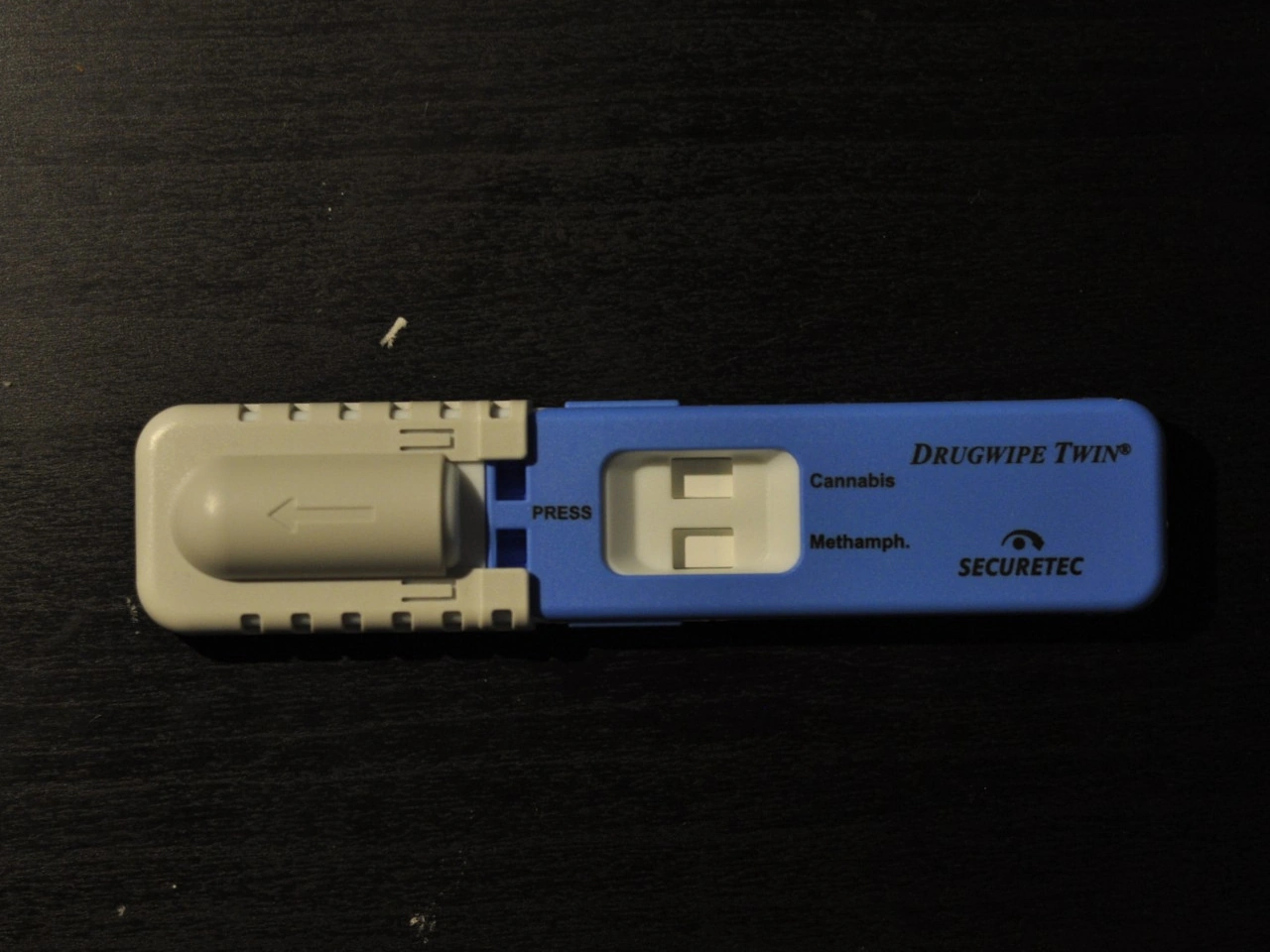
What is a saliva test?
A saliva test is a screening test that uses oral fluid to detect the recent presence of certain drugs or their metabolites.
How is a roadside saliva test performed?
A sample of saliva is collected from inside the mouth and tested using an approved portable device. The exact procedure and substances tested depend on the country.
Is a saliva test the same as a saliva analysis?
No. A saliva test is generally a preliminary roadside screening, while a saliva analysis is a laboratory examination used to confirm and measure specified substances more precisely.
What happens after a positive saliva test?
Depending on local law, a positive result can lead to a saliva analysis, blood test, temporary driving prohibition or further legal proceedings.
Can a saliva test detect every drug?
No. Saliva tests are designed to detect specific substances. The drugs included and the detection thresholds depend on the testing device and applicable law.
Can you refuse a saliva test?
Rules vary between countries, but refusing a legally required saliva test can itself lead to penalties or an immediate restriction on driving.
197. 薬物
薬物は、知覚、集中力、反応時間、協調運動、判断を変化させ、運転へ重大な影響を与えることがあります。覚醒剤、大麻、オピオイドなどの精神作用物質はそれぞれ異なる方法で運転能力を損ない、アルコールなどとの併用でリスクがさらに高まります。酔った感覚がなくなっても影響が残る場合があります。薬物運転法は国によって異なりますが、物質が安全な車両制御へ影響している場合は運転してはいけません。
How can drugs affect driving?
Drugs can impair concentration, perception, reaction time, coordination and judgement. The effects depend on the substance, dose, individual and whether other substances are also present.
Can cannabis affect driving?
Yes. Cannabis can affect attention, reaction time, coordination and perception, which can make driving unsafe.
Can stimulant drugs affect driving?
Yes. Stimulants can cause overconfidence, agitation, impulsive behaviour and reduced judgement, while their effects may later be followed by fatigue or reduced concentration.
Can drugs still affect you after the main effects have worn off?
Yes. Some substances can continue to affect alertness, coordination or judgement after the strongest effects appear to have passed.
Is combining drugs and alcohol especially dangerous?
Yes. Combining substances can produce stronger or unpredictable impairment and significantly increase the risk of a crash.
How can police test drivers for drugs?
Depending on the country, police may use behavioural observations, saliva tests, saliva analyses or blood tests to detect specified substances.
Are drug-driving laws the same in every country?
No. Some countries prohibit driving above specified drug concentrations, while others focus on impairment or the presence of certain substances. Testing procedures and penalties also vary.
198. 医薬品
医薬品は、処方薬でも市販薬でも運転能力へ影響することがあります。眠気、めまい、かすみ目、集中力低下、反応遅延、協調運動や判断の低下を引き起こすものがあります。説明書を読み、処方用量を守り、安全に運転できるか不明なら医師や薬剤師へ相談します。新しい薬を始める、用量を変更する、複数薬やアルコールと併用する場合は特に注意します。
Can medication affect driving?
Yes. Some medicines can cause drowsiness, dizziness, blurred vision, slower reactions or reduced concentration, which can make driving unsafe.
Can prescription medicine make you unsafe to drive?
Yes. A medicine can be legally prescribed and still impair your ability to drive safely. Follow the instructions provided by your doctor, pharmacist and patient information leaflet.
Can over-the-counter medicine affect driving?
Yes. Medicines available without a prescription can also affect driving. Some antihistamines, cough medicines and other common products may cause drowsiness or other side effects.
Where can you check whether a medicine affects driving?
Read the patient information leaflet, especially the section about driving and using machines, and ask a doctor or pharmacist if you are unsure.
Should you drive when taking a medicine for the first time?
Be especially cautious when starting a new medicine or changing the dose, because you may not yet know how it affects your alertness, coordination or judgement.
Can alcohol increase the effects of medication?
Yes. Alcohol can interact with some medicines and increase drowsiness, dizziness or other impairing effects. Follow the medicine instructions and professional medical advice.
199. 罰則
罰則は、交通法違反に対して科される法的な結果です。違反と国により、警告、罰金、違反点数、免許停止、運転禁止、車両使用停止、裁判などがあります。危険の程度、過去の違反、違反の重大性などで重さが決まるのが一般的です。一部は警察が直接処理し、重大案件は裁判所で判断されます。
What is a traffic penalty?
A traffic penalty is a legal consequence imposed when a road user violates an applicable traffic law or regulation.
What types of traffic penalties are there?
Penalties can include fines, penalty points, driving bans, licence suspension, vehicle restrictions and court proceedings. The available sanctions depend on the country.
Do more serious violations receive higher penalties?
Generally, yes. Traffic systems often apply heavier penalties to offences that create greater danger, involve excessive speed, impaired driving or repeated violations.
Can repeated traffic offences lead to higher penalties?
Yes. Many countries apply stronger sanctions to repeat offenders, such as higher fines, longer driving bans or mandatory rehabilitation measures.
Can a court take away your driving licence?
Yes. Serious offences can result in a temporary or longer disqualification from driving, depending on the applicable law and circumstances.
Are traffic penalties the same in every country?
No. Fine amounts, penalty-point systems, driving bans and enforcement procedures vary between countries.
200. 速度超過
速度超過は、交通法または掲示された速度制限を超えて運転することです。速度が高いほど反応時間の余裕が減り、停止距離が伸び、衝突時の被害も大きくなります。また交通、視界、天候、路面へ速度を合わせる必要があるため、法定速度内でも状況に対して速すぎる場合があります。罰則は国によって異なり、超過量や場所などで変わります。
What is speeding?
Speeding means driving faster than the applicable maximum speed limit.
Why is speeding dangerous?
Higher speeds reduce reaction time, increase stopping distance and increase the severity of a collision.
Can you drive too fast without exceeding the speed limit?
Yes. A speed limit is normally a maximum. Drivers may need to drive more slowly because of traffic, weather, visibility or road conditions.
How is speeding detected?
Authorities may use fixed or mobile speed cameras, radar, laser equipment, average-speed checks or police measurements, depending on the country.
Do speeding penalties increase when you drive much faster than the limit?
Usually, yes. Many countries impose higher fines or additional penalties for larger speed-limit violations.
Can speeding lead to losing your driving licence?
Yes. Serious or repeated speeding offences can lead to a driving ban, licence suspension or court proceedings, depending on local law.