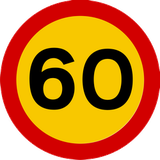
交通ルールアイスランド

わかりやすい説明と視覚的な例を使った図解付きの本で、交通ルールをシンプルかつ楽しく学べます。


1 アイスランド 2 高速道路 3 速度制限 4 橋 5 譲れ 6 優先道路 7 追い越し 8 動物横断 9 カーブ 10 信号機 11 運転免許証 12 後退 13 ナンバープレート 14 一般危険 15 見通しの悪い頂上 16 バス 17 警察 18 救急車 19 欧州排出ガス基準 20 ポットホール 21 通路 22 粒子状物質 23 大気汚染 24 ラッシュアワー 25 交通法規 26 道路側溝 27 カーゴバイク 28 林業車両 29 建設車両 30 セミトレーラートラック 31 トロリーバス 32 スピードペデレック 33 配送車両 34 アイドリング 35 レッカー車 36 四輪駆動 37 自転車 38 オートバイ装備 39 軌道 40 キャラバン 41 トレーラー 42 牽引ヒッチ 43 消防車 44 サイレン 45 車列 46 緊急車両の警光灯 47 農業機械 48 電動自転車 49 電気自動車 50 ペデレック 51 クアドリシクル 52 マイクロカー 53 全地形対応車 54 バン 55 キャンピング車 56 スクーター 57 Trikke 58 パーソナルモビリティ 59 スケートボード 60 セグウェイ 61 キックスクーター 62 ローラースケート 63 郵便配達員 64 ヒッチハイカー 65 幼児 66 子ども 67 障害 68 カートレイン 69 km/h 70 mph 71 速度計 72 車高 73 未舗装土道 74 運転 75 アイドリングストップシステム 76 マニュアルトランスミッション 77 オートマチックトランスミッション 78 スロットル 79 タコメーター 80 ハンドル 81 パワーステアリング 82 スキャニング 83 ミラー 84 燃料 85 燃料計 86 ガソリン 87 ディーゼル燃料 88 ディーゼル排気液 89 自動車保険 90 救急セット 91 消火器 92 高視認性衣類 93 応急手当 94 コンクリートステップバリア 95 バリア 96 車両灯火 97 街路灯 98 ロービーム 99 ハイビーム 100 フォグランプ ...

1. アイスランド

アイスランドは北極圏に近い北大西洋の北欧島国で、ヨーロッパ本土から地理的に離れています。交通は右側通行ですが、強風、雪、氷、急変する天候により道路状況が短時間で変わることがあります。レイキャビクなどの都市を離れると、長い開けた道路、砂利道、狭い道路、一車線橋に遭遇することがあります。山岳内陸部には季節的に開通するFロードなどの荒れた道路があり、四輪駆動車が必要な場合や、夏のかなり遅い時期まで閉鎖される場合があります。

アイスランド語が公用語で、地名や道路標識の多くの文字表記に使用されます。アイスランド語にはð、þ、æなど特徴的な文字があります。特に重要な規則が2つあり、法令で定められた走行用ライトは車両走行中常に点灯しなければならず、また許可された道路や轍以外を走るオフロード走行は、脆弱な自然環境に長期的な損傷を与えるため原則禁止されています。

AI
アイスランドでは道路のどちら側を走りますか?

右側を走行し、通常は左側から追い越します。

アイスランドで緊急時に電話する番号は何ですか?

警察、救急車、消防、捜索救助など緊急援助は112へ電話します。

アイスランドの法定飲酒運転基準はどのくらいですか?

アイスランド交通法では、血中アルコール濃度が0.2‰(0.2 g/l)以上の運転者は安全運転できないとみなされます。したがって、運転前にはアルコールを飲まないのが最も安全です。

アイスランドの市街地の一般速度制限は何km/hですか?

別の標識がない限り市街地の一般最高速度は50 km/hです。住宅地ではより低い制限が一般的です。

アイスランドの市街地外の砂利道の一般速度制限は何km/hですか?

別の標識がない限り、市街地外の砂利道の一般最高速度は80 km/hです。

アイスランドの市街地外の舗装道路の一般速度制限は何km/hですか?

別の標識がない限り、市街地外の舗装道路の一般最高速度は90 km/hです。アイスランド法では、対向方向が分離された条件に適した道路で、標識により最高110 km/hまで設定できます。

アイスランドでは高速道路ヴィネットや道路料金が必要ですか?

全国共通の高速道路ヴィネットはなく、ほとんどの道路は無料です。Vaðlaheiðiトンネルは有料で、Hornafjörðurを通る環状道路も2026年9月1日から有料になっています。

アイスランドでは乗用車も昼間にライトを使う必要がありますか?

はい。昼間を含め、自動車を運転している間は法令で求められる走行用ライトを常に点灯しなければなりません。

アイスランドでスパイクタイヤを使えるのはいつですか?

一般に11月1日から4月15日まで使用できます。その期間外でも道路状況により必要なら使用できます。車両とタイヤが状況に適していることは運転者の責任です。

アイスランドではシートベルトが義務ですか?

車両走行中、シートベルト装備席に座るすべての人にシートベルト着用が義務です。

アイスランドで子どもがチャイルドシートを使用しなければならないのはいつですか?

身長135 cm未満の子どもは、体格に合う認可チャイルドシート、ブースターなど適切な拘束装置を使用します。

アイスランドで作動中のエアバッグ前に子どもを座らせられますか?

身長150 cm未満の子どもは、作動中の前面エアバッグがある前席には座れません。その座席を使わせる前にエアバッグを無効化しなければなりません。

アイスランドでヘルメット着用が必要なのは誰ですか?

オートバイおよびオフロード車の運転者・同乗者は認可された保護ヘルメットを着用しなければなりません。16歳未満の子どもは、自転車または小型動力パーソナル車両を利用する際にもヘルメットが必要です。

アイスランドで運転中に携帯電話を使えますか?

運転者はハンズフリー機器なしで、運転中に携帯電話、スマートデバイスなど注意をそらす電子機器を使用してはいけません。

アイスランドで右から来る交通に道を譲るのはいつですか?

優先関係が別に規制されていない交差点では、一般に右から来る交通へ道を譲る必要があります。標識などの個別優先規則がこの原則を上書きする場合があります。

アイスランドのラウンドアバウトでは誰が優先ですか?

進入する運転者はすでに環状内を走る交通へ道を譲る必要があります。2車線ラウンドアバウトで最初の出口を使う場合は外側車線を使い、外側車線の運転者は内側車線から退出する車両へ道を譲ります。環状内走行中に内外車線を変更してはいけません。

アイスランドの横断歩道で運転者は何をしなければなりませんか?

信号などで規制されていない横断歩道では、横断歩道上または進入中の歩行者が安全に横断できる機会を与え、必要なら停止します。

アイスランドで自転車を追い越す際、どのくらい間隔を空ける必要がありますか?

自転車または軽モペッドを追い越す際は、少なくとも1.5 mの側方間隔を取ります。

アイスランドの住宅道路の速度制限は何km/hですか?

指定されたvistgata、つまり住宅交通静穏化道路の最高速度は15 km/hです。運転者は歩行者へ特に配慮し、優先を与えます。

アイスランドの狭い道路や一車線橋では誰が優先ですか?

2台が安全にすれ違えないほど道路が狭い場合、一般に先に到着した運転者が優先です。後から来た運転者は可能なら停止、退避、後退します。ただし橋や狭窄部に個別の優先標識がある場合はそれに従います。

アイスランドのFロードを普通乗用車で走れますか?

道路によります。夏に一般交通が利用できる高地路線もありますが、多くは非常に荒れており、橋のない河川渡河を含む場合があります。F2に分類される道路には適切な四輪駆動車が必要で、F3は大型で十分装備された四輪駆動車やスーパージープ向けです。高地へ入る前に最新道路状況とレンタカー会社の制限を必ず確認します。

アイスランドの高地道路はいつ開通しますか?

固定された開通日はありません。雪、融雪で軟らかくなった地面などの条件が、道路を傷めず交通を通せる状態になるまで山岳道路は閉鎖されます。6月下旬や7月まで開通しない路線もあり、利用できる期間が短い場合があります。

アイスランドではオフロード走行が認められていますか?

認可された道路や轍から外れて走ることは原則禁止です。アイスランドの植生や火山性地表は非常に脆弱で、車両の轍が長期間残る損傷を与えることがあります。

アイスランドの信号で赤と黄は何を意味しますか?

赤は停止を意味します。連続した黄信号も停止を意味しますが、停止すると危険になるほどすでに信号へ近づいている場合は例外です。

アイスランドの道路で車両が故障したらどうすべきですか?

車両が車道上で意図せず停止した場合、可能ならハザードランプを使用し、必ず警告三角表示板を設置して接近交通へ警告します。

2. 高速道路

高速道路は、自動車交通のために特別に設計され、標識で指定された道路です。通常、対向交通用の車道が分離され、指定された出入口によるアクセス制御があり、沿道施設への直接出入りや、他の道路・鉄道・通路との平面交差はありません。

高速道路では特別な交通規則が適用されます。利用できる道路利用者、速度制限、車線規則、通行料金、緊急時の手順は国によって異なるため、運転者は現地の交通標識と規則に従う必要があります。
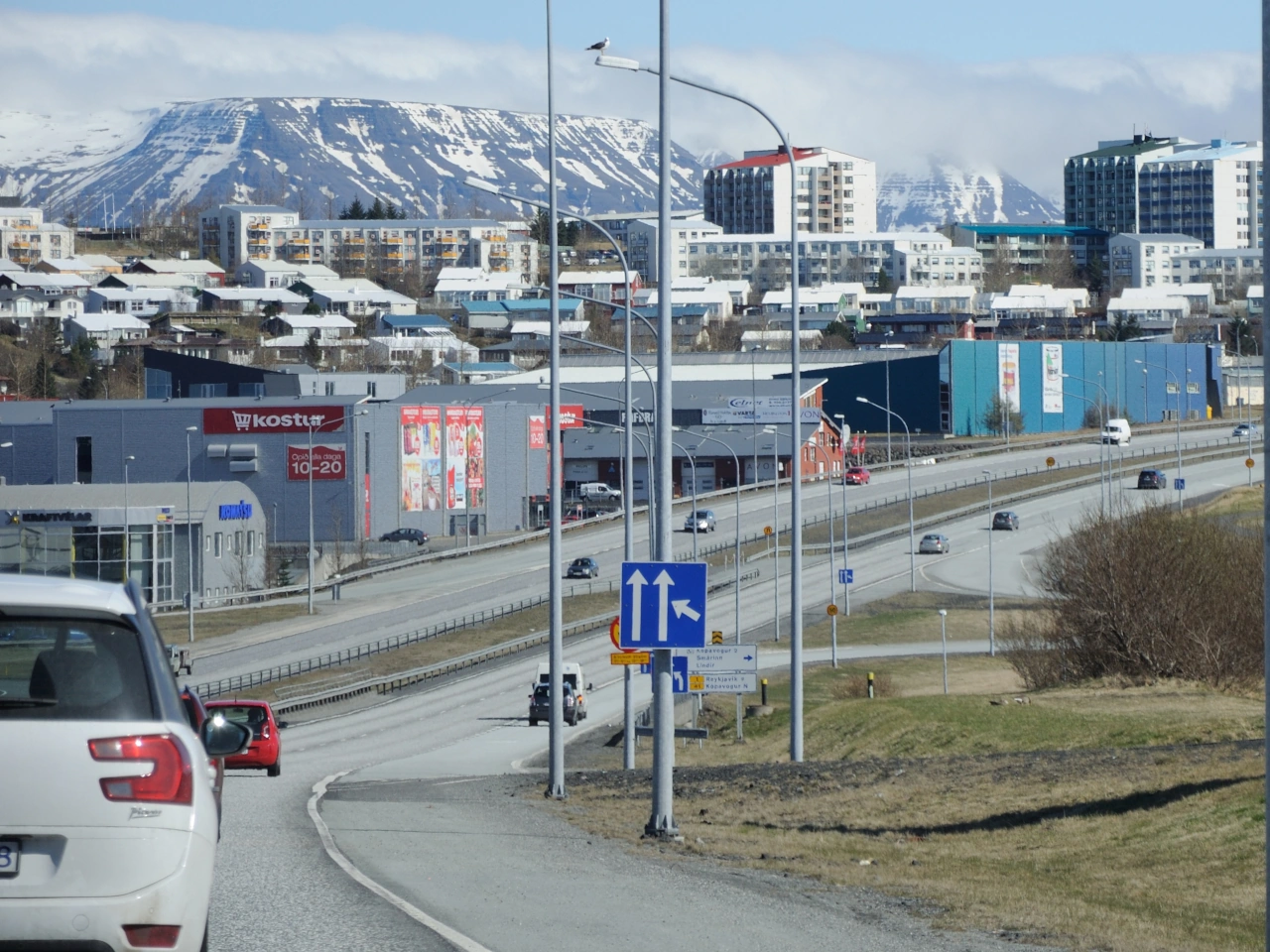
高速道路
How can you recognise a motorway?

A motorway is normally identified by a special motorway sign at its entrance. It commonly has separate carriageways, controlled entrances and exits, and no ordinary intersections or direct access to neighbouring properties.

Who may use a motorway?

Motorways are primarily intended for motor vehicles capable of travelling safely at motorway speeds. Pedestrians, cyclists, animals and certain slow vehicles are generally prohibited, but the exact access requirements differ between countries.

What is the speed limit on a motorway?

There is no universal motorway speed limit. The applicable limit depends on the country, road section, vehicle category and driving conditions. Posted or variable speed-limit signs may replace the general national limit.

How should you enter a motorway?

Use the entrance or acceleration lane to observe motorway traffic and adjust your speed where possible. Enter only when there is a safe gap and follow the local priority and merging rules.

How should you leave a motorway?

Move into the correct lane in good time and signal when required. Enter the exit or deceleration lane before reducing your speed, unless traffic, signs or road conditions require you to slow down earlier.

Which lane should you use on a motorway?

Follow the local keep-left or keep-right rule and any lane-direction signs. Lanes closer to the centre of the motorway are commonly used for overtaking, but lane-use rules differ between countries and vehicle categories.

Can you stop on a motorway?

Voluntary stopping and parking are normally permitted only in designated parking or service areas. Drivers may still have to stop because of congestion, an emergency or another unavoidable situation.

Can you reverse or make a U-turn on a motorway?

Reversing, making a U-turn and driving against the direction of traffic are generally prohibited. If you miss an exit, continue to the next suitable exit.

What should you do if your vehicle breaks down?

Move the vehicle out of the traffic lanes when this can be done safely, activate the hazard warning lights and follow the local breakdown procedures. Leave the vehicle safely, keep away from moving traffic and use a warning triangle or safety vest where required by local law.

What is the difference between a motorway and an expressway?

A motorway normally has the highest level of access control and is governed by specific motorway rules. An expressway may have similar characteristics but may permit different road users or contain lower-standard junctions. The legal distinction varies between countries.

3. 速度制限

速度制限は、道路、車線、または指定区域で法律上許可される最高速度です。一般交通法規によって定められる場合も、固定式・可変式・一時的な標識で示される場合もあります。

速度制限は上限であり、目標速度ではありません。交通、視界、天候、路面状況、交通弱者、車両状態などにより上限速度が安全でない場合、運転者はさらに減速する必要があります。

What is a speed limit?

A speed limit is the maximum legal speed permitted on a road, lane or within a designated area. It does not require drivers to travel at that speed.

How can you recognise a speed limit?

A speed limit is commonly displayed as a number on a regulatory traffic sign. General limits may also apply automatically because of the country, road category, vehicle type or surrounding area, even when no speed-limit sign is present.

Is the speed limit a recommended driving speed?

No. It is the highest speed legally permitted under suitable conditions. Drivers must reduce their speed whenever travelling at the limit would be unsafe.

Can you drive more slowly than the speed limit?

Yes. Drivers should travel more slowly when required by traffic, weather, visibility, road conditions or nearby vulnerable road users. Driving unnecessarily slowly may nevertheless be prohibited when it obstructs normal traffic.

Does the same speed limit apply to every vehicle?

Not always. Lower limits may apply to heavy vehicles, buses, vehicles towing trailers, novice drivers or other vehicle categories. The lowest applicable limit must be respected.

What is a default speed limit?

A default speed limit applies automatically to a particular road type or area when no traffic sign indicates another limit. Examples include general limits for motorways, built-up areas or roads outside built-up areas.

Does a posted speed limit replace the default limit?

Usually, yes. A legally placed speed-limit sign normally introduces another maximum speed, although lower vehicle-specific or special-road limits may continue to apply.

When does a speed-limit sign take effect?

A speed restriction normally begins at the location of the sign. Drivers should reduce their speed before passing the sign so that they are already travelling within the limit when it takes effect.

When does a speed limit end?

A signed limit may end at an intersection, an end-of-limit sign, another speed-limit sign or the beginning or end of a legally defined area. The exact rule differs between countries.

Does an intersection end a speed limit?

This depends on local law. An ordinary speed restriction may end at an intersection in some countries, while a zonal speed limit normally continues across intersections until an end-of-zone sign.

What is a speed zone?

A speed zone is an area in which the displayed maximum speed applies throughout all included roads. The limit normally remains in force until the corresponding end-of-zone sign.

What is a variable speed limit?

A variable speed limit is displayed on an electronic or changeable sign and may be adjusted according to congestion, weather, incidents or roadworks. When activated, it has the same legal importance as another applicable regulatory speed sign.

Can different lanes have different speed limits?

Yes. Signs positioned above individual lanes may impose different limits on those lanes. Drivers must observe the limit applying to the lane they use.

Can a temporary speed limit apply?

Yes. Temporary limits may be introduced near roadworks, collisions, hazards or special events. Drivers must follow the temporary traffic signs and instructions that are legally in force.

May you exceed the speed limit while overtaking?

No. Overtaking does not normally permit a driver to exceed the applicable maximum speed. The manoeuvre must be completed safely while respecting the speed limit.

Do poor conditions change the legal speed limit?

Some countries impose specific lower limits in rain, snow or other conditions. Even where the numerical limit does not change, drivers must reduce their speed sufficiently for the conditions.

4. 橋

橋は、道路、通路、鉄道を川、谷、鉄道路線、別の道路などの障害物の上に通す構造物です。道路橋には1本以上の車道に加え、歩道や自転車施設が設けられる場合があります。

運転者は橋に適用される速度、重量、高さ、幅、車両進入制限に従う必要があります。狭い橋、風にさらされる橋、可動橋では特に注意し、風、雨、氷などが路面に影響する場合も慎重に運転します。
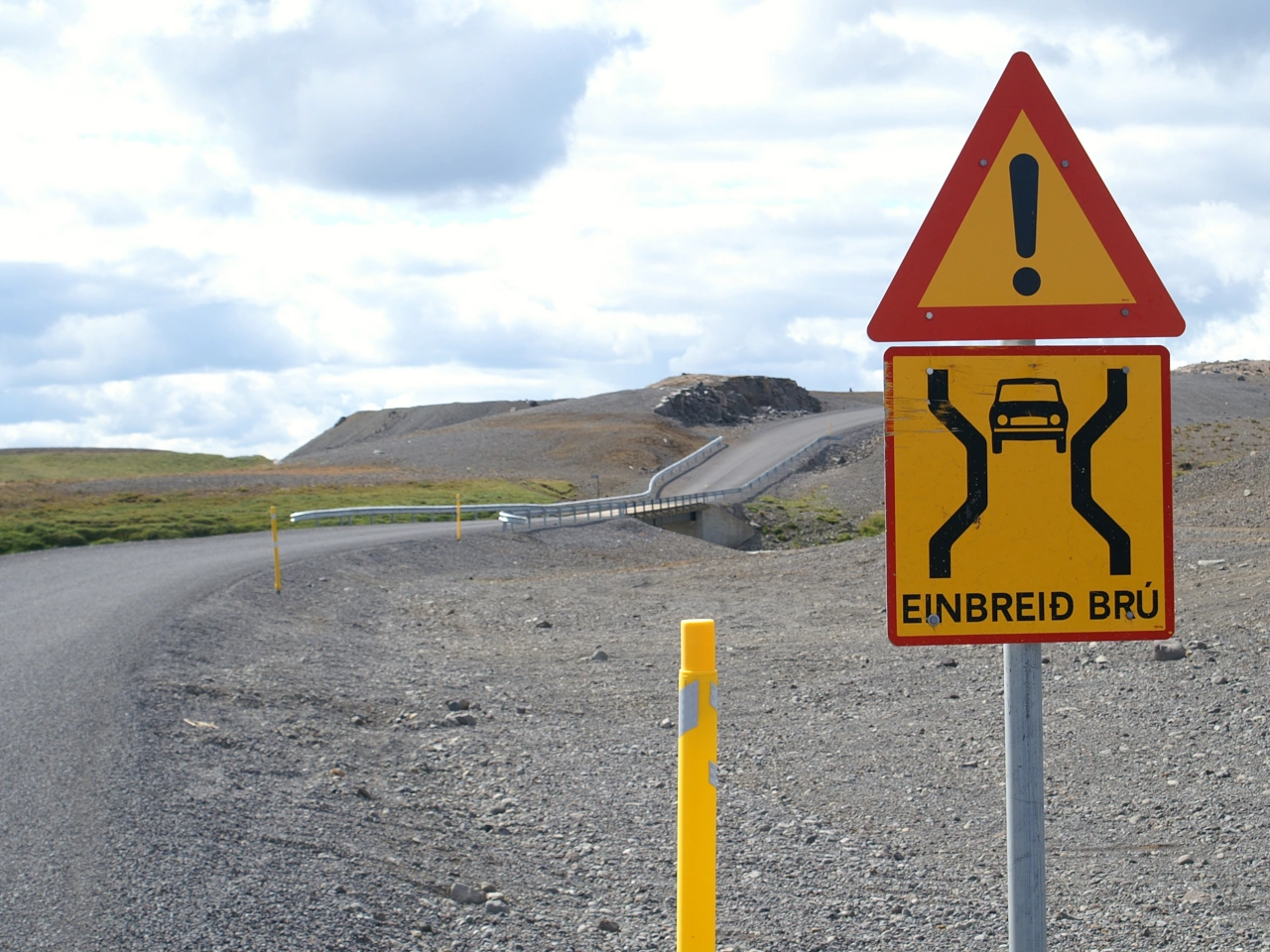
橋
What is a bridge?

A bridge is a structure that carries a road, path or railway over an obstacle such as a river, valley, railway or another road.

Can a bridge carry several traffic lanes?

Yes. Road bridges may carry one or several traffic lanes and can also contain pavements, cycle facilities or public-transport infrastructure.

Can a bridge have a weight limit?

Yes. A bridge may have restrictions on the maximum vehicle mass or axle load that it can safely accommodate. Drivers of heavy vehicles must obey the applicable signs.

Can a bridge have a width or height restriction?

Yes. Narrow bridges or structures forming part of a bridge can have width, height or other dimensional restrictions indicated by traffic signs.

What is a movable bridge?

A movable bridge is a bridge that can open, lift, swing or otherwise move to allow ships or other traffic to pass beneath or through it.

What should you do when a movable bridge is opening?

Stop when required by the traffic lights, barriers or other signals and remain behind the designated stopping point until the crossing is reopened.

Can bridges become slippery?

Yes. Bridge surfaces can become wet, icy or slippery and may sometimes cool differently from the surrounding road. Drivers should adapt their speed to the actual conditions.

Can strong winds be dangerous on a bridge?

Yes. Exposed bridges can be affected by crosswinds, particularly for motorcycles, bicycles, high-sided vehicles and vehicles towing trailers.

Can you stop or park on a bridge?

This depends on the local traffic rules, road layout and signs. Stopping or parking may be prohibited where it would create danger, obstruct traffic or reduce the available road width.

Can pedestrians and cyclists use a bridge?

Yes, where permitted. Bridges may provide pavements, cycle paths or shared facilities, while high-speed or restricted bridges may prohibit certain road users.

Can traffic be restricted to one direction on a narrow bridge?

Yes. Priority signs, traffic lights or other traffic-management measures may control which direction passes first where two-way traffic cannot safely meet.

Should you overtake on a narrow bridge?

Only when overtaking is legal and clearly safe. Limited width or visibility can make overtaking inappropriate even where no specific prohibition is shown.

5. 譲れ

譲れ標識は、運転者に速度を落とし、必要に応じて停止して、優先権を持つ道路利用者へ道を譲ることを求めます。一般に逆三角形の標識が使われます。

必ず完全停止する必要はありませんが、安全に進めない場合は停止しなければなりません。どの交通に譲るかは交差点の構造、標識、現地の優先規則によって決まります。
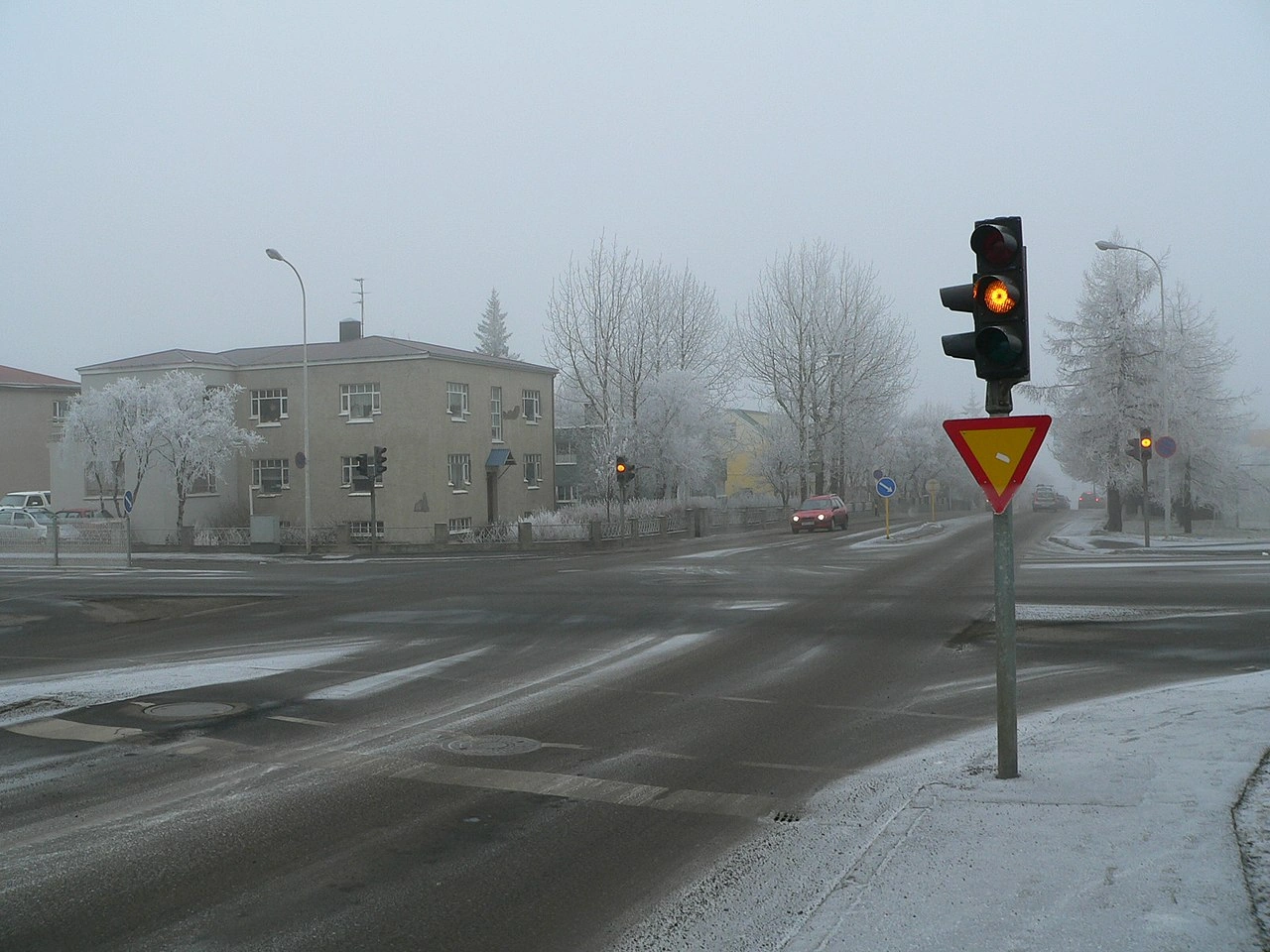
譲れ
What does a give-way sign mean?

A give-way sign requires drivers to allow traffic with priority to proceed first. The driver must slow down and stop when necessary.

How can you recognise a give-way sign?

It is commonly an inverted triangular sign with a red border and a light-coloured centre. In some countries, it is called a yield sign.

Must you always stop at a give-way sign?

No. You must stop only when necessary to give way or obtain a sufficiently clear view. You may continue slowly when the road is clearly free.

What does giving way mean?

Giving way means allowing another road user to continue without being forced to brake, accelerate, stop or change direction because of your movement.

Where should you stop when necessary?

Stop before the give-way line where one is provided. Without a line, stop before entering the intersection or priority road at a position where you can observe traffic safely.

May you cross the give-way line before stopping?

You may move beyond the line only when this does not interfere with traffic that has priority. Where visibility is limited, first slow or stop at the line and then move forward cautiously.

What is the difference between give way and stop?

A stop sign always requires a complete stop. A give-way sign permits the driver to continue without stopping when the road is clearly free and it is safe to proceed.

Does slowing down satisfy the give-way requirement?

Only when slowing down is sufficient to let all priority traffic proceed safely. If another road user would be hindered, the driver must slow further or stop.

Who must you give way to?

Give way to traffic travelling on the road being entered or crossed and to any pedestrians, cyclists or other road users who have priority under the applicable rules.

Does giving way apply only to vehicles approaching from one direction?

No. Check every direction from which lawful traffic may approach, including cycle paths, one-way roads with authorised contraflow traffic and separate carriageways.

Does a give-way sign give the other road permanent priority?

The sign determines priority at the particular location. The priority arrangement at later intersections may be different unless the road is separately identified as a priority road.

Does giving way give you priority afterwards?

No. You may proceed only when it is safe. Another driver’s hesitation or courtesy does not remove your responsibility to avoid danger.

Must every vehicle in a queue give way separately?

Yes. Each driver must observe the road and make an individual decision. You may not follow another vehicle through without checking that the way remains clear.

Does a give-way sign apply to cyclists?

Normally, yes. Cyclists are generally treated as drivers and must obey the sign unless a supplementary sign or local rule provides otherwise.

Can a give-way sign apply only to cyclists?

Yes. Some countries use supplementary signs or path-specific signs to require cyclists to give way while other traffic follows a different priority arrangement.

Does a give-way sign change the speed limit?

No. It regulates priority rather than speed. Drivers must still approach slowly enough to observe traffic and stop when necessary.

Does a give-way sign change turning rules?

No. Drivers must still obey traffic lights, lane arrows, mandatory-direction signs and turning prohibitions.

How does give way work at a roundabout?

Many roundabout entrances have give-way signs requiring entering traffic to yield to vehicles already circulating. Drivers must follow the actual signs because roundabout priority rules differ between countries.

Do traffic lights override a give-way sign?

Functioning traffic lights commonly take precedence over priority signs controlling the same movement. The give-way sign may apply again when the lights are switched off or flashing, depending on local law.

Do police instructions override a give-way sign?

Yes. Instructions from an authorised traffic officer normally take precedence over traffic signs and ordinary priority rules.

What should you do when visibility is limited?

Reduce speed substantially and stop when necessary. Move forward cautiously only after giving way and checking that the road can be entered without danger.

6. 優先道路

優先道路は、交差する道路より通行優先権を持つことが標識で示された道路です。優先は通常、優先道路終了標識や別の交通規制があるまで続きます。

優先道路を走行していても、信号、警察官、横断歩道、緊急車両など他の規則が優先する場合があります。運転者は交差点へ安全な速度で近づく必要があります。
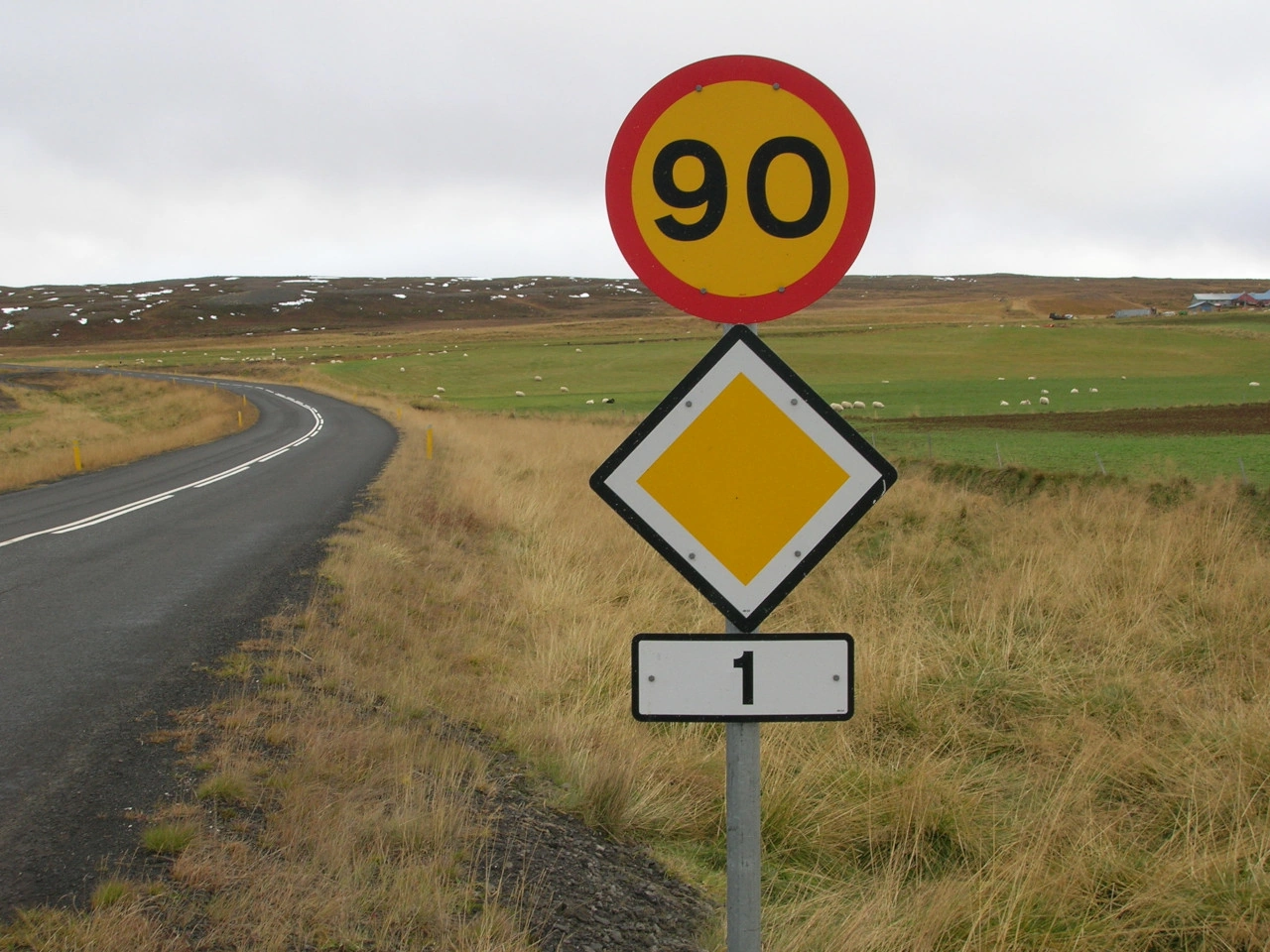
優先道路
What is a priority road?

A priority road is a road on which drivers normally have priority over traffic entering from intersecting side roads.

How can you recognise a priority road?

It is normally indicated by a priority-road sign at or near its beginning. A corresponding end sign indicates where its continuing priority status stops.

Does a priority road have priority at every intersection?

Normally, yes, while the priority-road designation remains in force. Drivers must still observe traffic lights, authorised officers and any signs applying at a particular intersection.

Does an intersection end a priority road?

Not necessarily. A priority road commonly continues across successive intersections until an end sign or another legally defined change in priority.

Must side roads have give-way or stop signs?

Side roads are commonly controlled by give-way or stop signs, but sign placement and legal requirements differ between countries.

Does traffic from both the left and right have to give way?

Where the priority-road signs apply, drivers entering from intersecting side roads must normally give way regardless of whether they approach from the left or right.

Is a priority road the same as having priority at one intersection?

No. A priority-road sign normally creates continuing priority across several intersections. Another sign may grant priority only at the next intersection.

Does a priority road always continue straight ahead?

No. The priority route may turn at an intersection. A supplementary diagram may show which branch retains priority.

Must you signal when the priority road bends?

Priority does not remove the duty to signal. Use the direction indicators whenever following or leaving the priority route involves a change of direction or lateral movement.

Does having priority mean you may enter without slowing down?

No. Approach every intersection at a safe speed and remain prepared for another road user to fail to give way.

Does a priority road have a special speed limit?

No. The applicable general, zonal or posted speed limit remains in force.

Do traffic lights override priority-road signs?

Functioning traffic lights normally control the intersection instead of the priority signs. Local rules determine what applies when the lights are switched off or flashing.

Do police instructions override priority-road signs?

Yes. Instructions from an authorised traffic officer normally take precedence over traffic signs and ordinary priority rules.

Do pedestrians still have priority at crossings?

Yes, where the applicable crossing rules give them priority. Priority over side-road traffic does not remove duties towards pedestrians.

Must you give way when turning off a priority road?

You must still give way to oncoming traffic, pedestrians, cyclists and other road users where the normal turning rules require it.

Do cyclists on a priority road have priority?

Cyclists using the road or a continuing bike path may have priority over entering or turning traffic, depending on signs, markings and local law.

Does a priority road give priority at a roundabout?

Not automatically. Roundabout priority is determined by its own signs, signals and local rules.

May you overtake on a priority road?

Priority-road status does not itself permit or prohibit overtaking. Drivers must follow the ordinary overtaking rules, markings and visibility requirements.

May you stop or park on a priority road?

This depends on local law and signs. Some countries prohibit parking on priority roads outside built-up areas, while other parking rules may apply inside towns and cities.

Does a vehicle leaving a property have priority?

No. A driver entering the road from a property, parking place or other off-road location normally performs a manoeuvre and must give way to road users already present.

May you enter a blocked intersection when you have priority?

No. Do not enter when congestion would force you to stop inside the intersection and obstruct crossing traffic.

How does a priority road end?

Its continuing priority normally ends at an end-of-priority-road sign. Drivers must then follow the signs or ordinary priority rule applying at the next intersection.

7. 追い越し

追い越しは、同じ方向へ進む他の道路利用者を通過する行為です。通常は位置や車線を変え、遅い道路利用者を通過した後、安全を確認して適切な位置へ戻ります。

追い越し前には十分な視界と空間を確認し、ミラーと死角を確認し、必要な合図を行い、他の道路利用者がすでに追い越し中でないことを確かめます。速度制限を超えたり、他者を危険にさらしたりせず完了しなければなりません。
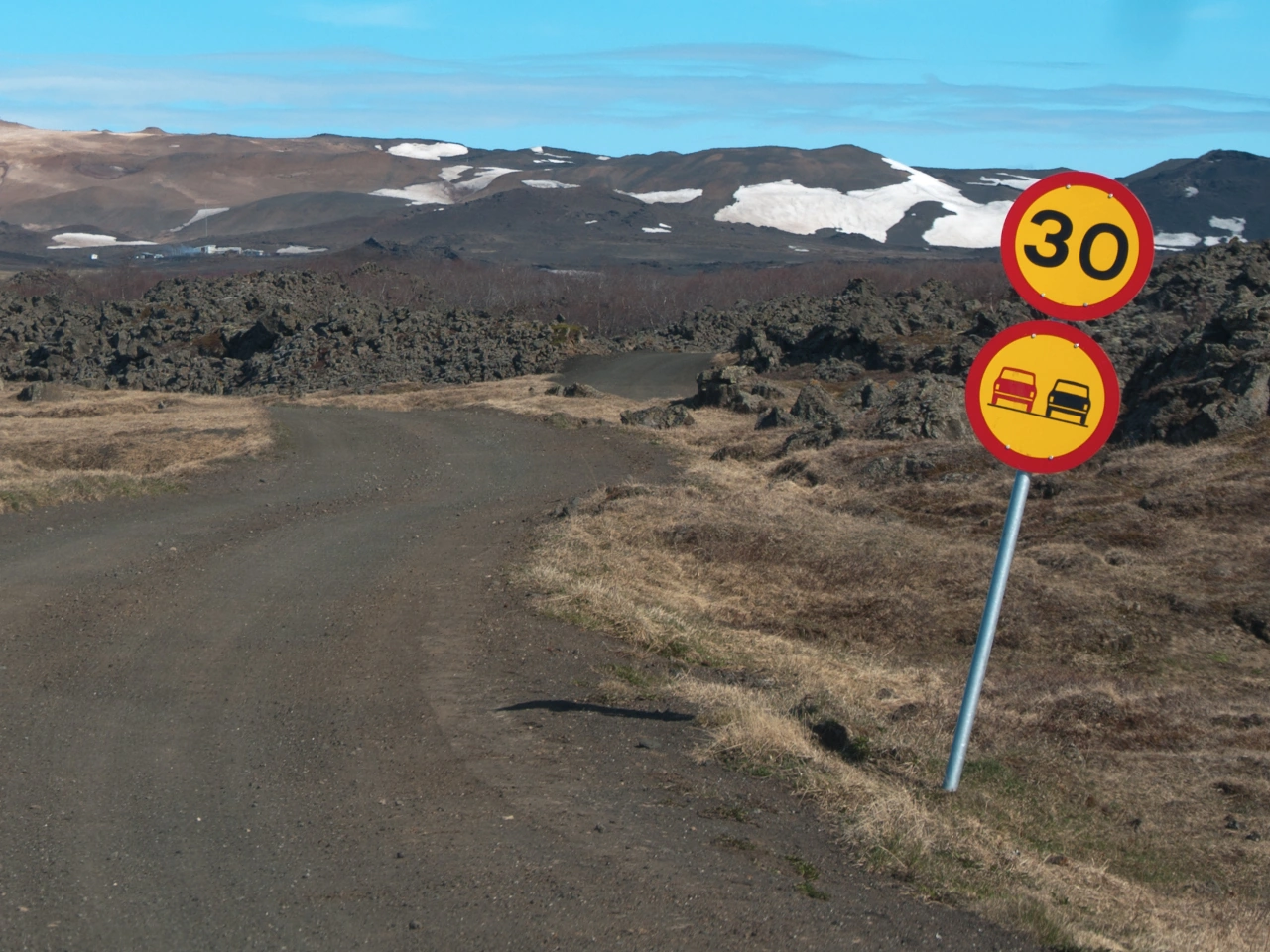
追い越し
On which side should you overtake?

In right-hand traffic countries, overtaking normally takes place on the left. In left-hand traffic countries, it normally takes place on the right. National rules can provide exceptions in particular situations.

What should you check before overtaking?

Make sure there is sufficient visibility and space, check mirrors and blind spots, ensure that nobody behind has already started overtaking and confirm that you can safely return to your normal position after passing.

When should you not overtake?

Do not overtake where signs or road markings prohibit it or where visibility, approaching traffic, intersections, crossings, bends, hills or other conditions make the manoeuvre unsafe.

8. 動物横断

動物横断警戒は、野生動物、家畜、乗用動物が道路へ進入または横断する可能性がある場所を示します。動物は突然現れ、予測できない動きをし、暗闇や植生、悪天候では見えにくいことがあります。

運転者は減速し、道路両側を確認し、停止できるよう備える必要があります。この標識自体が動物に法的優先権を与えたり特定速度を定めたりするわけではありませんが、動物を驚かせたり危険にさらしたり衝突したりしないよう運転します。

What does an animals-crossing sign mean?

It warns that animals may enter or cross the road in the area ahead.

Which animals may the sign refer to?

Depending on the symbol and local conditions, it may refer to deer, cattle, horses, sheep, goats, wild boar or other animals.

How can you recognise an animals-crossing sign?

It is commonly a triangular warning sign displaying the silhouette of an animal. The species shown may indicate the type of animal most likely to be encountered.

Does the sign mean animals are always present?

No. It indicates an increased likelihood of animals crossing, not that animals will be present every time.

Does the sign impose a speed limit?

No. The normal posted or general speed limit remains applicable, but drivers must reduce speed when necessary to react safely.

Do animals have priority because of the sign?

No automatic priority is created by the warning sign. Drivers must nevertheless avoid danger and allow animals already on the road to pass safely.

How should you approach an animal-crossing area?

Reduce speed, increase your following distance and scan the road, verges, fields and vegetation for movement or reflected eyes.

When are wild animals most likely to appear?

Animal activity is often greater around dawn, dusk and darkness, although animals may cross at any time.

Why should you expect more than one animal?

Many animals travel in groups. When one animal crosses, others may follow immediately from the same direction.

Should you sound the horn?

Avoid unnecessary horn use or engine revving because it may frighten an animal and make its movement less predictable. Use a warning only when reasonably necessary to prevent danger.

Should you use full-beam headlights?

Use the appropriate lights without dazzling other road users. When an animal is visible, reduce speed and avoid relying on full beam to make it move away.

What should you do when an animal is on the road?

Slow down smoothly, stop when necessary and allow it enough time and space to leave. Avoid sudden acceleration or aggressive steering.

Should you swerve to avoid an animal?

Avoid an uncontrolled swerve that could cause a collision with another vehicle, tree, barrier, cyclist or pedestrian. Brake firmly while maintaining control and steer only when a safe escape path is clearly available.

How should you pass livestock?

Pass only when the animals and their handlers have sufficient space. Drive slowly, avoid noise and be prepared for an animal to change direction unexpectedly.

How should you pass a horse and rider?

Reduce speed, leave a large lateral distance and pass quietly. Avoid sounding the horn, accelerating sharply or passing when oncoming traffic prevents sufficient clearance.

Must you follow instructions from an animal handler?

Follow lawful instructions from an authorised person and cooperate with handlers controlling animals on or across the road.

May you overtake near an animal crossing?

The warning sign does not necessarily prohibit overtaking, but overtaking should be avoided when animals, limited visibility or approaching traffic make the manoeuvre unsafe.

What if an animal appears behind another vehicle?

Maintain enough following distance to see beyond the vehicle ahead. Be prepared for it to brake suddenly when an animal enters the road.

What should motorcyclists and cyclists do?

Reduce speed, keep both hands firmly in control and avoid sudden movements. Animals may react unexpectedly to quiet or fast-approaching two-wheeled vehicles.

What should you do after hitting an animal?

Stop safely, activate the hazard warning lights and check for injured people. Contact the emergency services or police when necessary and do not approach a wounded wild animal, which may defend itself.

Should you move an injured or dead wild animal?

Normally not. Keep a safe distance and allow the police, wildlife authorities or an animal-rescue service to handle it.

Can animals be present without a warning sign?

Yes. Drivers remain responsible for observing the road and adjusting their speed even where no animal warning sign is displayed.

9. カーブ

カーブは、道路が左または右へ方向を変える区間です。急なカーブ、予期しにくいカーブ、見通しの悪いカーブでは、対向車、停止車両、歩行者、その他の危険を確認できる距離が短くなります。

運転者はカーブに入る前に減速し、自分の車線内を保ち、滑らかに操舵、制動、加速します。警戒標識は最初のカーブ方向や連続カーブを示す場合があります。
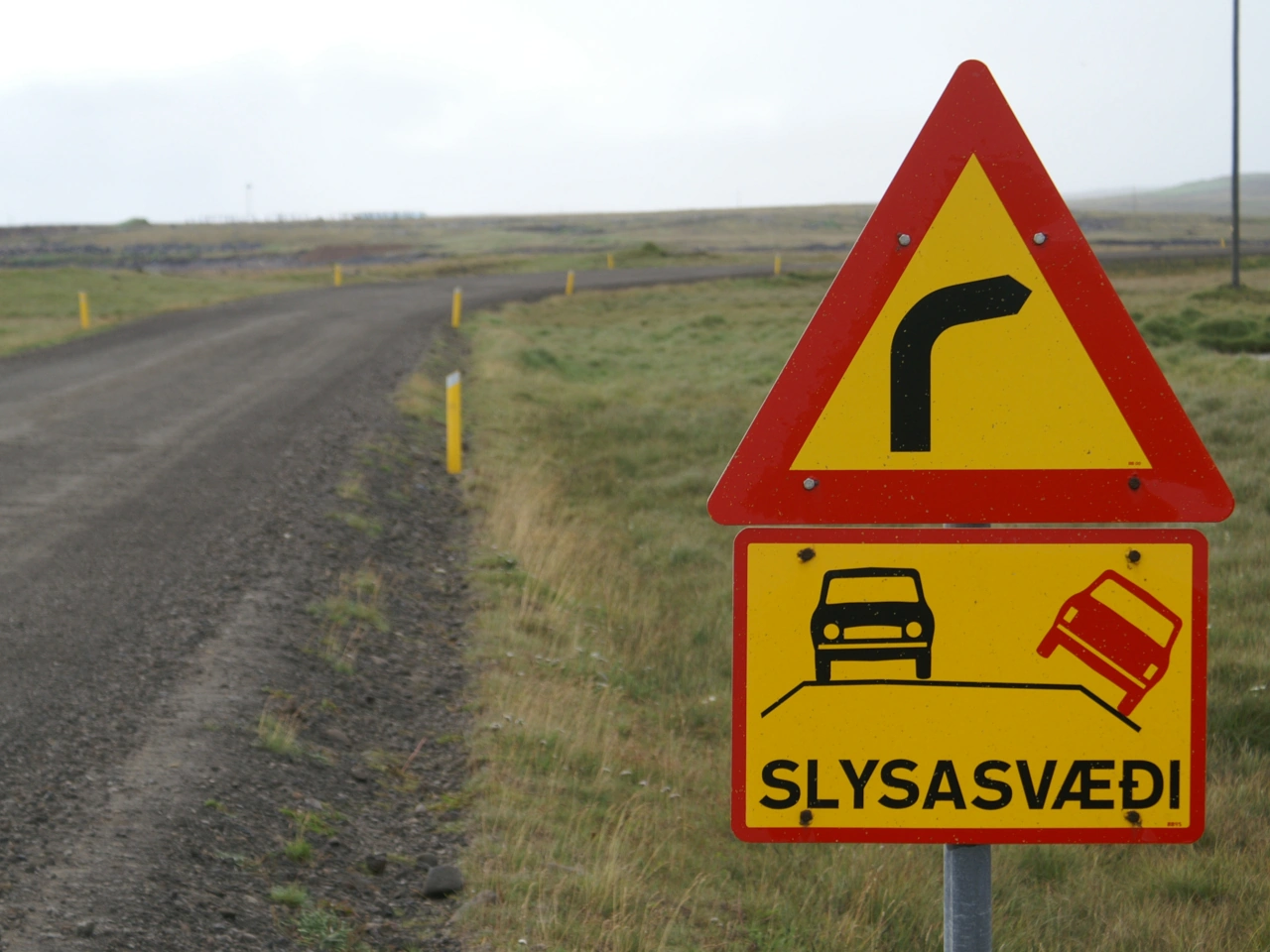
カーブ
What is a road curve?

A road curve is a section where the road changes direction to the left or right.

How can you recognise a dangerous curve?

It may be indicated by a triangular warning sign showing a curved line. The symbol normally indicates whether the first curve turns left or right.

What is a double curve?

A double curve consists of two curves in opposite directions. The warning sign normally shows the direction of the first curve.

Can a sign warn of more than two curves?

Yes. A double-curve symbol may also warn of a longer sequence of successive curves. A supplementary panel may indicate the length of the winding section.

Does a curve-warning sign impose a speed limit?

No. It normally warns of danger rather than setting a numerical limit. Drivers must still reduce speed when the permitted maximum would be unsafe.

When should you reduce speed for a curve?

Reduce speed before entering the curve, while the vehicle is travelling straight and has maximum stability.

Should you brake heavily while cornering?

No. Harsh braking in a curve can reduce stability and grip. Complete most braking beforehand and use smooth adjustments where necessary.

Should you accelerate through a curve?

Maintain a controlled speed through the curve. Accelerate smoothly only when the exit becomes visible and the vehicle is stable.

Where should you look while driving through a curve?

Look towards the path you intend to follow and the visible exit of the curve. Continue checking the road surface, lane position and nearby traffic.

Must you remain in your lane?

Yes. Do not cross the centre line or cut across another lane, even when this would make the curve appear easier to negotiate.

Why is visibility limited in a curve?

Buildings, vegetation, slopes, barriers and the road alignment may hide oncoming traffic, cyclists, pedestrians, stopped vehicles or debris.

How fast should you drive through a curve?

Choose a speed that allows you to remain in your lane and stop within the distance you can see to be clear. The safe speed may be far below the legal maximum.

What is an advisory speed for a curve?

An advisory speed is a recommended safe speed for negotiating the curve under suitable conditions. It is not necessarily the legal maximum speed.

How do rain, snow or ice affect a curve?

They reduce tyre grip and increase the risk of skidding. Reduce speed earlier, use smooth controls and leave additional distance from other vehicles.

What should you do if gravel or debris is present?

Avoid sudden braking or steering. Reduce speed smoothly and follow a clear path without entering another traffic lane.

May you overtake in a curve?

Do not overtake when visibility is insufficient to see approaching traffic and complete the manoeuvre safely. Local law, signs and continuous road markings may also prohibit overtaking.

May you stop or park in a curve?

Only where it is permitted and the vehicle remains clearly visible. Stopping or parking in a poorly visible curve may create a serious hazard and is often prohibited.

Should you follow another vehicle closely through a curve?

No. Leave enough distance to react if the vehicle ahead brakes for a hidden obstruction or a sharper part of the curve.

Why should motorcyclists take extra care?

Motorcycles require grip for both cornering and braking. Riders should reduce speed before the curve, choose a stable line and avoid painted markings, gravel and slippery surfaces.

How can a curve affect a trailer or caravan?

A trailer may sway, track closer to the inside of the curve or become unstable when speed and steering inputs are excessive. Enter slowly and steer smoothly.

Why do large vehicles need more space?

Buses and trucks may move closer to lane boundaries because of their length and width. Other drivers should avoid travelling beside them through a tight curve.

What should you do if an oncoming vehicle crosses the centre line?

Reduce speed, move safely towards your side of the road and avoid a sudden manoeuvre that could cause another collision. Sound a warning only when reasonably necessary.

Does the absence of a warning sign mean every curve is safe at the speed limit?

No. Drivers must assess every curve and adapt their speed even when no warning sign is displayed.

10. 信号機

信号機は、色灯、矢印、記号によって道路利用者が進行できる時、停止準備をする時、停止し続ける時を規制します。進行方向、車線、歩行者、自転車、公共交通ごとに別の信号がある場合があります。

青信号でも、進路が空いており、その動きが法的に許可される場合にのみ進めます。優先規則、右左折制限、車線表示、交通整理員の指示にも従う必要があります。
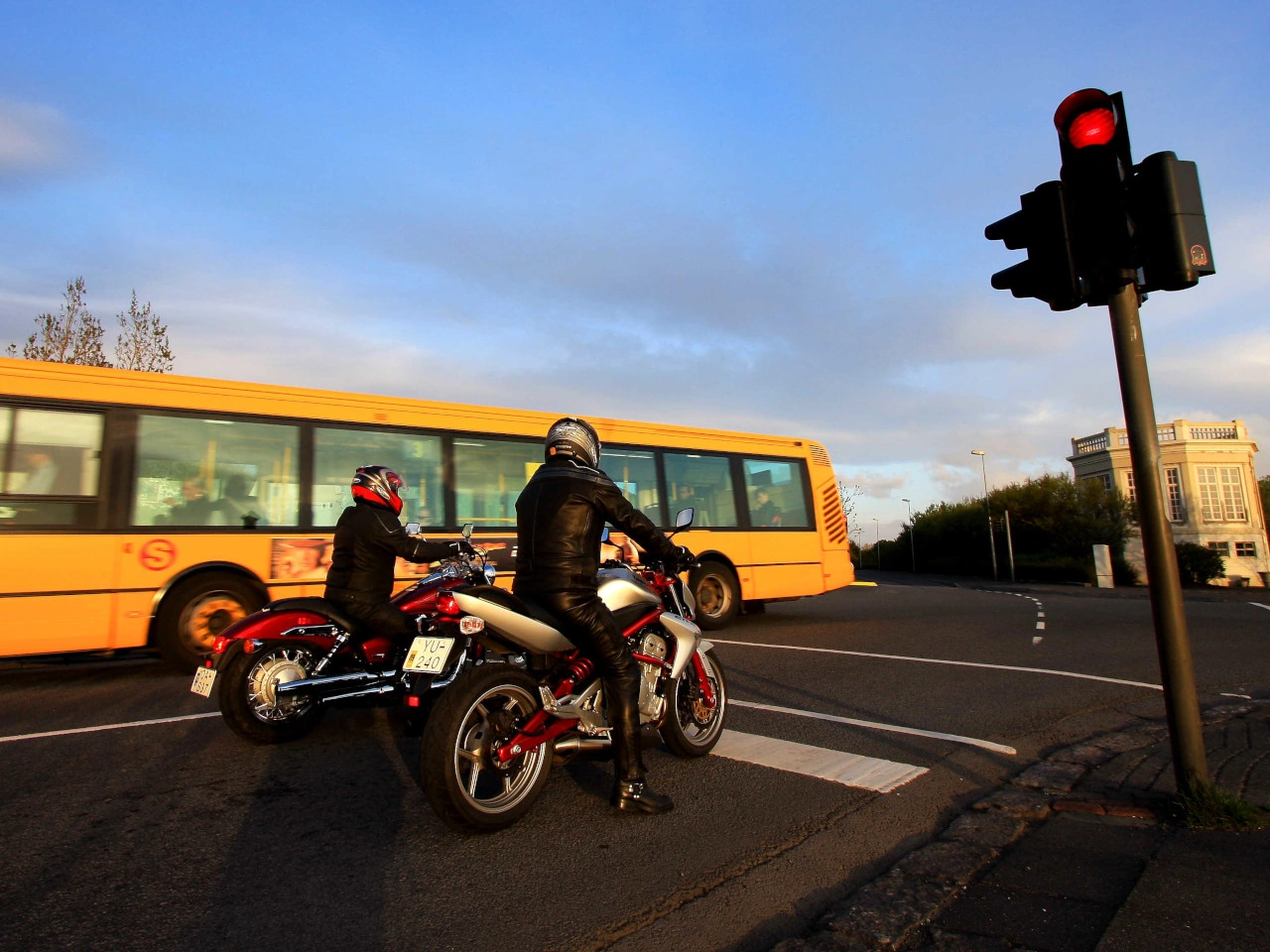
信号機
What are traffic lights?

Traffic lights are signals that use coloured lights, arrows or road-user symbols to regulate traffic movements.

What does a red traffic light mean?

A red light requires road users to stop before the stop line or signal and remain stopped until movement is permitted.

What does a steady amber light mean?

A steady amber light normally requires drivers to stop unless they are already too close to stop safely. It warns that the signal is changing to red.

What does a green traffic light mean?

A green light permits road users to pass the signal, but only when the route is clear and the intended movement is otherwise legal.

Does green mean that you have priority over everyone?

No. You may still have to give way to pedestrians, cyclists, oncoming traffic or other road users when turning or following a conditional arrow.

May you enter a blocked intersection on green?

No. Do not enter when congestion is likely to leave you stopped inside the intersection and obstructing crossing traffic.

Where should you stop at a red light?

Stop before the stop line. When no stop line is provided, stop before the traffic light or at another legally prescribed position.

May you cross the stop line and then stop?

No. The required stop must normally be completed before the stop line. Do not stop on a pedestrian or cycle crossing.

What if the light changes to amber while you are approaching?

Stop when this can be done safely. Continue only when you are already too close to stop without creating danger.

Should you accelerate to pass an amber light?

No. Do not accelerate to avoid stopping. Maintain control and stop unless doing so safely is no longer possible.

What do arrow-shaped traffic lights mean?

They have the same general meaning as circular lights, but the prohibition or permission applies only to the direction shown by the arrow.

What does a green arrow displayed with a red light mean?

It may permit travel in the indicated direction while other movements remain prohibited. Drivers may still have to give way to conflicting traffic and pedestrians.

Does a green arrow override a no-turn sign?

Not universally. Drivers must follow the complete local sign arrangement. A traffic signal does not necessarily cancel a separate regulatory prohibition.

May you turn right on red?

Only where local law or a specific sign or signal expressly permits it. There is no universal right to turn on red.

What does a flashing amber light mean?

It warns of a potential hazard and normally allows cautious passage. The ordinary priority arrangement remains applicable.

What should you do when the normal lights are flashing amber?

Reduce speed, observe the intersection carefully and follow the applicable priority signs or default priority rules.

What does a flashing red light mean?

Its meaning depends on local law. At railway crossings and some movable bridges, flashing red lights normally require road users to stop.

What do lane-control signals mean?

A red cross normally closes the lane, a green downward arrow opens it and an amber diagonal arrow instructs drivers to leave the lane in the indicated direction.

May you continue beneath a red lane-control cross?

No. Move out of the lane safely before reaching the red cross unless an authorised person or emergency rule directs otherwise.

What does an amber diagonal lane arrow mean?

It warns that the lane is closing or unavailable ahead. Drivers must move into the adjacent lane indicated by the arrow when safe.

Can separate lights apply to cyclists?

Yes. A signal displaying a bicycle symbol applies to the road users legally covered by that signal rather than to general motor traffic.

Can separate lights apply to pedestrians?

Yes. Pedestrian lights normally use red and green human figures to indicate whether pedestrians may begin crossing.

What does a flashing green pedestrian light mean?

It normally warns that the crossing period is about to end. Pedestrians who have not started should wait for the next green signal.

What if the pedestrian signal changes while someone is crossing?

A person who entered lawfully should continue without unnecessary delay. Turning drivers must allow the crossing to be completed safely.

Can buses and trams have separate traffic lights?

Yes. Public-transport signals may use bars, circles, triangles or other symbols that apply only to authorised service vehicles.

Do functioning traffic lights override priority signs?

They commonly replace the priority arrangement at that location. Priority signs may apply again when the normal signals are inactive or flashing.

Do instructions from a police officer override traffic lights?

Yes. Instructions from an authorised traffic controller normally take precedence over lights, signs, markings and ordinary rules.

What should you do when the lights are not working?

Reduce speed and follow the priority signs, temporary signals, authorised personnel or default priority rules that apply.

May you clear an intersection after the light turns red?

Yes, when you entered lawfully and must leave the intersection. Complete the movement cautiously without endangering other road users.

Does a green light impose a minimum speed?

No. Drivers may proceed but must continue at a safe and legal speed.

May you use a handheld phone while waiting at red?

This depends on local law. In many countries, a driver temporarily stopped in traffic is still considered to be driving and may not use a handheld device.

11. 運転免許証

運転免許証は、特定の1種類以上の自動車カテゴリーを運転することを許可する公的文書です。運転可能な車両を決める条件、制限、カテゴリーコード、有効期限が記載されることがあります。

運転者は対象車種と管轄地域で有効な免許を所持しなければなりません。免許には仮免許、本免許、限定免許、停止中、取消などがあり、職業運転には追加資格が必要な場合があります。
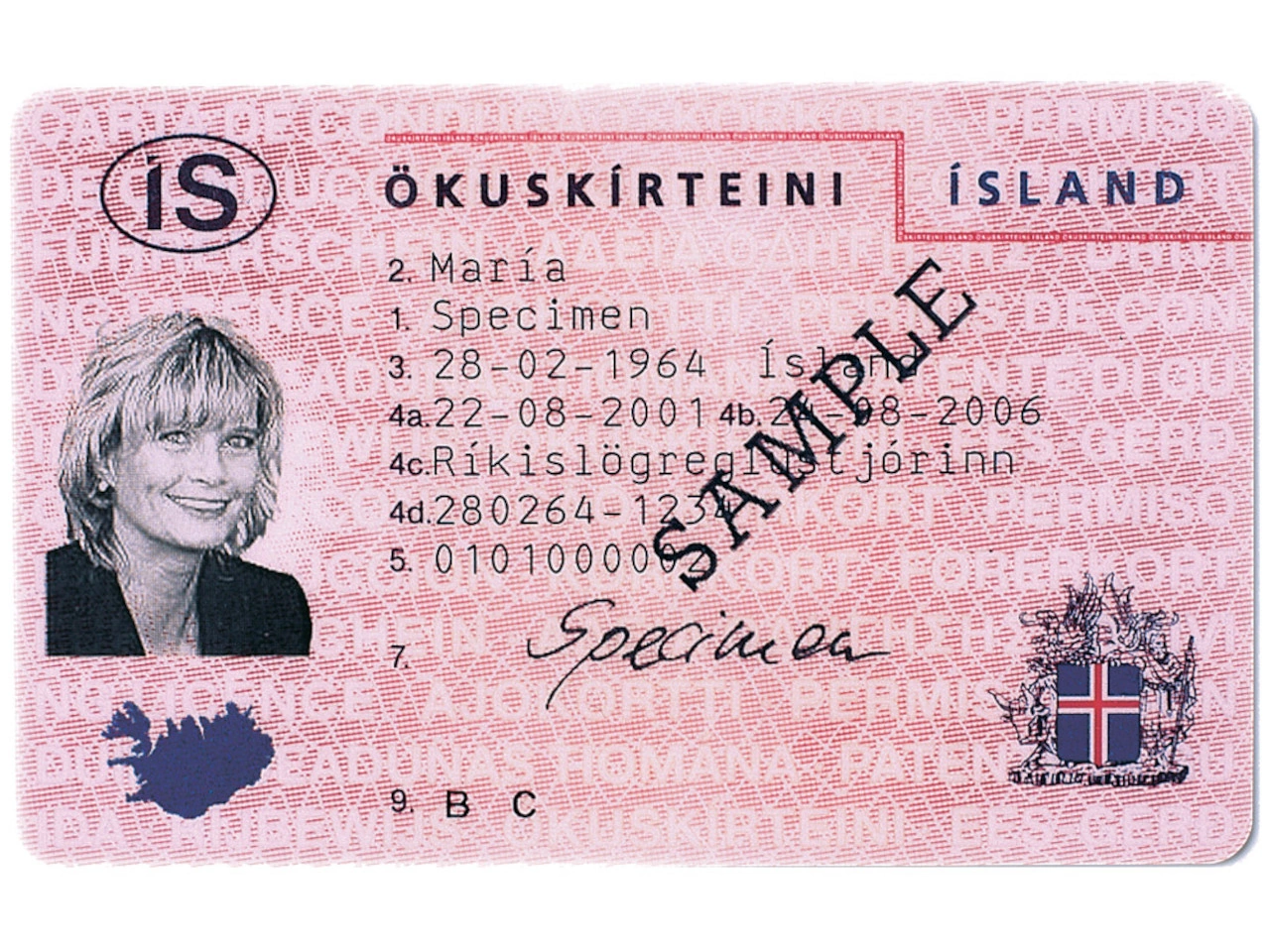
運転免許証
What is a driving licence?

A driving licence is an official authorisation to drive specified categories of motor vehicle.

Is a driving licence the same as a driving permit?

The terms may refer to the same document, depending on the country. Some countries use permit specifically for learners or temporary authorisations.

What is a provisional driving licence?

A provisional or learner licence allows a person to practise driving under specified restrictions before obtaining a full licence.

What is a full driving licence?

A full licence is issued after the holder has completed the required tests or training. Restrictions may still apply because of age, vehicle type, medical fitness or licence codes.

Does one licence allow you to drive every vehicle?

No. Driving licences are divided into categories for motorcycles, cars, buses, trucks, trailers and other vehicles.

What is a licence category?

A licence category identifies the type and size of vehicle the holder is authorised to drive.

Must the licence be valid for the vehicle being driven?

Yes. Holding a licence for one category does not normally authorise driving a vehicle belonging to another category.

Can a licence contain restrictions?

Yes. Codes may restrict the holder to an automatic transmission, corrective lenses, an adapted vehicle or another specified condition.

What is the difference between an automatic and manual licence?

In some countries, passing the test in an automatic vehicle restricts the holder to automatic vehicles until an additional test or procedure is completed.

Does a driving licence expire?

Usually, yes. The document, individual categories or medical authorisation may have expiry dates and require renewal.

May you drive with an expired licence?

No. The licence and the category required for the vehicle must remain valid.

Must you carry your driving licence?

This depends on local law. Many countries require drivers to carry the original licence and present it to an authorised officer when requested.

Is a photograph or copy of the licence sufficient?

Not normally. A photograph, scan or photocopy is not generally a substitute for the original document unless an official digital-licence system is legally recognised.

Does a driving licence prove that you own the vehicle?

No. It proves driving authorisation, not ownership, registration or insurance.

What tests are required to obtain a licence?

Requirements may include a theory test, eyesight test, practical driving test, medical examination or compulsory training.

Is there a universal minimum driving age?

No. Minimum ages differ between countries and vehicle categories.

Can a learner drive without supervision?

Only where the provisional-licence system permits independent driving. Other learners must be accompanied by an approved supervisor or instructor.

Can a learner drive in another country?

Often not. Provisional and learner licences are frequently valid only in the country or region that issued them.

What is an international driving permit?

An international driving permit is a standardised translation of a valid national licence intended to help authorities interpret it abroad.

Does an international driving permit replace a national licence?

No. It normally has legal value only when presented together with the valid national driving licence on which it is based.

Is a national licence valid abroad?

This depends on the destination, length of stay, residence status and agreements between the countries concerned. An exchange or international permit may be required.

Can a foreign licence be exchanged?

Some countries exchange recognised foreign licences without new tests, while others require theory, practical or medical examinations.

Can medical fitness affect a licence?

Yes. A medical condition may require an assessment, shorter validity period, adapted vehicle or licence restriction.

Must changes in medical fitness be reported?

This depends on local law. Drivers remain responsible for ensuring that they are physically and mentally fit to drive safely.

Do professional drivers need additional qualifications?

Often, yes. Drivers of trucks, buses, taxis or vehicles used commercially may require professional competence, medical examinations or periodic training.

What happens when a licence is suspended?

The holder may not drive during the suspension period, even if the physical document remains in their possession.

What is disqualification from driving?

Disqualification is a legal prohibition on driving, usually imposed by a court or competent authority for a specified period or until conditions are fulfilled.

What should you do if the licence is lost or stolen?

Report it where required and apply for a replacement through the competent licensing authority. Do not continue driving when local law requires the original document to be carried.

What should you do if the licence is damaged?

Request a replacement when the document is unreadable, damaged or no longer allows the holder to be identified reliably.

Does changing address require a new licence?

This depends on the country and whether the address appears on the licence. Drivers must follow the local notification and replacement procedure.

12. 後退

後退は車両を後ろ向きに動かすことです。駐車、狭い場所から出るとき、前進では位置調整できない場合などに使われます。

後退前にミラーと死角を確認し、車両周囲をよく見て後方が空いていることを確かめます。後方視界は限られるため、ゆっくり、必要な距離だけ後退します。
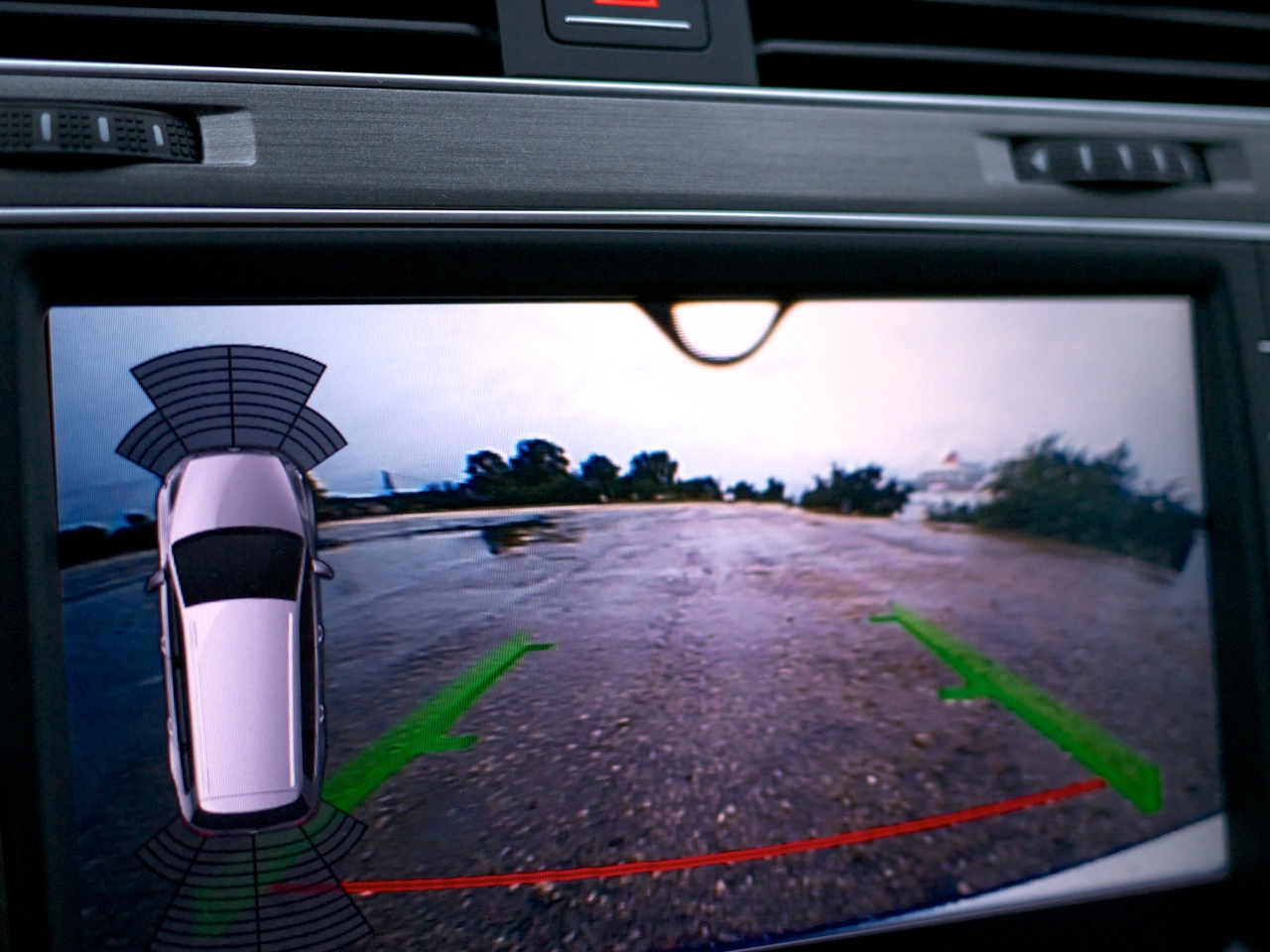
後退
What should you check before reversing?

Check behind and around the vehicle for pedestrians, cyclists, other vehicles and obstacles. Use mirrors and cameras where available, but also look directly because monitoring systems can have blind spots.

Who has priority when a vehicle is reversing?

In many countries, reversing is treated as a manoeuvre and the reversing driver must give way to other road users. The exact legal requirements depend on national traffic rules.

Should you reverse for a long distance?

No. Reversing should normally be limited to the distance necessary to complete the manoeuvre safely. Driving forward generally provides better visibility and vehicle control.

13. ナンバープレート

ナンバープレート(登録番号標または車両番号標)は、登録当局から車両へ割り当てられた固有の登録識別番号を表示するプレートです。車両登録、交通取締、税、保険、駐車管理などで車両を識別するために使われます。

外観、形式、取付位置、必要枚数は国や車種で異なります。必要なプレートを正しく取り付け、はっきり見え、読み取れる状態に保ち、紛失、盗難、破損、交換時には現地規則に従います。
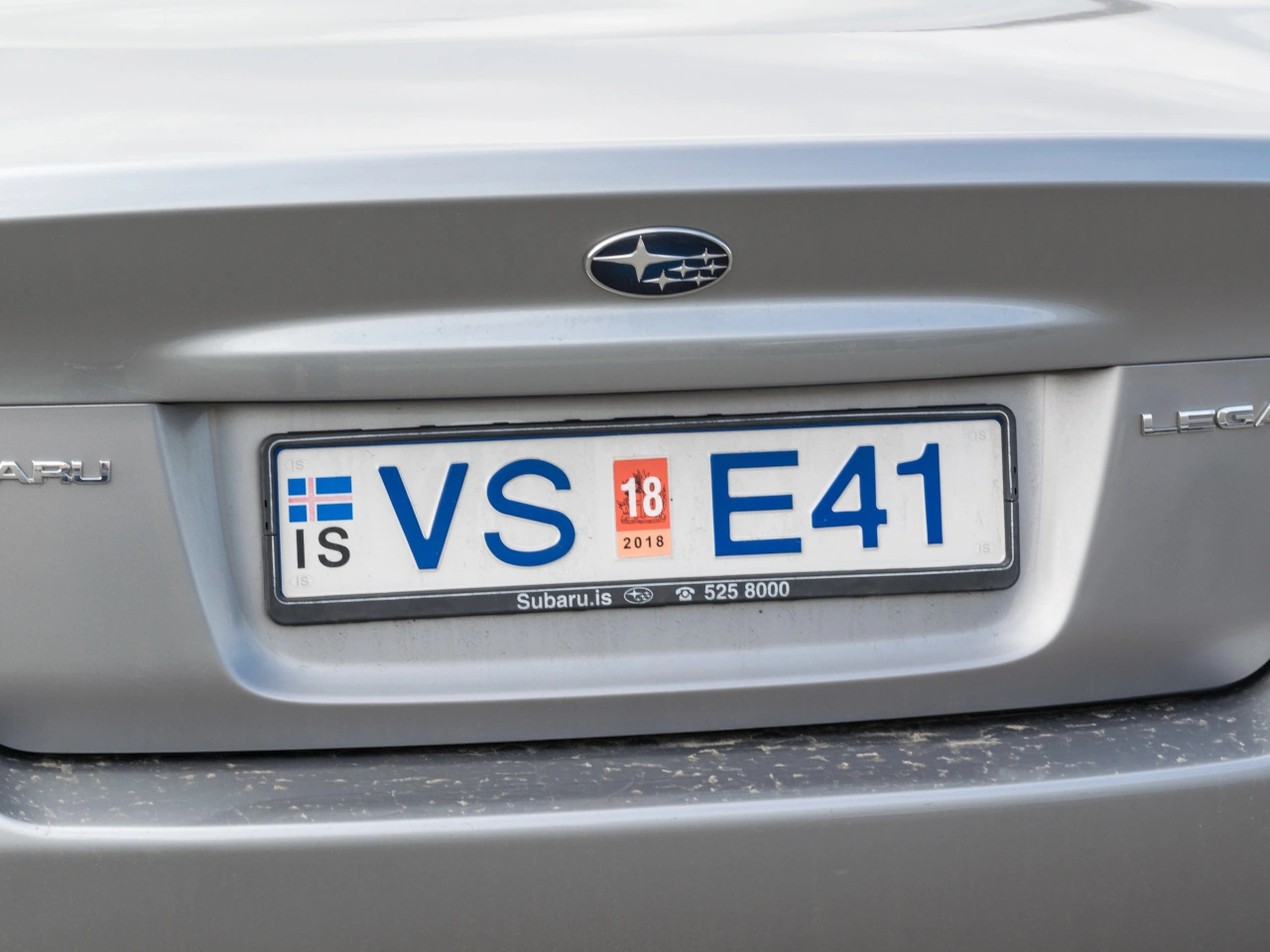
ナンバープレート
What is a licence plate?

A licence plate is a plate displaying the registration identifier assigned to a vehicle. It allows authorities and other authorised systems to identify the vehicle's registration.

Is a licence plate the same as a registration plate?

Yes. Licence plate, registration plate and number plate are different terms commonly used for the plate displaying a vehicle's official registration number.

Does every vehicle need a licence plate?

Most motor vehicles used on public roads must display one or more registration plates, but requirements differ for motorcycles, trailers, agricultural vehicles and other special vehicle categories.

Do vehicles need both front and rear licence plates?

This depends on the country and vehicle type. Cars commonly require front and rear plates, while motorcycles and certain other vehicles may require only a rear plate.

Must a licence plate remain visible?

Yes. A required registration plate must normally remain clearly visible and readable. It should not be hidden by luggage, dirt, accessories or other objects.

Can you modify a licence plate?

Generally no. Changing the characters, colours, dimensions or appearance of an official plate may make it invalid or illegal. Plates and authorised reproductions must comply with local specifications.

What should you do if a licence plate is lost or stolen?

Follow the local reporting and replacement procedure. Many countries require the loss or theft to be reported to the police or vehicle-registration authority before a replacement plate can be issued.

Can you drive with a damaged licence plate?

A plate must remain legible and compliant with local requirements. If damage prevents it from being read or makes it invalid, it should be replaced according to the local registration procedure.

Can a licence plate be personalised?

Some countries allow motorists to request a personalised registration combination. The available characters, formats and prohibited combinations are determined by the registration authority.

Does a licence plate stay with the vehicle when it is sold?

This varies between countries. In some systems the plate remains with the vehicle, while in others it remains associated with the registered holder and may be retained or returned when the vehicle is sold.

14. 一般危険

一般危険警戒標識は、より具体的な警戒標識で表せない前方の危険を知らせます。補助標識、文字、記号などで具体的な危険内容が示される場合があります。

運転者は注意を高め、前方を確認し、危険と周囲の状況に合わせて速度を調整します。標識の形や危険の示し方は国によって異なるため、現地の交通標識と規則に従います。

What does a general danger warning sign mean?

A general danger warning sign indicates that there is a hazard ahead that is not represented by a more specific warning sign in the local traffic-sign system.

What kind of danger can the sign indicate?

It can be used for unusual or uncommon hazards for which no dedicated warning symbol exists. The nature of the danger may be explained by an additional panel, symbol or message.

How can you know what the danger is?

Look for a supplementary panel, text or symbol accompanying the warning sign. It may describe the hazard or provide information needed to understand the warning.

What should you do when you see a general danger warning sign?

Increase your attention, observe the road and surroundings carefully and adapt your speed where necessary so that you can respond safely to the hazard.

Does the sign impose a specific speed limit?

Not normally. A warning sign alerts road users to danger rather than establishing a numerical speed limit. A separate speed-limit sign may be provided where a specific maximum speed is required.

Why is a general warning sign used instead of a specific warning sign?

It is used when the traffic-sign system does not contain a specific symbol that accurately represents the particular hazard.

Can the danger be temporary?

Yes. A general warning sign may be used for either a temporary or continuing hazard, depending on local signing rules and the circumstances.

Can a supplementary panel indicate the distance to the danger?

Yes. Depending on the country's traffic-sign system, an additional panel may indicate the distance to the hazard, the length of the dangerous section or other useful information.

Does a general danger sign give anyone priority?

No. A danger warning sign does not by itself change the priority rules. Drivers must continue to follow traffic lights, priority signs and the normal right-of-way rules.

Does the warning end immediately after the sign?

Not necessarily. The sign normally warns of a hazard ahead of the sign, and the dangerous situation may extend over a section of road. Supplementary information may indicate its location or length.

15. 見通しの悪い頂上

見通しの悪い頂上は、上り勾配の路面が視線を遮り、丘の先が十分見えない場所です。車両、自転車、歩行者、カーブ、障害物が頂上を越えるまで見えないことがあります。

接近時は減速し、正しい位置を保ち、十分な前方視界がないときは追い越さない必要があります。頂上の先に現れる交通や障害物へ安全に対応できるようにします。
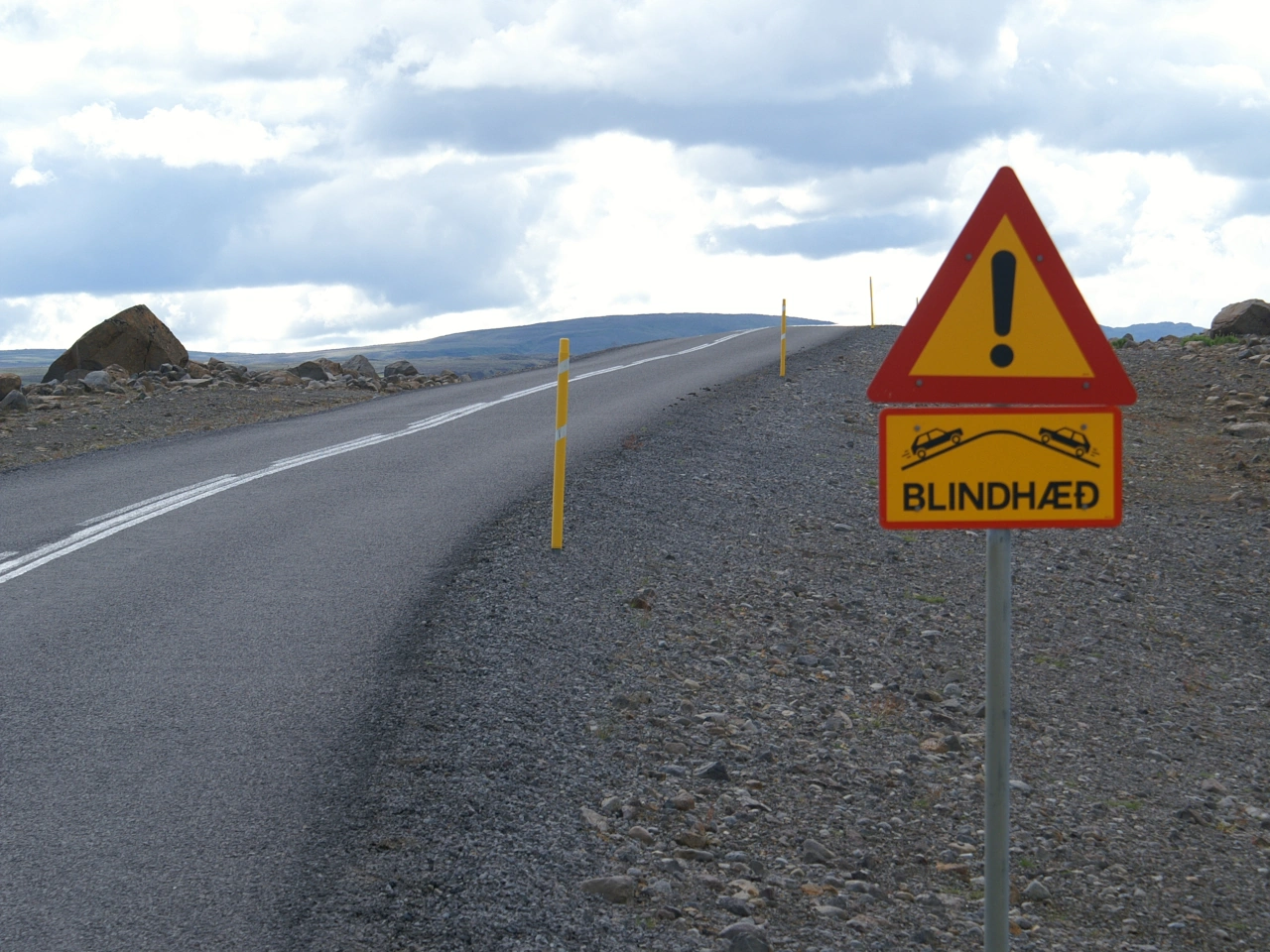
見通しの悪い頂上
What is a blind summit?

A blind summit is the crest of a hill where the driver's view of the road beyond the summit is restricted.

Why is a blind summit dangerous?

Vehicles, pedestrians, cyclists, bends or obstacles may be hidden beyond the crest, leaving drivers less time to react.

Should you overtake near a blind summit?

Generally, no when visibility is insufficient. Drivers should avoid entering the path of opposing traffic unless they have a clear view and overtaking is permitted by the applicable traffic rules.

16. バス

バスは、公共交通、スクール輸送、私的輸送などで多数の乗客を道路上で運ぶための自動車です。乗用車より乗車定員が多く、座席のみ、立席を含む、または両方の形式があります。

運転免許、乗車定員、速度、シートベルト、バスレーン、停留所、乗降などに特別規則が適用される場合があります。分類や規則は国によって異なるため、現地交通規則に従います。
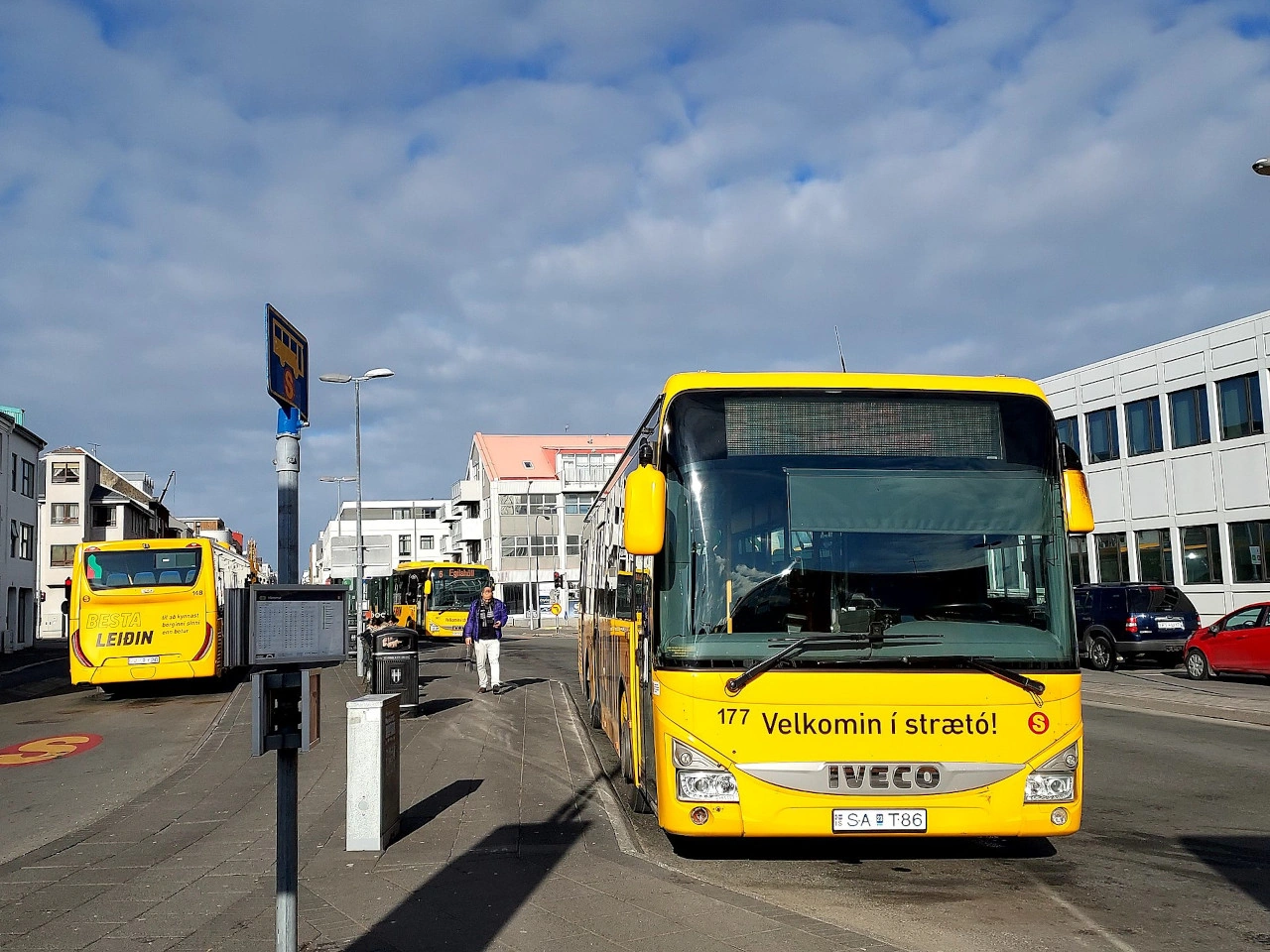
バス
What is a bus?

A bus is a motor vehicle designed to transport a relatively large number of passengers. It may be used for public transport, school transport, private services or other passenger transport.

What is the difference between a bus and a coach?

A bus is commonly designed for frequent passenger boarding and may allow standing passengers, while a coach is generally designed for longer journeys with passengers seated. Exact legal definitions vary between countries.

Do you need a special driving licence to drive a bus?

Yes. Driving a vehicle designed to carry more than a specified number of passengers normally requires a dedicated bus or passenger-vehicle driving licence.

Can passengers stand on a bus?

Only when the vehicle is designed and approved to carry standing passengers. Coaches and other vehicles designed exclusively for seated passengers must not be used beyond their approved passenger configuration.

Must bus passengers wear seat belts?

Where seat belts are provided and local law requires their use, passengers must wear them correctly. Urban buses designed for standing passengers may have seating positions or operating conditions that differ from coaches.

Can buses use bus lanes?

Yes, where permitted. Bus lanes are commonly reserved for public transport buses, although local signs may also allow taxis, bicycles or other specified vehicles to use them.

Do buses always have priority when leaving a bus stop?

No. Some countries require other drivers to give way to buses leaving designated stops, particularly in urban areas, while others apply the normal merging rules.

Should you take extra care near a stopped bus?

Yes. Passengers may be boarding, leaving or crossing the road near the bus. Reduce speed where necessary and watch carefully for pedestrians emerging from behind or in front of the vehicle.

Do buses have special speed limits?

They can. Some countries impose lower maximum speeds on buses than on passenger cars, particularly on high-speed roads. Different limits may apply to buses and coaches.

Can a bus use a motorway?

Yes, normally. Buses that satisfy the applicable construction and access requirements may use motorways, but they must obey any vehicle-specific speed limits, lane restrictions and other local rules.

17. 警察

警察は、法律の執行、公共安全、道路交通へ影響する状況の管理を担う公的機関です。交通では車両検査、交通取締、事故調査、交通整理、緊急対応などを行います。

道路利用者は警察官など権限を持つ交通整理員の適法な指示に従います。現地法により、警察の指示は一時的に信号、道路標識、通常の交通配置より優先する場合があります。
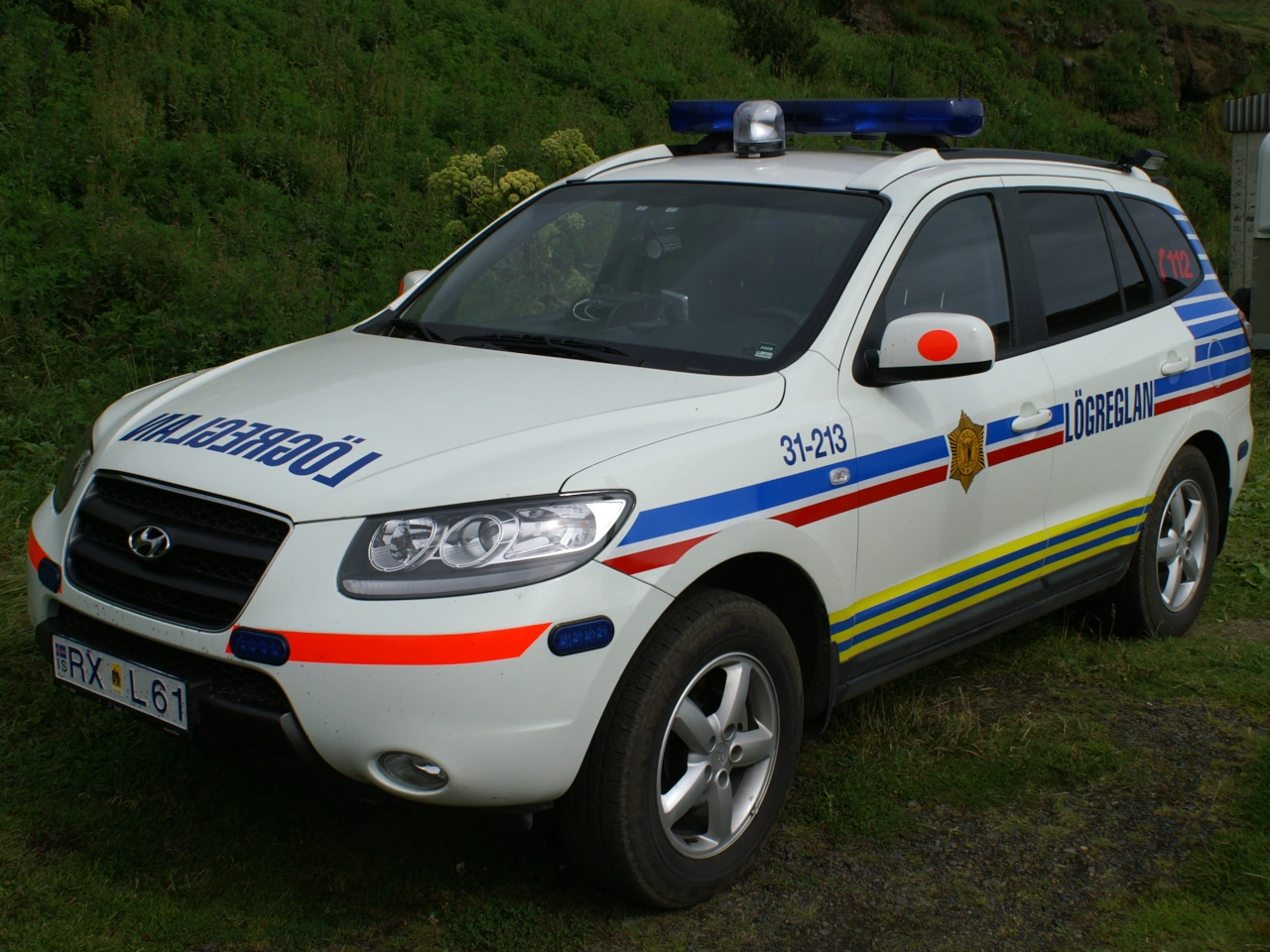
警察
What is the role of police in road traffic?

Police help enforce traffic laws, manage traffic, investigate collisions and respond to dangerous situations. They may also carry out roadside checks and direct road users.

Must you obey a police officer directing traffic?

Yes. Lawful directions given by an authorised police officer must be followed. In many countries, those directions take precedence over traffic lights, road signs and normal priority rules.

What should you do if police signal you to stop?

Slow down, follow the officer's directions and stop at a safe location as instructed. Do not make sudden movements or continue driving unless directed to do so.

Can police direct you through a red traffic light?

Yes, where authorised by local law. A police officer controlling traffic may instruct road users to proceed even when a traffic light or sign would normally require them to stop.

Can police check your driving documents?

Yes. Police may require drivers to provide documents such as a driving licence, vehicle registration, identification or proof of insurance according to local law.

Can police carry out alcohol or drug checks?

Yes. Traffic police may conduct legally authorised alcohol and drug checks using procedures such as breath, saliva or other approved tests.

Can police temporarily close a road?

Yes. Roads or lanes may be temporarily closed or traffic diverted because of collisions, emergencies, investigations, public events or other safety concerns.

What should you do near police controlling an accident scene?

Reduce speed, remain alert and follow all directions. Do not enter a closed area or interfere with emergency personnel, and leave sufficient space for emergency vehicles.

What should you do when a police vehicle approaches with emergency signals?

Follow the local rules for priority vehicles. Drivers generally have to make sufficient space, give way and stop where necessary so that the emergency vehicle can pass safely.

Can police order a parked vehicle to be moved?

Yes, where local law permits it. Police or another authorised authority may require a vehicle to be moved when it obstructs traffic, creates danger or must be removed for operational reasons.

18. 救急車

救急車は、緊急医療の提供や患者輸送のため装備・使用される車両です。医療機器と訓練された職員を乗せ、搬送中に治療する場合があります。

緊急出動中は警光灯とサイレンを使用し、特別な優先権や一部交通規則の例外が認められる場合があります。他の道路利用者は現地規則に従い、十分な通路を空け、進行を妨げない必要があります。
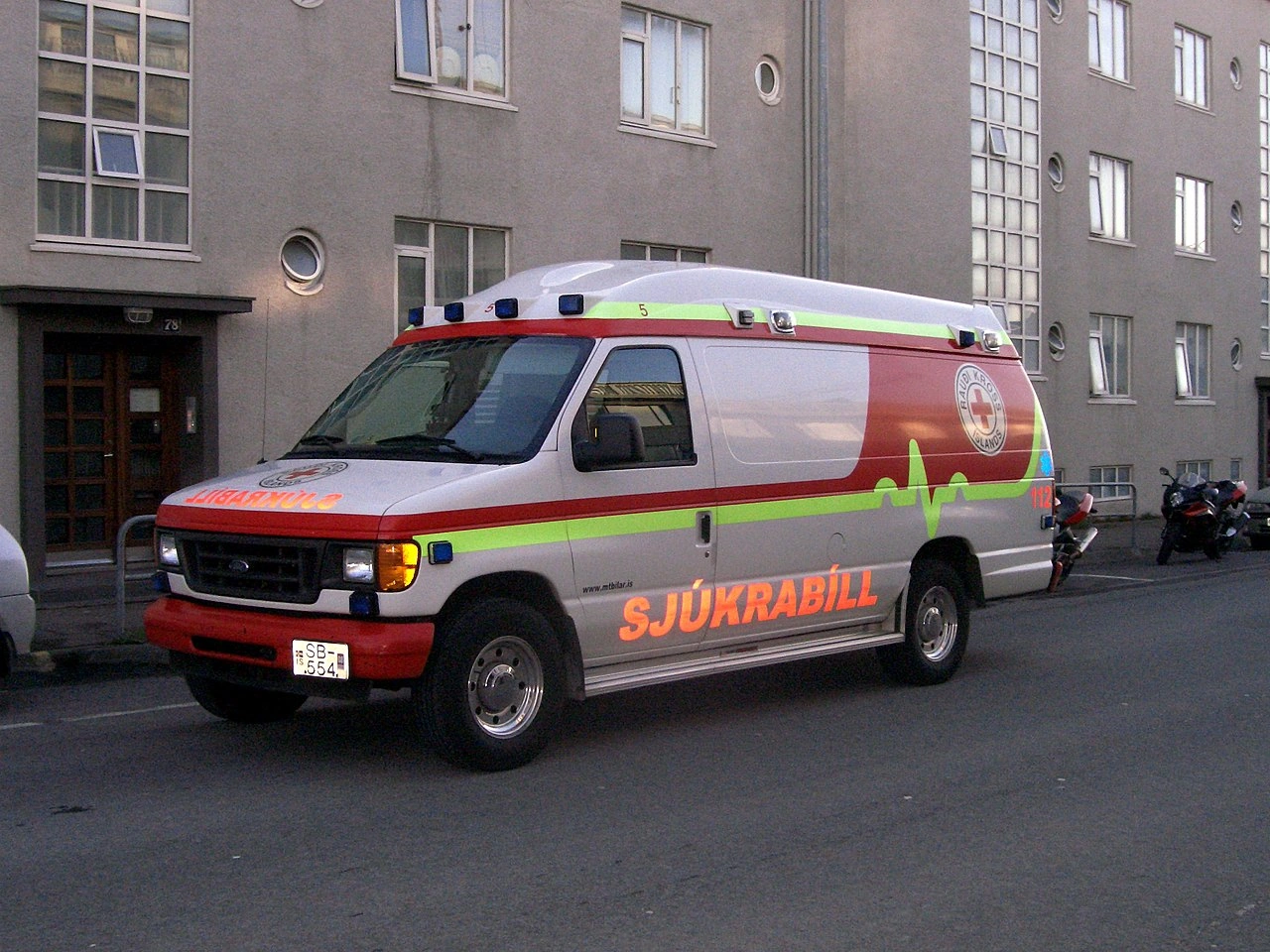
救急車
What is an ambulance?

An ambulance is a specially equipped vehicle used to provide emergency medical assistance and transport sick or injured people.

When does an ambulance have priority?

This depends on the local traffic rules and warning signals being used. Ambulances responding to emergencies commonly use flashing lights and a siren to indicate that other road users must make way.

What should you do when an ambulance approaches?

Remain calm and make sufficient space for it to pass. Slow down or stop where necessary, but avoid sudden or dangerous manoeuvres.

Should you stop immediately when you hear an ambulance siren?

Not necessarily in your exact position. Move or stop in a way that creates a safe passage without blocking an intersection, pedestrian crossing or another part of the road needed by the ambulance.

Can an ambulance pass a red traffic light?

Emergency vehicles may be allowed to pass a red light during an urgent response under special legal conditions. The precise rules differ between countries, and the ambulance driver must still take appropriate precautions.

Can an ambulance exceed the speed limit?

Many countries permit emergency vehicles to depart from certain normal speed rules during an urgent mission, subject to safety requirements and national legislation.

Can an ambulance drive through a traffic queue?

Yes, when responding to an emergency and legally permitted to do so. Other road users should create space and keep emergency corridors or access routes clear where required.

Can you follow an ambulance through traffic?

You should not use the passage created for an ambulance as a way to bypass congestion. Maintain a safe distance and continue to obey the normal traffic rules.

Do ambulances always use their sirens?

No. The use of warning lights and sirens depends on the urgency of the mission and local regulations. An ambulance transporting a patient does not necessarily need to use emergency signals throughout the journey.

What should you do near a stationary ambulance?

Reduce speed and remain alert. Medical personnel, patients or other emergency workers may be entering the road, and the ambulance may need to move unexpectedly.

19. 欧州排出ガス基準

欧州排出ガス基準(Euro基準)は、車両・エンジンの汚染物質排出上限に基づく欧州の車両分類です。Euro 4、Euro 5、Euro 6など後続基準ほど、窒素酸化物、粒子状物質、一酸化炭素、炭化水素などの上限が厳しくなりました。

車両のEuro基準は型式認証時に決まり、車種、燃料、認証時の排出法規などに左右されます。低排出ゾーンの進入条件にも使われますが、具体的規則は国・都市で異なります。

欧州排出ガス基準
What is a European emission standard?

A European emission standard, or Euro standard, classifies vehicles according to the emissions requirements they had to satisfy when approved for use in the European market.

What do Euro 4, Euro 5 and Euro 6 mean?

They are successive generations of European emission requirements. In general, a higher Euro number represents a newer and stricter emissions standard, although the exact limits differ according to vehicle and fuel type.

Which pollutants do Euro standards regulate?

Depending on the vehicle and standard, limits apply to pollutants such as nitrogen oxides, particulate matter, carbon monoxide and hydrocarbons. Newer standards also regulate additional environmental aspects.

Is the Euro standard the same as a vehicle's CO2 emissions?

No. Euro standards primarily regulate harmful air pollutants from vehicles. Carbon-dioxide emissions and fuel or energy consumption are subject to separate measurements and regulatory requirements.

How can you find a vehicle's Euro standard?

The Euro standard may appear on the vehicle registration certificate, certificate of conformity or other official vehicle documentation. Its location and format vary between countries.

Does the year of a vehicle determine its Euro standard?

The date of first registration can provide an indication, but it does not always determine the standard with certainty. The official vehicle documents or type-approval information provide the more reliable classification.

Can petrol and diesel vehicles with the same Euro number have different emission limits?

Yes. The applicable emission limits and testing requirements can differ according to the vehicle category, engine and fuel type even when vehicles belong to the same general Euro generation.

Can the Euro standard affect access to a low-emission zone?

Yes. Many low-emission zones use the vehicle's Euro standard together with factors such as fuel type and vehicle category to determine whether it may enter.

Does installing a particulate filter automatically change the Euro standard?

Not normally. The official Euro standard is linked to the vehicle's approved emissions classification. Retrofitting emission-control equipment does not necessarily result in a different official Euro classification.

What is Euro 7?

Euro 7 is the latest European emissions framework for road vehicles. It builds on earlier Euro standards and also introduces requirements covering areas such as non-exhaust particle emissions and battery durability.

20. ポットホール

ポットホールは、摩耗、天候、水、反復荷重、舗装劣化などにより路面に生じる穴・窪みです。大きさ・深さはさまざまで、凍結、豪雨、反復交通で悪化することがあります。

操舵、制動、車両安定性へ影響し、タイヤ、ホイール、サスペンションを損傷することがあります。前方路面を確認し、速度を調整し、危険な急操作を避けます。

ポットホール
What is a pothole?

A pothole is a hole or depression that develops in a road surface when the pavement becomes damaged or deteriorates.

How do potholes form?

Potholes can develop through a combination of water, temperature changes, traffic loads and deterioration of the road material. Cracks can gradually expand until pieces of the surface break away.

Why are potholes dangerous?

A pothole can cause a vehicle to change direction suddenly, lose stability or suffer tyre, wheel or suspension damage. Deep potholes can present a particularly serious hazard at higher speeds.

What should you do when you see a pothole?

Reduce speed when necessary, maintain control of the vehicle and avoid abrupt steering or braking. Only move around the pothole when this can be done safely without endangering other road users.

Should you brake while driving through a pothole?

If possible, reduce your speed before reaching the pothole. Sudden heavy braking or steering while passing over a damaged surface can make the vehicle less stable.

Are potholes particularly dangerous for motorcycles?

Yes. A pothole can disturb the steering or balance of a motorcycle and may cause the rider to lose control.

Are potholes dangerous for cyclists?

Yes. Bicycle wheels can be strongly affected by deep holes or sharp edges, particularly when the cyclist has little time or space to avoid the hazard.

Can a pothole damage a car?

Yes. Severe impacts can damage tyres, wheel rims, suspension components, steering parts or wheel alignment.

Should you swerve suddenly to avoid a pothole?

No. A sudden evasive movement may create a greater danger by bringing the vehicle into conflict with cyclists, pedestrians, oncoming traffic or vehicles in another lane.

Can a warning sign indicate potholes ahead?

Yes. Depending on the country's traffic-sign system, an uneven-road or general-danger warning sign may be used where poor road conditions create a significant hazard.

21. 通路

通路は、主に歩行者向けの比較的狭い経路で、許可されている場合はその他の道路利用者や小型車両も利用できます。市街地、農村、公園、森林、道路間などに設けられ、舗装されている場合と未舗装の場合があります。

通路は必ずしも歩道や自転車道と同じではありません。利用できる道路利用者は、その法的区分、幅、交通標識、地域規則によって決まります。

通路
What is a path?

A path is a relatively narrow route intended primarily for pedestrians and, where permitted, other road users or small vehicles.

Is a path the same as a footpath?

Not necessarily. A footpath is specifically intended for pedestrians, while a path may also permit cyclists or other users according to local rules.

Is a path the same as a cycle path?

No. A cycle path is specifically designated for bicycles and other permitted users. An ordinary path does not automatically have that legal status.

Can cyclists use a path?

This depends on the legal status, width and signs applying to the path. Some paths permit cyclists, while others are reserved for pedestrians or particular users.

Can motor vehicles use a path?

This depends on local law. Some paths prohibit motor vehicles entirely, while narrow vehicles may be permitted on other paths unless traffic signs restrict access.

Can a path be part of the public-road network?

Yes. A narrow path can legally form part of the public-road network even when it is unsuitable for ordinary cars.

Does a path need to be paved?

No. Paths can be paved, gravelled, compacted or unsurfaced depending on their location and purpose.

Can traffic signs restrict access to a path?

Yes. Signs can reserve a path for particular road users or prohibit certain vehicles, regardless of whether they could physically fit on it.

Who has priority when a path joins a larger road?

The applicable local priority rules determine who must give way. Special rules often apply when a minor path joins an ordinary road.

Can pedestrians and cyclists share a path?

Yes, where both are permitted. Faster users should adapt their speed and avoid endangering or unnecessarily obstructing pedestrians.

Can a path cross another road?

Yes. At the crossing, users must follow the applicable priority signs, traffic lights, road markings and general right-of-way rules.

Is every narrow route legally a path?

No. Its legal classification depends on the definitions and regulations of the country concerned. A narrow route might instead be a footpath, cycle path, private access road or another type of facility.

22. 粒子状物質

粒子状物質(particulate matter、PM)は、空気中に浮遊する微小な固体粒子または液滴です。道路交通では、排気ガス、ブレーキ摩耗、タイヤ摩耗、路面摩耗のほか、通過車両が巻き上げるほこりからも発生します。

粒子状物質は一般に粒径で分類されます。PM10は直径およそ10マイクロメートル以下、PM2.5はおよそ2.5マイクロメートル以下のより細かい粒子を指します。車両排出ガス基準、粒子フィルター、大気質対策などにより、これらの汚染物質への曝露低減が図られます。
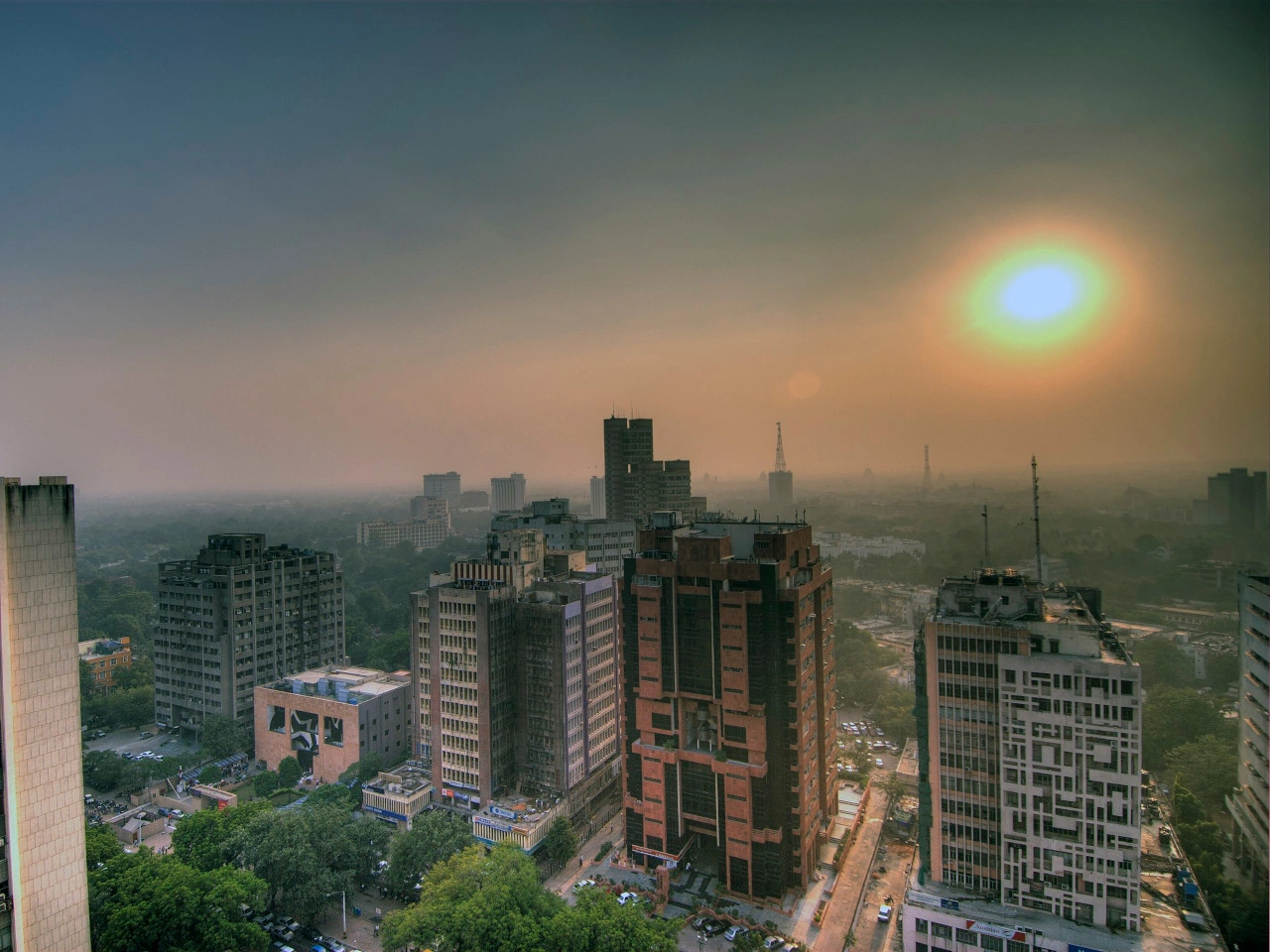
粒子状物質
What are particulates?

Particulates, or particulate matter, are very small solid particles or liquid droplets suspended in the air.

What are PM10 and PM2.5?

PM10 refers to particles with a diameter of up to approximately 10 micrometres. PM2.5 refers to finer particles with a diameter of up to approximately 2.5 micrometres.

Where do traffic particulates come from?

Road traffic can produce particles through engine exhaust, brake wear, tyre wear and road-surface wear. Passing traffic can also resuspend dust already present on the road.

Are diesel vehicles a source of particulates?

Yes. Combustion in diesel engines can produce very small soot particles. Modern diesel vehicles commonly use particulate filters to capture a large proportion of these exhaust particles.

What is a particulate filter?

A particulate filter is an exhaust-treatment device designed to trap particulate matter produced by an engine. Diesel particulate filters are commonly known as DPFs.

Do petrol engines produce particulates?

Yes. Petrol engines can also produce particulate emissions, particularly certain direct-injection engines. Appropriate emission-control systems may therefore include particulate filters.

Do electric vehicles produce particulates?

Fully electric vehicles produce no exhaust particulates from a combustion engine, but particles can still result from tyre wear, road wear and braking.

Are brake and tyre particles regulated?

Vehicle-emission regulation is increasingly addressing non-exhaust emissions. The European Euro 7 framework includes requirements concerning brake-particle emissions and tyre abrasion.

Is particulate matter the same as CO2?

No. Particulate matter consists of tiny airborne particles, while carbon dioxide is a gas. They are different types of vehicle emissions and are regulated for different environmental reasons.

How can vehicle particulate emissions be reduced?

Measures include effective particulate filters, cleaner vehicle technologies, correctly maintained emission-control systems and reductions in brake, tyre and road-wear emissions.

23. 大気汚染

大気汚染は、人の健康、環境、生態系へ悪影響を与える濃度で、気体、粒子、その他の物質が空気中に存在する状態です。道路交通は排気ガスに加え、ブレーキ摩耗、タイヤ摩耗、道路粉じんなど非排気由来の排出によっても大気汚染へ寄与します。

交通に関連する主な汚染物質には、窒素酸化物、粒子状物質、一酸化炭素、揮発性有機化合物があります。車両から直接排出されるものもあれば、大気中の化学反応で生成されるものもあります。車両排出ガス基準、よりクリーンな技術、交通管理対策などが排出削減に使われます。

大気汚染
What is air pollution?

Air pollution is contamination of the air by gases, particles or other substances that can adversely affect human health, the environment or ecosystems.

How does road traffic cause air pollution?

Vehicles produce pollutants through fuel combustion, exhaust systems, brake wear, tyre wear and road-surface interaction. Moving traffic can also resuspend dust already present on the road.

Which air pollutants are associated with road traffic?

Important traffic-related pollutants include nitrogen oxides, particulate matter, carbon monoxide and volatile organic compounds. Their relative importance depends on the vehicle, fuel and driving conditions.

What is nitrogen dioxide?

Nitrogen dioxide (NO2) is an air pollutant associated particularly with combustion processes and road traffic. High concentrations are commonly found near busy roads and densely trafficked urban areas.

What is particulate matter?

Particulate matter consists of tiny solid particles or liquid droplets suspended in the air. Road traffic can produce particles from exhaust, brakes, tyres and road surfaces.

Is CO2 the same as ordinary air pollution?

No. Carbon dioxide is primarily regulated as a greenhouse gas because of its contribution to climate change. Local air-quality pollution generally focuses on substances such as nitrogen dioxide, particulate matter, ozone and other pollutants that directly affect air quality and health.

Do electric vehicles cause air pollution?

Fully electric vehicles produce no combustion-engine exhaust emissions while driving, but they can still contribute to non-exhaust particulate emissions through tyres, brakes and road wear.

Can air pollution be worse near busy roads?

Yes. Concentrations of traffic-related pollutants can be higher close to heavily trafficked roads because many emissions occur close to ground level and near where people live and travel.

What is a low-emission zone?

A low-emission zone is an area where access by more polluting vehicles is restricted in order to reduce traffic-related air pollution. Access criteria may depend on factors such as fuel type, vehicle category and emission standard.

How can traffic-related air pollution be reduced?

Measures include cleaner vehicles, stricter emission standards, effective emission-control equipment, low-emission zones, public transport, cycling and walking, as well as traffic-management measures that reduce unnecessary congestion and emissions.

24. ラッシュアワー

ラッシュアワーは、多くの人が通勤、通学、その他の定期的な移動を行うため、道路や公共交通網の需要が特に高くなる時間帯です。通常、平日の朝と夕方から夜にかけて発生します。

ラッシュ時には渋滞、低速走行、移動時間の増加、頻繁な停止が生じます。運転者は安全な車間距離を保ち、焦らず、交通状況の変化を予測し、臨時または動的な交通管理措置に従います。

ラッシュアワー
What is rush hour?

Rush hour is a period when unusually large numbers of people travel at the same time, resulting in increased traffic and often congestion.

When does rush hour occur?

Rush hour commonly occurs during the morning and late afternoon or evening on working days, but the exact times vary according to the city, road and local travel patterns.

Does rush hour always last one hour?

No. The term does not mean that congestion lasts exactly one hour. In busy urban areas, peak traffic conditions may continue for several hours.

Why does traffic become congested during rush hour?

Congestion develops when traffic demand approaches or exceeds the available road capacity. Intersections, merging traffic, collisions, roadworks and weather can make the congestion worse.

Should you increase your following distance in rush-hour traffic?

Yes. Leave sufficient distance to react to sudden braking and frequent changes in traffic speed. Avoid following another vehicle too closely even when traffic is moving slowly.

Should you frequently change lanes during congestion?

Unnecessary lane changes can create additional conflicts and may not significantly reduce journey time. Choose an appropriate lane, observe surrounding traffic and change lane only when it can be done safely.

Can speed limits change during rush hour?

Yes. Roads equipped with variable traffic management may display lower speed limits during congestion. Drivers must follow the speed limit currently indicated.

What is a rush-hour lane?

A rush-hour lane is an additional traffic lane that can be opened during busy periods to increase road capacity. It may use a lane or shoulder that is closed to normal traffic at other times.

Can you use a rush-hour lane whenever traffic is congested?

No. Such a lane may only be used when traffic signals or signs indicate that it is open. Never assume that congestion alone permits its use.

How can you prepare for a journey during rush hour?

Check current traffic conditions and expected journey times, allow additional travel time and consider an alternative route, departure time or mode of transport where appropriate.

25. 交通法規

交通法規は、人々が公道をどのように利用するかを定める法律や交通規則の体系です。運転者、自転車利用者、歩行者、その他の道路利用者に適用され、優先、速度、追い越し、駐車、信号機、道路標識、路面標示などを扱います。

交通法規は国によって、場合によっては地域によって異なります。道路利用者は、母国の規則と異なる場合でも移動先で適用される規則を知り、従うことが求められます。

What is a road code?

A road code is the body of traffic rules and regulations governing how road users must behave on public roads.

What does a road code regulate?

A road code can regulate subjects such as priority, speed, overtaking, turning, parking, traffic signals, road signs and road markings, as well as the responsibilities of different road users.

Are road codes the same in every country?

No. Although many traffic rules and signs are similar internationally, each country establishes its own traffic legislation and may apply different rules, signs, speed limits and requirements.