


ReversingArgentina
An introduction to the traffic rules and road signs of Argentina. Learn about driving, road safety and much more in our illustrated book, with answers to frequently asked questions.
For informational purposes only. Always follow official regulations. Some content and images were created with AI assistance.
 Traffic rules
 Argentina
28. Reversing
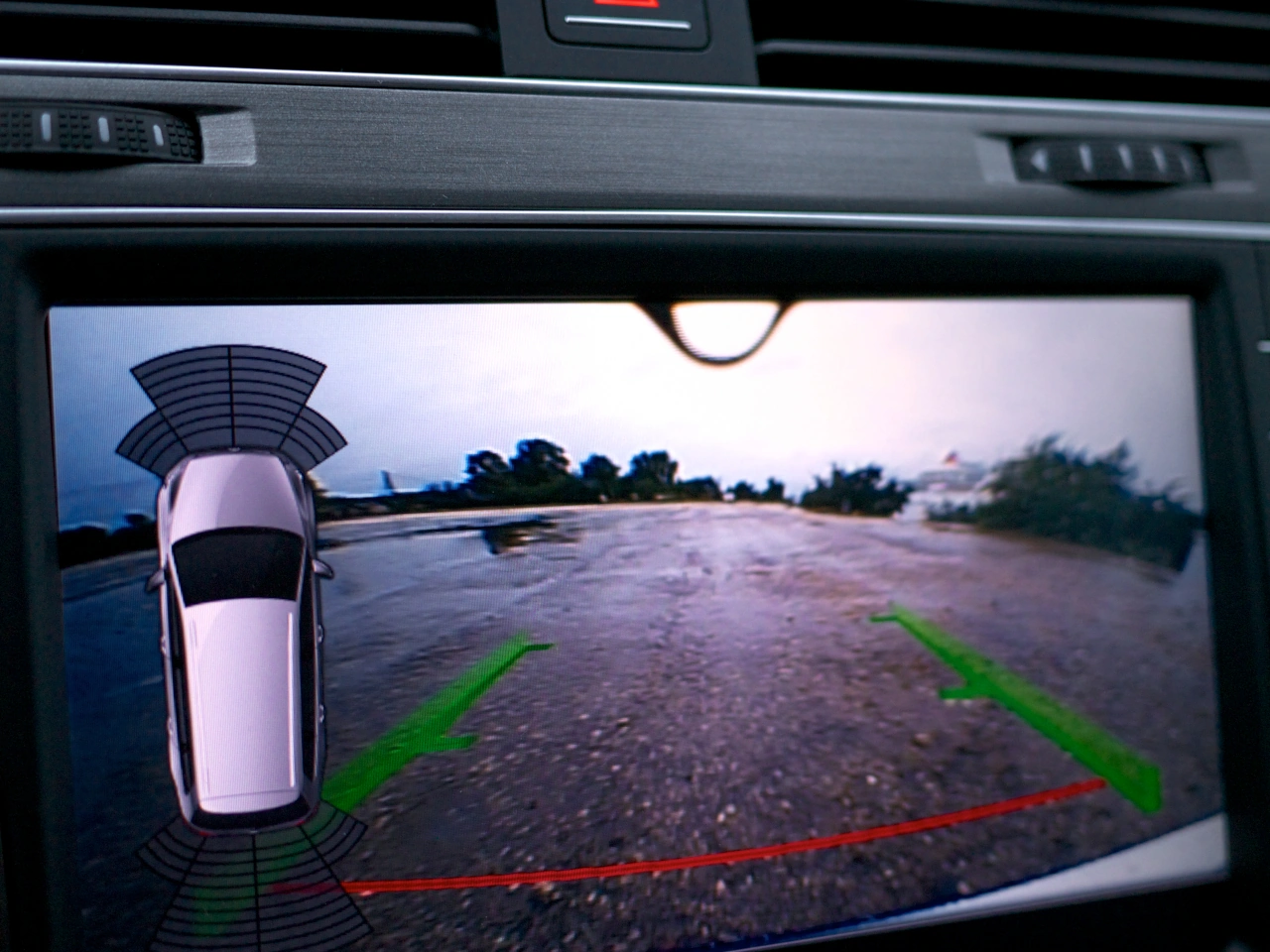
Reversing means driving a vehicle backwards. It is commonly used when parking, leaving a confined space or repositioning a vehicle where forward movement is not practical.
Before reversing, the driver should check mirrors and blind spots, look carefully around the vehicle and make sure the area behind is clear. Reversing should be performed slowly and only for as long as necessary because visibility behind the vehicle is often limited.
🔗 Sources
Image credit: Wikimedia.org • Kārlis Dambrāns • CC BY
What reversing exceptions does Argentina’s national law allow?
Parking, leaving a garage or leaving a dead-end street.
🔗 argentina.gob.ar • Argentina National Traffic Law 24,449 — Article 48
Who reverses on narrow slopes under Argentina’s national rules?
Normally the downhill driver, unless towing a trailer while the uphill vehicle is not.
🔗 argentina.gob.ar • Argentina National Traffic Law 24,449 — Article 48


