


QuizTraffic rulesArgentina
Test your knowledge with our multiple-choice quiz. Learn from each answer and improve your understanding of the traffic rules and road signs of Argentina.
 Traffic signs
 Traffic rules
 Argentina
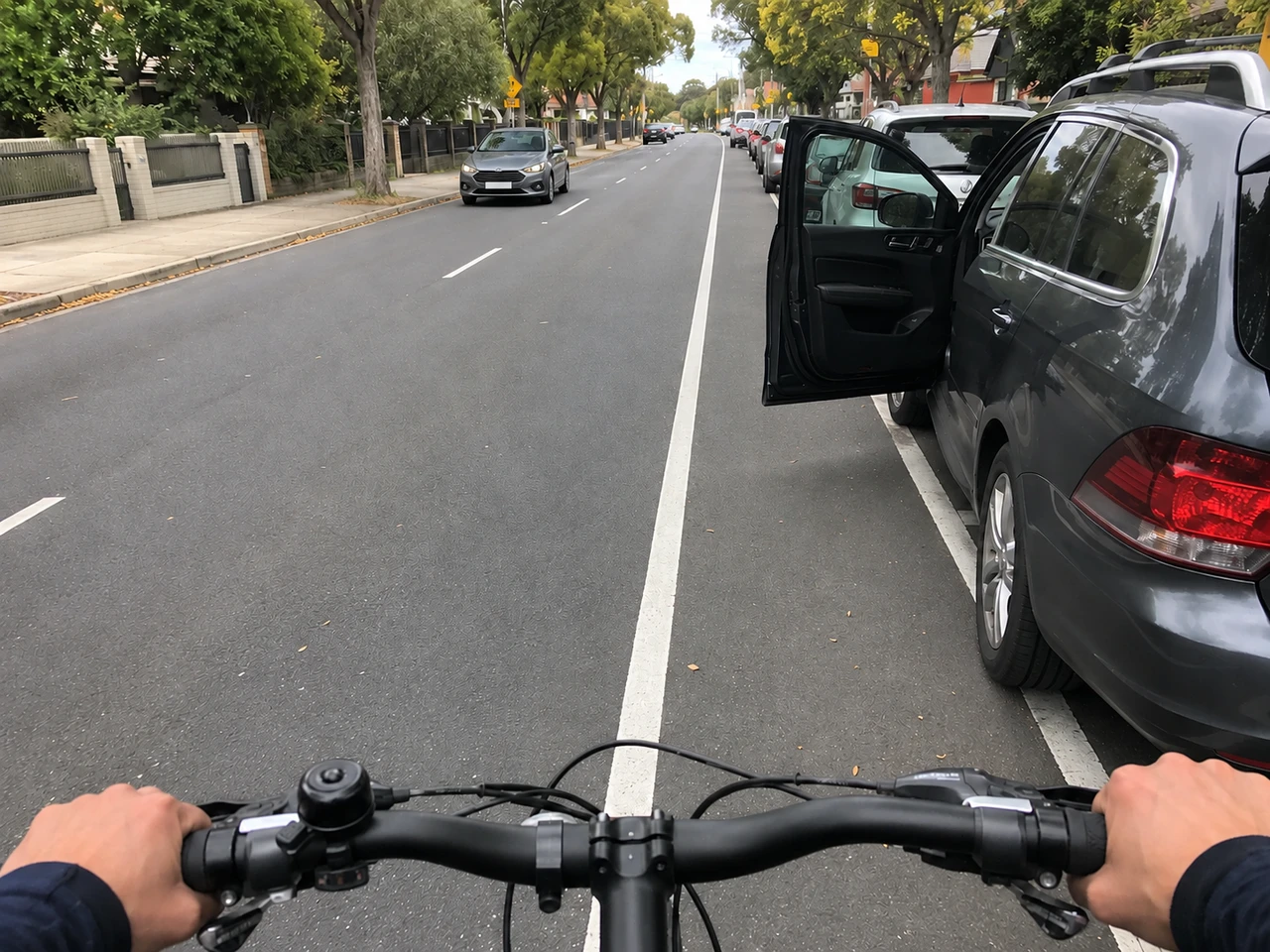
51. Why should you leave space when cycling beside parked cars?
A driver or passenger may open a door without seeing you. Leave enough clearance to avoid an opening door and watch for people inside parked vehicles. Choose a safe line early, check behind before changing position, and avoid sudden swerves into traffic.

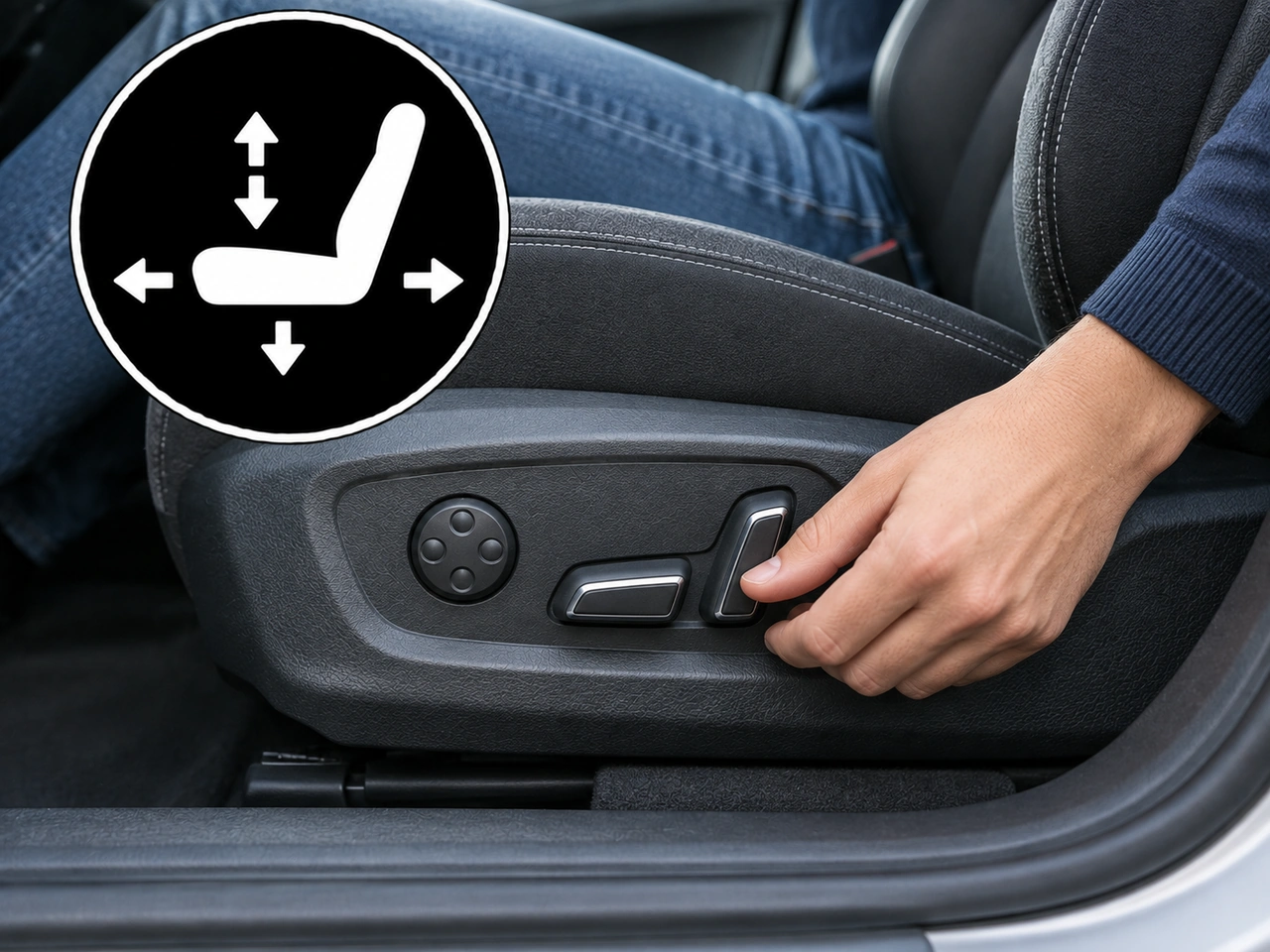
52. What does this vehicle-control symbol indicate?
This control adjusts the position of the seat. Depending on the vehicle, it may move the seat forwards or backwards, raise or lower it, or change the backrest angle.
Set your seat before driving. Make sure you can reach the pedals and controls comfortably and that the seat is secure.
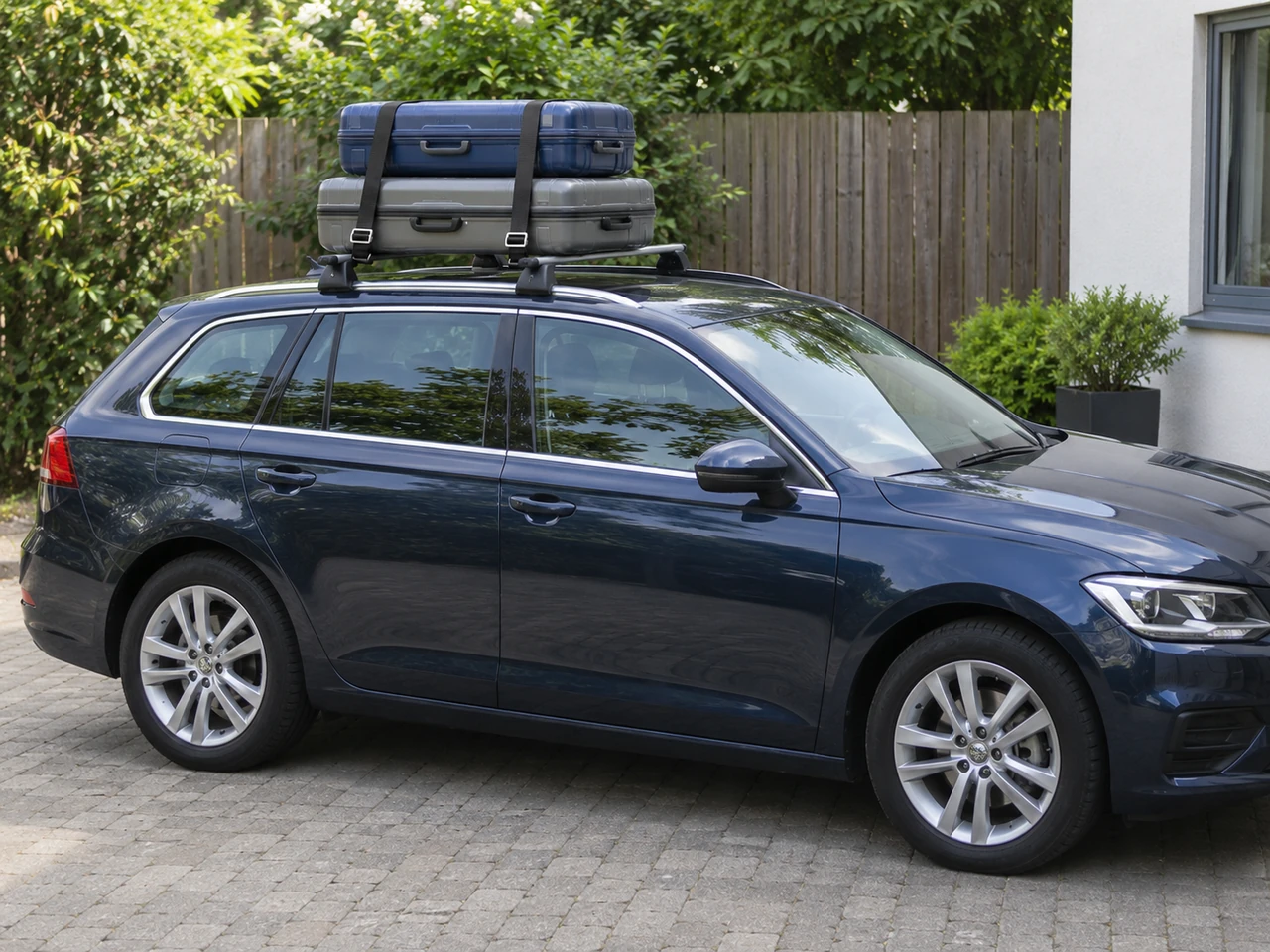
53. A roof load can make a car less stable when cornering.
Carrying weight high up can raise the car's centre of gravity and change its handling. Keep within the vehicle and rack limits, distribute the load as instructed and adapt your driving.
🔗 Sources
Ford owner’s manual (manufacturer guidance) • Safety guidance, Roof Rack Precautions; follow your vehicle’s own handbook
Image credit: AI-generated
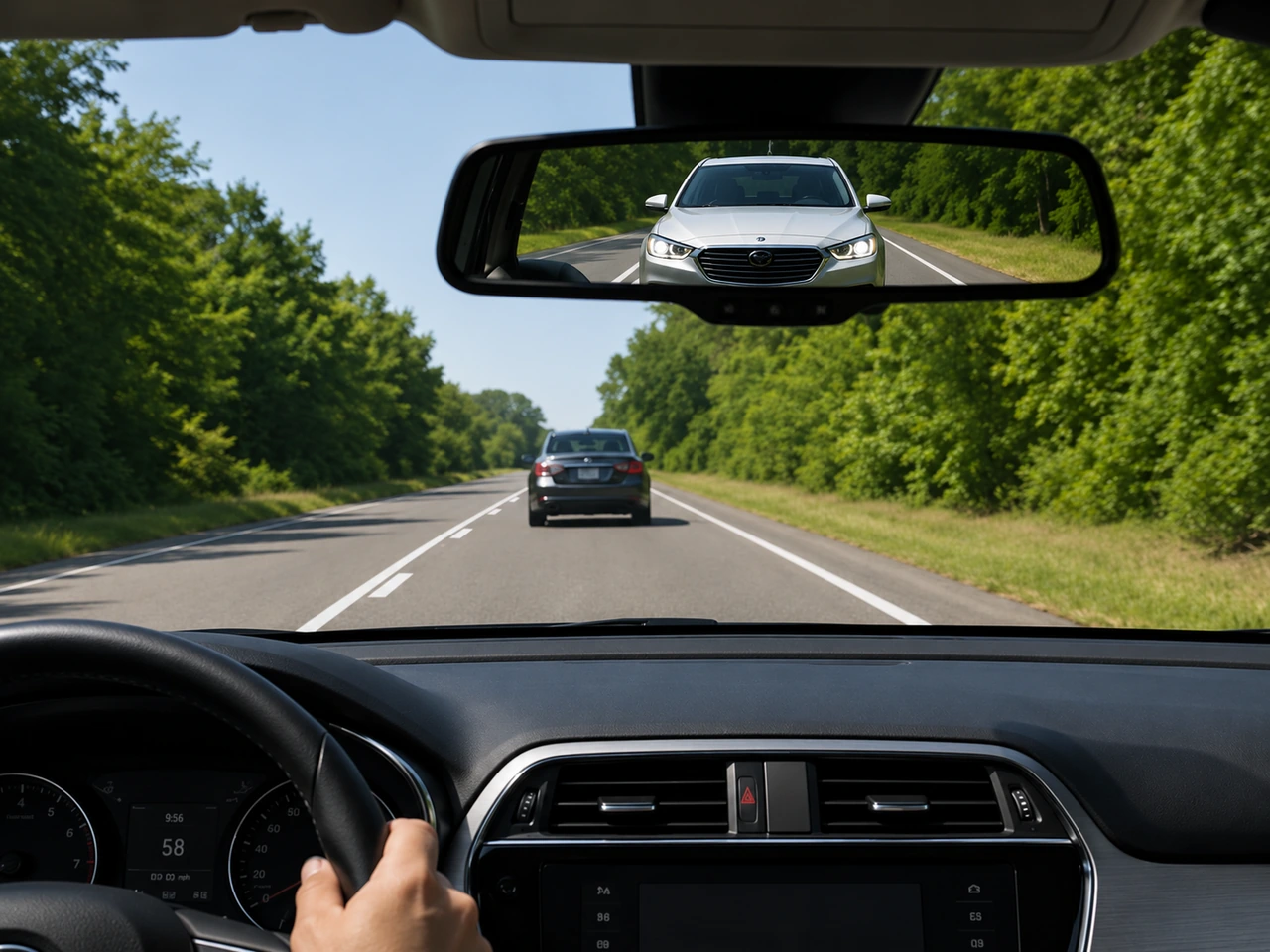
54. What should you do if another vehicle is tailgating you?
If someone follows too closely, avoid sudden actions. Keeping more space in front gives you more time to brake gently if needed. If it is safe, allow the tailgating vehicle to pass.
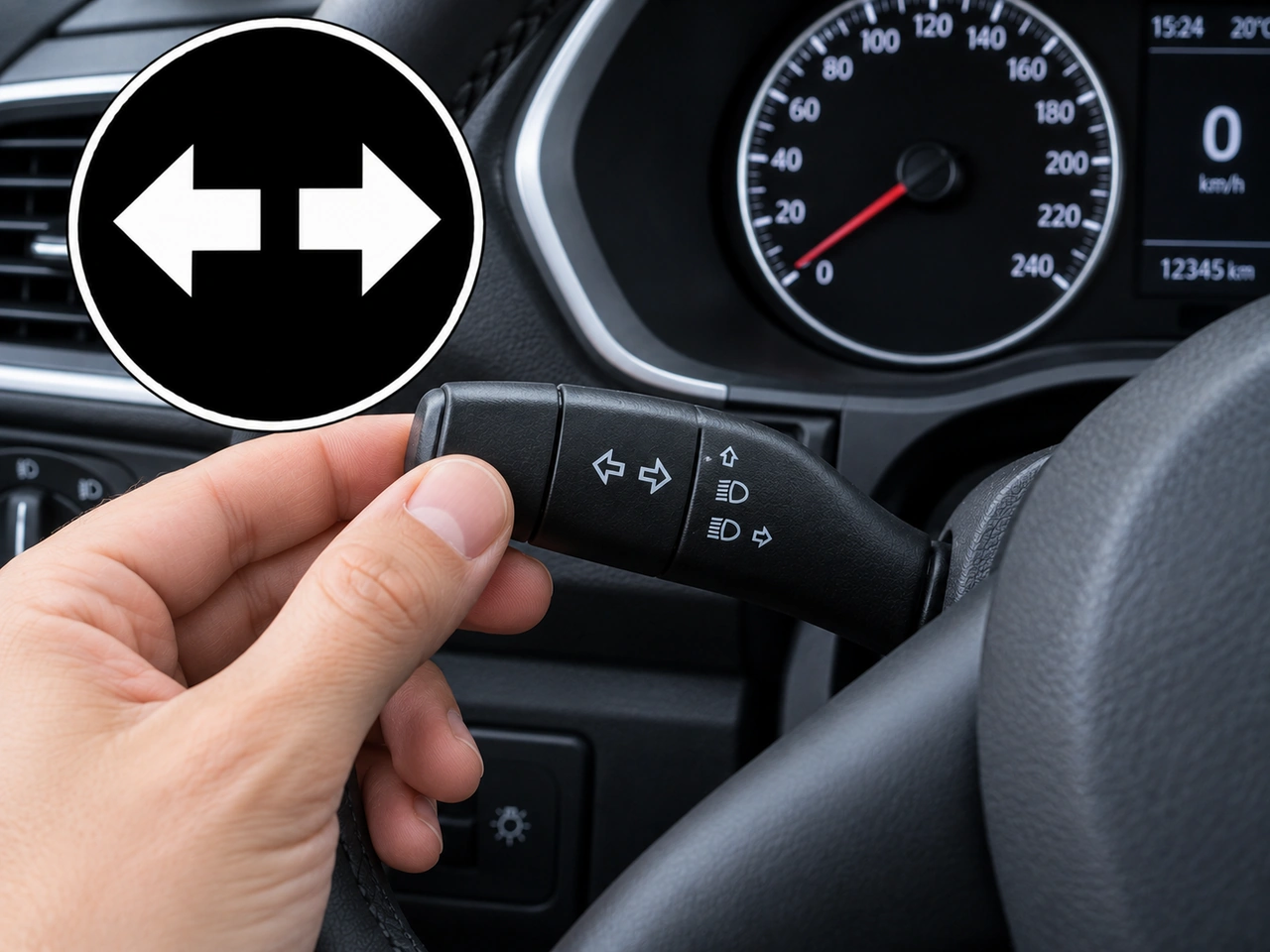
55. Which control is normally used to operate the direction indicators?
The direction indicators are normally operated using a stalk beside the steering wheel. Moving the stalk up or down activates the indicators on the corresponding side of the vehicle.
Use the stalk to signal the direction you intend to turn or move. Check that the indicator cancels after the manoeuvre.
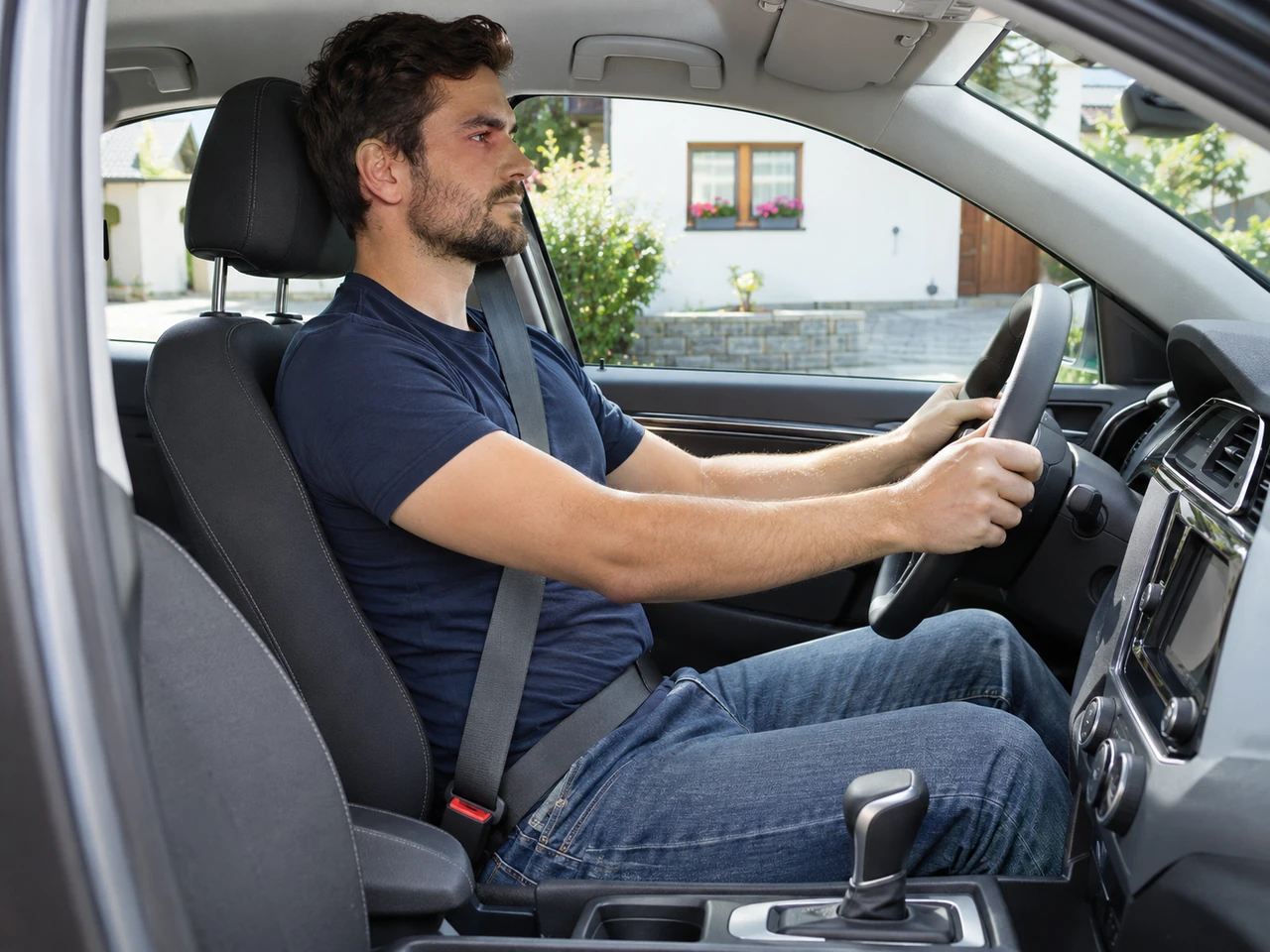
56. You should always wear a seat belt, even on short trips.
Seat belts reduce the risk of serious injury and should be worn on every trip, even short ones.
🔗 Sources
NHTSA (United States) • Safety guidance: every trip, including short journeys
Image credit: AI-generated
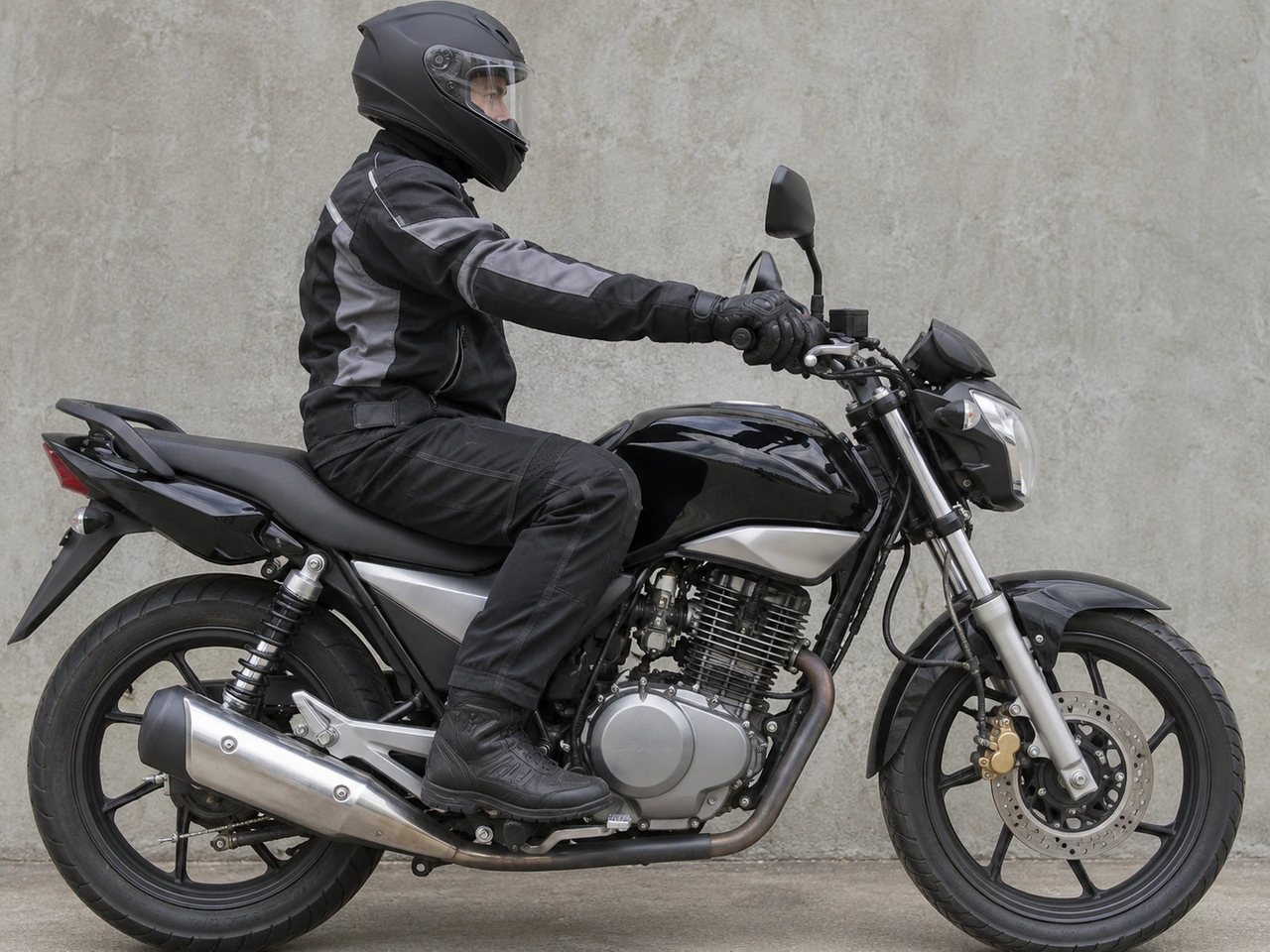
57. How should you normally brake on a motorcycle?
During normal braking, use both the front and rear brakes smoothly and progressively. The front brake normally provides much of the braking force, while the rear brake also helps slow and stabilise the motorcycle. Sudden or poorly balanced braking can reduce stability or cause a wheel to lose grip.
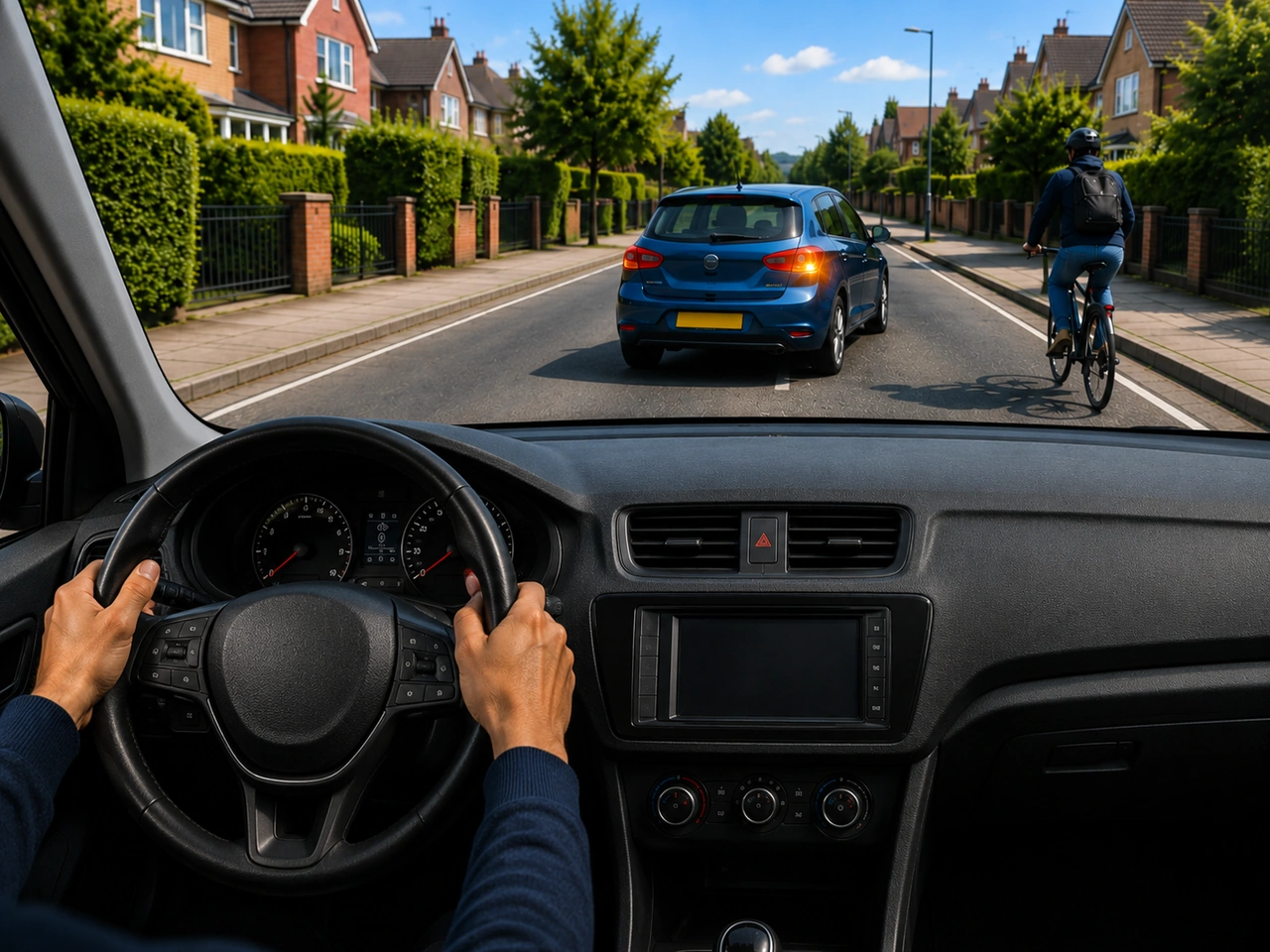
58. What should you do if another road user makes a mistake?
Road users can make mistakes. Staying calm and reacting safely helps prevent crashes.
🔗 Sources
Great Britain — Highway Code, rule 147; general calm and considerate driving
Image credit: AI-generated
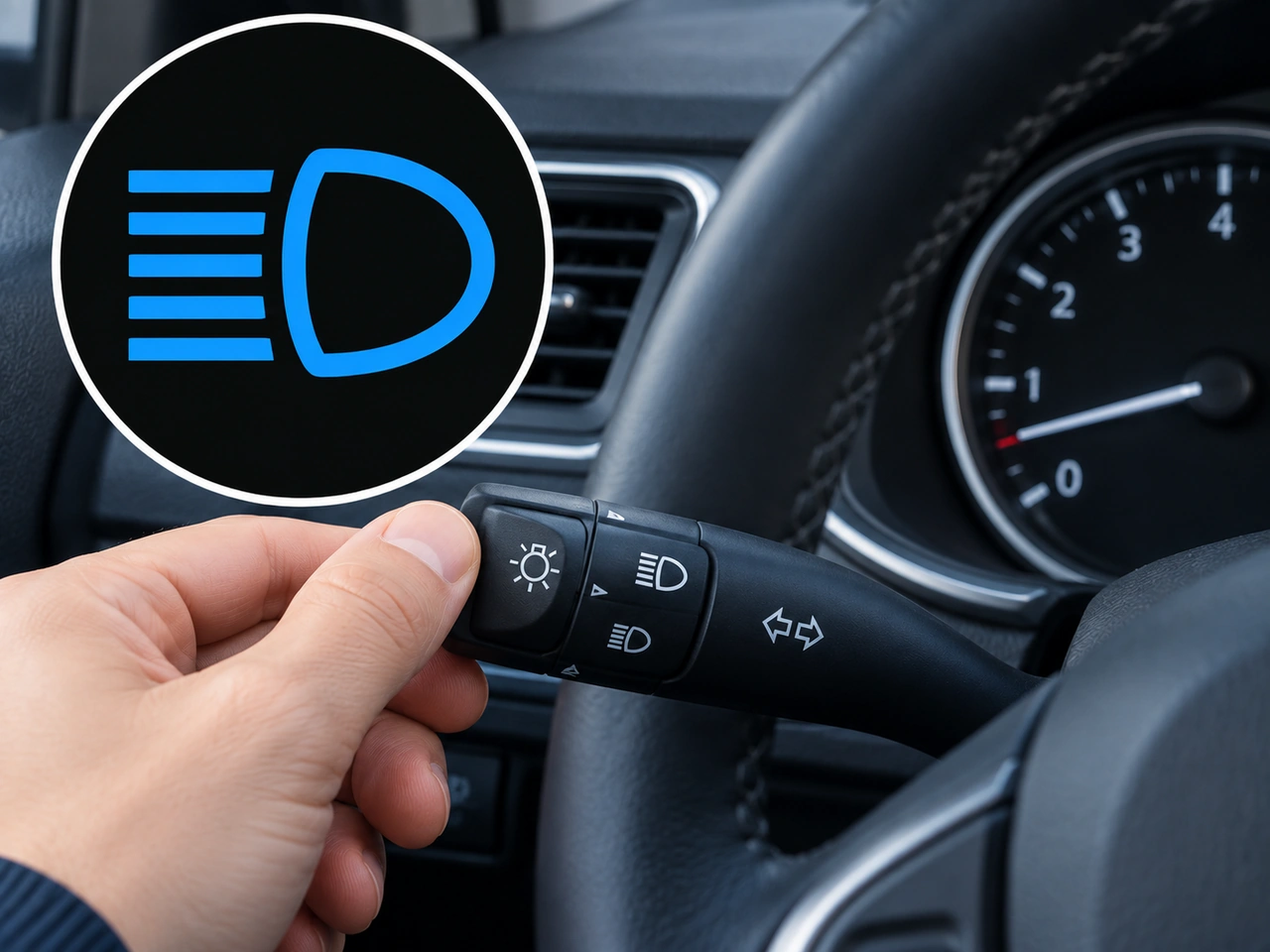
59. What does this dashboard symbol indicate?
This symbol indicates that the main beam headlights are switched on. Main beam illuminates the road farther ahead but can dazzle other road users, so it should be changed to dipped headlights when necessary.
A blue headlamp symbol with straight horizontal lines indicates that the main beam is on.
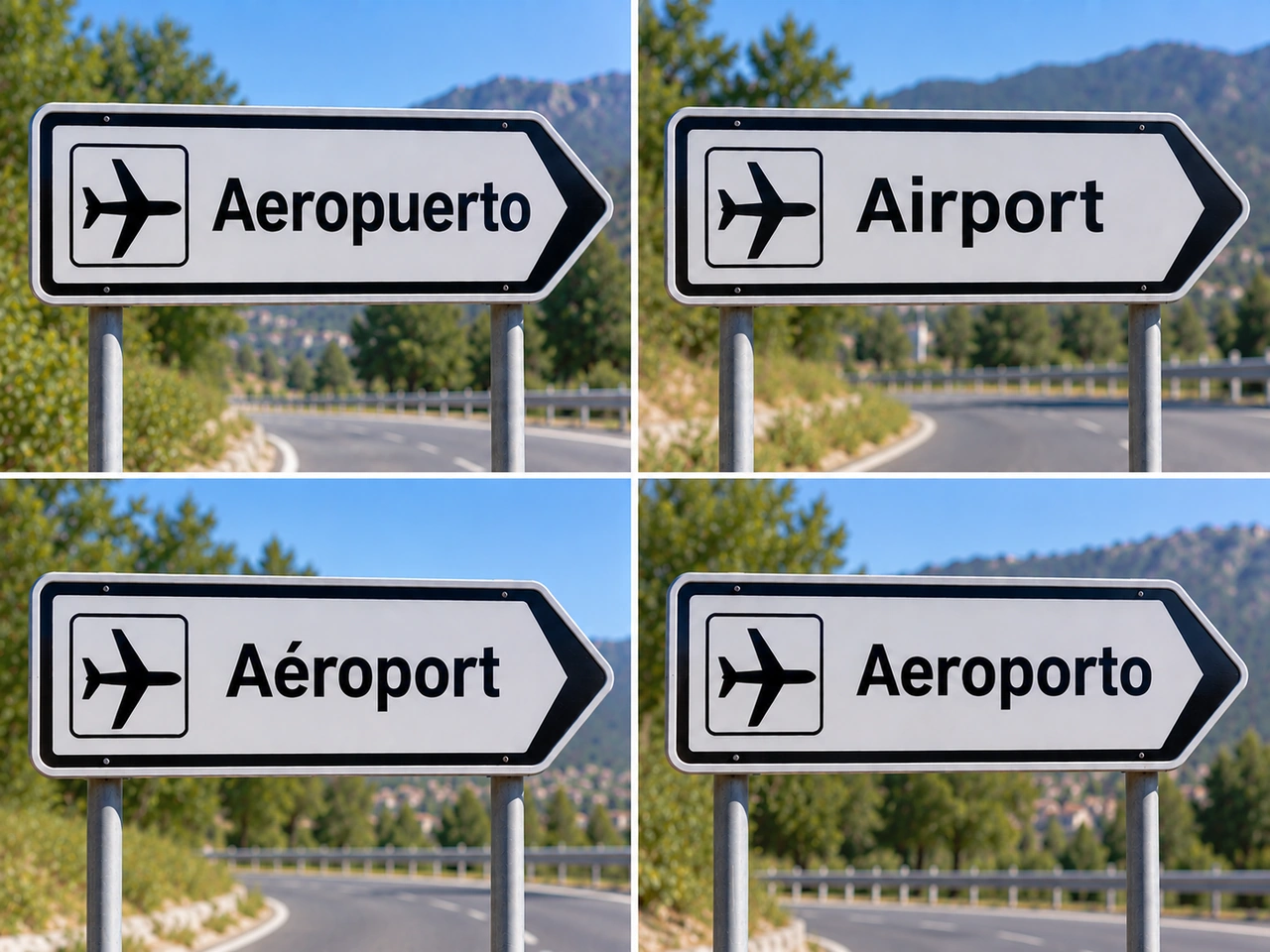
60. Which language is commonly used on text-based road signs?
Text-based road signs in Argentina commonly use Spanish.
🔗 Sources
Image credit: AI-generated
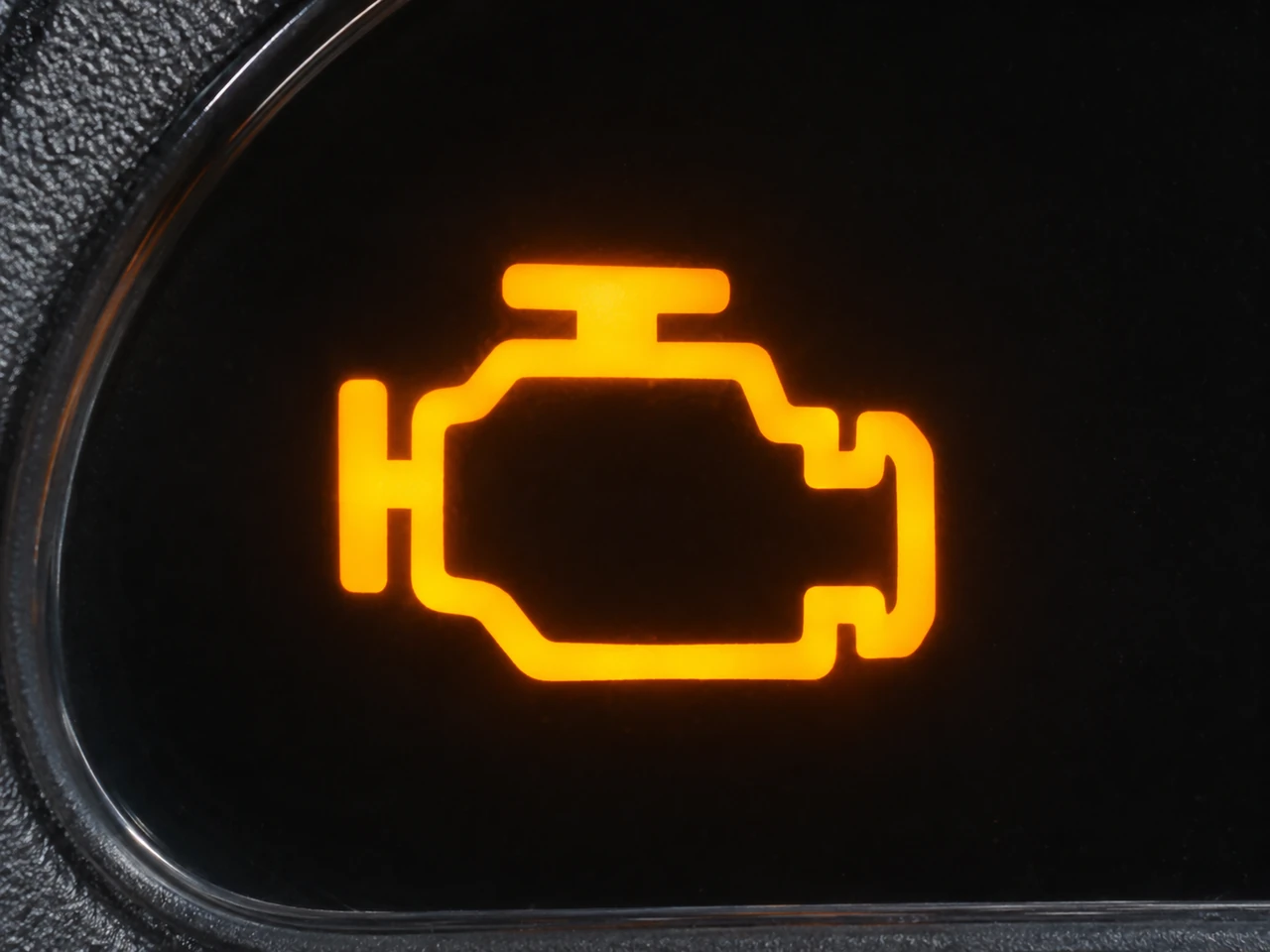
61. A flashing engine malfunction light can indicate a misfire that may cause damage.
A flashing engine malfunction light can indicate a misfire, which may damage the catalytic converter or other components. Avoid heavy acceleration and deceleration, follow the handbook and seek prompt assistance or repair.
🔗 Sources
Ford owner’s manual (manufacturer guidance) • Safety guidance, misfire, catalytic-converter damage and reduced-load precautions
Image credit: AI-generated
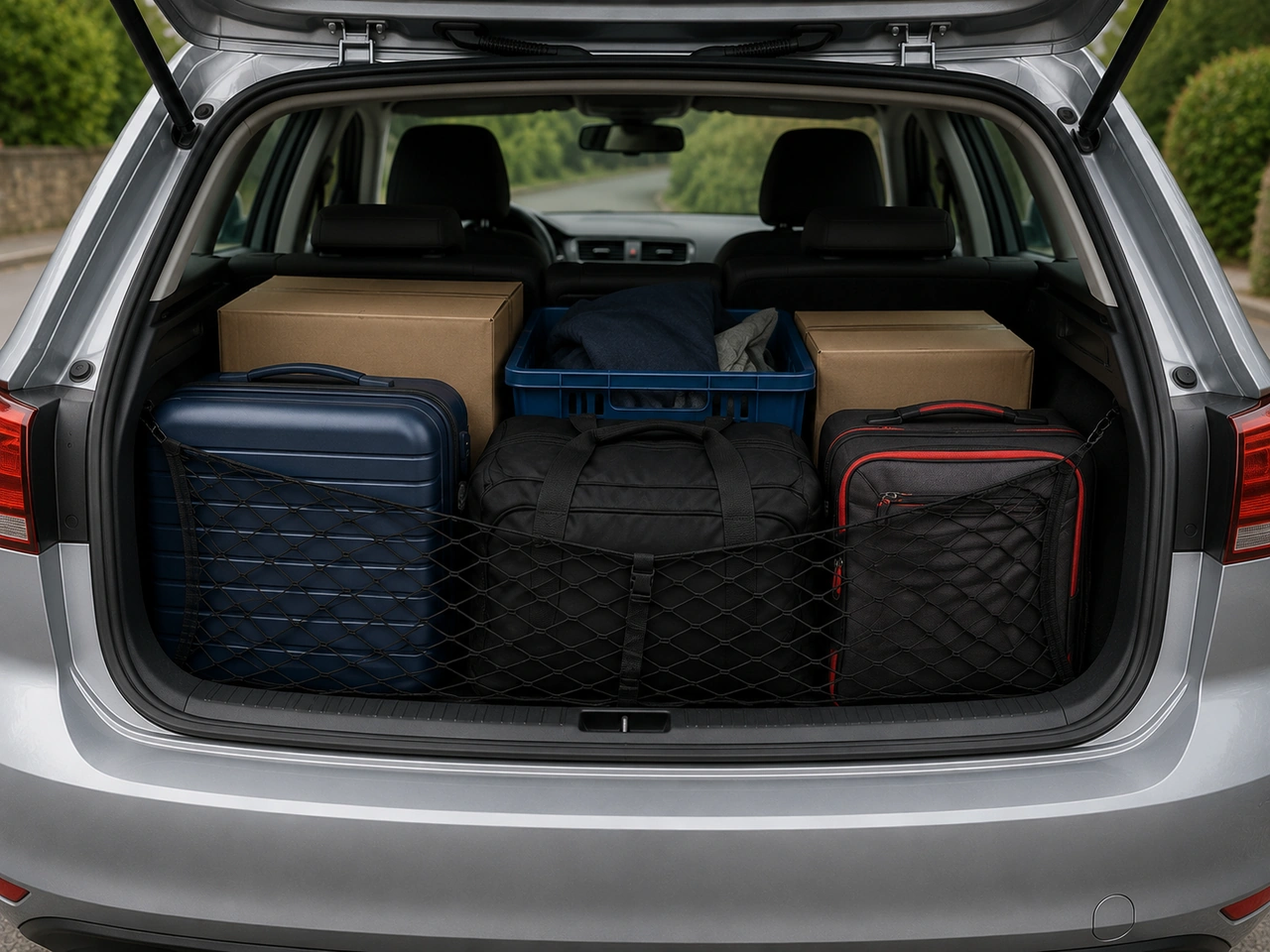
62. How should luggage or other cargo be carried in or on a vehicle?
Unsecured or overloaded cargo can affect steering and braking, injure occupants during sudden stops, or fall into the road. It must not obstruct the driver's view or vehicle lights.
Argentina. Stow luggage securely so it cannot move under braking. Check the vehicle handbook for loading limits and any change to tyre pressures when carrying a heavy load.
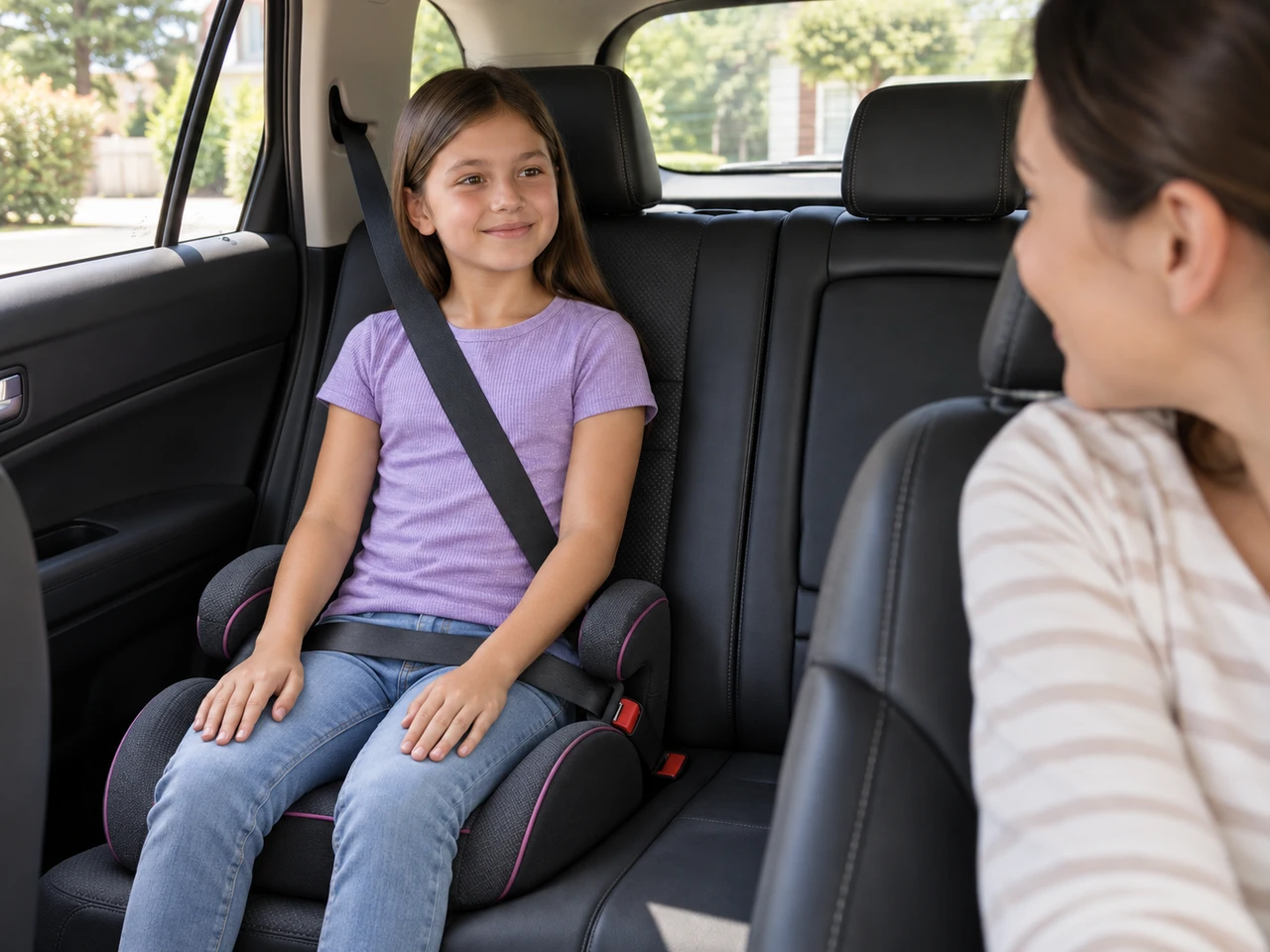
63. What is the main purpose of a booster seat?
A booster seat raises and positions a child so the vehicle seat belt fits correctly. The lap belt should sit low across the hips and the shoulder belt should pass across the chest and shoulder, rather than the neck or abdomen.
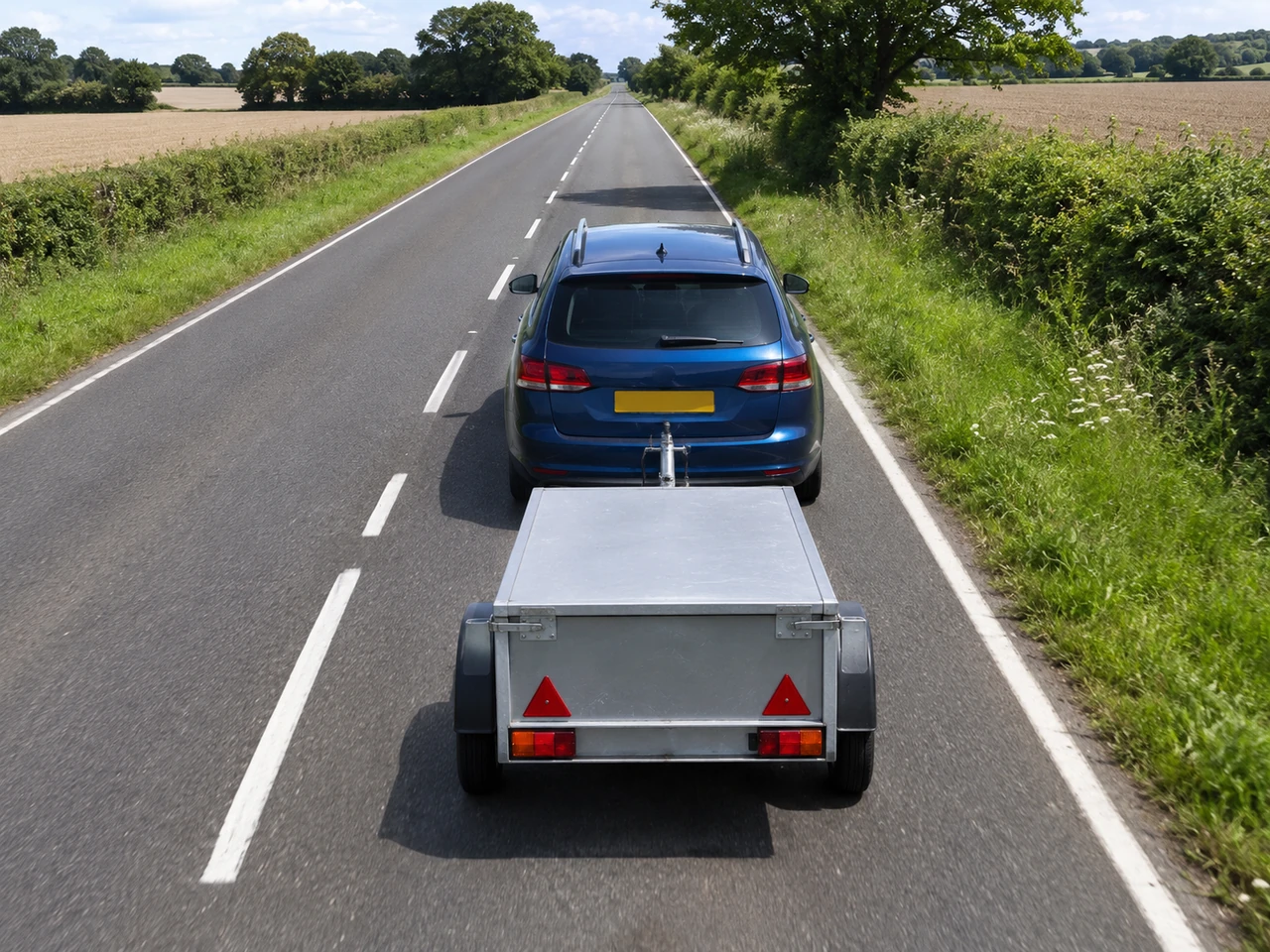
64. Towing a trailer can increase your stopping distance.
A trailer changes how the vehicle responds when braking. Allow more room to stop and follow the towing guidance for your vehicle and trailer.
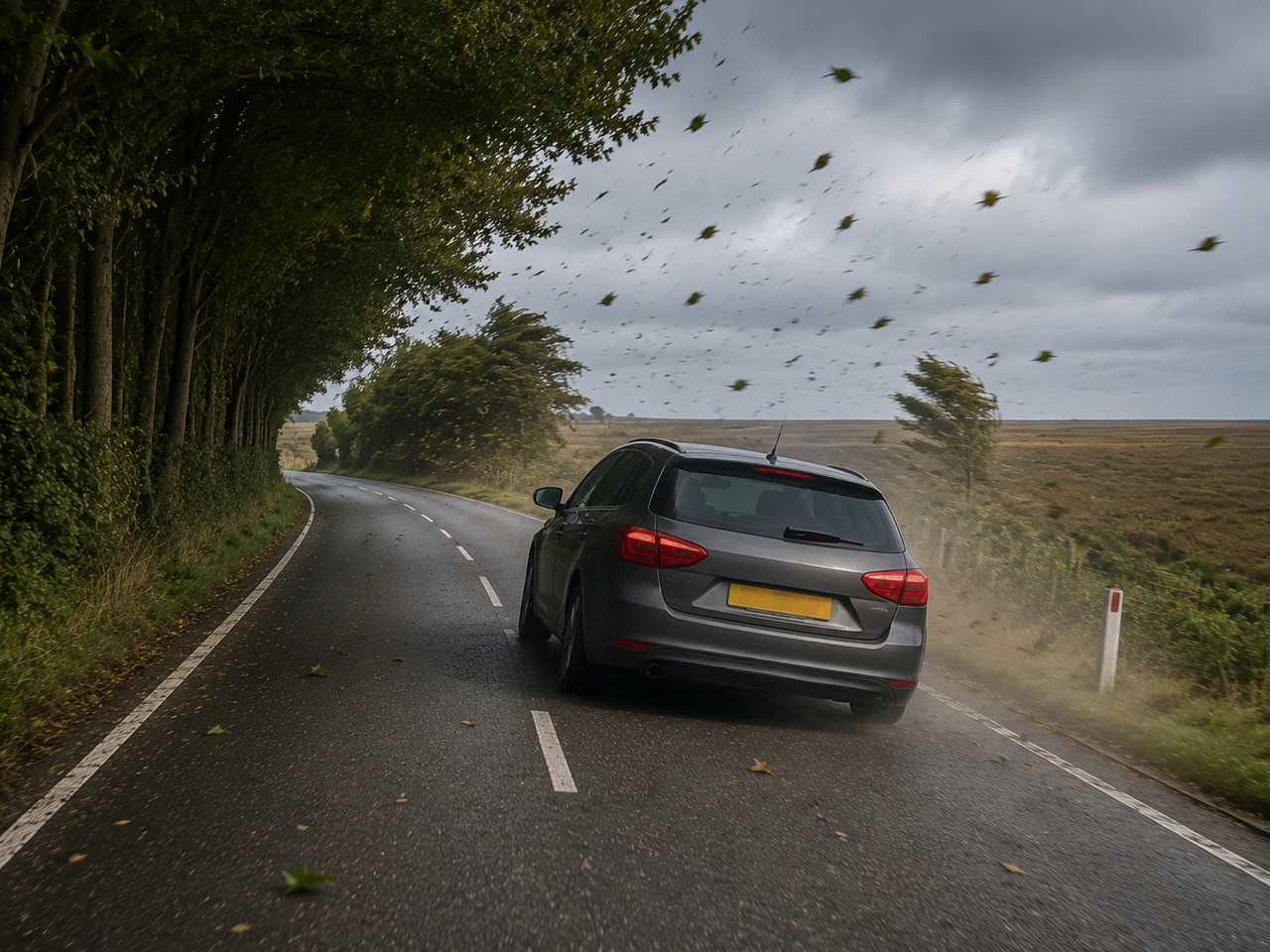
65. What should you expect when leaving a sheltered area during strong winds?
A hedge, building, tree line or large vehicle can shelter you from a crosswind. When that shelter ends, a sudden gust may push your vehicle sideways. Anticipate the change and reduce speed beforehand where needed. Keep a firm but relaxed grip and correct your course smoothly. Do not rely on driver-assistance systems to compensate for wind.
Argentina. Mendoza Government guidance warns of sudden gusts when leaving tunnels, tree cover, hollows or hills. Reduce speed before the shelter ends and prepare for renewed lateral pressure. The steering response is a practical precaution, not a separate statutory manoeuvre.
🔗 Sources
Mendoza Government • Mountain driving: wind and shelter transitions
Image credit: AI-generated
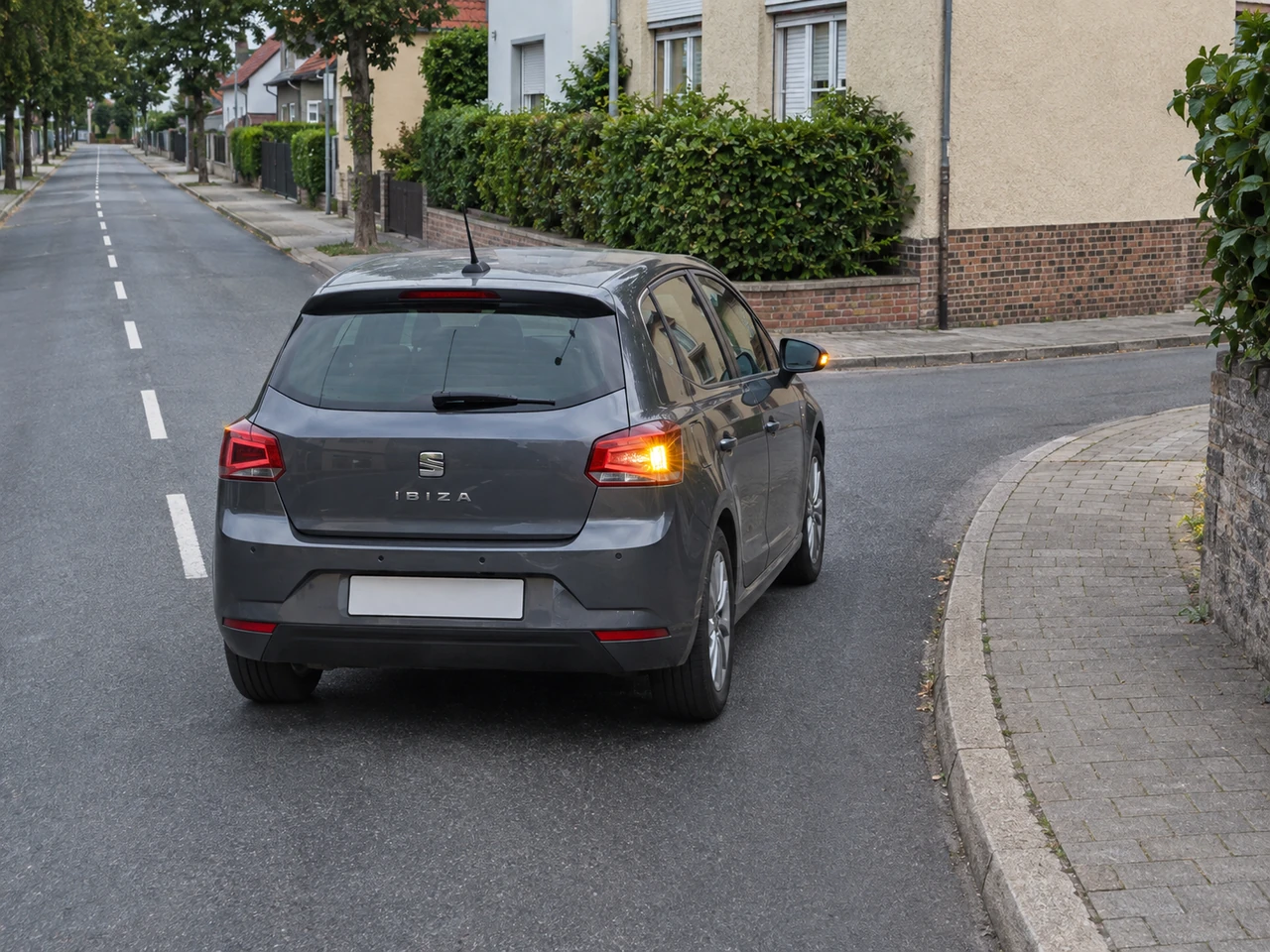
66. You should signal before turning or changing lanes.
A clear signal helps other road users understand your intentions, but you must still check that the manoeuvre can be made safely.
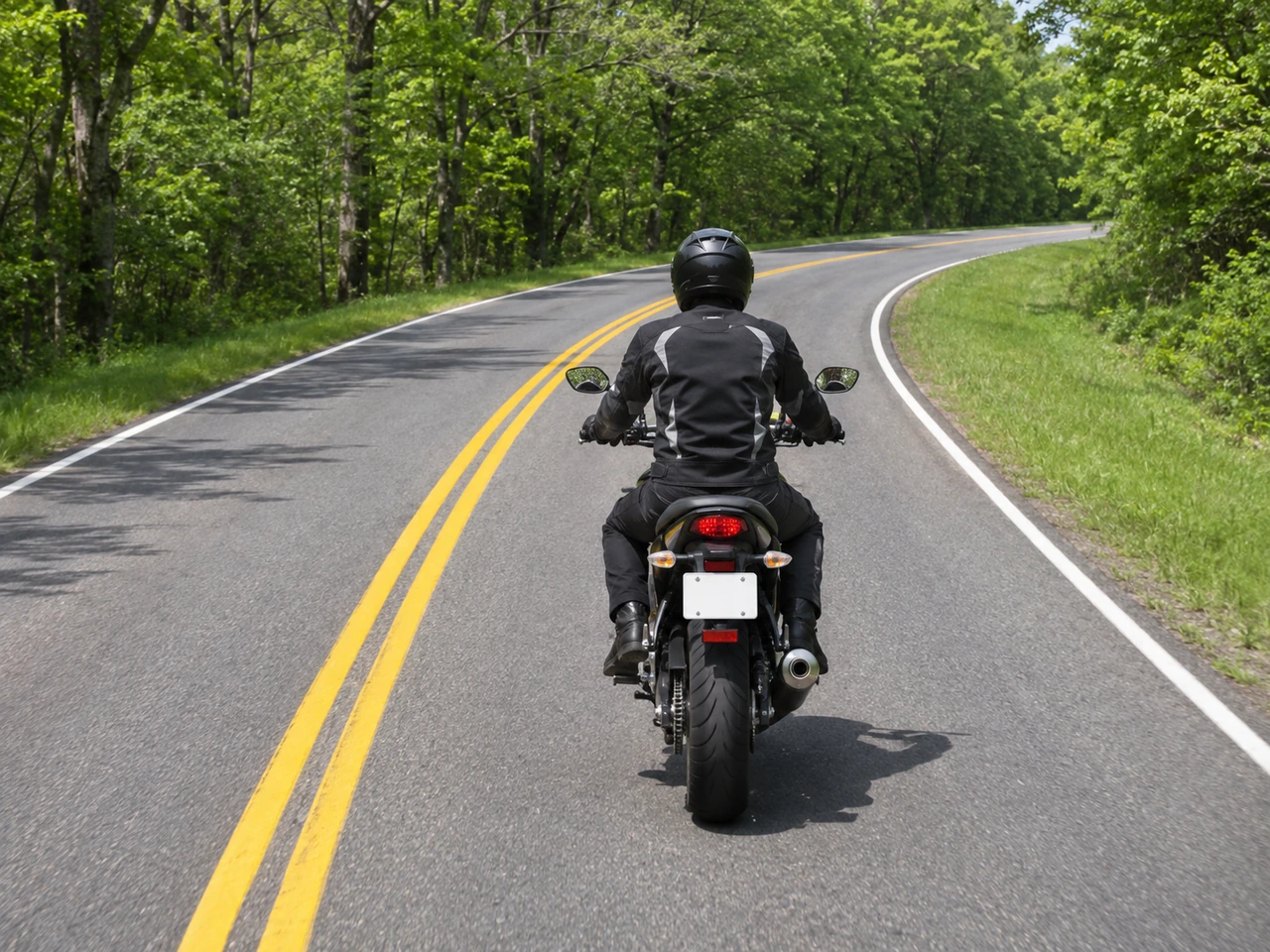
67. What should a motorcyclist do before entering a bend?
Adjust your speed before entering the bend so you can steer smoothly and remain within a safe position. Look through the bend towards where you want to travel and be prepared for hazards that may be hidden from view.
🔗 Sources
DLD.Utah.gov — Motorcycle Handbook, Braking and Turning
Argentina.gob.ar — Decree 196/2025, Horizontal markings
Image credit: AI-generated
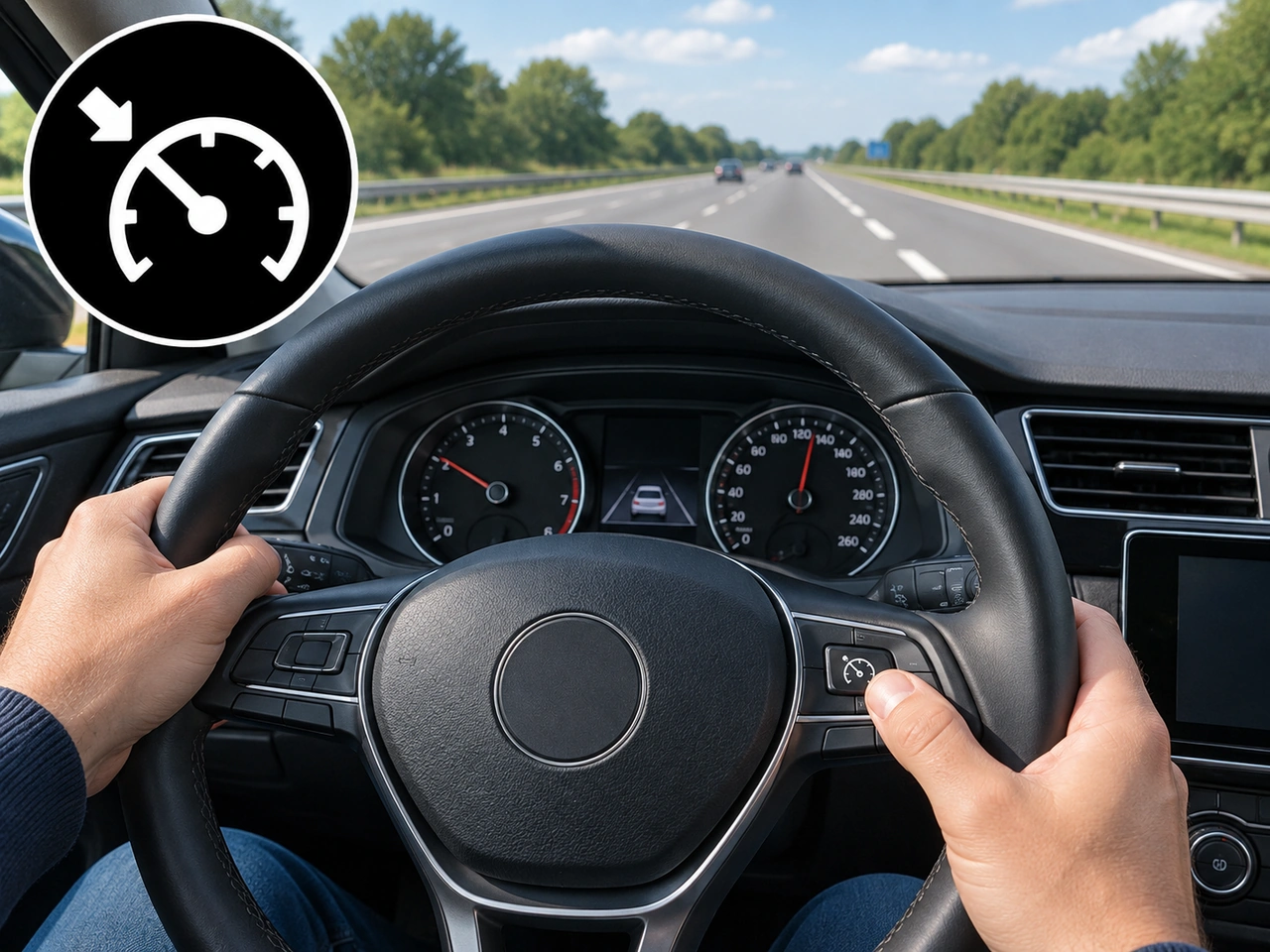
68. What is the purpose of cruise control?
Cruise control can maintain a selected speed without the driver continuously pressing the accelerator. The driver must remain attentive and ready to brake or take control when necessary.
Conventional cruise control holds a set speed. You can normally cancel it with the brake pedal or the cancel control.
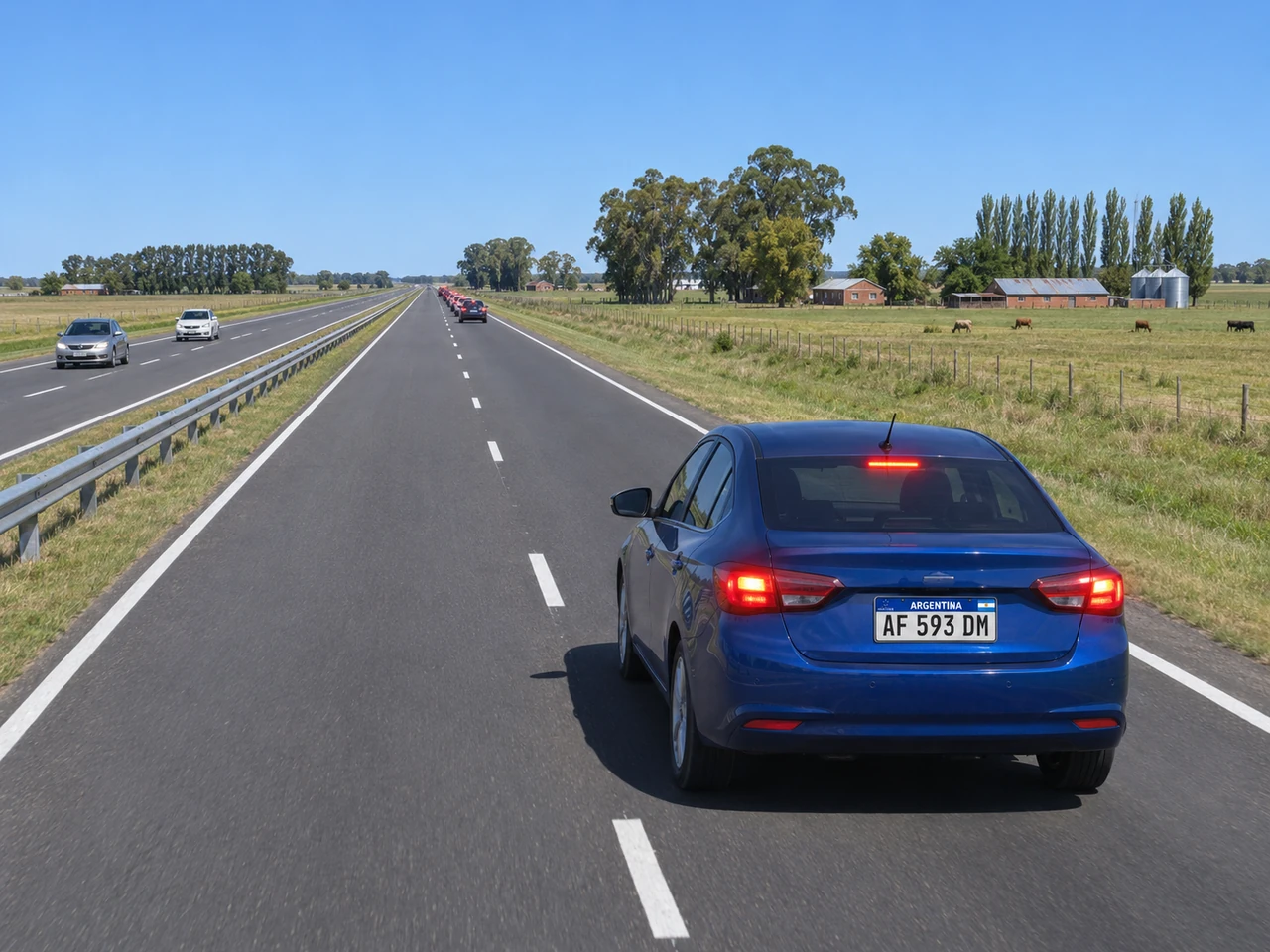
69. What should you do if traffic suddenly slows on a motorway?
When traffic slows suddenly, reduce speed smoothly, keep a safe distance, and use hazard lights to warn following traffic if needed and where local rules permit.
Ease off early and brake progressively when possible. Leave enough space to stop if the vehicle ahead brakes again.
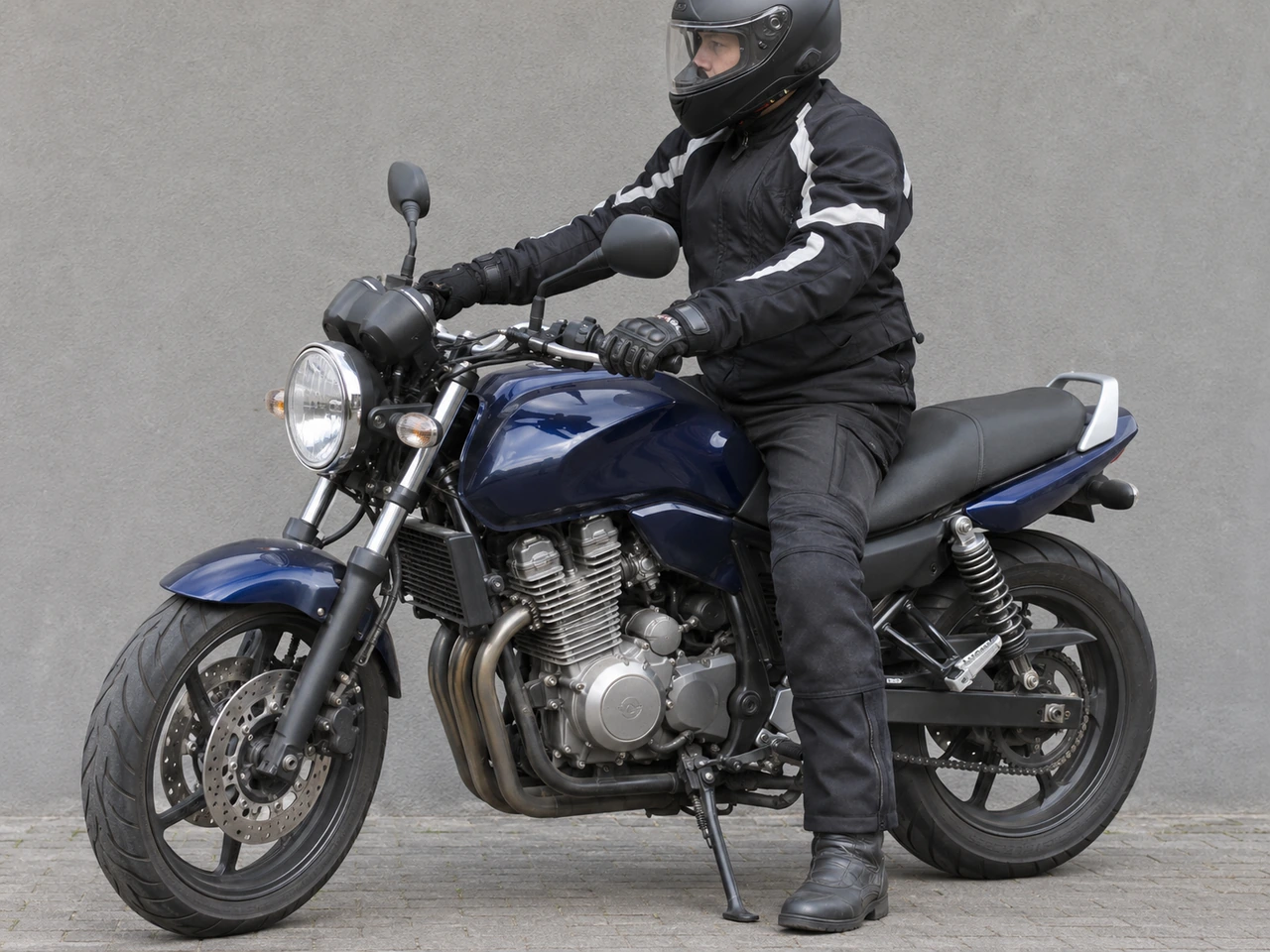
70. Should the side stand be fully raised before riding a motorcycle?
The side stand should be fully raised before riding. If it remains down, it may strike the road surface, particularly when turning, and could cause the rider to lose control.
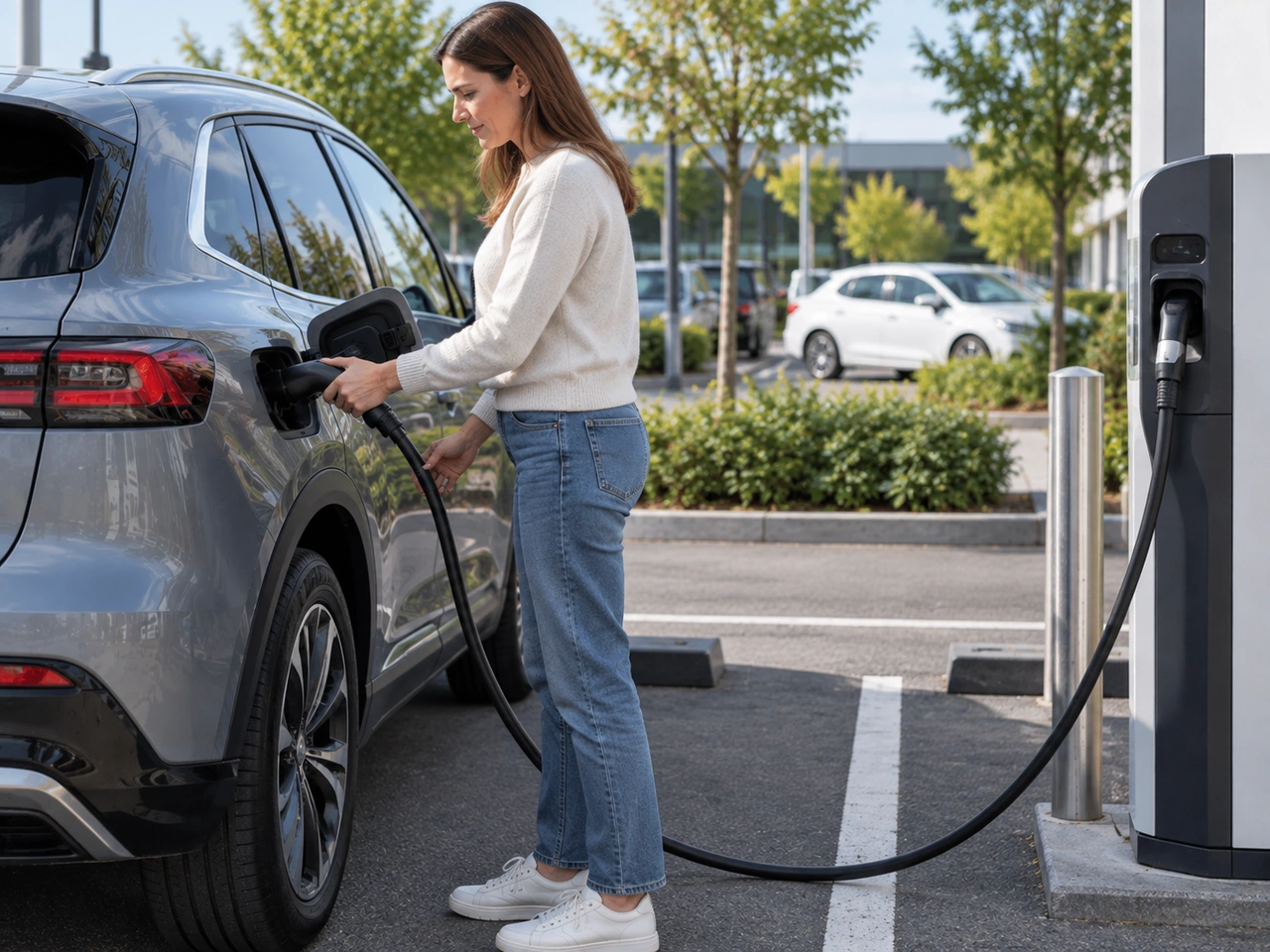
71. What should you do before driving away after charging an electric vehicle?
Before driving away, disconnect the charging cable correctly and return it to the charger or store it securely in the vehicle, as appropriate. Close the charging port and check that the area around the vehicle is clear.
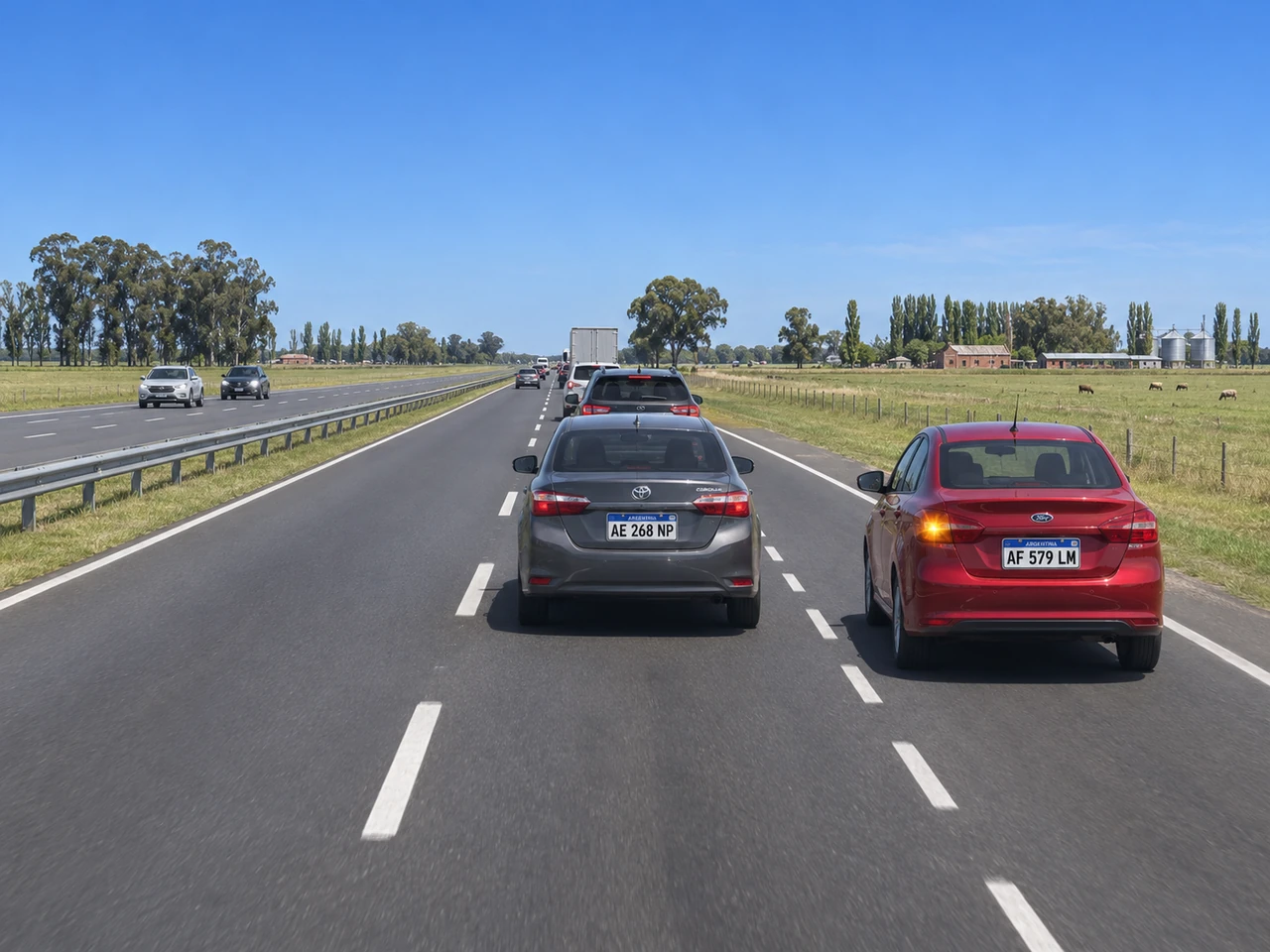
72. What should you do if there is no safe gap to join the motorway?
Use the entry lane to adjust your speed and look for a safe gap. Do not force motorway traffic to brake or change direction. In congested or slow-moving traffic, a safe gap may not be immediately available. Use as much of the entry lane as possible and stop before entering the motorway only if necessary.
Keep looking for a safe gap and adjust your speed in the entry lane. Signal and move across only when you can do so safely.
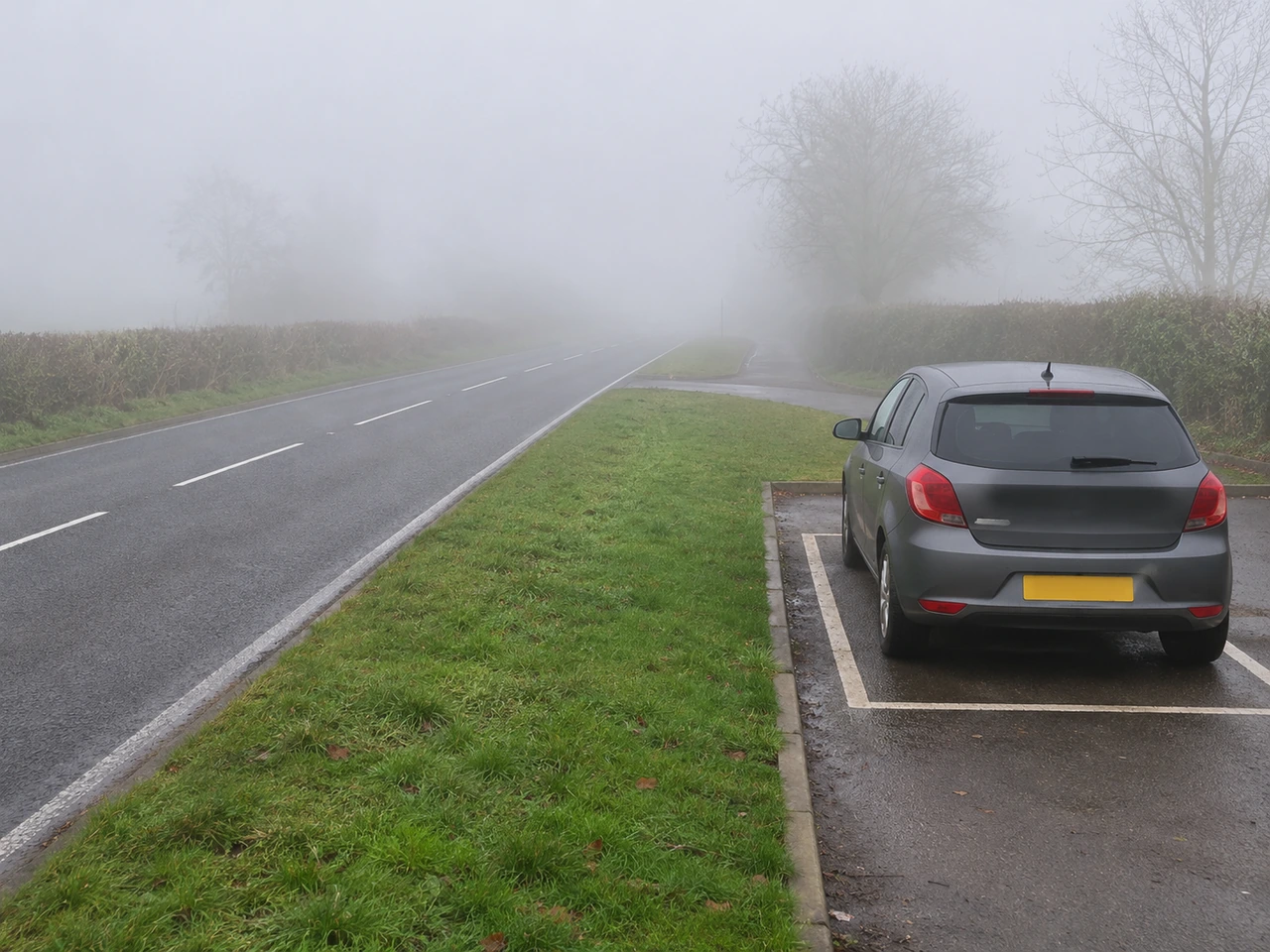
73. What should you do if fog becomes so thick that you cannot see safely?
Check your mirrors and slow down smoothly. If you cannot continue safely, leave the traffic stream for a suitable parking area or other safe location you can reach without a sudden manoeuvre. Stop completely clear of the traffic lanes and use hazard lights to warn others where appropriate. Do not wait for the fog to clear in a live traffic lane.
🔗 Sources
England National Highways — General fog driving and safe stopping advice
Image credit: AI-generated
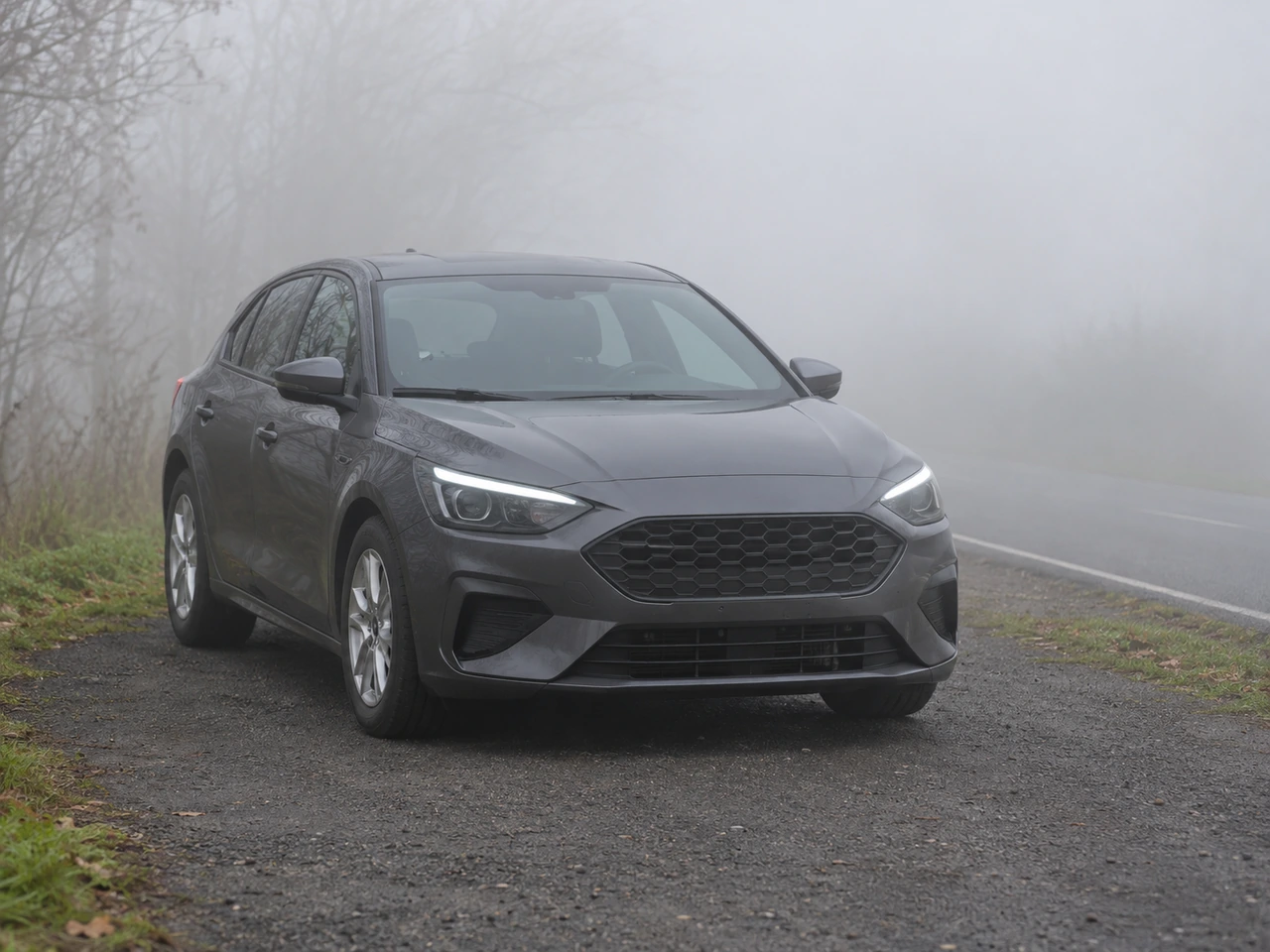
74. What should you check when using automatic headlights in daytime fog?
Some automatic lighting systems respond mainly to light levels and may not activate the headlights in daytime fog. Check the lights and select suitable lighting manually when needed, following the vehicle instructions and local rules.
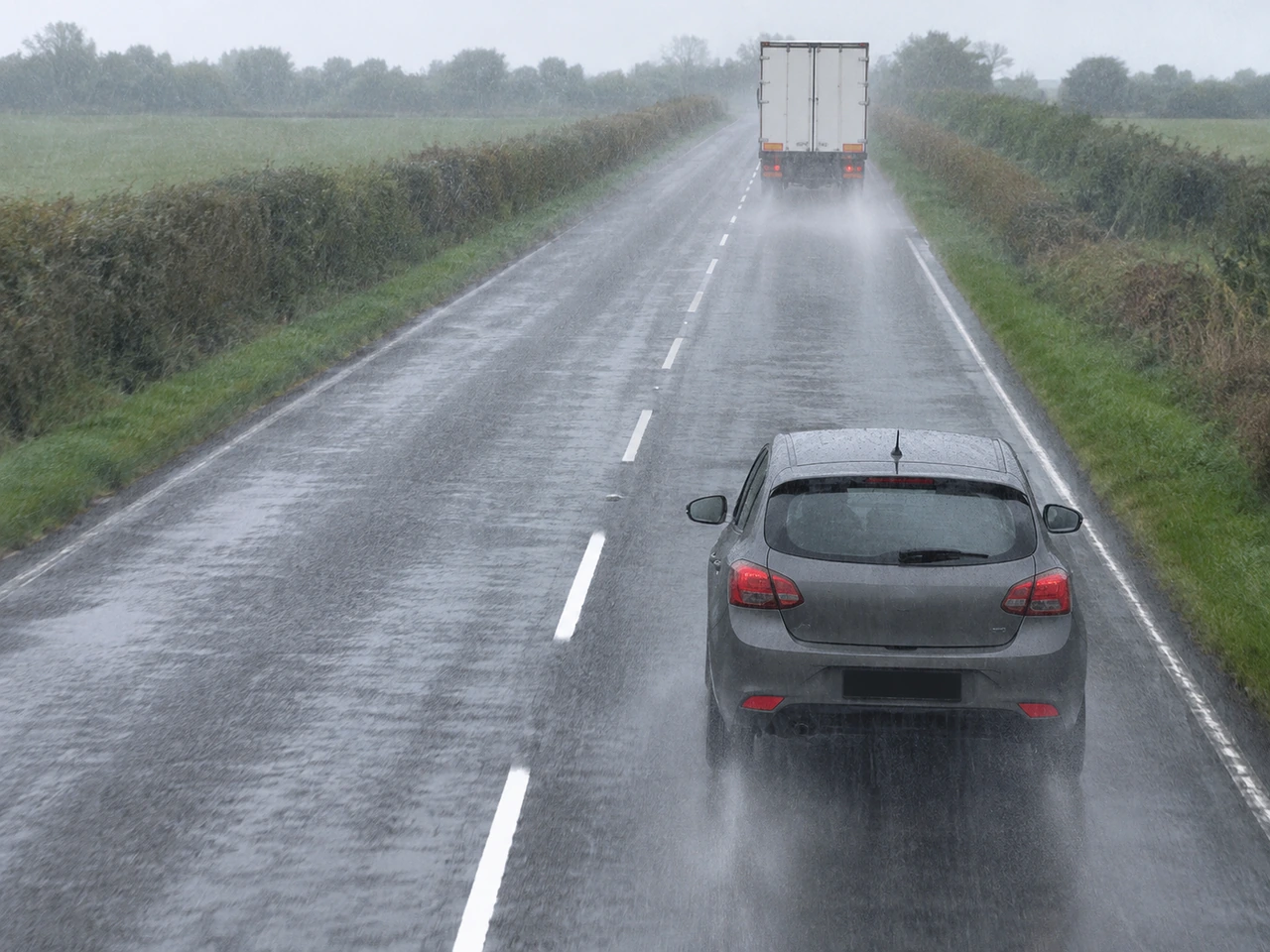
75. What should you do if spray from other vehicles makes it hard to see?
Spray from a lorry, bus or other vehicle can hide hazards and cover your windscreen. Ease off the accelerator, slow down safely and increase the following gap. Use the wipers and washers as needed, and keep looking along the road ahead. Avoid moving closer or overtaking simply to escape the spray.
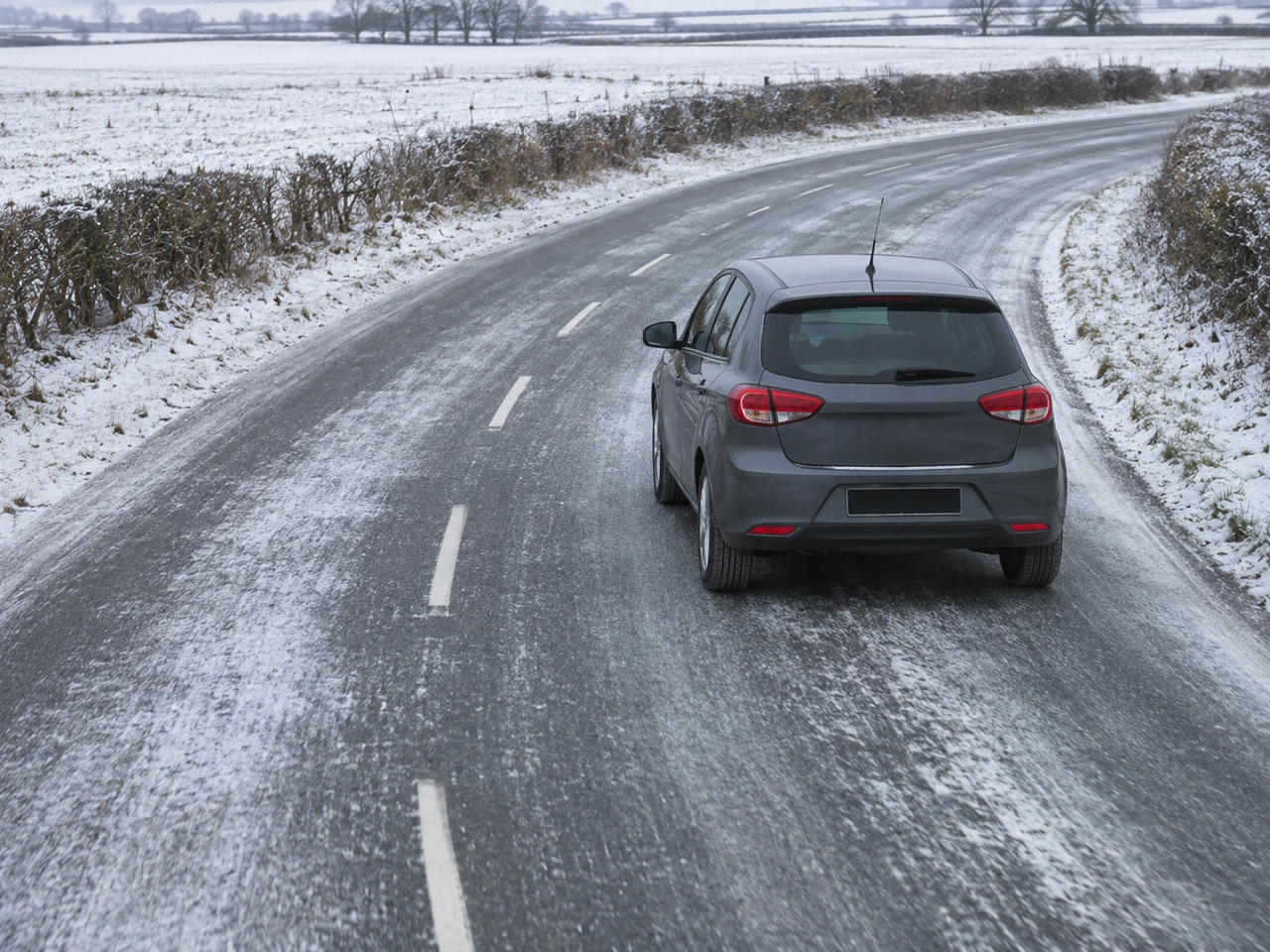
76. Why should you avoid sudden steering movements on snow or ice?
Turning asks the tyres to provide sideways grip. On snow or ice, a sharp steering movement can exceed the limited grip available and start a skid. Reduce speed before the bend, look along your intended path and steer smoothly. Keep acceleration and routine speed changes smooth through the bend.
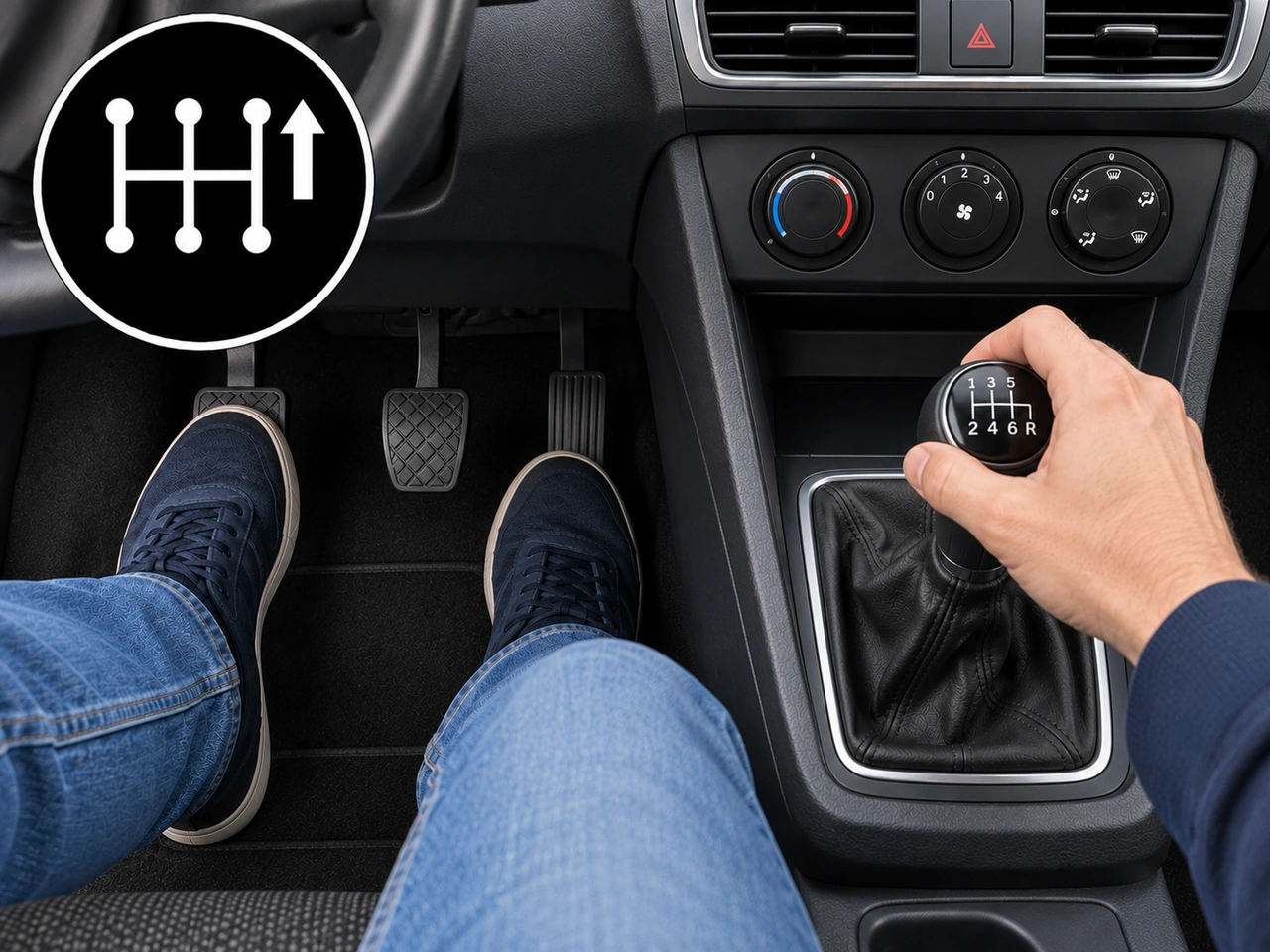
77. What should you normally do with the accelerator when changing to a higher gear?
When changing to a higher gear, ease off the accelerator as you press the clutch and select the next gear. Release the clutch smoothly and then apply the accelerator progressively.
Ease off the accelerator as you press the clutch, select the next gear, then ease the clutch up and reapply the accelerator. Return your hand to the wheel after the shift.
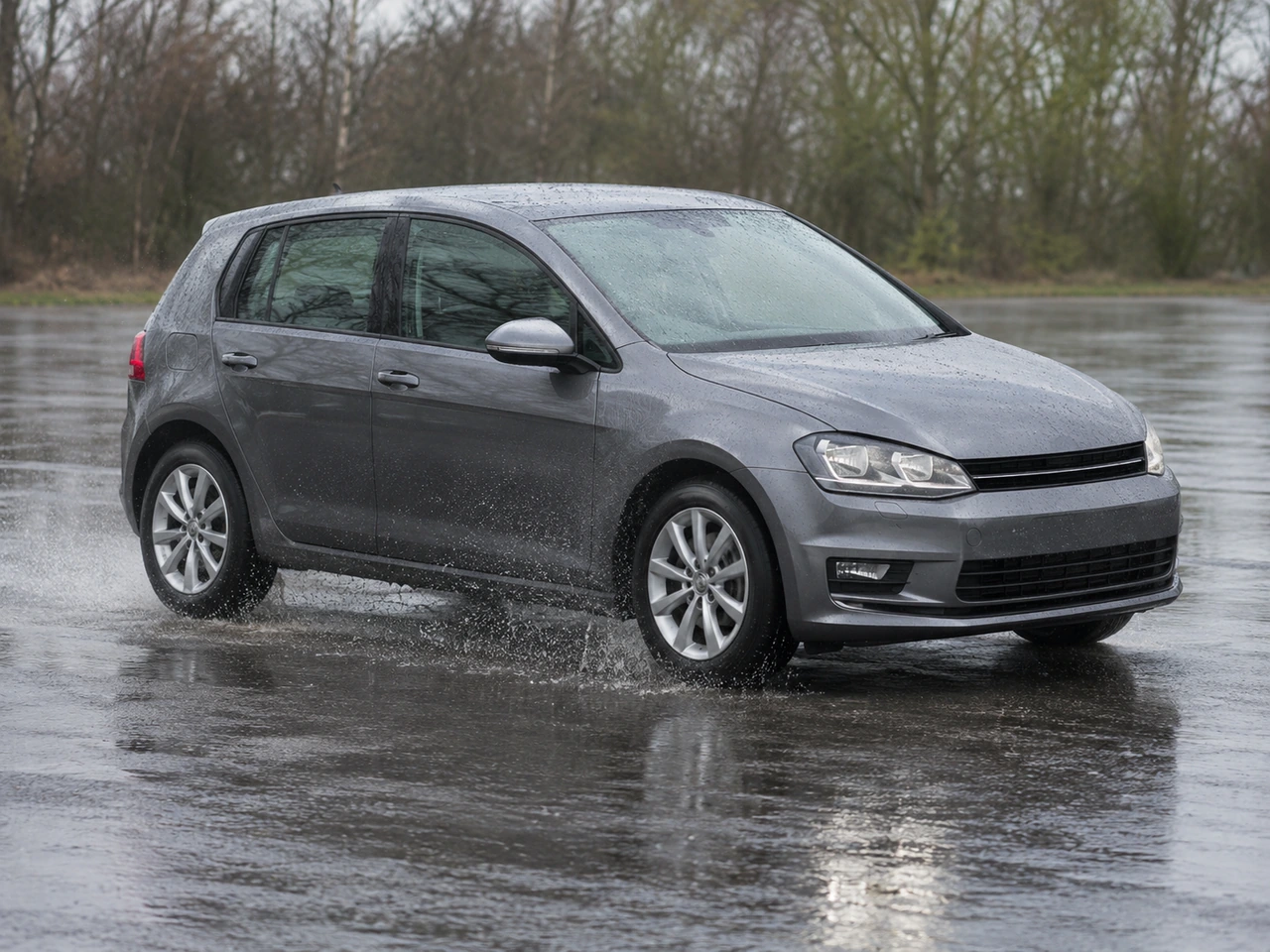
78. What should you avoid if your vehicle starts to skid?
Harsh braking, acceleration or steering can start a skid or make it worse. Look where you want to go and avoid overcorrecting. Recovery depends on which tyres have lost grip and on the vehicle systems, so follow the vehicle handbook and practise only with qualified instruction in a controlled setting. This advice does not mean releasing the brake during emergency braking with ABS, when firm, sustained pressure is needed.
🔗 Sources
Great Britain — Highway Code, rule 119; harsh inputs and loss of grip
Great Britain — Highway Code, rule 120; ABS emergency braking
Image credit: AI-generated
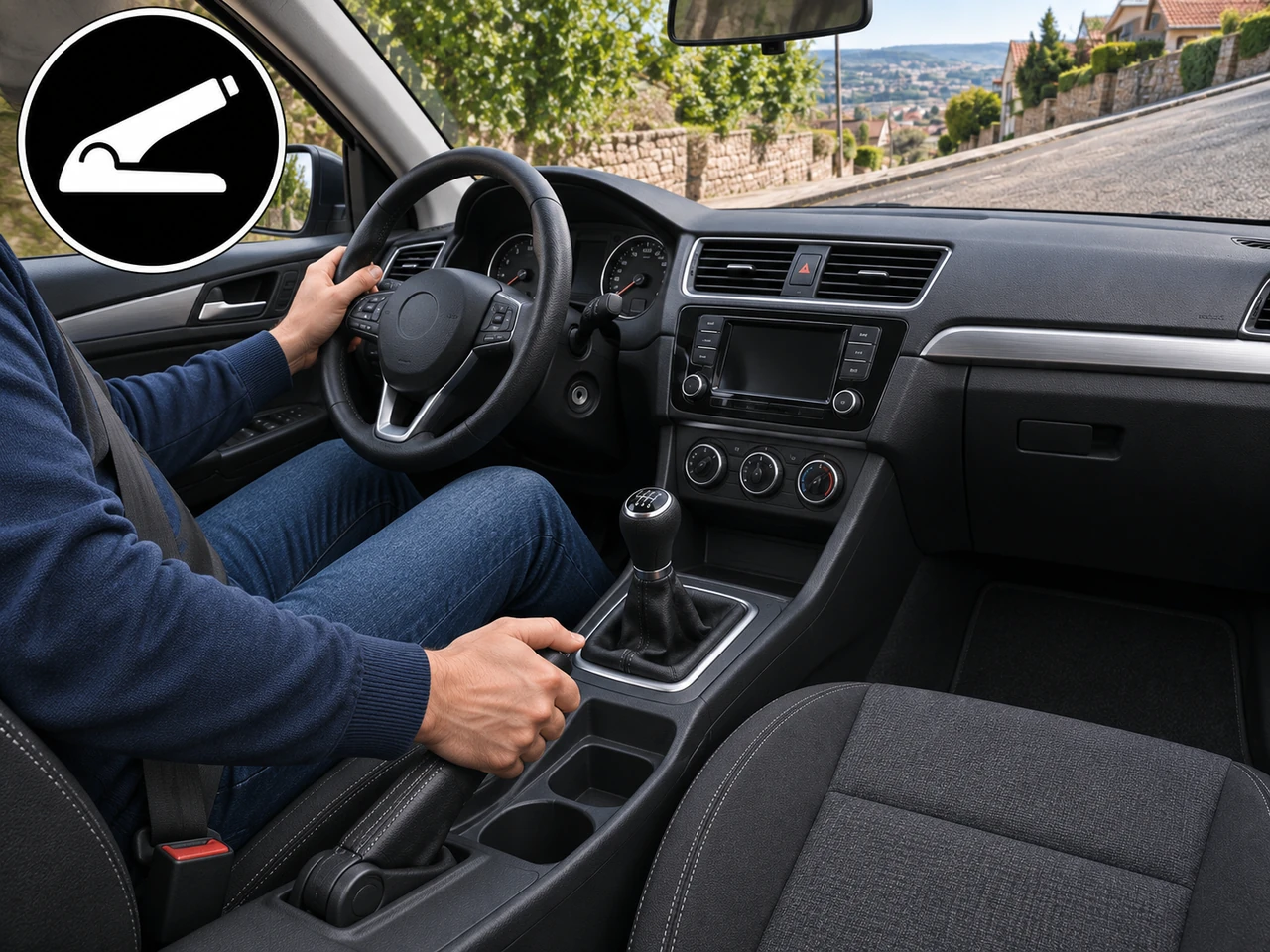
79. What should you do with the parking brake when parking on a slope?
When parking on a slope, apply the parking brake firmly to help prevent the vehicle from rolling. Selecting an appropriate gear or Park provides additional security.
Apply the parking brake firmly on a slope. Select a suitable gear in a manual car or P (Park) in an automatic.
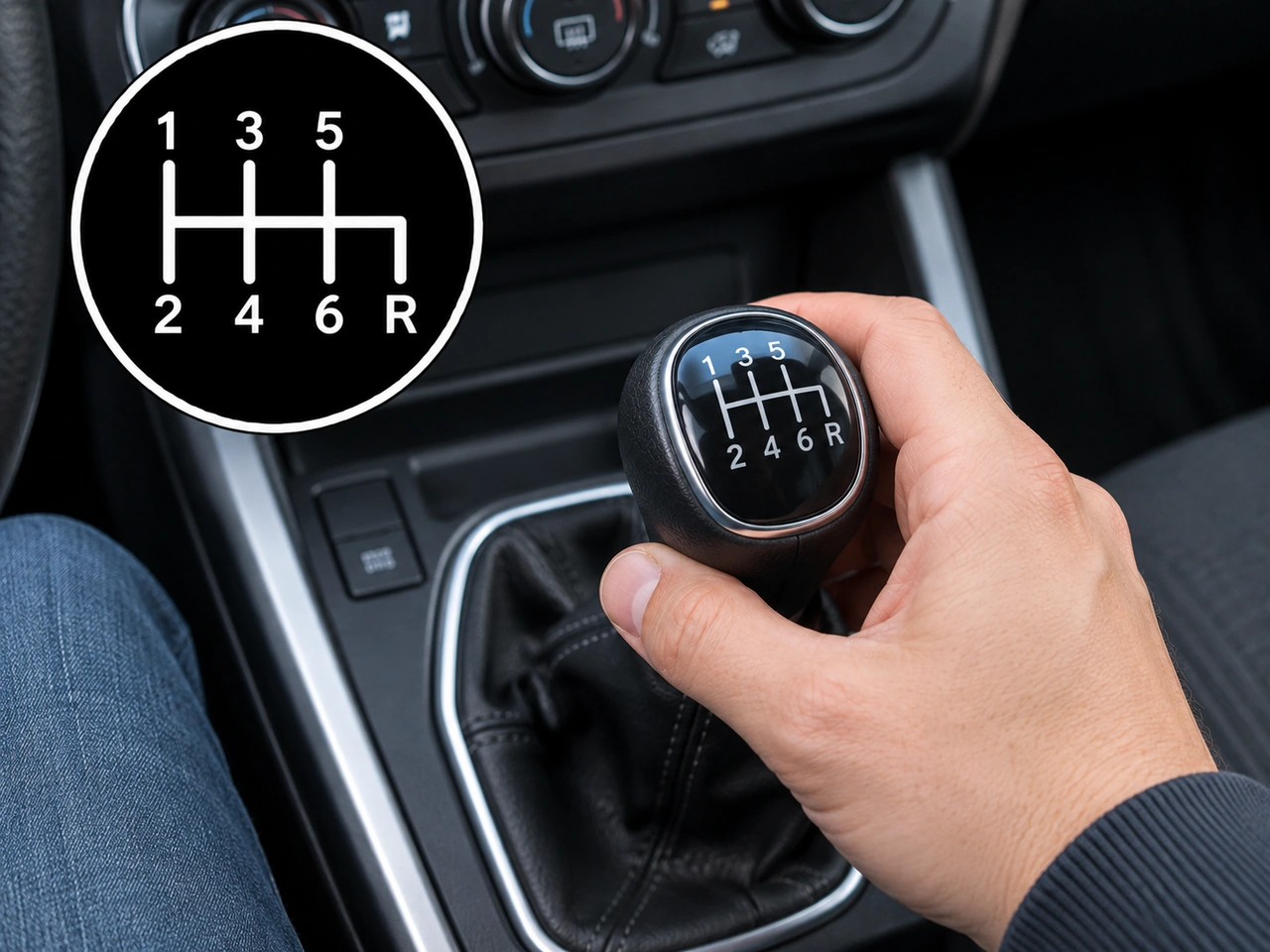
80. Which gear is used to drive a manual vehicle backwards?
Select R (Reverse) when you need to drive a manual vehicle backwards. The vehicle should be stationary before Reverse is selected.
Stop fully and press the clutch before selecting R. Check the gear pattern, as some cars require you to lift a collar to select Reverse.
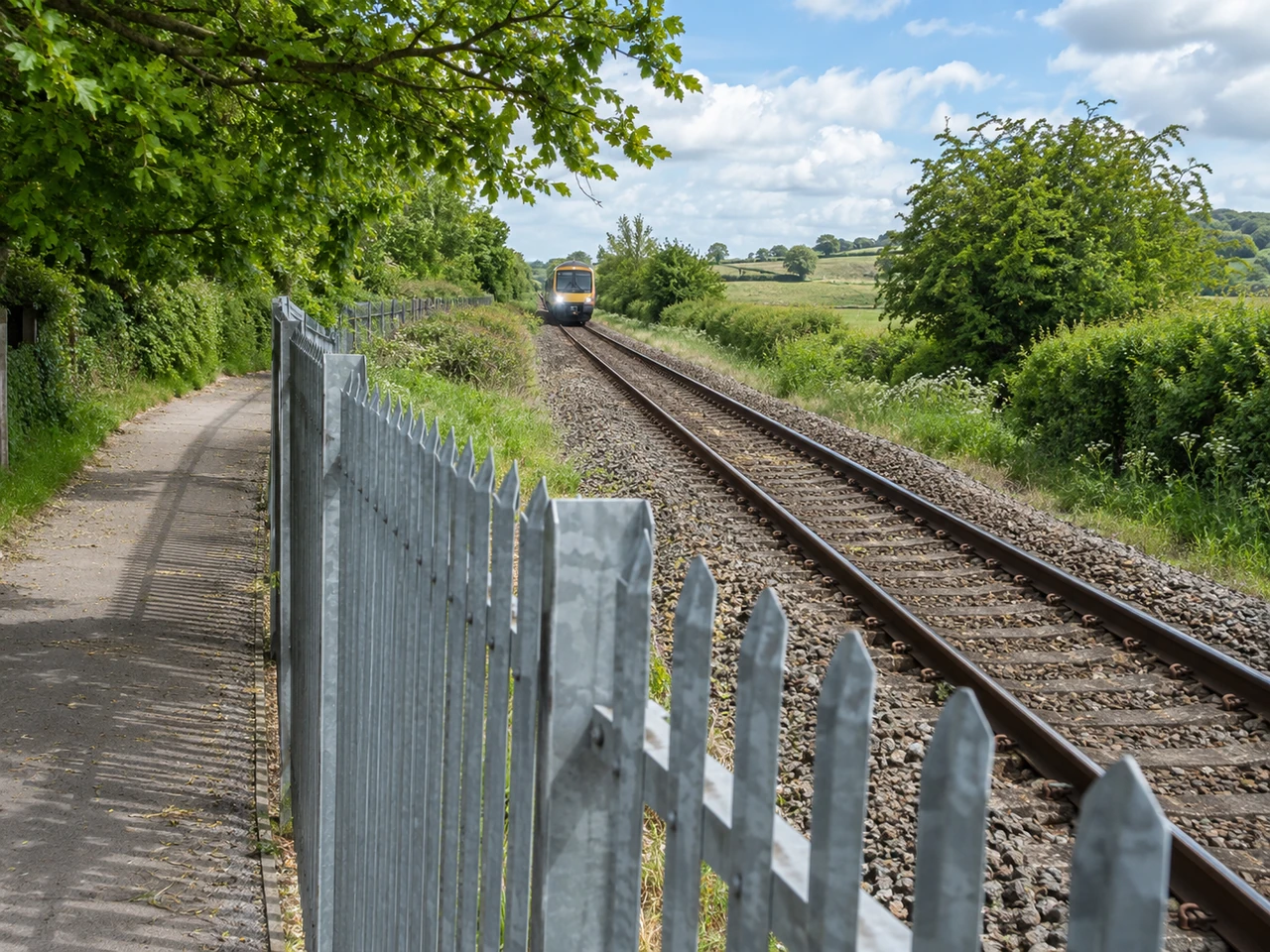
81. A distant train can be closer and faster than it appears.
It can be difficult to judge an approaching train's speed and distance. Never try to beat a train across a crossing; follow the crossing controls.
🔗 Sources
Wisconsin DOT (United States) • Safety guidance, railroad crossing precautions: speed and distance
Image credit: AI-generated
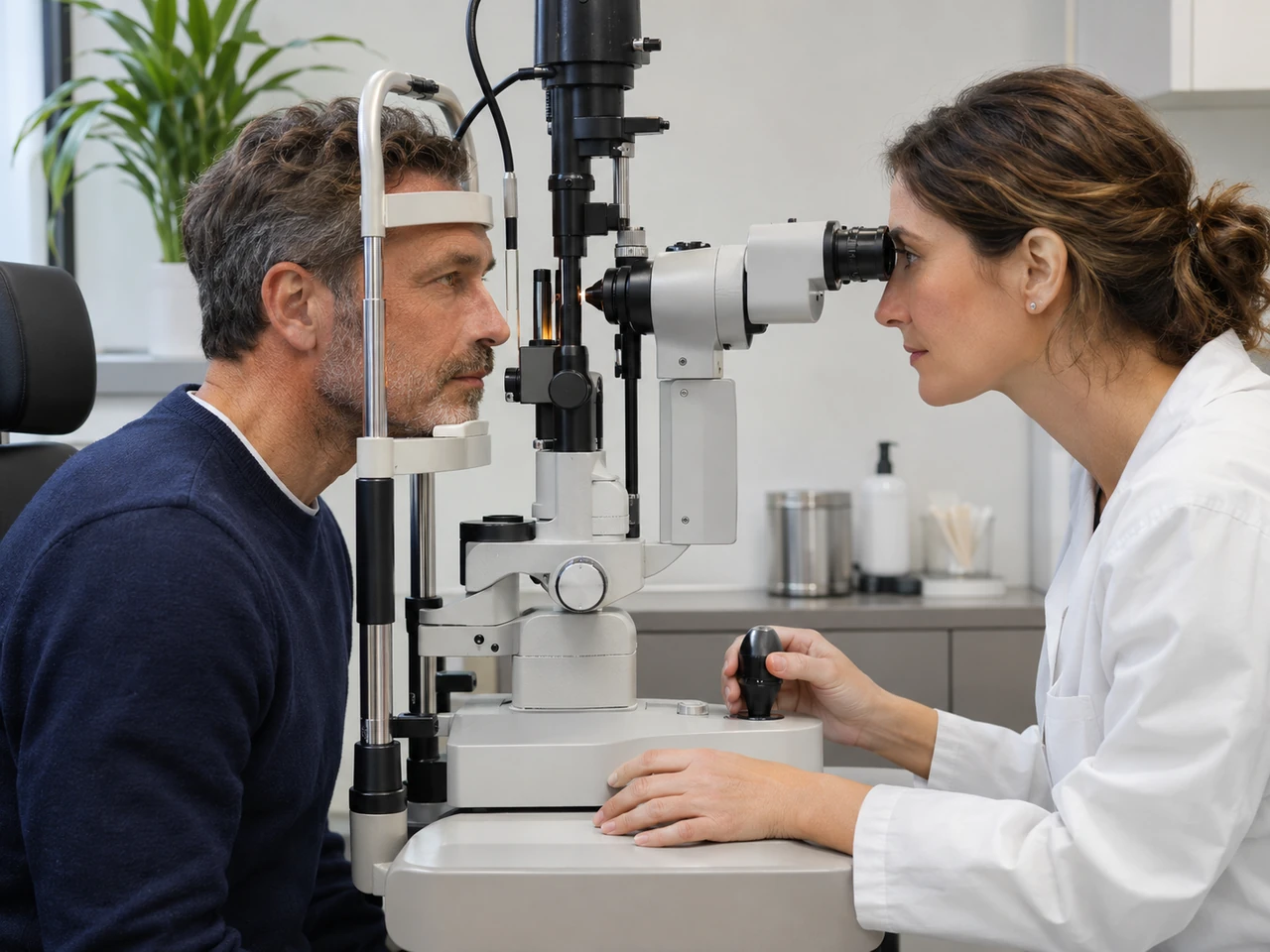
82. Regular eye examinations can help identify problems that could affect your driving.
Eyesight can change gradually. Have regular examinations as advised by your eye-care professional, and seek advice sooner if your vision changes or driving becomes harder.
🔗 Sources
Department for Transport (Great Britain) • Safety guidance, regular eye tests and corrective lenses
Image credit: AI-generated
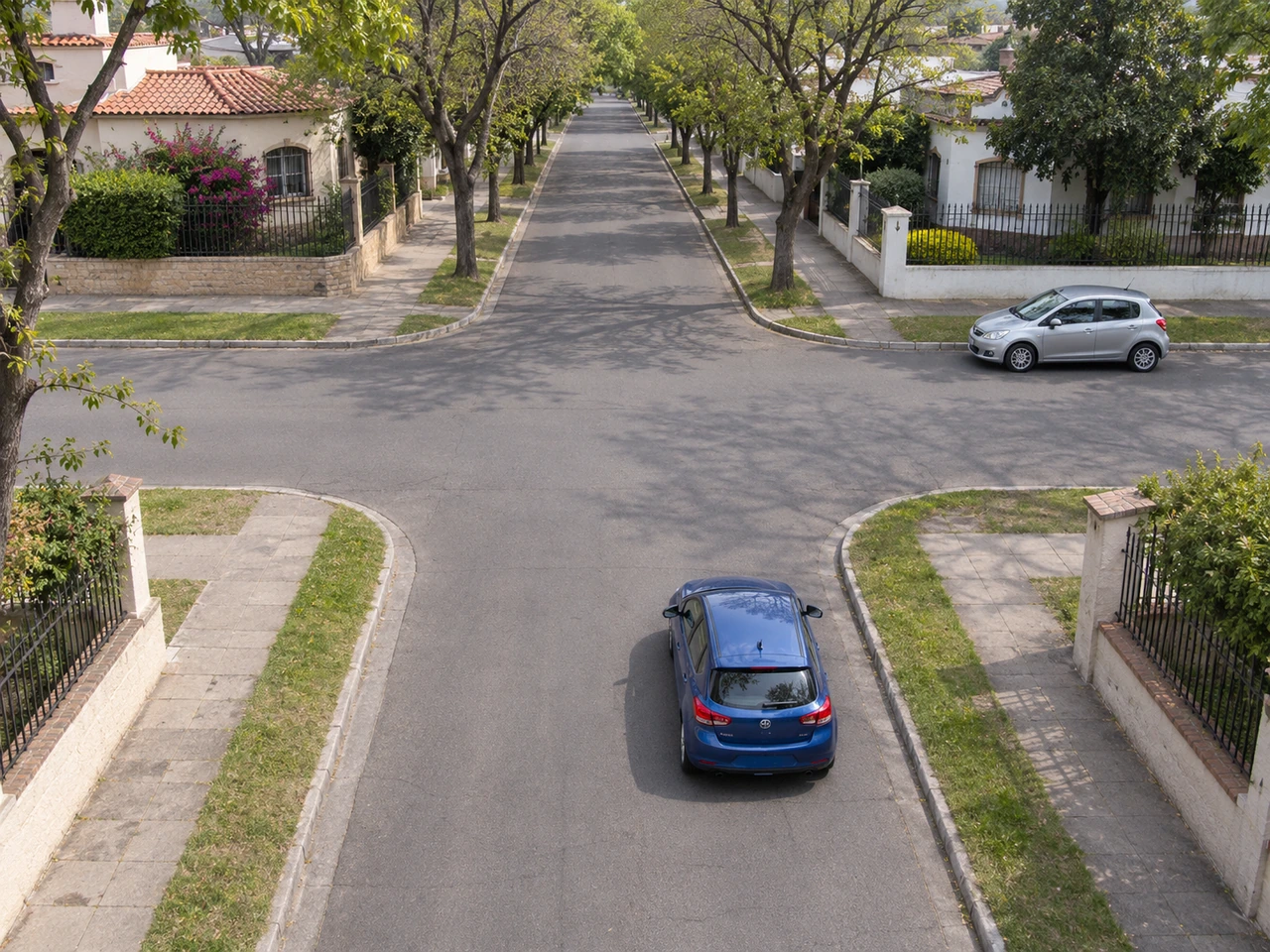
83. What should you do when approaching an uncontrolled junction?
At an uncontrolled junction, priority may not be obvious. Reduce speed, check carefully, and only enter when you are sure it is safe.
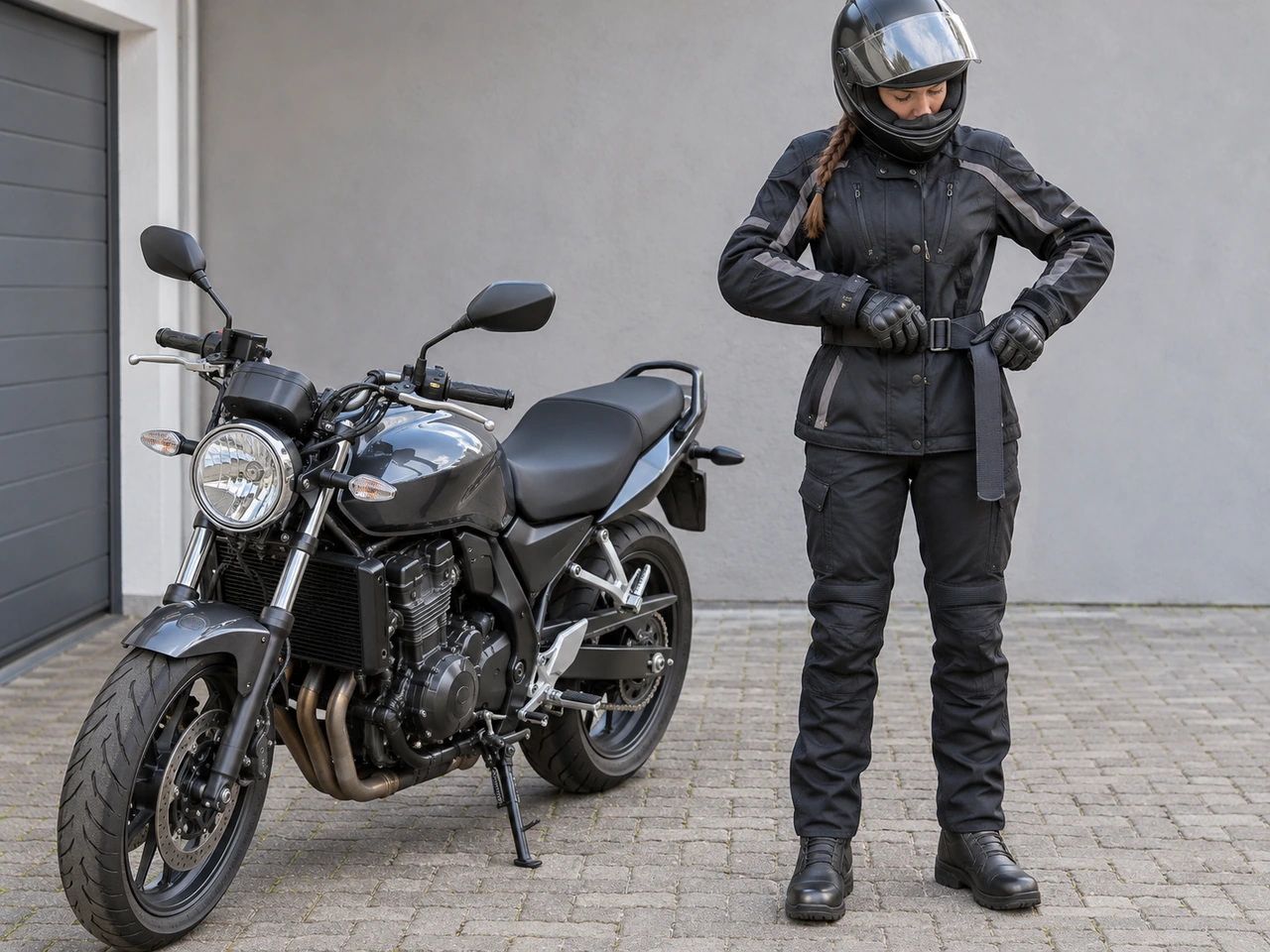
84. Why should loose clothing be avoided when riding a motorcycle?
Loose clothing, straps or scarves can flap in the wind or become caught in moving parts such as the chain or wheel. Motorcycle clothing should fit securely and should not have loose items that could interfere with safe riding.
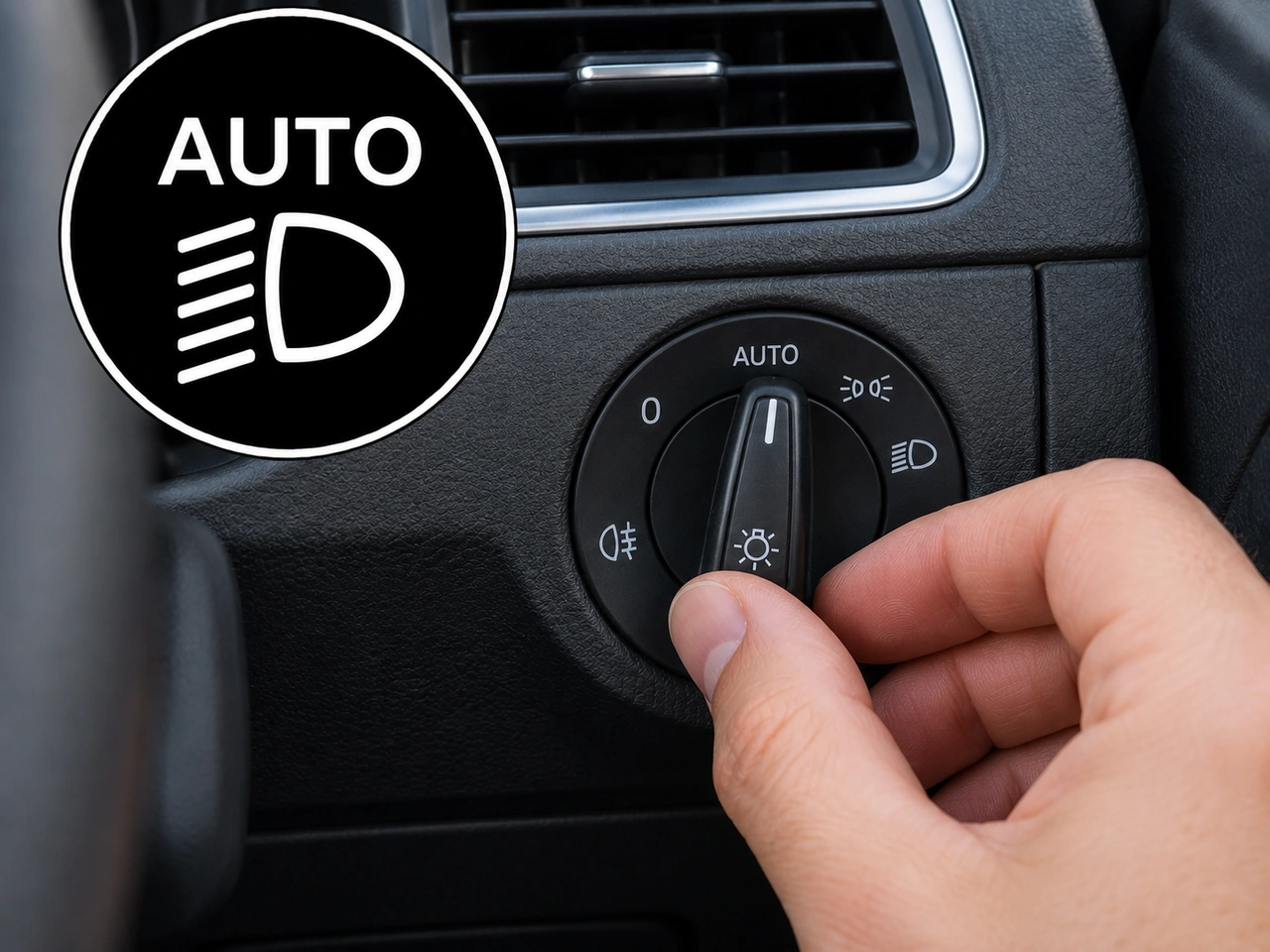
85. What does the AUTO setting on the lighting control do?
The AUTO lighting setting switches the headlamps on automatically when ambient light is low. The driver remains responsible for ensuring that the correct lights are being used.
AUTO can switch on the headlamps in low ambient light. In fog or spray, check that the required lights are on and select them manually if needed.
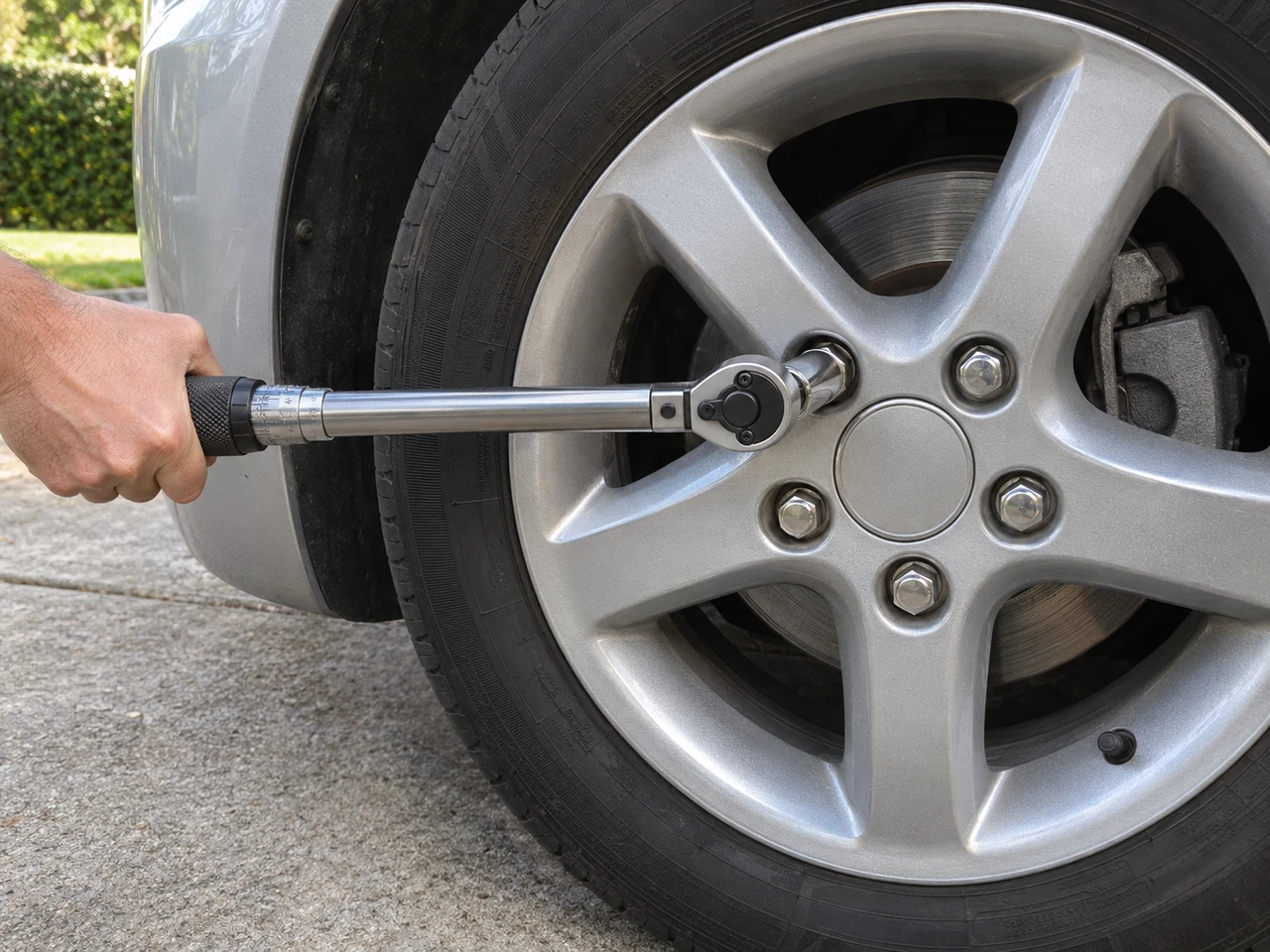
86. What should you check after fitting a wheel?
After fitting a wheel, make sure the wheel nuts are tightened correctly using the manufacturer's specified procedure and torque. Incorrectly tightened wheel nuts can loosen or damage the wheel. Recheck them later if the vehicle or wheel manufacturer recommends it.
Argentina. Tighten the wheel nuts or bolts to the manufacturer’s specified torque after fitting a wheel. Follow the vehicle handbook for any recheck instructions.
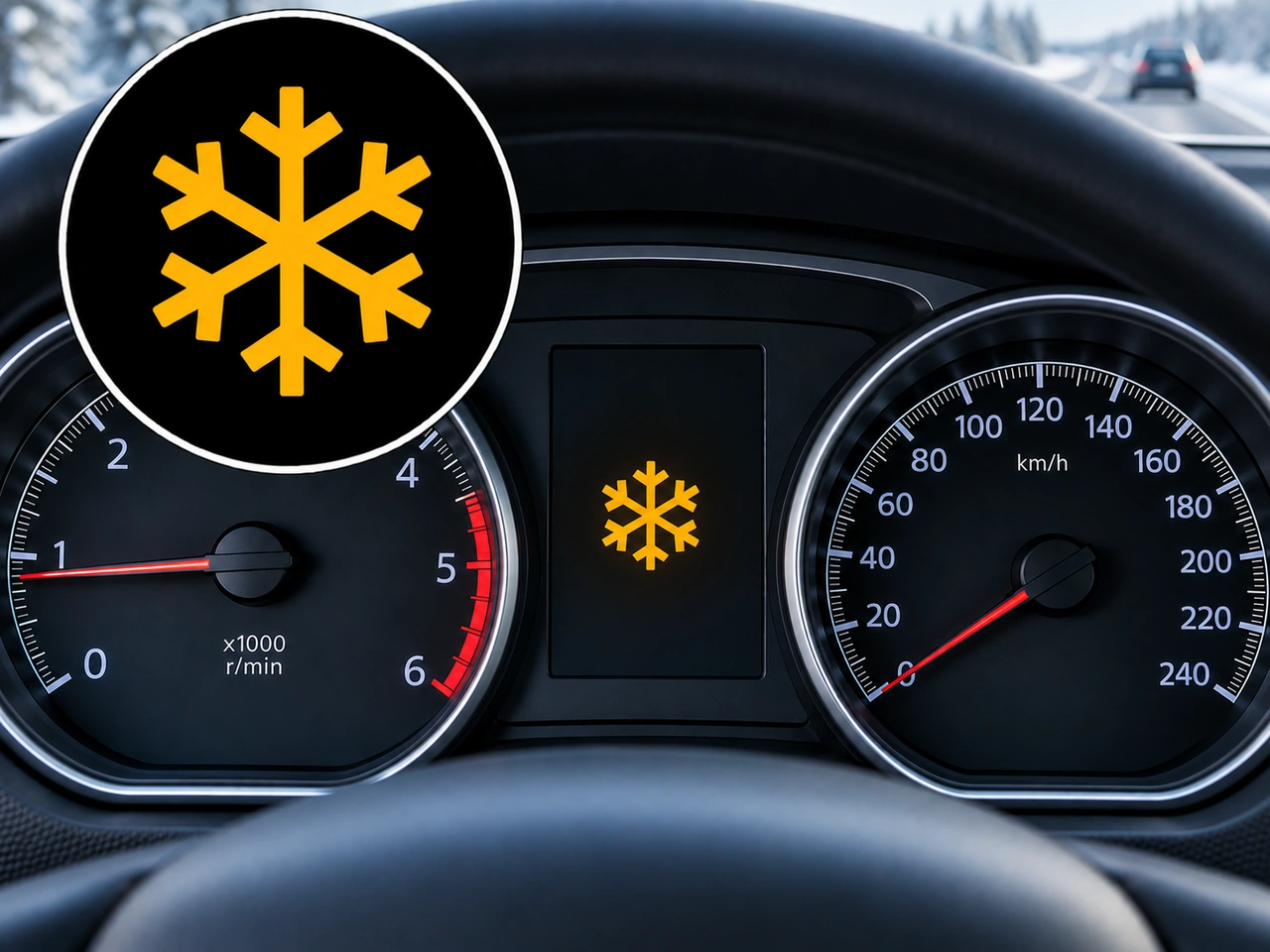
87. What does this dashboard symbol indicate?
This symbol warns that the outside temperature is low enough for ice to form. Road surfaces, especially bridges and shaded areas, may be slippery even when they appear clear.
A low outside-temperature warning means ice is possible. Adjust your speed to the conditions, even if the road looks clear.
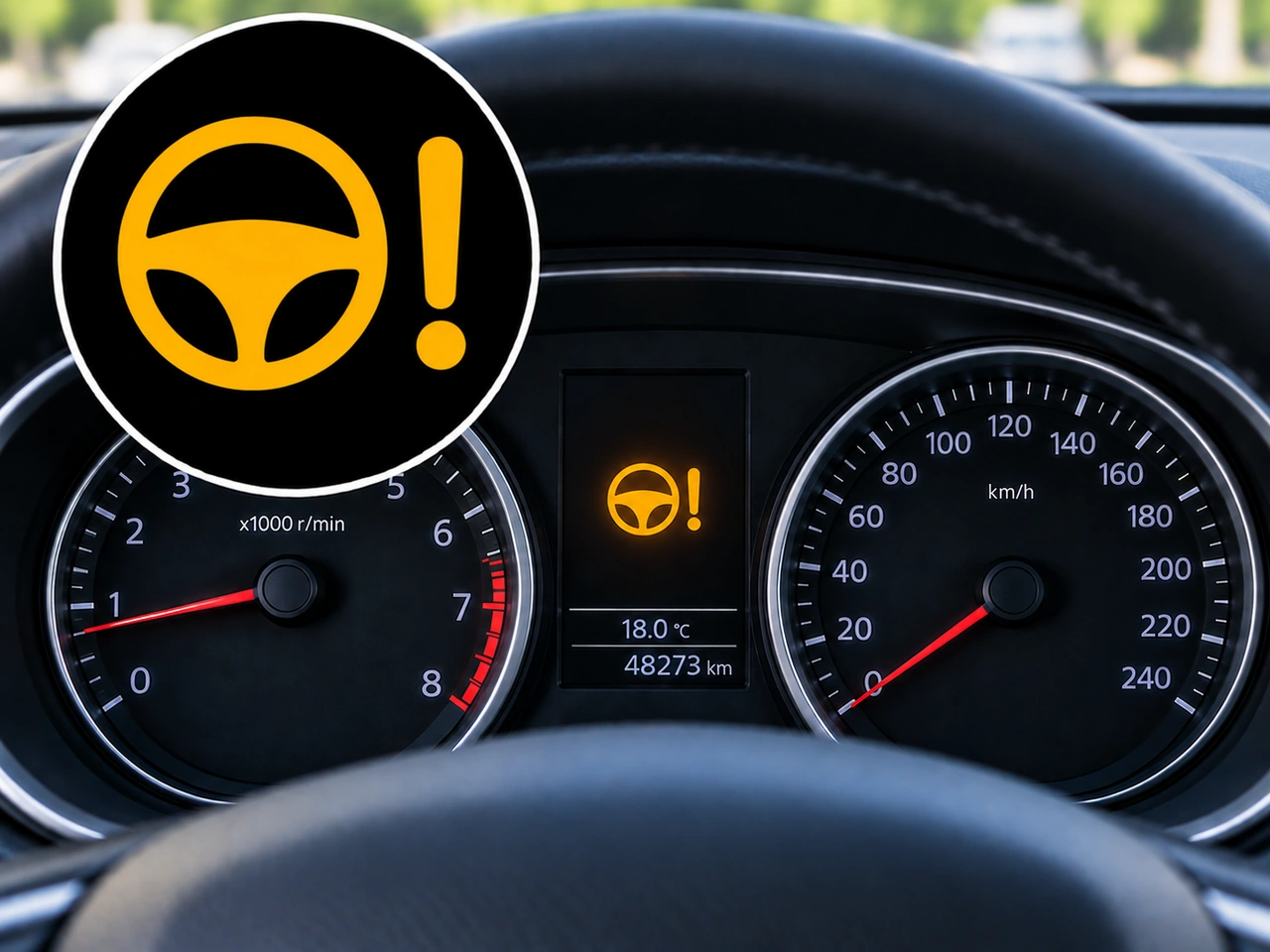
88. What does this dashboard symbol indicate?
This symbol indicates a possible fault with the power-steering system. Steering assistance may be reduced or unavailable, making the steering wheel harder to turn.
A steering warning can indicate reduced or lost assistance, which may make the wheel harder to turn. Follow the handbook for the warning shown.
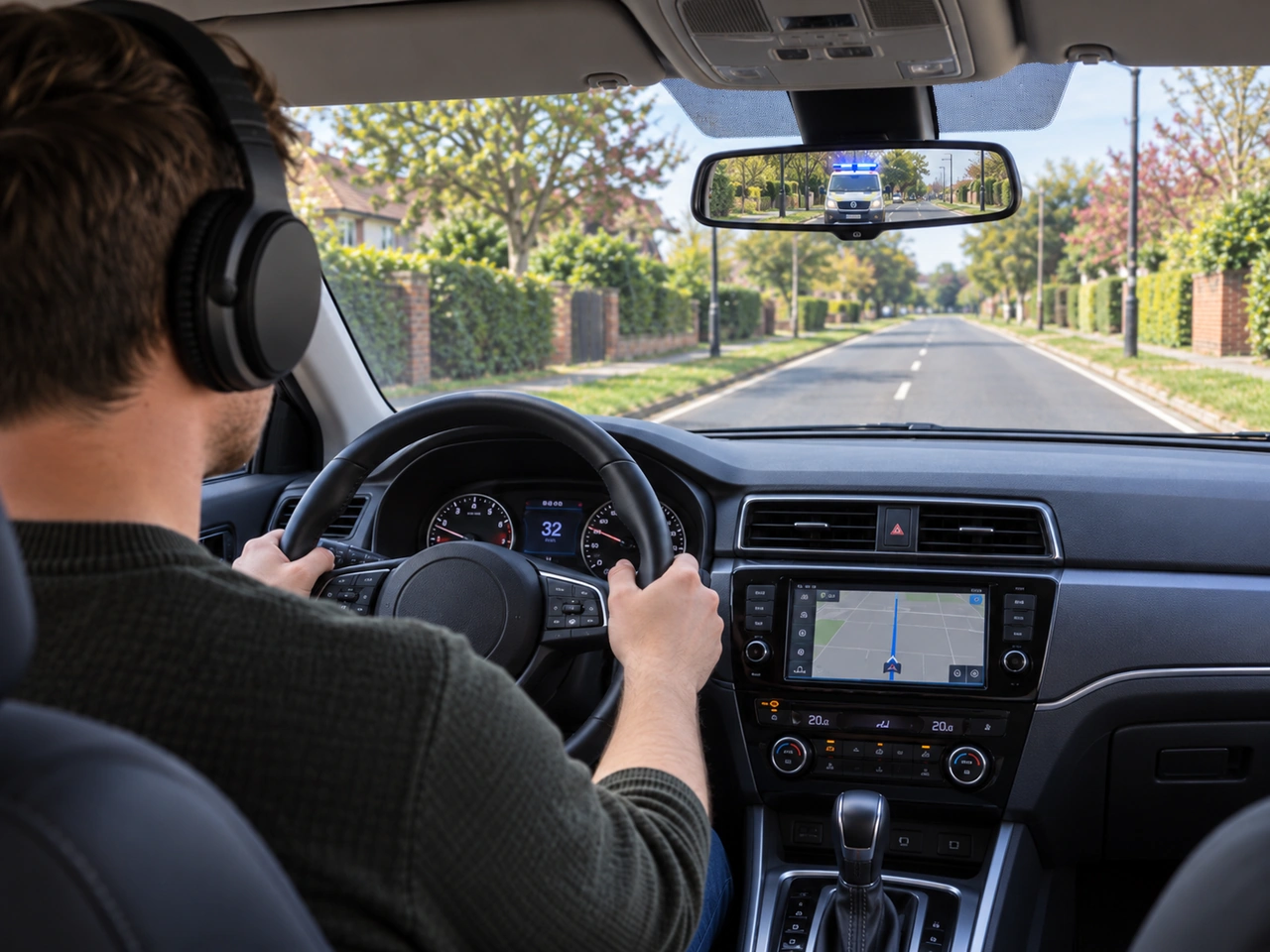
89. Why can headphones or very loud music be dangerous while driving?
Headphones or very loud music can reduce your awareness of horns, sirens, warning sounds, and surrounding traffic. Keep the volume at a level that allows you to remain aware of what is happening around the vehicle.
Argentina. The national rules prohibit driving with headphones. Keep audio low enough to hear warning sounds and nearby traffic.
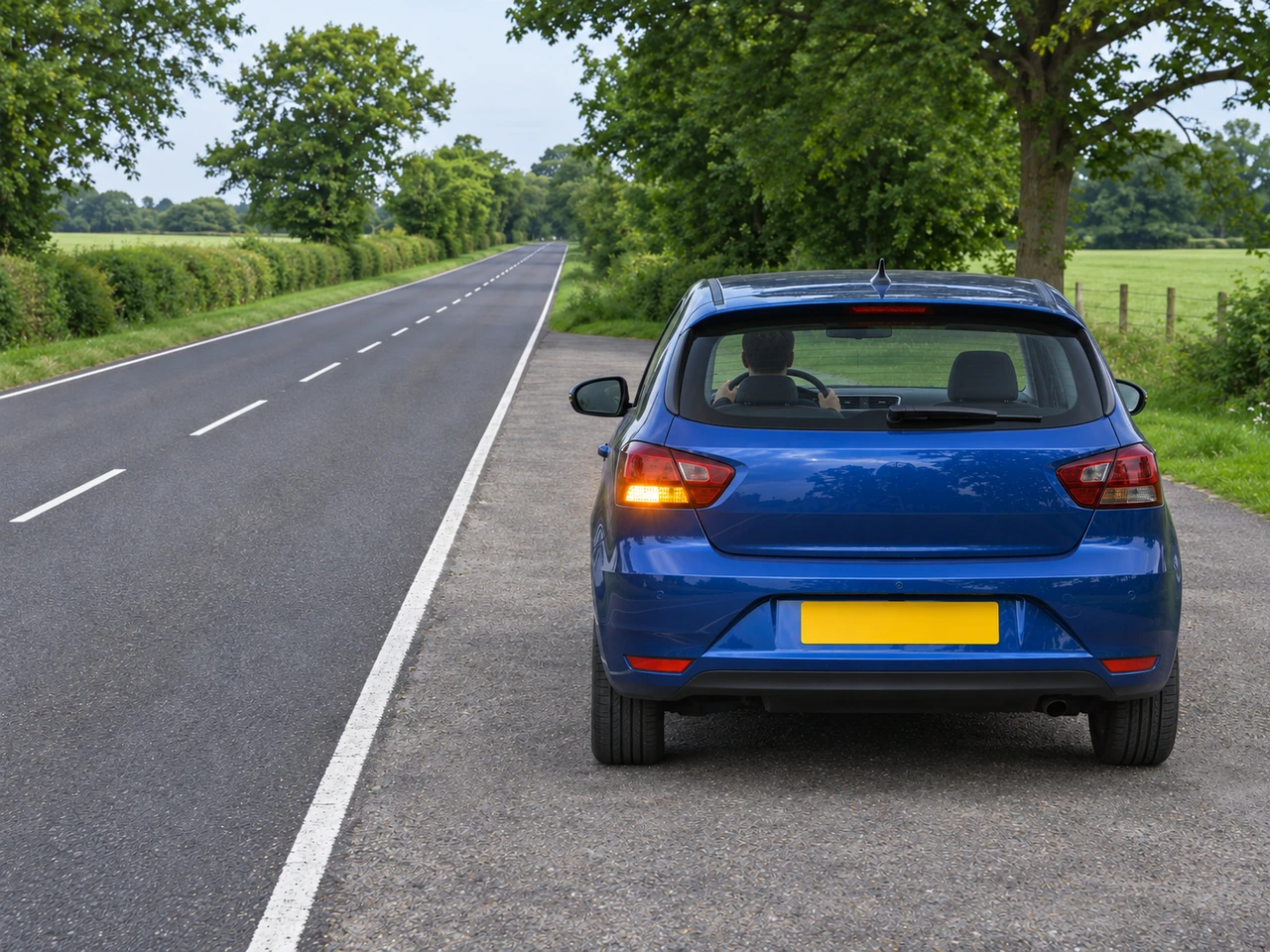
90. What should you do before rejoining traffic after a breakdown?
Only rejoin once the vehicle is safe to drive. Check mirrors, blind spots and the road around you, signal your intention and give way to other road users. Wait for a gap that allows you to join without forcing another road user to brake or change course. An indicator warns others of your intention; it does not give you priority.
Before leaving a lay-by, check mirrors and blind spots, signal when needed, then check again and move only when safe.
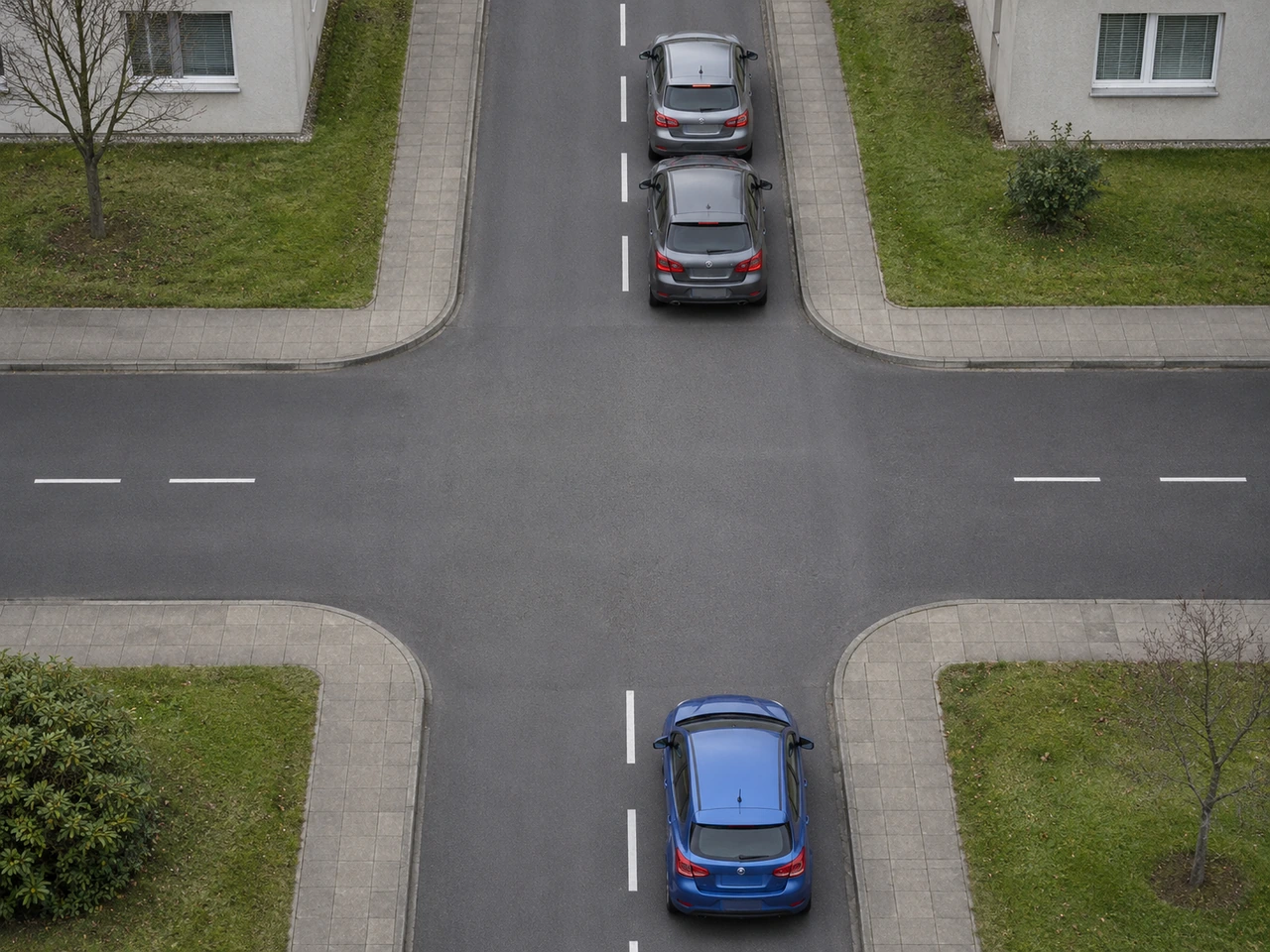
91. Why should you avoid blocking a junction?
Blocking a junction can prevent other traffic from crossing and make queues worse. Wait before entering if there is no room to clear the junction. Look beyond the junction for sufficient exit space rather than simply following the vehicle ahead.
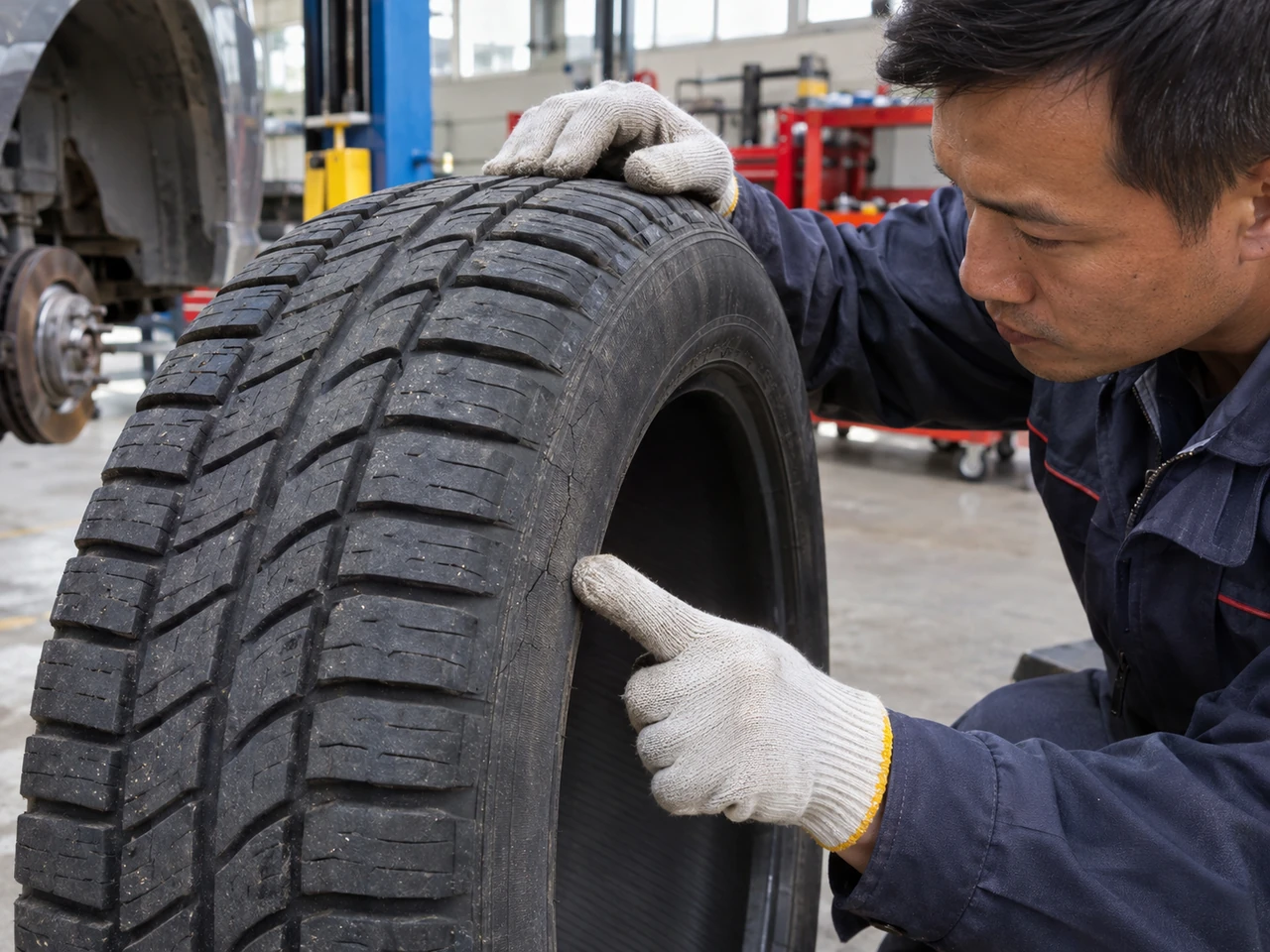
92. Deep tread guarantees that an old tyre is still safe.
Tyres can deteriorate with age even when the tread is deep. Follow the vehicle and tyre manufacturers' advice and have ageing or damaged tyres checked by a professional.
🔗 Sources
NHTSA (United States) • Safety guidance, tyre ageing and manufacturer replacement advice
Image credit: AI-generated
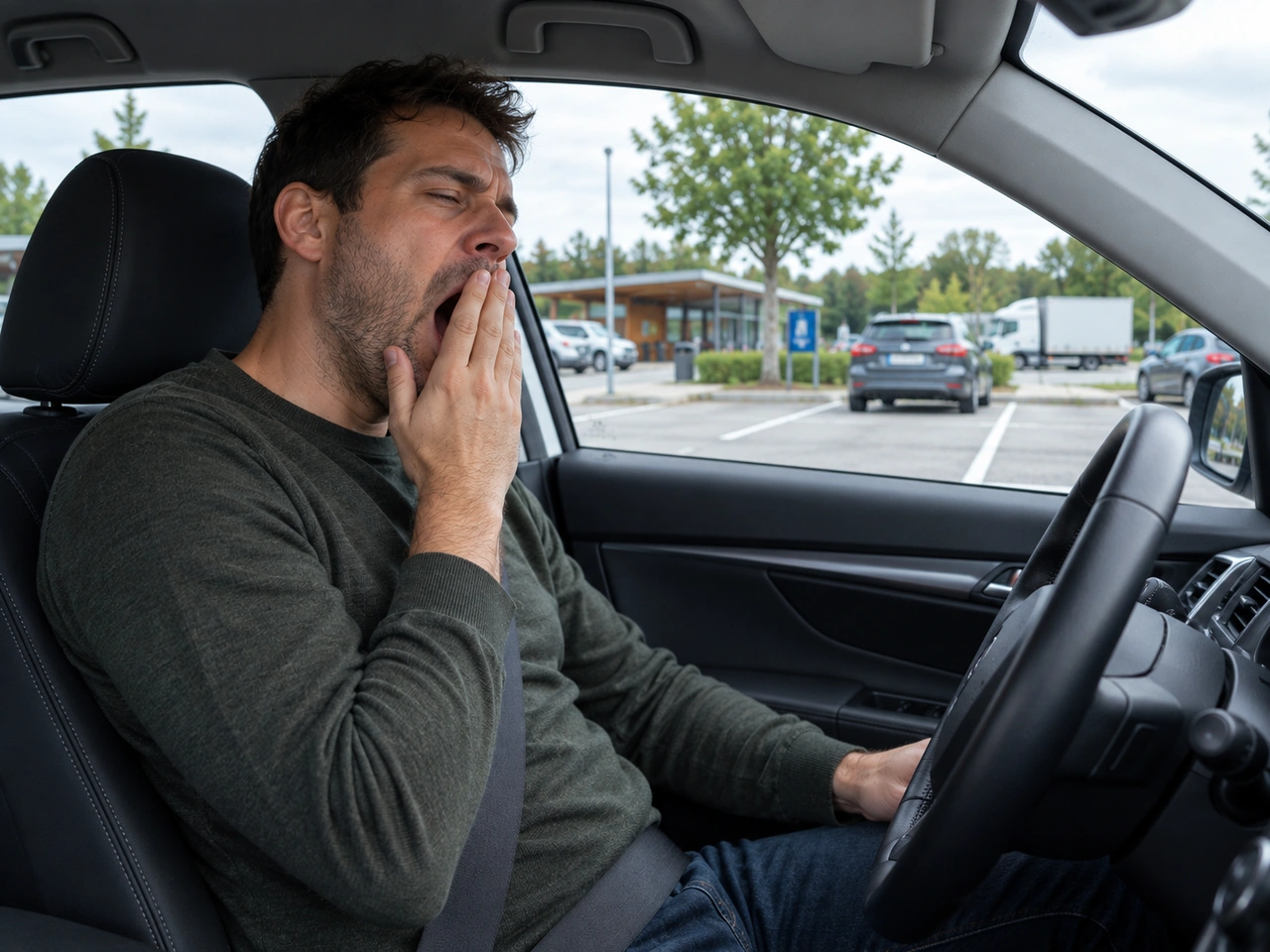
93. Which signs may indicate that you are becoming too tired to drive safely?
Warning signs of driver fatigue can include repeated yawning, heavy eyelids, difficulty concentrating, wandering thoughts, and trouble maintaining a steady road position. These signs mean you should stop and rest before continuing.
Argentina. Heavy eyelids, repeated yawning or drifting out of your lane are signs to stop somewhere safe and rest. Take action as soon as you notice them.
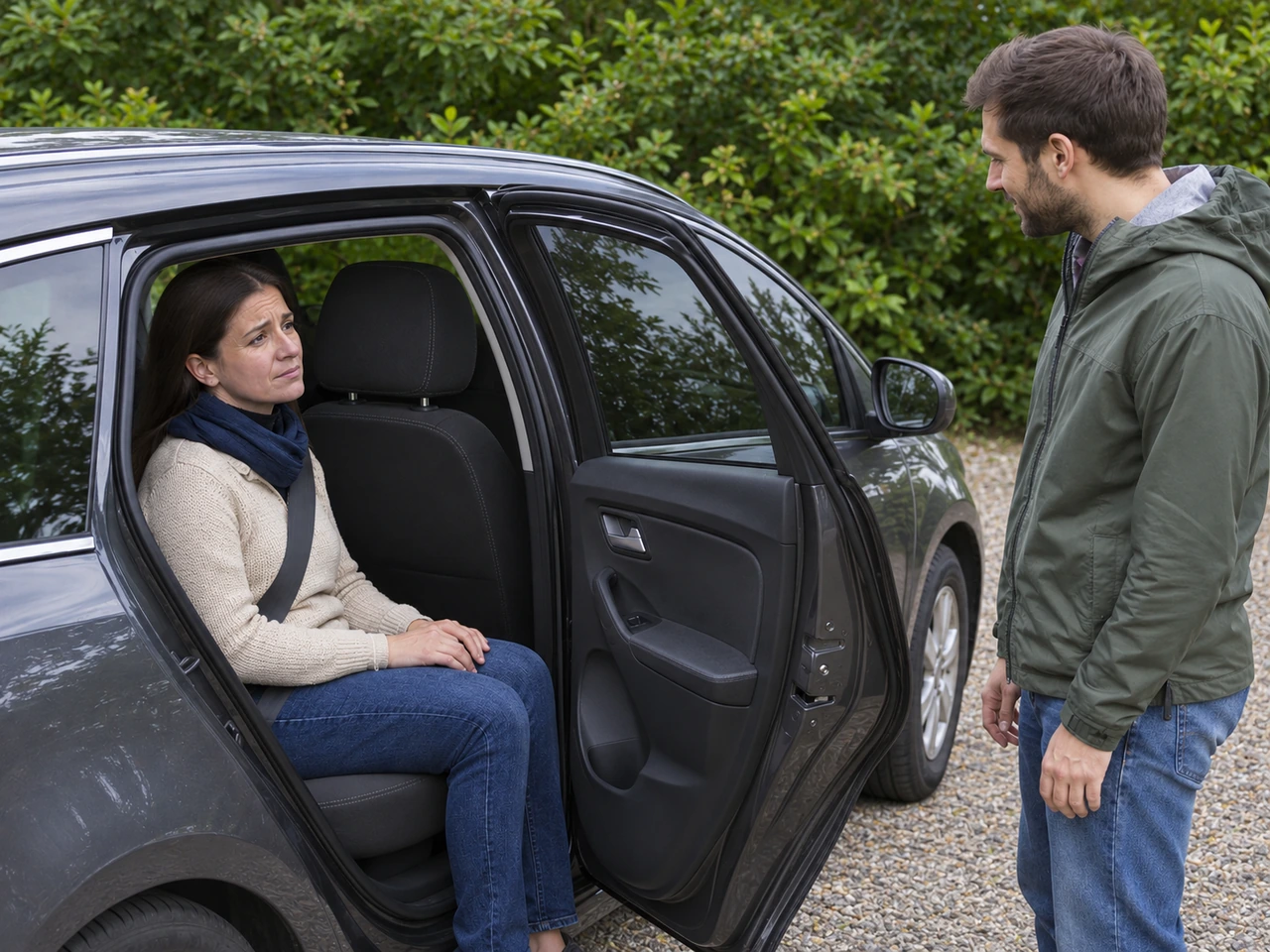
94. You should always move an injured person out of a vehicle immediately.
Unnecessary movement can worsen injuries. Do not move them unless there is immediate danger or movement is needed for lifesaving care. Call the emergency services and follow the operator's instructions.
🔗 Sources
The Highway Code (Great Britain) • Safety guidance, 3. Help those involved
Image credit: AI-generated
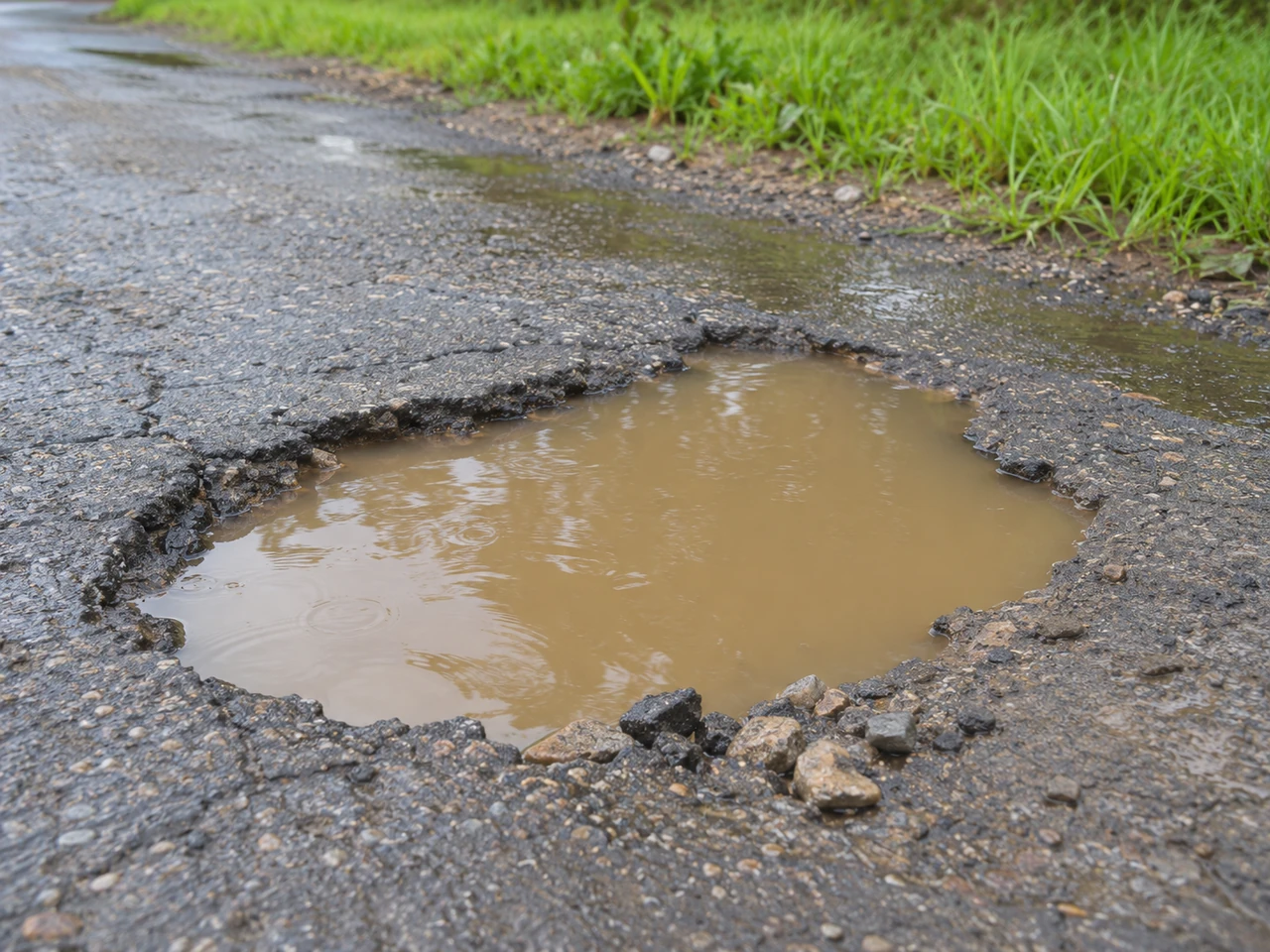
95. A puddle can hide a pothole or other damage to the road.
Water can conceal broken road surfaces and make the depth of a hole hard to judge. Look ahead and slow down safely; do not make a sudden swerve into other traffic to avoid it.
🔗 Sources
Portland Bureau of Transportation (United States) • Safety guidance, hidden potholes and gentle driving
Image credit: AI-generated
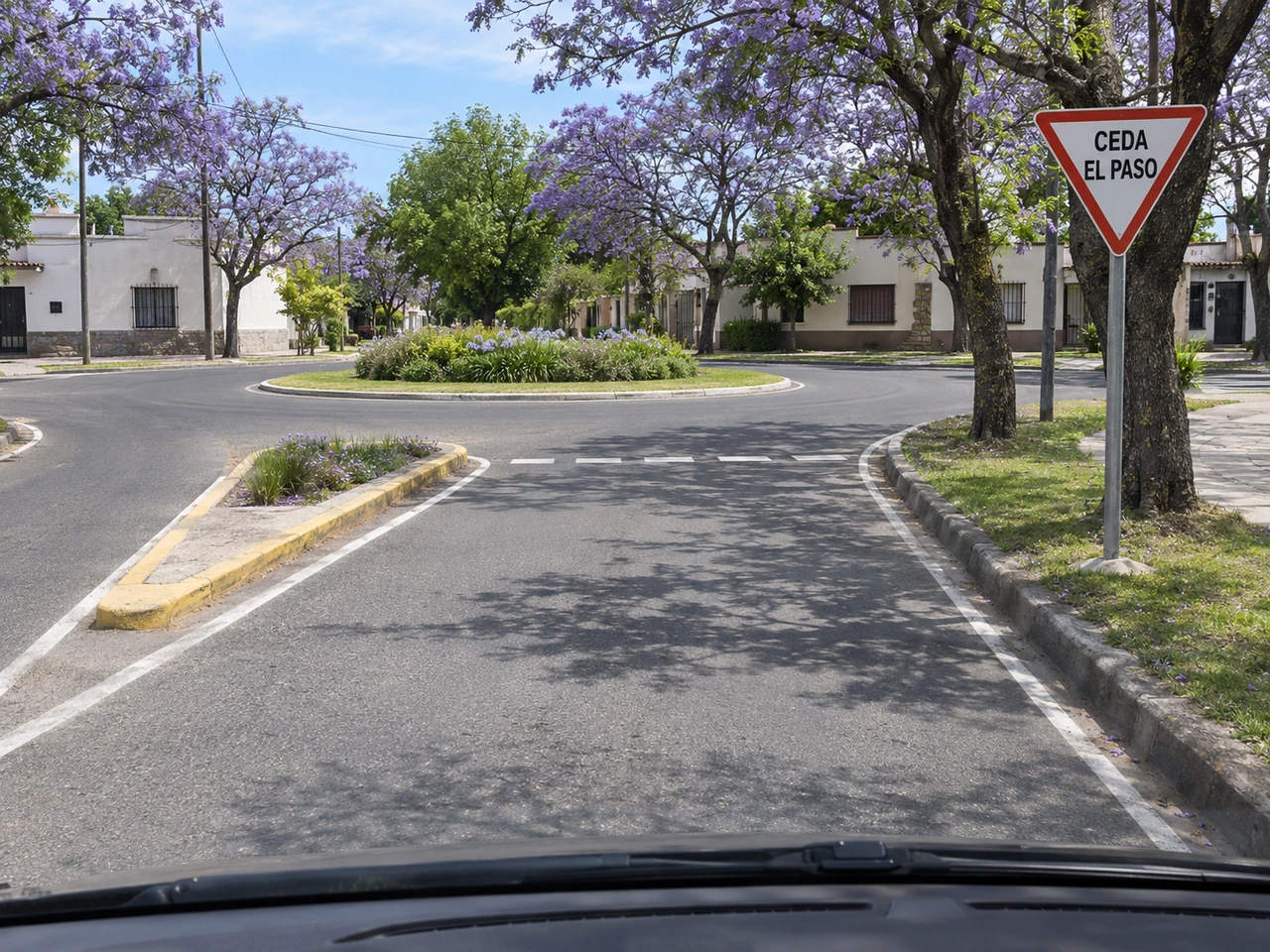
96. What should you do before entering a roundabout?
Before entering a roundabout, reduce your speed, observe traffic, and give way according to the local rules.
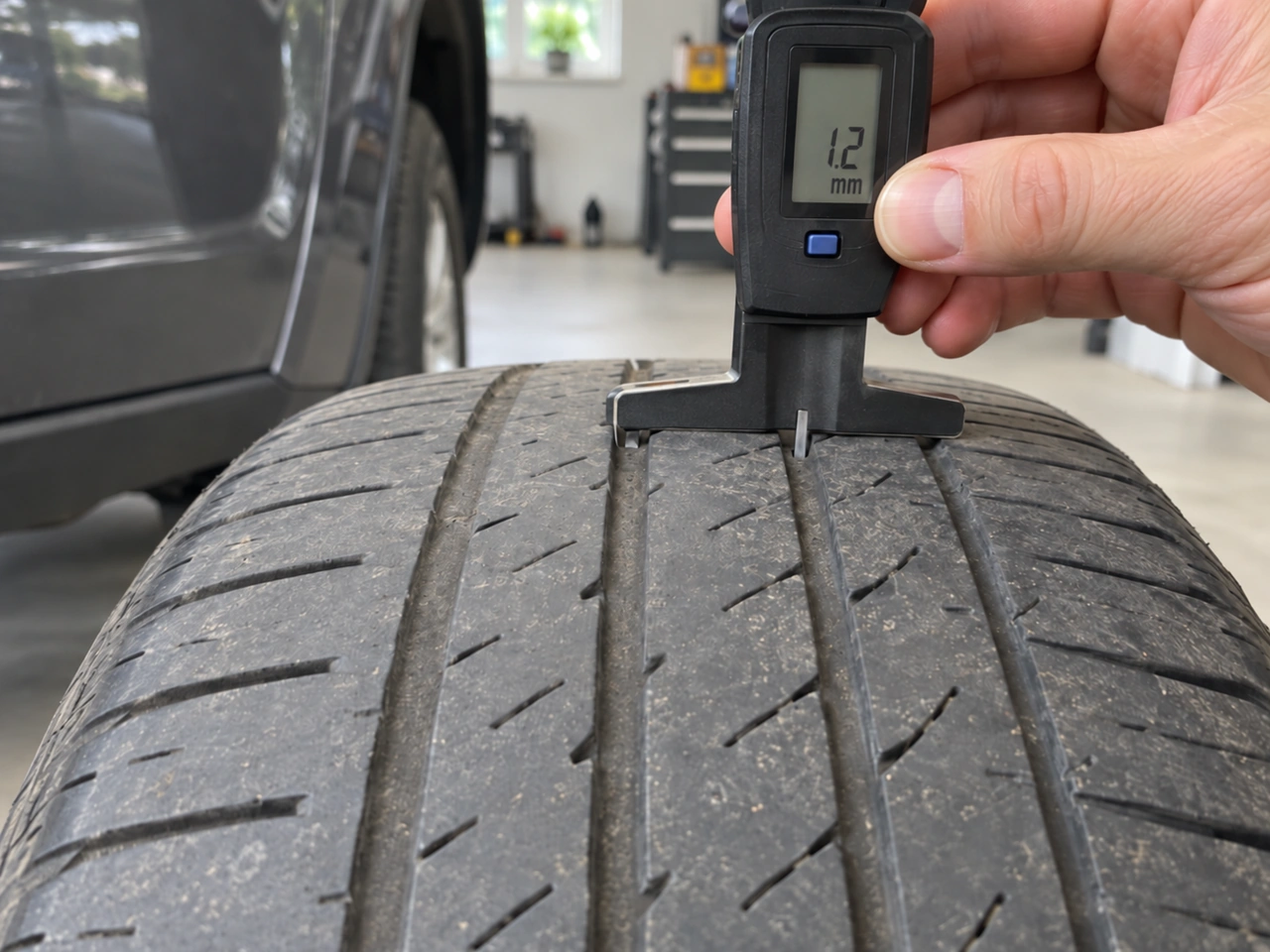
97. What is the general minimum legal tread depth for car tyres?
The general minimum legal tread depth for car tyres in Argentina is 1.6 mm. Higher minimums may apply to winter tyres, during winter periods or in winter conditions.
🔗 Sources
Image credit: AI-generated
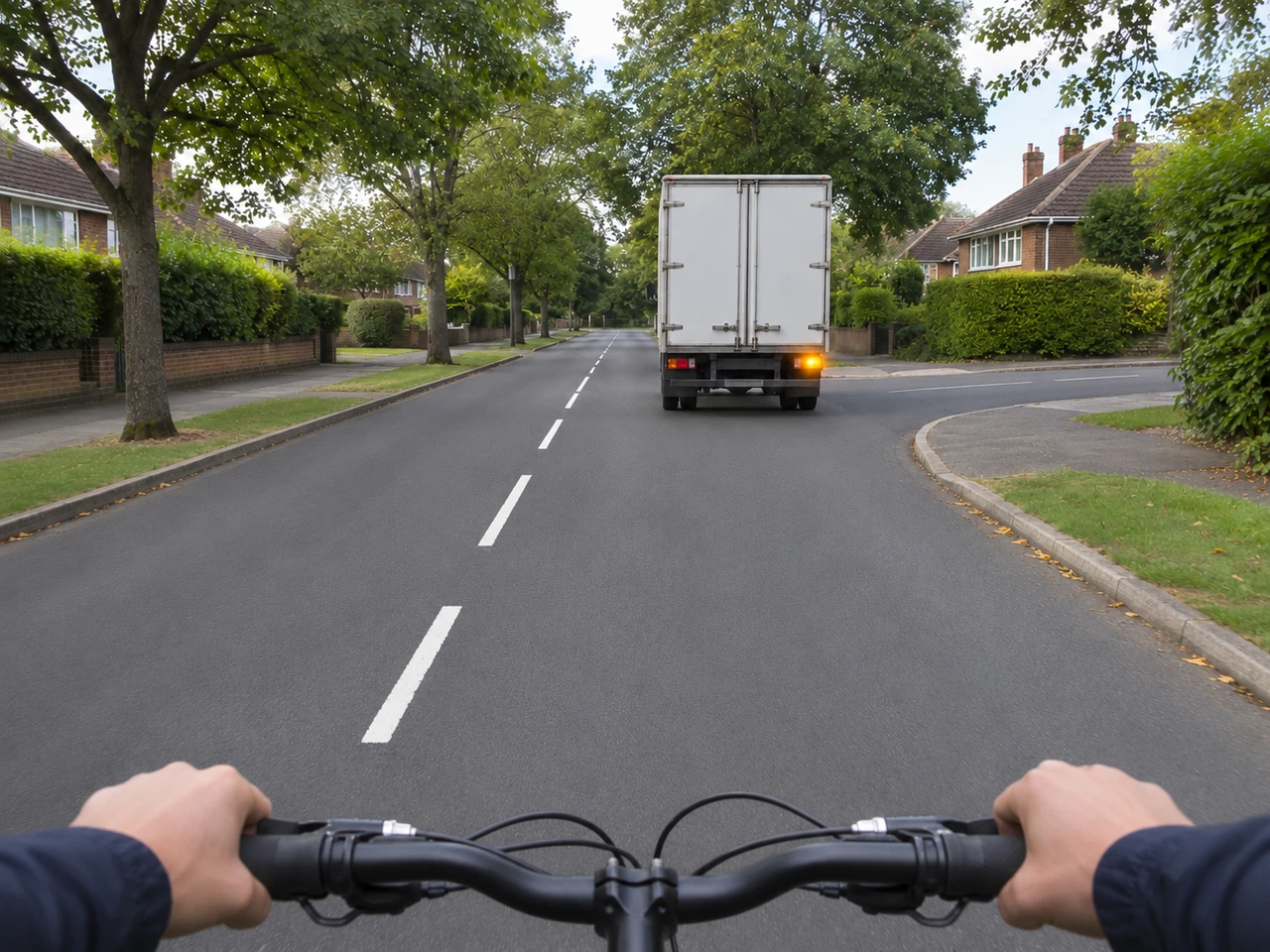
98. What should cyclists do near a large vehicle that may be turning?
A large vehicle may need extra room to turn, and its rear wheels can follow a tighter path than its front wheels. A cyclist alongside it may be hidden from the driver. Stay well back, keep out of the turning path and wait until the manoeuvre is complete before continuing safely.
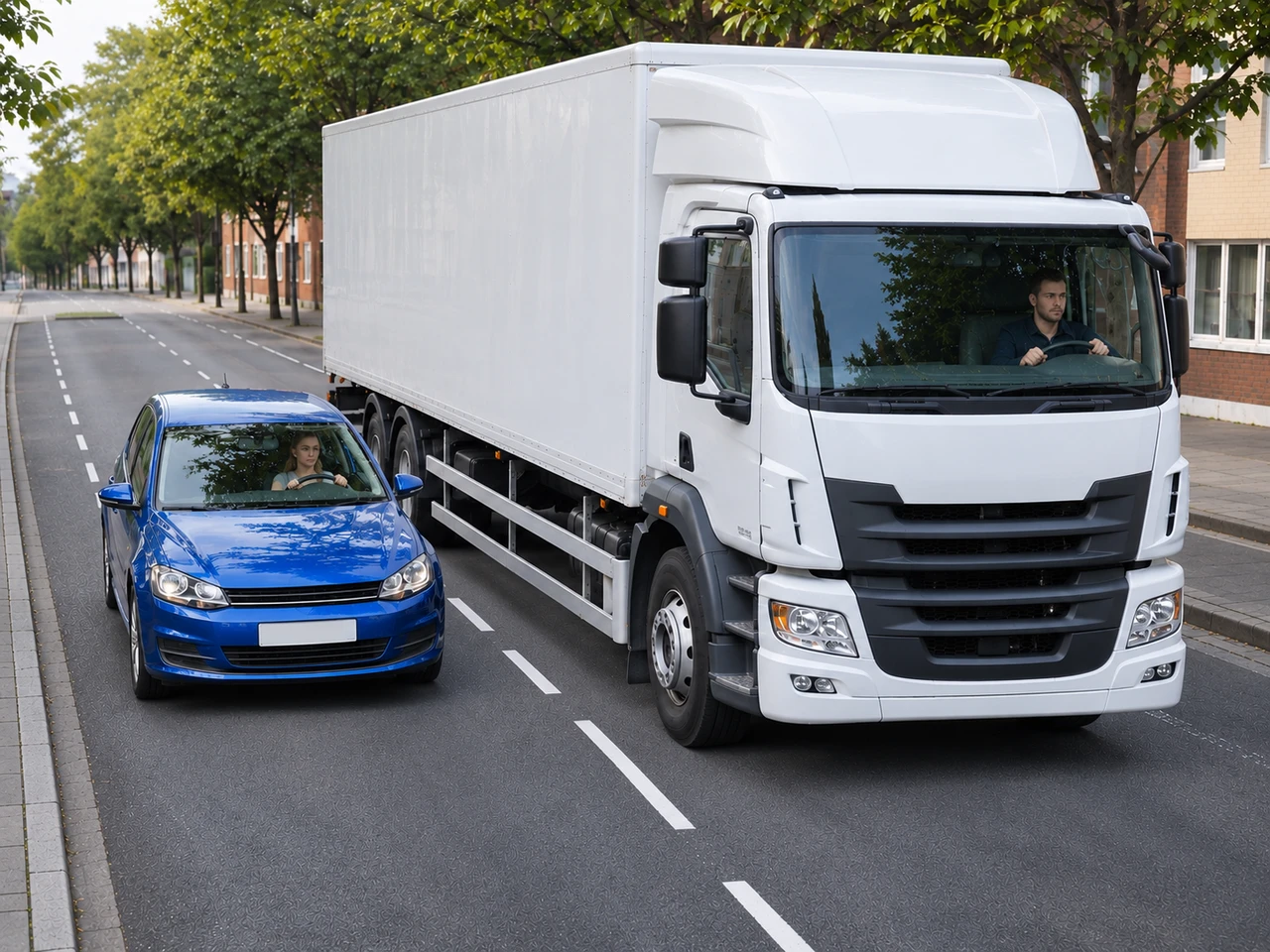
99. Why should you avoid stopping in a blind spot of a large vehicle?
A large-vehicle driver may lose sight of you beside the cab or trailer. In a queue, leave room behind the vehicle instead of stopping alongside, especially at a junction.
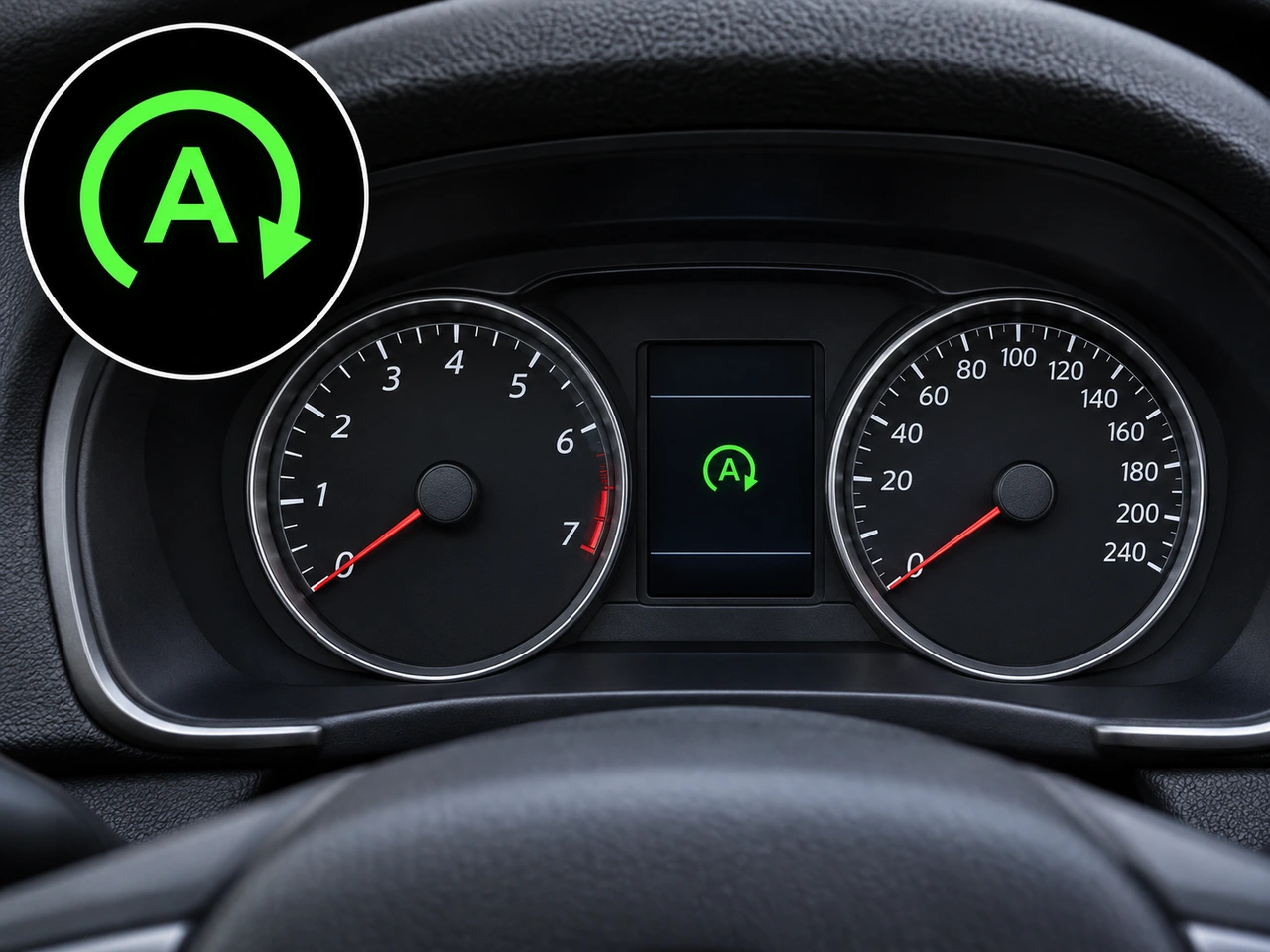
100. What does this dashboard symbol indicate?
This symbol relates to the automatic start-stop system, which can switch the engine off temporarily while the vehicle is stationary and restart it when driving resumes. The exact colour and appearance may vary between vehicles.
The symbol can show that automatic start-stop is available or that it has stopped the engine. A crossed-out symbol may indicate that the function is temporarily unavailable.