


QuizTraffic rulesBosnia and Herzegovina
This interesting quiz helps you test your knowledge in a clear and visual way. With easy multiple-choice questions, you can quickly build confidence and learn new facts while keeping it simple, interactive, and fun.
 Traffic signs
 Traffic rules
 Bosnia and Herzegovina
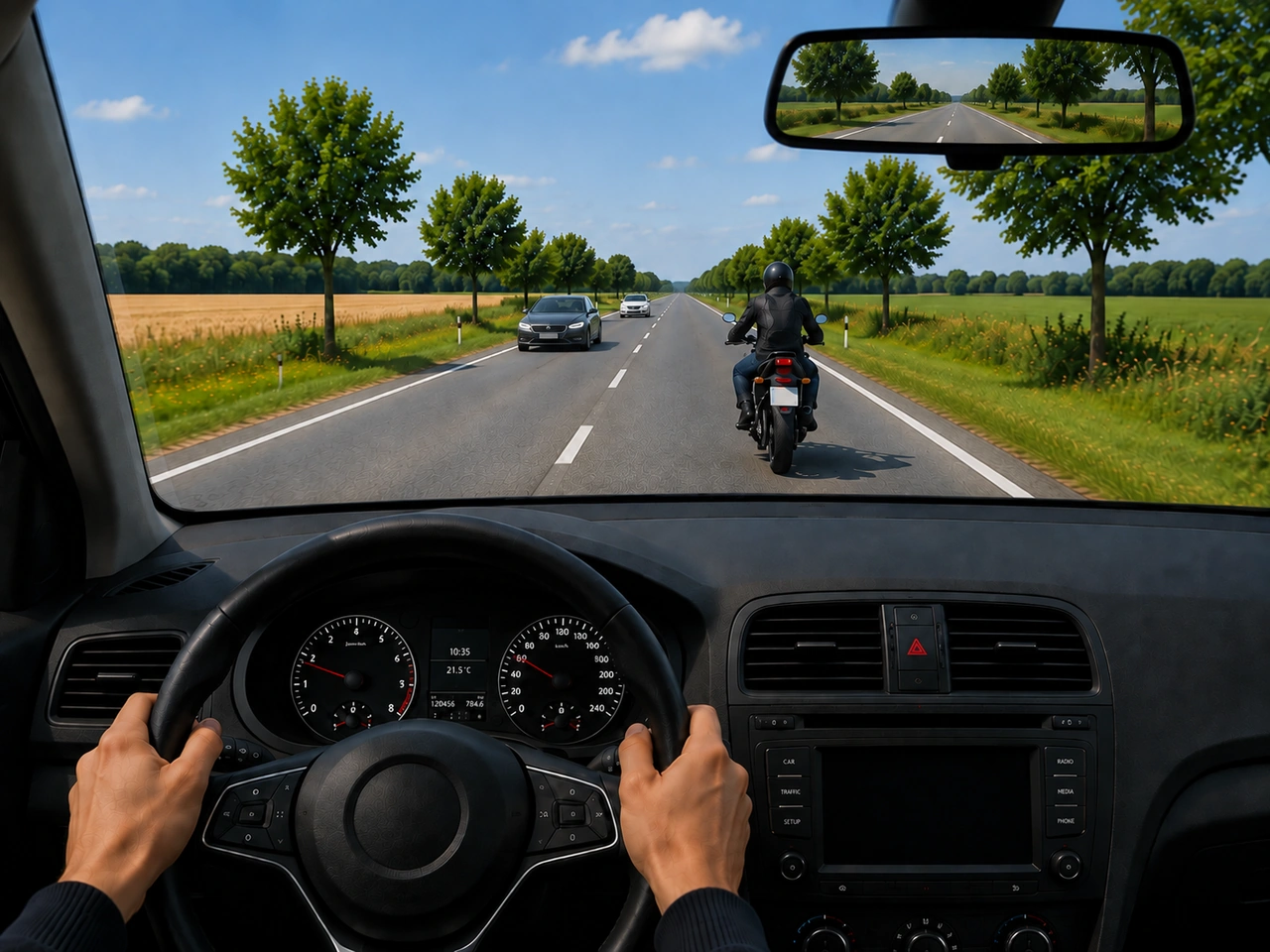
51. Why should you leave extra space behind a motorcycle?
Motorcyclists are more exposed than car drivers. Extra following distance gives you more time to react safely.
AI-generated by Traffic-rules.com • WCIT • CC BY-SA

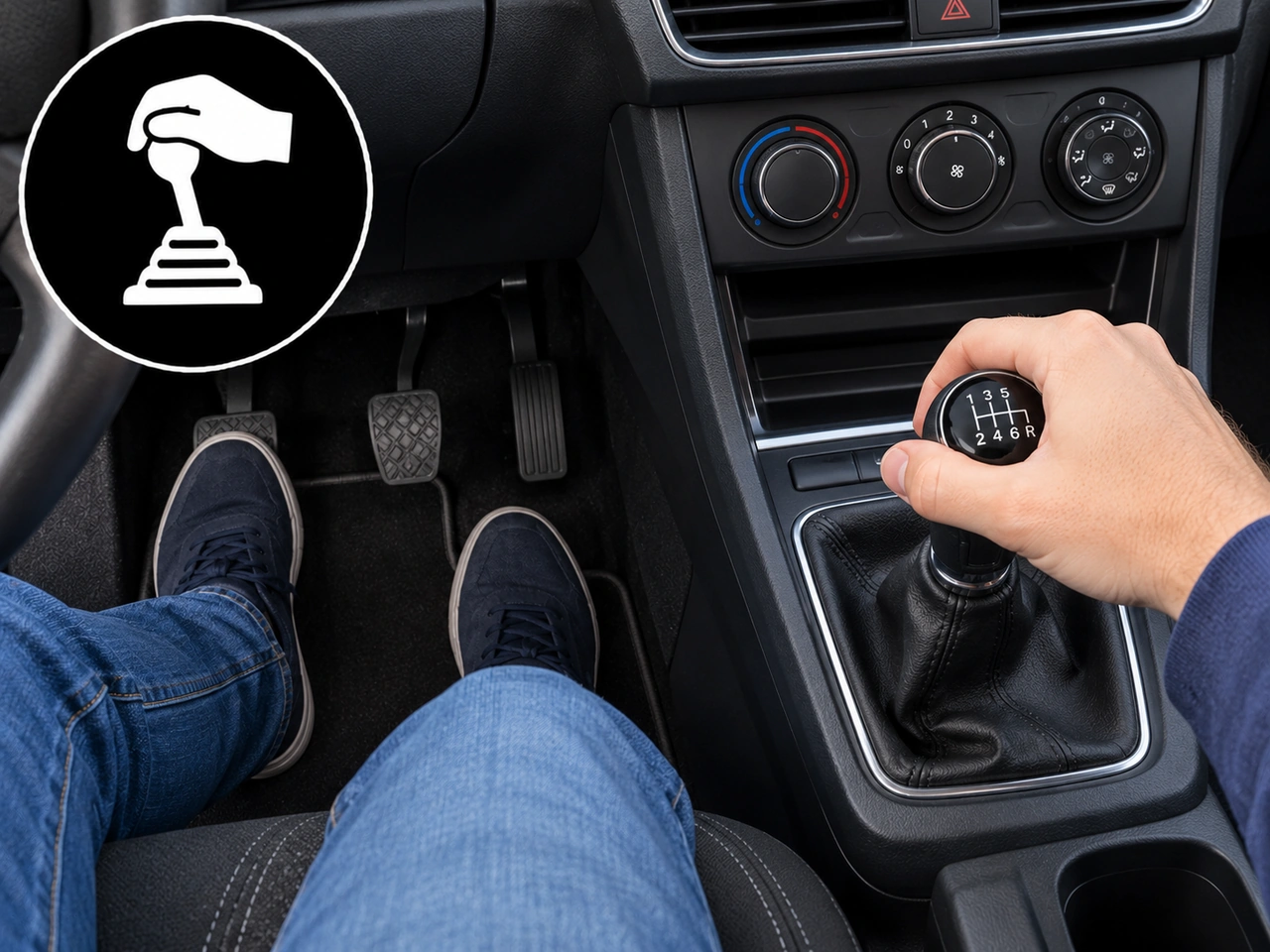
52. What should you do if a gear does not engage easily in a manual vehicle?
If a gear does not engage easily, do not force the gear lever. Make sure the clutch is fully pressed and the vehicle's speed is suitable for the gear before trying again.
AI-generated by Traffic-rules.com • WCIT • CC BY-SA
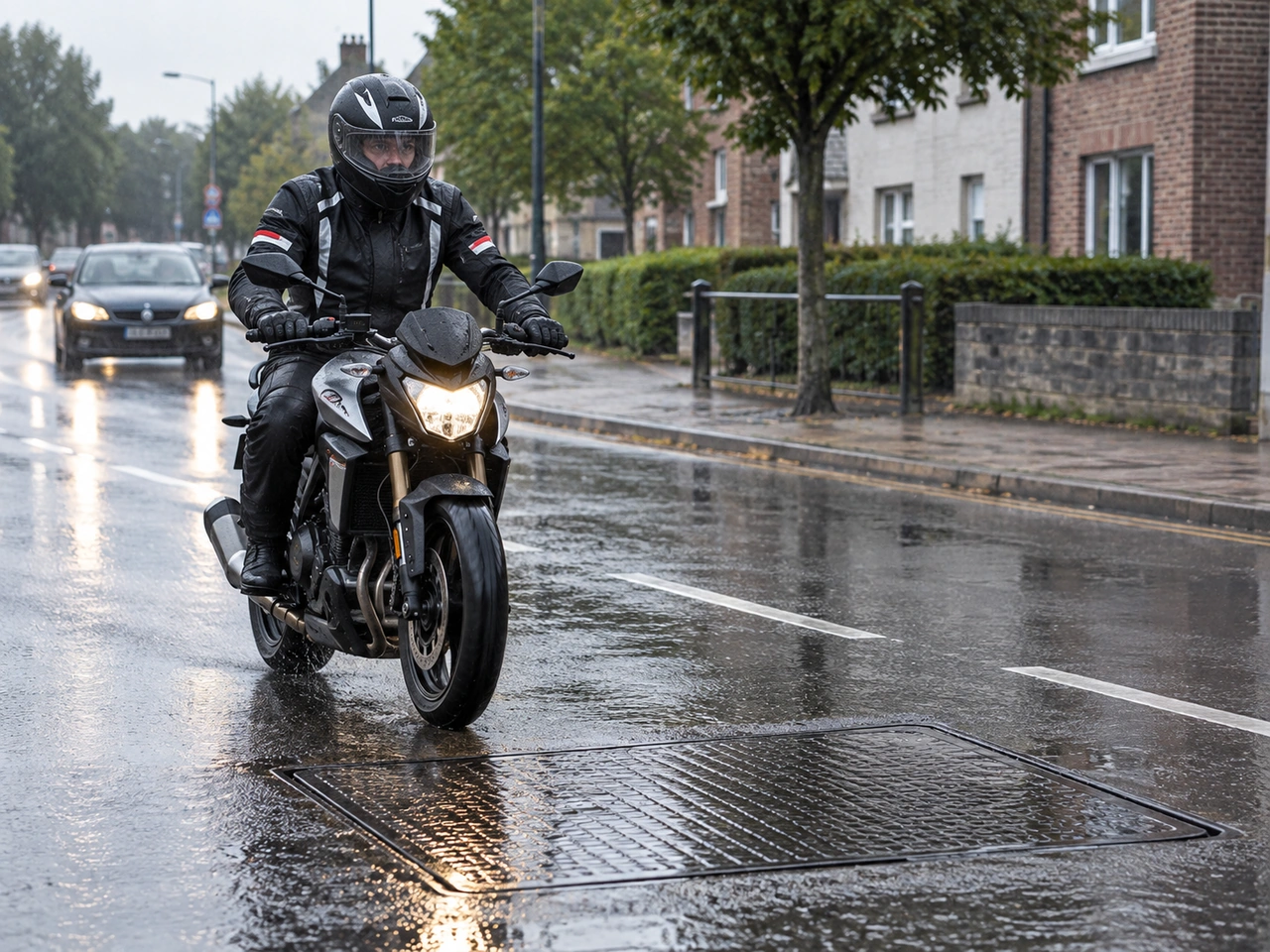
53. Why should motorcyclists take extra care on wet metal covers?
Wet metal surfaces, such as drain or inspection covers, can provide much less grip than the surrounding road. Cross them smoothly, keep the motorcycle as upright as practical and avoid sudden braking, acceleration or steering.
AI-generated by Traffic-rules.com • WCIT • CC BY-SA
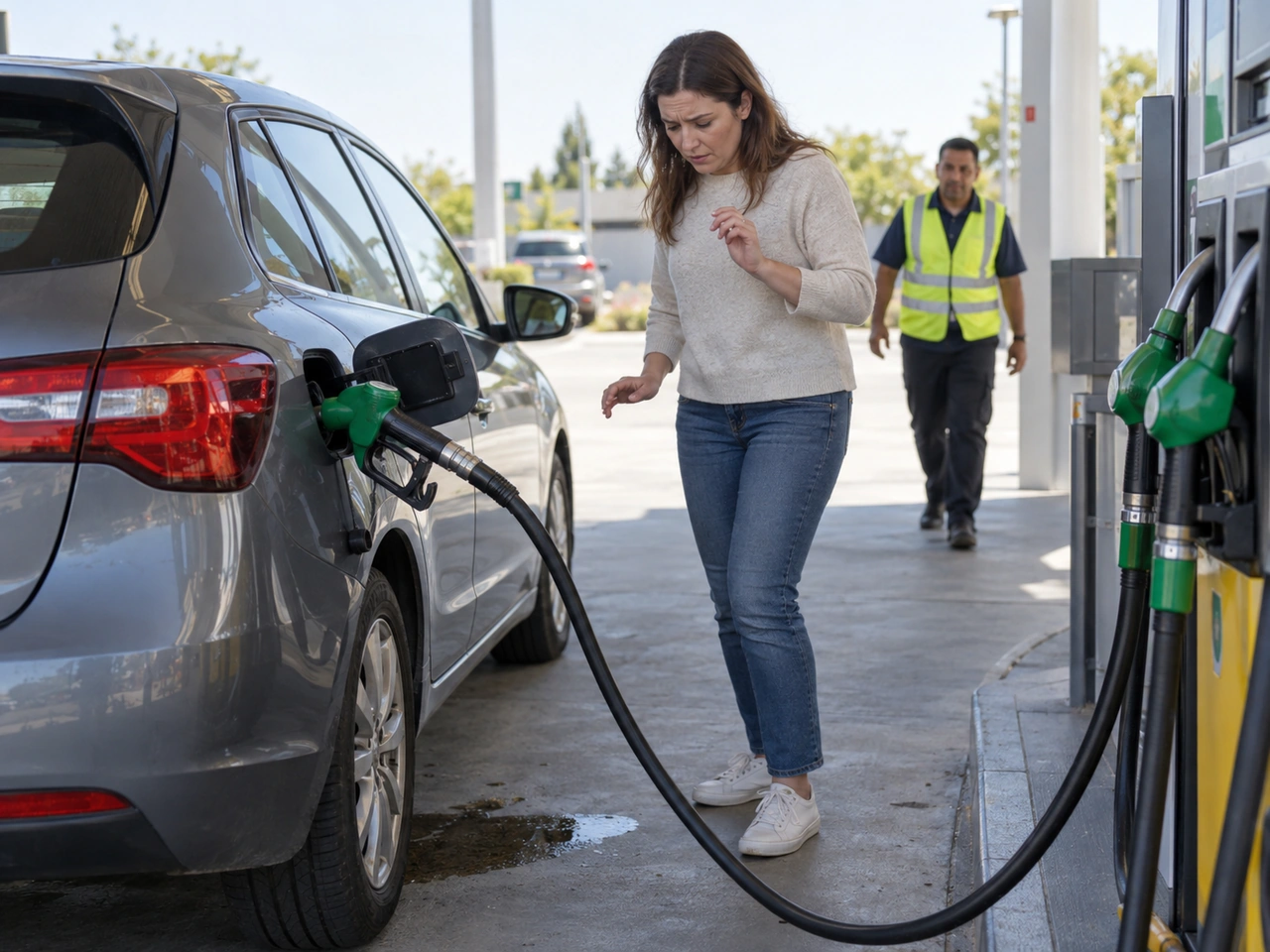
54. What should you do if fuel spills while you are refuelling?
If fuel is spilled, stop refuelling immediately and keep flames, sparks, and other ignition sources away. Do not start the vehicle until the situation is safe. Alert filling-station staff and follow their instructions for dealing with the spill.
AI-generated by Traffic-rules.com • WCIT • CC BY-SA
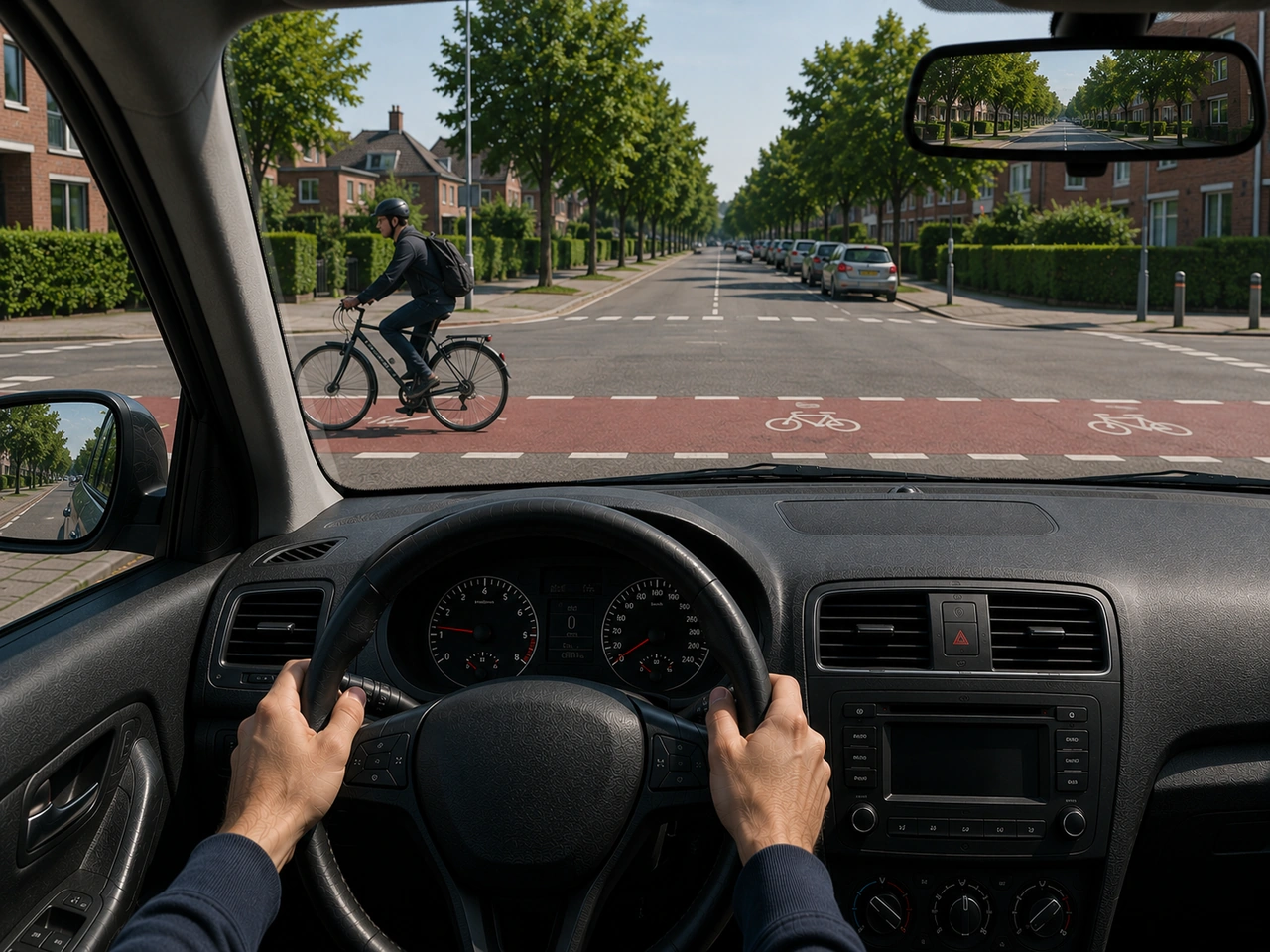
55. What should you do before turning across a cycle lane?
Cyclists may be beside or behind you when you turn. Check mirrors and blind spots, signal clearly, and turn only when it is safe.
AI-generated by Traffic-rules.com • WCIT • CC BY-SA
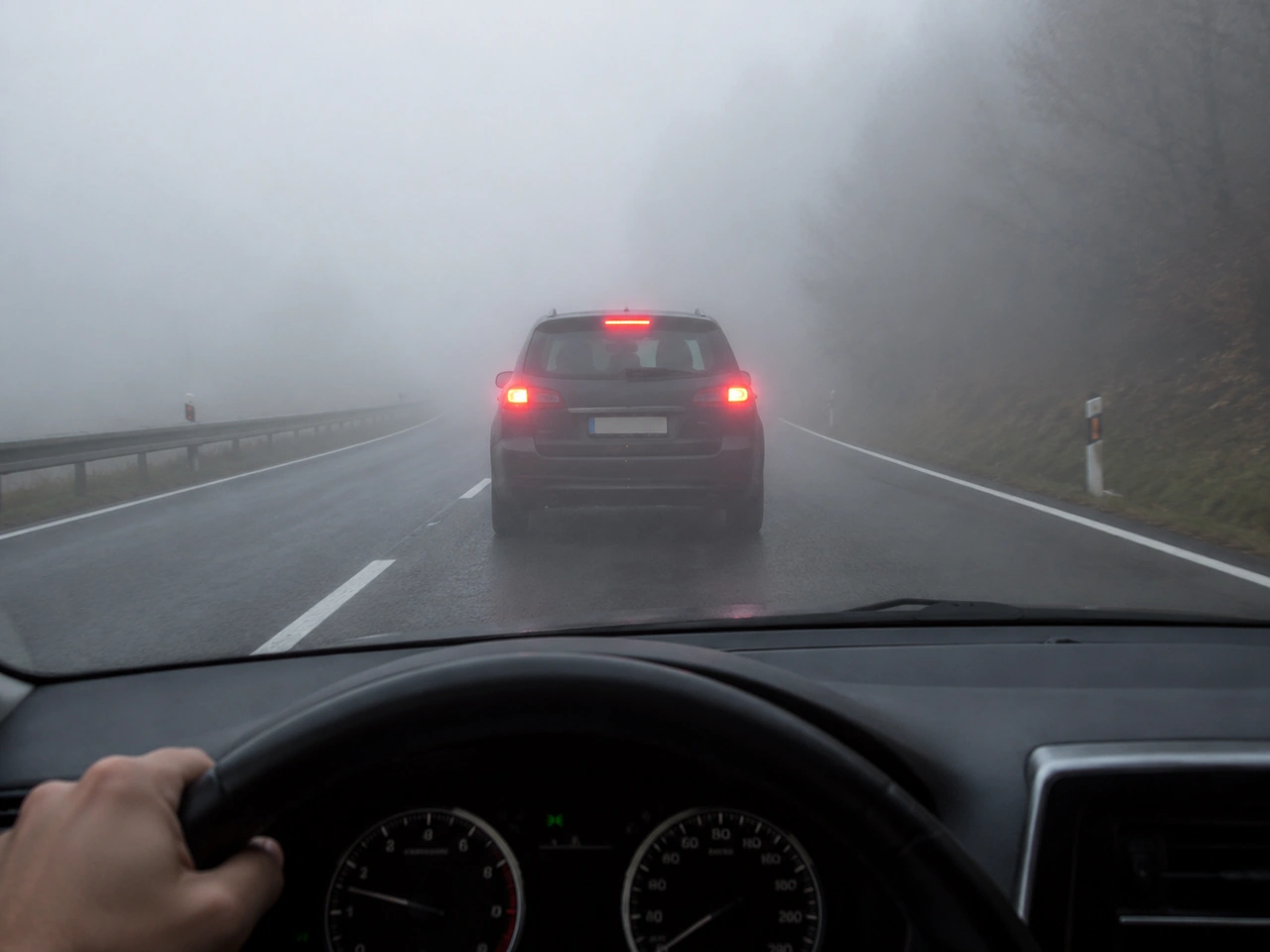
56. Why should you avoid following another vehicle too closely in fog?
Following too closely reduces your reaction time and can lead to a collision if the vehicle ahead slows unexpectedly.
AI-generated by Traffic-rules.com • WCIT • CC BY-SA
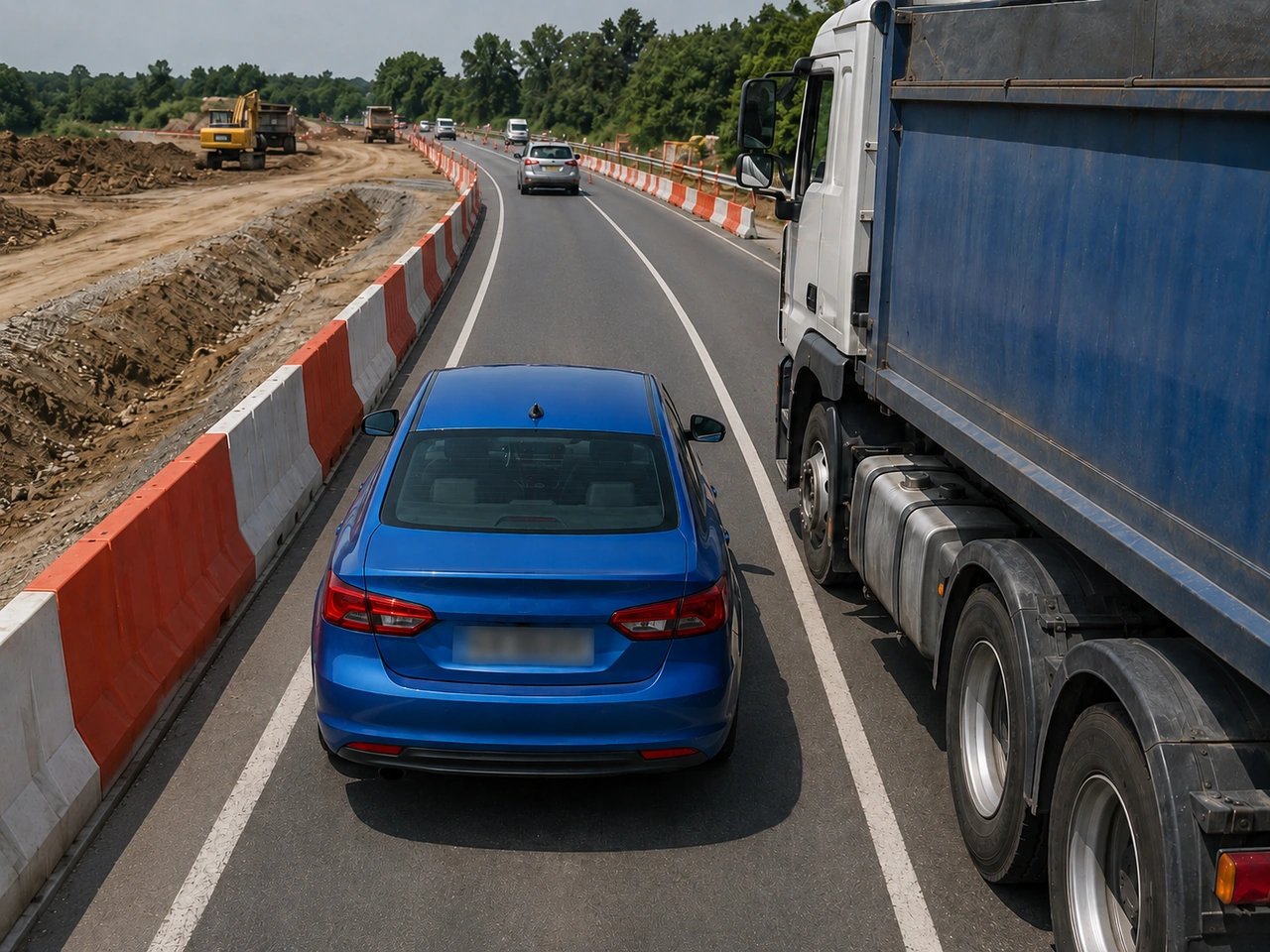
57. What should you expect when lanes become narrower in roadworks?
Narrow lanes leave less room for error. Keep a steady position, avoid drifting toward barriers or nearby vehicles, and reduce speed if necessary.
AI-generated by Traffic-rules.com • WCIT • CC BY-SA
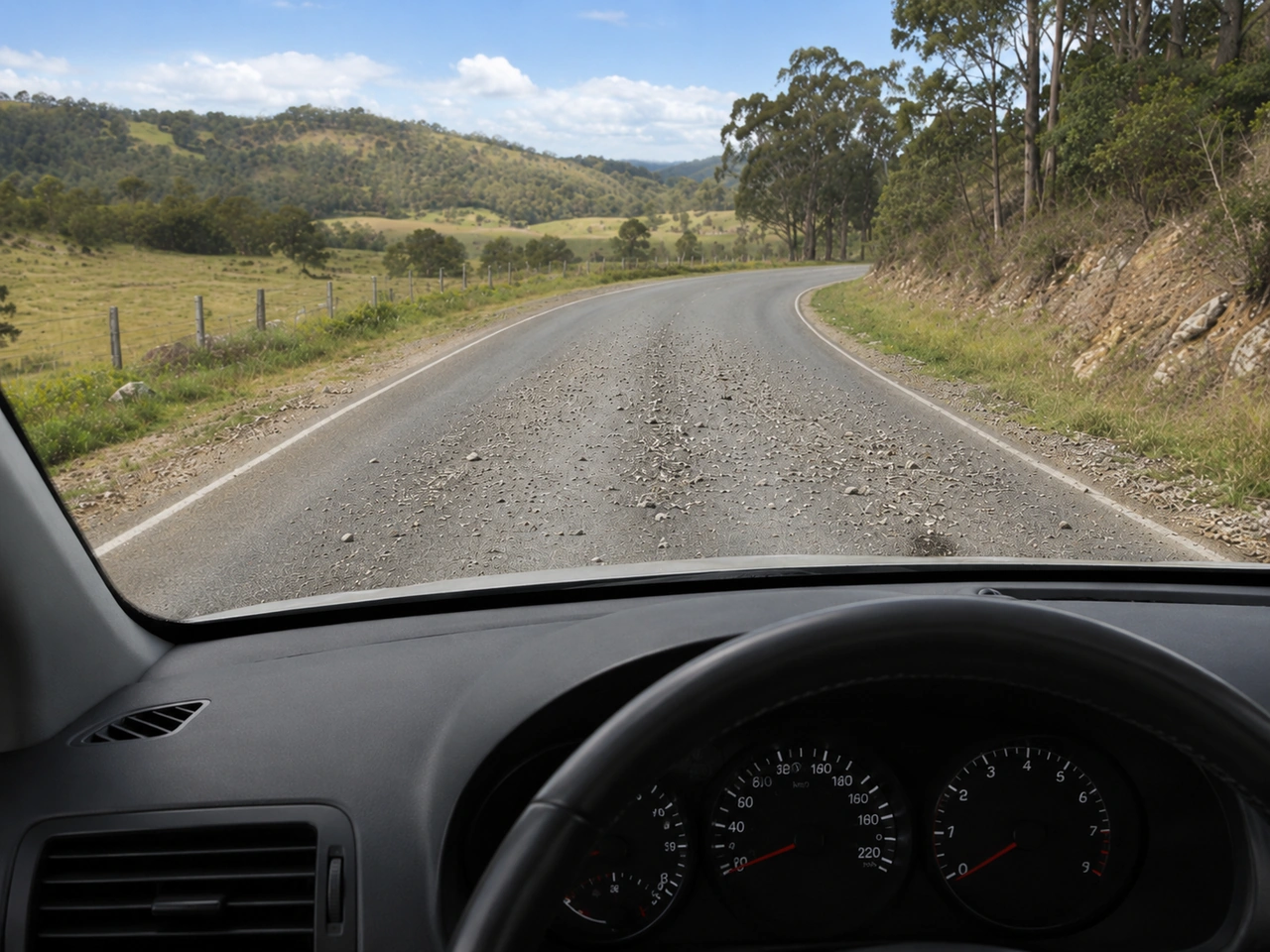
58. What should you do if you see loose gravel on the road?
Loose gravel reduces grip and can make the vehicle skid. Slow down and use smooth steering and braking.
AI-generated by Traffic-rules.com • WCIT • CC BY-SA
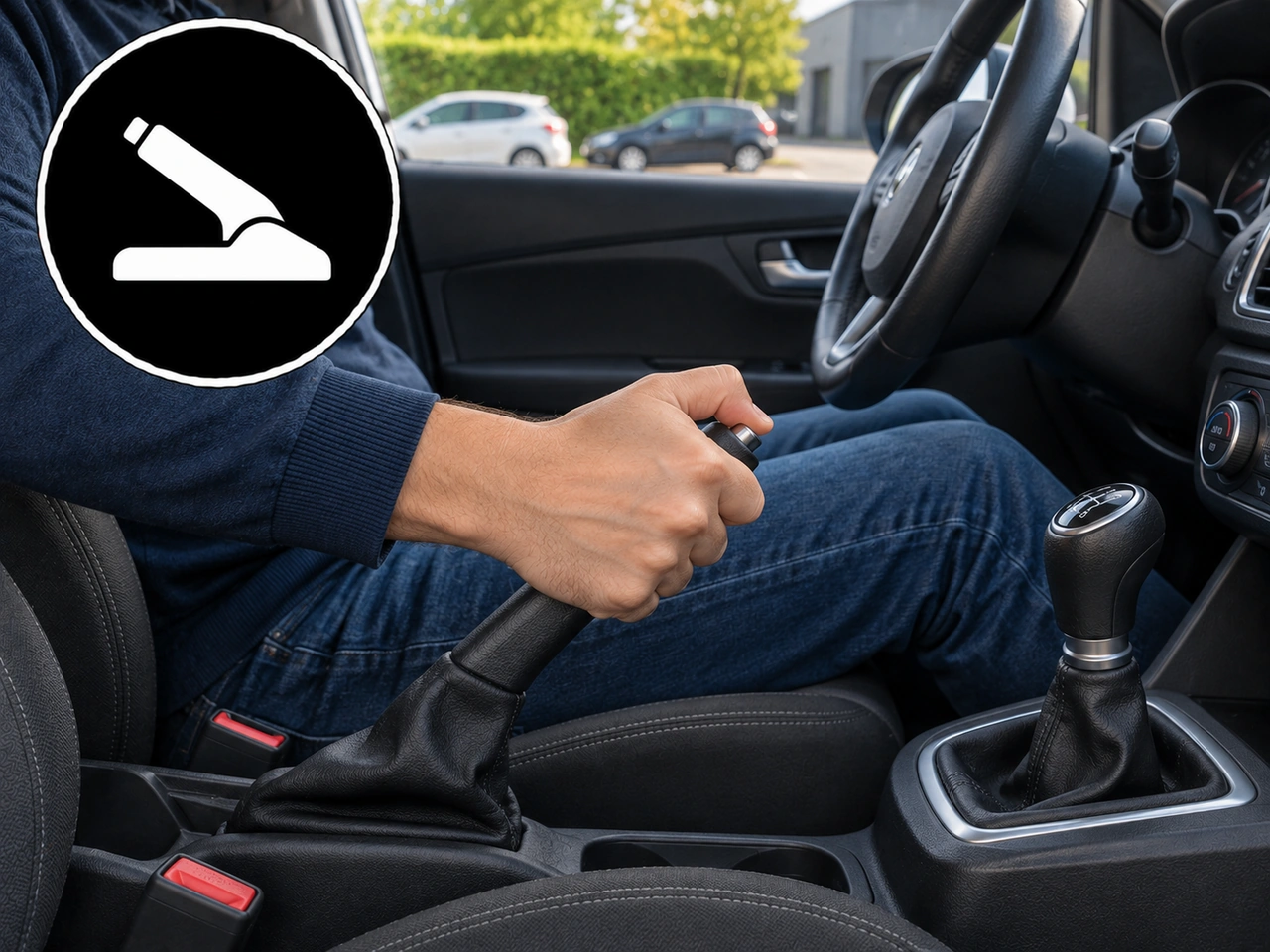
59. What should you do with the parking brake before leaving a parked vehicle?
Before leaving a parked vehicle, apply the parking brake securely to help prevent unintended movement. Also select the appropriate gear or transmission position for parking.
AI-generated by Traffic-rules.com • WCIT • CC BY-SA
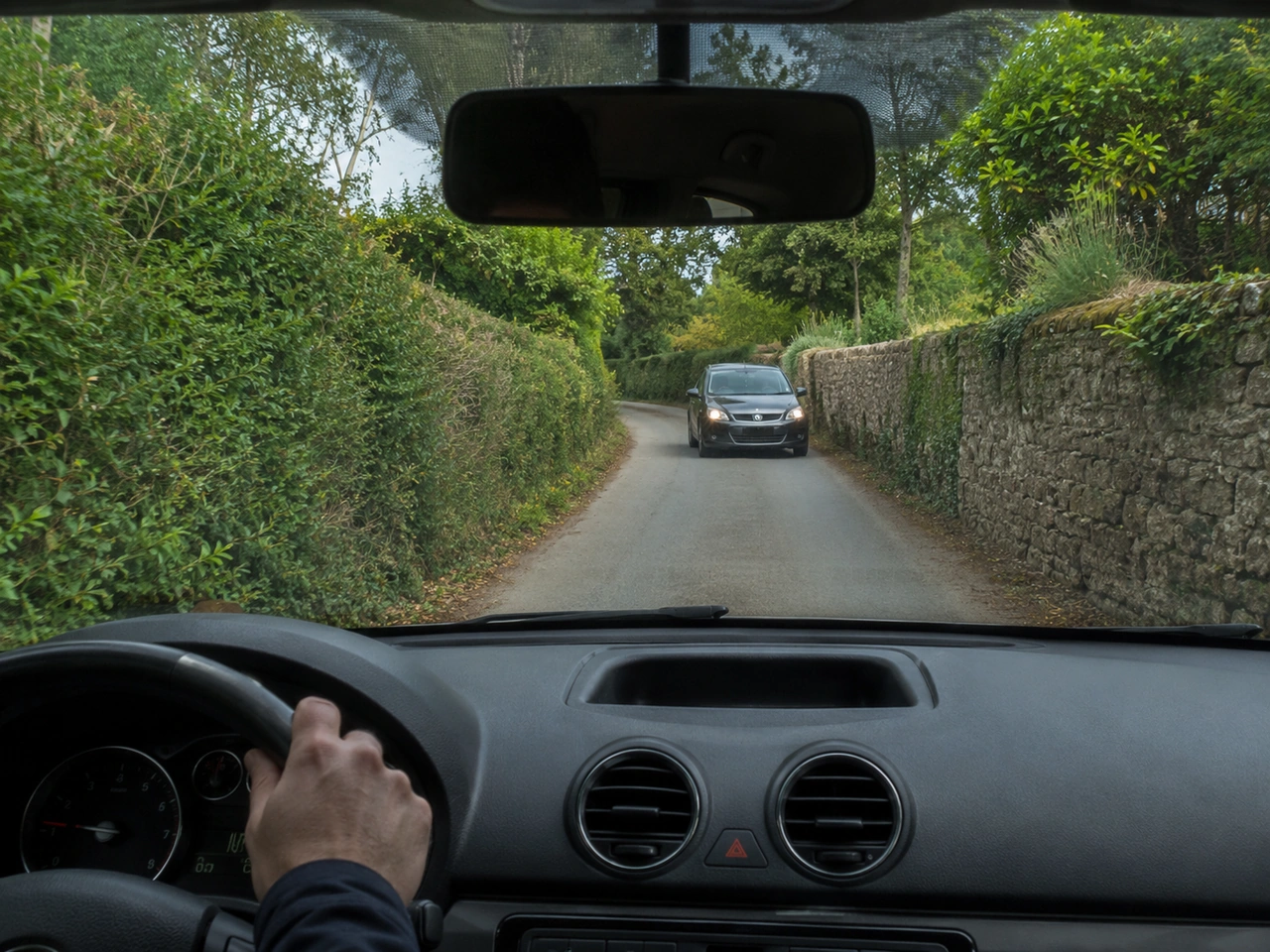
60. What should you do when approaching a narrow road with oncoming traffic?
On narrow roads, reduce speed and be prepared to stop or use a suitable passing place. Leave enough space for the oncoming vehicle and avoid forcing either vehicle into an unsafe position.
AI-generated by Traffic-rules.com • WCIT • CC BY-SA
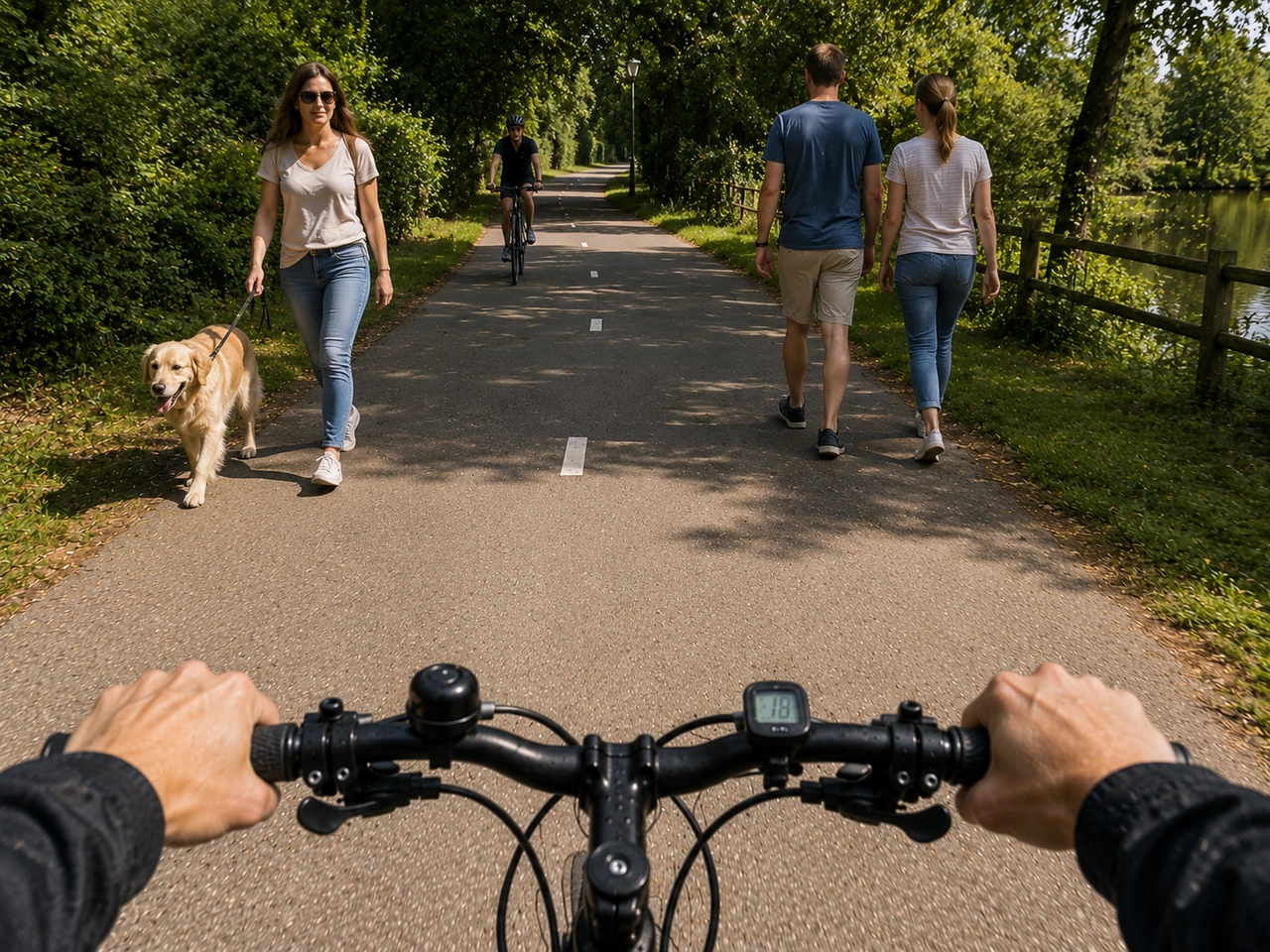
61. What should cyclists do when passing pedestrians on a shared path?
Pedestrians may change direction unexpectedly. A warning and safe passing distance reduce the risk of a collision.
AI-generated by Traffic-rules.com • WCIT • CC BY-SA
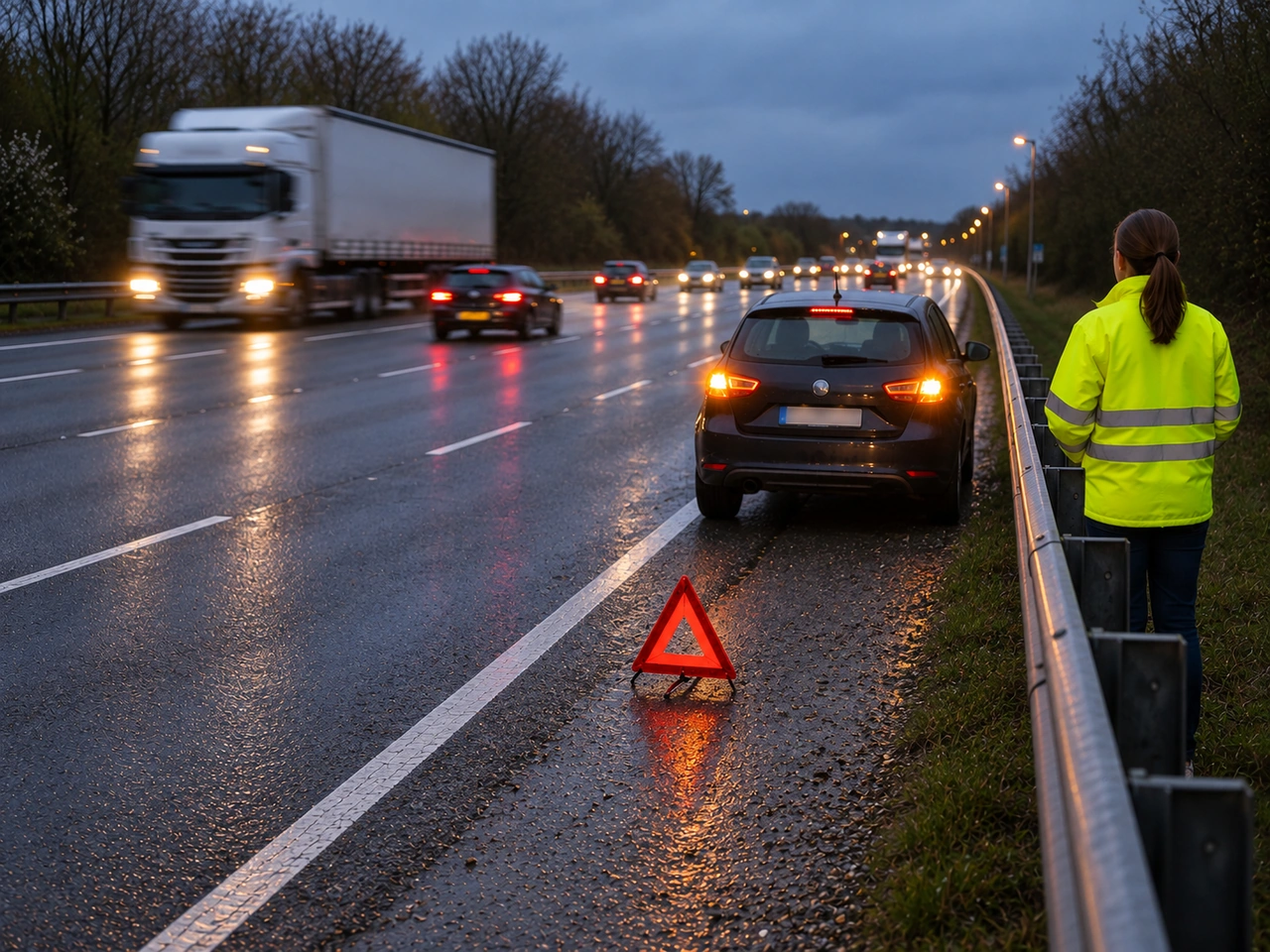
62. Why is high-visibility clothing useful during a roadside breakdown?
High-visibility clothing improves your visibility, especially at night or in poor weather, but you must still remain away from traffic.
AI-generated by Traffic-rules.com • WCIT • CC BY-SA
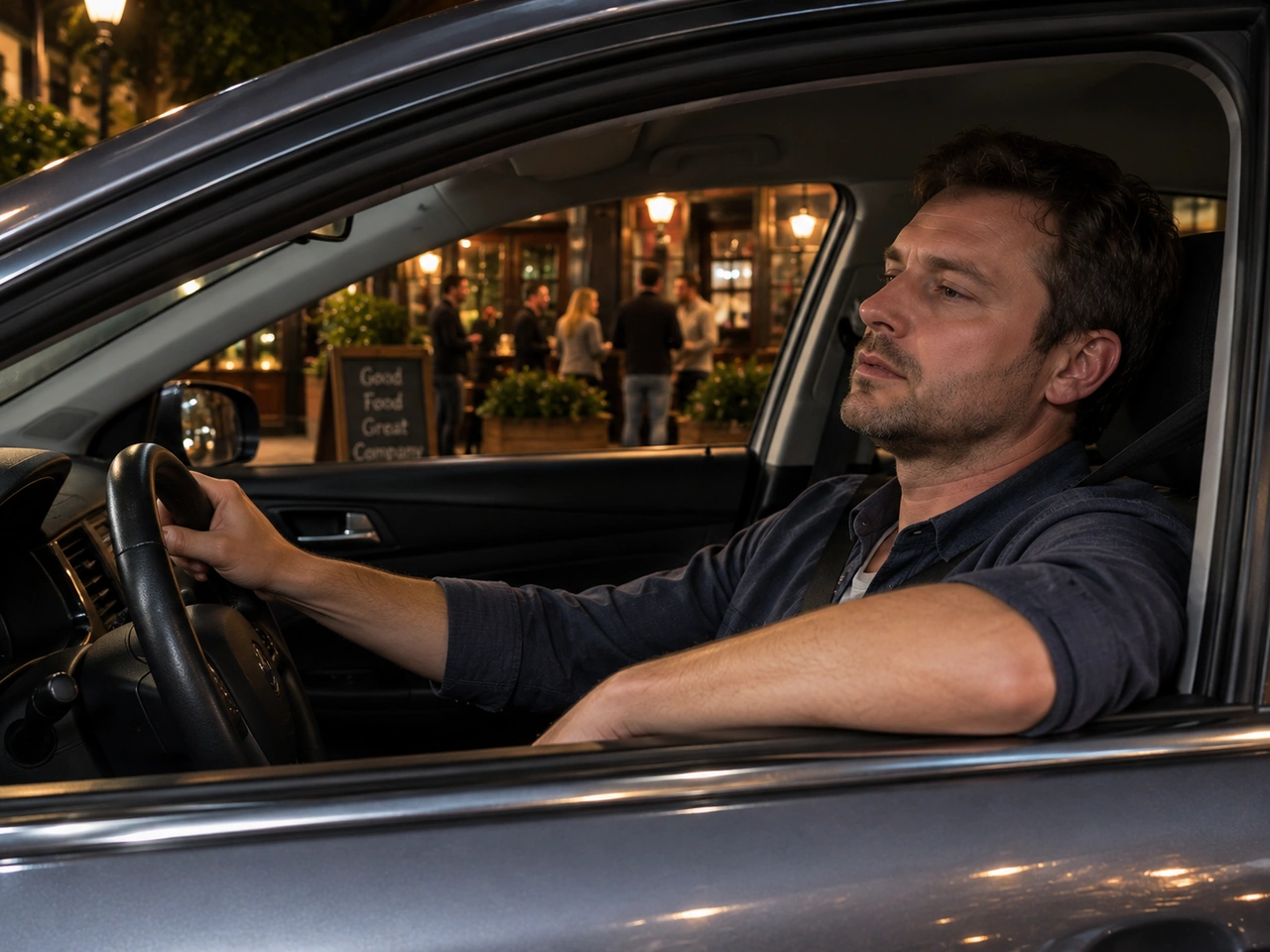
63. Does opening a window make an alcohol-impaired driver safe?
Fresh air may make someone feel more awake, but it does not reduce their alcohol concentration or restore safe driving ability.
AI-generated by Traffic-rules.com • WCIT • CC BY-SA
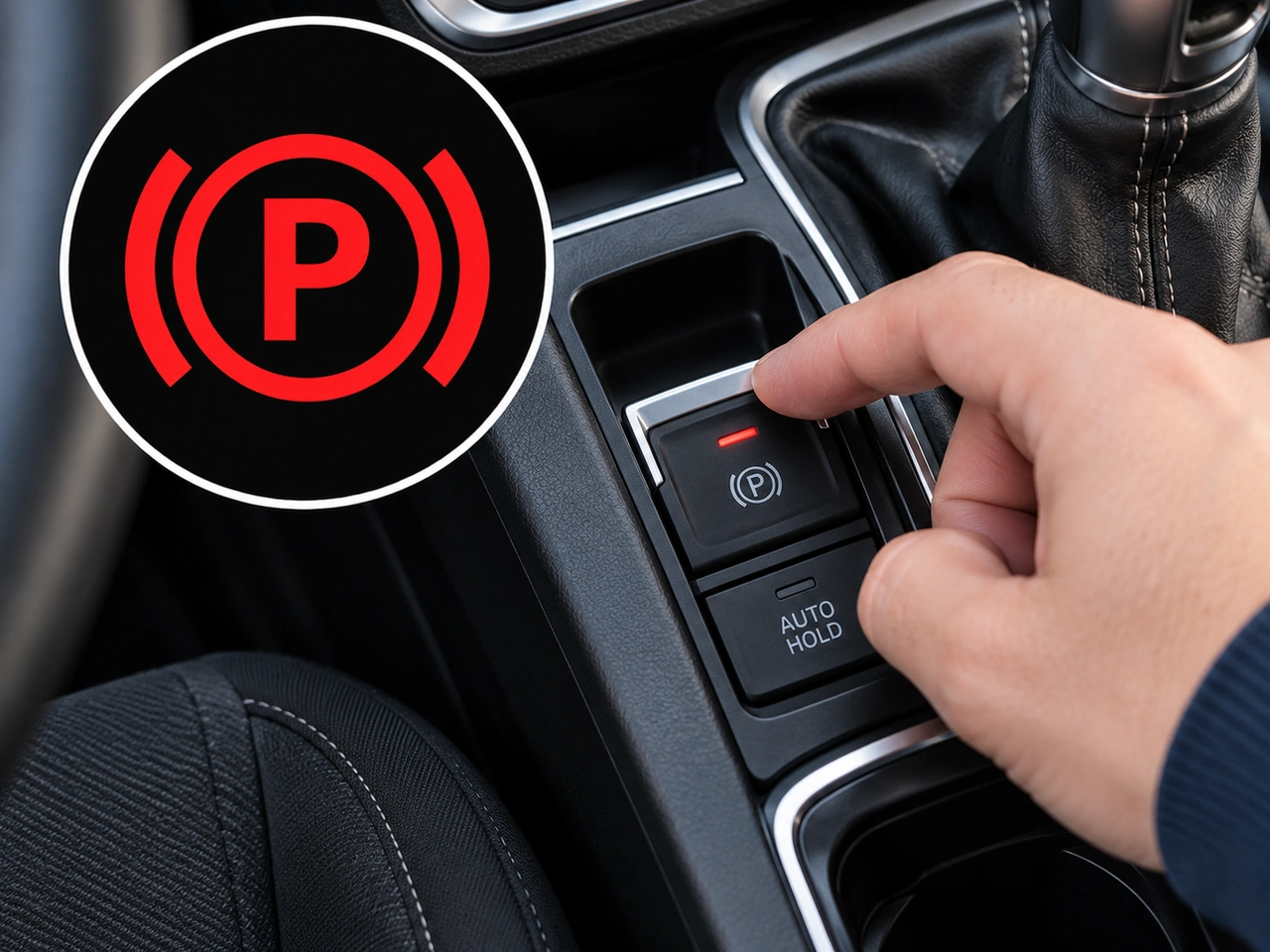
64. What does this dashboard symbol indicate?
This symbol indicates that the parking brake is applied. It should normally go out when the parking brake is fully released.
AI-generated by Traffic-rules.com • WCIT • CC BY-SA
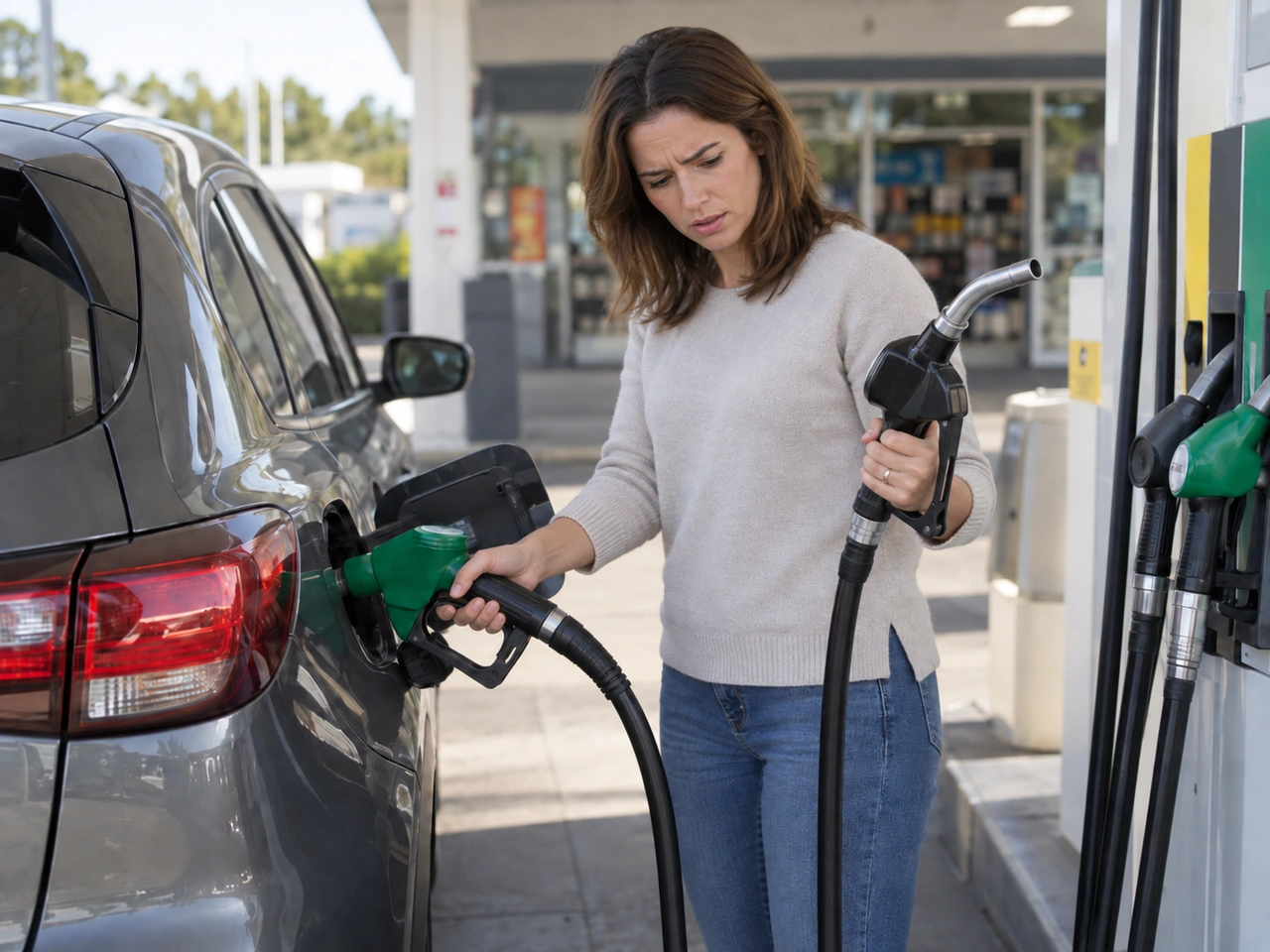
65. What should you do if you realise you have put the wrong fuel in your vehicle?
If you have used the wrong fuel, do not start the engine. Starting it can circulate the incorrect fuel and cause further damage. If possible, avoid switching on the ignition and seek appropriate roadside or workshop assistance.
AI-generated by Traffic-rules.com • WCIT • CC BY-SA
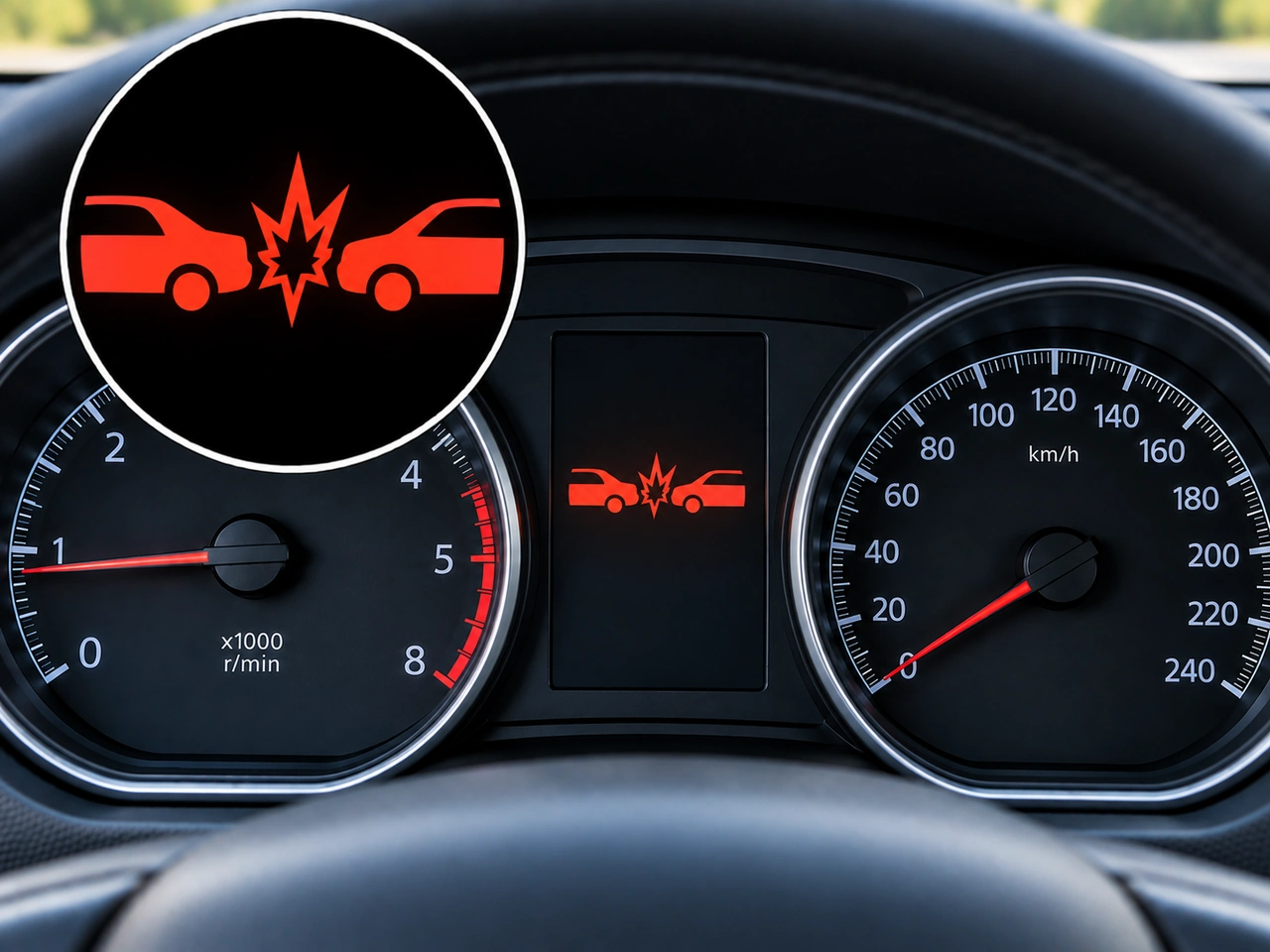
66. What does this dashboard symbol indicate?
This symbol relates to the forward-collision warning or automatic emergency braking system. It may warn the driver when the vehicle detects a risk of collision with traffic ahead.
AI-generated by Traffic-rules.com • WCIT • CC BY-SA
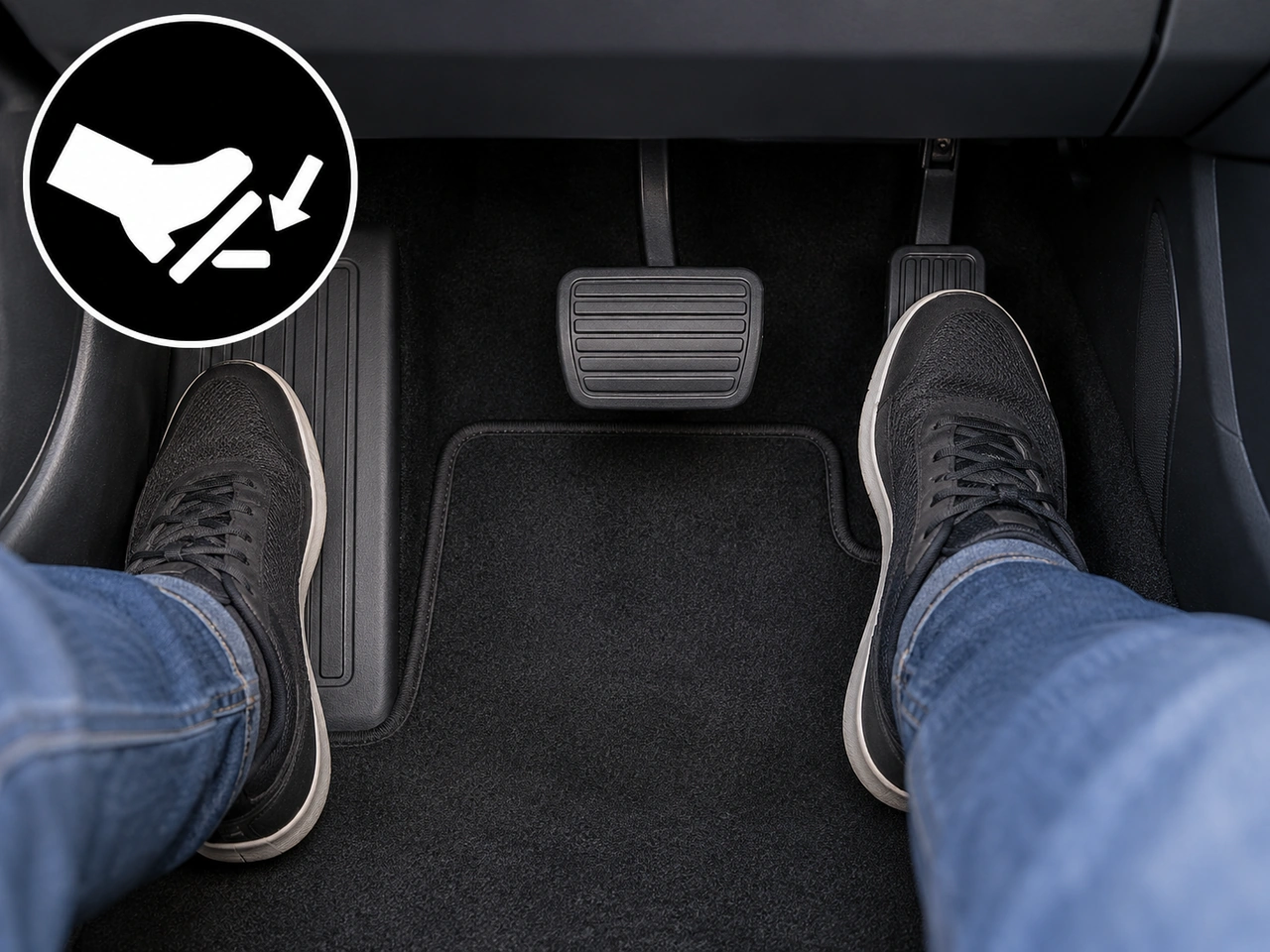
67. What may happen when you press the accelerator fully in an automatic vehicle?
In many automatic vehicles, pressing the accelerator fully can activate kickdown, causing the transmission to select a lower gear and provide stronger acceleration.
AI-generated by Traffic-rules.com • WCIT • CC BY-SA
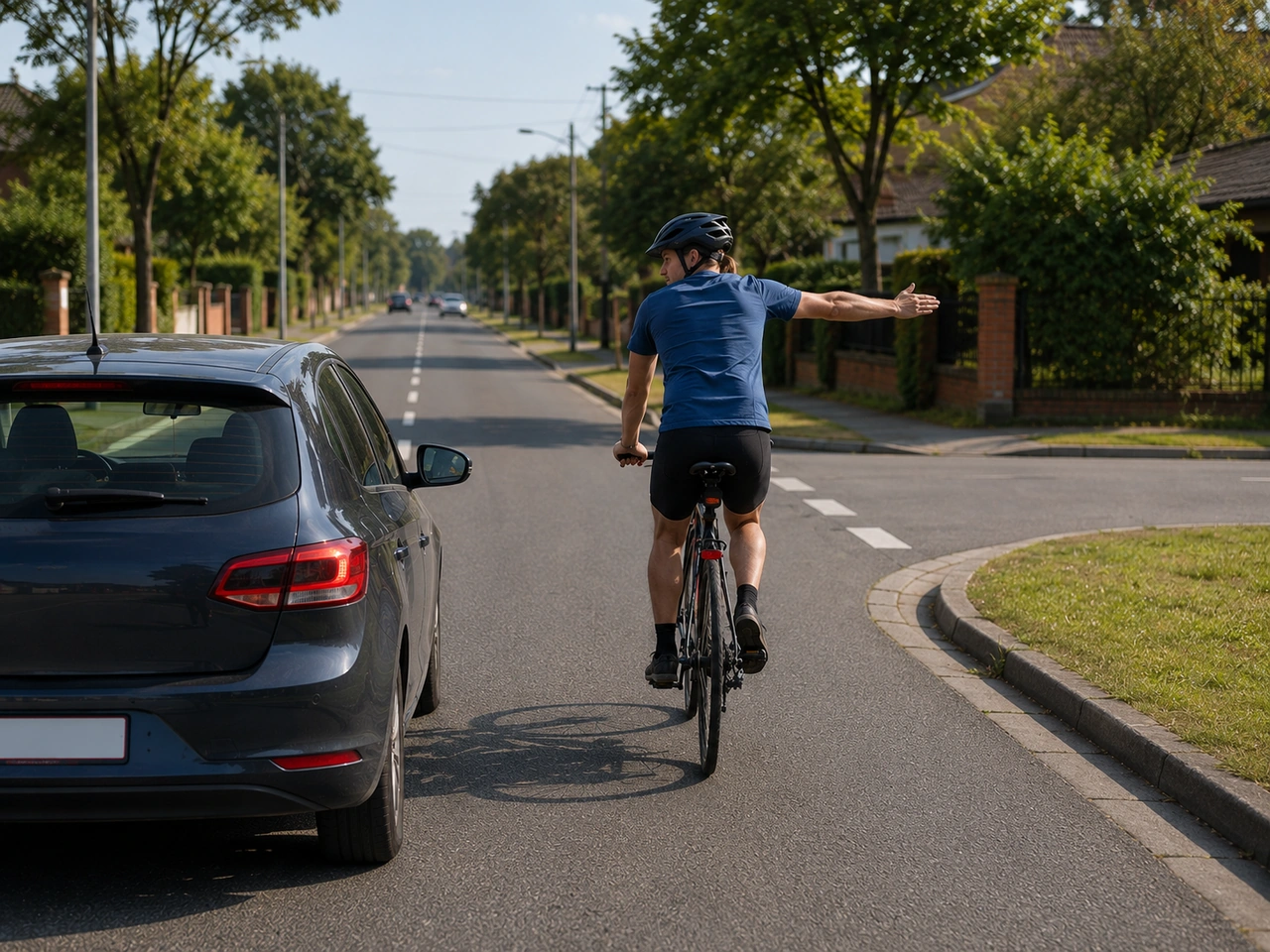
68. What should cyclists do before turning or changing position on the road?
Checking behind and signalling gives other road users time to understand what you intend to do.
AI-generated by Traffic-rules.com • WCIT • CC BY-SA
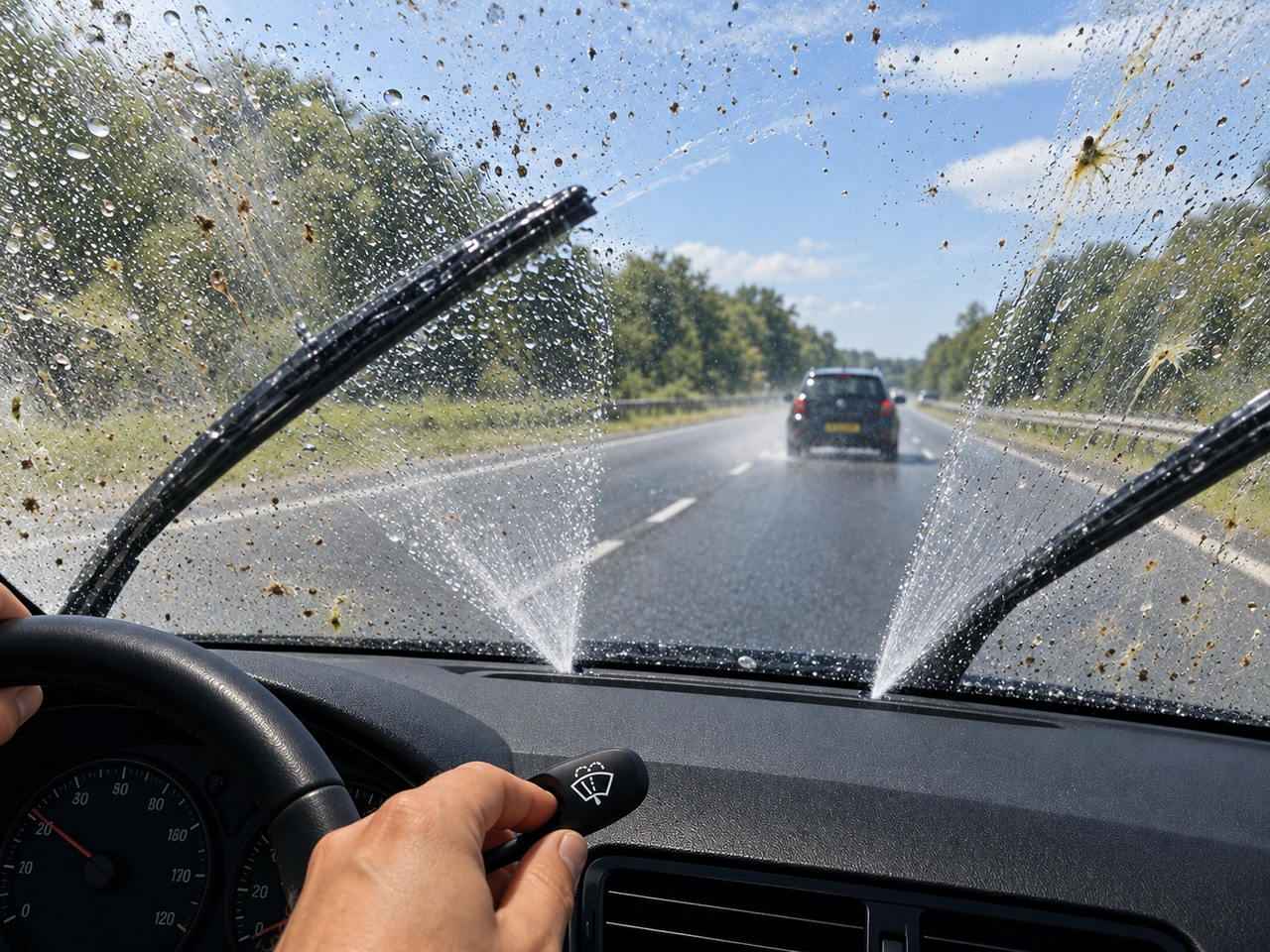
69. Why should the windscreen washer reservoir contain suitable washer fluid?
A clear windscreen is essential for safe observation. Suitable washer fluid helps clean the glass and may provide protection against freezing in cold conditions.
AI-generated by Traffic-rules.com • WCIT • CC BY-SA
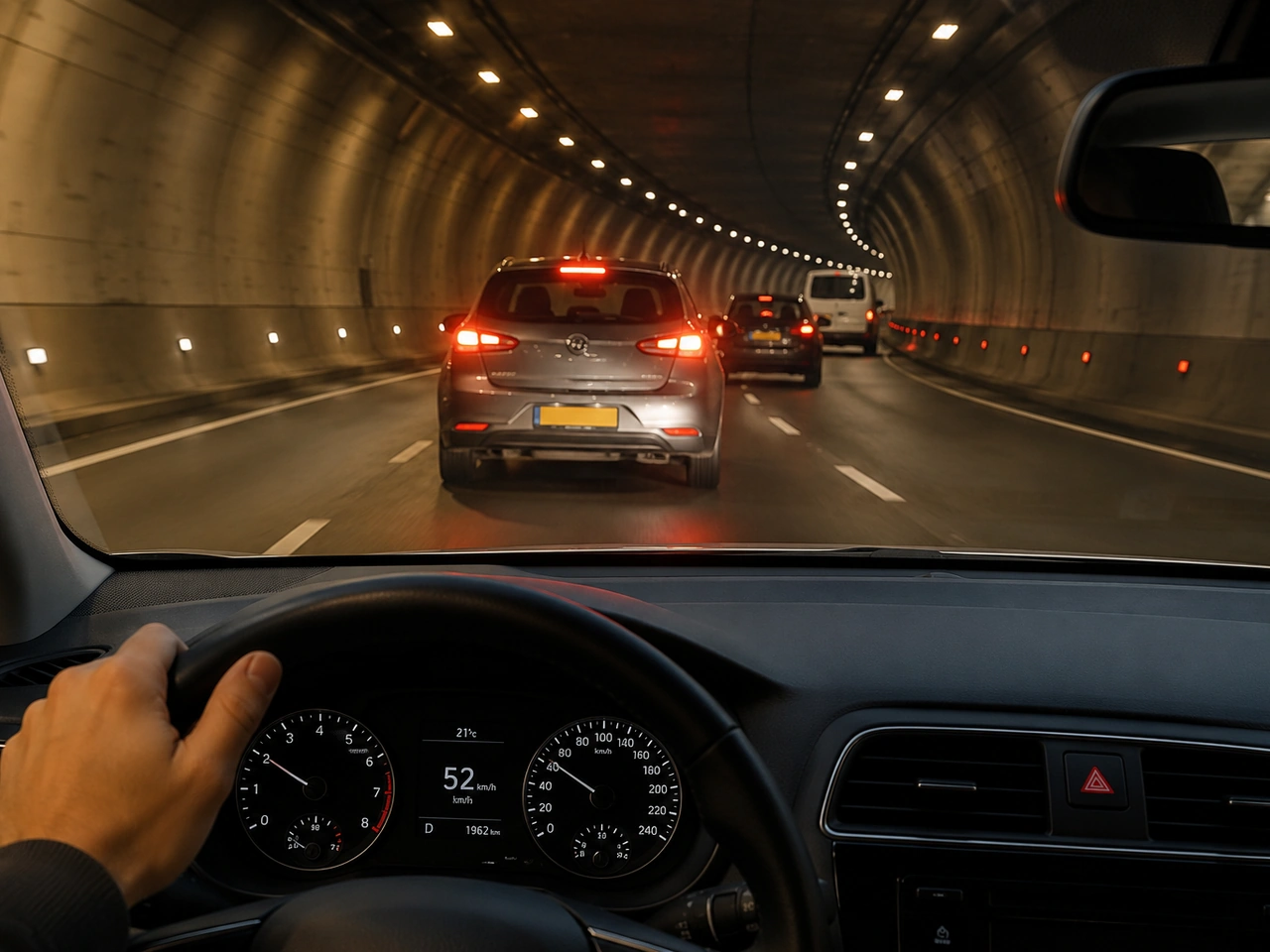
70. Why should you leave a safe following distance inside a tunnel?
Limited space and visibility can make incidents inside tunnels especially dangerous. A safe gap gives you more time to react.
AI-generated by Traffic-rules.com • WCIT • CC BY-SA
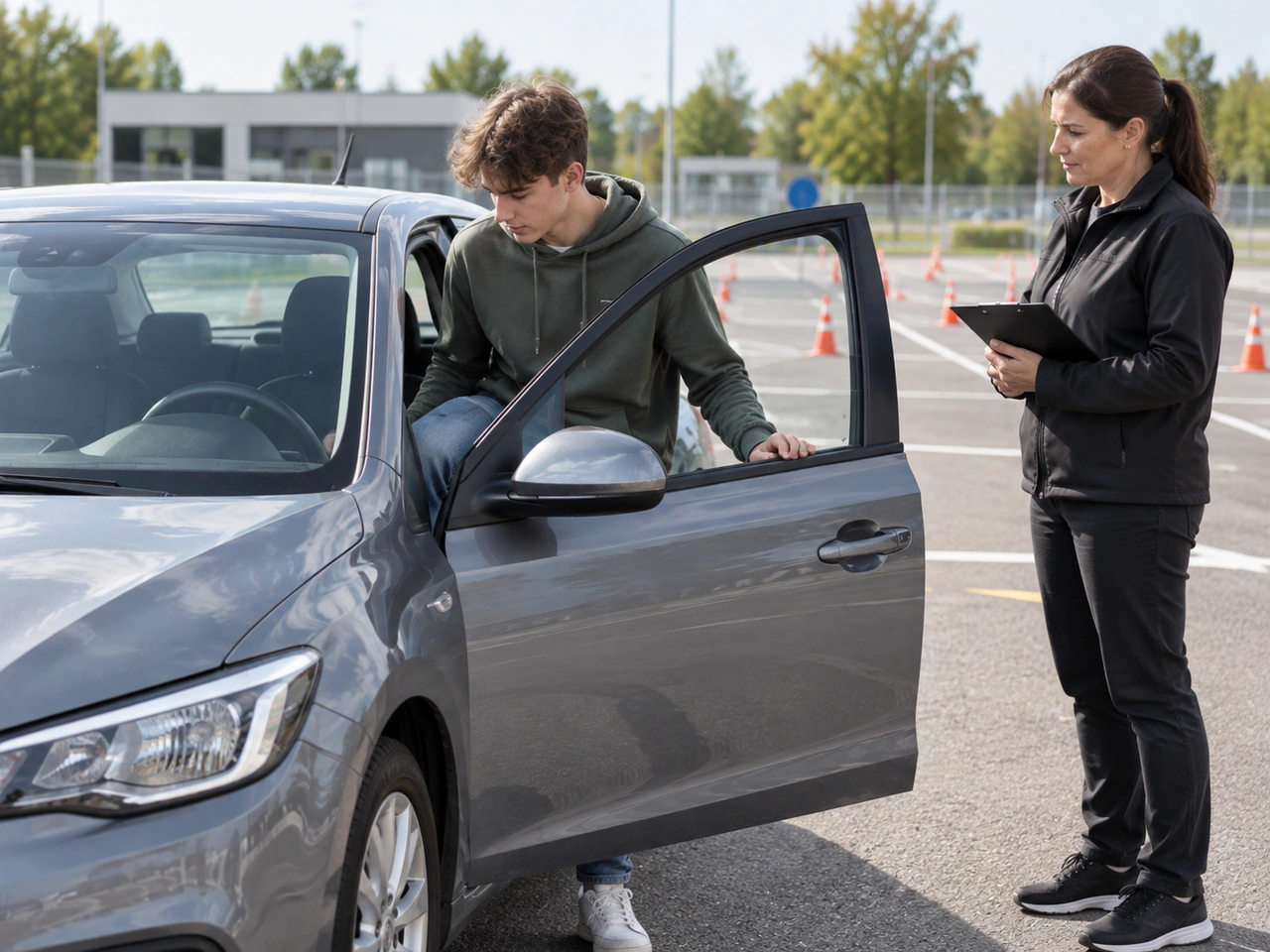
71. What is the minimum age for a standard car driving licence in Bosnia and Herzegovina?
The minimum age for a standard car driving licence in Bosnia and Herzegovina is 18 years.
AI-generated by Traffic-rules.com • WCIT • CC BY-SA
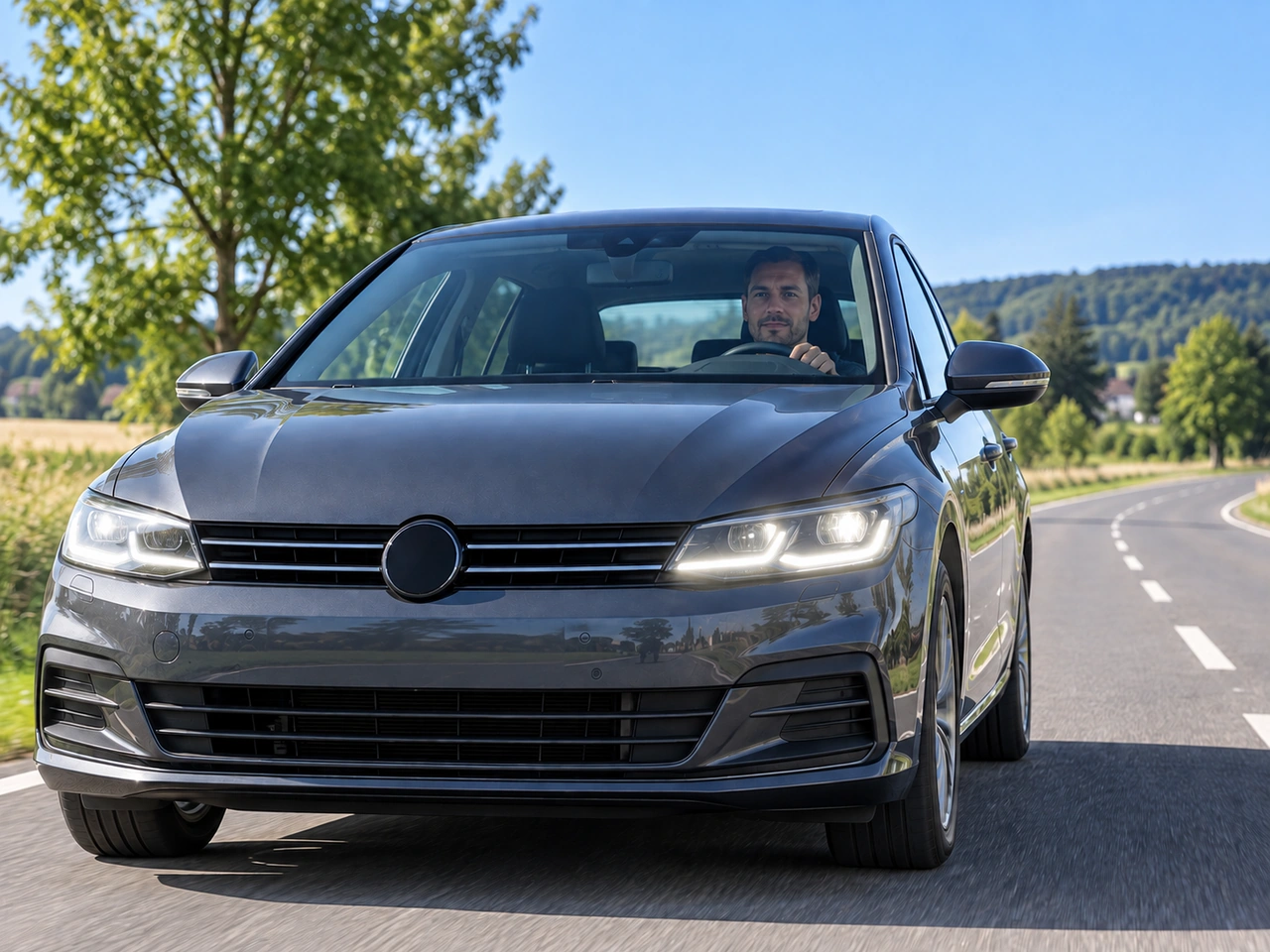
72. Are headlights required during the day in Bosnia and Herzegovina?
Drivers in Bosnia and Herzegovina are generally required to use daytime running lights or dipped headlights during the day.
AI-generated by Traffic-rules.com • WCIT • CC BY-SA
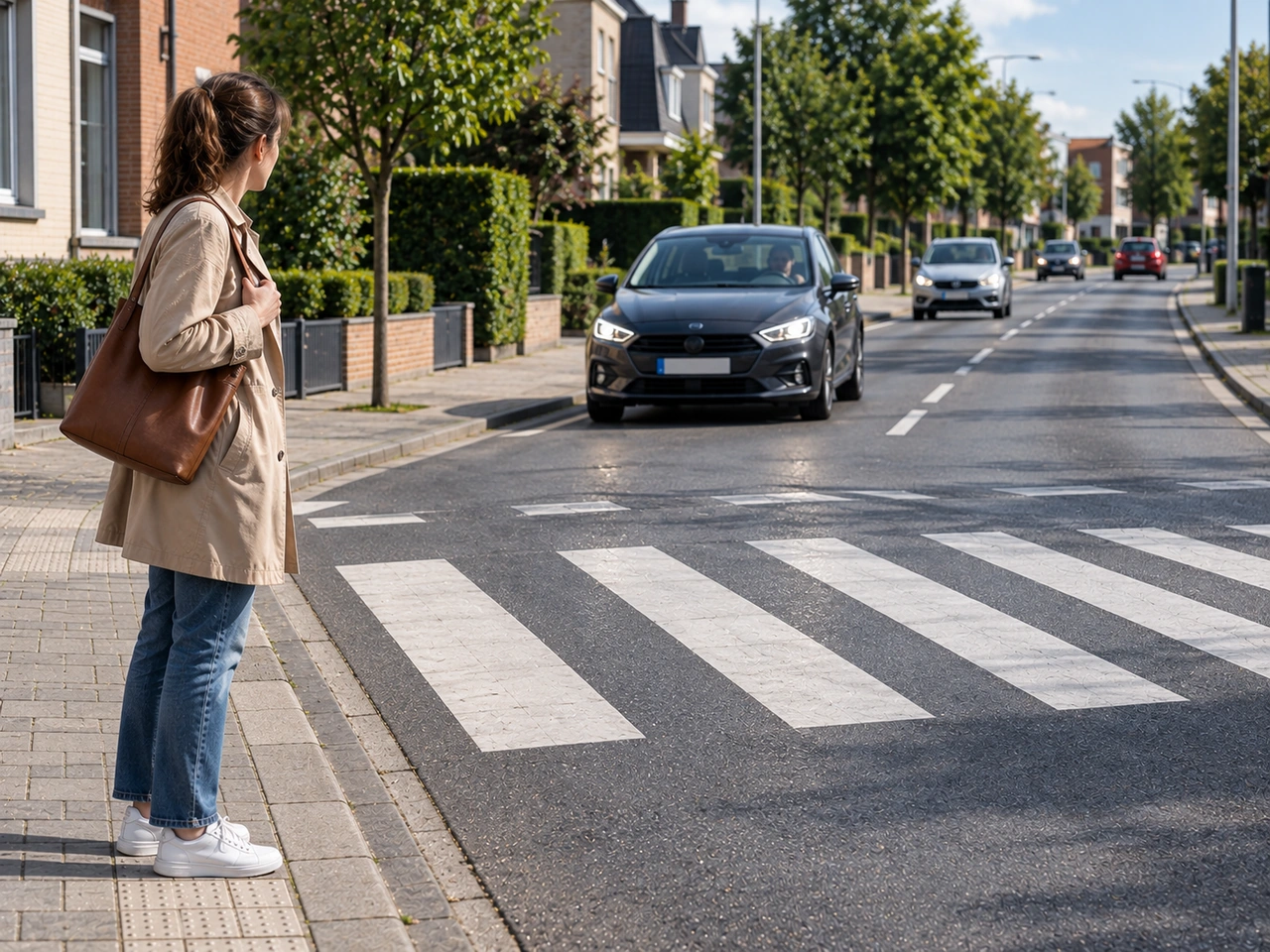
73. What should you do before using a pedestrian crossing?
Even at a pedestrian crossing, make sure approaching drivers have seen you and are able to stop before you cross.
AI-generated by Traffic-rules.com • WCIT • CC BY-SA
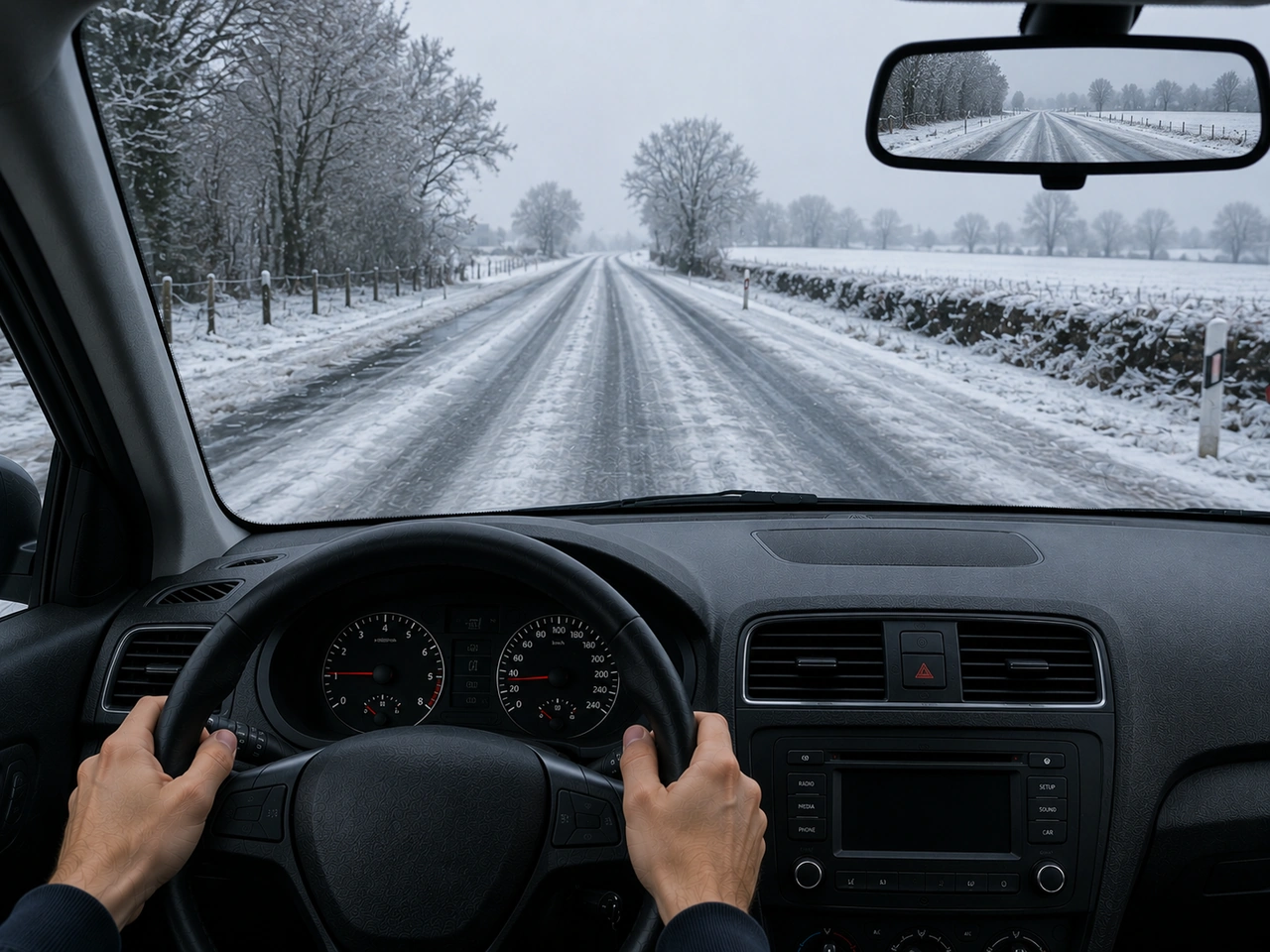
74. What should you do when driving on icy roads?
Ice greatly reduces tyre grip. Drive gently, keep extra distance, and avoid sudden movements that could cause a skid.
AI-generated by Traffic-rules.com • WCIT • CC BY-SA
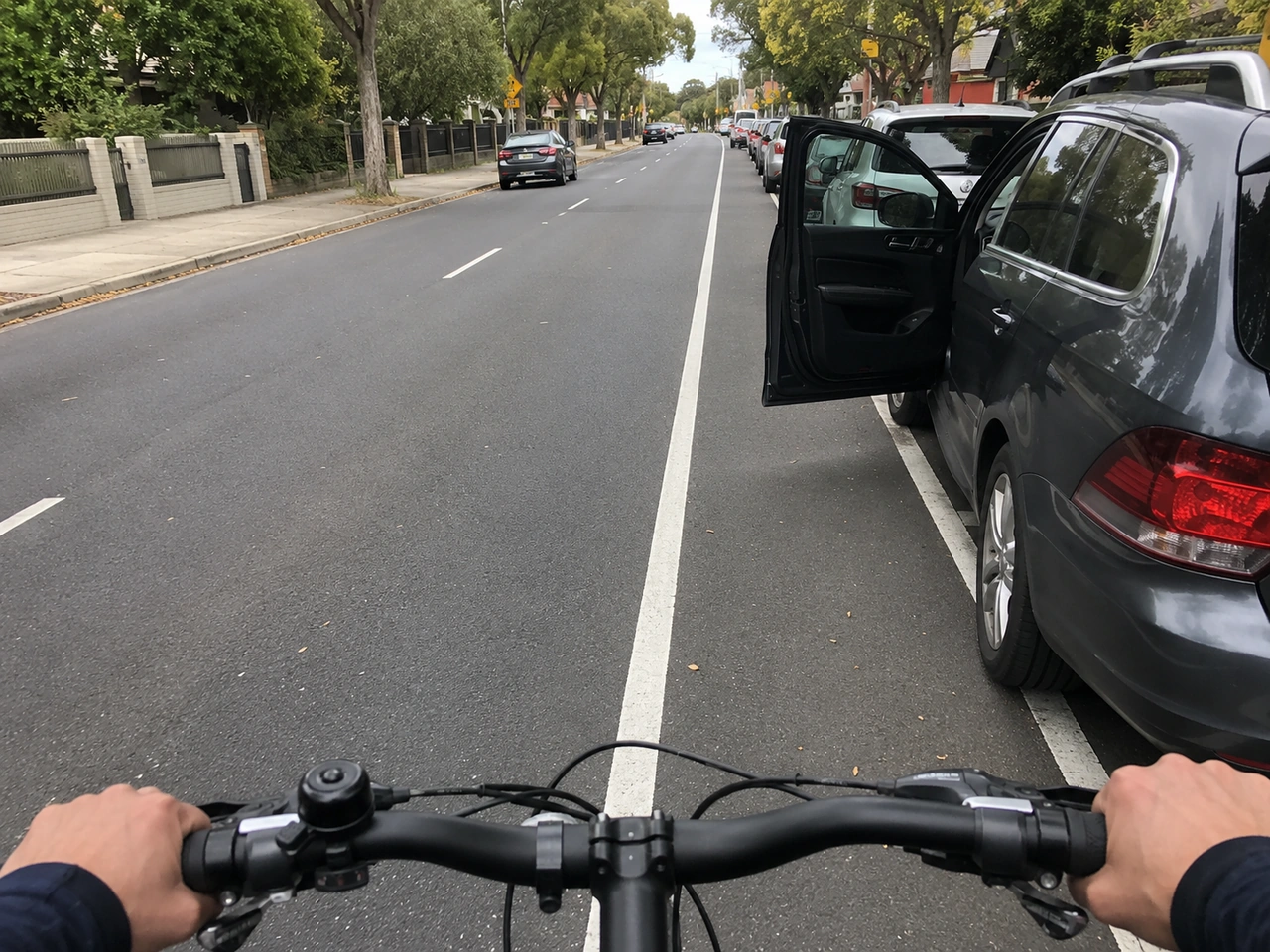
75. Why should you leave space when cycling beside parked cars?
A driver or passenger may open a door without seeing you. Leaving space reduces the risk of a dooring collision.
AI-generated by Traffic-rules.com • WCIT • CC BY-SA
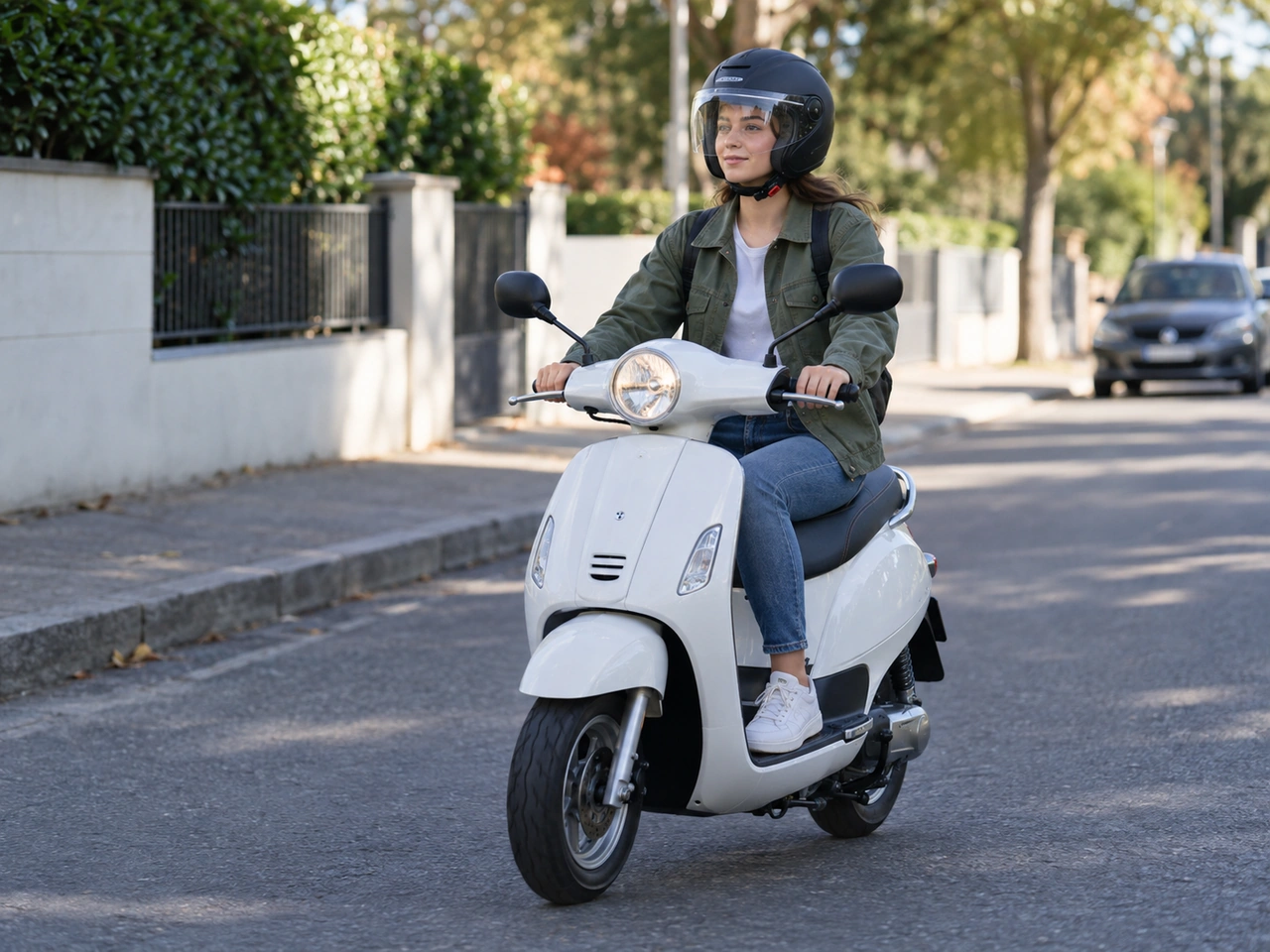
76. Are moped riders generally required to wear a helmet in Bosnia and Herzegovina?
Moped riders in Bosnia and Herzegovina are generally required to wear an approved helmet.
AI-generated by Traffic-rules.com • WCIT • CC BY-SA
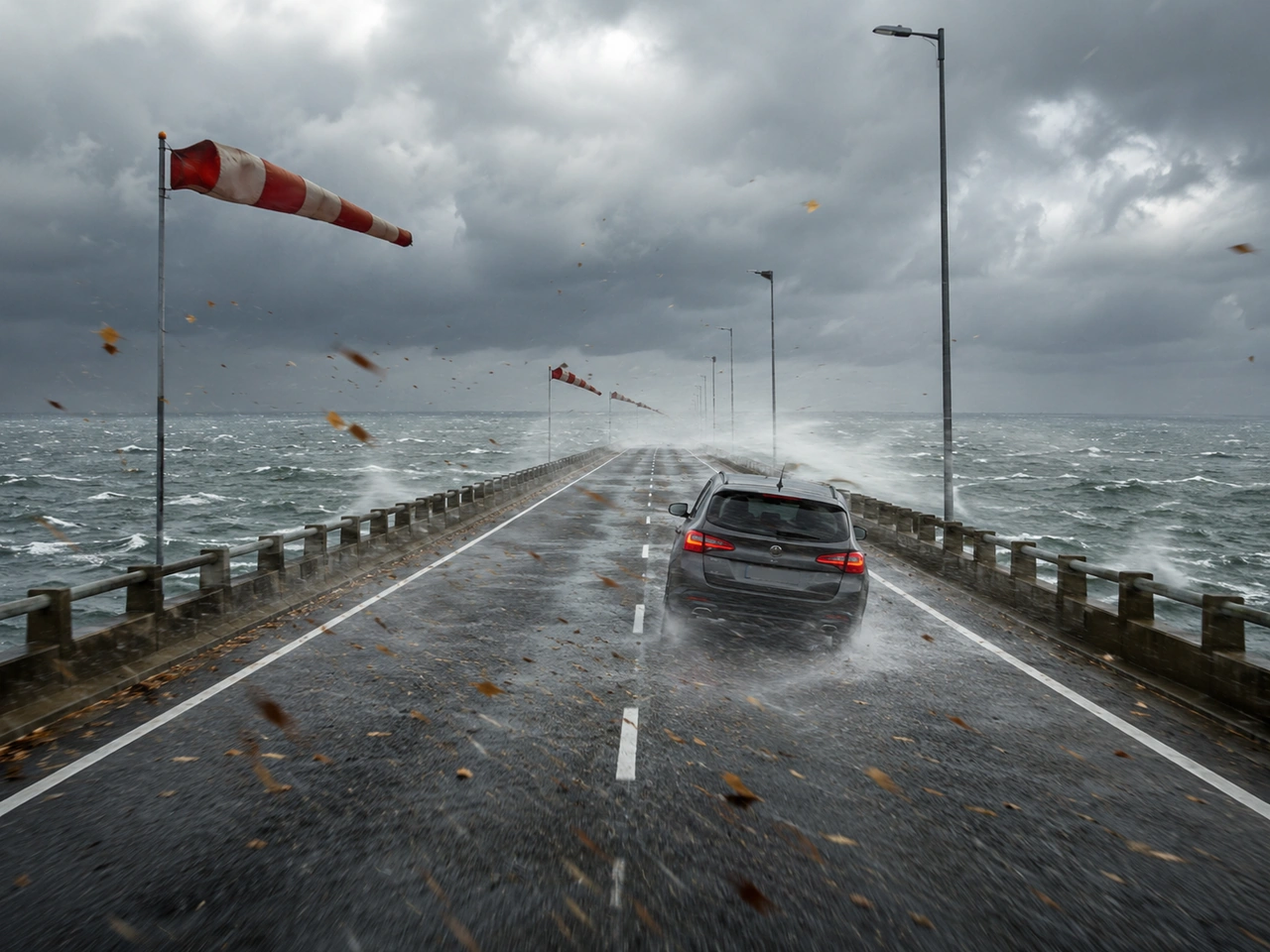
77. Why can bridges be dangerous in strong winds?
Bridges are often open and exposed, allowing strong winds to affect vehicles more suddenly.
AI-generated by Traffic-rules.com • WCIT • CC BY-SA
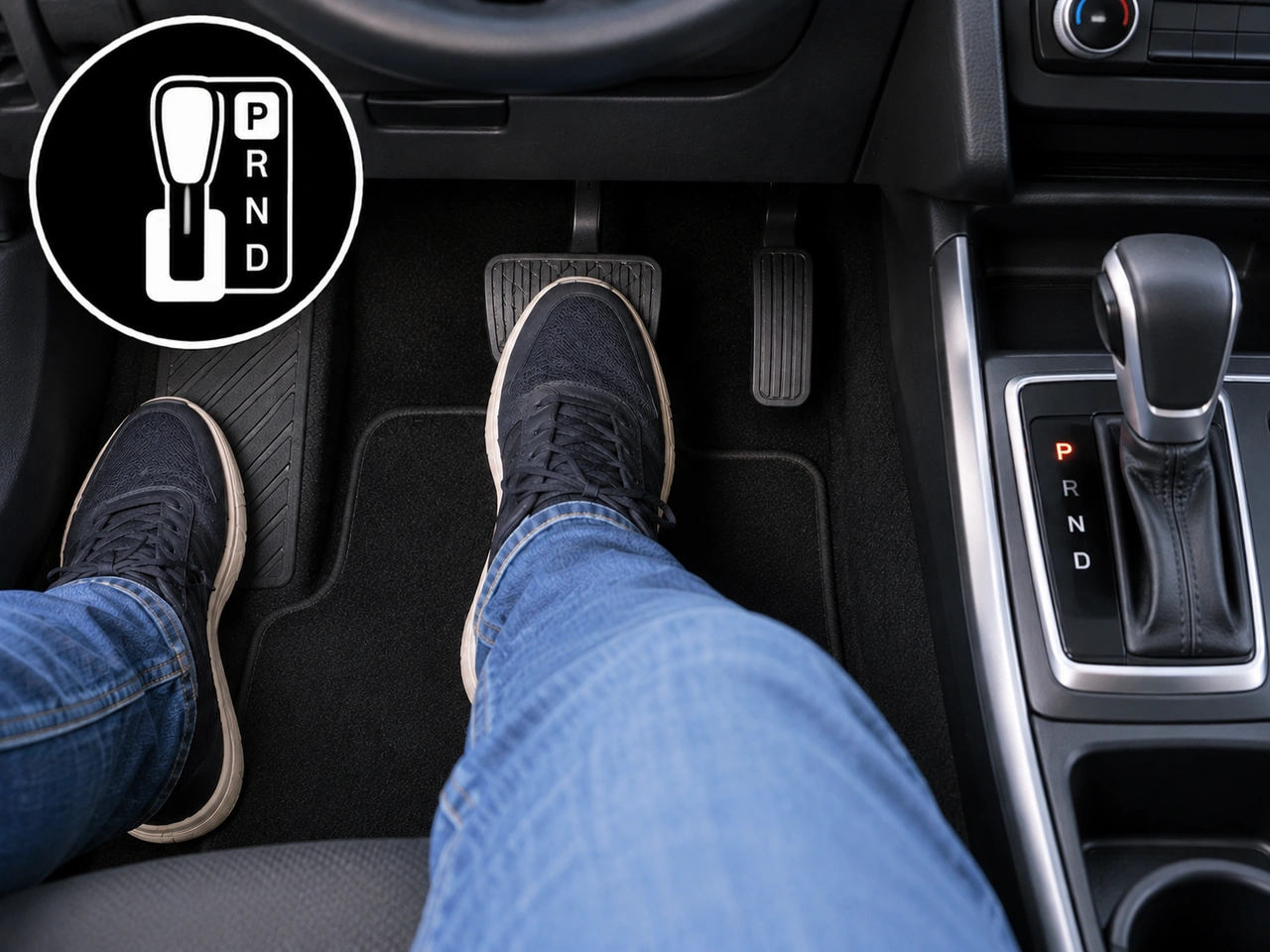
78. What should you normally do before starting an automatic vehicle?
Before starting an automatic vehicle, make sure P (Park) or N (Neutral) is selected and press the brake pedal. Many automatic vehicles will only allow the engine to start when these conditions are met.
AI-generated by Traffic-rules.com • WCIT • CC BY-SA
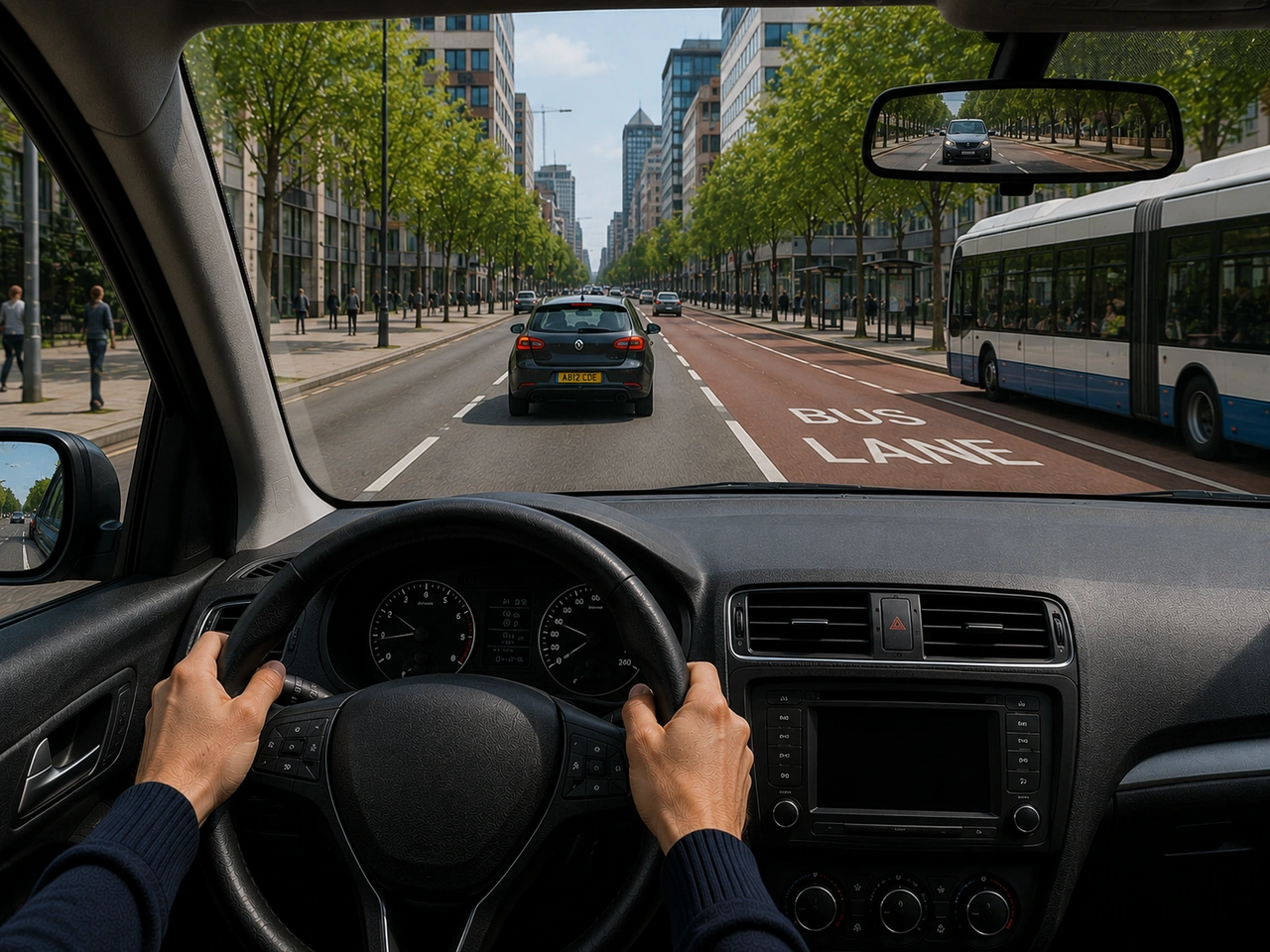
79. Why should you take extra care when crossing a tram or bus lane?
Check carefully before crossing or entering a tram or bus lane. Trams cannot steer around obstacles, and both trams and buses may need significant distance to stop.
AI-generated by Traffic-rules.com • WCIT • CC BY-SA
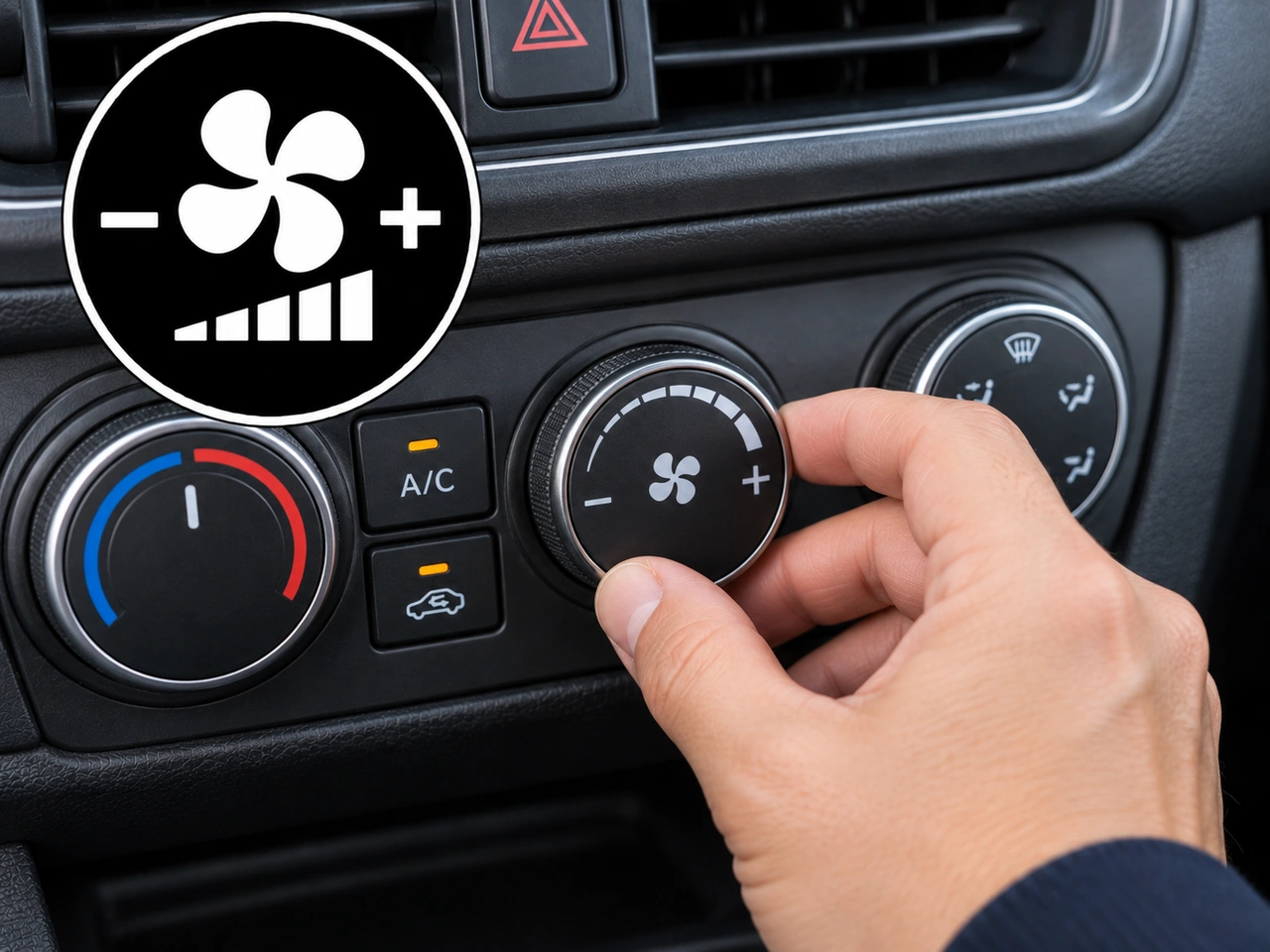
80. What does this vehicle-control symbol indicate?
This control adjusts the cabin ventilation fan speed. Increasing the setting moves more air through the vehicle's ventilation and climate-control system.
AI-generated by Traffic-rules.com • WCIT • CC BY-SA
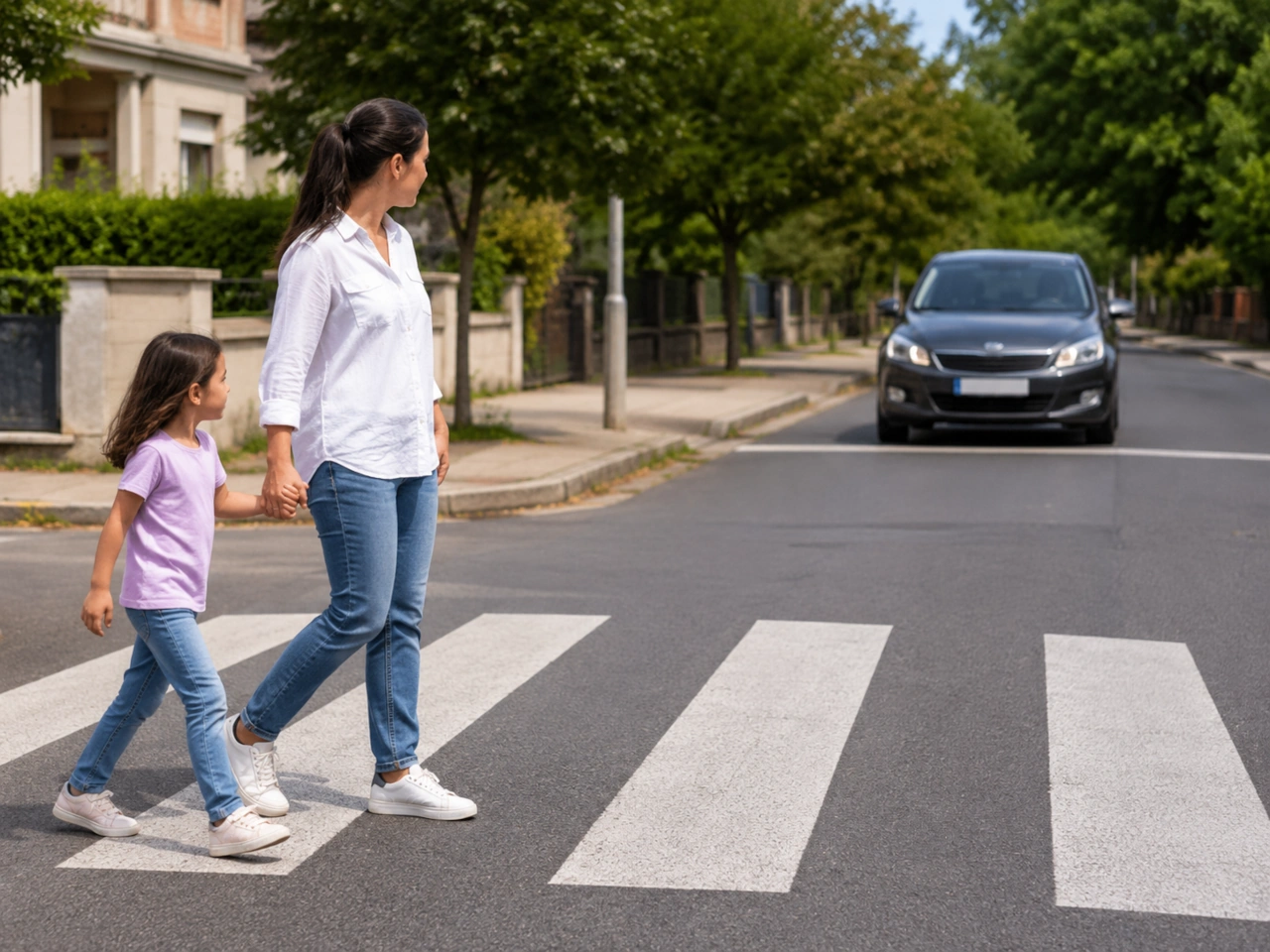
81. What is the safest way to cross the road with a child?
Children can be unpredictable near traffic. Keep them close and guide them safely across the road.
AI-generated by Traffic-rules.com • WCIT • CC BY-SA
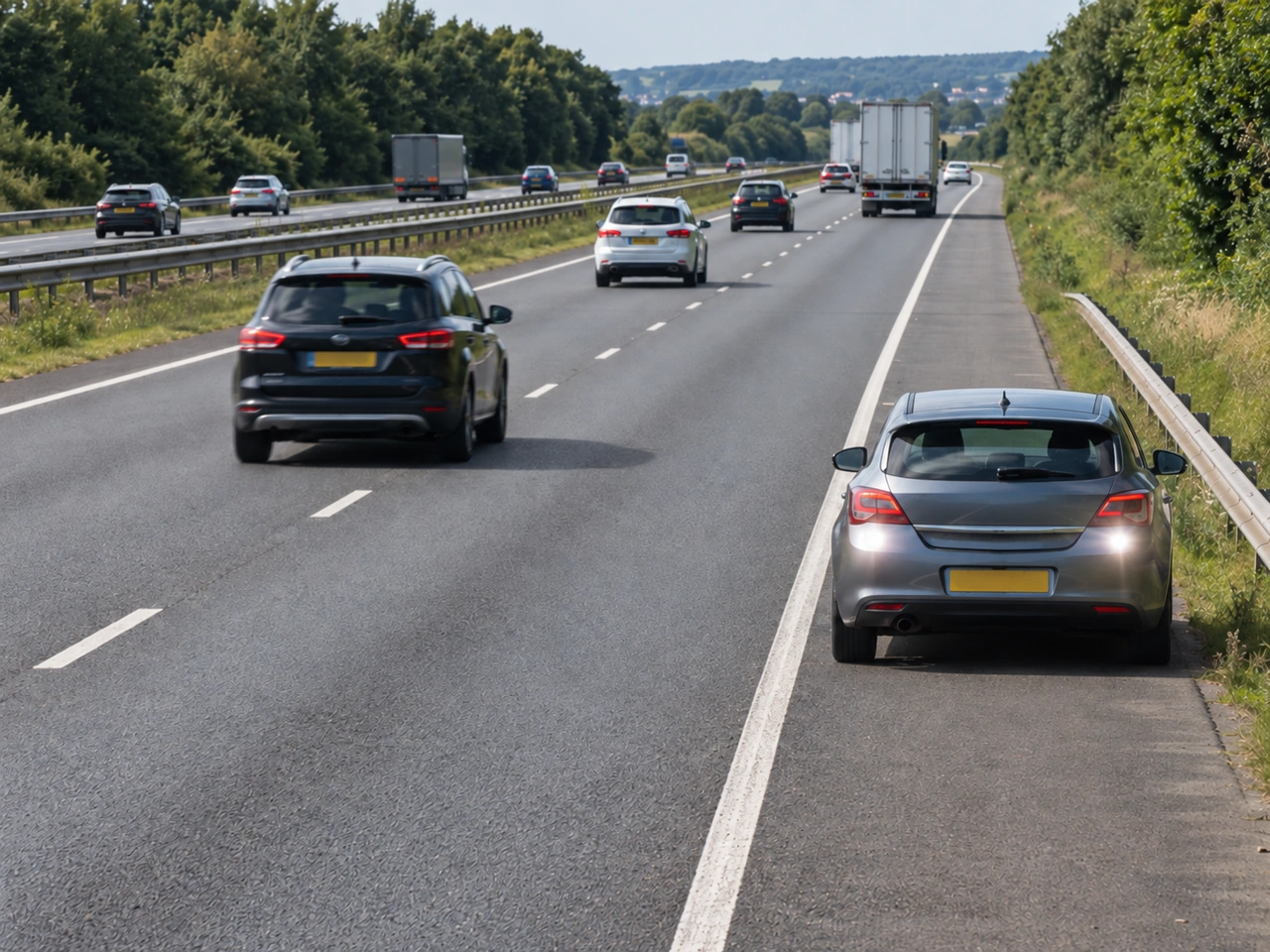
82. Why are reversing and making a U-turn on a motorway extremely dangerous?
Motorway traffic travels at high speed. Unexpected reversing or turning can cause a severe collision.
AI-generated by Traffic-rules.com • WCIT • CC BY-SA
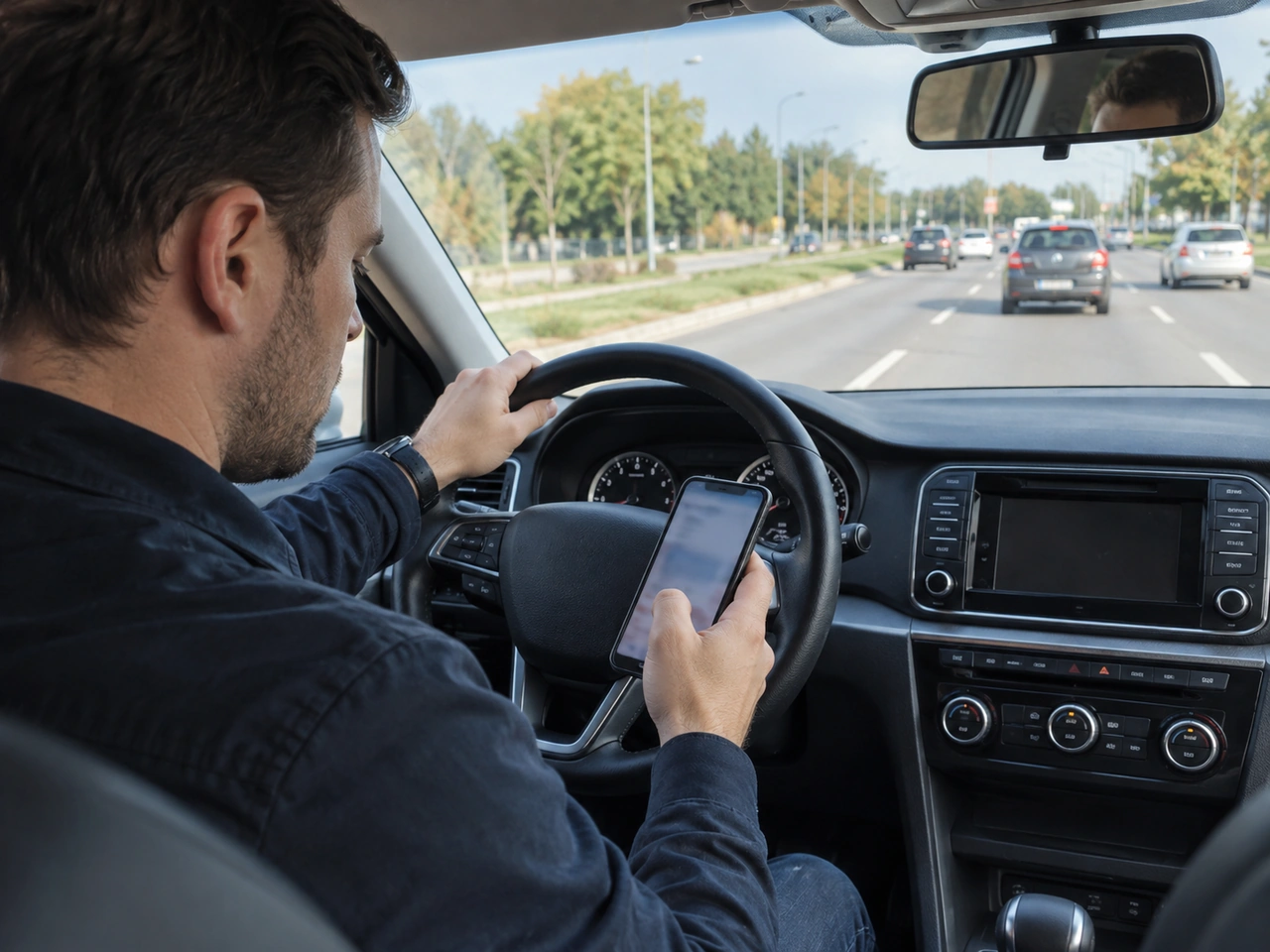
83. Why should you avoid using a phone while driving?
Using a phone while driving reduces attention, reaction time, and control of the vehicle. A hands-free system may reduce the need to handle the phone, but the conversation itself can still be distracting.
AI-generated by Traffic-rules.com • WCIT • CC BY-SA
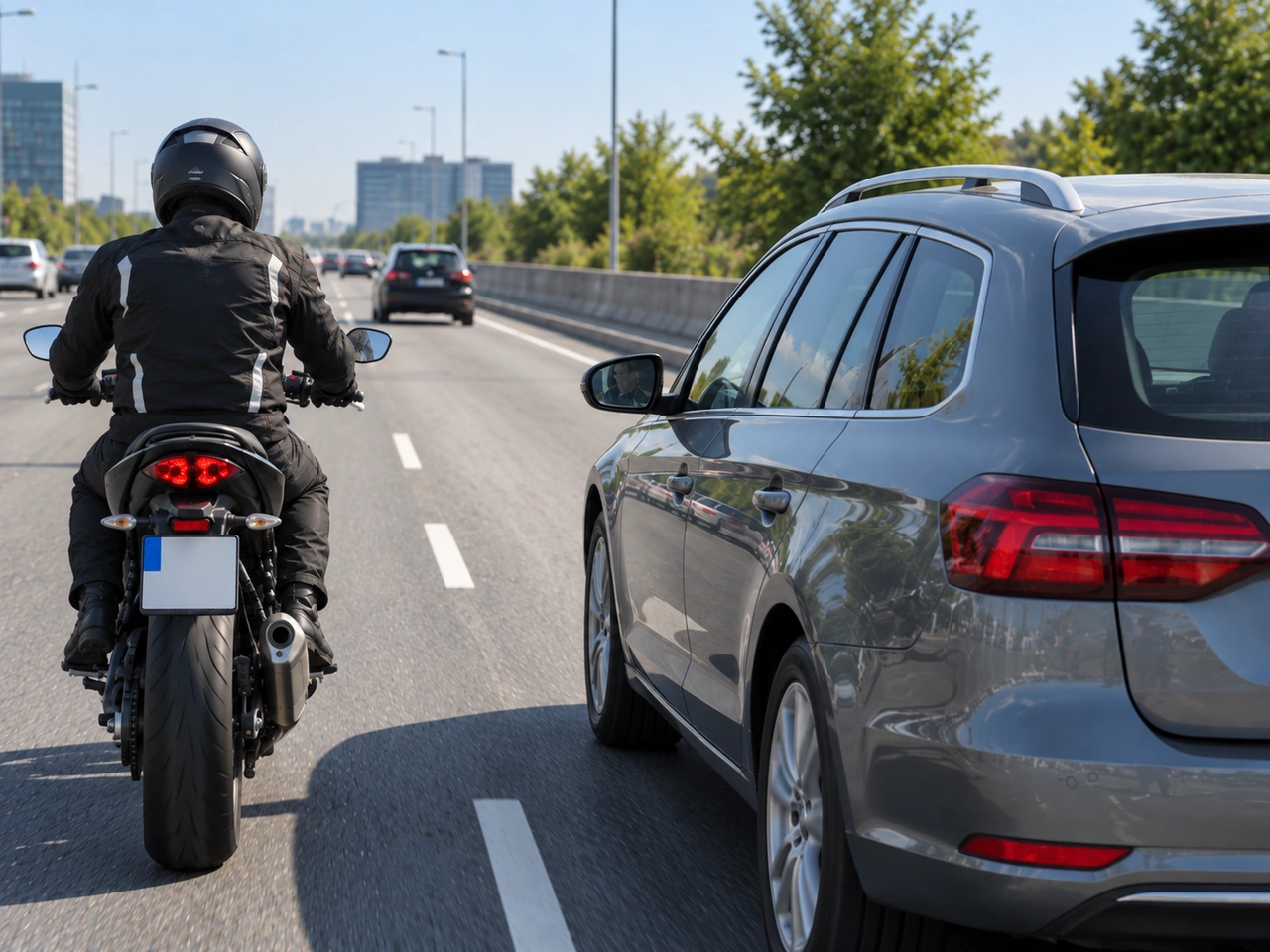
84. Why should a motorcyclist avoid riding in another vehicle's blind spot?
Motorcycles can be difficult to see, particularly when they remain in another vehicle's blind spot. Avoid staying alongside a vehicle where the driver may not see you, and choose a position where you are more likely to be visible.
AI-generated by Traffic-rules.com • WCIT • CC BY-SA
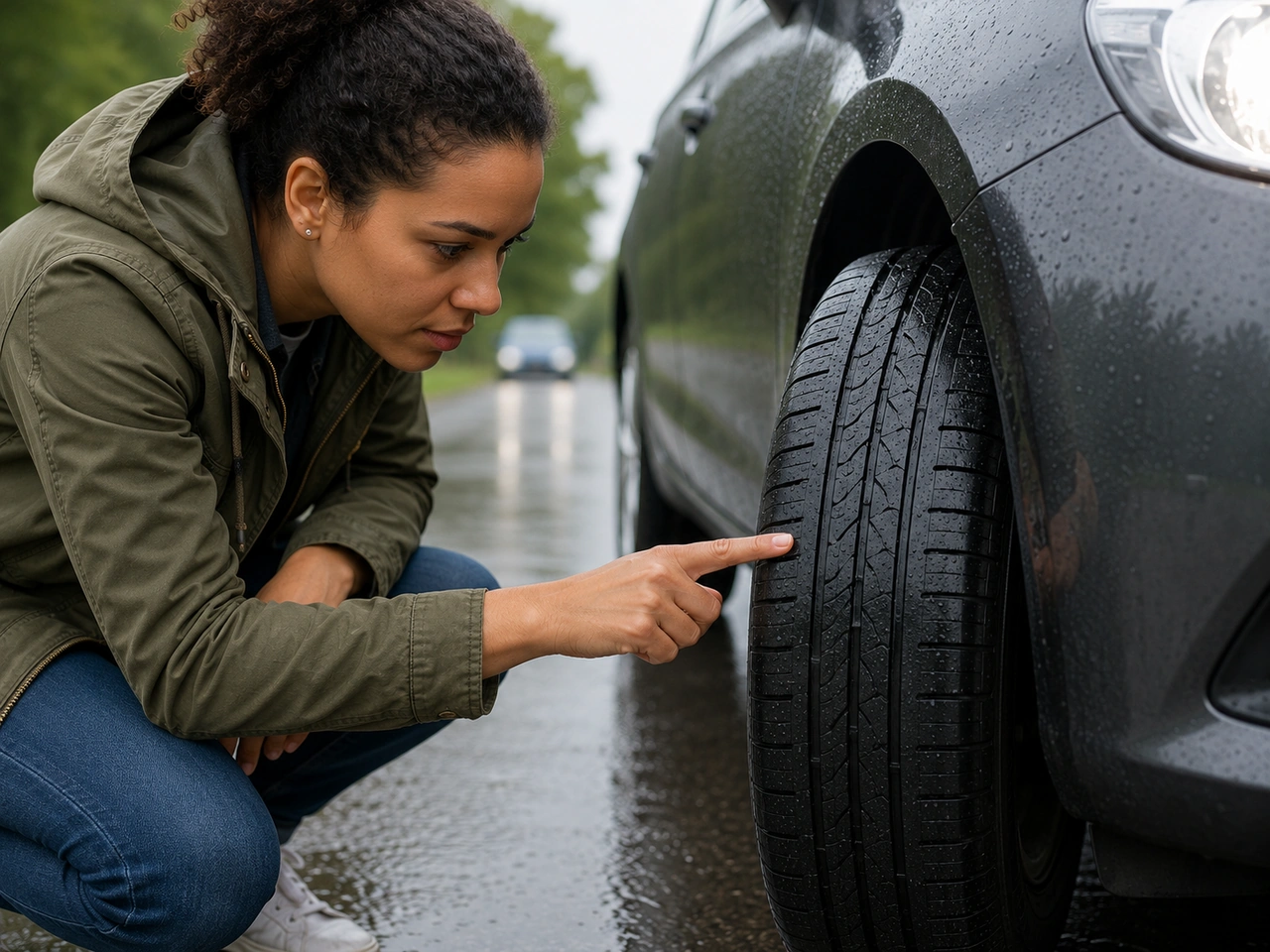
85. Why is adequate tyre tread important?
Tyre tread helps the vehicle grip the road and disperse water. Worn tread increases the risk of skidding and aquaplaning, especially in wet conditions.
AI-generated by Traffic-rules.com • WCIT • CC BY-SA
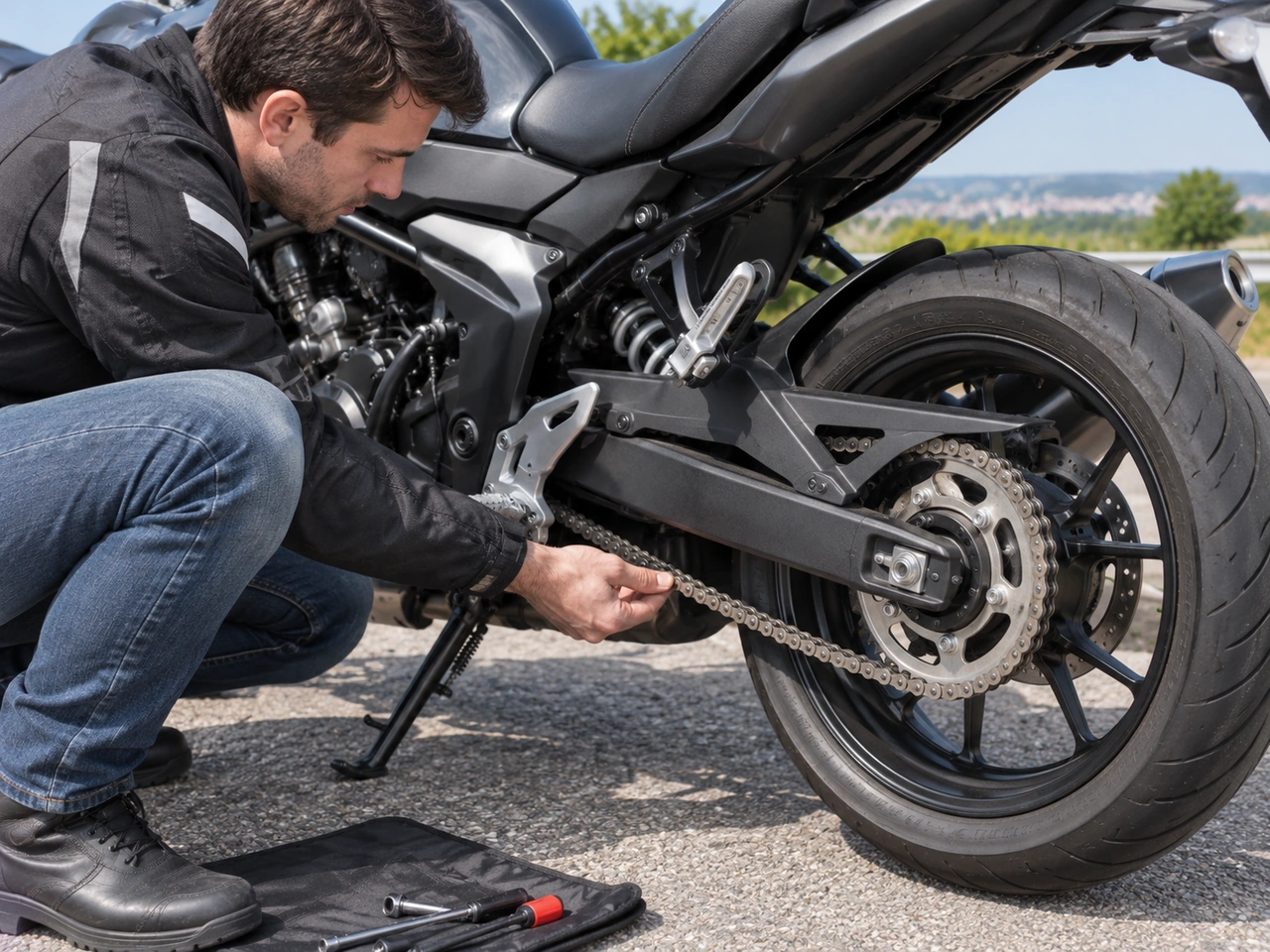
86. What should you do if a motorcycle's drive chain is too loose?
A loose drive chain can affect power transmission, damage components, or come off the sprockets. The chain should have the correct tension and lubrication specified by the motorcycle manufacturer. A chain that is too tight can also cause damage.
AI-generated by Traffic-rules.com • WCIT • CC BY-SA
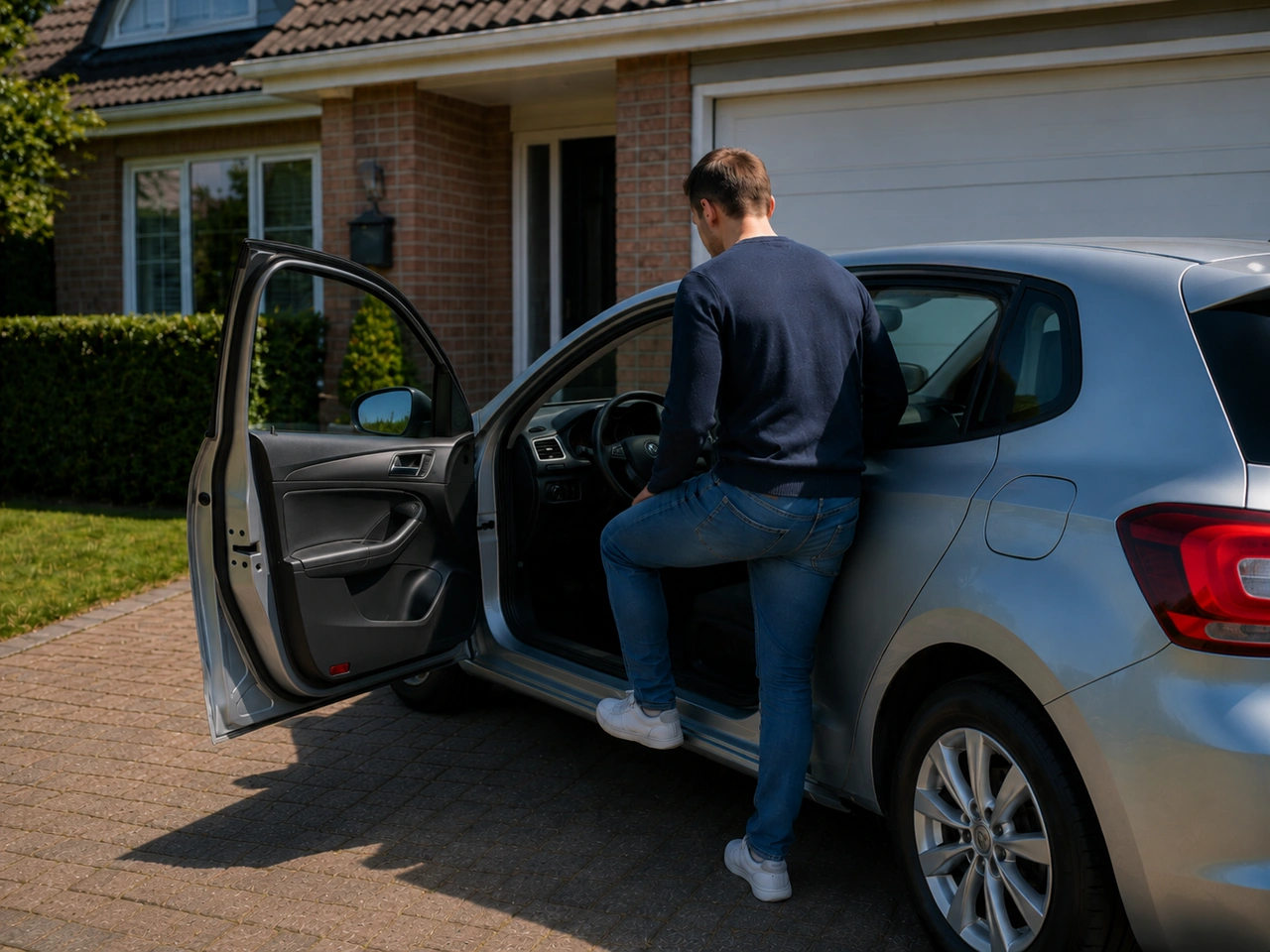
87. When should you fasten your seat belt?
Fasten your seat belt before the vehicle starts moving and keep it fastened throughout the journey. Make sure your passengers are also safely seated and properly restrained.
AI-generated by Traffic-rules.com • WCIT • CC BY-SA
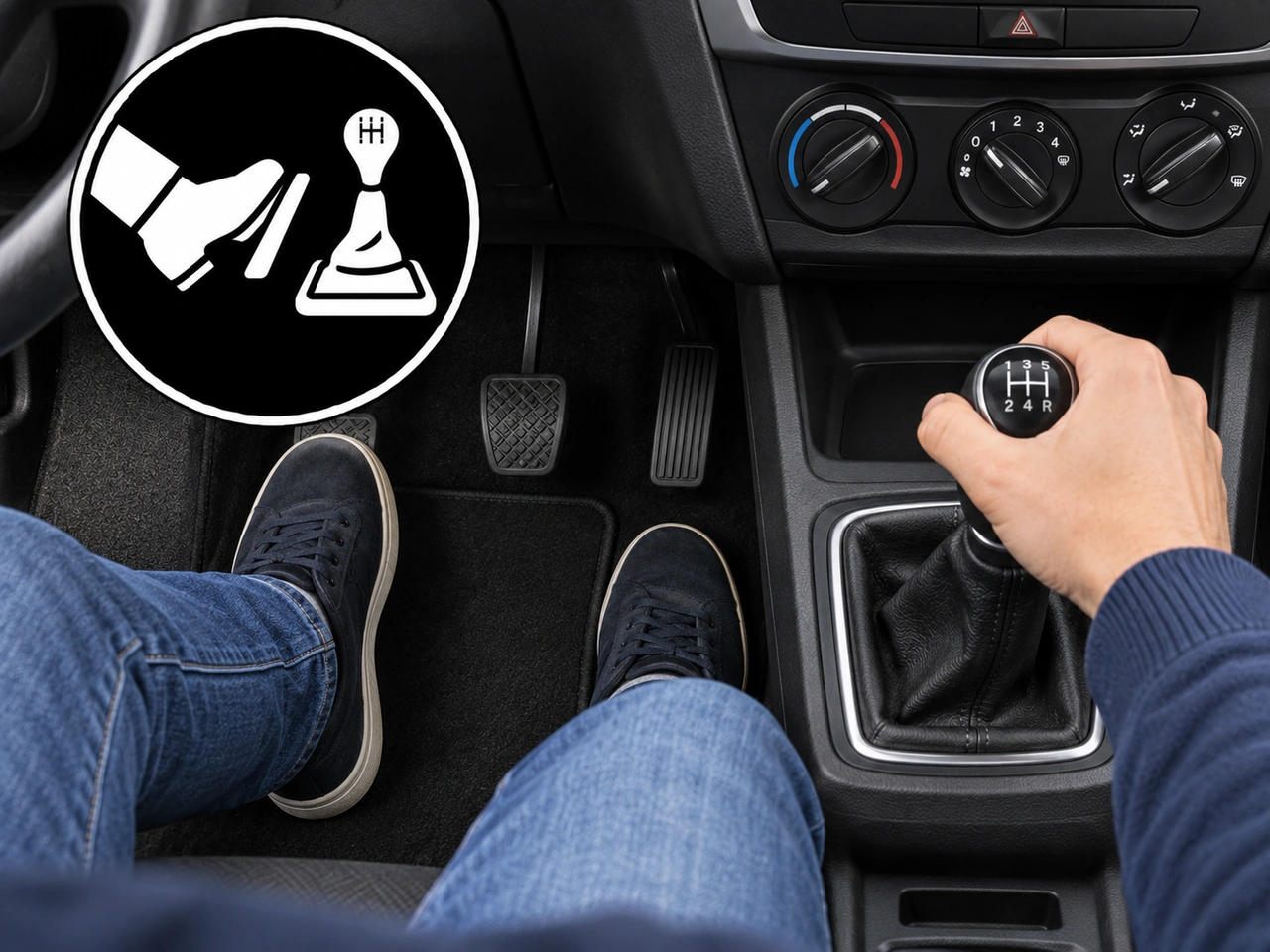
88. What should you normally do before changing gear in a manual vehicle?
Pressing the clutch pedal disconnects the engine from the transmission so that another gear can be selected. After changing gear, the clutch should be released smoothly.
AI-generated by Traffic-rules.com • WCIT • CC BY-SA
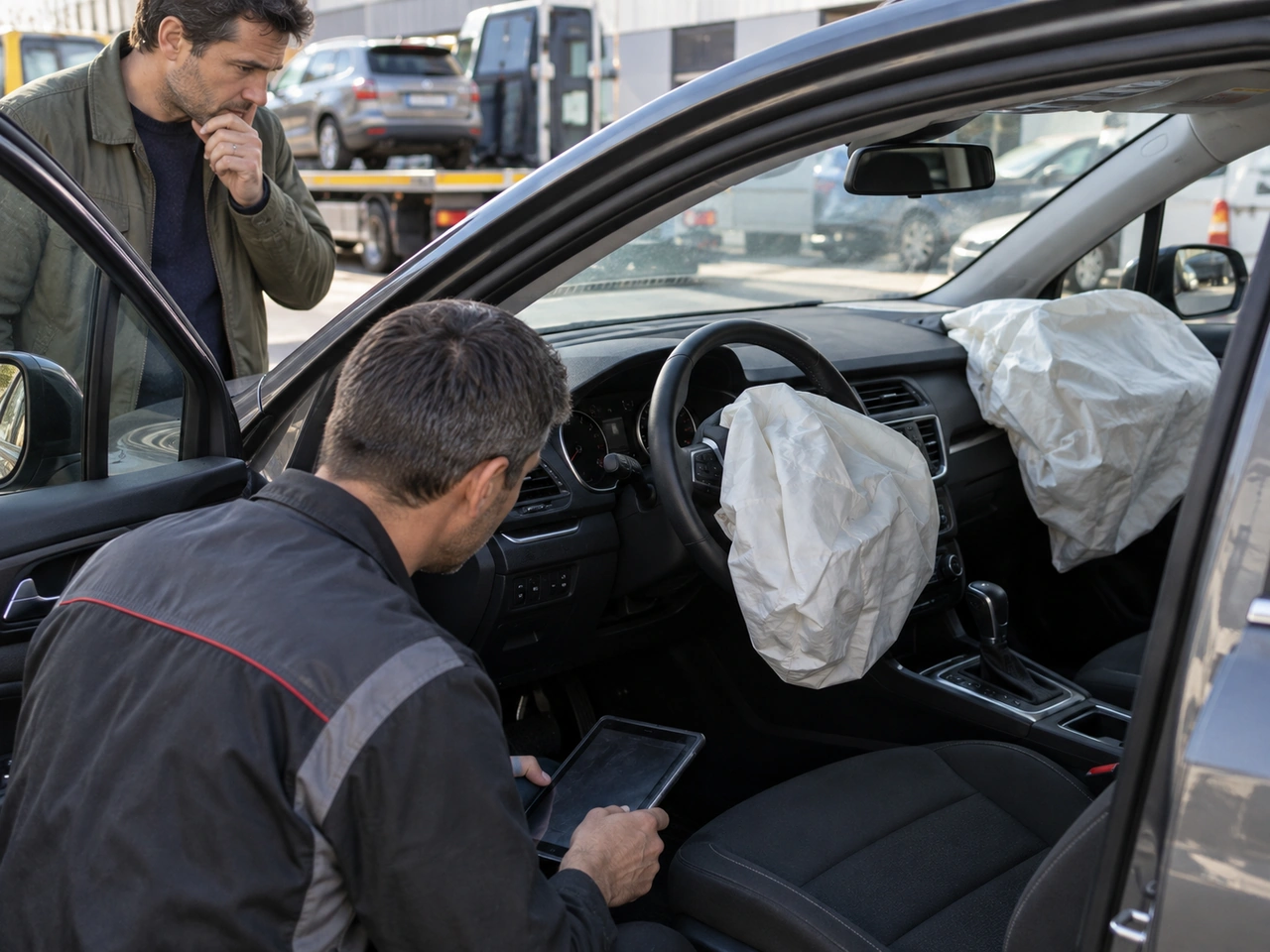
89. What should happen after an airbag has deployed?
A deployed airbag is a single-use safety component. After deployment, the restraint system should be professionally inspected and the airbag and any other affected components replaced or repaired as required before the system is relied upon again.
AI-generated by Traffic-rules.com • WCIT • CC BY-SA
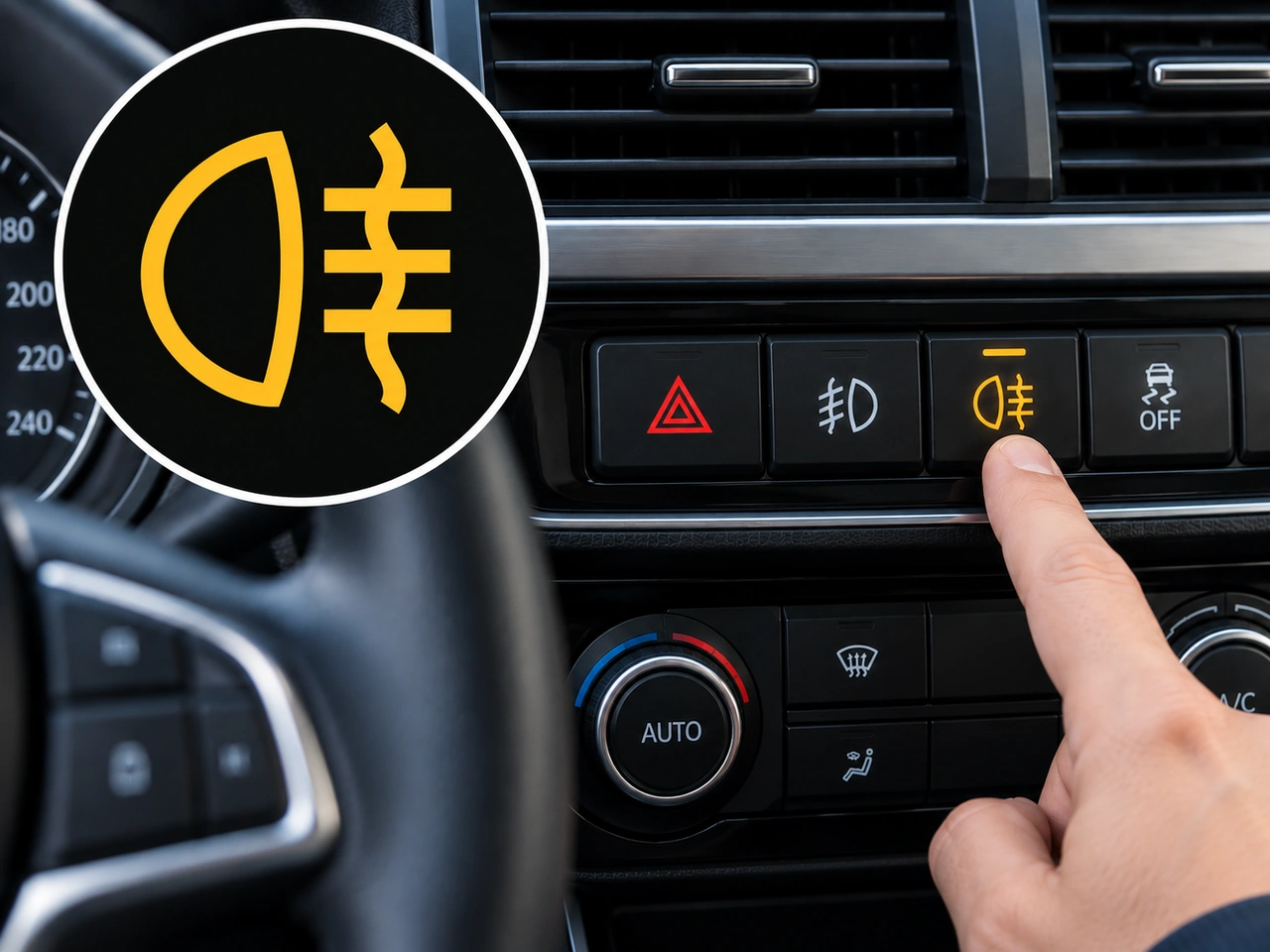
90. What does this dashboard symbol indicate?
This symbol indicates that the rear fog lights are switched on. Rear fog lights make the vehicle more visible from behind in conditions of severely reduced visibility, but they can dazzle other road users when used unnecessarily.
AI-generated by Traffic-rules.com • WCIT • CC BY-SA
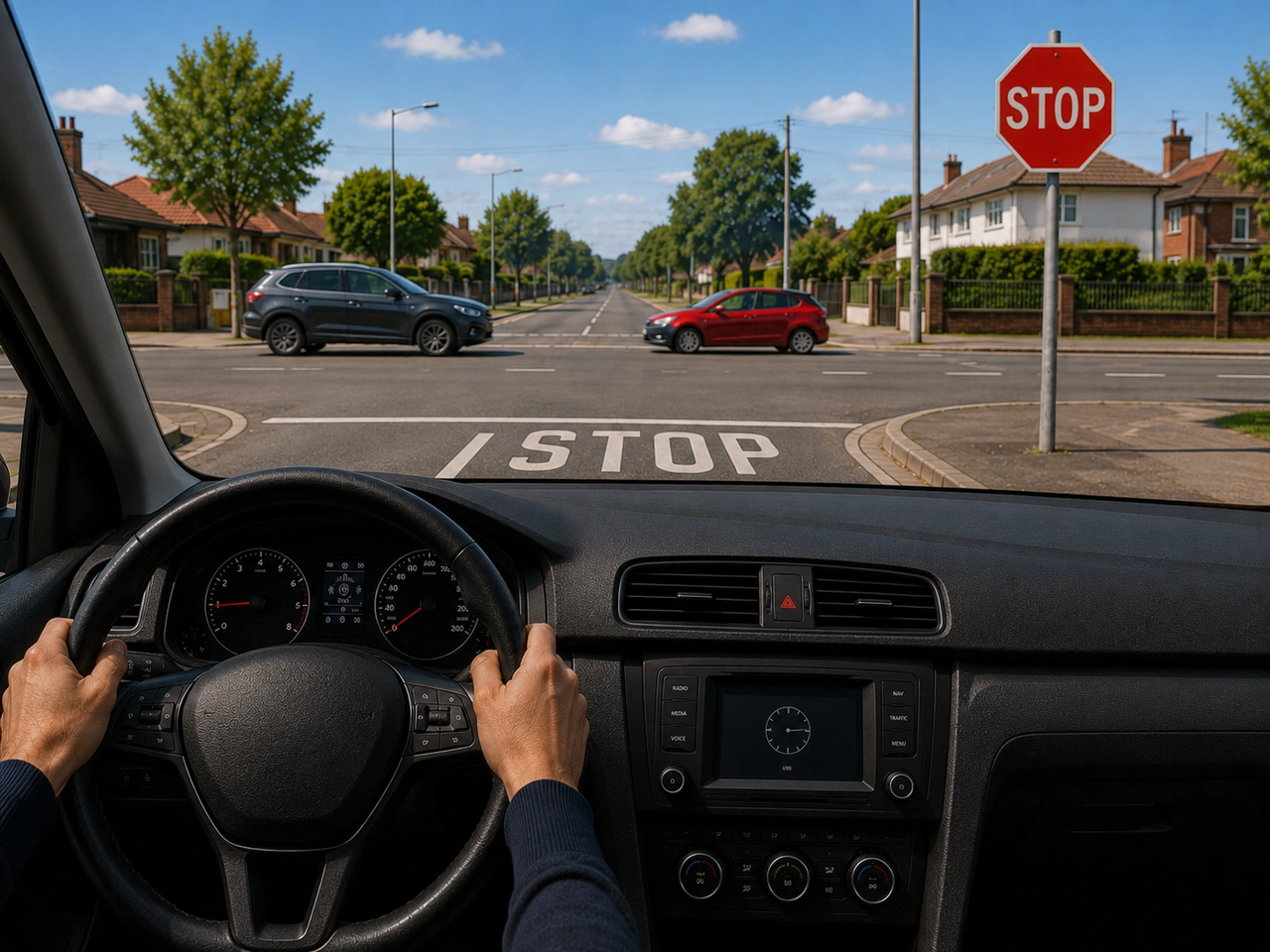
91. What should you do when approaching a stop sign?
A stop sign requires you to come to a complete stop at the required position. Check carefully for other road users and proceed only when it is safe.
AI-generated by Traffic-rules.com • WCIT • CC BY-SA
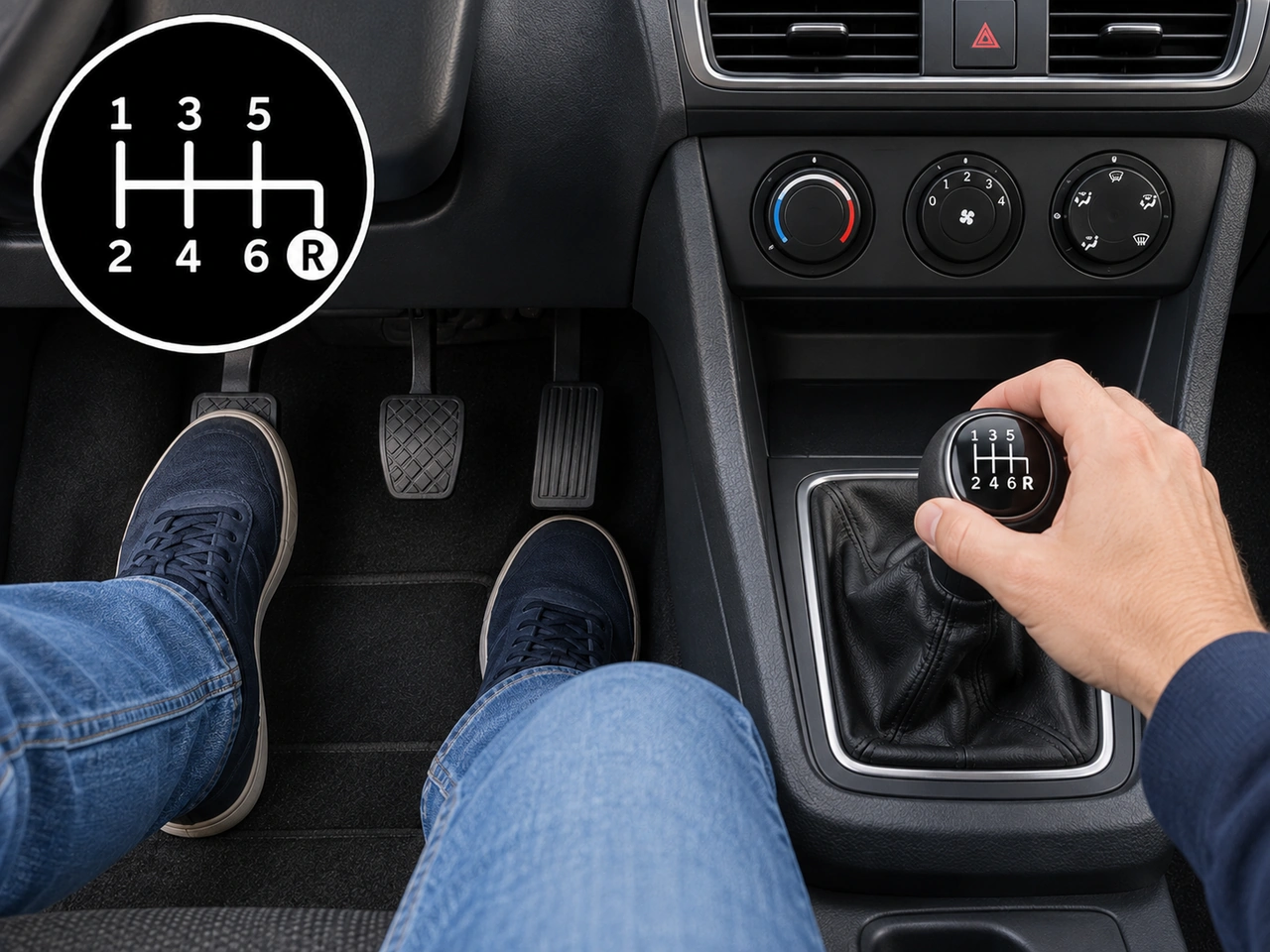
92. When should you select reverse gear in a manual vehicle?
Select reverse gear only after the vehicle has come to a complete stop. Press the clutch fully before selecting reverse to avoid unnecessary wear or damage to the transmission.
AI-generated by Traffic-rules.com • WCIT • CC BY-SA
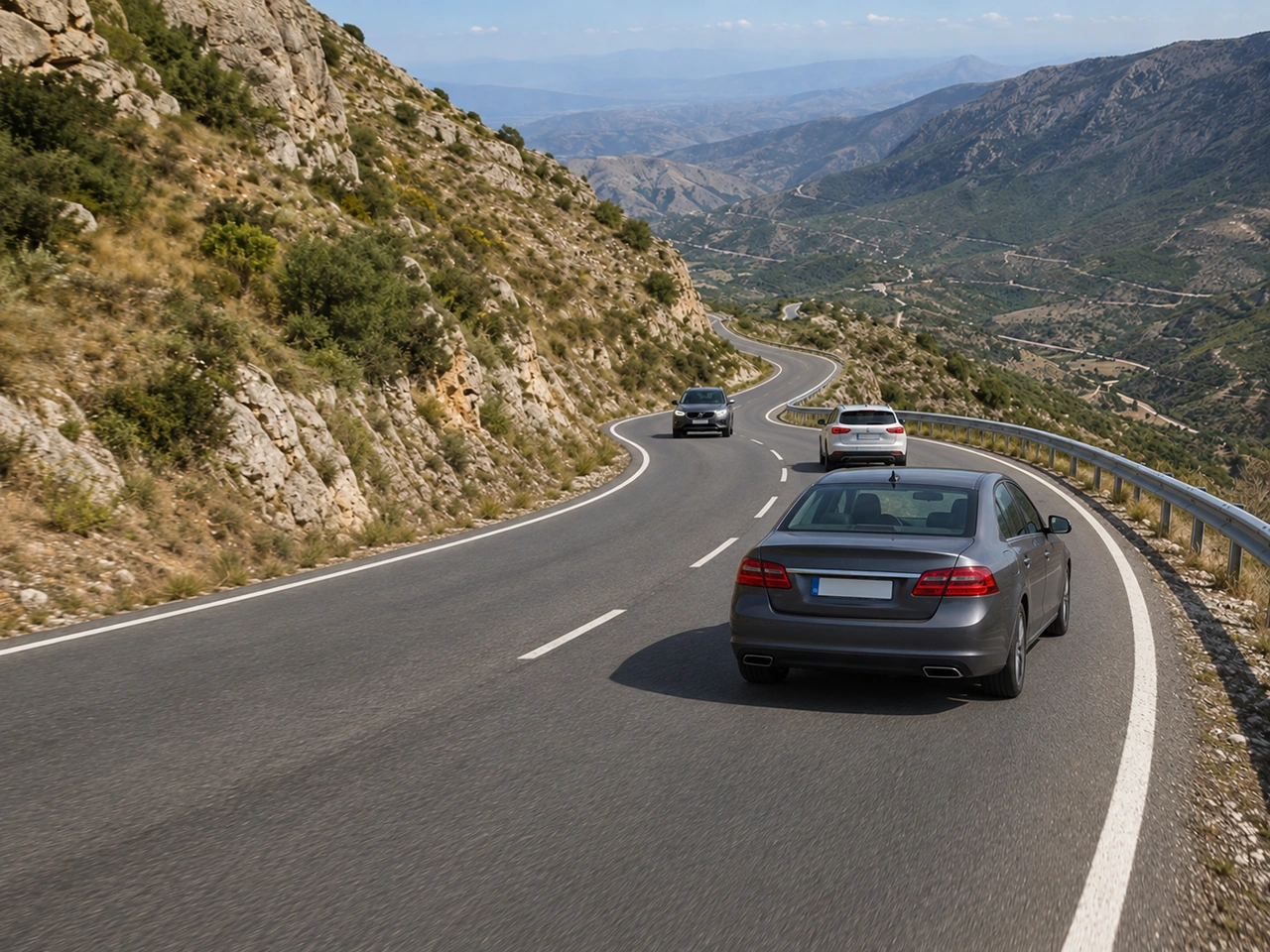
93. What can happen if you use the brakes continuously on a long descent?
Continuous braking can cause the brakes to overheat and fade, reducing braking performance. Use a lower gear to help control speed with engine braking.
AI-generated by Traffic-rules.com • WCIT • CC BY-SA
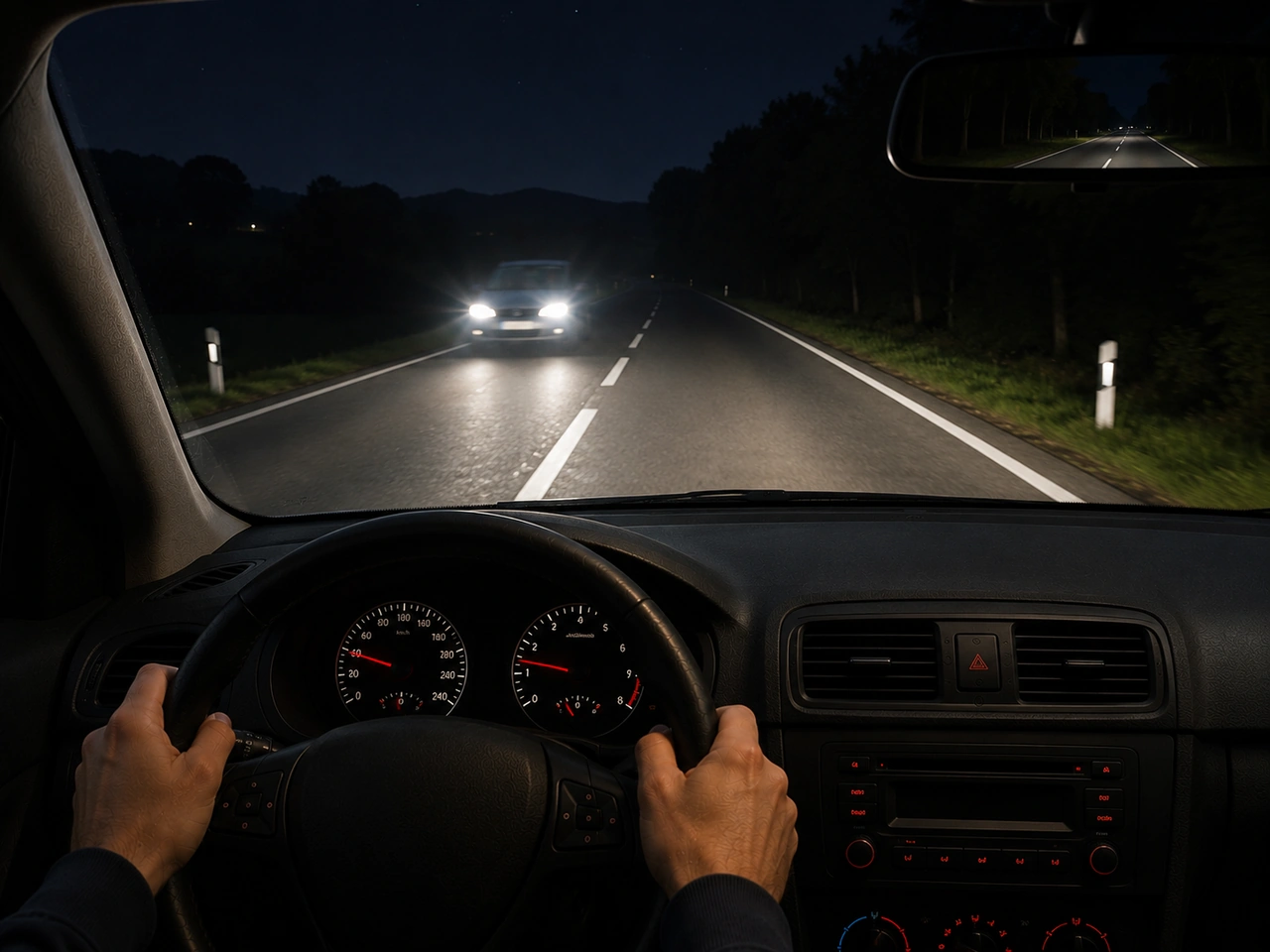
94. What should you do if oncoming headlights dazzle you at night?
Bright headlights can reduce your vision. Avoid staring at them, slow down if needed, and use the road edge or lane markings to guide you safely.
AI-generated by Traffic-rules.com • WCIT • CC BY-SA
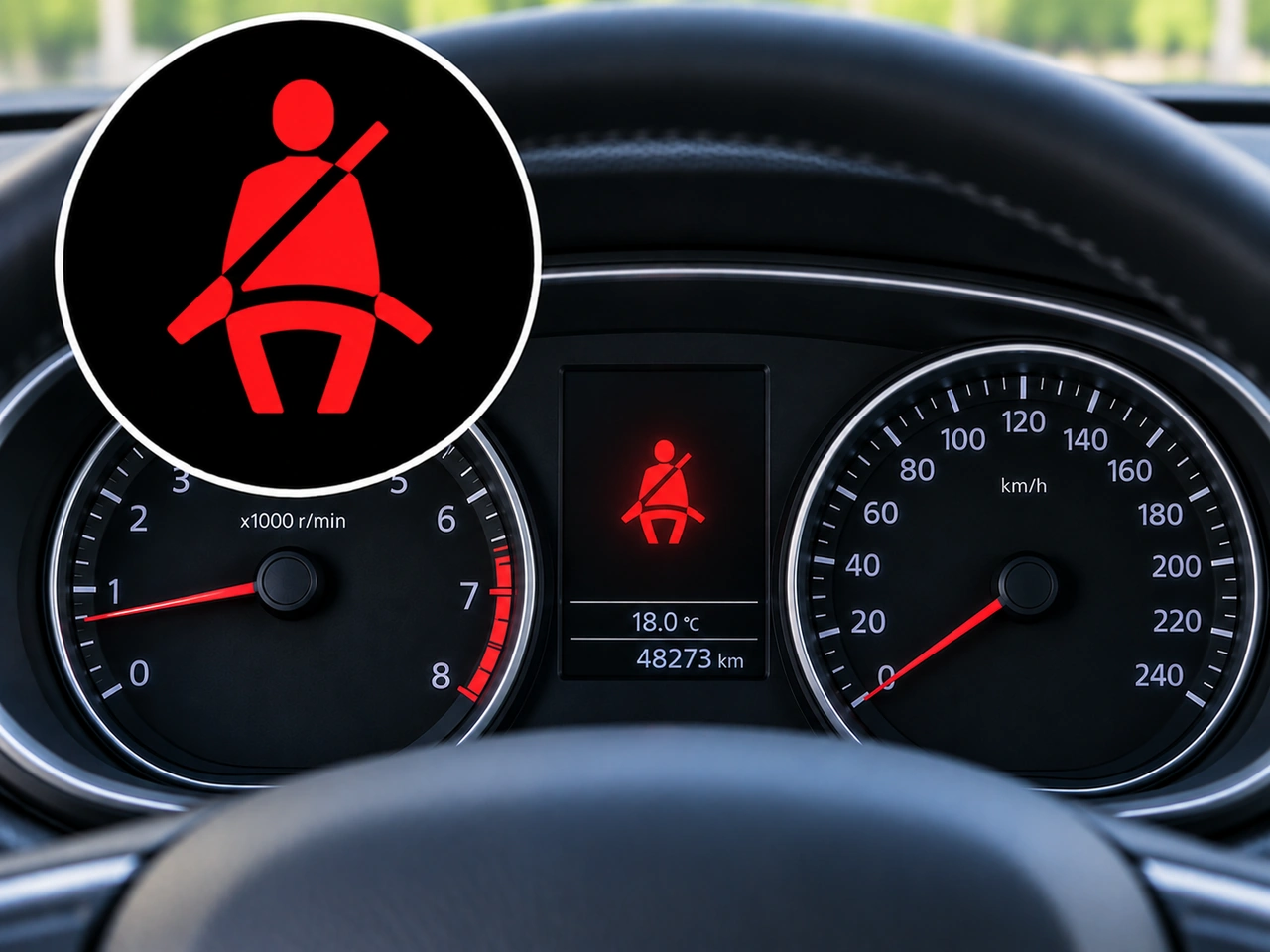
95. What does this dashboard symbol indicate?
This symbol is a seat-belt reminder. It indicates that the driver or another detected occupant has not fastened their seat belt.
AI-generated by Traffic-rules.com • WCIT • CC BY-SA
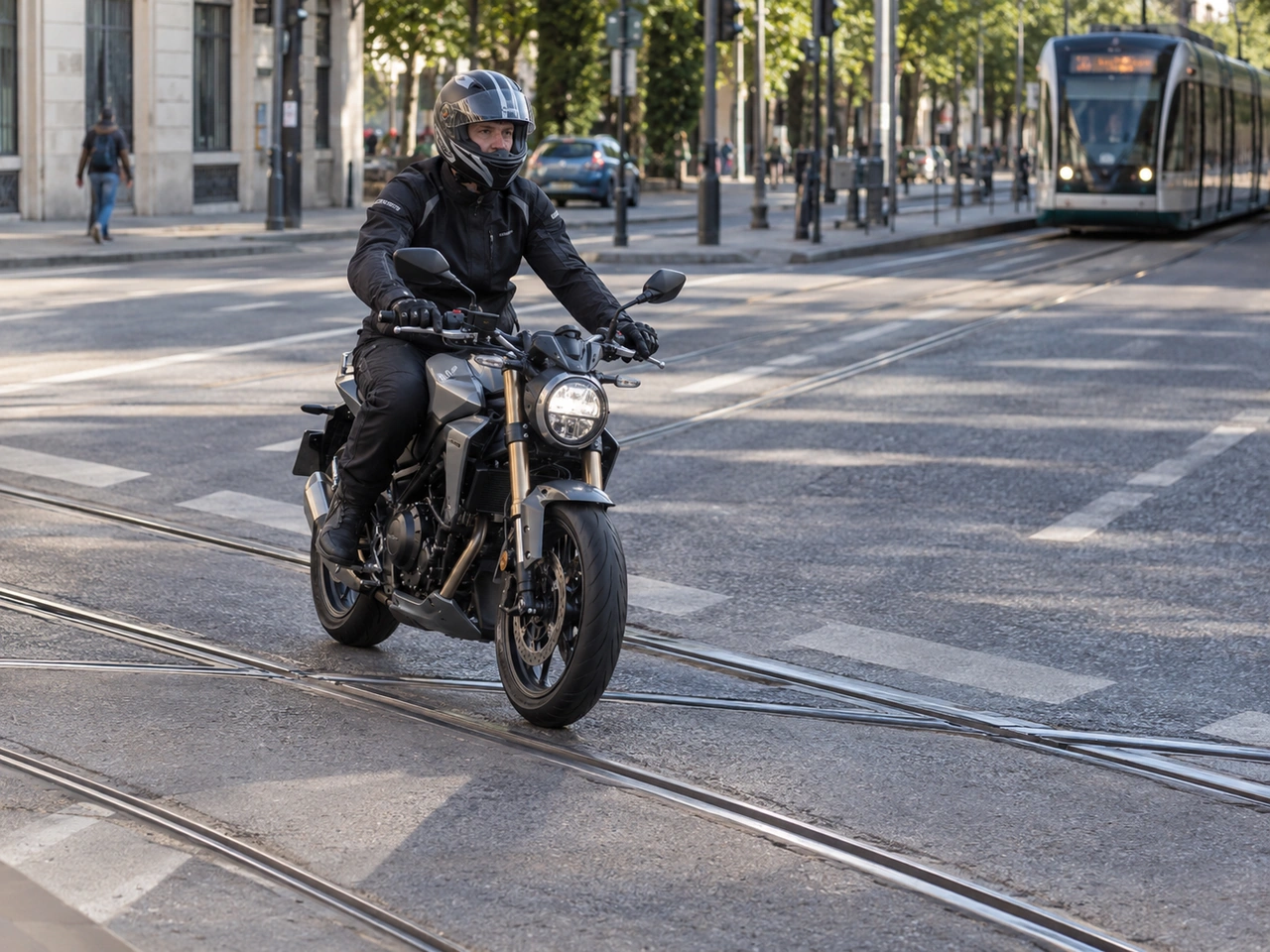
96. How should a motorcyclist cross tram or railway rails?
Rails can be slippery and can catch a motorcycle tyre, especially when wet. Cross them at a sufficiently large angle, as close to perpendicular as practical, and avoid sudden braking, acceleration or steering while crossing.
AI-generated by Traffic-rules.com • WCIT • CC BY-SA
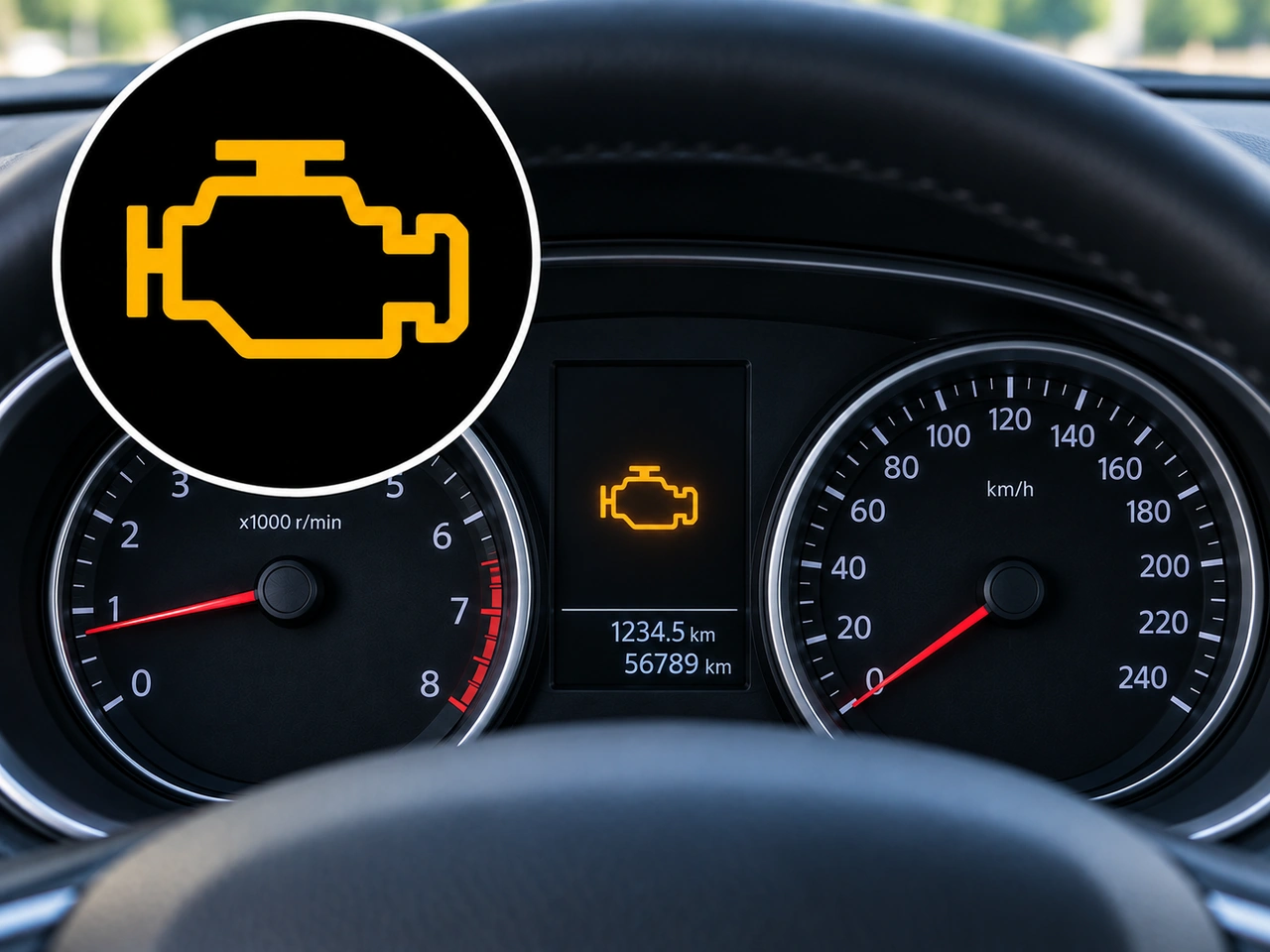
97. What does this dashboard symbol indicate?
This symbol indicates a fault detected by the engine-management or emissions-control system. If it remains illuminated while driving, the vehicle should be checked according to the manufacturer's instructions.
AI-generated by Traffic-rules.com • WCIT • CC BY-SA
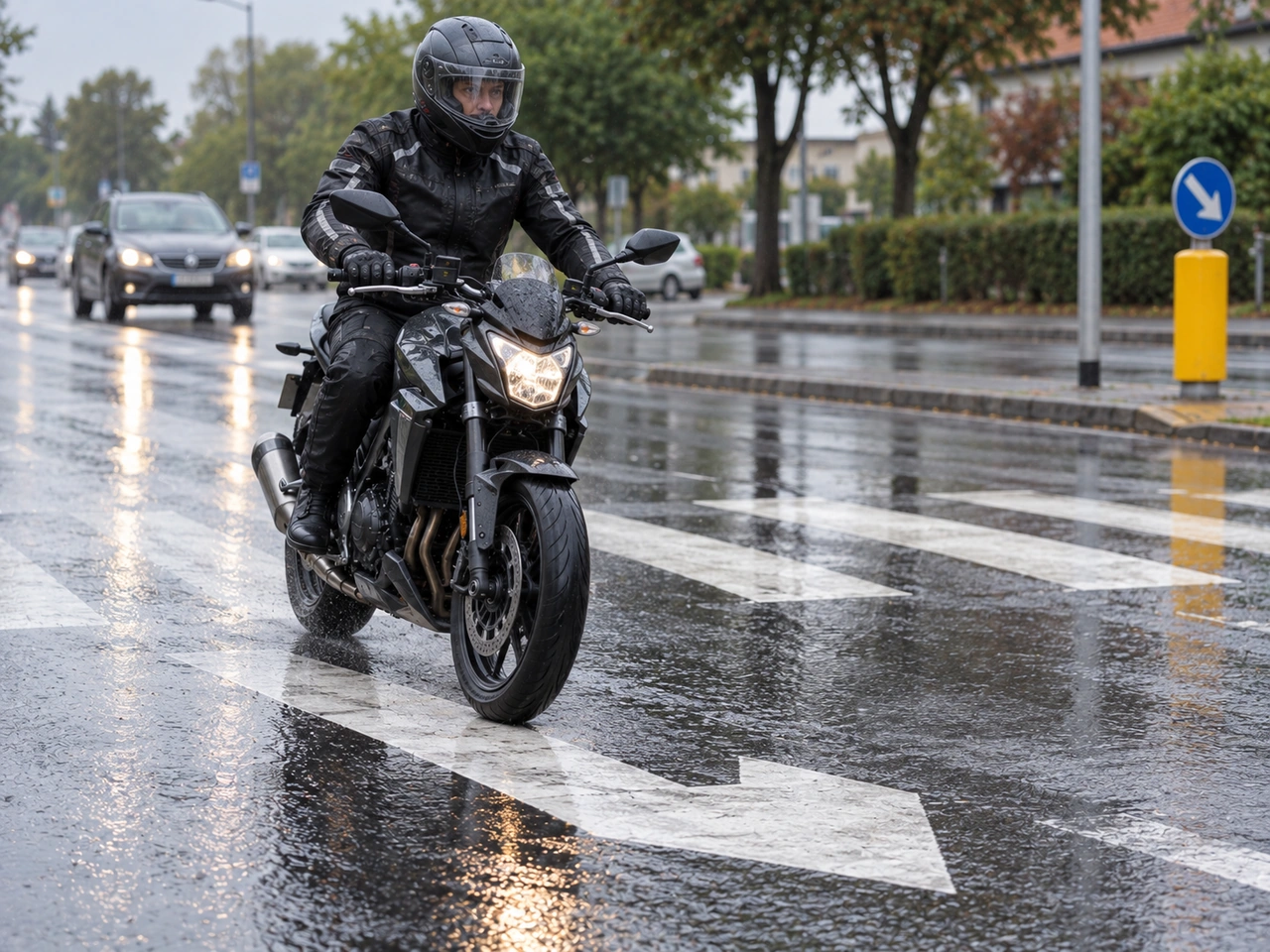
98. Why should motorcyclists take extra care on wet road markings?
Wet painted road markings can provide less grip than the surrounding road surface. Ride smoothly over them and avoid sudden braking, acceleration or steering that could cause the tyres to lose grip.
AI-generated by Traffic-rules.com • WCIT • CC BY-SA
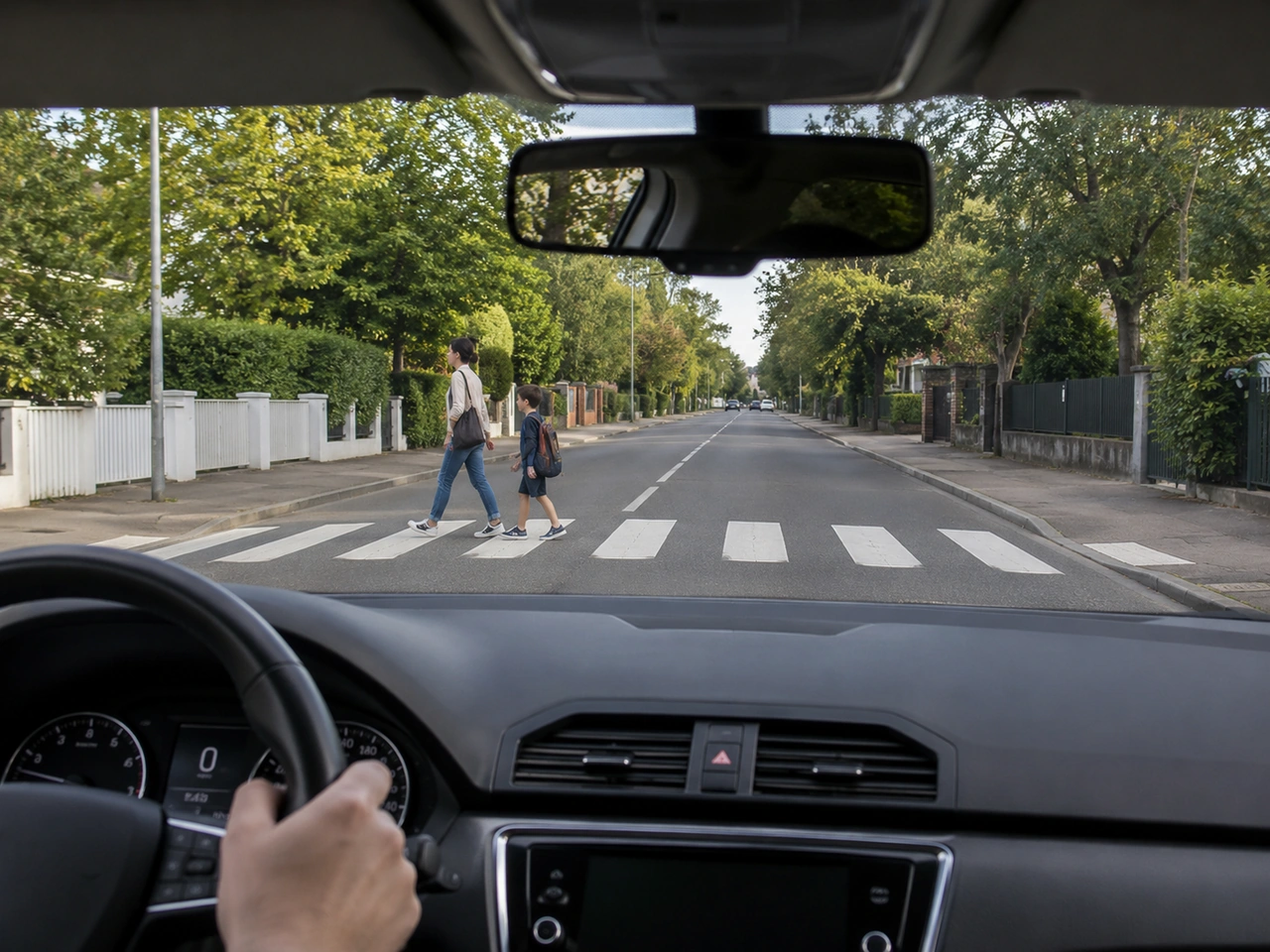
99. What is the purpose of a pedestrian crossing?
Pedestrian crossings provide a designated place where people can safely cross the road.
AI-generated by Traffic-rules.com • WCIT • CC BY-SA
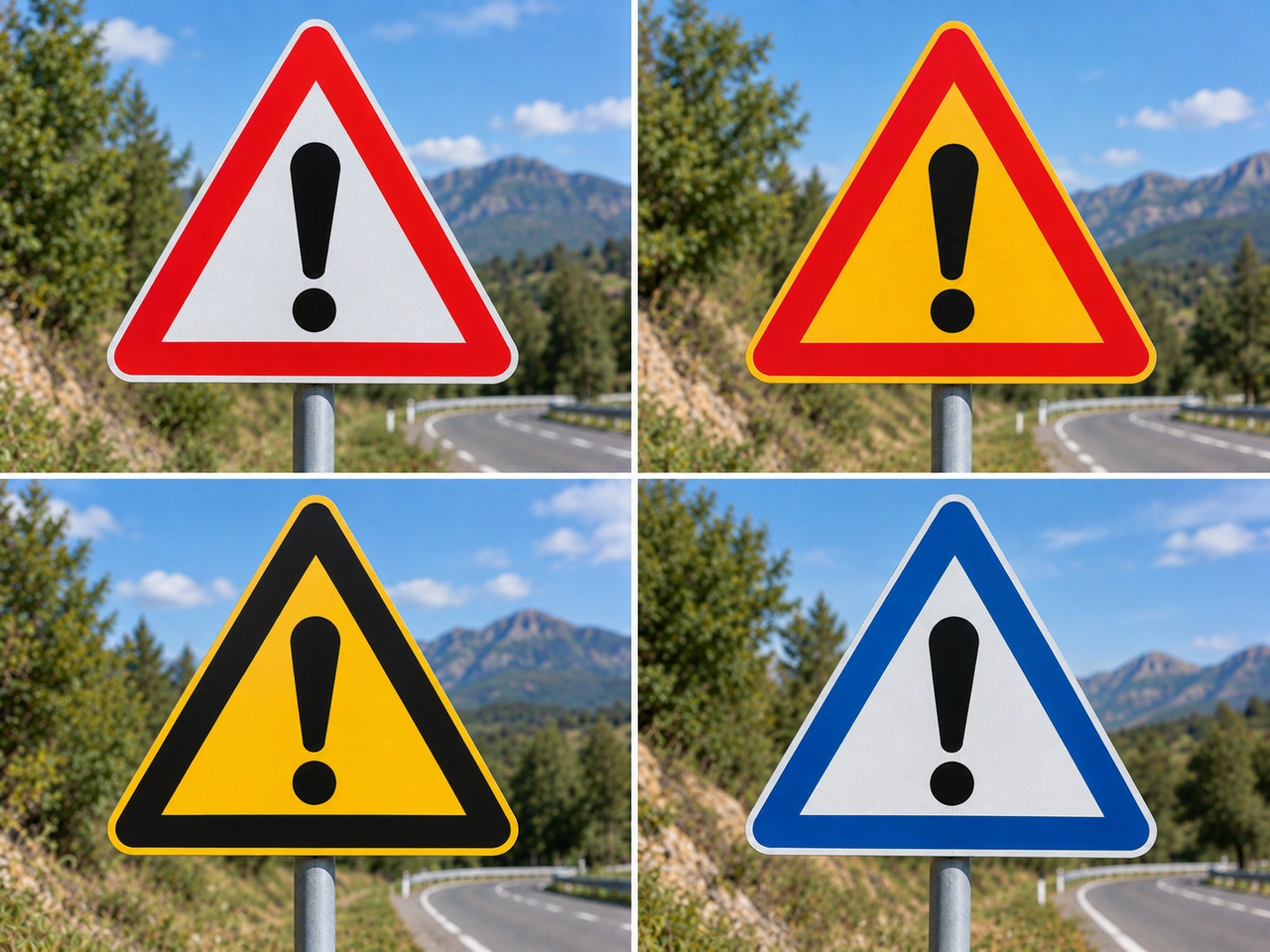
100. Which colour combination is commonly used for warning signs in Bosnia and Herzegovina?
Most warning signs in Bosnia and Herzegovina have a red border with a white background.
AI-generated by Traffic-rules.com • WCIT • CC BY-SA