

QuizTraffic rulesSwitzerland
This interesting quiz helps you test your knowledge in a clear and visual way. With easy multiple-choice questions, you can quickly build confidence and learn new facts while keeping it simple, interactive, and fun.
 Traffic signs
 Traffic rules
 Switzerland
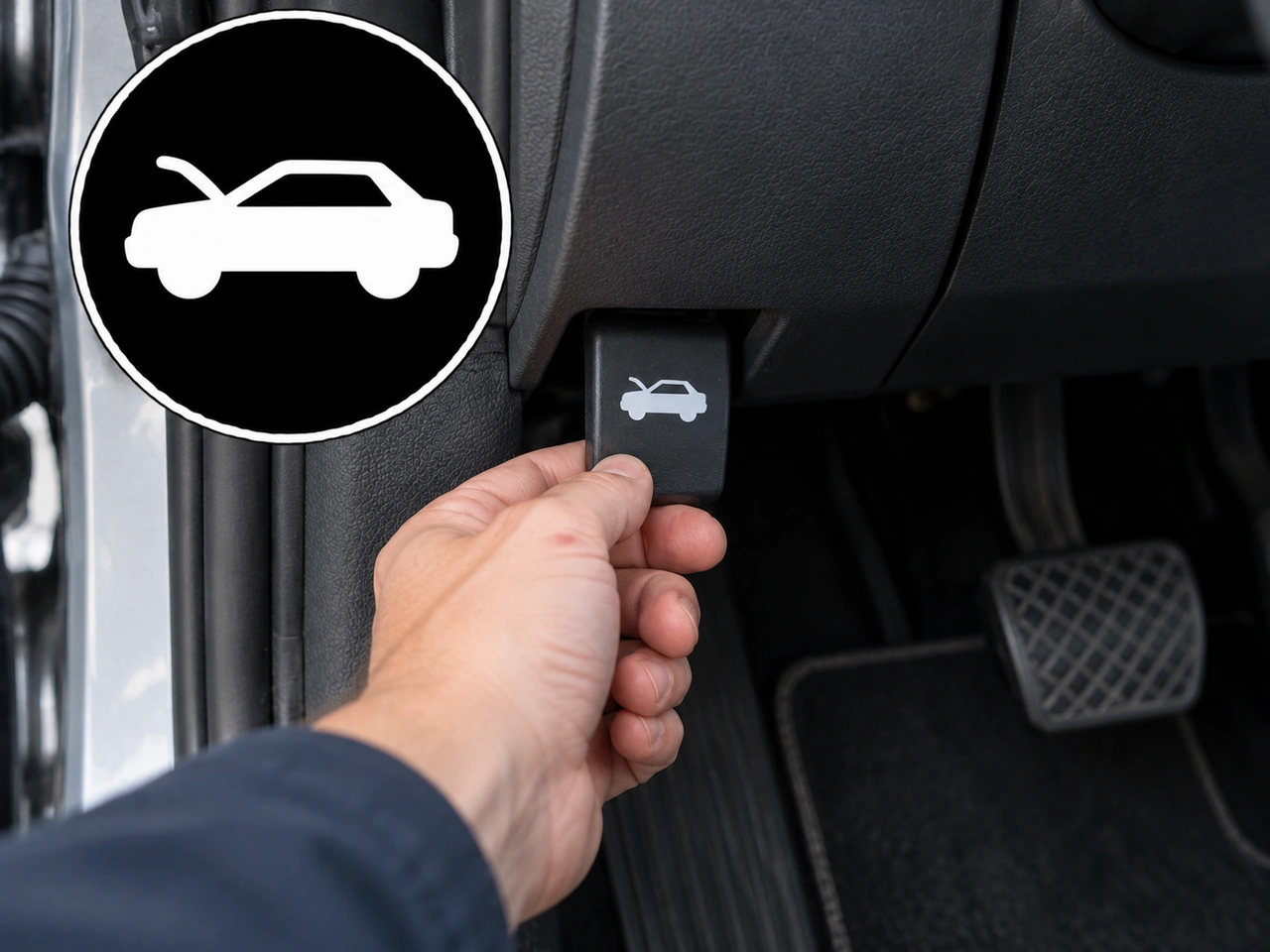
401. What does this vehicle-control symbol indicate?
This control releases the bonnet so that it can be opened. A secondary safety catch under the bonnet normally has to be released before it can be fully raised.
AI-generated by Traffic-rules.com • WCIT • CC BY-SA

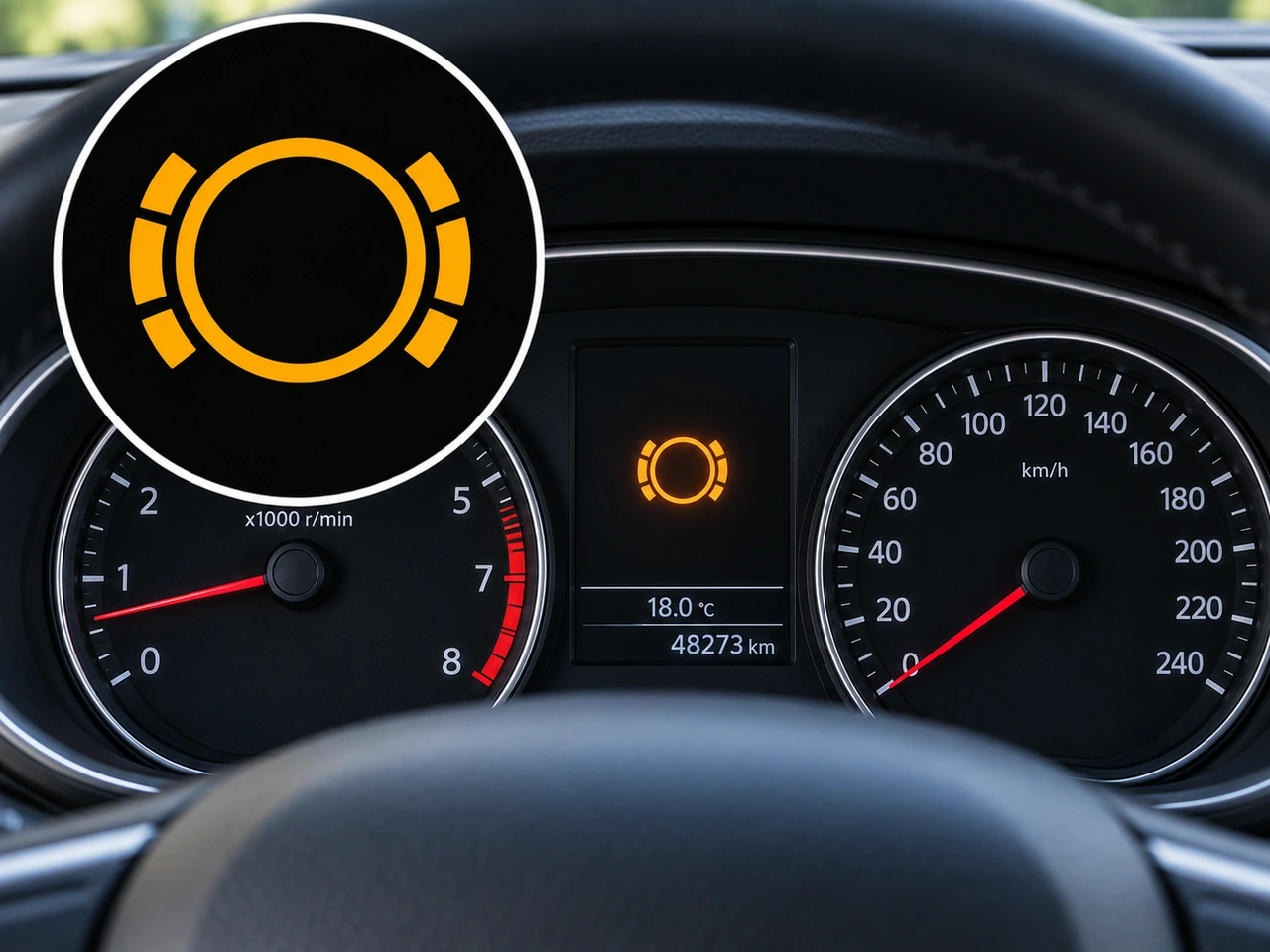
402. What does this dashboard symbol indicate?
This symbol indicates that the brake pads may be worn and should be inspected. Continuing to drive with excessively worn brake pads can reduce braking performance and damage other brake components.
AI-generated by Traffic-rules.com • WCIT • CC BY-SA
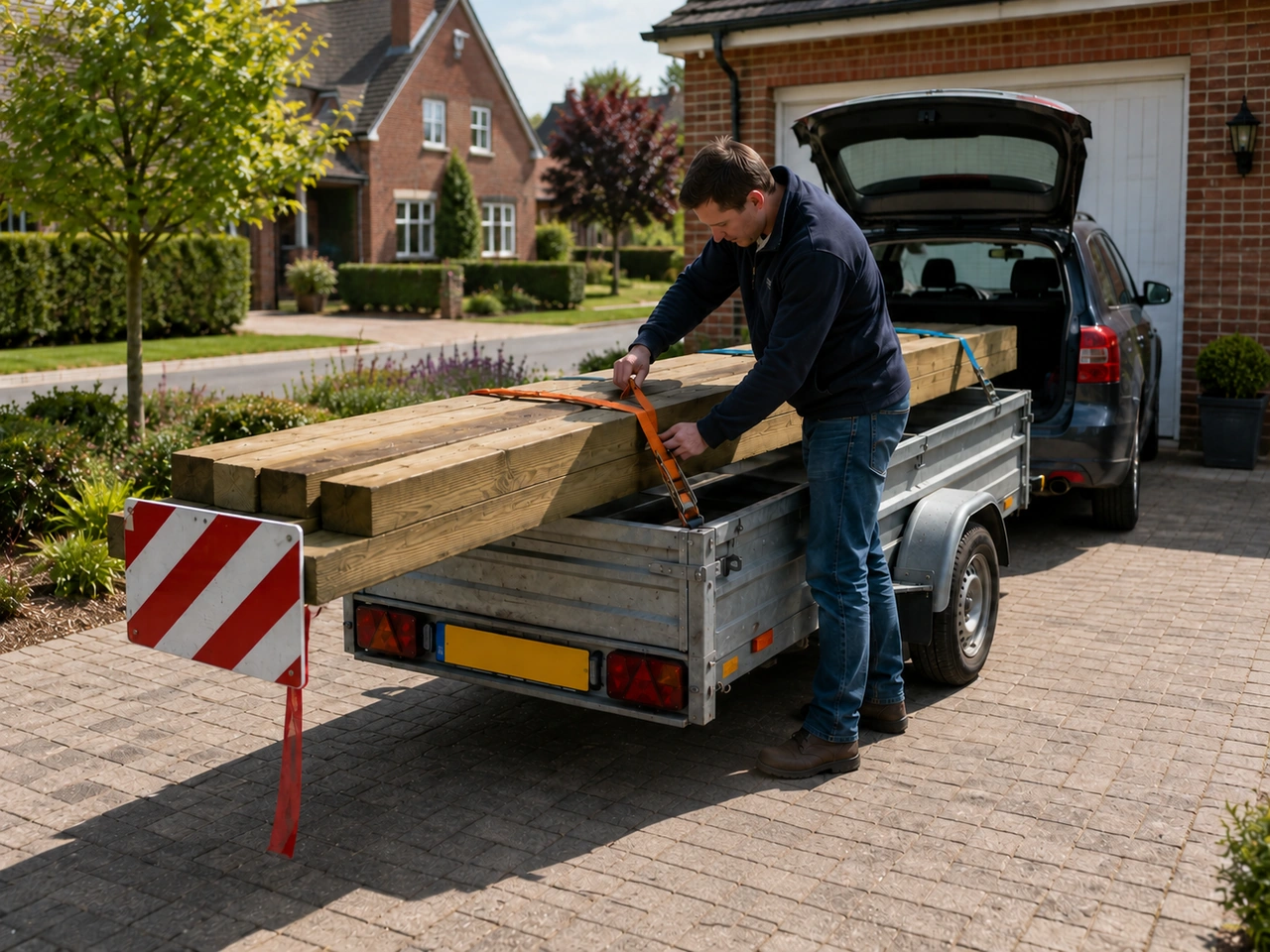
403. What should you do if a load extends beyond the vehicle?
An extending load may create additional danger and may require specific markings or equipment under local rules.
AI-generated by Traffic-rules.com • WCIT • CC BY-SA
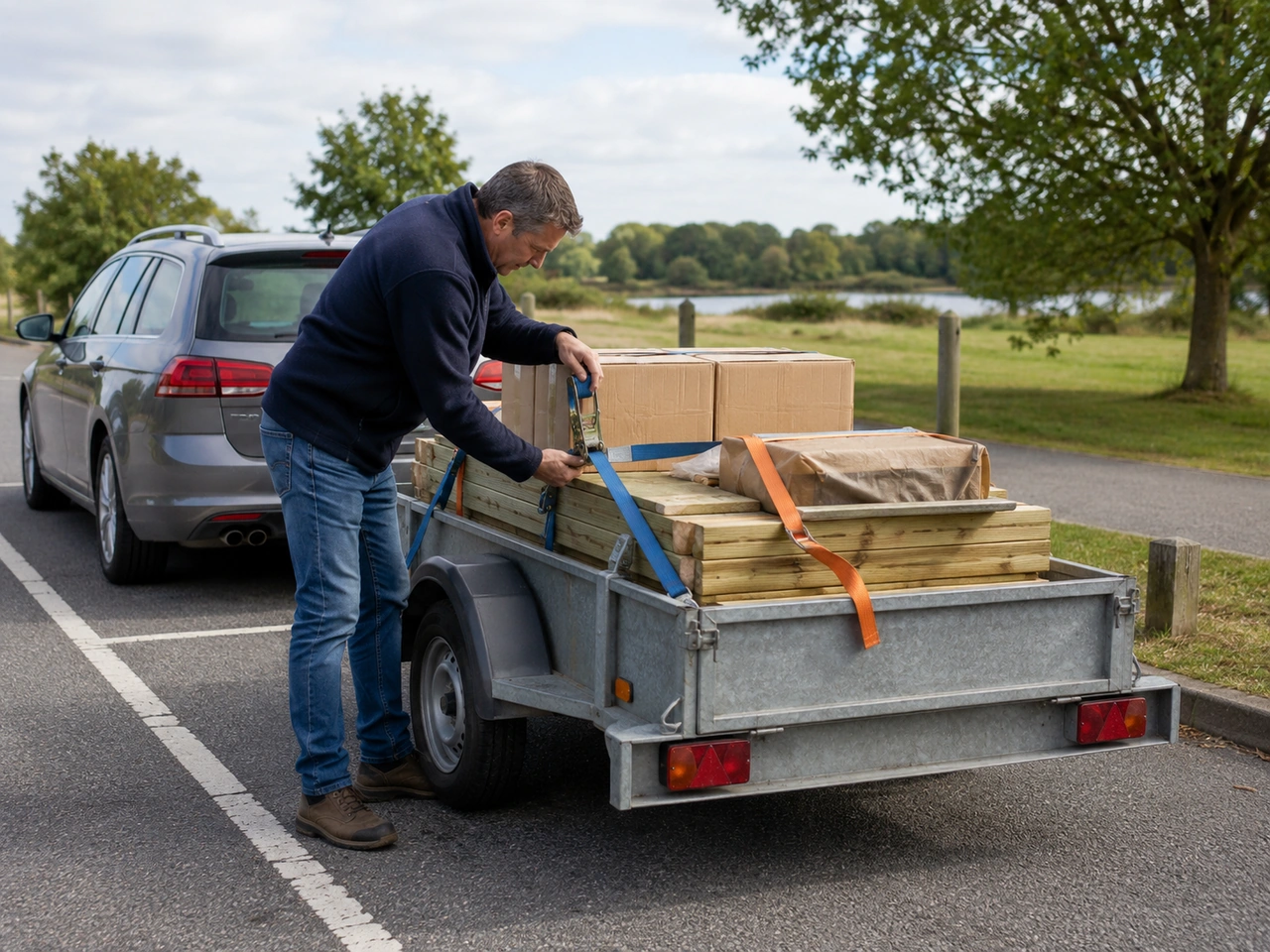
404. What should you check shortly after securing a load?
Loads and straps may settle or loosen after the journey begins. Recheck them at a safe stopping place.
AI-generated by Traffic-rules.com • WCIT • CC BY-SA
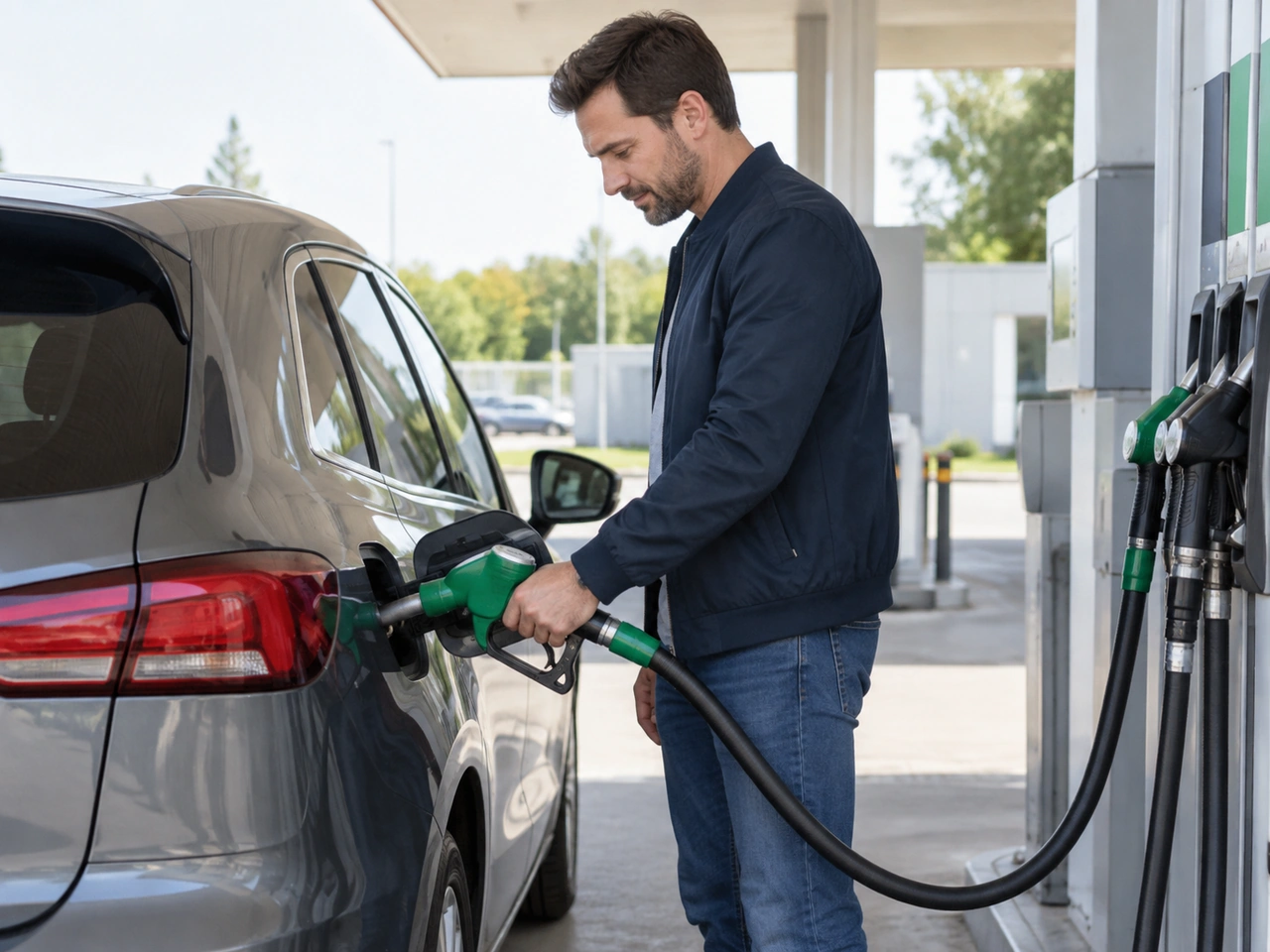
405. What should you normally do when the fuel nozzle automatically clicks off?
When the fuel nozzle automatically clicks off, stop refuelling rather than repeatedly topping up the tank. Continuing can cause fuel to spill or overflow and may interfere with the vehicle's fuel-vapour control system.
AI-generated by Traffic-rules.com • WCIT • CC BY-SA
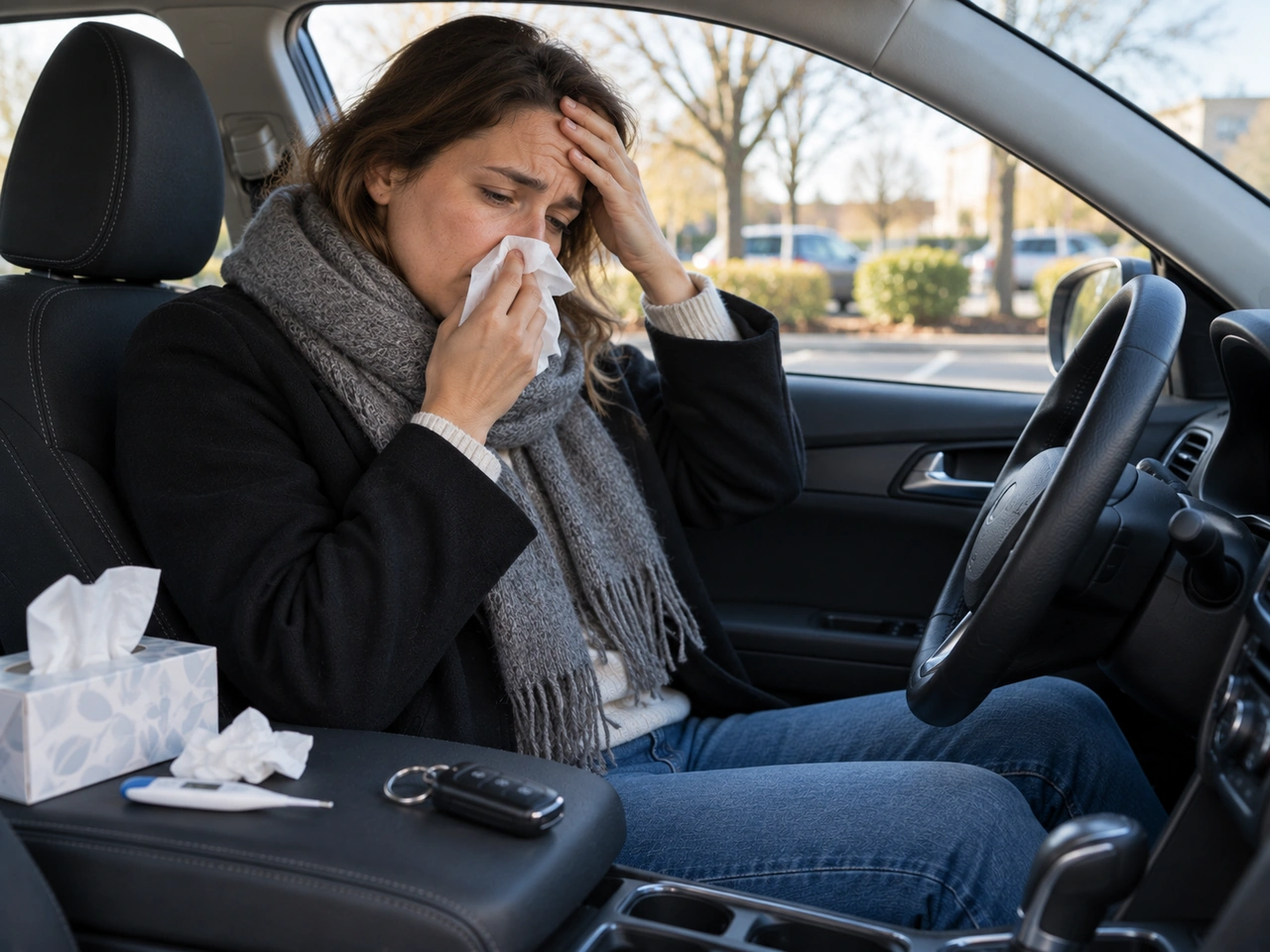
406. What should you do if illness affects your ability to drive safely?
Illness can reduce concentration, alertness, coordination, or reaction time. If you do not feel fit to drive safely, postpone the journey or use another form of transport.
AI-generated by Traffic-rules.com • WCIT • CC BY-SA
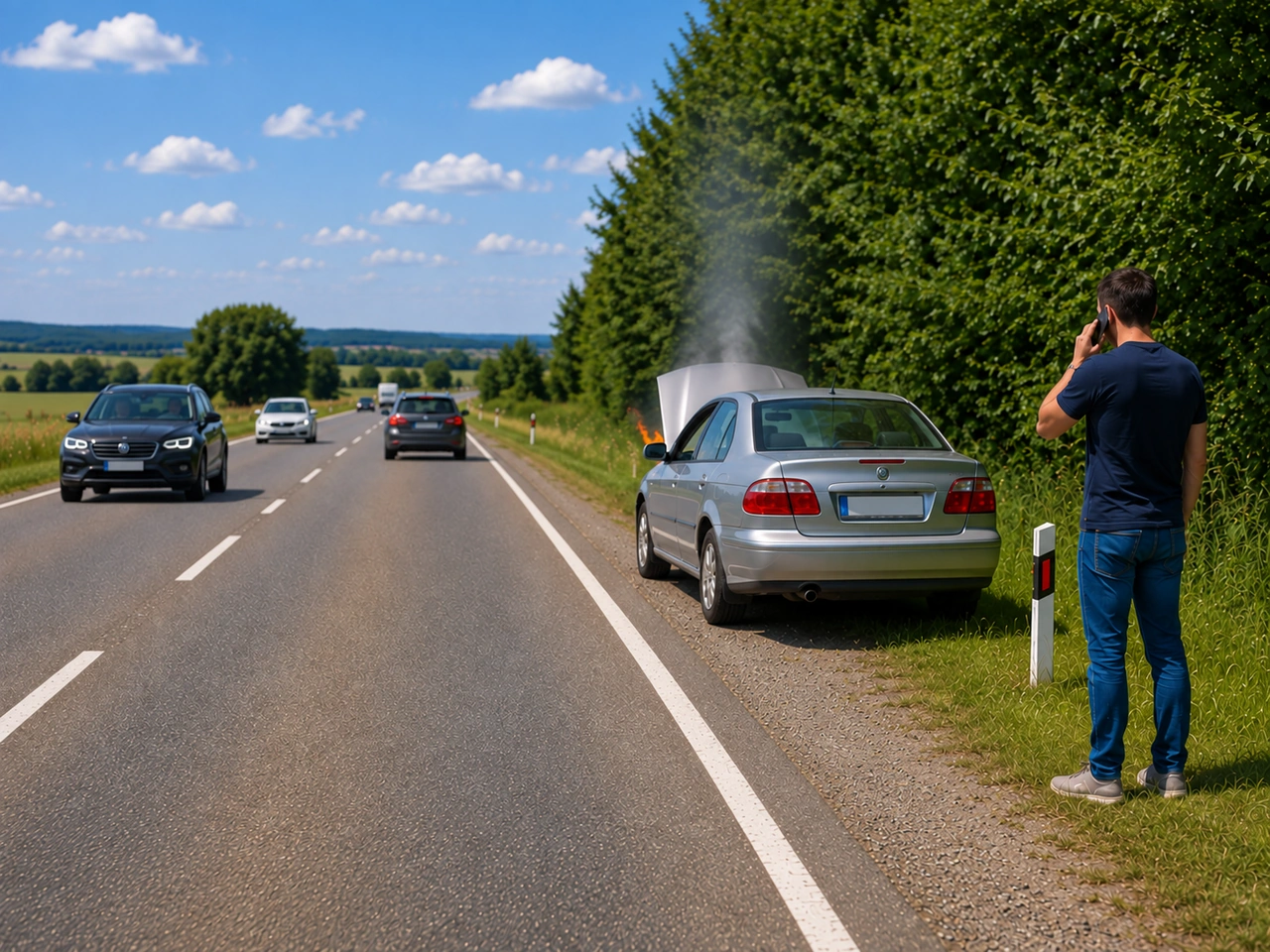
407. What should you do if your vehicle catches fire?
Move everyone well away from the vehicle and call emergency services. If the fire is small and it is safe to do so, use a suitable fire extinguisher. Opening the bonnet fully can supply additional oxygen and cause the fire to intensify.
AI-generated by Traffic-rules.com • WCIT • CC BY-SA
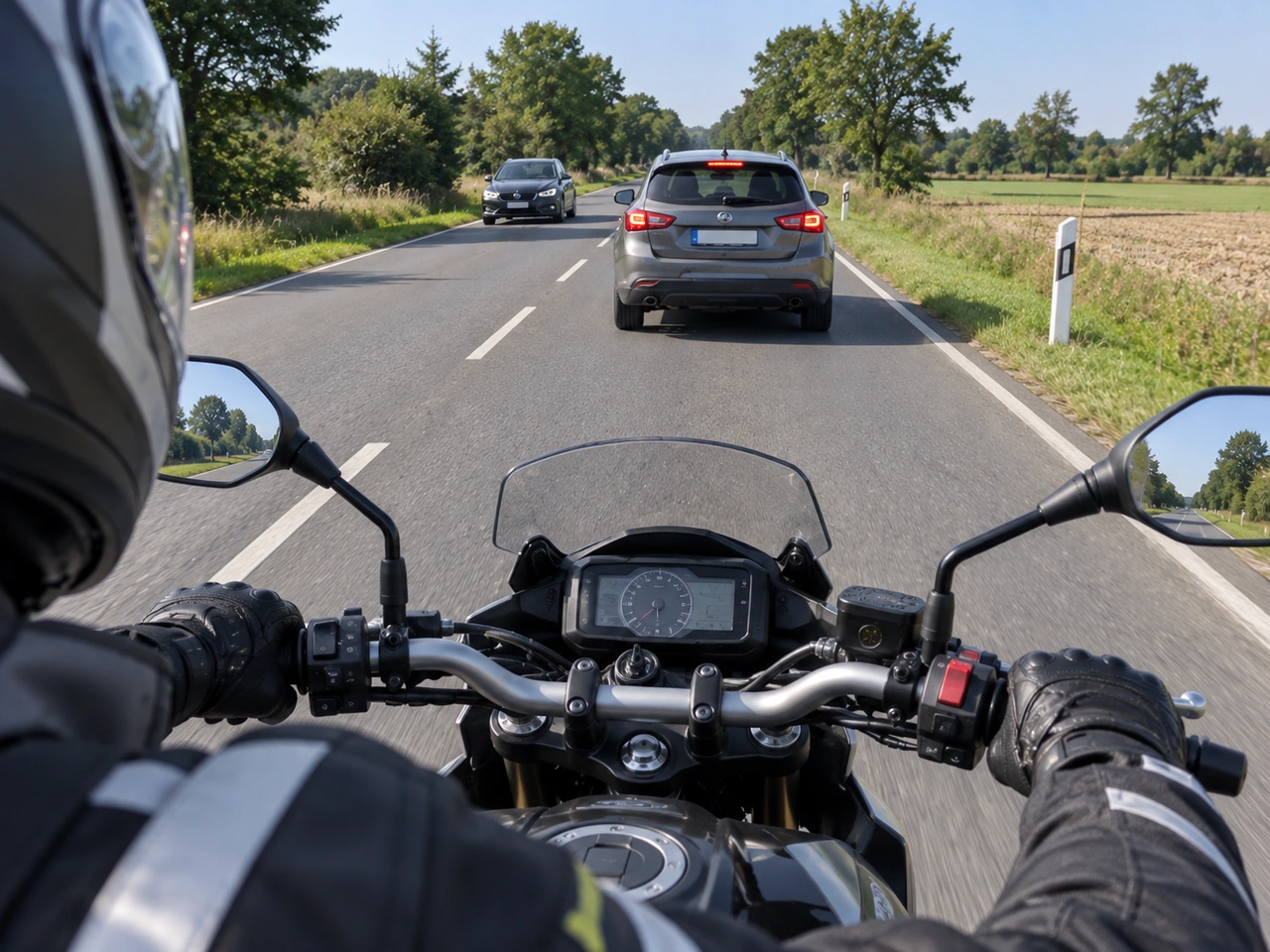
408. How should you normally brake on a motorcycle?
During normal braking, use both the front and rear brakes smoothly and progressively. The front brake normally provides much of the braking force, while the rear brake also helps slow and stabilise the motorcycle. Sudden or poorly balanced braking can reduce stability or cause a wheel to lose grip.
AI-generated by Traffic-rules.com • WCIT • CC BY-SA
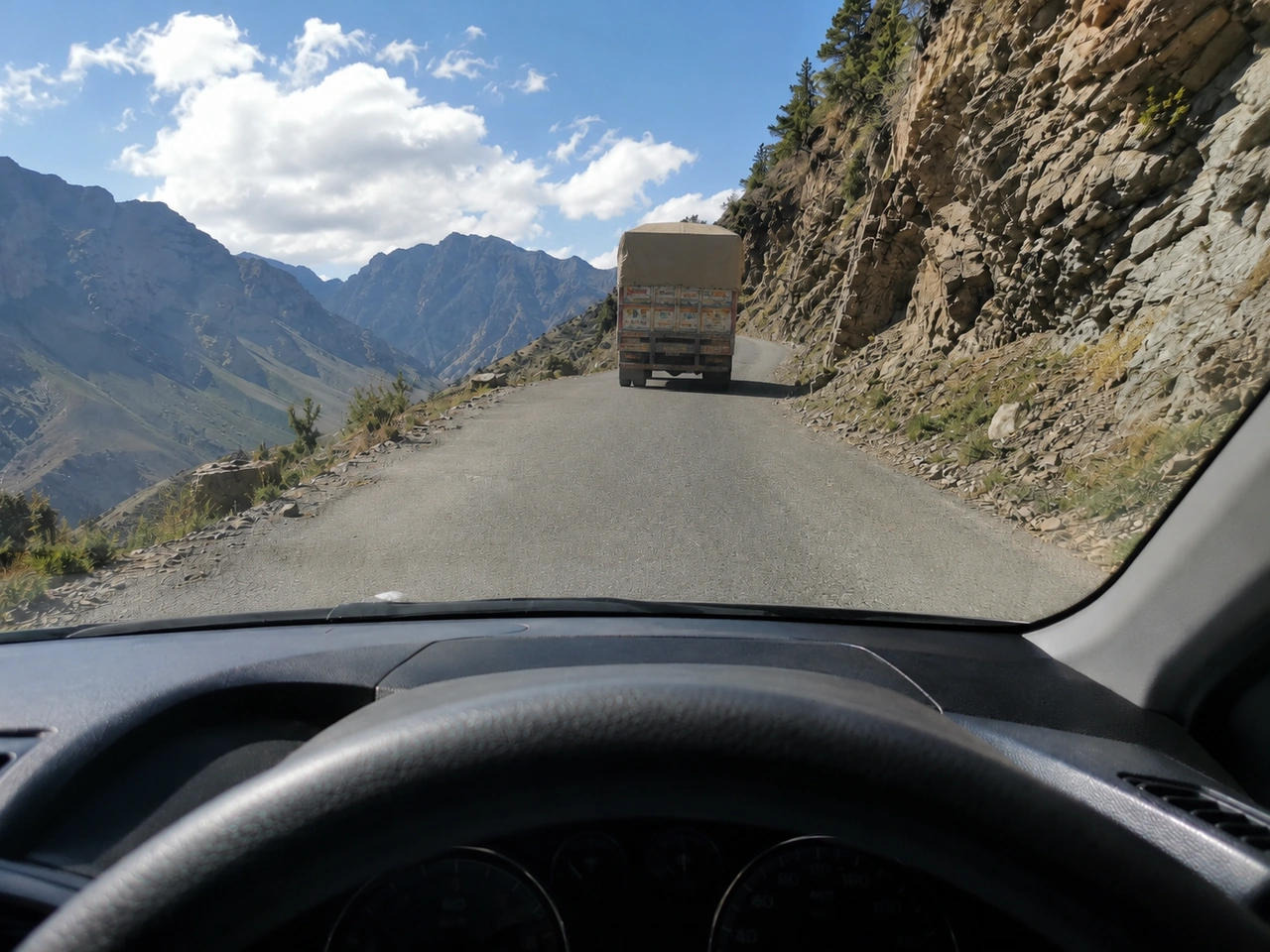
409. What should you do if your vehicle begins rolling backward on a steep incline?
Stop the vehicle under control, apply the parking brake if necessary, and prepare to move away again safely.
AI-generated by Traffic-rules.com • WCIT • CC BY-SA
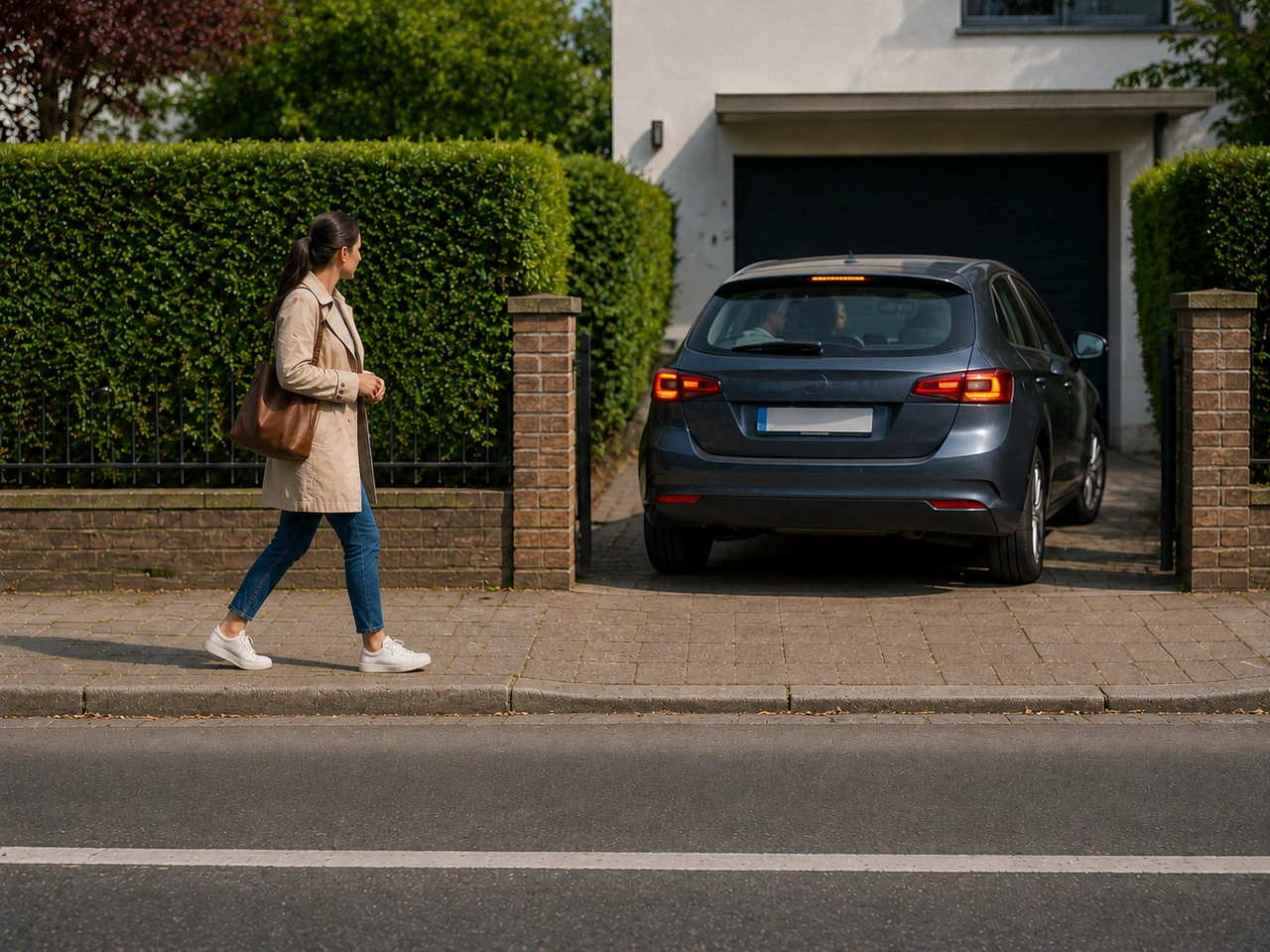
410. What should you do when walking near a driveway?
Vehicles may enter or leave driveways suddenly. Stay alert and check for moving vehicles.
AI-generated by Traffic-rules.com • WCIT • CC BY-SA
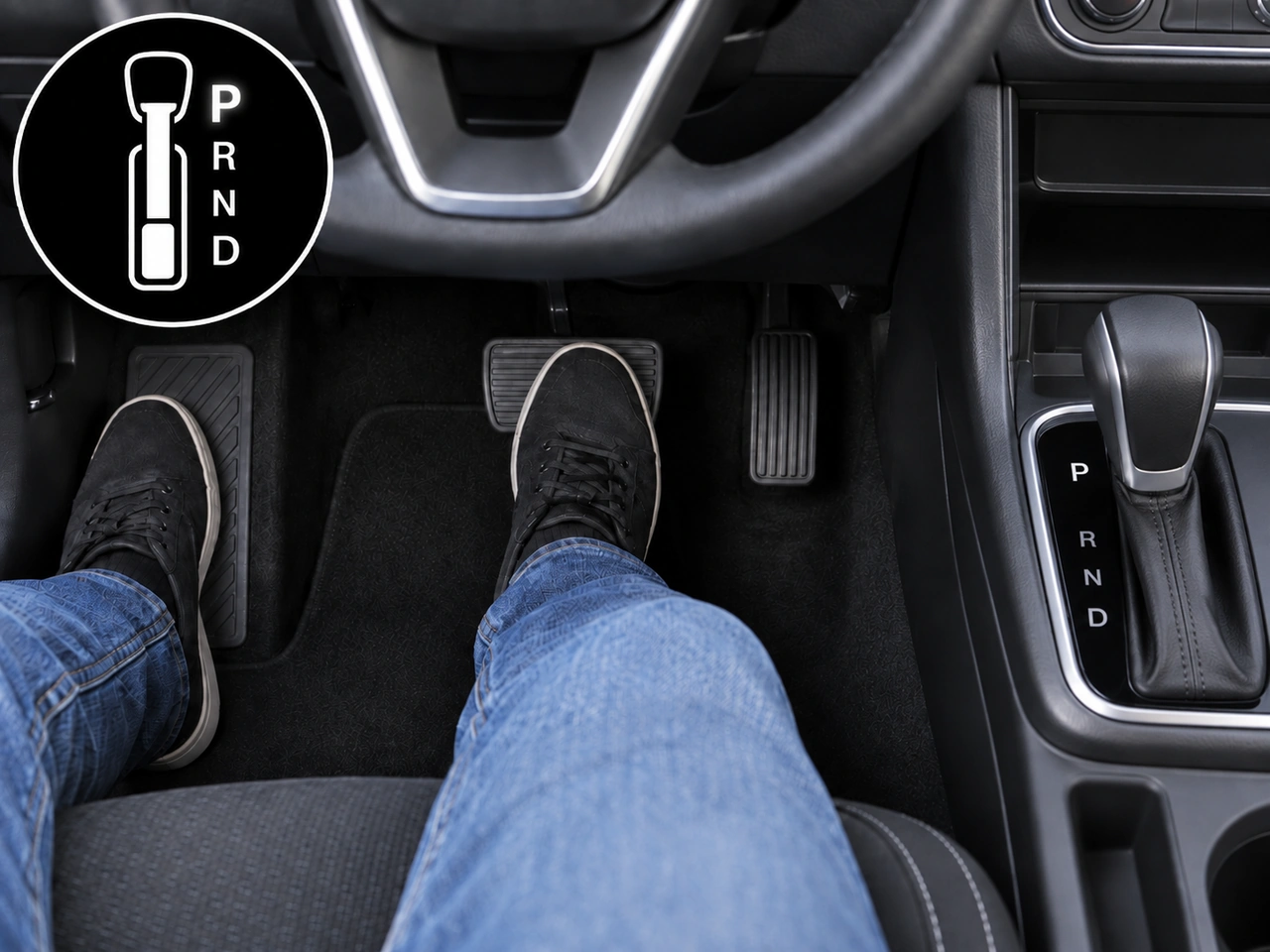
411. What should you normally select before leaving an automatic vehicle parked?
Select P (Park) before leaving an automatic vehicle parked. Park locks the transmission to help prevent the vehicle from rolling; the parking brake should also be applied.
AI-generated by Traffic-rules.com • WCIT • CC BY-SA
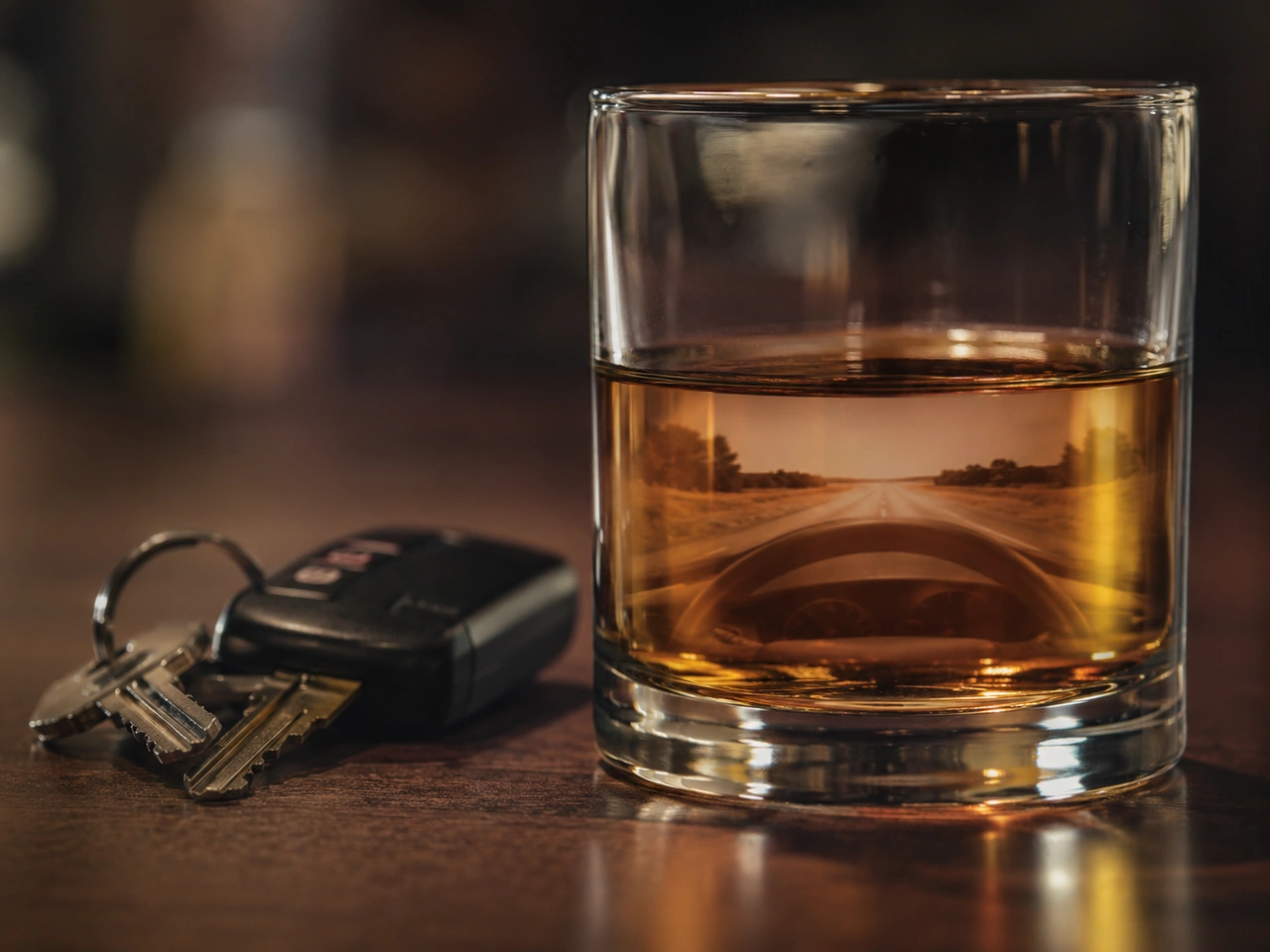
412. How can alcohol affect your driving ability?
Alcohol affects several abilities needed for safe driving, including concentration, decision-making, coordination, and hazard perception.
AI-generated by Traffic-rules.com • WCIT • CC BY-SA
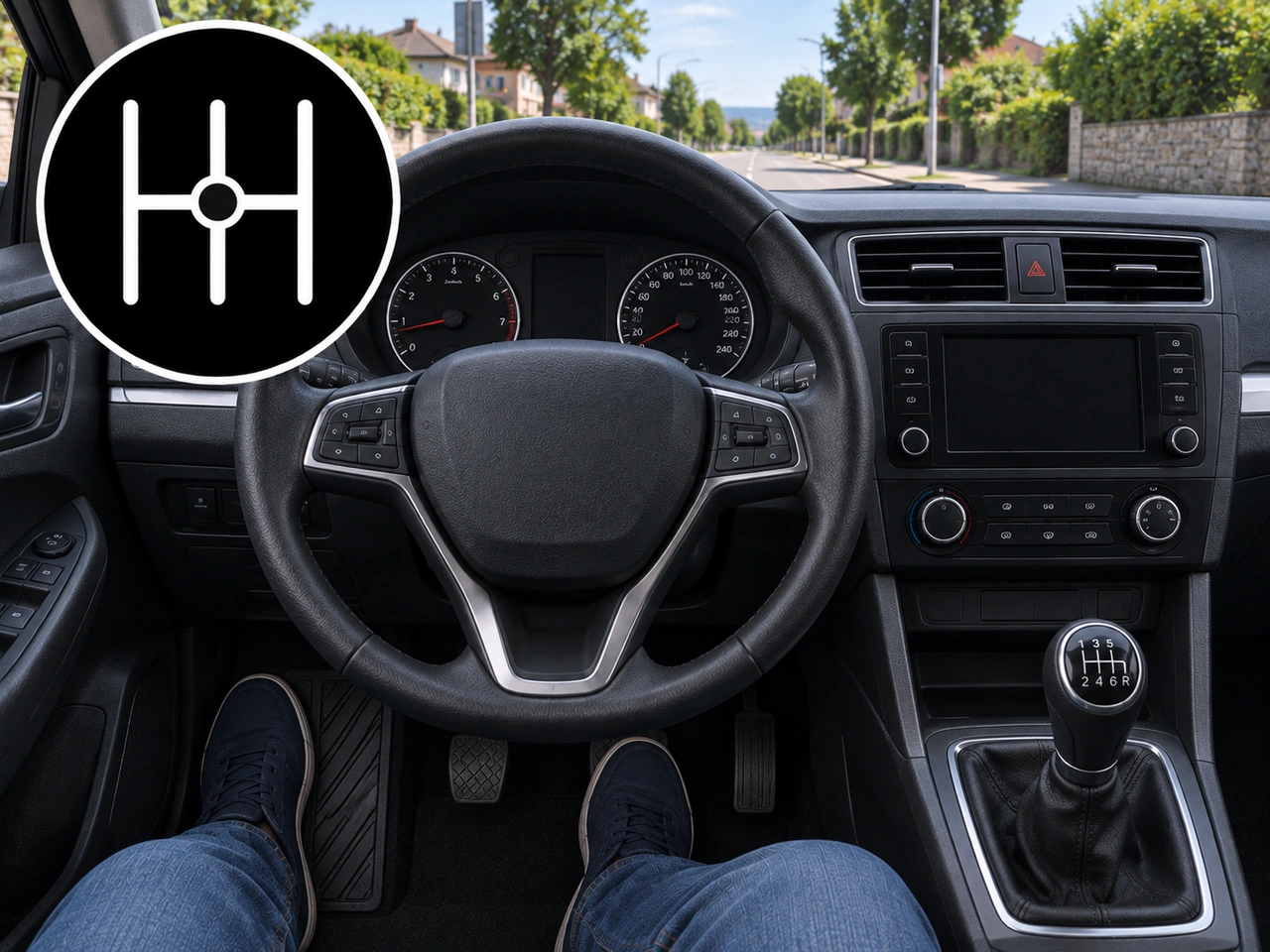
413. What should you normally do with the gearbox during a longer stop in a manual vehicle?
During a longer stop, selecting neutral and releasing the clutch can reduce unnecessary strain on the clutch release mechanism. Keep the vehicle securely held with the brake or parking brake as appropriate.
AI-generated by Traffic-rules.com • WCIT • CC BY-SA
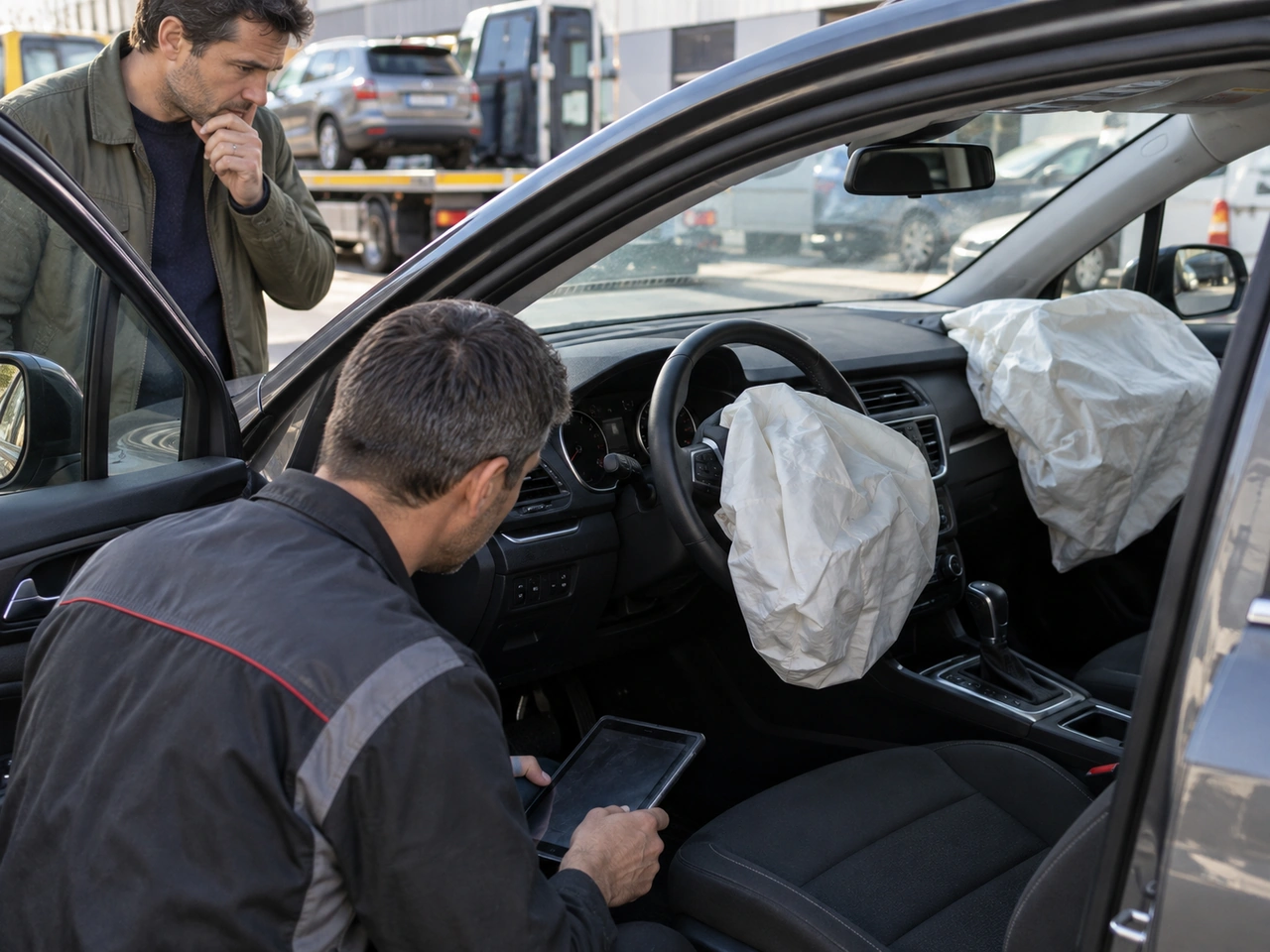
414. What should happen after an airbag has deployed?
A deployed airbag is a single-use safety component. After deployment, the restraint system should be professionally inspected and the airbag and any other affected components replaced or repaired as required before the system is relied upon again.
AI-generated by Traffic-rules.com • WCIT • CC BY-SA
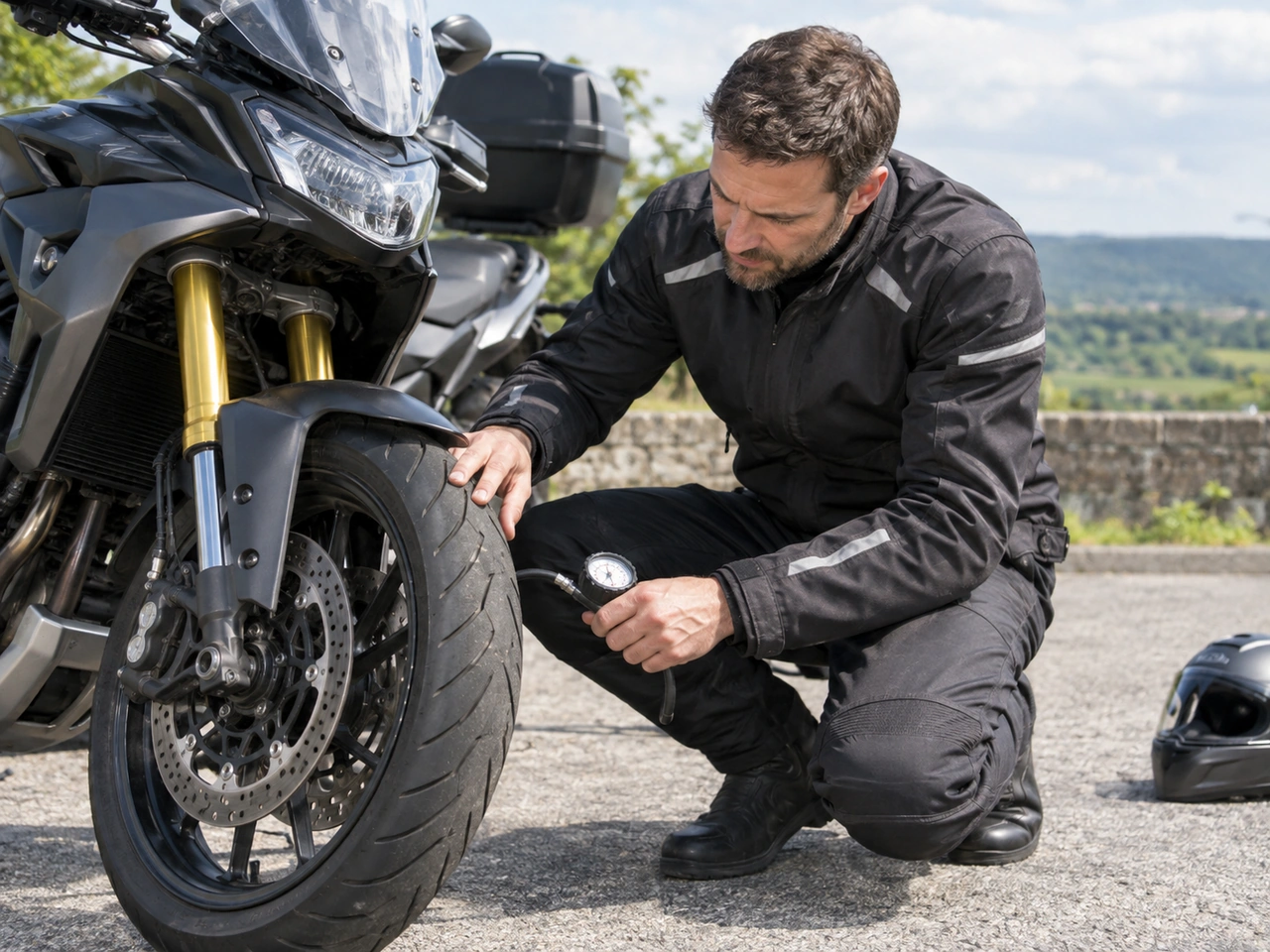
415. Why are tyre condition and pressure especially important on a motorcycle?
A motorcycle relies on a relatively small area of tyre contact with the road. Correct tyre pressure, tread and condition are important for grip, steering, stability and braking. Check the tyres regularly and follow the manufacturer's recommended pressures.
AI-generated by Traffic-rules.com • WCIT • CC BY-SA
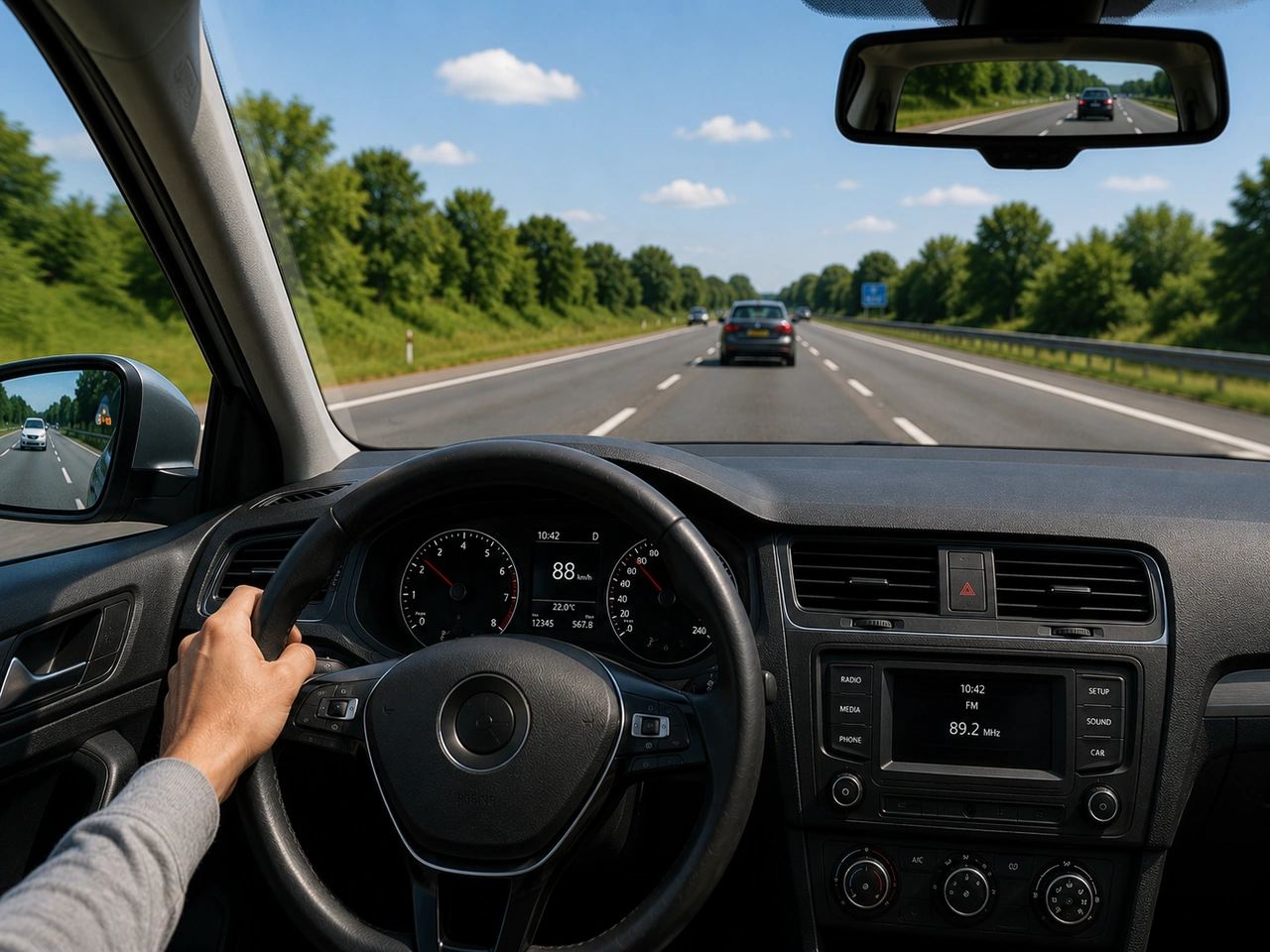
416. You should check your mirrors before changing lanes.
Checking your mirrors helps you see surrounding traffic before moving into another lane.
AI-generated by Traffic-rules.com • WCIT • CC BY-SA
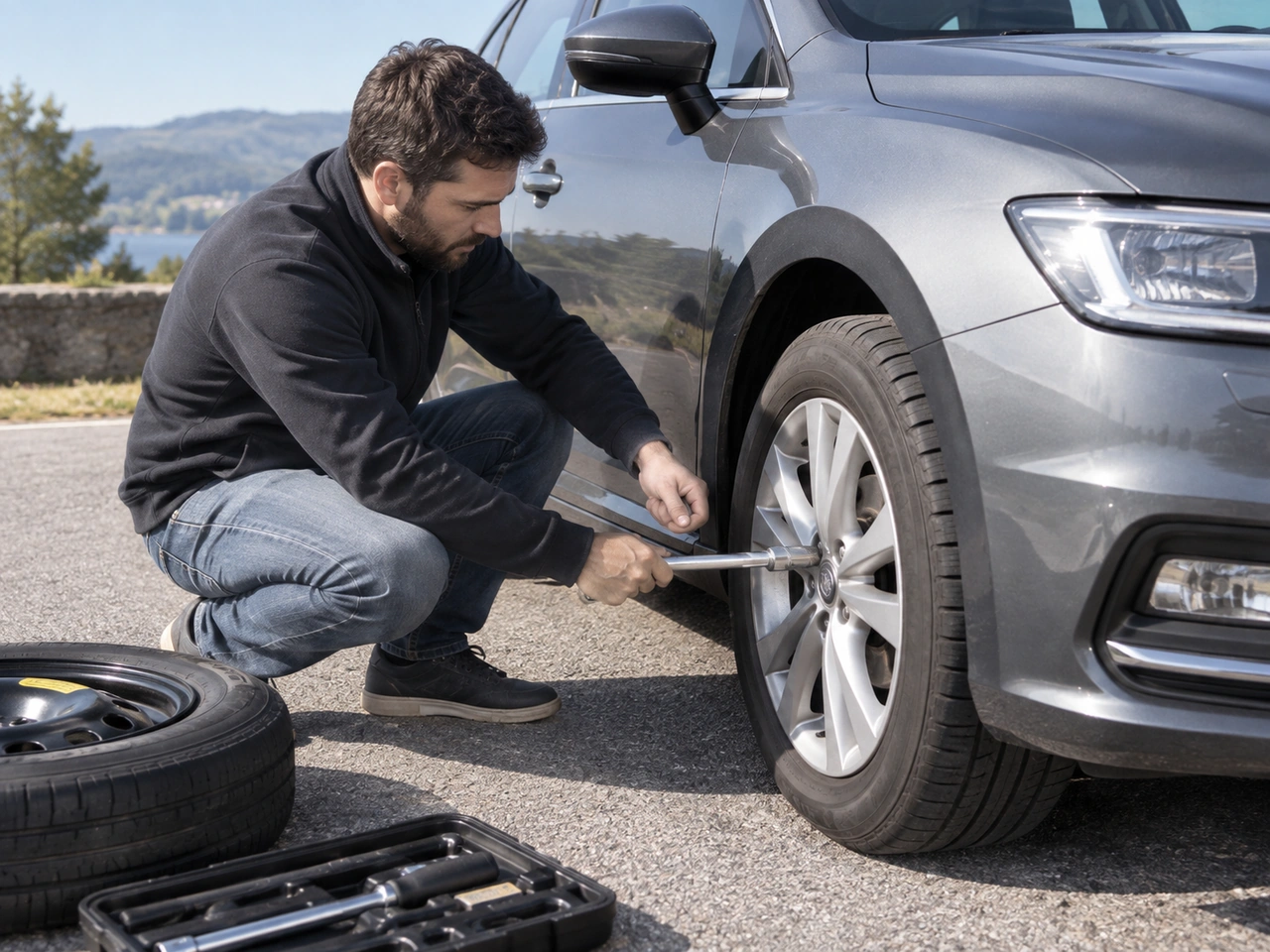
417. What should you check after fitting a wheel?
After fitting a wheel, make sure the wheel nuts are tightened correctly using the manufacturer's specified procedure and torque. Incorrectly tightened wheel nuts can loosen or damage the wheel. Recheck them later if the vehicle or wheel manufacturer recommends it.
AI-generated by Traffic-rules.com • WCIT • CC BY-SA
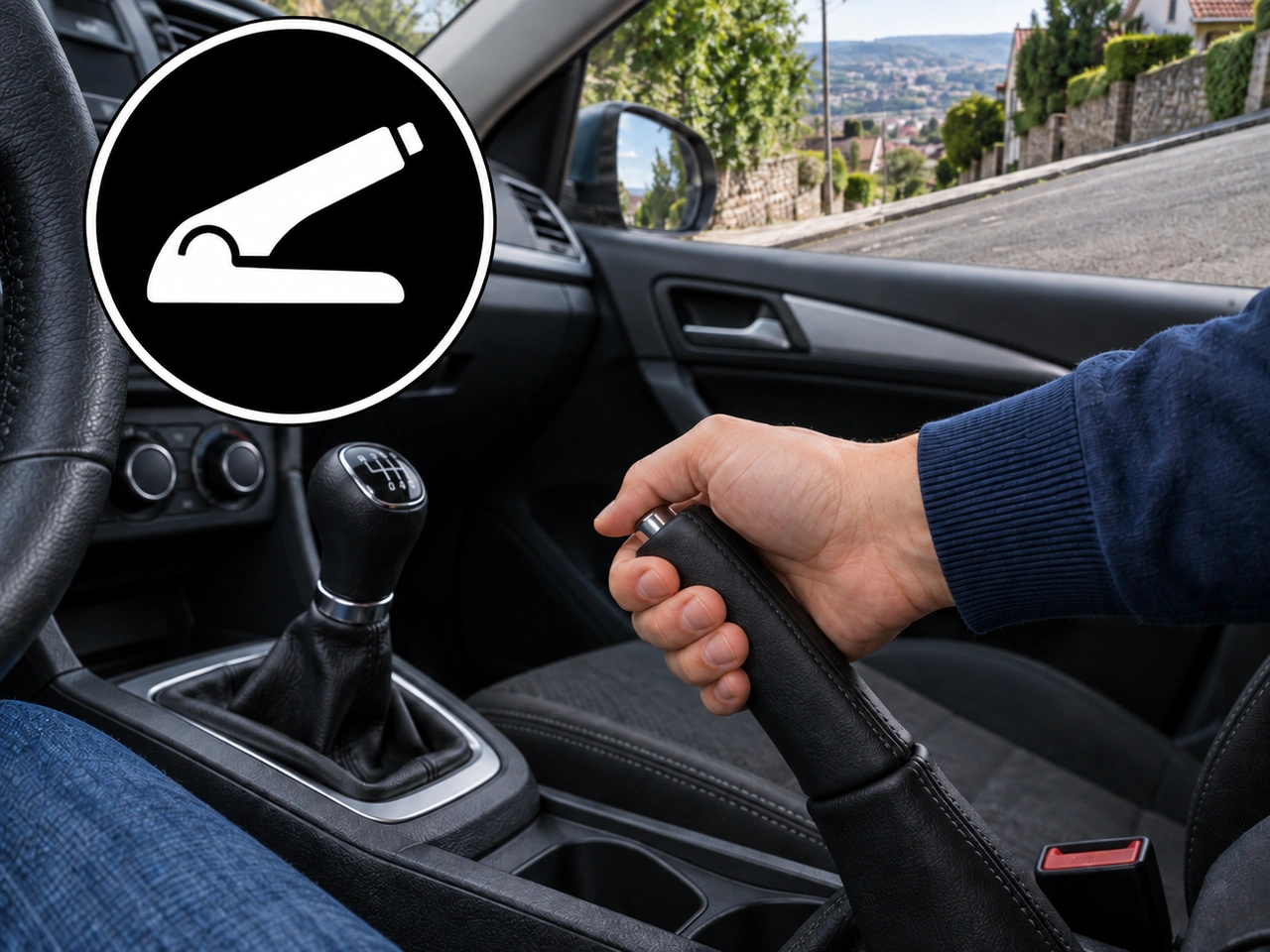
418. What should you do with the parking brake when parking on a slope?
When parking on a slope, apply the parking brake firmly to help prevent the vehicle from rolling. Selecting an appropriate gear or Park provides additional security.
AI-generated by Traffic-rules.com • WCIT • CC BY-SA
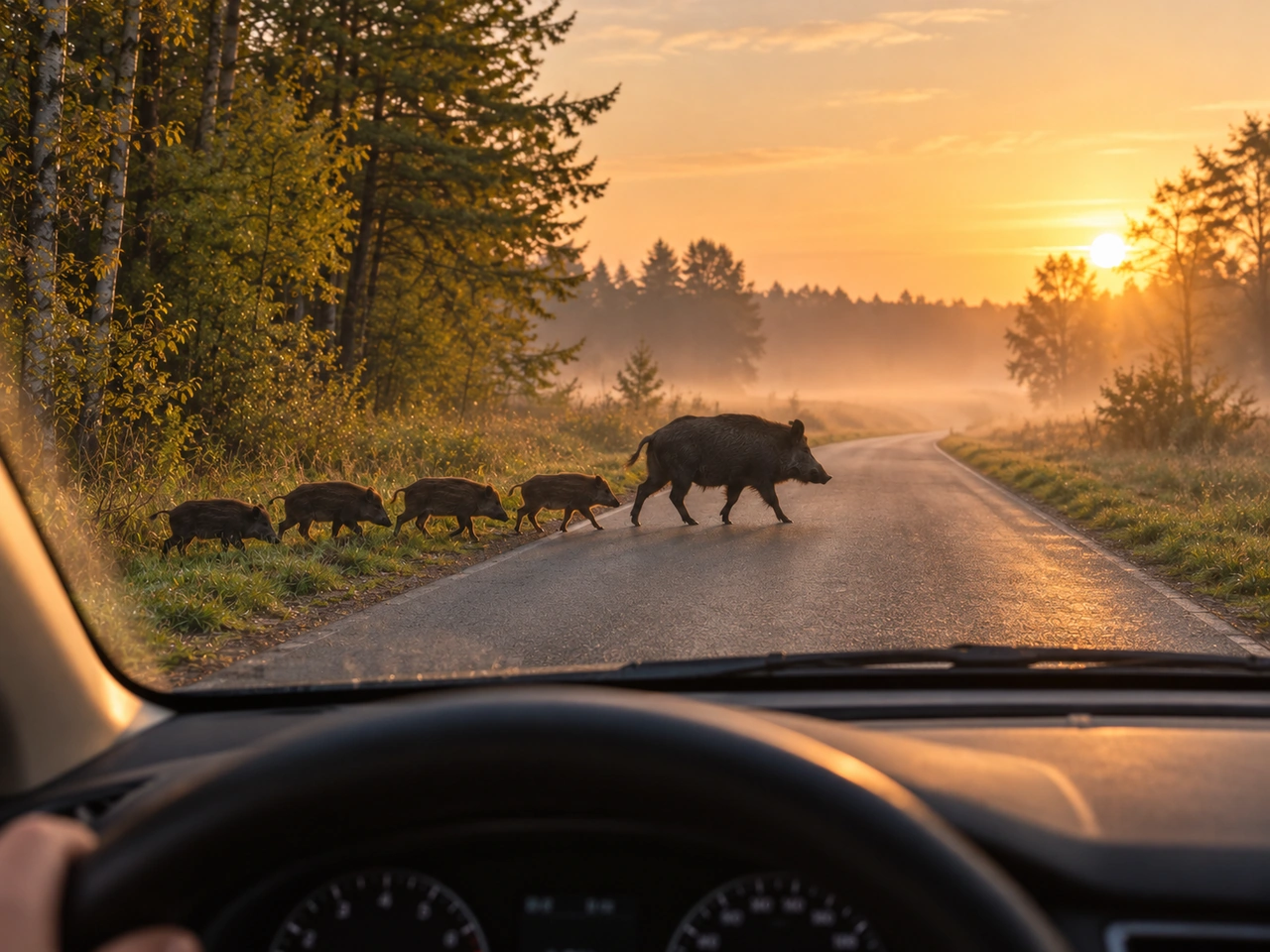
419. Why should you be especially alert for wild animals at dawn and dusk?
Many wild animals are most active around dawn and dusk, when visibility may also be reduced.
AI-generated by Traffic-rules.com • WCIT • CC BY-SA
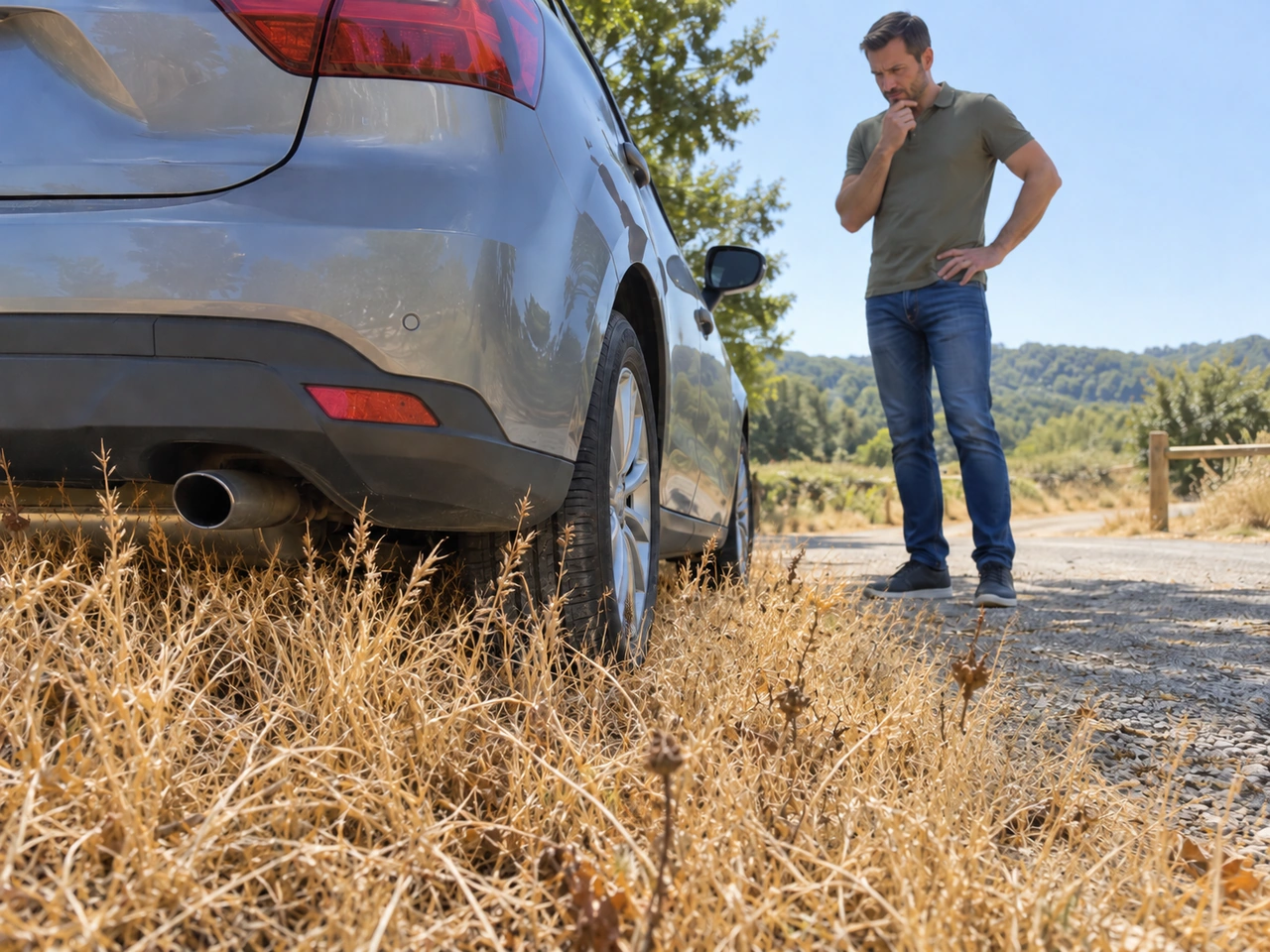
420. Why should you avoid parking a petrol or diesel vehicle on dry grass?
Parts of the exhaust system, especially the catalytic converter, can become very hot while driving. Parking over dry grass, leaves, or other combustible vegetation can create a fire risk. Park on a suitable non-flammable surface whenever possible.
AI-generated by Traffic-rules.com • WCIT • CC BY-SA
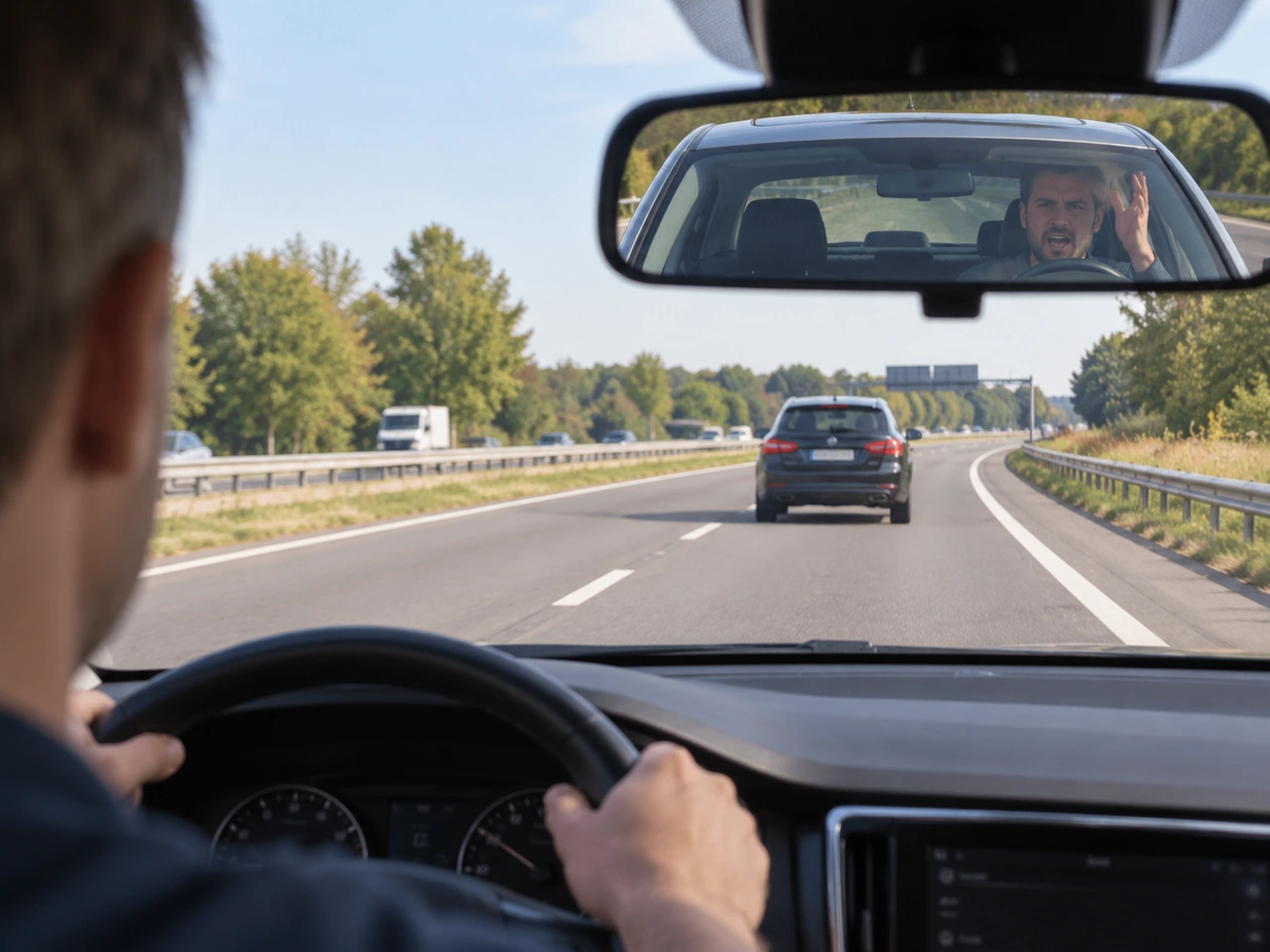
421. What should you do if another driver behaves aggressively towards you?
If another driver behaves aggressively, do not retaliate or become involved in a confrontation. Stay calm, increase the distance between you, and let the other vehicle move away when possible. If you feel threatened, go to a safe public place and seek appropriate assistance.
AI-generated by Traffic-rules.com • WCIT • CC BY-SA
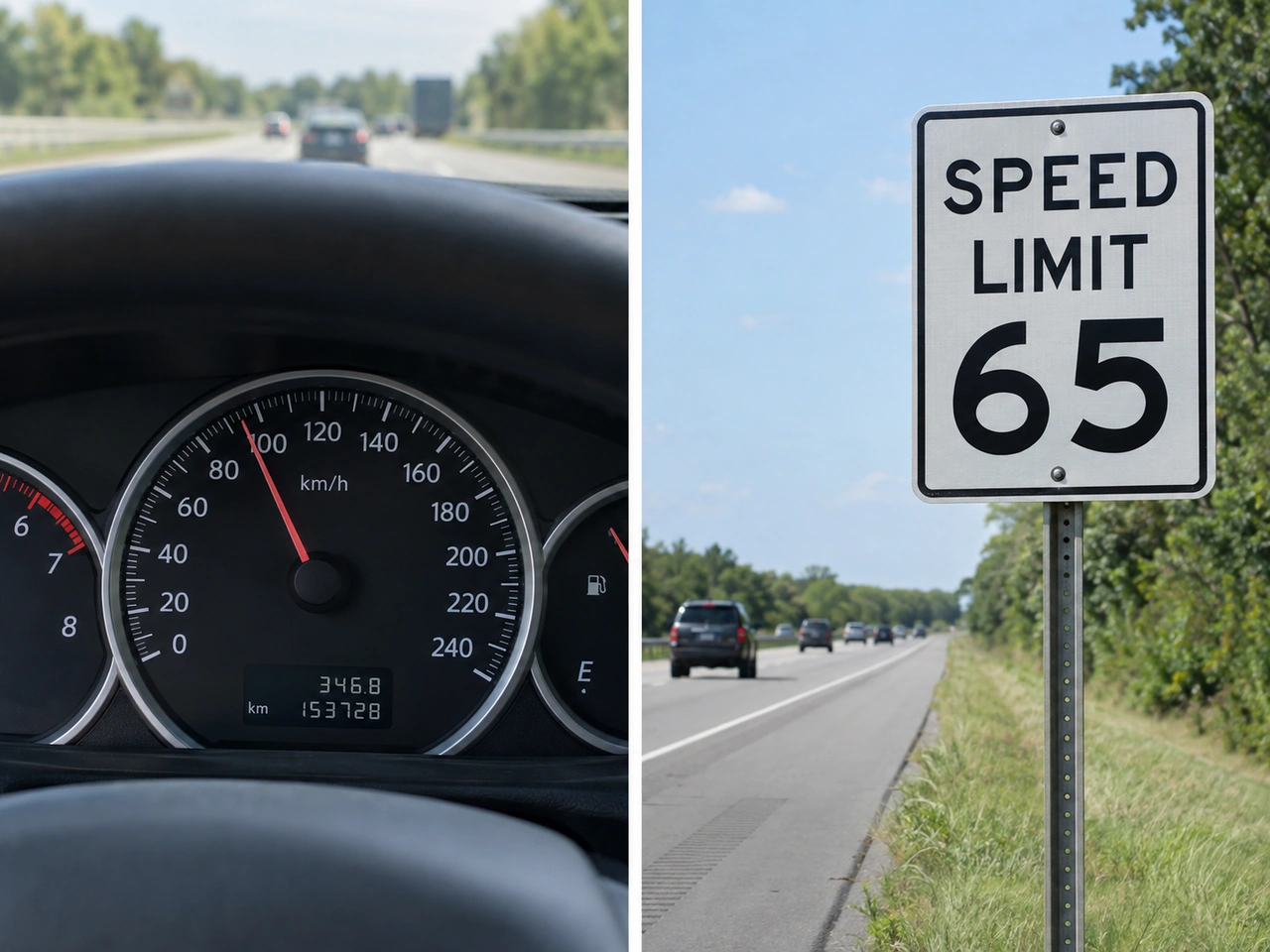
422. Which speed unit is used in Switzerland?
Road speeds in Switzerland are shown in kilometres per hour (km/h).
AI-generated by Traffic-rules.com • WCIT • CC BY-SA
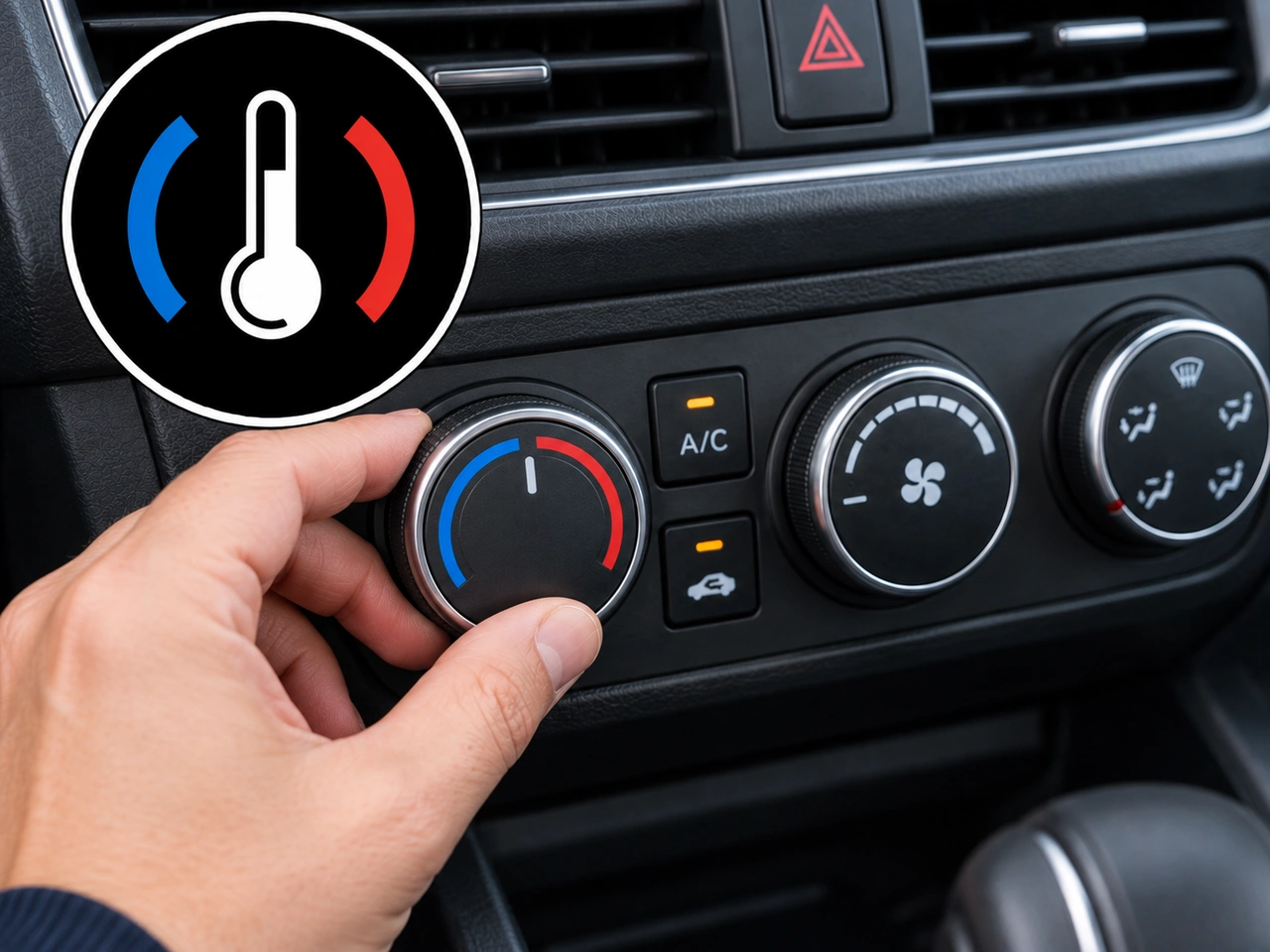
423. What does this vehicle-control symbol indicate?
This control adjusts the temperature of the air supplied to the cabin. Turning it towards the blue side lowers the selected temperature, while turning it towards the red side raises it.
AI-generated by Traffic-rules.com • WCIT • CC BY-SA
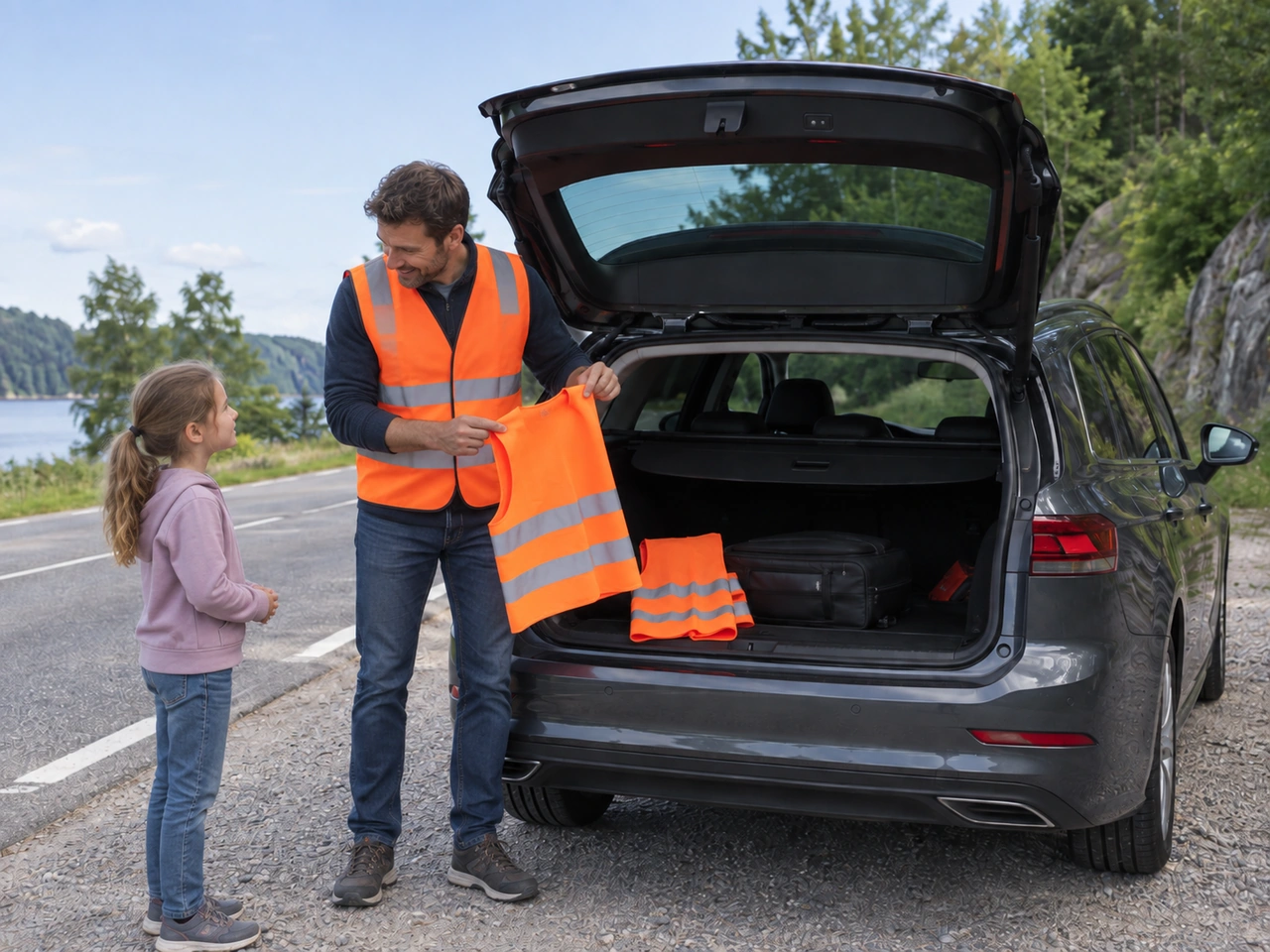
424. Is a high-visibility vest required in cars in Switzerland?
Cars in Switzerland are not generally required to carry a high-visibility vest.
AI-generated by Traffic-rules.com • WCIT • CC BY-SA
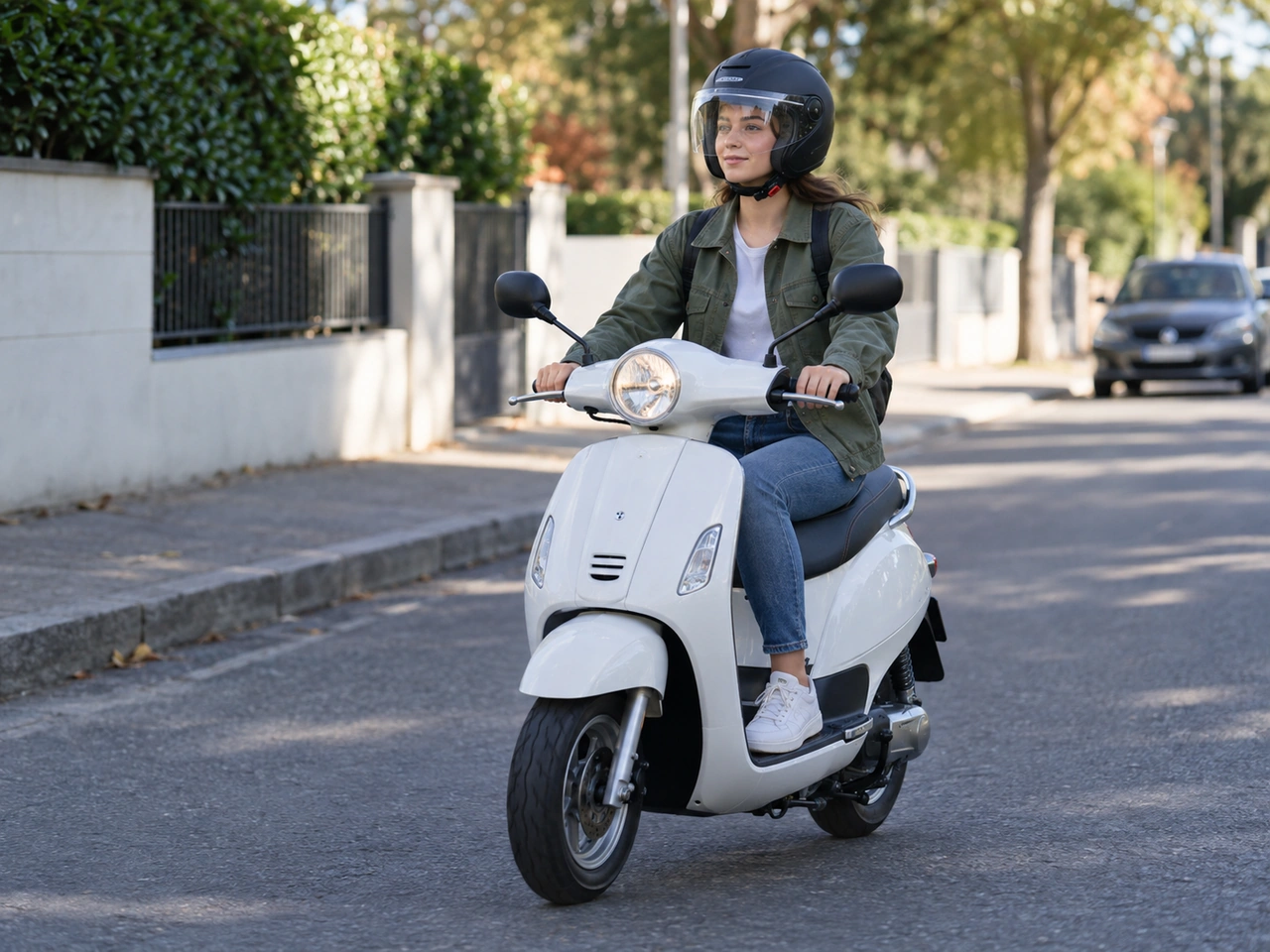
425. Are moped riders generally required to wear a helmet in Switzerland?
Moped riders in Switzerland are generally required to wear an approved helmet.
AI-generated by Traffic-rules.com • WCIT • CC BY-SA
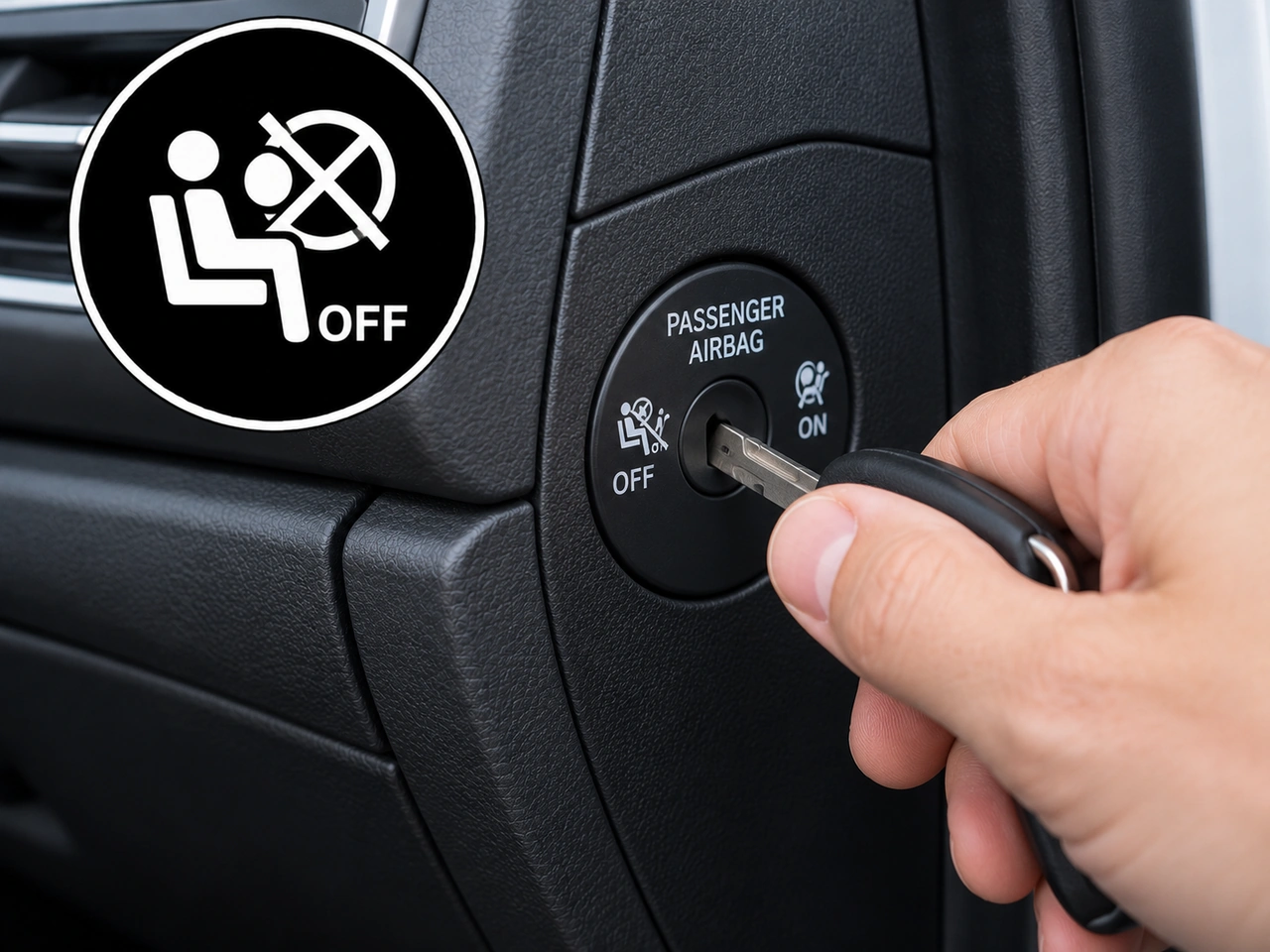
426. What does this vehicle-control symbol indicate?
This control allows the front passenger airbag to be deactivated on vehicles equipped with this function. The airbag must be deactivated when a rear-facing child restraint is used on the front passenger seat.
AI-generated by Traffic-rules.com • WCIT • CC BY-SA
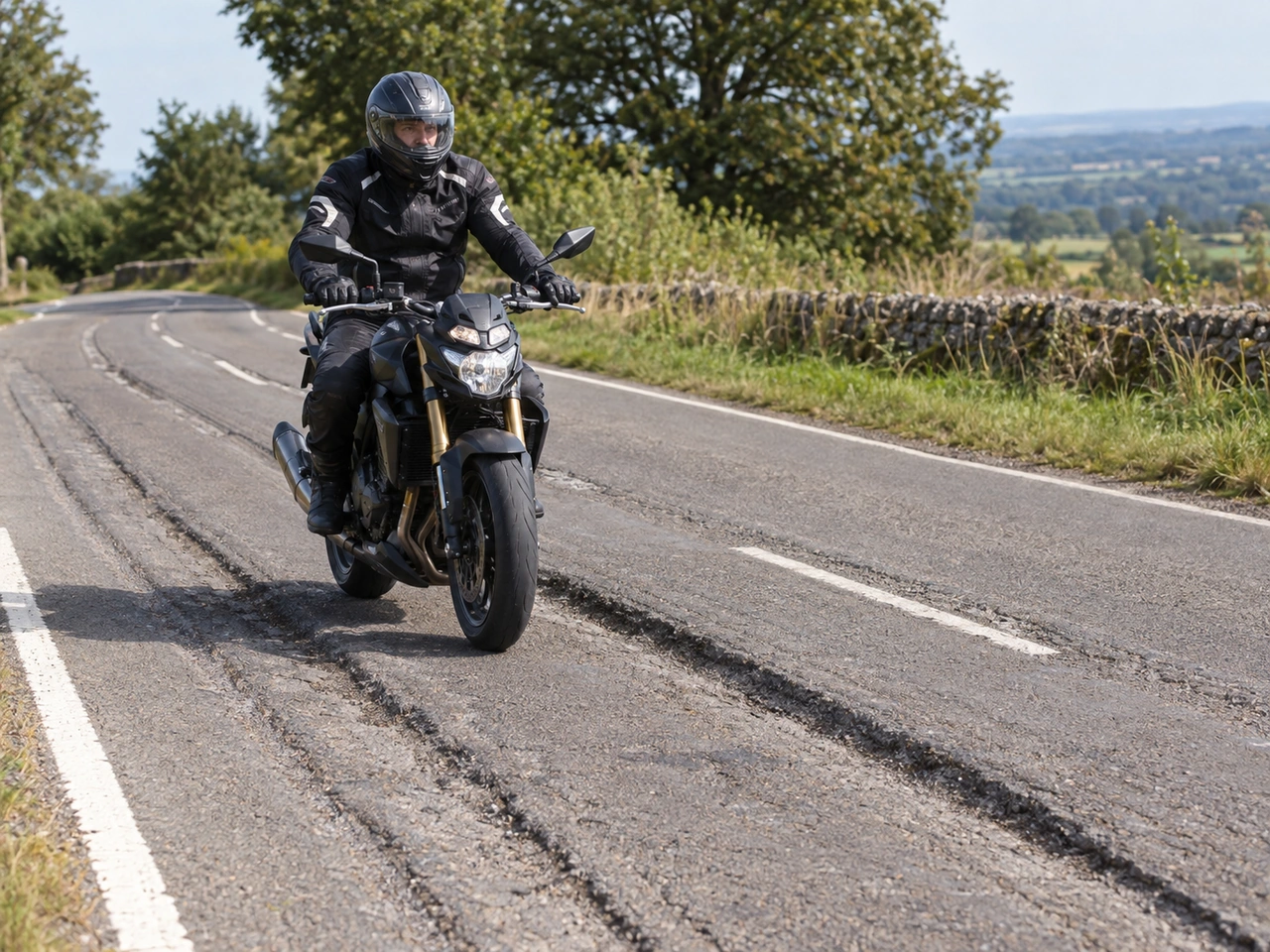
427. How should a motorcyclist react to grooves or ruts in the road?
Longitudinal grooves or ruts can affect a motorcycle's steering and may make the wheels follow the uneven surface. Reduce speed where necessary, keep a relaxed but steady grip and avoid sudden braking, acceleration or steering corrections.
AI-generated by Traffic-rules.com • WCIT • CC BY-SA
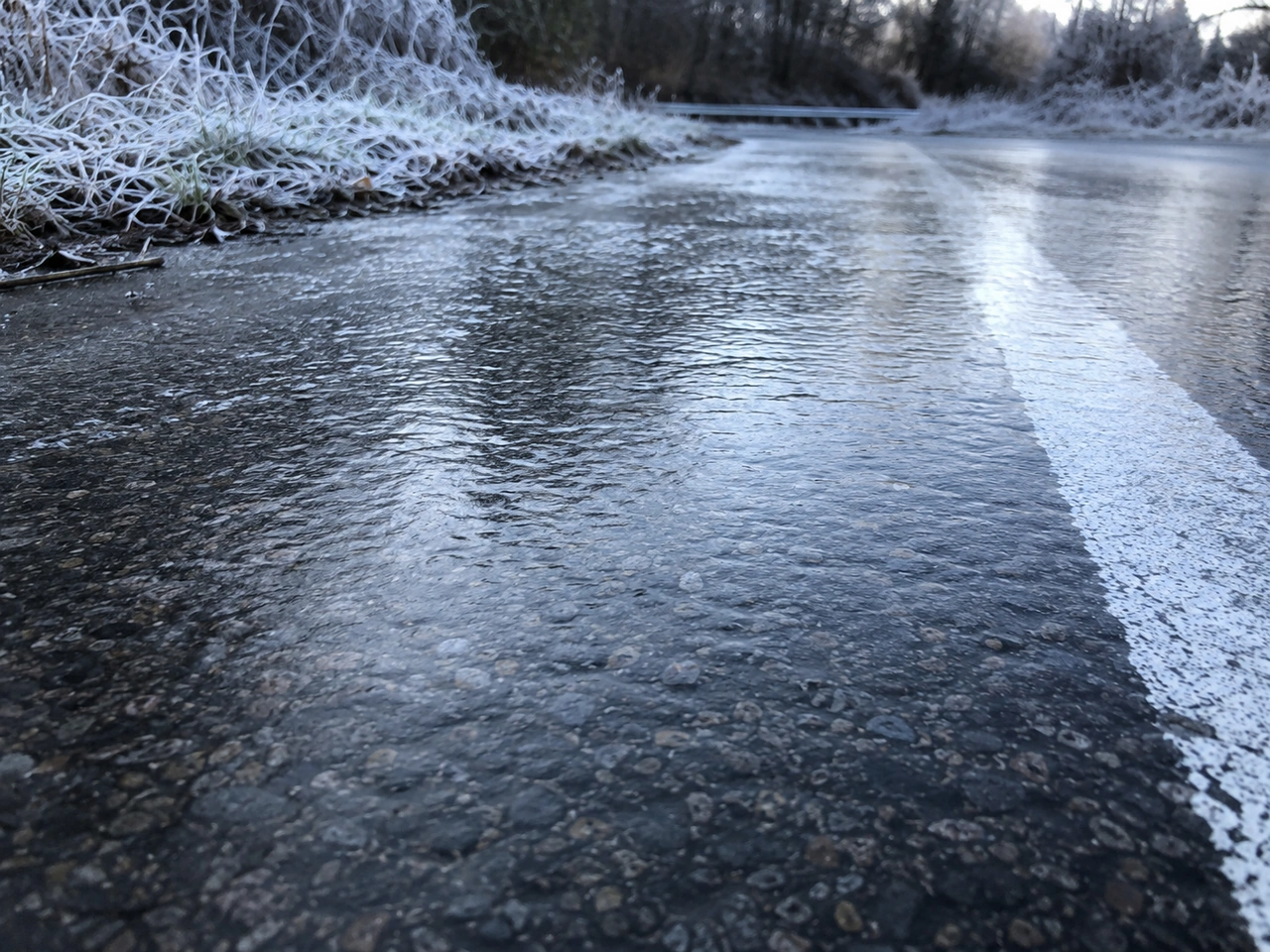
428. What is black ice?
Black ice is difficult to detect because the road surface may look merely wet. It can cause a sudden and severe loss of grip.
AI-generated by Traffic-rules.com • WCIT • CC BY-SA
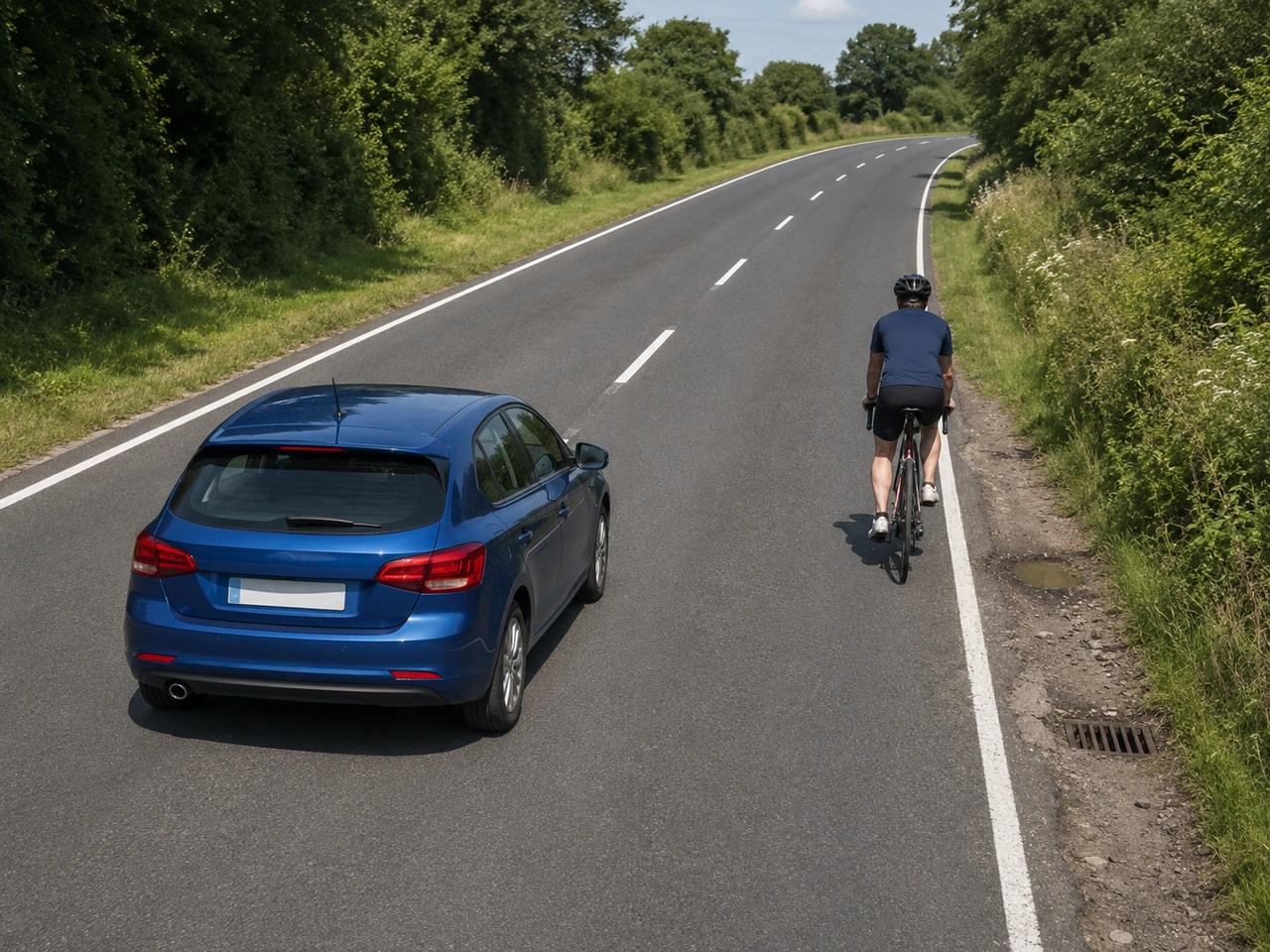
429. Why should you keep a safe distance from cyclists?
Cyclists may need to move around potholes, parked cars, or drains. Giving them enough space helps prevent dangerous situations.
AI-generated by Traffic-rules.com • WCIT • CC BY-SA
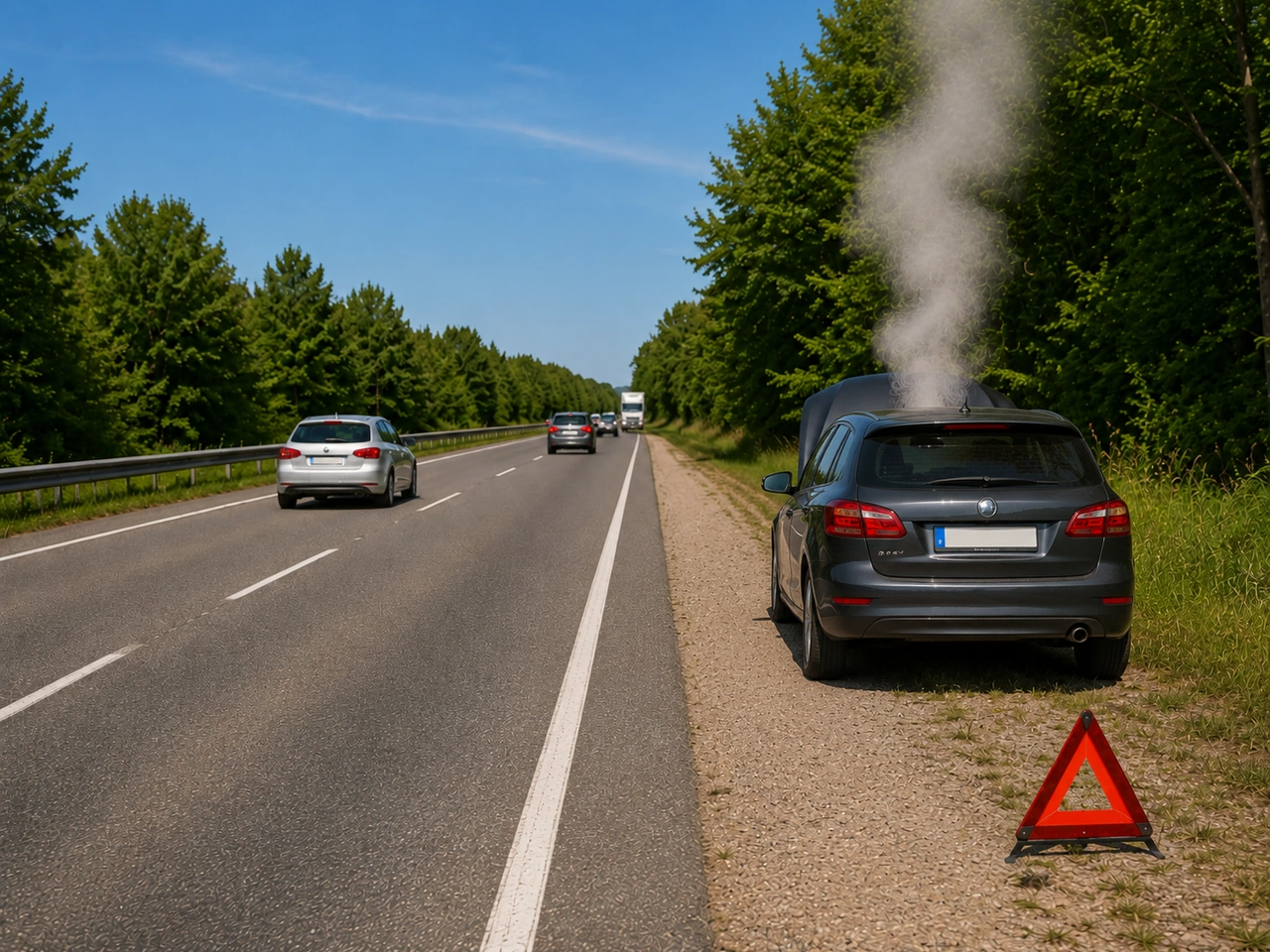
430. What should you do if steam begins coming from underneath the bonnet?
Steam can indicate an overheated and pressurised cooling system. Do not remove the coolant cap while the system is hot.
AI-generated by Traffic-rules.com • WCIT • CC BY-SA
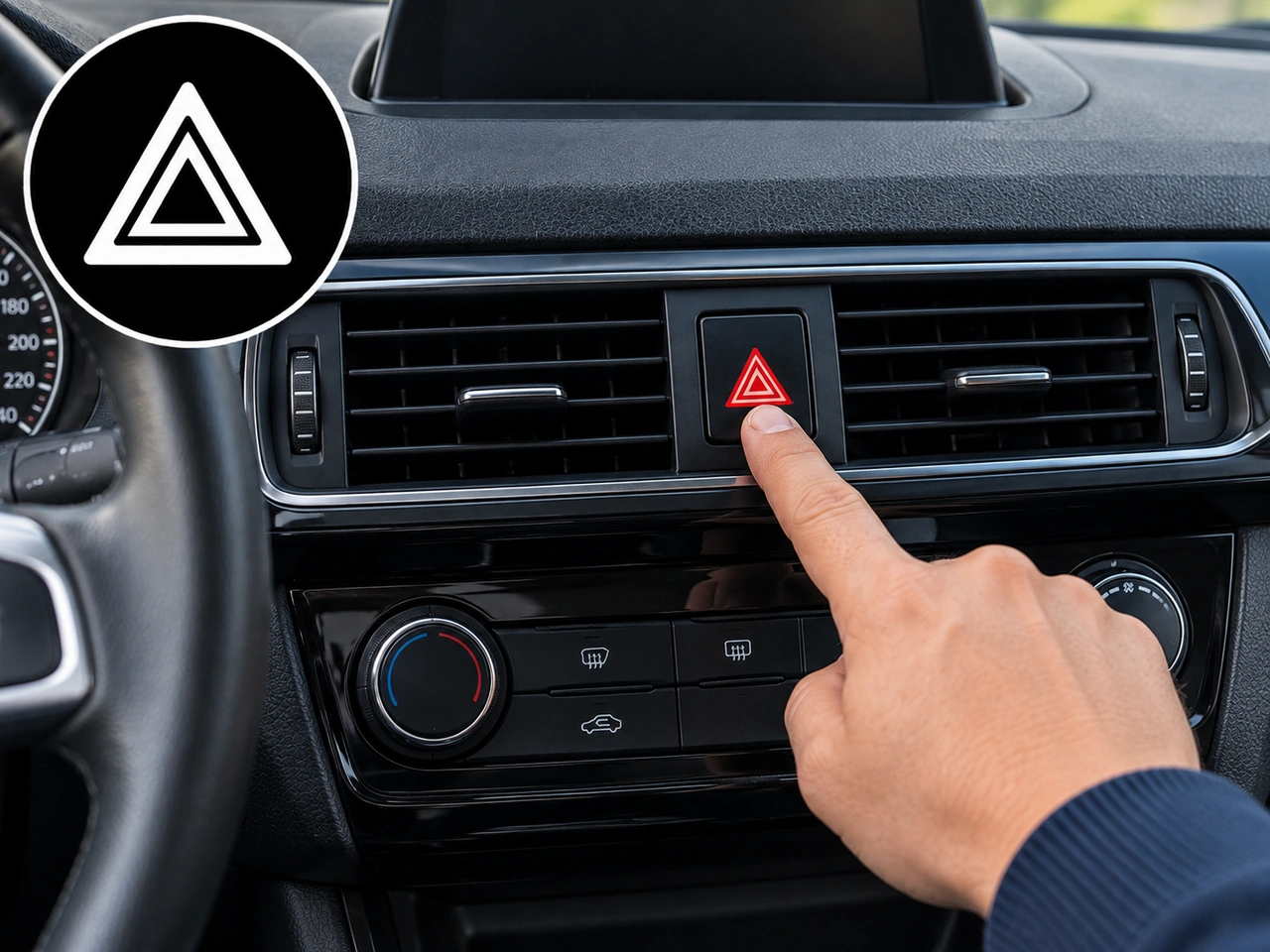
431. Which control activates all direction indicators at the same time?
The hazard warning light switch activates all direction indicators at the same time to warn other road users of a hazard or emergency.
AI-generated by Traffic-rules.com • WCIT • CC BY-SA
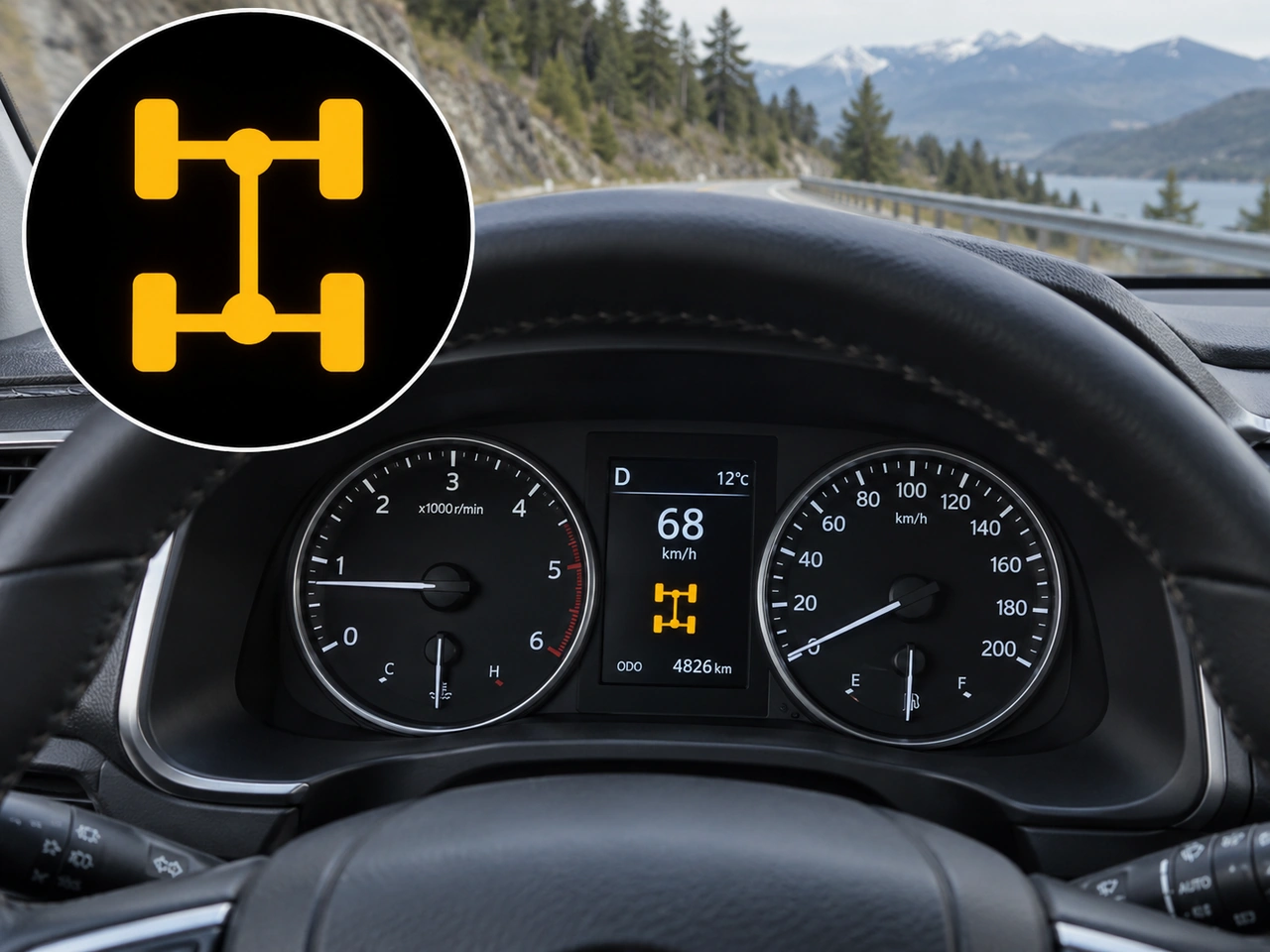
432. What does this dashboard symbol indicate?
This symbol relates to the vehicle's four-wheel-drive system, which can transmit power to all four wheels. The exact symbol and operating modes vary between vehicles.
AI-generated by Traffic-rules.com • WCIT • CC BY-SA
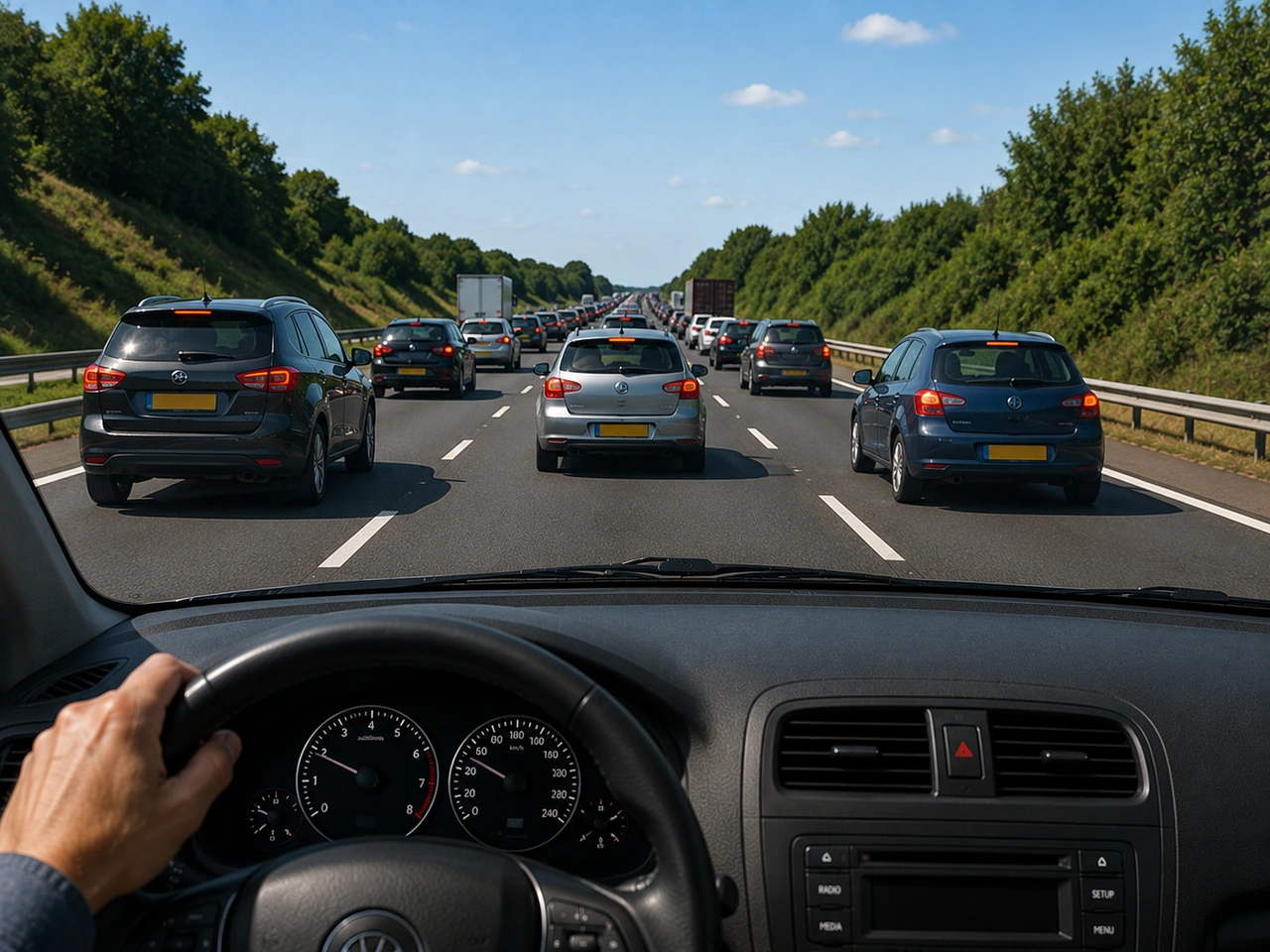
433. What should you do if traffic suddenly slows on a motorway?
When traffic slows suddenly, reduce speed smoothly, keep a safe distance, and use hazard lights if needed to warn following traffic.
AI-generated by Traffic-rules.com • WCIT • CC BY-SA
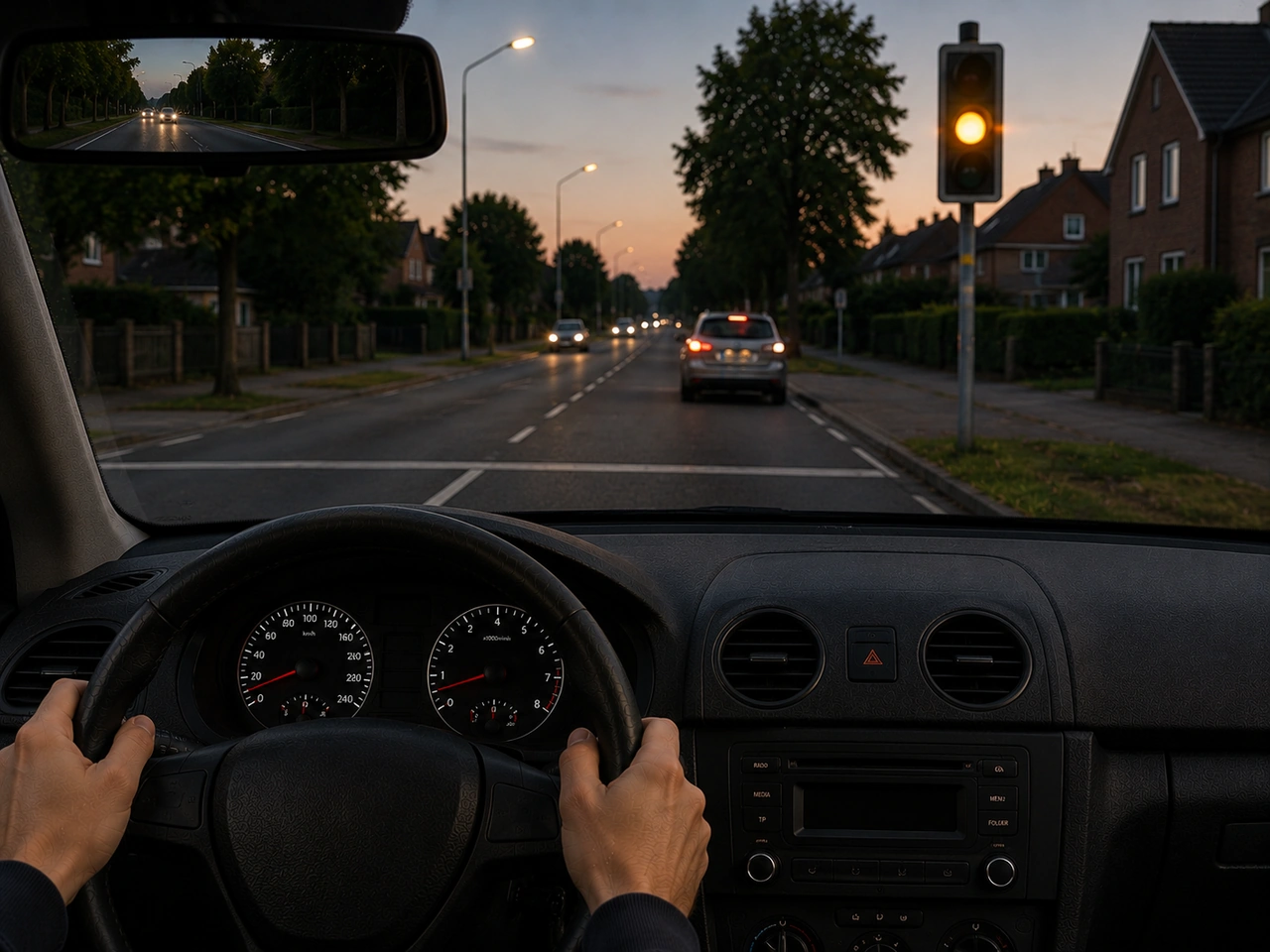
434. What should you do when traffic lights change to amber as you approach?
An amber light warns that the signal is changing. Stop if it is safe, but avoid sudden braking that could cause danger behind you.
AI-generated by Traffic-rules.com • WCIT • CC BY-SA
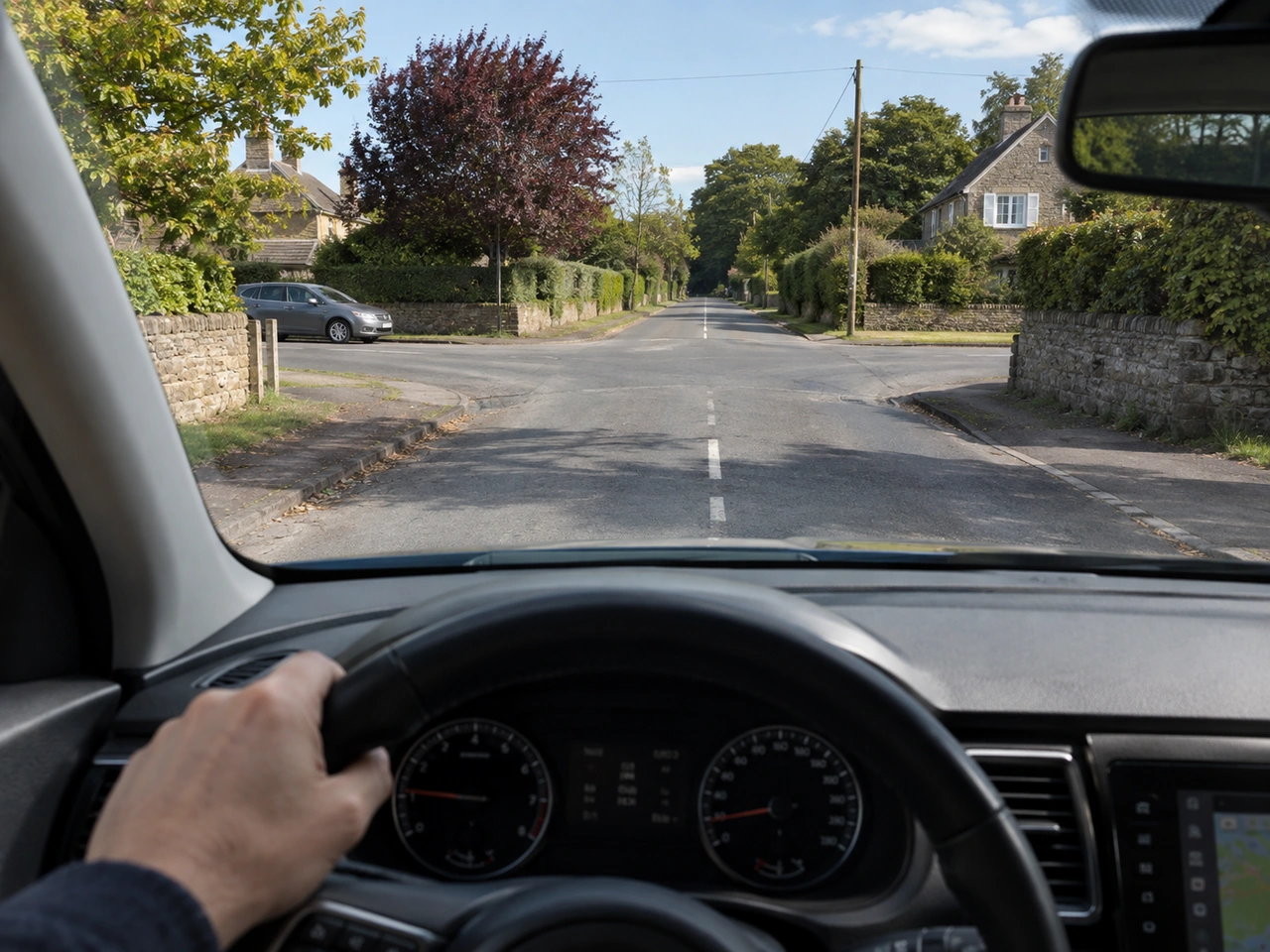
435. What should you do when approaching an uncontrolled junction?
At an uncontrolled junction, priority may not be obvious. Reduce speed, check carefully, and only enter when you are sure it is safe.
AI-generated by Traffic-rules.com • WCIT • CC BY-SA
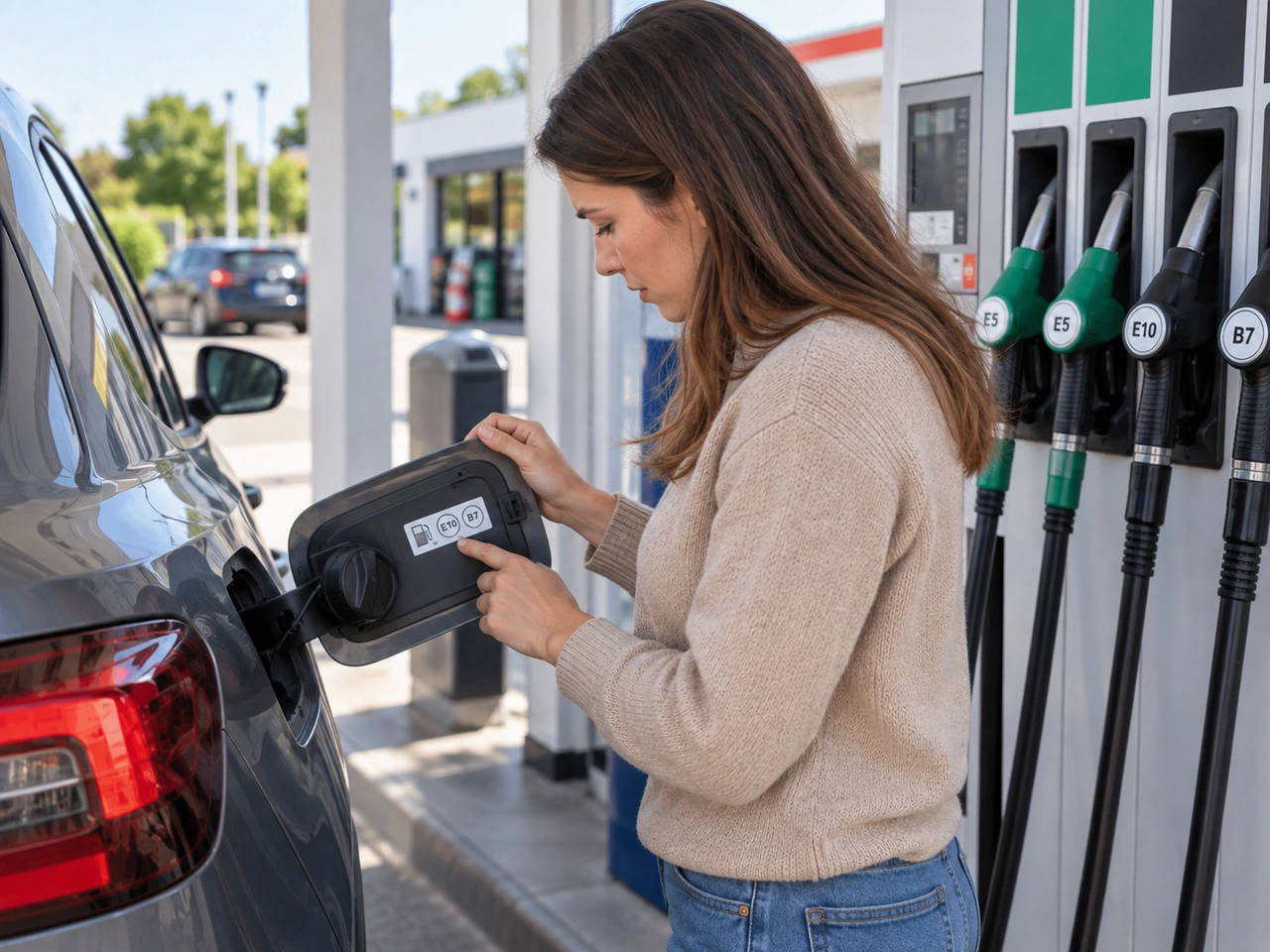
436. How can you check which fuel is suitable for your vehicle?
Before refuelling, check which fuel type the vehicle requires. The correct fuel is often shown inside the fuel-filler flap, on or near the fuel cap, or in the vehicle information or owner's manual. Do not rely only on nozzle colours, as these can vary between filling stations and countries.
AI-generated by Traffic-rules.com • WCIT • CC BY-SA
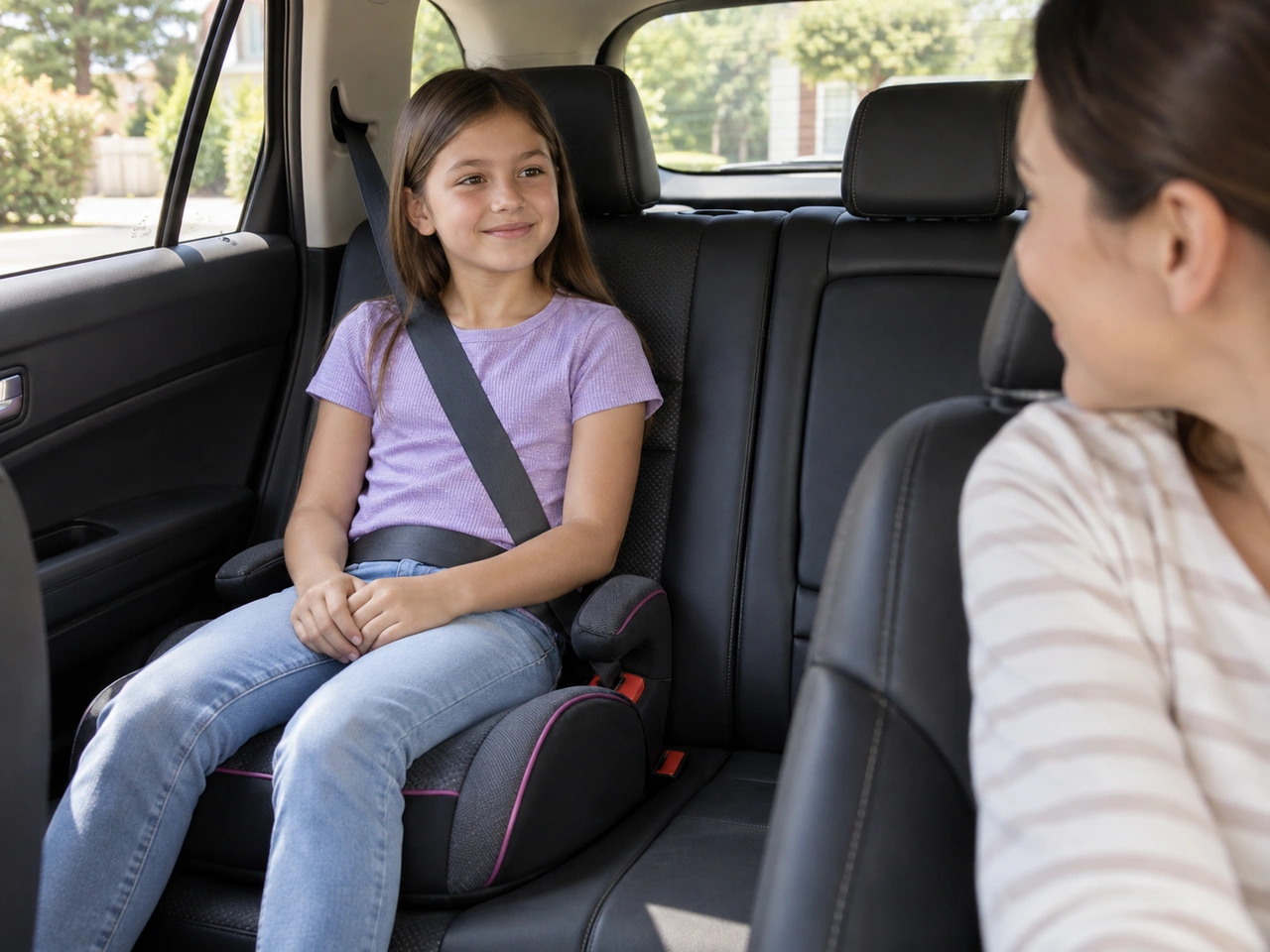
437. What is the main purpose of a booster seat?
A booster seat raises and positions a child so the vehicle seat belt fits correctly. The lap belt should sit low across the hips and the shoulder belt should pass across the chest and shoulder, rather than the neck or abdomen.
AI-generated by Traffic-rules.com • WCIT • CC BY-SA
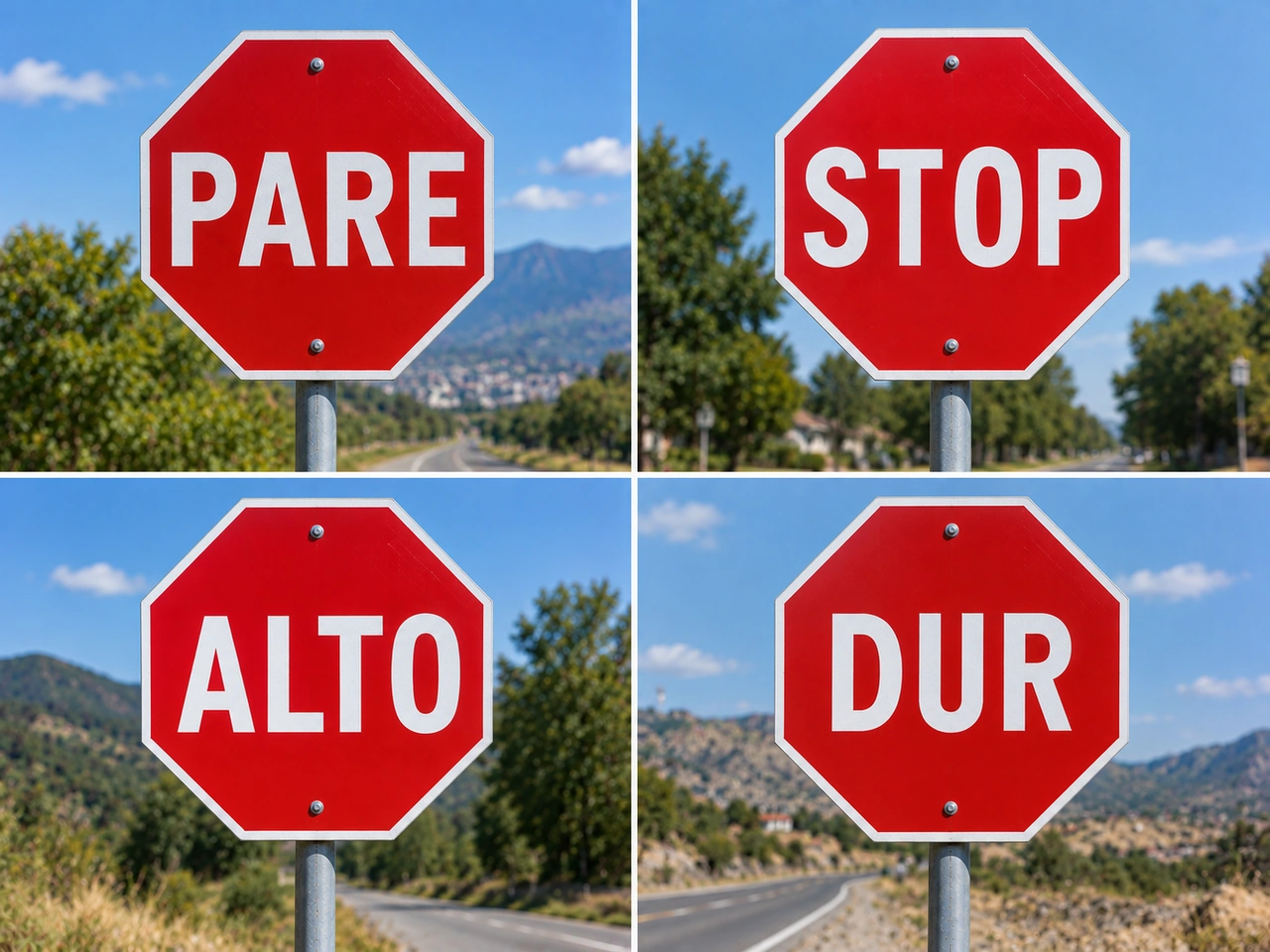
438. What word is commonly shown on STOP signs in Switzerland?
In Switzerland, STOP signs commonly display the word STOP.
AI-generated by Traffic-rules.com • WCIT • CC BY-SA
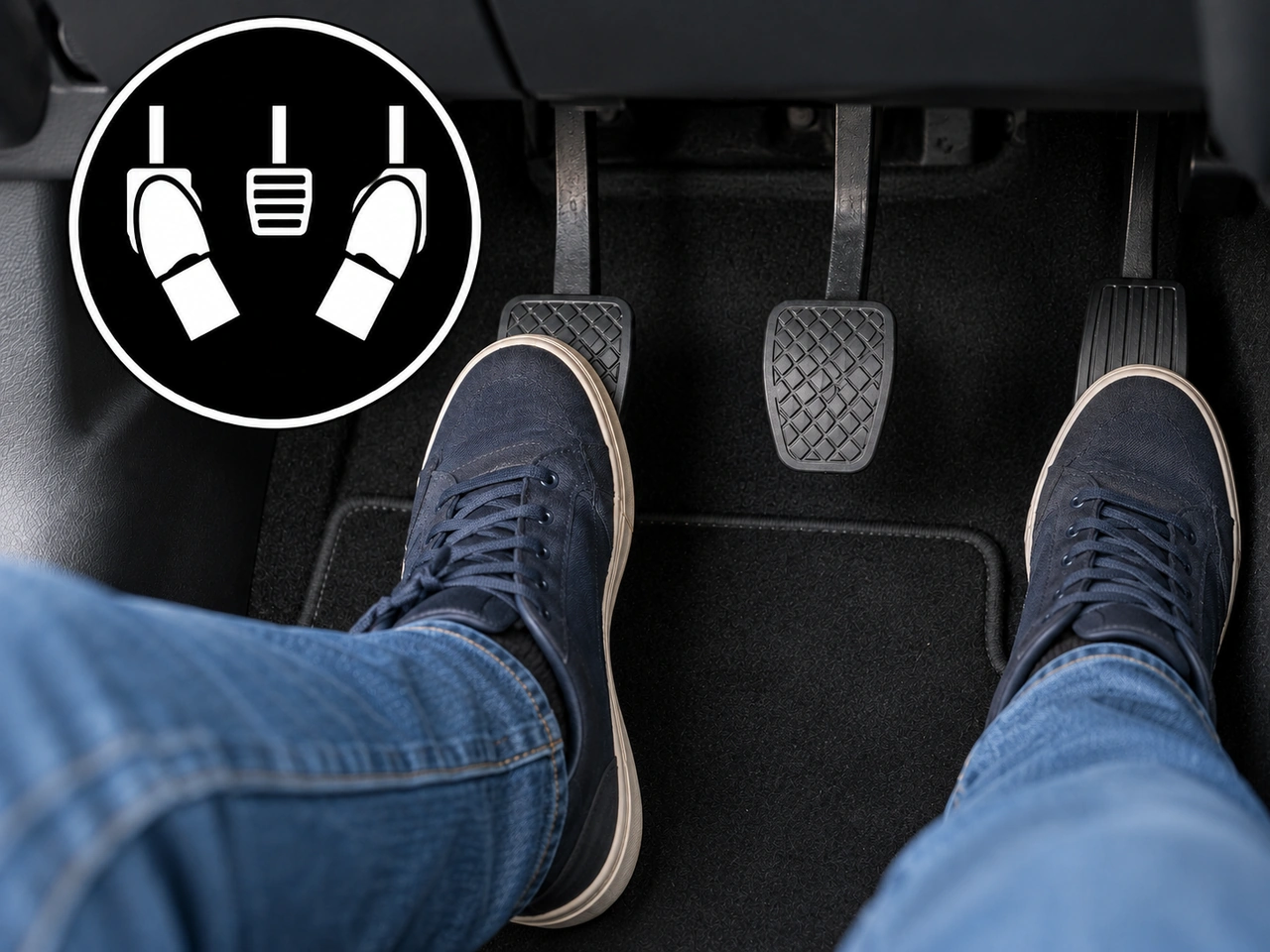
439. How should you use the clutch and accelerator when moving off?
When moving off, release the clutch pedal smoothly through the biting point while applying the accelerator progressively. This helps the vehicle move away smoothly without stalling or excessive engine speed.
AI-generated by Traffic-rules.com • WCIT • CC BY-SA
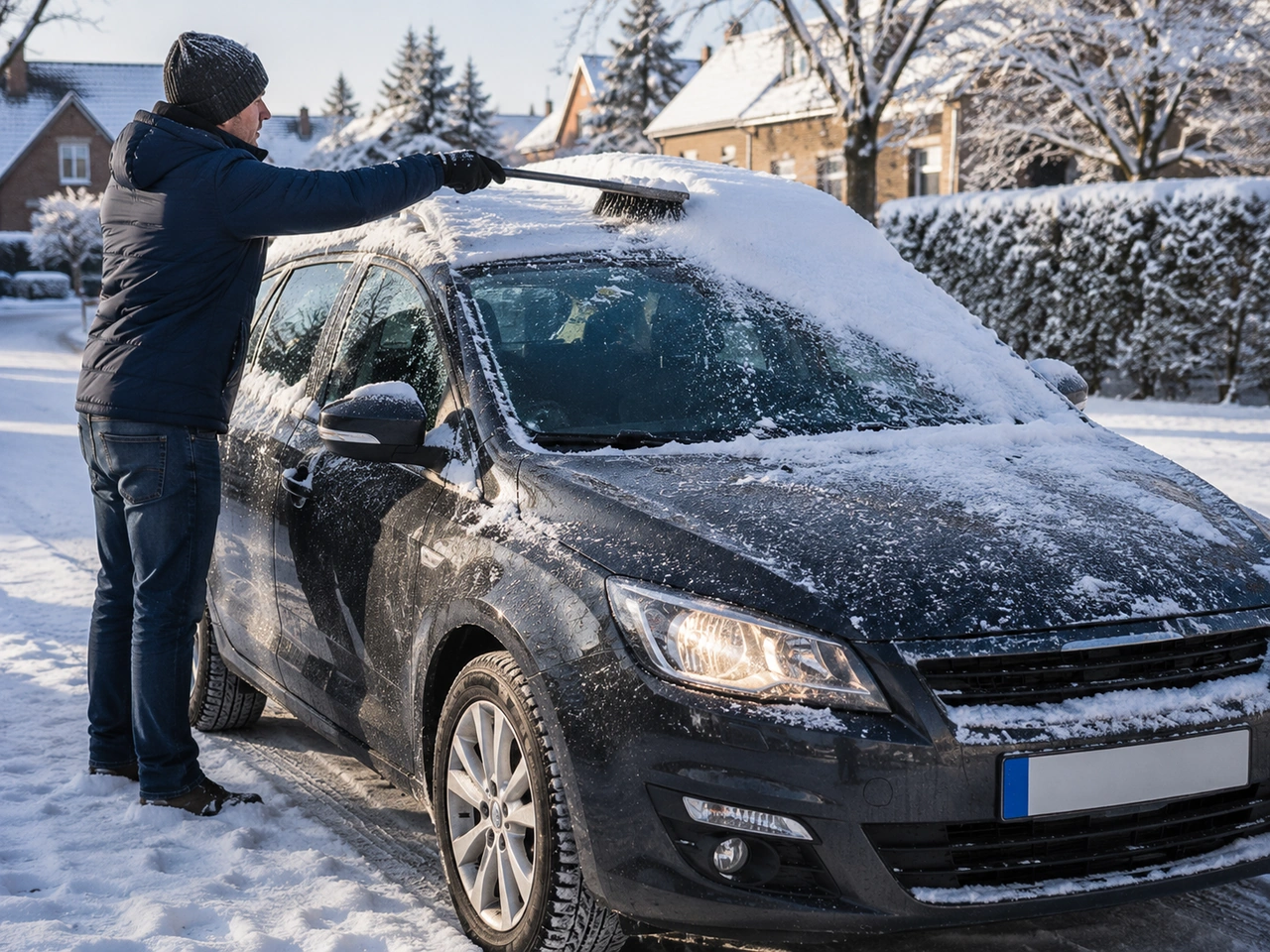
440. What should you do before driving if snow or ice covers your vehicle?
You need a clear view in every direction. Snow or ice left on the roof can also fall or blow onto other road users.
AI-generated by Traffic-rules.com • WCIT • CC BY-SA
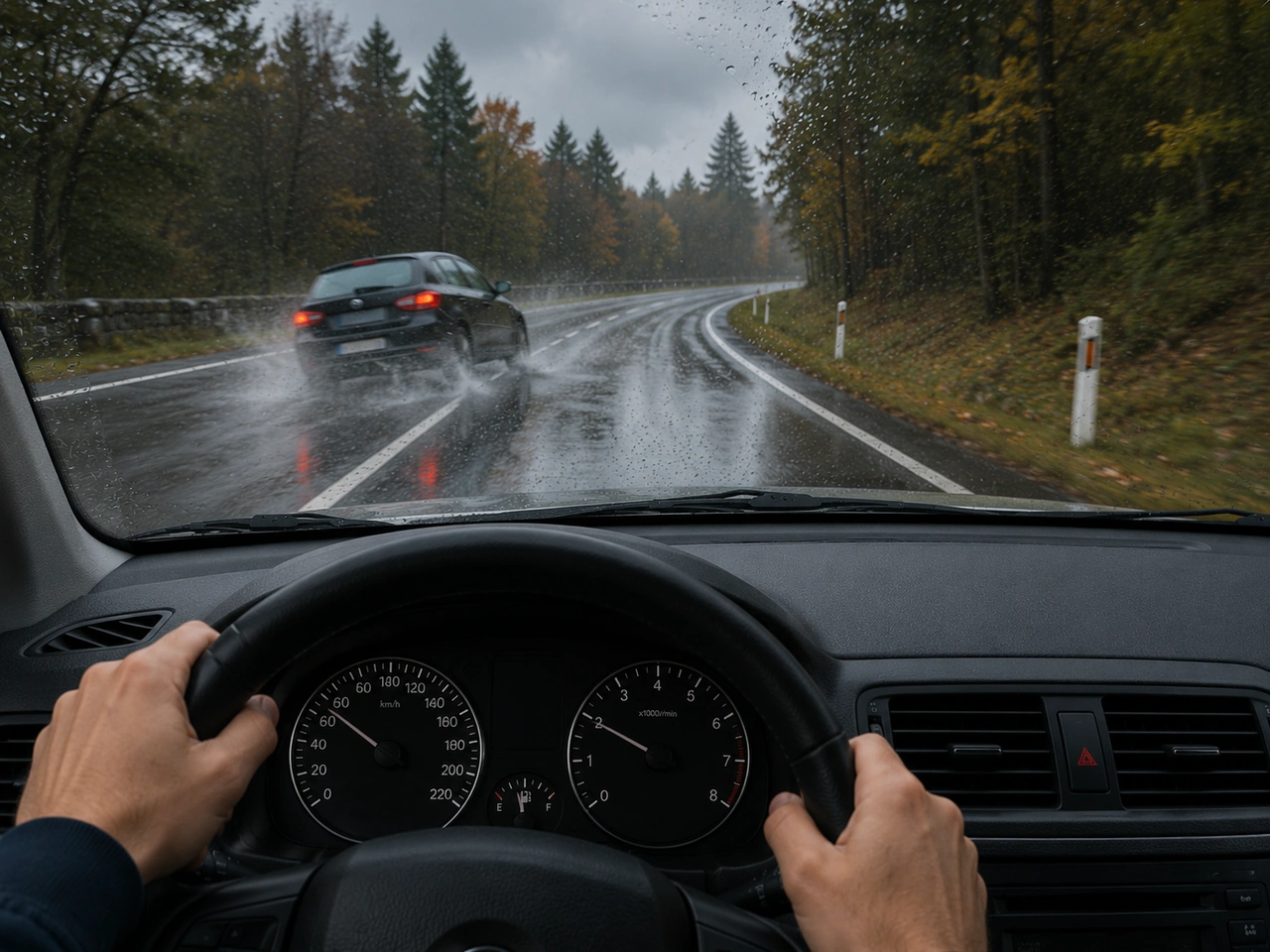
441. What should you avoid if your vehicle starts to skid?
Sudden braking, acceleration, or steering can make a skid worse. Stay calm and use smooth controls while the tyres regain grip.
AI-generated by Traffic-rules.com • WCIT • CC BY-SA
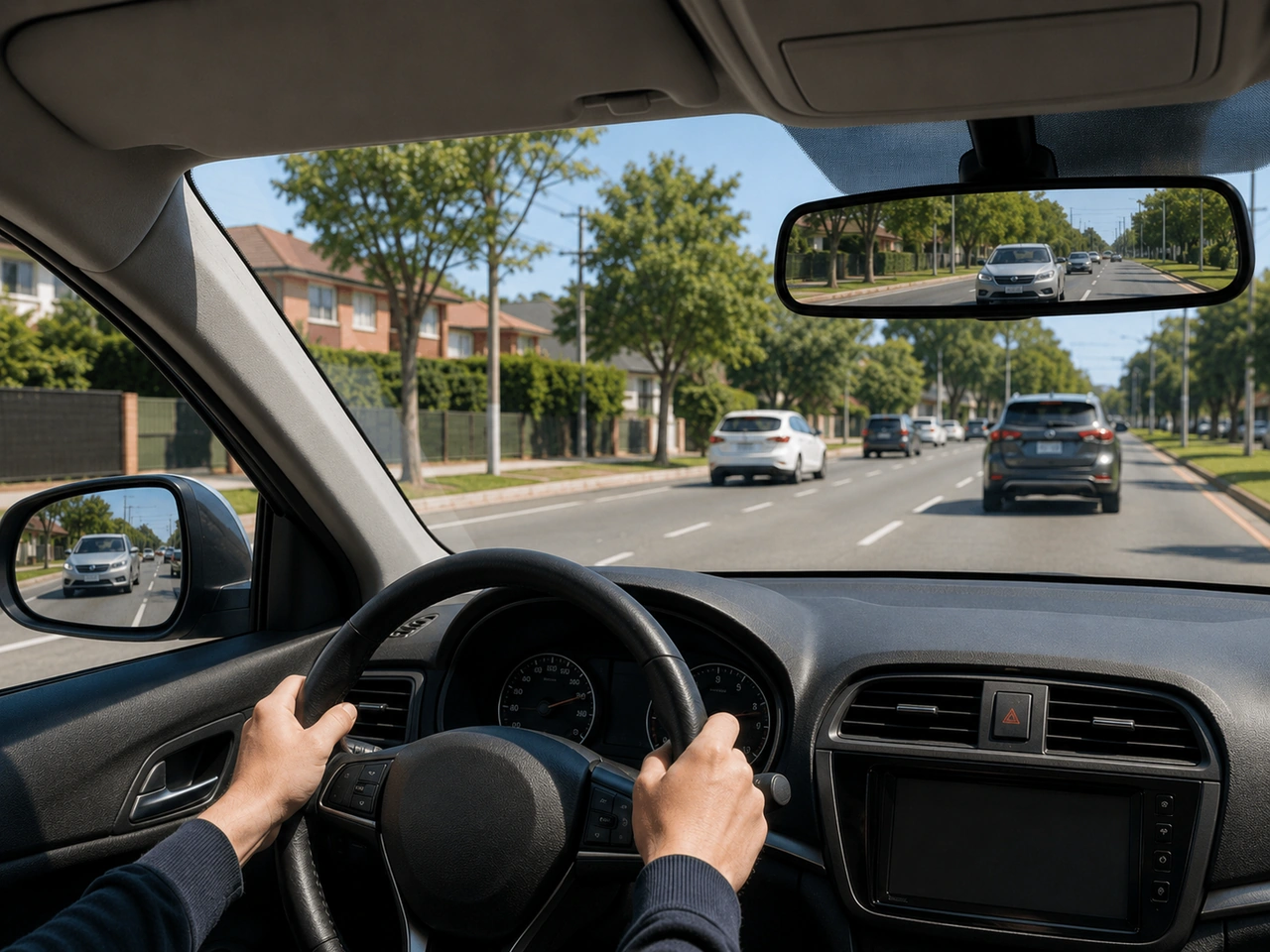
442. Why should you check your mirrors regularly while driving?
Regular mirror checks help you understand what is happening behind and beside your vehicle.
AI-generated by Traffic-rules.com • WCIT • CC BY-SA
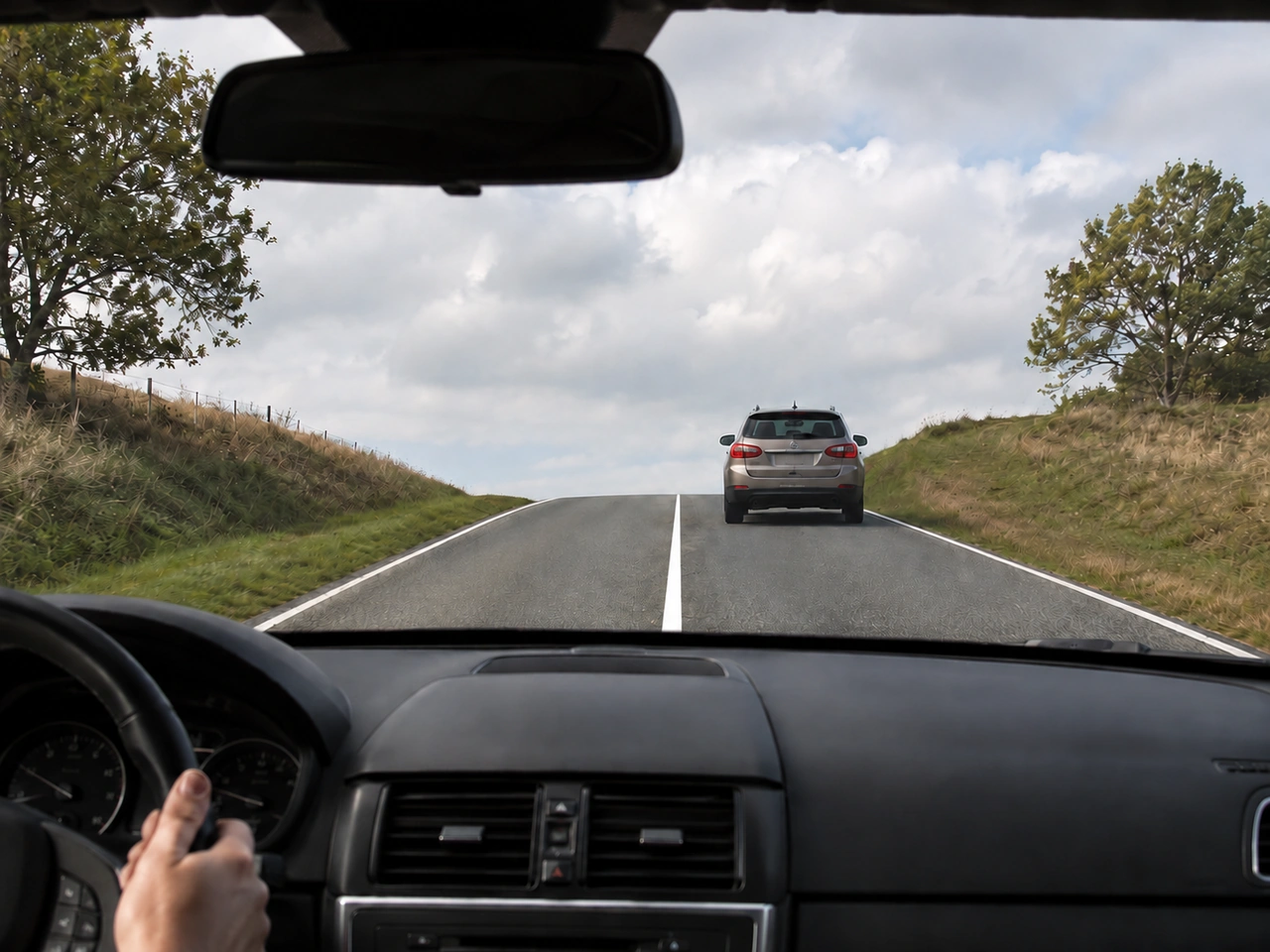
443. Why should you not overtake near the top of a hill?
Near the top of a hill, your view ahead is limited. Oncoming vehicles, cyclists, pedestrians, or obstacles may be hidden.
AI-generated by Traffic-rules.com • WCIT • CC BY-SA
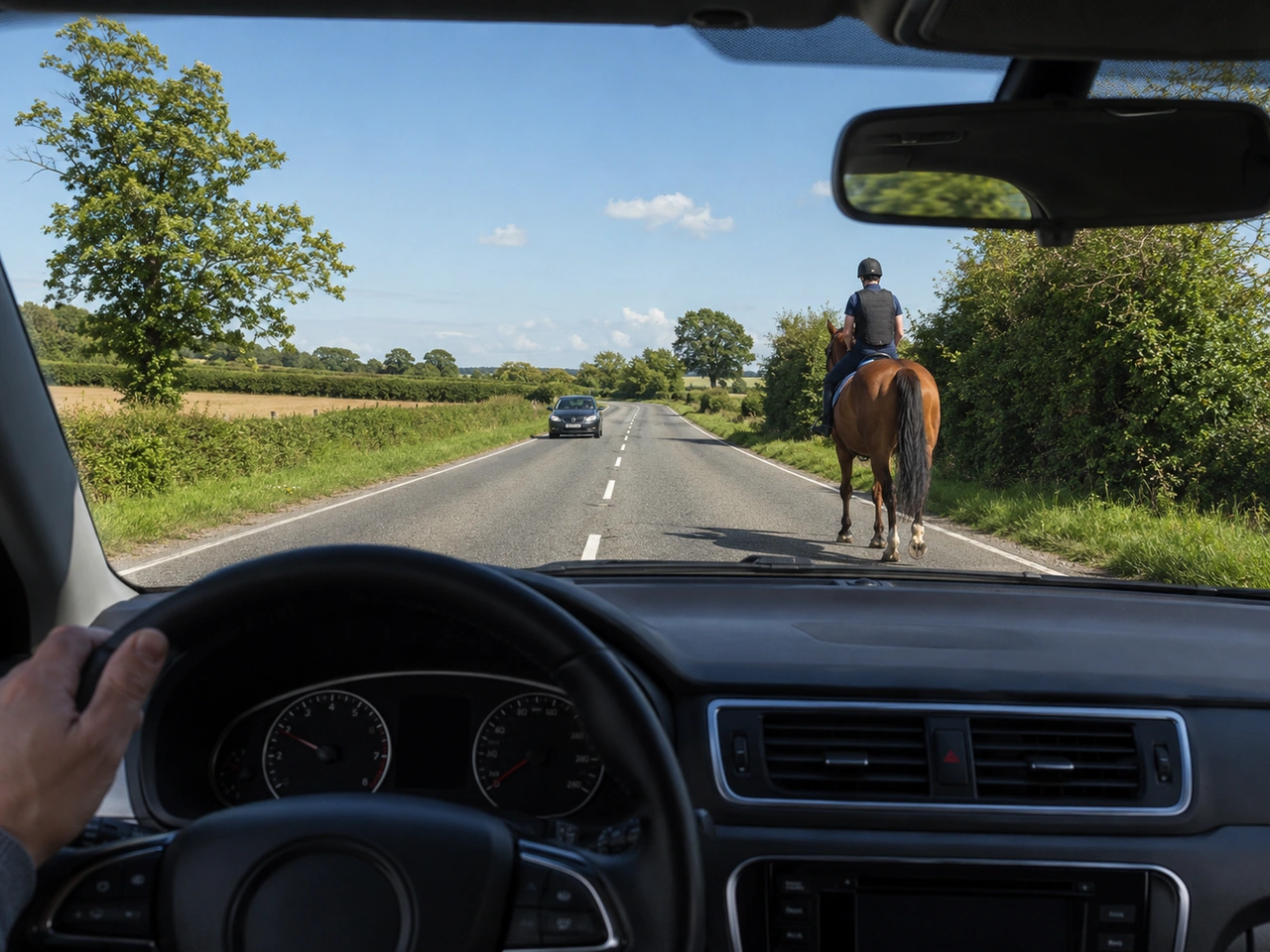
444. What should you do when passing a horse rider?
Horses can be startled by noise or sudden movement. Slow down, pass carefully, and leave enough space.
AI-generated by Traffic-rules.com • WCIT • CC BY-SA
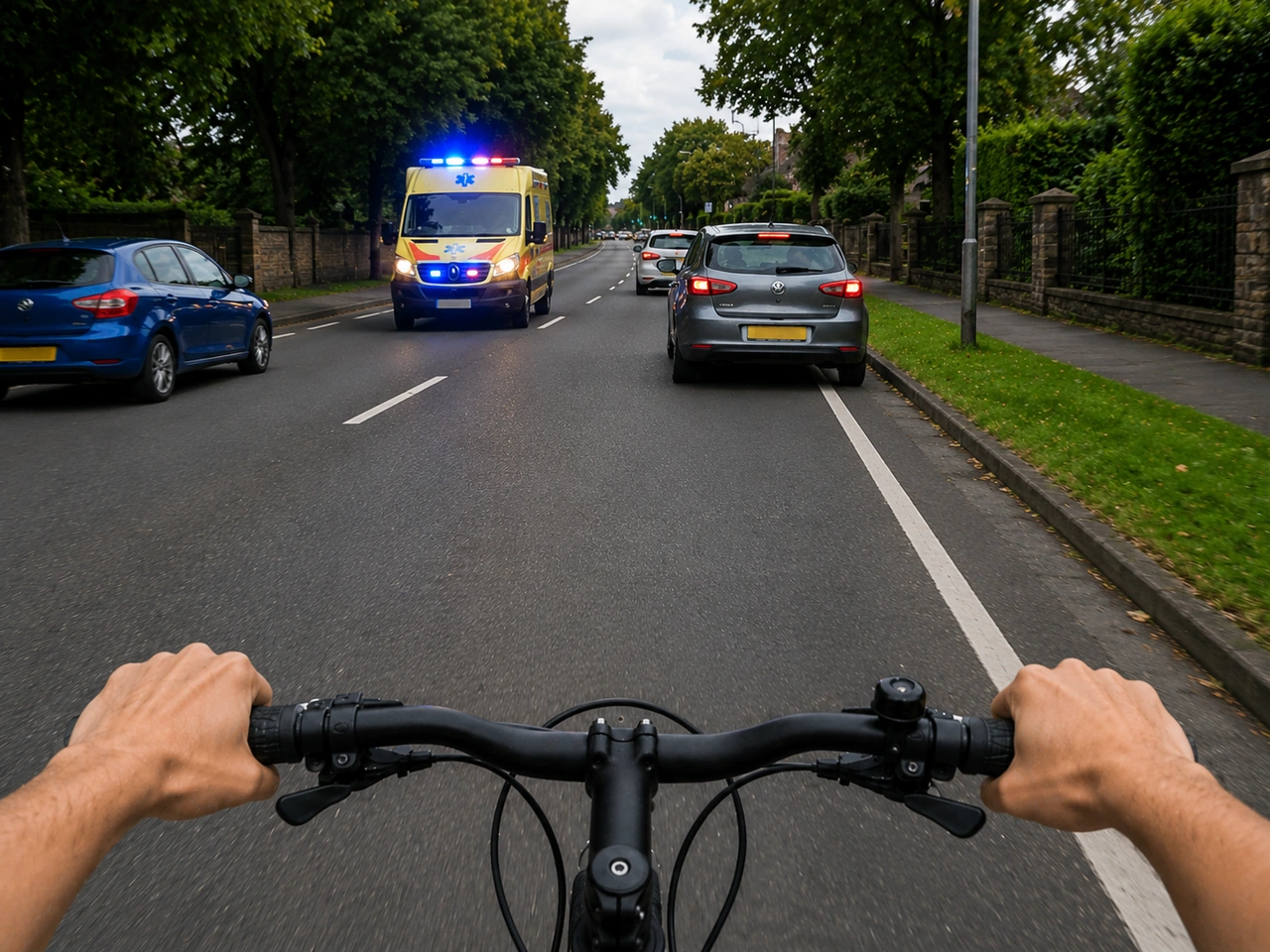
445. What should cyclists do when an emergency vehicle with lights and siren approaches?
Emergency vehicles need a clear route. Move predictably and stop only where doing so is safe.
AI-generated by Traffic-rules.com • WCIT • CC BY-SA
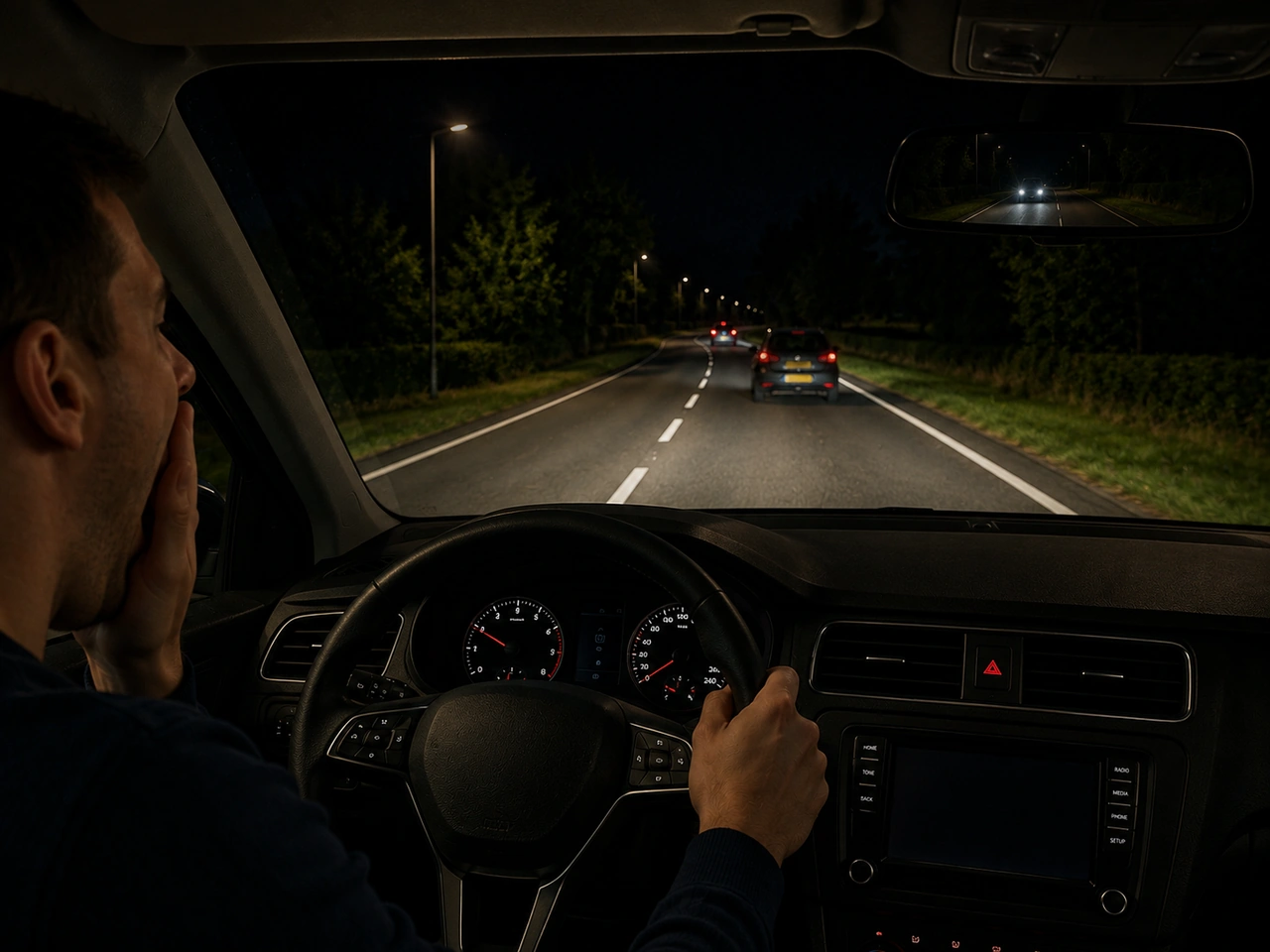
446. What should you do if you feel tired while driving?
Driving while tired reduces concentration and reaction time. Stop somewhere safe and rest before continuing.
AI-generated by Traffic-rules.com • WCIT • CC BY-SA
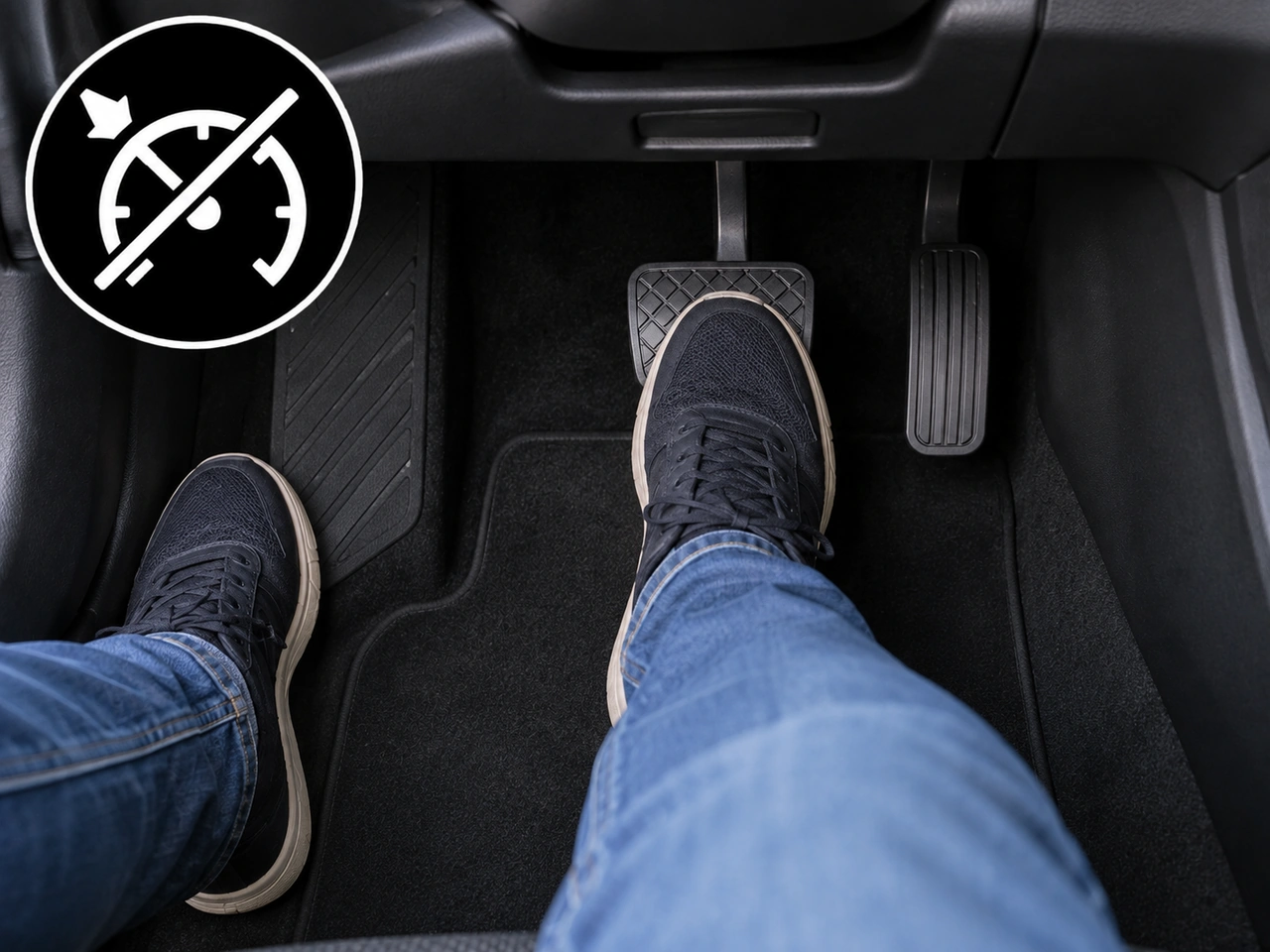
447. What normally happens to cruise control when you press the brake pedal?
Pressing the brake pedal normally cancels or temporarily disengages cruise control, returning speed control to the driver.
AI-generated by Traffic-rules.com • WCIT • CC BY-SA
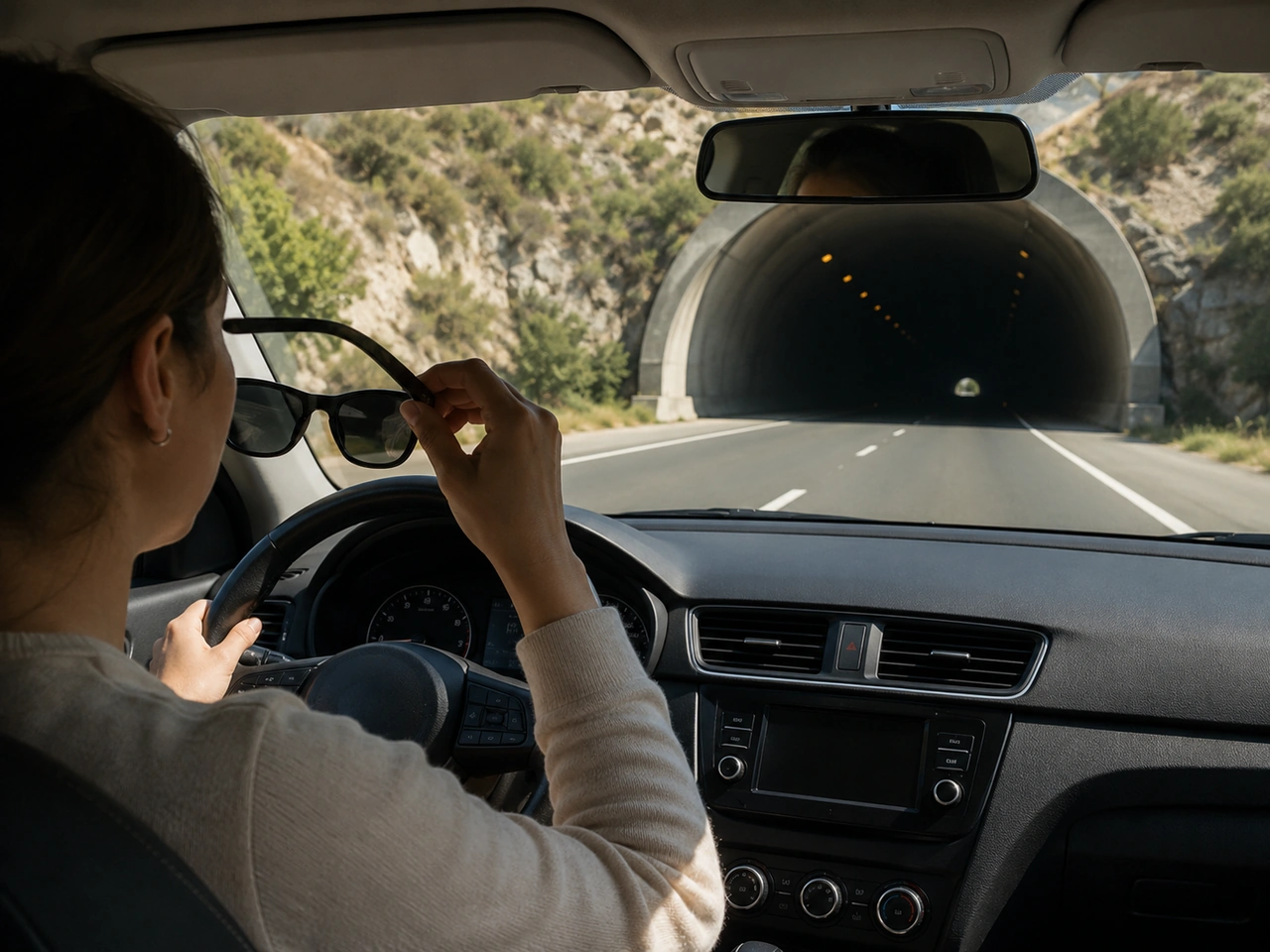
448. Why should you remove dark sunglasses before entering a tunnel?
Dark sunglasses reduce the amount of light reaching your eyes and can make hazards inside a tunnel harder to see.
AI-generated by Traffic-rules.com • WCIT • CC BY-SA
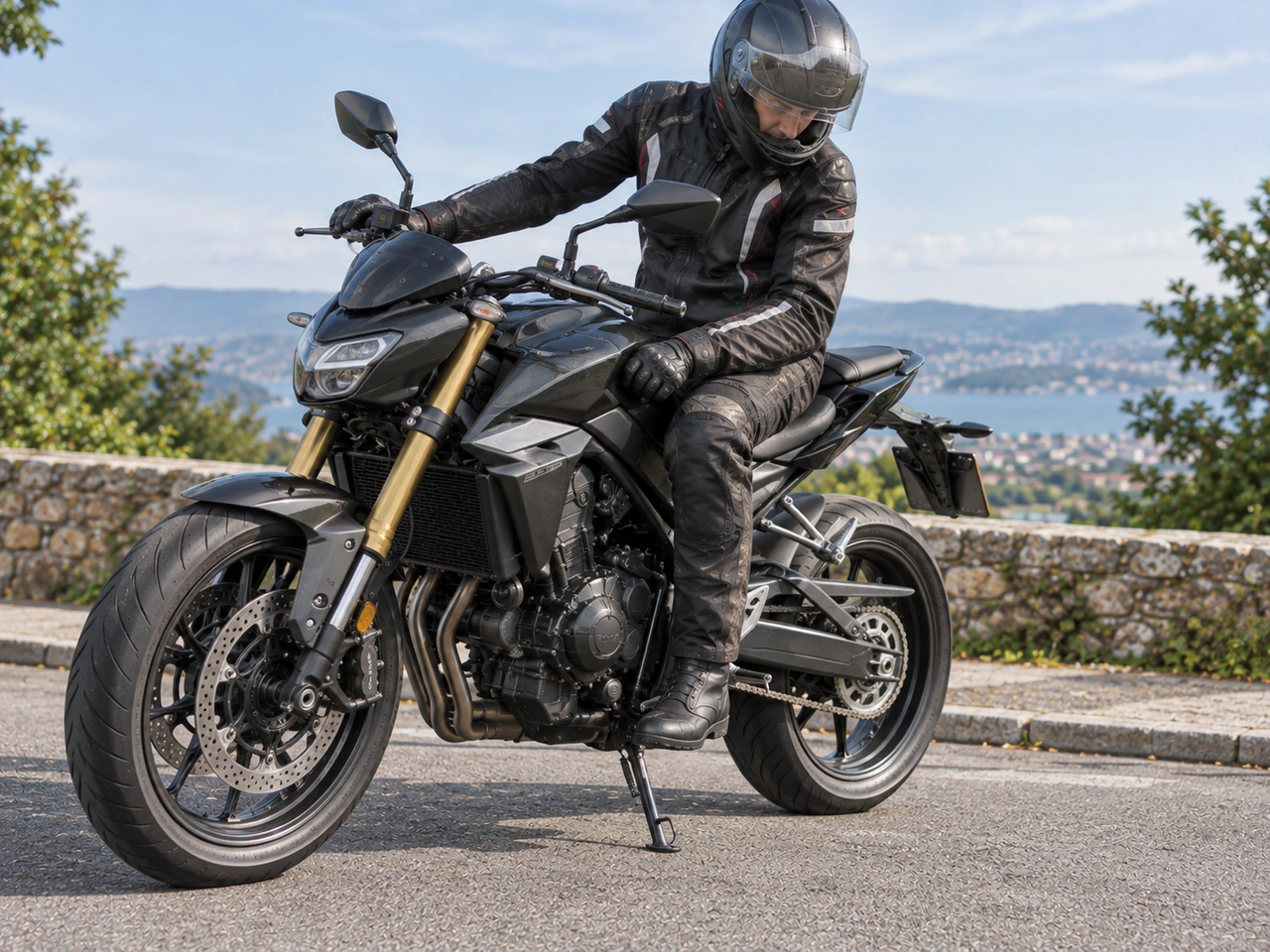
449. Should the side stand be fully raised before riding a motorcycle?
The side stand should be fully raised before riding. If it remains down, it may strike the road surface, particularly when turning, and could cause the rider to lose control.
AI-generated by Traffic-rules.com • WCIT • CC BY-SA
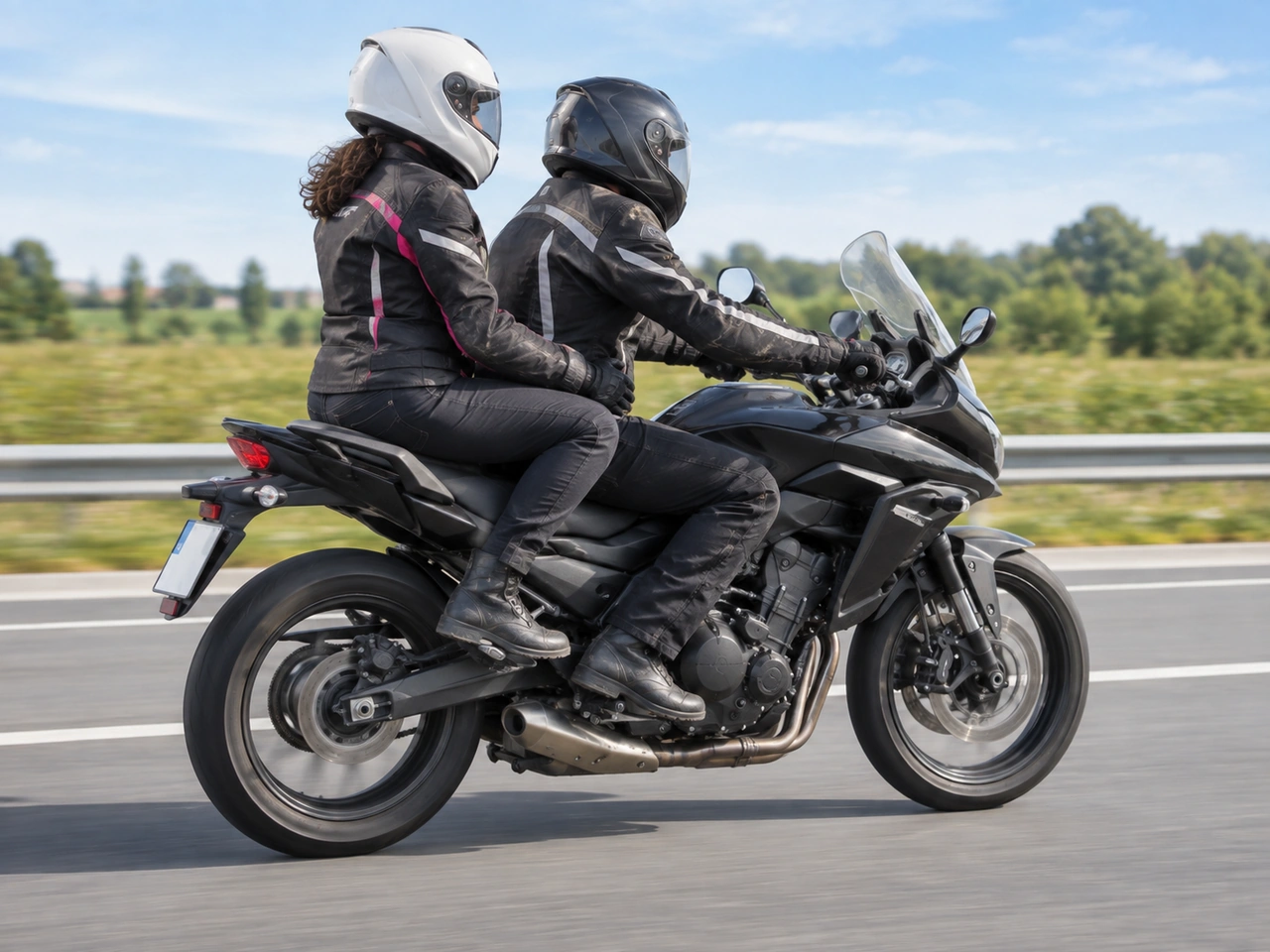
450. How should a passenger normally sit on a motorcycle?
A motorcycle passenger should sit securely on the designated passenger seat, keep both feet on the footrests and avoid sudden movements that could affect the motorcycle's balance and stability.
AI-generated by Traffic-rules.com • WCIT • CC BY-SA