


QuizTraffic rulesCzechia
Test your knowledge with our multiple-choice quiz. Learn from each answer and improve your understanding of the traffic rules and road signs of Czechia.
 Traffic signs
 Traffic rules
 Czechia
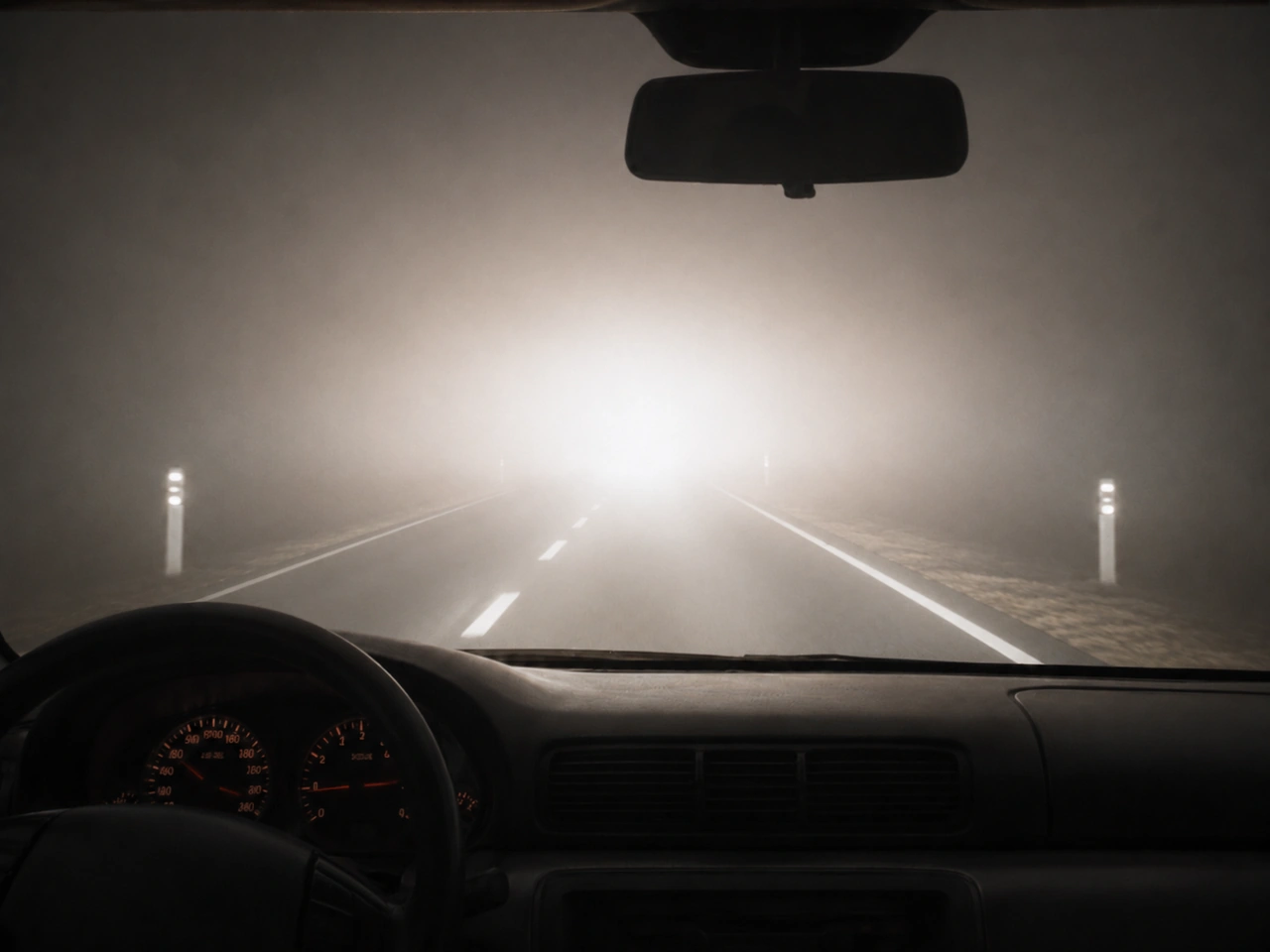
1. Why can main-beam headlights make driving in fog more difficult?
Main beam can reflect back from fog and create glare, making it harder to see the road ahead.
AI-generated by Traffic-rules.com • WCIT • CC BY-SA

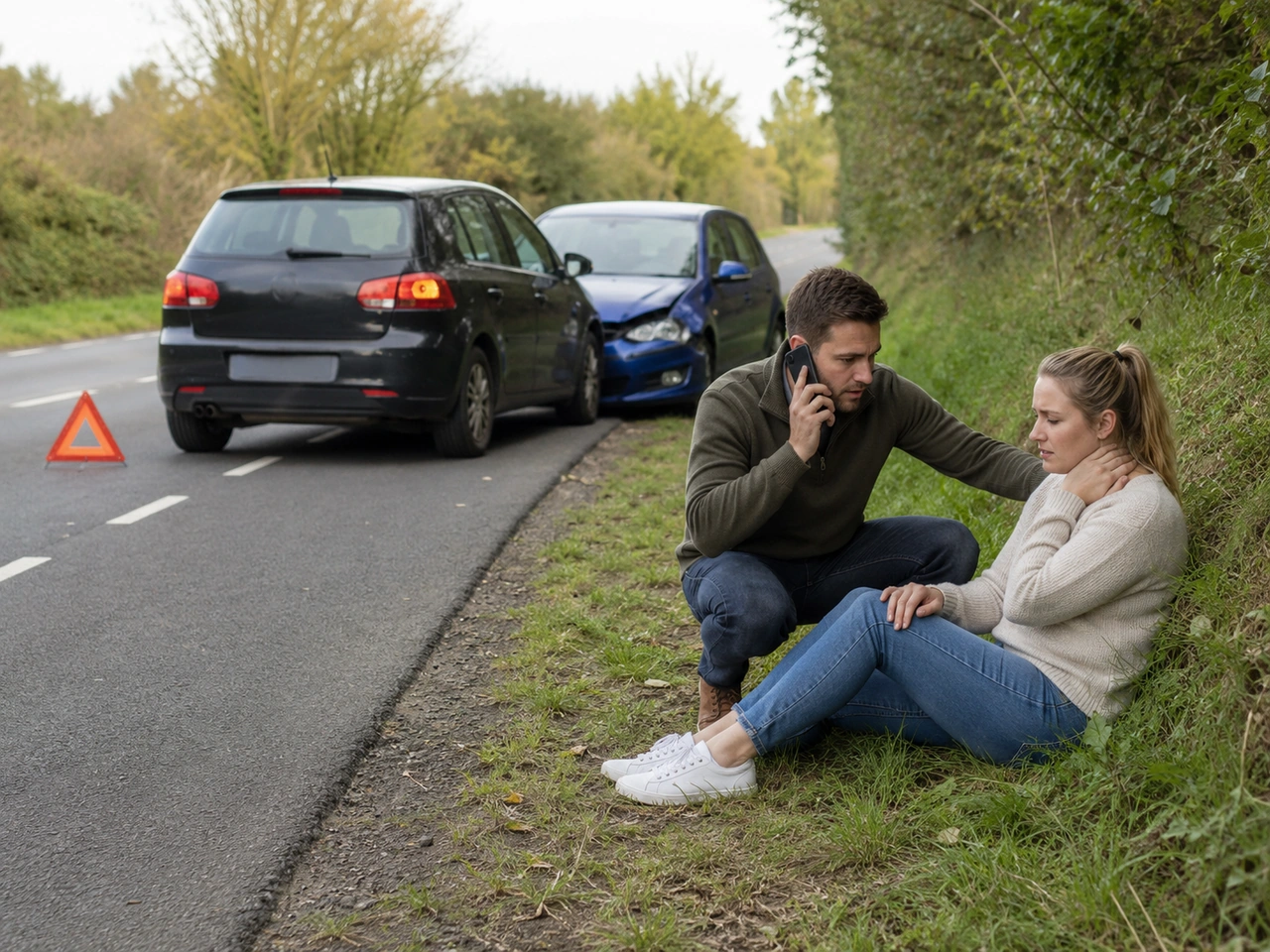
2. What should you do if someone is injured in a road collision?
Moving an injured person can worsen spinal or other injuries. Keep them calm, protect them from further danger, and provide first aid only within your level of training.
AI-generated by Traffic-rules.com • WCIT • CC BY-SA
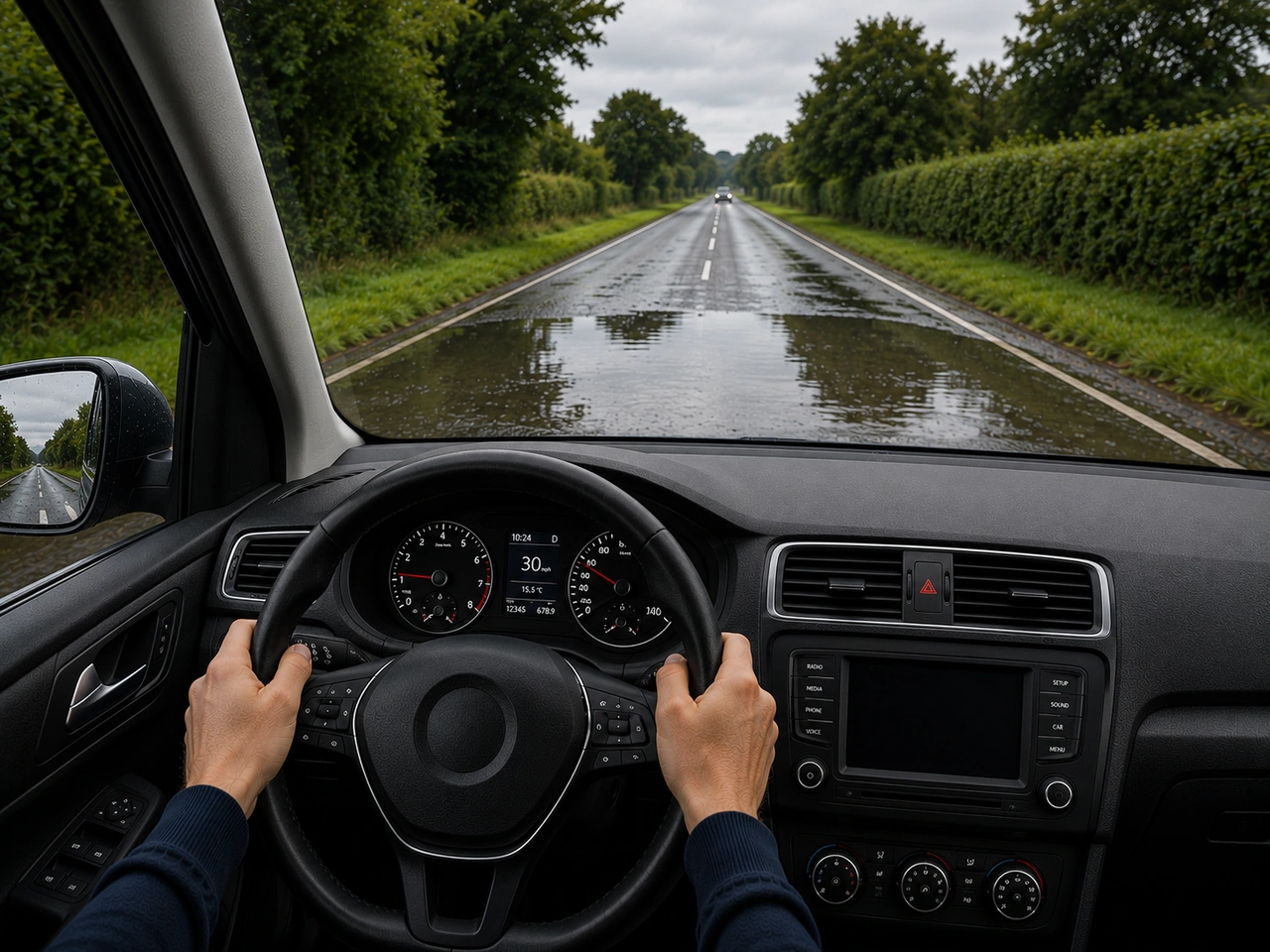
3. What should you do before driving through a puddle?
Large puddles can hide holes, reduce grip, or cause water to splash onto pedestrians or other vehicles. Slow down and proceed carefully.
AI-generated by Traffic-rules.com • WCIT • CC BY-SA
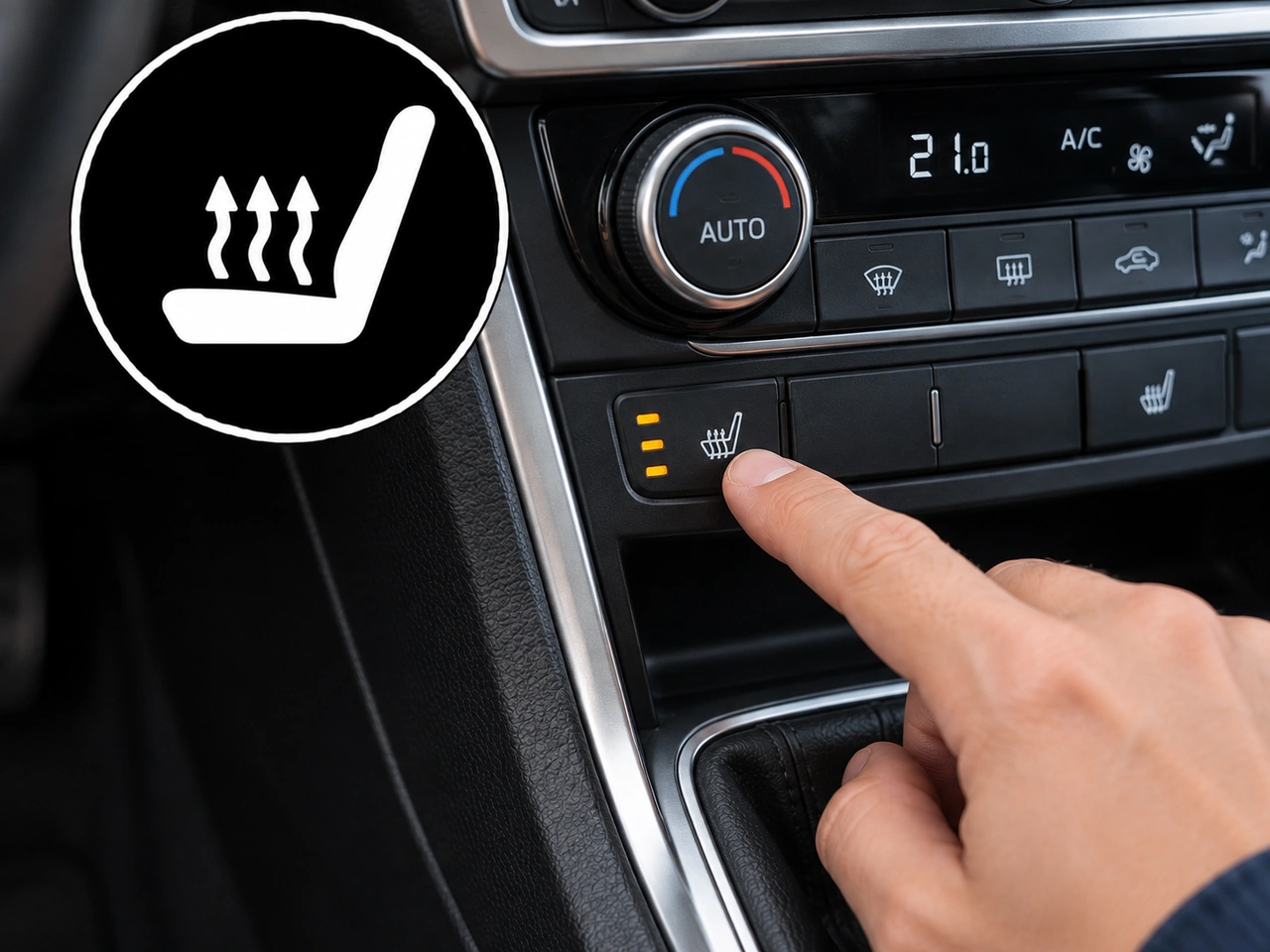
4. What does this vehicle-control symbol indicate?
This control activates the seat heating, which warms the seat cushion and, on many vehicles, the backrest. Several heat levels may be available.
AI-generated by Traffic-rules.com • WCIT • CC BY-SA
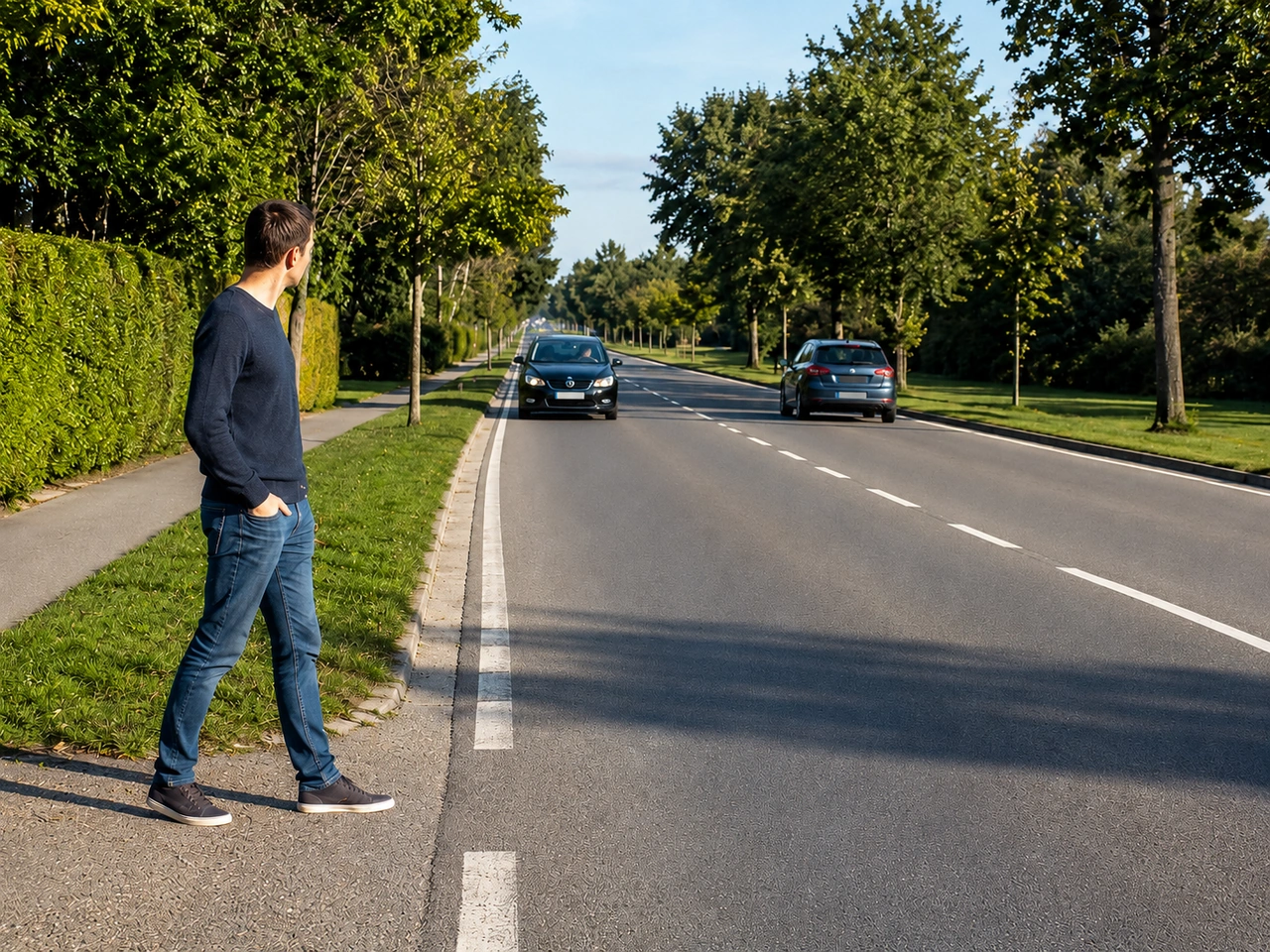
5. What should you do when crossing a road with no marked crossing nearby?
If there is no marked crossing nearby, choose a safe place where you can clearly see approaching traffic.
AI-generated by Traffic-rules.com • WCIT • CC BY-SA
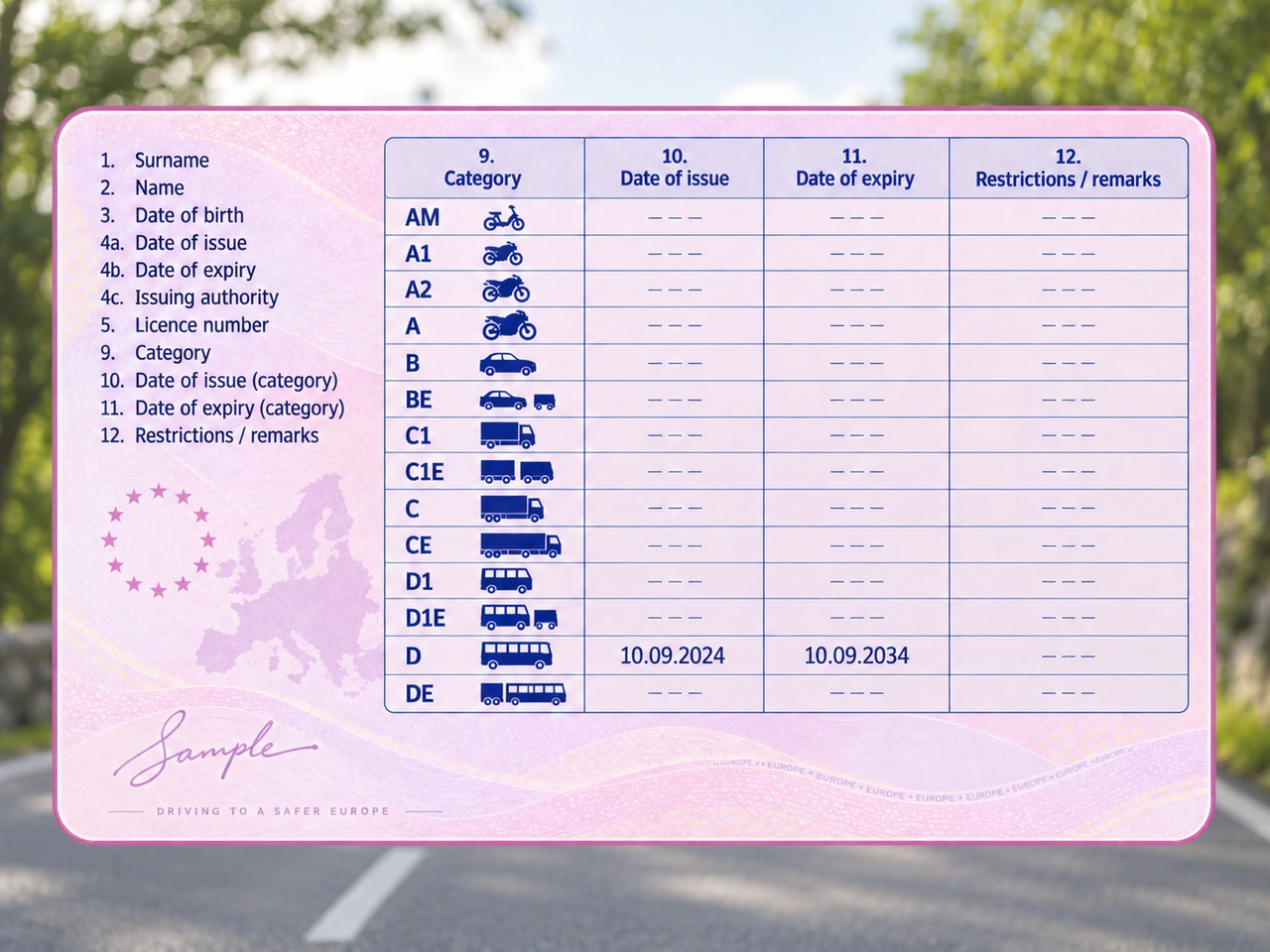
6. Which passenger vehicles are covered by driving licence D?
Category D covers motor vehicles designed and constructed to carry more than eight passengers in addition to the driver. A trailer up to 750 kg may be towed.
AI-generated by Traffic-rules.com • WCIT • CC BY-SA
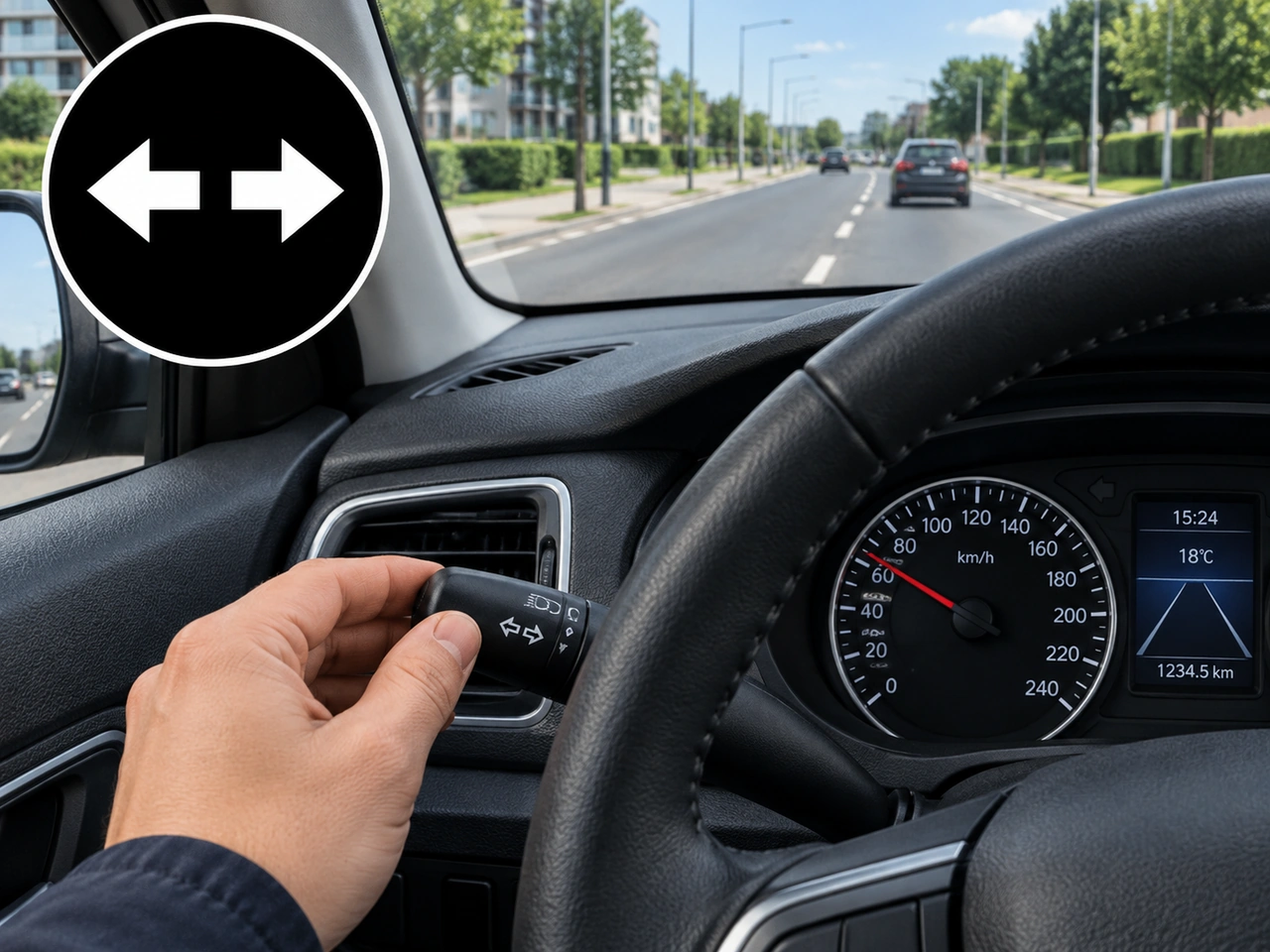
7. What should you do if a direction indicator does not cancel after a turn?
Direction indicators often cancel automatically after a turn, but if an indicator remains on, return the indicator control to its neutral position so you do not mislead other road users.
AI-generated by Traffic-rules.com • WCIT • CC BY-SA
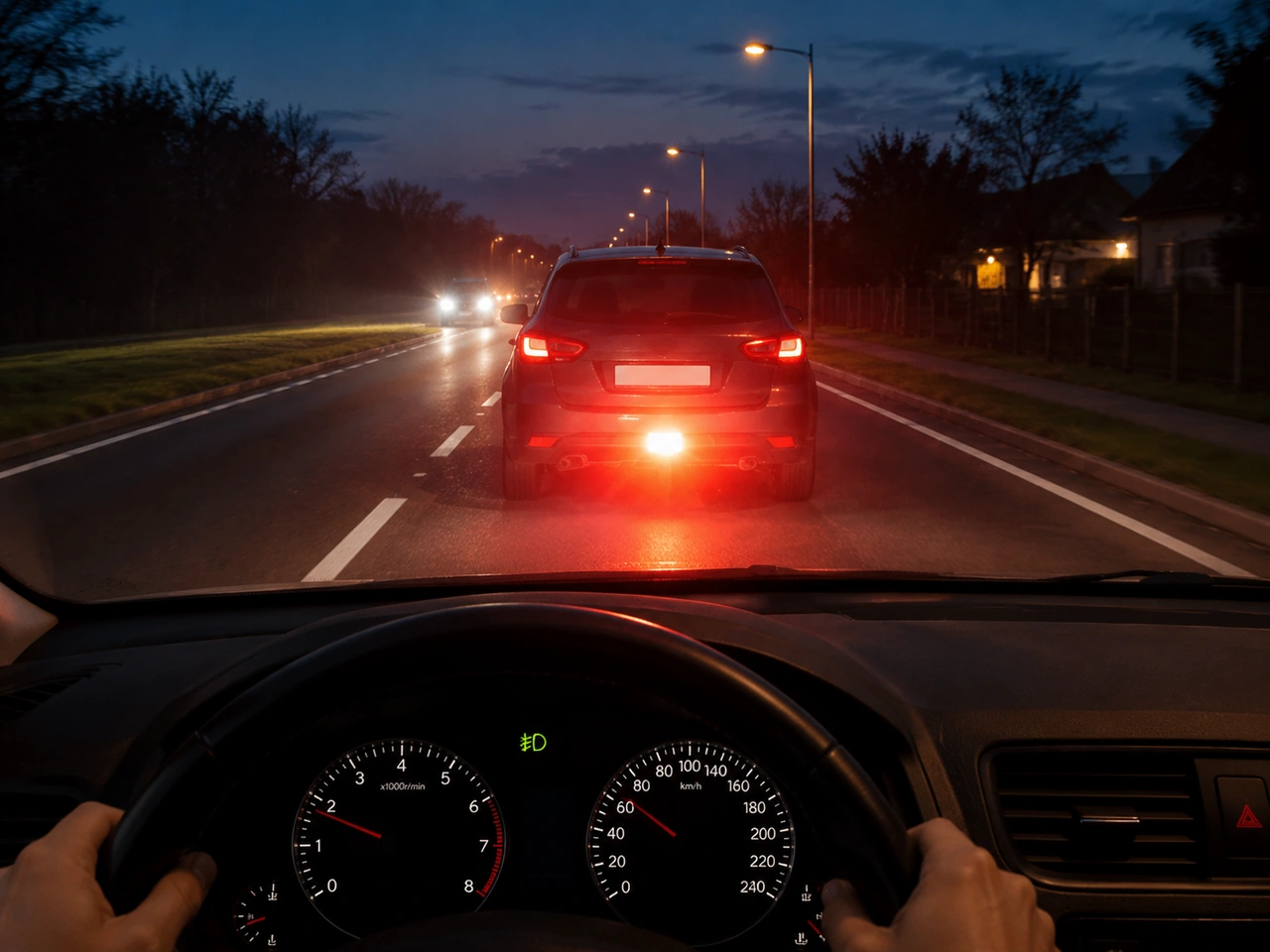
8. When should you switch off your fog lights?
Fog lights can dazzle other road users when visibility is normal, so switch them off when conditions improve.
AI-generated by Traffic-rules.com • WCIT • CC BY-SA
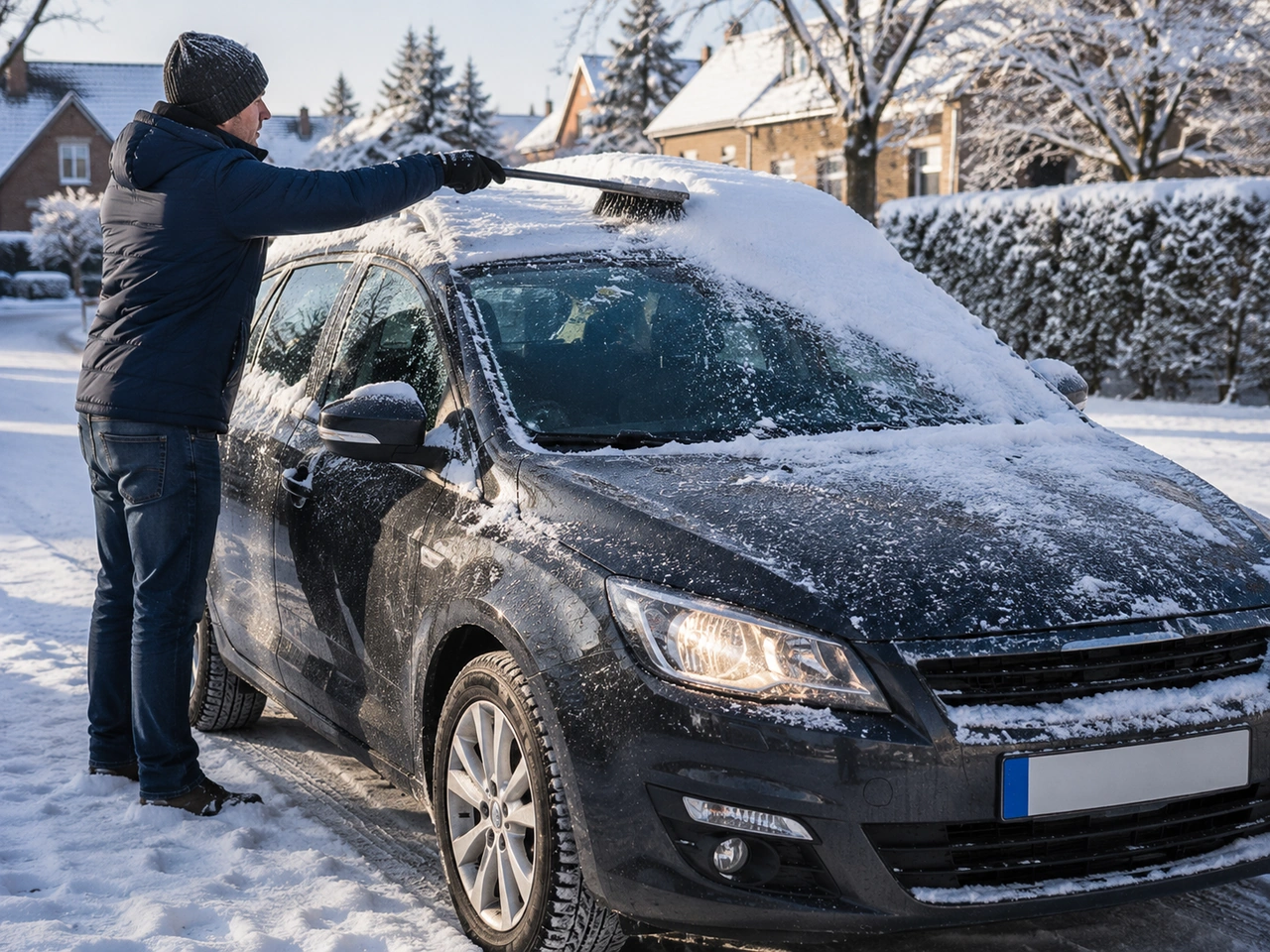
9. What should you do before driving if snow or ice covers your vehicle?
You need a clear view in every direction. Snow or ice left on the roof can also fall or blow onto other road users.
AI-generated by Traffic-rules.com • WCIT • CC BY-SA
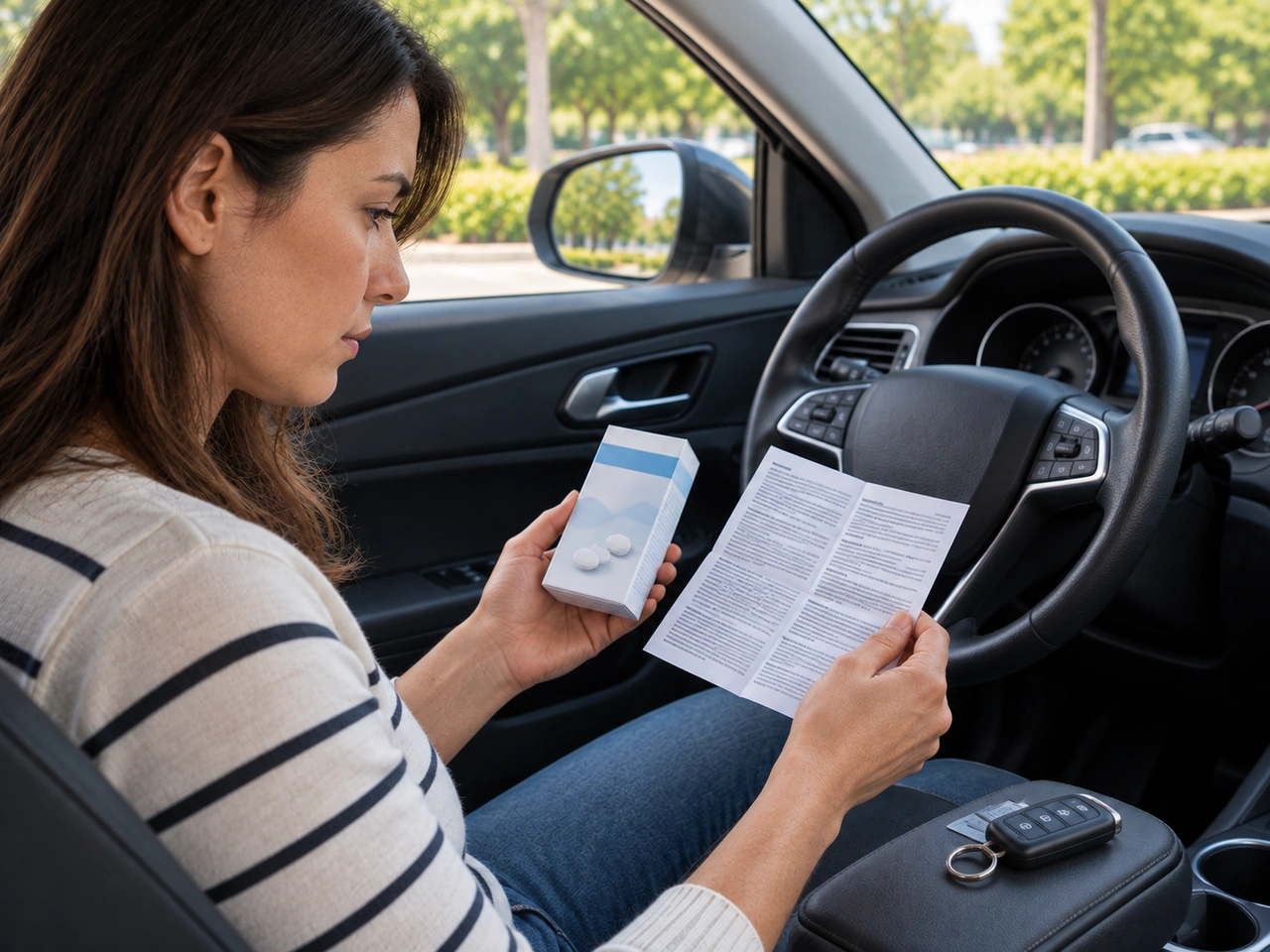
10. What should you do before driving after taking medicine?
Some medicines can affect driving ability by causing drowsiness, dizziness, blurred vision, slower reactions, or reduced concentration. Check the label or patient information and follow advice from your doctor or pharmacist before driving.
AI-generated by Traffic-rules.com • WCIT • CC BY-SA
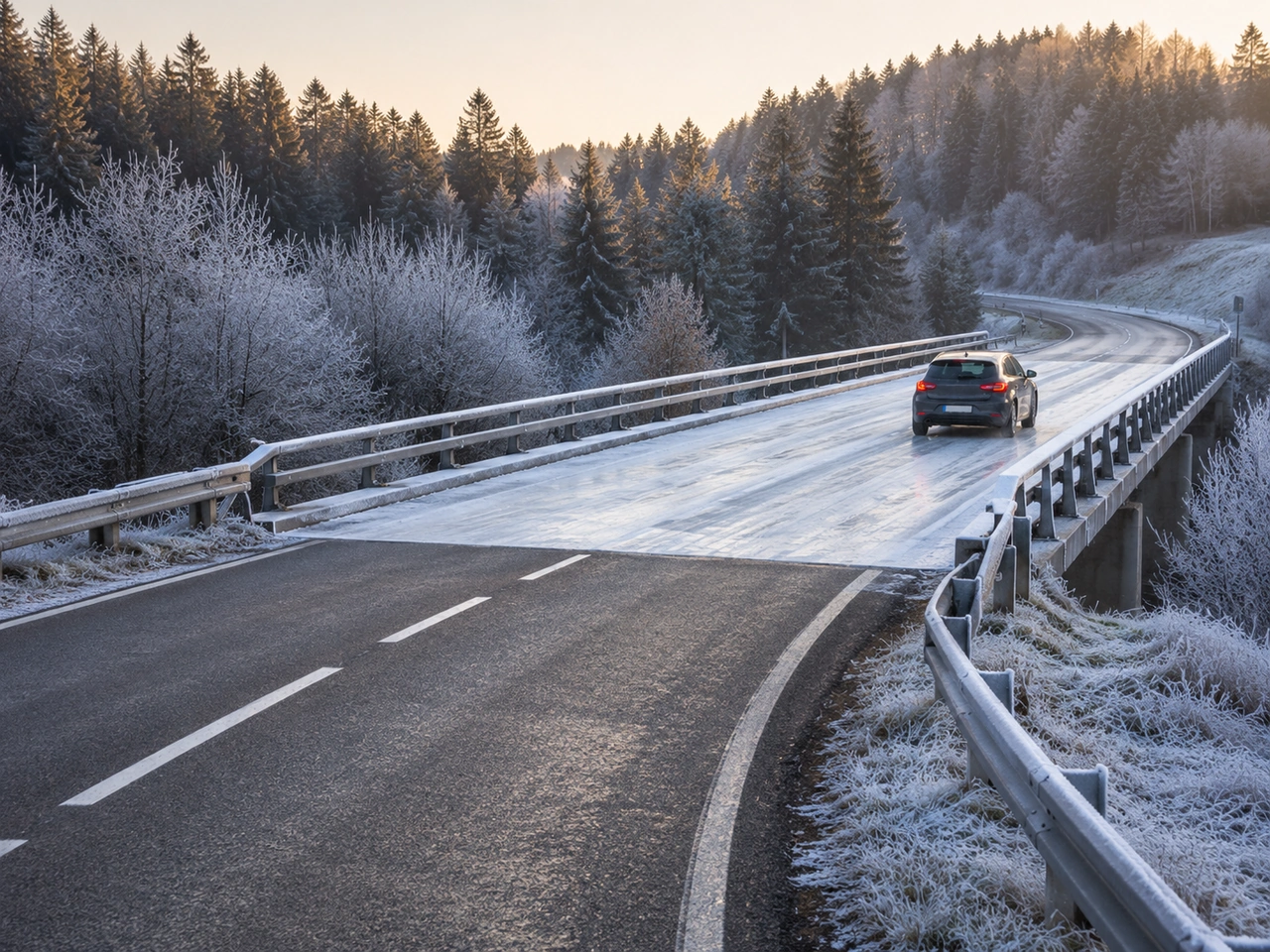
11. Why can bridges and overpasses become icy before nearby roads?
Bridges lose heat from both their upper and lower surfaces, so they can freeze before roads built directly on the ground.
AI-generated by Traffic-rules.com • WCIT • CC BY-SA
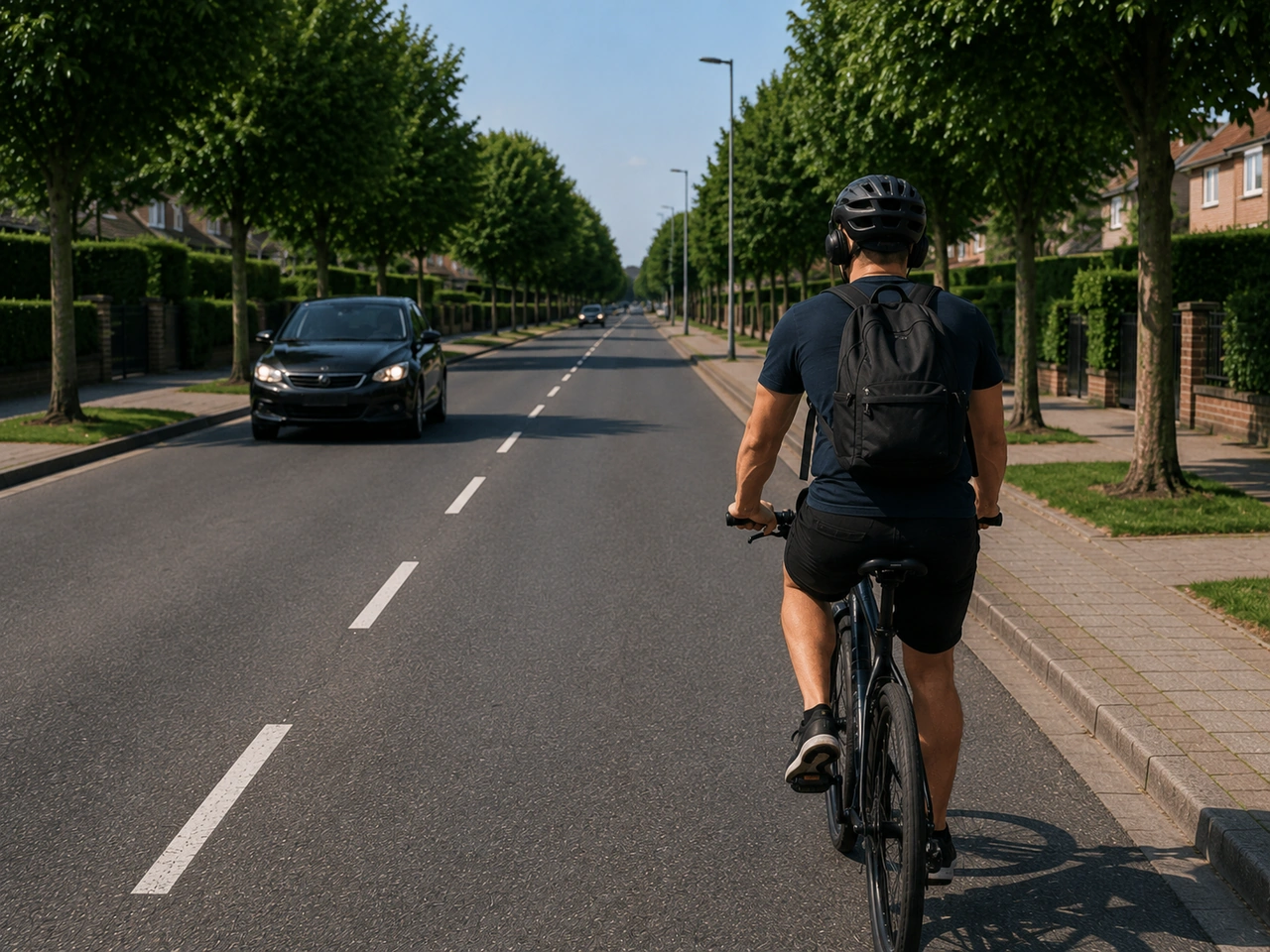
12. Why can loud music be dangerous while cycling?
Hearing approaching vehicles, bells, horns, and other warning sounds is an important part of staying aware.
AI-generated by Traffic-rules.com • WCIT • CC BY-SA
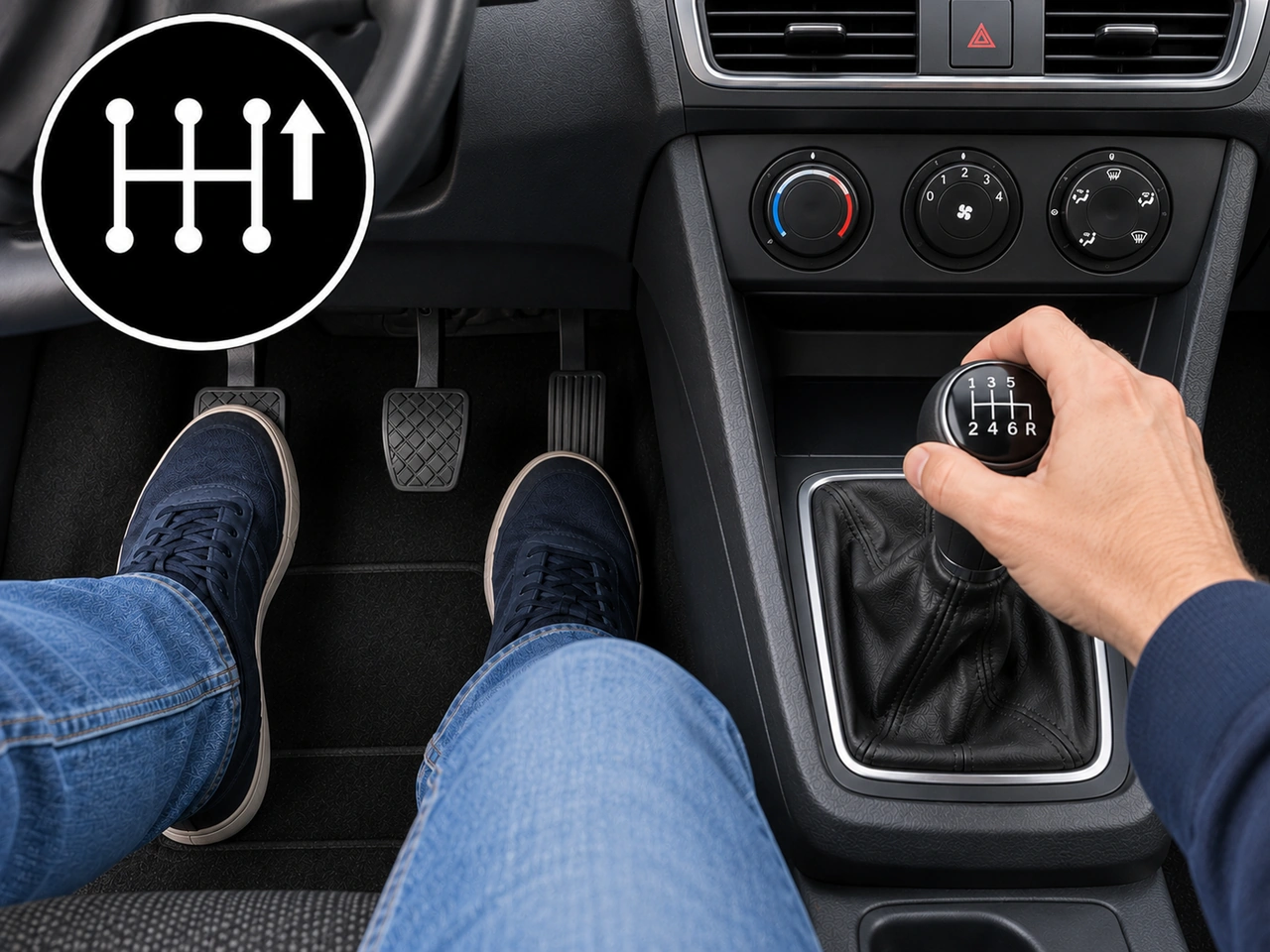
13. What should you normally do with the accelerator when changing to a higher gear?
When changing to a higher gear, ease off the accelerator as you press the clutch and select the next gear. Release the clutch smoothly and then apply the accelerator progressively.
AI-generated by Traffic-rules.com • WCIT • CC BY-SA
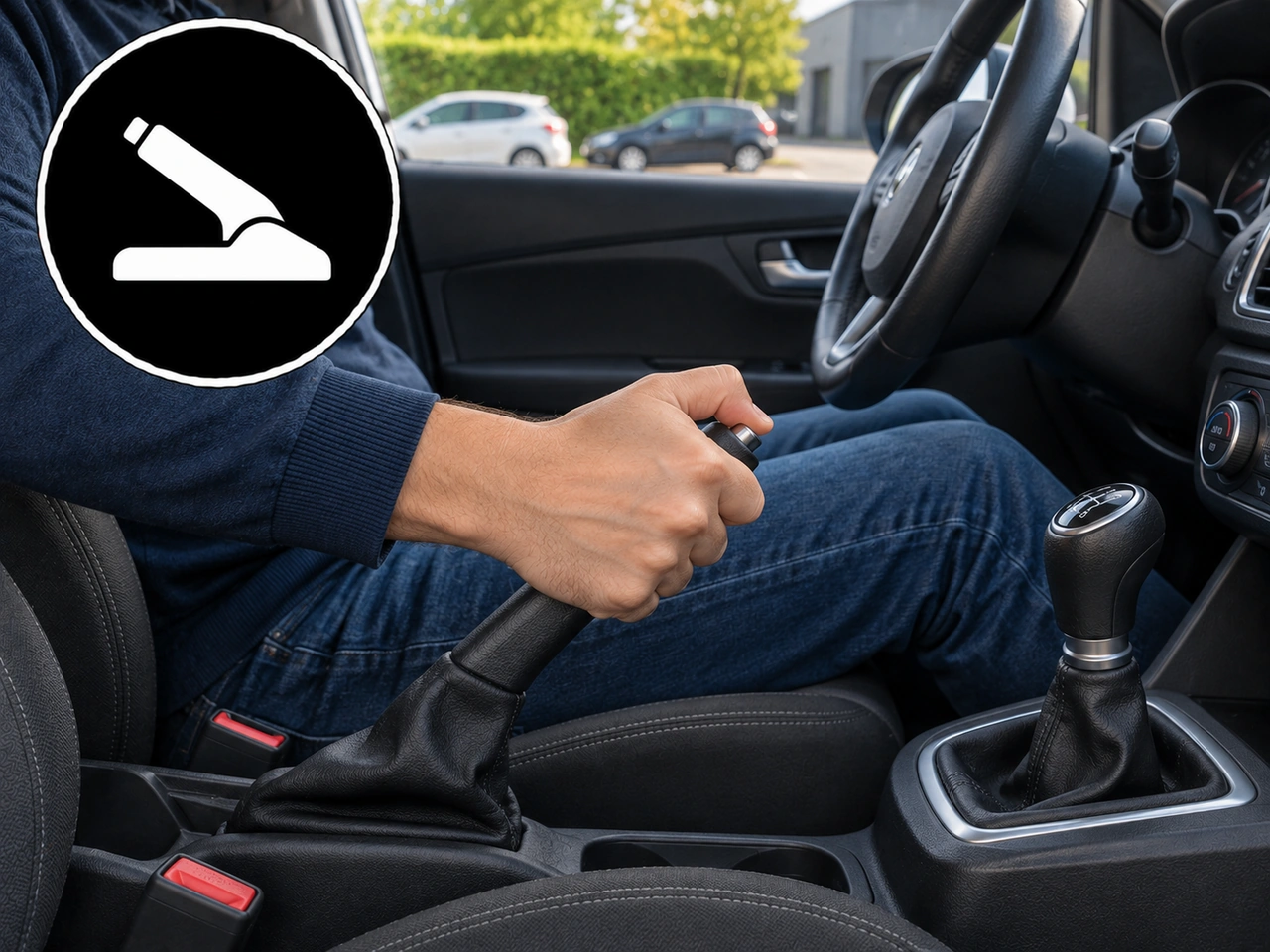
14. What should you do with the parking brake before leaving a parked vehicle?
Before leaving a parked vehicle, apply the parking brake securely to help prevent unintended movement. Also select the appropriate gear or transmission position for parking.
AI-generated by Traffic-rules.com • WCIT • CC BY-SA
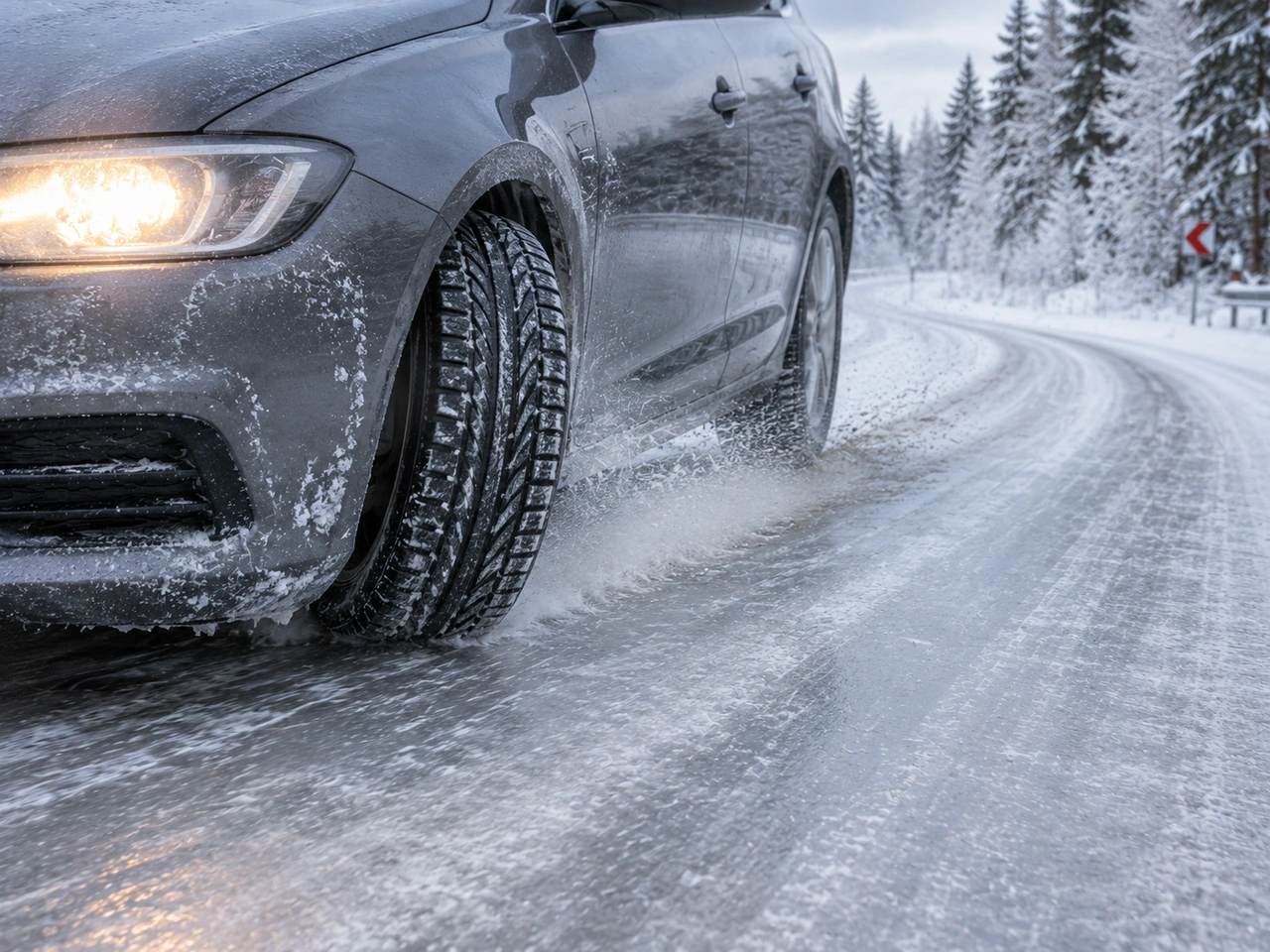
15. Why should you avoid sudden steering movements on snow or ice?
Abrupt steering can overwhelm the limited grip available on a slippery surface. Steering smoothly helps keep the vehicle stable.
AI-generated by Traffic-rules.com • WCIT • CC BY-SA
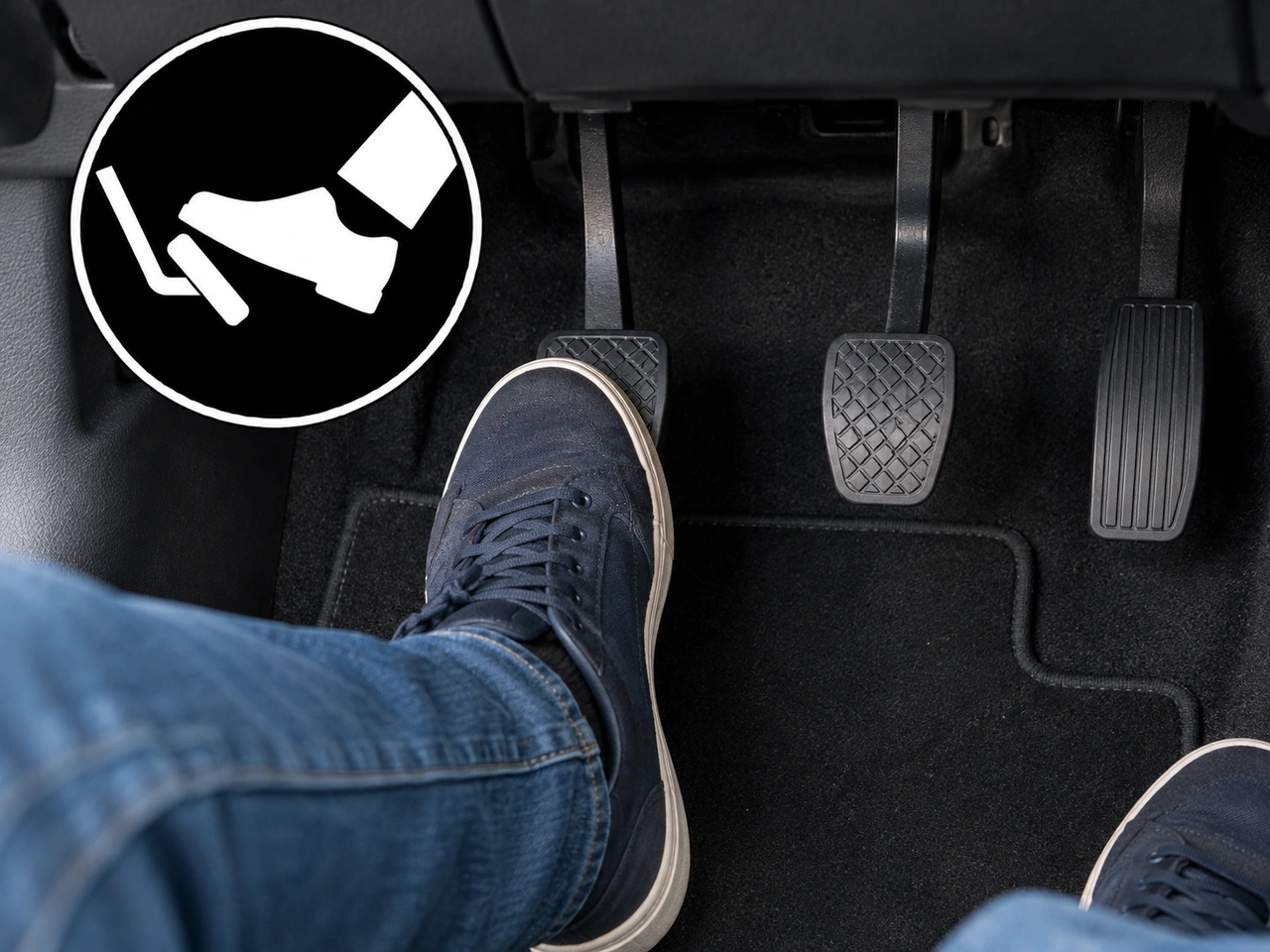
16. What is the purpose of the clutch pedal in a manual vehicle?
Pressing the clutch pedal temporarily disconnects the engine from the transmission, allowing the driver to change gear or stop without stalling the engine.
AI-generated by Traffic-rules.com • WCIT • CC BY-SA
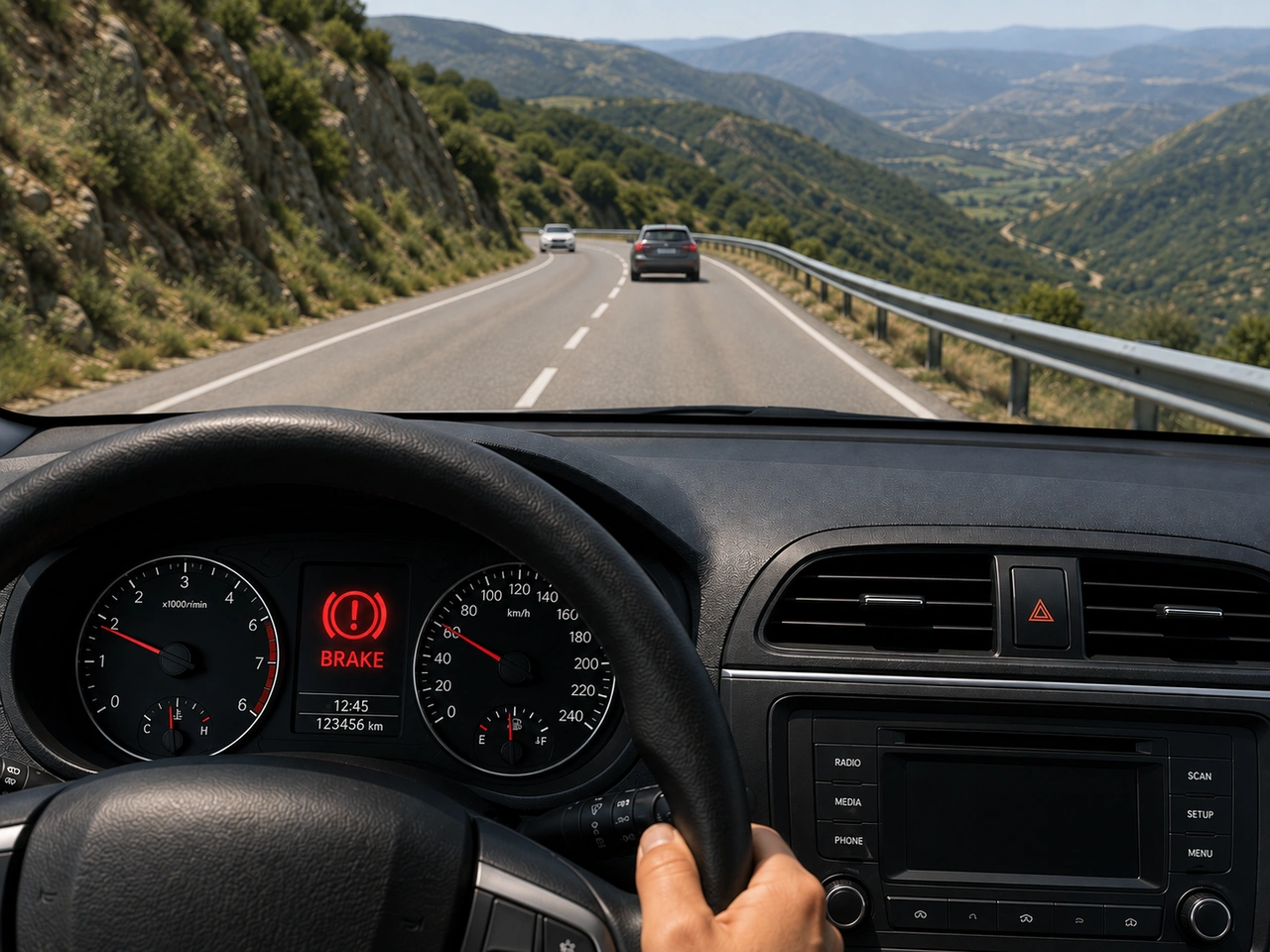
17. What should you do if the brakes fade during a long descent?
Continuous braking can cause overheating and reduced braking performance. A lower gear provides engine braking and reduces demand on the brakes.
AI-generated by Traffic-rules.com • WCIT • CC BY-SA
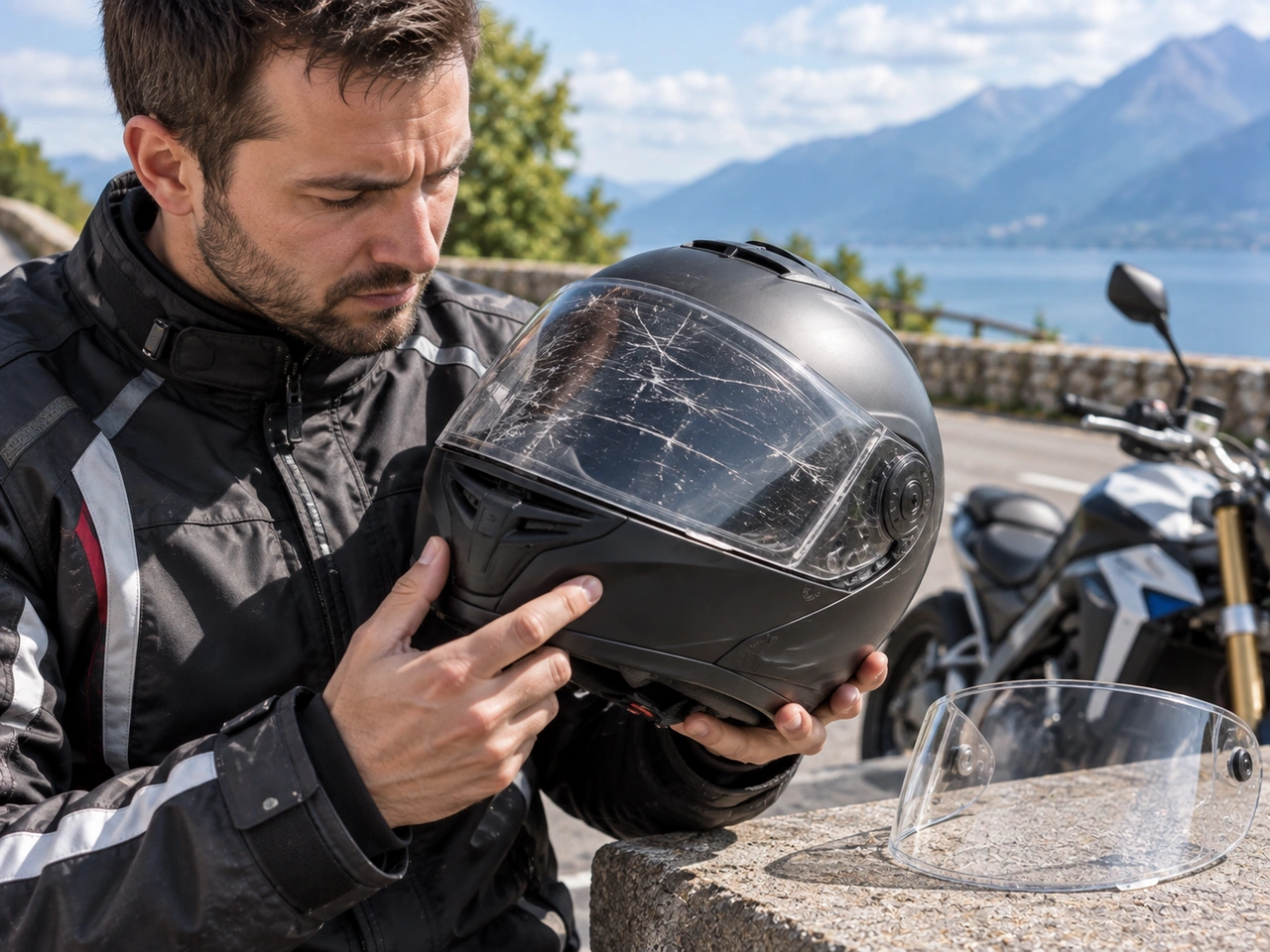
18. What should you do if a motorcycle helmet visor is badly scratched?
A badly scratched or damaged visor can reduce or distort your view, especially in bright sunlight or at night. Replace a visor that no longer provides a clear, safe view and follow the helmet manufacturer's instructions.
AI-generated by Traffic-rules.com • WCIT • CC BY-SA
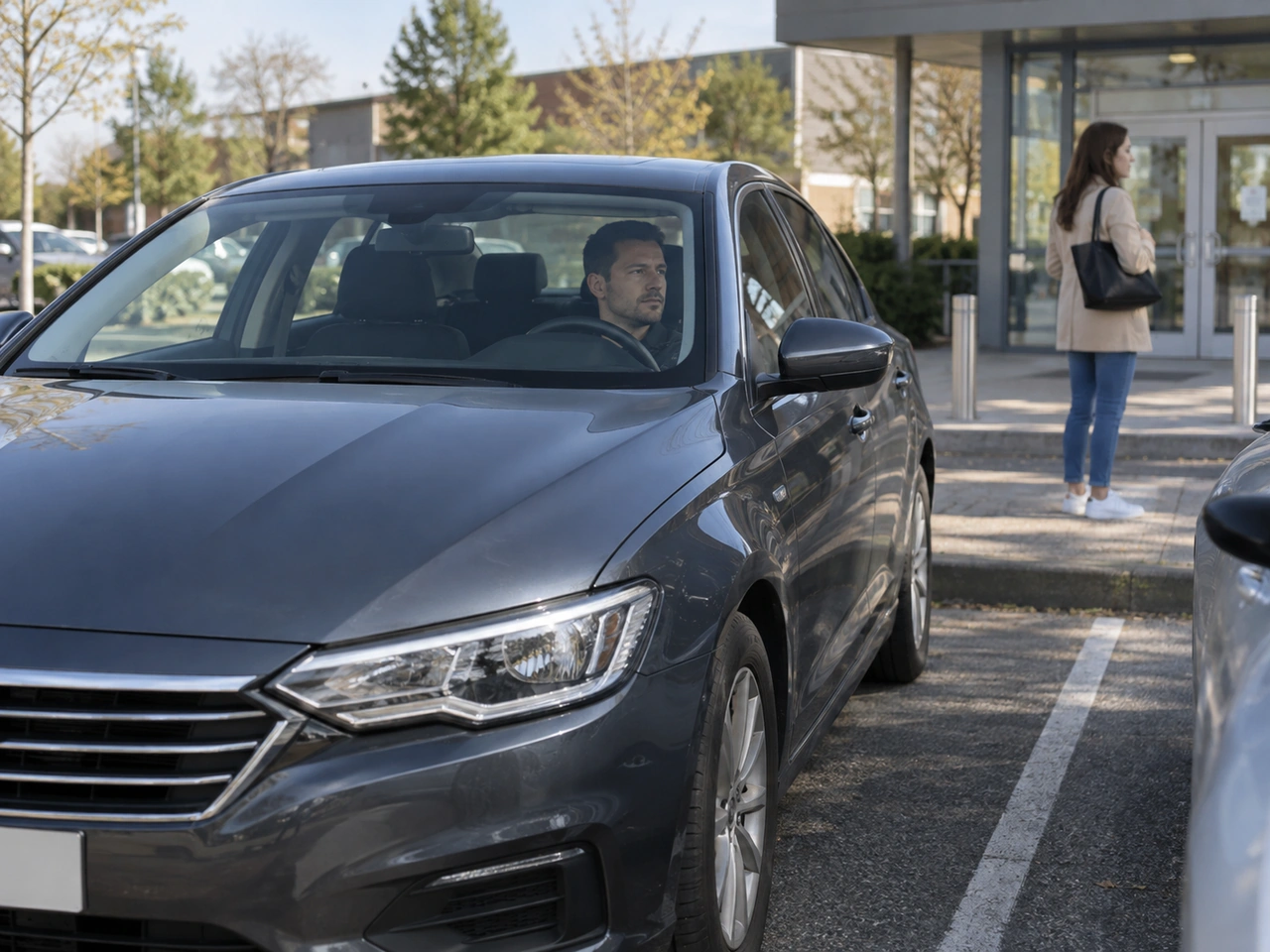
19. Why should unnecessary engine idling be avoided?
An idling combustion engine uses fuel while the vehicle is stationary. Avoid unnecessary idling where it is safe and appropriate to switch the engine off, taking account of the vehicle manufacturer's instructions and local rules.
AI-generated by Traffic-rules.com • WCIT • CC BY-SA
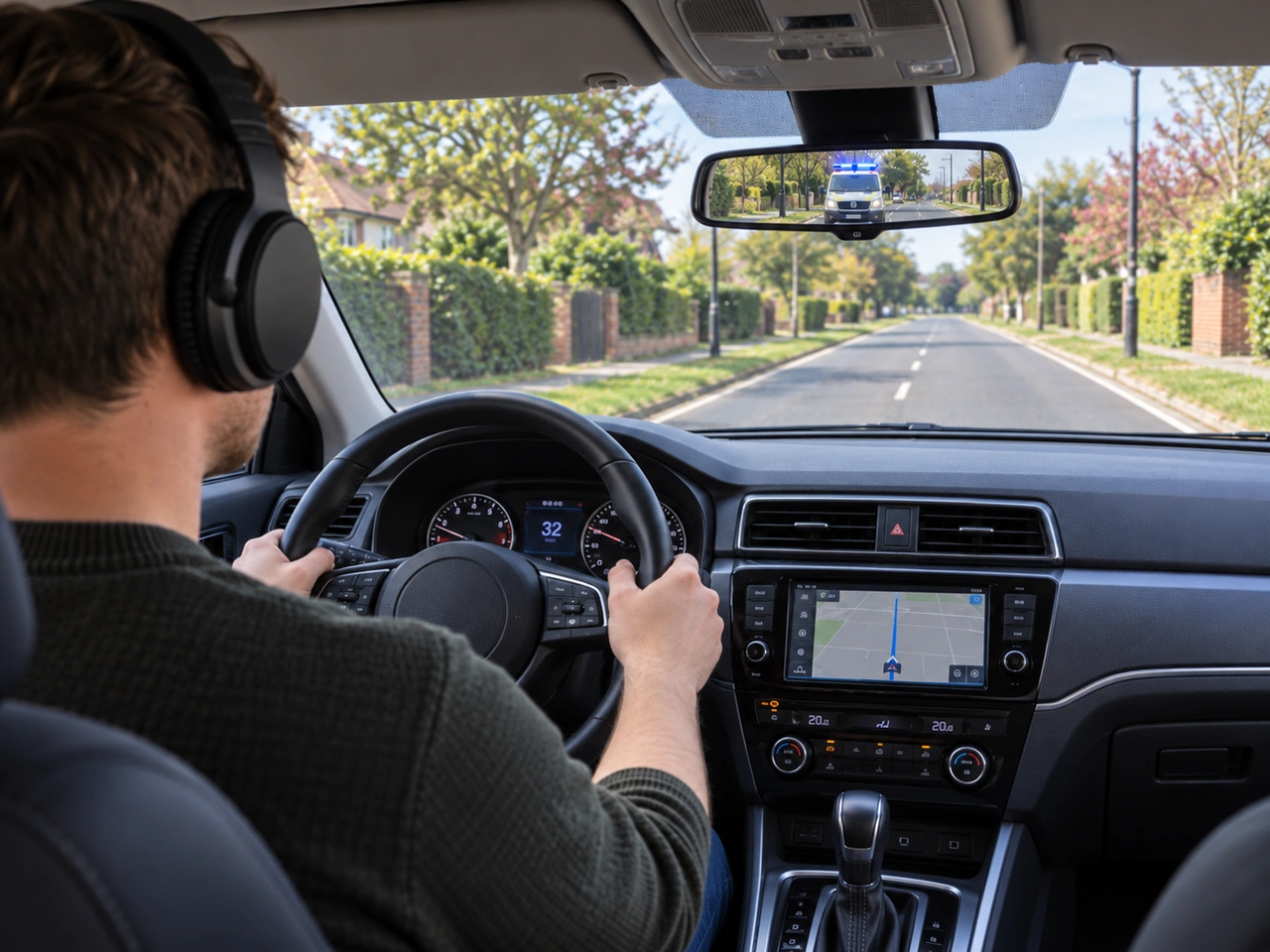
20. Why can headphones or very loud music be dangerous while driving?
Headphones or very loud music can reduce your awareness of horns, sirens, warning sounds, and surrounding traffic. Keep the volume at a level that allows you to remain aware of what is happening around the vehicle.
AI-generated by Traffic-rules.com • WCIT • CC BY-SA
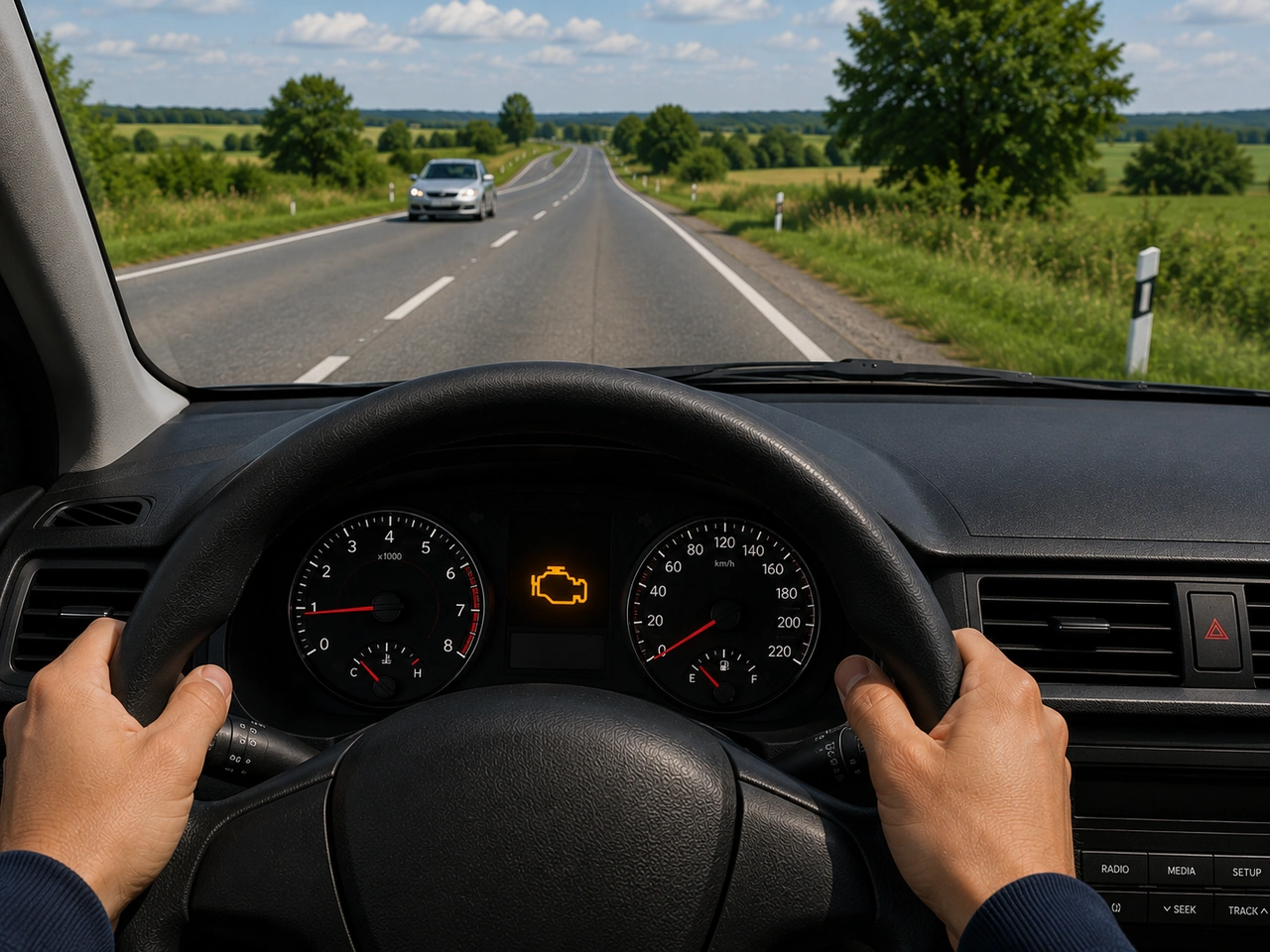
21. What should you expect if the engine suddenly stalls while the vehicle is moving?
Power assistance may be reduced when the engine stops. Keep control, use the hazard lights if needed, and steer toward a safe stopping area.
AI-generated by Traffic-rules.com • WCIT • CC BY-SA
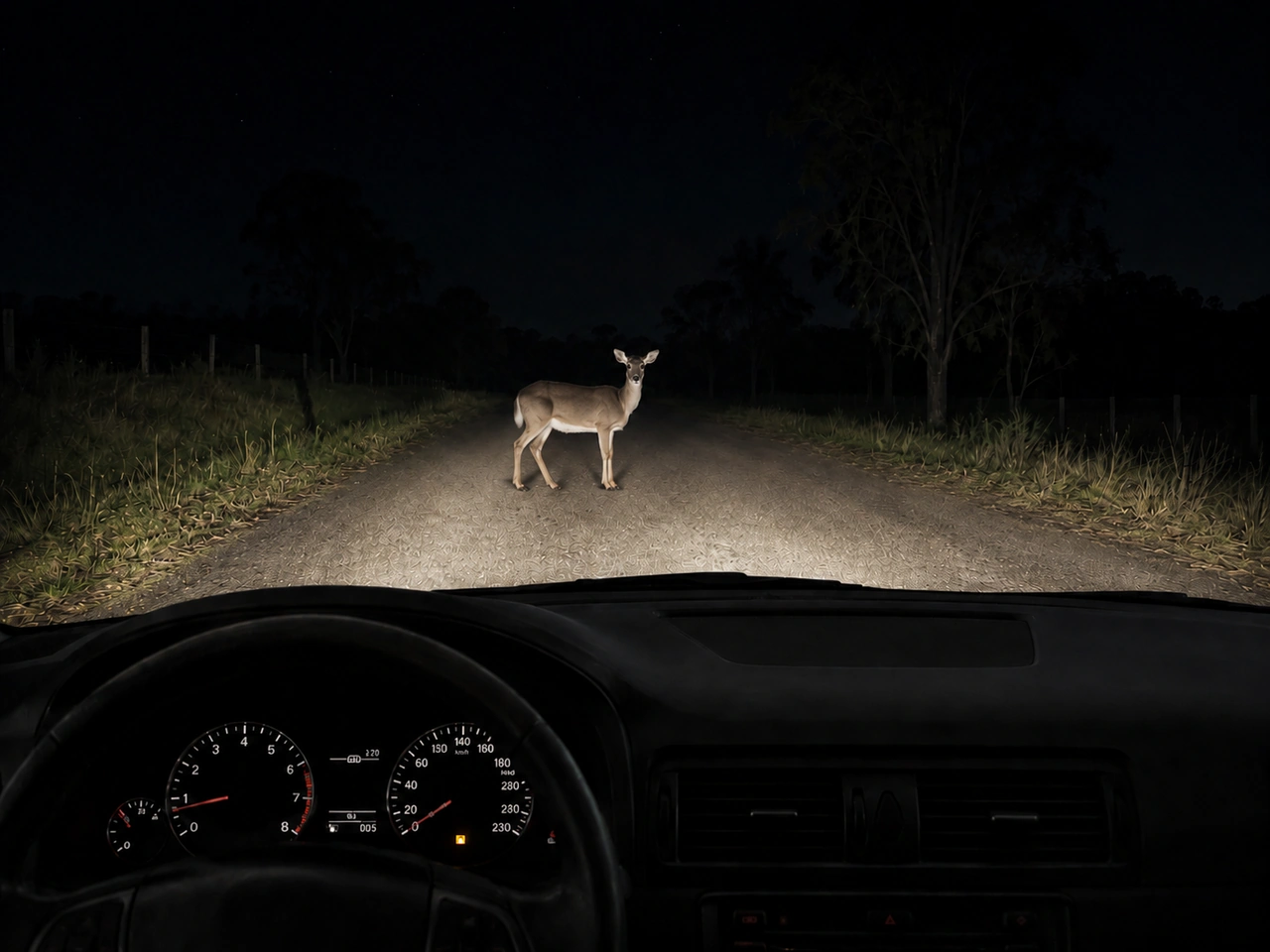
22. What should you do if an animal is standing on the road at night?
Animals may freeze, turn back, or move unpredictably when caught in vehicle headlights.
AI-generated by Traffic-rules.com • WCIT • CC BY-SA
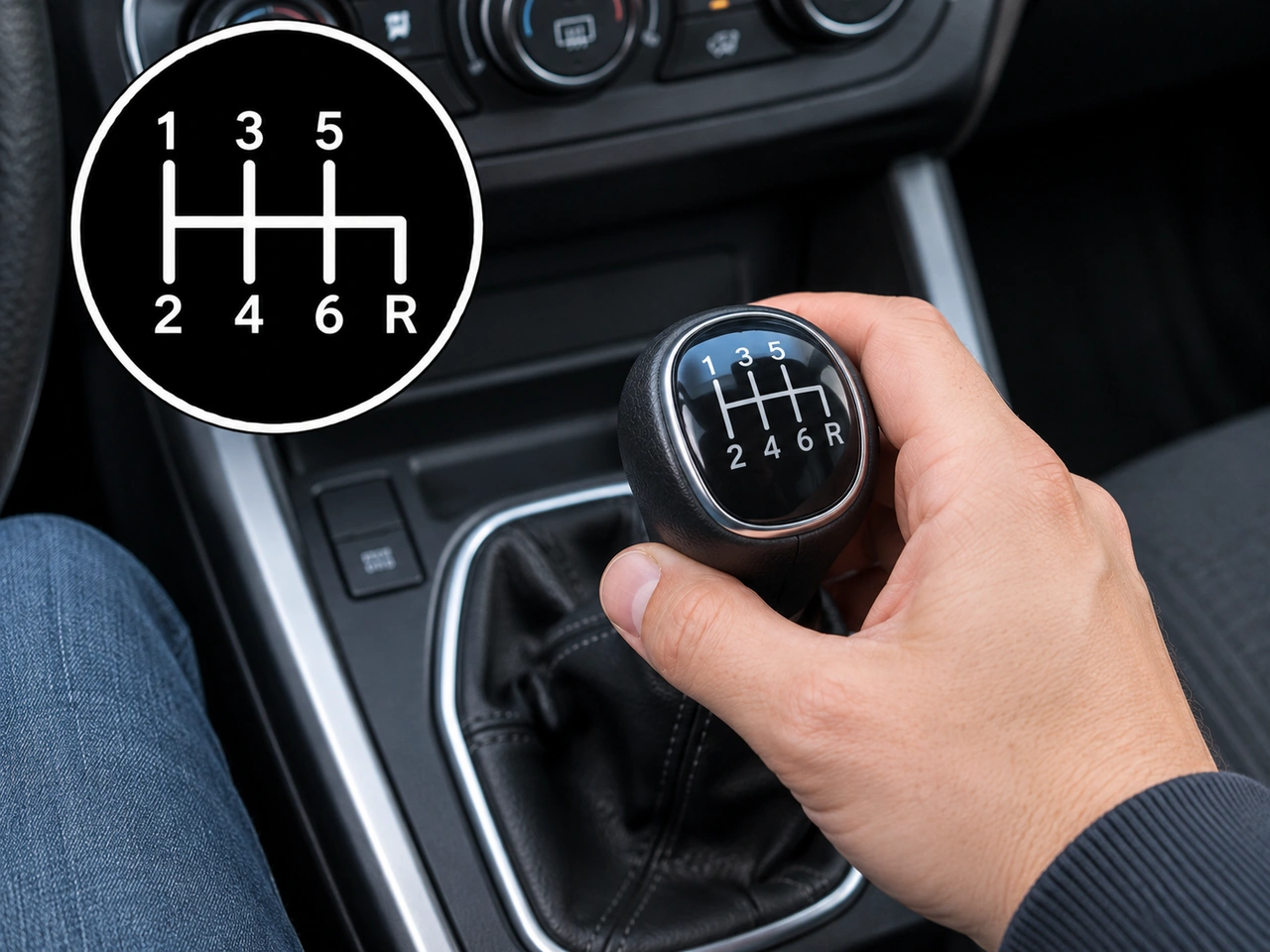
23. Which gear is used to drive a manual vehicle backwards?
Select R (Reverse) when you need to drive a manual vehicle backwards. The vehicle should be stationary before Reverse is selected.
AI-generated by Traffic-rules.com • WCIT • CC BY-SA
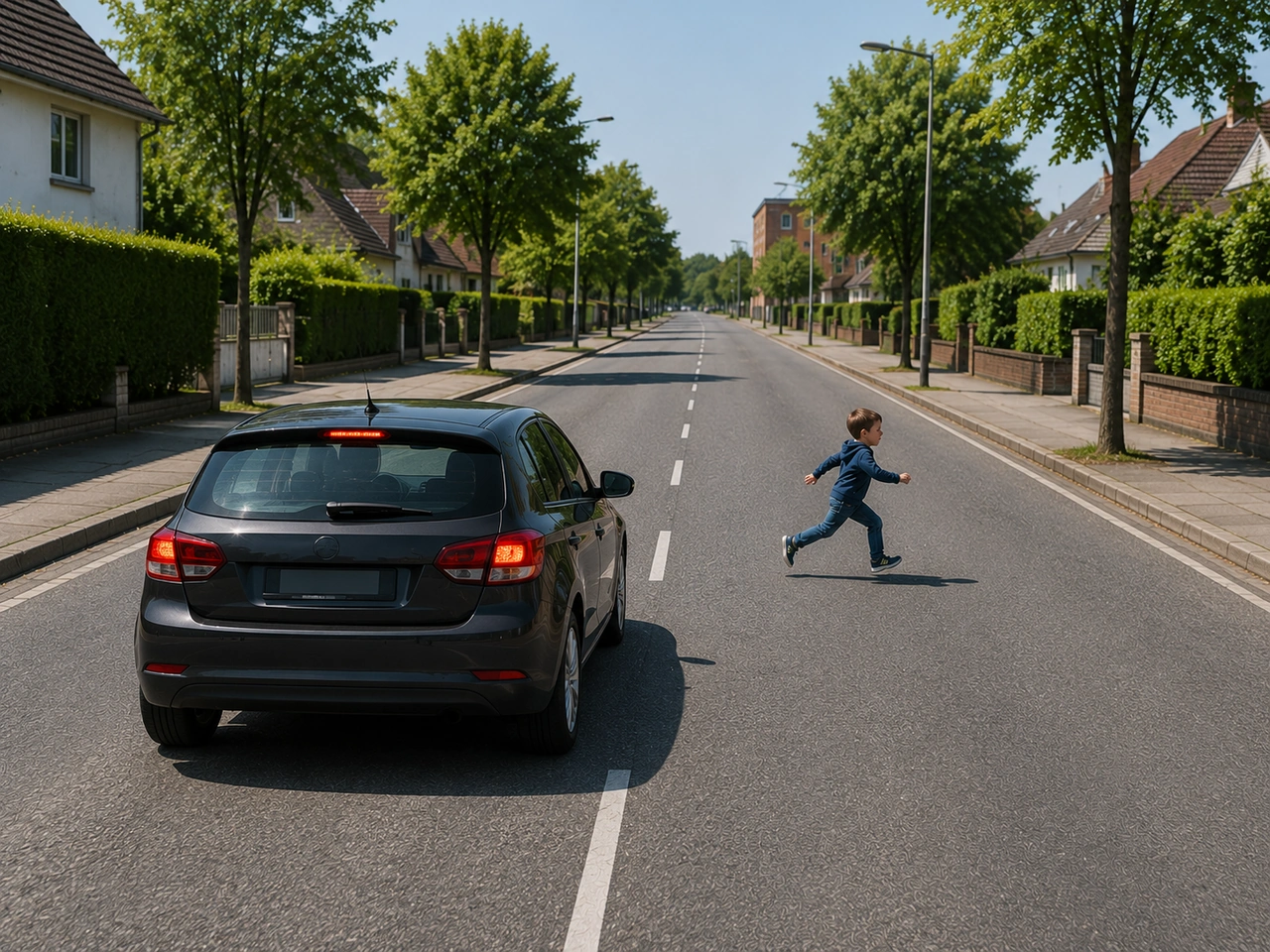
24. What should you do if a child runs onto the road ahead?
Children can act unpredictably. Brake firmly, stay alert, and be prepared for more children to follow.
AI-generated by Traffic-rules.com • WCIT • CC BY-SA
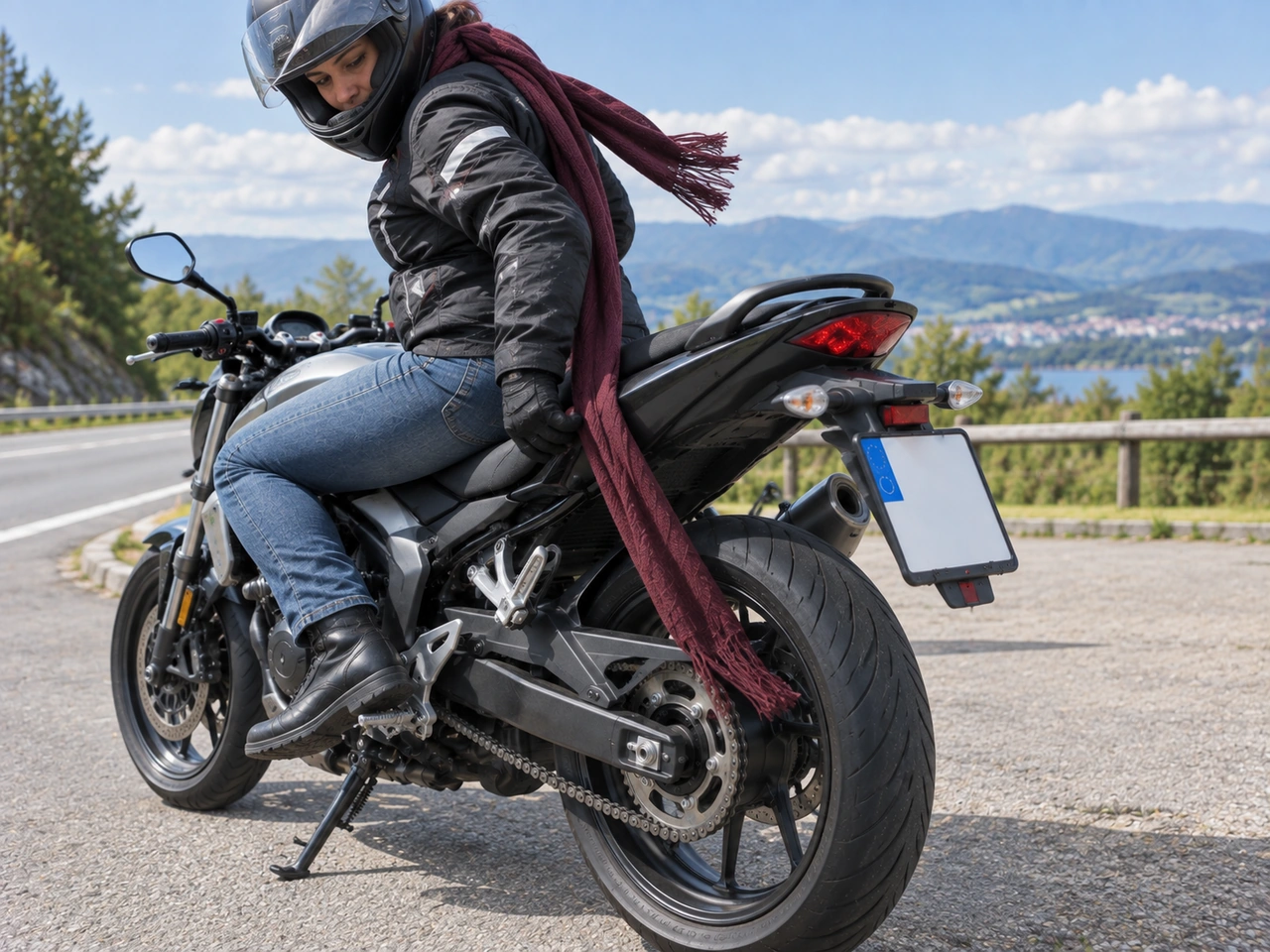
25. Why should loose clothing be avoided when riding a motorcycle?
Loose clothing, straps or scarves can flap in the wind or become caught in moving parts such as the chain or wheel. Motorcycle clothing should fit securely and should not have loose items that could interfere with safe riding.
AI-generated by Traffic-rules.com • WCIT • CC BY-SA
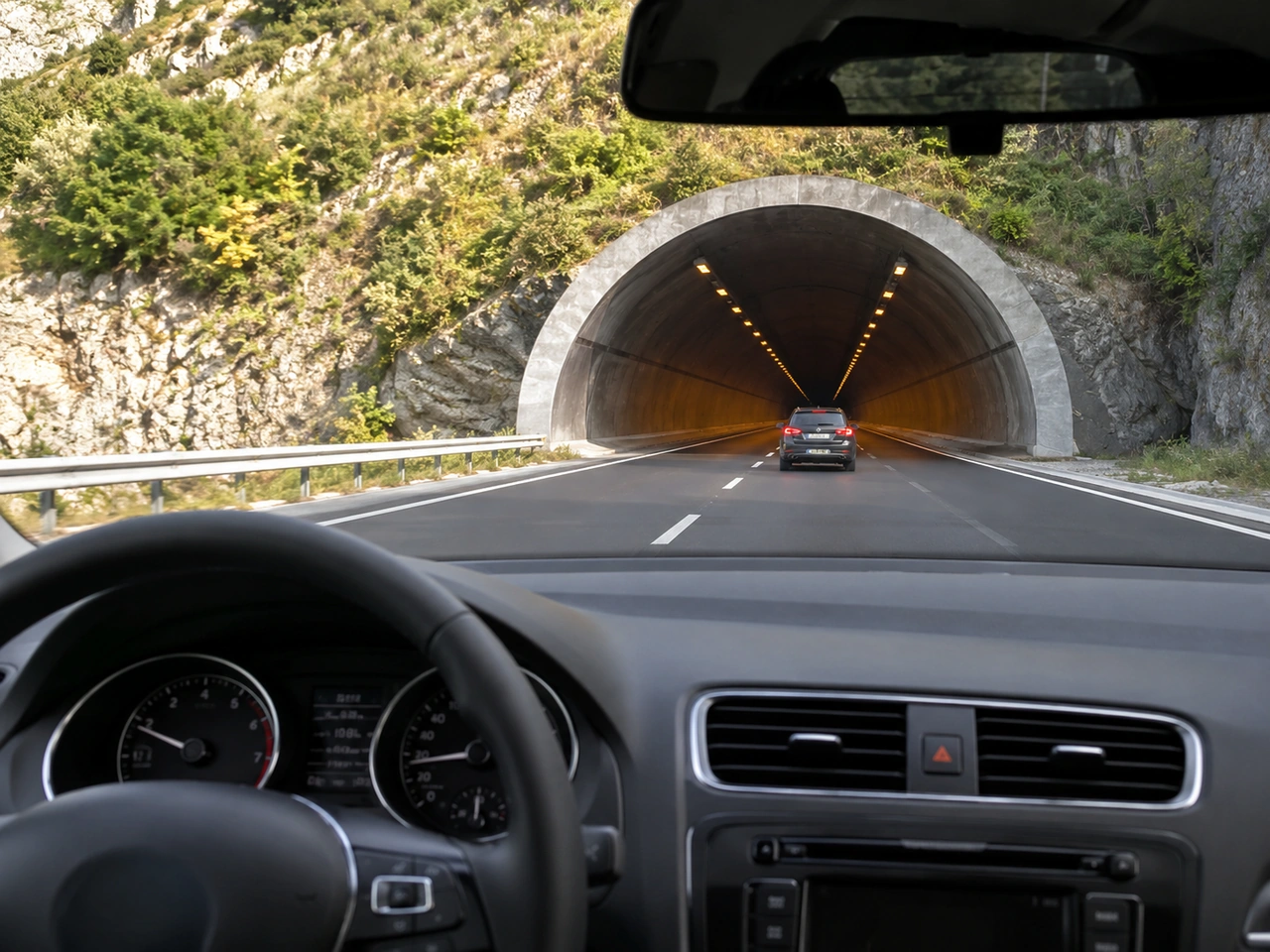
26. What should you do when approaching a tunnel?
When entering a tunnel, use the correct lights, keep enough distance, and stay alert for slower traffic.
AI-generated by Traffic-rules.com • WCIT • CC BY-SA
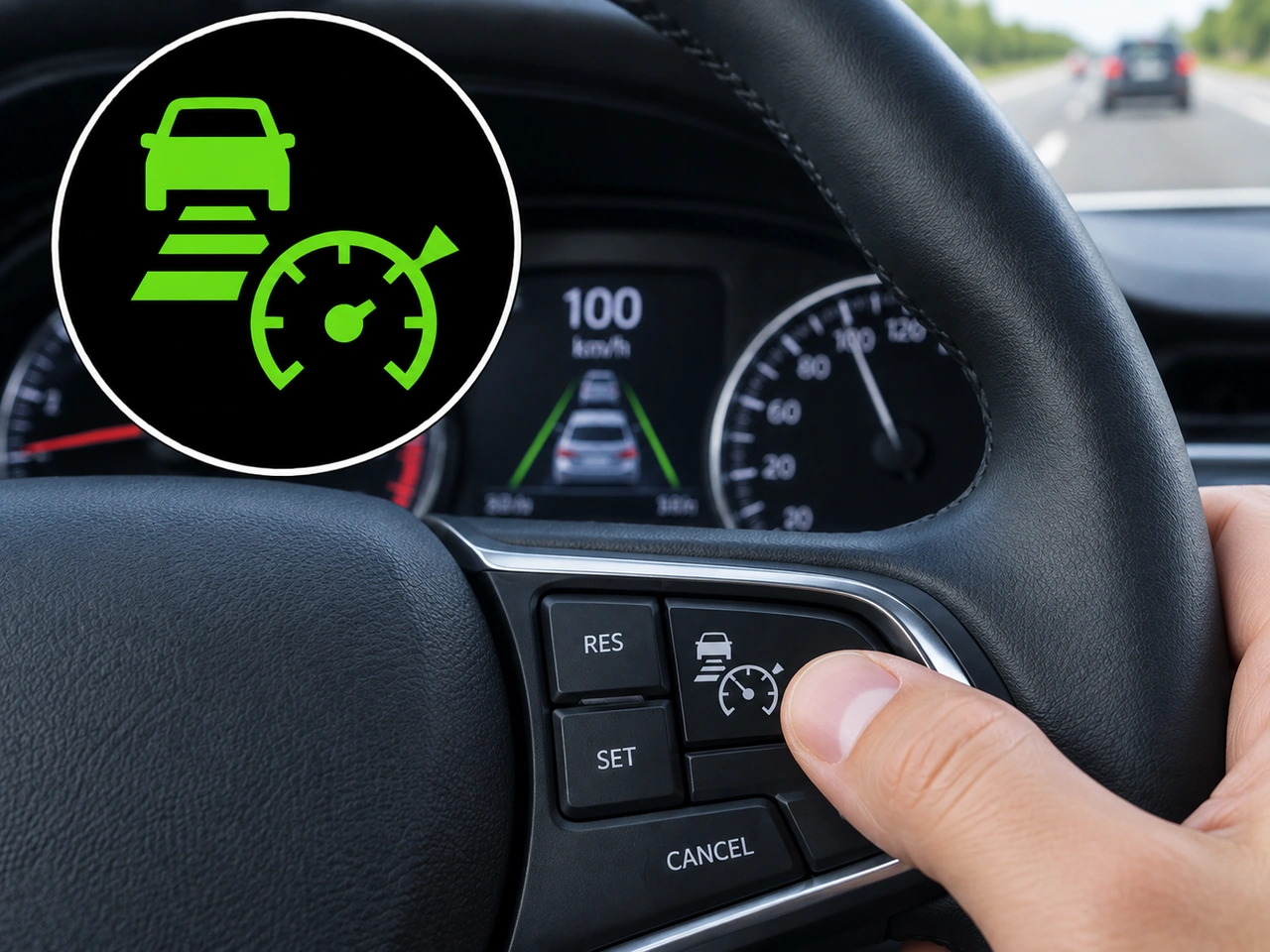
27. What does this dashboard symbol indicate?
This symbol relates to adaptive cruise control (ACC). The system can maintain a selected speed and automatically adjust the vehicle's speed to help maintain a set distance from traffic ahead.
AI-generated by Traffic-rules.com • WCIT • CC BY-SA
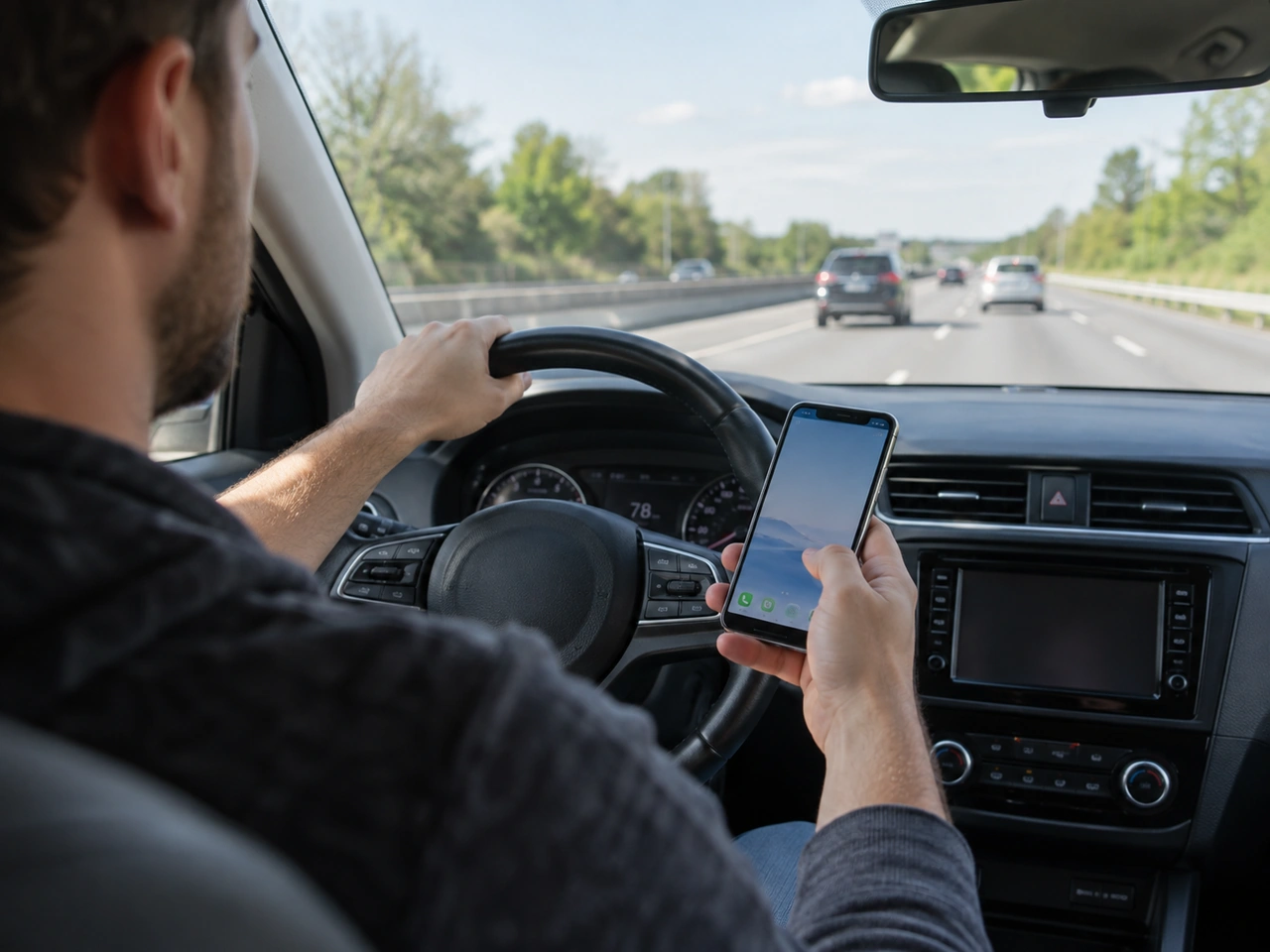
28. Can drivers use a handheld phone while driving in Czechia?
Drivers in Czechia are generally not allowed to use a handheld phone while driving.
AI-generated by Traffic-rules.com • WCIT • CC BY-SA
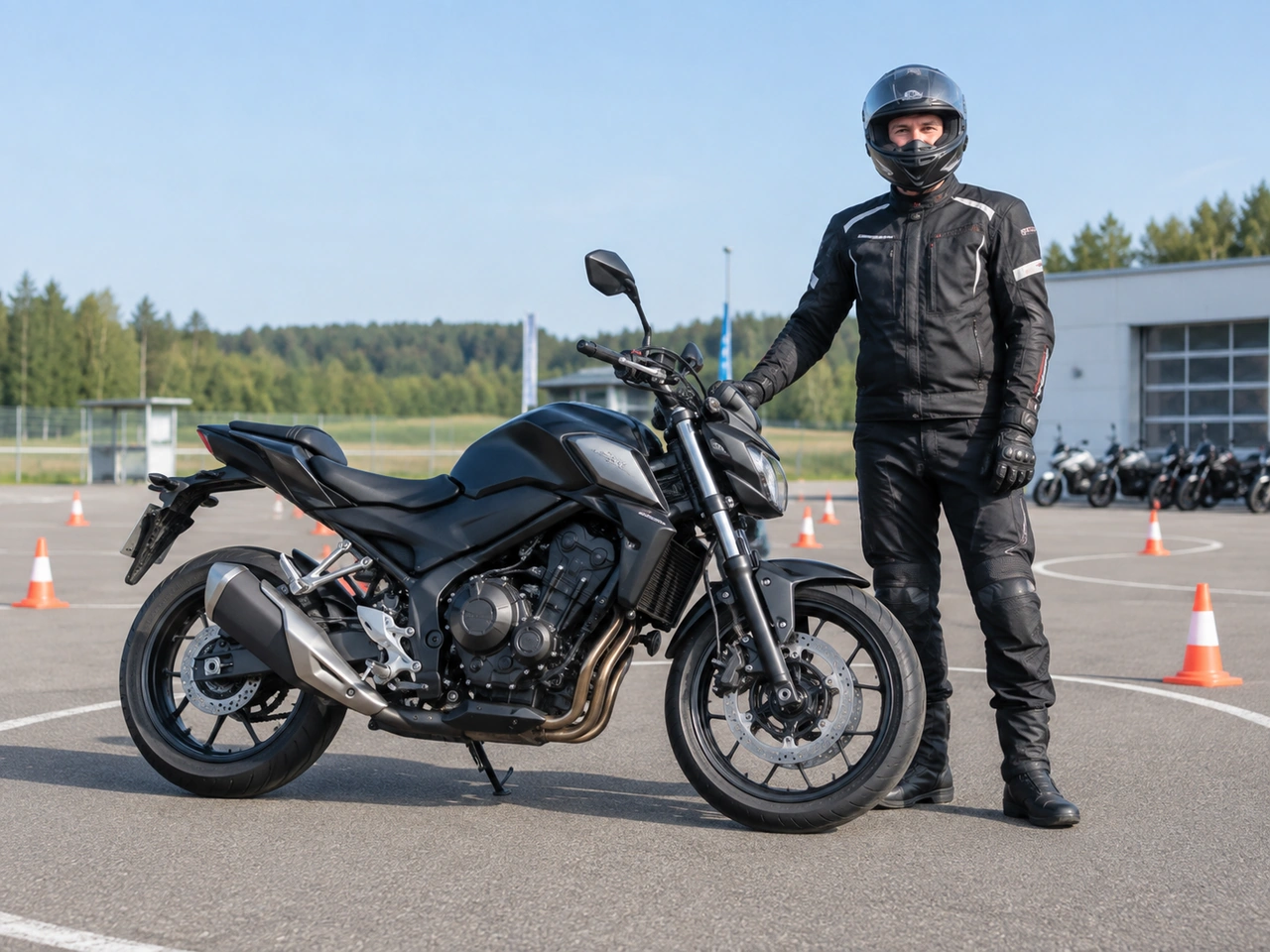
29. Which licence category is mainly associated with motorcycles?
Driving licence A is mainly associated with motorcycles. Category A1 covers lighter motorcycles, A2 covers medium-powered motorcycles, and A covers more powerful motorcycles.
AI-generated by Traffic-rules.com • WCIT • CC BY-SA
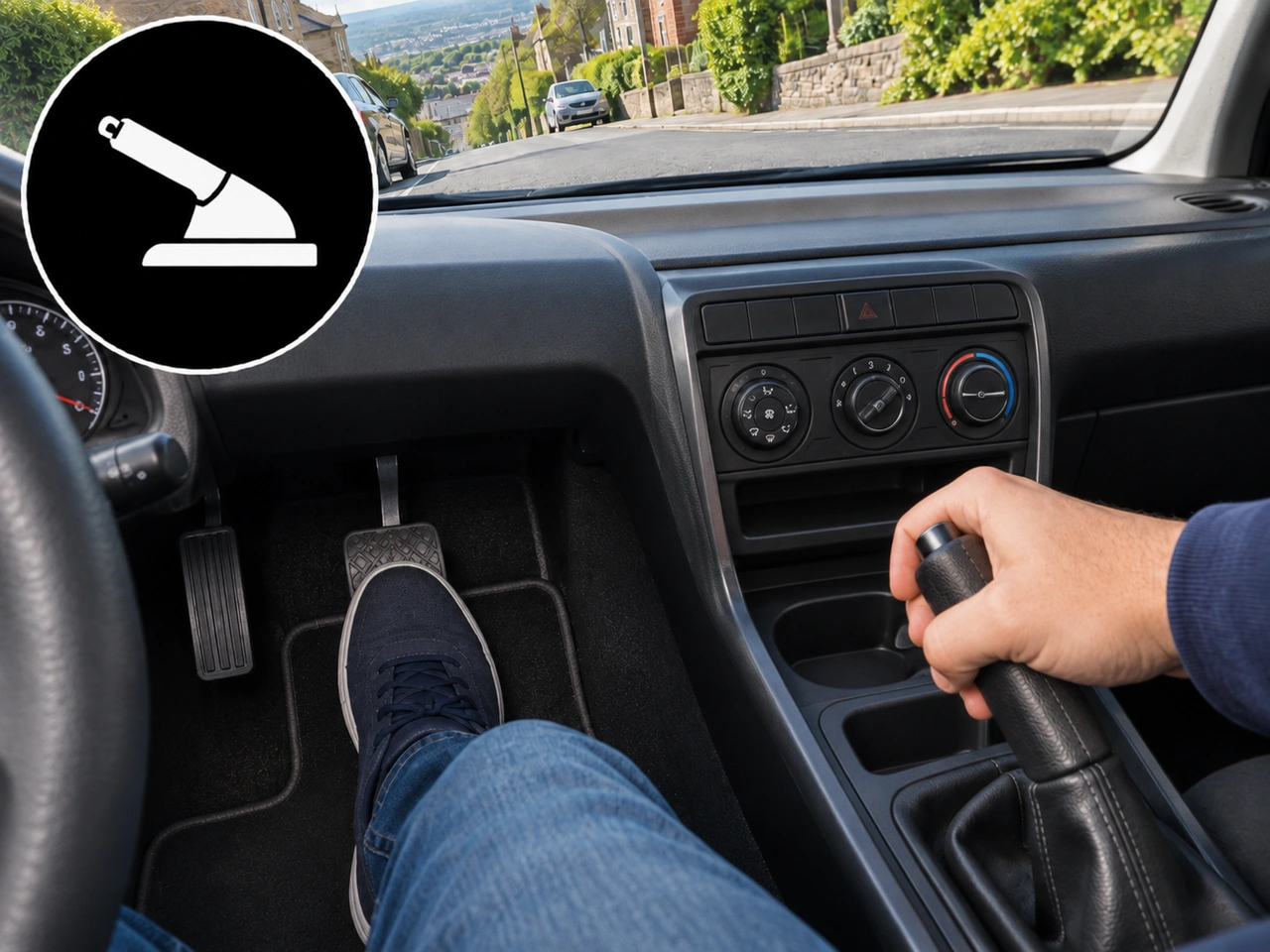
30. What should you do before releasing the parking brake on a slope?
Before releasing the parking brake on a slope, make sure the vehicle cannot roll unexpectedly. Use the service brake or, when moving off in a manual vehicle, establish the clutch biting point and sufficient power before releasing the parking brake.
AI-generated by Traffic-rules.com • WCIT • CC BY-SA
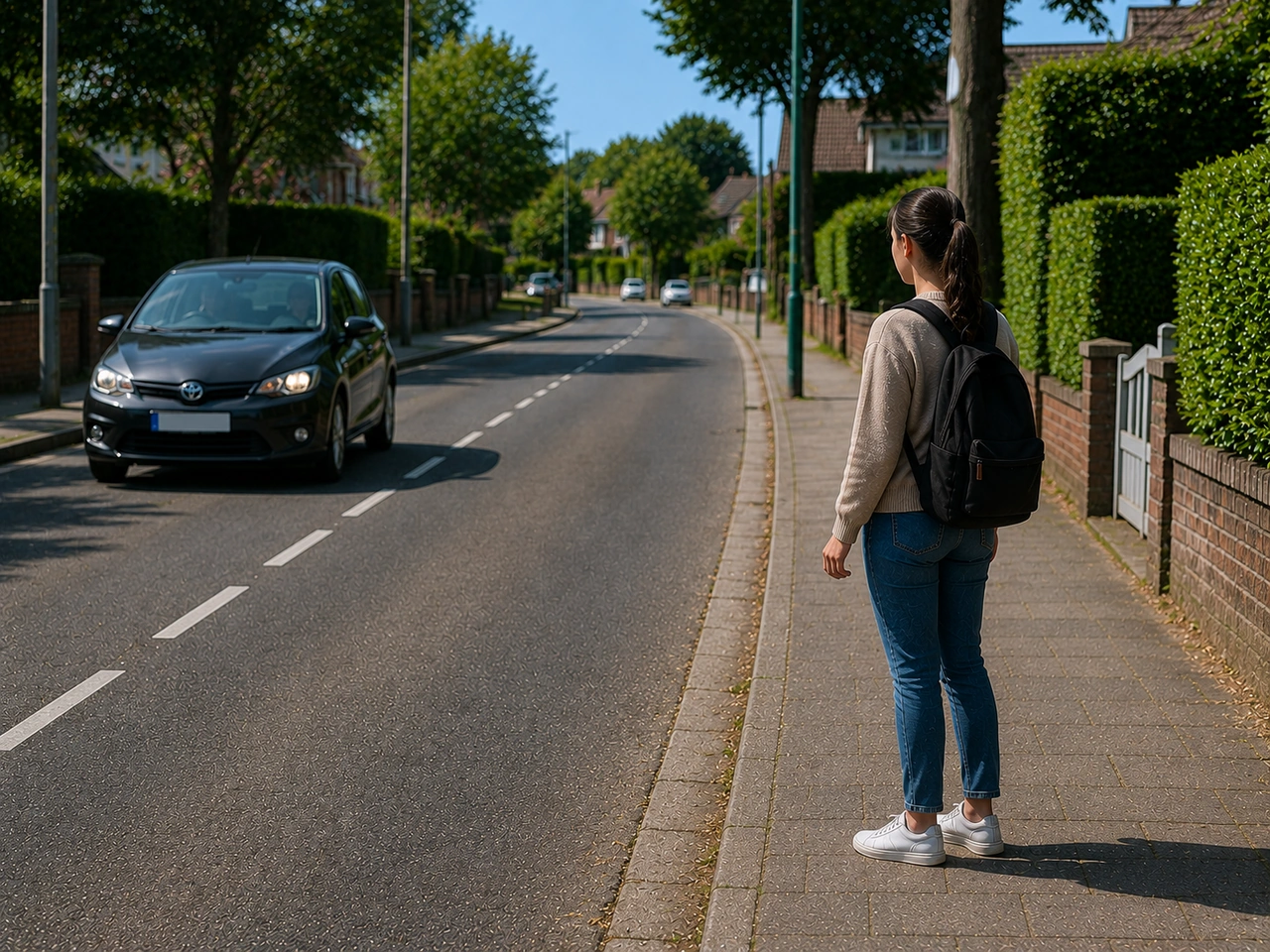
31. What is the best place to cross the road?
Use a designated crossing whenever possible. It is usually the safest place to cross the road.
AI-generated by Traffic-rules.com • WCIT • CC BY-SA
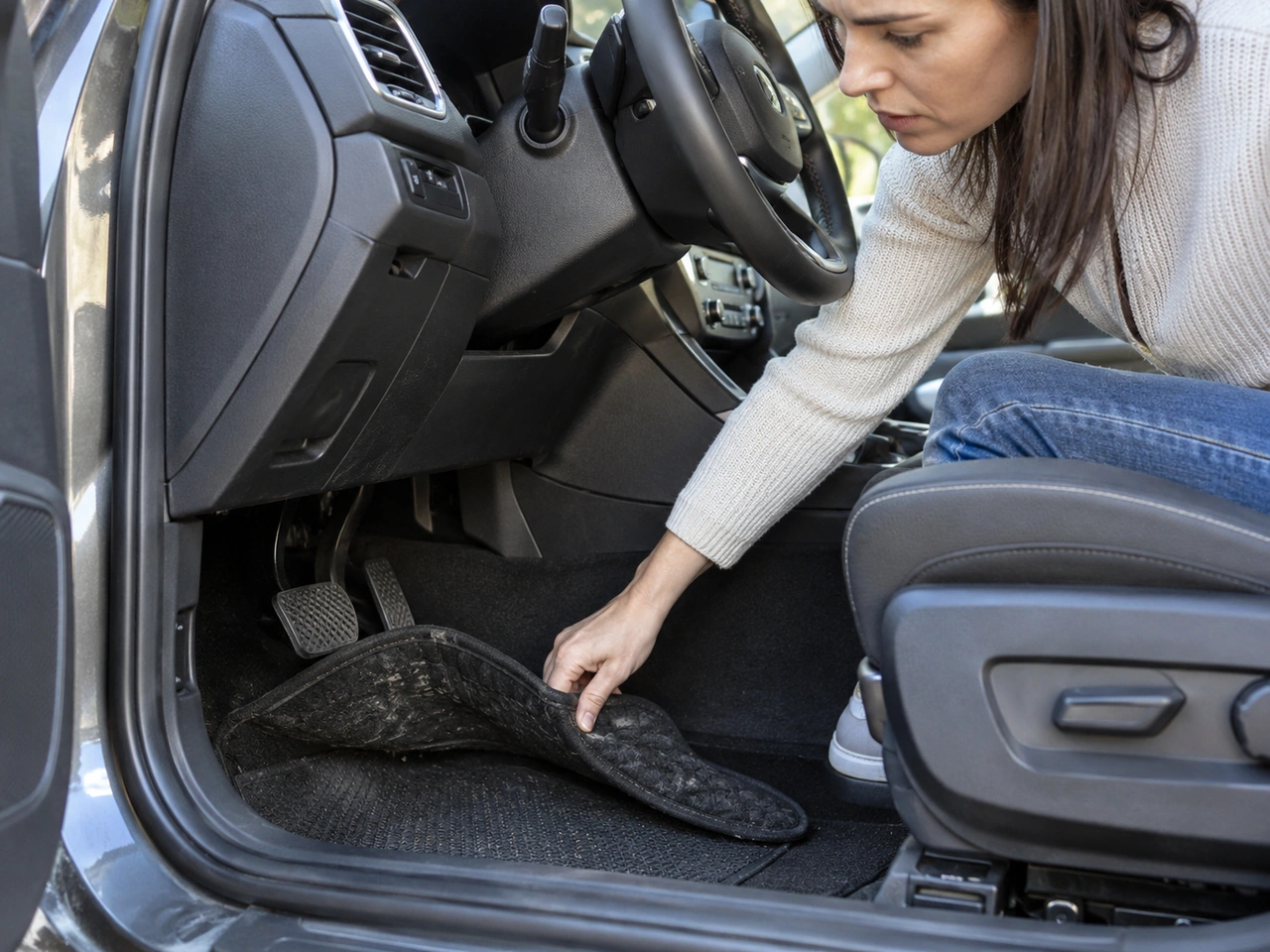
32. Why should the driver's floor mat be properly secured?
A loose or incorrectly fitted floor mat can move into the pedal area and interfere with the accelerator, brake, or clutch. Make sure the driver's floor mat is correctly fitted, secured, and does not obstruct any pedal.
AI-generated by Traffic-rules.com • WCIT • CC BY-SA
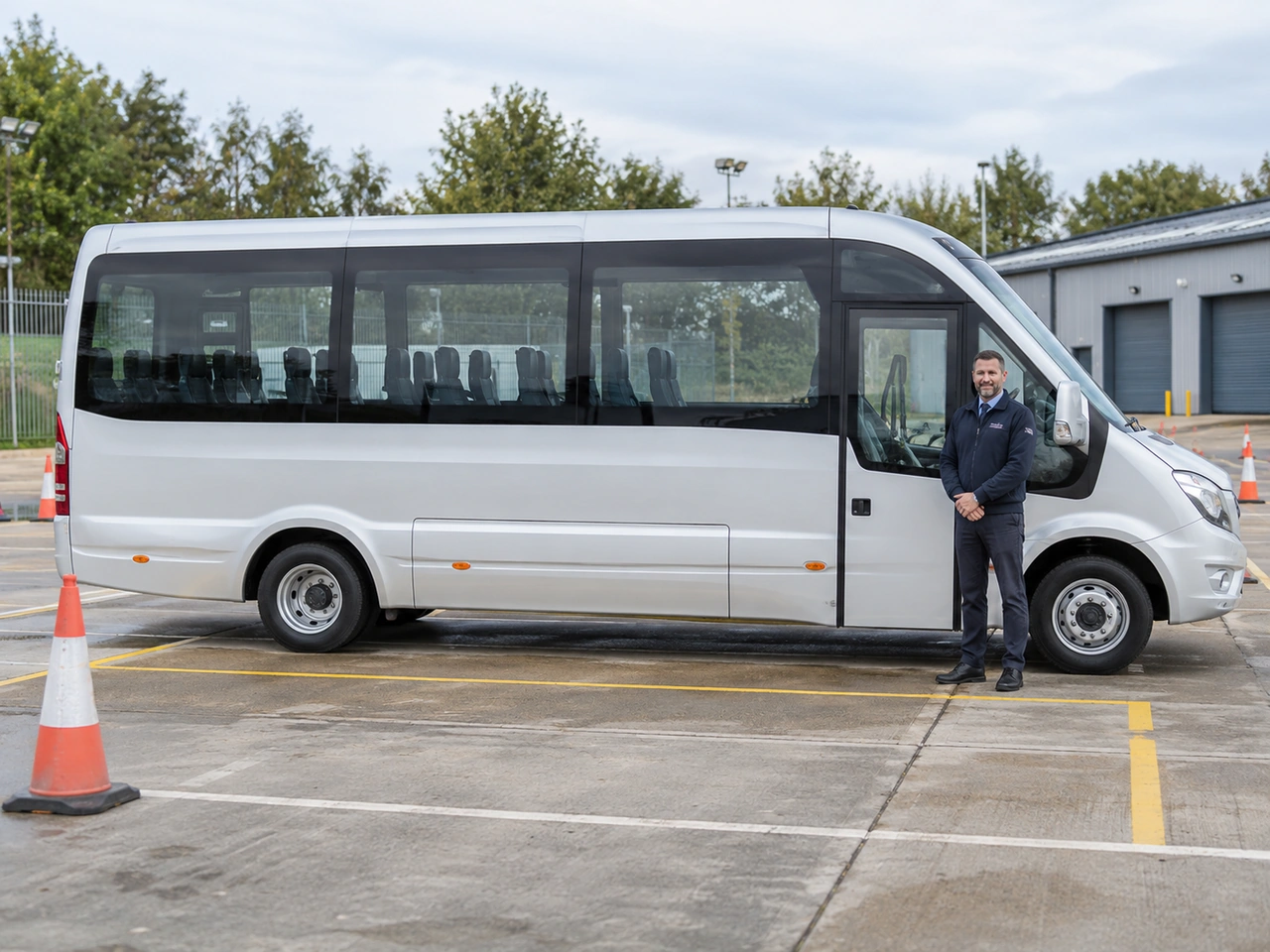
33. What is the minimum licence for an 8 m minibus designed for 16 passengers plus the driver?
Category D1 covers vehicles designed to carry no more than 16 passengers in addition to the driver and with a maximum length of 8 metres.
AI-generated by Traffic-rules.com • WCIT • CC BY-SA
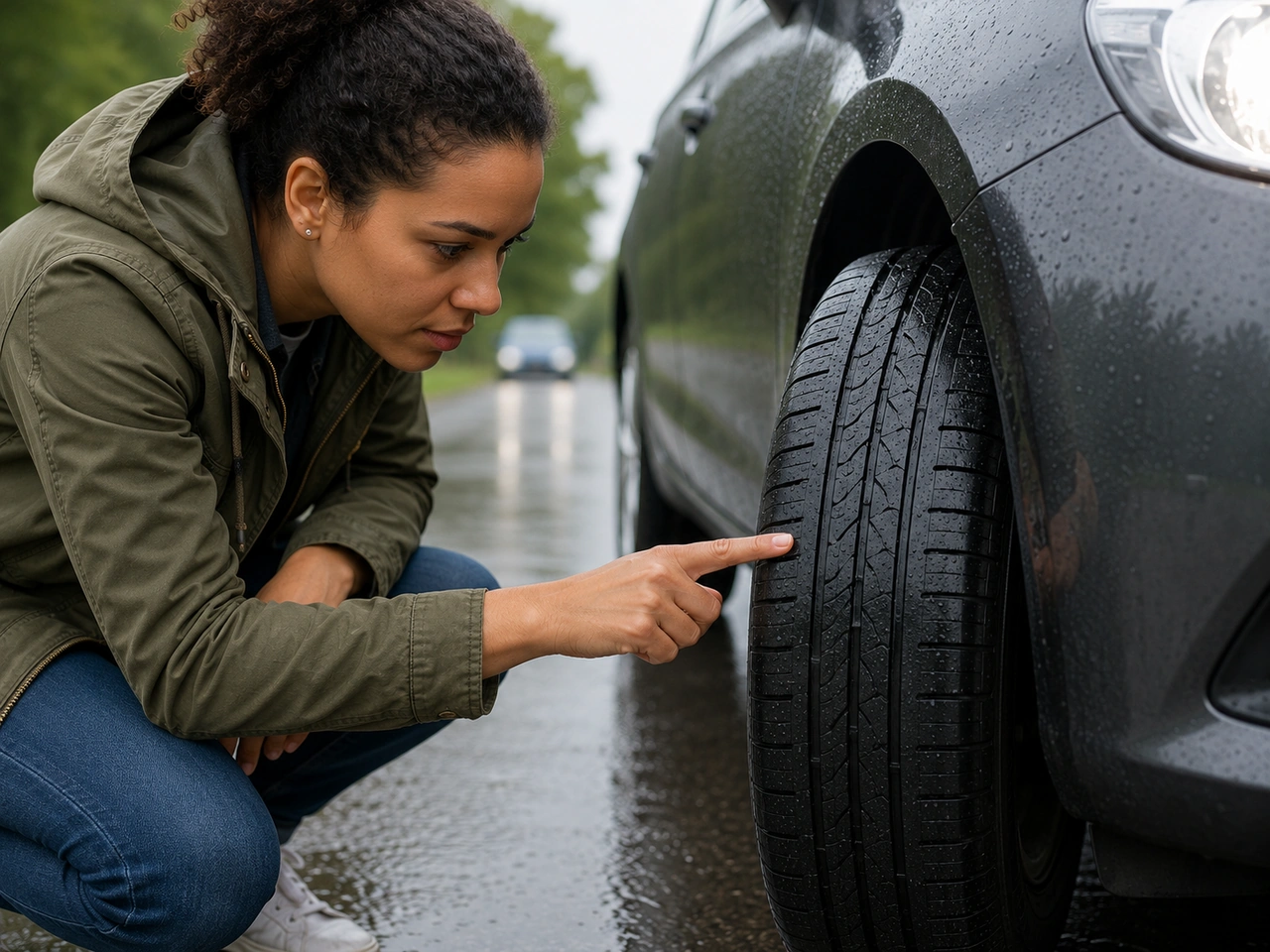
34. Why is adequate tyre tread important?
Tyre tread helps the vehicle grip the road and disperse water. Worn tread increases the risk of skidding and aquaplaning, especially in wet conditions.
AI-generated by Traffic-rules.com • WCIT • CC BY-SA
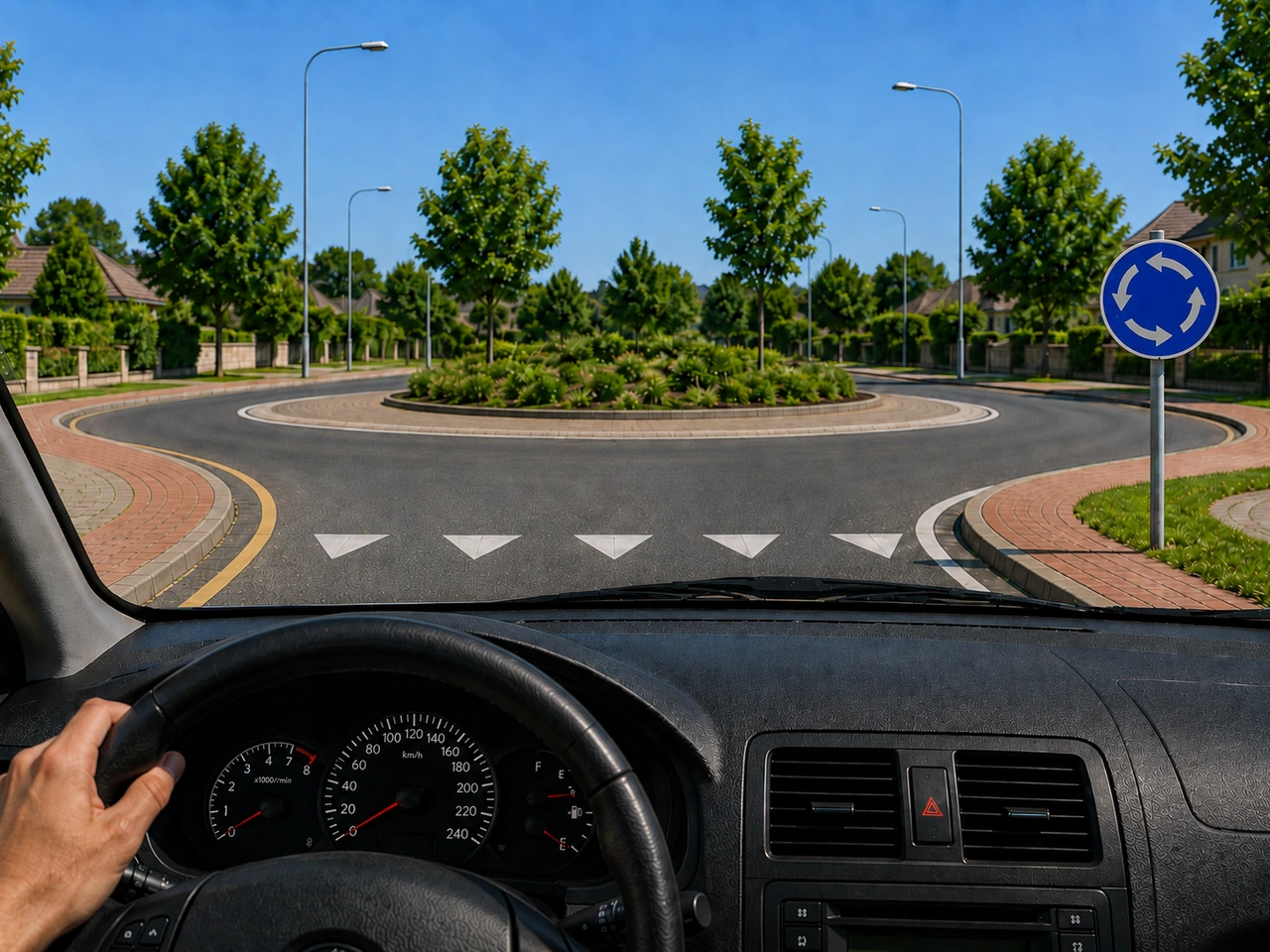
35. What should you do before entering a roundabout?
Before entering a roundabout, reduce your speed, observe traffic, and give way according to the local rules.
AI-generated by Traffic-rules.com • WCIT • CC BY-SA
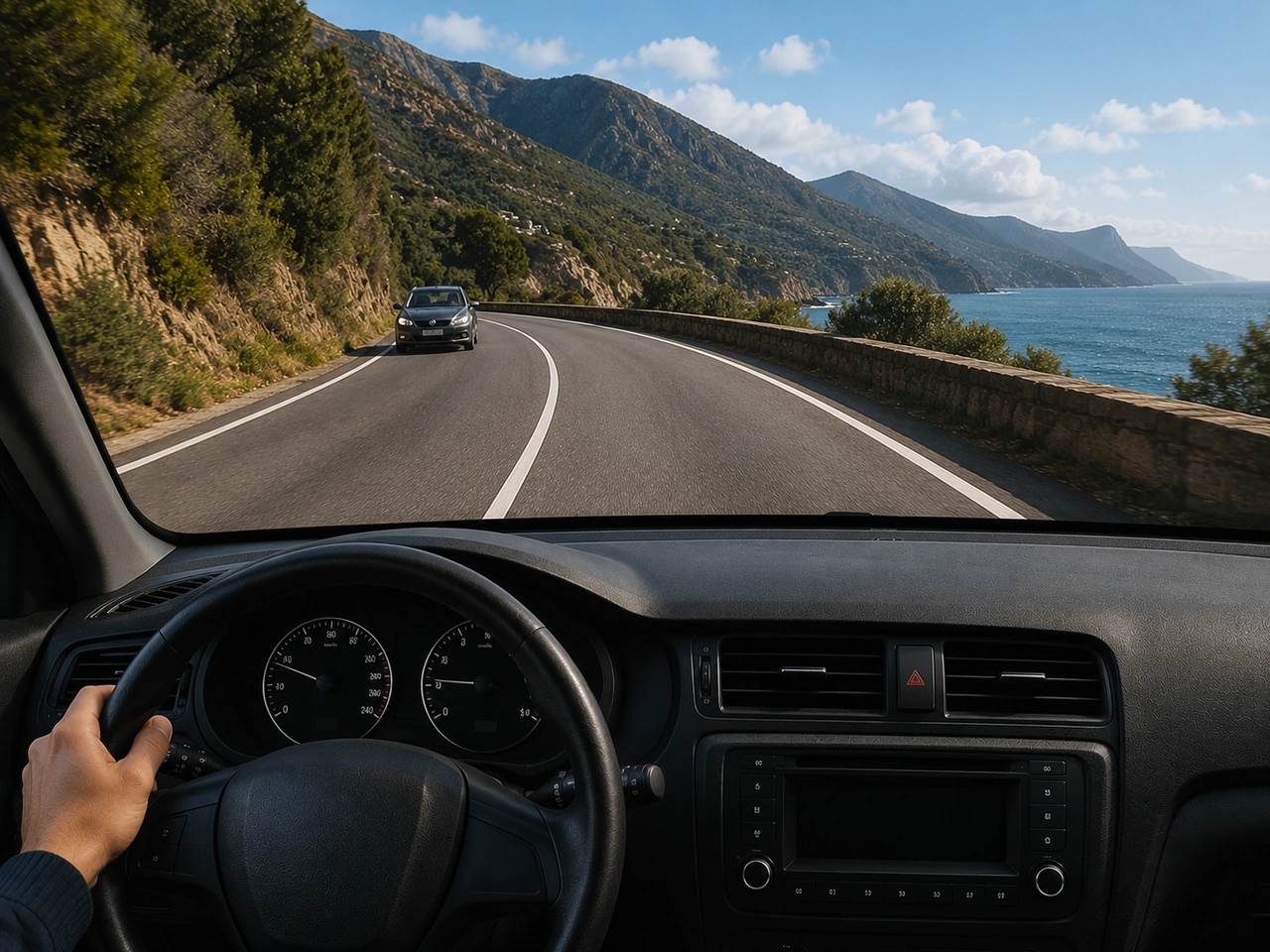
36. Why should you avoid braking hard on a curve?
Hard braking on a curve can upset the vehicle's balance and reduce grip. Slow down before the curve and steer smoothly.
AI-generated by Traffic-rules.com • WCIT • CC BY-SA
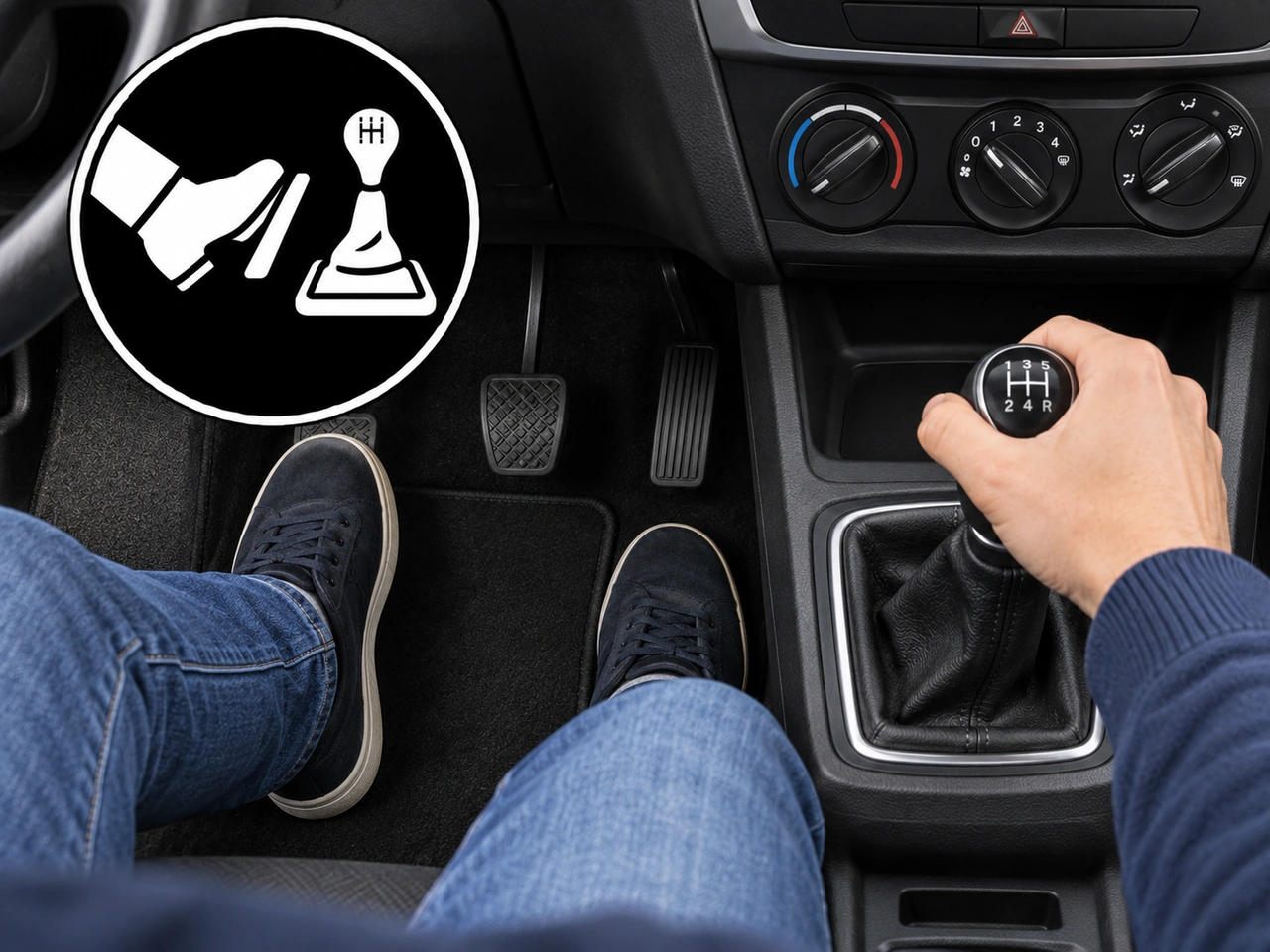
37. What should you normally do before changing gear in a manual vehicle?
Pressing the clutch pedal disconnects the engine from the transmission so that another gear can be selected. After changing gear, the clutch should be released smoothly.
AI-generated by Traffic-rules.com • WCIT • CC BY-SA
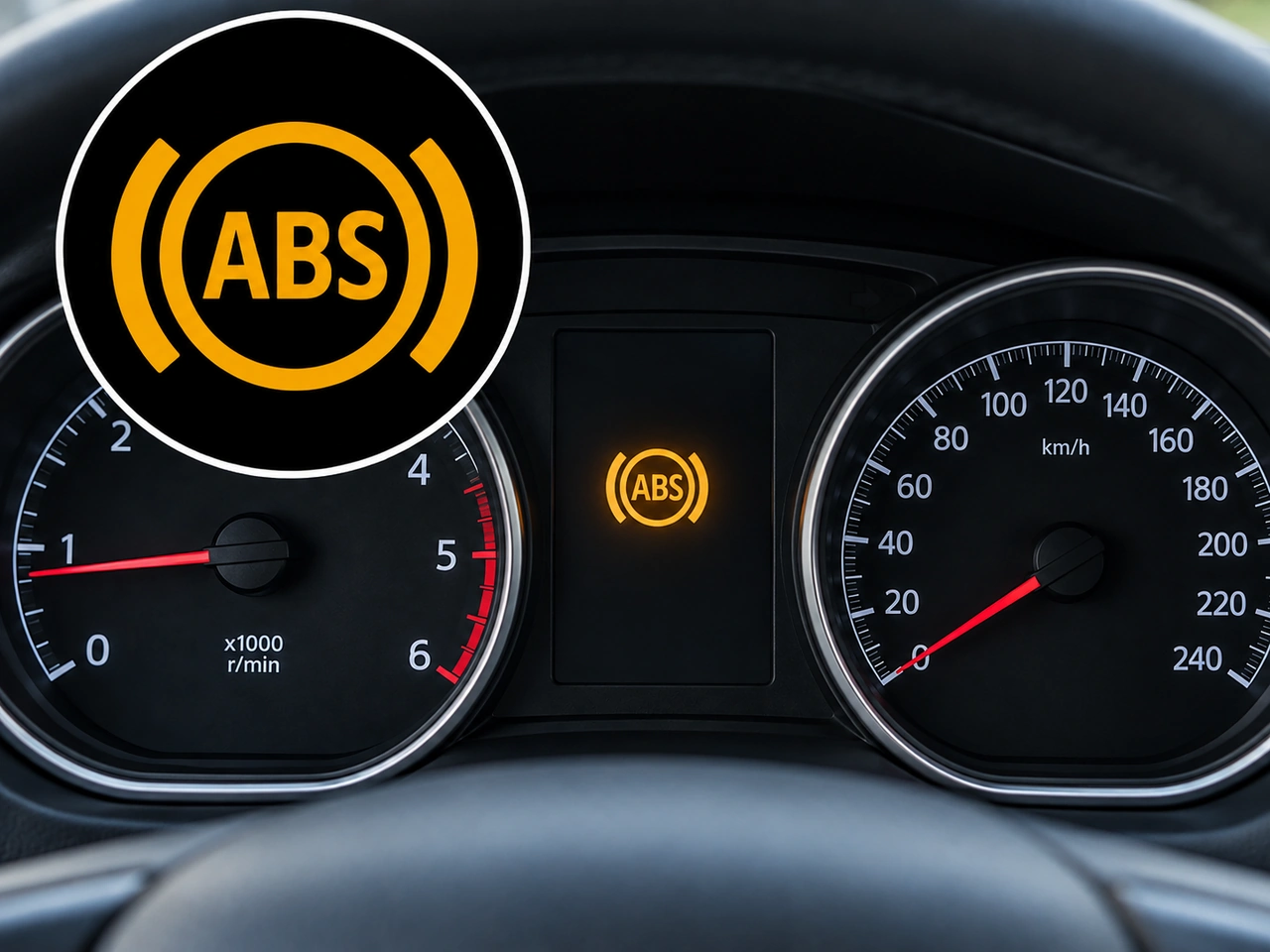
38. What does this dashboard symbol indicate?
This symbol indicates a possible fault with the anti-lock braking system (ABS). Normal braking may still be available, but ABS may not operate during heavy braking, so the system should be checked.
AI-generated by Traffic-rules.com • WCIT • CC BY-SA
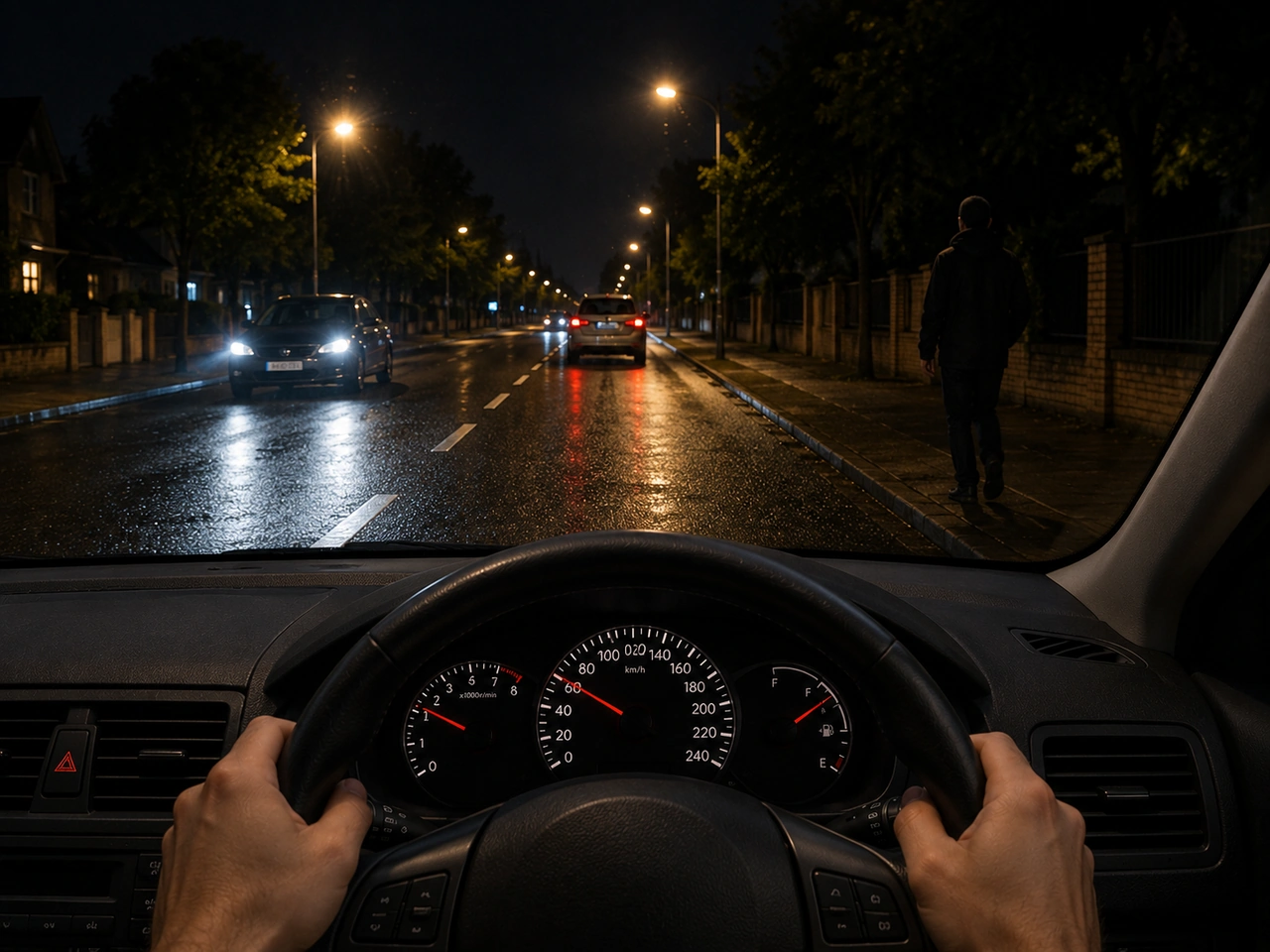
39. Why should you avoid wearing dark clothing at night?
Dark clothing makes pedestrians harder to see in low-light conditions. Bright or reflective clothing improves visibility.
AI-generated by Traffic-rules.com • WCIT • CC BY-SA
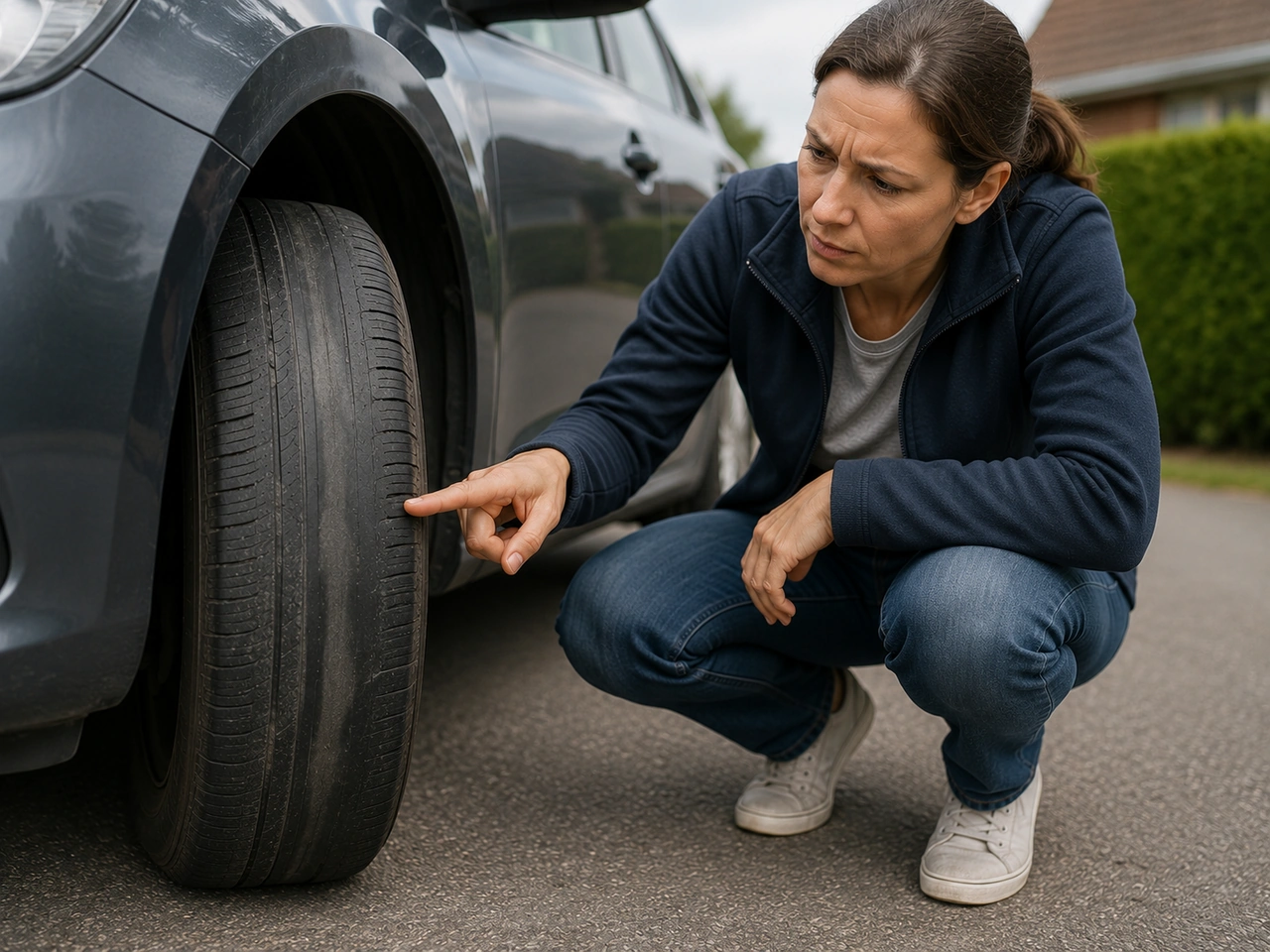
40. What can uneven tyre wear indicate?
Uneven wear may result from incorrect tyre pressure, wheel misalignment, worn suspension parts, or a brake that is not releasing properly.
AI-generated by Traffic-rules.com • WCIT • CC BY-SA
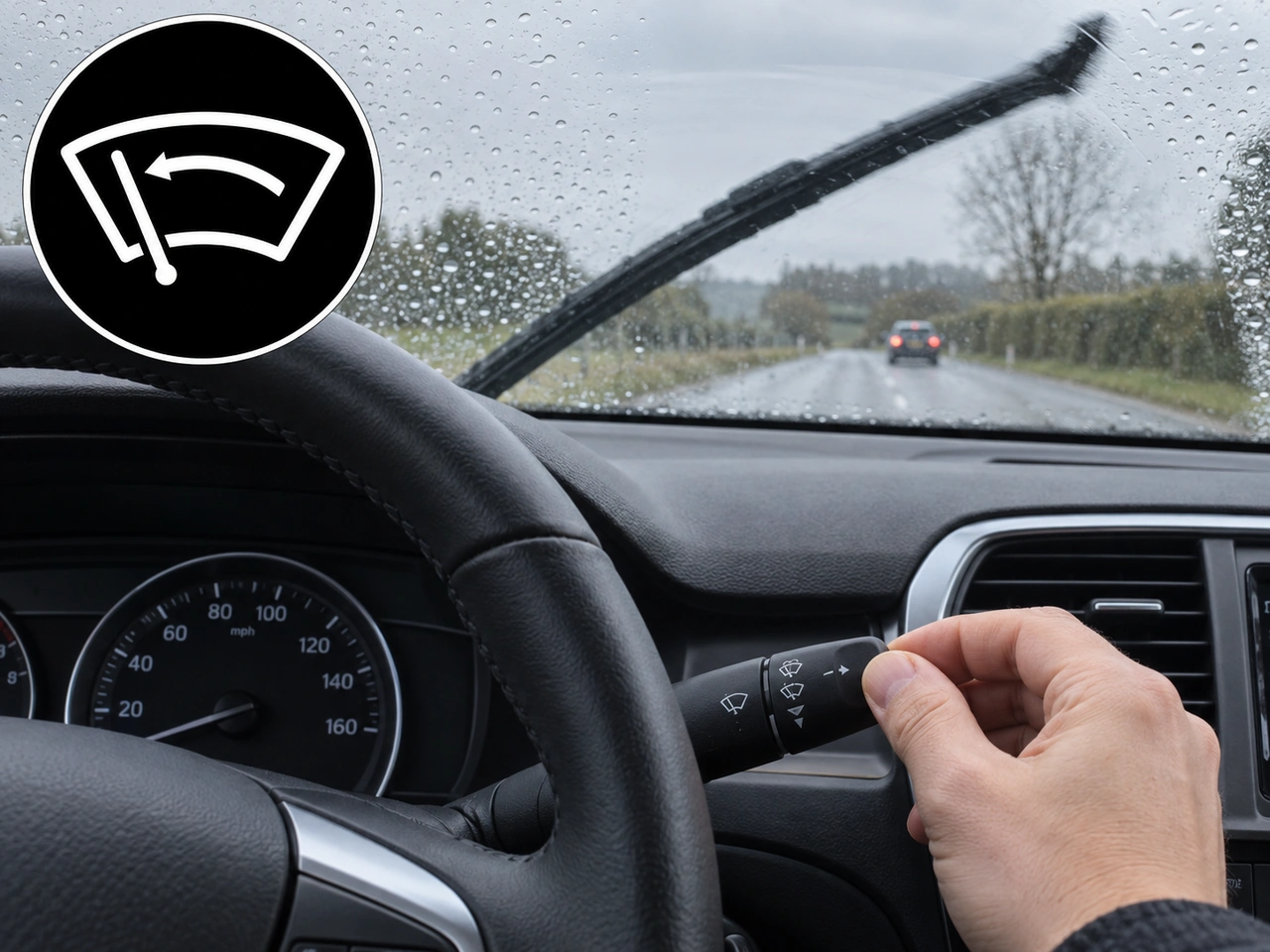
41. What does the single-wipe position of the windscreen-wiper control do?
The single-wipe position operates the windscreen wipers for one sweep and then stops. It is useful when only a small amount of water or spray needs to be cleared from the windscreen.
AI-generated by Traffic-rules.com • WCIT • CC BY-SA
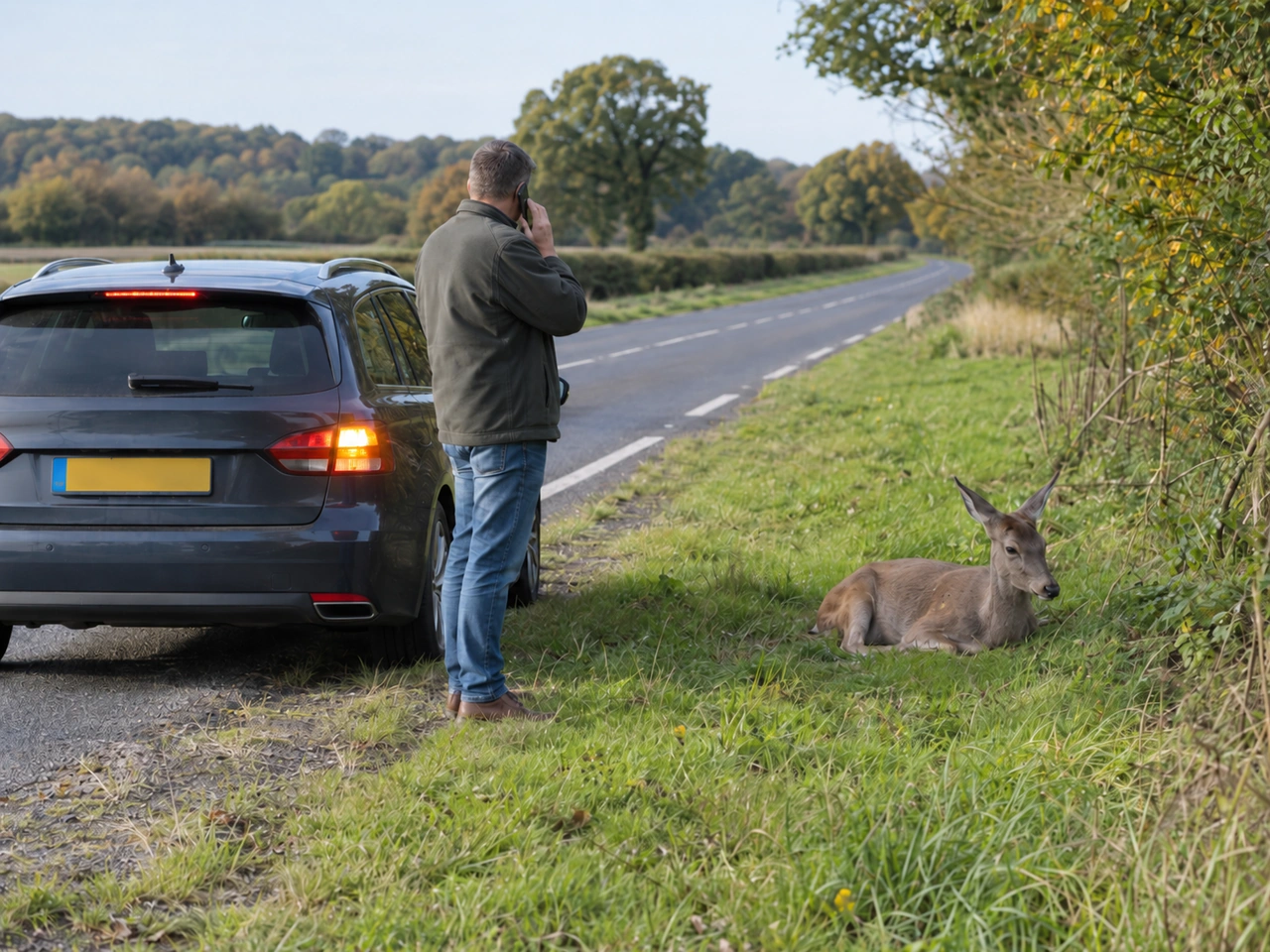
42. What should you do after hitting an animal with your vehicle?
After an animal collision, stop in a safe place if possible and protect yourself and other road users from further danger. Do not approach an injured or frightened animal unless it is safe to do so. Contact the appropriate police, road authority, animal service, or emergency service as required by the situation and local rules.
AI-generated by Traffic-rules.com • WCIT • CC BY-SA
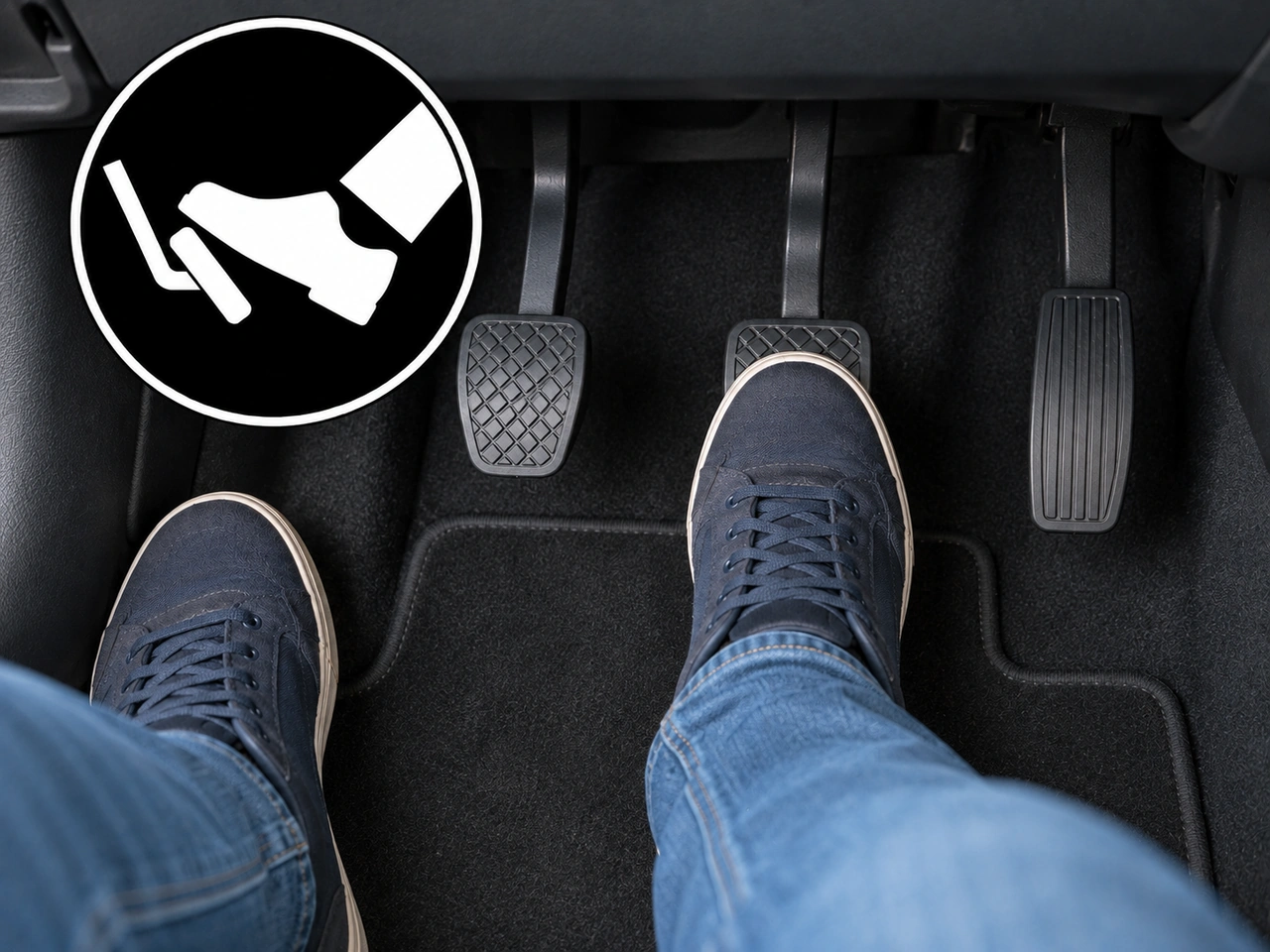
43. Which pedal is used to slow down or stop the vehicle?
The brake pedal is used to reduce the vehicle's speed or bring it to a stop. In a manual vehicle, it is the middle pedal.
AI-generated by Traffic-rules.com • WCIT • CC BY-SA
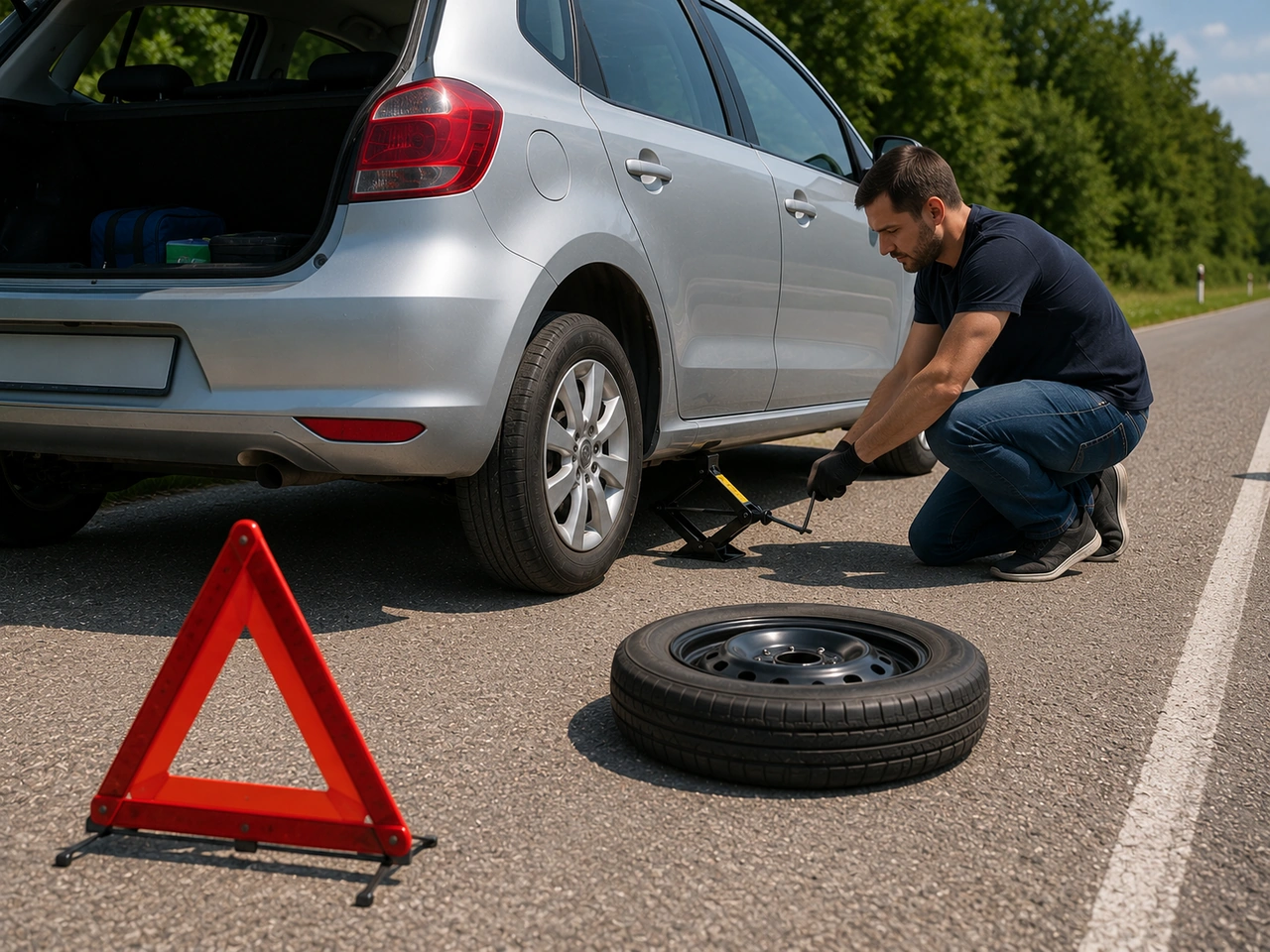
44. What is important when raising a vehicle with its jack?
A jack can slip or fail if it is incorrectly positioned. Secure the vehicle and use additional approved supports before working underneath it.
AI-generated by Traffic-rules.com • WCIT • CC BY-SA
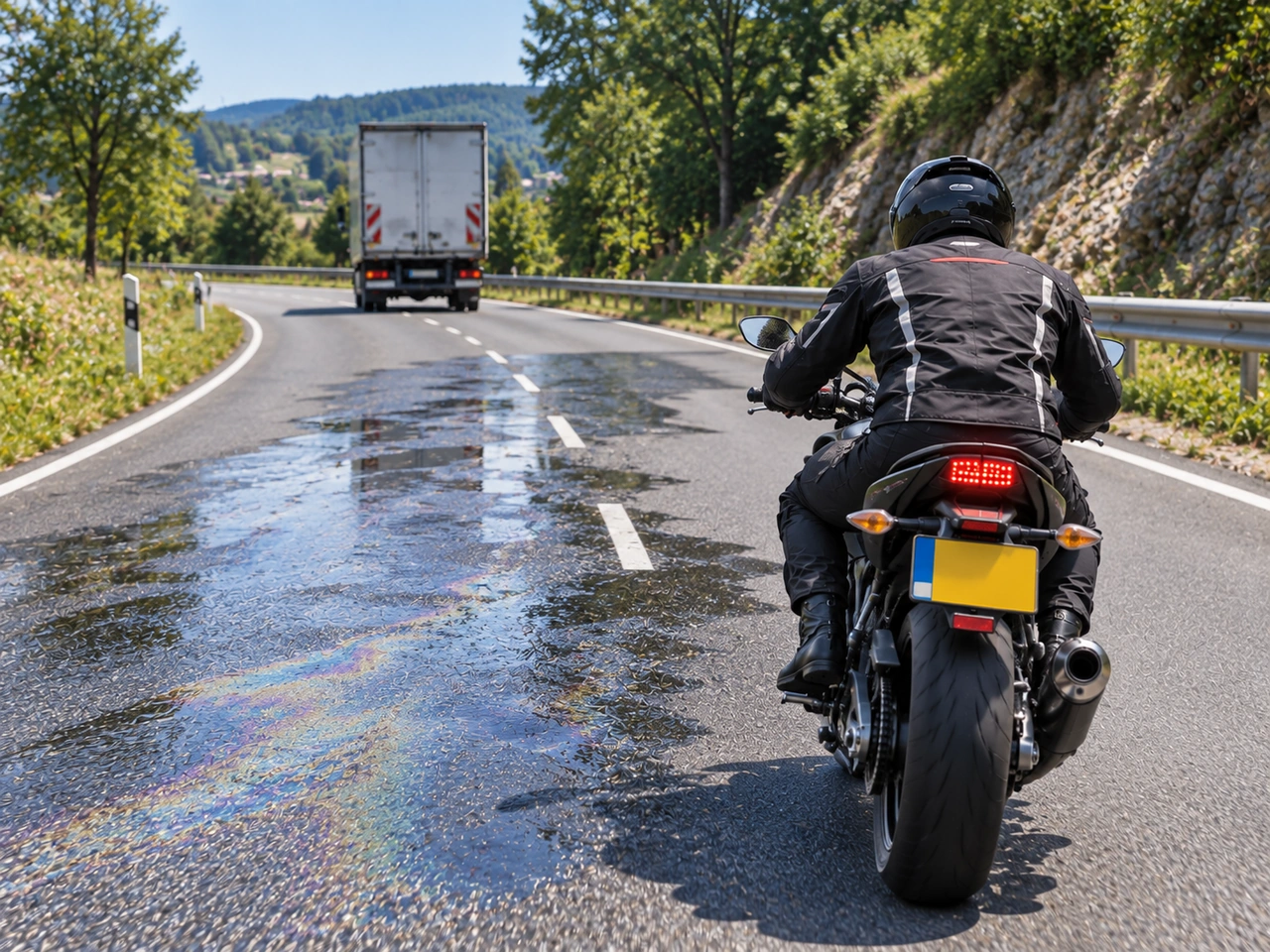
45. Why should you take extra care if oil or diesel is spilled on the road?
Oil, diesel and other fluids can create a very slippery road surface, particularly for motorcycles and bicycles. Reduce speed, avoid sudden braking or steering and keep the vehicle as stable as possible when crossing a contaminated area.
AI-generated by Traffic-rules.com • WCIT • CC BY-SA
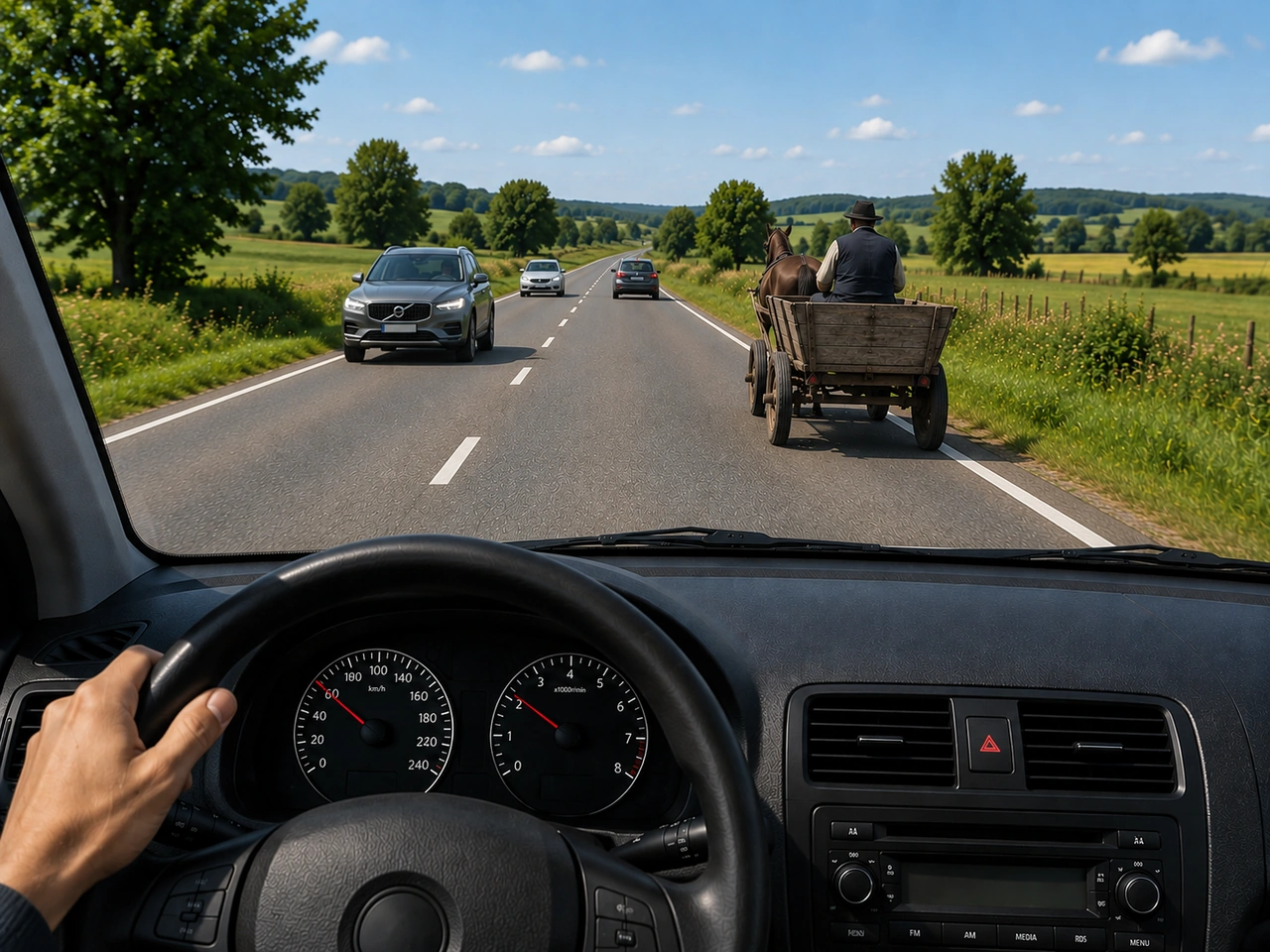
46. What should you do if you are approaching an animal-drawn vehicle?
Animals can be startled by noise or sudden movement. Reduce speed, keep distance, and pass only when it is safe.
AI-generated by Traffic-rules.com • WCIT • CC BY-SA
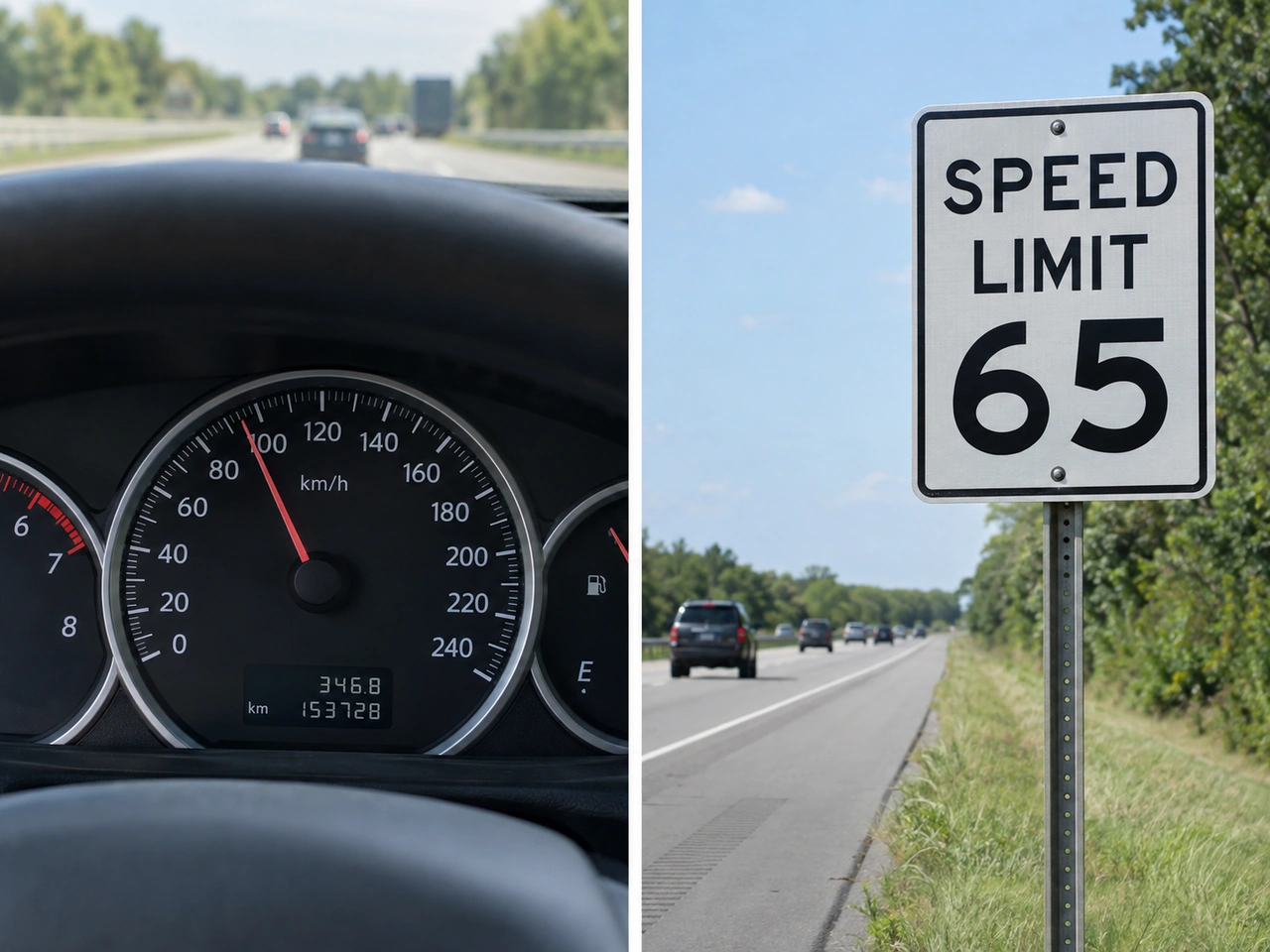
47. Which speed unit is used in Czechia?
Road speeds in Czechia are shown in kilometres per hour (km/h).
AI-generated by Traffic-rules.com • WCIT • CC BY-SA
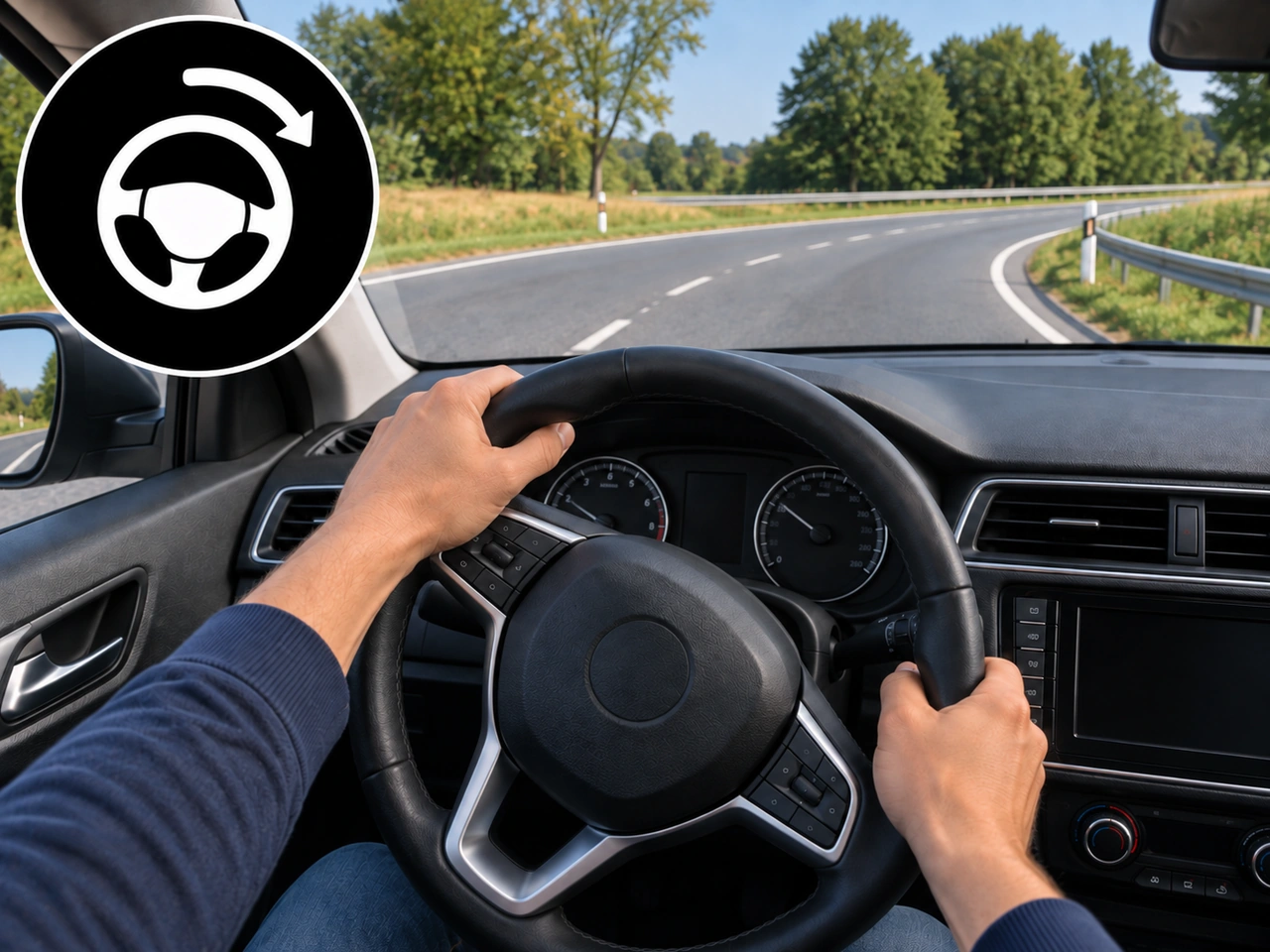
48. What should you do with the steering wheel after completing a turn?
After completing a turn, guide the steering wheel smoothly back towards the straight-ahead position while maintaining control. Do not allow the wheel to spin freely through your hands.
AI-generated by Traffic-rules.com • WCIT • CC BY-SA
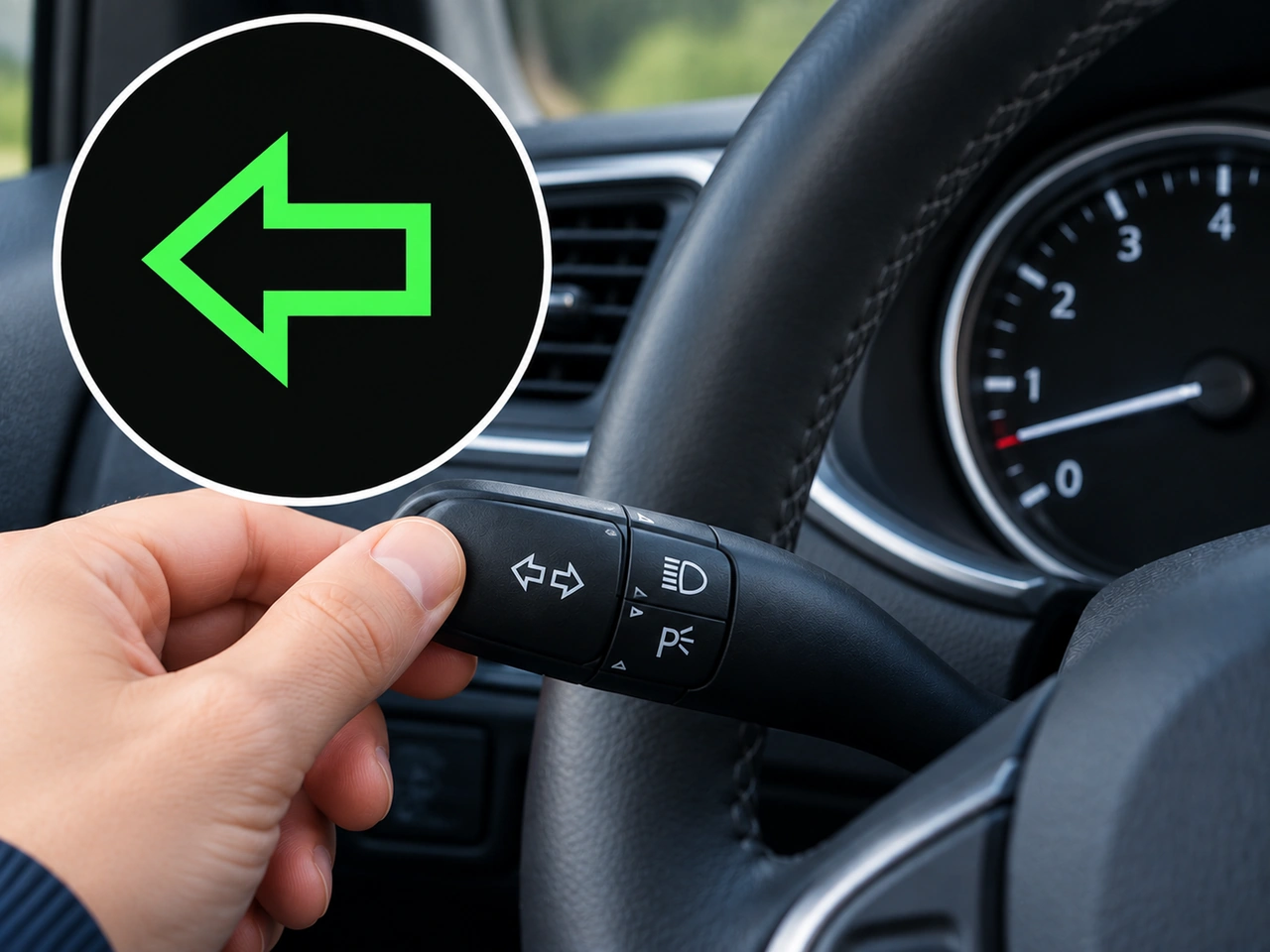
49. What does this dashboard symbol indicate?
This symbol indicates that a direction indicator is operating. The flashing indicator shows the direction in which the driver intends to turn or change position on the road.
AI-generated by Traffic-rules.com • WCIT • CC BY-SA
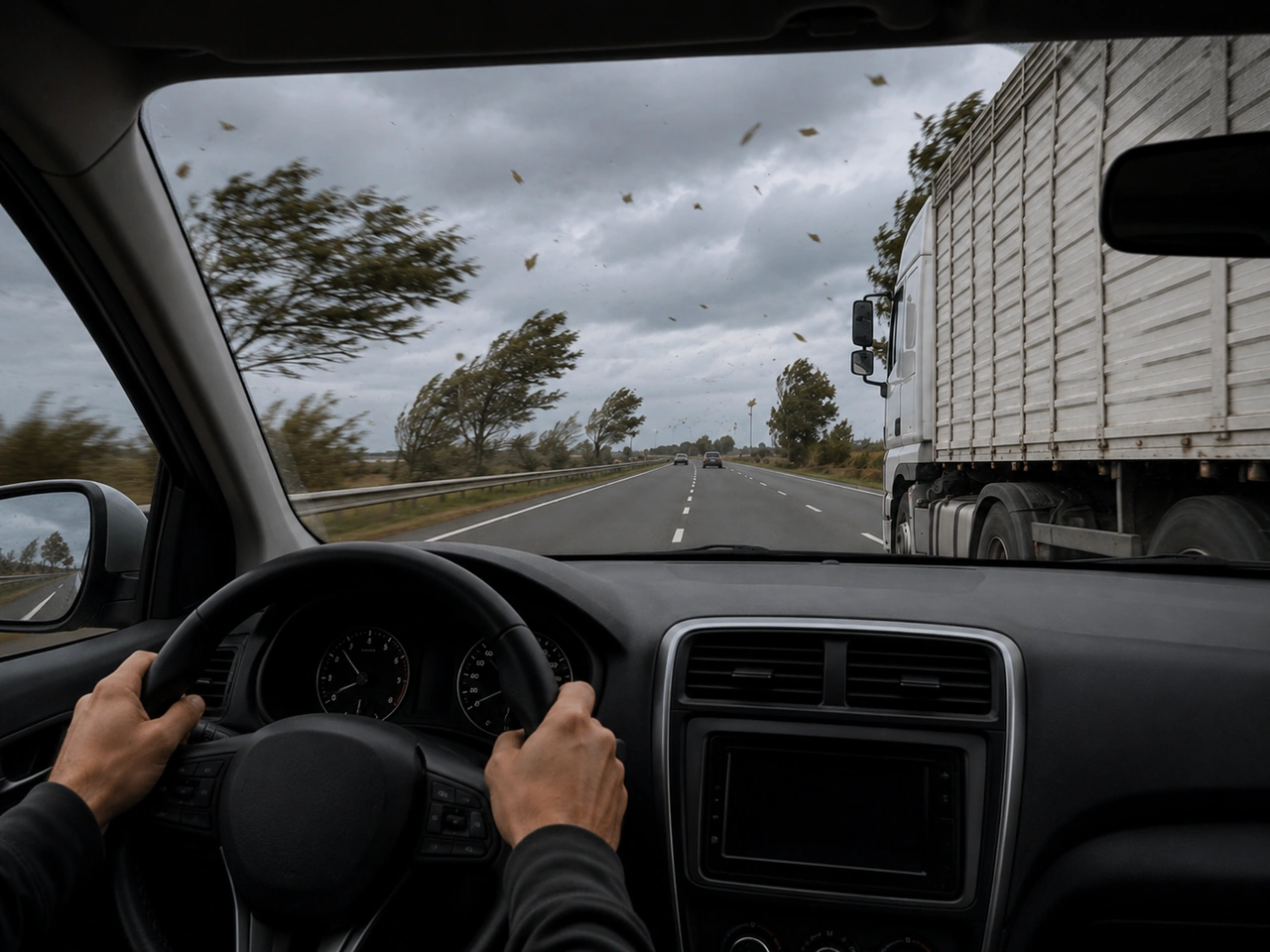
50. How should you pass a large vehicle in strong winds?
Large vehicles can block wind and then expose you to strong gusts when you pass them.
AI-generated by Traffic-rules.com • WCIT • CC BY-SA