


QuizTraffic rulesCzechia
This interesting quiz helps you test your knowledge in a clear and visual way. With easy multiple-choice questions, you can quickly build confidence and learn new facts while keeping it simple, interactive, and fun.
 Traffic signs
 Traffic rules
 Czechia
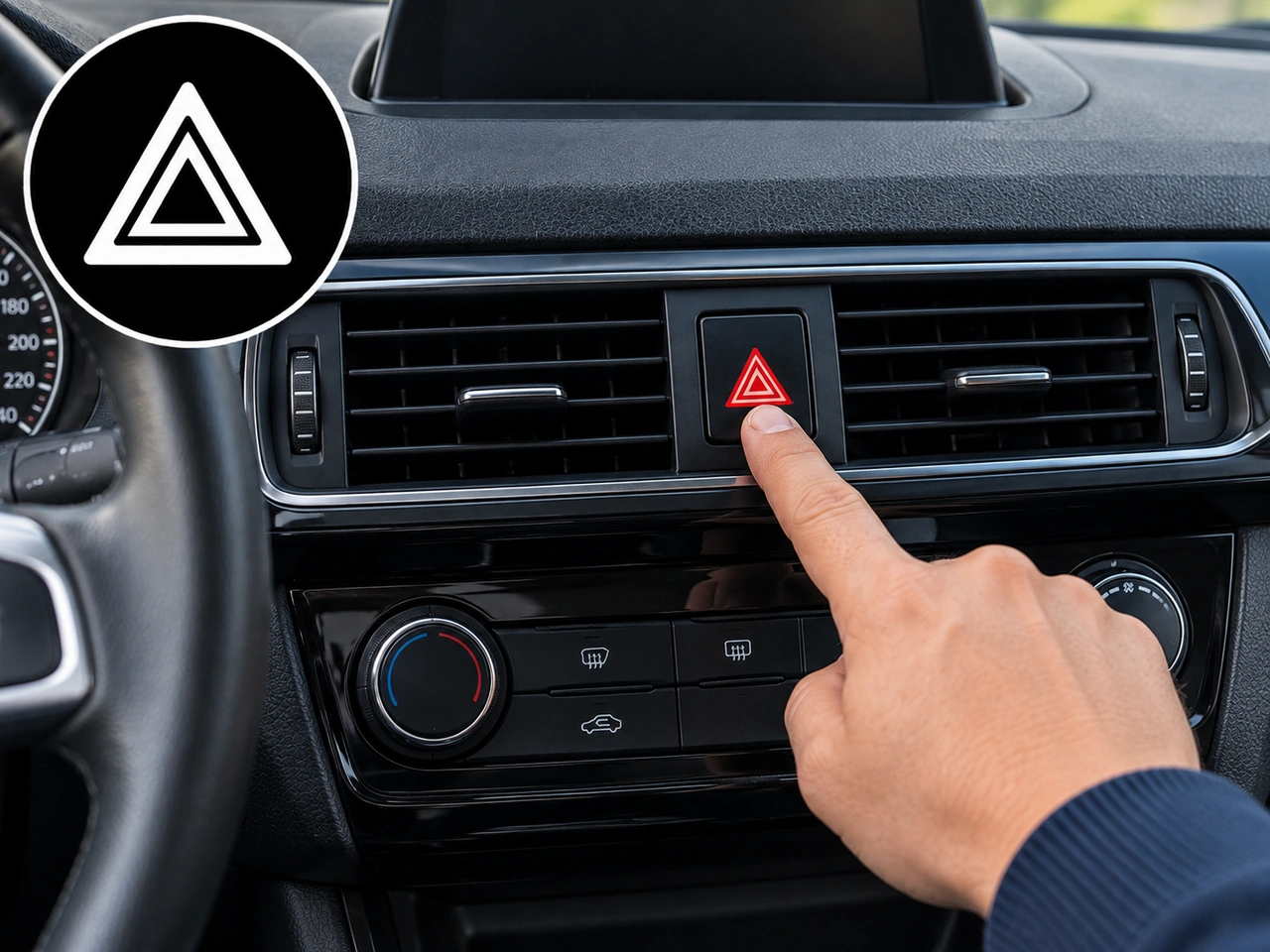
251. Which control activates all direction indicators at the same time?
The hazard warning light switch activates all direction indicators at the same time to warn other road users of a hazard or emergency.
AI-generated by Traffic-rules.com • WCIT • CC BY-SA

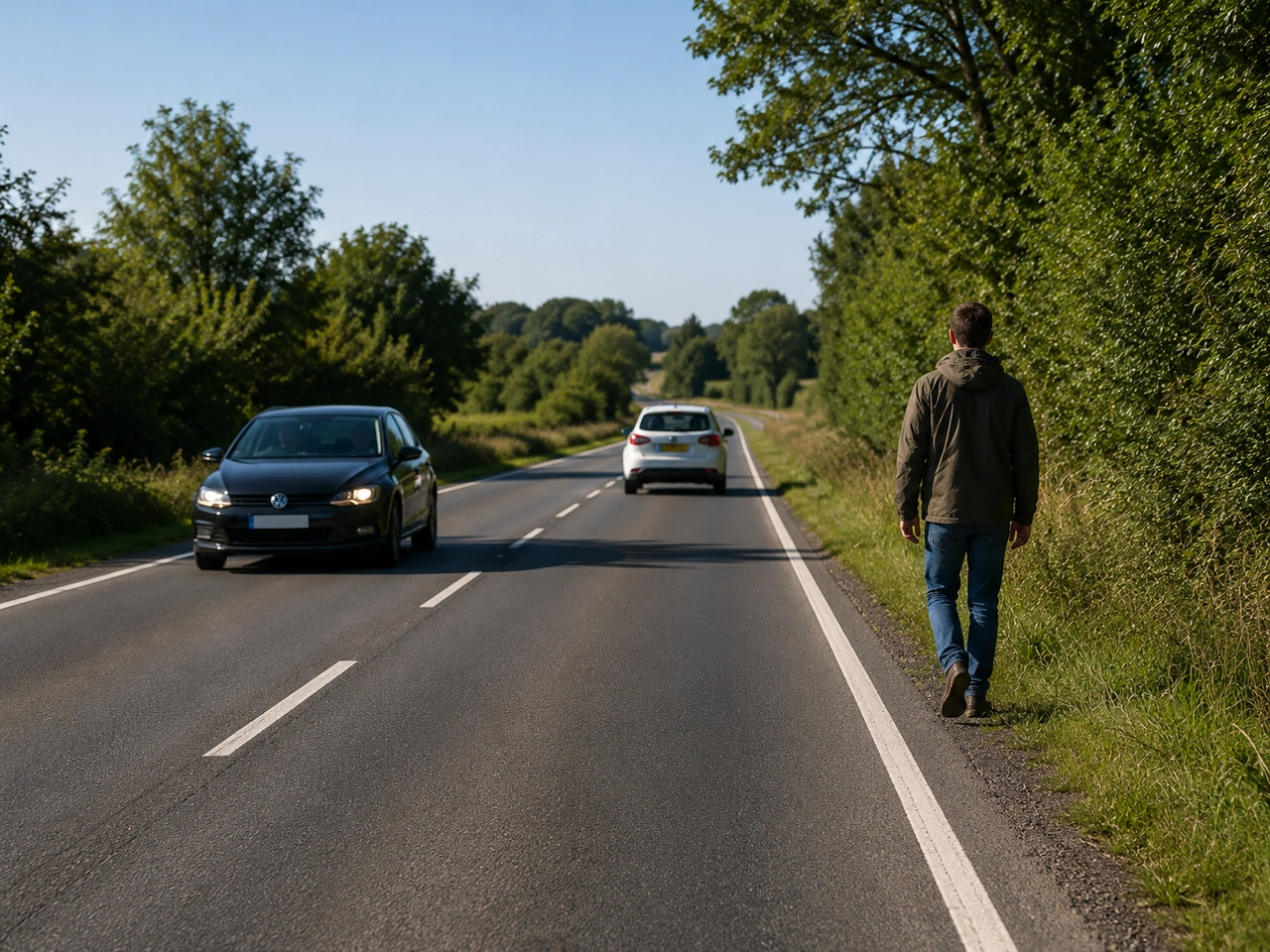
252. What should you do if there is no pavement?
If there is no pavement, stay as far from traffic as possible and remain alert. The exact side of the road depends on local traffic rules.
AI-generated by Traffic-rules.com • WCIT • CC BY-SA
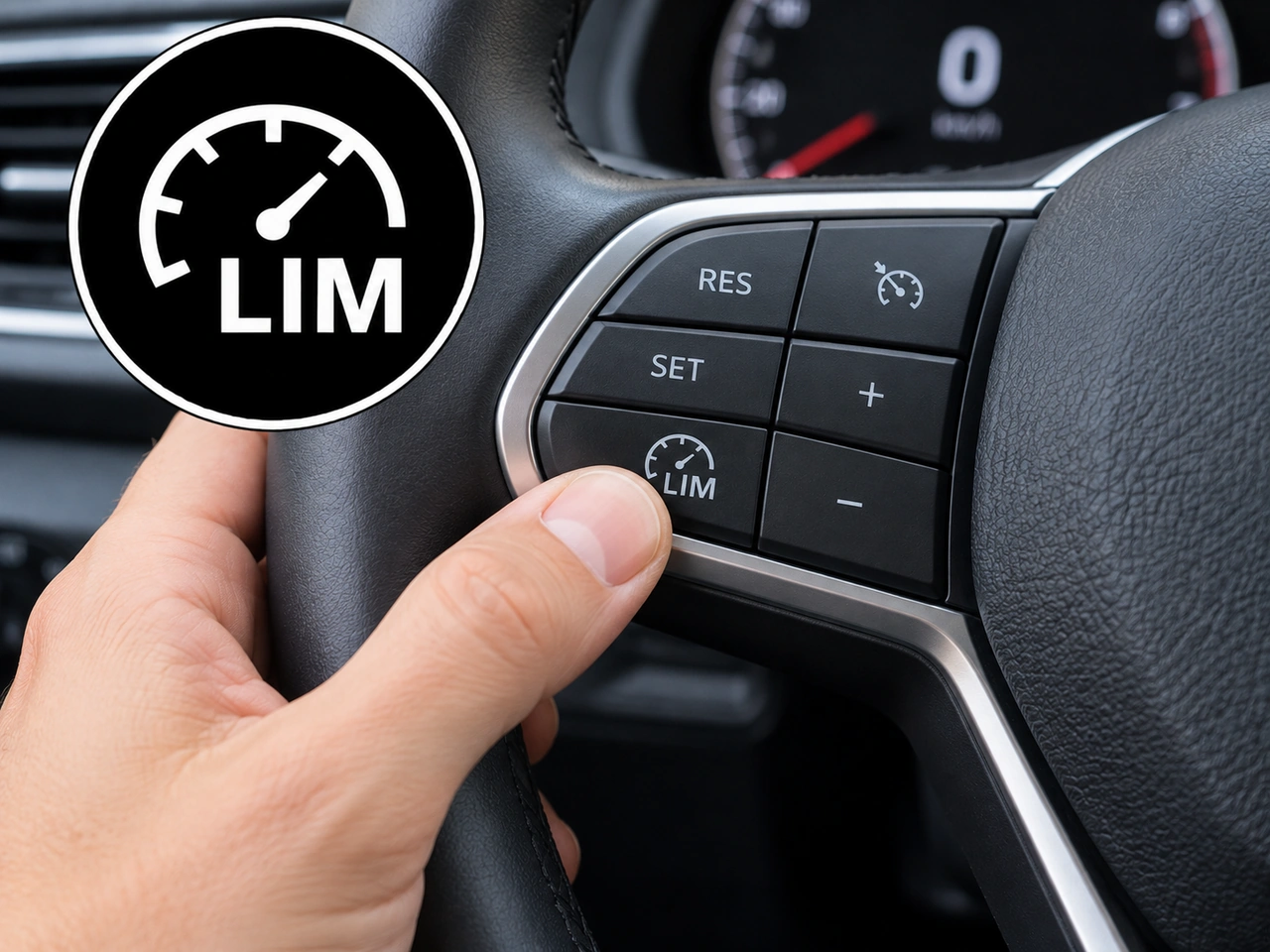
253. What does this vehicle-control symbol indicate?
The speed limiter allows the driver to set a maximum speed that the vehicle should not normally exceed while the accelerator is being used.
AI-generated by Traffic-rules.com • WCIT • CC BY-SA
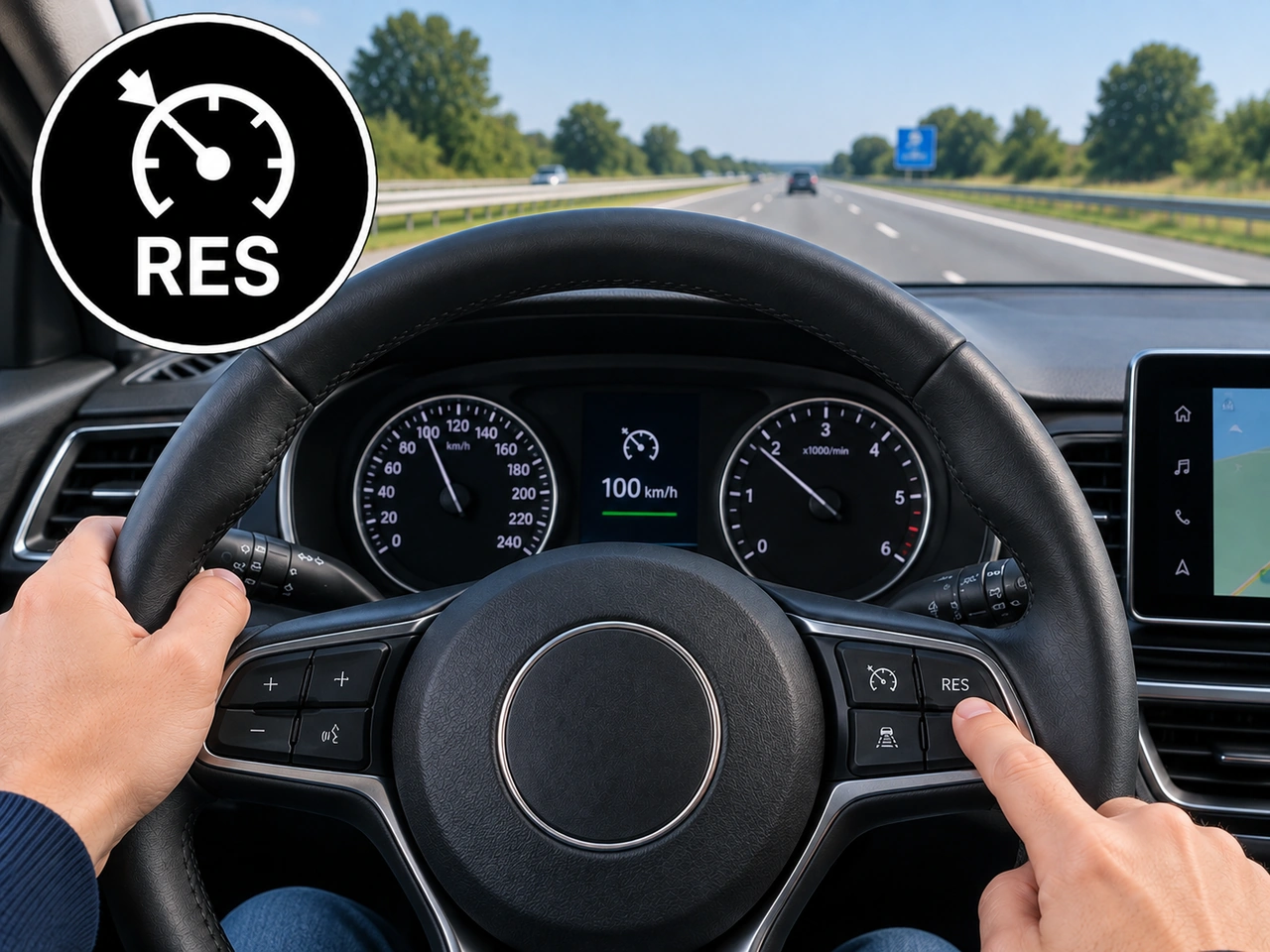
254. What does the resume function of cruise control normally do?
The resume function normally returns the vehicle to the previously set cruise-control speed after the system has been temporarily disengaged. The driver should use it only when traffic and road conditions are suitable.
AI-generated by Traffic-rules.com • WCIT • CC BY-SA
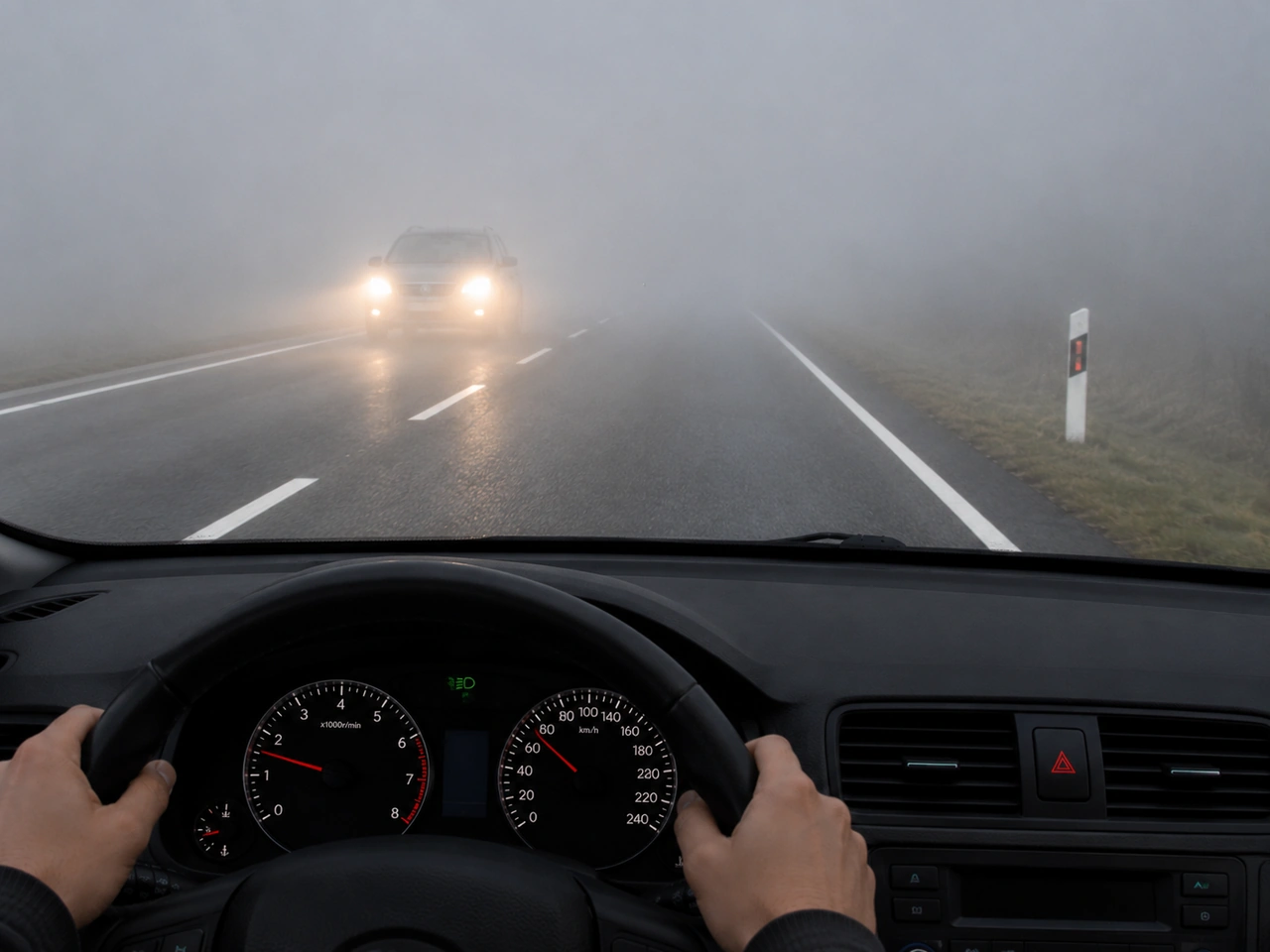
255. Why can fog make it difficult to judge the speed of other vehicles?
Fog reduces visual information, making it harder to judge how far away another vehicle is and how quickly it is approaching.
AI-generated by Traffic-rules.com • WCIT • CC BY-SA
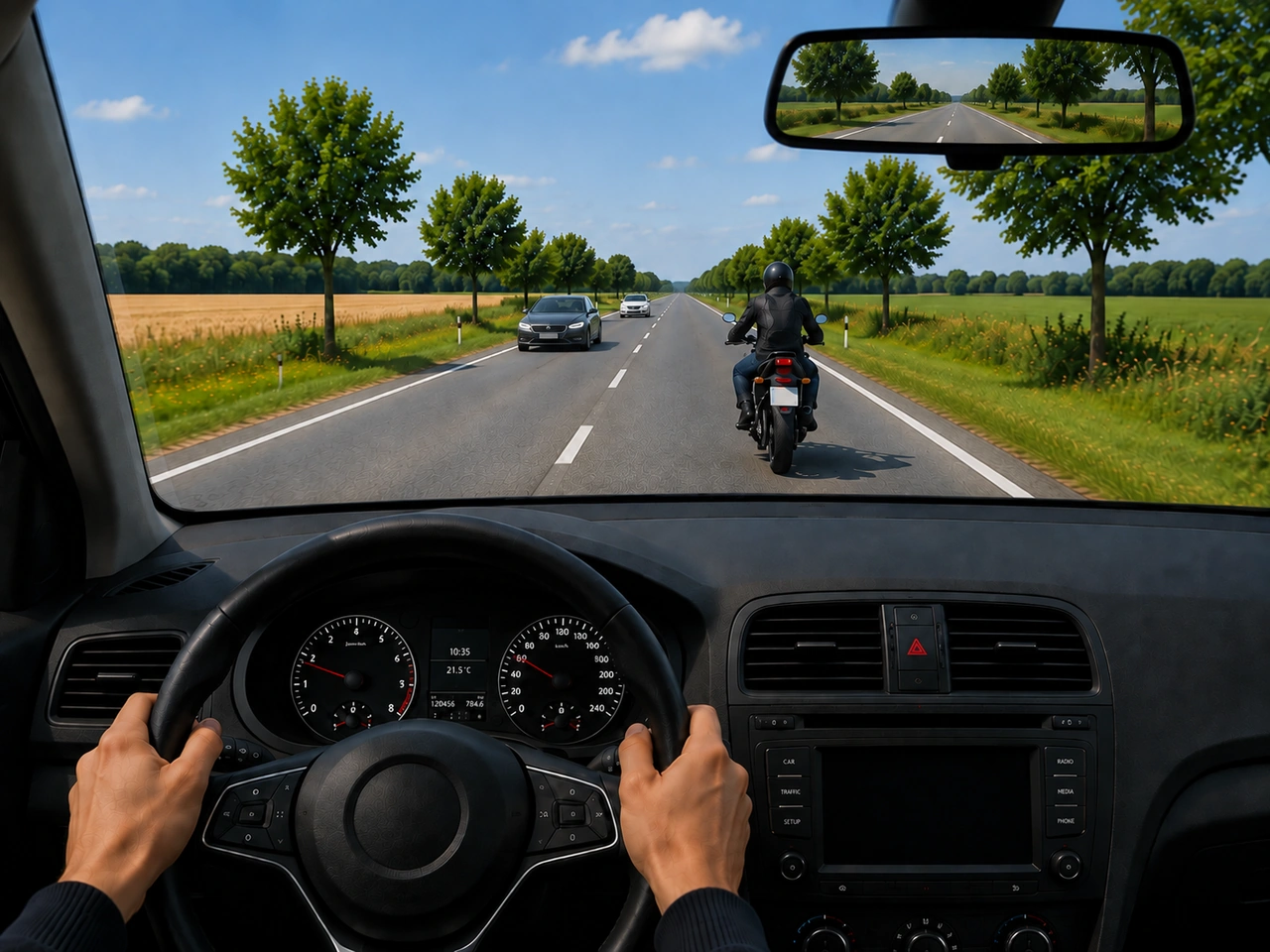
256. Why should you leave extra space behind a motorcycle?
Motorcyclists are more exposed than car drivers. Extra following distance gives you more time to react safely.
AI-generated by Traffic-rules.com • WCIT • CC BY-SA
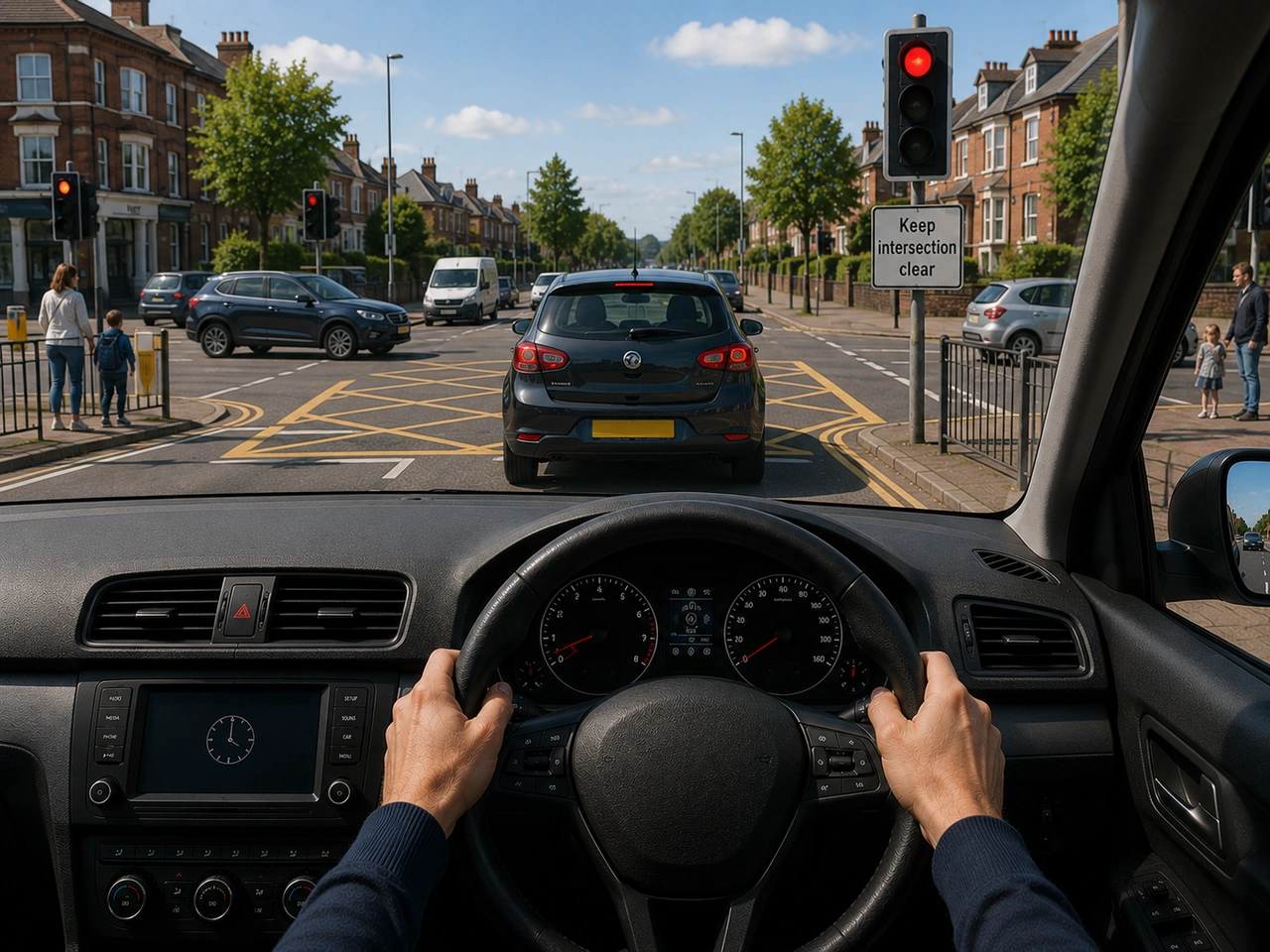
257. Why should you avoid blocking a junction?
Blocking a junction can prevent vehicles, cyclists, or pedestrians from moving safely. Enter only when there is enough space to drive through and clear the junction.
AI-generated by Traffic-rules.com • WCIT • CC BY-SA
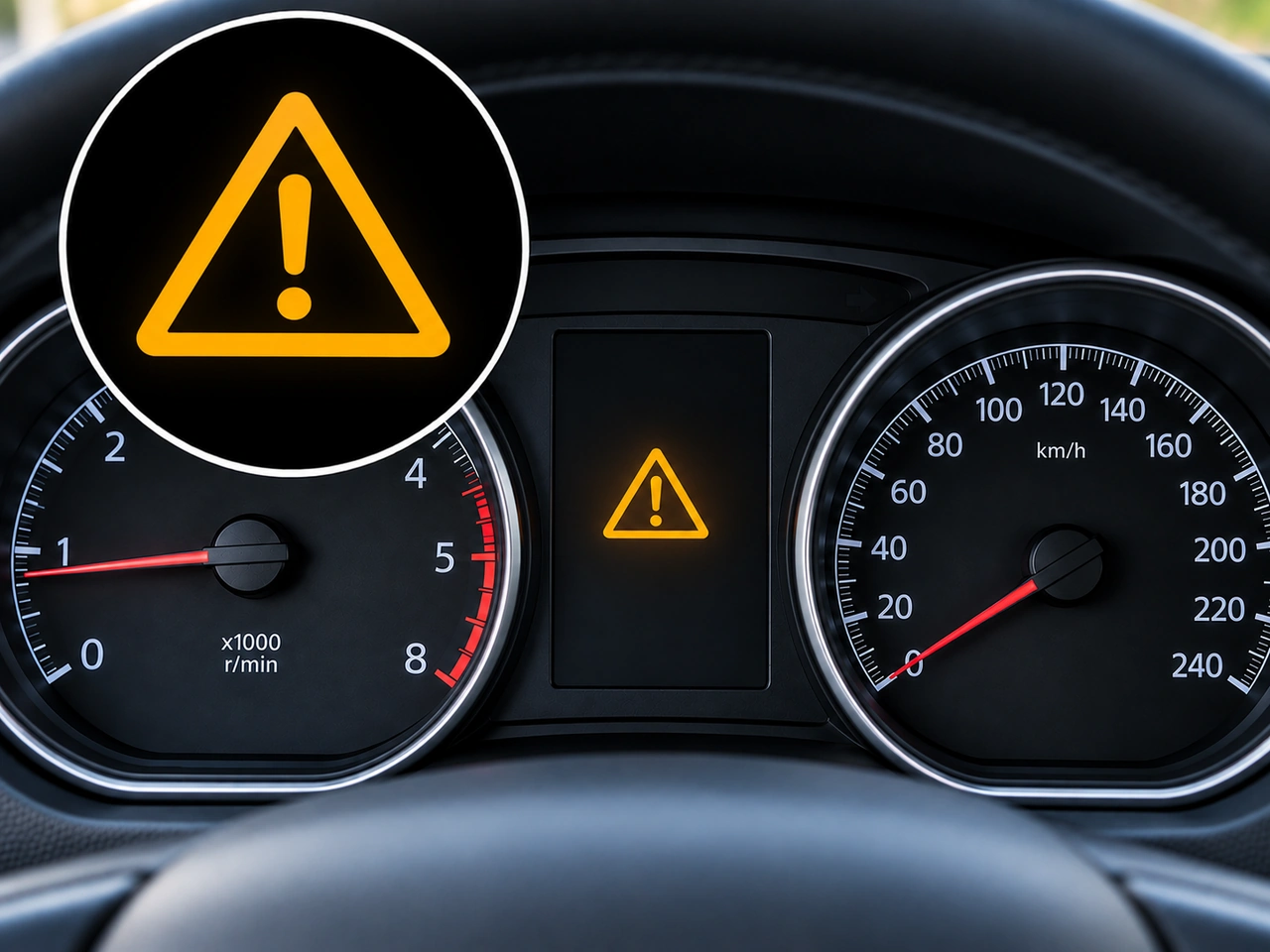
258. What does this dashboard symbol indicate?
This is a general or master warning symbol. It indicates that the vehicle has detected a condition requiring attention and is often accompanied by a message or another warning on the instrument display.
AI-generated by Traffic-rules.com • WCIT • CC BY-SA
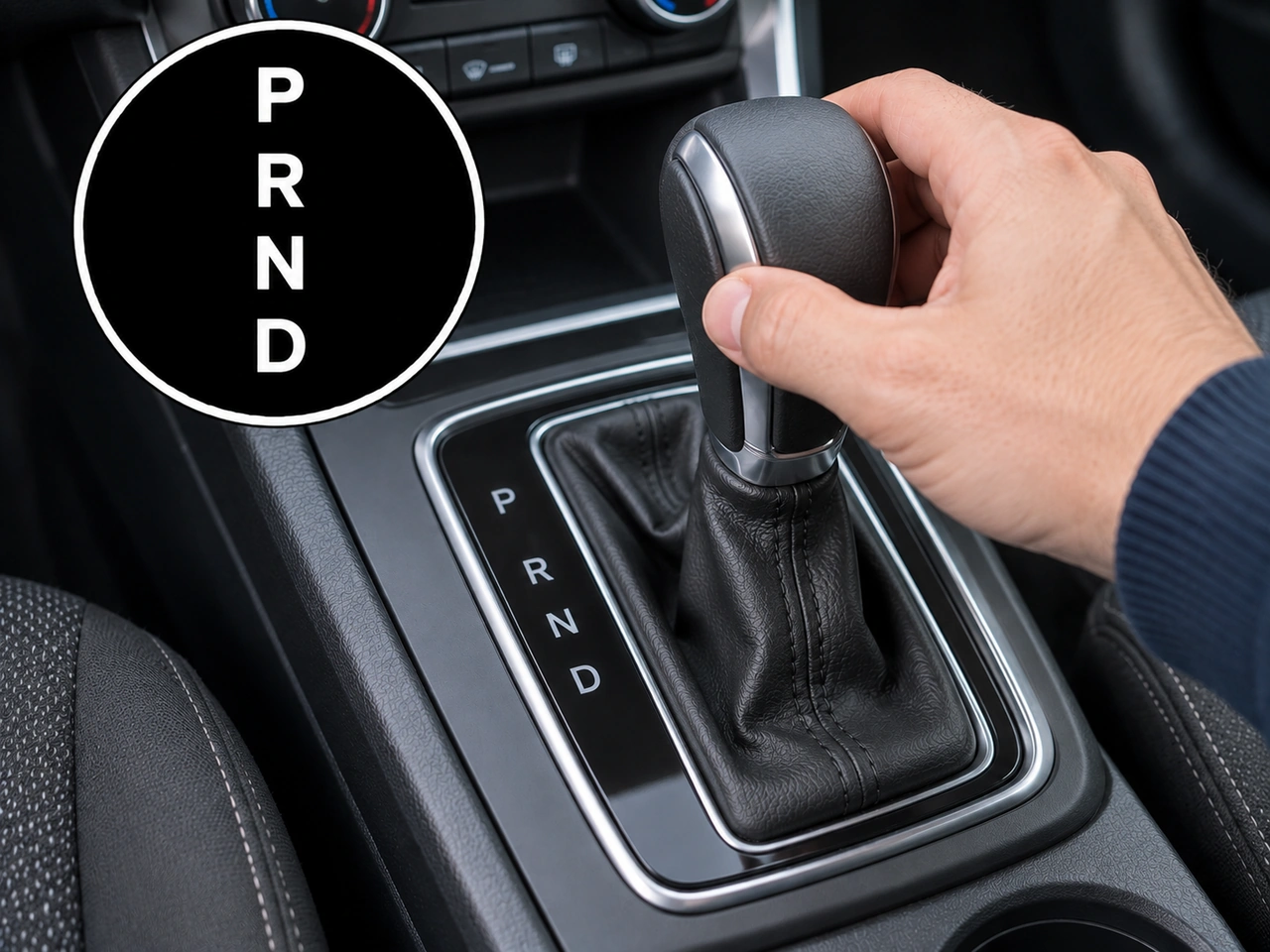
259. Which selector position is used to drive the vehicle backwards?
Select R (Reverse) when you need to drive the vehicle backwards. The vehicle should be stationary before selecting Reverse.
AI-generated by Traffic-rules.com • WCIT • CC BY-SA
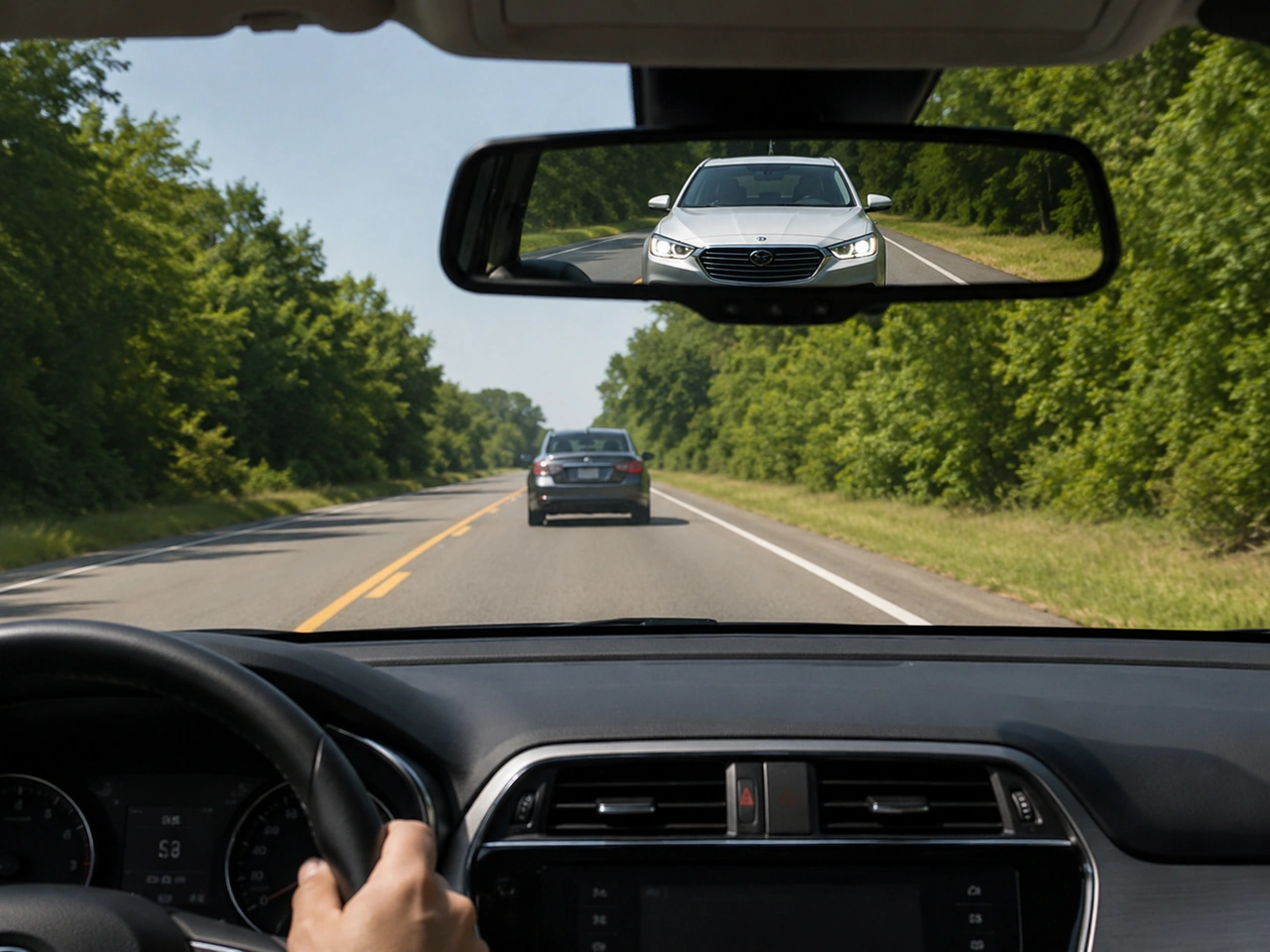
260. What should you do if another vehicle is tailgating you?
If someone follows too closely, avoid sudden actions. Keeping more space in front gives you more time to brake gently if needed. If it is safe, allow the tailgating vehicle to pass.
AI-generated by Traffic-rules.com • WCIT • CC BY-SA
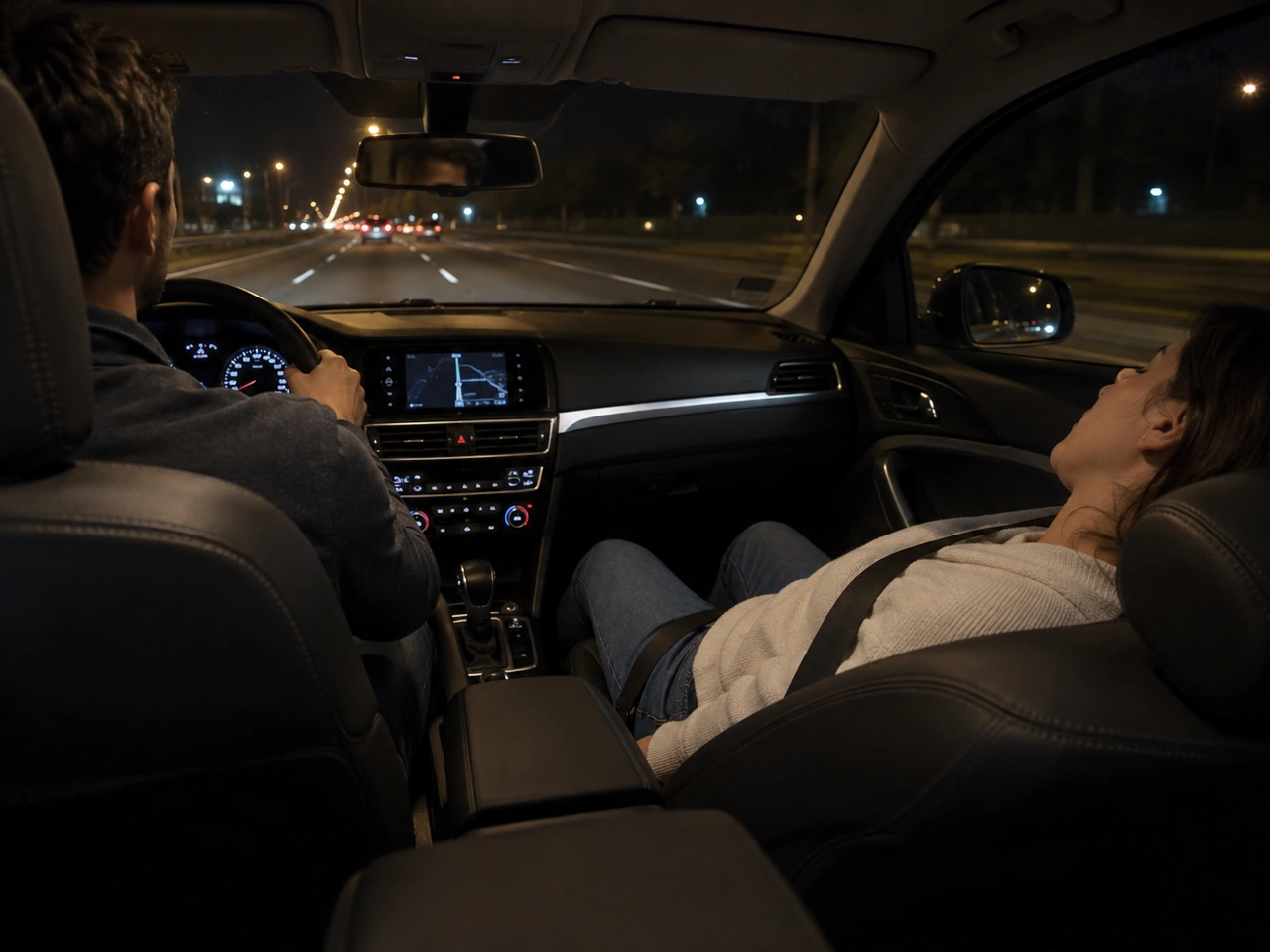
261. Why should you avoid travelling with the seatback excessively reclined?
An excessively reclined seat can affect how the seat belt fits and restrains your body and may increase the risk of sliding under the lap belt in a collision. Sit in a reasonably upright position so the lap belt stays low across the hips and the shoulder belt lies correctly across the chest.
AI-generated by Traffic-rules.com • WCIT • CC BY-SA
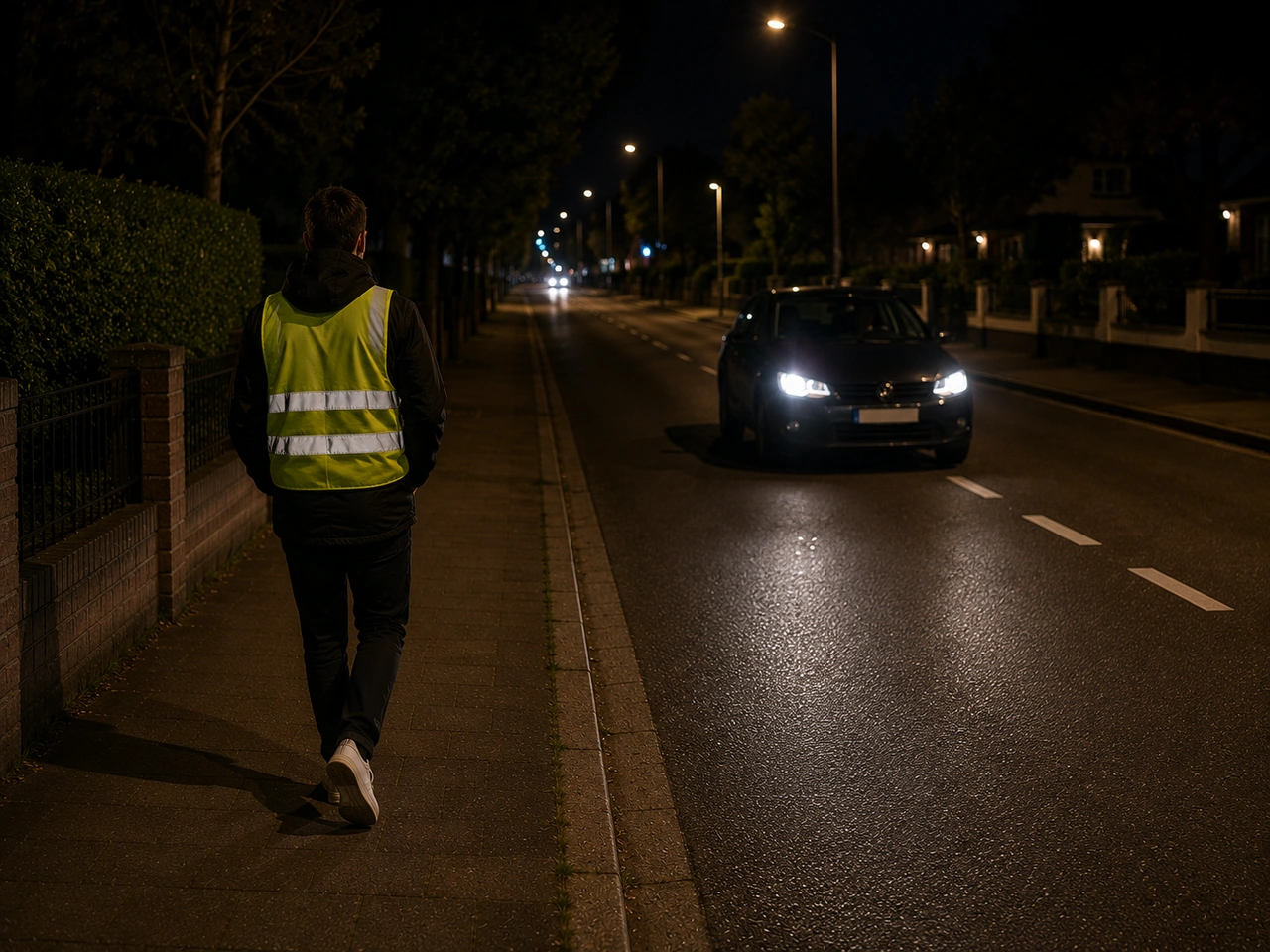
262. Why is it important to make yourself visible at night?
Bright or reflective clothing helps drivers notice pedestrians in low-light conditions.
AI-generated by Traffic-rules.com • WCIT • CC BY-SA
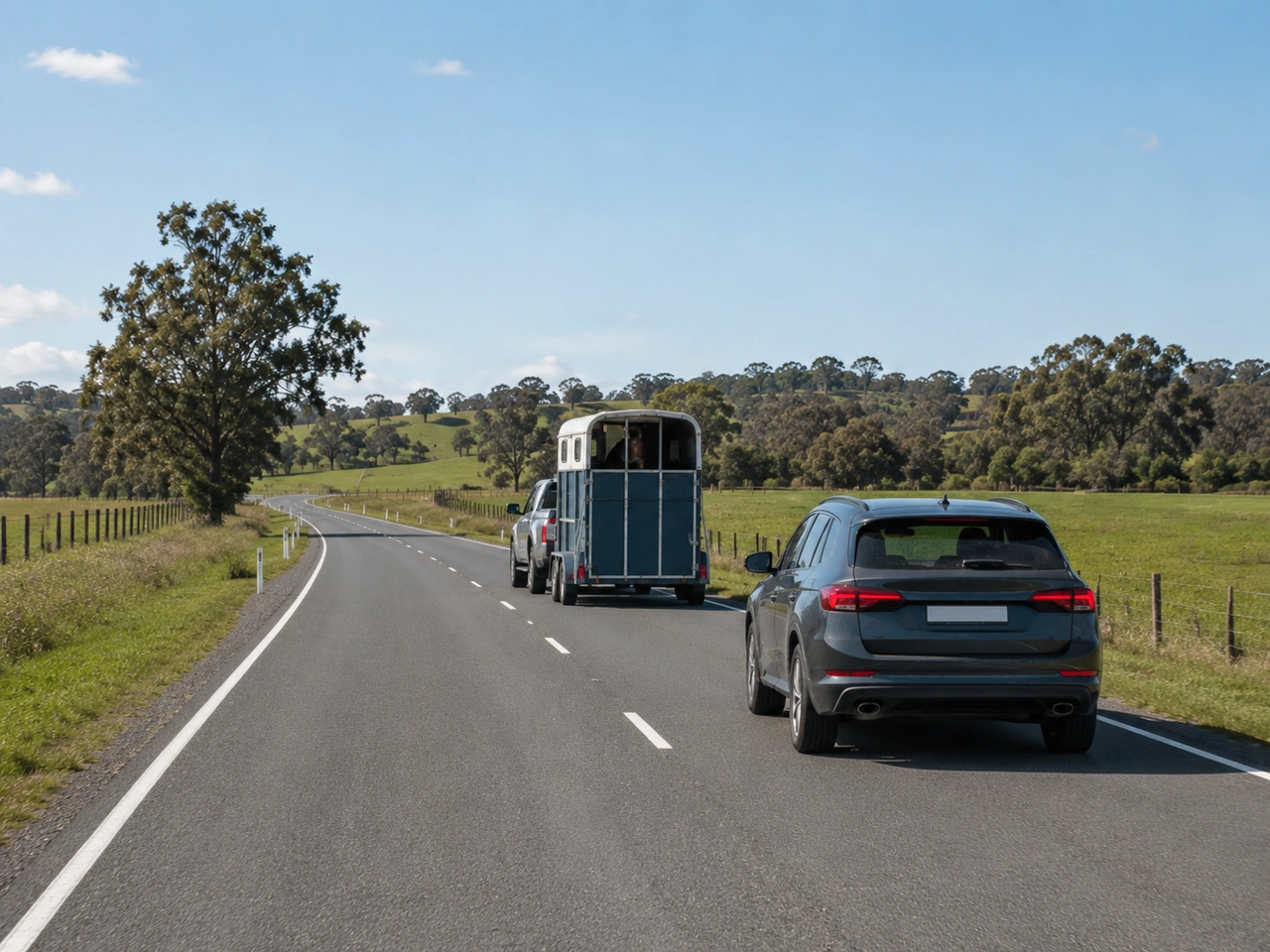
263. Why should you leave extra space behind a vehicle carrying animals?
Vehicles transporting animals may accelerate slowly, take bends carefully, or brake gently to protect their load.
AI-generated by Traffic-rules.com • WCIT • CC BY-SA
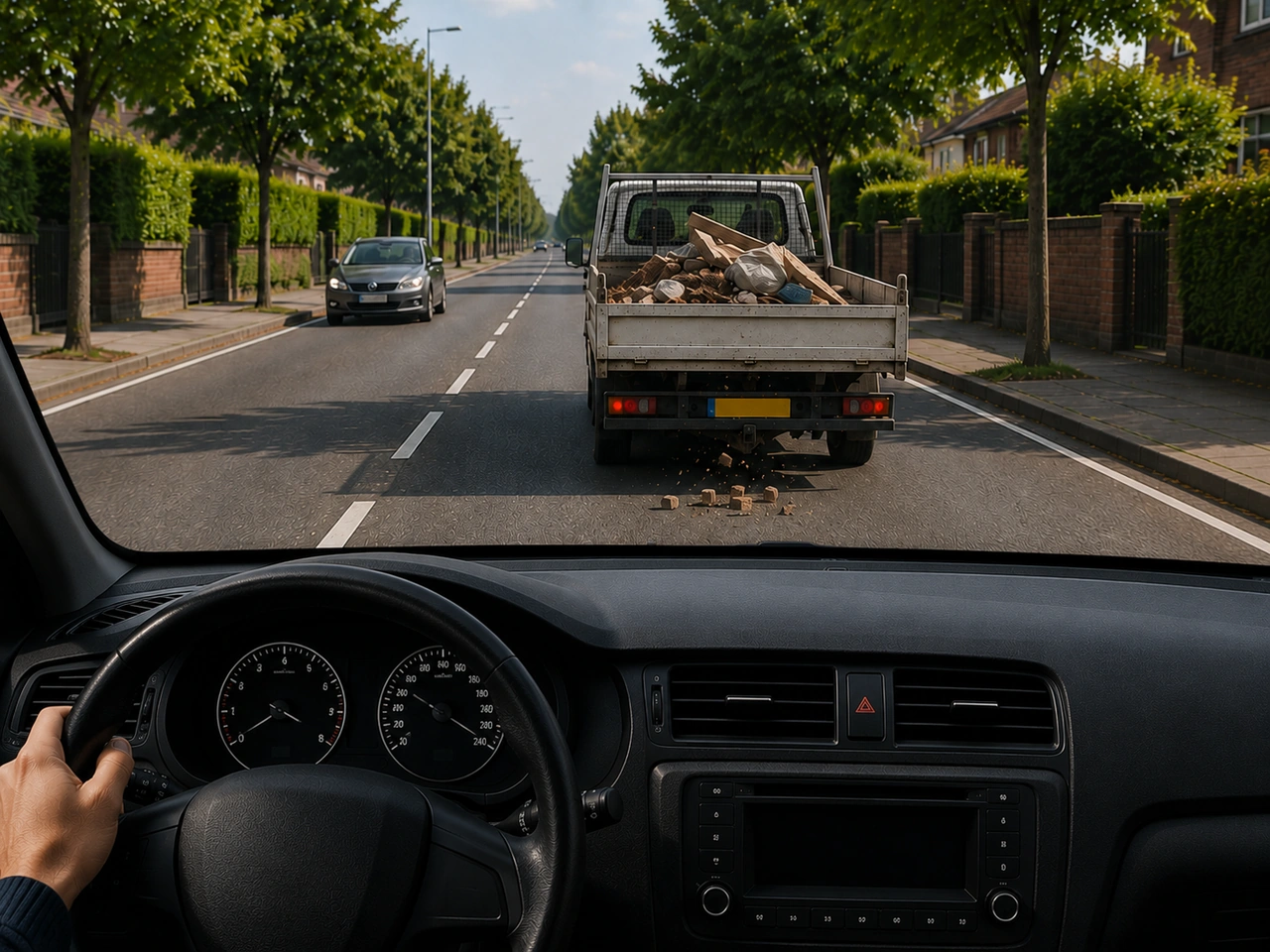
264. Why should you be cautious when following a vehicle carrying a loose load?
A poorly secured load can fall or shift suddenly. Keep extra distance and avoid following too closely.
AI-generated by Traffic-rules.com • WCIT • CC BY-SA
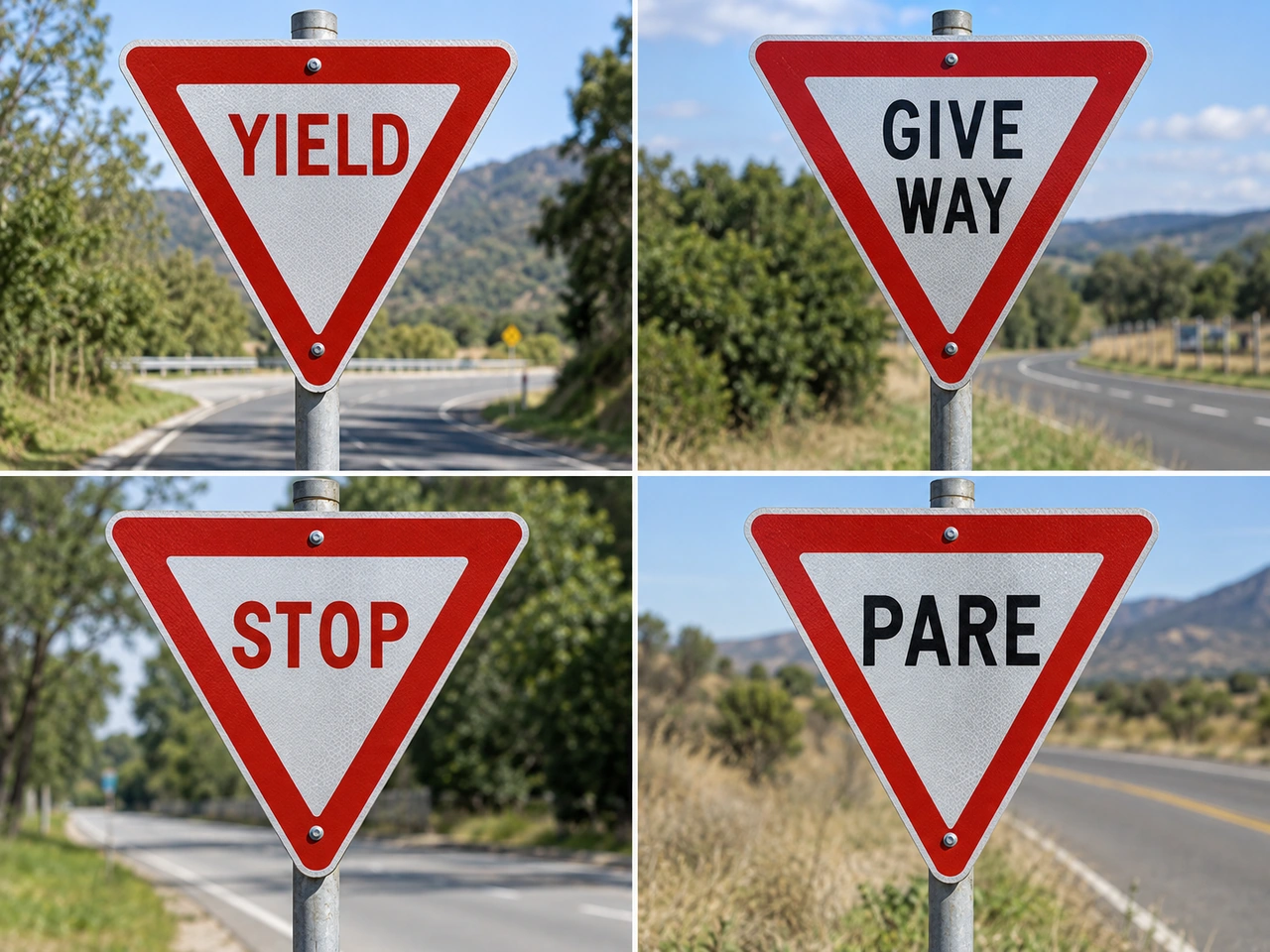
265. What wording is commonly shown on give-way signs in Czechia?
Give-way signs in Czechia normally use the inverted triangular symbol without wording.
AI-generated by Traffic-rules.com • WCIT • CC BY-SA
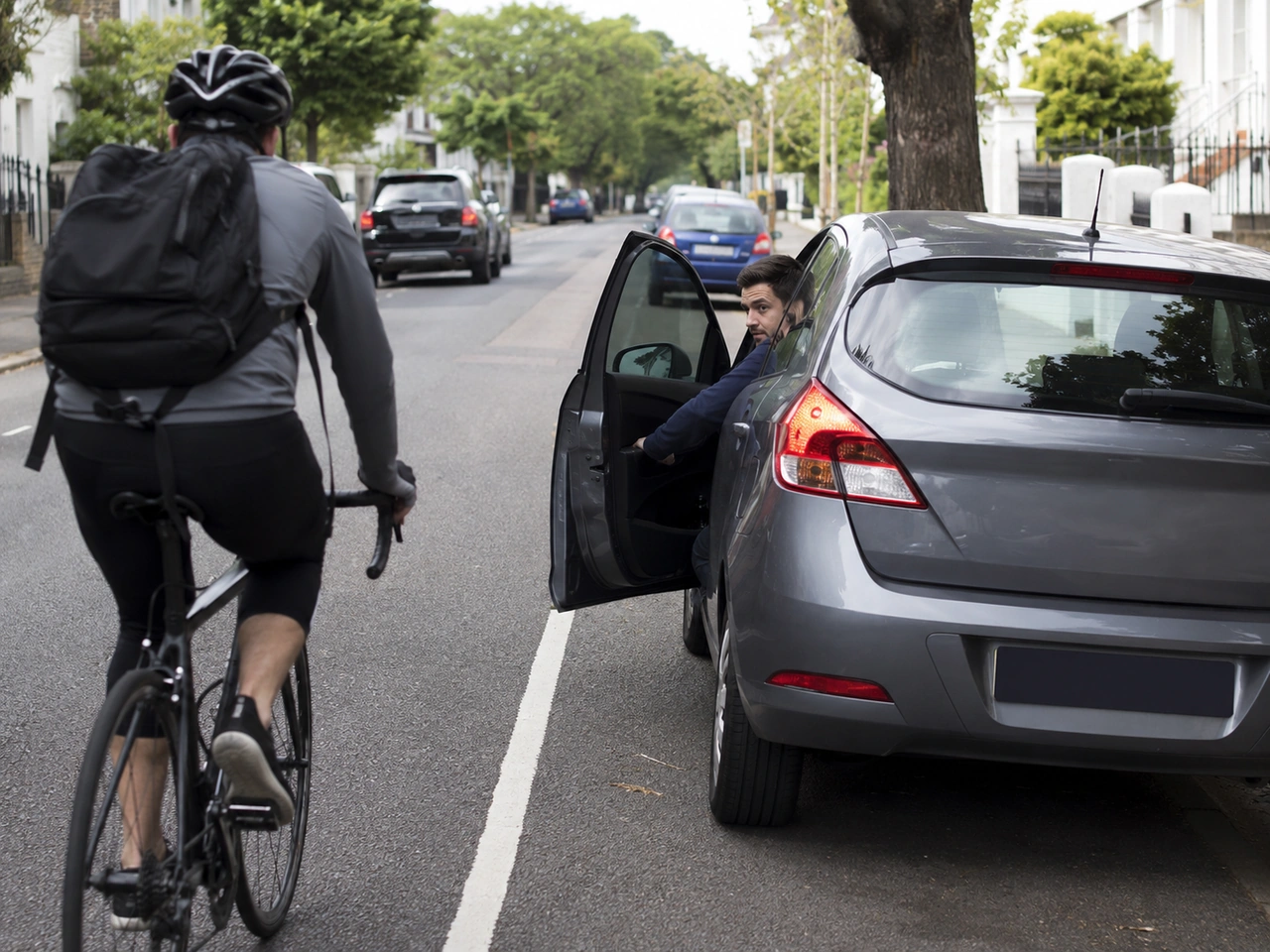
266. You do not need to look for cyclists when opening your car door.
You should always check for cyclists, motorcyclists, and other road users before opening a door.
AI-generated by Traffic-rules.com • WCIT • CC BY-SA
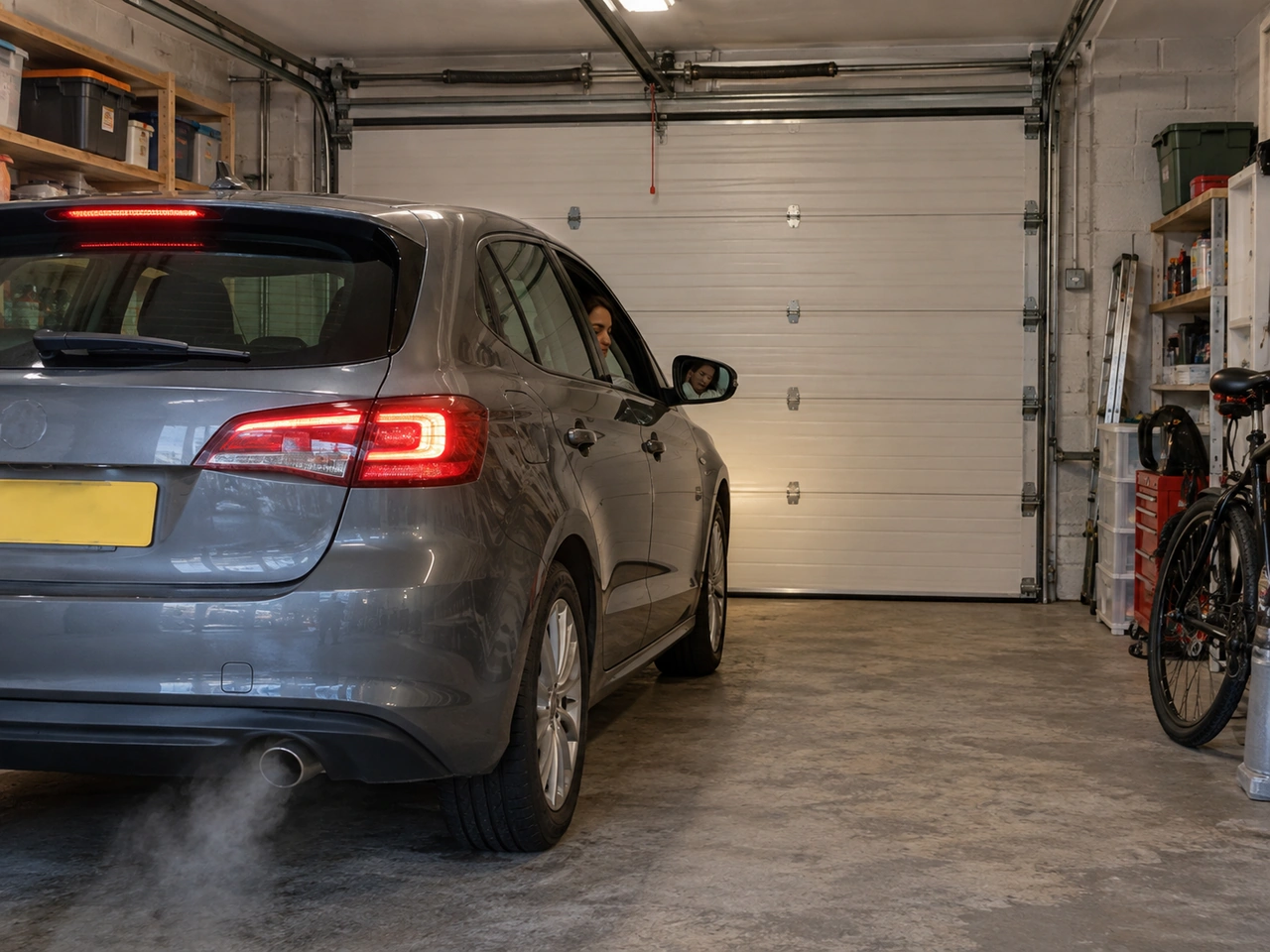
267. Why should you never leave a petrol or diesel engine running in an enclosed space?
Exhaust gases from petrol and diesel engines can contain carbon monoxide, a poisonous gas that can build up quickly in an enclosed or poorly ventilated space. Never leave the engine running inside a closed garage or similar area.
AI-generated by Traffic-rules.com • WCIT • CC BY-SA
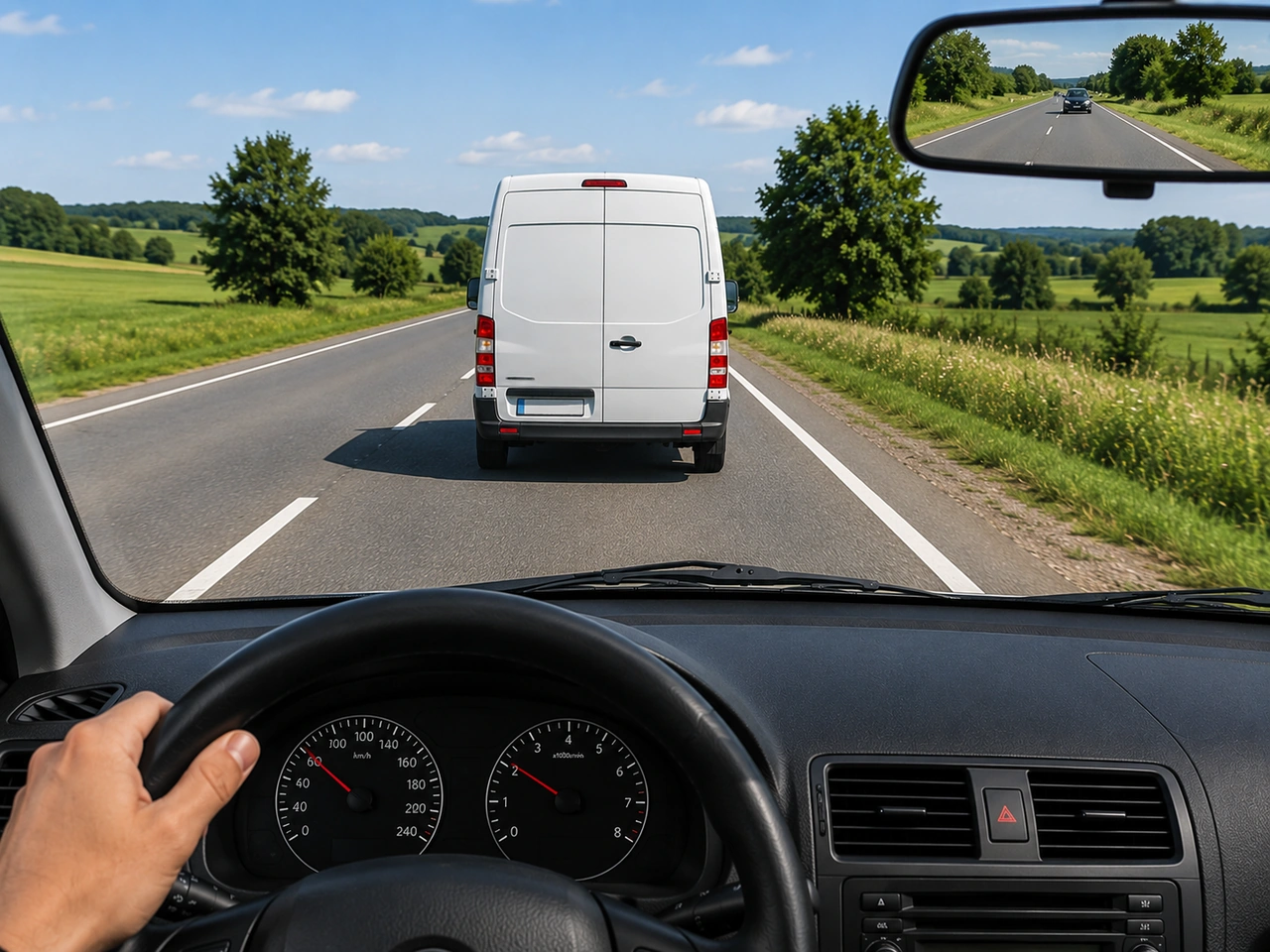
268. What is the main risk when following a vehicle with limited rear visibility?
Vans, trucks, and vehicles with blocked rear windows may have limited visibility. Keep extra distance and avoid sitting in blind spots.
AI-generated by Traffic-rules.com • WCIT • CC BY-SA
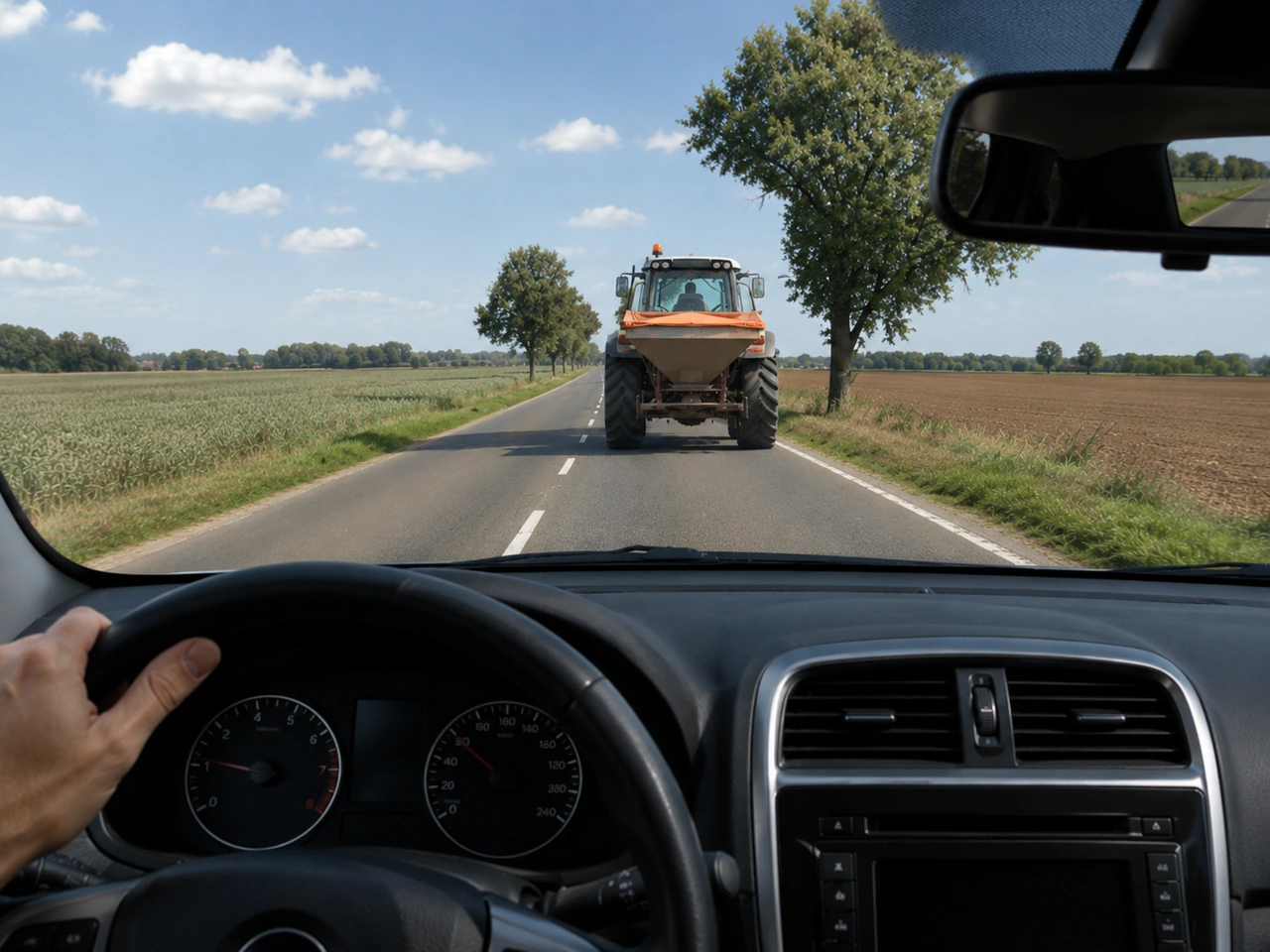
269. What should you do if you approach slow-moving farm machinery?
Farm machinery may be wide, slow, or turn unexpectedly. Keep distance and only overtake when you have a clear view and enough space.
AI-generated by Traffic-rules.com • WCIT • CC BY-SA
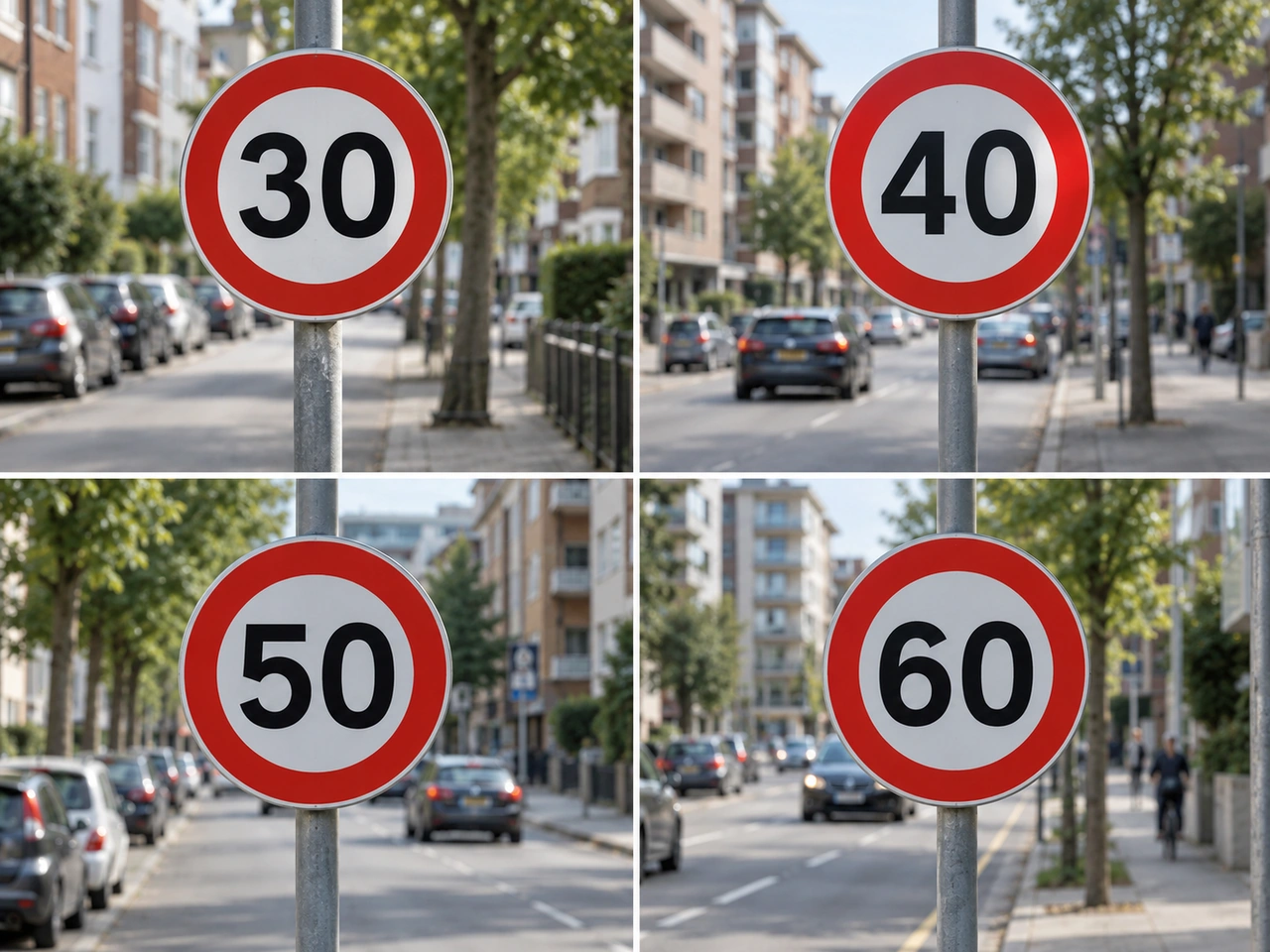
270. What is the general speed limit for cars in built-up areas in Czechia?
The general speed limit for cars in built-up areas in Czechia is 50 km/h, unless signs indicate otherwise.
AI-generated by Traffic-rules.com • WCIT • CC BY-SA
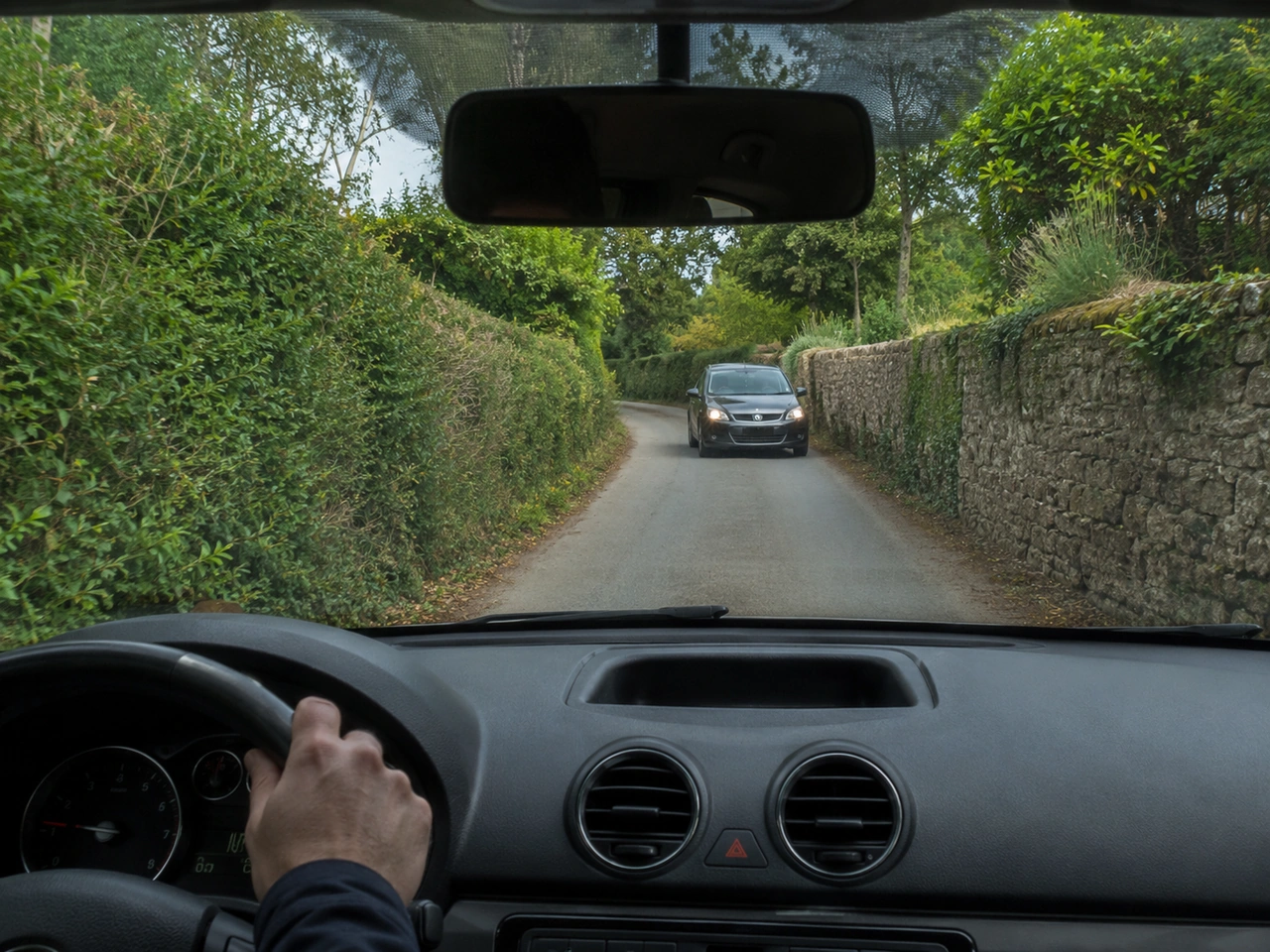
271. What should you do when approaching a narrow road with oncoming traffic?
On narrow roads, reduce speed and be prepared to stop or use a suitable passing place. Leave enough space for the oncoming vehicle and avoid forcing either vehicle into an unsafe position.
AI-generated by Traffic-rules.com • WCIT • CC BY-SA
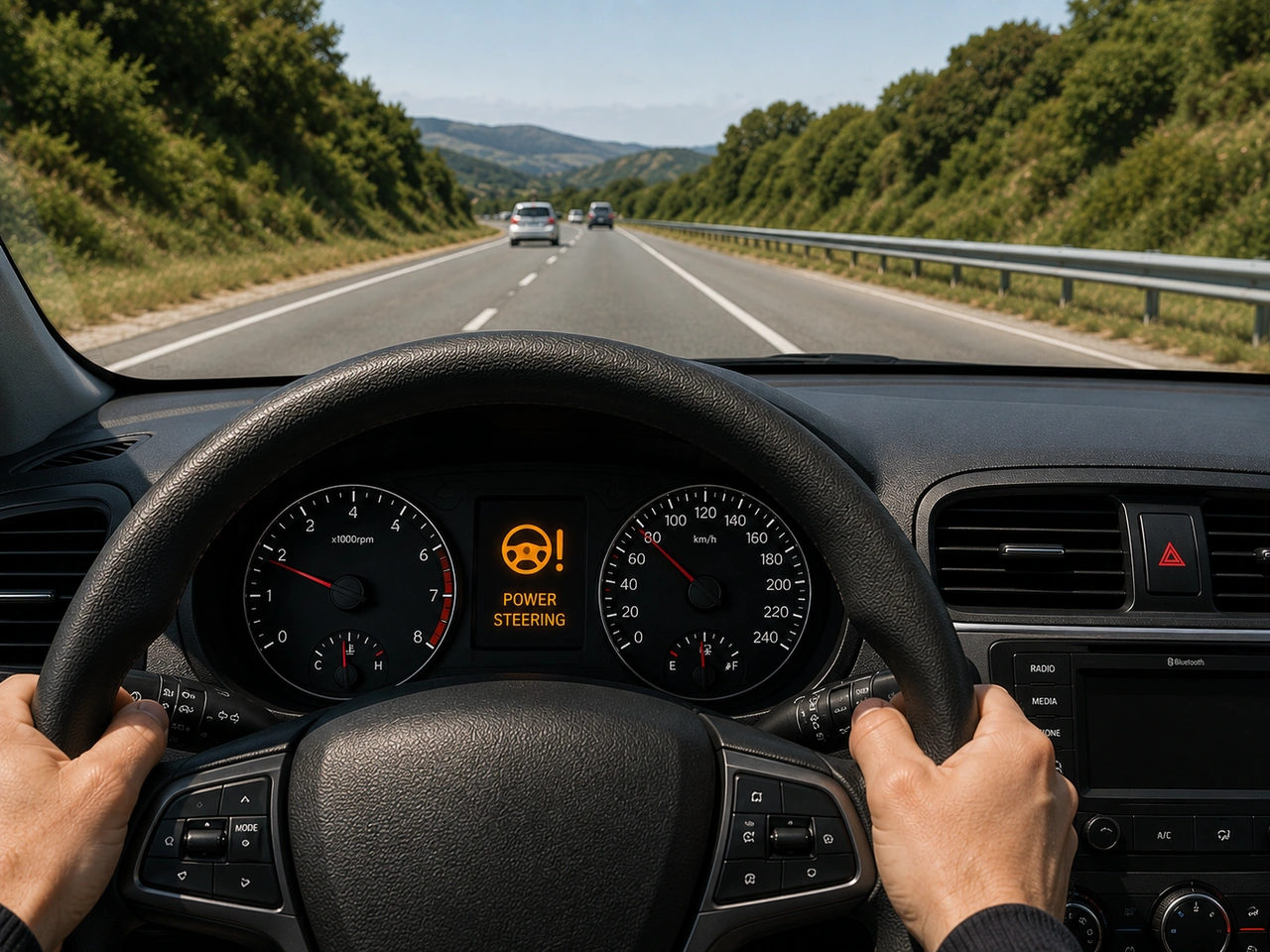
272. What should you do if the power steering suddenly stops assisting you?
The vehicle can normally still be steered, but much more effort may be required. Reduce speed and arrange an inspection.
AI-generated by Traffic-rules.com • WCIT • CC BY-SA
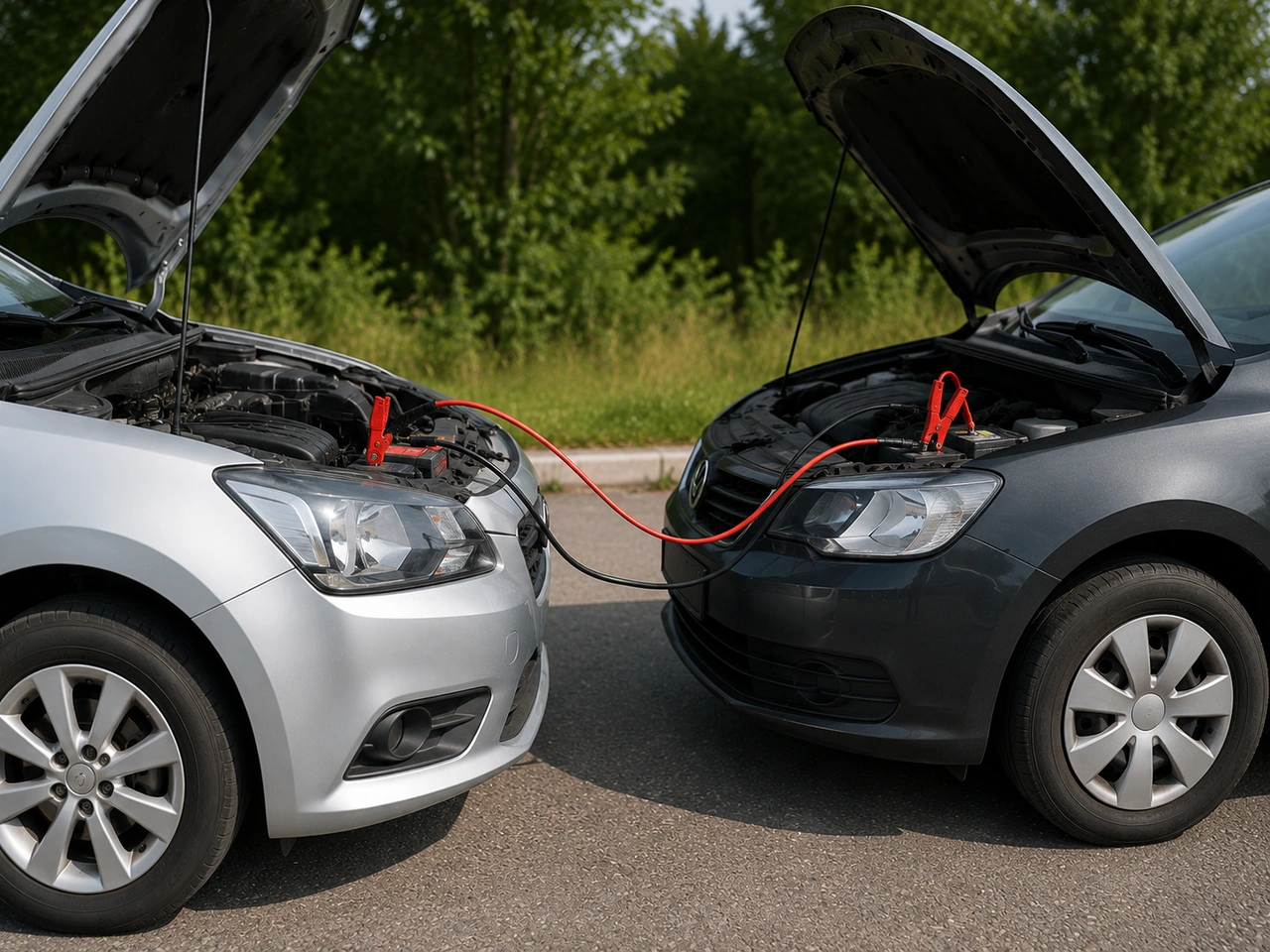
273. What should you do before attempting to jump-start a vehicle?
Incorrect jump-starting can damage electrical systems, cause sparks, or make a battery explode. Connect the leads in the correct order before starting the vehicles, and follow the manufacturer's procedure exactly.
AI-generated by Traffic-rules.com • WCIT • CC BY-SA
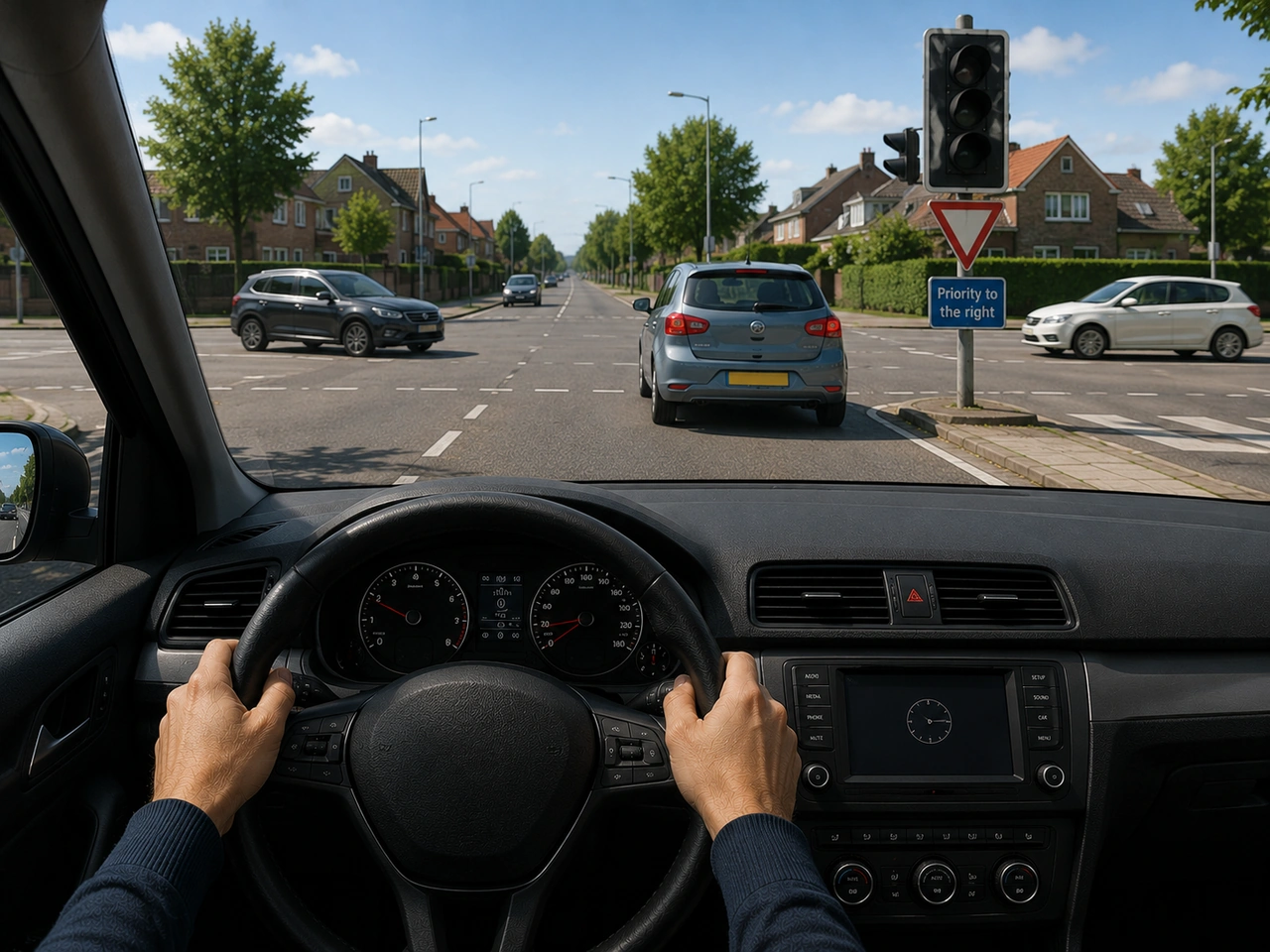
274. What should you do when traffic lights are not working?
If traffic lights are not working, slow down, observe carefully, and follow signs, road markings, or local priority rules.
AI-generated by Traffic-rules.com • WCIT • CC BY-SA
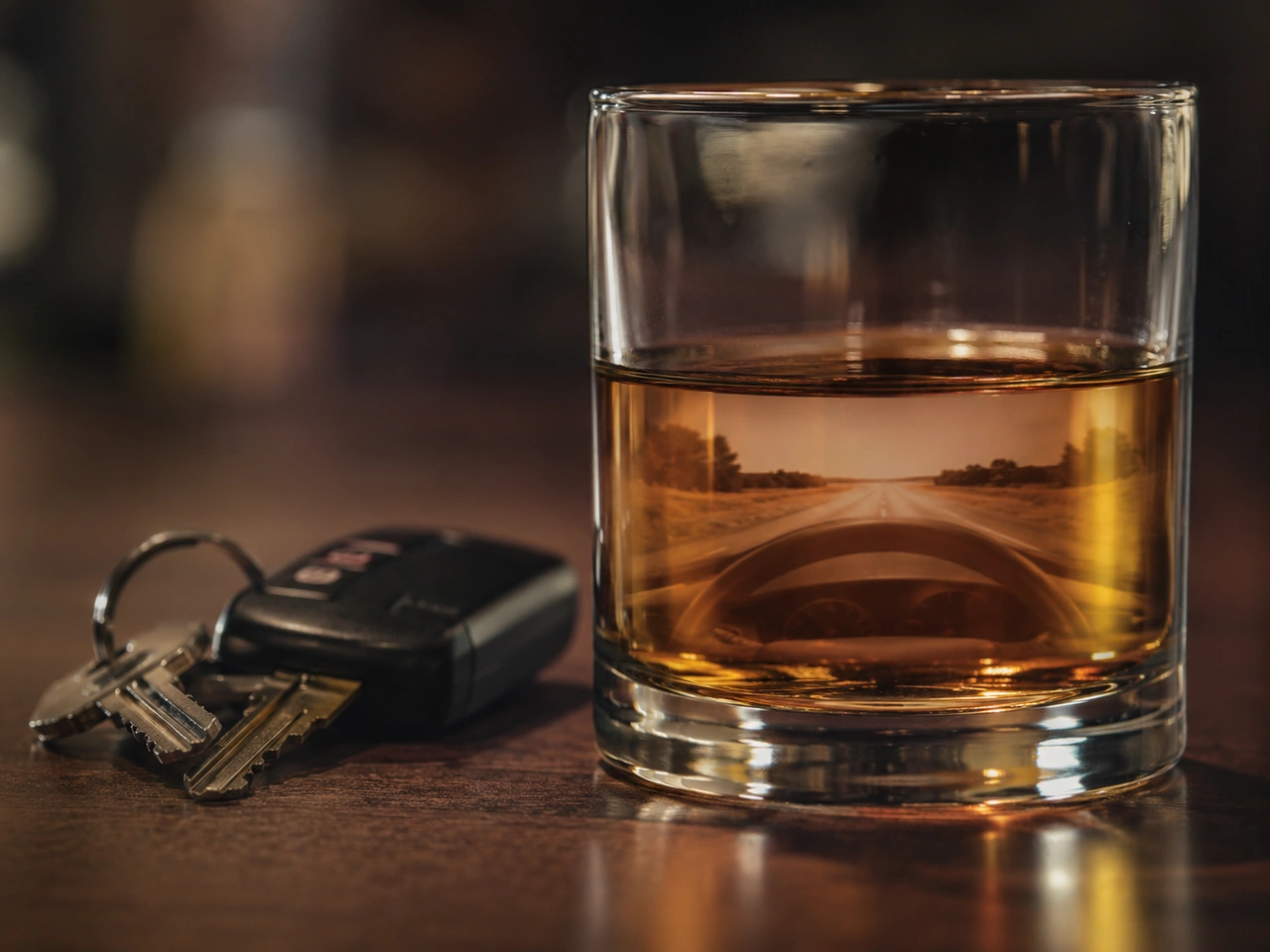
275. How can alcohol affect your driving ability?
Alcohol affects several abilities needed for safe driving, including concentration, decision-making, coordination, and hazard perception.
AI-generated by Traffic-rules.com • WCIT • CC BY-SA
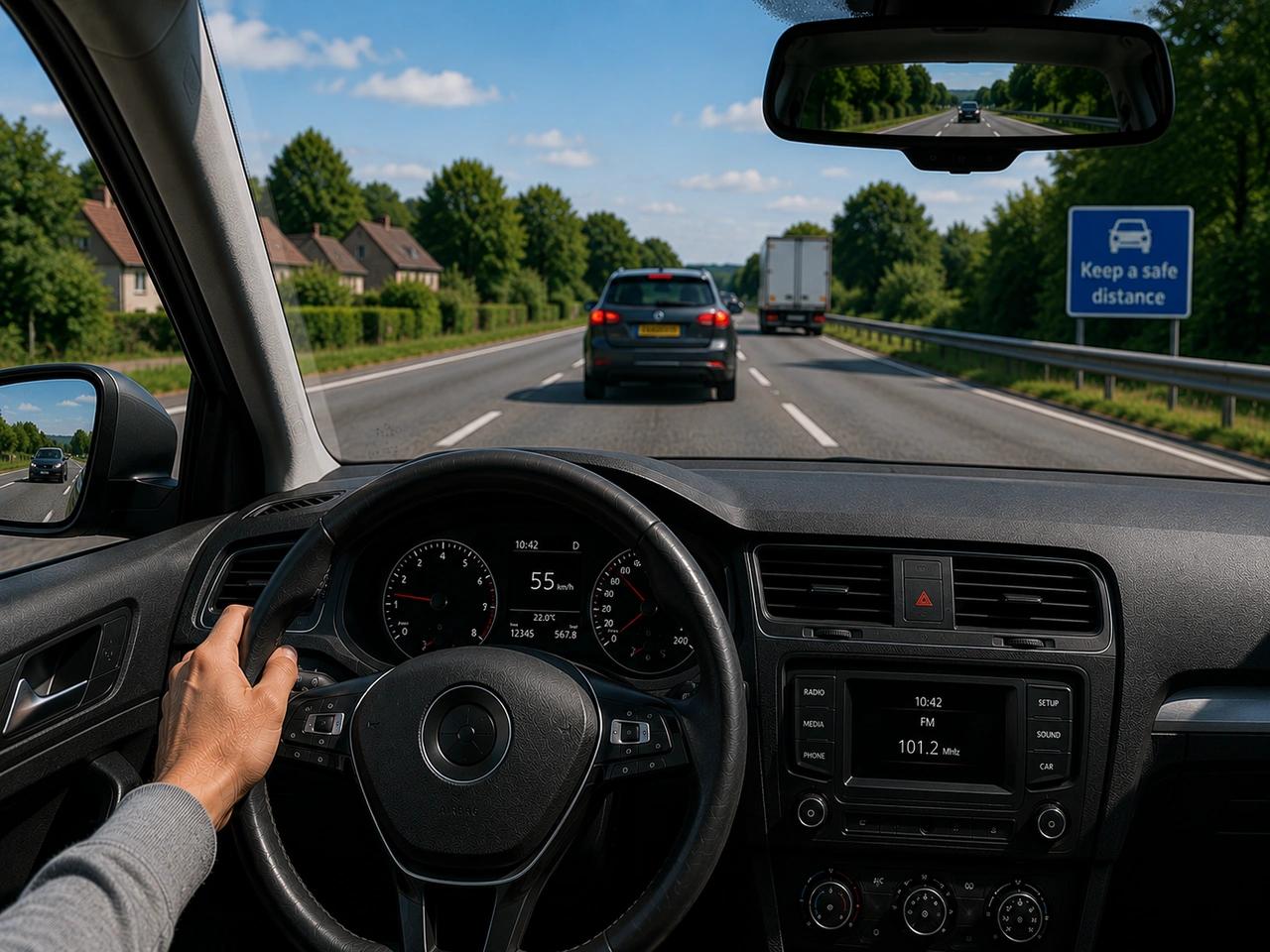
276. You should follow the vehicle in front as closely as possible in traffic.
You should keep a safe following distance so you have enough time to react if traffic slows or stops suddenly.
AI-generated by Traffic-rules.com • WCIT • CC BY-SA
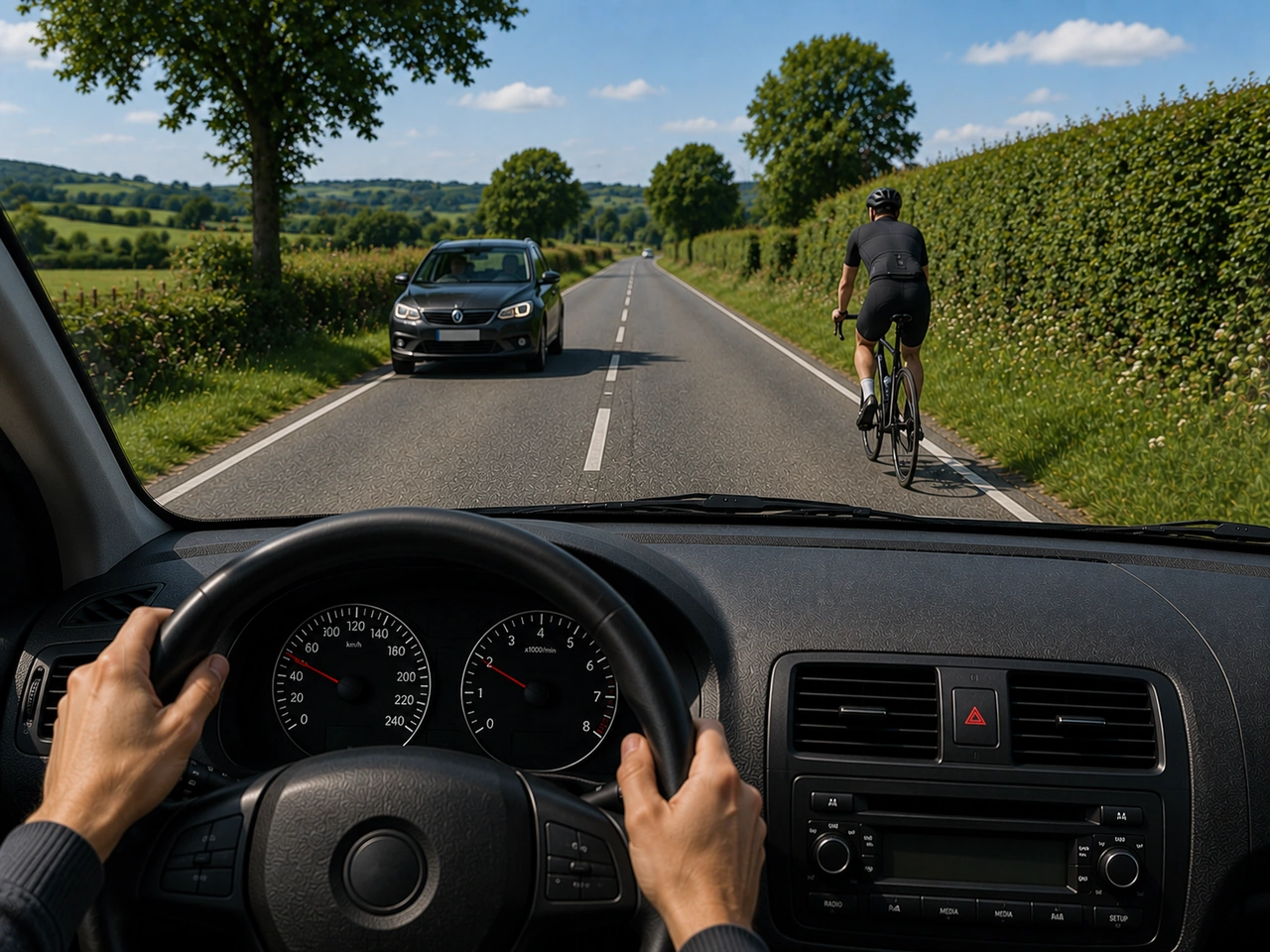
277. What should you do when following a cyclist on a narrow road?
Cyclists may need to avoid potholes, drains, or wind gusts. Keep distance and only pass when you can leave plenty of space.
AI-generated by Traffic-rules.com • WCIT • CC BY-SA
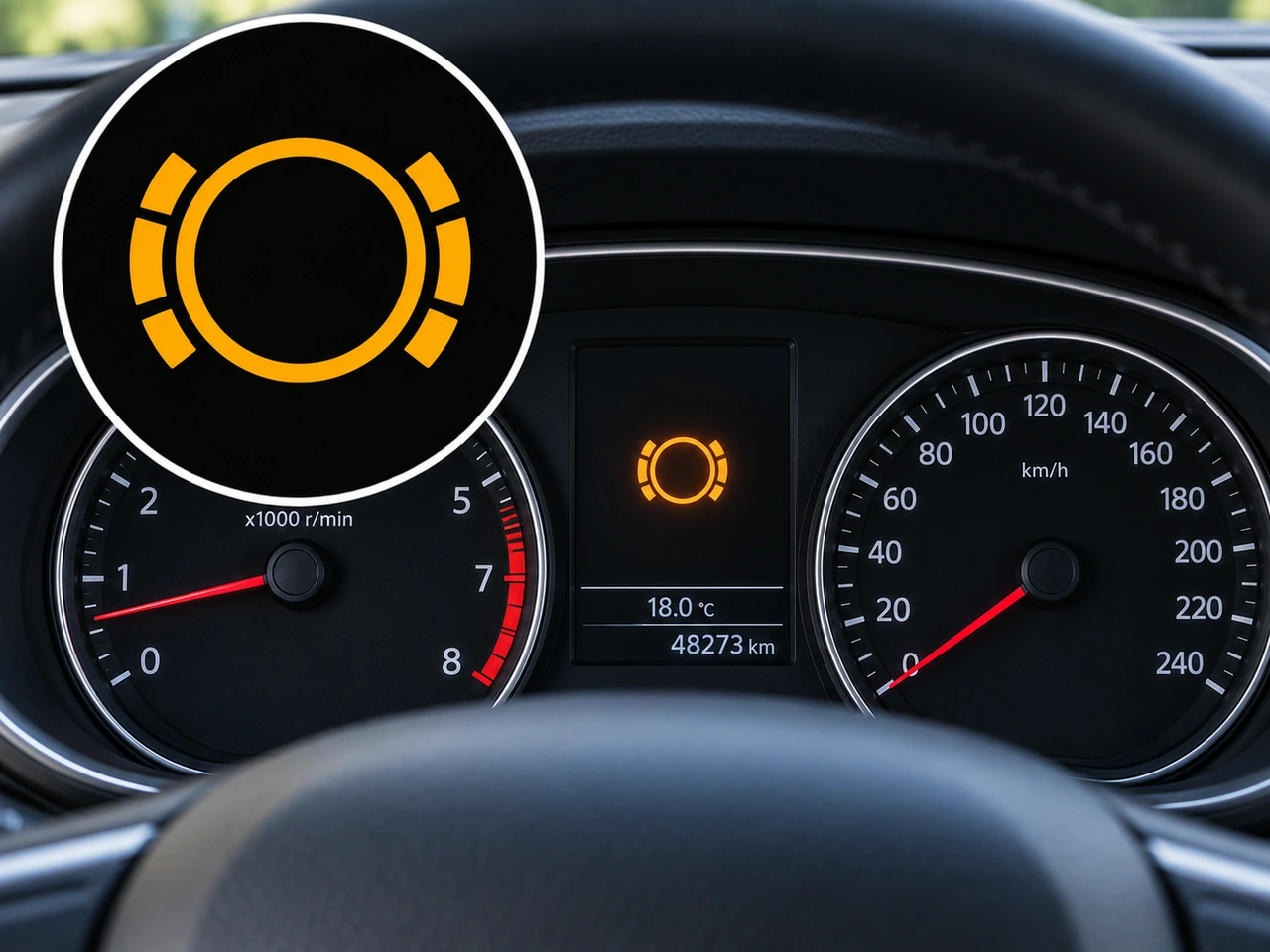
278. What does this dashboard symbol indicate?
This symbol indicates that the brake pads may be worn and should be inspected. Continuing to drive with excessively worn brake pads can reduce braking performance and damage other brake components.
AI-generated by Traffic-rules.com • WCIT • CC BY-SA
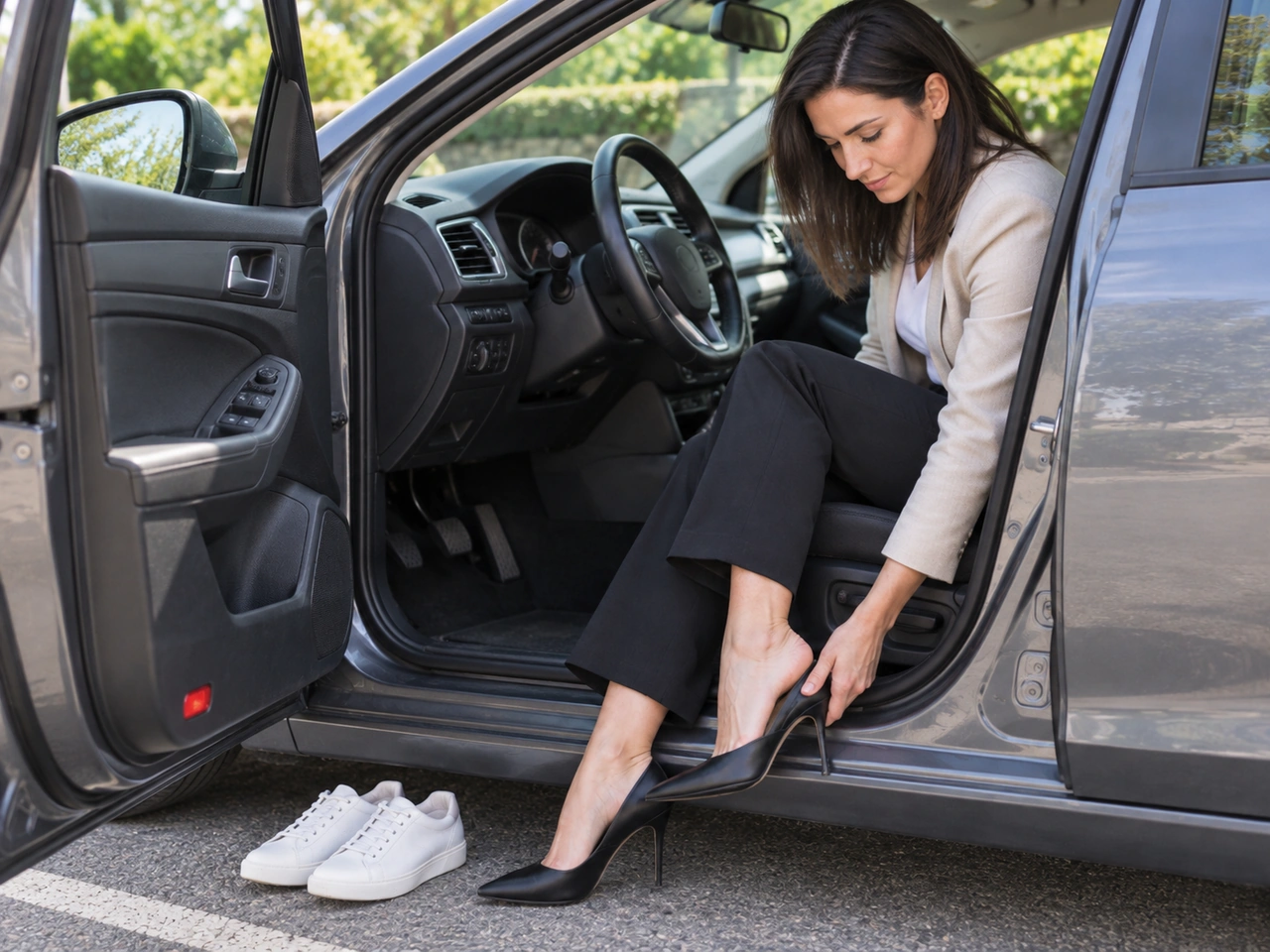
279. Why should you wear suitable footwear when driving?
Suitable footwear helps you operate the accelerator, brake, and clutch accurately. Loose, bulky, or slippery footwear can interfere with pedal control or become caught around the pedals.
AI-generated by Traffic-rules.com • WCIT • CC BY-SA
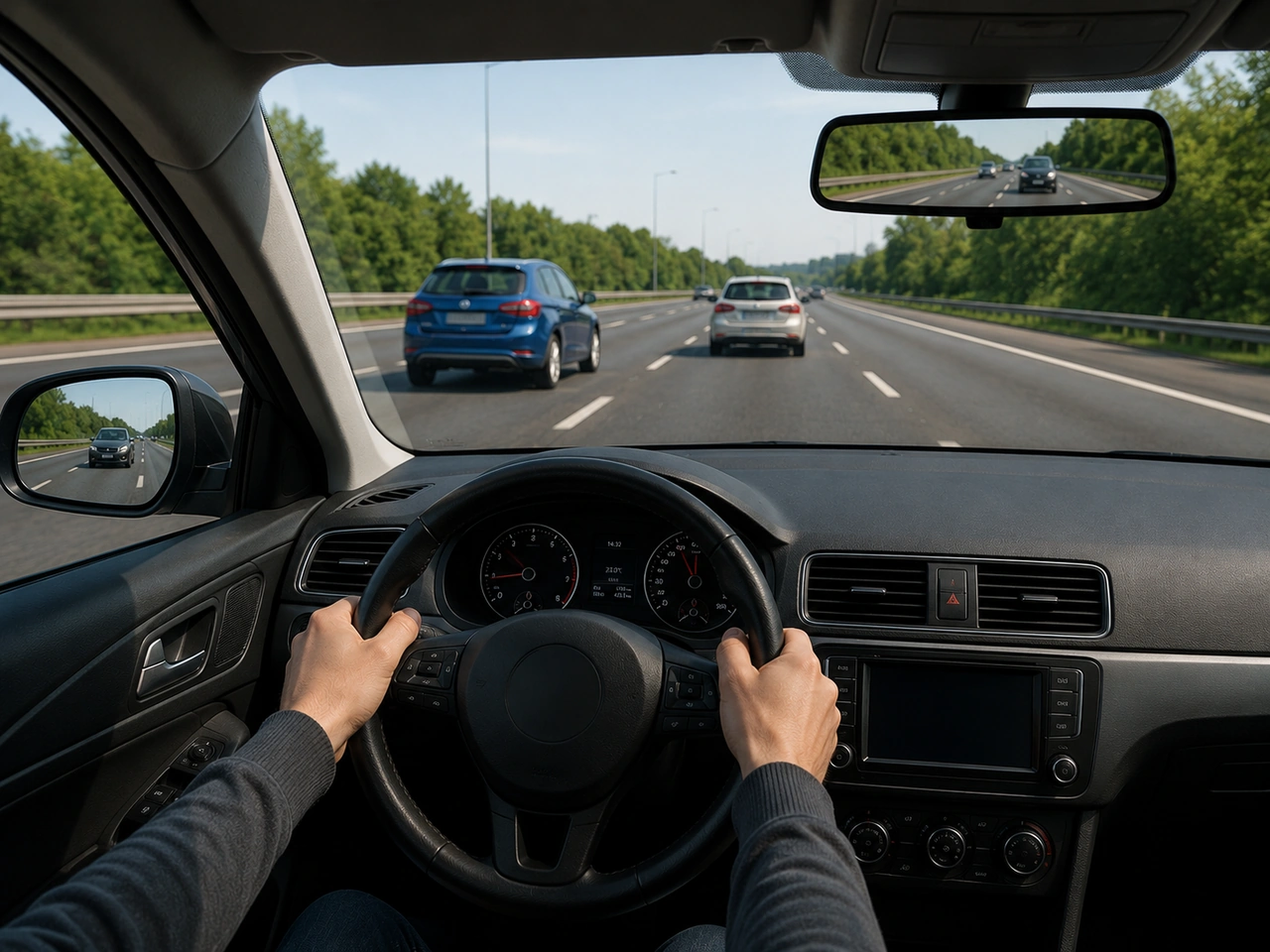
280. What should you do before changing lanes?
Always check your mirrors, look over your shoulder if necessary, and make sure it is safe before changing lanes.
AI-generated by Traffic-rules.com • WCIT • CC BY-SA
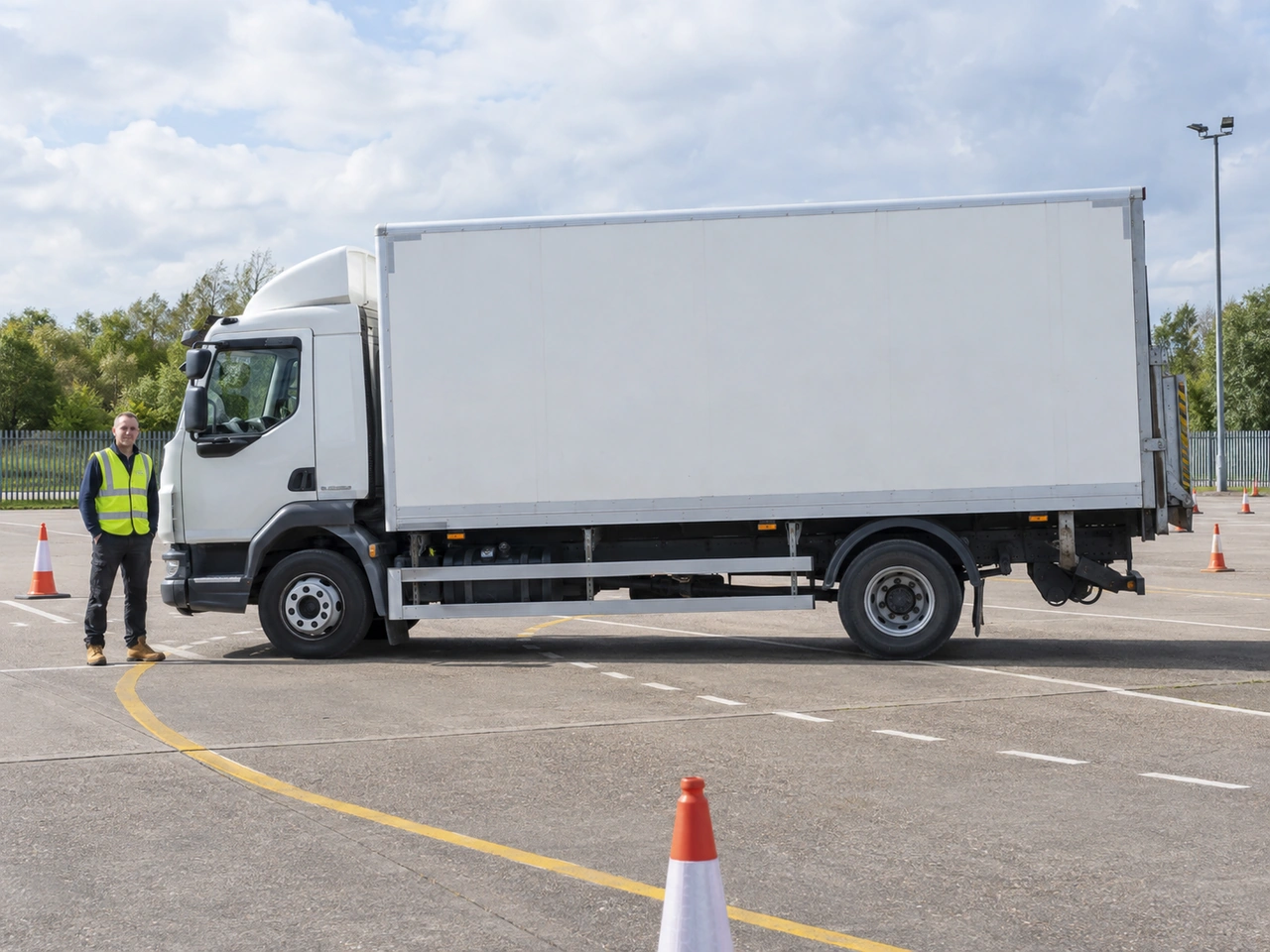
281. What is the minimum licence for a goods vehicle with a 7,500 kg maximum authorised mass?
Category C1 covers motor vehicles, other than categories D1 and D, with a maximum authorised mass above 3,500 kg and not exceeding 7,500 kg.
AI-generated by Traffic-rules.com • WCIT • CC BY-SA
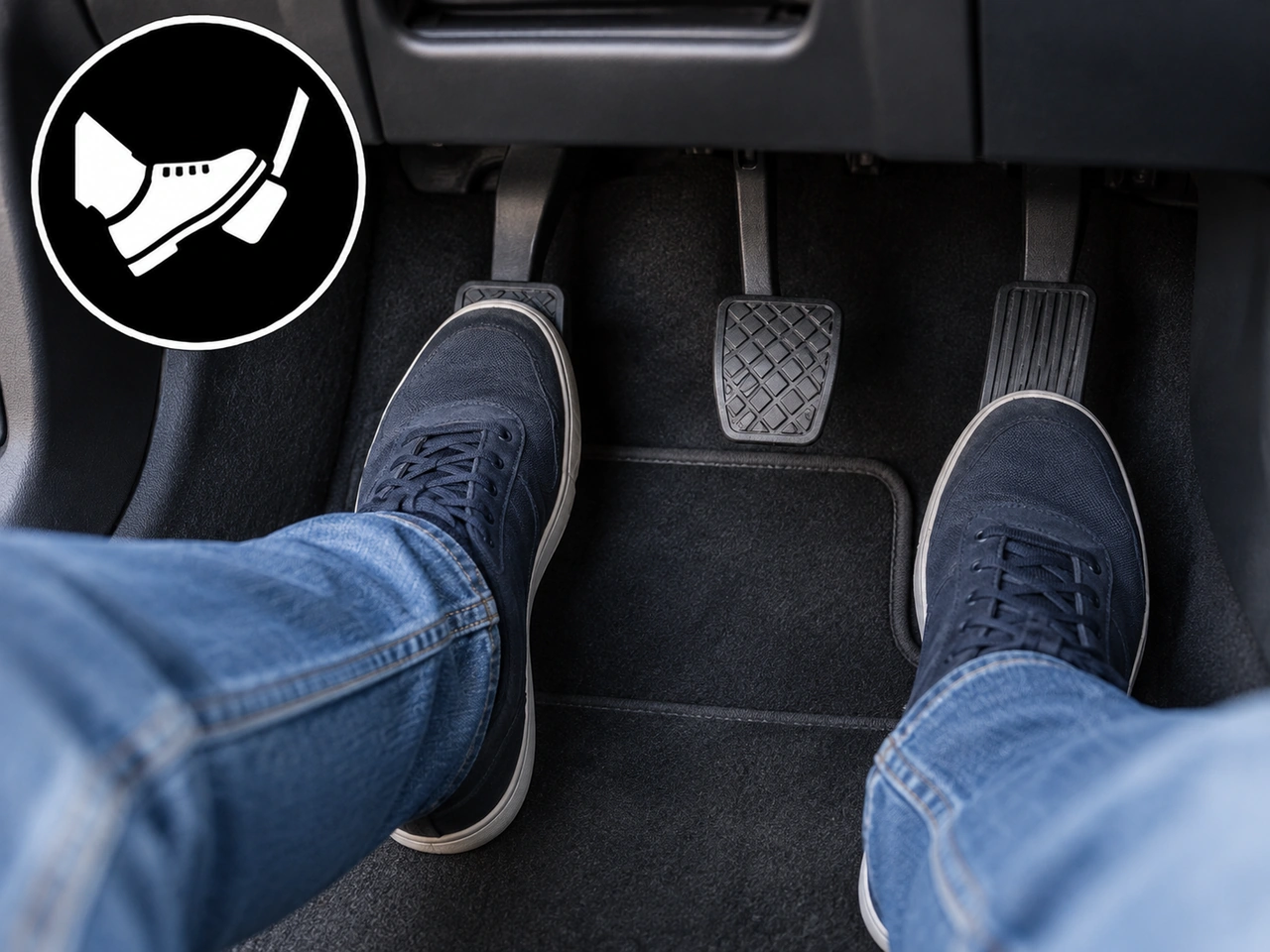
282. Why should you avoid keeping the clutch pedal pressed while driving?
Keeping the clutch pedal pressed while the vehicle is moving disconnects the engine from the transmission. This reduces engine braking and can reduce your control of the vehicle.
AI-generated by Traffic-rules.com • WCIT • CC BY-SA
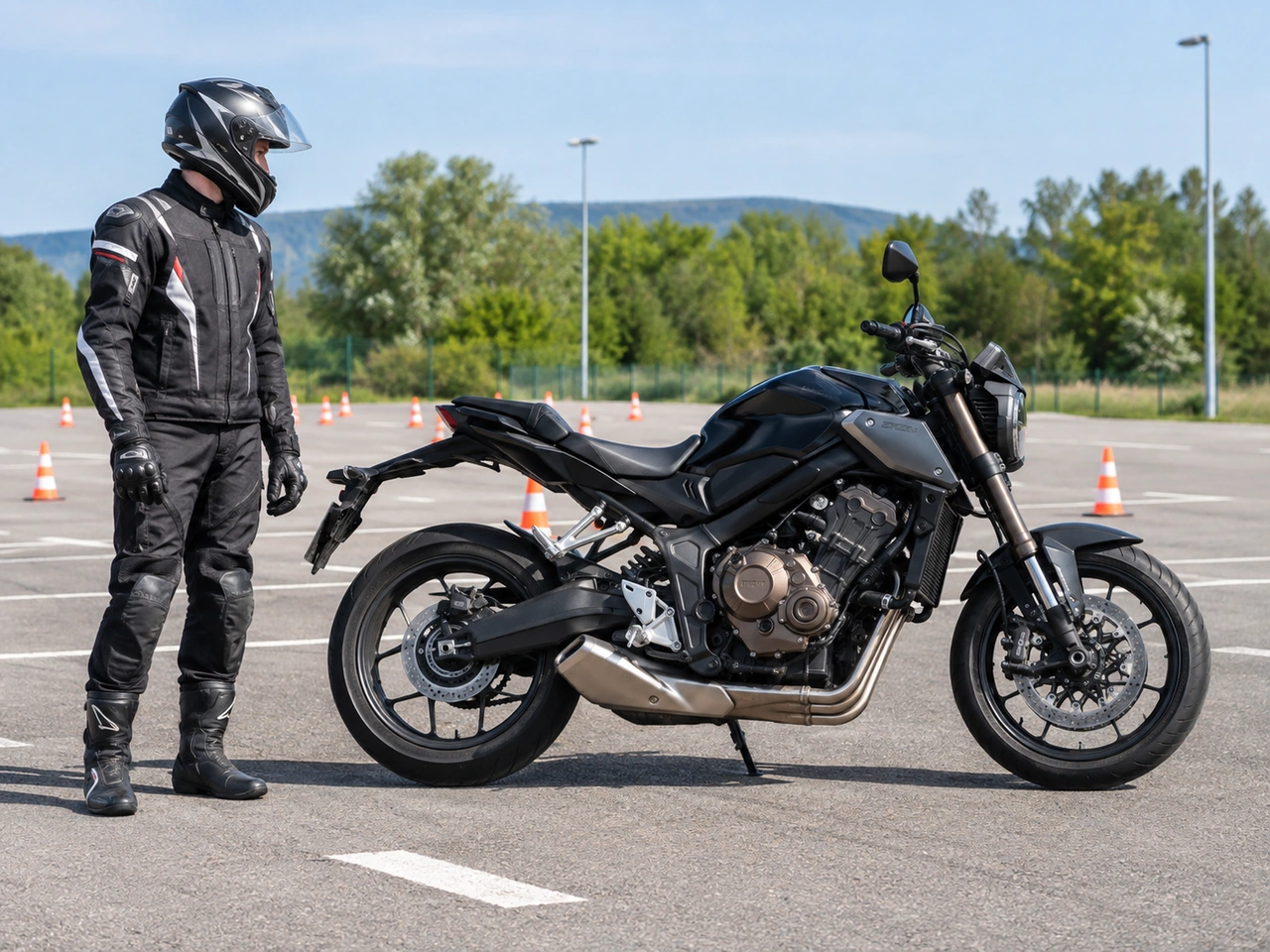
283. What is the minimum licence for a motorcycle with more than 35 kW?
Category A2 is limited to motorcycles with power not exceeding 35 kW. A motorcycle with more than 35 kW therefore requires category A.
AI-generated by Traffic-rules.com • WCIT • CC BY-SA
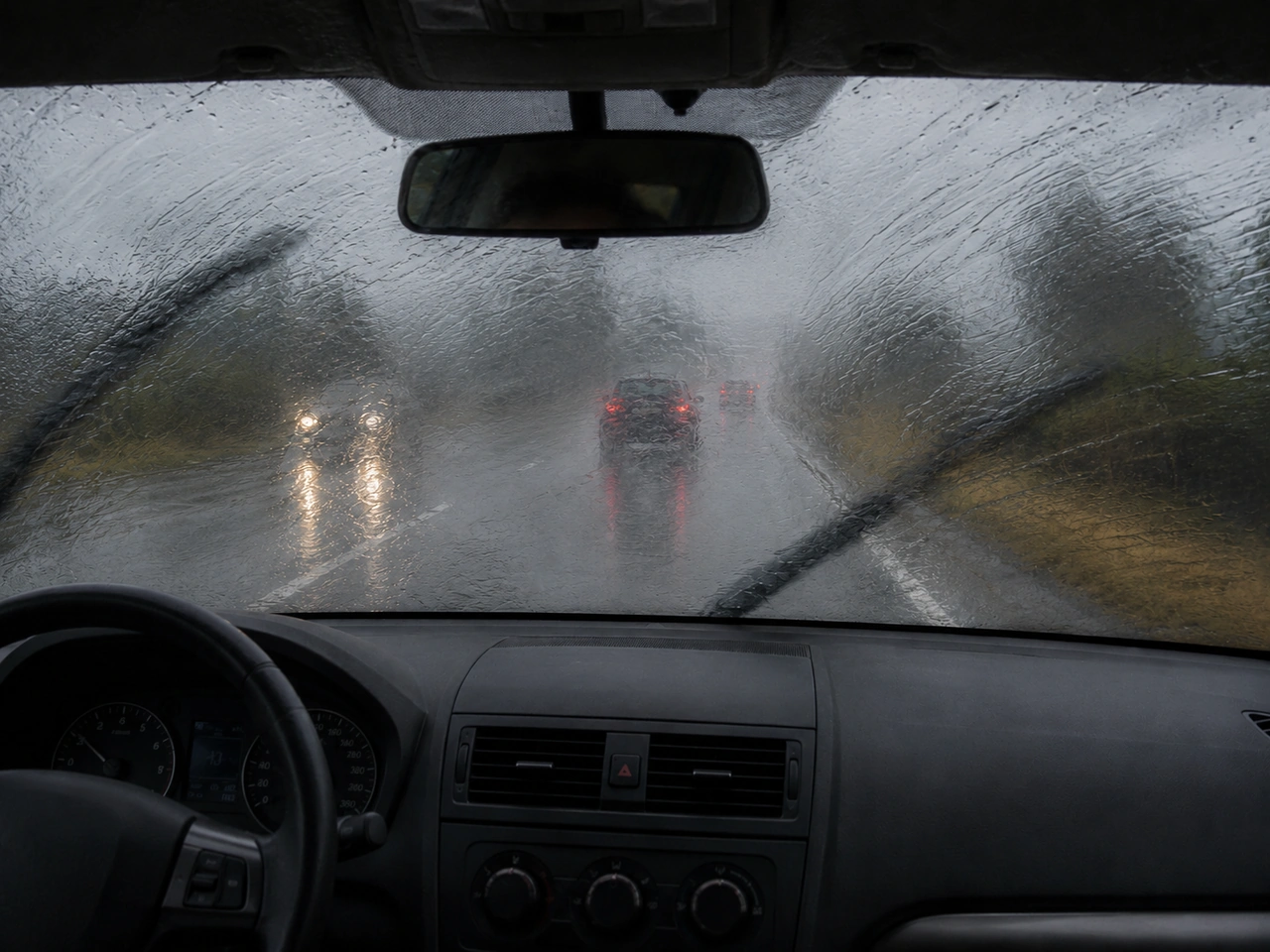
284. What should you do if the windscreen wipers leave the glass smeared?
Worn or dirty wiper blades can seriously reduce visibility in rain. Clean them first and replace them if they remain ineffective or damaged.
AI-generated by Traffic-rules.com • WCIT • CC BY-SA
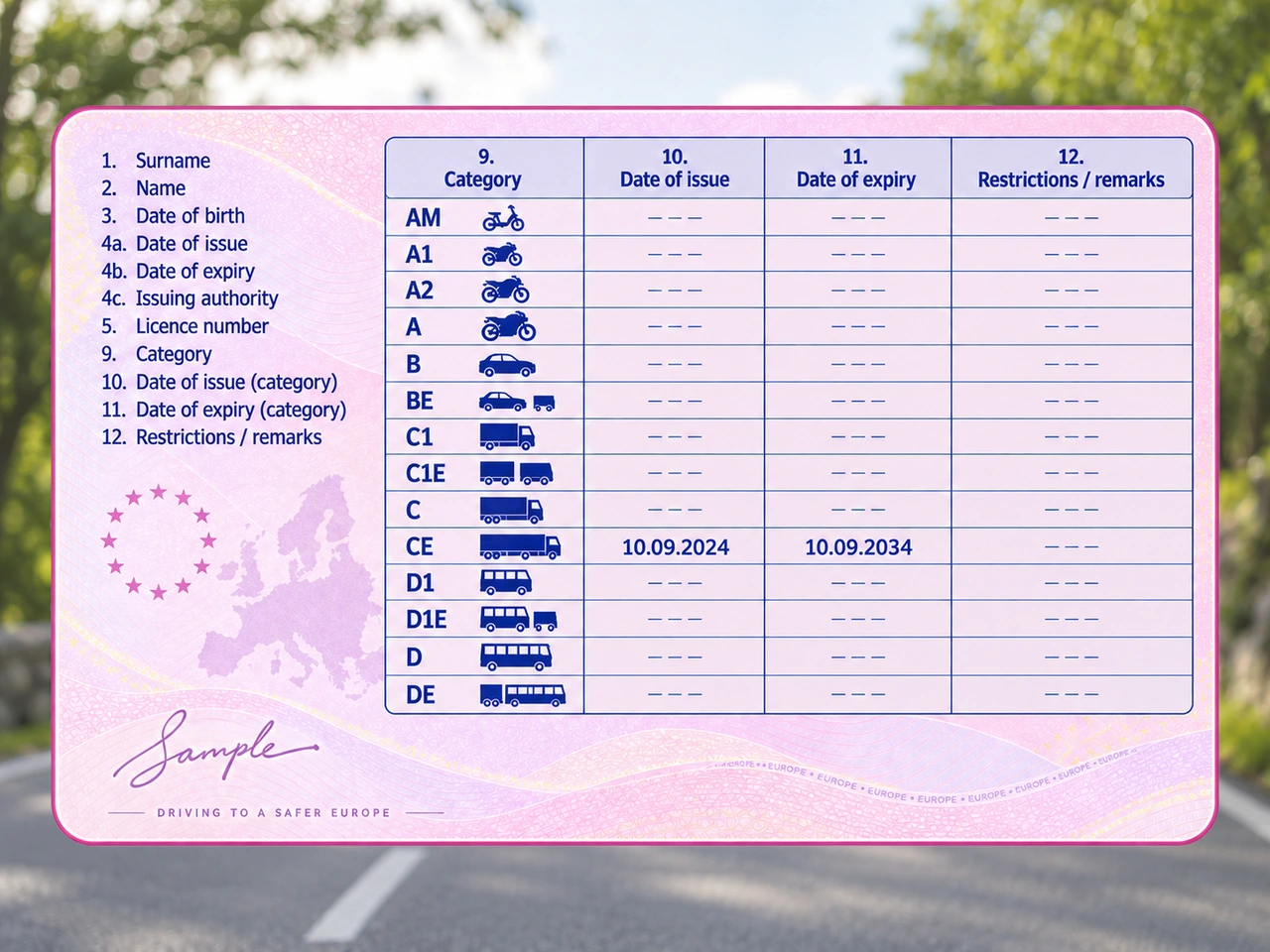
285. Which vehicle combination is covered by driving licence CE?
Category CE covers combinations consisting of a category C towing vehicle and a trailer or semi-trailer with a maximum authorised mass above 750 kg.
AI-generated by Traffic-rules.com • WCIT • CC BY-SA
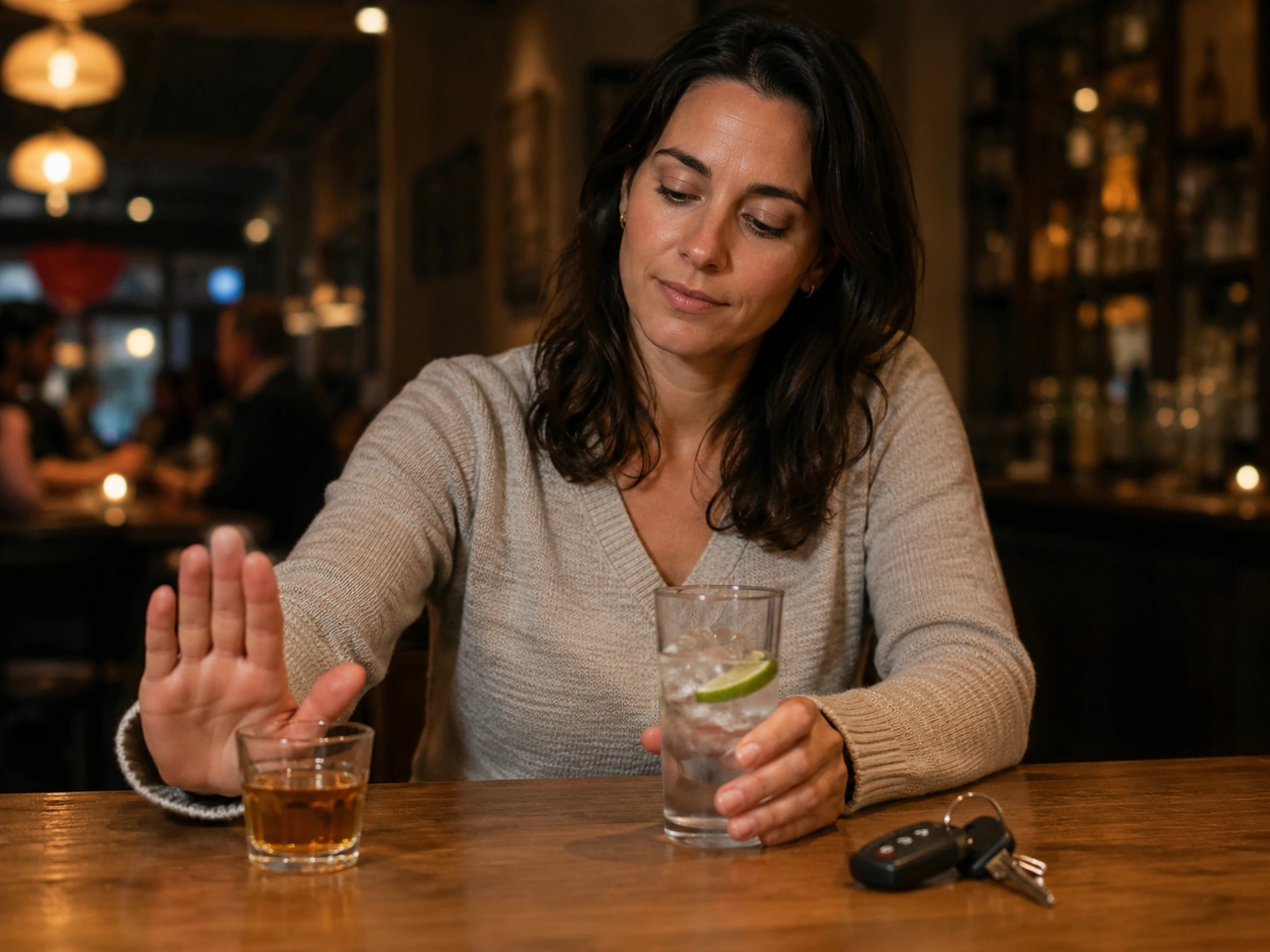
286. Should the legal alcohol limit be treated as a safe target?
A legal limit is an enforcement threshold, not a recommended drinking level. Even a small amount of alcohol can affect driving performance.
AI-generated by Traffic-rules.com • WCIT • CC BY-SA
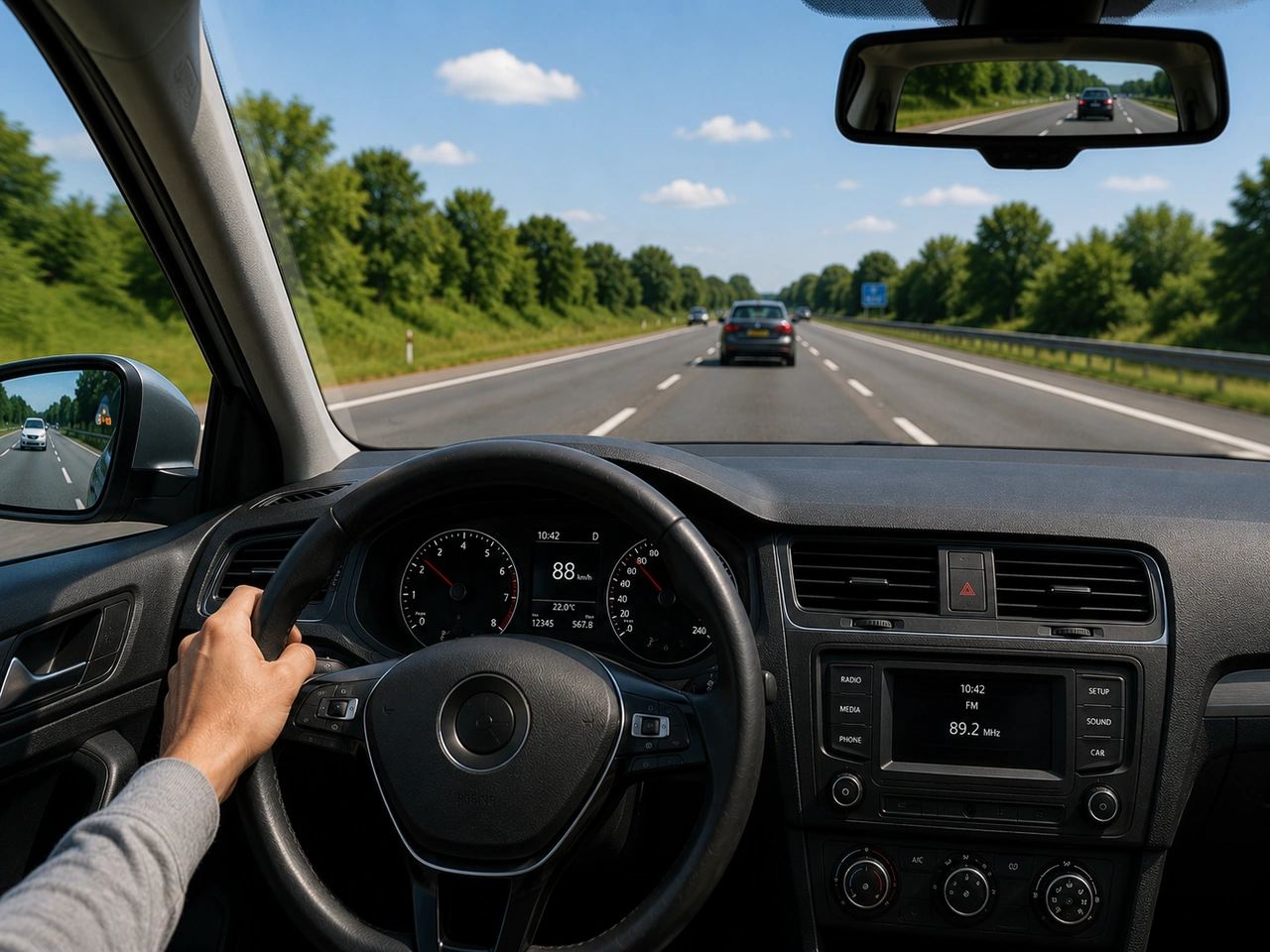
287. You should check your mirrors before changing lanes.
Checking your mirrors helps you see surrounding traffic before moving into another lane.
AI-generated by Traffic-rules.com • WCIT • CC BY-SA
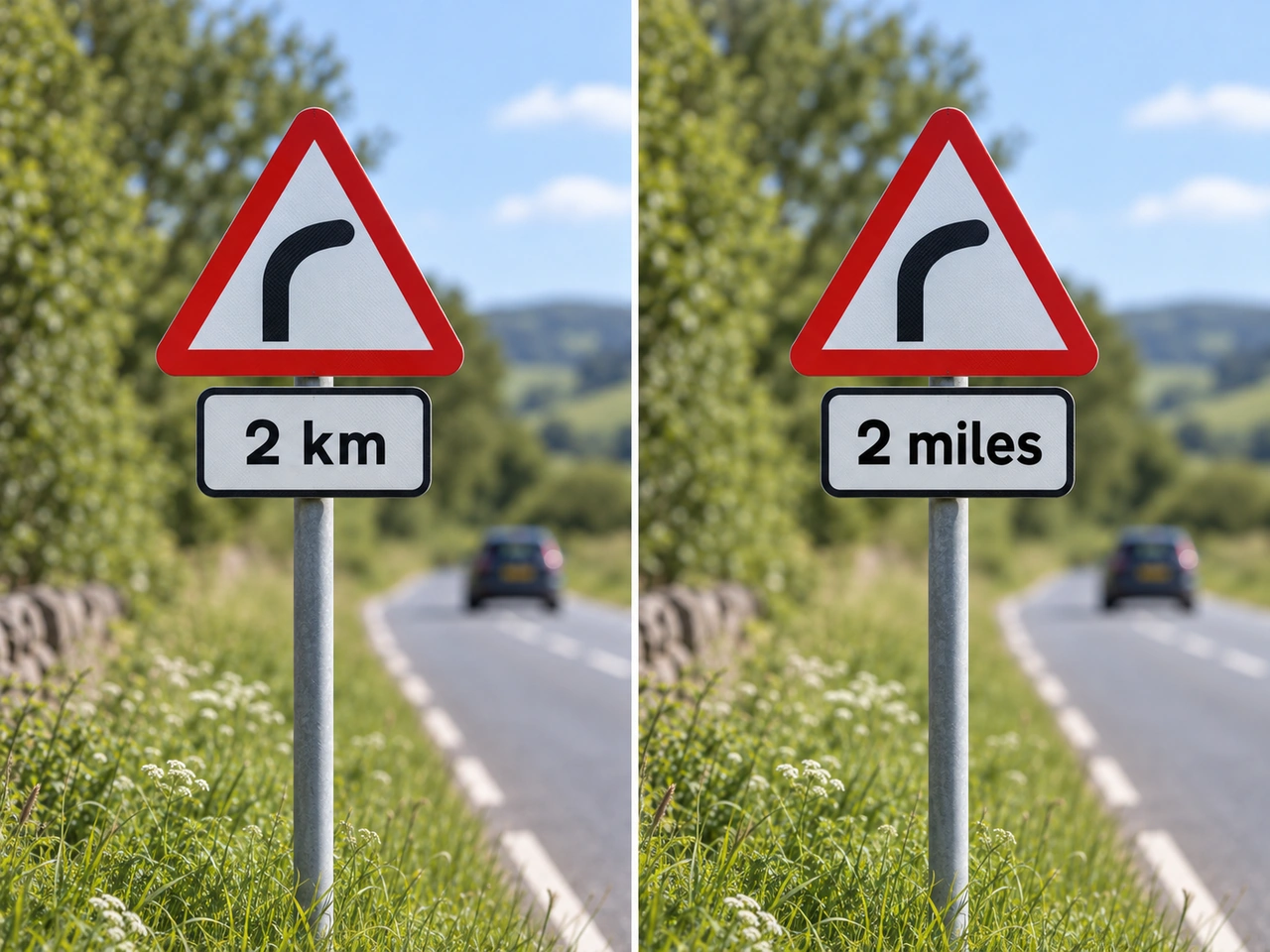
288. Which distance unit is used on road signs in Czechia?
Road distances in Czechia are normally shown in kilometres.
AI-generated by Traffic-rules.com • WCIT • CC BY-SA
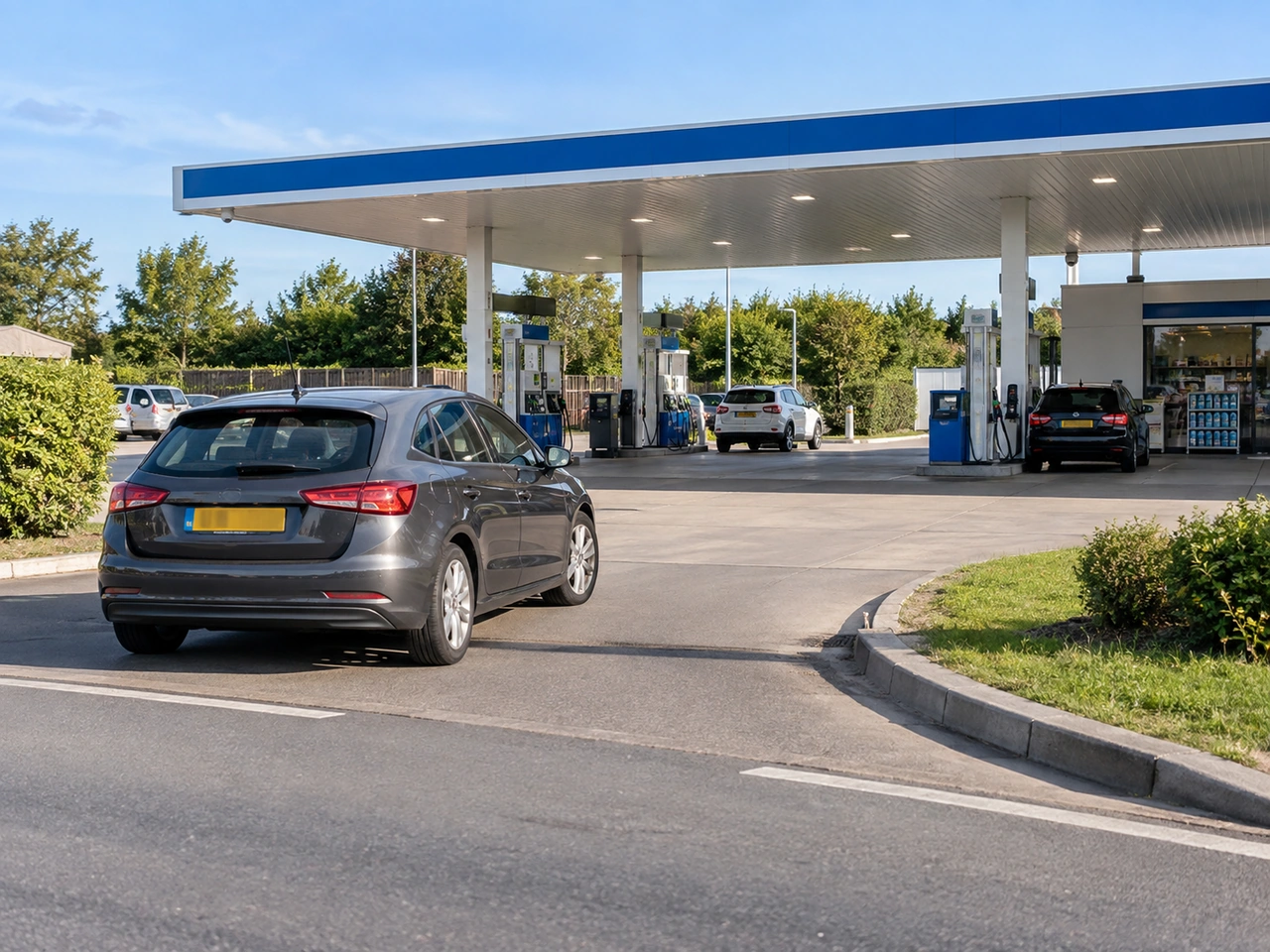
289. How should you position your vehicle beside a fuel pump?
Position the vehicle so the fuel filler is close to the pump and the hose can reach without being stretched tightly across or around the vehicle. Stop within the designated refuelling area and leave enough space to use the pump safely.
AI-generated by Traffic-rules.com • WCIT • CC BY-SA
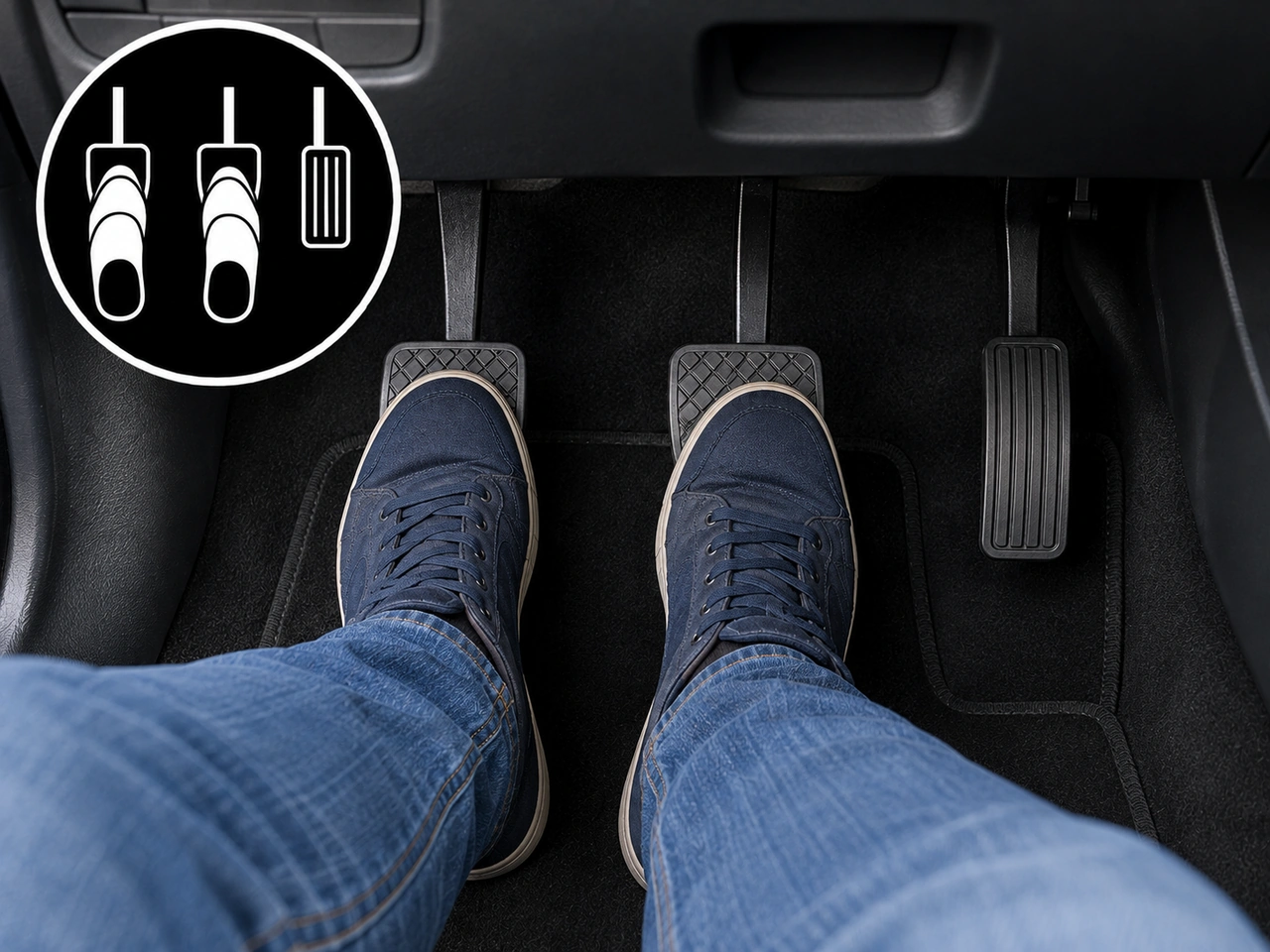
290. What should you do with the clutch during emergency braking in a manual vehicle?
During emergency braking in a manual vehicle, maintain firm pressure on the brake and press the clutch pedal fully so the engine does not stall as the vehicle slows. Do not reduce braking pressure while operating the clutch.
AI-generated by Traffic-rules.com • WCIT • CC BY-SA
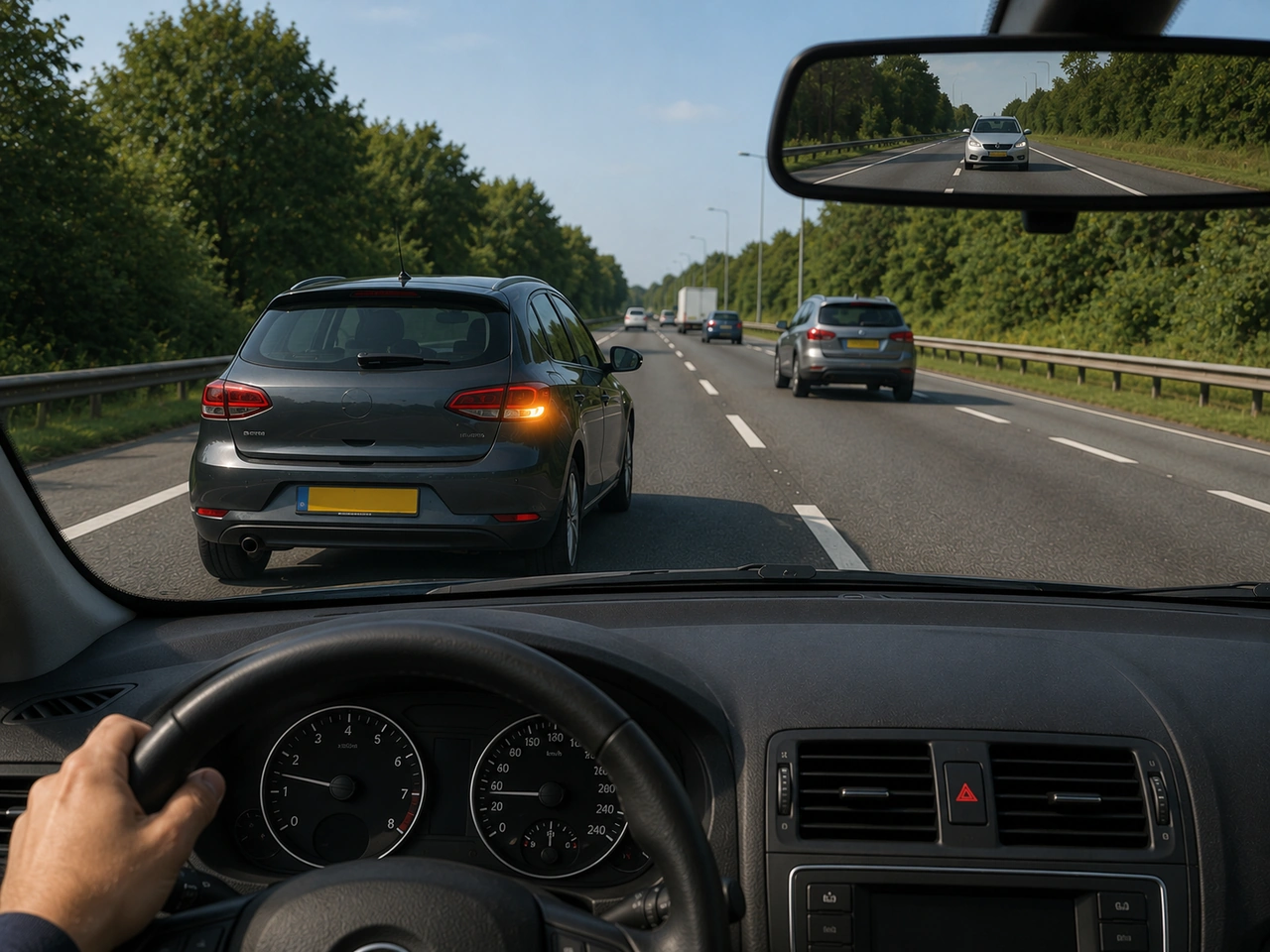
291. You should signal before turning or changing lanes.
A clear signal helps other road users understand your intentions, but you must still check that the manoeuvre can be made safely.
AI-generated by Traffic-rules.com • WCIT • CC BY-SA
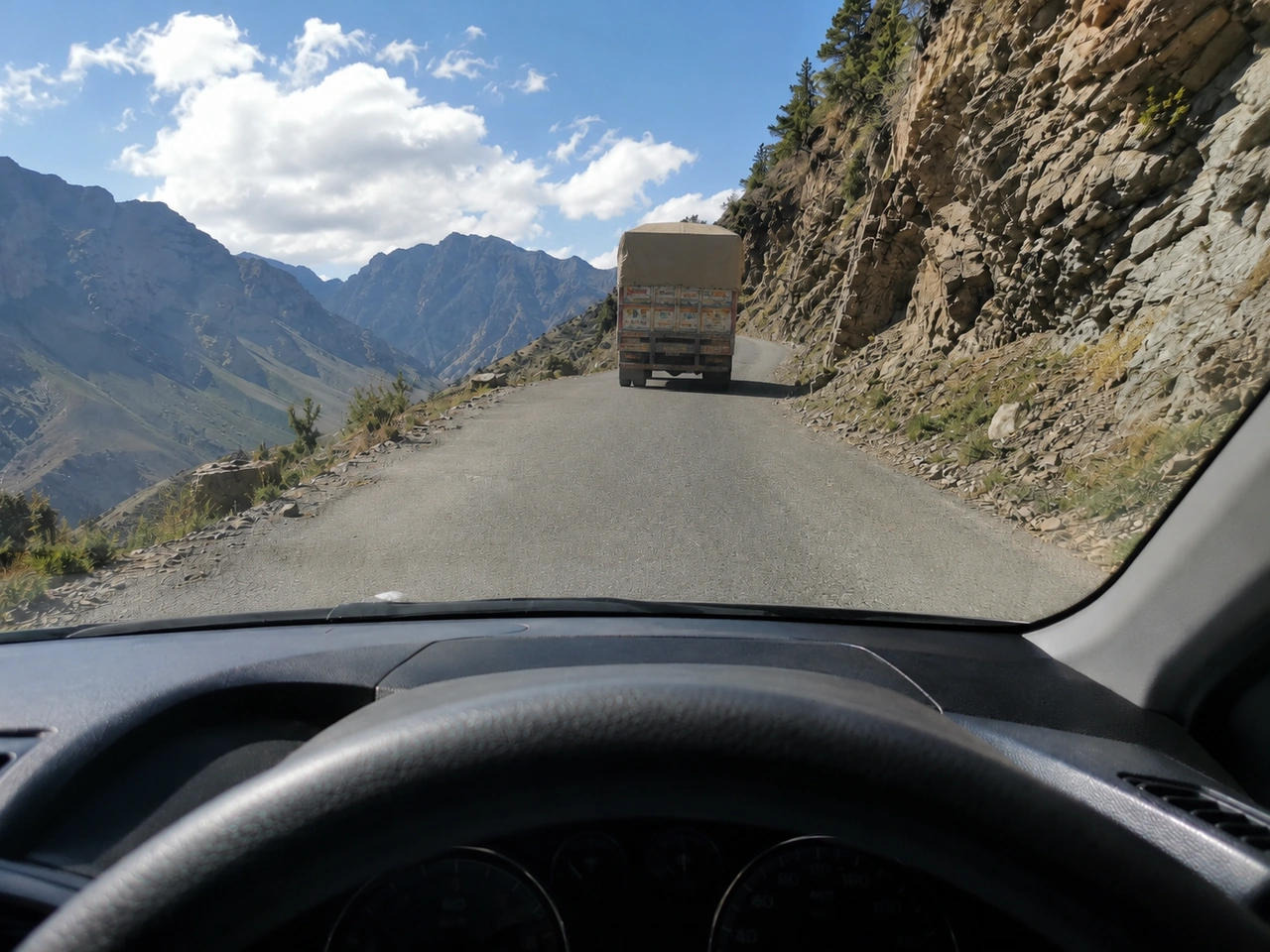
292. What should you do if your vehicle begins rolling backward on a steep incline?
Stop the vehicle under control, apply the parking brake if necessary, and prepare to move away again safely.
AI-generated by Traffic-rules.com • WCIT • CC BY-SA
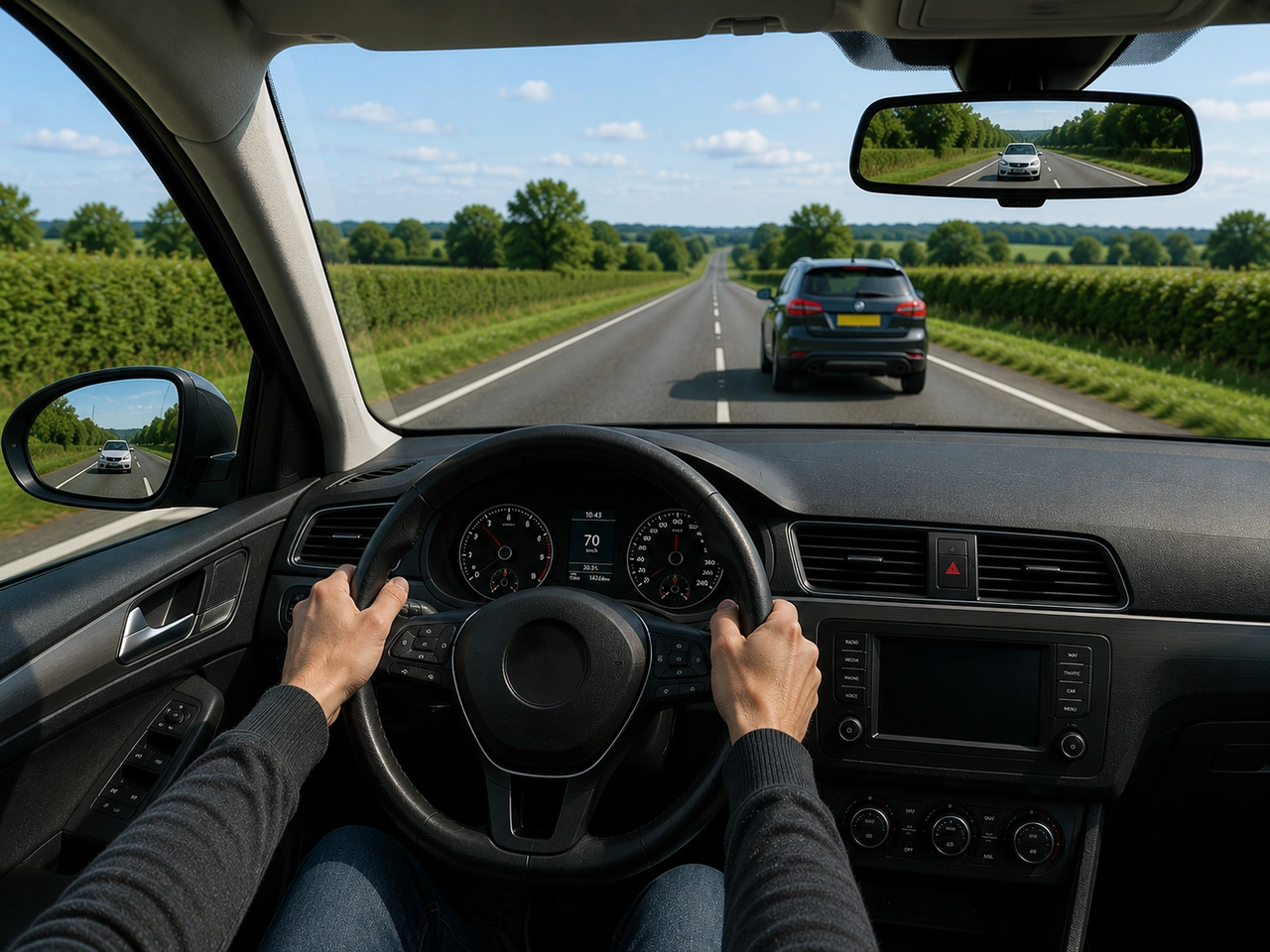
293. What should you do before overtaking another vehicle?
Before overtaking, check the road, mirrors, blind spots, signs, and markings, use your indicator, and only overtake when it is safe and permitted.
AI-generated by Traffic-rules.com • WCIT • CC BY-SA
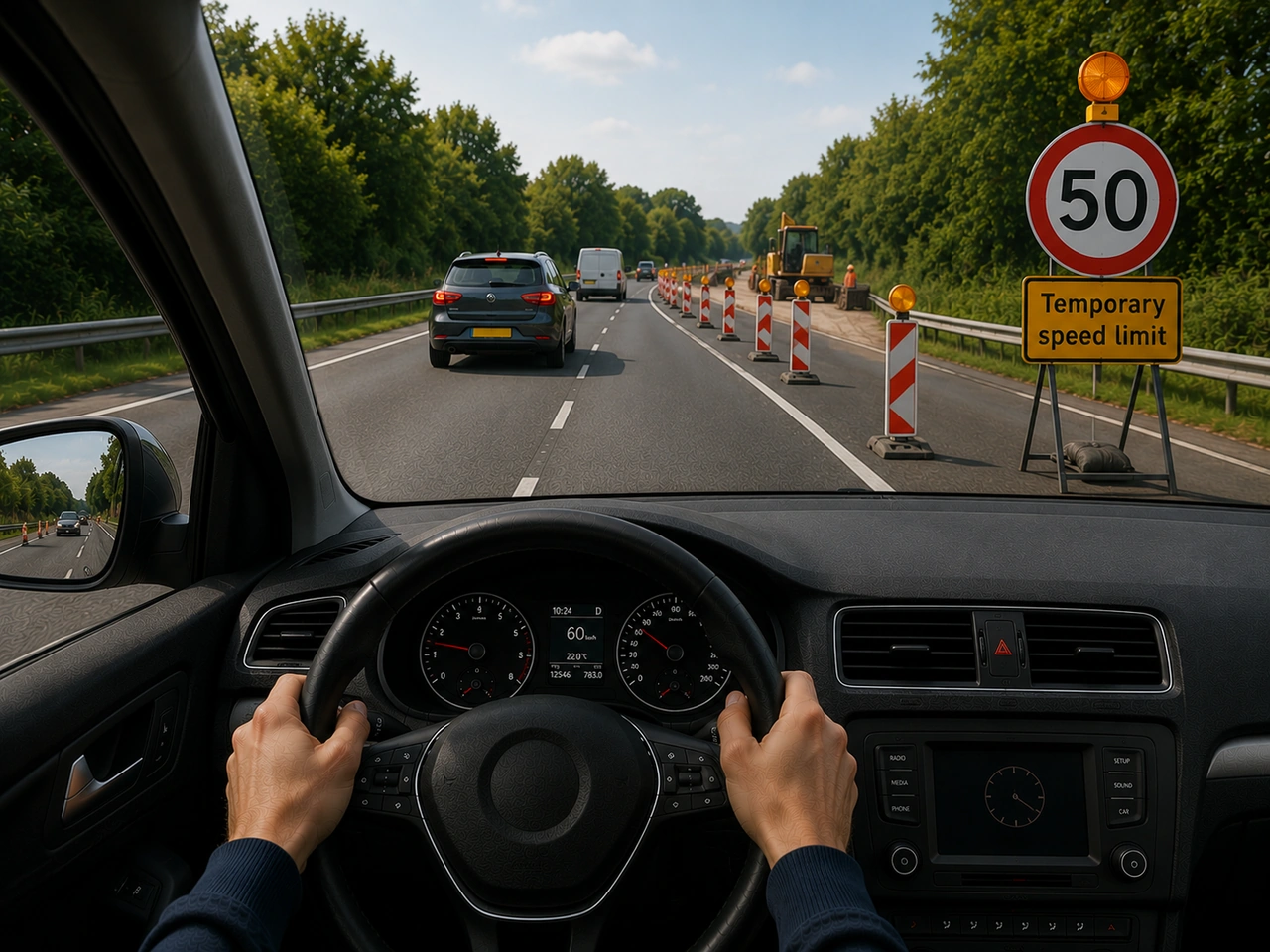
294. Why should you not ignore temporary speed limits?
Temporary speed limits may be used near roadworks, accidents, events, or dangerous conditions. They help keep traffic safe.
AI-generated by Traffic-rules.com • WCIT • CC BY-SA
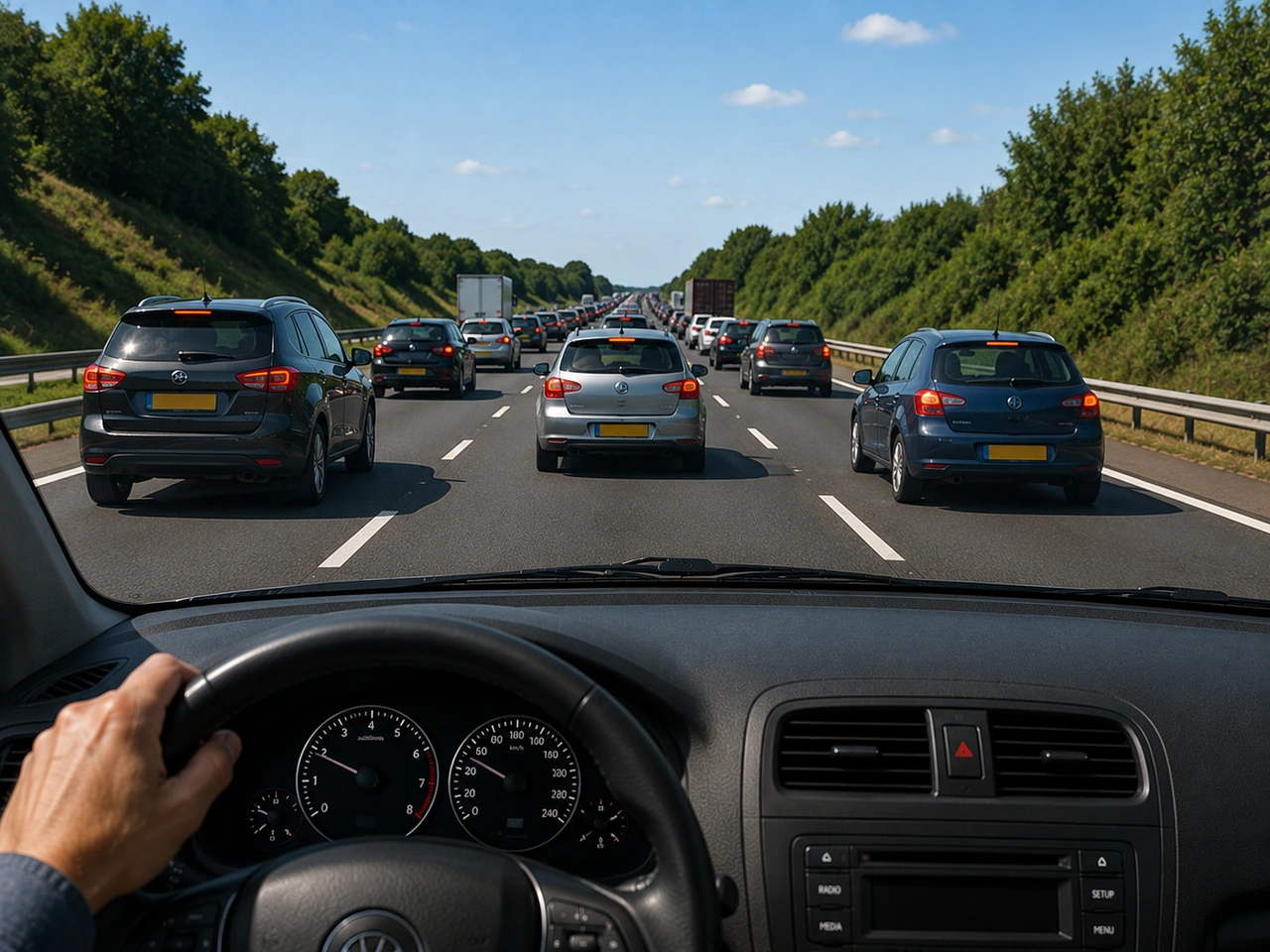
295. What should you do if traffic suddenly slows on a motorway?
When traffic slows suddenly, reduce speed smoothly, keep a safe distance, and use hazard lights if needed to warn following traffic.
AI-generated by Traffic-rules.com • WCIT • CC BY-SA
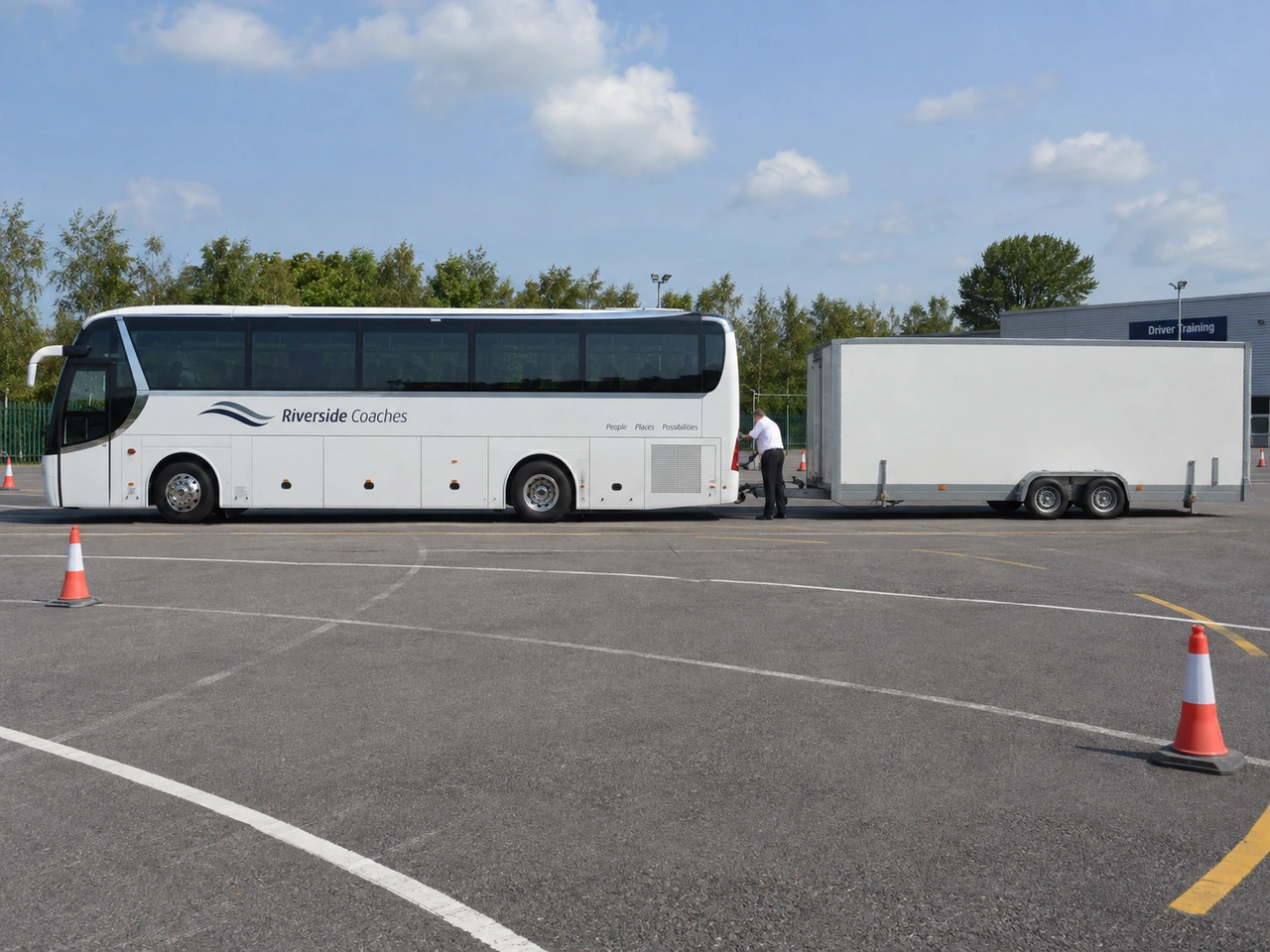
296. What is the minimum licence for a D bus towing a trailer over 750 kg?
Category D permits a trailer with a maximum authorised mass of up to 750 kg. A category D vehicle towing a trailer above 750 kg requires category DE.
AI-generated by Traffic-rules.com • WCIT • CC BY-SA
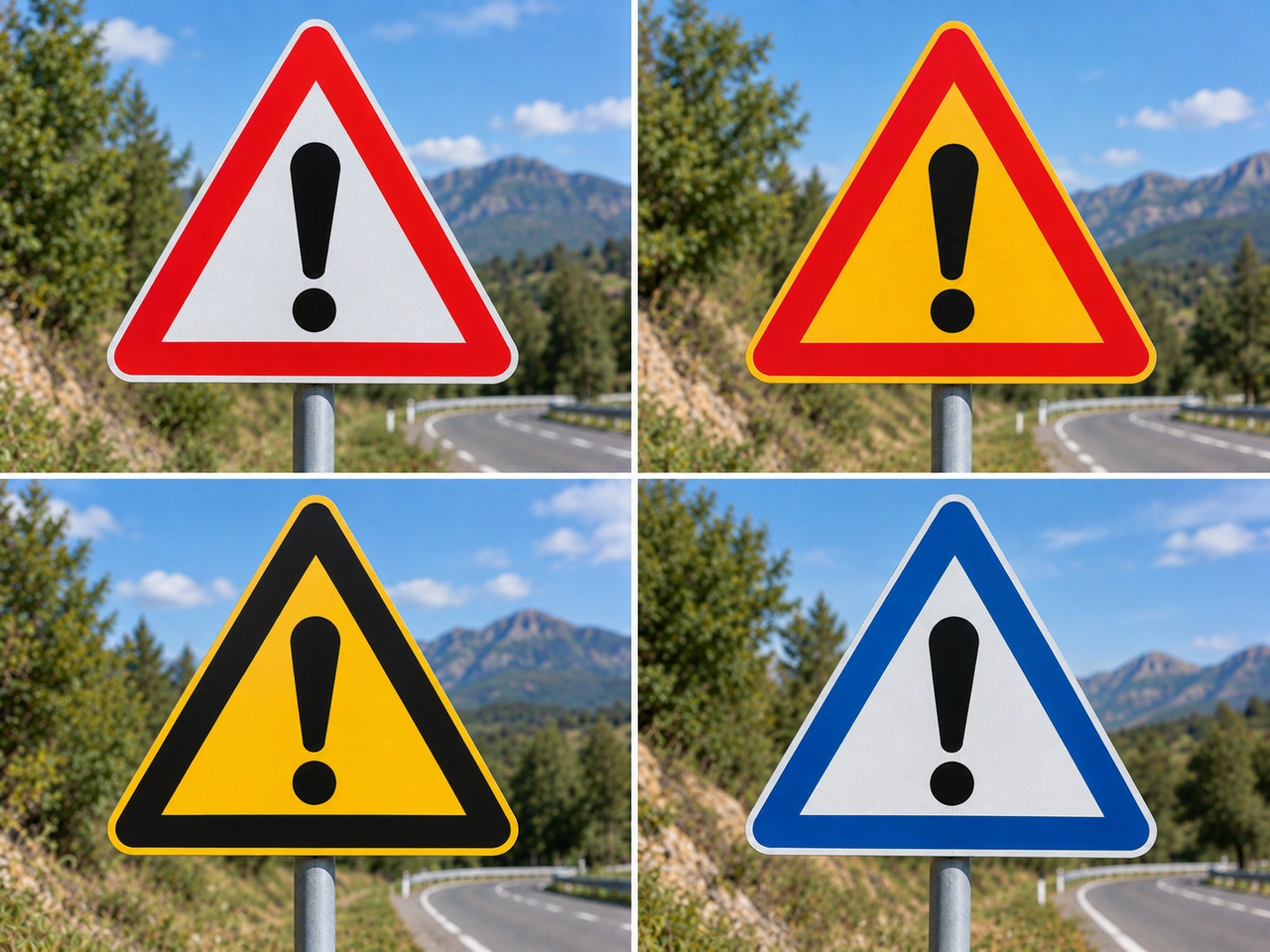
297. Which colour combination is commonly used for warning signs in Czechia?
Most warning signs in Czechia have a red border with a white background.
AI-generated by Traffic-rules.com • WCIT • CC BY-SA
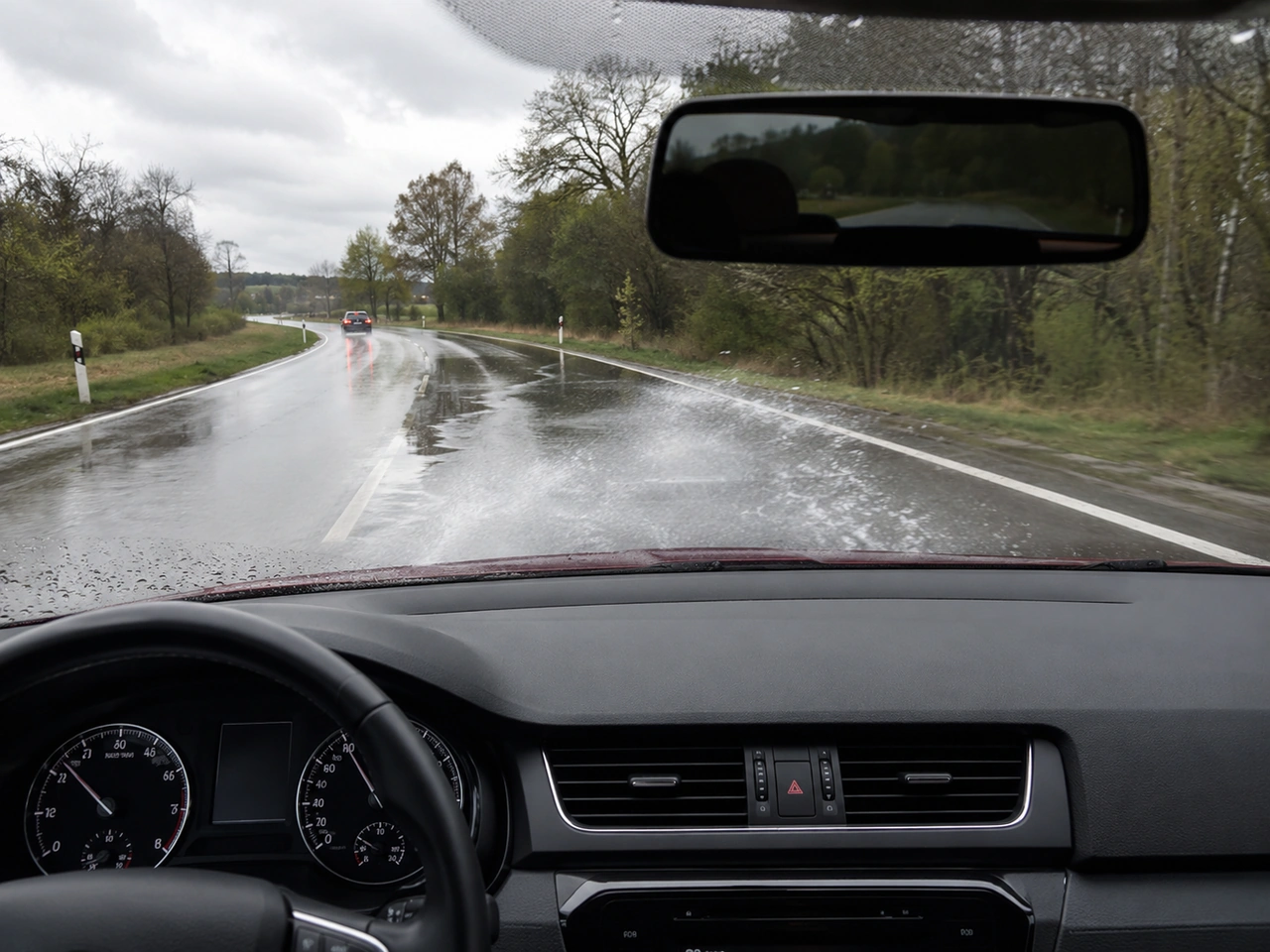
298. Why is it dangerous to drive through standing water at speed?
Driving too fast through water can cause aquaplaning, where the tyres lose grip and the driver may lose control.
AI-generated by Traffic-rules.com • WCIT • CC BY-SA
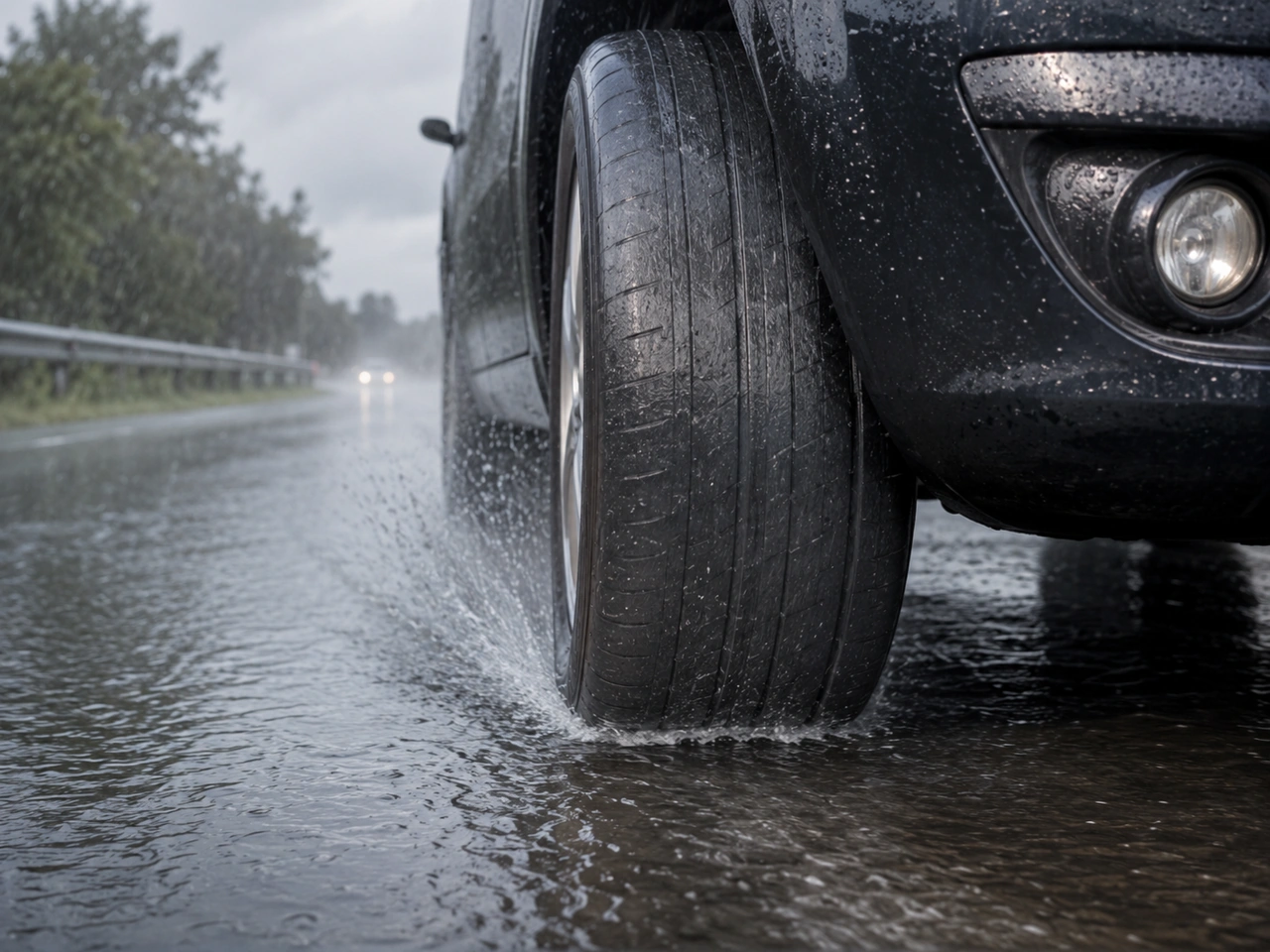
299. How can worn tyres affect driving in heavy rain?
Tyre tread helps channel water away and maintain grip. Worn tyres cannot clear water as effectively, increasing stopping distance and the risk of aquaplaning.
AI-generated by Traffic-rules.com • WCIT • CC BY-SA
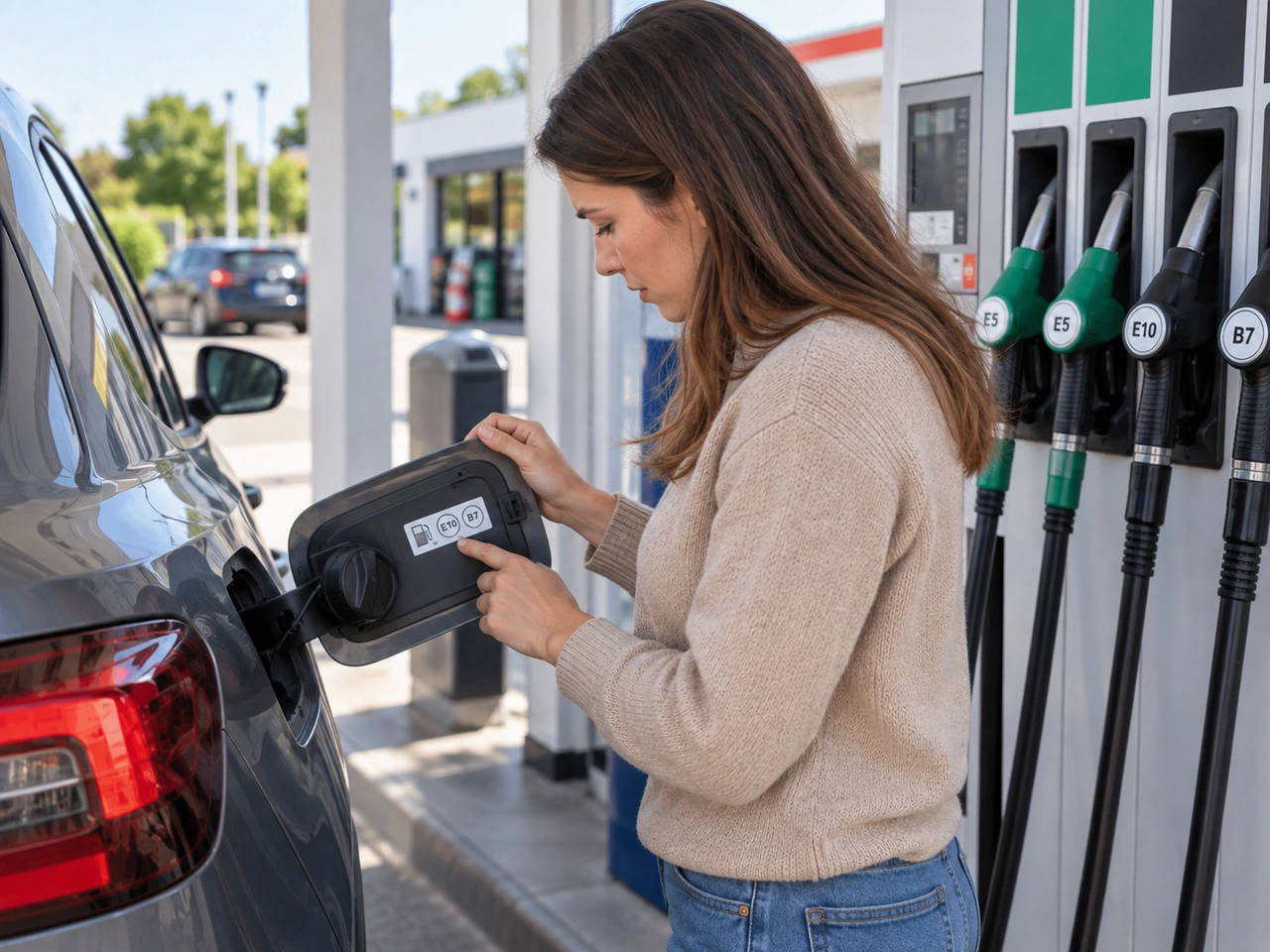
300. How can you check which fuel is suitable for your vehicle?
Before refuelling, check which fuel type the vehicle requires. The correct fuel is often shown inside the fuel-filler flap, on or near the fuel cap, or in the vehicle information or owner's manual. Do not rely only on nozzle colours, as these can vary between filling stations and countries.
AI-generated by Traffic-rules.com • WCIT • CC BY-SA