


QuizTraffic rulesGreece
This interesting quiz helps you test your knowledge in a clear and visual way. With easy multiple-choice questions, you can quickly build confidence and learn new facts while keeping it simple, interactive, and fun.
 Traffic signs
 Traffic rules
 Greece
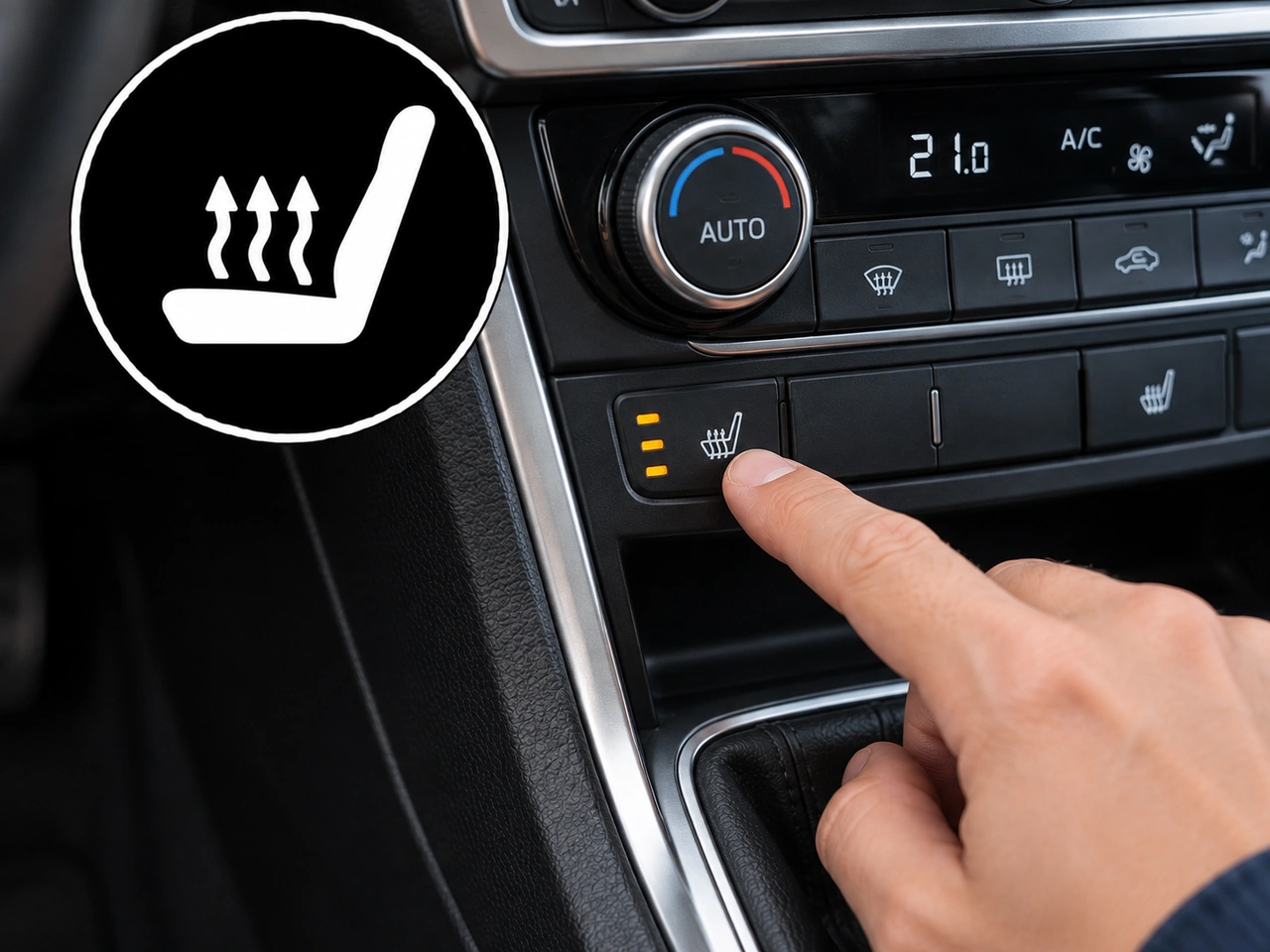
301. What does this vehicle-control symbol indicate?
This control activates the seat heating, which warms the seat cushion and, on many vehicles, the backrest. Several heat levels may be available.
AI-generated by Traffic-rules.com • WCIT • CC BY-SA

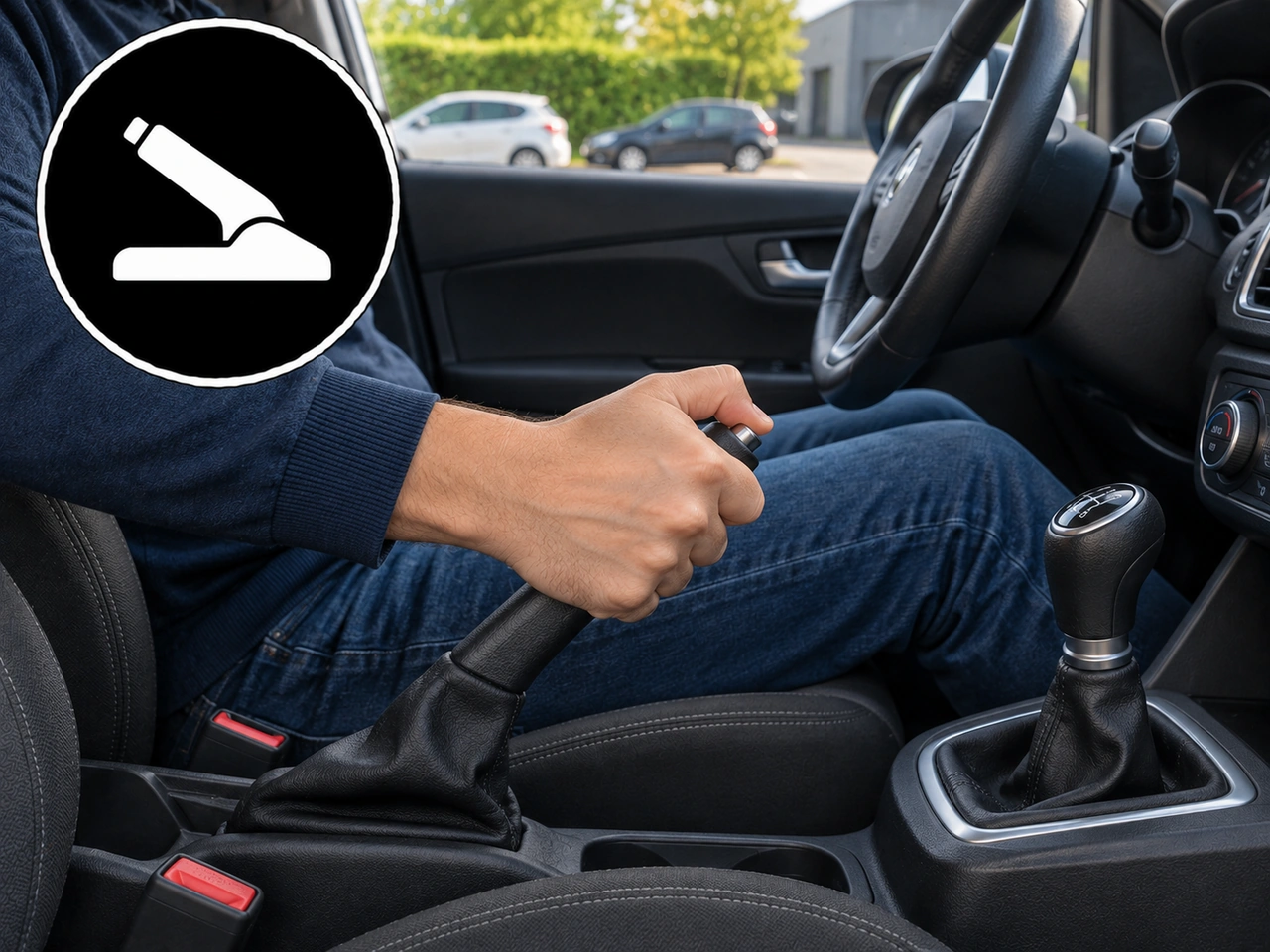
302. What should you do with the parking brake before leaving a parked vehicle?
Before leaving a parked vehicle, apply the parking brake securely to help prevent unintended movement. Also select the appropriate gear or transmission position for parking.
AI-generated by Traffic-rules.com • WCIT • CC BY-SA
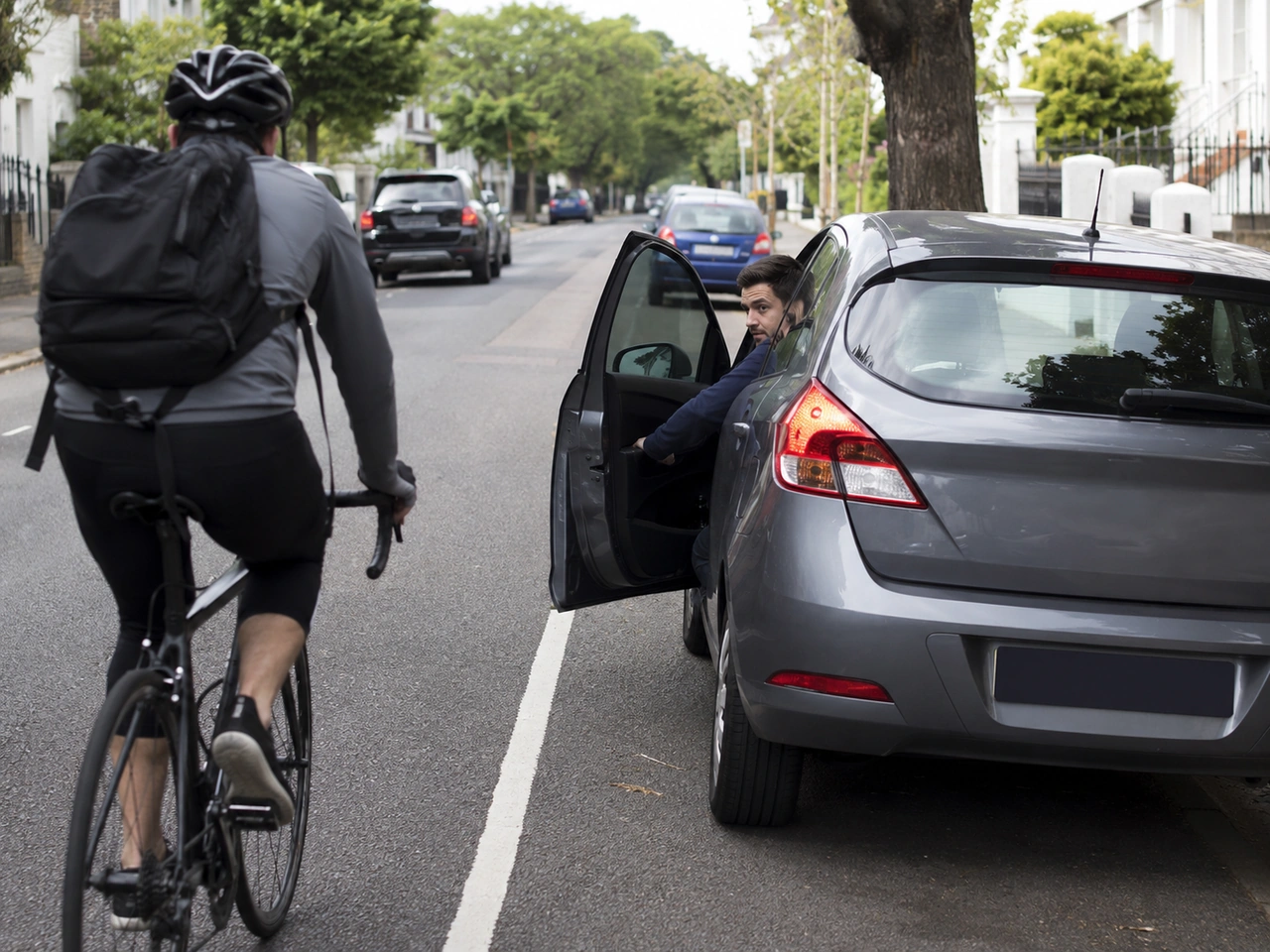
303. You do not need to look for cyclists when opening your car door.
You should always check for cyclists, motorcyclists, and other road users before opening a door.
AI-generated by Traffic-rules.com • WCIT • CC BY-SA
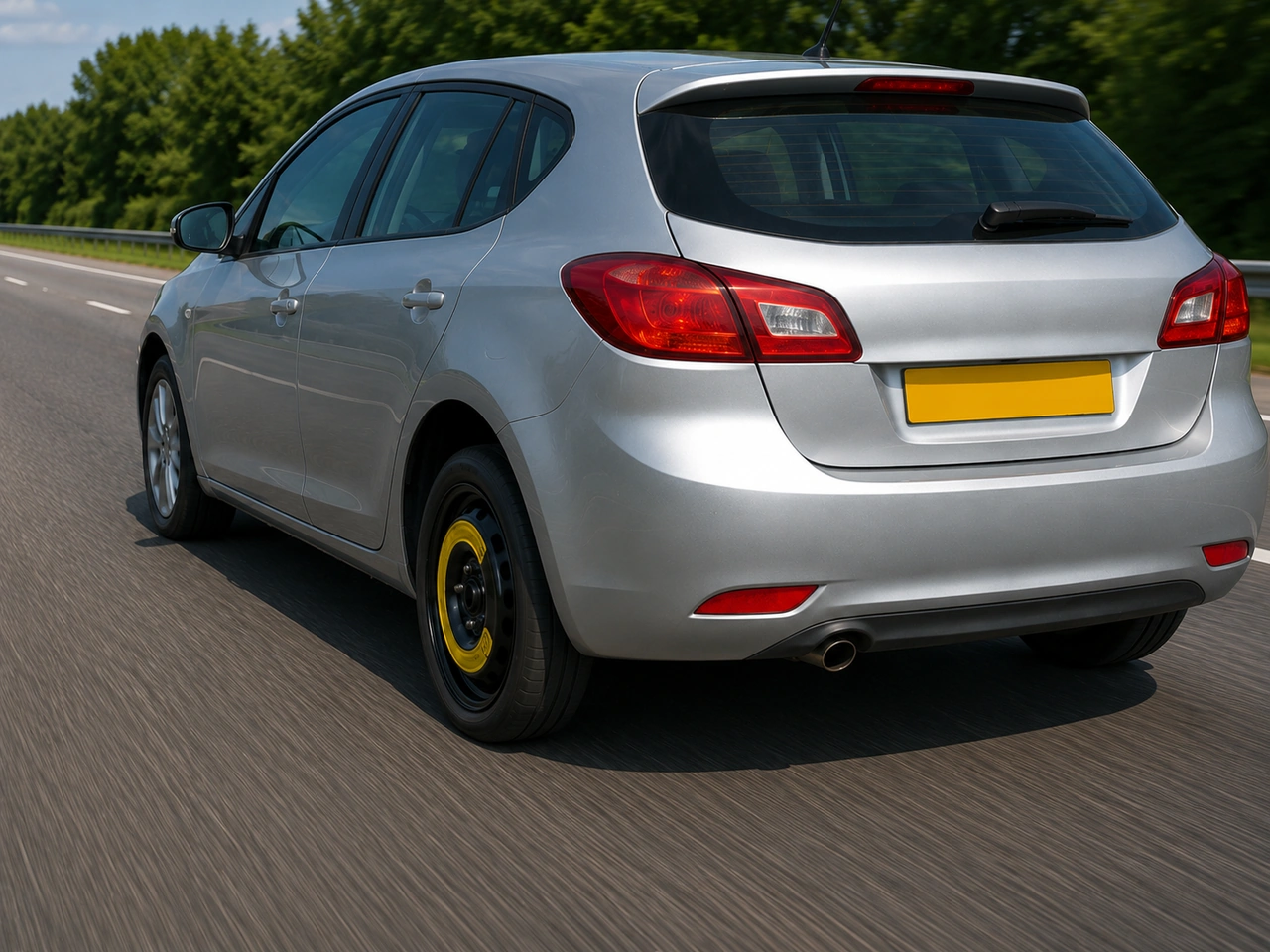
304. What should you do after fitting a temporary spare wheel?
Temporary spare wheels may have limited speed, distance, and handling capabilities. Arrange a proper repair or replacement promptly.
AI-generated by Traffic-rules.com • WCIT • CC BY-SA
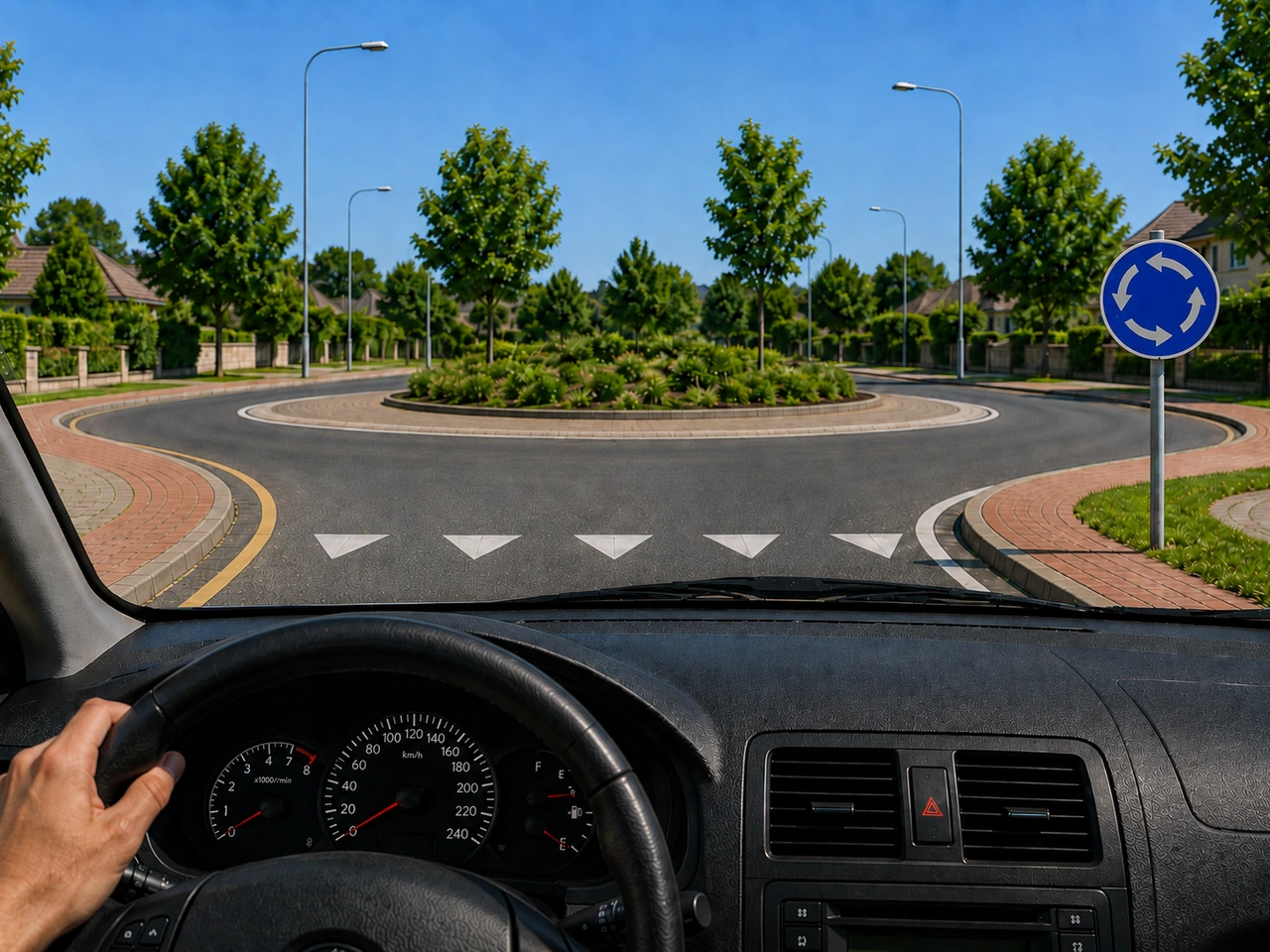
305. What should you do before entering a roundabout?
Before entering a roundabout, reduce your speed, observe traffic, and give way according to the local rules.
AI-generated by Traffic-rules.com • WCIT • CC BY-SA
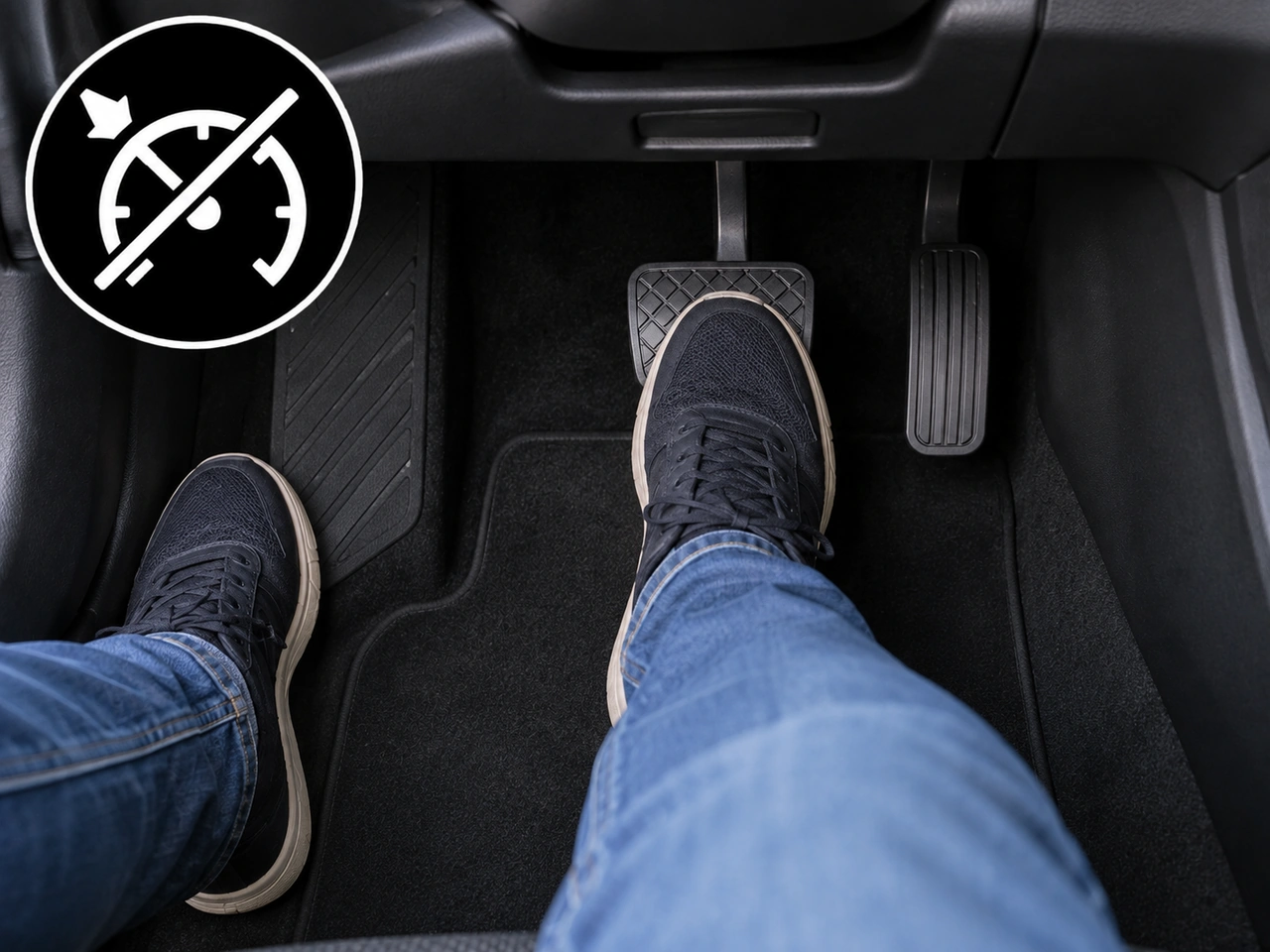
306. What normally happens to cruise control when you press the brake pedal?
Pressing the brake pedal normally cancels or temporarily disengages cruise control, returning speed control to the driver.
AI-generated by Traffic-rules.com • WCIT • CC BY-SA
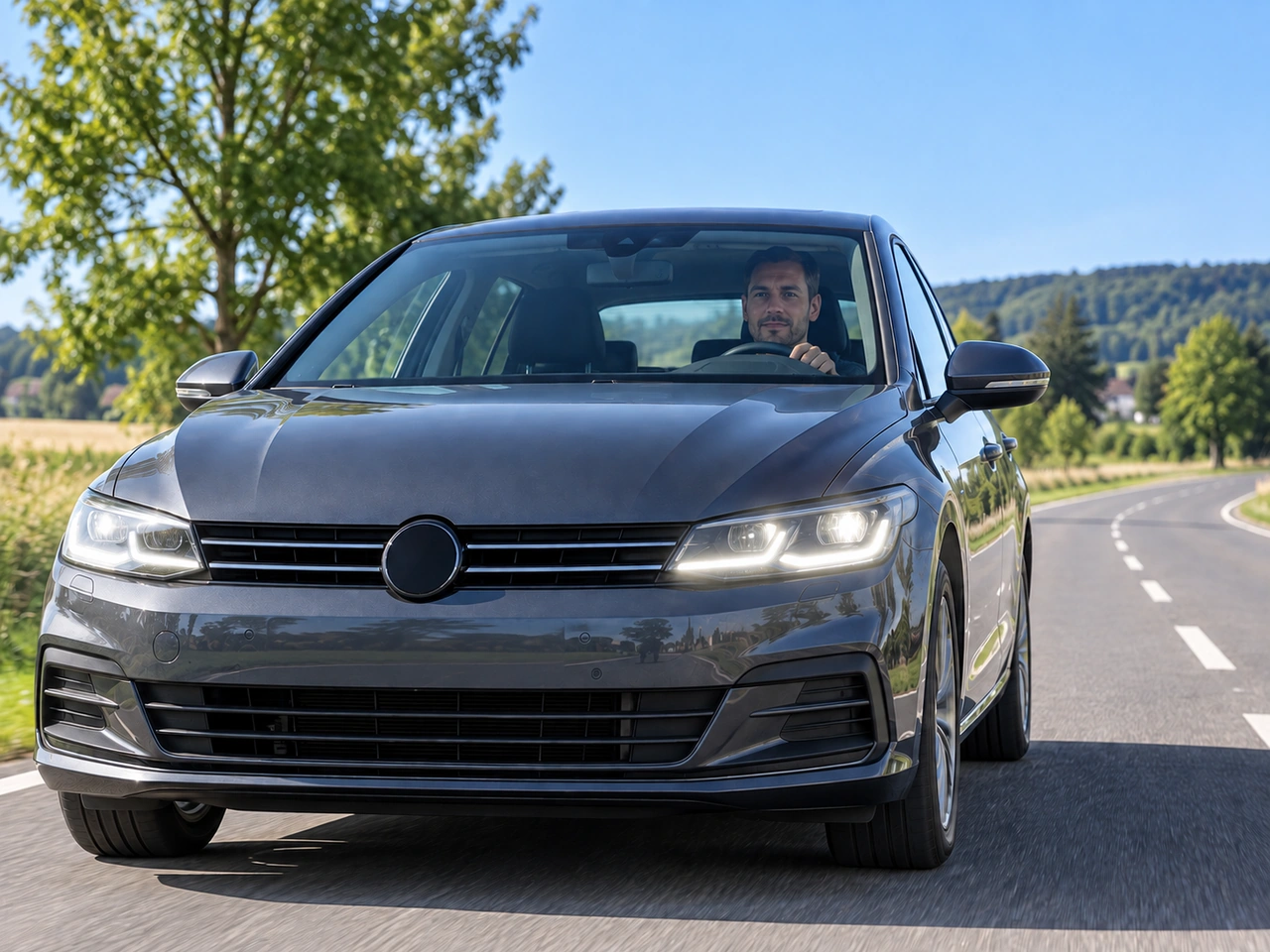
307. Are headlights required during the day in Greece?
Drivers in Greece are not generally required to use headlights during normal daytime conditions.
AI-generated by Traffic-rules.com • WCIT • CC BY-SA
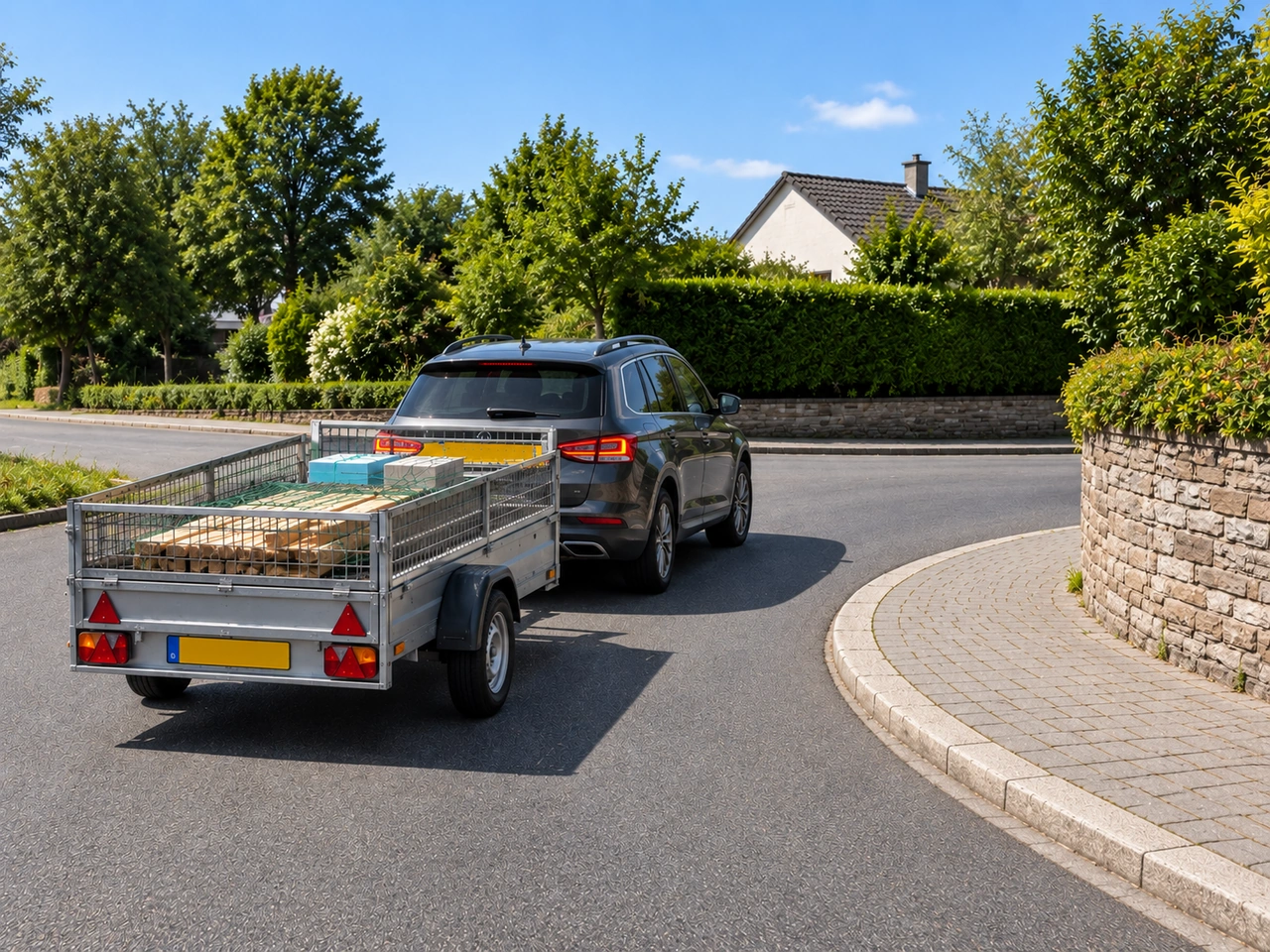
308. Why must you take wider turns when towing a trailer?
Trailer wheels cut closer to the inside of a turn. Allow enough clearance from kerbs, signs, pedestrians, and other vehicles.
AI-generated by Traffic-rules.com • WCIT • CC BY-SA
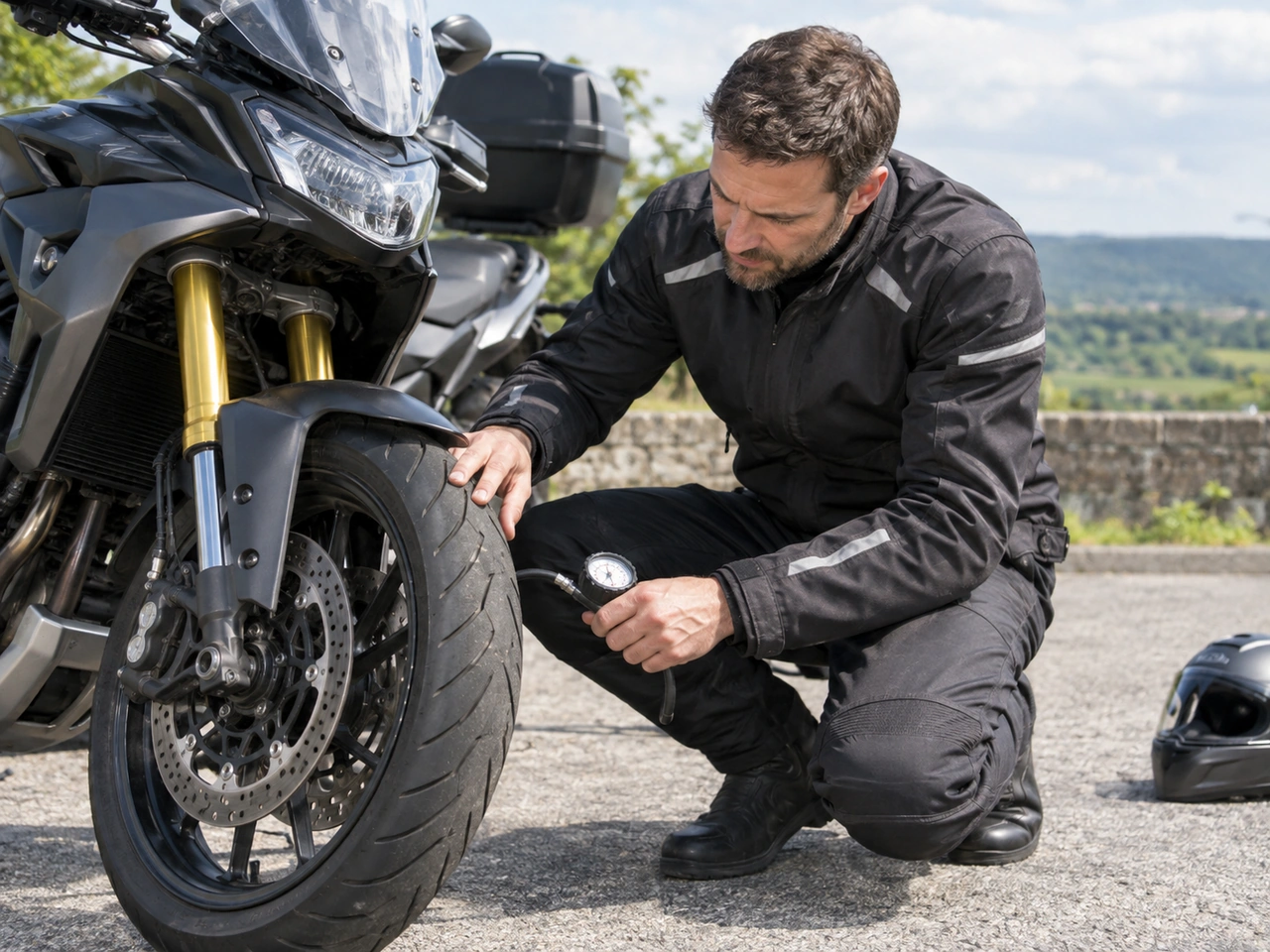
309. Why are tyre condition and pressure especially important on a motorcycle?
A motorcycle relies on a relatively small area of tyre contact with the road. Correct tyre pressure, tread and condition are important for grip, steering, stability and braking. Check the tyres regularly and follow the manufacturer's recommended pressures.
AI-generated by Traffic-rules.com • WCIT • CC BY-SA
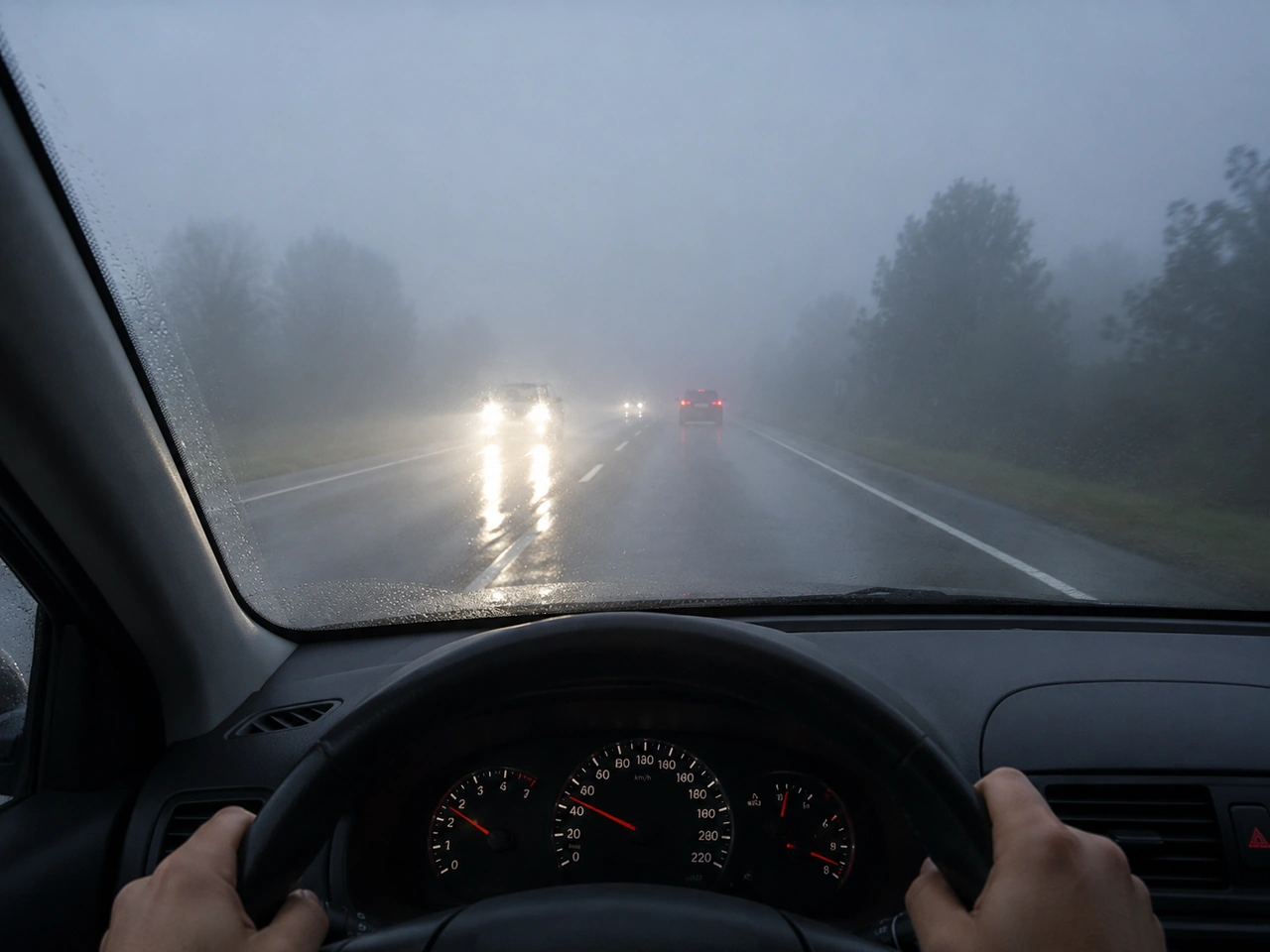
310. Why should you use headlights in poor visibility?
Headlights help you see the road and make your vehicle more visible to other road users in fog, rain, darkness, or poor weather.
AI-generated by Traffic-rules.com • WCIT • CC BY-SA
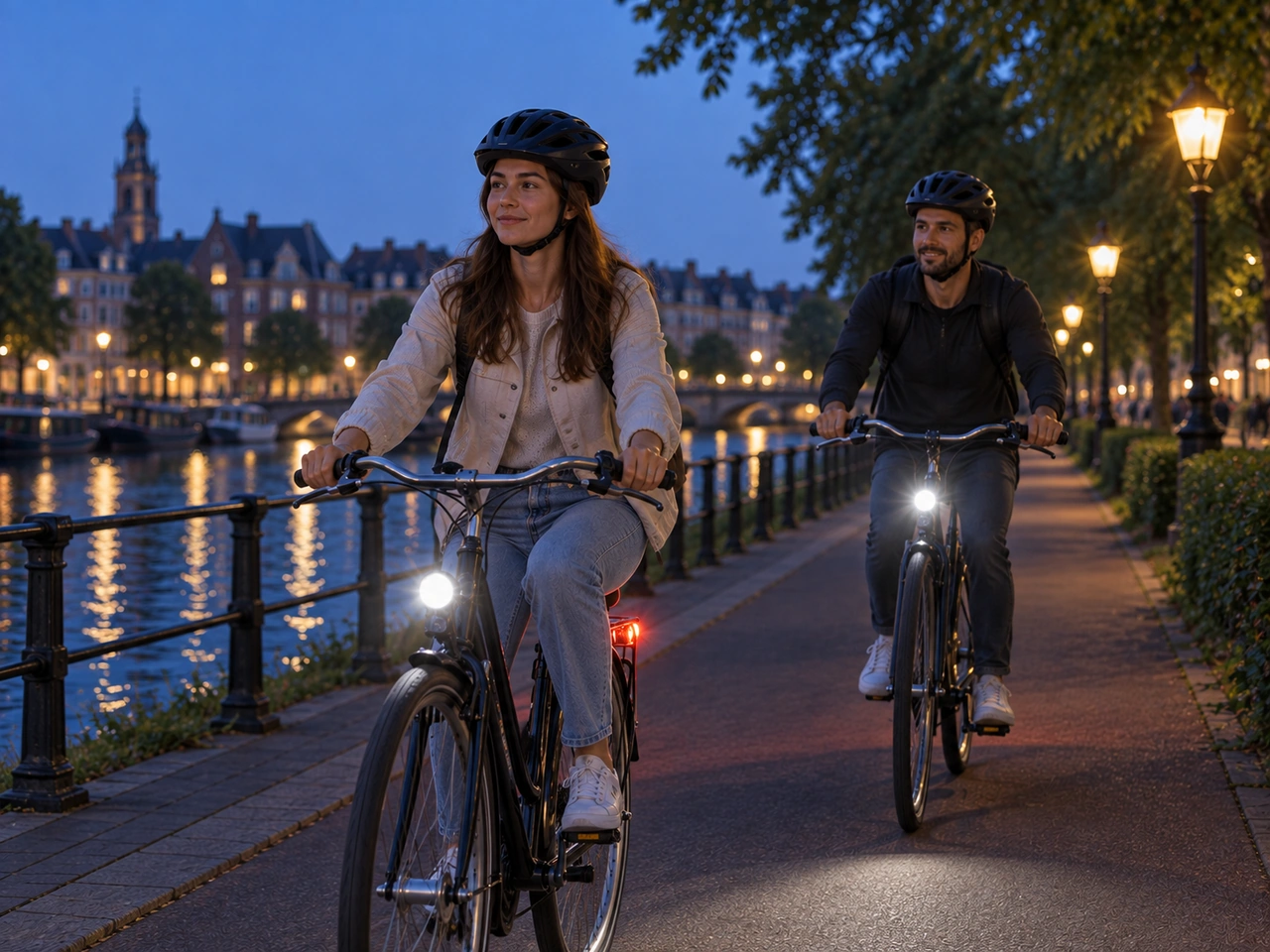
311. Are bicycle lights required at night in Greece?
Cyclists in Greece are generally required to use bicycle lights at night.
AI-generated by Traffic-rules.com • WCIT • CC BY-SA
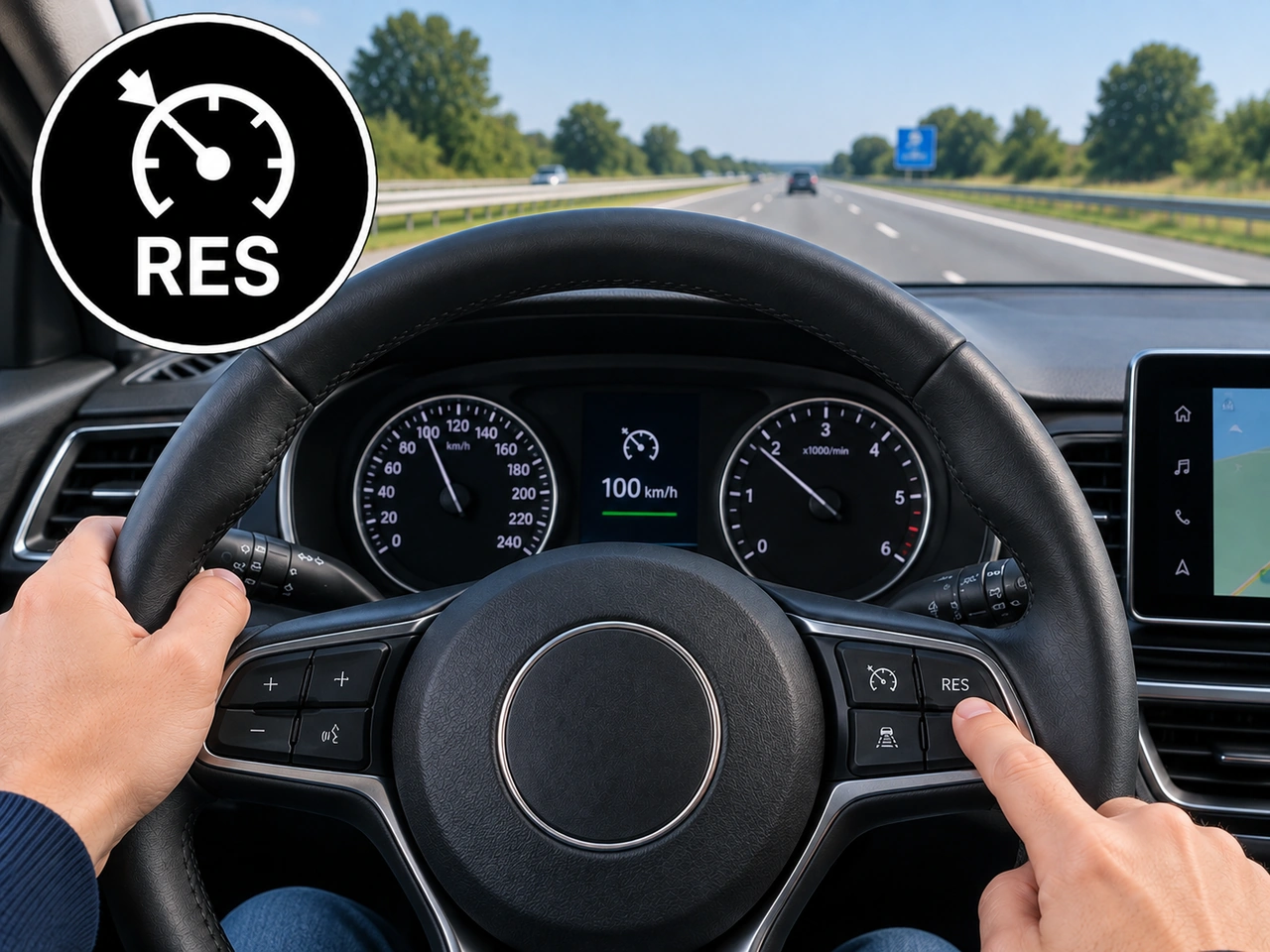
312. What does the resume function of cruise control normally do?
The resume function normally returns the vehicle to the previously set cruise-control speed after the system has been temporarily disengaged. The driver should use it only when traffic and road conditions are suitable.
AI-generated by Traffic-rules.com • WCIT • CC BY-SA
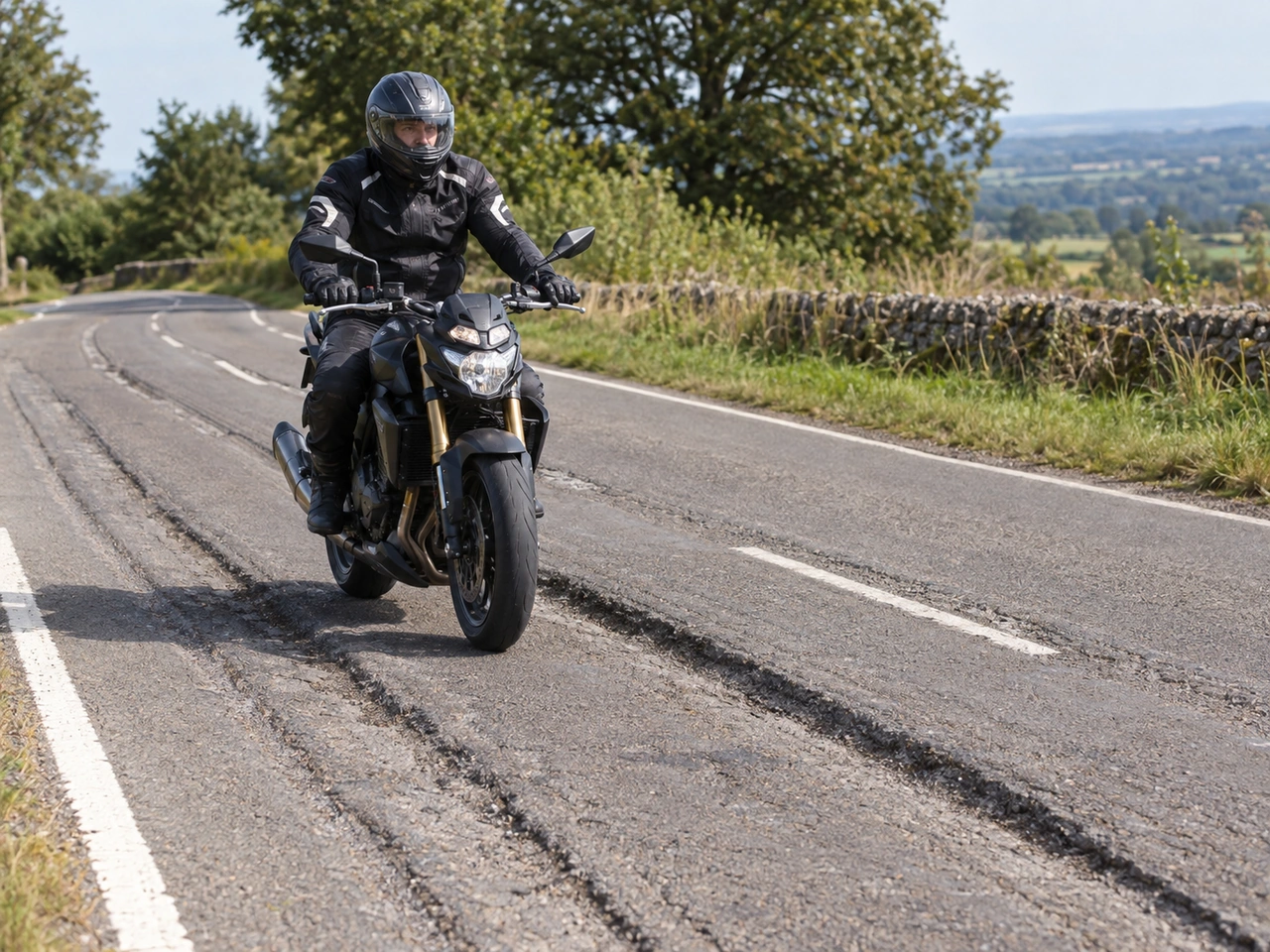
313. How should a motorcyclist react to grooves or ruts in the road?
Longitudinal grooves or ruts can affect a motorcycle's steering and may make the wheels follow the uneven surface. Reduce speed where necessary, keep a relaxed but steady grip and avoid sudden braking, acceleration or steering corrections.
AI-generated by Traffic-rules.com • WCIT • CC BY-SA
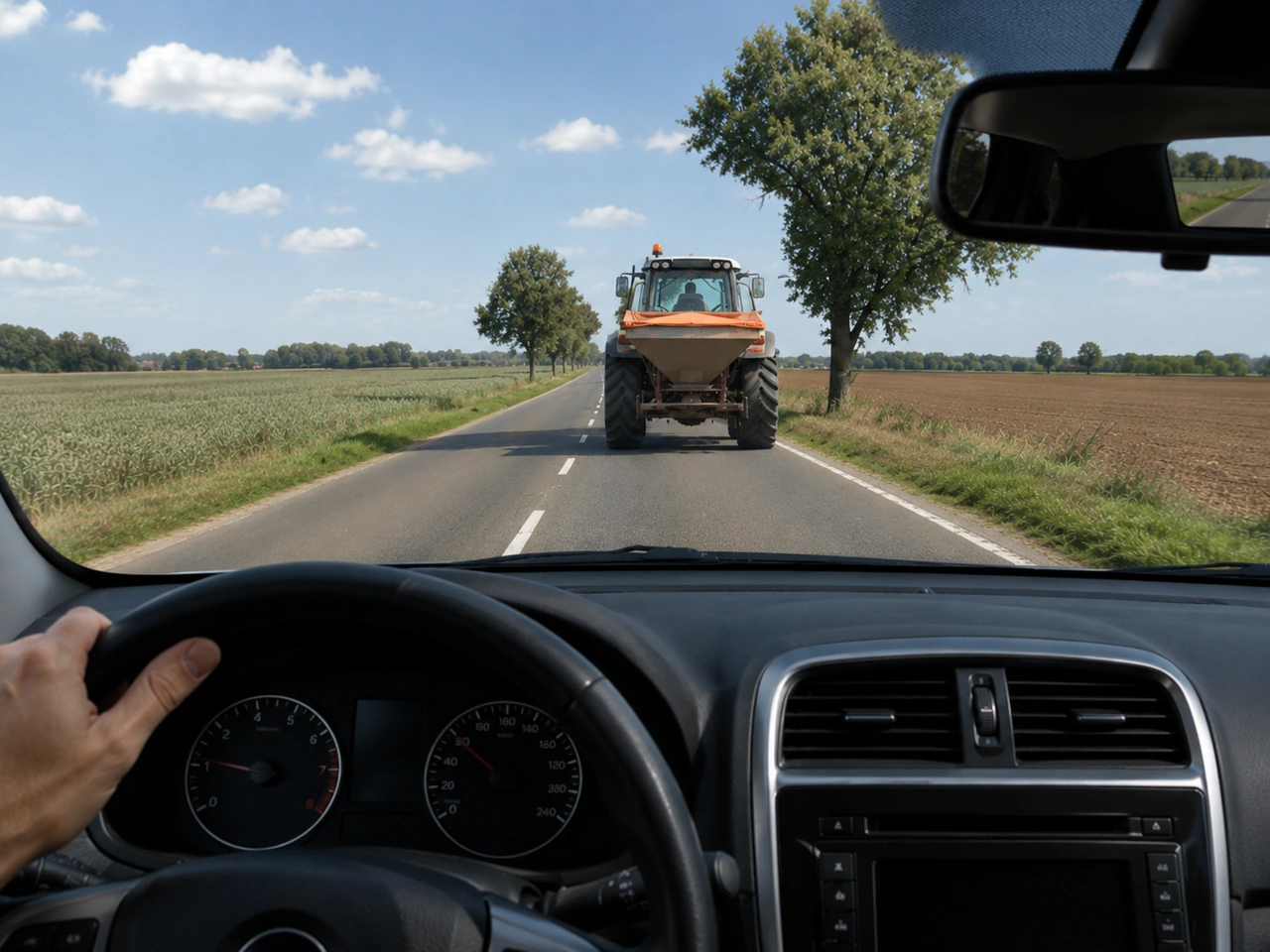
314. What should you do if you approach slow-moving farm machinery?
Farm machinery may be wide, slow, or turn unexpectedly. Keep distance and only overtake when you have a clear view and enough space.
AI-generated by Traffic-rules.com • WCIT • CC BY-SA
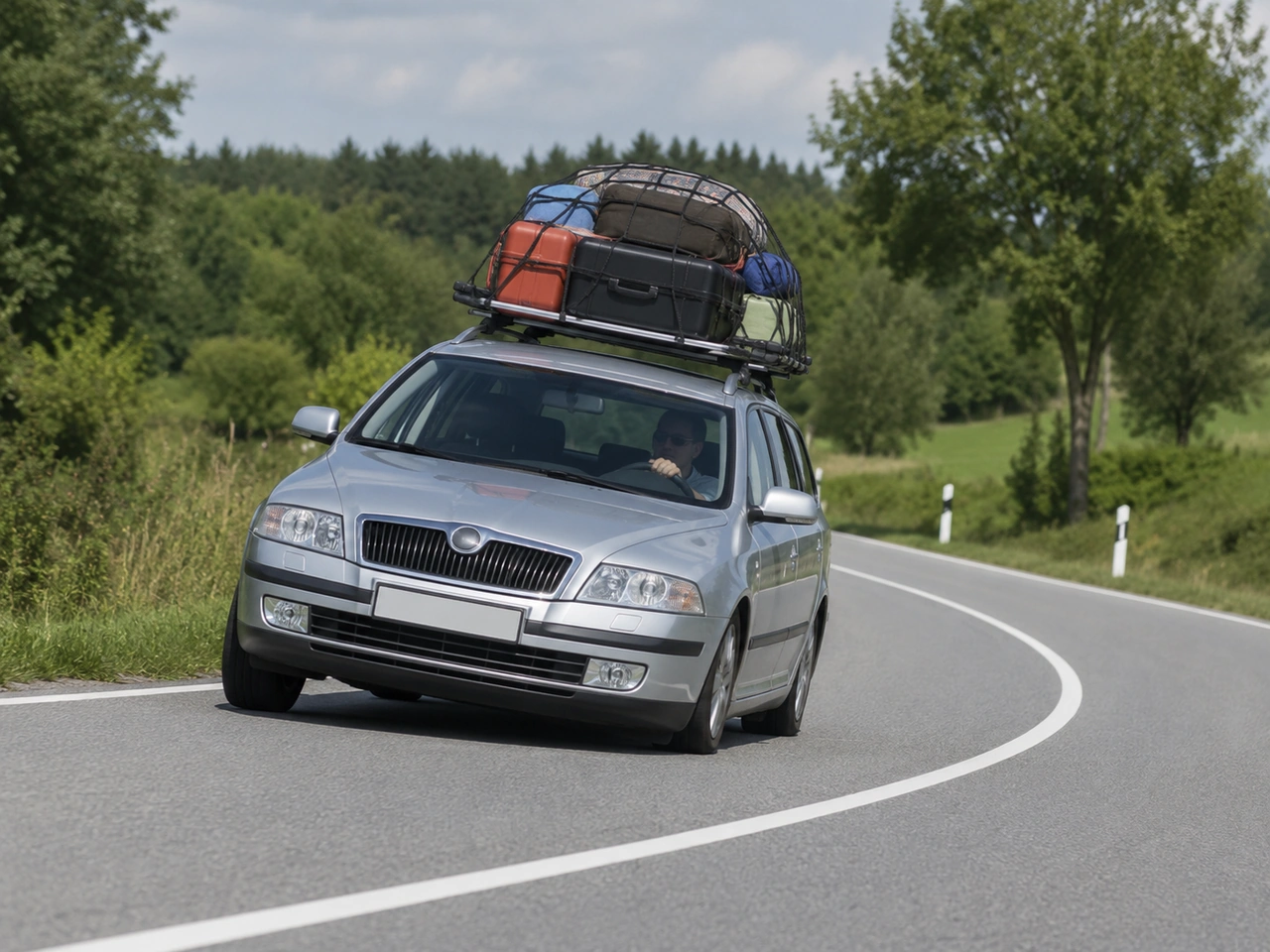
315. How can a roof load affect vehicle handling?
Weight carried high on the vehicle can increase body movement and make sudden steering or cornering less stable.
AI-generated by Traffic-rules.com • WCIT • CC BY-SA
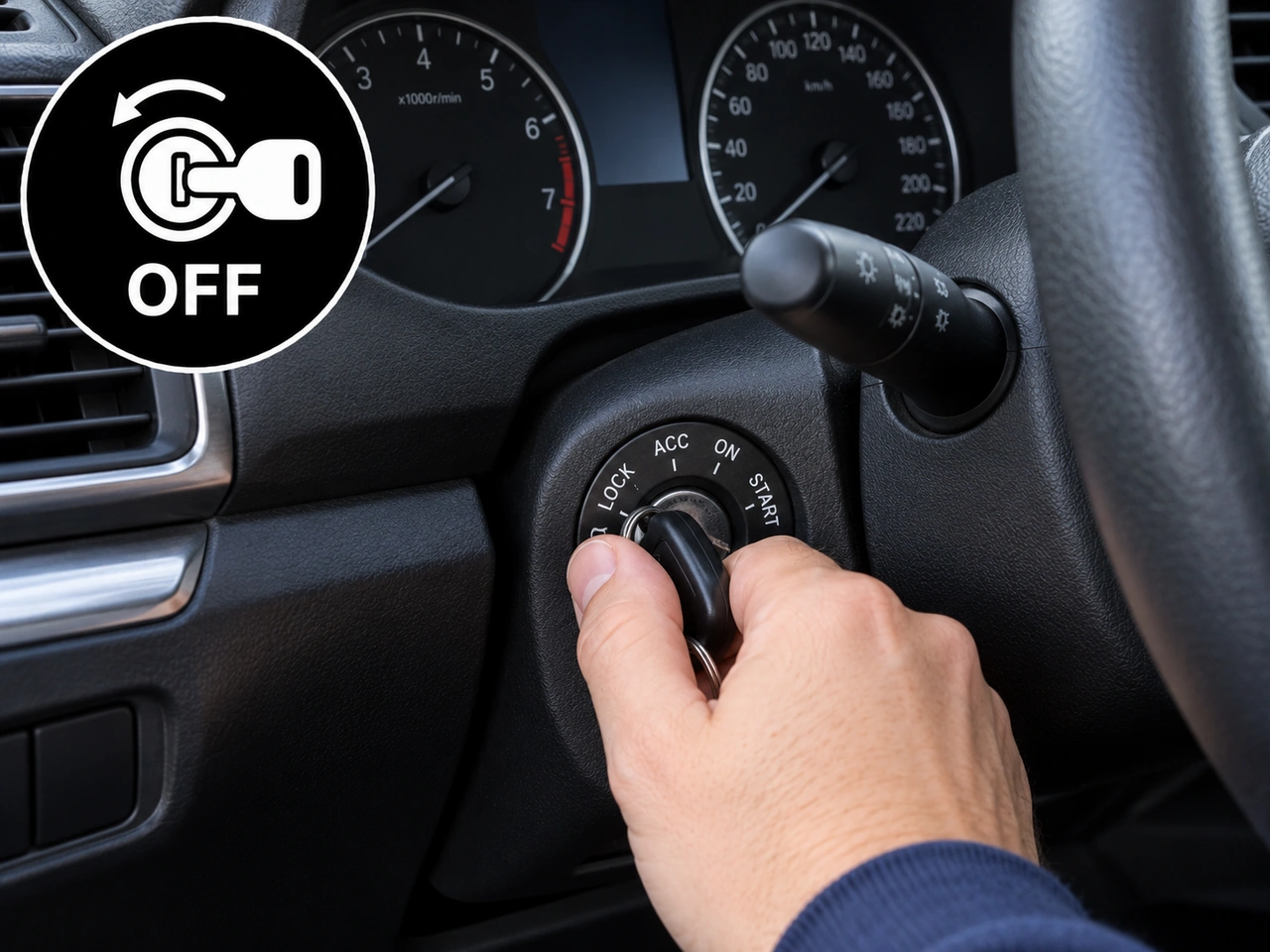
316. What does turning a traditional ignition switch to OFF normally do?
Turning a traditional ignition switch to OFF switches off the engine and ignition systems. The key can then normally be moved to the LOCK position and removed.
AI-generated by Traffic-rules.com • WCIT • CC BY-SA
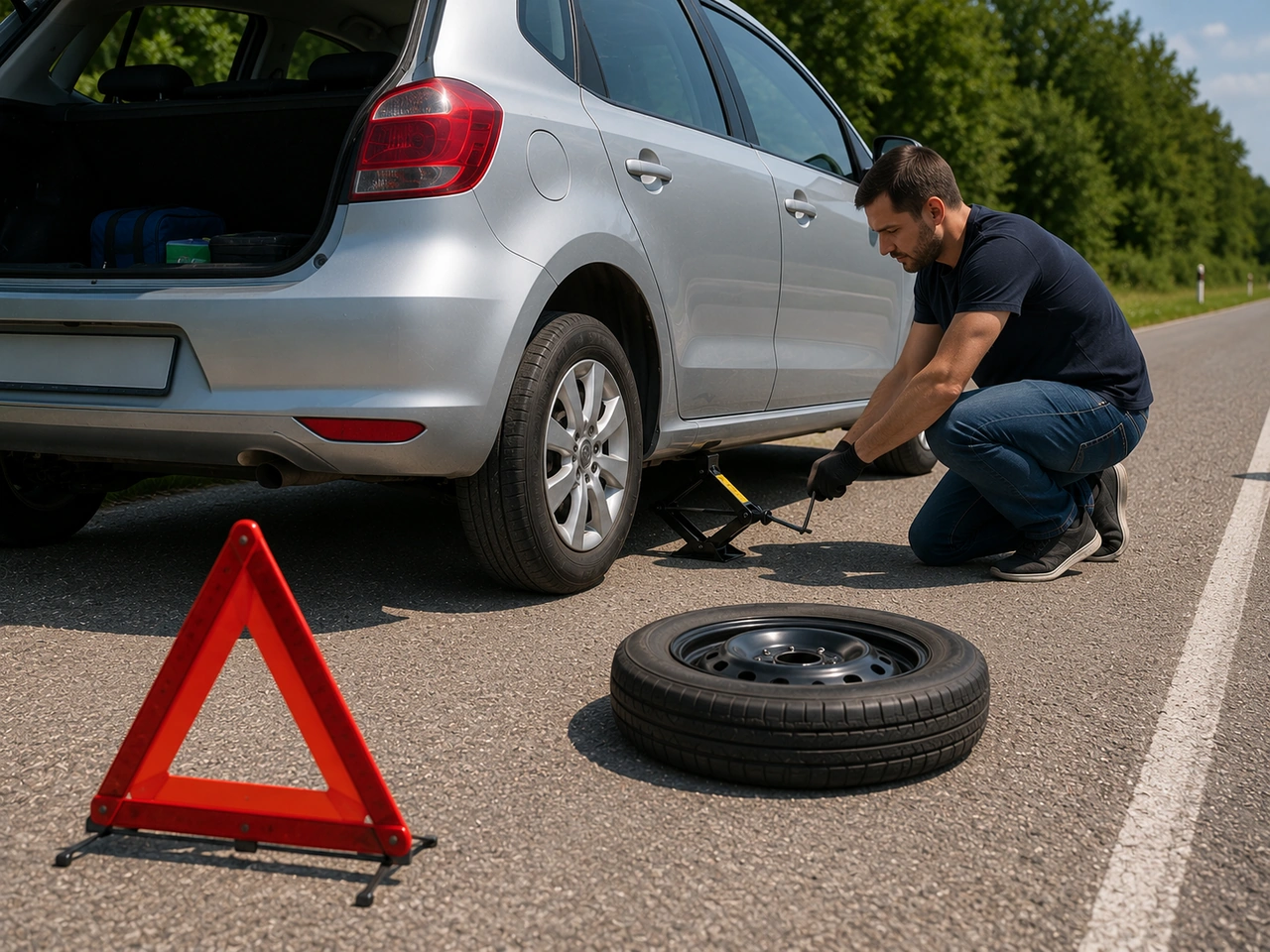
317. What is important when raising a vehicle with its jack?
A jack can slip or fail if it is incorrectly positioned. Secure the vehicle and use additional approved supports before working underneath it.
AI-generated by Traffic-rules.com • WCIT • CC BY-SA
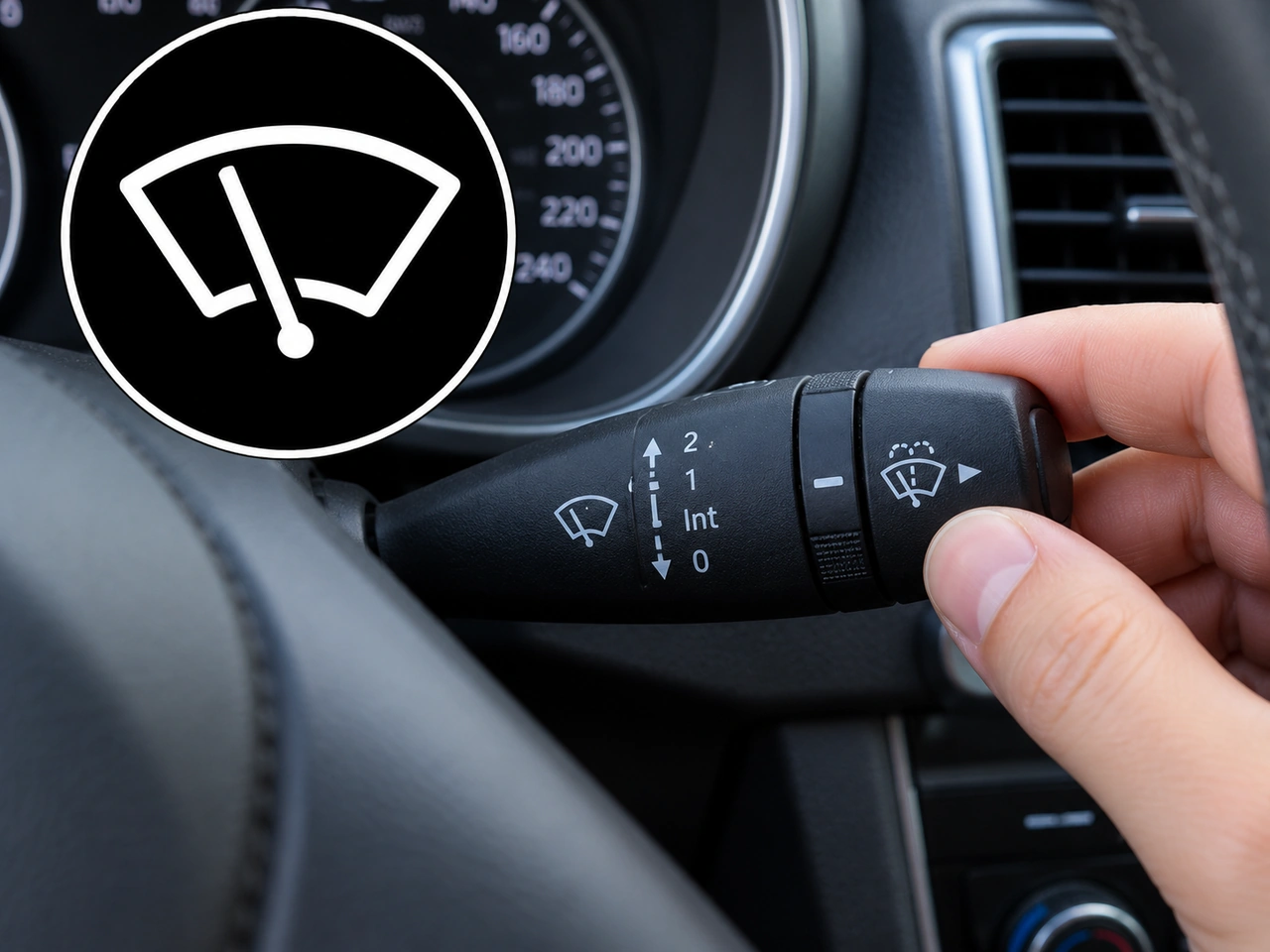
318. What does this vehicle-control symbol indicate?
This symbol relates to the windscreen wipers. The control allows the driver to select an appropriate wiping mode or speed for the amount of rain and visibility conditions.
AI-generated by Traffic-rules.com • WCIT • CC BY-SA
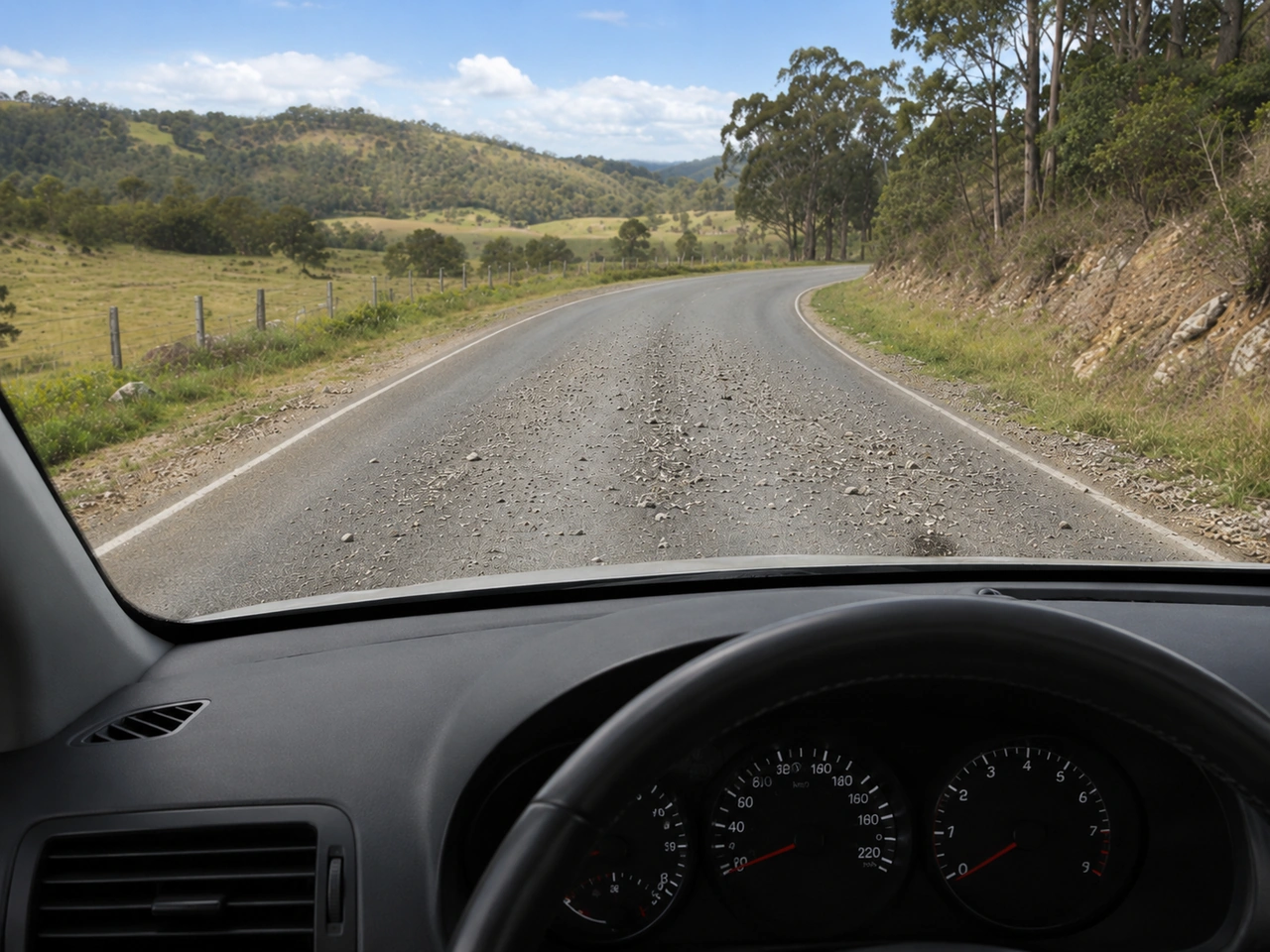
319. What should you do if you see loose gravel on the road?
Loose gravel reduces grip and can make the vehicle skid. Slow down and use smooth steering and braking.
AI-generated by Traffic-rules.com • WCIT • CC BY-SA
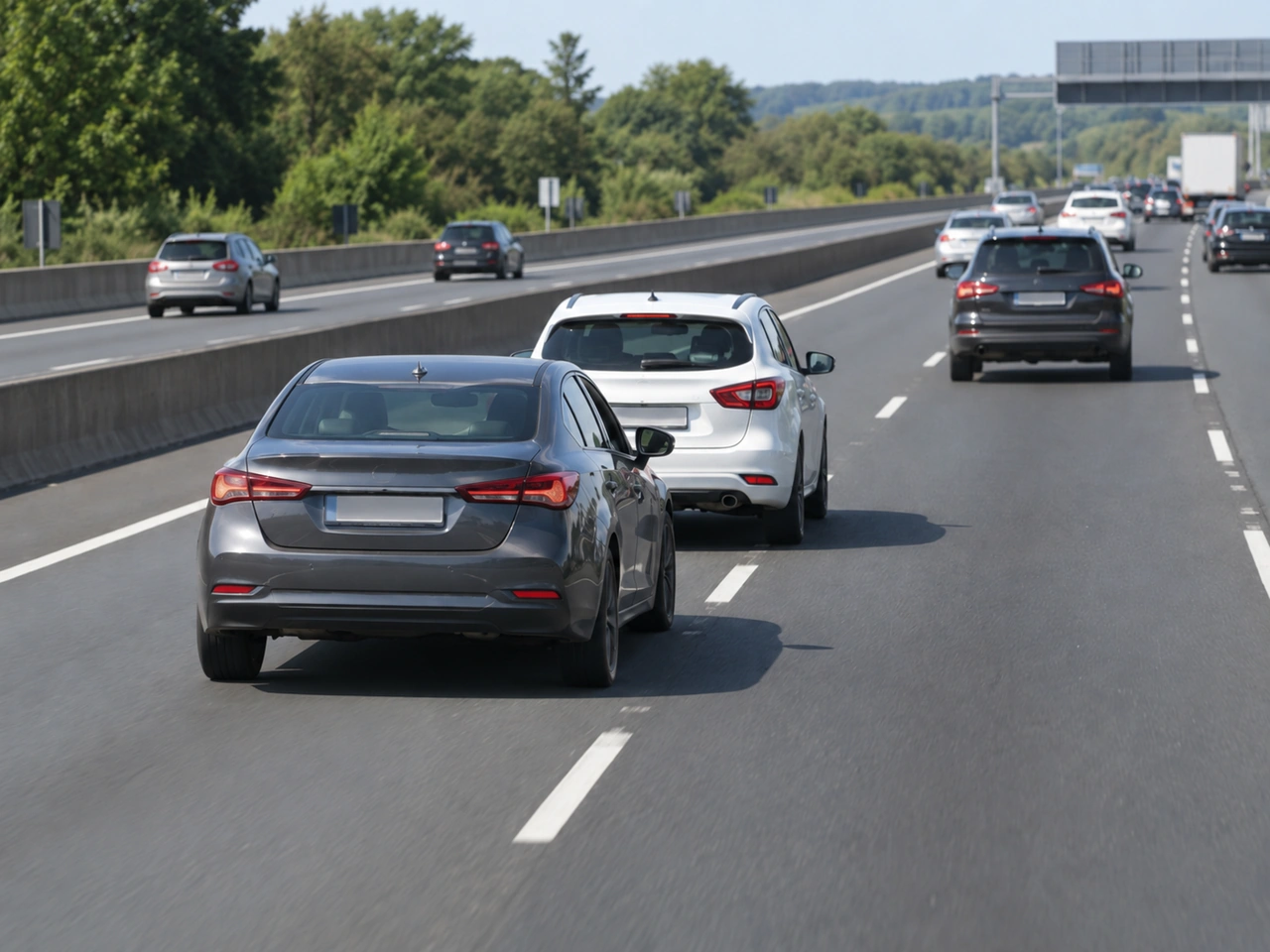
320. What is the main safety risk of aggressive driving?
Aggressive driving, such as tailgating, speeding, or sudden lane changes, reduces safety margins and increases the risk of crashes and conflict with other road users.
AI-generated by Traffic-rules.com • WCIT • CC BY-SA
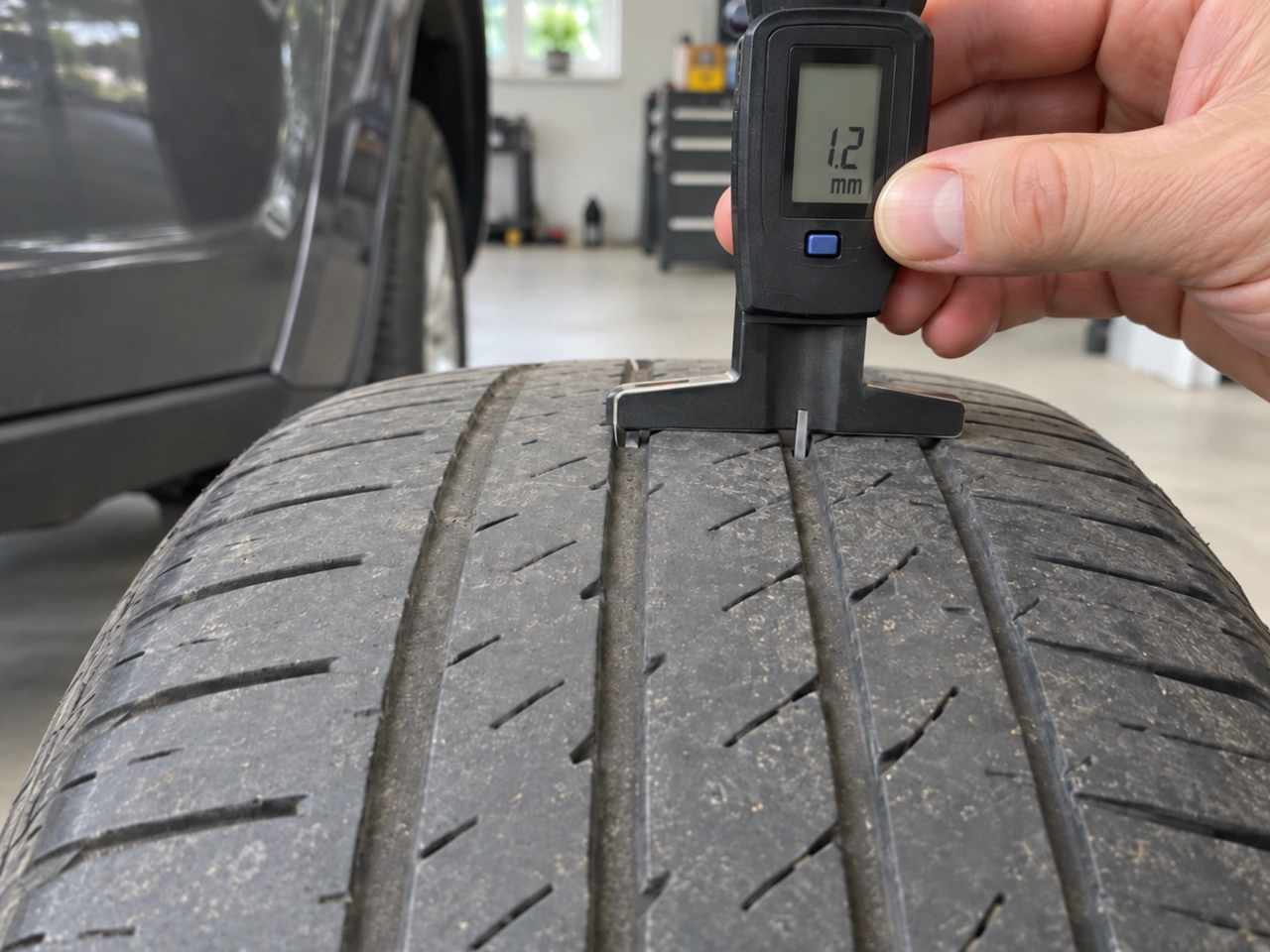
321. What is the general minimum legal tread depth for car tyres in Greece?
The general minimum legal tread depth for car tyres in Greece is 1.6 mm. Higher minimums may apply to winter tyres, during winter periods or in winter conditions.
AI-generated by Traffic-rules.com • WCIT • CC BY-SA
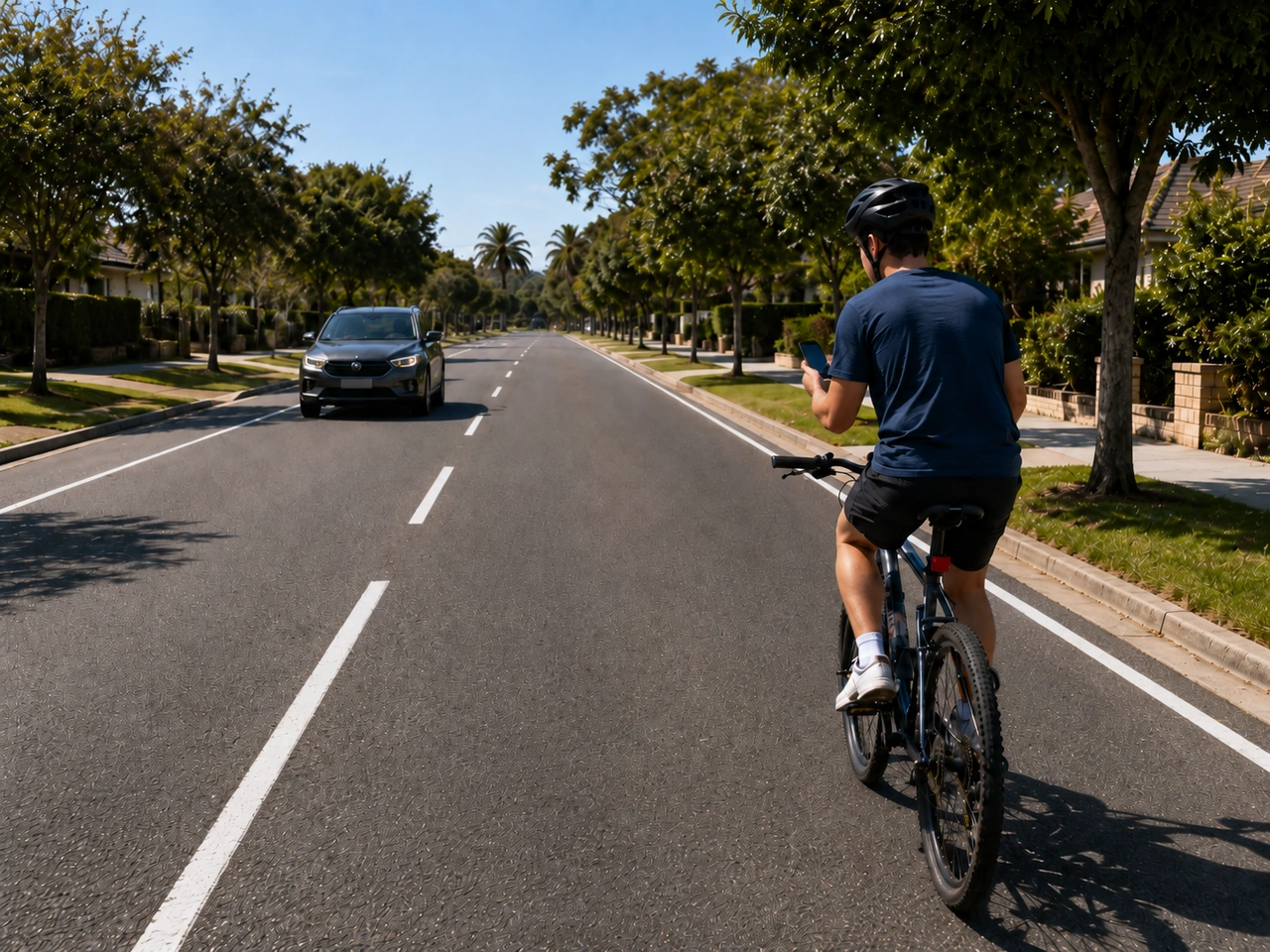
322. Why should cyclists avoid using a handheld phone?
Using a phone can distract you and may prevent you from steering, braking, or reacting properly.
AI-generated by Traffic-rules.com • WCIT • CC BY-SA
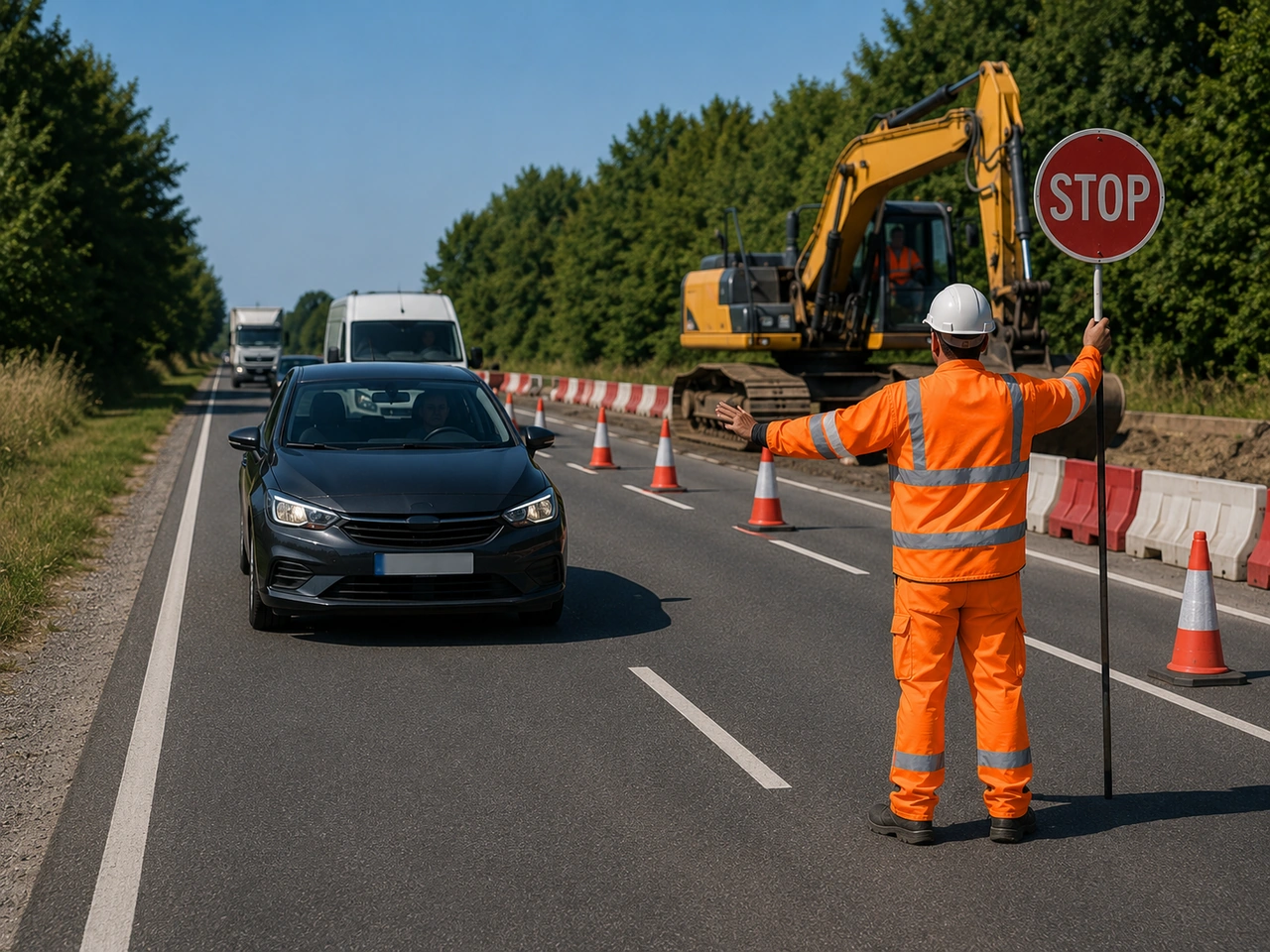
323. What should you do when a road worker directs traffic?
Authorised road workers may control traffic through a work zone. Watch carefully and follow their directions.
AI-generated by Traffic-rules.com • WCIT • CC BY-SA
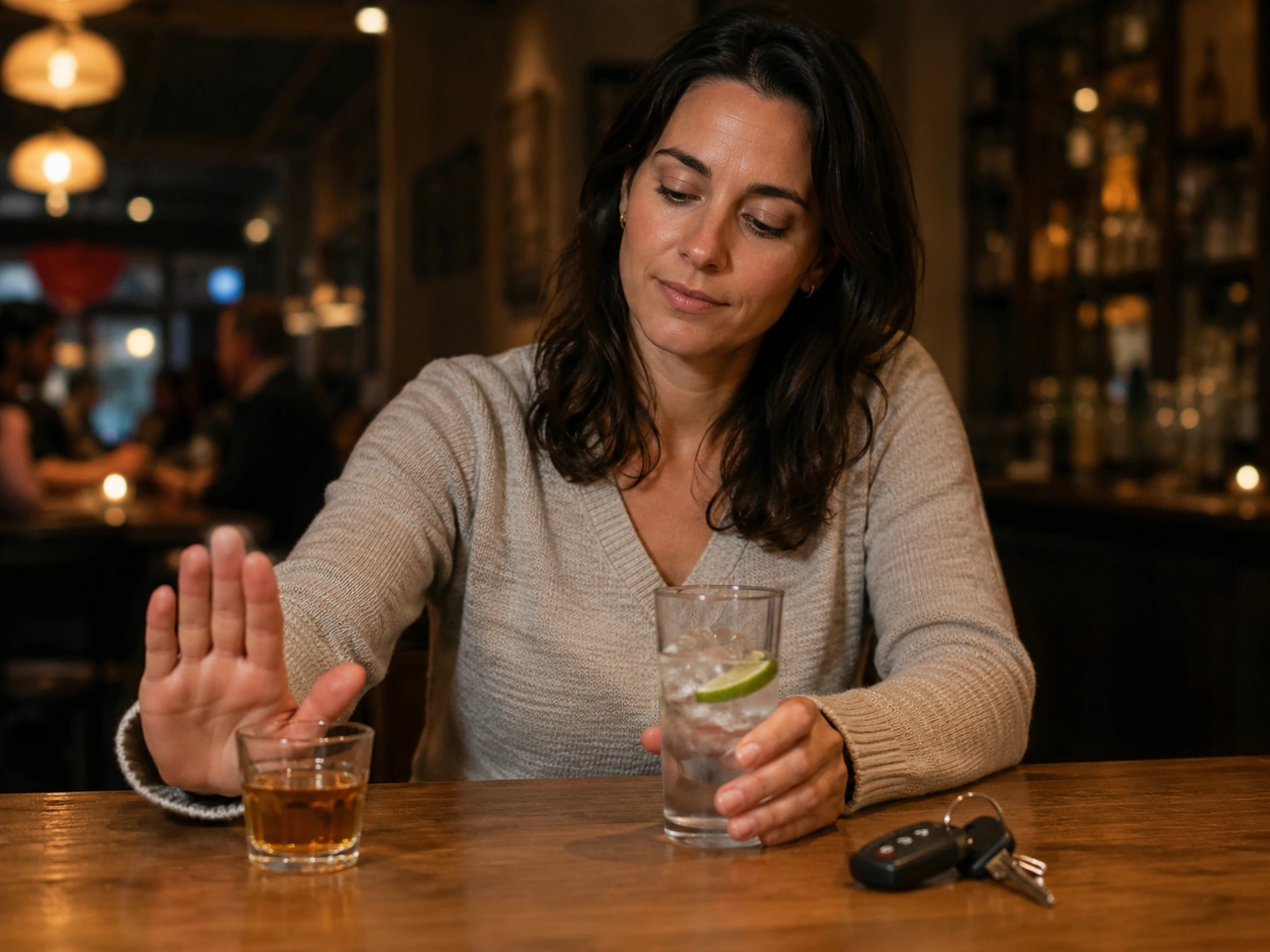
324. Should the legal alcohol limit be treated as a safe target?
A legal limit is an enforcement threshold, not a recommended drinking level. Even a small amount of alcohol can affect driving performance.
AI-generated by Traffic-rules.com • WCIT • CC BY-SA
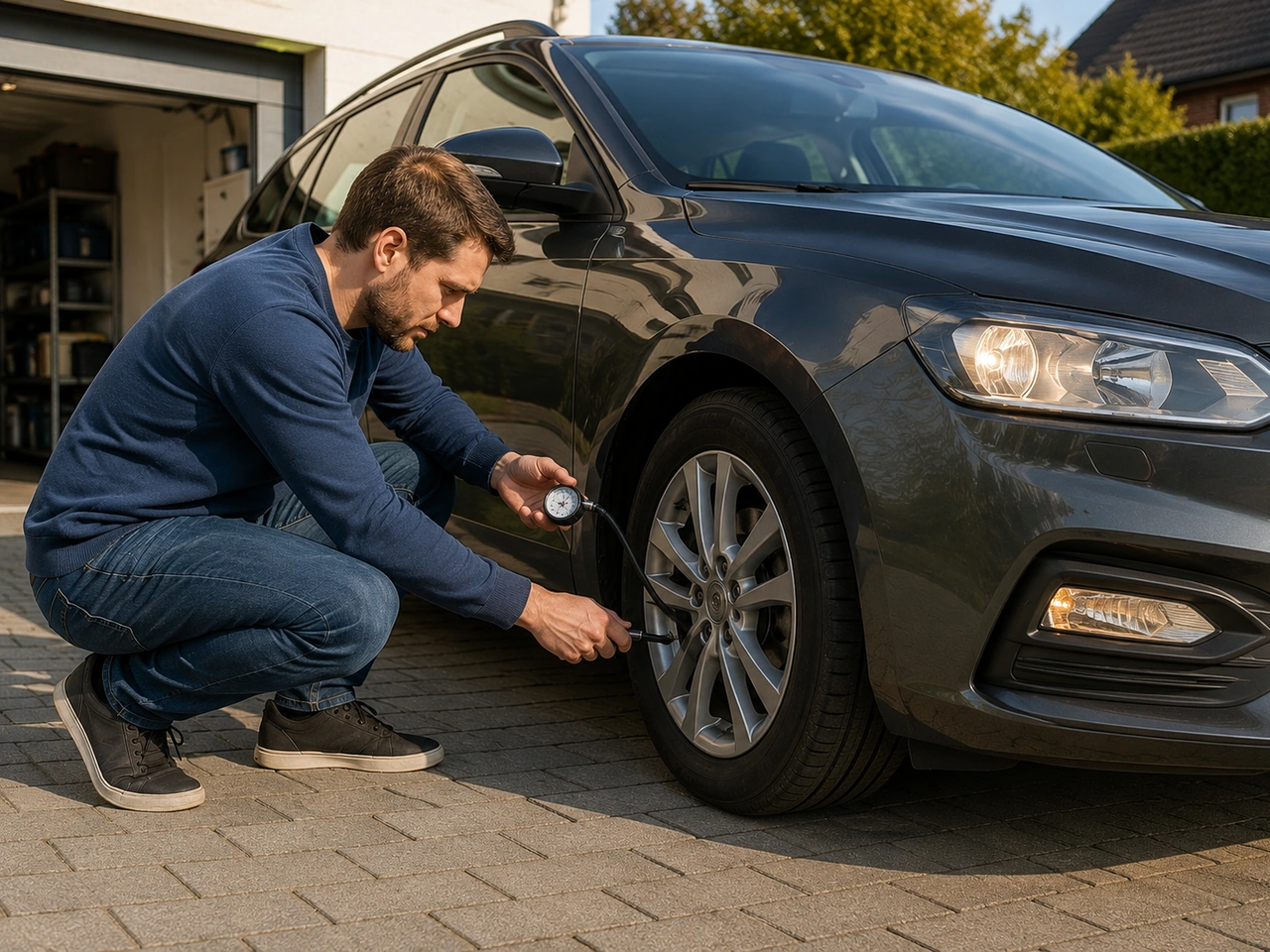
325. How should tyre pressure normally be checked?
Tyre pressure rises as tyres become warm. Check them when cold and use the pressure specified on the vehicle label or in the owner's manual.
AI-generated by Traffic-rules.com • WCIT • CC BY-SA
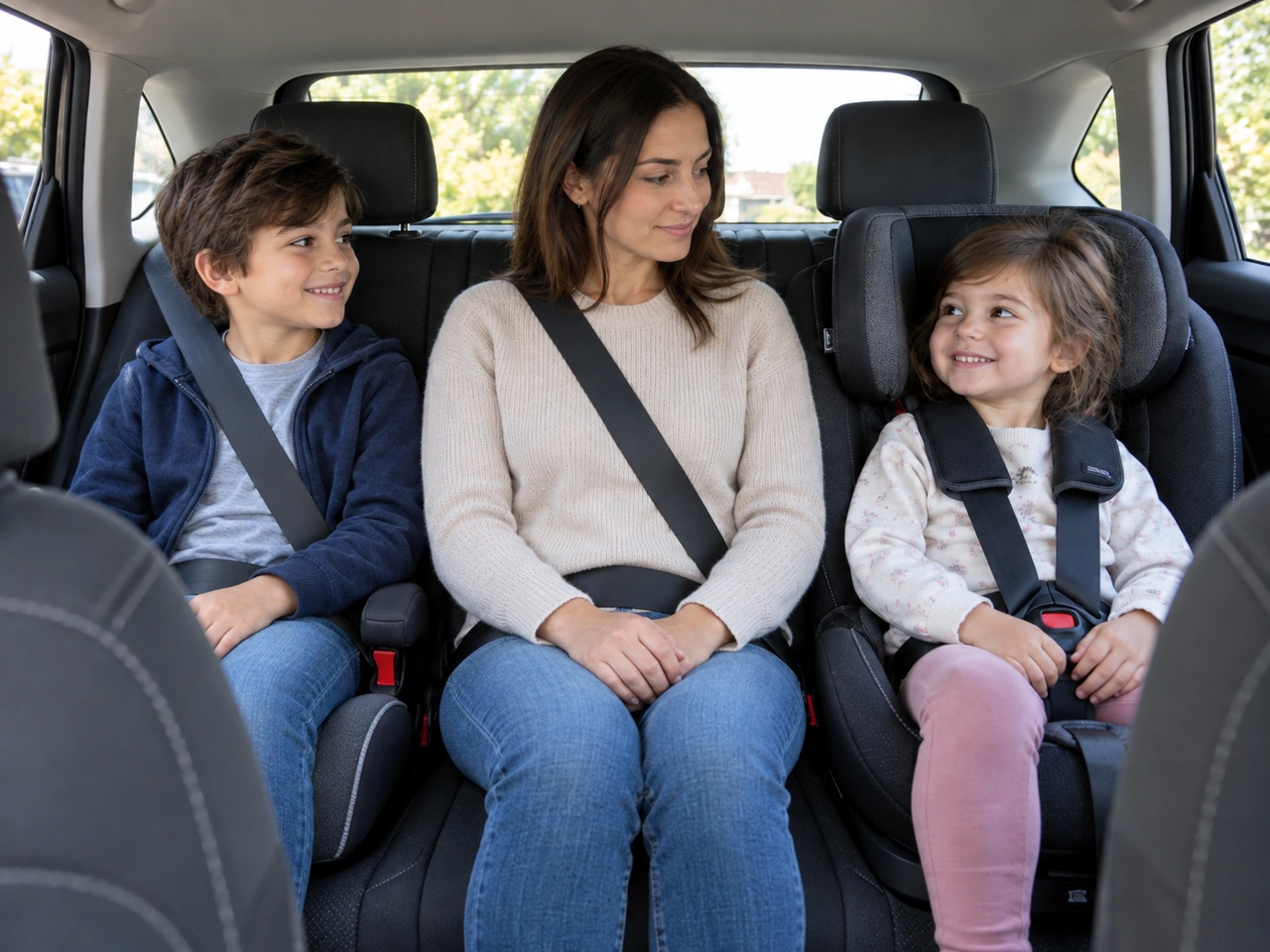
326. Should rear-seat passengers be securely restrained?
Rear-seat passengers should be securely restrained using seat belts or suitable child restraints as appropriate. Proper restraint reduces the risk of serious injury and prevents occupants from being thrown around or forwards in a collision.
AI-generated by Traffic-rules.com • WCIT • CC BY-SA
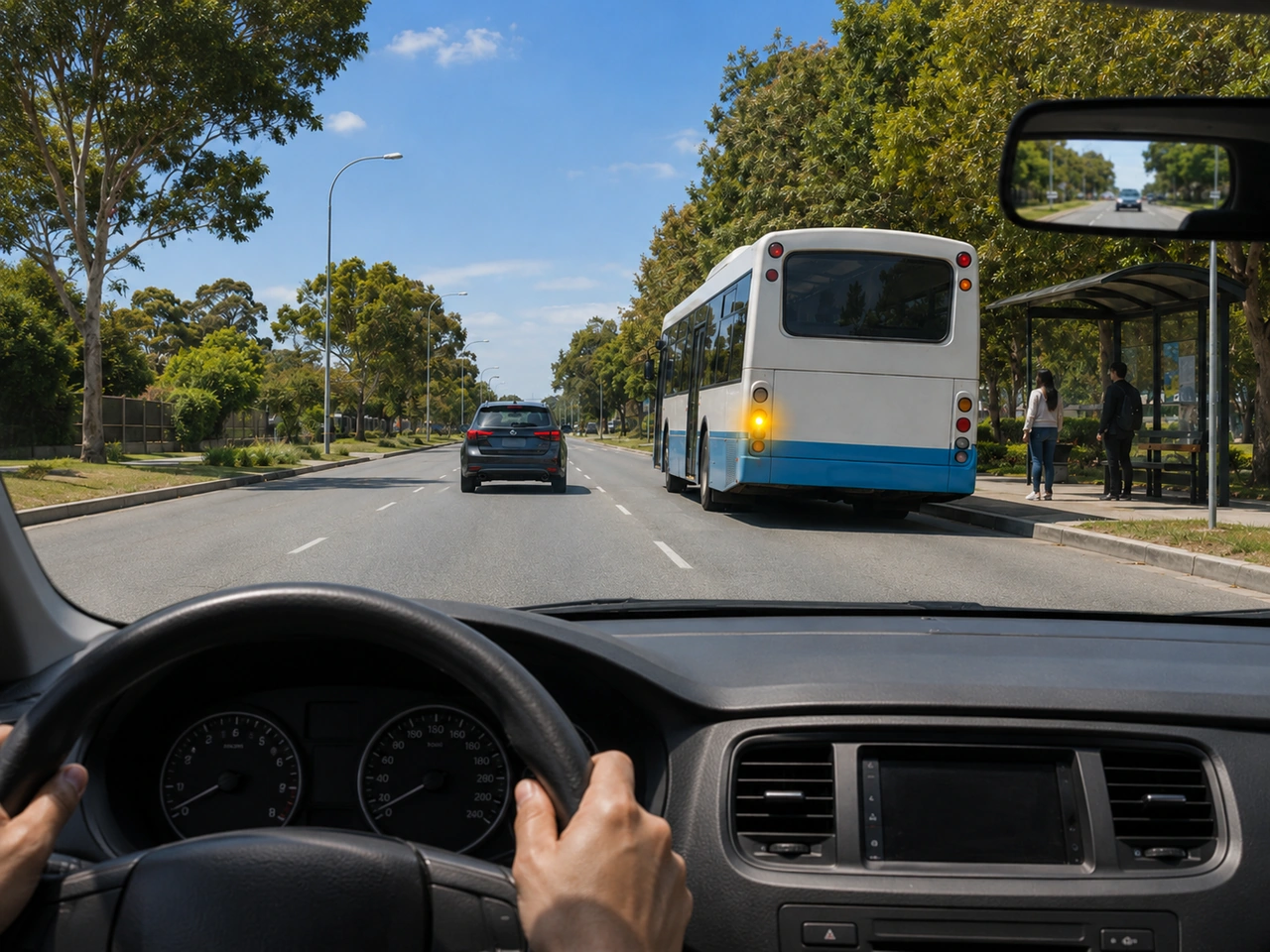
327. What should you do when a bus signals to pull away from a bus stop?
Buses may pull away after picking up passengers. Slow down, check the traffic situation, and allow space when it is safe.
AI-generated by Traffic-rules.com • WCIT • CC BY-SA
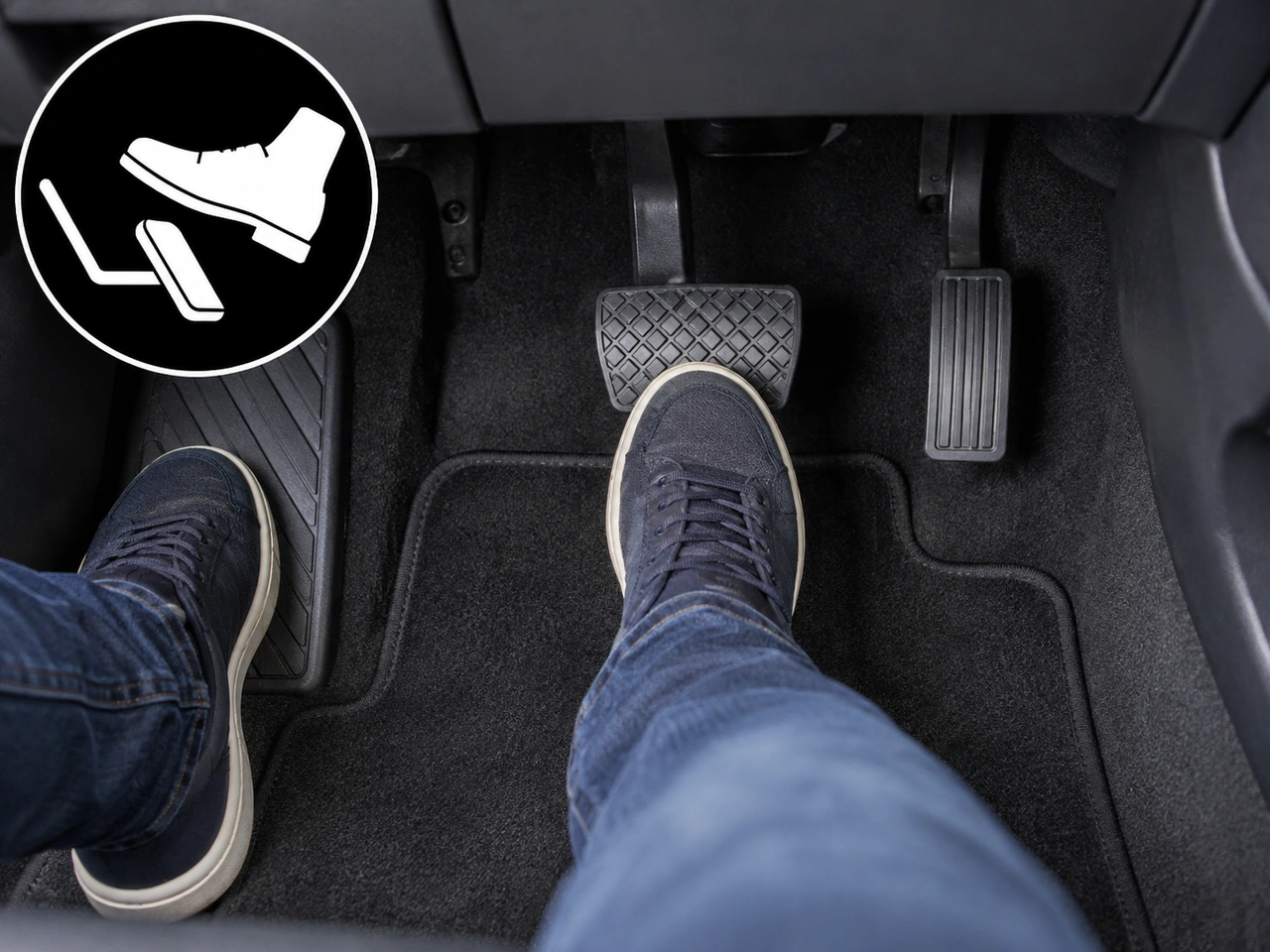
328. What does it mean to cover the brake pedal?
To cover the brake, move your right foot over the brake pedal without pressing it, so you are ready to brake quickly if a hazard develops.
AI-generated by Traffic-rules.com • WCIT • CC BY-SA
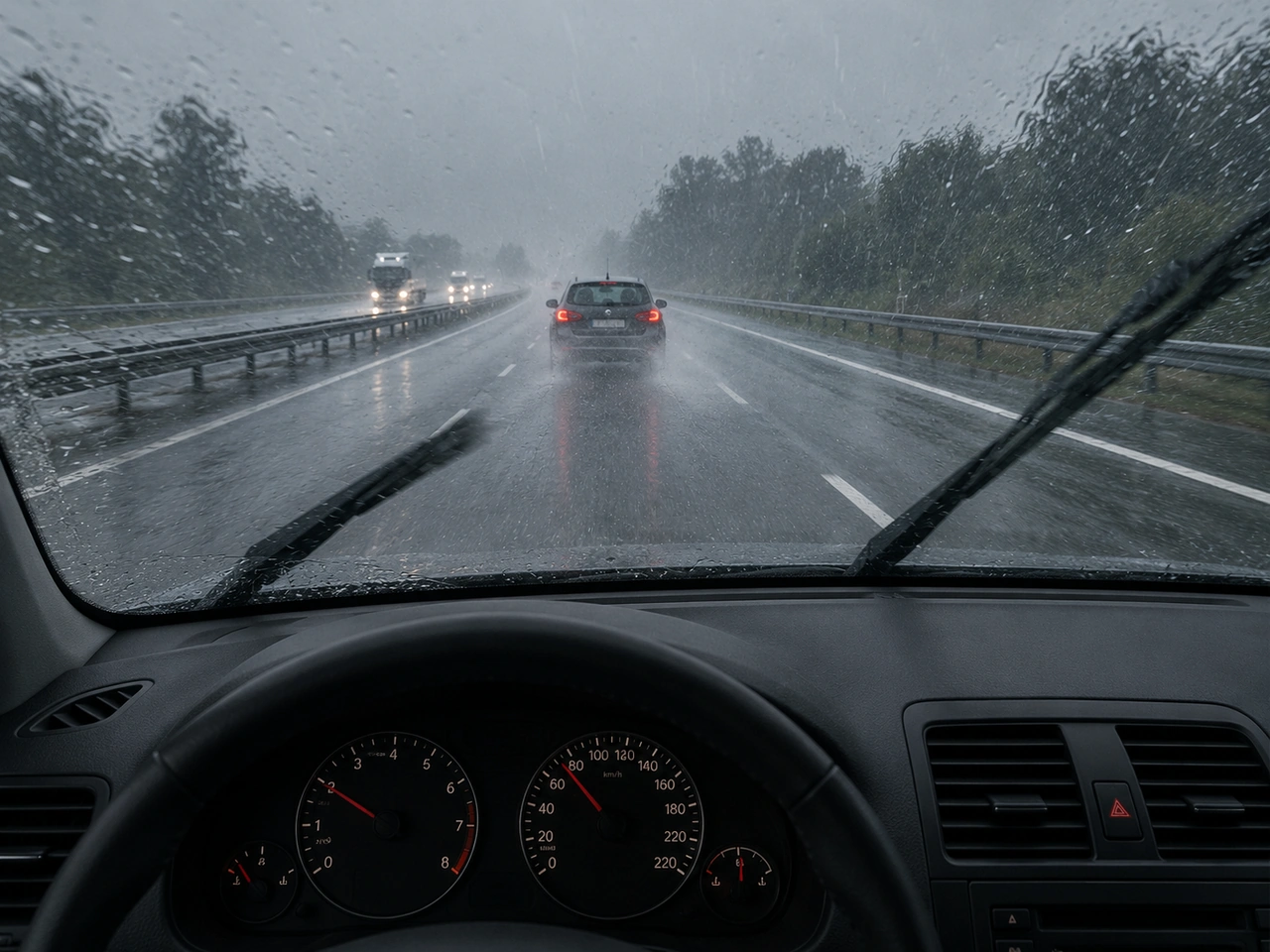
329. What should you do when driving through heavy rain?
Heavy rain reduces grip and visibility. Lower speed and extra distance give you more time to react safely.
AI-generated by Traffic-rules.com • WCIT • CC BY-SA
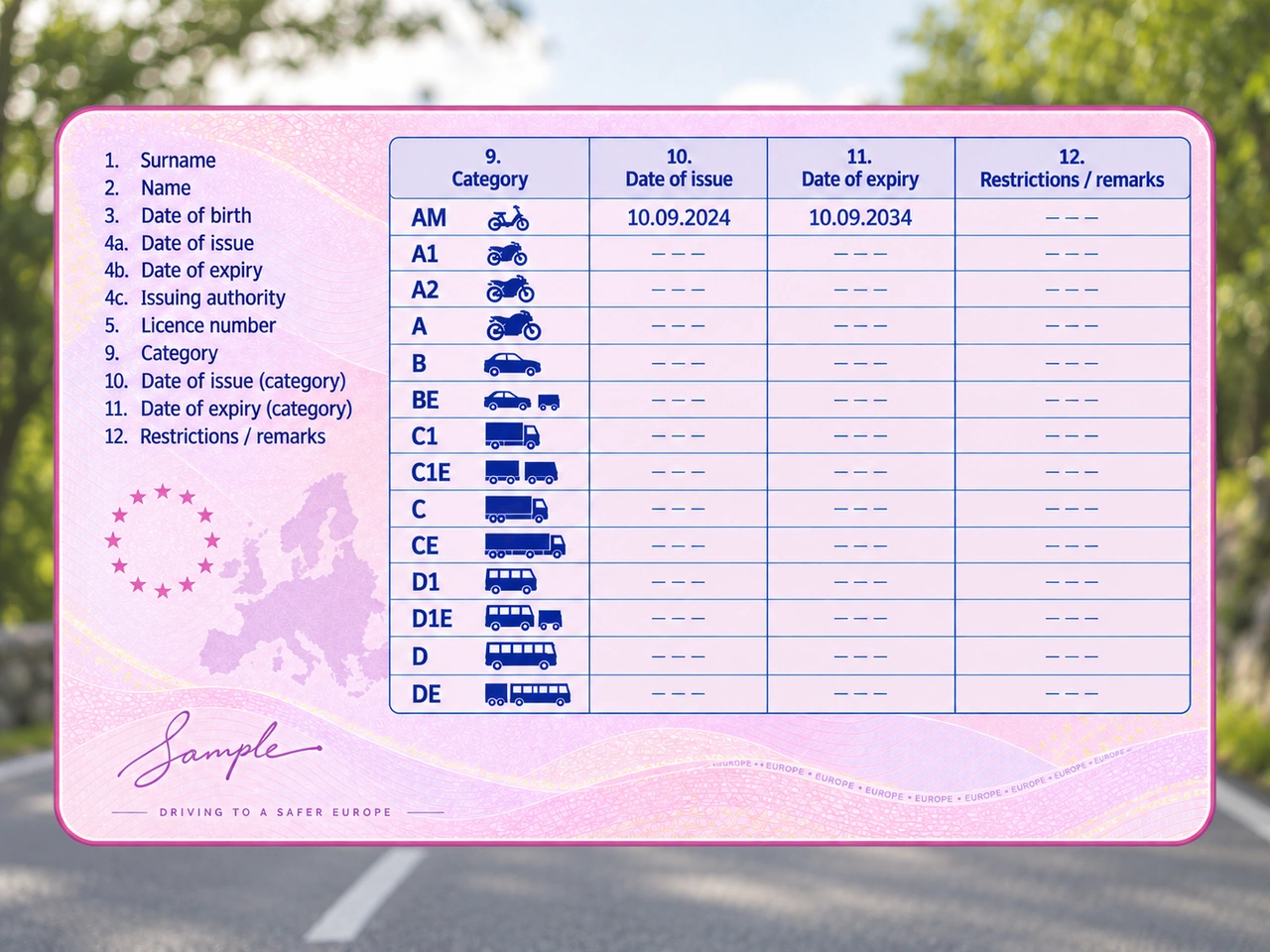
330. Which vehicles are covered by driving licence AM?
Category AM covers certain two- and three-wheeled mopeds with a maximum design speed above 25 km/h and not exceeding 45 km/h, as well as light quadricycles.
AI-generated by Traffic-rules.com • WCIT • CC BY-SA
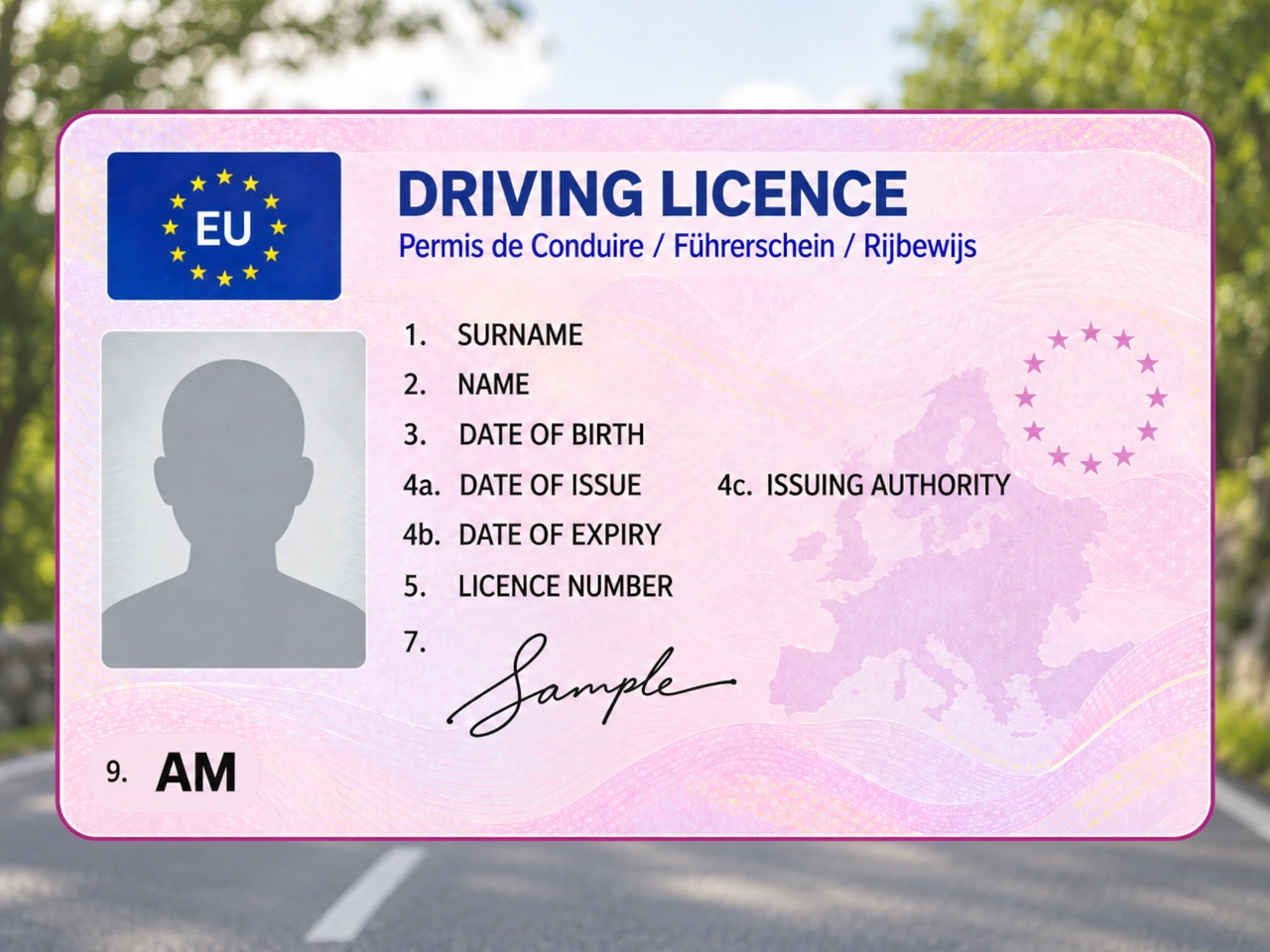
331. Which vehicle type is mainly associated with driving licence AM?
Driving licence AM is mainly associated with mopeds. Category AM covers mopeds with a design speed above 25 km/h and up to 45 km/h.
AI-generated by Traffic-rules.com • WCIT • CC BY-SA
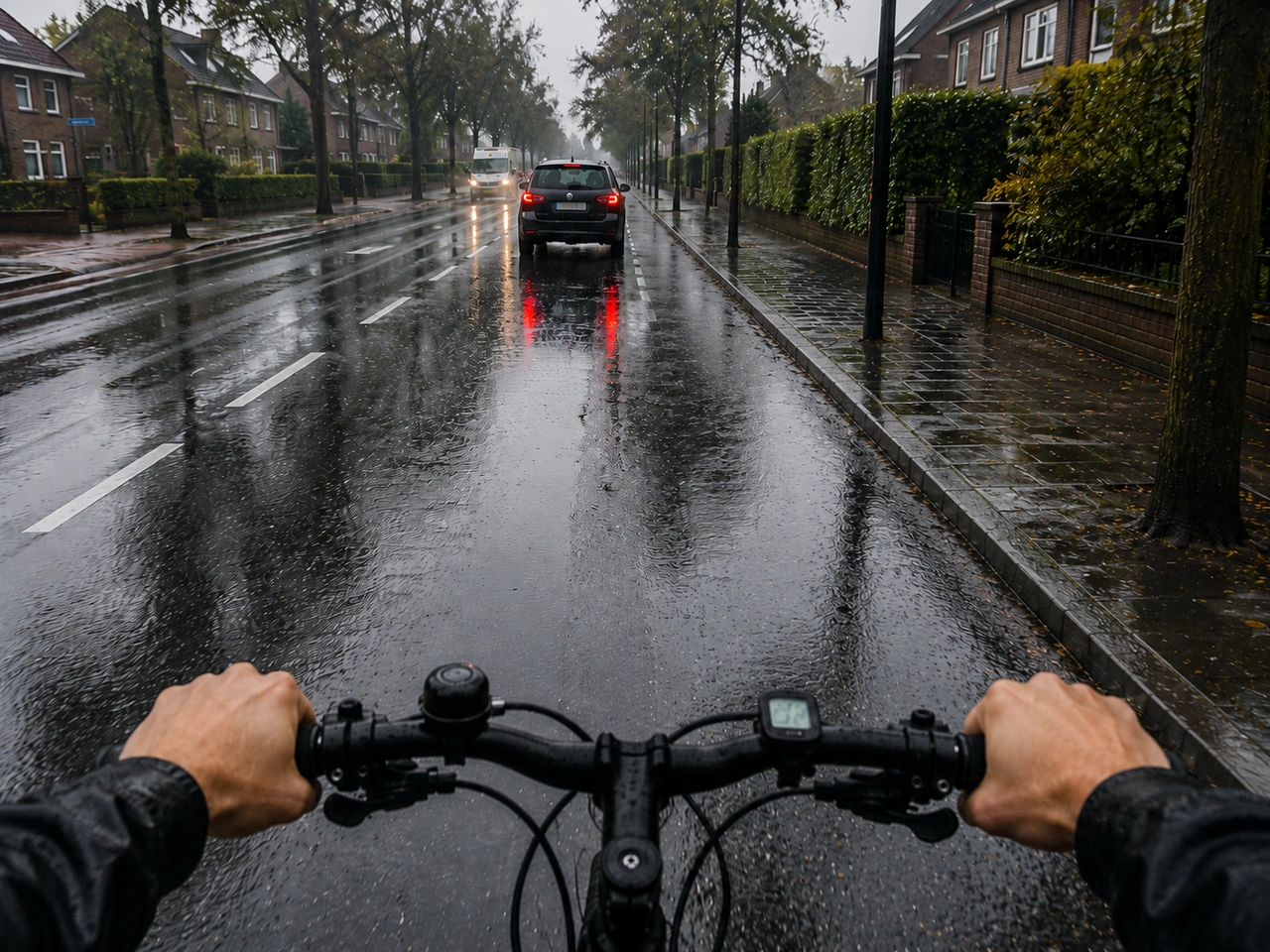
332. How should cyclists brake on a wet road?
Wet surfaces reduce grip and increase stopping distance. Smooth, early braking helps prevent skidding.
AI-generated by Traffic-rules.com • WCIT • CC BY-SA
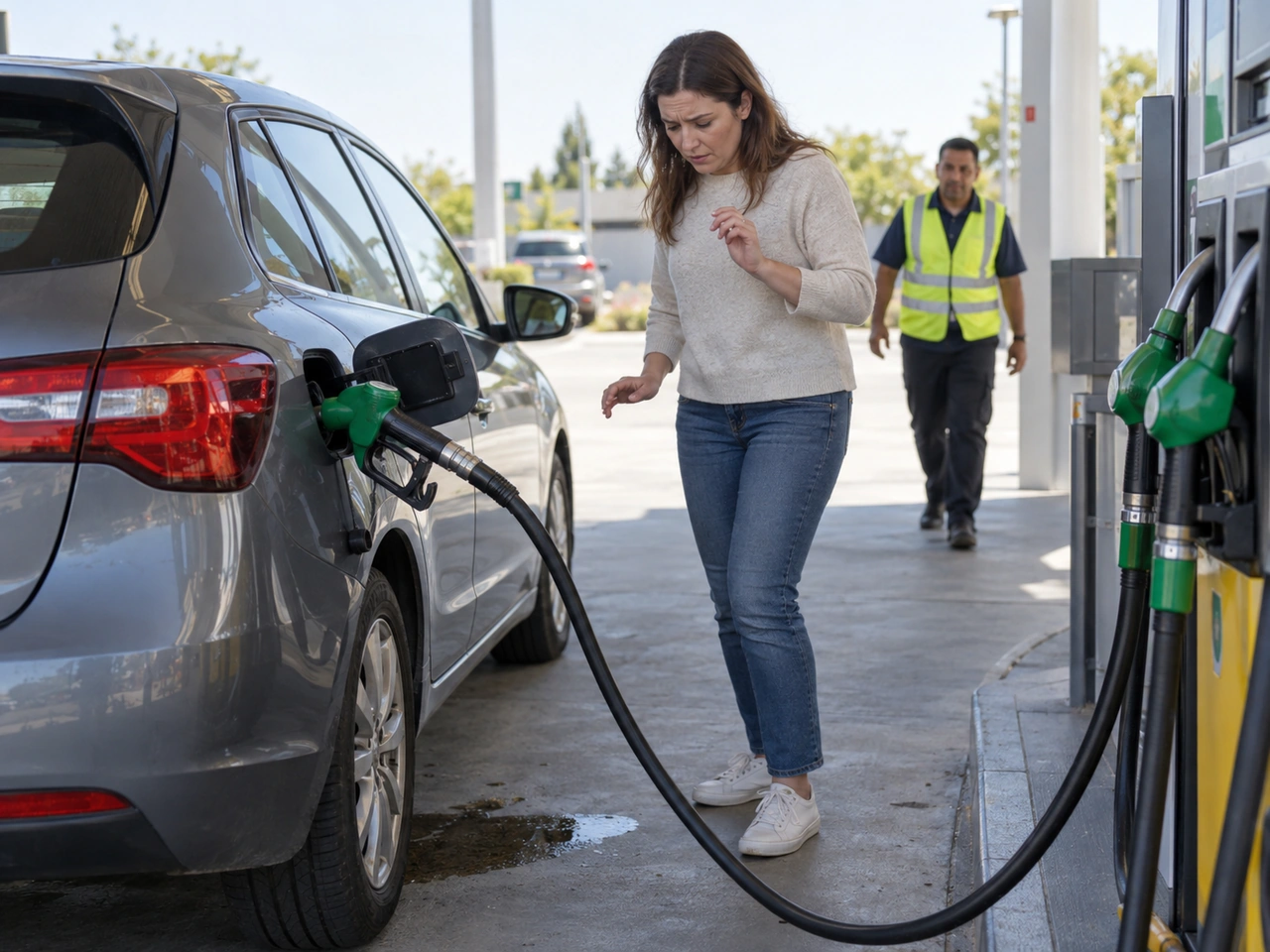
333. What should you do if fuel spills while you are refuelling?
If fuel is spilled, stop refuelling immediately and keep flames, sparks, and other ignition sources away. Do not start the vehicle until the situation is safe. Alert filling-station staff and follow their instructions for dealing with the spill.
AI-generated by Traffic-rules.com • WCIT • CC BY-SA
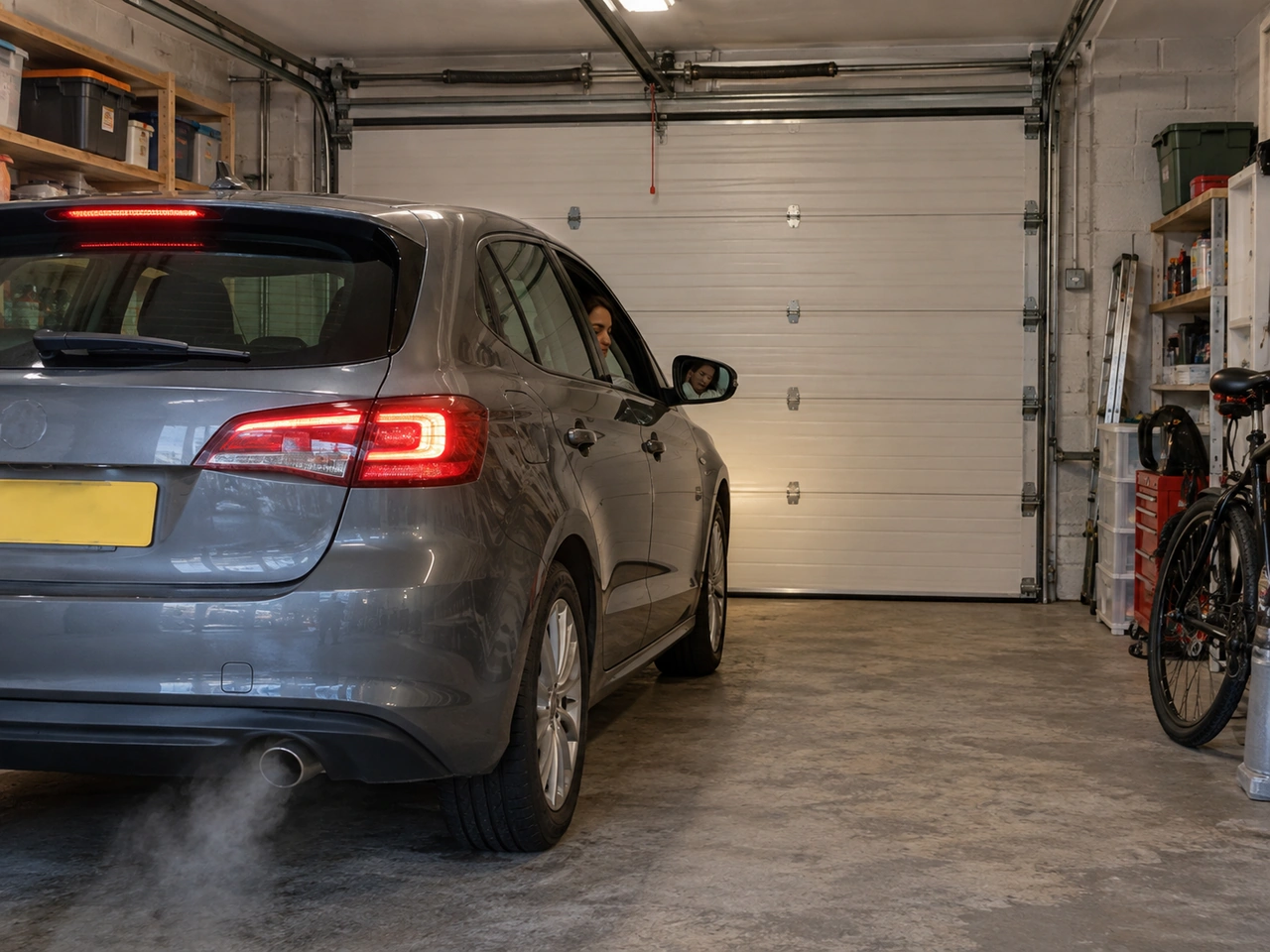
334. Why should you never leave a petrol or diesel engine running in an enclosed space?
Exhaust gases from petrol and diesel engines can contain carbon monoxide, a poisonous gas that can build up quickly in an enclosed or poorly ventilated space. Never leave the engine running inside a closed garage or similar area.
AI-generated by Traffic-rules.com • WCIT • CC BY-SA
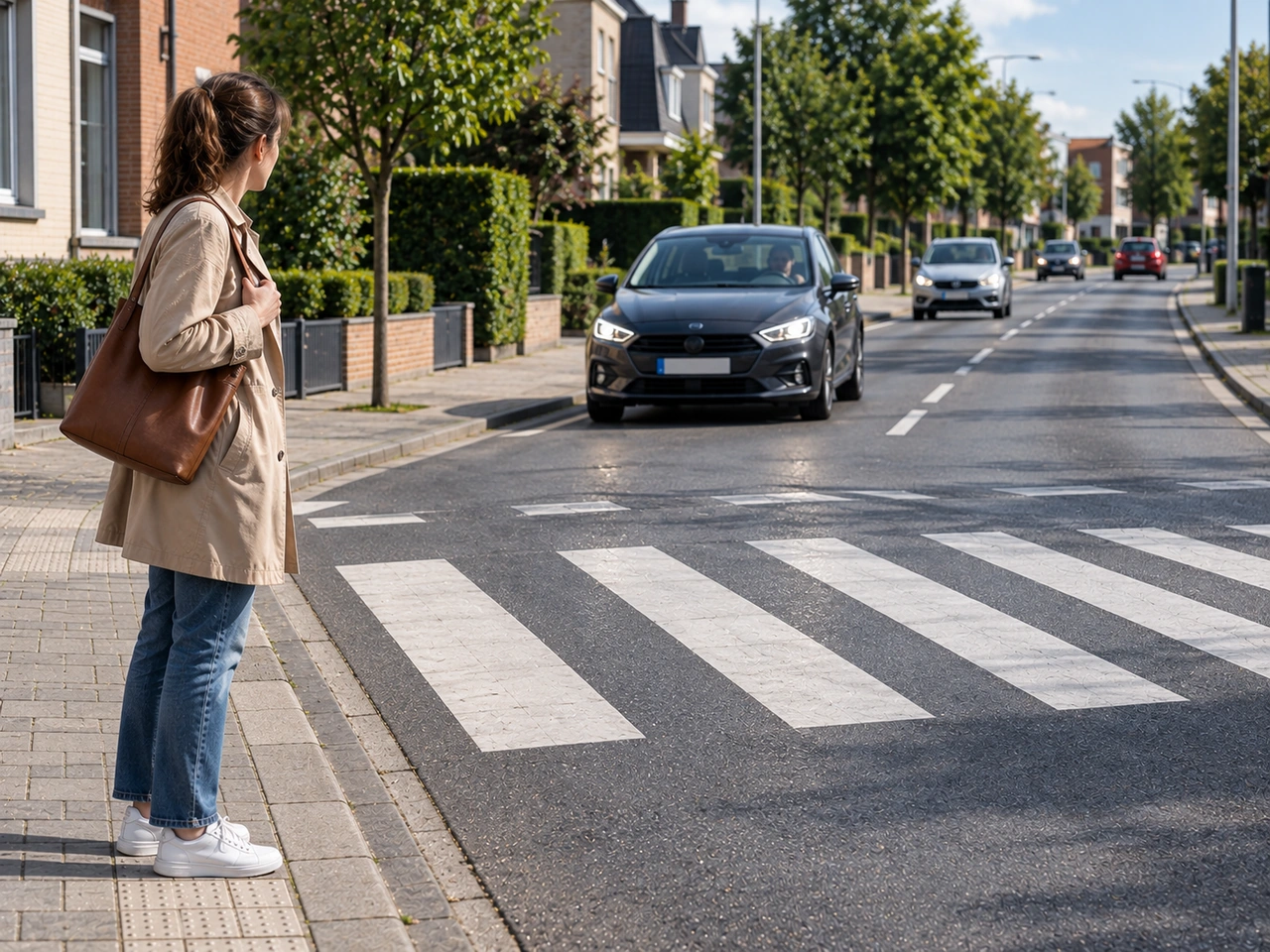
335. What should you do before using a pedestrian crossing?
Even at a pedestrian crossing, make sure approaching drivers have seen you and are able to stop before you cross.
AI-generated by Traffic-rules.com • WCIT • CC BY-SA
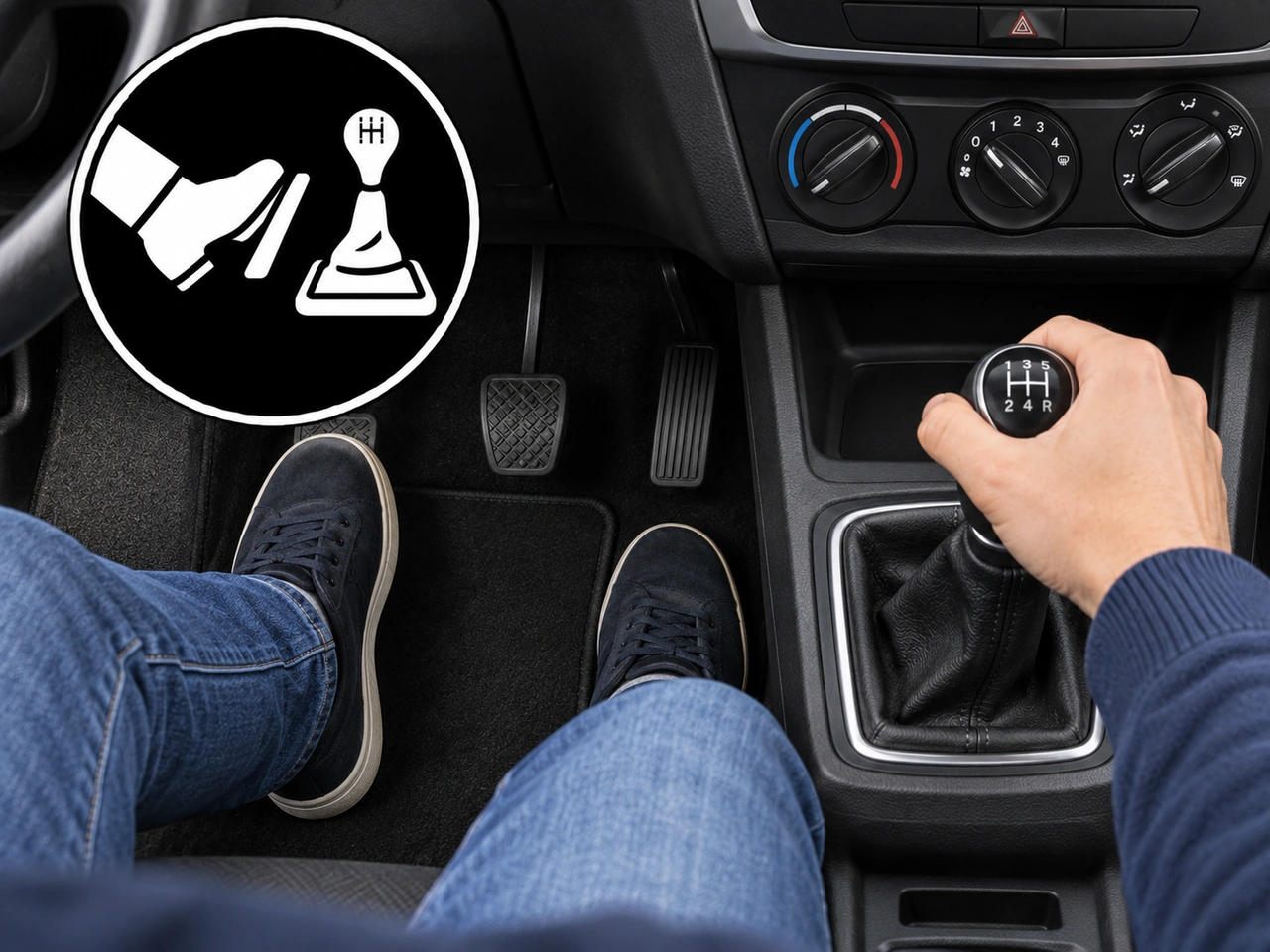
336. What should you normally do before changing gear in a manual vehicle?
Pressing the clutch pedal disconnects the engine from the transmission so that another gear can be selected. After changing gear, the clutch should be released smoothly.
AI-generated by Traffic-rules.com • WCIT • CC BY-SA
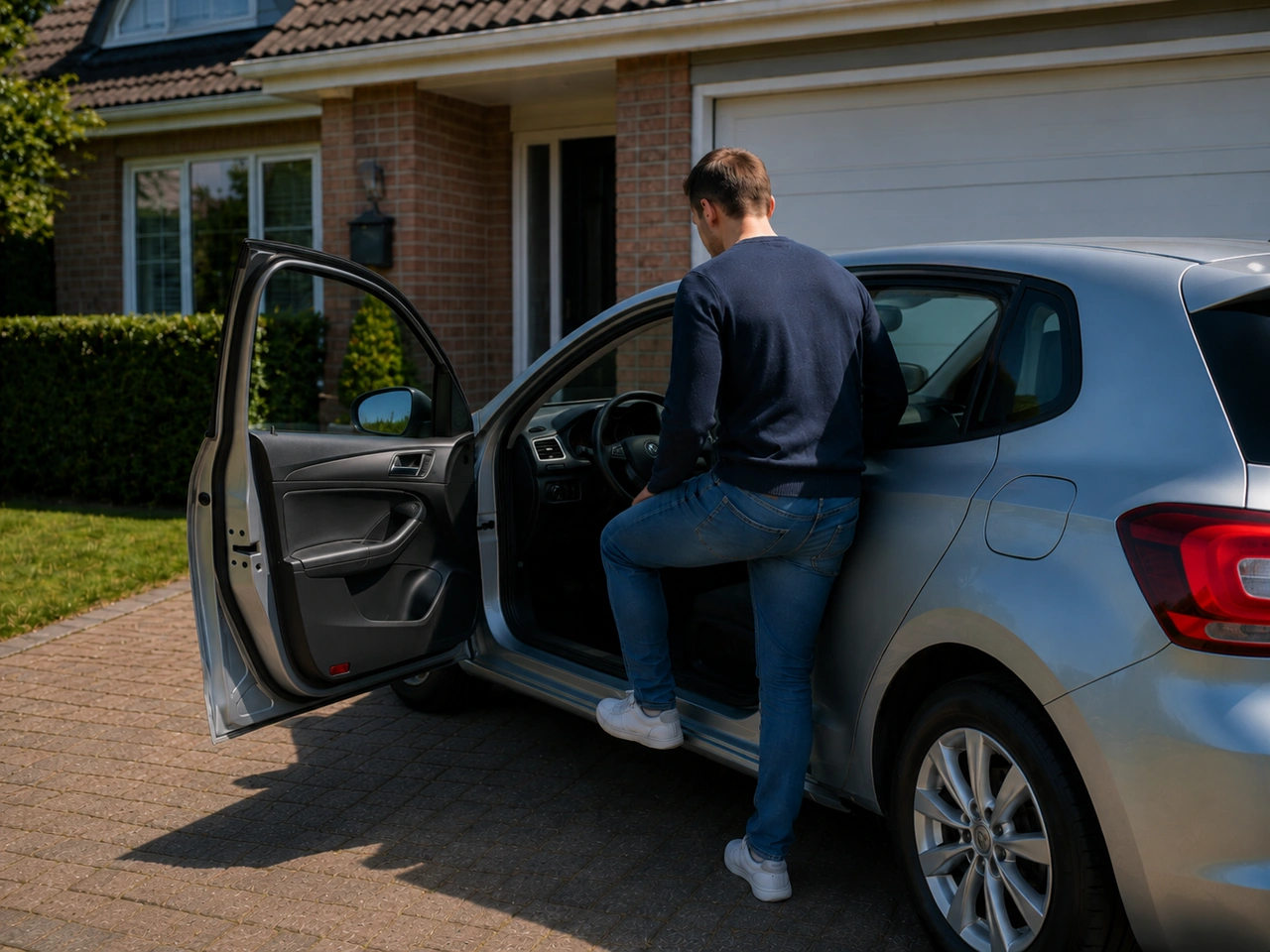
337. When should you fasten your seat belt?
Fasten your seat belt before the vehicle starts moving and keep it fastened throughout the journey. Make sure your passengers are also safely seated and properly restrained.
AI-generated by Traffic-rules.com • WCIT • CC BY-SA
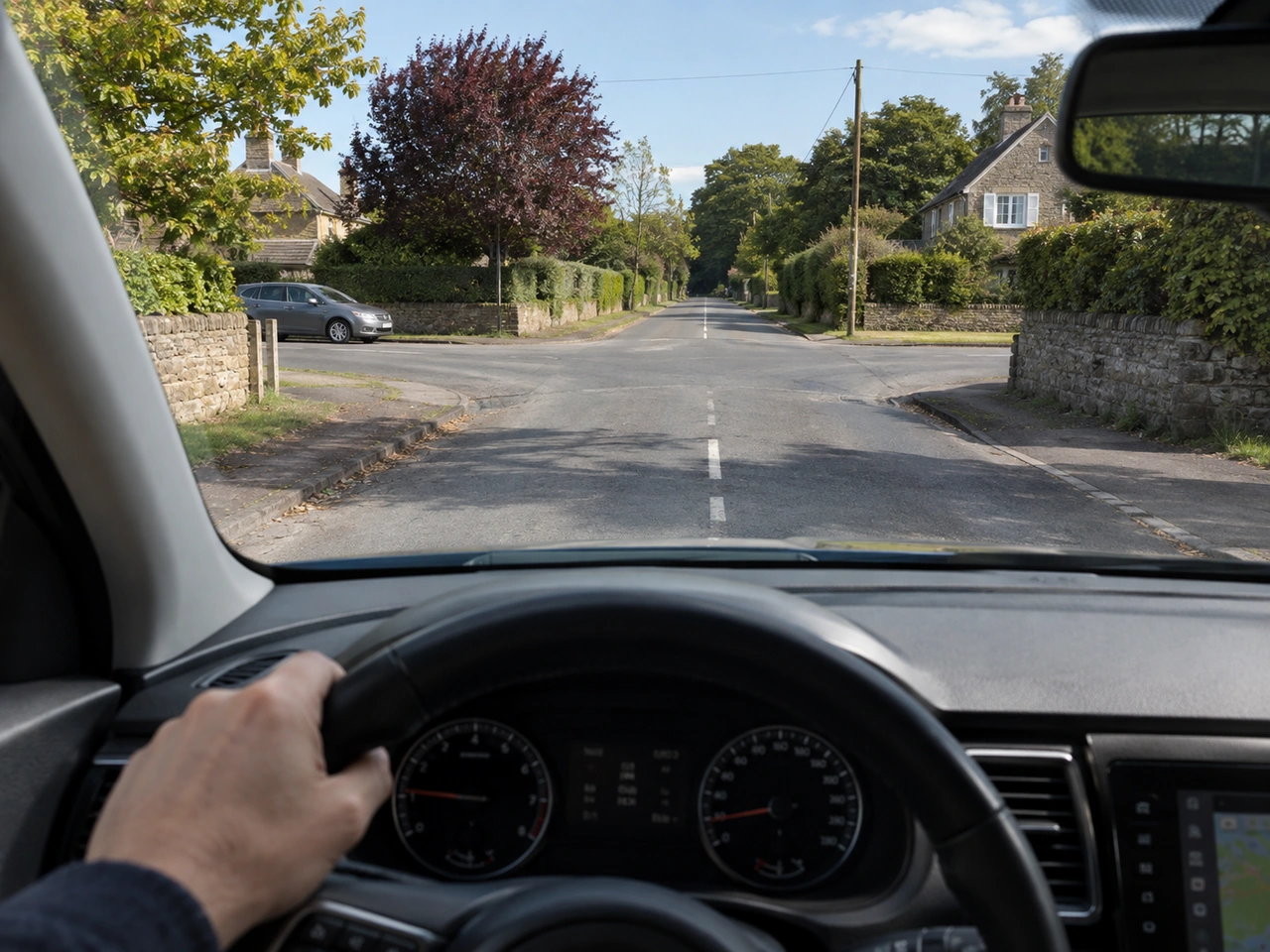
338. What should you do when approaching an uncontrolled junction?
At an uncontrolled junction, priority may not be obvious. Reduce speed, check carefully, and only enter when you are sure it is safe.
AI-generated by Traffic-rules.com • WCIT • CC BY-SA
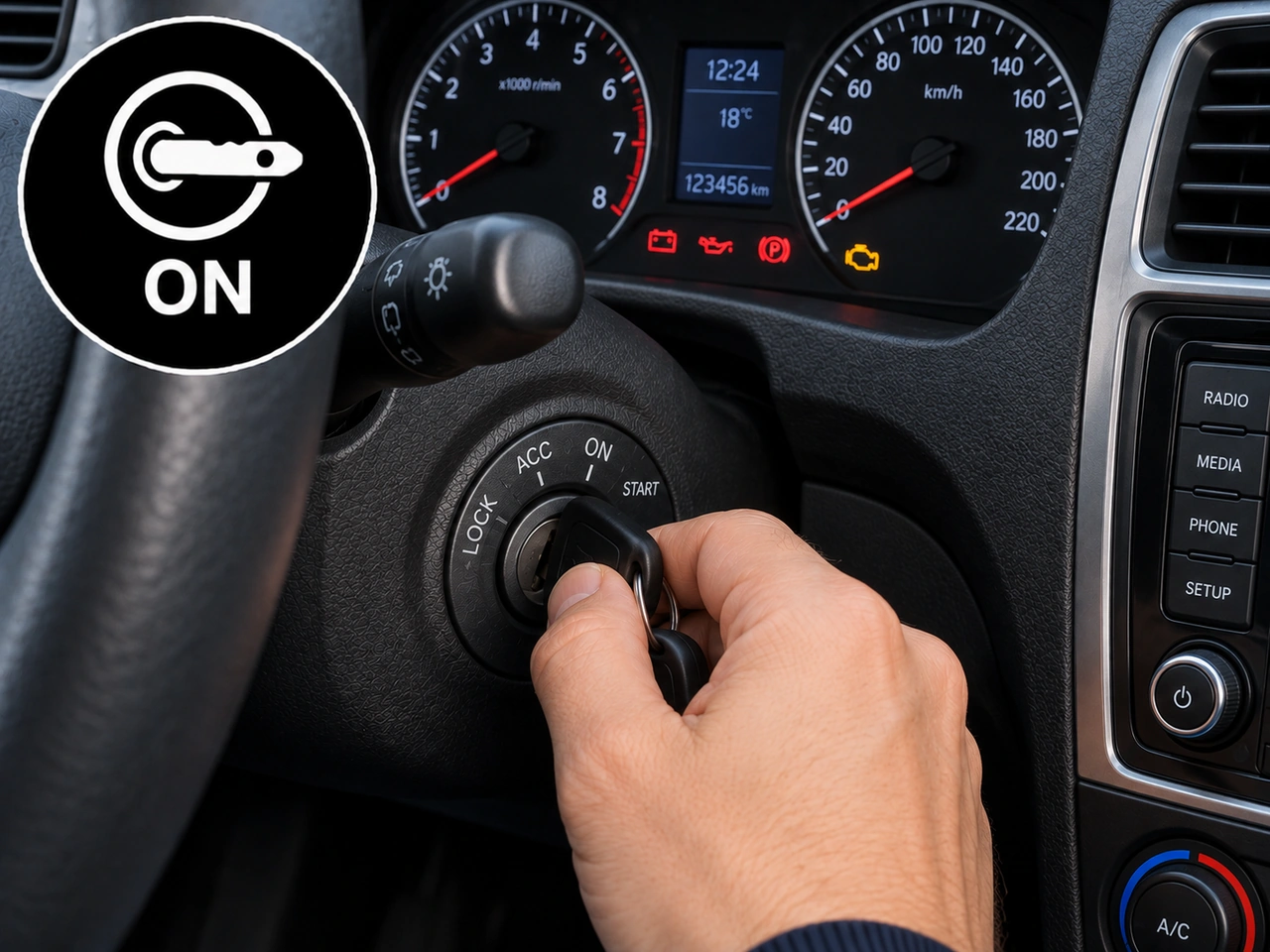
339. What does the ON position of a traditional ignition switch normally do?
The ON position normally switches on the vehicle's electrical and ignition systems without operating the starter motor. The engine is started by turning the key further to the START position.
AI-generated by Traffic-rules.com • WCIT • CC BY-SA
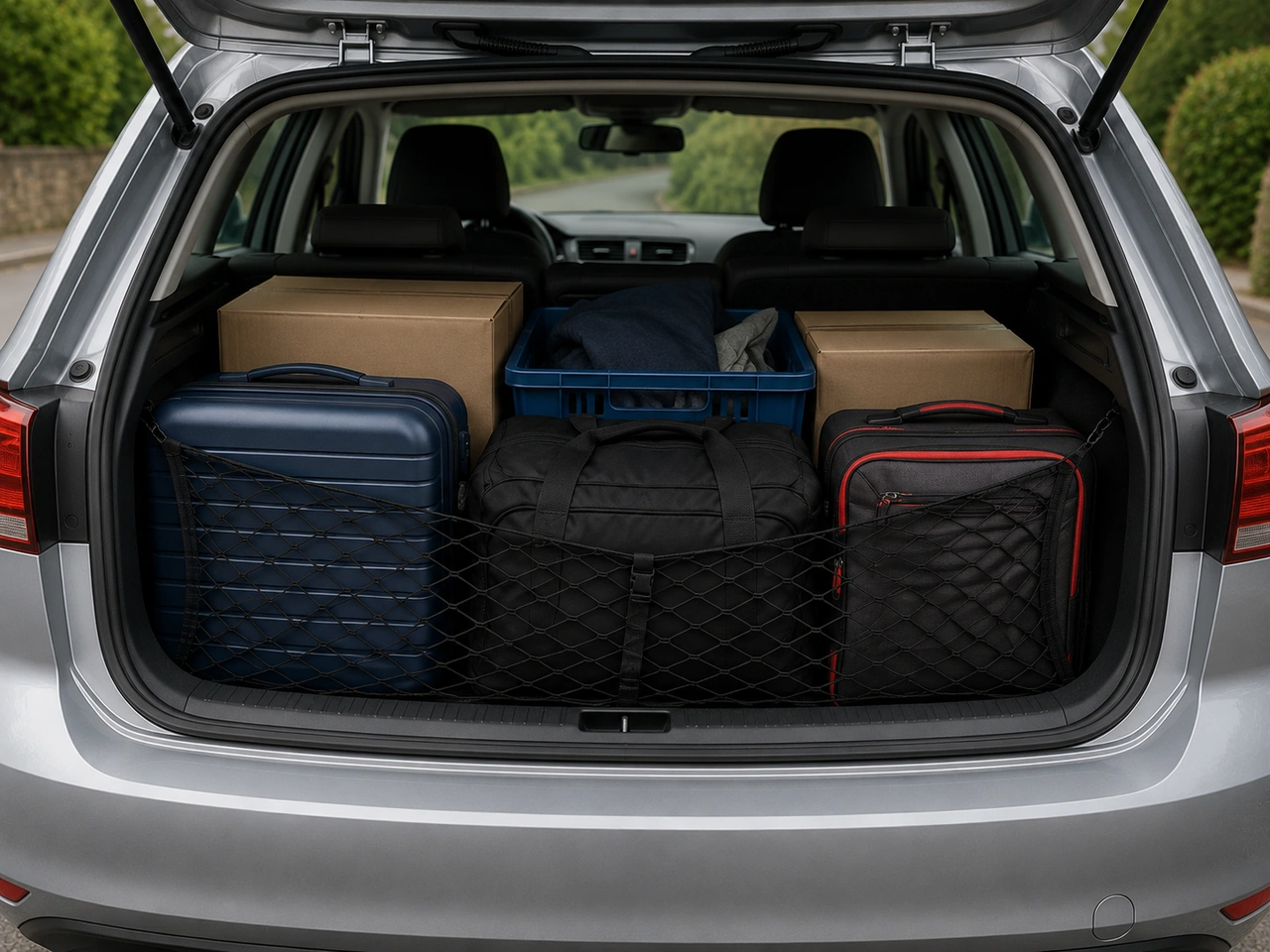
340. How should luggage or other cargo be carried in or on a vehicle?
Unsecured or overloaded cargo can affect steering and braking, injure occupants during sudden stops, or fall into the road. It must not obstruct the driver's view or vehicle lights.
AI-generated by Traffic-rules.com • WCIT • CC BY-SA
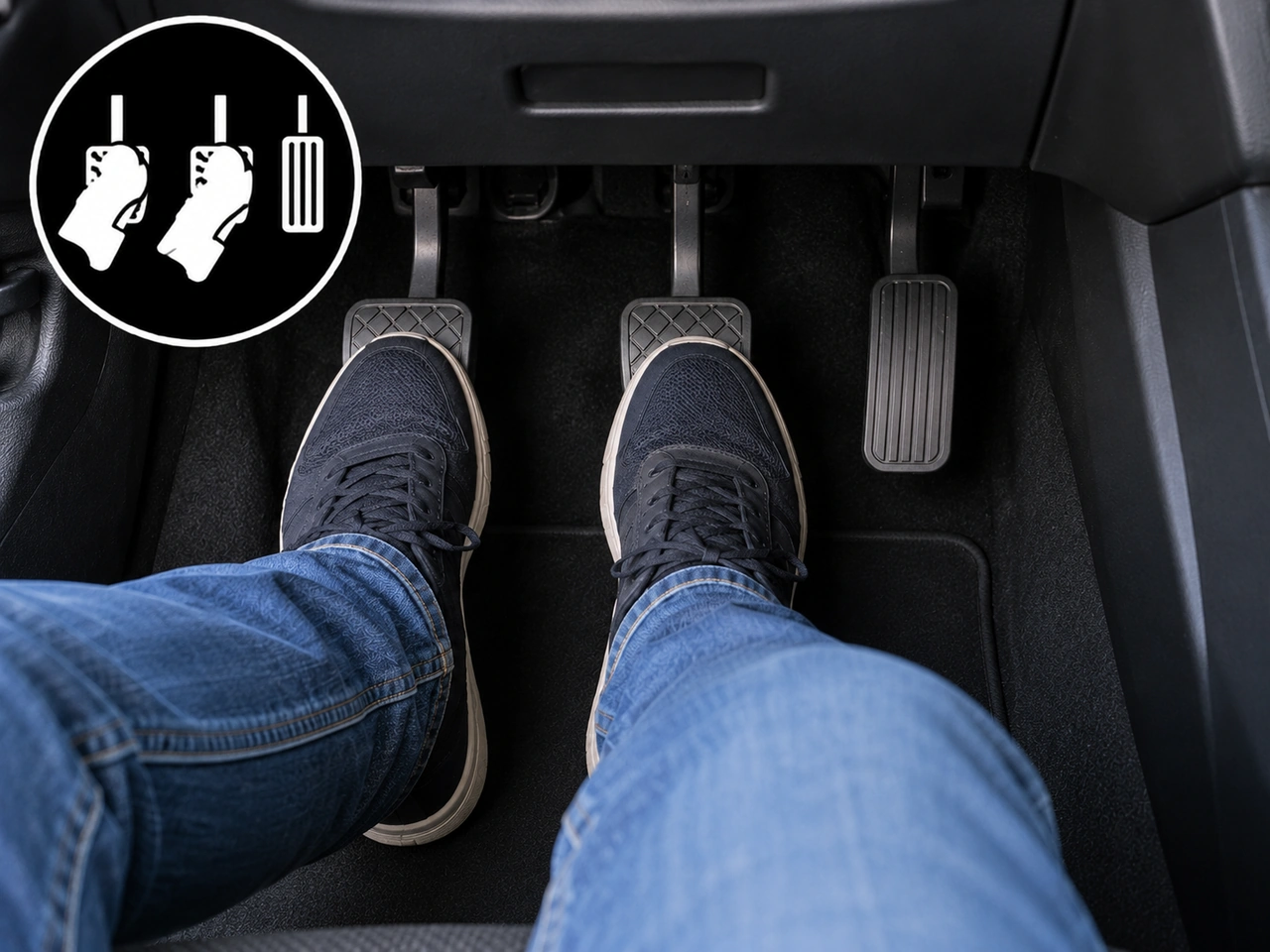
341. What should you do with the clutch when bringing a manual vehicle to a stop?
When stopping a manual vehicle, brake normally and press the clutch pedal before the engine speed becomes too low and the engine stalls. Avoid pressing the clutch unnecessarily early, as this reduces engine braking.
AI-generated by Traffic-rules.com • WCIT • CC BY-SA
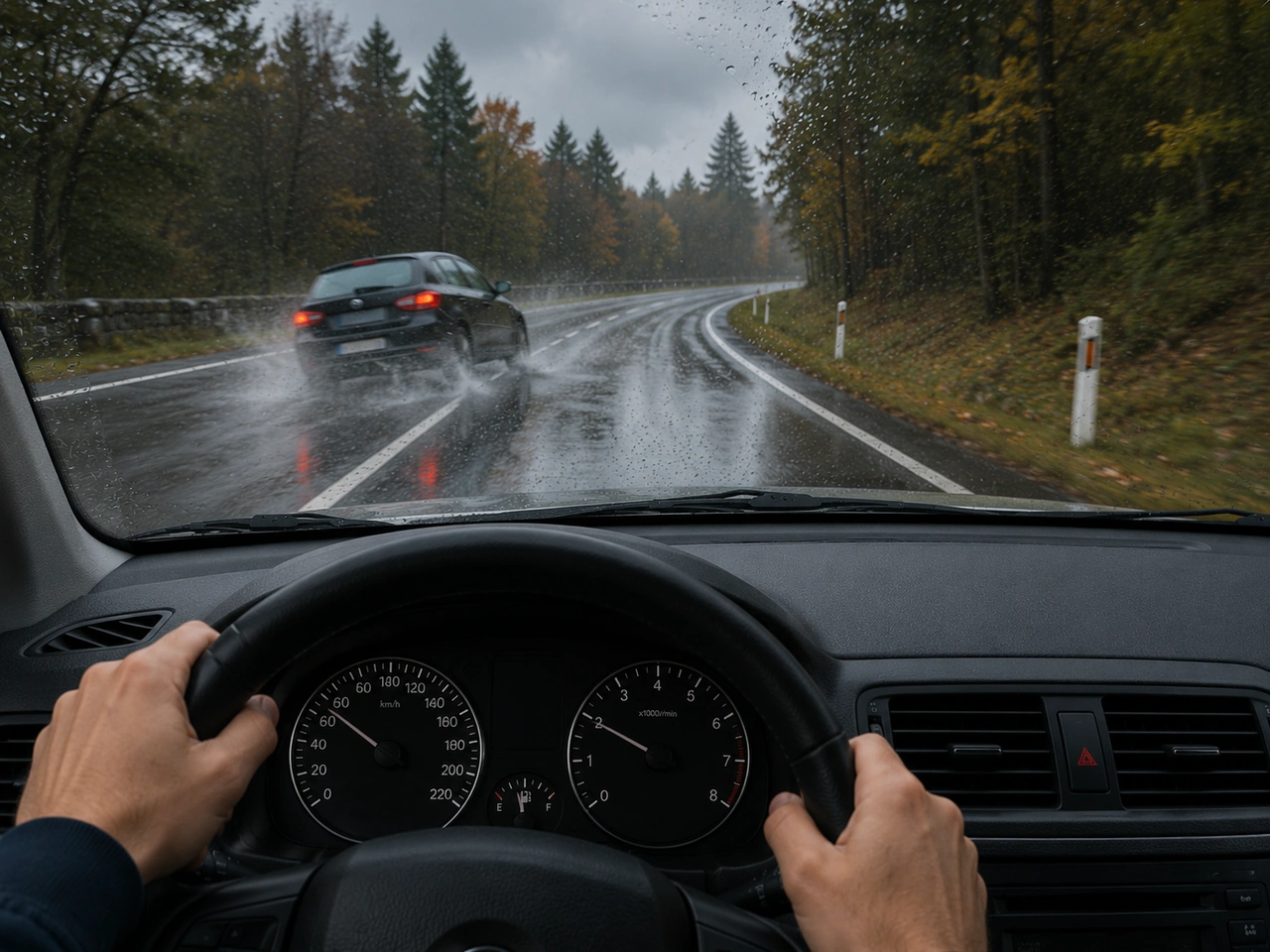
342. What should you avoid if your vehicle starts to skid?
Sudden braking, acceleration, or steering can make a skid worse. Stay calm and use smooth controls while the tyres regain grip.
AI-generated by Traffic-rules.com • WCIT • CC BY-SA
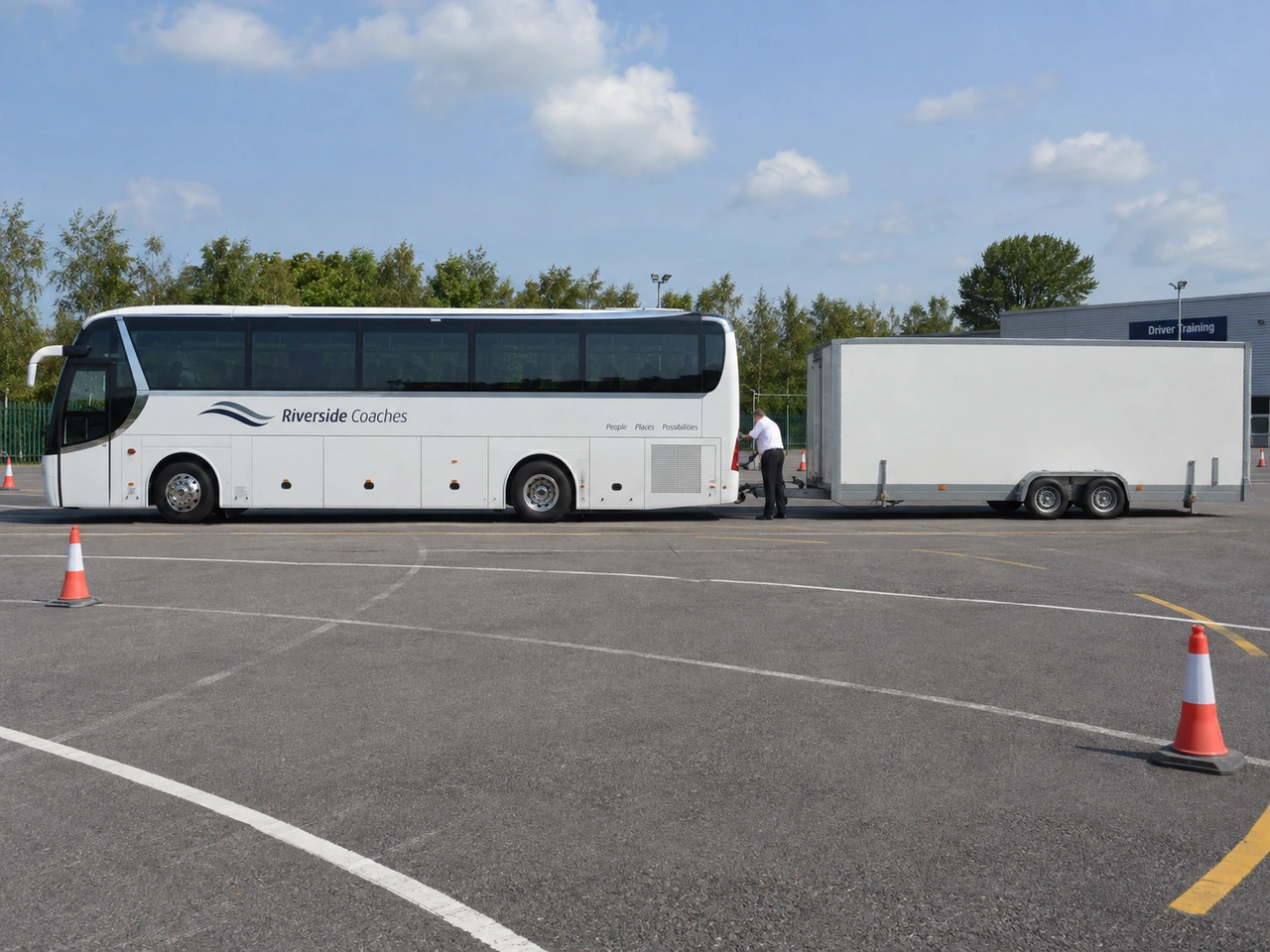
343. What is the minimum licence for a D bus towing a trailer over 750 kg?
Category D permits a trailer with a maximum authorised mass of up to 750 kg. A category D vehicle towing a trailer above 750 kg requires category DE.
AI-generated by Traffic-rules.com • WCIT • CC BY-SA
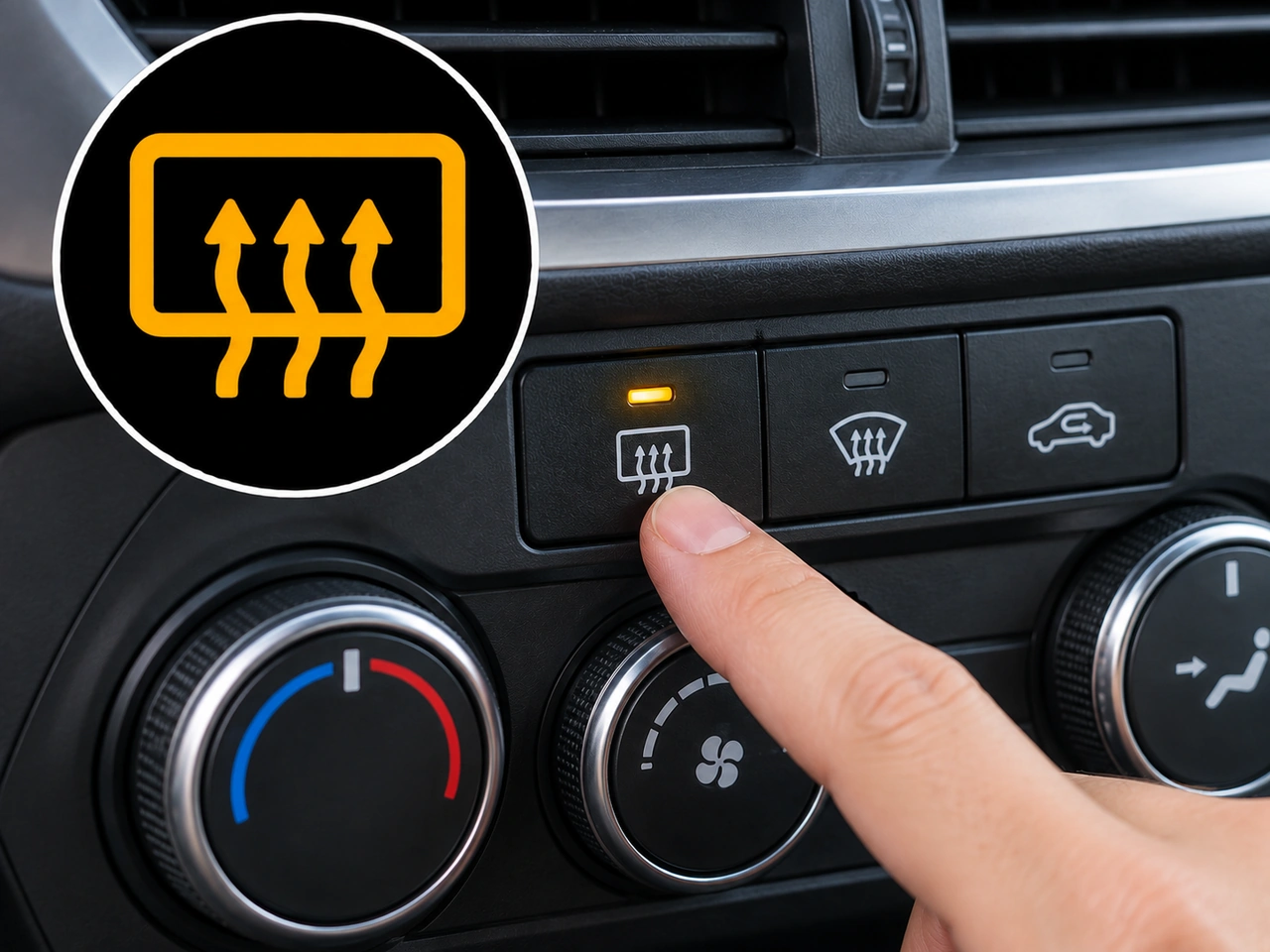
344. What does this dashboard symbol indicate?
This symbol indicates the rear window demister. It heats the rear window to help clear condensation, mist or frost and improve visibility.
AI-generated by Traffic-rules.com • WCIT • CC BY-SA
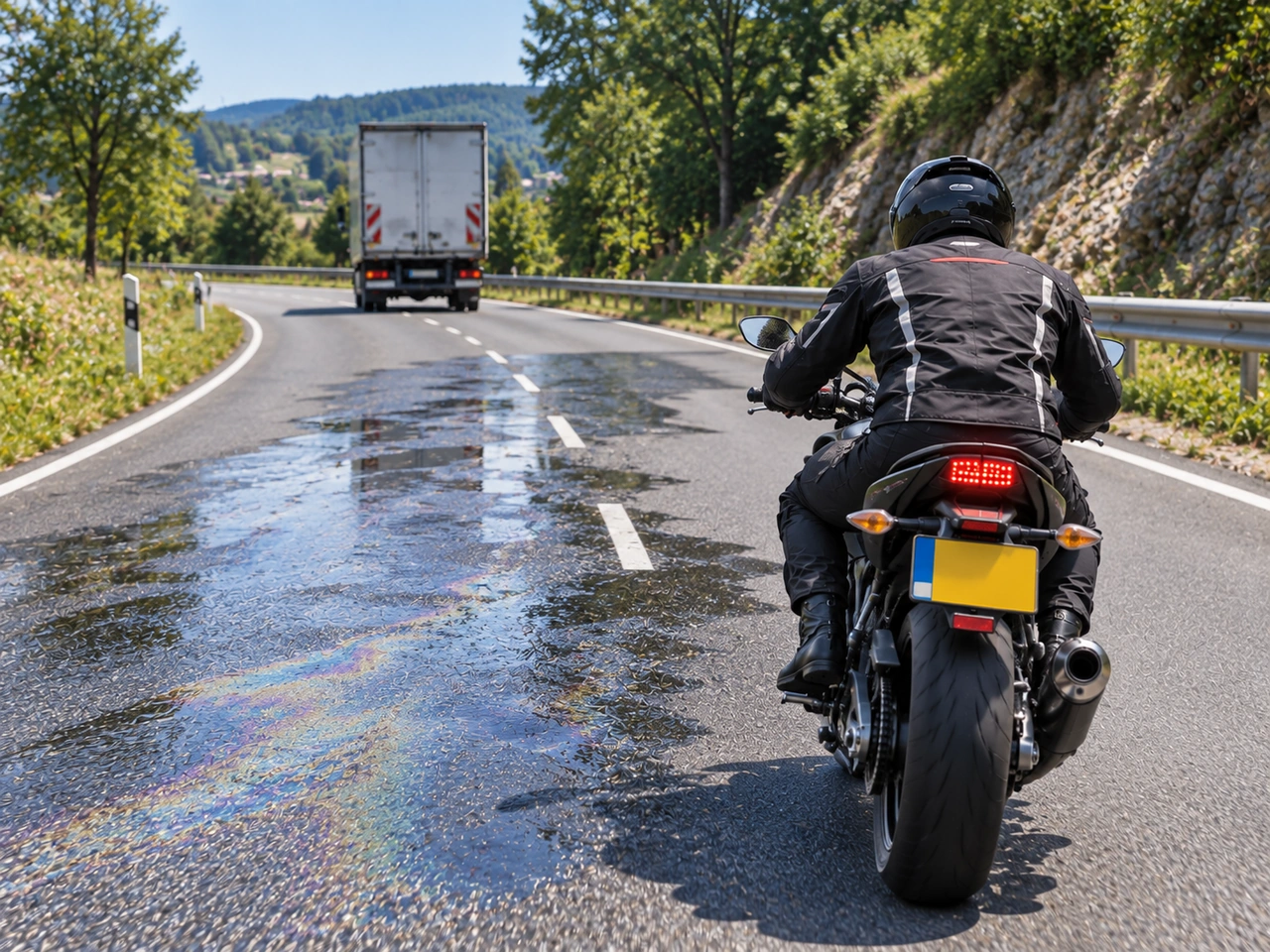
345. Why should you take extra care if oil or diesel is spilled on the road?
Oil, diesel and other fluids can create a very slippery road surface, particularly for motorcycles and bicycles. Reduce speed, avoid sudden braking or steering and keep the vehicle as stable as possible when crossing a contaminated area.
AI-generated by Traffic-rules.com • WCIT • CC BY-SA
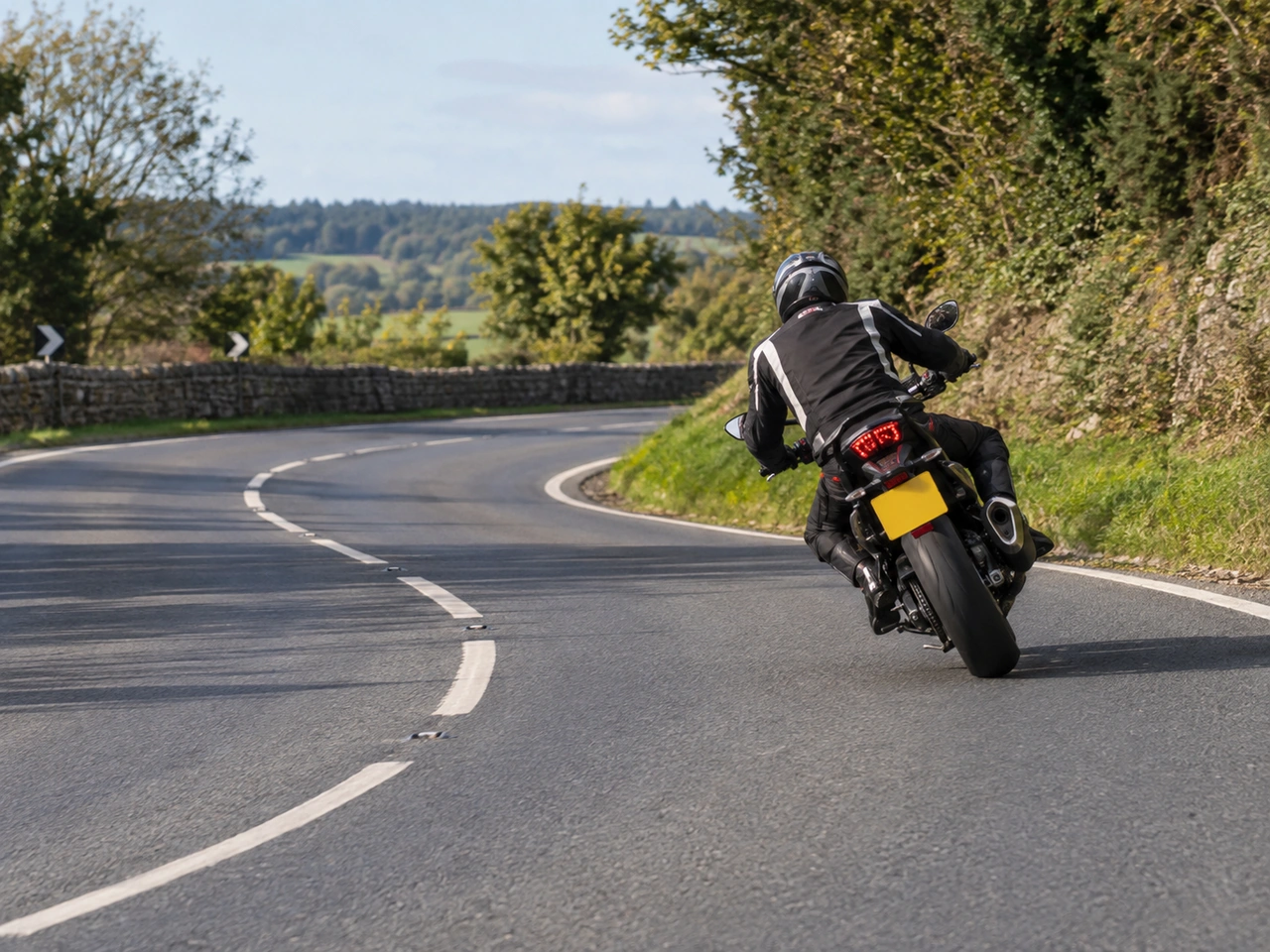
346. Why should hard braking be avoided while a motorcycle is leaning in a bend?
When a motorcycle is leaning, the tyres are already using grip to turn. Hard braking can demand additional grip and may reduce stability. Whenever possible, adjust speed before the bend and use smooth, controlled inputs while cornering.
AI-generated by Traffic-rules.com • WCIT • CC BY-SA
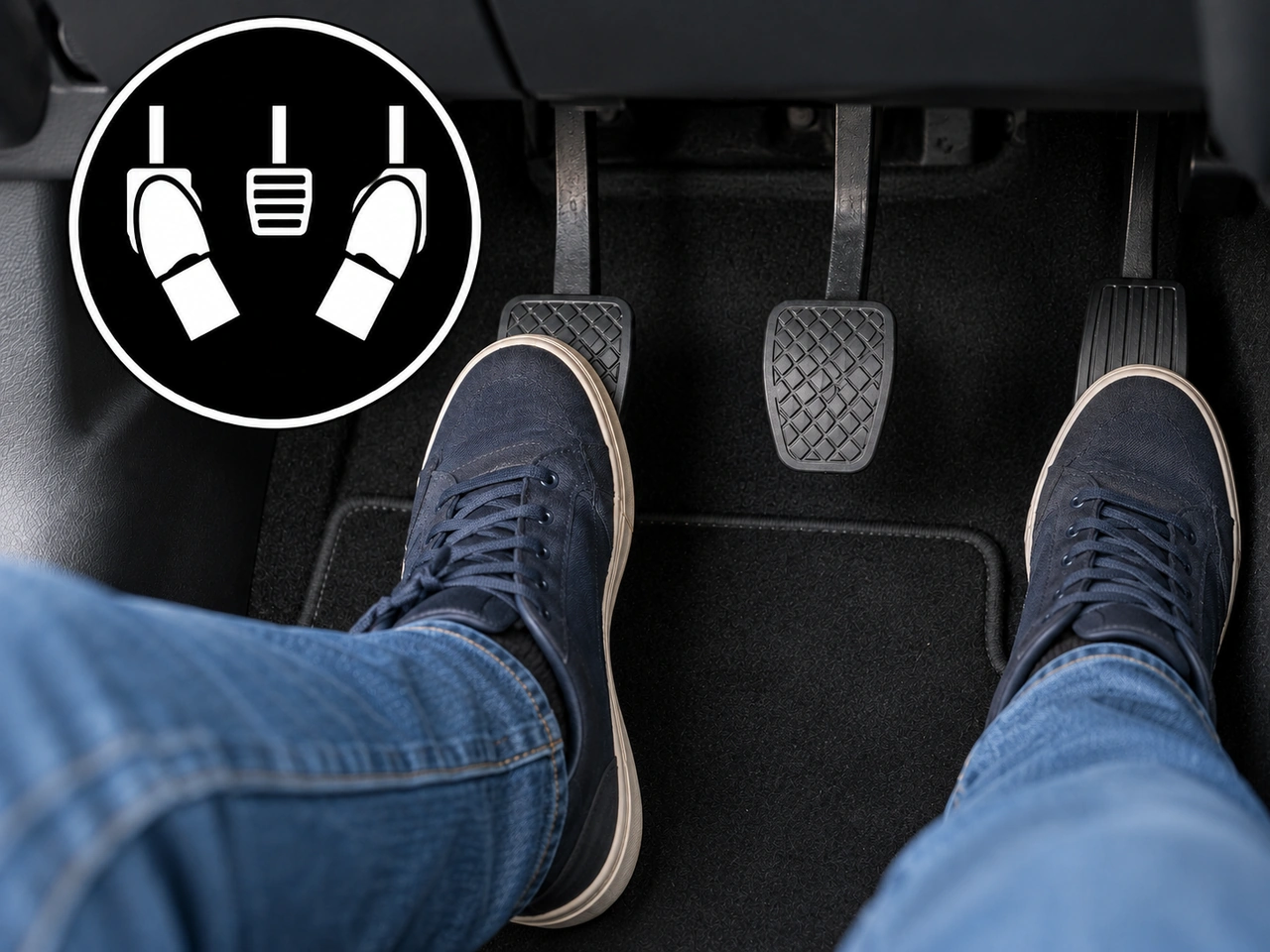
347. How should you use the clutch and accelerator when moving off?
When moving off, release the clutch pedal smoothly through the biting point while applying the accelerator progressively. This helps the vehicle move away smoothly without stalling or excessive engine speed.
AI-generated by Traffic-rules.com • WCIT • CC BY-SA
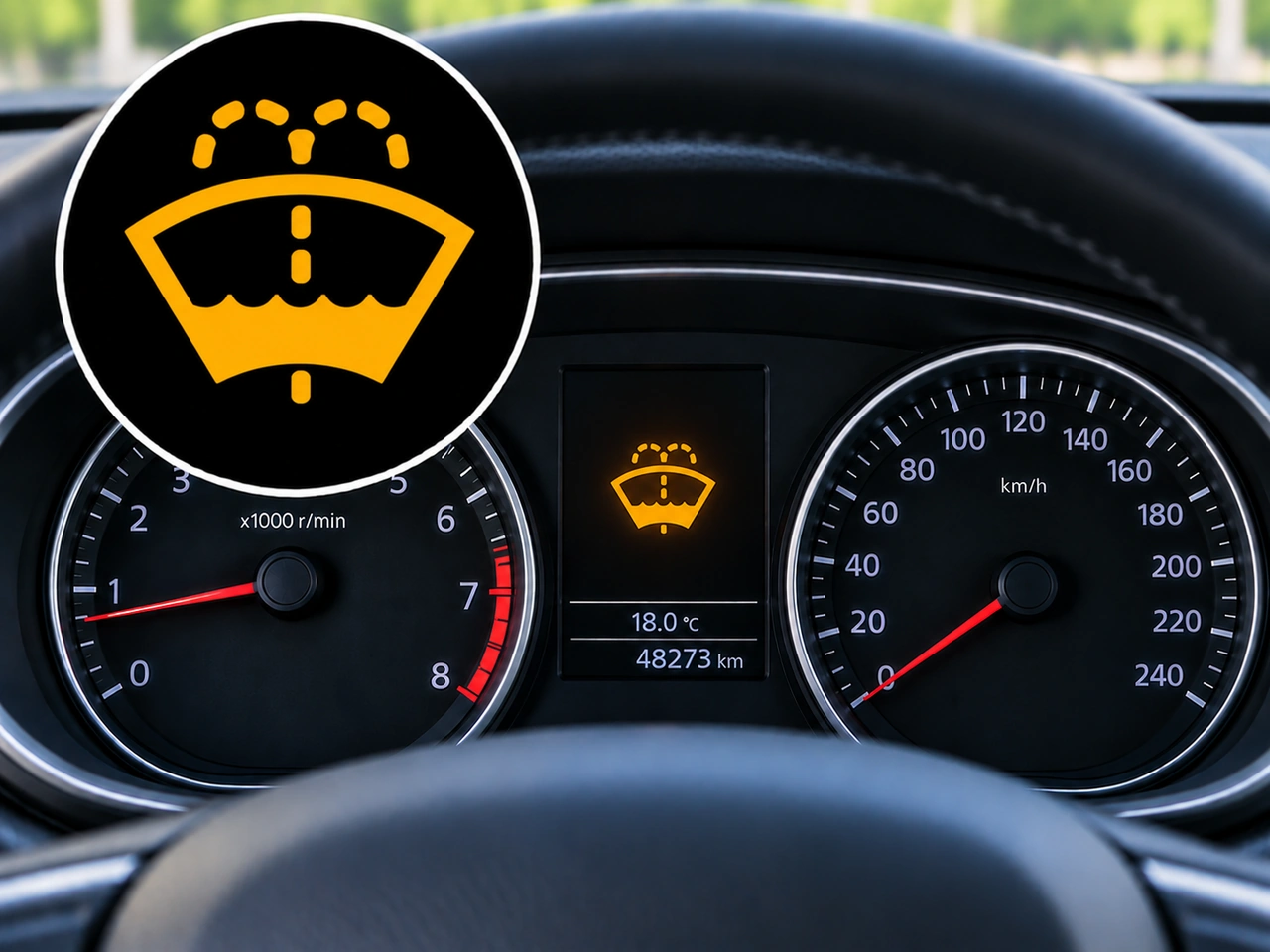
348. What does this dashboard symbol indicate?
This symbol indicates that the windscreen washer fluid level is low. Refill the washer-fluid reservoir with suitable fluid when possible.
AI-generated by Traffic-rules.com • WCIT • CC BY-SA
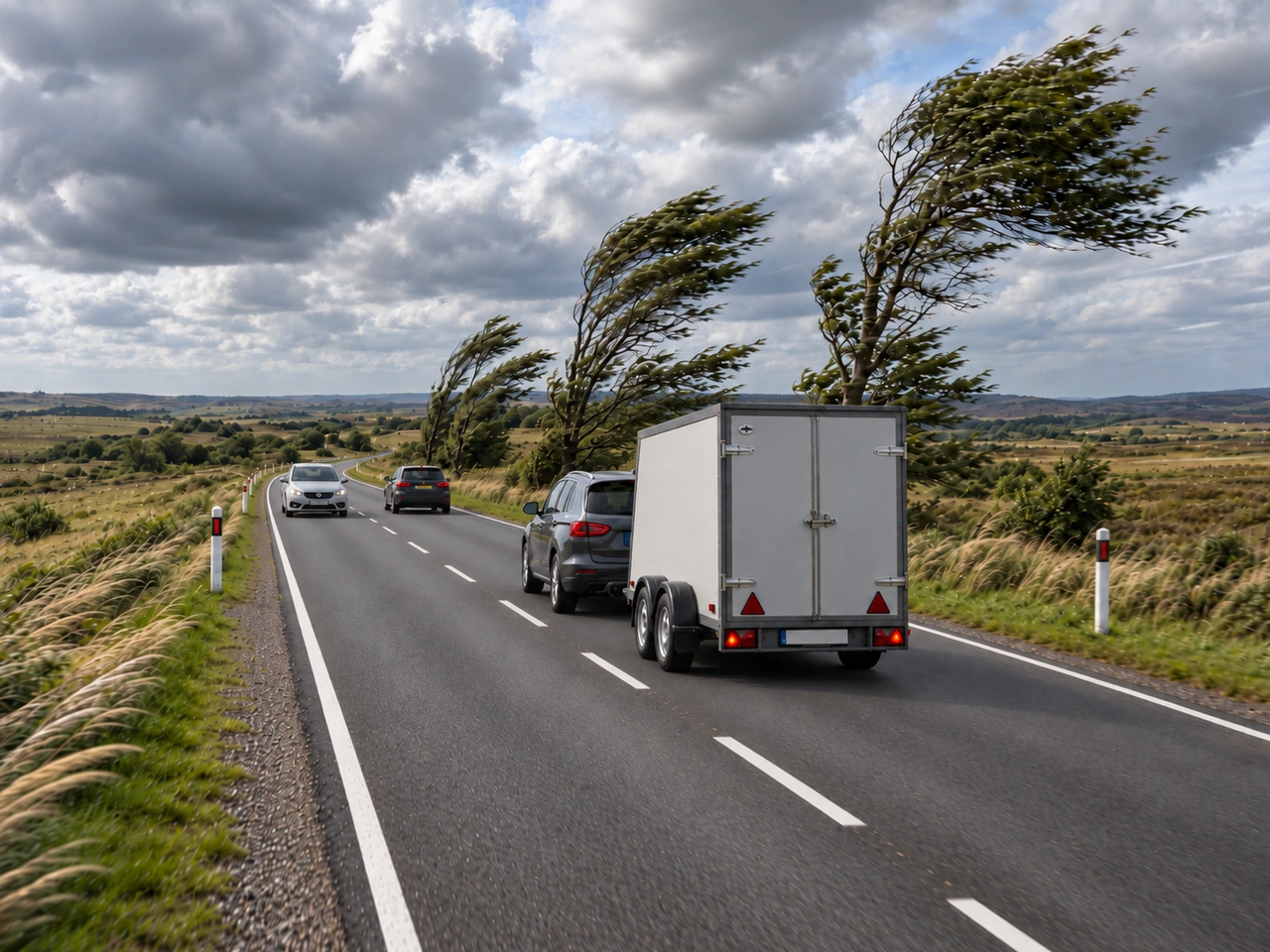
349. How can strong crosswinds affect a vehicle towing a trailer?
Trailers have large side surfaces and may be affected strongly by wind, especially on bridges and exposed roads.
AI-generated by Traffic-rules.com • WCIT • CC BY-SA
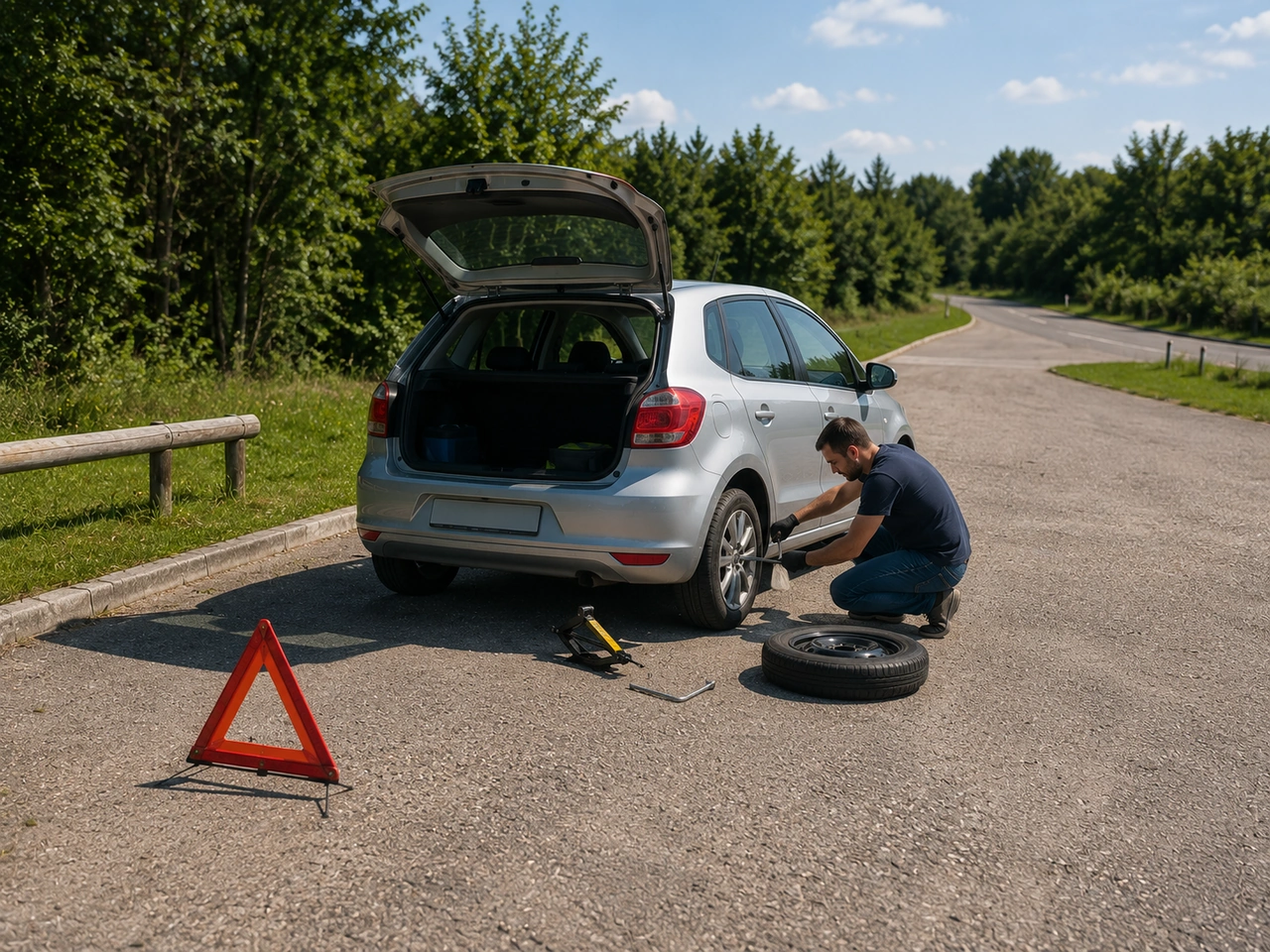
350. Where should you change a wheel after a puncture?
The vehicle must be stable and protected from traffic. Apply the parking brake and follow the manufacturer's wheel-changing instructions.
AI-generated by Traffic-rules.com • WCIT • CC BY-SA