


QuizTraffic rulesIndonesia
Test your knowledge with our multiple-choice quiz. Learn from each answer and improve your understanding of the traffic rules and road signs of Indonesia.
 Traffic signs
 Traffic rules
 Indonesia
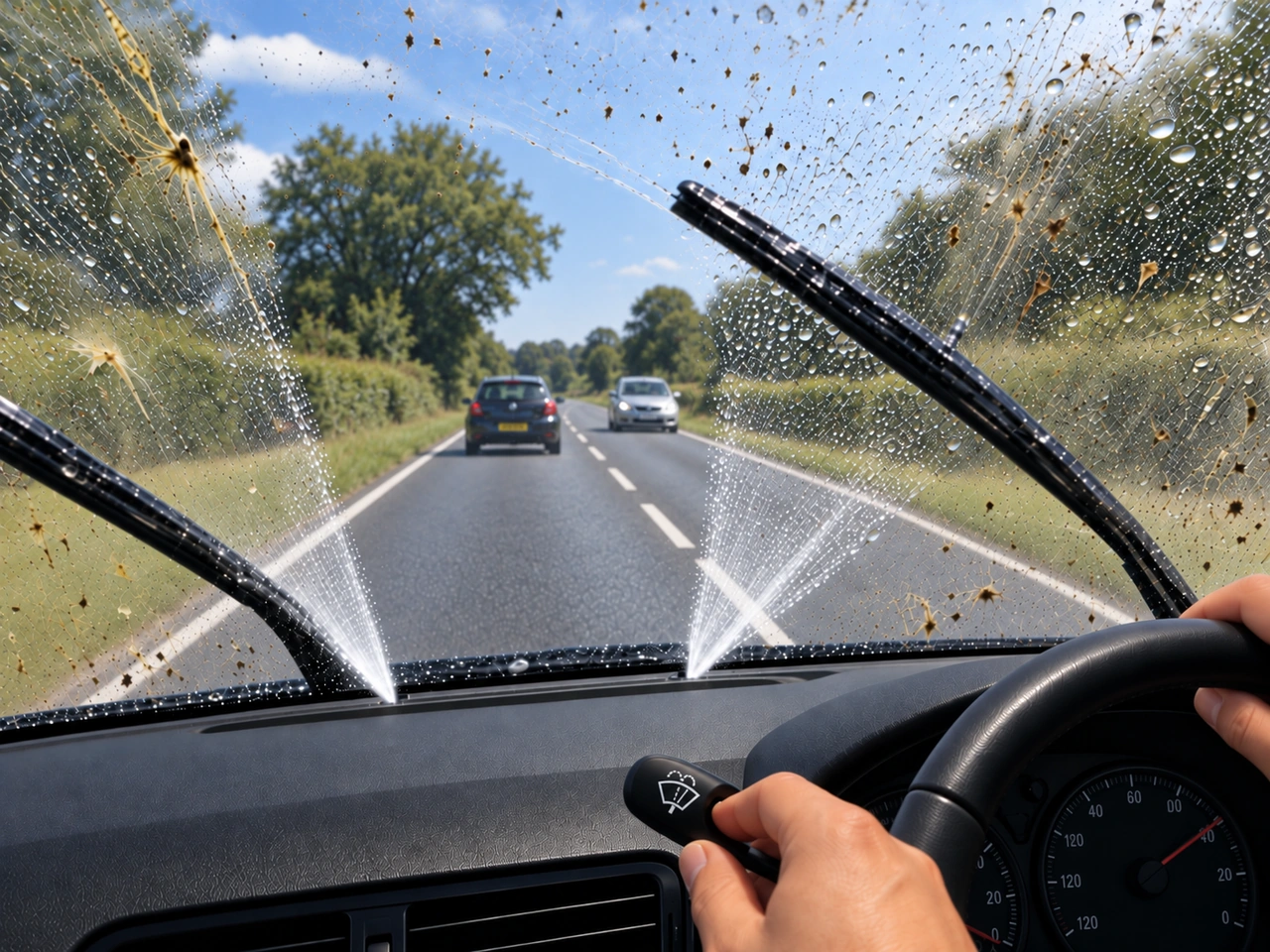
51. Why should the windscreen washer reservoir contain suitable washer fluid?
A clear windscreen is essential for safe observation. Suitable washer fluid helps clean the glass and may provide protection against freezing in cold conditions.
AI-generated by Traffic-rules.com • WCIT • CC BY-SA

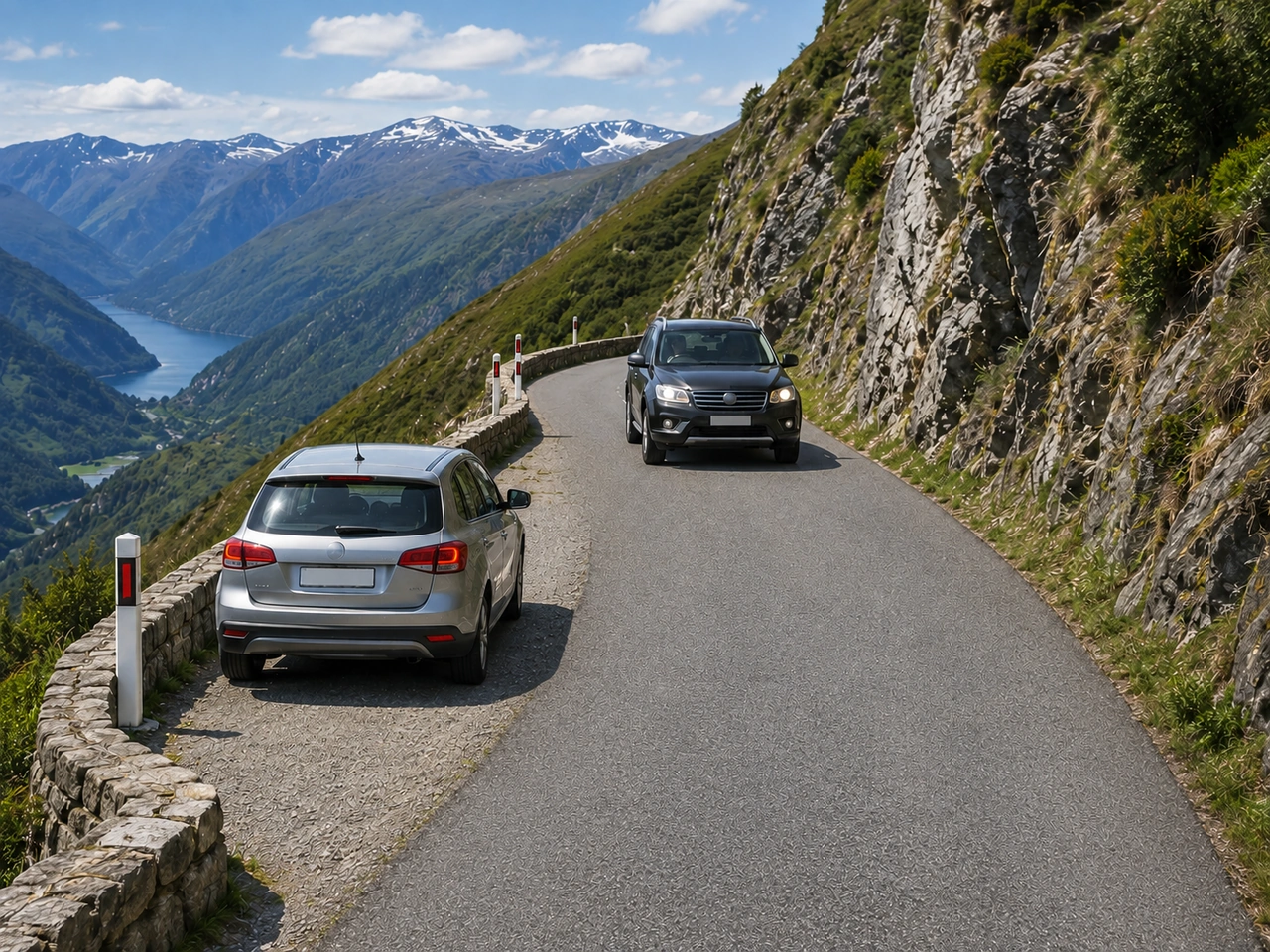
52. What should you do when meeting another vehicle on a narrow mountain road?
Narrow mountain roads may not provide enough space for two vehicles. Reduce speed and cooperate to pass safely.
AI-generated by Traffic-rules.com • WCIT • CC BY-SA
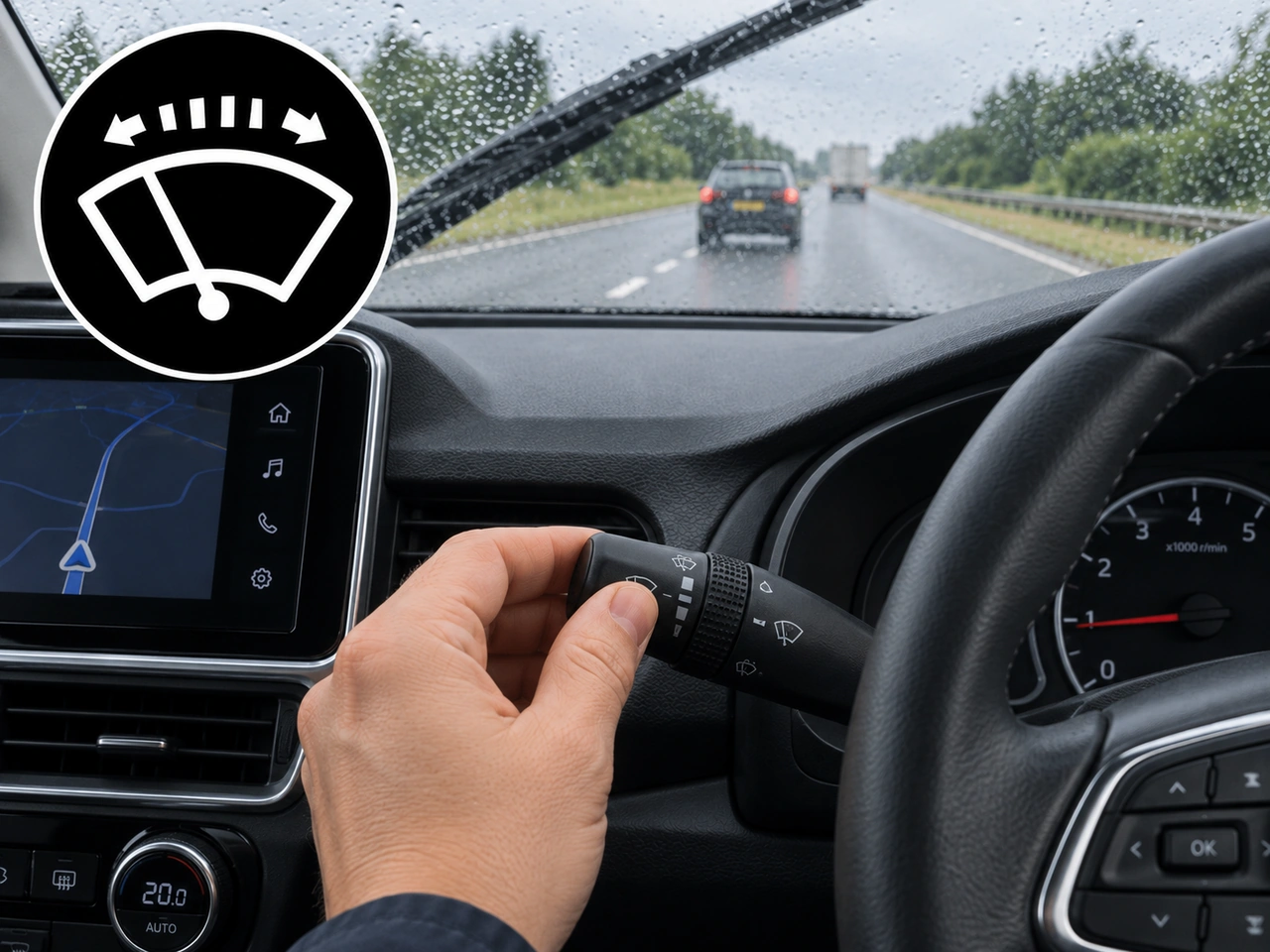
53. What does the intermittent wiper interval control adjust?
The intermittent wiper interval control adjusts the time between windscreen-wiper sweeps, allowing the driver to match the wiping frequency to light rain or spray.
AI-generated by Traffic-rules.com • WCIT • CC BY-SA
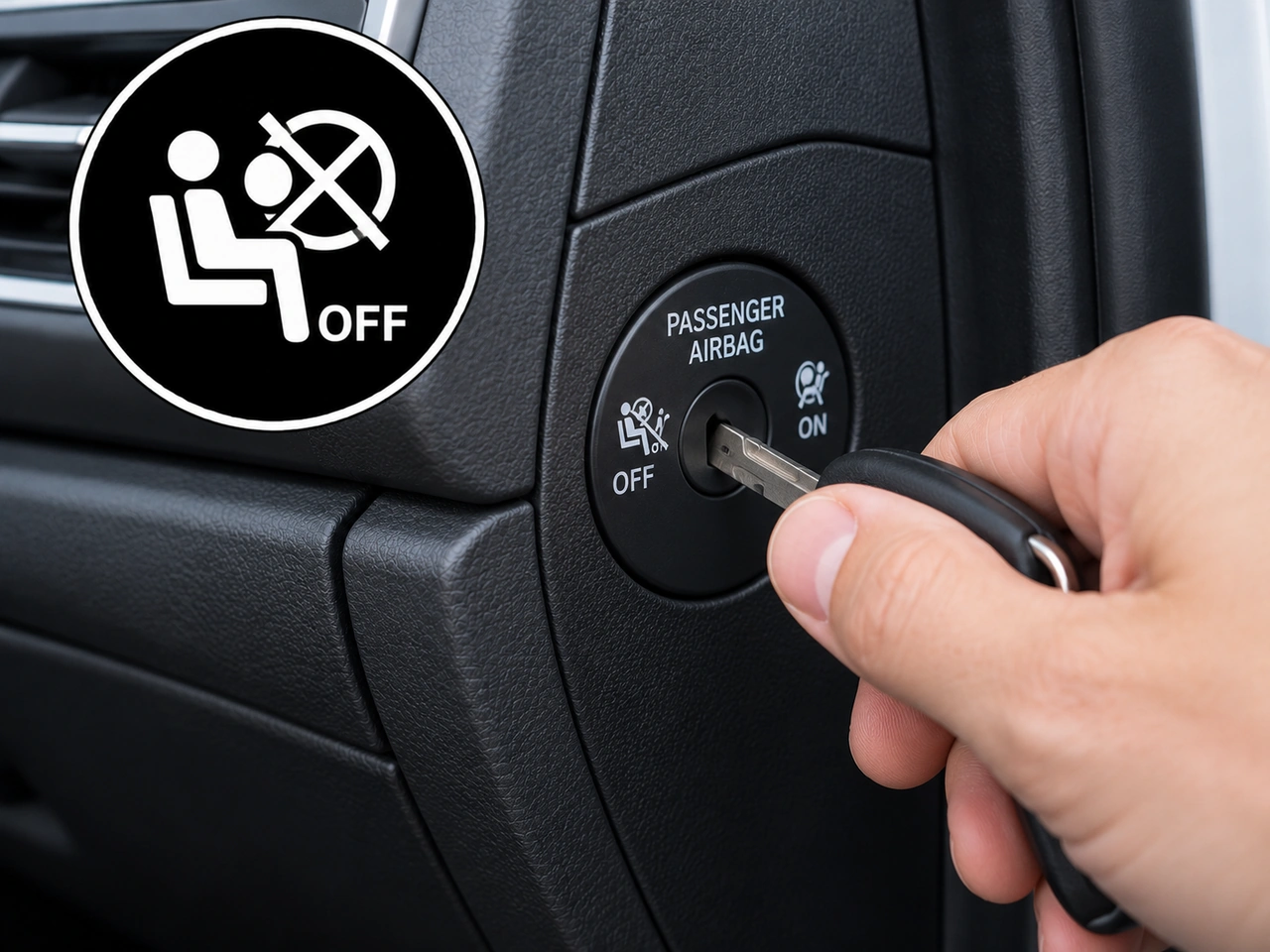
54. What does this vehicle-control symbol indicate?
This control allows the front passenger airbag to be deactivated on vehicles equipped with this function. The airbag must be deactivated when a rear-facing child restraint is used on the front passenger seat.
AI-generated by Traffic-rules.com • WCIT • CC BY-SA
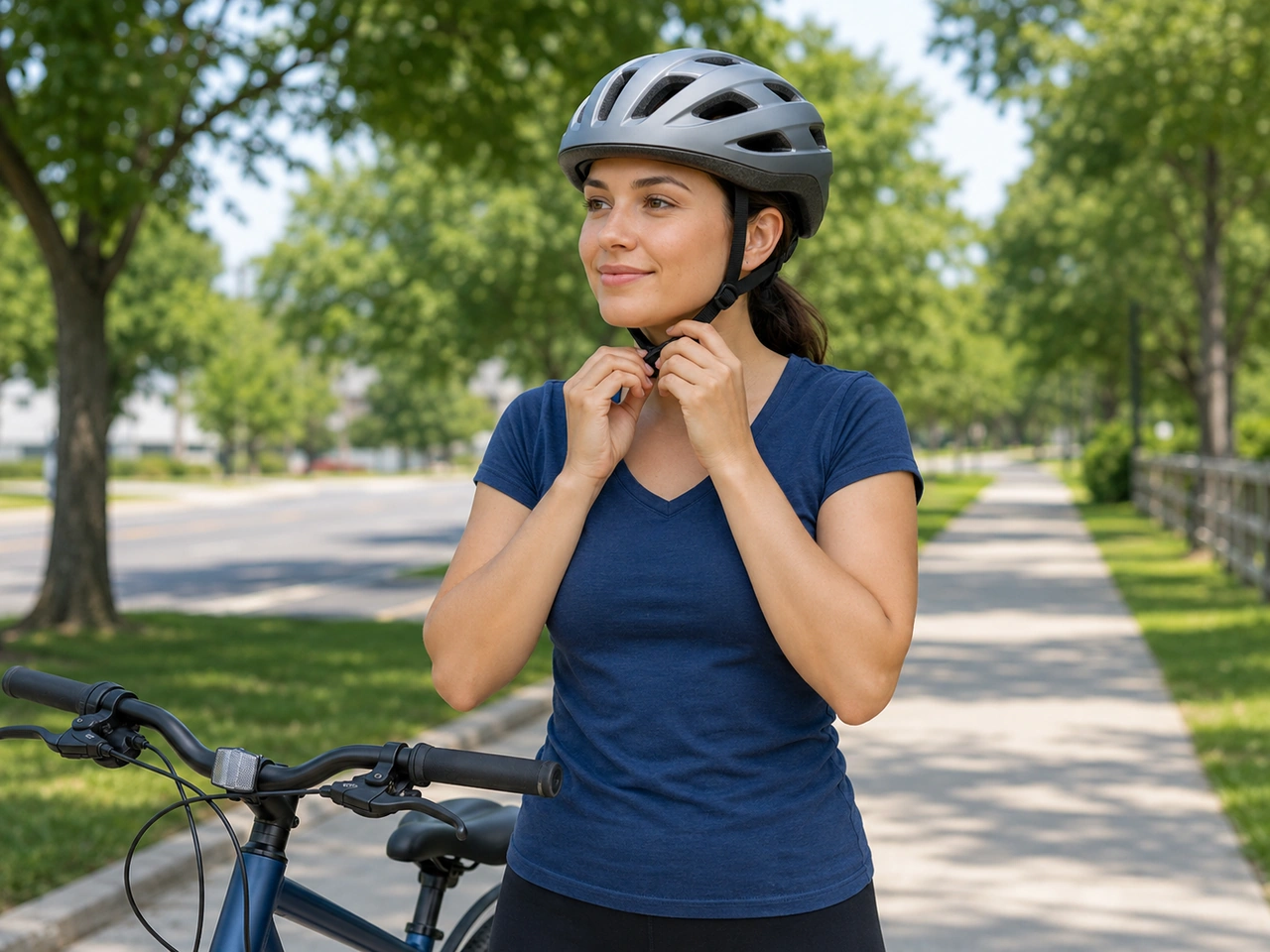
55. How should a bicycle helmet fit?
A helmet should sit level on the head and remain securely in place so it can provide effective protection.
AI-generated by Traffic-rules.com • WCIT • CC BY-SA
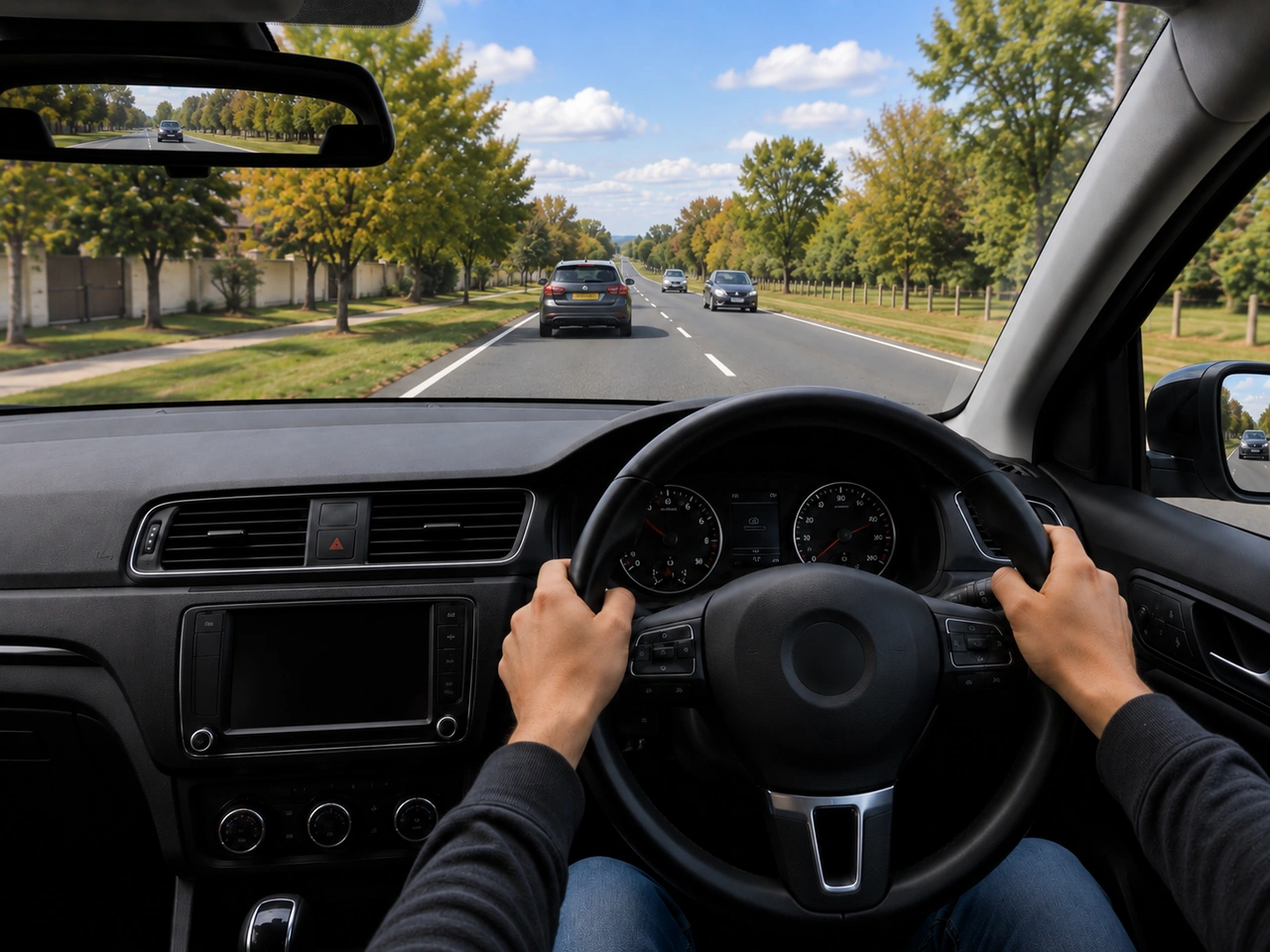
56. You should keep both hands ready to control the steering.
Keeping proper control of the steering wheel helps you react safely to changes in traffic and road conditions.
AI-generated by Traffic-rules.com • WCIT • CC BY-SA
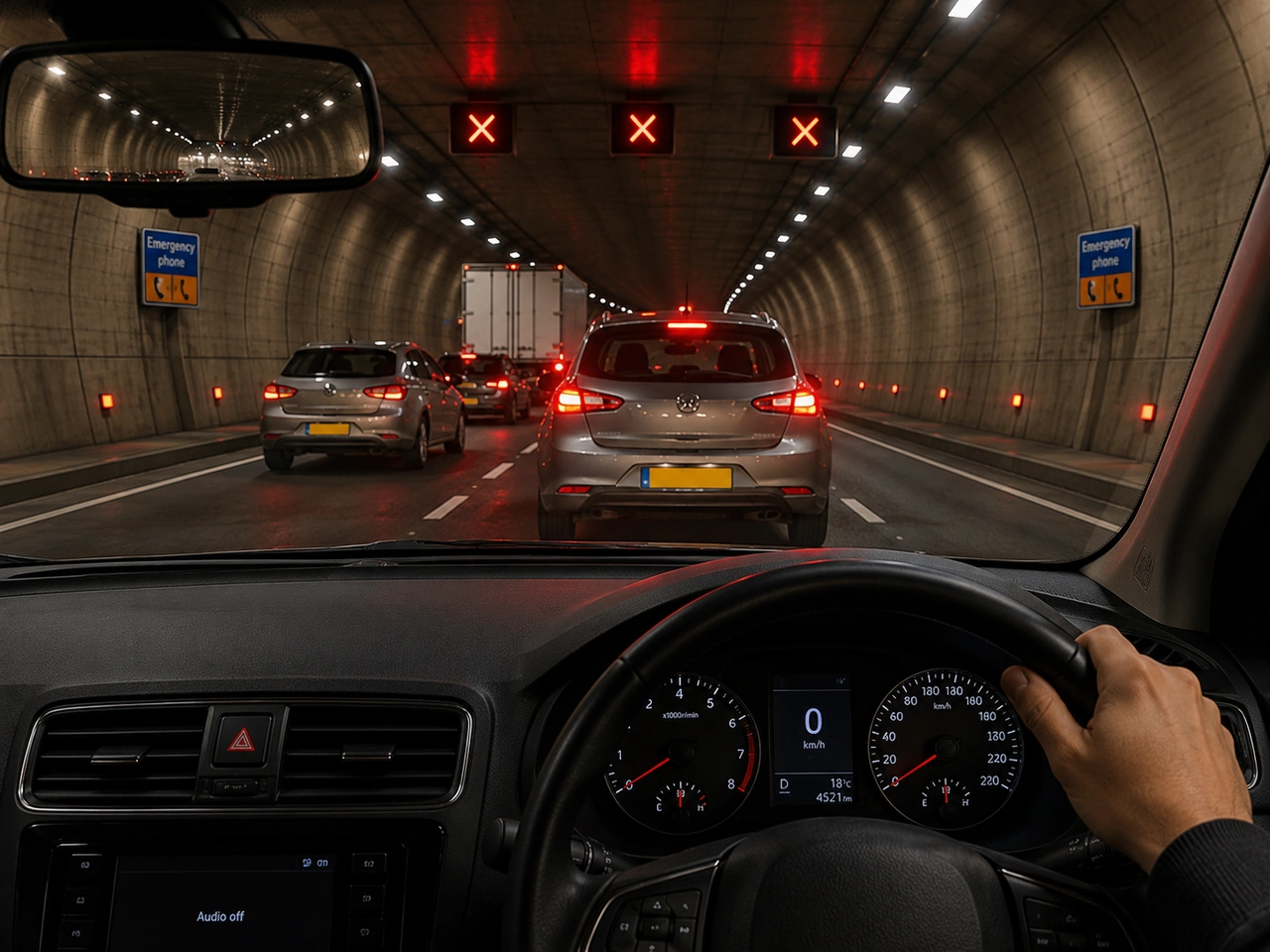
57. What should you do if traffic stops inside a tunnel?
Remain calm, keep space from the vehicle ahead, and obey traffic signals, signs, or instructions from tunnel staff.
AI-generated by Traffic-rules.com • WCIT • CC BY-SA
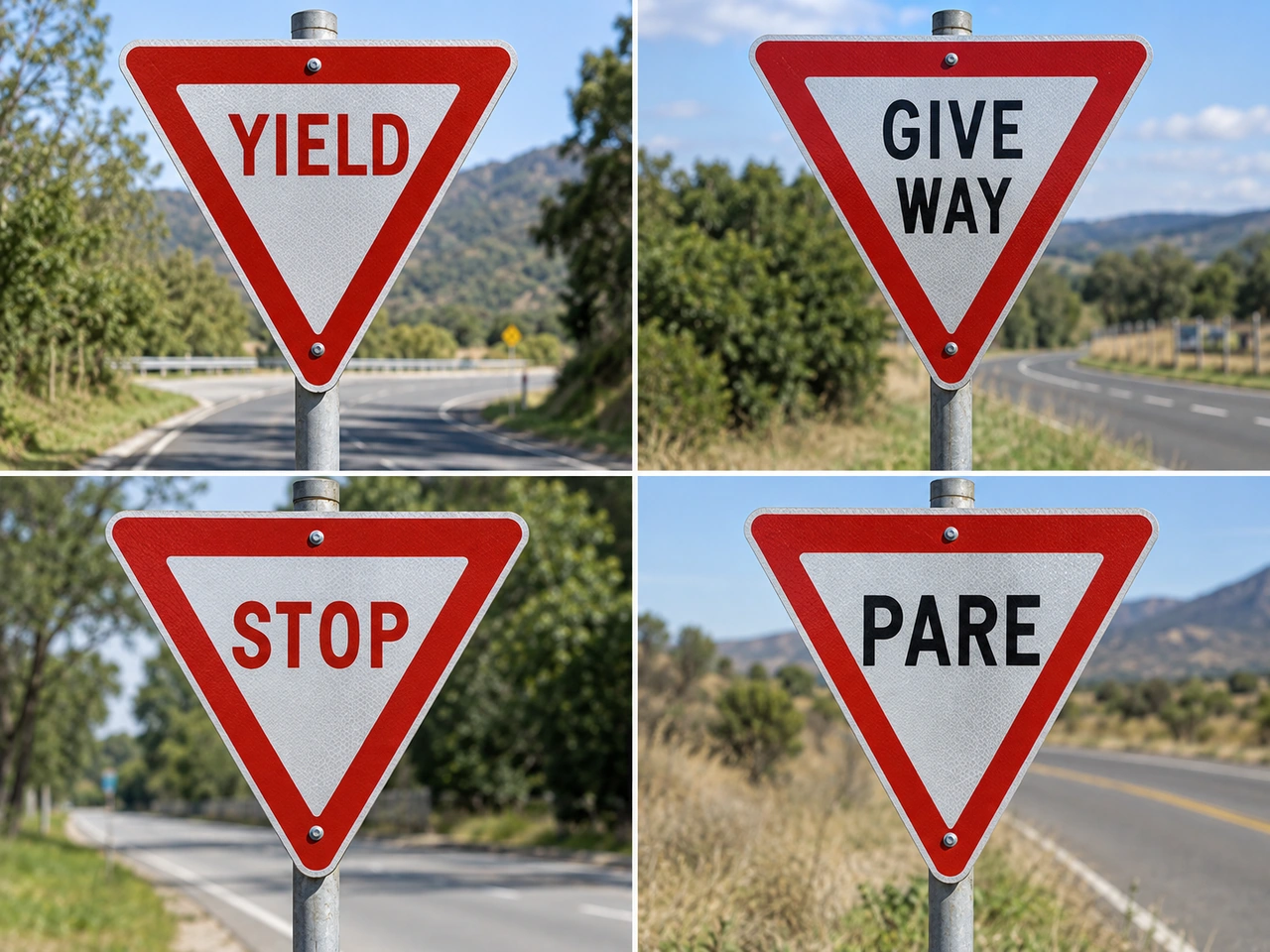
58. What wording is commonly shown on give-way signs in Indonesia?
Give-way signs in Indonesia normally use the inverted triangular symbol without wording.
AI-generated by Traffic-rules.com • WCIT • CC BY-SA
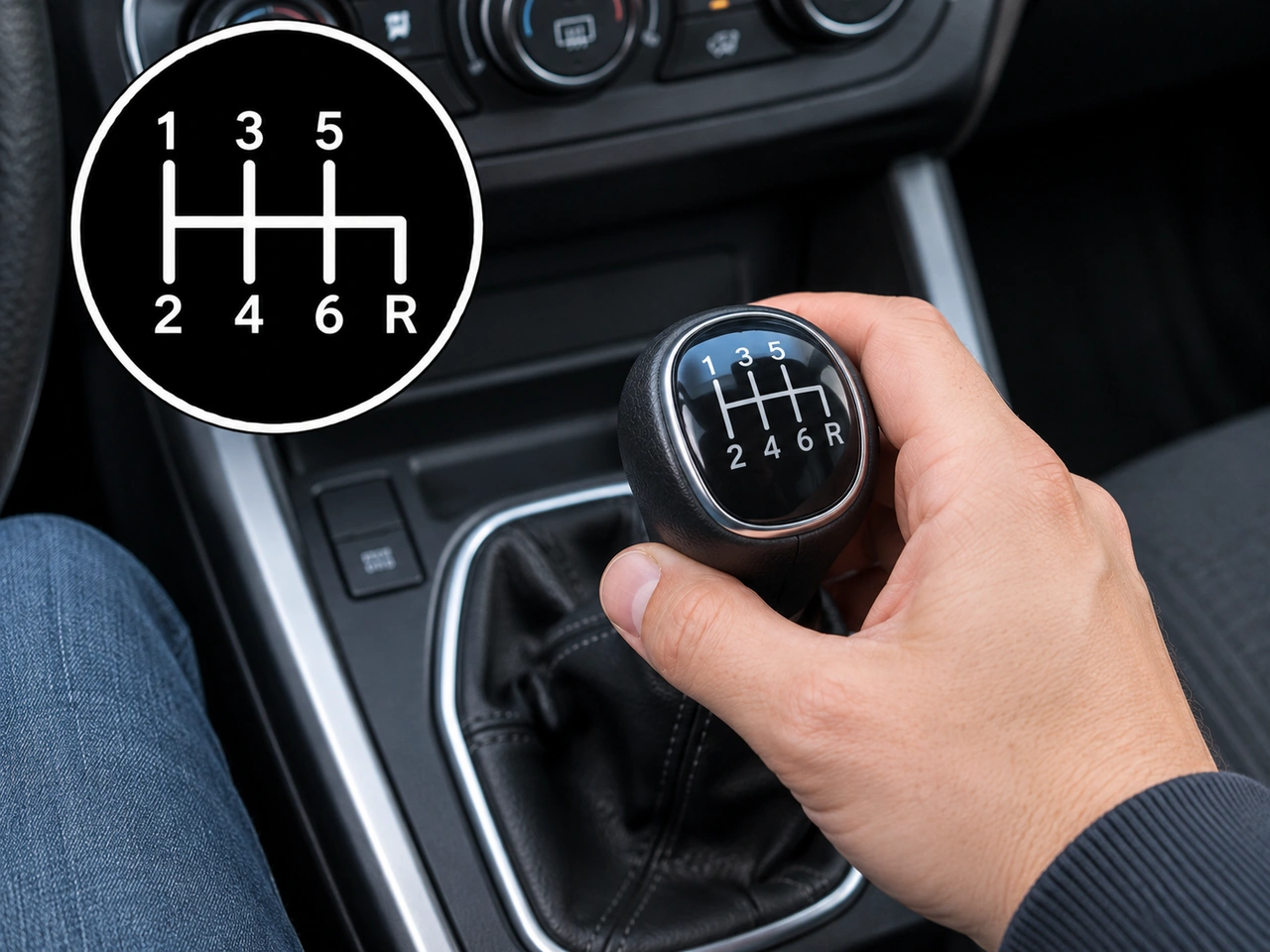
59. Which gear is normally used when moving off from a standstill?
1st gear is normally used when moving off from a standstill because it provides the greatest pulling power at low speed.
AI-generated by Traffic-rules.com • WCIT • CC BY-SA
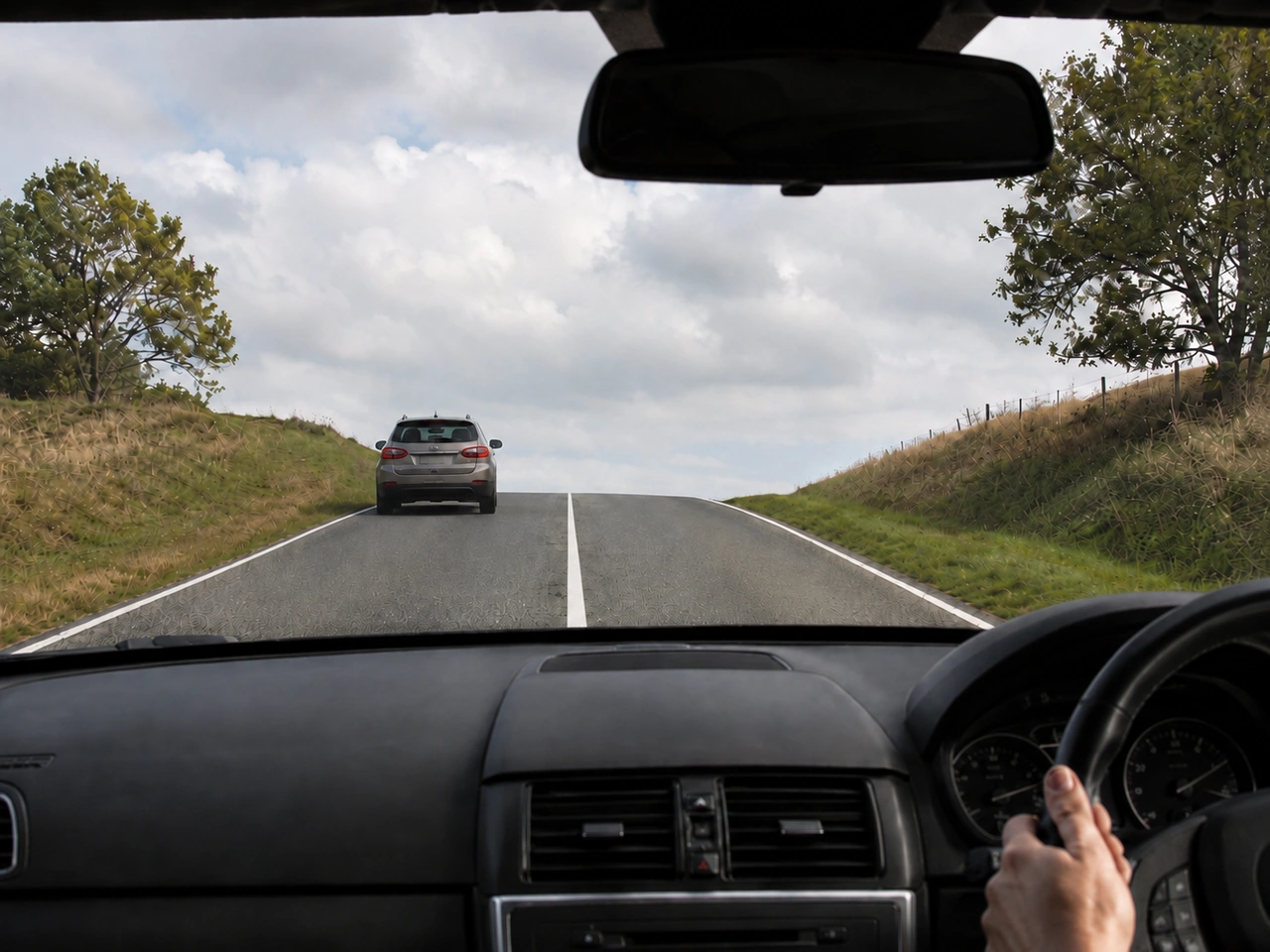
60. Why should you not overtake near the top of a hill?
Near the top of a hill, your view ahead is limited. Oncoming vehicles, cyclists, pedestrians, or obstacles may be hidden.
AI-generated by Traffic-rules.com • WCIT • CC BY-SA
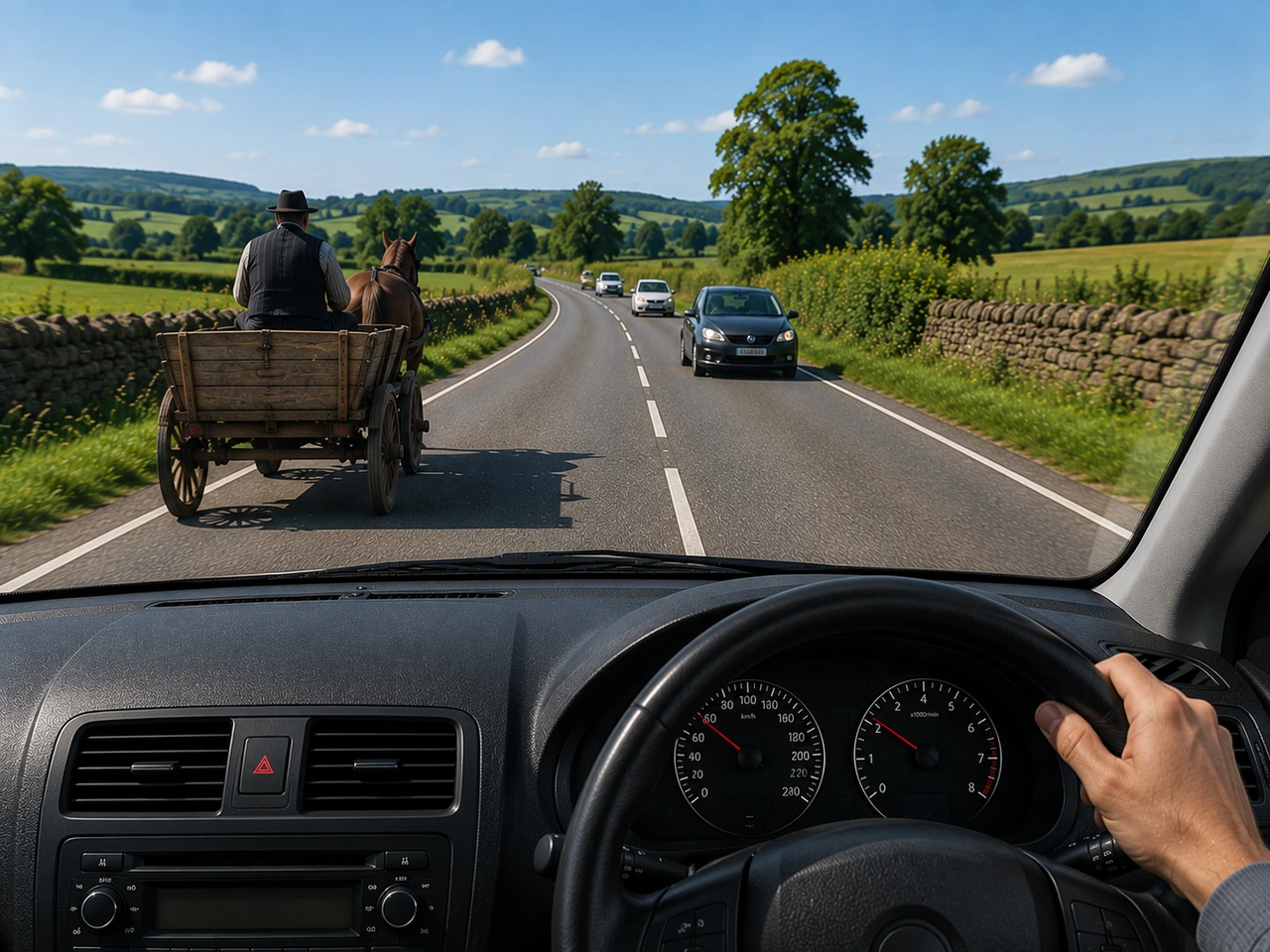
61. What should you do if you are approaching an animal-drawn vehicle?
Animals can be startled by noise or sudden movement. Reduce speed, keep distance, and pass only when it is safe.
AI-generated by Traffic-rules.com • WCIT • CC BY-SA
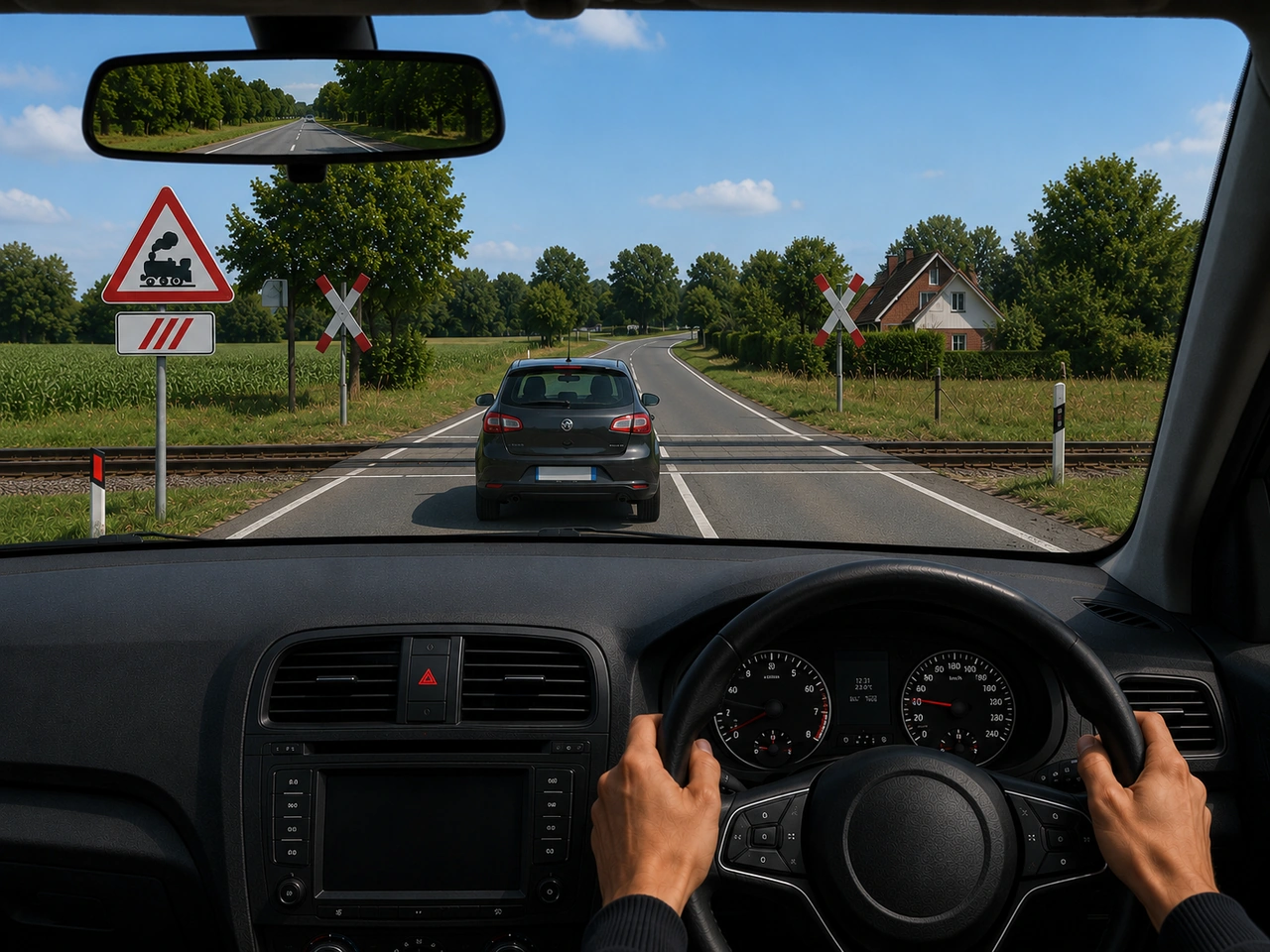
62. What should you do at a railway crossing without barriers?
Approach railway crossings carefully, obey any requirement to stop and any warning signals or barriers, and cross only when it is safe.
AI-generated by Traffic-rules.com • WCIT • CC BY-SA
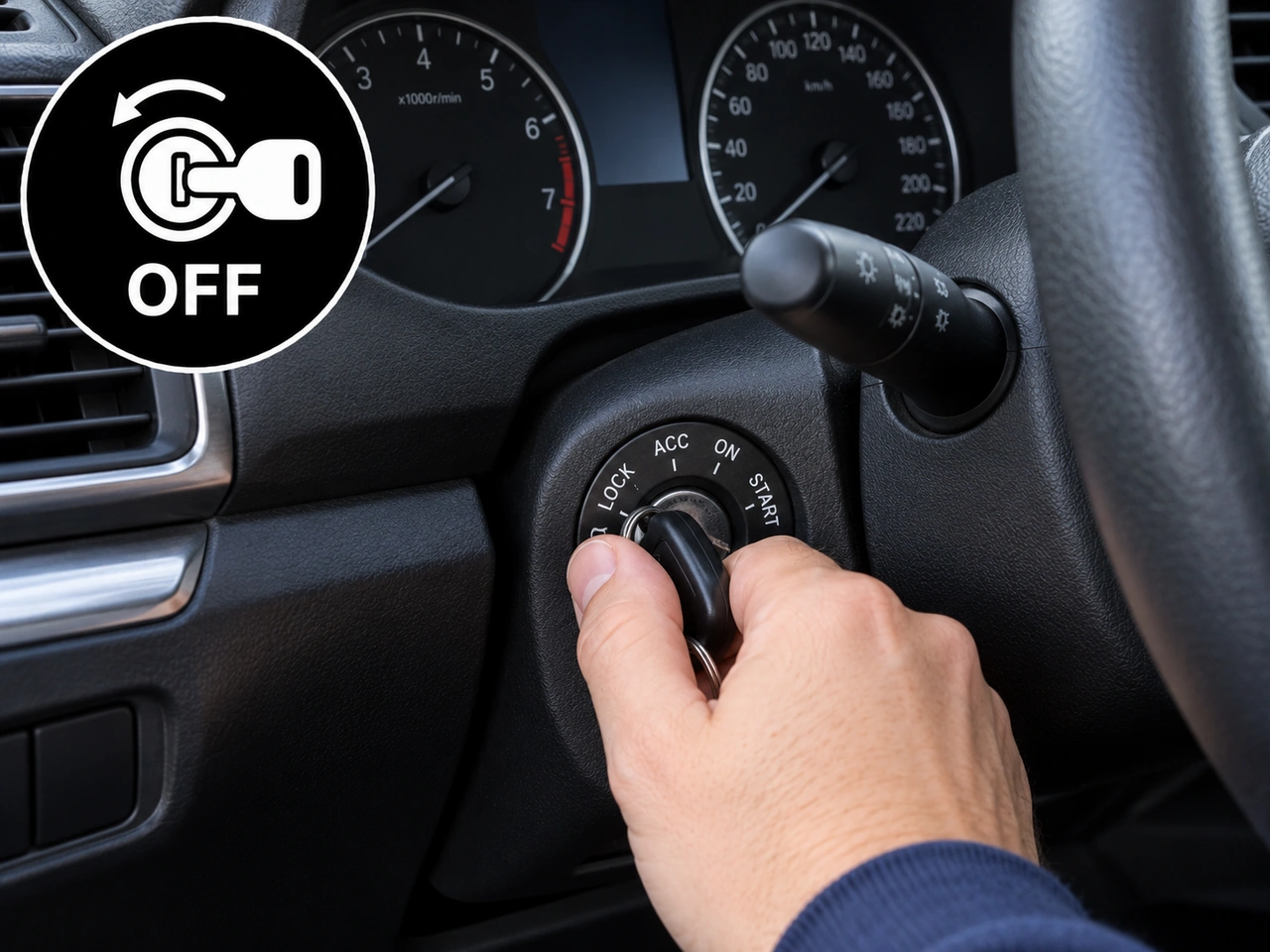
63. What does turning a traditional ignition switch to OFF normally do?
Turning a traditional ignition switch to OFF switches off the engine and ignition systems. The key can then normally be moved to the LOCK position and removed.
AI-generated by Traffic-rules.com • WCIT • CC BY-SA
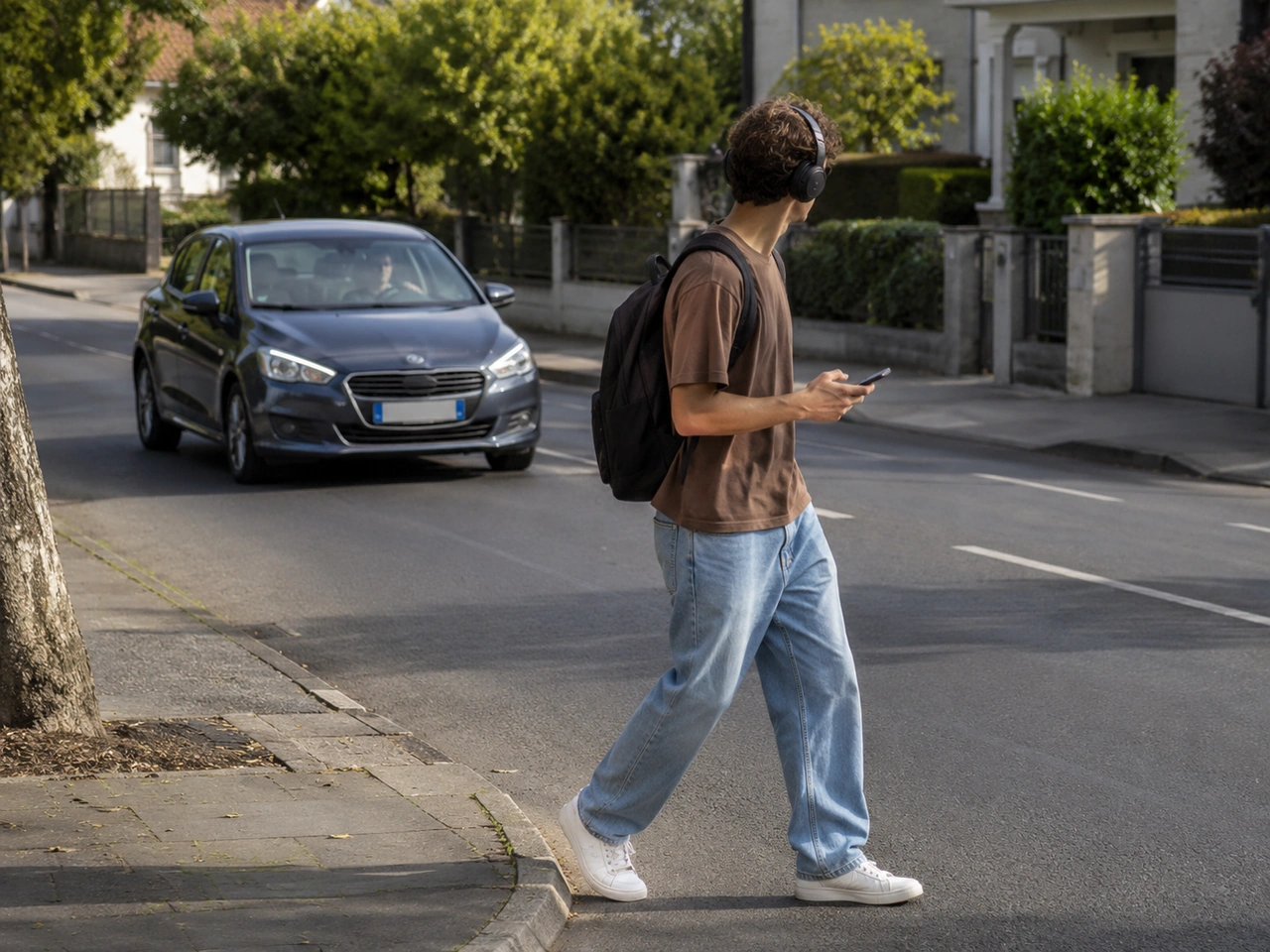
64. Why is it dangerous to cross while listening to loud music?
Loud music can reduce your awareness of vehicles, bicycles, horns, and other warning sounds.
AI-generated by Traffic-rules.com • WCIT • CC BY-SA
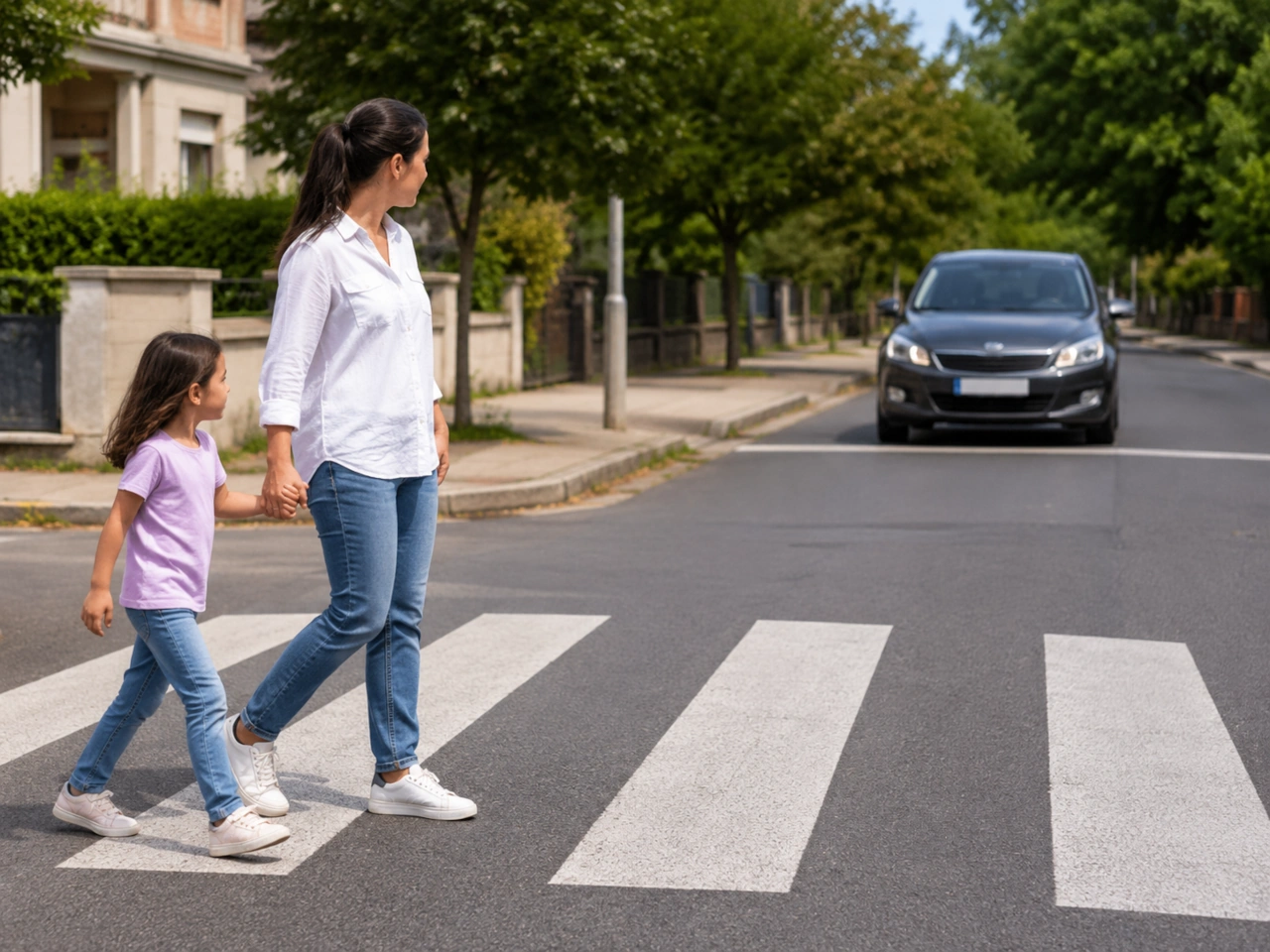
65. What is the safest way to cross the road with a child?
Children can be unpredictable near traffic. Keep them close and guide them safely across the road.
AI-generated by Traffic-rules.com • WCIT • CC BY-SA
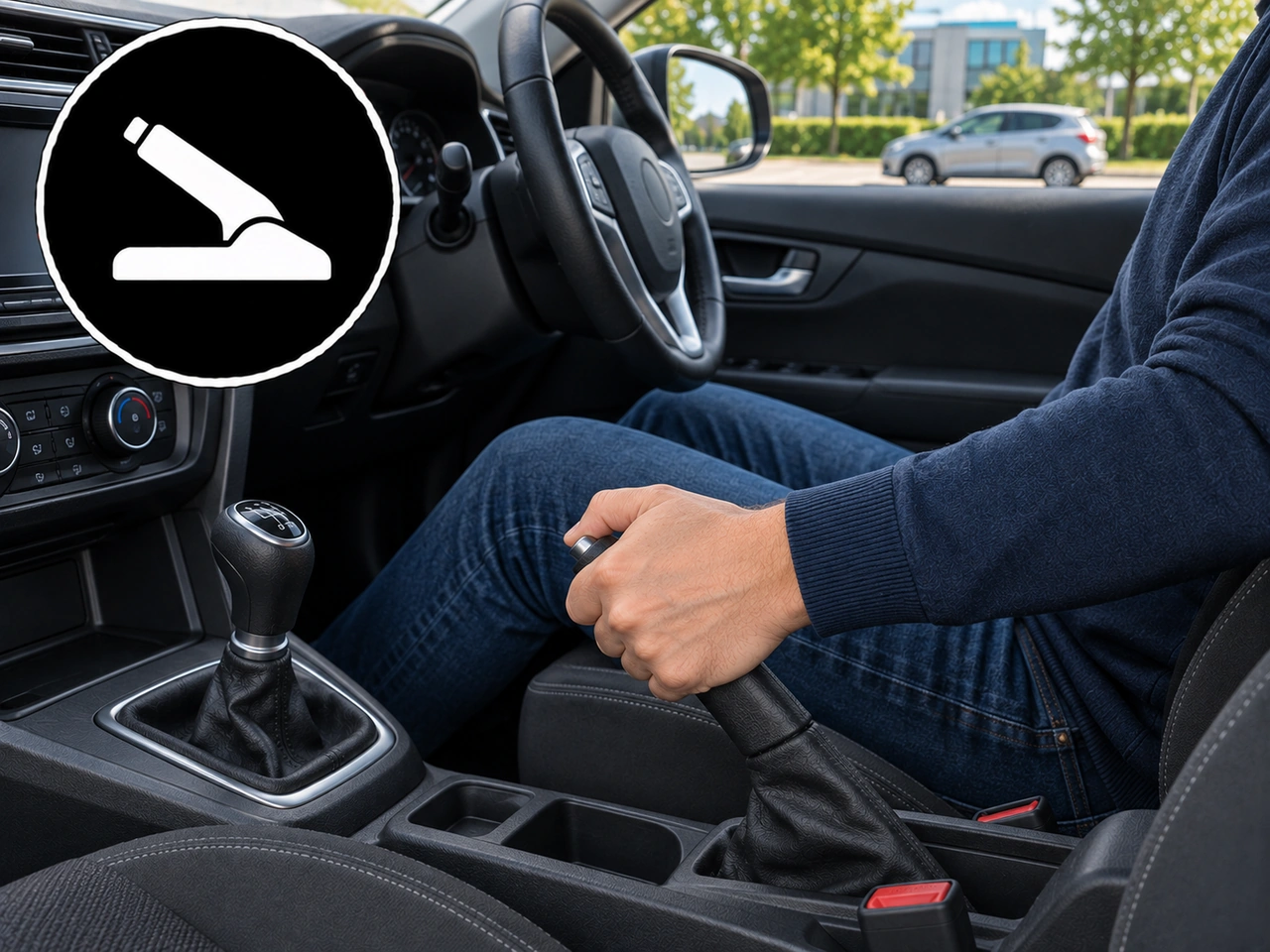
66. What should you do with the parking brake before leaving a parked vehicle?
Before leaving a parked vehicle, apply the parking brake securely to help prevent unintended movement. Also select the appropriate gear or transmission position for parking.
AI-generated by Traffic-rules.com • WCIT • CC BY-SA
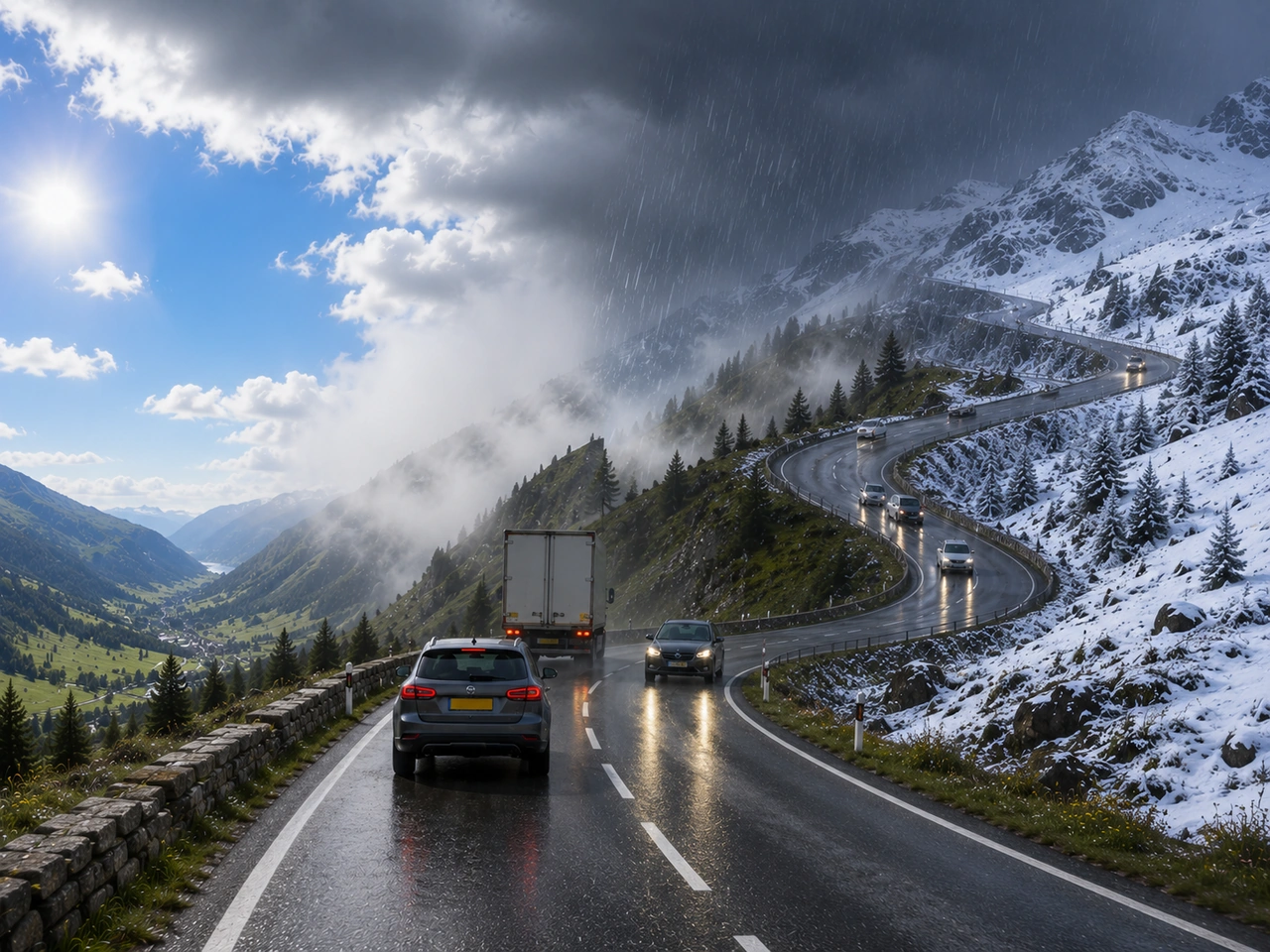
67. Why should you be prepared for changing conditions on mountain roads?
Fog, rain, snow, ice, falling rocks, and strong winds can develop rapidly in mountainous areas.
AI-generated by Traffic-rules.com • WCIT • CC BY-SA
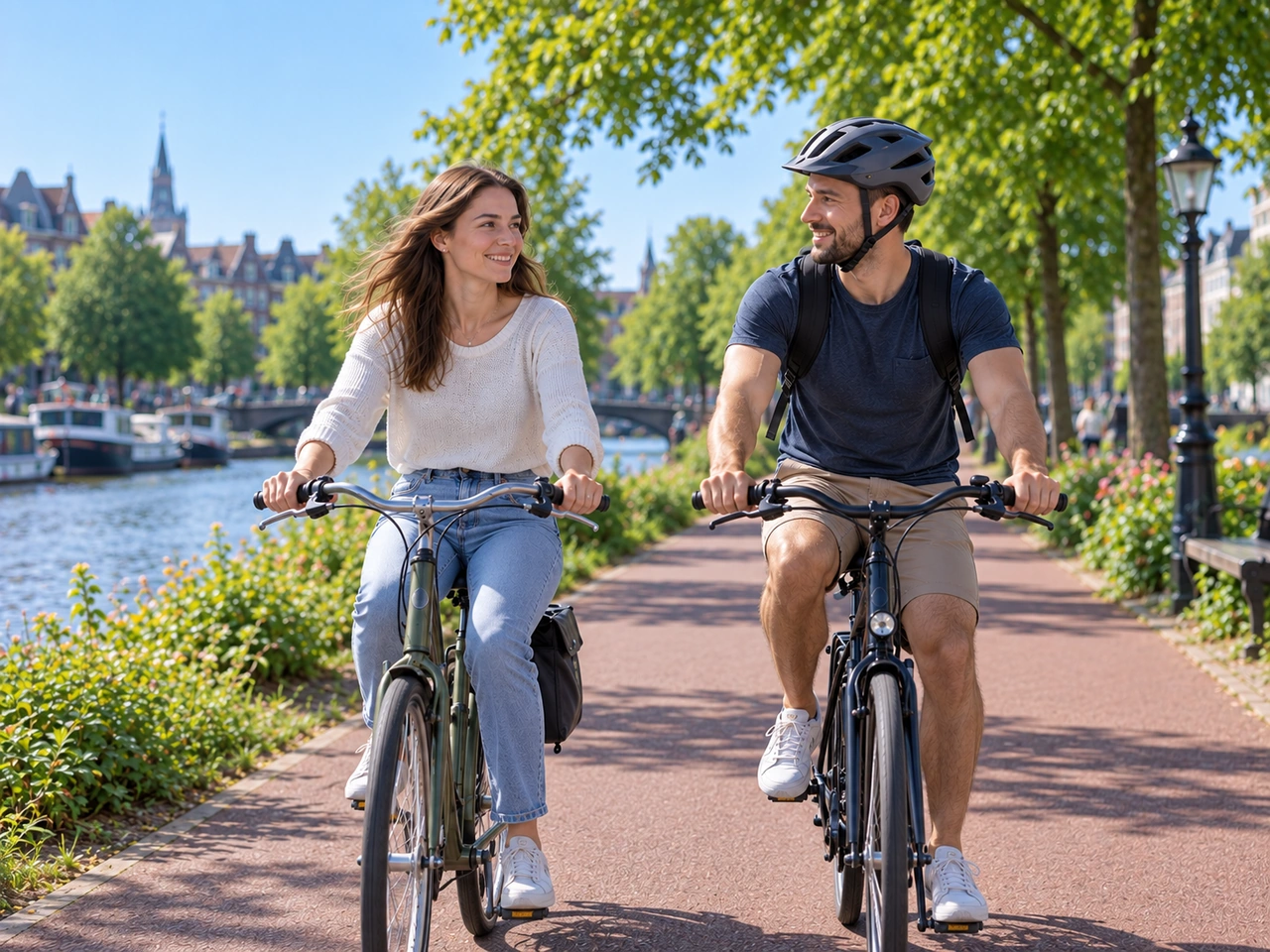
68. Are bicycle helmets generally required in Indonesia?
Bicycle helmets are not generally required for all cyclists in Indonesia, although specific age or regional rules may apply.
AI-generated by Traffic-rules.com • WCIT • CC BY-SA
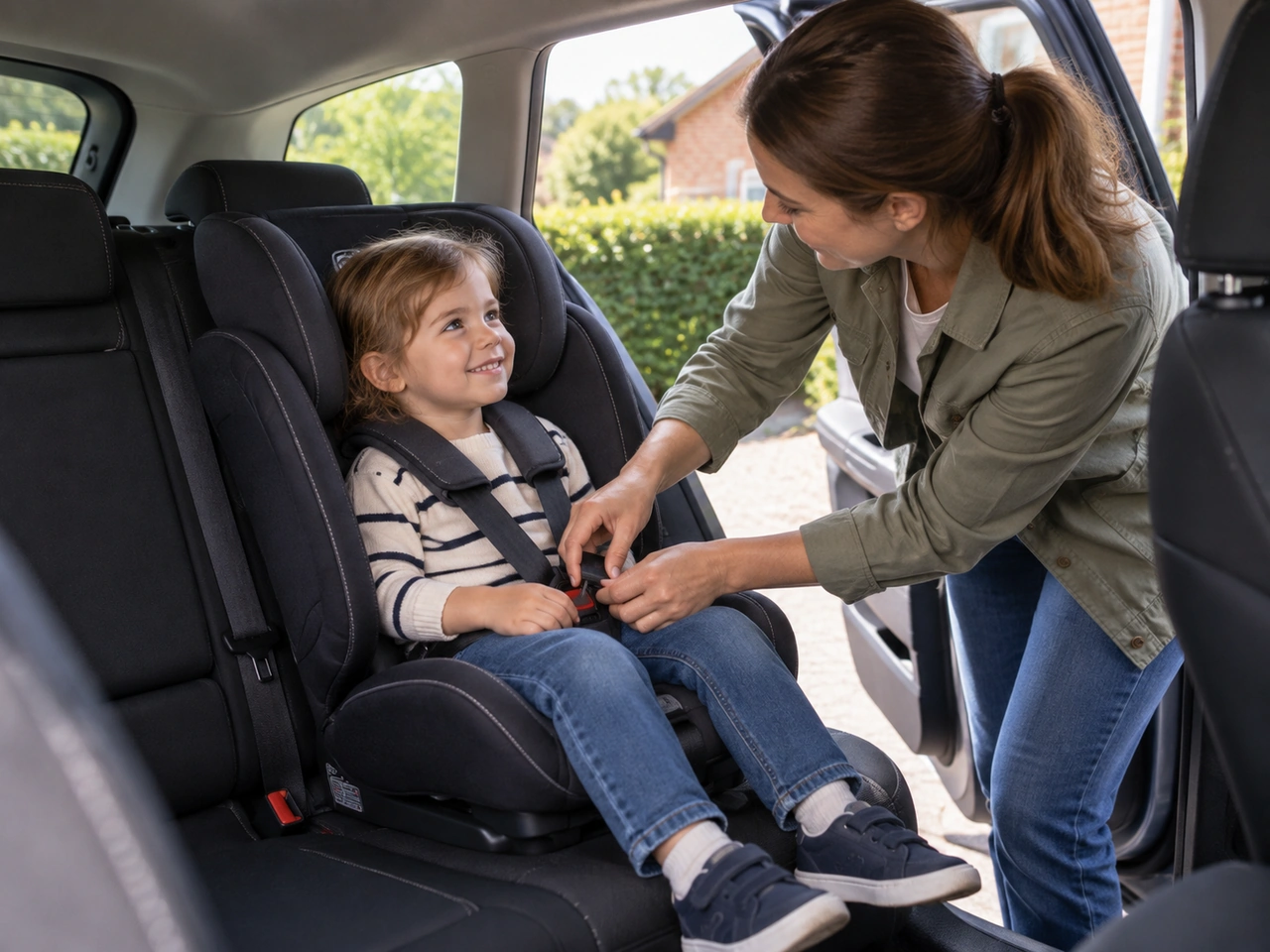
69. Why should a child use a suitable child restraint?
A suitable child restraint is designed to protect a child according to their size and development. It helps position and restrain the child correctly, reducing the risk of serious injury in a collision or sudden stop.
AI-generated by Traffic-rules.com • WCIT • CC BY-SA
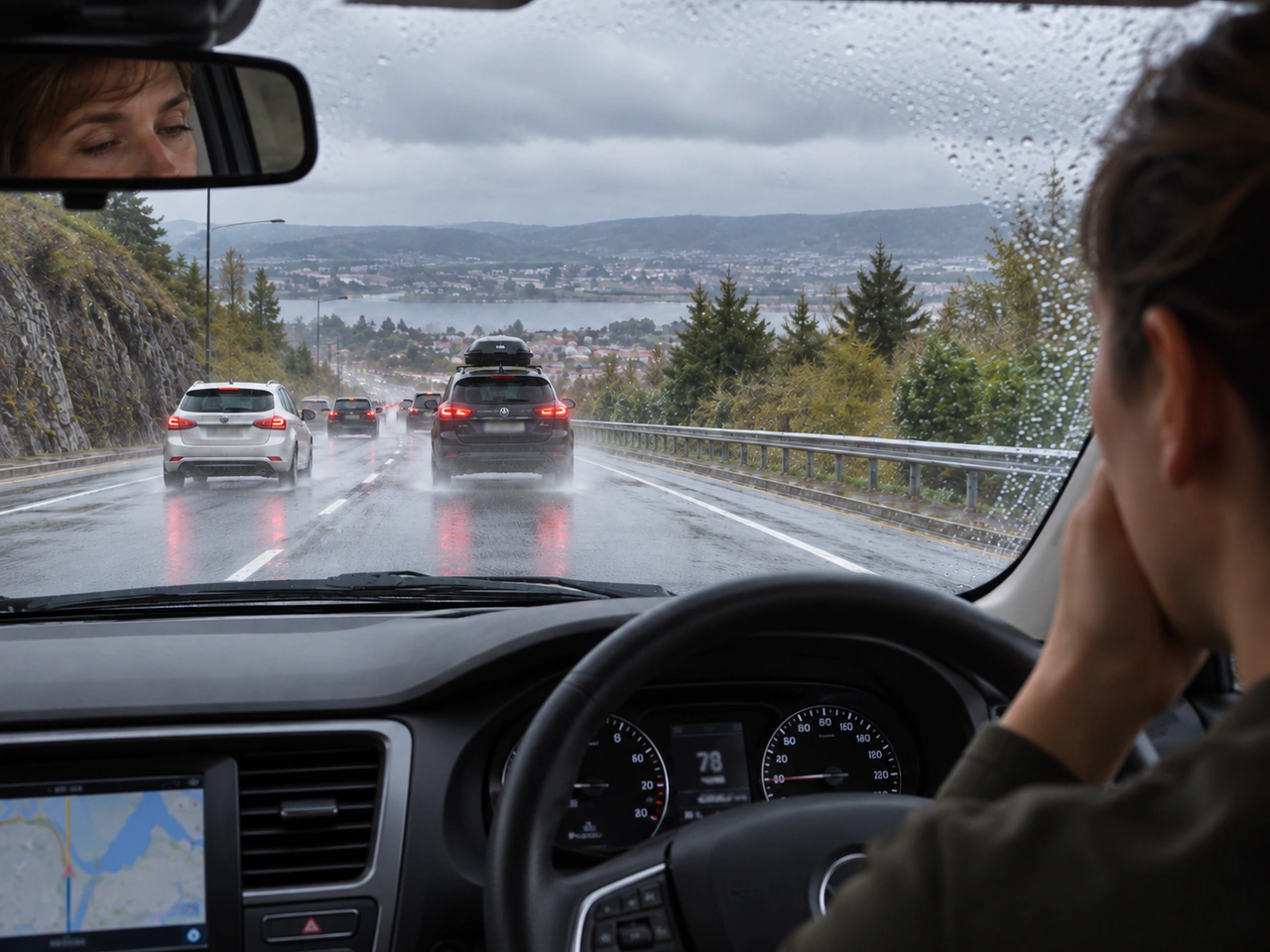
70. Which factors can increase a vehicle's stopping distance?
Stopping distance can increase because of higher speed, slower driver reactions, reduced tyre grip, poor weather or road conditions, worn tyres, weak brakes, or a heavier vehicle. Both the driver's reaction distance and the vehicle's braking distance can be affected.
AI-generated by Traffic-rules.com • WCIT • CC BY-SA
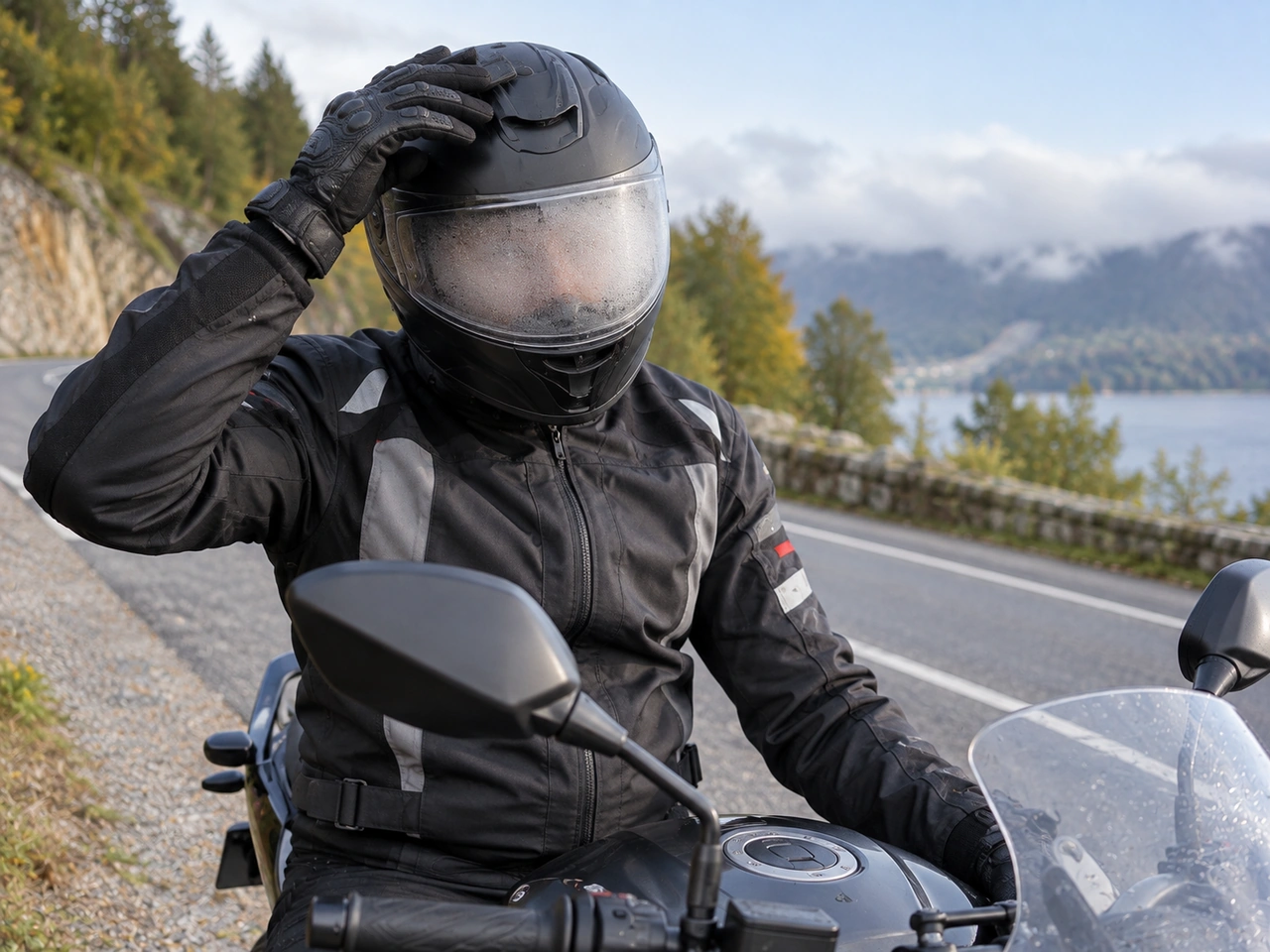
71. What should you do if your motorcycle helmet visor starts to fog?
A fogged visor can seriously reduce your view of the road. Reduce speed and use the helmet's ventilation, demisting or anti-fog features where available. If you cannot restore a clear view safely, stop in a safe place before continuing.
AI-generated by Traffic-rules.com • WCIT • CC BY-SA
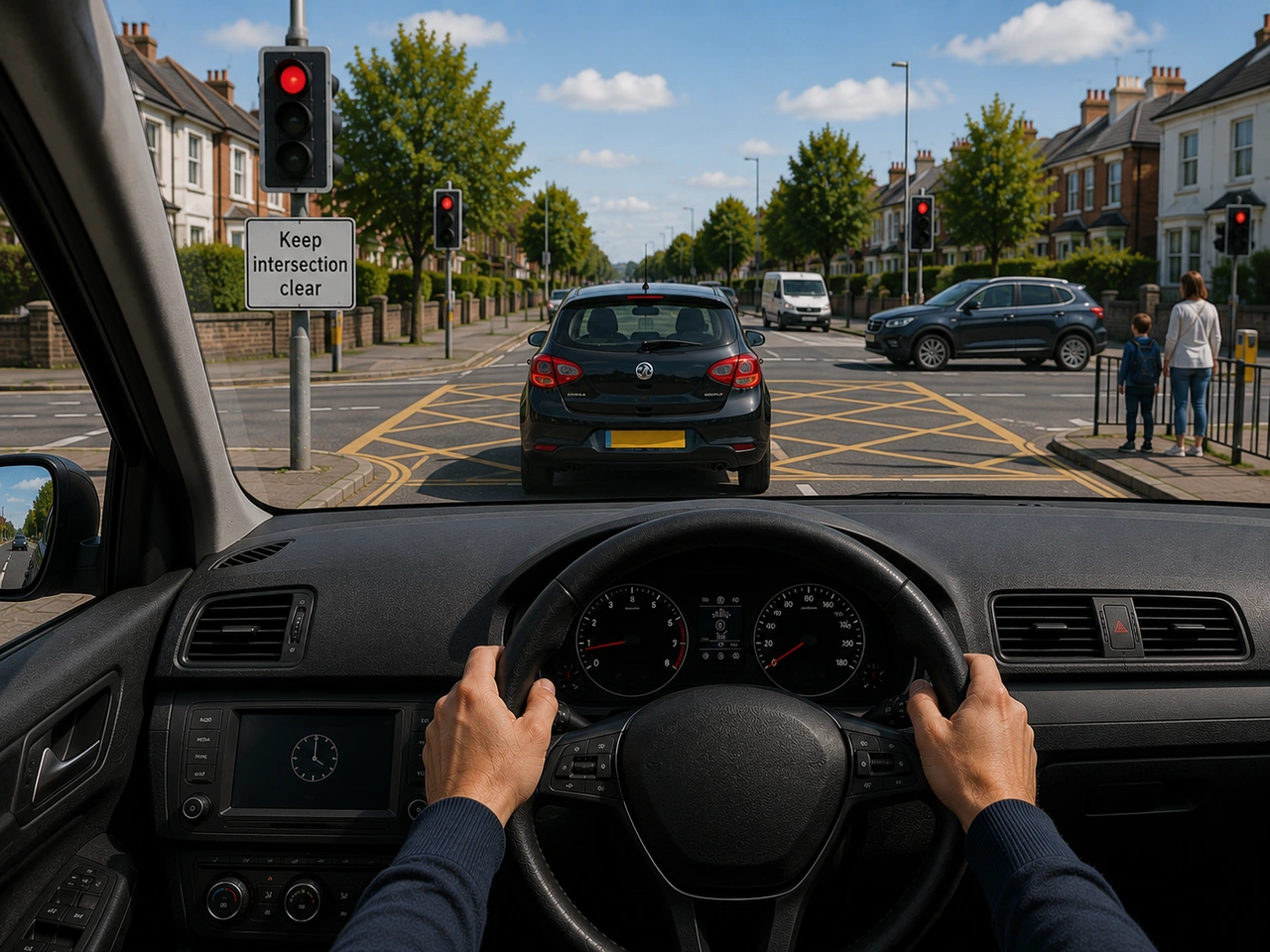
72. Why should you avoid blocking a junction?
Blocking a junction can prevent vehicles, cyclists, or pedestrians from moving safely. Enter only when there is enough space to drive through and clear the junction.
AI-generated by Traffic-rules.com • WCIT • CC BY-SA
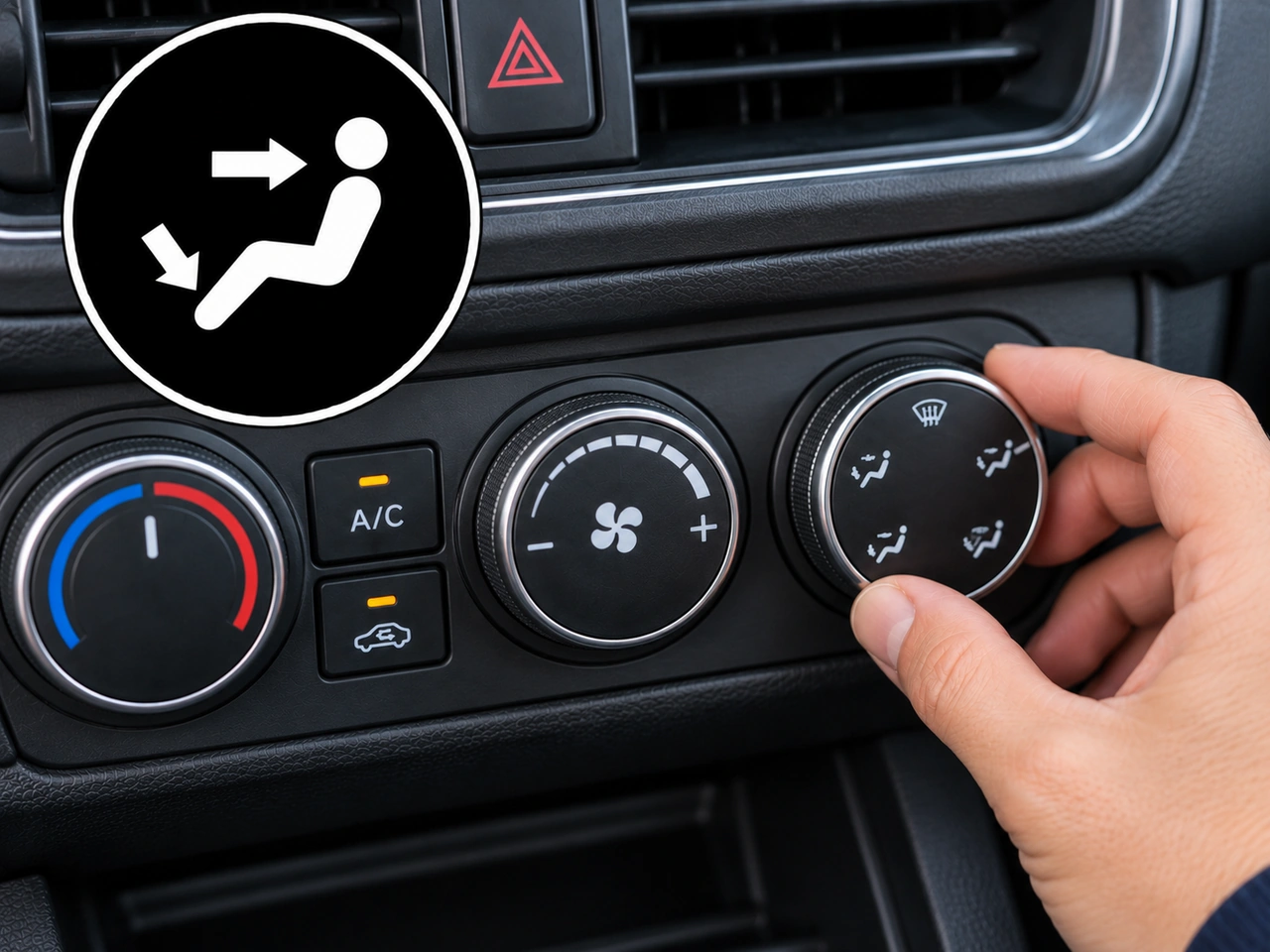
73. What does this vehicle-control symbol indicate?
This control selects the direction of the ventilation airflow, such as towards the face, feet or windscreen.
AI-generated by Traffic-rules.com • WCIT • CC BY-SA
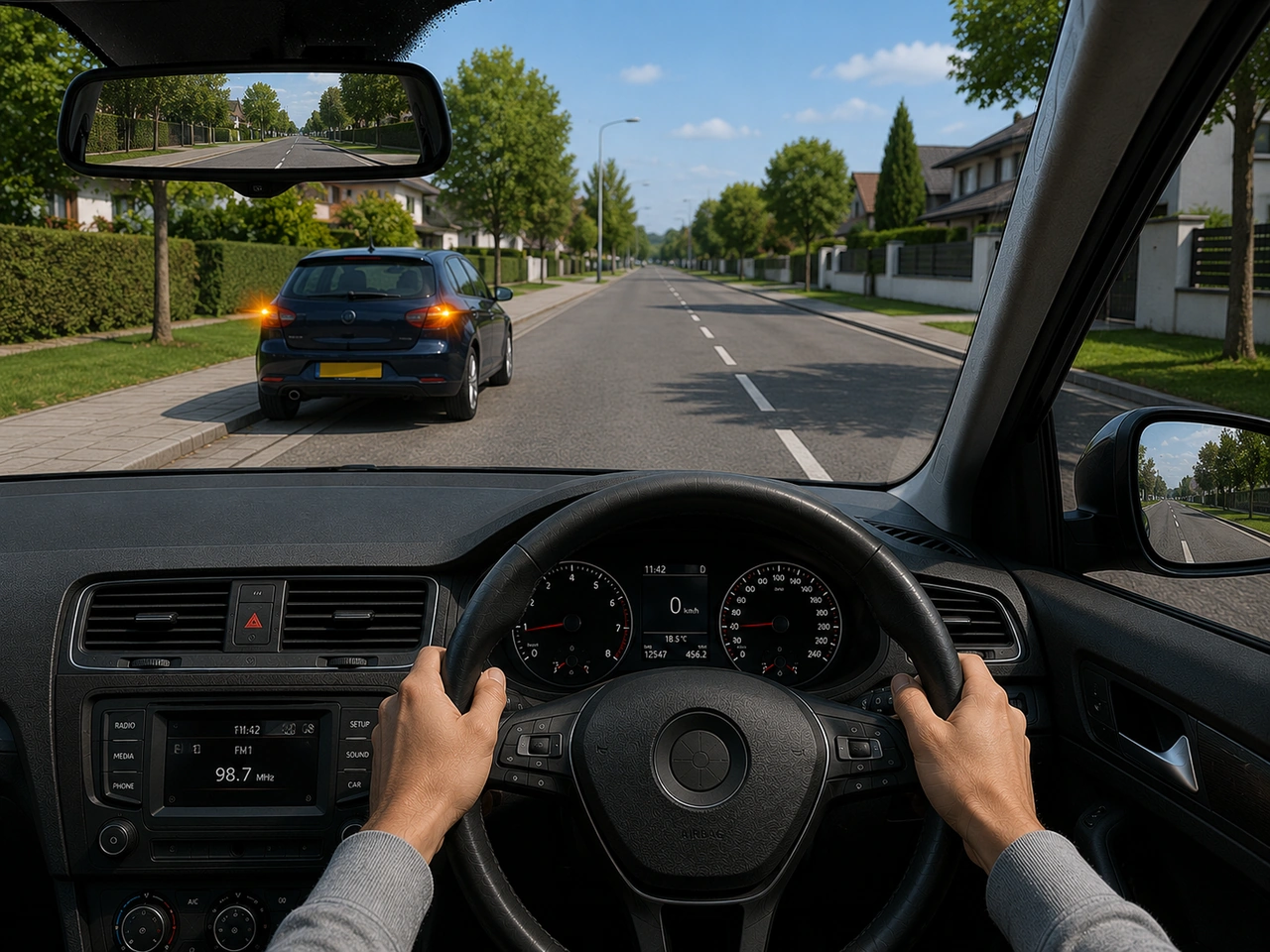
74. You may park anywhere as long as you leave your hazard lights on.
Hazard lights are used to warn other road users of a hazard or an unexpectedly stopped vehicle. They do not make illegal or unsafe parking acceptable.
AI-generated by Traffic-rules.com • WCIT • CC BY-SA
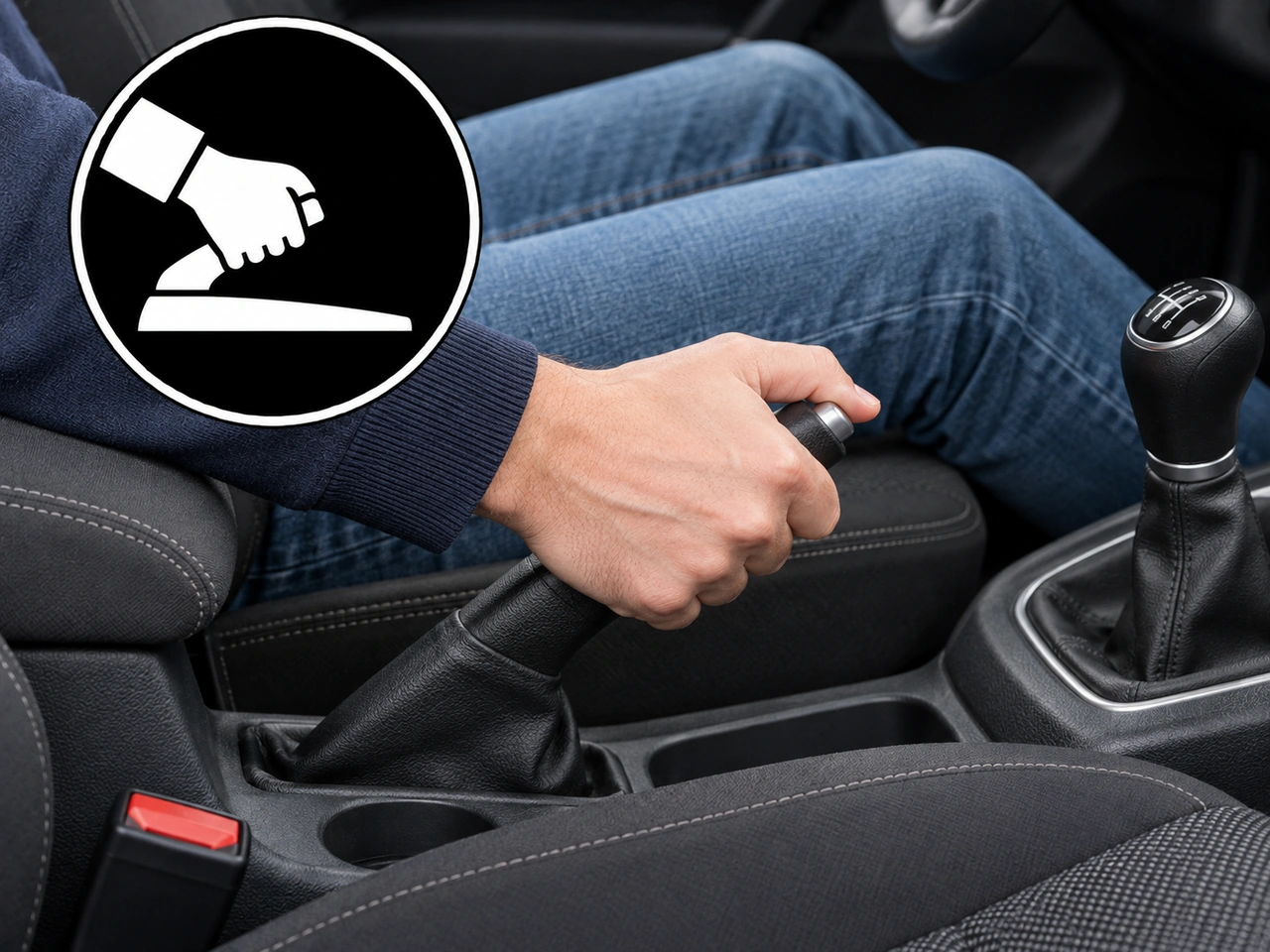
75. What is the purpose of the manual parking brake?
The manual parking brake helps keep the vehicle stationary when parked. It is normally applied by pulling up the handbrake lever and released before driving away.
AI-generated by Traffic-rules.com • WCIT • CC BY-SA
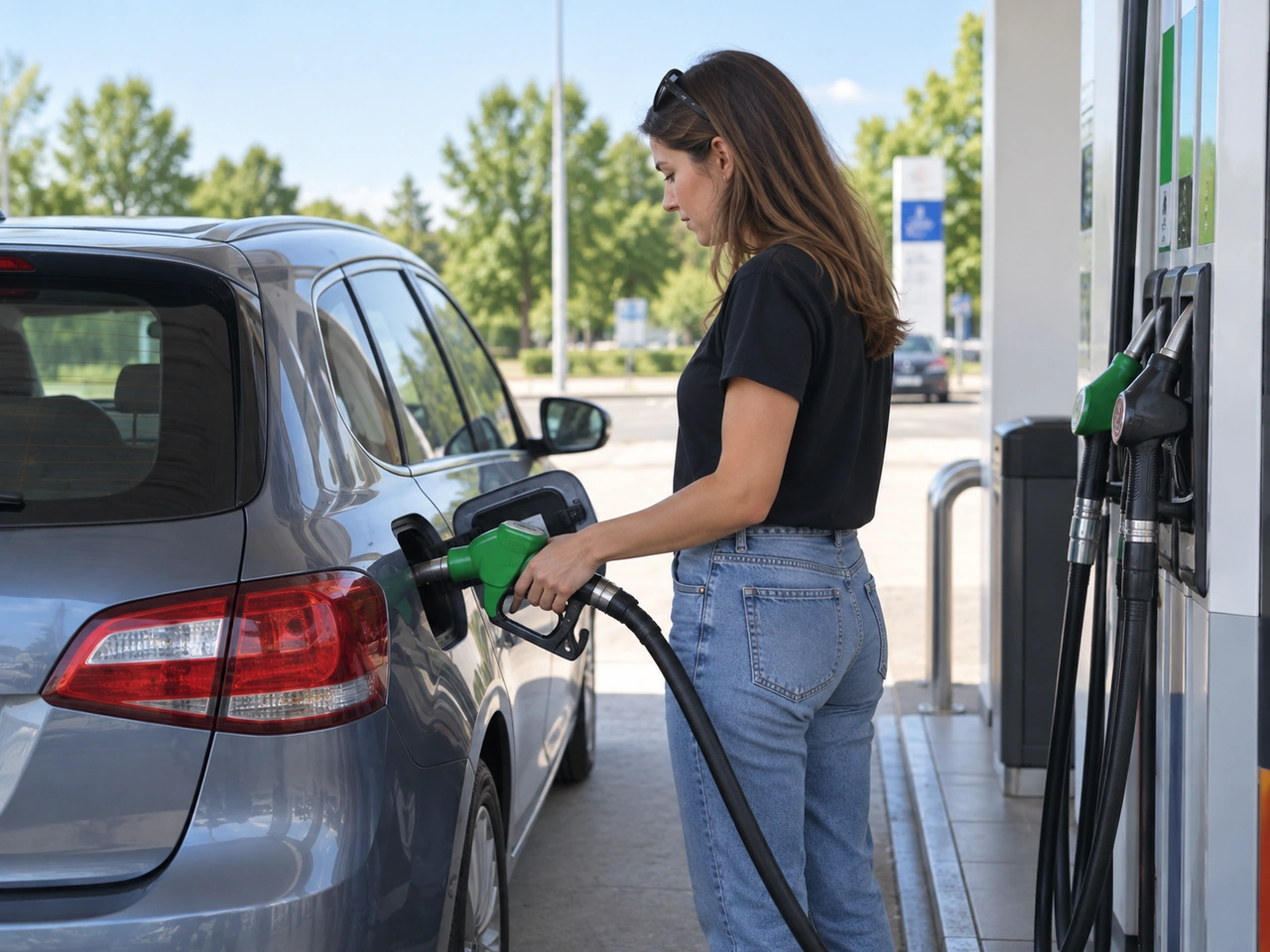
76. What should you do before refuelling a petrol or diesel vehicle?
Switch off the engine before refuelling. Fuel vapours are flammable, so avoid ignition sources and follow the safety instructions at the filling station. If fuel is spilled, do not start the vehicle until the situation has been made safe.
AI-generated by Traffic-rules.com • WCIT • CC BY-SA
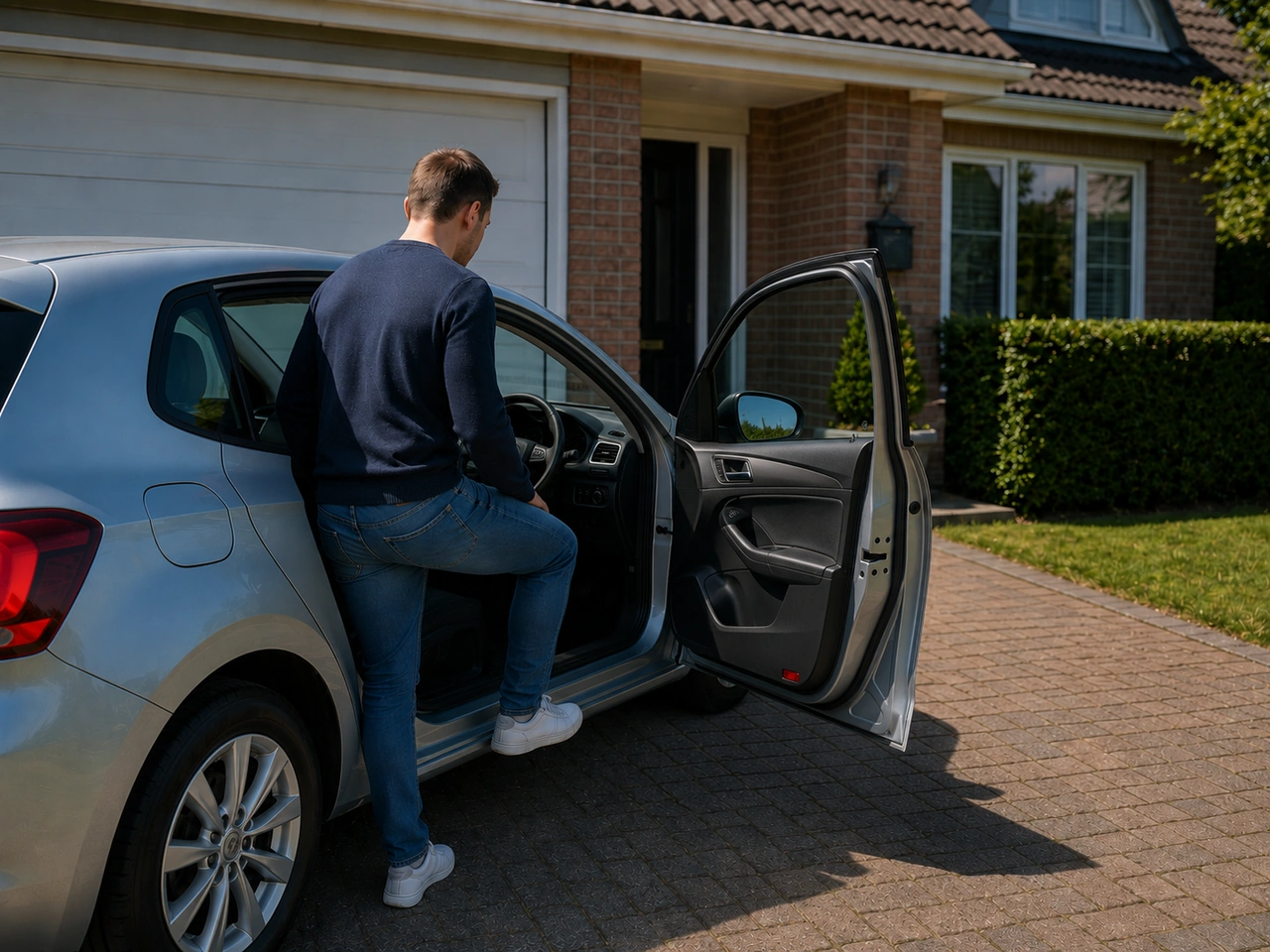
77. When should you fasten your seat belt?
Fasten your seat belt before the vehicle starts moving and keep it fastened throughout the journey. Make sure your passengers are also safely seated and properly restrained.
AI-generated by Traffic-rules.com • WCIT • CC BY-SA
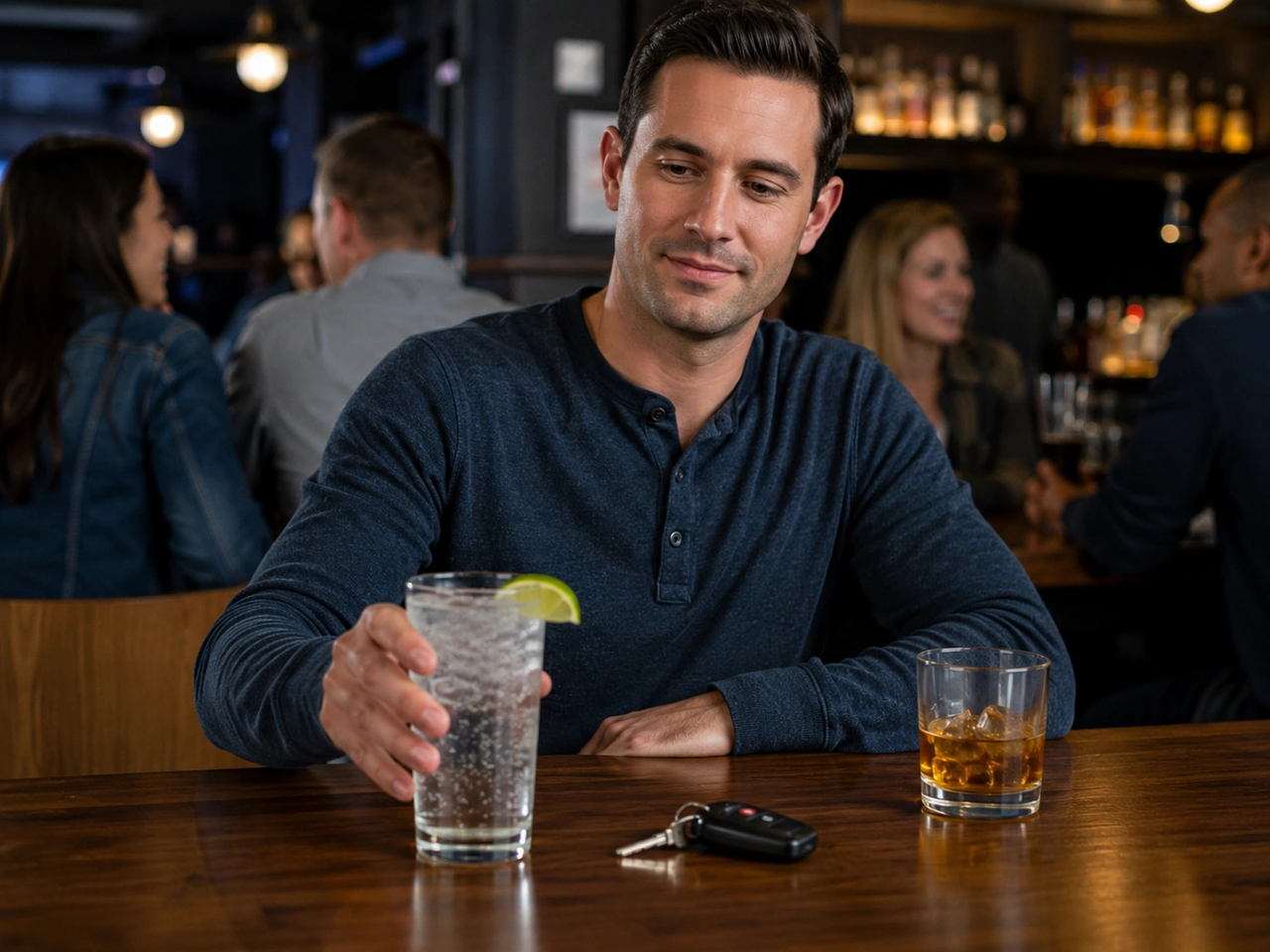
78. What should a designated driver do?
A designated driver should remain sober so they can drive safely and respond properly to traffic conditions.
AI-generated by Traffic-rules.com • WCIT • CC BY-SA
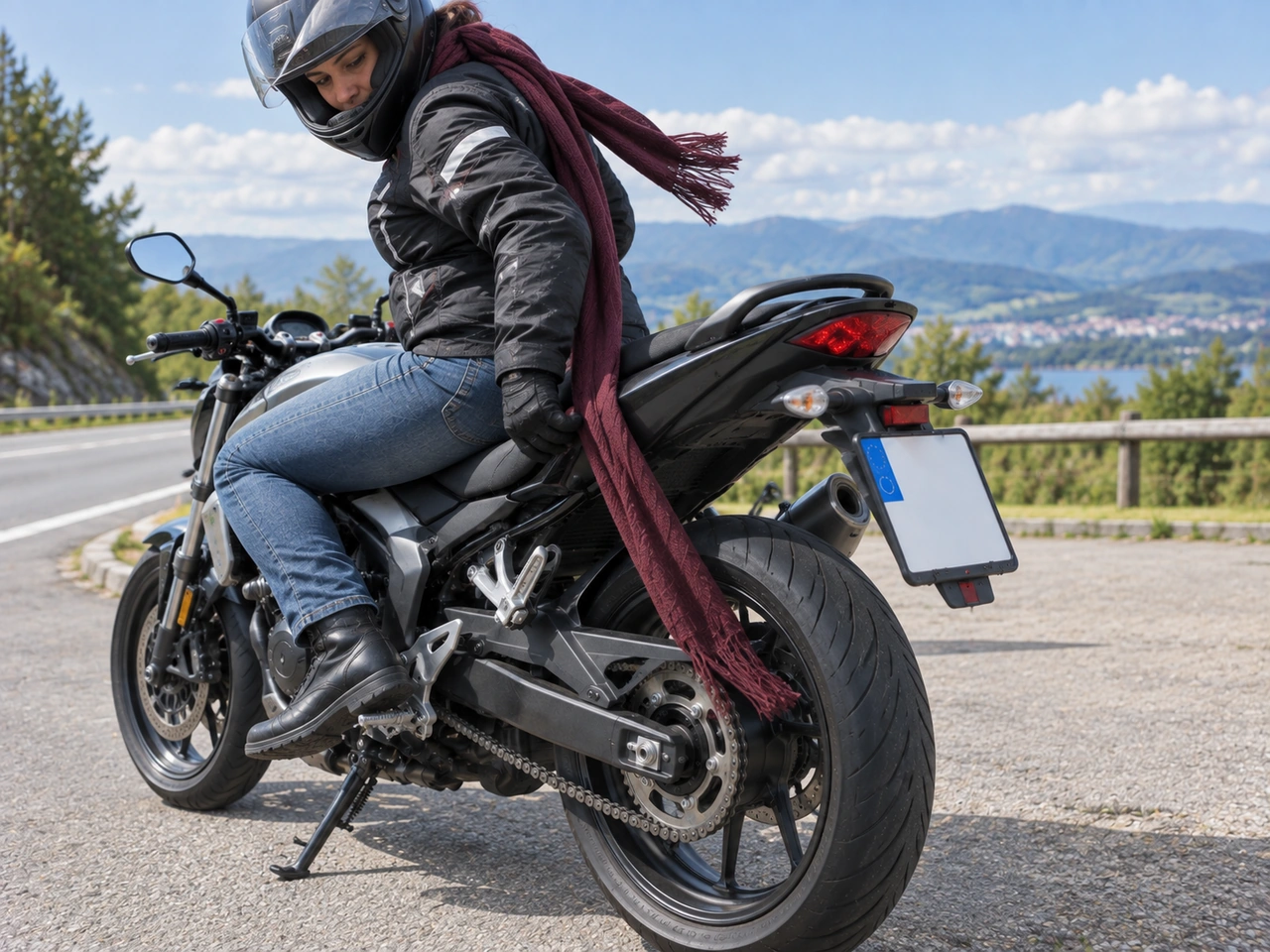
79. Why should loose clothing be avoided when riding a motorcycle?
Loose clothing, straps or scarves can flap in the wind or become caught in moving parts such as the chain or wheel. Motorcycle clothing should fit securely and should not have loose items that could interfere with safe riding.
AI-generated by Traffic-rules.com • WCIT • CC BY-SA
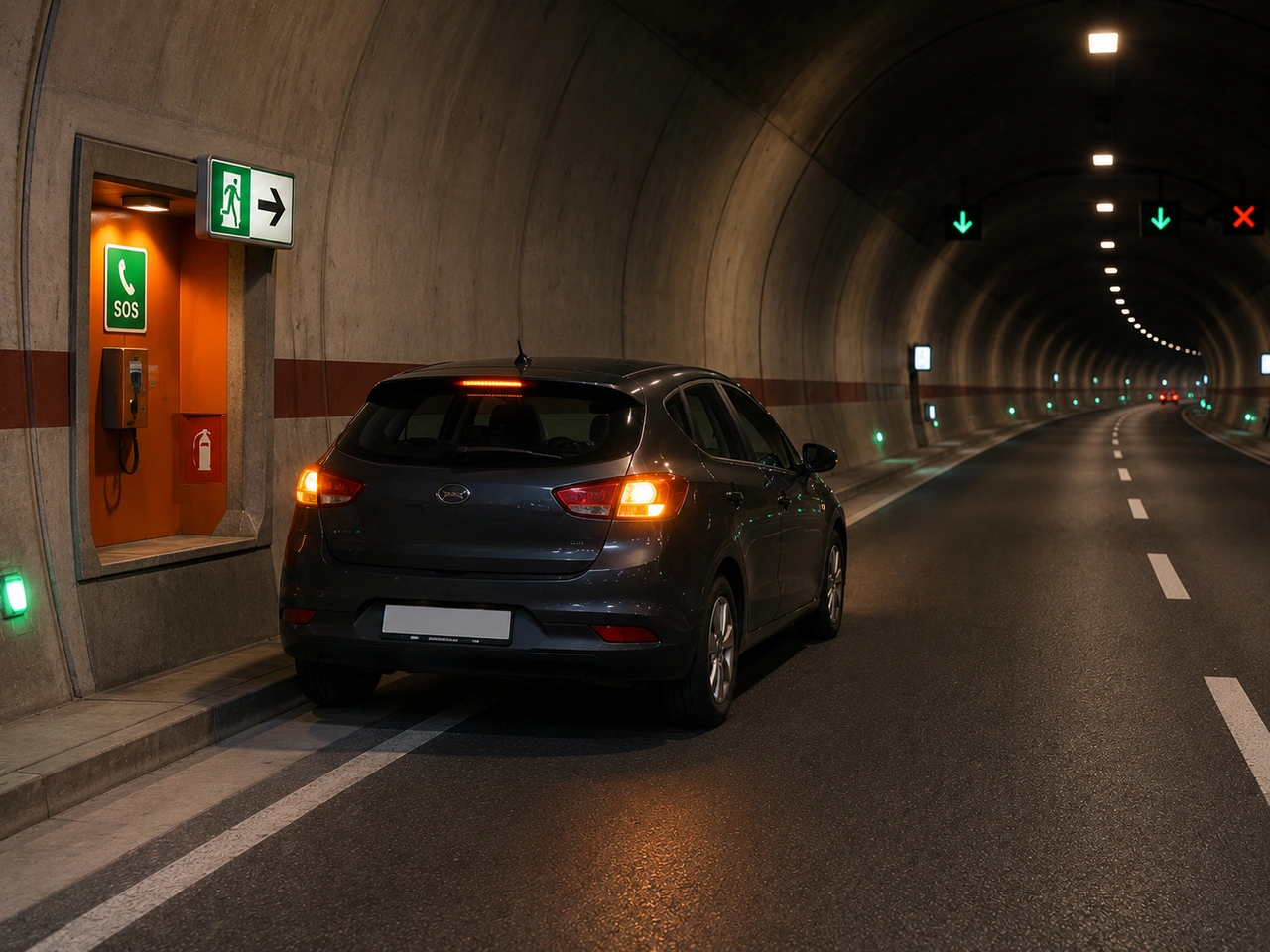
80. What should you do if your vehicle breaks down inside a road tunnel?
If possible, stop in an emergency bay or another safe place and use the hazard lights. Contact tunnel control using an emergency telephone or other available assistance system, and follow the tunnel signs and instructions.
AI-generated by Traffic-rules.com • WCIT • CC BY-SA
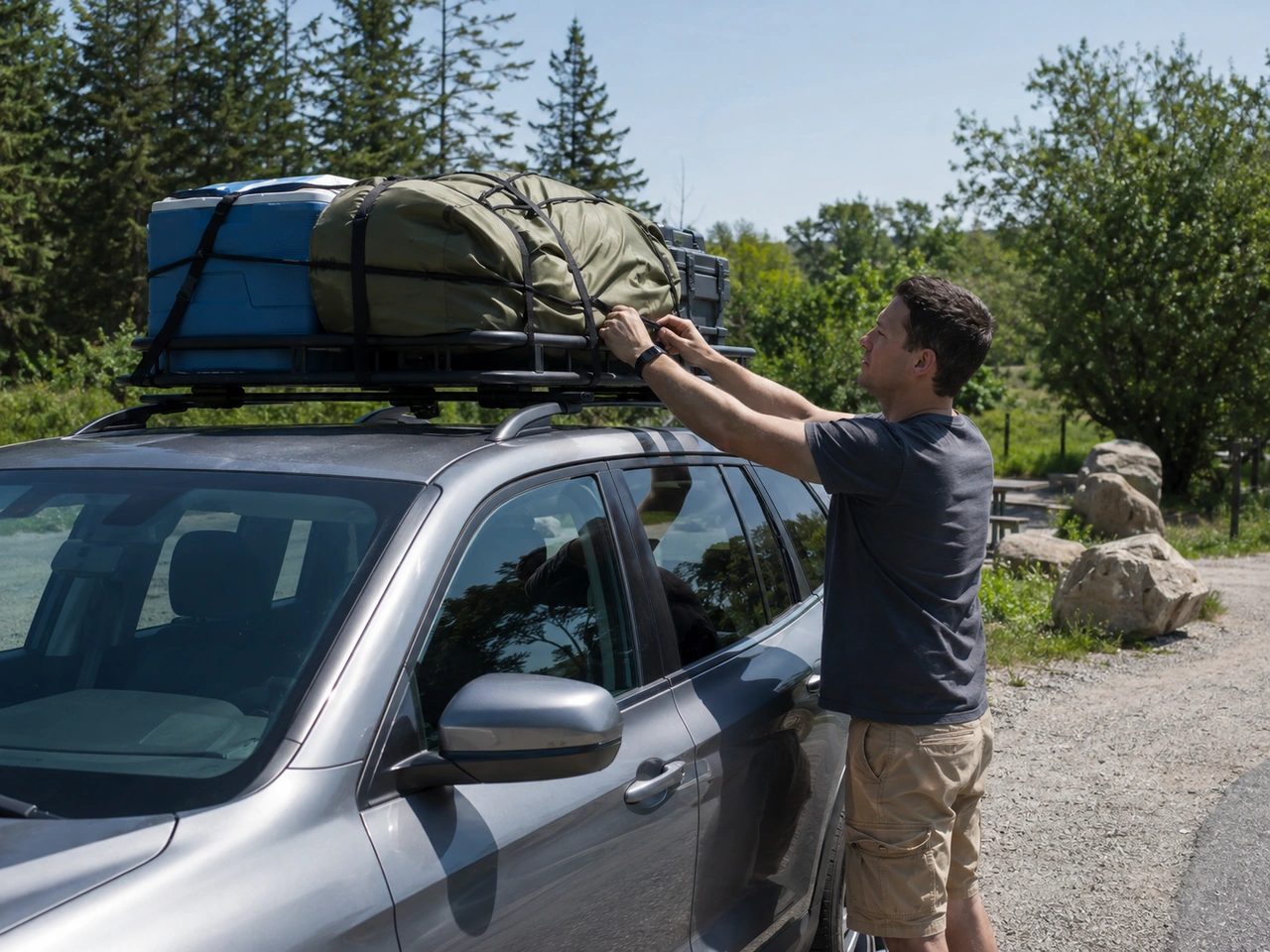
81. Why must a roof load be securely attached?
A roof load is exposed to strong airflow and movement. It must be restrained correctly and kept within the permitted limits.
AI-generated by Traffic-rules.com • WCIT • CC BY-SA
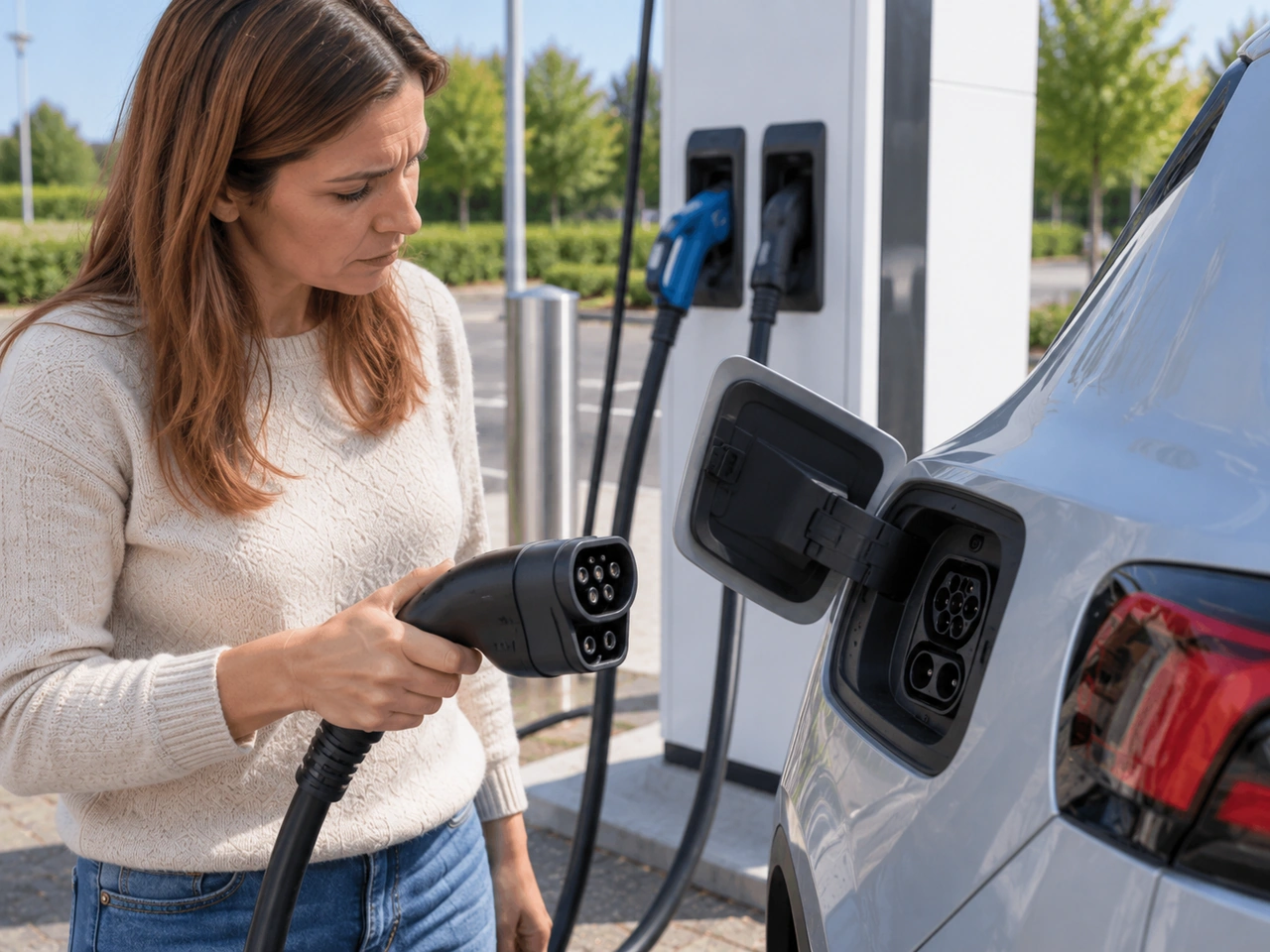
82. What should you check before connecting an electric vehicle to a charger?
Charging connectors and charging capabilities can vary between vehicles and charging stations. Use compatible charging equipment that is suitable for the vehicle and follow the vehicle and charger manufacturer's instructions.
AI-generated by Traffic-rules.com • WCIT • CC BY-SA
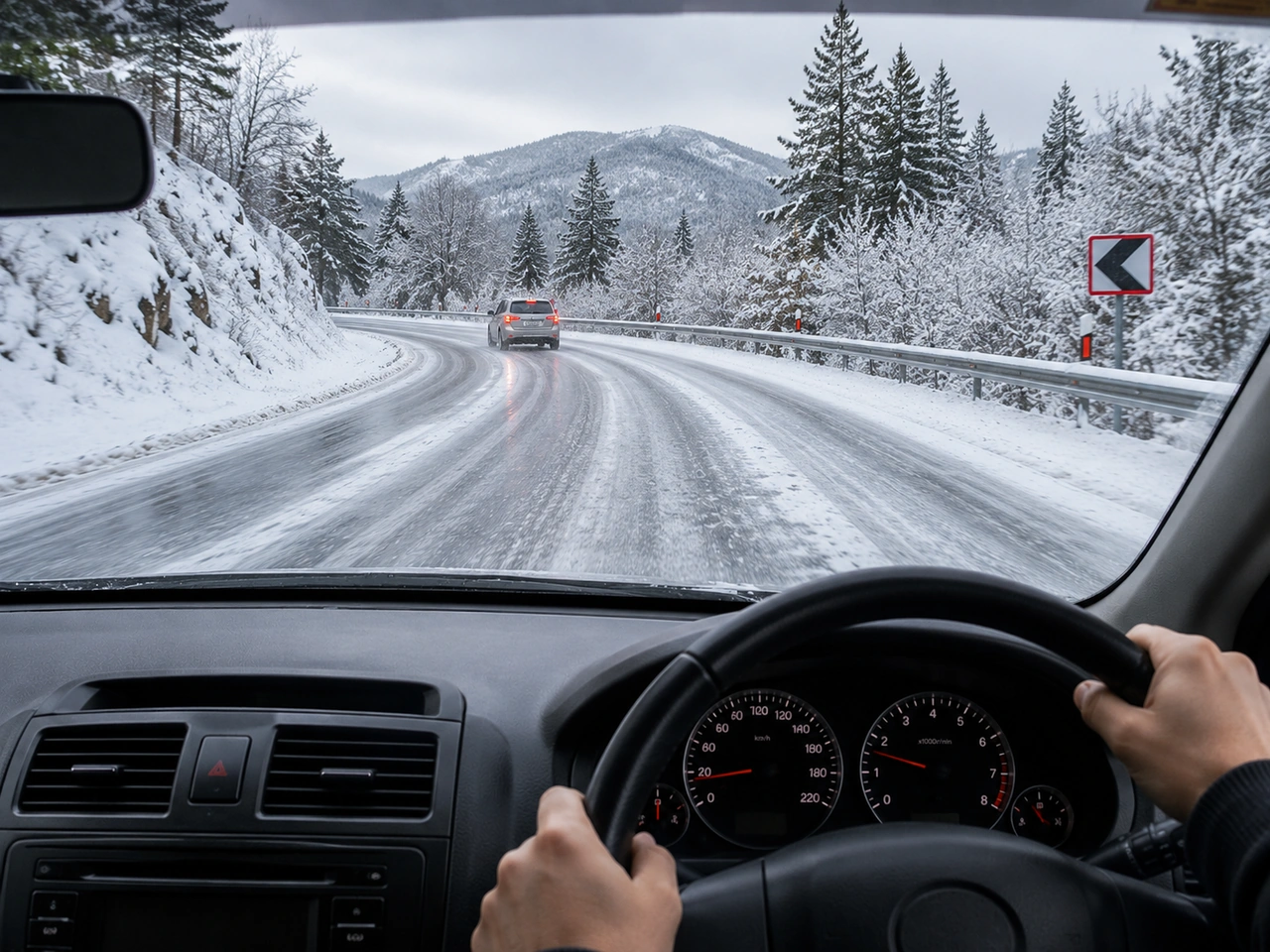
83. How should you brake on a slippery road?
Sudden braking can cause the wheels to lose grip. Smooth, progressive braking reduces the risk of skidding.
AI-generated by Traffic-rules.com • WCIT • CC BY-SA
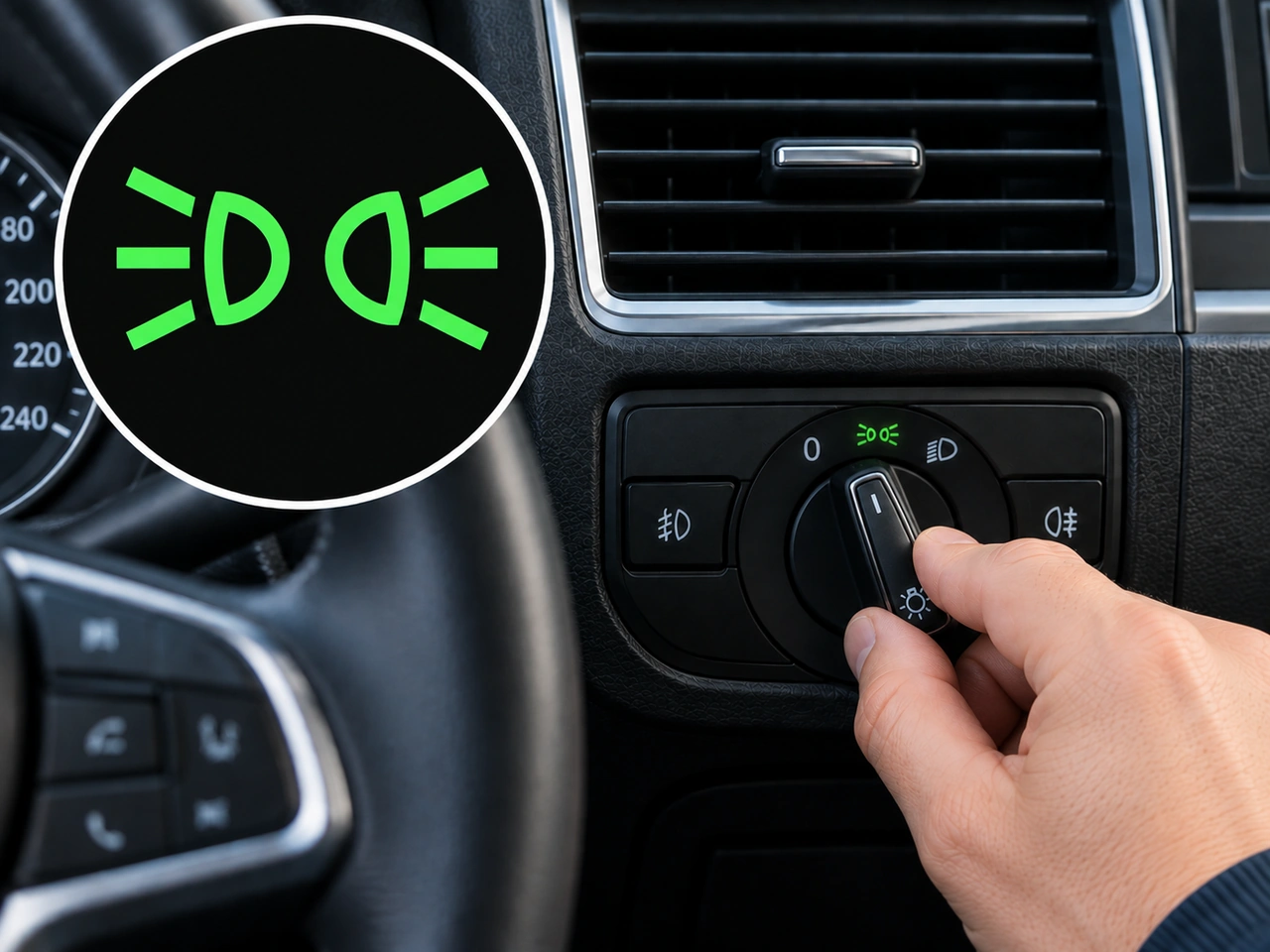
84. What does this dashboard symbol indicate?
This symbol indicates that the sidelights, also known as position or parking lights, are switched on. They help make the vehicle visible to other road users but provide little illumination of the road ahead.
AI-generated by Traffic-rules.com • WCIT • CC BY-SA
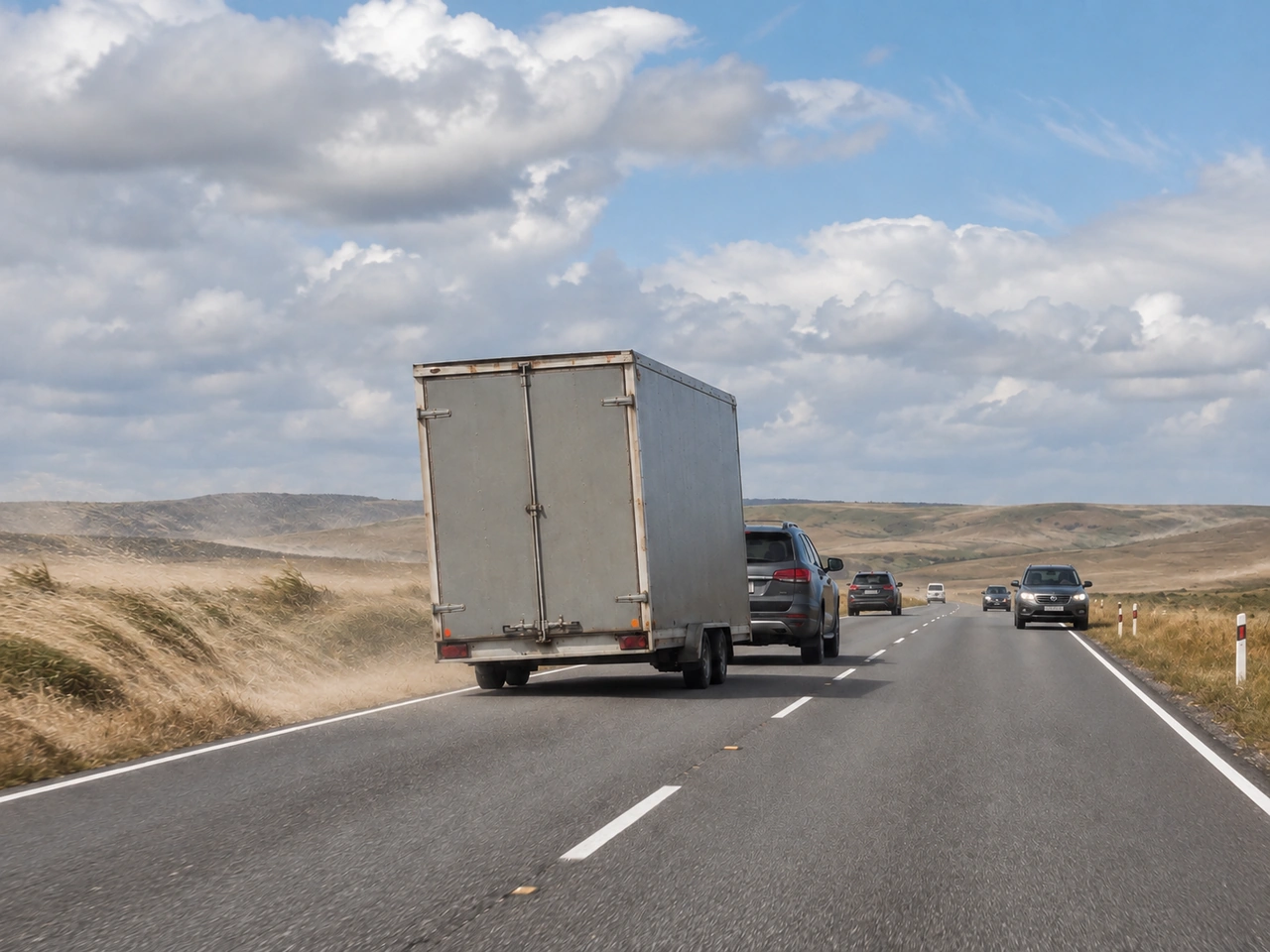
85. How can strong crosswinds affect a vehicle towing a trailer?
Trailers have large side surfaces and may be affected strongly by wind, especially on bridges and exposed roads.
AI-generated by Traffic-rules.com • WCIT • CC BY-SA
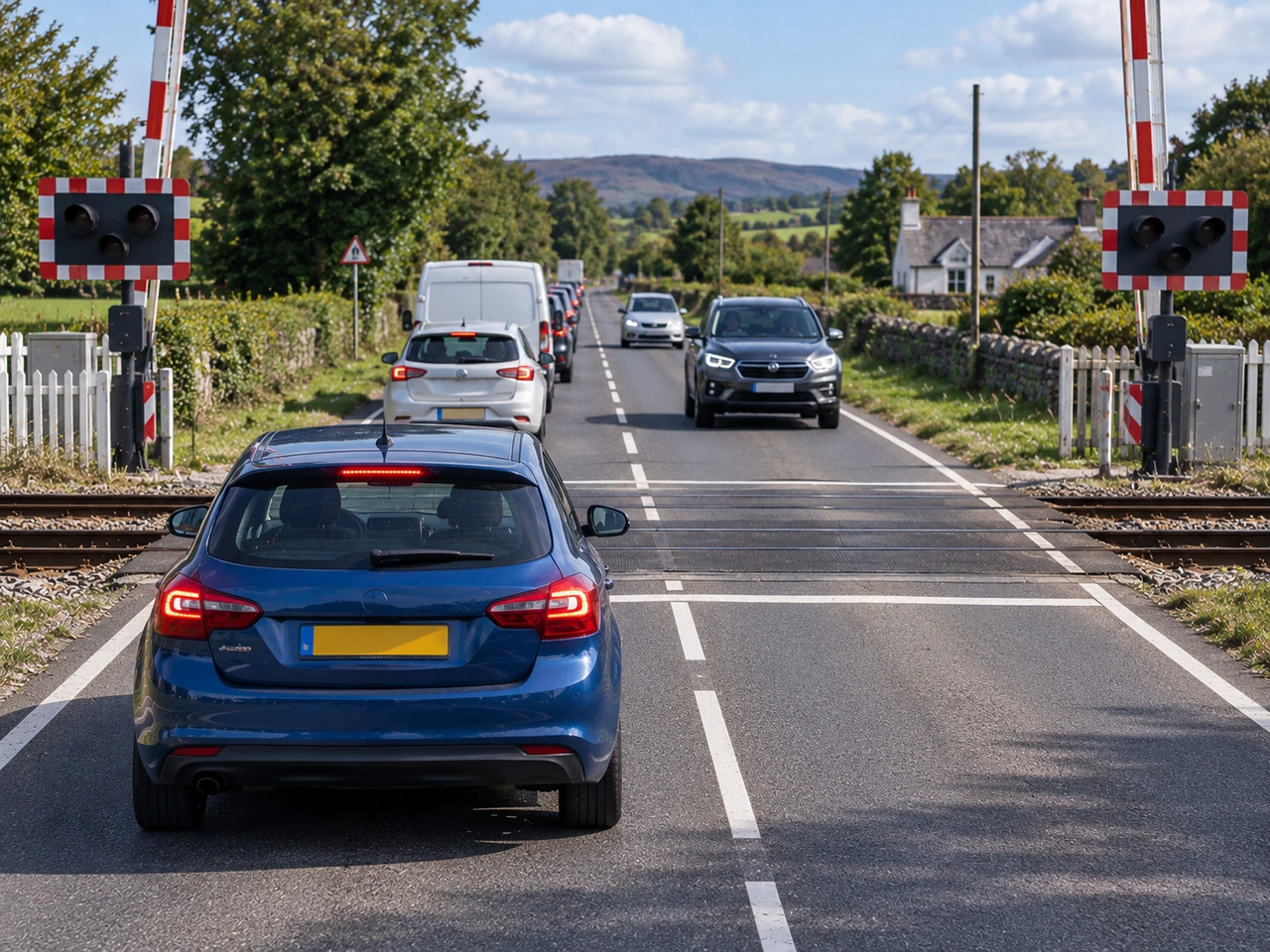
86. What should you do if traffic beyond a railway crossing is blocked?
Never enter a railway crossing unless you can clear the tracks completely. If traffic ahead is blocked, wait before the crossing so you cannot become trapped on the railway.
AI-generated by Traffic-rules.com • WCIT • CC BY-SA
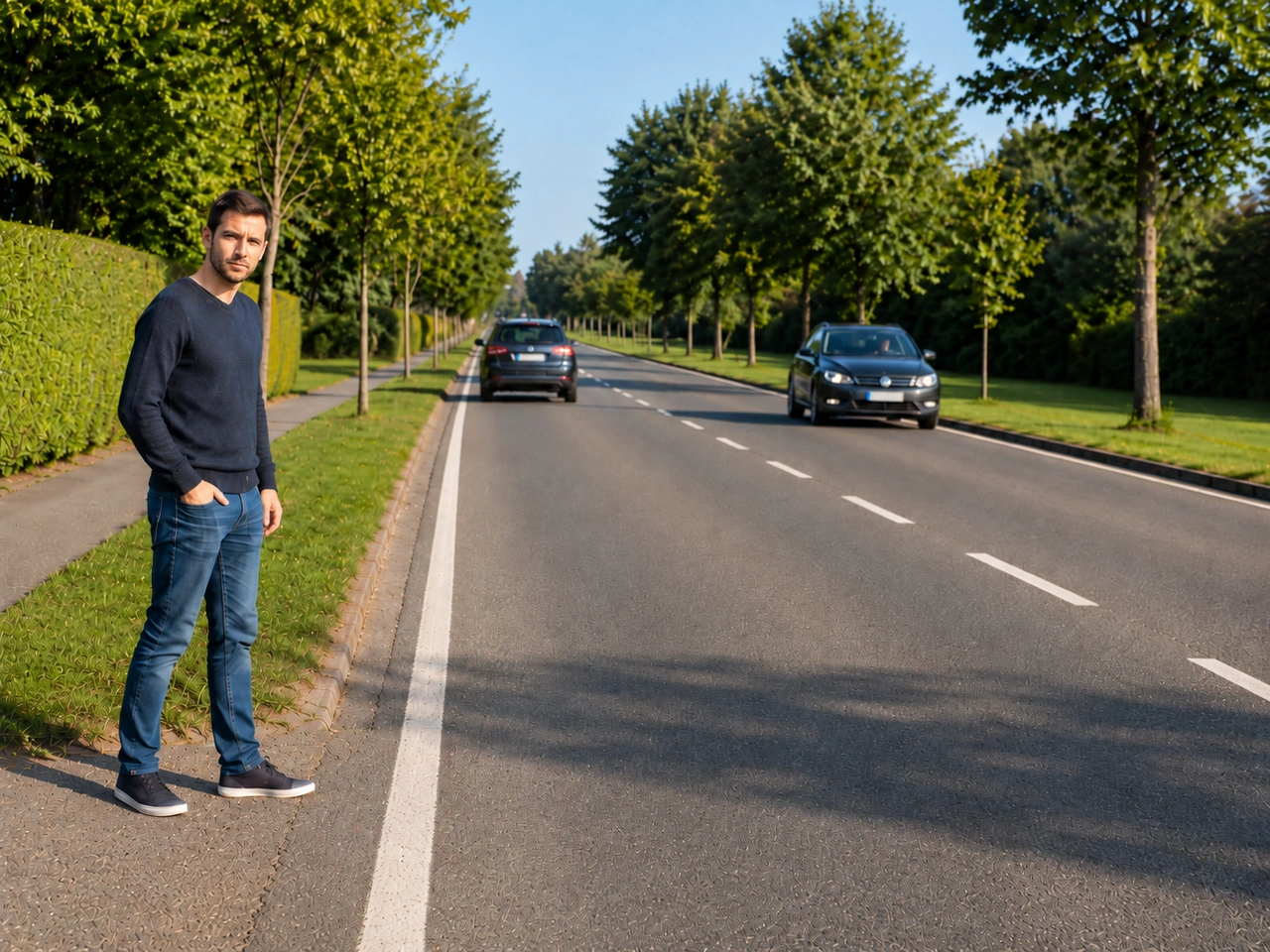
87. What should you do when crossing a road with no marked crossing nearby?
If there is no marked crossing nearby, choose a safe place where you can clearly see approaching traffic.
AI-generated by Traffic-rules.com • WCIT • CC BY-SA
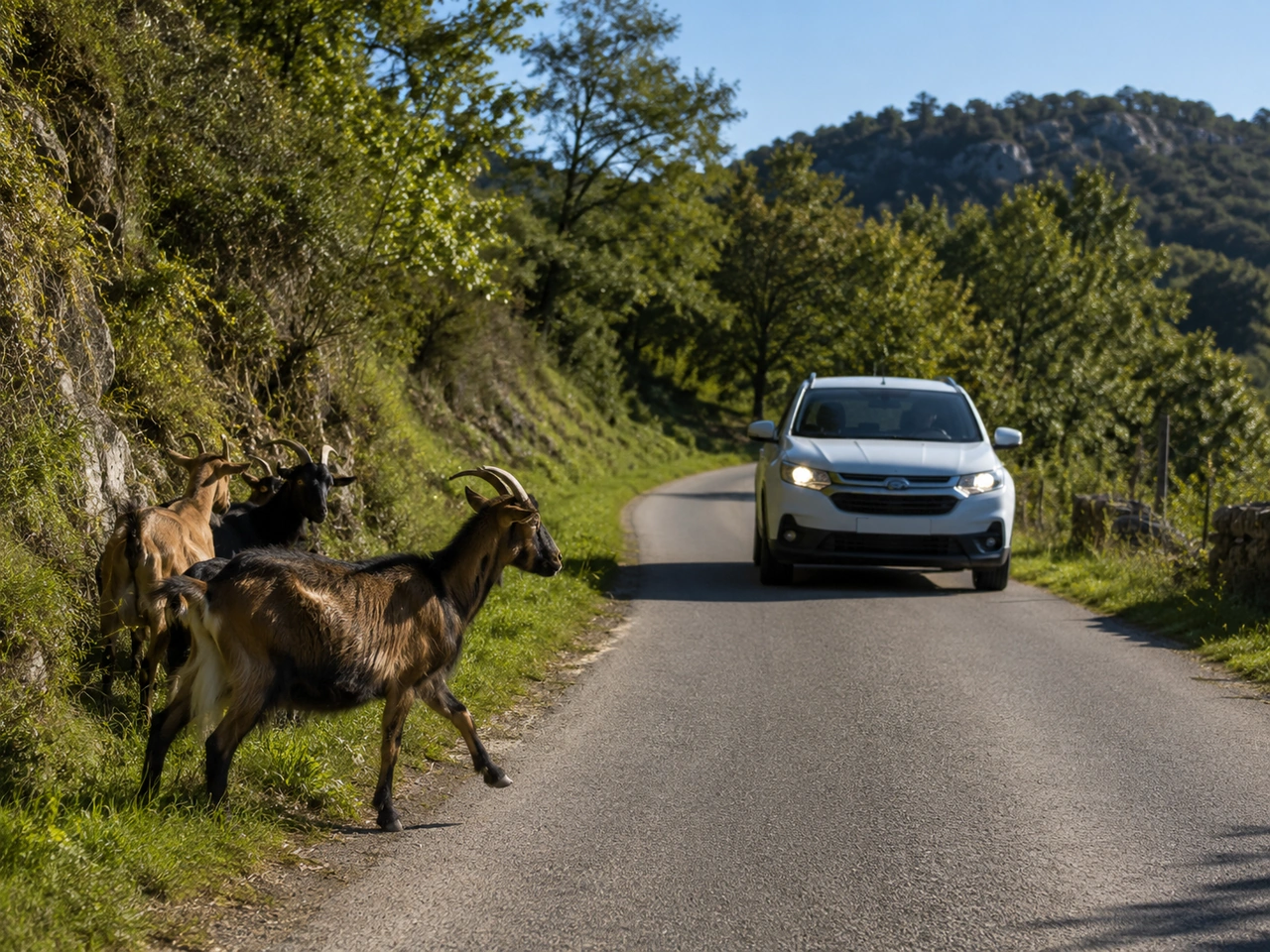
88. What should you do if animals are gathered beside a narrow rural road?
Animals beside a narrow road may step into your path. Slow down and leave as much safe space as possible.
AI-generated by Traffic-rules.com • WCIT • CC BY-SA
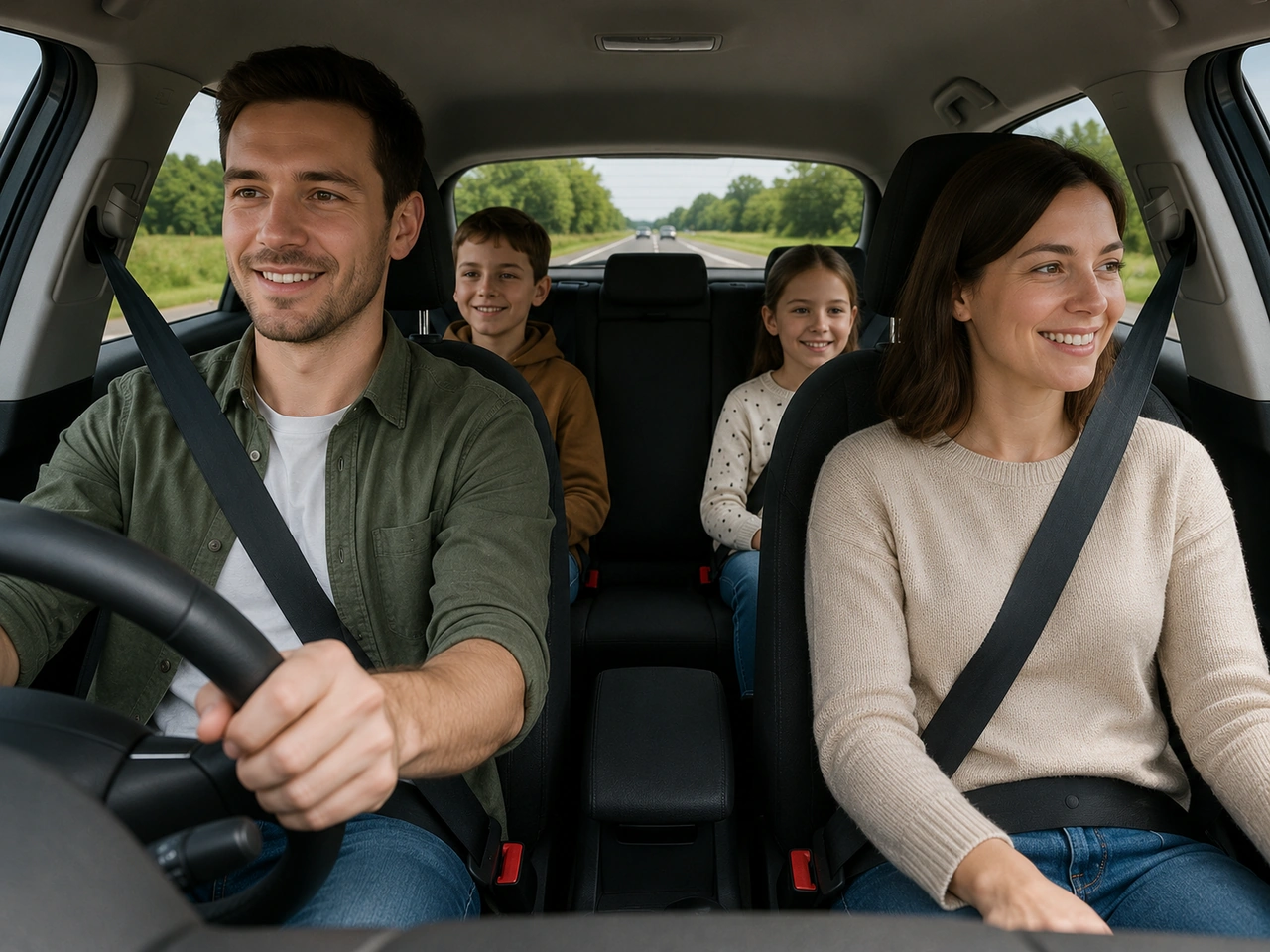
89. Who should always wear a seat belt?
Seat belts greatly reduce the risk of serious injury in a crash and should be worn by everyone in the vehicle.
AI-generated by Traffic-rules.com • WCIT • CC BY-SA
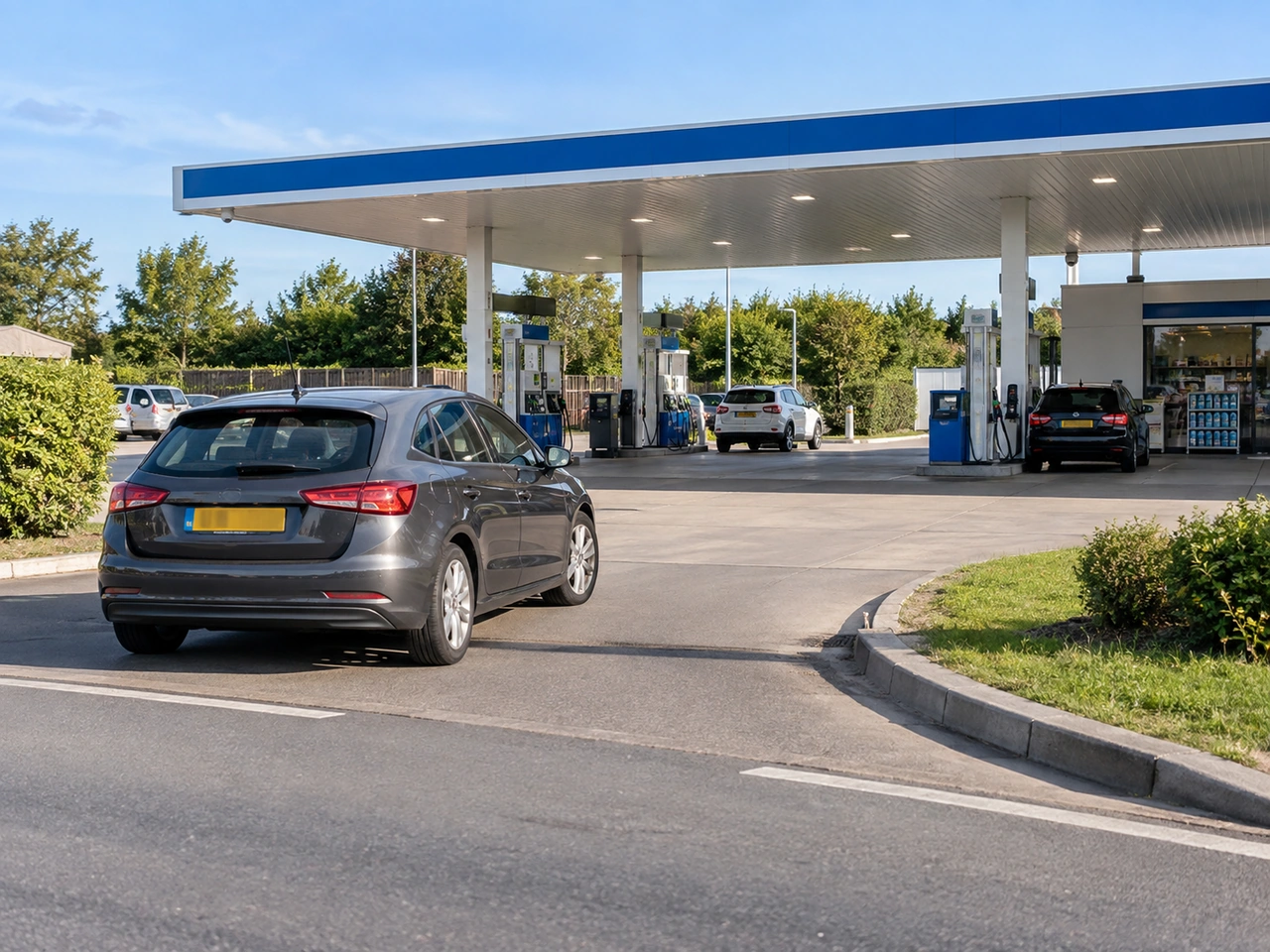
90. How should you position your vehicle beside a fuel pump?
Position the vehicle so the fuel filler is close to the pump and the hose can reach without being stretched tightly across or around the vehicle. Stop within the designated refuelling area and leave enough space to use the pump safely.
AI-generated by Traffic-rules.com • WCIT • CC BY-SA
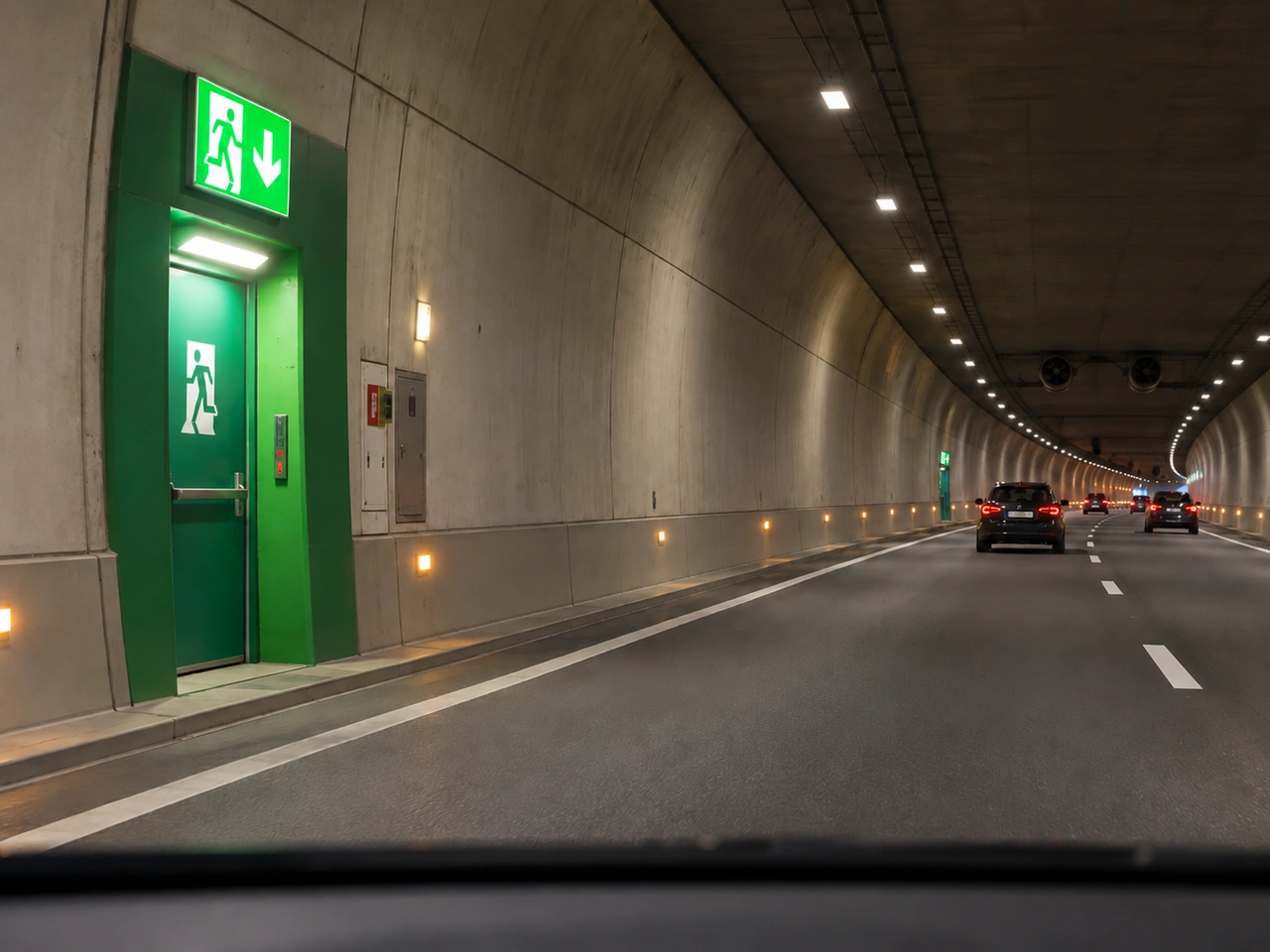
91. Why should you notice the location of emergency exits in a tunnel?
Knowing where emergency exits and refuge areas are located can save valuable time during a fire, collision, or evacuation.
AI-generated by Traffic-rules.com • WCIT • CC BY-SA
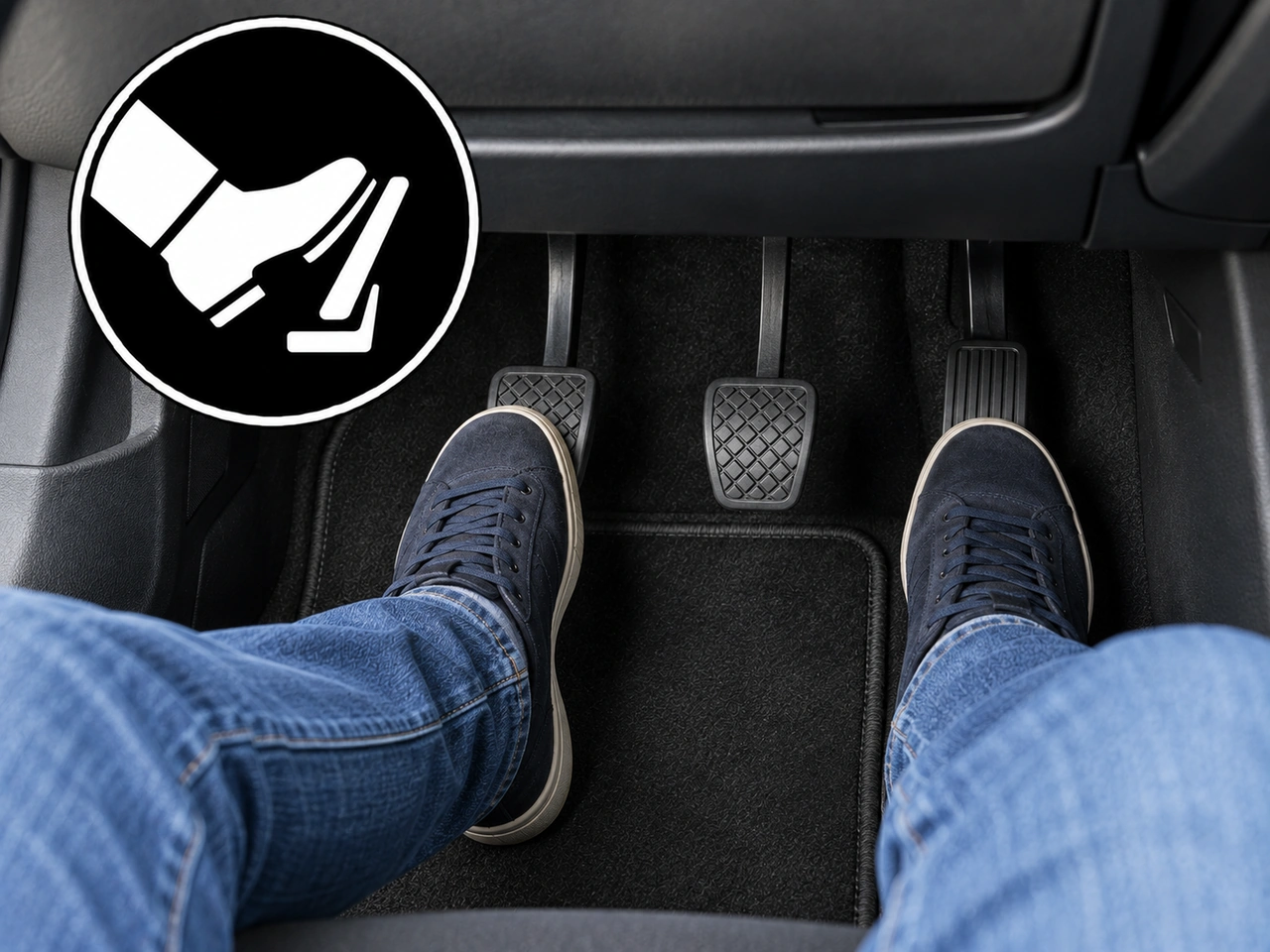
92. What is the clutch biting point?
The clutch biting point is reached as the clutch pedal is released and the clutch begins to transmit power from the engine to the transmission. Controlling this point helps the driver move off smoothly.
AI-generated by Traffic-rules.com • WCIT • CC BY-SA
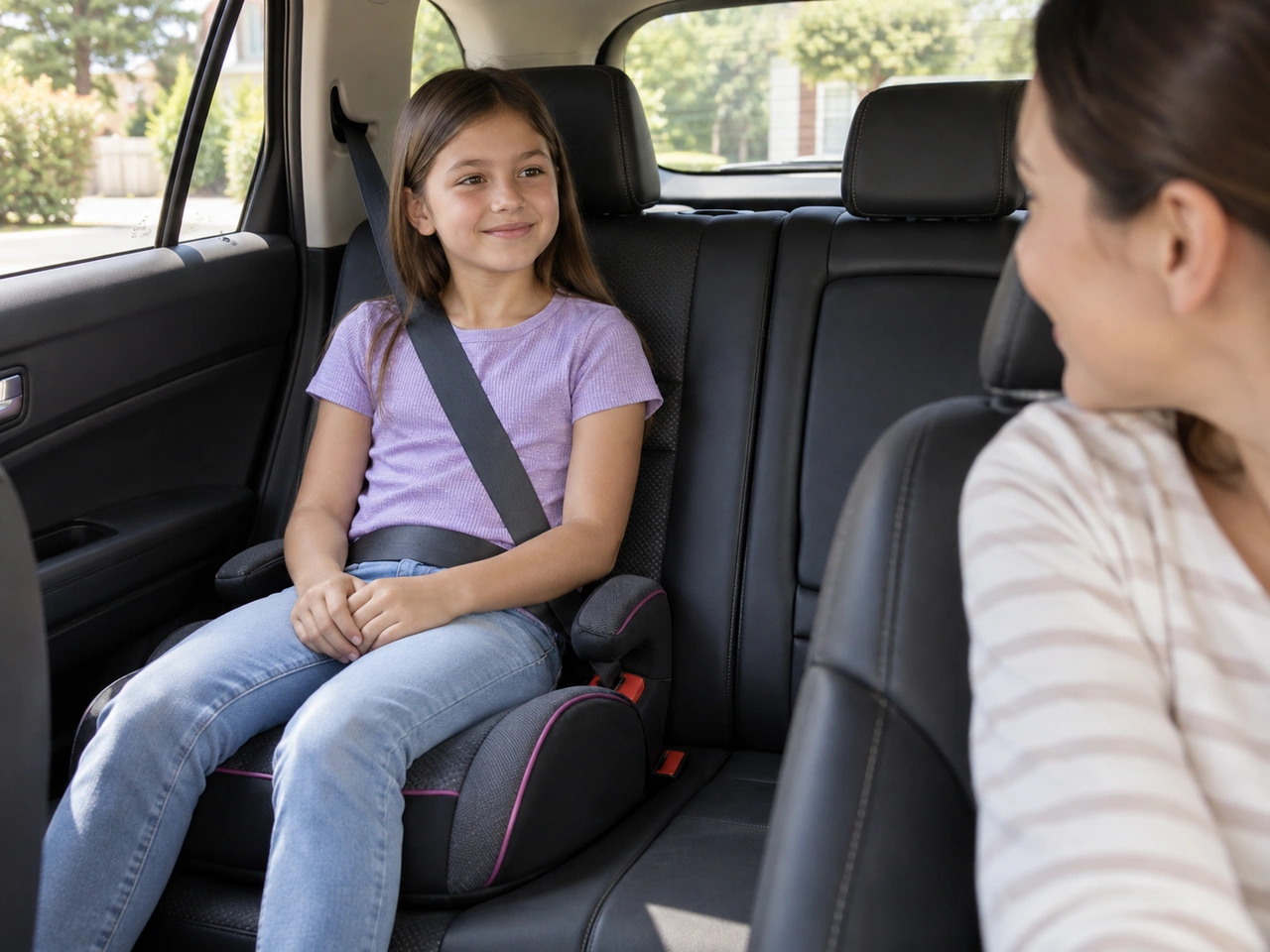
93. What is the main purpose of a booster seat?
A booster seat raises and positions a child so the vehicle seat belt fits correctly. The lap belt should sit low across the hips and the shoulder belt should pass across the chest and shoulder, rather than the neck or abdomen.
AI-generated by Traffic-rules.com • WCIT • CC BY-SA
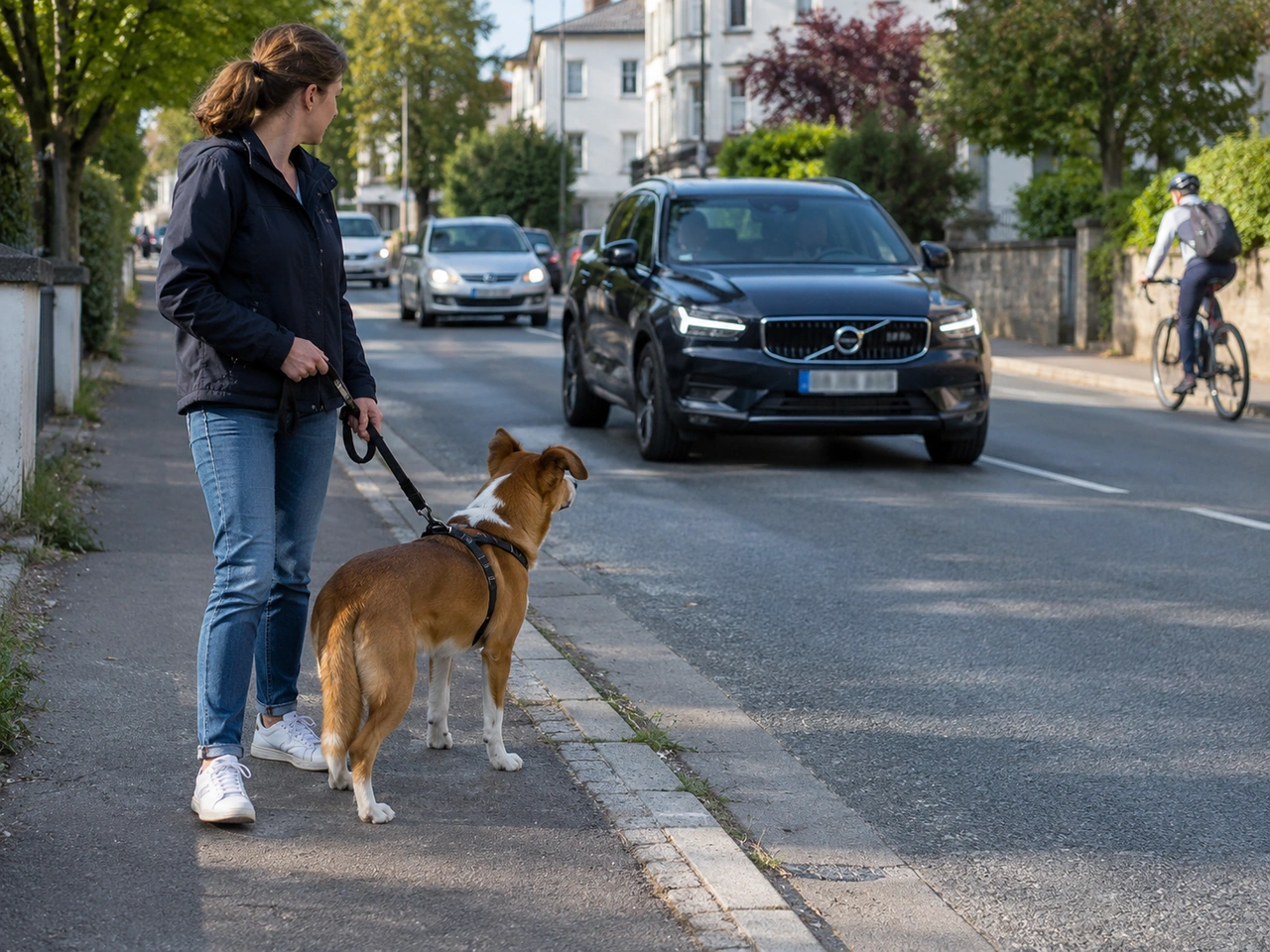
94. Why should you keep a dog on a leash near traffic?
Dogs can react unpredictably to vehicles, people, noises, or other animals. Keeping a dog under close control on a leash near traffic reduces the risk of it suddenly entering the road and endangering itself or other road users.
AI-generated by Traffic-rules.com • WCIT • CC BY-SA
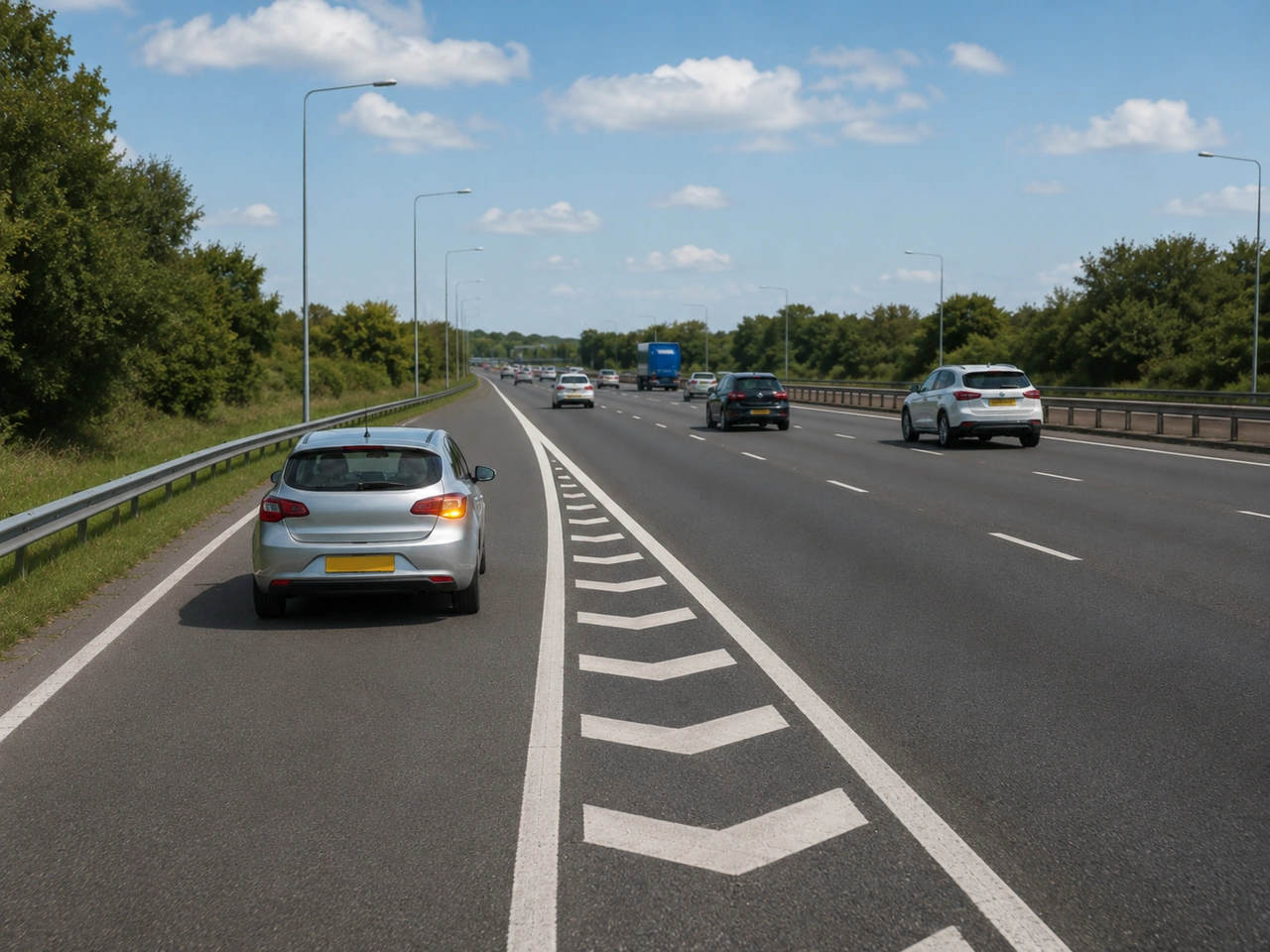
95. What should you do before joining a motorway?
Observe motorway traffic early, signal clearly, and merge only when there is a safe gap.
AI-generated by Traffic-rules.com • WCIT • CC BY-SA
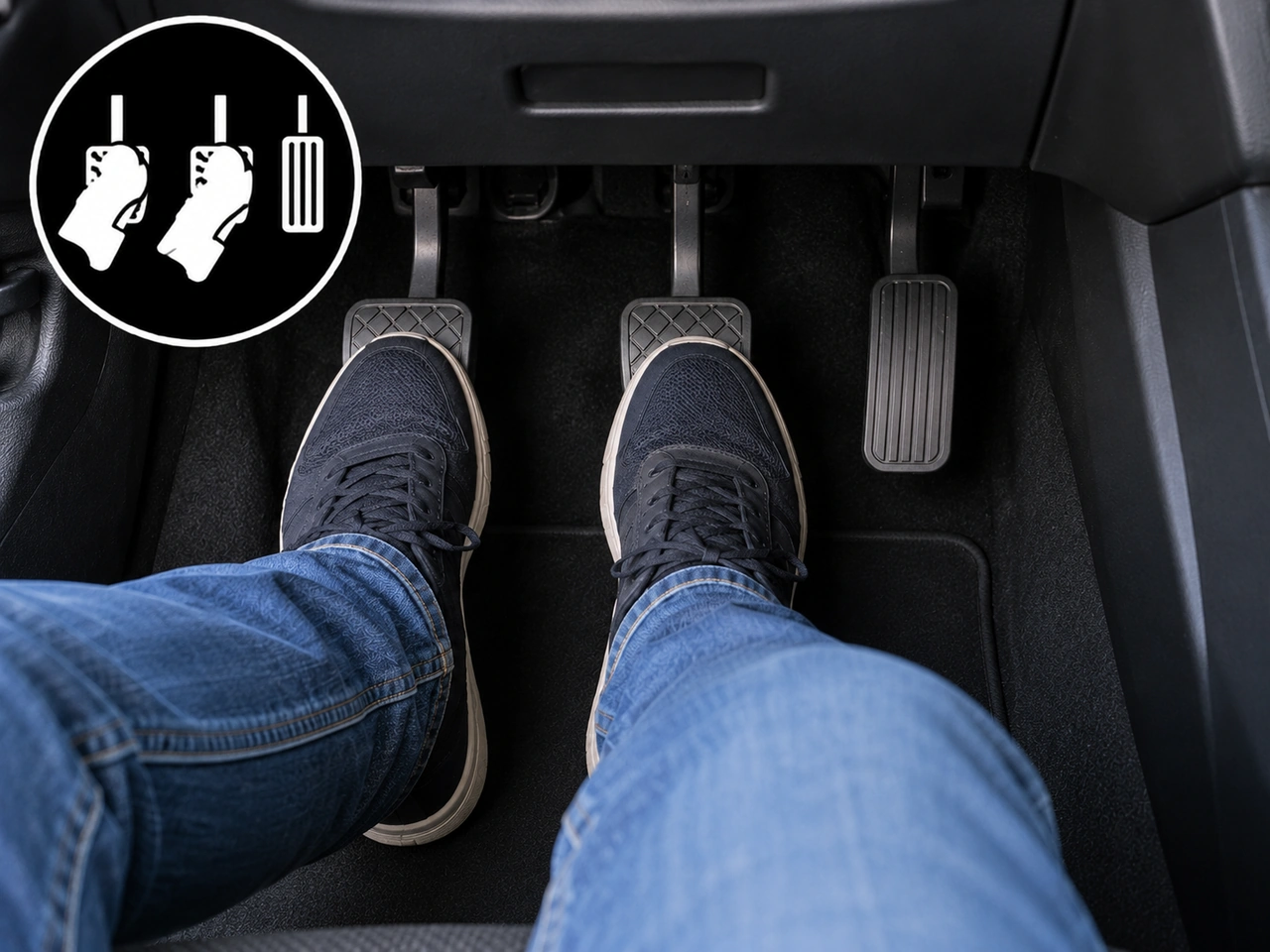
96. What should you do with the clutch when bringing a manual vehicle to a stop?
When stopping a manual vehicle, brake normally and press the clutch pedal before the engine speed becomes too low and the engine stalls. Avoid pressing the clutch unnecessarily early, as this reduces engine braking.
AI-generated by Traffic-rules.com • WCIT • CC BY-SA
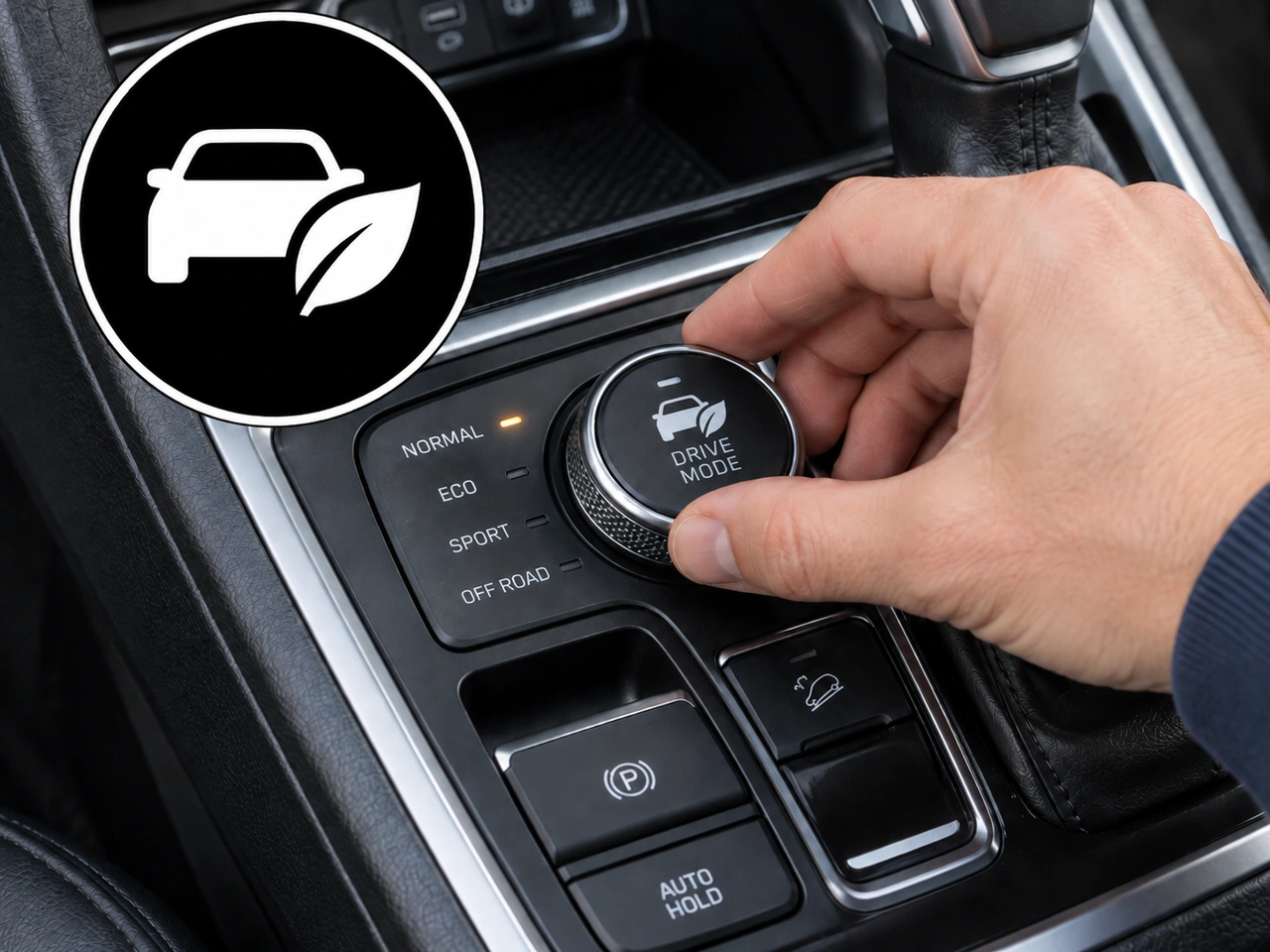
97. What does this vehicle-control symbol indicate?
This control selects a driving mode. Depending on the vehicle, different modes can alter characteristics such as accelerator response, steering assistance, transmission behaviour or energy use.
AI-generated by Traffic-rules.com • WCIT • CC BY-SA
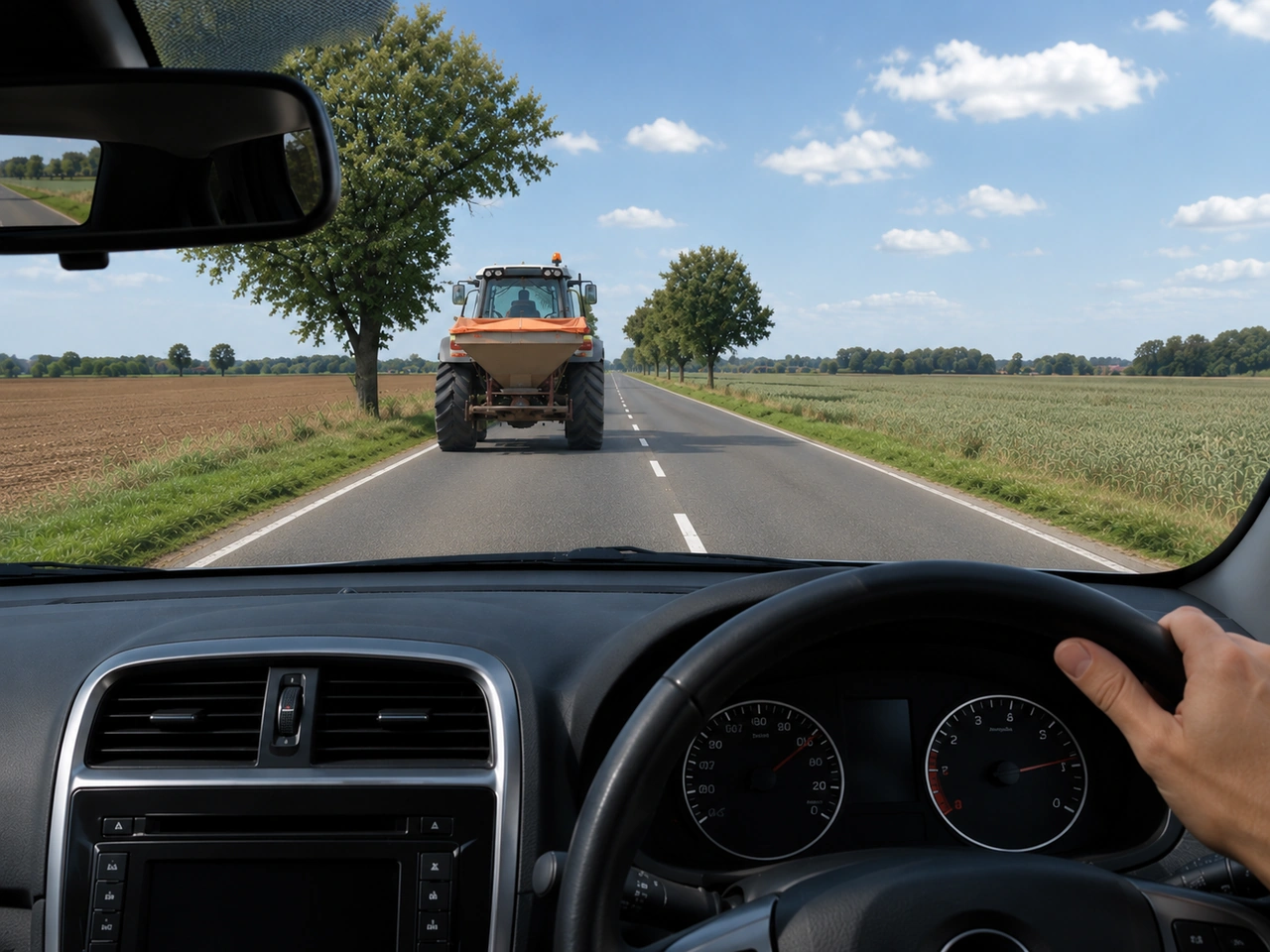
98. What should you do if you approach slow-moving farm machinery?
Farm machinery may be wide, slow, or turn unexpectedly. Keep distance and only overtake when you have a clear view and enough space.
AI-generated by Traffic-rules.com • WCIT • CC BY-SA
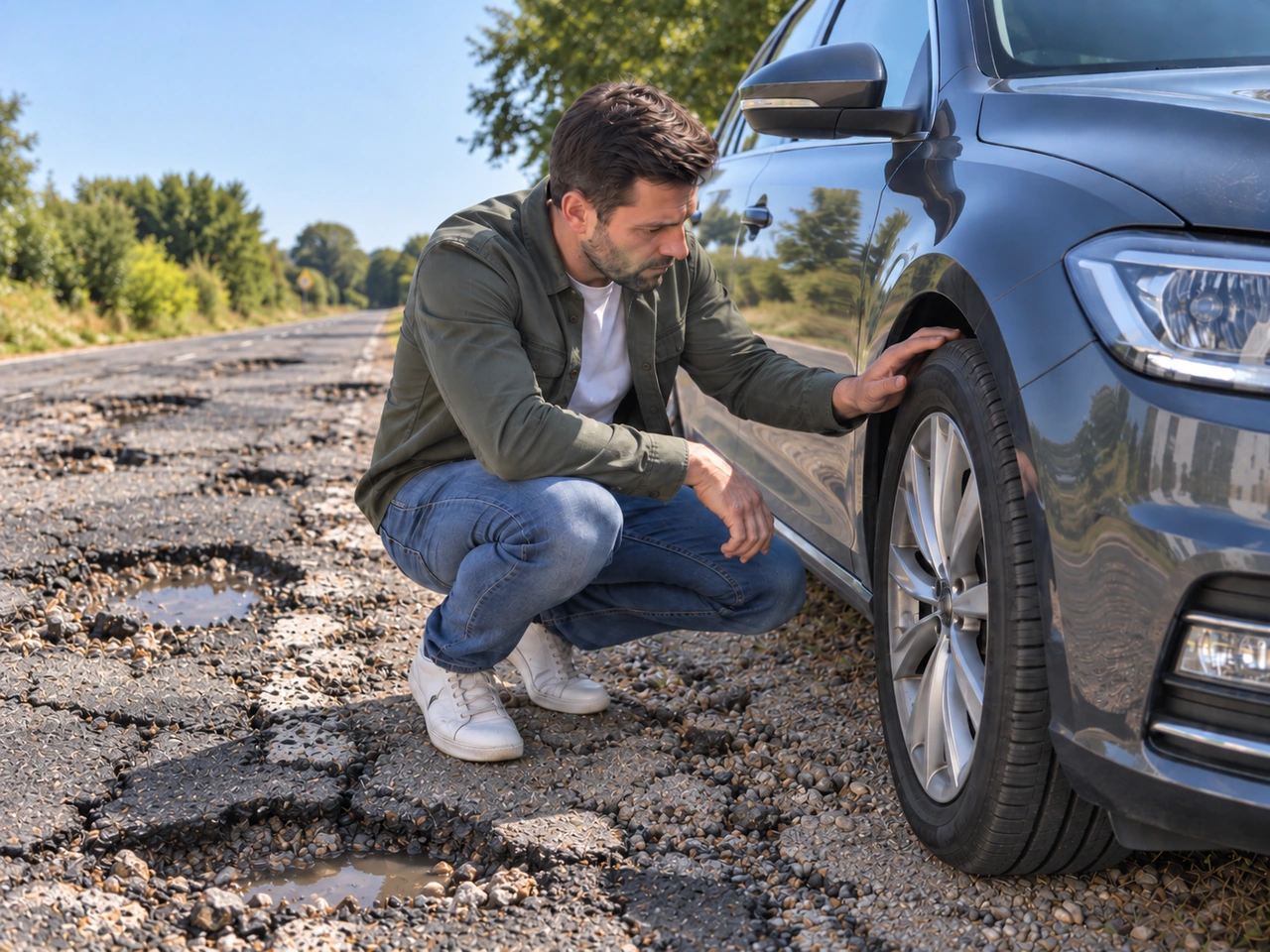
99. What should you do after hitting a deep pothole hard?
A hard impact with a pothole can damage tyres, wheel rims, steering, suspension, or wheel alignment. When it is safe to stop, inspect the tyres and wheels and pay attention to unusual vibration, pulling, or steering changes. Have the vehicle checked if you suspect damage.
AI-generated by Traffic-rules.com • WCIT • CC BY-SA
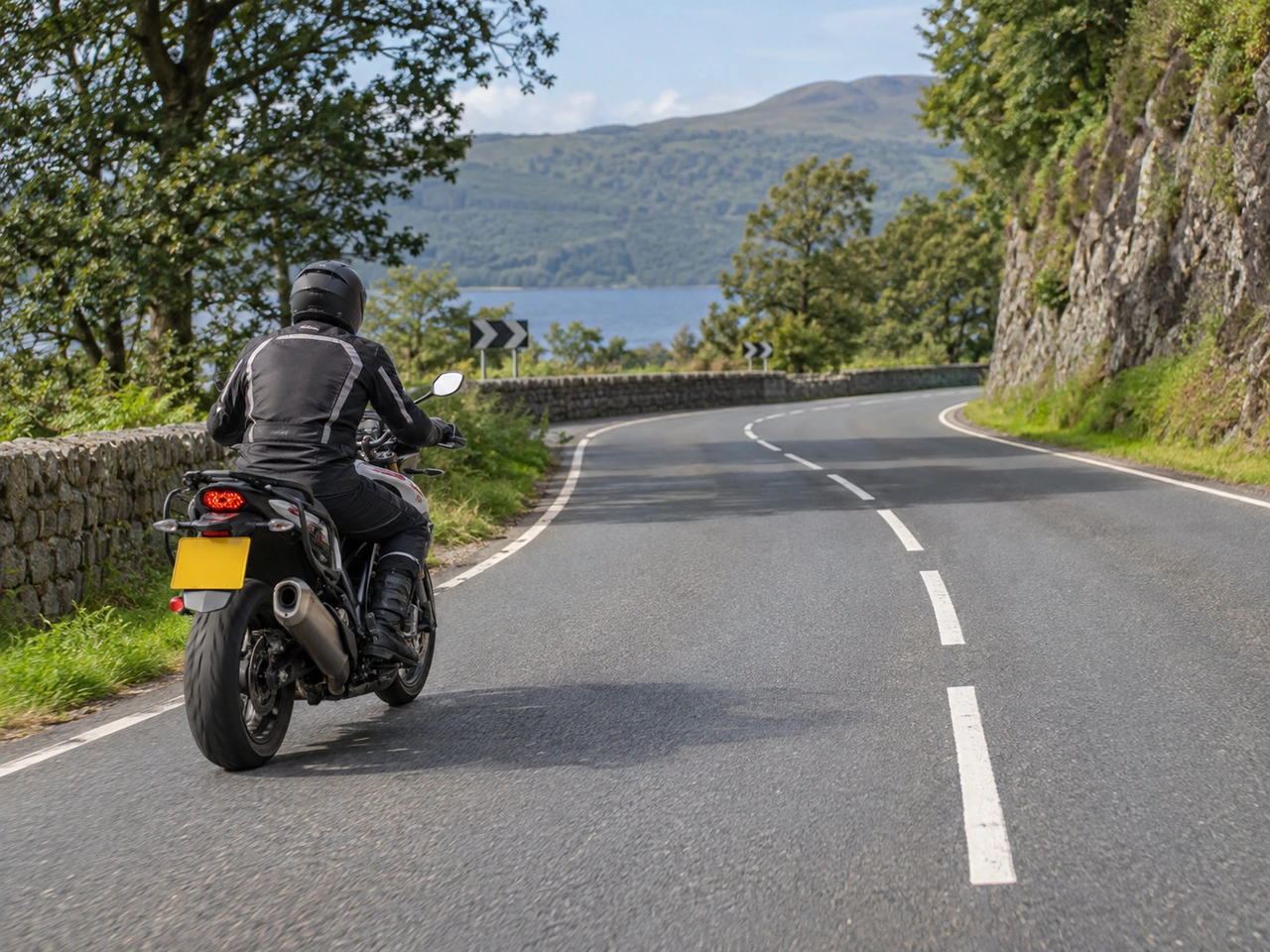
100. What should a motorcyclist do before entering a bend?
Adjust your speed before entering the bend so you can steer smoothly and remain within a safe position. Look through the bend towards where you want to travel and be prepared for hazards that may be hidden from view.
AI-generated by Traffic-rules.com • WCIT • CC BY-SA