QuizTraffic rulesIndonesia

This interesting quiz helps you test your knowledge in a clear and visual way. With easy multiple-choice questions, you can quickly build confidence and learn new facts while keeping it simple, interactive, and fun.


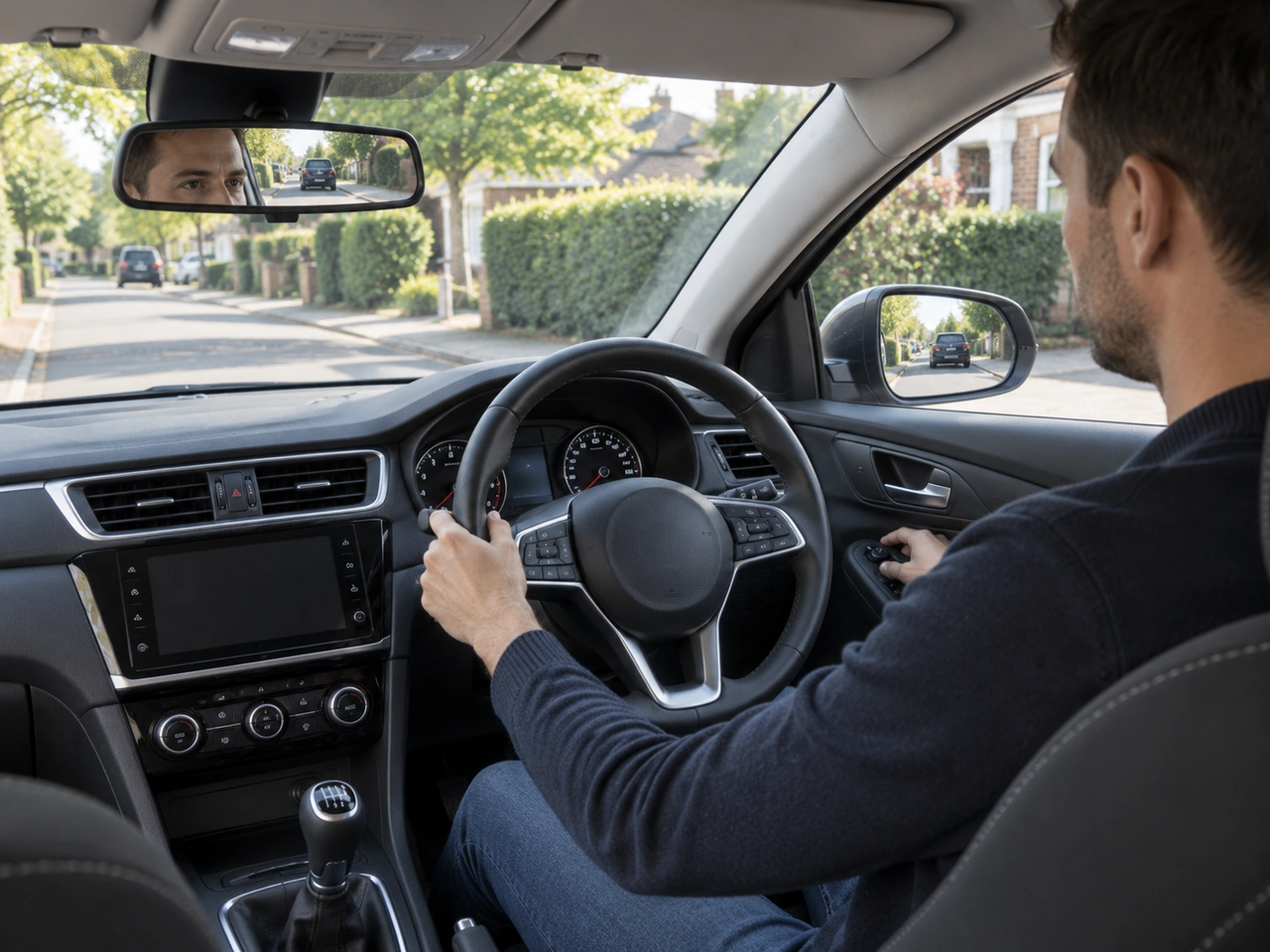
Why should you adjust the seat and mirrors correctly before driving?

401. Why should you adjust the seat and mirrors correctly before driving?

To reduce the vehicle's stopping distance.
To make the steering and pedals easier to operate.
✓ To maintain good control and a clear view around the vehicle.
To improve the grip of the tyres.

A correct driving position helps you operate the pedals and steering comfortably and maintain proper control. Correctly adjusted mirrors improve your view around the vehicle and help reduce blind spots. Adjust both before starting your journey.

Adjusting the driving position and mirrors before a journey
AI-generated by Traffic-rules.com • WCIT • CC BY-SA
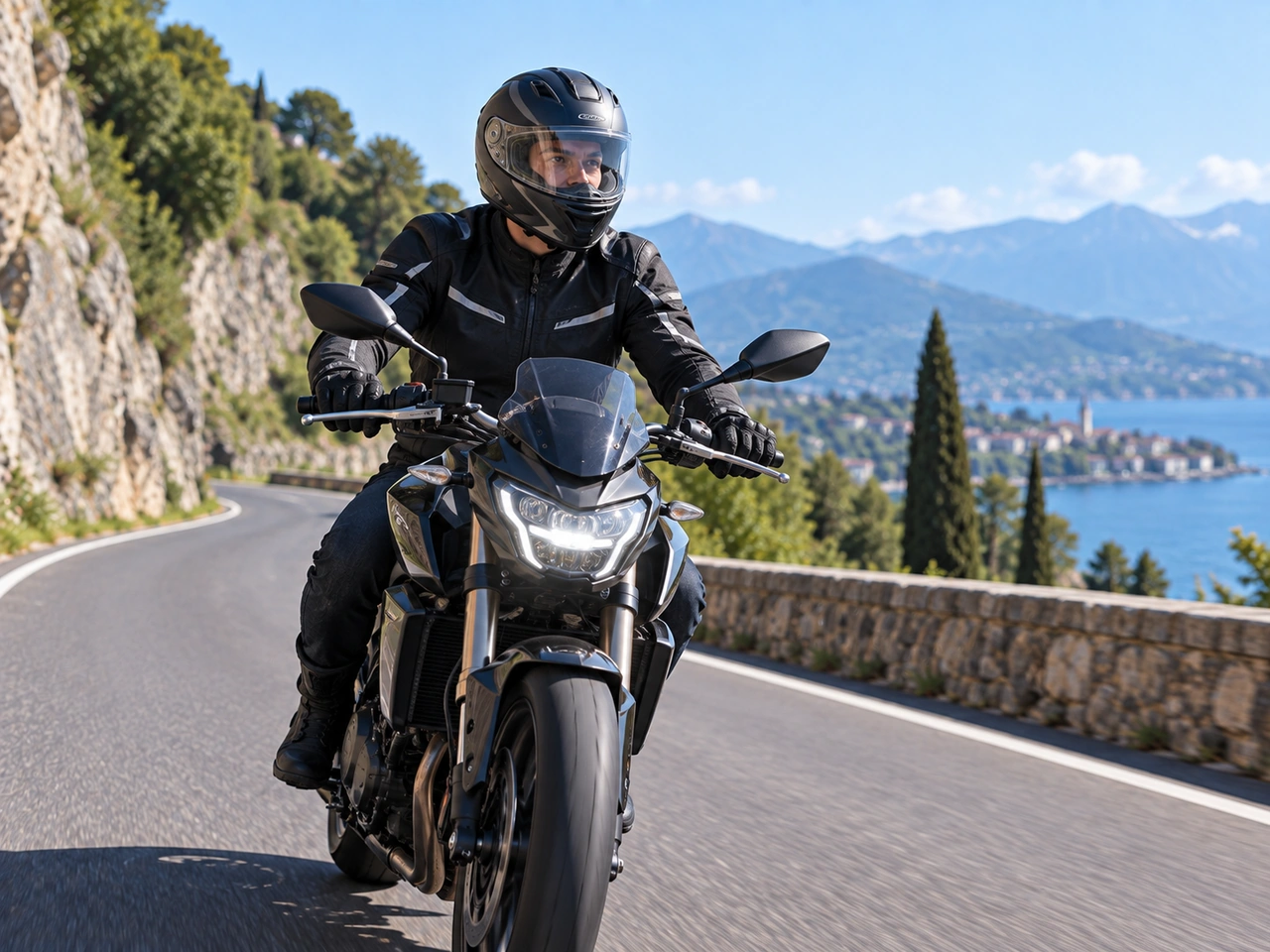
Are motorcycle riders generally required to wear a helmet in Indonesia?

402. Are motorcycle riders generally required to wear a helmet in Indonesia?

✓ Yes.
No.

Motorcycle riders in Indonesia are generally required to wear an approved helmet.

Motorcyclist wearing a protective helmet
AI-generated by Traffic-rules.com • WCIT • CC BY-SA
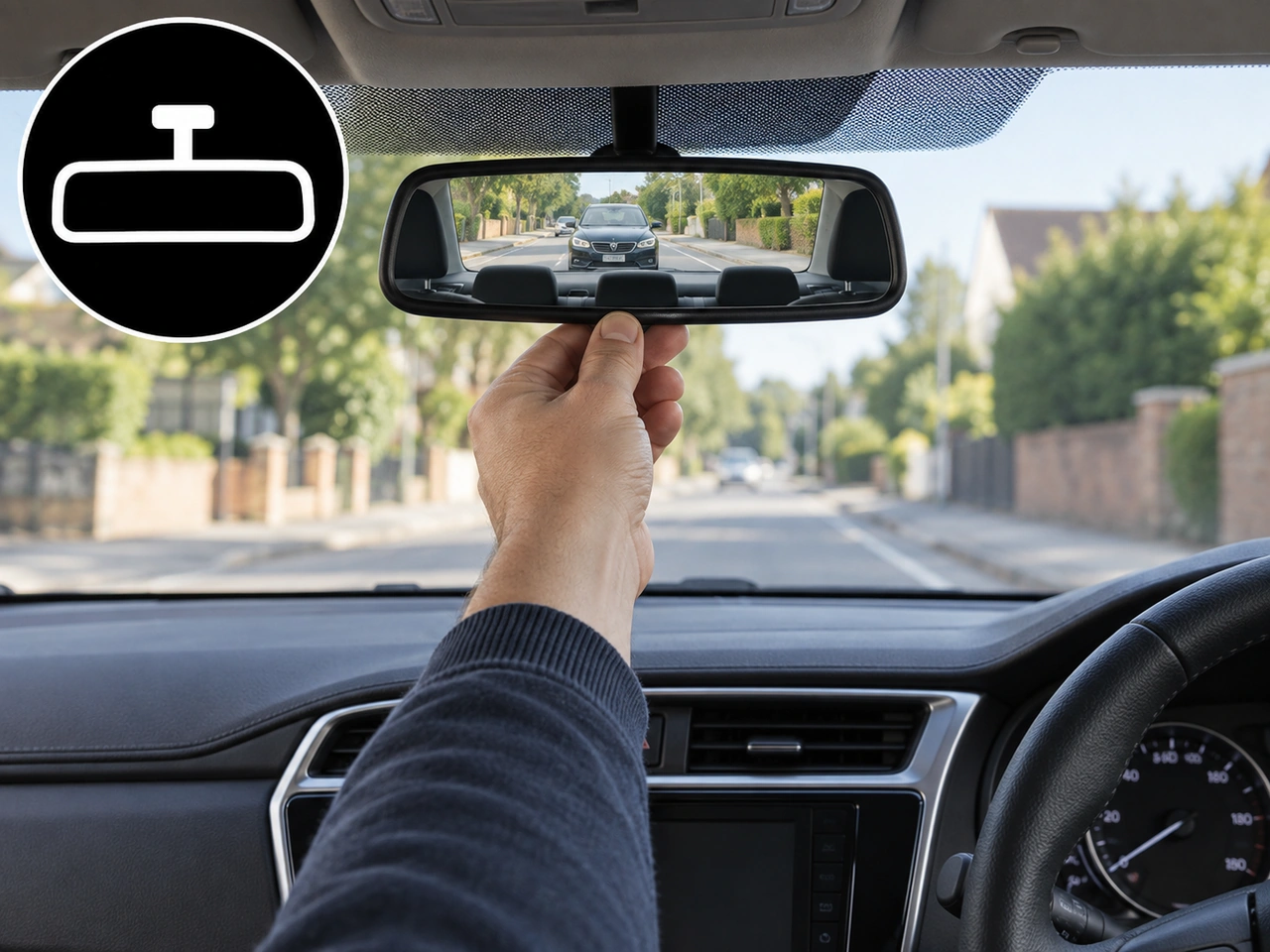
How should the interior rear-view mirror be adjusted?

403. How should the interior rear-view mirror be adjusted?

To show mainly the rear seats.
To point towards the left door mirror.
To show the driver's face.
✓ To give a clear view through the rear window.

Adjust the interior rear-view mirror before driving so that you have a clear view through the rear window without needing to move your head significantly.

Adjusting the interior rear-view mirror
AI-generated by Traffic-rules.com • WCIT • CC BY-SA
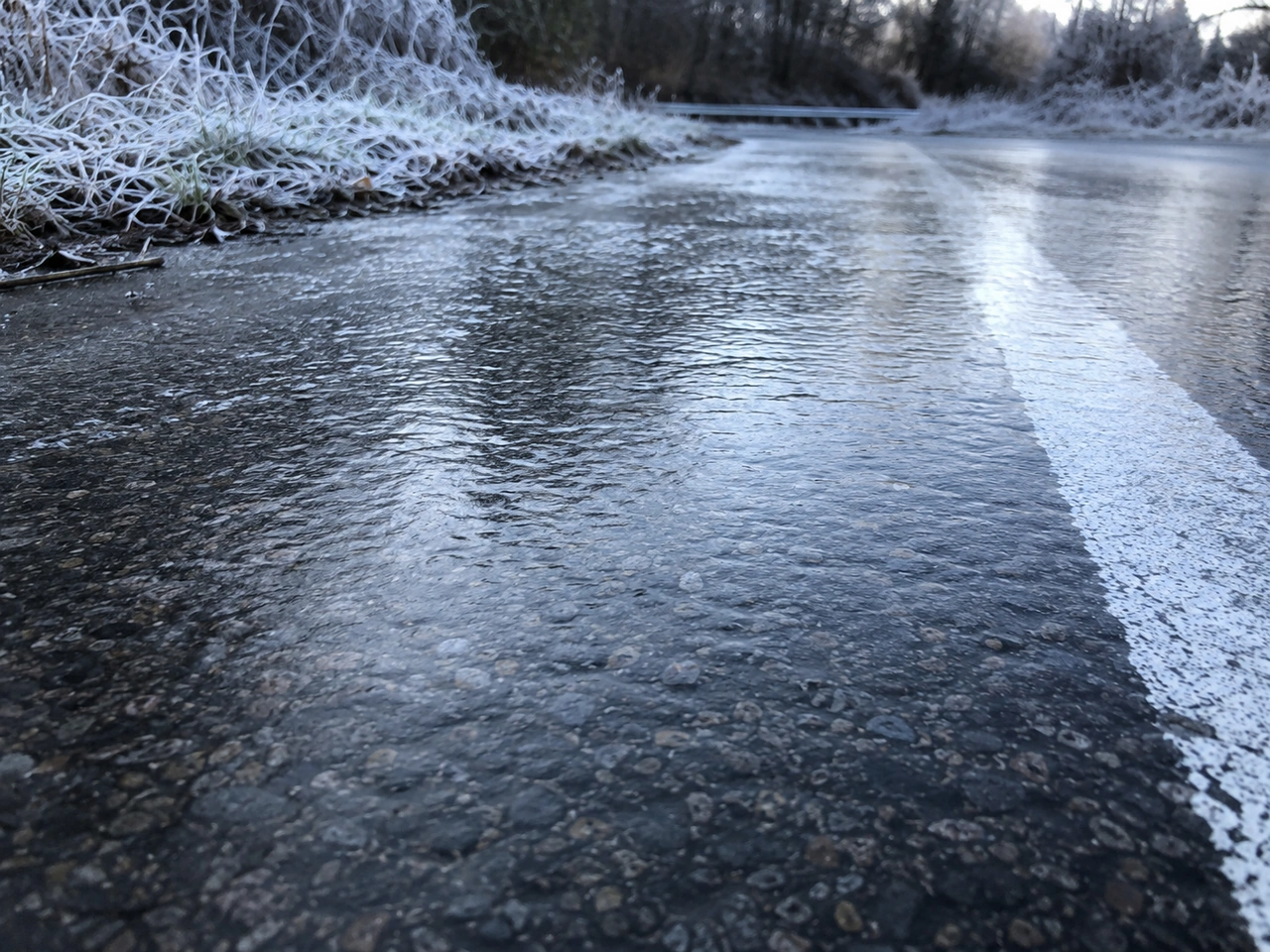
What is black ice?

404. What is black ice?

✓ A thin, often transparent layer of ice that can be difficult to see.
A dark patch of wet asphalt.
Frozen mud covering the road surface.
Snow mixed with road dirt.

Black ice is difficult to detect because the road surface may look merely wet. It can cause a sudden and severe loss of grip.

Thin ice covering a road surface
AI-generated by Traffic-rules.com • WCIT • CC BY-SA
How can parking too close to a junction affect visibility?

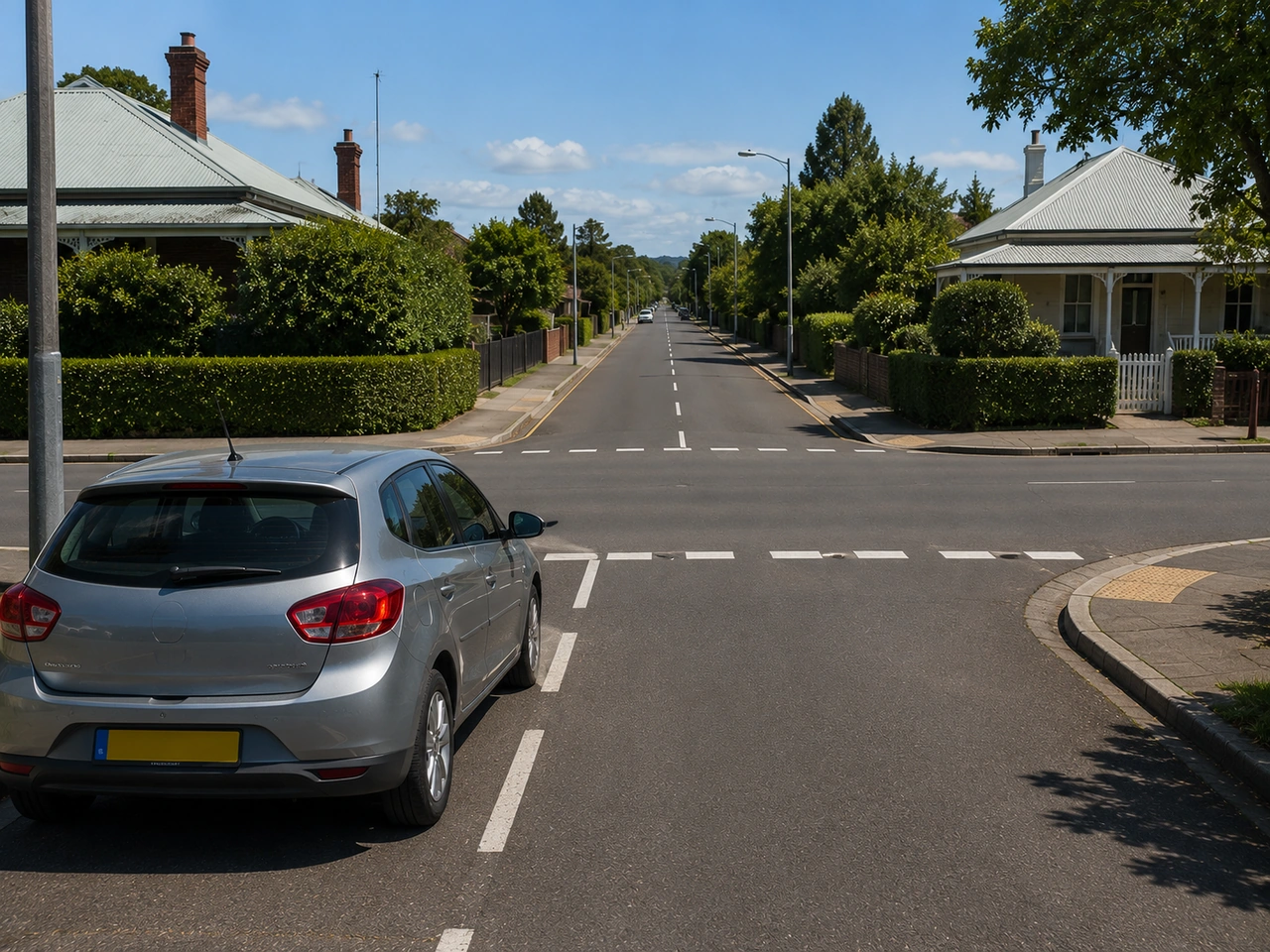
405. How can parking too close to a junction affect visibility?

✓ It can block the view between road users.
It blocks the view only for pedestrians.
It has no effect if the hazard lights are on.
It improves visibility by slowing down traffic.

Parking too close to a junction can block visibility. Drivers, cyclists, and pedestrians may have difficulty seeing each other in time.

Parked vehicle obstructing visibility near a junction
AI-generated by Traffic-rules.com • WCIT • CC BY-SA
What should you do before crossing the road?

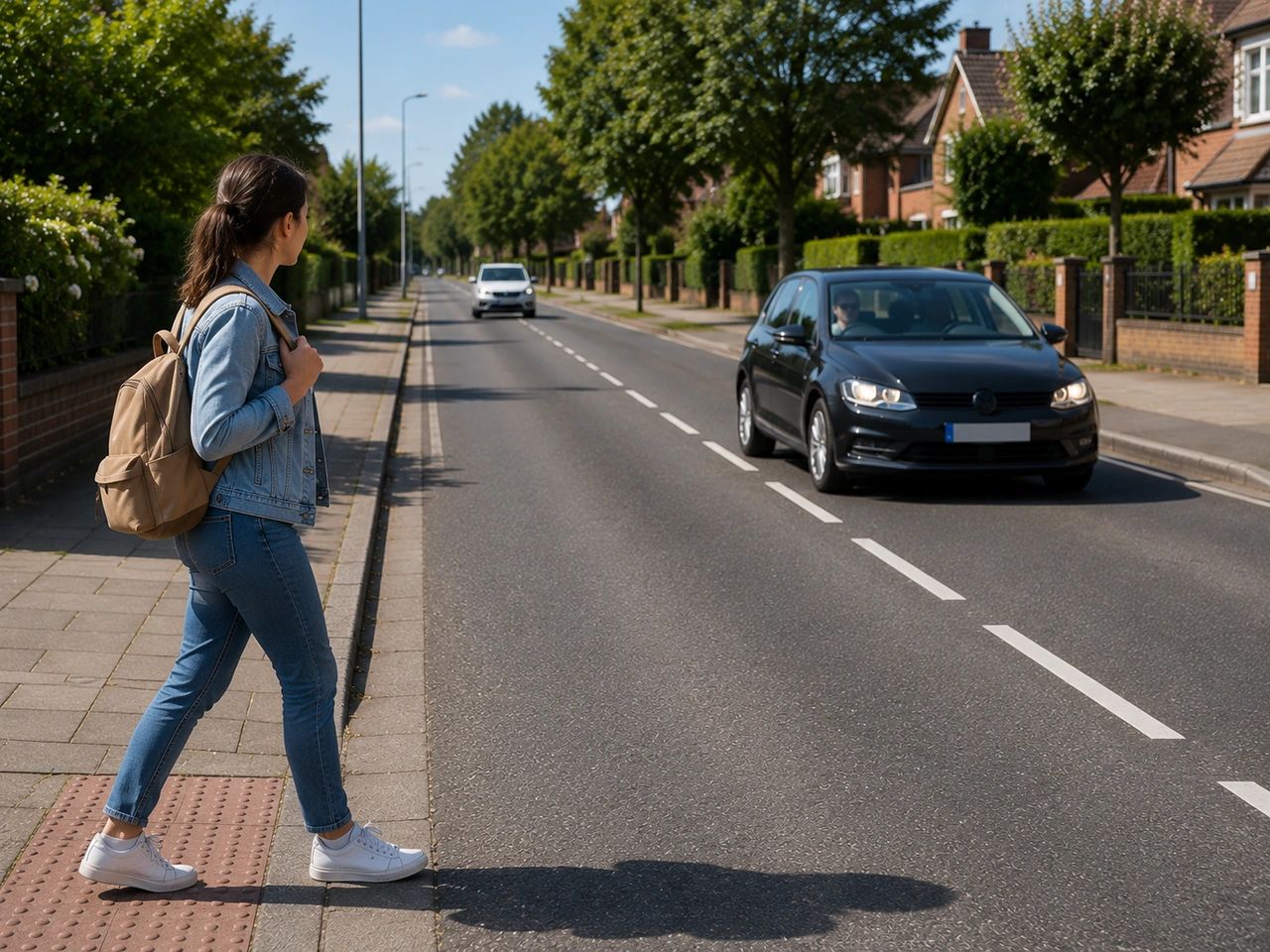
406. What should you do before crossing the road?

✓ Look for traffic in all directions.
Cross if the nearest vehicle is slowing down.
Follow another pedestrian without checking yourself.
Look only where traffic normally comes from.

Always check for approaching traffic from every direction before crossing.

Pedestrian checking for traffic before crossing
AI-generated by Traffic-rules.com • WCIT • CC BY-SA
What should you do first after a collision?

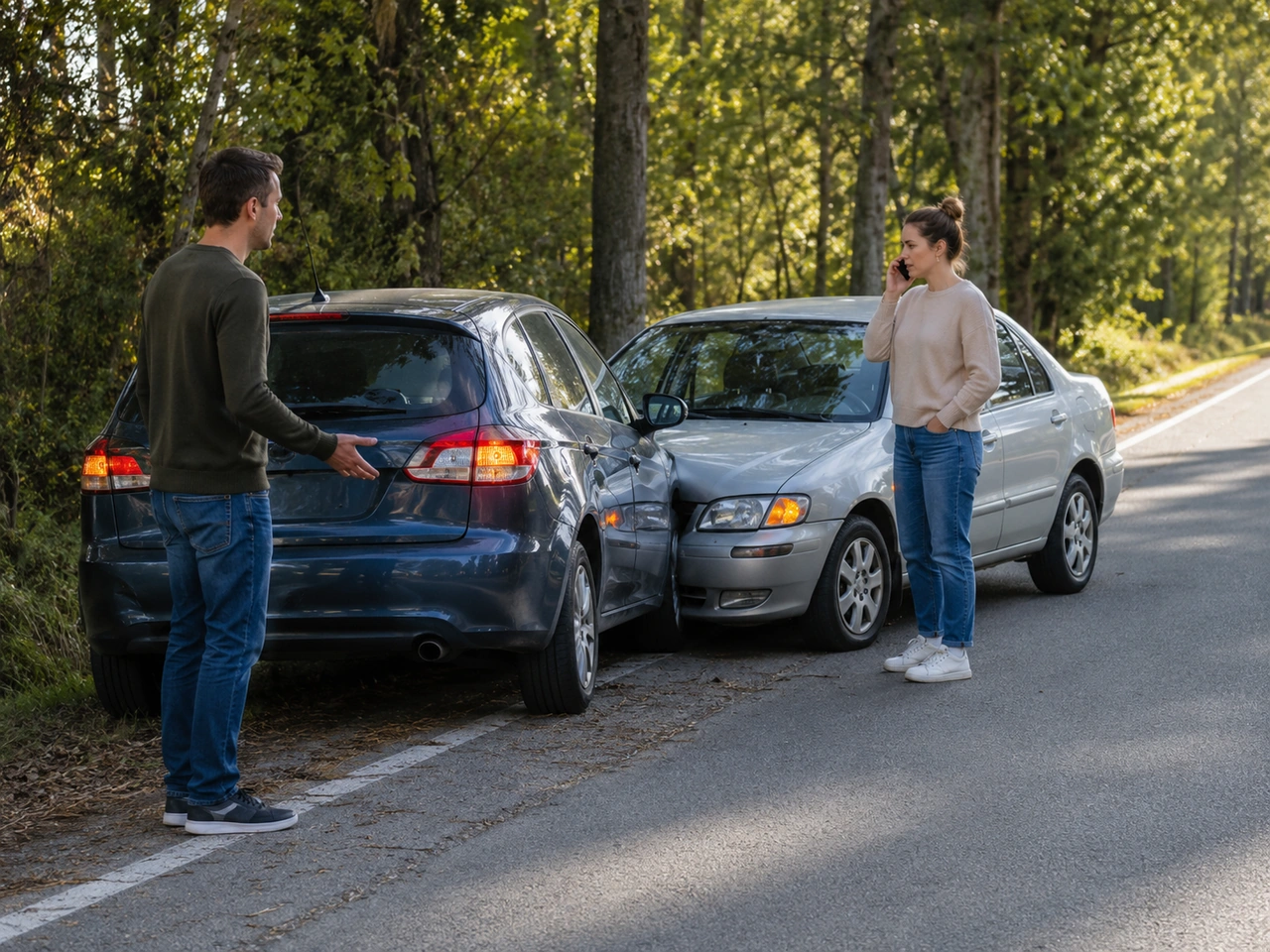
407. What should you do first after a collision?

Discuss who caused the collision before calling for help.
Call your insurance company before checking for danger.
Continue driving if the vehicles can still move.
✓ Stop, check for danger and injuries, and call for help if needed.

Stop the vehicle, warn other traffic where appropriate, assess immediate danger and injuries, and contact the emergency services when needed. Exchange any details required by local law.

Vehicles stopped after a road collision
AI-generated by Traffic-rules.com • WCIT • CC BY-SA
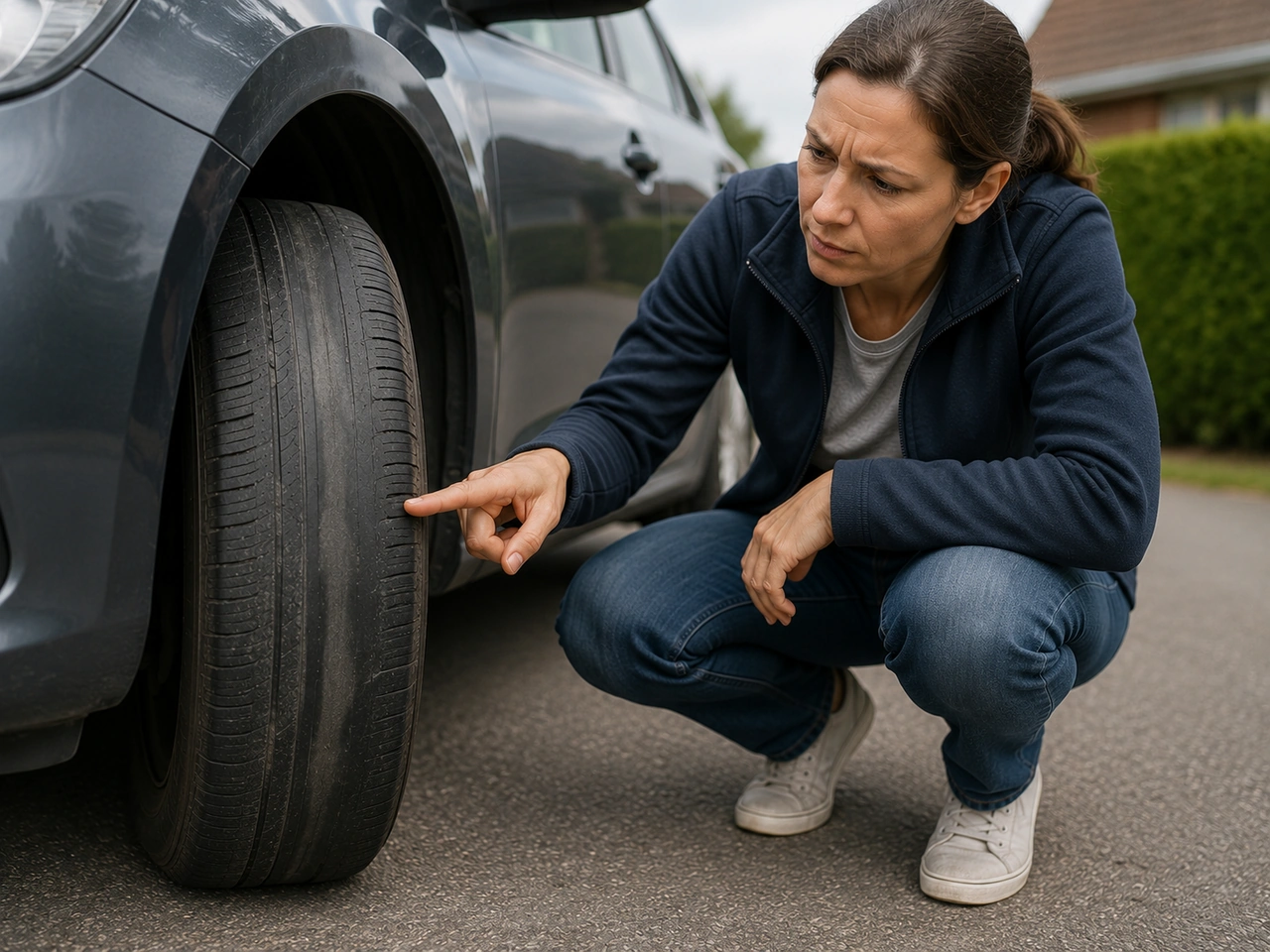
What can uneven tyre wear indicate?

408. What can uneven tyre wear indicate?

The vehicle has been driven mainly at low speeds.
The tyres are correctly inflated.
✓ Incorrect pressure, poor alignment, or a suspension or braking problem.
The tyres have reached normal operating temperature.

Uneven wear may result from incorrect tyre pressure, wheel misalignment, worn suspension parts, or a brake that is not releasing properly.

Uneven wear across a vehicle tyre
AI-generated by Traffic-rules.com • WCIT • CC BY-SA
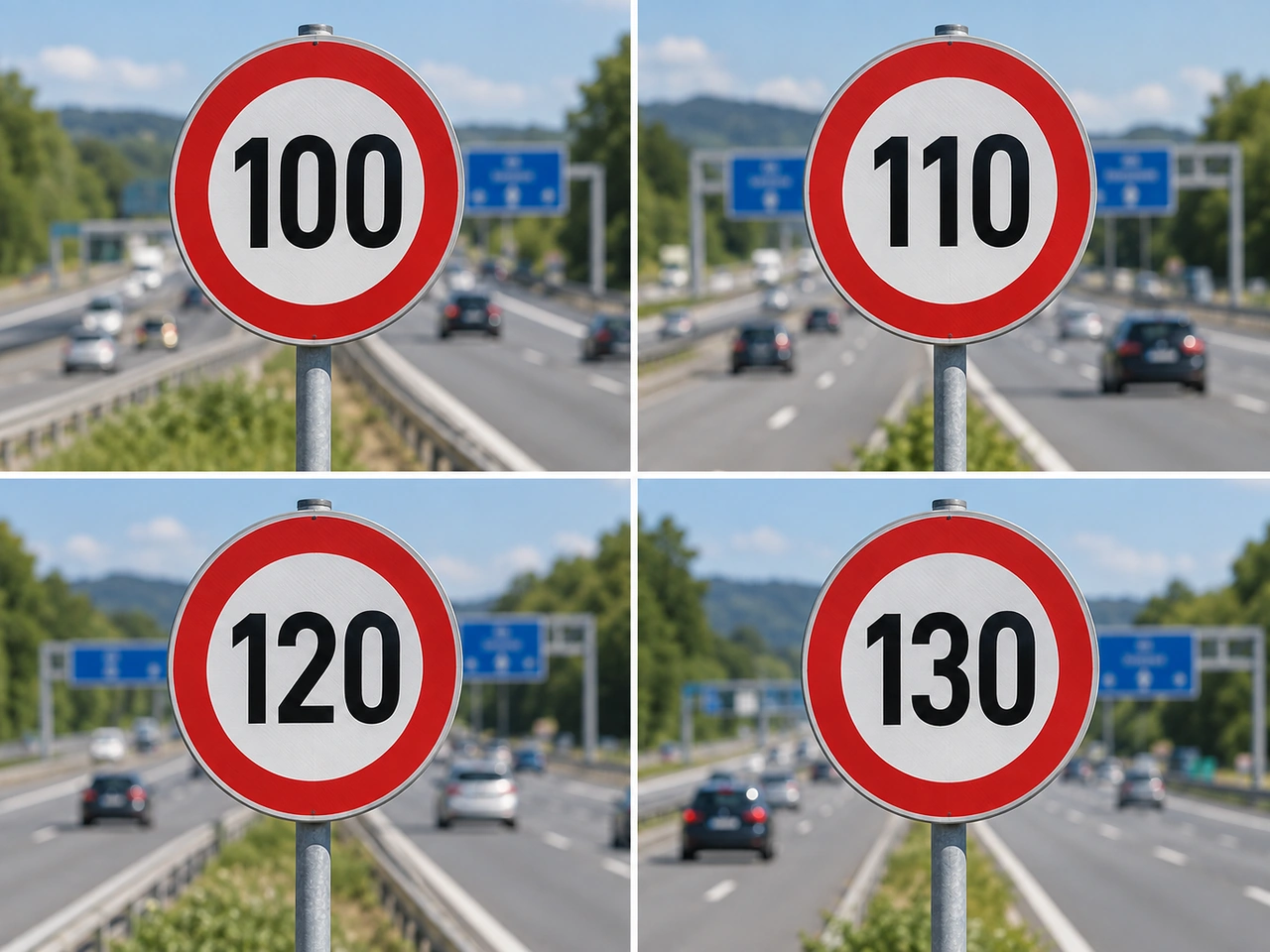
What is the general motorway speed limit for cars in Indonesia?

409. What is the general motorway speed limit for cars in Indonesia?

120 km/h.
130 km/h.
✓ 100 km/h.
110 km/h.

The general motorway speed limit for cars in Indonesia is 100 km/h, unless signs indicate otherwise.

Motorway speed limits for cars
AI-generated by Traffic-rules.com • WCIT • CC BY-SA
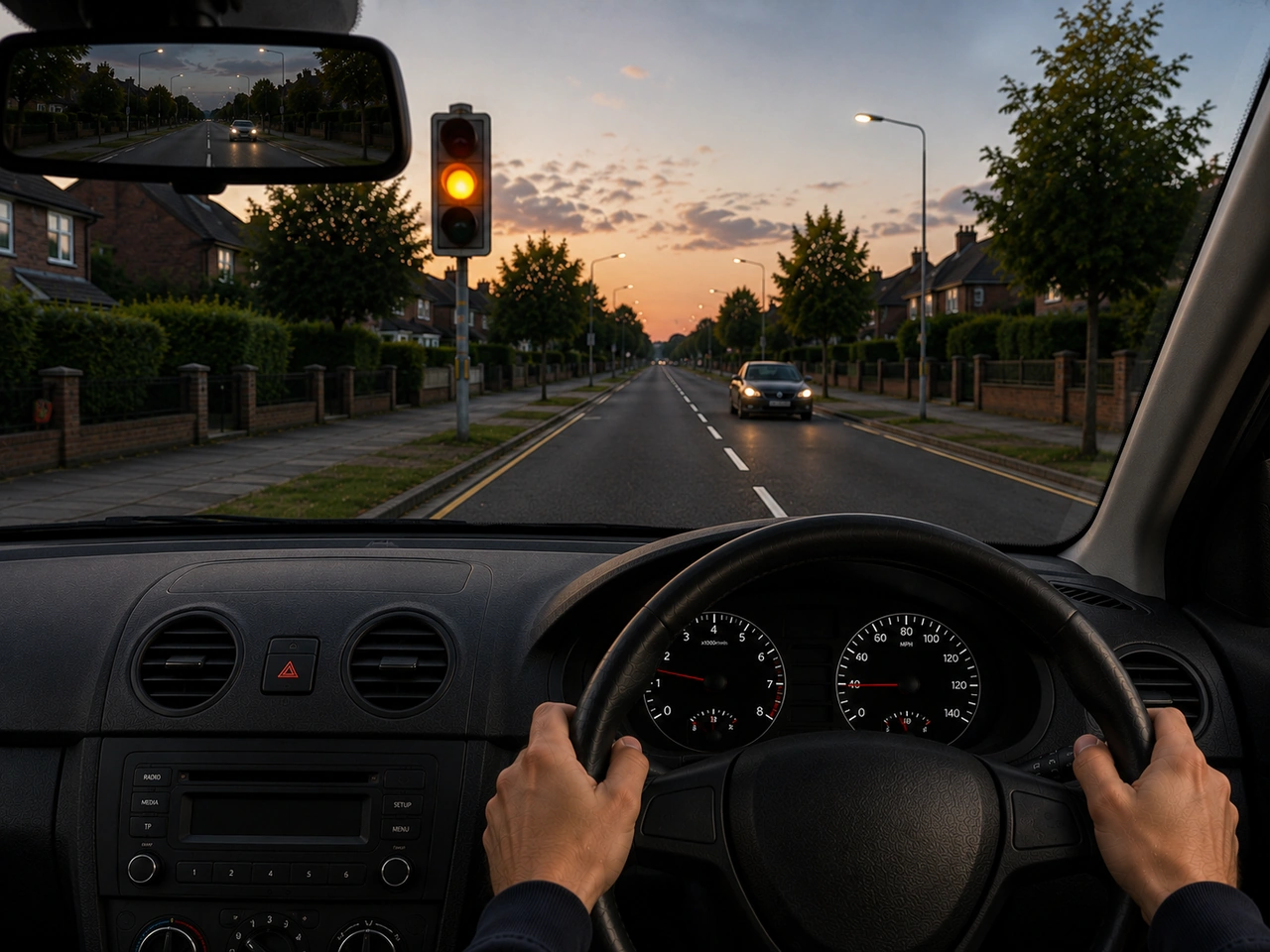
What should you do when traffic lights change to amber as you approach?

410. What should you do when traffic lights change to amber as you approach?

✓ Stop if you can do so safely.
Stop even if this requires sudden harsh braking.
Treat it like a green light until it turns red.
Continue at the same speed if the junction looks clear.

An amber light warns that the signal is changing. Stop if it is safe, but avoid sudden braking that could cause danger behind you.

Vehicle approaching an amber traffic light
AI-generated by Traffic-rules.com • WCIT • CC BY-SA
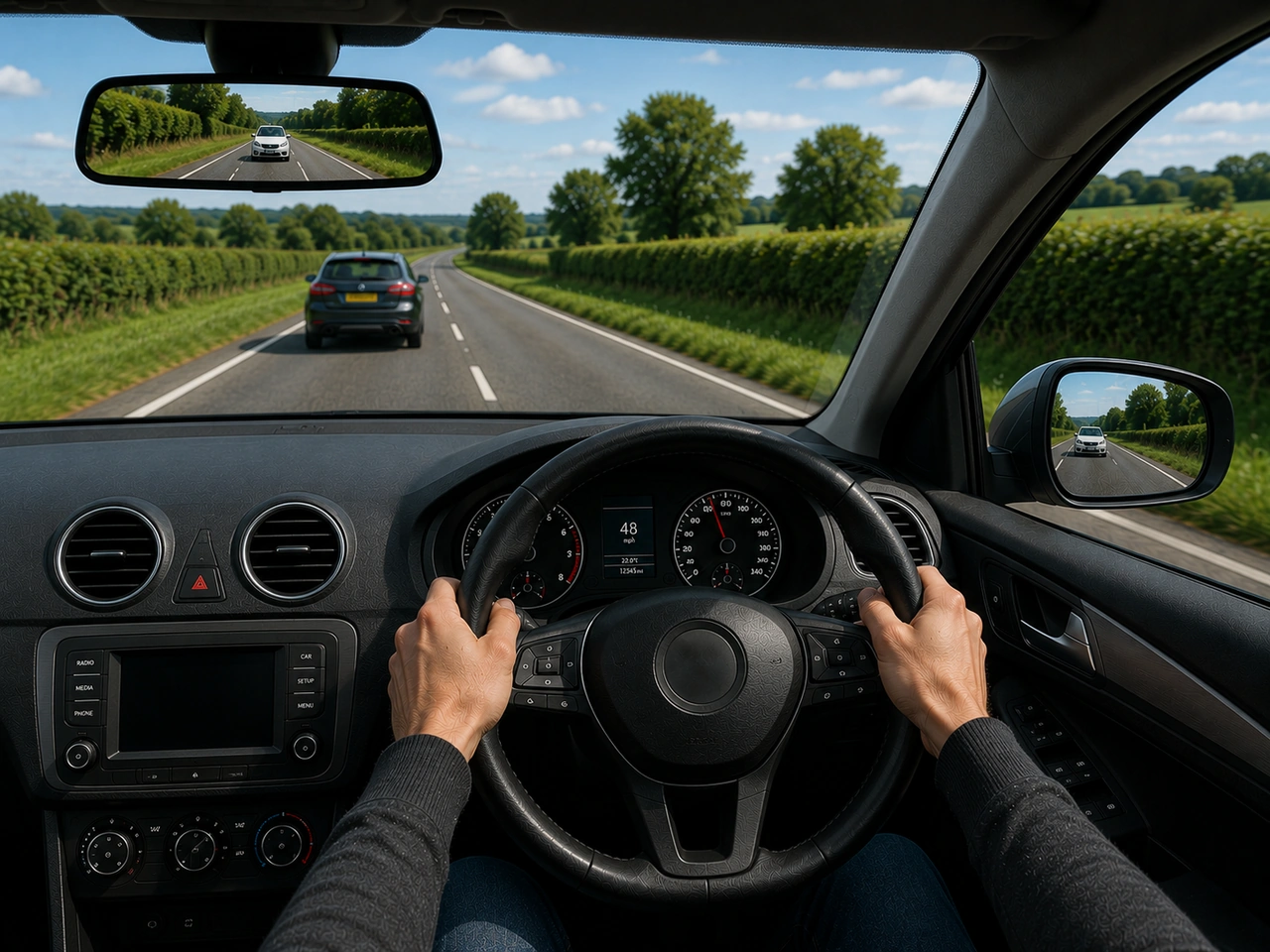
What should you do before overtaking another vehicle?

411. What should you do before overtaking another vehicle?

Signal and expect other traffic to make room.
Drive close behind before starting the overtake.
Overtake whenever the vehicle ahead is moving slowly.
✓ Make sure it is safe and allowed.

Before overtaking, check the road, mirrors, blind spots, signs, and markings, use your indicator, and only overtake when it is safe and permitted.

Vehicle preparing to overtake another vehicle
AI-generated by Traffic-rules.com • WCIT • CC BY-SA
Why should you keep a safe distance from cyclists?

412. Why should you keep a safe distance from cyclists?

Cyclists must move aside whenever a vehicle approaches.
Cyclists always have priority over other traffic.
✓ They may need space to avoid obstacles.
Cyclists cannot signal before changing direction.

Cyclists may need to move around potholes, parked cars, or drains. Giving them enough space helps prevent dangerous situations.

Lateral clearance between a vehicle and a cyclist
AI-generated by Traffic-rules.com • WCIT • CC BY-SA
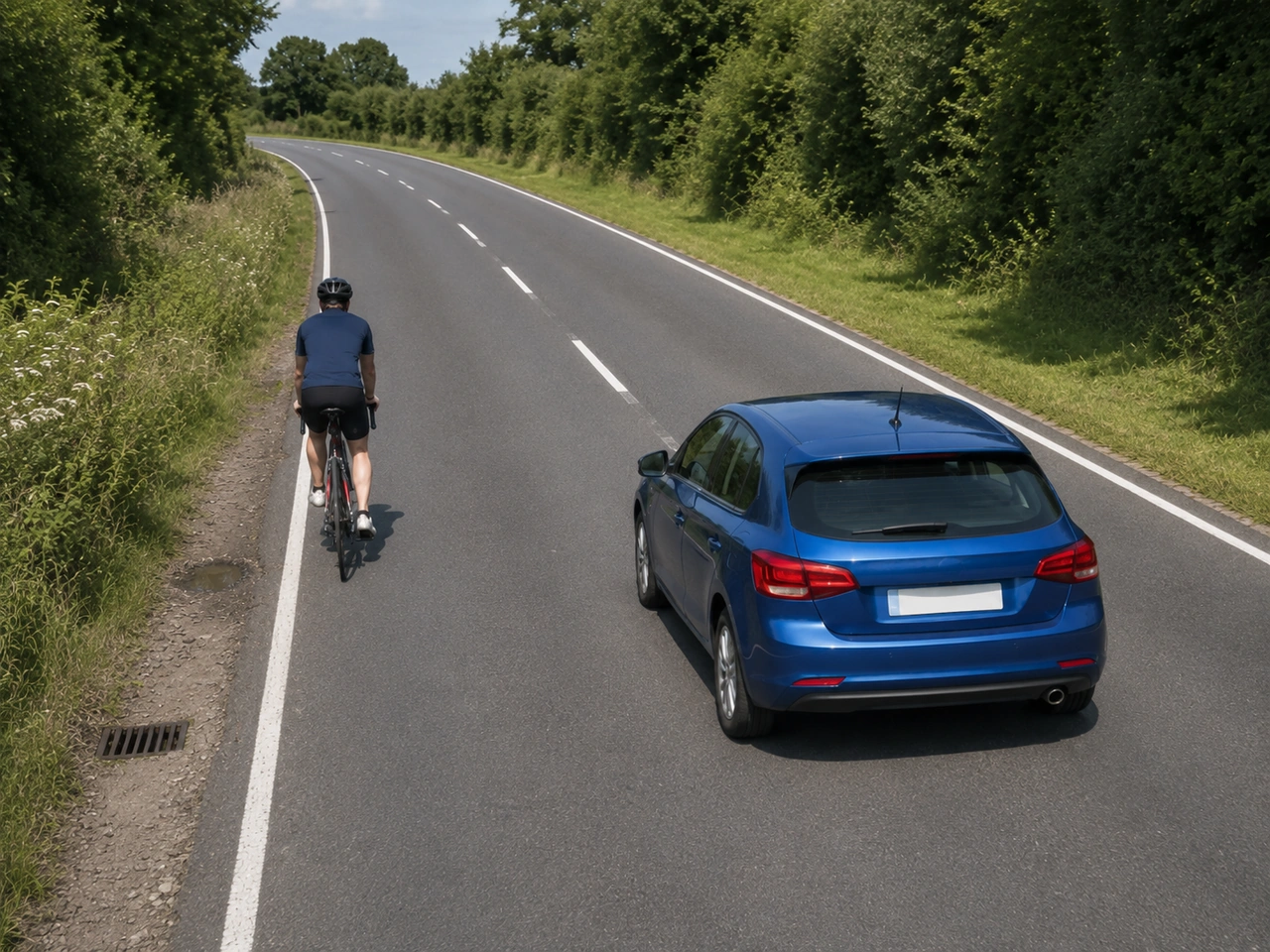
What should you do when following a cyclist on a narrow road?

413. What should you do when following a cyclist on a narrow road?

Overtake as soon as your vehicle can fit past.
Sound your horn so the cyclist moves aside.
Pass even if you cannot leave much space.
✓ Keep a safe distance and overtake only when there is enough space.

Cyclists may need to avoid potholes, drains, or wind gusts. Keep distance and only pass when you can leave plenty of space.

Vehicle following a cyclist on a narrow road
AI-generated by Traffic-rules.com • WCIT • CC BY-SA
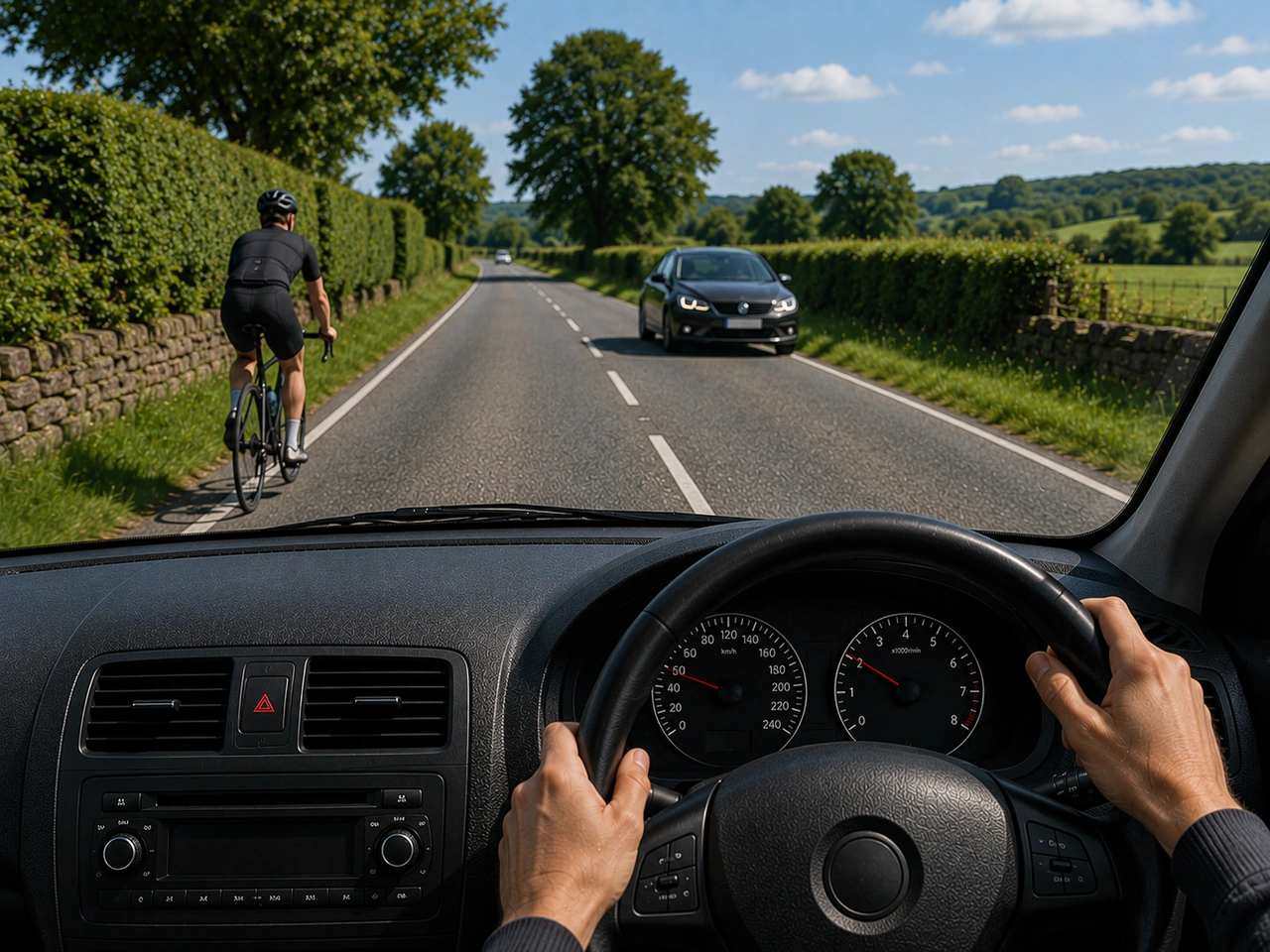
What does this vehicle-control symbol indicate?

414. What does this vehicle-control symbol indicate?

Electric window control.
Central door locking.
✓ Exterior mirror adjustment.
Mirror folding.

This control adjusts the vehicle's exterior mirrors. The driver normally selects the left or right mirror and then moves the control to change its angle.

Control for adjusting the exterior mirrors
AI-generated by Traffic-rules.com • WCIT • CC BY-SA
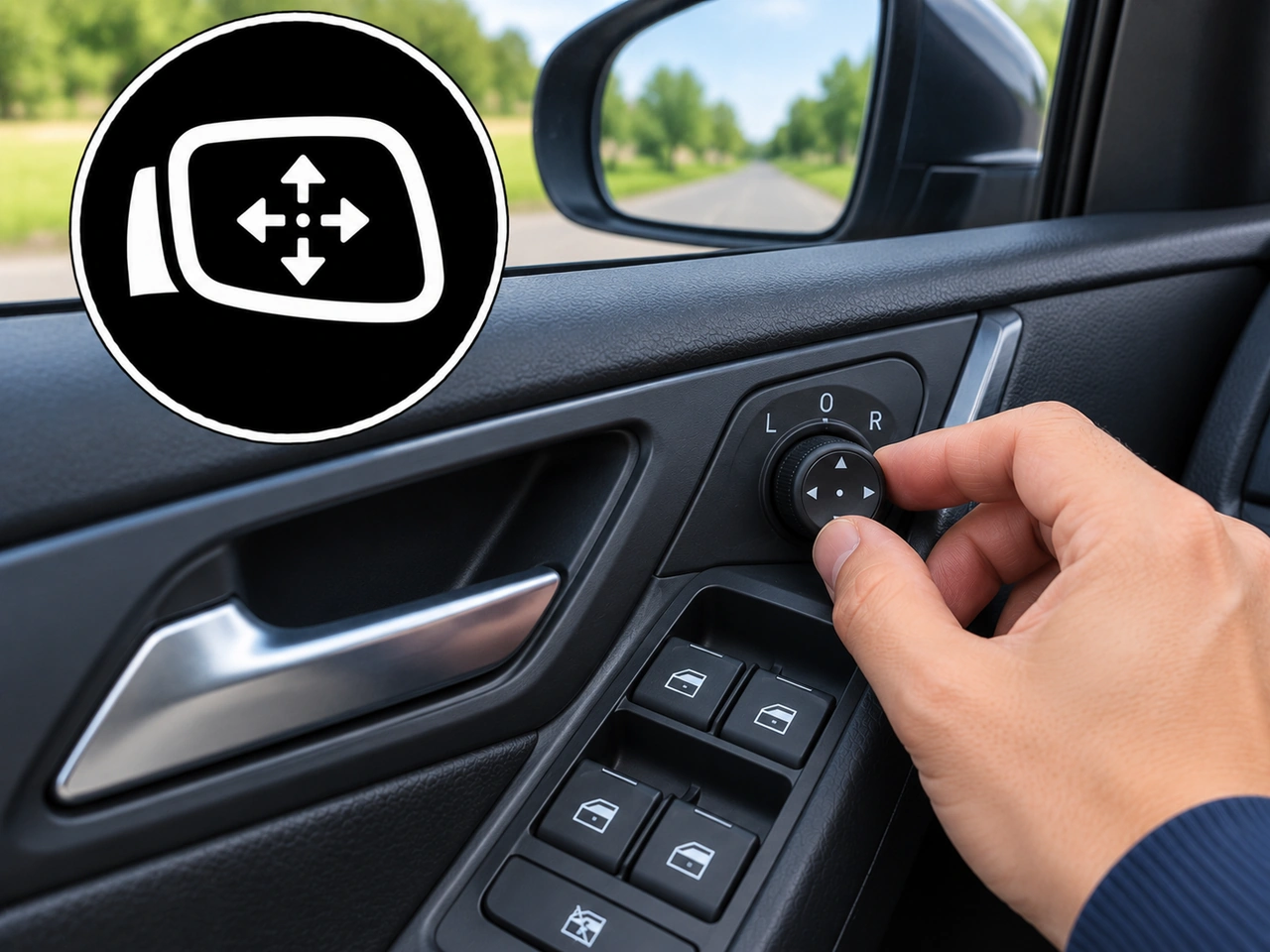
What should you do if your vehicle begins to skid on ice?

415. What should you do if your vehicle begins to skid on ice?

✓ Ease off the accelerator and steer smoothly in the direction you want to travel.
Accelerate sharply to regain traction.
Press the brake pedal hard and hold it.
Steer rapidly from side to side.

Avoid sudden braking or steering. Look where you want to go and use gentle controls while the tyres regain grip.

Vehicle skidding on an icy road
AI-generated by Traffic-rules.com • WCIT • CC BY-SA
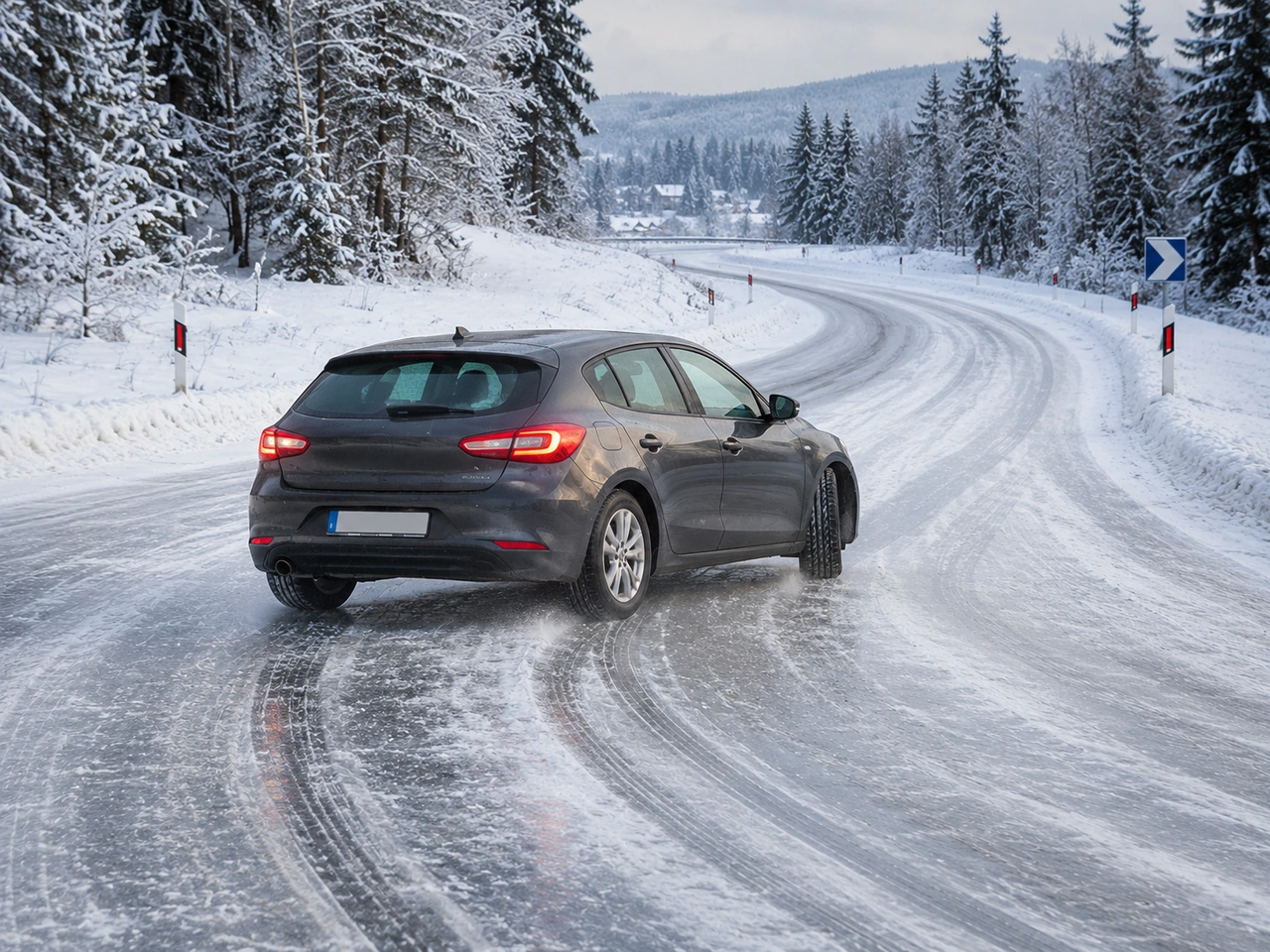
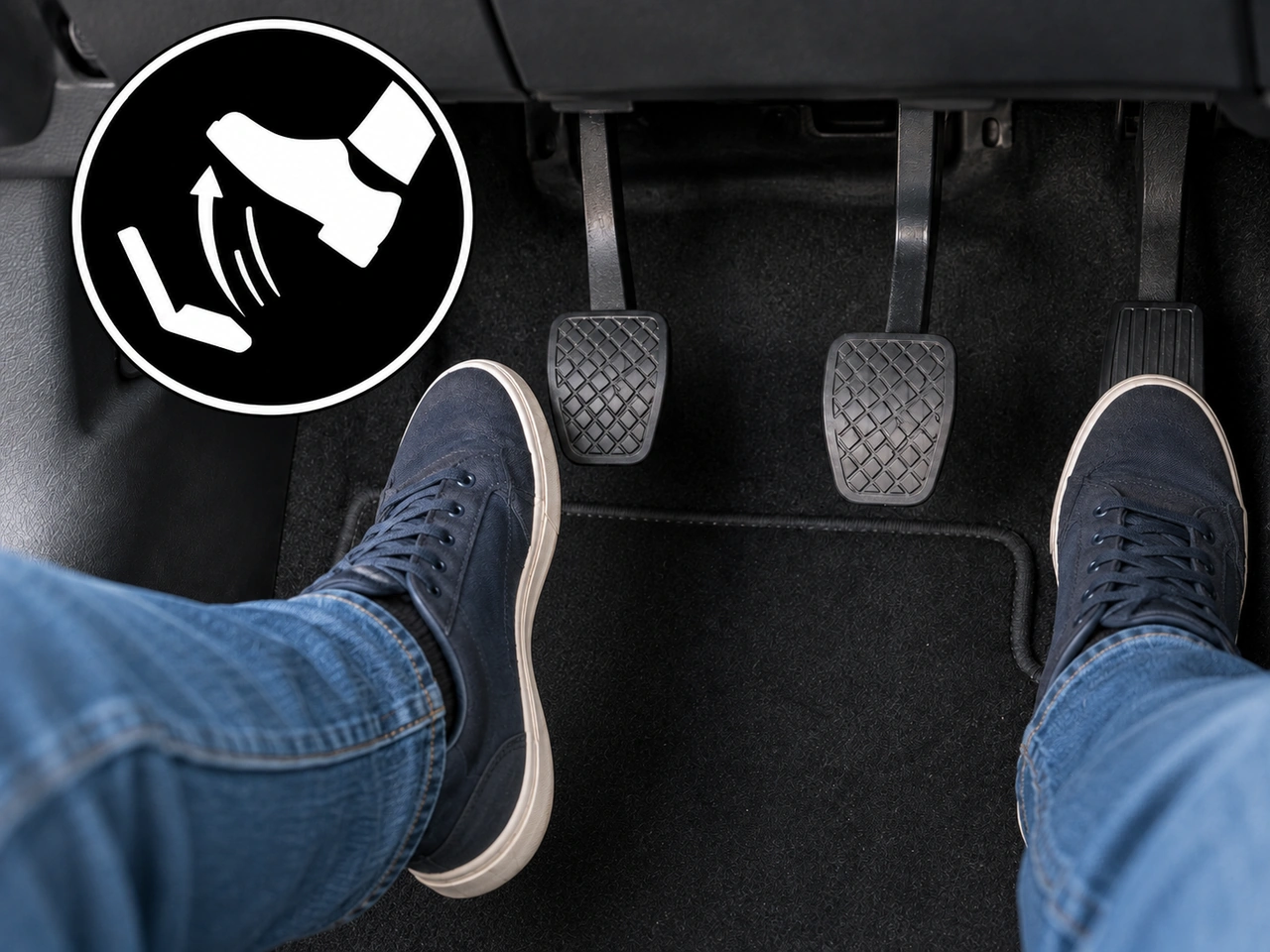
What may happen if you release the clutch too quickly when moving off?

416. What may happen if you release the clutch too quickly when moving off?

✓ The engine may stall.
The headlights may switch off.
The parking brake may engage.
The steering may lock.

Releasing the clutch pedal too quickly when moving off can cause the engine to stall. Release the clutch smoothly through the biting point while applying the accelerator progressively.

Clutch release and engine stalling when moving off
AI-generated by Traffic-rules.com • WCIT • CC BY-SA
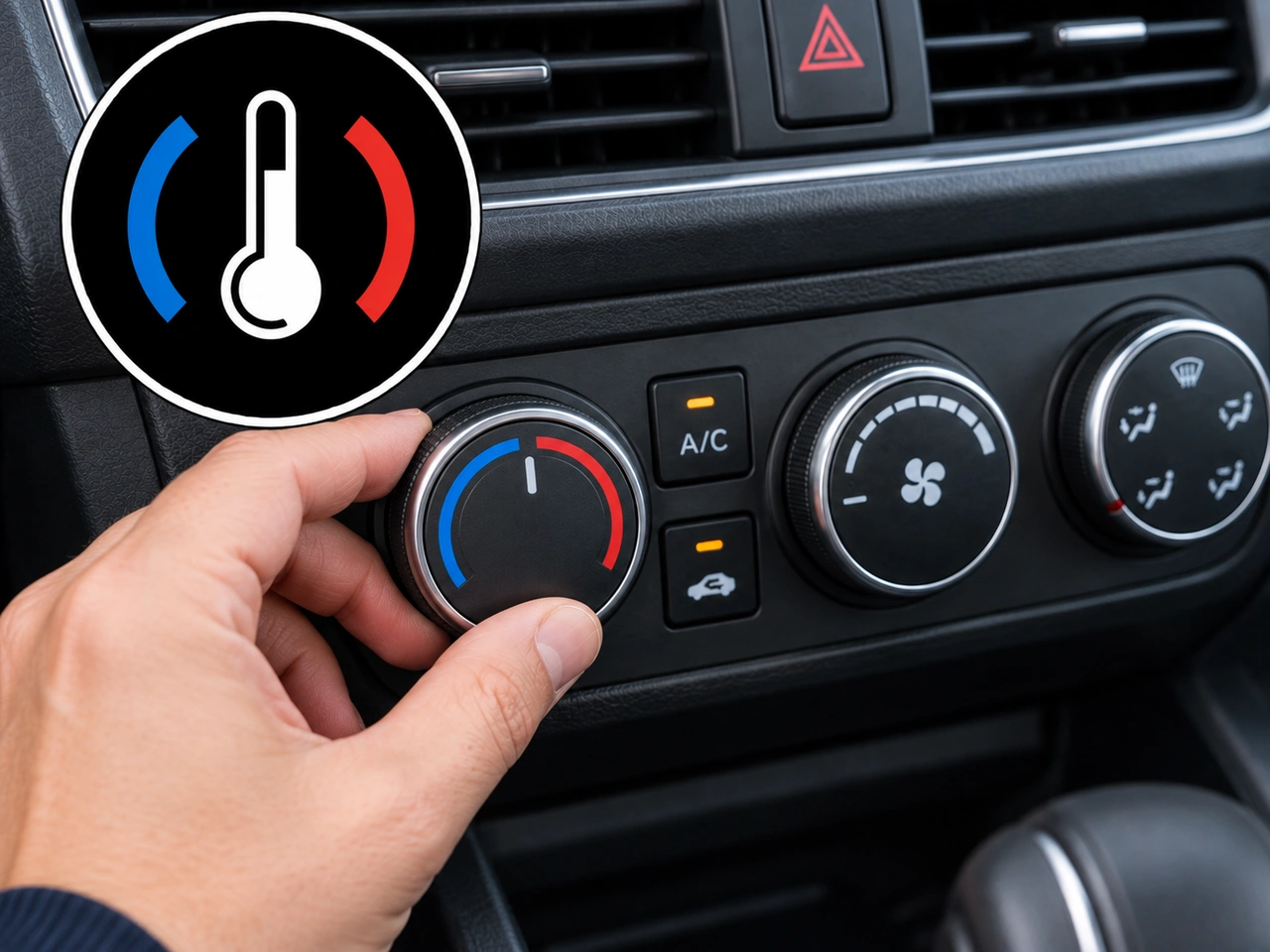
What does this vehicle-control symbol indicate?

417. What does this vehicle-control symbol indicate?

Cabin fan speed.
Air recirculation.
✓ Cabin temperature adjustment.
Seat heating.

This control adjusts the temperature of the air supplied to the cabin. Turning it towards the blue side lowers the selected temperature, while turning it towards the red side raises it.

Control for adjusting the cabin temperature
AI-generated by Traffic-rules.com • WCIT • CC BY-SA
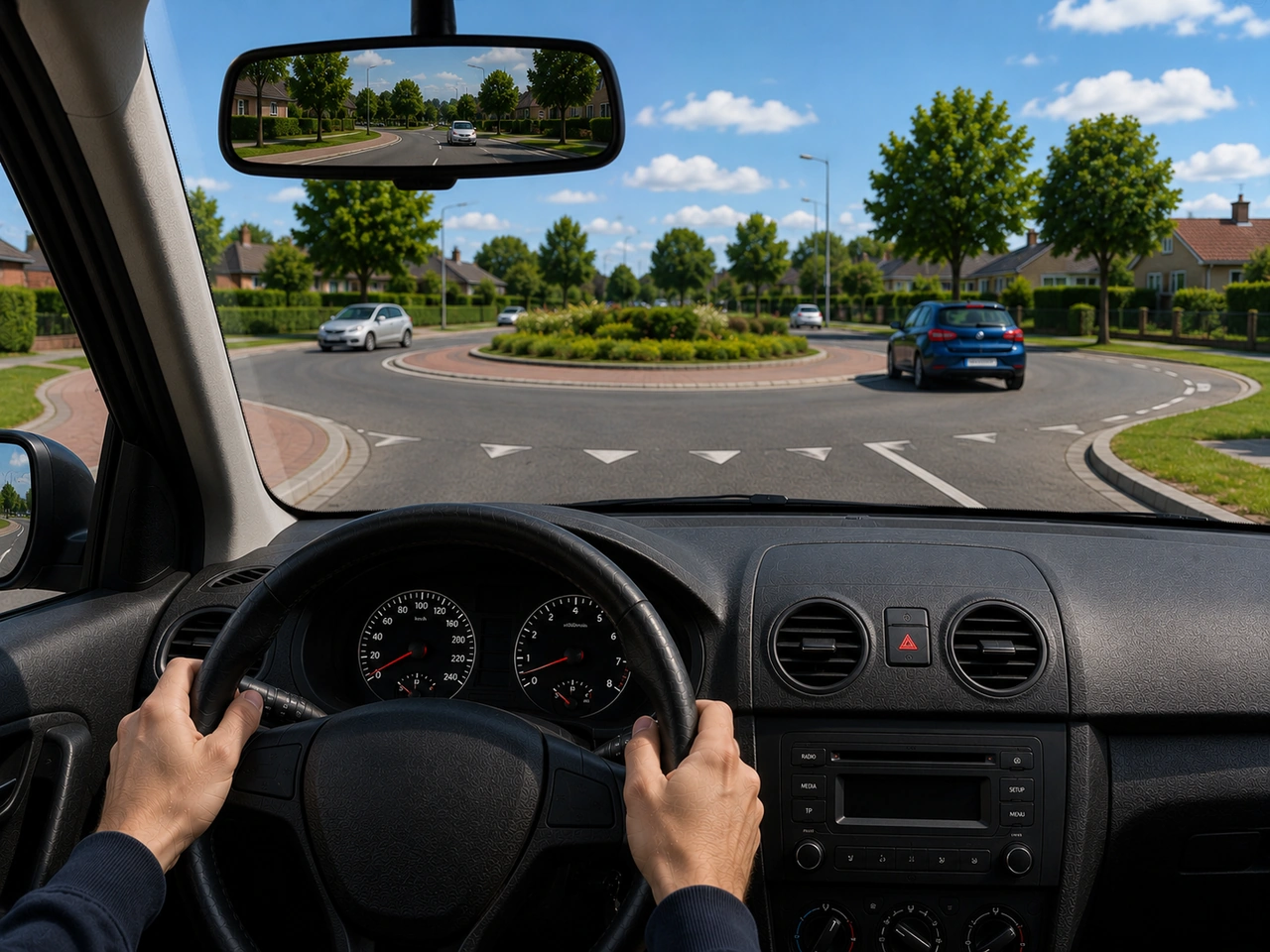
What should you do when entering a roundabout?

418. What should you do when entering a roundabout?

Enter if another driver appears to be slowing down.
Give way only to traffic in the lane nearest to you.
Enter if there is space, even if other traffic must slow down.
✓ Slow down, give way when required, and enter only when safe.

When approaching a roundabout, reduce your speed, observe traffic, follow the signs and local priority rules, and enter only when it is safe.

Vehicle at a roundabout entrance
AI-generated by Traffic-rules.com • WCIT • CC BY-SA
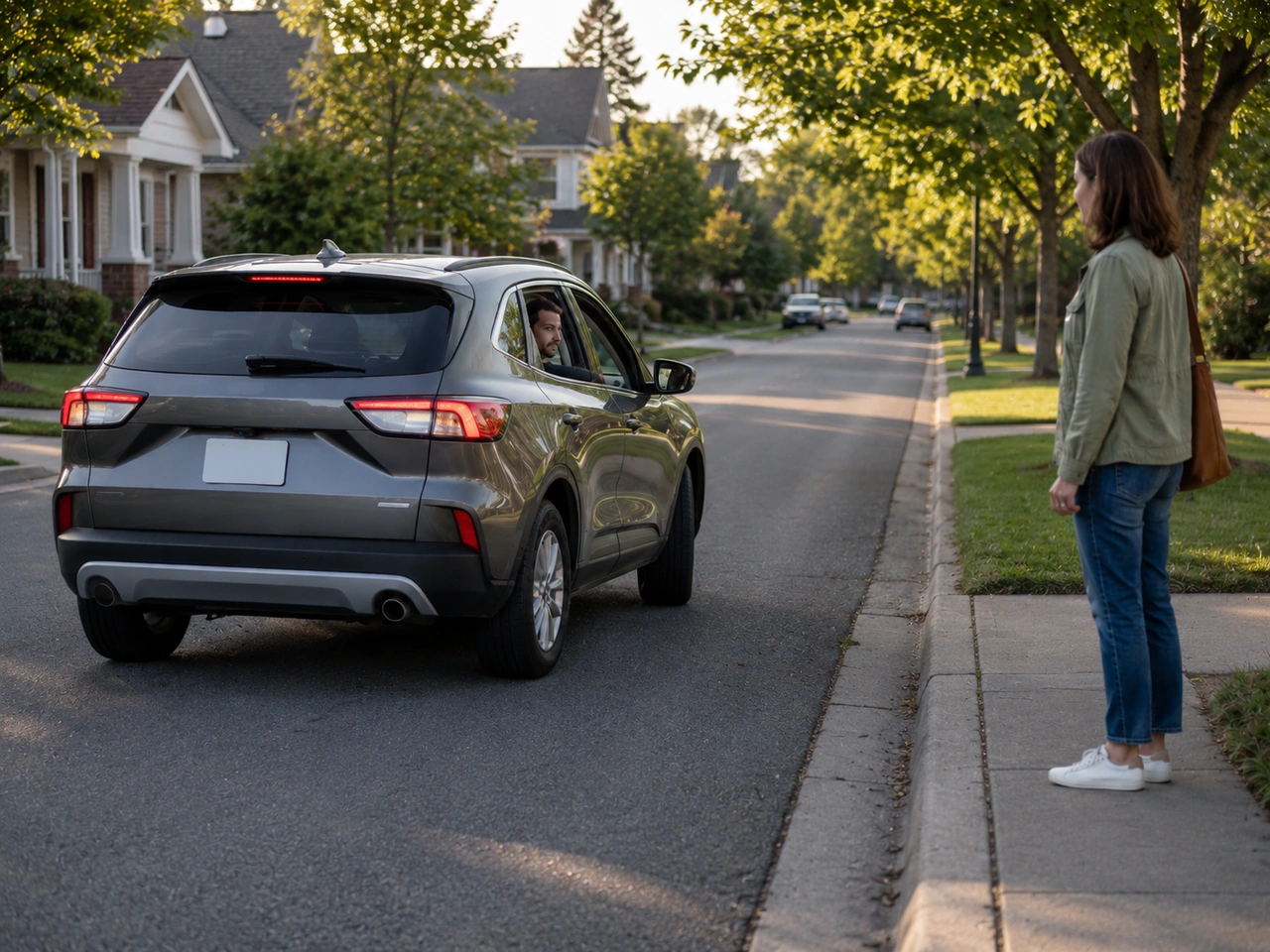
What should you do if a vehicle is reversing near you?

419. What should you do if a vehicle is reversing near you?

Stand close behind it so the driver can see you.
✓ Stay clear and make sure the driver can see you.
Rely on the reversing sensors to make it stop.
Walk behind it if it is reversing slowly.

Reversing vehicles have blind spots. Stay away from the vehicle and make sure the driver can see you.

Pedestrian near a reversing vehicle
AI-generated by Traffic-rules.com • WCIT • CC BY-SA
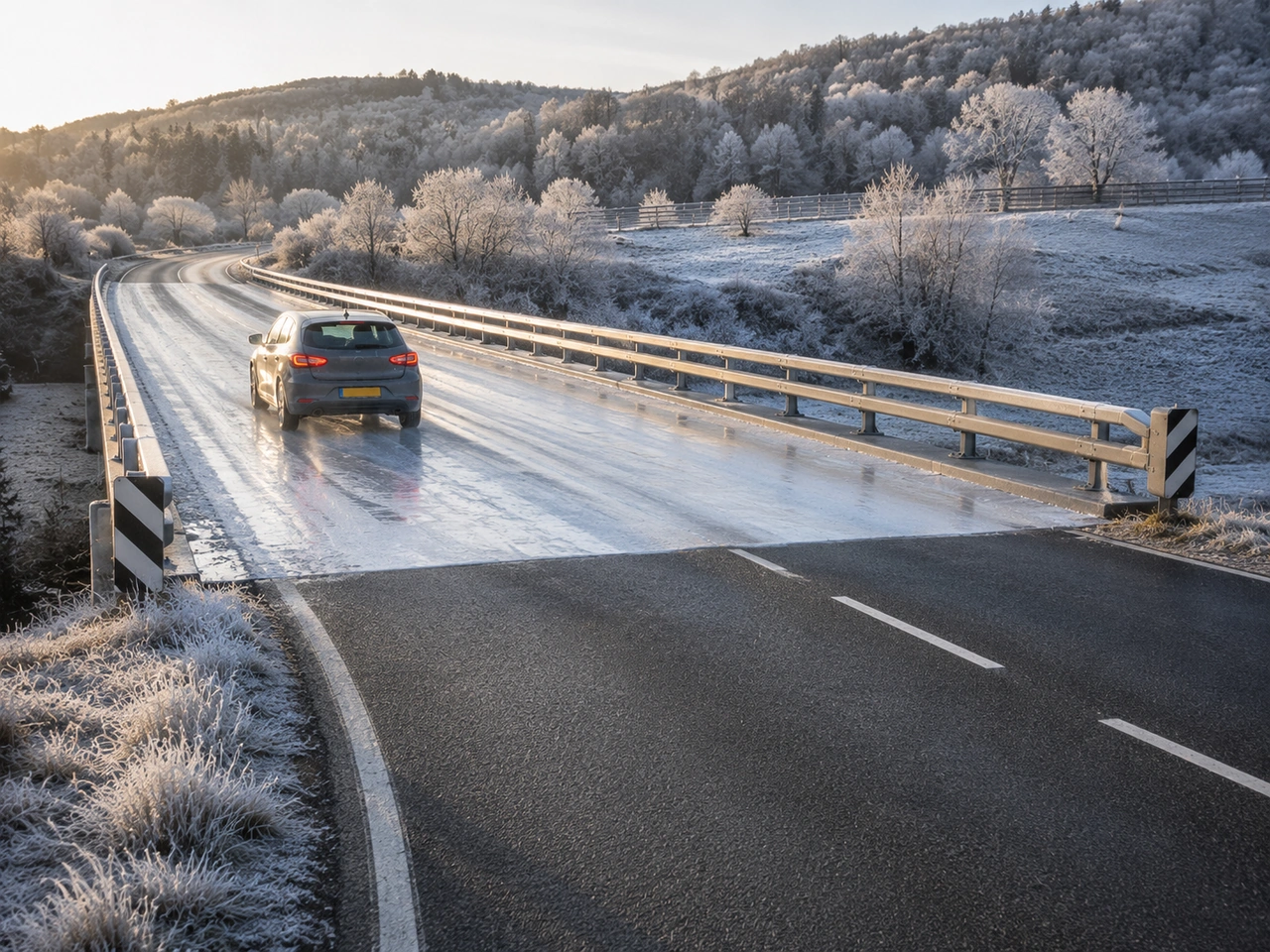
Why can bridges and overpasses become icy before nearby roads?

420. Why can bridges and overpasses become icy before nearby roads?

Traffic usually moves faster across bridges.
✓ Cold air circulates above and below them.
Bridges are always at a higher altitude.
Road salt is less effective on bridges.

Bridges lose heat from both their upper and lower surfaces, so they can freeze before roads built directly on the ground.

Icy surface on an exposed bridge
AI-generated by Traffic-rules.com • WCIT • CC BY-SA
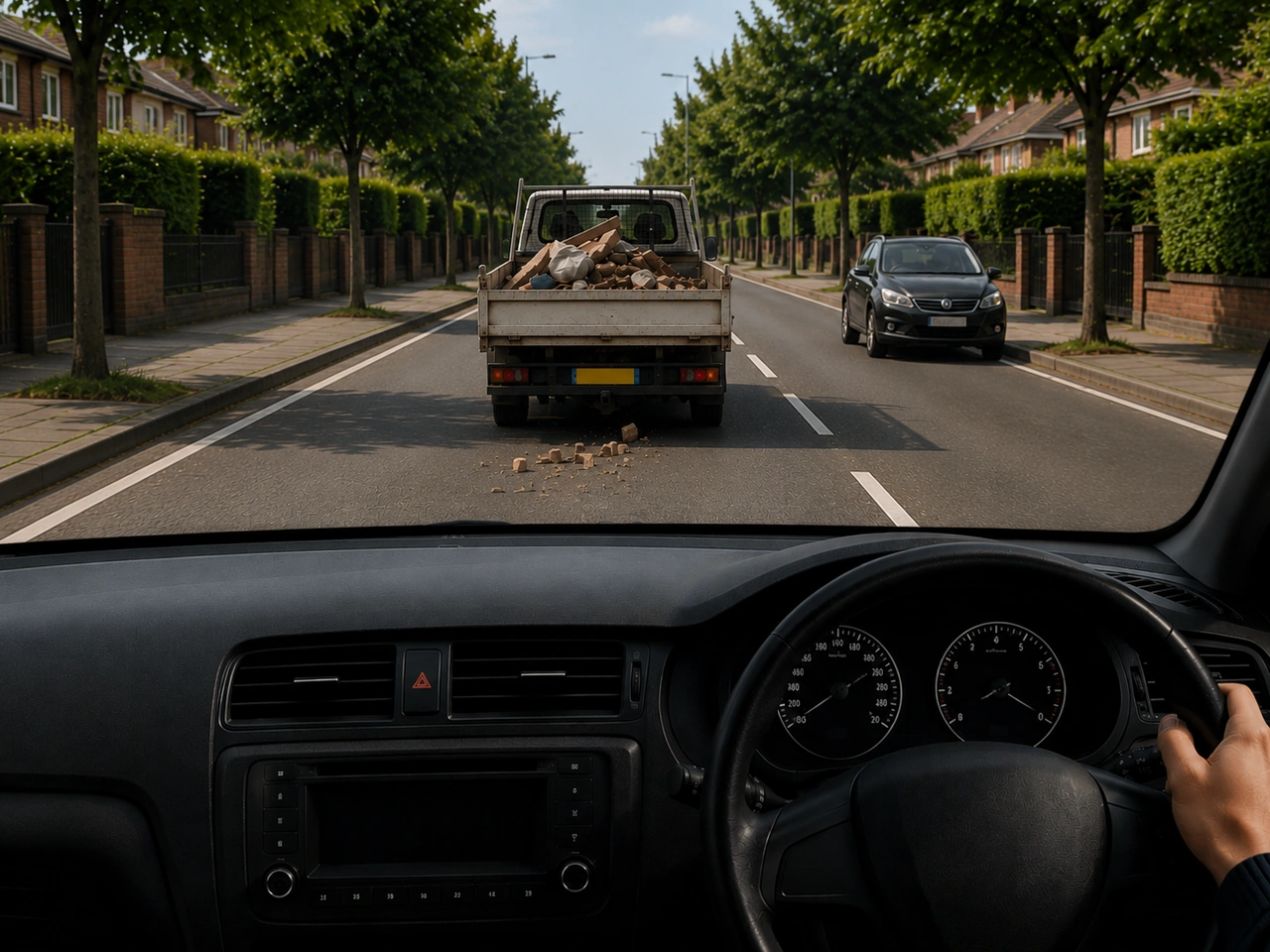
Why should you be cautious when following a vehicle carrying a loose load?

421. Why should you be cautious when following a vehicle carrying a loose load?

Loose loads give the vehicle priority when changing lanes.
The vehicle must stop whenever the load shifts.
Loose loads prevent the driver from using the mirrors.
✓ Objects may fall onto the road.

A poorly secured load can fall or shift suddenly. Keep extra distance and avoid following too closely.

Vehicle carrying an unsecured load ahead
AI-generated by Traffic-rules.com • WCIT • CC BY-SA
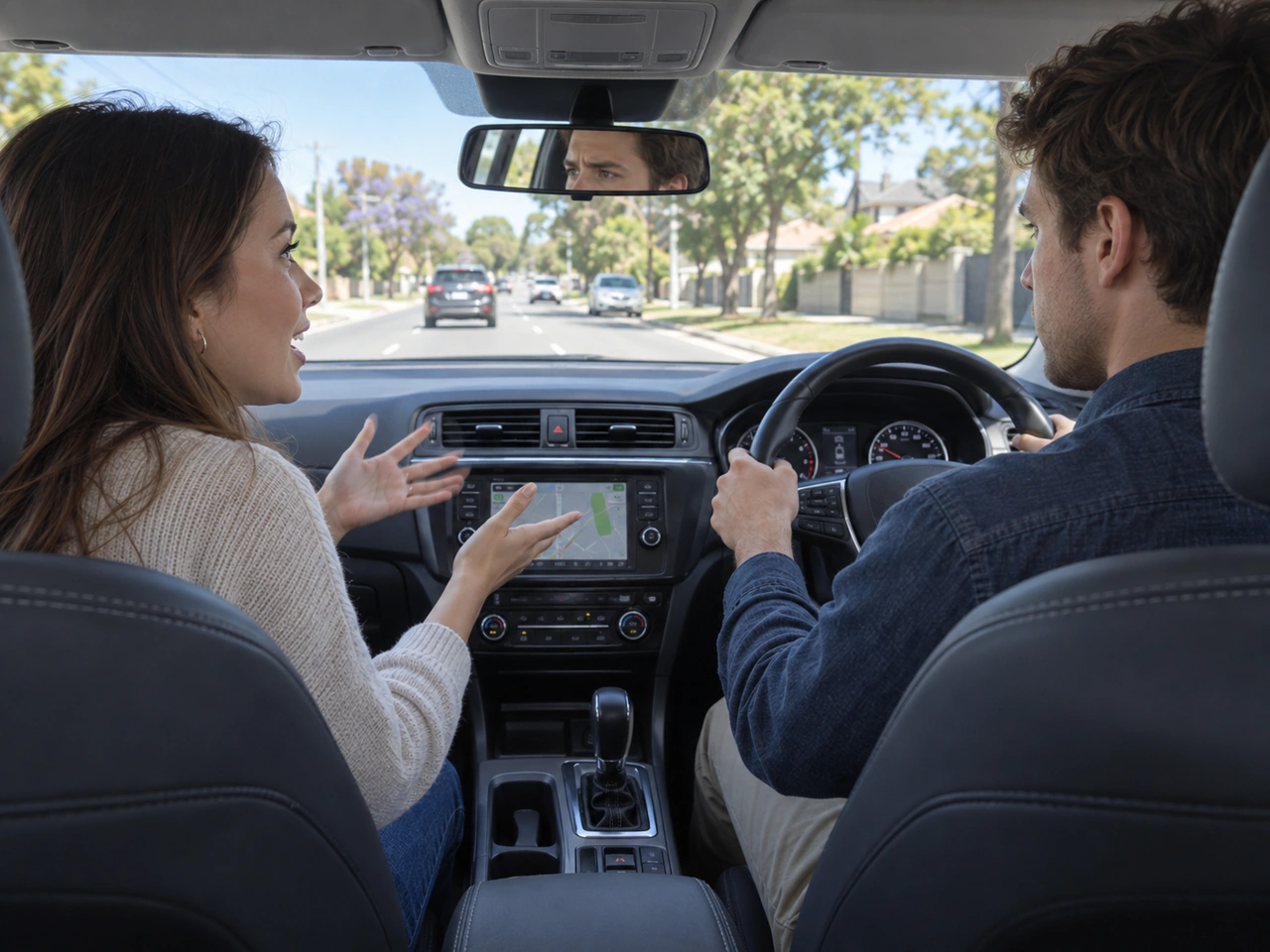
What should you do if passengers are distracting you while driving?

422. What should you do if passengers are distracting you while driving?

Drive faster so you can finish the journey sooner.
Continue the conversation while watching the road.
Ignore the traffic until the distraction has passed.
✓ Ask them to stop and keep your attention on the road.

Passengers can reduce a driver's attention and concentration. If their behaviour becomes distracting, ask them to stop and keep your focus on driving. If necessary, stop somewhere safe before dealing with the situation.

Passengers distracting a driver
AI-generated by Traffic-rules.com • WCIT • CC BY-SA
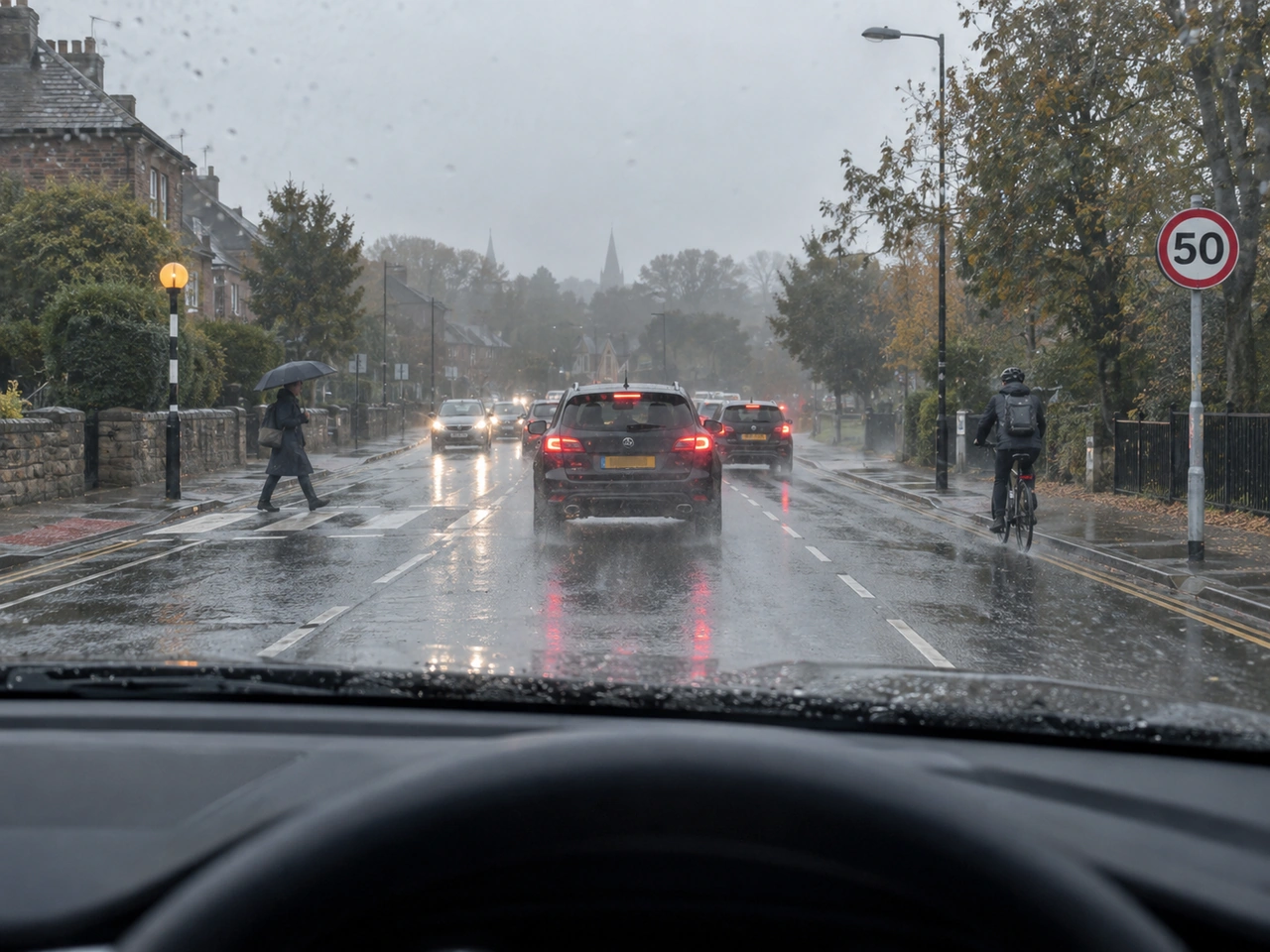
Does driving at the speed limit always mean your speed is safe?

423. Does driving at the speed limit always mean your speed is safe?

✓ No, you may need to drive more slowly for the conditions.
Yes, if the road ahead appears clear.
Yes, the speed limit is always the safest speed.
Only when driving outside built-up areas.

A speed limit is a maximum permitted speed, not a target. You may need to drive more slowly because of traffic, poor visibility, weather, road conditions, pedestrians, cyclists, or other hazards.

Speed-limit sign and changing road conditions
AI-generated by Traffic-rules.com • WCIT • CC BY-SA
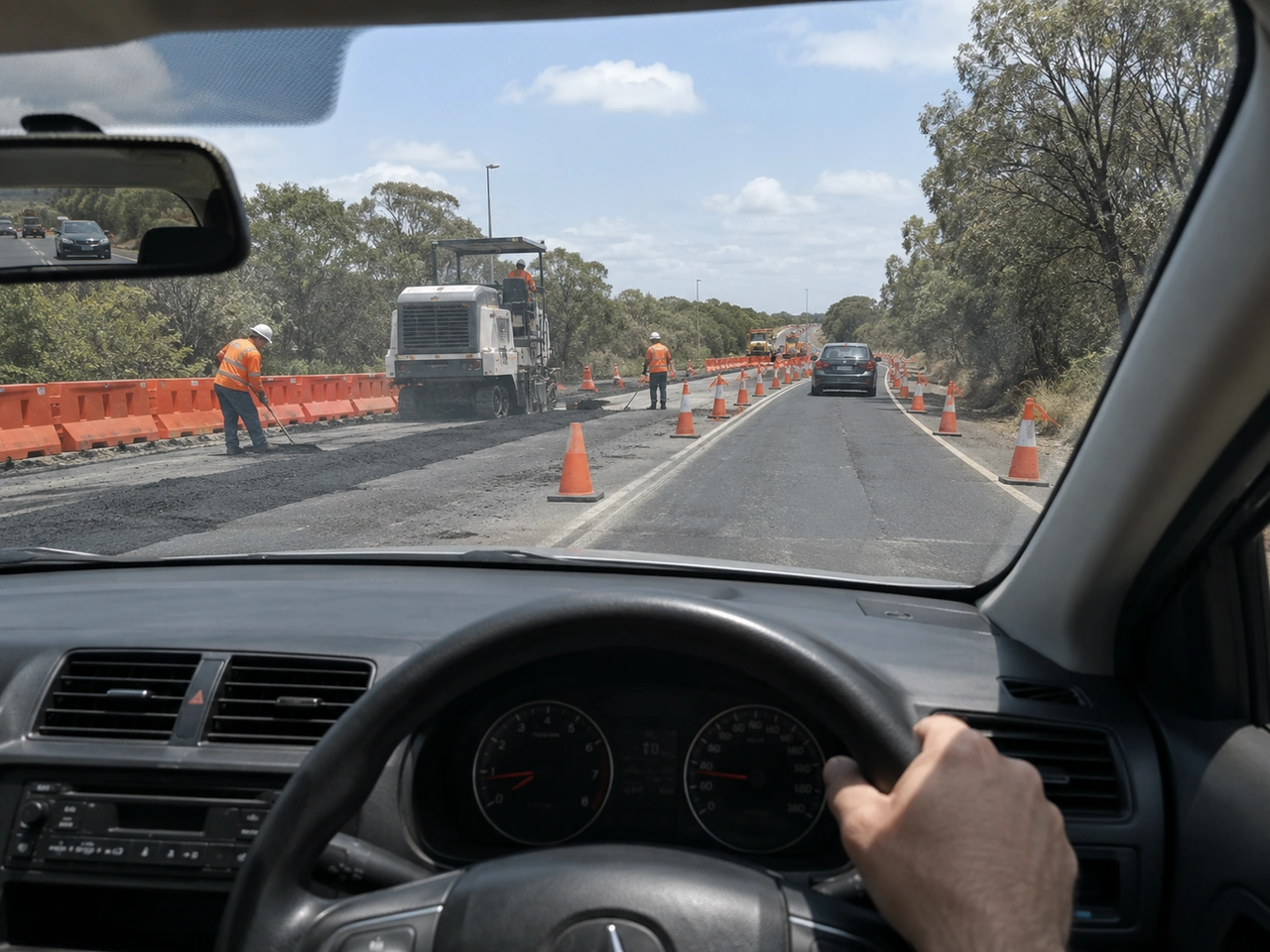
Why should you reduce speed when approaching roadworks?

424. Why should you reduce speed when approaching roadworks?

✓ Road workers, narrow lanes, and unexpected hazards may be present.
To reduce exhaust gases near construction sites.
You should not reduce speed near roadworks.
To reduce wear on the vehicle suspension.

Roadworks can involve workers, machinery, changing lane layouts, and uneven surfaces. Lower speed gives you more time to react.

Vehicle approaching a roadworks area
AI-generated by Traffic-rules.com • WCIT • CC BY-SA
What should you do if another vehicle is tailgating you?

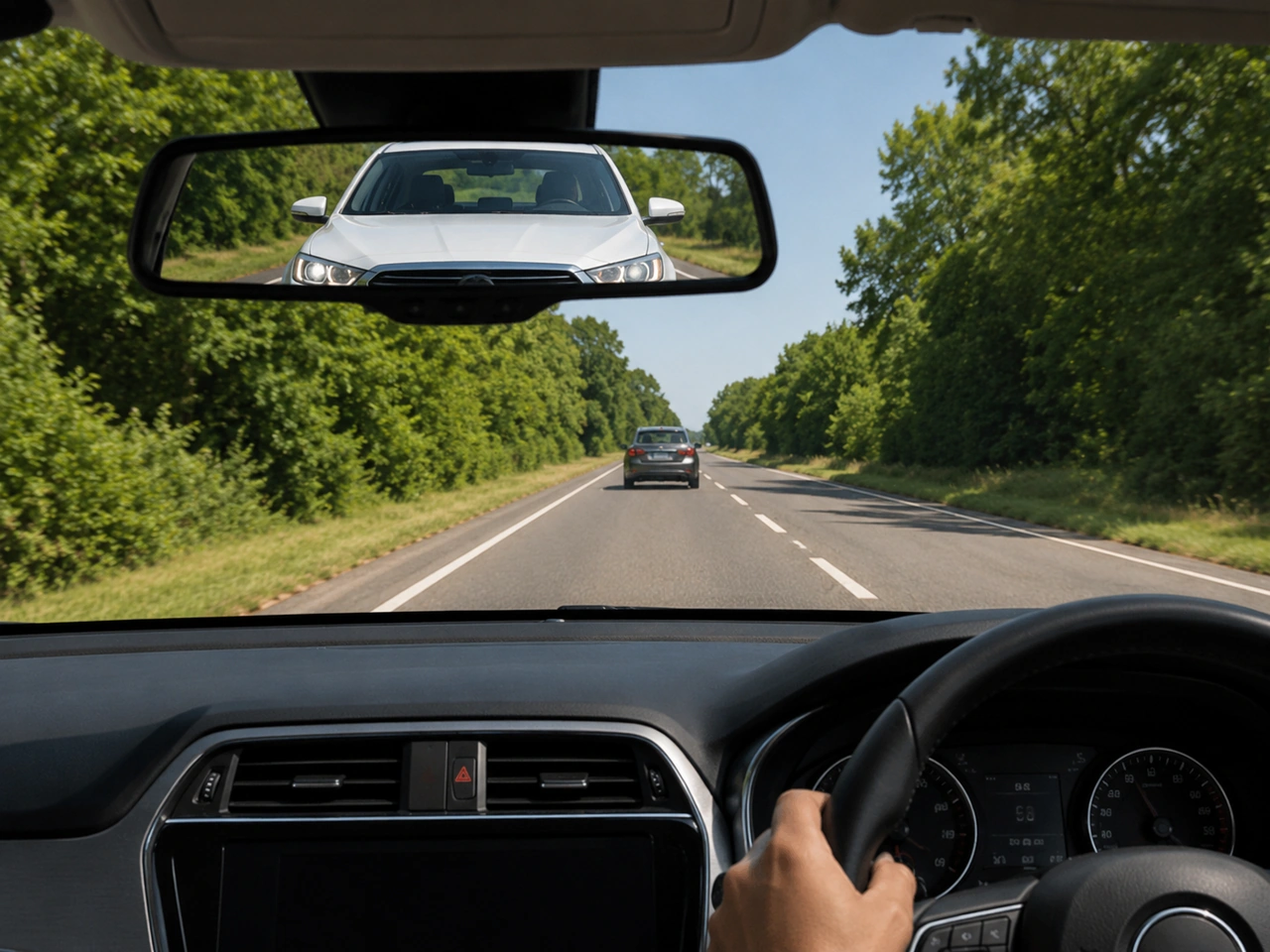
425. What should you do if another vehicle is tailgating you?

Reduce the gap ahead so they cannot move into it.
Speed up to create more space behind you.
Move toward the centre to discourage them from passing.
✓ Stay calm and increase your safety margin ahead.

If someone follows too closely, avoid sudden actions. Keeping more space in front gives you more time to brake gently if needed. If it is safe, allow the tailgating vehicle to pass.

Following vehicle visible close behind
AI-generated by Traffic-rules.com • WCIT • CC BY-SA
What should you do if you are unsure who has priority at a junction?

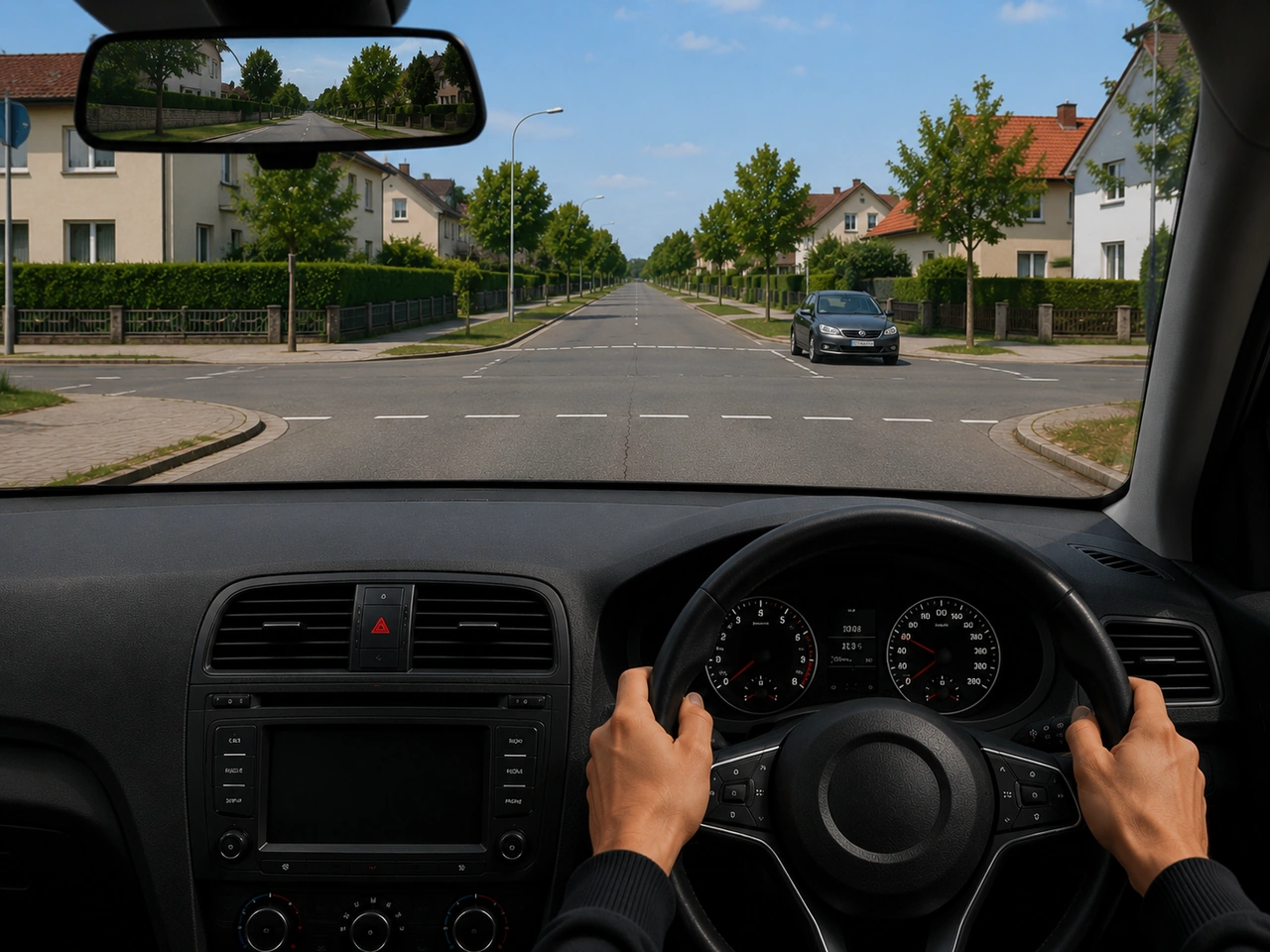
426. What should you do if you are unsure who has priority at a junction?

Enter slowly so the other driver has time to react.
Proceed if the other driver appears to be slowing down.
✓ Slow down and proceed only when it is safe.
Check only the direction that normally has priority.

If priority is unclear, reduce speed, observe carefully, and avoid entering the junction until you are sure it is safe.

Vehicles approaching a junction with uncertain priority
AI-generated by Traffic-rules.com • WCIT • CC BY-SA
What should you do when approaching a stop sign?

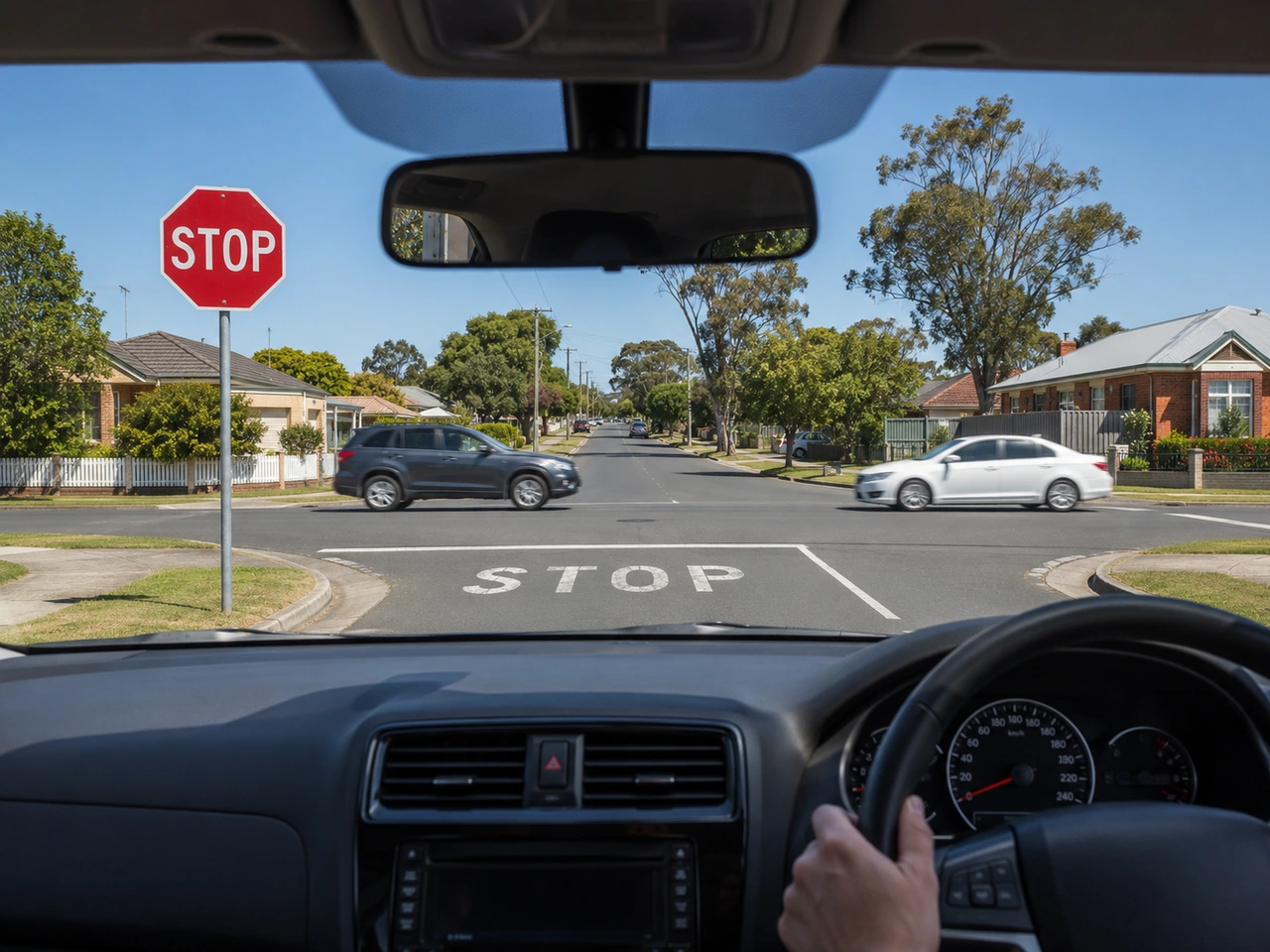
427. What should you do when approaching a stop sign?

✓ Come to a complete stop before proceeding.
Stop only after entering the junction.
Proceed if the vehicle ahead has already stopped.
Slow down and stop only if traffic is approaching.

A stop sign requires you to come to a complete stop at the required position. Check carefully for other road users and proceed only when it is safe.

Vehicle approaching a stop sign
AI-generated by Traffic-rules.com • WCIT • CC BY-SA
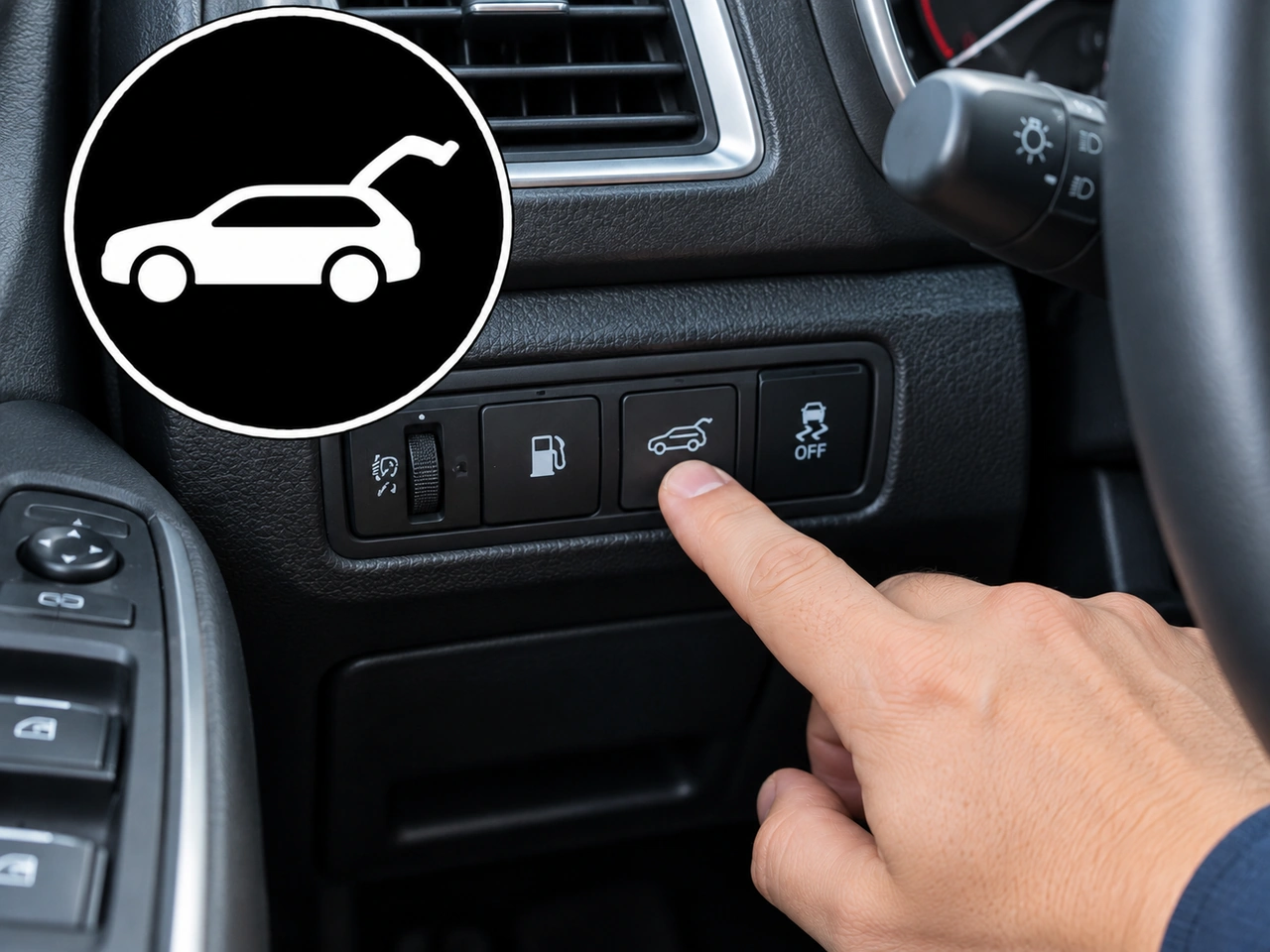
What does this vehicle-control symbol indicate?

428. What does this vehicle-control symbol indicate?

✓ Boot or tailgate release.
Bonnet release.
Window lock.
Central door locking.

This symbol indicates the boot or tailgate release. Operating the control unlocks or opens the luggage compartment, depending on the vehicle.

Boot or tailgate release control
AI-generated by Traffic-rules.com • WCIT • CC BY-SA
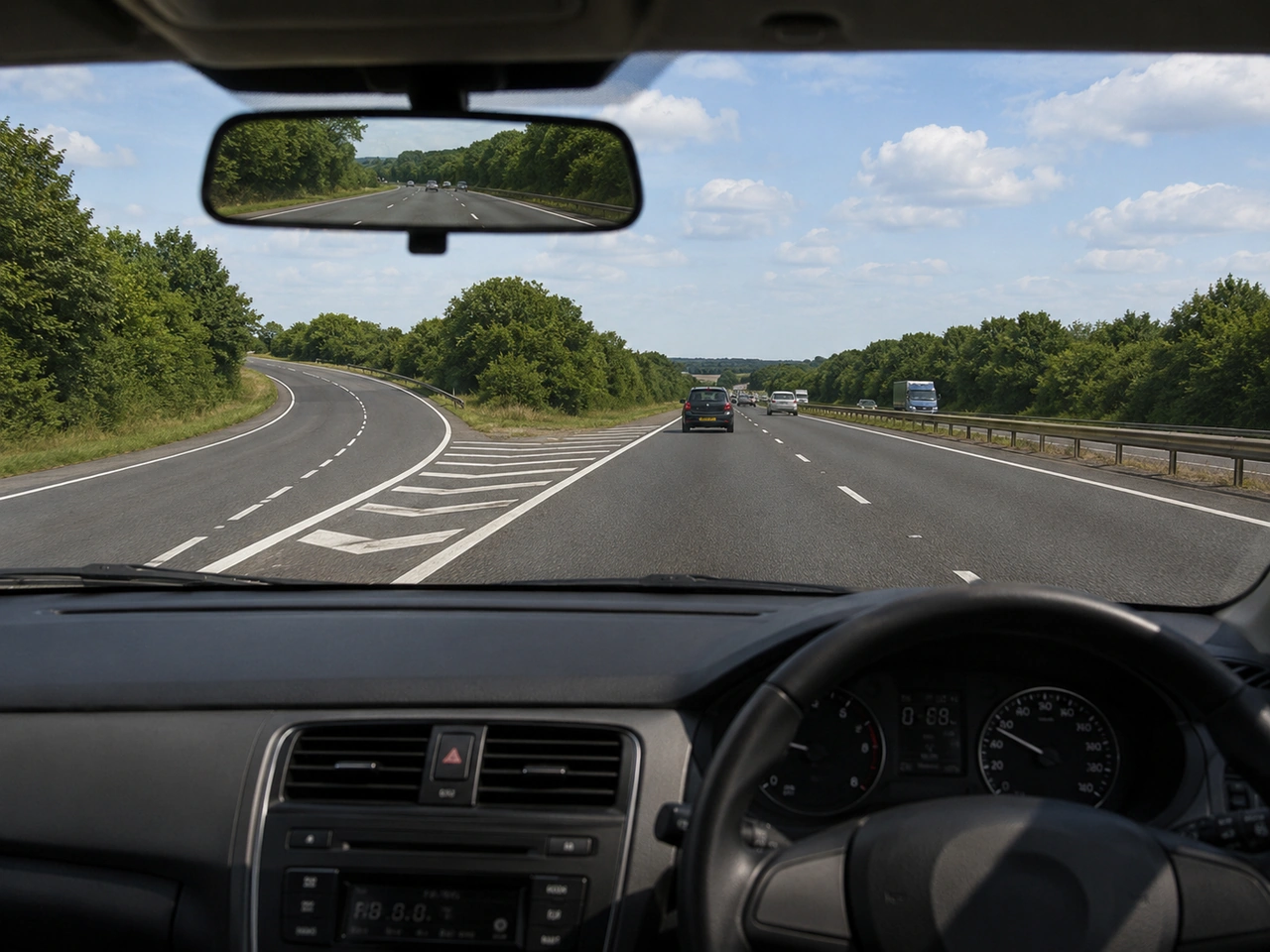
What should you do if you miss your motorway exit?

429. What should you do if you miss your motorway exit?

Cross the painted separation area back to the exit.
Use an emergency opening in the central reservation.
✓ Continue to the next exit.
Move onto the shoulder and reverse carefully.

Never reverse or make a sudden manoeuvre. Continue safely and change your route at the next suitable exit.

Vehicle continuing past a motorway exit
AI-generated by Traffic-rules.com • WCIT • CC BY-SA
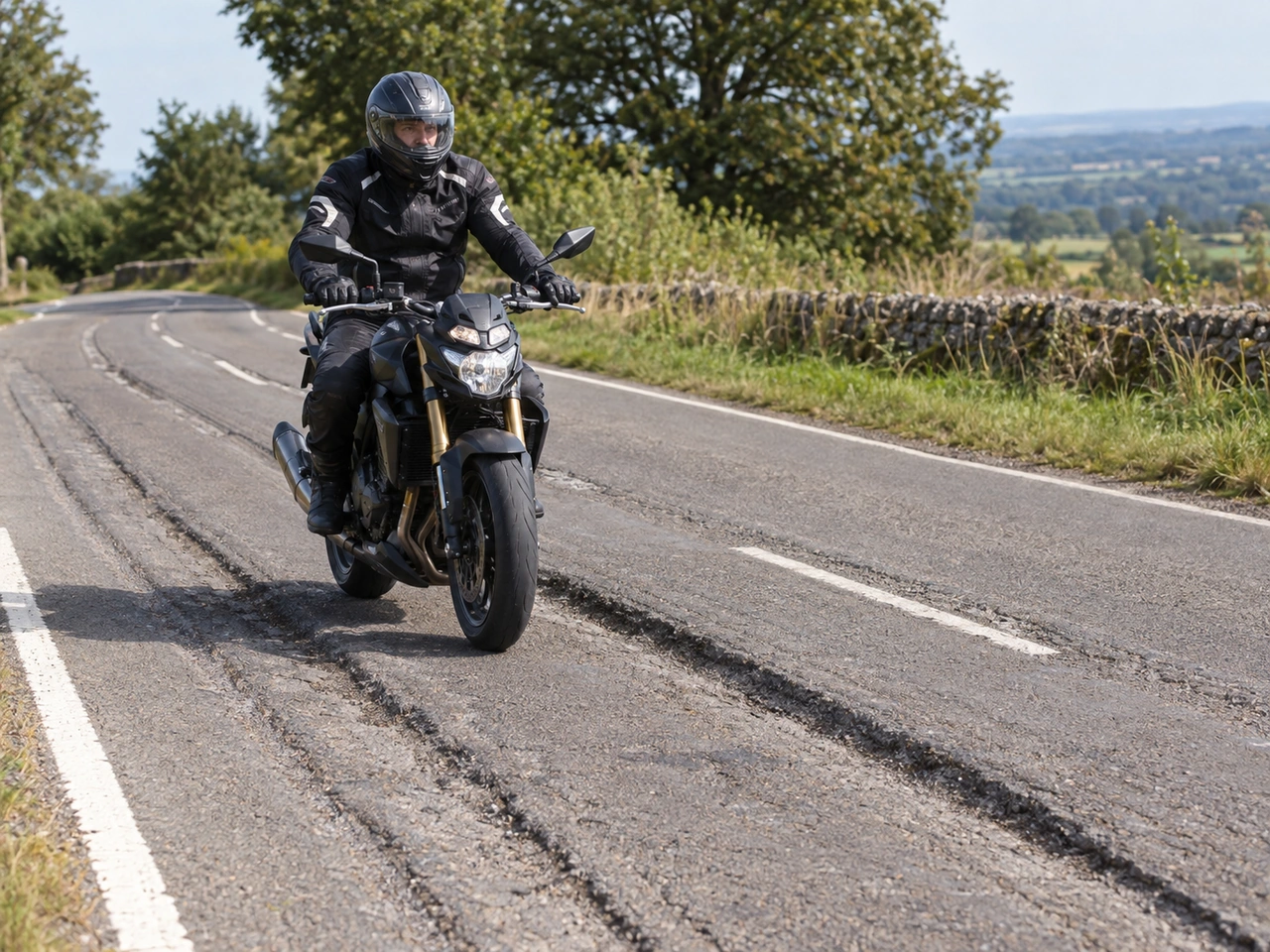
How should a motorcyclist react to grooves or ruts in the road?

430. How should a motorcyclist react to grooves or ruts in the road?

Grip the handlebars as tightly as possible.
Brake hard while riding through them.
✓ Reduce speed and keep a relaxed, steady grip.
Make quick steering corrections as the bike moves.

Longitudinal grooves or ruts can affect a motorcycle's steering and may make the wheels follow the uneven surface. Reduce speed where necessary, keep a relaxed but steady grip and avoid sudden braking, acceleration or steering corrections.

Motorcyclist approaching grooves in the road surface
AI-generated by Traffic-rules.com • WCIT • CC BY-SA
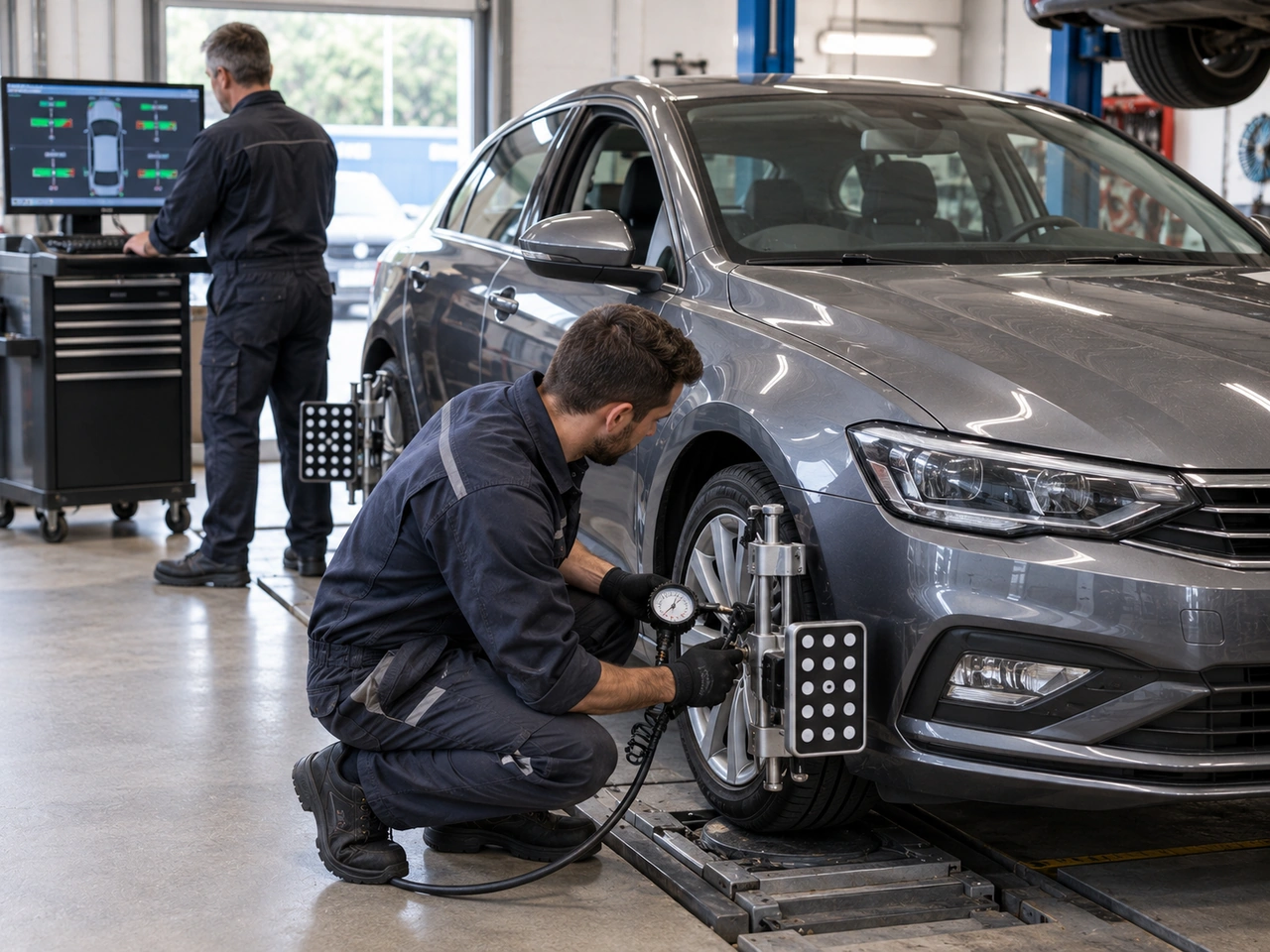
What should you do if the vehicle consistently pulls to one side?

431. What should you do if the vehicle consistently pulls to one side?

✓ Check the tyre pressures and have the steering, alignment, and brakes inspected.
Keep driving and correct the steering as needed.
Increase speed to see if the vehicle straightens.
Reduce pressure in the tyre on the opposite side.

Persistent pulling can be caused by incorrect tyre pressure, wheel misalignment, suspension wear, or a braking fault. It should not be ignored.

Vehicle pulling to one side while travelling
AI-generated by Traffic-rules.com • WCIT • CC BY-SA
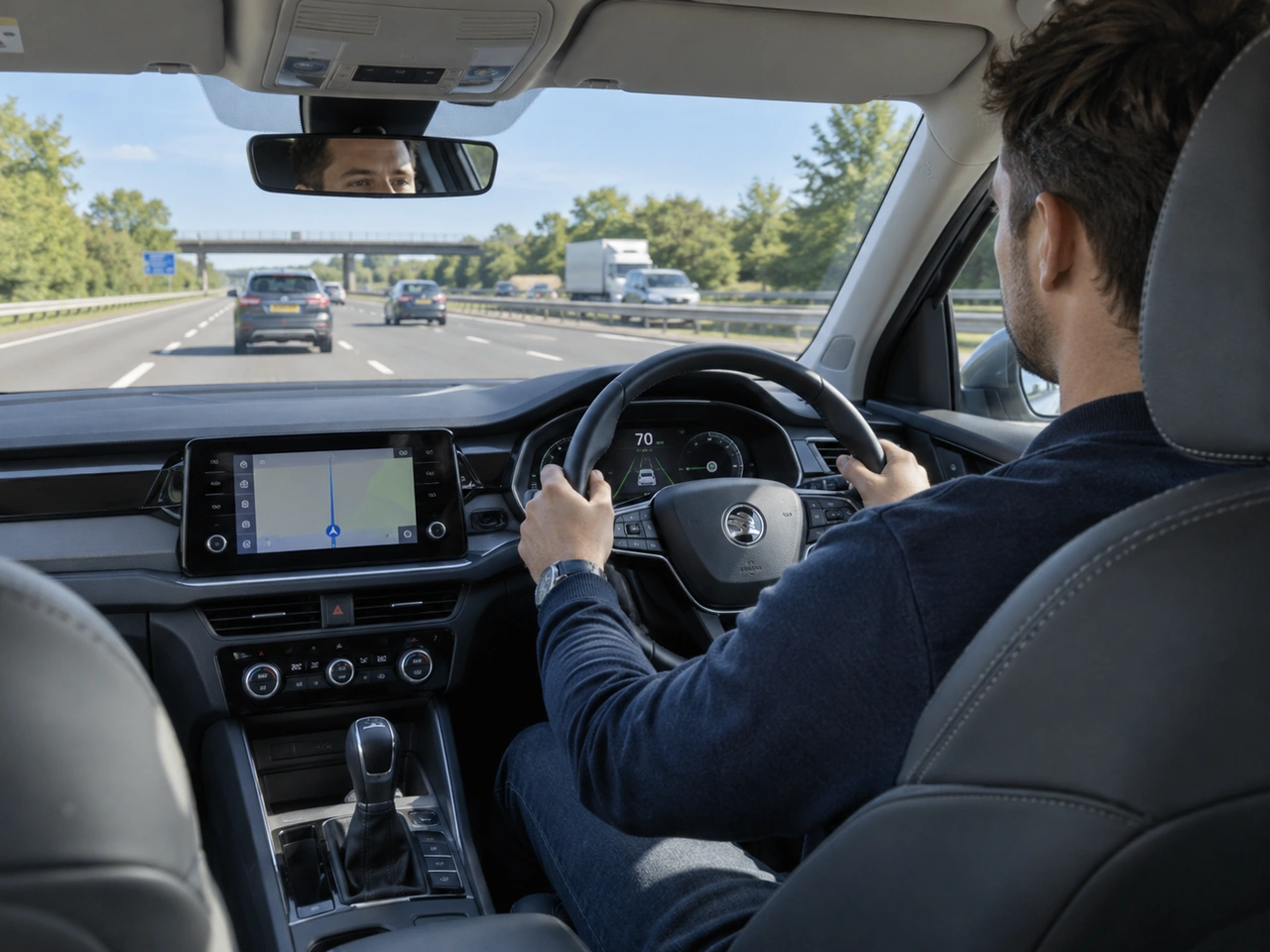
What should you remember when using driver-assistance systems?

432. What should you remember when using driver-assistance systems?

✓ You remain responsible and must stay alert.
You only need to intervene when a warning appears.
The systems can take full responsibility for driving.
You may stop watching the road when they are active.

Driver-assistance systems can help with tasks such as maintaining speed, monitoring lanes, or warning about hazards, but they do not replace the driver. Stay attentive, monitor the road and traffic, and be ready to take control whenever necessary.

Driver monitoring the road while using driver assistance
AI-generated by Traffic-rules.com • WCIT • CC BY-SA
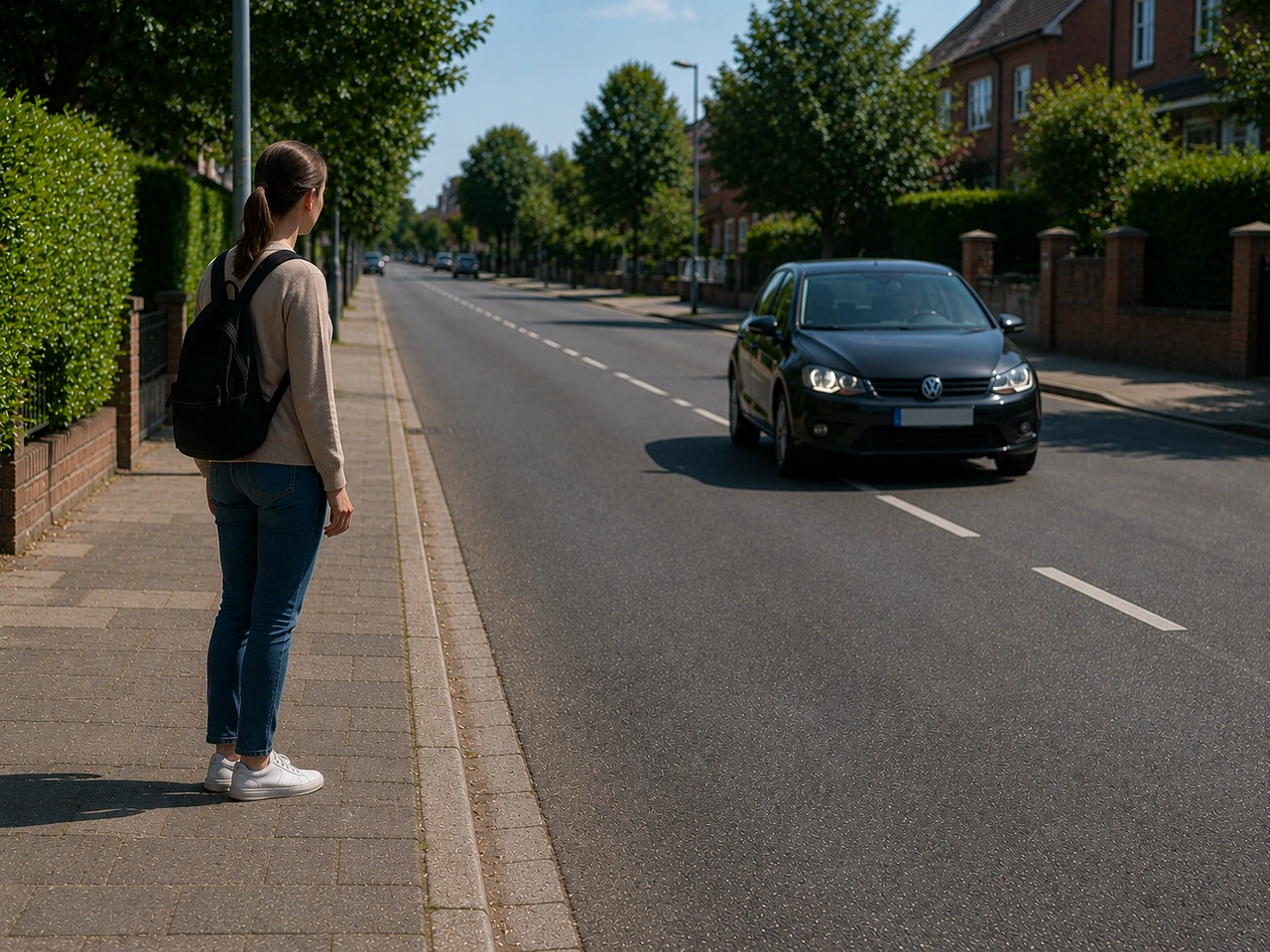
What is the best place to cross the road?

433. What is the best place to cross the road?

✓ At a designated crossing.
At the shortest point, even if visibility is limited.
At a junction without checking for turning traffic.
Between parked vehicles if traffic appears quiet.

Use a designated crossing whenever possible. It is usually the safest place to cross the road.

Designated crossing for pedestrians
AI-generated by Traffic-rules.com • WCIT • CC BY-SA
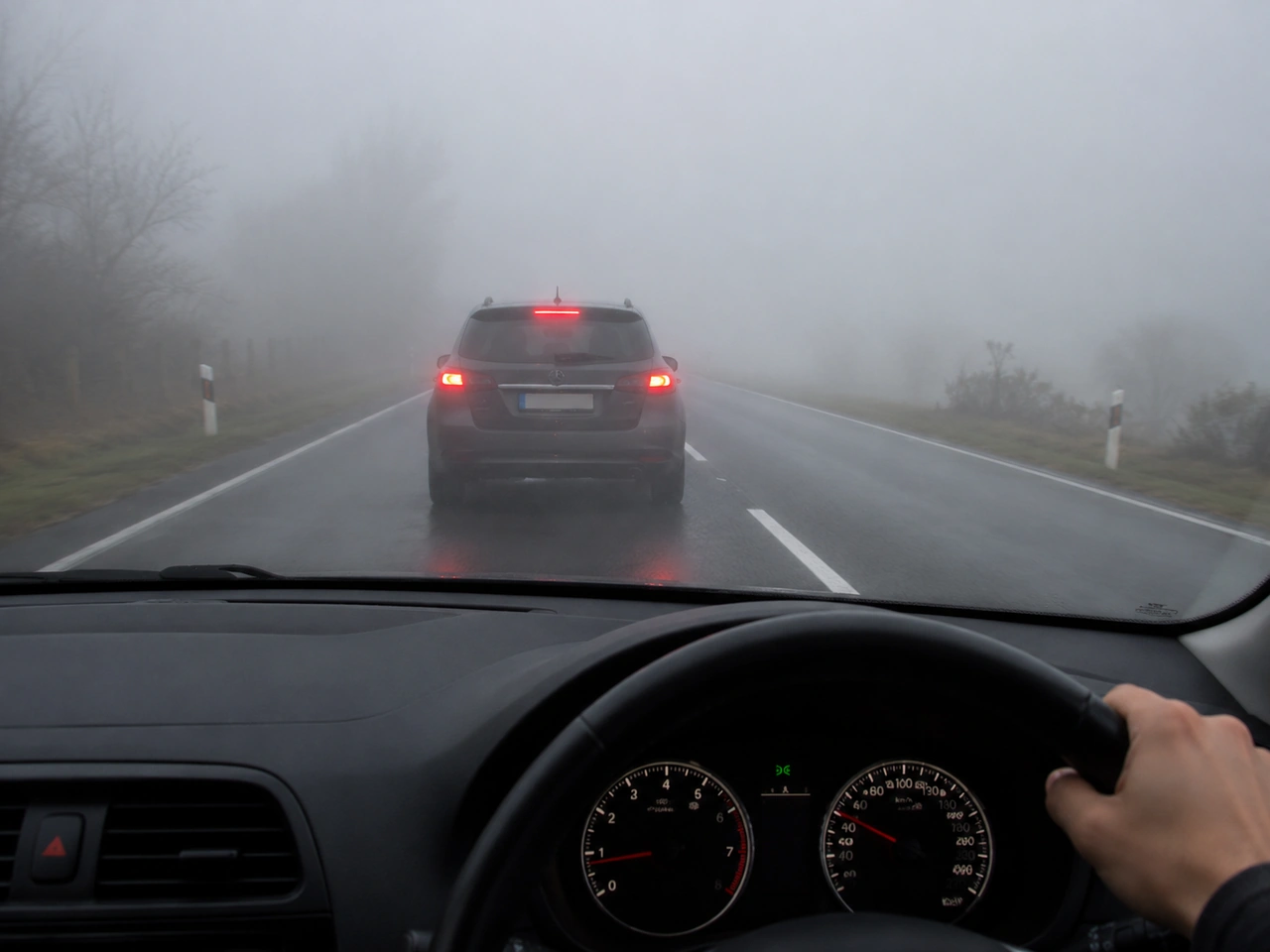
Why should you avoid following another vehicle too closely in fog?

434. Why should you avoid following another vehicle too closely in fog?

To prevent your tyres from overheating.
To keep the windscreen clearer.
✓ You may have too little time to react if it brakes suddenly.
To increase stopping distance.

Following too closely reduces your reaction time and can lead to a collision if the vehicle ahead slows unexpectedly.

Following another vehicle in fog
AI-generated by Traffic-rules.com • WCIT • CC BY-SA
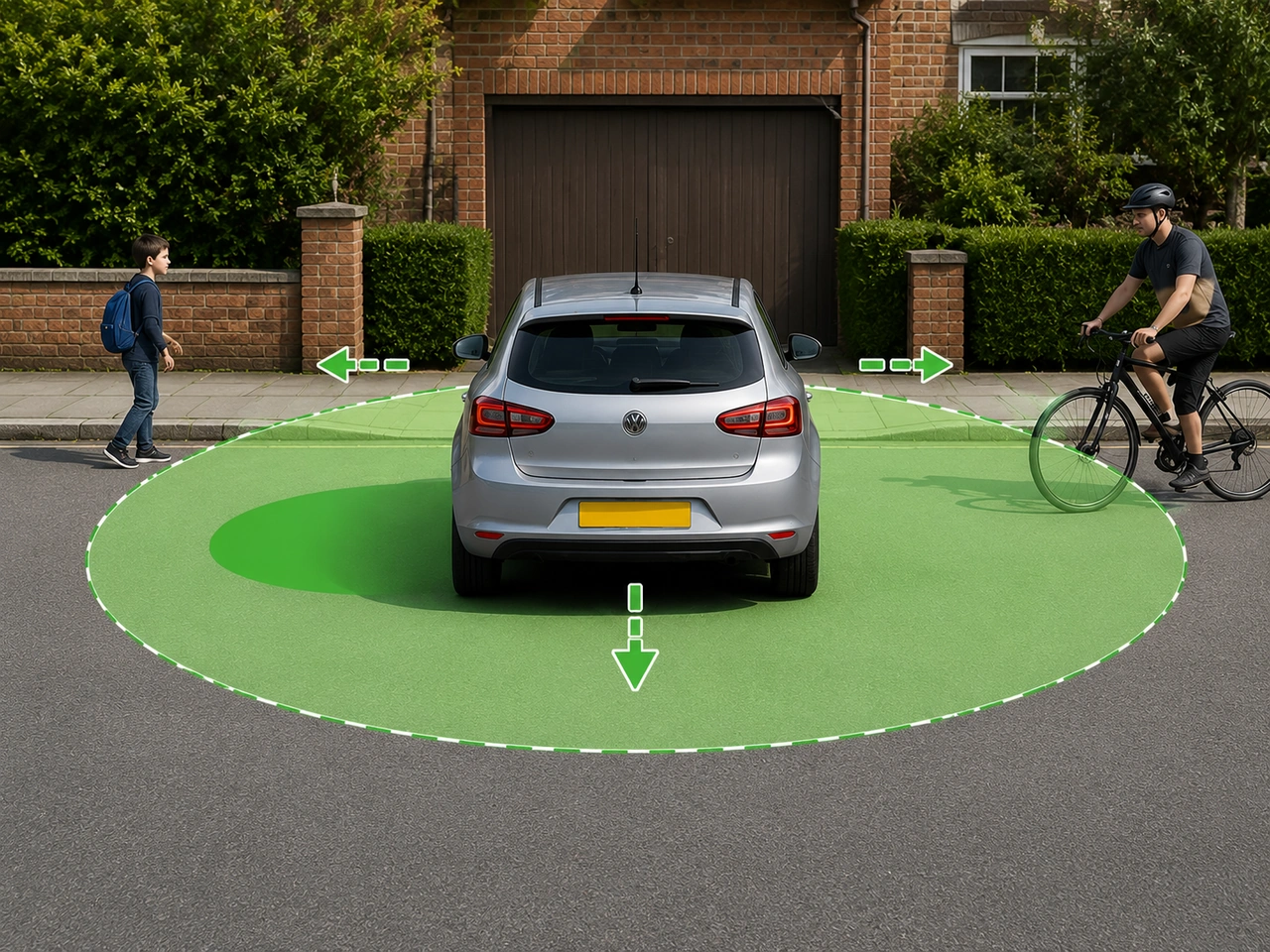
What should you do before reversing your vehicle?

435. What should you do before reversing your vehicle?

Sound the horn before reversing and proceed.
Check behind only after you start moving.
Rely on the reversing camera if one is fitted.
✓ Check all around and make sure it is safe.

Before reversing, check all around the vehicle, including blind spots, for pedestrians, cyclists, vehicles, and other hazards. Reverse slowly and keep checking as you move.

Vehicle preparing to reverse from a driveway
AI-generated by Traffic-rules.com • WCIT • CC BY-SA
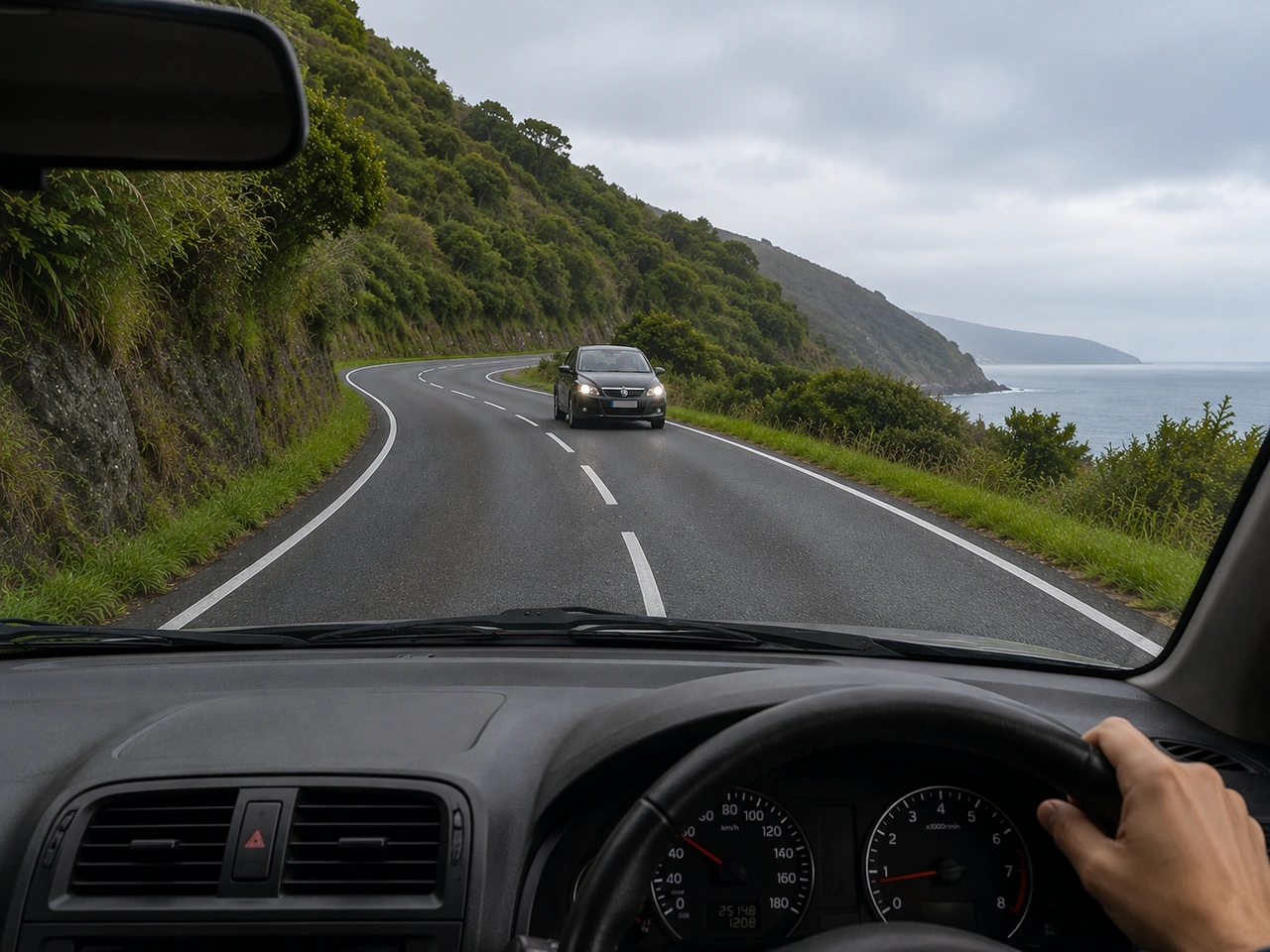
What should you do when approaching a curve with poor visibility?

436. What should you do when approaching a curve with poor visibility?

Maintain your speed if the road ahead appears clear.
✓ Slow down and stay in your lane.
Move slightly toward the centre for a better view.
Follow the vehicle ahead closely through the curve.

A curve can hide oncoming traffic, obstacles, cyclists, or pedestrians. Reduce speed and keep a safe position.

Road bend with a restricted view ahead
AI-generated by Traffic-rules.com • WCIT • CC BY-SA
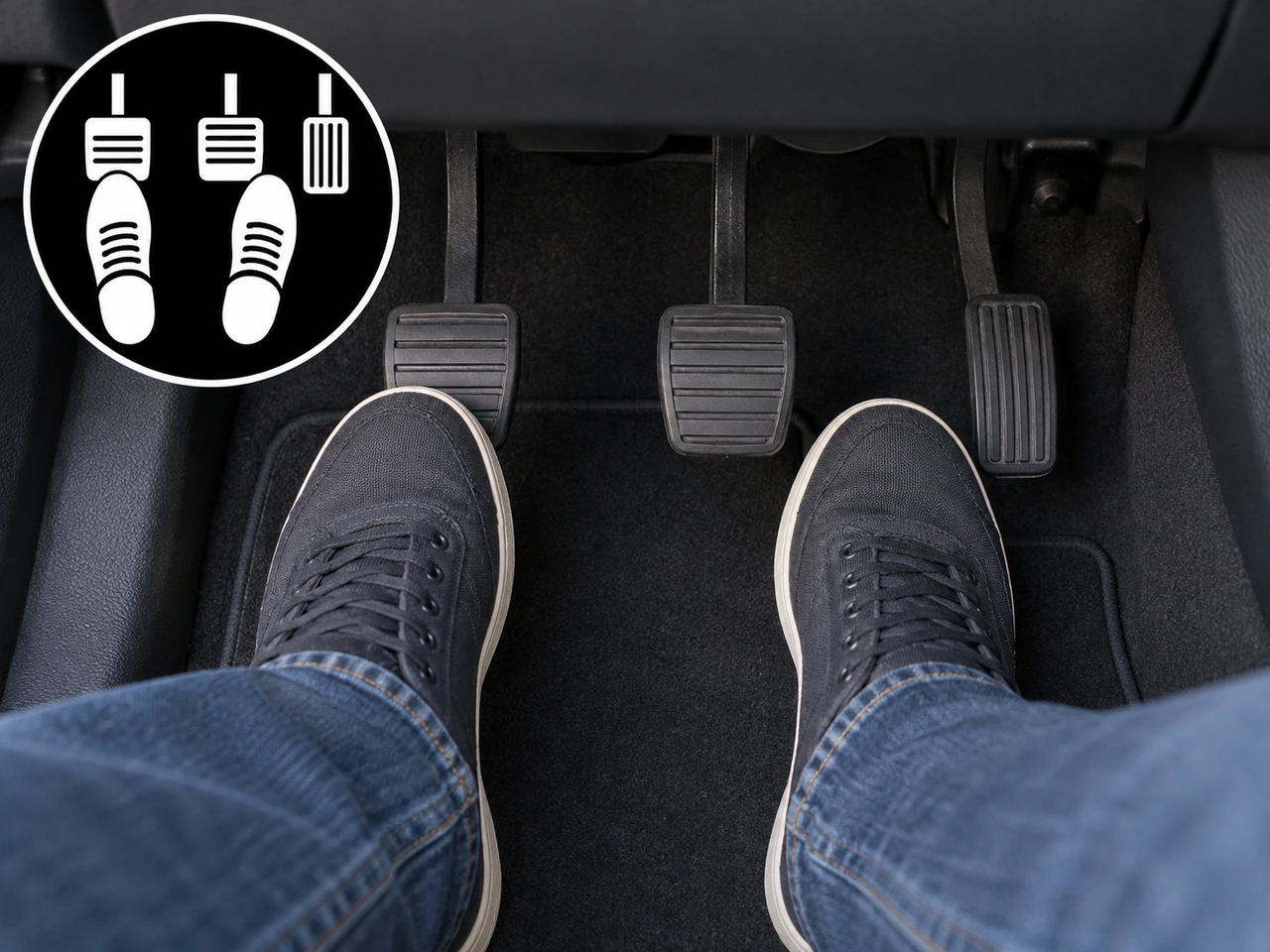
Which foot normally operates the brake and accelerator in a manual vehicle?

437. Which foot normally operates the brake and accelerator in a manual vehicle?

✓ The right foot.
The left foot.
The left foot for the brake and right foot for the accelerator.
Either foot.

In a manual vehicle, the right foot normally operates both the brake and accelerator pedals, while the left foot operates the clutch.

Pedal arrangement and foot controls in a manual vehicle
AI-generated by Traffic-rules.com • WCIT • CC BY-SA
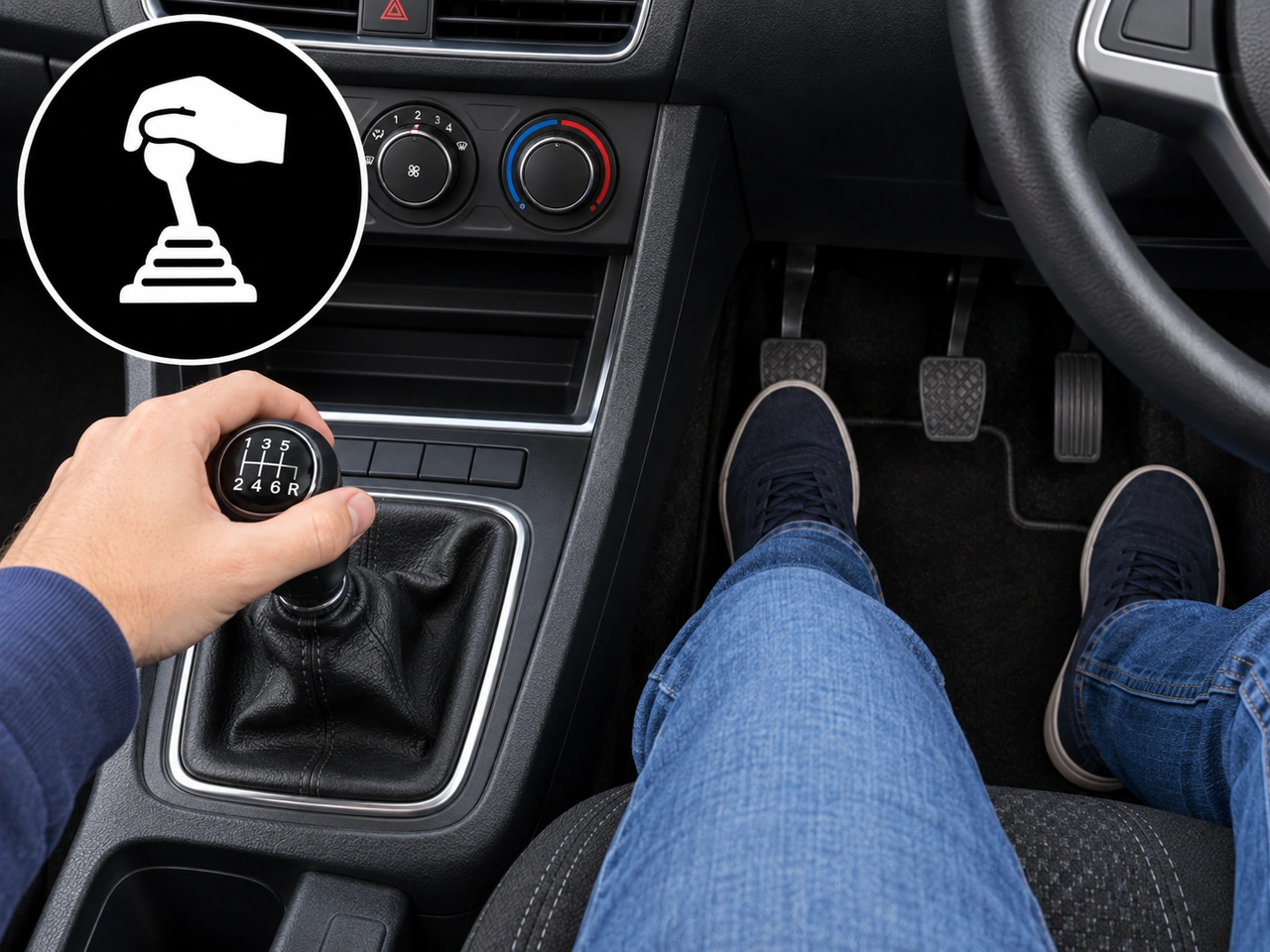
What should you do if a gear does not engage easily in a manual vehicle?

438. What should you do if a gear does not engage easily in a manual vehicle?

Push the lever harder until the gear engages.
Release the clutch suddenly.
Press the accelerator fully.
✓ Avoid forcing the gear lever.

If a gear does not engage easily, do not force the gear lever. Make sure the clutch is fully pressed and the vehicle's speed is suitable for the gear before trying again.

Operating a manual gear lever without forcing it
AI-generated by Traffic-rules.com • WCIT • CC BY-SA
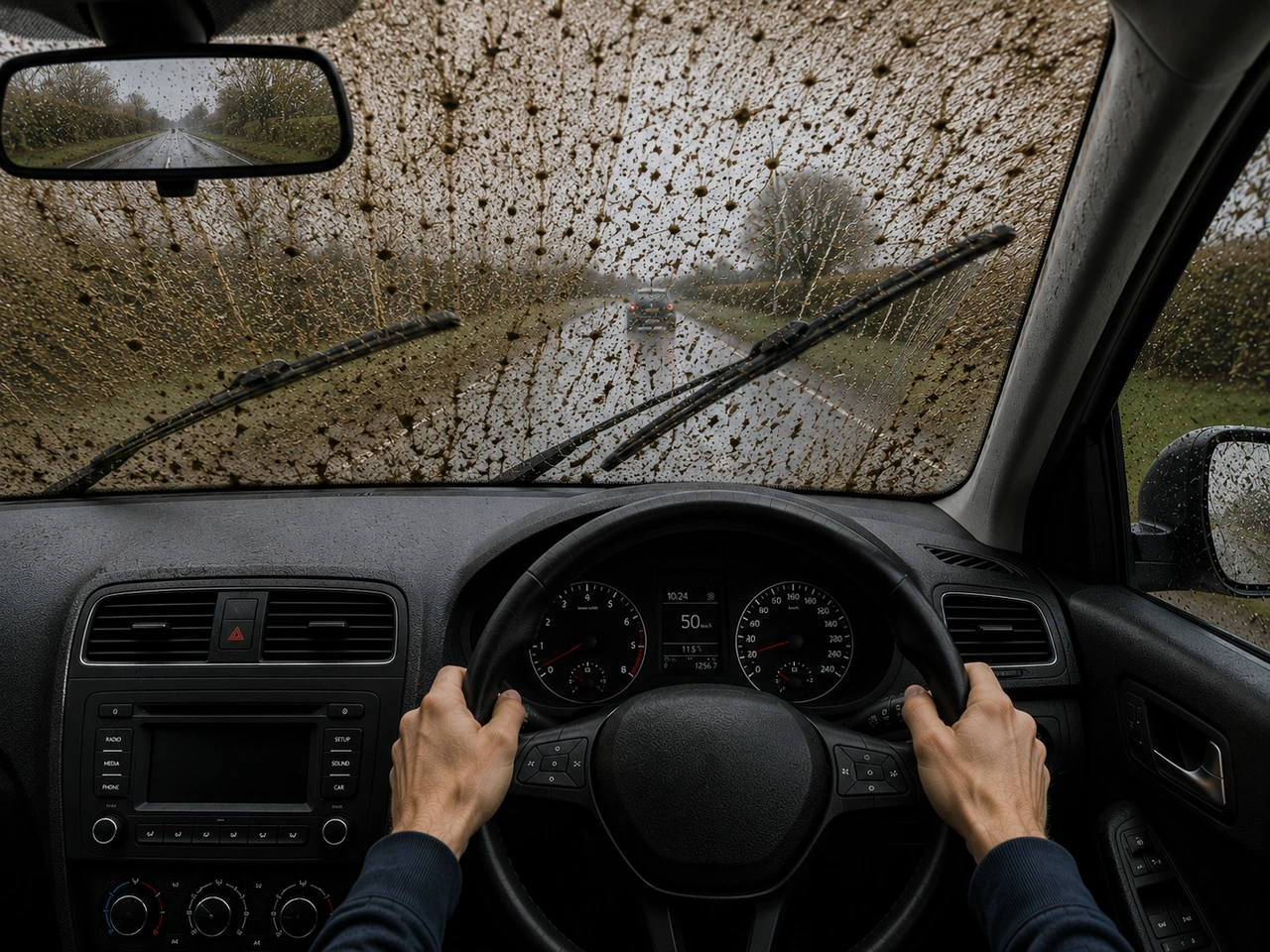
What should you do if your windscreen becomes covered with mud or spray?

439. What should you do if your windscreen becomes covered with mud or spray?

Increase speed so the airflow clears the windscreen.
✓ Slow down and use the washers and wipers to restore clear vision.
Continue driving and wait for the spray to clear.
Switch off the wipers until the windscreen dries.

Clear visibility is essential. Slow down safely and use your washers and wipers until you can see the road clearly again.

Mud and spray obscuring a vehicle's windscreen
AI-generated by Traffic-rules.com • WCIT • CC BY-SA
What does the single-wipe position of the windscreen-wiper control do?

440. What does the single-wipe position of the windscreen-wiper control do?

Runs the wipers continuously.
Activates the rear wiper.
Sprays washer fluid onto the windscreen.
✓ Operates the windscreen wipers once.

The single-wipe position operates the windscreen wipers for one sweep and then stops. It is useful when only a small amount of water or spray needs to be cleared from the windscreen.

Single-wipe setting on the windscreen-wiper control
AI-generated by Traffic-rules.com • WCIT • CC BY-SA
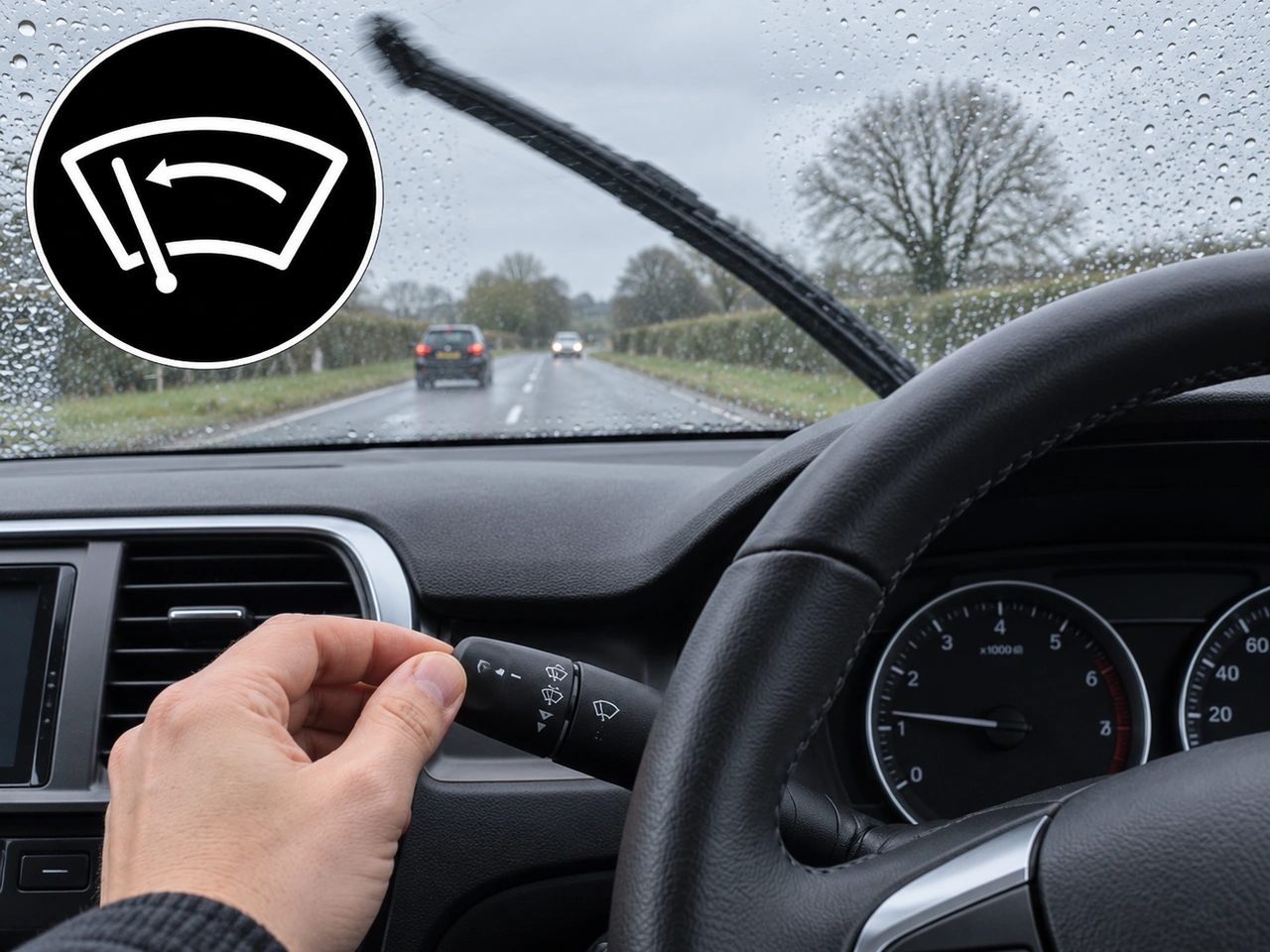
What should you do if your vehicle begins to drift onto the shoulder?

441. What should you do if your vehicle begins to drift onto the shoulder?

Keep driving on the shoulder until the road becomes wider.
Steer back onto the road as quickly as possible.
✓ Ease off the accelerator and steer back smoothly when safe.
Accelerate slightly before steering back onto the road.

If you drift onto the shoulder, avoid sudden steering or braking. Slow gently and return to the road smoothly when it is safe.

Vehicle drifting towards the road shoulder
AI-generated by Traffic-rules.com • WCIT • CC BY-SA
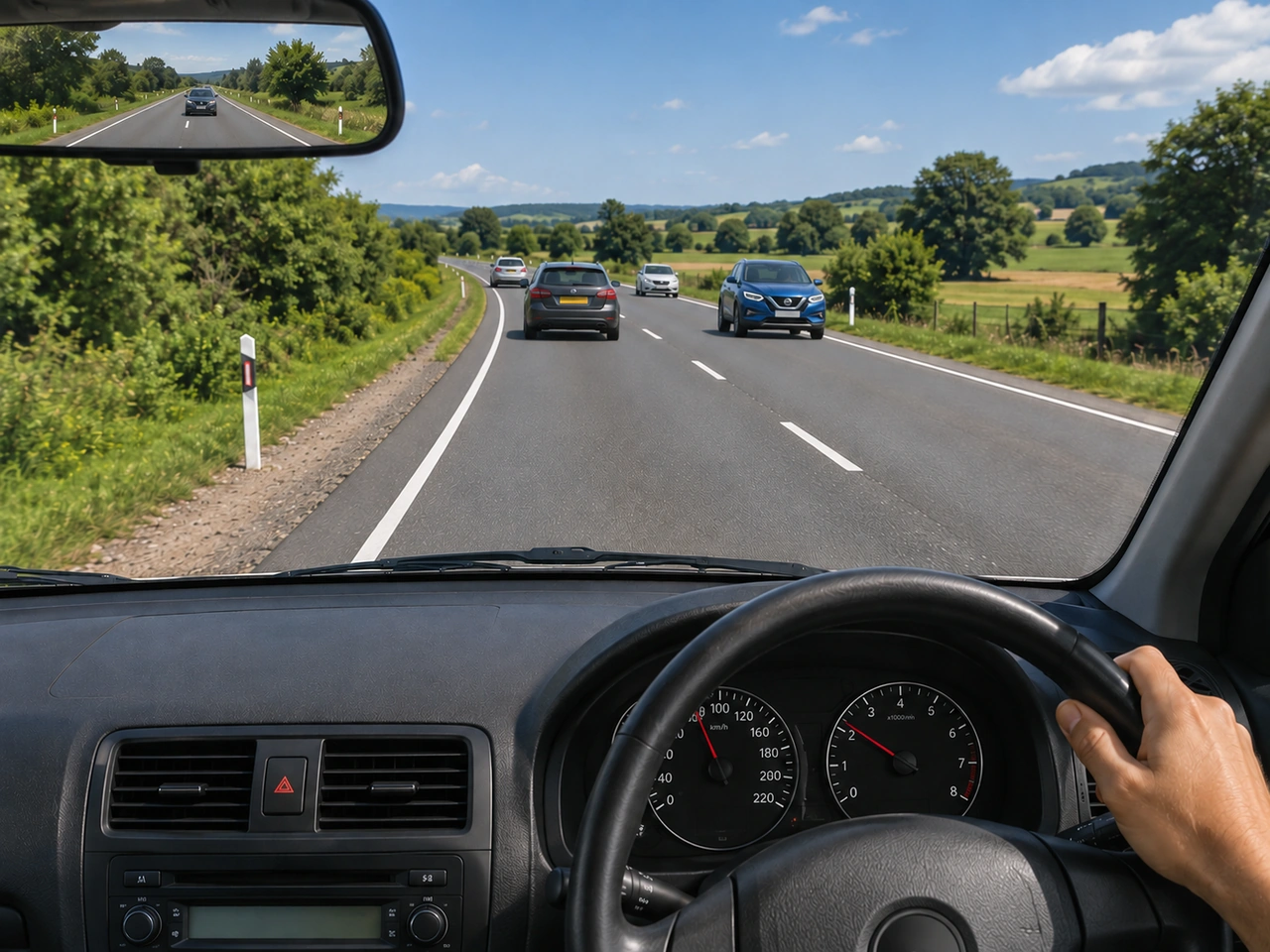
Why should you avoid selecting N while driving downhill in an automatic vehicle?

442. Why should you avoid selecting N while driving downhill in an automatic vehicle?

It increases engine braking.
It automatically selects a lower gear.
It applies the parking brake.
✓ It reduces engine braking and vehicle control.

Selecting N (Neutral) while driving downhill disconnects the engine from the driven wheels, reducing engine braking. Keep an appropriate drive or gear selected so you can maintain better control of the vehicle.

Neutral selection and downhill coasting in an automatic vehicle
AI-generated by Traffic-rules.com • WCIT • CC BY-SA
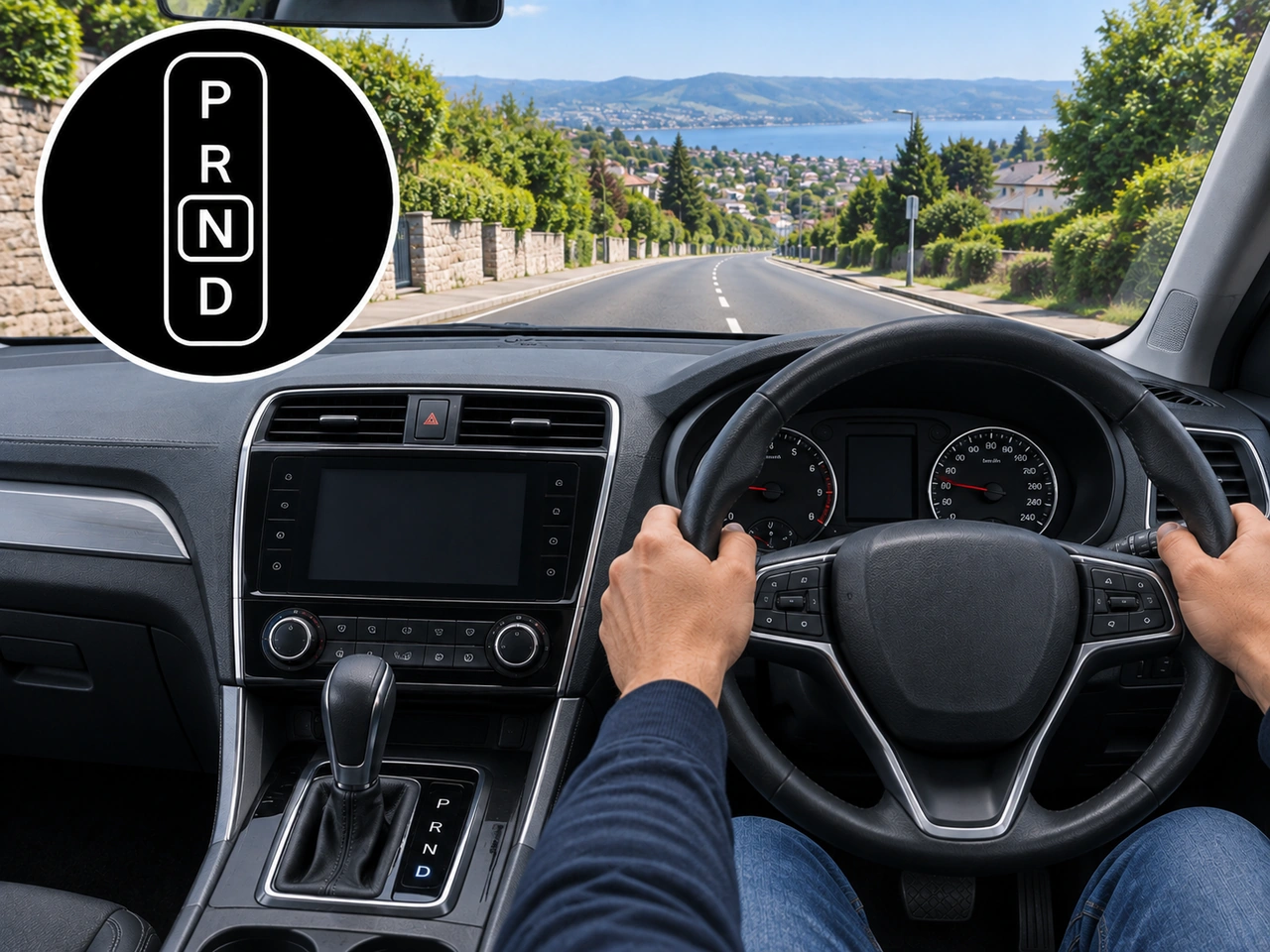
What should you do if your vehicle becomes stuck on a railway crossing?

443. What should you do if your vehicle becomes stuck on a railway crossing?

✓ Get everyone out, move away, and contact the emergency services.
Stay inside the vehicle and call for assistance.
Try to restart the vehicle until help arrives.
Move everyone beside the vehicle while waiting.

Move everyone well away from the tracks. Use the crossing emergency telephone or displayed contact information where available, or contact the emergency services immediately.

Vehicle stranded on a railway crossing
AI-generated by Traffic-rules.com • WCIT • CC BY-SA
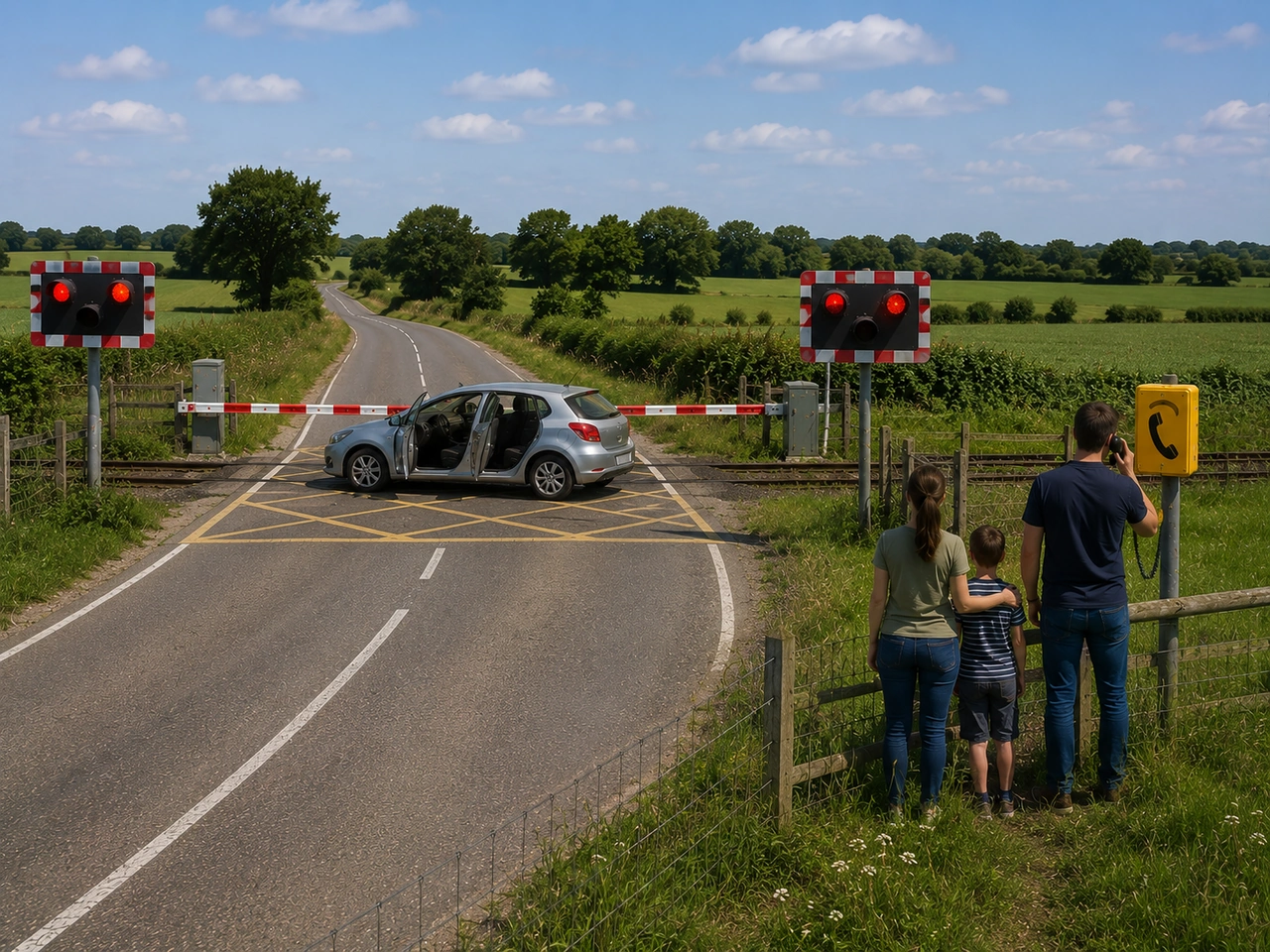
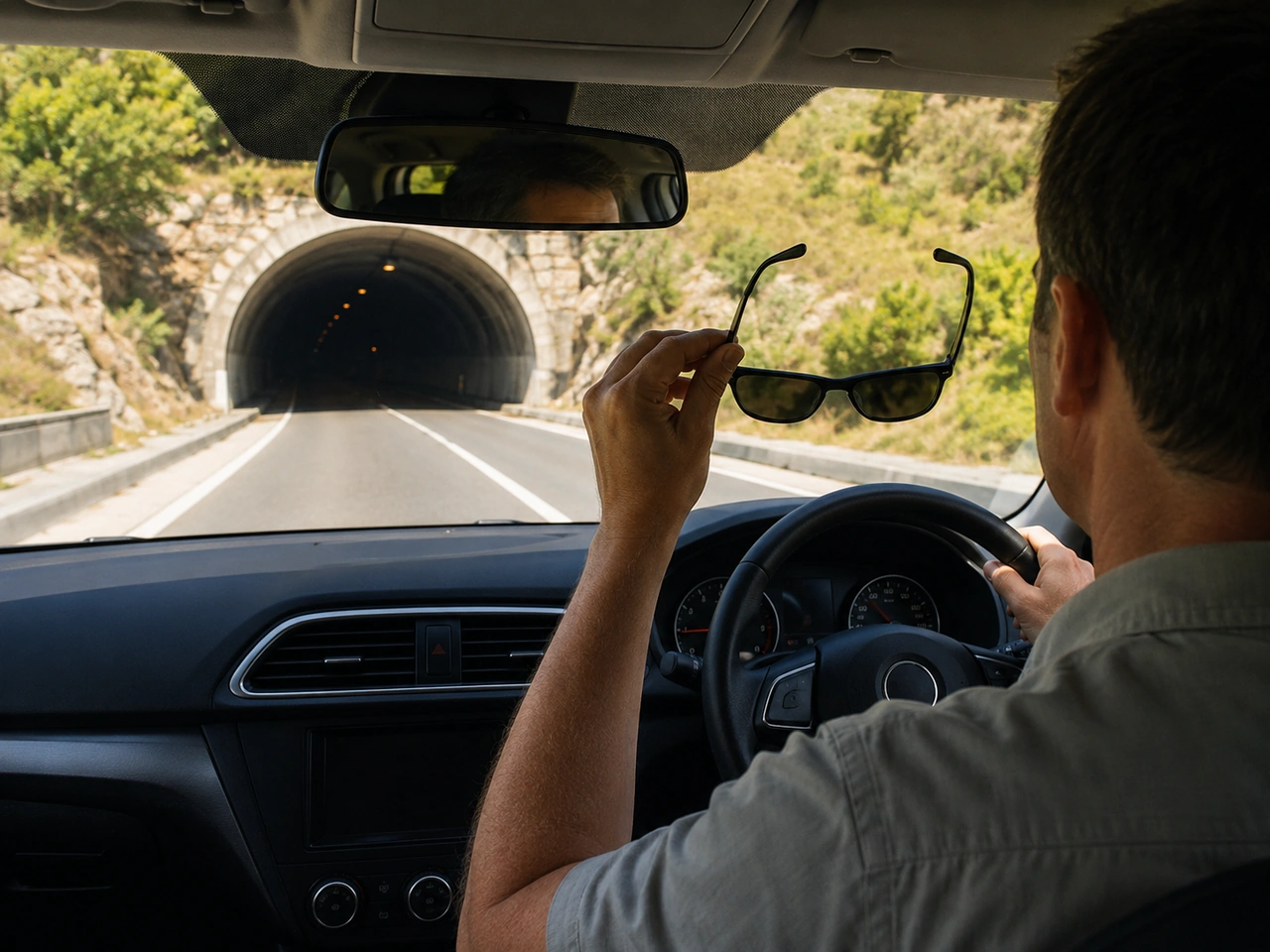
Why should you remove dark sunglasses before entering a tunnel?

444. Why should you remove dark sunglasses before entering a tunnel?

To make the vehicle headlights work more effectively.
To prevent the automatic lights from switching on.
Because tunnel lighting can damage dark lenses.
✓ Your eyes need to adjust to the lower light level.

Dark sunglasses reduce the amount of light reaching your eyes and can make hazards inside a tunnel harder to see.

Driver removing sunglasses before entering a tunnel
AI-generated by Traffic-rules.com • WCIT • CC BY-SA
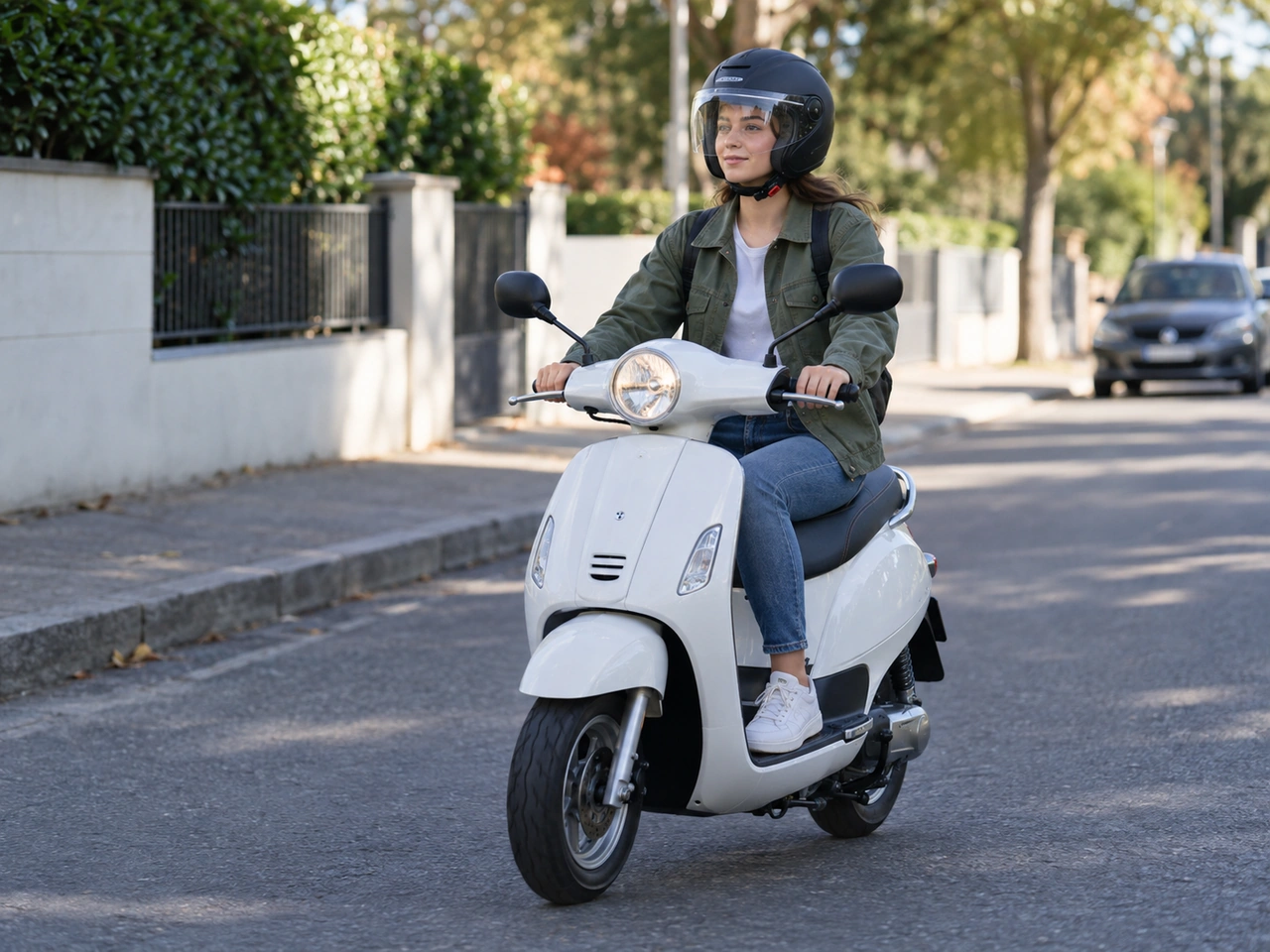
Are moped riders generally required to wear a helmet in Indonesia?

445. Are moped riders generally required to wear a helmet in Indonesia?

✓ Yes.
No.

Moped riders in Indonesia are generally required to wear an approved helmet.

Moped rider wearing a helmet
AI-generated by Traffic-rules.com • WCIT • CC BY-SA
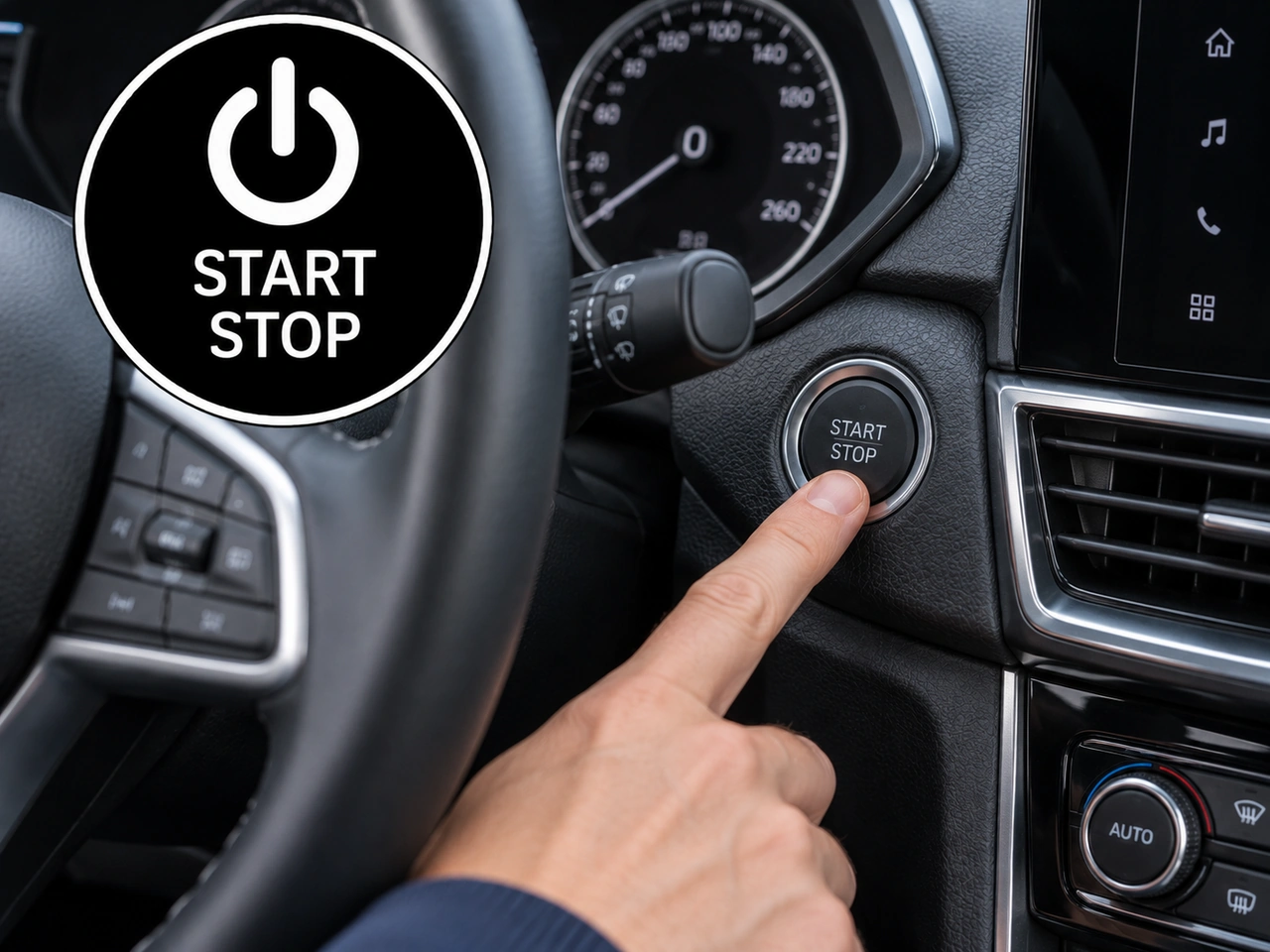
What does this vehicle-control button operate?

446. What does this vehicle-control button operate?

✓ The engine or drive system.
The automatic start-stop system.
The parking brake.
The hazard warning lights.

The engine start/stop button is used to start or switch off the vehicle's engine or electric drive system. Starting the vehicle normally also requires the brake or clutch pedal to be pressed.

Engine start/stop button in a vehicle
AI-generated by Traffic-rules.com • WCIT • CC BY-SA
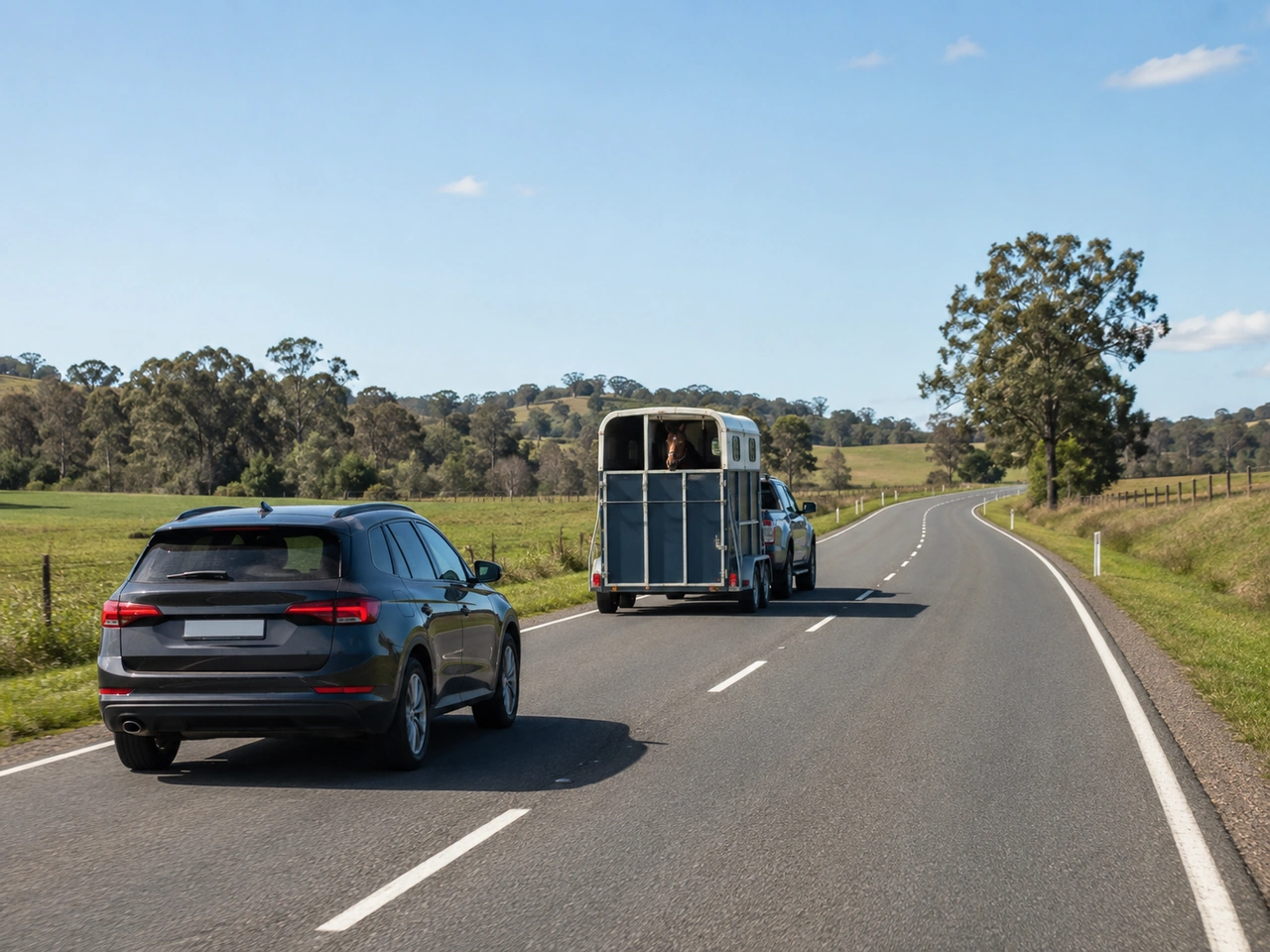
Why should you leave extra space behind a vehicle carrying animals?

447. Why should you leave extra space behind a vehicle carrying animals?

Because these vehicles always have priority.
Because they must always travel in the centre of the road.
✓ Because it may move slowly or stop unexpectedly.
Because they cannot use brake lights.

Vehicles transporting animals may accelerate slowly, take bends carefully, or brake gently to protect their load.

Vehicle following an animal transporter
AI-generated by Traffic-rules.com • WCIT • CC BY-SA
What is the main safety risk of aggressive driving?

448. What is the main safety risk of aggressive driving?

It can increase tyre and brake wear.
It can make the journey less comfortable.
It may attract the attention of the police.
✓ It increases the risk of crashes.

Aggressive driving, such as tailgating, speeding, or sudden lane changes, reduces safety margins and increases the risk of crashes and conflict with other road users.

Driver displaying aggressive behaviour in traffic
AI-generated by Traffic-rules.com • WCIT • CC BY-SA
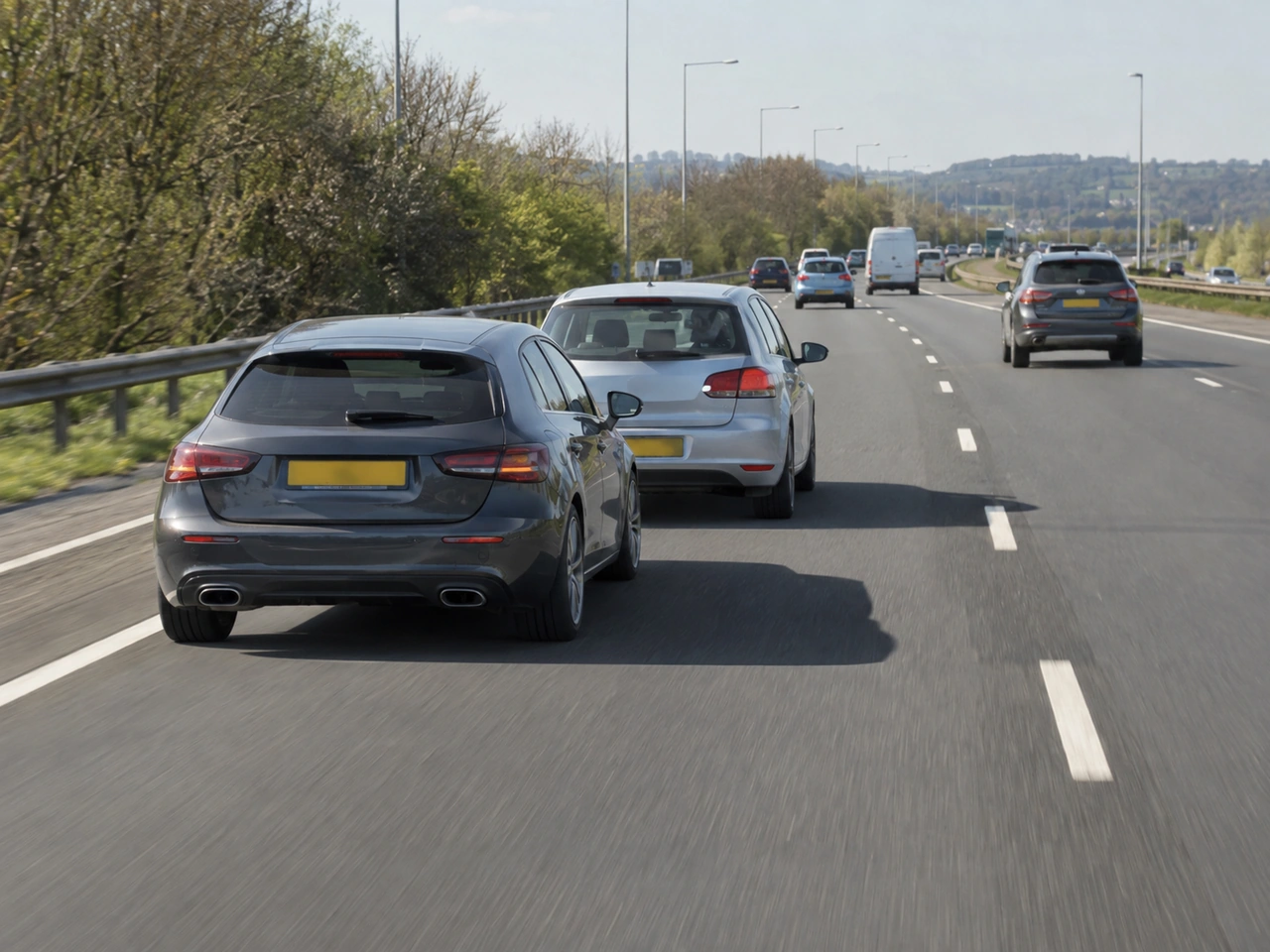
What should you do if a pedestrian is crossing slowly?

449. What should you do if a pedestrian is crossing slowly?

Drive around them if there is enough room.
✓ Wait patiently and let them finish crossing.
Pass as soon as they have cleared your part of the road.
Move forward slowly to show that you are waiting.

Some pedestrians may need more time to cross. Stay patient, keep a safe distance, and do not pressure them.

Pedestrian crossing the road slowly
AI-generated by Traffic-rules.com • WCIT • CC BY-SA
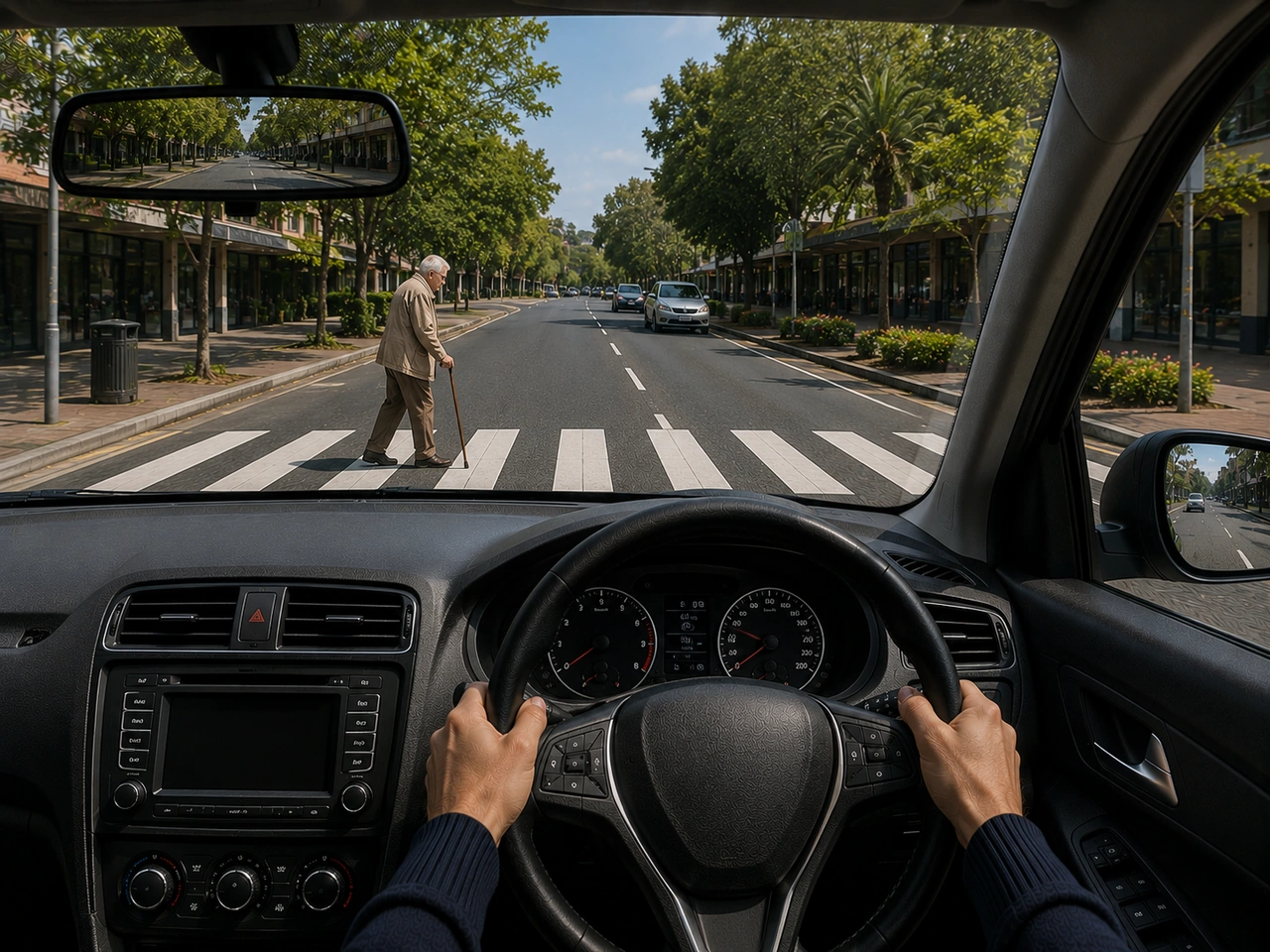
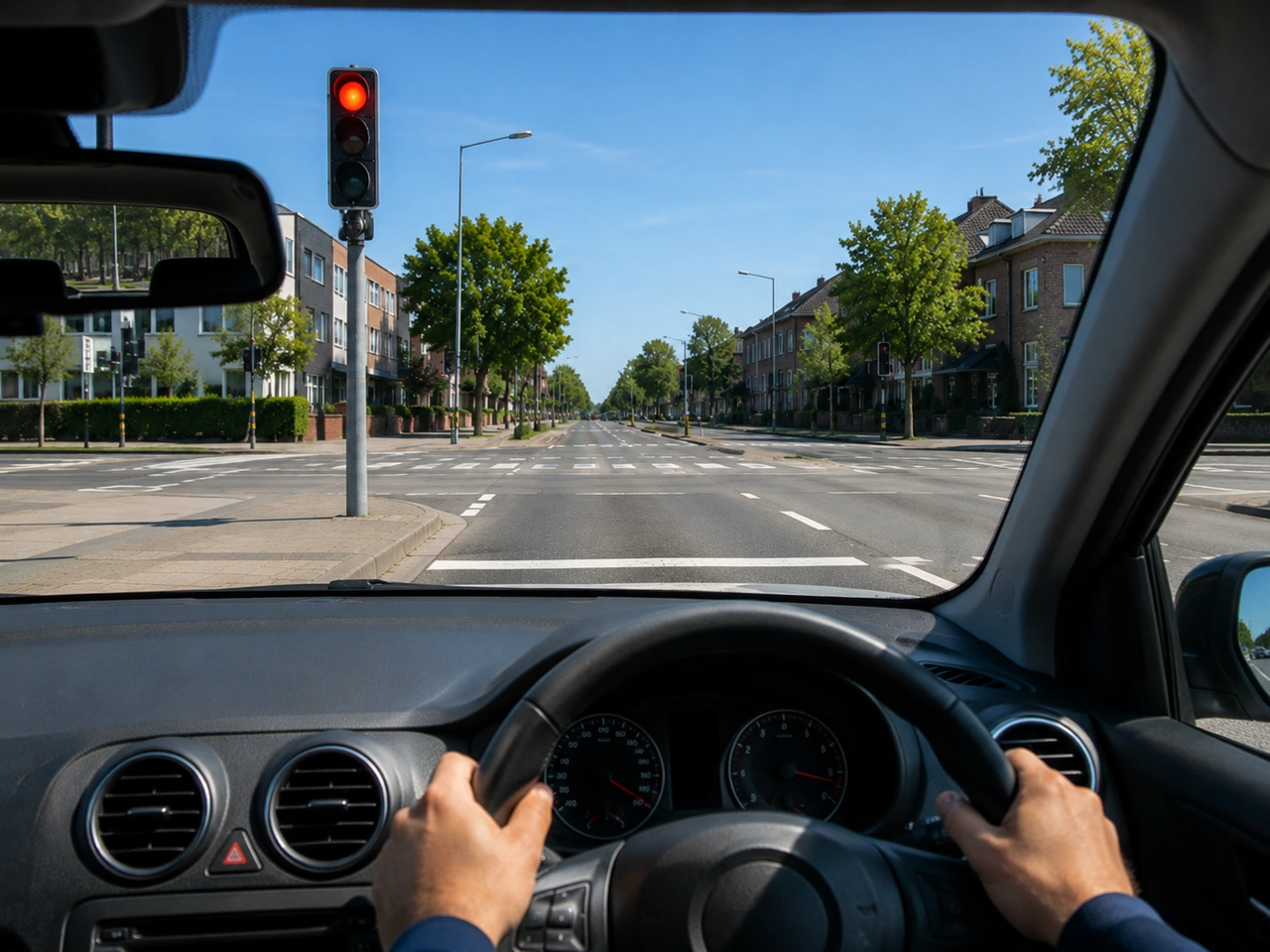
What should you do when a traffic light turns red?

450. What should you do when a traffic light turns red?

Cross the stop line before stopping.
✓ Stop and wait until you may proceed.
Continue if the junction appears clear.
Follow the vehicle ahead through the junction.

A red traffic light means you must stop before the stop line, pedestrian crossing, or intersection unless a sign or signal indicates otherwise.

Red traffic light at a junction
AI-generated by Traffic-rules.com • WCIT • CC BY-SA