


VisibilityMalaysia
An introduction to the traffic rules and road signs of Malaysia. Learn about driving, road safety and much more in our illustrated book, with answers to frequently asked questions.
For informational purposes only. Always follow official regulations. Some content and images were created with AI assistance.
 Traffic rules
 Malaysia
187. Visibility
Visibility is the ability of a driver to see the road, other road users and potential hazards clearly, while also making the vehicle visible to others. Visibility can be reduced by darkness, fog, rain, snow, dirty or misted windows, glare and objects that obstruct the driver’s view. Drivers should keep windows, mirrors and lights clean, remove anything that blocks their field of vision and use the appropriate vehicle lights when visibility is reduced.
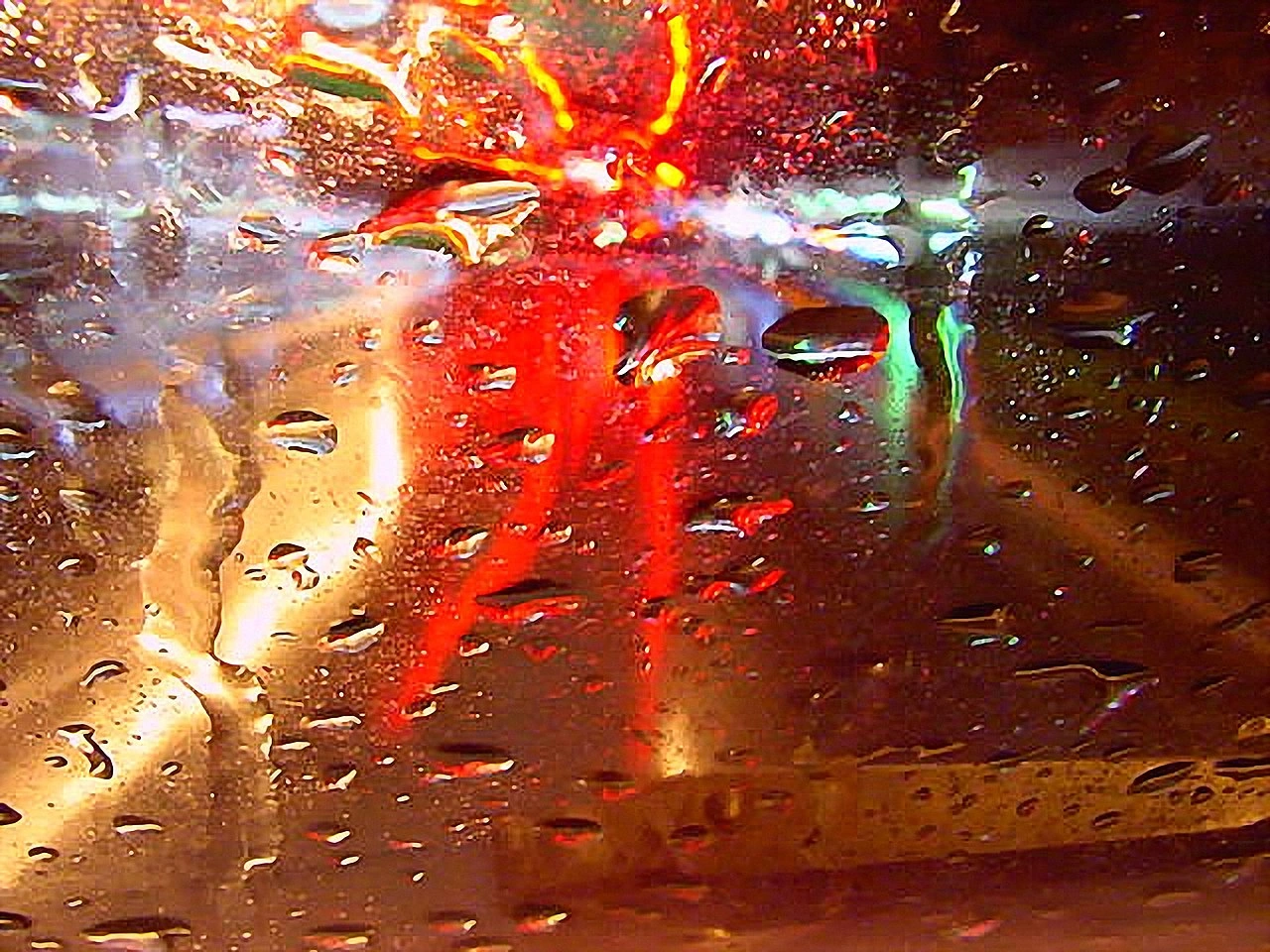
Wikimedia.org • Rick Doble • CC BY-SA
What does visibility mean when driving?
Visibility describes how clearly a driver can see the road, traffic and hazards and how easily other road users can see the vehicle.
What can reduce visibility while driving?
Visibility can be reduced by darkness, fog, rain, snow, glare, dirty or misted windows and objects that obstruct the driver’s view.
How can you improve visibility while driving?
Keep the windscreen, windows, mirrors and lights clean, remove condensation or ice before driving and use the appropriate lights when conditions require them.
Can objects inside a vehicle obstruct visibility?
Yes. Objects placed on the dashboard, windscreen or elsewhere around the driver can block part of the field of vision and make it harder to detect road users or hazards.
What should you do when visibility is poor?
Reduce your speed, increase your following distance and use the appropriate lights. Make sure you can see far enough ahead to react safely to traffic and obstacles.
Why are mirrors important for visibility?
Mirrors extend the driver’s view to the rear and sides of the vehicle. They should be clean and correctly adjusted, although drivers must still check blind spots where necessary.


