


Mandatory signsNepal
 Traffic rules
 Nepal
 Priority signs
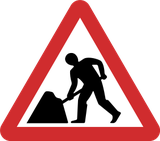 Warning signs
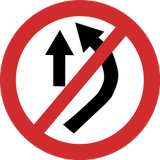 Prohibitory signs
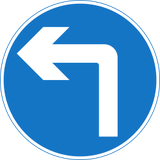 Mandatory signs
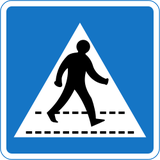 Information signs
 Additional signs
Mandatory signs
A mandatory sign is a traffic sign that tells drivers what they must do. Instead of prohibiting actions, these signs impose obligations such as following a specific direction, using a particular lane, or keeping a minimum speed. Their purpose is to guide traffic safely and efficiently by ensuring that all road users follow the same required behaviour in places where it is necessary for order and safety.
How are compulsory instructions shown in Nepal?
Most mandatory signs such as Keep Left are blue circles with white symbols. STOP and Give Way are exceptions.
What does a mandatory-direction sign require in Nepal?
Where a compulsory-direction sign is installed in Nepal, follow only the arrow direction or permitted combination of directions. The restriction applies at the location or movement it regulates; it is not an instruction to ignore other traffic controls.
Does a mandatory-direction sign give me priority over pedestrians in Nepal?
No. It tells you which way to move, not who goes first. Check traffic lights, other priority signs, pedestrians and cyclists, and give way when required before completing the manoeuvre.

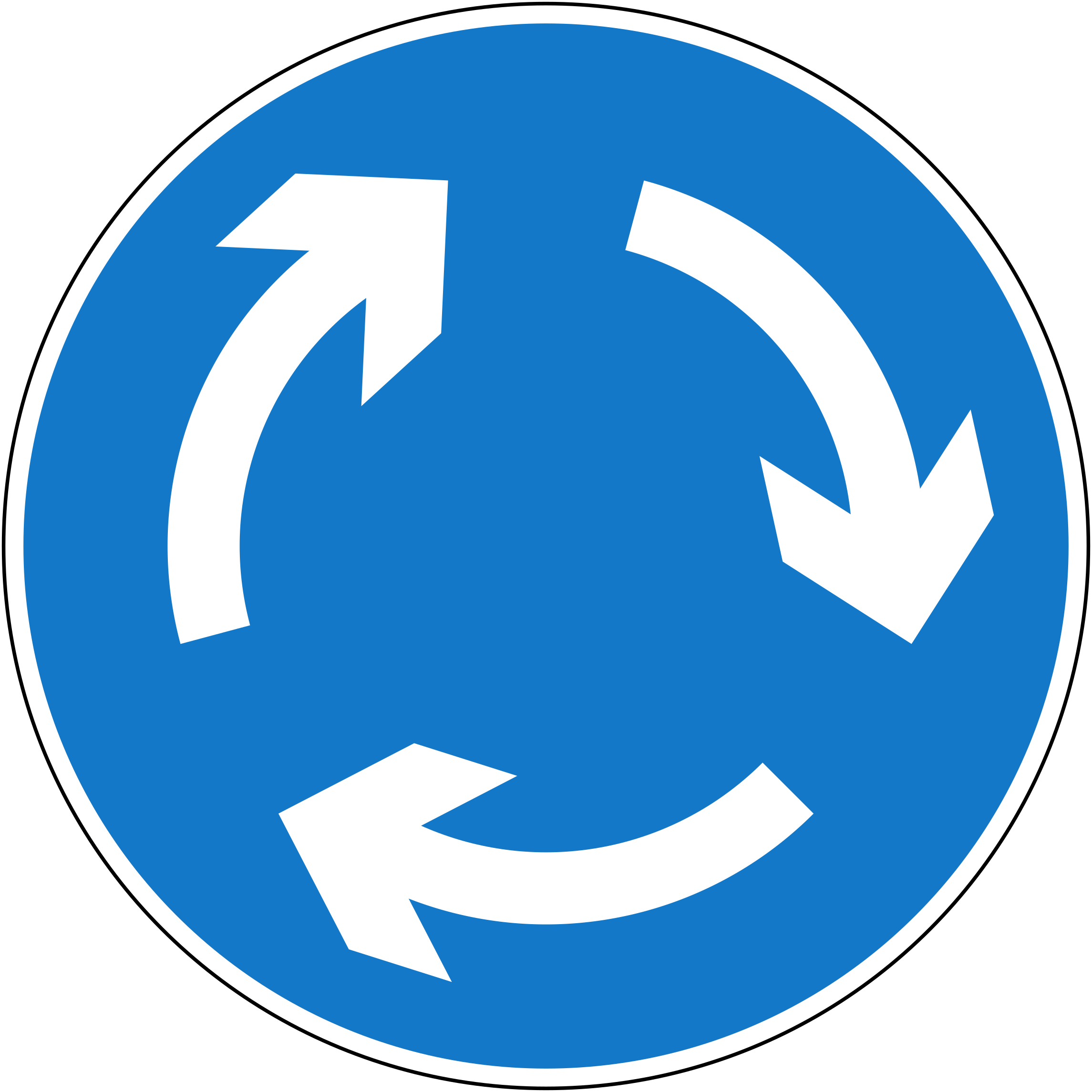
1. Mandatory roundabout direction
This traffic sign indicates the mandatory direction around a roundabout. Traffic must circulate in the direction shown by the arrows. The sign does not itself determine priority; follow the applicable priority signs, traffic signals and local rules.
English • Traffic sign A31 • Mini-roundabout. Circulate clockwise in the direction of the arrows and give way to traffic from the right.
नेपाली • A31 • सानो गोलचक्कर। तीरको दिशामा घडीको दिशाअनुसार घुम्नुहोस् र दायाँबाट आउने यातायातलाई बाटो दिनुहोस्।
Sources
🔗 Commons.wikimedia.org
🔗 Dor.gov.np • सडक विभाग • Traffic Signs Manual, 1997 • A31 • PDF पृष्ठ 78
SVG source: Nepali Department of Roads • Public domain • Original revision 2021-12-21. Wikimedia original unmodified.
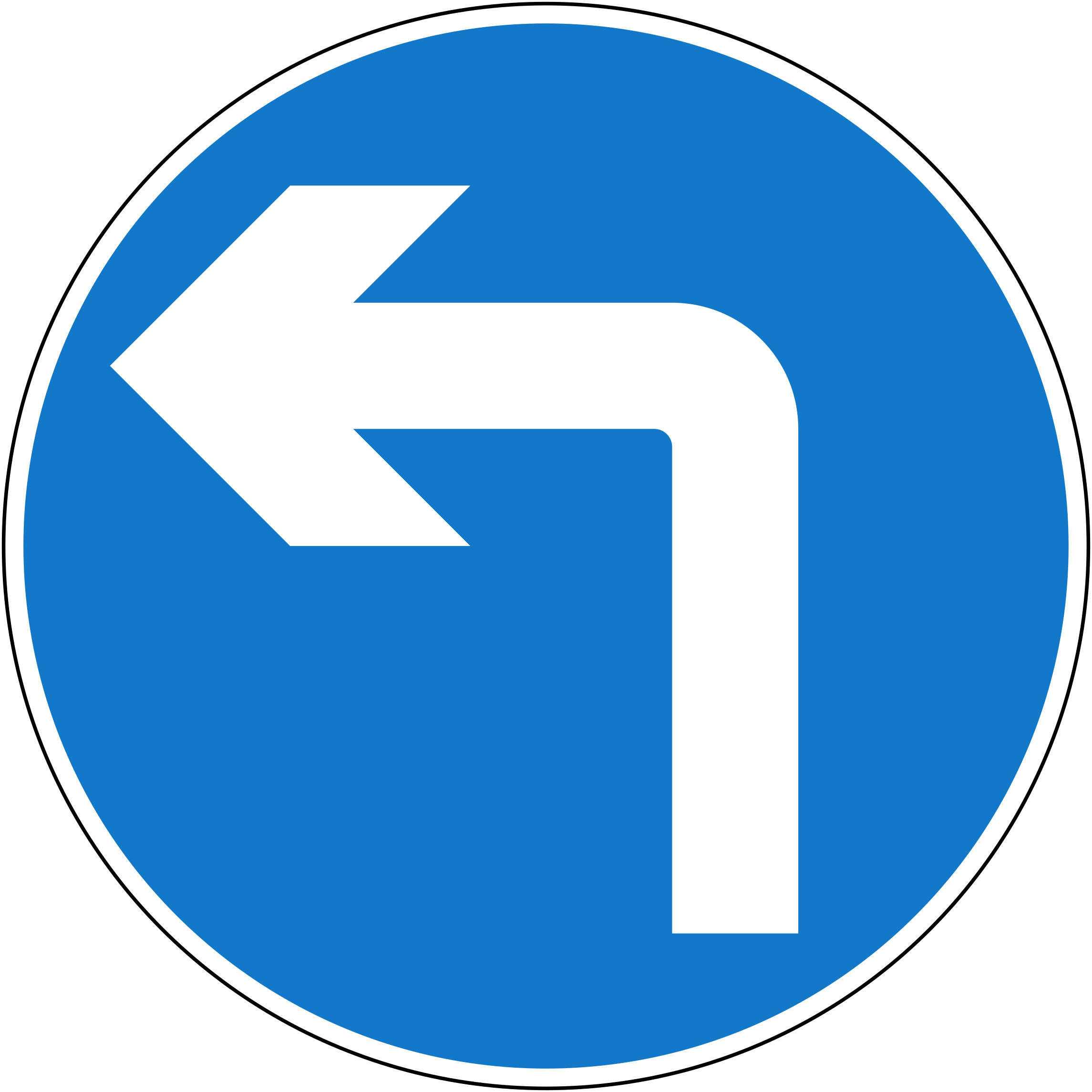
2. Turning left mandatory
This traffic sign indicates that turning left is mandatory at the junction ahead. Traffic must turn left and may not continue straight ahead or turn right.
English • Traffic sign A30 • Turn left ahead. You must turn left at the junction ahead.
नेपाली • A30 • अगाडि बायाँ मोड्नुहोस्। अगाडिको जङ्क्सनमा बायाँ मोड्नुपर्छ।
Sources
🔗 Commons.wikimedia.org
🔗 Dor.gov.np • सडक विभाग • Traffic Signs Manual, 1997 • A30 • PDF पृष्ठ 77
SVG source: Nepali Department of Roads • Public domain • Original revision 2020-02-15. Wikimedia original unmodified.
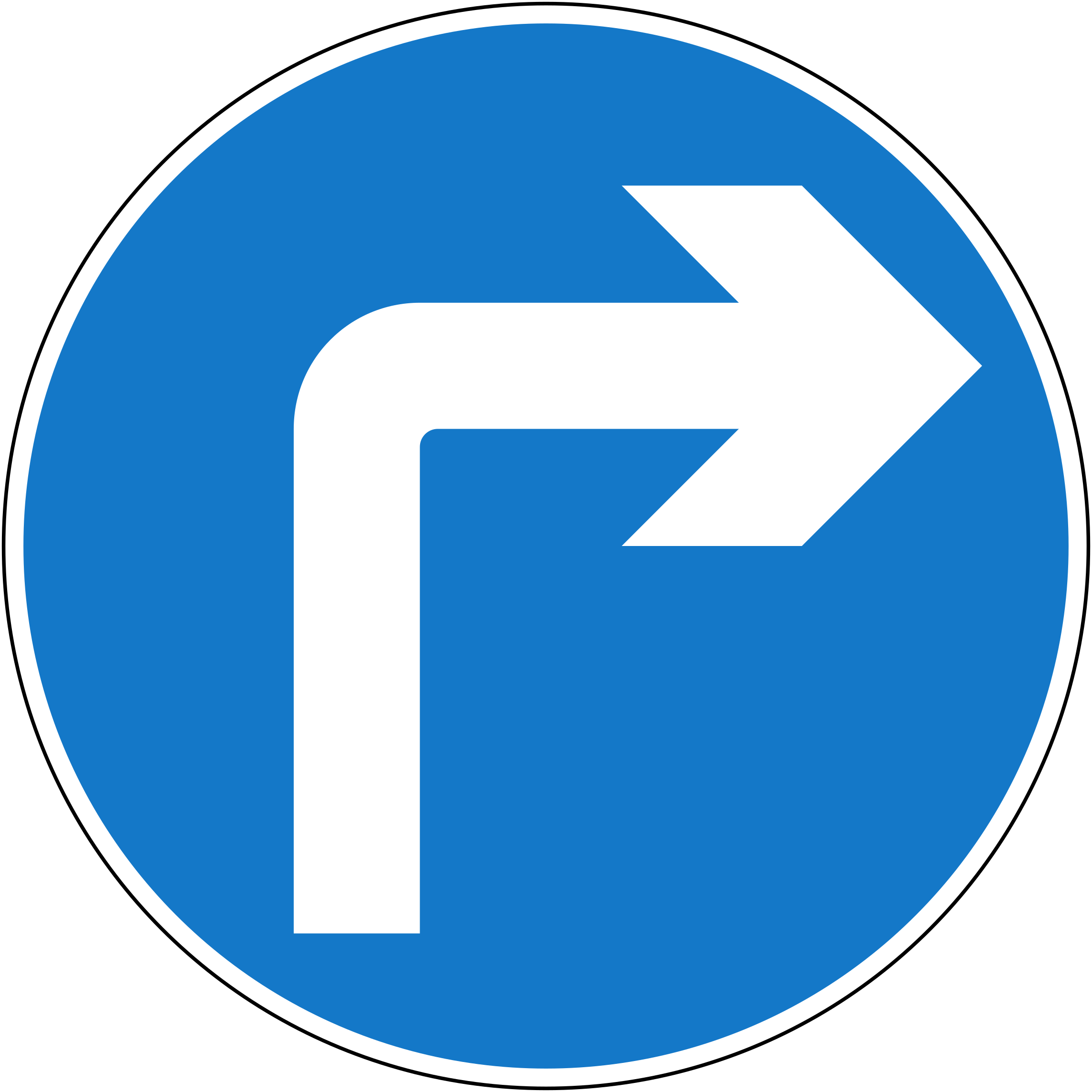
3. Turning right mandatory
This traffic sign indicates that turning right is mandatory at the junction ahead. Traffic must turn right and may not continue straight ahead or turn left.
English • Traffic sign A30 • Turn right ahead. You must turn right at the junction ahead.
नेपाली • A30 • अगाडि दायाँ मोड्नुहोस्। अगाडिको जङ्क्सनमा दायाँ मोड्नुपर्छ।
Sources
🔗 Commons.wikimedia.org
🔗 Dor.gov.np • सडक विभाग • Traffic Signs Manual, 1997 • A30 • PDF पृष्ठ 77
SVG source: Nepali Department of Roads • Public domain • Original revision 2020-02-15. Wikimedia original unmodified.
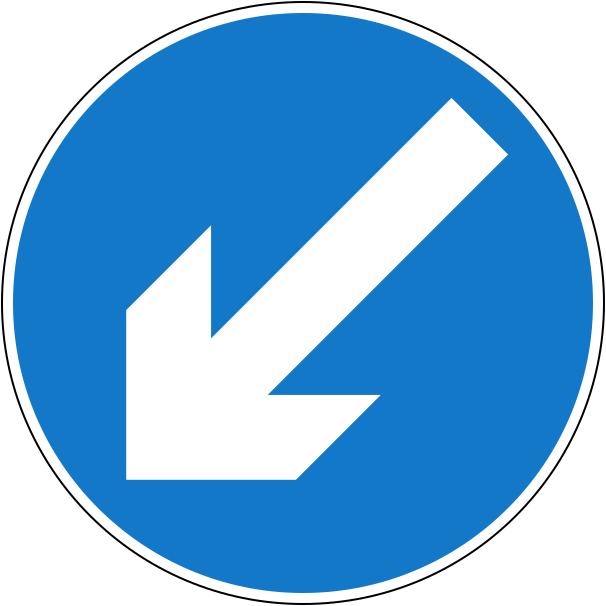
4. Pass obstacle on the left
This traffic sign indicates that traffic must pass an obstacle on the left. Keep to the left of the obstacle and follow any accompanying signs or road markings.
English • Traffic sign A29 • Pass on the left. Pass to the left of the obstruction or traffic island.
नेपाली • A29 • बायाँबाट जानुहोस्। सडकको अवरोध वा टापुलाई बायाँतर्फबाट पार गर्नुहोस्।
Sources
🔗 Commons.wikimedia.org
🔗 Dor.gov.np • सडक विभाग • Traffic Signs Manual, 1997 • A29 • PDF पृष्ठ 76
SVG source: Nepali Department of Roads • Public domain • Original revision 2022-01-17. Wikimedia original unmodified.
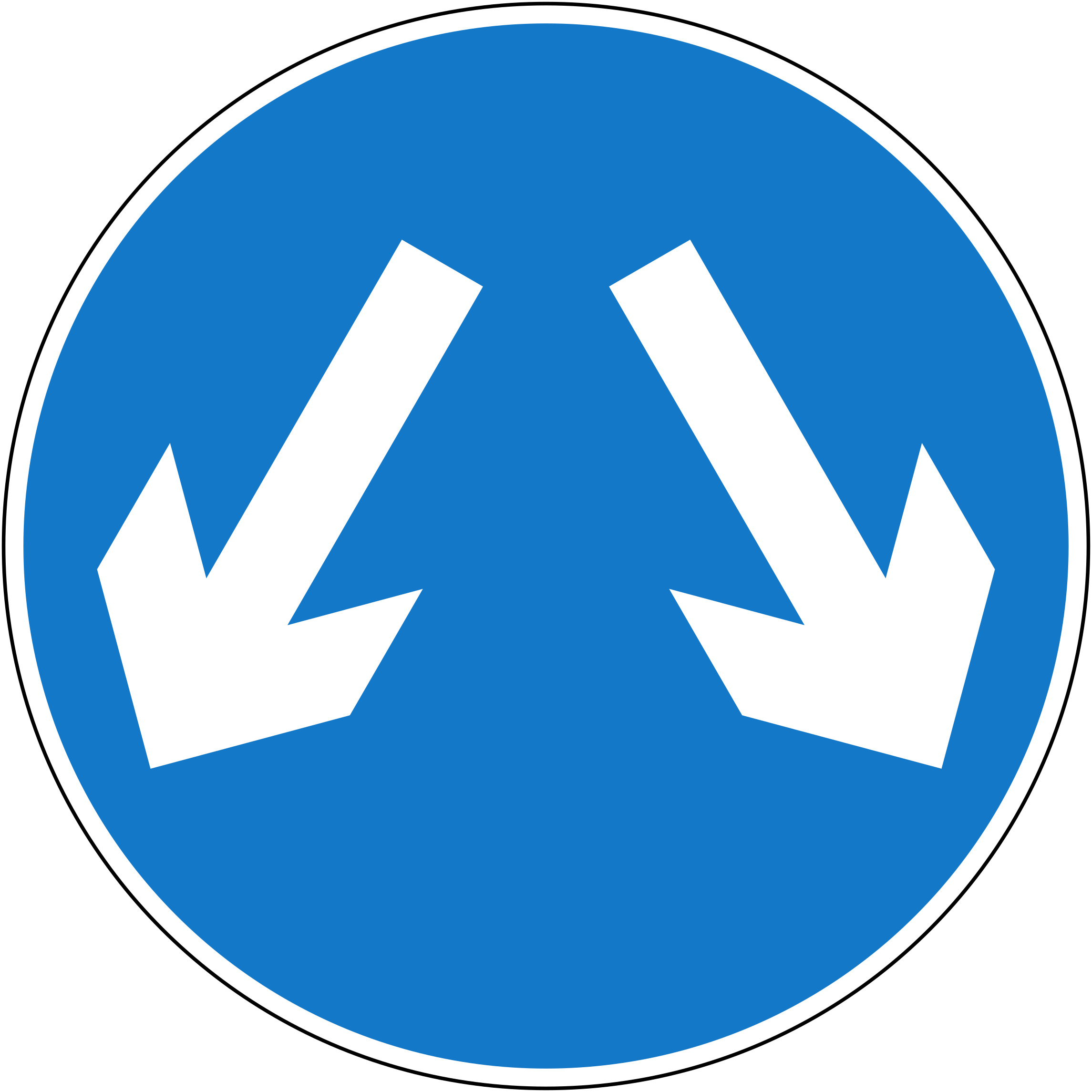
5. Pass obstacle on either side
This traffic sign indicates that traffic must pass an obstacle on either the left or the right. Use either permitted side while following the road layout and any accompanying signs or markings.
English • Traffic sign A32 • Pass on either side. You may pass to the left or right of the obstruction or traffic island.
नेपाली • A32 • दुवैतर्फबाट जान सकिन्छ। सडकको अवरोध वा टापुलाई बायाँ वा दायाँ जुनसुकै तर्फबाट पार गर्न सकिन्छ।
Sources
🔗 Commons.wikimedia.org
🔗 Dor.gov.np • सडक विभाग • Traffic Signs Manual, 1997 • A32 • PDF पृष्ठ 79
SVG source: Nepali Department of Roads • Public domain • Original revision 2020-02-16. Wikimedia original unmodified.
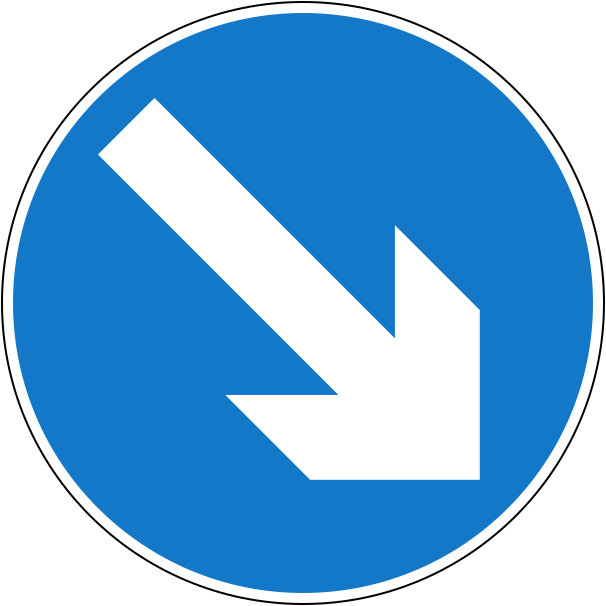
6. Pass obstacle on the right
This traffic sign indicates that traffic must pass an obstacle on the right. Keep to the right of the obstacle and follow any accompanying signs or road markings.
English • Traffic sign A29 • Pass on the right. Pass to the right of the obstruction or traffic island.
नेपाली • A29 • दायाँबाट जानुहोस्। सडकको अवरोध वा टापुलाई दायाँतर्फबाट पार गर्नुहोस्।
Sources
🔗 Commons.wikimedia.org
🔗 Dor.gov.np • सडक विभाग • Traffic Signs Manual, 1997 • A29 • PDF पृष्ठ 76
SVG source: Nepali Department of Roads • Public domain • Original revision 2022-01-17. Wikimedia original unmodified.
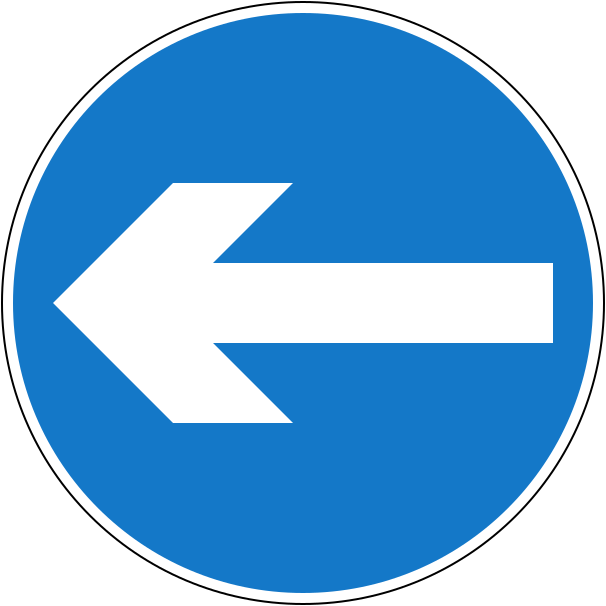
7. Mandatory left
This traffic sign indicates a mandatory direction to the left. Traffic must proceed to the left at the sign and may not continue straight ahead or to the right.
English • Traffic sign A28 • Turn left. You must follow the arrow to the left.
नेपाली • A28 • बायाँ मोड्नुहोस्। तीरले देखाएको बायाँ दिशामा जानुपर्छ।
Sources
🔗 Commons.wikimedia.org
🔗 Dor.gov.np • सडक विभाग • Traffic Signs Manual, 1997 • A28 • PDF पृष्ठ 75
SVG source: Nepali Department of Roads • Public domain • Original revision 2022-01-15. Wikimedia original unmodified.
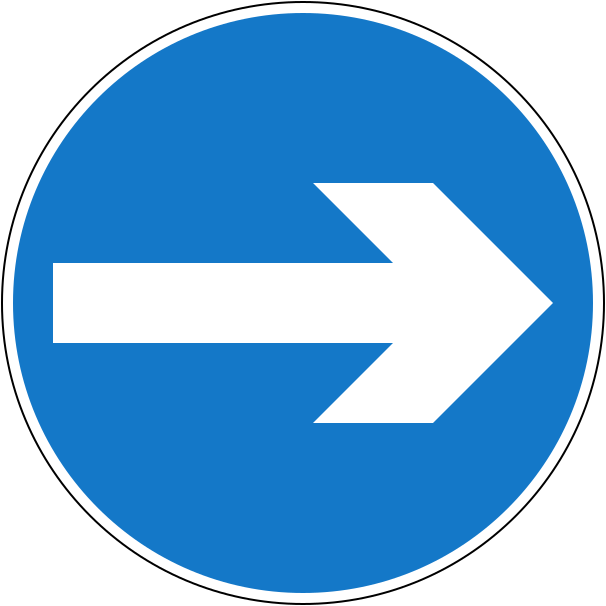
8. Mandatory right
This traffic sign indicates a mandatory direction to the right. Traffic must proceed to the right at the sign and may not continue straight ahead or to the left.
English • Traffic sign A28 • Turn right. You must follow the arrow to the right.
नेपाली • A28 • दायाँ मोड्नुहोस्। तीरले देखाएको दायाँ दिशामा जानुपर्छ।
Sources
🔗 Commons.wikimedia.org
🔗 Dor.gov.np • सडक विभाग • Traffic Signs Manual, 1997 • A28 • PDF पृष्ठ 75
SVG source: Nepali Department of Roads • Public domain • Original revision 2022-01-15. Wikimedia original unmodified.
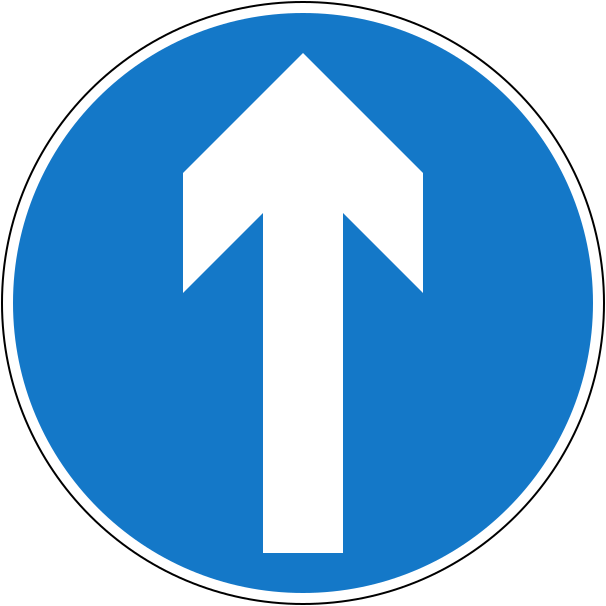
9. Driving straight ahead mandatory
This traffic sign indicates that driving straight ahead is mandatory. Traffic must continue straight ahead and may not turn left or right at the location to which the sign applies.
English • Traffic sign A27 • Ahead only. You must travel only straight ahead, as shown by the arrow.
नेपाली • A27 • सोझै जानुहोस्। तीरले देखाएको सोझो दिशामा मात्र जानुपर्छ।
Sources
🔗 Commons.wikimedia.org
🔗 Dor.gov.np • सडक विभाग • Traffic Signs Manual, 1997 • A27 • PDF पृष्ठ 74
SVG source: Nepali Department of Roads • Public domain • Original revision 2022-01-14. Wikimedia original unmodified.
