


QuizTraffic rulesNew Zealand
This interesting quiz helps you test your knowledge in a clear and visual way. With easy multiple-choice questions, you can quickly build confidence and learn new facts while keeping it simple, interactive, and fun.
 Traffic signs
 Traffic rules
 New Zealand
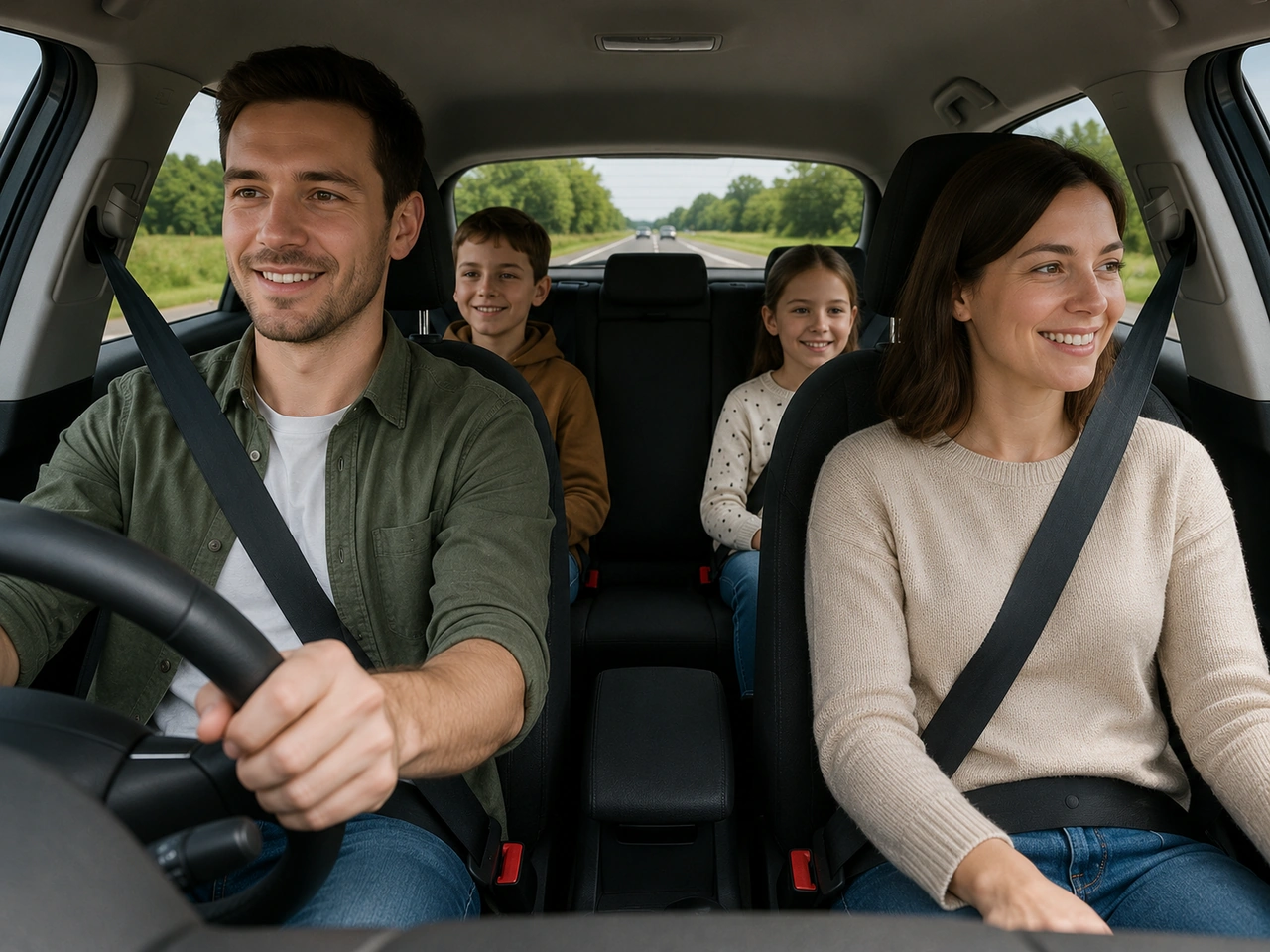
351. Who should always wear a seat belt?
Seat belts greatly reduce the risk of serious injury in a crash and should be worn by everyone in the vehicle.
AI-generated by Traffic-rules.com • WCIT • CC BY-SA

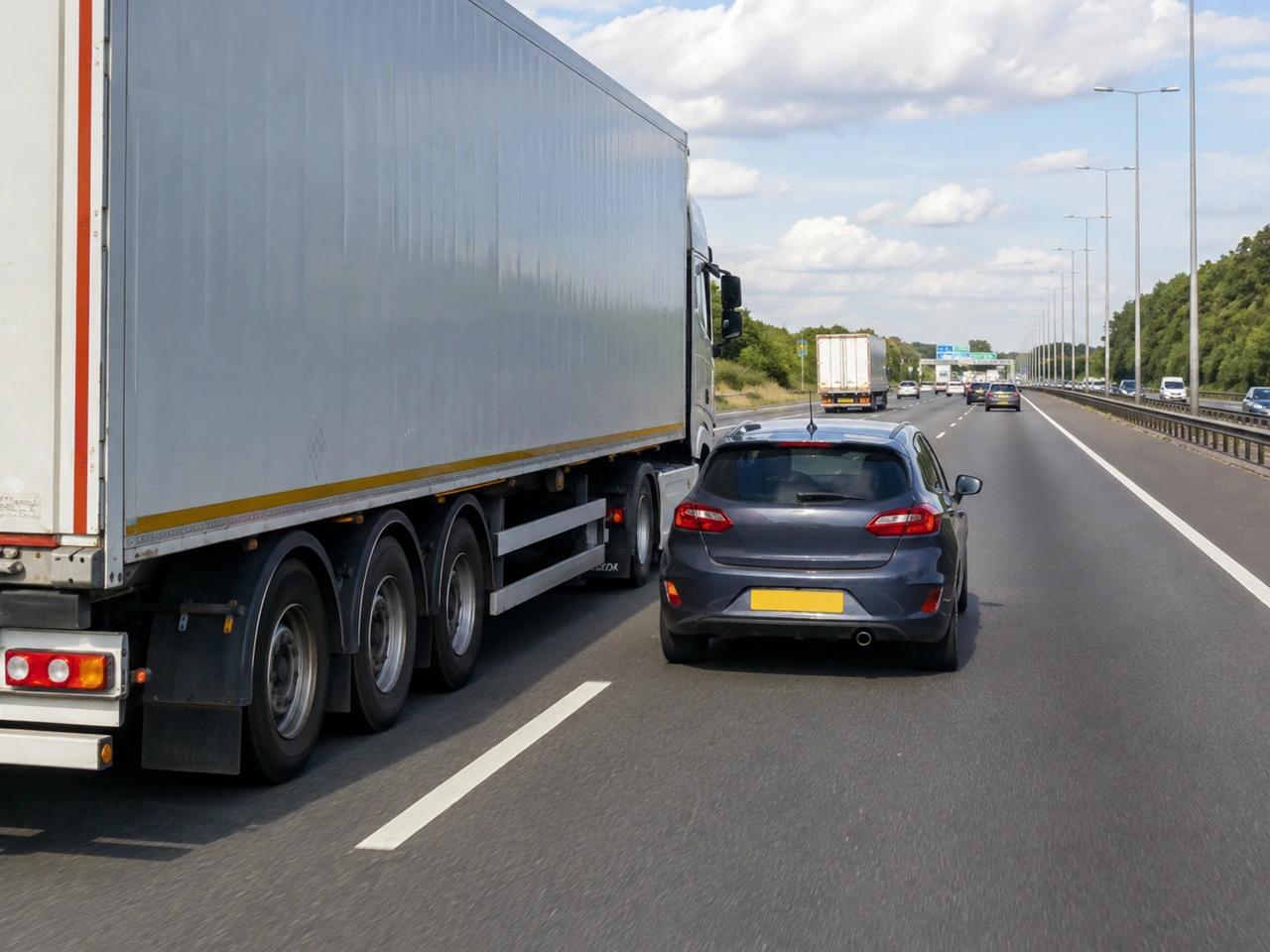
352. Why should you avoid remaining beside a large vehicle on a motorway?
Large vehicles have significant blind spots. Avoid travelling alongside them longer than necessary.
AI-generated by Traffic-rules.com • WCIT • CC BY-SA
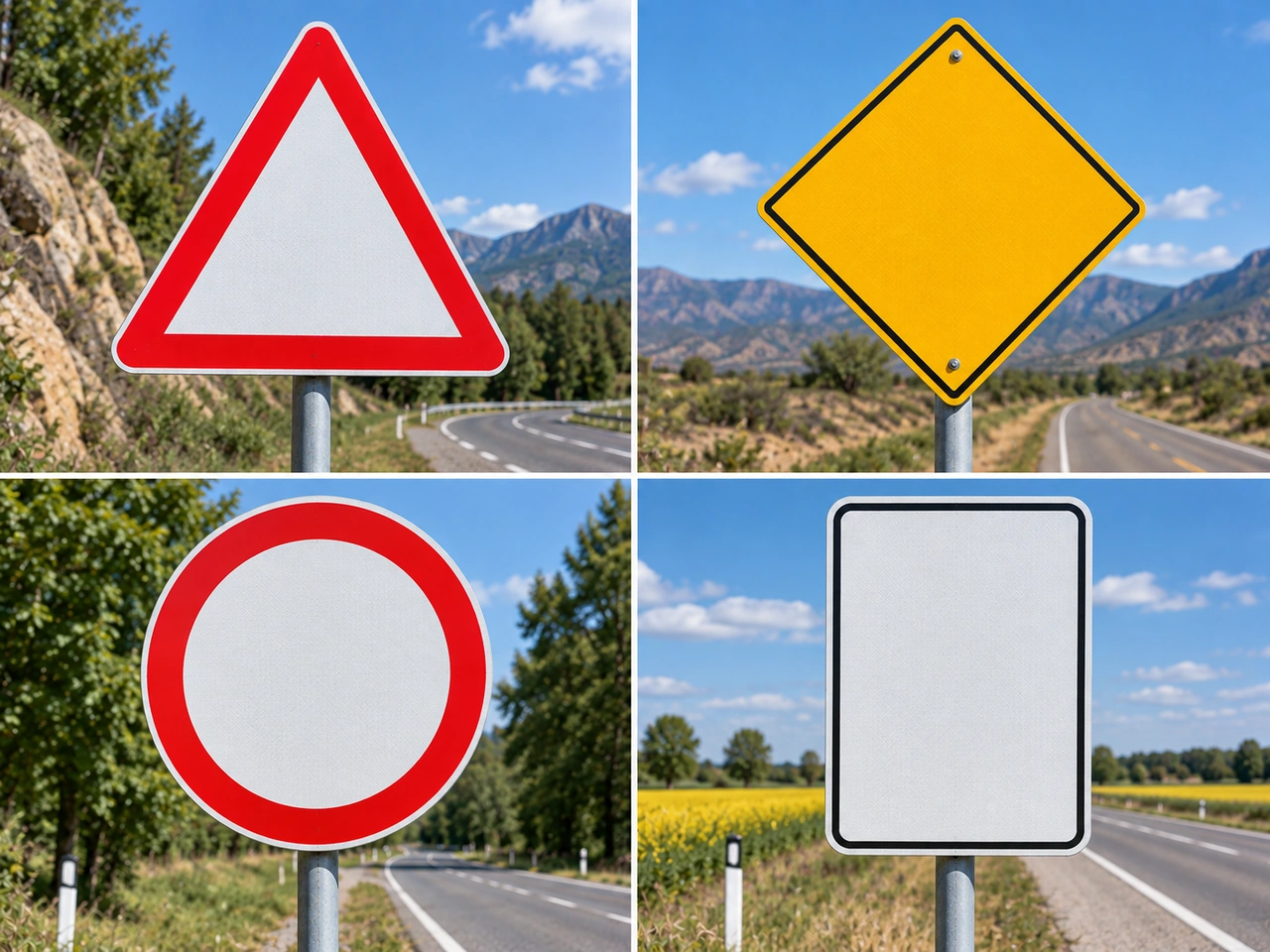
353. What shape are most warning signs in New Zealand?
Most warning signs in New Zealand are diamond-shaped.
AI-generated by Traffic-rules.com • WCIT • CC BY-SA
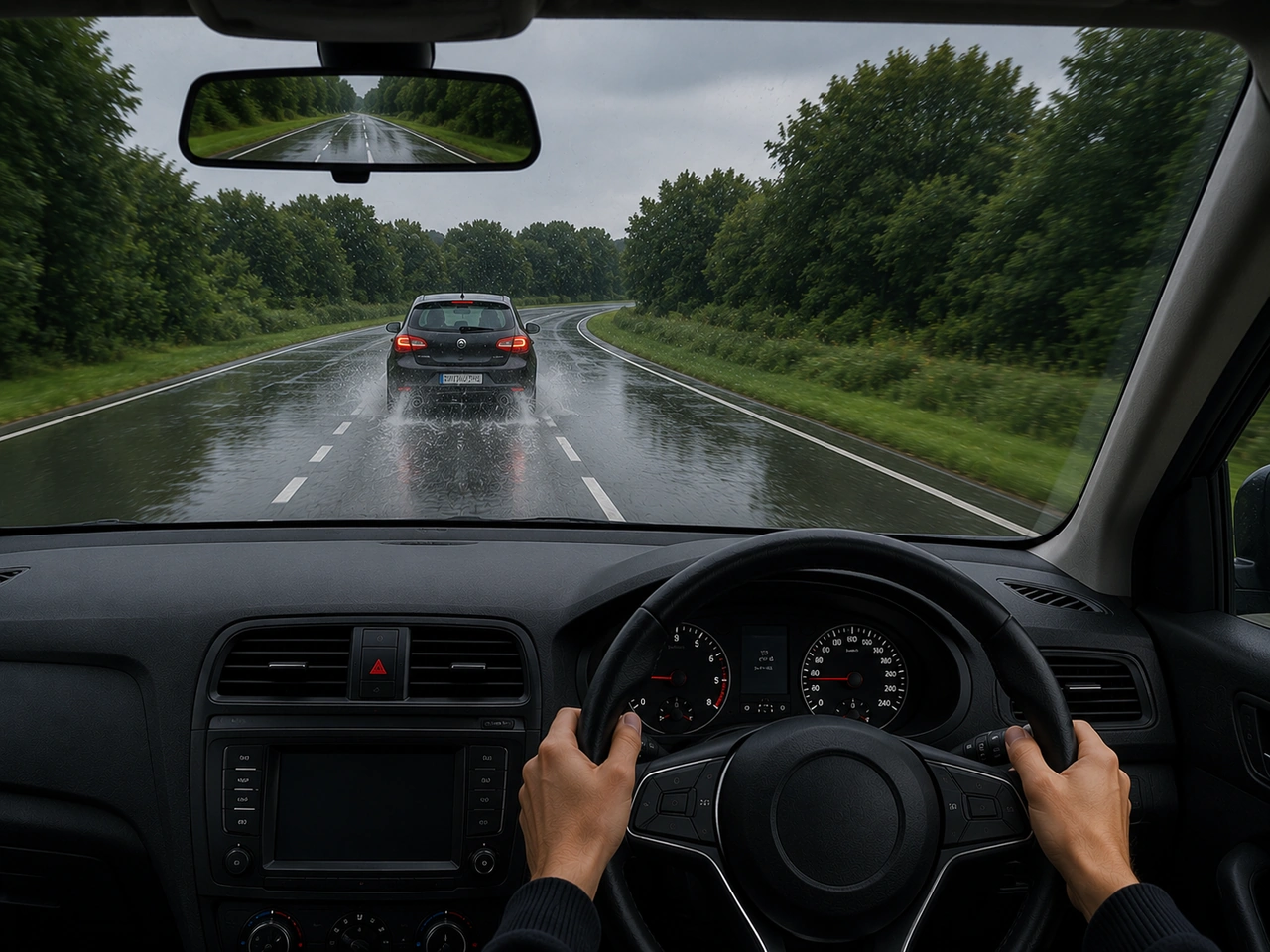
354. What should you do if your brakes feel less effective after driving through water?
Water can reduce braking performance. After driving through water, check the brakes gently when it is safe to do so.
AI-generated by Traffic-rules.com • WCIT • CC BY-SA
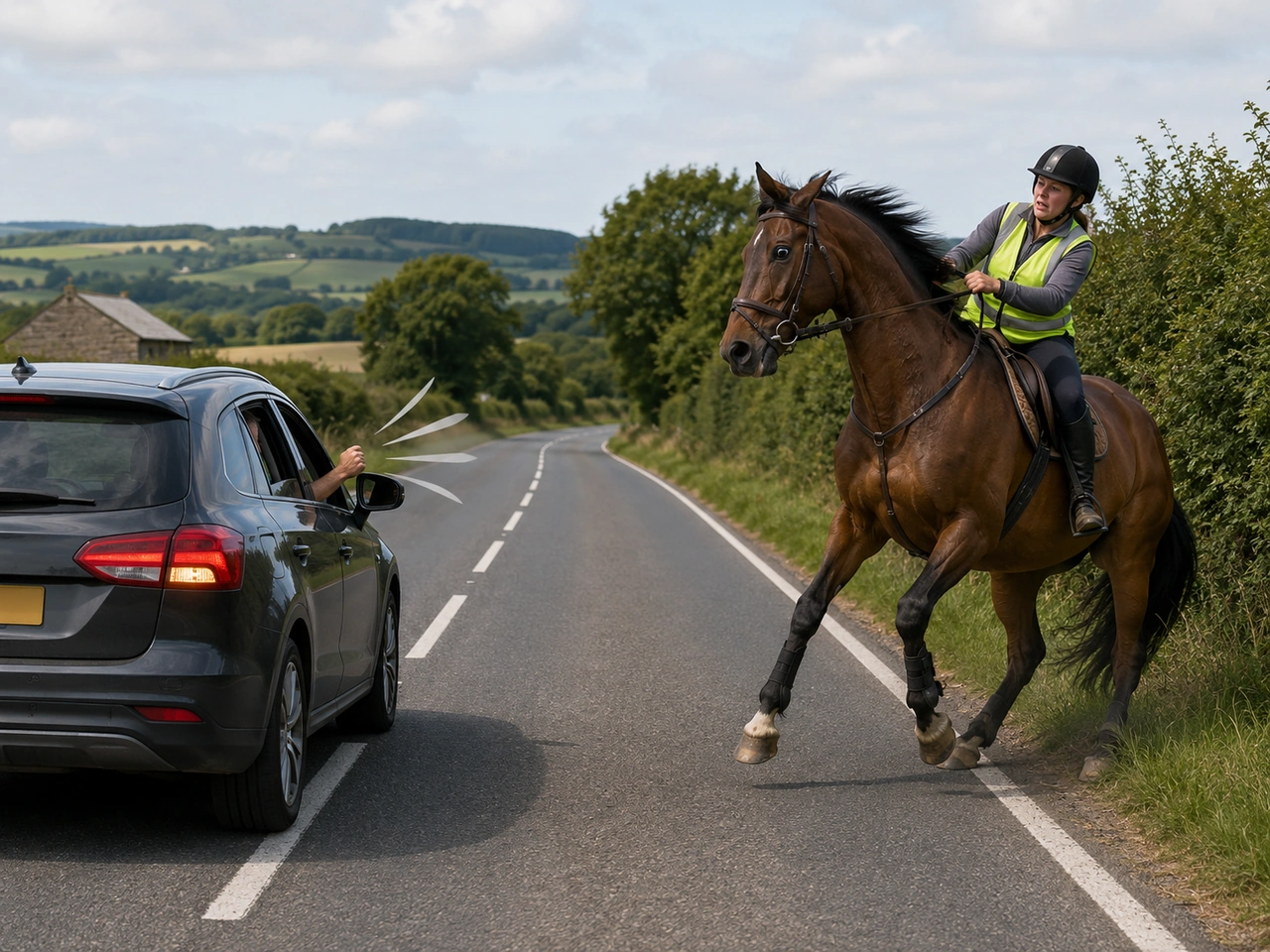
355. Why should you avoid sounding the horn near horses?
Horses can be startled by sudden or loud noises and may move unpredictably. Slow down, give them plenty of space, and avoid using the horn unless necessary.
AI-generated by Traffic-rules.com • WCIT • CC BY-SA
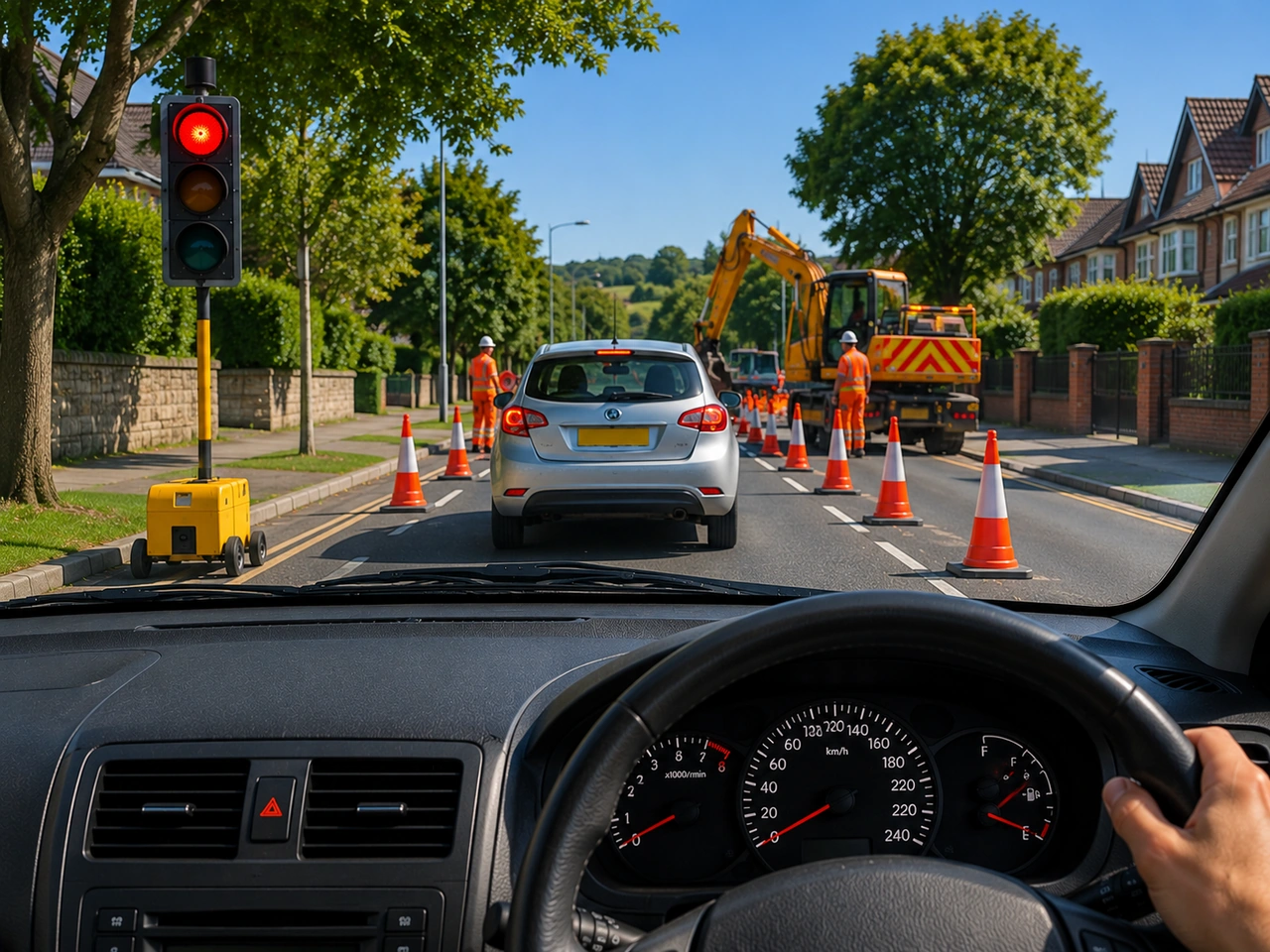
356. What should you do when roadworks are ahead?
Roadworks can create narrow lanes, workers near traffic, uneven surfaces, and temporary rules. Slow down and follow the signs.
AI-generated by Traffic-rules.com • WCIT • CC BY-SA
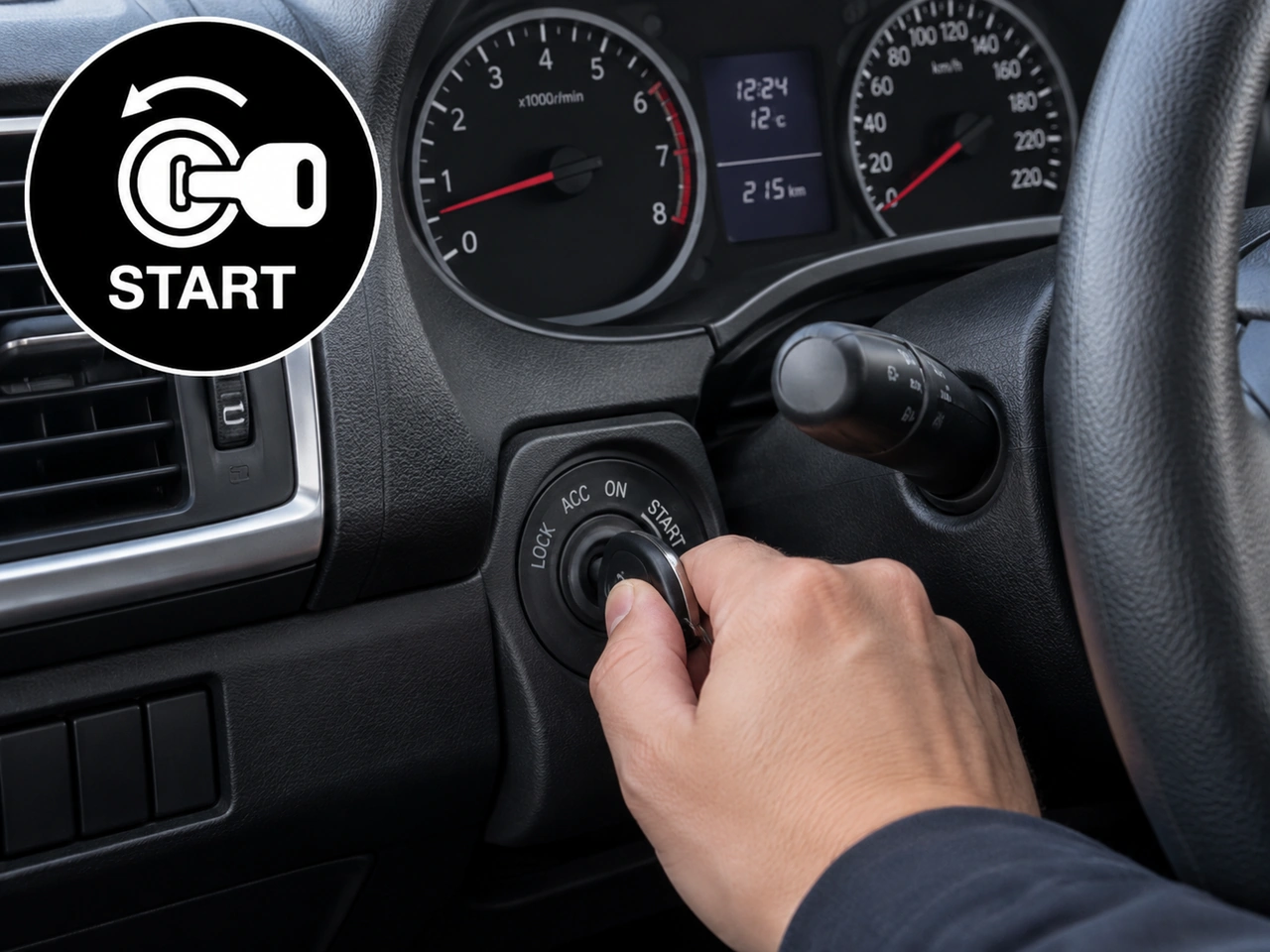
357. What should you do with the ignition key once the engine starts?
Once the engine starts, release the ignition key so it returns from START to the ON position. Holding the key in START unnecessarily can keep the starter motor engaged.
AI-generated by Traffic-rules.com • WCIT • CC BY-SA
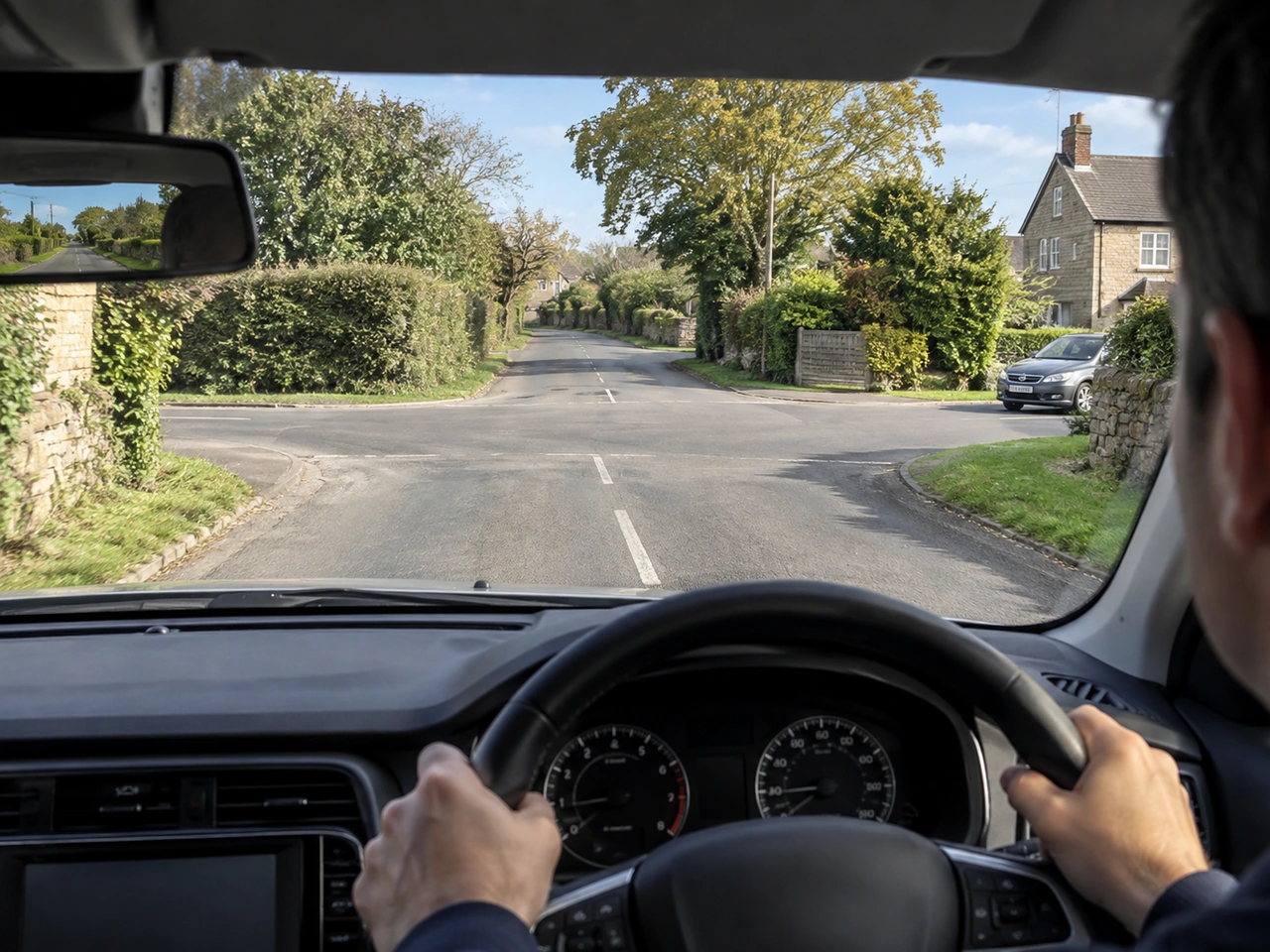
358. What should you do when approaching an uncontrolled junction?
At an uncontrolled junction, priority may not be obvious. Reduce speed, check carefully, and only enter when you are sure it is safe.
AI-generated by Traffic-rules.com • WCIT • CC BY-SA
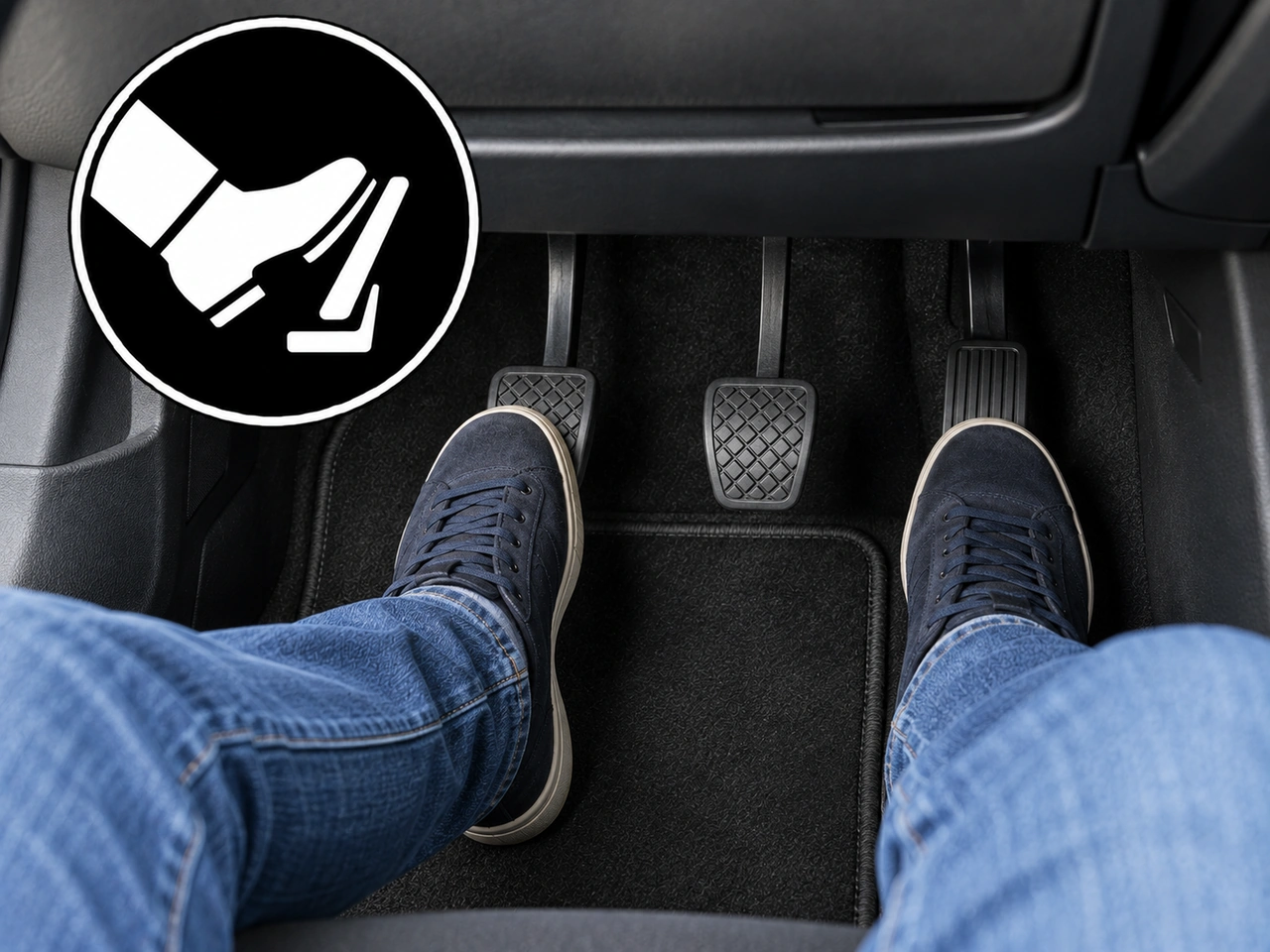
359. What is the clutch biting point?
The clutch biting point is reached as the clutch pedal is released and the clutch begins to transmit power from the engine to the transmission. Controlling this point helps the driver move off smoothly.
AI-generated by Traffic-rules.com • WCIT • CC BY-SA
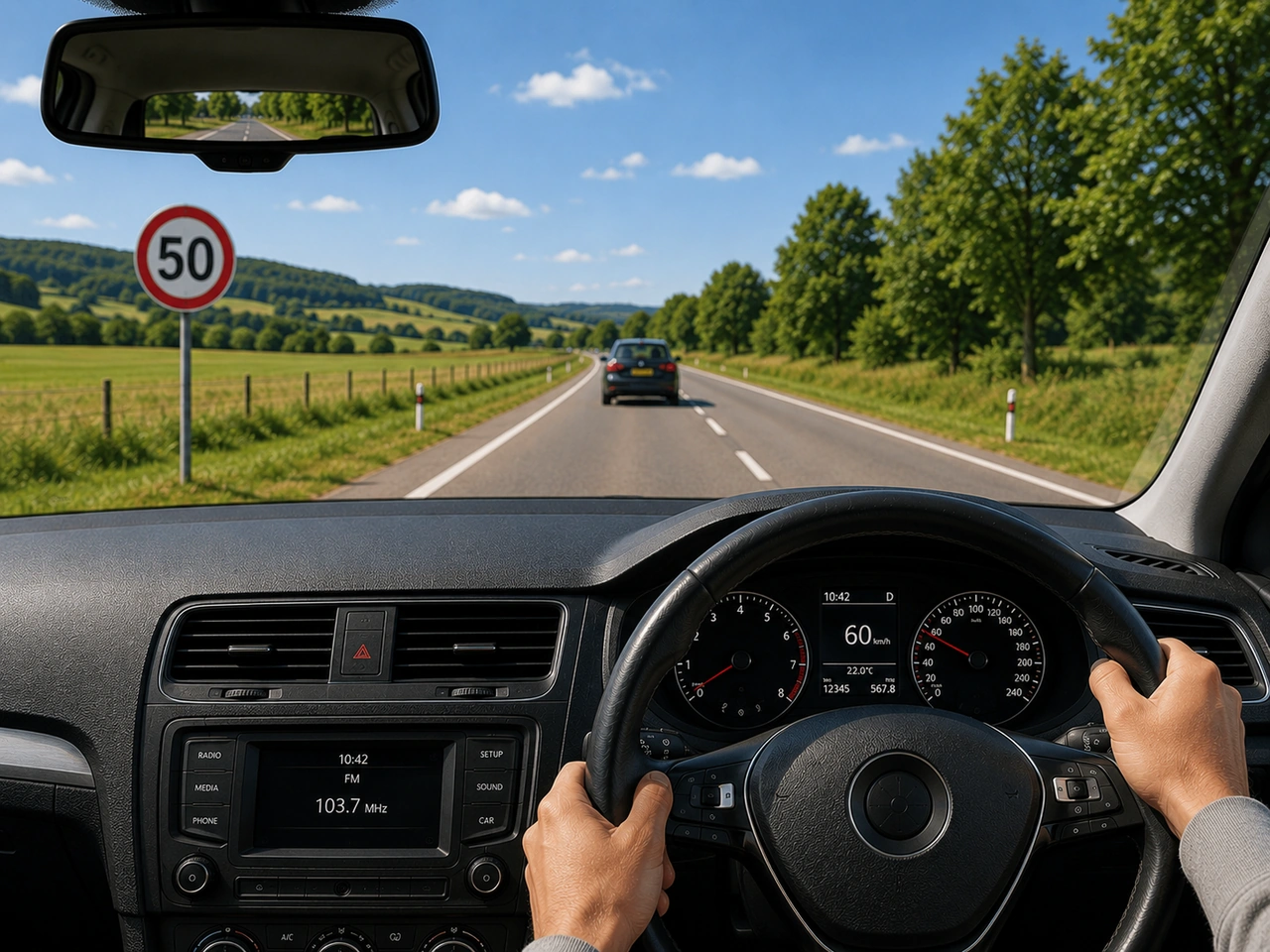
360. Speed limits only apply when there is heavy traffic.
Speed limits apply at all times unless a different limit is clearly indicated.
AI-generated by Traffic-rules.com • WCIT • CC BY-SA
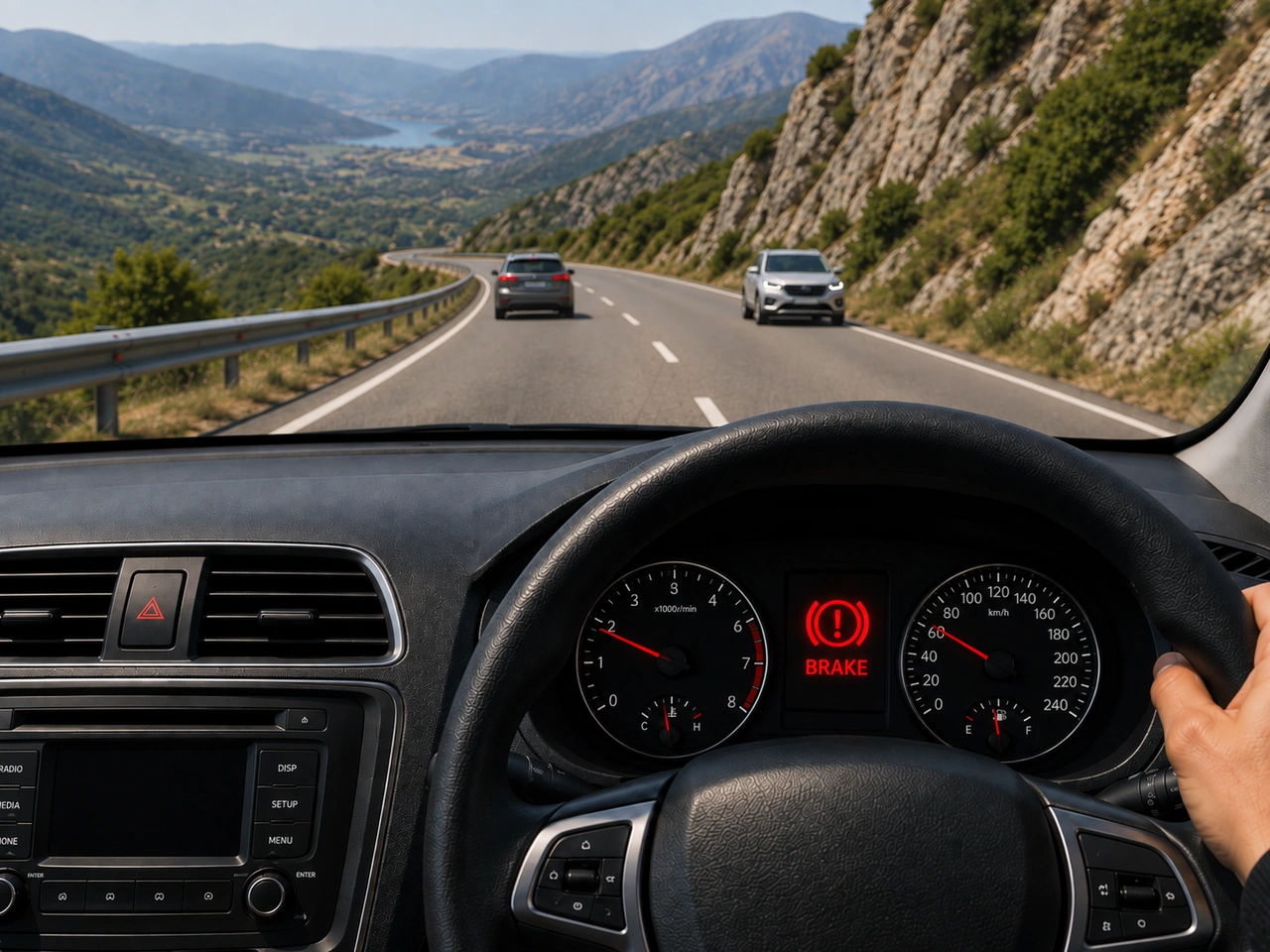
361. What should you do if the brakes fade during a long descent?
Continuous braking can cause overheating and reduced braking performance. A lower gear provides engine braking and reduces demand on the brakes.
AI-generated by Traffic-rules.com • WCIT • CC BY-SA
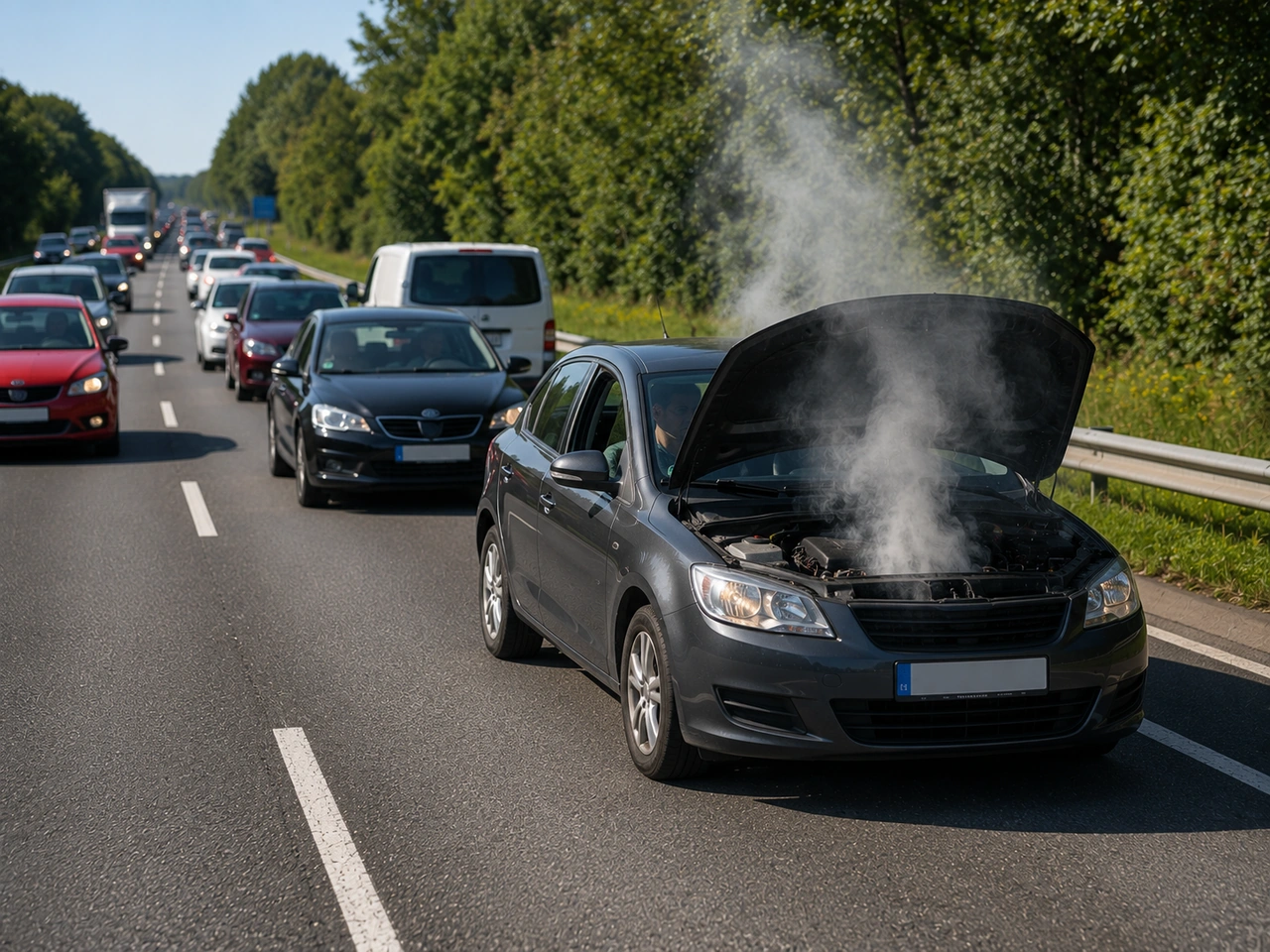
362. What should you do if your vehicle breaks down on a busy road?
If your vehicle breaks down, make it visible and get yourself away from moving traffic. Safety comes before repairing the vehicle.
AI-generated by Traffic-rules.com • WCIT • CC BY-SA
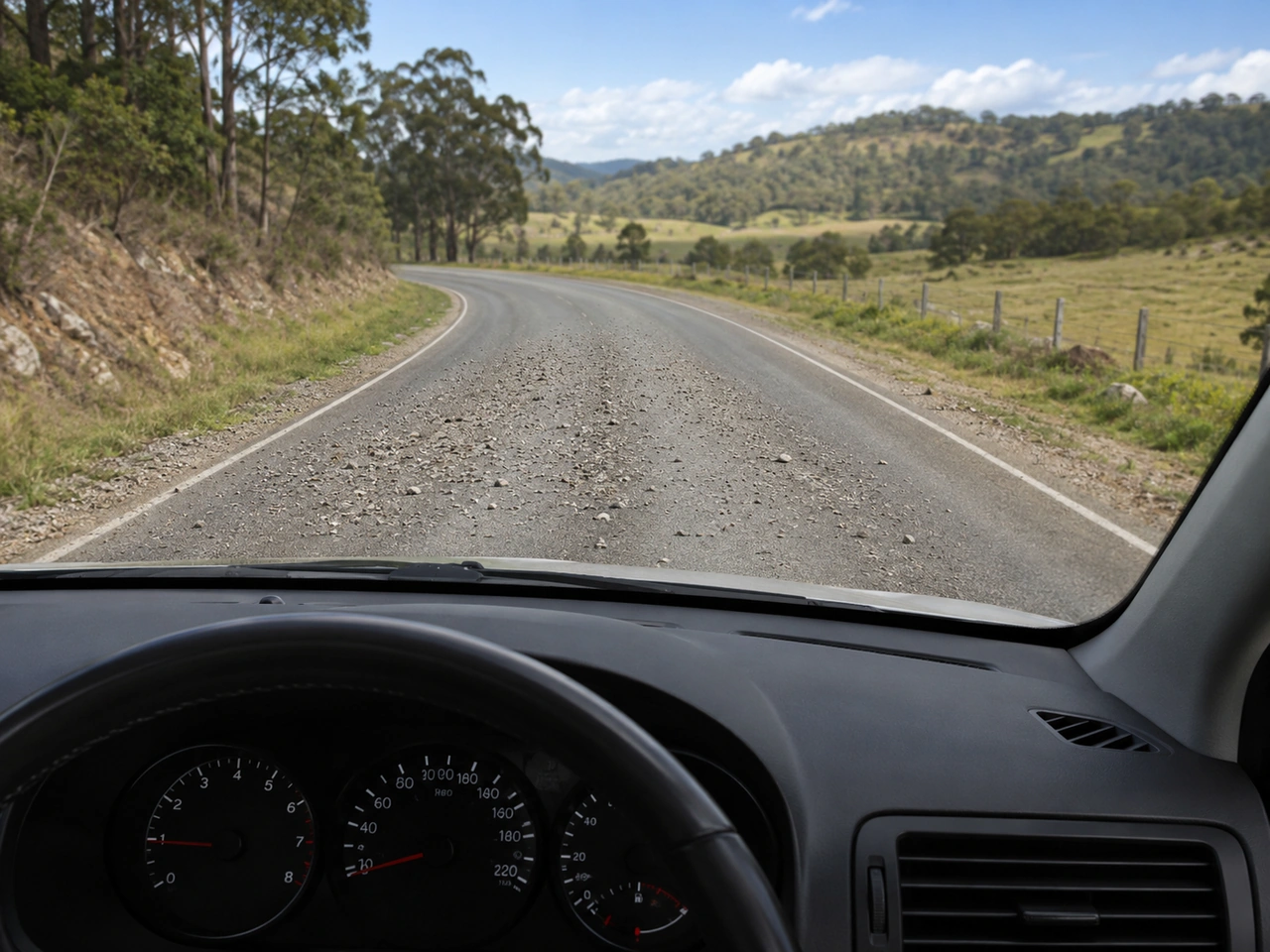
363. What should you do if you see loose gravel on the road?
Loose gravel reduces grip and can make the vehicle skid. Slow down and use smooth steering and braking.
AI-generated by Traffic-rules.com • WCIT • CC BY-SA
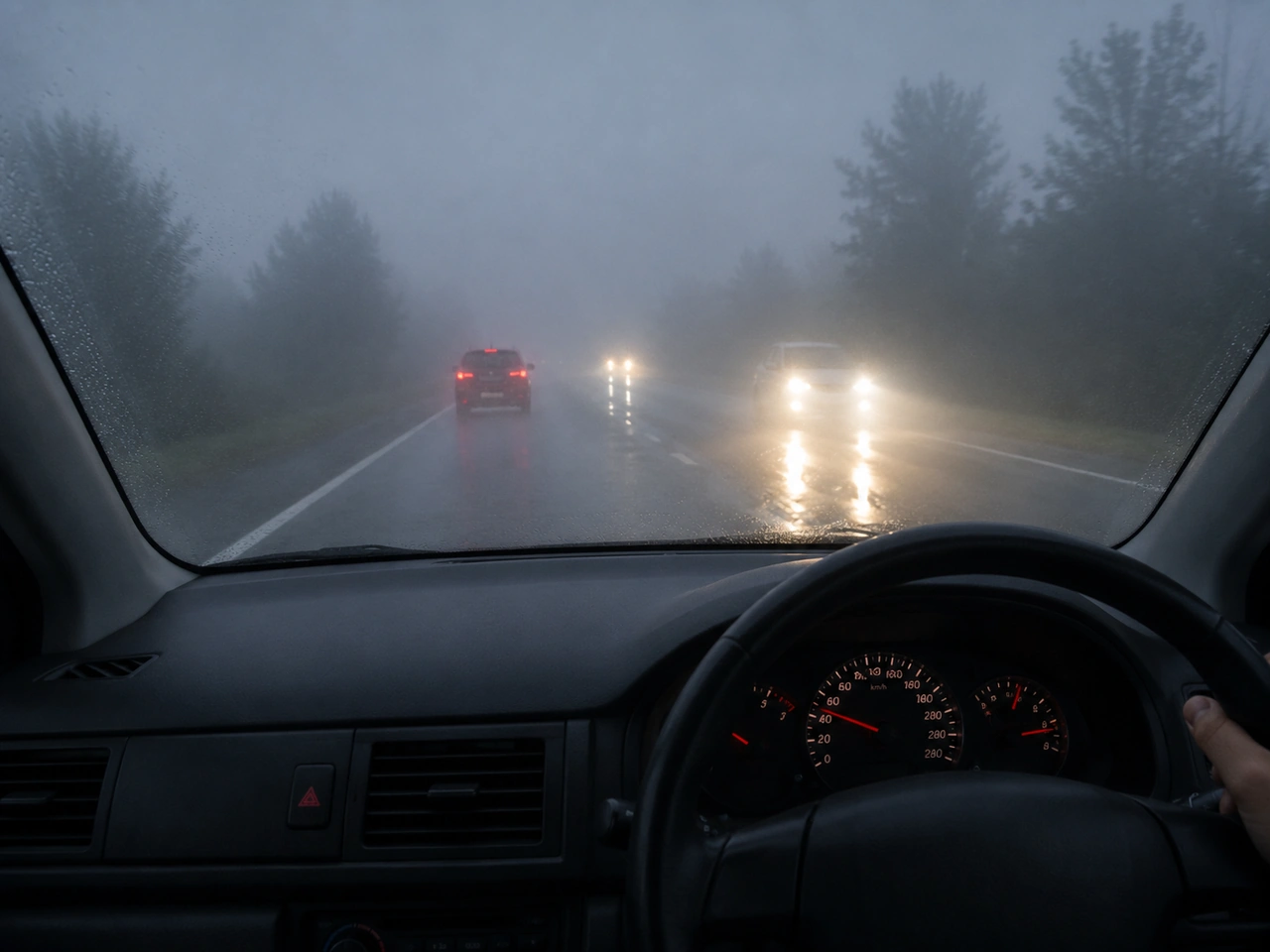
364. Why should you use headlights in poor visibility?
Headlights help you see the road and make your vehicle more visible to other road users in fog, rain, darkness, or poor weather.
AI-generated by Traffic-rules.com • WCIT • CC BY-SA
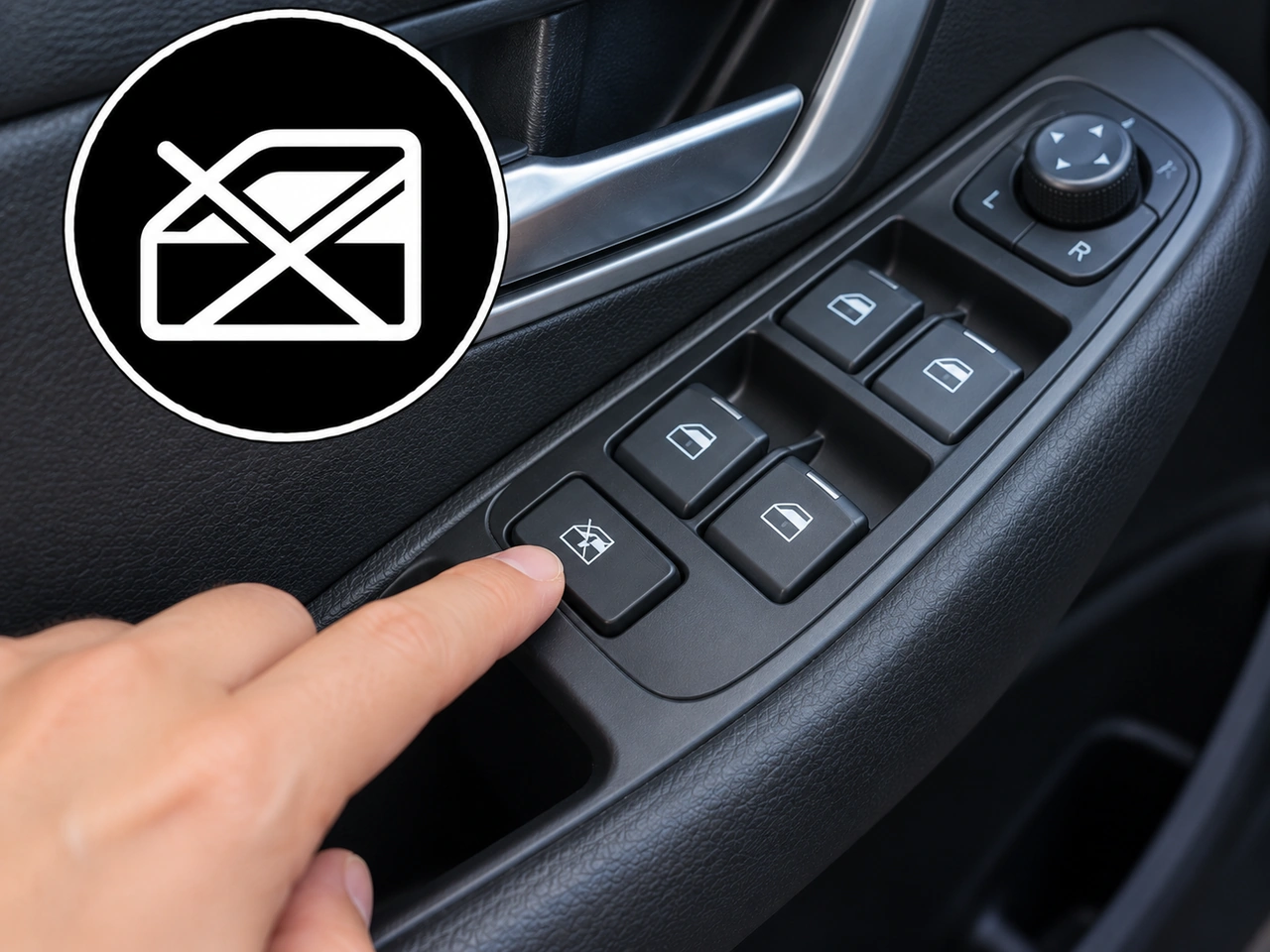
365. What does this vehicle-control symbol indicate?
This control activates the window lock, which normally prevents passengers from operating their electric windows while leaving control with the driver.
AI-generated by Traffic-rules.com • WCIT • CC BY-SA
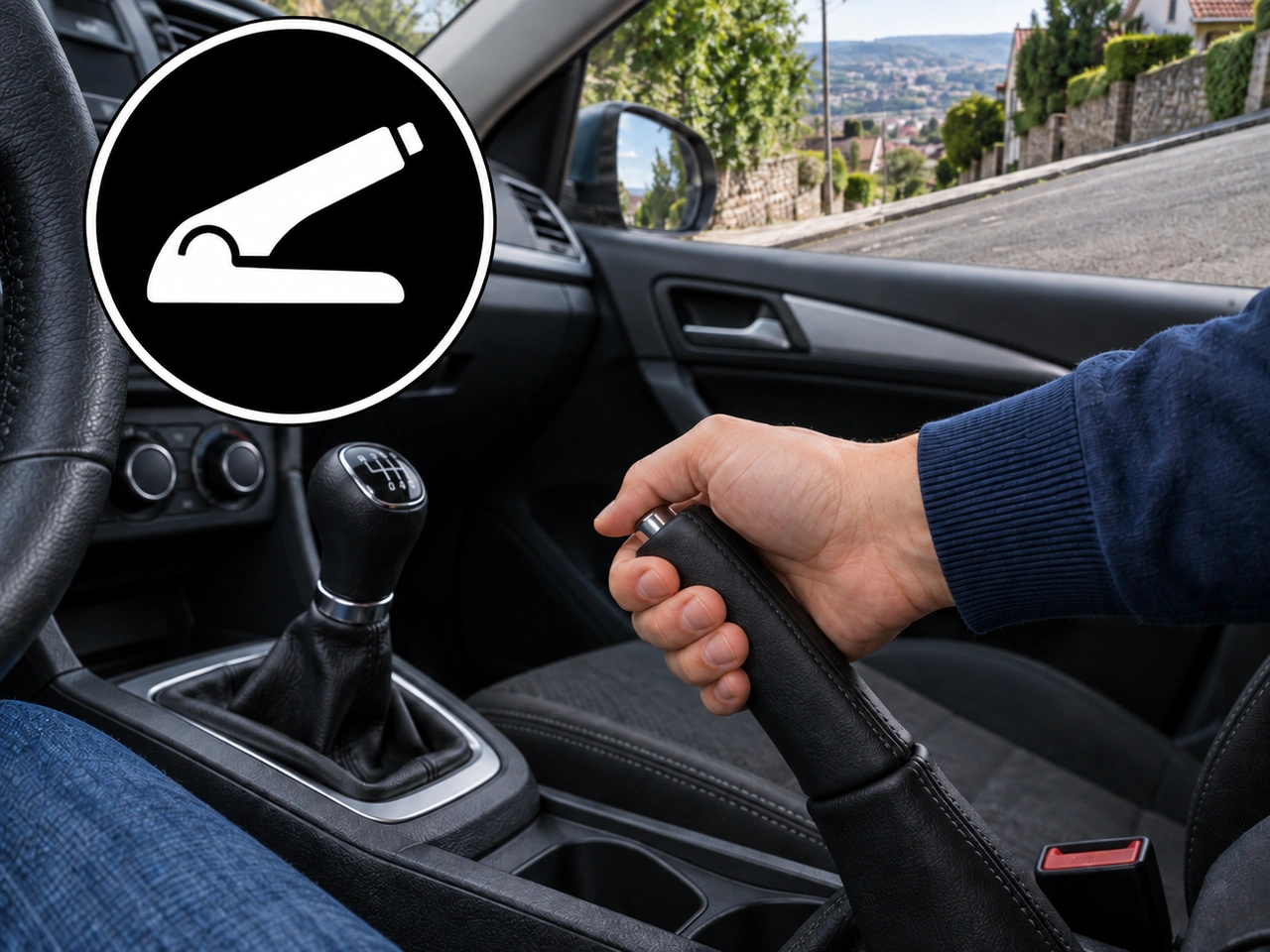
366. What should you do with the parking brake when parking on a slope?
When parking on a slope, apply the parking brake firmly to help prevent the vehicle from rolling. Selecting an appropriate gear or Park provides additional security.
AI-generated by Traffic-rules.com • WCIT • CC BY-SA
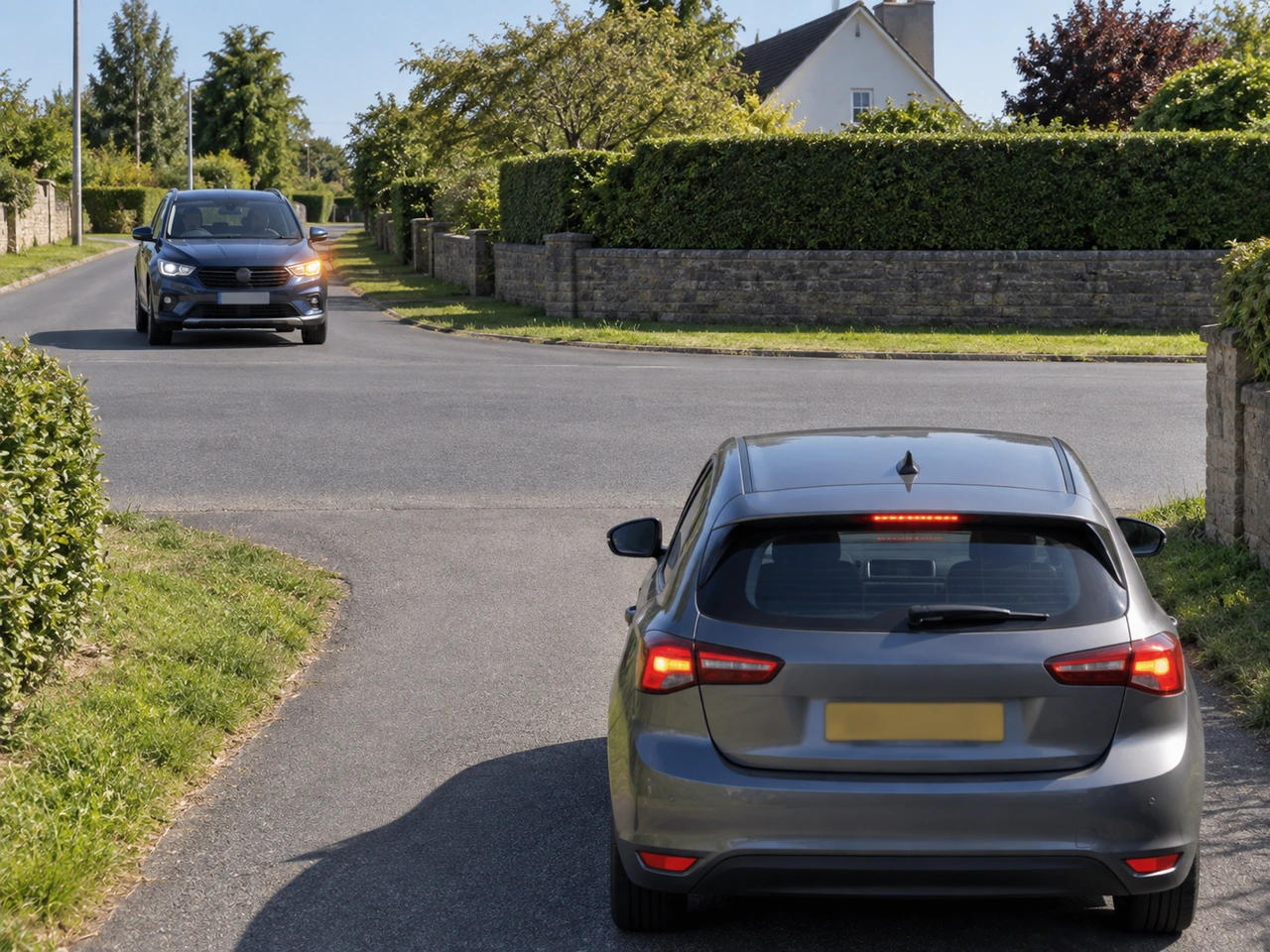
367. What should you do if another vehicle is signalling to turn?
An indicator shows an intention, but it does not guarantee that the driver will turn. The signal may have been left on accidentally or the driver's intentions may change. Observe the vehicle's speed and position and proceed only when you are sure it is safe.
AI-generated by Traffic-rules.com • WCIT • CC BY-SA
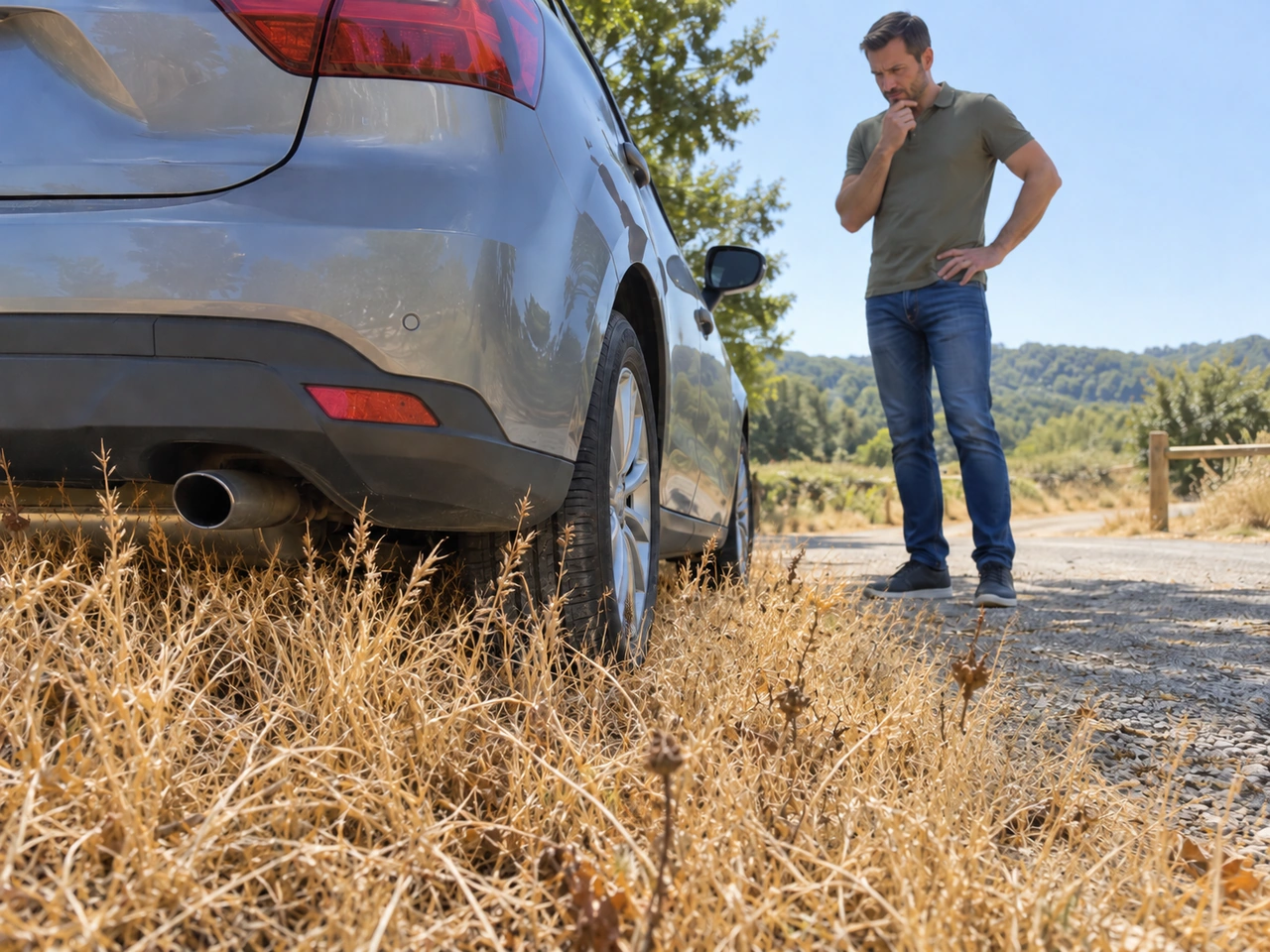
368. Why should you avoid parking a petrol or diesel vehicle on dry grass?
Parts of the exhaust system, especially the catalytic converter, can become very hot while driving. Parking over dry grass, leaves, or other combustible vegetation can create a fire risk. Park on a suitable non-flammable surface whenever possible.
AI-generated by Traffic-rules.com • WCIT • CC BY-SA
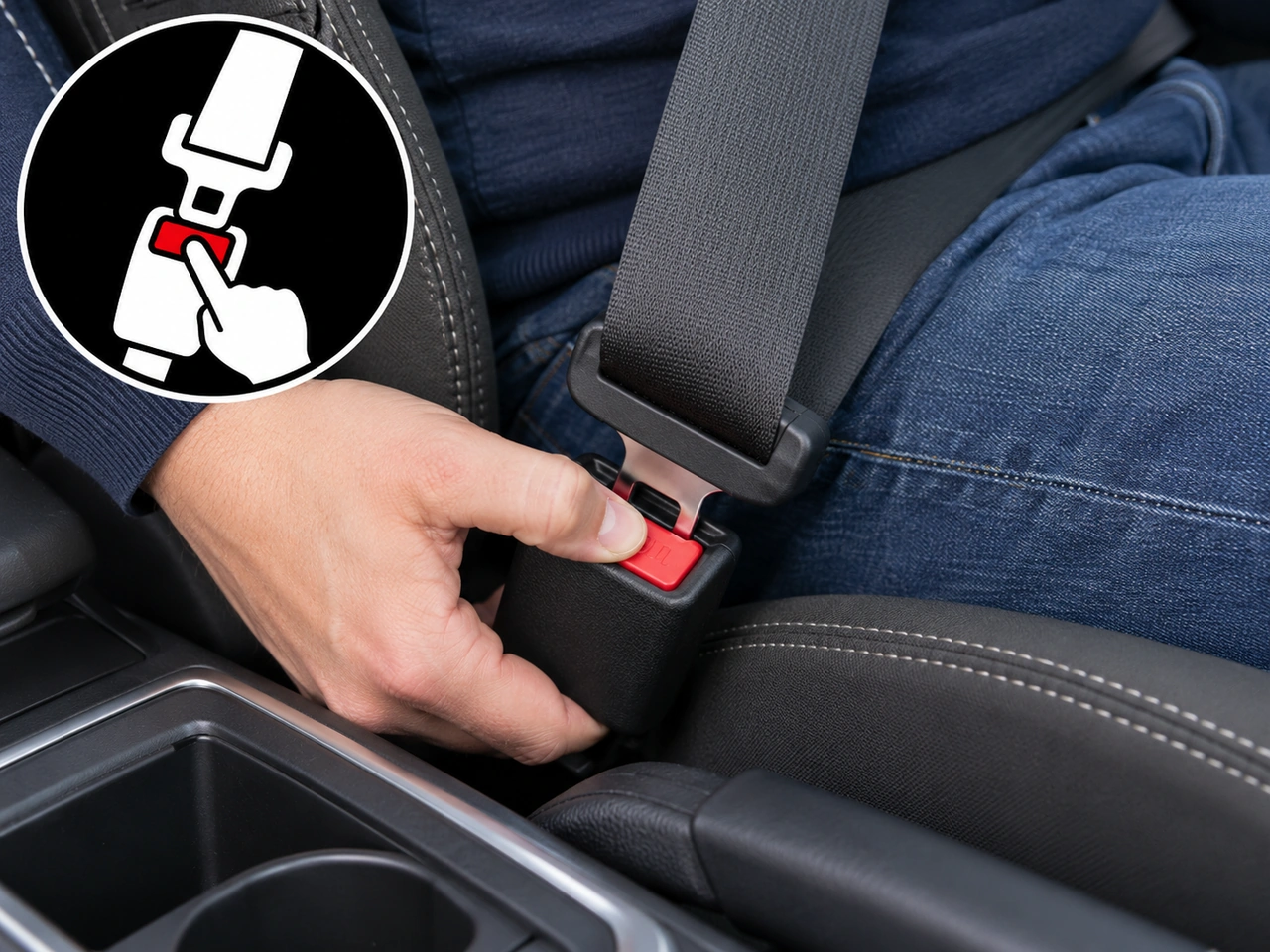
369. What is the button on a seat-belt buckle used for?
Pressing the button on the seat-belt buckle releases the latch so the belt can be unfastened. Keep the seat belt fastened whenever required while the vehicle is moving.
AI-generated by Traffic-rules.com • WCIT • CC BY-SA
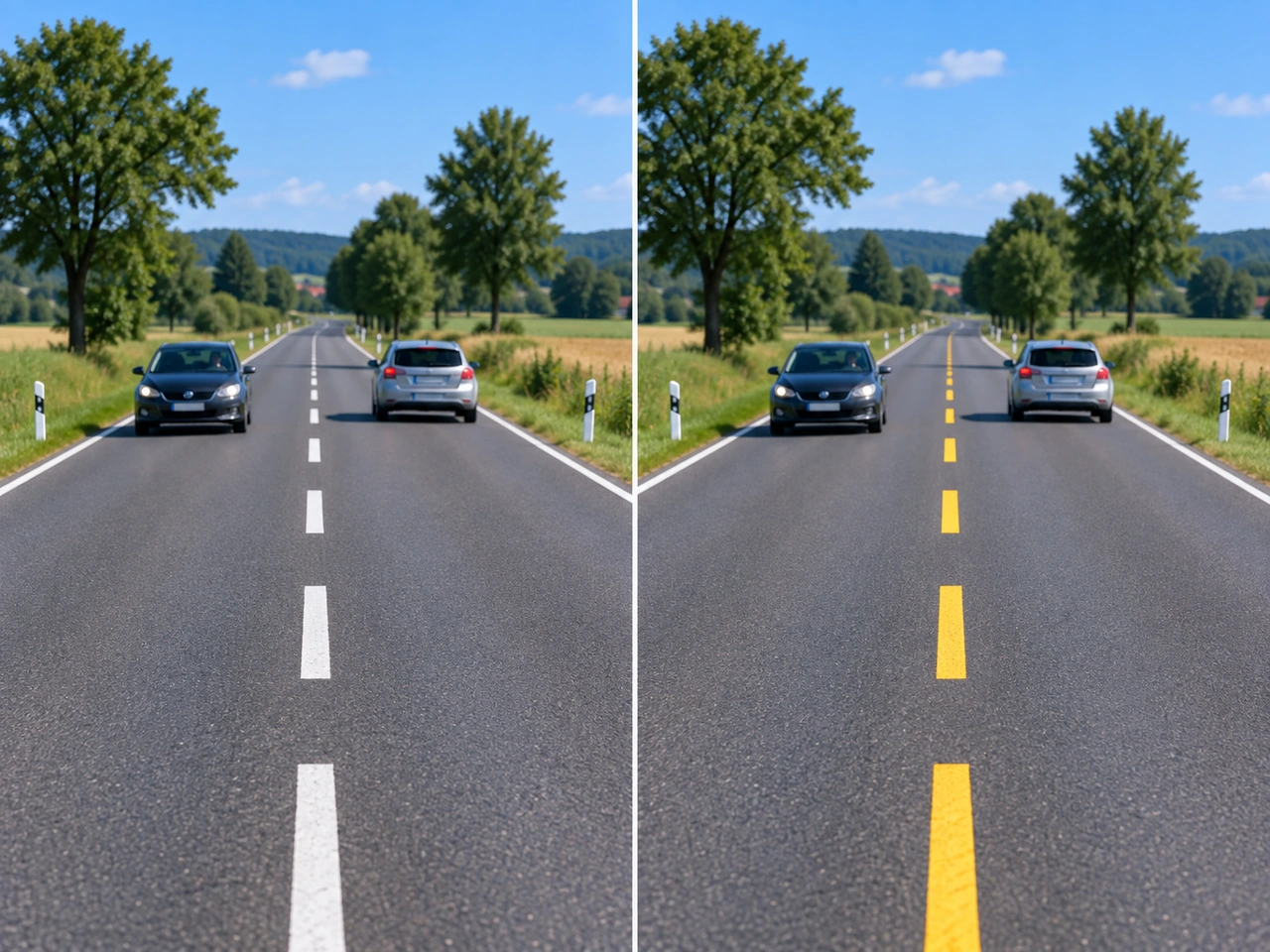
370. What colour is normally used for the centre line separating opposing traffic in New Zealand?
Roads in New Zealand normally use a white centre line to separate traffic travelling in opposite directions.
AI-generated by Traffic-rules.com • WCIT • CC BY-SA
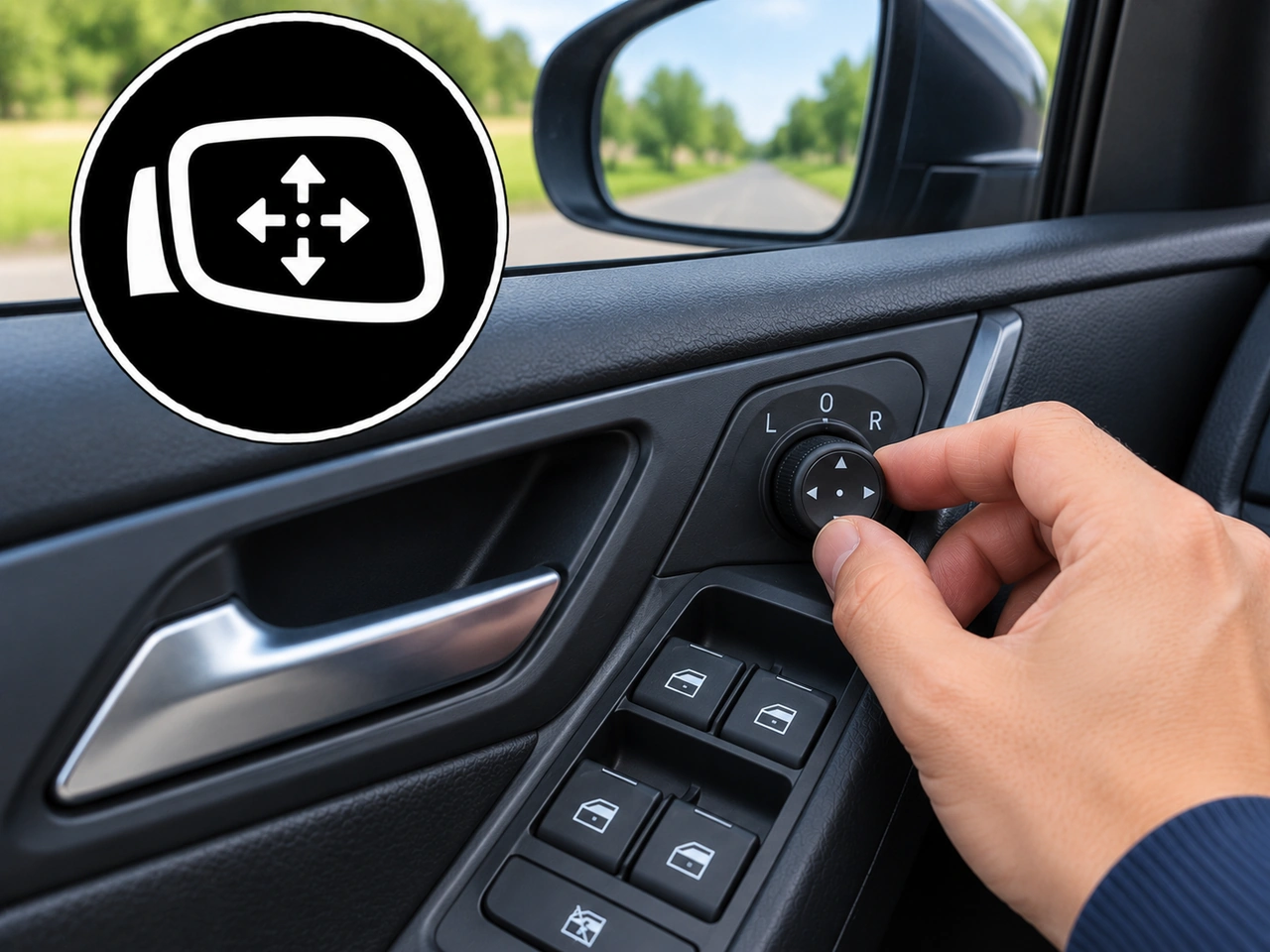
371. What does this vehicle-control symbol indicate?
This control adjusts the vehicle's exterior mirrors. The driver normally selects the left or right mirror and then moves the control to change its angle.
AI-generated by Traffic-rules.com • WCIT • CC BY-SA
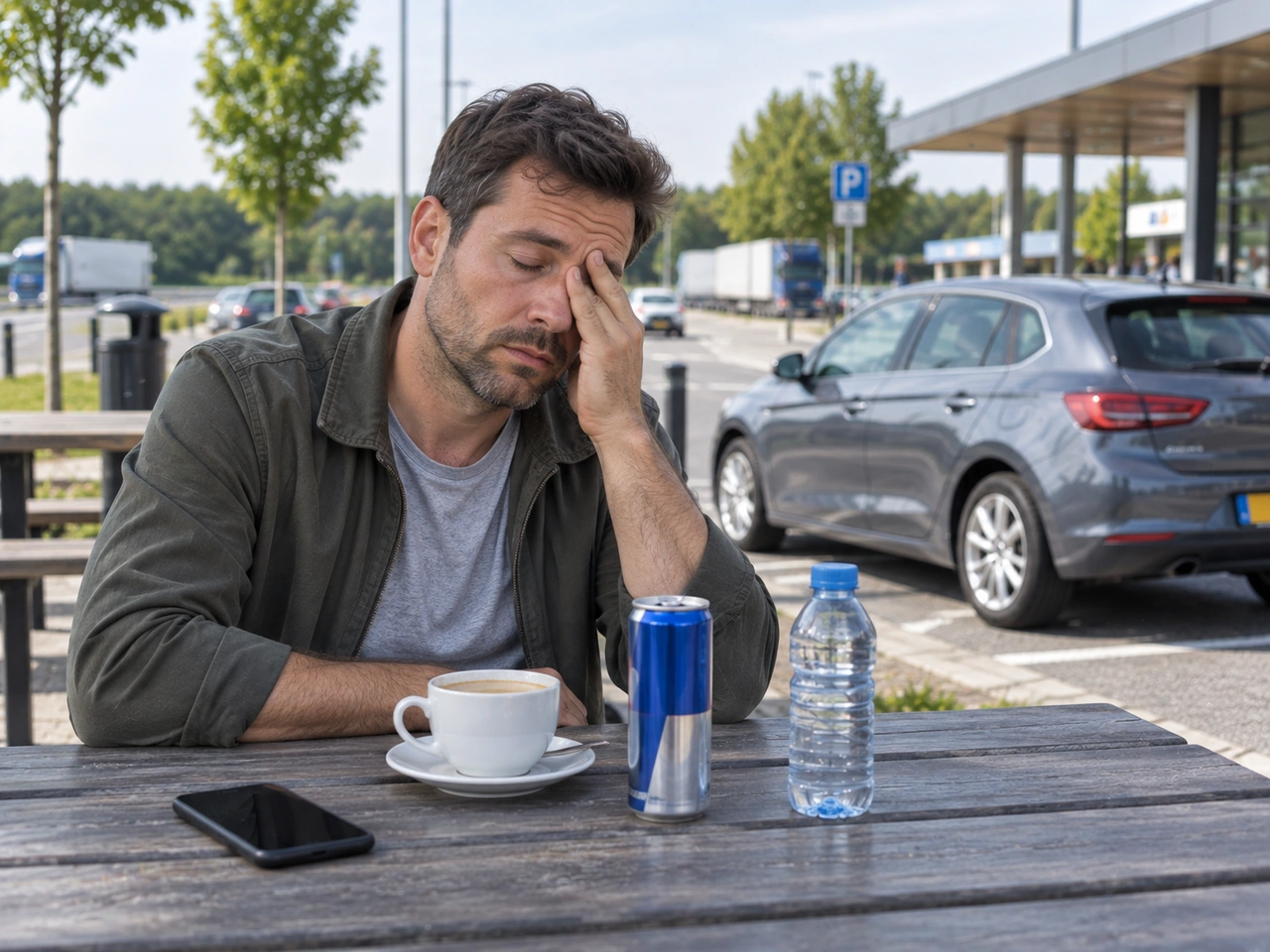
372. Can coffee, energy drinks, fresh air, or loud music replace proper rest when you are tired?
Coffee, energy drinks, fresh air, or loud music may make you feel more alert for a short time, but they do not remove fatigue. If you are too tired to drive safely, stop somewhere safe and get proper rest.
AI-generated by Traffic-rules.com • WCIT • CC BY-SA
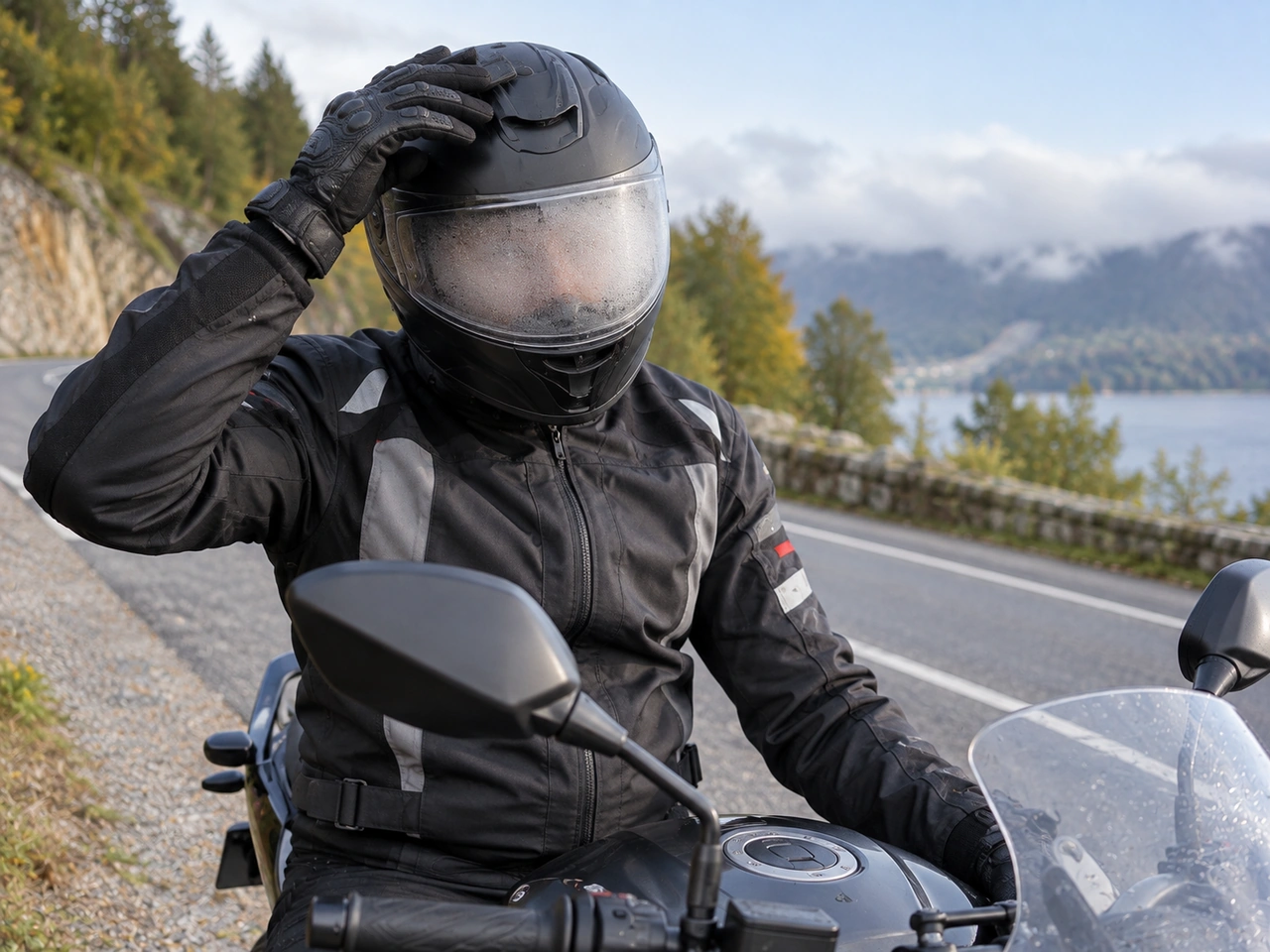
373. What should you do if your motorcycle helmet visor starts to fog?
A fogged visor can seriously reduce your view of the road. Reduce speed and use the helmet's ventilation, demisting or anti-fog features where available. If you cannot restore a clear view safely, stop in a safe place before continuing.
AI-generated by Traffic-rules.com • WCIT • CC BY-SA
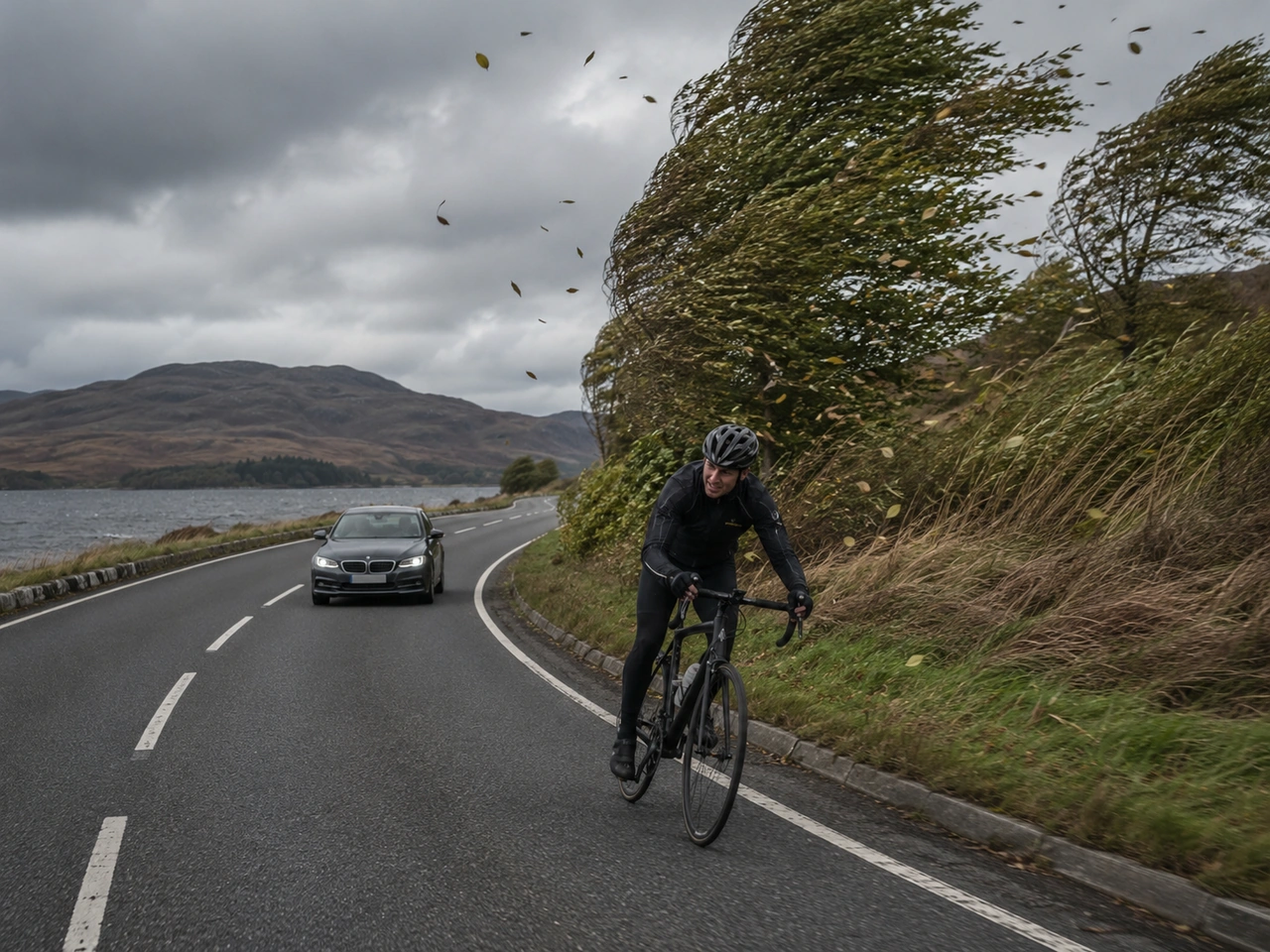
374. Why should you leave extra space when passing cyclists in strong winds?
Strong gusts can affect cyclists' balance and direction. Extra passing space reduces the risk of a collision.
AI-generated by Traffic-rules.com • WCIT • CC BY-SA
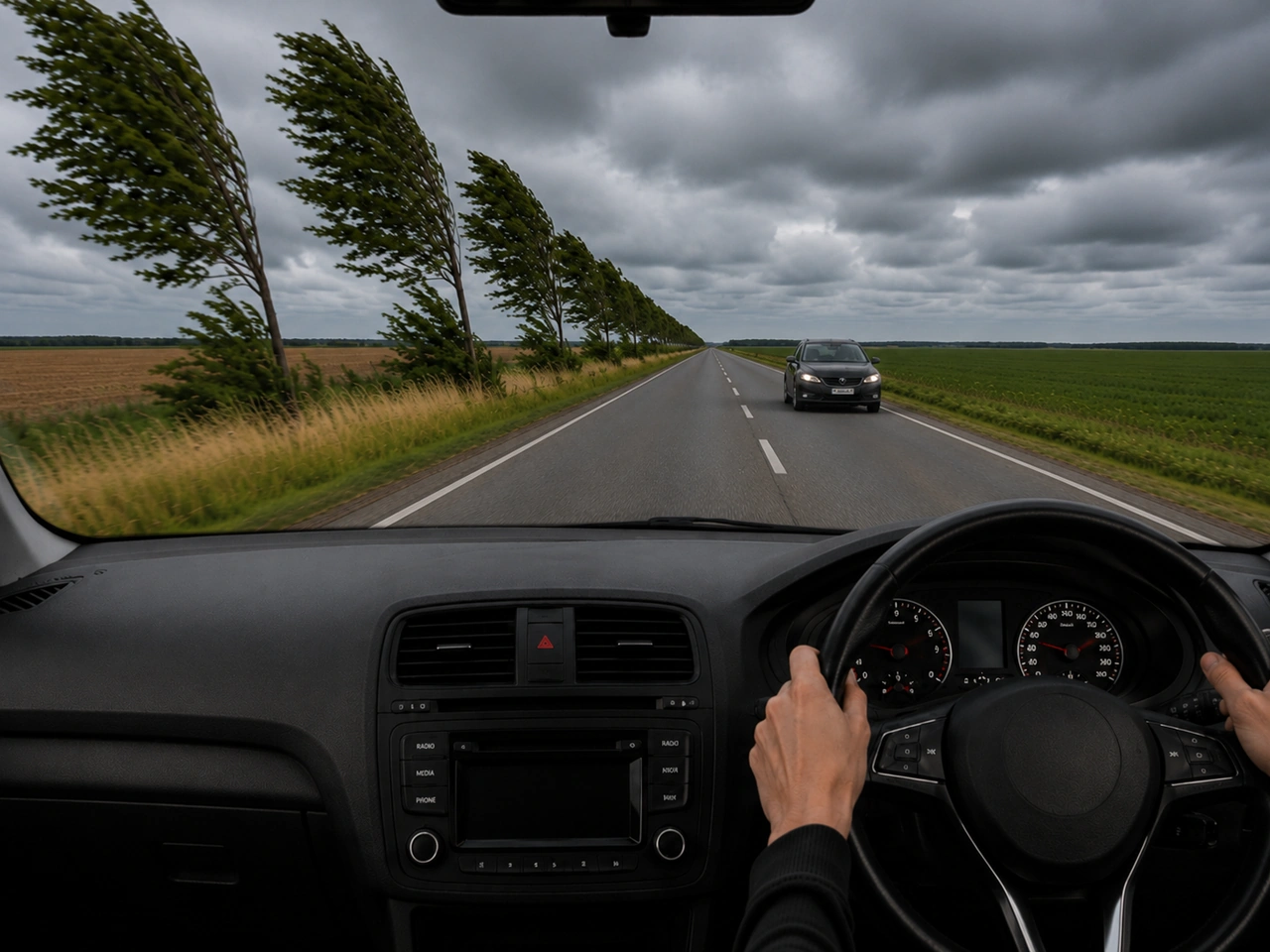
375. What should you do when driving in strong wind?
Strong wind can affect vehicle control, especially near open areas, bridges, large vehicles, cyclists, and motorcyclists.
AI-generated by Traffic-rules.com • WCIT • CC BY-SA
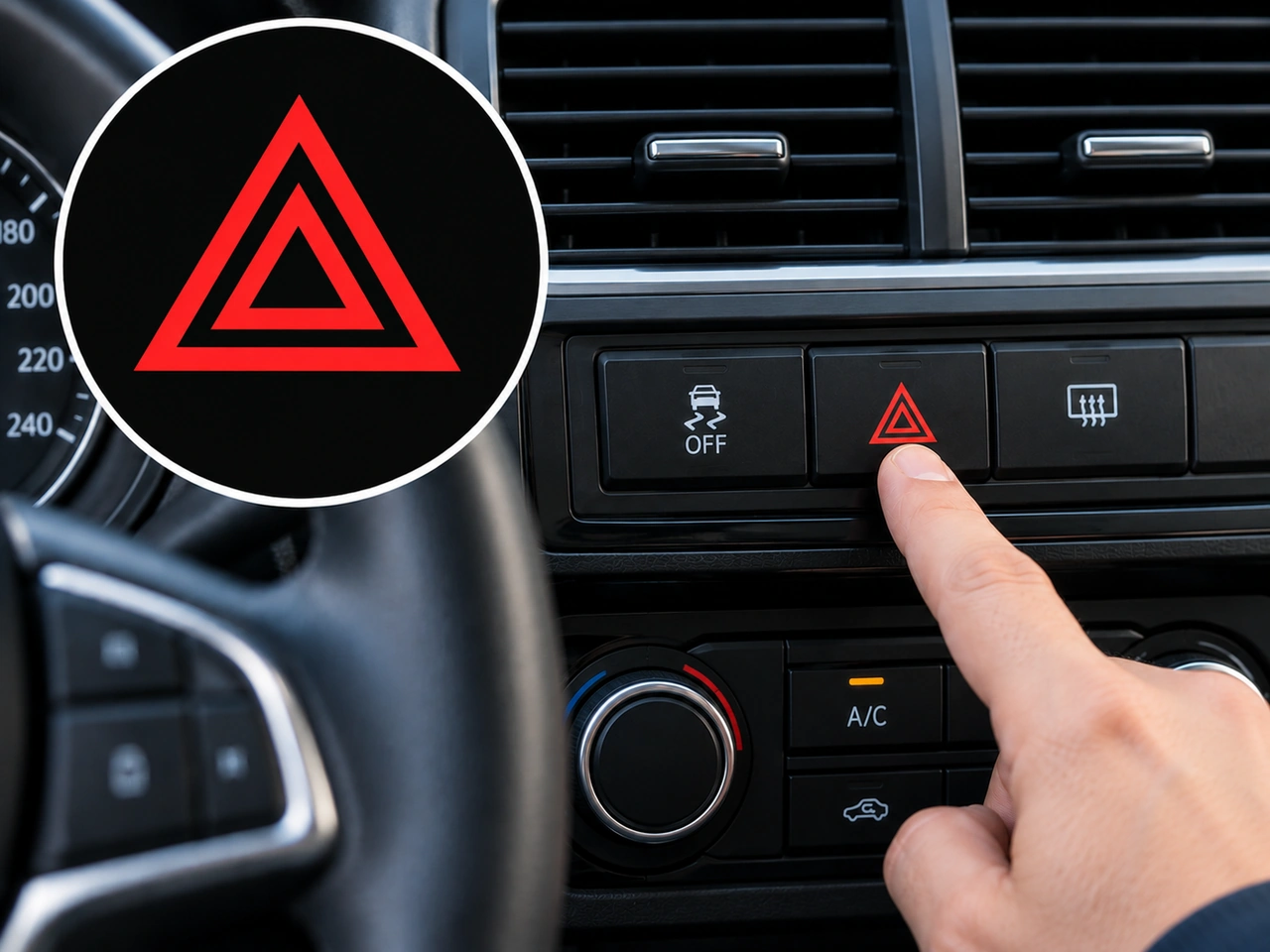
376. What does this dashboard symbol indicate?
This symbol indicates the hazard warning lights. When activated, all direction indicators flash simultaneously to warn other road users of a hazard or unusual situation.
AI-generated by Traffic-rules.com • WCIT • CC BY-SA
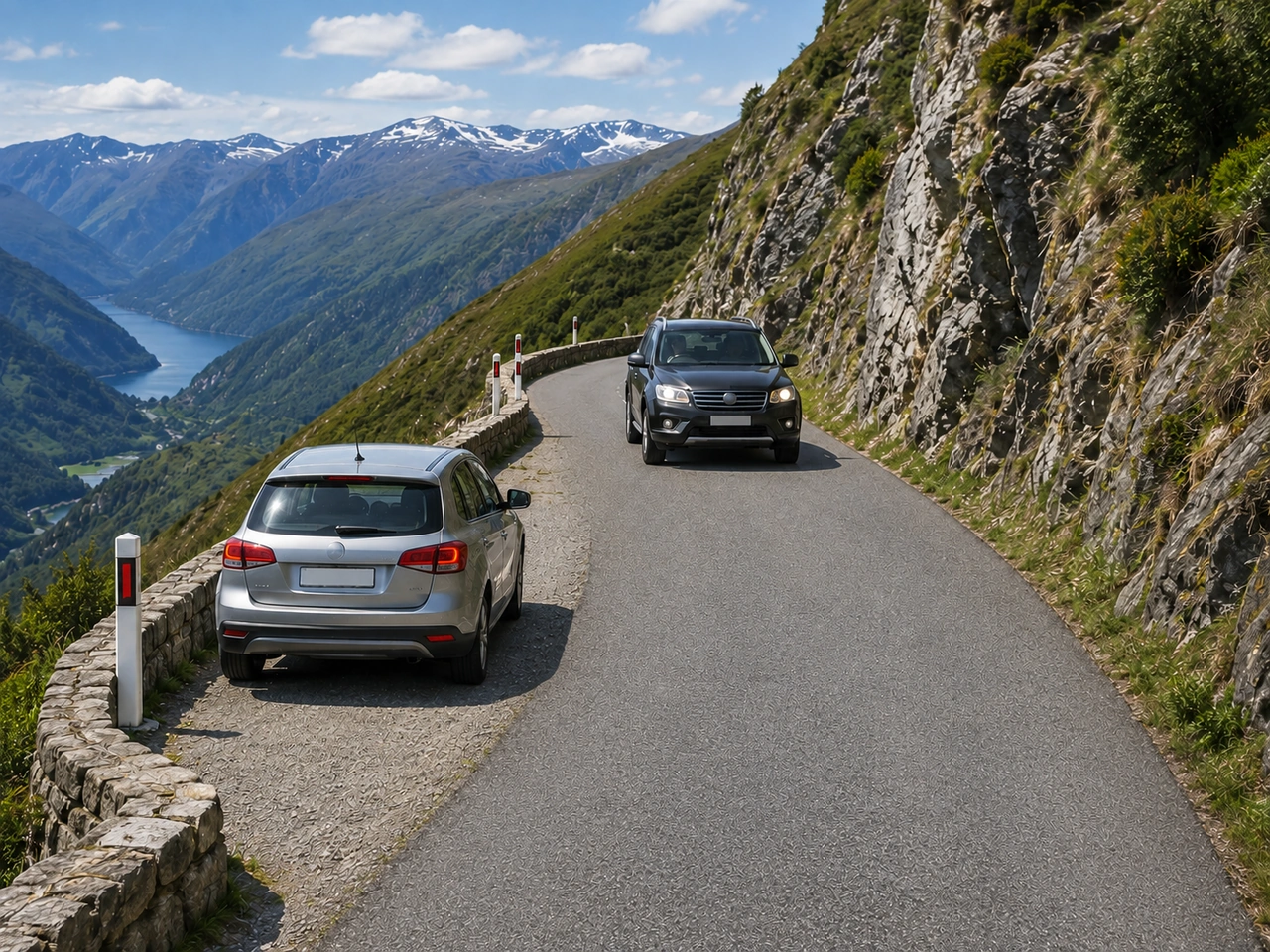
377. What should you do when meeting another vehicle on a narrow mountain road?
Narrow mountain roads may not provide enough space for two vehicles. Reduce speed and cooperate to pass safely.
AI-generated by Traffic-rules.com • WCIT • CC BY-SA
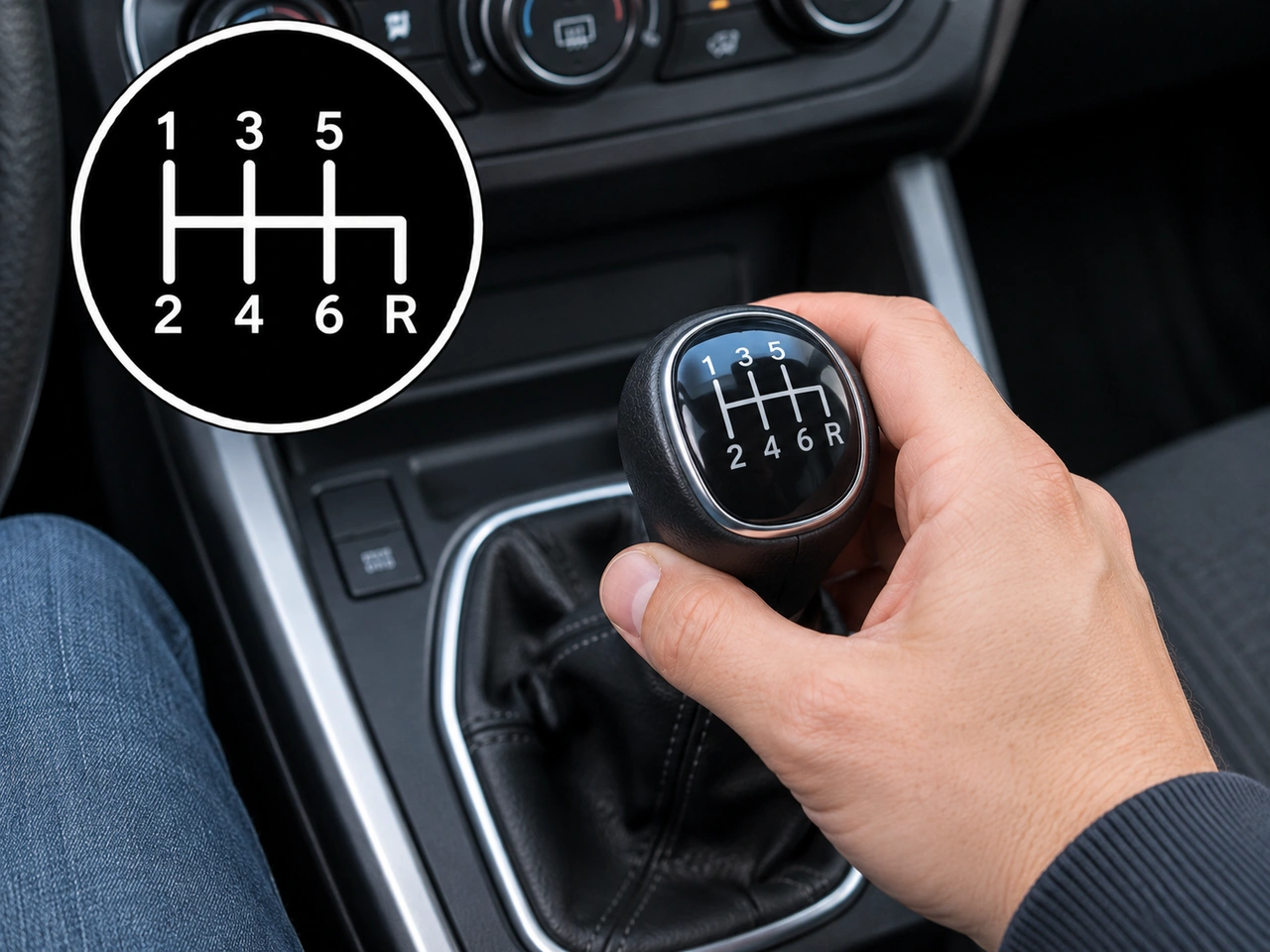
378. Which gear is normally used when moving off from a standstill?
1st gear is normally used when moving off from a standstill because it provides the greatest pulling power at low speed.
AI-generated by Traffic-rules.com • WCIT • CC BY-SA
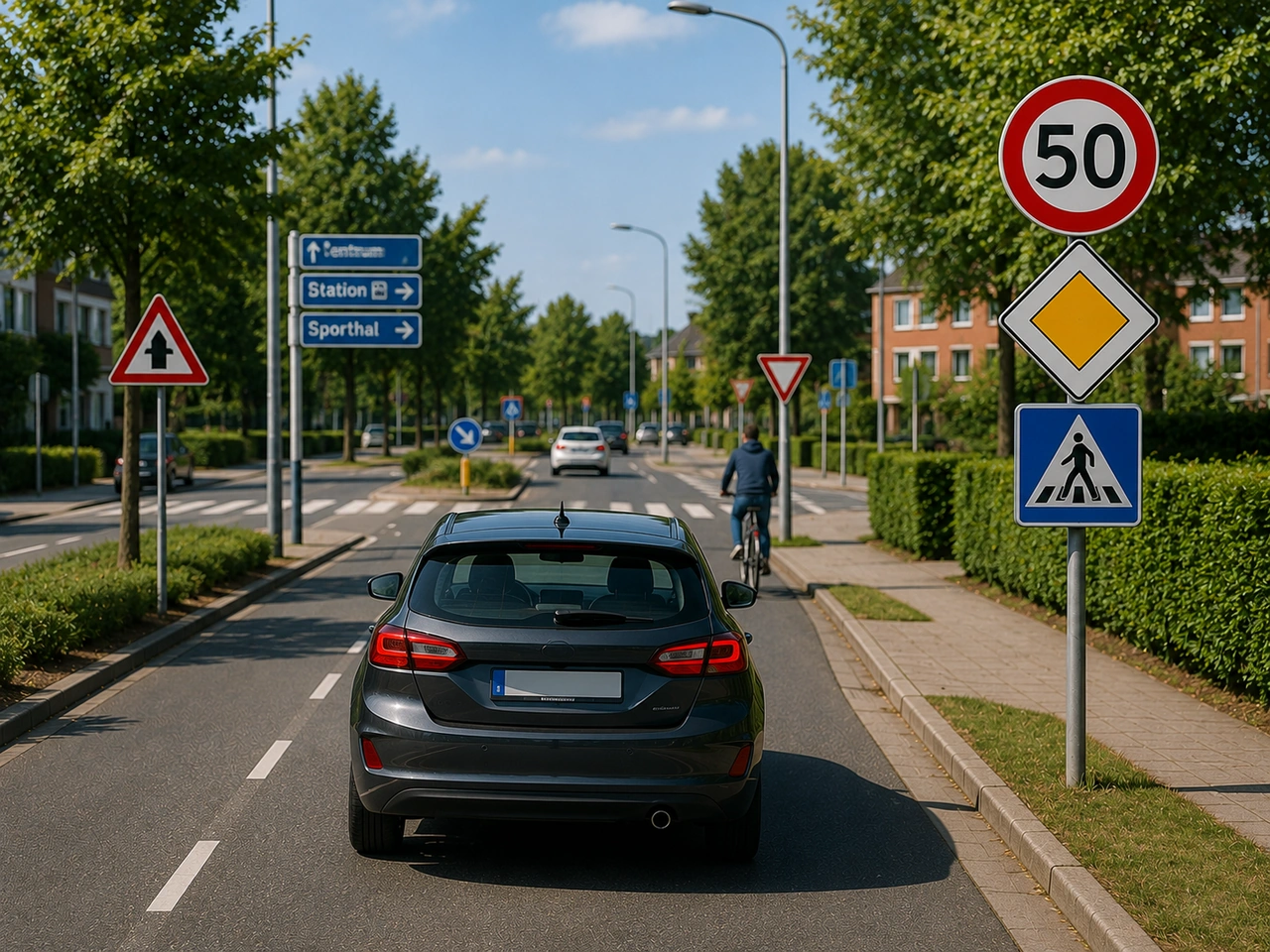
379. Why should you obey traffic signs?
Traffic signs help organise traffic and improve safety for drivers, cyclists, and pedestrians.
AI-generated by Traffic-rules.com • WCIT • CC BY-SA
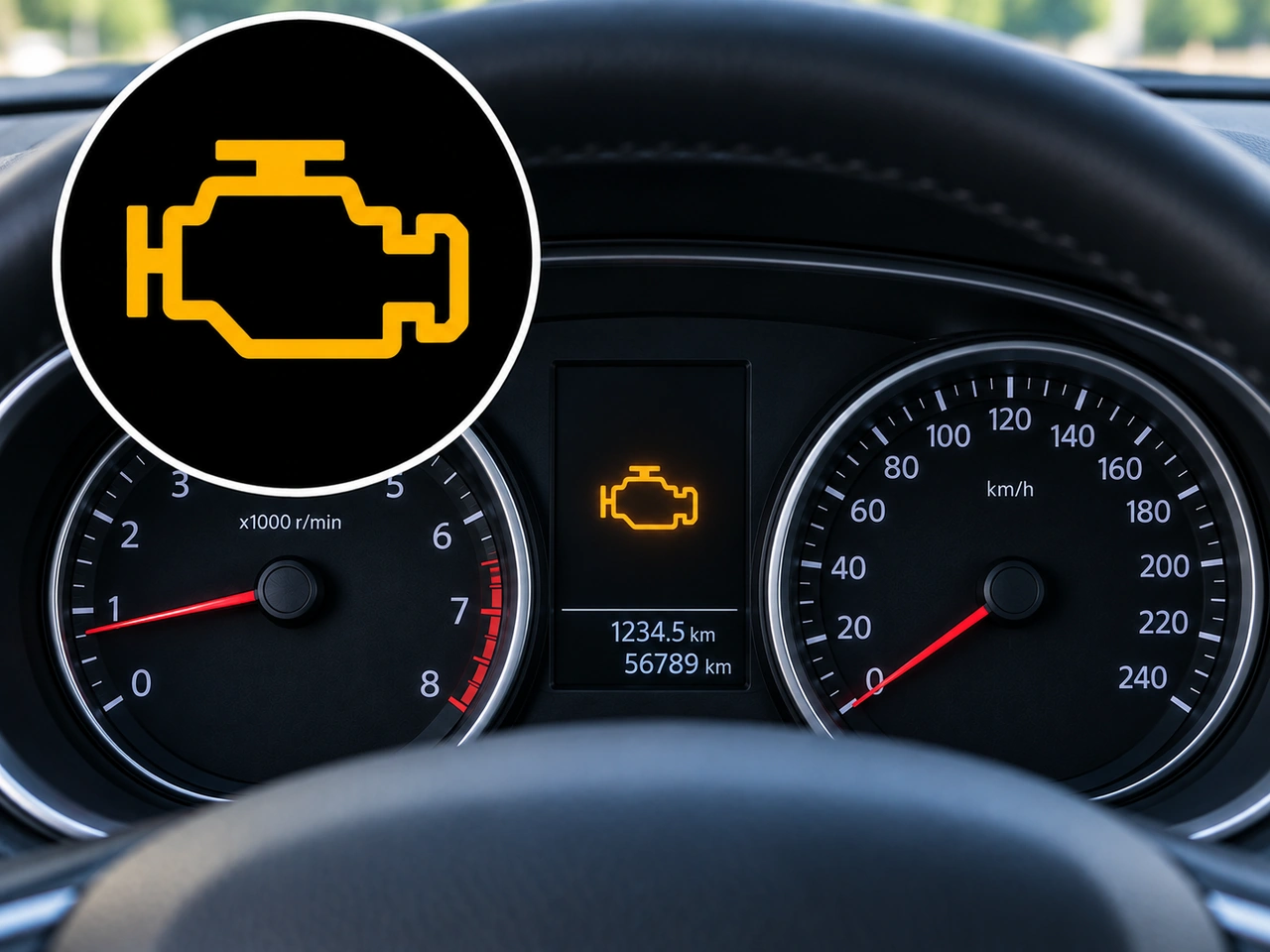
380. What does this dashboard symbol indicate?
This symbol indicates a fault detected by the engine-management or emissions-control system. If it remains illuminated while driving, the vehicle should be checked according to the manufacturer's instructions.
AI-generated by Traffic-rules.com • WCIT • CC BY-SA
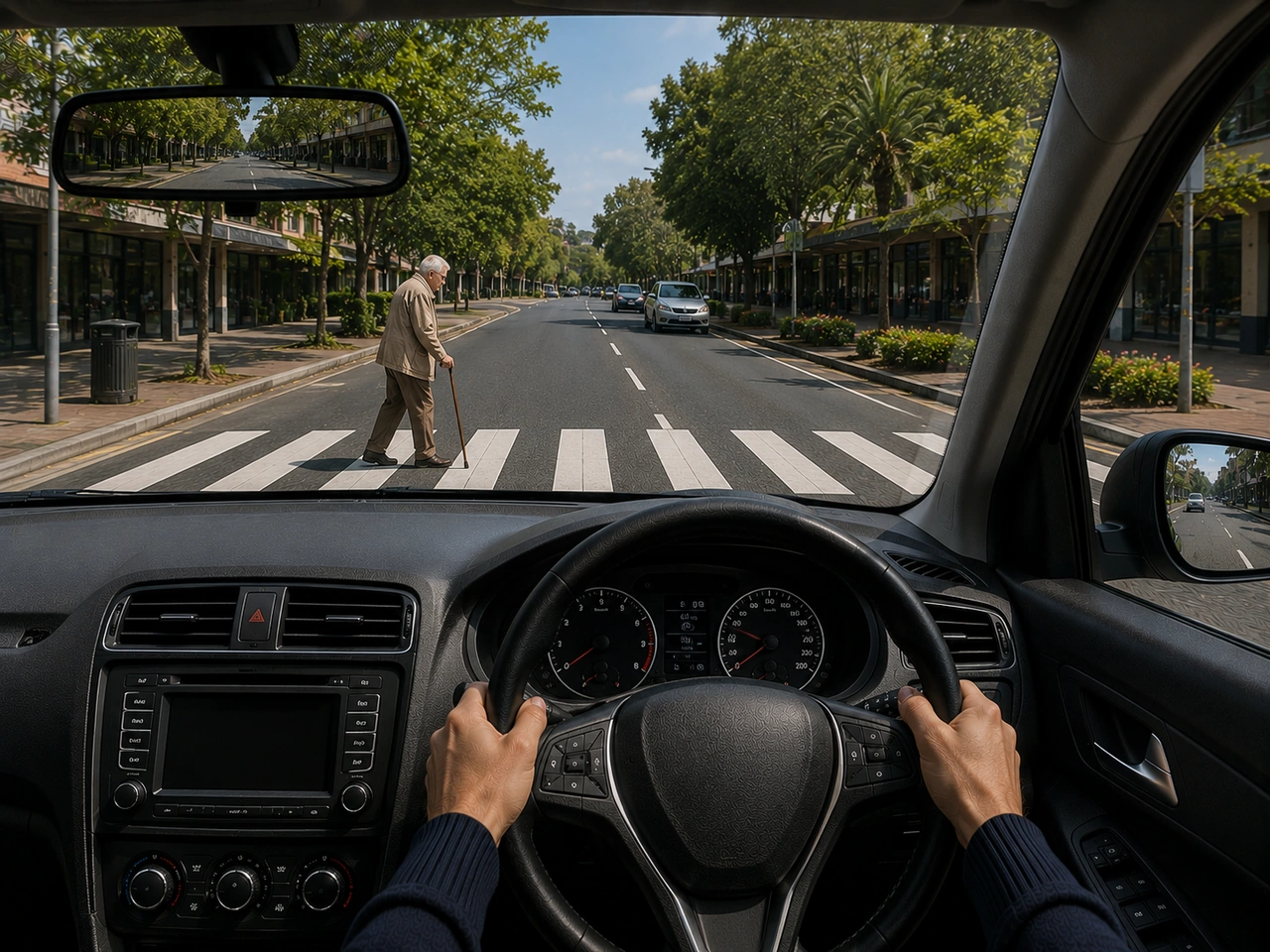
381. What should you do if a pedestrian is crossing slowly?
Some pedestrians may need more time to cross. Stay patient, keep a safe distance, and do not pressure them.
AI-generated by Traffic-rules.com • WCIT • CC BY-SA
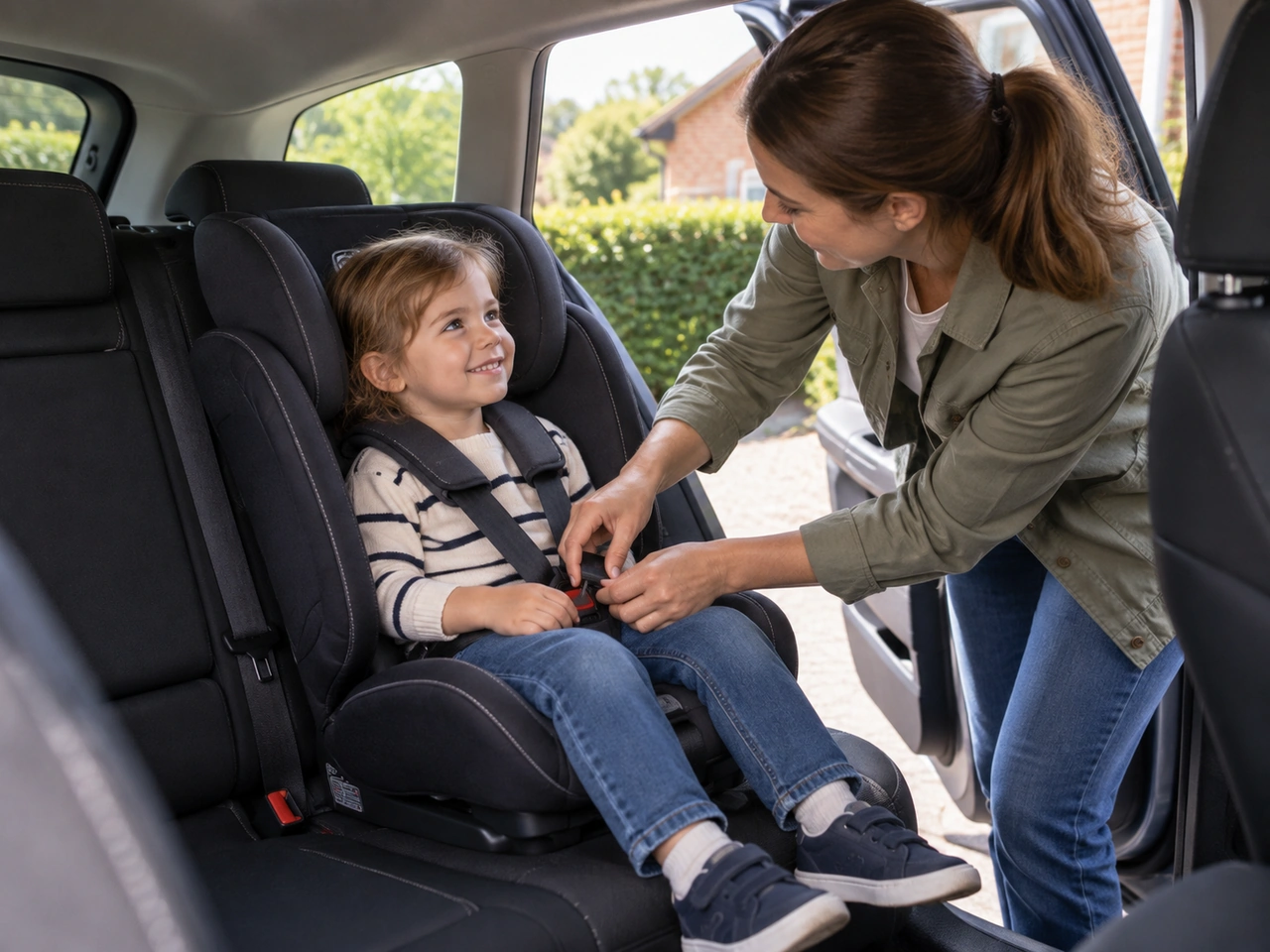
382. Why should a child use a suitable child restraint?
A suitable child restraint is designed to protect a child according to their size and development. It helps position and restrain the child correctly, reducing the risk of serious injury in a collision or sudden stop.
AI-generated by Traffic-rules.com • WCIT • CC BY-SA
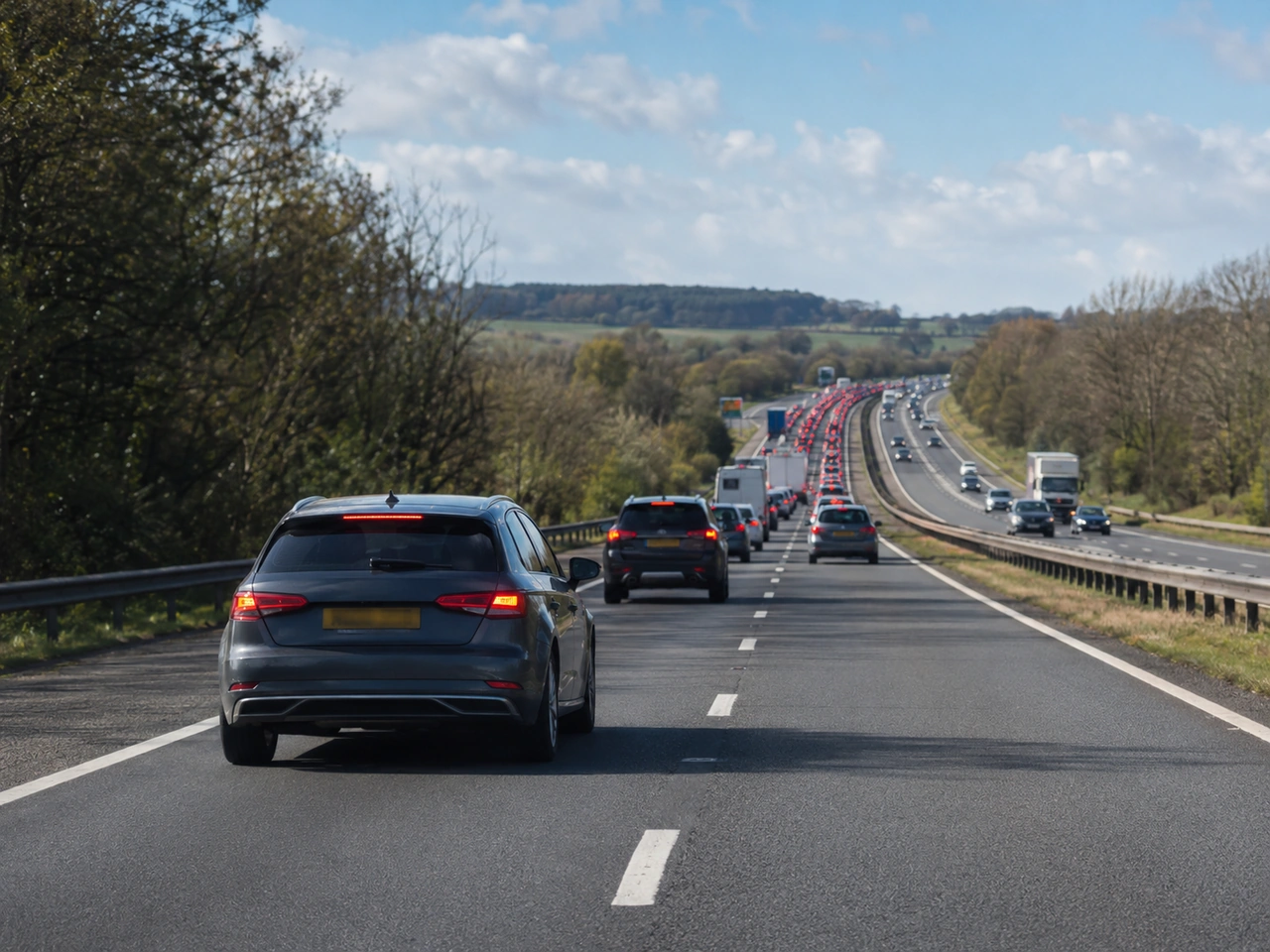
383. What should you do when approaching stationary or slow-moving traffic on a motorway?
Motorway queues can appear suddenly. Early braking gives following traffic more time to react.
AI-generated by Traffic-rules.com • WCIT • CC BY-SA
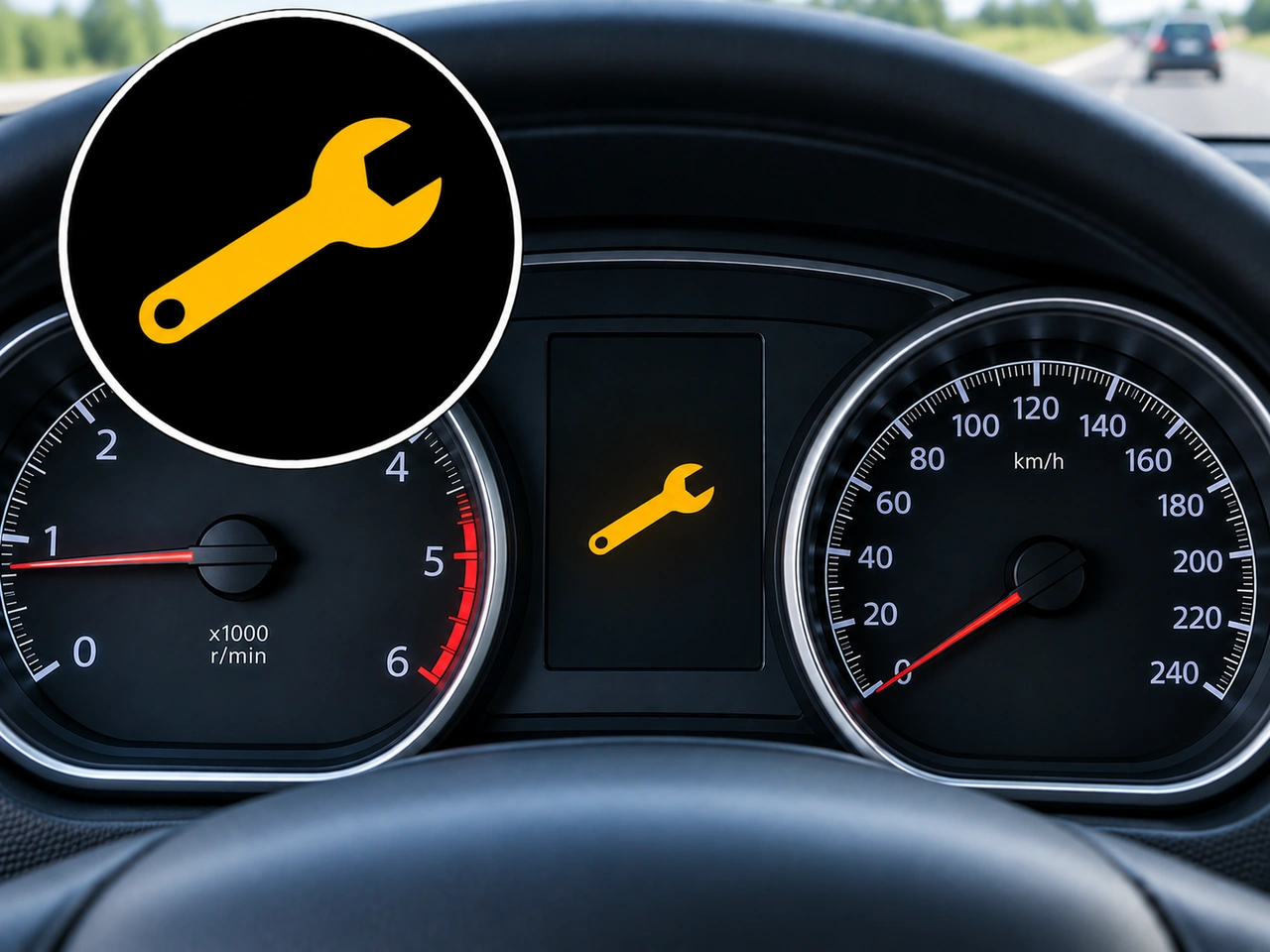
384. What does this dashboard symbol indicate?
This symbol indicates that the vehicle requires servicing or maintenance. The exact meaning and required maintenance can vary between vehicles, so check the vehicle information display or owner's manual.
AI-generated by Traffic-rules.com • WCIT • CC BY-SA
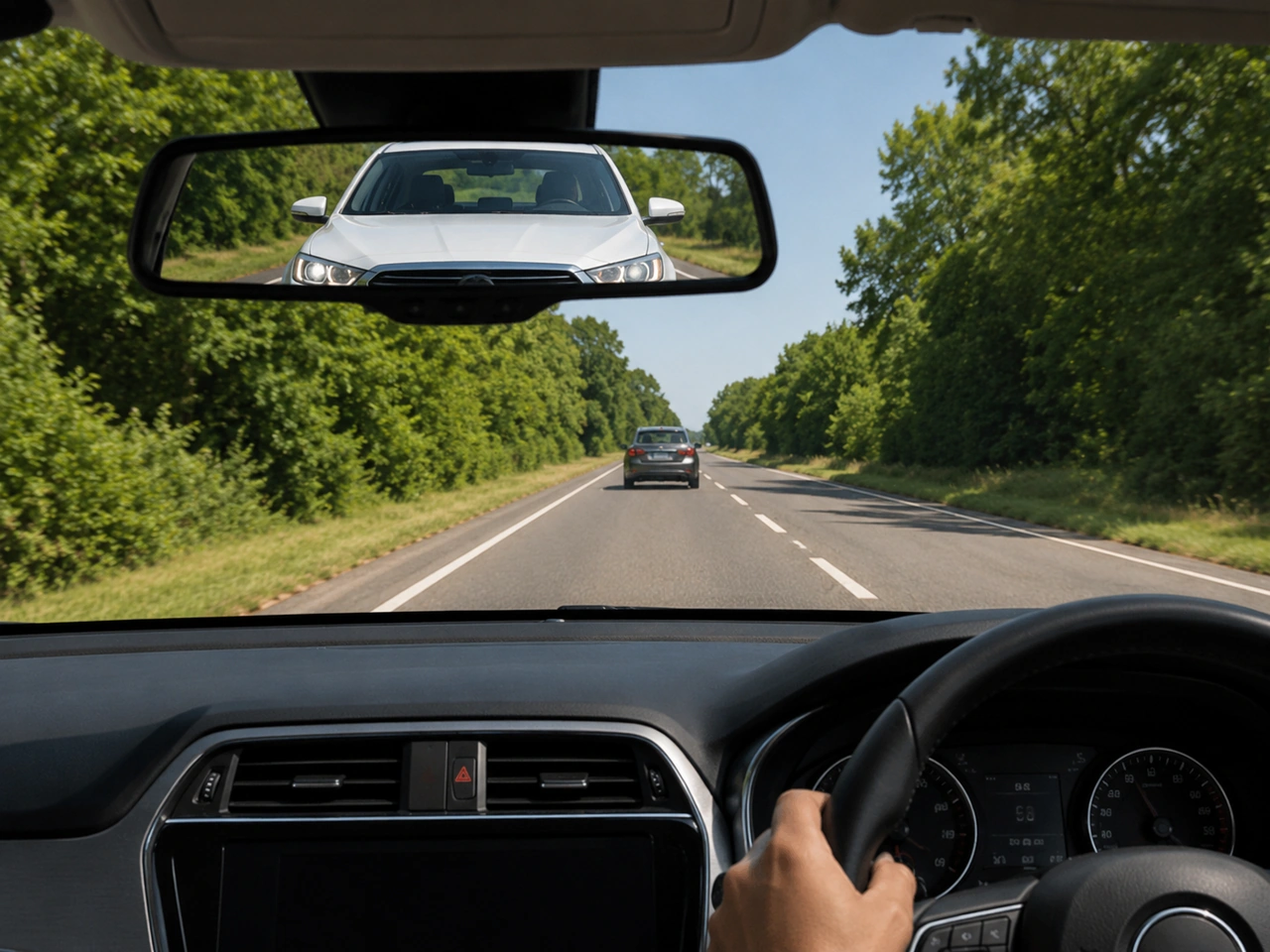
385. What should you do if another vehicle is tailgating you?
If someone follows too closely, avoid sudden actions. Keeping more space in front gives you more time to brake gently if needed. If it is safe, allow the tailgating vehicle to pass.
AI-generated by Traffic-rules.com • WCIT • CC BY-SA
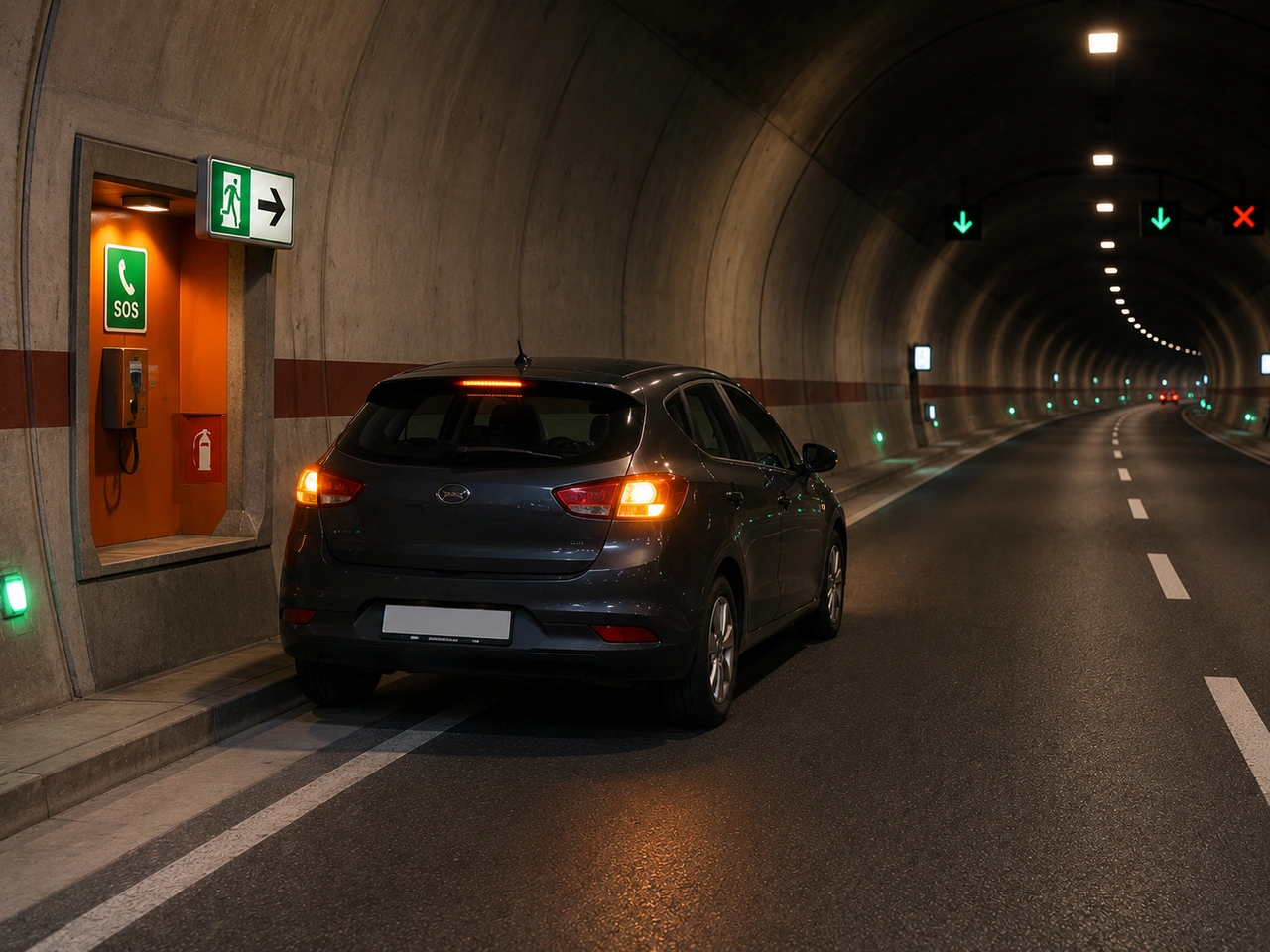
386. What should you do if your vehicle breaks down inside a road tunnel?
If possible, stop in an emergency bay or another safe place and use the hazard lights. Contact tunnel control using an emergency telephone or other available assistance system, and follow the tunnel signs and instructions.
AI-generated by Traffic-rules.com • WCIT • CC BY-SA
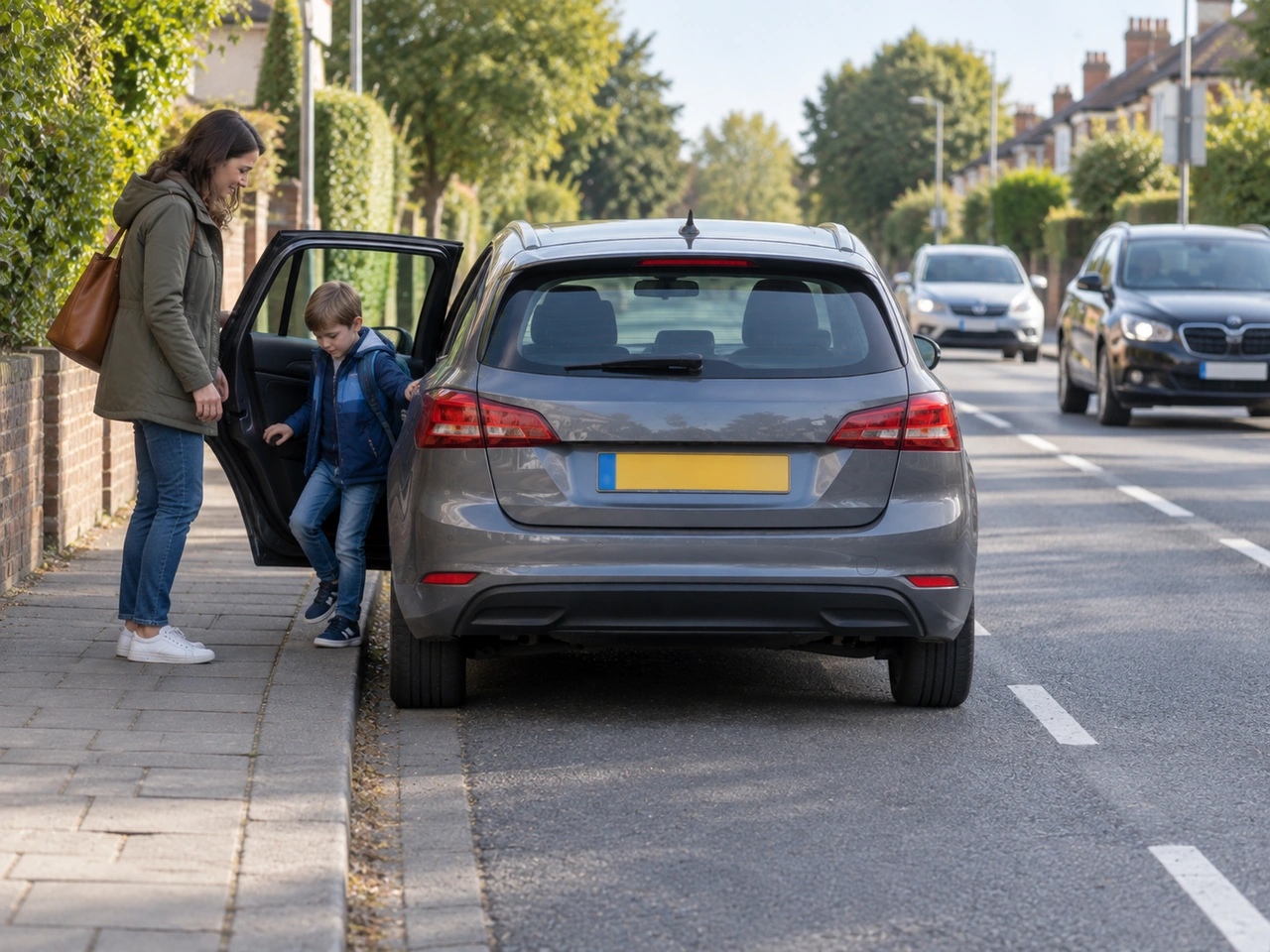
387. Where should passengers get in or out of a vehicle when possible?
Passengers should get in or out on the side away from moving traffic whenever possible. This is particularly important for children, who may not recognise approaching traffic or other road users. Before opening any door, check that it is safe.
AI-generated by Traffic-rules.com • WCIT • CC BY-SA
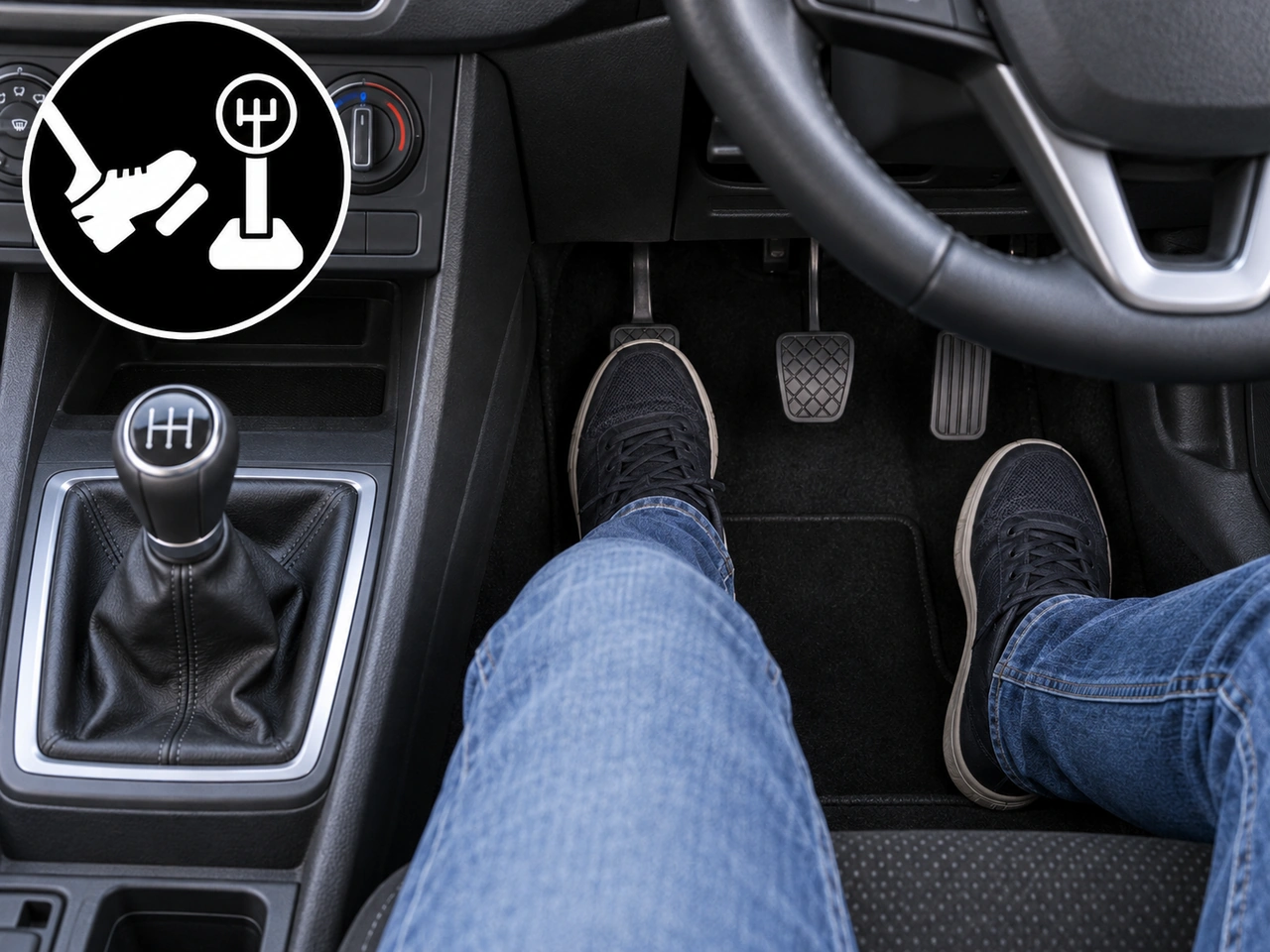
388. What should you check before starting a manual vehicle?
Before starting a manual vehicle, make sure the gearbox is in neutral and press the clutch pedal. This helps prevent the vehicle from moving unexpectedly when the engine starts.
AI-generated by Traffic-rules.com • WCIT • CC BY-SA
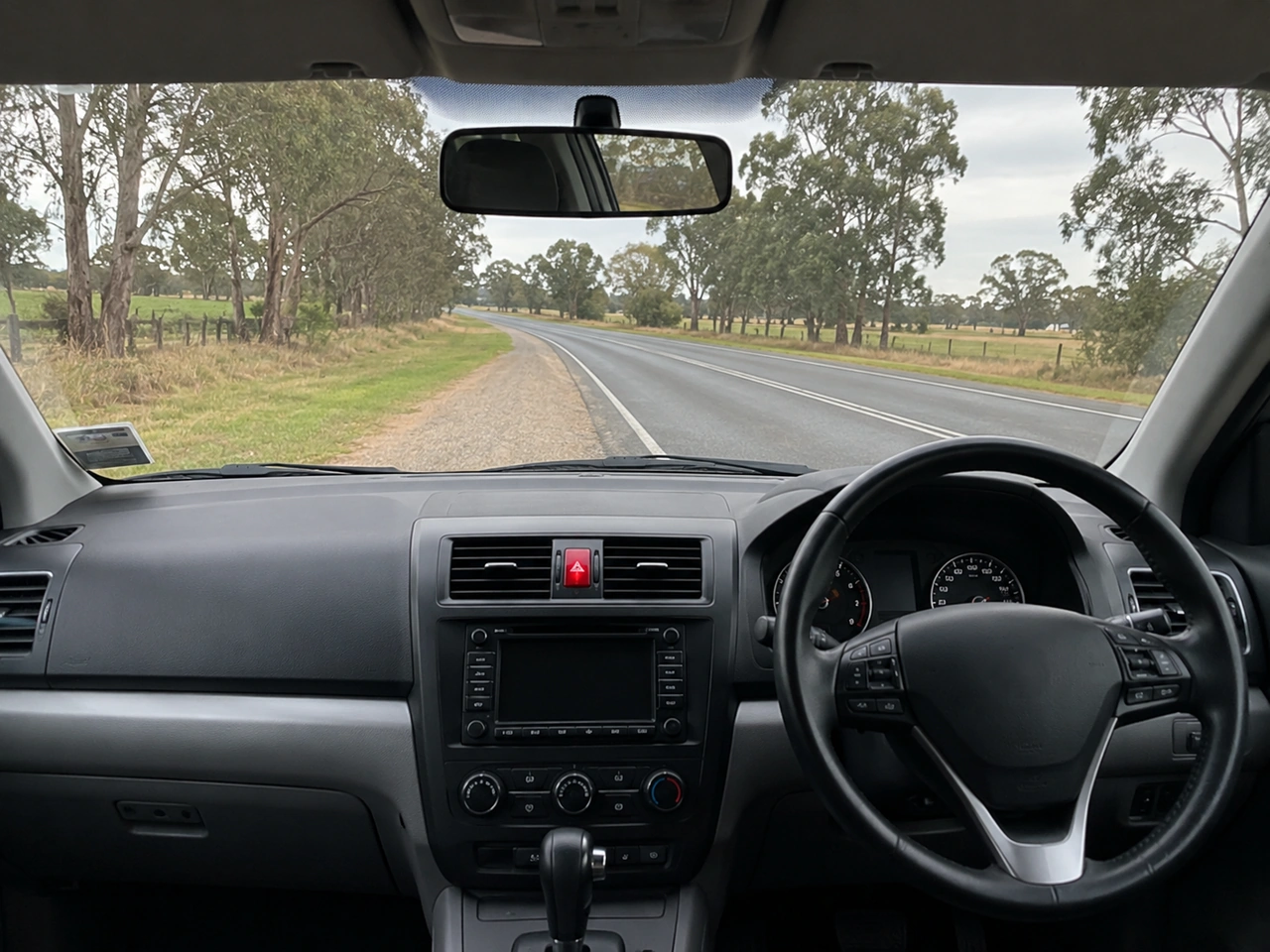
389. How should you leave a broken-down vehicle when traffic is passing nearby?
Leaving through the side away from traffic reduces the risk of being struck by a passing vehicle.
AI-generated by Traffic-rules.com • WCIT • CC BY-SA
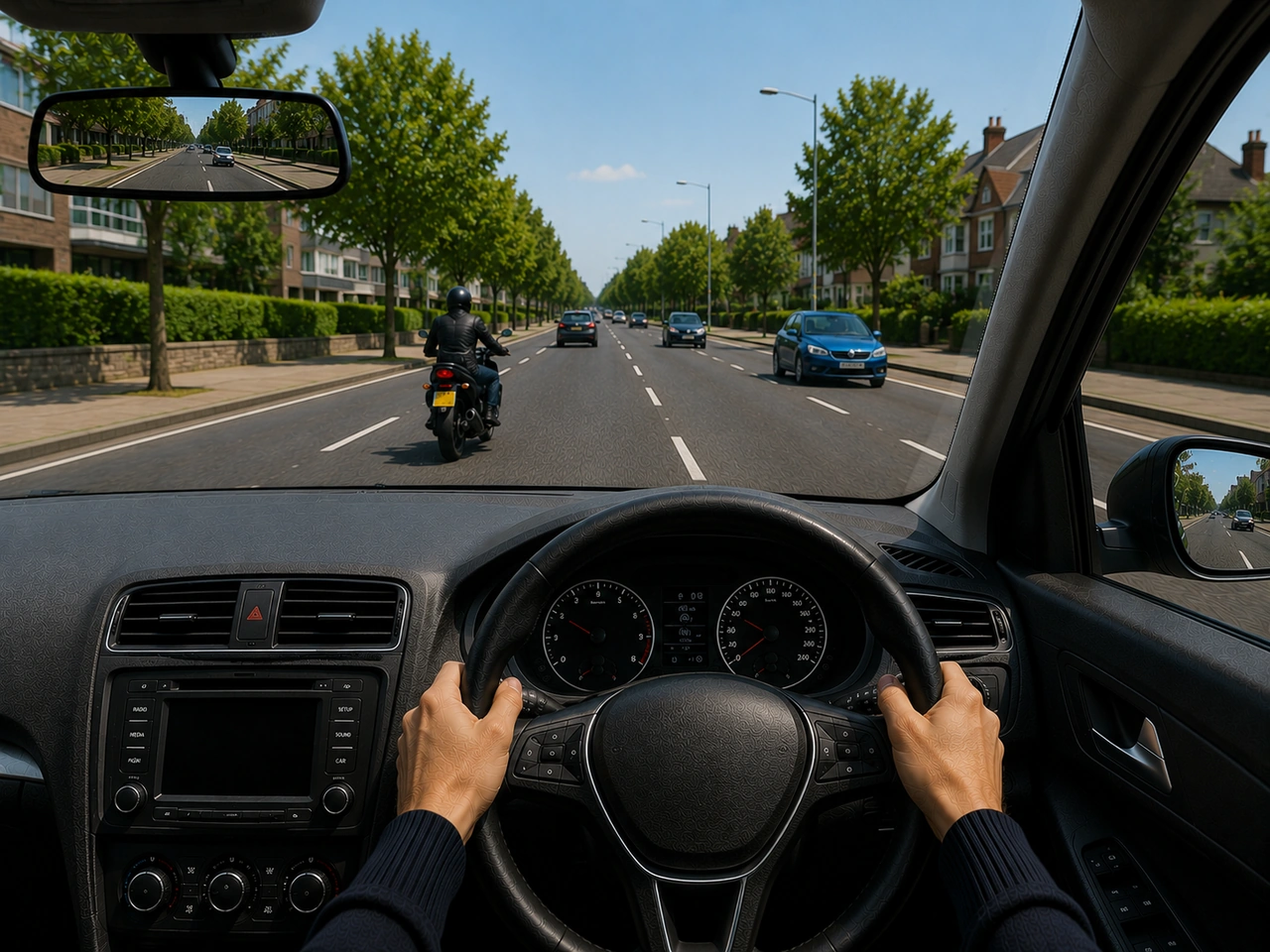
390. Why should you check for motorcyclists before changing lanes?
Motorcyclists are smaller and can be hidden in blind spots. Check mirrors, signal, and look carefully before changing lanes.
AI-generated by Traffic-rules.com • WCIT • CC BY-SA
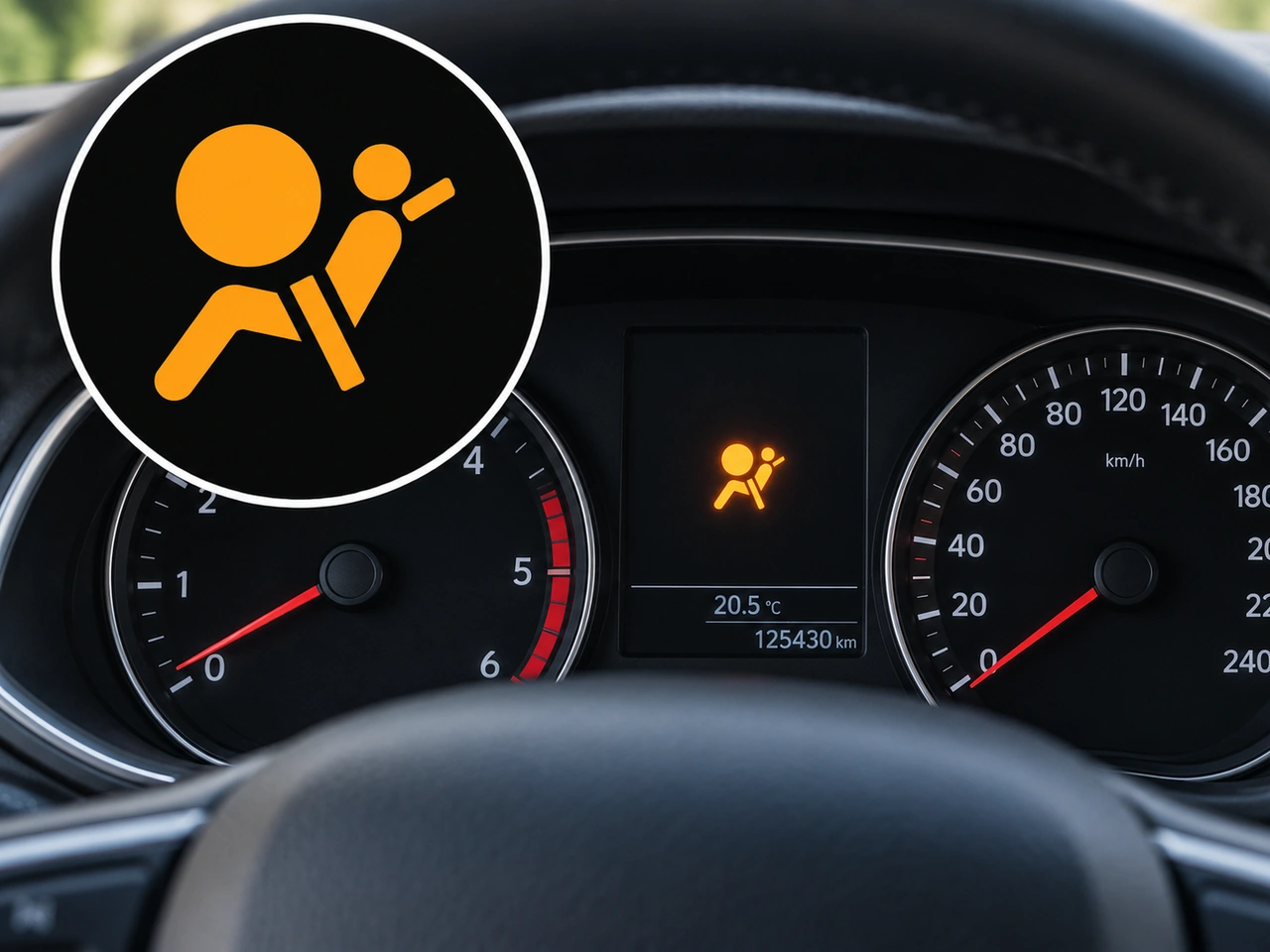
391. What does this dashboard symbol indicate?
This symbol indicates a possible fault in the airbag or supplementary restraint system. If it remains illuminated while driving, the system should be checked because one or more airbags or seat-belt pretensioners may not operate correctly in a collision.
AI-generated by Traffic-rules.com • WCIT • CC BY-SA
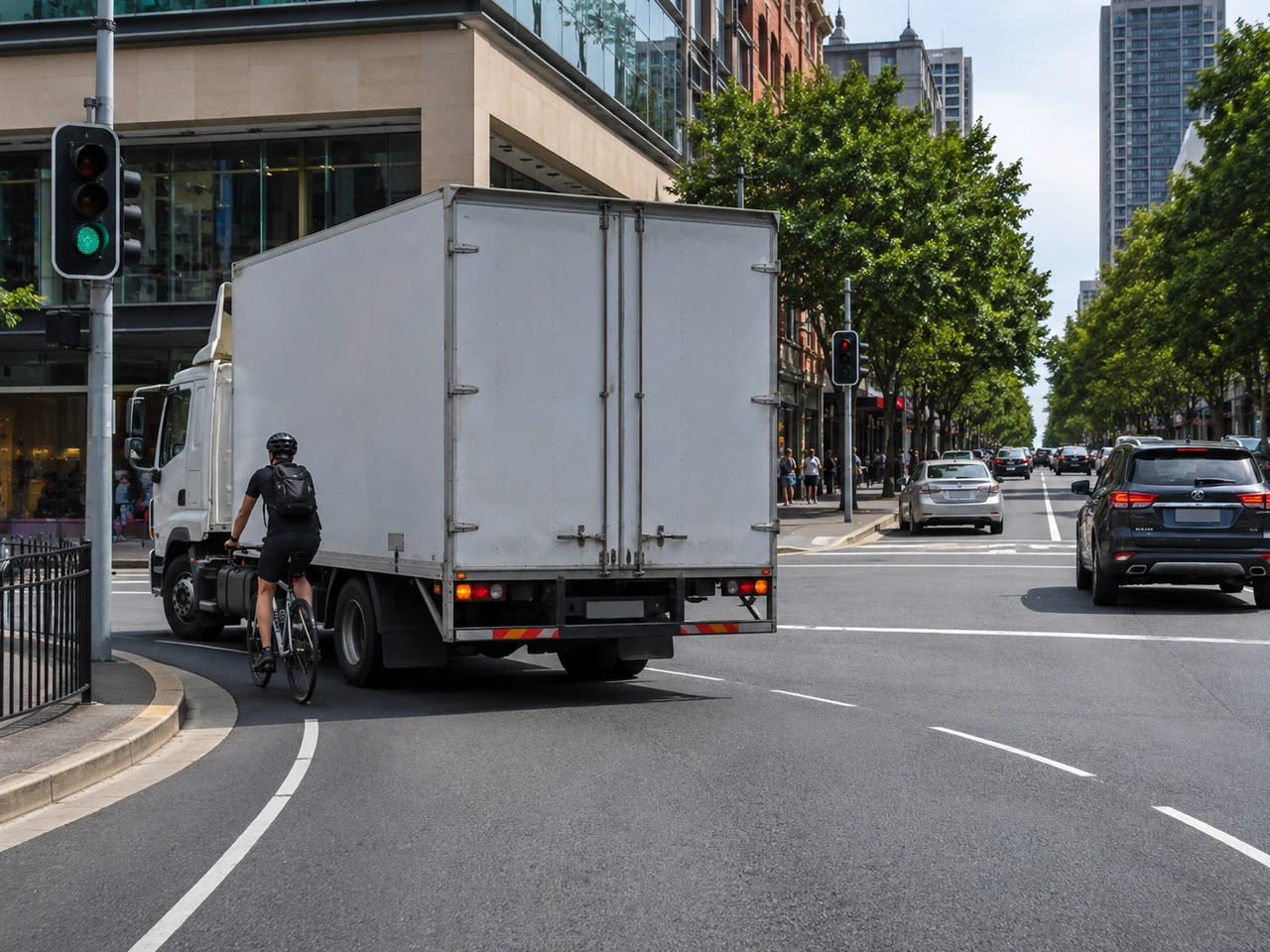
392. Why should cyclists avoid riding in a large vehicle's blind spot?
Buses and trucks have large areas where the driver cannot see cyclists, especially beside the vehicle and near turns.
AI-generated by Traffic-rules.com • WCIT • CC BY-SA
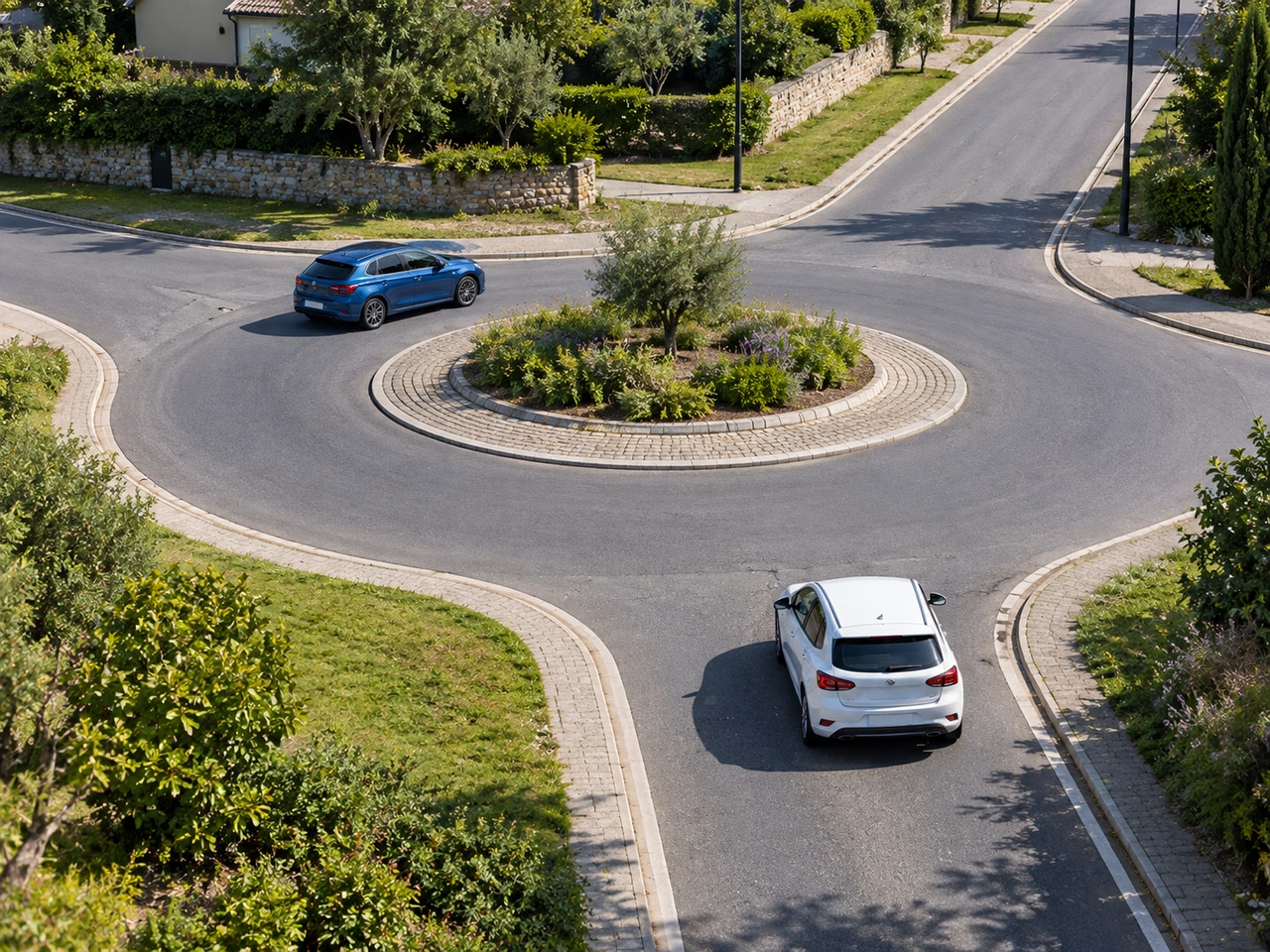
393. Who normally has priority at roundabouts in New Zealand?
In New Zealand, traffic entering a roundabout normally gives way to traffic already circulating.
AI-generated by Traffic-rules.com • WCIT • CC BY-SA
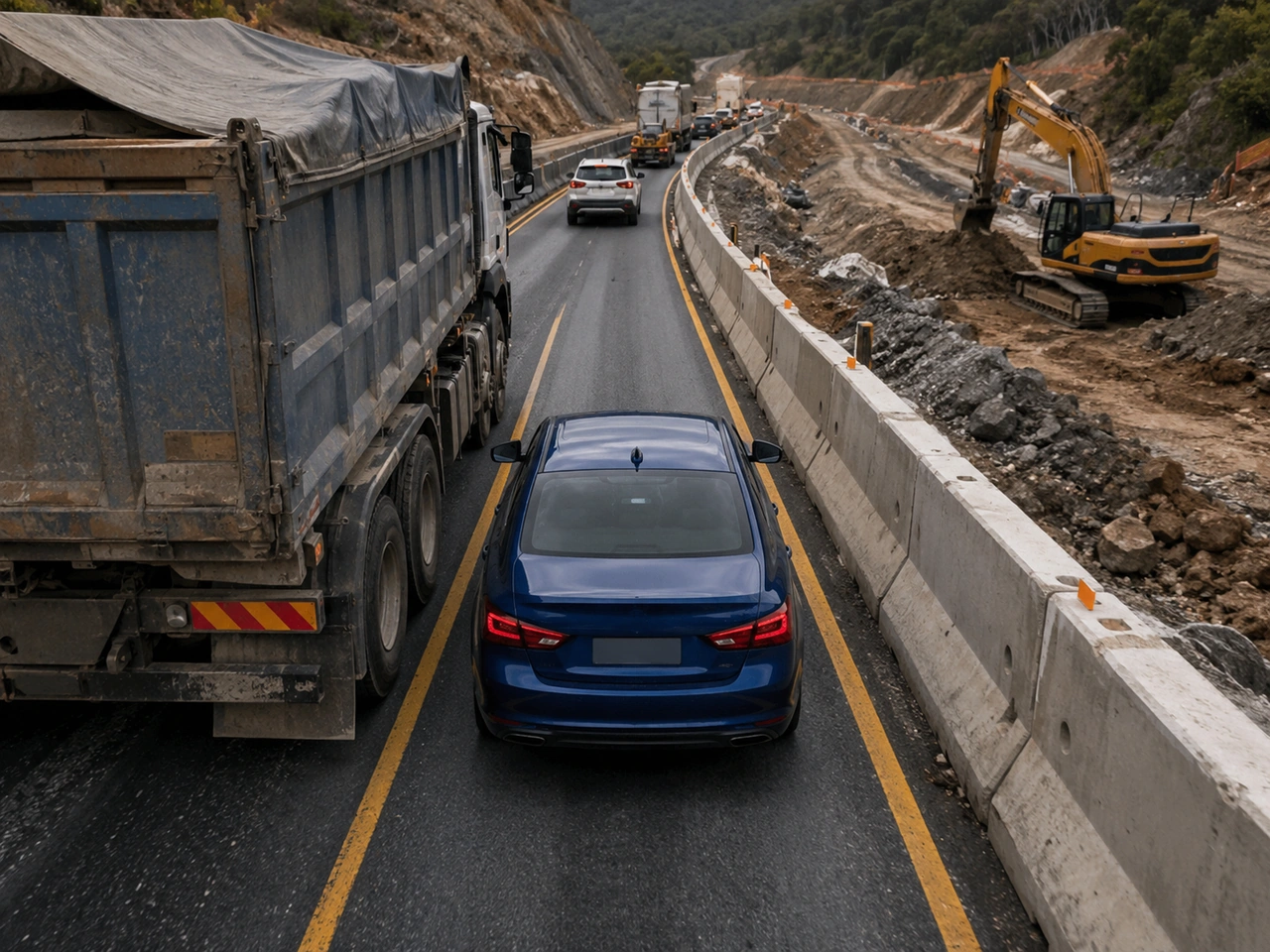
394. Why should you avoid unnecessary lane changes in roadworks?
Frequent lane changes create additional risk where space is limited and drivers are already adapting to temporary layouts.
AI-generated by Traffic-rules.com • WCIT • CC BY-SA
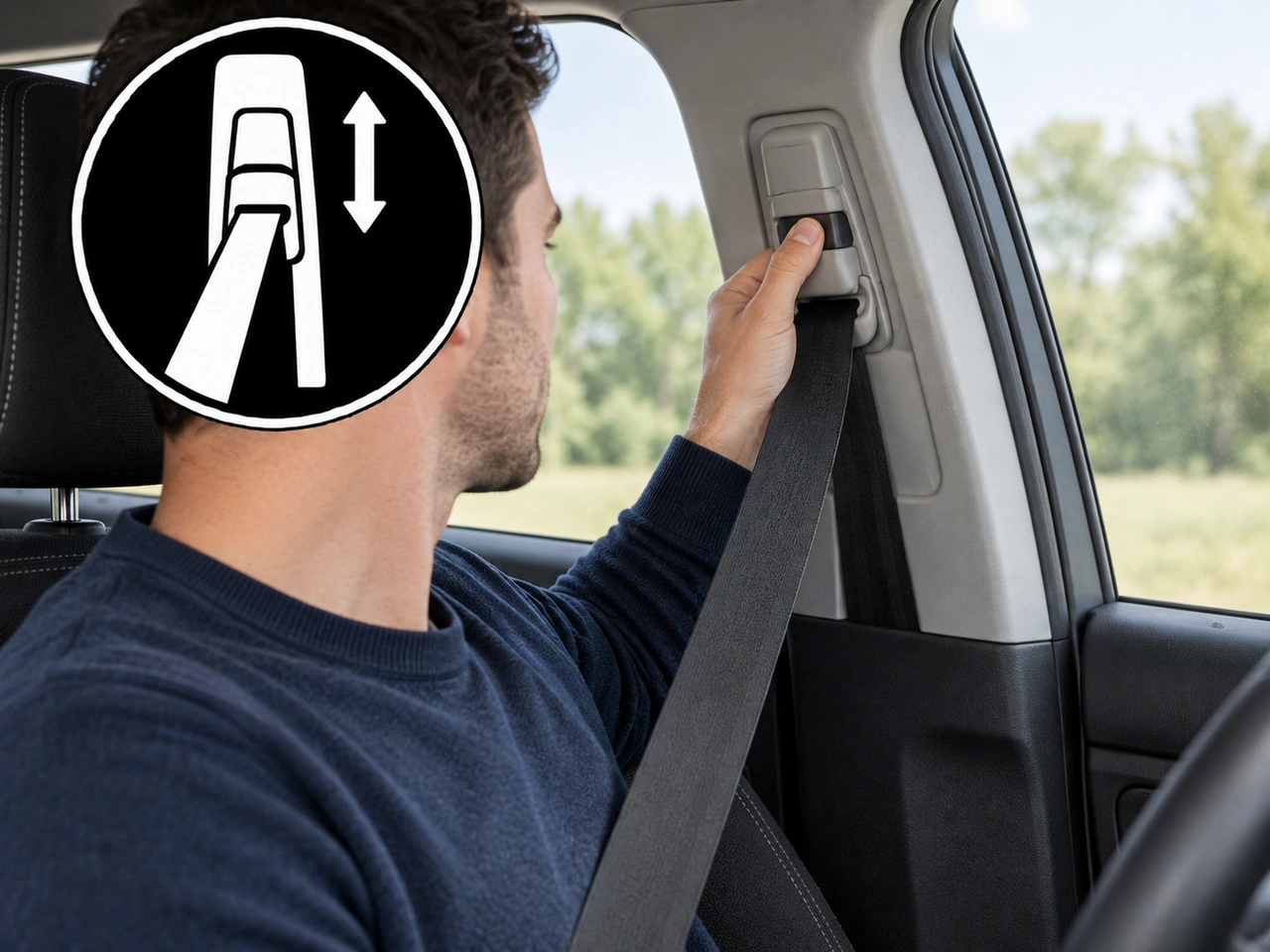
395. Why should the seat-belt height be adjusted correctly?
The seat-belt height adjustment helps position the shoulder belt correctly across the chest and shoulder. It should not run across the neck or under the arm.
AI-generated by Traffic-rules.com • WCIT • CC BY-SA
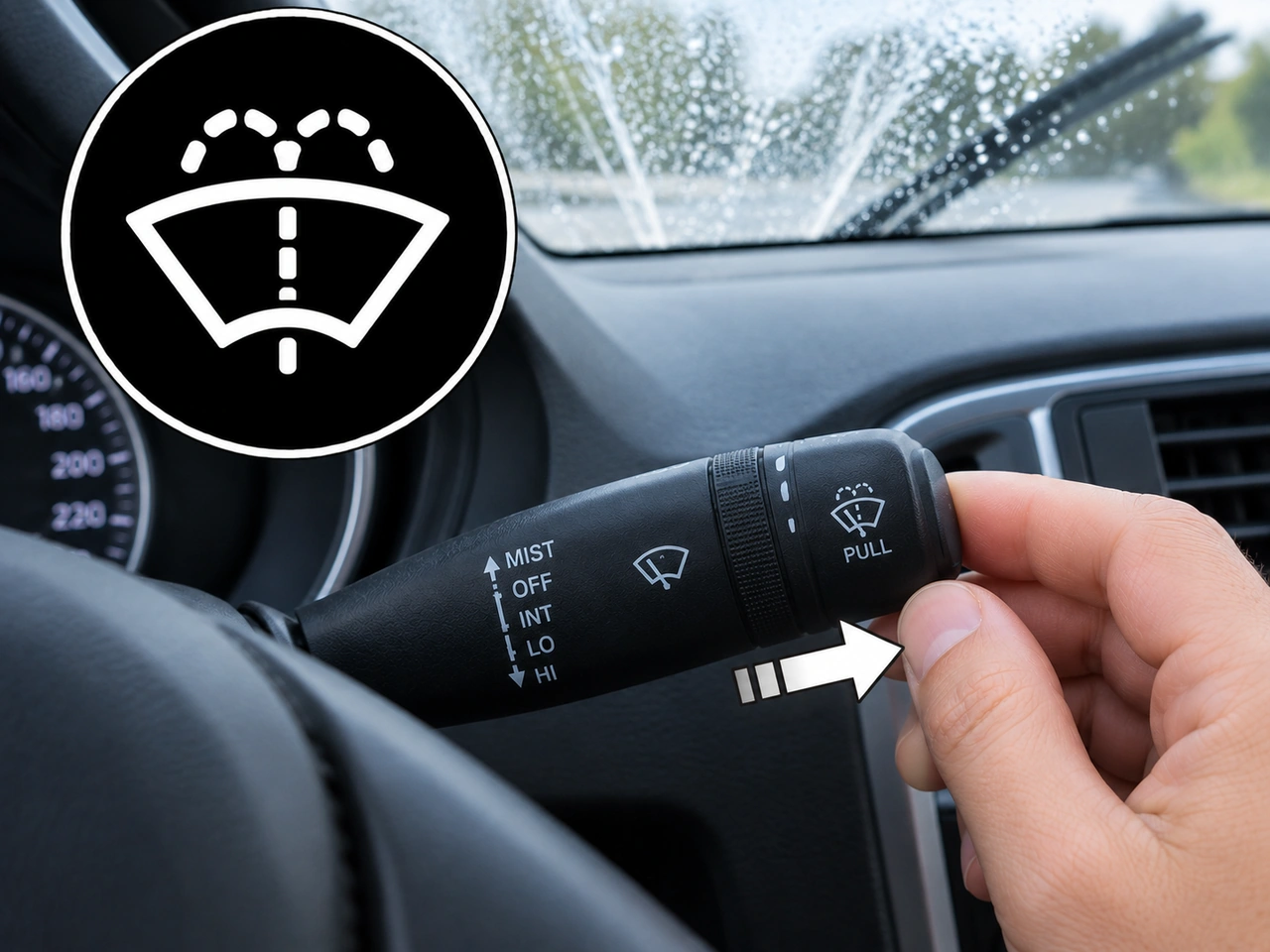
396. What does this vehicle-control symbol indicate?
This symbol indicates the windscreen washer. Operating the control sprays washer fluid onto the windscreen and normally activates the wipers to help clean the glass.
AI-generated by Traffic-rules.com • WCIT • CC BY-SA
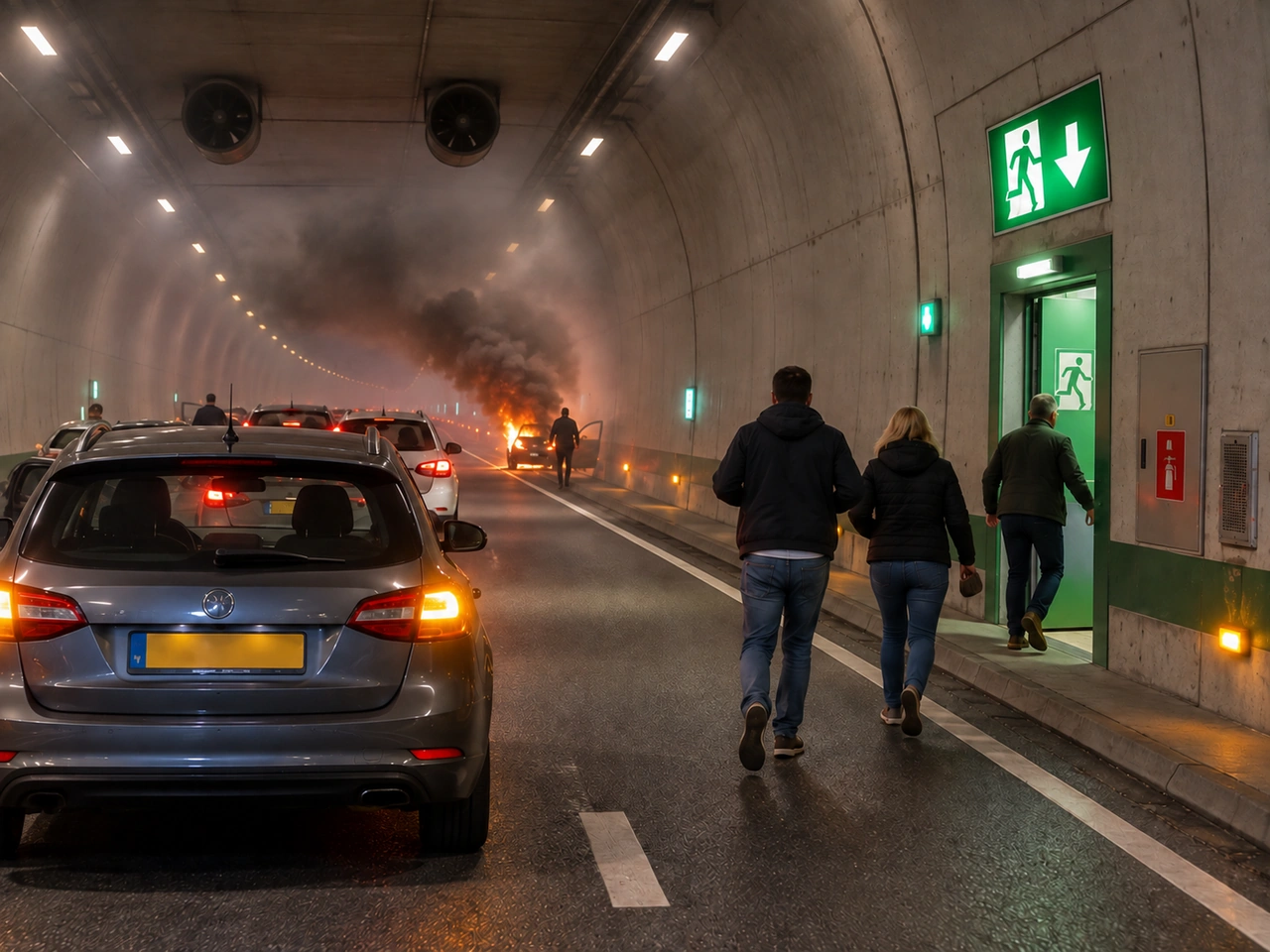
397. What should you do if you see smoke or fire inside a tunnel?
If it is safe to drive out of the tunnel, do so. If you cannot continue safely, stop, switch off the engine, leave the vehicle, and use the marked emergency exits or refuge routes. Follow tunnel-control instructions.
AI-generated by Traffic-rules.com • WCIT • CC BY-SA
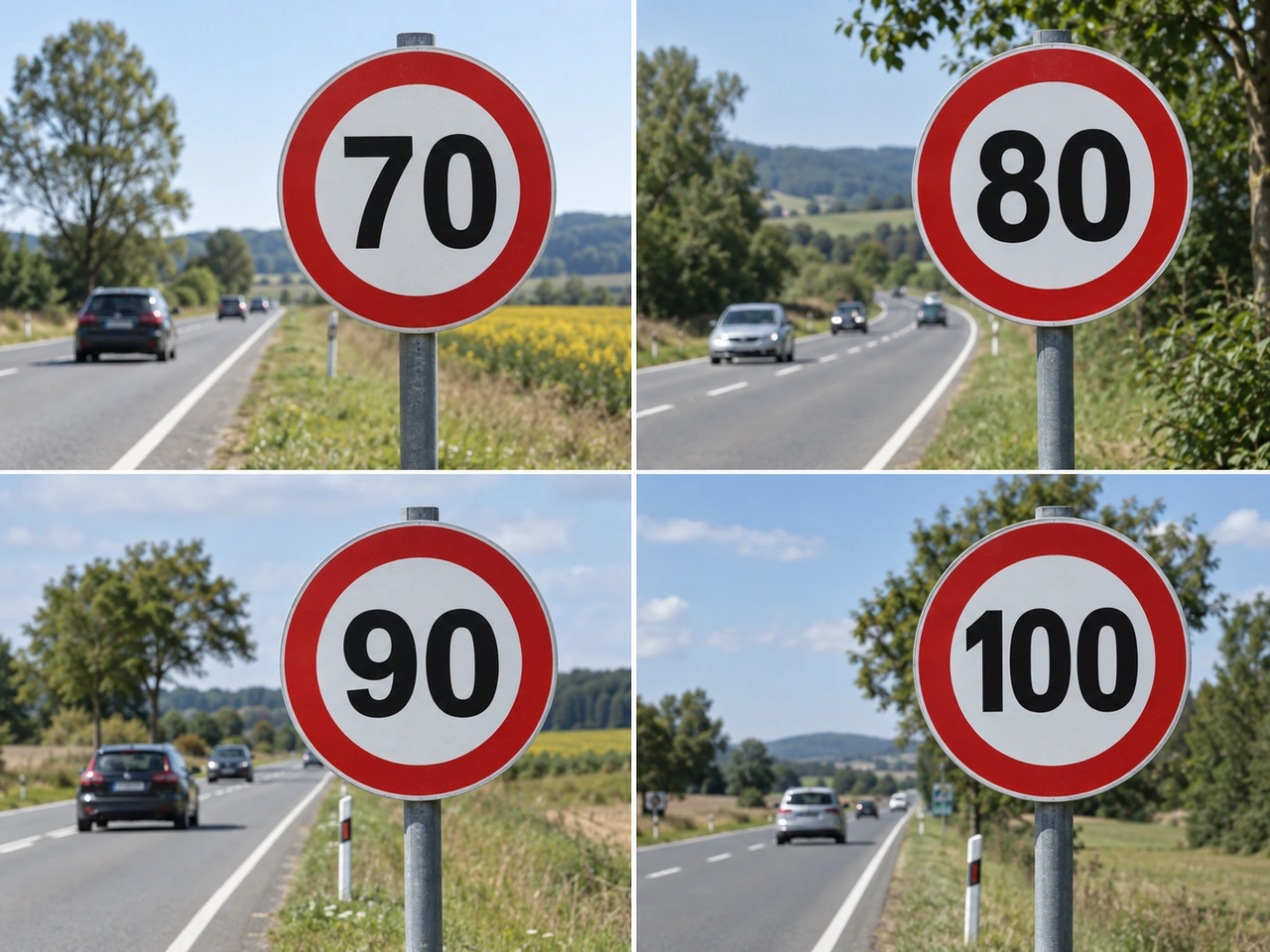
398. What is the general speed limit for cars on ordinary roads outside built-up areas in New Zealand?
In New Zealand, the general speed limit for cars on ordinary roads outside built-up areas is 100 km/h, unless signs indicate otherwise.
AI-generated by Traffic-rules.com • WCIT • CC BY-SA
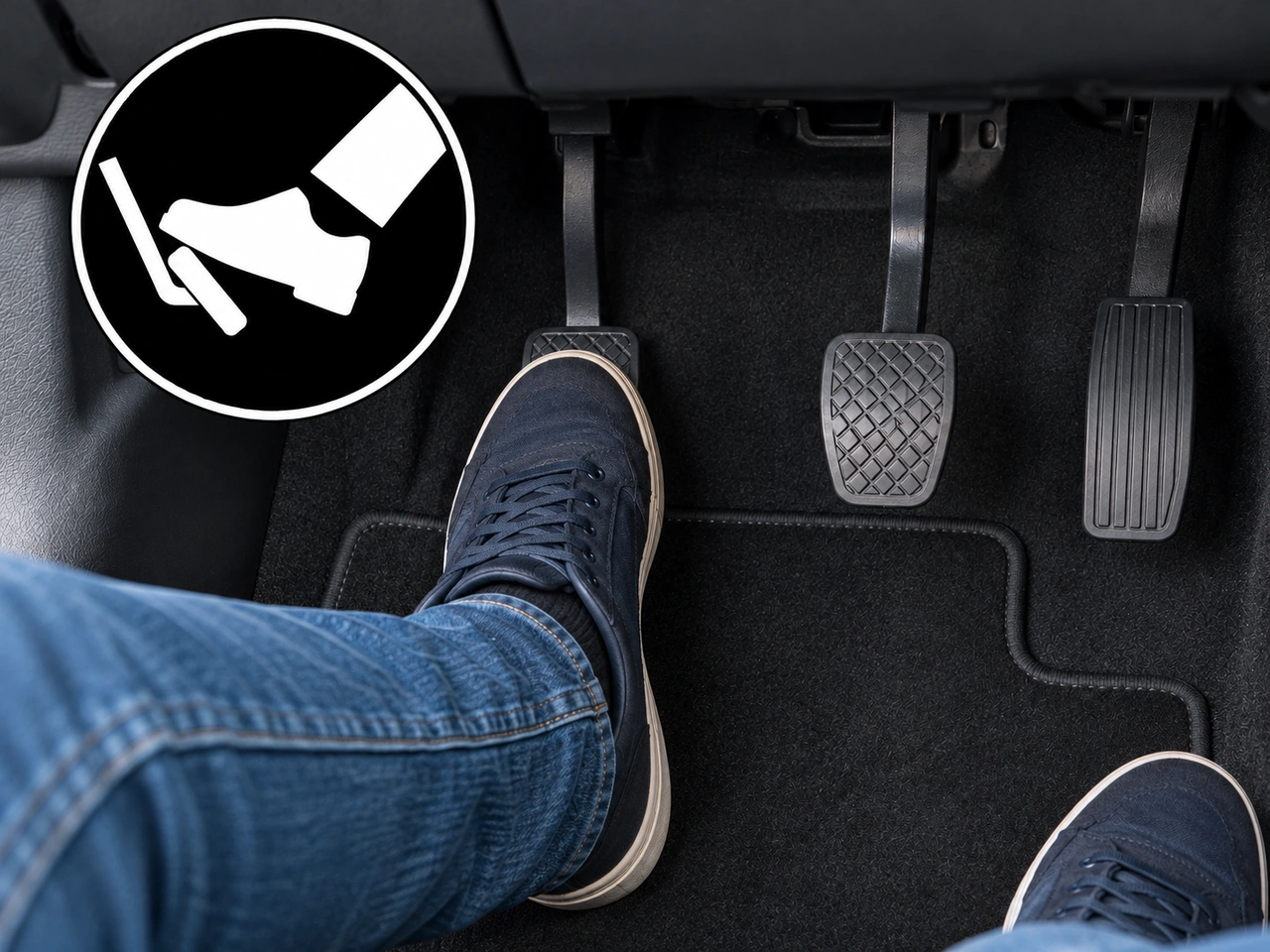
399. Why should you press the clutch pedal fully when changing gear?
Pressing the clutch pedal fully disengages the engine from the transmission, allowing the gear to be changed smoothly and reducing unnecessary wear on the gearbox and clutch.
AI-generated by Traffic-rules.com • WCIT • CC BY-SA
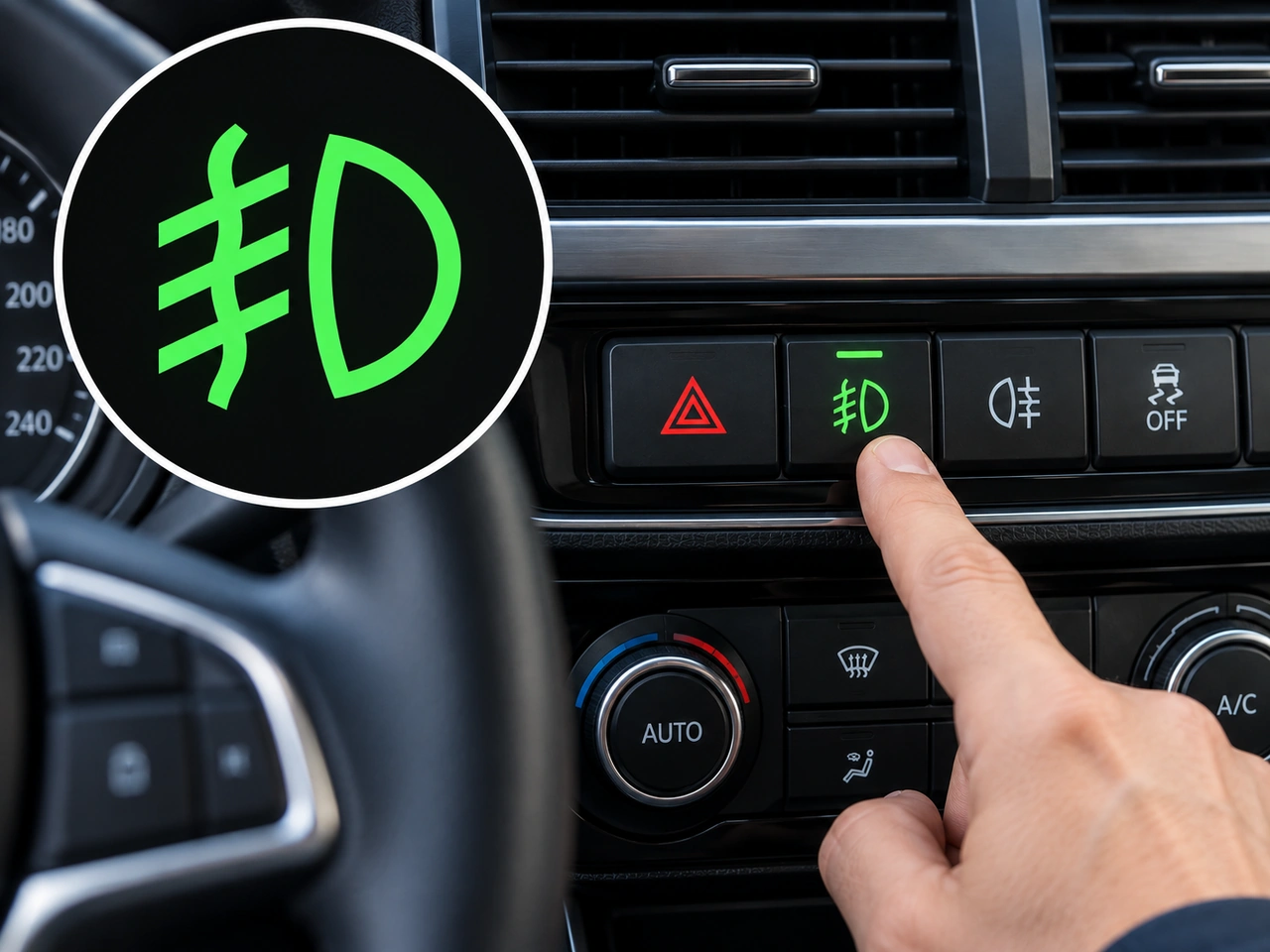
400. What does this dashboard symbol indicate?
This symbol indicates that the front fog lights are switched on. Front fog lights are designed to improve illumination close to the road in conditions of severely reduced visibility. Rules governing their use vary by country.
AI-generated by Traffic-rules.com • WCIT • CC BY-SA