


QuizTraffic rulesPanama
Test your knowledge with our multiple-choice quiz. Learn from each answer and improve your understanding of the traffic rules and road signs of Panama.
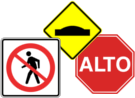 Traffic signs
 Traffic rules
 Panama
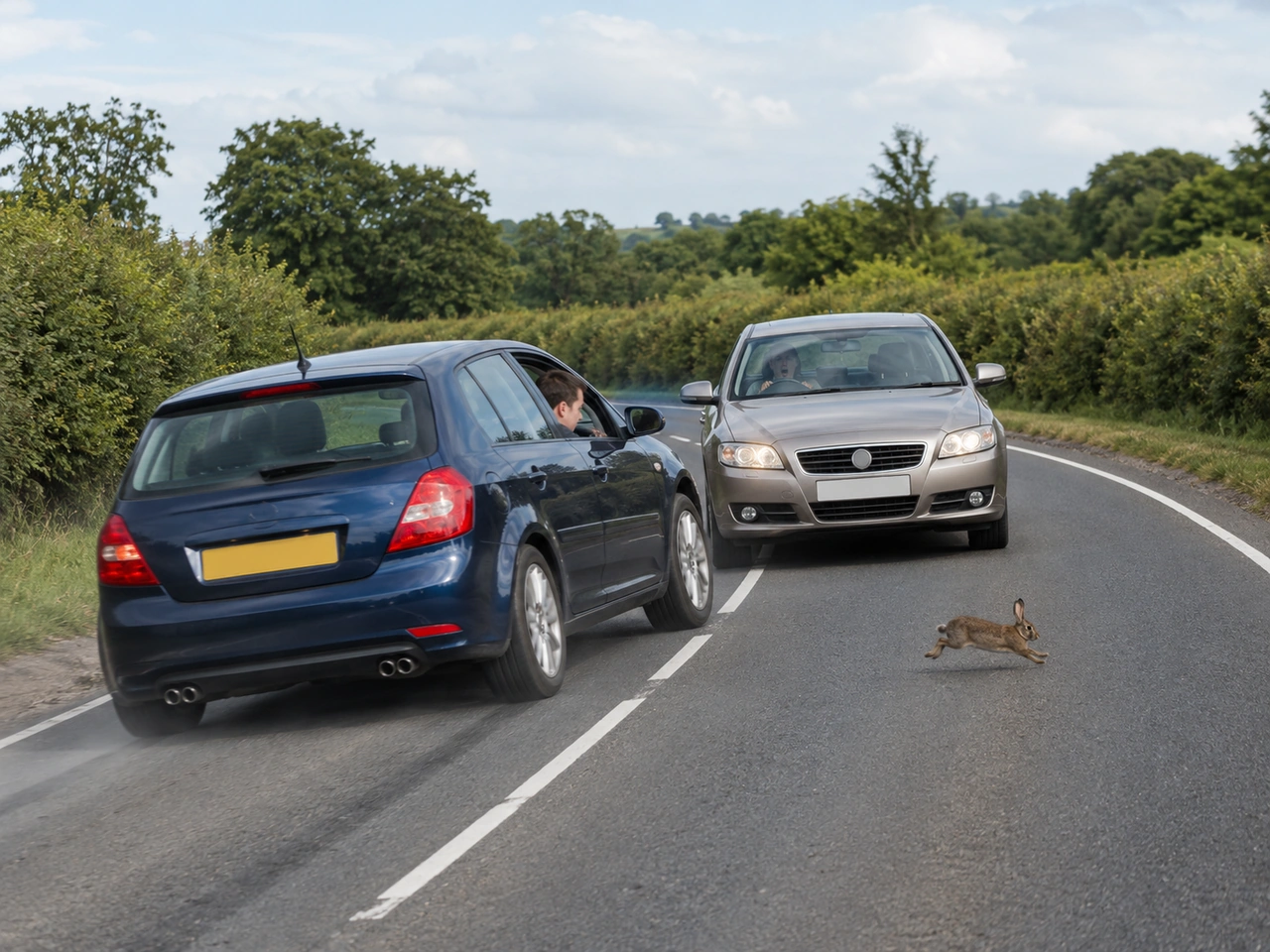
1. Why can swerving suddenly to avoid a small animal be dangerous?
A sudden swerve can take you into another lane, off the road, or into nearby traffic.
AI-generated by Traffic-rules.com • WCIT • CC BY-SA

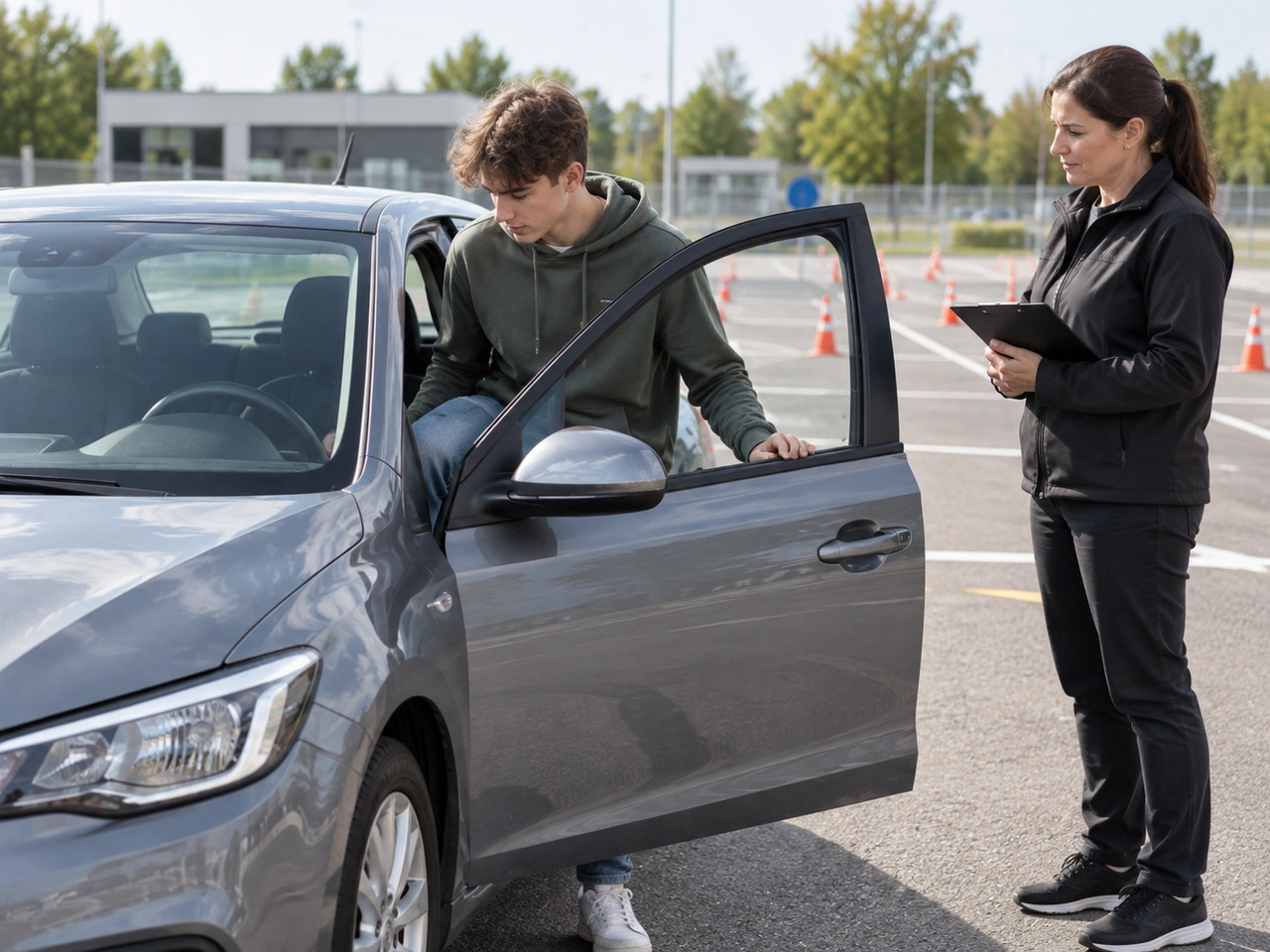
2. What is the minimum age for a standard car driving licence in Panama?
The minimum age for a standard car driving licence in Panama is 18 years.
AI-generated by Traffic-rules.com • WCIT • CC BY-SA
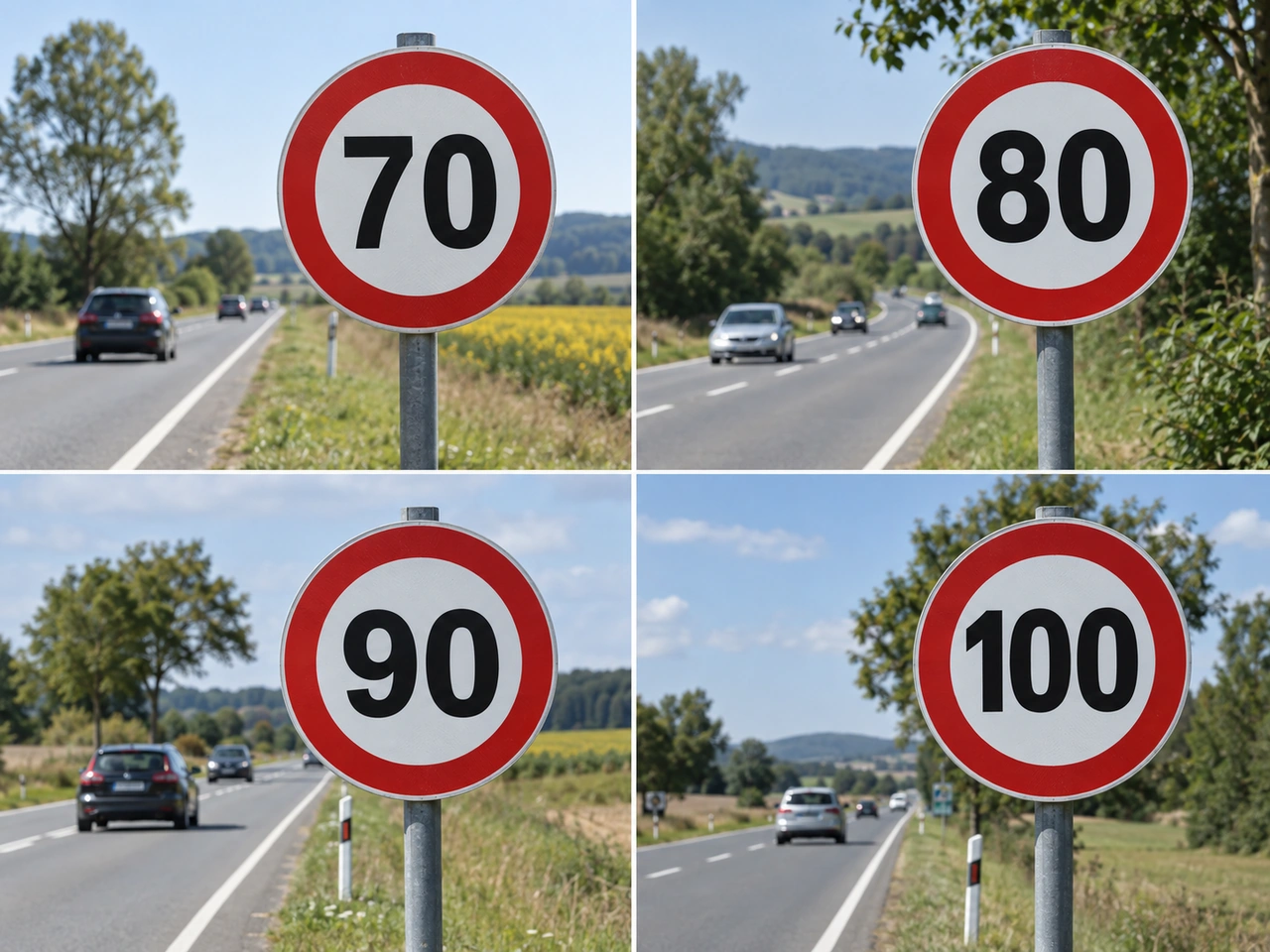
3. What is the general speed limit for cars on ordinary roads outside built-up areas in Panama?
In Panama, the general speed limit for cars on ordinary roads outside built-up areas is 100 km/h, unless signs indicate otherwise.
AI-generated by Traffic-rules.com • WCIT • CC BY-SA
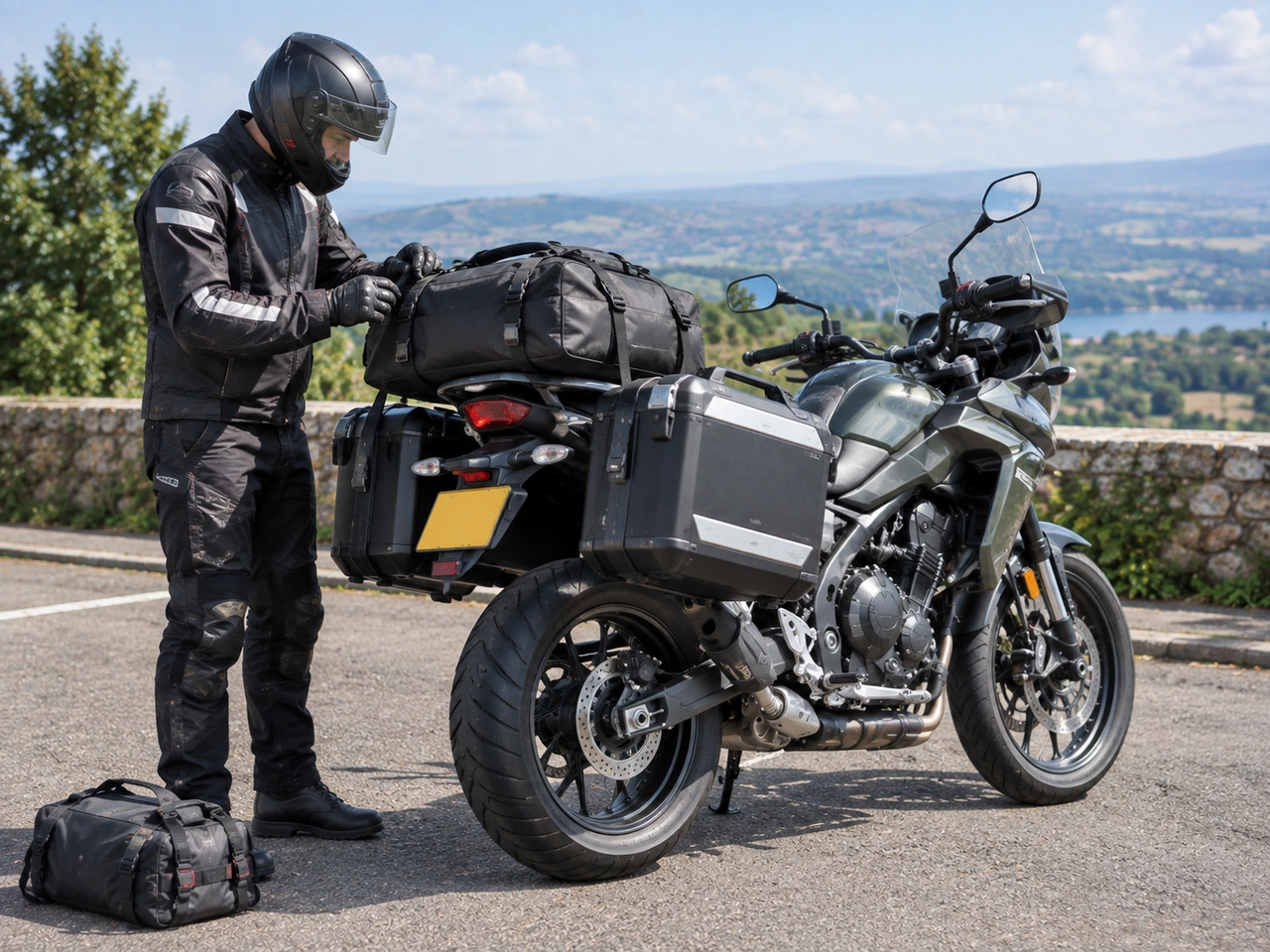
4. How should luggage be carried on a motorcycle?
Motorcycle luggage should be securely fastened and sensibly distributed. A loose, uneven or badly positioned load can affect balance, steering and braking, or become caught in moving parts.
AI-generated by Traffic-rules.com • WCIT • CC BY-SA
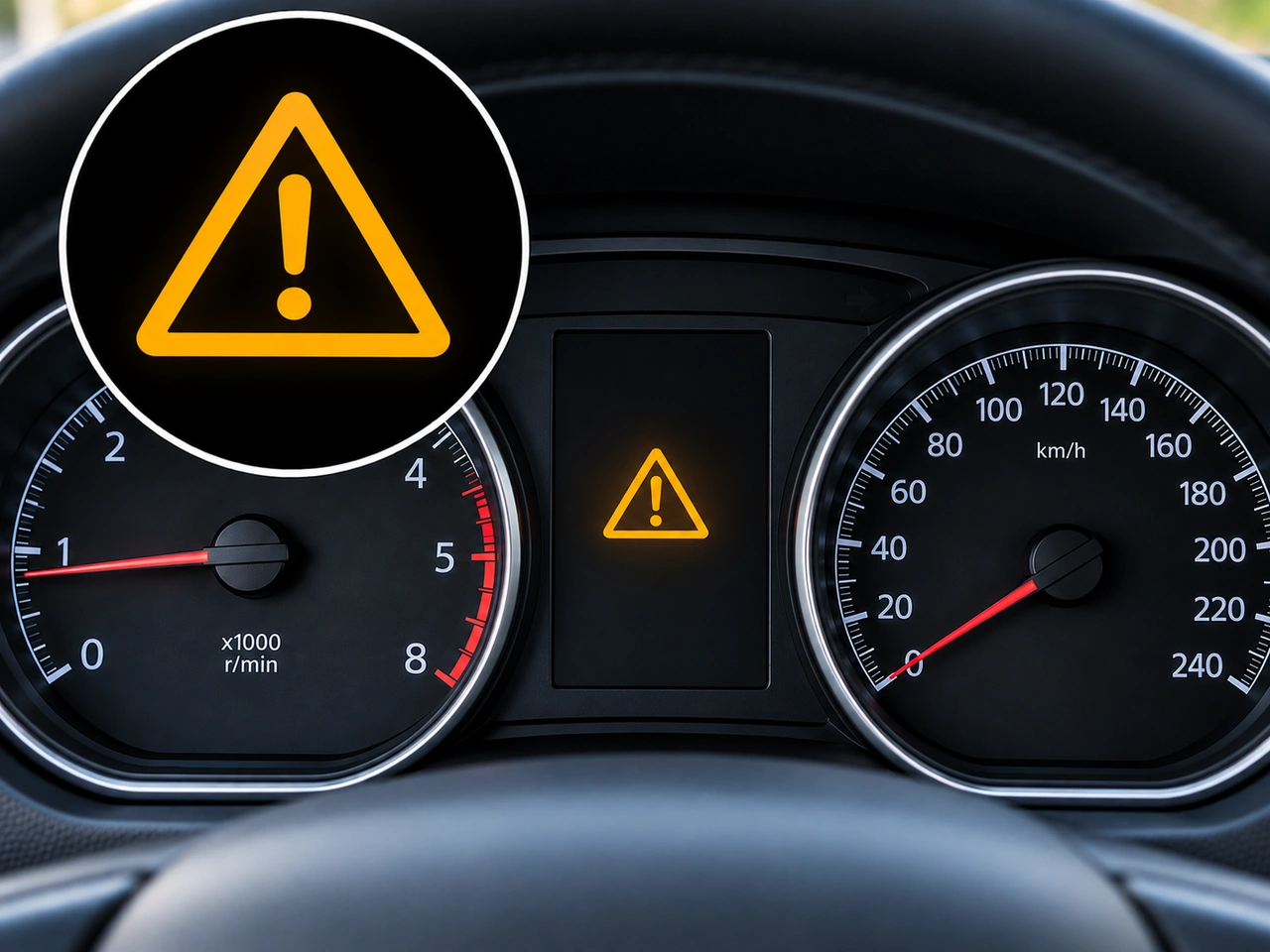
5. What does this dashboard symbol indicate?
This is a general or master warning symbol. It indicates that the vehicle has detected a condition requiring attention and is often accompanied by a message or another warning on the instrument display.
AI-generated by Traffic-rules.com • WCIT • CC BY-SA
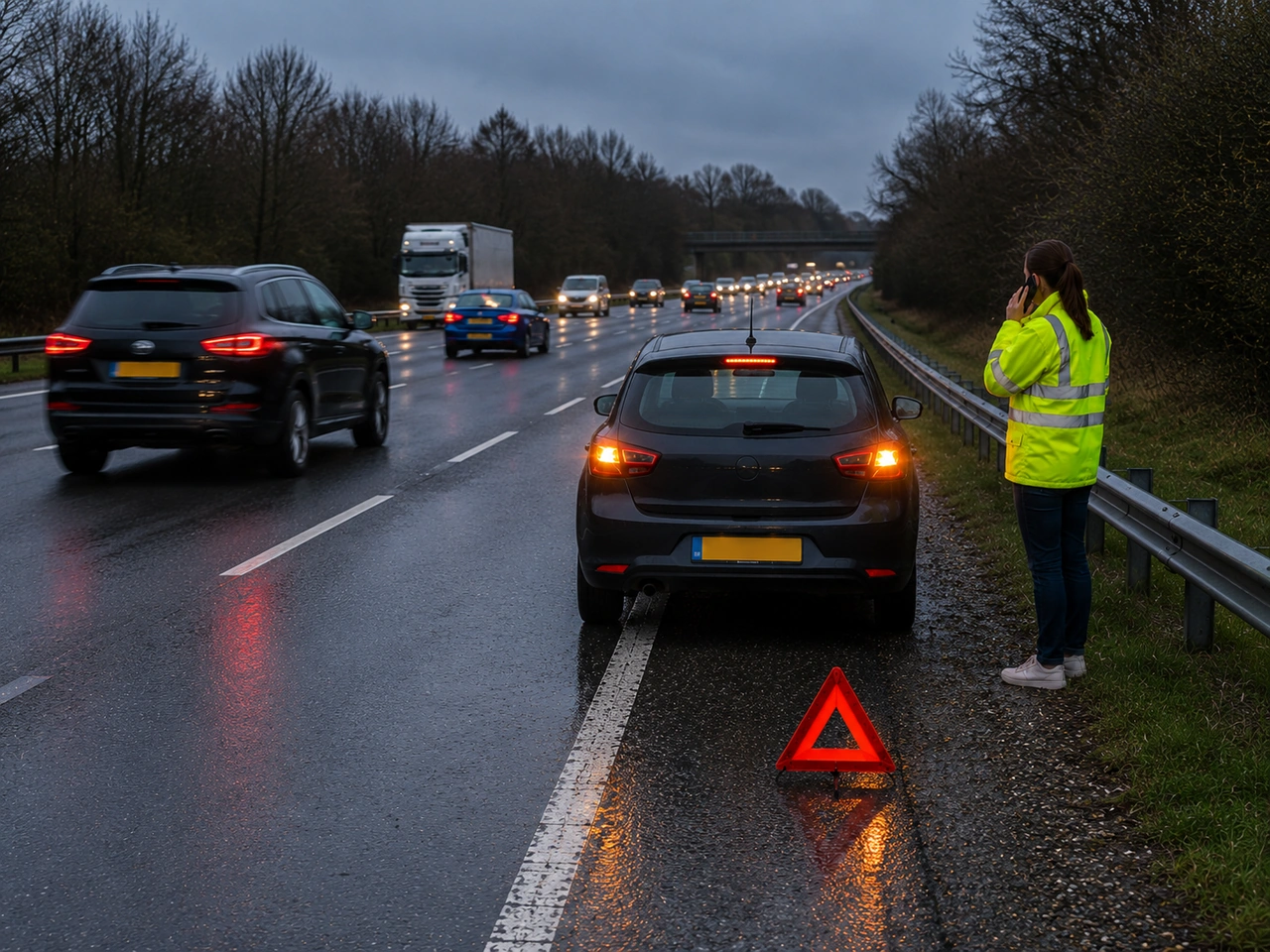
6. What information is needed when requesting emergency assistance?
Road numbers, junctions, location markers, direction of travel, and a clear description of the incident help assistance reach you quickly.
AI-generated by Traffic-rules.com • WCIT • CC BY-SA
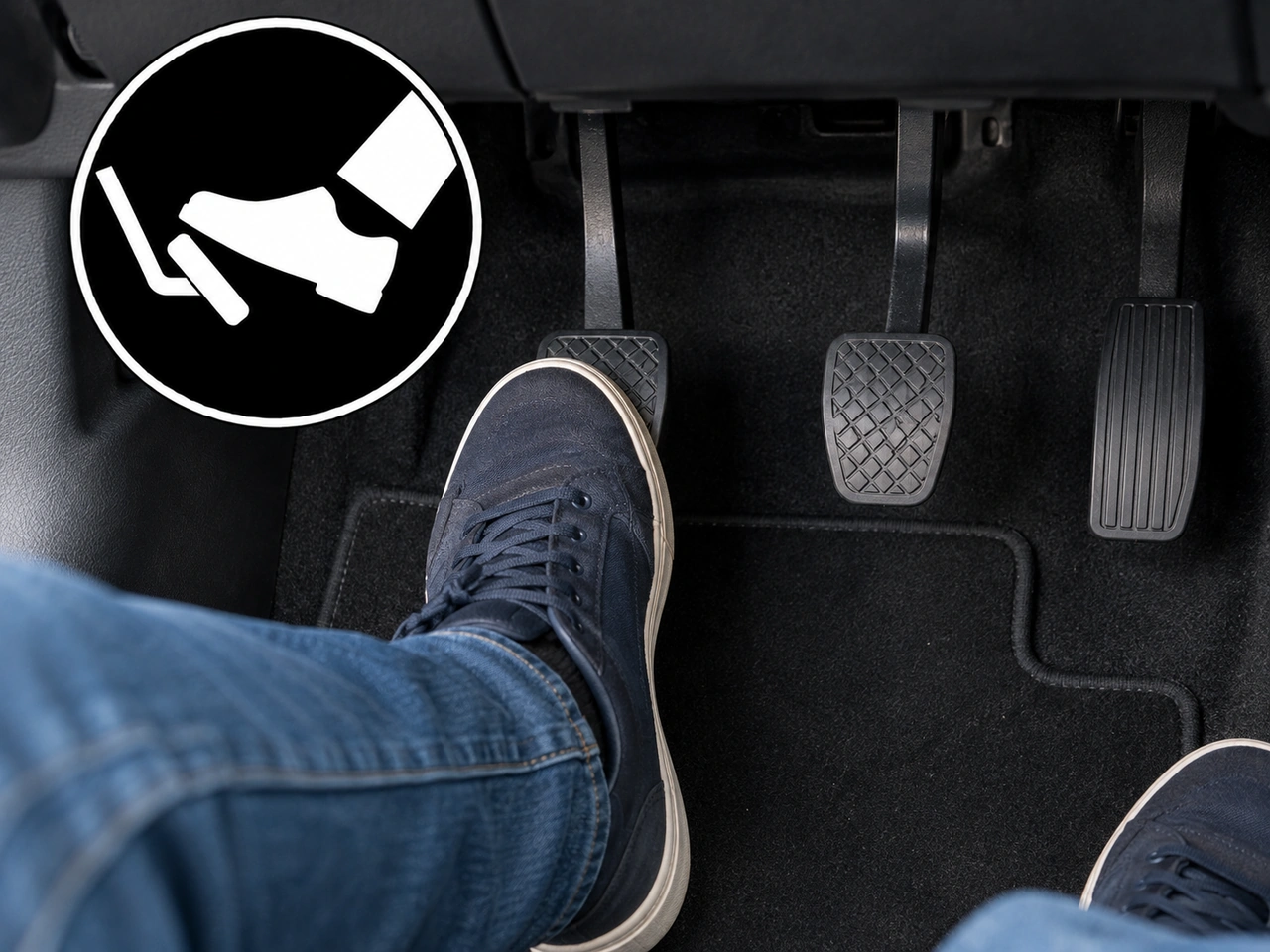
7. What is the purpose of the clutch pedal in a manual vehicle?
Pressing the clutch pedal temporarily disconnects the engine from the transmission, allowing the driver to change gear or stop without stalling the engine.
AI-generated by Traffic-rules.com • WCIT • CC BY-SA
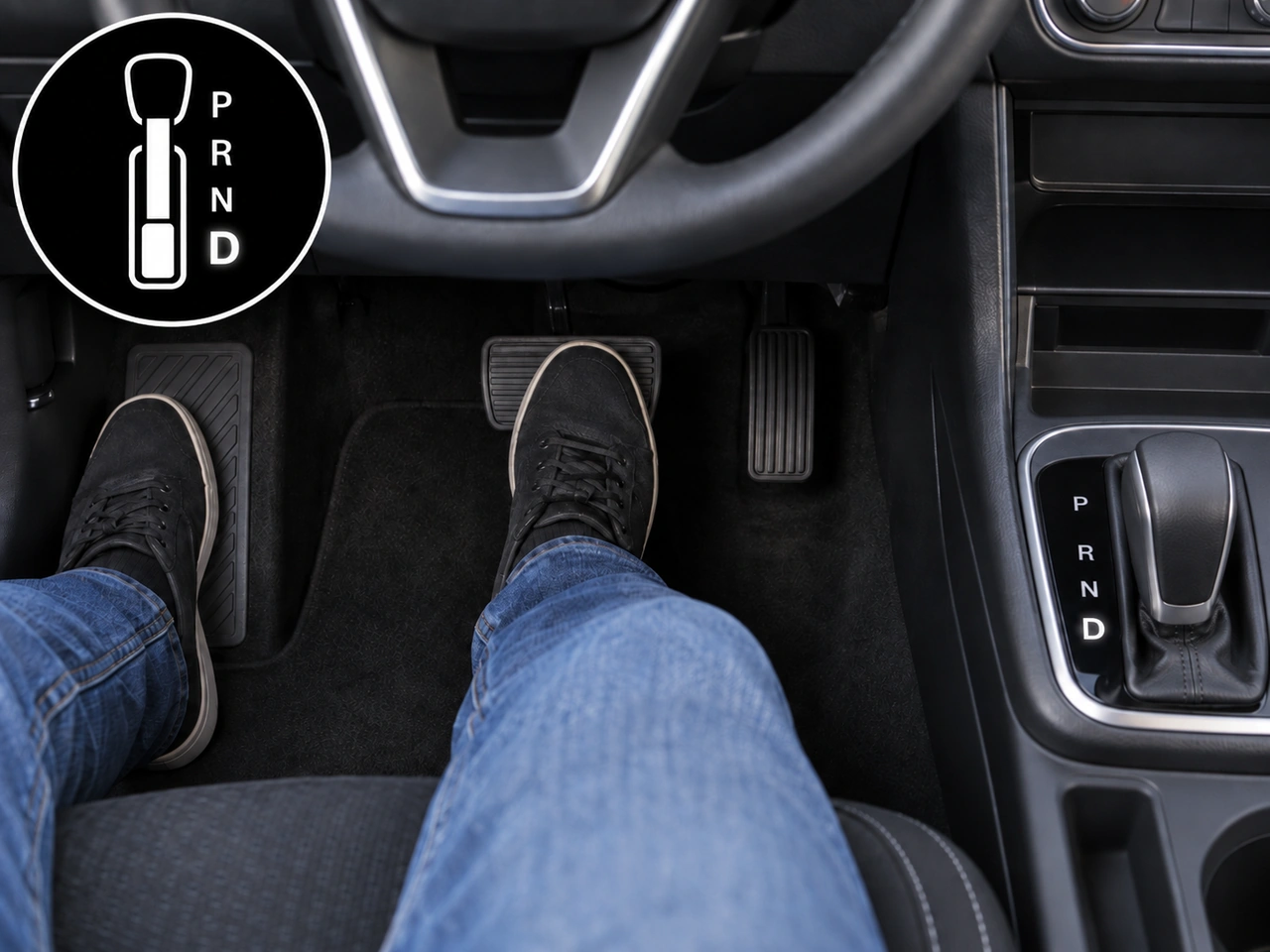
8. What should you do when an automatic vehicle is stationary in D?
An automatic vehicle may creep forward when D (Drive) is selected, even without pressing the accelerator. Keep the brake pedal pressed while stationary to prevent unintended movement.
AI-generated by Traffic-rules.com • WCIT • CC BY-SA
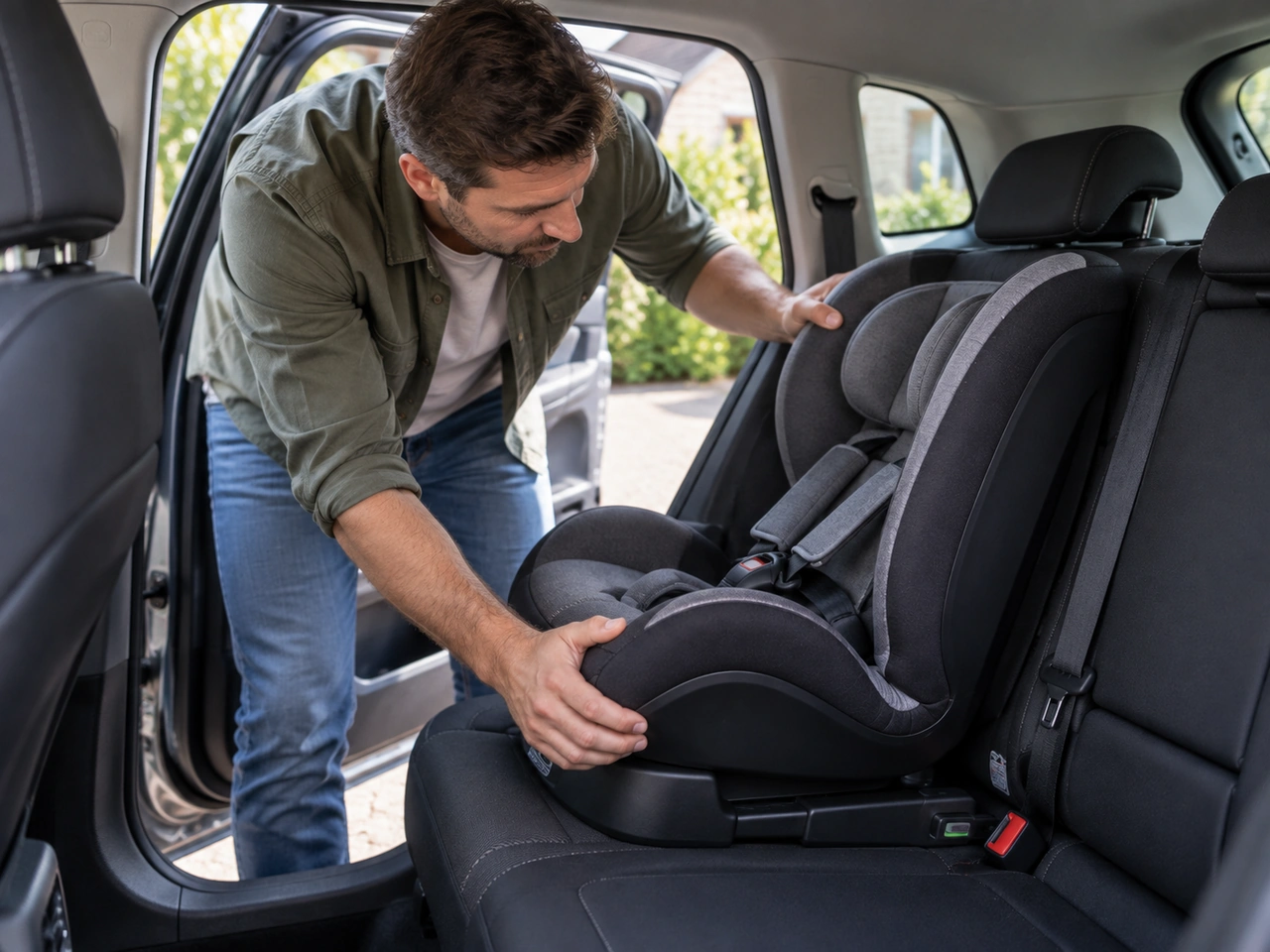
9. What should you check after fitting a child restraint?
A child restraint should be installed securely and used according to the manufacturer's instructions. Check that the seat is firmly attached, the belt or ISOFIX connection is correct, and the child is restrained properly before driving.
AI-generated by Traffic-rules.com • WCIT • CC BY-SA
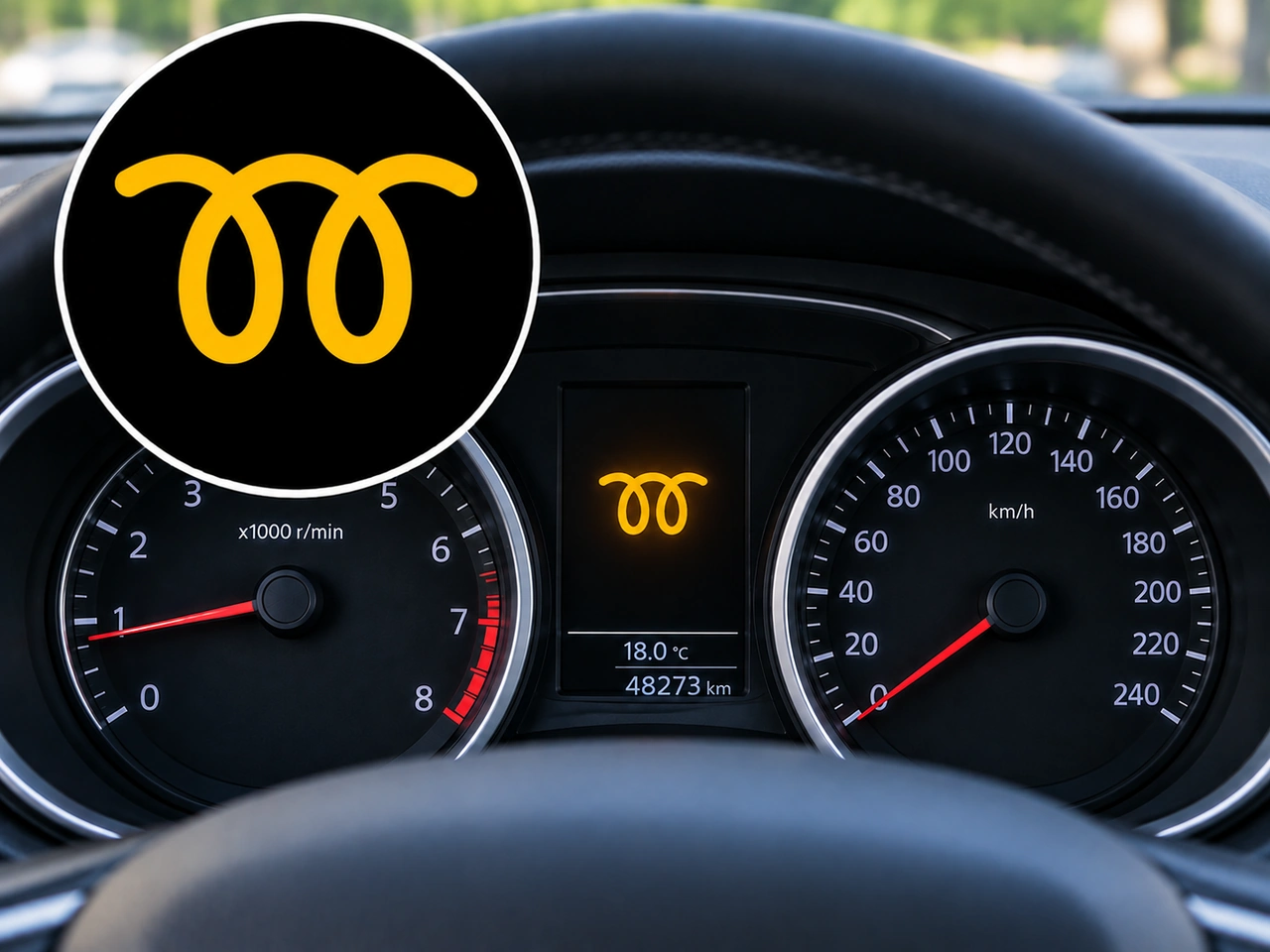
10. What does this dashboard symbol indicate?
This symbol indicates the diesel glow-plug preheating system. In a diesel vehicle, wait for the light to go out before starting the engine when required. If it remains illuminated or flashes while driving, it may indicate a fault.
AI-generated by Traffic-rules.com • WCIT • CC BY-SA
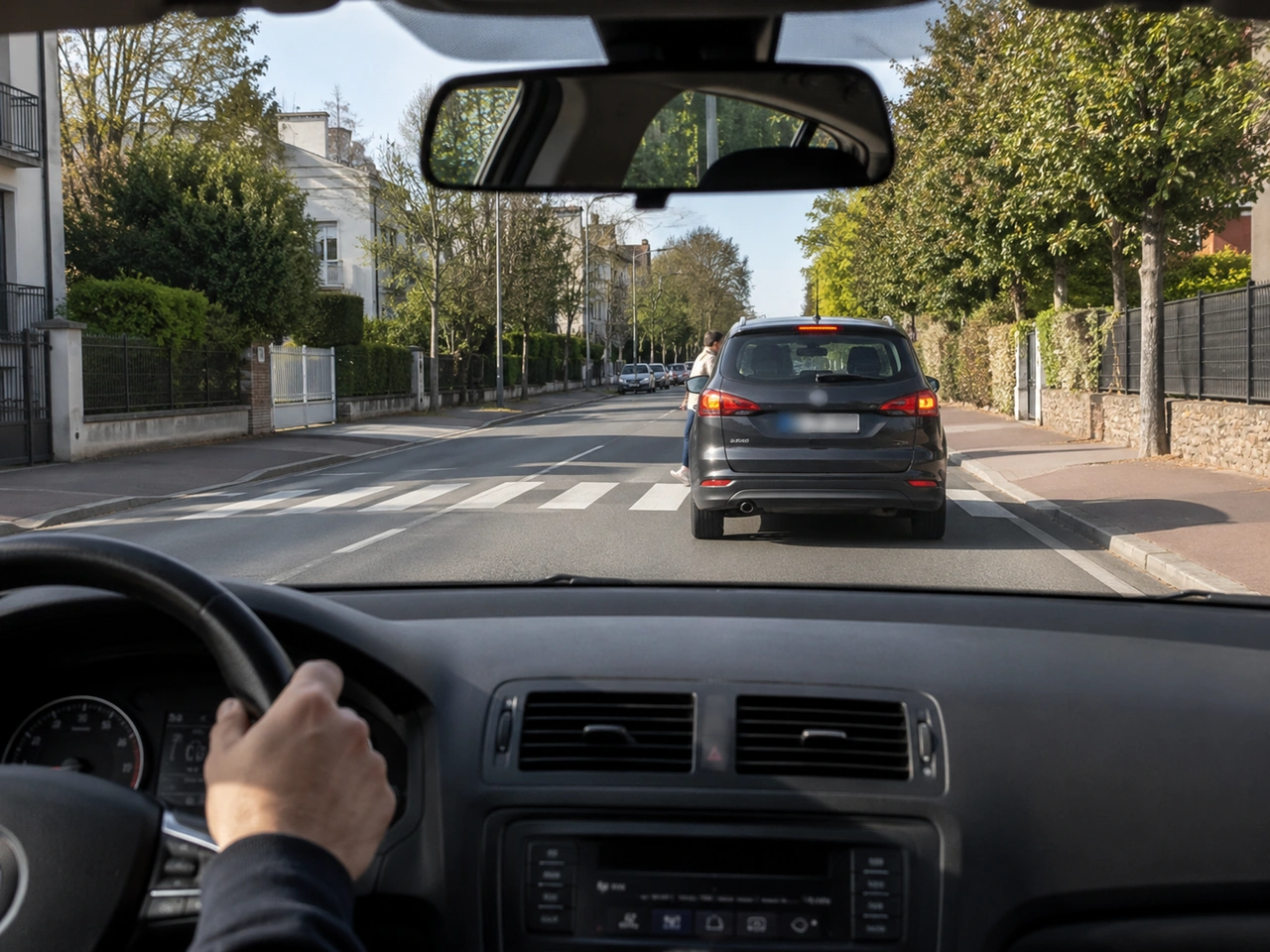
11. Why should you avoid overtaking when approaching a pedestrian crossing?
A vehicle slowing or stopping near a pedestrian crossing may be hiding someone who is crossing. Overtaking could put you directly into the pedestrian's path.
AI-generated by Traffic-rules.com • WCIT • CC BY-SA
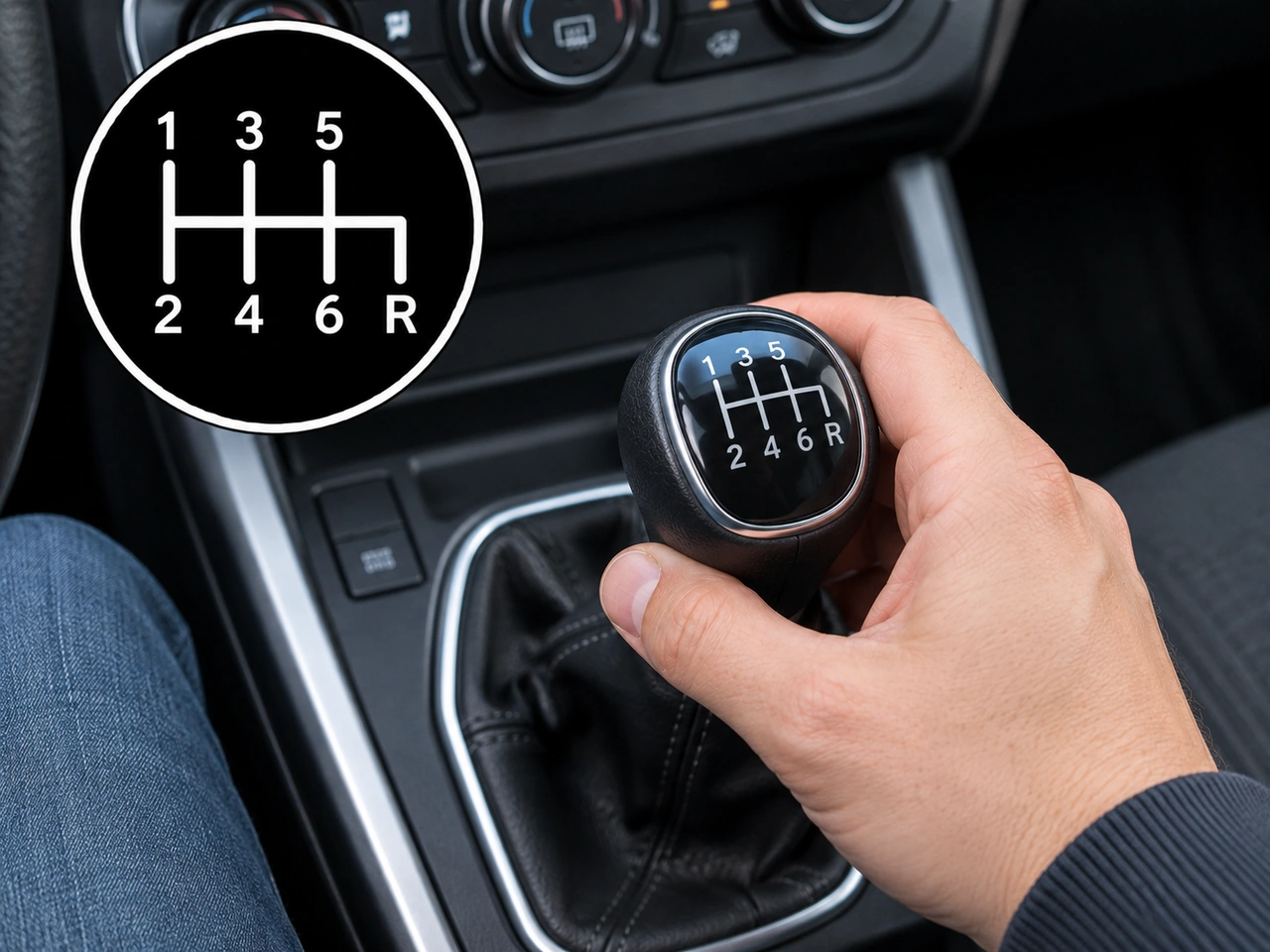
12. Which gear is normally used when moving off from a standstill?
1st gear is normally used when moving off from a standstill because it provides the greatest pulling power at low speed.
AI-generated by Traffic-rules.com • WCIT • CC BY-SA
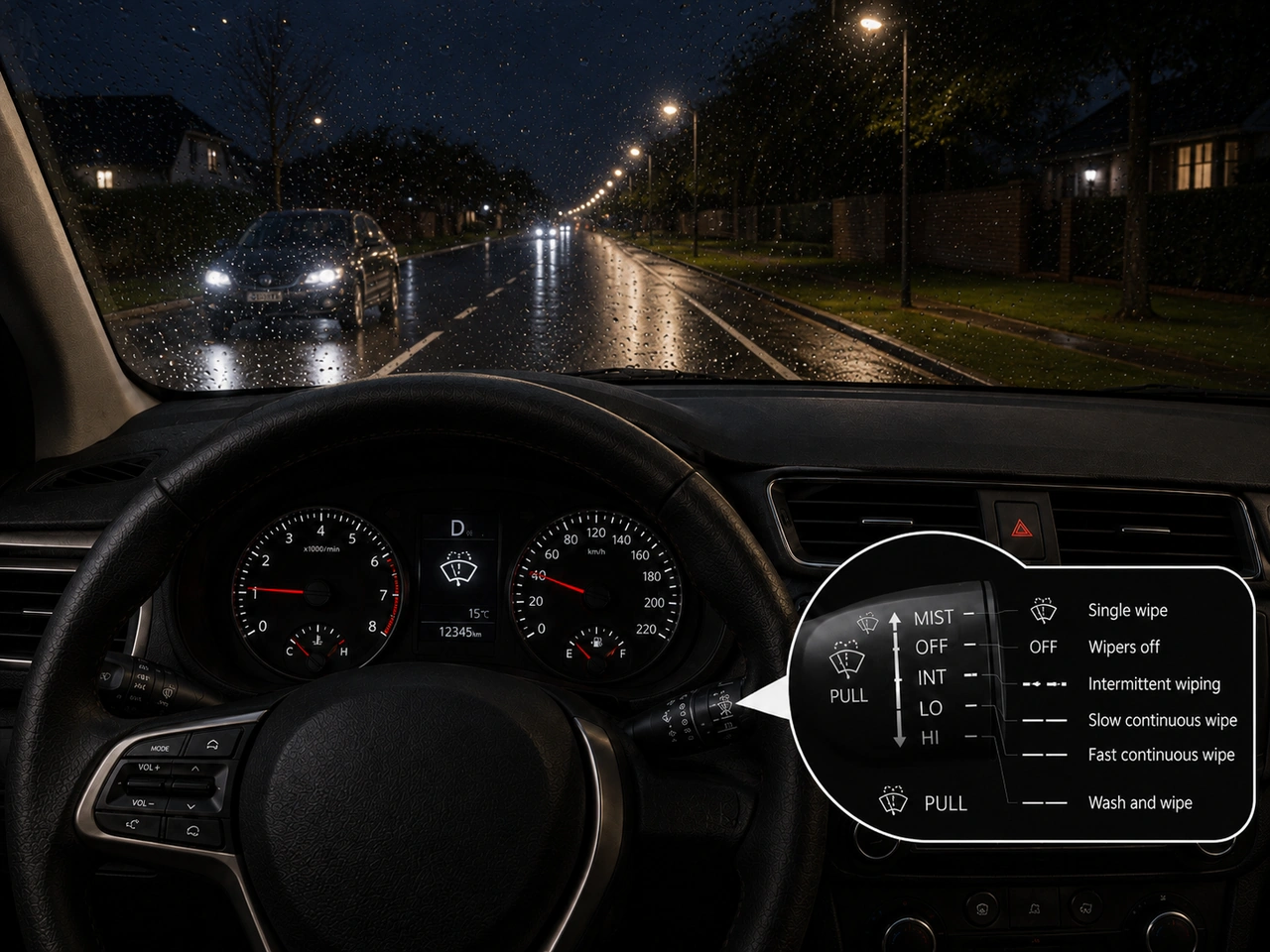
13. What should you do if the windscreen wipers stop working during heavy rain?
Do not continue when you cannot see clearly. Slow down smoothly and stop somewhere protected from traffic.
AI-generated by Traffic-rules.com • WCIT • CC BY-SA
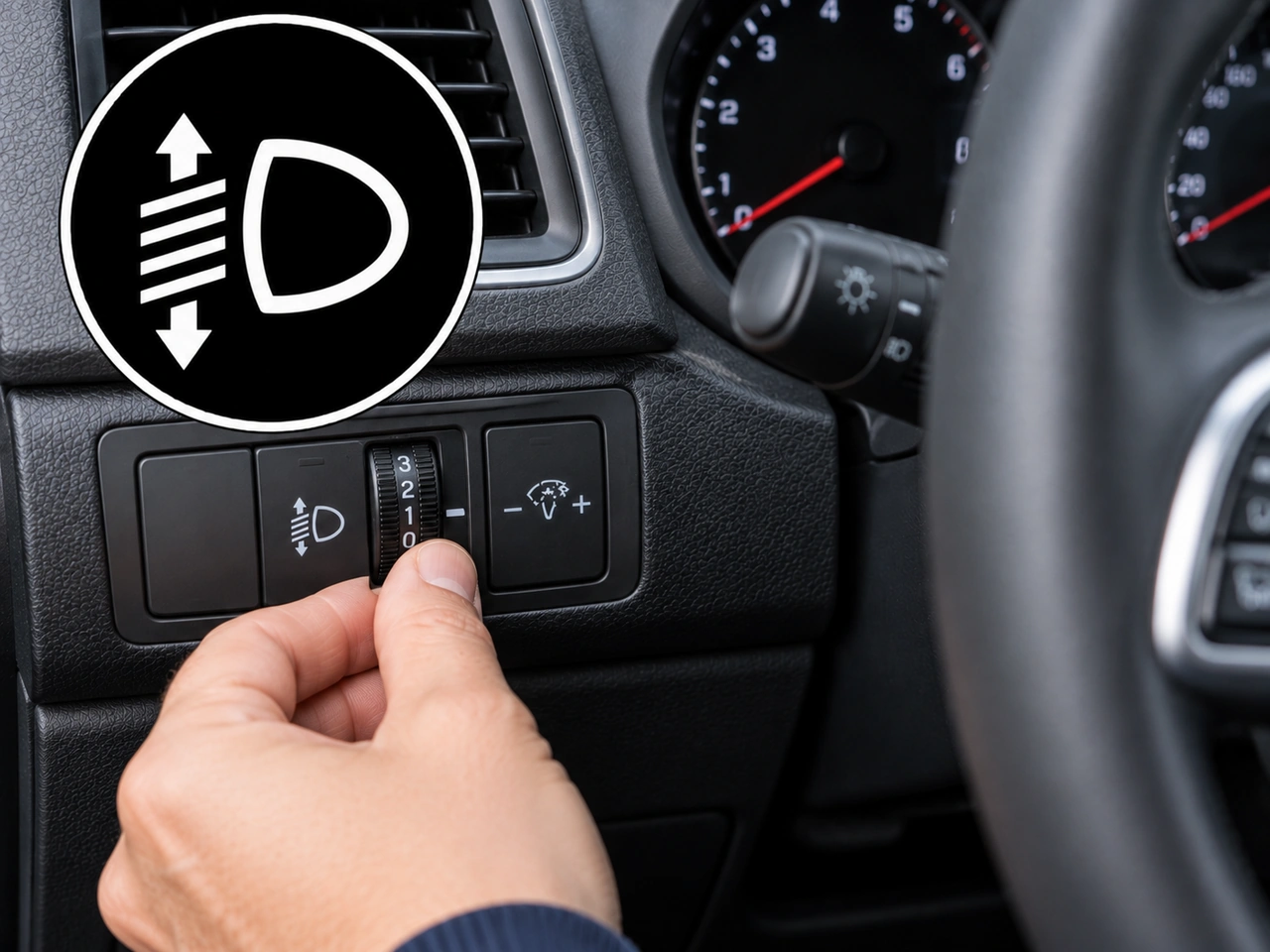
14. What does this vehicle-control symbol indicate?
This control adjusts the vertical aim of the headlights. It can be used to lower the beam when the vehicle is heavily loaded, helping to avoid dazzling other road users.
AI-generated by Traffic-rules.com • WCIT • CC BY-SA
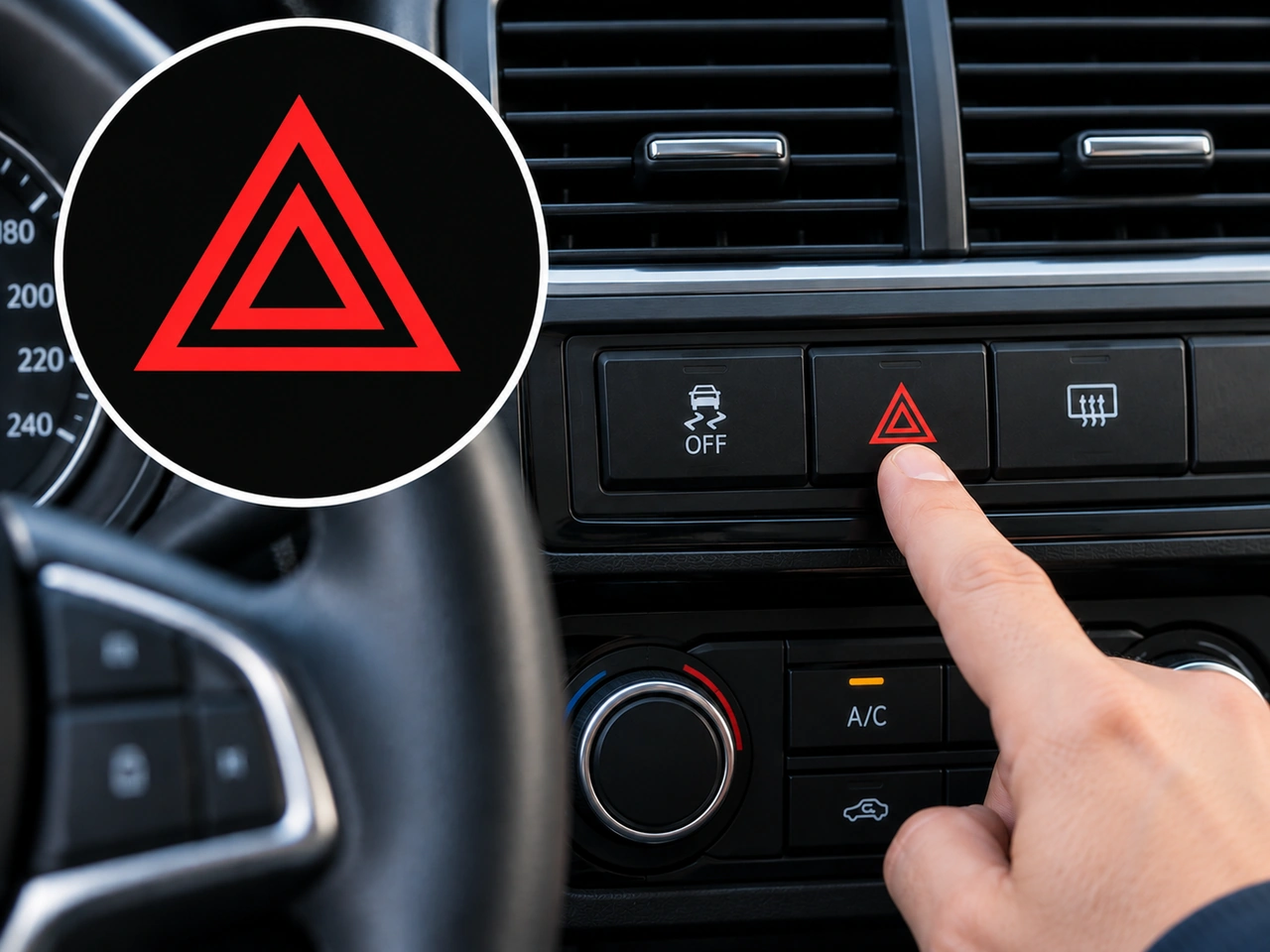
15. What does this dashboard symbol indicate?
This symbol indicates the hazard warning lights. When activated, all direction indicators flash simultaneously to warn other road users of a hazard or unusual situation.
AI-generated by Traffic-rules.com • WCIT • CC BY-SA
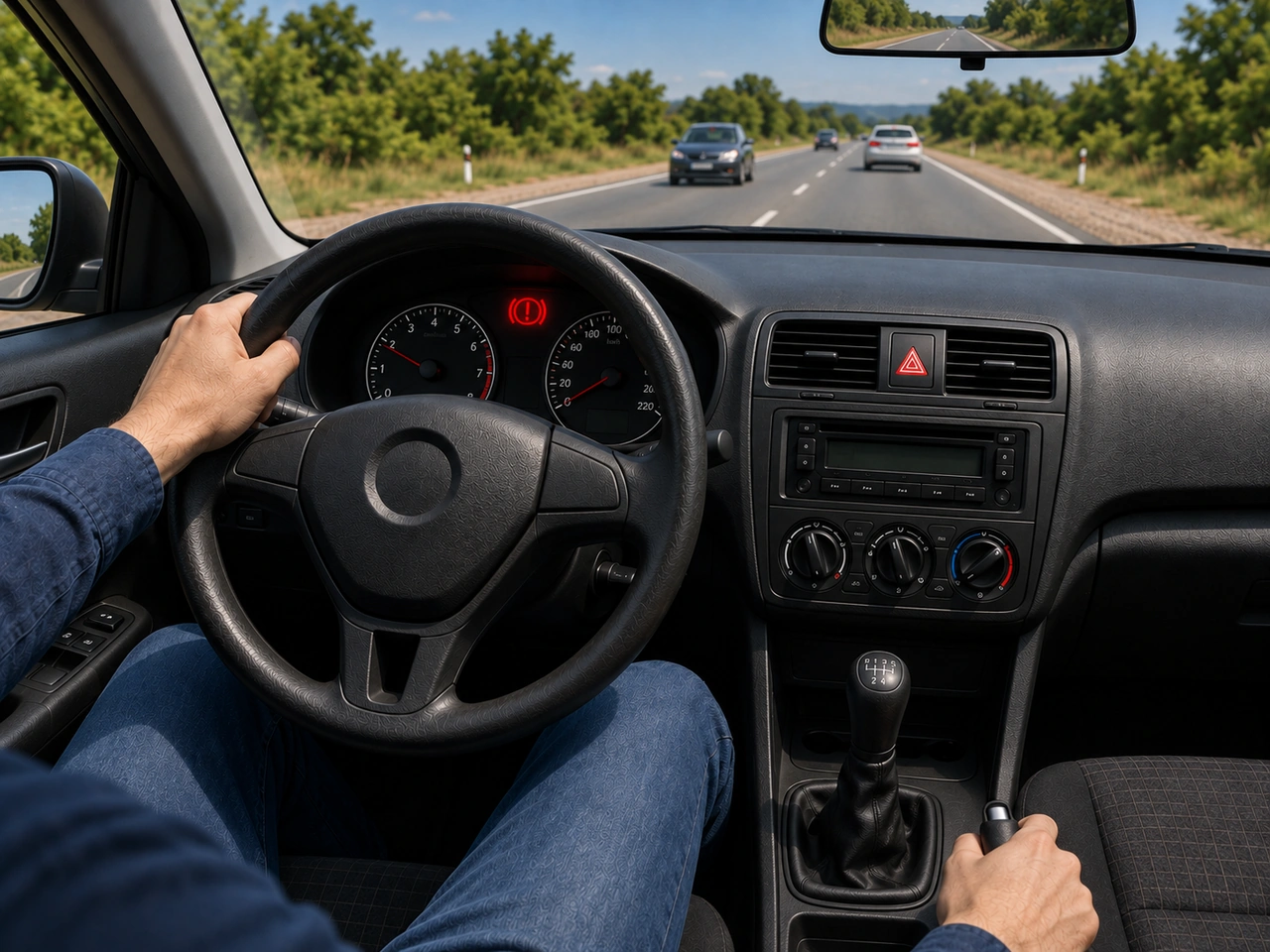
16. What should you do if the service brakes fail while driving?
Remain calm, warn other road users, and use other available braking methods to reduce speed. This may include engine braking or a lower gear, and careful use of the parking or emergency brake according to the vehicle's design. Steer toward the safest available stopping area.
AI-generated by Traffic-rules.com • WCIT • CC BY-SA
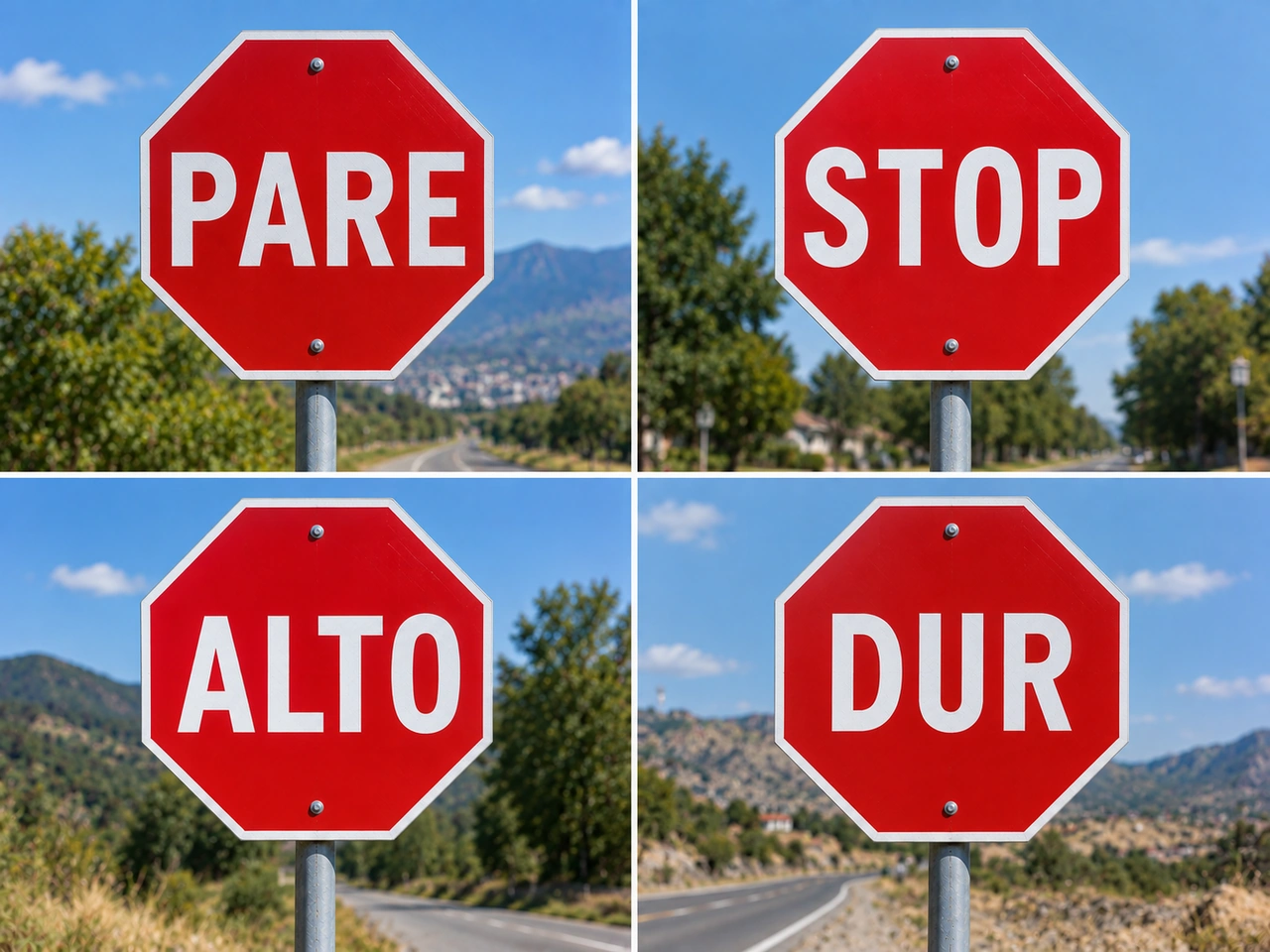
17. What word is commonly shown on STOP signs in Panama?
In Panama, STOP signs commonly display the word ALTO.
AI-generated by Traffic-rules.com • WCIT • CC BY-SA
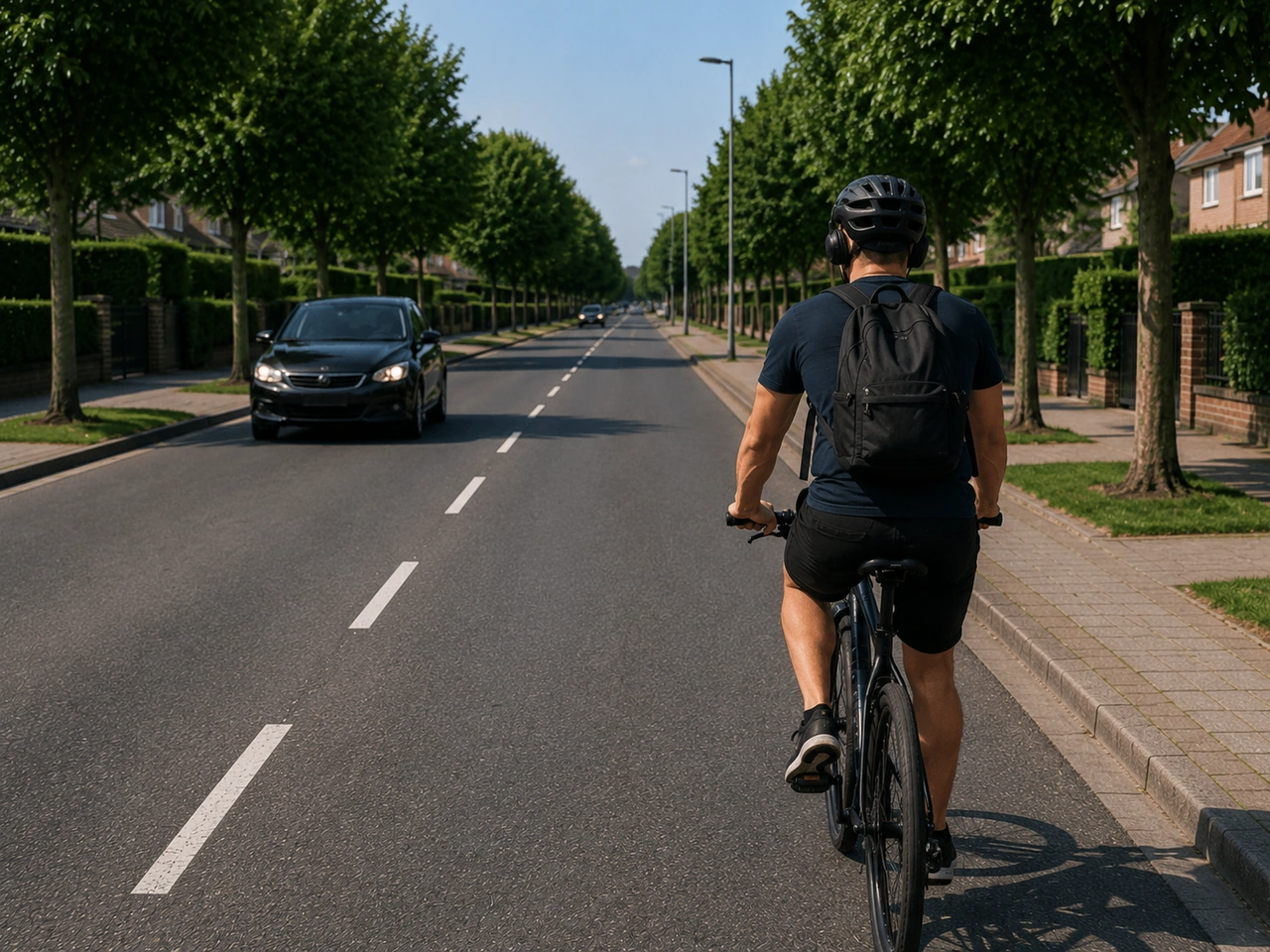
18. Why can loud music be dangerous while cycling?
Hearing approaching vehicles, bells, horns, and other warning sounds is an important part of staying aware.
AI-generated by Traffic-rules.com • WCIT • CC BY-SA
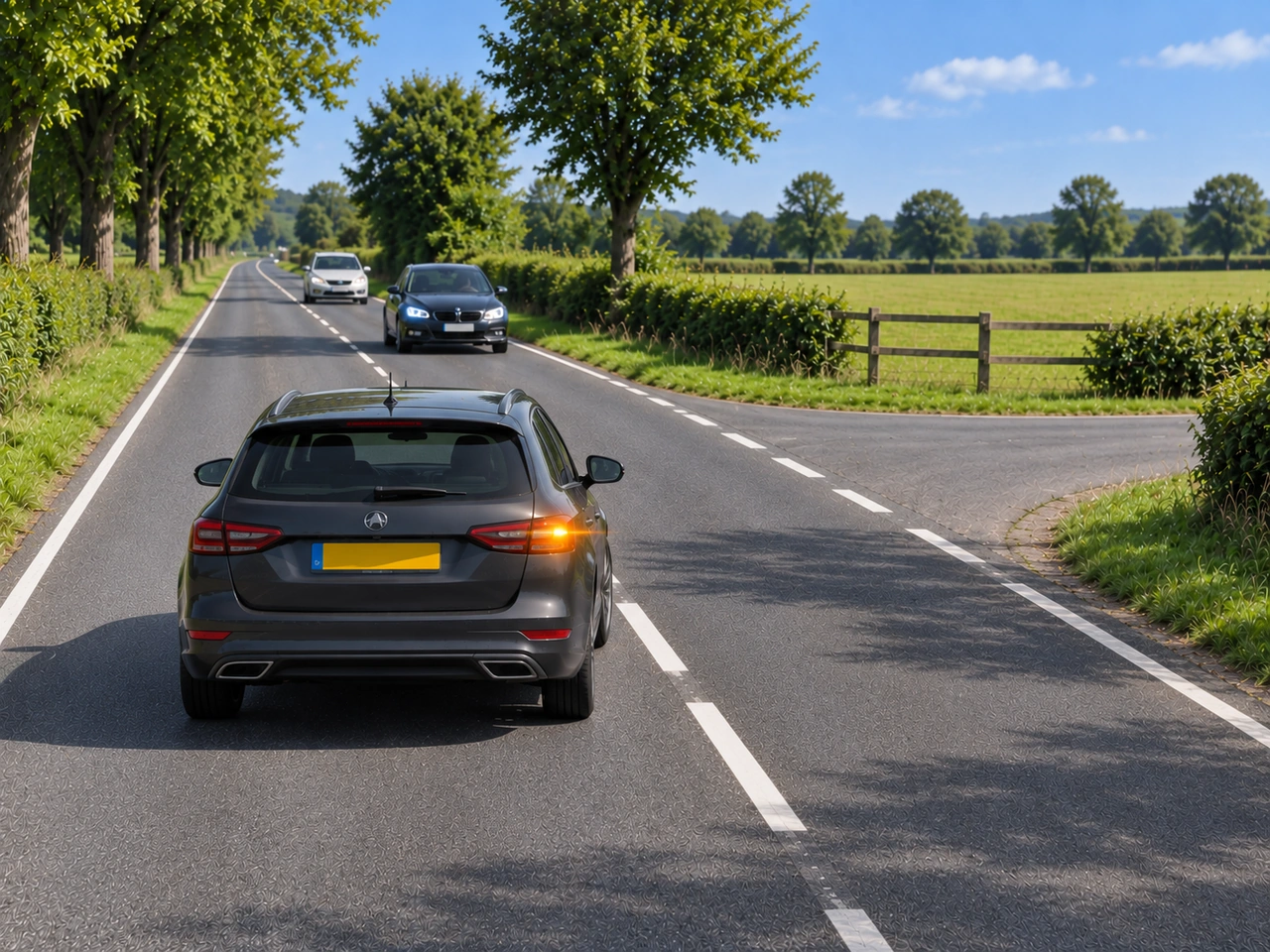
19. Why should you be careful when turning across oncoming traffic?
Turning across traffic requires careful observation. Misjudging speed or distance can lead to a serious collision.
AI-generated by Traffic-rules.com • WCIT • CC BY-SA
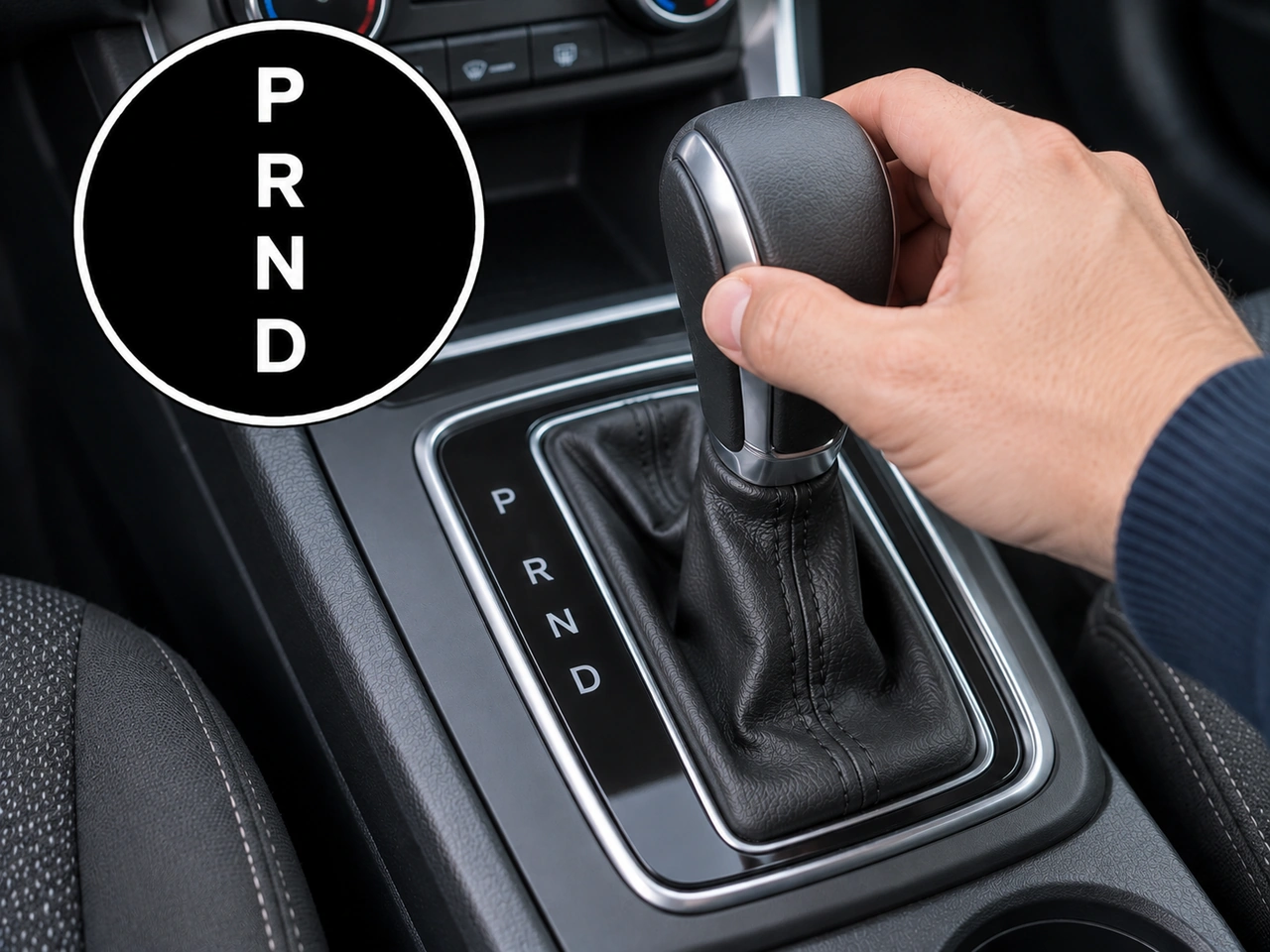
20. Which selector position is used to drive the vehicle backwards?
Select R (Reverse) when you need to drive the vehicle backwards. The vehicle should be stationary before selecting Reverse.
AI-generated by Traffic-rules.com • WCIT • CC BY-SA
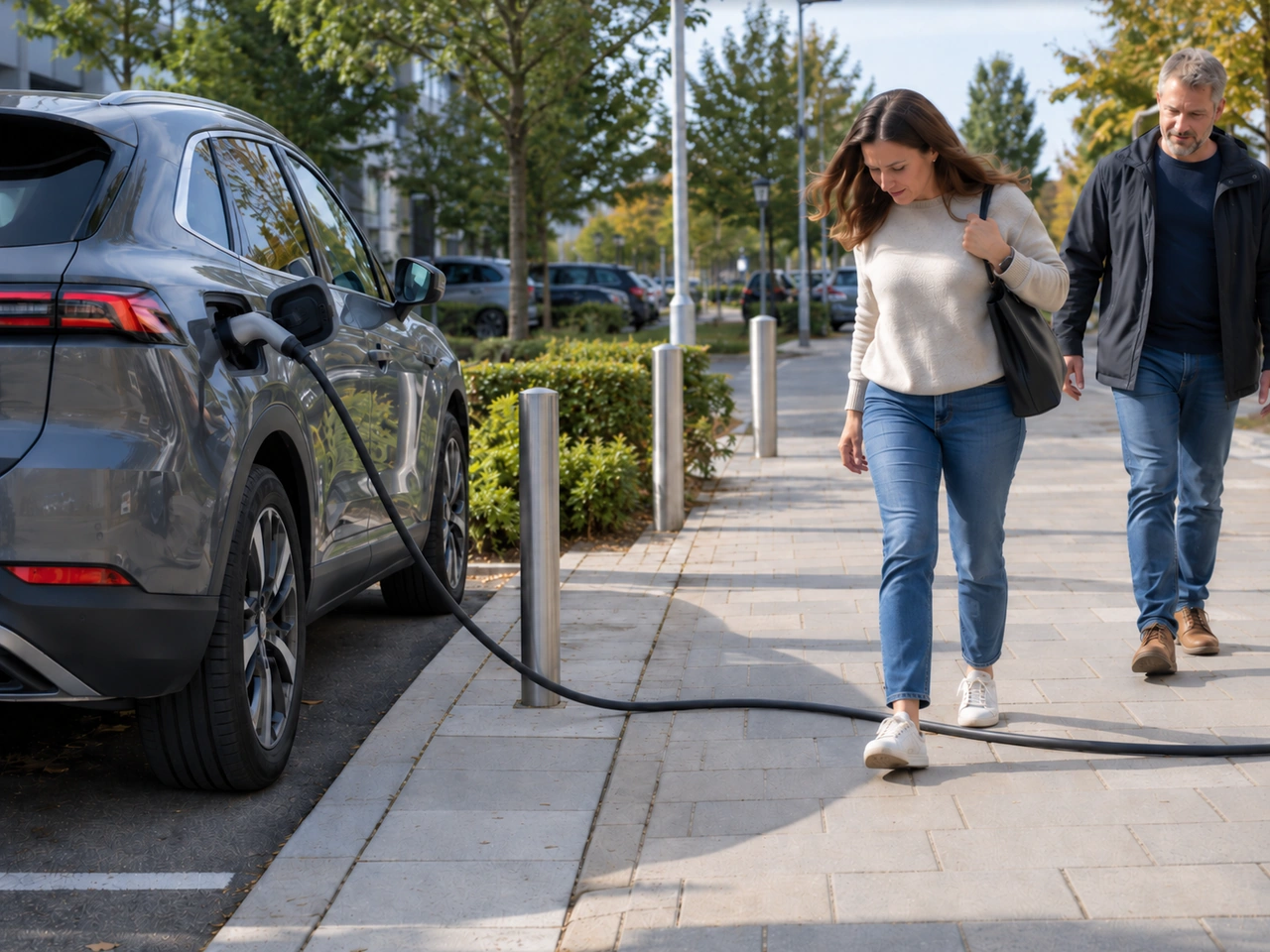
21. How should an EV charging cable be positioned where pedestrians may pass?
An EV charging cable should be positioned so it does not create a trip hazard or unnecessarily obstruct pedestrians. Where a cable must cross a walking route, use an appropriate approved cable-management or protection system and follow local requirements.
AI-generated by Traffic-rules.com • WCIT • CC BY-SA
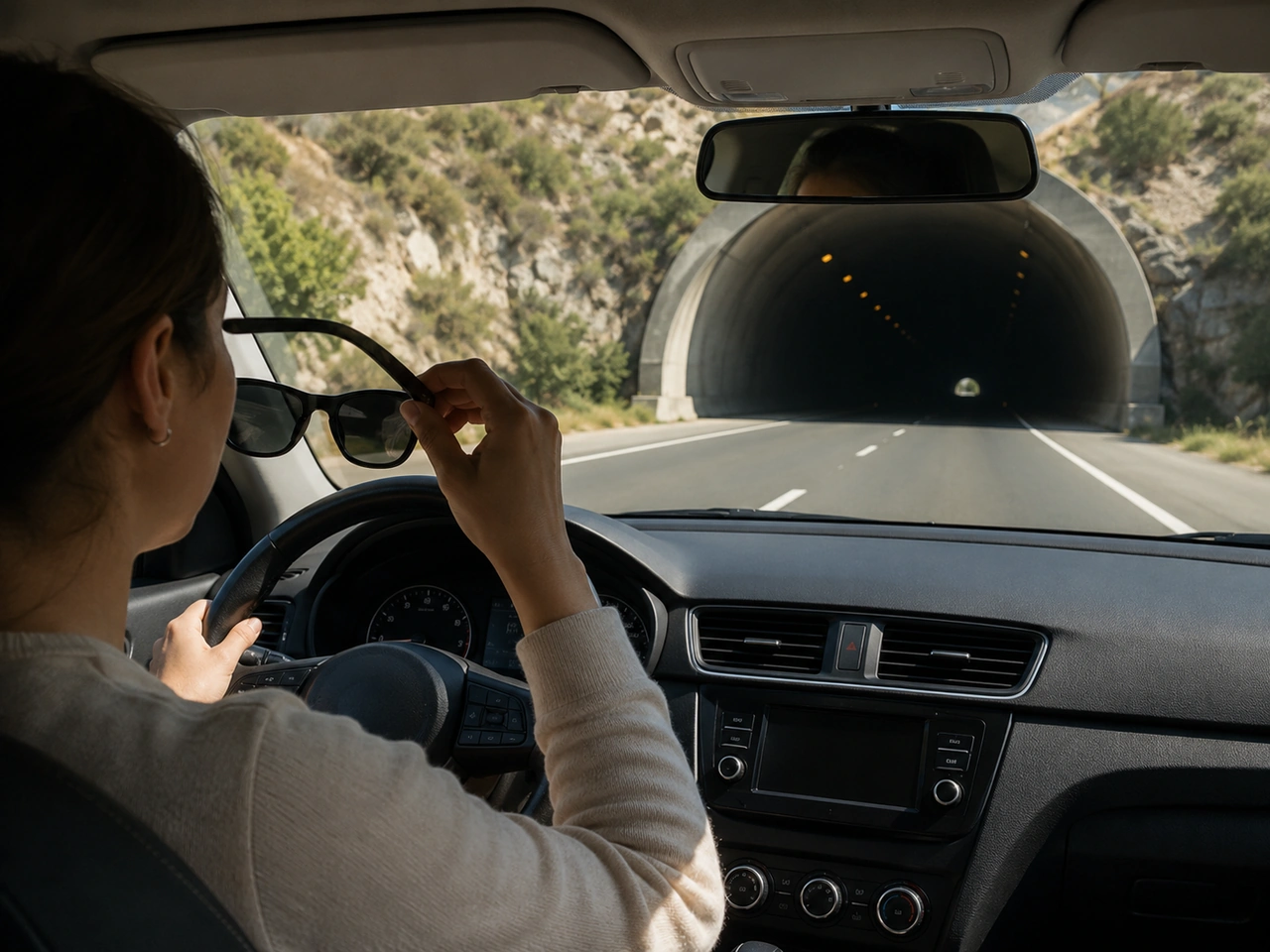
22. Why should you remove dark sunglasses before entering a tunnel?
Dark sunglasses reduce the amount of light reaching your eyes and can make hazards inside a tunnel harder to see.
AI-generated by Traffic-rules.com • WCIT • CC BY-SA
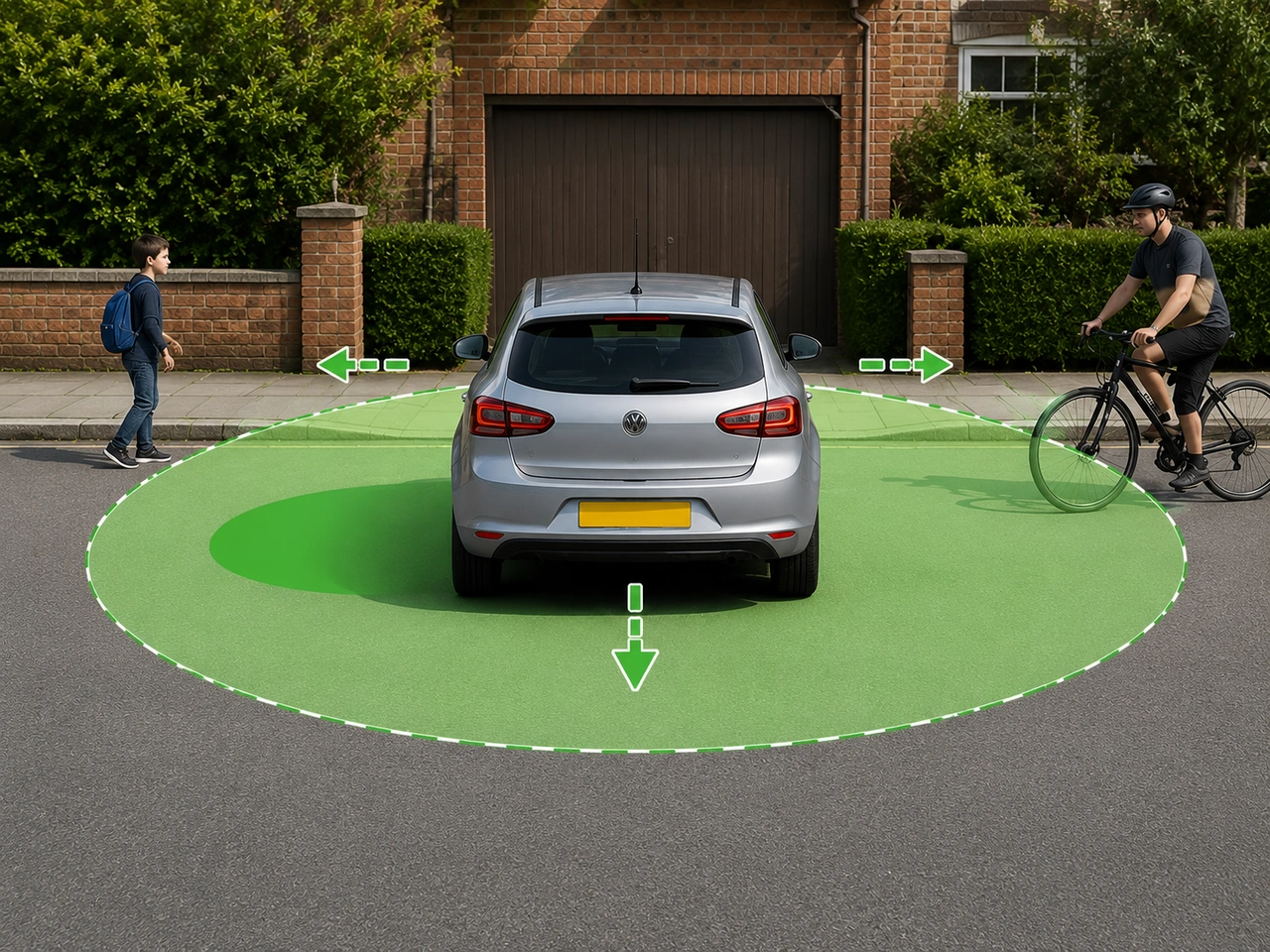
23. What should you do before reversing your vehicle?
Before reversing, check all around the vehicle, including blind spots, for pedestrians, cyclists, vehicles, and other hazards. Reverse slowly and keep checking as you move.
AI-generated by Traffic-rules.com • WCIT • CC BY-SA
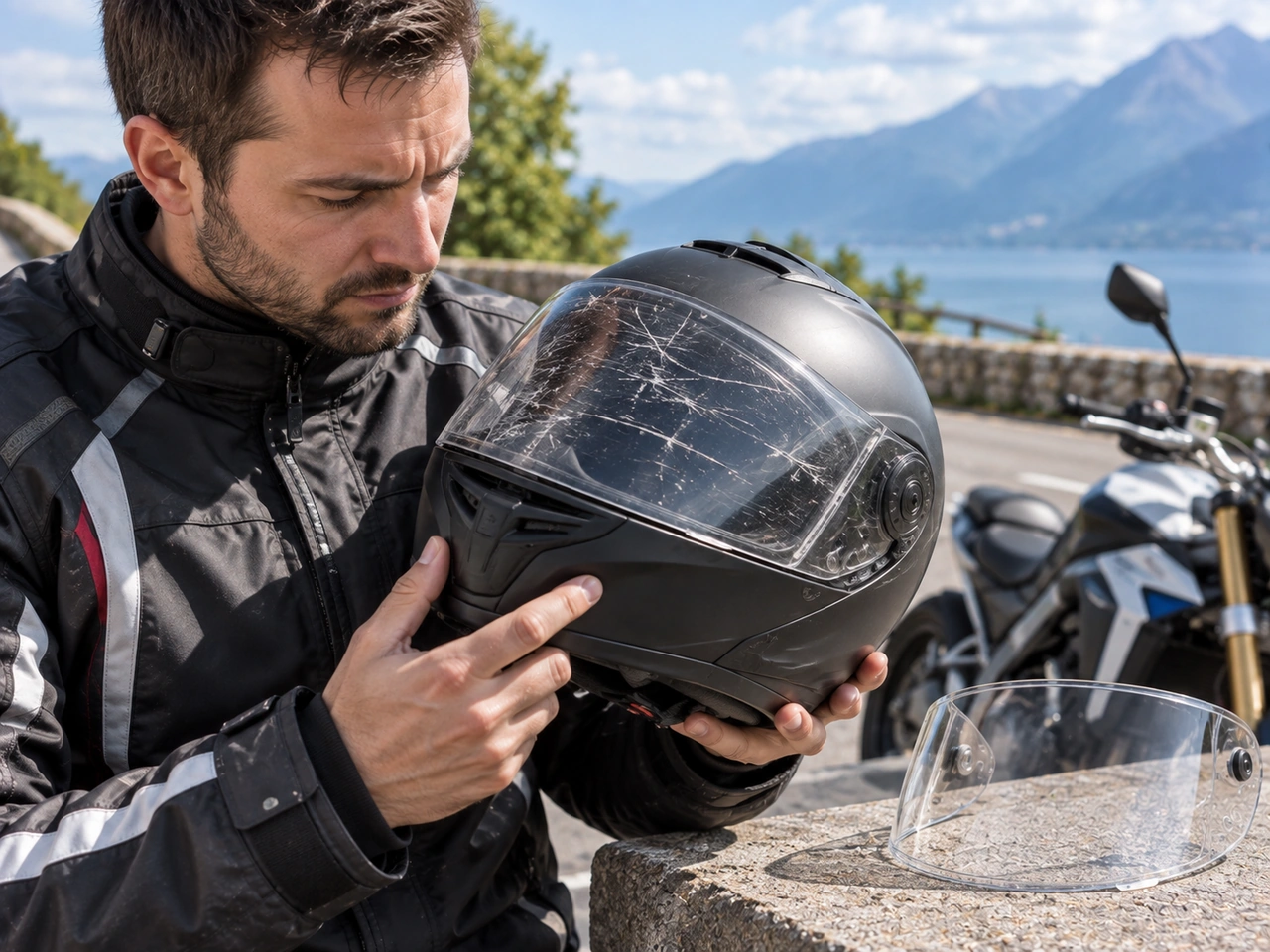
24. What should you do if a motorcycle helmet visor is badly scratched?
A badly scratched or damaged visor can reduce or distort your view, especially in bright sunlight or at night. Replace a visor that no longer provides a clear, safe view and follow the helmet manufacturer's instructions.
AI-generated by Traffic-rules.com • WCIT • CC BY-SA
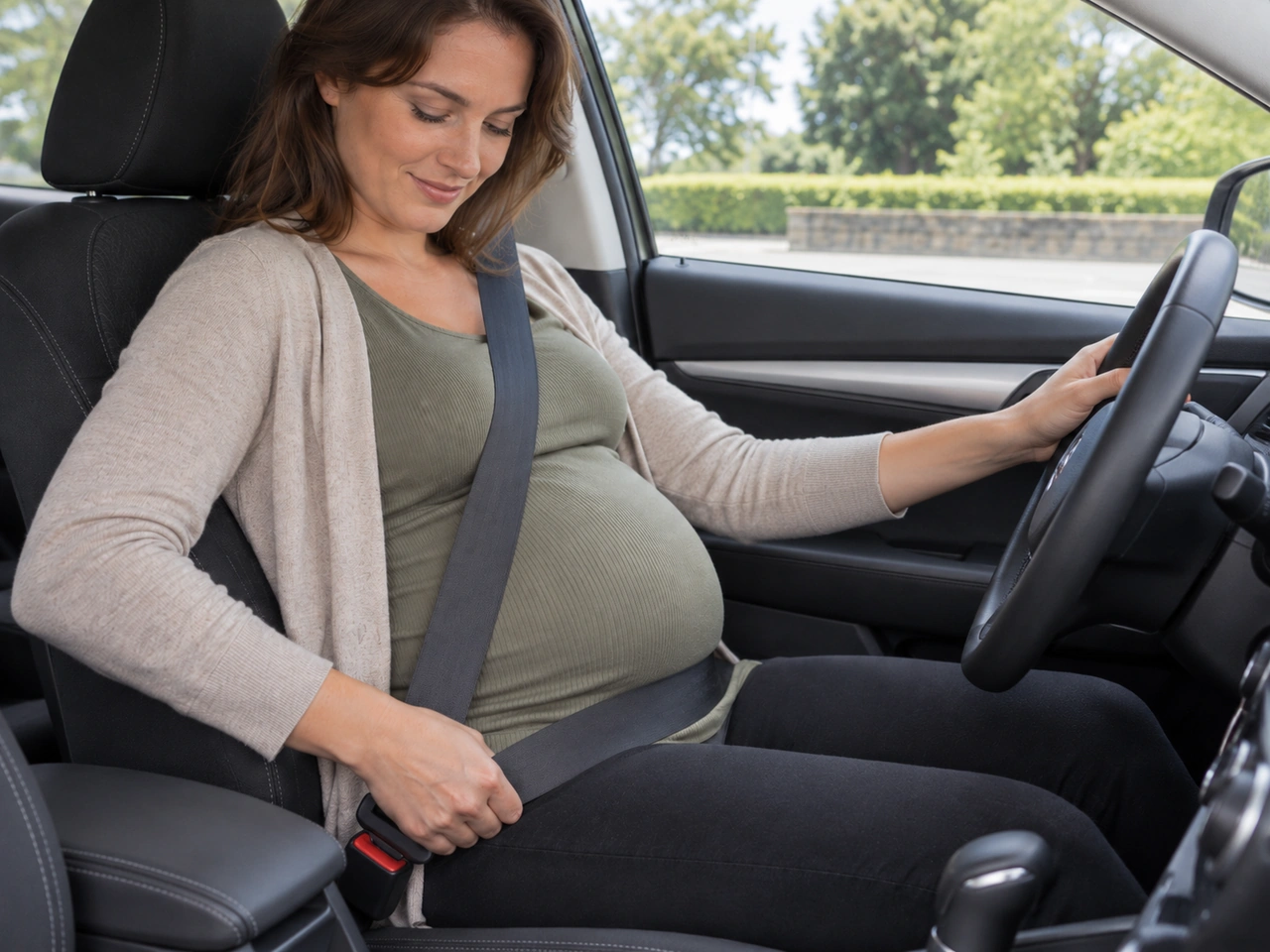
25. How should a three-point seat belt normally be worn during pregnancy?
During pregnancy, a three-point seat belt should be worn correctly. The lap belt should sit low across the hips, below the abdomen, while the shoulder belt should pass across the chest and to the side of the abdomen. The belt should fit snugly and should not be placed behind the back or under the arm.
AI-generated by Traffic-rules.com • WCIT • CC BY-SA
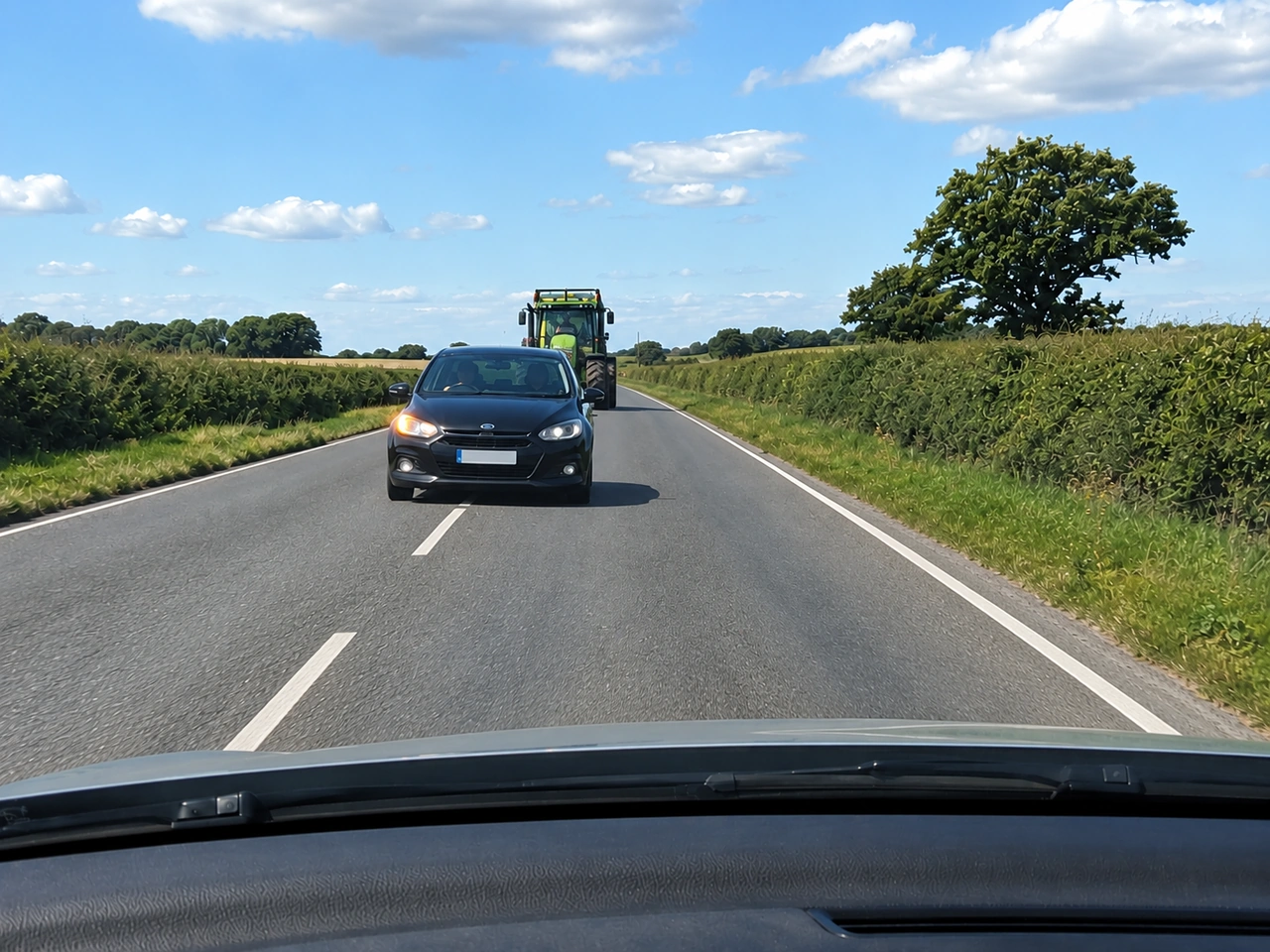
26. What should you do if an overtaking vehicle is coming toward you?
If an oncoming vehicle creates danger while overtaking, reduce speed and make space if it is safe to do so. Avoid sudden movements that could create an additional hazard.
AI-generated by Traffic-rules.com • WCIT • CC BY-SA
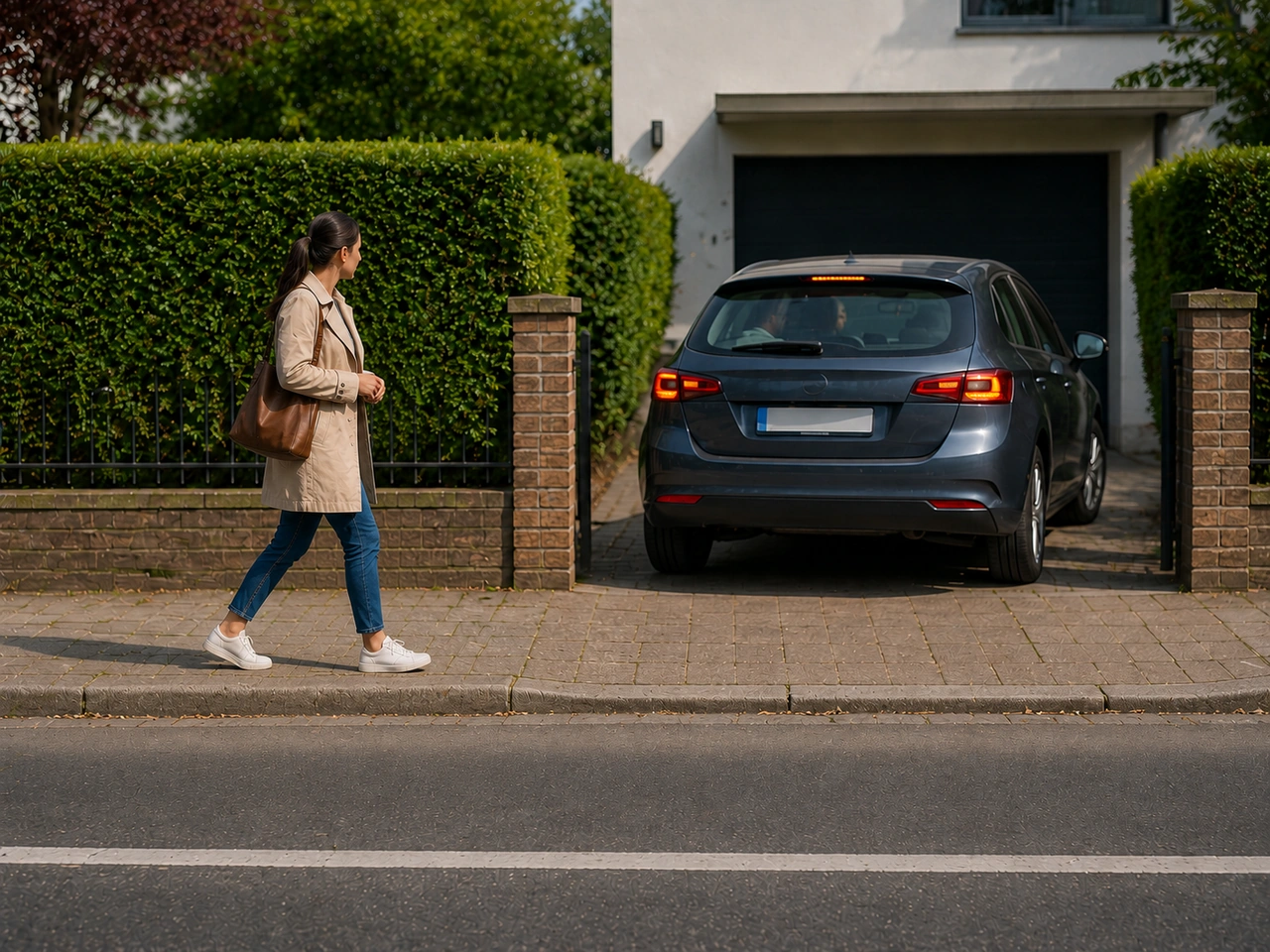
27. What should you do when walking near a driveway?
Vehicles may enter or leave driveways suddenly. Stay alert and check for moving vehicles.
AI-generated by Traffic-rules.com • WCIT • CC BY-SA
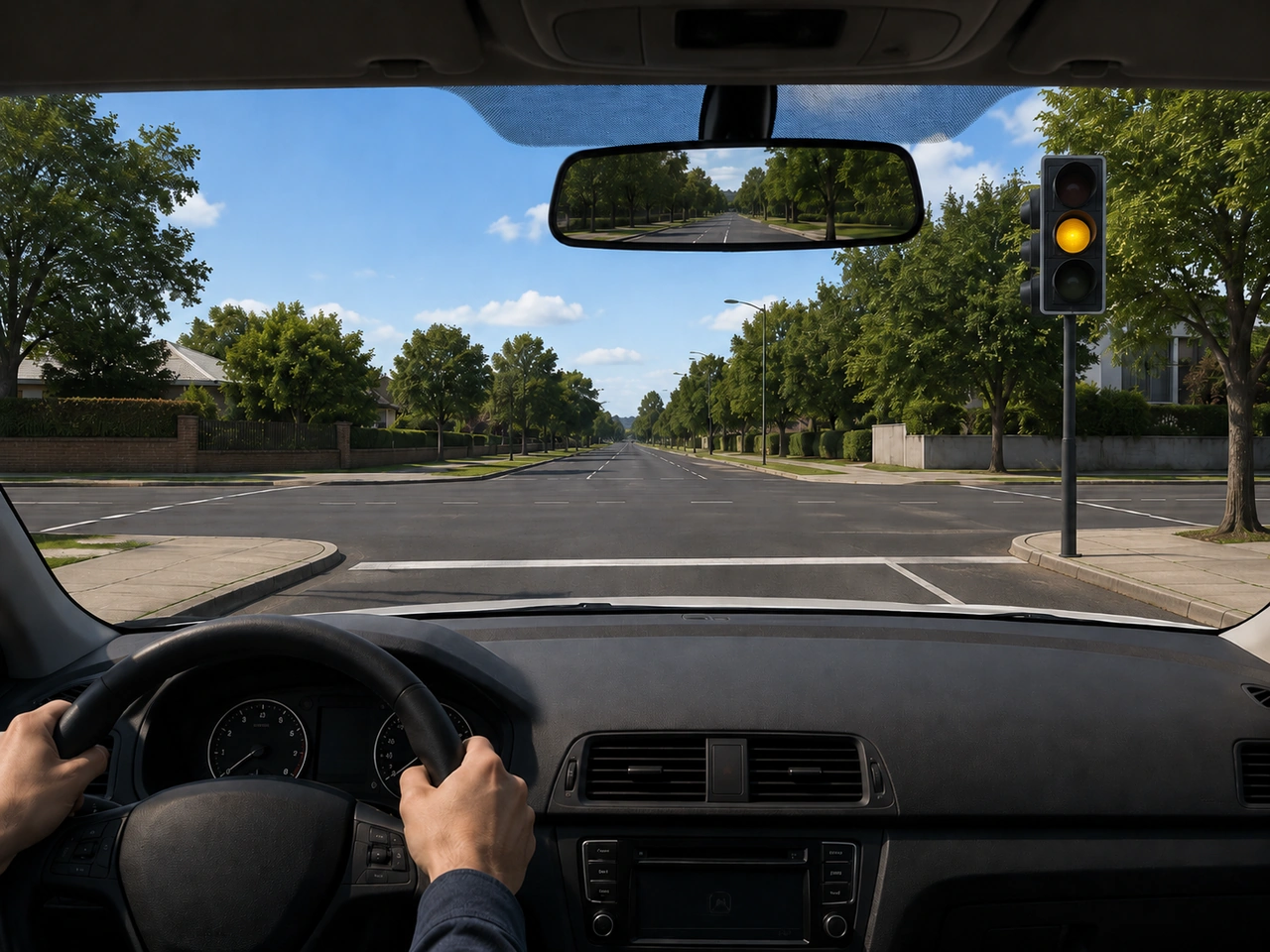
28. You may drive through an amber light without slowing down.
An amber light means you should stop if you can do so safely. If you are too close to stop safely, continue through the junction with caution.
AI-generated by Traffic-rules.com • WCIT • CC BY-SA
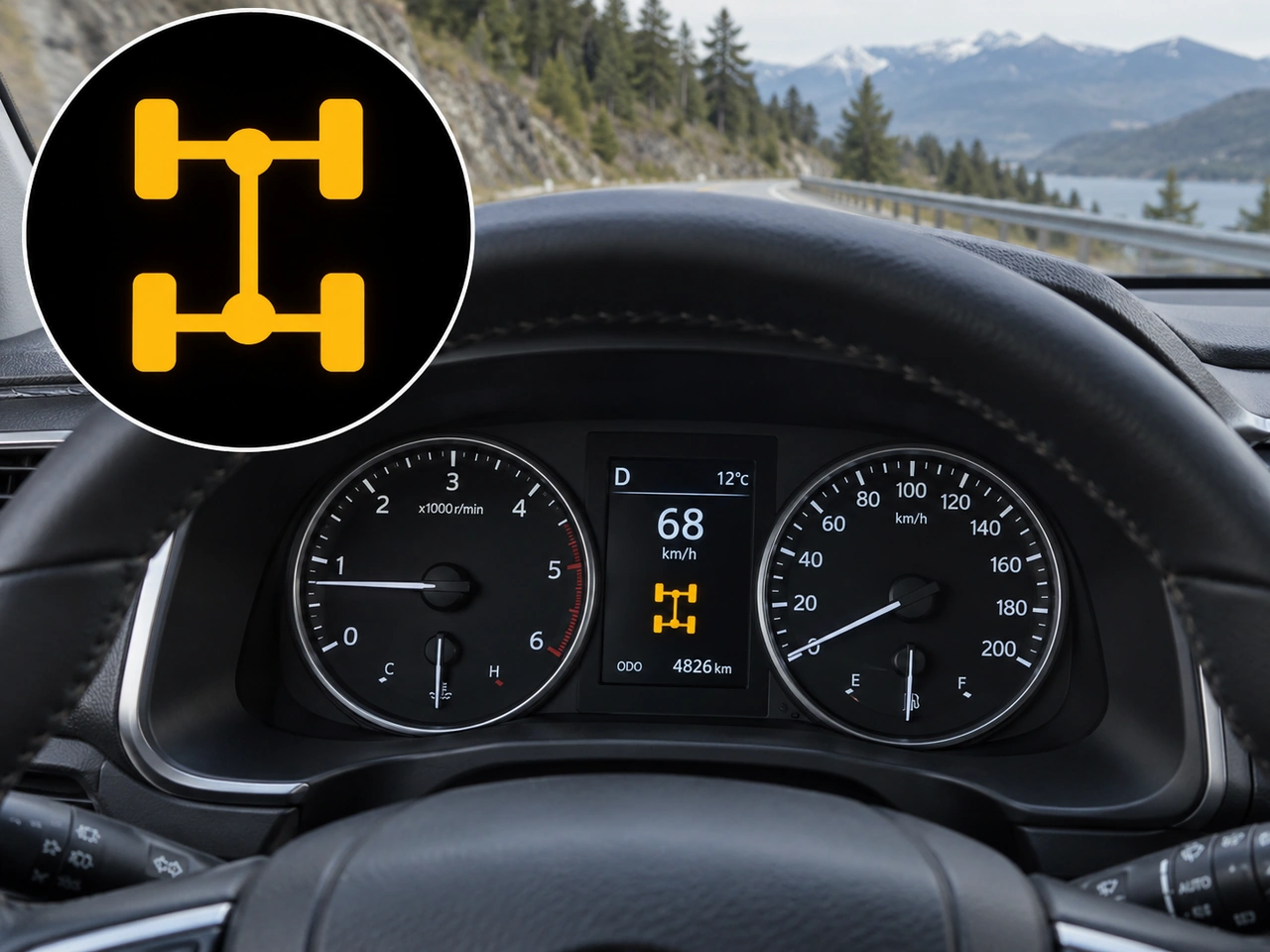
29. What does this dashboard symbol indicate?
This symbol relates to the vehicle's four-wheel-drive system, which can transmit power to all four wheels. The exact symbol and operating modes vary between vehicles.
AI-generated by Traffic-rules.com • WCIT • CC BY-SA
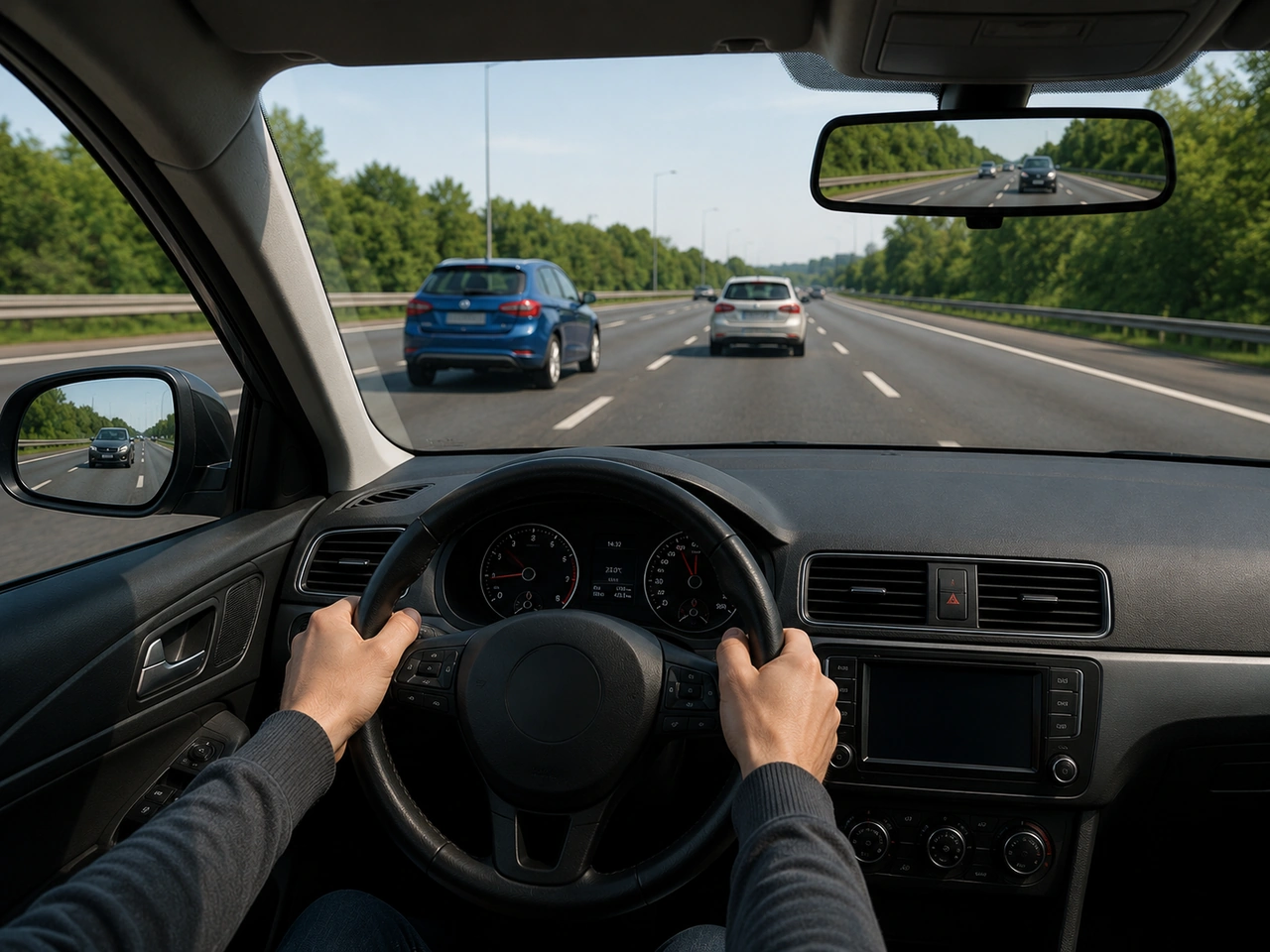
30. What should you do before changing lanes?
Always check your mirrors, look over your shoulder if necessary, and make sure it is safe before changing lanes.
AI-generated by Traffic-rules.com • WCIT • CC BY-SA
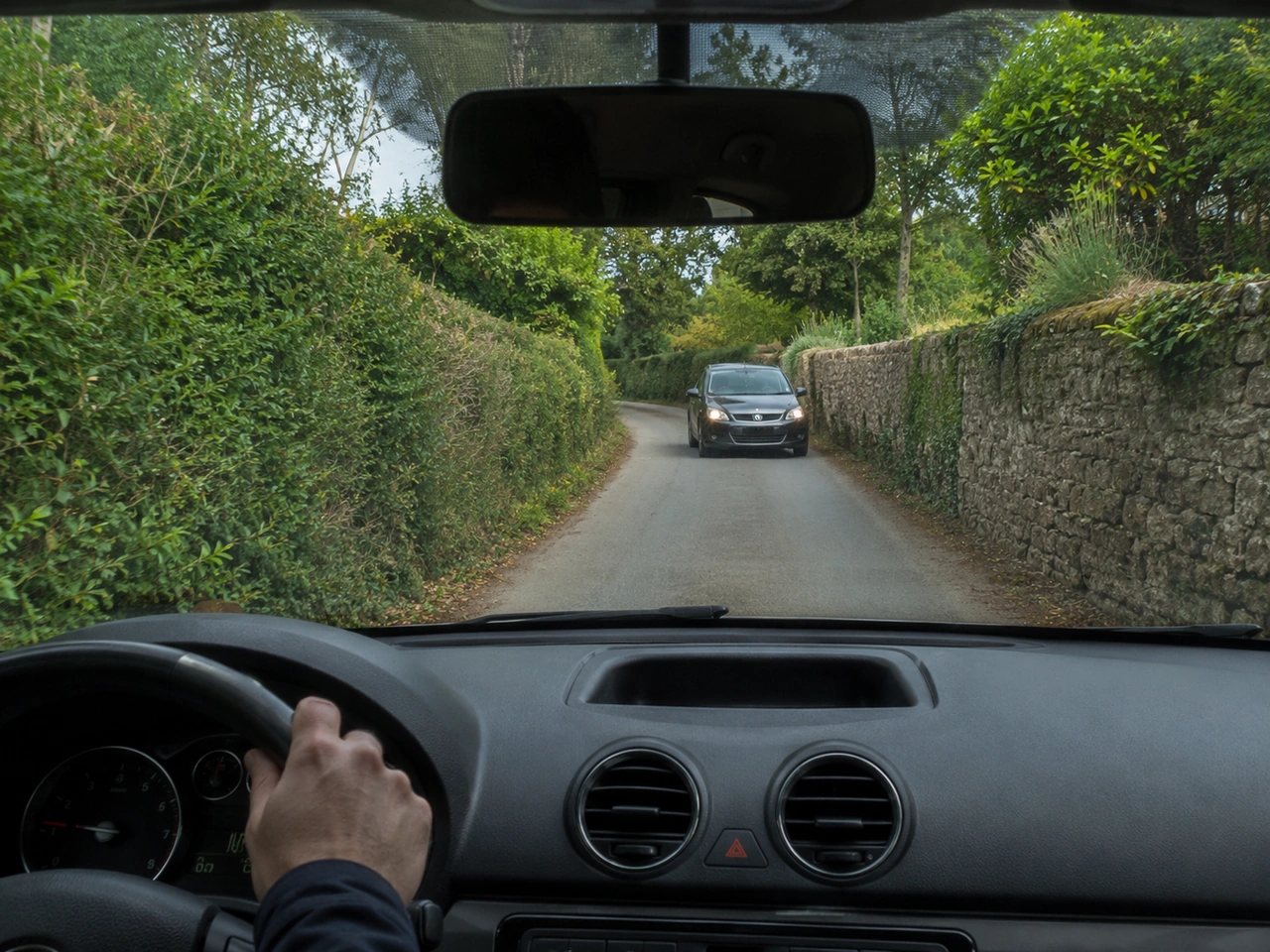
31. What should you do when approaching a narrow road with oncoming traffic?
On narrow roads, reduce speed and be prepared to stop or use a suitable passing place. Leave enough space for the oncoming vehicle and avoid forcing either vehicle into an unsafe position.
AI-generated by Traffic-rules.com • WCIT • CC BY-SA

32. Why can mixing alcohol with medicine be dangerous for drivers?
Some prescription and non-prescription medicines can intensify alcohol-related drowsiness, dizziness, poor coordination, or reduced concentration.
AI-generated by Traffic-rules.com • WCIT • CC BY-SA
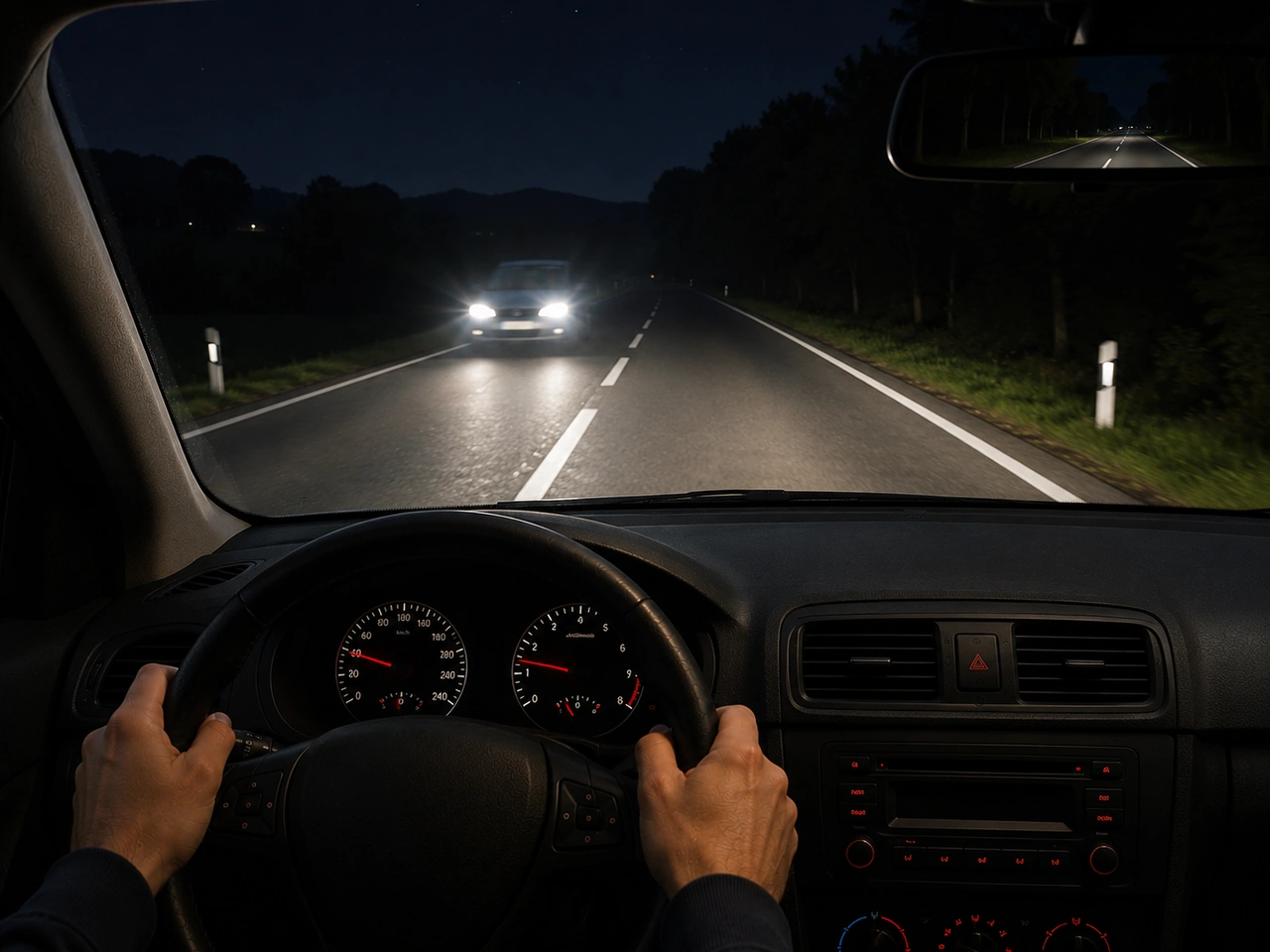
33. What should you do if oncoming headlights dazzle you at night?
Bright headlights can reduce your vision. Avoid staring at them, slow down if needed, and use the road edge or lane markings to guide you safely.
AI-generated by Traffic-rules.com • WCIT • CC BY-SA
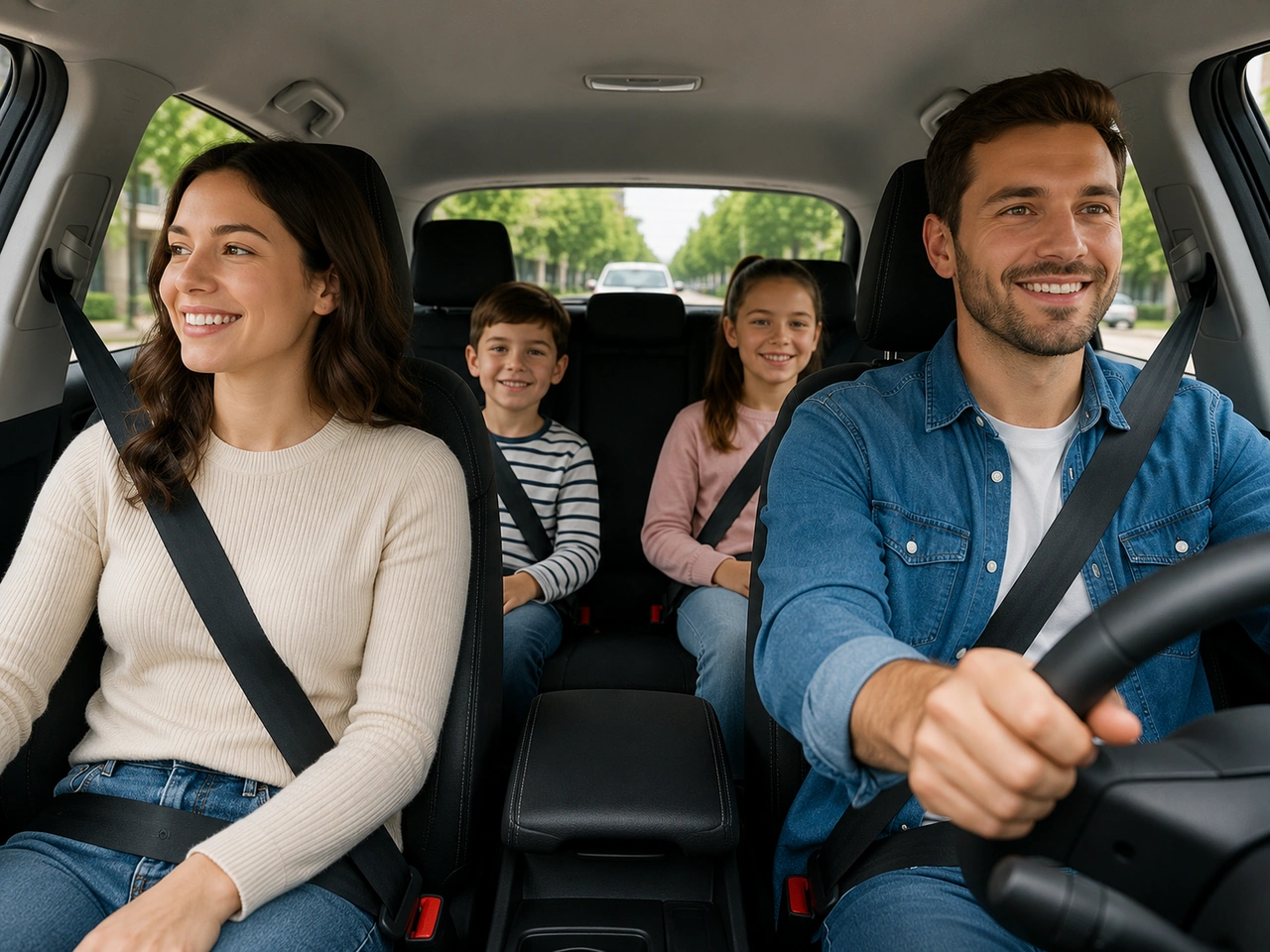
34. Who should always wear a seat belt?
Seat belts greatly reduce the risk of serious injury in a crash and should be worn by everyone in the vehicle.
AI-generated by Traffic-rules.com • WCIT • CC BY-SA
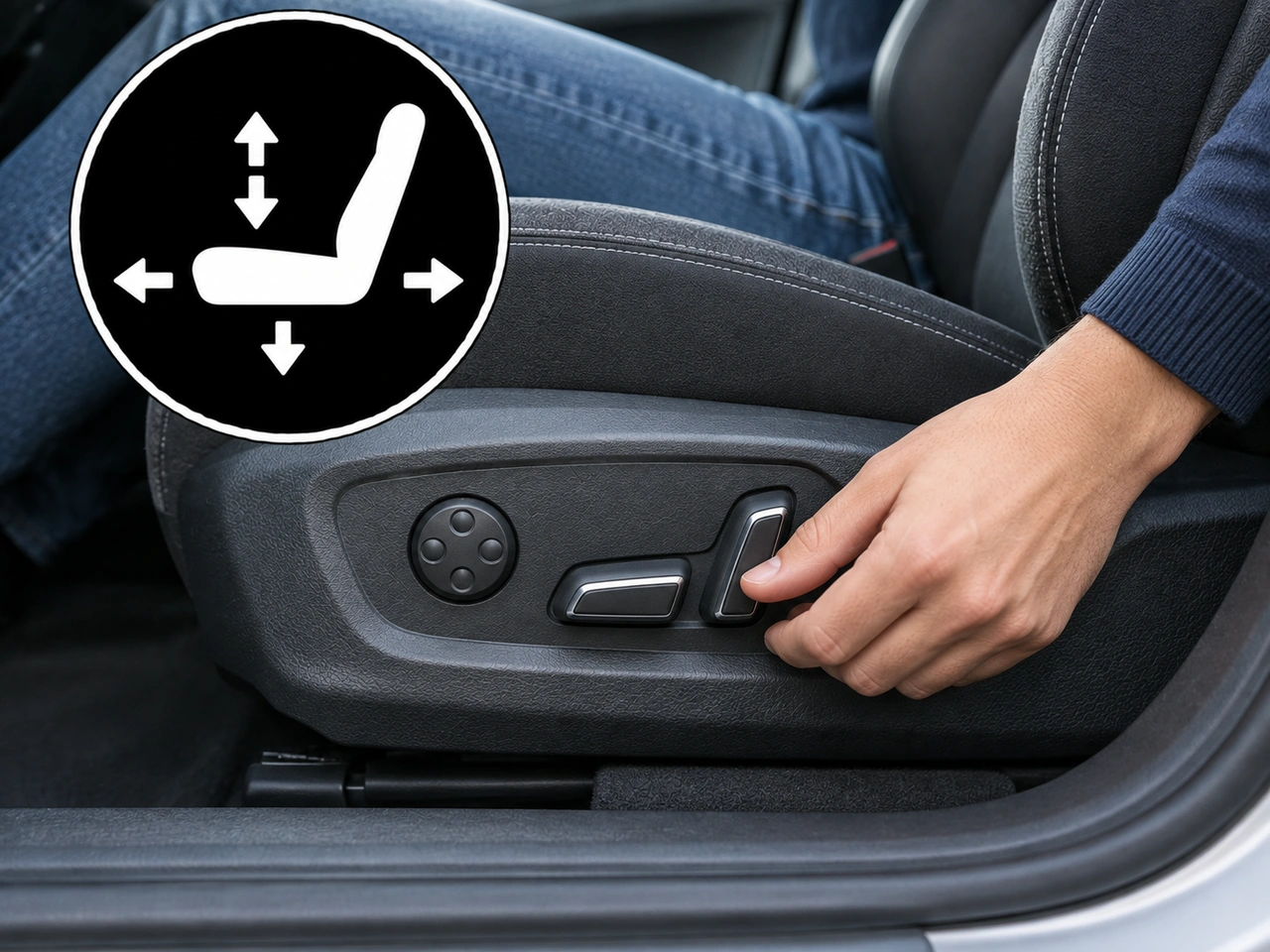
35. What does this vehicle-control symbol indicate?
This control adjusts the position of the seat. Depending on the vehicle, it may move the seat forwards or backwards, raise or lower it, or change the backrest angle.
AI-generated by Traffic-rules.com • WCIT • CC BY-SA
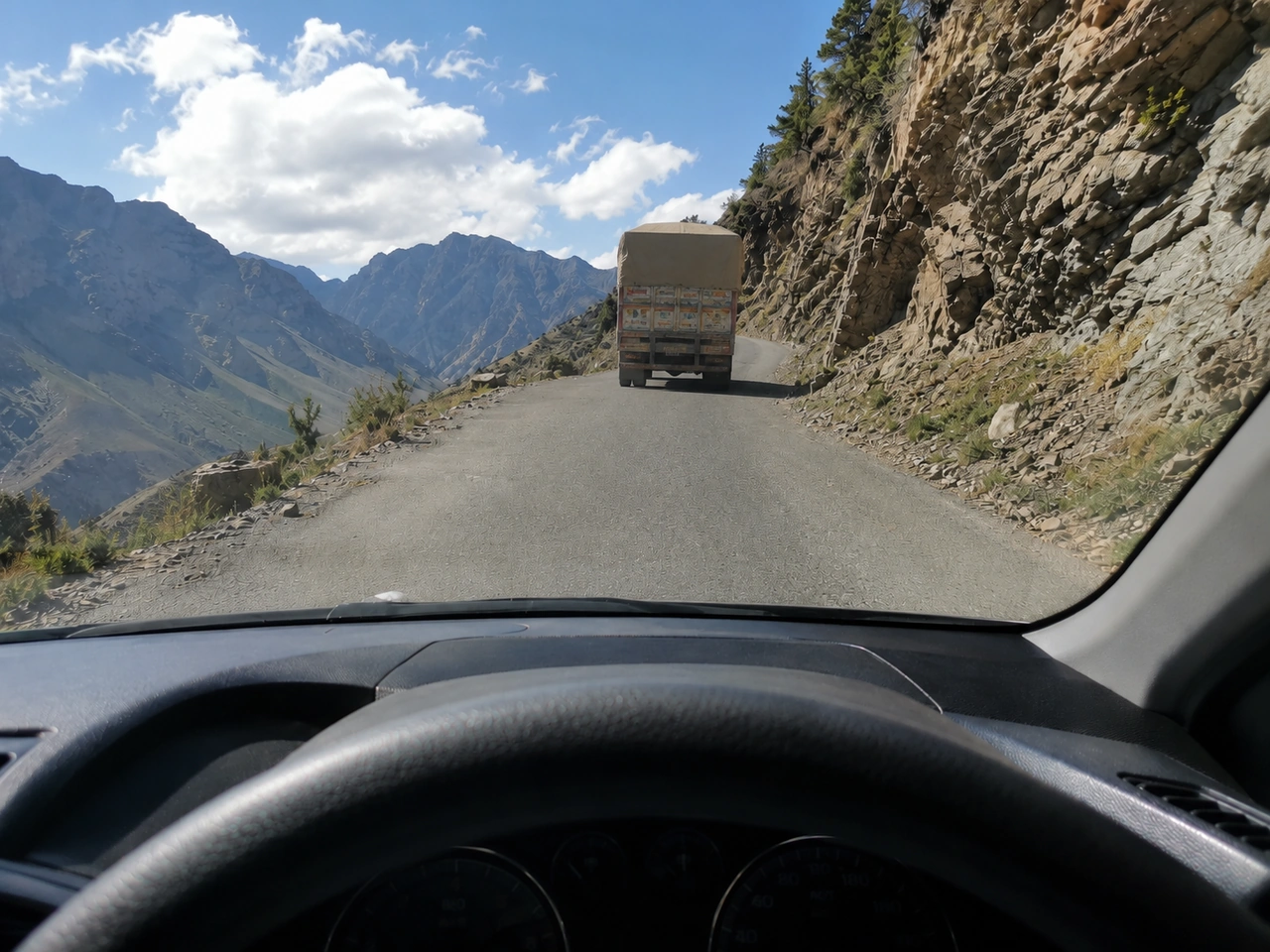
36. What should you do if your vehicle begins rolling backward on a steep incline?
Stop the vehicle under control, apply the parking brake if necessary, and prepare to move away again safely.
AI-generated by Traffic-rules.com • WCIT • CC BY-SA
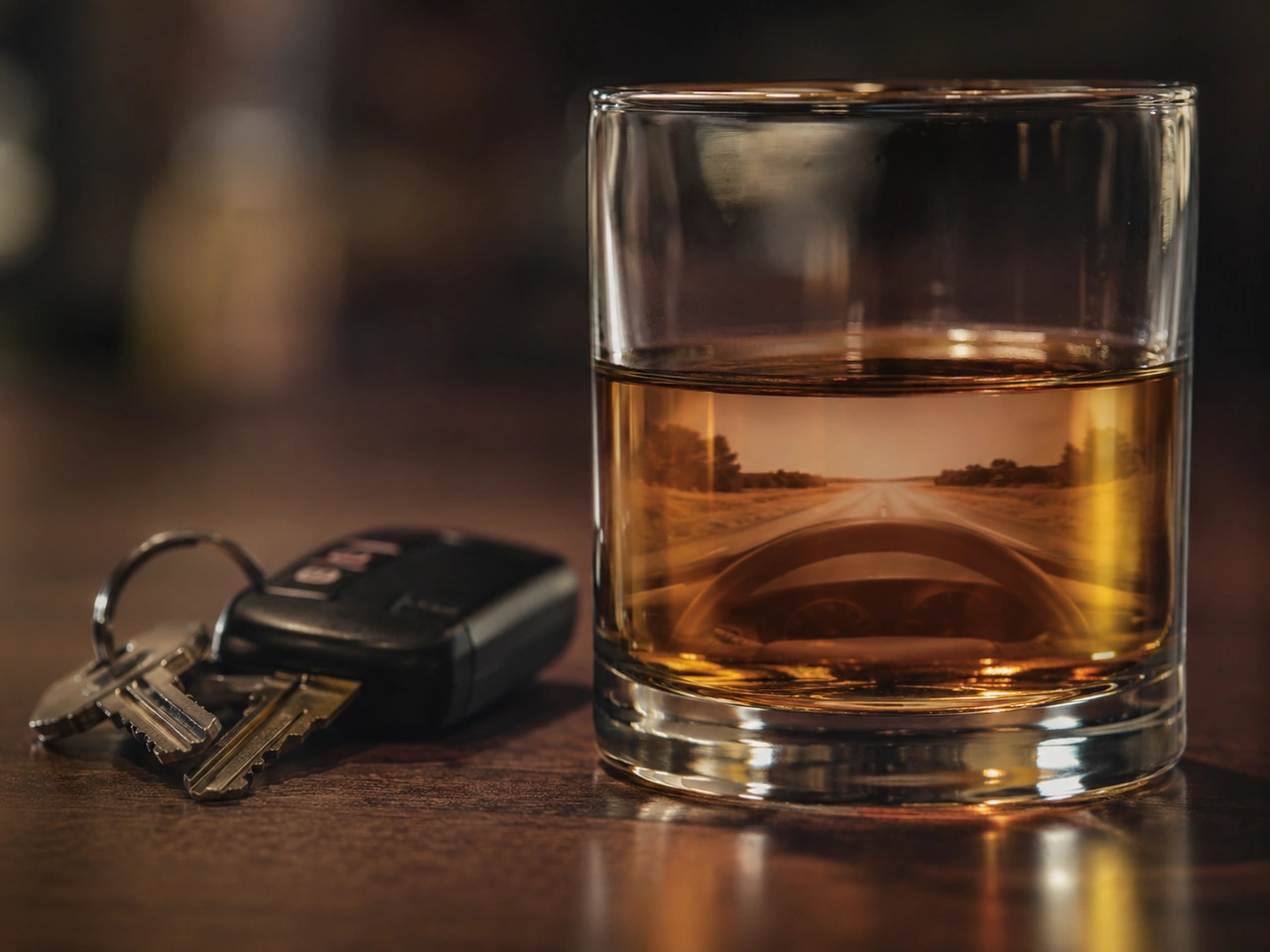
37. How can alcohol affect your driving ability?
Alcohol affects several abilities needed for safe driving, including concentration, decision-making, coordination, and hazard perception.
AI-generated by Traffic-rules.com • WCIT • CC BY-SA
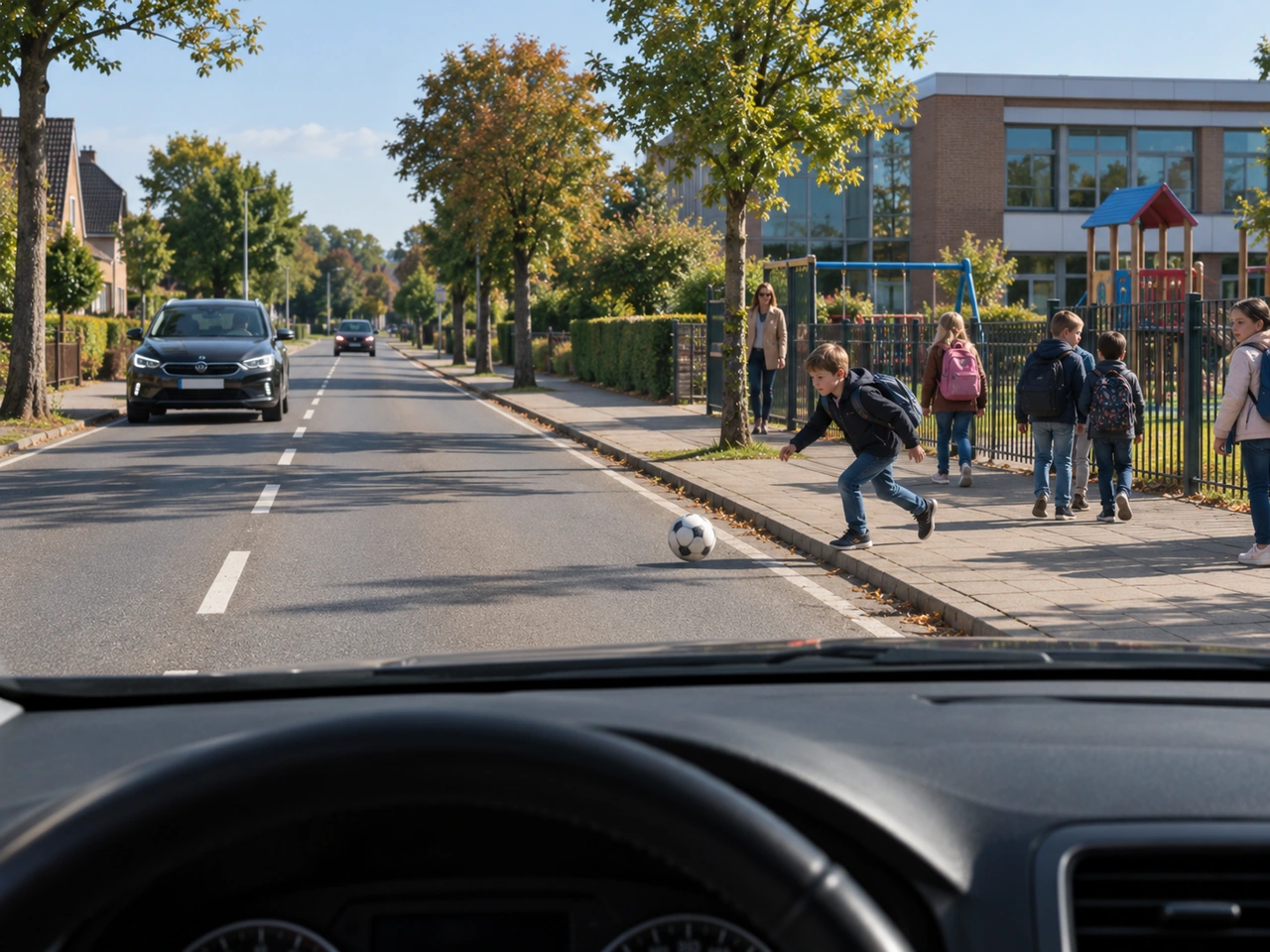
38. Why should you slow down near schools or playgrounds?
Children may suddenly cross the road or move unexpectedly, so drivers should slow down and stay alert near schools and playgrounds.
AI-generated by Traffic-rules.com • WCIT • CC BY-SA
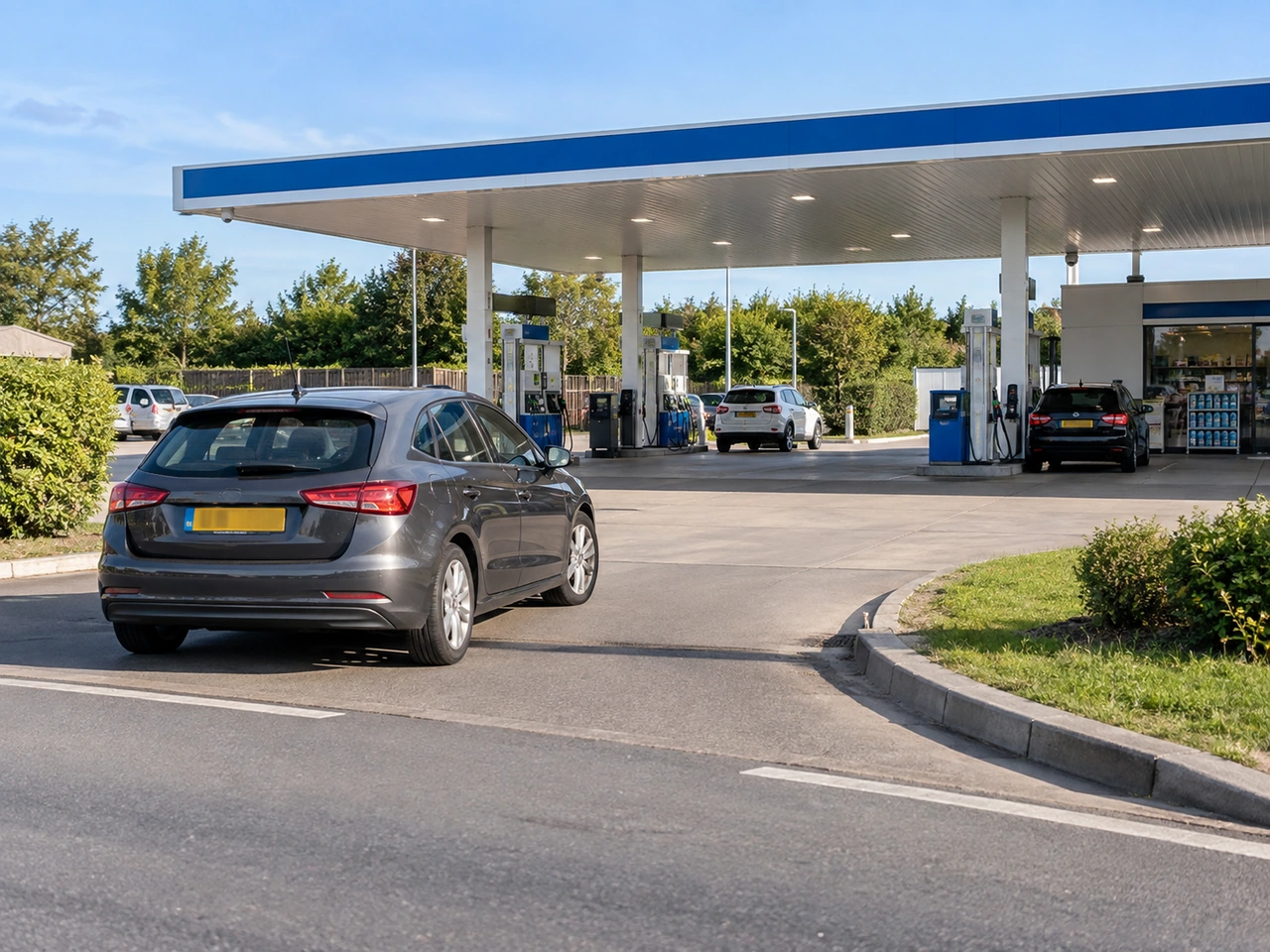
39. How should you position your vehicle beside a fuel pump?
Position the vehicle so the fuel filler is close to the pump and the hose can reach without being stretched tightly across or around the vehicle. Stop within the designated refuelling area and leave enough space to use the pump safely.
AI-generated by Traffic-rules.com • WCIT • CC BY-SA
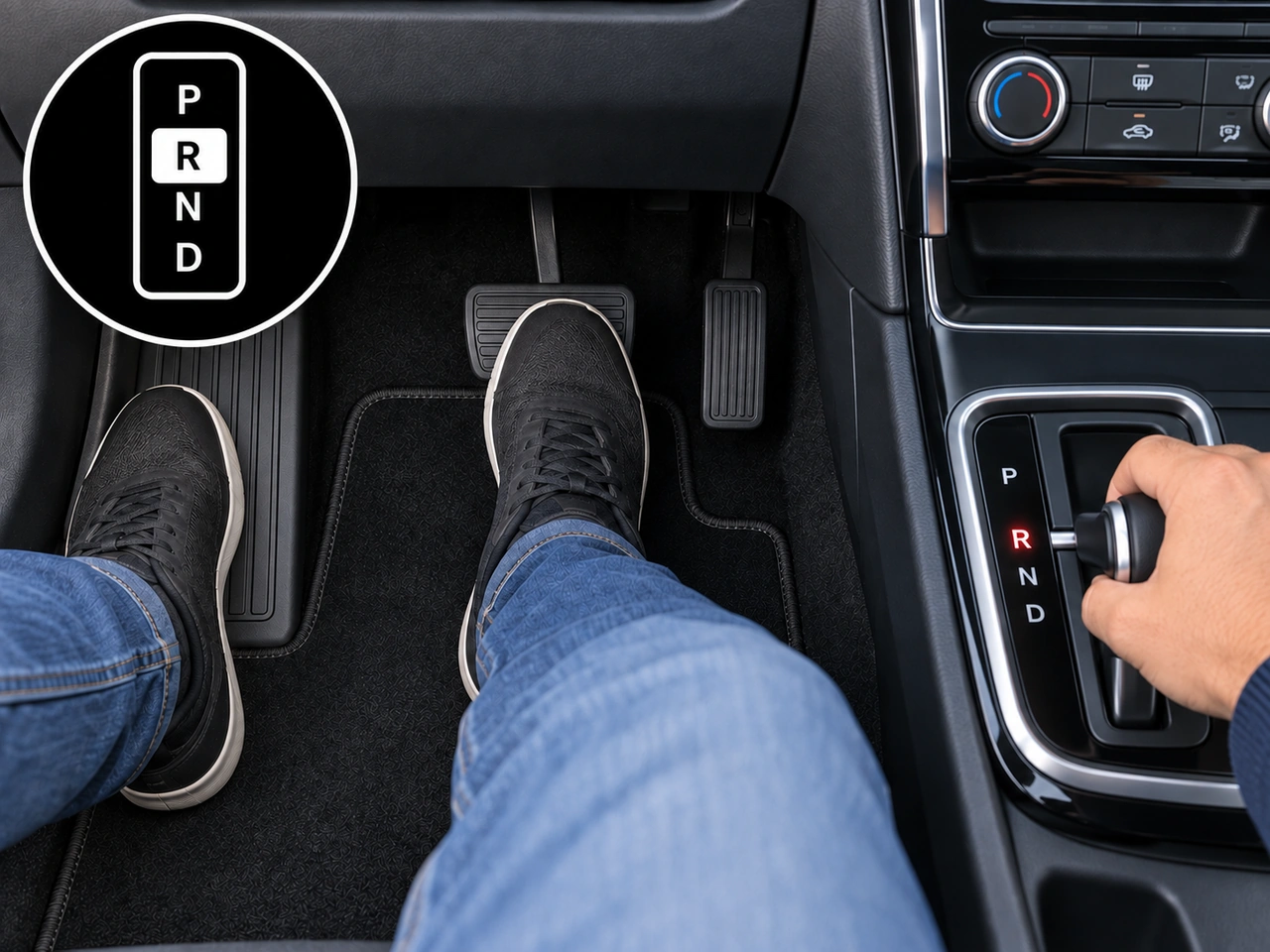
40. When should you select R (Reverse) in an automatic vehicle?
Select R (Reverse) only after the vehicle has come to a complete stop. Selecting Reverse while the vehicle is still moving forward can damage the transmission.
AI-generated by Traffic-rules.com • WCIT • CC BY-SA
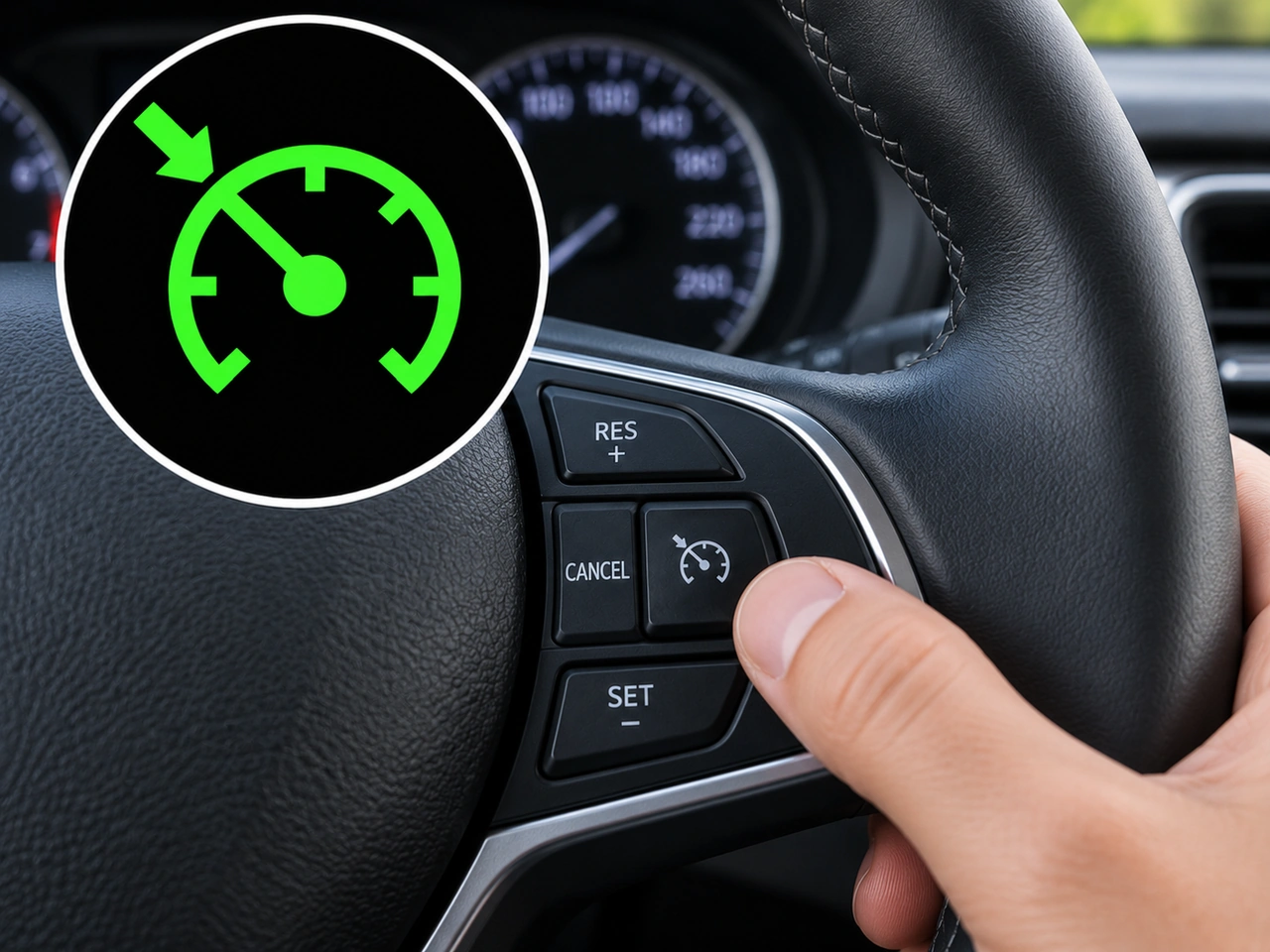
41. What does this dashboard symbol indicate?
This symbol indicates the cruise-control system. Cruise control can maintain a selected vehicle speed without the driver continuously pressing the accelerator. The exact indicator behaviour can vary between vehicles.
AI-generated by Traffic-rules.com • WCIT • CC BY-SA
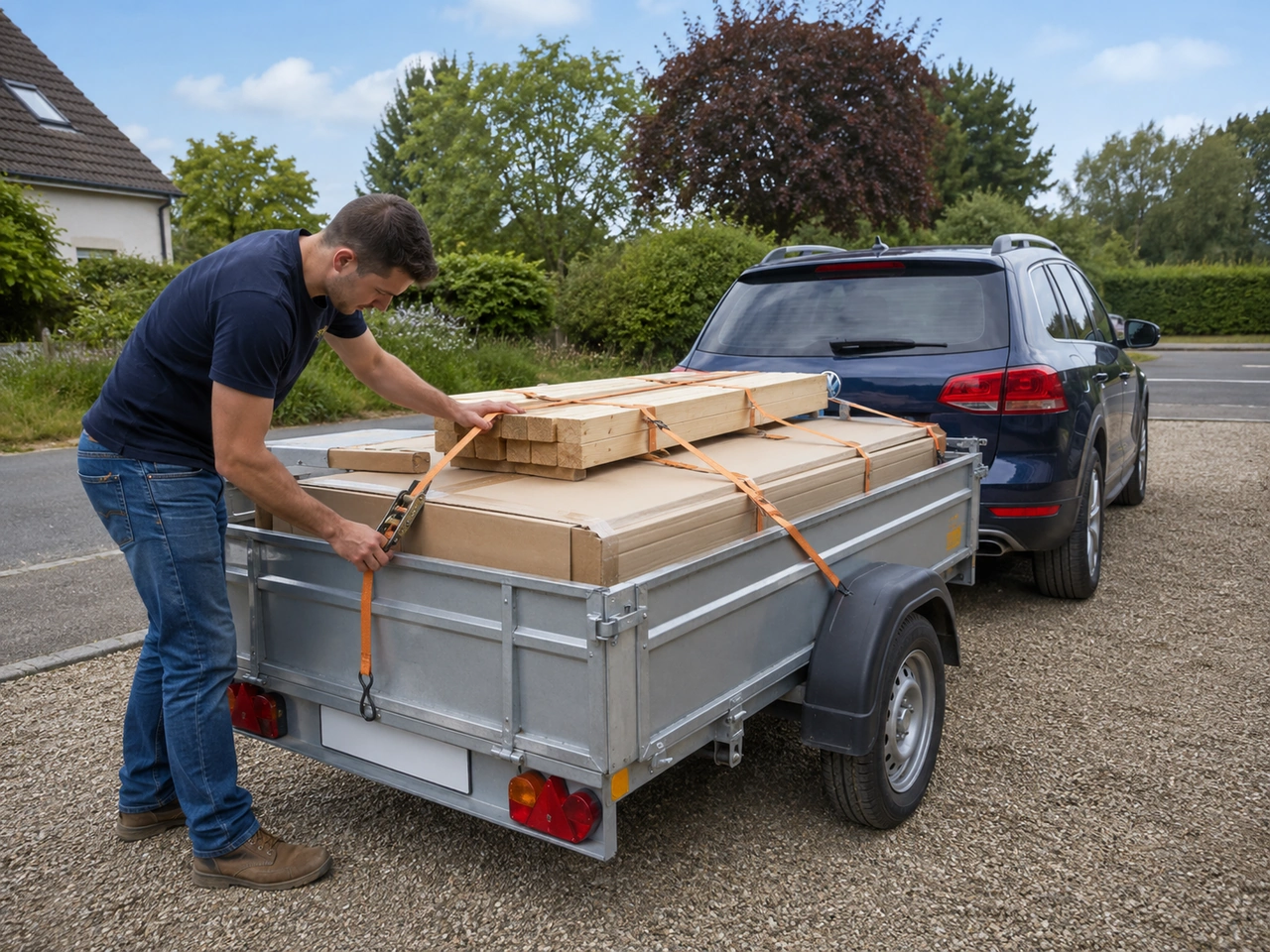
42. What should you do before driving with a load?
An unsecured load can shift, affect vehicle control, or fall into the road. Check that everything is safely restrained before moving.
AI-generated by Traffic-rules.com • WCIT • CC BY-SA
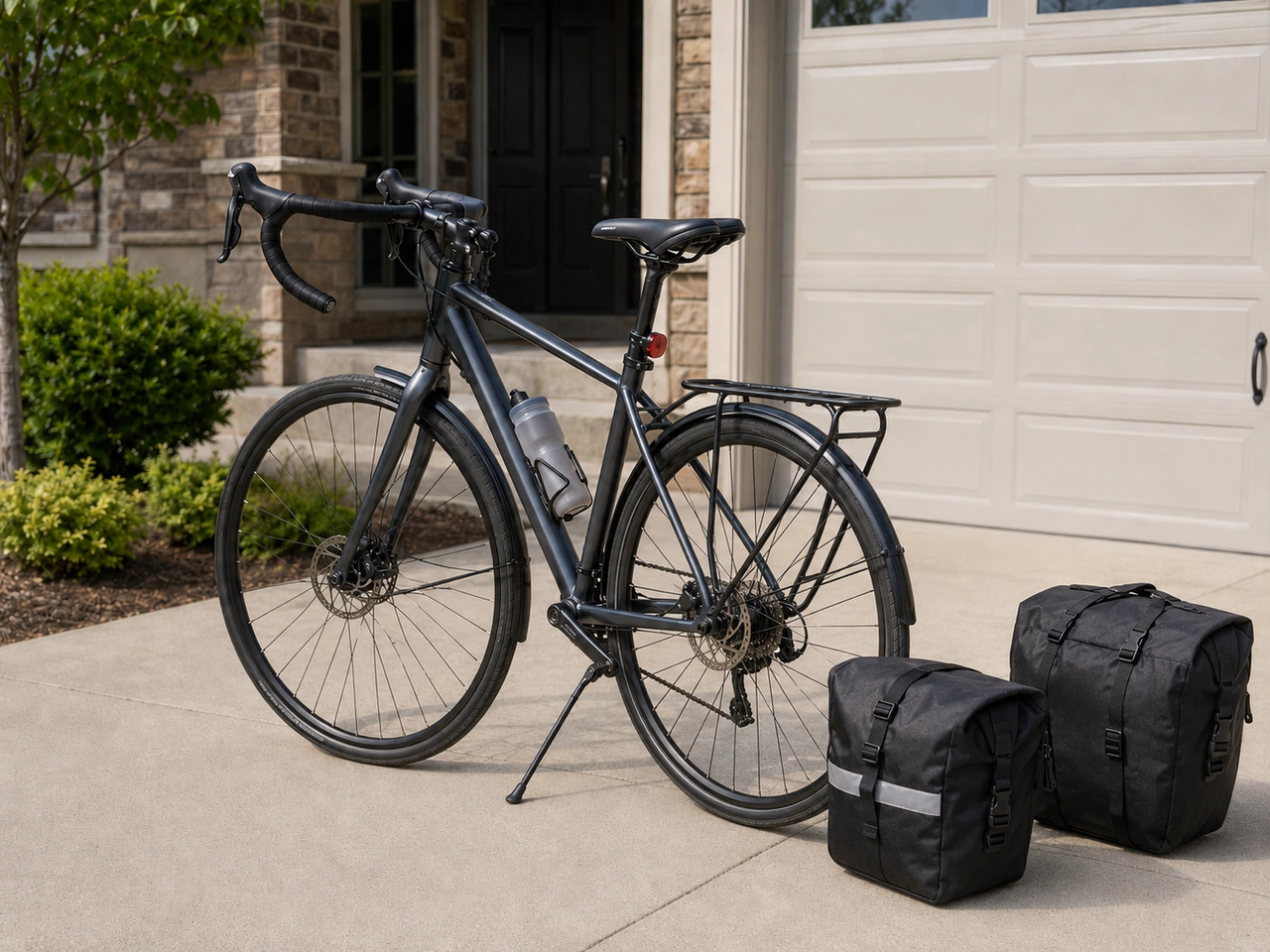
43. How should luggage be carried on a bicycle?
Loose or badly positioned luggage can interfere with control, become caught in the wheels, or hide bicycle lights.
AI-generated by Traffic-rules.com • WCIT • CC BY-SA
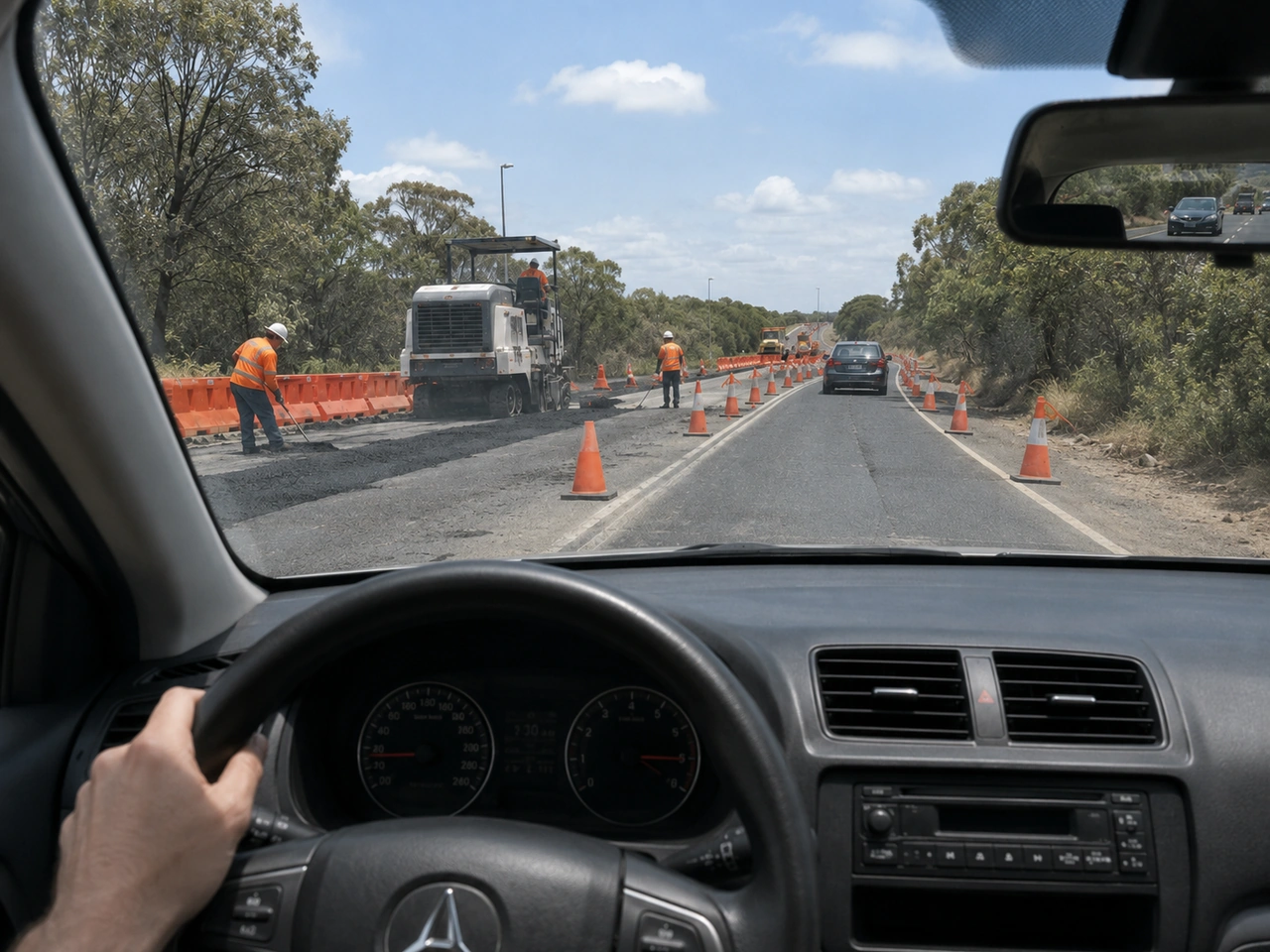
44. Why should you reduce speed when approaching roadworks?
Roadworks can involve workers, machinery, changing lane layouts, and uneven surfaces. Lower speed gives you more time to react.
AI-generated by Traffic-rules.com • WCIT • CC BY-SA
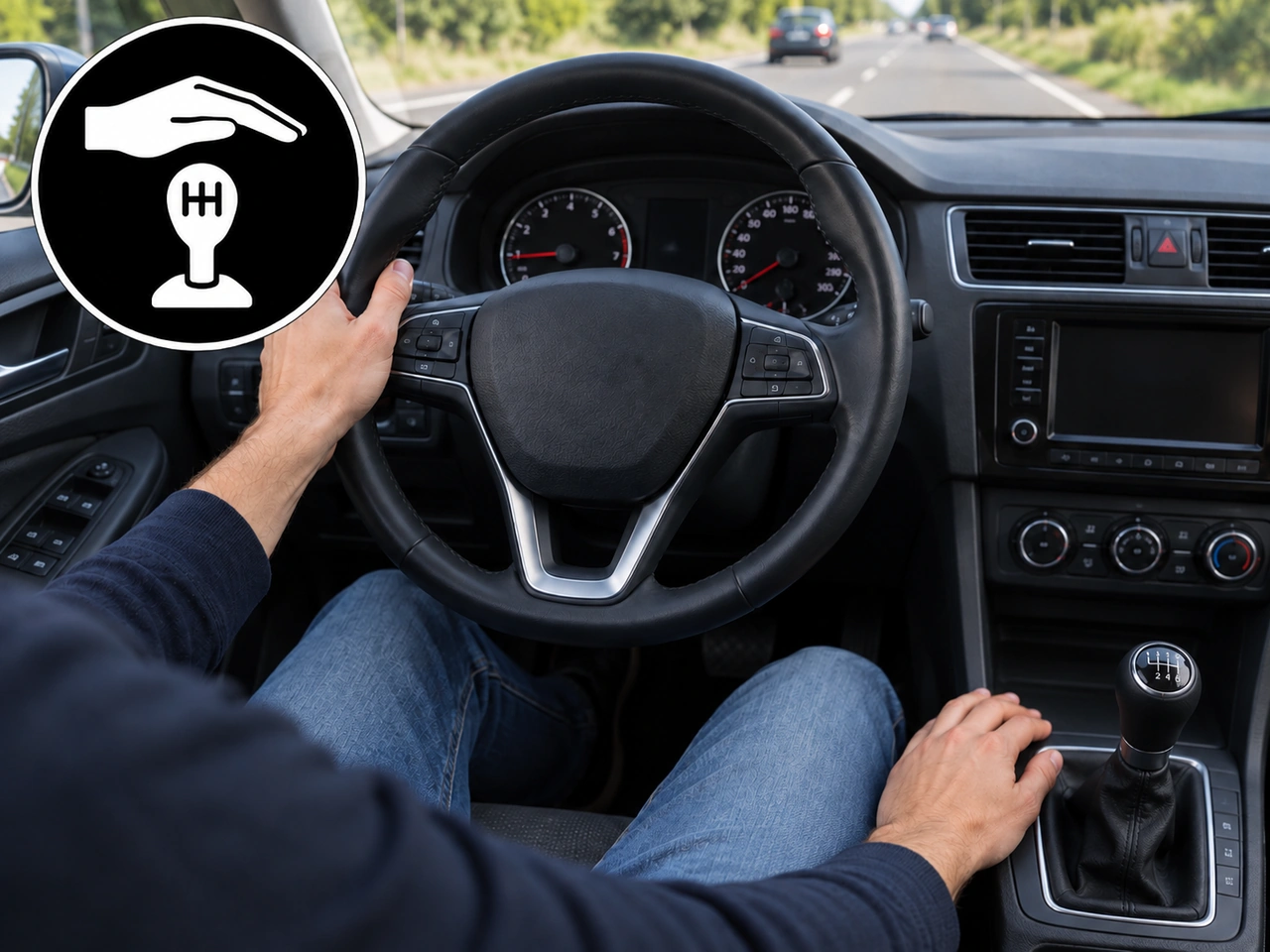
45. Why should you avoid resting your hand on the gear lever while driving?
Resting your hand on the gear lever can place unnecessary pressure on parts of the gear-selection mechanism and contribute to wear. Keep both hands on the steering wheel when you are not changing gear.
AI-generated by Traffic-rules.com • WCIT • CC BY-SA
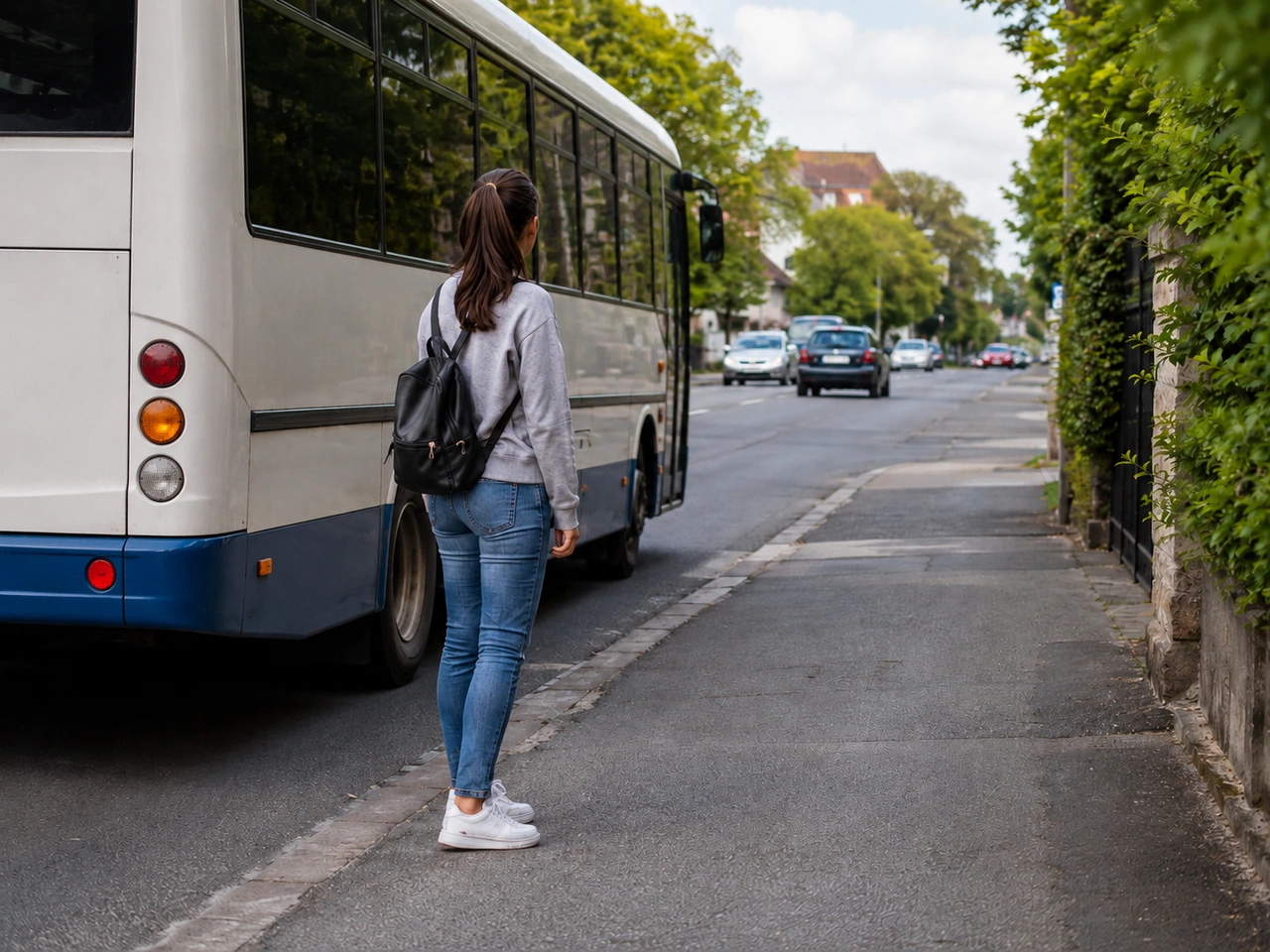
46. What should you do before crossing behind a bus or large vehicle?
Large vehicles can block your view and hide you from drivers. Wait until you can clearly see the road before crossing.
AI-generated by Traffic-rules.com • WCIT • CC BY-SA
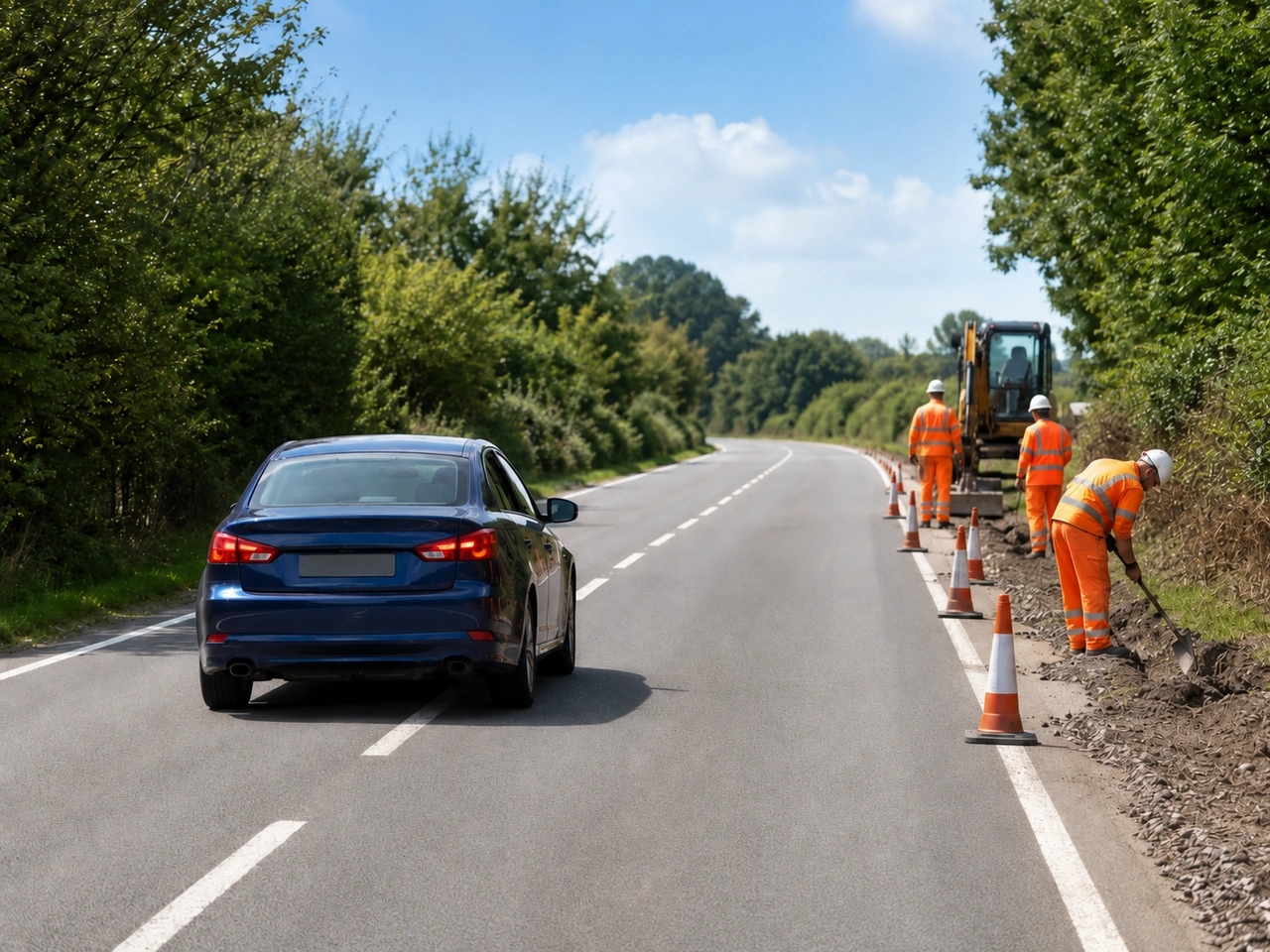
47. Why should you leave extra space when passing road workers?
Workers may be only a short distance from passing vehicles. Reduce speed and leave as much safe space as possible.
AI-generated by Traffic-rules.com • WCIT • CC BY-SA
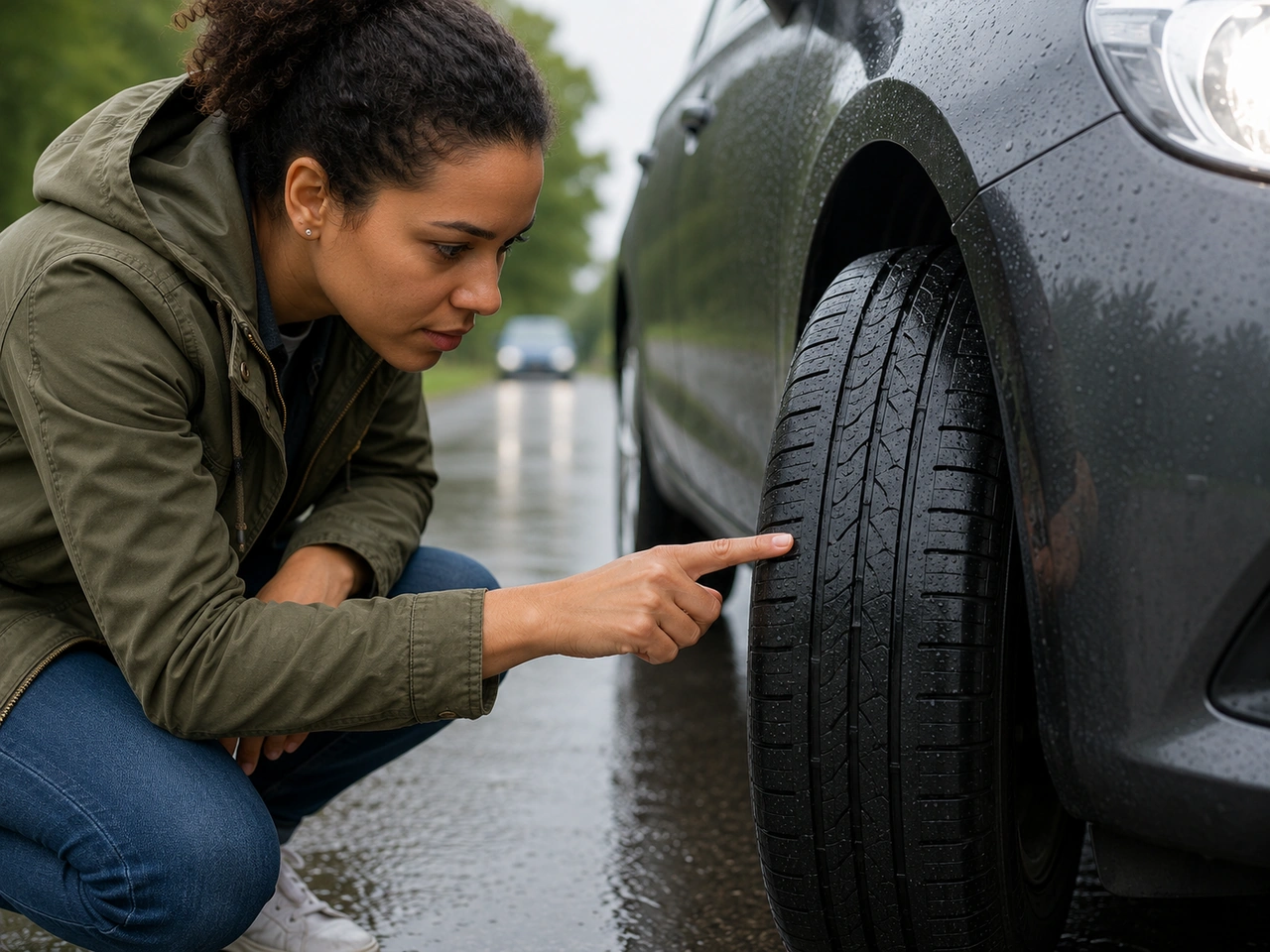
48. Why is adequate tyre tread important?
Tyre tread helps the vehicle grip the road and disperse water. Worn tread increases the risk of skidding and aquaplaning, especially in wet conditions.
AI-generated by Traffic-rules.com • WCIT • CC BY-SA
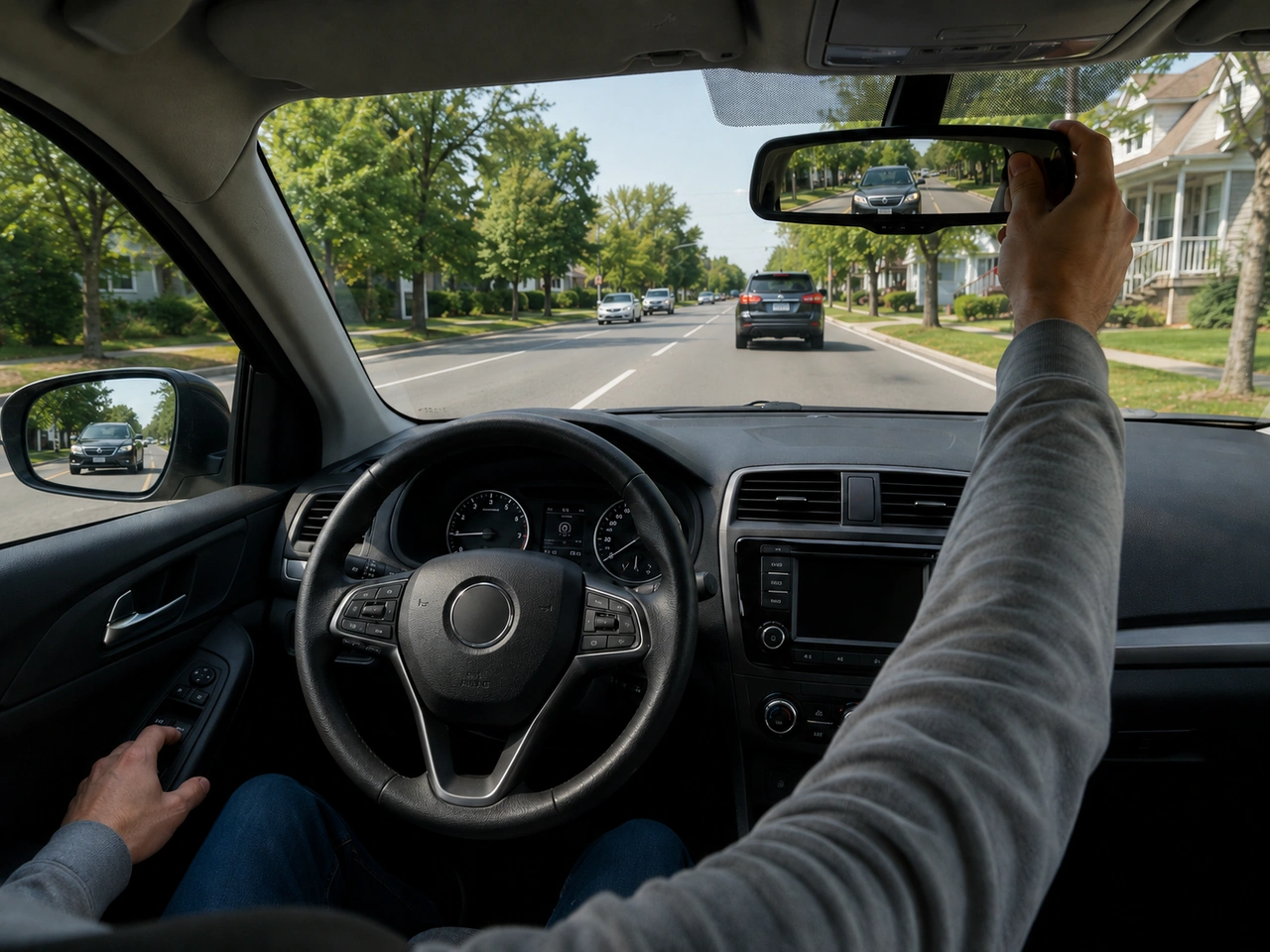
49. You should adjust your mirrors before you start driving.
Properly adjusted mirrors improve visibility and help you monitor traffic around your vehicle.
AI-generated by Traffic-rules.com • WCIT • CC BY-SA
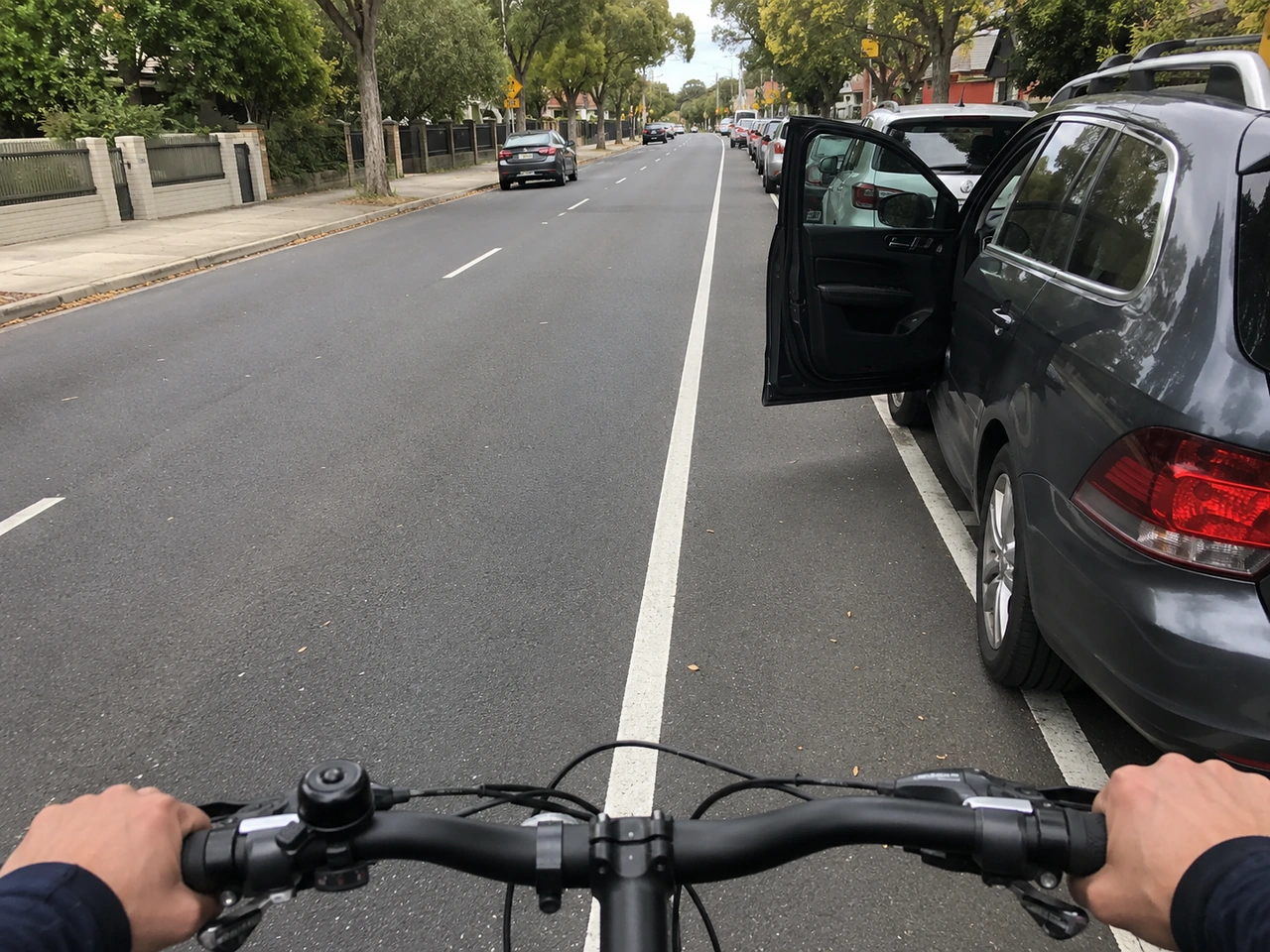
50. Why should you leave space when cycling beside parked cars?
A driver or passenger may open a door without seeing you. Leaving space reduces the risk of a dooring collision.
AI-generated by Traffic-rules.com • WCIT • CC BY-SA