


ThailandThailand
 Traffic rules
 Thailand
1. Thailand
Thailand lies at the centre of mainland Southeast Asia, extending from the mountainous north through the central plains to the Malay Peninsula. Traffic drives on the left. Driving conditions range from heavily congested streets in Bangkok to long intercity highways and winding roads through northern and western mountain regions. The southwest monsoon is also an important factor: heavy rain can cause flash flooding and landslides, particularly near foothills and in low-lying areas.
Thailand combines ordinary highways with controlled-access motorways and an extensive network of tolled expressways around Bangkok. There is no nationwide vignette; payment systems include Easy Pass and the expanding M-Flow electronic toll system. Speed limits depend on the road and vehicle type, and Bangkok now has a 60 km/h limit on most roads, with specified exceptions. Major direction signs commonly use Thai and English, and foreign visitors generally need a valid International Driving Permit unless their licence is covered by ASEAN recognition arrangements.
AI-generated by Traffic-rules.com • WCIT • CC BY-SA
Which side of the road do you drive on in Thailand?
Drive on the left-hand side of the road.
Which side should you overtake on in Thailand?
Normally overtake on the right. After overtaking, return to the appropriate left-hand lane when it is safe to do so.
What are the emergency telephone numbers in Thailand?
Call 191 for a general police emergency and 1669 for emergency medical services. Tourists can also contact the Tourist Police on 1155.
What is the alcohol limit for drivers in Thailand?
For drivers who do not fall within a lower-limit category, driving is treated as drink-driving when BAC exceeds 0.05% (50 mg%). A lower threshold of 0.02% (20 mg%) applies to drivers under 20, holders of provisional licences, drivers using an inappropriate licence category, and drivers without a valid licence or whose licence is suspended or revoked.
What is the general speed limit in built-up areas in Thailand?
Under the national speed regulation, the general maximum for an ordinary car is 80 km/h in Bangkok, Pattaya, city and town municipalities and designated community areas. However, lower local limits and traffic signs override this general maximum.
What is the speed limit in Bangkok?
Since December 2024, the maximum on most Bangkok roads is 60 km/h. Thirteen specified major roads are exempt from that citywide restriction, and lower signed limits can also apply.
What is the general speed limit outside built-up areas in Thailand?
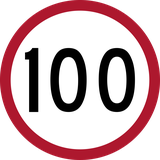
For an ordinary car, the general maximum outside Bangkok, Pattaya, municipalities and designated community areas is 90 km/h. On qualifying divided roads with at least two lanes in each direction and a physical median, the general maximum is 100 km/h, unless another specific limit applies.
Can you drive at 120 km/h on highways in Thailand?
Only on specifically designated highway sections where the higher limit applies. Thailand has designated certain suitable divided national and rural highways for speeds of up to 120 km/h; always follow the signs on the actual road.
What are the speed limits on Thai expressways?
Under the general framework, an ordinary vehicle may travel up to 100 km/h on elevated, underground or over-water expressway carriageways and up to 110 km/h on ground-level expressways. A specific expressway regulation or posted lower limit takes precedence.
What is the speed limit on motorways in Thailand?
Some controlled-access intercity motorways permit ordinary cars to travel at up to 120 km/h. Limits can be lower on particular or temporarily opened sections, so the posted motorway limit must always be followed.
Do motorcycles have the same speed limits as cars in Thailand?
No. Under the national regulation, ordinary motorcycles are generally limited to 60 km/h in urban/community areas, 70 km/h outside them and 80 km/h on qualifying divided roads. Motorcycles of at least 35 kW or 400 cc have higher limits of 80, 90 and 100 km/h respectively in those categories.
Do you need a vignette to drive in Thailand?
No. Thailand has no nationwide road vignette. Charges are collected for using particular toll expressways and motorways.
How are road tolls paid in Thailand?
The payment method depends on the road. Bangkok-area expressways use systems including Easy Pass, while the Department of Highways uses and is expanding M-Flow barrier-free electronic tolling on motorways. Some facilities also retain other payment options, including cash.
Can motorcycles use motorways and expressways in Thailand?
Generally no. Motorcycles are prohibited from Thailand's controlled-access intercity motorways and from the expressway network where motorcycle access is prohibited.
Are seat belts compulsory in Thailand?
Yes. In vehicles equipped for seat-belt use, the driver and passengers in both front and rear seating rows must wear them, subject to limited statutory exceptions.
Are child car seats compulsory in Thailand?
Yes. Children aged 6 or younger must be secured in an appropriate child safety seat or protected using an approved alternative method where a child seat cannot be used. The detailed child-restraint rules have been in force since August 2023.
What does the 135 cm rule mean for children in Thailand?
A passenger who is 135 cm tall or shorter must be secured by a seat belt or another legally permitted protective method, regardless of which seating row is used. This is separate from the specific child-restraint requirement for children aged 6 or younger.
Are motorcycle helmets compulsory in Thailand?
Yes. Both the motorcycle rider and passenger must wear a protective helmet. Thailand has strengthened nationwide enforcement of this rule since June 2025.
Can you use a mobile phone while driving in Thailand?
You may not hold or handle a mobile phone while driving. Hands-free use through equipment such as Bluetooth, a headset or speakerphone is permitted if the phone does not have to be held; if you need to handle it, stop in a safe place first.
Who has priority at an uncontrolled intersection in Thailand?
If another vehicle is already in the intersection, let that vehicle pass first. If two vehicles arrive at the same time and neither is already in the intersection, the driver must give way to the vehicle on the left, unless one road has priority as the main road.
Who has priority at roundabouts in Thailand?
Follow any traffic lights and priority signs first. Where there are none, a driver entering the roundabout must give way to traffic in the roundabout approaching from the right.
Do drivers have to stop for pedestrians at zebra crossings in Thailand?
Yes. Drivers must stop and give way to pedestrians at pedestrian crossings as required by the traffic rules.
What should you do when an emergency vehicle approaches in Thailand?
Give way to emergency vehicles using their warning signals. Do not obstruct their route, and follow any directions from police or traffic officers.
Can a foreign visitor drive in Thailand with a foreign licence?
Foreign visitors should normally carry a valid International Driving Permit (IDP) together with the underlying driving licence. Thailand also recognises domestic driving licences issued by other ASEAN member countries; if such a licence is not in English, a certified English translation is required.
Is compulsory motor insurance required in Thailand?
Yes. Vehicles are subject to Thailand's compulsory motor-vehicle accident insurance system under the Protection for Motor Vehicle Victims Act.
What languages are used on road signs in Thailand?
Traffic signs use standardised symbols, and Thai and English are commonly used together on major direction and destination signs, particularly on highways and routes used by visitors.
What should drivers know about monsoon rain in Thailand?
Heavy monsoon rainfall can cause flash floods, water across roads and landslides, especially in low-lying areas and near foothills. Follow weather and road warnings and never attempt to drive through floodwater when its depth or road condition is uncertain.
Should slower traffic keep left in Thailand?
Yes. Thailand is a keep-left traffic system, and slower vehicles should normally remain toward the left. The right-hand lanes are principally used when overtaking or where another manoeuvre or traffic arrangement requires them.

