

Traffic signsFlanders
 Traffic rules
 Flanders
 Priority signs
 Warning signs
 Prohibitory signs
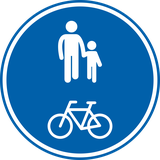 Mandatory signs
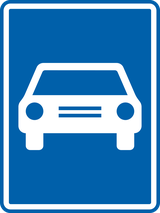 Information signs
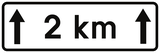 Additional signs
Traffic signs
A traffic sign is a standardised visual symbol placed along roads to guide, warn, or regulate drivers, cyclists, and pedestrians. These signs provide essential information about road conditions, rules, directions, and potential hazards, helping to ensure safety and smooth traffic flow. They come in various shapes and colours—such as triangular warning signs, circular prohibitory or mandatory signs, and rectangular information signs—each designed for quick recognition and clear understanding.
What are Belgian A-series traffic signs?
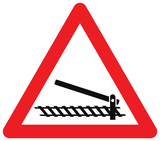
The A series mainly consists of warning signs. They warn road users of a danger ahead, such as dangerous curves, road narrowing, slippery roads, pedestrian crossings or railway crossings.
 Warning for a danger with no specific traffic sign.
Signal routier A51 • Danger non défini par un symbole spécial. Un panneau additionnel indique la nature du danger.
Verkeersbord A51 • Gevaar dat niet door een speciaal symbool wordt bepaald. Een onderbord duidt de aard van het gevaar aan.
 Warning for a movable bridge.
Signal routier A9 • Pont mobile.
Verkeersbord A9 • Beweegbare brug.
What are Belgian B-series traffic signs?
The B series contains priority signs. These signs regulate matters such as giving way, stopping, priority roads, priority from the right and priority at narrow passages.
 Stop and give way.
Signal routier B5 • Marquer l’arrêt et céder la priorité.
Verkeersbord B5 • Stoppen en voorrang verlenen.
 Give way.
Signal routier B1 • Céder la priorité.
Verkeersbord B1 • Voorrang verlenen.
What are Belgian C-series traffic signs?
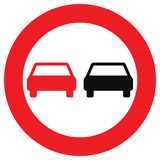
The C series contains prohibition and restriction signs. They can prohibit access, restrict particular categories of vehicles, impose a maximum speed or prohibit certain manoeuvres.
 No entry.
Signal routier C1 • Sens interdit à tout conducteur.
Verkeersbord C1 • Verboden richting voor iedere bestuurder.
 Access prohibited in both directions.
Signal routier C3 • Accès interdit, dans les deux sens, à tout conducteur.
Verkeersbord C3 • Verboden toegang, in beide richtingen, voor iedere bestuurder.
What are Belgian D-series traffic signs?
The D series contains mandatory signs. They can require drivers to follow a particular direction or require certain road users to use a designated part of the public road.
 Driving straight ahead mandatory.
Signal routier D1 • Obligation de suivre la direction indiquée par la flèche. La disposition des lieux détermine la position de la flèche. Si le signal présentant une flèche non coudée, est placé sur un obstacle, il signifie obligation de passer du côté indiqué par la flèche.
Verkeersbord D1 • Verplichting de door de pijl aangeduide richting te volgen. De plaatsgesteldheid bepaalt de stand van de pijl. Wanneer het verkeersbord dat een niet-gebogen pijl voorstelt, op een hindernis geplaatst is, betekent het dat langs de door de pijl aangeduide richting moet voorbijgereden worden.
What are Belgian E-series traffic signs?
The E series contains signs concerning stopping and parking. They can prohibit stopping or parking or indicate and regulate parking places.
 Parking prohibited.
Signal routier E1 • Stationnement interdit.
Verkeersbord E1 • Parkeerverbod.
What are Belgian F-series traffic signs?
The F series mainly contains indication signs and signs establishing particular traffic situations, such as motorways, built-up areas, one-way roads, bus lanes, pedestrian crossings and dead-end roads.
 Start of a built-up area.
Signal routier F1b • Commencement d'une agglomération. Ce signal est placé à droite, à chaque accès d'une agglomération; il peut être répété à gauche.
Verkeersbord F1b • Begin van een bebouwde kom. Dit verkeersbord wordt rechts geplaatst op elke toegangsweg tot een bebouwde kom; het mag links herhaald worden.
Are Belgian traffic signs legally binding?
Yes. Road users must obey Belgian traffic signs when they are regular in form, sufficiently visible and installed in accordance with the applicable rules.
What takes priority if Belgian traffic instructions, signs and rules conflict?
Instructions given by authorised persons take priority over traffic signs and the ordinary traffic rules. Traffic signs take priority over the ordinary traffic rules. When traffic lights are operating at a location, priority signs placed on the same road do not apply there.
Are traffic lights and road markings also traffic signs?
No. Belgian law distinguishes between traffic lights, traffic signs and road markings. Together they form the traffic-signalling system that road users must follow.
How are Belgian traffic signs currently classified?
Under the current Belgian Road Code, traffic signs are divided into six categories: warning signs, priority signs, prohibitory signs, mandatory signs, signs concerning stopping and parking, and information signs.
Can an additional sign change the meaning of a Belgian traffic sign?
Yes. An additional sign placed below a traffic sign can supplement, specify or limit its meaning. It may indicate matters such as a distance, the length of a regulation, a period, a particular vehicle category or an exception.
Can Belgian traffic signs be displayed electronically?
Yes. Traffic signs can be displayed using dynamic or variable signalling. Their colours may be adapted for the electronic display, but red remains red and the legal meaning of the sign does not change.
Who is allowed to place traffic signs on Belgian public roads?
Traffic signs may normally only be placed by the legally competent authorities. Temporary signalling may also be used in specific circumstances, such as roadworks, traffic obstructions or emergencies, in accordance with the applicable rules.
Why is Belgium introducing new traffic signs?
Belgium’s new Code of the Public Road modernises and reorganises the traffic-sign system. Many signs have been adapted to use simpler and more internationally harmonised symbols, while obsolete signs are removed and several situations receive their own dedicated signs instead of relying on combinations of existing signs and additional panels.
How will Belgian traffic signs look different under the new Road Code?
Many signs receive modernised and simplified symbols. Warning and prohibitory signs receive a white contrast border, additional contrast is introduced between blue and red areas on certain signs, and the current blue additional signs are replaced by white panels with black symbols or text.
How are traffic signs classified under Belgium’s new Road Code?
The new Code keeps the familiar A, B, C, D, E and F series and adds a clearer structure with R-series signs for special regulations, Z-series signs for zonal regulations and M-series additional signs.
When do Belgium’s new traffic signs become valid?
Belgium’s new Code of the Public Road takes effect on 1 June 2027. The new traffic signs may not be used before that date.
Must all current Belgian traffic signs be replaced on 1 June 2027?
No. Most current Belgian traffic signs may remain in use during a long transition period and do not have to be replaced immediately. Most old models remain valid until 1 January 2045.
Are there Belgian traffic signs that must be replaced earlier?
Yes. Traffic signs E5, E7 and E11 lose their meaning on 1 June 2027. The current F17 and F18 bus-lane signs and associated markings lose their meaning on 1 June 2030, while certain current F111 and F113 cycling-zone signs lose their meaning on 1 January 2035.
Can an old Belgian traffic sign remain in place but receive the meaning of the new Road Code?
Yes. Many current signs may physically remain in place during the transition period. From 1 June 2027, they are interpreted according to the new Code of the Public Road unless a specific transitional provision provides otherwise.
Should drivers learn both the current and new Belgian traffic signs?
Yes. The current traffic signs remain relevant until the new Code takes effect, and many old designs will remain on Belgian roads for years afterwards. During the transition period, drivers should therefore be able to recognise both current and new traffic signs.

151. Road with one-way traffic
This traffic sign indicates a road with one-way traffic. Vehicular traffic may travel only in the permitted direction, subject to any exceptions indicated by traffic signs or local rules.
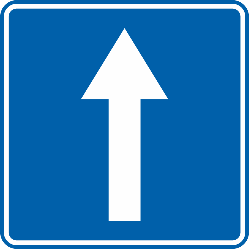
Verkeersbord F19 • Openbare weg met éénrichtingsverkeer.
152. Lane for buses
This traffic sign indicates a lane for buses. The lane is intended for buses and any other road users permitted by the applicable signs or local rules.
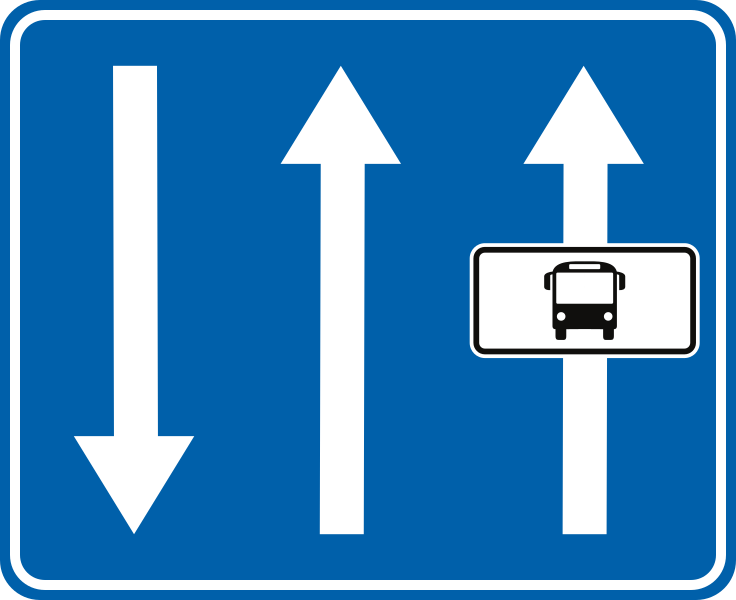
Verkeersbord F17 • Busbaan. De pijlen op het verkeersbord geven de rijrichting aan op het betrokken weggedeelte. Dit verkeersbord kan ook de rijstrookmarkeringen weergeven. Naargelang het geval zijn deze wegmarkeringen doorlopend, onderbroken of beide.
153. Overview of the lanes and their direction
This traffic sign gives an overview of the lanes and their direction. The arrows or other indications show how the lanes continue and which directions or destinations they serve.
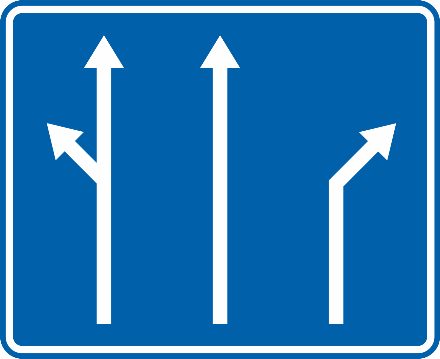
Verkeersbord F13 • Verkeersbord dat de voorsorteringspijlen op de rijbaan aankondigt. Dit verkeersbord kan ook de rijstrookmarkeringen weergeven. Dit verkeersbord kan de verschillende richtingen aanduiden. De bestuurder moet afhankelijk van de richting die hij volgt, de aanwijzingen volgen.
154. Maximum speed of a lane
This traffic sign indicates the maximum speed for the indicated lane. Vehicles using that lane must not exceed the displayed speed limit while the restriction applies.
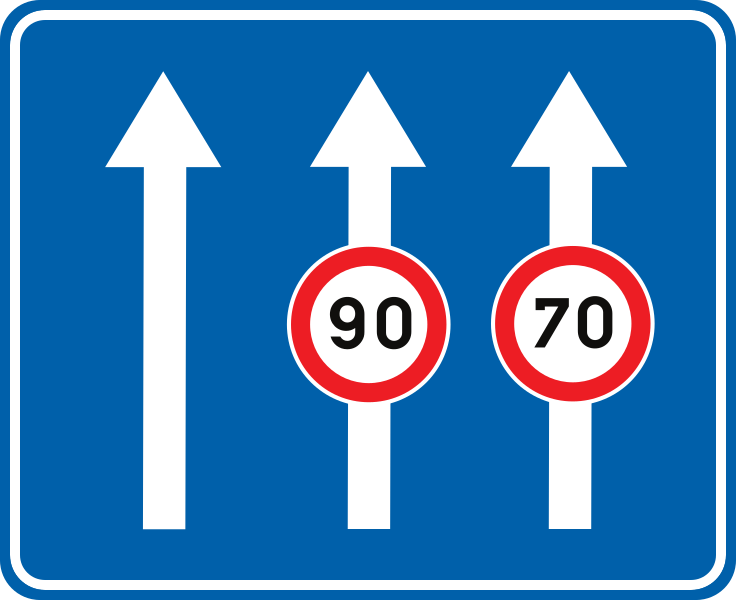
Verkeersbord F91 • Verkeersbord dat een gevaar, een verbod of een gebod aanduidt dat slechts van toepassing is op een deel van de openbare weg of op één of meerdere rijstroken van een rijbaan die meerdere rijstroken in dezelfde richting omvat.
155. General information about the directions
This traffic sign gives general information about road directions. The arrows, destinations and route information show which direction to follow.
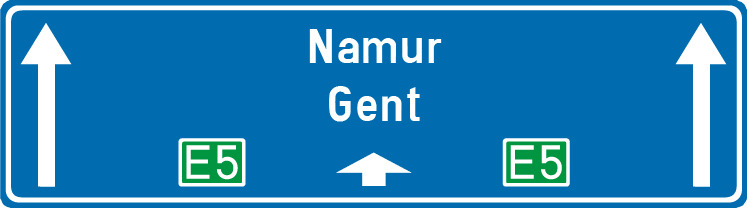
Verkeersbord F15 • Verkeersbord dat de keuze van een richting voorschrijft. Neerwaarts of opwaarts gerichte pijlen hebben betrekking op doorgaande richtingen. Schuine pijlen hebben betrekking op afslaande richtingen. Het aantal pijlen vertegenwoordigt het aantal rijstroken. De bestuurder moet afhankelijk van de richting die hij volgt, de aanwijzingen volgen.
156. Junction directions and destinations
This traffic sign shows the junction directions and destinations. The destinations are listed with arrows showing which direction to follow.
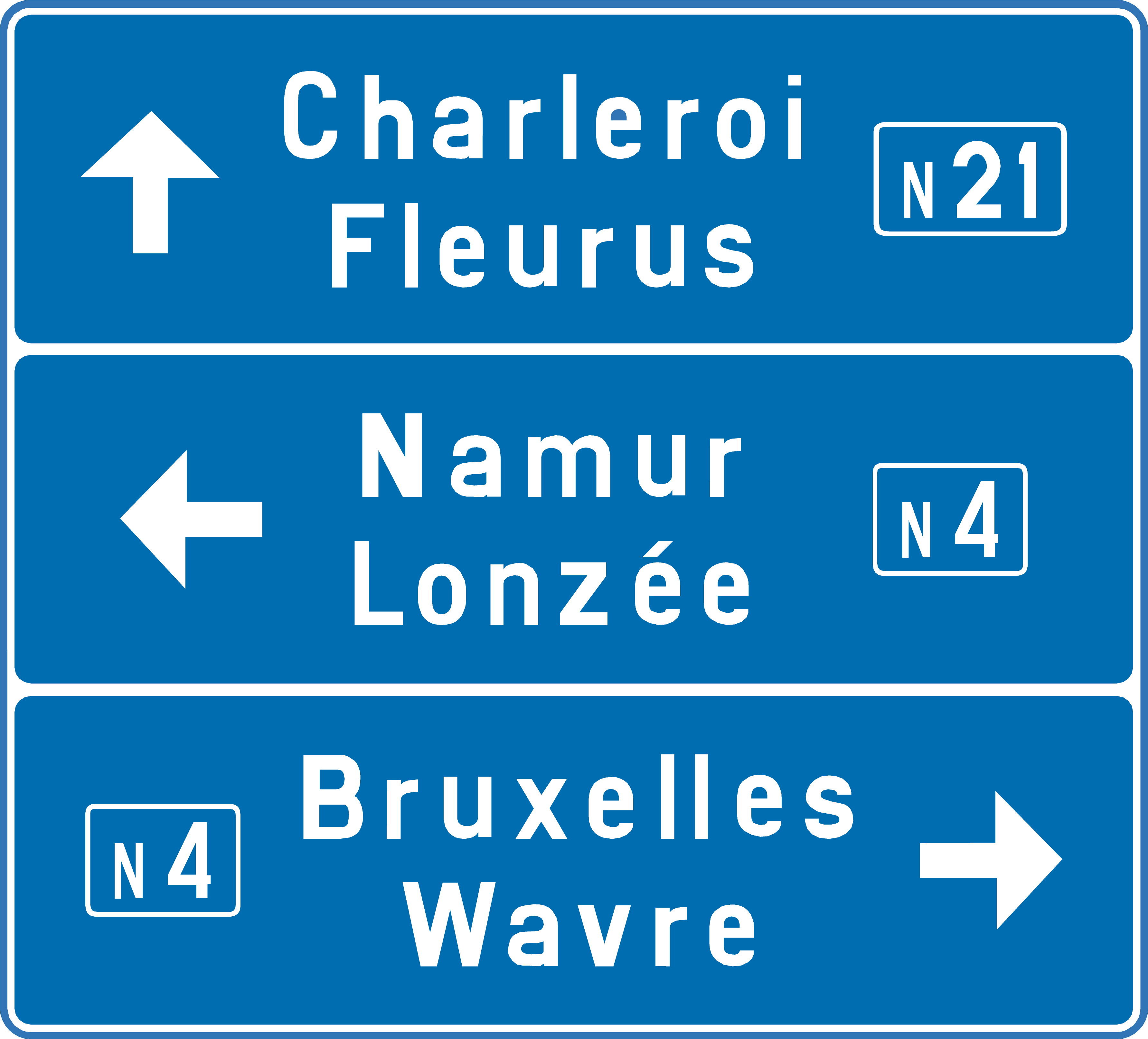
Verkeersbord F27 • Voorwegwijzer.
157. Junction layout, directions and destinations
This traffic sign shows the junction layout, directions and destinations. The diagram shows how the roads are arranged and which direction leads to each indicated destination or route.
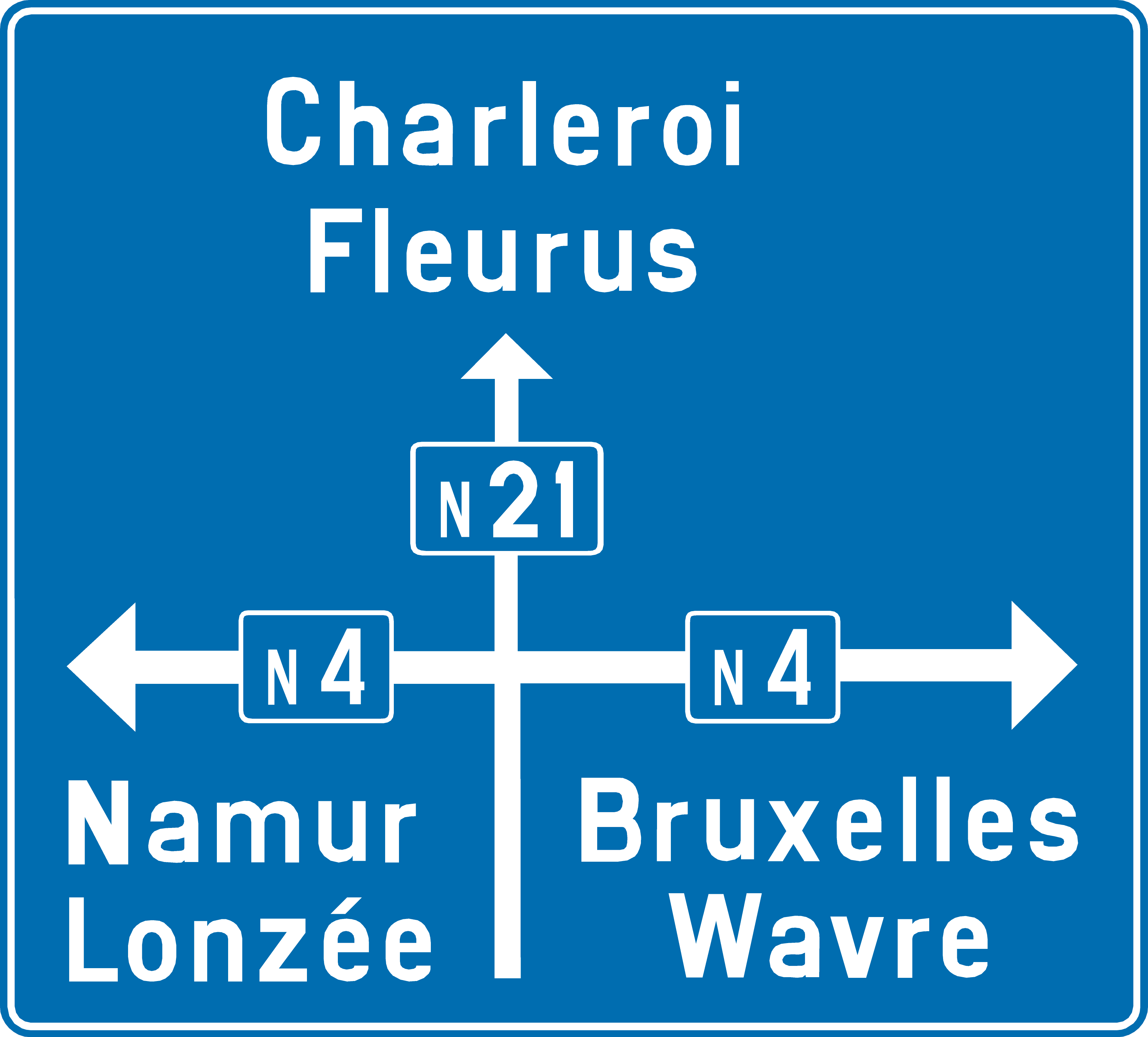
Verkeersbord F25 • Voorwegwijzer.
158. Detour directions at the intersection
This traffic sign indicates a detour and shows the temporary directions to destinations at the upcoming intersection. Follow the indicated arrows to continue along the detour.
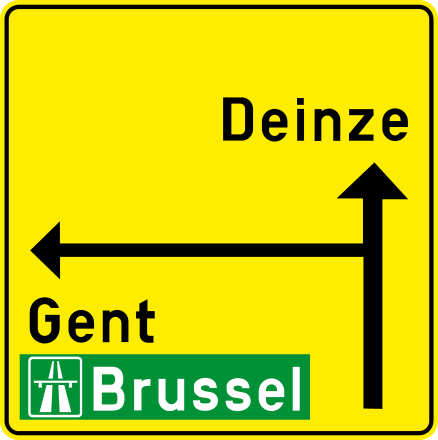
Verkeersbord F39 • Voorwegwijzer die een omleiding aankondigt.
159. Direction of the route for cyclists
This traffic sign indicates the direction of a recommended or designated route for cyclists. Follow the arrow to remain on the cycle route.
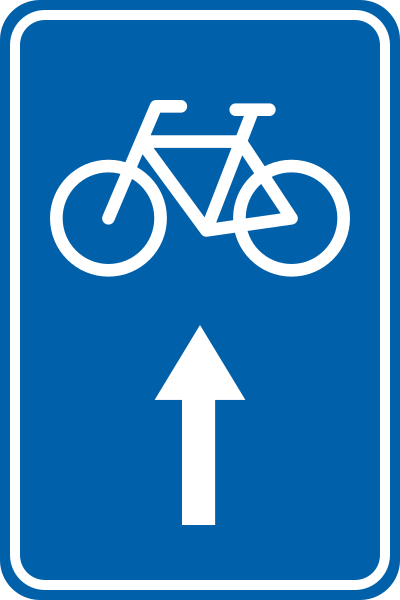
Verkeersbord F36 • Wegwijzer die fietsers of voetgangers geleidt naar een deel van de openbare weg.
160. Detour for cyclists
This traffic sign indicates the direction of a temporary detour intended for cyclists. Follow the arrow and any subsequent detour signs until you can return to the normal route.
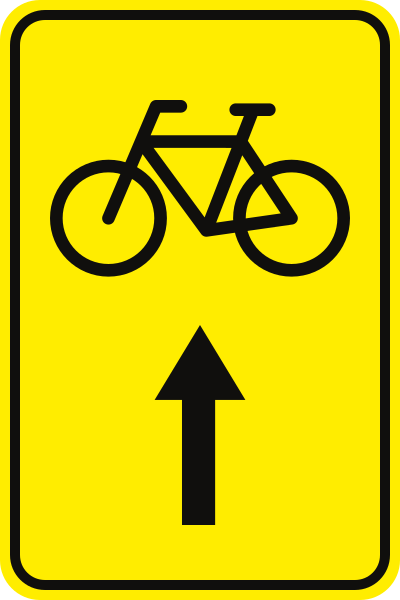
Verkeersbord F41 • Wegwijzer. Omleiding. “Omleiding” kan vervangen zijn door de naam van de bestemming.
161. Direction of the route for pedestrians
This traffic sign indicates the direction of a recommended or designated route for pedestrians. Follow the arrow to remain on the pedestrian route.
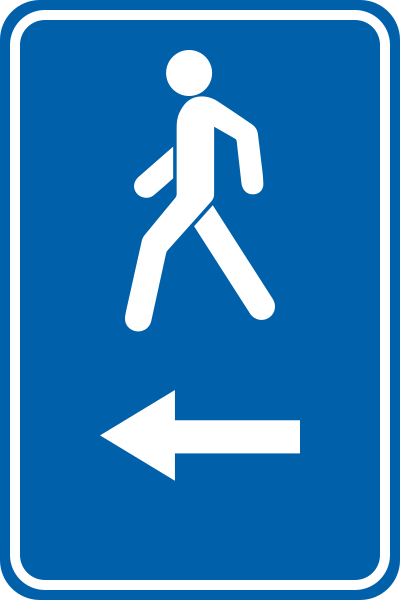
Verkeersbord F36 • Wegwijzer die fietsers of voetgangers geleidt naar een deel van de openbare weg.
162. Detour for pedestrians
This traffic sign indicates the direction of a temporary detour intended for pedestrians. Follow the arrow and any subsequent detour signs until you can return to the normal pedestrian route.
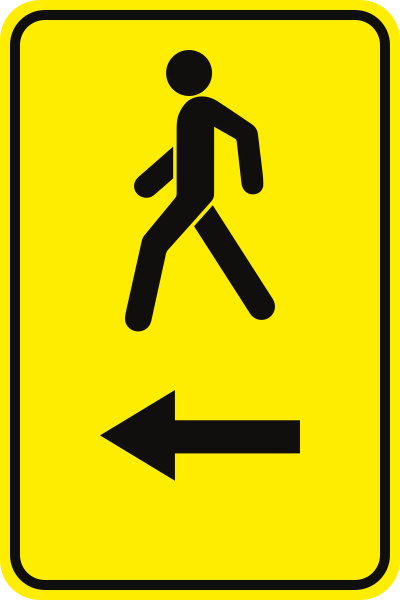
Verkeersbord F41 • Wegwijzer. Omleiding. “Omleiding” kan vervangen zijn door de naam van de bestemming.
163. Diversion of lanes
This traffic sign indicates that the traffic lanes shift sideways to pass an obstruction or changed road layout. Follow the direction shown by the arrows, stay within your lane and adjust your position in good time. The number of arrows corresponds to the number of continuing traffic lanes.
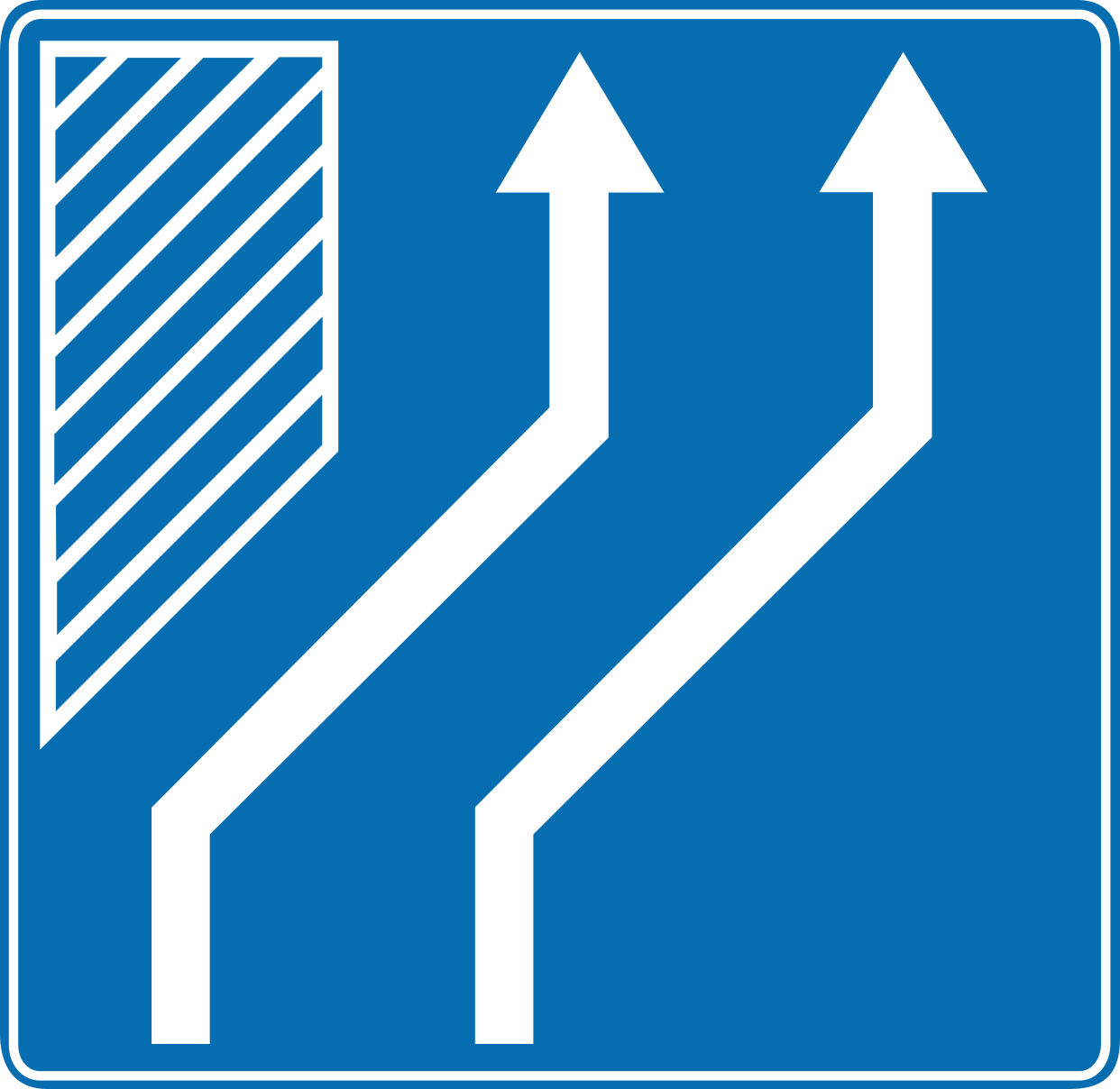
Verkeersbord F96 • Verkeersbord dat een uitwijking aankondigt. Het aantal pijlen stemt overeen met het werkelijk aantal rijstroken. Het symbool stemt overeen met de plaatsgesteldheid.
164. Temporary diversion of lanes
This traffic sign indicates that the traffic lanes temporarily shift sideways, usually because of roadworks or an obstruction. Follow the arrows, stay within your lane and move into the temporary alignment in good time. The number of arrows shows the number of lanes that continue.
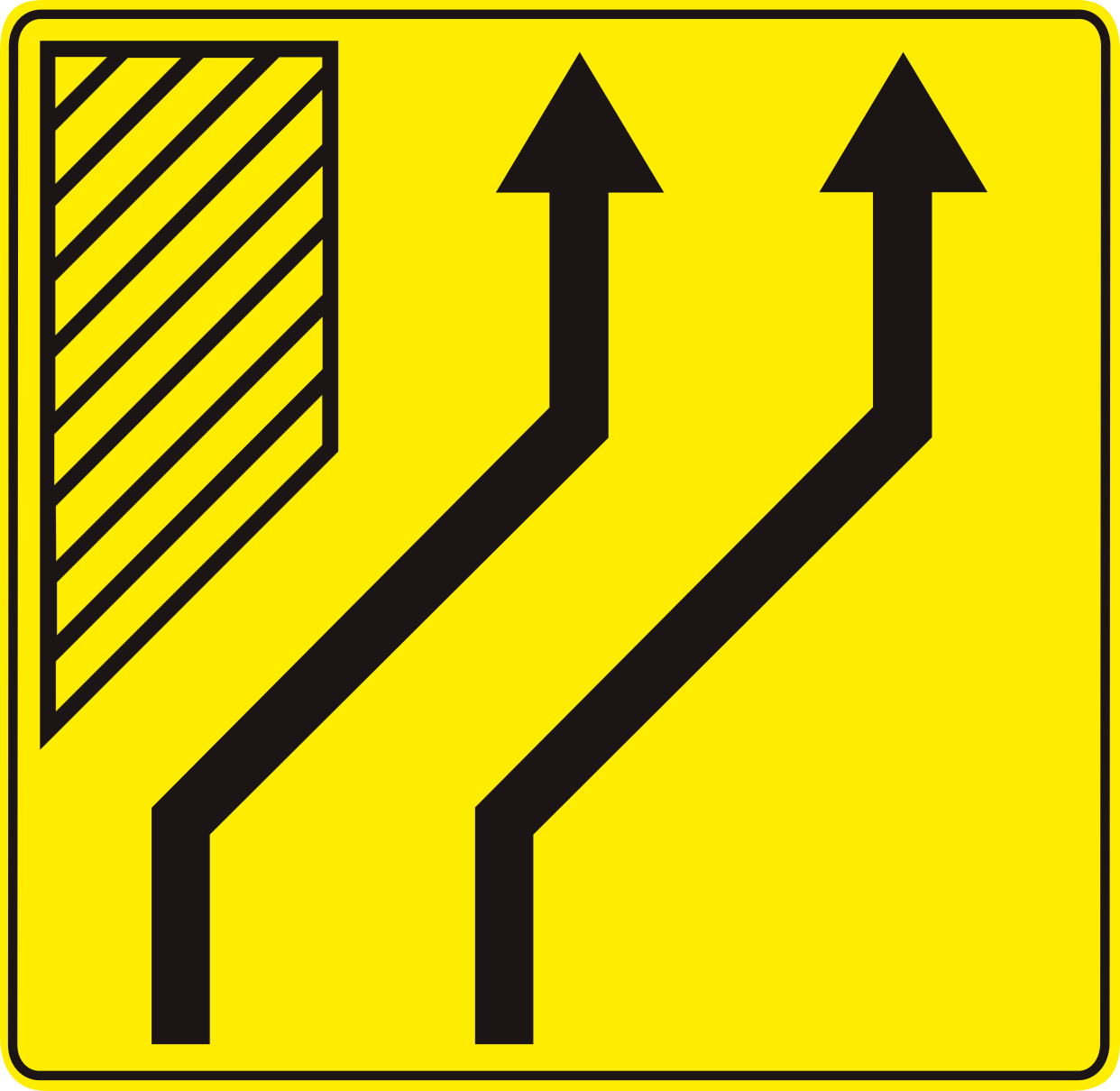
Verkeersbord F81 • Tijdelijke aanwijzingen bij werken. Voorwegwijzer die een uitwijking aankondigt. Het symbool stemt overeen met de plaatsgesteldheid.
165. Diversion of lanes ahead
This traffic sign indicates that the traffic lanes ahead shift sideways to pass an obstruction or changed road layout. Follow the direction shown by the arrows, stay within your lane and adjust your position in good time. The number of arrows corresponds to the number of continuing traffic lanes.
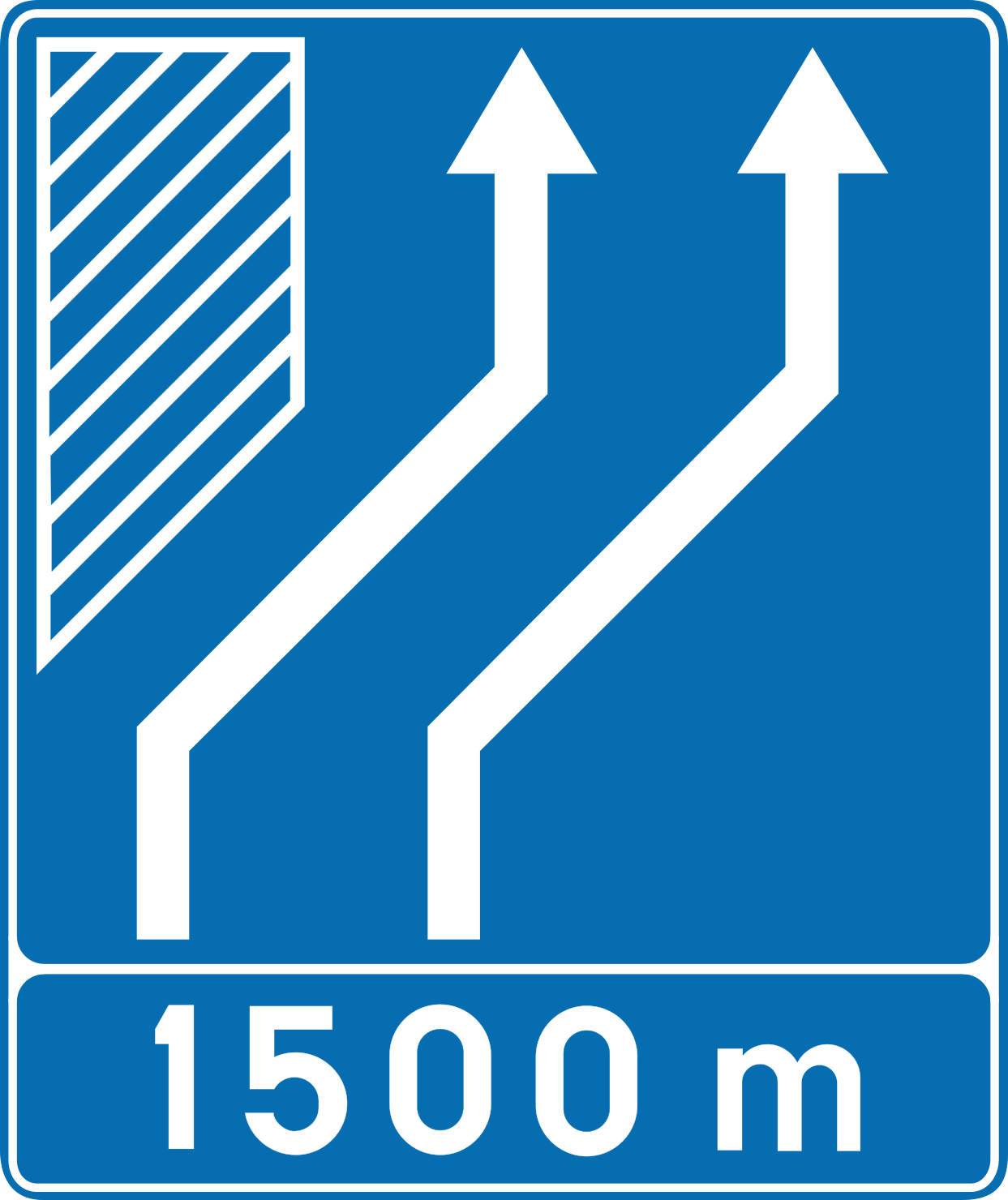
Verkeersbord F96 • Verkeersbord dat een uitwijking aankondigt. Het aantal pijlen stemt overeen met het werkelijk aantal rijstroken. Het symbool stemt overeen met de plaatsgesteldheid.
166. Temporary diversion of lanes ahead
This traffic sign indicates that the traffic lanes ahead temporarily shift sideways, usually because of roadworks or an obstruction. Follow the arrows, stay within your lane and move into the temporary alignment in good time. The number of arrows shows the number of lanes that continue.
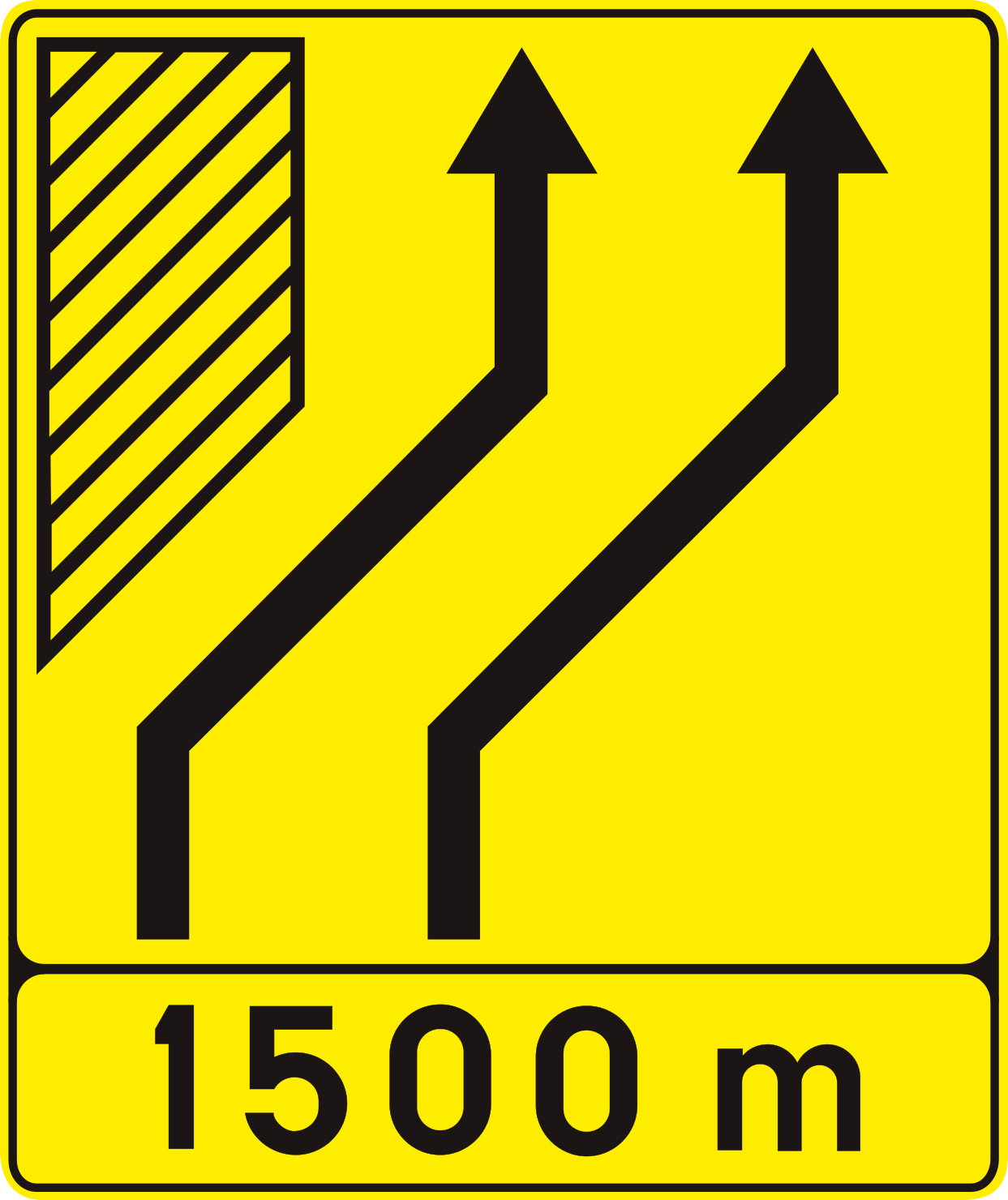
Verkeersbord F81 • Tijdelijke aanwijzingen bij werken. Voorwegwijzer die een uitwijking aankondigt. Het symbool stemt overeen met de plaatsgesteldheid.
167. End of a lane
This traffic sign indicates the end of a lane. The displayed lane arrangement shows which lane ends and how the remaining traffic lanes continue.
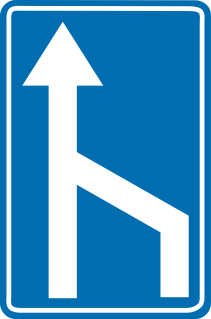
Verkeersbord F97 • Verkeersbord dat de vermindering van een rijstrook aanduidt.
168. Temporary lane end
This traffic sign indicates that one traffic lane ends temporarily. Drivers in the ending lane must merge into a continuing lane according to the temporary road layout, markings and applicable merging rules.
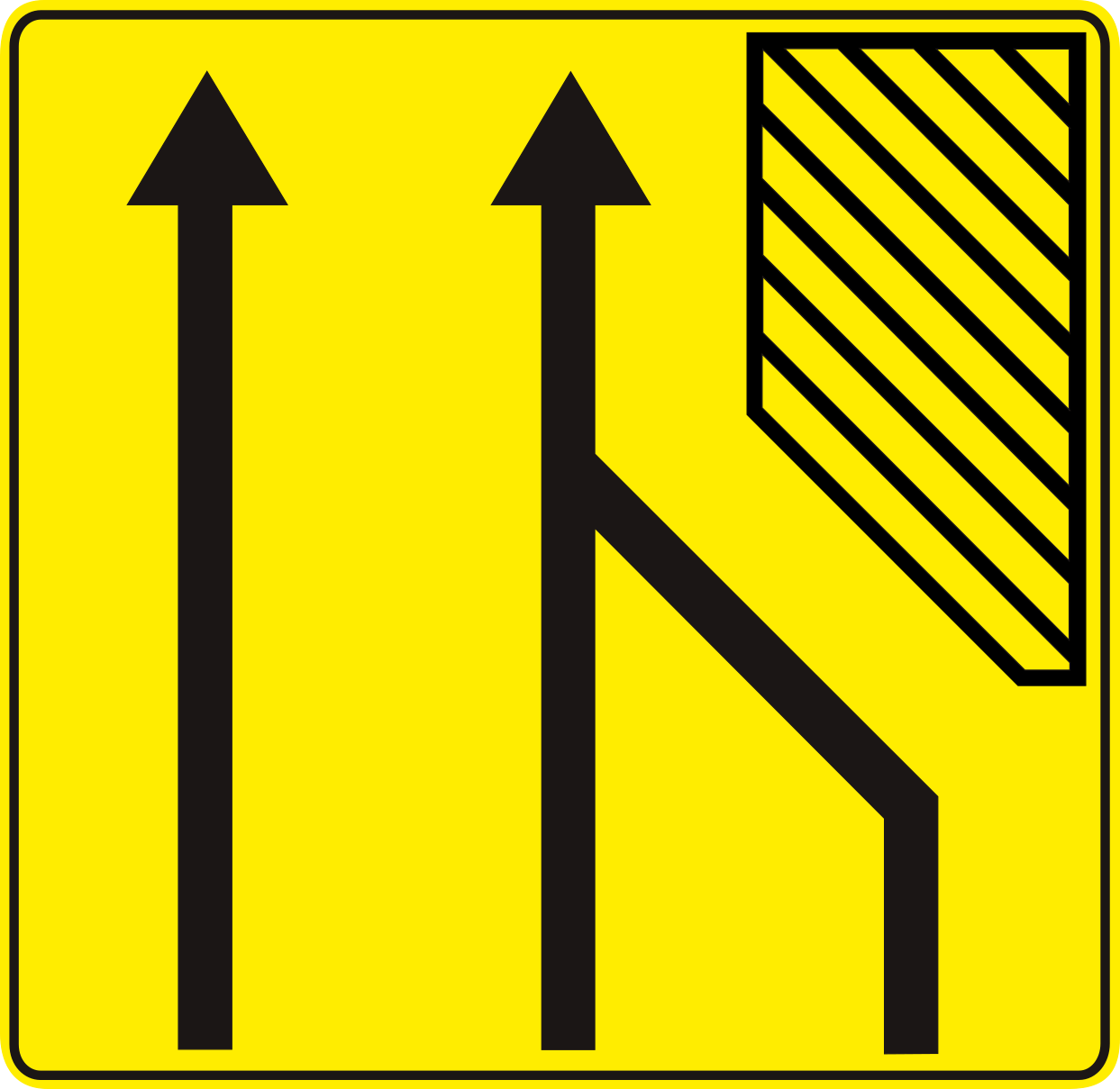
Verkeersbord F80 • Tijdelijke aanwijzingen bij werken. Voorwegwijzer die de vermindering van het aantal rijstroken aankondigt. Het symbool stemt overeen met de plaatsgesteldheid.
169. Temporary lane end ahead
This traffic sign indicates that one traffic lane ends temporarily ahead. Drivers in the ending lane must merge into a continuing lane according to the temporary road layout, markings and applicable merging rules.
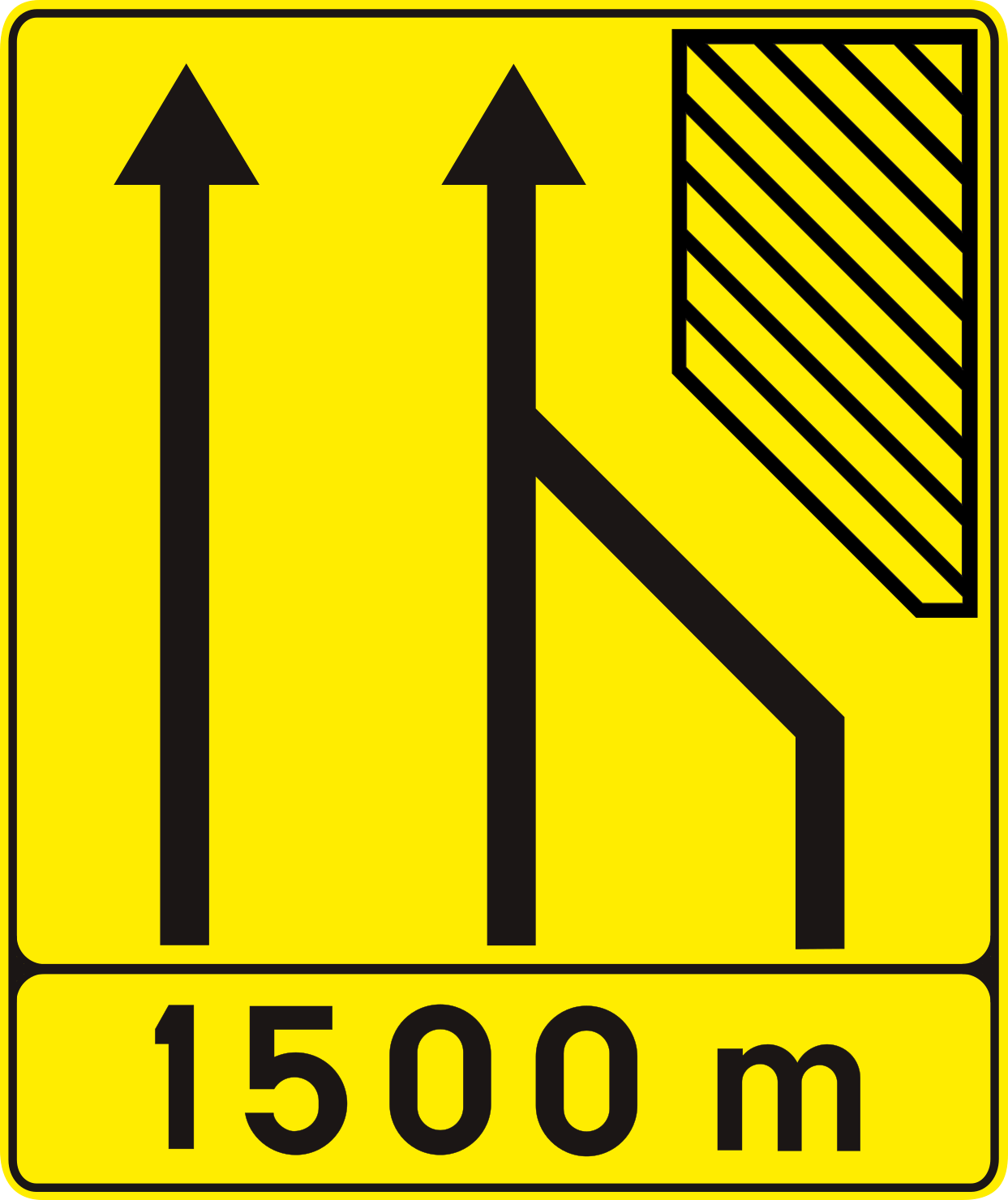
Verkeersbord F80 • Tijdelijke aanwijzingen bij werken. Voorwegwijzer die de vermindering van het aantal rijstroken aankondigt. Het symbool stemt overeen met de plaatsgesteldheid.
170. Overview of temporary lanes
This traffic sign indicates the temporary lane arrangement. The arrows indicate how many lanes are available in each direction of travel. Follow the temporary road markings and remain in the lane assigned to your direction.
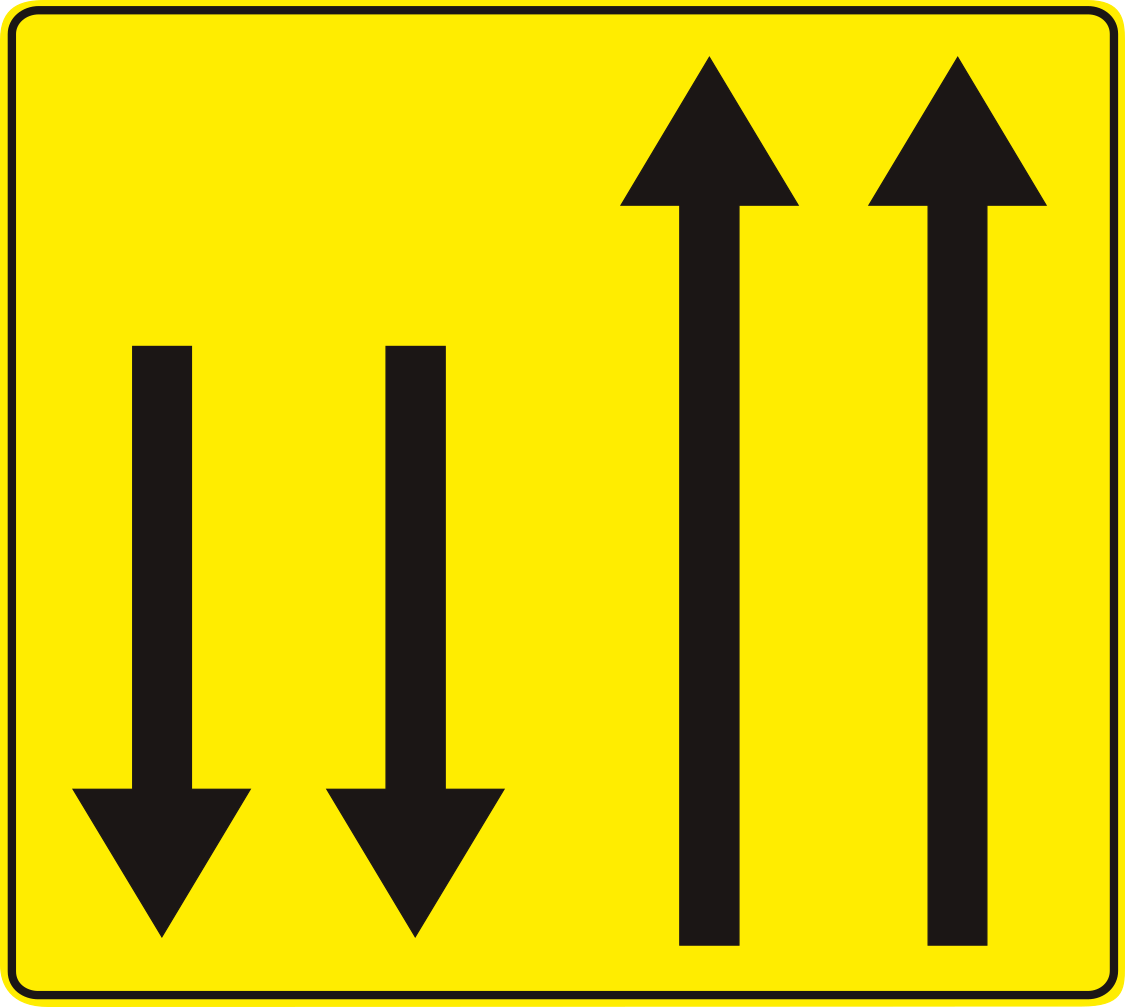
Verkeersbord F85 • Tijdelijke aanwijzingen bij werken. Verkeer toegelaten in beide richtingen op een deel van de rijbaan met éénrichtingsverkeer.
171. Temporary median strip diversion
This traffic sign indicates that traffic is temporarily directed through an opening in the central reservation. Follow the displayed direction and temporary lane markings through the diversion.
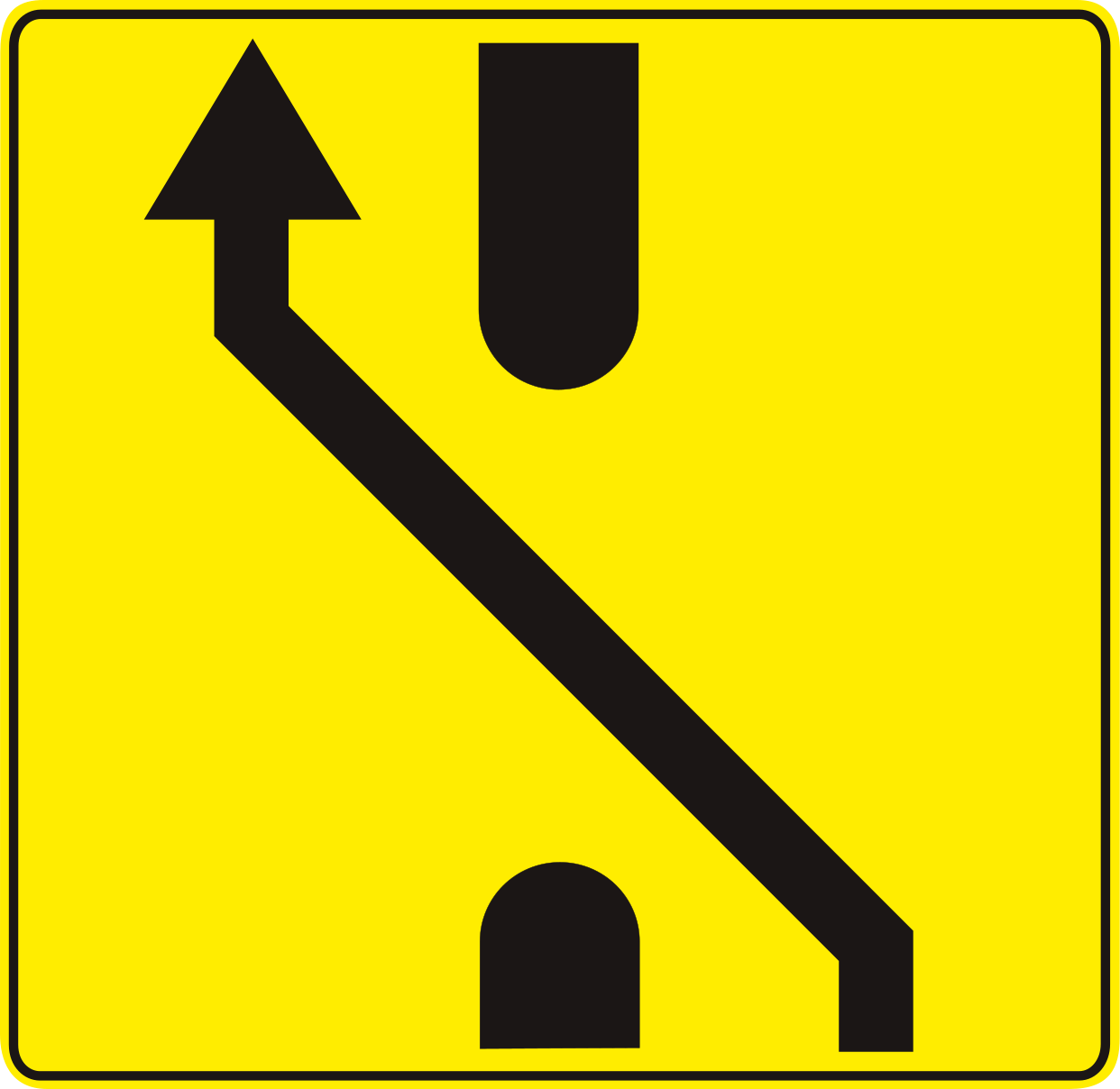
Verkeersbord F83 • Tijdelijke aanwijzingen bij werken. Voorwegwijzer die een doorsteek van de middenberm aankondigt.
172. Temporary median strip diversion ahead
This traffic sign indicates that traffic ahead is temporarily directed through an opening in the central reservation. Follow the displayed direction and temporary lane markings through the diversion.
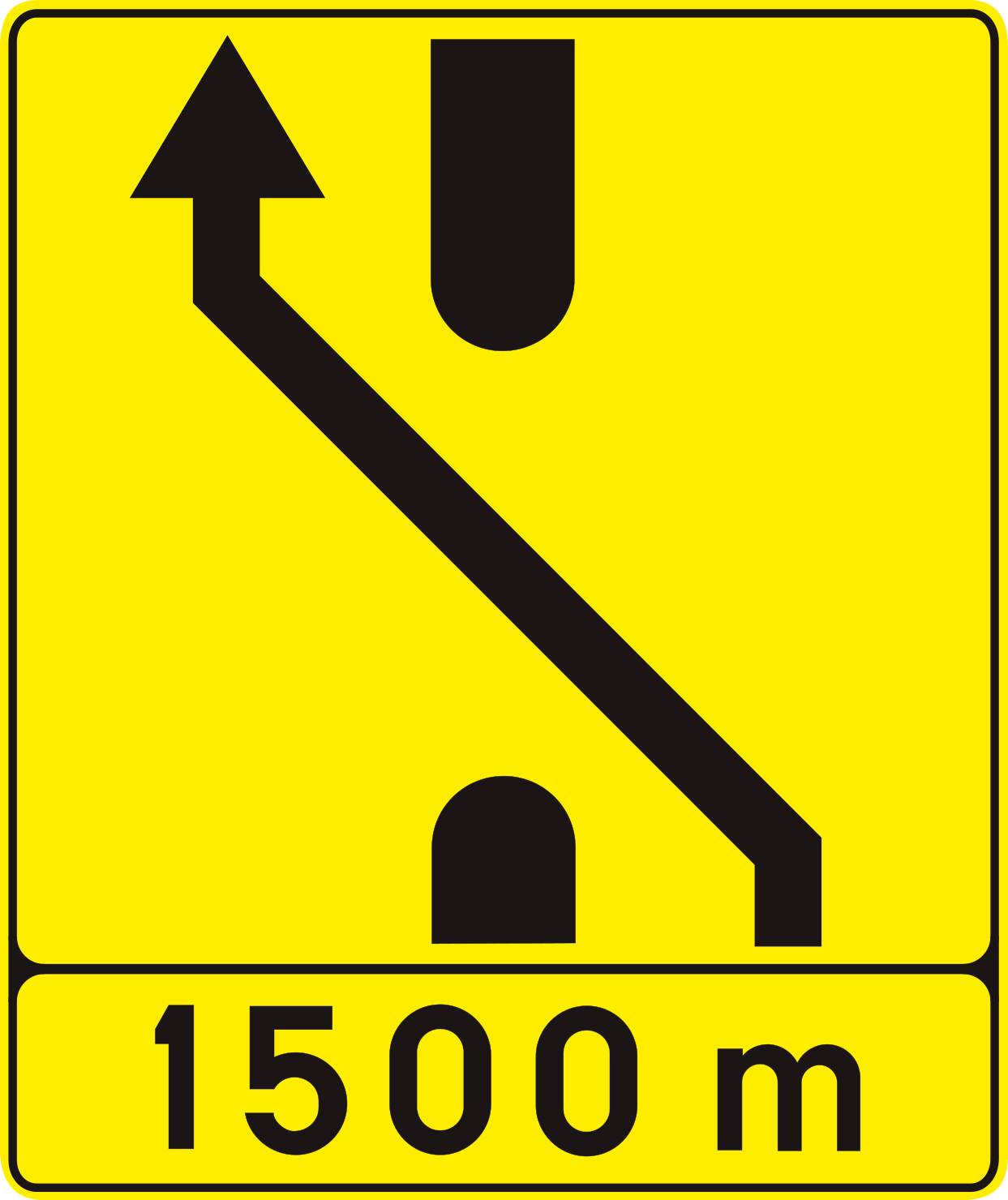
Verkeersbord F83 • Tijdelijke aanwijzingen bij werken. Voorwegwijzer die een doorsteek van de middenberm aankondigt.
173. Detour
This traffic sign indicates a detour. The temporary route guides traffic around a road closure, roadworks or another disruption affecting the normal route.

Verkeersbord F41 • Wegwijzer. Omleiding. “Omleiding” kan vervangen zijn door de naam van de bestemming.
174. End of detour
This traffic sign indicates the end of the temporary detour route. Continue by following the normal road signs and directions.
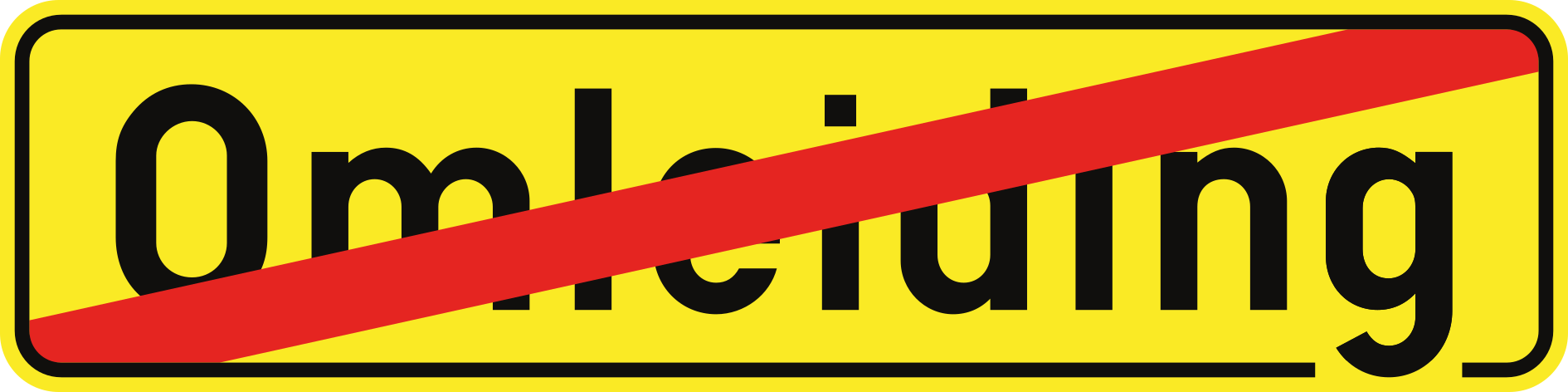
Verkeersbord F42 • Einde van een omleiding.
175. Runaway truck ramp
This traffic sign indicates a runaway truck ramp. The emergency escape ramp is intended for vehicles that are unable to slow or stop normally, particularly following a loss of braking capability.
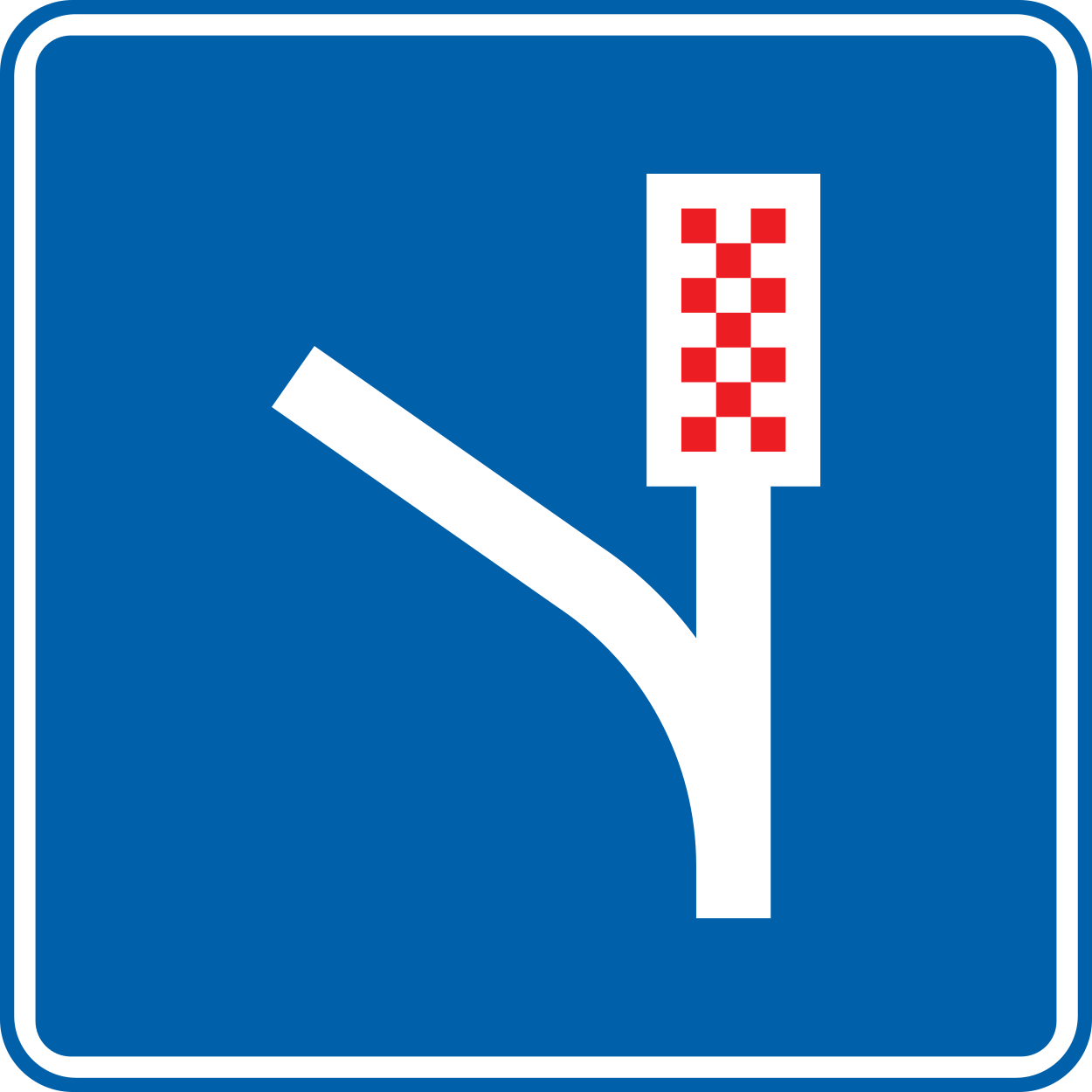
Verkeersbord F95 • Noodstopstrook.
176. Emergency stopping place with SOS telephone
This traffic sign indicates an emergency stopping place with an SOS telephone. Vehicles may use the designated stopping area in an emergency or breakdown, and the telephone provides a means of requesting assistance.
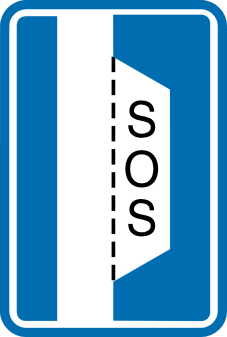
Verkeersbord F98 • Vluchthaven.
177. Hospital
This traffic sign indicates a hospital or medical facility. Follow any accompanying direction or distance information to reach it.
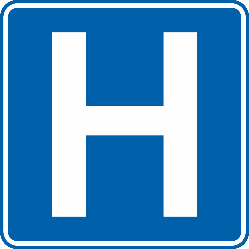
Verkeersbord F53 • Ziekenhuis.
178. Parking allowed
This traffic sign indicates that parking is allowed. Vehicles may be parked in the area covered by the sign subject to any indicated conditions, restrictions or local parking rules.
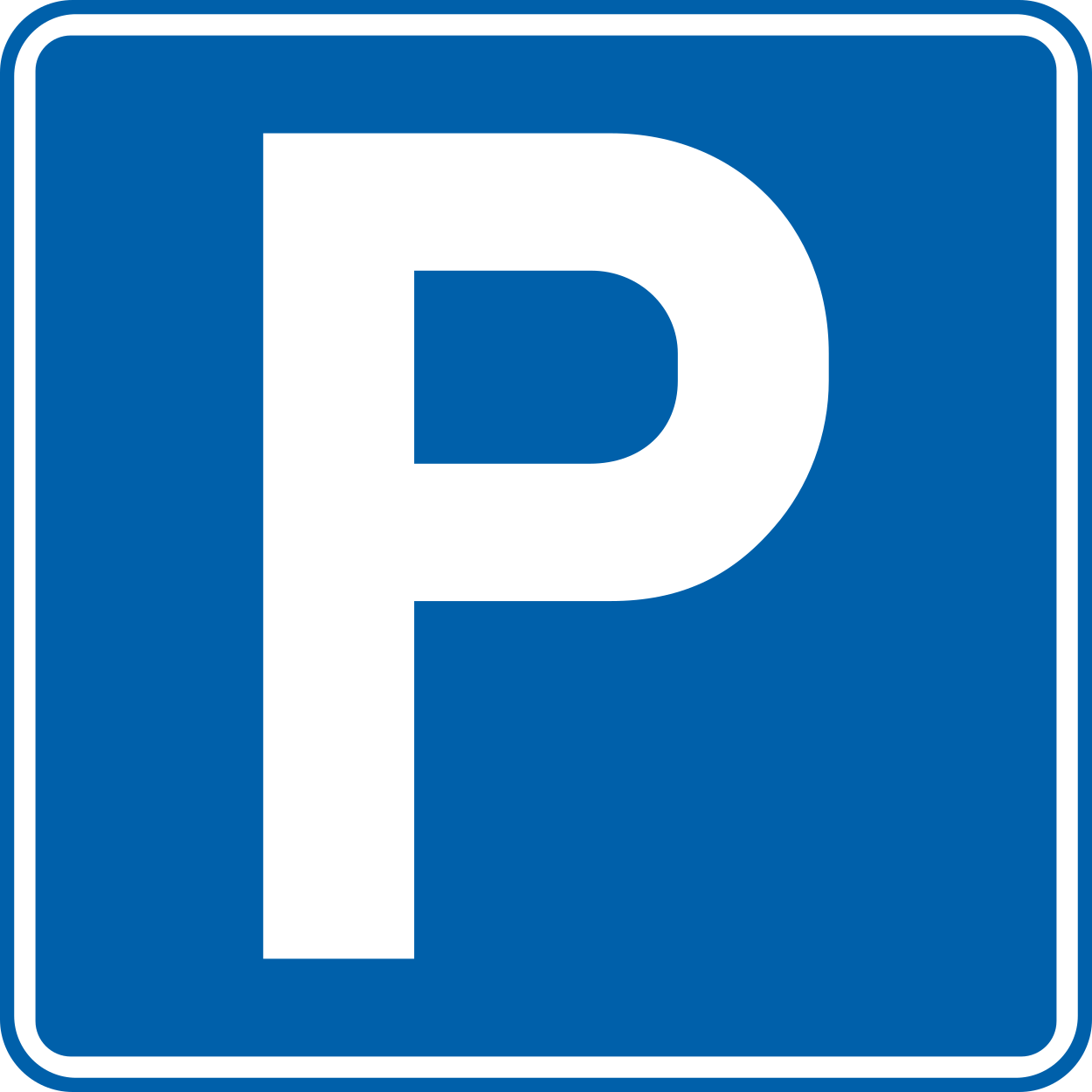
Verkeersbord E9 • Parkeren toegelaten.
179. Direction to parking area
This traffic sign indicates the direction to a parking area. Follow the arrow to reach the indicated parking facility.
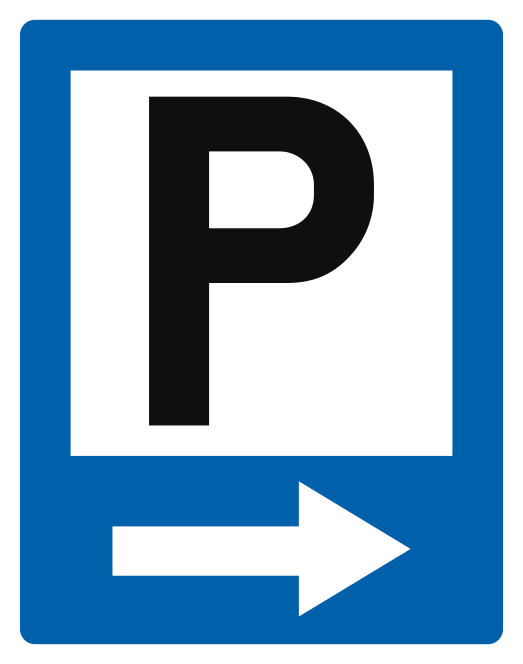
Verkeersbord F57 • Aankondiging van een parking.
180. Covered car park
This traffic sign indicates a covered car park. A covered car park is an enclosed or roofed parking facility that protects vehicles from the weather. It may be underground, at ground level or arranged over several storeys.
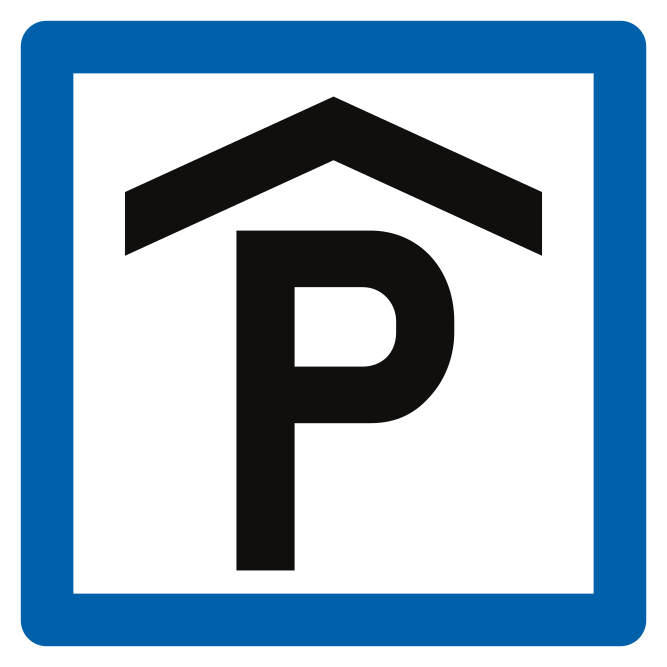
Verkeersbord F59 • Overdekte parking.
181. Direction to covered car park
This traffic sign indicates the direction to a covered or indoor parking facility. Follow the arrow to reach the covered car park.
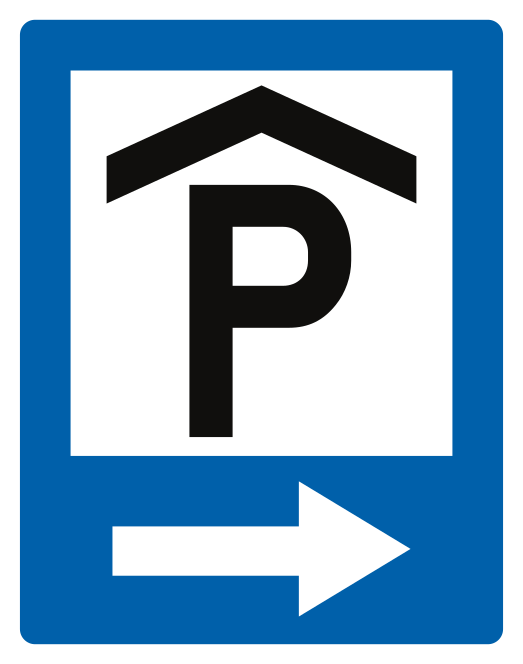
Verkeersbord F58 • Aankondiging van een overdekte parking.
182. Secured parking
This traffic sign indicates a secured parking area. Where ratings are shown, the padlock symbols indicate the security level and the stars indicate the level of comfort or available services.
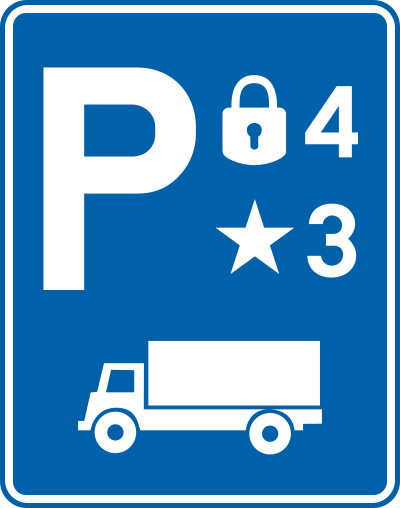
Verkeersbord F62 • Beveiligde parking. Het maximaal aantal sloten is 5. De sterren, maximum 5, zijn facultatief.
183. Direction to secured parking
This traffic sign indicates the direction to a secured parking area. Where ratings are shown, the padlock symbols indicate the security level and the stars indicate the level of comfort or available services.
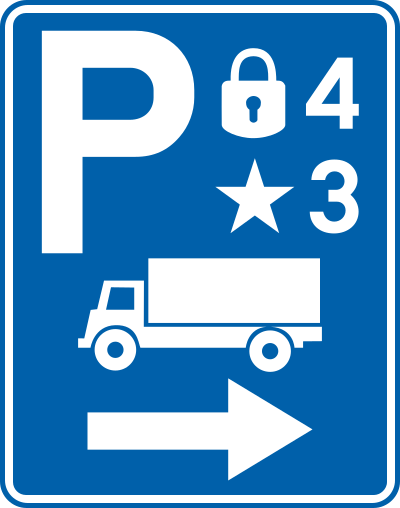
Verkeersbord F61 • Aankondiging van een beveiligde parking. Het maximaal aantal sloten en sterren is 5. De sterren zijn facultatief.
184. Start of a parking zone
This traffic sign indicates the start of a parking zone. The parking rules indicated for the zone apply throughout it according to the applicable signs and local regulations.
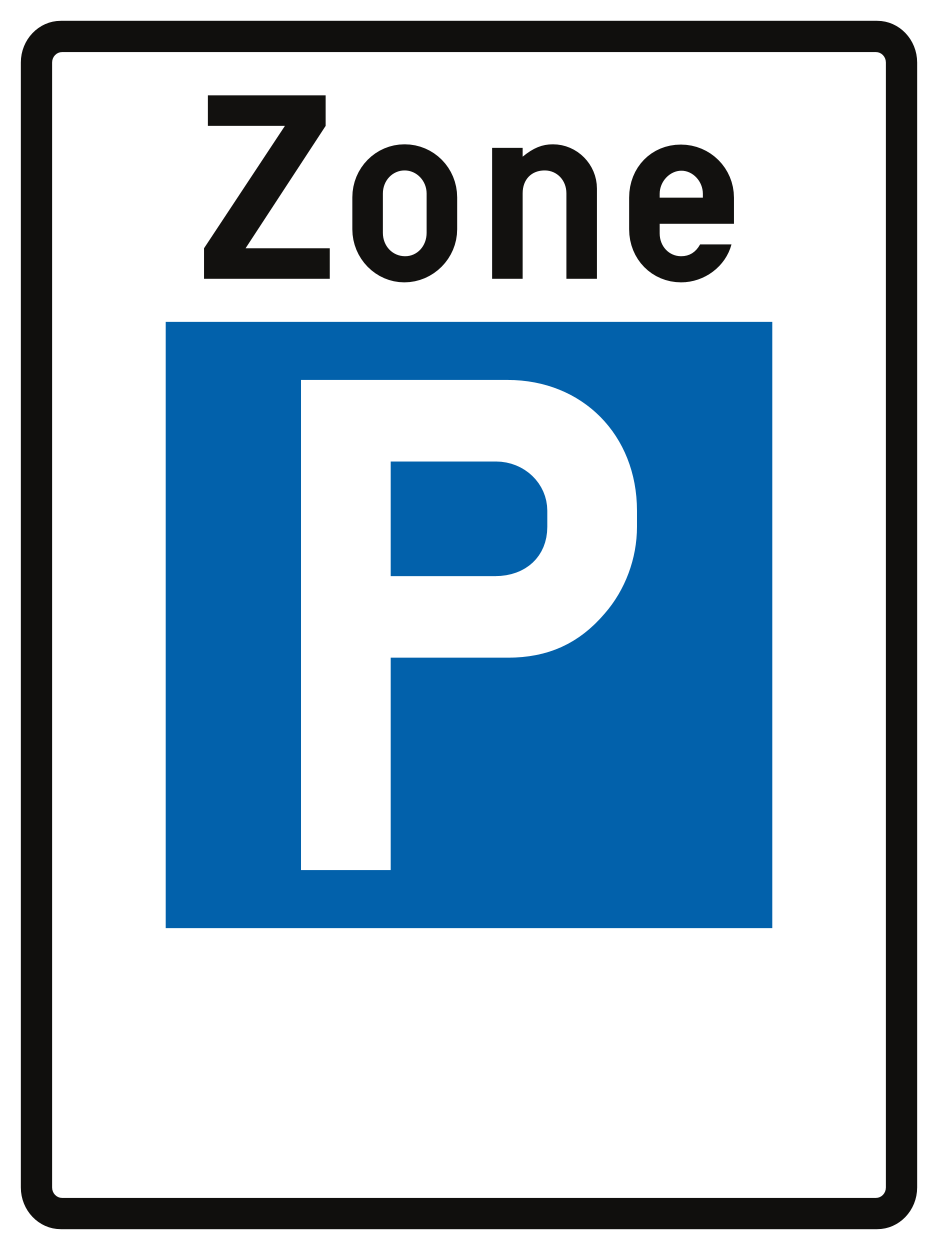
Verkeersbord Z1-E9 • Begin van een parkeerzone.
185. End of the parking zone
This traffic sign indicates the end of the parking zone. The parking rules associated with that zone end at this point. Other parking restrictions or conditions may still apply.
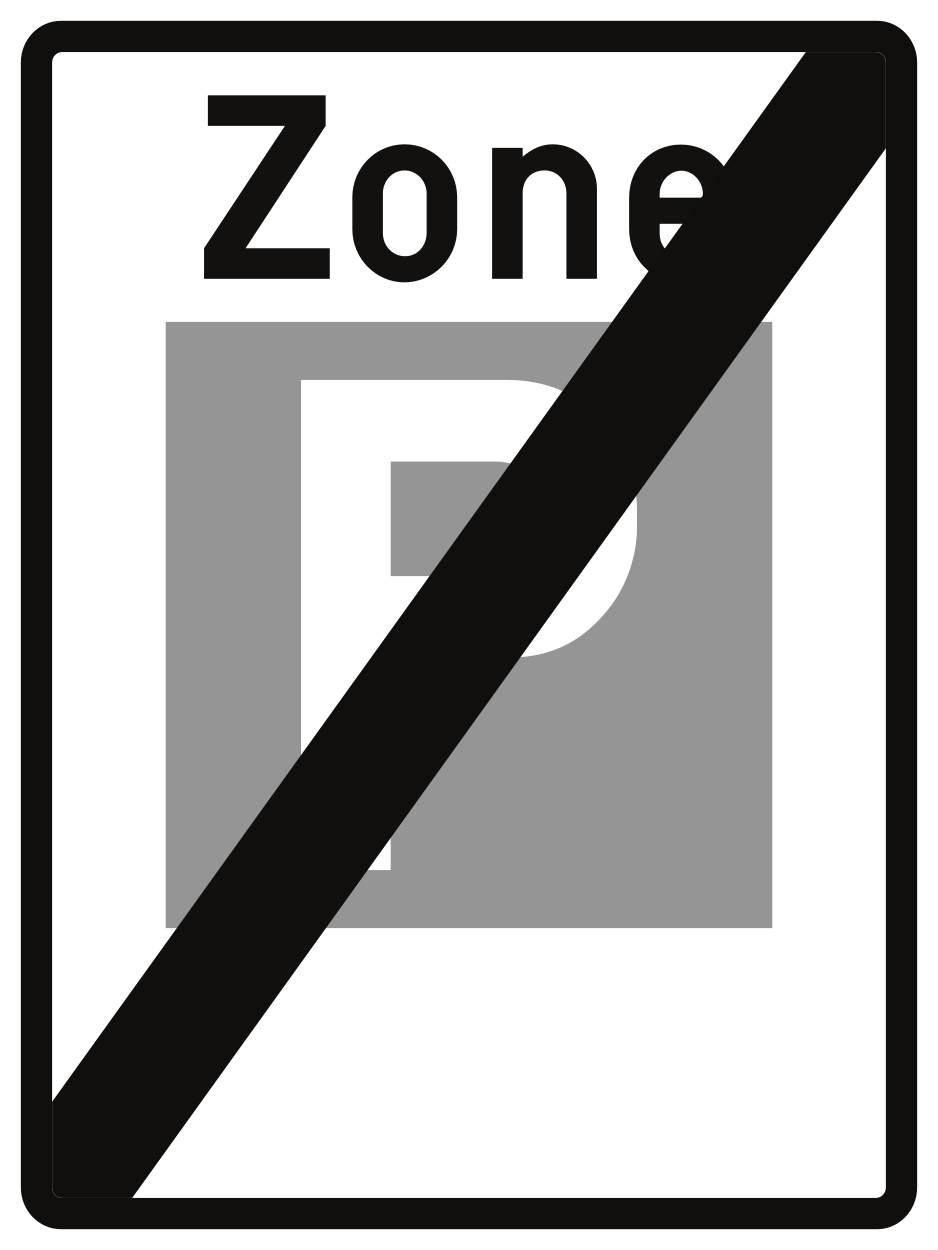
Verkeersbord Z3-E9 • Einde van een parkeerzone (voorbeeld).
186. Place where you can let other vehicles pass
This traffic sign indicates a place where vehicles can let other traffic pass. A passing place provides additional space where vehicles can temporarily move aside when the road is too narrow for traffic to pass normally.
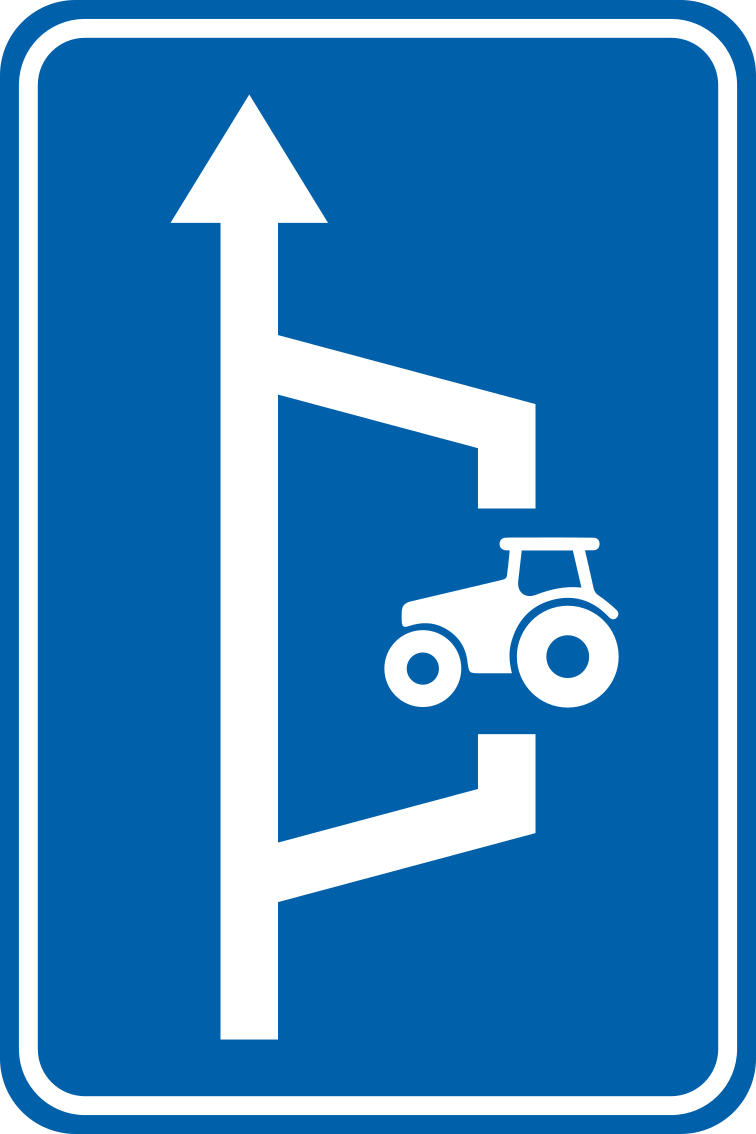
Verkeersbord F99 • Vluchthaven voor landbouwvoertuigen.
187. Passing left or right allowed
This traffic sign indicates that an obstruction or traffic island may be passed on either the left or the right. Choose the safe and permitted side while following the road layout and any additional signs or markings.
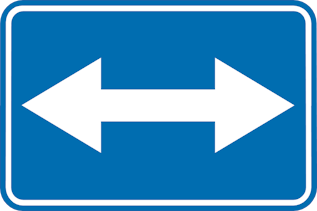
Verkeersbord F21 • Rechts of links voorbijrijden toegelaten.
188. Pedestrian overpass
This traffic sign indicates a pedestrian overpass. A pedestrian overpass or footbridge provides a route for pedestrians to cross above a road, railway or other obstacle.
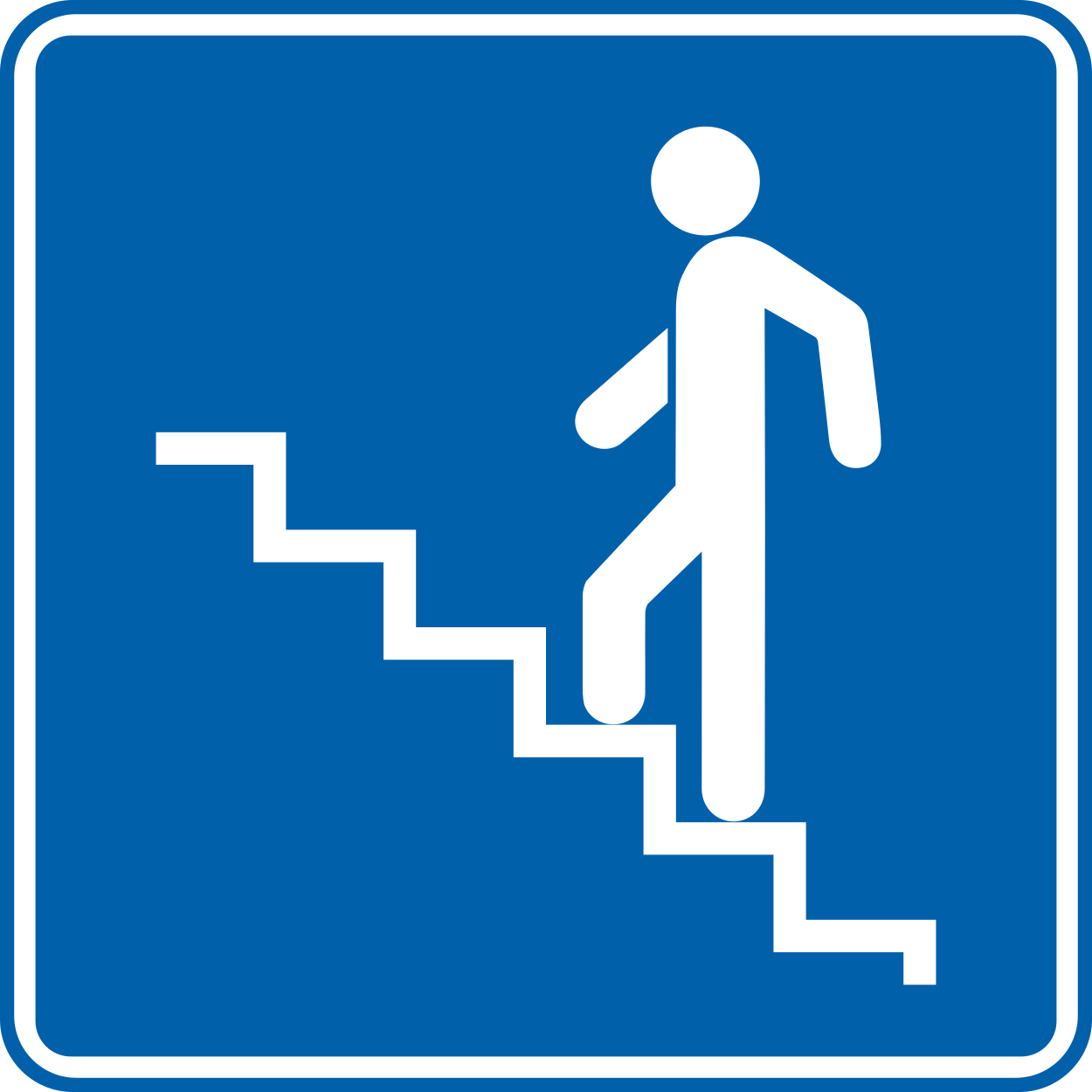
Verkeersbord F51 • Ondergrondse of bovengrondse toegang voor voetgangers.
189. Direction to pedestrian overpass
This traffic sign indicates the direction to a pedestrian overpass. Follow the indicated direction to reach the pedestrian route crossing above the road, railway or other obstacle.
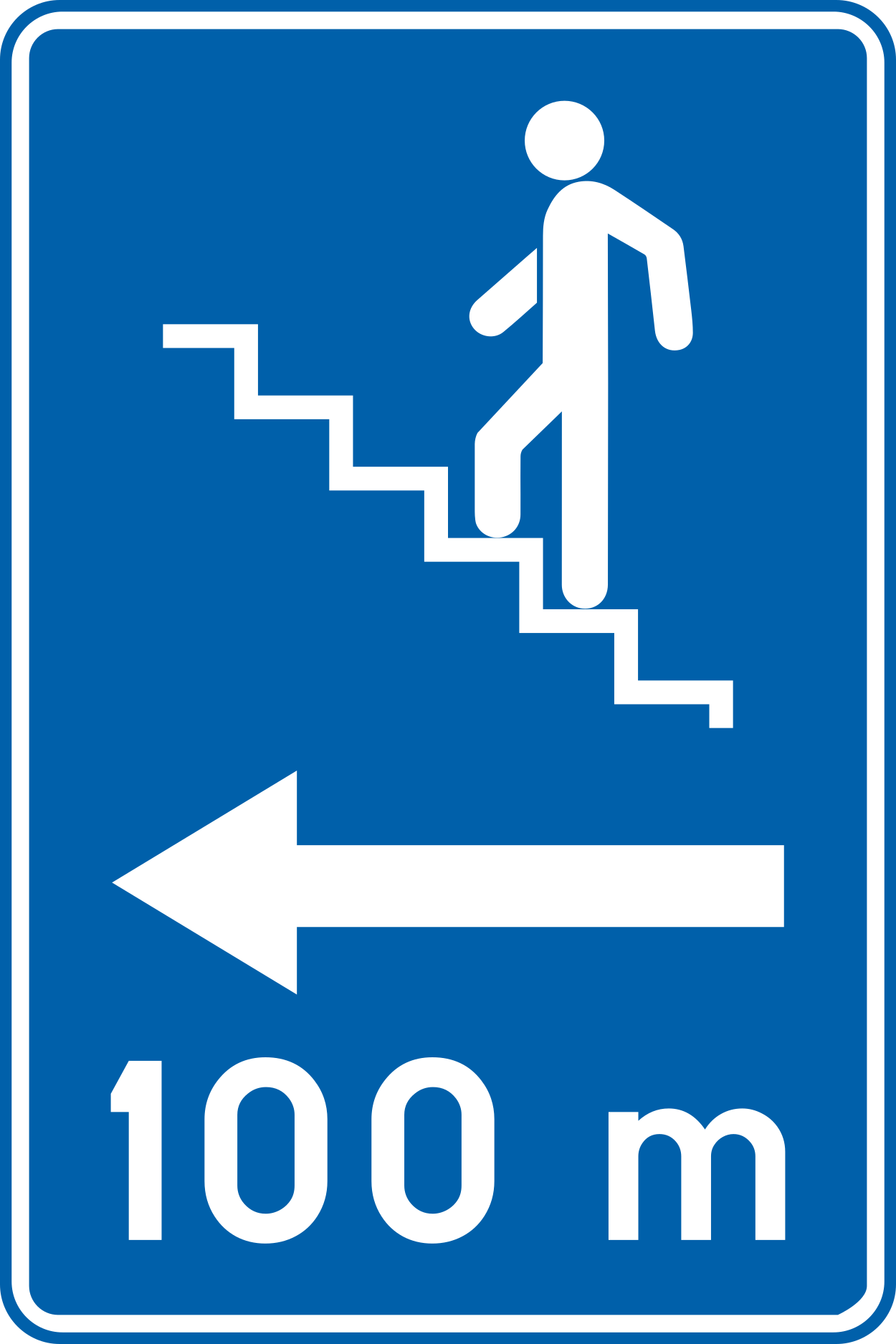
Verkeersbord F51 • Ondergrondse of bovengrondse toegang voor voetgangers.
190. Pedestrian underpass
This traffic sign indicates a pedestrian underpass. A pedestrian underpass provides a route for pedestrians to cross below a road, railway or other obstacle.
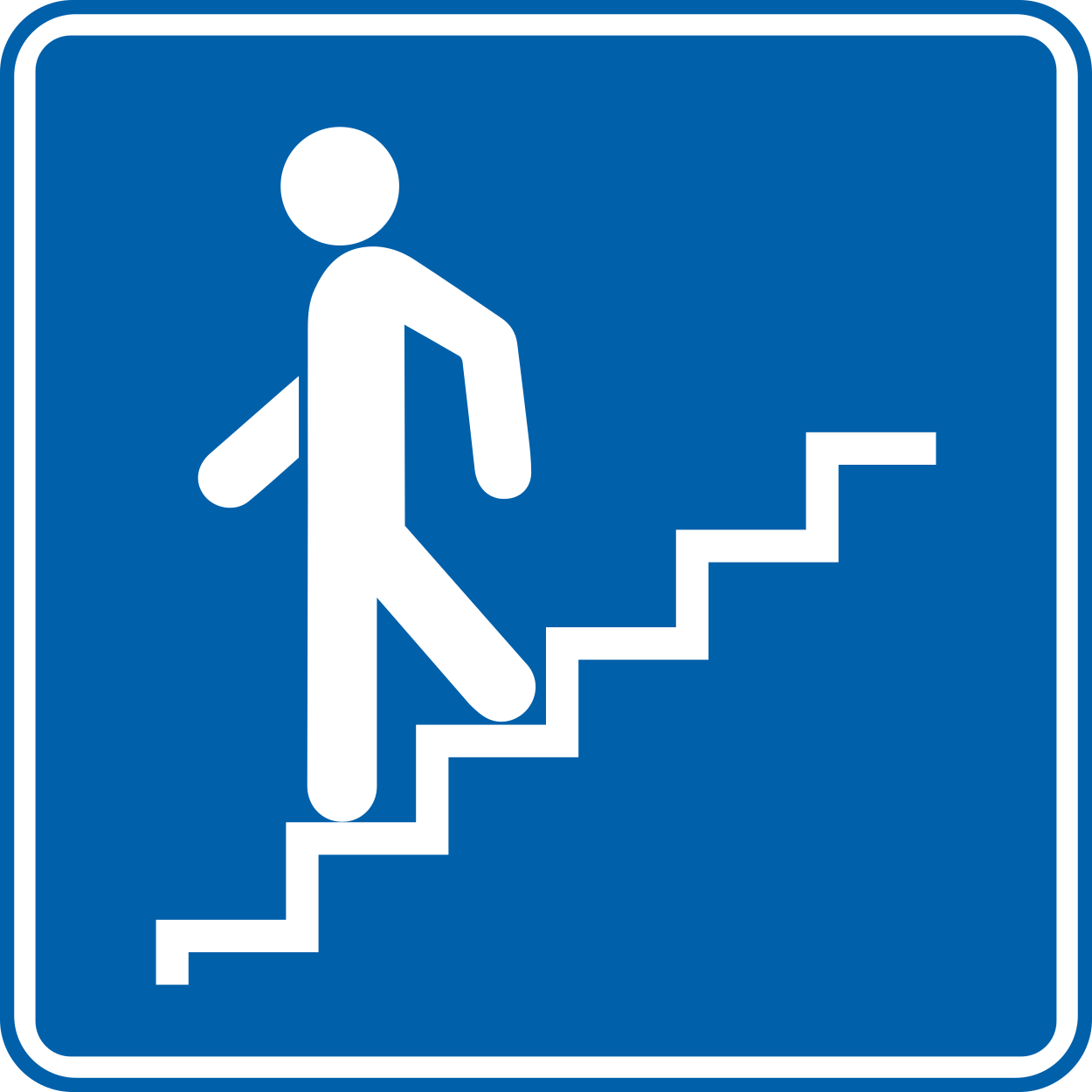
Verkeersbord F51 • Ondergrondse of bovengrondse toegang voor voetgangers.
191. Direction to pedestrian underpass
This traffic sign indicates the direction to a pedestrian underpass. Follow the indicated direction to reach the pedestrian route crossing below the road, railway or other obstacle.
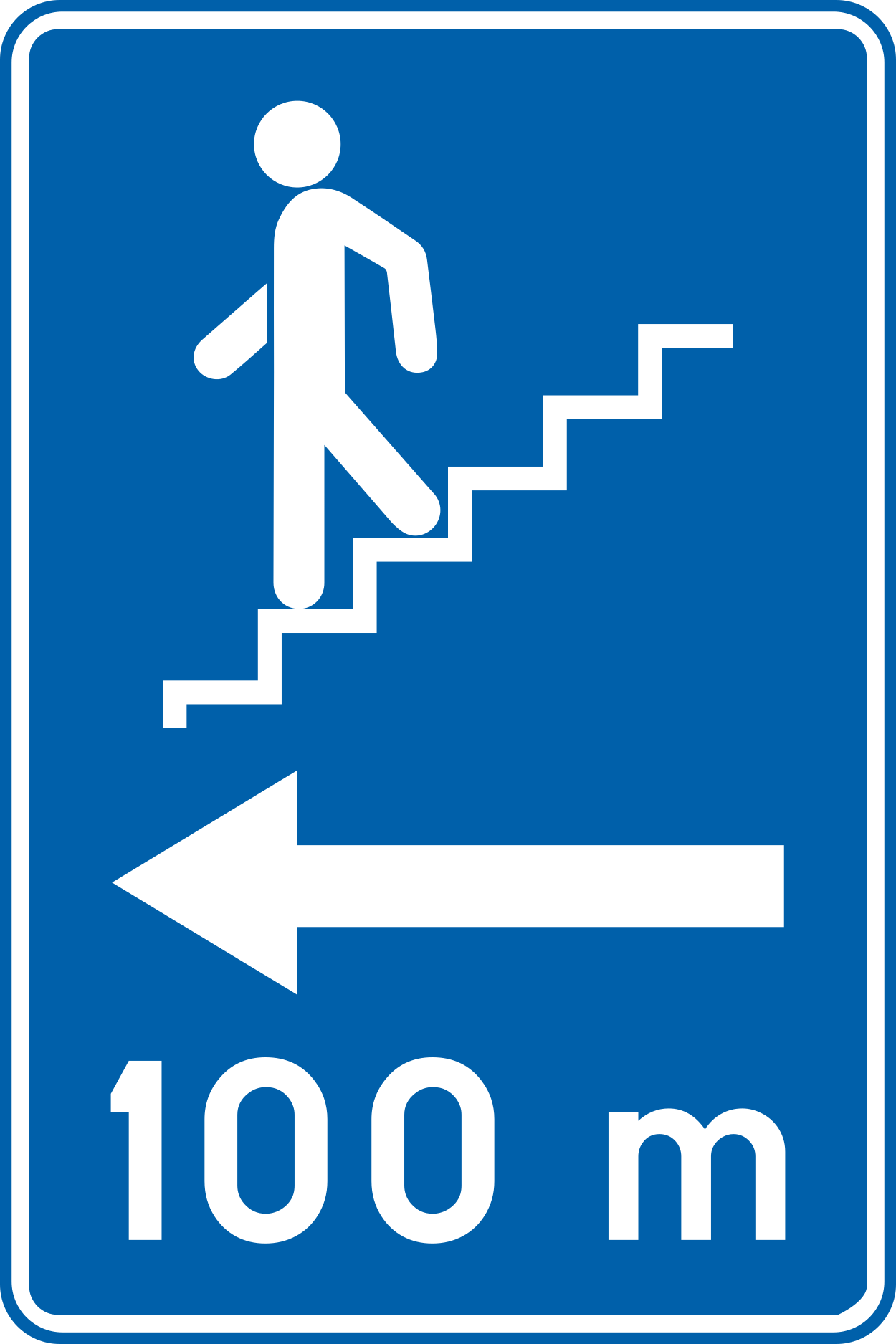
Verkeersbord F51 • Ondergrondse of bovengrondse toegang voor voetgangers.
192. Traffic information radio
This traffic sign indicates a radio frequency providing information for road users. Tune to the frequency shown to receive the available traffic or travel information.
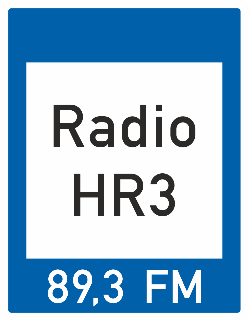
Verkeersbord F93 • Verkeersbord dat een radio-omroep aanduidt waar verkeersinformatie gegeven wordt.
193. Fire extinguisher
This traffic sign indicates the location of a fire extinguisher that is available for use in an emergency.
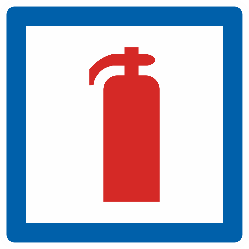
Verkeersbord F56 • Brandblusapparaat.
194. First aid
This traffic sign indicates a place where first aid is available. The facility provides initial assistance for people who are injured or suddenly become ill.
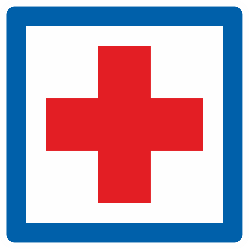
Verkeersbord F55 • Hulppost.
195. Café
This traffic sign indicates a café. A café is a place where drinks and light refreshments are served, and may also offer simple meals.

Verkeersbord F69 • Drankgelegenheid.
196. Restaurant
This traffic sign indicates a restaurant. A restaurant is a place where prepared meals and drinks are served to customers.

Verkeersbord F67 • Restaurant.
197. Picnic site
This traffic sign indicates a picnic site. A picnic site is a designated outdoor area where people can stop and eat food they have brought with them.
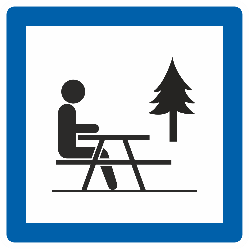
Verkeersbord F76 • Picknickplaats.
198. Youth hostel
This traffic sign indicates a youth hostel. A youth hostel provides relatively simple accommodation, often with shared rooms or communal facilities, and is commonly used by individual travellers and groups.
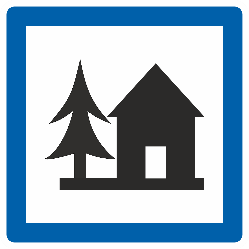
Verkeersbord F75 • Jeugdherberg.
199. Hotel
This traffic sign indicates a hotel. A hotel provides overnight accommodation in individual rooms and may offer additional services such as reception, meals or other guest facilities.
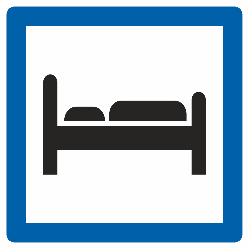
Verkeersbord F66 • Hotel of motel.
200. Camping site
This traffic sign indicates a camping site. The designated area provides accommodation for people staying in tents.

Verkeersbord F71 • Kampeerterrein.