


QuizTraffic rulesSouth Africa
This interesting quiz helps you test your knowledge in a clear and visual way. With easy multiple-choice questions, you can quickly build confidence and learn new facts while keeping it simple, interactive, and fun.
 Traffic signs
 Traffic rules
 South Africa
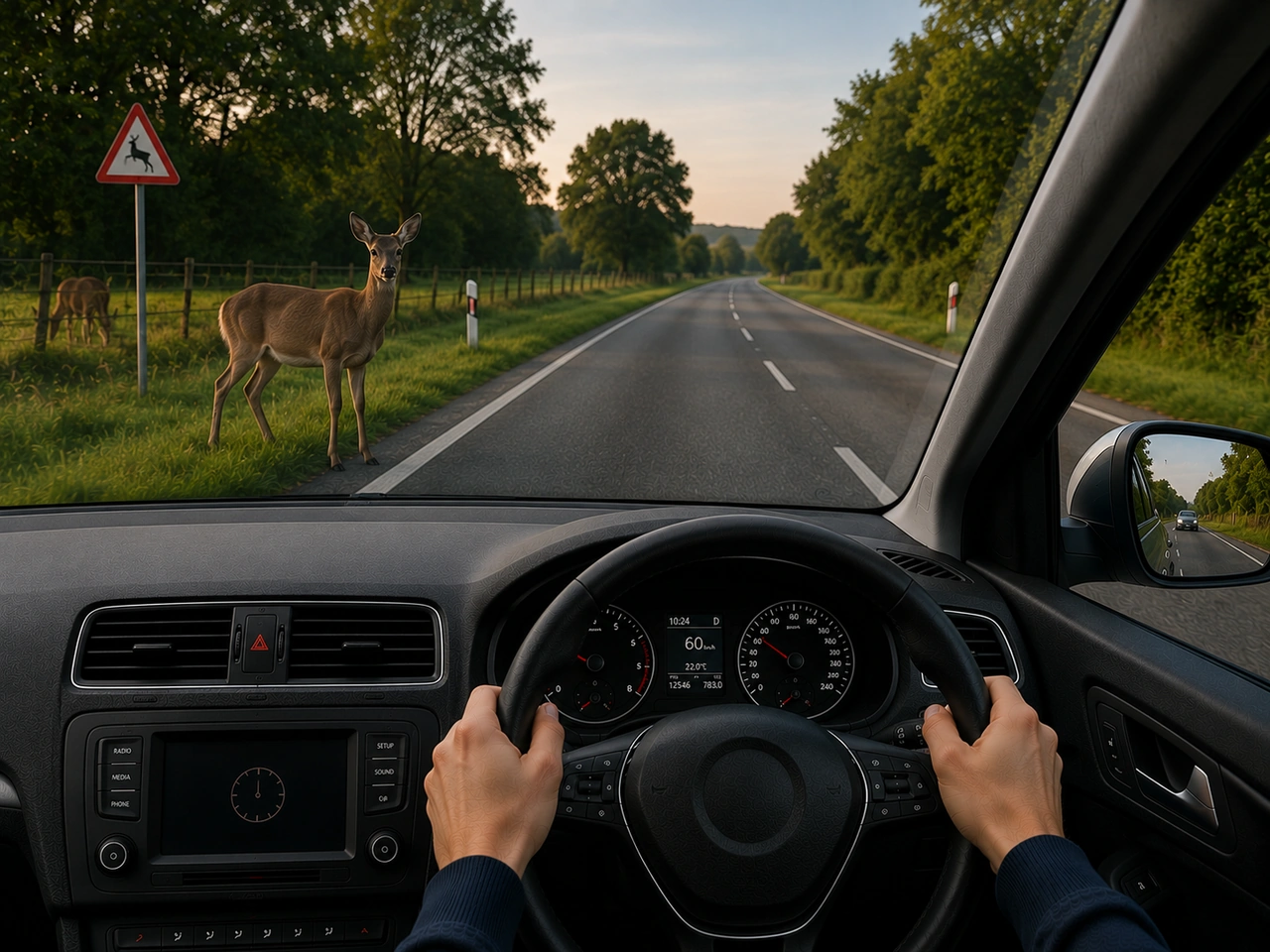
501. What should you do when driving near animals?
Animals can move unpredictably. Slow down, stay alert, and be prepared to stop safely.
AI-generated by Traffic-rules.com • WCIT • CC BY-SA

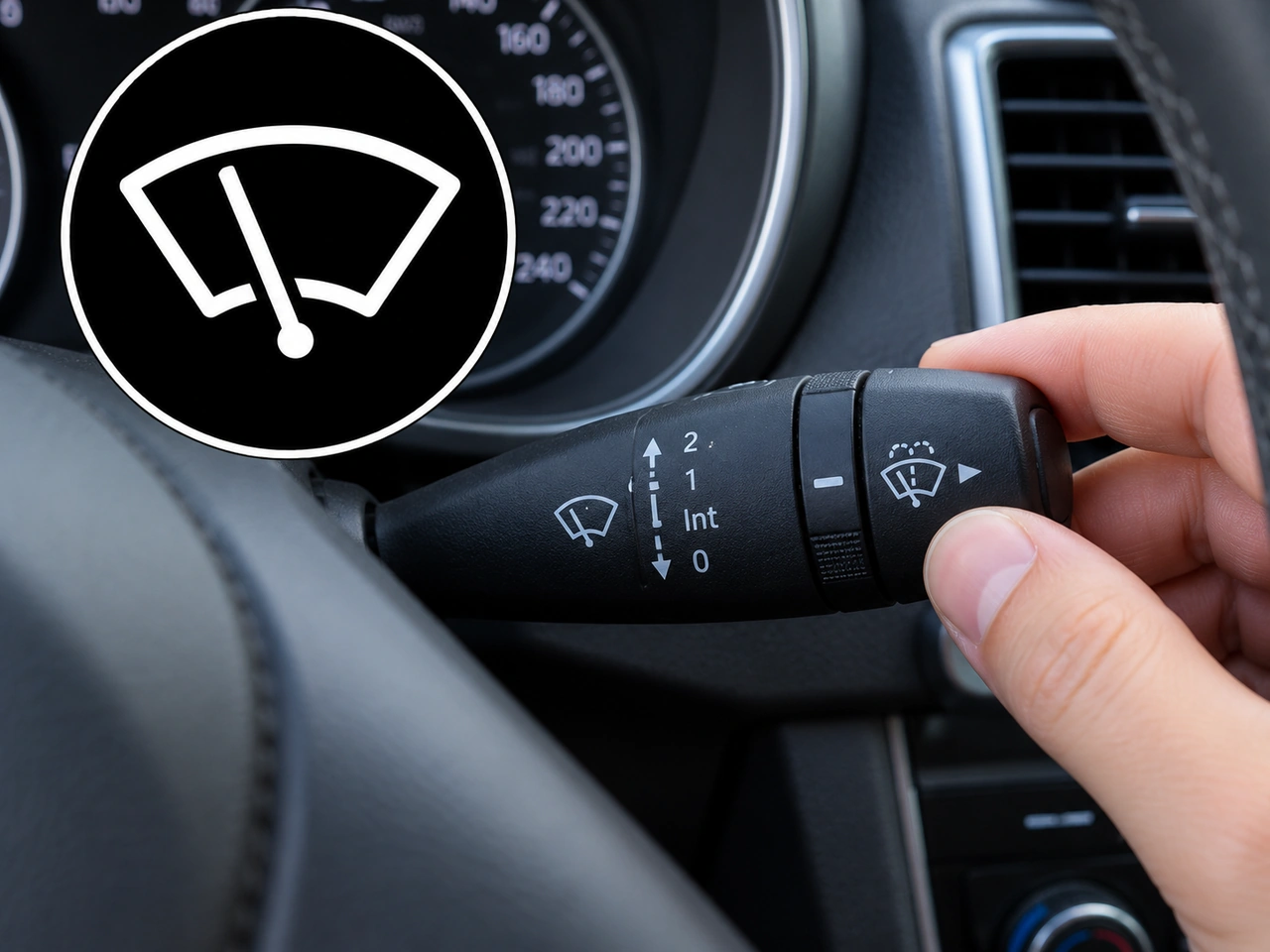
502. What does this vehicle-control symbol indicate?
This symbol relates to the windscreen wipers. The control allows the driver to select an appropriate wiping mode or speed for the amount of rain and visibility conditions.
AI-generated by Traffic-rules.com • WCIT • CC BY-SA
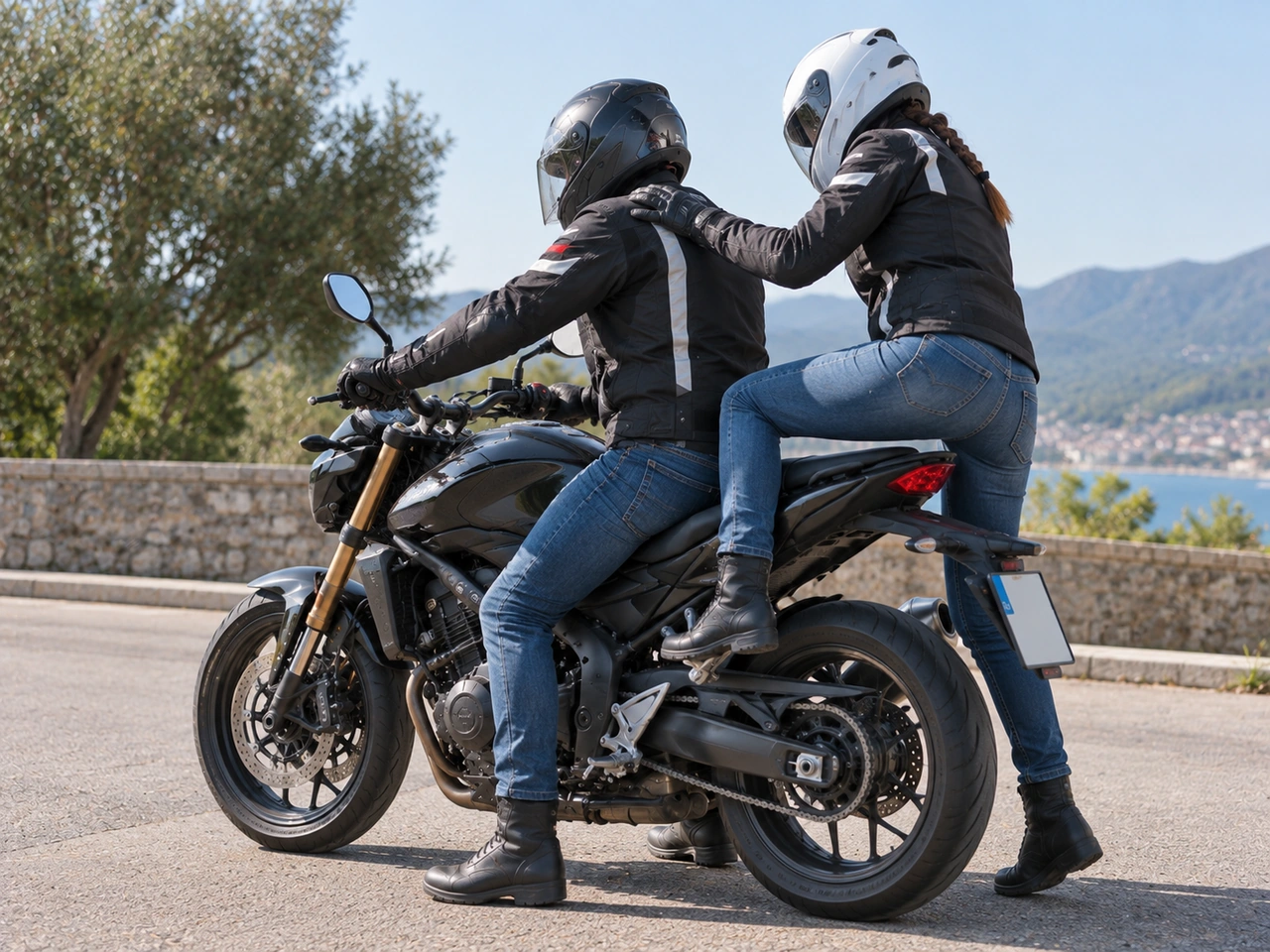
503. When should a passenger get on or off a motorcycle?
A passenger getting on or off can shift the motorcycle's balance suddenly. The motorcycle should be stationary and stable, and the passenger should wait until the rider is ready and prepared to support the extra movement.
AI-generated by Traffic-rules.com • WCIT • CC BY-SA
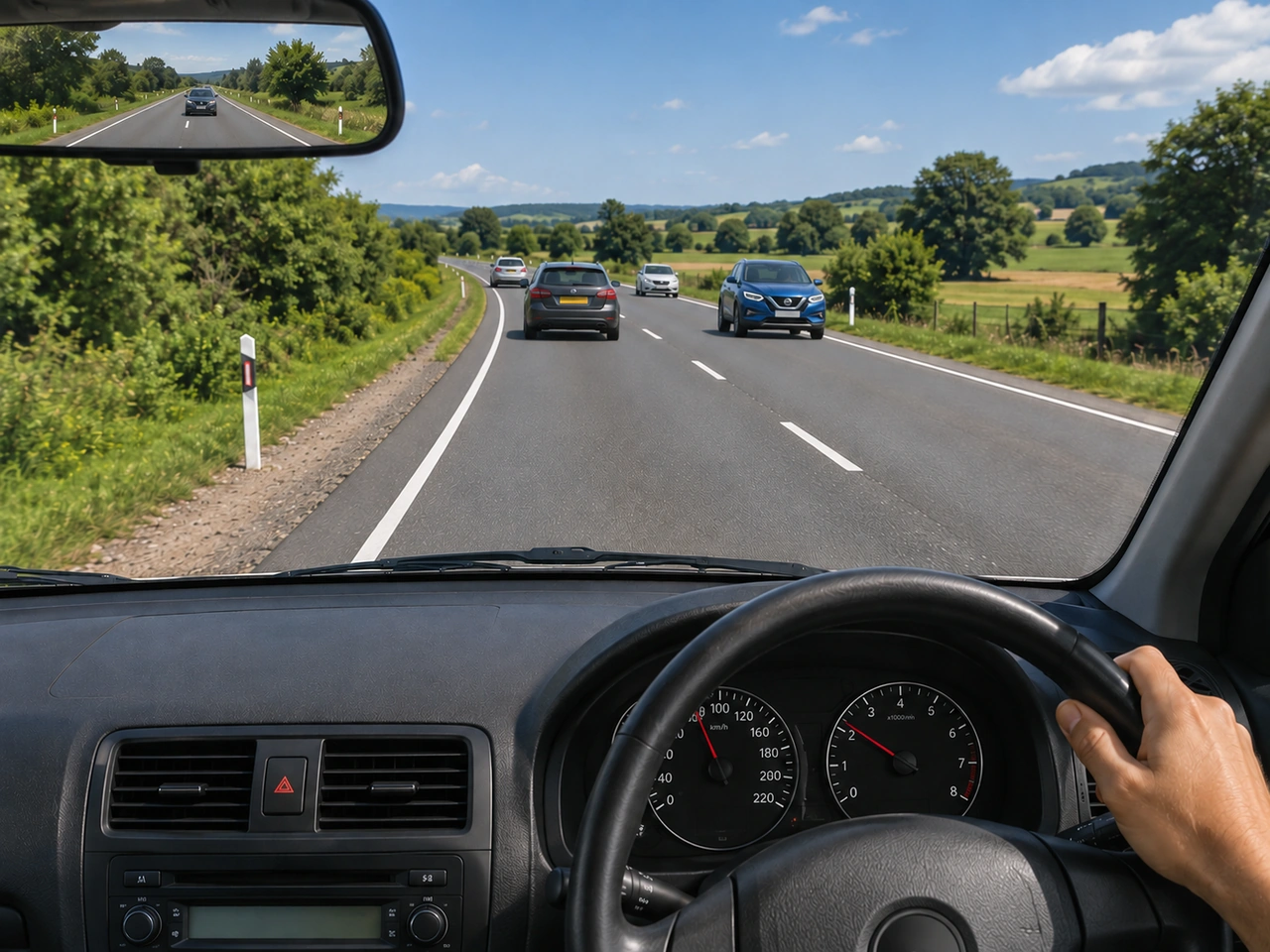
504. What should you do if your vehicle begins to drift onto the shoulder?
If you drift onto the shoulder, avoid sudden steering or braking. Slow gently and return to the road smoothly when it is safe.
AI-generated by Traffic-rules.com • WCIT • CC BY-SA
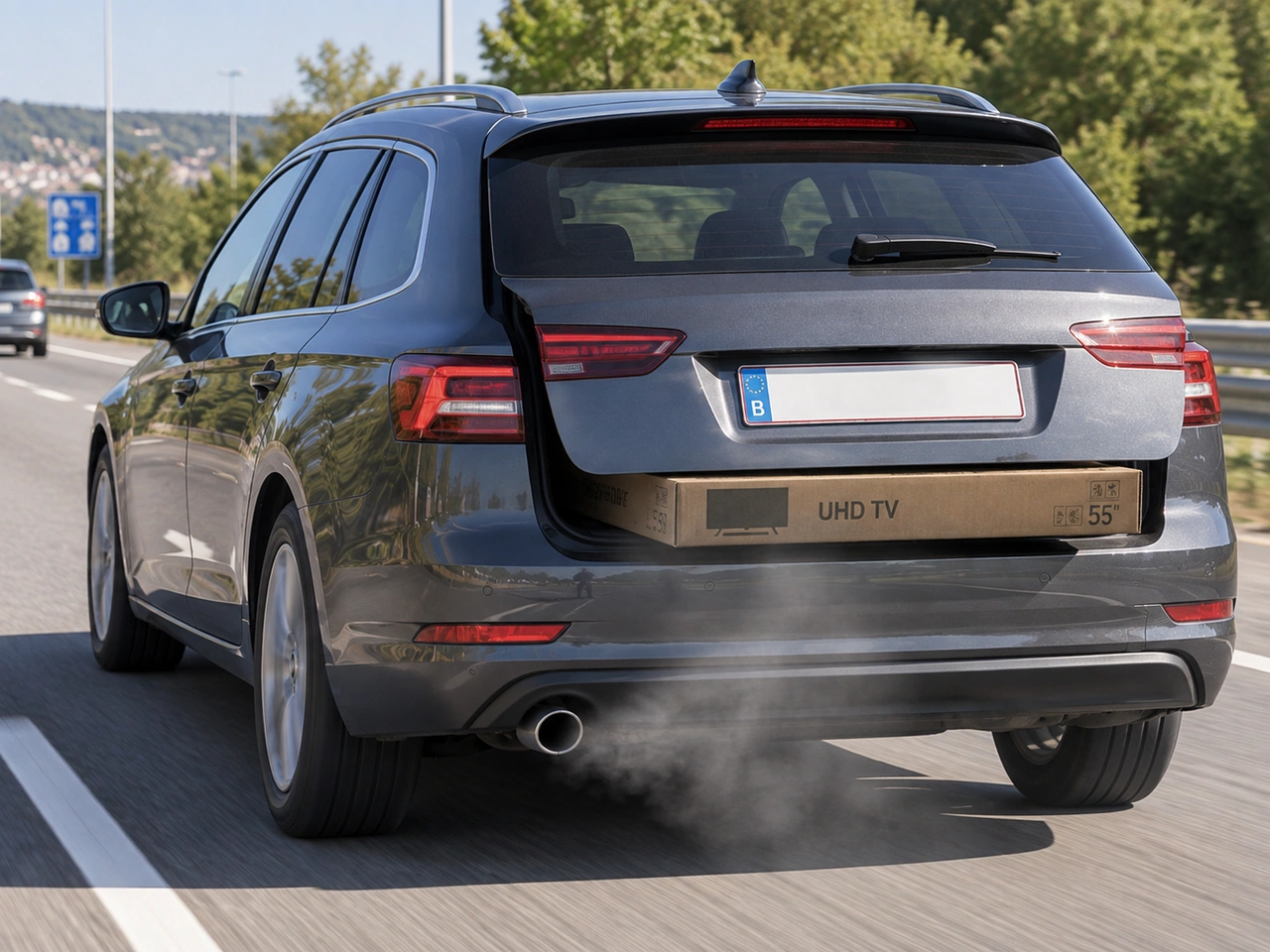
505. What is a danger of driving a petrol or diesel vehicle with the boot or tailgate open?
Driving with the boot or tailgate open can allow exhaust gases to be drawn into the vehicle. Exhaust fumes may contain carbon monoxide, which is poisonous and may be difficult to detect. Keep the luggage compartment properly closed while driving whenever possible.
AI-generated by Traffic-rules.com • WCIT • CC BY-SA
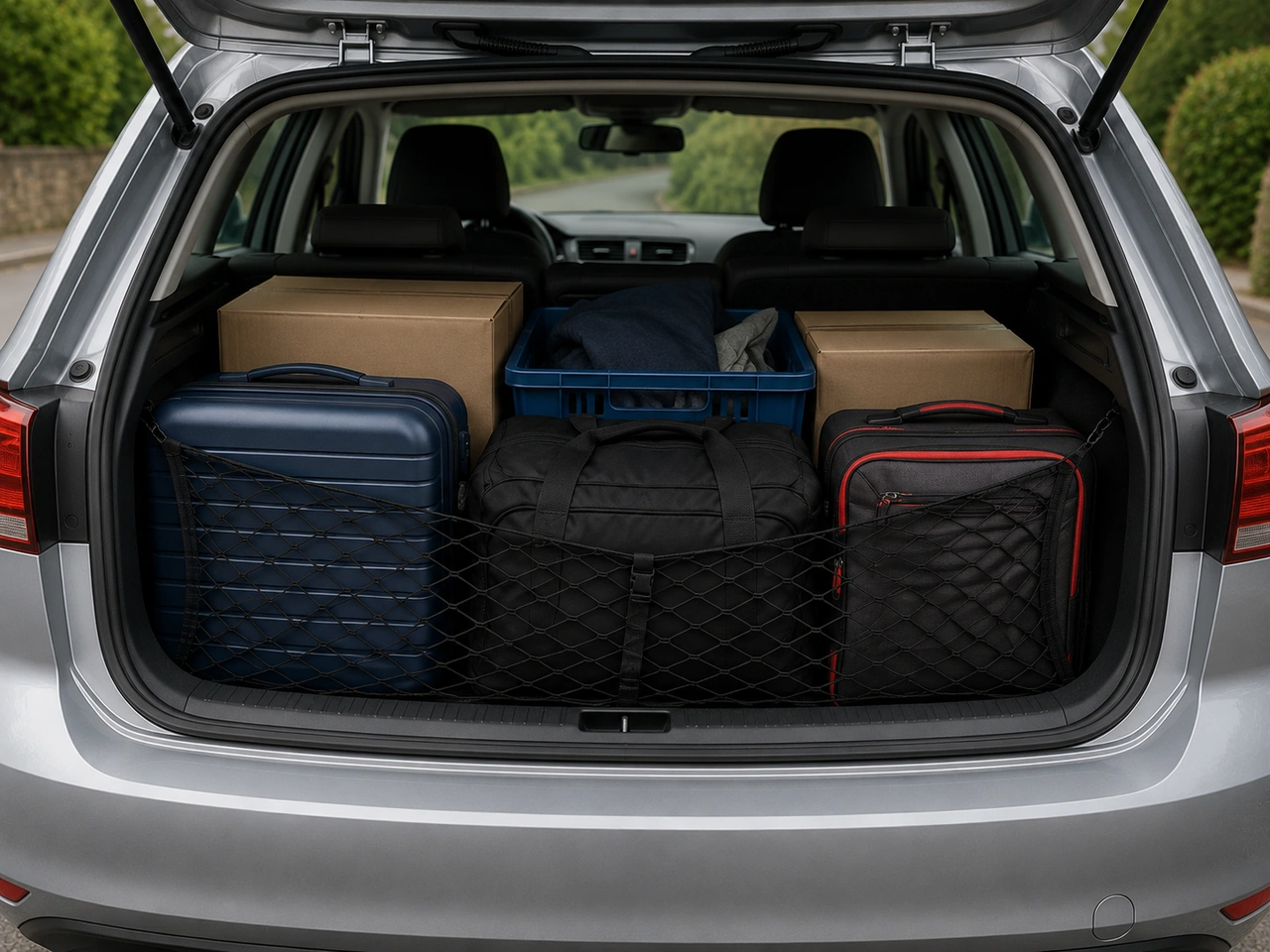
506. How should luggage or other cargo be carried in or on a vehicle?
Unsecured or overloaded cargo can affect steering and braking, injure occupants during sudden stops, or fall into the road. It must not obstruct the driver's view or vehicle lights.
AI-generated by Traffic-rules.com • WCIT • CC BY-SA
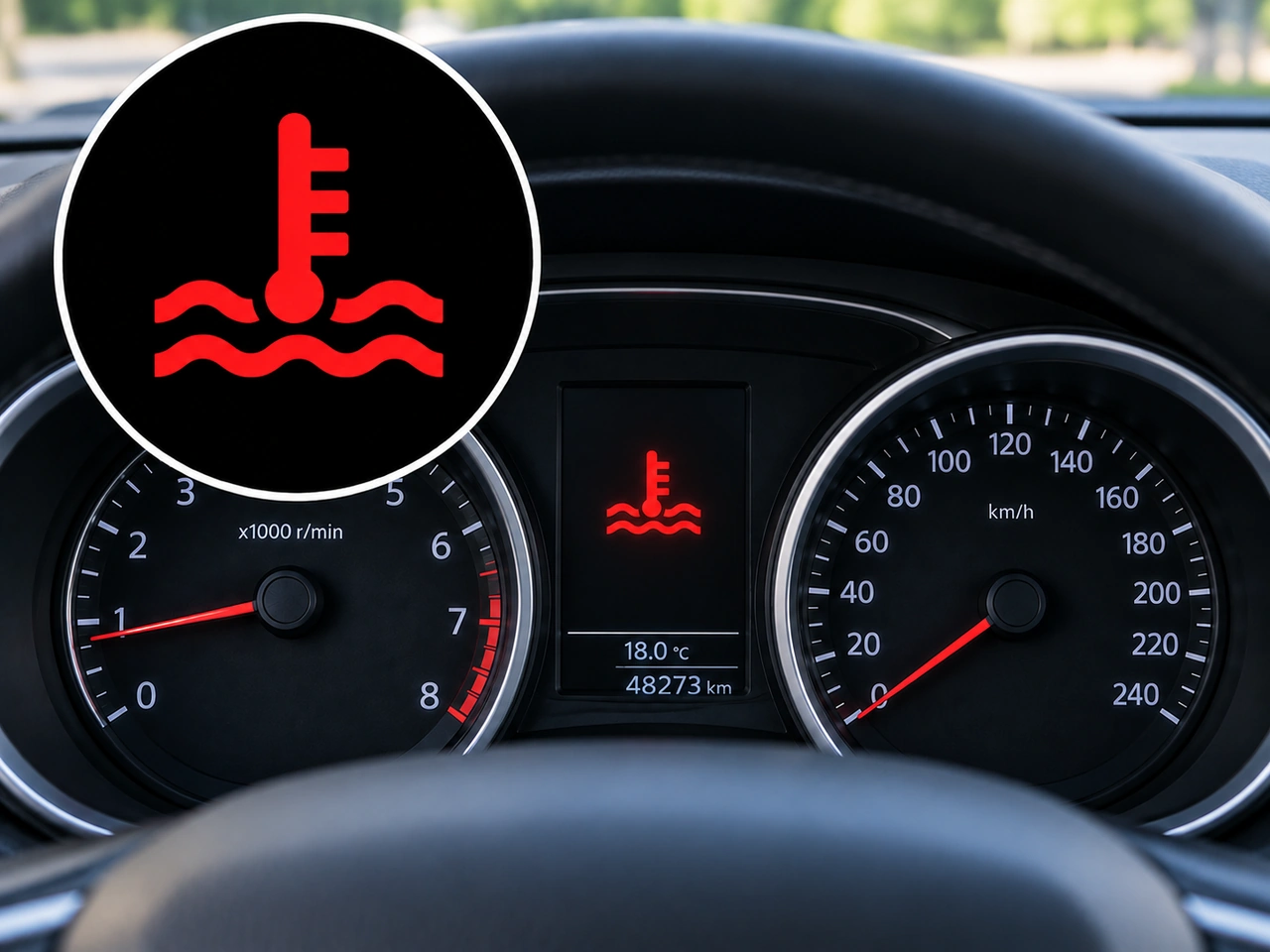
507. What does this dashboard symbol indicate?
This symbol indicates that the engine coolant temperature is too high. If it illuminates while driving, stop safely and allow the engine to cool before investigating the cause.
AI-generated by Traffic-rules.com • WCIT • CC BY-SA
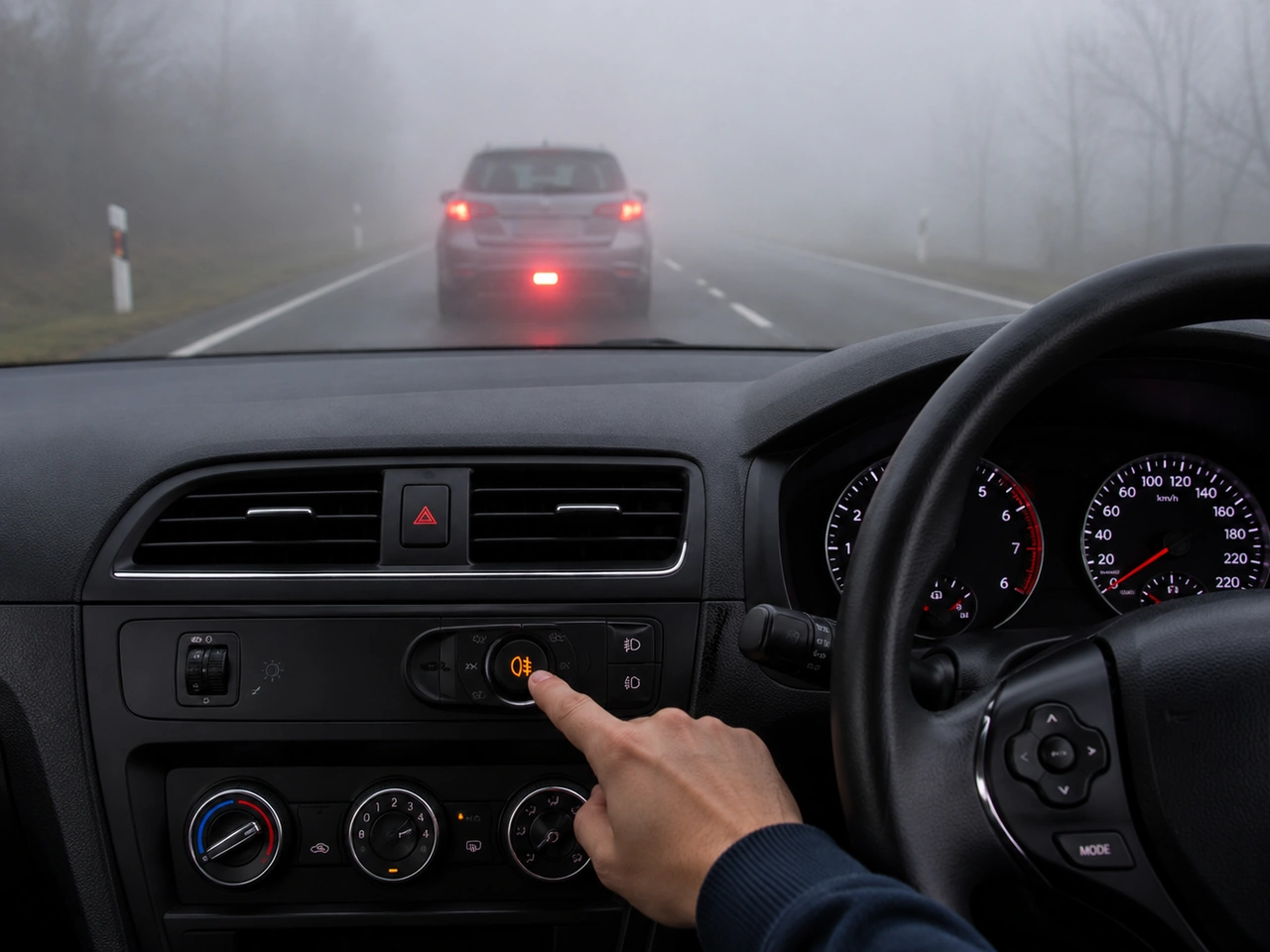
508. When should you use rear fog lights?
Rear fog lights are very bright and should only be used when visibility is poor enough to require them.
AI-generated by Traffic-rules.com • WCIT • CC BY-SA
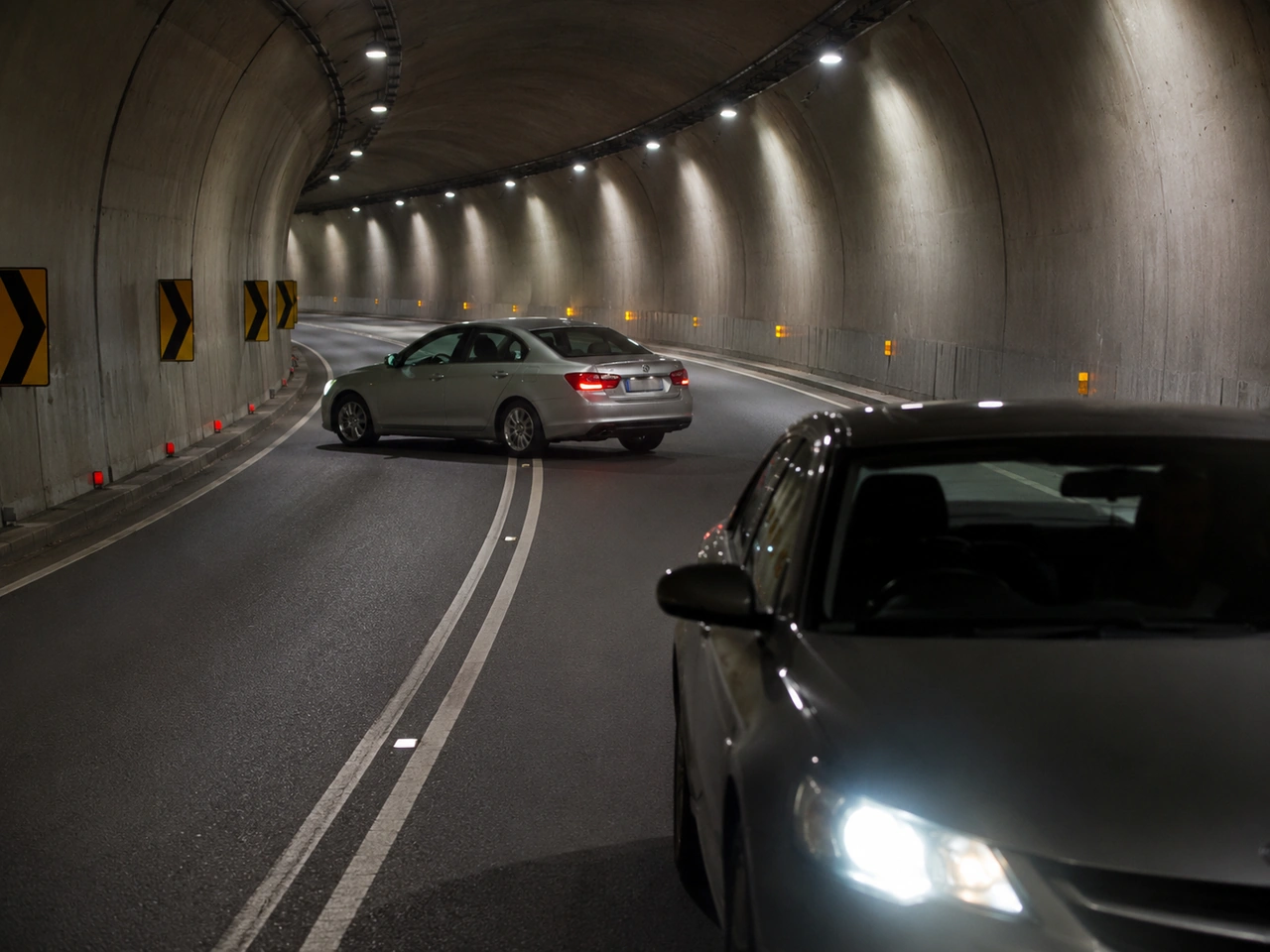
509. Why should you never reverse or make a U-turn inside a tunnel unless directed?
Other drivers may not expect a vehicle to reverse or turn around. Only change direction when instructed by police or tunnel staff.
AI-generated by Traffic-rules.com • WCIT • CC BY-SA
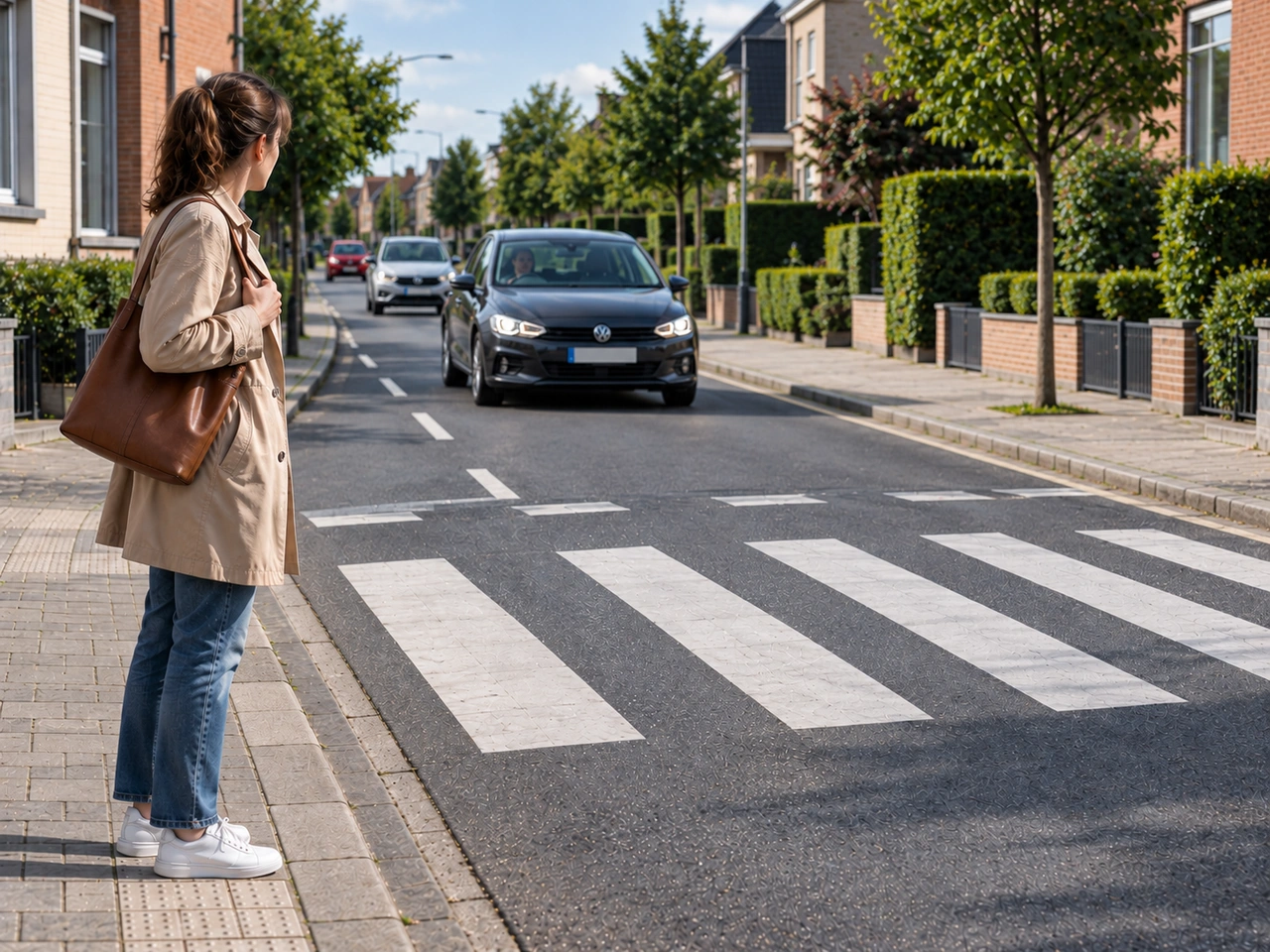
510. What should you do before using a pedestrian crossing?
Even at a pedestrian crossing, make sure approaching drivers have seen you and are able to stop before you cross.
AI-generated by Traffic-rules.com • WCIT • CC BY-SA
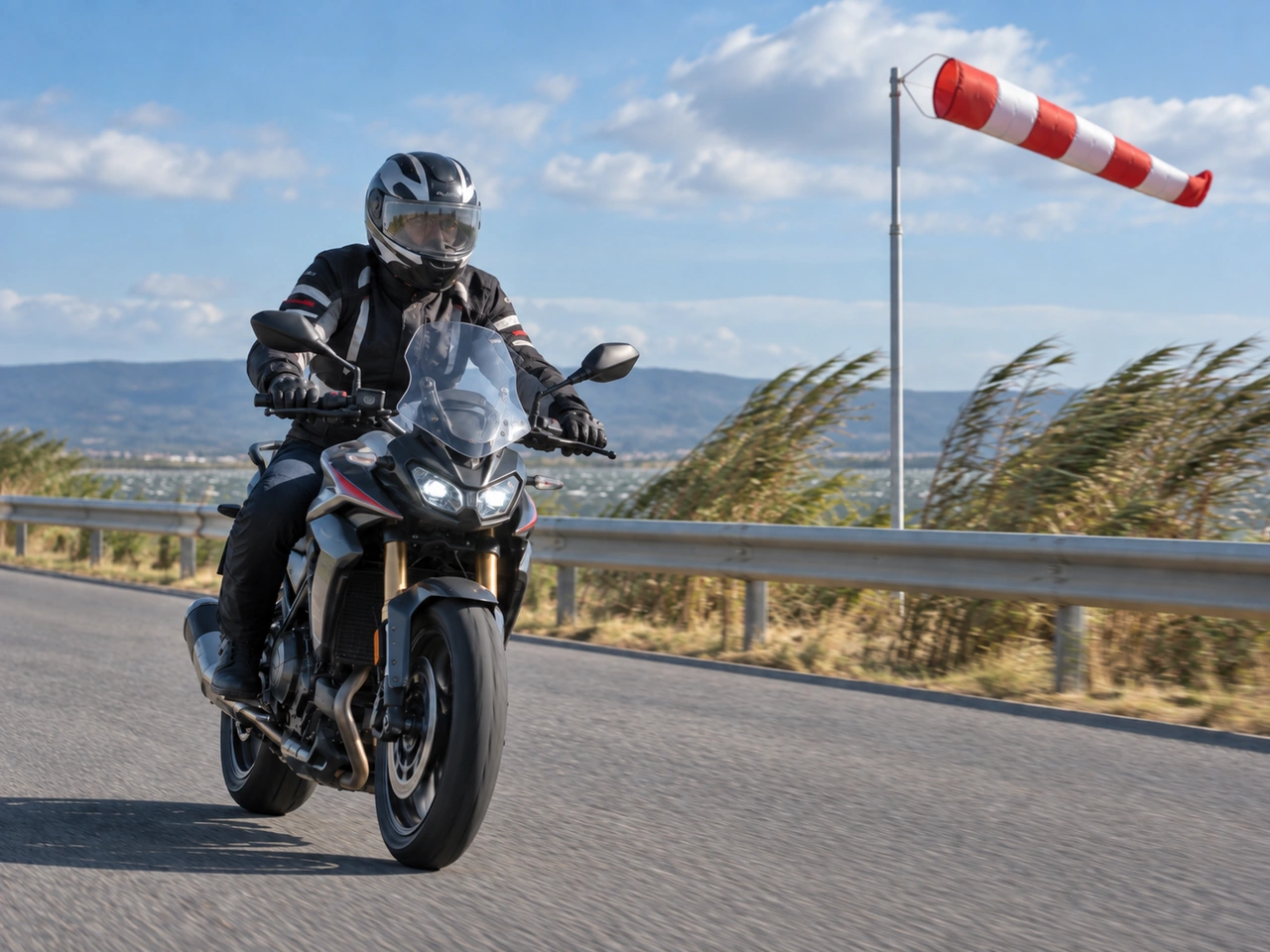
511. What should a motorcyclist do in strong crosswinds?
Strong crosswinds can push a motorcycle sideways and sudden gusts can affect its stability. Reduce speed, keep a steady grip on the handlebars and allow extra space, especially on exposed roads, bridges, or when passing gaps and large vehicles.
AI-generated by Traffic-rules.com • WCIT • CC BY-SA
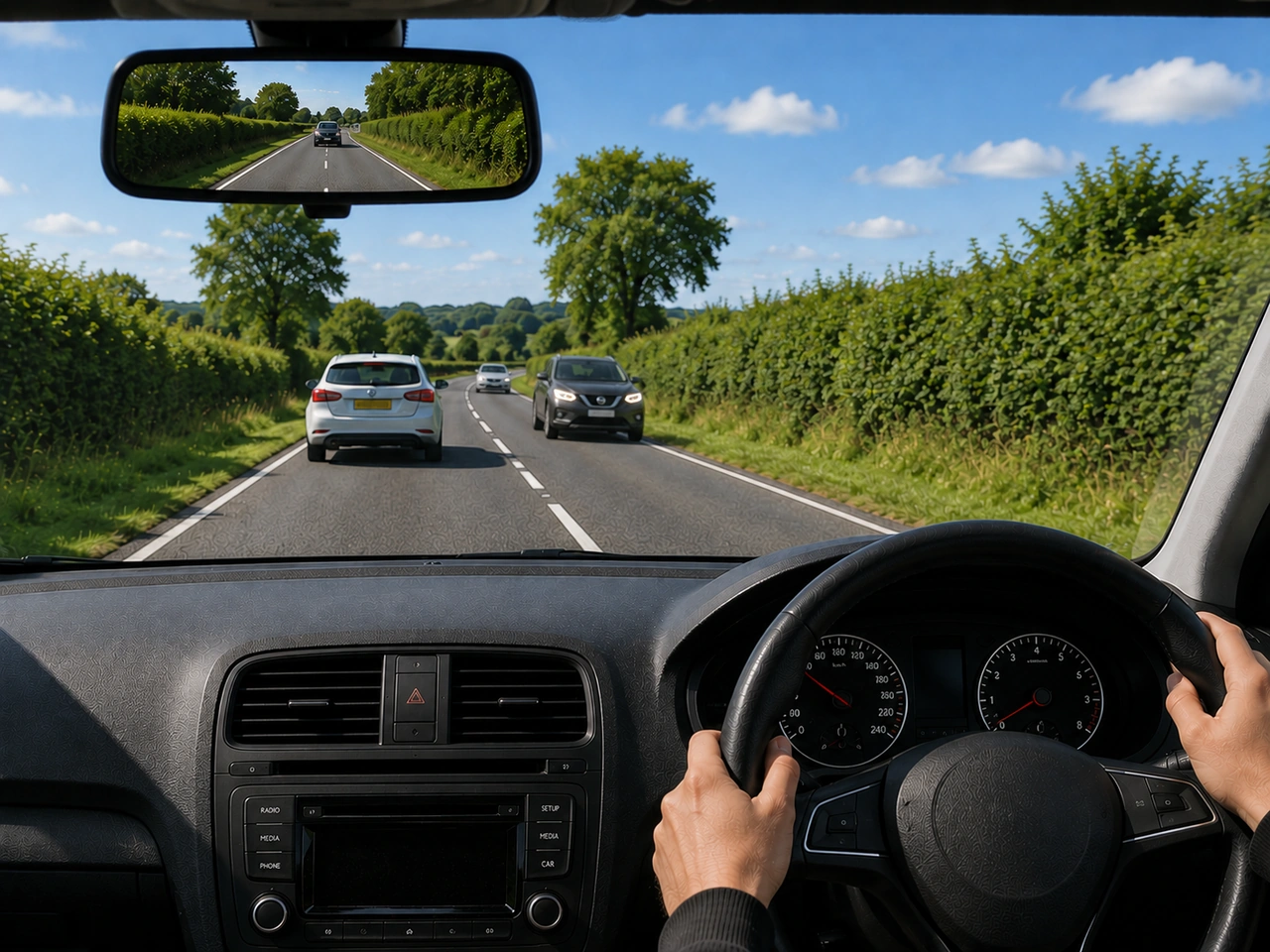
512. Why should you check your mirrors before braking?
Checking your mirrors helps you understand what is happening behind you and anticipate how following traffic may react. In an emergency, do not delay necessary braking.
AI-generated by Traffic-rules.com • WCIT • CC BY-SA
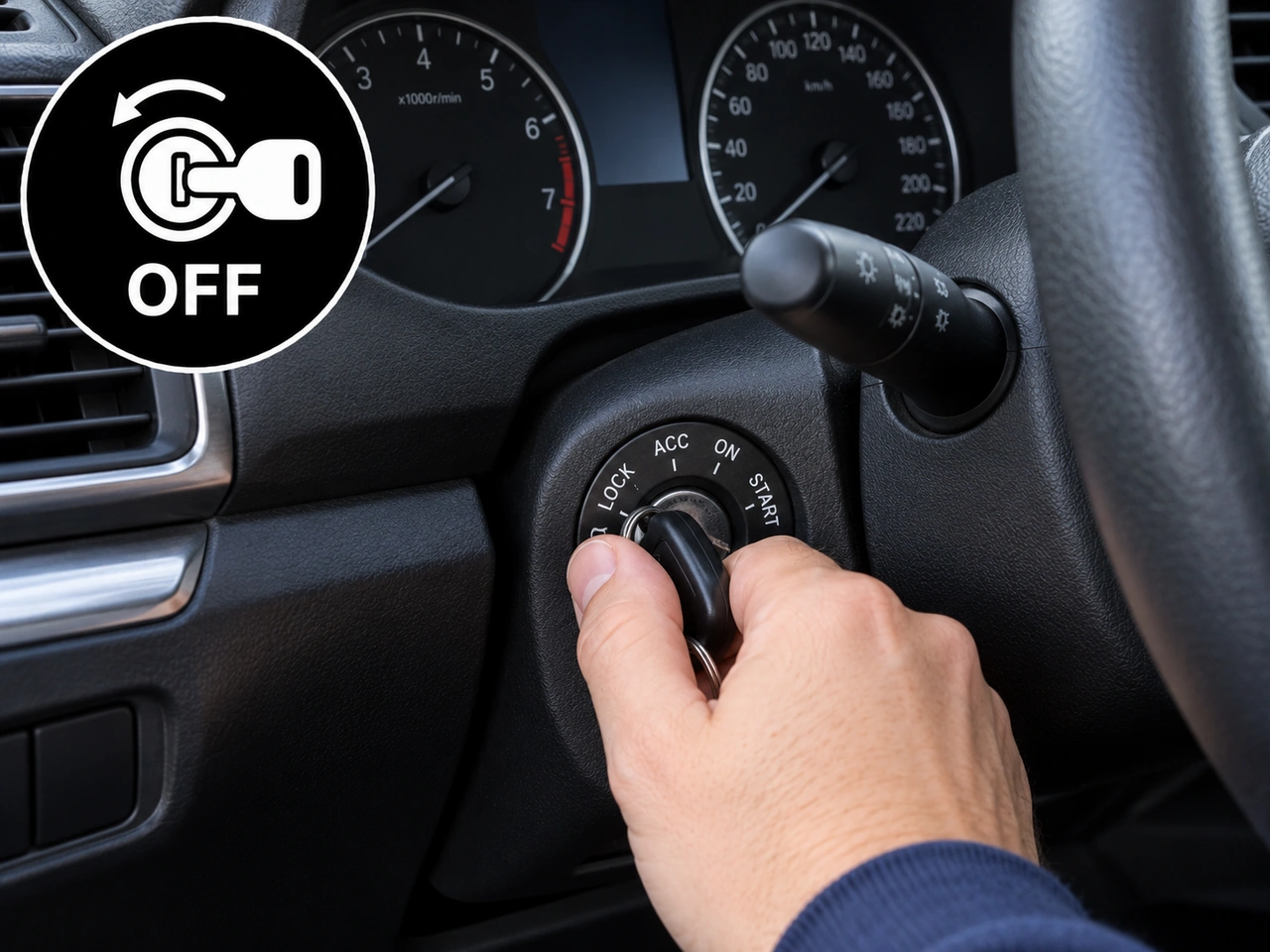
513. What does turning a traditional ignition switch to OFF normally do?
Turning a traditional ignition switch to OFF switches off the engine and ignition systems. The key can then normally be moved to the LOCK position and removed.
AI-generated by Traffic-rules.com • WCIT • CC BY-SA
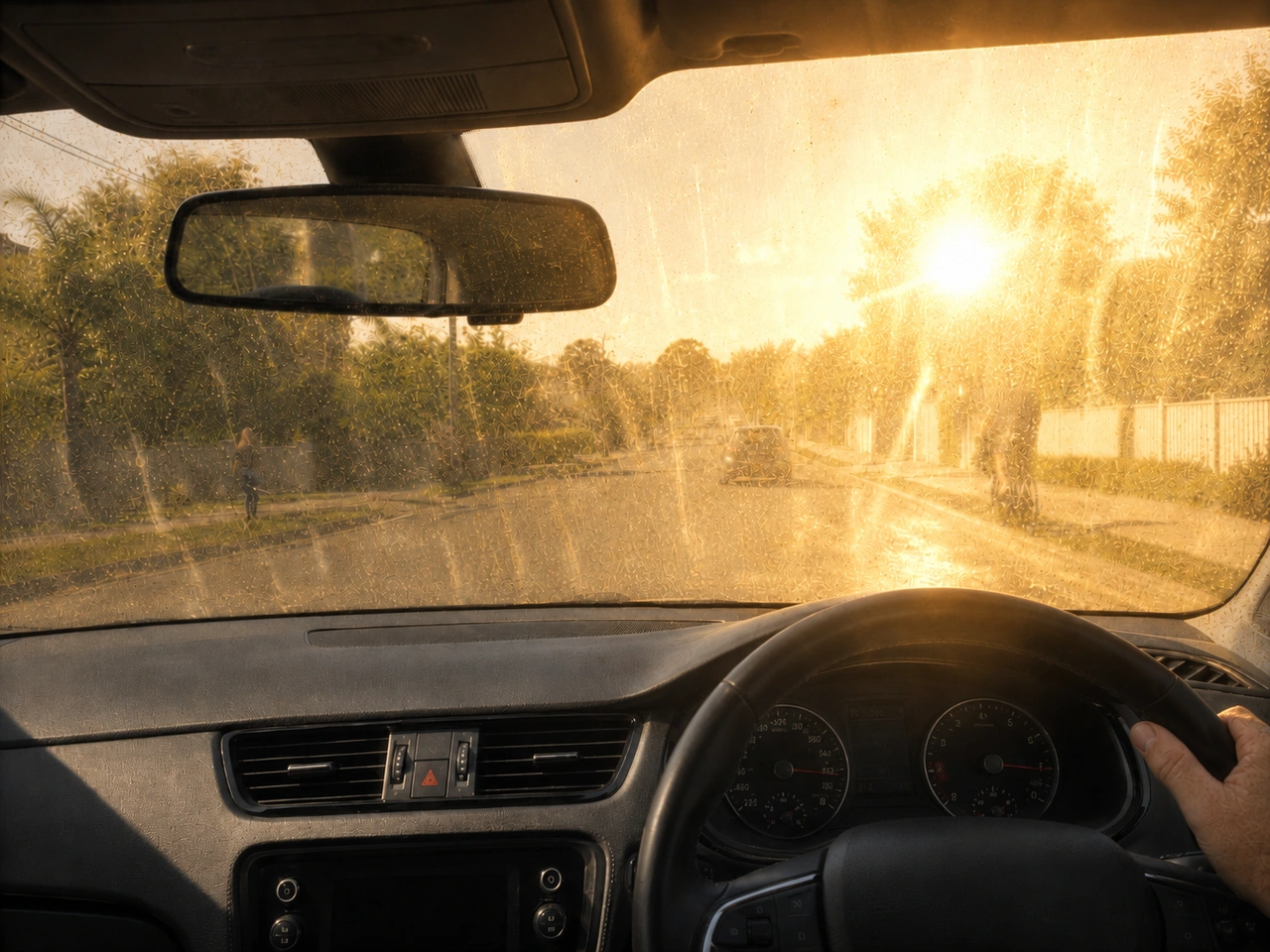
514. Why should you keep your windscreen clean?
A clean windscreen gives you a clear view of the road, signs, pedestrians, cyclists, and other vehicles.
AI-generated by Traffic-rules.com • WCIT • CC BY-SA
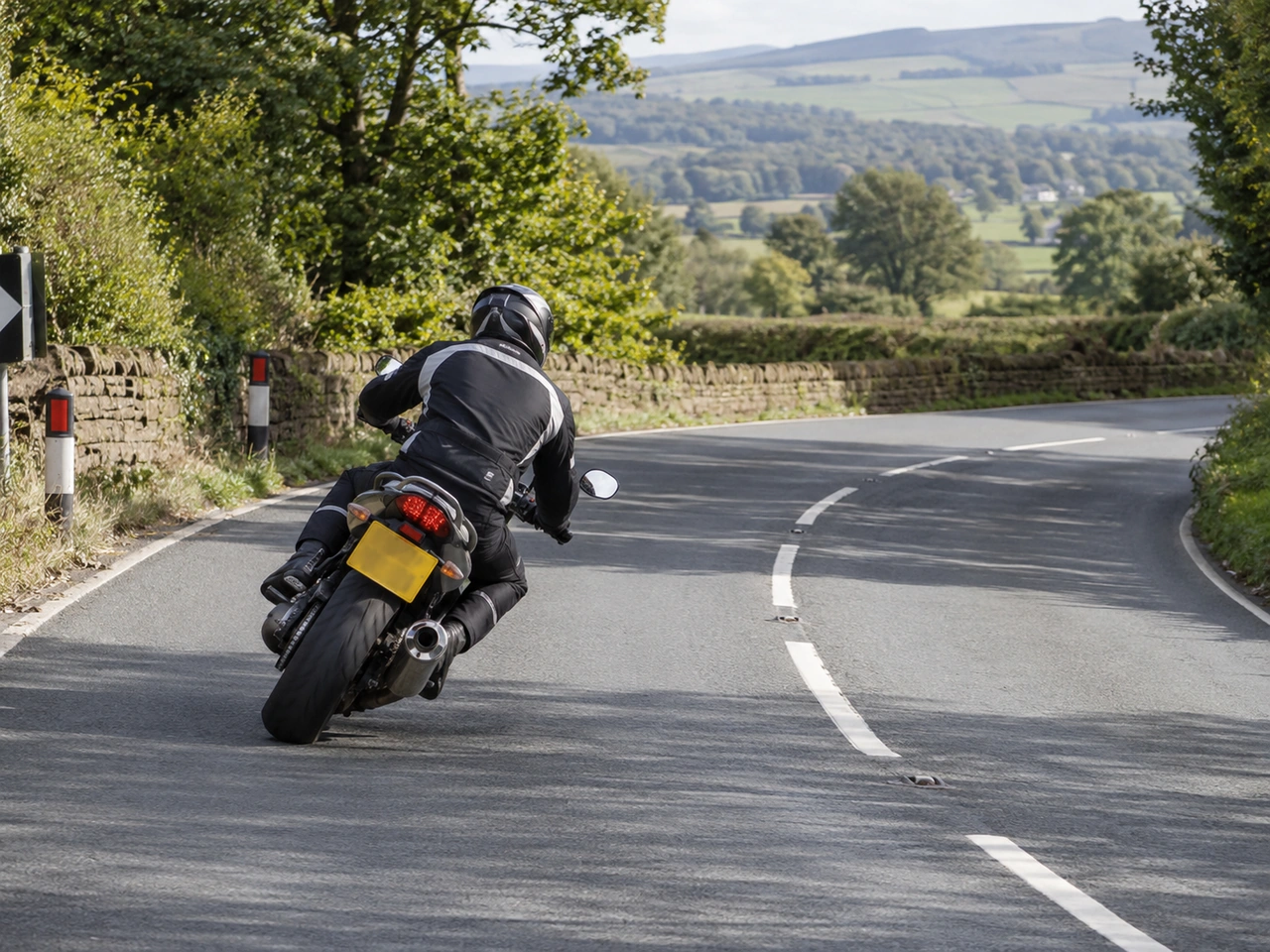
515. Why should hard braking be avoided while a motorcycle is leaning in a bend?
When a motorcycle is leaning, the tyres are already using grip to turn. Hard braking can demand additional grip and may reduce stability. Whenever possible, adjust speed before the bend and use smooth, controlled inputs while cornering.
AI-generated by Traffic-rules.com • WCIT • CC BY-SA
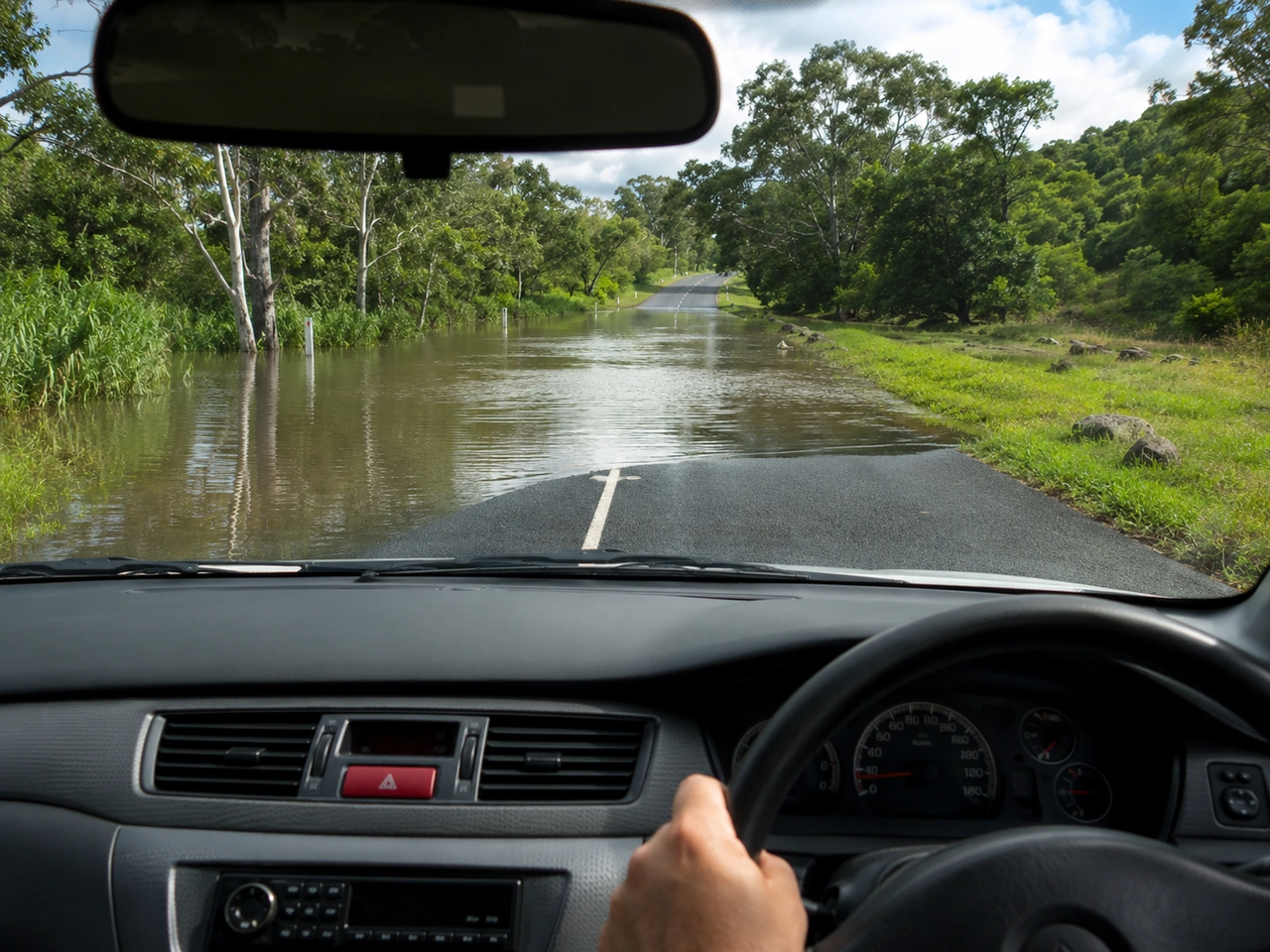
516. Why should you avoid driving through deep water?
Deep water can damage the engine, reduce braking ability, hide hazards, or cause the vehicle to lose grip. Reduce speed, assess the depth and conditions carefully, and avoid entering the water if you are unsure it is safe. If necessary, stop and use another route.
AI-generated by Traffic-rules.com • WCIT • CC BY-SA
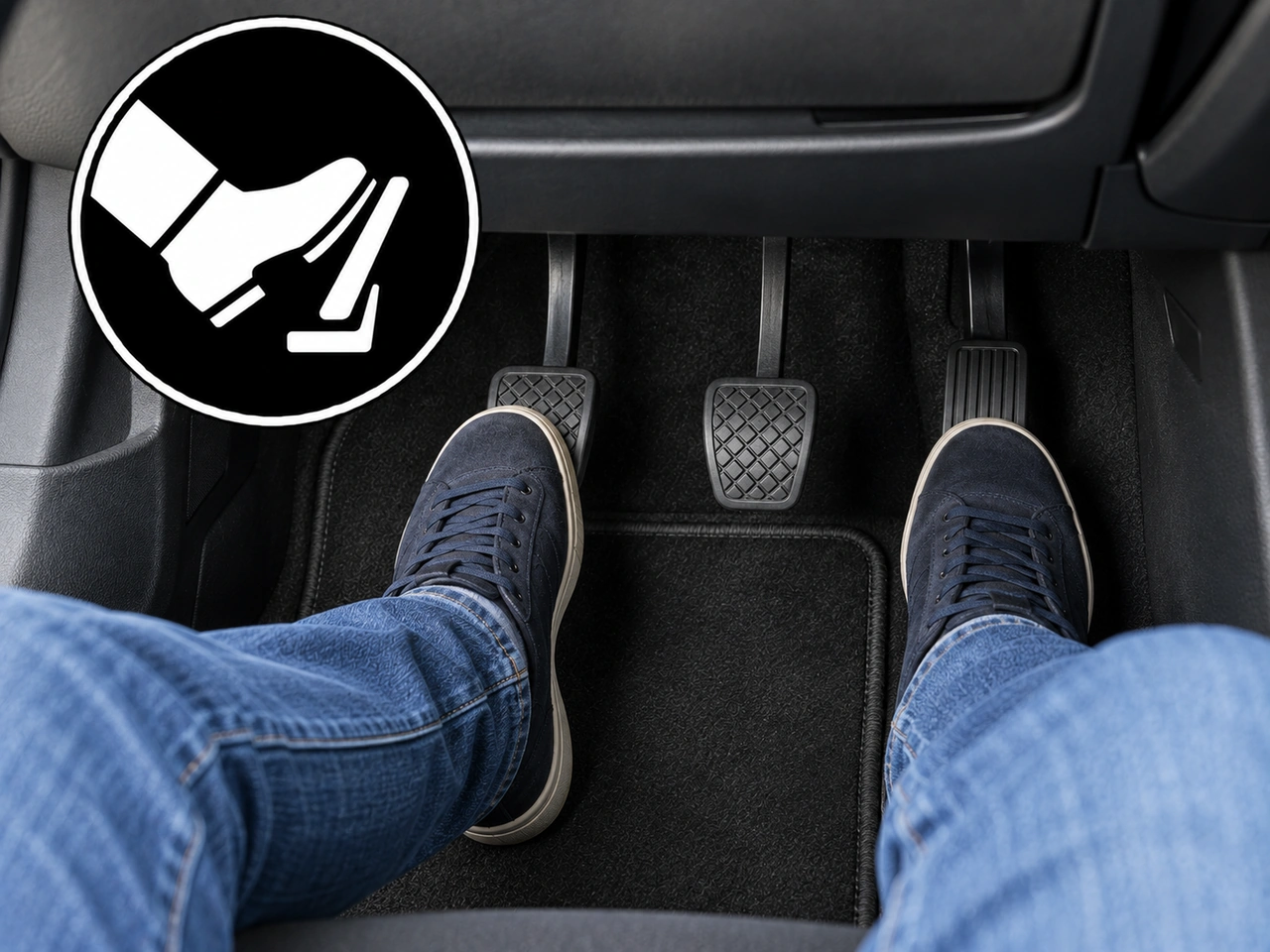
517. What is the clutch biting point?
The clutch biting point is reached as the clutch pedal is released and the clutch begins to transmit power from the engine to the transmission. Controlling this point helps the driver move off smoothly.
AI-generated by Traffic-rules.com • WCIT • CC BY-SA
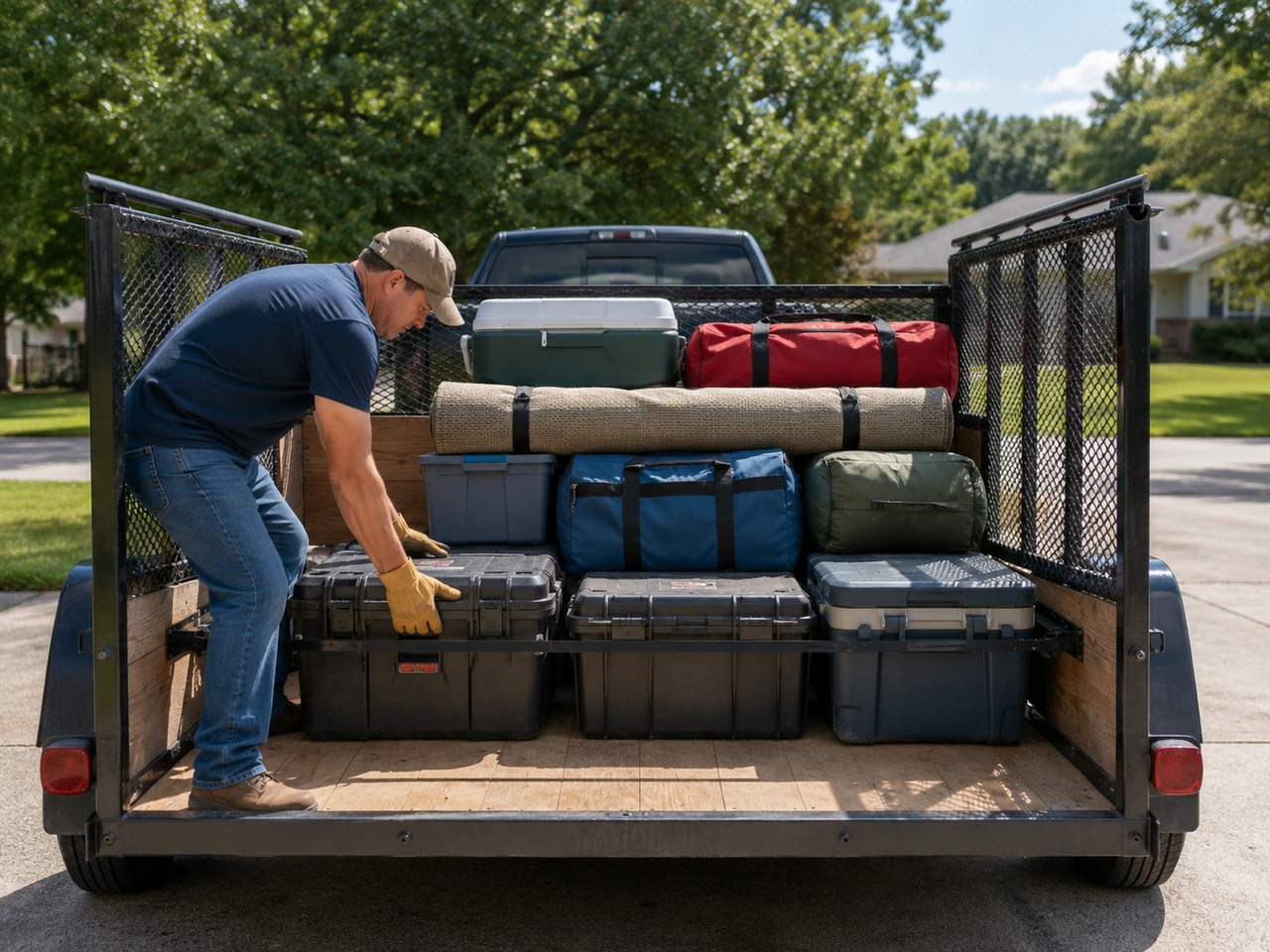
518. Why should heavy items be placed low and evenly distributed?
A high or uneven load can make the vehicle unstable, especially during braking, cornering, or sudden steering.
AI-generated by Traffic-rules.com • WCIT • CC BY-SA
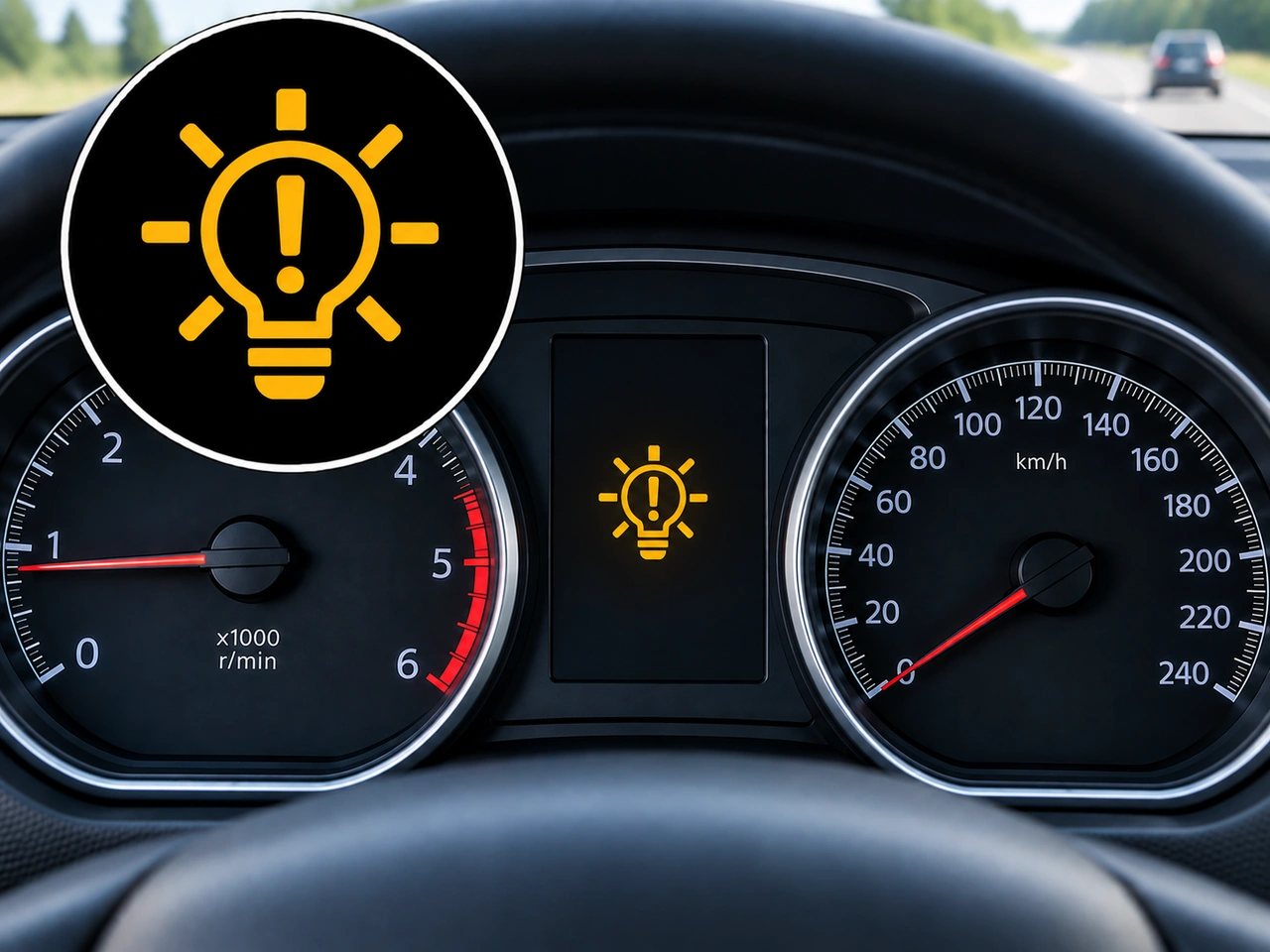
519. What does this dashboard symbol indicate?
This symbol indicates a possible failure of an exterior vehicle light, such as a headlight, tail light, brake light or indicator. Check the vehicle's exterior lights and replace or repair any faulty light.
AI-generated by Traffic-rules.com • WCIT • CC BY-SA
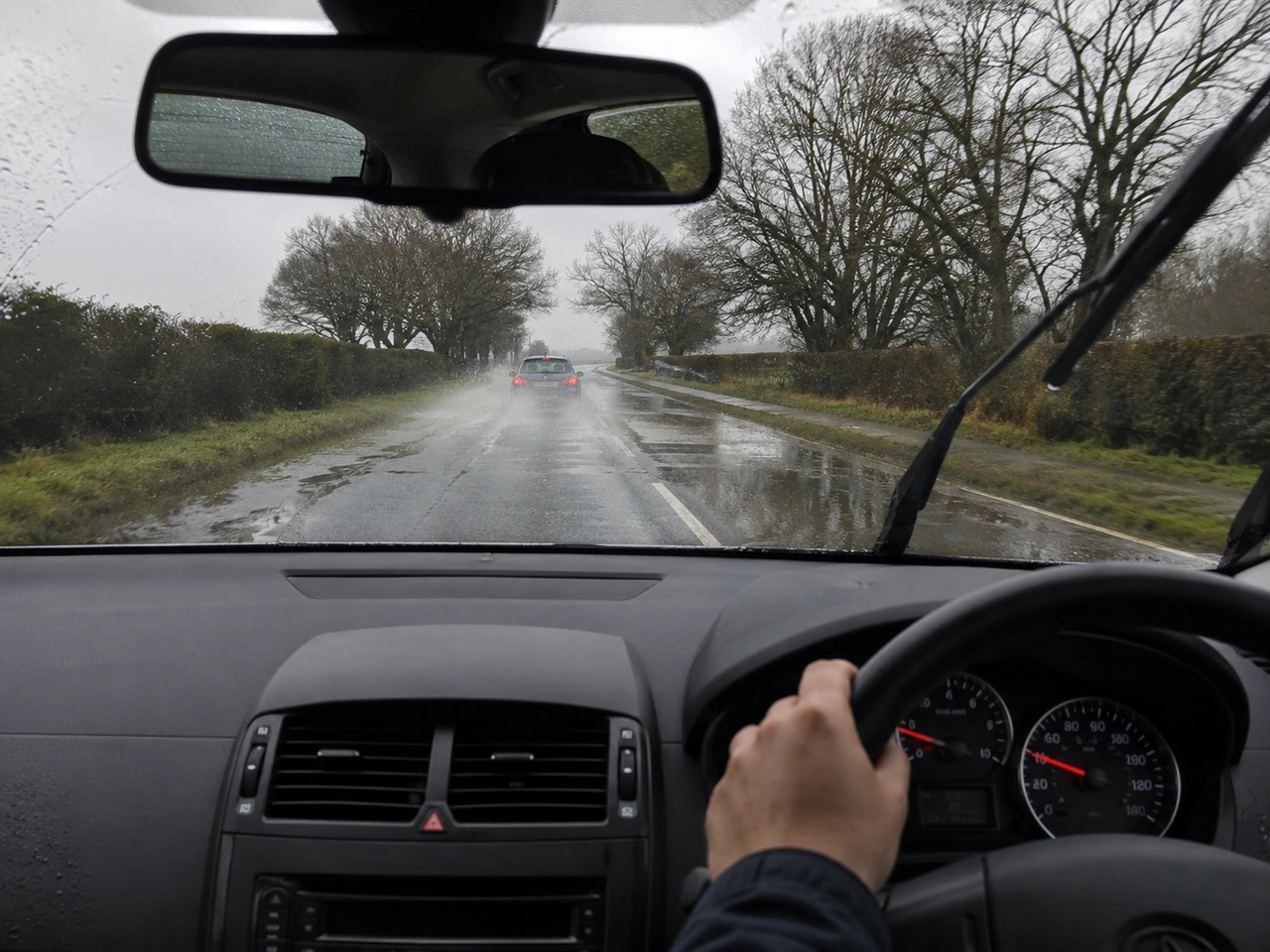
520. Why is it dangerous to drive through standing water at speed?
Driving too fast through water can cause aquaplaning, where the tyres lose grip and the driver may lose control.
AI-generated by Traffic-rules.com • WCIT • CC BY-SA
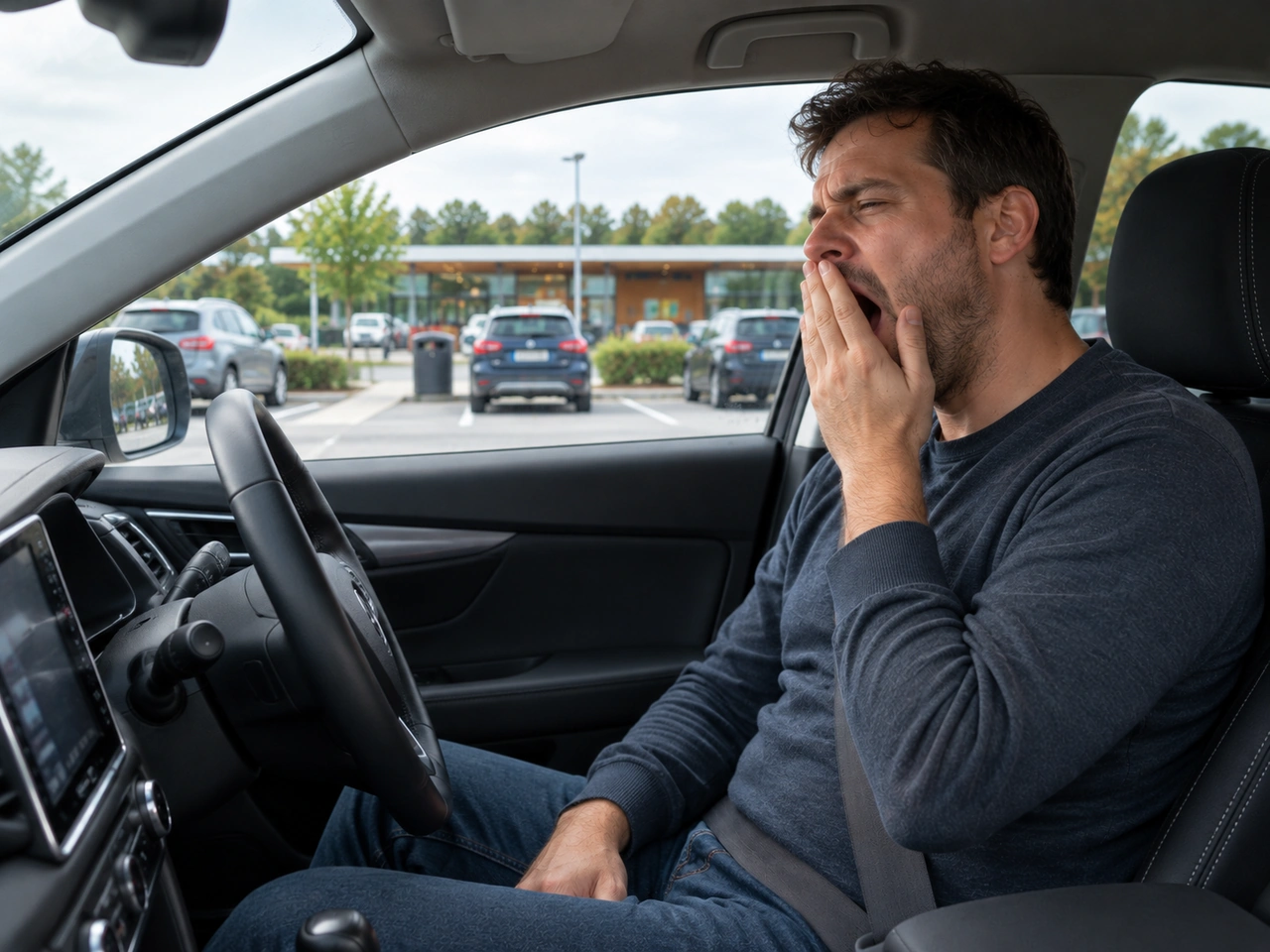
521. Which signs may indicate that you are becoming too tired to drive safely?
Warning signs of driver fatigue can include repeated yawning, heavy eyelids, difficulty concentrating, wandering thoughts, and trouble maintaining a steady road position. These signs mean you should stop and rest before continuing.
AI-generated by Traffic-rules.com • WCIT • CC BY-SA
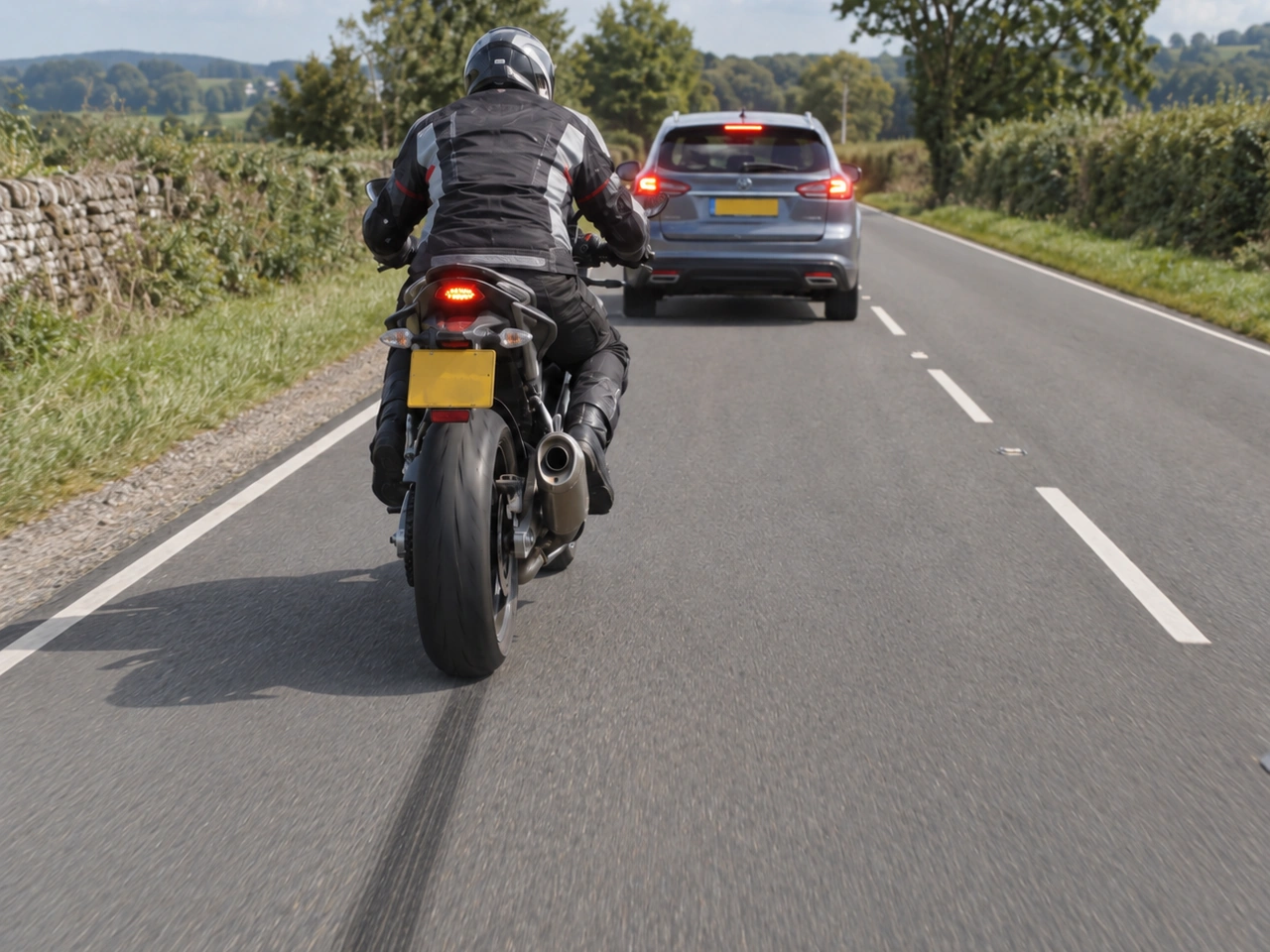
522. How should a motorcyclist brake in an emergency?
During emergency braking, use both brakes firmly and progressively while keeping the motorcycle as upright and stable as practical. Avoid sudden steering. If ABS is fitted, maintain firm braking pressure and allow the system to work.
AI-generated by Traffic-rules.com • WCIT • CC BY-SA
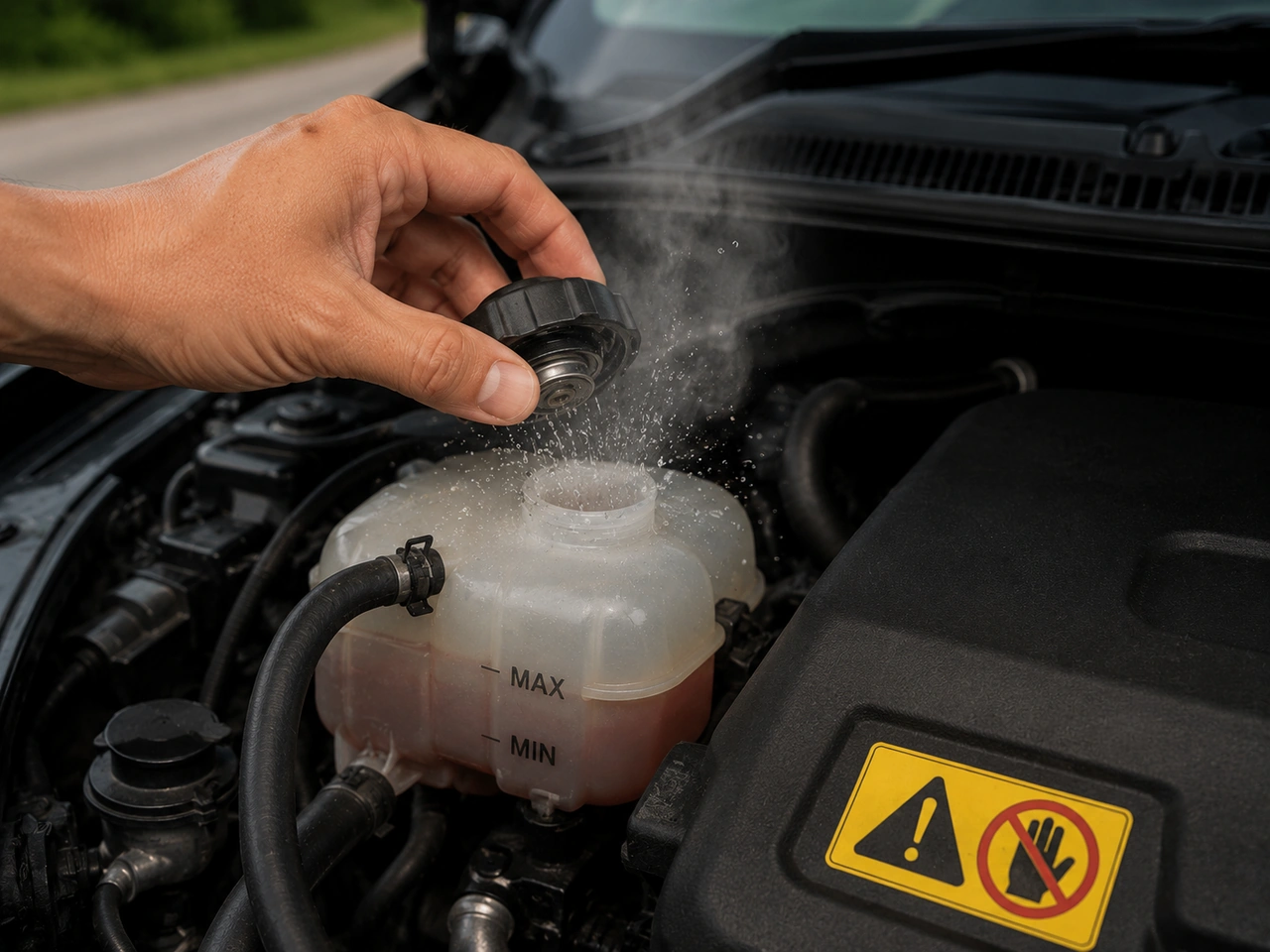
523. Why should you avoid removing the coolant cap while the engine is hot?
A hot cooling system may remain under pressure. Allow the engine to cool and follow the manufacturer's instructions before checking or adding coolant.
AI-generated by Traffic-rules.com • WCIT • CC BY-SA
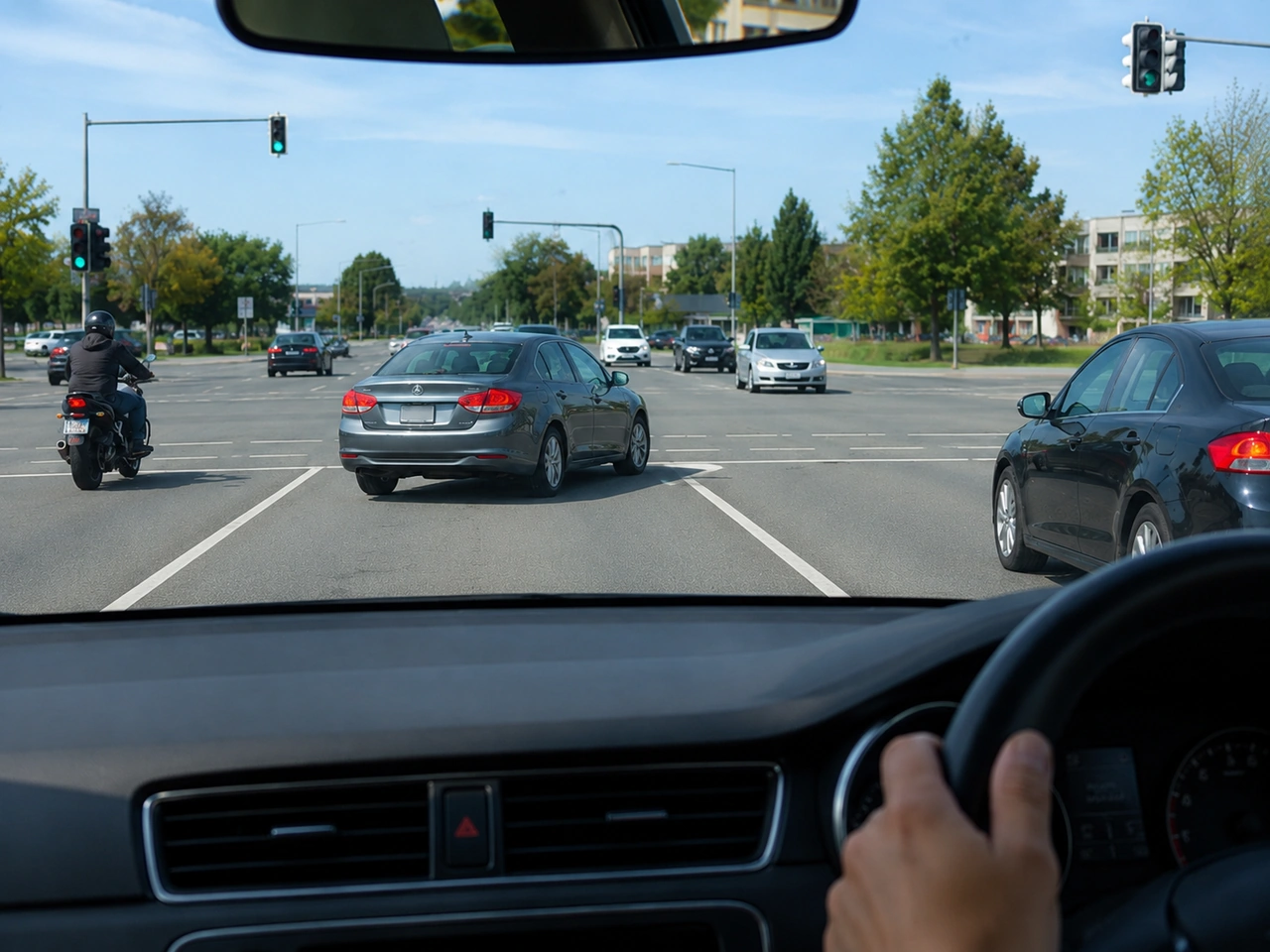
524. Why should you avoid changing lanes inside an intersection?
Changing lanes inside an intersection can surprise drivers, cyclists, and pedestrians. It is safer to choose the correct lane before entering.
AI-generated by Traffic-rules.com • WCIT • CC BY-SA
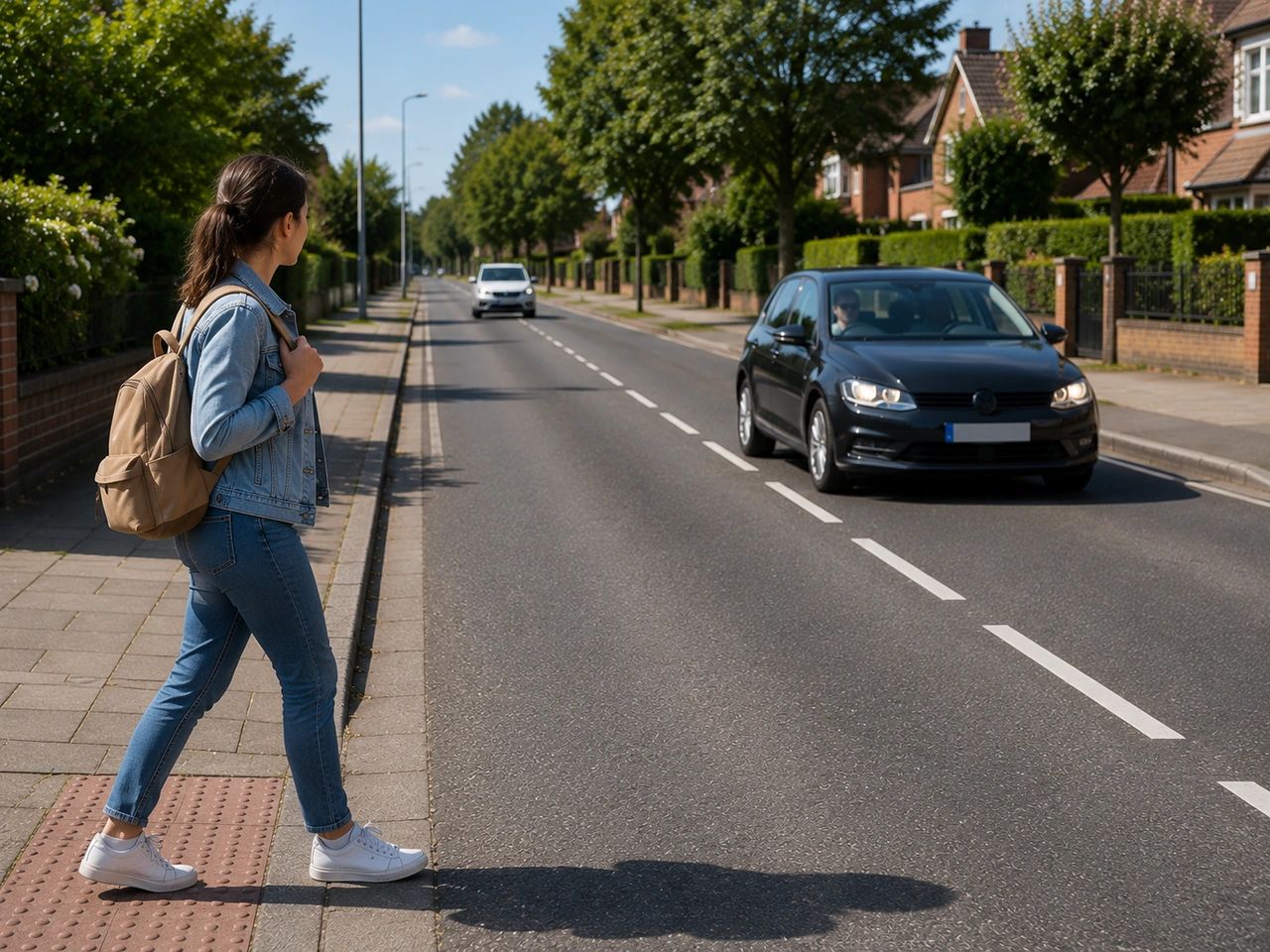
525. What should you do before crossing the road?
Always check for approaching traffic from every direction before crossing.
AI-generated by Traffic-rules.com • WCIT • CC BY-SA
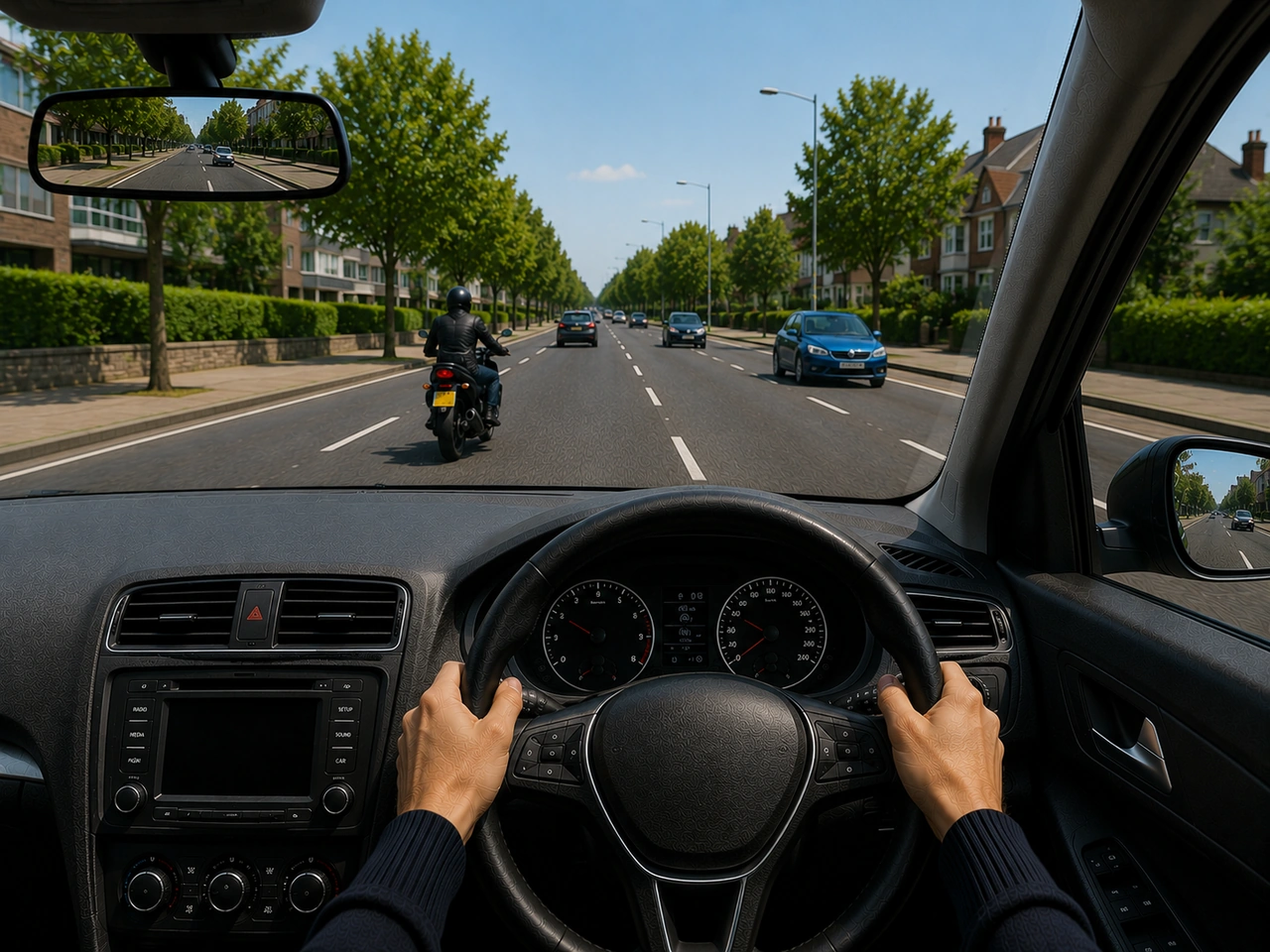
526. Why should you check for motorcyclists before changing lanes?
Motorcyclists are smaller and can be hidden in blind spots. Check mirrors, signal, and look carefully before changing lanes.
AI-generated by Traffic-rules.com • WCIT • CC BY-SA
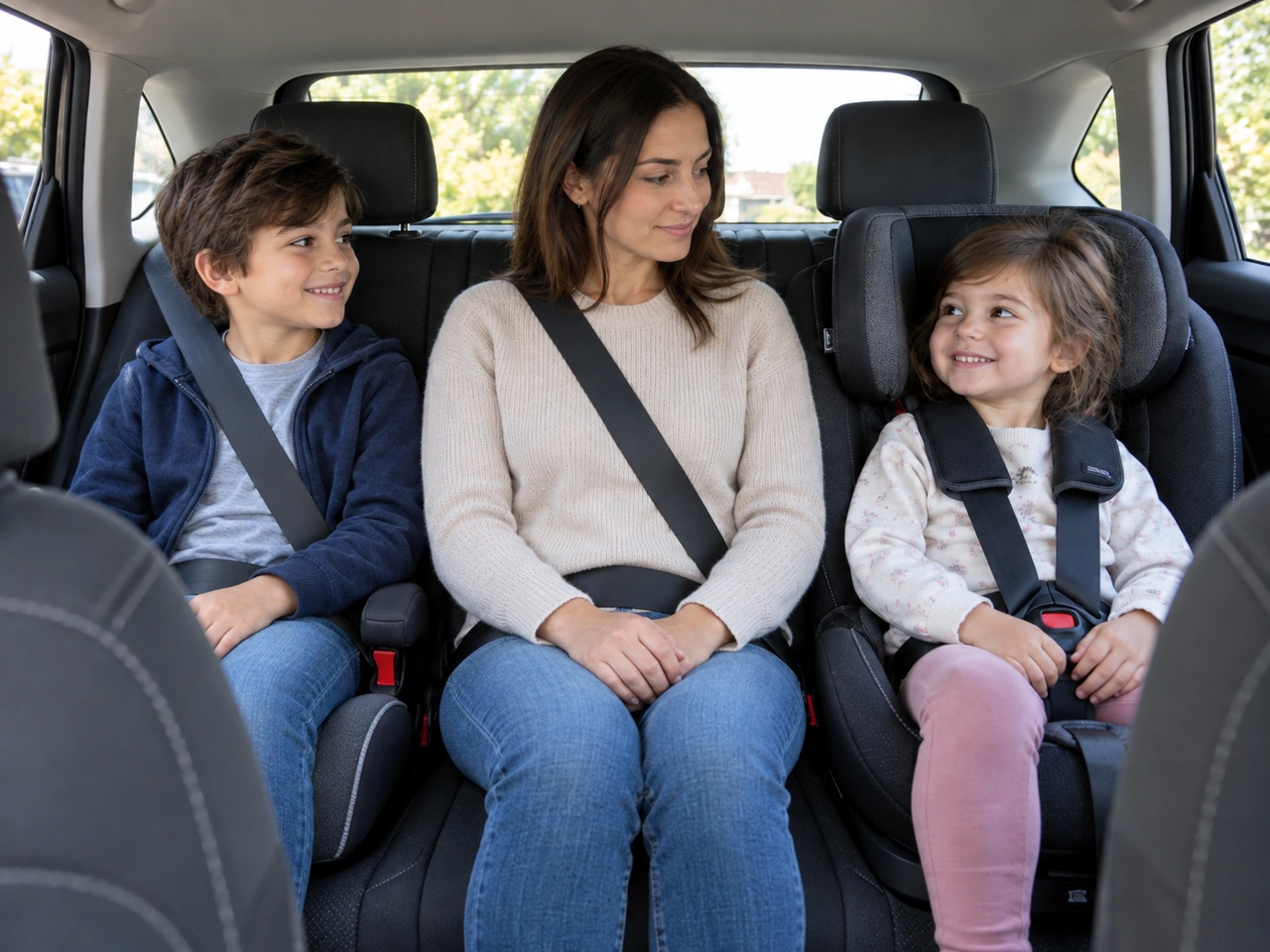
527. Should rear-seat passengers be securely restrained?
Rear-seat passengers should be securely restrained using seat belts or suitable child restraints as appropriate. Proper restraint reduces the risk of serious injury and prevents occupants from being thrown around or forwards in a collision.
AI-generated by Traffic-rules.com • WCIT • CC BY-SA
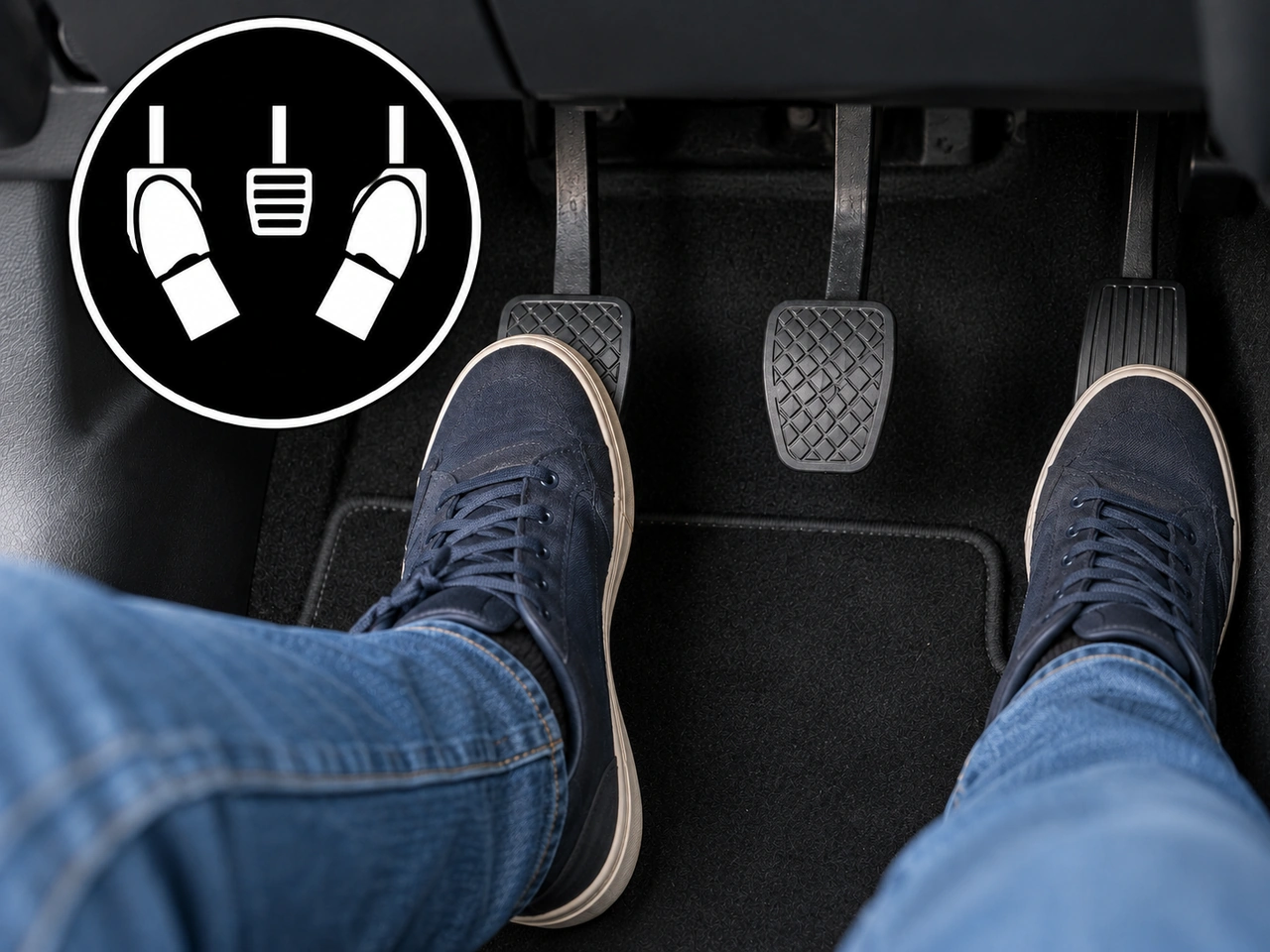
528. How should you use the clutch and accelerator when moving off?
When moving off, release the clutch pedal smoothly through the biting point while applying the accelerator progressively. This helps the vehicle move away smoothly without stalling or excessive engine speed.
AI-generated by Traffic-rules.com • WCIT • CC BY-SA
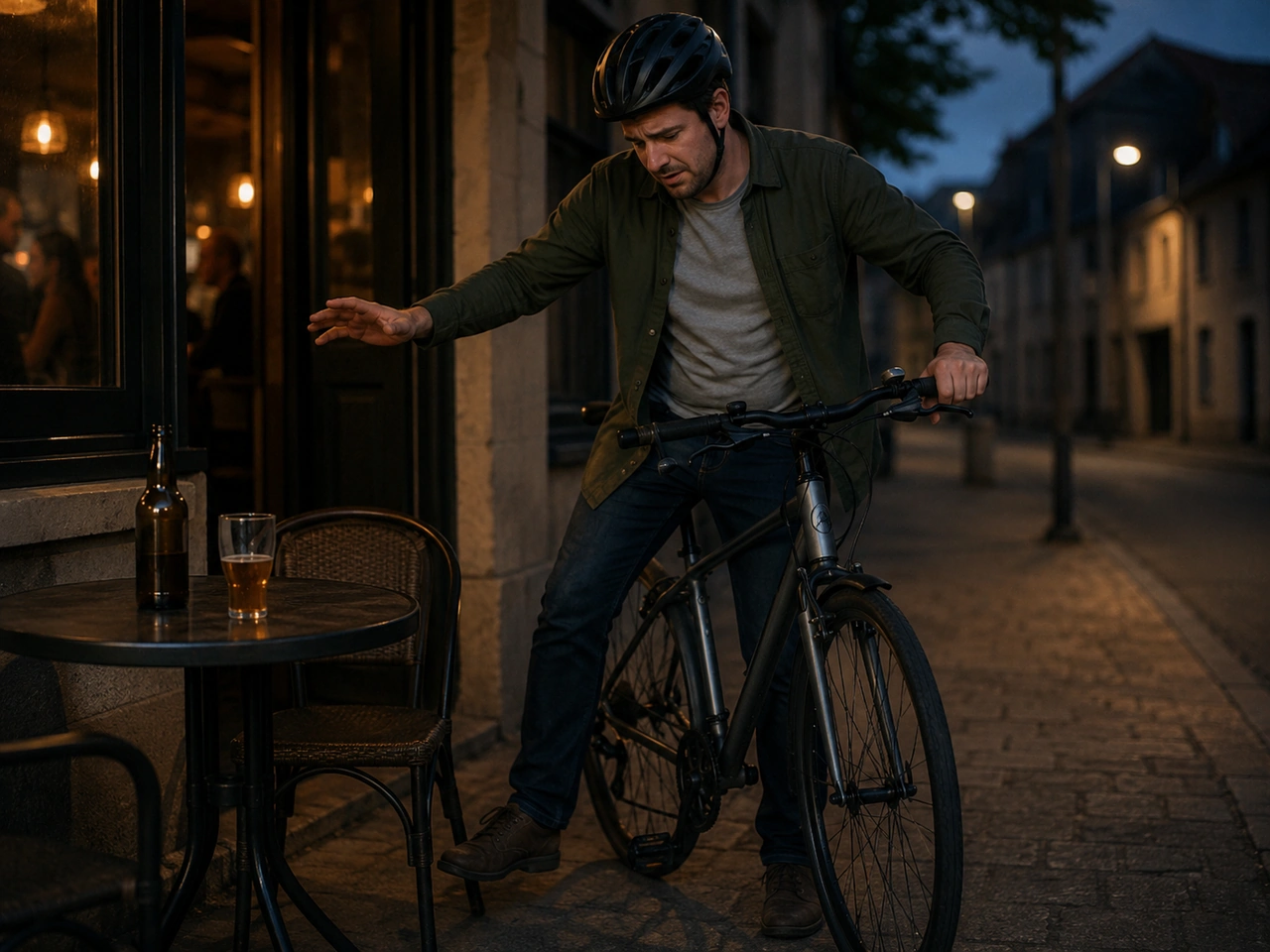
529. Why is riding a bicycle after drinking alcohol dangerous?
Alcohol can make it harder to balance, steer, judge distances, and react to hazards. Riding a bicycle while impaired may also be against the law.
AI-generated by Traffic-rules.com • WCIT • CC BY-SA
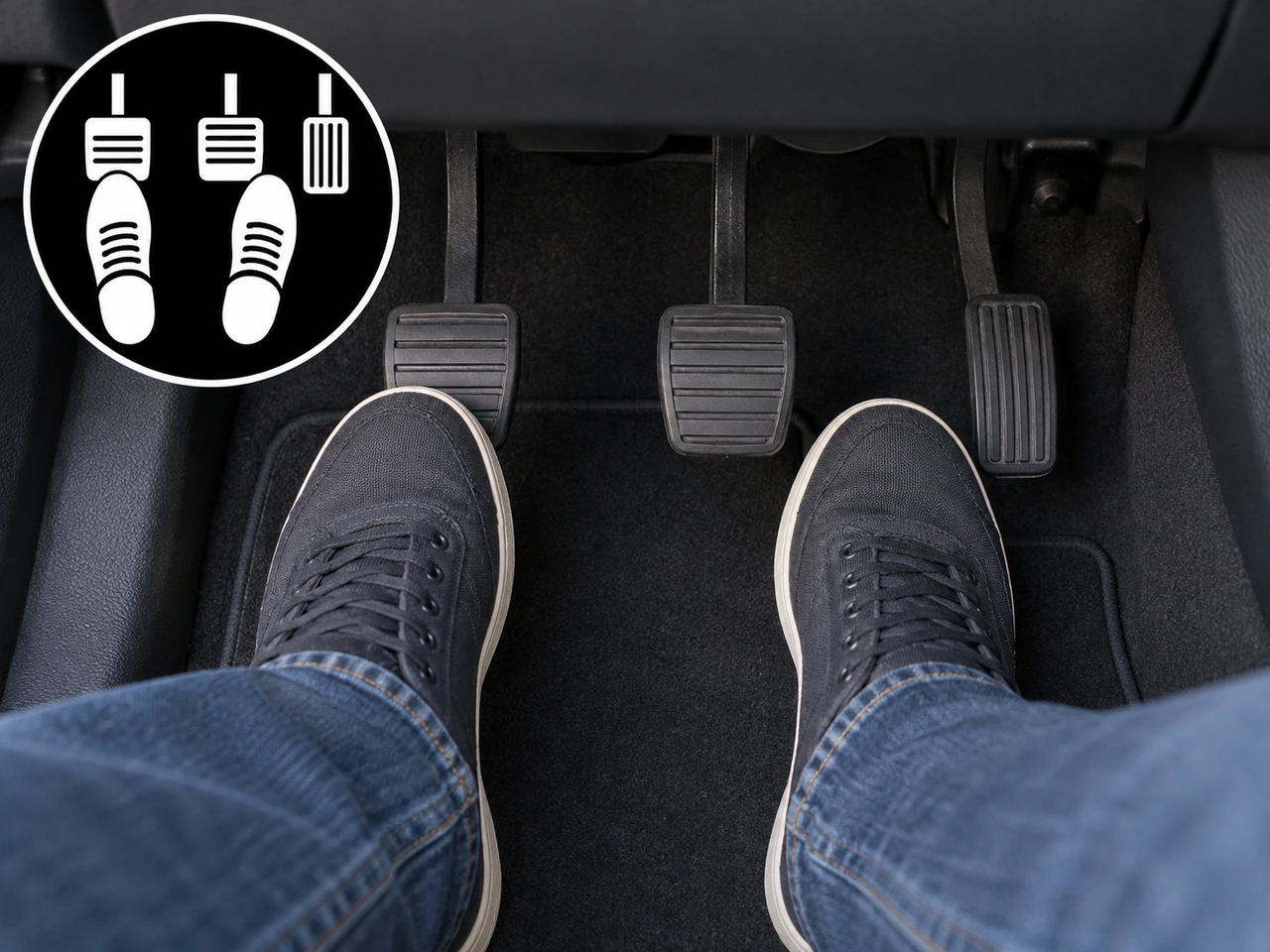
530. Which foot normally operates the brake and accelerator in a manual vehicle?
In a manual vehicle, the right foot normally operates both the brake and accelerator pedals, while the left foot operates the clutch.
AI-generated by Traffic-rules.com • WCIT • CC BY-SA
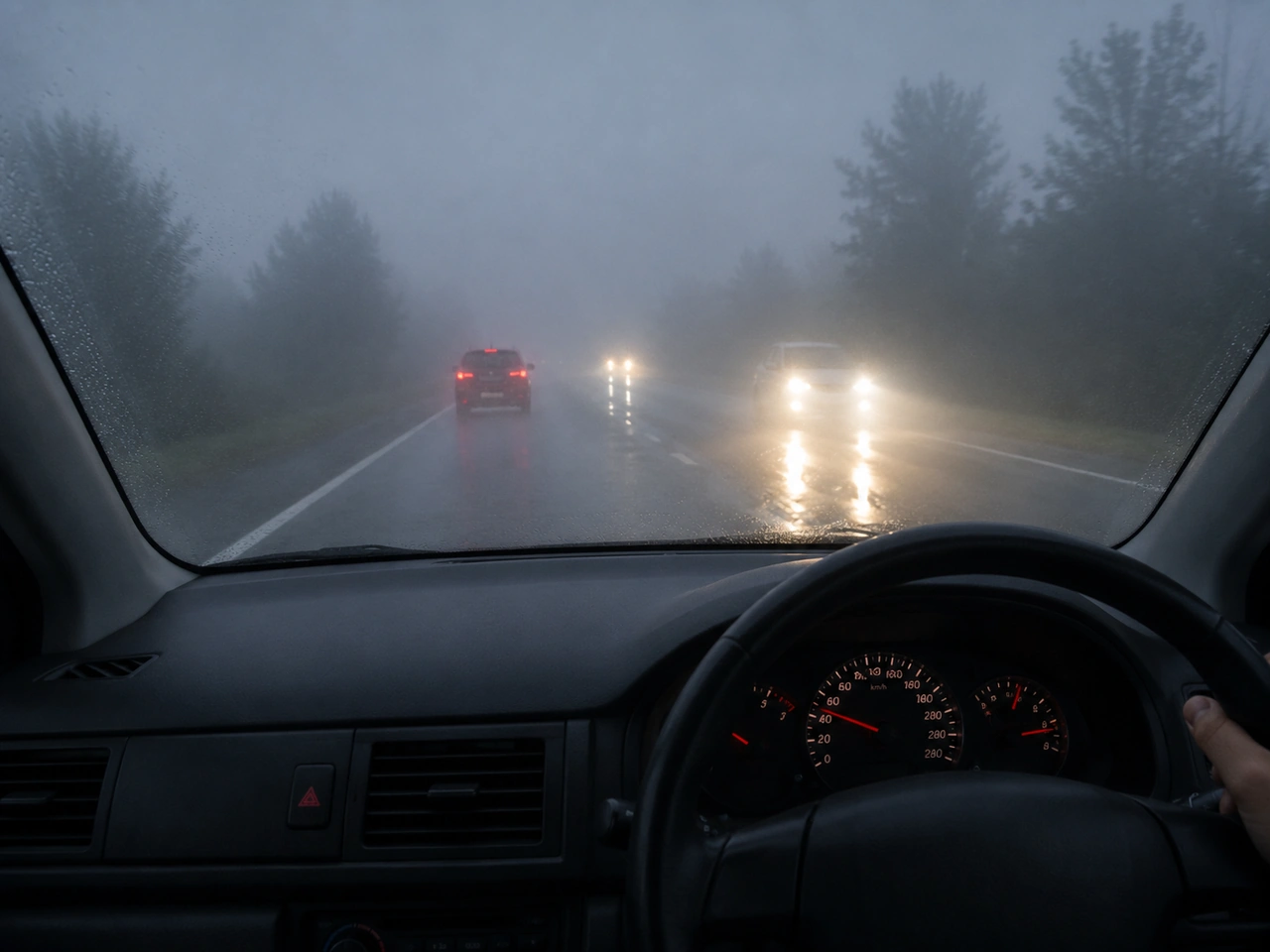
531. Why should you use headlights in poor visibility?
Headlights help you see the road and make your vehicle more visible to other road users in fog, rain, darkness, or poor weather.
AI-generated by Traffic-rules.com • WCIT • CC BY-SA
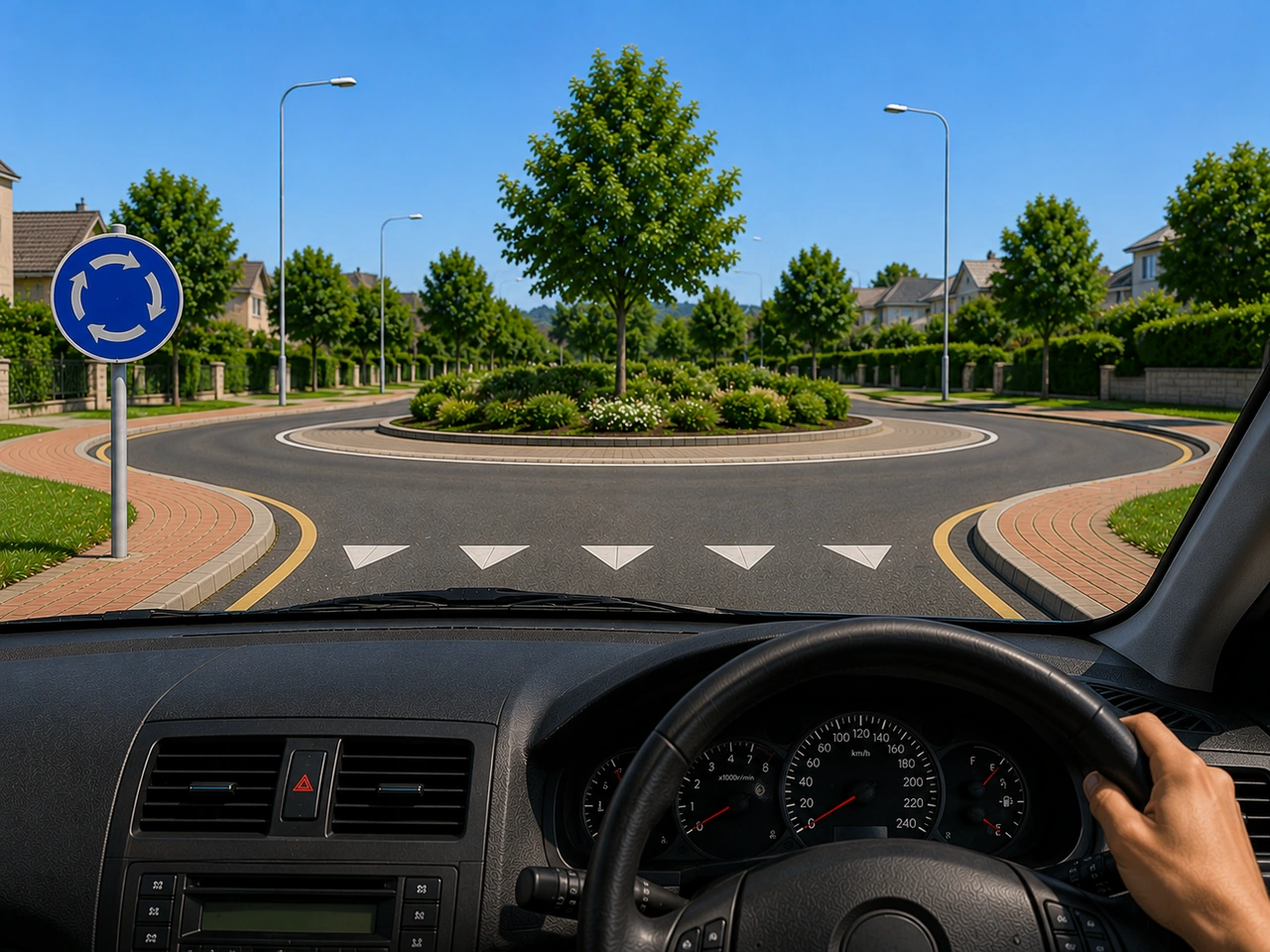
532. What should you do before entering a roundabout?
Before entering a roundabout, reduce your speed, observe traffic, and give way according to the local rules.
AI-generated by Traffic-rules.com • WCIT • CC BY-SA
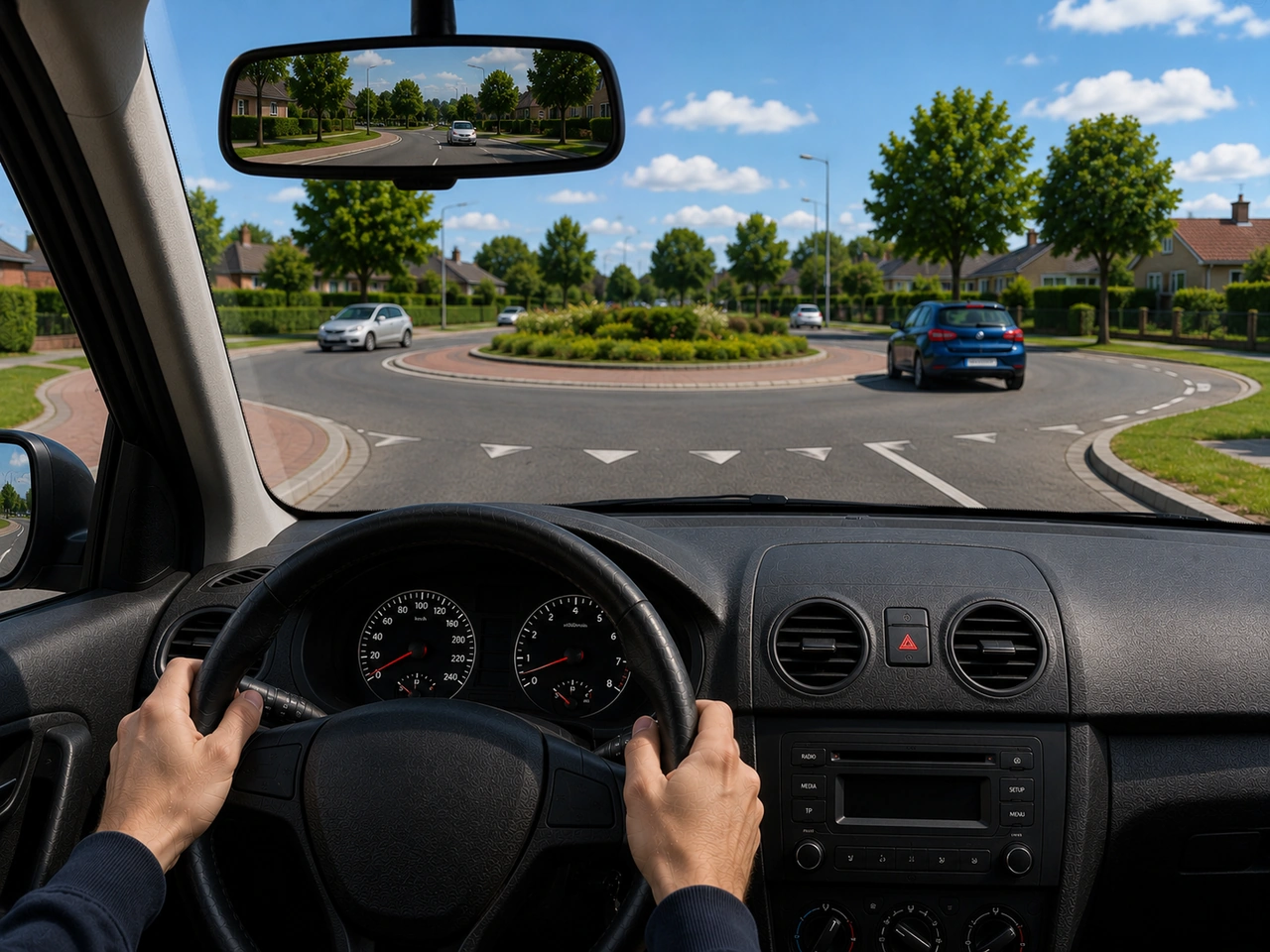
533. What should you do when entering a roundabout?
When approaching a roundabout, reduce your speed, observe traffic, follow the signs and local priority rules, and enter only when it is safe.
AI-generated by Traffic-rules.com • WCIT • CC BY-SA
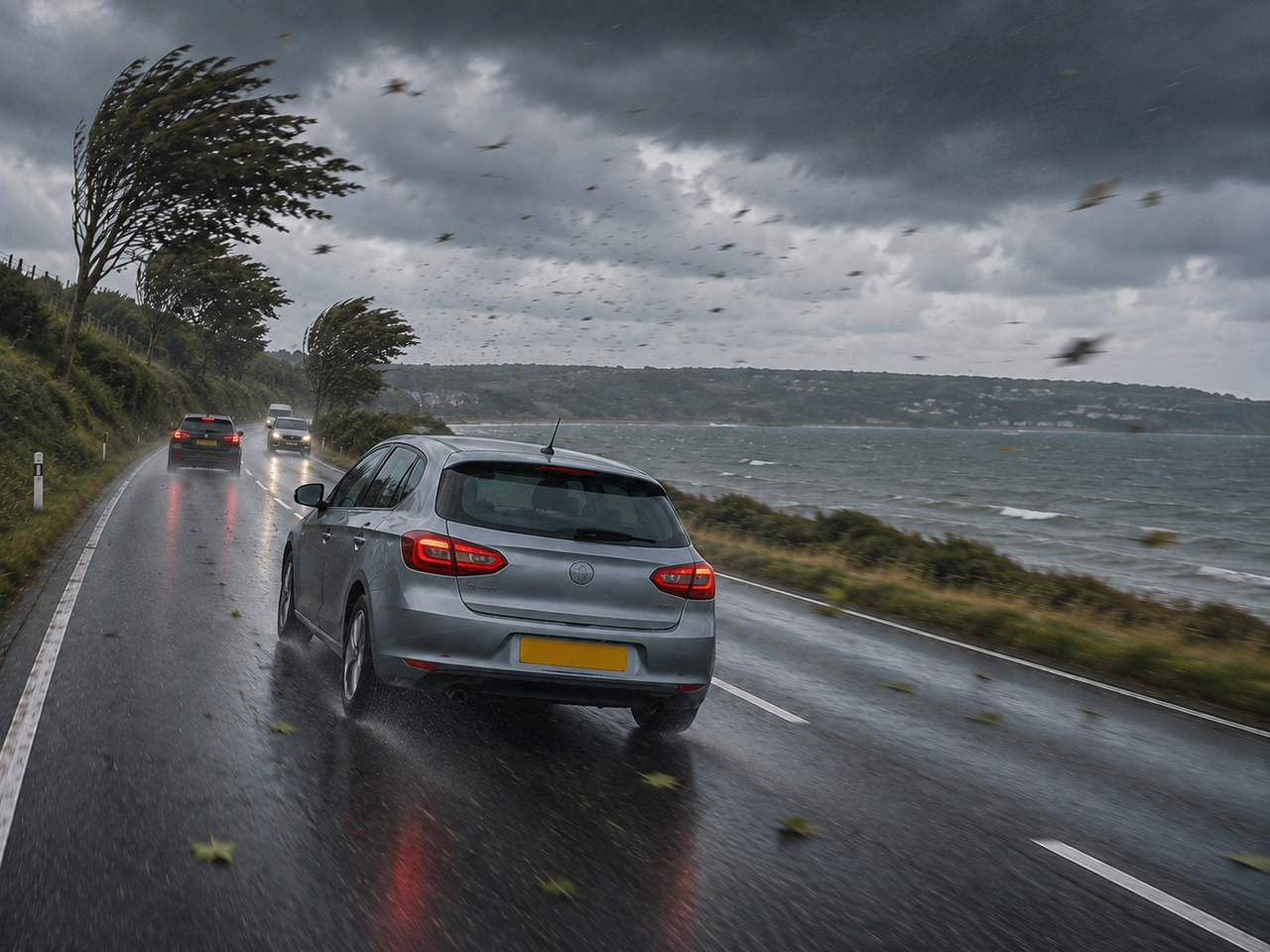
534. Why should you hold the steering wheel firmly during strong gusts?
A firm but relaxed grip helps you respond safely to sudden changes caused by wind.
AI-generated by Traffic-rules.com • WCIT • CC BY-SA
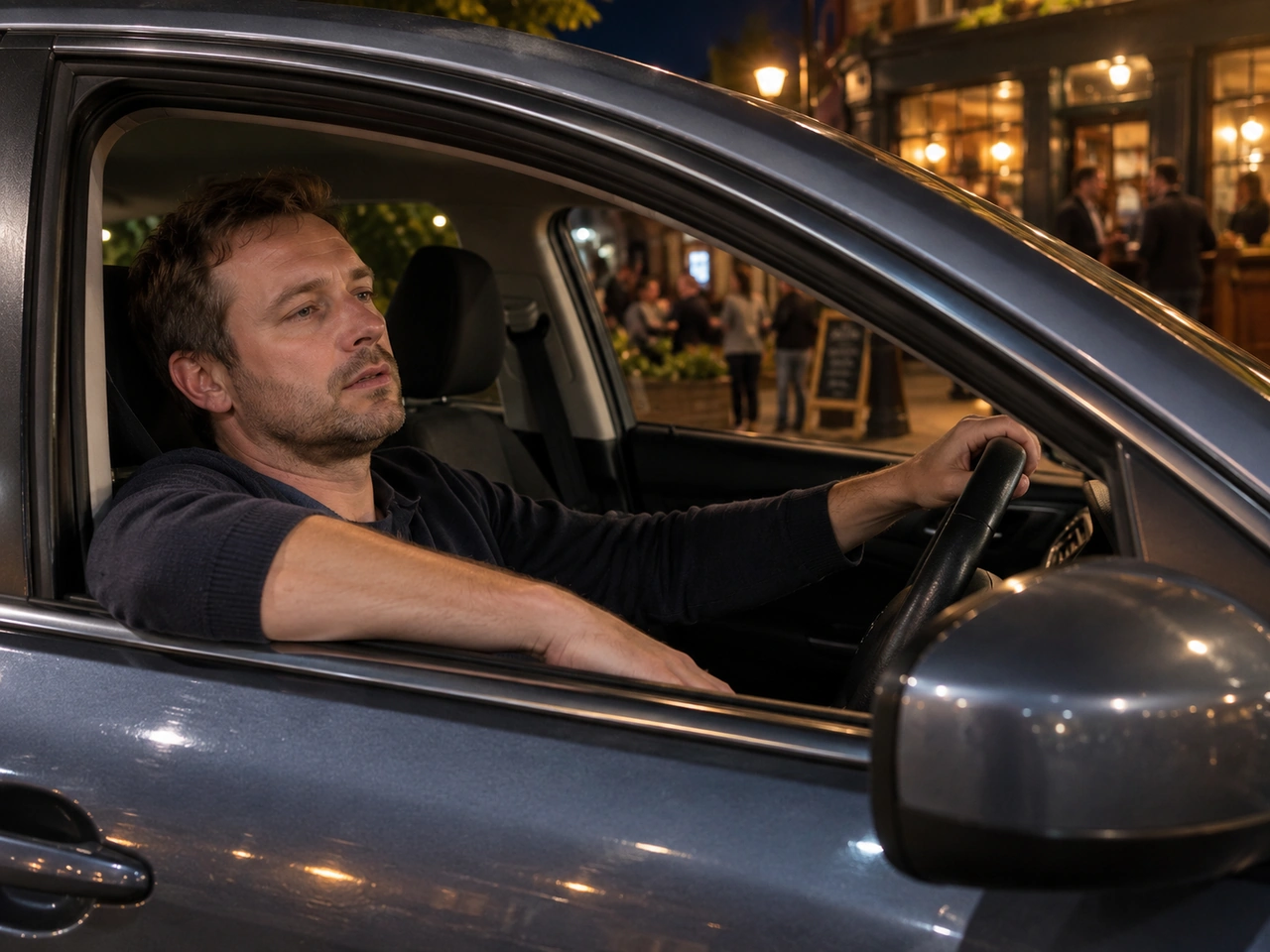
535. Does opening a window make an alcohol-impaired driver safe?
Fresh air may make someone feel more awake, but it does not reduce their alcohol concentration or restore safe driving ability.
AI-generated by Traffic-rules.com • WCIT • CC BY-SA
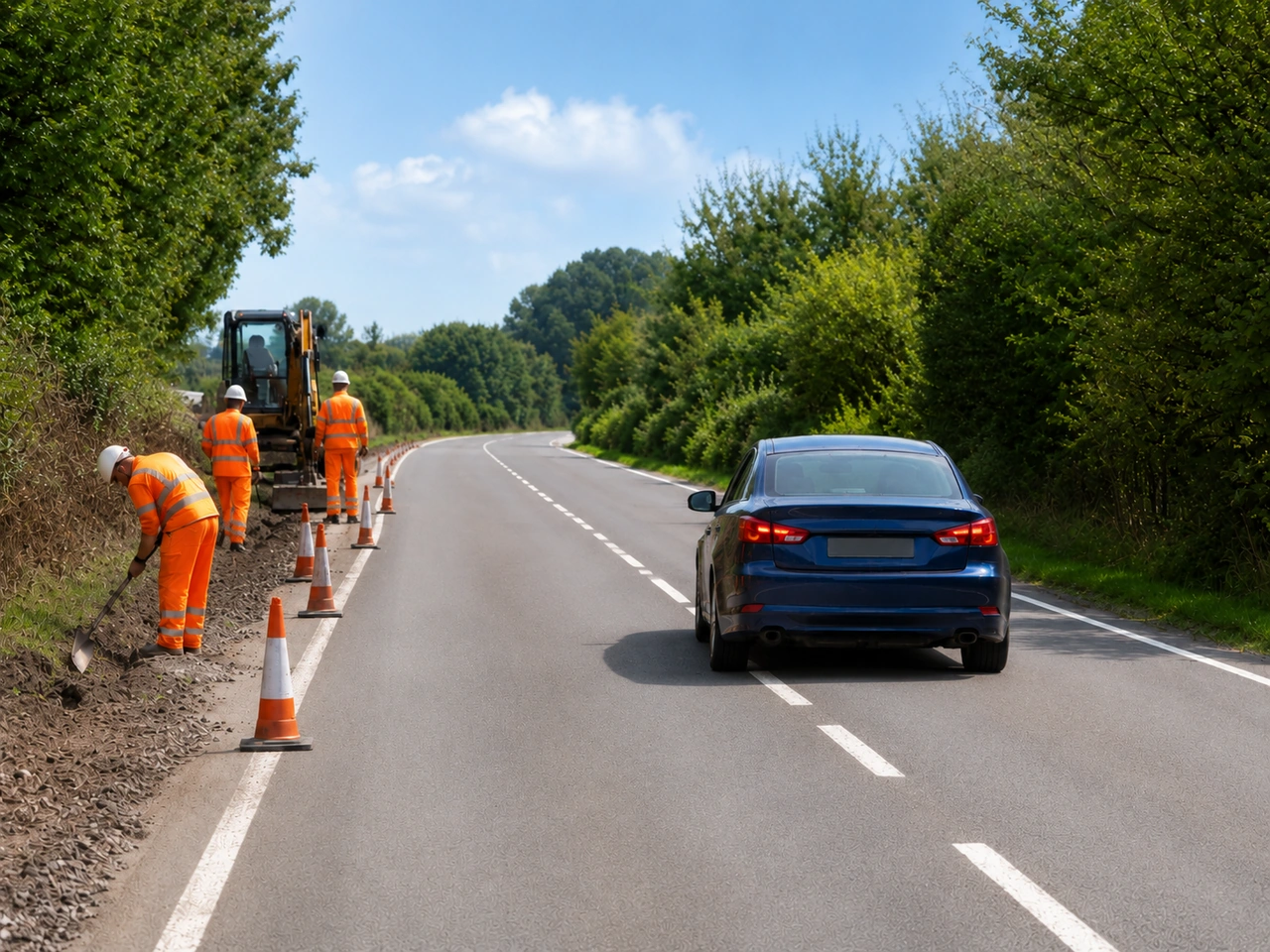
536. Why should you leave extra space when passing road workers?
Workers may be only a short distance from passing vehicles. Reduce speed and leave as much safe space as possible.
AI-generated by Traffic-rules.com • WCIT • CC BY-SA
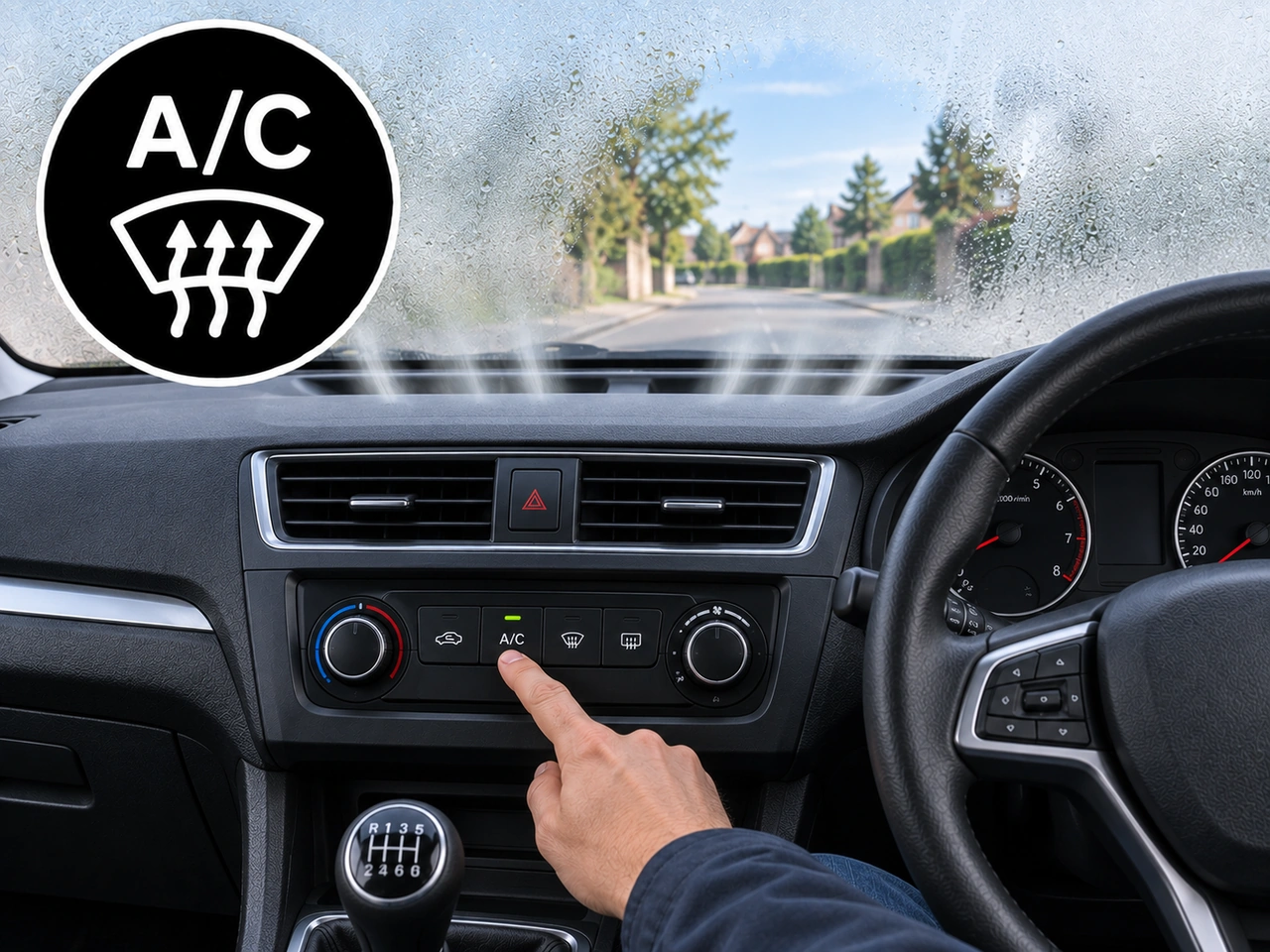
537. How can air conditioning help demist the windows?
Using the air conditioning can help demist the windows because it removes moisture from the cabin air. Directing this drier air towards the windscreen can clear condensation more quickly.
AI-generated by Traffic-rules.com • WCIT • CC BY-SA
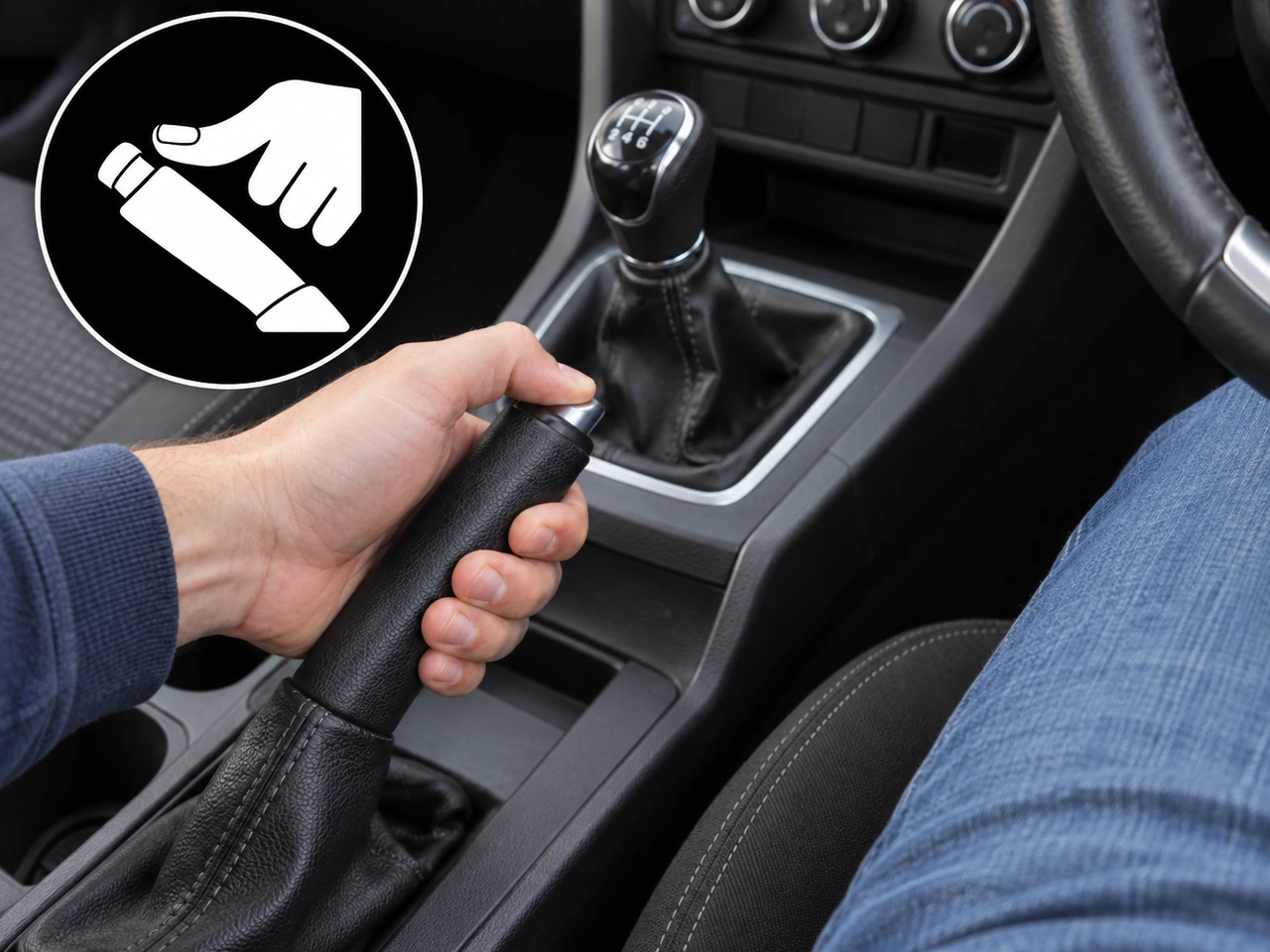
538. What is the button on a manual handbrake lever used for?
To release a manual handbrake, pull the lever up slightly, press and hold the release button, then lower the lever under control.
AI-generated by Traffic-rules.com • WCIT • CC BY-SA
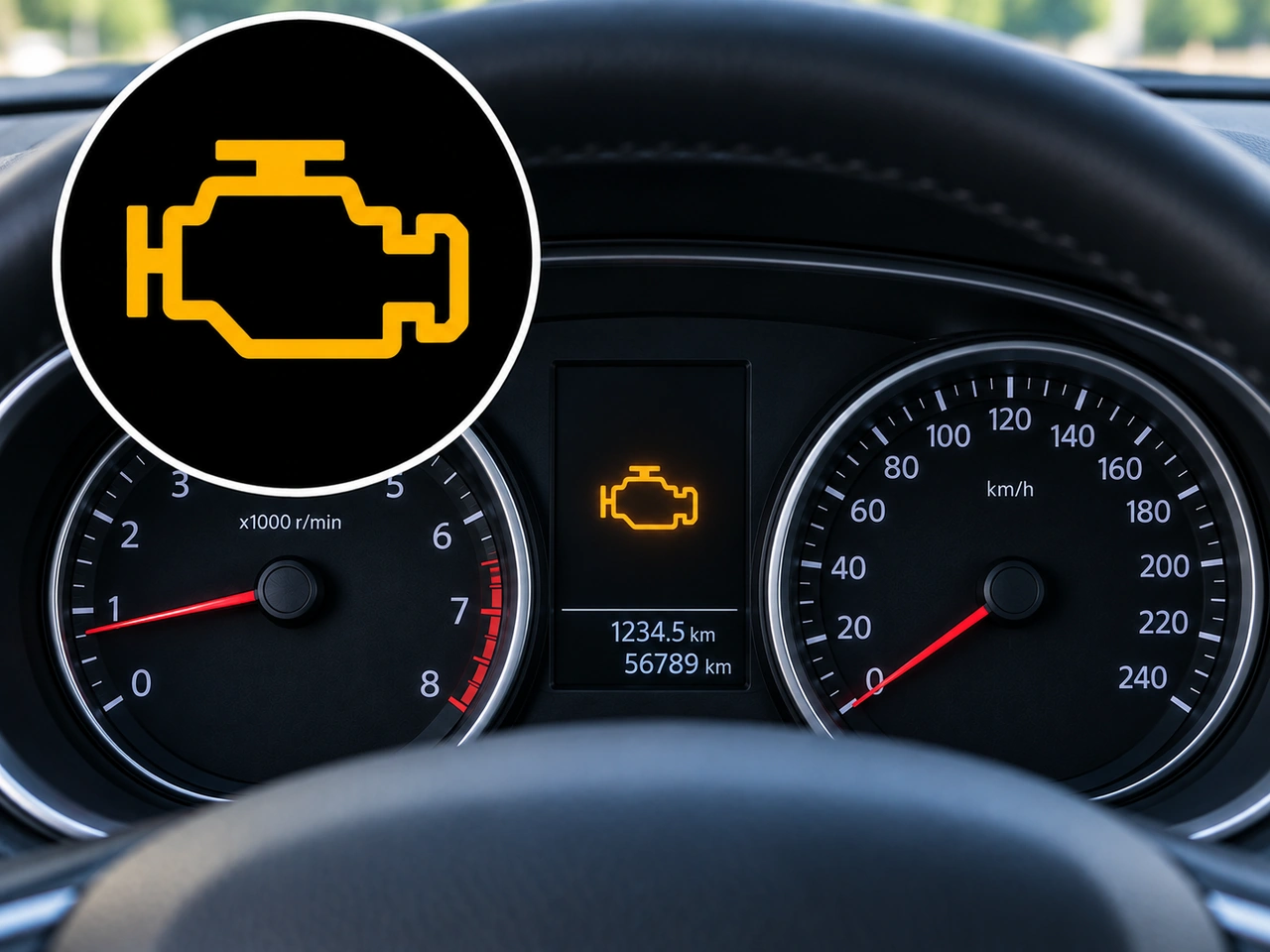
539. What does this dashboard symbol indicate?
This symbol indicates a fault detected by the engine-management or emissions-control system. If it remains illuminated while driving, the vehicle should be checked according to the manufacturer's instructions.
AI-generated by Traffic-rules.com • WCIT • CC BY-SA
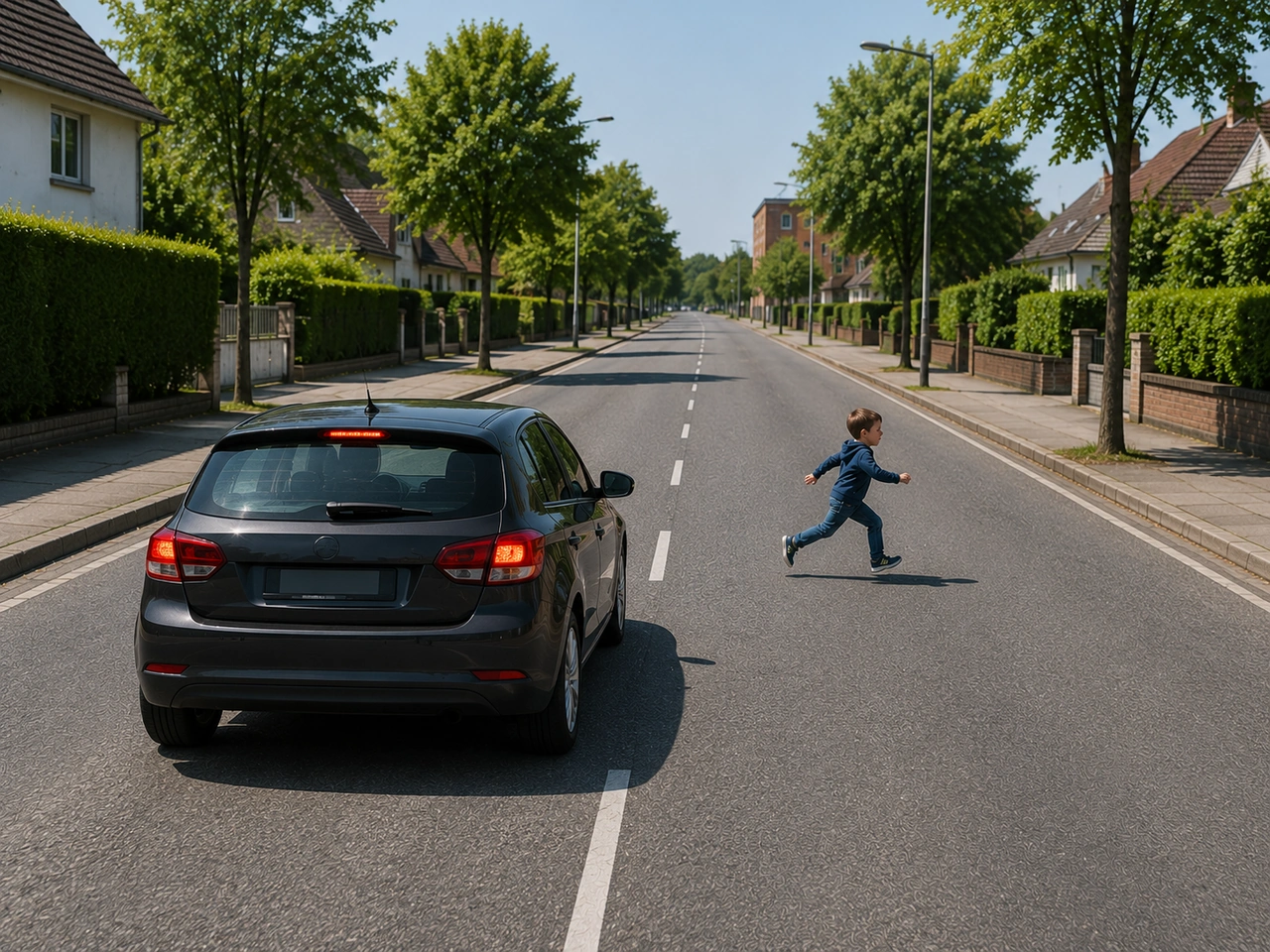
540. What should you do if a child runs onto the road ahead?
Children can act unpredictably. Brake firmly, stay alert, and be prepared for more children to follow.
AI-generated by Traffic-rules.com • WCIT • CC BY-SA
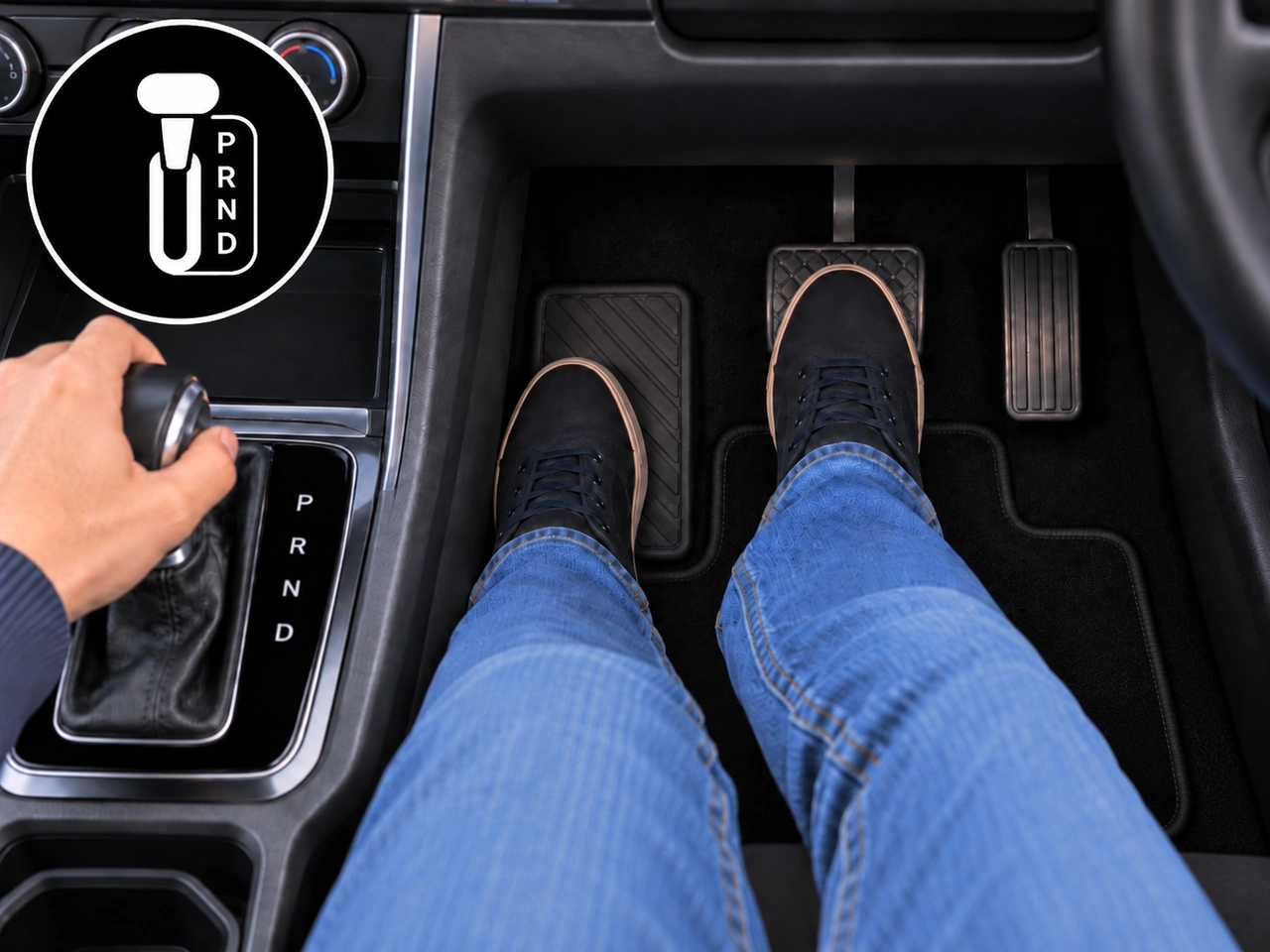
541. What should you normally do before selecting D or R in an automatic vehicle?
Before selecting D (Drive) or R (Reverse), keep the brake pedal pressed to prevent the vehicle from moving unexpectedly when the gear is engaged.
AI-generated by Traffic-rules.com • WCIT • CC BY-SA
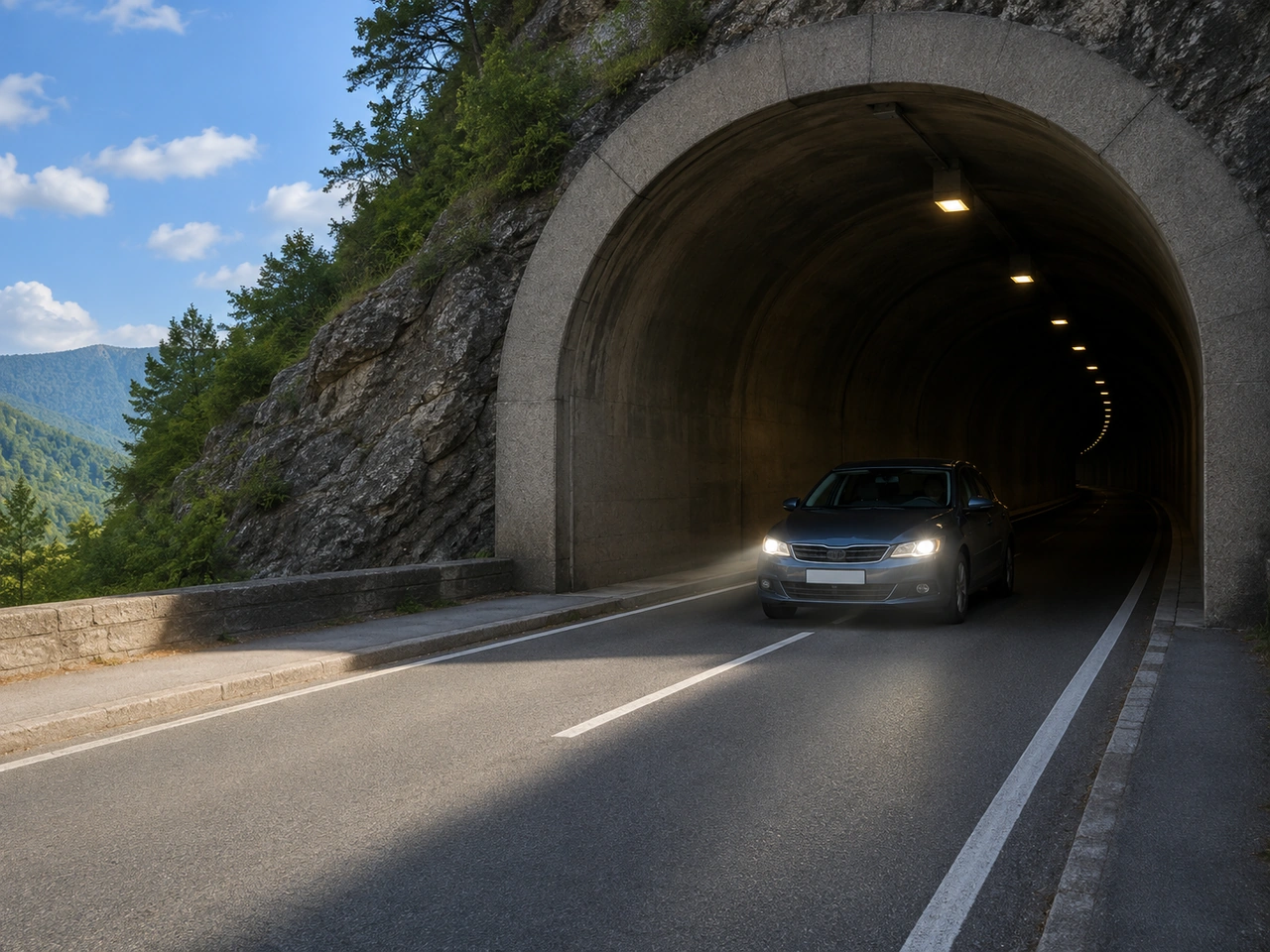
542. Why should you switch on dipped headlights before entering a tunnel?
Tunnel lighting may be much darker than daylight. Dipped headlights help you see and make your vehicle more visible.
AI-generated by Traffic-rules.com • WCIT • CC BY-SA
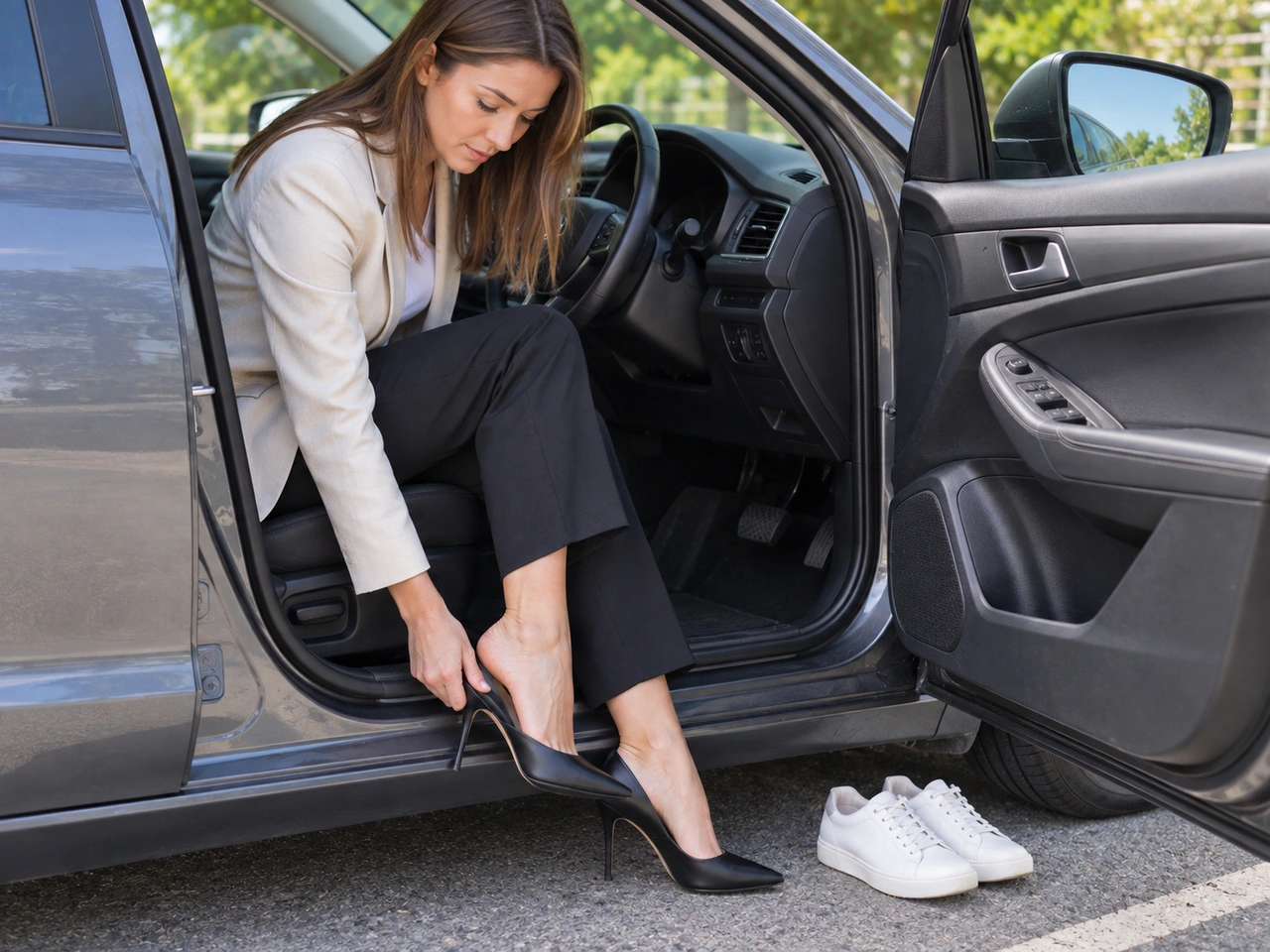
543. Why should you wear suitable footwear when driving?
Suitable footwear helps you operate the accelerator, brake, and clutch accurately. Loose, bulky, or slippery footwear can interfere with pedal control or become caught around the pedals.
AI-generated by Traffic-rules.com • WCIT • CC BY-SA
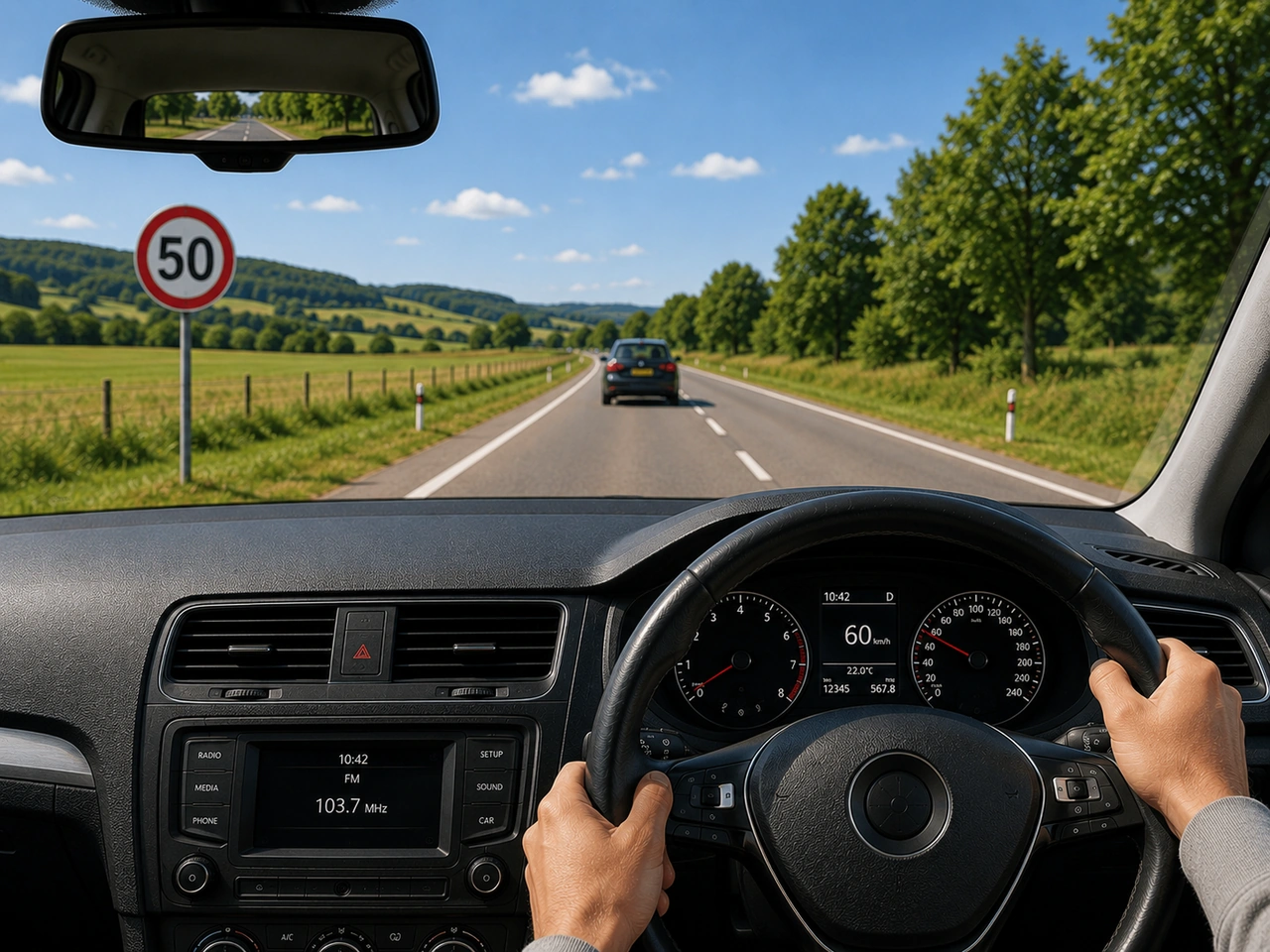
544. Speed limits only apply when there is heavy traffic.
Speed limits apply at all times unless a different limit is clearly indicated.
AI-generated by Traffic-rules.com • WCIT • CC BY-SA
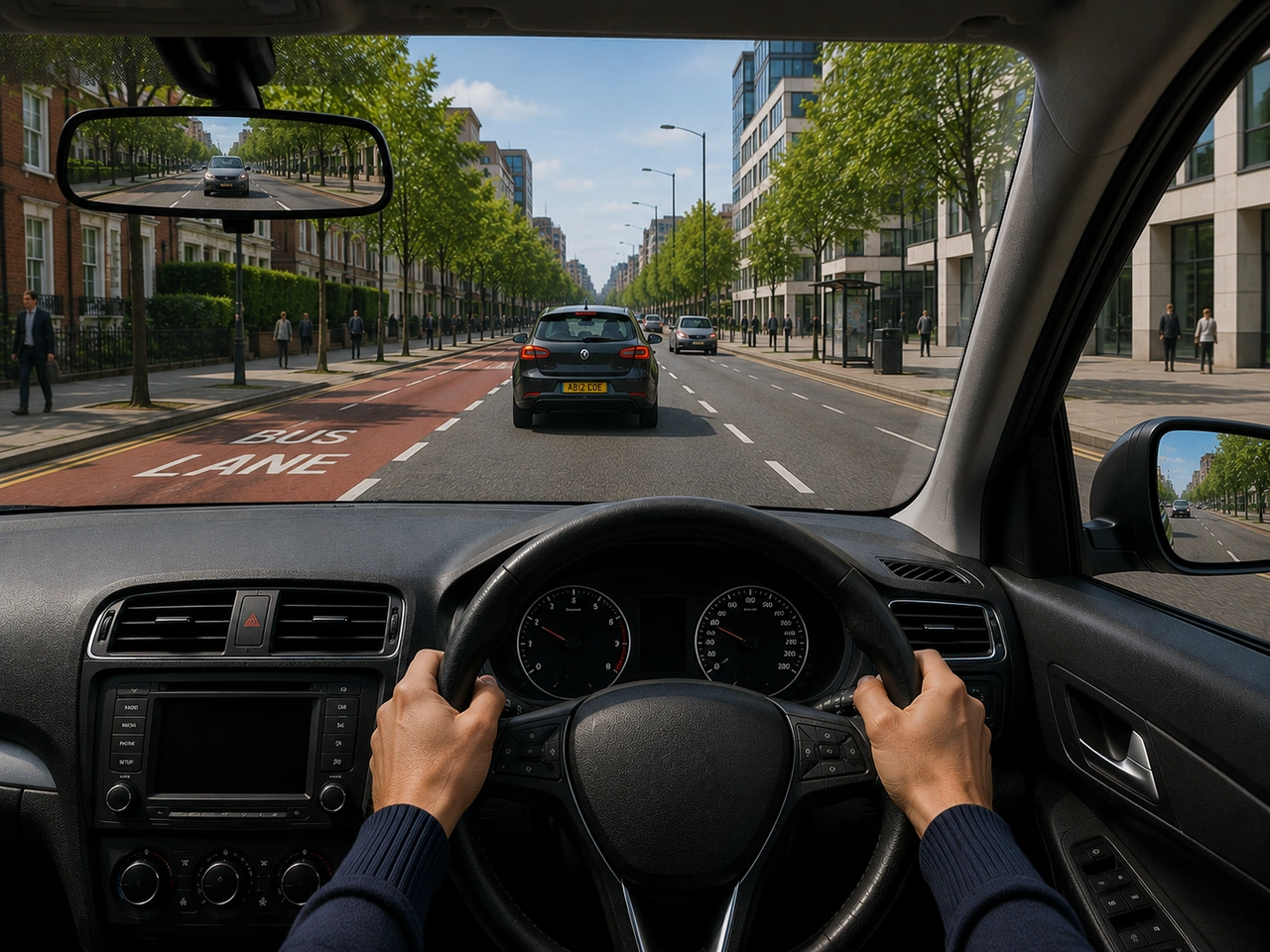
545. Why should you take extra care when crossing a tram or bus lane?
Check carefully before crossing or entering a tram or bus lane. Trams cannot steer around obstacles, and both trams and buses may need significant distance to stop.
AI-generated by Traffic-rules.com • WCIT • CC BY-SA
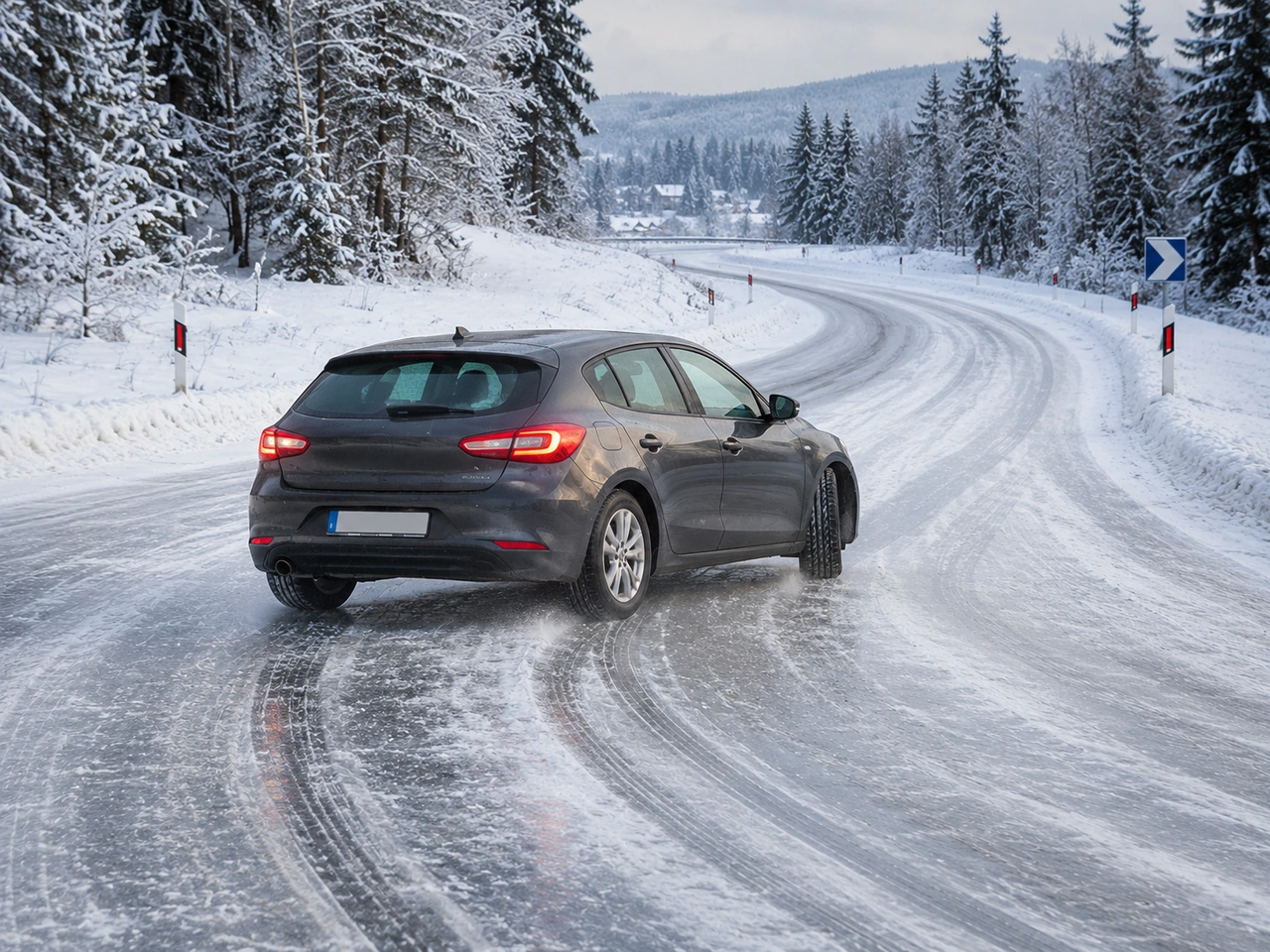
546. What should you do if your vehicle begins to skid on ice?
Avoid sudden braking or steering. Look where you want to go and use gentle controls while the tyres regain grip.
AI-generated by Traffic-rules.com • WCIT • CC BY-SA
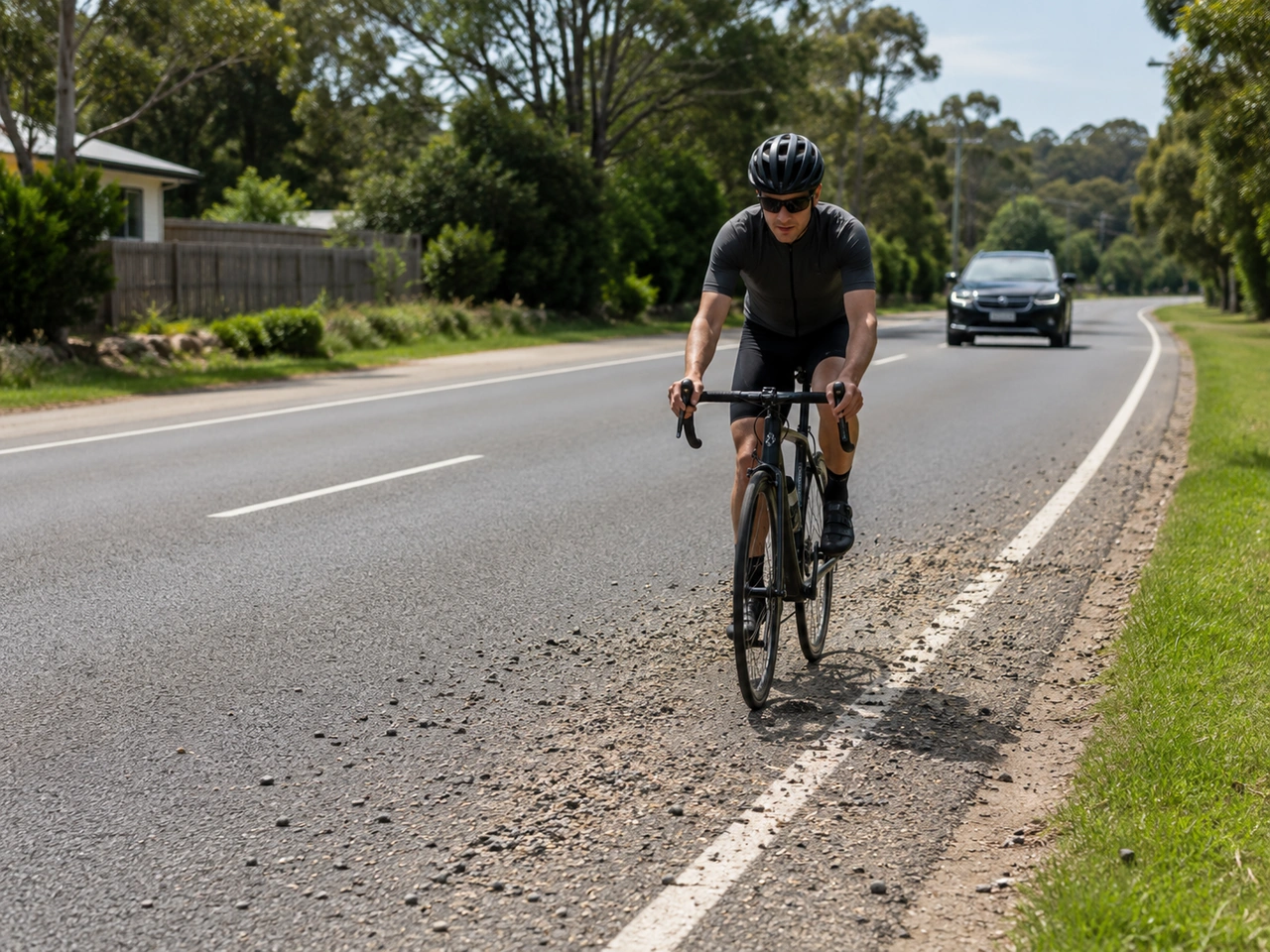
547. What should cyclists do when riding over loose gravel or road debris?
Loose material reduces tyre grip. Smooth steering and controlled speed lower the chance of losing balance.
AI-generated by Traffic-rules.com • WCIT • CC BY-SA
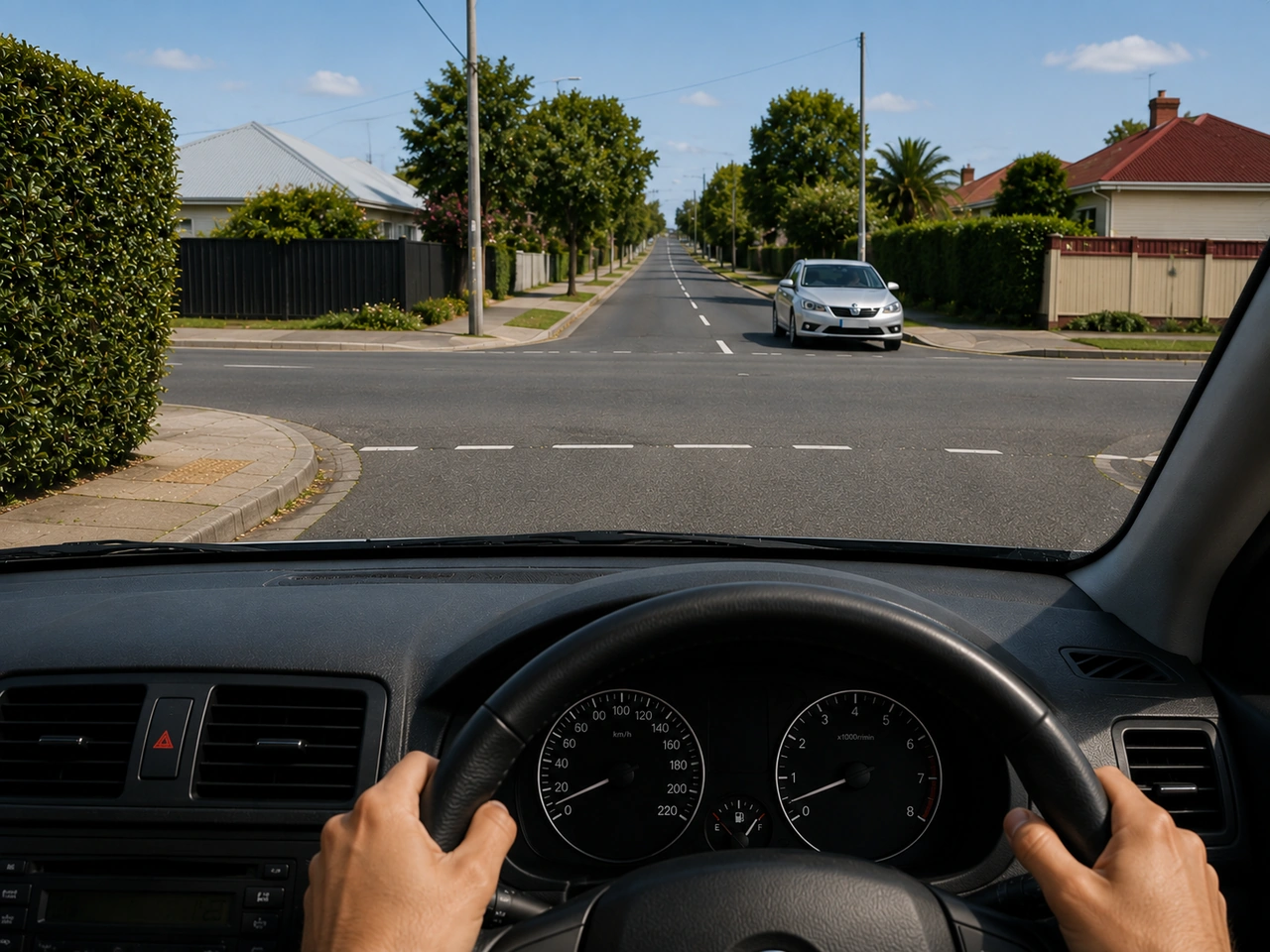
548. What should you do when your view is blocked at a junction?
If your view is blocked, slow down and make sure the way is clear before entering the junction.
AI-generated by Traffic-rules.com • WCIT • CC BY-SA
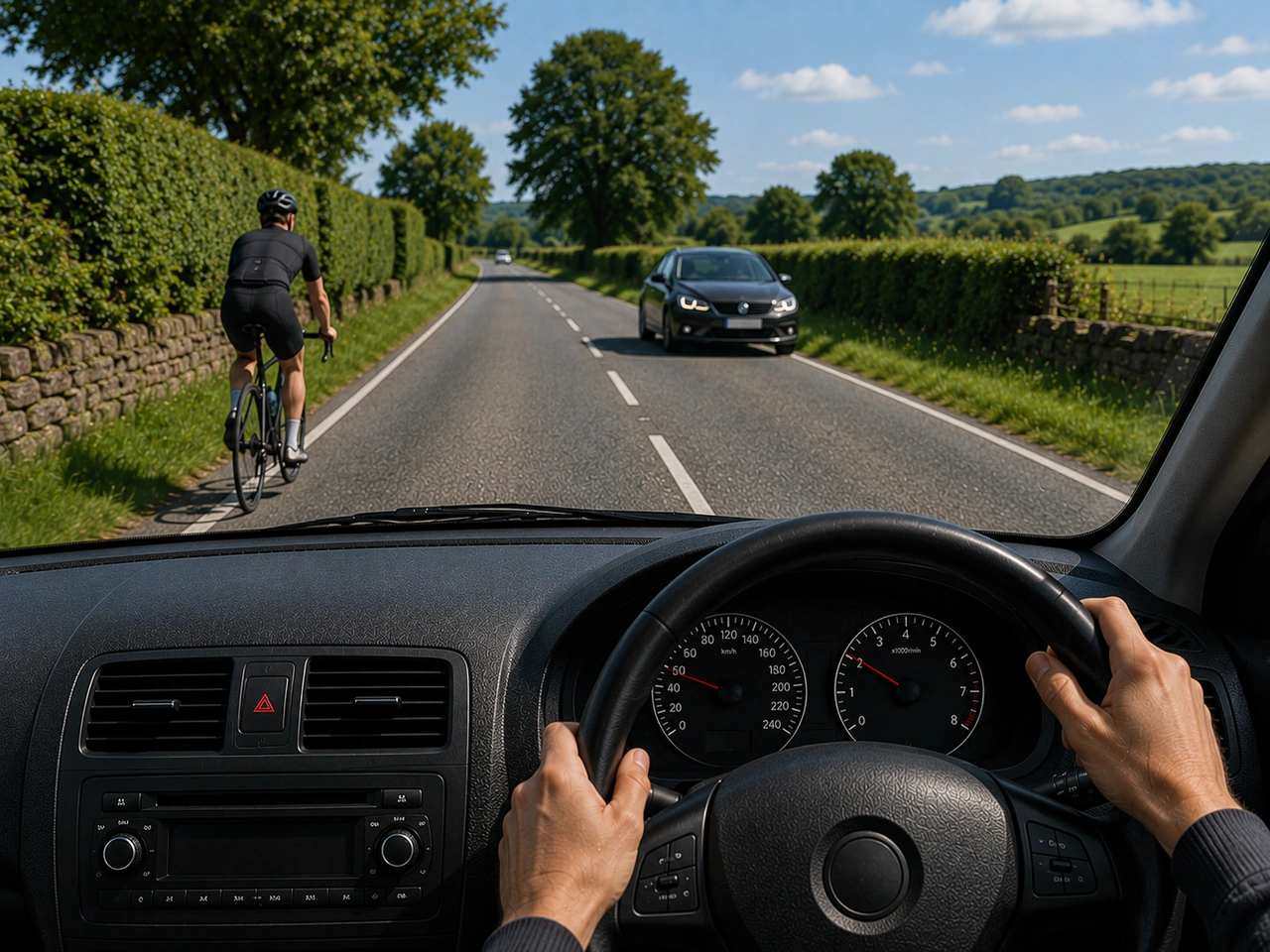
549. What should you do when following a cyclist on a narrow road?
Cyclists may need to avoid potholes, drains, or wind gusts. Keep distance and only pass when you can leave plenty of space.
AI-generated by Traffic-rules.com • WCIT • CC BY-SA
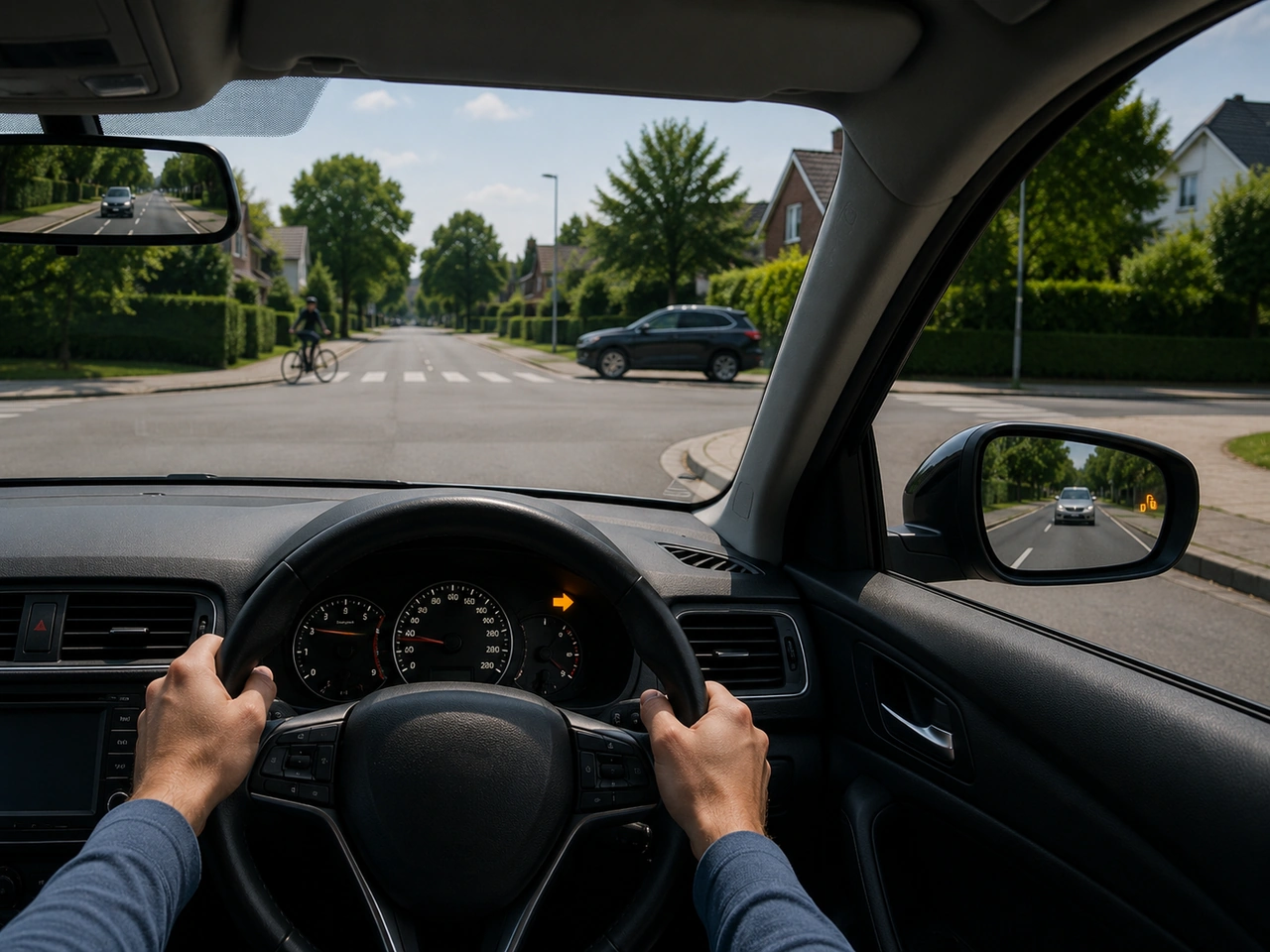
550. What should you do before making a turn?
Before turning, check your mirrors, use your indicator, and make sure the turn can be made safely.
AI-generated by Traffic-rules.com • WCIT • CC BY-SA