


Señales de tráficoArgentina
 Normas de tráfico
 Argentina
151. Neumático de bicicleta
Un neumático de bicicleta es el neumático de caucho montado alrededor de una rueda de bicicleta que proporciona el contacto entre la bicicleta y la carretera u otra superficie. Su dibujo, presión, anchura y construcción influyen en la adherencia, resistencia a la rodadura, comodidad y comportamiento.
Debe estar correctamente inflado y revisarse con regularidad para detectar desgaste, cortes, grietas, objetos incrustados u otros daños. El tipo y la presión adecuados dependen de la bicicleta, el ciclista, la carga y las condiciones de uso.

Why are bicycle tyres important for safety?
Bicycle tyres provide the grip needed for steering and braking and help absorb irregularities in the road surface. Worn, damaged or incorrectly inflated tyres can reduce control and increase the risk of a puncture or loss of grip.
What should you check on a bicycle tyre?
Check the tyre for adequate pressure, excessive tread wear, cuts, cracks, bulges and objects embedded in the tread. The tyre should also be correctly seated on the rim.
Do all bicycles use the same type of tyre?
No. Tyre width, diameter, tread and construction vary according to the bicycle and its intended use. Road bicycles commonly use relatively narrow tyres, while mountain bikes generally use wider tyres with more pronounced tread.

152. Oruga continua
Una oruga continua es un sistema de propulsión en el que una banda o cadena continua gira alrededor de una serie de ruedas o rodillos en lugar de desplazarse sobre ruedas convencionales. Se utiliza habitualmente en maquinaria de construcción, vehículos agrícolas, vehículos militares y otras máquinas que necesitan buena tracción sobre terreno blando o irregular.
Las orugas distribuyen el peso del vehículo sobre una superficie de contacto relativamente grande, lo que puede mejorar la tracción y reducir la presión sobre el terreno. Pueden estar fabricadas de metal, caucho o una combinación de materiales, y su uso en vías públicas depende del vehículo y de la normativa aplicable.

What is a continuous track used for?
Continuous tracks provide traction and distribute a vehicle's weight over a larger contact area than conventional wheels. They are particularly useful on mud, snow, loose soil, construction sites and other difficult terrain.
What are continuous tracks made from?
Tracks can consist of linked metal sections, continuous rubber belts or systems combining metal and rubber components. The design depends on the vehicle and its intended operating conditions.
Can tracked vehicles travel on normal roads?
Some tracked vehicles can use public roads when they meet the applicable vehicle, registration and road-use requirements. Restrictions may apply because certain track designs can damage road surfaces or because the vehicle has unusual dimensions, weight or speed characteristics.
153. Peso bruto del vehículo
El peso bruto del vehículo (GVW) es el peso total real de un vehículo en un momento determinado, incluidos el propio vehículo, conductor, pasajeros, combustible, equipaje y cualquier otra carga. Cambia a medida que se añaden o retiran personas o mercancías.
No debe confundirse con la clasificación de peso bruto del vehículo (GVWR) ni con la masa máxima autorizada (MMA), que representan el peso total máximo permitido especificado para el vehículo. El peso bruto real nunca debe superar ese máximo autorizado.
What does Gross Vehicle Weight include?
Gross Vehicle Weight includes the weight of the vehicle itself together with the driver, passengers, fuel, luggage, cargo and other items being carried at that moment.
What is the difference between GVW and GVWR?
GVW is the vehicle's actual weight at a particular moment. GVWR is the maximum total weight the vehicle is designed or legally permitted to have when loaded. The actual GVW must remain within the applicable maximum.
Why is Gross Vehicle Weight important?
Vehicle weight affects braking, handling, tyre and axle loading and legal weight limits. Overloading can reduce safety and may also cause the vehicle to exceed permitted axle or total-mass limits.
154. Clasificación de peso bruto del vehículo
La clasificación de peso bruto del vehículo (GVWR) es el peso total máximo para el que un vehículo está diseñado o autorizado a funcionar cuando está completamente cargado. Incluye el propio vehículo junto con conductor, pasajeros, combustible, equipaje, carga y demás equipamiento transportado.
El GVWR es un valor máximo fijo y no debe confundirse con el peso bruto del vehículo (GVW), que es el peso real del vehículo en un momento determinado. El peso real cargado no debe superar el máximo permitido.
What does GVWR include?
GVWR represents the permitted maximum total weight of the loaded vehicle, including the vehicle itself, driver, passengers, fuel, luggage, cargo and other equipment carried by the vehicle.
What is the difference between GVWR and GVW?
GVWR is the maximum permitted or rated weight of the vehicle, while GVW is its actual weight at a particular moment. The GVW changes as passengers or cargo are added or removed, while the GVWR remains a fixed limit.
Why is GVWR important?
GVWR determines how heavily a vehicle may be loaded and can affect driving-licence categories, vehicle classification and other legal requirements. Exceeding the permitted maximum can also adversely affect braking, handling, tyres and other vehicle components.
155. Carga
La carga comprende las mercancías, materiales, equipos u otros objetos transportados por un vehículo o remolque. Puede abarcar desde equipaje personal y bicicletas hasta mercancías comerciales, maquinaria o materiales a granel.
Debe colocarse y asegurarse de forma que no pueda desplazarse, caer del vehículo, interferir con la visibilidad del conductor ni afectar a la estabilidad. La carga total también debe mantenerse dentro de los límites autorizados de peso y carga por eje del vehículo.
Why must cargo be secured?
Unsecured cargo can move during acceleration, braking or cornering and can affect vehicle stability or fall onto the road. Proper securing protects the occupants, other road users and the cargo itself.
Can cargo affect vehicle handling?
Yes. Heavy or poorly distributed cargo can change the vehicle's centre of gravity, braking distance, steering and stability. Loads should therefore be distributed appropriately and kept within the vehicle's permitted limits.
Can cargo extend beyond a vehicle?
In some circumstances it can, but national rules normally limit how far a load may project beyond the front, rear or sides of a vehicle and may require projecting loads to be specially marked.
156. Carrocería
La carrocería es la estructura exterior de un automóvil que rodea el habitáculo y los compartimentos de equipaje y da forma al vehículo. Incluye componentes como el techo, puertas, capó, tapa del maletero, aletas, paneles de carrocería y, en muchos vehículos modernos, secciones estructurales portantes.
Ayuda a proteger a los ocupantes y sirve de soporte a componentes como puertas, ventanas, luces y parachoques. Los daños, corrosión o reparaciones deficientes en secciones estructurales pueden reducir la seguridad del vehículo y deben repararse correctamente.

What is the car body?
The car body is the structure and exterior bodywork surrounding the vehicle's occupants and cargo areas. It includes visible panels as well as structural sections that can contribute to the strength of the vehicle.
Is the car body the same as the chassis?
Not always. In some vehicles the body is mounted on a separate chassis or frame. Most modern passenger cars use a self-supporting body in which much of the body structure also performs the structural function traditionally provided by a separate chassis.
Why is the condition of the car body important?
The body helps protect occupants and supports many vehicle components. Serious corrosion, deformation, loose panels or structural damage can reduce crash protection or create hazards for other road users.
157. Maletero
El maletero es el compartimento cerrado de un automóvil destinado a transportar equipaje, herramientas, compras y otras cargas. Normalmente se encuentra en la parte trasera, aunque algunos vehículos disponen de un compartimento de almacenamiento delantero.
Los objetos transportados deben colocarse de forma segura para que no se desplacen peligrosamente al frenar, acelerar o tomar curvas. Los objetos pesados deben situarse con cuidado y no deben superarse los límites autorizados de carga y carga por eje.

What is a car trunk used for?
A trunk is primarily used for carrying luggage and other cargo separately from the passenger compartment. Its size and location depend on the vehicle's design.
Should items in the trunk be secured?
Yes. Heavy or loose objects can move during sudden braking, acceleration or cornering. Cargo should therefore be positioned and secured so that it cannot affect vehicle stability or cause injury.
Can you overload a car trunk?
No. The combined weight of the vehicle, occupants and cargo must remain within the vehicle's permitted total and axle-load limits. Excessive loading can adversely affect braking, steering and stability.
158. Baca
Una baca es un sistema de transporte de carga fijado al techo de un vehículo. Puede utilizarse para llevar equipaje, bicicletas, esquís, tablas de surf o un cofre de techo cuando no resulta práctico transportarlos dentro del vehículo.
La baca y su carga deben estar firmemente sujetas y mantenerse dentro del límite de carga del techo establecido por el fabricante. Las cargas sobre el techo elevan el centro de gravedad y pueden afectar al comportamiento, estabilidad, consumo de combustible y altura total del vehículo.
What can be carried on a roof rack?
A suitable roof rack can carry items such as luggage boxes, bicycles, skis and other equipment, provided the rack and attachments are designed for the load and the vehicle's permitted roof-load limit is respected.
Does a roof rack affect vehicle handling?
Yes. Weight carried high on the vehicle raises its centre of gravity and can affect stability, particularly during cornering or sudden manoeuvres. Drivers should secure the load carefully and adapt their driving accordingly.
How do you know the maximum roof load?
Check the vehicle manufacturer's specifications and the limits of the roof rack itself. The permitted load can vary significantly between vehicles, and the lowest applicable limit should not be exceeded.
159. Parabrisas
El parabrisas es la ventana frontal transparente de un vehículo a través de la cual el conductor observa la carretera. También ayuda a proteger a los ocupantes del viento, lluvia, residuos y otros elementos externos.
Debe proporcionar una visión clara y suficientemente libre de distorsiones. Grietas, impactos, suciedad, adhesivos u otros objetos pueden reducir la visibilidad, especialmente cuando se encuentran dentro de la zona barrida por los limpiaparabrisas.
What is the purpose of a windscreen?
The windscreen allows the driver to see the road ahead while protecting vehicle occupants from wind, rain, insects, stones and other debris.
Can a cracked windscreen be dangerous?
Yes. Cracks, chips or deformation can interfere with the driver's view and may weaken the windscreen. Damage in the driver's main field of vision is particularly important and should be repaired or assessed promptly.
Why must windscreen wipers keep the glass clear?
Windscreen wipers remove rain, snow and dirt from the driver's viewing area. A clear windscreen is essential for maintaining adequate forward visibility in poor weather.
160. Martillo de emergencia
Un martillo de emergencia es una herramienta de seguridad diseñada para romper determinadas ventanillas del vehículo cuando las puertas o salidas normales no pueden utilizarse durante una emergencia. Se encuentra habitualmente en autobuses, autocares y otros vehículos de pasajeros cerca de ventanas designadas como salidas de emergencia.
Solo debe utilizarse cuando evacuar por las salidas normales resulte imposible o inseguro. La herramienta debe permanecer accesible y, cuando esté destinada a una ventana de emergencia, debe utilizarse siguiendo las instrucciones indicadas en el vehículo.

What is an emergency hammer used for?
An emergency hammer is used to break a suitable vehicle window so occupants can escape when normal doors or emergency exits cannot be opened.
Where are emergency hammers normally located?
In vehicles equipped with them, emergency hammers are normally mounted in an easily accessible position close to an emergency window or other designated escape point.
Can an emergency hammer break every vehicle window?
No. Vehicle windows can use different types of glazing, and not every window is designed to be broken as an emergency exit. Occupants should use designated emergency windows and follow the instructions provided in the vehicle.
161. Batería del coche
La batería del coche es un dispositivo de almacenamiento de energía eléctrica que suministra corriente al sistema eléctrico del vehículo. En automóviles convencionales de gasolina y diésel, la batería de arranque de 12 voltios proporciona la elevada corriente necesaria para arrancar el motor y alimenta los equipos eléctricos cuando el motor o el sistema de carga no suministran suficiente energía.
Las baterías pierden gradualmente carga y capacidad con la edad y el uso. Una batería débil puede provocar un arranque lento o fallido, problemas eléctricos o mensajes de advertencia, y la batería de sustitución debe tener especificaciones adecuadas para el vehículo.
What does a car battery do?
A car battery stores electrical energy, supplies the power required to start the engine and supports the vehicle's electrical and electronic systems when necessary.
What are signs of a weak car battery?
Possible signs include slow engine cranking, difficulty starting, dim or unstable electrical equipment and battery or charging-system warnings. Similar symptoms can also have other causes, so the charging system may need to be checked.
Can any replacement battery be fitted to a car?
No. The battery must have specifications and technology suitable for the vehicle. Cars equipped with start-stop systems, for example, may require AGM or EFB battery technology designed for repeated starting and charging cycles.
162. Batería de tracción
Una batería de tracción es una batería recargable que almacena energía eléctrica utilizada para propulsar un vehículo eléctrico o híbrido. Alimenta uno o varios motores eléctricos de tracción y normalmente es mucho más grande y potente que la batería de arranque convencional de 12 voltios.
Su capacidad suele expresarse en kilovatios hora (kWh) e influye considerablemente en la autonomía de un vehículo eléctrico. El rendimiento y la capacidad utilizable pueden disminuir gradualmente con la edad, los ciclos de carga, la temperatura y el uso.
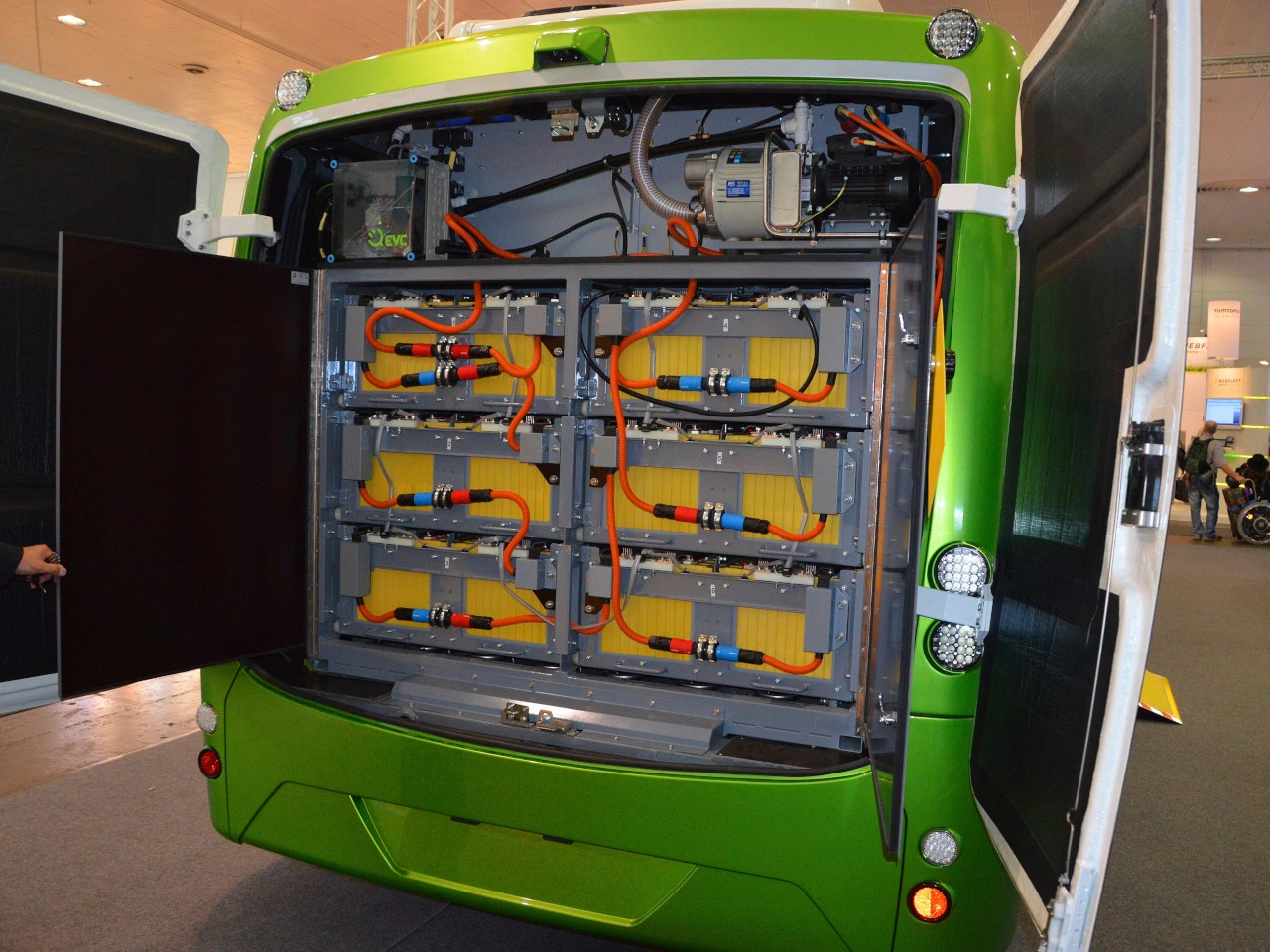
What does a traction battery do?
A traction battery stores electrical energy and supplies it to the electric motor or motors that propel the vehicle. In hybrid vehicles it works together with another power source, while in battery-electric vehicles it provides the main source of propulsion energy.
What is the difference between a traction battery and a 12-volt car battery?
The traction battery provides the large amount of electrical energy needed to propel the vehicle. The conventional 12-volt battery mainly supplies low-voltage systems and supports functions such as vehicle electronics, control systems and starting procedures.
What does traction-battery capacity mean?
Battery capacity indicates how much electrical energy the battery can store and is commonly expressed in kilowatt-hours (kWh). A larger usable capacity generally allows more electrical energy to be available for driving.
163. Suspensión
La suspensión es el sistema que conecta las ruedas y ejes de un vehículo con su carrocería o chasis. Incluye componentes como muelles, amortiguadores, brazos de control, articulaciones y bieletas que permiten el movimiento de las ruedas mientras ayudan a mantener la estabilidad y comodidad del vehículo.
Ayuda a mantener el contacto de los neumáticos con la carretera, absorbe irregularidades y contribuye a la dirección, frenado y estabilidad. Los componentes desgastados o dañados pueden reducir el control del vehículo y provocar desgaste irregular de los neumáticos.
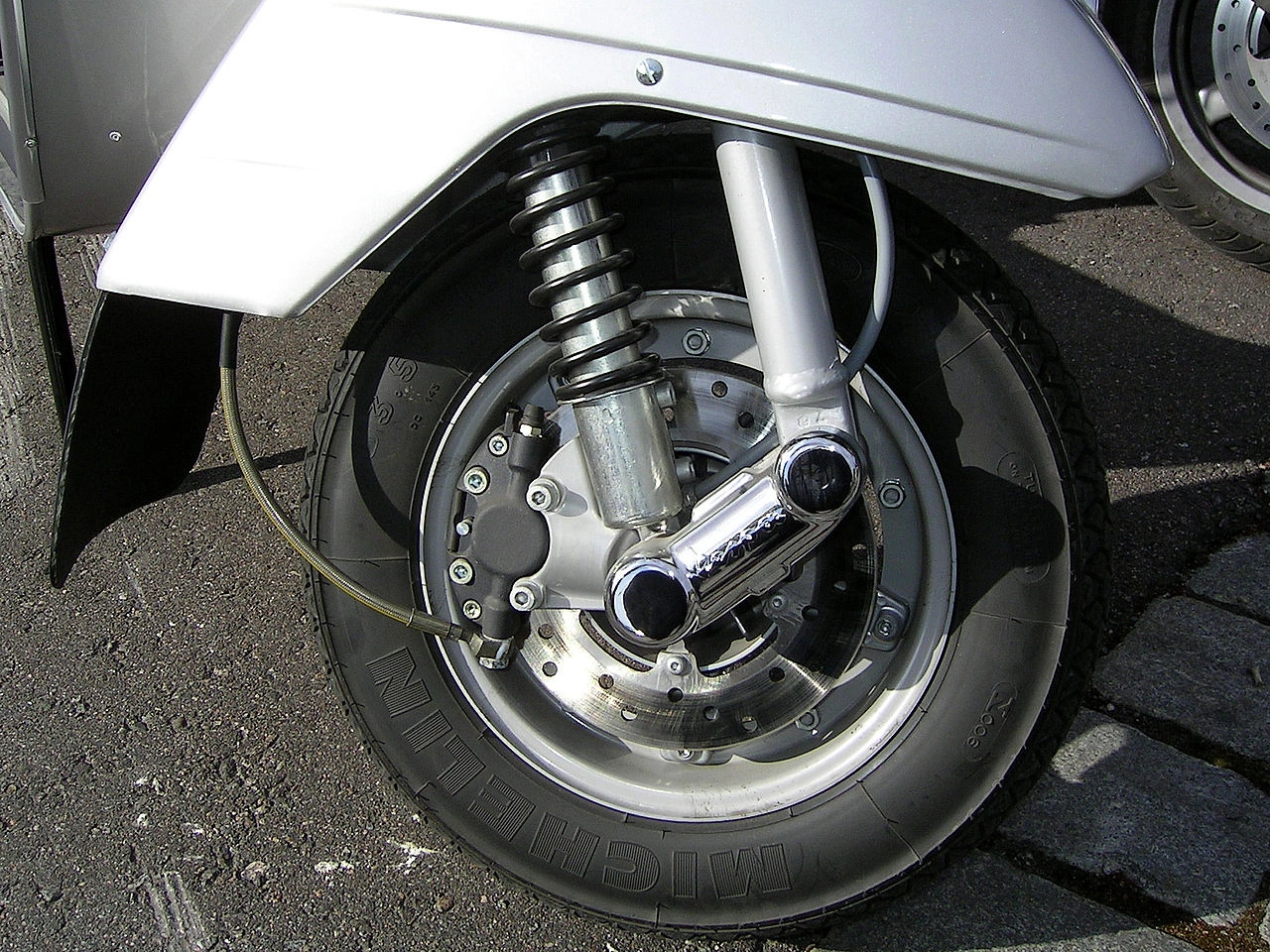
What does a vehicle suspension system do?
The suspension supports the vehicle, allows the wheels to move over uneven surfaces and helps keep the tyres in contact with the road while controlling body movement.
What components are part of the suspension?
Common suspension components include springs, shock absorbers or dampers, control arms, bushings, ball joints and other links connecting the wheels to the vehicle structure.
What are signs of worn suspension?
Possible signs include excessive bouncing, unusual noises, poor stability, uneven tyre wear, excessive body movement in bends or a vehicle that sits unevenly. These symptoms should be inspected because they can also have other causes.
164. Amortiguador
Un amortiguador es un componente de la suspensión que controla el movimiento de los muelles y las ruedas del vehículo. Reduce los rebotes excesivos después de pasar sobre irregularidades y ayuda a mantener un contacto constante de los neumáticos con la carretera.
Los amortiguadores desgastados o dañados pueden reducir la estabilidad, aumentar los movimientos de la carrocería y afectar negativamente a la dirección y al frenado. Deben revisarse si el vehículo rebota en exceso, se comporta mal o presenta fugas de líquido.

What does a shock absorber do?
A shock absorber controls suspension movement by damping the repeated movement of the springs. This helps stabilise the vehicle and maintain tyre contact with the road.
What are signs of worn shock absorbers?
Possible signs include excessive bouncing, increased body movement, poor stability, unusual suspension noises, uneven tyre wear or visible fluid leakage from the shock absorber.
Are shock absorbers the same as springs?
No. Springs support the vehicle and allow the suspension to move over bumps, while shock absorbers control and damp that movement. The two components work together as part of the suspension system.
165. Muelle
Un muelle es un componente de la suspensión que soporta el peso del vehículo y permite que las ruedas se desplacen verticalmente sobre baches y superficies irregulares. Entre los tipos habituales se encuentran los muelles helicoidales, ballestas, barras de torsión y muelles neumáticos.
Los muelles absorben y almacenan energía a medida que se mueve la suspensión, mientras que los amortiguadores controlan ese movimiento. Un muelle dañado o roto puede alterar la altura, comportamiento y estabilidad del vehículo y debe repararse rápidamente.

What does a suspension spring do?
A suspension spring supports the vehicle and allows the wheels to move over uneven surfaces while helping maintain the vehicle's normal ride height.
What types of suspension springs are used in vehicles?
Common designs include coil springs, leaf springs, torsion bars and air springs. The type used depends on the vehicle and suspension design.
What are signs of a damaged suspension spring?
Possible signs include an uneven ride height, unusual suspension noises, poor handling or a visibly cracked or broken spring. A suspected spring defect should be inspected promptly.
166. Sistema de escape
El sistema de escape conduce los gases de combustión lejos del motor y los libera de forma segura por detrás o debajo del vehículo. Puede incluir tubos, silenciadores, catalizadores, filtros de partículas y otros componentes de control de emisiones.
Un escape dañado o con fugas puede aumentar el ruido, permitir que gases nocivos salgan por lugares no previstos e interferir con el sistema de control de emisiones. Por ello, sus componentes deben permanecer firmemente sujetos y en buen estado.

What does a vehicle exhaust system do?
The exhaust system carries combustion gases away from the engine and directs them out of the vehicle. It can also reduce exhaust noise and use emissions-control equipment to reduce pollutants.
What are signs of an exhaust problem?
Possible signs include unusually loud exhaust noise, rattling, visible damage, unusual exhaust smells, warning lights or emissions problems. A suspected leak should be inspected promptly.
What is included in an exhaust system?
Depending on the vehicle, the system can include an exhaust manifold, pipes, silencers, catalytic converters, particulate filters, sensors and other emissions-control components.
167. Gases de escape
Los gases de escape son la mezcla de gases y partículas producida por un motor de combustión interna y expulsada a través del sistema de escape. Contienen productos de combustión como dióxido de carbono y vapor de agua y también pueden incluir contaminantes como monóxido de carbono, óxidos de nitrógeno, hidrocarburos y partículas.
Los vehículos modernos utilizan sistemas de control de emisiones, como catalizadores y filtros de partículas, para reducir las emisiones nocivas. La cantidad y composición dependen del combustible, diseño del motor, condiciones de funcionamiento y estado del sistema de control de emisiones.

What is contained in vehicle exhaust gas?
Exhaust gas contains products of fuel combustion and can include carbon dioxide, water vapour, carbon monoxide, nitrogen oxides, unburned hydrocarbons and particulate matter. The quantities depend on the engine, fuel and emissions-control system.
Why can exhaust gas be harmful?
Some exhaust components, including carbon monoxide, nitrogen oxides and fine particles, can harm human health or contribute to air pollution. Exhaust should therefore never be allowed to accumulate in an enclosed space.
How are harmful exhaust emissions reduced?
Vehicles can use technologies such as catalytic converters, particulate filters and electronic engine-management systems to reduce pollutants. Emission standards also limit the amount of certain pollutants that vehicles may produce.
168. Hollín
El hollín es una forma oscura de partículas ricas en carbono producida por una combustión incompleta. En los vehículos de carretera se asocia principalmente con los gases de escape de motores diésel y está compuesto por partículas muy pequeñas que pueden contribuir a la contaminación del aire.
Los vehículos diésel modernos utilizan filtros de partículas para retener gran parte de este material antes de que salga por el escape. Un exceso de hollín puede indicar problemas de combustión, del motor o del sistema de control de emisiones.

What causes soot in vehicle exhaust?
Soot is produced when fuel does not burn completely. Diesel engines can produce particularly significant amounts of particulate matter, especially when combustion or emissions-control systems are not functioning correctly.
What does a diesel particulate filter do with soot?
A diesel particulate filter traps a large proportion of the soot particles in the exhaust. The filter periodically removes accumulated material through a process known as regeneration.
Can excessive soot indicate a vehicle problem?
Yes. Unusually high soot emissions can result from engine faults, poor combustion, a defective particulate filter or other problems with the emissions-control system.
169. Catalizador
Un catalizador es un dispositivo de control de emisiones instalado en el sistema de escape. Utiliza reacciones químicas para convertir contaminantes nocivos de los gases de escape en sustancias menos perjudiciales antes de que sean liberados a la atmósfera.
Según el motor y el sistema, puede reducir contaminantes como monóxido de carbono, hidrocarburos sin quemar y óxidos de nitrógeno. Debe alcanzar una temperatura de funcionamiento adecuada para trabajar eficazmente y puede dañarse por contaminación, sobrecalentamiento o averías del motor.
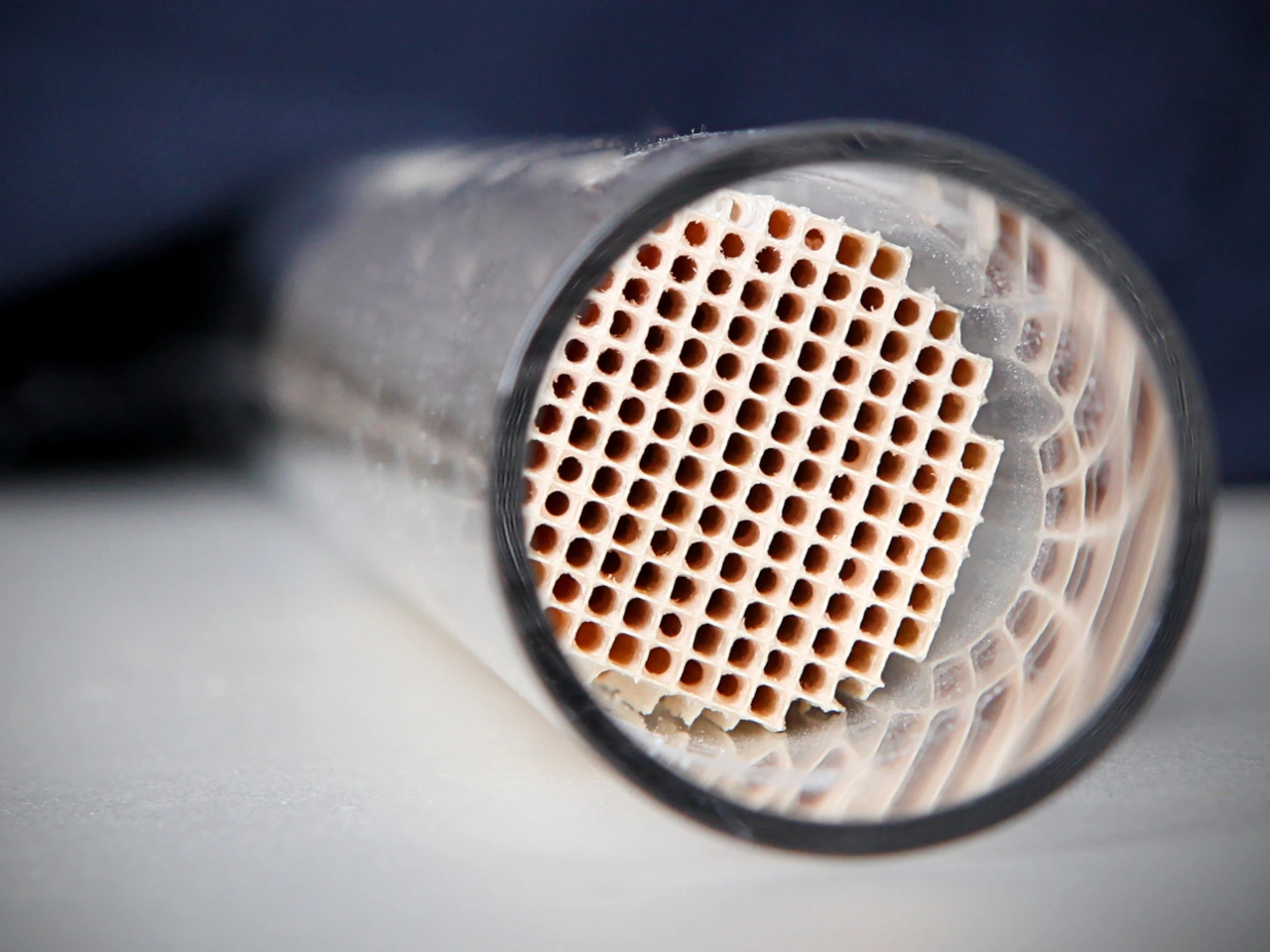
What does a catalytic converter do?
A catalytic converter reduces harmful pollutants in engine exhaust by converting them through chemical reactions into less harmful substances before they leave the exhaust system.
Where is the catalytic converter located?
It is installed in the exhaust system between the engine and the exhaust outlet. Its exact position varies between vehicles and may be relatively close to the engine so that it reaches its operating temperature quickly.
What are signs of a faulty catalytic converter?
Possible signs include an emissions or engine warning light, excessive exhaust emissions, reduced engine performance, unusual exhaust smells or failure of an emissions test. These symptoms can also have other causes and should be diagnosed properly.
170. Motor
Un motor es la máquina que produce la potencia necesaria para propulsar un vehículo a motor. En los vehículos convencionales, un motor de combustión interna quema combustible como gasolina o diésel, mientras que los vehículos eléctricos utilizan uno o varios motores eléctricos en lugar de un motor de combustión.
Un motor contiene numerosos componentes que trabajan conjuntamente para convertir energía en potencia mecánica. Una lubricación, refrigeración, mantenimiento y control de emisiones adecuados son importantes para un funcionamiento fiable y para la seguridad del vehículo.
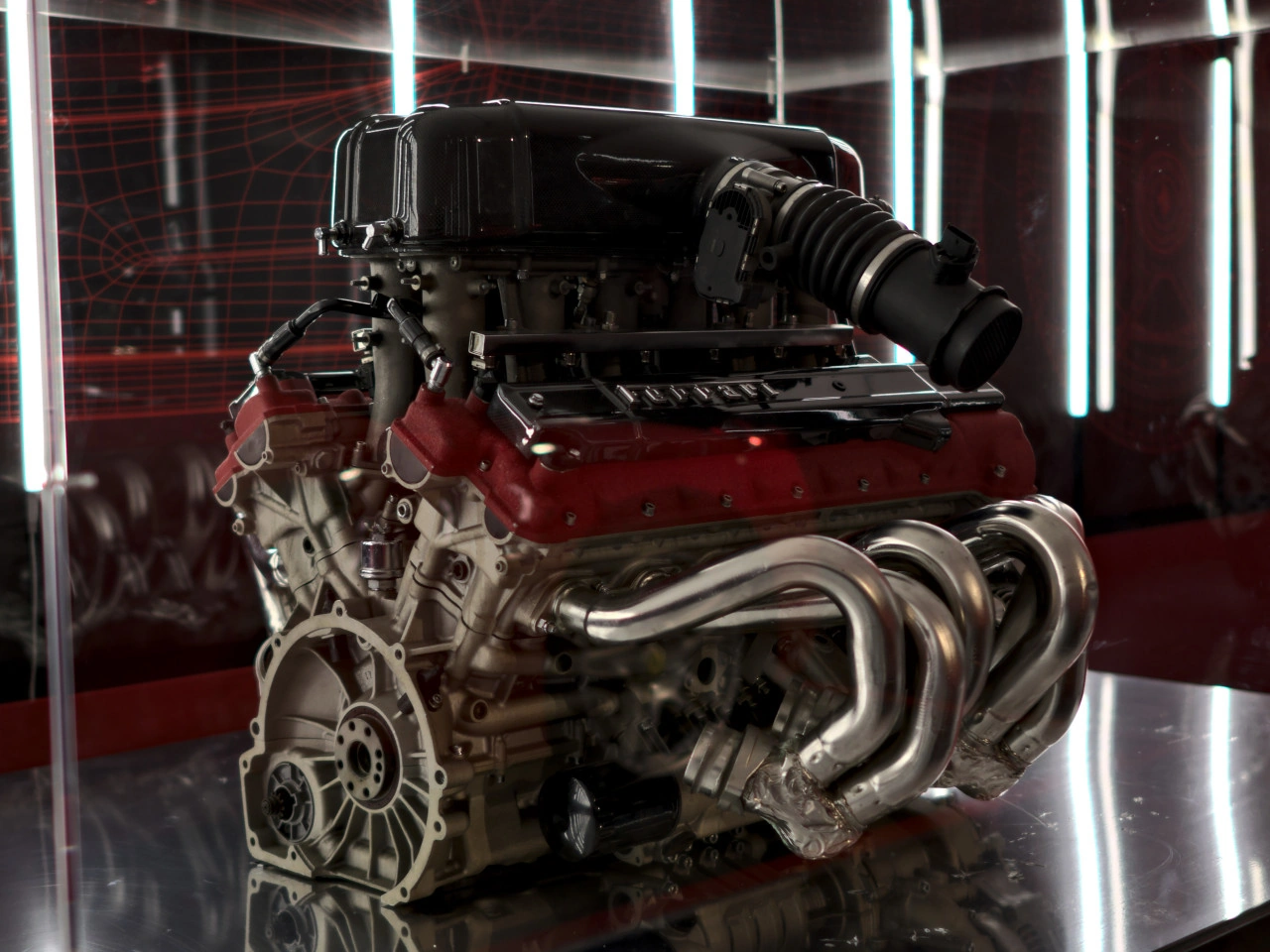
What does a vehicle engine do?
An engine converts energy into mechanical power that can be used to drive the vehicle's wheels. Internal-combustion engines obtain this energy by burning fuel, while electric vehicles use electrical energy in traction motors.
What are common signs of an engine problem?
Possible signs include unusual noises, loss of power, excessive smoke, overheating, fluid leaks, difficult starting or an engine warning light. These symptoms can have many different causes and should be investigated when necessary.
Why is regular engine maintenance important?
Maintenance helps keep lubrication, cooling, fuel, ignition and emissions systems working correctly. Following the manufacturer's service requirements can improve reliability and help prevent serious mechanical damage.
171. Motor de gasolina
Un motor de gasolina es un motor de combustión interna que normalmente utiliza bujías para encender una mezcla de aire y gasolina. Por esta razón también se conoce como motor de encendido por chispa o de encendido provocado.
Convierte la energía liberada por la combustión en potencia mecánica que impulsa el vehículo. Los motores modernos de gasolina utilizan gestión electrónica y sistemas de control de emisiones, como catalizadores, para mejorar la eficiencia y reducir las emisiones nocivas.

How does a petrol engine work?
A petrol engine draws or injects fuel and air into the engine, compresses the mixture and ignites it using a spark plug. The resulting combustion produces pressure that moves the pistons and generates mechanical power.
What is the difference between a petrol and diesel engine?
A petrol engine normally uses spark ignition, while a diesel engine uses compression ignition. The two engine types also differ in fuel, combustion characteristics and emissions-control systems.
What emissions can a petrol engine produce?
Petrol-engine exhaust can contain pollutants such as carbon monoxide, hydrocarbons, nitrogen oxides and, particularly with some direct-injection engines, particulate matter. Modern emissions-control systems are designed to reduce these pollutants.
172. Motor diésel
Un motor diésel es un motor de combustión interna que normalmente enciende el combustible mediante el calor generado por aire fuertemente comprimido, en lugar de utilizar bujías. Por esta razón también se conoce como motor de encendido por compresión.
Se utiliza habitualmente en automóviles, camiones, autobuses y maquinaria porque puede ofrecer un elevado par a bajas revoluciones y un uso eficiente del combustible. Los motores diésel modernos emplean sistemas de control de emisiones, como filtros de partículas y reducción catalítica selectiva, para reducir contaminantes nocivos.

How does a diesel engine work?
A diesel engine compresses air inside the cylinder until it becomes very hot. Diesel fuel is then injected into the compressed air and ignites because of the high temperature.
What is the difference between a diesel and petrol engine?
A diesel engine normally uses compression ignition, while a petrol engine normally uses spark plugs to ignite an air-fuel mixture. The two engine types also differ in fuel, combustion characteristics and emissions-control systems.
What emissions can a diesel engine produce?
Diesel engines can produce pollutants including nitrogen oxides and particulate matter or soot. Modern vehicles use systems such as diesel particulate filters and other emissions-control technologies to reduce these pollutants.
173. Motor eléctrico
Un motor eléctrico es una máquina que convierte energía eléctrica en potencia mecánica. En un vehículo eléctrico o híbrido, uno o varios motores eléctricos pueden proporcionar el par necesario para mover las ruedas.
Pueden entregar par desde velocidades muy bajas y funcionan sin el proceso de combustión utilizado por motores de gasolina o diésel. Durante el frenado regenerativo, algunos motores eléctricos también pueden actuar como generadores y convertir parte del movimiento del vehículo nuevamente en energía eléctrica.

What does an electric motor do in a vehicle?
An electric motor converts electrical energy into mechanical power that can propel the vehicle. Depending on the drivetrain, one or more motors may drive the wheels.
Do hybrid vehicles have electric motors?
Yes. Hybrid electric vehicles combine at least one electric propulsion motor with another propulsion-energy source, normally an internal-combustion engine.
Can an electric motor generate electricity?
Yes. In vehicles equipped with regenerative braking, the traction motor can operate as a generator while the vehicle slows down, converting part of its kinetic energy into electrical energy that can be stored in the traction battery.
174. Correa de distribución
Una correa de distribución es una correa dentada de un motor de combustión interna que sincroniza la rotación del cigüeñal y del árbol de levas para que las válvulas se abran y cierren en el momento correcto respecto al movimiento de los pistones.
Es un componente sujeto a desgaste y debe sustituirse conforme al programa de mantenimiento del fabricante. Si se desgasta excesivamente o se rompe, el motor puede detenerse de forma repentina y, en muchos diseños, pueden producirse graves daños internos.

What does a timing belt do?
The timing belt synchronises the crankshaft and camshaft so that the pistons and valves move in the correct sequence while the engine is operating.
When should a timing belt be replaced?
The replacement interval depends on the vehicle and engine. Drivers should follow the manufacturer's specified mileage and age interval rather than waiting for obvious symptoms of wear.
What happens if a timing belt breaks?
The engine will stop operating and, depending on the engine design, the pistons and valves can collide and cause severe internal engine damage.
175. Bujía de precalentamiento
Una bujía de precalentamiento es un elemento calefactor eléctrico utilizado en motores diésel para ayudar a encender el combustible durante el arranque en frío. Calienta la cámara de combustión para que el aire comprimido alcance condiciones adecuadas para una combustión fiable.
Las bujías modernas pueden seguir funcionando brevemente después del arranque para mejorar la combustión, reducir las emisiones en frío y ayudar al motor a funcionar suavemente mientras se calienta.

What does a glow plug do?
A glow plug heats the combustion chamber of a diesel engine before and during cold starting so that the injected diesel fuel can ignite more reliably.
Do diesel engines use glow plugs instead of spark plugs?
Diesel engines normally ignite fuel through compression rather than an electrical spark. Glow plugs therefore assist cold combustion but do not continuously ignite the fuel in the same way that spark plugs do in a petrol engine.
What are signs of faulty glow plugs?
Possible signs include difficult cold starting, rough running shortly after startup, increased cold-start smoke or a glow plug or engine warning light. Similar symptoms can have other causes, so proper diagnosis may be necessary.