


Señales de tráficoHungría
 Normas de tráfico
 Hungría
 Señales de prioridad
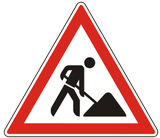 Señales de advertencia
 Señales de prohibición
 Señales de obligación
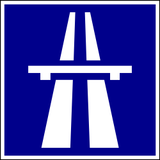 Señales de información
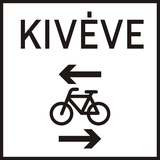 Señales adicionales
Señales de tráfico
Una señal de tráfico es un símbolo visual estandarizado colocado junto a las vías para guiar, advertir o regular a conductores, ciclistas y peatones. Estas señales proporcionan información esencial sobre condiciones de la carretera, normas, direcciones y posibles peligros, ayudando a garantizar la seguridad y fluidez del tráfico. Existen en distintas formas y colores —como señales triangulares de advertencia, circulares de prohibición u obligación y rectangulares de información— diseñados para facilitar un reconocimiento rápido y una comprensión clara.
¿Cómo se agrupan las señales en Hungría?
KRESZ distingue señales de ruta, prioridad, obligación, prohibición, peligro e información. Los paneles complementarios pueden matizarlas.
🔗 njt.jog.gov.hu • Hungría: KRESZ artículos 3,10,14(1)(d),16(1)(m)
¿Es obligatorio un límite temporal de obras en Hungría?
Debe respetar un límite reglamentario temporal autorizado vigente. Una advertencia de obras no equivale a un nuevo límite numérico, pero las condiciones pueden exigir una velocidad inferior.
🔗 njt.jog.gov.hu • Hungría: KRESZ artículos 3,10,14(1)(d),16(1)(m)

51. Prohibido el paso a vehículos de tracción animal
Esta señal indica que está prohibido el paso a los vehículos de tracción animal. No pueden entrar ni continuar más allá de la señal. Otros usuarios pueden seguir estando autorizados salvo que se aplique otra restricción.
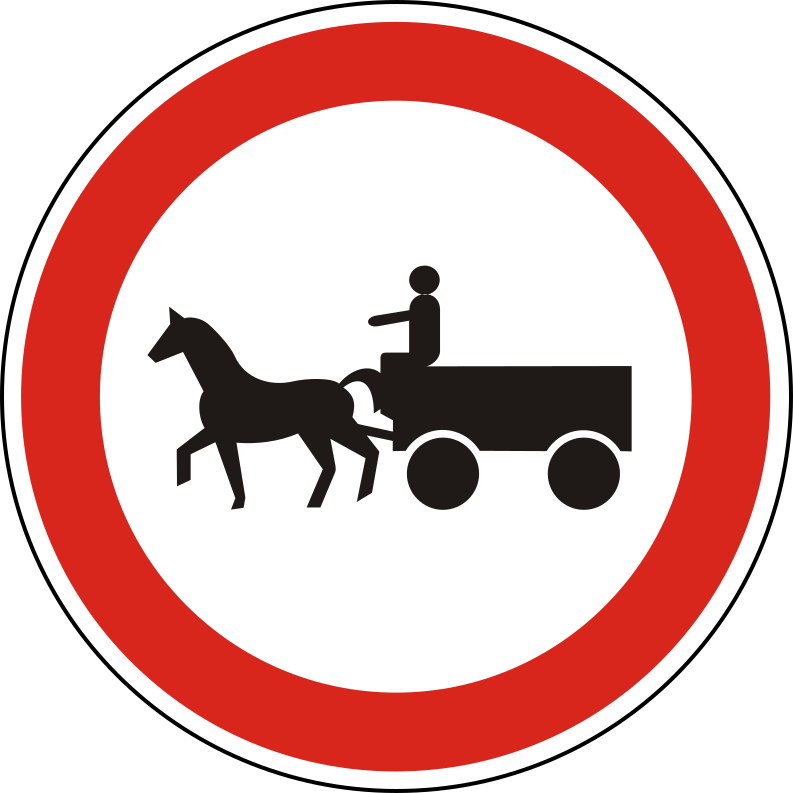
English • Traffic sign figure 51 • No animal-drawn vehicles. Animal-drawn vehicles may not enter the road.
Magyar • 51. ábra • Állati erővel vont járművel behajtani tilos. Az útra állati erővel vont járművel behajtani tilos.
Fuentes
🔗 Commons.wikimedia.org
🔗 Njt.jog.gov.hu • 1/1975. (II. 5.) KPM–BM együttes rendelet (KRESZ) • 14(1)x • 51. ábra
Image via Commons.wikimedia.org
Gigillo83 • Public domain • Source revision 2014-03-18. Wikimedia original unmodified.
52. Prohibido el paso a camiones con remolque
Esta señal indica que está prohibido el paso a los camiones con remolque. Los camiones que remolquen los tipos afectados no pueden entrar ni continuar más allá. Otros vehículos pueden seguir estando permitidos salvo que se aplique otra restricción.
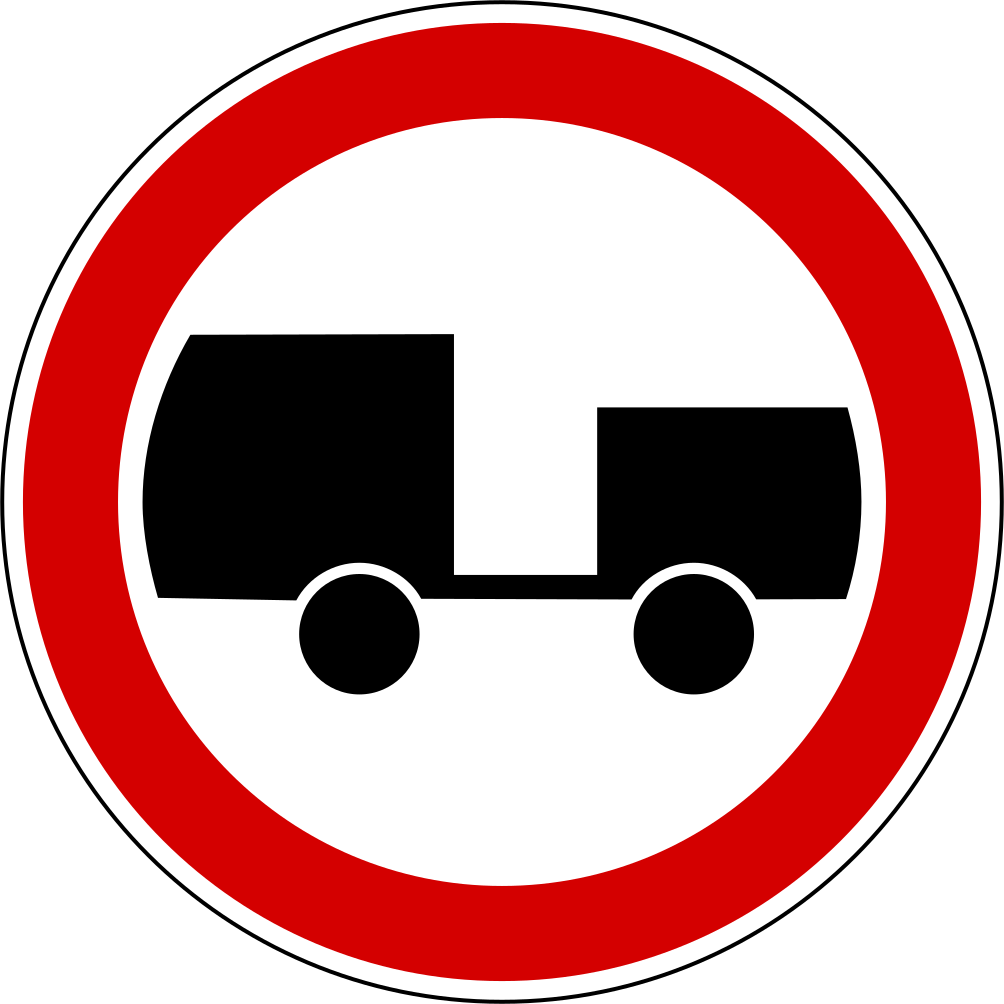
English • Traffic sign figure 46 • No vehicle combinations. Vehicle combinations may not enter the road, except those consisting of a towing vehicle and a single-axle trailer or semi-trailer. If the sign also shows a weight limit (figure 47), only combinations in which any trailer's maximum authorised mass exceeds that limit are prohibited.
Magyar • 46. ábra • Járműszerelvénnyel behajtani tilos. Az útra járműszerelvénnyel – kivéve a vonójárműből és egytengelyes vagy félpótkocsiból álló járműszerelvényt – behajtani tilos; ha a tábla súlyhatárt is megjelöl (47 . ábra), csak olyan járműszerelvénnyel tilos behajtani, amelyben a pótkocsi (bármelyik pótkocsi) megengedett legnagyobb össztömege ezt a súlyhatárt meghaladja.
Fuentes
🔗 Commons.wikimedia.org
🔗 Njt.jog.gov.hu • 1/1975. (II. 5.) KPM–BM együttes rendelet (KRESZ) • 14(1)t • 46. ábra
Replacement SVG: Commons.wikimedia.org • Wikimedia Commons original • Government of Slovenia • Public domain • Original revision 2014-05-12. Wikimedia original unmodified.
Image via Commons.wikimedia.org
Government of Slovenia • Public domain • Source revision 2014-05-12. Wikimedia original unmodified.
53. Prohibido el paso a motocicletas y automóviles
Esta señal indica que está prohibido el paso a las motocicletas y los automóviles. No pueden entrar ni continuar más allá de la señal. Otros usuarios pueden seguir estando autorizados salvo que se aplique otra restricción.
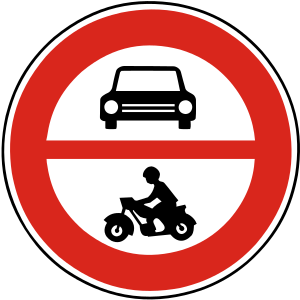
English • Traffic sign figure 54 • Combined entry prohibition. All vehicle types represented by the symbols may not enter the road. The motor-vehicle symbol represents the vehicles specified in KRESZ section 14(1)(o), and the motorcycle symbol those specified in point p).
Magyar • 54. ábra • Egyesített behajtási tilalom. Az útra a jelképekkel jelzett valamennyi járművel tilos behajtani. A gépjárműre utaló jelkép a KRESZ 14. § (1) bekezdés o) pontja, a motorkerékpár-jelkép a p) pont szerinti járműkört jelöli.
Fuentes
🔗 Commons.wikimedia.org
🔗 Njt.jog.gov.hu • 1/1975. (II. 5.) KPM–BM együttes rendelet (KRESZ) • 14(2) • 54. ábra
Replacement SVG: Commons.wikimedia.org • Wikimedia Commons original • Ministry of Interior of the Slovak Republic • Public domain • Original revision 2010-08-25. Wikimedia original unmodified.
Image via Commons.wikimedia.org
Ministry of Interior of the Slovak Republic • Public domain • Source revision 2010-08-25. Wikimedia original unmodified.
54. Prohibido el paso a ciclistas, carros de caballos y tractores
Esta señal indica que está prohibido el paso a los ciclistas, vehículos de tracción animal y tractores. No pueden entrar ni continuar más allá. Otros usuarios pueden seguir estando autorizados salvo que se aplique otra restricción.
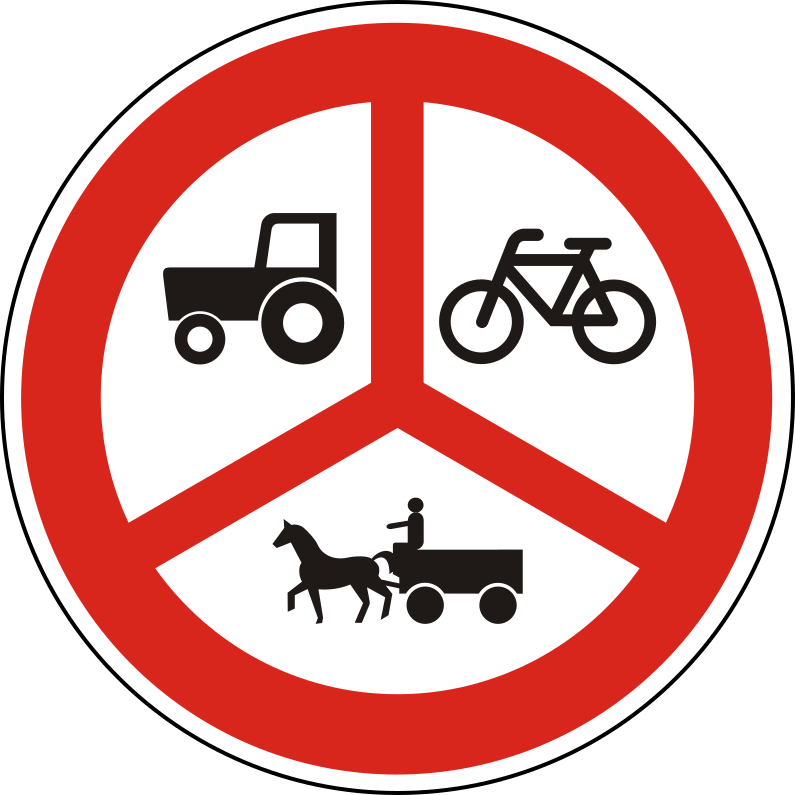
English • Traffic sign figure 55 • Combined entry prohibition. All vehicle types represented by the symbols may not enter the road: bicycles, agricultural tractors and slow-moving vehicles, and animal-drawn vehicles.
Magyar • 55. ábra • Egyesített behajtási tilalom. Az útra a jelképekkel jelzett valamennyi járművel tilos behajtani: kerékpárral, mezőgazdasági vontatóval és lassú járművel, valamint állati erővel vont járművel.
Fuentes
🔗 Commons.wikimedia.org
🔗 Njt.jog.gov.hu • 1/1975. (II. 5.) KPM–BM együttes rendelet (KRESZ) • 14(2) • 55. ábra
Image via Commons.wikimedia.org
Gigillo83 • Public domain • Source revision 2014-03-18. Wikimedia original unmodified.
55. Prohibido el paso a vehículos con mercancías peligrosas
Esta señal indica que está prohibido el paso a los vehículos que transportan mercancías peligrosas. Los vehículos que transporten las mercancías peligrosas incluidas por la señal no pueden entrar ni continuar más allá.
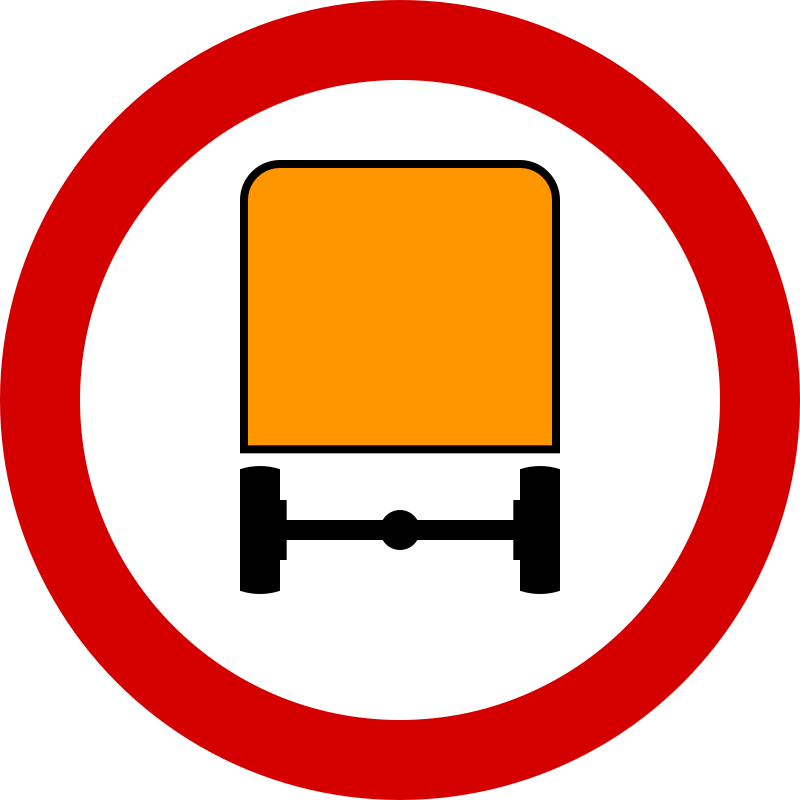
English • Traffic sign figure 52 • No vehicles carrying dangerous substances. Vehicles carrying dangerous substances may not enter the road.
Magyar • 52. ábra • Veszélyes anyagot szállító járművel behajtani tilos. Az útra veszélyes anyagot szállító járművel behajtani tilos.
Fuentes
🔗 Commons.wikimedia.org
🔗 Njt.jog.gov.hu • 1/1975. (II. 5.) KPM–BM együttes rendelet (KRESZ) • 14(1)y • 52. ábra
Replacement SVG: Commons.wikimedia.org • Wikimedia Commons original • Szczepan dyskusja Mail 18:29, 31 December 2006 (UTC) • Public domain • Original revision 2025-09-28. Wikimedia original unmodified.
Image via Commons.wikimedia.org
Szczepan dyskusja Mail 18:29, 31 December 2006 (UTC) • Public domain • Source revision 2025-09-28. Wikimedia original unmodified.
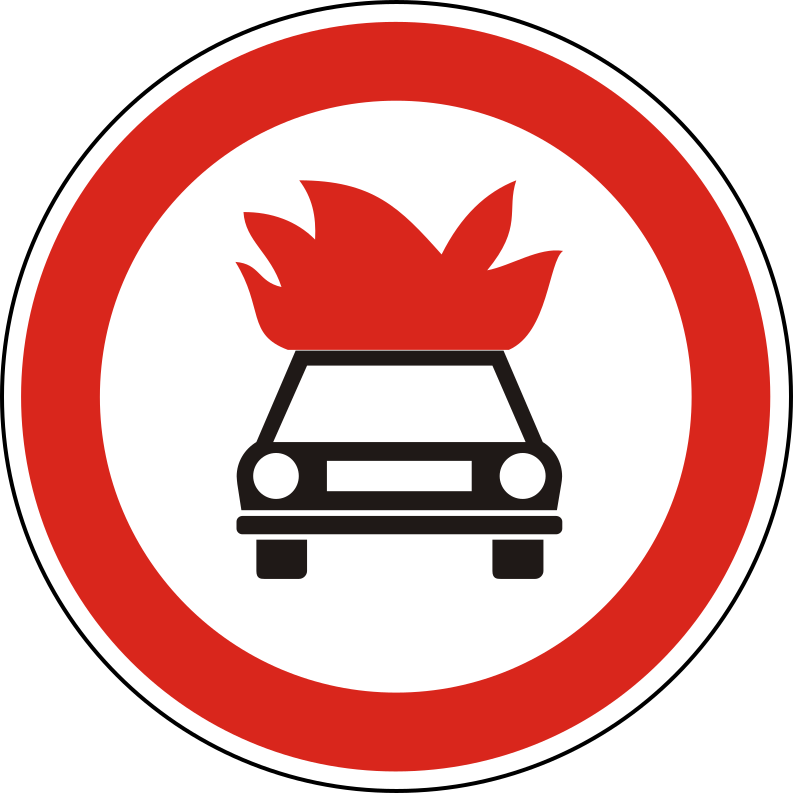
56. Prohibido transportar mercancías inflamables o explosivas
Esta señal indica que está prohibido el paso a los vehículos que transportan sustancias inflamables o explosivas. Los vehículos que transporten las sustancias incluidas por la señal no pueden entrar ni continuar más allá.
Fuentes
Image via Commons.wikimedia.org
Gigillo83 • Public domain • Source revision 2014-03-18. Wikimedia original unmodified.
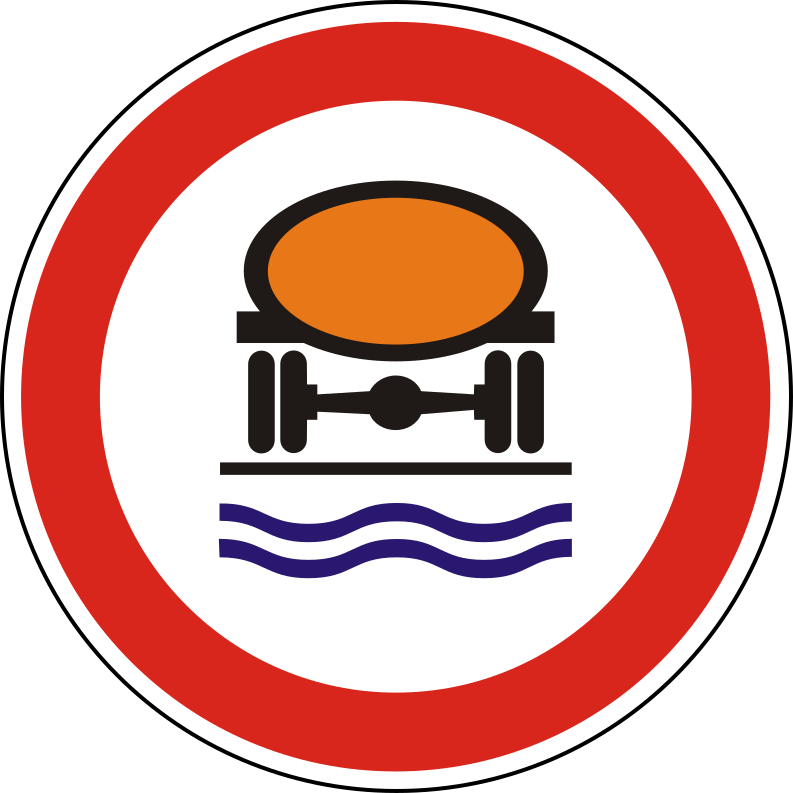
57. Prohibido el paso a vehículos con sustancias contaminantes del agua
Esta señal indica que está prohibido el paso a los vehículos que transportan sustancias contaminantes del agua. Los vehículos que transporten las sustancias incluidas por la señal no pueden entrar ni continuar más allá.
Fuentes
Image via Commons.wikimedia.org
Gigillo83 • Public domain • Source revision 2014-03-18. Wikimedia original unmodified.
58. Prohibido el paso a vehículos más anchos de lo indicado
Esta señal indica que está prohibido el paso a los vehículos más anchos de lo indicado. Un vehículo o conjunto cuya anchura total, incluida la carga, supere el límite mostrado no puede continuar más allá de la señal.
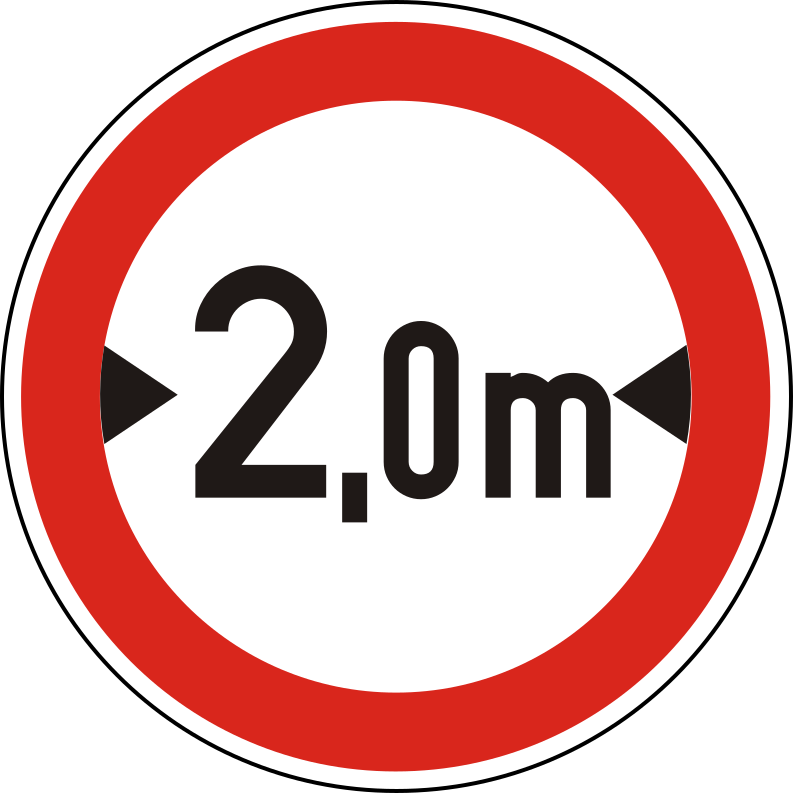
English • Traffic sign figure 35 • Width limit. Vehicles wider than the value shown, including their load, may not use the road.
Magyar • 35. ábra • Szélességkorlátozás. Az úton a táblán megjelöltnél – a rakományával együtt – szélesebb járművel közlekedni tilos.
Fuentes
🔗 Commons.wikimedia.org
🔗 Njt.jog.gov.hu • 1/1975. (II. 5.) KPM–BM együttes rendelet (KRESZ) • 14(1)i • 35. ábra
Image via Commons.wikimedia.org
Gigillo83 • Public domain • Source revision 2014-03-18. Wikimedia original unmodified.
59. Prohibido el paso a vehículos más altos de lo indicado
Esta señal indica que está prohibido el paso a los vehículos más altos de lo indicado. Un vehículo o conjunto cuya altura total, incluida la carga, supere el límite mostrado no puede continuar más allá de la señal.
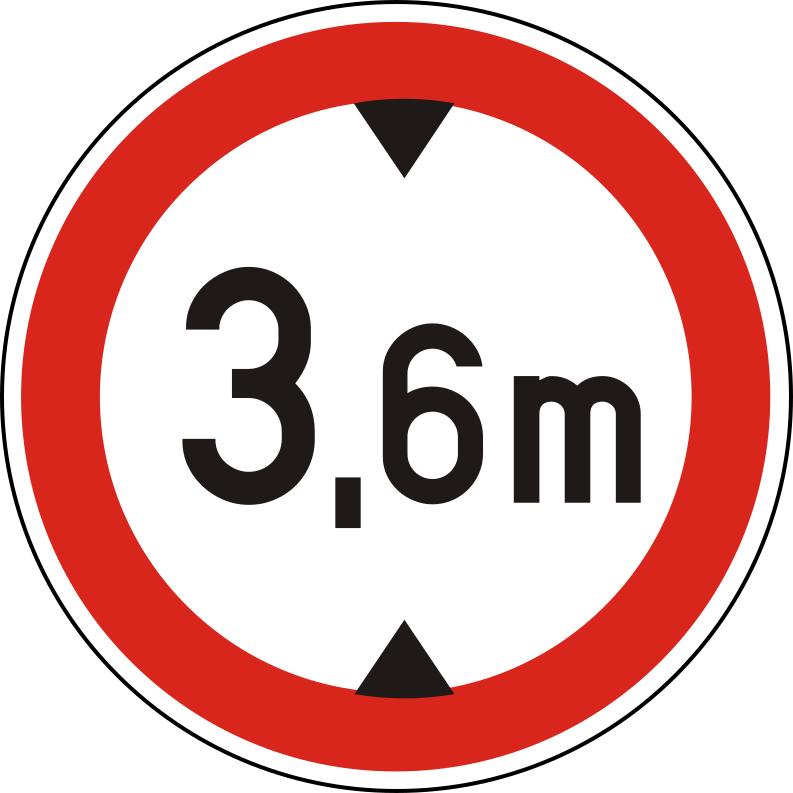
English • Traffic sign figure 36 • Height limit. Vehicles higher than the value shown, including their load, may not use the road.
Magyar • 36. ábra • Magasságkorlátozás. Az úton a táblán megjelöltnél – rakományával együtt – magasabb járművel közlekedni tilos.
Fuentes
🔗 Commons.wikimedia.org
🔗 Njt.jog.gov.hu • 1/1975. (II. 5.) KPM–BM együttes rendelet (KRESZ) • 14(1)j • 36. ábra
Image via Commons.wikimedia.org
Gigillo83 • Public domain • Source revision 2014-03-18. Wikimedia original unmodified.
60. Prohibido el paso a vehículos más largos de lo indicado
Esta señal indica que está prohibido el paso a los vehículos más largos de lo indicado. Un vehículo o conjunto cuya longitud total, incluida la carga, supere el límite mostrado no puede continuar más allá de la señal.
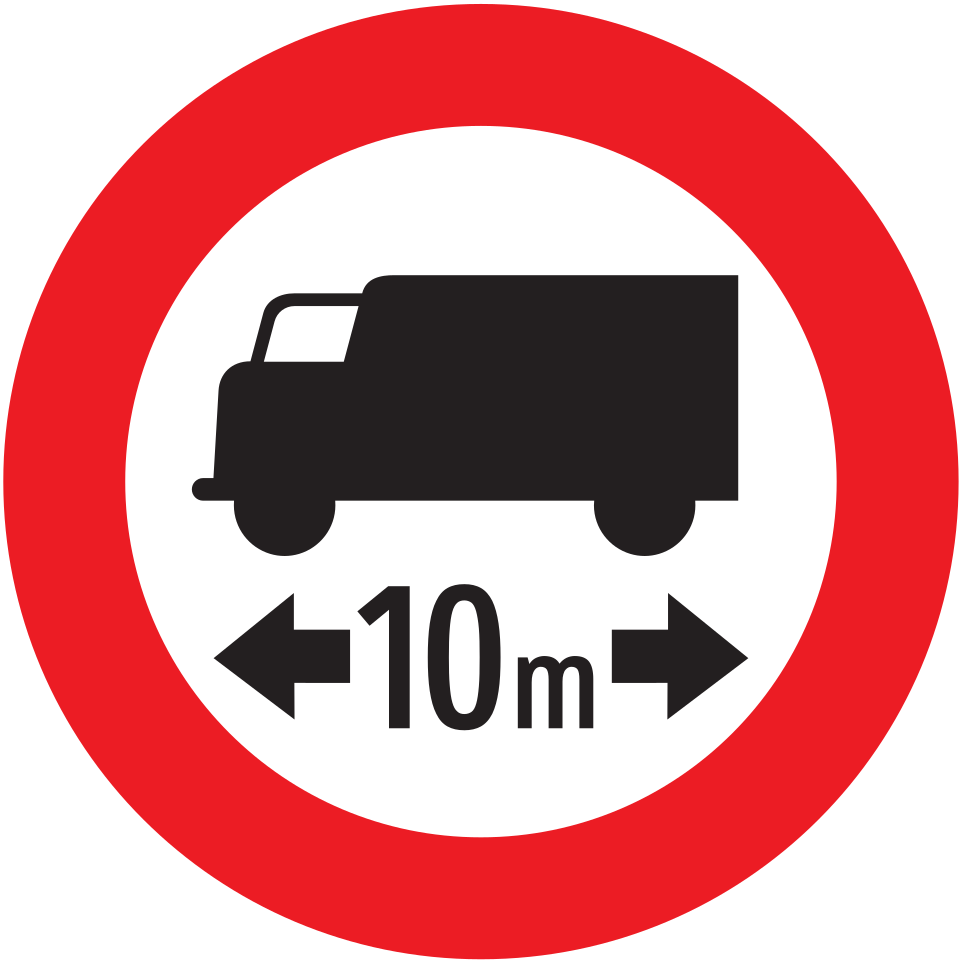
English • Traffic sign figure 37 • Length limit. Vehicles or vehicle combinations longer than the value shown, including their load, may not use the road.
Magyar • 37. ábra • Hosszúságkorlátozás. Az úton a táblán megjelöltnél – rakományával együtt – hosszabb járművel (járműszerelvénnyel) közlekedni tilos.
Fuentes
🔗 Commons.wikimedia.org
🔗 Njt.jog.gov.hu • 1/1975. (II. 5.) KPM–BM együttes rendelet (KRESZ) • 14(1)k • 37. ábra
Replacement SVG: Commons.wikimedia.org • Wikimedia Commons original • Rl91 • Public domain • Original revision 2014-08-10. Wikimedia original unmodified.
Image via Commons.wikimedia.org
Rl91 • Public domain • Source revision 2014-08-10. Wikimedia original unmodified.
61. Prohibido el paso a vehículos más pesados de lo indicado
Esta señal indica que está prohibido el paso a los vehículos más pesados de lo indicado. Los vehículos o conjuntos que superen el límite de masa mostrado no pueden continuar más allá. La masa jurídicamente relevante depende de las normas locales aplicables.
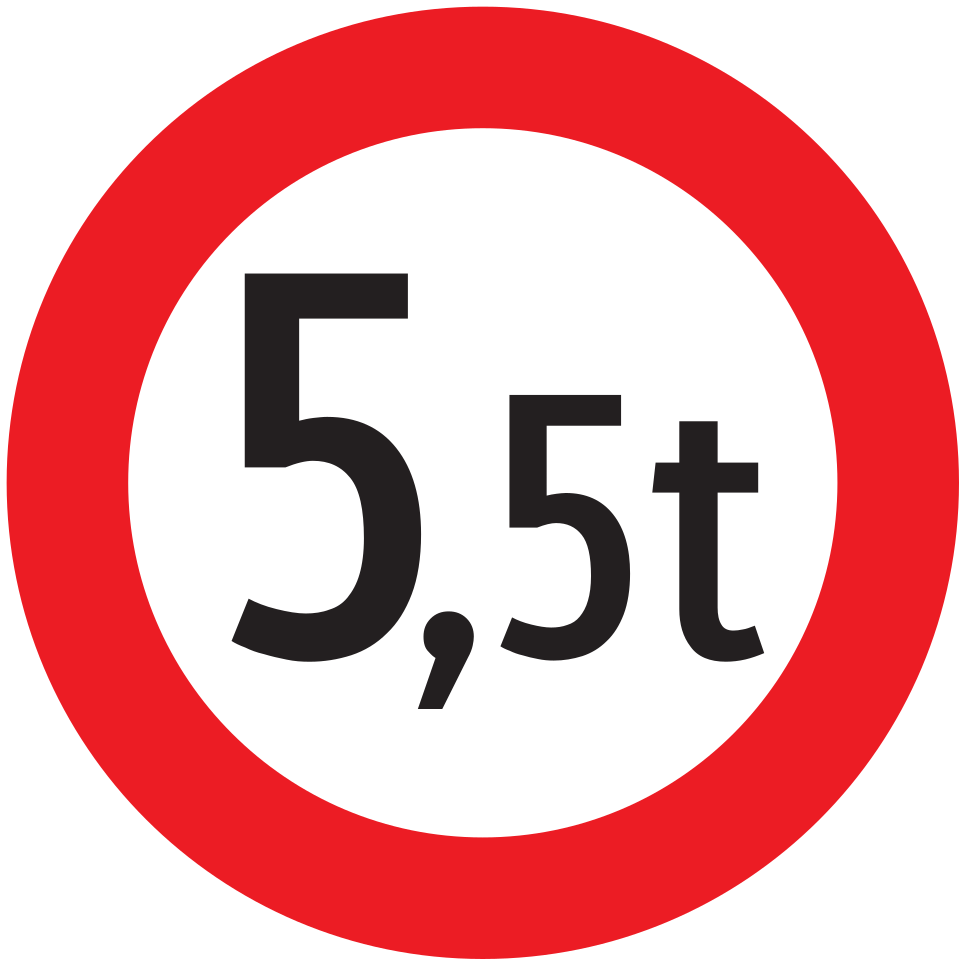
English • Traffic sign figure 38 • Weight limit. Vehicles or vehicle combinations whose total mass exceeds the value shown may not use the road.
Magyar • 38. ábra • Súlykorlátozás. Az úton a táblán megjelöltnél nagyobb össztömegű járművel (járműszerelvénnyel) közlekedni tilos.
Fuentes
🔗 Commons.wikimedia.org
🔗 Njt.jog.gov.hu • 1/1975. (II. 5.) KPM–BM együttes rendelet (KRESZ) • 14(1)l • 38. ábra
Replacement SVG: Commons.wikimedia.org • Wikimedia Commons original • Rl91 • Public domain • Original revision 2014-08-10. Wikimedia original unmodified.
Image via Commons.wikimedia.org
Rl91 • Public domain • Source revision 2014-08-10. Wikimedia original unmodified.
62. Prohibido el paso a vehículos que superen la carga por eje indicada
Esta señal indica que está prohibido el paso a los vehículos que superen la carga por eje indicada. Un vehículo cuya carga sobre un eje supere el límite mostrado no puede continuar más allá de la señal.
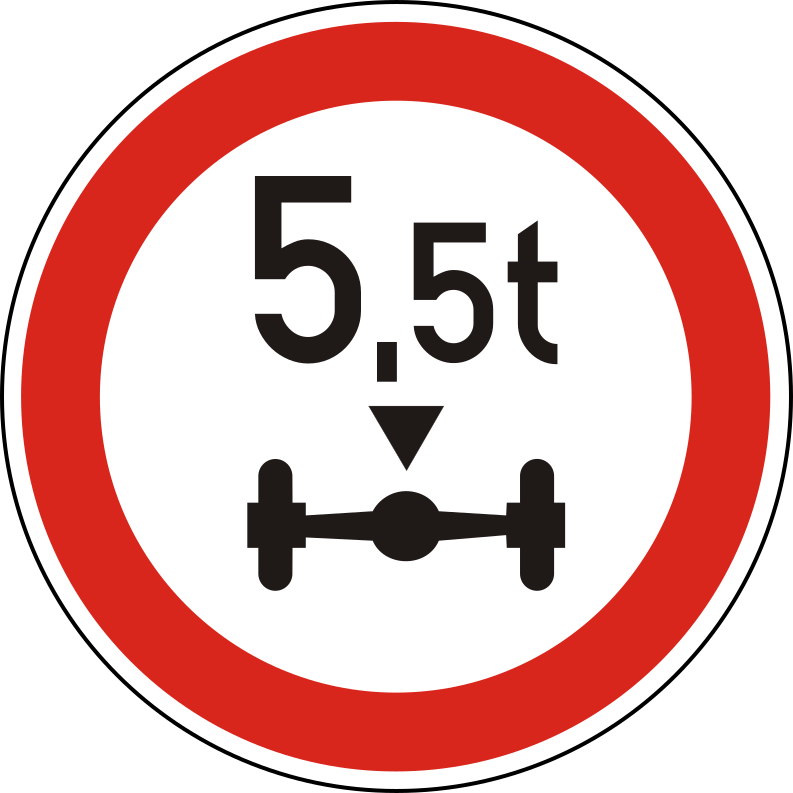
English • Traffic sign figure 39 • Axle-load limit. Vehicles whose load on any axle exceeds the value shown may not use the road.
Magyar • 39. ábra • Tengelyterhelés-korlátozás. Az úton olyan járművel közlekedni tilos, amelynek tengelyterhelése – bármelyik tengelyén – a táblán megjelöltnél nagyobb.
Fuentes
🔗 Commons.wikimedia.org
🔗 Njt.jog.gov.hu • 1/1975. (II. 5.) KPM–BM együttes rendelet (KRESZ) • 14(1)m • 39. ábra
Image via Commons.wikimedia.org
Gigillo83 • Public domain • Source revision 2014-03-18. Wikimedia original unmodified.
63. Prohibido el paso a remolques más pesados de lo indicado
Esta señal indica que está prohibido el paso a los remolques más pesados de lo indicado. Los remolques que superen el límite de masa mostrado no pueden continuar más allá. La masa del remolque jurídicamente relevante depende de las normas locales aplicables.
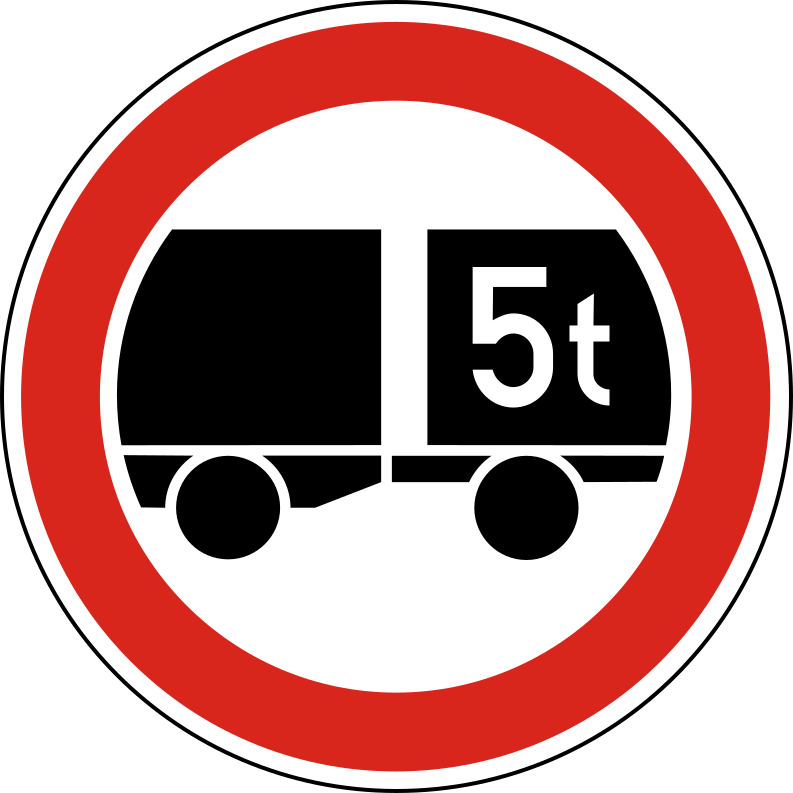
English • Traffic sign figure 47 • No vehicle combinations. Only combinations in which any trailer's maximum authorised mass exceeds the indicated weight limit may not enter.
Magyar • 47. ábra • Járműszerelvénnyel behajtani tilos. Csak olyan járműszerelvénnyel tilos behajtani, amelyben a pótkocsi (bármelyik pótkocsi) megengedett legnagyobb össztömege meghaladja a jelzett súlyhatárt.
Fuentes
🔗 Commons.wikimedia.org
🔗 Njt.jog.gov.hu • 1/1975. (II. 5.) KPM–BM együttes rendelet (KRESZ) • 14(1)t • 47. ábra
Image via Commons.wikimedia.org
Gigillo83 • Public domain • Source revision 2014-03-18. Wikimedia original unmodified.
64. Prohibido el paso a camiones más pesados de lo indicado
Esta señal indica que está prohibido el paso a los camiones más pesados de lo indicado. Los camiones afectados no pueden continuar si superan el límite de masa mostrado. La masa jurídicamente relevante depende de las normas locales aplicables.
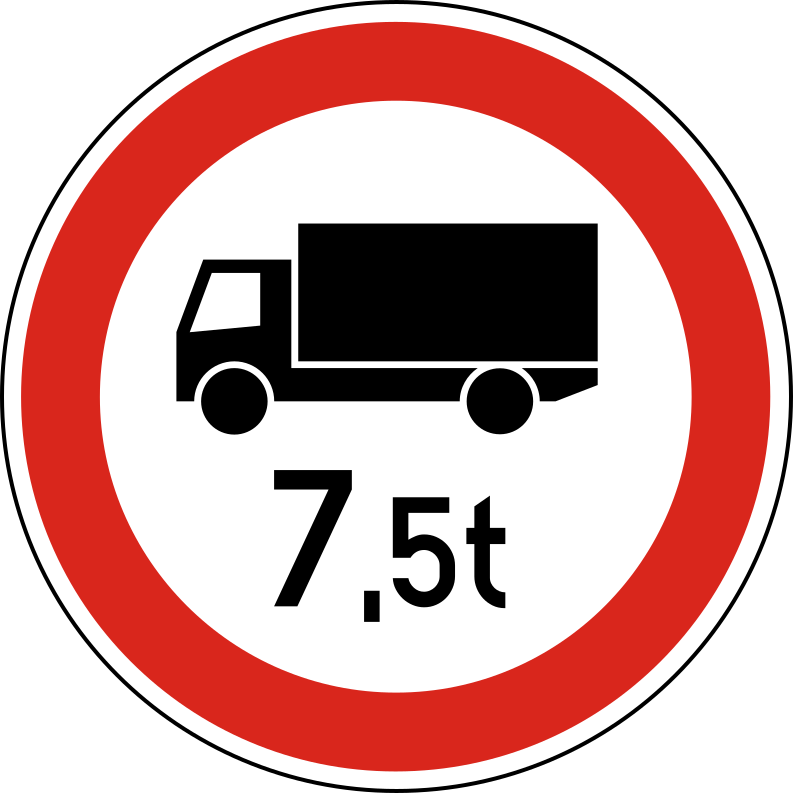
English • Traffic sign figure 44 • No lorries. The prohibition applies to vehicles whose maximum authorised mass exceeds the indicated weight limit within the vehicle categories specified in KRESZ section 14(1)(r).
Magyar • 44. ábra • Tehergépkocsival behajtani tilos. A tilalom a jelzett súlyhatárt meghaladó megengedett legnagyobb össztömegű járművekre vonatkozik, a KRESZ 14. § (1) bekezdés r) pontjában meghatározott járműkörben.
Fuentes
🔗 Commons.wikimedia.org
🔗 Njt.jog.gov.hu • 1/1975. (II. 5.) KPM–BM együttes rendelet (KRESZ) • 14(1)r • 44. ábra
Image via Commons.wikimedia.org
Gigillo83 • Public domain • Source revision 2014-03-18. Wikimedia original unmodified.
65. Distancia mínima de seguridad
Esta señal indica la distancia mínima que debe mantenerse respecto al vehículo precedente. Los conductores deben conservar al menos la distancia mostrada.
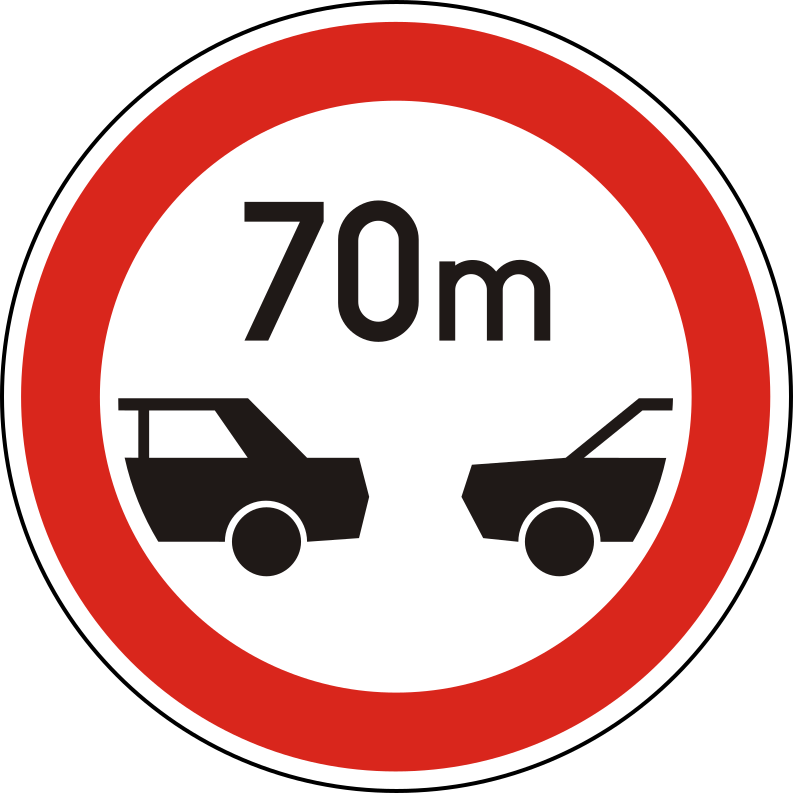
English • Traffic sign figure 31 • Minimum following distance. Vehicles may not follow one another more closely than the distance shown. If the sign bears a lorry symbol, the prohibition applies only to following lorries with a maximum authorised mass exceeding 3500 kg, and to towing tractors, agricultural tractors and slow-moving vehicles.
Magyar • 31. ábra • Legkisebb követési távolság. Az úton a járműveknek egymást a táblán megjelöltnél kisebb távolságban követniök tilos; ha a táblán tehergépkocsik jelképe van, a tilalom az egymást követő járművek közül csak a 3500 kg-ot meghaladó megengedett legnagyobb össztömegű tehergépkocsikra, valamint a vontatókra, a mezőgazdasági vontatókra és a lassú járművekre vonatkozik.
Fuentes
🔗 Commons.wikimedia.org
🔗 Njt.jog.gov.hu • 1/1975. (II. 5.) KPM–BM együttes rendelet (KRESZ) • 14(1)e • 31. ábra
Image via Commons.wikimedia.org
Gigillo83 • Public domain • Source revision 2014-03-18. Wikimedia original unmodified.
66. Estrechamiento: ceda el paso al tráfico en sentido contrario
Esta señal indica un estrechamiento en el que debe ceder el paso al tráfico en sentido contrario. Cuando corresponda, deje pasar a los vehículos que se aproximan antes de entrar o continuar por el tramo estrecho.
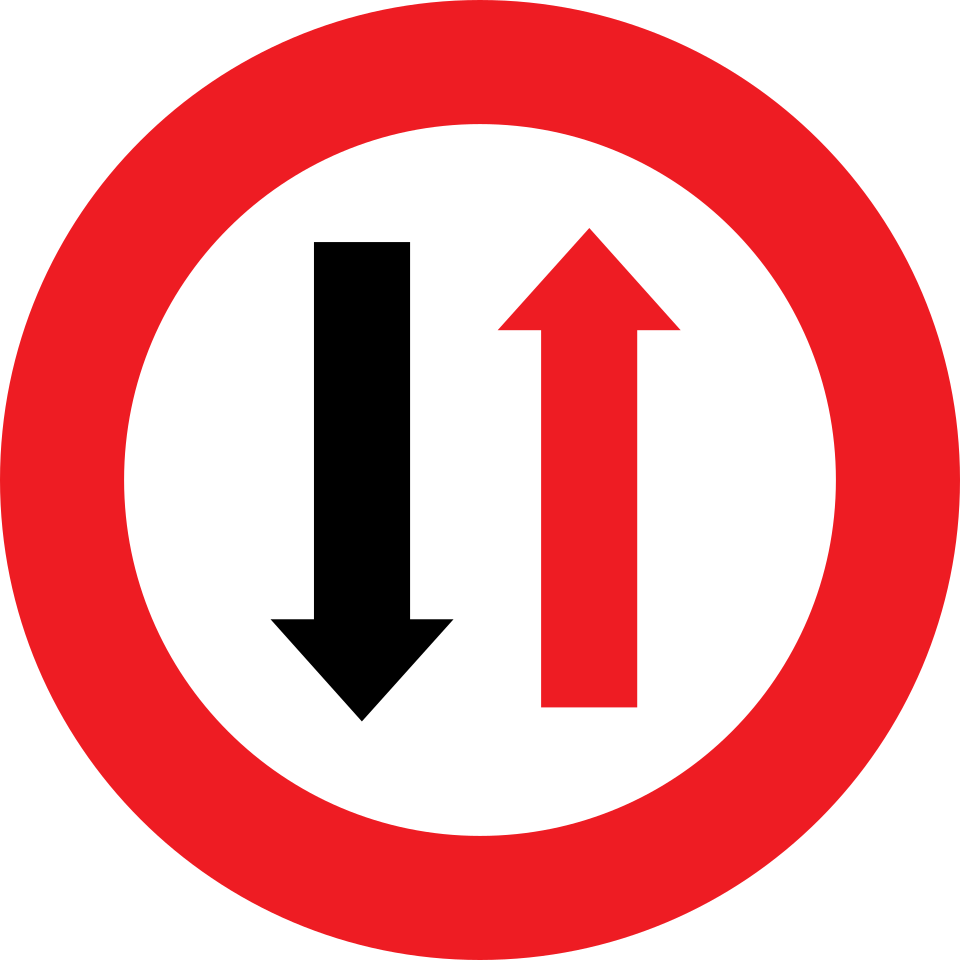
English • Traffic sign figure 13 • Priority for oncoming traffic. Drivers must give way to oncoming vehicles at the narrowing.
Magyar • 13. ábra • A szembejövő forgalom elsőbbsége. Az útszűkületben elsőbbséget kell adni a szembejövő jármű részére.
Fuentes
🔗 Commons.wikimedia.org
🔗 Njt.jog.gov.hu • 1/1975. (II. 5.) KPM–BM együttes rendelet (KRESZ) • 12(1)c • 13. ábra
Replacement SVG: Commons.wikimedia.org • Wikimedia Commons original • 3247 • Public domain • Original revision 2006-08-27. Wikimedia original unmodified.
Image via Commons.wikimedia.org
3247 • Public domain • Source revision 2006-08-27. Wikimedia original unmodified.
67. Giro a la izquierda prohibido
Esta señal indica que está prohibido girar a la izquierda. No se puede realizar un giro a la izquierda donde se aplica la señal. Otros movimientos pueden seguir estando permitidos salvo otra restricción.
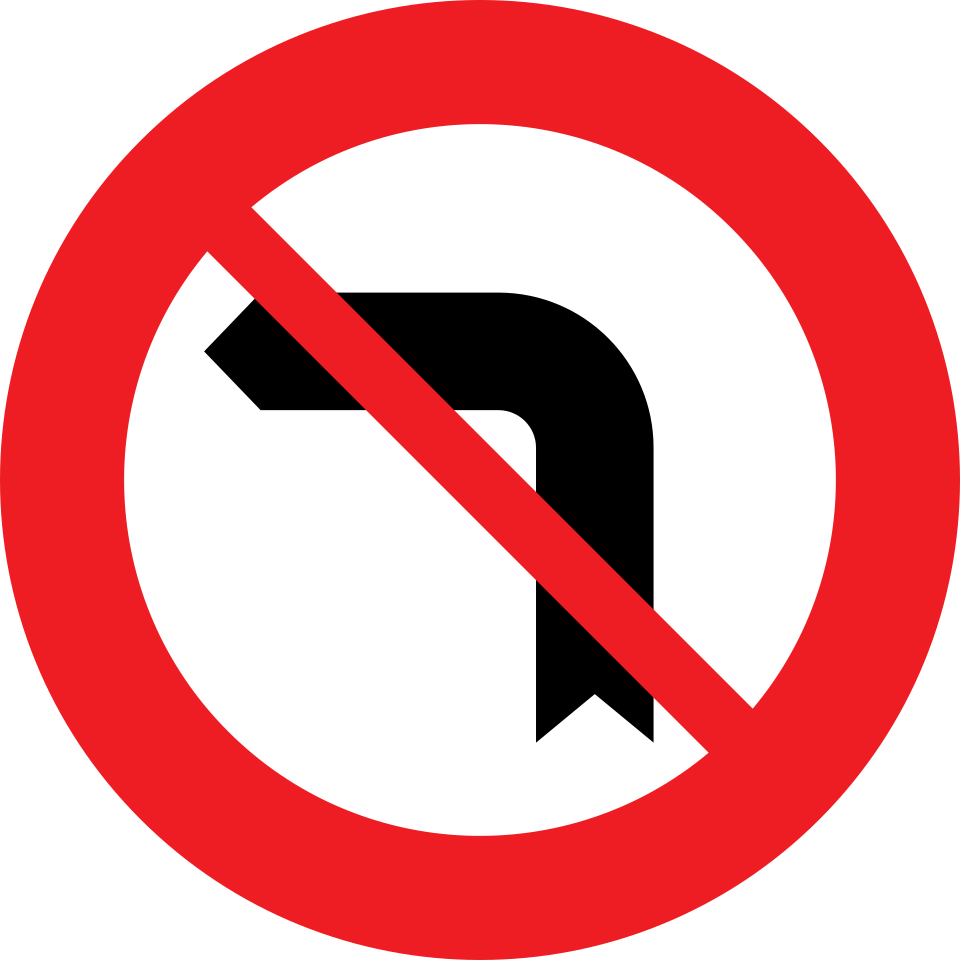
English • Traffic sign figure 28 • No left turn. U-turns and left turns are prohibited at the junction.
Magyar • 28. ábra • Balra bekanyarodni tilos. Az útkereszteződésben megfordulni és balra bekanyarodni tilos.
Fuentes
🔗 Commons.wikimedia.org
🔗 Njt.jog.gov.hu • 1/1975. (II. 5.) KPM–BM együttes rendelet (KRESZ) • 14(1)b • 28. ábra
Replacement SVG: Commons.wikimedia.org • Wikimedia Commons original • 3247 • Public domain • Original revision 2006-08-27. Wikimedia original unmodified.
Image via Commons.wikimedia.org
3247 • Public domain • Source revision 2006-08-27. Wikimedia original unmodified.
68. Giro a la derecha prohibido
Esta señal indica que está prohibido girar a la derecha. No se puede realizar un giro a la derecha donde se aplica la señal. Otros movimientos pueden seguir estando permitidos salvo otra restricción.
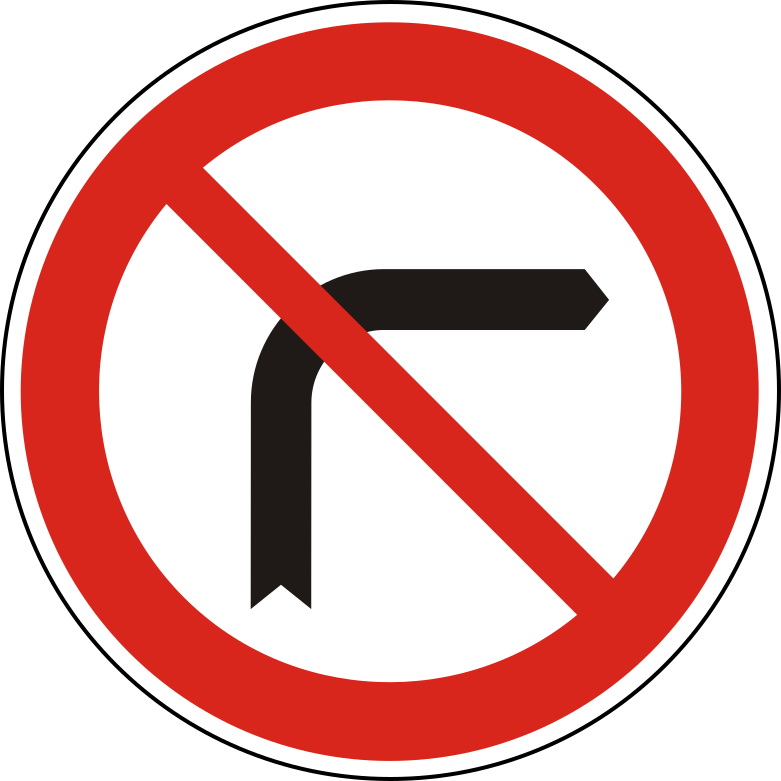
English • Traffic sign figure 27 • No right turn. Right turns are prohibited at the junction.
Magyar • 27. ábra • Jobbra bekanyarodni tilos. Az útkereszteződésben jobbra bekanyarodni tilos.
Fuentes
🔗 Commons.wikimedia.org
🔗 Njt.jog.gov.hu • 1/1975. (II. 5.) KPM–BM együttes rendelet (KRESZ) • 14(1)a • 27. ábra
Image via Commons.wikimedia.org
Gigillo83 • Public domain • Source revision 2014-03-18. Wikimedia original unmodified.
69. Cambio de sentido prohibido
Esta señal indica que está prohibido cambiar de sentido. No se puede realizar un cambio de sentido donde se aplica la prohibición. Otros movimientos pueden seguir estando permitidos salvo otra restricción.
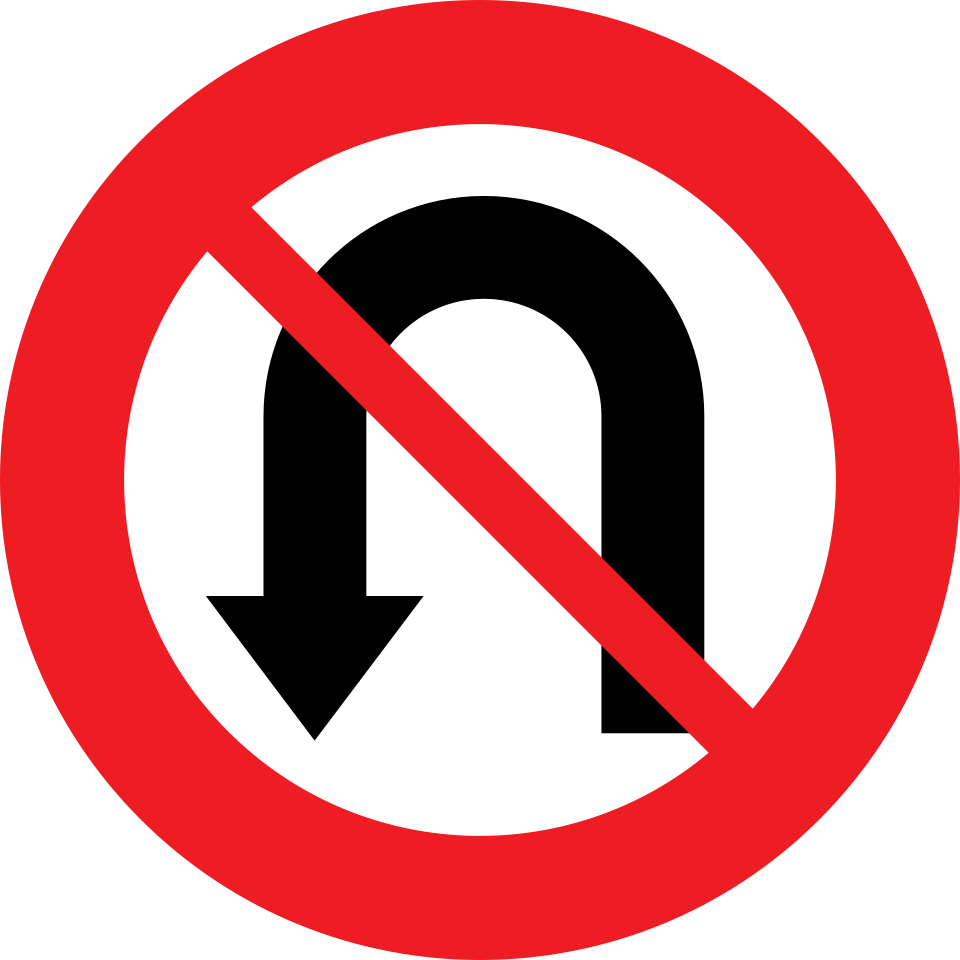
English • Traffic sign figure 29 • No U-turn. U-turns are prohibited on the road.
Magyar • 29. ábra • Megfordulni tilos. Az úton megfordulni tilos.
Fuentes
🔗 Commons.wikimedia.org
🔗 Njt.jog.gov.hu • 1/1975. (II. 5.) KPM–BM együttes rendelet (KRESZ) • 14(1)c • 29. ábra
Replacement SVG: Commons.wikimedia.org • Wikimedia Commons original • 3247 • Public domain • Original revision 2006-08-27. Wikimedia original unmodified.
Image via Commons.wikimedia.org
3247 • Public domain • Source revision 2006-08-27. Wikimedia original unmodified.
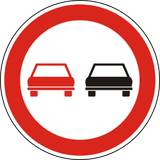
70. Adelantamiento prohibido
Esta señal indica que está prohibido adelantar. Los vehículos afectados por la prohibición y las categorías que aún pueden adelantarse dependen de las normas locales aplicables.
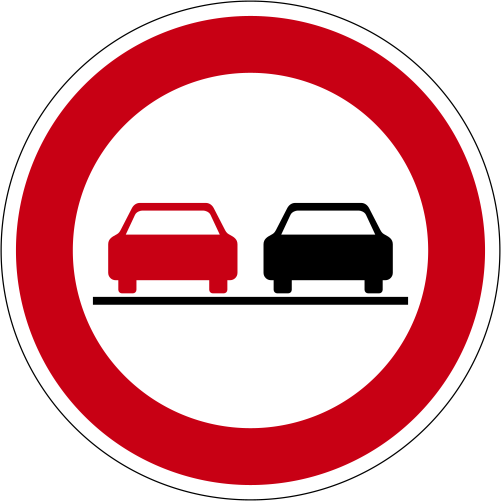
English • Traffic sign figure 32 • No overtaking. Overtaking is prohibited, except that motor vehicles may overtake two-wheeled motorcycles, mopeds and bicycles, animal-drawn vehicles and handcarts, and trams travelling on tracks in the centre of the carriageway may also be overtaken.
Magyar • 32. ábra • Előzni tilos. Az úton előzni tilos; ez a tilalom nem vonatkozik kétkerekű motorkerékpárnak, segédmotoros kerékpárnak és kerékpárnak, valamint állati erővel vont járműnek és kézikocsinak gépjárművel való előzésére, továbbá az úttest közepén levő vágányon haladó villamos előzésére.
Fuentes
🔗 Commons.wikimedia.org
🔗 Njt.jog.gov.hu • 1/1975. (II. 5.) KPM–BM együttes rendelet (KRESZ) • 14(1)f • 32. ábra
Replacement SVG: Commons.wikimedia.org • Wikimedia Commons original • Frisky007 • Public domain • Original revision 2026-05-30. Wikimedia original unmodified.
Image via Commons.wikimedia.org
Frisky007 • CC BY-SA 3.0 • Source revision 2026-05-30. Wikimedia original unmodified.
71. Fin de prohibición de adelantar
Esta señal indica el fin de la prohibición de adelantar. La restricción de adelantamiento anterior termina en este punto. El adelantamiento sigue sujeto a las normas de tráfico aplicables y a otras restricciones.
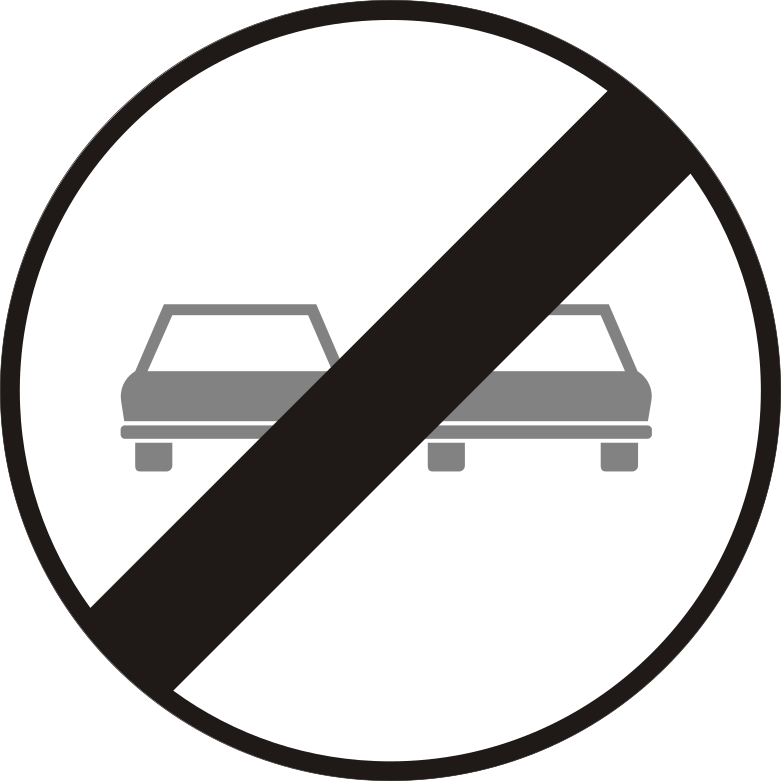
English • Traffic sign figure 57 • End of the overtaking prohibition. The sign cancels the effect of the No overtaking sign.
Magyar • 57. ábra • Előzési tilalom vége. A tábla az „Előzni tilos” jelzőtábla hatályát feloldja.
Fuentes
🔗 Commons.wikimedia.org
🔗 Njt.jog.gov.hu • 1/1975. (II. 5.) KPM–BM együttes rendelet (KRESZ) • 14(7) • 57. ábra
Image via Commons.wikimedia.org
Gigillo83 • Public domain • Source revision 2014-03-18. Wikimedia original unmodified.
72. Adelantamiento prohibido para camiones
Esta señal indica que los camiones no pueden adelantar. Los camiones afectados no pueden adelantar donde se aplique la prohibición. Las categorías afectadas y las excepciones dependen de las normas locales aplicables.
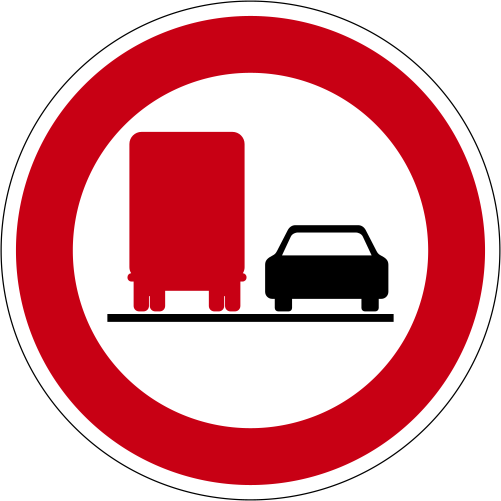
English • Traffic sign figure 33 • No overtaking by lorries. Overtaking is prohibited by lorries with a maximum authorised mass exceeding 3500 kilograms, towing tractors, agricultural tractors and slow-moving vehicles, and combinations consisting of these vehicles and trailers. The prohibition does not apply to overtaking two-wheeled motorcycles, two-wheeled mopeds, bicycles, animal-drawn vehicles, handcarts or trams travelling on tracks in the centre of the carriageway. If the sign also shows a numerical value (figure 33/a), the overtaking prohibition applies only to lorries, towing tractors, agricultural tractors and slow-moving vehicles whose maximum authorised mass exceeds that value.
Magyar • 33. ábra • Tehergépkocsival előzni tilos. Az úton 3500 kilogrammot meghaladó megengedett legnagyobb össztömegű tehergépkocsival, valamint vontatóval, mezőgazdasági vontatóval és lassú járművel, valamint az ezen járművekből és pótkocsiból álló járműszerelvényekkel előzni tilos; ez a tilalom nem vonatkozik kétkerekű motorkerékpár, kétkerekű segédmotoros kerékpár és kerékpár, valamint állati erővel vont jármű és kézikocsi előzésére, továbbá az úttest közepén levő vágányon haladó villamos előzésére; ha a jelzőtáblán számérték is megjelenik (33/a. ábra), az előzés tilalma csak az ezt az értéket meghaladó megengedett legnagyobb össztömegű tehergépkocsira, vontatóra, mezőgazdasági vontatóra és lassú járműre vonatkozik.
Fuentes
🔗 Commons.wikimedia.org
🔗 Njt.jog.gov.hu • 1/1975. (II. 5.) KPM–BM együttes rendelet (KRESZ) • 14(1)g • 33. ábra
Replacement SVG: Commons.wikimedia.org • Wikimedia Commons original • Frisky007 • Public domain • Original revision 2026-05-30. Wikimedia original unmodified.
Image via Commons.wikimedia.org
Frisky007 • CC BY-SA 3.0 • Source revision 2026-05-30. Wikimedia original unmodified.
73. Fin de prohibición de adelantar para camiones
Esta señal indica el fin de la prohibición de adelantar para camiones. La restricción anterior termina en este punto. Pueden seguir aplicándose otras normas y restricciones de adelantamiento.
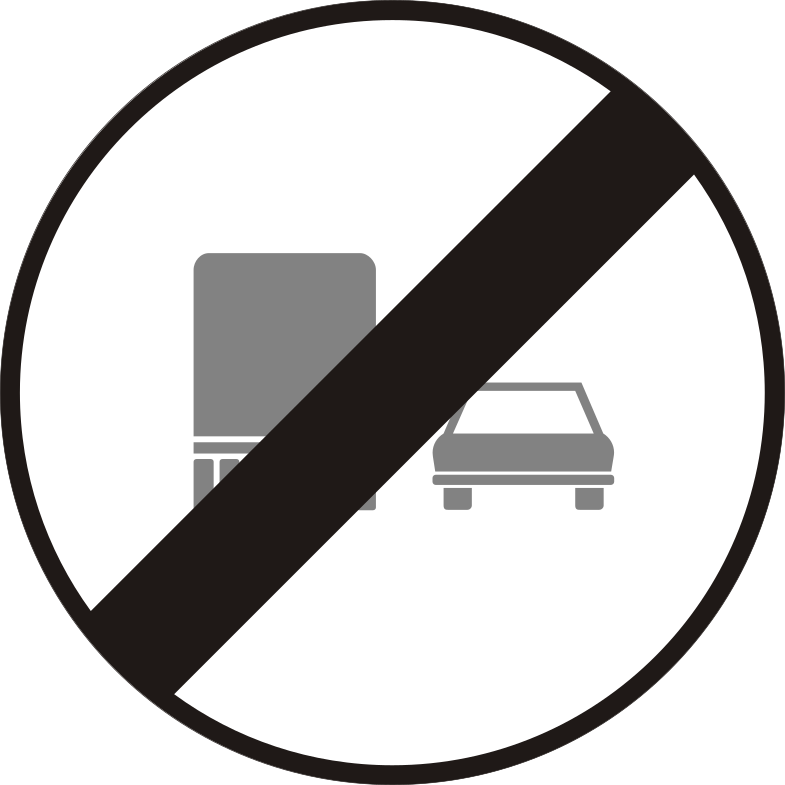
English • Traffic sign figure 58 • End of the overtaking prohibition for lorries. The sign cancels the effect of the No overtaking by lorries sign.
Magyar • 58. ábra • Tehergépkocsira vonatkozó előzési tilalom vége. A tábla a „Tehergépkocsival előzni tilos” jelzőtábla hatályát feloldja.
Fuentes
🔗 Commons.wikimedia.org
🔗 Njt.jog.gov.hu • 1/1975. (II. 5.) KPM–BM együttes rendelet (KRESZ) • 14(7) • 58. ábra
Image via Commons.wikimedia.org
Gigillo83 • Public domain • Source revision 2014-03-18. Wikimedia original unmodified.
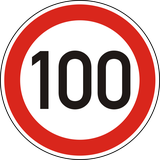
74. Inicio de límite de velocidad
Esta señal indica el inicio de un límite de velocidad. El valor mostrado es la velocidad máxima permitida desde este punto. El límite sigue vigente hasta que termine o sea sustituido conforme a las señales y normas locales aplicables.

English • Traffic sign figure 30 • Speed limit. Travelling faster than the speed shown is prohibited. A supplementary plate indicating snowfall (figure 97/a) or rain (figure 97/b) means that the limit applies only in the indicated weather conditions or when the road surface is wet. A supplementary plate may indicate that the limit applies during a specified period or to particular vehicle categories.
Magyar • 30. ábra • Sebességkorlátozás. Az úton a táblán megjelöltnél nagyobb sebességgel haladni tilos. A tábla alatt elhelyezett hóesésre (97/a. ábra) vagy esőzésre (97/b. ábra) utaló kiegészítő jelzőtábla azt jelzi, hogy a sebességkorlátozás csak a megjelölt időjárási körülmények vagy nedves útburkolat esetében érvényes. Kiegészítő tábla jelezheti, hogy a sebességkorlátozás meghatározott időszakra vagy bizonyos járműkategóriákra vonatkozik.
Fuentes
🔗 Commons.wikimedia.org
🔗 Njt.jog.gov.hu • 1/1975. (II. 5.) KPM–BM együttes rendelet (KRESZ) • 14(1)d • 30. ábra
Image via Commons.wikimedia.org
Rl91 • Public domain • Source revision 2011-07-21. Wikimedia original unmodified.
75. Fin del límite de velocidad
Esta señal indica el fin del límite de velocidad indicado anteriormente. Desde este punto, siga cualquier nuevo límite señalizado o las normas generales de velocidad aplicables a la vía y categoría del vehículo.
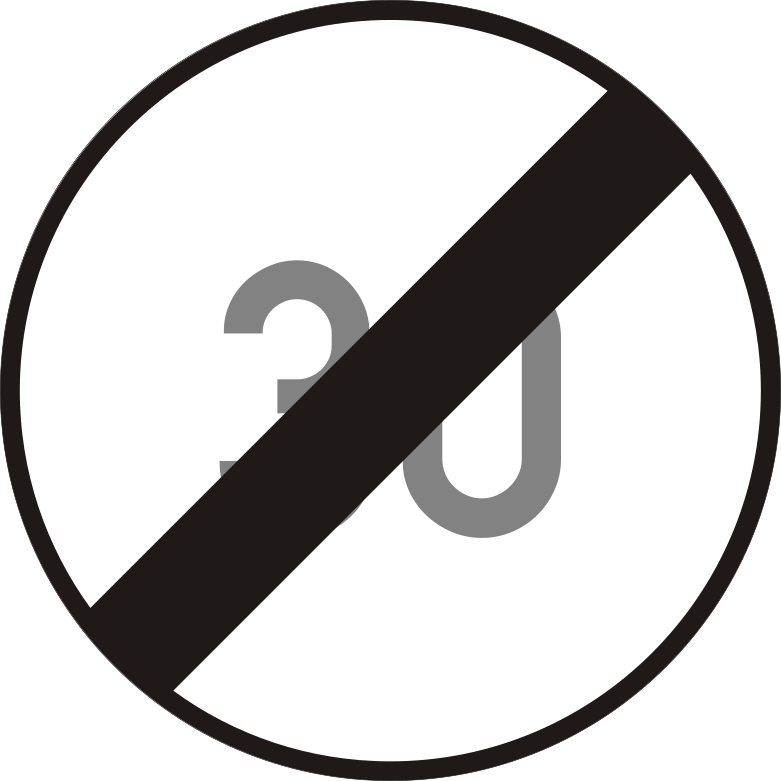
English • Traffic sign figure 56 • End of the speed limit. The sign cancels the effect of the Speed limit sign.
Magyar • 56. ábra • Sebességkorlátozás vége. A tábla a „Sebességkorlátozás” jelzőtábla hatályát feloldja.
Fuentes
🔗 Commons.wikimedia.org
🔗 Njt.jog.gov.hu • 1/1975. (II. 5.) KPM–BM együttes rendelet (KRESZ) • 14(7) • 56. ábra
Image via Commons.wikimedia.org
Gigillo83 • Public domain • Source revision 2014-03-18. Wikimedia original unmodified.
76. Inicio de zona con límite de velocidad
Esta señal indica el inicio de una zona con límite de velocidad. El límite mostrado se aplica en toda la zona según las normas zonales aplicables, hasta que la zona termine o otra regla lo sustituya.
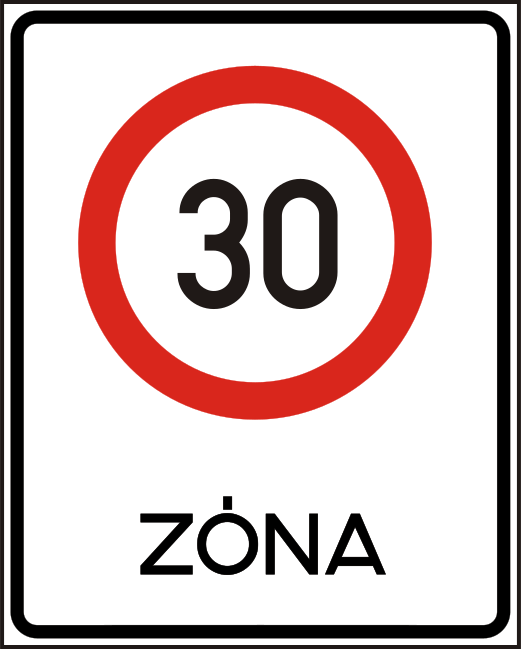
English • Traffic sign figure 53/a • Speed-limit zone. Travelling faster than the speed shown is prohibited until the End of the speed-limit zone sign (figure 53/b).
Magyar • 53/a. ábra • Korlátozott sebességű övezet. A ,,Korlátozott sebességű övezet vége'' (53/b. ábra) jelzőtábláig az úton a táblán megjelöltnél nagyobb sebességgel haladni tilos.
Fuentes
🔗 Commons.wikimedia.org
🔗 Njt.jog.gov.hu • 1/1975. (II. 5.) KPM–BM együttes rendelet (KRESZ) • 14(1)z/1 • 53/a. ábra
Image via Commons.wikimedia.org
Gigillo83 • Public domain • Source revision 2014-03-22. Wikimedia original unmodified.
77. Fin de zona con límite de velocidad
Esta señal indica el fin de la zona con límite de velocidad. El límite zonal termina en este punto. Siga cualquier nuevo límite señalizado o las normas generales de velocidad aplicables.
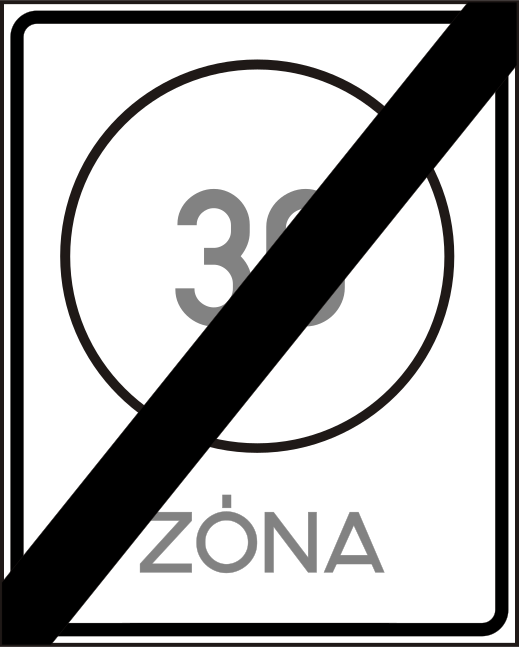
English • Traffic sign figure 53/b • End of the speed-limit zone. The end of the zone marked by a Speed-limit zone sign.
Magyar • 53/b. ábra • Korlátozott sebességű övezet vége. A „Korlátozott sebességű övezet” jelzőtáblával jelzett övezet vége.
Fuentes
🔗 Commons.wikimedia.org
🔗 Njt.jog.gov.hu • 1/1975. (II. 5.) KPM–BM együttes rendelet (KRESZ) • 14(1)z/1 • 53/b. ábra
Image via Commons.wikimedia.org
Gigillo83 • Public domain • Source revision 2014-03-22. Wikimedia original unmodified.
78. Entrada prohibida (puesto de control)
Esta señal indica un puesto de control con entrada restringida. Los usuarios no pueden continuar más allá salvo que estén autorizados o tengan permiso para hacerlo conforme a las normas e instrucciones aplicables.
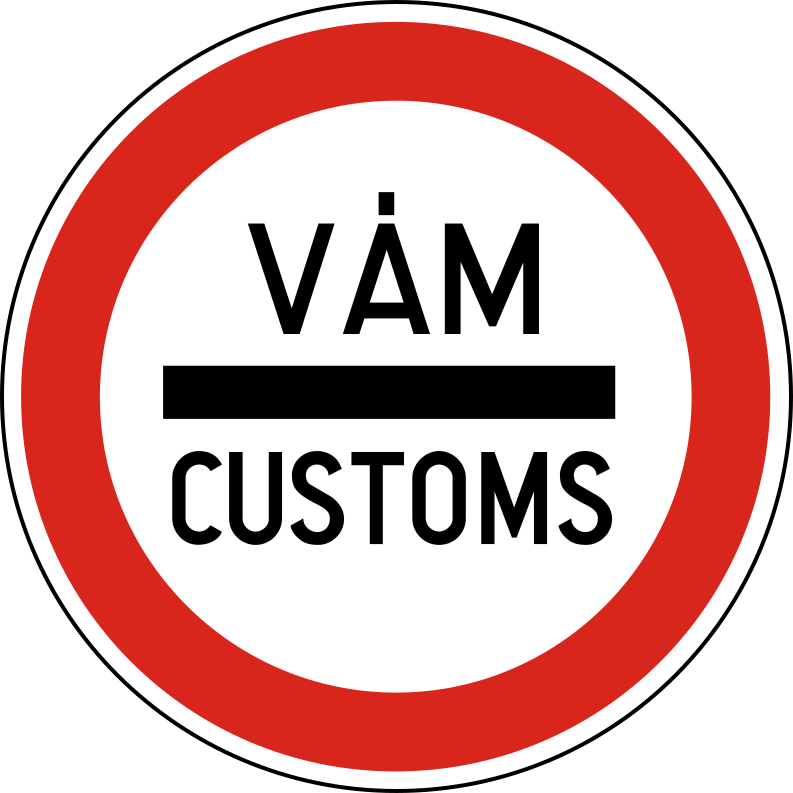
English • Traffic sign figure 34 • Compulsory stop. Passing the marked location without stopping is prohibited. The wording on the sign states the reason for the stop requirement.
Magyar • 34. ábra • Kötelező megállás. A táblával megjelölt helyen megállás nélkül továbbhaladni tilos; a táblán levő felirat a megállási kötelezettség indokát tünteti fel.
Fuentes
🔗 Commons.wikimedia.org
🔗 Njt.jog.gov.hu • 1/1975. (II. 5.) KPM–BM együttes rendelet (KRESZ) • 14(1)h • 34. ábra
Image via Commons.wikimedia.org
Gigillo83 • Public domain • Source revision 2014-03-18. Wikimedia original unmodified.
79. Estacionamiento prohibido
Esta señal indica que está prohibido estacionar. Los vehículos no pueden estacionarse en la zona a la que se aplica la señal salvo que se aplique una excepción. Una parada breve para recoger o dejar pasajeros o cargar o descargar mercancías puede seguir estando permitida donde las normas locales lo permitan.
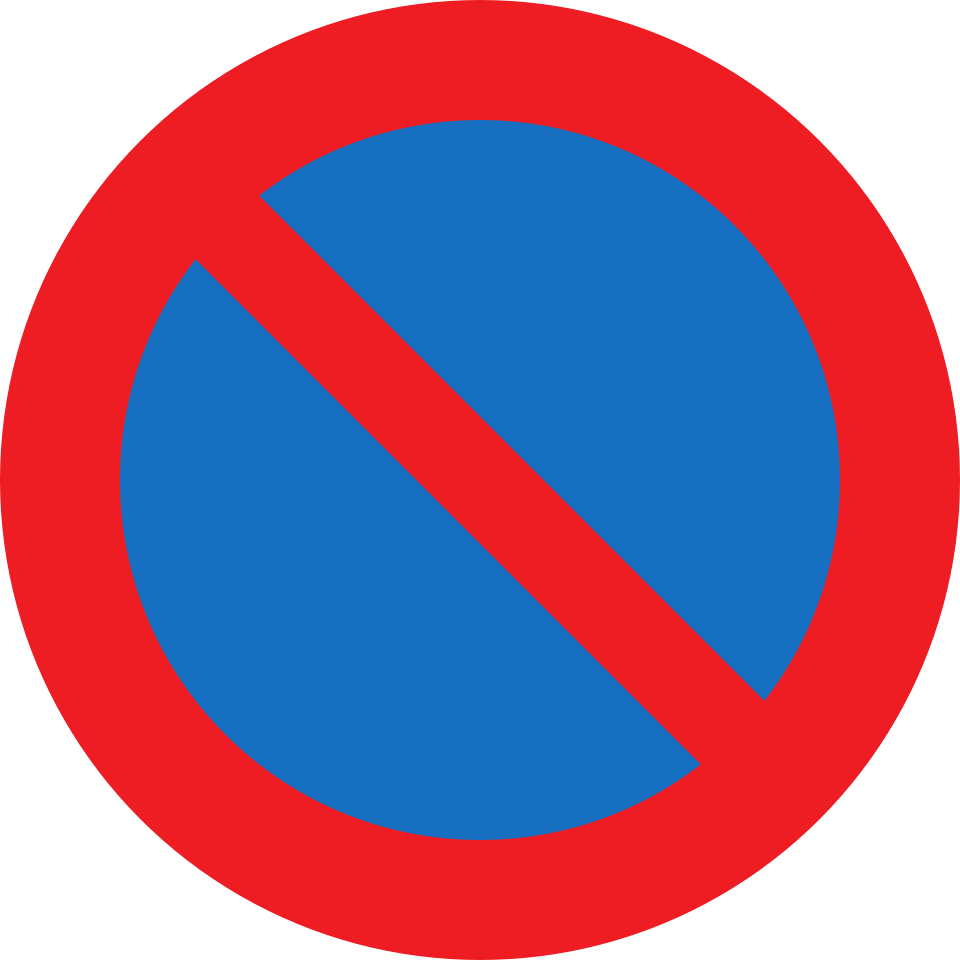
English • Traffic sign figure 61 • No parking. Parking is prohibited. Wording on a supplementary plate may indicate that specified vehicle categories are exempt.
Magyar • 61. ábra • Várakozni tilos. Várakozni tilos, a jelzőtábla alatt elhelyezett kiegészítő táblán levő felirat jelezheti, hogy a várakozási tilalom a járművek meghatározott körére nem terjed ki.
Fuentes
🔗 Commons.wikimedia.org
🔗 Njt.jog.gov.hu • 1/1975. (II. 5.) KPM–BM együttes rendelet (KRESZ) • 15(1)b • 61. ábra
Replacement SVG: Commons.wikimedia.org • Wikimedia Commons original • 3247 • Public domain • Original revision 2012-09-12. Wikimedia original unmodified.
Image via Commons.wikimedia.org
3247 • Public domain • Source revision 2012-09-12. Wikimedia original unmodified.
80. Prohibido parar y estacionar
Esta señal indica que está prohibido parar y estacionar. Los vehículos no pueden detenerse ni estacionarse voluntariamente donde se aplique la restricción, salvo que una norma aplicable establezca una excepción o la parada sea exigida por las condiciones del tráfico.

English • Traffic sign figure 60 • No stopping. Stopping and parking are prohibited except where stopping is necessary for traffic or technical reasons.
Magyar • 60. ábra • Megállni tilos. – a forgalmi vagy műszaki okból szükséges megállást kivéve – megállni, valamint várakozni tilos.
Fuentes
🔗 Commons.wikimedia.org
🔗 Njt.jog.gov.hu • 1/1975. (II. 5.) KPM–BM együttes rendelet (KRESZ) • 15(1)a • 60. ábra
SVG source: Gigillo83 • Public domain • Original revision 2018-02-18. Wikimedia original unmodified.
81. Inicio de zona de estacionamiento prohibido
Esta señal indica el inicio de una zona de estacionamiento prohibido. La prohibición se aplica en toda la zona según las normas zonales aplicables hasta que la zona termine o otra regla la sustituya.
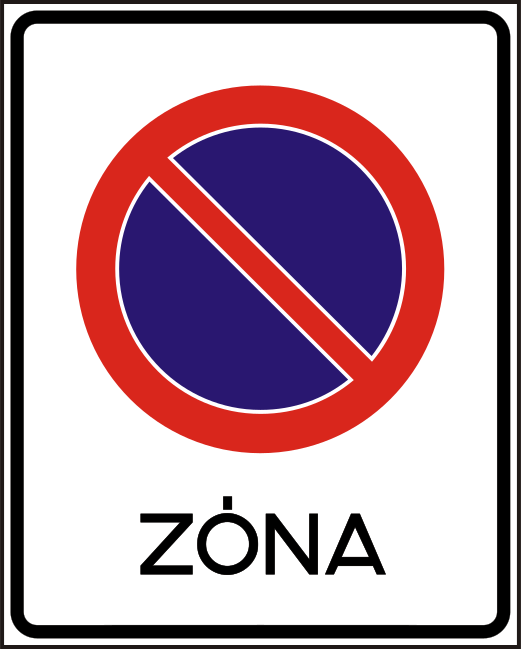
English • Traffic sign figure 61/a • Restricted-parking zone. Until the End of the restricted-parking zone sign (figure 61/b), parking is permitted only for the duration or under the conditions shown on supplementary plates corresponding to figures 113 and 114.
Magyar • 61/a. ábra • Korlátozott várakozási övezet. Az úton "Korlátozott várakozási övezet vége" (61/b) ábra) tábláig a várakozás a 113. és 114. ábra szerinti kiegészítő táblán feltüntetett időtartamig, illetőleg feltételekkel engedélyezett.
Fuentes
🔗 Commons.wikimedia.org
🔗 Njt.jog.gov.hu • 1/1975. (II. 5.) KPM–BM együttes rendelet (KRESZ) • 15(1)c • 61/a. ábra
Image via Commons.wikimedia.org
Gigillo83 • Public domain • Source revision 2014-03-22. Wikimedia original unmodified.
82. Fin de zona de estacionamiento prohibido
Esta señal indica el fin de la zona de estacionamiento prohibido. La prohibición zonal termina en este punto. Pueden seguir aplicándose otras restricciones o condiciones de estacionamiento.
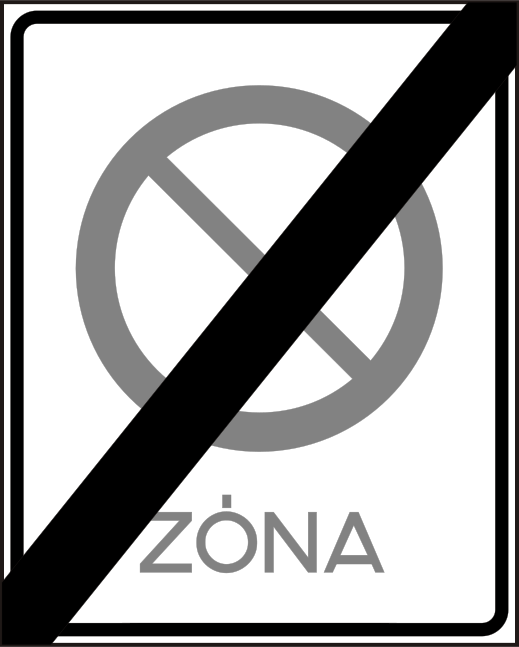
English • Traffic sign figure 61/b • End of the restricted-parking zone. The end of the zone marked by a Restricted-parking zone sign.
Magyar • 61/b. ábra • Korlátozott várakozási övezet vége. A „Korlátozott várakozási övezet” jelzőtáblával jelzett övezet vége.
Fuentes
🔗 Commons.wikimedia.org
🔗 Njt.jog.gov.hu • 1/1975. (II. 5.) KPM–BM együttes rendelet (KRESZ) • 15(1)c • 61/b. ábra
Image via Commons.wikimedia.org
Gigillo83 • Public domain • Source revision 2014-03-22. Wikimedia original unmodified.
83. Sentido obligatorio de la glorieta
Esta señal indica el sentido obligatorio alrededor de una glorieta. El tráfico debe circular en la dirección mostrada por las flechas. La señal no determina por sí sola la prioridad; siga las señales de prioridad, semáforos y normas locales aplicables.

English • Traffic sign figure 23 • Roundabout. The sign identifies a road on which drivers must travel with the enclosed central area on their left.
Magyar • 23. ábra • Körforgalom. A tábla olyan utat jelez, amelyen úgy kell haladni, hogy az út által körbezárt terület a vezetőtől balra essék.
Fuentes
🔗 Commons.wikimedia.org
🔗 Njt.jog.gov.hu • 1/1975. (II. 5.) KPM–BM együttes rendelet (KRESZ) • 13(1)c • 23. ábra
Replacement SVG: Commons.wikimedia.org • Wikimedia Commons original • Kys5g • CC BY 4.0 • Original revision 2023-12-07. Wikimedia original unmodified.
Image via Commons.wikimedia.org
Kys5g • CC BY 4.0 • Source revision 2023-12-07. Wikimedia original unmodified.
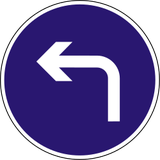
84. Giro obligatorio a la izquierda
Esta señal indica que es obligatorio girar a la izquierda en la próxima intersección. El tráfico debe girar a la izquierda y no puede seguir de frente ni girar a la derecha.
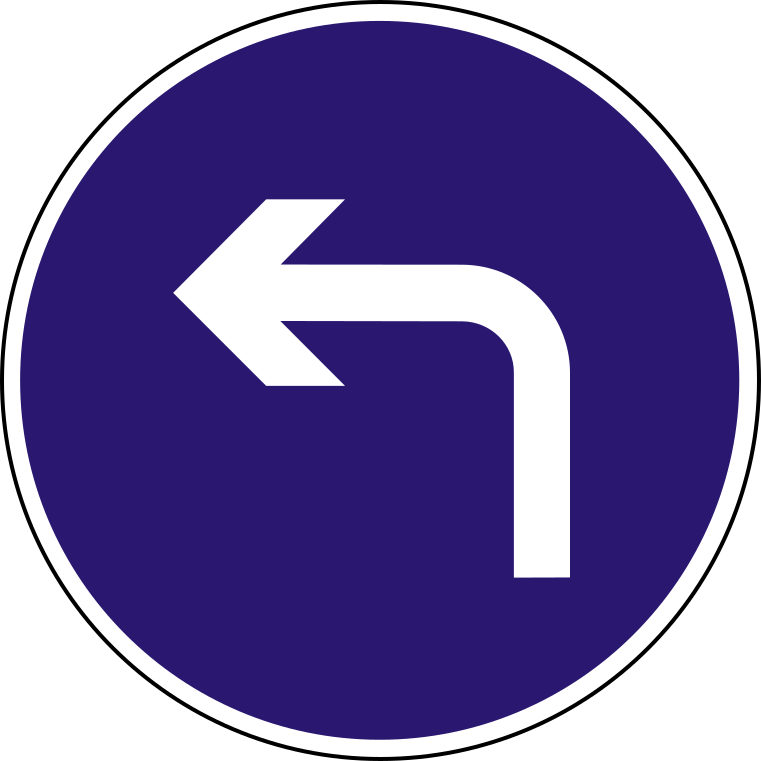
English • Traffic sign figure 17–19 • Mandatory direction. At the junction, drivers must continue in one of the directions shown by the arrows. A supplementary plate showing a bus or bicycle and arrows (figure 18/d) means that a scheduled-service bus or cyclist may continue in the directions shown on that vehicle's supplementary plate. Direction arrows and layout diagrams are illustrative; the sign always depicts the actual situation.
Magyar • 17–19. ábra • Kötelező haladási irány. Az útkereszteződésben a táblán lévő nyíl (nyilak) által jelzett irányban (irányok valamelyikében) kell továbbhaladni. A tábla alatt elhelyezett autóbuszt vagy kerékpárt és nyilat (nyilakat) mutató kiegészítő tábla (18/d. ábra) azt jelzi, hogy az menetrend szerint közlekedő autóbusz vagy a kerékpáros a jármű jelképét feltüntető kiegészítő táblán lévő nyíl (nyilak) által jelzett irányban haladhat tovább. Az irányt jelző nyilak és az alaprajzi vázlatok példálózó jellegűek; a jelzés mindig a tényleges helyzetet tünteti fel.
Fuentes
🔗 Commons.wikimedia.org
🔗 Njt.jog.gov.hu • 1/1975. (II. 5.) KPM–BM együttes rendelet (KRESZ) • 13(1)a • 17–19. ábra
🔗 Njt.jog.gov.hu • KRESZ • 20/A. §
Image via Commons.wikimedia.org
Gigillo83 • Public domain • Source revision 2014-03-19. Wikimedia original unmodified.
85. Giro obligatorio a izquierda o derecha
Esta señal indica que es obligatorio girar a la izquierda o a la derecha en la próxima intersección. El tráfico puede girar a cualquiera de los dos lados, pero no seguir de frente.

English • Traffic sign figure 17–19 • Mandatory direction. At the junction, drivers must continue in one of the directions shown by the arrows. A supplementary plate showing a bus or bicycle and arrows (figure 18/d) means that a scheduled-service bus or cyclist may continue in the directions shown on that vehicle's supplementary plate. Direction arrows and layout diagrams are illustrative; the sign always depicts the actual situation.
Magyar • 17–19. ábra • Kötelező haladási irány. Az útkereszteződésben a táblán lévő nyíl (nyilak) által jelzett irányban (irányok valamelyikében) kell továbbhaladni. A tábla alatt elhelyezett autóbuszt vagy kerékpárt és nyilat (nyilakat) mutató kiegészítő tábla (18/d. ábra) azt jelzi, hogy az menetrend szerint közlekedő autóbusz vagy a kerékpáros a jármű jelképét feltüntető kiegészítő táblán lévő nyíl (nyilak) által jelzett irányban haladhat tovább. Az irányt jelző nyilak és az alaprajzi vázlatok példálózó jellegűek; a jelzés mindig a tényleges helyzetet tünteti fel.
Fuentes
🔗 Commons.wikimedia.org
🔗 Njt.jog.gov.hu • 1/1975. (II. 5.) KPM–BM együttes rendelet (KRESZ) • 13(1)a • 17–19. ábra
🔗 Njt.jog.gov.hu • KRESZ • 20/A. §
Image via Commons.wikimedia.org
Gigillo83 • Public domain • Source revision 2014-03-19. Wikimedia original unmodified.
86. Giro obligatorio a la derecha
Esta señal indica que es obligatorio girar a la derecha en la próxima intersección. El tráfico debe girar a la derecha y no puede seguir de frente ni girar a la izquierda.

English • Traffic sign figure 17–19 • Mandatory direction. At the junction, drivers must continue in one of the directions shown by the arrows. A supplementary plate showing a bus or bicycle and arrows (figure 18/d) means that a scheduled-service bus or cyclist may continue in the directions shown on that vehicle's supplementary plate. Direction arrows and layout diagrams are illustrative; the sign always depicts the actual situation.
Magyar • 17–19. ábra • Kötelező haladási irány. Az útkereszteződésben a táblán lévő nyíl (nyilak) által jelzett irányban (irányok valamelyikében) kell továbbhaladni. A tábla alatt elhelyezett autóbuszt vagy kerékpárt és nyilat (nyilakat) mutató kiegészítő tábla (18/d. ábra) azt jelzi, hogy az menetrend szerint közlekedő autóbusz vagy a kerékpáros a jármű jelképét feltüntető kiegészítő táblán lévő nyíl (nyilak) által jelzett irányban haladhat tovább. Az irányt jelző nyilak és az alaprajzi vázlatok példálózó jellegűek; a jelzés mindig a tényleges helyzetet tünteti fel.
Fuentes
🔗 Commons.wikimedia.org
🔗 Njt.jog.gov.hu • 1/1975. (II. 5.) KPM–BM együttes rendelet (KRESZ) • 13(1)a • 17–19. ábra
🔗 Njt.jog.gov.hu • KRESZ • 20/A. §
Image via Commons.wikimedia.org
Gigillo83 • Public domain • Source revision 2014-03-19. Wikimedia original unmodified.
87. Pasar el obstáculo por la izquierda
Esta señal indica que el tráfico debe rebasar un obstáculo por la izquierda. Manténgase a la izquierda del obstáculo y siga las señales o marcas viales que lo acompañen.

English • Traffic sign figure 21 • Passing direction. The sign, or the obstruction or other object on which it is installed, must be passed in the direction shown by the arrow.
Magyar • 21. ábra • Kikerülési irány. A táblát – illetőleg azt az akadályt vagy egyéb tárgyat, amelyen a táblát elhelyezték – a táblán levő nyíl által jelzett irányban kell kikerülni.
Fuentes
🔗 Commons.wikimedia.org
🔗 Njt.jog.gov.hu • 1/1975. (II. 5.) KPM–BM együttes rendelet (KRESZ) • 13(1)b • 21. ábra
Replacement SVG: Commons.wikimedia.org • Wikimedia Commons original • 3247 • Public domain • Original revision 2023-05-28. Wikimedia original unmodified.
Image via Commons.wikimedia.org
3247 • Public domain • Source revision 2023-05-28. Wikimedia original unmodified.
88. Pasar el obstáculo por cualquiera de los lados
Esta señal indica que el tráfico debe rebasar un obstáculo por la izquierda o la derecha. Utilice cualquiera de los lados permitidos siguiendo el trazado de la vía y las señales o marcas que lo acompañen.

English • Traffic sign figure 22 • Passing direction. The sign, or the obstruction or other object on which it is installed, must be passed in the direction shown by the arrow.
Magyar • 22. ábra • Kikerülési irány. A táblát – illetőleg azt az akadályt vagy egyéb tárgyat, amelyen a táblát elhelyezték – a táblán levő nyíl által jelzett irányban kell kikerülni.
Fuentes
🔗 Commons.wikimedia.org
🔗 Njt.jog.gov.hu • 1/1975. (II. 5.) KPM–BM együttes rendelet (KRESZ) • 13(1)b • 22. ábra
Replacement SVG: Commons.wikimedia.org • Wikimedia Commons original • Kys5g • CC BY 4.0 • Original revision 2026-05-27. Wikimedia original unmodified.
Image via Commons.wikimedia.org
Kys5g • CC BY 4.0 • Source revision 2026-05-27. Wikimedia original unmodified.
89. Pasar el obstáculo por la derecha
Esta señal indica que el tráfico debe rebasar un obstáculo por la derecha. Manténgase a la derecha del obstáculo y siga las señales o marcas viales que lo acompañen.

English • Traffic sign figure 20 • Passing direction. The sign, or the obstruction or other object on which it is installed, must be passed in the direction shown by the arrow.
Magyar • 20. ábra • Kikerülési irány. A táblát – illetőleg azt az akadályt vagy egyéb tárgyat, amelyen a táblát elhelyezték – a táblán levő nyíl által jelzett irányban kell kikerülni.
Fuentes
🔗 Commons.wikimedia.org
🔗 Njt.jog.gov.hu • 1/1975. (II. 5.) KPM–BM együttes rendelet (KRESZ) • 13(1)b • 20. ábra
Replacement SVG: Commons.wikimedia.org • Wikimedia Commons original • 3247 • Public domain • Original revision 2023-05-28. Wikimedia original unmodified.
Image via Commons.wikimedia.org
3247 • Public domain • Source revision 2023-05-28. Wikimedia original unmodified.
90. Obligatorio seguir de frente o girar a la izquierda
Esta señal indica que el tráfico debe seguir de frente o girar a la izquierda. Debe seguirse una de las direcciones indicadas; girar a la derecha está prohibido.
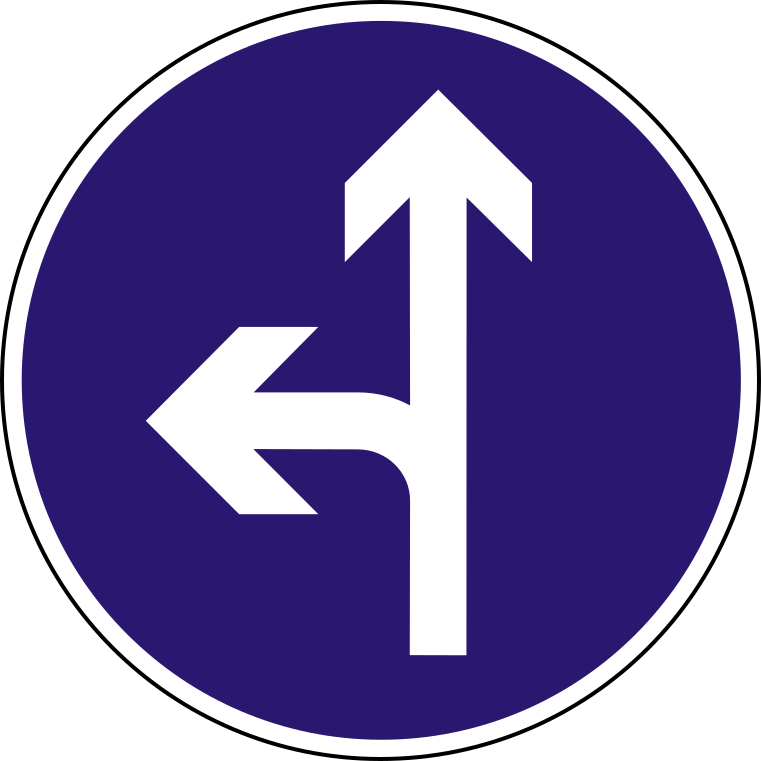
English • Traffic sign figure 17–19 • Mandatory direction. At the junction, drivers must continue in one of the directions shown by the arrows. A supplementary plate showing a bus or bicycle and arrows (figure 18/d) means that a scheduled-service bus or cyclist may continue in the directions shown on that vehicle's supplementary plate. Direction arrows and layout diagrams are illustrative; the sign always depicts the actual situation.
Magyar • 17–19. ábra • Kötelező haladási irány. Az útkereszteződésben a táblán lévő nyíl (nyilak) által jelzett irányban (irányok valamelyikében) kell továbbhaladni. A tábla alatt elhelyezett autóbuszt vagy kerékpárt és nyilat (nyilakat) mutató kiegészítő tábla (18/d. ábra) azt jelzi, hogy az menetrend szerint közlekedő autóbusz vagy a kerékpáros a jármű jelképét feltüntető kiegészítő táblán lévő nyíl (nyilak) által jelzett irányban haladhat tovább. Az irányt jelző nyilak és az alaprajzi vázlatok példálózó jellegűek; a jelzés mindig a tényleges helyzetet tünteti fel.
Fuentes
🔗 Commons.wikimedia.org
🔗 Njt.jog.gov.hu • 1/1975. (II. 5.) KPM–BM együttes rendelet (KRESZ) • 13(1)a • 17–19. ábra
🔗 Njt.jog.gov.hu • KRESZ • 20/A. §
Image via Commons.wikimedia.org
Gigillo83 • Public domain • Source revision 2014-03-19. Wikimedia original unmodified.
91. Obligatorio seguir de frente o girar a la derecha
Esta señal indica que el tráfico debe seguir de frente o girar a la derecha. Debe seguirse una de las direcciones indicadas; girar a la izquierda está prohibido.

English • Traffic sign figure 19 • Mandatory direction. At the junction, drivers must continue in one of the directions shown by the arrows. A supplementary plate showing a bus or bicycle and arrows (figure 18/d) means that a scheduled-service bus or cyclist may continue in the directions shown on that vehicle's supplementary plate.
Magyar • 19. ábra • Kötelező haladási irány. Az útkereszteződésben a táblán lévő nyíl (nyilak) által jelzett irányban (irányok valamelyikében) kell továbbhaladni. A tábla alatt elhelyezett autóbuszt vagy kerékpárt és nyilat (nyilakat) mutató kiegészítő tábla (18/d. ábra) azt jelzi, hogy az menetrend szerint közlekedő autóbusz vagy a kerékpáros a jármű jelképét feltüntető kiegészítő táblán lévő nyíl (nyilak) által jelzett irányban haladhat tovább.
Fuentes
🔗 Commons.wikimedia.org
🔗 Njt.jog.gov.hu • 1/1975. (II. 5.) KPM–BM együttes rendelet (KRESZ) • 13(1)a • 19. ábra
Replacement SVG: Commons.wikimedia.org • Wikimedia Commons original • 3247 • Public domain • Original revision 2006-08-27. Wikimedia original unmodified.
Image via Commons.wikimedia.org
3247 • Public domain • Source revision 2006-08-27. Wikimedia original unmodified.
92. Dirección obligatoria a la izquierda
Esta señal indica una dirección obligatoria hacia la izquierda. El tráfico debe continuar hacia la izquierda en el lugar indicado por la señal y no puede seguir de frente ni hacia la derecha.
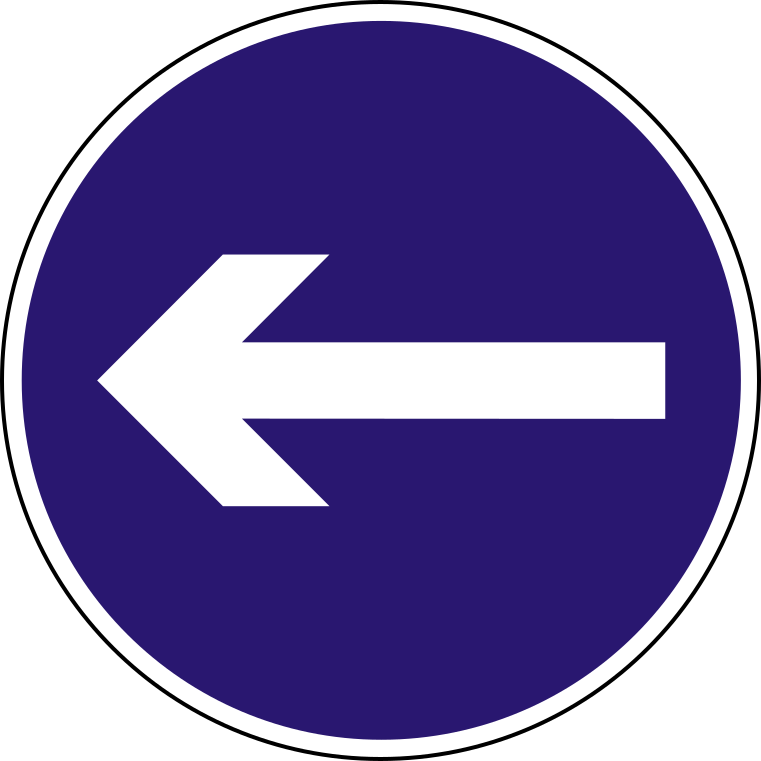
English • Traffic sign figure 17–19 • Mandatory direction. At the junction, drivers must continue in one of the directions shown by the arrows. A supplementary plate showing a bus or bicycle and arrows (figure 18/d) means that a scheduled-service bus or cyclist may continue in the directions shown on that vehicle's supplementary plate. Direction arrows and layout diagrams are illustrative; the sign always depicts the actual situation.
Magyar • 17–19. ábra • Kötelező haladási irány. Az útkereszteződésben a táblán lévő nyíl (nyilak) által jelzett irányban (irányok valamelyikében) kell továbbhaladni. A tábla alatt elhelyezett autóbuszt vagy kerékpárt és nyilat (nyilakat) mutató kiegészítő tábla (18/d. ábra) azt jelzi, hogy az menetrend szerint közlekedő autóbusz vagy a kerékpáros a jármű jelképét feltüntető kiegészítő táblán lévő nyíl (nyilak) által jelzett irányban haladhat tovább. Az irányt jelző nyilak és az alaprajzi vázlatok példálózó jellegűek; a jelzés mindig a tényleges helyzetet tünteti fel.
Fuentes
🔗 Commons.wikimedia.org
🔗 Njt.jog.gov.hu • 1/1975. (II. 5.) KPM–BM együttes rendelet (KRESZ) • 13(1)a • 17–19. ábra
🔗 Njt.jog.gov.hu • KRESZ • 20/A. §
Image via Commons.wikimedia.org
Gigillo83 • Public domain • Source revision 2014-03-19. Wikimedia original unmodified.
93. Dirección obligatoria a la derecha
Esta señal indica una dirección obligatoria hacia la derecha. El tráfico debe continuar hacia la derecha en el lugar indicado por la señal y no puede seguir de frente ni hacia la izquierda.
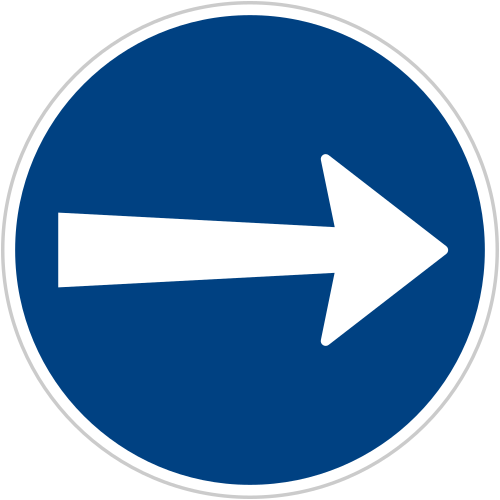
English • Traffic sign figure 18 • Mandatory direction. At the junction, drivers must continue in one of the directions shown by the arrows. A supplementary plate showing a bus or bicycle and arrows (figure 18/d) means that a scheduled-service bus or cyclist may continue in the directions shown on that vehicle's supplementary plate.
Magyar • 18. ábra • Kötelező haladási irány. Az útkereszteződésben a táblán lévő nyíl (nyilak) által jelzett irányban (irányok valamelyikében) kell továbbhaladni. A tábla alatt elhelyezett autóbuszt vagy kerékpárt és nyilat (nyilakat) mutató kiegészítő tábla (18/d. ábra) azt jelzi, hogy az menetrend szerint közlekedő autóbusz vagy a kerékpáros a jármű jelképét feltüntető kiegészítő táblán lévő nyíl (nyilak) által jelzett irányban haladhat tovább.
Fuentes
🔗 Commons.wikimedia.org
🔗 Njt.jog.gov.hu • 1/1975. (II. 5.) KPM–BM együttes rendelet (KRESZ) • 13(1)a • 18. ábra
Replacement SVG: Commons.wikimedia.org • Wikimedia Commons original • Kys5g • CC BY 4.0 • Original revision 2026-05-27. Wikimedia original unmodified.
Image via Commons.wikimedia.org
Kys5g • CC BY 4.0 • Source revision 2026-05-27. Wikimedia original unmodified.
94. Obligatorio seguir de frente
Esta señal indica que es obligatorio seguir de frente. El tráfico debe continuar de frente y no puede girar a la izquierda ni a la derecha en el lugar al que se aplica la señal.
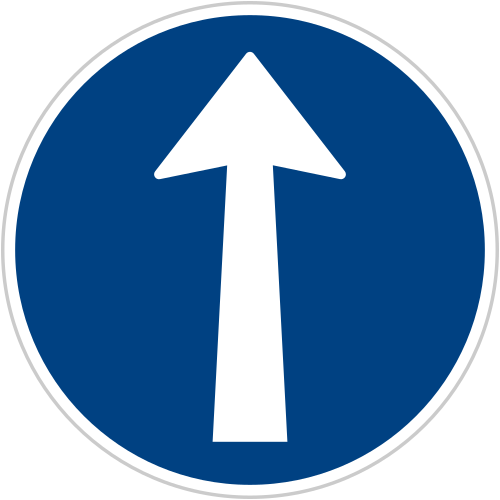
English • Traffic sign figure 17 • Mandatory direction. At the junction, drivers must continue in one of the directions shown by the arrows. A supplementary plate showing a bus or bicycle and arrows (figure 18/d) means that a scheduled-service bus or cyclist may continue in the directions shown on that vehicle's supplementary plate.
Magyar • 17. ábra • Kötelező haladási irány. Az útkereszteződésben a táblán lévő nyíl (nyilak) által jelzett irányban (irányok valamelyikében) kell továbbhaladni. A tábla alatt elhelyezett autóbuszt vagy kerékpárt és nyilat (nyilakat) mutató kiegészítő tábla (18/d. ábra) azt jelzi, hogy az menetrend szerint közlekedő autóbusz vagy a kerékpáros a jármű jelképét feltüntető kiegészítő táblán lévő nyíl (nyilak) által jelzett irányban haladhat tovább.
Fuentes
🔗 Commons.wikimedia.org
🔗 Njt.jog.gov.hu • 1/1975. (II. 5.) KPM–BM együttes rendelet (KRESZ) • 13(1)a • 17. ábra
Replacement SVG: Commons.wikimedia.org • Wikimedia Commons original • Kys5g • CC BY 4.0 • Original revision 2026-05-27. Wikimedia original unmodified.
Image via Commons.wikimedia.org
Kys5g • CC BY 4.0 • Source revision 2026-05-27. Wikimedia original unmodified.
95. Cambio de sentido obligatorio
Esta señal indica que es obligatorio cambiar de sentido. El tráfico debe realizar el cambio de sentido en la dirección indicada en el lugar al que se aplica la señal.
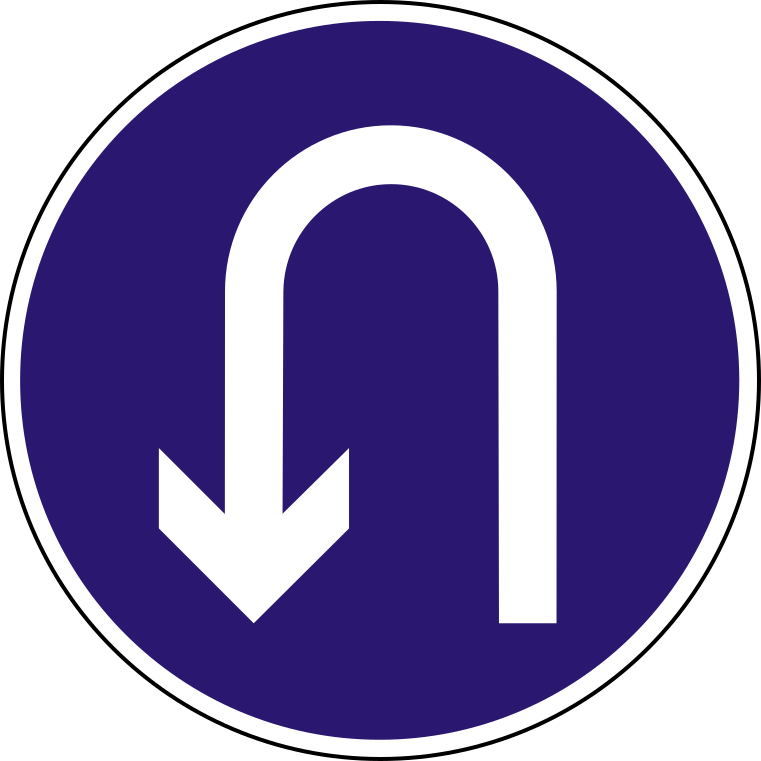
English • Traffic sign figure 17–19 • Mandatory direction. At the junction, drivers must continue in one of the directions shown by the arrows. A supplementary plate showing a bus or bicycle and arrows (figure 18/d) means that a scheduled-service bus or cyclist may continue in the directions shown on that vehicle's supplementary plate. Direction arrows and layout diagrams are illustrative; the sign always depicts the actual situation.
Magyar • 17–19. ábra • Kötelező haladási irány. Az útkereszteződésben a táblán lévő nyíl (nyilak) által jelzett irányban (irányok valamelyikében) kell továbbhaladni. A tábla alatt elhelyezett autóbuszt vagy kerékpárt és nyilat (nyilakat) mutató kiegészítő tábla (18/d. ábra) azt jelzi, hogy az menetrend szerint közlekedő autóbusz vagy a kerékpáros a jármű jelképét feltüntető kiegészítő táblán lévő nyíl (nyilak) által jelzett irányban haladhat tovább. Az irányt jelző nyilak és az alaprajzi vázlatok példálózó jellegűek; a jelzés mindig a tényleges helyzetet tünteti fel.
Fuentes
🔗 Commons.wikimedia.org
🔗 Njt.jog.gov.hu • 1/1975. (II. 5.) KPM–BM együttes rendelet (KRESZ) • 13(1)a • 17–19. ábra
🔗 Njt.jog.gov.hu • KRESZ • 20/A. §
Image via Commons.wikimedia.org
Gigillo83 • Public domain • Source revision 2014-03-19. Wikimedia original unmodified.
96. Vía obligatoria para peatones
Esta señal indica el inicio de una vía obligatoria para peatones. Los peatones deben utilizar la vía designada, mientras que otros usuarios solo pueden usarla donde las señales o normas locales aplicables lo permitan.
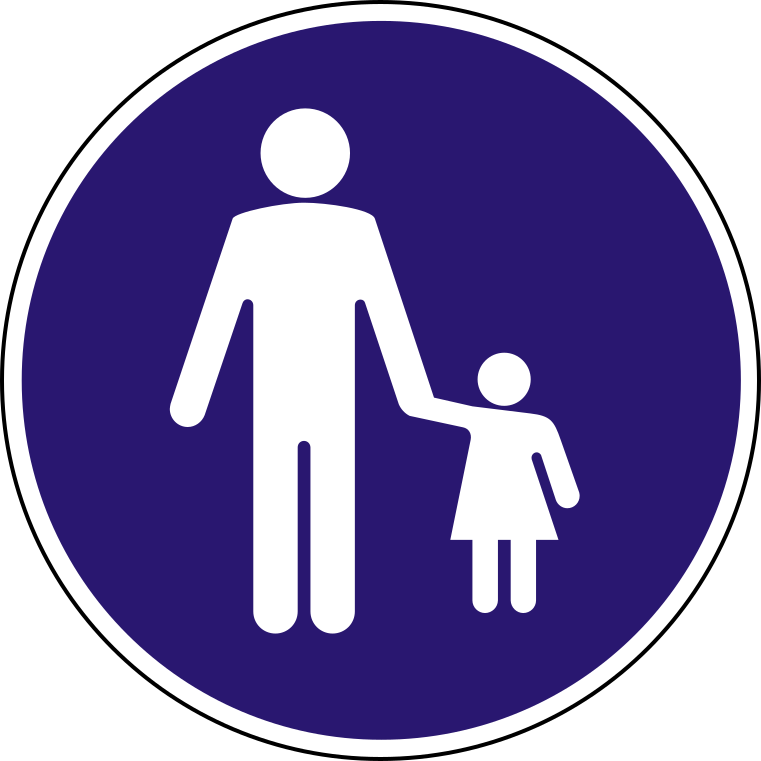
English • Traffic sign figure 26/b • Pedestrian path. The sign identifies a separate route for pedestrians. Vehicles are prohibited on the path.
Magyar • 26/b. ábra • Gyalogút. A tábla olyan önálló utat jelez, amely a gyalogosok közlekedésére szolgál; jármű közlekedése a gyalogúton tilos.
Fuentes
🔗 Commons.wikimedia.org
🔗 Njt.jog.gov.hu • 1/1975. (II. 5.) KPM–BM együttes rendelet (KRESZ) • 13(1)g • 26/b. ábra
Image via Commons.wikimedia.org
Gigillo83 • Public domain • Source revision 2014-03-19. Wikimedia original unmodified.
97. Fin de vía obligatoria para peatones
Esta señal indica el fin de la vía obligatoria para peatones. La obligación asociada termina en este punto. Los peatones deben continuar según el trazado posterior y las normas locales aplicables.
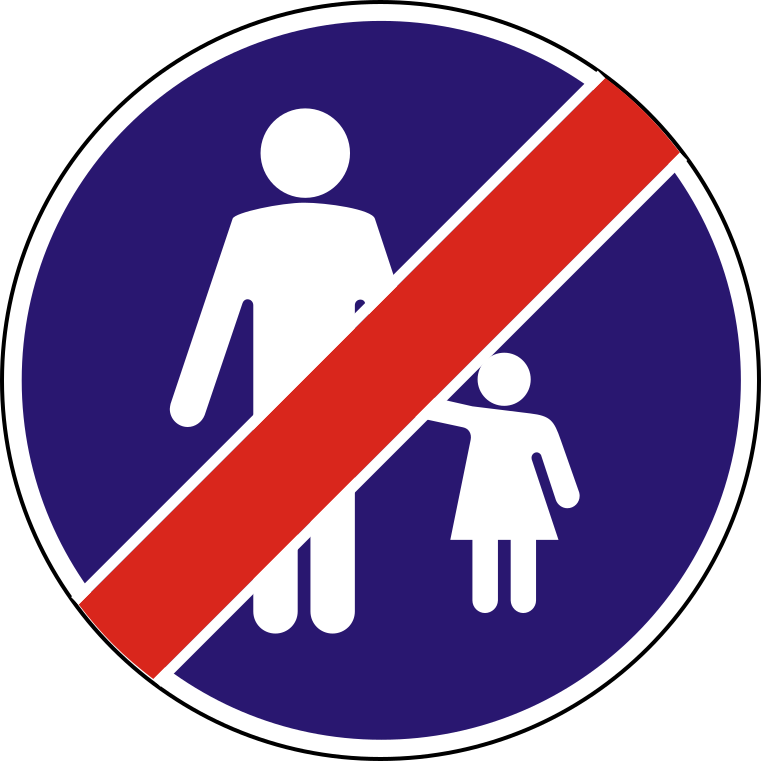
English • Traffic sign figure 26/c • End of the pedestrian path. The pedestrian path ends.
Magyar • 26/c. ábra • Gyalogút vége. A gyalogút vége.
Fuentes
🔗 Commons.wikimedia.org
🔗 Njt.jog.gov.hu • 1/1975. (II. 5.) KPM–BM együttes rendelet (KRESZ) • 13(1)h • 26/c. ábra
Image via Commons.wikimedia.org
Gigillo83 • Public domain • Source revision 2014-03-19. Wikimedia original unmodified.
98. Vía obligatoria para ciclistas
Esta señal indica una vía obligatoria para ciclistas. Los ciclistas deben utilizar la vía designada donde se aplique la señal. Otros usuarios solo pueden usarla donde las señales o normas locales aplicables lo permitan.
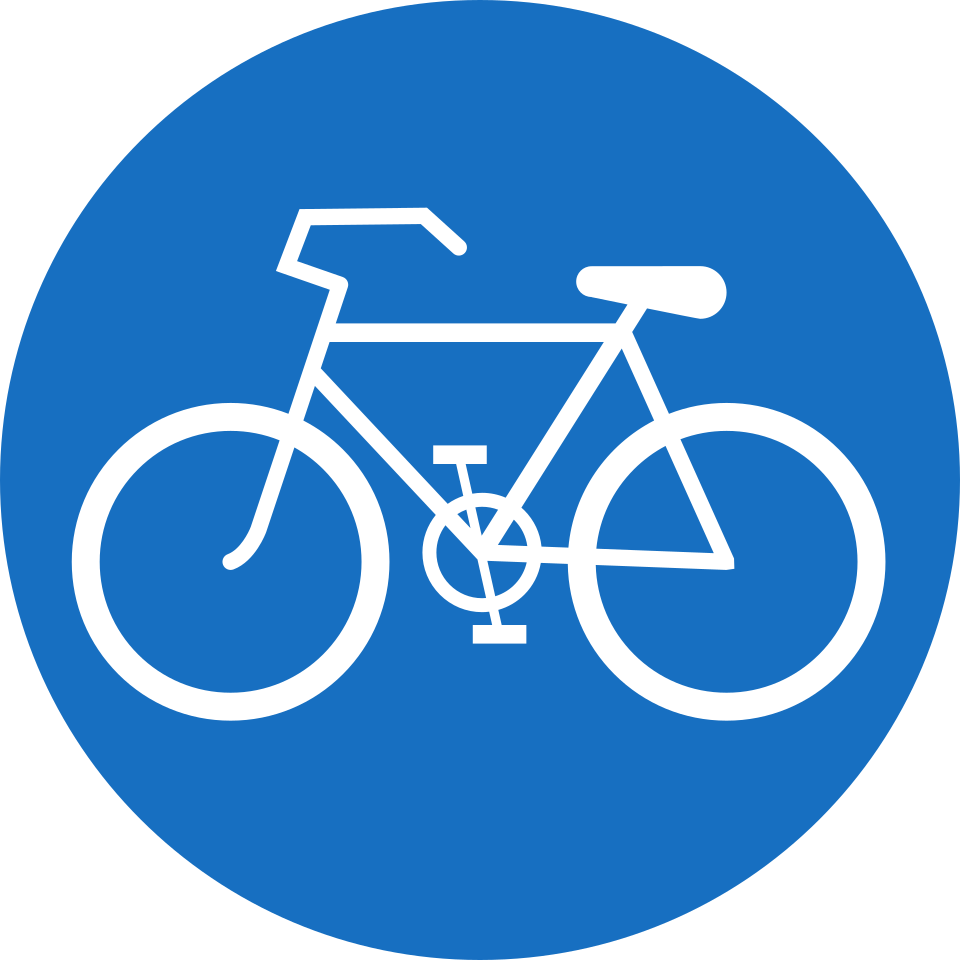
English • Traffic sign figure 26 • Cycle path. The sign identifies a route designated for two-wheeled bicycles. Outside built-up areas, motorised invalid carriages, powered wheelchairs and two-wheeled mopeds may use it unless signs prohibit this. Other vehicles are prohibited.
Magyar • 26. ábra • Kerékpárút. A tábla a kétkerekű kerékpárok közlekedésére kijelölt utat jelez; a segédmotoros rokkantkocsi, a gépi meghajtású kerekes szék és a kétkerekű segédmotoros kerékpár lakott területen kívül a kerékpárutat igénybe veheti, ha ezt jelzőtábla nem tiltja. A kerékpárúton más jármű közlekedése tilos.
Fuentes
🔗 Commons.wikimedia.org
🔗 Njt.jog.gov.hu • 1/1975. (II. 5.) KPM–BM együttes rendelet (KRESZ) • 13(1)e • 26. ábra
Replacement SVG: Commons.wikimedia.org • Wikimedia Commons original • 3247 • Public domain • Original revision 2006-08-27. Wikimedia original unmodified.
Image via Commons.wikimedia.org
3247 • Public domain • Source revision 2006-08-27. Wikimedia original unmodified.
99. Fin de vía obligatoria para ciclistas
Esta señal indica el fin de la vía obligatoria para ciclistas. La obligación asociada termina en este punto. Los ciclistas deben continuar según el trazado de la vía, las demás señales y las normas locales aplicables.
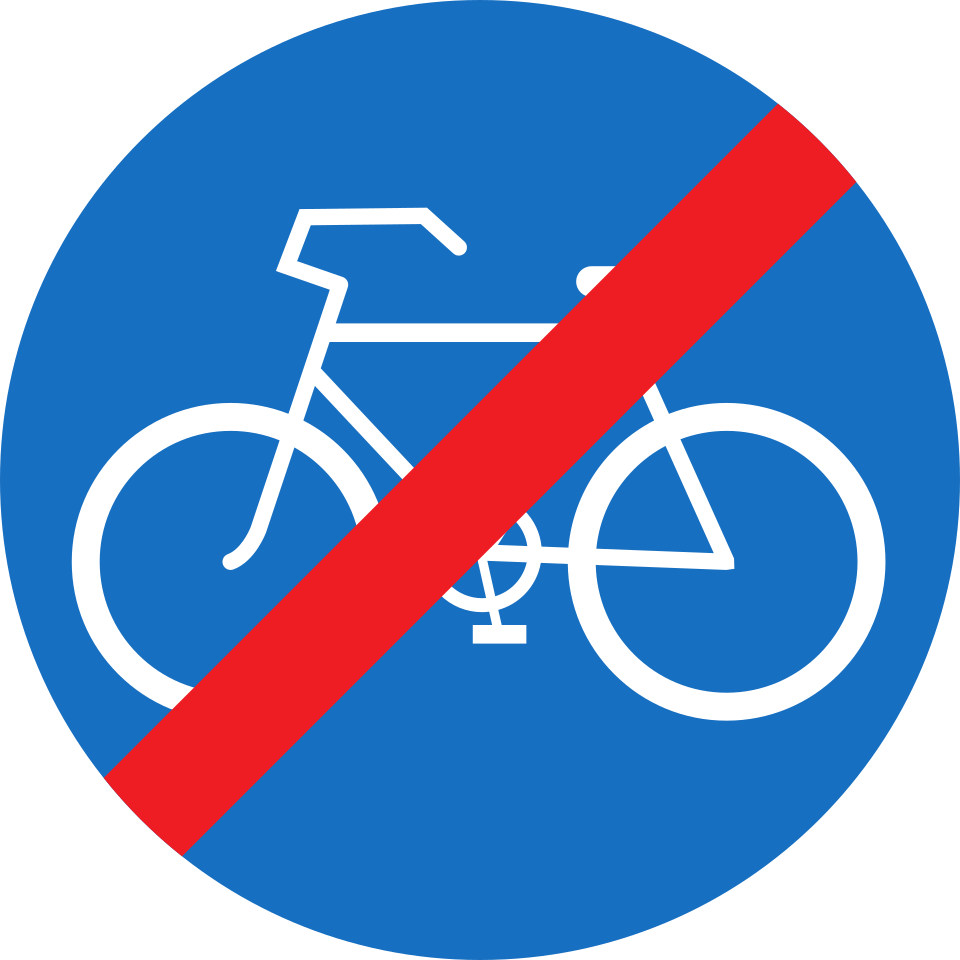
English • Traffic sign figure 26/a • End of the cycle path. The cycle path ends.
Magyar • 26/a. ábra • Kerékpárút vége. A kerékpárút vége.
Fuentes
🔗 Commons.wikimedia.org
🔗 Njt.jog.gov.hu • 1/1975. (II. 5.) KPM–BM együttes rendelet (KRESZ) • 13(1)f • 26/a. ábra
Replacement SVG: Commons.wikimedia.org • Wikimedia Commons original • 3247 • Public domain • Original revision 2006-08-27. Wikimedia original unmodified.
Image via Commons.wikimedia.org
3247 • Public domain • Source revision 2006-08-27. Wikimedia original unmodified.
100. Vía compartida obligatoria para peatones y ciclistas
Esta señal indica una vía compartida obligatoria para peatones y ciclistas. Ambos deben utilizar la misma vía designada en lugar de secciones separadas. Deben compartir el espacio de forma segura y seguir las normas locales aplicables.
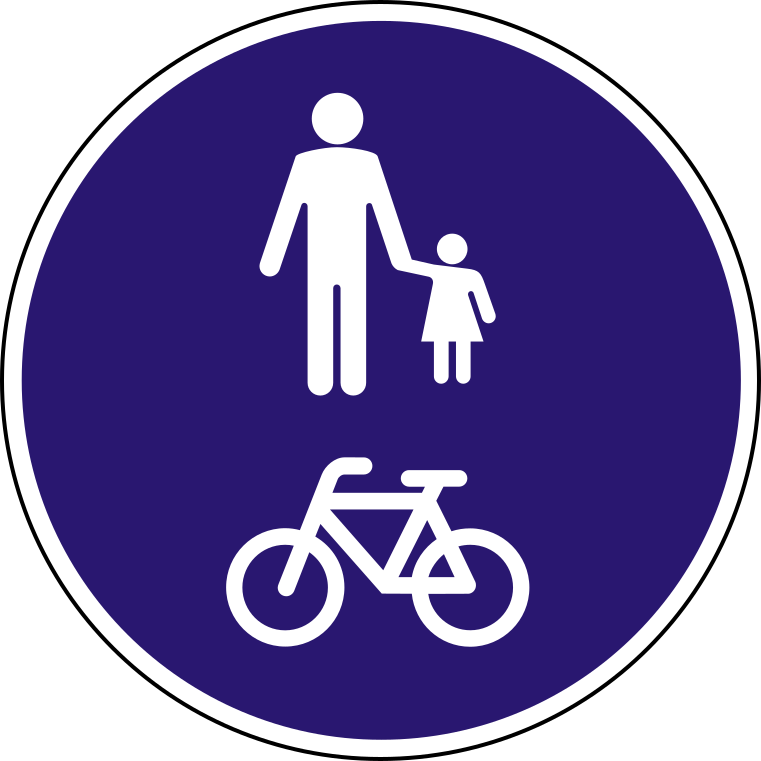
English • Traffic sign figure 26/d • Pedestrian and cycle path. A route designated for pedestrians, wheelchairs and two-wheeled bicycles. If pedestrian and cycle traffic are separated by road markings (figure 26/e), pedestrians and cyclists may use only the part designated for them.
Magyar • 26/d. ábra • Gyalog- és kerékpárút. A gyalogos, a kerekes szék és a kétkerekű kerékpár közlekedésére kijelölt út. Ha a gyalogos és a kerékpáros forgalmat burkolati jel választja el (26/e. ábra), a gyalogos és a kerékpáros csak az útnak a részére kijelölt részén közlekedhet.
Fuentes
🔗 Commons.wikimedia.org
🔗 Njt.jog.gov.hu • 1/1975. (II. 5.) KPM–BM együttes rendelet (KRESZ) • 13(1)i • 26/d. ábra
Image via Commons.wikimedia.org
Gigillo83 • Public domain • Source revision 2014-03-19. Wikimedia original unmodified.