

Señales de tráficoPanamá
 Normas de tráfico
 Panamá
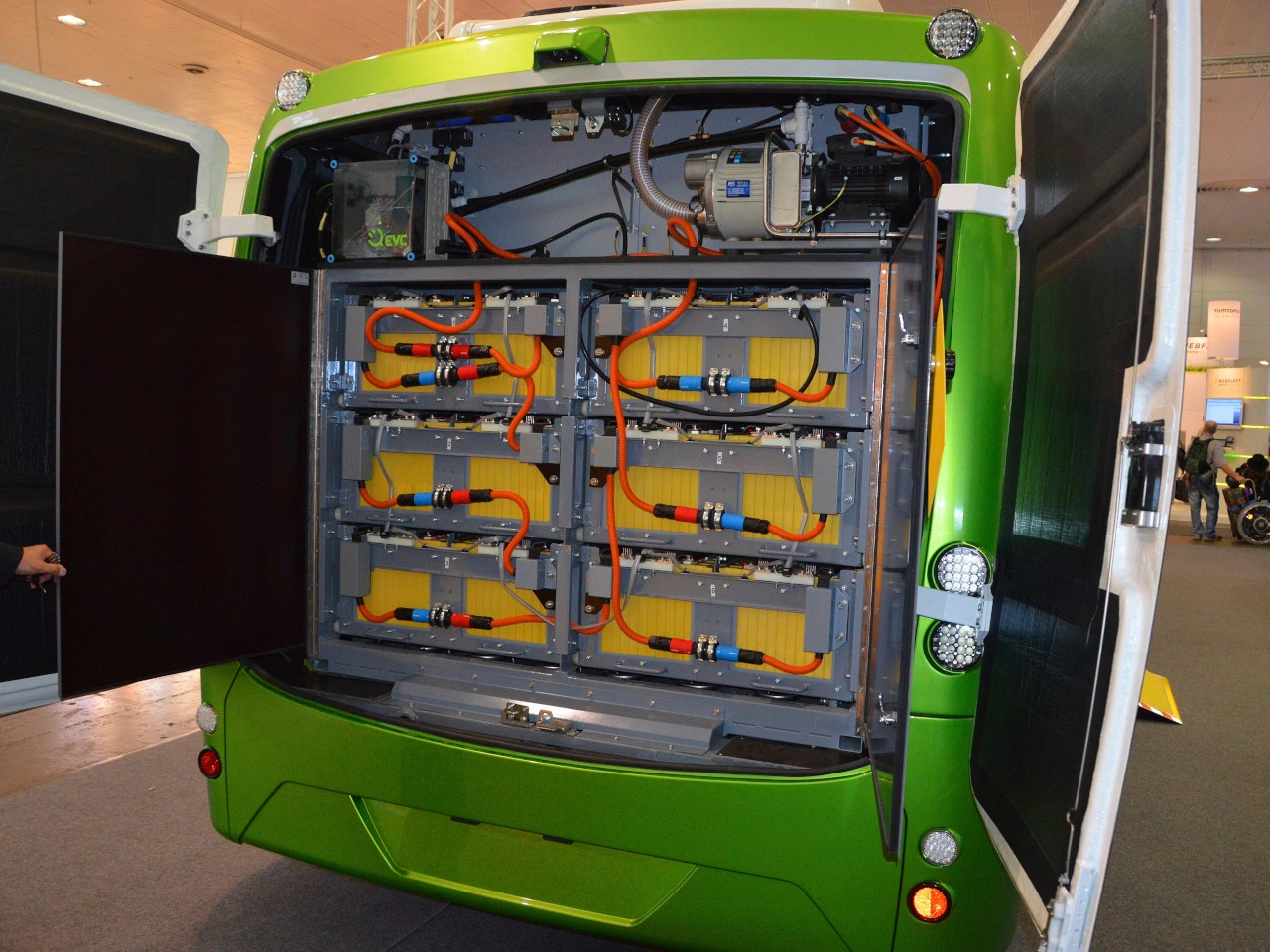
126. Batería de tracción
Una batería de tracción es una batería recargable que almacena energía eléctrica utilizada para propulsar un vehículo eléctrico o híbrido. Alimenta uno o varios motores eléctricos de tracción y normalmente es mucho más grande y potente que la batería de arranque convencional de 12 voltios.
Su capacidad suele expresarse en kilovatios hora (kWh) e influye considerablemente en la autonomía de un vehículo eléctrico. El rendimiento y la capacidad utilizable pueden disminuir gradualmente con la edad, los ciclos de carga, la temperatura y el uso.
What does a traction battery do?
A traction battery stores electrical energy and supplies it to the electric motor or motors that propel the vehicle. In hybrid vehicles it works together with another power source, while in battery-electric vehicles it provides the main source of propulsion energy.
What is the difference between a traction battery and a 12-volt car battery?
The traction battery provides the large amount of electrical energy needed to propel the vehicle. The conventional 12-volt battery mainly supplies low-voltage systems and supports functions such as vehicle electronics, control systems and starting procedures.
What does traction-battery capacity mean?
Battery capacity indicates how much electrical energy the battery can store and is commonly expressed in kilowatt-hours (kWh). A larger usable capacity generally allows more electrical energy to be available for driving.

127. Suspensión
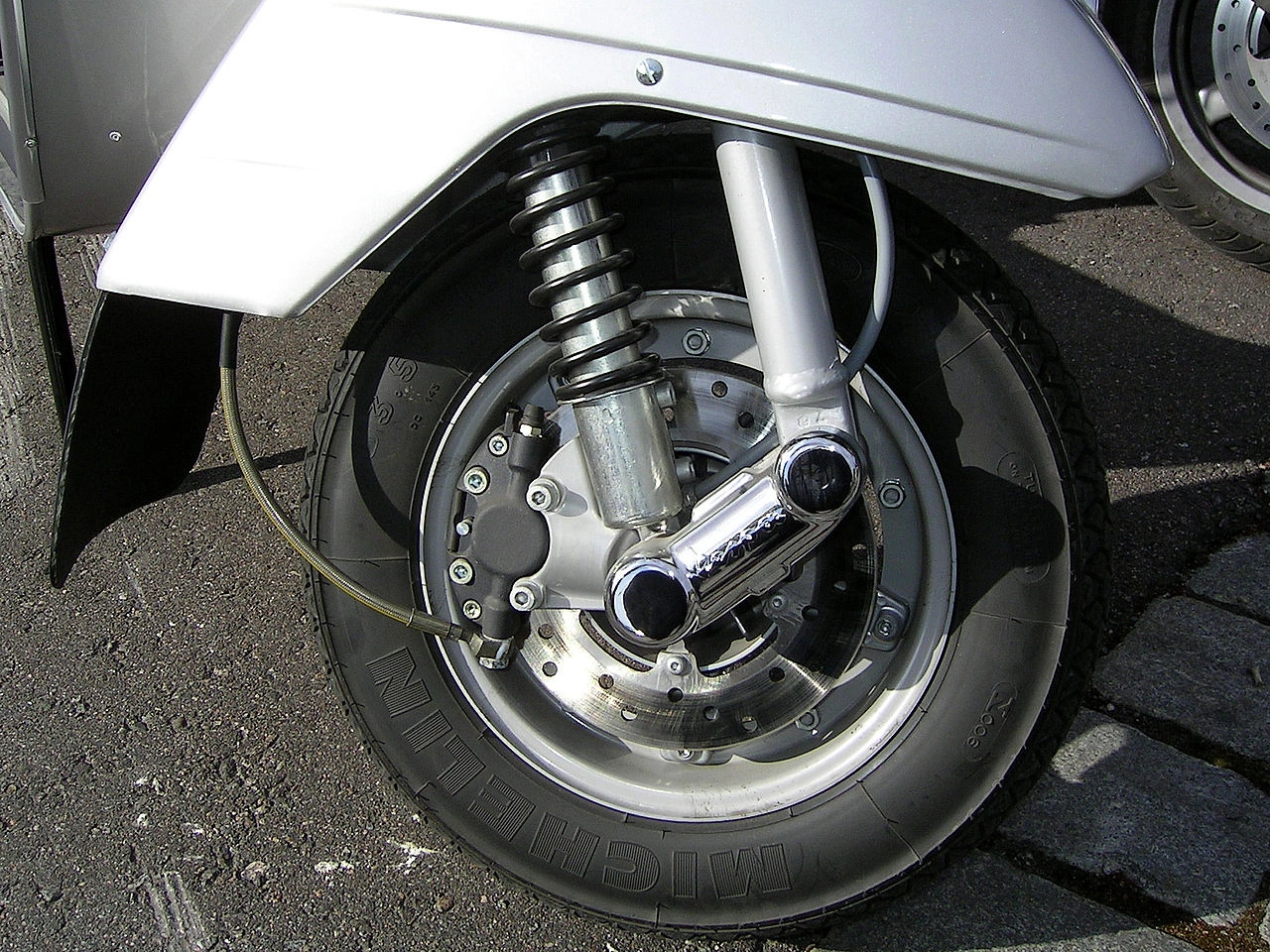
La suspensión es el sistema que conecta las ruedas y ejes de un vehículo con su carrocería o chasis. Incluye componentes como muelles, amortiguadores, brazos de control, articulaciones y bieletas que permiten el movimiento de las ruedas mientras ayudan a mantener la estabilidad y comodidad del vehículo.
Ayuda a mantener el contacto de los neumáticos con la carretera, absorbe irregularidades y contribuye a la dirección, frenado y estabilidad. Los componentes desgastados o dañados pueden reducir el control del vehículo y provocar desgaste irregular de los neumáticos.
What does a vehicle suspension system do?
The suspension supports the vehicle, allows the wheels to move over uneven surfaces and helps keep the tyres in contact with the road while controlling body movement.
What components are part of the suspension?
Common suspension components include springs, shock absorbers or dampers, control arms, bushings, ball joints and other links connecting the wheels to the vehicle structure.
What are signs of worn suspension?
Possible signs include excessive bouncing, unusual noises, poor stability, uneven tyre wear, excessive body movement in bends or a vehicle that sits unevenly. These symptoms should be inspected because they can also have other causes.
128. Amortiguador
Un amortiguador es un componente de la suspensión que controla el movimiento de los muelles y las ruedas del vehículo. Reduce los rebotes excesivos después de pasar sobre irregularidades y ayuda a mantener un contacto constante de los neumáticos con la carretera.
Los amortiguadores desgastados o dañados pueden reducir la estabilidad, aumentar los movimientos de la carrocería y afectar negativamente a la dirección y al frenado. Deben revisarse si el vehículo rebota en exceso, se comporta mal o presenta fugas de líquido.

What does a shock absorber do?
A shock absorber controls suspension movement by damping the repeated movement of the springs. This helps stabilise the vehicle and maintain tyre contact with the road.
What are signs of worn shock absorbers?
Possible signs include excessive bouncing, increased body movement, poor stability, unusual suspension noises, uneven tyre wear or visible fluid leakage from the shock absorber.
Are shock absorbers the same as springs?
No. Springs support the vehicle and allow the suspension to move over bumps, while shock absorbers control and damp that movement. The two components work together as part of the suspension system.
129. Muelle
Un muelle es un componente de la suspensión que soporta el peso del vehículo y permite que las ruedas se desplacen verticalmente sobre baches y superficies irregulares. Entre los tipos habituales se encuentran los muelles helicoidales, ballestas, barras de torsión y muelles neumáticos.
Los muelles absorben y almacenan energía a medida que se mueve la suspensión, mientras que los amortiguadores controlan ese movimiento. Un muelle dañado o roto puede alterar la altura, comportamiento y estabilidad del vehículo y debe repararse rápidamente.

What does a suspension spring do?
A suspension spring supports the vehicle and allows the wheels to move over uneven surfaces while helping maintain the vehicle's normal ride height.
What types of suspension springs are used in vehicles?
Common designs include coil springs, leaf springs, torsion bars and air springs. The type used depends on the vehicle and suspension design.
What are signs of a damaged suspension spring?
Possible signs include an uneven ride height, unusual suspension noises, poor handling or a visibly cracked or broken spring. A suspected spring defect should be inspected promptly.
130. Sistema de escape
El sistema de escape conduce los gases de combustión lejos del motor y los libera de forma segura por detrás o debajo del vehículo. Puede incluir tubos, silenciadores, catalizadores, filtros de partículas y otros componentes de control de emisiones.
Un escape dañado o con fugas puede aumentar el ruido, permitir que gases nocivos salgan por lugares no previstos e interferir con el sistema de control de emisiones. Por ello, sus componentes deben permanecer firmemente sujetos y en buen estado.

What does a vehicle exhaust system do?
The exhaust system carries combustion gases away from the engine and directs them out of the vehicle. It can also reduce exhaust noise and use emissions-control equipment to reduce pollutants.
What are signs of an exhaust problem?
Possible signs include unusually loud exhaust noise, rattling, visible damage, unusual exhaust smells, warning lights or emissions problems. A suspected leak should be inspected promptly.
What is included in an exhaust system?
Depending on the vehicle, the system can include an exhaust manifold, pipes, silencers, catalytic converters, particulate filters, sensors and other emissions-control components.
131. Gases de escape
Los gases de escape son la mezcla de gases y partículas producida por un motor de combustión interna y expulsada a través del sistema de escape. Contienen productos de combustión como dióxido de carbono y vapor de agua y también pueden incluir contaminantes como monóxido de carbono, óxidos de nitrógeno, hidrocarburos y partículas.
Los vehículos modernos utilizan sistemas de control de emisiones, como catalizadores y filtros de partículas, para reducir las emisiones nocivas. La cantidad y composición dependen del combustible, diseño del motor, condiciones de funcionamiento y estado del sistema de control de emisiones.

What is contained in vehicle exhaust gas?
Exhaust gas contains products of fuel combustion and can include carbon dioxide, water vapour, carbon monoxide, nitrogen oxides, unburned hydrocarbons and particulate matter. The quantities depend on the engine, fuel and emissions-control system.
Why can exhaust gas be harmful?
Some exhaust components, including carbon monoxide, nitrogen oxides and fine particles, can harm human health or contribute to air pollution. Exhaust should therefore never be allowed to accumulate in an enclosed space.
How are harmful exhaust emissions reduced?
Vehicles can use technologies such as catalytic converters, particulate filters and electronic engine-management systems to reduce pollutants. Emission standards also limit the amount of certain pollutants that vehicles may produce.
132. Hollín
El hollín es una forma oscura de partículas ricas en carbono producida por una combustión incompleta. En los vehículos de carretera se asocia principalmente con los gases de escape de motores diésel y está compuesto por partículas muy pequeñas que pueden contribuir a la contaminación del aire.
Los vehículos diésel modernos utilizan filtros de partículas para retener gran parte de este material antes de que salga por el escape. Un exceso de hollín puede indicar problemas de combustión, del motor o del sistema de control de emisiones.

What causes soot in vehicle exhaust?
Soot is produced when fuel does not burn completely. Diesel engines can produce particularly significant amounts of particulate matter, especially when combustion or emissions-control systems are not functioning correctly.
What does a diesel particulate filter do with soot?
A diesel particulate filter traps a large proportion of the soot particles in the exhaust. The filter periodically removes accumulated material through a process known as regeneration.
Can excessive soot indicate a vehicle problem?
Yes. Unusually high soot emissions can result from engine faults, poor combustion, a defective particulate filter or other problems with the emissions-control system.
133. Catalizador
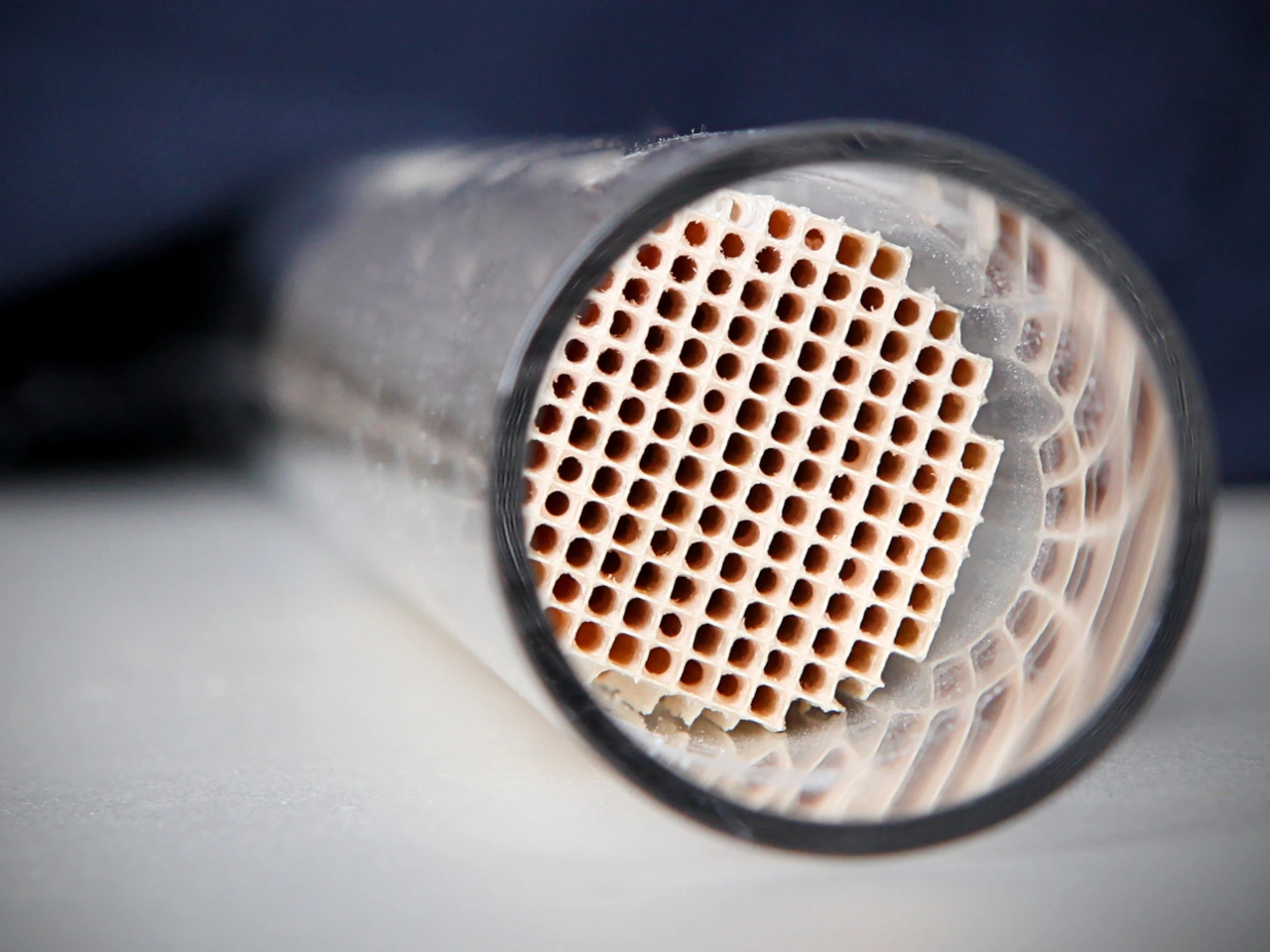
Un catalizador es un dispositivo de control de emisiones instalado en el sistema de escape. Utiliza reacciones químicas para convertir contaminantes nocivos de los gases de escape en sustancias menos perjudiciales antes de que sean liberados a la atmósfera.
Según el motor y el sistema, puede reducir contaminantes como monóxido de carbono, hidrocarburos sin quemar y óxidos de nitrógeno. Debe alcanzar una temperatura de funcionamiento adecuada para trabajar eficazmente y puede dañarse por contaminación, sobrecalentamiento o averías del motor.
What does a catalytic converter do?
A catalytic converter reduces harmful pollutants in engine exhaust by converting them through chemical reactions into less harmful substances before they leave the exhaust system.
Where is the catalytic converter located?
It is installed in the exhaust system between the engine and the exhaust outlet. Its exact position varies between vehicles and may be relatively close to the engine so that it reaches its operating temperature quickly.
What are signs of a faulty catalytic converter?
Possible signs include an emissions or engine warning light, excessive exhaust emissions, reduced engine performance, unusual exhaust smells or failure of an emissions test. These symptoms can also have other causes and should be diagnosed properly.
134. Motor
Un motor es la máquina que produce la potencia necesaria para propulsar un vehículo a motor. En los vehículos convencionales, un motor de combustión interna quema combustible como gasolina o diésel, mientras que los vehículos eléctricos utilizan uno o varios motores eléctricos en lugar de un motor de combustión.
Un motor contiene numerosos componentes que trabajan conjuntamente para convertir energía en potencia mecánica. Una lubricación, refrigeración, mantenimiento y control de emisiones adecuados son importantes para un funcionamiento fiable y para la seguridad del vehículo.
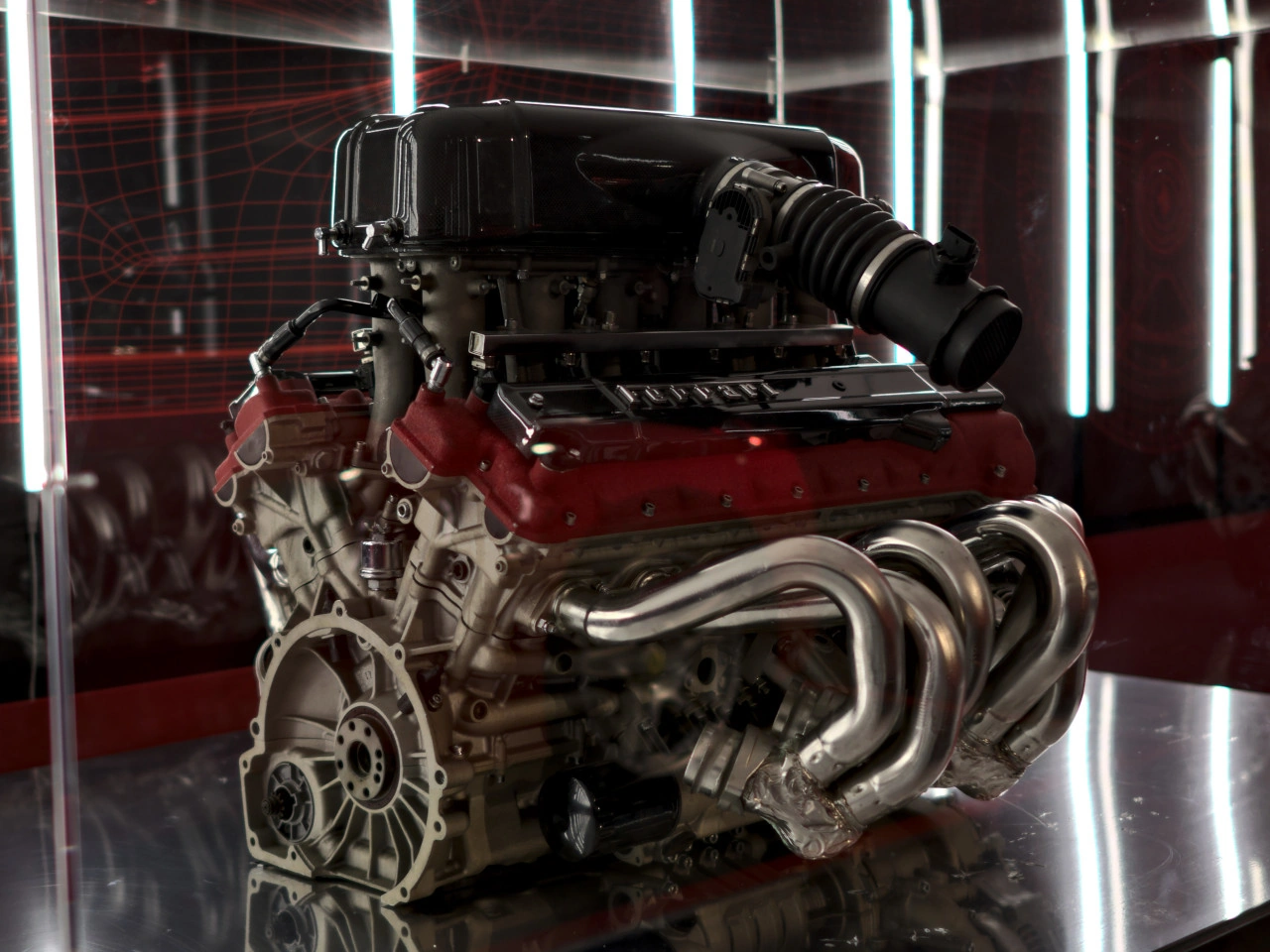
What does a vehicle engine do?
An engine converts energy into mechanical power that can be used to drive the vehicle's wheels. Internal-combustion engines obtain this energy by burning fuel, while electric vehicles use electrical energy in traction motors.
What are common signs of an engine problem?
Possible signs include unusual noises, loss of power, excessive smoke, overheating, fluid leaks, difficult starting or an engine warning light. These symptoms can have many different causes and should be investigated when necessary.
Why is regular engine maintenance important?
Maintenance helps keep lubrication, cooling, fuel, ignition and emissions systems working correctly. Following the manufacturer's service requirements can improve reliability and help prevent serious mechanical damage.
135. Motor de gasolina
Un motor de gasolina es un motor de combustión interna que normalmente utiliza bujías para encender una mezcla de aire y gasolina. Por esta razón también se conoce como motor de encendido por chispa o de encendido provocado.
Convierte la energía liberada por la combustión en potencia mecánica que impulsa el vehículo. Los motores modernos de gasolina utilizan gestión electrónica y sistemas de control de emisiones, como catalizadores, para mejorar la eficiencia y reducir las emisiones nocivas.

How does a petrol engine work?
A petrol engine draws or injects fuel and air into the engine, compresses the mixture and ignites it using a spark plug. The resulting combustion produces pressure that moves the pistons and generates mechanical power.
What is the difference between a petrol and diesel engine?
A petrol engine normally uses spark ignition, while a diesel engine uses compression ignition. The two engine types also differ in fuel, combustion characteristics and emissions-control systems.
What emissions can a petrol engine produce?
Petrol-engine exhaust can contain pollutants such as carbon monoxide, hydrocarbons, nitrogen oxides and, particularly with some direct-injection engines, particulate matter. Modern emissions-control systems are designed to reduce these pollutants.
136. Motor diésel
Un motor diésel es un motor de combustión interna que normalmente enciende el combustible mediante el calor generado por aire fuertemente comprimido, en lugar de utilizar bujías. Por esta razón también se conoce como motor de encendido por compresión.
Se utiliza habitualmente en automóviles, camiones, autobuses y maquinaria porque puede ofrecer un elevado par a bajas revoluciones y un uso eficiente del combustible. Los motores diésel modernos emplean sistemas de control de emisiones, como filtros de partículas y reducción catalítica selectiva, para reducir contaminantes nocivos.

How does a diesel engine work?
A diesel engine compresses air inside the cylinder until it becomes very hot. Diesel fuel is then injected into the compressed air and ignites because of the high temperature.
What is the difference between a diesel and petrol engine?
A diesel engine normally uses compression ignition, while a petrol engine normally uses spark plugs to ignite an air-fuel mixture. The two engine types also differ in fuel, combustion characteristics and emissions-control systems.
What emissions can a diesel engine produce?
Diesel engines can produce pollutants including nitrogen oxides and particulate matter or soot. Modern vehicles use systems such as diesel particulate filters and other emissions-control technologies to reduce these pollutants.
137. Motor eléctrico
Un motor eléctrico es una máquina que convierte energía eléctrica en potencia mecánica. En un vehículo eléctrico o híbrido, uno o varios motores eléctricos pueden proporcionar el par necesario para mover las ruedas.
Pueden entregar par desde velocidades muy bajas y funcionan sin el proceso de combustión utilizado por motores de gasolina o diésel. Durante el frenado regenerativo, algunos motores eléctricos también pueden actuar como generadores y convertir parte del movimiento del vehículo nuevamente en energía eléctrica.

What does an electric motor do in a vehicle?
An electric motor converts electrical energy into mechanical power that can propel the vehicle. Depending on the drivetrain, one or more motors may drive the wheels.
Do hybrid vehicles have electric motors?
Yes. Hybrid electric vehicles combine at least one electric propulsion motor with another propulsion-energy source, normally an internal-combustion engine.
Can an electric motor generate electricity?
Yes. In vehicles equipped with regenerative braking, the traction motor can operate as a generator while the vehicle slows down, converting part of its kinetic energy into electrical energy that can be stored in the traction battery.
138. Correa de distribución
Una correa de distribución es una correa dentada de un motor de combustión interna que sincroniza la rotación del cigüeñal y del árbol de levas para que las válvulas se abran y cierren en el momento correcto respecto al movimiento de los pistones.
Es un componente sujeto a desgaste y debe sustituirse conforme al programa de mantenimiento del fabricante. Si se desgasta excesivamente o se rompe, el motor puede detenerse de forma repentina y, en muchos diseños, pueden producirse graves daños internos.

What does a timing belt do?
The timing belt synchronises the crankshaft and camshaft so that the pistons and valves move in the correct sequence while the engine is operating.
When should a timing belt be replaced?
The replacement interval depends on the vehicle and engine. Drivers should follow the manufacturer's specified mileage and age interval rather than waiting for obvious symptoms of wear.
What happens if a timing belt breaks?
The engine will stop operating and, depending on the engine design, the pistons and valves can collide and cause severe internal engine damage.
139. Bujía de precalentamiento
Una bujía de precalentamiento es un elemento calefactor eléctrico utilizado en motores diésel para ayudar a encender el combustible durante el arranque en frío. Calienta la cámara de combustión para que el aire comprimido alcance condiciones adecuadas para una combustión fiable.
Las bujías modernas pueden seguir funcionando brevemente después del arranque para mejorar la combustión, reducir las emisiones en frío y ayudar al motor a funcionar suavemente mientras se calienta.

What does a glow plug do?
A glow plug heats the combustion chamber of a diesel engine before and during cold starting so that the injected diesel fuel can ignite more reliably.
Do diesel engines use glow plugs instead of spark plugs?
Diesel engines normally ignite fuel through compression rather than an electrical spark. Glow plugs therefore assist cold combustion but do not continuously ignite the fuel in the same way that spark plugs do in a petrol engine.
What are signs of faulty glow plugs?
Possible signs include difficult cold starting, rough running shortly after startup, increased cold-start smoke or a glow plug or engine warning light. Similar symptoms can have other causes, so proper diagnosis may be necessary.
140. Cilindro
Un cilindro es una cámara dentro de un motor de combustión interna alternativo en la que un pistón se desplaza hacia arriba y hacia abajo. El aire o una mezcla de aire y combustible se comprime dentro del cilindro, y la combustión genera presión que empuja el pistón y ayuda a producir potencia mecánica.
La mayoría de los motores de automóvil tienen varios cilindros dispuestos en configuraciones en línea, en V u opuestas horizontalmente. El volumen total desplazado por todos los cilindros se conoce como cilindrada del motor.

What happens inside an engine cylinder?
A piston moves inside the cylinder while the engine draws in air or an air-fuel mixture, compresses it and uses combustion to create pressure. This pressure acts on the piston and contributes to turning the crankshaft.
How many cylinders does a car engine have?
The number varies by engine design. Common passenger-car engines can have three, four, six or more cylinders, while some engines use different configurations according to their size and performance requirements.
What is cylinder capacity?
Cylinder capacity or engine displacement is the total swept volume of the engine's cylinders. It is commonly expressed in cubic centimetres (cm³) or litres.
141. Aceite del motor
El aceite del motor es un lubricante utilizado dentro de un motor de combustión interna para reducir la fricción y el desgaste entre componentes móviles. También ayuda a evacuar calor, mantener limpias las superficies internas y proteger los componentes contra la corrosión.
El nivel y estado del aceite deben comprobarse siguiendo las instrucciones del fabricante. Solo debe utilizarse aceite con la especificación y viscosidad correctas, y el aceite y filtro deben sustituirse en los intervalos de mantenimiento recomendados.

What does engine oil do?
Engine oil lubricates moving components, reduces friction and wear, helps carry away heat and keeps contaminants suspended so that they can be removed by the oil filter or during an oil change.
How do you check the engine oil level?
Depending on the vehicle, the level is checked with an oil dipstick or an electronic oil-level system. The vehicle manufacturer's instructions should be followed because the required procedure can vary between engines.
Can you use any engine oil?
No. Engine oils have different viscosity grades and technical specifications. Only oil meeting the requirements specified by the vehicle manufacturer should be used.
142. Líquido refrigerante
El líquido refrigerante es un fluido que circula por el sistema de refrigeración para eliminar el exceso de calor del motor u otros componentes. Normalmente contiene agua mezclada con anticongelante e inhibidores de corrosión para que el sistema funcione de forma segura en una amplia gama de temperaturas.
Su nivel debe comprobarse según las instrucciones del fabricante. Debe utilizarse la especificación correcta y el sistema de refrigeración solo debe abrirse cuando sea seguro hacerlo, ya que el refrigerante caliente puede estar sometido a presión.

What does engine coolant do?
Coolant absorbs heat from the engine and carries it to the radiator, where the heat can be released. It also helps protect the cooling system against freezing, corrosion and excessive temperatures.
Can you use any type of coolant?
No. Vehicles can require different coolant specifications and mixtures. Drivers should use coolant that meets the vehicle manufacturer's requirements and avoid mixing incompatible coolant types.
Should you open the coolant reservoir when the engine is hot?
No. A hot cooling system can be pressurised and opening it can release hot coolant or steam. Allow the system to cool and follow the vehicle manufacturer's instructions before opening the reservoir.
143. Mantenimiento
El mantenimiento es la inspección, servicio y reparación periódicos de un vehículo para mantenerlo seguro, fiable y en buen estado de funcionamiento. Incluye tareas como comprobar líquidos, neumáticos, frenos, luces y otros componentes y sustituir las piezas desgastadas cuando sea necesario.
Debe realizarse según el programa de servicio recomendado por el fabricante. Un mantenimiento regular puede ayudar a prevenir averías, reducir el desgaste, conservar los sistemas de seguridad e identificar defectos antes de que se vuelvan más graves.

Why is regular vehicle maintenance important?
Regular maintenance helps keep safety-critical and mechanical systems working correctly, reduces the risk of breakdowns and can identify worn or damaged components before they cause larger problems.
What does routine vehicle maintenance include?
It can include checking and replacing engine oil and filters, inspecting tyres and brakes, checking fluid levels, lights, suspension and other components, and performing other work specified by the vehicle manufacturer.
How often should a vehicle be serviced?
Service intervals depend on the vehicle, engine, mileage, age and operating conditions. Drivers should follow the maintenance schedule provided by the vehicle manufacturer.
144. Rueda de repuesto
Una rueda de repuesto es un neumático adicional, normalmente ya montado sobre una llanta, que se lleva en el vehículo para sustituir temporalmente una rueda dañada o pinchada. Un vehículo puede llevar una rueda de repuesto de tamaño completo, una rueda temporal compacta o un kit de reparación de neumáticos.
Una rueda temporal está destinada normalmente solo a uso de emergencia y a corto plazo. El conductor debe respetar las restricciones del fabricante sobre velocidad, distancia, presión e instalación y reparar o sustituir el neumático normal dañado lo antes posible.

What is a spare tyre?
A spare tyre is an additional tyre, normally mounted on a wheel, that can temporarily replace a punctured or damaged road wheel.
Is a spare tyre the same as a spare wheel?
In everyday use the terms are often used interchangeably. Technically, a spare wheel usually consists of both the wheel rim and the tyre already fitted to it.
What is a space-saver spare wheel?
A space-saver is a smaller and lighter temporary spare designed to take up less storage space. It normally has stricter speed and distance limitations than a normal road wheel.
Can you drive normally on a temporary spare wheel?
No. Temporary spare wheels are intended for emergency use. Follow the maximum speed, distance and other restrictions specified by the vehicle or tyre manufacturer.
Do all cars have a spare tyre?
No. Many modern cars instead use a tyre-repair kit, run-flat tyres or roadside-assistance arrangements.
Can a tyre-repair kit replace a spare wheel?
For some punctures, yes. A repair kit may temporarily seal a small puncture, but it may not work for severe tyre damage, sidewall damage or a damaged wheel rim.
Should you check the pressure of a spare tyre?
Yes. A spare tyre can lose pressure while stored for long periods. Check it periodically according to the manufacturer's recommended pressure.
Can any spare wheel be fitted to any car?
No. The wheel dimensions, bolt pattern, load capacity and other specifications must be compatible with the vehicle. Use only a spare approved or specified for the vehicle.
What should you do after fitting a spare wheel?
Drive cautiously, respect any temporary-wheel restrictions and have the damaged tyre repaired or replaced as soon as reasonably possible.
Is carrying a spare tyre compulsory?
This depends on the country and vehicle category. Some jurisdictions require particular breakdown equipment, while others allow vehicles to operate without a spare wheel.
145. Neumático pinchado
Un neumático pinchado es un neumático que ha perdido suficiente presión de aire como para dejar de soportar el vehículo o funcionar de forma segura. Puede deberse a una perforación, válvula dañada, llanta dañada, fallo del neumático o fuga lenta de aire.
Puede afectar gravemente a la dirección, frenado y estabilidad. El conductor debe reducir la velocidad suavemente, evitar maniobras o frenadas bruscas y detenerse en un lugar seguro lo antes posible, en lugar de continuar circulando con el neumático dañado.

What should you do if a tyre becomes flat while driving?
Keep control of the vehicle, reduce speed gradually and move to a safe stopping place. Avoid sudden braking or steering because the vehicle's handling may be significantly affected.
Can you continue driving on a flat tyre?
Normally no. Driving on a deflated tyre can damage the tyre and wheel and can make the vehicle difficult to control. Some run-flat tyres permit limited continued driving under specified conditions, so the manufacturer's instructions should be followed.
What can cause a flat tyre?
Common causes include punctures, damaged valves, cracked or damaged wheels, tyre sidewall damage and gradual air leakage. Regular tyre-pressure and condition checks can help identify some problems before complete pressure loss occurs.
146. Gato
Un gato es un dispositivo portátil de elevación utilizado para levantar una parte del vehículo del suelo, normalmente al cambiar una rueda. Puede ser mecánico, hidráulico o accionado eléctricamente.
Solo debe utilizarse en los puntos de elevación especificados por el fabricante y sobre una superficie firme y estable. Antes de levantar el vehículo debe aplicarse el freno de estacionamiento y asegurarse el vehículo contra cualquier movimiento.

What is a vehicle jack used for?
A jack is used to lift part of a vehicle so that a wheel can be removed or certain maintenance tasks can be performed.
Where should a jack be placed?
The jack should only be positioned at the lifting points specified by the vehicle manufacturer. Using an unsuitable location can damage the vehicle or cause it to become unstable.
Is it safe to work underneath a vehicle supported only by a jack?
No. A jack is primarily a lifting device and should not be relied upon as the sole support when working underneath a raised vehicle. Appropriate supporting equipment should be used for work beneath the vehicle.
147. Inspección del vehículo
Una inspección del vehículo es una comprobación oficial destinada a determinar si un vehículo es seguro, apto para circular y cumple los requisitos técnicos y medioambientales aplicables. Según el país y el tipo de vehículo, puede revisar frenos, neumáticos, dirección, suspensión, luces, emisiones, identificación y otros componentes relacionados con la seguridad. Las normas y periodicidad de las inspecciones varían entre países: algunos vehículos deben pasar inspecciones periódicas, mientras que otros también pueden requerirlas tras modificaciones importantes, un accidente, importación o cambio de propietario.

What is a vehicle inspection?
A vehicle inspection is an official examination of a vehicle to check whether it meets applicable safety, technical and environmental requirements.
What is checked during a vehicle inspection?
The inspection may include the brakes, tyres, steering, suspension, lights, vehicle identification and emissions. The exact inspection points depend on the country, vehicle type and type of inspection.
How often does a vehicle need to be inspected?
The inspection interval depends on the country and type of vehicle. Some countries require annual inspections, while others use longer intervals based on the vehicle's age, use or condition.
What happens if a vehicle fails the inspection?
A vehicle that does not meet the required standards may need to be repaired and presented for another inspection. Serious defects may restrict or prohibit the vehicle from being used until they are repaired.
Do all countries have the same vehicle inspection rules?
No. Vehicle inspection systems differ between countries, including which vehicles must be inspected, how often inspections are required and which technical standards are checked.
Do electric vehicles need a vehicle inspection?
In countries with periodic vehicle inspections, electric vehicles are generally also subject to inspection. Some inspection points differ because electric vehicles do not have a conventional combustion engine or exhaust-emission system.
148. Llave
Una llave es un dispositivo utilizado para desbloquear un vehículo y autorizar su funcionamiento. Las llaves tradicionales emplean una hoja mecánica, mientras que los vehículos modernos suelen utilizar transpondedores electrónicos, mandos a distancia o sistemas sin llave que se comunican electrónicamente con el vehículo.
Muchas llaves modernas funcionan junto con un inmovilizador que impide arrancar el motor o activar el sistema de propulsión si no se detecta una llave autorizada. Por ello, las llaves de sustitución o duplicadas pueden necesitar programación electrónica para el vehículo.

What does a modern car key do?
A modern car key can unlock and lock the vehicle and authorise the engine or electric propulsion system to start. It may use a mechanical blade, electronic transponder, remote-control functions or a keyless system.
What is a transponder key?
A transponder key contains an electronic identification device that communicates with the vehicle's immobiliser. If the correct code is not recognised, the vehicle normally prevents the engine or propulsion system from being started.
What should you do if you lose a vehicle key?
Use a spare key if available and arrange a replacement through an appropriate dealer, locksmith or vehicle specialist. Modern replacement keys often need to be programmed to the vehicle's electronic security system.
149. Salpicadero
El salpicadero es la zona situada delante del conductor que muestra información importante sobre el vehículo y proporciona acceso a controles e indicadores de advertencia. Suele incluir velocímetro, nivel de combustible o batería, testigos, indicadores e información sobre motor, frenos y sistemas de seguridad. Los vehículos modernos pueden utilizar una pantalla digital de instrumentos en lugar de indicadores tradicionales. El conductor debe conocer los principales símbolos y reaccionar adecuadamente cuando aparezca un testigo de advertencia.
What is a car dashboard?
The dashboard is the panel in front of the driver that displays vehicle information and contains controls, gauges and warning indicators.
What information is shown on the dashboard?
A dashboard may show the speed, fuel or battery level, engine information, warning lights, turn indicators and safety-system status. The exact display depends on the vehicle.
What do dashboard warning light colours mean?
Colours generally indicate the importance or function of a dashboard light. Red often indicates a serious warning, yellow or amber usually indicates caution, and green or blue commonly indicates that a system is active. Symbols and meanings can differ between vehicles, so consult the vehicle manual.
What should I do if a dashboard warning light comes on?
Identify the warning and follow the instructions in the vehicle manual. A red warning light may require you to stop safely as soon as possible, while other warnings may indicate that the vehicle should be checked or repaired.
What is the instrument cluster?
The instrument cluster is the part of the dashboard directly in front of the driver that contains the main gauges, displays and warning lights.
Can a dashboard be completely digital?
Yes. Many modern vehicles use a digital dashboard or digital instrument cluster that displays vehicle information on one or more electronic screens instead of traditional analogue gauges.
150. Limpiaparabrisas
Un limpiaparabrisas es un dispositivo que elimina lluvia, nieve, suciedad y humedad del parabrisas para mantener una visión clara de la carretera. La mayoría de los vehículos utiliza limpiaparabrisas eléctricos con escobillas de goma sustituibles y varias velocidades de funcionamiento, normalmente junto con un sistema lavaparabrisas. Las escobillas desgastadas o dañadas deben sustituirse cuando dejan marcas, saltan sobre el cristal o ya no limpian eficazmente.
What is a windscreen wiper?
A windscreen wiper is a device that moves across the windscreen to remove rain, snow, dirt and moisture so the driver can maintain a clear view of the road.
Why are windscreen wipers important?
Windscreen wipers help maintain clear visibility in bad weather and when the windscreen becomes dirty. Poor visibility can make it harder to detect traffic, pedestrians, signs and hazards.
When should windscreen wiper blades be replaced?
Wiper blades should be replaced when they are worn, cracked, damaged or no longer clean the windscreen effectively. Common signs include streaking, skipping, squeaking or areas of the windscreen remaining wet.
What is the windscreen washer system?
The windscreen washer system sprays cleaning fluid onto the windscreen so the wipers can remove dirt and improve visibility.
Can you drive with broken windscreen wipers?
Driving with defective windscreen wipers can be unsafe and may be illegal where functioning wipers are required. The driver must be able to maintain adequate visibility through the windscreen.
Do cars have a rear window wiper?
Many vehicles have a rear window wiper, especially hatchbacks, estate cars and SUVs. Whether one is fitted or legally required depends on the vehicle design and applicable regulations.