


Señales de tráficoUcrania
 Normas de tráfico
 Ucrania
126. GPS
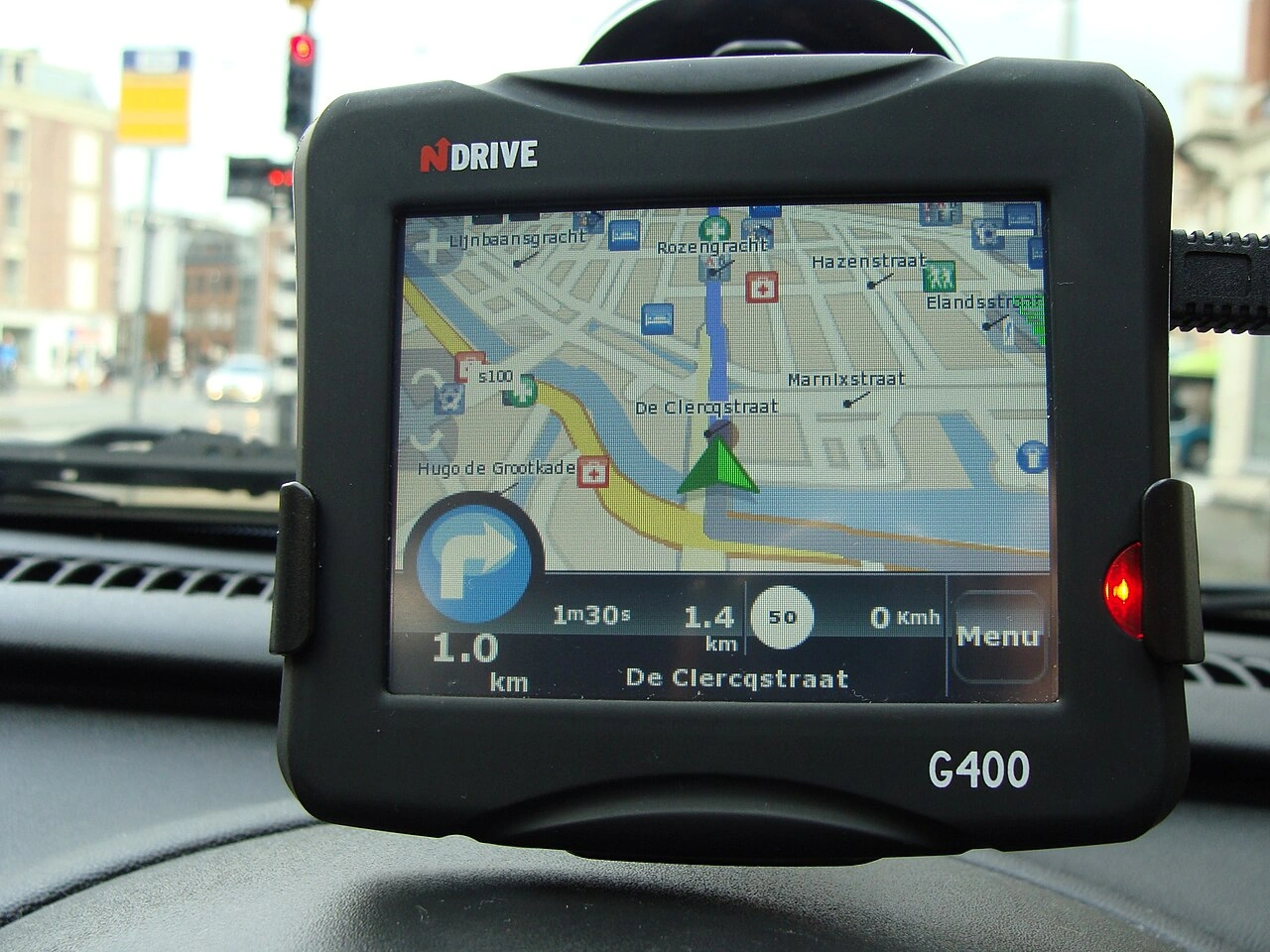
El GPS (Sistema de Posicionamiento Global) es un sistema de posicionamiento y navegación por satélite que permite a un dispositivo compatible determinar su ubicación. En los vehículos, la navegación GPS puede combinar información de posición con mapas digitales para calcular rutas y proporcionar indicaciones visuales o habladas.
Es preferible configurar el destino antes de iniciar el viaje y evitar interacciones innecesarias con el sistema durante la conducción. Las indicaciones del GPS son orientativas y nunca deben seguirse si contradicen señales, normas de tráfico o las condiciones reales de la carretera.
What does GPS do in a vehicle?
A GPS navigation system determines the vehicle's position and uses digital map information to calculate routes and provide directions towards a destination.
Should you always follow GPS directions?
No. Traffic signs, signals, road closures and actual road conditions take priority over navigation instructions. A driver remains responsible for choosing a legal and safe route.
Should you program a GPS while driving?
It is safer to enter the destination and adjust the route before starting the journey. If significant changes are needed, stop in a safe and permitted place rather than becoming distracted while driving.

127. Freno
Un freno es un sistema del vehículo utilizado para reducir la velocidad, detenerlo o mantenerlo inmóvil. La mayoría de los vehículos de carretera utilizan frenos de fricción en las ruedas, mientras que los eléctricos e híbridos también pueden emplear frenado regenerativo para recuperar energía al reducir la velocidad.
El sistema de frenado debe mantenerse en buen estado. Componentes desgastados, sobrecalentamiento, fallos mecánicos o menor adherencia de los neumáticos pueden aumentar la distancia de frenado y reducir la capacidad del conductor para controlar el vehículo con seguridad.

What is the purpose of a vehicle's brakes?
The brakes allow the driver to reduce speed and stop the vehicle in a controlled manner. A separate parking brake is normally used to keep the vehicle stationary after it has stopped.
What are signs of a possible brake problem?
Warning signs can include reduced braking performance, unusual noises, vibration, a soft or unusually hard brake pedal, pulling to one side or a brake-system warning light. A suspected brake problem should be inspected promptly.
Can brakes become less effective when they overheat?
Yes. Prolonged or repeated heavy braking can cause brake fade, reducing braking effectiveness. On long descents, appropriate gear selection and engine braking can help reduce excessive use of the service brakes.
128. Freno de estacionamiento
El freno de estacionamiento, también conocido como freno de mano, es un sistema de frenado utilizado para impedir que un vehículo detenido se mueva después de haber sido estacionado. Los sistemas tradicionales utilizan una palanca accionada con la mano, mientras que los vehículos modernos pueden emplear un freno de estacionamiento accionado con el pie o de tipo electrónico.
El freno de estacionamiento debe aplicarse firmemente siempre que el vehículo esté estacionado, especialmente en una pendiente. Funciona de forma independiente del freno de servicio normal para que el vehículo pueda permanecer inmóvil incluso cuando el conductor no esté presente.
What is a handbrake used for?
The handbrake or parking brake keeps a stationary vehicle from rolling after it has been parked. It is particularly important when parking on a slope.
Is every handbrake operated by a hand lever?
No. Traditional parking brakes use a hand-operated lever, but some vehicles use a foot pedal or an electronic switch. These systems perform the same basic parking-brake function.
Should you use the handbrake every time you park?
Yes. The parking brake should normally be applied whenever the vehicle is parked so that it remains securely stationary. Selecting an appropriate gear or transmission position provides additional security but does not replace the parking brake.
129. Líquido de frenos
El líquido de frenos es un fluido hidráulico utilizado en muchos sistemas de frenado para transmitir la fuerza desde el pedal de freno, a través del circuito hidráulico, hasta los frenos de las ruedas. Debe soportar altas temperaturas y mantener propiedades hidráulicas adecuadas para garantizar una frenada fiable.
El nivel y el estado del líquido de frenos deben comprobarse siguiendo las instrucciones del fabricante del vehículo. Solo debe utilizarse el tipo de líquido especificado, ya que un fluido incompatible o contaminado puede perjudicar el funcionamiento del sistema de frenos.

What does brake fluid do?
Brake fluid transmits hydraulic pressure from the driver's brake input to the braking mechanisms at the wheels, allowing the vehicle to slow or stop.
Can you use any type of brake fluid?
No. The correct specification depends on the vehicle and braking system. Drivers should use only the brake fluid specified by the vehicle manufacturer and should not mix incompatible types.
What does a low brake-fluid level mean?
A low level can indicate brake-system wear, a leak or another problem. If the level is below the specified minimum or a brake warning light appears, the braking system should be checked promptly.
130. Neumáticos
Los neumáticos son los componentes de caucho montados alrededor de las ruedas de un vehículo que proporcionan el contacto con la carretera. Transmiten las fuerzas de frenado, aceleración y dirección y desempeñan un papel importante en la estabilidad y adherencia del vehículo.
Deben tener una profundidad de dibujo suficiente, la presión correcta y no presentar daños graves ni desgaste excesivo. Los conductores deben utilizar neumáticos adecuados para el vehículo y comprobar regularmente su estado, especialmente antes de viajes largos o de conducir con condiciones meteorológicas difíciles.

Why are tyres important for road safety?
Tyres are the vehicle's contact with the road and transmit the forces required for steering, acceleration and braking. Their condition and available grip therefore directly affect vehicle control.
What should you check on your tyres?
Regularly check tyre pressure, tread depth and general condition. Look for excessive or uneven wear, cuts, cracks, bulges or other damage and replace tyres when they are no longer safe or legally compliant.
Should tyres on the same axle match?
Requirements vary between countries, but tyres fitted to the same axle should be compatible in dimensions, construction and performance. National rules may impose specific matching requirements.
131. Código del neumático
El código del neumático es la serie de letras y números marcada en el flanco de un neumático que identifica características importantes como la anchura, relación de aspecto, construcción, diámetro de la llanta, capacidad de carga e índice de velocidad. Un ejemplo habitual es 205/55 R16 91V.
Los conductores deben utilizar neumáticos cuyas especificaciones sean adecuadas para el vehículo. Las dimensiones e índices requeridos normalmente figuran en el manual del vehículo, el certificado de conformidad u otra información del fabricante.

What does a tyre code such as 205/55 R16 mean?
205 indicates the nominal tyre width in millimetres, 55 is the aspect ratio between sidewall height and tyre width, R indicates radial construction and 16 indicates the diameter of the wheel rim in inches.
What do numbers and letters such as 91V mean on a tyre?
The number is the load index, which identifies the maximum load the tyre is designed to carry under specified conditions. The letter is the speed rating or speed-category symbol, which indicates the tyre's approved speed capability.
What other markings can appear on a tyre?
Tyres can carry additional markings indicating approval, manufacturer information, production date, suitability for winter conditions, reinforced construction or other technical characteristics. The exact markings depend on the tyre type and applicable standards.
132. Neumáticos de invierno
Los neumáticos de invierno están diseñados para ofrecer una mejor tracción y rendimiento de frenado con bajas temperaturas, nieve y otras condiciones invernales. Su dibujo y compuesto de caucho están concebidos para seguir siendo eficaces a temperaturas reducidas y proporcionar más adherencia que los neumáticos de verano en condiciones apropiadas de invierno.
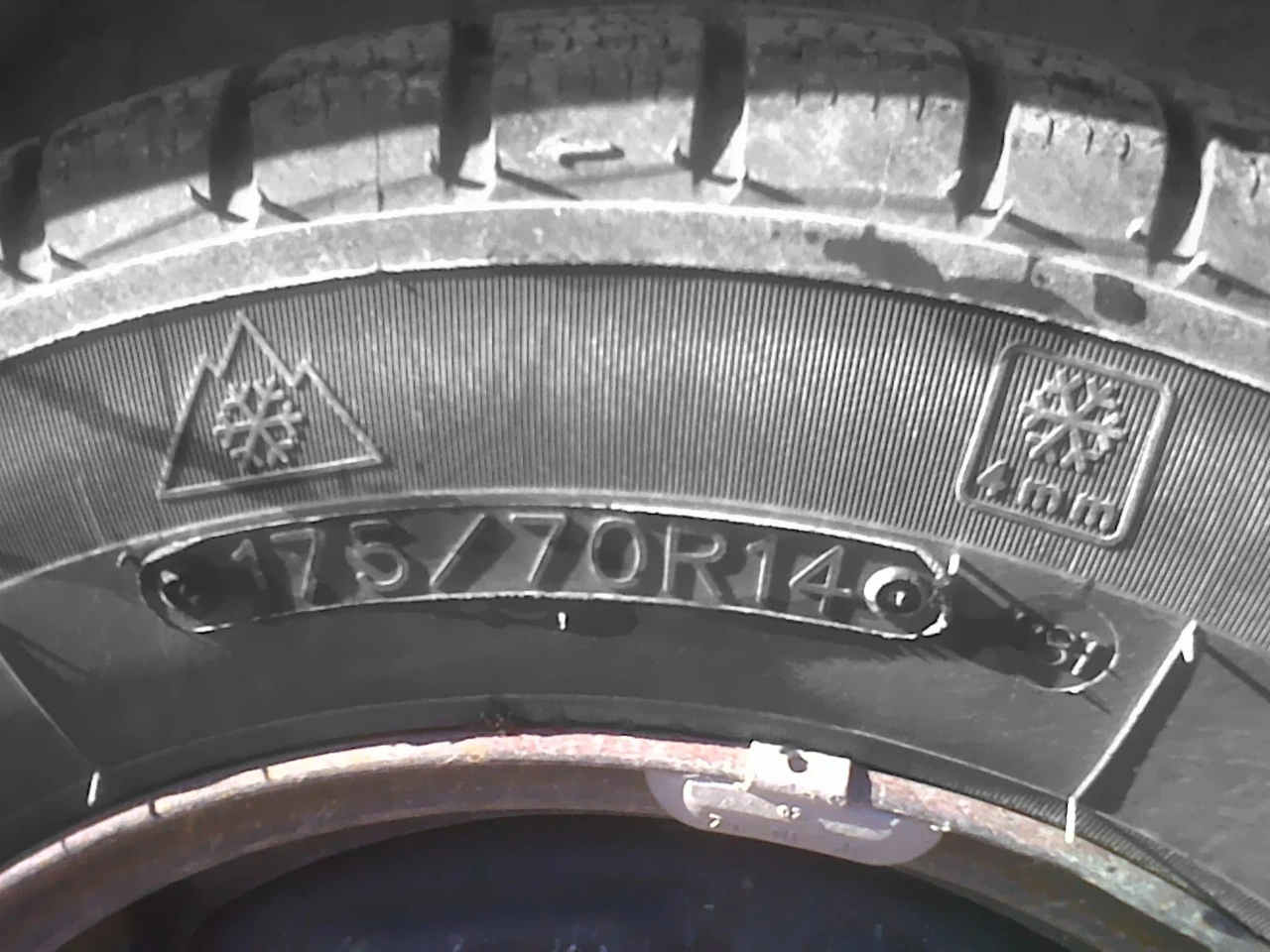
Pueden identificarse mediante marcas en el flanco. El símbolo 3PMSF, que muestra un copo de nieve dentro de una montaña de tres picos, indica que el neumático ha cumplido requisitos de rendimiento especificados para condiciones de nieve intensa.
What is the difference between winter and summer tyres?
Winter tyres use tread patterns and rubber compounds designed to provide better performance in cold temperatures, snow and other winter conditions. Summer tyres are optimised primarily for warmer conditions.
What does the 3PMSF symbol mean?
The Three-Peak Mountain Snowflake symbol identifies a tyre that has met specified performance requirements for use in severe snow conditions. It provides a more specific indication of tested snow performance than an M+S marking alone.
Are winter tyres compulsory everywhere?
No. Some countries require winter tyres during particular months or whenever winter conditions occur, while others have no general requirement. Drivers travelling abroad should check the rules of every country on their route.
133. Presión de los neumáticos
La presión de los neumáticos es la presión del aire contenida en el interior de un neumático. Una presión correcta ayuda a mantener su forma prevista y el contacto adecuado con la carretera, y es importante para el comportamiento, frenado, desgaste y consumo de combustible.
Debe comprobarse periódicamente y ajustarse al valor indicado por el fabricante del vehículo. La presión recomendada puede variar según el vehículo, el tamaño del neumático y la carga, y los neumáticos delanteros y traseros pueden requerir valores diferentes.
Why is correct tyre pressure important?
Correct tyre pressure helps provide predictable handling, braking and tyre wear. Incorrect pressure can reduce performance, increase tyre wear and increase fuel consumption.
How do you know the correct tyre pressure?
Use the pressure specified by the vehicle manufacturer rather than the maximum pressure marked on the tyre. The recommended values can normally be found in the vehicle handbook or on a vehicle information label.
Should tyre pressure be checked regularly?
Yes. Tyres gradually lose air over time, so their pressure should be checked regularly and before demanding or long journeys. The pressure should be adjusted to the manufacturer's recommended value.
134. Cadenas para nieve
Las cadenas para nieve son dispositivos de tracción que se colocan alrededor de los neumáticos para mejorar la adherencia en carreteras cubiertas de nieve o hielo. Resultan especialmente útiles en carreteras empinadas o de montaña donde los neumáticos normales pueden no proporcionar tracción suficiente.
Deben instalarse siguiendo las instrucciones del fabricante del vehículo y de las cadenas, normalmente en las ruedas motrices. Deben retirarse cuando ya no sean necesarias, ya que circular con ellas sobre una carretera despejada puede dañar los neumáticos, las cadenas y el pavimento.

What are snow chains used for?
Snow chains increase traction when driving on roads covered with snow or ice. They can help a vehicle accelerate, steer and brake where ordinary tyre grip is insufficient.
Which tyres should snow chains be fitted to?
Snow chains are normally fitted to the driven wheels, but the correct arrangement depends on the vehicle and its drivetrain. Drivers should follow the vehicle and chain manufacturer's instructions.
Are snow chains compulsory everywhere in winter?
No. Requirements vary between countries and roads. Some countries require chains to be carried during certain periods or fitted when indicated by traffic signs or winter conditions, while others impose no general requirement.
135. Neumático de bicicleta
Un neumático de bicicleta es el neumático de caucho montado alrededor de una rueda de bicicleta que proporciona el contacto entre la bicicleta y la carretera u otra superficie. Su dibujo, presión, anchura y construcción influyen en la adherencia, resistencia a la rodadura, comodidad y comportamiento.
Debe estar correctamente inflado y revisarse con regularidad para detectar desgaste, cortes, grietas, objetos incrustados u otros daños. El tipo y la presión adecuados dependen de la bicicleta, el ciclista, la carga y las condiciones de uso.

Why are bicycle tyres important for safety?
Bicycle tyres provide the grip needed for steering and braking and help absorb irregularities in the road surface. Worn, damaged or incorrectly inflated tyres can reduce control and increase the risk of a puncture or loss of grip.
What should you check on a bicycle tyre?
Check the tyre for adequate pressure, excessive tread wear, cuts, cracks, bulges and objects embedded in the tread. The tyre should also be correctly seated on the rim.
Do all bicycles use the same type of tyre?
No. Tyre width, diameter, tread and construction vary according to the bicycle and its intended use. Road bicycles commonly use relatively narrow tyres, while mountain bikes generally use wider tyres with more pronounced tread.
136. Oruga continua
Una oruga continua es un sistema de propulsión en el que una banda o cadena continua gira alrededor de una serie de ruedas o rodillos en lugar de desplazarse sobre ruedas convencionales. Se utiliza habitualmente en maquinaria de construcción, vehículos agrícolas, vehículos militares y otras máquinas que necesitan buena tracción sobre terreno blando o irregular.
Las orugas distribuyen el peso del vehículo sobre una superficie de contacto relativamente grande, lo que puede mejorar la tracción y reducir la presión sobre el terreno. Pueden estar fabricadas de metal, caucho o una combinación de materiales, y su uso en vías públicas depende del vehículo y de la normativa aplicable.

What is a continuous track used for?
Continuous tracks provide traction and distribute a vehicle's weight over a larger contact area than conventional wheels. They are particularly useful on mud, snow, loose soil, construction sites and other difficult terrain.
What are continuous tracks made from?
Tracks can consist of linked metal sections, continuous rubber belts or systems combining metal and rubber components. The design depends on the vehicle and its intended operating conditions.
Can tracked vehicles travel on normal roads?
Some tracked vehicles can use public roads when they meet the applicable vehicle, registration and road-use requirements. Restrictions may apply because certain track designs can damage road surfaces or because the vehicle has unusual dimensions, weight or speed characteristics.
137. Peso bruto del vehículo
El peso bruto del vehículo (GVW) es el peso total real de un vehículo en un momento determinado, incluidos el propio vehículo, conductor, pasajeros, combustible, equipaje y cualquier otra carga. Cambia a medida que se añaden o retiran personas o mercancías.
No debe confundirse con la clasificación de peso bruto del vehículo (GVWR) ni con la masa máxima autorizada (MMA), que representan el peso total máximo permitido especificado para el vehículo. El peso bruto real nunca debe superar ese máximo autorizado.
What does Gross Vehicle Weight include?
Gross Vehicle Weight includes the weight of the vehicle itself together with the driver, passengers, fuel, luggage, cargo and other items being carried at that moment.
What is the difference between GVW and GVWR?
GVW is the vehicle's actual weight at a particular moment. GVWR is the maximum total weight the vehicle is designed or legally permitted to have when loaded. The actual GVW must remain within the applicable maximum.
Why is Gross Vehicle Weight important?
Vehicle weight affects braking, handling, tyre and axle loading and legal weight limits. Overloading can reduce safety and may also cause the vehicle to exceed permitted axle or total-mass limits.
138. Clasificación de peso bruto del vehículo
La clasificación de peso bruto del vehículo (GVWR) es el peso total máximo para el que un vehículo está diseñado o autorizado a funcionar cuando está completamente cargado. Incluye el propio vehículo junto con conductor, pasajeros, combustible, equipaje, carga y demás equipamiento transportado.
El GVWR es un valor máximo fijo y no debe confundirse con el peso bruto del vehículo (GVW), que es el peso real del vehículo en un momento determinado. El peso real cargado no debe superar el máximo permitido.
What does GVWR include?
GVWR represents the permitted maximum total weight of the loaded vehicle, including the vehicle itself, driver, passengers, fuel, luggage, cargo and other equipment carried by the vehicle.
What is the difference between GVWR and GVW?
GVWR is the maximum permitted or rated weight of the vehicle, while GVW is its actual weight at a particular moment. The GVW changes as passengers or cargo are added or removed, while the GVWR remains a fixed limit.
Why is GVWR important?
GVWR determines how heavily a vehicle may be loaded and can affect driving-licence categories, vehicle classification and other legal requirements. Exceeding the permitted maximum can also adversely affect braking, handling, tyres and other vehicle components.
139. Carga
La carga comprende las mercancías, materiales, equipos u otros objetos transportados por un vehículo o remolque. Puede abarcar desde equipaje personal y bicicletas hasta mercancías comerciales, maquinaria o materiales a granel.
Debe colocarse y asegurarse de forma que no pueda desplazarse, caer del vehículo, interferir con la visibilidad del conductor ni afectar a la estabilidad. La carga total también debe mantenerse dentro de los límites autorizados de peso y carga por eje del vehículo.
Why must cargo be secured?
Unsecured cargo can move during acceleration, braking or cornering and can affect vehicle stability or fall onto the road. Proper securing protects the occupants, other road users and the cargo itself.
Can cargo affect vehicle handling?
Yes. Heavy or poorly distributed cargo can change the vehicle's centre of gravity, braking distance, steering and stability. Loads should therefore be distributed appropriately and kept within the vehicle's permitted limits.
Can cargo extend beyond a vehicle?
In some circumstances it can, but national rules normally limit how far a load may project beyond the front, rear or sides of a vehicle and may require projecting loads to be specially marked.
140. Carrocería
La carrocería es la estructura exterior de un automóvil que rodea el habitáculo y los compartimentos de equipaje y da forma al vehículo. Incluye componentes como el techo, puertas, capó, tapa del maletero, aletas, paneles de carrocería y, en muchos vehículos modernos, secciones estructurales portantes.
Ayuda a proteger a los ocupantes y sirve de soporte a componentes como puertas, ventanas, luces y parachoques. Los daños, corrosión o reparaciones deficientes en secciones estructurales pueden reducir la seguridad del vehículo y deben repararse correctamente.

What is the car body?
The car body is the structure and exterior bodywork surrounding the vehicle's occupants and cargo areas. It includes visible panels as well as structural sections that can contribute to the strength of the vehicle.
Is the car body the same as the chassis?
Not always. In some vehicles the body is mounted on a separate chassis or frame. Most modern passenger cars use a self-supporting body in which much of the body structure also performs the structural function traditionally provided by a separate chassis.
Why is the condition of the car body important?
The body helps protect occupants and supports many vehicle components. Serious corrosion, deformation, loose panels or structural damage can reduce crash protection or create hazards for other road users.
141. Maletero
El maletero es el compartimento cerrado de un automóvil destinado a transportar equipaje, herramientas, compras y otras cargas. Normalmente se encuentra en la parte trasera, aunque algunos vehículos disponen de un compartimento de almacenamiento delantero.
Los objetos transportados deben colocarse de forma segura para que no se desplacen peligrosamente al frenar, acelerar o tomar curvas. Los objetos pesados deben situarse con cuidado y no deben superarse los límites autorizados de carga y carga por eje.

What is a car trunk used for?
A trunk is primarily used for carrying luggage and other cargo separately from the passenger compartment. Its size and location depend on the vehicle's design.
Should items in the trunk be secured?
Yes. Heavy or loose objects can move during sudden braking, acceleration or cornering. Cargo should therefore be positioned and secured so that it cannot affect vehicle stability or cause injury.
Can you overload a car trunk?
No. The combined weight of the vehicle, occupants and cargo must remain within the vehicle's permitted total and axle-load limits. Excessive loading can adversely affect braking, steering and stability.
142. Baca
Una baca es un sistema de transporte de carga fijado al techo de un vehículo. Puede utilizarse para llevar equipaje, bicicletas, esquís, tablas de surf o un cofre de techo cuando no resulta práctico transportarlos dentro del vehículo.
La baca y su carga deben estar firmemente sujetas y mantenerse dentro del límite de carga del techo establecido por el fabricante. Las cargas sobre el techo elevan el centro de gravedad y pueden afectar al comportamiento, estabilidad, consumo de combustible y altura total del vehículo.
What can be carried on a roof rack?
A suitable roof rack can carry items such as luggage boxes, bicycles, skis and other equipment, provided the rack and attachments are designed for the load and the vehicle's permitted roof-load limit is respected.
Does a roof rack affect vehicle handling?
Yes. Weight carried high on the vehicle raises its centre of gravity and can affect stability, particularly during cornering or sudden manoeuvres. Drivers should secure the load carefully and adapt their driving accordingly.
How do you know the maximum roof load?
Check the vehicle manufacturer's specifications and the limits of the roof rack itself. The permitted load can vary significantly between vehicles, and the lowest applicable limit should not be exceeded.
143. Parabrisas
El parabrisas es la ventana frontal transparente de un vehículo a través de la cual el conductor observa la carretera. También ayuda a proteger a los ocupantes del viento, lluvia, residuos y otros elementos externos.
Debe proporcionar una visión clara y suficientemente libre de distorsiones. Grietas, impactos, suciedad, adhesivos u otros objetos pueden reducir la visibilidad, especialmente cuando se encuentran dentro de la zona barrida por los limpiaparabrisas.
What is the purpose of a windscreen?
The windscreen allows the driver to see the road ahead while protecting vehicle occupants from wind, rain, insects, stones and other debris.
Can a cracked windscreen be dangerous?
Yes. Cracks, chips or deformation can interfere with the driver's view and may weaken the windscreen. Damage in the driver's main field of vision is particularly important and should be repaired or assessed promptly.
Why must windscreen wipers keep the glass clear?
Windscreen wipers remove rain, snow and dirt from the driver's viewing area. A clear windscreen is essential for maintaining adequate forward visibility in poor weather.
144. Martillo de emergencia
Un martillo de emergencia es una herramienta de seguridad diseñada para romper determinadas ventanillas del vehículo cuando las puertas o salidas normales no pueden utilizarse durante una emergencia. Se encuentra habitualmente en autobuses, autocares y otros vehículos de pasajeros cerca de ventanas designadas como salidas de emergencia.
Solo debe utilizarse cuando evacuar por las salidas normales resulte imposible o inseguro. La herramienta debe permanecer accesible y, cuando esté destinada a una ventana de emergencia, debe utilizarse siguiendo las instrucciones indicadas en el vehículo.

What is an emergency hammer used for?
An emergency hammer is used to break a suitable vehicle window so occupants can escape when normal doors or emergency exits cannot be opened.
Where are emergency hammers normally located?
In vehicles equipped with them, emergency hammers are normally mounted in an easily accessible position close to an emergency window or other designated escape point.
Can an emergency hammer break every vehicle window?
No. Vehicle windows can use different types of glazing, and not every window is designed to be broken as an emergency exit. Occupants should use designated emergency windows and follow the instructions provided in the vehicle.
145. Batería del coche
La batería del coche es un dispositivo de almacenamiento de energía eléctrica que suministra corriente al sistema eléctrico del vehículo. En automóviles convencionales de gasolina y diésel, la batería de arranque de 12 voltios proporciona la elevada corriente necesaria para arrancar el motor y alimenta los equipos eléctricos cuando el motor o el sistema de carga no suministran suficiente energía.
Las baterías pierden gradualmente carga y capacidad con la edad y el uso. Una batería débil puede provocar un arranque lento o fallido, problemas eléctricos o mensajes de advertencia, y la batería de sustitución debe tener especificaciones adecuadas para el vehículo.
What does a car battery do?
A car battery stores electrical energy, supplies the power required to start the engine and supports the vehicle's electrical and electronic systems when necessary.
What are signs of a weak car battery?
Possible signs include slow engine cranking, difficulty starting, dim or unstable electrical equipment and battery or charging-system warnings. Similar symptoms can also have other causes, so the charging system may need to be checked.
Can any replacement battery be fitted to a car?
No. The battery must have specifications and technology suitable for the vehicle. Cars equipped with start-stop systems, for example, may require AGM or EFB battery technology designed for repeated starting and charging cycles.
146. Batería de tracción
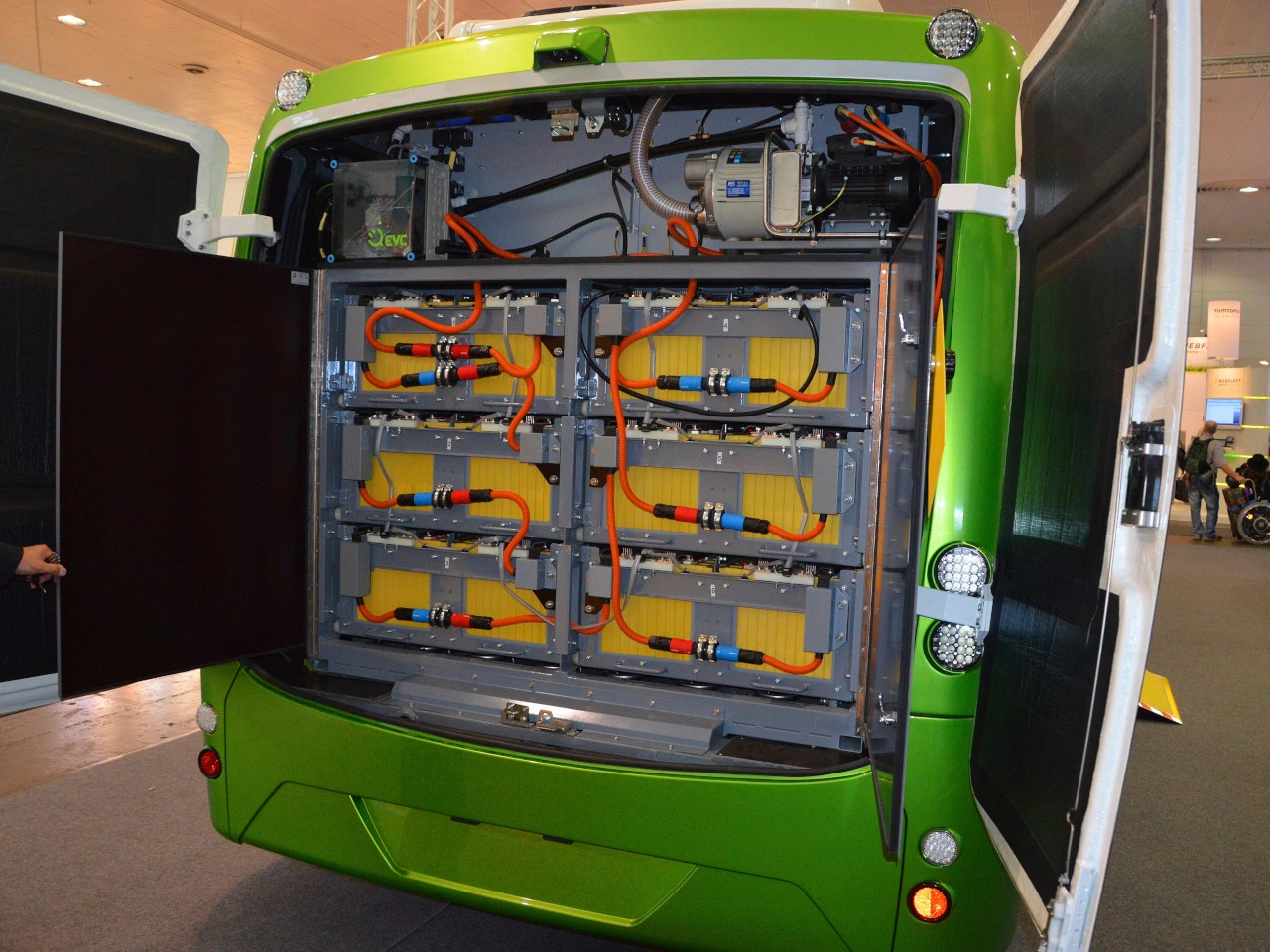
Una batería de tracción es una batería recargable que almacena energía eléctrica utilizada para propulsar un vehículo eléctrico o híbrido. Alimenta uno o varios motores eléctricos de tracción y normalmente es mucho más grande y potente que la batería de arranque convencional de 12 voltios.
Su capacidad suele expresarse en kilovatios hora (kWh) e influye considerablemente en la autonomía de un vehículo eléctrico. El rendimiento y la capacidad utilizable pueden disminuir gradualmente con la edad, los ciclos de carga, la temperatura y el uso.
What does a traction battery do?
A traction battery stores electrical energy and supplies it to the electric motor or motors that propel the vehicle. In hybrid vehicles it works together with another power source, while in battery-electric vehicles it provides the main source of propulsion energy.
What is the difference between a traction battery and a 12-volt car battery?
The traction battery provides the large amount of electrical energy needed to propel the vehicle. The conventional 12-volt battery mainly supplies low-voltage systems and supports functions such as vehicle electronics, control systems and starting procedures.
What does traction-battery capacity mean?
Battery capacity indicates how much electrical energy the battery can store and is commonly expressed in kilowatt-hours (kWh). A larger usable capacity generally allows more electrical energy to be available for driving.
147. Suspensión
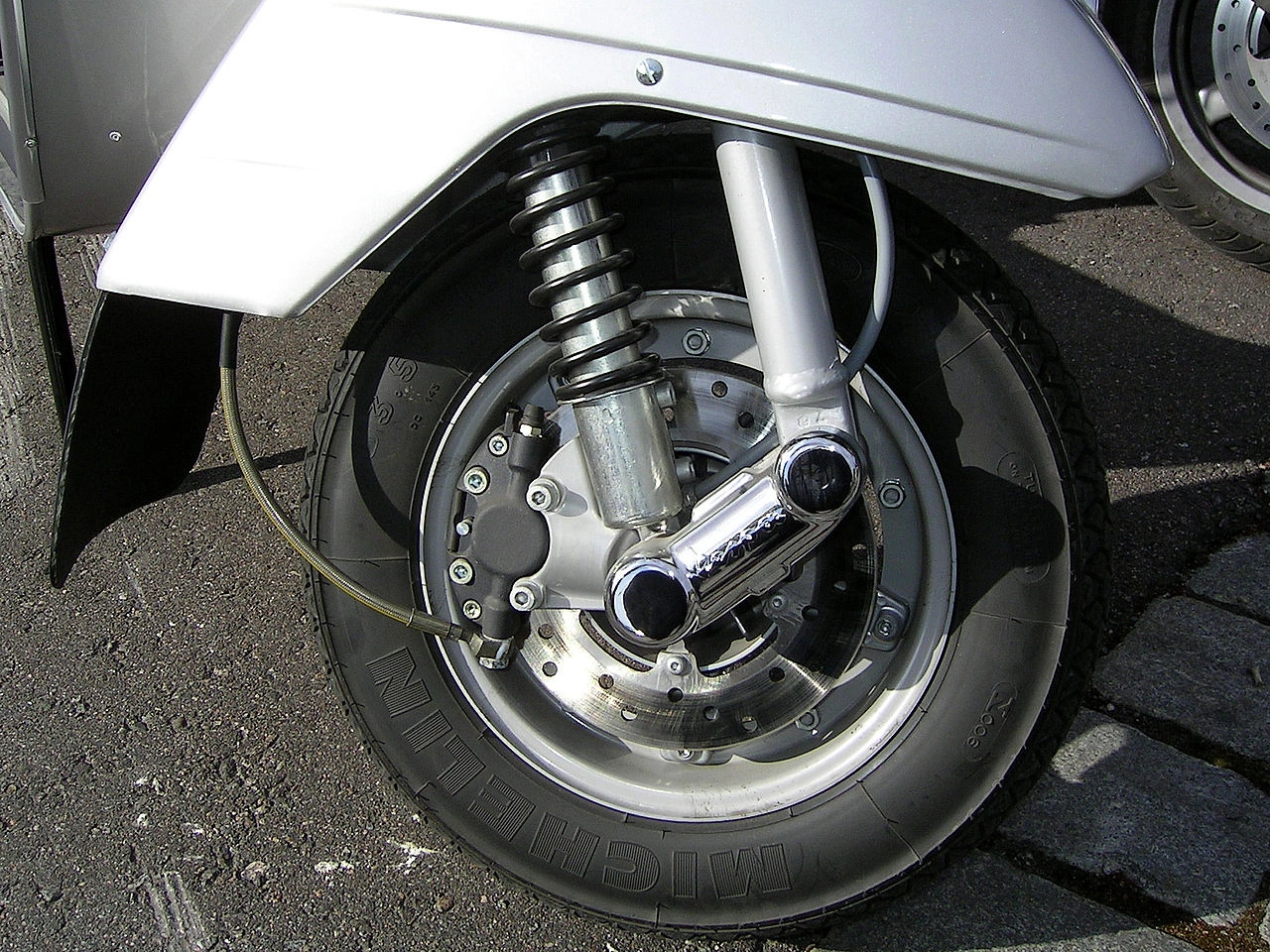
La suspensión es el sistema que conecta las ruedas y ejes de un vehículo con su carrocería o chasis. Incluye componentes como muelles, amortiguadores, brazos de control, articulaciones y bieletas que permiten el movimiento de las ruedas mientras ayudan a mantener la estabilidad y comodidad del vehículo.
Ayuda a mantener el contacto de los neumáticos con la carretera, absorbe irregularidades y contribuye a la dirección, frenado y estabilidad. Los componentes desgastados o dañados pueden reducir el control del vehículo y provocar desgaste irregular de los neumáticos.
What does a vehicle suspension system do?
The suspension supports the vehicle, allows the wheels to move over uneven surfaces and helps keep the tyres in contact with the road while controlling body movement.
What components are part of the suspension?
Common suspension components include springs, shock absorbers or dampers, control arms, bushings, ball joints and other links connecting the wheels to the vehicle structure.
What are signs of worn suspension?
Possible signs include excessive bouncing, unusual noises, poor stability, uneven tyre wear, excessive body movement in bends or a vehicle that sits unevenly. These symptoms should be inspected because they can also have other causes.
148. Amortiguador
Un amortiguador es un componente de la suspensión que controla el movimiento de los muelles y las ruedas del vehículo. Reduce los rebotes excesivos después de pasar sobre irregularidades y ayuda a mantener un contacto constante de los neumáticos con la carretera.
Los amortiguadores desgastados o dañados pueden reducir la estabilidad, aumentar los movimientos de la carrocería y afectar negativamente a la dirección y al frenado. Deben revisarse si el vehículo rebota en exceso, se comporta mal o presenta fugas de líquido.

What does a shock absorber do?
A shock absorber controls suspension movement by damping the repeated movement of the springs. This helps stabilise the vehicle and maintain tyre contact with the road.
What are signs of worn shock absorbers?
Possible signs include excessive bouncing, increased body movement, poor stability, unusual suspension noises, uneven tyre wear or visible fluid leakage from the shock absorber.
Are shock absorbers the same as springs?
No. Springs support the vehicle and allow the suspension to move over bumps, while shock absorbers control and damp that movement. The two components work together as part of the suspension system.
149. Muelle
Un muelle es un componente de la suspensión que soporta el peso del vehículo y permite que las ruedas se desplacen verticalmente sobre baches y superficies irregulares. Entre los tipos habituales se encuentran los muelles helicoidales, ballestas, barras de torsión y muelles neumáticos.
Los muelles absorben y almacenan energía a medida que se mueve la suspensión, mientras que los amortiguadores controlan ese movimiento. Un muelle dañado o roto puede alterar la altura, comportamiento y estabilidad del vehículo y debe repararse rápidamente.

What does a suspension spring do?
A suspension spring supports the vehicle and allows the wheels to move over uneven surfaces while helping maintain the vehicle's normal ride height.
What types of suspension springs are used in vehicles?
Common designs include coil springs, leaf springs, torsion bars and air springs. The type used depends on the vehicle and suspension design.
What are signs of a damaged suspension spring?
Possible signs include an uneven ride height, unusual suspension noises, poor handling or a visibly cracked or broken spring. A suspected spring defect should be inspected promptly.
150. Sistema de escape
El sistema de escape conduce los gases de combustión lejos del motor y los libera de forma segura por detrás o debajo del vehículo. Puede incluir tubos, silenciadores, catalizadores, filtros de partículas y otros componentes de control de emisiones.
Un escape dañado o con fugas puede aumentar el ruido, permitir que gases nocivos salgan por lugares no previstos e interferir con el sistema de control de emisiones. Por ello, sus componentes deben permanecer firmemente sujetos y en buen estado.

What does a vehicle exhaust system do?
The exhaust system carries combustion gases away from the engine and directs them out of the vehicle. It can also reduce exhaust noise and use emissions-control equipment to reduce pollutants.
What are signs of an exhaust problem?
Possible signs include unusually loud exhaust noise, rattling, visible damage, unusual exhaust smells, warning lights or emissions problems. A suspected leak should be inspected promptly.
What is included in an exhaust system?
Depending on the vehicle, the system can include an exhaust manifold, pipes, silencers, catalytic converters, particulate filters, sensors and other emissions-control components.