Señales de tráficoEstados Unidos
51. Prohibido parar
Prohibido parar significa que los vehículos no pueden detenerse voluntariamente en el lugar indicado, ni siquiera brevemente para recoger o dejar pasajeros o cargar o descargar mercancías. Es una restricción más estricta que una prohibición de estacionar.
Puede indicarse mediante una señal, marca vial o norma local. El conductor debe continuar hasta un lugar donde esté permitido detenerse, salvo que se vea obligado a hacerlo por las condiciones del tráfico, una emergencia u otra obligación legal.
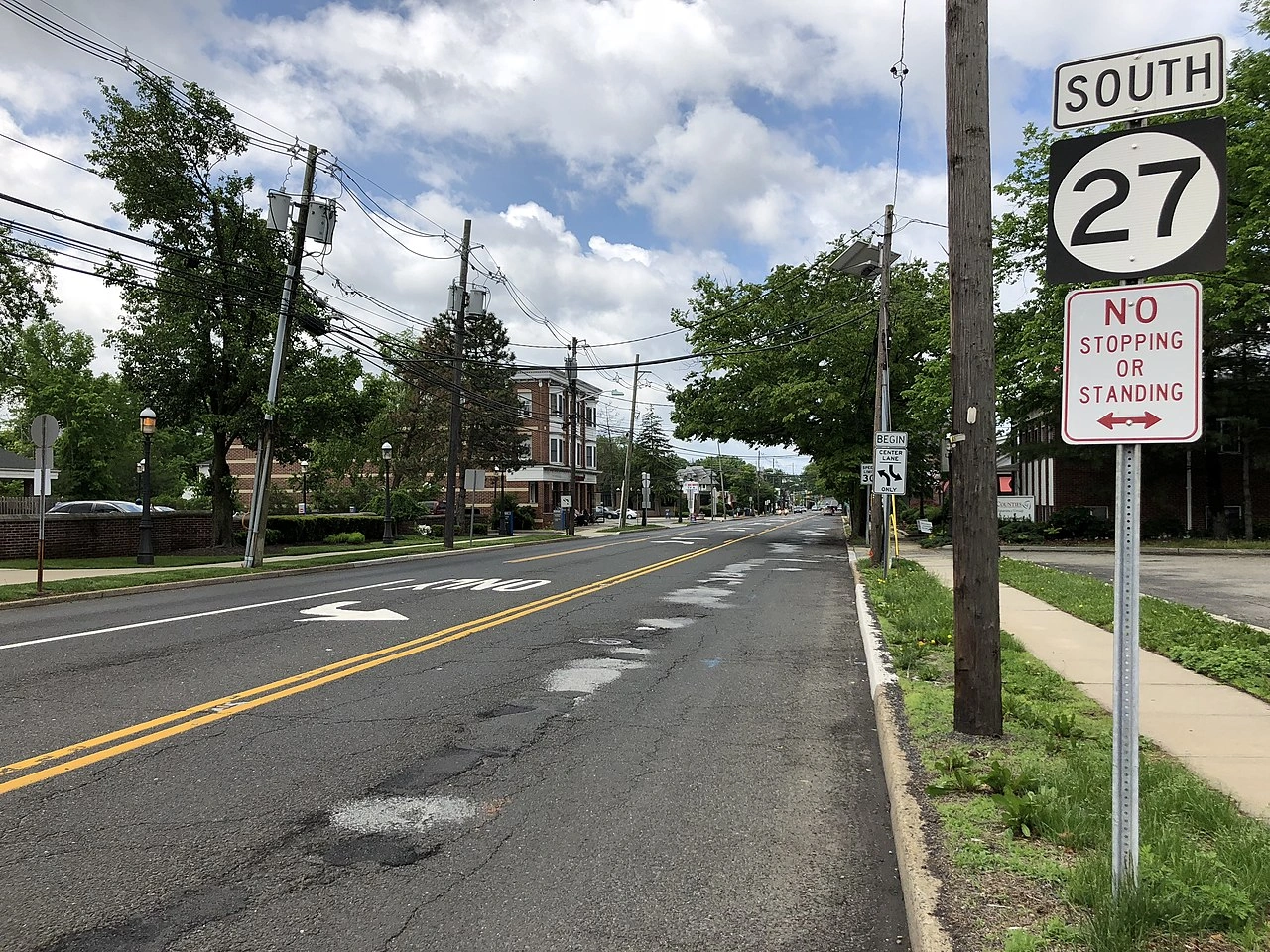
What does a no stopping restriction mean?
It means that a driver may not voluntarily stop the vehicle in the restricted area. The prohibition normally includes stopping to pick up or drop off passengers or to load or unload goods.
What is the difference between no stopping and no parking?
No stopping is the stricter restriction. A no-parking rule may still allow a brief stop for activities such as picking up passengers or loading goods, while a no-stopping rule prohibits these voluntary stops as well.
Can you stop in a no-stopping area during an emergency?
A driver may have to stop because of an emergency, traffic conditions, a red light, police instructions or another situation outside the driver's control. Such compulsory stops are generally different from voluntarily stopping the vehicle.
52. Estacionamiento en línea
El estacionamiento en línea es un método de estacionar un vehículo paralelo al borde de la carretera, normalmente en un espacio entre dos vehículos estacionados. Se utiliza habitualmente cuando las plazas están dispuestas a lo largo del lateral de una calle.
Normalmente implica colocar el vehículo junto al espacio disponible y entrar marcha atrás comprobando cuidadosamente espejos, ángulos muertos y tráfico circundante. El vehículo debe quedar dentro de la zona permitida y suficientemente cerca del borde de la vía sin obstaculizar a otros usuarios.
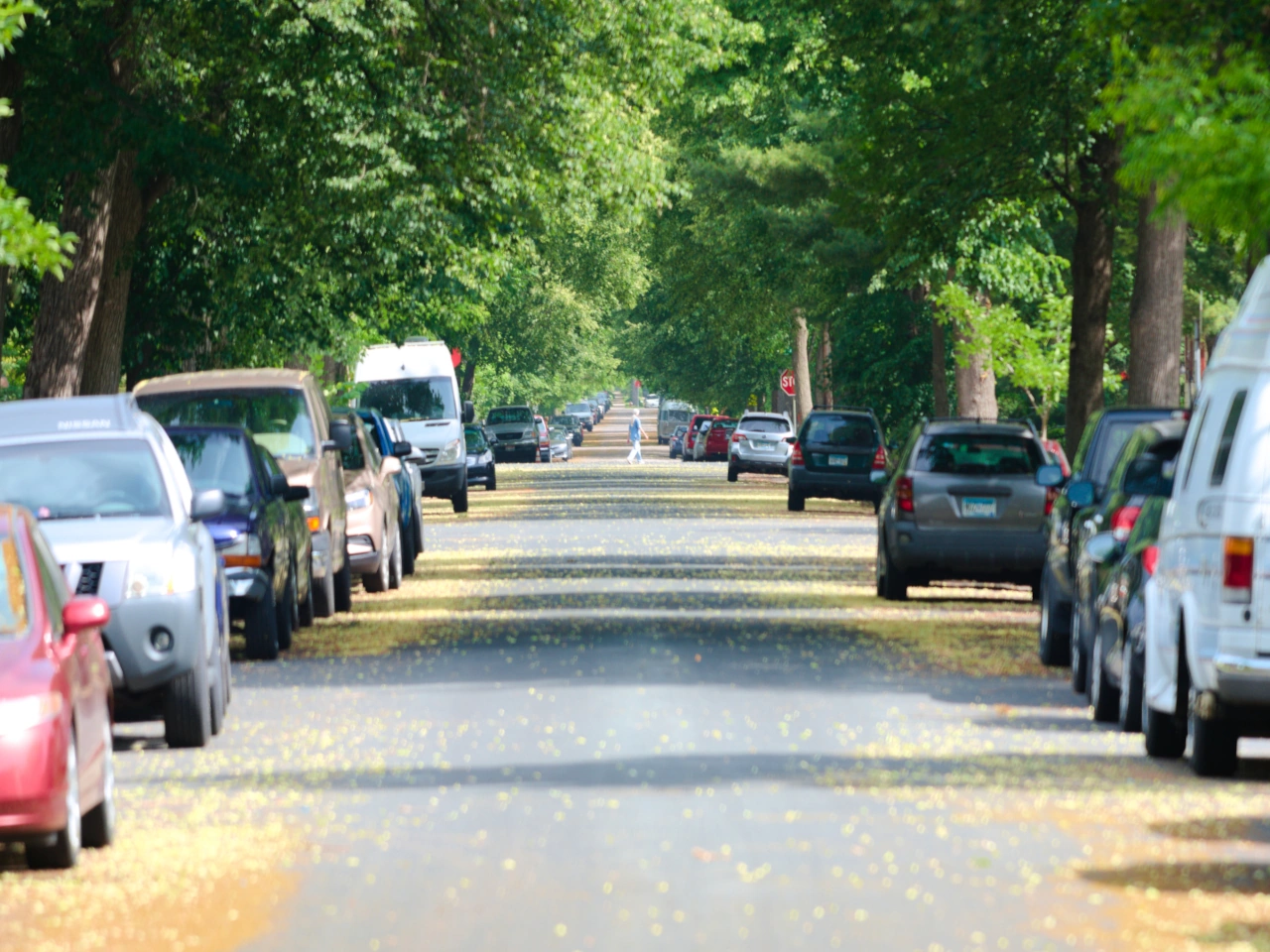
What is parallel parking?
Parallel parking means positioning a vehicle parallel to the edge of the road, typically between vehicles already parked along the kerb or roadside.
What should you check before parallel parking?
Check mirrors and blind spots, signal when required and make sure there is enough space to complete the manoeuvre without endangering pedestrians, cyclists or other traffic.
How should a vehicle be positioned after parallel parking?
The vehicle should be completely within the permitted parking area, reasonably close to the road edge and positioned so that it does not unnecessarily obstruct traffic or access to other vehicles.
53. Aparcamiento disuasorio
Un aparcamiento disuasorio es una instalación donde los conductores dejan su vehículo y continúan el viaje en transporte público, bicicleta u otro medio. Estas instalaciones suelen situarse en las afueras de una ciudad o cerca de grandes rutas de transporte.
Pueden reducir el tráfico y la demanda de estacionamiento en zonas urbanas concurridas al animar a los conductores a completar parte del viaje sin coche. Las tarifas, duración máxima de estacionamiento y conexiones de transporte público varían entre ubicaciones.
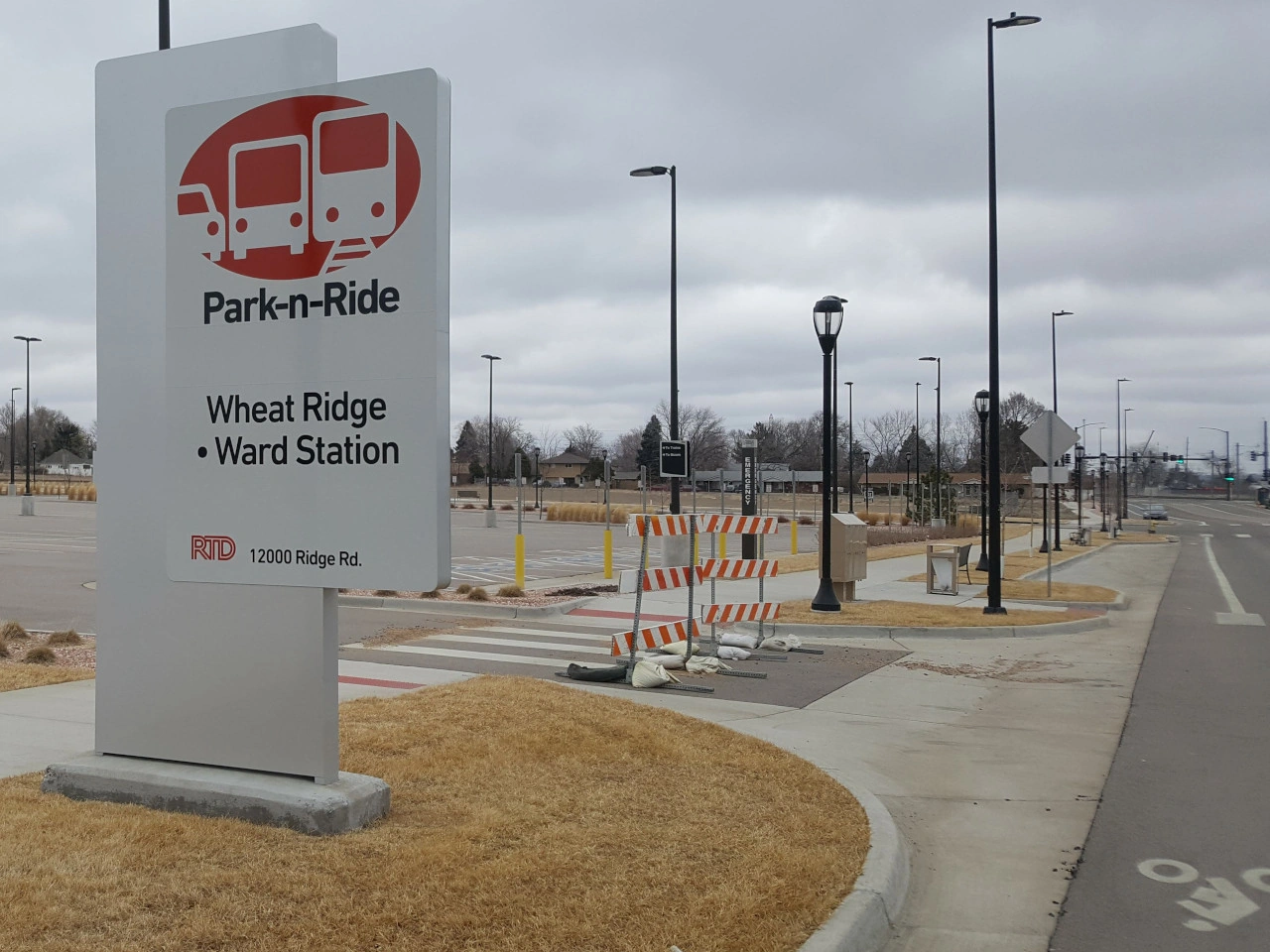
What does P+R mean?
P+R stands for park and ride. It indicates a facility where drivers can park their vehicle and continue their journey using public transport or another form of transport.
Where are park-and-ride facilities usually located?
They are commonly located on the outskirts of cities, near major roads or beside railway, metro, tram or bus connections so that drivers can transfer conveniently to another mode of transport.
Is parking at a park-and-ride always free?
No. Some facilities are free, while others charge for parking or offer special combined parking and public-transport fares. Conditions depend on the individual facility and local authority.
54. Kiss and Ride
Una zona Kiss and Ride es un lugar designado donde los conductores pueden detenerse brevemente para dejar o recoger pasajeros. Estas zonas se encuentran habitualmente cerca de colegios, estaciones de tren, aeropuertos y otros destinos concurridos, permitiendo que los pasajeros entren o salgan sin ocupar plazas de estacionamiento normales.
Una zona Kiss and Ride está pensada para paradas muy breves, no para esperar ni estacionar. Los conductores deben permanecer únicamente el tiempo necesario y respetar señales, límites de tiempo, marcas y normas locales.
What is a Kiss and Ride area?
A Kiss and Ride area is a designated place where drivers can briefly stop to drop off or pick up passengers. It is intended to keep passenger transfers quick and reduce unnecessary parking or congestion near busy destinations.
Can you park in a Kiss and Ride area?
Normally no. Kiss and Ride areas are intended for immediate passenger drop-off or pick-up rather than ordinary parking. The exact legal restrictions depend on the signs and local regulations applying to the area.
Can you wait for someone in a Kiss and Ride area?
Generally, you should not remain in the area waiting for a passenger who is not ready to enter the vehicle. If waiting is necessary, use an ordinary parking or waiting area unless local signs specifically permit waiting.
How long may you stay in a Kiss and Ride area?
Only for the short period necessary for passengers to get in or out, unless signs specify a particular maximum time. Some locations establish an explicit time limit, while others simply require immediate drop-off or pick-up.
Should the driver remain in the vehicle?
Where possible, the driver should normally remain ready to move the vehicle immediately. Leaving the vehicle to accompany a passenger into a building may turn the stop into parking and can prevent other drivers from using the area efficiently.
Can you use a Kiss and Ride area to load luggage?
Passengers may normally take the luggage they need when entering or leaving the vehicle, provided this forms part of the immediate passenger transfer. Using the area for prolonged loading or unloading may not be permitted.
Where are Kiss and Ride areas commonly found?
They are frequently located near schools, railway stations, airports, hospitals and other busy destinations where many passengers are dropped off or collected within a short period.
Can taxis use a Kiss and Ride area?
This depends on the local signs and regulations. A general passenger drop-off area may be available to taxis, while some locations provide separate taxi ranks or reserve the Kiss and Ride area for particular users.
Can you leave your vehicle unattended in a Kiss and Ride area?
Normally this should be avoided. Kiss and Ride areas are designed for rapid passenger transfers, and leaving the vehicle unattended can obstruct other users. Specific local rules may expressly prohibit parking or unattended vehicles.
What should you do if your passenger is not ready?
Move to a suitable parking or waiting area and return when the passenger is ready to be collected. Remaining in the Kiss and Ride area unnecessarily can block the facility and contribute to congestion.
55. Estacionamiento para personas con discapacidad
El estacionamiento para personas con discapacidad se refiere a plazas y privilegios reservados para personas con discapacidad que cumplen los requisitos aplicables. Las plazas reservadas suelen identificarse con el símbolo internacional de la silla de ruedas y situarse para facilitar el acceso a instalaciones cercanas.
El uso de una plaza reservada normalmente requiere una tarjeta o permiso válido para personas con discapacidad. El permiso suele corresponder a la persona autorizada y no a un vehículo concreto, y solo puede utilizarse cuando esa persona conduce o viaja en el vehículo.
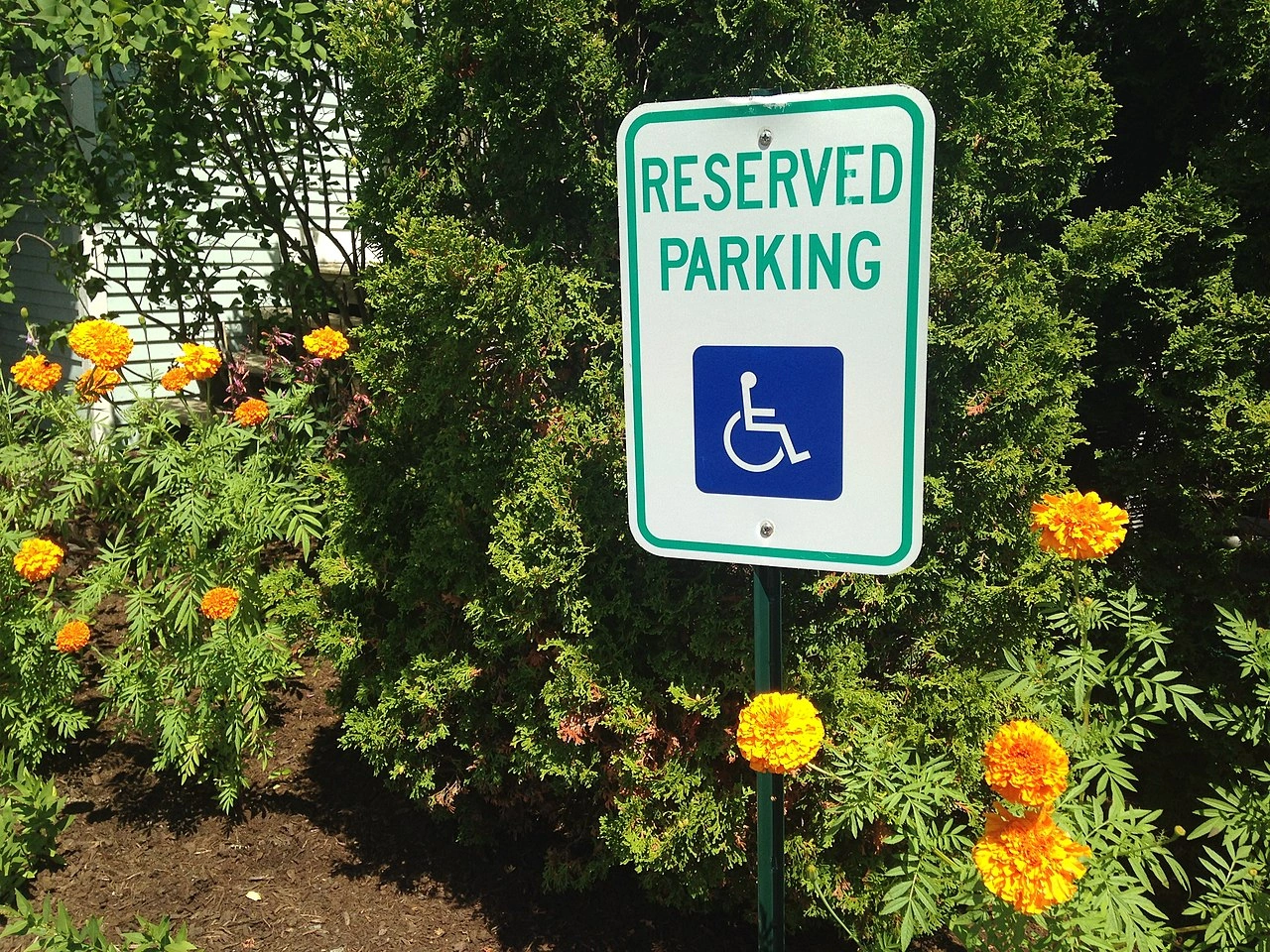
Who may use a disabled parking space?
Disabled parking spaces are intended for eligible people who hold a valid disabled parking permit or card. The exact eligibility requirements and permit system depend on the country.
Can someone use a disabled parking permit when the holder is not present?
Generally no. Disabled parking permits are normally personal and may only be used when the permit holder is driving or travelling in the vehicle.
Does a disabled parking permit always provide free parking?
No. A permit may provide access to reserved spaces or exemptions from certain parking restrictions, but rules concerning parking charges and time limits vary between countries and local authorities.
56. Gestión del tráfico
La gestión del tráfico es el control, regulación y orientación organizada de los usuarios para mejorar la seguridad, fluidez y uso eficiente de las carreteras. Puede incluir semáforos, señales, marcas, controles de carril, límites variables, desvíos e instrucciones de personas autorizadas.
La gestión puede ser permanente o temporal. Las medidas temporales son habituales durante obras, congestión, colisiones, eventos públicos u otros incidentes. Los usuarios deben seguir las señales e instrucciones aplicables en el lugar aunque difieran de la disposición normal.
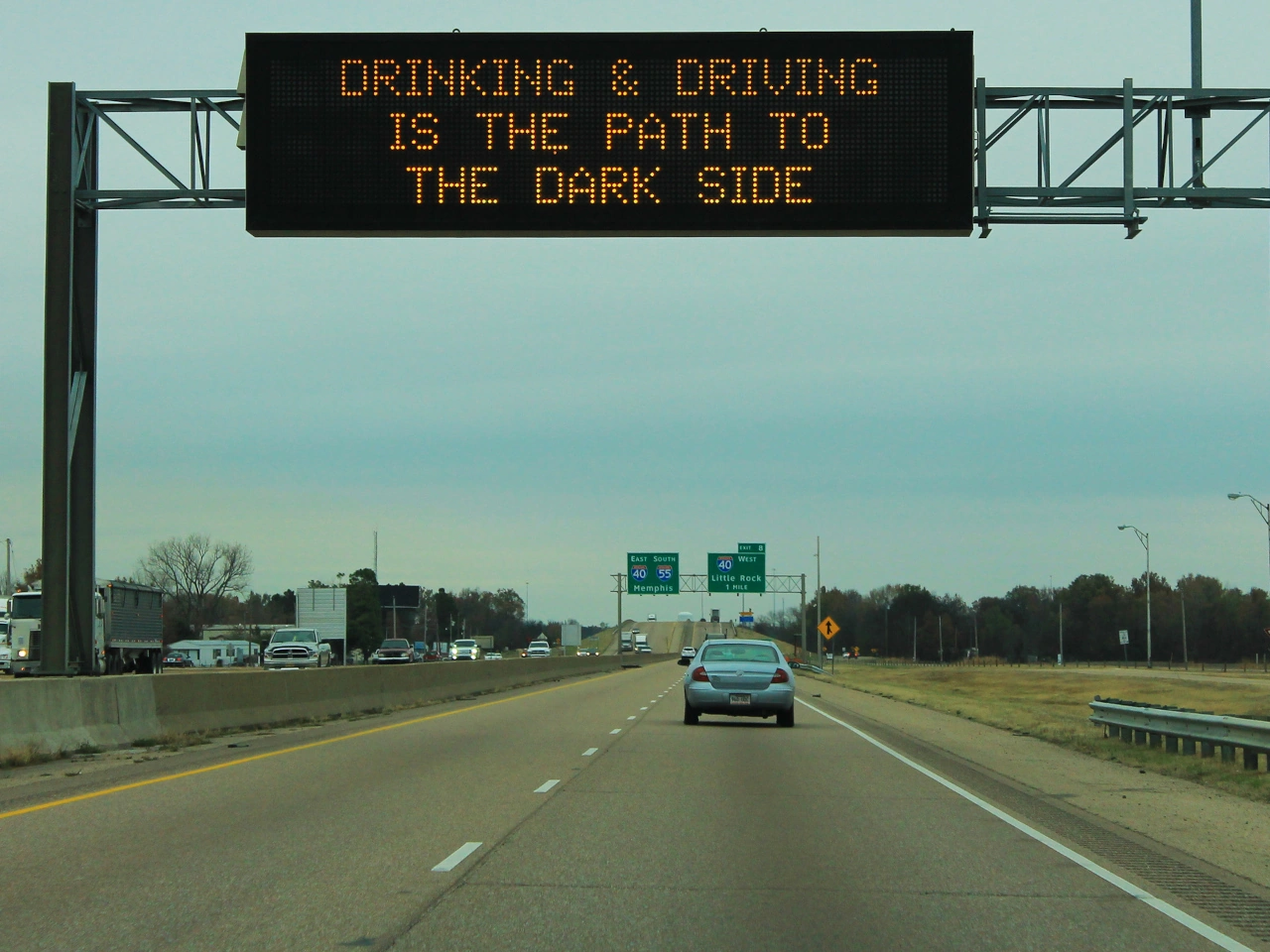
What is traffic management?
Traffic management is the organised control and guidance of traffic using signs, signals, road markings, lane controls, speed restrictions, diversions and other measures.
Why is traffic management used?
Traffic management is used to improve safety, control traffic flow and reduce disruption. It can also protect road workers, pedestrians, cyclists and emergency services.
How can traffic be managed?
Common methods include traffic lights, road signs, road markings, variable-message signs, lane-control signals, temporary barriers, speed restrictions and diversions. Authorised persons may also direct traffic.
Can traffic management change the normal speed limit?
Yes. Temporary or variable speed-limit signs may impose a different maximum speed because of congestion, roadworks, weather, incidents or other conditions. Drivers must follow the limit currently displayed.
Can traffic management change which lanes you may use?
Yes. Lane-control signals, temporary signs or road markings may close lanes, move traffic into different lanes or require drivers to change lane. Follow the current signs and markings rather than the normal road layout.
What should you do when a traffic lane is closed?
Move into an open lane safely and in good time, following any arrows, signs and local merging rules. Never continue along a lane that is clearly indicated as closed.
Can temporary traffic signs be compulsory?
Yes. Properly authorised temporary signs used for roadworks, incidents or other traffic-management measures must be obeyed in the same way as other official traffic signs.
What should you do when an authorised person directs traffic?
Follow the directions of the authorised person. In many countries, these directions take precedence over traffic lights, road signs or the normal traffic rules.
How is traffic managed around roadworks?
Roadworks may use temporary speed limits, lane closures, barriers, temporary markings, traffic lights and diversions. Road users should reduce speed where necessary and carefully follow the temporary route.
Does traffic management also protect pedestrians and cyclists?
Yes. Temporary or permanent traffic arrangements should account for pedestrians and cyclists as well as motor vehicles. They may be provided with separate routes, crossings, signals or diversions where necessary.
57. Marcha atrás
La marcha atrás consiste en conducir un vehículo hacia atrás. Se utiliza habitualmente al estacionar, salir de un espacio reducido o recolocar un vehículo cuando avanzar no es práctico.
Antes de dar marcha atrás, el conductor debe comprobar espejos y ángulos muertos, mirar cuidadosamente alrededor y asegurarse de que la zona posterior está libre. Debe hacerse lentamente y solo durante el tiempo necesario porque la visibilidad hacia atrás suele ser limitada.
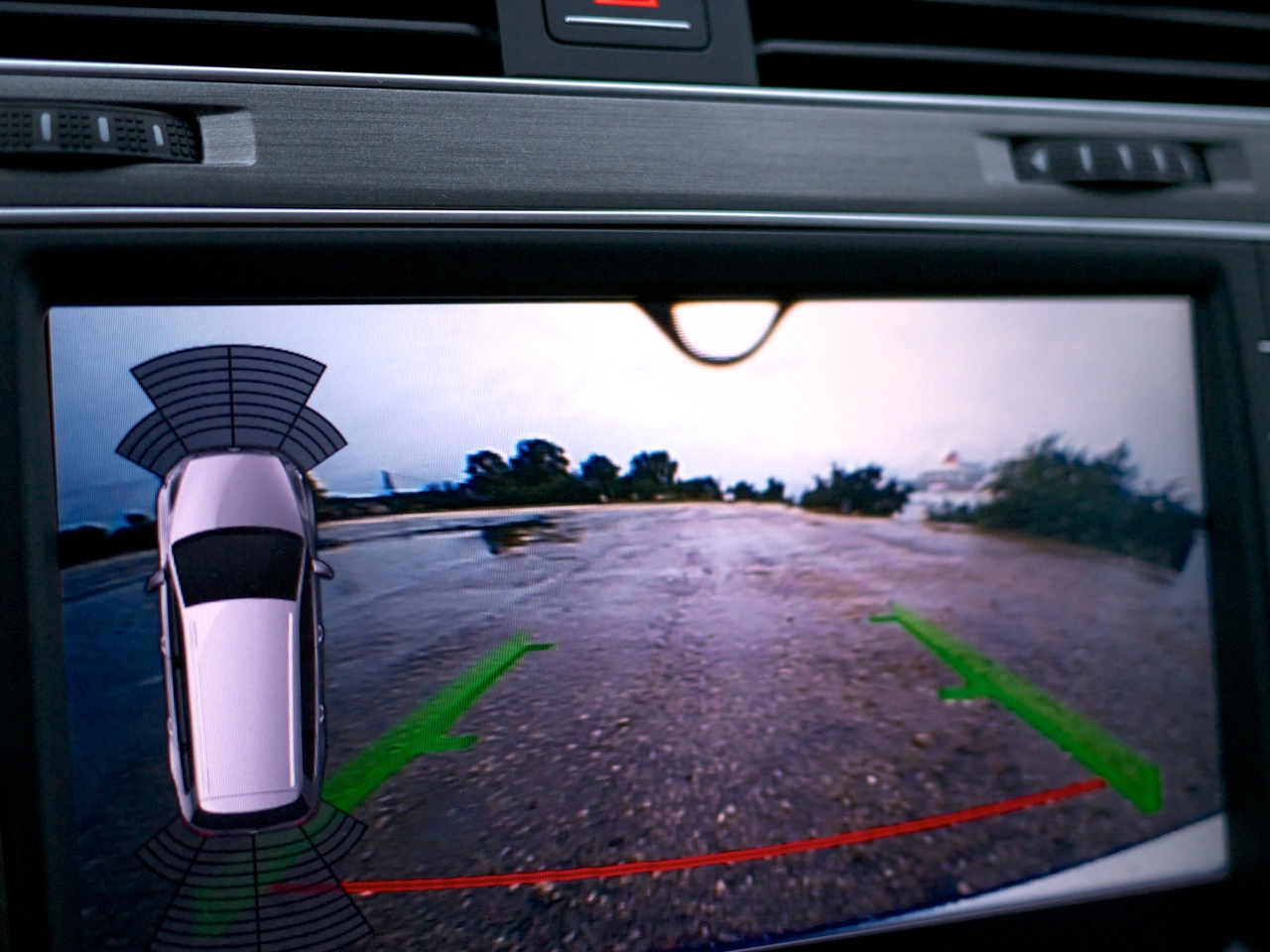
What should you check before reversing?
Check behind and around the vehicle for pedestrians, cyclists, other vehicles and obstacles. Use mirrors and cameras where available, but also look directly because monitoring systems can have blind spots.
Who has priority when a vehicle is reversing?
In many countries, reversing is treated as a manoeuvre and the reversing driver must give way to other road users. The exact legal requirements depend on national traffic rules.
Should you reverse for a long distance?
No. Reversing should normally be limited to the distance necessary to complete the manoeuvre safely. Driving forward generally provides better visibility and vehicle control.
58. Cambio de sentido
Un cambio de sentido es una maniobra en la que un vehículo gira para circular en la dirección opuesta. Normalmente implica cruzar parte de la calzada y reincorporarse al tráfico orientado hacia la dirección de la que venía.
Antes de realizarlo, el conductor debe comprobar el tráfico, peatones y ciclistas, señalizar cuando sea obligatorio y asegurarse de que hay visibilidad y espacio suficientes. Los cambios de sentido pueden estar prohibidos mediante señales o en determinados tipos de vías.
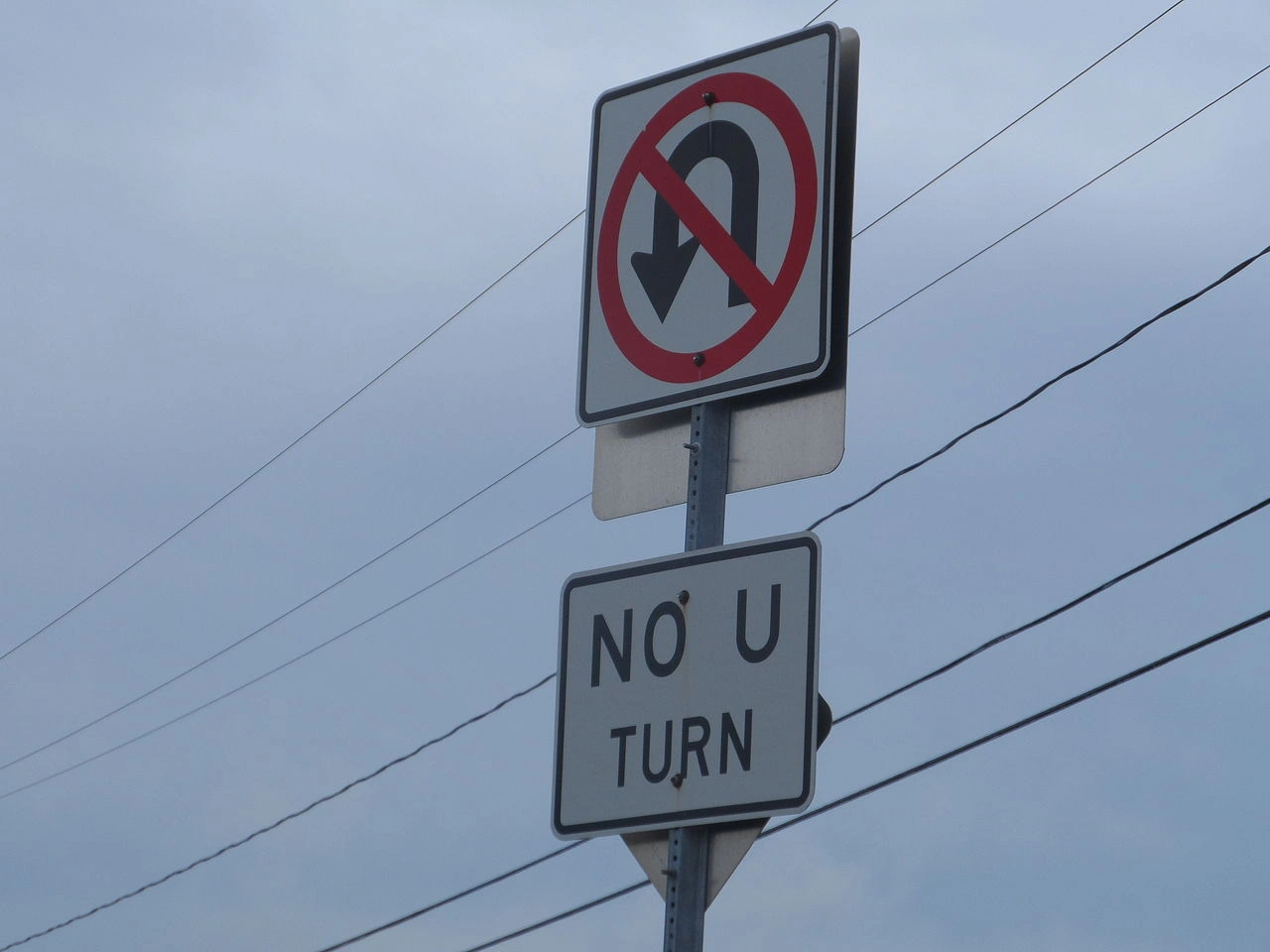
What is a U-turn?
A U-turn is a manoeuvre used to reverse a vehicle's direction so that it continues along the road in the opposite direction.
What should you check before making a U-turn?
Check traffic in all relevant directions, mirrors and blind spots, and look for pedestrians, cyclists and other road users. Make sure there is sufficient visibility and space and that the manoeuvre is permitted.
Can you make a U-turn anywhere?
No. U-turns may be prohibited by traffic signs or road rules and should never be attempted where visibility, road layout or traffic conditions make the manoeuvre unsafe.
59. Viaje compartido
Compartir coche significa realizar un trayecto con una o más personas que viajan en la misma dirección. Los ocupantes pueden compartir gastos o simplemente viajar juntos para reducir el número de vehículos separados que hacen el mismo recorrido.
Es habitual para desplazamientos al trabajo, viajes escolares y trayectos de larga distancia. Algunas redes disponen de aparcamientos específicos donde los viajeros pueden reunirse, dejar un vehículo y continuar juntos.
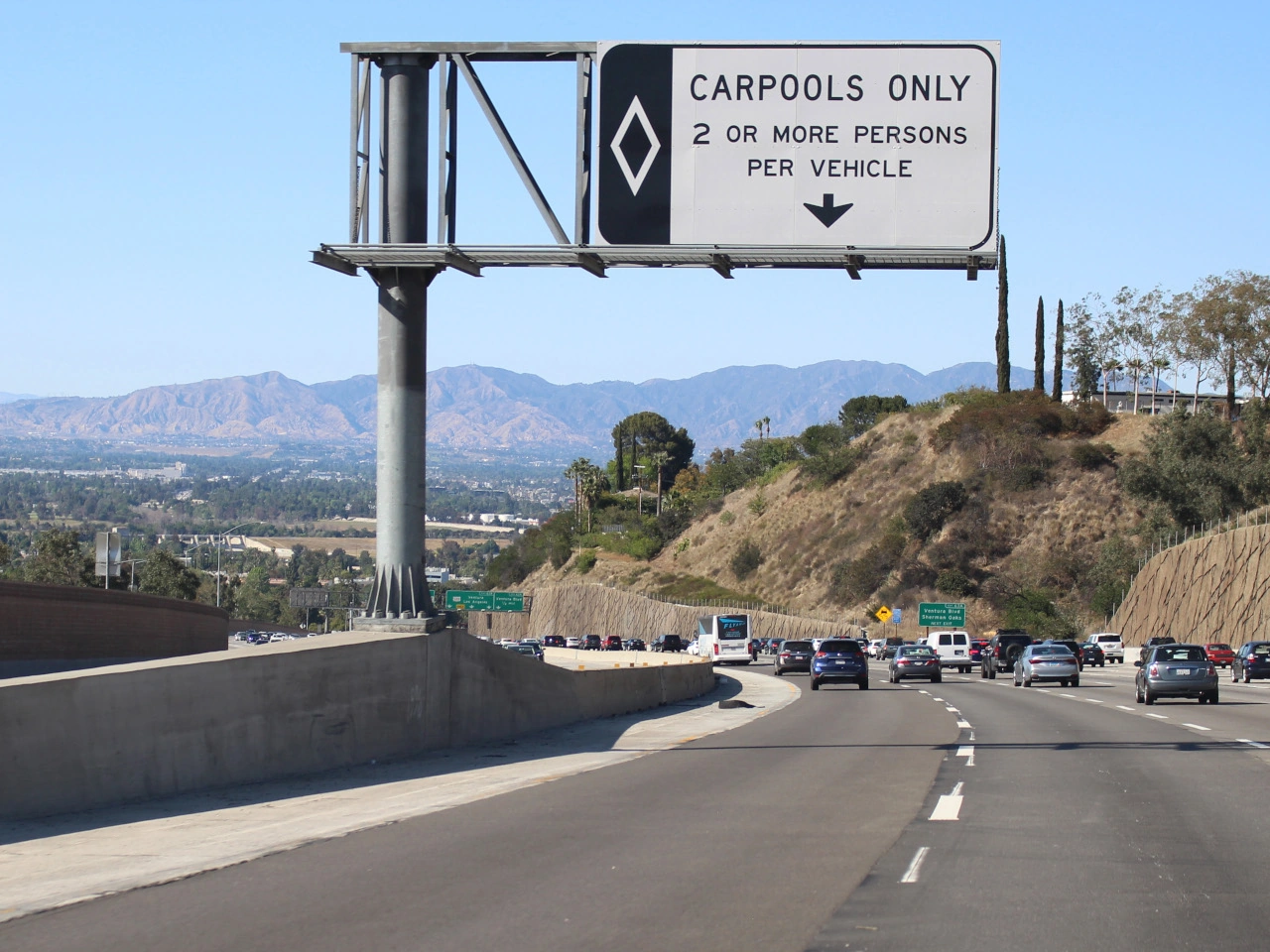
What is carpooling?
Carpooling means two or more people sharing the same car for a journey instead of travelling separately in different vehicles.
What is a carpool parking area?
A carpool parking area is a designated place where travellers can meet, park one or more vehicles and continue their journey together in a shared car.
Is carpooling the same as carsharing?
No. Carpooling means several people travelling together in the same vehicle, while carsharing means different users having access to the same shared vehicle at different times.
60. Desvío
Un desvío es una ruta alternativa temporal utilizada cuando la carretera habitual está cerrada, bloqueada o no disponible. Los desvíos se establecen normalmente durante obras, accidentes, eventos públicos, inundaciones u otras interrupciones. Los conductores deben seguir cuidadosamente las señales temporales, reducir la velocidad cuando sea necesario y esperar carreteras desconocidas, prioridades cambiadas o tráfico adicional en la ruta alternativa.
What is a detour?
A detour is an alternative route that directs traffic around a closed, blocked or restricted section of road.
Why are detours used?
Detours may be introduced because of roadworks, accidents, flooding, public events or other temporary obstructions that prevent normal use of the road.
Do you have to follow a detour?
Drivers must follow mandatory traffic signs and authorised traffic directions. A signed detour should be followed when the normal route is closed or restricted.
Are detours always temporary?
Most detours are temporary and remain in place only while the normal route is unavailable, although they can sometimes last for an extended period during major works.
Should you drive differently on a detour?
Yes. Detours may use unfamiliar or smaller roads, so drivers should reduce speed where necessary, watch for changed priorities and follow temporary signs carefully.
What is the difference between a detour and a diversion?
Detour and diversion generally describe the same concept: an alternative route around a road that cannot be used normally. The preferred term varies between countries and languages.
61. Intersección sin regulación
Una intersección sin regulación es un cruce donde la prioridad no está regulada específicamente por semáforos, una persona autorizada o señales que asignen prioridad a determinados accesos. Los conductores deben determinar quién tiene prioridad aplicando las normas generales del país.
La regla aplicable varía entre países y puede ser prioridad por la derecha, prioridad por la izquierda u otra norma general de preferencia. Los conductores deben aproximarse con cuidado, observar el tráfico de todas las direcciones y no suponer que una vía más ancha o concurrida tiene automáticamente prioridad.
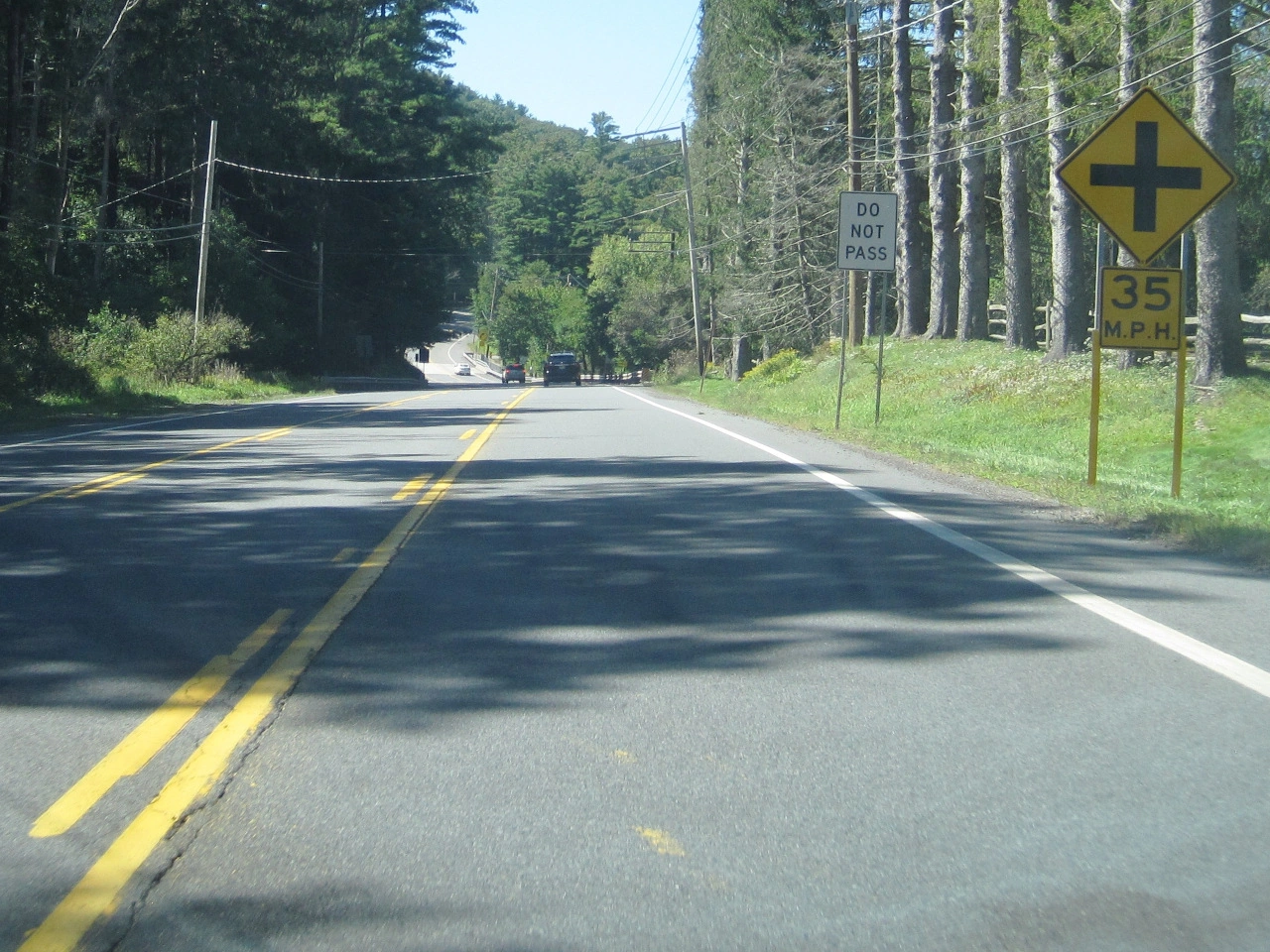
What is an uncontrolled crossroad?
An uncontrolled crossroad is an intersection where priority is not specifically assigned by traffic lights, an authorised person or priority signs. Drivers must use the default priority rules of the country.
Who has priority at an uncontrolled crossroad?
This depends on the local traffic law. Some countries use priority from the right, while others use different rules. Drivers should know the default intersection rule of the country in which they are driving.
Does the wider road automatically have priority?
Not necessarily. The width, surface or amount of traffic on a road does not by itself determine priority unless local law specifically provides otherwise.
Should you slow down at an uncontrolled crossroad?
Yes. Approach at a speed that allows you to observe approaching traffic, determine who has priority and stop safely if necessary.
Do cyclists have to follow the priority rules at an uncontrolled crossroad?
Yes. Cyclists generally follow the applicable intersection priority rules unless a specific cycle facility, sign or local rule provides otherwise.
Does driving straight ahead automatically give you priority?
No. Continuing straight ahead does not automatically give priority over traffic approaching on another road. The applicable priority rules must still be followed.
Does turning right or left change the priority rules?
Turning may create additional obligations, particularly towards pedestrians, cyclists or opposing traffic. Drivers must follow both the intersection priority rule and the rules governing the intended turn.
What if two vehicles reach an uncontrolled crossroad at the same time?
Apply the country's default priority rule. Do not rely simply on which vehicle appears to have arrived first unless local law specifically uses that rule.
What if the traffic lights at an intersection are not working?
The intersection is not necessarily completely uncontrolled. Priority signs, road markings and default priority rules may still determine who must give way. Drivers should approach with particular caution.
What should you do if you are unsure who has priority?
Reduce speed and be prepared to stop. Never force your way through an intersection simply because the priority situation is unclear.
62. Ramal
Un ramal es una carretera de conexión que permite a los vehículos entrar o salir de otra vía, especialmente una autopista, vía rápida u otra carretera con enlaces a distinto nivel. Los ramales se utilizan habitualmente en enlaces para conectar carreteras sin que el tráfico tenga que cruzarse directamente al mismo nivel.
Un ramal de entrada conduce el tráfico hacia la vía principal, mientras que un ramal de salida lo aleja de ella. Los conductores deben seguir las señales y marcas viales, adaptar la velocidad y vigilar atentamente el tráfico que se incorpora o se separa.
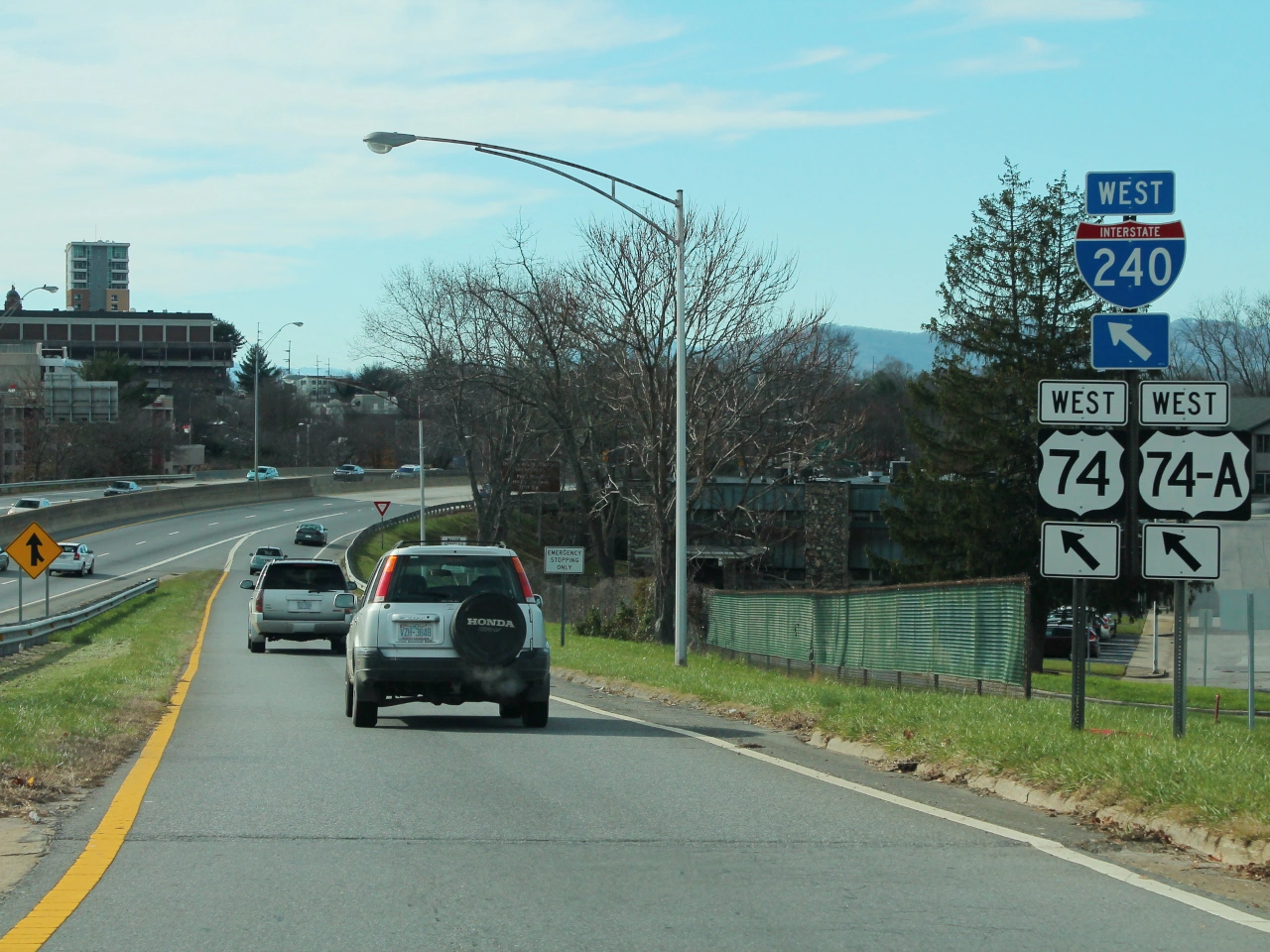
What is a road ramp?
A ramp is a connecting road used to enter or leave another road, particularly a motorway, expressway or grade-separated highway.
What is the difference between an entrance ramp and an exit ramp?
An entrance ramp carries traffic toward the main road, while an exit ramp carries traffic away from it toward another road or destination.
How should you use a motorway entrance ramp?
Follow the signs and road markings, use the ramp to adjust your speed to the traffic on the motorway and merge only when it is safe and permitted. The exact priority rules depend on the country.
63. Salida
Una salida es una ruta o punto designado por el que el tráfico abandona una carretera, autopista, vía rápida u otra ruta principal. En carreteras de alta velocidad, una salida suele llevar desde la calzada principal a un carril de salida o ramal que conecta con otra carretera o destino.
Los conductores que se aproximan a una salida deben seguir las señales de dirección y las marcas viales, colocarse con suficiente antelación en el carril adecuado y adaptar la velocidad según sea necesario después de abandonar la corriente principal de tráfico.
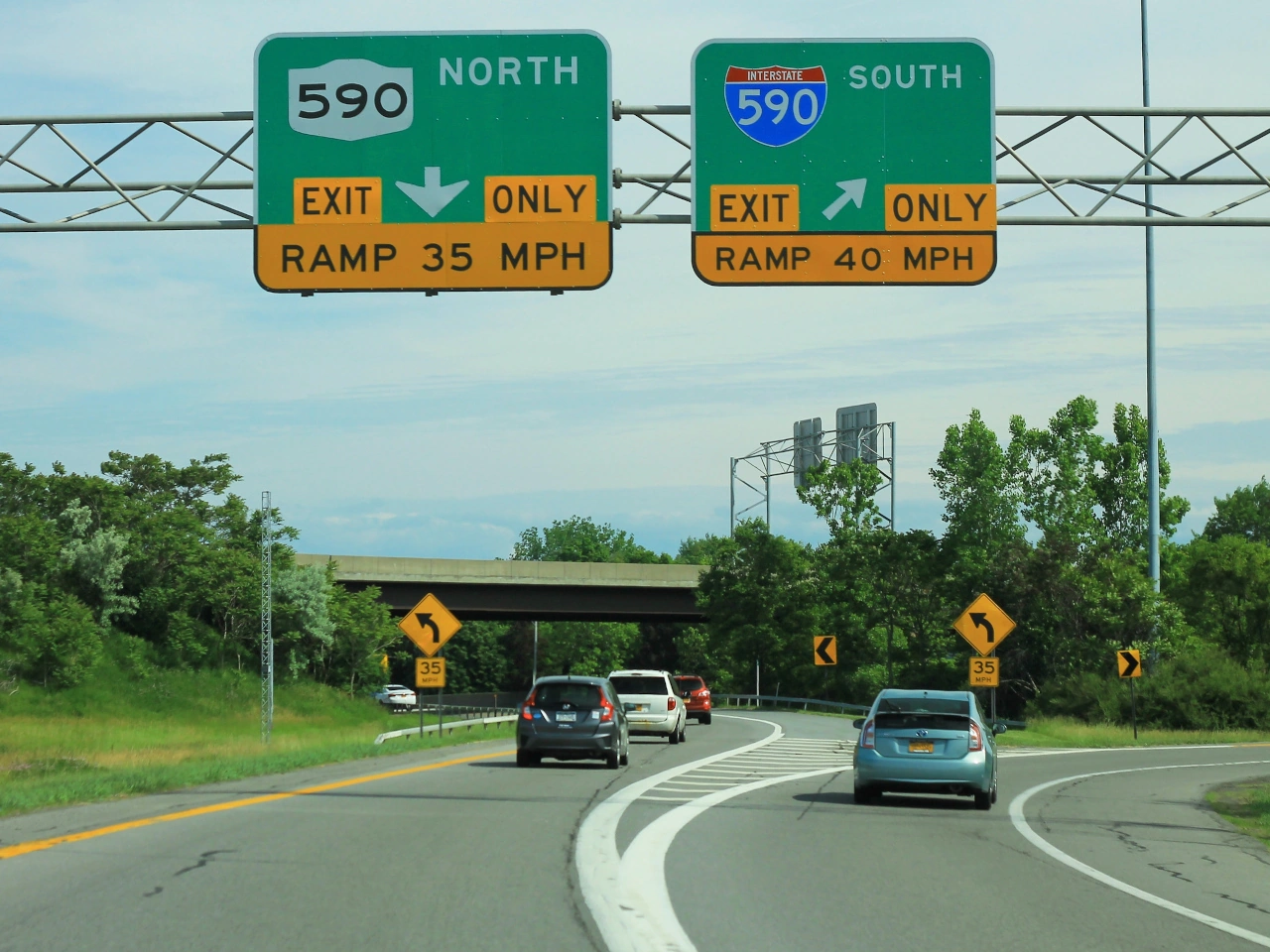
What is a road exit?
An exit is a designated route or point that allows traffic to leave a road, motorway or expressway and continue toward another road or destination.
How should you prepare for an exit?
Check the direction signs, select the correct lane in good time, signal when required and avoid sudden lane changes when approaching the exit.
What should you do if you miss your exit?
Continue safely along the road and use a later exit or another permitted route. Do not stop, reverse or make a dangerous sudden manoeuvre simply to reach an exit you have missed.
64. Equitación
Equitación se refiere a montar a caballo y a las actividades relacionadas con caballos y jinetes. En el tráfico vial, un jinete puede utilizar carreteras, caminos ecuestres o rutas especialmente designadas, según las normas y la infraestructura disponibles.
Los conductores que se aproximen a caballos y jinetes deben reducir la velocidad, dejar espacio suficiente y evitar ruidos o movimientos bruscos que puedan asustar al animal. Los jinetes también deben respetar las normas de tráfico que les sean aplicables.
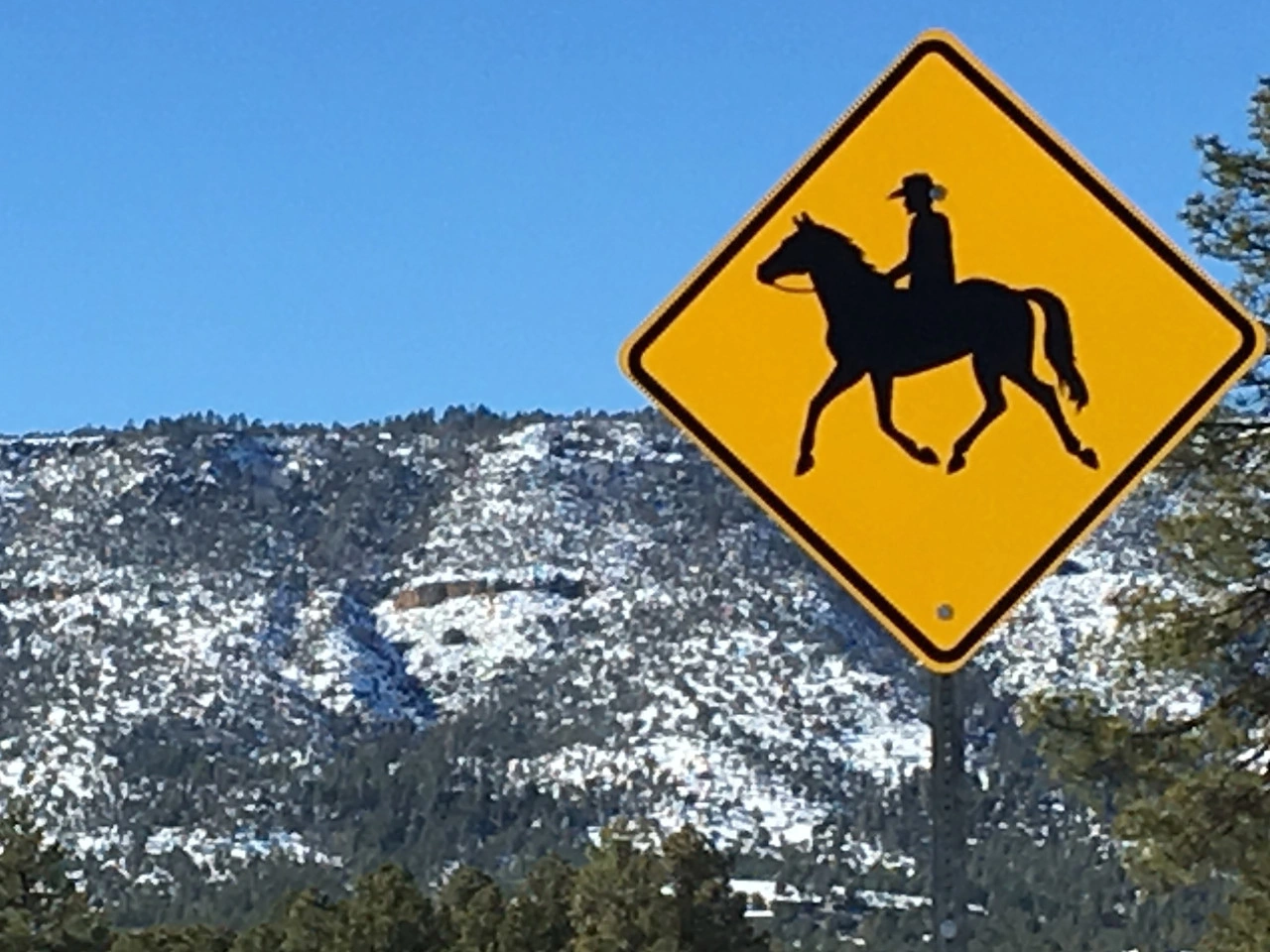
What does equestrian mean in road traffic?
Equestrian refers to horse riding and, in a traffic context, particularly to people travelling on horseback or using designated horse-riding routes.
Where can equestrians ride?
Depending on local rules, riders may use roads, bridleways, paths or routes specifically designated for horse riding.
How should drivers behave near horse riders?
Drivers should slow down, leave plenty of space and pass calmly, avoiding sudden acceleration, horn use or other actions that could frighten the horse.
65. Salida de emergencia
Una salida de emergencia es una vía de evacuación señalizada que permite a los usuarios abandonar un túnel u otra instalación de tráfico cerrada durante un incidente grave como un incendio, presencia de humo u otra emergencia. Las salidas conducen hacia una zona más segura separada del peligro inmediato.
En una emergencia, los ocupantes deben abandonar el vehículo cuando sea necesario evacuar y seguir las señales e instrucciones de salida. Deben alejarse del peligro en lugar de permanecer dentro del túnel o regresar al vehículo.
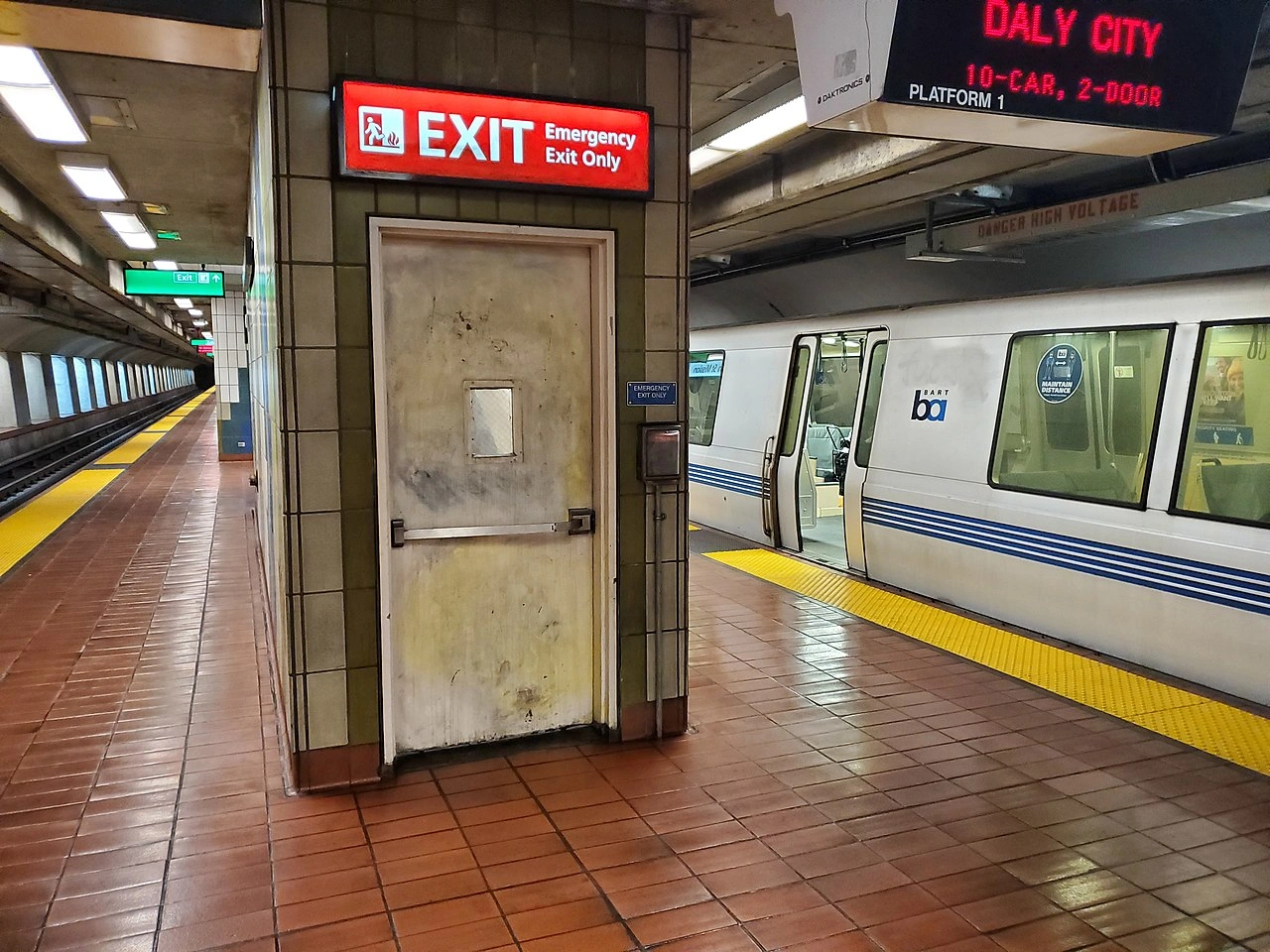
What is an emergency exit in a road tunnel?
An emergency exit is a designated escape route that allows people to leave the traffic area of a tunnel and reach a safer location during an emergency.
When should you use a tunnel emergency exit?
Use an emergency exit when evacuation is necessary because of fire, smoke or another serious danger, or when instructed to evacuate by tunnel personnel or emergency services.
Should you take your vehicle through an emergency exit?
No. Tunnel emergency exits are intended for people evacuating on foot. Leave the vehicle when necessary and follow the marked escape route towards safety.
66. Rampa de frenado de emergencia
Una rampa de frenado de emergencia es un carril especialmente construido para detener un vehículo que ha perdido la capacidad efectiva de frenado, especialmente un vehículo pesado que desciende una pendiente pronunciada. La rampa puede utilizar una pendiente ascendente, grava profunda u otra superficie que absorba energía para ralentizar y detener el vehículo.
Un conductor que haya perdido capacidad de frenado debe entrar en la rampa lo antes posible y con seguridad en lugar de intentar continuar cuesta abajo. Estas rampas son instalaciones de emergencia y no deben utilizarse para paradas normales, estacionamiento o giros.
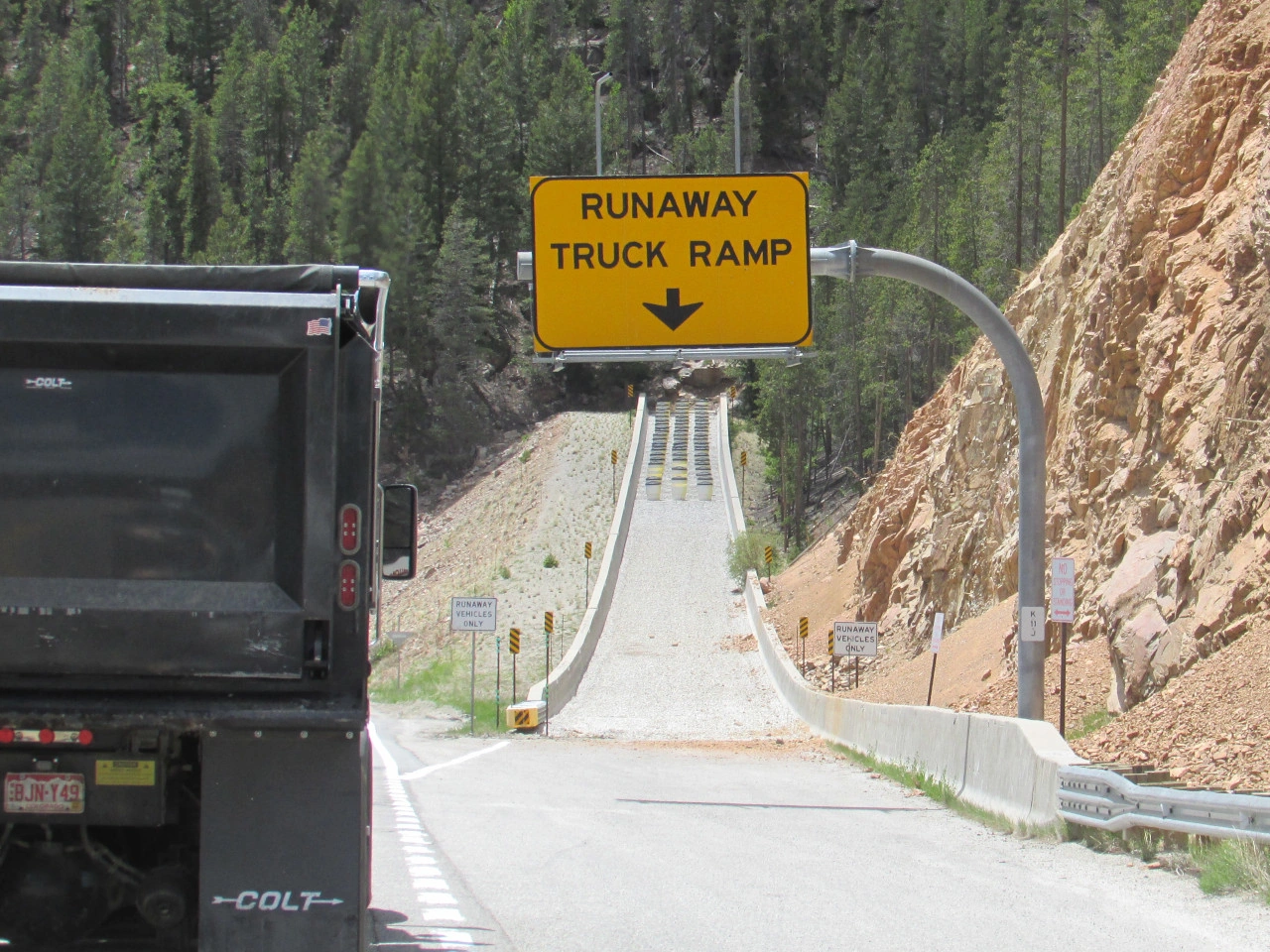
What is a runaway truck ramp used for?
It provides an emergency stopping area for a vehicle that can no longer slow down adequately with its normal brakes. It is particularly intended for heavy vehicles on long or steep descents.
How does a runaway truck ramp stop a vehicle?
Depending on its design, the ramp may rise uphill or contain deep gravel, sand or another arresting material that creates resistance and rapidly reduces the vehicle's speed.
Can you use a runaway truck ramp for normal stopping or parking?
No. An escape ramp is an emergency safety facility and should be kept clear for vehicles that have lost effective braking or control.
67. Carga sobredimensionada
Una carga sobredimensionada hace que un vehículo o conjunto supere las dimensiones normalmente permitidas para el tráfico, como longitud, anchura o altura máximas. Estas cargas suelen incluir maquinaria grande, componentes de construcción u objetos que no pueden dividirse razonablemente en cargas menores.
Su transporte puede requerir un permiso especial, una ruta autorizada, señales de advertencia, luces o vehículos de escolta. Los conductores deben cumplir las condiciones impuestas por las autoridades responsables de las carreteras utilizadas.
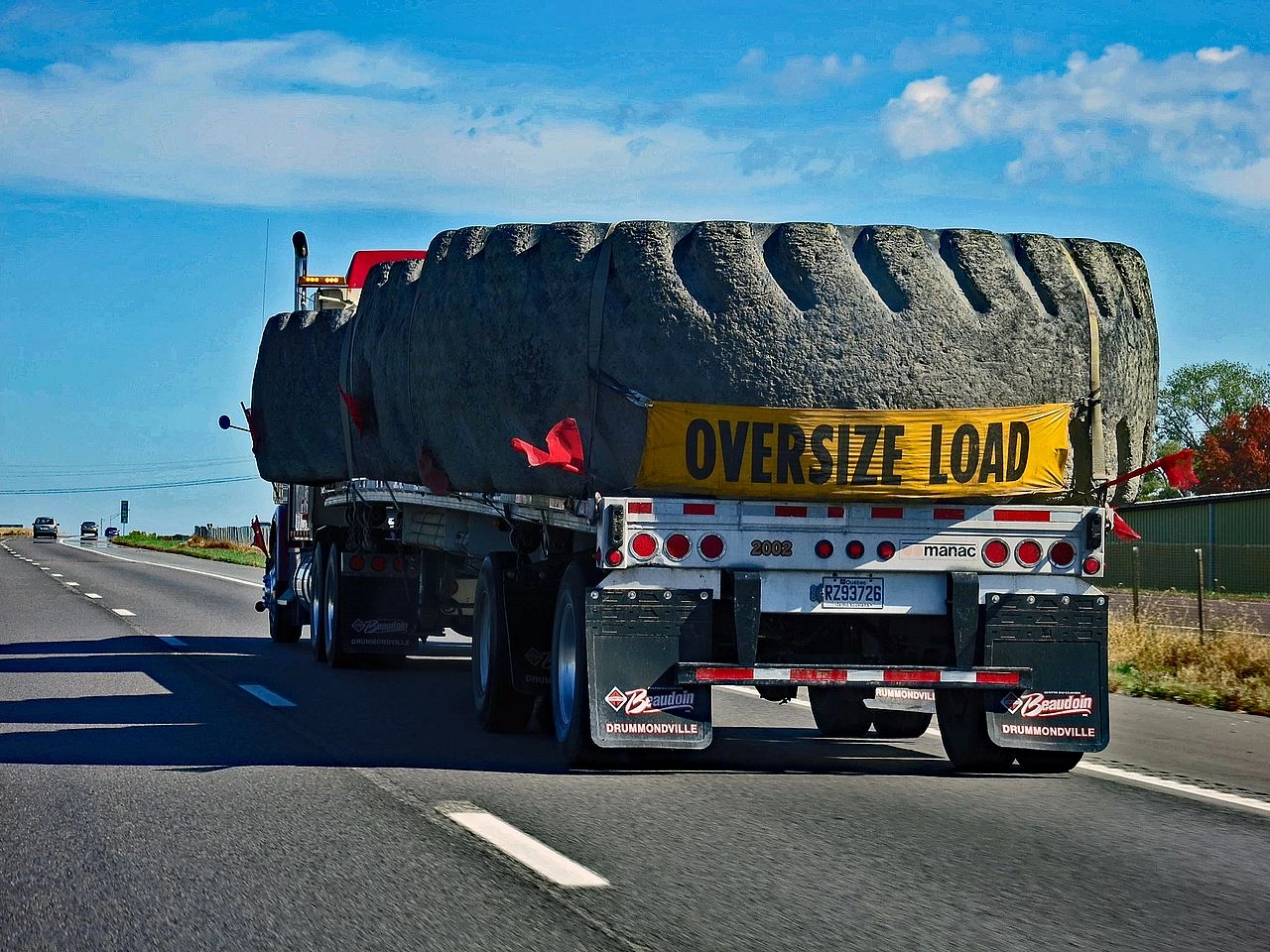
What is an oversize load?
An oversize load is a load that makes a vehicle or vehicle combination exceed one or more of the normal legal dimensions for road use, such as its permitted width, height or length.
Does an oversize load require a special permit?
Often yes. Depending on the country, dimensions and route, a permit may be required and can specify where and when the vehicle may travel and what additional safety measures must be used.
Why might an oversize load need an escort vehicle?
Escort vehicles can warn other road users, help manage difficult road sections and assist the exceptional vehicle when its size creates additional traffic risks. The number and type of escorts required depend on national rules and the dimensions of the transport.
68. Límite de población
Un límite de población marca la entrada o salida de una ciudad, pueblo u otra zona urbana legalmente definida. En muchos países, esta señal también determina dónde comienzan o terminan determinadas normas urbanas, como límites generales de velocidad.
Los conductores deben observar si la señal tiene efectos legales sobre velocidad, estacionamiento, uso del claxon u otras normas. El diseño y consecuencias varían entre países.
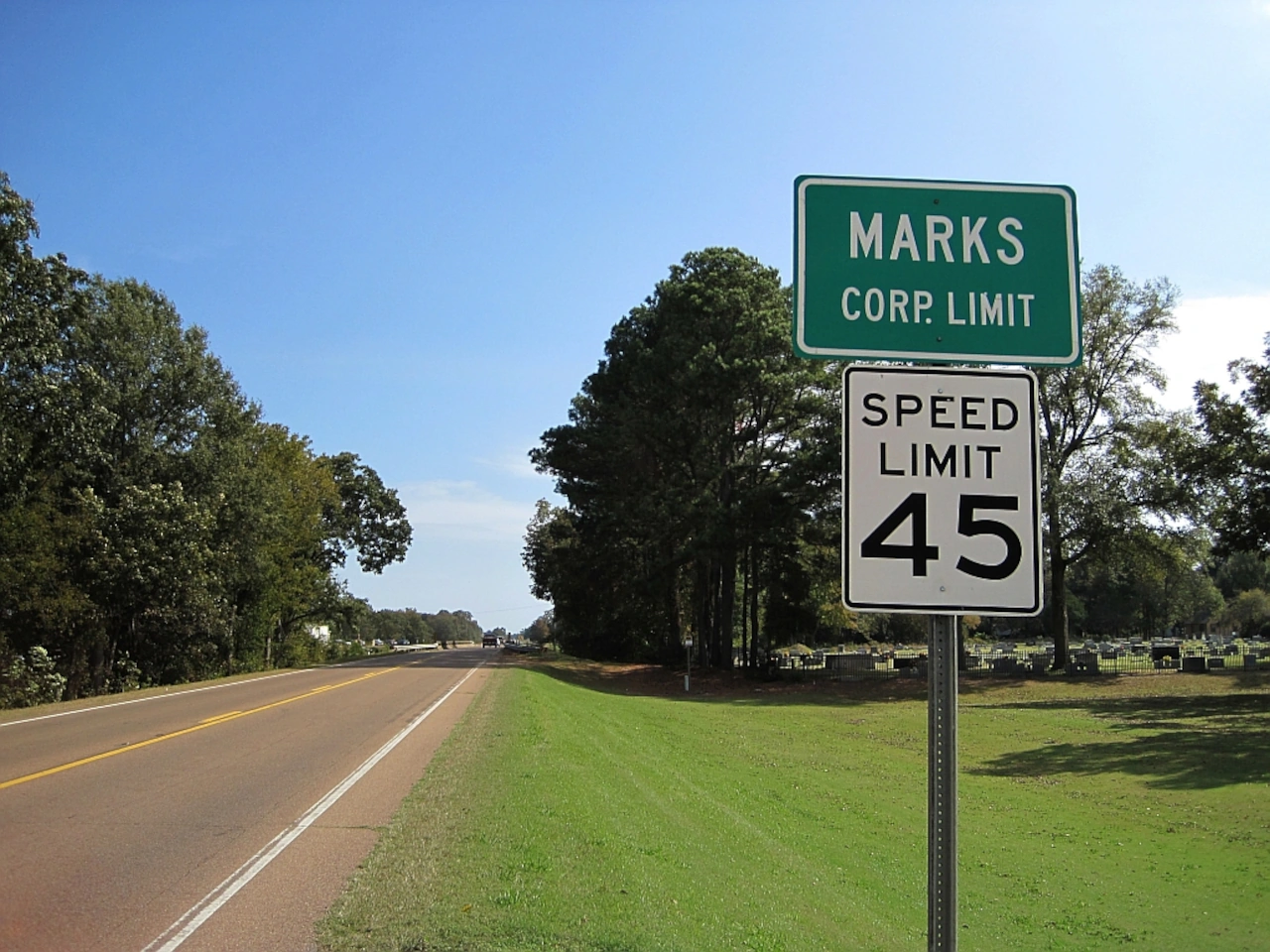
What is a city limit?
A city limit marks the boundary of a city, town, village, locality or municipality. On roads, it is often indicated by a place-name or boundary sign.
Does a city-limit sign always mark a built-up area?
No. A city-limit or locality sign may simply identify a place or administrative boundary. A legally defined built-up area can use a different sign or definition.
Does passing a city-limit sign always change the speed limit?
No. In some countries a locality or boundary sign has consequences for traffic rules, while in others it mainly identifies the place. Drivers must follow the traffic signs and rules that apply in that country.
Is a city limit the same as a municipal boundary?
Not always. Some signs indicate an administrative municipal boundary, while others identify a city, town, village or locality without exactly following the municipality's legal boundary.
What is the difference between a city limit and a built-up area?
A city limit identifies the boundary of a named place or administrative area. A built-up area is a traffic-law concept that may affect rules such as default speed limits. The two boundaries can coincide, but they do not have to.
69. Atracción turística
Una atracción turística es un lugar de interés al que los visitantes pueden desplazarse por motivos culturales, históricos, recreativos, naturales o de entretenimiento. Entre los ejemplos se incluyen monumentos, castillos, museos, parajes escénicos, parques de atracciones y otros destinos destacados.
Las atracciones turísticas pueden indicarse mediante señales turísticas o de dirección que ayudan a los viajeros a encontrar el destino. Los colores, símbolos y tipos de atracciones mostrados varían entre países.
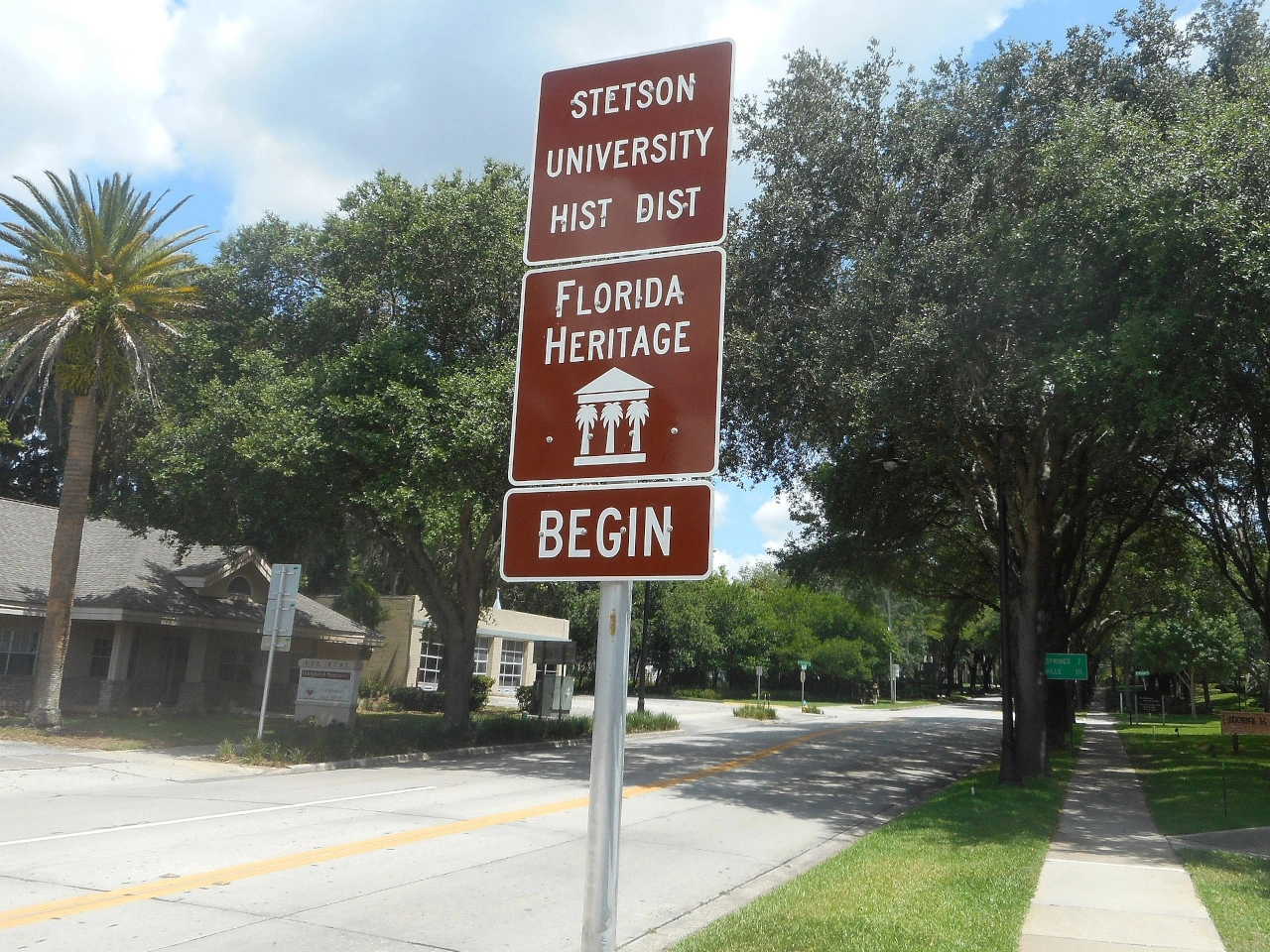
What is a tourist attraction?
A tourist attraction is a place that visitors travel to because of its cultural, historical, natural, recreational or entertainment value.
What are examples of tourist attractions?
Examples include monuments, castles, museums, scenic locations, cultural sites, amusement parks and recreational destinations.
Can tourist attractions be indicated by road signs?
Yes. Many countries use tourist or direction signs to guide travellers toward important attractions and places of interest.
70. Claxon
El claxon es un dispositivo sonoro utilizado para advertir a otros usuarios de un peligro o llamar su atención cuando sea necesario por seguridad. La mayoría de los vehículos de motor disponen de un claxon eléctrico accionado desde el volante. Las normas de tráfico suelen restringir su uso innecesario o excesivo, especialmente en zonas urbanas o residenciales. Por ello, debe utilizarse como dispositivo de advertencia y no como forma de expresar frustración o saludar a otros usuarios.
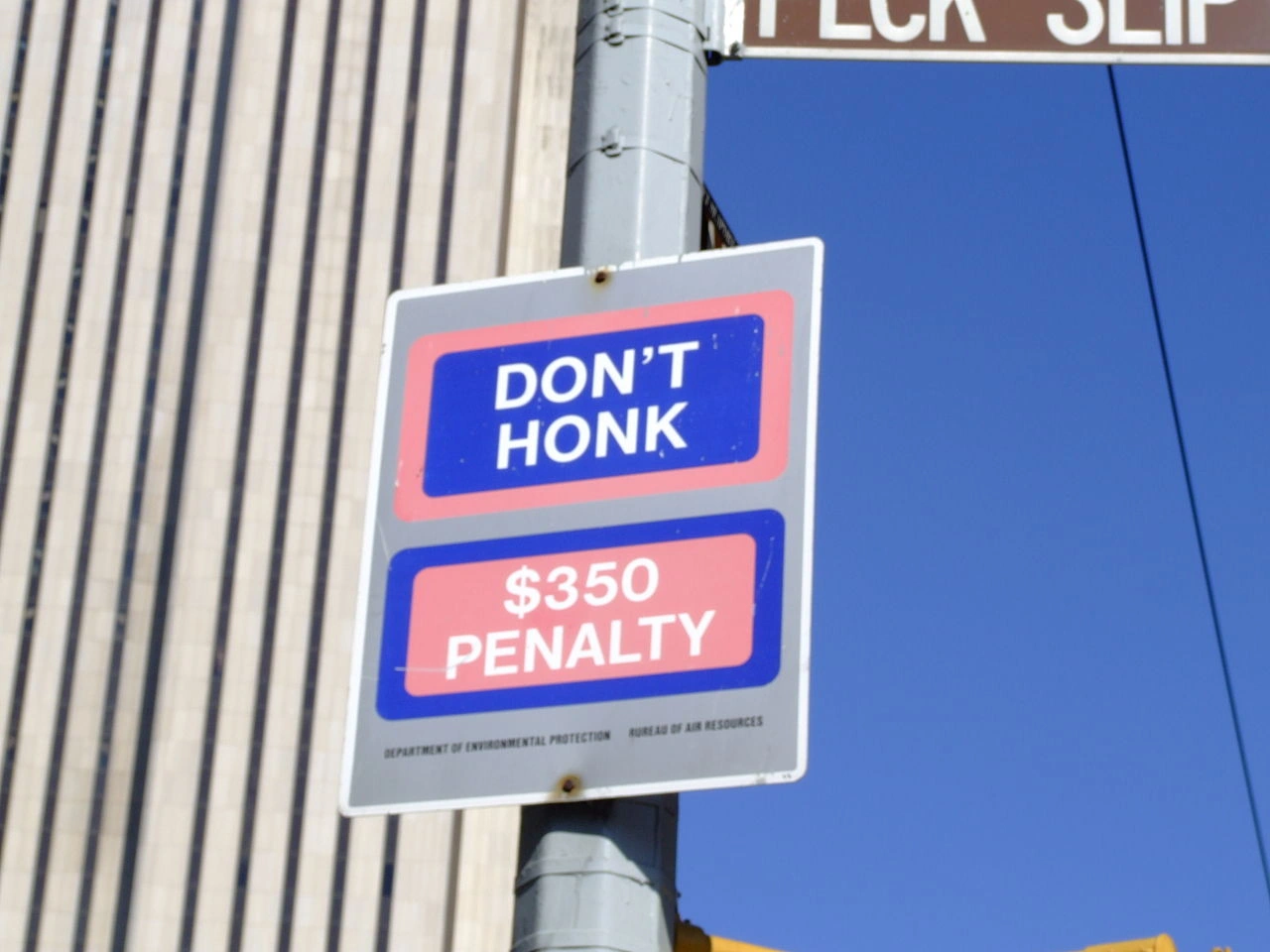
What is a car horn?
A car horn is a sound-producing warning device used to alert other road users when their attention is needed for safety.
When should you use the horn?
The horn should generally be used when a sound warning is necessary to help prevent danger or an accident. The exact circumstances in which horn use is permitted depend on local traffic laws.
Can you use the horn to show annoyance?
Generally, no. A horn is intended as a safety warning device, and unnecessary or excessive use may be prohibited by local traffic rules.
Can you use the horn at night?
Rules for using the horn at night vary between countries. Some traffic laws restrict sound signals at night and require drivers to use their lights instead, except when there is immediate danger.
Can a vehicle horn be modified?
Vehicle horns may have to meet technical requirements for their sound and operation. Horns that imitate emergency-service sirens or otherwise fail applicable vehicle standards may be prohibited.
Is the horn checked during a vehicle inspection?
In countries with periodic technical inspections, the operation and condition of the horn may be checked as part of the vehicle's safety equipment.
71. Límite de carga por eje
Un límite de carga por eje es el peso o carga máxima permitida soportada por un solo eje de un vehículo. Limita la fuerza que un eje y sus ruedas pueden transmitir a la carretera, independientemente del peso total del vehículo.
Estos límites ayudan a proteger puentes y superficies viales de cargas excesivas y contribuyen al funcionamiento seguro del vehículo. Un vehículo puede cumplir un límite de peso total y aun así superar el límite de un eje si la carga está distribuida incorrectamente.
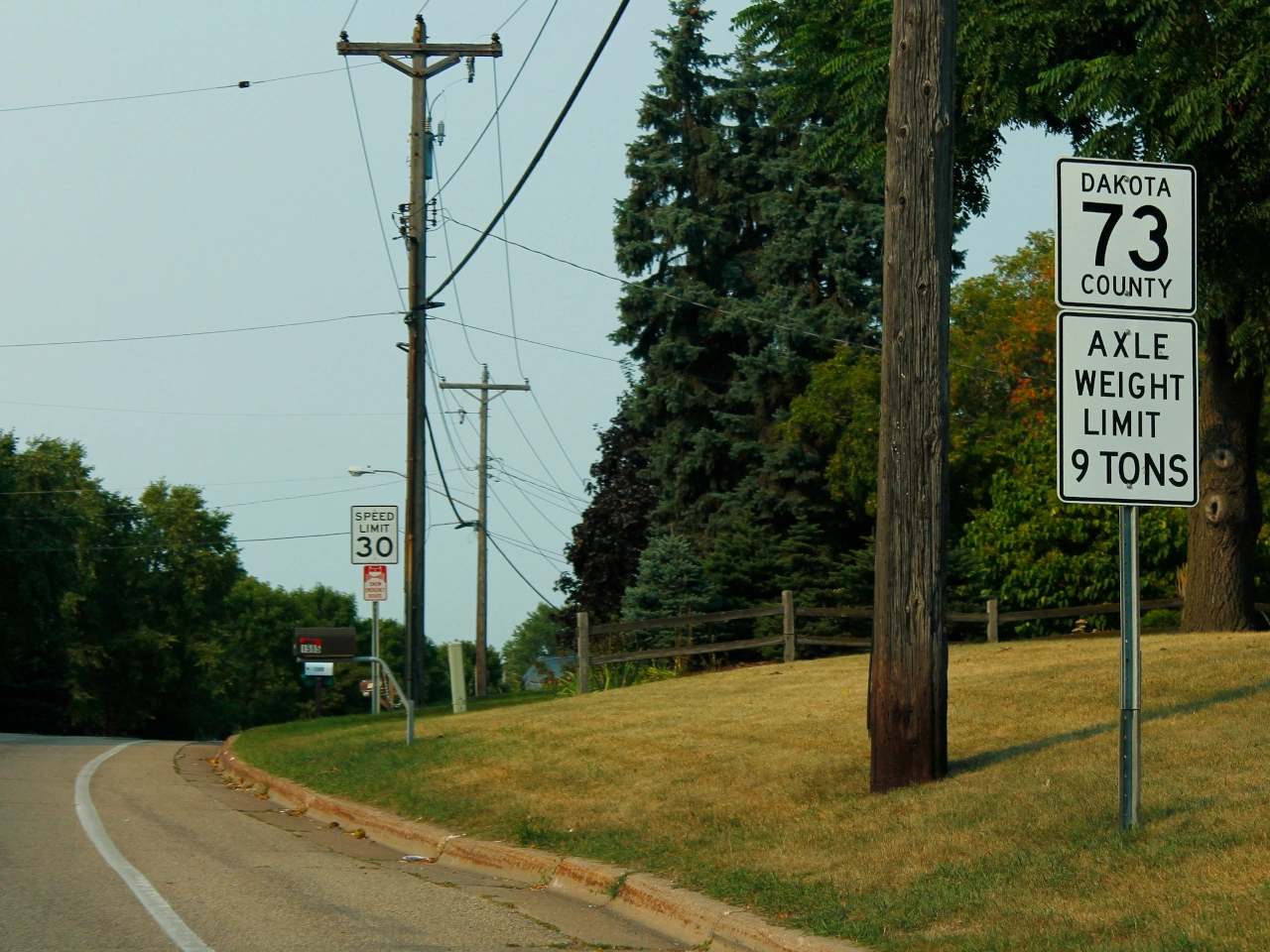
What does an axle weight limit mean?
An axle weight limit specifies the maximum permitted load carried by an individual axle or axle group. A vehicle exceeding the indicated axle load may not use the restricted road or structure.
Is axle weight the same as total vehicle weight?
No. Total vehicle weight is the combined weight of the entire vehicle and its load, while axle weight is the portion of that weight supported by a particular axle. Both limits may apply at the same time.
Why are axle weight limits used?
They help prevent excessive stress on roads and structures such as bridges. They also ensure that vehicle loads are distributed safely between the axles.
72. Matrícula
Una matrícula, también llamada placa de matrícula, es una placa que muestra un identificador único asignado a un vehículo por la autoridad competente. Permite identificarlo para fines como matriculación, control de tráfico, impuestos, seguro y control de estacionamiento.
El aspecto, formato, ubicación y número de placas exigidas varían entre países y categorías de vehículos. Los conductores deben asegurarse de que las matrículas estén correctamente instaladas, claramente visibles y legibles y seguir las normas locales cuando una placa se pierda, sea robada, dañada o sustituida.
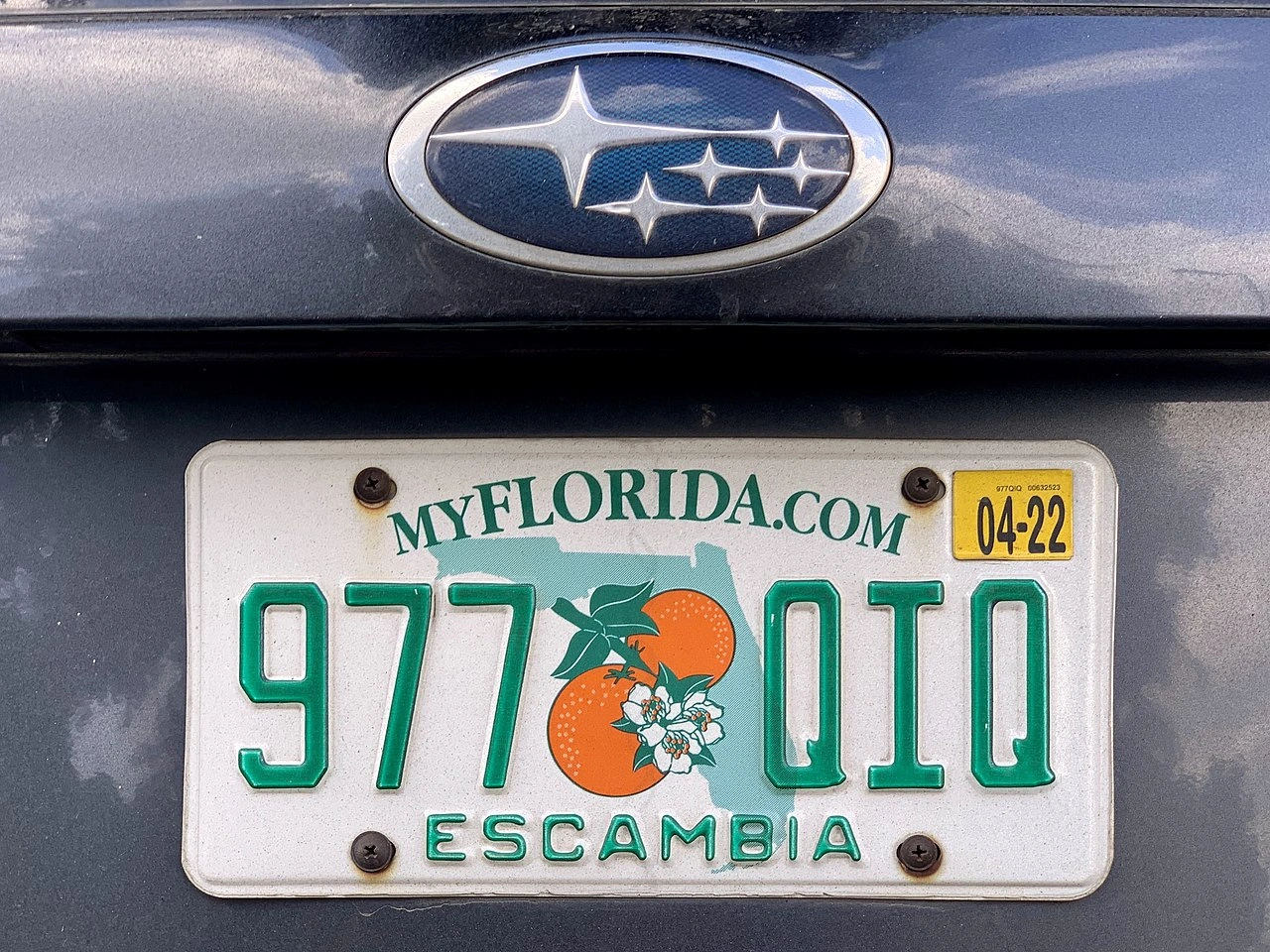
What is a licence plate?
A licence plate is a plate displaying the registration identifier assigned to a vehicle. It allows authorities and other authorised systems to identify the vehicle's registration.
Is a licence plate the same as a registration plate?
Yes. Licence plate, registration plate and number plate are different terms commonly used for the plate displaying a vehicle's official registration number.
Does every vehicle need a licence plate?
Most motor vehicles used on public roads must display one or more registration plates, but requirements differ for motorcycles, trailers, agricultural vehicles and other special vehicle categories.
Do vehicles need both front and rear licence plates?
This depends on the country and vehicle type. Cars commonly require front and rear plates, while motorcycles and certain other vehicles may require only a rear plate.
Must a licence plate remain visible?
Yes. A required registration plate must normally remain clearly visible and readable. It should not be hidden by luggage, dirt, accessories or other objects.
Can you modify a licence plate?
Generally no. Changing the characters, colours, dimensions or appearance of an official plate may make it invalid or illegal. Plates and authorised reproductions must comply with local specifications.
What should you do if a licence plate is lost or stolen?
Follow the local reporting and replacement procedure. Many countries require the loss or theft to be reported to the police or vehicle-registration authority before a replacement plate can be issued.
Can you drive with a damaged licence plate?
A plate must remain legible and compliant with local requirements. If damage prevents it from being read or makes it invalid, it should be replaced according to the local registration procedure.
Can a licence plate be personalised?
Some countries allow motorists to request a personalised registration combination. The available characters, formats and prohibited combinations are determined by the registration authority.
Does a licence plate stay with the vehicle when it is sold?
This varies between countries. In some systems the plate remains with the vehicle, while in others it remains associated with the registered holder and may be retained or returned when the vehicle is sold.
73. Estación de carga
Una estación de carga es un lugar equipado con uno o más puntos donde la batería de un vehículo eléctrico o híbrido enchufable puede conectarse a una fuente de electricidad y recargarse. Puede estar situada junto a vías públicas, en aparcamientos, áreas de servicio o propiedades privadas.
Las plazas de carga pueden estar reservadas a vehículos que estén cargando y sujetas a restricciones de estacionamiento, límites de tiempo, pago u otras condiciones. Los conductores deben respetar las señales, normas de estacionamiento e instrucciones de carga aplicables.
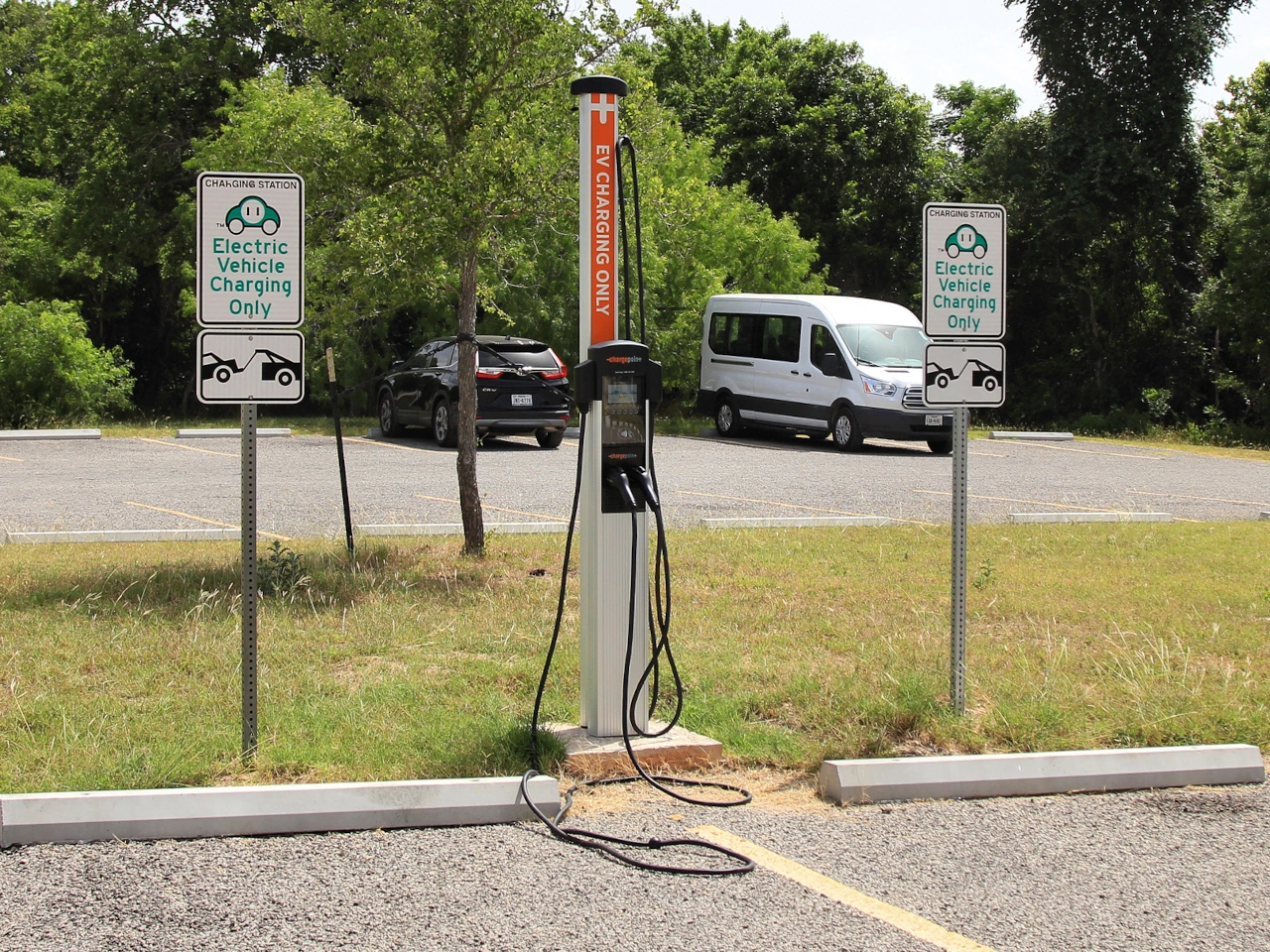
What is a charging station?
A charging station is a location where electric vehicles can be connected to an electricity supply to recharge their batteries. A station may contain one or several individual charging points.
Who can use an electric-vehicle charging station?
Charging stations are intended for vehicles that can be externally charged, such as battery-electric vehicles and plug-in hybrid vehicles. The exact vehicle categories permitted may be indicated by local signs or operator conditions.
Is a charging space an ordinary parking space?
Not necessarily. A space beside a charger may be reserved for electric vehicles or vehicles that are charging. Drivers must check the signs and markings before parking there.
Can a petrol or diesel vehicle park at a charging station?
Not where the parking space is officially reserved for electric vehicles. An ordinary parking space located near a charger may be different, so the applicable signs and markings determine who may park there.
Can an electric vehicle park at a charging point without charging?
This depends on the local traffic and parking rules. Many charging spaces require the vehicle to be connected to the charger, even if the vehicle itself is electric.
Do you have to pay to use a charging station?
Charging may be free or subject to payment. The price and payment method are determined by the charging operator, while separate parking charges may also apply.
Can a charging station have a maximum parking time?
Yes. Traffic signs, parking regulations or charging conditions may establish a maximum duration to encourage drivers to move their vehicles and make the charger available to others.
Must you move the vehicle when charging is finished?
Follow the local parking rules and charging conditions. Some locations require vehicles to leave after charging or impose additional fees or time limits when the charging session has ended.
Does using a charger override ordinary parking restrictions?
No. A charging station does not allow a driver to ignore no-parking rules, reserved spaces, time limits or other traffic regulations. The vehicle must still be legally parked.
Are all charging stations equally fast?
No. Charging stations can provide different charging powers. Some are intended for longer parking periods, while high-power chargers can recharge compatible vehicles much more quickly.
74. Inundación
Una inundación se produce cuando el agua cubre o amenaza una carretera debido a lluvias intensas, desbordamiento de ríos, drenaje deficiente, marejadas u otras causas. Las carreteras inundadas pueden volverse peligrosas rápidamente porque el agua reduce la adherencia, oculta baches o residuos y dificulta calcular la profundidad o fuerza de la corriente.
Los conductores que se acerquen deben reducir la velocidad, evaluar cuidadosamente la situación y obedecer las señales o cierres. Si se desconoce la profundidad o estado del agua, la opción más segura es no entrar en el tramo inundado y utilizar otra ruta.
Why is flooding dangerous for road traffic?
Floodwater can reduce grip, hide damage or debris, affect vehicle control and make the actual depth of the water difficult to judge.
Should you drive through a flooded road?
Only when it is clearly safe and permitted. If the depth, current or road condition is uncertain, drivers should avoid entering the flooded section and find another route.
How can flooding be indicated to drivers?
Authorities may use warning signs, temporary traffic signs, barriers or road-closure signs to warn drivers or prevent access to a flooded road.
75. Depresión
Una depresión es un tramo bajo o hundido de la carretera donde la superficie desciende y vuelve a subir en una distancia relativamente corta. Puede reducir la visibilidad, afectar a la estabilidad y acumular agua, dificultando valorar la carretera por delante.
Los conductores deben reducir la velocidad cuando sea necesario, mantener el control y vigilar vehículos, peatones, ciclistas o agua estancada ocultos más allá o dentro de la depresión.
What is a dip in the road?
A dip is a short depression in the road surface where the road falls and then rises again.
Why can a road dip be dangerous?
A dip can reduce visibility, affect vehicle stability and hide road users or obstacles. Water may also collect in the lowest part of the depression.
How should you drive through a dip?
Approach at a suitable speed, keep the vehicle under control and be prepared for hazards that may not be visible until you enter or leave the dip.

Normas de tráfico
Estados Unidos