Panneaux de signalisationChine

Apprenez les règles de circulation avec des explications claires et des exemples visuels dans notre livre illustré, simple et agréable à étudier.


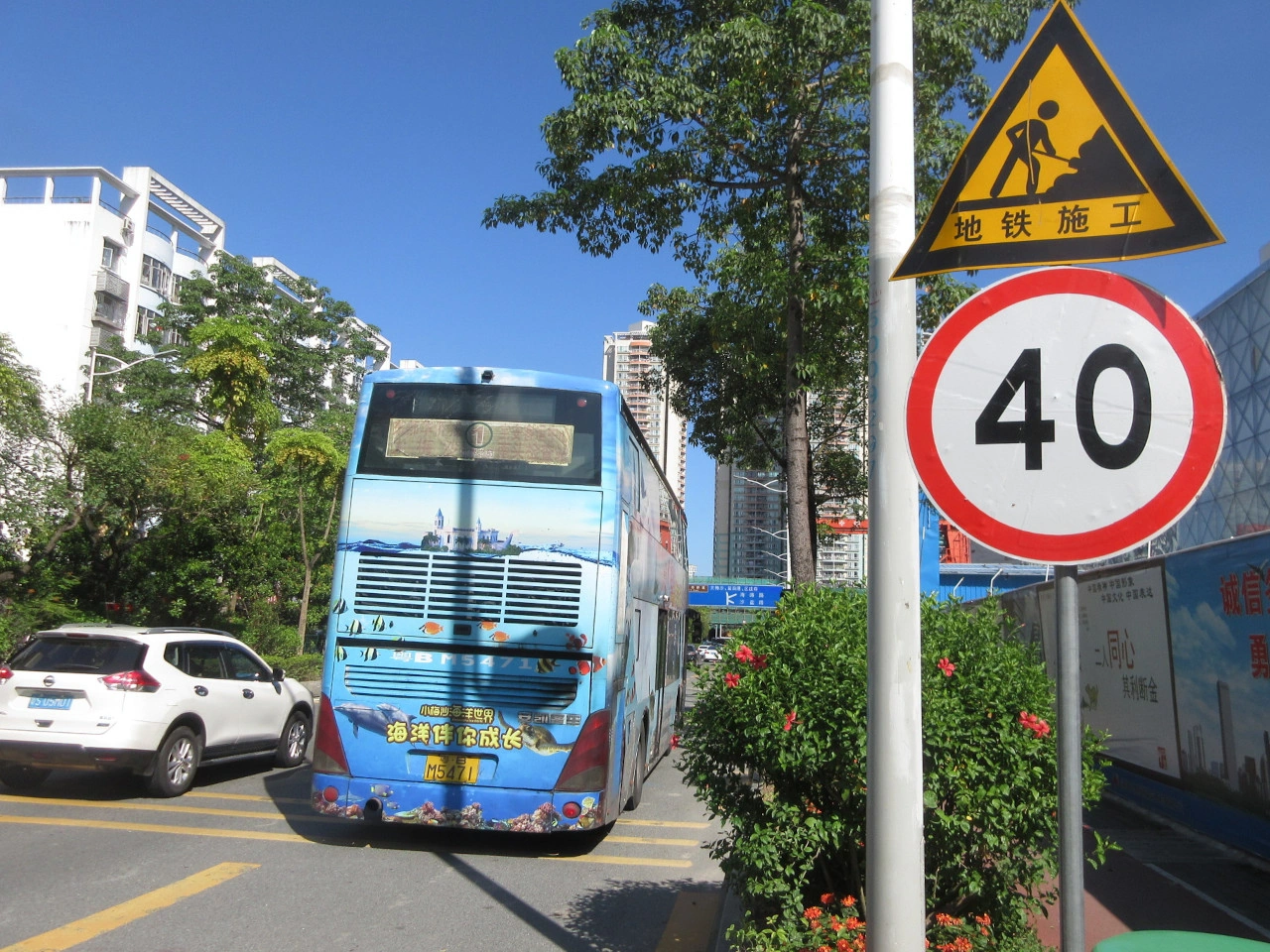
26. Travaux routiers

Les travaux routiers sont des activités de construction, d’entretien, de réparation ou d’inspection effectuées sur ou à côté d’une route. Ils peuvent modifier temporairement la configuration de la route, la largeur des voies, les limitations de vitesse, la priorité, les directions autorisées et les aménagements destinés aux piétons ou cyclistes.

Les conducteurs doivent respecter les panneaux temporaires, feux de circulation, barrières, marquages et instructions du personnel autorisé. Ils doivent réduire leur vitesse, augmenter la distance de sécurité et rester prêts à rencontrer des voies étroites, des véhicules arrêtés, des travailleurs, des engins et des changements soudains d’itinéraire.
Travaux routiers
What are roadworks?

Roadworks are construction, maintenance, repair or inspection activities carried out on or beside a road.

How can you recognise roadworks?

They may be indicated by a roadworks warning sign, cones, barriers, temporary markings, flashing lights, machinery or workers.

Does a roadworks sign impose a speed limit?

No, not by itself. A separate temporary or permanent speed-limit sign establishes the legal maximum speed.

Must you drive below the speed limit?

Yes, when necessary. Narrow lanes, workers, machinery, poor surfaces, congestion or limited visibility may require a substantially lower speed.

Are temporary traffic signs legally binding?

Yes. Correctly installed temporary signs must be obeyed for as long as they are in force.

Which road markings should you follow?

Follow the temporary markings that guide traffic through the works. Local law determines how they take priority over older permanent markings.

Must you obey temporary traffic lights?

Yes. Stop at the line or signal when required and do not proceed until the applicable light permits it.

Must you obey road workers directing traffic?

Obey instructions from workers or controllers who are legally authorised to regulate traffic. Their signals may temporarily replace the ordinary traffic arrangement.

What should you do when a lane closes?

Observe the signs and lane arrows, check mirrors and blind spots and merge safely into the continuing lane.

What is zipper merging?

Zipper merging means that vehicles in an ending or blocked lane merge alternately with vehicles in the continuing lane near the narrowing during congested traffic.

Should you merge early?

This depends on local law and traffic conditions. Where zipper merging applies during congestion, use both lanes and merge near the narrowing. In flowing traffic, change lanes when a safe gap is available.

Who has priority when your lane is obstructed?

Without another traffic control, the driver whose route is obstructed commonly has to yield before moving into the path of approaching or adjacent traffic.

Can temporary lights control alternating traffic?

Yes. Temporary signals may allow only one direction at a time through a narrow section.

May you enter when the exit is blocked?

No. Do not enter a narrow section, intersection or temporary crossing when congestion may leave you stopped inside it.

May you move cones or barriers?

No. Do not move, pass around or ignore traffic-control equipment unless an authorised person instructs you to do so.

May you overtake in roadworks?

Only when signs and markings permit it and sufficient width and visibility remain. Overtaking is often unsafe in narrow or shifted lanes.

May you stop or park in roadworks?

Only where temporary and permanent signs permit it. Do not obstruct workers, machinery, emergency access or temporary pedestrian and cycle routes.

What should you watch for near workers?

Expect workers to enter the road, machinery to move or reverse and vehicles to leave the worksite. Reduce speed and leave generous space.

What should cyclists do at roadworks?

Follow the signed temporary cycle route or lane. Check surrounding traffic carefully before leaving a closed or obstructed bike path.

What should pedestrians do?

Use the designated temporary walkway or crossing and follow barriers, signs, signals and instructions from authorised personnel.

Why should you increase your following distance?

Traffic may brake suddenly because of queues, lane changes, machinery, debris or changing signals. Additional distance provides more time to react.

What should you do if your vehicle breaks down in roadworks?

Move to the safest available location where possible, activate the hazard warning lights and contact assistance. Avoid standing in a live or narrow traffic lane.

Do ordinary traffic rules still apply?

Yes. Rules concerning safe speed, following distance, signalling, priority and vulnerable road users continue to apply unless a lawful temporary arrangement changes them.

27. Vent latéral

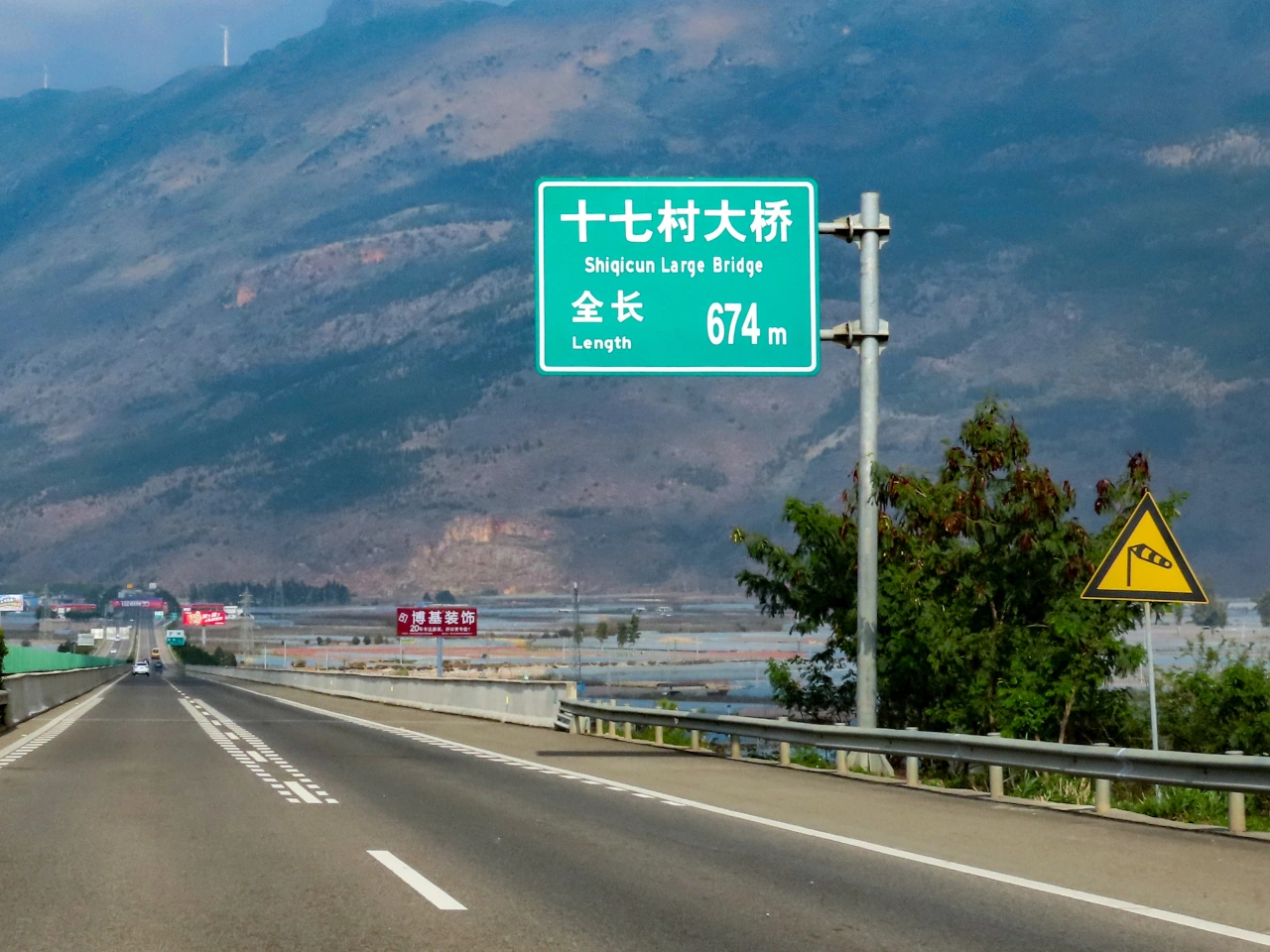
Un vent latéral souffle transversalement au sens de déplacement et peut pousser un véhicule sur le côté ou affecter sa stabilité. Les rafales fortes ou soudaines sont particulièrement dangereuses pour les motos, vélos, caravanes, remorques et véhicules hauts. Les conducteurs doivent réduire leur vitesse, tenir fermement mais sans crispation le volant et laisser davantage d’espace aux autres usagers. Une prudence particulière est nécessaire sur les ponts, routes exposées et lors du dépassement de grands véhicules ou à la sortie d’une zone abritée, où un changement soudain de la force du vent peut déplacer le véhicule de manière inattendue.
Vent latéral
What is a crosswind?

A crosswind is wind that blows across the direction in which a vehicle is travelling and can push it sideways.

Why are crosswinds dangerous when driving?

Strong crosswinds and sudden gusts can affect steering and vehicle stability, particularly at higher speeds or on exposed roads.

Which vehicles are most affected by crosswinds?

Motorcycles, bicycles, caravans, trailers and high-sided vehicles are particularly vulnerable because wind can have a greater effect on their balance or large side surfaces.

How should you drive in strong crosswinds?

Reduce speed, keep a firm but relaxed grip on the steering wheel and allow extra space from other road users. Be prepared to correct the vehicle smoothly when gusts change direction or strength.

Where are crosswinds most dangerous?

Crosswinds can be particularly strong on bridges, exposed roads, open countryside and coastal routes, and when leaving tunnels, cuttings or other sheltered areas.

Why can passing a large vehicle be dangerous in strong wind?

A large vehicle can temporarily shelter you from the wind. When you pass it or leave its shelter, the crosswind can suddenly affect your vehicle again, requiring a smooth steering correction.

28. Limitation de hauteur

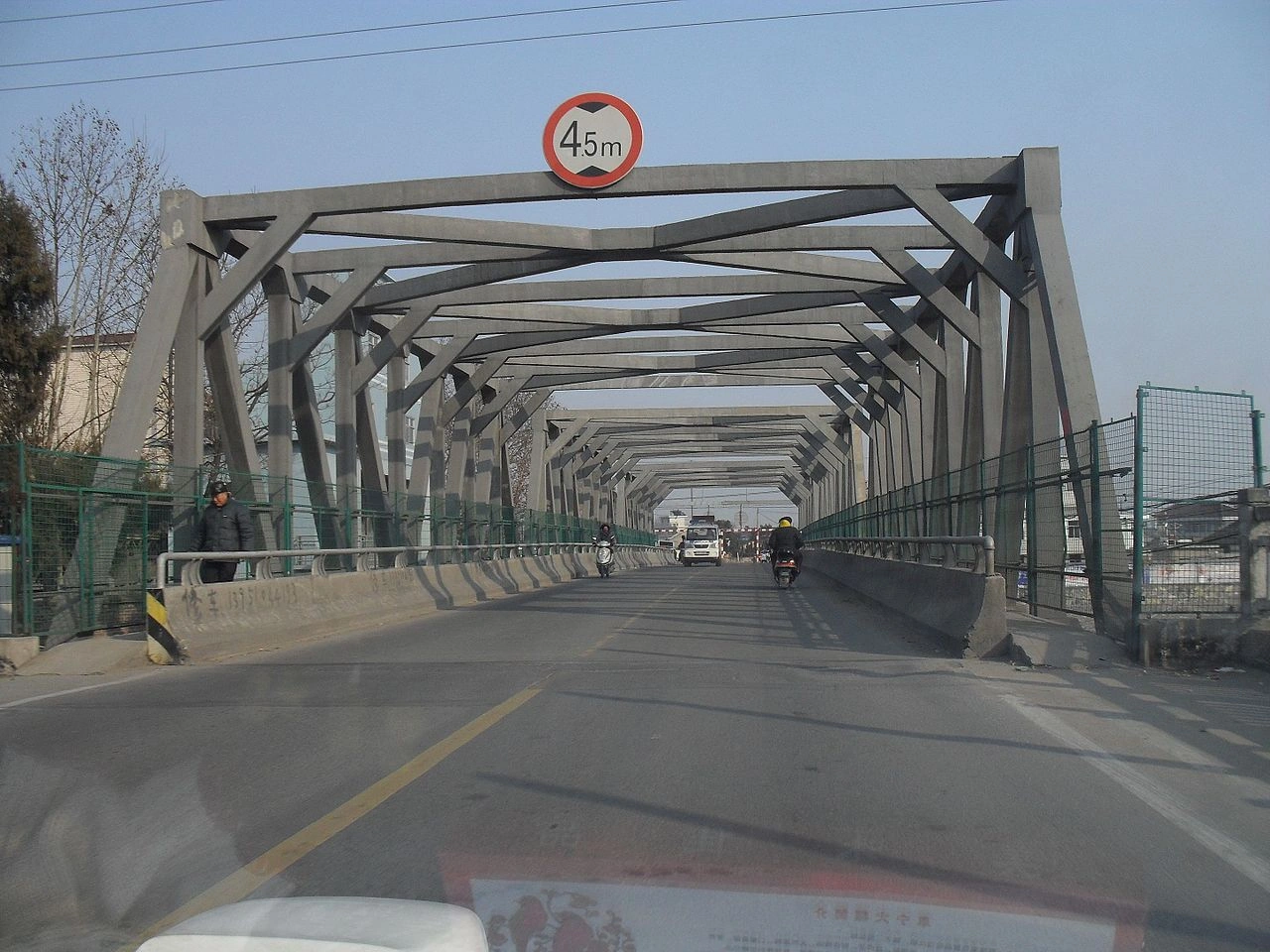
Une limitation de hauteur interdit l’accès ou le passage aux véhicules dont la hauteur totale dépasse la valeur indiquée sur une section de route, un pont, un tunnel, un portail ou un autre ouvrage. La hauteur du véhicule comprend son chargement et tout équipement fixé au-dessus.

Les conducteurs de véhicules hauts doivent connaître leur hauteur exacte, tenir compte des avertissements en amont et emprunter un autre itinéraire si nécessaire. Ils ne doivent jamais se fier uniquement à leur appréciation visuelle ni tenter de passer sous un ouvrage lorsque la hauteur libre disponible est incertaine.
Limitation de hauteur
What does a height-limit sign mean?

It prohibits vehicles whose total height exceeds the displayed value from continuing beyond the sign.

How can you recognise a height-limit sign?

It is commonly a circular regulatory sign showing a height in metres, feet or another local unit between vertical arrows.

What is included in the vehicle’s total height?

The height includes the vehicle, its load and any attached equipment, such as roof boxes, bicycles, machinery, antennas or raised loading equipment.

Does the limit apply to trailers?

Yes. Every part of a vehicle combination must fit beneath the restriction, including the towing vehicle, trailer and load.

Does the sign show the exact physical clearance?

Not necessarily. Road authorities may display a lower value than the measured clearance to provide a safety margin.

May a vehicle exactly as high as the displayed value pass?

The legal wording commonly prohibits vehicles higher than the displayed value, but drivers should not attempt to pass without a practical safety margin. Measurement errors, movement and road conditions can reduce the available clearance.

How can a vehicle’s height change?

Loading, tyre pressure, suspension settings, raised equipment, replacement tyres and road movement can alter the vehicle’s total height.

Can air suspension affect the height?

Yes. The vehicle may rise or lower depending on its suspension mode, speed and load. Use the maximum travelling height when planning the route.

Can the clearance vary between lanes?

Yes. An arched bridge, tunnel roof or overhead structure may provide different clearance in each lane. Follow lane-specific signs and markings.

Can the clearance vary across the width of one lane?

Yes. Clearance may be lower near the edge of an arch or where the road slopes sideways. Remain within the authorised marked path.

Can resurfacing reduce the available clearance?

Yes. A new road surface can raise the road level and reduce the space beneath a bridge or structure.

Can snow, water or road debris affect clearance?

Yes. Material on the road can raise the vehicle or restrict the usable route. Flooding may also conceal the road surface or another hazard.

Where are height restrictions commonly found?

They are common at bridges, tunnels, car parks, loading areas, gateways, railway structures and roads with overhead equipment.

Is a height-limit sign a warning or a prohibition?

It is normally a prohibition. A vehicle that exceeds the displayed height may not pass.

Does a height-limit sign impose a speed limit?

No. The applicable road or posted speed limit remains in force, although drivers should approach cautiously.

Does the sign change priority?

No. Traffic lights, priority signs and ordinary priority rules remain applicable.

Can a height restriction be announced in advance?

Yes. An advance sign may show the restriction and the distance to it so that high vehicles can choose another route.

What should you do when your vehicle is too high?

Do not continue. Stop where safe and follow the signed diversion or another suitable route. Do not reverse into traffic without assistance.

Should you rely on a navigation system?

No. Navigation may contain outdated or incomplete vehicle restrictions. Traffic signs and the actual road conditions always take precedence.

Should professional drivers know their vehicle’s height?

Yes. Drivers of trucks, buses, motorhomes and vehicles carrying roof loads should know and, where useful, display the vehicle’s maximum travelling height inside the cab.

What should you do when uncertain about your height?

Stop before the restriction in a safe place and verify the vehicle’s height. Choose another route when safe clearance cannot be confirmed.

May you move into another lane with greater clearance?

Only when signs and markings permit it and the manoeuvre can be completed safely. Do not cross a closed lane, continuous line or opposing traffic merely to gain clearance.

May you lower or remove equipment to pass?

Only in a safe place and when the equipment can be secured correctly afterwards. Never stop beneath the structure or in a live lane to alter the vehicle.

What should you do if your vehicle strikes a bridge?

Stop immediately where safe, activate the hazard warning lights and contact the emergency services or police. Do not continue because the vehicle, load or structure may be unstable.

Should traffic continue beneath a struck bridge?

No, when damage may have occurred. Keep away from the structure and follow instructions from the police, road authority or railway operator.

29. Limitation de poids

Une limitation de poids interdit l’accès ou le passage aux véhicules ou ensembles de véhicules dont la masse dépasse la valeur indiquée sur une section de route, un pont, un tunnel ou un autre ouvrage. Selon la législation locale, la restriction peut concerner la masse réelle en charge du véhicule, sa masse maximale autorisée ou la charge sur un essieu particulier.

Les conducteurs doivent savoir à quel type de masse le panneau fait référence et inclure, lorsque cela est requis, le véhicule, les passagers, le chargement et toute remorque. Un véhicule dépassant la limite doit emprunter un autre itinéraire approprié.

What does a weight-limit sign mean?

It prohibits vehicles or vehicle combinations whose relevant mass exceeds the value displayed on the sign.

How can you recognise a weight-limit sign?

It is commonly a circular regulatory sign showing a mass in tonnes, kilograms or another local unit.

Is a weight-limit sign a warning or a prohibition?

It is normally a prohibition. A vehicle exceeding the displayed limit may not continue beyond the sign.

What is actual loaded mass?

Actual loaded mass is the weight of the vehicle as it is currently travelling, including the vehicle itself, its load, driver, passengers and other relevant equipment.

What is maximum authorised mass?

Maximum authorised mass is the highest total mass at which the vehicle is legally approved to operate. It is normally recorded in the vehicle documents.

Is actual mass the same as maximum authorised mass?

No. A lightly loaded vehicle may have an actual mass below its maximum authorised mass. A restriction may legally refer to either measurement, depending on the sign and local law.

Does the load count towards the weight limit?

Yes. Cargo, passengers, fuel, equipment and other carried items may all contribute to the vehicle’s actual loaded mass.

Does the driver’s weight count?

Where the restriction concerns actual loaded mass, the driver and other occupants are normally included.

Does a trailer count?

This depends on the wording of the restriction. It may apply to each vehicle separately or to the combined mass of the complete vehicle combination.

What is an axle-weight limit?

An axle-weight limit restricts the amount of mass carried by one axle or axle group rather than the total mass of the vehicle.

Why can axle load matter when total mass is legal?

A vehicle may comply with the total weight limit while too much of its load is concentrated over one axle, creating excessive stress on the road or bridge.

Where are weight limits commonly used?

They are often used at bridges, weak roads, historic centres, tunnels, temporary structures and roads unsuitable for heavy traffic.

Does the sign show the maximum capacity of a bridge?

Not necessarily. The displayed legal limit may include engineering and safety margins and should not be interpreted as the structure’s exact failure point.

May a vehicle exactly equal to the displayed weight pass?

A sign normally prohibits vehicles exceeding the displayed value. The driver must still be certain that the relevant mass does not exceed it.

How can a driver determine the actual mass?

The most reliable method is to use an authorised or suitable weighbridge. Vehicle documents alone normally show approved limits rather than the vehicle’s current loaded mass.

Can the mass be estimated from the cargo weight?

An estimate may help with planning, but it must include the vehicle, fuel, occupants, equipment, load and trailer. A weighbridge is preferable when the remaining margin is small.

Can moving a load change the total mass?

No. Moving cargo within the vehicle does not change its total mass, but it can change the load carried by each axle.

Can unloading part of the cargo make the vehicle legal?

Yes, when done lawfully and safely. The vehicle may continue only after its relevant mass complies and the remaining load is properly secured.

Can a temporary weight limit apply?

Yes. Temporary restrictions may protect a damaged bridge, weakened road, roadworks structure or road affected by flooding or thawing.

Can different lanes have different weight limits?

Yes. Lane-specific signs may direct heavier vehicles towards a lane or structure designed to carry them.

Can a weight restriction be announced in advance?

Yes. Advance signs may give the distance to the restriction or indicate a diversion so affected vehicles can choose another route.

Does a weight-limit sign impose a speed limit?

No. The applicable general, zonal or posted speed limit remains in force.

Does the sign change priority?

No. Traffic lights, priority signs and ordinary priority rules remain applicable.

What should you do when your vehicle exceeds the limit?

Do not continue. Stop where safe and follow a signed diversion or another route suitable for the vehicle’s mass.

Should you rely on a navigation system?

No. Navigation information may be incomplete or outdated. Traffic signs and official restrictions always take precedence.

May you reverse away from a restriction?

Only when reversing is lawful and can be completed safely. Use assistance where necessary, particularly with a long or heavy vehicle combination.

What can happen if an overweight vehicle continues?

The vehicle may damage the road or structure and may be stopped, fined, unloaded or prohibited from continuing under local law.

30. Panneau de contrôle radar

Un panneau de contrôle radar avertit les conducteurs que la vitesse des véhicules peut être contrôlée par une caméra fixe, un radar mobile, un lidar ou un système de contrôle de vitesse moyenne. Il rappelle aux conducteurs de vérifier et de respecter la limitation applicable.

Le panneau ne fixe normalement pas lui-même la limitation de vitesse. Les conducteurs doivent respecter la limitation générale, affichée ou variable applicable à la route et ne doivent pas freiner brusquement simplement parce qu’un contrôle de vitesse est signalé.
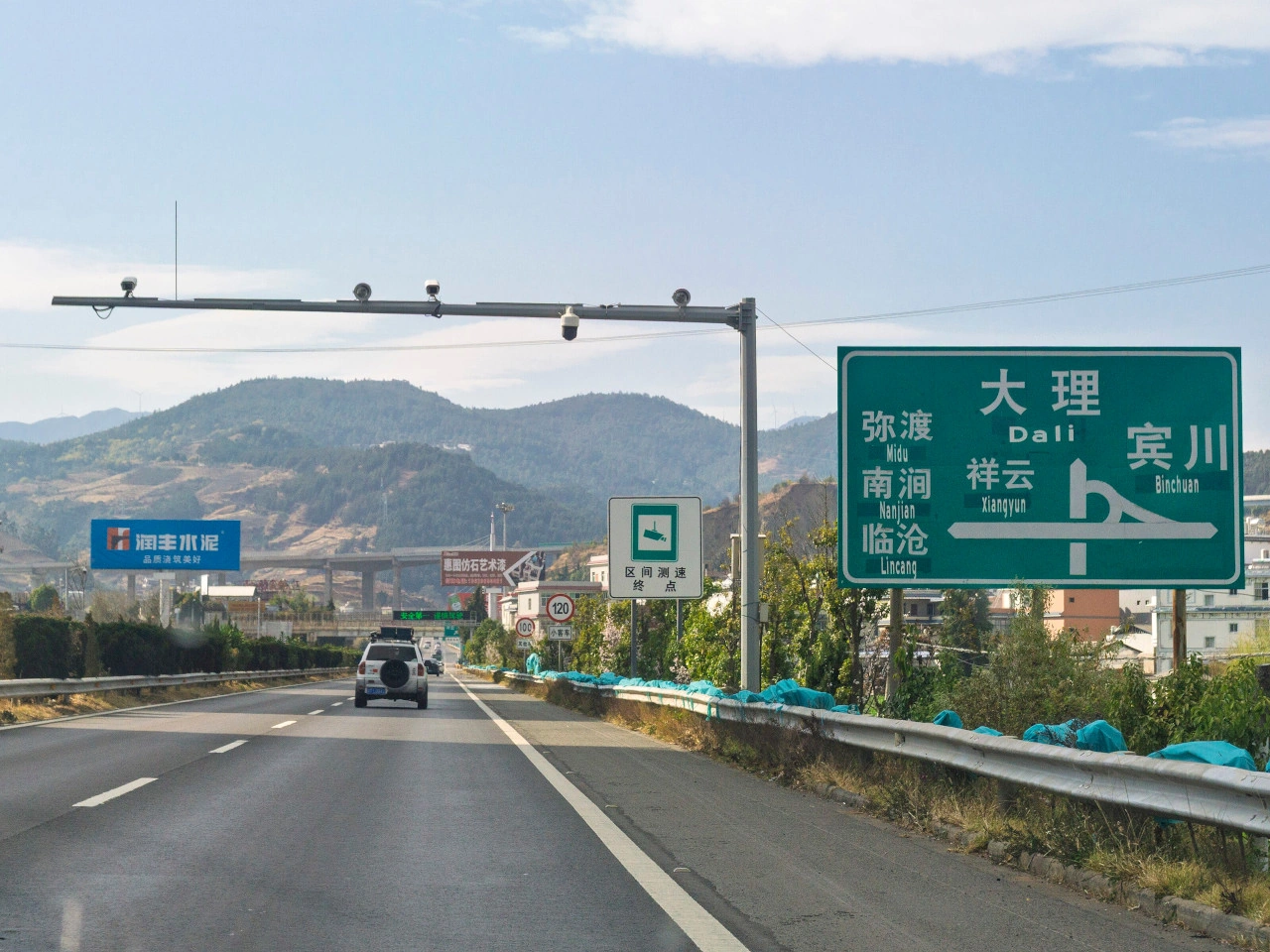
Panneau de contrôle radar
What does a radar speed sign mean?

It warns that vehicle speeds may be measured or enforced on the road ahead or throughout a specified section.

Is a radar speed sign the same as a speed-limit sign?

No. A speed-limit sign establishes the maximum legal speed. A radar sign only warns that compliance with an applicable limit may be monitored.

Where can the applicable speed limit be found?

Check the most recent speed-limit sign, variable sign, speed-zone sign or general limit applying to the road and vehicle category.

Does the radar sign impose a lower speed?

No. It does not normally change the existing limit. Drivers must nevertheless travel more slowly when traffic, visibility, weather or road conditions require it.

Does the sign mean a camera is definitely present?

It may announce a permanent camera, a mobile-control area or a section where enforcement can occur. The exact meaning depends on the country and sign design.

Does the sign guarantee that the camera is active?

No. Drivers should never rely on assumptions about whether equipment is operating and should respect the speed limit at all times.

What is a fixed speed camera?

A fixed speed camera is permanently installed at a particular location and measures the speed of passing vehicles.

What is a mobile speed camera?

A mobile speed camera is temporarily positioned in a police vehicle, trailer, roadside unit or another approved location.

What is lidar speed enforcement?

Lidar uses laser pulses to measure the speed and position of vehicles. It may be used by police officers or in temporary automatic installations.

What is average-speed enforcement?

Average-speed enforcement records a vehicle at two or more points and calculates its average speed across the controlled section.

Can slowing only at the camera avoid an average-speed offence?

No. Average-speed enforcement considers the travel time across the complete measured section rather than speed at only one point.

Can a camera enforce both speed and red lights?

Yes. Some systems monitor vehicle speed and whether a vehicle passes a red traffic signal.

Is a radar warning sign legally required everywhere?

No. Some authorities announce speed cameras, while others permit enforcement without advance warning. The rules differ between countries and regions.

Can speed enforcement occur without a radar sign?

Yes. The absence of a warning sign does not normally prevent police or authorised authorities from carrying out a lawful speed check.

Does the sign give permission to drive at the displayed road limit?

The applicable limit remains a maximum rather than a target. Drivers must reduce speed whenever travelling at that limit would be unsafe.

Should you brake suddenly after seeing the sign?

No. Check your speed and reduce it smoothly when necessary. Sudden braking can cause a rear-end collision.

May you accelerate again after passing the camera?

Only while remaining within the applicable limit and driving safely. The restriction may continue, and another camera or average-speed section may follow.

Does the radar sign end the speed limit?

No. Passing a camera or radar sign does not end the applicable speed restriction.

What is a radar speed display?

A radar speed display measures an approaching vehicle and shows its current speed, sometimes with a colour, message or smiley symbol.

Is a radar speed display an enforcement camera?

Not necessarily. Many displays are preventive devices intended to make drivers aware of their speed and may collect anonymous traffic statistics without issuing penalties.

Is the displayed speed legally authoritative?

No. The roadside display is generally informational. Drivers remain responsible for observing the vehicle’s speedometer and the legal speed limit.

Can radar monitor motorcycles?

Yes. The technical ability to measure a motorcycle and the method used to identify it depend on the enforcement equipment.

Can a camera monitor several lanes?

Yes. Modern systems may measure vehicles in one or more lanes and may distinguish between traffic directions or vehicle categories.

Can different vehicles have different speed limits?

Yes. Heavy vehicles, buses, trailers or other vehicle categories may be subject to lower limits than passenger cars on the same road.

What should you do when you are already exceeding the limit?

Release the accelerator and reduce speed smoothly and safely. Do not brake harshly or make an abrupt lane change.

31. Priorité au prochain carrefour

La priorité au prochain carrefour signifie que les conducteurs circulant sur une route déterminée ont priorité sur le trafic arrivant des routes qui la croisent au prochain carrefour. Le régime de priorité est normalement indiqué par des panneaux faisant face à la fois au trafic prioritaire et à celui qui doit céder le passage.

Contrairement à une route prioritaire continue, cette priorité ne s’applique qu’à l’intersection indiquée. Les conducteurs doivent néanmoins approcher avec prudence et respecter les feux de circulation, agents habilités, passages, règles de changement de direction et autres panneaux applicables.

Priorité au prochain carrefour
What does priority at the next junction mean?

It means that drivers travelling on the indicated road have priority over traffic entering from intersecting roads at the next junction.

Is this the same as a priority road?

No. Priority at the next junction applies to one particular junction. A priority road normally keeps its priority across several junction until its status ends.

Is a main road always a priority road?

No. The term main road may describe a larger, busier or more important road, but legal priority is determined by traffic signs, signals and local rules.

How can you recognise priority at the next junction?

It may be indicated by a priority-junction sign showing a thick line for the priority route and thinner lines for the roads that must give way.

Does the thick line show the priority route?

Yes. On signs using a junction diagram, the thicker line normally represents the road followed by traffic with priority.

Does the priority route always continue straight ahead?

No. The priority route may turn left or right. A diagram or supplementary panel may show which branch retains priority.

What signs do drivers on the side roads normally see?

They commonly face a give-way or stop sign, requiring them to yield to traffic on the priority route.

Does priority from the right still apply?

Not when legally placed signs establish another priority arrangement at that junction. Drivers must follow the actual signs rather than the ordinary default rule.

Does the sign give priority at later junctions?

No. After passing the indicated junction, the priority arrangement at the next junction must be determined separately.

Does having priority mean you may enter without slowing down?

No. Approach at a safe speed and remain prepared for another road user to fail to give way.

Does having priority mean you must proceed first?

No. Priority is not an obligation to continue. Slow down or stop whenever proceeding would create danger.

May you enter a blocked junction?

No. Do not enter when congestion is likely to leave your vehicle stopped inside the junction and obstructing other traffic.

Does the sign impose a speed limit?

No. The applicable general, zonal, posted or vehicle-specific speed limit remains in force.

Does it give priority over pedestrians?

No. Drivers must still yield to pedestrians where crossings, traffic signals or turning rules require it.

Does it give priority over cyclists?

It regulates priority between traffic approaching the junction, but drivers must still respect continuing bike paths, cycle crossings and turning rules.

Must you signal when the priority route turns?

Yes, when following the route involves a change of direction and local law requires signalling. Priority does not remove the obligation to indicate.

Does signalling give you priority?

No. An indicator communicates your intended movement but does not allow you to endanger or obstruct another road user.

Must you yield to oncoming traffic when turning left?

Normally, yes. Priority over side-road traffic does not automatically give a left-turning driver priority over lawful oncoming traffic.

Do functioning traffic lights override the priority signs?

Functioning traffic lights normally control the junction instead of the priority signs. Local rules determine what applies when the lights are switched off or flashing.

Do authorised officers override the signs?

Yes. Instructions from an authorised traffic controller normally take precedence over signs, signals and ordinary priority rules.

Does the sign prohibit overtaking?

No. Overtaking remains subject to the ordinary rules, visibility, road markings and any separate prohibition signs.

Does the sign prohibit stopping or parking?

No. The ordinary stopping and parking rules and any local signs or markings remain applicable.

What applies after you pass the intersection?

The special priority indicated by the sign has been completed. At later junctions, follow the signs, signals or default priority rule applying there.

32. Feux de circulation

Les feux de circulation utilisent des lumières colorées, des flèches ou des symboles pour indiquer quand les usagers peuvent avancer, doivent se préparer à s’arrêter ou doivent rester arrêtés. Des signaux distincts peuvent s’appliquer à certaines directions, voies, aux piétons, cyclistes ou véhicules de transport public.

Un feu vert autorise le mouvement uniquement lorsque le passage est libre et que la manœuvre est par ailleurs légale. Les usagers doivent toujours respecter les règles de priorité, interdictions de tourner, marquages de voie et instructions des agents habilités.
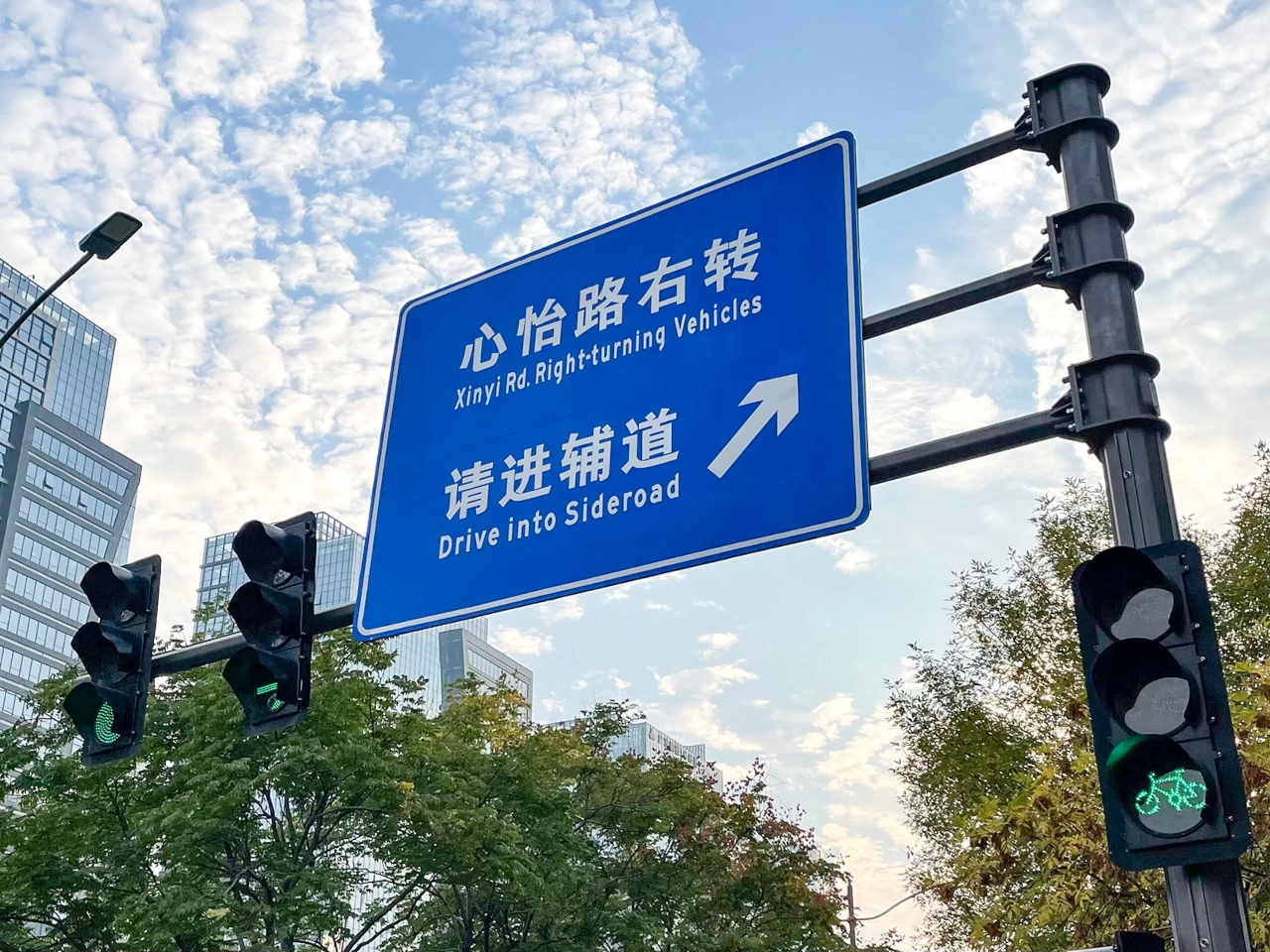
Feux de circulation
What are traffic lights?

Traffic lights are signals that use coloured lights, arrows or road-user symbols to regulate traffic movements.

What does a red traffic light mean?

A red light requires road users to stop before the stop line or signal and remain stopped until movement is permitted.

What does a steady amber light mean?

A steady amber light normally requires drivers to stop unless they are already too close to stop safely. It warns that the signal is changing to red.

What does a green traffic light mean?

A green light permits road users to pass the signal, but only when the route is clear and the intended movement is otherwise legal.

Does green mean that you have priority over everyone?

No. You may still have to give way to pedestrians, cyclists, oncoming traffic or other road users when turning or following a conditional arrow.

May you enter a blocked intersection on green?

No. Do not enter when congestion is likely to leave you stopped inside the intersection and obstructing crossing traffic.

Where should you stop at a red light?

Stop before the stop line. When no stop line is provided, stop before the traffic light or at another legally prescribed position.

May you cross the stop line and then stop?

No. The required stop must normally be completed before the stop line. Do not stop on a pedestrian or cycle crossing.

What if the light changes to amber while you are approaching?

Stop when this can be done safely. Continue only when you are already too close to stop without creating danger.

Should you accelerate to pass an amber light?

No. Do not accelerate to avoid stopping. Maintain control and stop unless doing so safely is no longer possible.

What do arrow-shaped traffic lights mean?

They have the same general meaning as circular lights, but the prohibition or permission applies only to the direction shown by the arrow.

What does a green arrow displayed with a red light mean?

It may permit travel in the indicated direction while other movements remain prohibited. Drivers may still have to give way to conflicting traffic and pedestrians.

Does a green arrow override a no-turn sign?

Not universally. Drivers must follow the complete local sign arrangement. A traffic signal does not necessarily cancel a separate regulatory prohibition.

May you turn right on red?

Only where local law or a specific sign or signal expressly permits it. There is no universal right to turn on red.

What does a flashing amber light mean?

It warns of a potential hazard and normally allows cautious passage. The ordinary priority arrangement remains applicable.

What should you do when the normal lights are flashing amber?

Reduce speed, observe the intersection carefully and follow the applicable priority signs or default priority rules.

What does a flashing red light mean?

Its meaning depends on local law. At railway crossings and some movable bridges, flashing red lights normally require road users to stop.

What do lane-control signals mean?

A red cross normally closes the lane, a green downward arrow opens it and an amber diagonal arrow instructs drivers to leave the lane in the indicated direction.

May you continue beneath a red lane-control cross?

No. Move out of the lane safely before reaching the red cross unless an authorised person or emergency rule directs otherwise.

What does an amber diagonal lane arrow mean?

It warns that the lane is closing or unavailable ahead. Drivers must move into the adjacent lane indicated by the arrow when safe.

Can separate lights apply to cyclists?

Yes. A signal displaying a bicycle symbol applies to the road users legally covered by that signal rather than to general motor traffic.

Can separate lights apply to pedestrians?

Yes. Pedestrian lights normally use red and green human figures to indicate whether pedestrians may begin crossing.

What does a flashing green pedestrian light mean?

It normally warns that the crossing period is about to end. Pedestrians who have not started should wait for the next green signal.

What if the pedestrian signal changes while someone is crossing?

A person who entered lawfully should continue without unnecessary delay. Turning drivers must allow the crossing to be completed safely.

Can buses and trams have separate traffic lights?

Yes. Public-transport signals may use bars, circles, triangles or other symbols that apply only to authorised service vehicles.

Do functioning traffic lights override priority signs?

They commonly replace the priority arrangement at that location. Priority signs may apply again when the normal signals are inactive or flashing.

Do instructions from a police officer override traffic lights?

Yes. Instructions from an authorised traffic controller normally take precedence over lights, signs, markings and ordinary rules.

What should you do when the lights are not working?

Reduce speed and follow the priority signs, temporary signals, authorised personnel or default priority rules that apply.

May you clear an intersection after the light turns red?

Yes, when you entered lawfully and must leave the intersection. Complete the movement cautiously without endangering other road users.

Does a green light impose a minimum speed?

No. Drivers may proceed but must continue at a safe and legal speed.

May you use a handheld phone while waiting at red?

This depends on local law. In many countries, a driver temporarily stopped in traffic is still considered to be driving and may not use a handheld device.

33. Avertissement de feux de circulation

Un avertissement de feux de circulation est un panneau qui informe les conducteurs de la présence de feux plus loin. Il est couramment utilisé lorsque les feux peuvent être inattendus, difficiles à voir de loin ou situés sur une route où les conducteurs ont besoin de temps supplémentaire pour se préparer à s’arrêter.

Les conducteurs qui approchent de cet avertissement doivent réduire leur vitesse si nécessaire, surveiller les feux plus loin et être prêts à s’arrêter si le signal change ou si des véhicules attendent au carrefour.
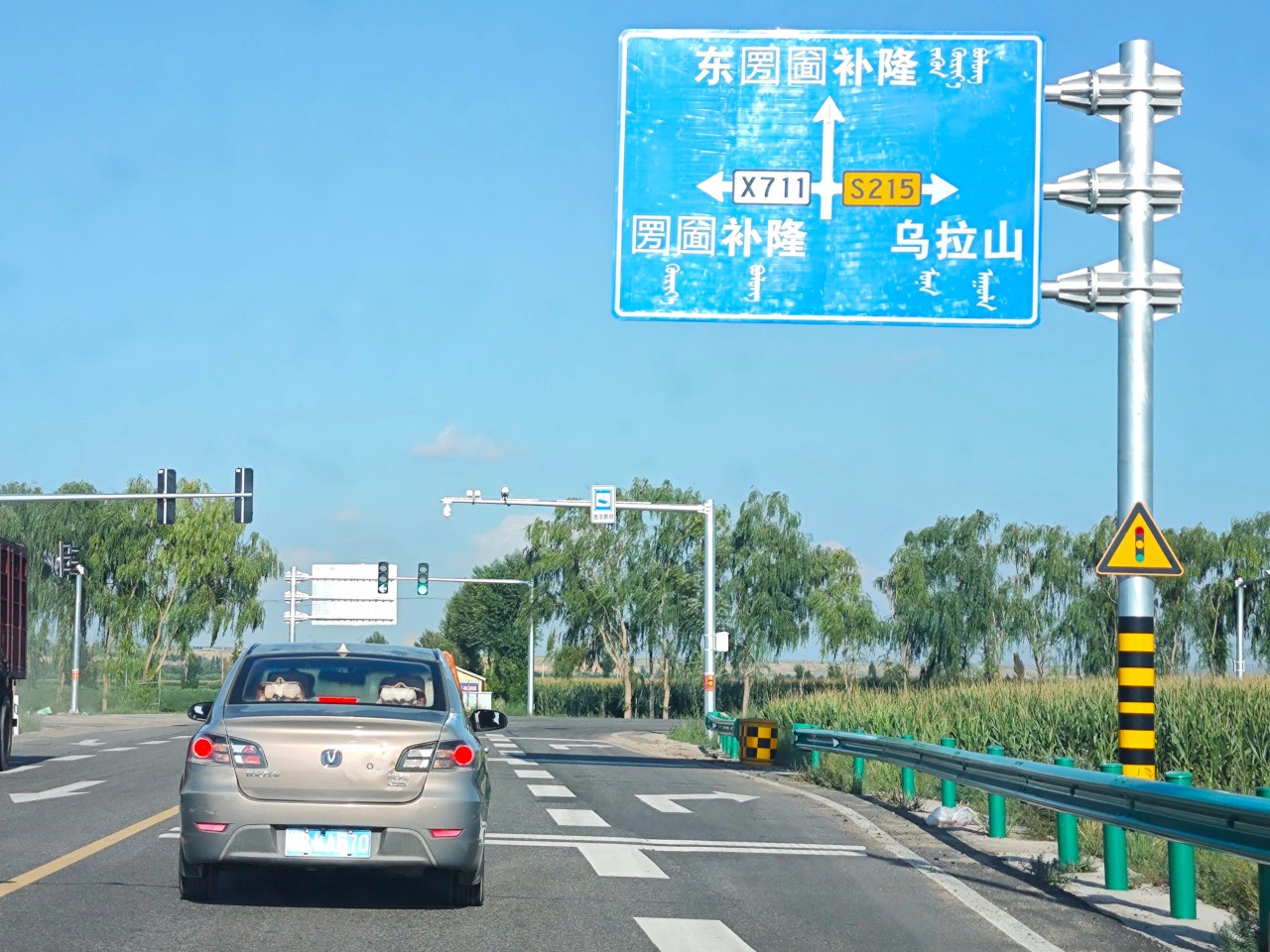
Avertissement de feux de circulation
What does a traffic lights warning mean?

A traffic lights warning alerts drivers that traffic signals are located ahead.

Why is a traffic lights warning sign used?

It may be used where traffic lights are unexpected, difficult to see sufficiently early or located on a road where advance warning improves safety.

How should you react to a traffic lights warning?

Remain alert, reduce speed when necessary and be prepared to stop at the traffic lights or behind waiting traffic.

34. Feux pour piétons

Les feux pour piétons sont des signaux qui règlent le moment où les piétons peuvent commencer à traverser une route. Ils affichent normalement une silhouette rouge immobile pour interdire de commencer la traversée et une silhouette verte en marche pour l’autoriser.

Un signal clignotant ou un compte à rebours peut avertir que la période autorisée se termine. Les piétons doivent traverser sans retard inutile, tandis que les conducteurs qui tournent doivent rester attentifs et permettre aux piétons engagés légalement de terminer leur traversée en sécurité.
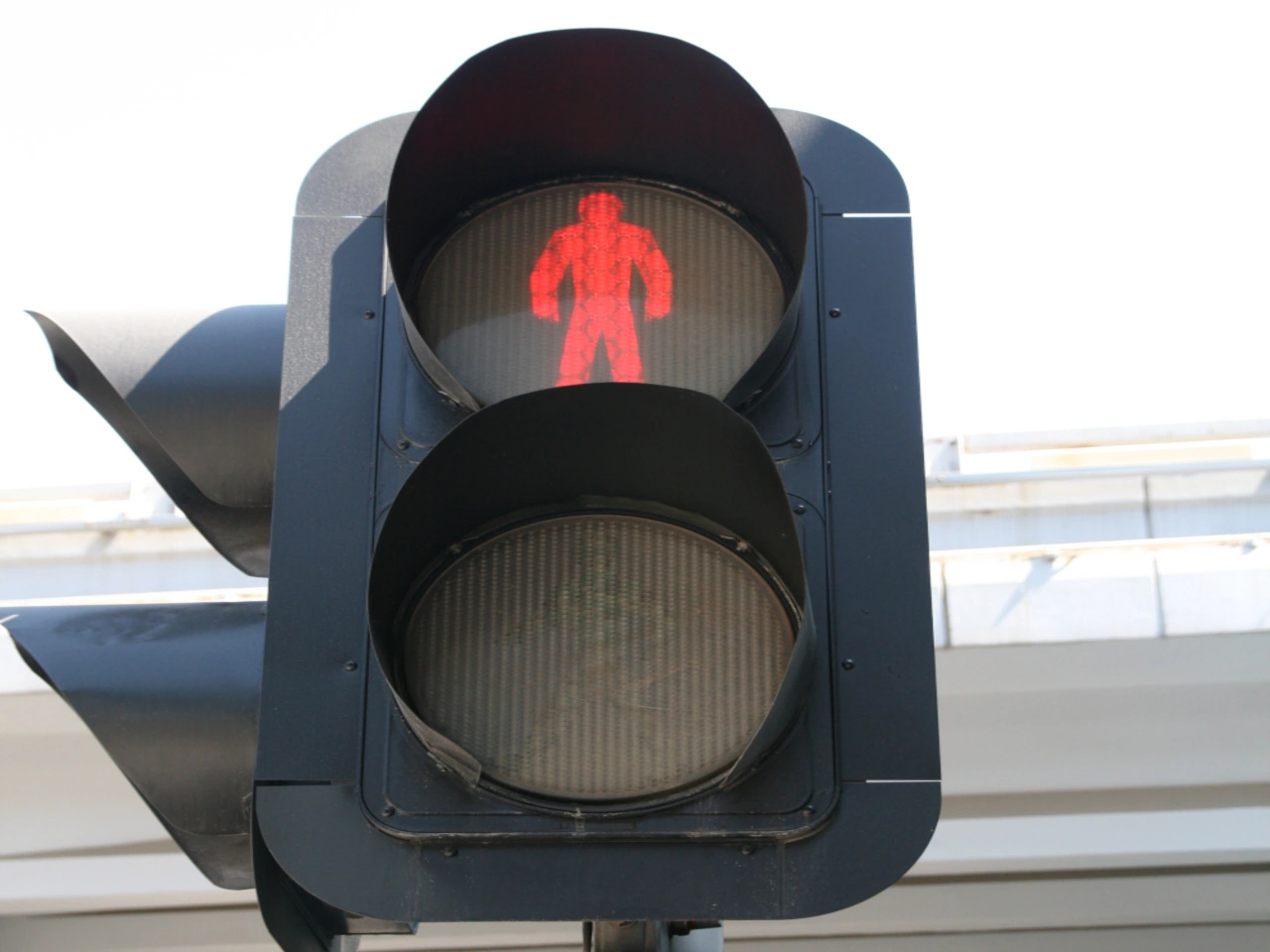
Feux pour piétons
What are pedestrian lights?

Pedestrian lights are traffic signals that indicate when pedestrians may begin crossing a road.

How can you recognise pedestrian lights?

They commonly display a red standing person and a green walking person. Their design may vary between countries.

What does the red pedestrian light mean?

It means that pedestrians must not begin crossing.

What does the green pedestrian light mean?

It means that pedestrians may begin crossing, provided they still observe the road and cross without unnecessary delay.

Does green guarantee that no vehicle will cross your path?

No. Turning vehicles, emergency vehicles or traffic following another authorised signal may still cross the pedestrian route. Pedestrians should remain attentive.

What does a flashing green pedestrian light mean?

It normally warns that the permitted crossing period is about to end. Pedestrians who have not started should consider waiting for the next green signal.

What does a flashing red pedestrian light mean?

Its meaning varies between countries. It commonly means that pedestrians must not begin crossing, while those already on the road should finish without delay.

What does a countdown display mean?

A countdown may show approximately how much time remains before the signal changes. It does not remove the duty to cross cautiously.

May you begin crossing when the countdown is nearly finished?

Begin only when there is enough time to cross safely and without stopping unnecessarily on the road. Waiting for the next green phase may be safer.

What if the signal changes to red while you are crossing?

Continue crossing at a normal pace towards the nearest safe side. Do not turn back suddenly, stop unnecessarily or run into another traffic stream.

Must drivers allow pedestrians to finish crossing?

Yes. Drivers should allow pedestrians who entered lawfully to complete the crossing safely, even when vehicle traffic receives permission to proceed.

May turning drivers cross during the pedestrian green phase?

Some signal systems permit turning vehicles and pedestrians at the same time. Turning drivers must give way where required and must not endanger pedestrians.

What is a conflict-free pedestrian phase?

It is a signal phase during which conflicting vehicle movements are stopped so pedestrians can cross without permitted traffic turning across their route.

What is an all-pedestrian phase?

It is a phase in which pedestrians may cross several or all approaches while vehicle traffic is stopped. Diagonal crossing is permitted only when the signals and markings allow it.

What do arrows around a pedestrian symbol mean?

They may indicate that the same pedestrian signal applies simultaneously to several crossing directions. The exact meaning depends on local law.

What should pedestrians do before stepping onto the road?

Check that approaching and turning vehicles are stopping and that the route is clear. A green signal does not make a collision impossible.

Must pedestrians cross without delay?

Yes. They should proceed at a normal pace and should not linger, stop unnecessarily or obstruct traffic on the crossing.

What if there are no pedestrian lights?

Pedestrians may have to follow the traffic lights controlling vehicles, an authorised officer or the ordinary pedestrian-crossing rules.

What is a pedestrian push button?

A push button normally registers a request for a pedestrian crossing phase. Pressing it does not itself permit crossing; pedestrians must wait for the appropriate signal.

Does repeatedly pressing the button make the signal change faster?

Normally not. Once the request has been registered, additional presses usually have no effect.

What are audible pedestrian signals?

Audible signals use sounds to help pedestrians with visual impairments identify when crossing is permitted or when the signal is changing.

What are tactile pedestrian signals?

Tactile signals may use a vibrating button, rotating cone or raised markings to provide crossing information to pedestrians with visual impairments.

Do pedestrian lights apply to cyclists?

Not normally. A cyclist riding a bicycle must follow the applicable cycle or vehicle signal unless a combined pedestrian-and-cycle signal applies.

What if a cyclist walks beside the bicycle?

A person walking beside a bicycle is normally treated as a pedestrian and follows the pedestrian signal.

What are combined pedestrian-and-cycle lights?

They display pedestrian and bicycle symbols and apply to the road users indicated by those symbols.

May pedestrians cross when an authorised officer signals them to wait?

No. Instructions from an authorised traffic controller normally take precedence over pedestrian lights.

What should you do when the pedestrian lights are not working?

Cross only according to the functioning vehicle signals, priority rules and instructions from authorised personnel. Proceed cautiously and take approaching traffic into account.

35. Permis de conduire

Un permis de conduire est un document officiel autorisant une personne à conduire une ou plusieurs catégories déterminées de véhicules à moteur. Il peut comporter des conditions, restrictions, codes de catégorie et dates d’expiration déterminant les véhicules que son titulaire peut conduire.

Les conducteurs doivent posséder un permis valide pour la catégorie de véhicule et la juridiction concernées. Un permis peut être provisoire, définitif, restreint, suspendu ou retiré, et des qualifications supplémentaires peuvent être exigées pour la conduite professionnelle.

What is a driving licence?

A driving licence is an official authorisation to drive specified categories of motor vehicle.

Is a driving licence the same as a driving permit?

The terms may refer to the same document, depending on the country. Some countries use permit specifically for learners or temporary authorisations.

What is a provisional driving licence?

A provisional or learner licence allows a person to practise driving under specified restrictions before obtaining a full licence.

What is a full driving licence?

A full licence is issued after the holder has completed the required tests or training. Restrictions may still apply because of age, vehicle type, medical fitness or licence codes.

Does one licence allow you to drive every vehicle?

No. Driving licences are divided into categories for motorcycles, cars, buses, trucks, trailers and other vehicles.

What is a licence category?

A licence category identifies the type and size of vehicle the holder is authorised to drive.

Must the licence be valid for the vehicle being driven?

Yes. Holding a licence for one category does not normally authorise driving a vehicle belonging to another category.

Can a licence contain restrictions?

Yes. Codes may restrict the holder to an automatic transmission, corrective lenses, an adapted vehicle or another specified condition.

What is the difference between an automatic and manual licence?

In some countries, passing the test in an automatic vehicle restricts the holder to automatic vehicles until an additional test or procedure is completed.

Does a driving licence expire?

Usually, yes. The document, individual categories or medical authorisation may have expiry dates and require renewal.

May you drive with an expired licence?

No. The licence and the category required for the vehicle must remain valid.

Must you carry your driving licence?

This depends on local law. Many countries require drivers to carry the original licence and present it to an authorised officer when requested.

Is a photograph or copy of the licence sufficient?

Not normally. A photograph, scan or photocopy is not generally a substitute for the original document unless an official digital-licence system is legally recognised.

Does a driving licence prove that you own the vehicle?

No. It proves driving authorisation, not ownership, registration or insurance.

What tests are required to obtain a licence?

Requirements may include a theory test, eyesight test, practical driving test, medical examination or compulsory training.

Is there a universal minimum driving age?

No. Minimum ages differ between countries and vehicle categories.

Can a learner drive without supervision?

Only where the provisional-licence system permits independent driving. Other learners must be accompanied by an approved supervisor or instructor.

Can a learner drive in another country?

Often not. Provisional and learner licences are frequently valid only in the country or region that issued them.

What is an international driving permit?

An international driving permit is a standardised translation of a valid national licence intended to help authorities interpret it abroad.

Does an international driving permit replace a national licence?

No. It normally has legal value only when presented together with the valid national driving licence on which it is based.

Is a national licence valid abroad?

This depends on the destination, length of stay, residence status and agreements between the countries concerned. An exchange or international permit may be required.

Can a foreign licence be exchanged?

Some countries exchange recognised foreign licences without new tests, while others require theory, practical or medical examinations.

Can medical fitness affect a licence?

Yes. A medical condition may require an assessment, shorter validity period, adapted vehicle or licence restriction.

Must changes in medical fitness be reported?

This depends on local law. Drivers remain responsible for ensuring that they are physically and mentally fit to drive safely.

Do professional drivers need additional qualifications?

Often, yes. Drivers of trucks, buses, taxis or vehicles used commercially may require professional competence, medical examinations or periodic training.

What happens when a licence is suspended?

The holder may not drive during the suspension period, even if the physical document remains in their possession.

What is disqualification from driving?

Disqualification is a legal prohibition on driving, usually imposed by a court or competent authority for a specified period or until conditions are fulfilled.

What should you do if the licence is lost or stolen?

Report it where required and apply for a replacement through the competent licensing authority. Do not continue driving when local law requires the original document to be carried.

What should you do if the licence is damaged?

Request a replacement when the document is unreadable, damaged or no longer allows the holder to be identified reliably.

Does changing address require a new licence?

This depends on the country and whether the address appears on the licence. Drivers must follow the local notification and replacement procedure.

36. Repère de localisation

Un repère de localisation est une référence placée au bord de la route indiquant une position mesurée le long d’un itinéraire. Il identifie normalement un kilomètre, un mile ou un intervalle plus petit mesuré à partir d’un point de départ établi sur cette route.

Les bornes kilométriques et hectométriques aident les usagers, services d’urgence, autorités routières et équipes d’entretien à identifier une section précise de la route. Elles n’imposent ni limitation de vitesse, ni règle de priorité, ni restriction d’accès.

Repère de localisation
What is a road location marker?

A road location marker is a numbered reference point identifying a measured position along a particular road or route.

What is a kilometre marker?

A kilometre marker indicates the number of kilometres measured from an established starting point on the road.

What is a hectometre marker?

A hectometre marker identifies a position at intervals of 100 metres. One kilometre contains ten hectometres.

What does a marker showing 14.7 mean?

It normally identifies a point approximately 14 kilometres and 700 metres from the route’s reference origin.

Is the marker the distance to the next town?

No. It normally measures the position along the road from a fixed reference origin rather than the remaining distance to a destination.

Where does the kilometre measurement begin?

It begins at a reference point chosen for that road, such as the start of the route, a border, an administrative boundary or another officially defined origin.

Does the numbering always increase in the direction of travel?

No. It increases in the officially defined direction of the route. Drivers travelling in the opposite direction may see the values decrease.

How can you recognise a location marker?

It may appear as a numbered roadside post, small sign, plate, marker attached to a barrier or numbers painted beside the carriageway.

Are kilometre markers used in every country?

Many countries use kilometre markers, while countries using imperial measurements may use mile markers. Designs and intervals differ.

Are hectometre markers always placed every 100 metres?

They are intended to represent 100-metre intervals, but their physical placement and permitted tolerances depend on the road authority and local conditions.

What information should you give during an emergency?

Give the road number, marker value, direction of travel and nearest junction or landmark where possible.

Why is the road number important?

The same kilometre value may occur on many different roads. The road number identifies which route the marker belongs to.

Why is the direction of travel important?

Divided roads have separate carriageways. Reporting the direction helps emergency services approach the correct side without making a long diversion.

Can a marker help locate a breakdown?

Yes. Reporting the nearest marker can help breakdown and emergency services identify the affected road section more accurately.

Can it help report debris or another hazard?

Yes. The marker can help road authorities locate an obstruction, damaged barrier, animal, collision or other dangerous situation.

Is a location marker a traffic sign?

Normally not. It is a reference or identification device rather than a regulatory sign.

Does it impose a speed limit?

No. The applicable speed comes from general traffic rules and regulatory speed signs.

Does it change priority?

No. Traffic lights, priority signs and ordinary intersection rules remain applicable.

Does it mark the beginning of a new road rule?

No. Passing a kilometre or hectometre marker does not normally begin or end a traffic regulation.

Can markers be used for road maintenance?

Yes. Road authorities use reference points to locate signs, barriers, bridges, defects, works and other infrastructure precisely.

Can navigation coordinates replace a location marker?

Coordinates can be useful, but a road reference marker may be easier for road operators and emergency services to connect with the correct carriageway and road section.

What if the marker is damaged or missing?

Use the nearest visible marker together with the road number, direction, junctions and other identifiable features.

Should a driver stop simply to read a marker?

No. Do not stop in a live lane or another prohibited location. A passenger may note the marker, or the driver may read it after stopping somewhere safe during an actual emergency.

Can temporary roadworks change the marker values?

Normally not. Temporary traffic routes may move traffic away from the marker’s usual position, but the official road reference system generally remains unchanged.

37. Miroir routier

Un miroir routier est un miroir convexe installé près d’un carrefour, d’une sortie, d’un virage ou d’un autre endroit offrant une visibilité limitée. Sa surface courbe offre une vue plus large des usagers approchant qu’un miroir plat ordinaire.

Un miroir routier n’est qu’une aide à la visibilité. Il peut déformer la distance, la vitesse et la direction et être affecté par l’obscurité, la météo, la saleté ou les dommages. Les conducteurs doivent continuer à observer directement la route, respecter toutes les règles de priorité et ne s’engager que lorsque cela est sûr.

Miroir routier
What is a traffic mirror?

A traffic mirror is a convex roadside mirror that helps road users see around an obstruction or into a road with limited visibility.

Where are traffic mirrors commonly installed?

They may be placed near intersections, narrow roads, bends, car-park exits, private driveways, tunnels or other locations where buildings, vegetation or road geometry obstruct the view.

Why is the mirror curved?

A convex surface provides a wider field of view than a flat mirror, allowing more of the approaching road to be seen.

Does a traffic mirror show an exact image?

No. The reflected image is distorted, and objects normally appear smaller and farther away than they really are.

Can you accurately judge speed in a traffic mirror?

Not reliably. The curved image makes it difficult to estimate how fast another road user is approaching.

Can you accurately judge distance in the mirror?

No. Distance can appear greater than it really is, so an approaching vehicle may reach the intersection sooner than expected.

Can the mirror create a blind area?

Yes. Its position and viewing angle may leave parts of the road outside the reflected image. Small cyclists, motorcycles or pedestrians may also be difficult to notice.

Does a traffic mirror give you priority?

No. It does not change priority. Drivers must continue to follow stop signs, give-way signs, traffic lights and the ordinary priority rules.

Does seeing an empty mirror mean the road is clear?

No. Another road user may be outside the reflected area, hidden by glare or too small to notice. Always check the road directly before proceeding.

Must you still stop at a stop sign?

Yes. The mirror does not replace the mandatory complete stop. Stop at the prescribed position, then use direct observation and the mirror as additional information.

Must you still give way?

Yes. You may proceed only when traffic with priority can continue without being forced to brake, stop or change direction.

How should you use a traffic mirror?

Approach slowly, stop when required and scan the mirror for movement. Then look directly in both directions and continue only after confirming that the road is clear.

Should you look only at the mirror?

No. Alternate between the mirror and direct observation. The mirror should supplement rather than replace normal checks.

Can rain affect a traffic mirror?

Yes. Rain, water droplets and spray may blur or partially obscure the reflected image.

Can frost or condensation affect it?

Yes. Dew, condensation, frost, ice or snow may make the mirror difficult or impossible to use.

Can sunlight cause problems?

Yes. Sunlight may create glare or reflections that hide approaching road users.

Can headlights be misleading at night?

Yes. Reflected headlights may make it difficult to determine the exact direction, distance or speed of an approaching vehicle.

Can the mirror move out of position?

Yes. Wind, impacts, vandalism, vibration or temperature changes may alter its orientation and make the reflected view inaccurate.

What if the mirror is dirty or damaged?

Do not rely on it. Proceed with additional caution and report the defect to the responsible road authority or property owner.

Does a traffic mirror impose a speed limit?

No. The applicable road or posted speed limit remains in force, but restricted visibility normally requires a lower approach speed.

Does it require drivers to sound the horn?

No. Use the horn only where local law permits it and a warning is reasonably necessary to prevent danger.

Can pedestrians and cyclists use the mirror?

Yes. It may help them observe approaching traffic, but they must also look directly and follow the applicable crossing and priority rules.

Can a private individual install a traffic mirror?

A mirror may generally be installed on private property with the owner’s permission, subject to local rules. Installing one on, above or beside a public road normally requires permission from the road authority.

Should a mirror replace better road design?

No. Removing vegetation, relocating parking, improving the intersection layout or changing traffic circulation may provide a safer and more reliable solution.

38. Stationnement

Le stationnement consiste à laisser un véhicule immobile à un endroit pendant un certain temps, plutôt que de s’arrêter brièvement en raison de la circulation ou d’une nécessité immédiate. De nombreux pays distinguent le stationnement d’un arrêt bref effectué pour faire monter ou descendre des passagers ou pour charger ou décharger des marchandises, même si la définition juridique précise varie.

Le stationnement peut être autorisé, limité, réservé, soumis à une durée maximale ou interdit par des panneaux, marquages, zones de stationnement et règlements locaux. Les conducteurs doivent stationner sans créer de danger ni de gêne inutile et respecter toute condition concernant le paiement, les permis, les catégories de véhicules ou la durée maximale.
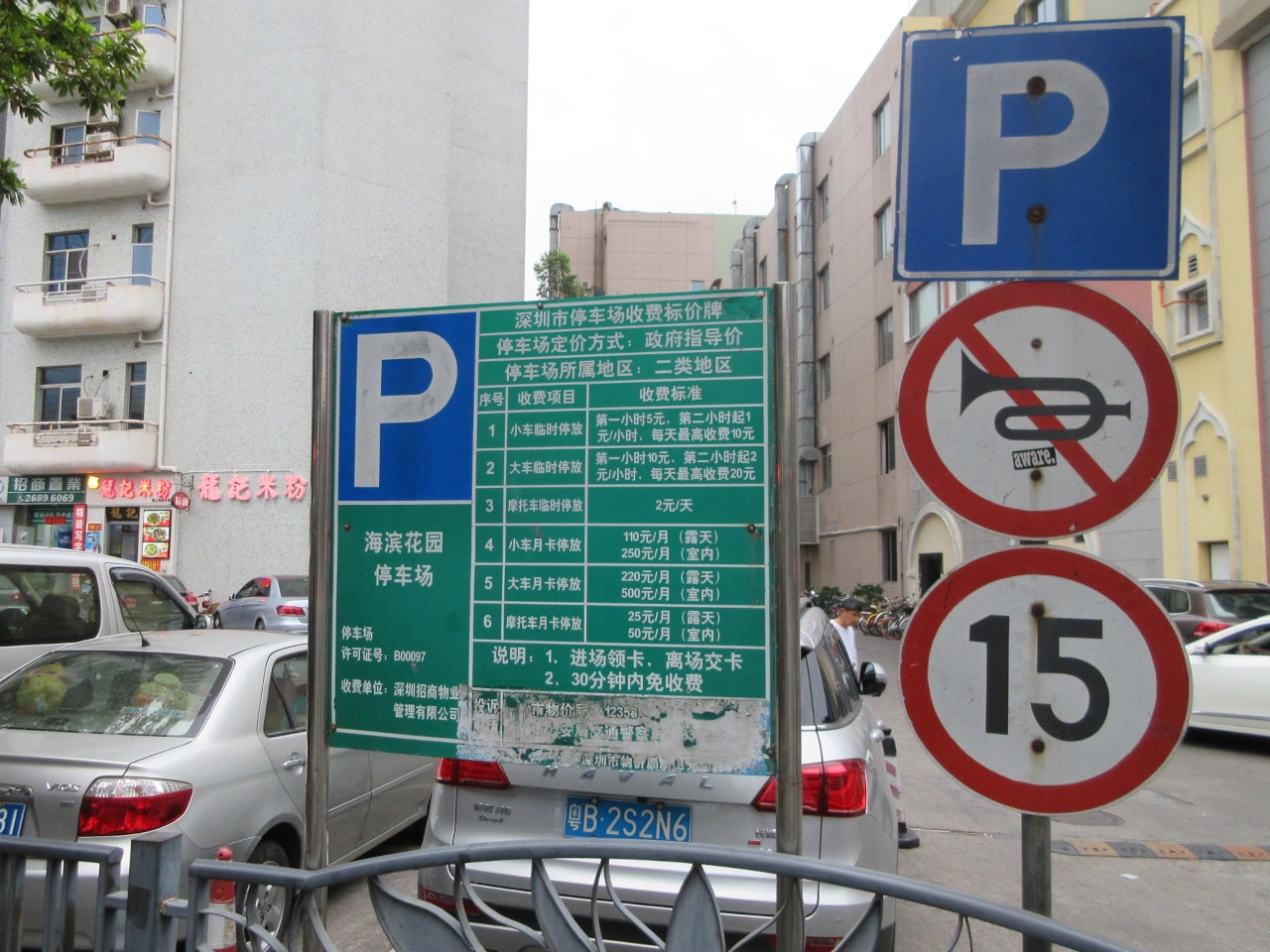
Stationnement
What is the difference between parking and stopping?

Parking generally means leaving a vehicle stationary for longer than a brief stop required for passengers, loading or unloading. A vehicle stopped because of traffic lights, congestion, an emergency or another traffic condition is normally not considered parked. The precise legal definitions vary between countries.

How can you tell where parking is allowed?

Look for parking signs, prohibition signs, road markings and parking-zone signs. Local rules may also permit parking along certain roads even when individual parking spaces are not marked.

Can you park anywhere if there is no sign prohibiting parking?

No. General traffic rules can prohibit parking even when no specific prohibition sign is present. Common examples include locations where a parked vehicle would obstruct visibility, crossings, intersections, cycle facilities or the movement of other traffic.

Can you park on a pavement or sidewalk?

Parking on a pavement or sidewalk is prohibited or restricted in many countries unless signs or markings specifically allow it. Vehicles must not force pedestrians into the roadway or block an accessible pedestrian route.

Can you park near a pedestrian crossing?

Parking on or close to a pedestrian crossing is generally restricted because a vehicle can hide pedestrians from approaching drivers. The required clearance distance varies between countries.

Can you park close to an intersection?

Many countries prohibit parking within a specified distance of an intersection because parked vehicles can reduce visibility and obstruct turning traffic. Follow the local distance requirements and any signs or markings.

What does a parking sign mean?

A parking sign identifies a place or area where parking is permitted or regulated. Additional signs or panels may specify time limits, payment requirements, vehicle categories, permits or particular parking arrangements.

How does paid parking work?

Where parking is subject to payment, drivers must follow the instructions displayed locally. Payment may be made through a parking meter, ticket machine, mobile application or another authorised system. The permitted duration and charging periods vary by location.

Who may use an accessible parking space?

Spaces marked for people with disabilities are reserved for vehicles displaying or registered with the required disability parking permit. Eligibility, permit display requirements and parking privileges depend on national and local law.

Can you leave a vehicle parked for an unlimited time?

Not necessarily. Local rules may impose a maximum parking duration, even where parking is otherwise permitted. Different limits may apply to abandoned, commercial, heavy or recreational vehicles.

39. Stationnement interdit

Stationnement interdit signifie que les véhicules ne peuvent pas être laissés en stationnement à l’endroit ou sur la section couverte par la restriction. Selon la loi locale, un conducteur peut encore être autorisé à s’arrêter brièvement pour faire monter ou descendre des passagers ou pour charger ou décharger des marchandises, à condition que l’arrêt lui-même ne soit pas interdit.

Une interdiction de stationner peut s’appliquer en permanence ou seulement à des horaires, jours, catégories de véhicules ou sections de route déterminés. Son étendue exacte et ses exceptions sont définies par le panneau, les panneaux additionnels, les marquages et la réglementation locale.
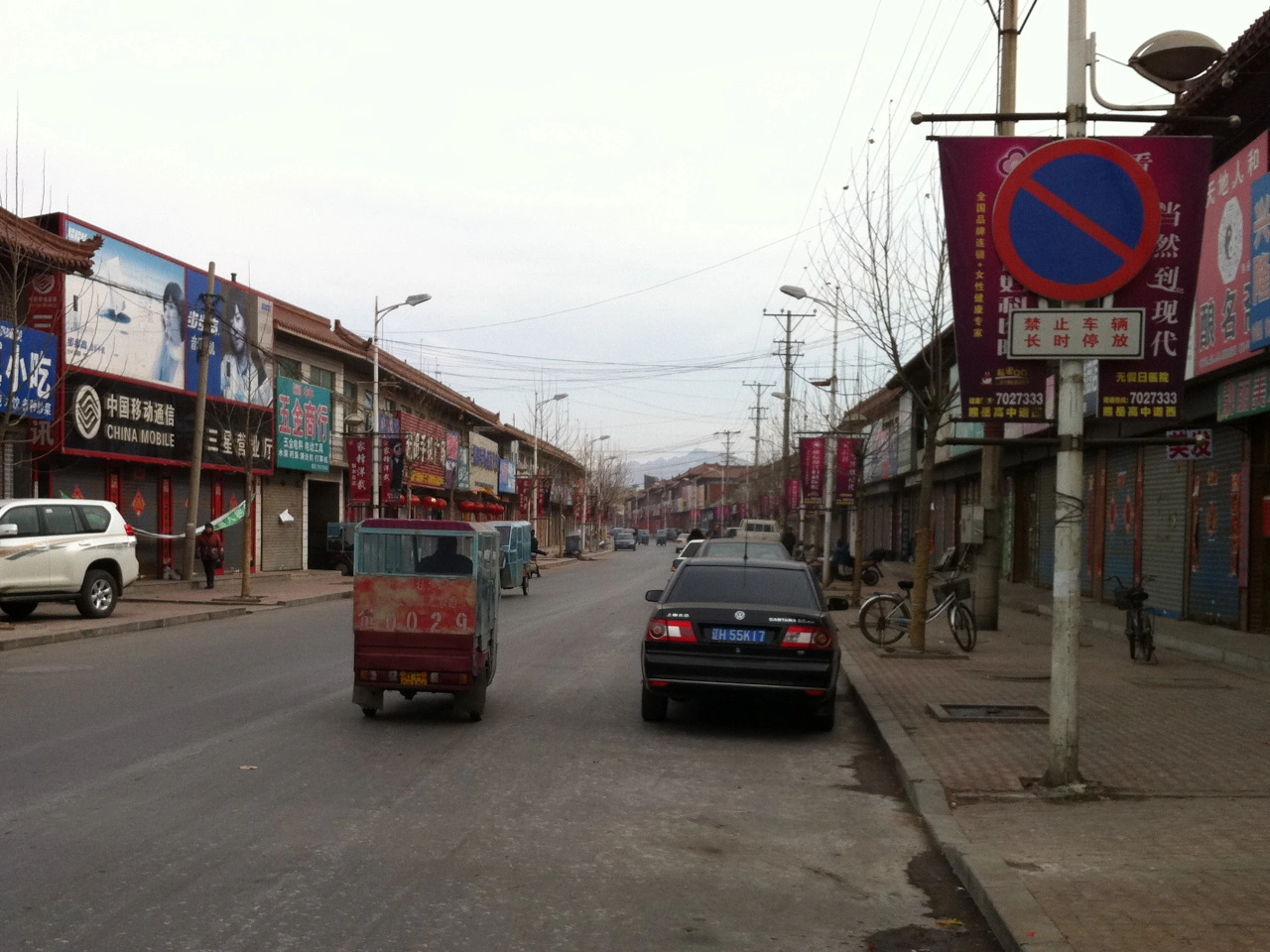
Stationnement interdit
What does a no-parking sign mean?

A no-parking sign prohibits leaving a vehicle parked in the area or along the section of road to which the restriction applies. The exact legal definition of parking and the extent of the prohibition vary between countries.

Is no parking the same as no stopping?

No. A no-parking restriction commonly still permits certain brief stops, such as picking up or dropping off passengers or loading or unloading goods. A no-stopping restriction is stricter and generally prohibits voluntary stopping as well as parking.

Can you wait in your vehicle where parking is prohibited?

Remaining inside the vehicle does not necessarily mean that it is not parked. If the vehicle remains stationary beyond what local law permits as a brief stop, it may legally be considered parked even when the driver stays inside.

Can you pick up or drop off passengers in a no-parking area?

Often yes, if stopping is permitted and the vehicle remains there only as long as reasonably necessary for passengers to get in or out. Local rules may impose stricter restrictions at particular locations.

Can you load or unload goods where parking is prohibited?

In many countries, genuine loading or unloading is treated as stopping rather than parking and may therefore be permitted. The vehicle should remain there only for the time reasonably necessary for the activity.

How far does a no-parking restriction apply?

This depends on the country's signing rules. The restriction may continue to the next intersection, an end sign, a stated distance or the end of a designated zone. Supplementary arrows or distance panels may indicate its exact extent.

Does a no-parking sign apply on both sides of the road?

Usually a roadside no-parking sign applies only to the side of the road on which it is placed, unless it forms part of a zonal restriction or local signs indicate otherwise.

Can a no-parking restriction apply only at certain times?

Yes. A supplementary panel may restrict the prohibition to particular hours, days or periods. Outside those periods, parking may be permitted if no other rule prohibits it.

Can a no-parking restriction apply only to certain vehicles?

Yes. Additional signs or symbols may make a parking restriction applicable to particular vehicle categories, such as heavy vehicles, motorcycles or other specified vehicles.

Can you park immediately after a no-parking sign ends?

Only if parking is otherwise legal. The end of a specific no-parking restriction does not override general parking prohibitions near crossings, intersections, driveways, traffic signs or other protected locations.

40. Arrêt interdit

Arrêt interdit signifie que les véhicules ne sont pas autorisés à s’arrêter volontairement à l’endroit indiqué, même brièvement pour faire monter ou descendre des passagers ou charger ou décharger des marchandises. Il s’agit d’une restriction plus stricte qu’une interdiction de stationner.

Une interdiction d’arrêt peut être signalée par un panneau, un marquage routier ou une réglementation locale. Les conducteurs doivent continuer jusqu’à un endroit où l’arrêt est permis, sauf s’ils sont contraints de s’arrêter par la circulation, une urgence ou une autre obligation légale.

Arrêt interdit
What does a no stopping restriction mean?

It means that a driver may not voluntarily stop the vehicle in the restricted area. The prohibition normally includes stopping to pick up or drop off passengers or to load or unload goods.

What is the difference between no stopping and no parking?

No stopping is the stricter restriction. A no-parking rule may still allow a brief stop for activities such as picking up passengers or loading goods, while a no-stopping rule prohibits these voluntary stops as well.

Can you stop in a no-stopping area during an emergency?

A driver may have to stop because of an emergency, traffic conditions, a red light, police instructions or another situation outside the driver's control. Such compulsory stops are generally different from voluntarily stopping the vehicle.

41. Stationnement pour personnes handicapées

Le stationnement pour personnes handicapées désigne les places et avantages de stationnement réservés aux personnes handicapées répondant aux critères d’éligibilité applicables. Les places réservées sont normalement identifiées par le symbole international du fauteuil roulant et placées de manière à faciliter l’accès aux installations voisines.

L’utilisation d’une place réservée nécessite généralement une carte ou autorisation de stationnement valide. Cette autorisation est normalement liée à la personne éligible plutôt qu’à un véhicule particulier et ne peut être utilisée que lorsque cette personne conduit ou voyage dans le véhicule.

Stationnement pour personnes handicapées
Who may use a disabled parking space?

Disabled parking spaces are intended for eligible people who hold a valid disabled parking permit or card. The exact eligibility requirements and permit system depend on the country.

Can someone use a disabled parking permit when the holder is not present?

Generally no. Disabled parking permits are normally personal and may only be used when the permit holder is driving or travelling in the vehicle.

Does a disabled parking permit always provide free parking?

No. A permit may provide access to reserved spaces or exemptions from certain parking restrictions, but rules concerning parking charges and time limits vary between countries and local authorities.

42. Marche arrière

La marche arrière consiste à conduire un véhicule vers l’arrière. Elle est couramment utilisée pour stationner, quitter un espace restreint ou repositionner un véhicule lorsque le mouvement vers l’avant n’est pas pratique.

Avant de reculer, le conducteur doit vérifier les rétroviseurs et angles morts, observer attentivement les alentours du véhicule et s’assurer que l’espace derrière est libre. La marche arrière doit être effectuée lentement et uniquement aussi longtemps que nécessaire, car la visibilité derrière le véhicule est souvent limitée.
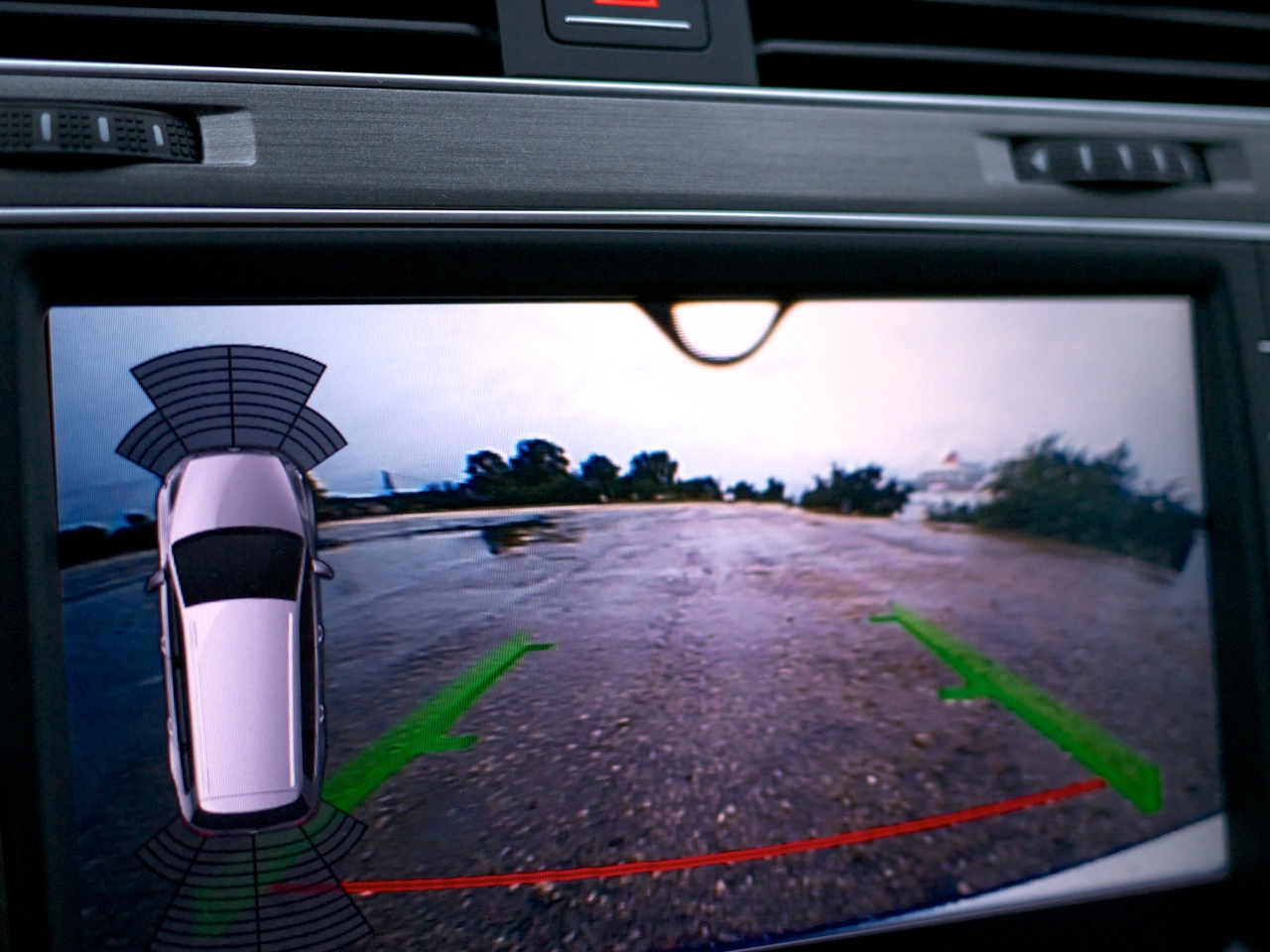
Marche arrière
What should you check before reversing?

Check behind and around the vehicle for pedestrians, cyclists, other vehicles and obstacles. Use mirrors and cameras where available, but also look directly because monitoring systems can have blind spots.

Who has priority when a vehicle is reversing?

In many countries, reversing is treated as a manoeuvre and the reversing driver must give way to other road users. The exact legal requirements depend on national traffic rules.

Should you reverse for a long distance?

No. Reversing should normally be limited to the distance necessary to complete the manoeuvre safely. Driving forward generally provides better visibility and vehicle control.

43. Demi-tour

Un demi-tour est une manœuvre par laquelle un véhicule se retourne afin de repartir dans la direction opposée. Elle implique normalement de traverser une partie de la chaussée puis de se réinsérer dans le trafic en direction du point d’où vient le véhicule.

Avant de faire demi-tour, le conducteur doit vérifier la circulation environnante, les piétons et cyclistes, signaler lorsque cela est requis et s’assurer que la visibilité et l’espace sont suffisants pour achever la manœuvre en sécurité. Les demi-tours peuvent être interdits par des panneaux ou sur certains types de routes.

Demi-tour
What is a U-turn?

A U-turn is a manoeuvre used to reverse a vehicle's direction so that it continues along the road in the opposite direction.

What should you check before making a U-turn?

Check traffic in all relevant directions, mirrors and blind spots, and look for pedestrians, cyclists and other road users. Make sure there is sufficient visibility and space and that the manoeuvre is permitted.

Can you make a U-turn anywhere?

No. U-turns may be prohibited by traffic signs or road rules and should never be attempted where visibility, road layout or traffic conditions make the manoeuvre unsafe.

44. Carrefour non réglementé

Un carrefour non réglementé est une intersection où la priorité n’est pas spécifiquement réglée par des feux de circulation, une personne habilitée ou des panneaux attribuant la priorité à certaines branches. Les conducteurs doivent donc déterminer qui est prioritaire au moyen des règles générales applicables dans le pays.

La règle applicable varie selon les pays et peut être la priorité à droite, la priorité à gauche ou une autre règle générale de priorité. Les conducteurs doivent approcher un carrefour non réglementé avec prudence, observer le trafic de toutes les directions et ne jamais supposer qu’une route plus large ou plus fréquentée est automatiquement prioritaire.
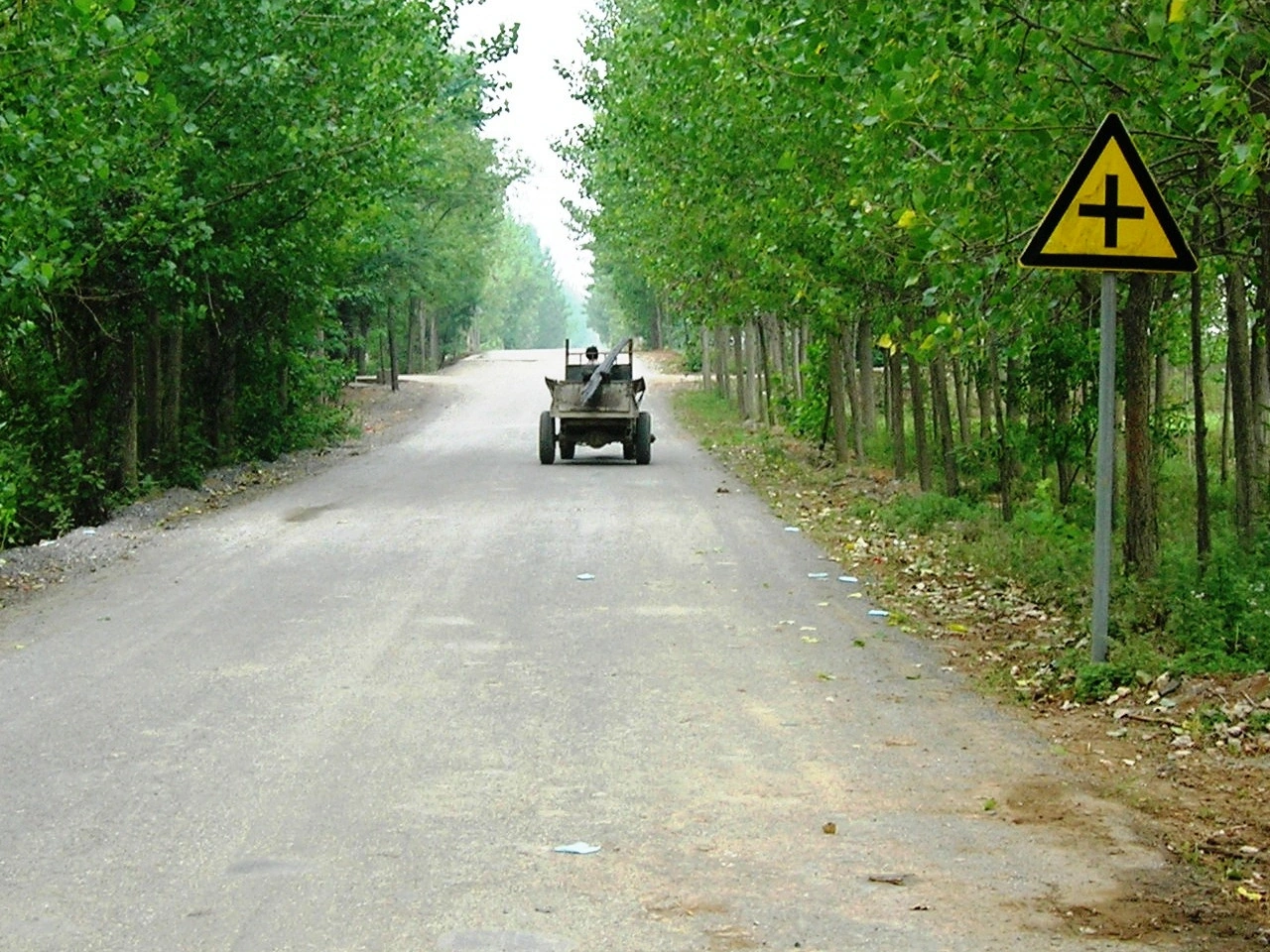
Carrefour non réglementé
What is an uncontrolled crossroad?

An uncontrolled crossroad is an intersection where priority is not specifically assigned by traffic lights, an authorised person or priority signs. Drivers must use the default priority rules of the country.

Who has priority at an uncontrolled crossroad?

This depends on the local traffic law. Some countries use priority from the right, while others use different rules. Drivers should know the default intersection rule of the country in which they are driving.

Does the wider road automatically have priority?

Not necessarily. The width, surface or amount of traffic on a road does not by itself determine priority unless local law specifically provides otherwise.

Should you slow down at an uncontrolled crossroad?

Yes. Approach at a speed that allows you to observe approaching traffic, determine who has priority and stop safely if necessary.

Do cyclists have to follow the priority rules at an uncontrolled crossroad?

Yes. Cyclists generally follow the applicable intersection priority rules unless a specific cycle facility, sign or local rule provides otherwise.

Does driving straight ahead automatically give you priority?

No. Continuing straight ahead does not automatically give priority over traffic approaching on another road. The applicable priority rules must still be followed.

Does turning right or left change the priority rules?

Turning may create additional obligations, particularly towards pedestrians, cyclists or opposing traffic. Drivers must follow both the intersection priority rule and the rules governing the intended turn.

What if two vehicles reach an uncontrolled crossroad at the same time?

Apply the country's default priority rule. Do not rely simply on which vehicle appears to have arrived first unless local law specifically uses that rule.

What if the traffic lights at an intersection are not working?

The intersection is not necessarily completely uncontrolled. Priority signs, road markings and default priority rules may still determine who must give way. Drivers should approach with particular caution.

What should you do if you are unsure who has priority?

Reduce speed and be prepared to stop. Never force your way through an intersection simply because the priority situation is unclear.

45. Permis provisoire

Un permis provisoire permet à un apprenti conducteur de s’exercer sur la voie publique avant d’obtenir un permis définitif. Les conditions varient selon les pays et peuvent déterminer si l’apprenti doit être accompagné d’un superviseur agréé, quels véhicules il peut conduire, où et quand la conduite est autorisée et combien de temps le permis reste valable. Un permis provisoire est normalement soumis à des règles plus strictes qu’un permis définitif et vise spécifiquement l’apprentissage et l’acquisition d’expérience pratique.
Permis provisoire
What is a provisional driving licence?

A provisional driving licence allows a learner driver to practise driving under specified conditions before obtaining a full driving licence.

Can you drive alone with a provisional licence?

This depends on the type of provisional licence and local rules. Some licences require an approved supervisor, while others allow the learner to practise alone after completing specified training.

How long is a provisional licence valid?

The validity period varies between countries and licence types. If it expires before the learner passes the practical exam, additional conditions may apply before another provisional licence can be obtained.

Can you drive abroad with a provisional licence?

Often not. A provisional licence may be valid only in the country that issued it. Learners should check the applicable rules before attempting to drive abroad.

Are there restrictions on when a learner may drive?

Yes, in some countries. Provisional licences may include restrictions on night driving, passengers, trailers, vehicle types or certain roads.

Do you need to display a learner sign?

Many countries require a learner vehicle to display an L plate or another learner-driver sign. The design and conditions vary by country.

46. Issue de secours

Une issue de secours est un itinéraire d’évacuation signalé permettant aux usagers de quitter un tunnel ou une autre infrastructure routière fermée lors d’un incident grave tel qu’un incendie, la présence de fumée ou une autre urgence. Les issues de secours conduisent vers une zone plus sûre, séparée du danger immédiat.

En cas d’urgence, les occupants doivent quitter leur véhicule lorsqu’une évacuation est nécessaire et suivre les panneaux d’issue de secours et les instructions. Ils doivent s’éloigner du danger plutôt que de rester dans le tunnel ou de retourner à leur véhicule.

Issue de secours
What is an emergency exit in a road tunnel?

An emergency exit is a designated escape route that allows people to leave the traffic area of a tunnel and reach a safer location during an emergency.

When should you use a tunnel emergency exit?

Use an emergency exit when evacuation is necessary because of fire, smoke or another serious danger, or when instructed to evacuate by tunnel personnel or emergency services.

Should you take your vehicle through an emergency exit?

No. Tunnel emergency exits are intended for people evacuating on foot. Leave the vehicle when necessary and follow the marked escape route towards safety.

47. Voie de détresse

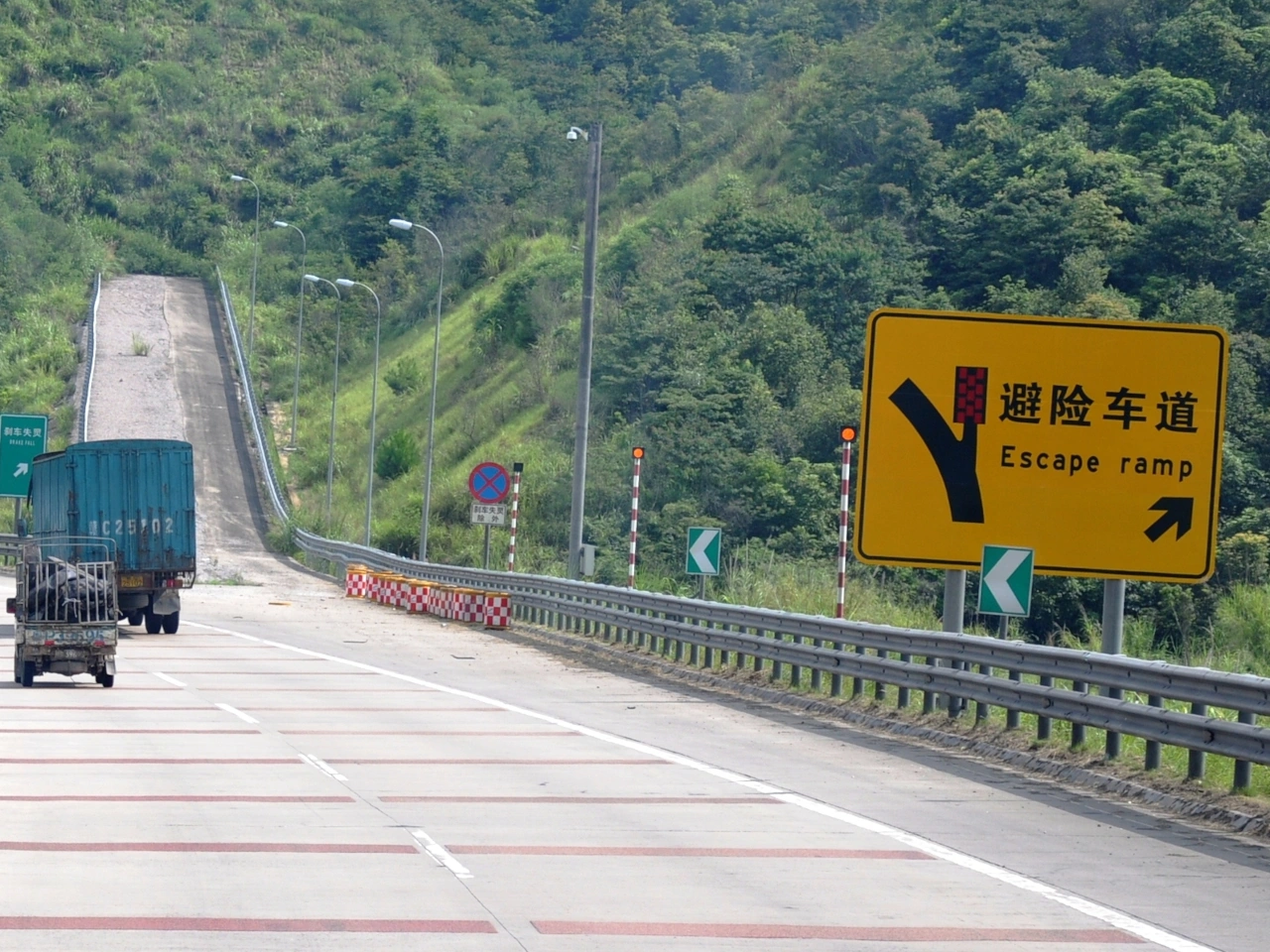
Une voie de détresse, également appelée voie d’échappement d’urgence, est une voie spécialement aménagée pour arrêter un véhicule ayant perdu son efficacité de freinage, en particulier un poids lourd descendant une forte pente. Elle peut utiliser une pente montante, un lit de gravier profond ou une autre surface absorbant l’énergie afin de ralentir et arrêter le véhicule.

Un conducteur ayant perdu ses freins doit s’engager sur la voie de détresse aussi tôt et aussi sûrement que possible plutôt que de tenter de poursuivre la descente. Ces voies sont des installations d’urgence et ne doivent pas être utilisées pour un arrêt, un stationnement ou un demi-tour ordinaire.
Voie de détresse
What is a runaway truck ramp used for?

It provides an emergency stopping area for a vehicle that can no longer slow down adequately with its normal brakes. It is particularly intended for heavy vehicles on long or steep descents.

How does a runaway truck ramp stop a vehicle?

Depending on its design, the ramp may rise uphill or contain deep gravel, sand or another arresting material that creates resistance and rapidly reduces the vehicle's speed.

Can you use a runaway truck ramp for normal stopping or parking?

No. An escape ramp is an emergency safety facility and should be kept clear for vehicles that have lost effective braking or control.

48. Klaxon

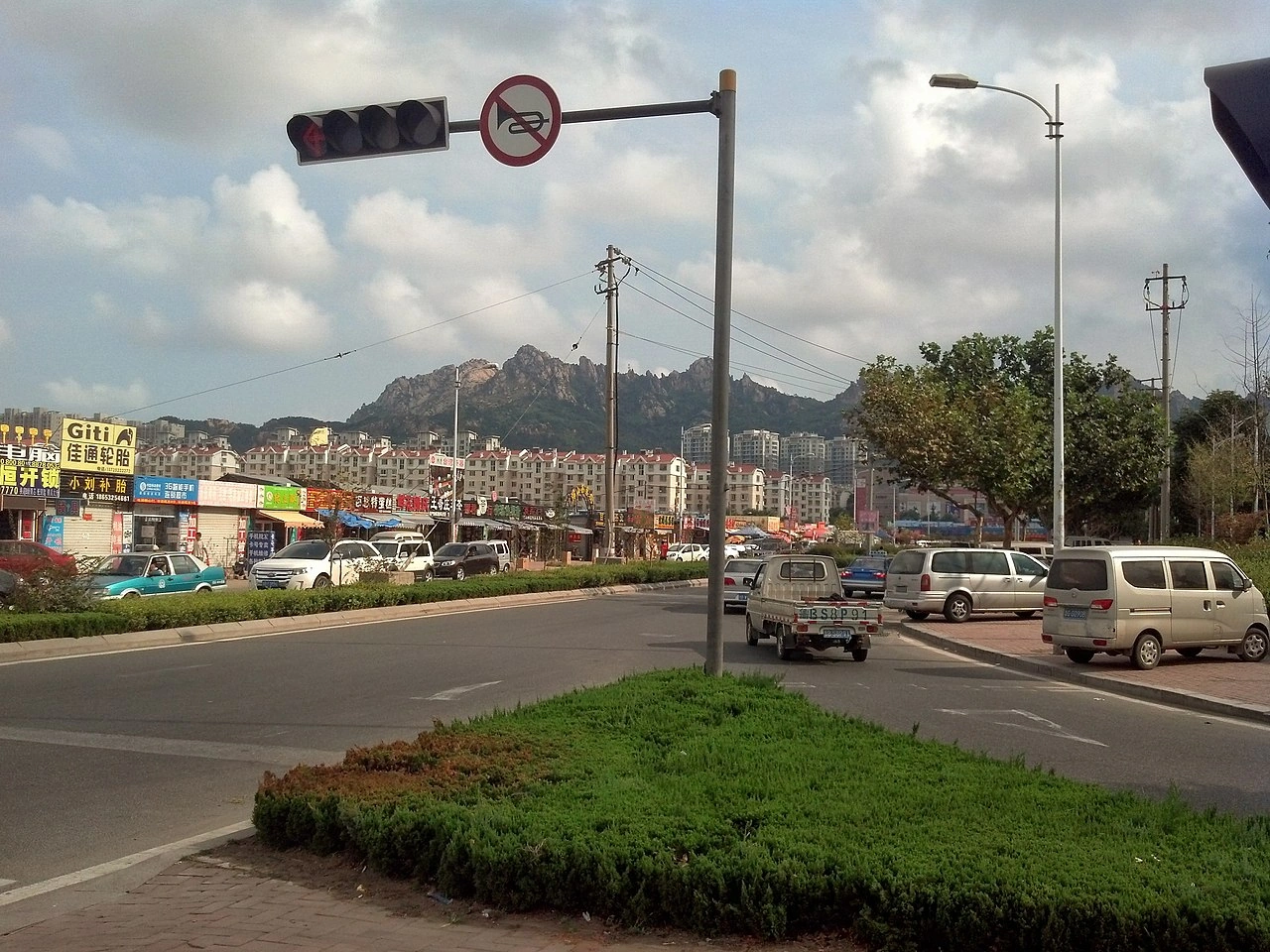
Un klaxon est un dispositif sonore utilisé pour avertir les autres usagers d’un danger ou attirer leur attention lorsque cela est nécessaire à la sécurité. La plupart des véhicules à moteur sont équipés d’un klaxon électrique commandé depuis le volant. Les règles de circulation limitent généralement l’usage inutile ou excessif du klaxon, notamment dans les zones urbaines ou résidentielles. Il doit donc être utilisé comme un dispositif d’avertissement plutôt que comme un moyen d’exprimer sa frustration ou de saluer d’autres usagers.
Klaxon
What is a car horn?

A car horn is a sound-producing warning device used to alert other road users when their attention is needed for safety.

When should you use the horn?

The horn should generally be used when a sound warning is necessary to help prevent danger or an accident. The exact circumstances in which horn use is permitted depend on local traffic laws.

Can you use the horn to show annoyance?

Generally, no. A horn is intended as a safety warning device, and unnecessary or excessive use may be prohibited by local traffic rules.

Can you use the horn at night?

Rules for using the horn at night vary between countries. Some traffic laws restrict sound signals at night and require drivers to use their lights instead, except when there is immediate danger.

Can a vehicle horn be modified?

Vehicle horns may have to meet technical requirements for their sound and operation. Horns that imitate emergency-service sirens or otherwise fail applicable vehicle standards may be prohibited.

Is the horn checked during a vehicle inspection?

In countries with periodic technical inspections, the operation and condition of the horn may be checked as part of the vehicle's safety equipment.

49. Limite de charge par essieu

Une limite de charge par essieu est le poids ou la charge maximale autorisée supportée par un seul essieu d’un véhicule. Elle limite la force qu’un essieu et ses roues peuvent transmettre à la route, indépendamment du poids total du véhicule.

Les limites de charge par essieu contribuent à protéger les ponts et revêtements routiers contre les charges excessives et à assurer la sécurité du véhicule. Un véhicule peut respecter une limite de poids total tout en dépassant une limite d’essieu si son chargement est mal réparti.
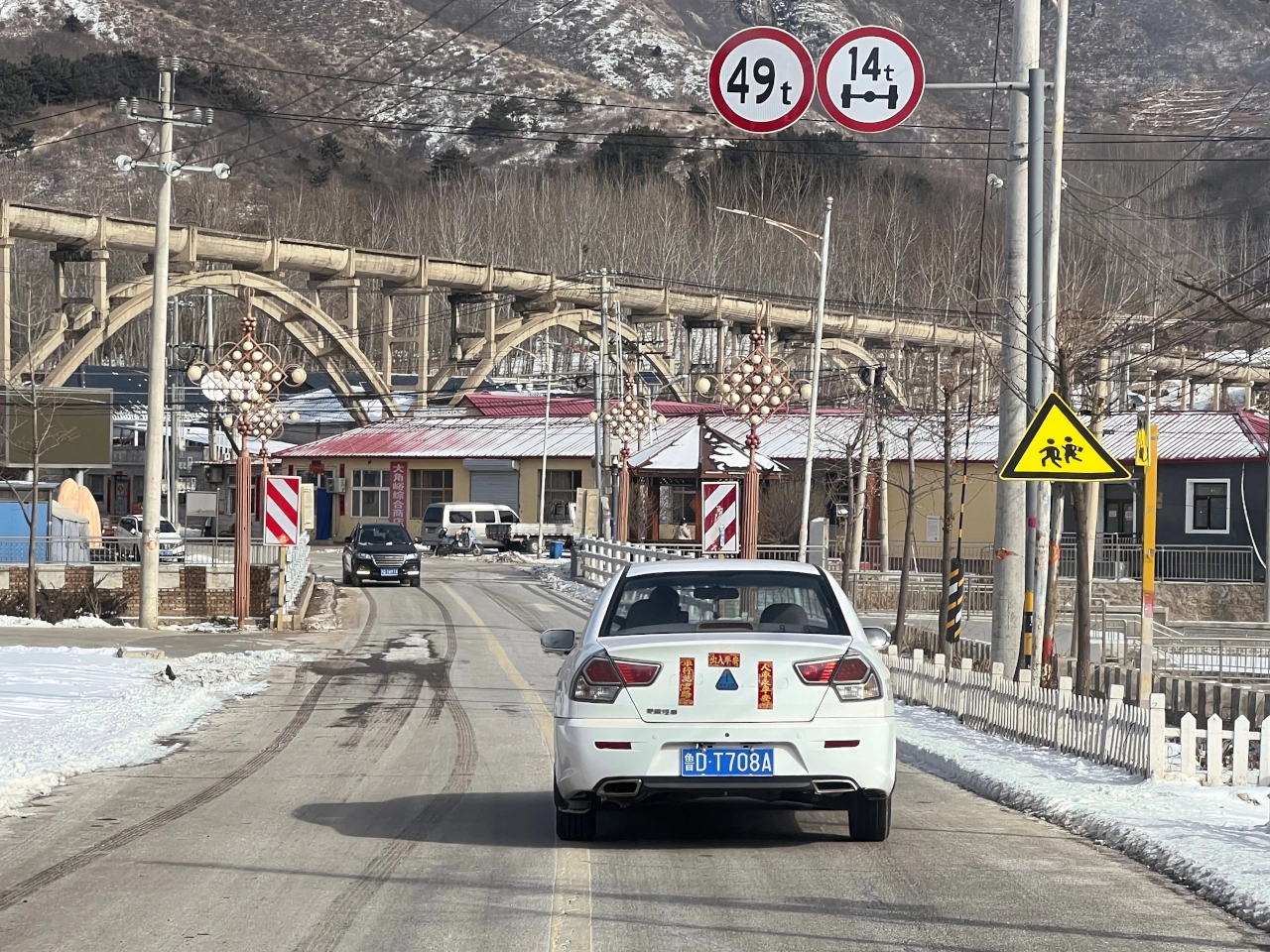
Limite de charge par essieu
What does an axle weight limit mean?

An axle weight limit specifies the maximum permitted load carried by an individual axle or axle group. A vehicle exceeding the indicated axle load may not use the restricted road or structure.

Is axle weight the same as total vehicle weight?

No. Total vehicle weight is the combined weight of the entire vehicle and its load, while axle weight is the portion of that weight supported by a particular axle. Both limits may apply at the same time.

Why are axle weight limits used?

They help prevent excessive stress on roads and structures such as bridges. They also ensure that vehicle loads are distributed safely between the axles.

50. Station de recharge

Une station de recharge est un emplacement équipé d’un ou plusieurs points de recharge où la batterie d’un véhicule électrique ou hybride rechargeable peut être raccordée à une alimentation électrique et rechargée. Les stations peuvent se trouver le long des voies publiques, dans des parkings, des aires de service ou sur des propriétés privées.

Les places de recharge peuvent être réservées aux véhicules en cours de recharge et soumises à des restrictions de stationnement, durées maximales, obligations de paiement ou autres conditions. Les conducteurs doivent respecter les panneaux, règles de stationnement et instructions de recharge applicables sur place.

Station de recharge
What is a charging station?

A charging station is a location where electric vehicles can be connected to an electricity supply to recharge their batteries. A station may contain one or several individual charging points.

Who can use an electric-vehicle charging station?

Charging stations are intended for vehicles that can be externally charged, such as battery-electric vehicles and plug-in hybrid vehicles. The exact vehicle categories permitted may be indicated by local signs or operator conditions.

Is a charging space an ordinary parking space?

Not necessarily. A space beside a charger may be reserved for electric vehicles or vehicles that are charging. Drivers must check the signs and markings before parking there.

Can a petrol or diesel vehicle park at a charging station?

Not where the parking space is officially reserved for electric vehicles. An ordinary parking space located near a charger may be different, so the applicable signs and markings determine who may park there.

Can an electric vehicle park at a charging point without charging?

This depends on the local traffic and parking rules. Many charging spaces require the vehicle to be connected to the charger, even if the vehicle itself is electric.

Do you have to pay to use a charging station?

Charging may be free or subject to payment. The price and payment method are determined by the charging operator, while separate parking charges may also apply.

Can a charging station have a maximum parking time?

Yes. Traffic signs, parking regulations or charging conditions may establish a maximum duration to encourage drivers to move their vehicles and make the charger available to others.

Must you move the vehicle when charging is finished?

Follow the local parking rules and charging conditions. Some locations require vehicles to leave after charging or impose additional fees or time limits when the charging session has ended.

Does using a charger override ordinary parking restrictions?

No. A charging station does not allow a driver to ignore no-parking rules, reserved spaces, time limits or other traffic regulations. The vehicle must still be legally parked.

Are all charging stations equally fast?

No. Charging stations can provide different charging powers. Some are intended for longer parking periods, while high-power chargers can recharge compatible vehicles much more quickly.