Stationnement interditSuède

Apprenez les règles de circulation avec des explications claires et des exemples visuels dans notre livre illustré, simple et agréable à étudier.


26. Stationnement interdit

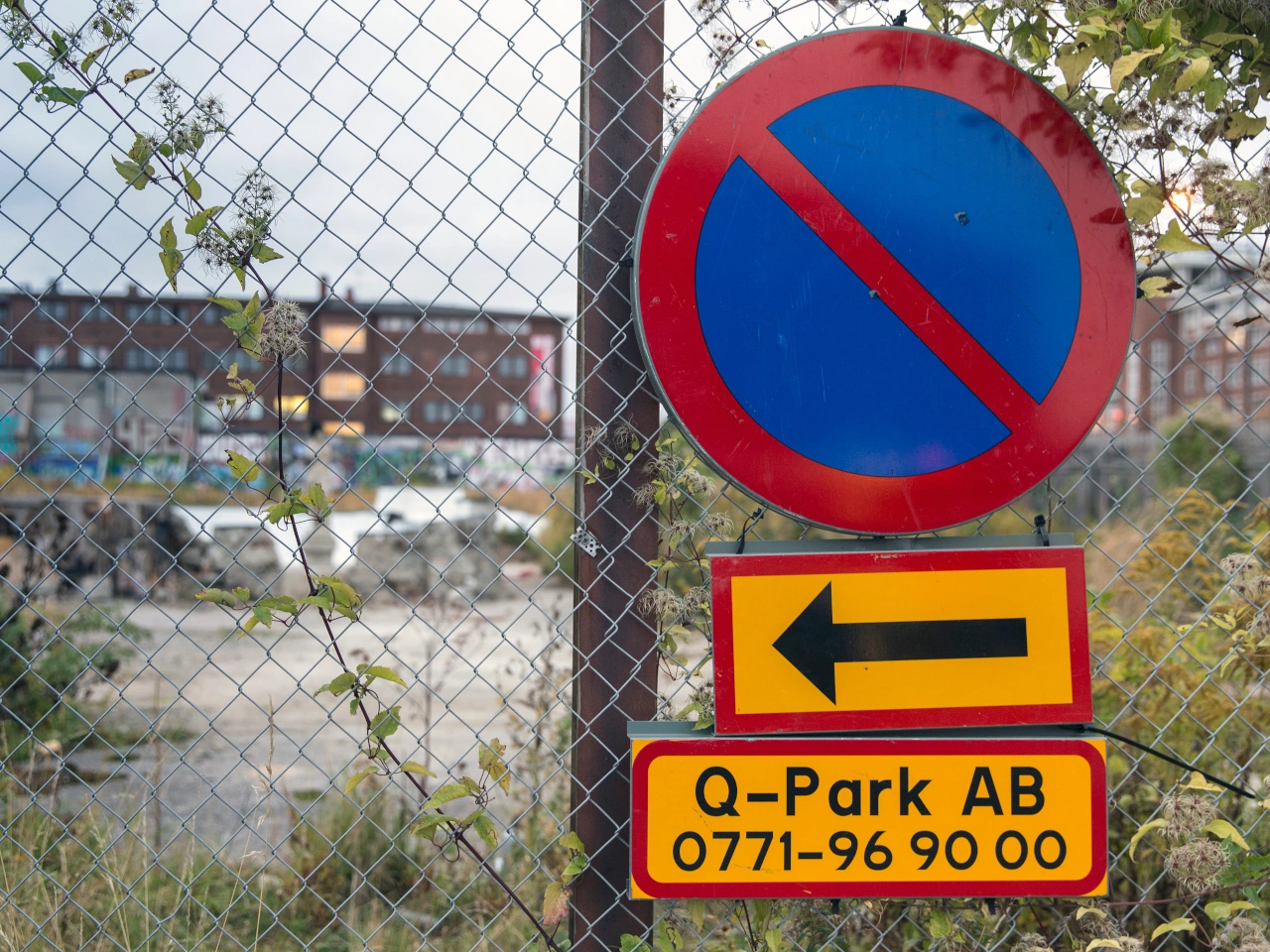
Stationnement interdit signifie que les véhicules ne peuvent pas être laissés en stationnement à l’endroit ou sur la section couverte par la restriction. Selon la loi locale, un conducteur peut encore être autorisé à s’arrêter brièvement pour faire monter ou descendre des passagers ou pour charger ou décharger des marchandises, à condition que l’arrêt lui-même ne soit pas interdit.

Une interdiction de stationner peut s’appliquer en permanence ou seulement à des horaires, jours, catégories de véhicules ou sections de route déterminés. Son étendue exacte et ses exceptions sont définies par le panneau, les panneaux additionnels, les marquages et la réglementation locale.
Stationnement interdit
What does a no-parking sign mean?

A no-parking sign prohibits leaving a vehicle parked in the area or along the section of road to which the restriction applies. The exact legal definition of parking and the extent of the prohibition vary between countries.

Is no parking the same as no stopping?

No. A no-parking restriction commonly still permits certain brief stops, such as picking up or dropping off passengers or loading or unloading goods. A no-stopping restriction is stricter and generally prohibits voluntary stopping as well as parking.

Can you wait in your vehicle where parking is prohibited?

Remaining inside the vehicle does not necessarily mean that it is not parked. If the vehicle remains stationary beyond what local law permits as a brief stop, it may legally be considered parked even when the driver stays inside.

Can you pick up or drop off passengers in a no-parking area?

Often yes, if stopping is permitted and the vehicle remains there only as long as reasonably necessary for passengers to get in or out. Local rules may impose stricter restrictions at particular locations.

Can you load or unload goods where parking is prohibited?

In many countries, genuine loading or unloading is treated as stopping rather than parking and may therefore be permitted. The vehicle should remain there only for the time reasonably necessary for the activity.

How far does a no-parking restriction apply?

This depends on the country's signing rules. The restriction may continue to the next intersection, an end sign, a stated distance or the end of a designated zone. Supplementary arrows or distance panels may indicate its exact extent.

Does a no-parking sign apply on both sides of the road?

Usually a roadside no-parking sign applies only to the side of the road on which it is placed, unless it forms part of a zonal restriction or local signs indicate otherwise.

Can a no-parking restriction apply only at certain times?

Yes. A supplementary panel may restrict the prohibition to particular hours, days or periods. Outside those periods, parking may be permitted if no other rule prohibits it.

Can a no-parking restriction apply only to certain vehicles?

Yes. Additional signs or symbols may make a parking restriction applicable to particular vehicle categories, such as heavy vehicles, motorcycles or other specified vehicles.

Can you park immediately after a no-parking sign ends?

Only if parking is otherwise legal. The end of a specific no-parking restriction does not override general parking prohibitions near crossings, intersections, driveways, traffic signs or other protected locations.

1 Suède 2 Autoroute 3 Zone résidentielle 4 Agglomération 5 Limitation de vitesse 6 Piste cyclable 7 Chemin partagé 8 Route à péage 9 Quai 10 Pente 11 Arrêt de bus 12 Panneau Stop 13 Cédez le passage 14 Rond-point 15 Passage pour piétons 16 Passage à niveau 17 Traversée d’animaux 18 Travaux routiers 19 Limitation de hauteur 20 Barrières sélectives 21 Feux de circulation 22 Feux pour piétons 23 Miroir routier 24 Itinéraire cyclable 25 Stationnement 26 Stationnement interdit 27 Arrêt interdit 28 Marche arrière 29 Plaque d’immatriculation 30 Station de recharge 31 Dangers 32 Autobus 33 Police 34 Ambulance 35 Norme européenne d’émissions 36 Nid-de-poule 37 Chemin 38 Particules 39 Pollution de l’air 40 Heure de pointe 41 Code de la route 42 Route 2+1 43 Route 2-1 44 Caniveau 45 Vélo cargo 46 Véhicule forestier 47 Véhicule de chantier 48 Ensemble semi-remorque 49 Trolleybus 50 Speed pedelec 51 Véhicule de livraison 52 Moteur au ralenti 53 Dépanneuse 54 Quatre roues motrices 55 Vélo 56 Équipement de moto 57 Voie ferrée 58 Caravane 59 Remorque 60 Attelage 61 Camion de pompiers 62 Sirène 63 Convoi 64 Feux des véhicules d’urgence 65 Machines agricoles 66 Vélo électrique 67 Véhicule électrique 68 Pedelec 69 Quadricycle 70 Voiturette 71 Véhicule tout-terrain 72 Fourgonnette 73 Véhicule de loisirs 74 Scooter 75 Trikke 76 Engin de déplacement personnel 77 Skateboard 78 Segway 79 Trottinette 80 Patins à roulettes 81 Facteur 82 Auto-stoppeur 83 Jeune enfant 84 Enfant 85 Handicap 86 Train-auto 87 km/h 88 mph 89 Compteur de vitesse 90 Hauteur de caisse 91 Route en terre 92 Conduite 93 Système Stop & Start 94 Boîte de vitesses manuelle 95 Boîte de vitesses automatique 96 Commande des gaz 97 Compte-tours 98 Volant 99 Direction assistée 100 Balayage visuel ...