道路標識ドイツ
51. 交差点方面案内標識
交差点方面案内標識は、接近中または現在の交差点で利用できる目的地や経路を示します。矢印、道路番号、記号、地名により、正しい方向や必要に応じて正しい車線を選べます。
この標識は経路案内を行うもので、通常、優先関係、右左折の許可、速度制限を設定しません。信号、規制標識、車線矢印、路面表示、現地交通規則に従う必要があります。
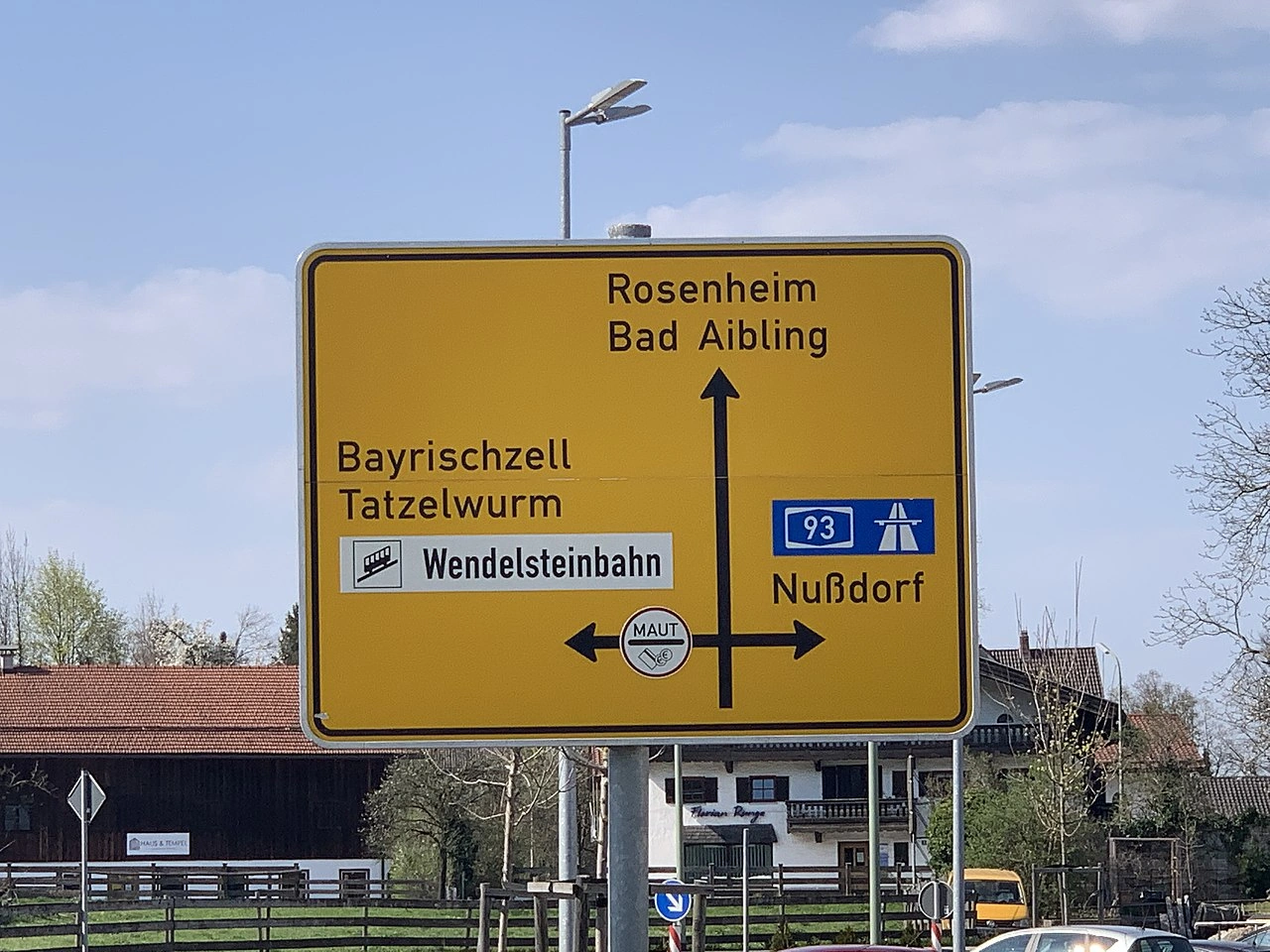
What is an intersection direction sign?
It is a sign that shows the destinations and routes available at an intersection.
What is an advance direction sign?
An advance direction sign is placed before an intersection so drivers can identify their route and choose the correct lane in good time.
What is a direction sign?
A direction sign is normally placed at or close to the intersection and points towards a particular destination or route.
How can you recognise an intersection direction sign?
It commonly displays place names, arrows, road numbers, route symbols or diagrams of the intersection.
What do the arrows mean?
The arrows show which direction drivers should follow to reach the displayed destinations.
Does an upward arrow always mean straight ahead?
Usually, yes. Arrow design and orientation can vary, especially on signs positioned above traffic lanes.
What does a schematic intersection diagram show?
It shows the approximate arrangement of the roads and exits at the approaching intersection without necessarily reproducing every island, verge or road detail.
Does the diagram show the exact shape of the intersection?
No. It simplifies the layout to make the available directions easier to understand.
Can the sign show road numbers?
Yes. Road numbers help drivers follow a numbered national, regional, international or motorway route.
Can the sign show motorway or expressway symbols?
Yes. A symbol may indicate that the displayed route leads to or continues over a motorway, expressway or another particular road category.
Can the sign show local facilities?
Yes. Separate direction signs may indicate hospitals, railway stations, airports, parking areas, ports, tourist attractions and other destinations.
Does the sign require you to follow the displayed route?
No, unless another regulatory sign or lane marking makes that direction mandatory. A route-guidance sign normally provides information rather than imposing a movement.
Does the sign give you permission to turn?
No. A displayed destination does not override a no-turn sign, mandatory direction, traffic light or lane arrow.
Does the sign determine priority?
No. Priority is determined by traffic lights, priority signs and the applicable intersection rules.
Does it impose a speed limit?
No. Drivers must follow the applicable general, zonal, posted or vehicle-specific speed limit.
When should you choose your lane?
Choose the appropriate lane as early as reasonably possible after reading the sign and checking the lane arrows and road markings.
May you change lanes after reading the sign?
Yes, when the movement is legal and safe. Check mirrors and blind spots, signal where required and give way to traffic already using the target lane.
What if the destination appears above one lane?
The indication normally relates to that lane or group of lanes. Follow the lane arrows and overhead signs carefully.
What if the route sign conflicts with a regulatory sign?
Follow the regulatory sign, traffic light or authorised officer. Route guidance does not override a prohibition or obligation.
What if temporary roadworks signs show another route?
Follow the temporary diversion and traffic arrangement that is legally in force, even when permanent direction signs still show the usual route.
What should you do after missing the indicated turn?
Continue safely and find another legal route. Do not reverse, stop suddenly or cut across traffic lanes.
Should you rely only on navigation software?
No. Navigation instructions may be outdated or unsuitable for the vehicle. Traffic signs and current road conditions take precedence.
Can a route be unsuitable for certain vehicles?
Yes. A route may include height, width, weight, access or dangerous-goods restrictions. Drivers must observe every applicable sign.
Can destinations be written in more than one language?
Yes. The language or languages used depend on the country, region and local signing rules.
Does the order of destinations have a meaning?
Often, yes. Destinations may be grouped or ordered according to direction, importance or distance, but the exact convention differs between countries.
52. 次の交差点で優先
次の交差点で優先とは、特定道路を走る車両が、次の交差点で交差道路から進入する交通より優先されることを意味します。通常、優先側と譲る側の両方へ標識で示されます。
継続する優先道路とは異なり、この優先は指定交差点だけに適用されます。運転者は慎重に接近し、信号、交通整理員、横断場所、右左折規則、その他の標識にも従います。
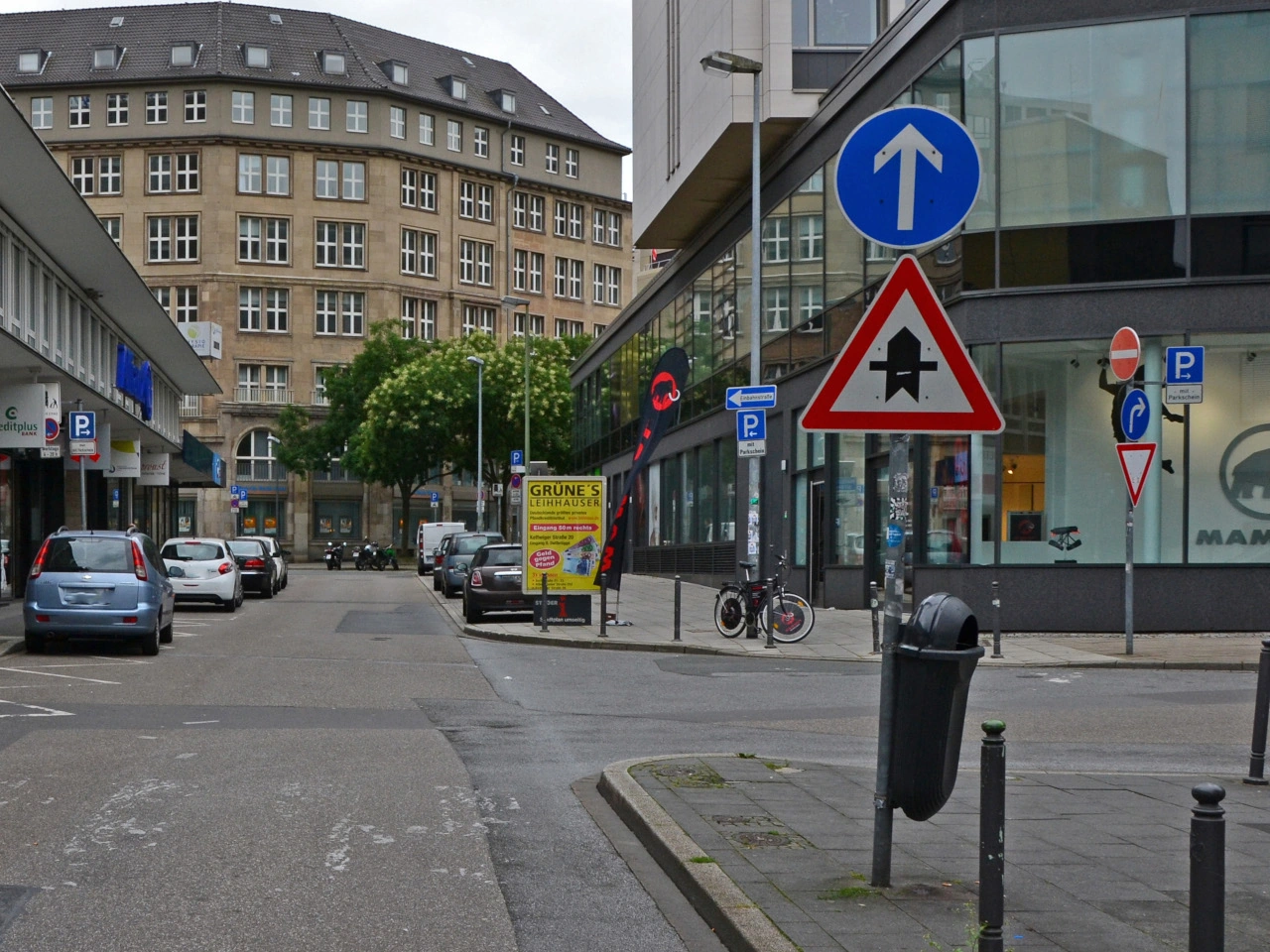
What does priority at the next junction mean?
It means that drivers travelling on the indicated road have priority over traffic entering from intersecting roads at the next junction.
Is this the same as a priority road?
No. Priority at the next junction applies to one particular junction. A priority road normally keeps its priority across several junction until its status ends.
Is a main road always a priority road?
No. The term main road may describe a larger, busier or more important road, but legal priority is determined by traffic signs, signals and local rules.
How can you recognise priority at the next junction?
It may be indicated by a priority-junction sign showing a thick line for the priority route and thinner lines for the roads that must give way.
Does the thick line show the priority route?
Yes. On signs using a junction diagram, the thicker line normally represents the road followed by traffic with priority.
Does the priority route always continue straight ahead?
No. The priority route may turn left or right. A diagram or supplementary panel may show which branch retains priority.
What signs do drivers on the side roads normally see?
They commonly face a give-way or stop sign, requiring them to yield to traffic on the priority route.
Does priority from the right still apply?
Not when legally placed signs establish another priority arrangement at that junction. Drivers must follow the actual signs rather than the ordinary default rule.
Does the sign give priority at later junctions?
No. After passing the indicated junction, the priority arrangement at the next junction must be determined separately.
Does having priority mean you may enter without slowing down?
No. Approach at a safe speed and remain prepared for another road user to fail to give way.
Does having priority mean you must proceed first?
No. Priority is not an obligation to continue. Slow down or stop whenever proceeding would create danger.
May you enter a blocked junction?
No. Do not enter when congestion is likely to leave your vehicle stopped inside the junction and obstructing other traffic.
Does the sign impose a speed limit?
No. The applicable general, zonal, posted or vehicle-specific speed limit remains in force.
Does it give priority over pedestrians?
No. Drivers must still yield to pedestrians where crossings, traffic signals or turning rules require it.
Does it give priority over cyclists?
It regulates priority between traffic approaching the junction, but drivers must still respect continuing bike paths, cycle crossings and turning rules.
Must you signal when the priority route turns?
Yes, when following the route involves a change of direction and local law requires signalling. Priority does not remove the obligation to indicate.
Does signalling give you priority?
No. An indicator communicates your intended movement but does not allow you to endanger or obstruct another road user.
Must you yield to oncoming traffic when turning left?
Normally, yes. Priority over side-road traffic does not automatically give a left-turning driver priority over lawful oncoming traffic.
Do functioning traffic lights override the priority signs?
Functioning traffic lights normally control the junction instead of the priority signs. Local rules determine what applies when the lights are switched off or flashing.
Do authorised officers override the signs?
Yes. Instructions from an authorised traffic controller normally take precedence over signs, signals and ordinary priority rules.
Does the sign prohibit overtaking?
No. Overtaking remains subject to the ordinary rules, visibility, road markings and any separate prohibition signs.
Does the sign prohibit stopping or parking?
No. The ordinary stopping and parking rules and any local signs or markings remain applicable.
What applies after you pass the intersection?
The special priority indicated by the sign has been completed. At later junctions, follow the signs, signals or default priority rule applying there.
53. 信号機
信号機は、色灯、矢印、記号によって道路利用者が進行できる時、停止準備をする時、停止し続ける時を規制します。進行方向、車線、歩行者、自転車、公共交通ごとに別の信号がある場合があります。
青信号でも、進路が空いており、その動きが法的に許可される場合にのみ進めます。優先規則、右左折制限、車線表示、交通整理員の指示にも従う必要があります。
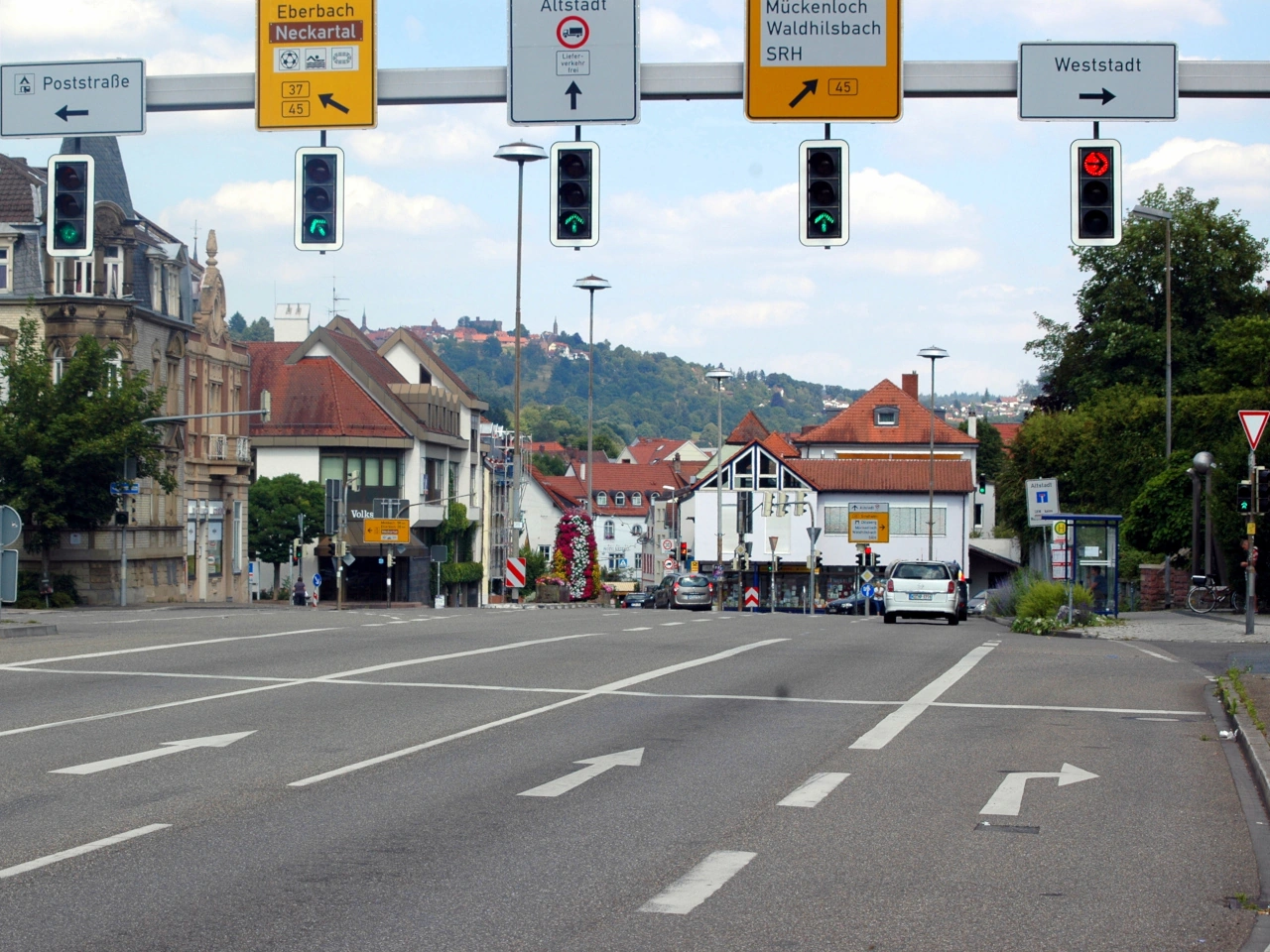
What are traffic lights?
Traffic lights are signals that use coloured lights, arrows or road-user symbols to regulate traffic movements.
What does a red traffic light mean?
A red light requires road users to stop before the stop line or signal and remain stopped until movement is permitted.
What does a steady amber light mean?
A steady amber light normally requires drivers to stop unless they are already too close to stop safely. It warns that the signal is changing to red.
What does a green traffic light mean?
A green light permits road users to pass the signal, but only when the route is clear and the intended movement is otherwise legal.
Does green mean that you have priority over everyone?
No. You may still have to give way to pedestrians, cyclists, oncoming traffic or other road users when turning or following a conditional arrow.
May you enter a blocked intersection on green?
No. Do not enter when congestion is likely to leave you stopped inside the intersection and obstructing crossing traffic.
Where should you stop at a red light?
Stop before the stop line. When no stop line is provided, stop before the traffic light or at another legally prescribed position.
May you cross the stop line and then stop?
No. The required stop must normally be completed before the stop line. Do not stop on a pedestrian or cycle crossing.
What if the light changes to amber while you are approaching?
Stop when this can be done safely. Continue only when you are already too close to stop without creating danger.
Should you accelerate to pass an amber light?
No. Do not accelerate to avoid stopping. Maintain control and stop unless doing so safely is no longer possible.
What do arrow-shaped traffic lights mean?
They have the same general meaning as circular lights, but the prohibition or permission applies only to the direction shown by the arrow.
What does a green arrow displayed with a red light mean?
It may permit travel in the indicated direction while other movements remain prohibited. Drivers may still have to give way to conflicting traffic and pedestrians.
Does a green arrow override a no-turn sign?
Not universally. Drivers must follow the complete local sign arrangement. A traffic signal does not necessarily cancel a separate regulatory prohibition.
May you turn right on red?
Only where local law or a specific sign or signal expressly permits it. There is no universal right to turn on red.
What does a flashing amber light mean?
It warns of a potential hazard and normally allows cautious passage. The ordinary priority arrangement remains applicable.
What should you do when the normal lights are flashing amber?
Reduce speed, observe the intersection carefully and follow the applicable priority signs or default priority rules.
What does a flashing red light mean?
Its meaning depends on local law. At railway crossings and some movable bridges, flashing red lights normally require road users to stop.
What do lane-control signals mean?
A red cross normally closes the lane, a green downward arrow opens it and an amber diagonal arrow instructs drivers to leave the lane in the indicated direction.
May you continue beneath a red lane-control cross?
No. Move out of the lane safely before reaching the red cross unless an authorised person or emergency rule directs otherwise.
What does an amber diagonal lane arrow mean?
It warns that the lane is closing or unavailable ahead. Drivers must move into the adjacent lane indicated by the arrow when safe.
Can separate lights apply to cyclists?
Yes. A signal displaying a bicycle symbol applies to the road users legally covered by that signal rather than to general motor traffic.
Can separate lights apply to pedestrians?
Yes. Pedestrian lights normally use red and green human figures to indicate whether pedestrians may begin crossing.
What does a flashing green pedestrian light mean?
It normally warns that the crossing period is about to end. Pedestrians who have not started should wait for the next green signal.
What if the pedestrian signal changes while someone is crossing?
A person who entered lawfully should continue without unnecessary delay. Turning drivers must allow the crossing to be completed safely.
Can buses and trams have separate traffic lights?
Yes. Public-transport signals may use bars, circles, triangles or other symbols that apply only to authorised service vehicles.
Do functioning traffic lights override priority signs?
They commonly replace the priority arrangement at that location. Priority signs may apply again when the normal signals are inactive or flashing.
Do instructions from a police officer override traffic lights?
Yes. Instructions from an authorised traffic controller normally take precedence over lights, signs, markings and ordinary rules.
What should you do when the lights are not working?
Reduce speed and follow the priority signs, temporary signals, authorised personnel or default priority rules that apply.
May you clear an intersection after the light turns red?
Yes, when you entered lawfully and must leave the intersection. Complete the movement cautiously without endangering other road users.
Does a green light impose a minimum speed?
No. Drivers may proceed but must continue at a safe and legal speed.
May you use a handheld phone while waiting at red?
This depends on local law. In many countries, a driver temporarily stopped in traffic is still considered to be driving and may not use a handheld device.
54. 信号機あり警戒
信号機あり警戒は、前方に信号機があることを運転者へ知らせる警戒標識です。信号が予想しにくい、遠くから見えにくい、停止準備に時間が必要な道路などで使われます。
接近時は必要に応じて減速し、前方信号を確認し、信号変化や交差点の待ち交通に備えて停止できるようにする必要があります。
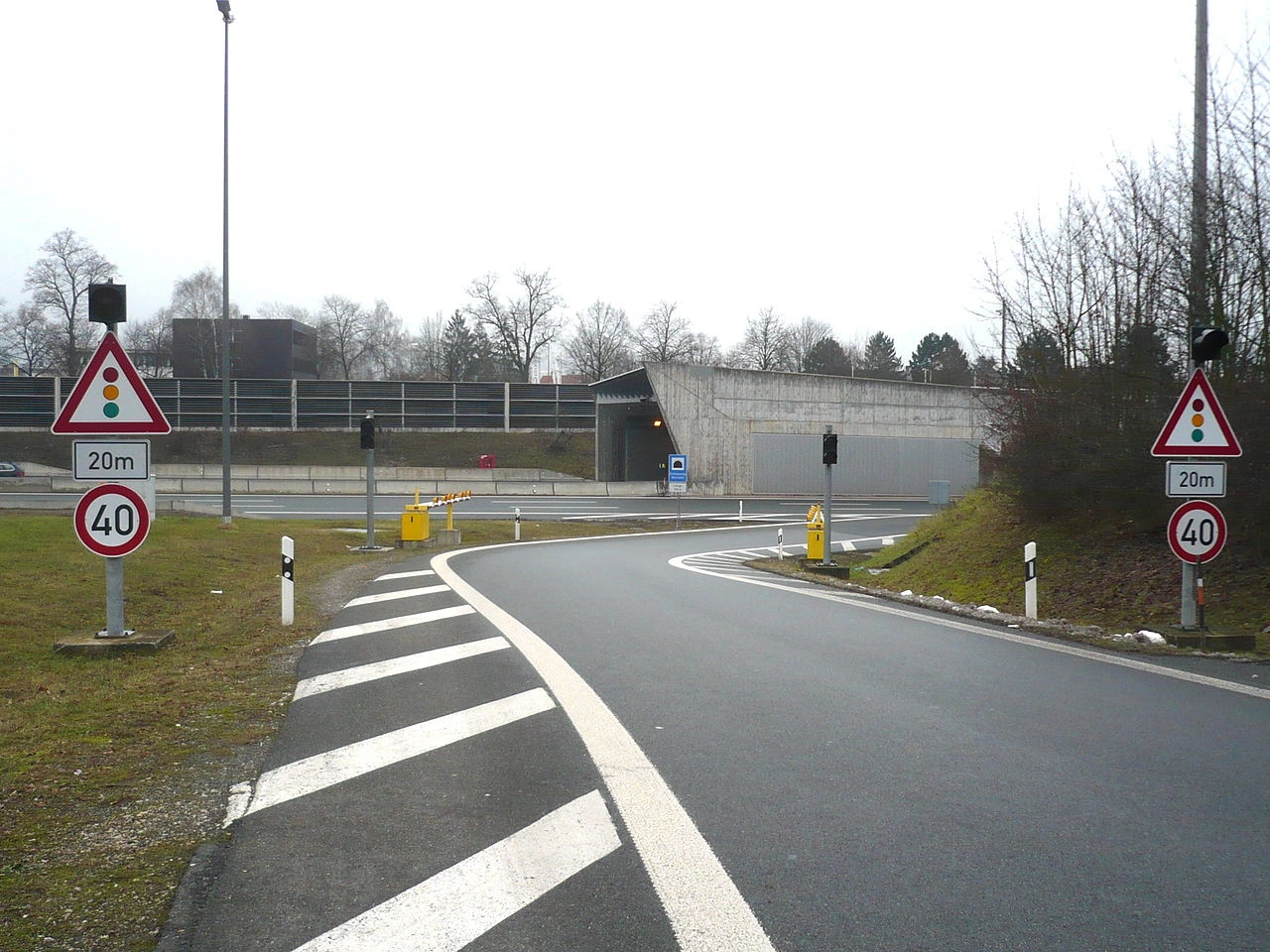
What does a traffic lights warning mean?
A traffic lights warning alerts drivers that traffic signals are located ahead.
Why is a traffic lights warning sign used?
It may be used where traffic lights are unexpected, difficult to see sufficiently early or located on a road where advance warning improves safety.
How should you react to a traffic lights warning?
Remain alert, reduce speed when necessary and be prepared to stop at the traffic lights or behind waiting traffic.
55. 歩行者信号
歩行者信号は、歩行者が道路を横断し始めてよい時を規制する信号です。通常、赤い立ち姿で横断開始を禁止し、青または緑の歩行姿で横断を許可します。
点滅表示やカウントダウンで横断可能時間の終了を知らせることがあります。歩行者は不必要に遅れず横断し、右左折車は注意して、適法に横断を開始した歩行者が安全に渡り終えられるようにします。
What are pedestrian lights?
Pedestrian lights are traffic signals that indicate when pedestrians may begin crossing a road.
How can you recognise pedestrian lights?
They commonly display a red standing person and a green walking person. Their design may vary between countries.
What does the red pedestrian light mean?
It means that pedestrians must not begin crossing.
What does the green pedestrian light mean?
It means that pedestrians may begin crossing, provided they still observe the road and cross without unnecessary delay.
Does green guarantee that no vehicle will cross your path?
No. Turning vehicles, emergency vehicles or traffic following another authorised signal may still cross the pedestrian route. Pedestrians should remain attentive.
What does a flashing green pedestrian light mean?
It normally warns that the permitted crossing period is about to end. Pedestrians who have not started should consider waiting for the next green signal.
What does a flashing red pedestrian light mean?
Its meaning varies between countries. It commonly means that pedestrians must not begin crossing, while those already on the road should finish without delay.
What does a countdown display mean?
A countdown may show approximately how much time remains before the signal changes. It does not remove the duty to cross cautiously.
May you begin crossing when the countdown is nearly finished?
Begin only when there is enough time to cross safely and without stopping unnecessarily on the road. Waiting for the next green phase may be safer.
What if the signal changes to red while you are crossing?
Continue crossing at a normal pace towards the nearest safe side. Do not turn back suddenly, stop unnecessarily or run into another traffic stream.
Must drivers allow pedestrians to finish crossing?
Yes. Drivers should allow pedestrians who entered lawfully to complete the crossing safely, even when vehicle traffic receives permission to proceed.
May turning drivers cross during the pedestrian green phase?
Some signal systems permit turning vehicles and pedestrians at the same time. Turning drivers must give way where required and must not endanger pedestrians.
What is a conflict-free pedestrian phase?
It is a signal phase during which conflicting vehicle movements are stopped so pedestrians can cross without permitted traffic turning across their route.
What is an all-pedestrian phase?
It is a phase in which pedestrians may cross several or all approaches while vehicle traffic is stopped. Diagonal crossing is permitted only when the signals and markings allow it.
What do arrows around a pedestrian symbol mean?
They may indicate that the same pedestrian signal applies simultaneously to several crossing directions. The exact meaning depends on local law.
What should pedestrians do before stepping onto the road?
Check that approaching and turning vehicles are stopping and that the route is clear. A green signal does not make a collision impossible.
Must pedestrians cross without delay?
Yes. They should proceed at a normal pace and should not linger, stop unnecessarily or obstruct traffic on the crossing.
What if there are no pedestrian lights?
Pedestrians may have to follow the traffic lights controlling vehicles, an authorised officer or the ordinary pedestrian-crossing rules.
What is a pedestrian push button?
A push button normally registers a request for a pedestrian crossing phase. Pressing it does not itself permit crossing; pedestrians must wait for the appropriate signal.
Does repeatedly pressing the button make the signal change faster?
Normally not. Once the request has been registered, additional presses usually have no effect.
What are audible pedestrian signals?
Audible signals use sounds to help pedestrians with visual impairments identify when crossing is permitted or when the signal is changing.
What are tactile pedestrian signals?
Tactile signals may use a vibrating button, rotating cone or raised markings to provide crossing information to pedestrians with visual impairments.
Do pedestrian lights apply to cyclists?
Not normally. A cyclist riding a bicycle must follow the applicable cycle or vehicle signal unless a combined pedestrian-and-cycle signal applies.
What if a cyclist walks beside the bicycle?
A person walking beside a bicycle is normally treated as a pedestrian and follows the pedestrian signal.
What are combined pedestrian-and-cycle lights?
They display pedestrian and bicycle symbols and apply to the road users indicated by those symbols.
May pedestrians cross when an authorised officer signals them to wait?
No. Instructions from an authorised traffic controller normally take precedence over pedestrian lights.
What should you do when the pedestrian lights are not working?
Cross only according to the functioning vehicle signals, priority rules and instructions from authorised personnel. Proceed cautiously and take approaching traffic into account.
56. 路面標示
路面標示は、道路利用者を規制、案内、情報提供するため路面に描かれる線、記号、矢印、文字などです。車線や対向方向を分け、停止・譲る位置、歩行者・自転車横断、特定利用者専用区域などを示します。
道路利用者は各路面標示の意味を守り、標識、信号、交通規則と合わせて判断します。色、模様、法的意味は国によって異なることがあります。
What are road markings?
Road markings are lines, symbols, arrows or words placed on the road surface to regulate, guide or provide information to road users.
What are road markings used for?
They can separate traffic lanes, indicate stopping or priority points, guide traffic movements and mark crossings or reserved areas.
Are road markings the same in every country?
No. Many markings are internationally similar, but their colours, designs and exact legal meanings can vary between countries.
57. 交差点形状図
交差点形状図は、前方の交差点やジャンクションの形を模式的に示す図です。道路がどのように分岐、交差、継続するかを示し、到達前に進行方向を理解する助けになります。
この図は事前方面案内標識でよく使われます。国の標識体系によっては、主要道路、側道、路線番号、目的地も区別して示します。
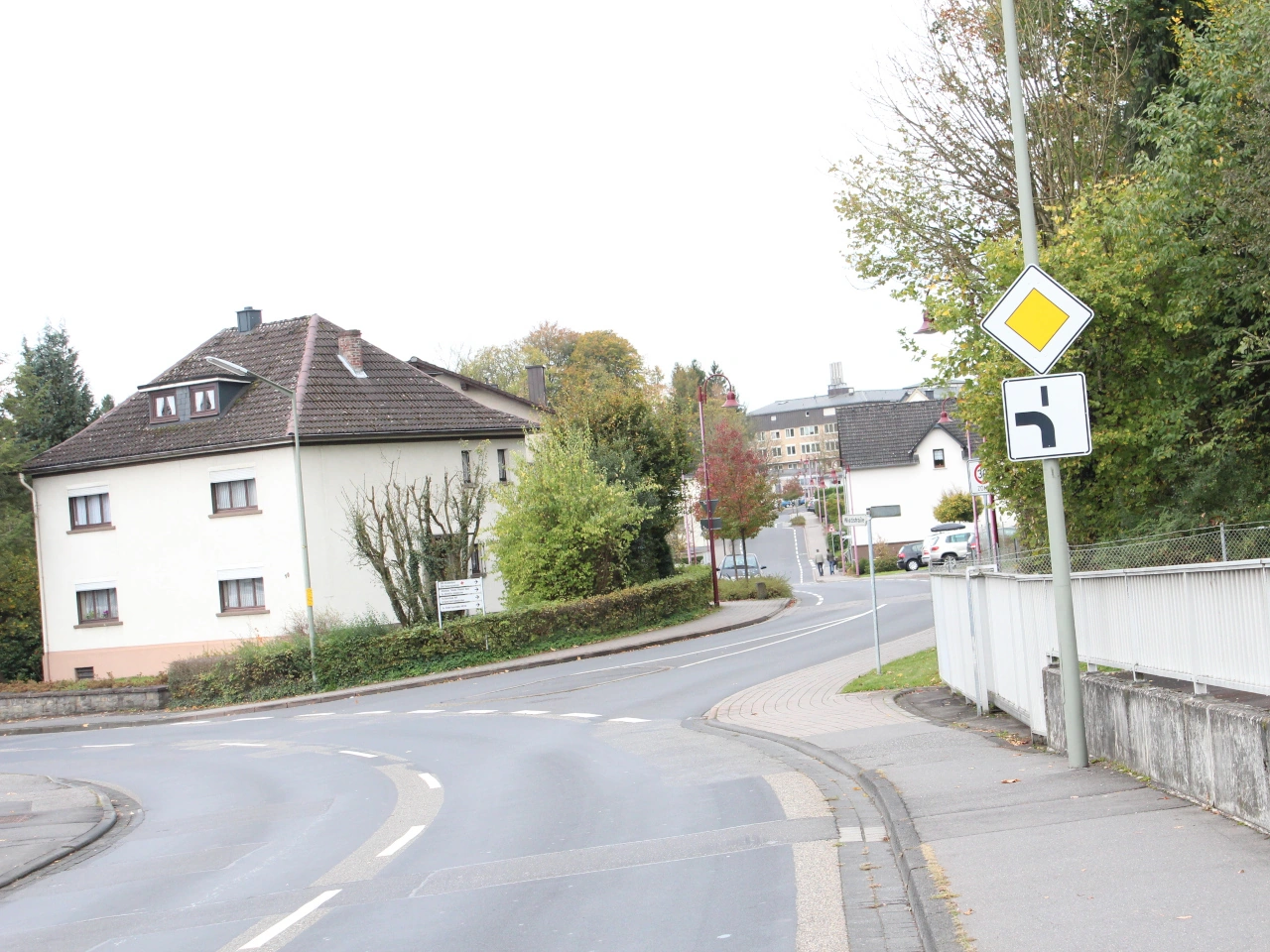
What is a crossroad shape?
A crossroad shape is a simplified diagram showing the physical arrangement and directions of roads at an upcoming intersection.
Why is the shape of an intersection shown on a road sign?
It helps drivers understand the junction layout in advance and choose the correct direction before reaching the intersection.
Does a crossroad-shape diagram always show every physical detail?
No. These diagrams are normally simplified and may omit features such as traffic islands, medians or other minor road details so that the important directions remain easy to understand.
58. 自転車待機ボックス
自転車待機ボックス(advanced stop area)は、信号交差点で赤信号時に自転車が自動車より前で待機できるよう路面表示された区域です。通常、2本の停止線の間にあり、自転車記号が描かれることがあります。
自転車待機ボックスは自転車の視認性を高め、交通が動き出す前に明確な位置を取れるようにするためのものです。利用者、表示、信号規則は国によって異なります。
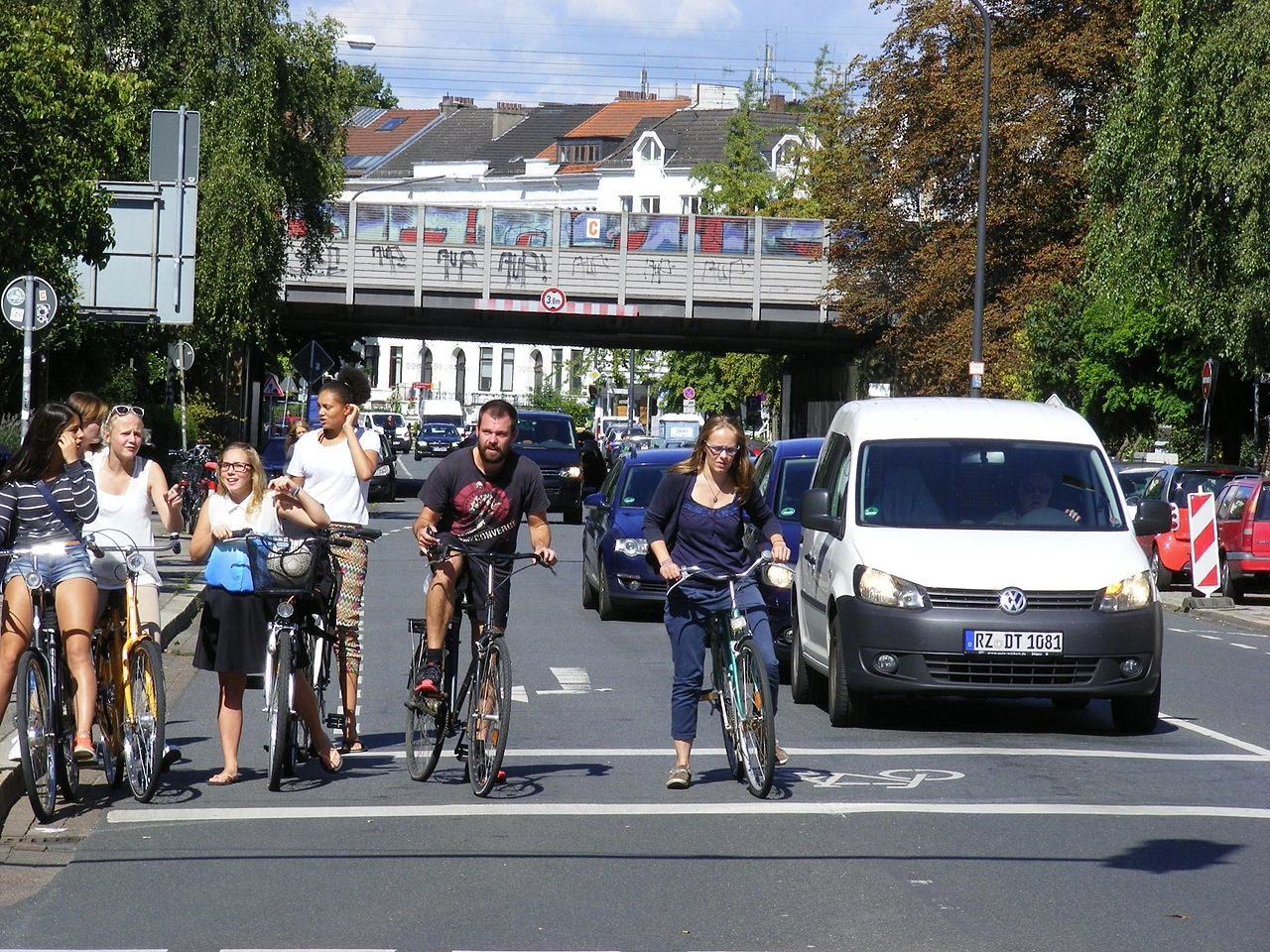
What is a bike box?
A bike box is a marked waiting area at a signal-controlled intersection where cyclists can position themselves ahead of motor vehicles during a red light.
Why are bike boxes used?
They help make cyclists more visible to drivers and allow cyclists to position themselves according to the direction they intend to travel.
Can cars stop inside a bike box?
Normally, no. Motor vehicles should stop behind the stop line provided for them so that the designated cyclist waiting area remains clear.
59. 速度フィードバック
速度フィードバックは、接近車両の速度を測定し、その速度を運転者へ表示する交通安全システムです。測定速度に加え、速度制限内かどうかを示すメッセージ、色、記号などを表示する場合があります。
主な目的は運転者に自分の速度を認識させ、必要に応じて減速を促すことです。通常、新しい速度制限を設定するものではなく、予防・教育目的で使われます。
What is a speed feedback display?
A speed feedback display is an electronic roadside device that measures an approaching vehicle's speed and shows that speed to the driver.
Why are speed feedback displays used?
They are used to increase drivers' awareness of their actual speed and encourage compliance with the applicable speed limit.
Does a speed feedback display set the speed limit?
Normally, no. The legally applicable speed is determined by the traffic rules and regulatory speed-limit signs, while the feedback display simply informs the driver of their measured speed.
60. 運転免許証
運転免許証は、特定の1種類以上の自動車カテゴリーを運転することを許可する公的文書です。運転可能な車両を決める条件、制限、カテゴリーコード、有効期限が記載されることがあります。
運転者は対象車種と管轄地域で有効な免許を所持しなければなりません。免許には仮免許、本免許、限定免許、停止中、取消などがあり、職業運転には追加資格が必要な場合があります。
What is a driving licence?
A driving licence is an official authorisation to drive specified categories of motor vehicle.
Is a driving licence the same as a driving permit?
The terms may refer to the same document, depending on the country. Some countries use permit specifically for learners or temporary authorisations.
What is a provisional driving licence?
A provisional or learner licence allows a person to practise driving under specified restrictions before obtaining a full licence.
What is a full driving licence?
A full licence is issued after the holder has completed the required tests or training. Restrictions may still apply because of age, vehicle type, medical fitness or licence codes.
Does one licence allow you to drive every vehicle?
No. Driving licences are divided into categories for motorcycles, cars, buses, trucks, trailers and other vehicles.
What is a licence category?
A licence category identifies the type and size of vehicle the holder is authorised to drive.
Must the licence be valid for the vehicle being driven?
Yes. Holding a licence for one category does not normally authorise driving a vehicle belonging to another category.
Can a licence contain restrictions?
Yes. Codes may restrict the holder to an automatic transmission, corrective lenses, an adapted vehicle or another specified condition.
What is the difference between an automatic and manual licence?
In some countries, passing the test in an automatic vehicle restricts the holder to automatic vehicles until an additional test or procedure is completed.
Does a driving licence expire?
Usually, yes. The document, individual categories or medical authorisation may have expiry dates and require renewal.
May you drive with an expired licence?
No. The licence and the category required for the vehicle must remain valid.
Must you carry your driving licence?
This depends on local law. Many countries require drivers to carry the original licence and present it to an authorised officer when requested.
Is a photograph or copy of the licence sufficient?
Not normally. A photograph, scan or photocopy is not generally a substitute for the original document unless an official digital-licence system is legally recognised.
Does a driving licence prove that you own the vehicle?
No. It proves driving authorisation, not ownership, registration or insurance.
What tests are required to obtain a licence?
Requirements may include a theory test, eyesight test, practical driving test, medical examination or compulsory training.
Is there a universal minimum driving age?
No. Minimum ages differ between countries and vehicle categories.
Can a learner drive without supervision?
Only where the provisional-licence system permits independent driving. Other learners must be accompanied by an approved supervisor or instructor.
Can a learner drive in another country?
Often not. Provisional and learner licences are frequently valid only in the country or region that issued them.
What is an international driving permit?
An international driving permit is a standardised translation of a valid national licence intended to help authorities interpret it abroad.
Does an international driving permit replace a national licence?
No. It normally has legal value only when presented together with the valid national driving licence on which it is based.
Is a national licence valid abroad?
This depends on the destination, length of stay, residence status and agreements between the countries concerned. An exchange or international permit may be required.
Can a foreign licence be exchanged?
Some countries exchange recognised foreign licences without new tests, while others require theory, practical or medical examinations.
Can medical fitness affect a licence?
Yes. A medical condition may require an assessment, shorter validity period, adapted vehicle or licence restriction.
Must changes in medical fitness be reported?
This depends on local law. Drivers remain responsible for ensuring that they are physically and mentally fit to drive safely.
Do professional drivers need additional qualifications?
Often, yes. Drivers of trucks, buses, taxis or vehicles used commercially may require professional competence, medical examinations or periodic training.
What happens when a licence is suspended?
The holder may not drive during the suspension period, even if the physical document remains in their possession.
What is disqualification from driving?
Disqualification is a legal prohibition on driving, usually imposed by a court or competent authority for a specified period or until conditions are fulfilled.
What should you do if the licence is lost or stolen?
Report it where required and apply for a replacement through the competent licensing authority. Do not continue driving when local law requires the original document to be carried.
What should you do if the licence is damaged?
Request a replacement when the document is unreadable, damaged or no longer allows the holder to be identified reliably.
Does changing address require a new licence?
This depends on the country and whether the address appears on the licence. Drivers must follow the local notification and replacement procedure.
61. 位置標識
位置標識は、道路上の測定位置を示す路側の基準表示です。通常、その路線の定められた起点からのキロ、マイル、またはより細かい区間を示します。
キロ・ヘクトメートル標は、道路利用者、緊急サービス、道路管理者、保守作業員が正確な道路区間を特定するために役立ちます。速度制限、優先、進入規制を設定するものではありません。
What is a road location marker?
A road location marker is a numbered reference point identifying a measured position along a particular road or route.
What is a kilometre marker?
A kilometre marker indicates the number of kilometres measured from an established starting point on the road.
What is a hectometre marker?
A hectometre marker identifies a position at intervals of 100 metres. One kilometre contains ten hectometres.
What does a marker showing 14.7 mean?
It normally identifies a point approximately 14 kilometres and 700 metres from the route’s reference origin.
Is the marker the distance to the next town?
No. It normally measures the position along the road from a fixed reference origin rather than the remaining distance to a destination.
Where does the kilometre measurement begin?
It begins at a reference point chosen for that road, such as the start of the route, a border, an administrative boundary or another officially defined origin.
Does the numbering always increase in the direction of travel?
No. It increases in the officially defined direction of the route. Drivers travelling in the opposite direction may see the values decrease.
How can you recognise a location marker?
It may appear as a numbered roadside post, small sign, plate, marker attached to a barrier or numbers painted beside the carriageway.
Are kilometre markers used in every country?
Many countries use kilometre markers, while countries using imperial measurements may use mile markers. Designs and intervals differ.
Are hectometre markers always placed every 100 metres?
They are intended to represent 100-metre intervals, but their physical placement and permitted tolerances depend on the road authority and local conditions.
What information should you give during an emergency?
Give the road number, marker value, direction of travel and nearest junction or landmark where possible.
Why is the road number important?
The same kilometre value may occur on many different roads. The road number identifies which route the marker belongs to.
Why is the direction of travel important?
Divided roads have separate carriageways. Reporting the direction helps emergency services approach the correct side without making a long diversion.
Can a marker help locate a breakdown?
Yes. Reporting the nearest marker can help breakdown and emergency services identify the affected road section more accurately.
Can it help report debris or another hazard?
Yes. The marker can help road authorities locate an obstruction, damaged barrier, animal, collision or other dangerous situation.
Is a location marker a traffic sign?
Normally not. It is a reference or identification device rather than a regulatory sign.
Does it impose a speed limit?
No. The applicable speed comes from general traffic rules and regulatory speed signs.
Does it change priority?
No. Traffic lights, priority signs and ordinary intersection rules remain applicable.
Does it mark the beginning of a new road rule?
No. Passing a kilometre or hectometre marker does not normally begin or end a traffic regulation.
Can markers be used for road maintenance?
Yes. Road authorities use reference points to locate signs, barriers, bridges, defects, works and other infrastructure precisely.
Can navigation coordinates replace a location marker?
Coordinates can be useful, but a road reference marker may be easier for road operators and emergency services to connect with the correct carriageway and road section.
What if the marker is damaged or missing?
Use the nearest visible marker together with the road number, direction, junctions and other identifiable features.
Should a driver stop simply to read a marker?
No. Do not stop in a live lane or another prohibited location. A passenger may note the marker, or the driver may read it after stopping somewhere safe during an actual emergency.
Can temporary roadworks change the marker values?
Normally not. Temporary traffic routes may move traffic away from the marker’s usual position, but the official road reference system generally remains unchanged.
62. 距離予告マーカー
距離予告マーカーは、高速道路出口、交差点、踏切など特定地点が近づいていることを段階的に知らせる路側標識です。減っていくバーなどの記号で、前方地点までの接近を判断できます。
通常、前方地点へ近づくにつれて順に短い距離で設置されます。デザイン、間隔、意味は国によって異なるため、バー1本が常に同じ距離を意味するとは限りません。
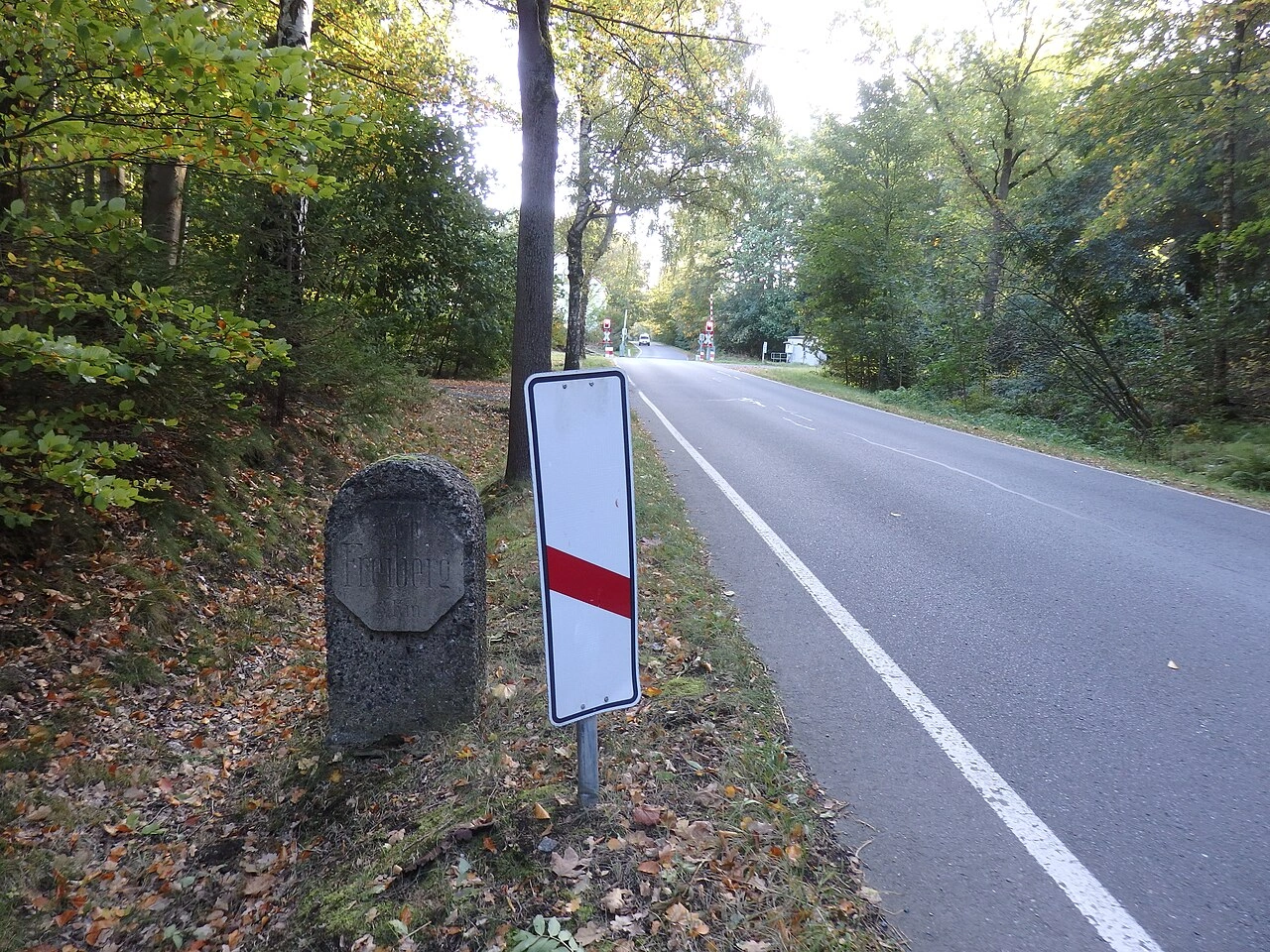
What are countdown markers?
Countdown markers are a series of signs that progressively indicate how close a driver is to an upcoming exit, junction, crossing or other important point.
What do the bars on countdown markers mean?
The number of bars normally decreases as the driver approaches the indicated location. Depending on the country, the bars may represent fixed distances or simply successive stages of the approach.
Where are countdown markers commonly used?
They are commonly associated with motorway exits, major junctions and railway crossings, although their use and design differ between countries.
63. 道路反射鏡
道路反射鏡は、見通しの悪い交差点、出入口、カーブなどに設置される凸面鏡です。曲面により通常の平面鏡より広い範囲の接近交通を確認できます。
道路反射鏡はあくまで視認補助です。距離、速度、方向が歪んで見え、暗闇、天候、汚れ、破損の影響も受けます。運転者は直接道路も確認し、優先規則に従い、安全な場合にのみ進行します。
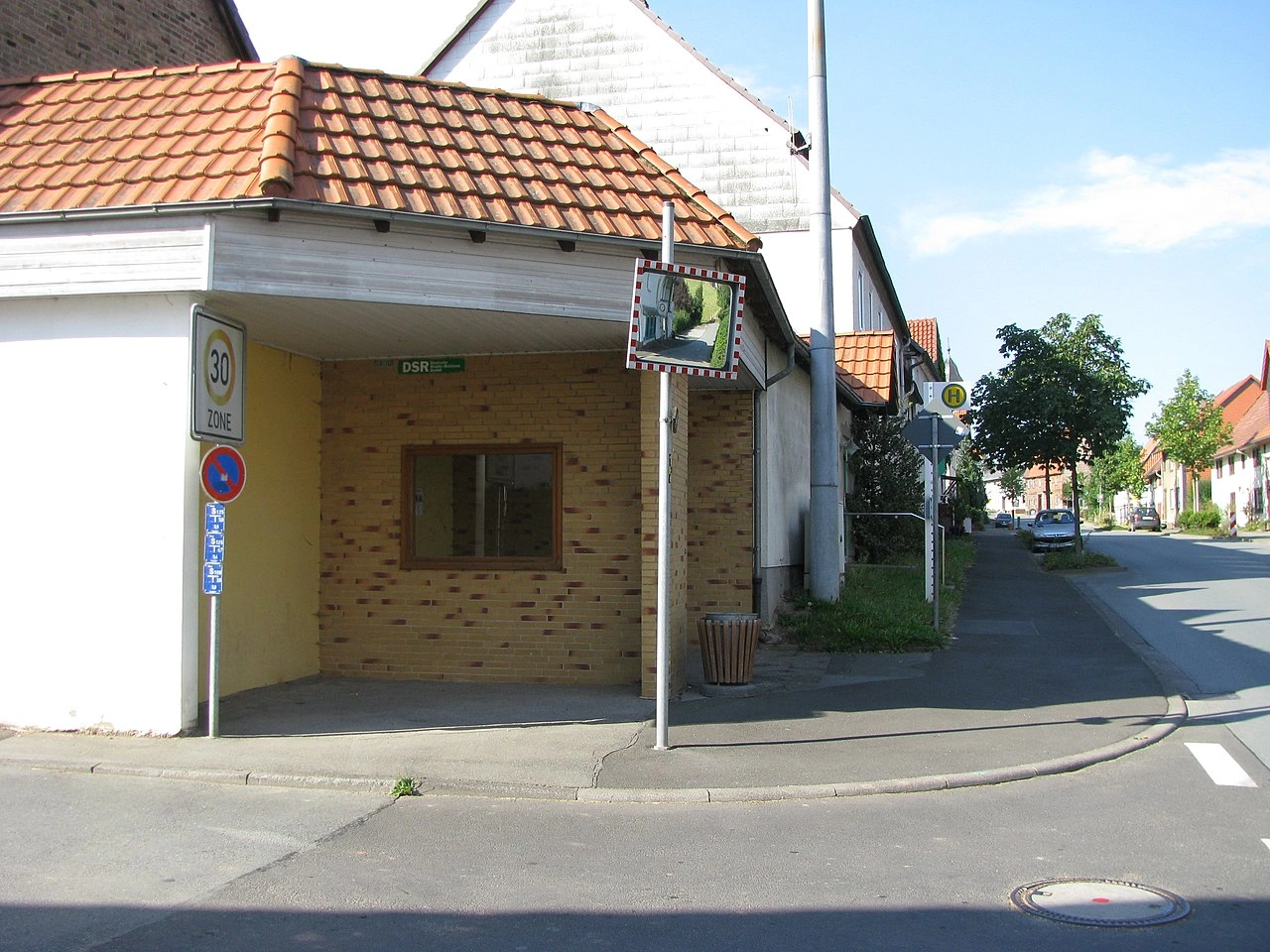
What is a traffic mirror?
A traffic mirror is a convex roadside mirror that helps road users see around an obstruction or into a road with limited visibility.
Where are traffic mirrors commonly installed?
They may be placed near intersections, narrow roads, bends, car-park exits, private driveways, tunnels or other locations where buildings, vegetation or road geometry obstruct the view.
Why is the mirror curved?
A convex surface provides a wider field of view than a flat mirror, allowing more of the approaching road to be seen.
Does a traffic mirror show an exact image?
No. The reflected image is distorted, and objects normally appear smaller and farther away than they really are.
Can you accurately judge speed in a traffic mirror?
Not reliably. The curved image makes it difficult to estimate how fast another road user is approaching.
Can you accurately judge distance in the mirror?
No. Distance can appear greater than it really is, so an approaching vehicle may reach the intersection sooner than expected.
Can the mirror create a blind area?
Yes. Its position and viewing angle may leave parts of the road outside the reflected image. Small cyclists, motorcycles or pedestrians may also be difficult to notice.
Does a traffic mirror give you priority?
No. It does not change priority. Drivers must continue to follow stop signs, give-way signs, traffic lights and the ordinary priority rules.
Does seeing an empty mirror mean the road is clear?
No. Another road user may be outside the reflected area, hidden by glare or too small to notice. Always check the road directly before proceeding.
Must you still stop at a stop sign?
Yes. The mirror does not replace the mandatory complete stop. Stop at the prescribed position, then use direct observation and the mirror as additional information.
Must you still give way?
Yes. You may proceed only when traffic with priority can continue without being forced to brake, stop or change direction.
How should you use a traffic mirror?
Approach slowly, stop when required and scan the mirror for movement. Then look directly in both directions and continue only after confirming that the road is clear.
Should you look only at the mirror?
No. Alternate between the mirror and direct observation. The mirror should supplement rather than replace normal checks.
Can rain affect a traffic mirror?
Yes. Rain, water droplets and spray may blur or partially obscure the reflected image.
Can frost or condensation affect it?
Yes. Dew, condensation, frost, ice or snow may make the mirror difficult or impossible to use.
Can sunlight cause problems?
Yes. Sunlight may create glare or reflections that hide approaching road users.
Can headlights be misleading at night?
Yes. Reflected headlights may make it difficult to determine the exact direction, distance or speed of an approaching vehicle.
Can the mirror move out of position?
Yes. Wind, impacts, vandalism, vibration or temperature changes may alter its orientation and make the reflected view inaccurate.
What if the mirror is dirty or damaged?
Do not rely on it. Proceed with additional caution and report the defect to the responsible road authority or property owner.
Does a traffic mirror impose a speed limit?
No. The applicable road or posted speed limit remains in force, but restricted visibility normally requires a lower approach speed.
Does it require drivers to sound the horn?
No. Use the horn only where local law permits it and a warning is reasonably necessary to prevent danger.
Can pedestrians and cyclists use the mirror?
Yes. It may help them observe approaching traffic, but they must also look directly and follow the applicable crossing and priority rules.
Can a private individual install a traffic mirror?
A mirror may generally be installed on private property with the owner’s permission, subject to local rules. Installing one on, above or beside a public road normally requires permission from the road authority.
Should a mirror replace better road design?
No. Removing vegetation, relocating parking, improving the intersection layout or changing traffic circulation may provide a safer and more reliable solution.
64. 非常電話
非常電話は、道路利用者を緊急、交通管制、ロードサービスのセンターへ直接つなぐ専用電話です。トンネル、高速道路など、事故、故障、火災を素早く通報することが重要な場所に設置されます。通報者の位置情報をオペレーターへ伝えやすく、携帯電話の電波が弱い場所でも利用できる場合があります。
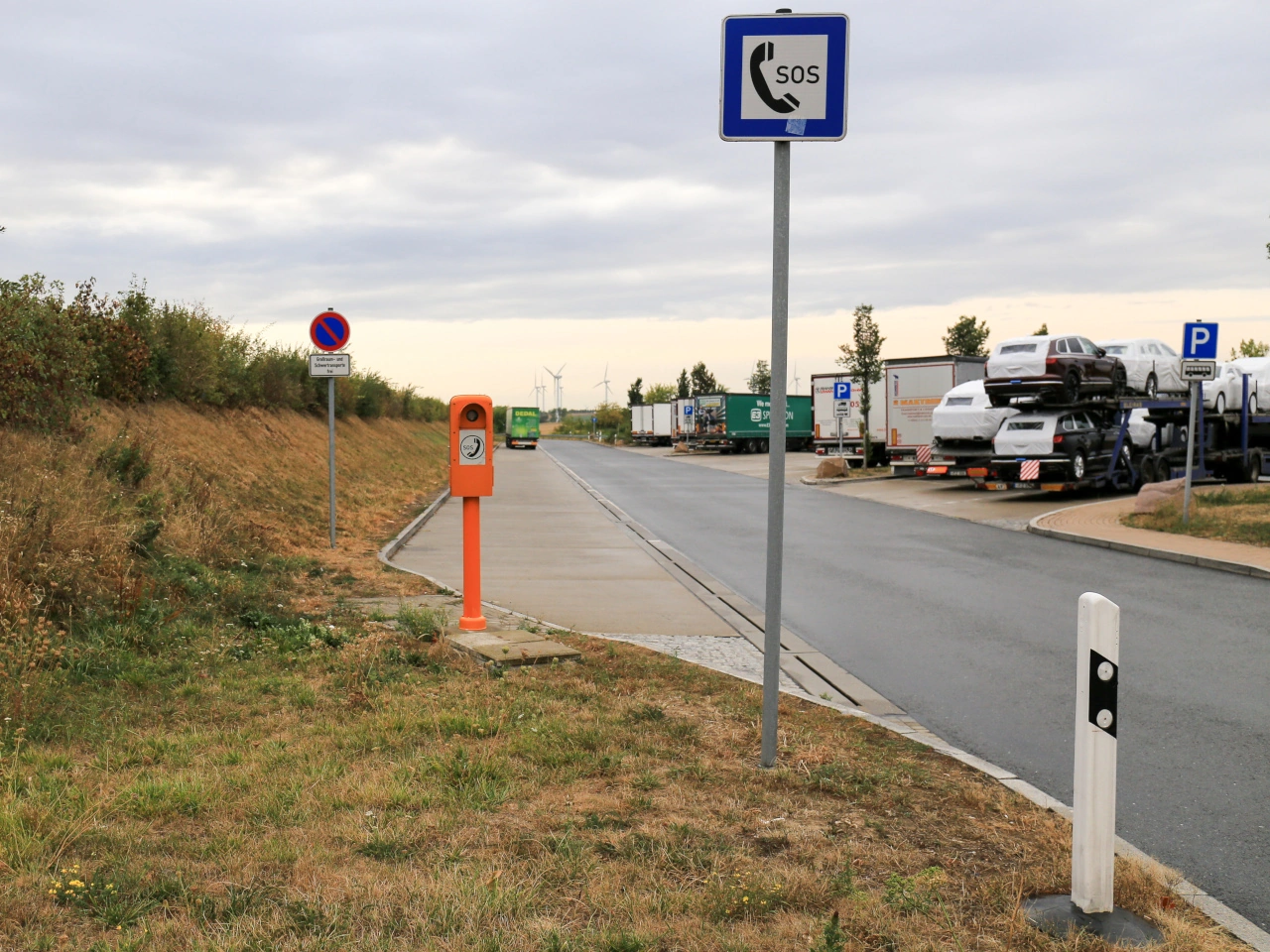
What is an emergency telephone?
An emergency telephone is a dedicated telephone used to contact emergency services, a traffic-control centre or roadside assistance from the road.
Where are emergency telephones commonly found?
They are commonly installed in road tunnels, motorway emergency areas and other locations where rapid assistance may be needed.
When should you use an emergency telephone?
Use an emergency telephone to report situations such as a breakdown, accident, fire or other serious road emergency when assistance is required.
Why use an emergency telephone instead of a mobile phone?
An emergency telephone may allow the operator to identify your location immediately and connect you directly with the responsible control centre. It can also be useful where mobile reception is poor.
Are emergency telephones available on every motorway?
No. Their availability varies between countries and road networks. Mobile phones and emergency apps have replaced many traditional roadside call boxes.
Is an emergency telephone free to use?
Dedicated emergency telephones are generally intended for emergency assistance and do not require normal telephone payment, although systems vary between countries.
65. 国境
国境は2つの国の法的境界です。国境標識は進入する国を示し、交通法規、速度制限、道路標識、車両要件、必要書類が変わることを運転者へ知らせる場合があります。
国境標識自体が通常停止を義務付けるわけではありません。旅券、入国、税関検査が検問所で行われる場合もあれば、地域協定により通常検査なしで越境できる国境もあります。
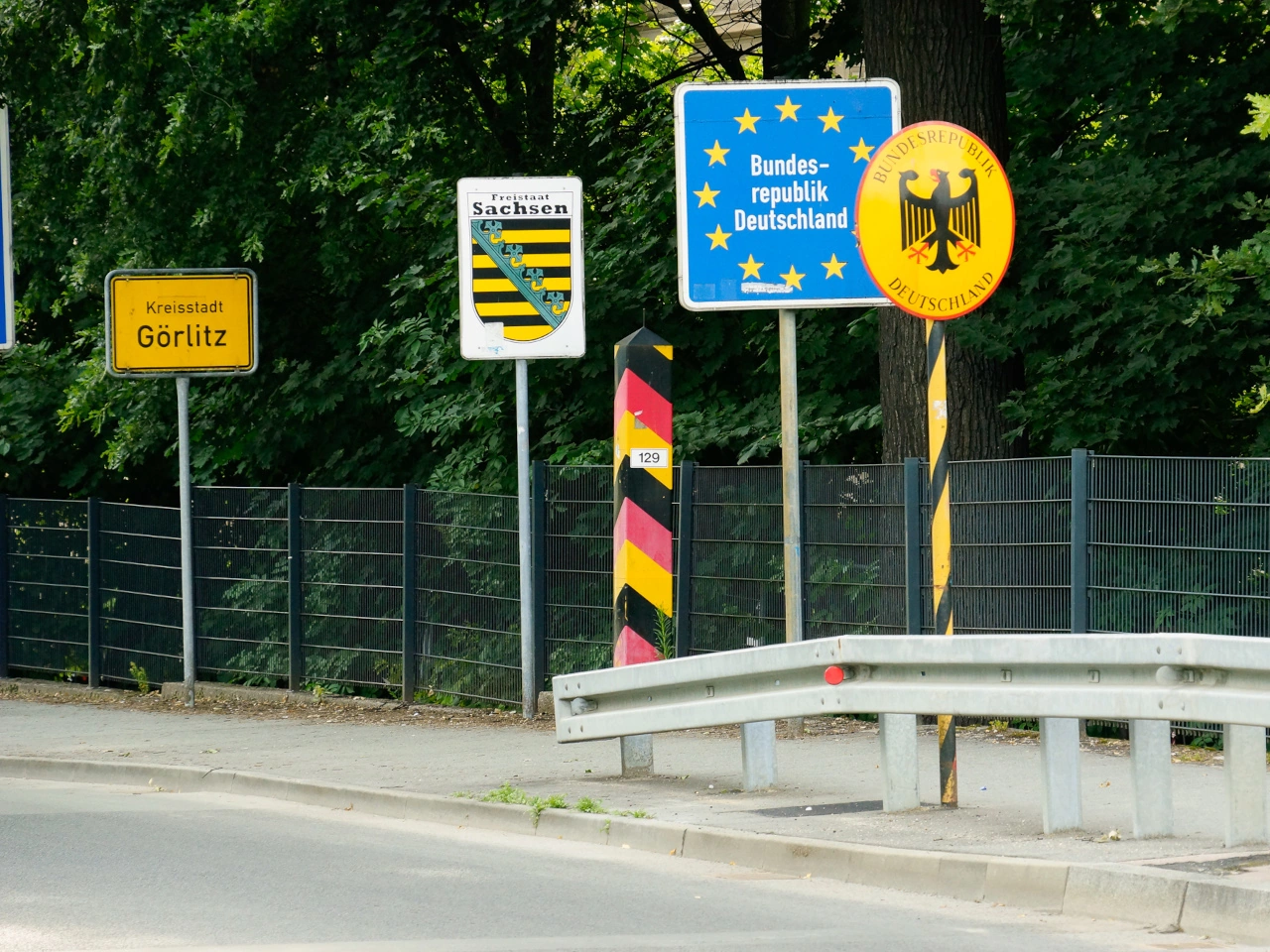
What is an international border?
An international border is the legal boundary between two countries.
How can you recognise an international border?
It may be identified by a country-name sign, national or regional symbols, flags, border posts, customs facilities or passport-control signs.
Does every international border have a road sign?
No. Borders may be marked differently, and some minor roads or open-border areas may have only a small identification sign or boundary marker.
Does a border sign require you to stop?
Not normally. Stop only when required by traffic lights, barriers, officers, customs signs, passport controls or another instruction.
When do the destination country’s traffic rules begin?
The new country’s traffic laws apply from the international boundary, not merely from the next town or major intersection.
Does the border sign itself impose the new rules?
No. The rules change because you have entered another country. The sign identifies that change of jurisdiction.
Can the driving side change at a border?
Yes. Where neighbouring countries use different driving sides, a specially designed road arrangement guides traffic safely from one side to the other.
Can speed limits change at the border?
Yes. The destination country may have different general limits for motorways, built-up areas, rural roads and particular vehicle categories.
Is the border sign a speed-limit sign?
No. Drivers must learn the destination country’s general limits and obey any regulatory signs displayed after crossing.
Can traffic-sign designs change?
Yes. Colours, symbols, shapes and road-marking conventions may differ, even when neighbouring countries follow similar international standards.
Can vehicle-equipment requirements change?
Yes. Requirements concerning safety vests, warning triangles, winter tyres, lights, toll equipment or environmental stickers may differ between countries.
Which documents may be required?
Depending on the journey, drivers may need a passport or identity card, driving licence, vehicle-registration document, insurance evidence, visa or customs documents.
Is a border check the same as customs control?
No. Border or immigration control concerns people and travel documents. Customs control principally concerns goods, cargo, money and applicable duties or restrictions.
Can immigration and customs controls occur together?
Yes. Both may operate at the same border facility even though they perform different legal functions.
Does every border have passport control?
No. Countries participating in an open-border area may normally cross internal borders without routine checks, although temporary controls may still be introduced.
Does every border have customs control?
No. Countries within a customs union may allow goods to move across their internal borders without ordinary customs duties or routine customs formalities.
Is an open border completely uncontrolled?
No. Police, customs and other authorities may still conduct lawful checks, enforce national rules and temporarily control the border where permitted.
May you cross the border anywhere?
Only where local law permits it. External or controlled borders may have to be crossed through an authorised border-crossing point during its operating hours.
Can a border crossing be temporarily closed?
Yes. Closures or restrictions may result from security measures, emergencies, severe weather, roadworks or administrative decisions.
Can certain vehicles be restricted?
Yes. A crossing may restrict heavy vehicles, dangerous goods, agricultural traffic, pedestrians or cyclists because of road design or border-control facilities.
May goods have to be declared?
Yes. Commercial goods, restricted products, goods exceeding personal allowances and certain amounts of cash may require declaration.
Do tolls or road charges change at the border?
They may. The destination country may use toll roads, vignettes, distance-based charges, low-emission zones or other payment systems.
Should you rely only on navigation software?
No. Navigation information may not include current border controls, vehicle restrictions or document requirements. Follow official signs and instructions.
What should you do before an international road journey?
Check the destination and transit countries’ traffic rules, required documents, insurance, vehicle equipment, tolls and border or customs requirements.
Do instructions from border officers override ordinary signs?
Yes. Follow lawful instructions from authorised border, police and customs officers, even when they temporarily differ from the normal traffic arrangement.
66. 歩行者地下道
歩行者地下道は、歩行者が道路、鉄道、その他の障害物の下を通り、同じ高さで交通路を横断せずに移動できる通路です。立体分離型歩行者横断施設の一つです。
地下道には階段、スロープ、エレベーターで出入りし、歩道網の一部となることがあります。自転車など他の利用者は、設計、標識、現地規則で許可されている場合のみ利用できます。
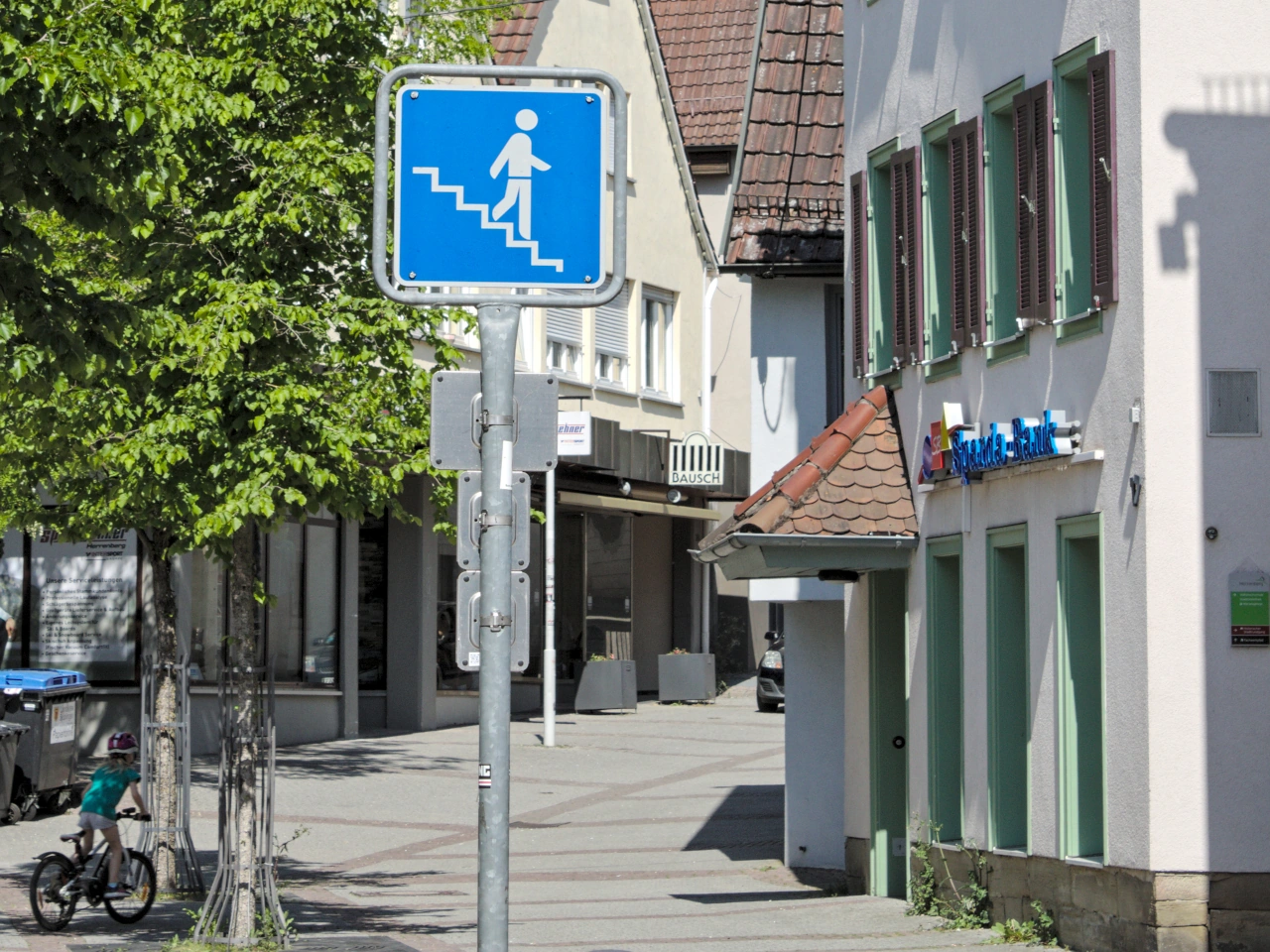
What is a pedestrian underpass?
A pedestrian underpass is a passage that allows pedestrians to cross beneath a road, railway or other obstacle without entering the traffic route above.
Why are pedestrian underpasses used?
They separate pedestrians from motor vehicles, trains or other traffic, reducing direct conflicts at busy or high-speed crossings.
Is a pedestrian underpass the same as a tunnel?
Not exactly. A pedestrian underpass is specifically intended to allow pedestrians to pass beneath an obstacle, while a tunnel can carry roads, railways, pedestrians or other forms of transport.
Is an underpass the same as a pedestrian overpass?
No. An underpass passes beneath the obstacle, while an overpass or footbridge carries pedestrians above it. Both provide grade-separated crossings.
Can cyclists use a pedestrian underpass?
This depends on the signs and design of the facility. Some underpasses are shared with cyclists, while pedestrian-only underpasses may require cyclists to dismount.
Can a pedestrian underpass have a cycle path?
Yes. Some underpasses contain separate or shared pedestrian and cycle facilities so both categories can cross safely away from motor traffic.
Can motor vehicles use a pedestrian underpass?
No when the passage is specifically reserved for pedestrians. Maintenance or emergency access may be permitted in exceptional circumstances.
Can an underpass be accessible to wheelchairs?
Yes, when suitably designed. Ramps or lifts can provide step-free access, although accessibility depends on the individual facility.
Do pedestrians have to follow signs inside an underpass?
Yes. Users must follow any signs indicating permitted users, direction of travel, separated sections or temporary closures.
Can a pedestrian underpass be temporarily closed?
Yes. Maintenance, flooding, construction, safety concerns or other circumstances may require temporary closure or diversion.
Does an underpass give pedestrians priority over traffic above?
The underpass physically separates the movements, so pedestrians do not directly cross the traffic route above. Priority rules still apply wherever the pedestrian route later crosses another roadway or cycle facility.
What should cyclists do in a pedestrian-only underpass?
Where cycling is not permitted, cyclists should dismount and continue on foot if pedestrian access with a bicycle is allowed.
67. 自転車ルート
自転車ルートは、自転車利用者を目的地間や特定地域内で案内する計画・標示された経路です。自転車道、交通量の少ない道路、共用道路、グリーンウェイなど、自転車に適した経路を組み合わせます。
自転車ルートは必ずしも自転車専用ではなく、自転車道や自転車レーンそのものとは異なります。交通規則、優先関係、利用可能者は構成する各道路・通路と現地の標識・規則によります。
How can you recognise a cycling route?
Cycling routes are commonly indicated by direction signs, bicycle symbols, route numbers, colours or destination markers. The design of the signs and route-numbering system varies between countries and regions.
Do cyclists have to follow a cycling route?
Usually not. A cycling-route sign normally provides direction or route guidance rather than imposing a mandatory direction. However, separate mandatory traffic signs may require cyclists to use a particular cycle path or direction.
Is a cycling route the same as a cycle path?
No. A cycle path is a specific part of a road or separate path intended for cyclists under local traffic rules. A cycling route is an entire itinerary and may include cycle paths, ordinary roads, cycle streets and other types of infrastructure.
Are cycling routes reserved for cyclists?
Not necessarily. Many cycling routes use roads and paths that are also open to motor vehicles, pedestrians or other road users. Access is determined by the signs and rules applying to each individual section.
Do cyclists have priority on a cycling route?
Not automatically. Being on a designated cycling route does not normally change the priority rules. Cyclists must continue to obey traffic lights, give-way and stop signs, crossing rules and other applicable traffic regulations.
Does a cycling route always have cycle paths?
No. A route may combine dedicated cycle infrastructure with quiet streets, shared roads, rural roads and other suitable connections. The quality and level of separation from motor traffic can therefore change along the route.
Can a cycling route cross busy roads?
Yes. A cycling route may cross or temporarily follow busy roads. At such locations, cyclists must follow the crossing, priority and traffic-light rules indicated by local signs and markings.
Can other vehicles use roads forming part of a cycling route?
Yes, unless access is restricted by separate traffic signs or regulations. A cycling-route designation by itself does not normally prohibit cars, motorcycles or other vehicles from using an otherwise public road.
Can cycling routes be recreational or long-distance routes?
Yes. Cycling routes may be designed for daily travel, tourism or recreation. Some form part of regional, national or international networks and may be identified by route names or numbers.
What should you do when a cycling-route sign conflicts with a traffic sign?
Always follow the official traffic signs, signals and road markings. A route marker provides navigation and does not override a prohibition, mandatory direction, road closure or other traffic regulation.
68. 規制解除
規制解除は、それまでの道路区間で車両に適用されていた1つ以上の地域的交通規制の終了を意味します。専用の規制終了標識、以前の規制標識を取消線で消した標識、または新しい規則を設定する別標識で示されます。
解除標識の後では通常の交通規則と新たに適用される規制に従います。標識以降に速度制限や交通規則が一切ないという意味ではありません。
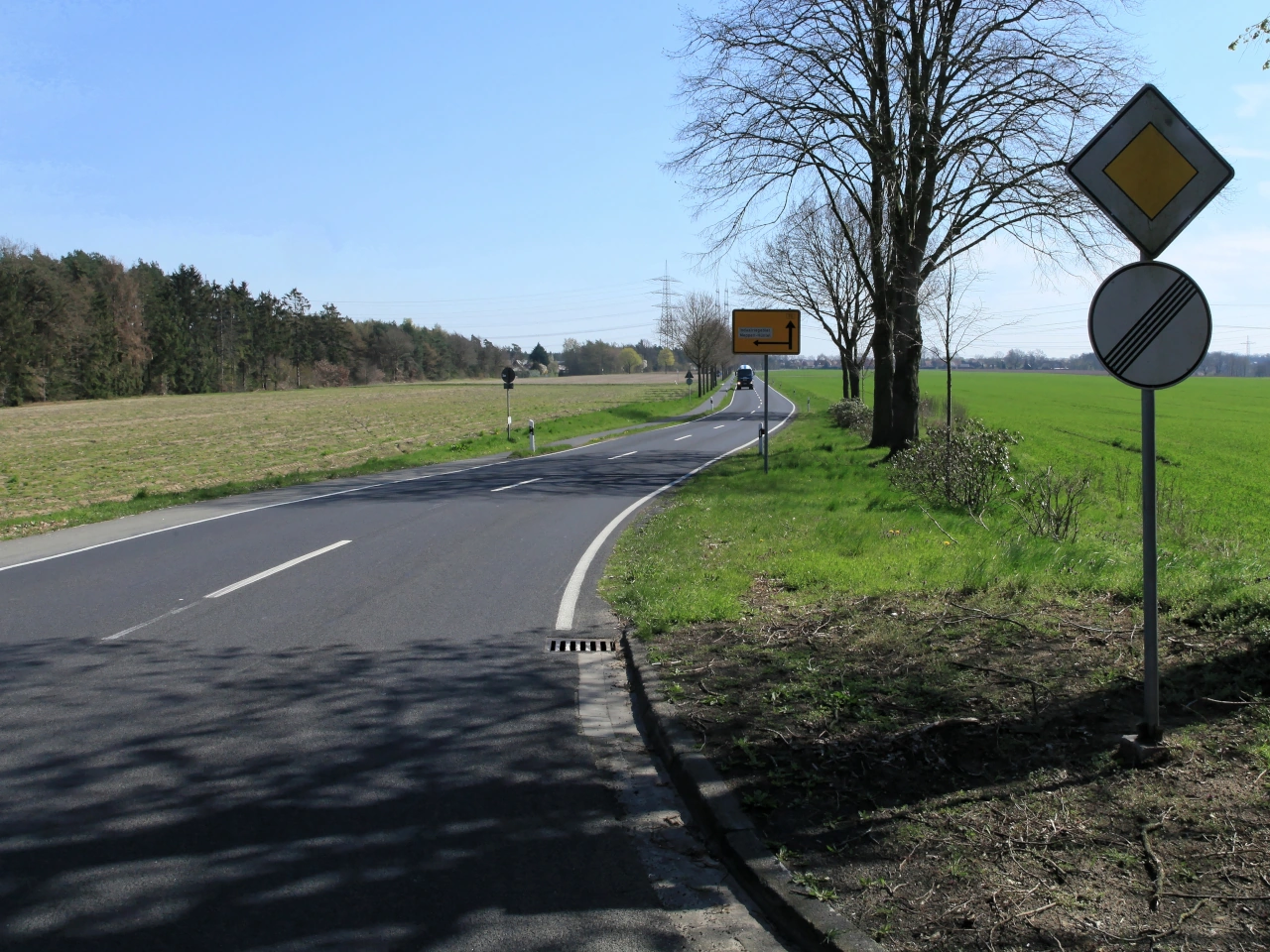
What does de-restriction mean?
De-restriction means that a previously imposed local traffic restriction has ended.
Does de-restriction mean there are no speed limits?
No. When a local restriction ends, the normal speed limit and other traffic rules applicable to that road still remain in force.
How is the end of a restriction indicated?
Depending on the country, it may be indicated by an end-of-restriction sign, a crossed-out restriction sign or another sign introducing a new rule.
69. 駐車
駐車とは、交通状況や直ちに必要な事情による短時間停止ではなく、一定時間車両を静止させておくことです。多くの国では、乗客の乗降や荷物の積み下ろしのための短時間停止と駐車を区別しますが、法的定義は異なります。
駐車は交通標識、路面表示、駐車ゾーン、地域規則により許可、制限、予約、時間制、禁止となります。危険や不必要な妨害を生じないようにし、支払、許可証、車種、最長時間などの条件に従います。
What is the difference between parking and stopping?
Parking generally means leaving a vehicle stationary for longer than a brief stop required for passengers, loading or unloading. A vehicle stopped because of traffic lights, congestion, an emergency or another traffic condition is normally not considered parked. The precise legal definitions vary between countries.
How can you tell where parking is allowed?
Look for parking signs, prohibition signs, road markings and parking-zone signs. Local rules may also permit parking along certain roads even when individual parking spaces are not marked.
Can you park anywhere if there is no sign prohibiting parking?
No. General traffic rules can prohibit parking even when no specific prohibition sign is present. Common examples include locations where a parked vehicle would obstruct visibility, crossings, intersections, cycle facilities or the movement of other traffic.
Can you park on a pavement or sidewalk?
Parking on a pavement or sidewalk is prohibited or restricted in many countries unless signs or markings specifically allow it. Vehicles must not force pedestrians into the roadway or block an accessible pedestrian route.
Can you park near a pedestrian crossing?
Parking on or close to a pedestrian crossing is generally restricted because a vehicle can hide pedestrians from approaching drivers. The required clearance distance varies between countries.
Can you park close to an intersection?
Many countries prohibit parking within a specified distance of an intersection because parked vehicles can reduce visibility and obstruct turning traffic. Follow the local distance requirements and any signs or markings.
What does a parking sign mean?
A parking sign identifies a place or area where parking is permitted or regulated. Additional signs or panels may specify time limits, payment requirements, vehicle categories, permits or particular parking arrangements.
How does paid parking work?
Where parking is subject to payment, drivers must follow the instructions displayed locally. Payment may be made through a parking meter, ticket machine, mobile application or another authorised system. The permitted duration and charging periods vary by location.
Who may use an accessible parking space?
Spaces marked for people with disabilities are reserved for vehicles displaying or registered with the required disability parking permit. Eligibility, permit display requirements and parking privileges depend on national and local law.
Can you leave a vehicle parked for an unlimited time?
Not necessarily. Local rules may impose a maximum parking duration, even where parking is otherwise permitted. Different limits may apply to abandoned, commercial, heavy or recreational vehicles.
70. 駐車禁止
駐車禁止は、指定場所または対象区間に車両を駐車してはならないことを示します。現地法によっては、停止自体が禁止されていなければ乗客の乗降や荷物の積み下ろしのため短時間停止できる場合があります。
規制は常時または指定時間、曜日、車種、道路区間だけ適用されることがあります。範囲と例外は標識、補助標識、路面表示、現地規則で決まります。
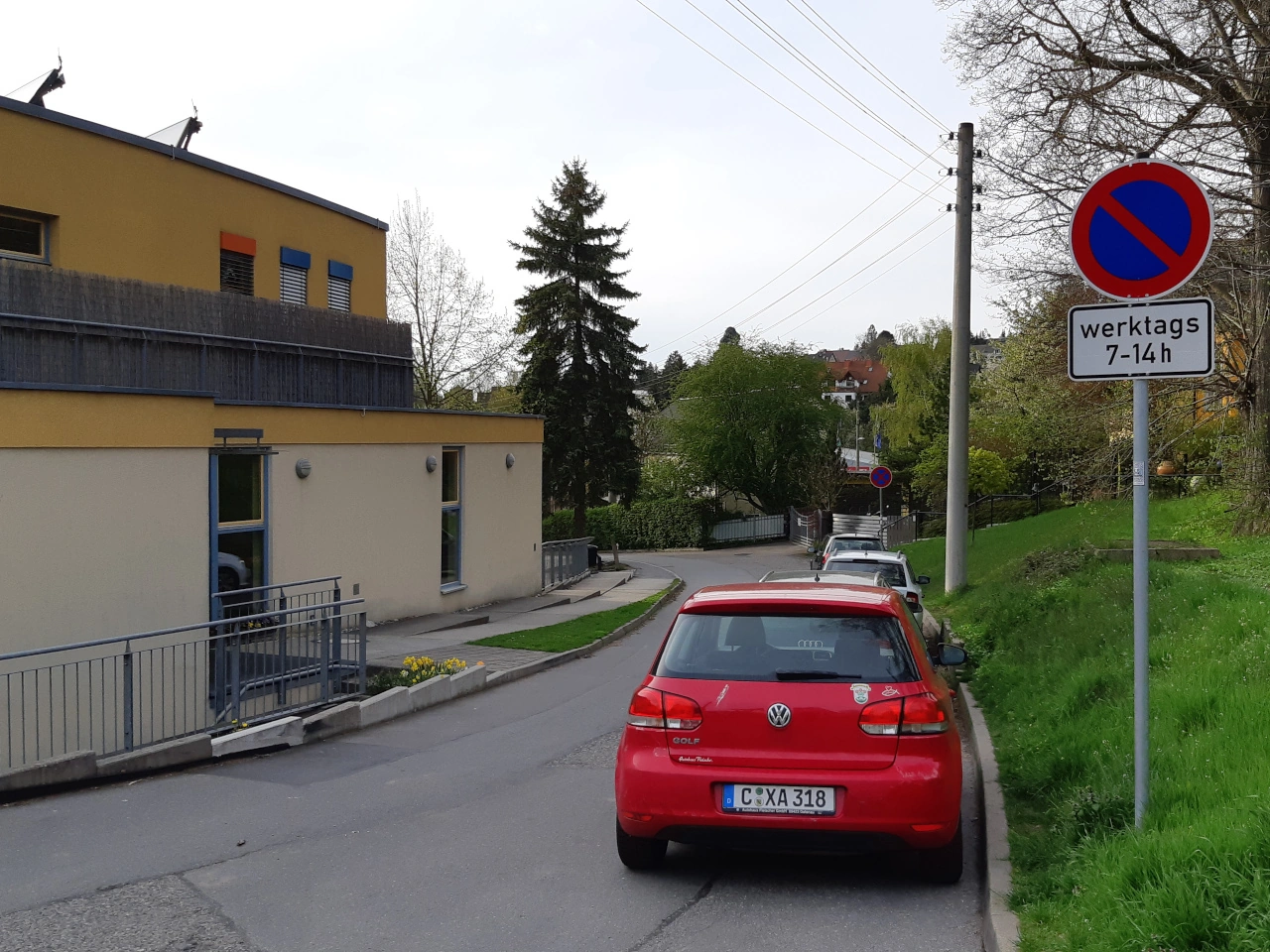
What does a no-parking sign mean?
A no-parking sign prohibits leaving a vehicle parked in the area or along the section of road to which the restriction applies. The exact legal definition of parking and the extent of the prohibition vary between countries.
Is no parking the same as no stopping?
No. A no-parking restriction commonly still permits certain brief stops, such as picking up or dropping off passengers or loading or unloading goods. A no-stopping restriction is stricter and generally prohibits voluntary stopping as well as parking.
Can you wait in your vehicle where parking is prohibited?
Remaining inside the vehicle does not necessarily mean that it is not parked. If the vehicle remains stationary beyond what local law permits as a brief stop, it may legally be considered parked even when the driver stays inside.
Can you pick up or drop off passengers in a no-parking area?
Often yes, if stopping is permitted and the vehicle remains there only as long as reasonably necessary for passengers to get in or out. Local rules may impose stricter restrictions at particular locations.
Can you load or unload goods where parking is prohibited?
In many countries, genuine loading or unloading is treated as stopping rather than parking and may therefore be permitted. The vehicle should remain there only for the time reasonably necessary for the activity.
How far does a no-parking restriction apply?
This depends on the country's signing rules. The restriction may continue to the next intersection, an end sign, a stated distance or the end of a designated zone. Supplementary arrows or distance panels may indicate its exact extent.
Does a no-parking sign apply on both sides of the road?
Usually a roadside no-parking sign applies only to the side of the road on which it is placed, unless it forms part of a zonal restriction or local signs indicate otherwise.
Can a no-parking restriction apply only at certain times?
Yes. A supplementary panel may restrict the prohibition to particular hours, days or periods. Outside those periods, parking may be permitted if no other rule prohibits it.
Can a no-parking restriction apply only to certain vehicles?
Yes. Additional signs or symbols may make a parking restriction applicable to particular vehicle categories, such as heavy vehicles, motorcycles or other specified vehicles.
Can you park immediately after a no-parking sign ends?
Only if parking is otherwise legal. The end of a specific no-parking restriction does not override general parking prohibitions near crossings, intersections, driveways, traffic signs or other protected locations.
71. 停車禁止
停車禁止は、乗客の乗降や荷物の積み下ろしのための短時間停止も含め、指定場所で任意に停止してはいけないことを意味します。駐車禁止より厳しい規制です。
標識、路面表示、地域規則で示されます。交通状況、緊急事態、法的義務によって停止を強制される場合を除き、停車可能な場所まで進む必要があります。
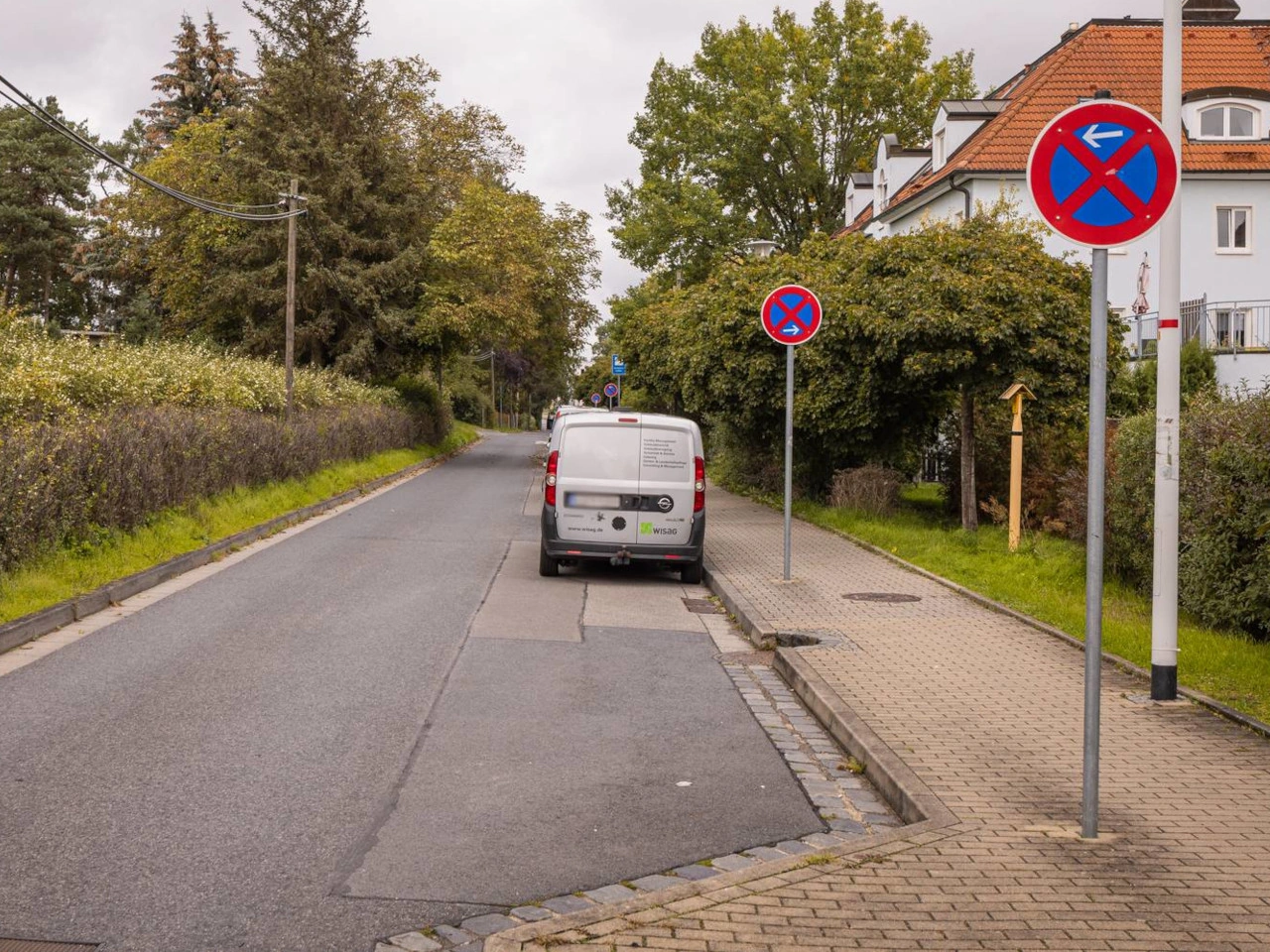
What does a no stopping restriction mean?
It means that a driver may not voluntarily stop the vehicle in the restricted area. The prohibition normally includes stopping to pick up or drop off passengers or to load or unload goods.
What is the difference between no stopping and no parking?
No stopping is the stricter restriction. A no-parking rule may still allow a brief stop for activities such as picking up passengers or loading goods, while a no-stopping rule prohibits these voluntary stops as well.
Can you stop in a no-stopping area during an emergency?
A driver may have to stop because of an emergency, traffic conditions, a red light, police instructions or another situation outside the driver's control. Such compulsory stops are generally different from voluntarily stopping the vehicle.
72. 縦列駐車
縦列駐車は、道路端に平行に車両を駐車する方法で、通常は2台の駐車車両の間のスペースへ入れます。道路沿いに駐車枠が並ぶ場所で一般的です。
通常、空きスペース横に車を位置付け、ミラー、死角、周囲の交通を確認しながら後退して入れます。許可された駐車範囲内に収め、他の道路利用者を妨げない範囲で道路端に十分近づけます。
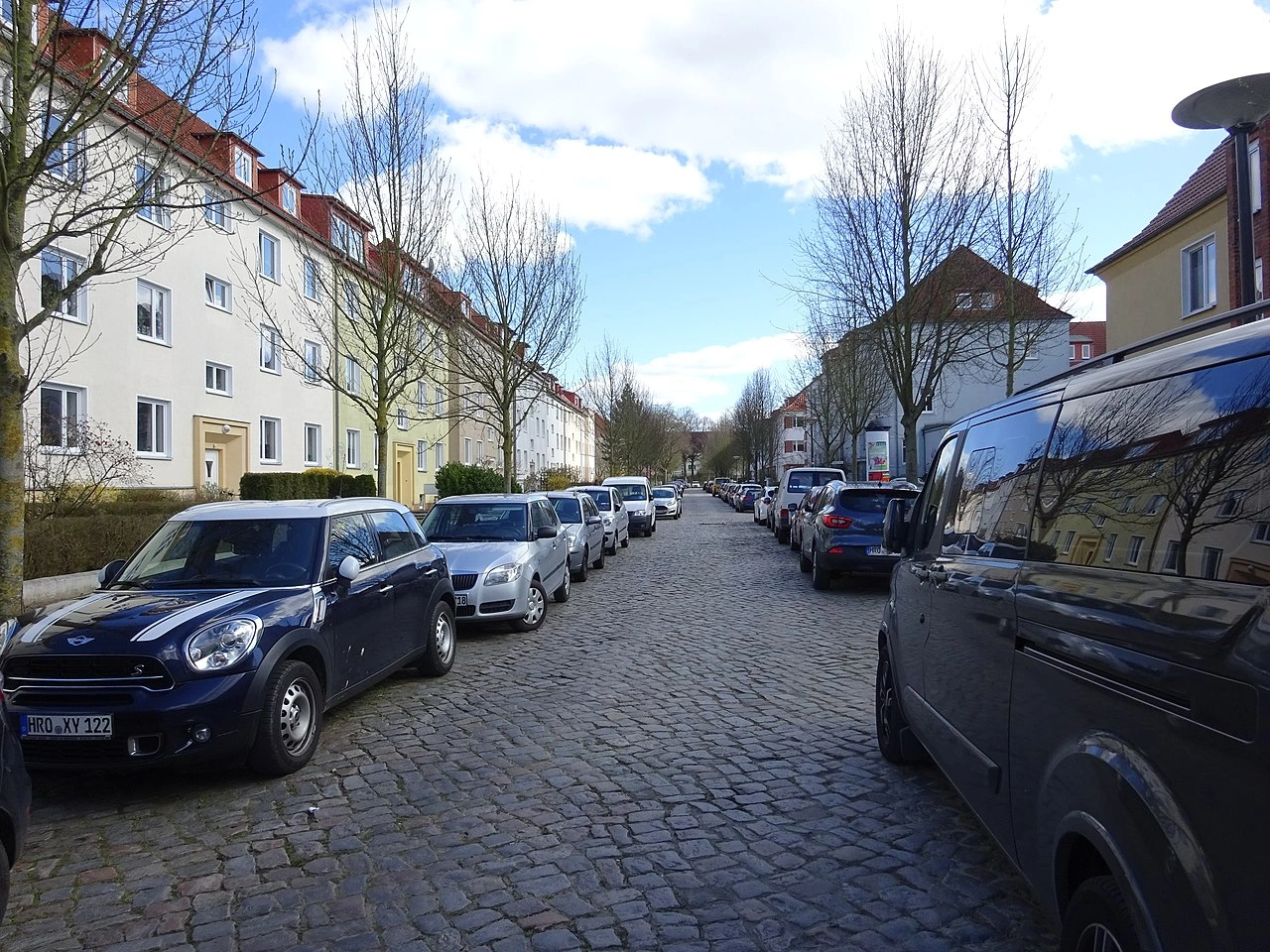
What is parallel parking?
Parallel parking means positioning a vehicle parallel to the edge of the road, typically between vehicles already parked along the kerb or roadside.
What should you check before parallel parking?
Check mirrors and blind spots, signal when required and make sure there is enough space to complete the manoeuvre without endangering pedestrians, cyclists or other traffic.
How should a vehicle be positioned after parallel parking?
The vehicle should be completely within the permitted parking area, reasonably close to the road edge and positioned so that it does not unnecessarily obstruct traffic or access to other vehicles.
73. パーク・アンド・ライド
パーク・アンド・ライドは、車を駐車し、その後公共交通、自転車、その他の交通手段へ乗り換える施設です。都市外縁部や主要交通路の近くに設置されることが一般的です。
車を使わずに旅程の一部を移動することで、都市部の交通量と駐車需要を減らすことができます。料金、最長駐車時間、公共交通との接続は場所によって異なります。
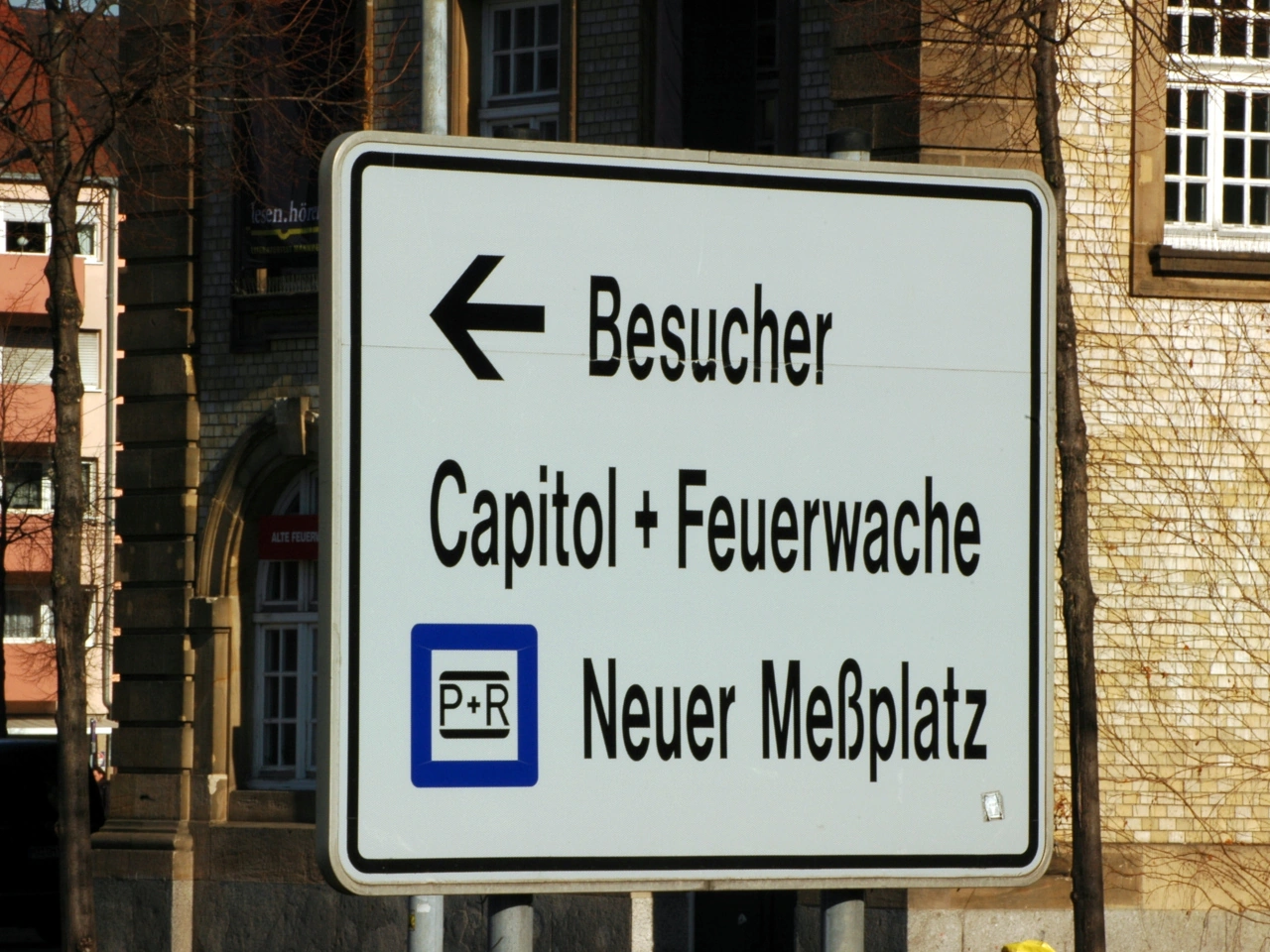
What does P+R mean?
P+R stands for park and ride. It indicates a facility where drivers can park their vehicle and continue their journey using public transport or another form of transport.
Where are park-and-ride facilities usually located?
They are commonly located on the outskirts of cities, near major roads or beside railway, metro, tram or bus connections so that drivers can transfer conveniently to another mode of transport.
Is parking at a park-and-ride always free?
No. Some facilities are free, while others charge for parking or offer special combined parking and public-transport fares. Conditions depend on the individual facility and local authority.
74. キス・アンド・ライド
Kiss and Rideは、運転者が乗客を乗せたり降ろしたりするため短時間停車できる指定場所です。学校、駅、空港など交通量の多い場所で、通常の駐車枠を占有せず乗降できるよう設けられます。
目的は待機や駐車ではなく非常に短い停車です。乗降に必要な時間だけ滞在し、標識、時間制限、路面表示、地域規則に従います。
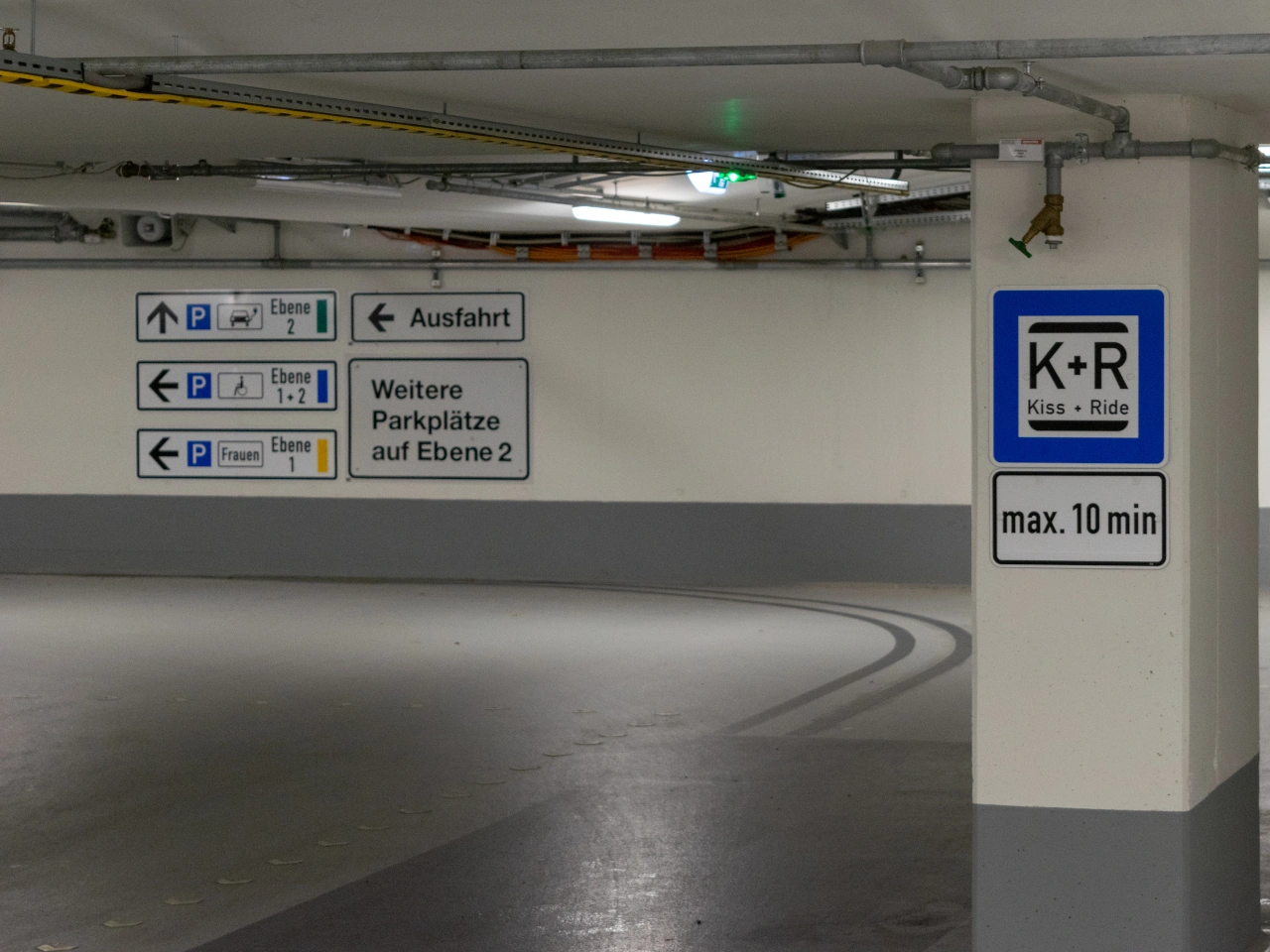
What is a Kiss and Ride area?
A Kiss and Ride area is a designated place where drivers can briefly stop to drop off or pick up passengers. It is intended to keep passenger transfers quick and reduce unnecessary parking or congestion near busy destinations.
Can you park in a Kiss and Ride area?
Normally no. Kiss and Ride areas are intended for immediate passenger drop-off or pick-up rather than ordinary parking. The exact legal restrictions depend on the signs and local regulations applying to the area.
Can you wait for someone in a Kiss and Ride area?
Generally, you should not remain in the area waiting for a passenger who is not ready to enter the vehicle. If waiting is necessary, use an ordinary parking or waiting area unless local signs specifically permit waiting.
How long may you stay in a Kiss and Ride area?
Only for the short period necessary for passengers to get in or out, unless signs specify a particular maximum time. Some locations establish an explicit time limit, while others simply require immediate drop-off or pick-up.
Should the driver remain in the vehicle?
Where possible, the driver should normally remain ready to move the vehicle immediately. Leaving the vehicle to accompany a passenger into a building may turn the stop into parking and can prevent other drivers from using the area efficiently.
Can you use a Kiss and Ride area to load luggage?
Passengers may normally take the luggage they need when entering or leaving the vehicle, provided this forms part of the immediate passenger transfer. Using the area for prolonged loading or unloading may not be permitted.
Where are Kiss and Ride areas commonly found?
They are frequently located near schools, railway stations, airports, hospitals and other busy destinations where many passengers are dropped off or collected within a short period.
Can taxis use a Kiss and Ride area?
This depends on the local signs and regulations. A general passenger drop-off area may be available to taxis, while some locations provide separate taxi ranks or reserve the Kiss and Ride area for particular users.
Can you leave your vehicle unattended in a Kiss and Ride area?
Normally this should be avoided. Kiss and Ride areas are designed for rapid passenger transfers, and leaving the vehicle unattended can obstruct other users. Specific local rules may expressly prohibit parking or unattended vehicles.
What should you do if your passenger is not ready?
Move to a suitable parking or waiting area and return when the passenger is ready to be collected. Remaining in the Kiss and Ride area unnecessarily can block the facility and contribute to congestion.
75. パーキングメーター
パーキングメーターは、指定駐車枠・区域での駐車を管理し、通常料金を徴収する装置です。特定の駐車時間分を支払う、車両番号を入力する、車内表示用チケットを取得するなどの方式があります。
地域制度により硬貨、カード、非接触決済、電子決済などに対応します。装置や標識に示された操作方法、運用時間、最長駐車時間、料金に従う必要があります。
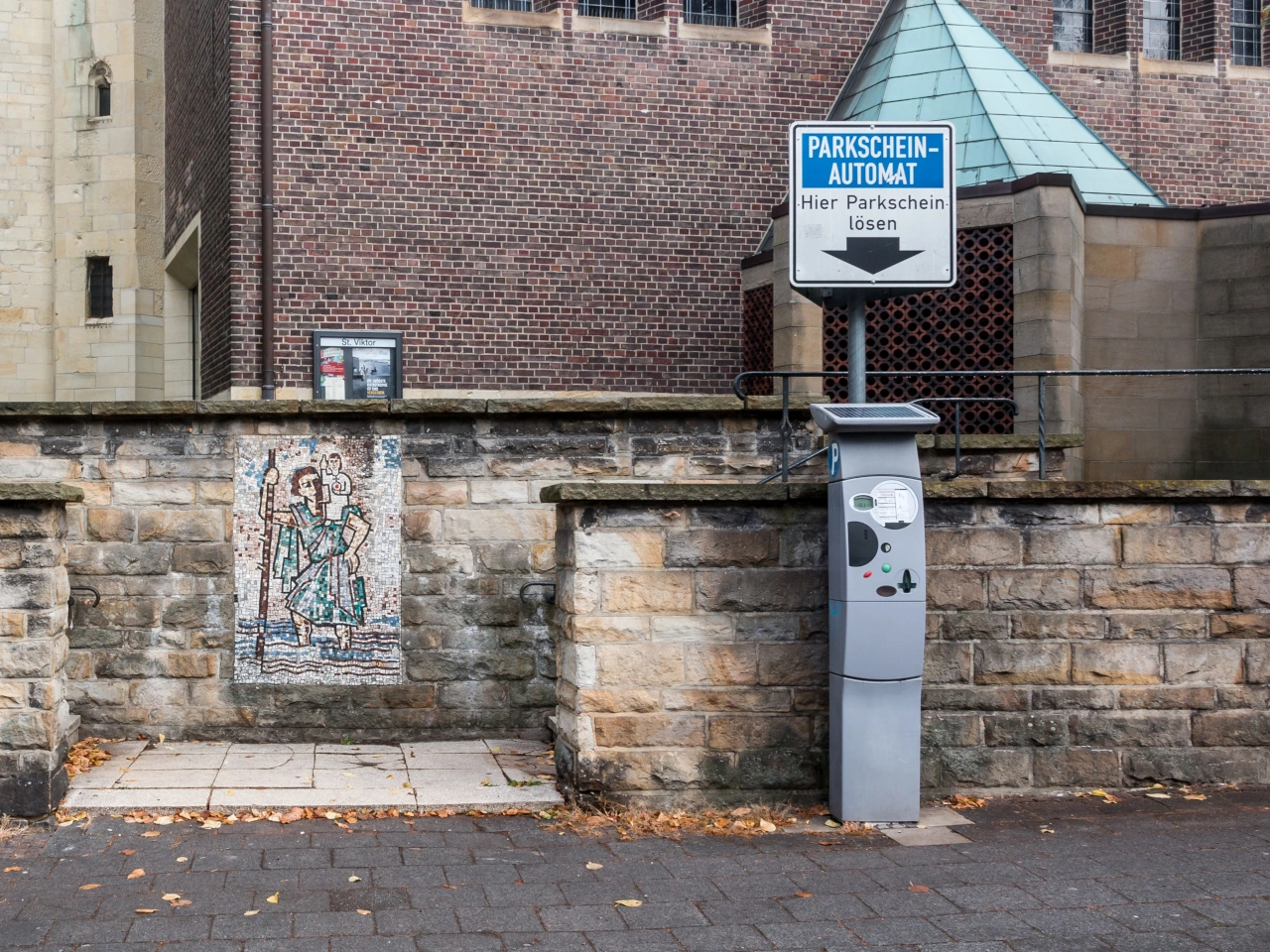
What is a parking meter?
A parking meter is a device used to regulate parking and, in many cases, collect payment for the time a vehicle occupies a parking space or parking area.
How does a parking meter work?
The driver normally selects or pays for a permitted parking period according to the instructions on the machine. Depending on the system, the driver may receive a ticket, enter the vehicle registration number or activate parking electronically.
Do you always have to display a parking ticket?
No. Some systems issue a ticket that must be displayed visibly inside the vehicle, while others record the vehicle registration number electronically and require no paper ticket.
How can you tell when paid parking applies?
Check the parking signs, parking meter and local instructions. They normally indicate the hours and days during which payment is required, as well as the applicable tariff and maximum parking duration.
Can parking be free outside the meter's operating hours?
Often yes, but this depends on the local parking regulations. The meter or nearby signs should indicate when payment is required and whether other restrictions continue to apply outside those hours.
Can a parking meter limit how long you may park?
Yes. Paid parking areas may have a maximum parking duration. Paying additional money does not necessarily allow you to remain beyond the maximum period specified by the parking rules.
What should you do if a parking meter is out of order?
Follow the local instructions for defective machines. You may be required to use another meter, a parking disc, a mobile payment service or another permitted method. The procedure varies between countries and municipalities.
Can you pay for parking with a mobile phone?
Many parking authorities allow payment through an approved mobile application, text-message service or other electronic system. Only use payment methods officially indicated for the parking area.
What happens if you pay for the wrong vehicle?
In systems linked to a vehicle registration number, entering the wrong registration may mean that the vehicle has no valid parking session. Check the information carefully before confirming payment.
Does paying a parking meter make parking legal everywhere?
No. Payment does not override general traffic rules or parking prohibitions. The vehicle must still be parked legally and must not obstruct crossings, intersections, driveways, reserved spaces or other protected locations.

交通ルール
ドイツ