


VerkehrszeichenIrland
 Verkehrsregeln
 Irland
226. Blutuntersuchung
Eine Blutuntersuchung kann verwendet werden, um die Alkoholkonzentration im Blut einer Person zu bestimmen. Eine medizinische Fachkraft entnimmt eine Blutprobe, die anschließend im Labor zur Bestimmung der Blutalkoholkonzentration (BAK) untersucht wird. Im Straßenverkehr kann eine Blutprobe eingesetzt werden, wenn Atemtests nicht möglich oder ungeeignet sind, nach einem Unfall oder als Gegenanalyse zu einem Atemmessergebnis. Wann eine Blutuntersuchung verlangt werden darf und welche Alkoholgrenzen gelten, unterscheidet sich zwischen Ländern.
What is an alcohol blood test?
An alcohol blood test measures the concentration of alcohol in a blood sample and provides a blood alcohol concentration (BAC).
How is a blood test different from a breath analysis?
A blood test measures alcohol directly in the blood, while a breath analysis measures alcohol in exhaled breath. Both can be used to determine whether a legal alcohol limit has been exceeded.
Who takes the blood sample?
A blood sample used for legal testing is normally taken by an authorised healthcare professional and analysed according to an approved procedure.
When can a blood test be used after an alcohol control?
Depending on local law, a blood test may be used when breath testing cannot be performed, after certain accidents or as a counter-analysis of a breath result.
How is a blood alcohol result expressed?
Blood alcohol concentration is commonly expressed as grams of alcohol per litre of blood, parts per thousand (‰) or a percentage, depending on the country.
Can refusing a required blood test lead to penalties?
Yes. In countries where a blood sample can lawfully be required, refusing without a legally accepted reason may itself be an offence.

227. Speicheltest
Ein Speicheltest ist ein Kontrolltest am Straßenrand zum Nachweis des kürzlichen Konsums bestimmter Drogen, die die Fahrtüchtigkeit beeinträchtigen können. Eine Speichelprobe wird aus dem Mund entnommen und mit einem tragbaren Gerät auf festgelegte Substanzen untersucht. Der Test dient normalerweise als erste Kontrolle und nicht als abschließende beweissichere Analyse. Bei einem positiven Ergebnis kann eine genauere Speichelanalyse oder unter bestimmten Umständen eine Blutuntersuchung folgen.
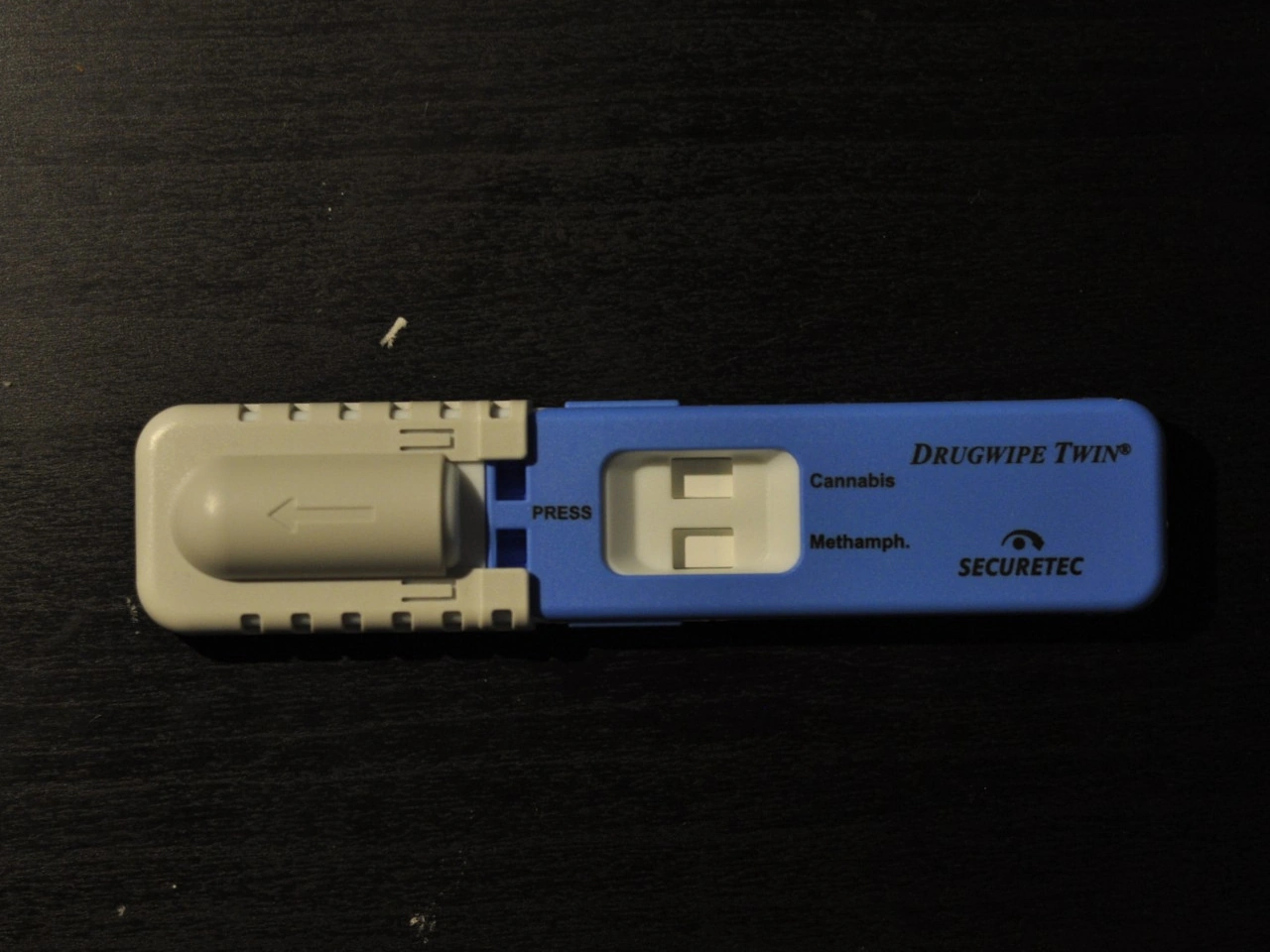
What is a saliva test?
A saliva test is a screening test that uses oral fluid to detect the recent presence of certain drugs or their metabolites.
How is a roadside saliva test performed?
A sample of saliva is collected from inside the mouth and tested using an approved portable device. The exact procedure and substances tested depend on the country.
Is a saliva test the same as a saliva analysis?
No. A saliva test is generally a preliminary roadside screening, while a saliva analysis is a laboratory examination used to confirm and measure specified substances more precisely.
What happens after a positive saliva test?
Depending on local law, a positive result can lead to a saliva analysis, blood test, temporary driving prohibition or further legal proceedings.
Can a saliva test detect every drug?
No. Saliva tests are designed to detect specific substances. The drugs included and the detection thresholds depend on the testing device and applicable law.
Can you refuse a saliva test?
Rules vary between countries, but refusing a legally required saliva test can itself lead to penalties or an immediate restriction on driving.
228. Drogen
Drogen können das Fahren erheblich beeinträchtigen, indem sie Wahrnehmung, Konzentration, Reaktionszeit, Koordination und Urteilsvermögen verändern. Stimulanzien, Cannabis, Opioide und andere psychoaktive Substanzen können jeweils unterschiedliche Auswirkungen haben; die Kombination mit Alkohol oder anderen Stoffen kann das Risiko zusätzlich erhöhen. Die Wirkung kann anhalten, auch wenn sich die Person nicht mehr berauscht fühlt. Die gesetzlichen Regelungen unterscheiden sich zwischen Ländern, doch Fahrer sollten niemals fahren, wenn eine Substanz ihre sichere Fahrzeugkontrolle beeinträchtigt.
How can drugs affect driving?
Drugs can impair concentration, perception, reaction time, coordination and judgement. The effects depend on the substance, dose, individual and whether other substances are also present.
Can cannabis affect driving?
Yes. Cannabis can affect attention, reaction time, coordination and perception, which can make driving unsafe.
Can stimulant drugs affect driving?
Yes. Stimulants can cause overconfidence, agitation, impulsive behaviour and reduced judgement, while their effects may later be followed by fatigue or reduced concentration.
Can drugs still affect you after the main effects have worn off?
Yes. Some substances can continue to affect alertness, coordination or judgement after the strongest effects appear to have passed.
Is combining drugs and alcohol especially dangerous?
Yes. Combining substances can produce stronger or unpredictable impairment and significantly increase the risk of a crash.
How can police test drivers for drugs?
Depending on the country, police may use behavioural observations, saliva tests, saliva analyses or blood tests to detect specified substances.
Are drug-driving laws the same in every country?
No. Some countries prohibit driving above specified drug concentrations, while others focus on impairment or the presence of certain substances. Testing procedures and penalties also vary.
229. Medikamente
Medikamente können die Fahrtüchtigkeit beeinträchtigen, selbst wenn sie ärztlich verschrieben oder rezeptfrei erhältlich sind. Manche Mittel verursachen Müdigkeit, Schwindel, verschwommenes Sehen, geringere Konzentration, verlangsamte Reaktionen oder eingeschränkte Koordination und Urteilsfähigkeit. Fahrer sollten die Packungsbeilage lesen, die verordnete Dosis einhalten und bei Unsicherheit einen Arzt oder Apotheker fragen, ob das Fahren sicher ist. Besondere Vorsicht ist beim Beginn einer neuen Medikation, bei Dosisänderungen sowie bei der Kombination mehrerer Medikamente oder von Medikamenten mit Alkohol erforderlich.
Can medication affect driving?
Yes. Some medicines can cause drowsiness, dizziness, blurred vision, slower reactions or reduced concentration, which can make driving unsafe.
Can prescription medicine make you unsafe to drive?
Yes. A medicine can be legally prescribed and still impair your ability to drive safely. Follow the instructions provided by your doctor, pharmacist and patient information leaflet.
Can over-the-counter medicine affect driving?
Yes. Medicines available without a prescription can also affect driving. Some antihistamines, cough medicines and other common products may cause drowsiness or other side effects.
Where can you check whether a medicine affects driving?
Read the patient information leaflet, especially the section about driving and using machines, and ask a doctor or pharmacist if you are unsure.
Should you drive when taking a medicine for the first time?
Be especially cautious when starting a new medicine or changing the dose, because you may not yet know how it affects your alertness, coordination or judgement.
Can alcohol increase the effects of medication?
Yes. Alcohol can interact with some medicines and increase drowsiness, dizziness or other impairing effects. Follow the medicine instructions and professional medical advice.
230. Sanktionen
Sanktionen sind rechtliche Folgen für Verstöße gegen Verkehrsvorschriften. Je nach Verstoß und Land können dazu Verwarnungen, Geldbußen, Punkte, Führerscheinentzug, Fahrverbote, Stilllegung des Fahrzeugs oder gerichtliche Verfahren gehören. Die Schwere der Sanktion hängt meist von Faktoren wie der verursachten Gefahr, früheren Verstößen und der Schwere des Fehlverhaltens ab. Manche Verstöße können unmittelbar von der Polizei geahndet werden, während schwerere Fälle vor Gericht entschieden werden.
What is a traffic penalty?
A traffic penalty is a legal consequence imposed when a road user violates an applicable traffic law or regulation.
What types of traffic penalties are there?
Penalties can include fines, penalty points, driving bans, licence suspension, vehicle restrictions and court proceedings. The available sanctions depend on the country.
Do more serious violations receive higher penalties?
Generally, yes. Traffic systems often apply heavier penalties to offences that create greater danger, involve excessive speed, impaired driving or repeated violations.
Can repeated traffic offences lead to higher penalties?
Yes. Many countries apply stronger sanctions to repeat offenders, such as higher fines, longer driving bans or mandatory rehabilitation measures.
Can a court take away your driving licence?
Yes. Serious offences can result in a temporary or longer disqualification from driving, depending on the applicable law and circumstances.
Are traffic penalties the same in every country?
No. Fine amounts, penalty-point systems, driving bans and enforcement procedures vary between countries.
231. Geschwindigkeitsüberschreitung
Eine Geschwindigkeitsüberschreitung liegt vor, wenn schneller gefahren wird, als es die Verkehrsvorschriften oder ein ausgeschildertes Tempolimit erlauben. Höhere Geschwindigkeiten verkürzen die Reaktionszeit, verlängern den Anhalteweg und erhöhen die Schwere von Unfällen. Fahrer müssen ihre Geschwindigkeit außerdem an Verkehr, Sicht, Wetter und Straßenbedingungen anpassen; selbst die zulässige Höchstgeschwindigkeit kann deshalb in einer konkreten Situation zu hoch sein. Sanktionen unterscheiden sich zwischen Ländern und können davon abhängen, wie stark die Grenze überschritten wurde und wo der Verstoß stattfand.
What is speeding?
Speeding means driving faster than the applicable maximum speed limit.
Why is speeding dangerous?
Higher speeds reduce reaction time, increase stopping distance and increase the severity of a collision.
Can you drive too fast without exceeding the speed limit?
Yes. A speed limit is normally a maximum. Drivers may need to drive more slowly because of traffic, weather, visibility or road conditions.
How is speeding detected?
Authorities may use fixed or mobile speed cameras, radar, laser equipment, average-speed checks or police measurements, depending on the country.
Do speeding penalties increase when you drive much faster than the limit?
Usually, yes. Many countries impose higher fines or additional penalties for larger speed-limit violations.
Can speeding lead to losing your driving licence?
Yes. Serious or repeated speeding offences can lead to a driving ban, licence suspension or court proceedings, depending on local law.
232. Rauchen
Rauchen während der Fahrt kann ablenken, weil eine Hand beschäftigt ist, die Aufmerksamkeit von der Straße genommen wird und Rauch, Asche oder herunterfallende Gegenstände im Fahrzeug entstehen können. Tabakrauch verschlechtert zudem die Luftqualität und setzt Mitfahrende Passivrauch aus. Manche Länder beschränken oder verbieten das Rauchen im Fahrzeug, insbesondere wenn Kinder mitfahren. Fahrer müssen jederzeit die volle Kontrolle über das Fahrzeug behalten und Tätigkeiten vermeiden, die das sichere Fahren beeinträchtigen.

Can smoking distract a driver?
Yes. Lighting, holding or extinguishing a cigarette can create manual and visual distraction, while smoke or dropped ash can also interfere with concentration.
Is smoking while driving illegal?
This depends on the country. Some countries allow smoking while driving but prohibit it when children are present or in certain types of vehicles.
Why is smoking in a car with children a problem?
Smoking in an enclosed vehicle exposes passengers to second-hand smoke, and children are particularly vulnerable to its harmful effects.
Do smoking bans in vehicles also apply to electronic cigarettes?
In some countries, yes. Laws may treat vaping or electronic cigarettes in the same way as smoking when restricting their use inside vehicles.
Can cigarette smoke affect visibility?
Heavy smoke inside a vehicle can reduce comfort and visibility, while smoke residue can also create a film on the windscreen and windows that increases glare.
Can throwing a cigarette from a vehicle be dangerous?
Yes. A discarded cigarette can create litter, distract other road users or start a fire, particularly in dry vegetation.
233. Verkehrsüberwachungskamera
Eine Verkehrsüberwachungskamera ist ein automatisches oder fernbedientes Kamerasystem zur Erkennung von Verkehrsverstößen. Je nach System können Kameras die Geschwindigkeit messen, Rotlichtverstöße erkennen, Kennzeichen lesen oder anderes verbotenes Verhalten überwachen. Manche Kameras messen ein Fahrzeug an einem einzelnen Punkt, während Systeme wie die Abschnittskontrolle die Durchschnittsgeschwindigkeit über eine längere Strecke bestimmen. Welche Kameras eingesetzt werden, welche Verstöße sie erfassen und wie die Ahndung erfolgt, unterscheidet sich zwischen Ländern.
What is a traffic enforcement camera?
A traffic enforcement camera is a camera system used to detect or record traffic violations for enforcement purposes.
What violations can traffic enforcement cameras detect?
Depending on the system, cameras can detect speeding, red-light violations, prohibited lane use, insufficient following distance and other traffic offences.
What is a speed camera?
A speed camera measures the speed of vehicles at a particular location and can record vehicles exceeding the applicable speed limit.
What is a red-light camera?
A red-light camera records vehicles that pass a traffic signal after it has turned red. Some systems can also measure vehicle speed.
Is section control a traffic enforcement camera?
Yes. Section control uses cameras at multiple points to calculate a vehicle's average speed over a defined road section rather than measuring speed at a single location.
Do all traffic cameras enforce traffic laws?
No. Some cameras are used only for traffic monitoring, traffic management or incident detection. A traffic camera is therefore not necessarily an enforcement camera.
234. Abschnittskontrolle
Eine Abschnittskontrolle, auch Durchschnittsgeschwindigkeitsmessung genannt, bestimmt die durchschnittliche Geschwindigkeit eines Fahrzeugs über einen festgelegten Straßenabschnitt statt nur an einem einzelnen Punkt. Kameras erfassen das Fahrzeug an zwei oder mehr Stellen; aus der Fahrzeit zwischen den Messpunkten wird die Durchschnittsgeschwindigkeit berechnet. Überschreitet sie das geltende Tempolimit, kann das System einen Geschwindigkeitsverstoß registrieren. Abschnittskontrollen fördern die Einhaltung der Geschwindigkeit über eine längere Strecke, statt nur in der Nähe einer festen Kamera abzubremsen.
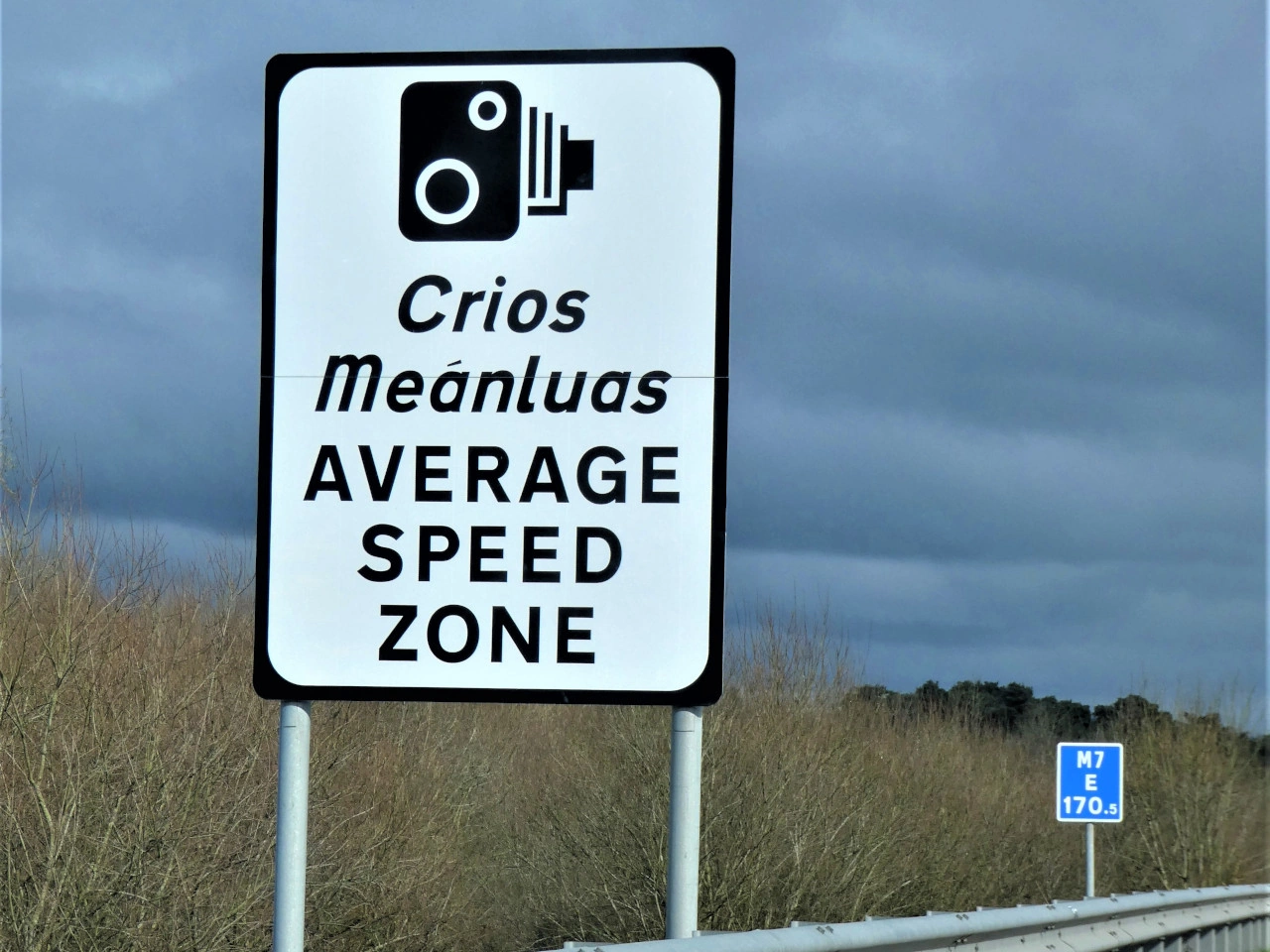
What is section control?
Section control is an automated enforcement system that calculates a vehicle’s average speed between two or more measurement points.
How does section control calculate your speed?
The system records when the vehicle passes the entry and exit measurement points. Using the known distance and travel time, it calculates the vehicle’s average speed over the section.
What is the difference between section control and a speed camera?
A conventional speed camera measures speed at one specific location, while section control measures the average speed over a longer distance.
Can slowing down just before the second camera avoid a section-control fine?
Not necessarily. The system uses the average speed over the entire measured section, so briefly slowing down near a camera does not erase excessive speed earlier in the section.
Does section control use number-plate recognition?
Many systems use automatic number-plate recognition (ANPR) to identify the same vehicle at different measurement points. The exact technology varies between countries.
Can section control be mobile?
Yes. Although many systems are permanently installed, mobile average-speed systems can also be used temporarily, for example around roadworks.
235. Doppelkurve
Eine Doppelkurve ist ein Straßenabschnitt mit zwei unmittelbar aufeinanderfolgenden Kurven in entgegengesetzte Richtungen. Die erste Kurve kann nach links und anschließend nach rechts verlaufen oder umgekehrt.
Dasselbe Warnzeichen kann auch auf eine längere Folge von Kurven hinweisen. Fahrer sollten vor der ersten Kurve die Geschwindigkeit reduzieren, in ihrer Fahrspur bleiben und damit rechnen, dass die folgenden Kurven unterschiedliche Richtung, Schärfe und Länge haben.

What is a double curve?
A double curve consists of two successive curves in opposite directions.
How can you recognise a double-curve warning sign?
It normally shows an S-shaped road symbol. The symbol indicates whether the first curve turns left or right.
What does first curve to the left mean?
It means that the road first bends left and is then followed by a curve in the opposite direction.
What does first curve to the right mean?
It means that the road first bends right and is then followed by a curve in the opposite direction.
Can the sign warn of more than two curves?
Yes. In many countries, the same sign may warn of a longer succession of curves. A supplementary panel may indicate the length of the winding section.
Does the sign show the exact shape of every curve?
No. It normally shows only the general direction of the first curves. Their radius, length and spacing may be different from the symbol.
Does a double-curve sign impose a speed limit?
No. It normally warns of danger rather than establishing a numerical limit. Drivers must reduce speed whenever the legal maximum would be unsafe.
When should you reduce speed?
Reduce speed before entering the first curve, while the vehicle is still travelling straight and has maximum stability.
Should you accelerate between the two curves?
Do not accelerate strongly merely because there is a short straight section between them. Maintain a controlled speed until the direction and exit of the following curve are clear.
Should you brake while changing direction?
Avoid harsh braking while steering from one curve into the next. Complete most braking beforehand and use smooth control inputs.
Where should you look?
Look towards the visible road ahead and through each curve while continuing to monitor your lane position, road surface and nearby traffic.
Must you remain within your lane?
Yes. Do not cut across the centre line or another traffic lane to straighten the sequence of curves.
Why can a double curve be more difficult than one curve?
The vehicle’s weight shifts from one side to the other, visibility may change rapidly and the second curve may be sharper or closer than expected.
Why should you leave more following distance?
The vehicle ahead may brake unexpectedly for the second curve, an obstruction or changing road conditions that are not yet visible to you.
May you overtake in a double curve?
Do not overtake when you cannot see far enough ahead to complete the manoeuvre safely. Signs, continuous lines and local law may also prohibit overtaking.
May you stop or park in a double curve?
Only where it is permitted and your vehicle remains clearly visible. Stopping or parking where visibility is limited may create a serious hazard.
How do rain, snow or ice affect double curves?
They reduce tyre grip and increase the risk of skidding during the rapid change of direction. Reduce speed earlier and steer, brake and accelerate smoothly.
Why should motorcyclists take extra care?
Motorcyclists must change lean direction between the curves and depend heavily on tyre grip. Loose material, markings or wet surfaces can make the transition hazardous.
How can a double curve affect a trailer or caravan?
A trailer may sway or follow a tighter path through the curves. Excessive speed or abrupt steering can reduce stability.
Why do trucks and buses need additional space?
Long vehicles may track towards the inside of each curve or approach lane boundaries. Other drivers should avoid travelling beside them through a tight sequence.
What should you do if the second curve is sharper than expected?
Look towards the intended path, reduce acceleration and steer smoothly. Avoid sudden braking or crossing into another lane.
Does the absence of a warning sign mean the curves are safe at the speed limit?
No. Drivers must assess every road section and choose a safe speed even when no warning sign is displayed.
236. Unfall
Ein Unfall ist ein unerwartetes Ereignis mit einem oder mehreren Verkehrsteilnehmern, bei dem Sachschaden, Verletzungen oder beides entstehen. Nach einem Verkehrsunfall hat Sicherheit Vorrang: anhalten, die Unfallstelle sichern, verletzten Personen soweit möglich helfen und bei Bedarf die Rettungsdienste verständigen. Fahrer sollten zusätzliche Gefahren vermeiden, die erforderlichen Informationen austauschen und die örtlichen Meldevorschriften beachten. Bei schweren Unfällen kann vorgeschrieben sein, dass Fahrzeuge bis zum Eintreffen der Polizei an ihrer Position bleiben.
What should you do first after a traffic accident?
Stop and make the scene as safe as possible. Warn approaching traffic, check whether anyone is injured and call the emergency services when necessary.
Should you move the vehicles after an accident?
This depends on the circumstances and local law. After a minor collision with no injuries, vehicles may need to be moved out of the traffic flow when it is safe. After a serious injury accident, they may need to remain in place for investigation.
What information should drivers exchange after an accident?
Drivers commonly exchange names, contact details, vehicle information and insurance details. The exact legal requirements vary between countries.
When should the police be called after an accident?
Police should generally be contacted when there are injuries, serious damage, disagreement, suspected offences or difficulty identifying the people involved. Local reporting rules may require police involvement in additional situations.
What is an accident report form?
An accident report form records information about the vehicles, drivers, damage and circumstances of a collision and can help insurers process the claim.
Can you leave the scene of an accident?
Drivers and other involved persons are normally required to stop and fulfil their legal duties. Leaving without doing so may constitute a serious offence such as hit-and-run.
237. Verletzungen
Verletzungen nach einem Verkehrsunfall können von kleinen Schnitt- und Schürfwunden bis zu schweren oder lebensbedrohlichen Verletzungen reichen. Vorrang hat, weitere Gefahren zu verhindern, bei Bedarf den Notruf zu wählen und im Rahmen der eigenen Fähigkeiten geeignete Hilfe zu leisten. Eine schwer verletzte Person sollte nicht unnötig bewegt werden, wenn eine Kopf-, Hals- oder Wirbelsäulenverletzung möglich ist, außer wenn unmittelbare Gefahr besteht. Anweisungen der Leitstelle oder geschulter Helfer sind zu befolgen. Auch scheinbar leichte Verletzungen können eine medizinische Untersuchung erfordern, weil Symptome verzögert auftreten können.

What should you do if someone is injured in a traffic accident?
Make the scene as safe as possible, call the emergency services when necessary and provide assistance within your abilities. Follow instructions given by emergency operators or trained responders.
Should you move an injured person after an accident?
Generally, avoid moving a seriously injured person unless they face an immediate danger from traffic, fire or another hazard. Unnecessary movement can worsen certain injuries.
Should you remove a motorcyclist's helmet after an accident?
Do not routinely remove a helmet from an injured motorcyclist. Helmet removal may require special care, particularly when a head, neck or spinal injury is possible. Follow emergency-service instructions unless immediate action is necessary to preserve life.
Can someone be seriously injured without obvious wounds?
Yes. Internal injuries, concussion and other trauma may not be immediately visible. Seek medical assistance when there is concern about the person's condition.
What information should you give emergency services?
Give the exact location, what happened, the number of injured people and any immediate dangers. Stay on the line and follow the operator's instructions.
Should you give first aid after a traffic accident?
Provide first aid that you are trained and able to give safely. Do not put yourself or others in additional danger, and follow professional instructions whenever possible.
238. Nasenbluten
Nasenbluten ist eine Blutung aus einem oder beiden Nasenlöchern und entsteht meist durch kleine Blutgefäße in der Nase. Die meisten Fälle sind harmlos, können einen Fahrer jedoch ablenken und die Weiterfahrt unsicher machen. Beginnt Nasenbluten während der Fahrt, sollte man möglichst an einer sicheren Stelle anhalten. Aufrecht sitzen, leicht nach vorn beugen und den weichen Teil der Nase etwa 10–15 Minuten ohne Unterbrechung zusammendrücken. Den Kopf nicht nach hinten legen, da Blut in den Rachen laufen kann. Bei starker Blutung, nach einer schweren Verletzung oder wenn die Blutung nicht aufhört, ist medizinische Hilfe erforderlich.
What should you do if you get a nosebleed while driving?
Stop at a safe place as soon as possible. Sit upright, lean slightly forward and pinch the soft part of the nose continuously for about 10–15 minutes.
Should you tilt your head back during a nosebleed?
No. Keep your head slightly forward so blood does not run into the throat, where it can cause choking, coughing or vomiting.
How long should you pinch your nose?
Pinch the soft part of the nose continuously for about 10–15 minutes before checking whether the bleeding has stopped.
When should you seek medical help for a nosebleed?
Seek medical help if the bleeding is heavy, does not stop after sustained pressure, follows a significant head or facial injury, causes weakness or dizziness, or makes breathing difficult.
Can you continue driving with a nosebleed?
Only if the bleeding has stopped and you feel fully able to drive safely. If the nosebleed distracts you, affects visibility or makes you feel weak or unwell, stop and do not continue until it is safe.
Can blood-thinning medication make nosebleeds more serious?
Yes. Medicines that reduce blood clotting can make bleeding more difficult to stop. Seek medical advice if bleeding persists or you are concerned.
239. Schäden
Schäden nach einem Verkehrsunfall können Fahrzeuge, Straßeninfrastruktur oder anderes Eigentum betreffen. Sie reichen von kleinen Kratzern oder Beulen bis zu schweren Beschädigungen, die ein Fahrzeug fahruntauglich machen. Bei einem Unfall mit reinem Sachschaden sollten Fahrer die Stelle sichern, die erforderlichen Informationen austauschen, den Hergang dokumentieren und bei Bedarf die Versicherung informieren. Ein beschädigtes Fahrzeug darf nicht weitergefahren werden, wenn Mängel an Beleuchtung, Reifen, Lenkung, Bremsen, Scheiben oder anderen sicherheitsrelevanten Teilen die Weiterfahrt unsicher machen.

What is material damage in a traffic accident?
Material damage is damage to vehicles, road infrastructure, buildings or other property without bodily injury.
What should you do after an accident with only material damage?
Make the scene safe, exchange the required details, record the damage and circumstances and follow the applicable insurance and reporting rules.
Should you take photos of accident damage?
Yes. Photos of the vehicles, damage, road position, signs and surrounding area can help document what happened and support an insurance claim.
Can you continue driving a damaged vehicle?
Only if the vehicle remains safe and roadworthy. Do not continue driving if the damage affects steering, brakes, tyres, lights, visibility or another safety-critical component.
Should damage be reported to the insurer?
Usually, yes. Insurance policies commonly require an accident or claim to be reported as soon as possible. The exact procedure and deadline depend on the country and policy.
What if you damage property and the owner is not present?
You should follow local rules for identifying yourself and reporting the damage. Leaving without providing the required information can lead to legal consequences.
240. Panne
Eine Panne liegt vor, wenn ein Fahrzeug wegen eines mechanischen, elektrischen oder anderen technischen Problems nicht mehr sicher weiterfahren kann. Wenn möglich, sollte das Fahrzeug aus dem fließenden Verkehr gebracht, die Warnblinkanlage eingeschaltet und andere Verkehrsteilnehmer gewarnt werden. Auf Straßen mit hoher Geschwindigkeit sollte das Fahrzeug nur verlassen werden, wenn dies sicher möglich ist; anschließend sollte man an einem geschützten Ort abseits des Verkehrs warten. Bei Bedarf Pannenhilfe oder Rettungsdienste verständigen und keine Reparaturen durchführen, die einen selbst oder andere gefährden.
What should you do first if your vehicle breaks down?
If possible, move the vehicle to a safe place away from moving traffic, switch on the hazard warning lights and warn approaching road users.
Should you stay inside a broken-down vehicle?
This depends on the location and danger. On high-speed roads, it is often safer to leave the vehicle carefully and wait behind a safety barrier or another protected place when this can be done safely.
Should you use a warning triangle after a breakdown?
Many countries require or recommend a warning triangle when a broken-down vehicle creates a danger or obstruction. The required distance and conditions vary by country.
Should you wear a reflective vest after a breakdown?
In many countries, a high-visibility or reflective vest is required or recommended when leaving a broken-down vehicle near traffic. Check the local rules.
Can you repair a vehicle at the roadside?
Only when it can be done safely. Do not attempt repairs if they expose you to moving traffic or another serious hazard. Roadside assistance is often the safer option.
Who should you call after a breakdown?
Contact roadside assistance when the vehicle cannot continue safely. Call the emergency services when there is immediate danger, injury, fire or another emergency.
241. Warndreieck
Ein Warndreieck ist eine tragbare reflektierende Sicherheitseinrichtung, die den herannahenden Verkehr vor einem stehenden, liegengebliebenen oder verunfallten Fahrzeug oder einem anderen Hindernis auf der Straße warnt. Es sollte weit genug vor der Gefahrenstelle aufgestellt werden, damit andere Fahrer rechtzeitig reagieren können, und gut sichtbar bleiben. Der vorgeschriebene Abstand und die Situationen, in denen ein Warndreieck verwendet werden muss, unterscheiden sich zwischen Ländern; Fahrer sollten die örtlichen Regeln kennen und das Warndreieck im Fahrzeug leicht zugänglich aufbewahren.
What is a warning triangle?
A warning triangle is a portable reflective device placed on the road to warn approaching traffic about a stopped vehicle, accident or other hazard.
When should a warning triangle be used?
It is generally used when a vehicle is broken down, involved in an accident or creating an obstruction. The exact legal requirements vary between countries.
How far from the vehicle should a warning triangle be placed?
The required distance depends on the country and type of road. Higher-speed roads usually require the triangle to be placed farther away so approaching drivers have more time to react.
Where should the warning triangle be placed?
Place it where it is clearly visible to approaching traffic and where doing so does not put you in unnecessary danger.
Should you use hazard warning lights as well as a warning triangle?
Often, yes. Hazard warning lights and a warning triangle can work together to make a stopped vehicle more visible. The legal requirements vary by country.
Should the warning triangle be easy to reach?
Yes. It is useful to keep it accessible without having to unload large amounts of luggage, especially because it may be needed quickly in a dangerous roadside situation.
242. Verkehrsregeln
Verkehrsregeln sind Gesetze und Vorschriften, die das Verhalten von Verkehrsteilnehmern auf öffentlichen Straßen bestimmen. Sie regeln unter anderem Geschwindigkeit, Vorfahrt, Überholen, Parken, Ampeln, Verkehrszeichen, Fahrstreifennutzung und die Pflichten von Fahrern, Radfahrern und Fußgängern. Verkehrsregeln sollen den Verkehr ordnen, Konflikte verringern und die Verkehrssicherheit verbessern. Sie unterscheiden sich zwischen Ländern und teilweise auch zwischen Regionen, weshalb Verkehrsteilnehmer die am jeweiligen Ort geltenden Regeln kennen sollten.
What are traffic rules?
Traffic rules are laws and regulations that determine how drivers, cyclists, pedestrians and other road users must behave on the road.
Why are traffic rules important?
Traffic rules help organise traffic, prevent conflicts and reduce the risk of accidents by making the behaviour of road users more predictable.
Are traffic rules the same in every country?
No. Traffic rules vary between countries and can differ in areas such as speed limits, priority, parking, overtaking and permitted road use.
What is the difference between traffic rules and traffic signs?
Traffic rules are the laws governing road use, while traffic signs communicate specific warnings, restrictions, obligations or information to road users.
Do traffic rules apply only to drivers?
No. Traffic rules can apply to drivers, cyclists, pedestrians, motorcyclists and other road users, depending on the rule and type of road.
Do temporary traffic signs override normal traffic rules?
Temporary signs and authorised traffic directions can change how traffic must behave at a particular location. Road users must follow the applicable signs, signals and authorised instructions according to local law.
243. Fahrschule
Eine Fahrschule ist eine Einrichtung, die Fahrschüler professionell in Theorie und Praxis ausbildet. Qualifizierte Fahrlehrer vermitteln Verkehrsregeln, Fahrzeugbedienung, Beobachtung, Fahrmanöver und sicheres Fahren im realen Verkehr. Je nach Land und Führerscheinklasse können Fahrschulstunden freiwillig, Voraussetzung für einen vorläufigen Führerschein oder nach wiederholtem Nichtbestehen einer Prüfung verpflichtend sein. Fahrschulen bereiten Kandidaten auf die amtlichen Prüfungen vor; die Prüfungen selbst werden üblicherweise von einer unabhängigen Prüfstelle oder Führerscheinbehörde durchgeführt.
What is a driving school?
A driving school provides professional instruction to help learner drivers prepare for their theory and practical driving examinations.
What do you learn at a driving school?
Training can include traffic rules, road signs, vehicle control, observation, manoeuvres, hazard awareness and driving safely in normal traffic.
Are driving-school lessons mandatory?
This depends on the country, licence category and chosen training route. Some learners may practise privately, while others must complete a minimum number of professional lessons.
Is a driving school the same as an exam centre?
No. A driving school provides training, while an exam centre officially assesses whether the candidate meets the requirements for a driving licence.
Can a driving school arrange the practical exam?
Often, yes. When a candidate takes the practical exam through a driving school, the school may book the appointment and provide the examination vehicle, depending on local rules.
How should you choose a driving school?
Choose an authorised or recognised driving school where required, and compare factors such as instructor qualifications, training options, availability and cost.
244. Verkehrszeichen
Ein Verkehrszeichen ist ein standardisiertes visuelles Zeichen entlang einer Straße, das Fahrer, Radfahrer und Fußgänger leitet, warnt oder ihr Verhalten regelt. Verkehrszeichen vermitteln wichtige Informationen über Straßenverhältnisse, Vorschriften, Richtungen und mögliche Gefahren und tragen damit zu Sicherheit und einem geordneten Verkehrsablauf bei. Sie besitzen unterschiedliche Formen und Farben, etwa dreieckige Warnzeichen, runde Verbots- oder Gebotszeichen und rechteckige Hinweiszeichen, die jeweils auf schnelle Erkennbarkeit und eindeutiges Verständnis ausgelegt sind.
