DoppelkurveNiederlande

Lerne Verkehrsregeln mit klaren Erklärungen und visuellen Beispielen in unserem illustrierten Buch – einfach, verständlich und anschaulich.


254. Doppelkurve

Eine Doppelkurve ist ein Straßenabschnitt mit zwei unmittelbar aufeinanderfolgenden Kurven in entgegengesetzte Richtungen. Die erste Kurve kann nach links und anschließend nach rechts verlaufen oder umgekehrt.

Dasselbe Warnzeichen kann auch auf eine längere Folge von Kurven hinweisen. Fahrer sollten vor der ersten Kurve die Geschwindigkeit reduzieren, in ihrer Fahrspur bleiben und damit rechnen, dass die folgenden Kurven unterschiedliche Richtung, Schärfe und Länge haben.
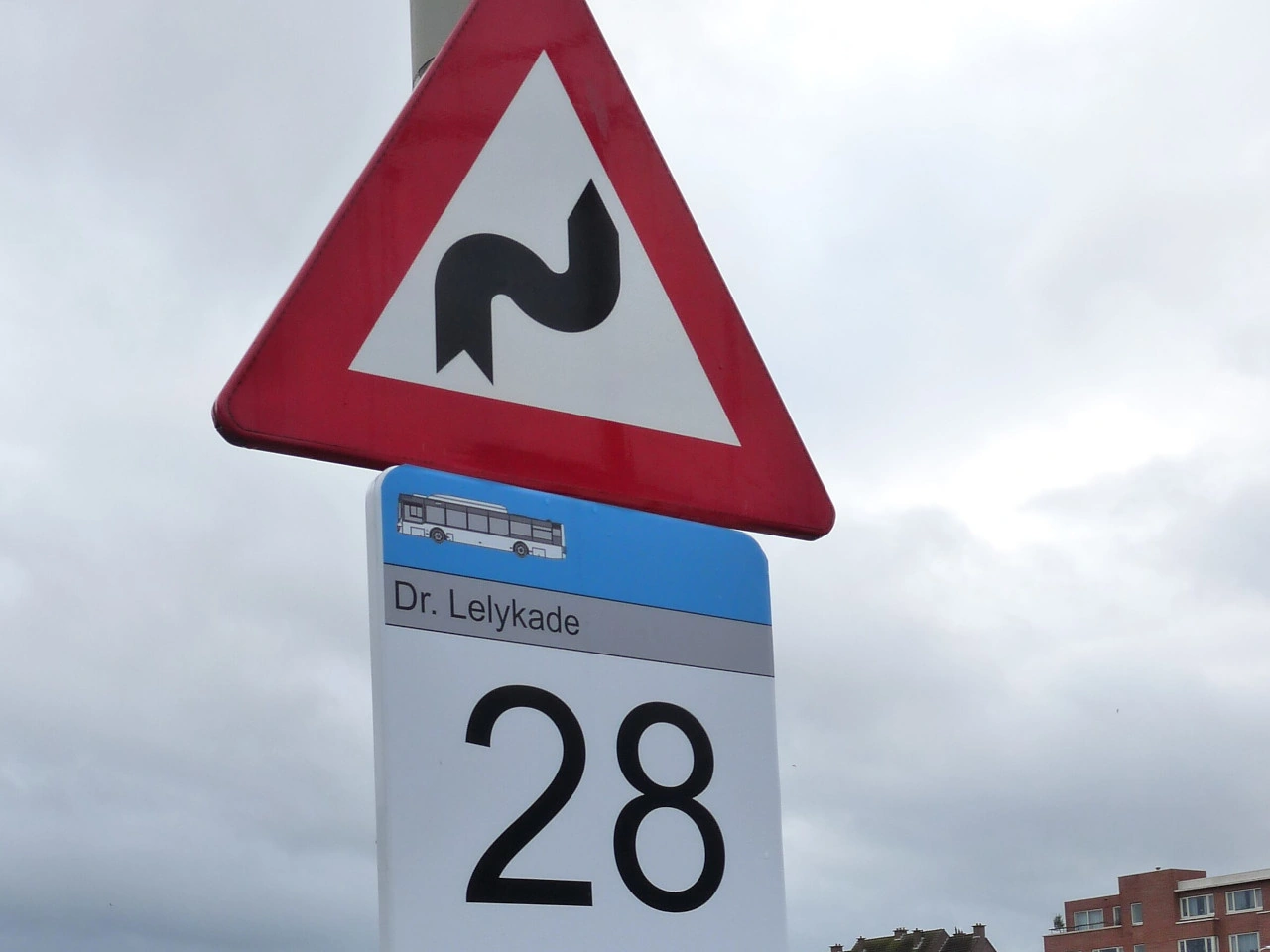
Doppelkurve
What is a double curve?

A double curve consists of two successive curves in opposite directions.

How can you recognise a double-curve warning sign?

It normally shows an S-shaped road symbol. The symbol indicates whether the first curve turns left or right.

What does first curve to the left mean?

It means that the road first bends left and is then followed by a curve in the opposite direction.

What does first curve to the right mean?

It means that the road first bends right and is then followed by a curve in the opposite direction.

Can the sign warn of more than two curves?

Yes. In many countries, the same sign may warn of a longer succession of curves. A supplementary panel may indicate the length of the winding section.

Does the sign show the exact shape of every curve?

No. It normally shows only the general direction of the first curves. Their radius, length and spacing may be different from the symbol.

Does a double-curve sign impose a speed limit?

No. It normally warns of danger rather than establishing a numerical limit. Drivers must reduce speed whenever the legal maximum would be unsafe.

When should you reduce speed?

Reduce speed before entering the first curve, while the vehicle is still travelling straight and has maximum stability.

Should you accelerate between the two curves?

Do not accelerate strongly merely because there is a short straight section between them. Maintain a controlled speed until the direction and exit of the following curve are clear.

Should you brake while changing direction?

Avoid harsh braking while steering from one curve into the next. Complete most braking beforehand and use smooth control inputs.

Where should you look?

Look towards the visible road ahead and through each curve while continuing to monitor your lane position, road surface and nearby traffic.

Must you remain within your lane?

Yes. Do not cut across the centre line or another traffic lane to straighten the sequence of curves.

Why can a double curve be more difficult than one curve?

The vehicle’s weight shifts from one side to the other, visibility may change rapidly and the second curve may be sharper or closer than expected.

Why should you leave more following distance?

The vehicle ahead may brake unexpectedly for the second curve, an obstruction or changing road conditions that are not yet visible to you.

May you overtake in a double curve?

Do not overtake when you cannot see far enough ahead to complete the manoeuvre safely. Signs, continuous lines and local law may also prohibit overtaking.

May you stop or park in a double curve?

Only where it is permitted and your vehicle remains clearly visible. Stopping or parking where visibility is limited may create a serious hazard.

How do rain, snow or ice affect double curves?

They reduce tyre grip and increase the risk of skidding during the rapid change of direction. Reduce speed earlier and steer, brake and accelerate smoothly.

Why should motorcyclists take extra care?

Motorcyclists must change lean direction between the curves and depend heavily on tyre grip. Loose material, markings or wet surfaces can make the transition hazardous.

How can a double curve affect a trailer or caravan?

A trailer may sway or follow a tighter path through the curves. Excessive speed or abrupt steering can reduce stability.

Why do trucks and buses need additional space?

Long vehicles may track towards the inside of each curve or approach lane boundaries. Other drivers should avoid travelling beside them through a tight sequence.

What should you do if the second curve is sharper than expected?

Look towards the intended path, reduce acceleration and steer smoothly. Avoid sudden braking or crossing into another lane.

Does the absence of a warning sign mean the curves are safe at the speed limit?

No. Drivers must assess every road section and choose a safe speed even when no warning sign is displayed.

1 Niederlande 2 Autobahn 3 Schnellstraße 4 Wohngebiet 5 Zone 6 Geschwindigkeitsbegrenzung 7 Gehweg 8 Radweg 9 Fahrradstraße 10 Fußgängerzone 11 Steigung oder Gefälle 12 Bushaltestelle 13 Sackgasse 14 Stoppschild 15 Vorfahrt gewähren 16 Kreisverkehr 17 Vorfahrtstraße 18 Bahnübergang 19 Schulbereich 20 Überholen 21 Wild- oder Viehwechsel 22 Straßenarbeiten 23 Gewichtsbeschränkung 24 Geschwindigkeitskontrolle 25 Selektive Sperren 26 Umweltzone 27 Vorfahrt an der nächsten Kreuzung 28 Ampeln 29 Warnung vor Ampeln 30 Fahrbahnmarkierungen 31 Geschwindigkeitsanzeige 32 Verkehrsspiegel 33 Notruftelefon 34 Radroute 35 Parken 36 Parkverbot 37 Halteverbot 38 Park and Ride 39 Kiss and Ride 40 Parkscheibe 41 Behindertenparkplatz 42 Verkehrsmanagement 43 Einfädeln 44 Rückwärtsfahren 45 Ungeregelte Kreuzung 46 Fahrrad-Hinweisstreifen 47 Verkehrsspitzen-Fahrstreifen 48 Notausgang 49 Überbreite oder übergroße Ladung 50 Ortsgrenze 51 Parkzone 52 Achslastbegrenzung 53 Kennzeichen 54 Ladestation 55 Allgemeine Gefahr 56 Reitweg 57 Radfahrer 58 Lkw 59 Bus 60 Polizei 61 Krankenwagen 62 Fahrradabstellanlage 63 Straßenbahnsignale 64 Europäische Abgasnorm 65 Schlagloch 66 Weg 67 Feinstaub 68 Luftverschmutzung 69 Hauptverkehrszeit 70 Straßenverkehrsordnung 71 Straßenrinne 72 Lastenfahrrad 73 Forstfahrzeug 74 Baufahrzeug 75 Sattelzug 76 Oberleitungsbus 77 Speed-Pedelec 78 Lieferfahrzeug 79 Leerlauf 80 Abschleppwagen 81 Allradantrieb 82 Verbot für Fahrzeuge 83 Fahrrad 84 Motorradausrüstung 85 Gleis 86 Wohnwagen 87 Anhänger 88 Anhängerkupplung 89 Feuerwehrfahrzeug 90 Sirene 91 Konvoi 92 Warnbeleuchtung von Einsatzfahrzeugen 93 Landwirtschaftliche Maschinen 94 Elektrofahrrad 95 Elektrofahrzeug 96 Pedelec 97 Leichtkraftfahrzeug 98 Microcar 99 Geländefahrzeug 100 Lieferwagen ... 101 Freizeitfahrzeug 102 Motorroller 103 Trikke 104 Persönliches Mobilitätsgerät 105 Skateboard 106 Segway 107 Tretroller 108 Rollschuhe 109 Postzusteller 110 Anhalter 111 Kleinkind 112 Kind 113 Behinderung 114 Nutztiere 115 Autoreisezug 116 Kehrmaschine 117 Parkverstoß 118 km/h 119 mph 120 Tachometer 121 Allgemeine Geschwindigkeitsbegrenzung 122 Geschwindigkeitskissen 123 Bodenfreiheit 124 Erdstraße 125 Fahren 126 Start-Stopp-System 127 Schaltgetriebe 128 Automatikgetriebe 129 Gassteuerung 130 Drehzahlmesser 131 Lenkrad 132 Servolenkung 133 Verkehrsbeobachtung 134 Spiegel 135 Kraftstoff 136 Tankanzeige 137 Benzin 138 Diesel 139 Diesel-Abgasflüssigkeit 140 Kfz-Versicherung 141 Erste-Hilfe-Kasten 142 Feuerlöscher 143 Warnkleidung 144 Erste Hilfe 145 Beton-Schutzwand mit Stufenprofil 146 Poller 147 Absperrungen 148 Anwohnerparkausweis 149 Fahrzeugbeleuchtung 150 Straßenbeleuchtung 151 Abblendlicht 152 Fernlicht 153 Nebelleuchten 154 Nebelscheinwerfer 155 Nebelschlussleuchten 156 Begrenzungsleuchten 157 Blinker 158 Warnblinkanlage 159 Kontrollleuchten 160 Fahrradbeleuchtung 161 Fahrradklingel 162 Lichthupe 163 Sicherheitsgurt 164 Kinderrückhaltesysteme 165 Kopfstützen 166 Airbag 167 ABS 168 ESP 169 Traktionskontrolle 170 Helm 171 Fahrradhelm 172 Freisprecheinrichtung 173 Smartphone 174 GPS 175 Bremse 176 Handbremse 177 Bremsflüssigkeit 178 Reifen 179 Reifenkennzeichnung 180 Winterreifen 181 Reifendruck 182 Schneeketten 183 Fahrradreifen 184 Kettenlaufwerk 185 Tatsächliches Gesamtgewicht 186 Zulässige Gesamtmasse 187 Ladung 188 Karosserie 189 Kofferraum 190 Dachgepäckträger 191 Windschutzscheibe 192 Nothammer 193 Autobatterie 194 Traktionsbatterie 195 Federung 196 Stoßdämpfer 197 Feder 198 Auspuff 199 Abgas 200 Ruß 201 Katalysator 202 Motor 203 Benzinmotor 204 Dieselmotor 205 Elektromotor 206 Zahnriemen 207 Glühkerze 208 Zylinder 209 Motoröl 210 Kühlmittel 211 Wartung 212 Reserverad 213 Reifenpanne 214 Wagenheber 215 Fahrzeuguntersuchung 216 Fahrzeugschlüssel 217 Armaturenbrett 218 Scheibenwischer 219 Türen 220 Handschuhfach 221 Sicht 222 Regen 223 Nebel 224 Hagel 225 Sonnenlicht 226 Sonnenbrille 227 Streusalz 228 Klimaanlage 229 Aquaplaning 230 Ablenkung 231 Emotionen 232 Aggressives Verhalten im Straßenverkehr 233 Gesundheit 234 Epilepsie 235 Nachtblindheit 236 Sehbeeinträchtigung 237 Müdigkeit 238 Mängel 239 Verkehrsverstoß 240 Alkohol 241 Alkoholkontrolle 242 Alkohol-Interlock 243 Atemalkohol-Vortest 244 Atemalkoholanalyse 245 Blutalkoholkonzentration 246 Blutuntersuchung 247 Speicheltest 248 Drogen 249 Medikamente 250 Sanktionen 251 Geschwindigkeitsüberschreitung 252 Rauchen 253 Verkehrsüberwachungskamera 254 Doppelkurve 255 Unfall 256 Verletzungen 257 Nasenbluten 258 Schäden 259 Panne 260 Warndreieck 261 Verkehrsregeln 262 Fahrschule 263 Verkehrszeichen