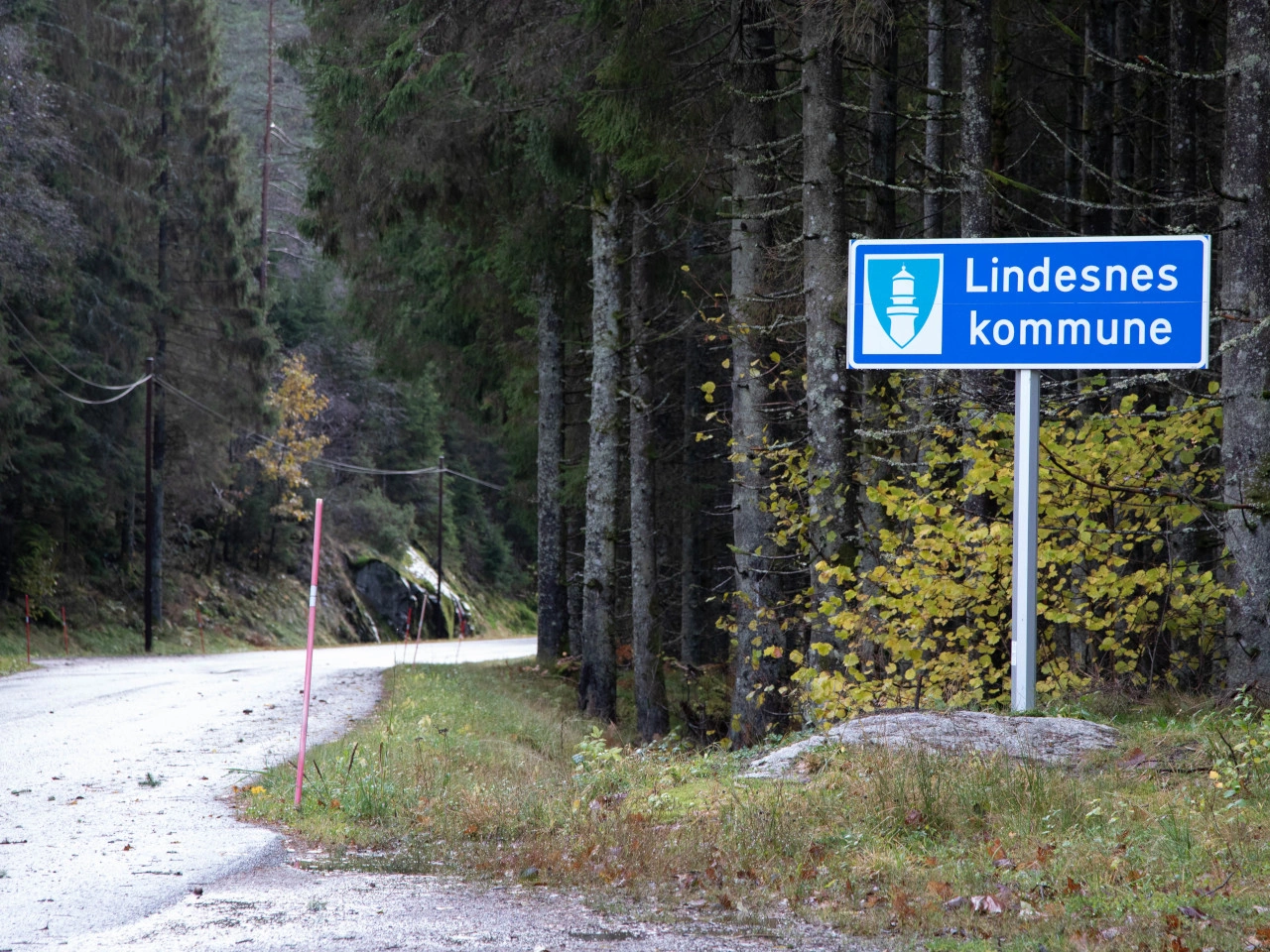
OrtsgrenzeNorwegen
Eine Einführung in die Verkehrsregeln und Verkehrszeichen von Norwegen. Erfahren Sie mehr über das Autofahren, die Verkehrssicherheit und vieles mehr in unserem illustrierten Buch mit Antworten auf häufig gestellte Fragen.
Nur zu Informationszwecken. Befolgen Sie stets die offiziellen Vorschriften. Einige Inhalte und Bilder wurden mit Unterstützung von KI erstellt.
 Verkehrsregeln
 Norwegen
29. Ortsgrenze
Eine Ortsgrenze ist die Grenze, an der für Zwecke des Straßenverkehrs eine geschlossene Ortschaft oder ein städtisches Gebiet beginnt oder endet. Sie wird häufig durch ein Ortsnamens- oder Ortstafelzeichen gekennzeichnet und kann den Punkt markieren, an dem besondere Verkehrsregeln wie innerörtliche Geschwindigkeitsbegrenzungen, Parkregeln oder andere Beschränkungen beginnen oder enden.
Eine verkehrsrechtliche Ortsgrenze entspricht nicht zwingend genau der Verwaltungsgrenze einer Stadt oder Gemeinde. Ihre rechtliche Bedeutung richtet sich nach den im jeweiligen Land verwendeten Verkehrszeichen und Verkehrsregeln.