


QuizTraffic rulesArgentina
Test your knowledge with our multiple-choice quiz. Learn from each answer and improve your understanding of the traffic rules and road signs of Argentina.
 Traffic signs
 Traffic rules
 Argentina
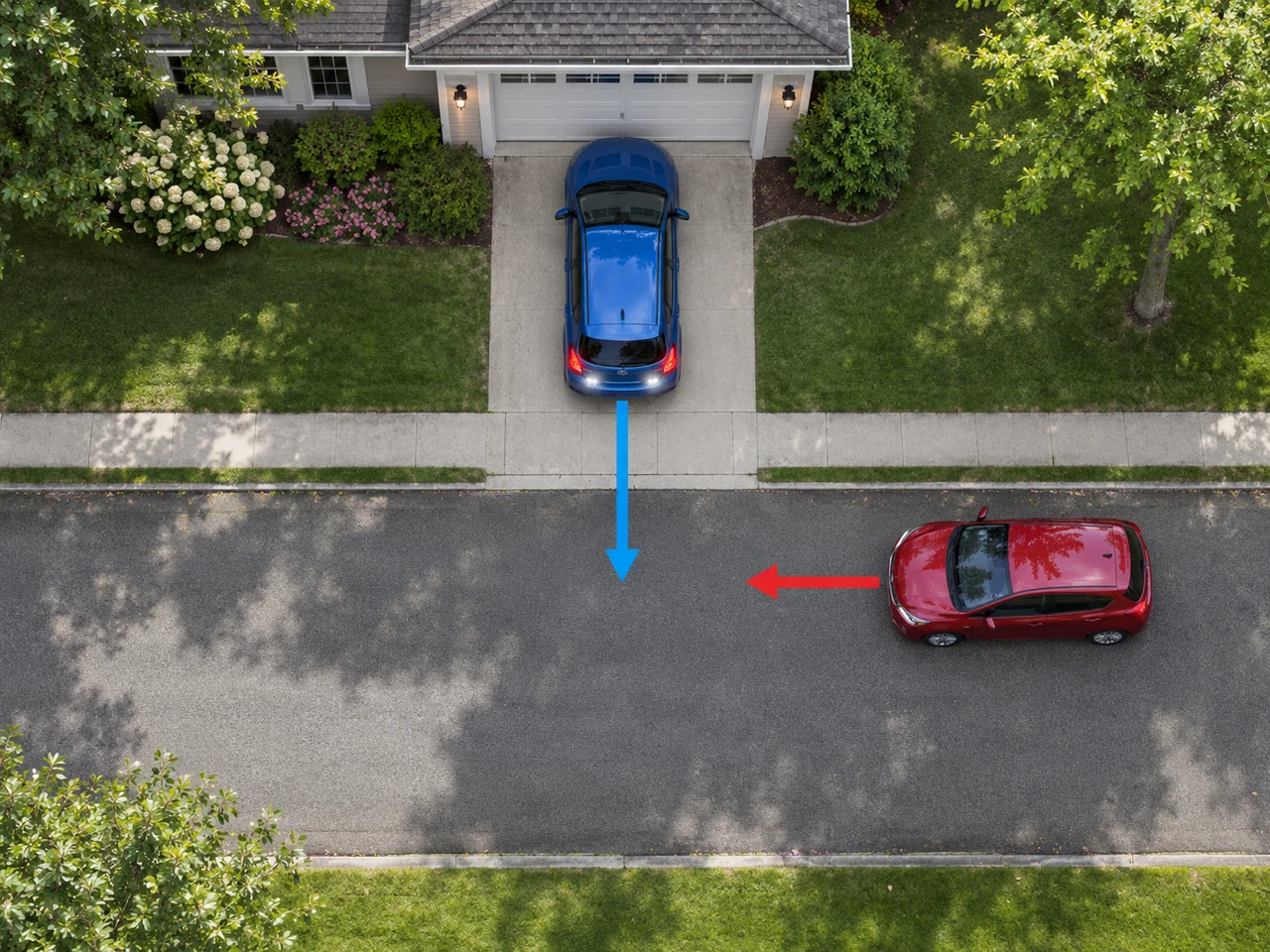
501. Blue is waiting in a driveway as red approaches on the road. Who must give way?
Blue must stay in the driveway and let red pass. Before moving, check the pavement and the road for other users. Reversing lights do not give priority. Reverse only where local rules permit it and the route is clear.
🔗 Sources
AI-generated illustration • Traffic-rules.com / Rijbewijs-online.be • WCIT • CC BY-SA 4.0.
🔗 Argentina.gob.ar • National Traffic Law 24.449, articles 39(b) and 48(h)

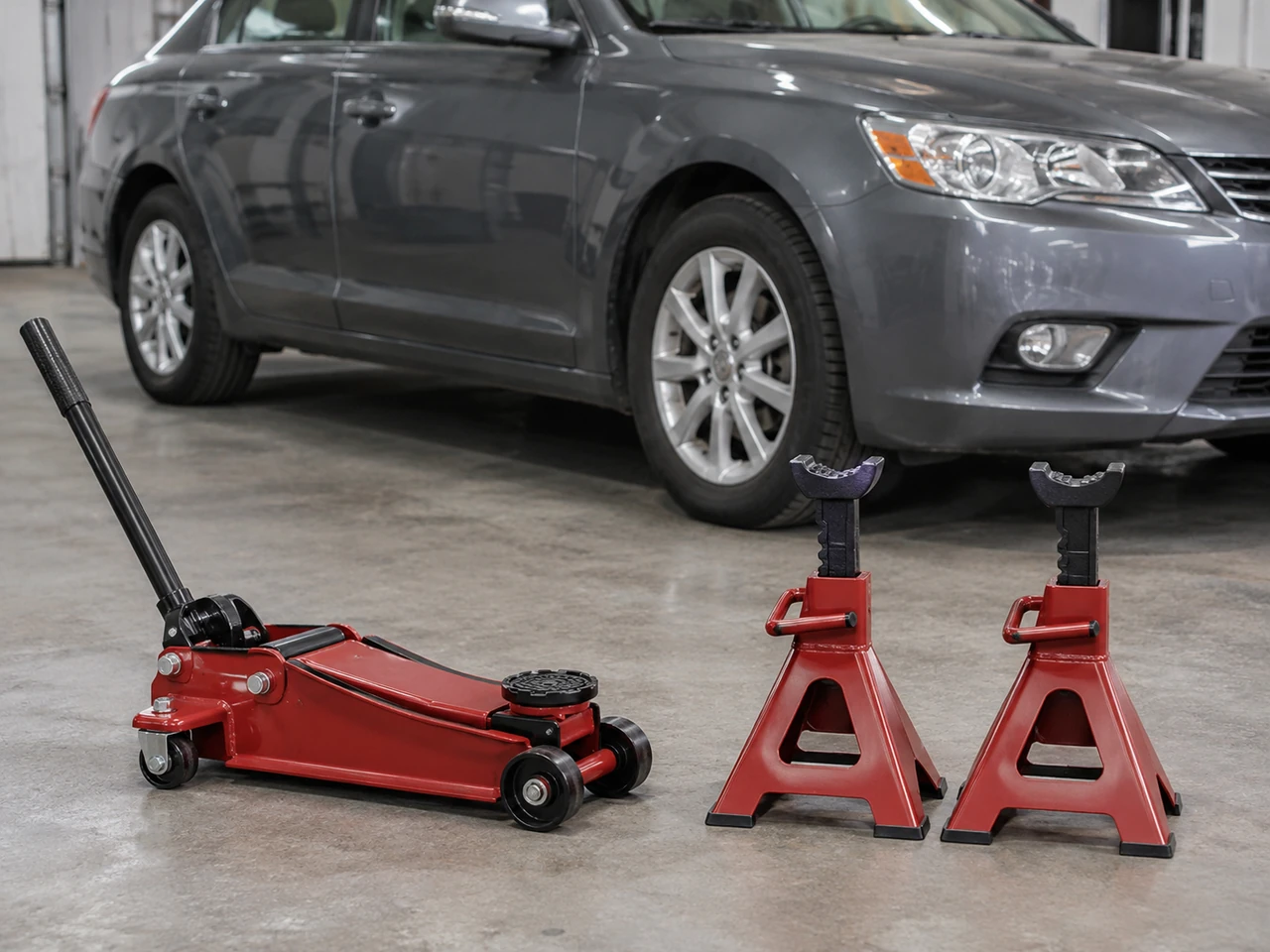
502. It is safe to work under a car supported only by a jack.
A jack alone is not a safe support for working underneath a vehicle. Use suitable, correctly positioned supports on firm, level ground, chock the wheels remaining on the ground and follow the vehicle and equipment instructions. Never exceed the equipment's rated capacity.
🔗 Sources
HSE (Great Britain) • Safety guidance, working safely under vehicles
Image credit: AI-generated
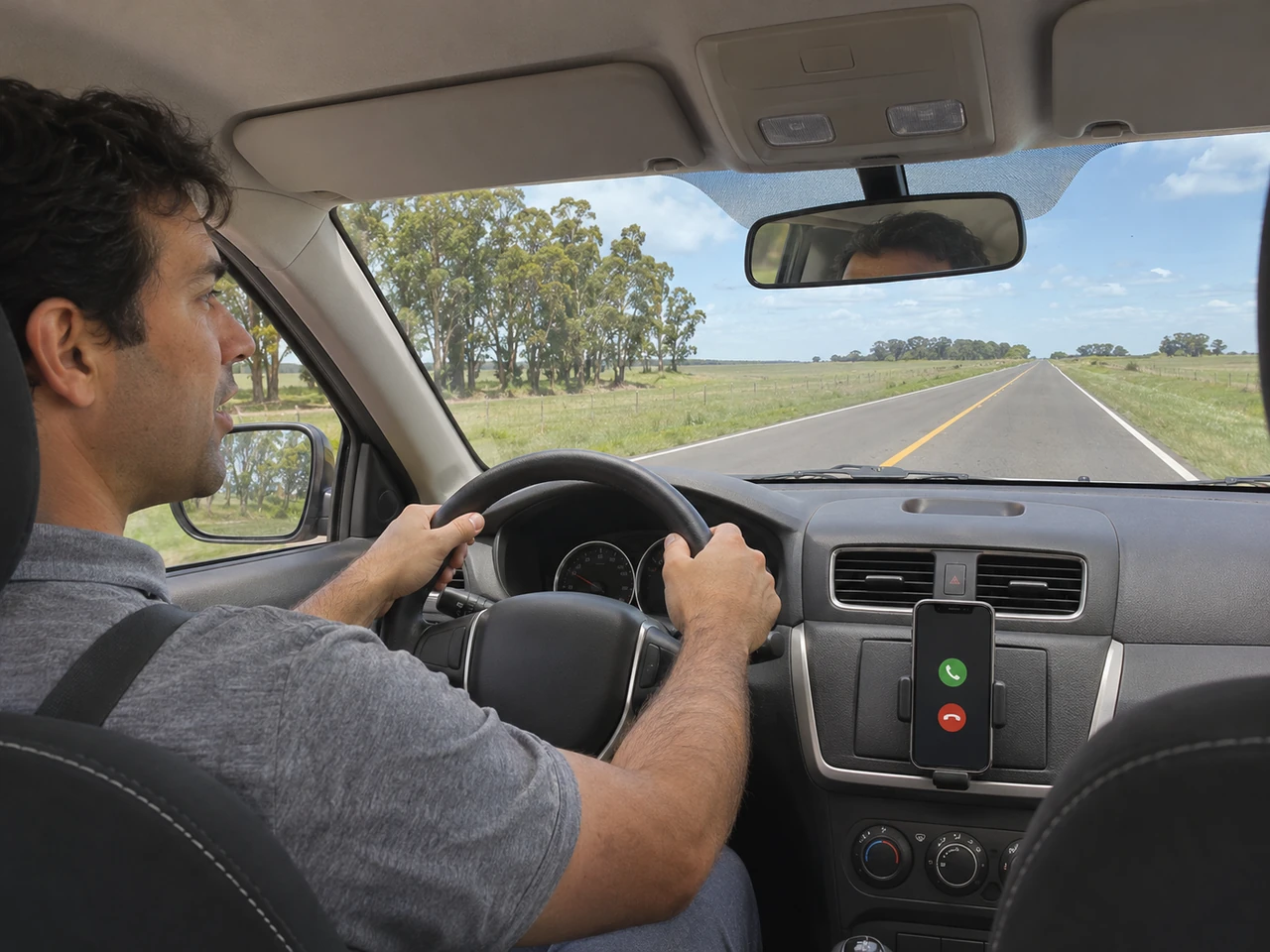
503. Hands-free phone calls cannot distract you while driving.
A conversation can take attention away from hazards even when you are not holding the phone. Avoid calls while driving and find a safe place to park before making or returning a call.
🔗 Sources
ANSV — road-safety glossary, internal distractions including hands-free calls.
Image credit: AI-generated
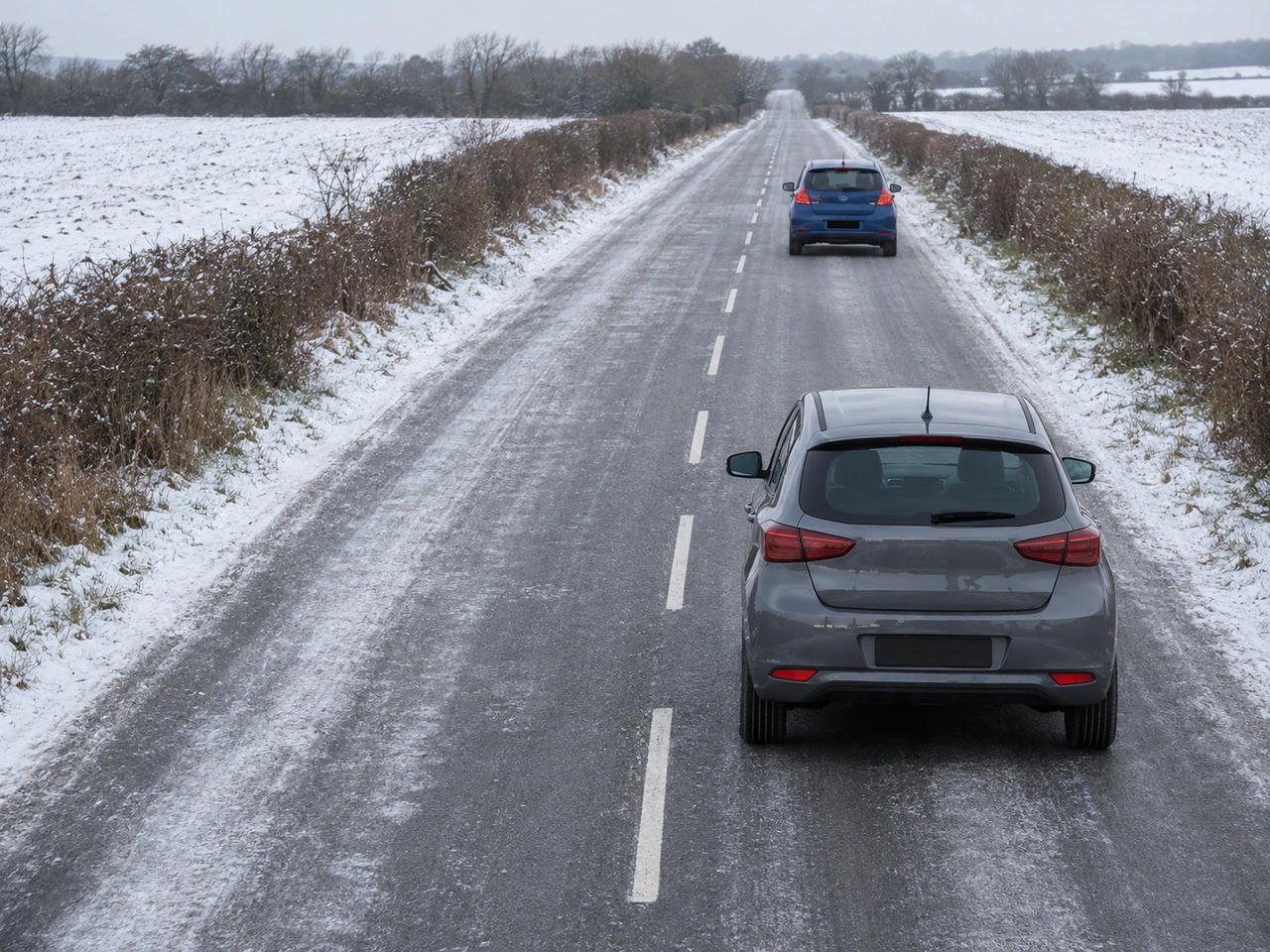
504. Why should you leave a much larger following distance on an icy road?
Ice provides very little grip, so the braking part of your stopping distance can increase greatly. A much larger following gap gives you more time to react and reduces the need for abrupt braking. Keep your speed low as well: extra distance alone does not make a high speed safe. Adapt the gap to the actual conditions rather than relying on a dry-road rule.
🔗 Sources
Great Britain — Highway Code, rule 230; extra winter following space
Image credit: AI-generated
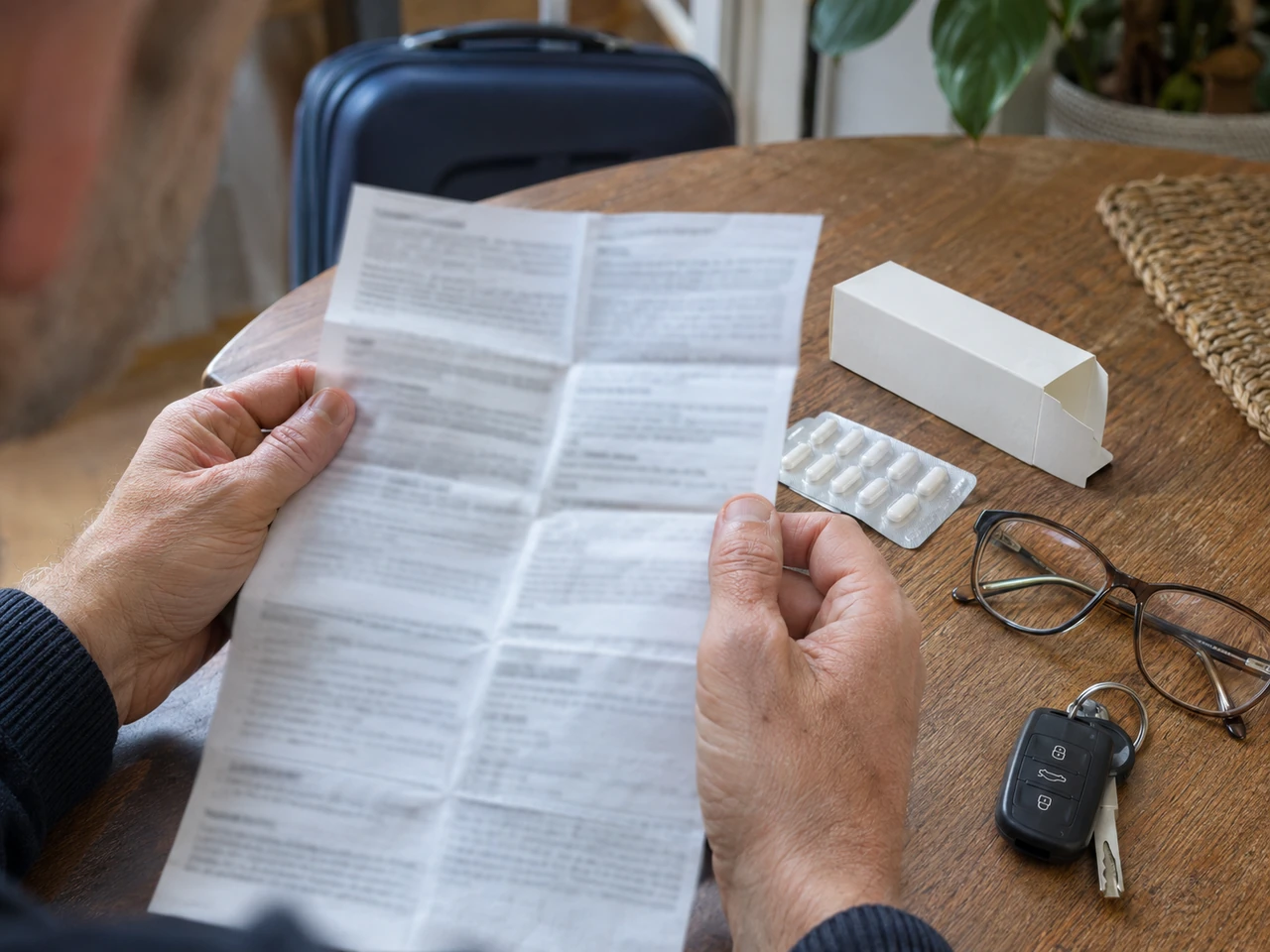
505. An antihistamine cannot affect driving if you do not feel sleepy.
Some antihistamines can slow reactions or affect concentration even without noticeable drowsiness. Read the warnings and ask a pharmacist or doctor if unsure.
🔗 Sources
FDA (United States) • Safety guidance, Allergy Medicines Can Affect Your Driving
Image credit: AI-generated
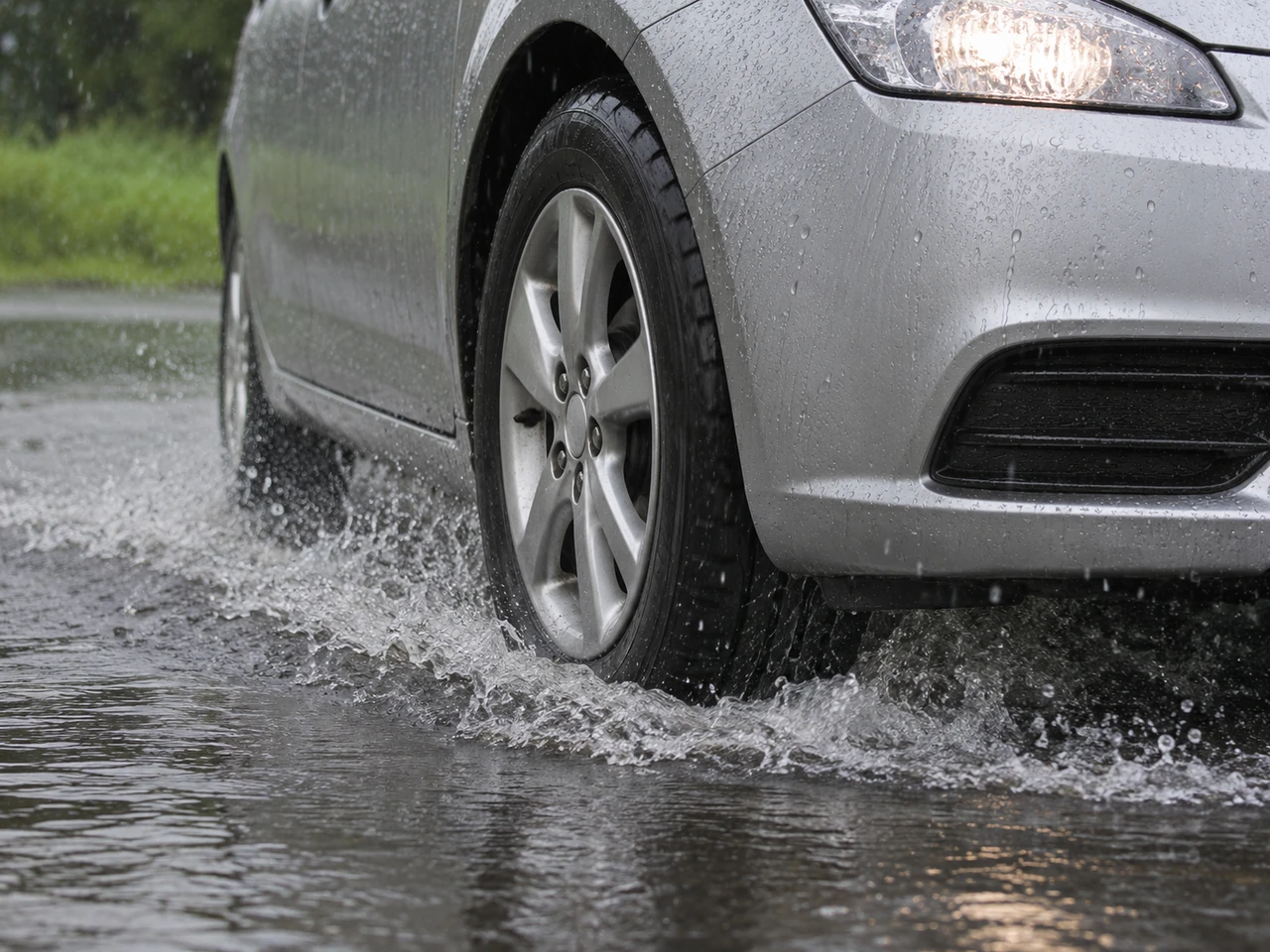
506. Braking hard is the best way to regain grip when aquaplaning.
Avoid harsh braking. Ease off the accelerator gently and keep the steering steady while the tyres regain contact with the road.
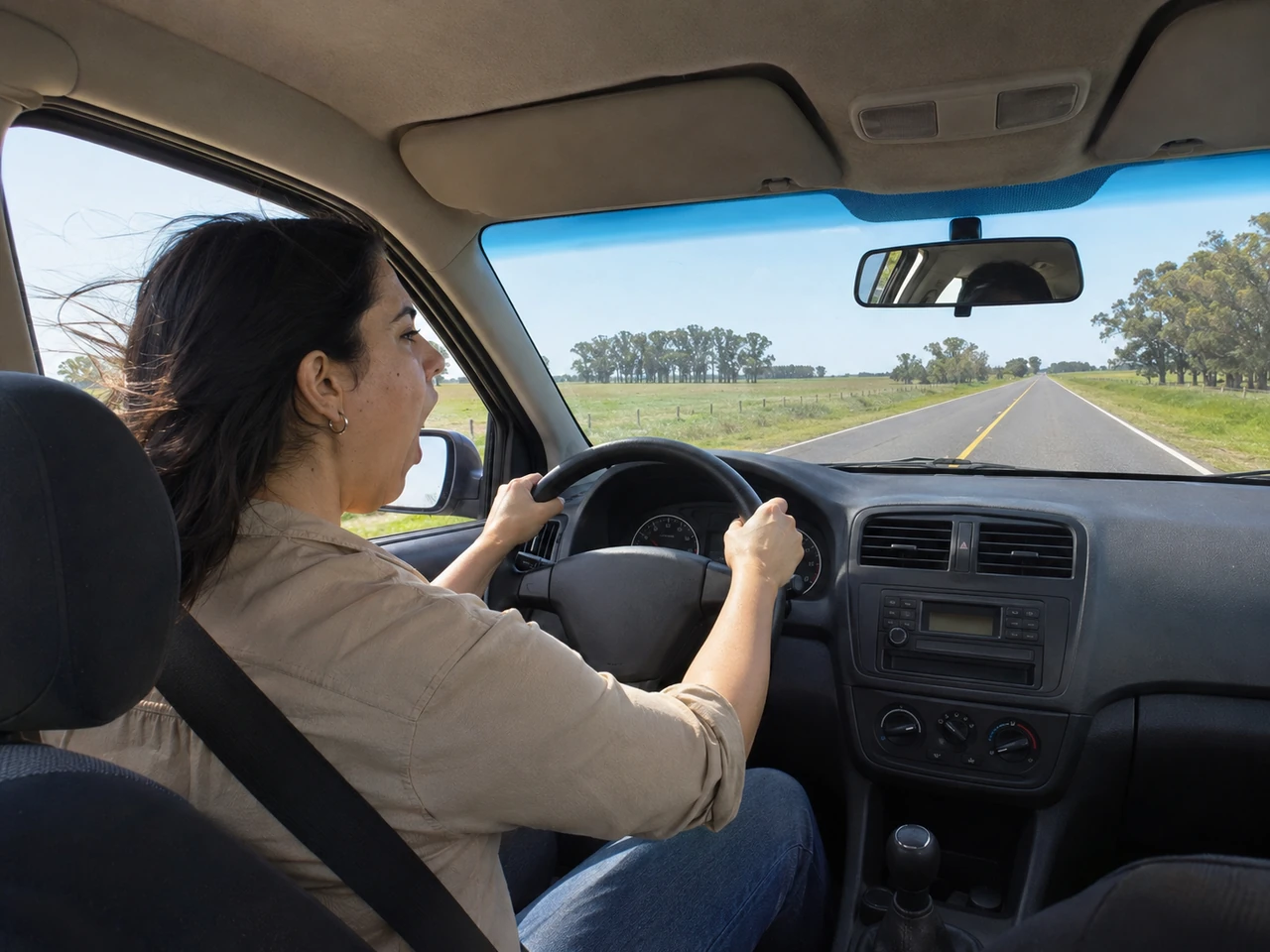
507. Opening a window makes it safe to keep driving when you feel sleepy.
Fresh air may make you feel more alert briefly, but it does not cure sleepiness. Stop at a suitable safe place and rest. Do not continue until you are fit to drive.
🔗 Sources
Buenos Aires Province — driver manual, fatigue and stopping safely to sleep.
Image credit: AI-generated
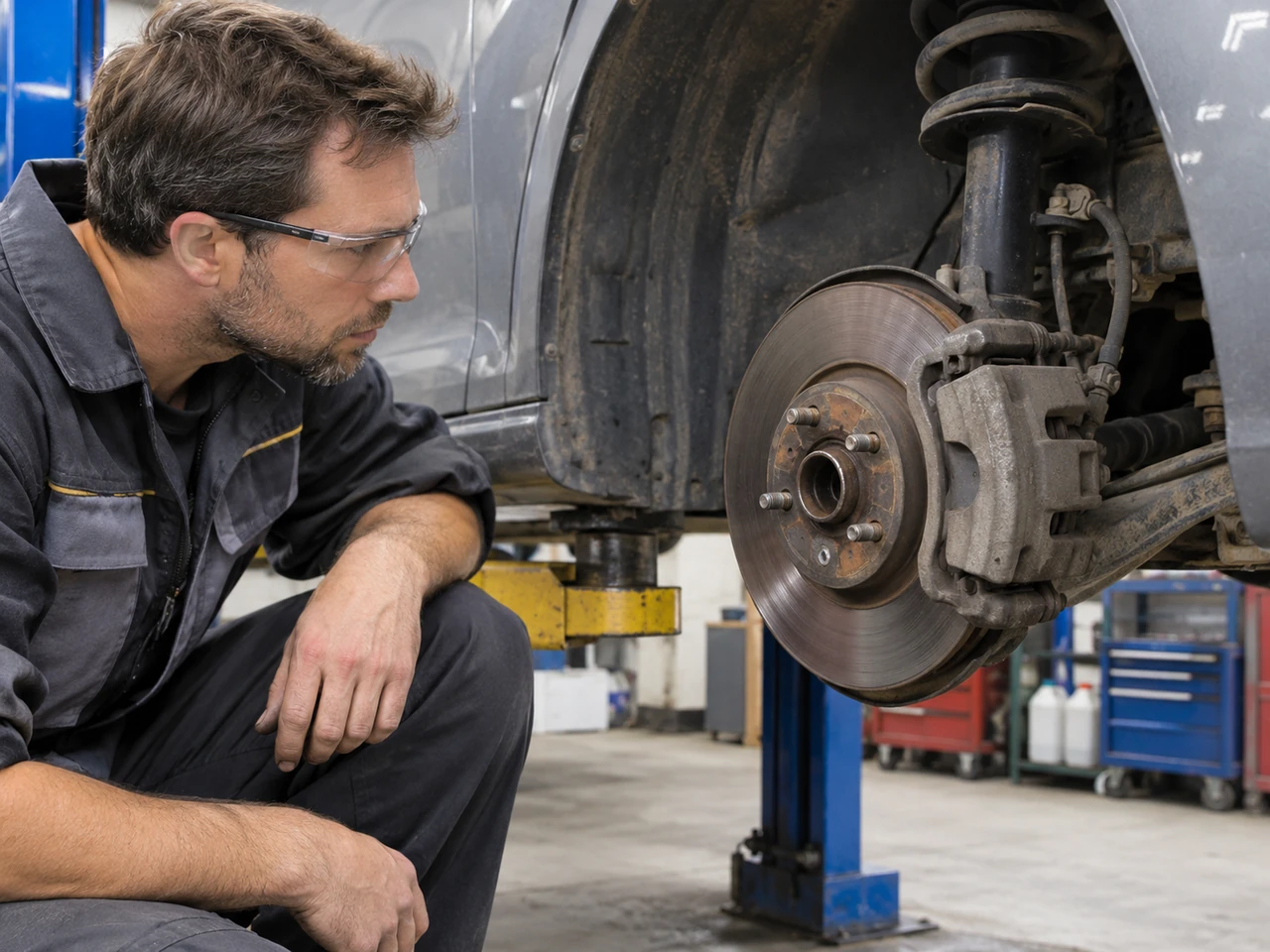
508. A car pulling to one side when braking should be checked.
Pulling to one side can indicate a brake fault or incorrect tyre pressures. Stop safely and arrange for the cause to be checked.
🔗 Sources
The Highway Code (Great Britain) • Safety guidance, vehicle defects: pulling to one side
Image credit: AI-generated
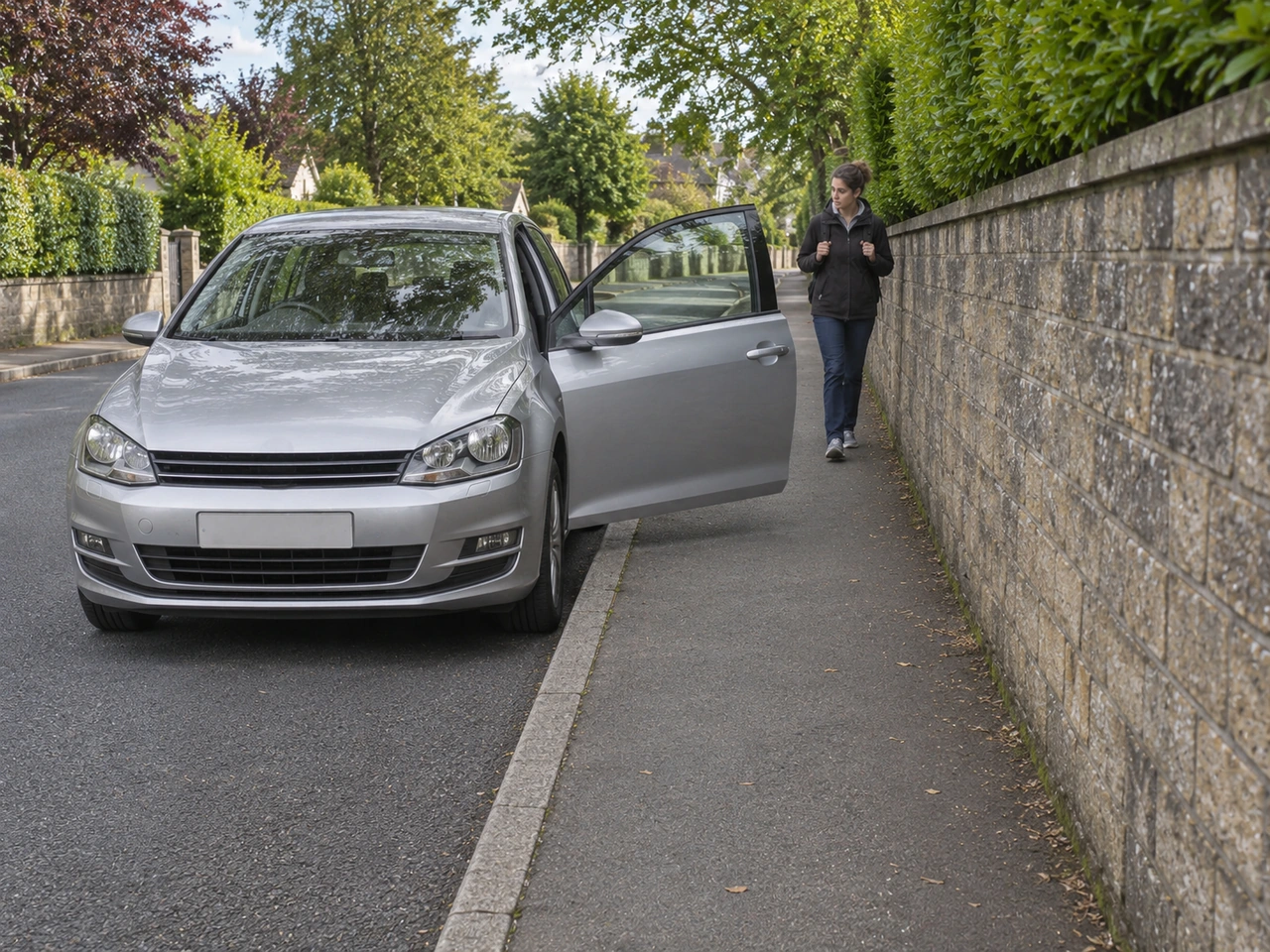
509. You may leave a car door open across the pavement if pedestrians can walk around it.
You must check that opening or leaving a vehicle door open will not endanger or hinder other road users, particularly pedestrians and riders of two-wheelers. Being able to walk around an obstructing door does not remove this duty.
🔗 Sources
Argentina.gob.ar • Buenos Aires City Traffic and Transport Code, section 5.1.1
Image credit: AI-generated
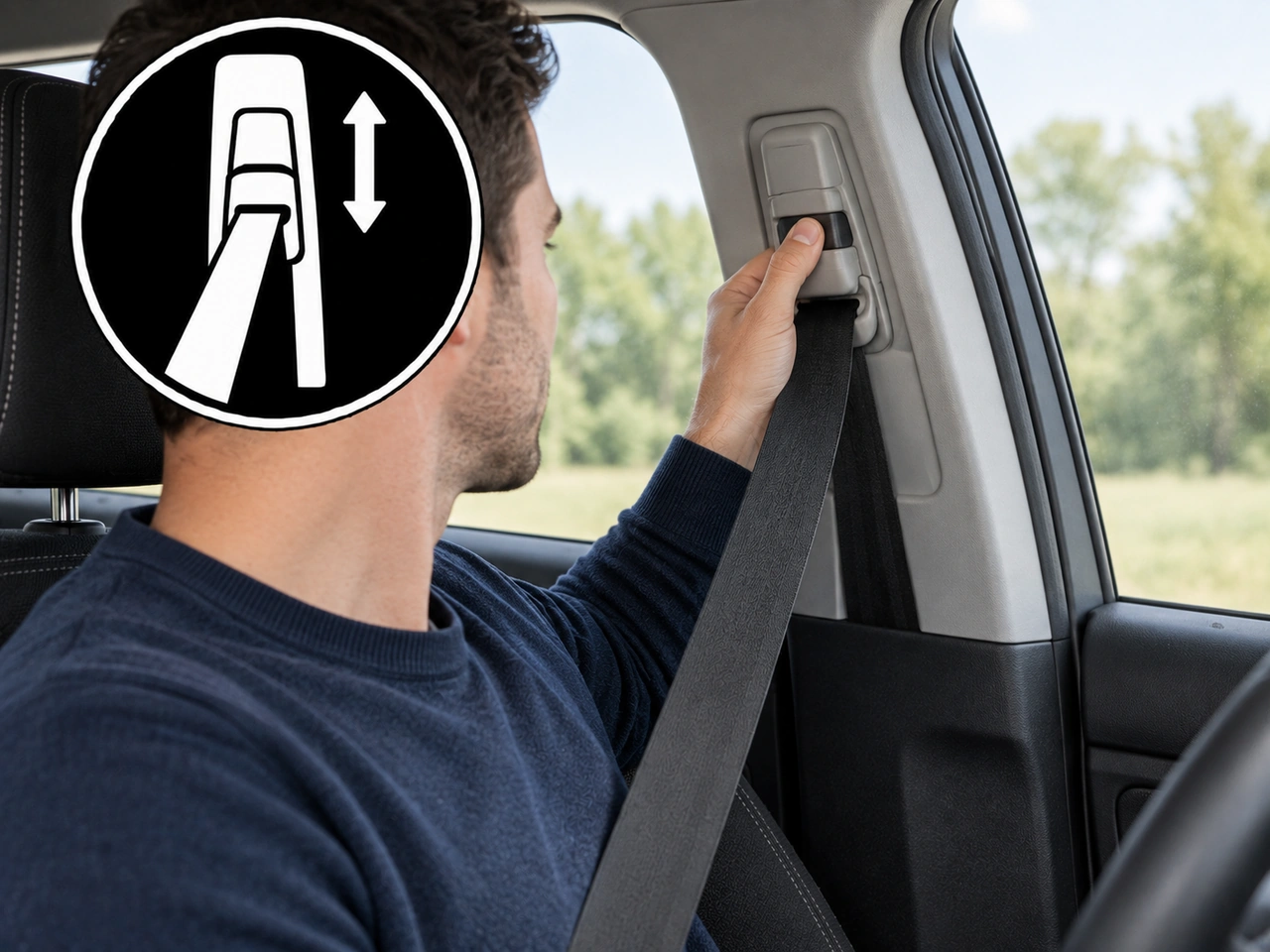
510. Why should the seat-belt height be adjusted correctly?
The seat-belt height adjustment helps position the shoulder belt correctly across the chest and shoulder. It should not run across the neck or under the arm.
Set the height so the shoulder belt runs over the middle of your shoulder and across your chest. Check that the adjuster locks in place.
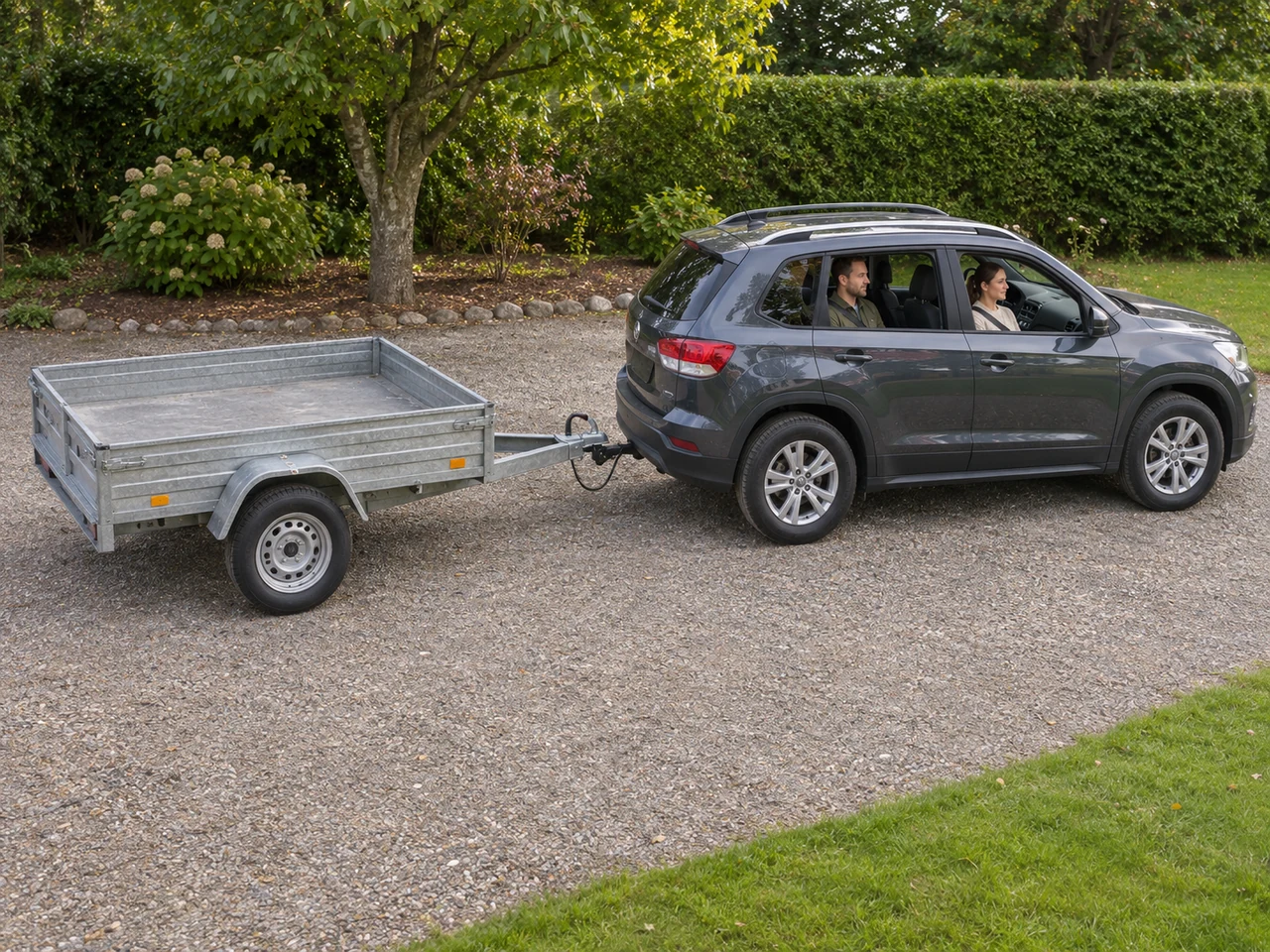
511. Should passengers travel in an ordinary goods trailer?
An ordinary goods trailer is not designed to carry passengers and normally has no suitable seats or restraint systems. Passengers should travel in seating positions designed and approved for carrying people. Special passenger-carrying trailers may be subject to different local rules.
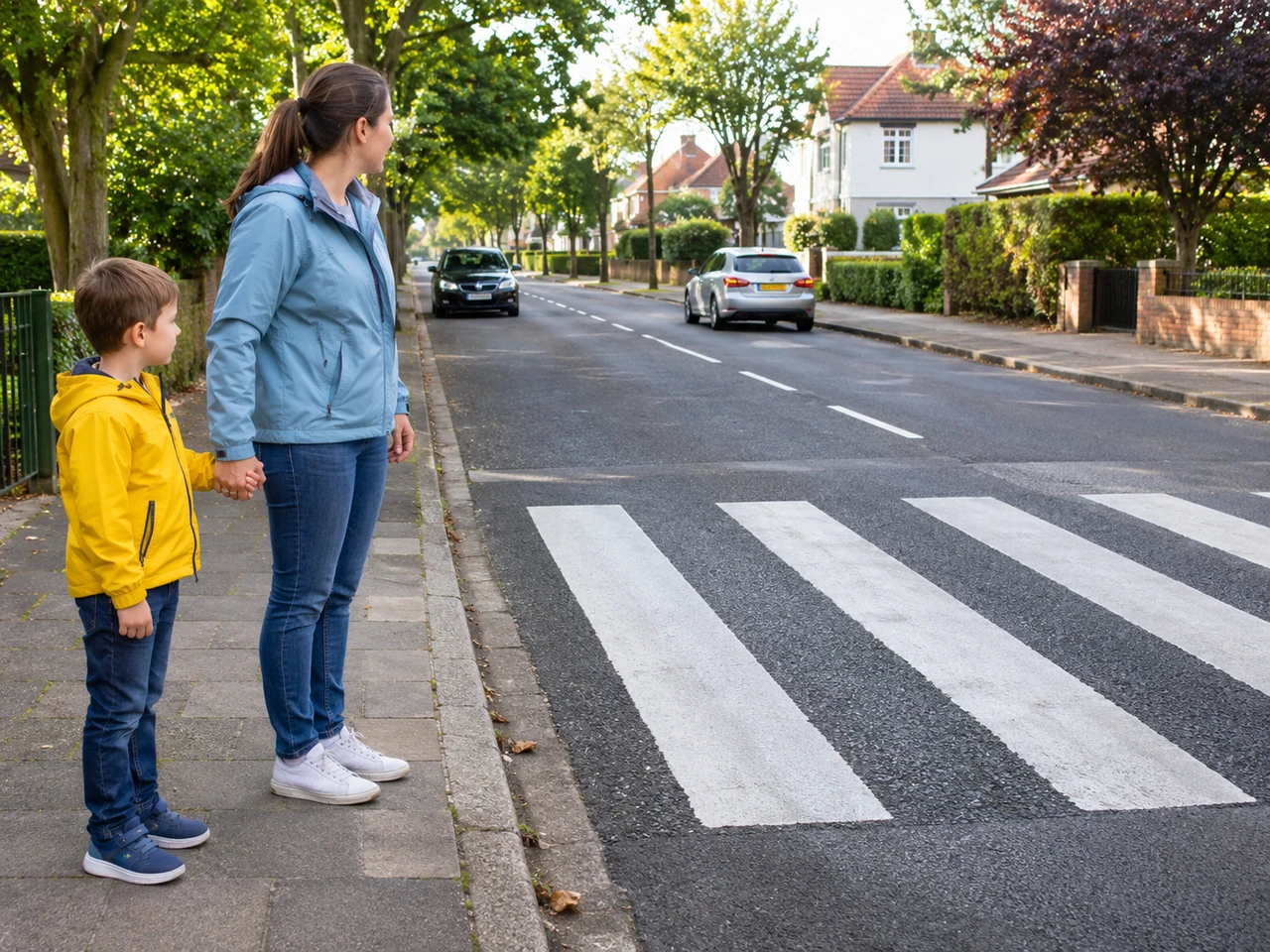
512. What is the safest way to cross the road with a young child?
Hold a young child by the hand and keep them close. Stay between the child and traffic while waiting on the pavement. Stop before the kerb, look and listen in all directions, and wait until it is safe to cross. Walk across together while continuing to check traffic; do not let the child run ahead.
🔗 Sources
Great Britain — Highway Code, rule 4; child safety
Great Britain — Highway Code, rule 7; crossing advice
Image credit: AI-generated
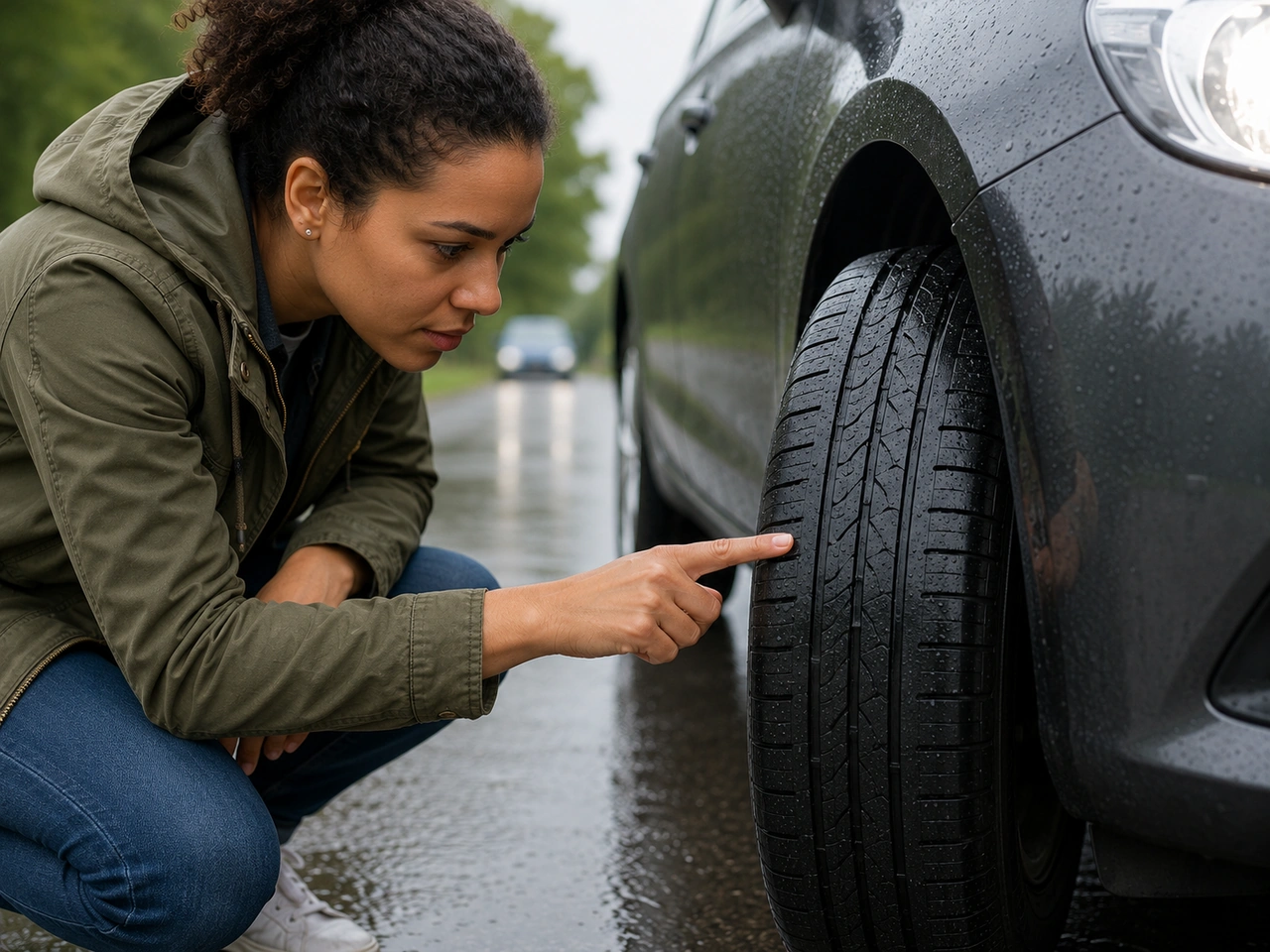
513. Why is adequate tyre tread important?
Tyre tread helps the vehicle grip the road and disperse water. Worn tread increases the risk of skidding and aquaplaning, especially in wet conditions.
Argentina. Passenger car tyres need at least 1.6 mm of tread. Check the grooves with a tread-depth gauge and replace the tyre when the tread is level with its wear indicators.
🔗 Sources
National Road Safety Agency · Driver handbook and minimum tyre tread
Image credit: AI-generated
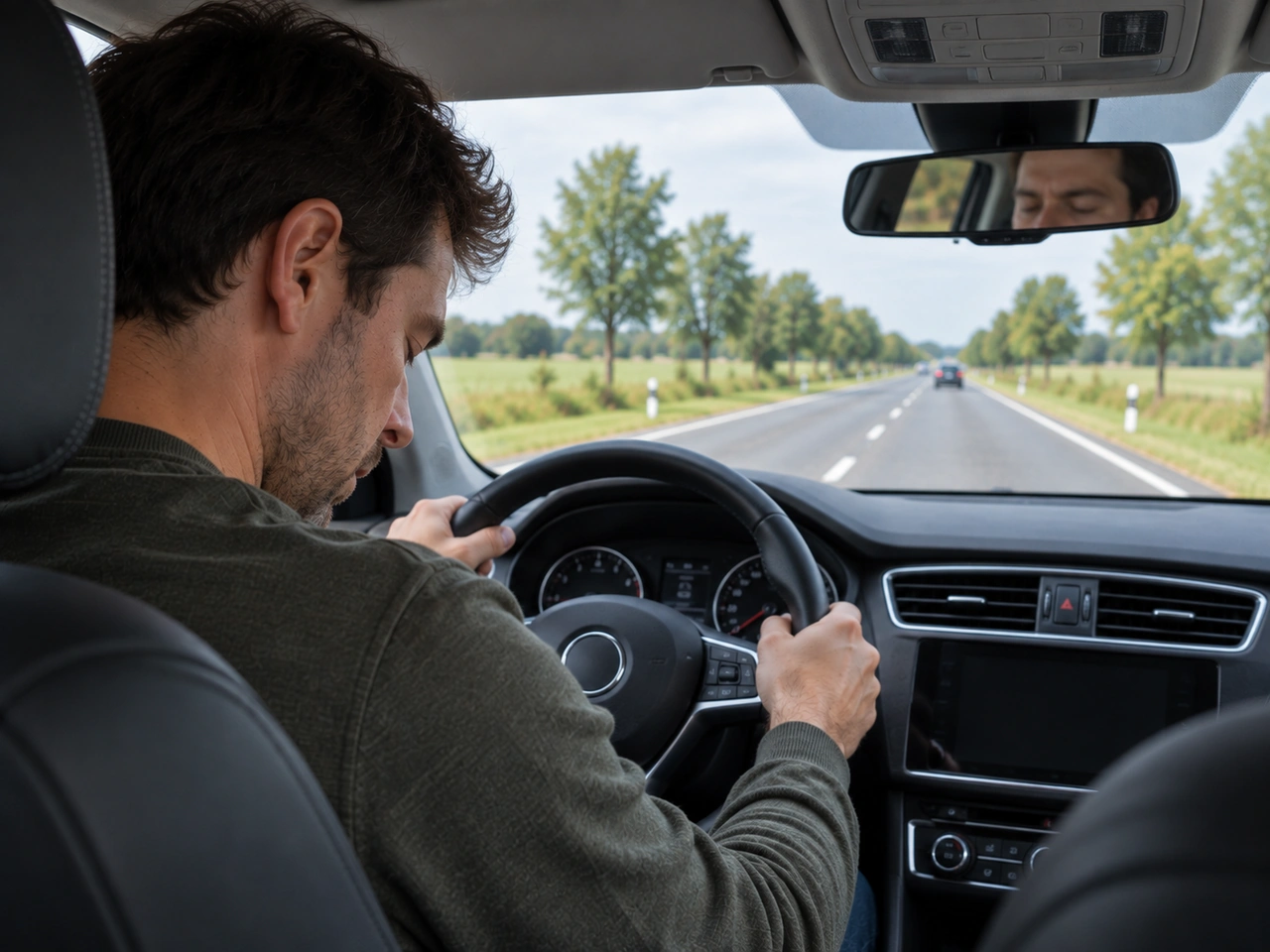
514. Why is a microsleep especially dangerous while driving?
A microsleep is a brief, involuntary episode of sleep that can last for a few seconds. During that time, you may lose awareness of the road and travel a considerable distance without reacting to hazards.
Argentina. A microsleep can leave you unable to react for several seconds. At 90 km/h, a three-second lapse carries the vehicle about 75 metres.
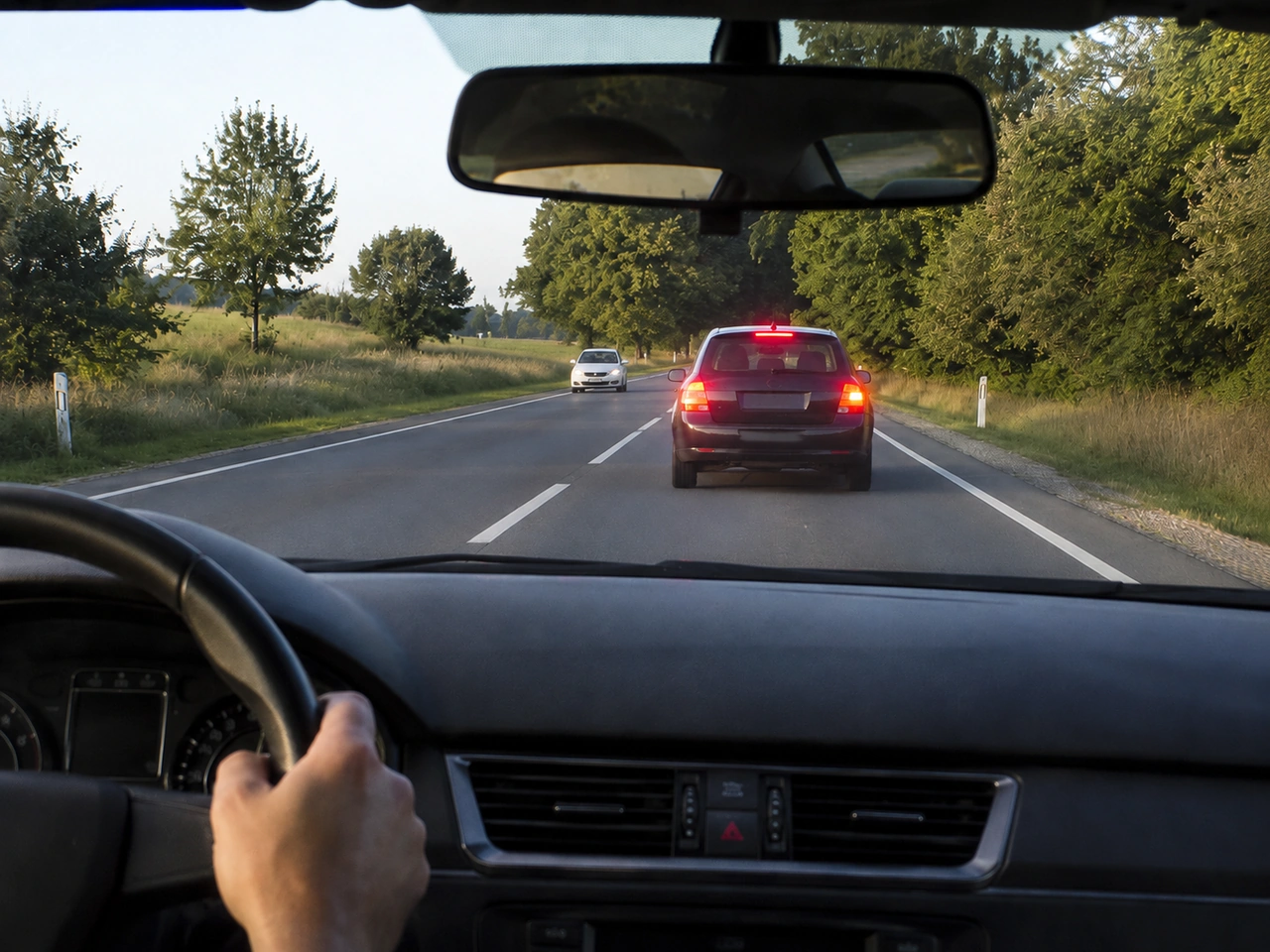
515. Why should you avoid sudden braking when it is not necessary?
Sudden braking can surprise drivers behind you and increase the risk of a rear-end collision.
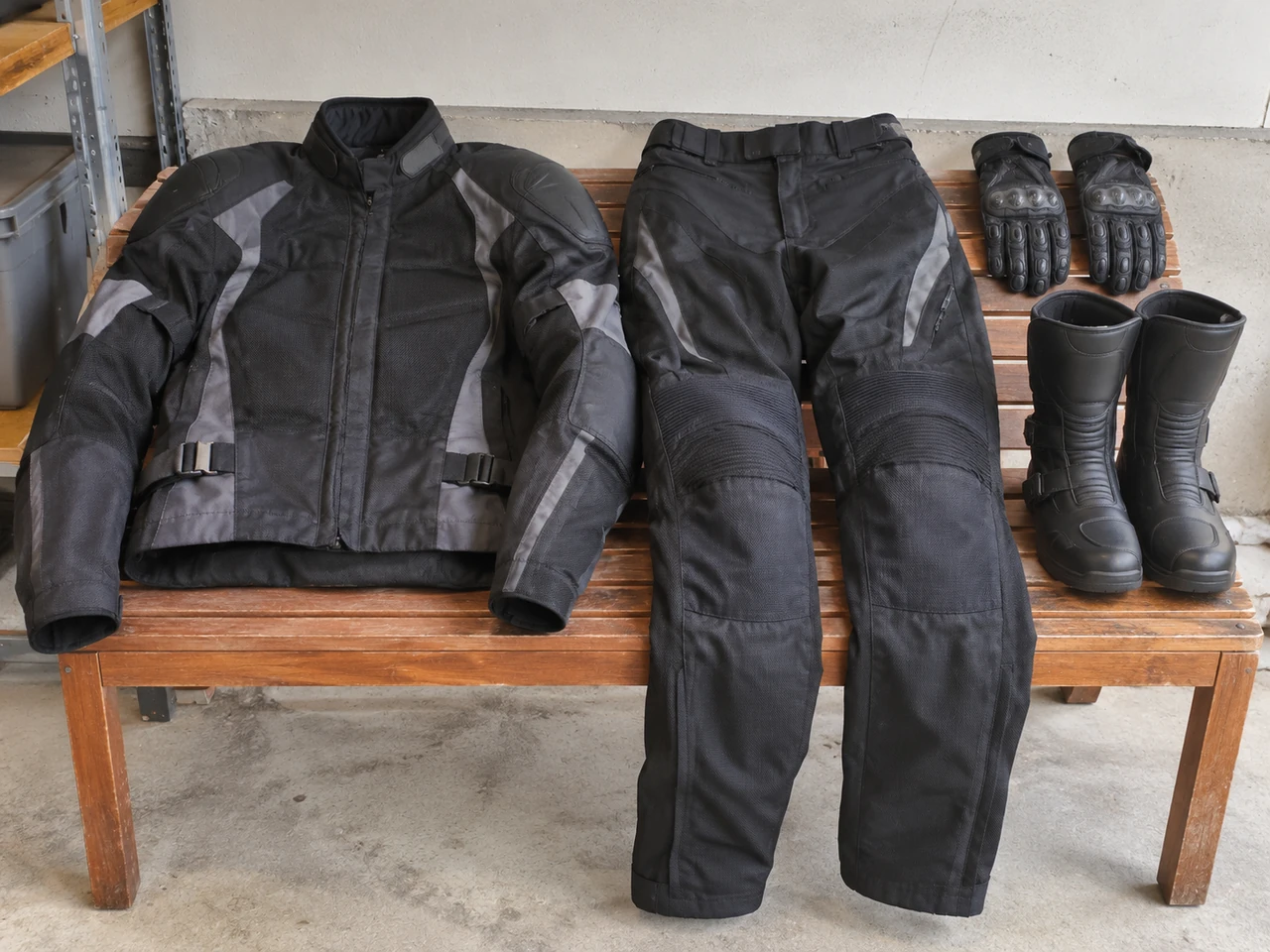
516. Protective motorcycle clothing is useful even on short journeys.
A short trip can still involve a fall or collision. Suitable motorcycle clothing, gloves and boots help protect you, so wear protective gear on every ride.
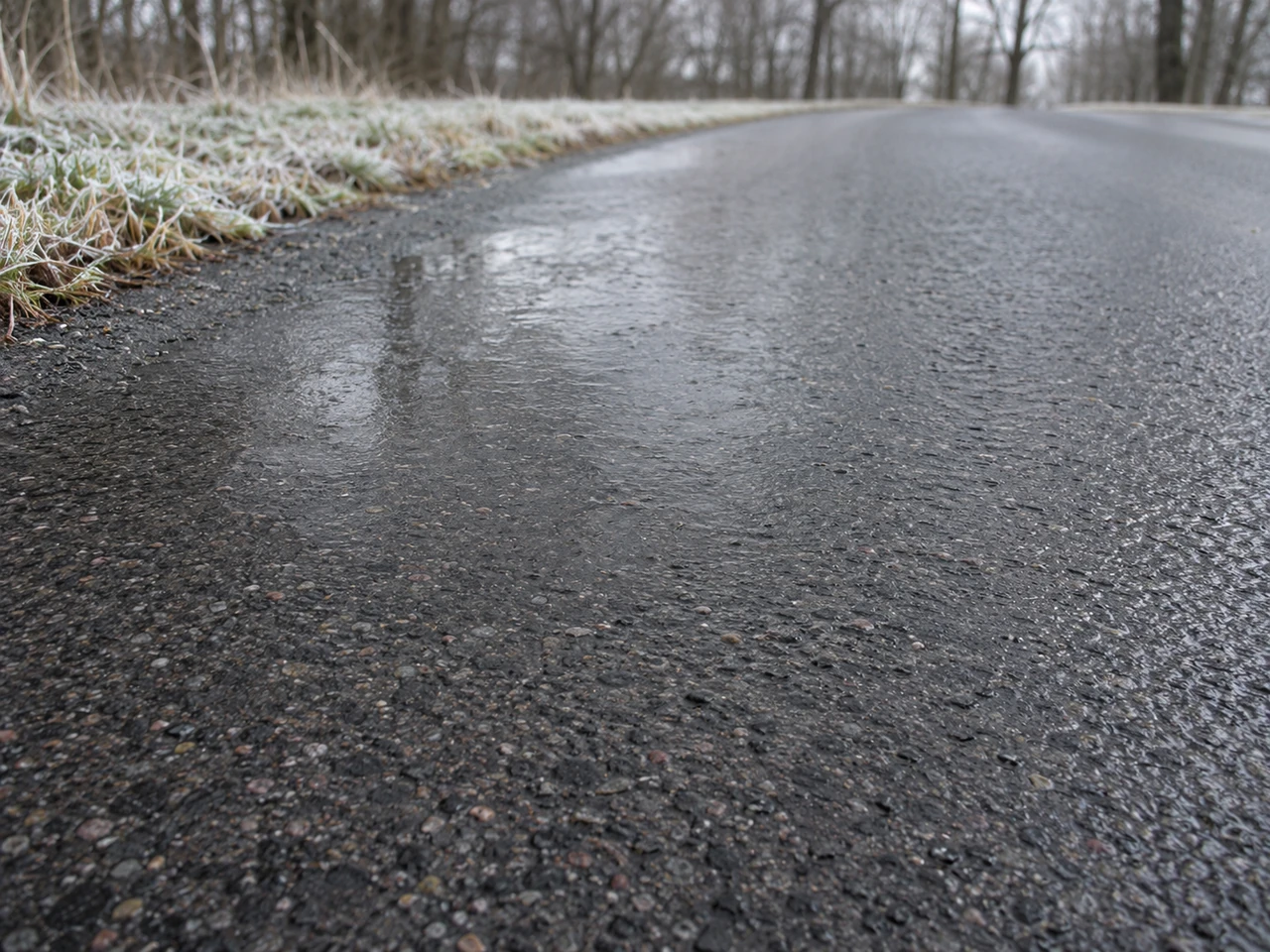
517. Black ice is always easy to recognise from a car.
Black ice can be almost transparent, leaving the dark road visible beneath it. An apparently wet or clear road may still be icy, so allow for freezing conditions even when you cannot see ice.
🔗 Sources
Minnesota DOT (United States) • Safety guidance, Watch out for black ice
Image credit: AI-generated
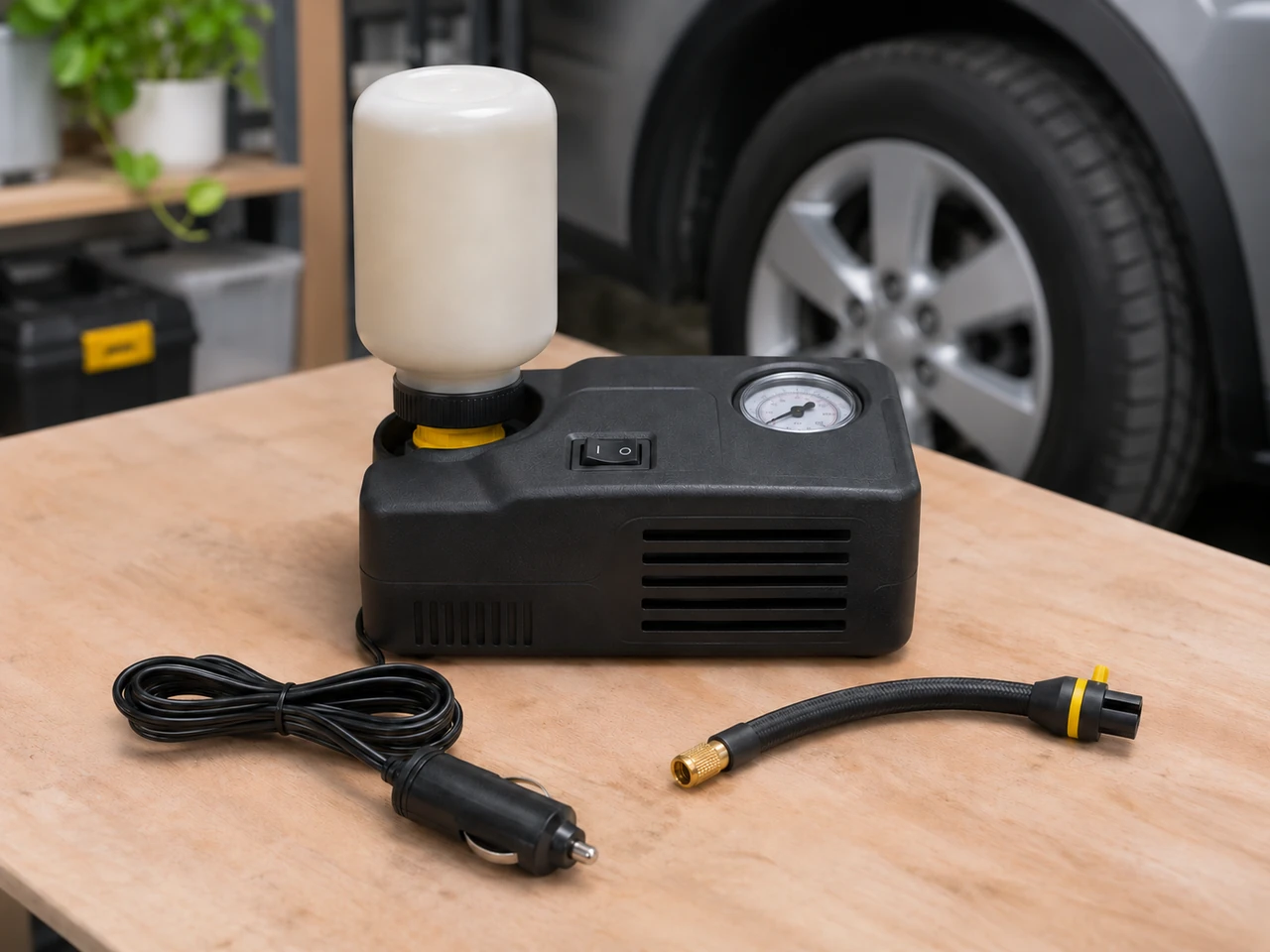
518. Emergency tyre sealant can repair every type of tyre damage.
Sealant kits have limits and cannot make every damaged tyre safe. Damage outside the kit's permitted repair area, large holes or structural damage may make it unsuitable. Follow the kit and vehicle instructions and call for assistance if needed.
🔗 Sources
General technical guidance: Renault Megane Sedan — kit limitations and temporary repairs.
Image credit: AI-generated
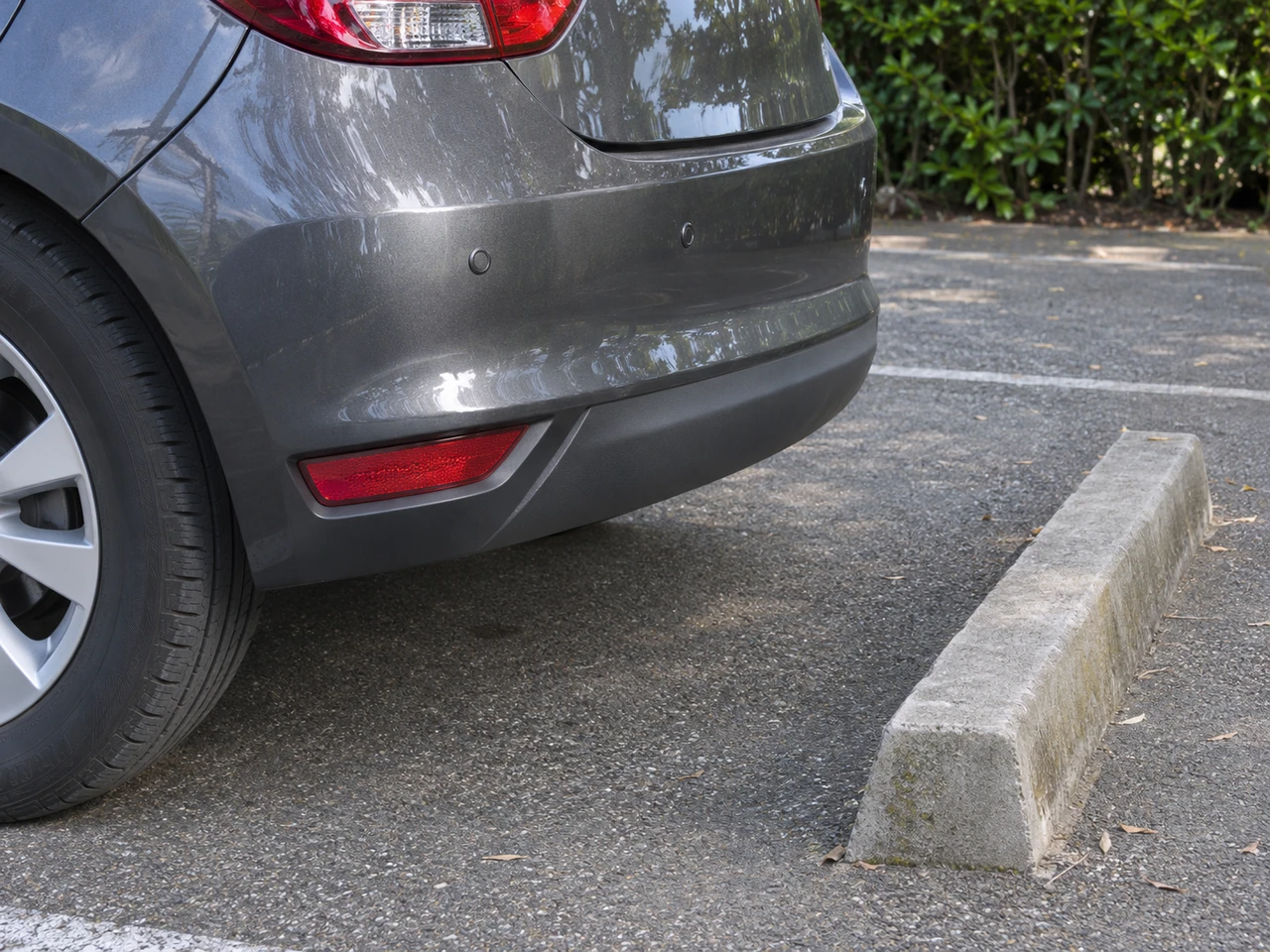
519. Parking sensors are guaranteed to detect every nearby obstacle.
Small or low objects may go undetected. Keep checking all around and stop if you cannot confirm that the path is clear. Use the sensors as an aid and follow the vehicle handbook.
🔗 Sources
Ford owner’s manual (manufacturer guidance) • Safety guidance, parking-aid limitations; follow your vehicle’s handbook
Image credit: AI-generated
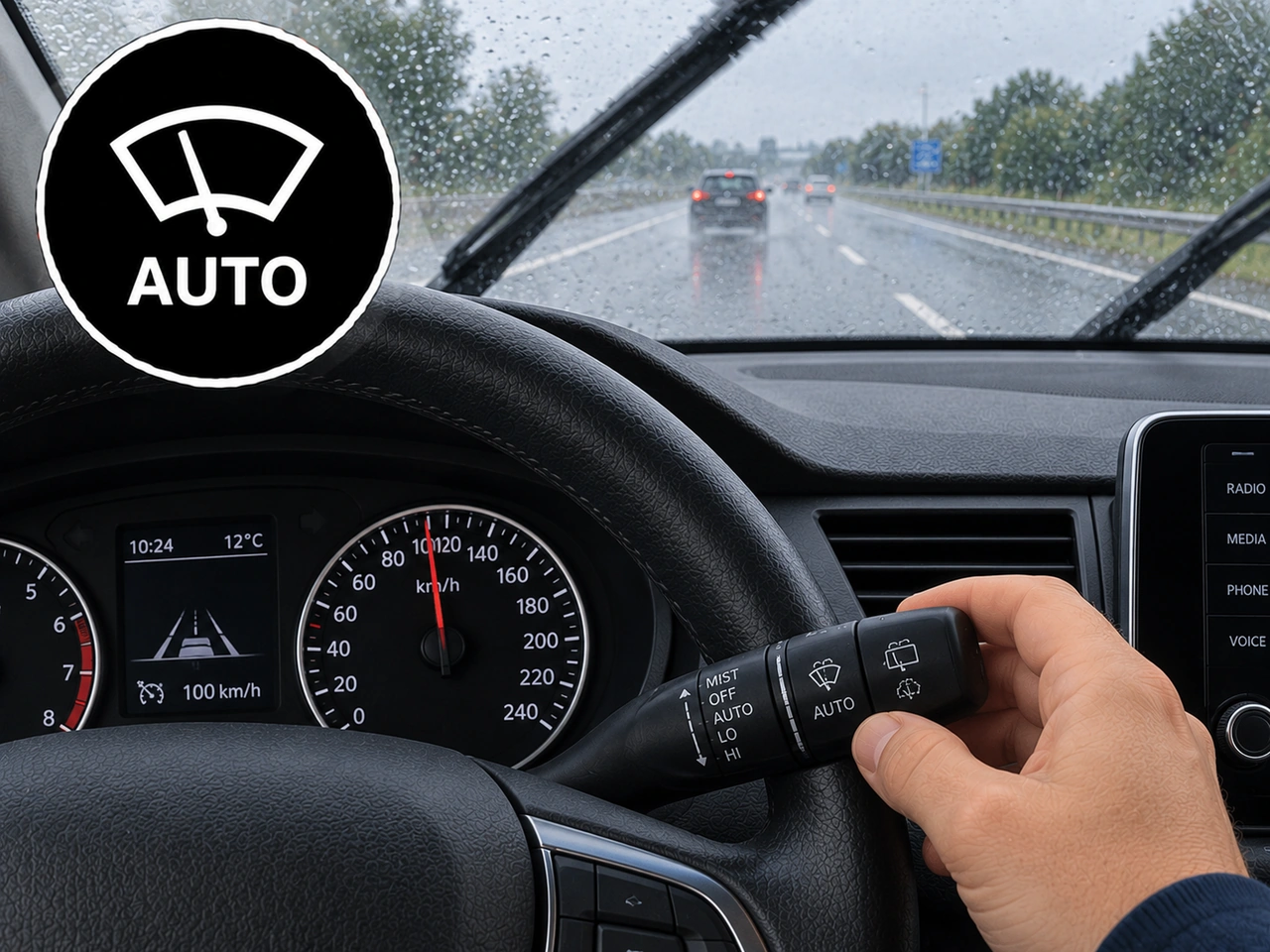
520. What does AUTO on a windscreen-wiper control normally do?
When AUTO is selected, a rain sensor can operate the windscreen wipers automatically and adjust their operation according to the amount of moisture detected on the windscreen.
The rain sensor reacts to moisture on the windscreen. If sensitivity is adjustable, a higher setting can trigger wiping with less moisture.
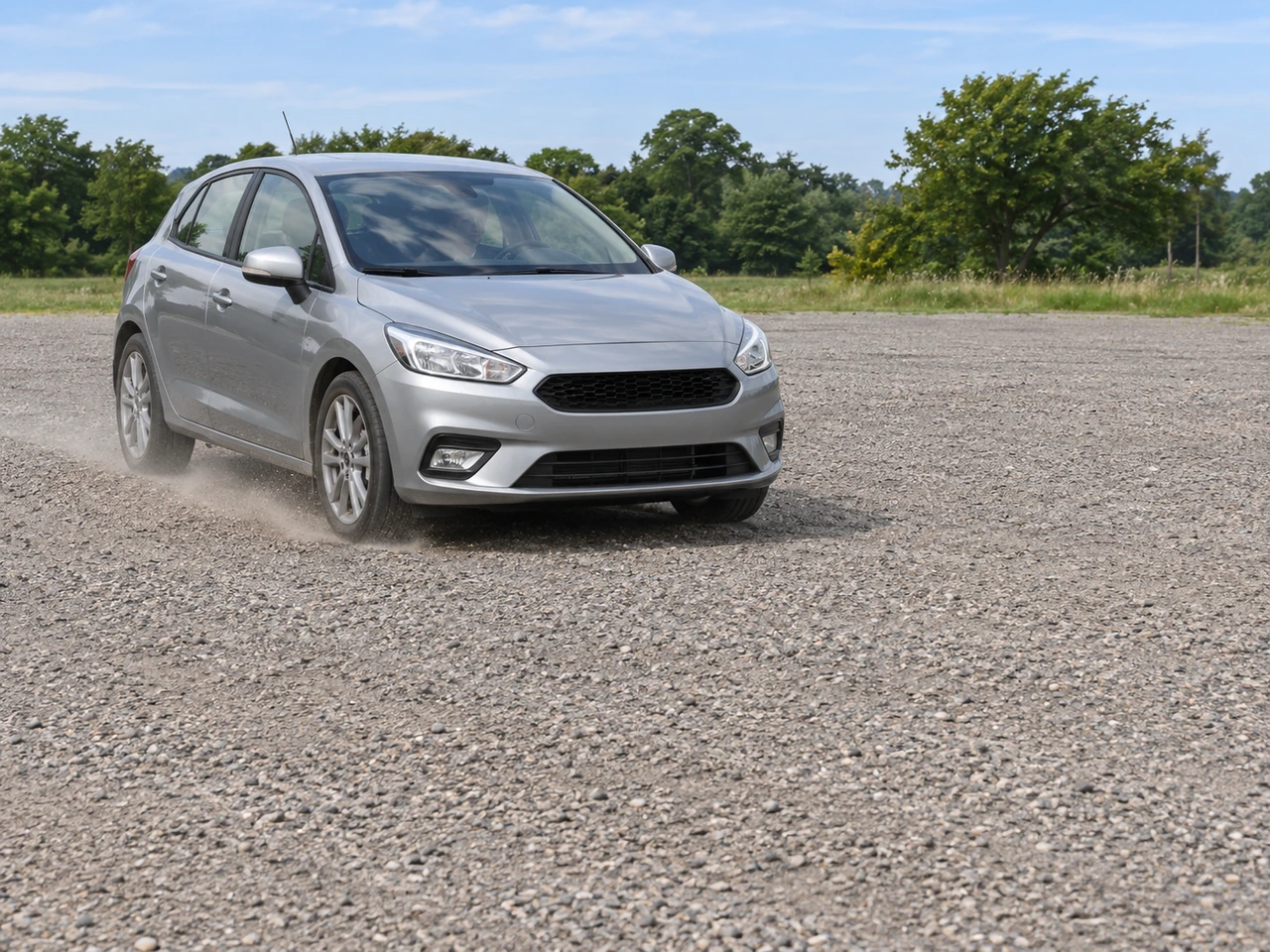
521. Does ABS guarantee a shorter stopping distance on every surface?
The anti-lock braking system (ABS) helps prevent wheel lock and retain steering control during braking. It does not guarantee a shorter stop on every surface. Keep a safe distance and follow the braking instructions for your vehicle.
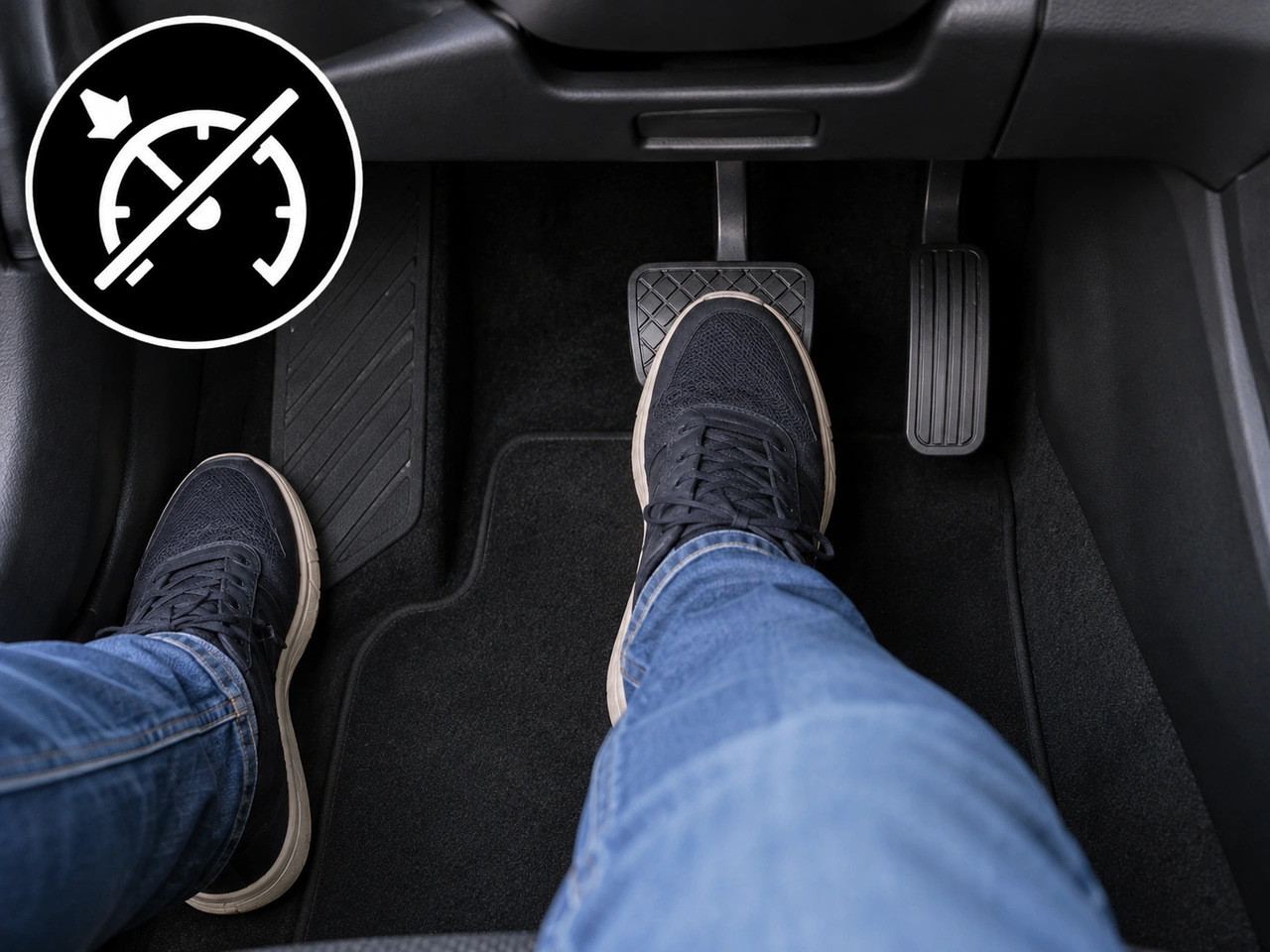
522. What normally happens to cruise control when you press the brake pedal?
Pressing the brake pedal normally cancels or temporarily disengages cruise control, returning speed control to the driver.
The brake pedal normally cancels the set speed. If your car has a dedicated cancel button, it can also disengage cruise control.
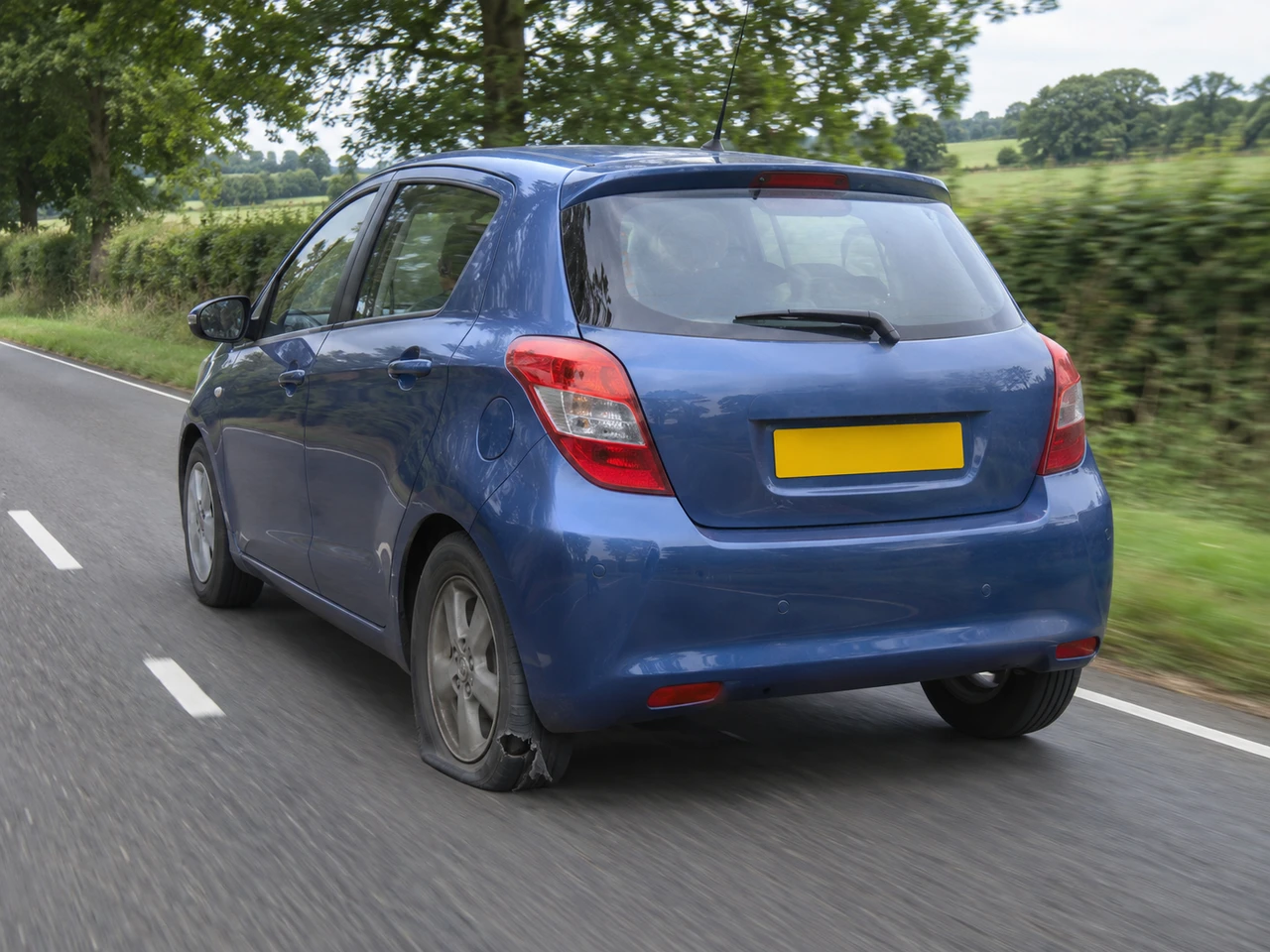
523. What should you do if one of your tyres suddenly bursts while driving?
Keep the vehicle balanced and under control. Hold the steering wheel firmly with both hands, avoid abrupt braking or steering and ease off the accelerator gradually. Once the vehicle is stable, continue slowing and move out of traffic when safe. Stop in a protected place and arrange assistance; do not continue normal driving on the damaged tyre.
Hold the steering wheel securely and retain control while slowing towards a roadside stop.
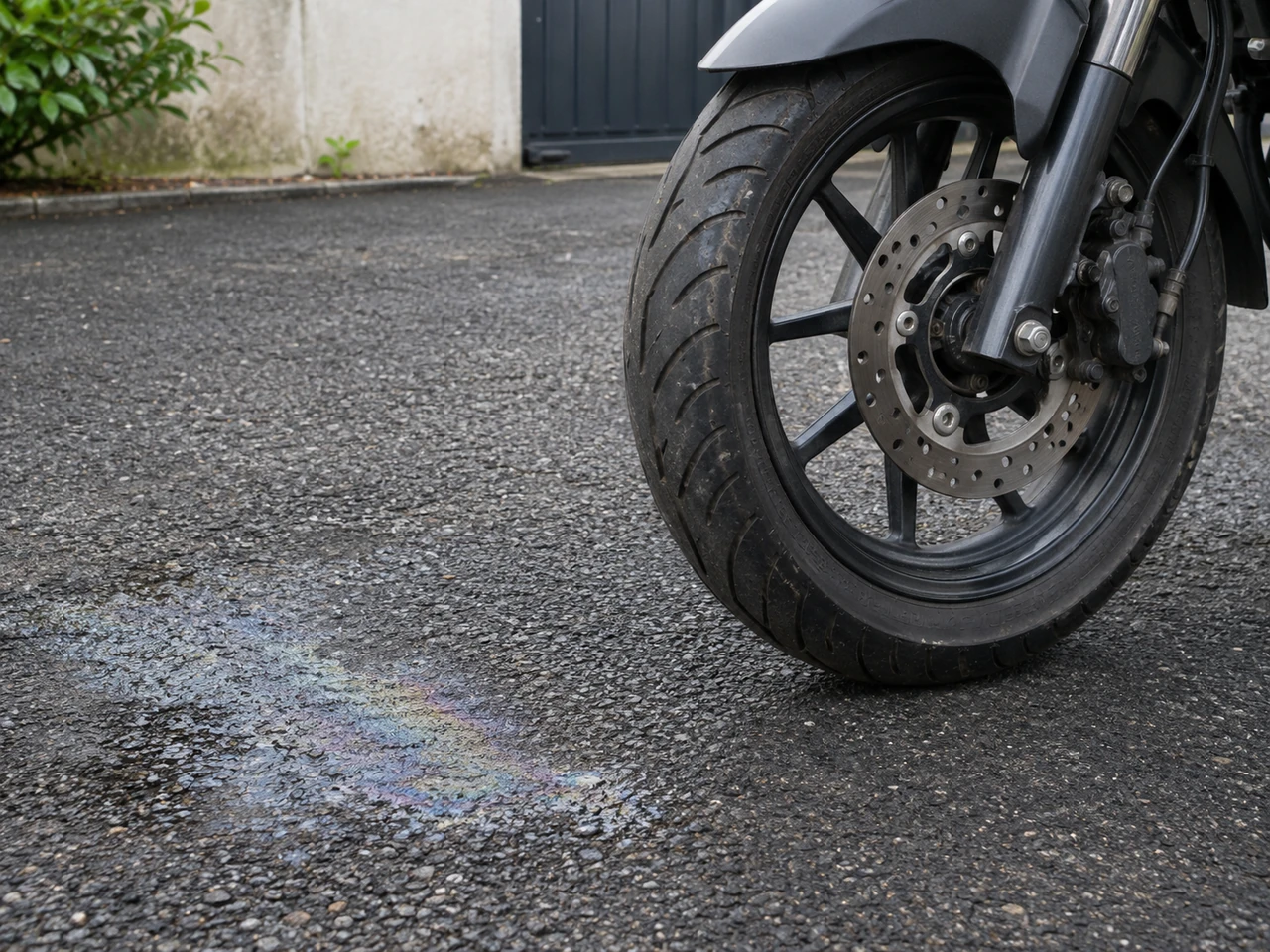
524. Diesel spilled on the road can reduce tyre grip.
Diesel can make the road slippery and is especially dangerous for motorcyclists. If you encounter a spill, avoid sudden braking, acceleration or steering and keep clear where it is safe to do so.
🔗 Sources
The Highway Code (Great Britain) • Safety guidance, diesel spillage and reduced tyre grip
Image credit: AI-generated
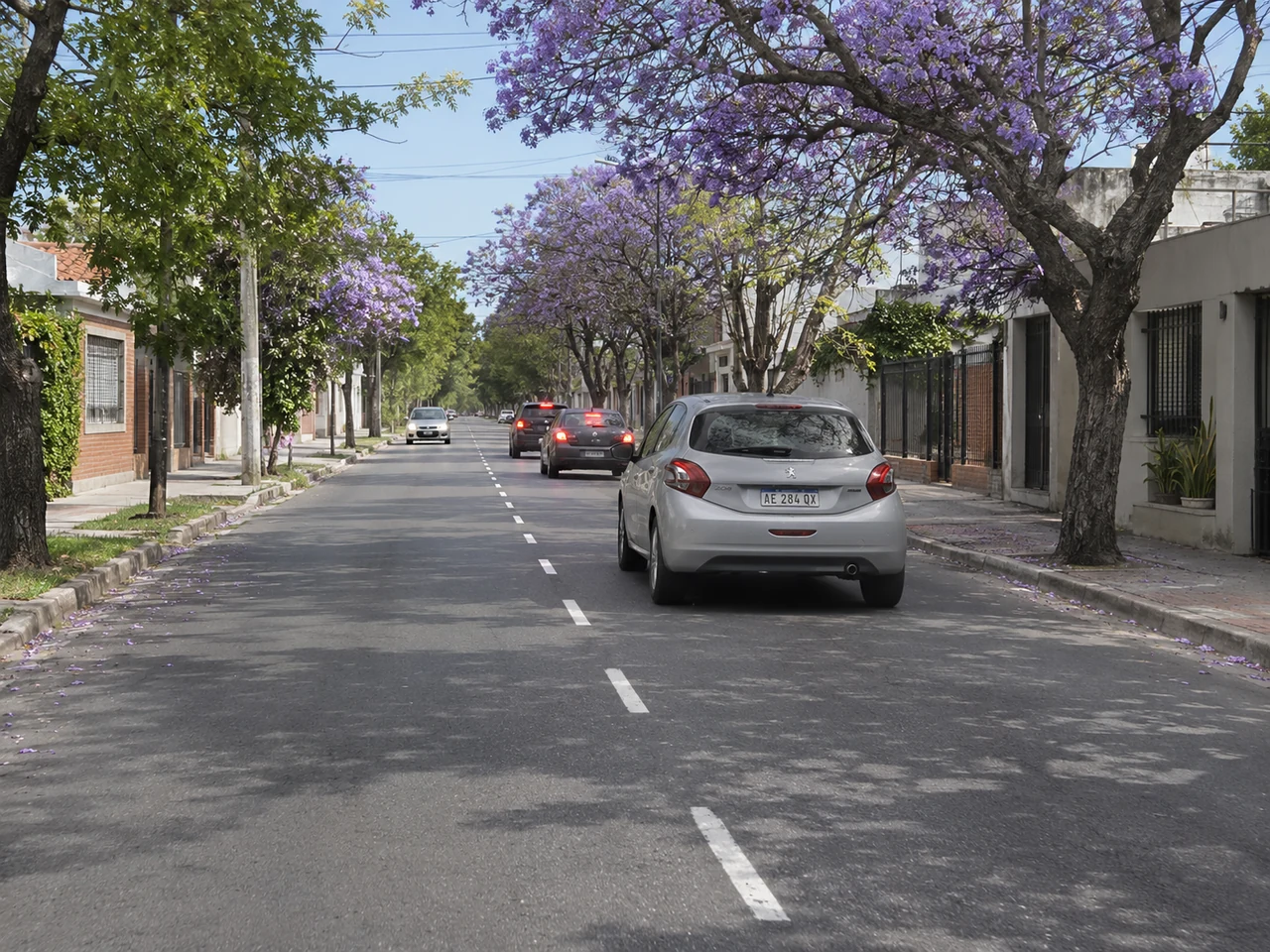
525. How can looking well ahead help reduce energy use?
Looking well ahead helps you anticipate changes in traffic. By easing off earlier and maintaining a smoother speed, you can reduce unnecessary acceleration and braking while also improving safety.
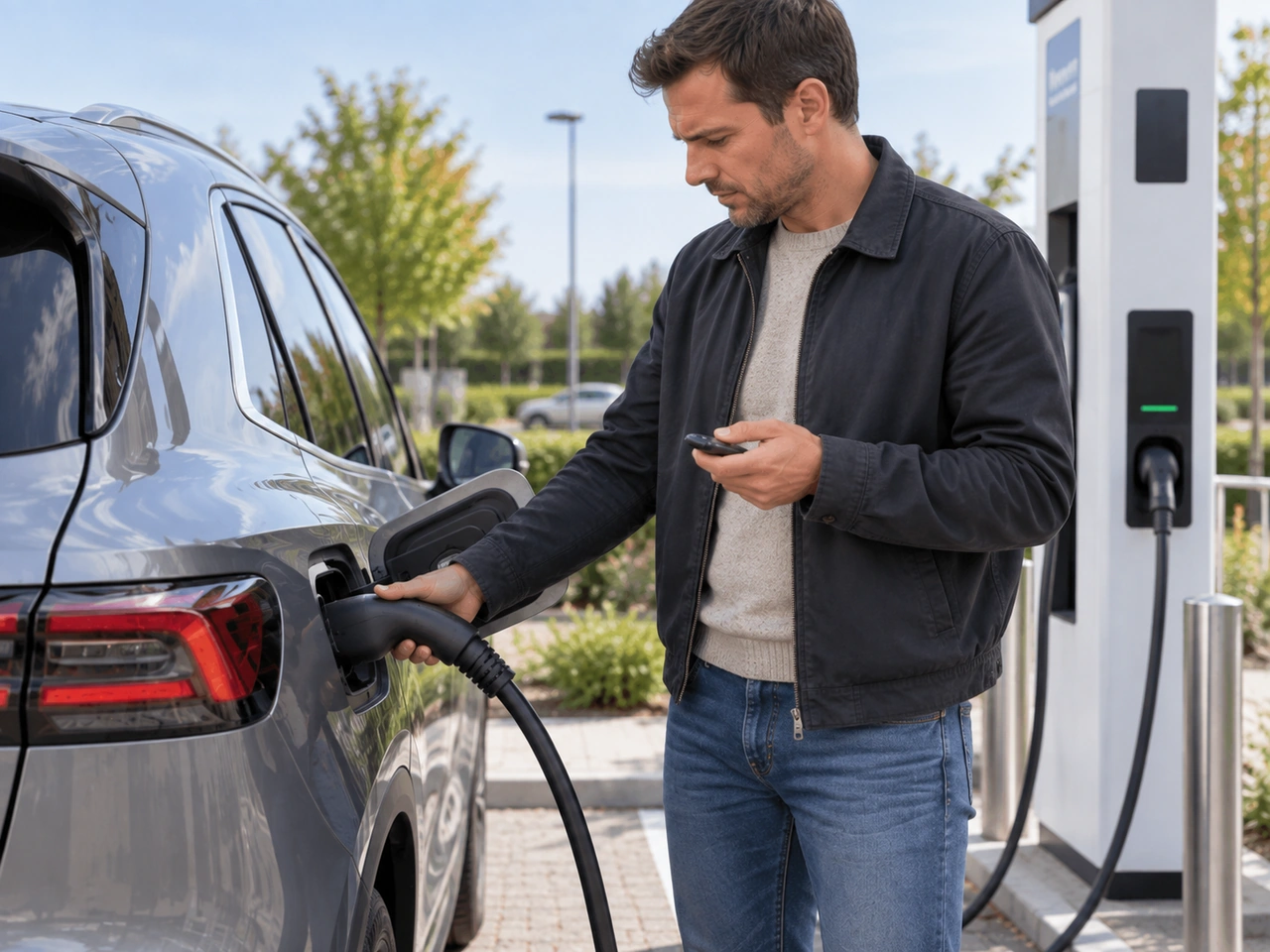
526. What should you do if an EV charging connector will not release from the vehicle?
Charging connectors may remain locked while charging or until the vehicle is unlocked. Stop the charging session and follow the vehicle or charger's release procedure. Never force the connector; if it remains stuck, seek appropriate assistance.
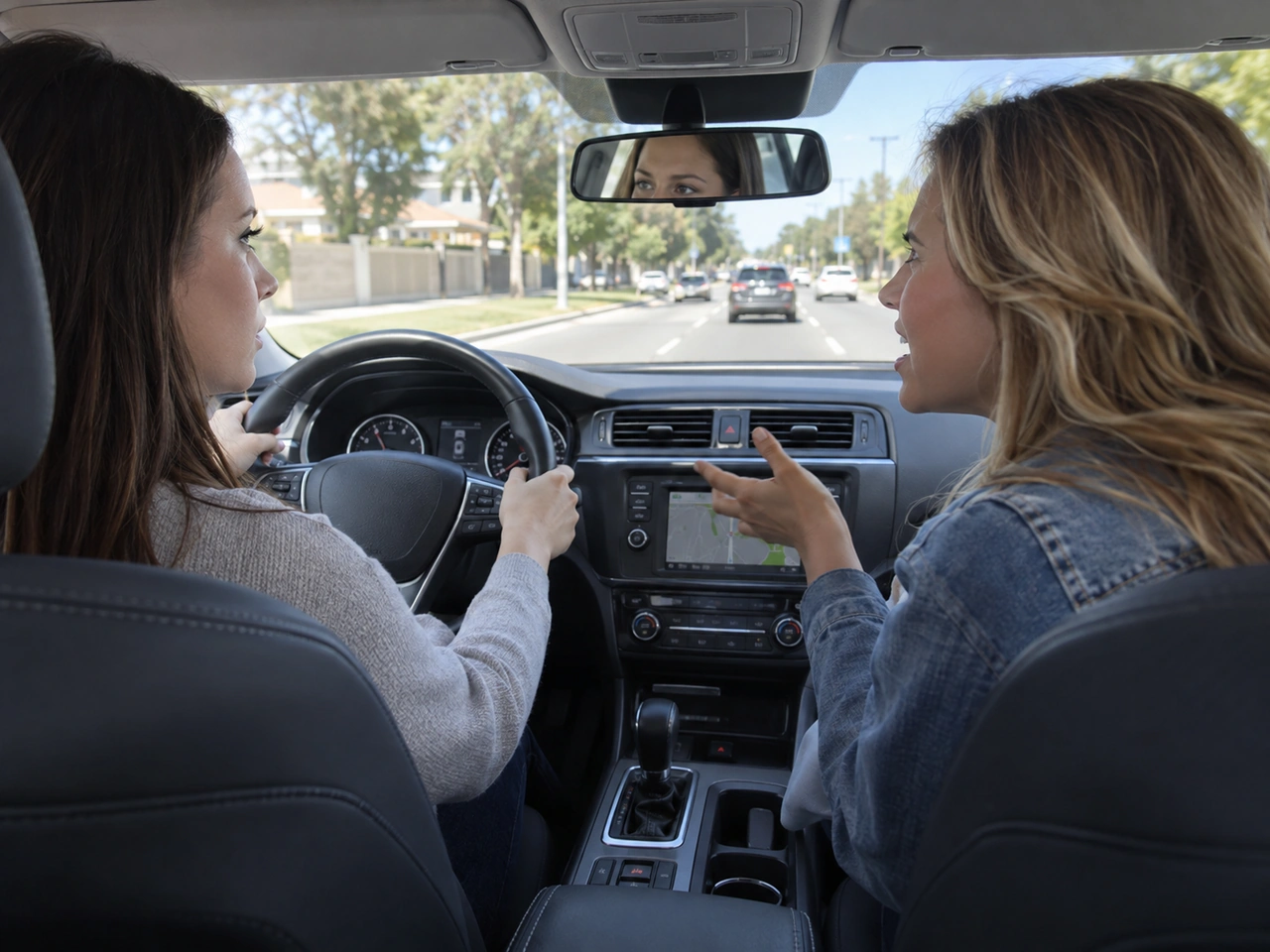
527. What should you do if passengers are distracting you while driving?
Passengers can reduce a driver's attention and concentration. If their behaviour becomes distracting, ask them to stop and keep your focus on driving. If necessary, stop somewhere safe before dealing with the situation.
🔗 Sources
Great Britain — Highway Code, rule 148; distraction and warning sounds
USA NHTSA — General distraction and attention to driving
Image credit: AI-generated
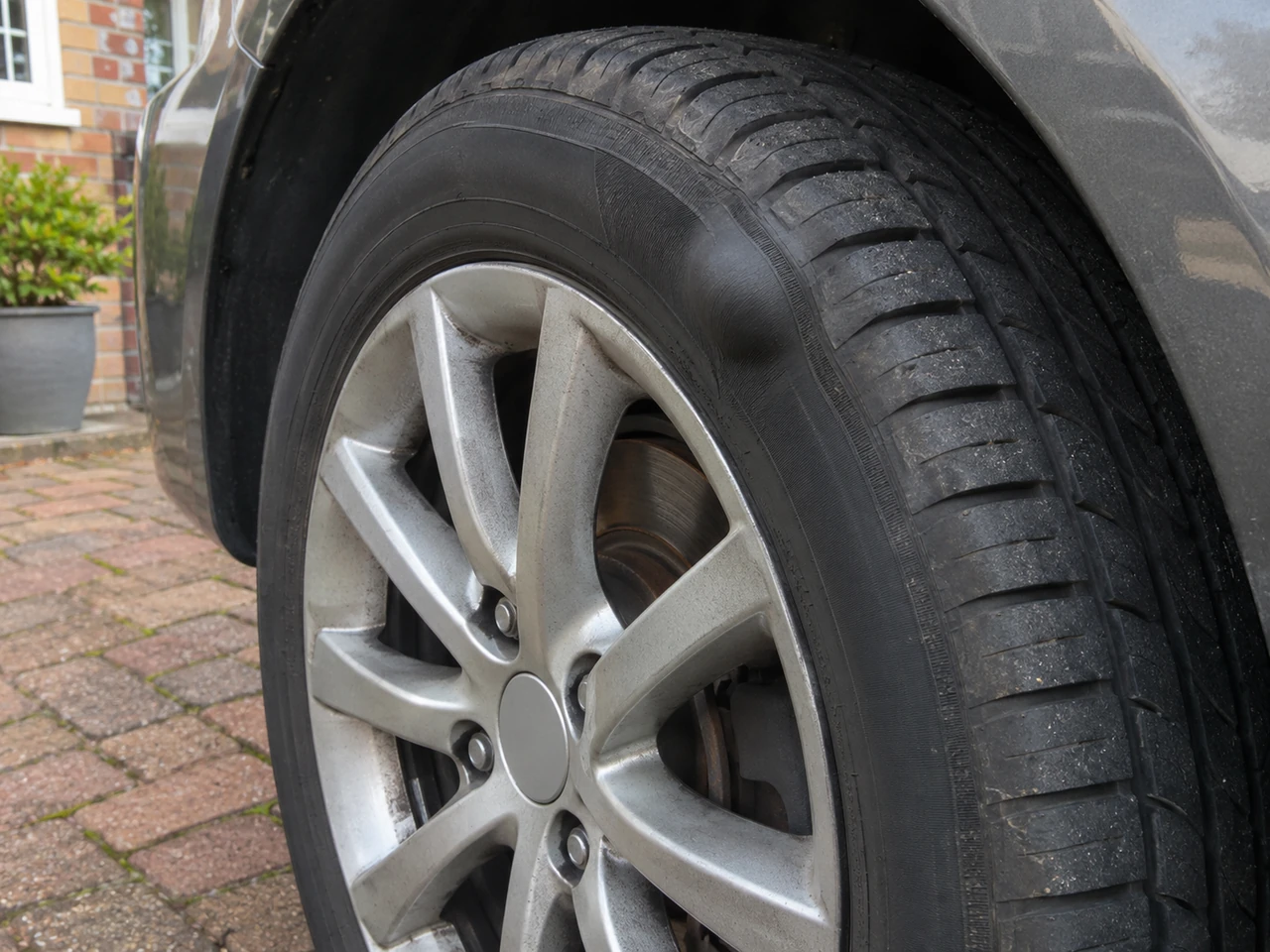
528. A tyre bulge is harmless if the tread is still deep.
A bulge is a sign of tyre damage, even when the tread is deep. Arrange a professional inspection or replacement rather than continuing to use it.
🔗 Sources
NHTSA (United States) • Safety guidance, physical tyre damage and professional advice
Image credit: AI-generated
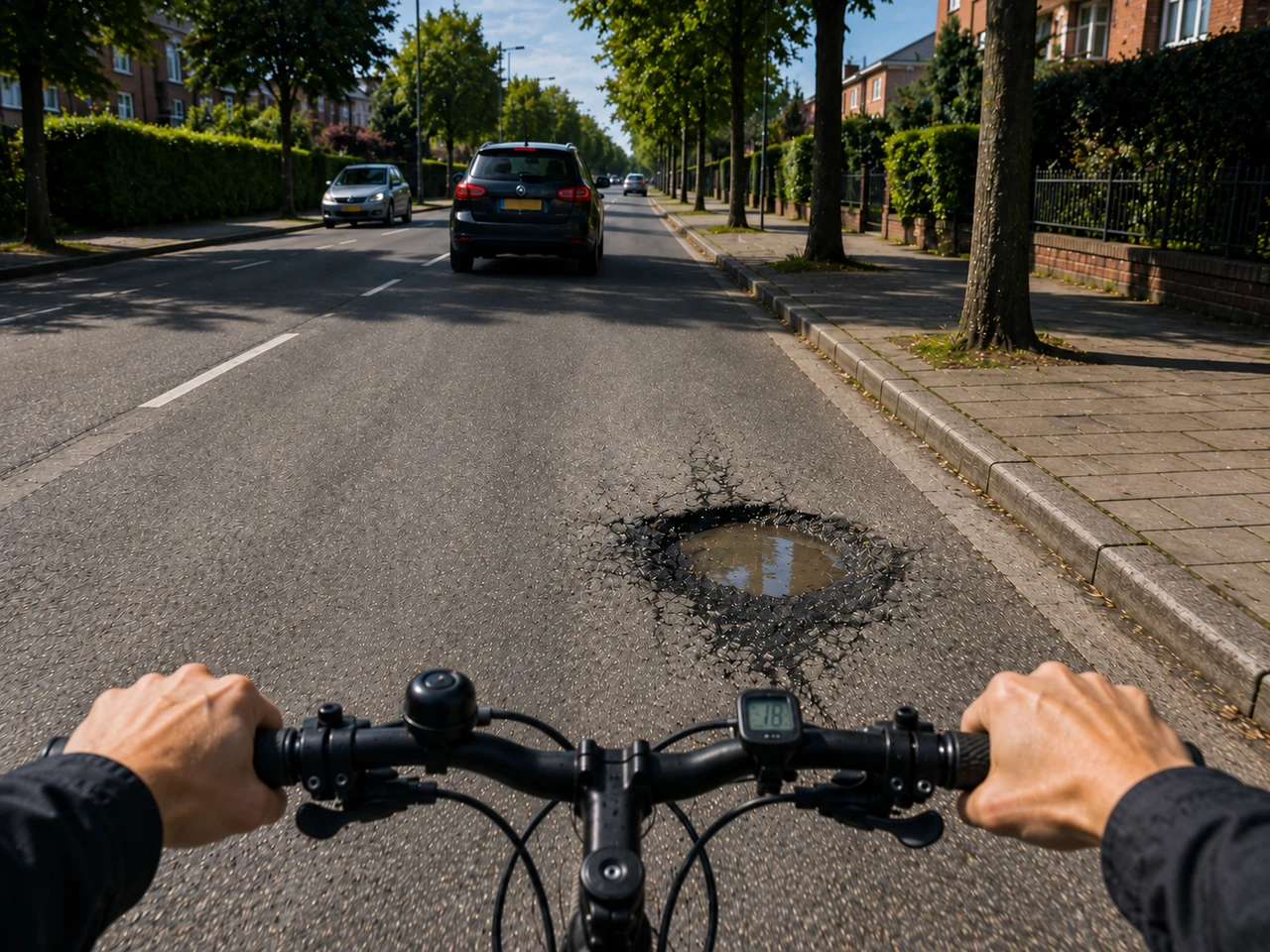
529. How should a cyclist react to a pothole?
Look ahead so you can slow down and plan a safe route around a pothole. Check behind and around you before changing road position, and signal if it is safe to do so. Avoid a sudden swerve into traffic. If there is no safe way past, stop rather than force your way around the hazard.
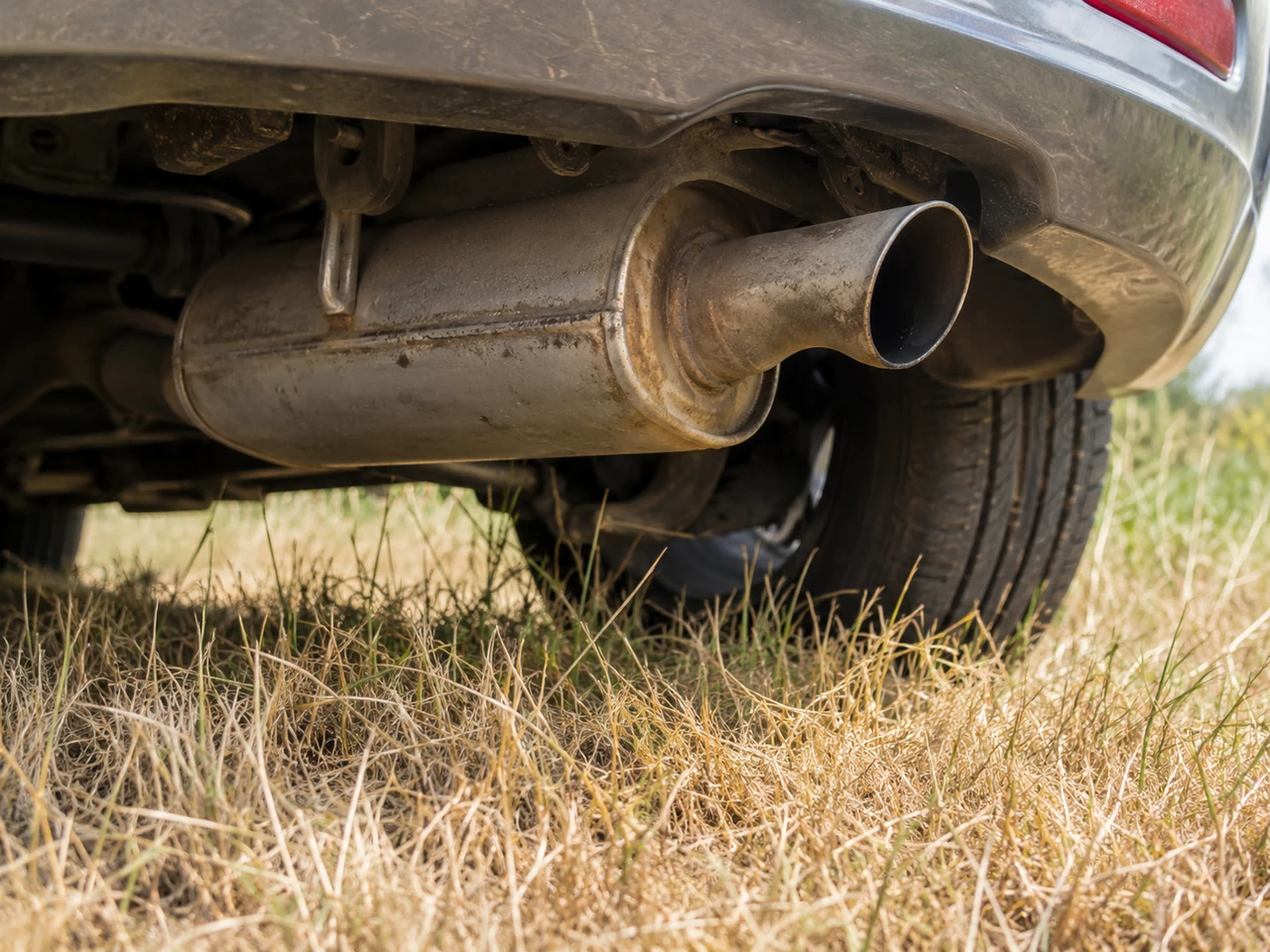
530. A hot exhaust can set dry grass alight beneath a parked car.
Exhaust components can become hot enough to ignite dry vegetation and can remain hot after the engine is switched off. Do not park, idle or drive over dry grass or other combustible ground cover.
🔗 Sources
U.S. Department of the Interior (United States) • Safety guidance, Keep vehicles off dry grass
Image credit: AI-generated
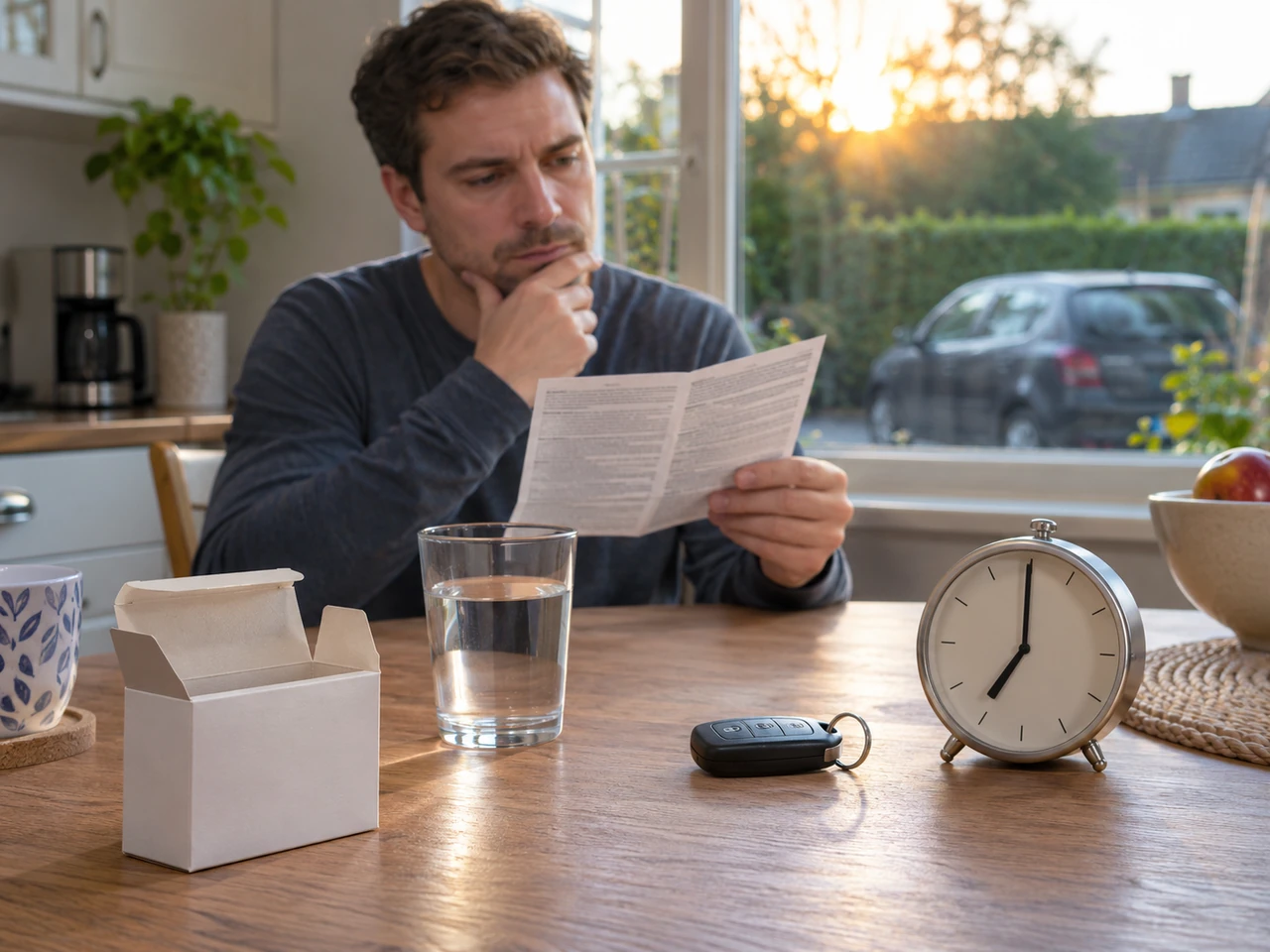
531. Some sleep medicines can still affect driving the next morning.
Some sleep medicines can impair alertness and reactions after you wake up. Follow the medicine's instructions and seek advice if you are unsure whether you can drive safely.
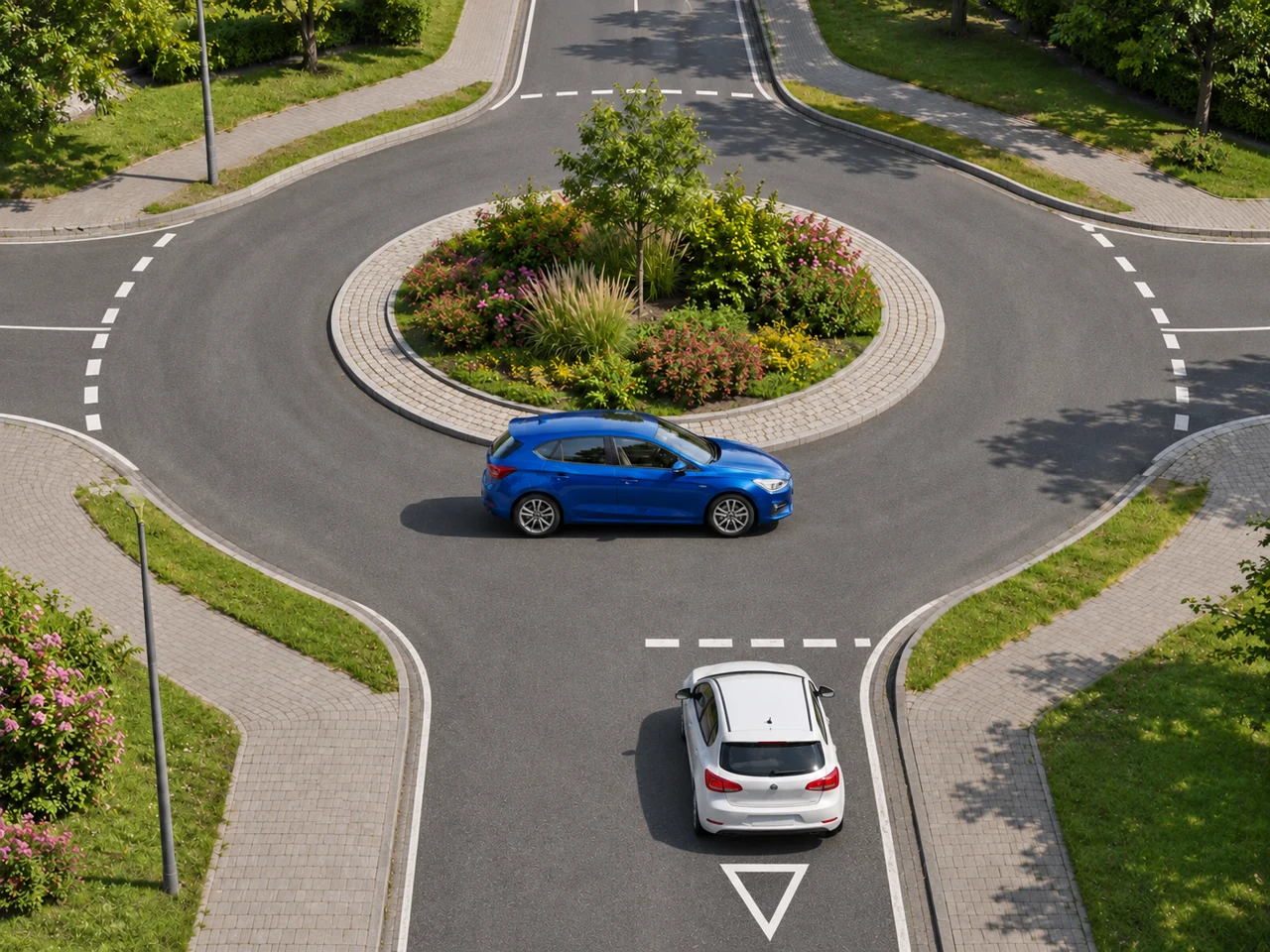
532. Who normally has priority at roundabouts?
In Argentina, traffic entering a roundabout normally gives way to traffic already circulating. Follow the signs, road markings and signals at the entrance.
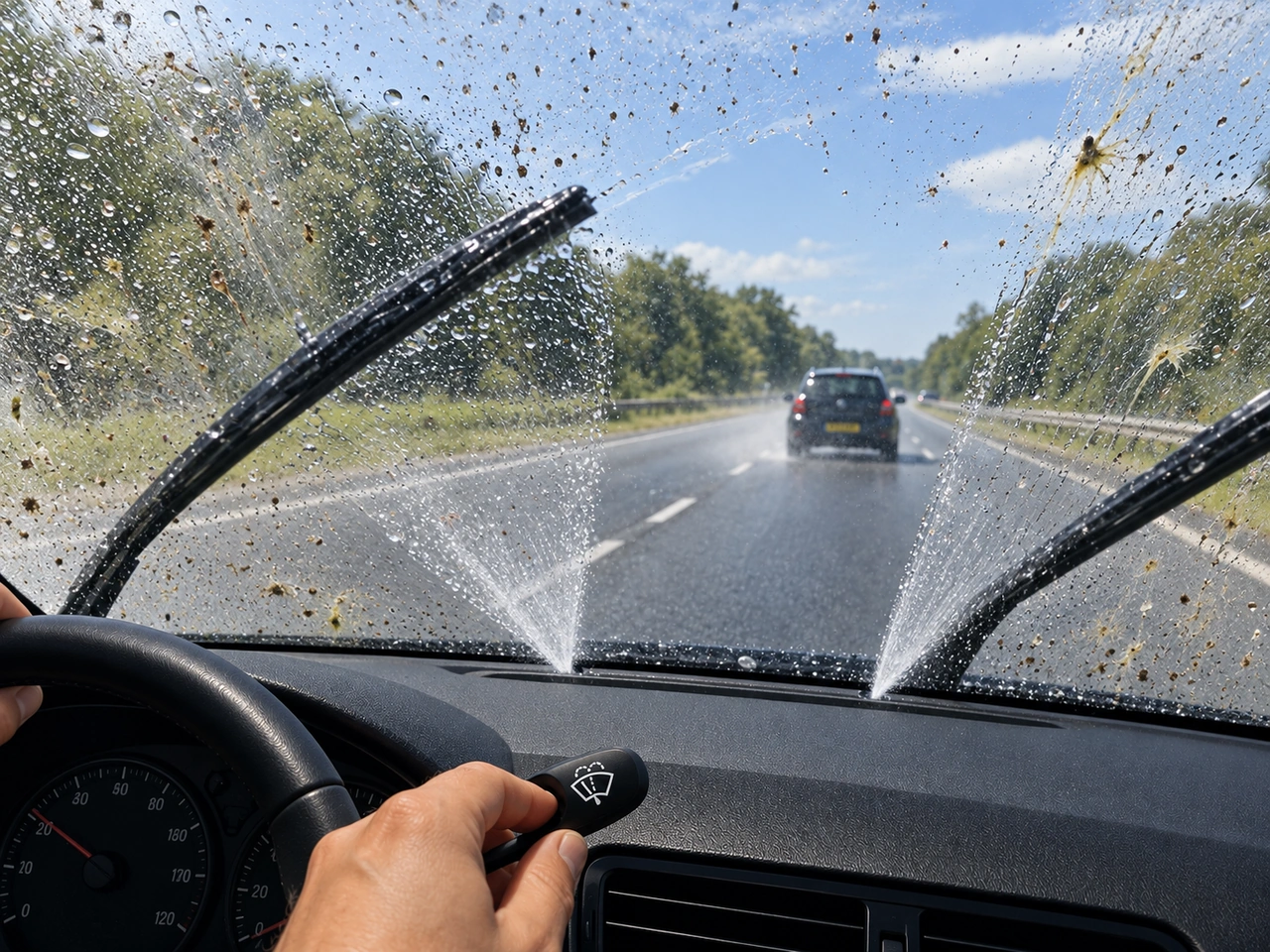
533. Why should the windscreen washer reservoir contain suitable washer fluid?
A clear windscreen is essential for safe observation. Suitable washer fluid helps clean the glass and may provide protection against freezing in cold conditions.
Argentina. Use suitable screenwash so the washers can clear dirt from the glass. Follow the product instructions for cold weather.
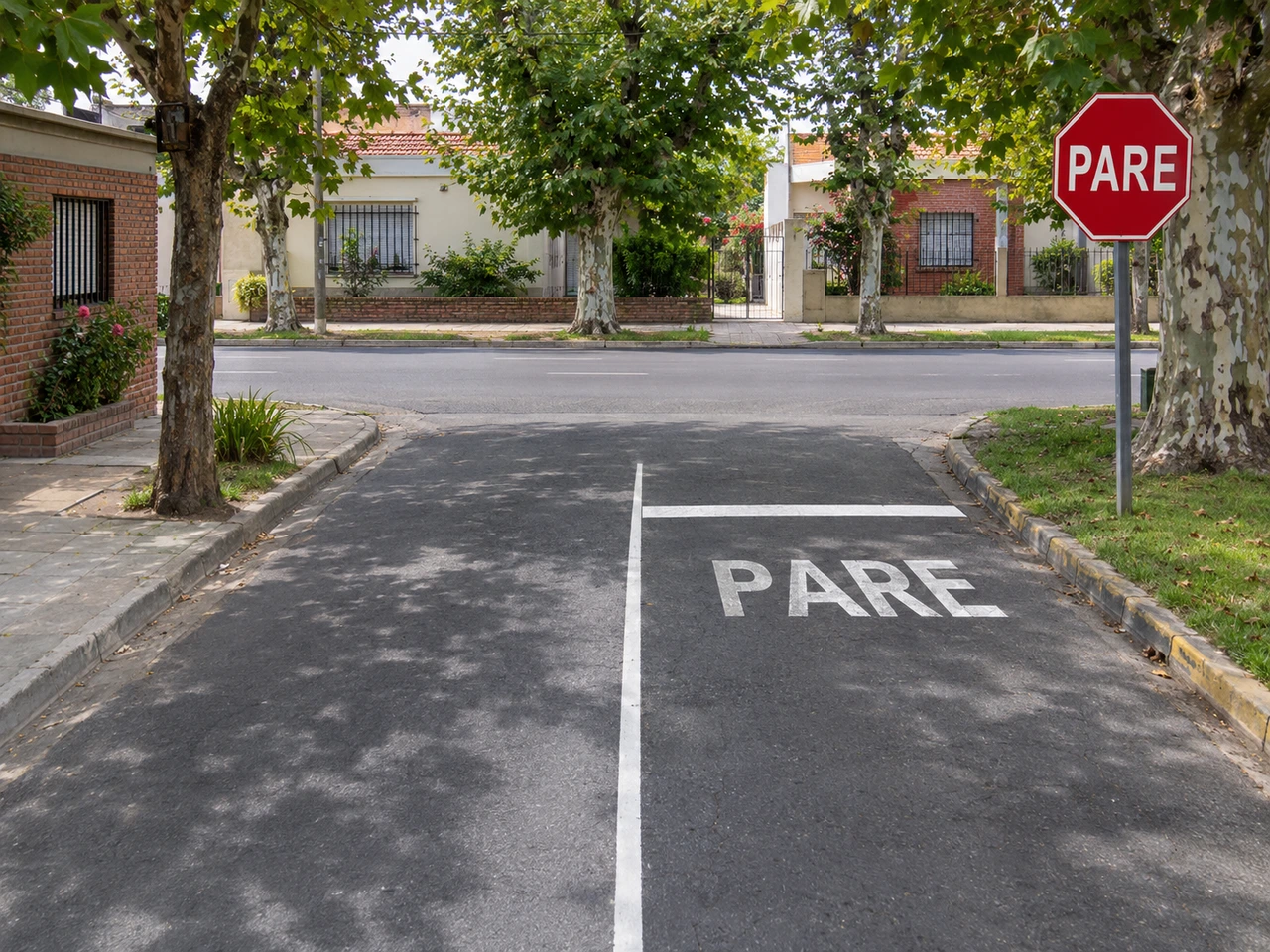
534. What colour is a stop sign usually?
A stop sign has a red background. Come to a complete stop at the required stopping point.
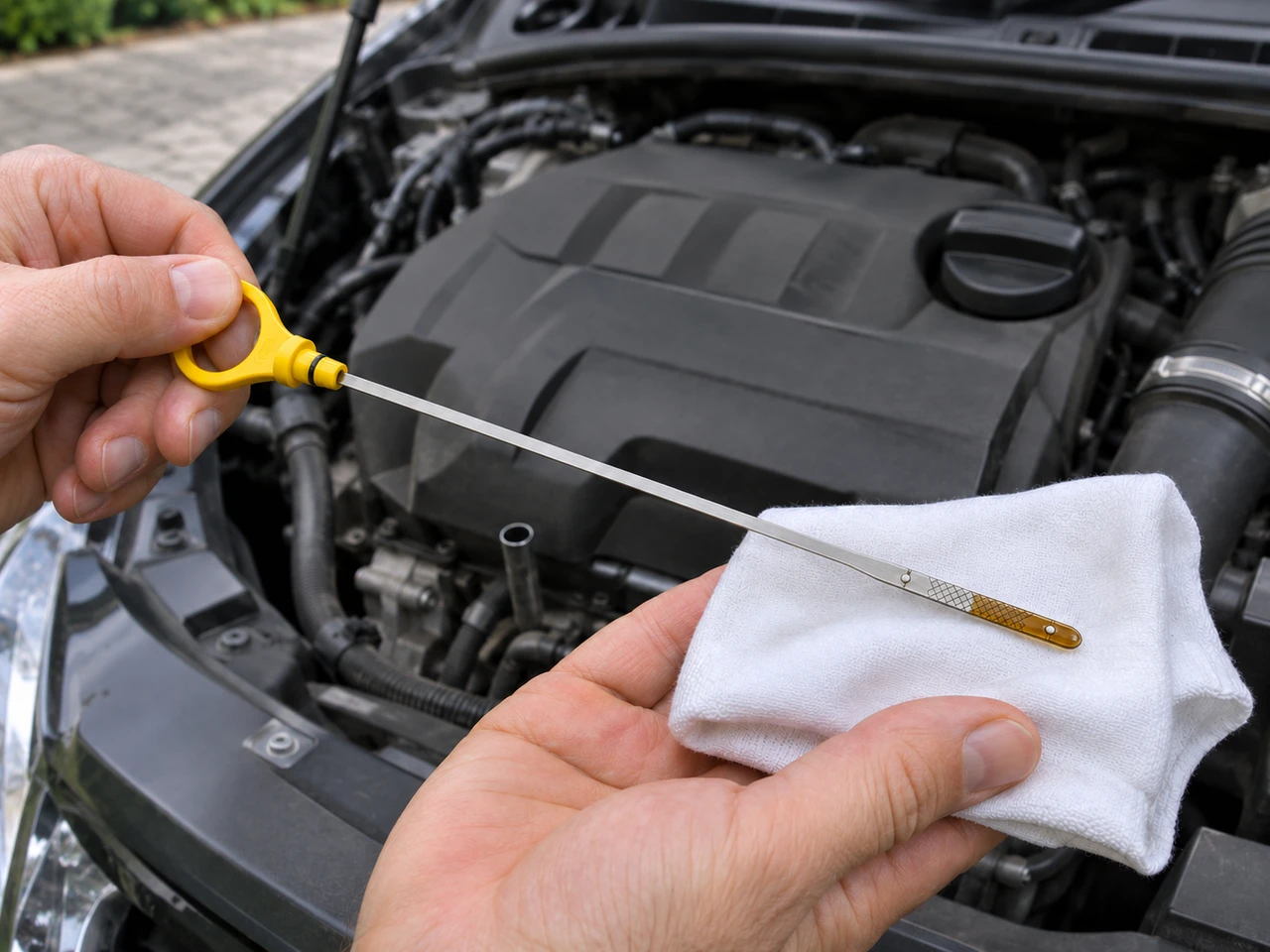
535. How should you check the engine oil level?
Use the dipstick or electronic oil-level system as described in the owner's manual. The engine is usually switched off, and the vehicle should be standing on level ground.
Argentina. Follow the vehicle handbook for the oil level check. If the car has a dipstick, compare the level with its marks using the procedure in the handbook.
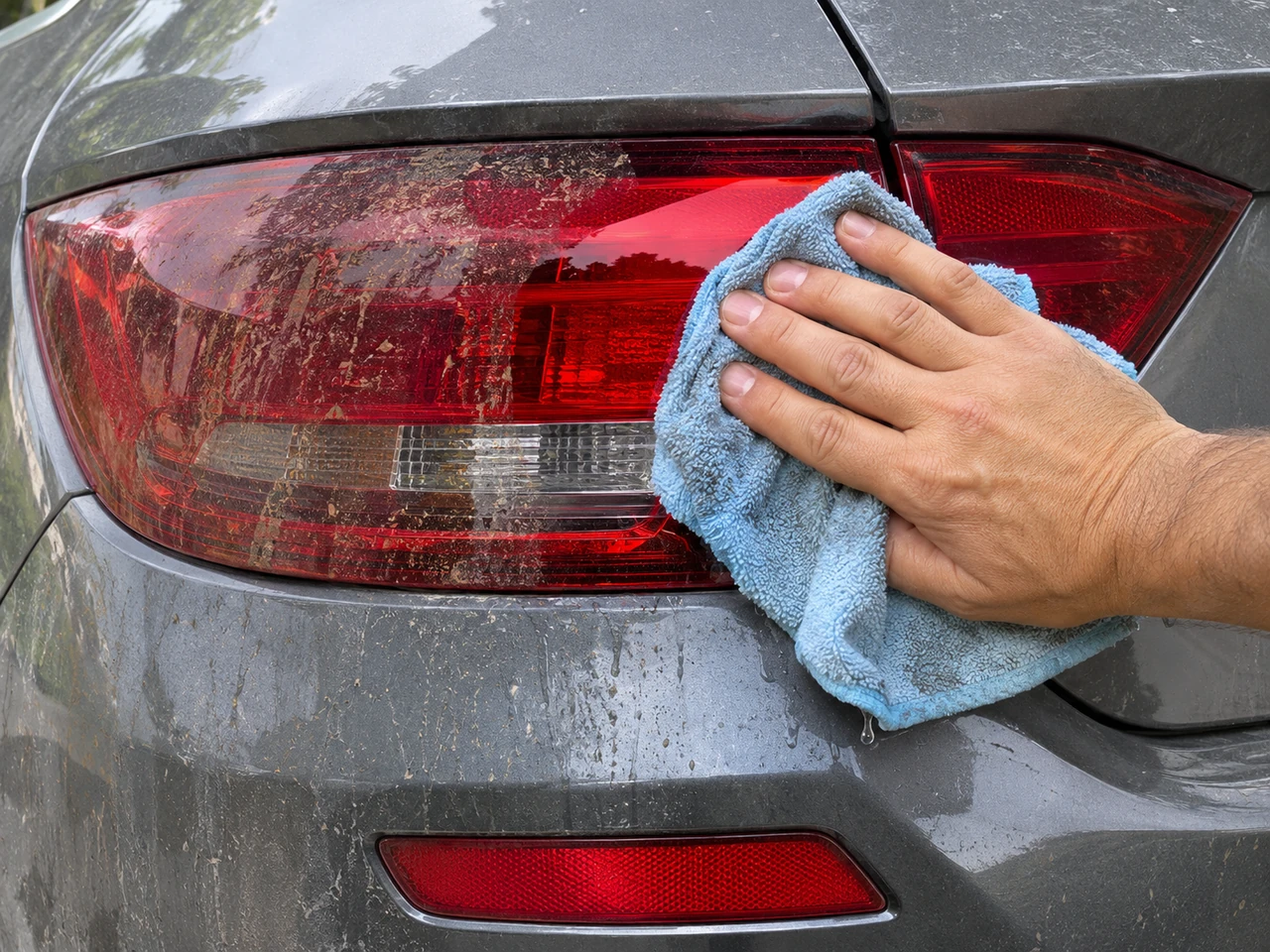
536. You should keep your vehicle's lights and reflectors clean.
Dirt can obscure lights and reflectors and affect how well they work. Clean them regularly, along with checking that the lights function correctly.
🔗 Sources
The Highway Code (Great Britain) • Safety guidance, Vehicle maintenance: lighting and visibility
Image credit: AI-generated
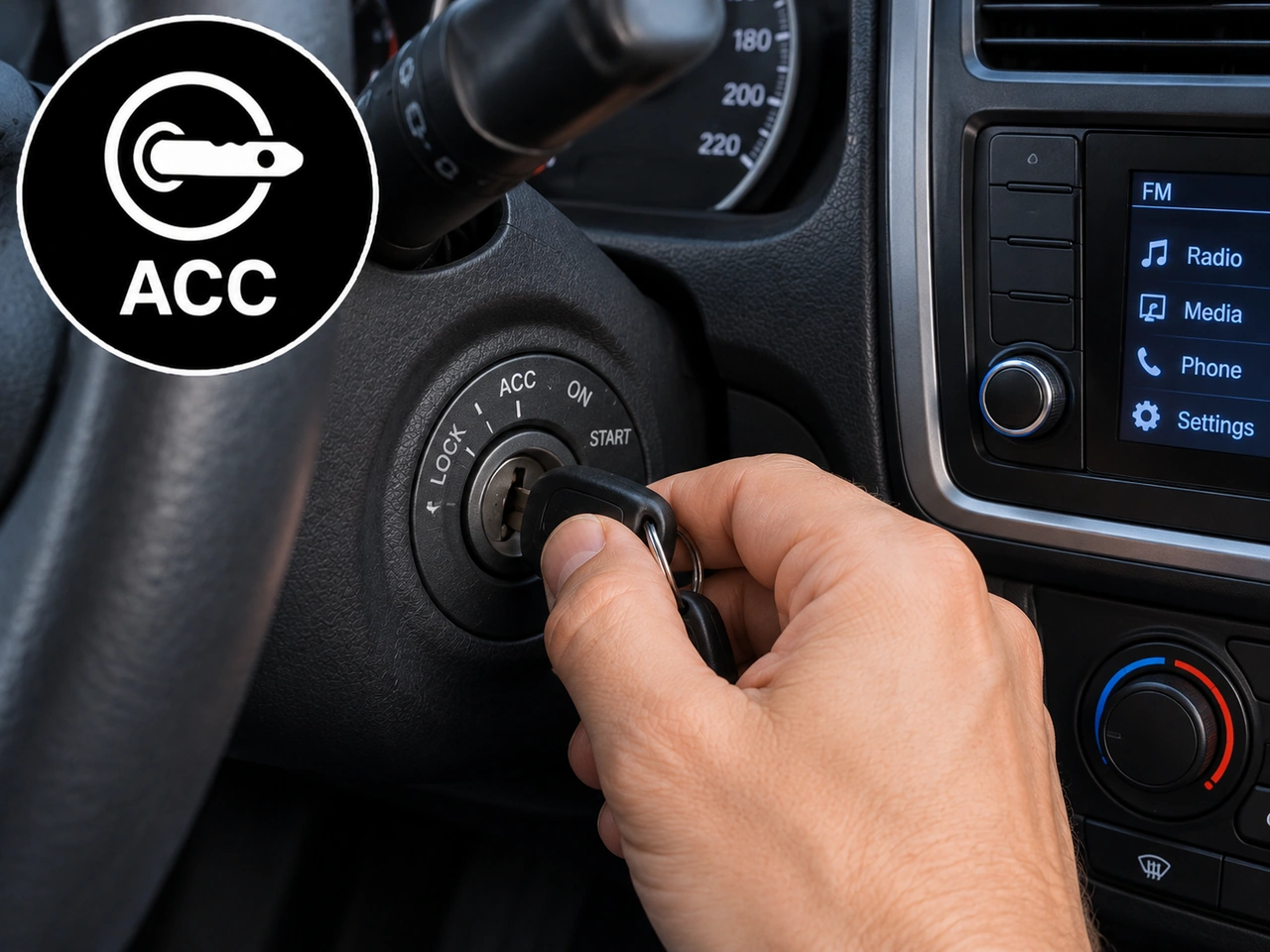
537. What does the ACC position of a traditional ignition switch normally allow?
The ACC (accessory) position normally supplies power to certain electrical accessories, such as the audio system, without starting the engine. The exact functions available can vary between vehicles.
On a keyed ignition, ACC may power accessories such as the radio while the engine is off. Some switches label this position I.
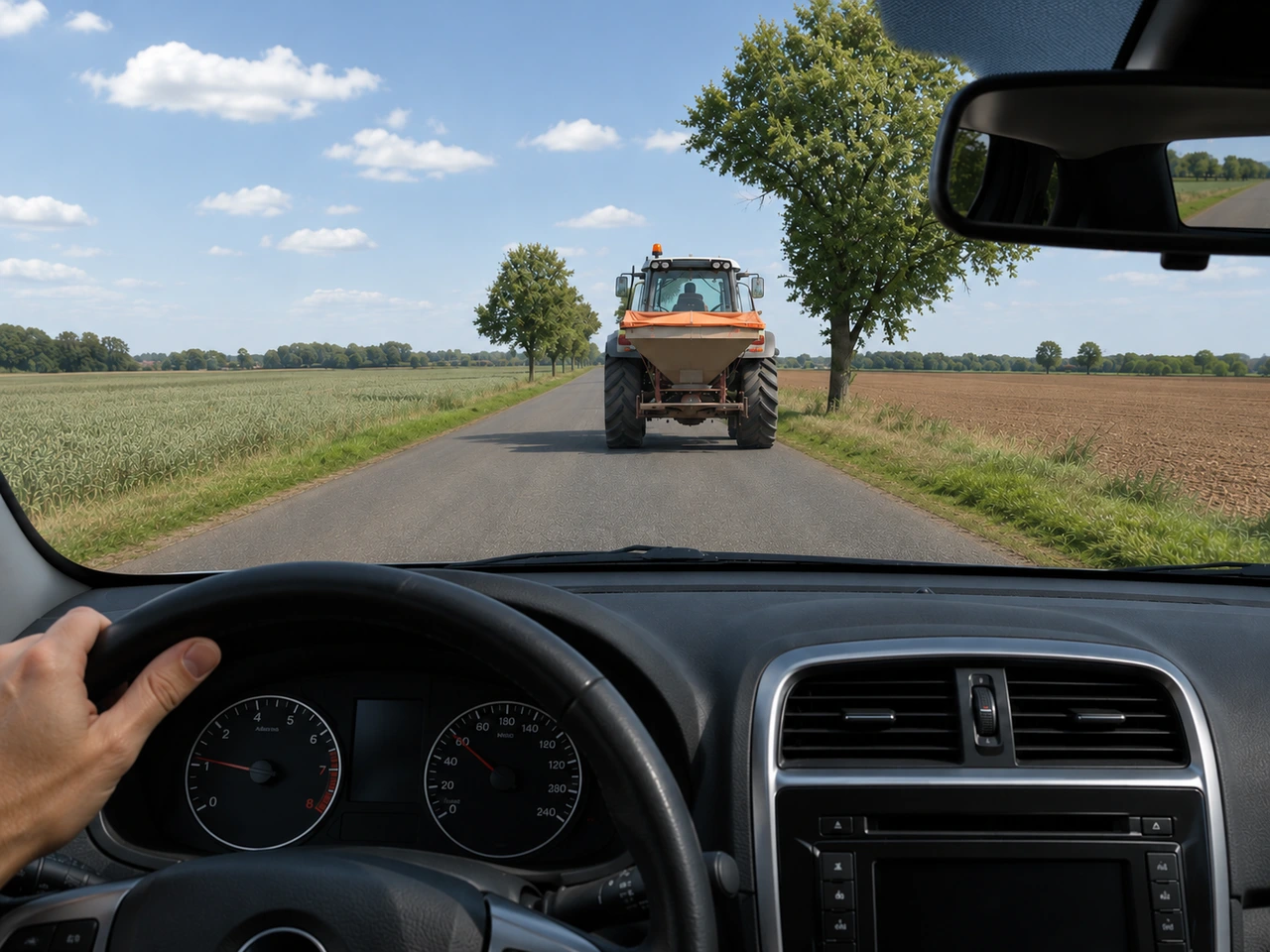
538. What should you do if you approach slow-moving farm machinery?
Farm machinery may be wide, slow, or turn unexpectedly. Keep distance and only overtake when you have a clear view and enough space.
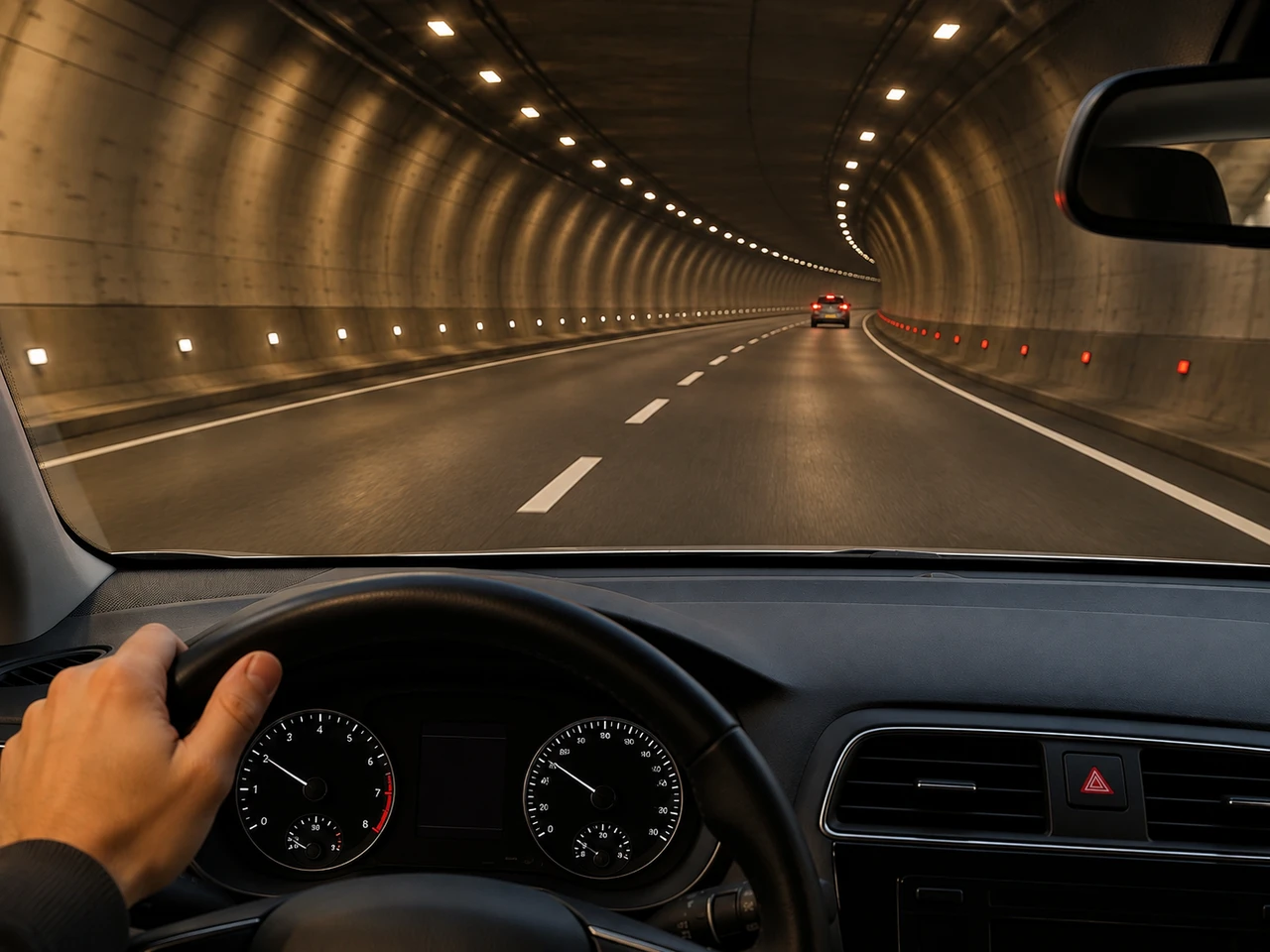
539. Why should you leave a safe following distance inside a tunnel?
Limited space and visibility can make incidents inside tunnels especially dangerous. A safe gap gives you more time to react.
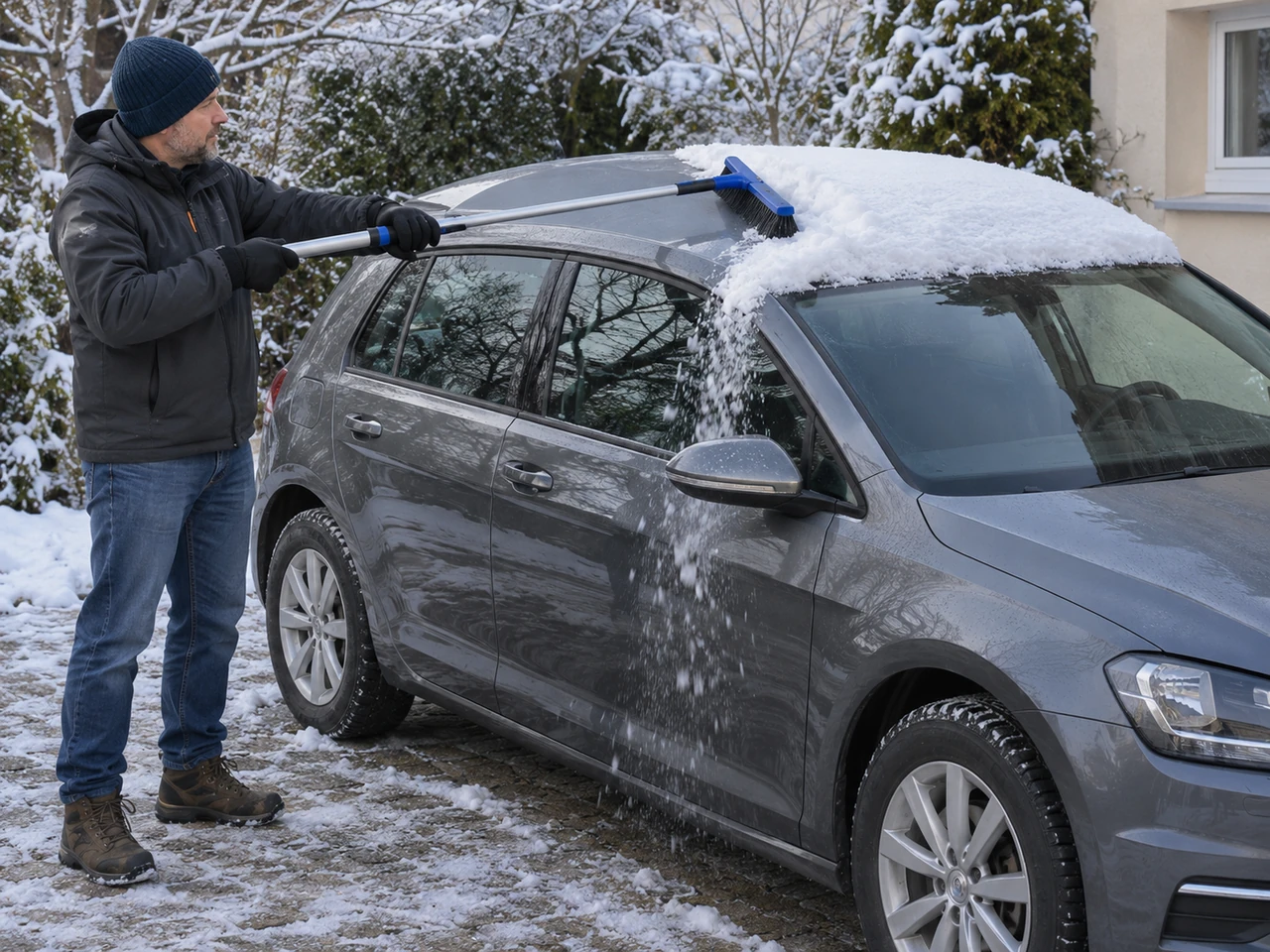
540. You should remove loose roof snow before driving.
Loose snow can slide onto your windscreen or fall into the path of other road users. Remove it safely before setting off.
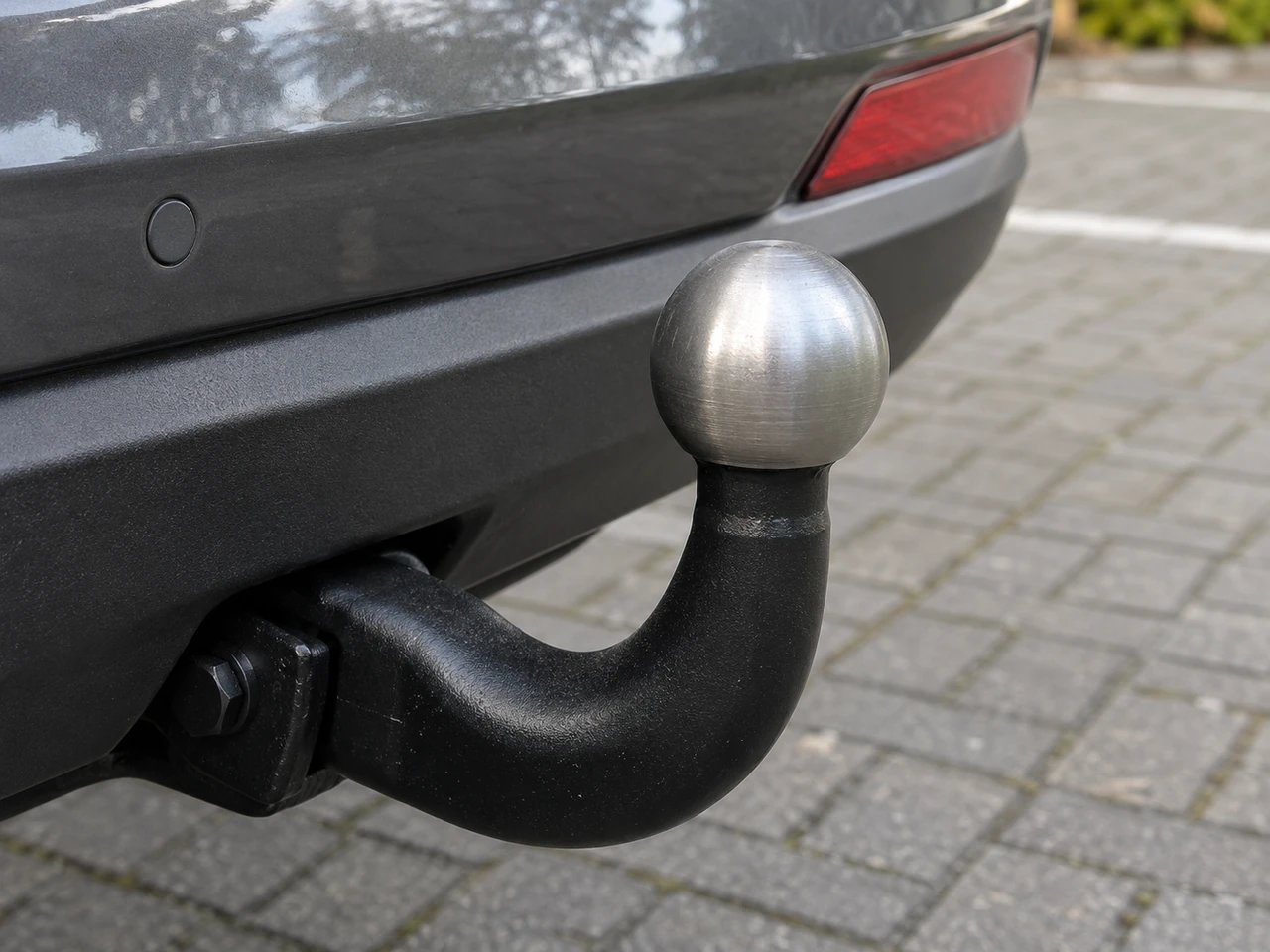
541. Greasing the towball improves the grip of a friction-type stabiliser coupling.
A friction-type stabiliser uses pads gripping the towball. Grease reduces their stabilising effect and can contaminate the pads. Follow the coupling maker's instructions; this does not mean that all conventional couplings must run without lubrication.
🔗 Sources
AL-KO (manufacturer guidance) • Safety guidance, AKS friction coupling: clean towball and uncontaminated friction linings; follow coupling instructions
Image credit: AI-generated
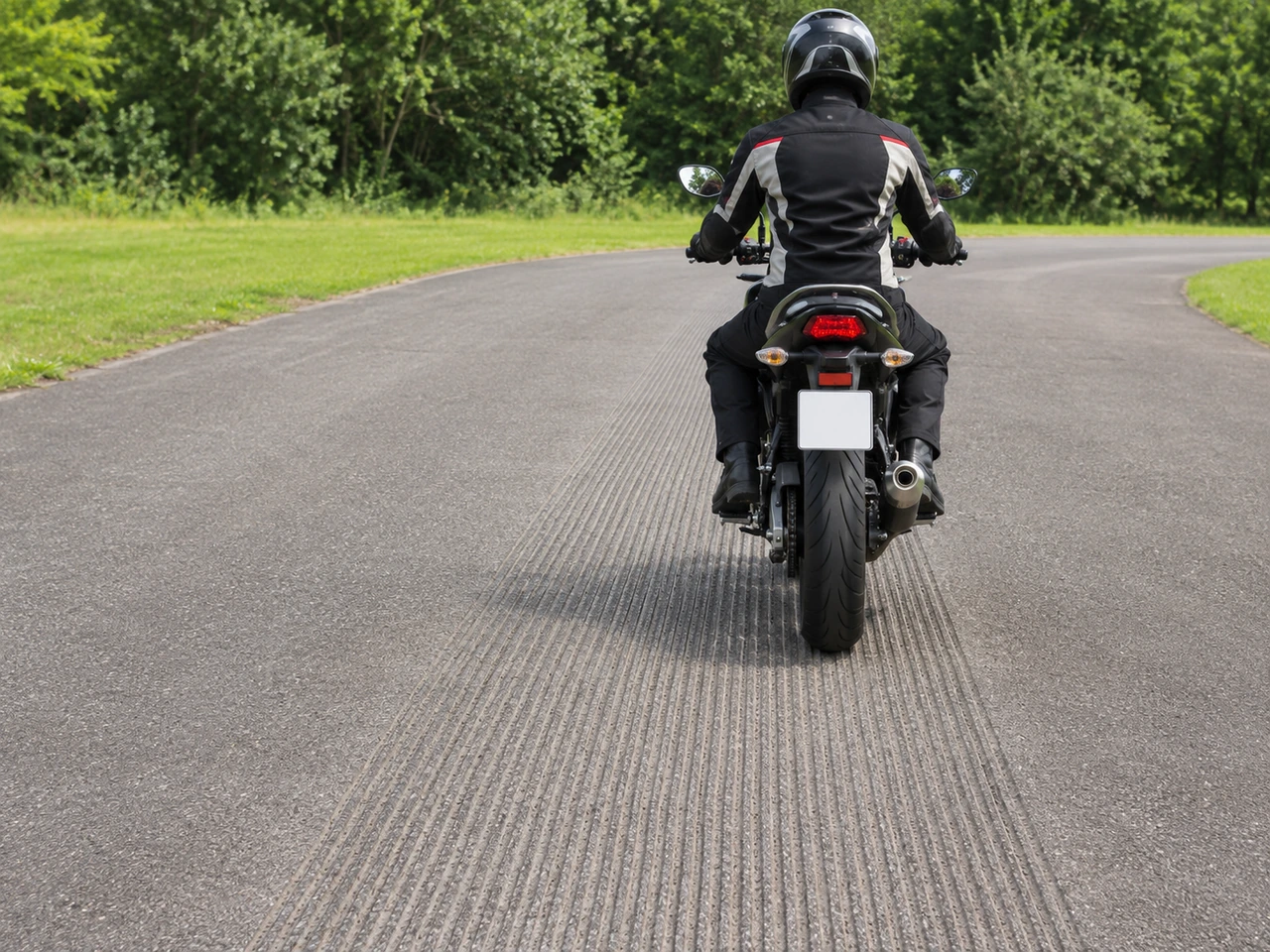
542. How should a motorcyclist react to grooves or ruts in the road?
Longitudinal grooves or ruts can affect a motorcycle's steering and may make the wheels follow the uneven surface. Reduce speed where necessary, keep a relaxed but steady grip and avoid sudden braking, acceleration or steering corrections.
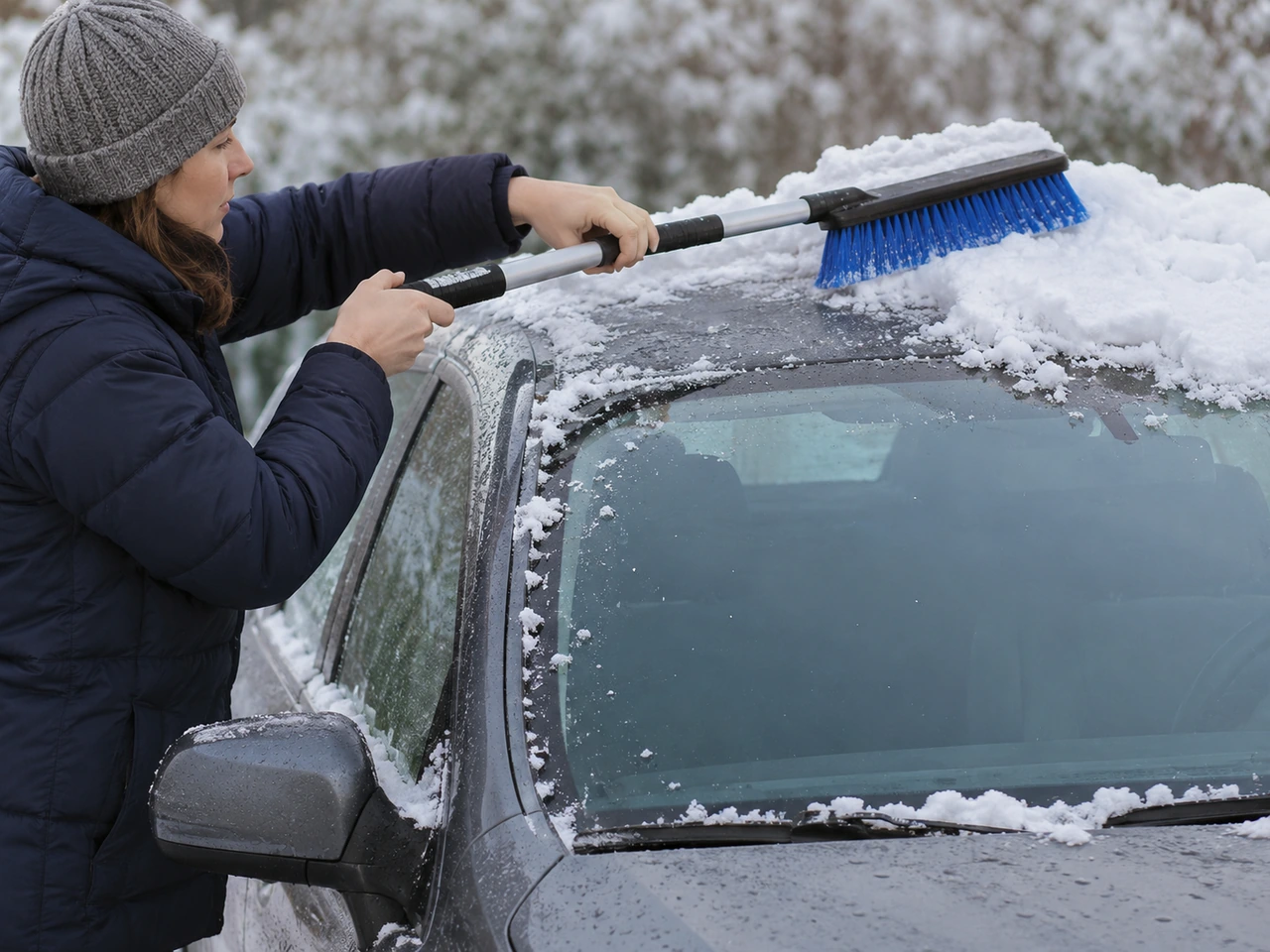
543. What should you do before driving if snow or ice covers your vehicle?
Clear snow and ice before moving, rather than leaving only a small viewing hole. Clear every window and mirror, demist the glass and make sure lights and number plates are unobstructed. Remove snow from the roof and other surfaces where it could slide onto your windscreen or fall into another road user's path. Use a suitable scraper and brush.
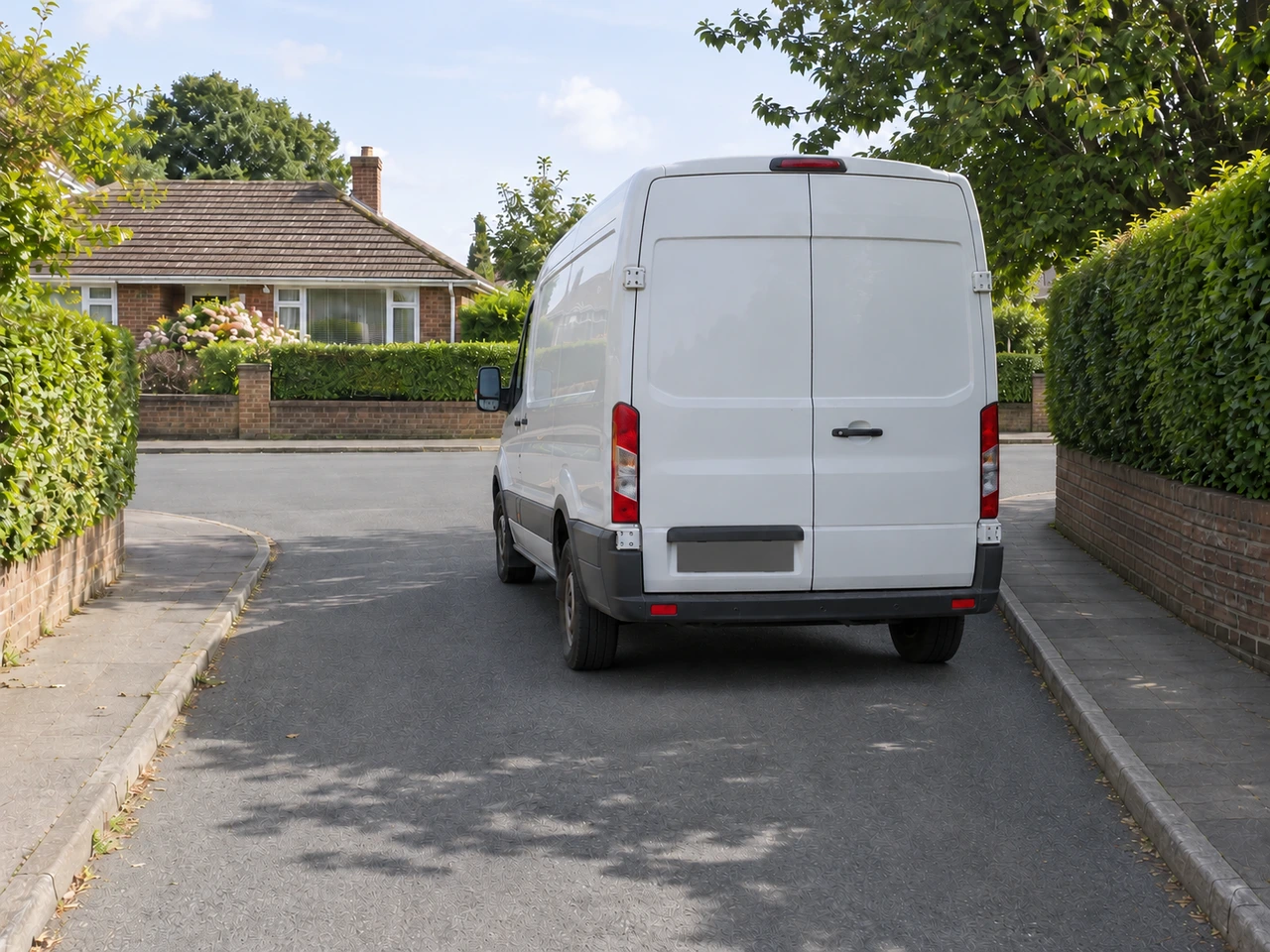
544. How can parking too close to a junction affect visibility?
Parking too close to a junction can block visibility. Drivers, cyclists, and pedestrians may have difficulty seeing each other in time.
🔗 Sources
UK Highway Code — General parking safety guidance: danger and obstruction, Rules 242–243
Image credit: AI-generated
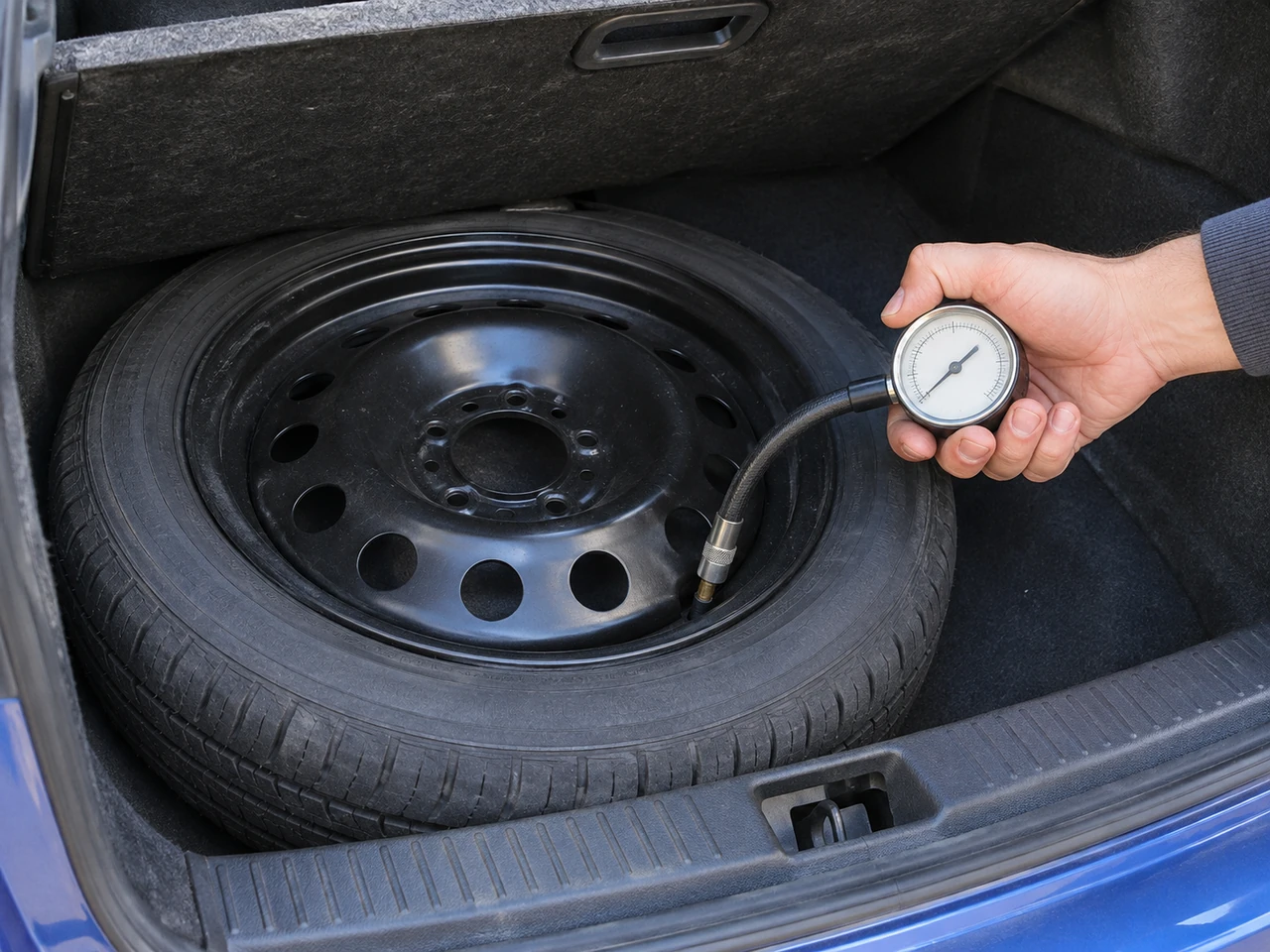
545. You should check the pressure of a spare tyre, even if it has not been used.
A stored spare can lose air over time. Check it regularly and use the pressure specified for that spare in the vehicle instructions; it may differ from the pressure for the road tyres.
🔗 Sources
NHTSA (United States) • Safety guidance, tyre-pressure checks including the spare
Image credit: AI-generated
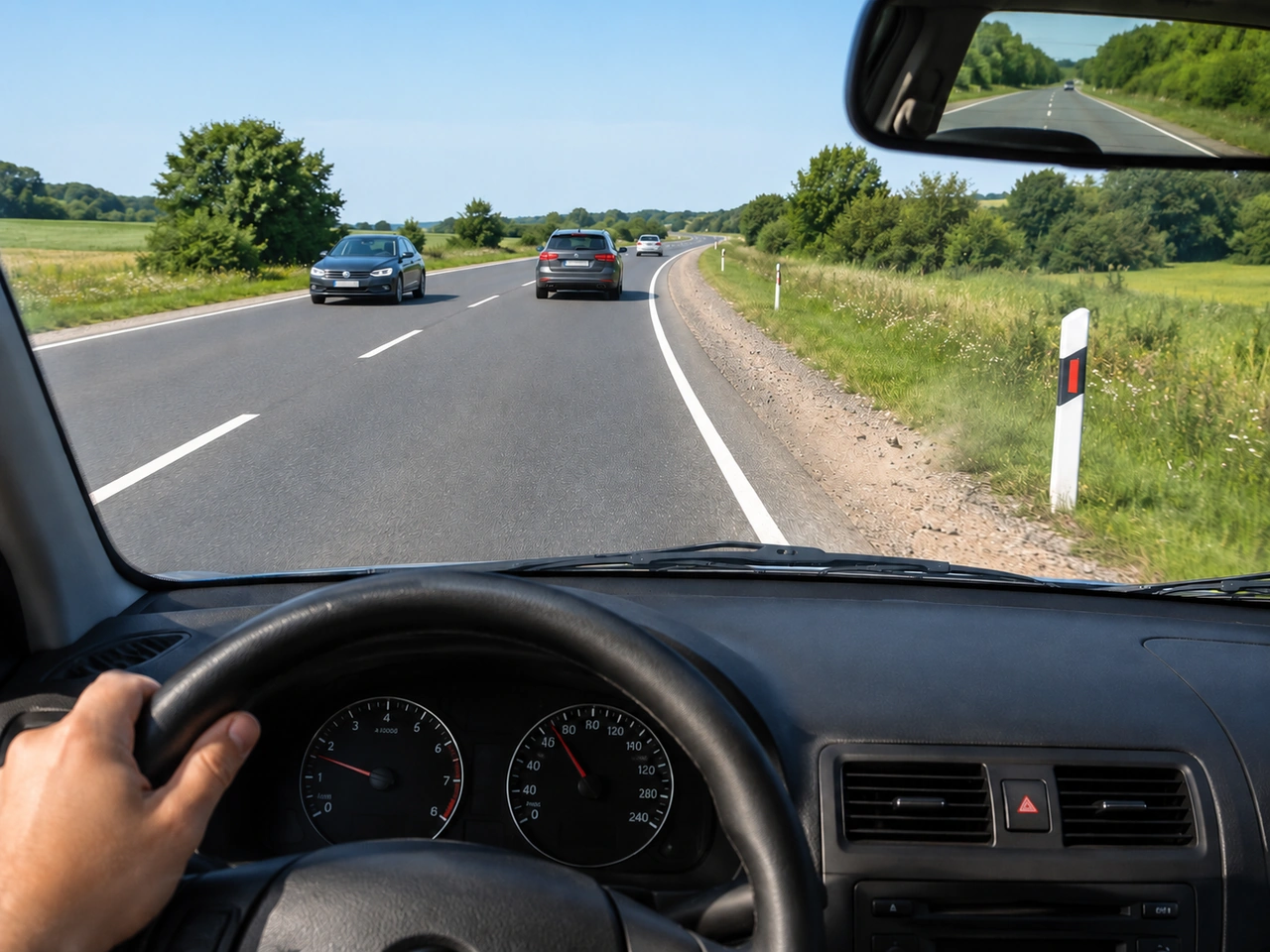
546. What should you do if your vehicle begins to drift onto the shoulder?
If you drift onto the shoulder, avoid sudden steering or braking. Slow gently and return to the road smoothly when it is safe.
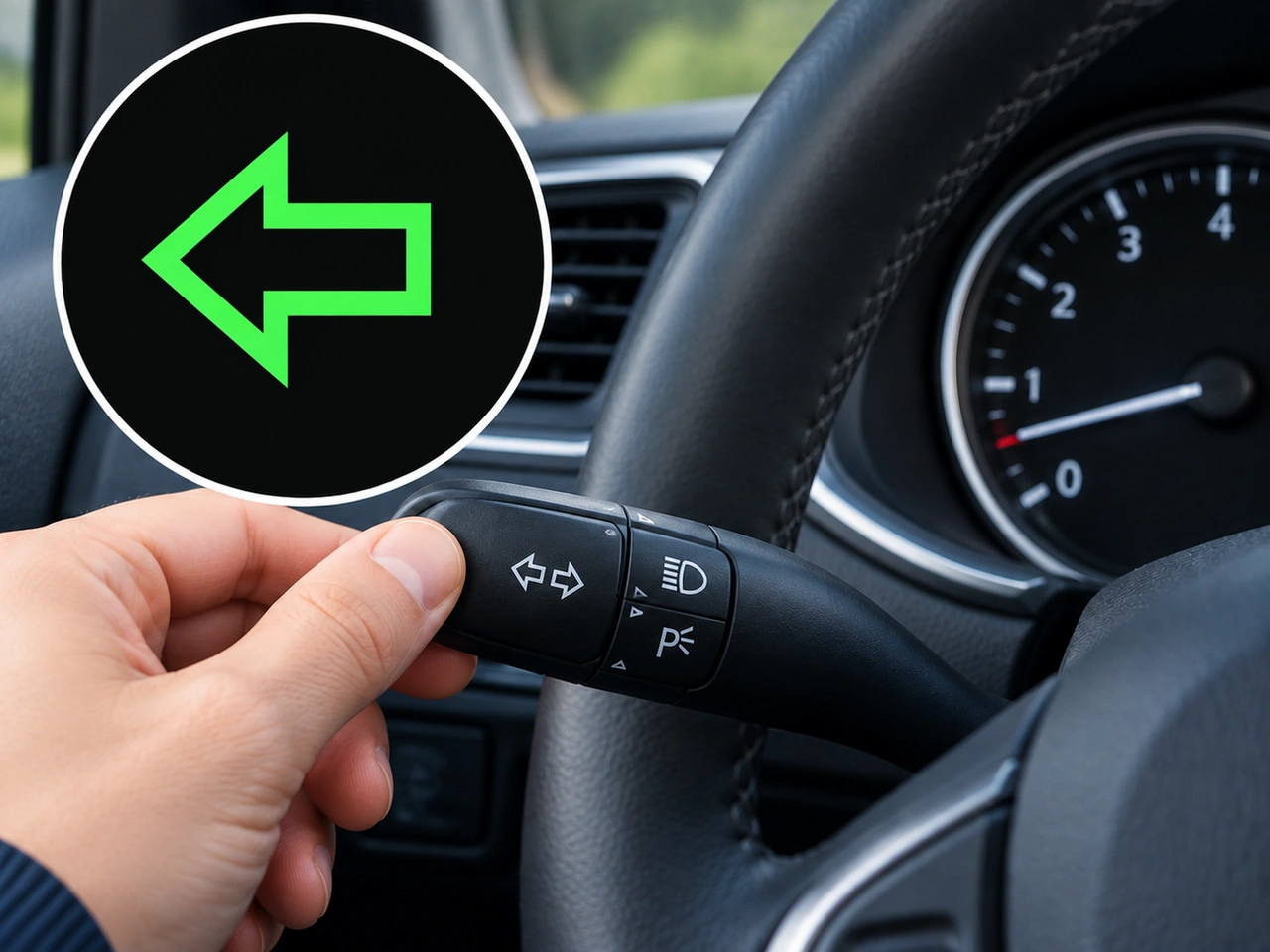
547. What does this dashboard symbol indicate?
This symbol indicates that a direction indicator is operating. The flashing indicator shows the direction in which the driver intends to turn or change position on the road.
A flashing arrow shows which side is signalling. Both arrows may flash together when the hazard warning lights are on.
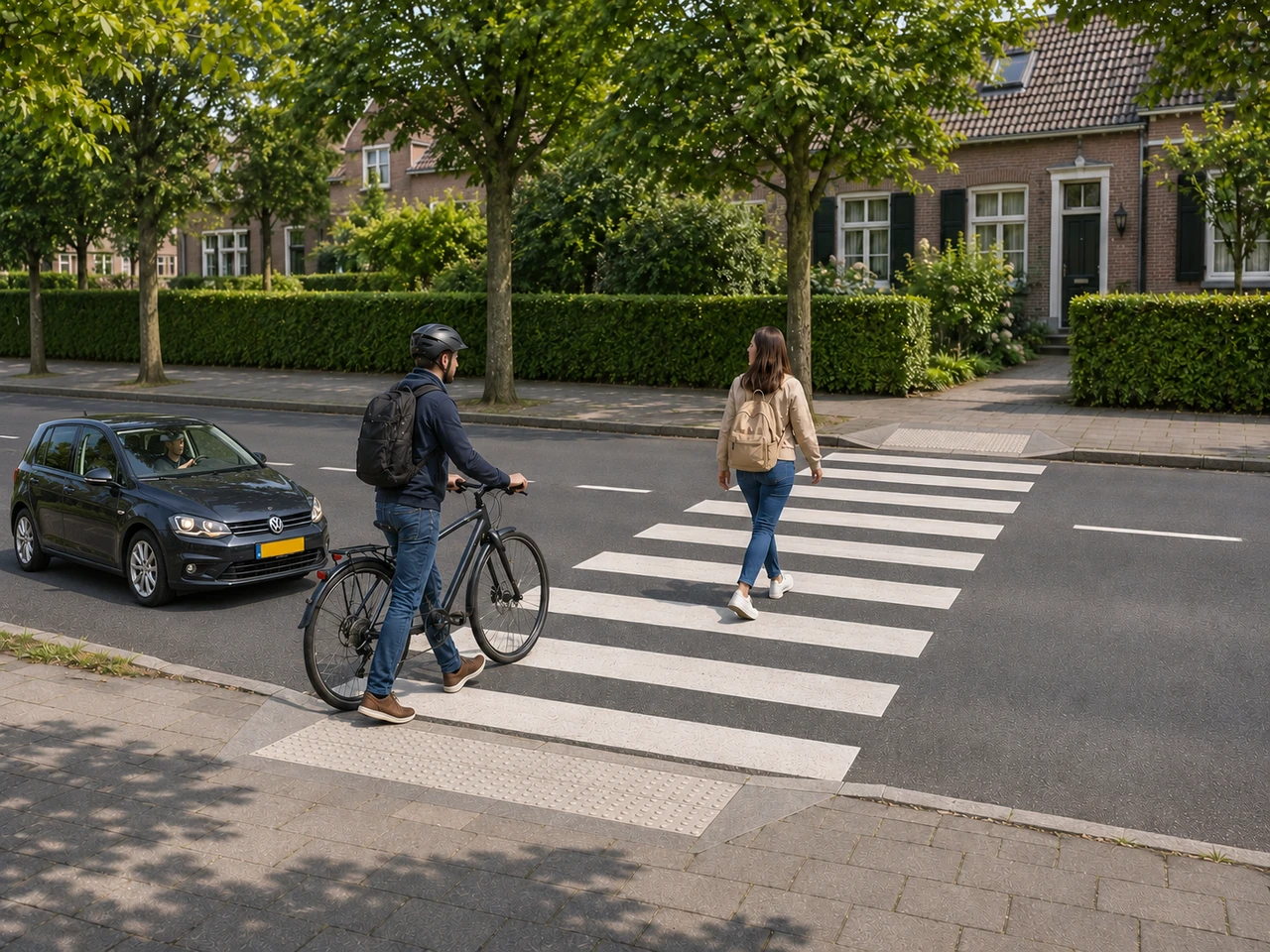
548. Who is responsible for staying safe when crossing the road?
Everyone using the road should stay alert and follow the rules. Drivers need to watch for people crossing and give way as required. Pedestrians and people walking bicycles should check traffic before entering the road and keep looking as they cross. Shared responsibility does not remove any duty to give way under local rules.
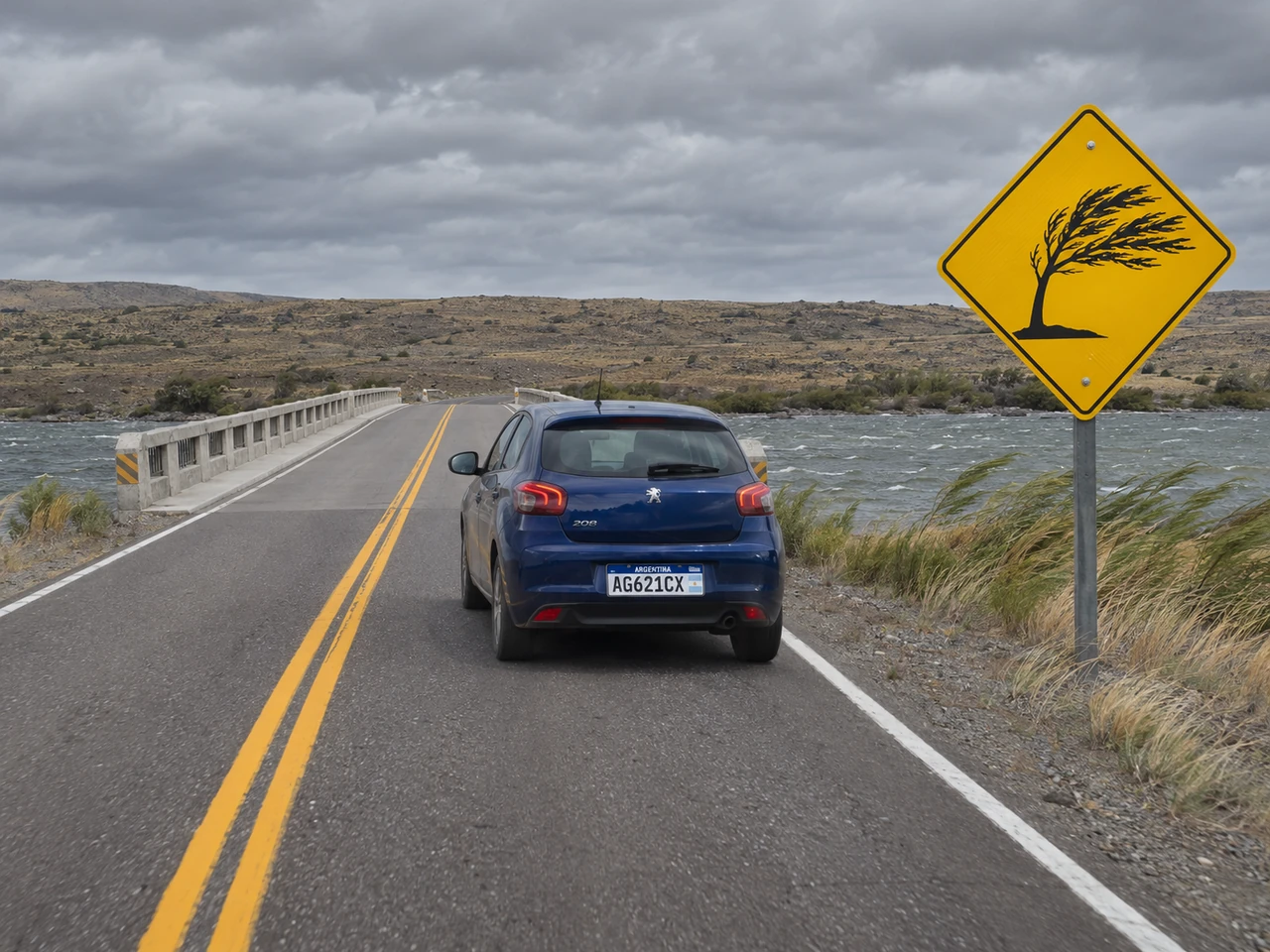
549. Why can bridges be dangerous in strong winds?
Bridges and viaducts often provide little shelter from crosswinds. Gusts can push vehicles off course, especially high-sided vehicles and those towing caravans or trailers. Adapt your speed before the exposed section and allow room for other road users. Follow any posted restrictions or closures. The crosswind warning sign does not itself impose a numerical speed limit.
Argentina. Prepare before entering an exposed bridge: reduce speed and leave room for gusts. This applies article 50’s control requirement to an exposed location. Article 42 also prohibits starting an overtake when approaching a bridge. P.30 warns of strong lateral winds, not a universal closure threshold.
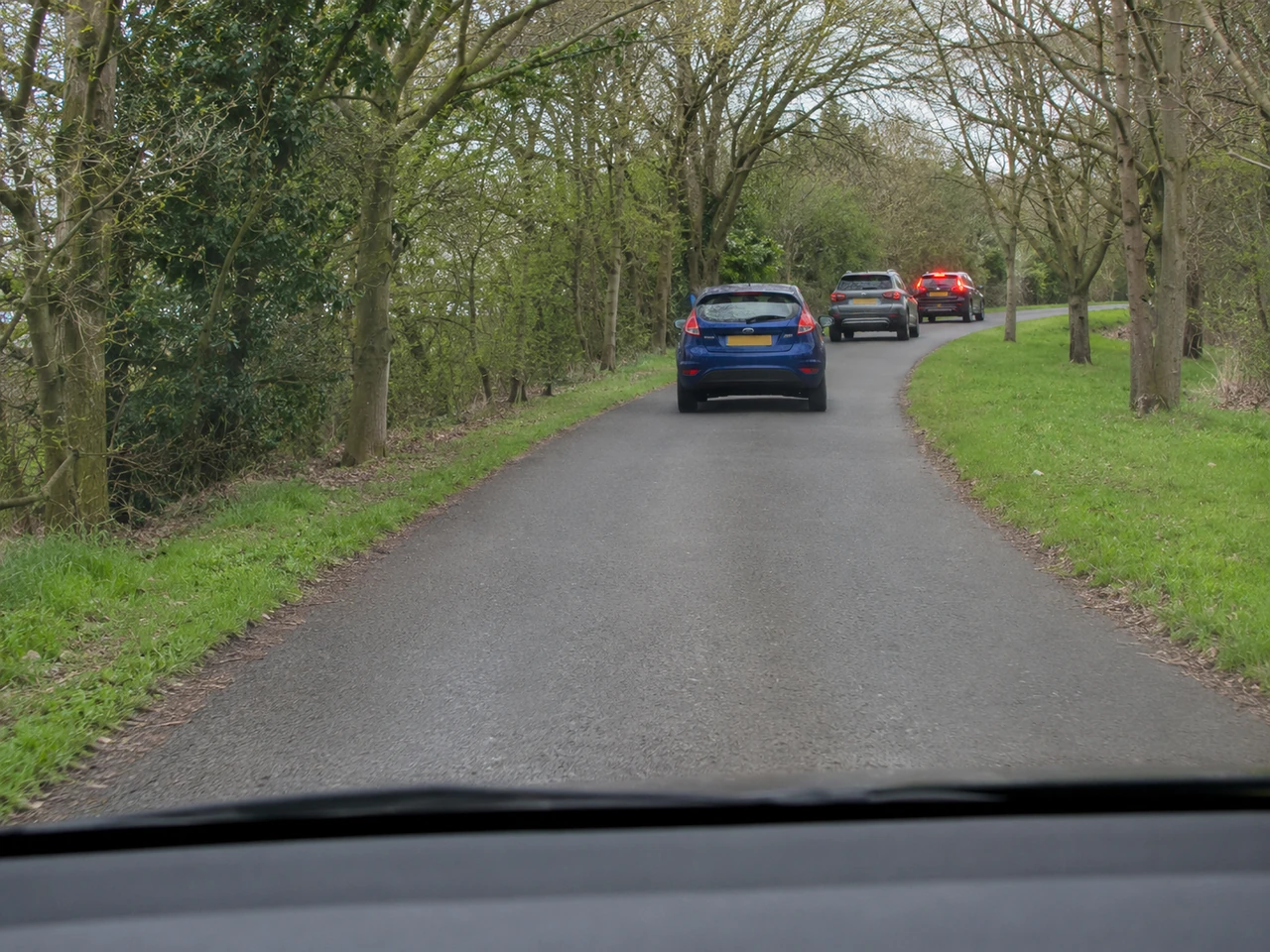
550. Anticipating traffic can help you avoid unnecessary braking and acceleration.
Look well ahead and leave enough space to respond smoothly. This can reduce unnecessary speed changes and fuel use. Always brake or stop when safety requires it.
🔗 Sources
Vehicle Certification Agency (United Kingdom) • Safety guidance, Drive smoothly and avoid unnecessary braking
Image credit: AI-generated