


QuizTraffic rulesArgentina
This interesting quiz helps you test your knowledge in a clear and visual way. With easy multiple-choice questions, you can quickly build confidence and learn new facts while keeping it simple, interactive, and fun.
 Traffic signs
 Traffic rules
 Argentina
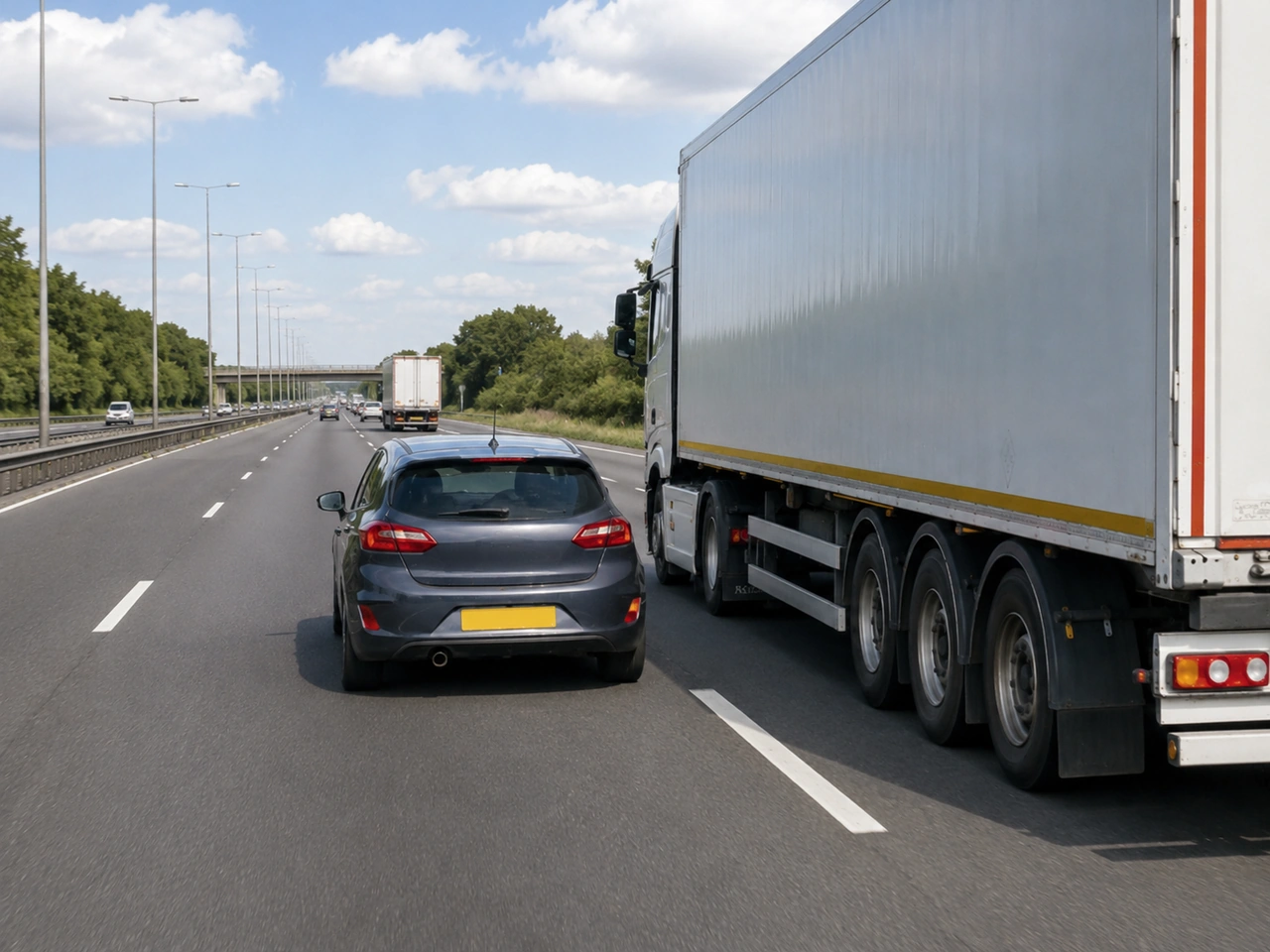
551. Why should you avoid remaining beside a large vehicle on a motorway?
Large vehicles have significant blind spots. Avoid travelling alongside them longer than necessary.
AI-generated by Traffic-rules.com • WCIT • CC BY-SA

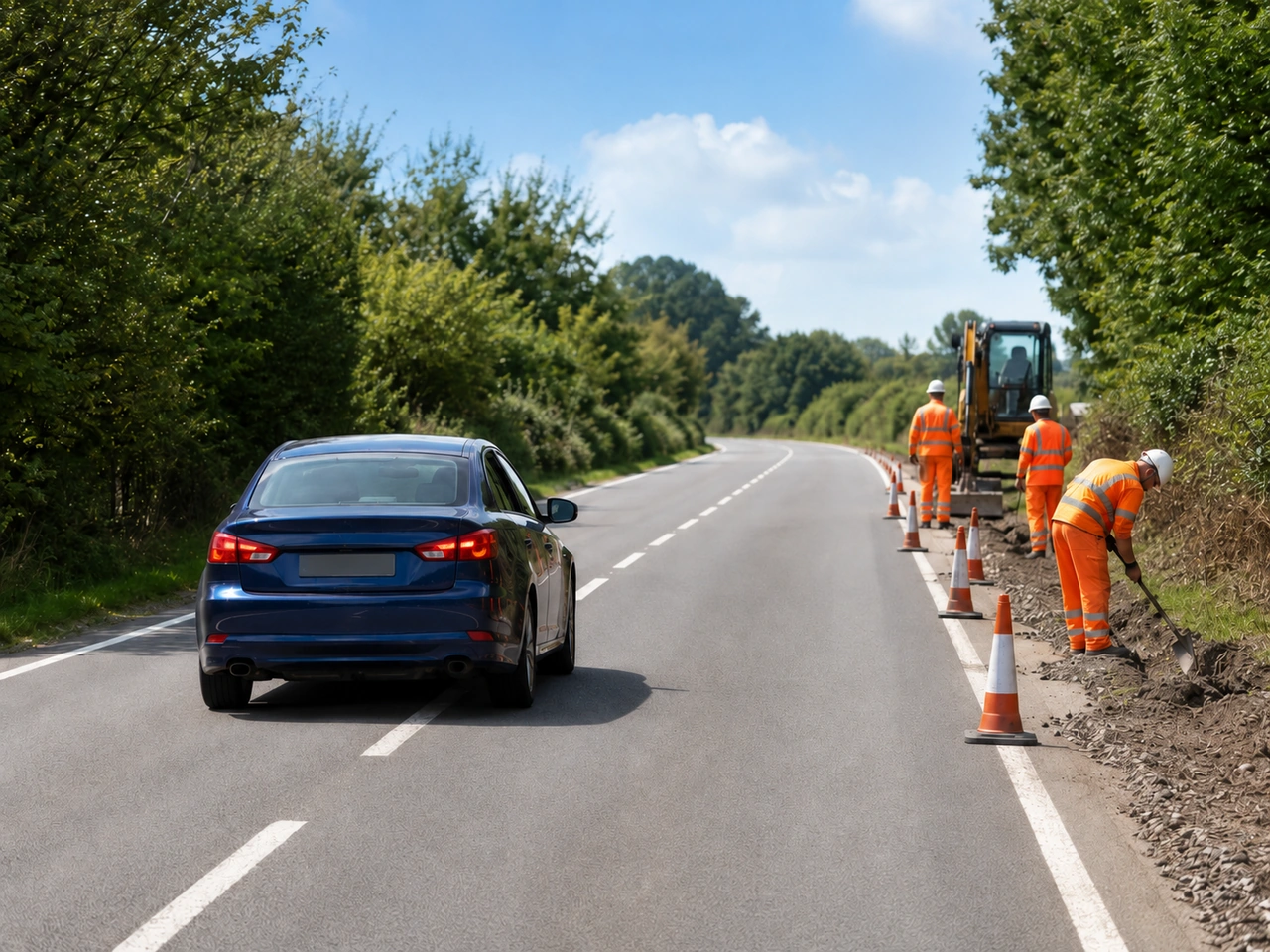
552. Why should you leave extra space when passing road workers?
Workers may be only a short distance from passing vehicles. Reduce speed and leave as much safe space as possible.
AI-generated by Traffic-rules.com • WCIT • CC BY-SA
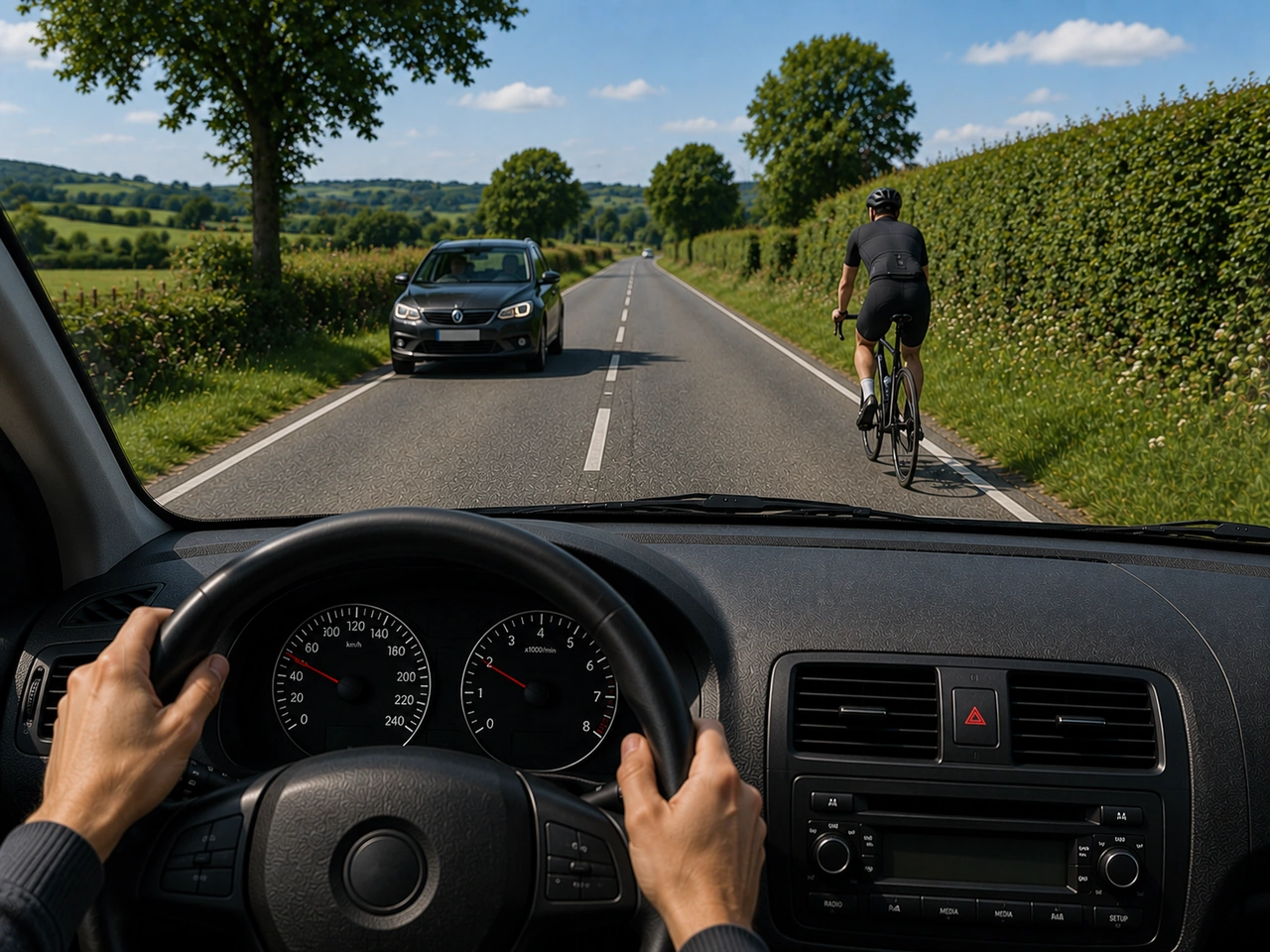
553. What should you do when following a cyclist on a narrow road?
Cyclists may need to avoid potholes, drains, or wind gusts. Keep distance and only pass when you can leave plenty of space.
AI-generated by Traffic-rules.com • WCIT • CC BY-SA
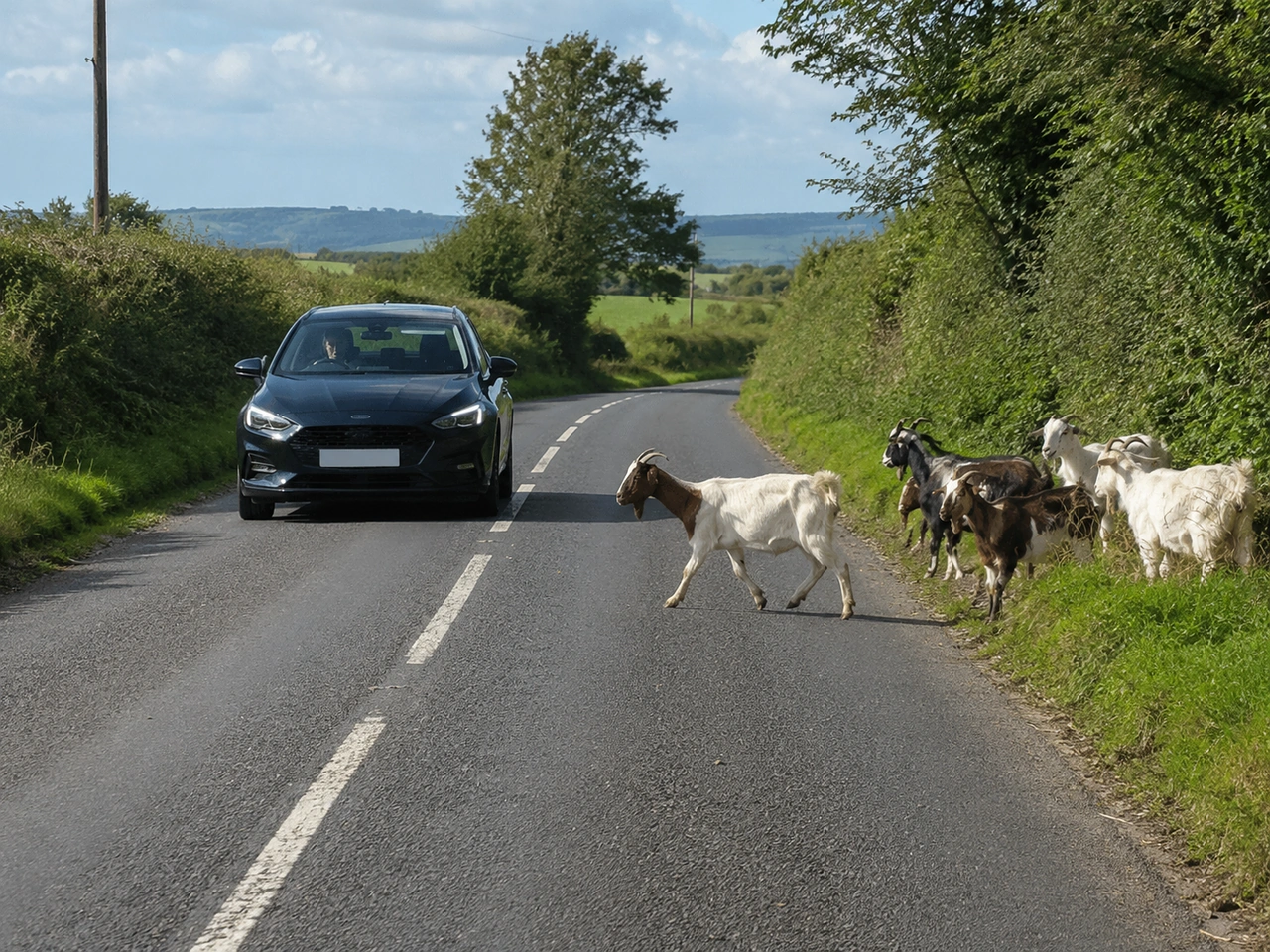
554. What should you do if animals are gathered beside a narrow rural road?
Animals beside a narrow road may step into your path. Slow down and leave as much safe space as possible.
AI-generated by Traffic-rules.com • WCIT • CC BY-SA
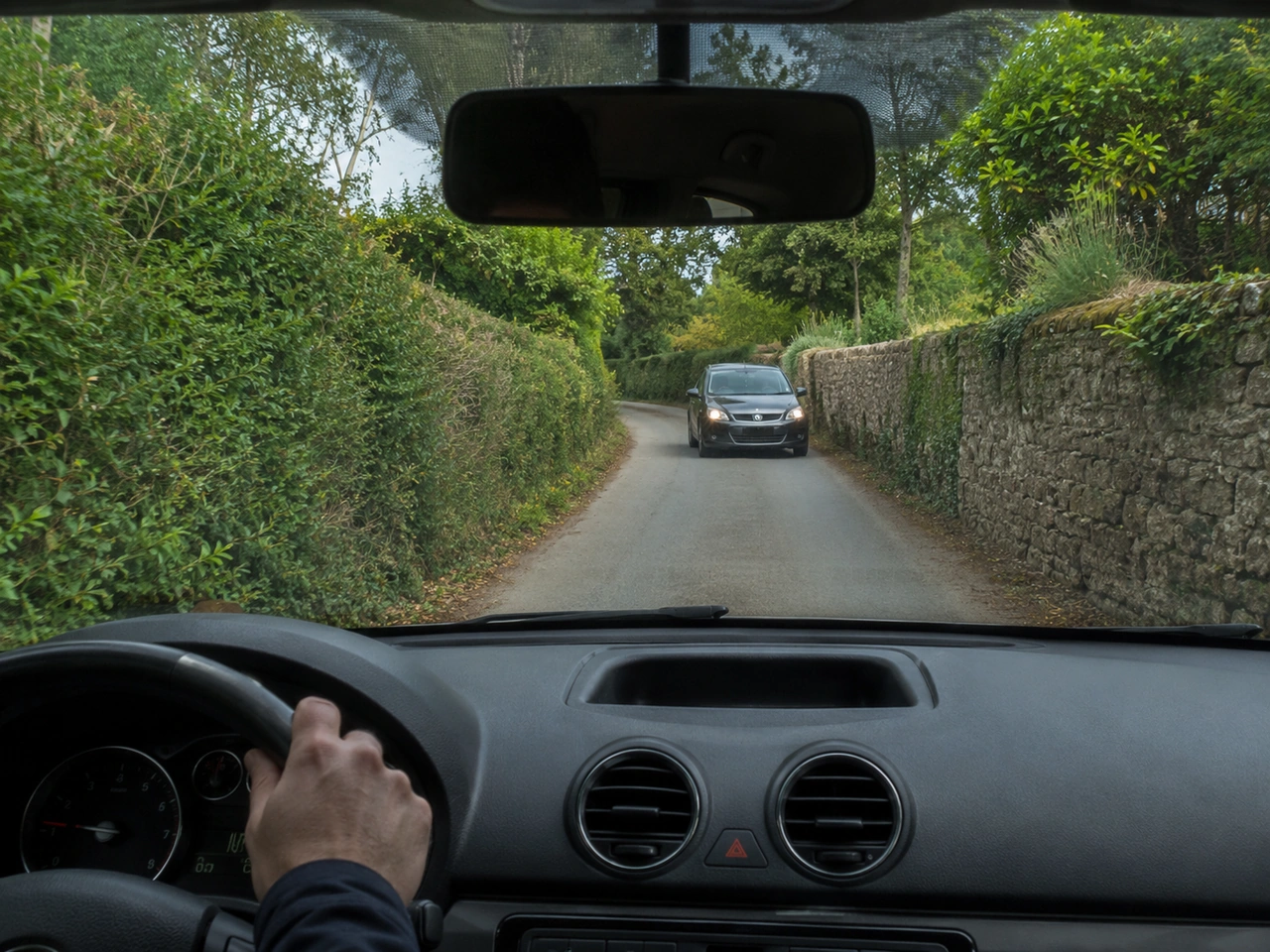
555. What should you do when approaching a narrow road with oncoming traffic?
On narrow roads, reduce speed and be prepared to stop or use a suitable passing place. Leave enough space for the oncoming vehicle and avoid forcing either vehicle into an unsafe position.
AI-generated by Traffic-rules.com • WCIT • CC BY-SA
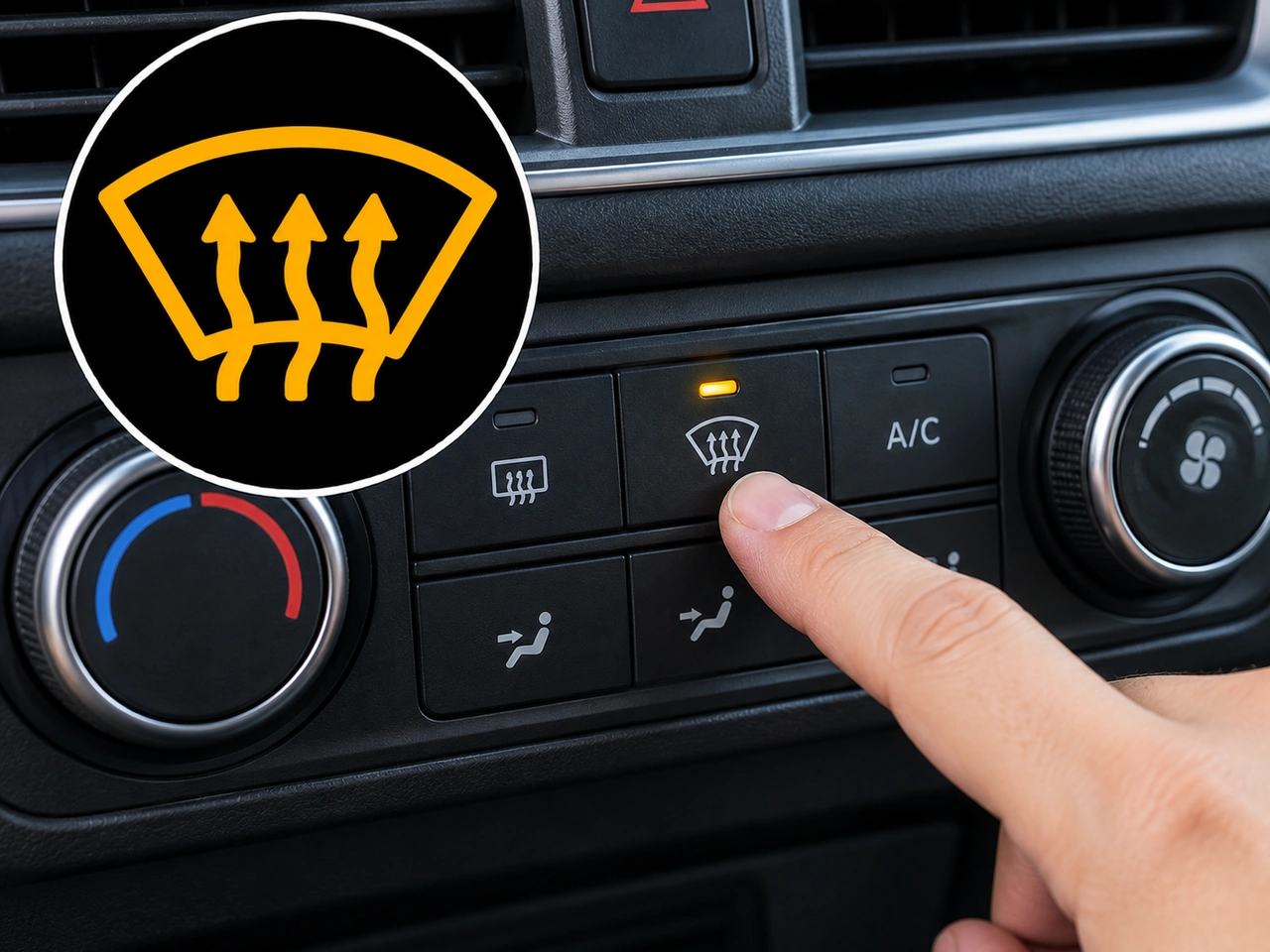
556. What does this dashboard symbol indicate?
This symbol indicates the front windscreen demister. It directs airflow towards the windscreen to help clear condensation, mist or frost and restore a clear view.
AI-generated by Traffic-rules.com • WCIT • CC BY-SA
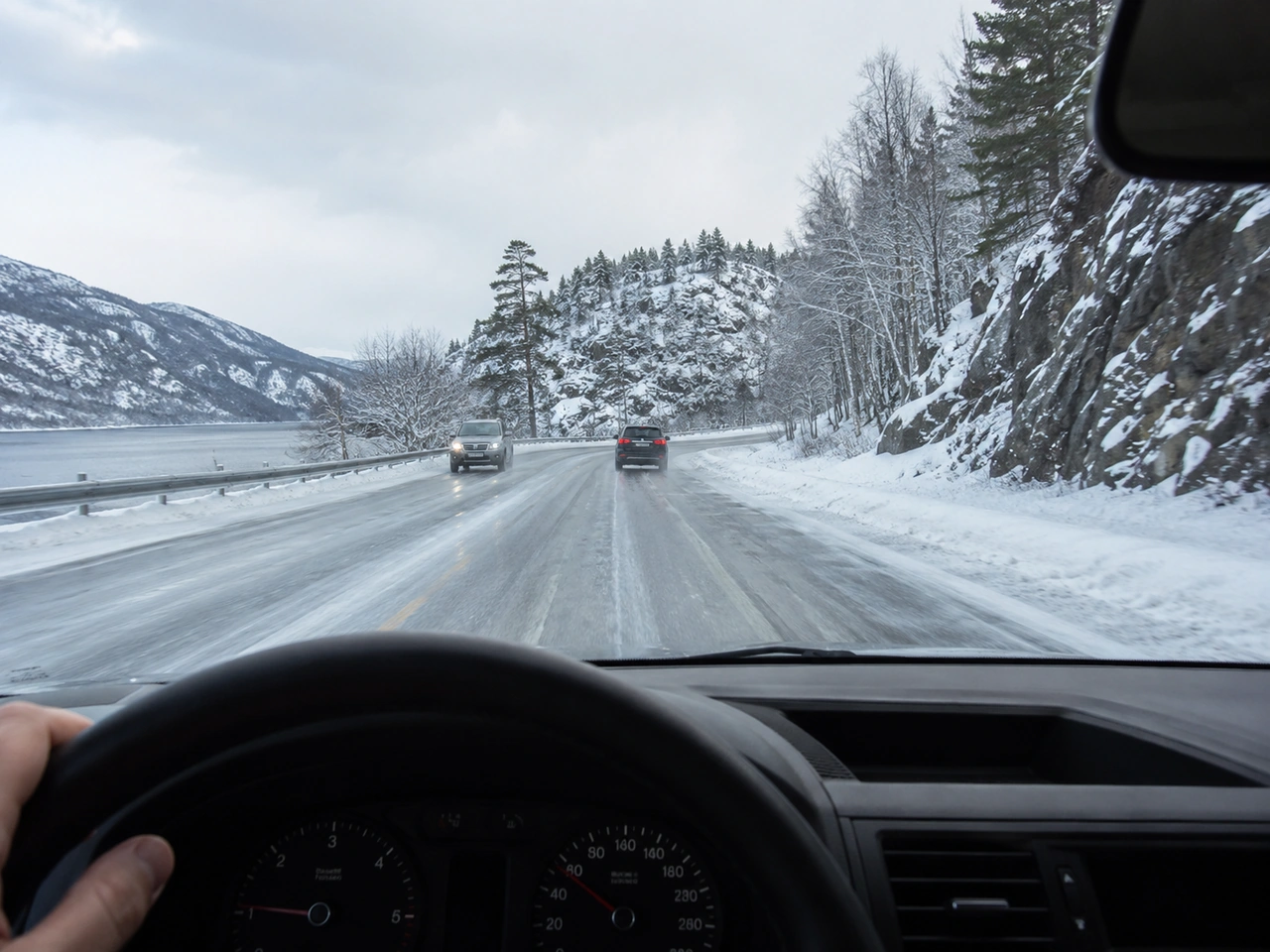
557. How should you brake on a slippery road?
Sudden braking can cause the wheels to lose grip. Smooth, progressive braking reduces the risk of skidding.
AI-generated by Traffic-rules.com • WCIT • CC BY-SA
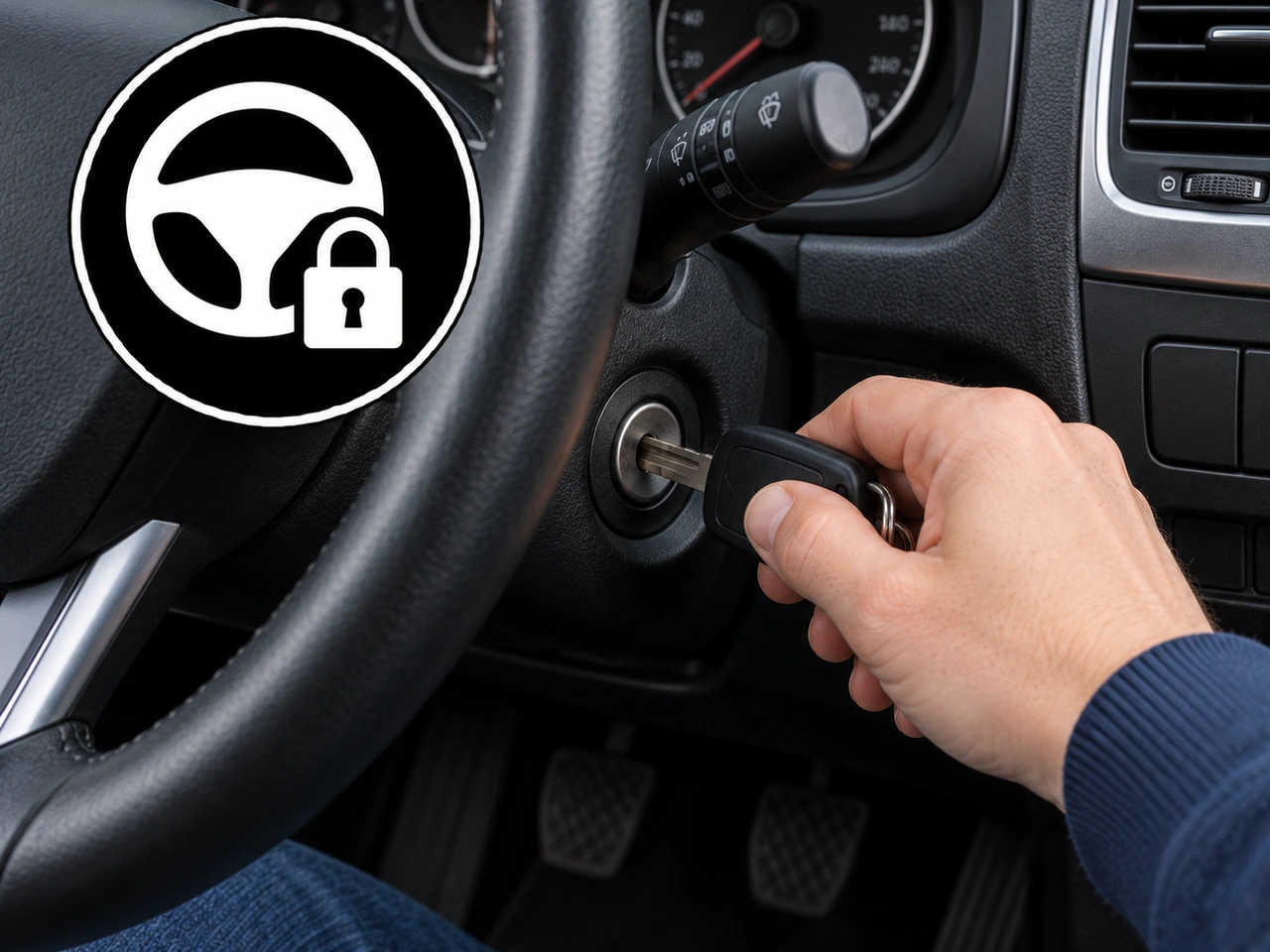
558. What may happen to the steering when the ignition key is removed?
On vehicles fitted with a steering lock, removing the ignition key may allow the steering lock to engage. Never remove the key while the vehicle is moving.
AI-generated by Traffic-rules.com • WCIT • CC BY-SA
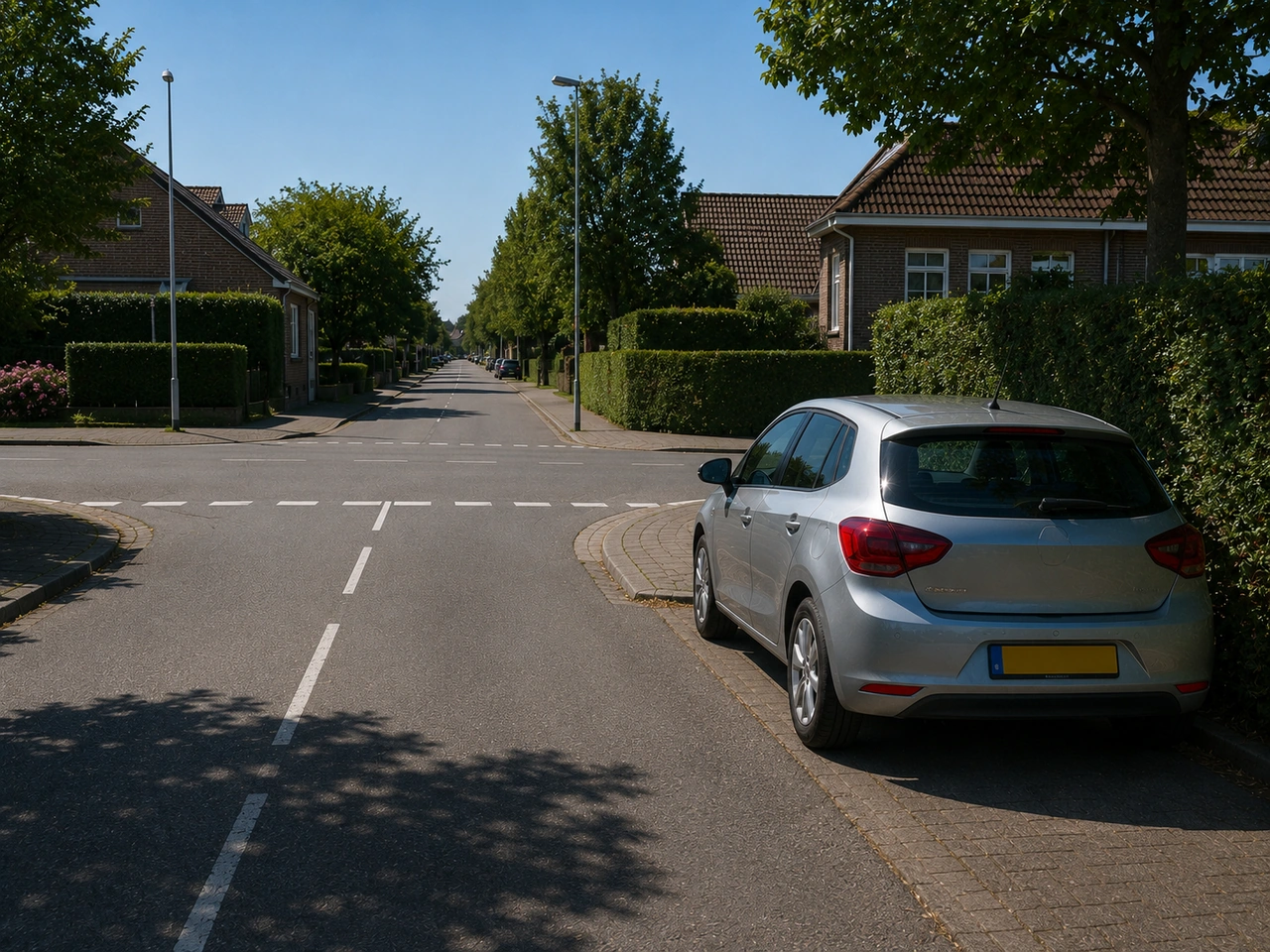
559. How can parking too close to a junction affect visibility?
Parking too close to a junction can block visibility. Drivers, cyclists, and pedestrians may have difficulty seeing each other in time.
AI-generated by Traffic-rules.com • WCIT • CC BY-SA
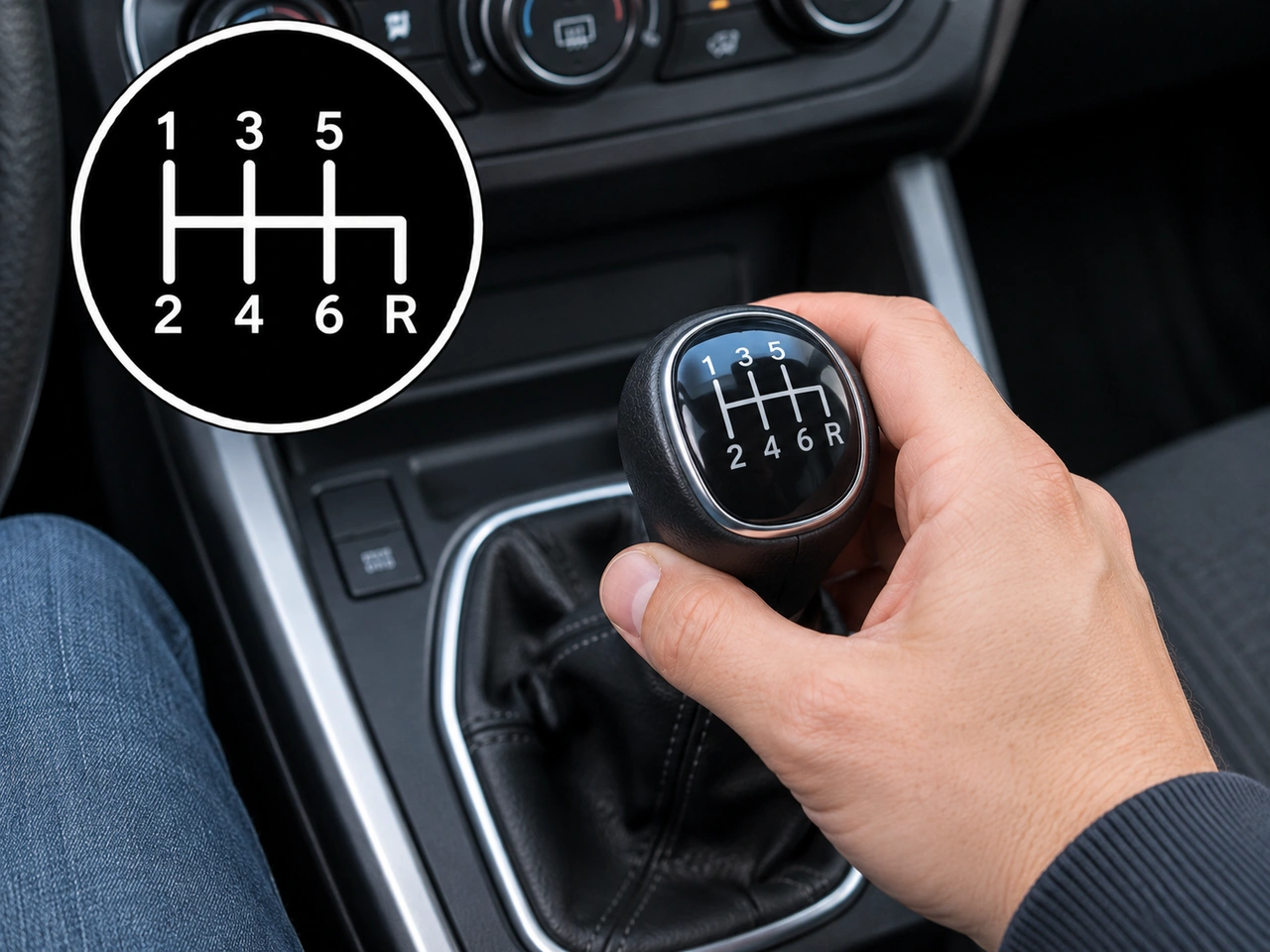
560. Which gear is used to drive a manual vehicle backwards?
Select R (Reverse) when you need to drive a manual vehicle backwards. The vehicle should be stationary before Reverse is selected.
AI-generated by Traffic-rules.com • WCIT • CC BY-SA
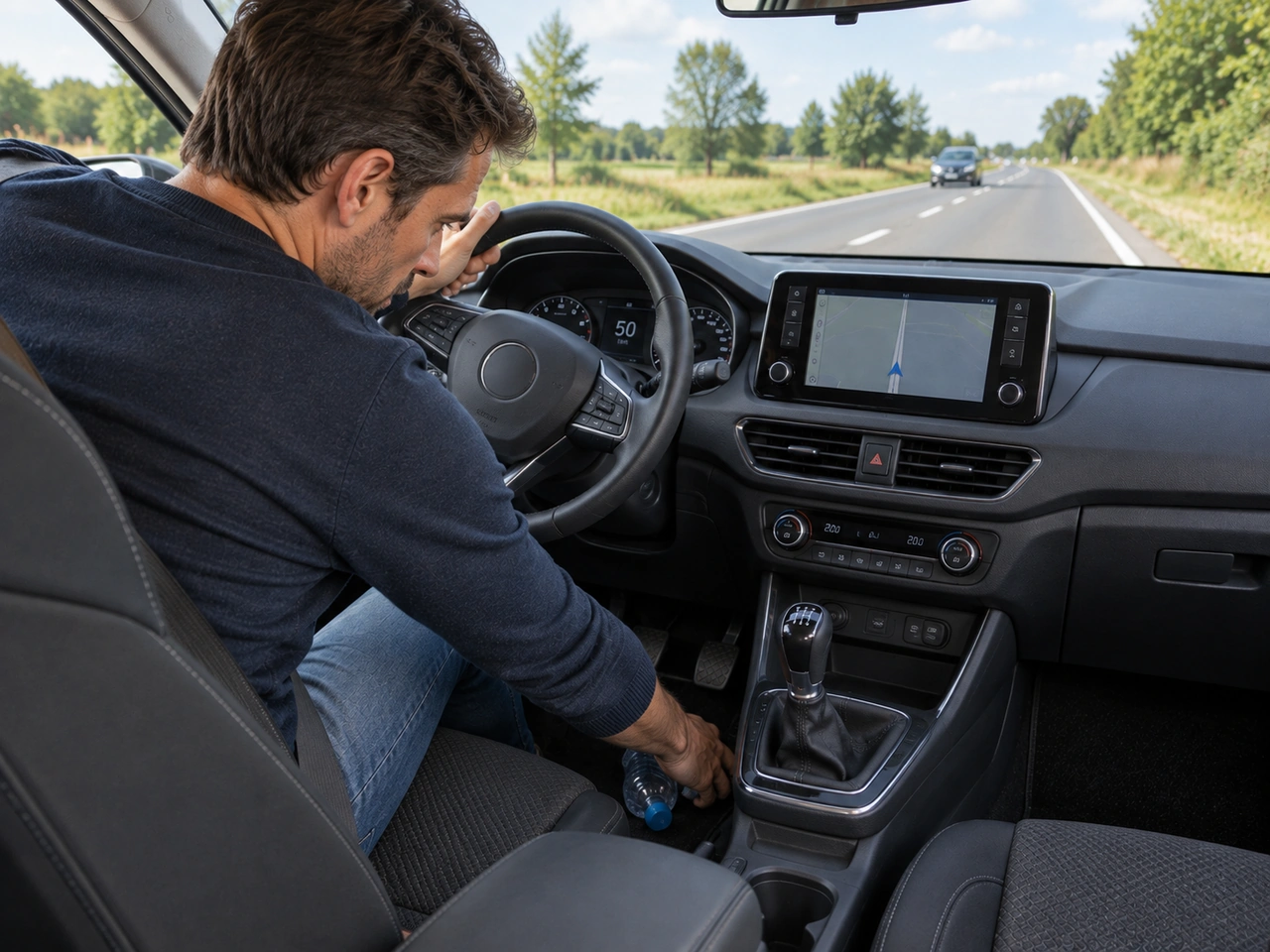
561. What should you do if an object falls into the driver's footwell while driving?
Do not reach down for an object while driving, as this takes your attention away from the road and can affect vehicle control. If something falls into the driver's footwell, keep control of the vehicle and stop somewhere safe before removing it.
AI-generated by Traffic-rules.com • WCIT • CC BY-SA
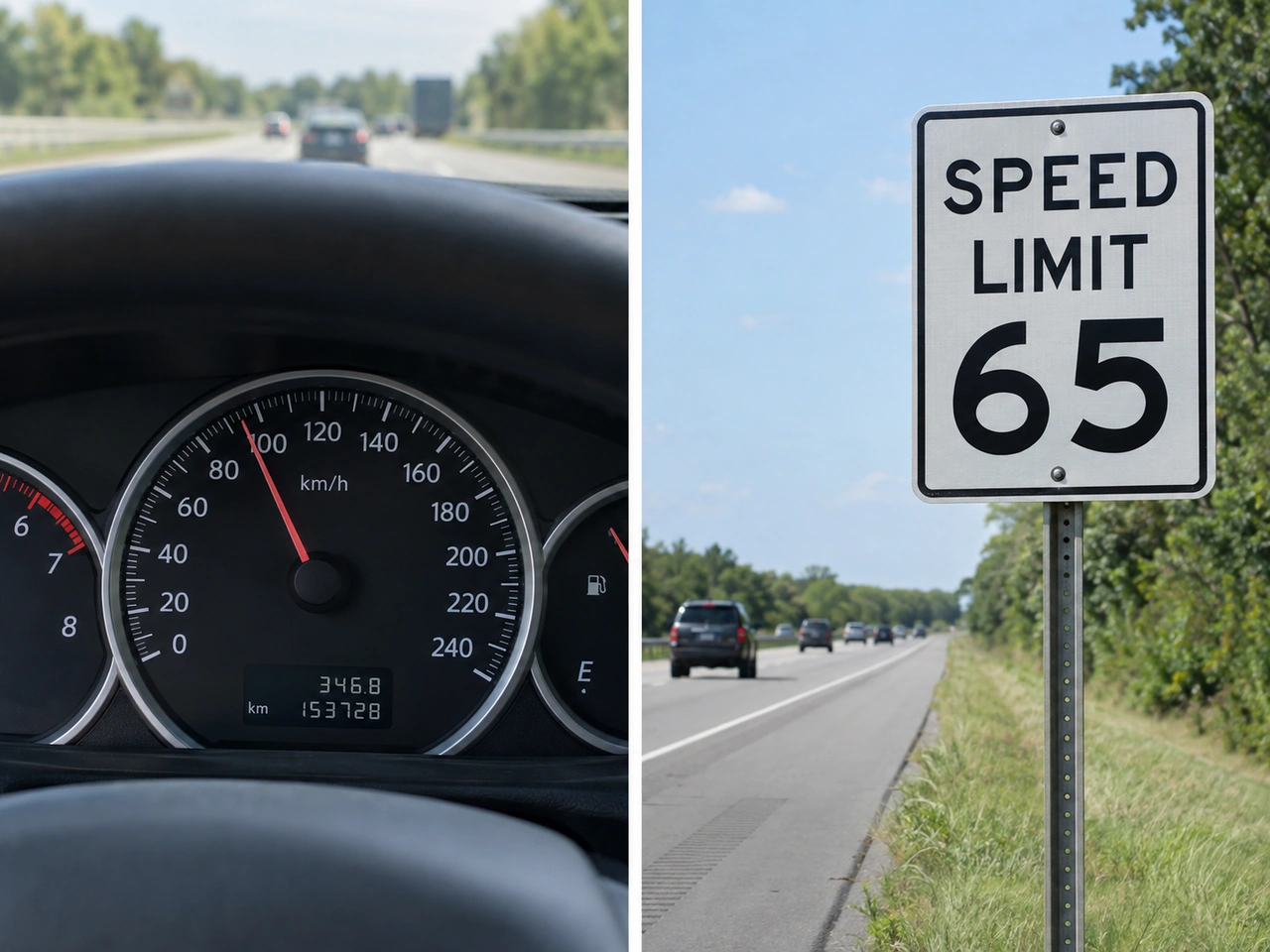
562. Which speed unit is used in Argentina?
Road speeds in Argentina are shown in kilometres per hour (km/h).
AI-generated by Traffic-rules.com • WCIT • CC BY-SA
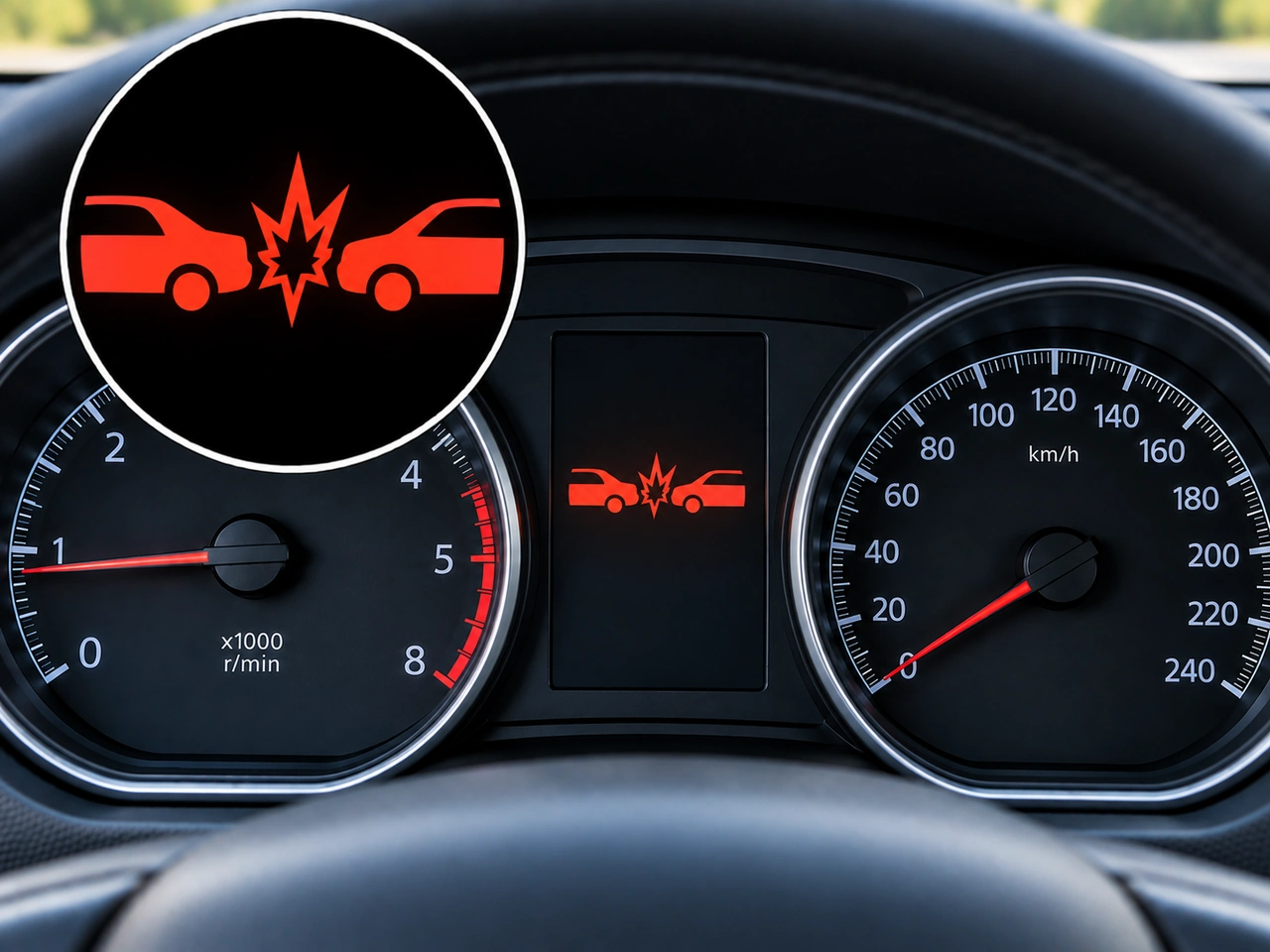
563. What does this dashboard symbol indicate?
This symbol relates to the forward-collision warning or automatic emergency braking system. It may warn the driver when the vehicle detects a risk of collision with traffic ahead.
AI-generated by Traffic-rules.com • WCIT • CC BY-SA
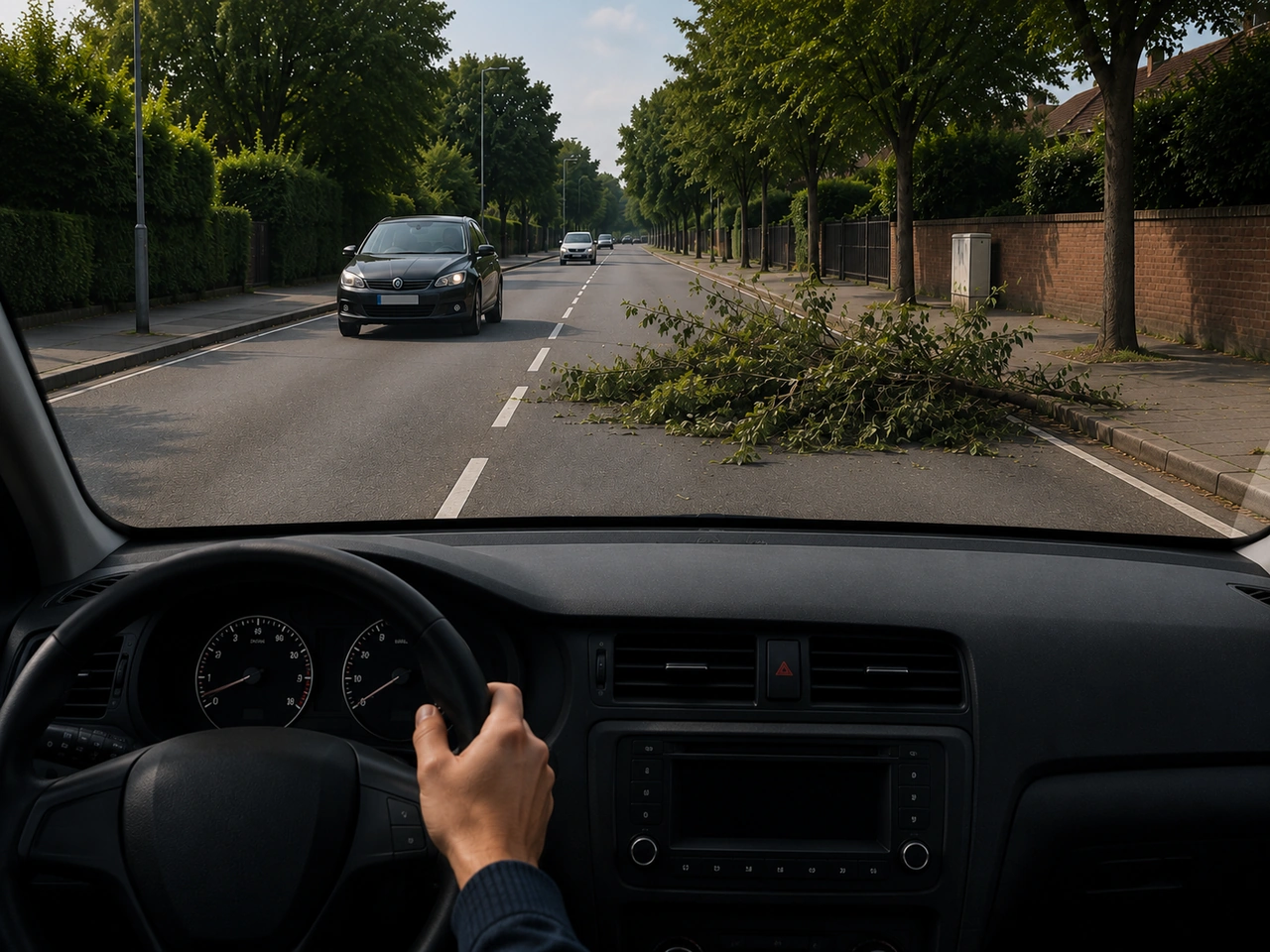
564. What should you do if your lane is blocked by an obstacle?
If your lane is blocked, reduce speed, check mirrors and oncoming traffic, and only move around the obstacle when it is safe.
AI-generated by Traffic-rules.com • WCIT • CC BY-SA
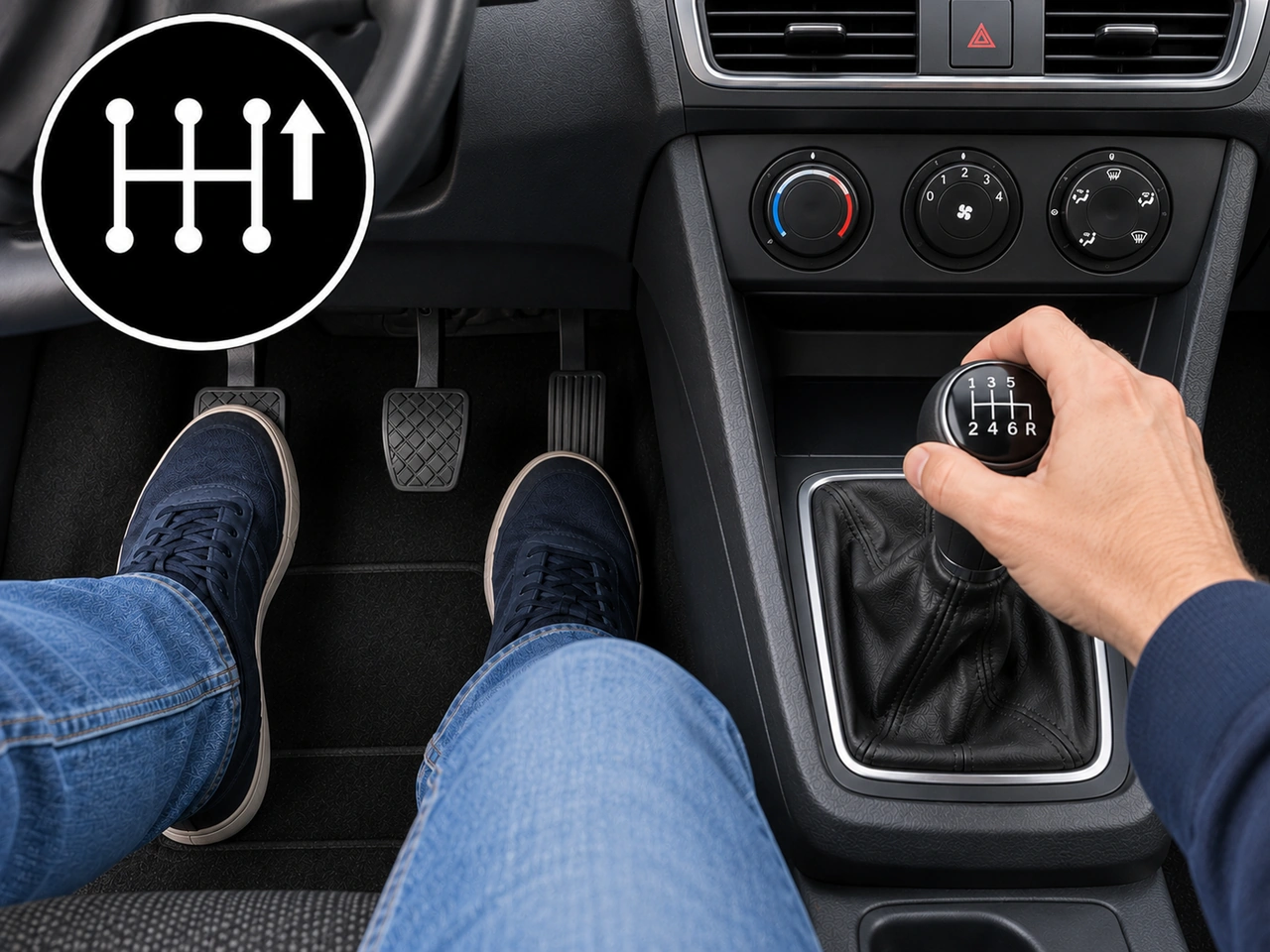
565. What should you normally do with the accelerator when changing to a higher gear?
When changing to a higher gear, ease off the accelerator as you press the clutch and select the next gear. Release the clutch smoothly and then apply the accelerator progressively.
AI-generated by Traffic-rules.com • WCIT • CC BY-SA
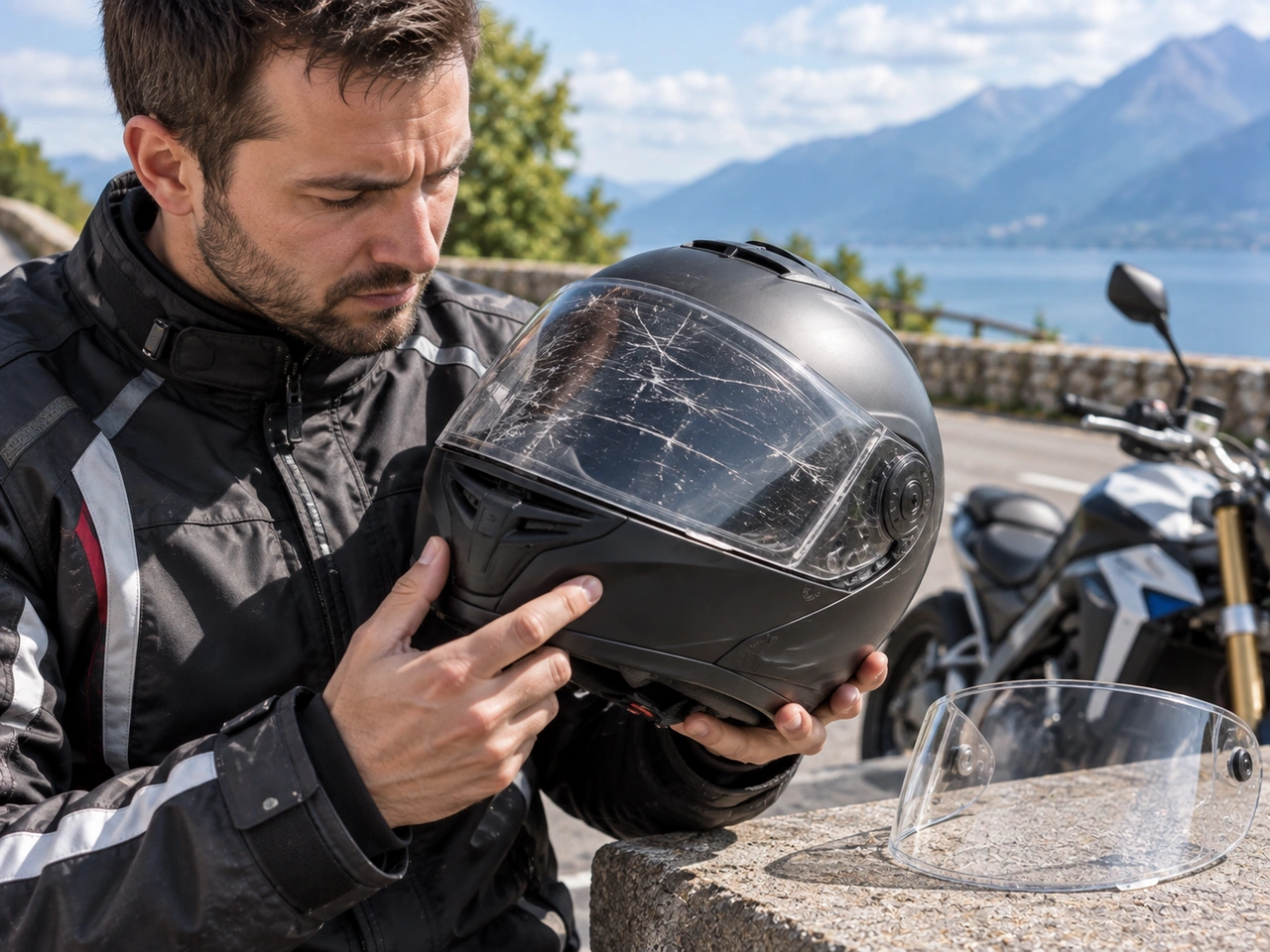
566. What should you do if a motorcycle helmet visor is badly scratched?
A badly scratched or damaged visor can reduce or distort your view, especially in bright sunlight or at night. Replace a visor that no longer provides a clear, safe view and follow the helmet manufacturer's instructions.
AI-generated by Traffic-rules.com • WCIT • CC BY-SA
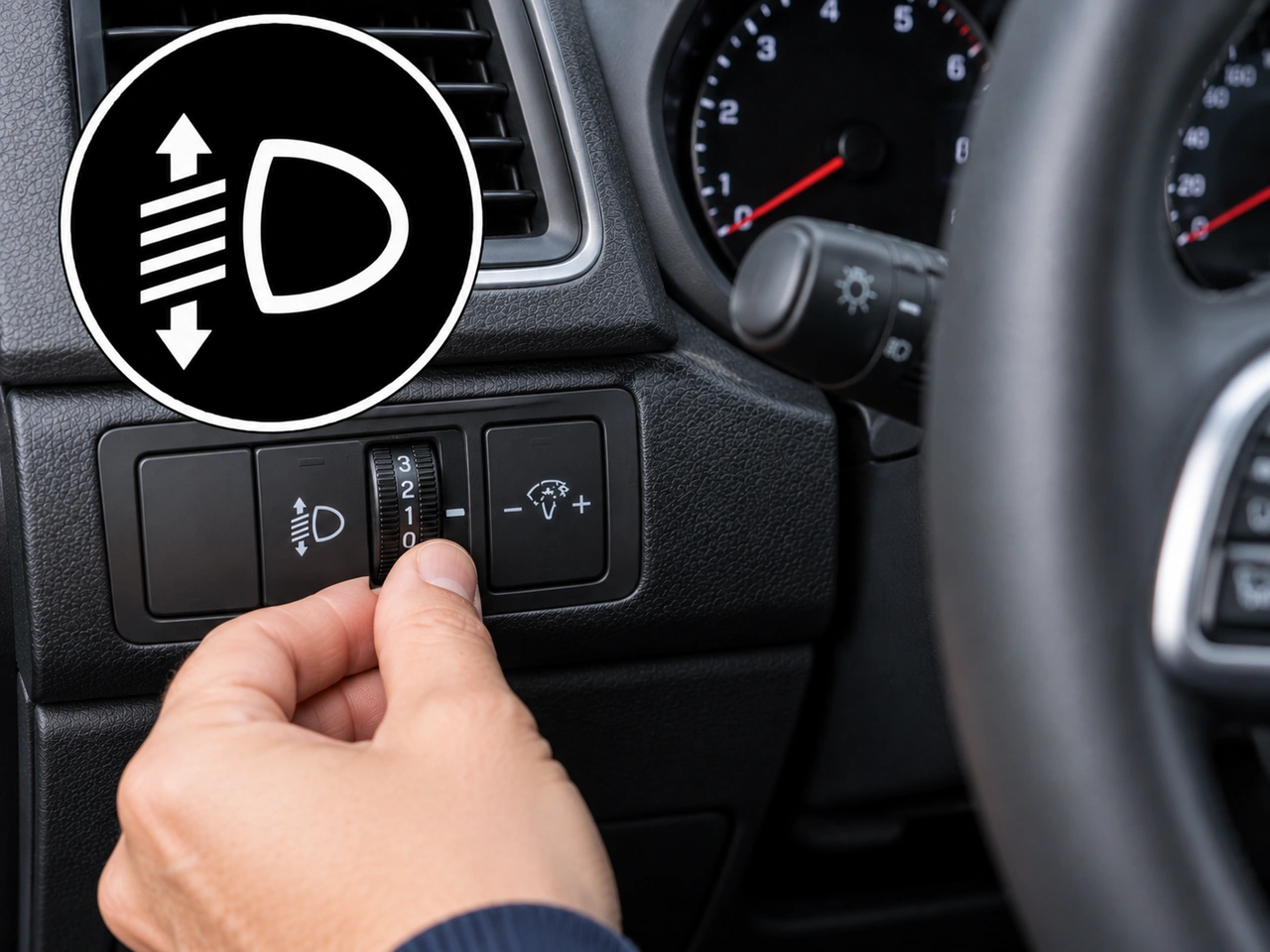
567. What does this vehicle-control symbol indicate?
This control adjusts the vertical aim of the headlights. It can be used to lower the beam when the vehicle is heavily loaded, helping to avoid dazzling other road users.
AI-generated by Traffic-rules.com • WCIT • CC BY-SA
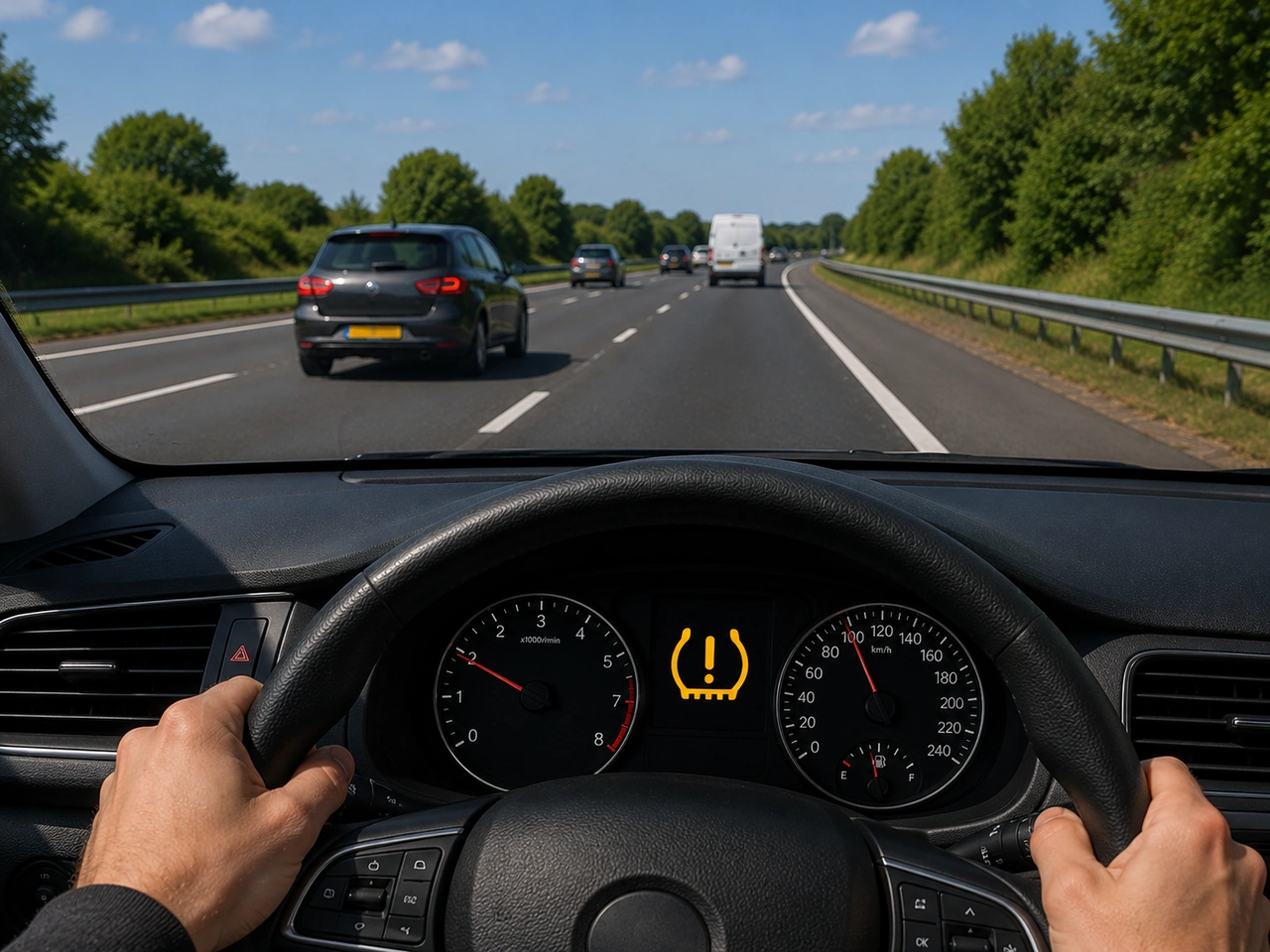
568. What should you do if a tyre-pressure warning appears and handling changes?
A pressure loss or damaged tyre can affect steering and braking. If the tyre-pressure warning appears together with a change in handling, it may indicate a serious tyre problem. Stop safely and inspect the tyres before continuing.
AI-generated by Traffic-rules.com • WCIT • CC BY-SA
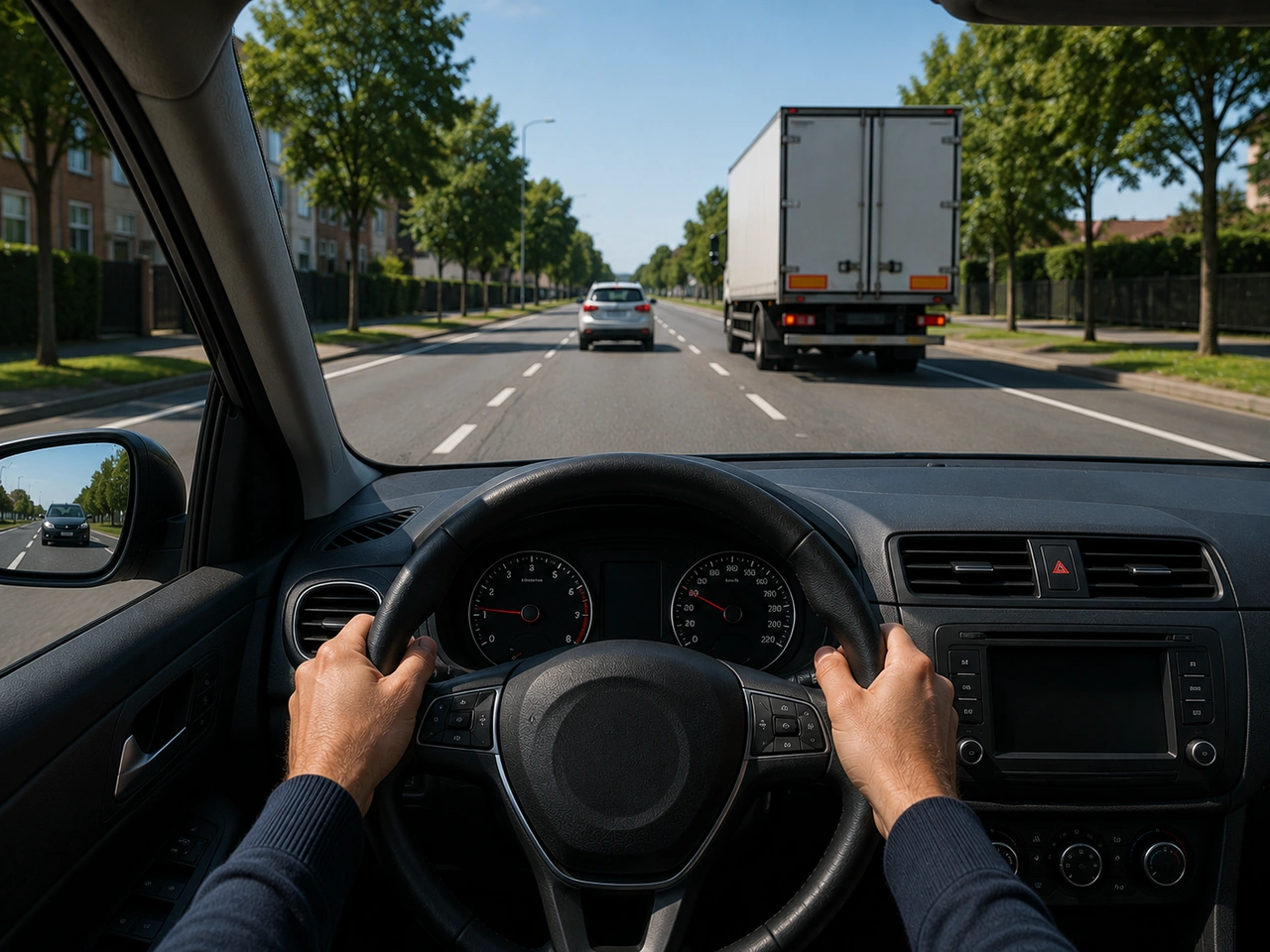
569. You should stay focused on the road and avoid unnecessary distractions.
Distractions reduce awareness and reaction time, making driving more dangerous.
AI-generated by Traffic-rules.com • WCIT • CC BY-SA
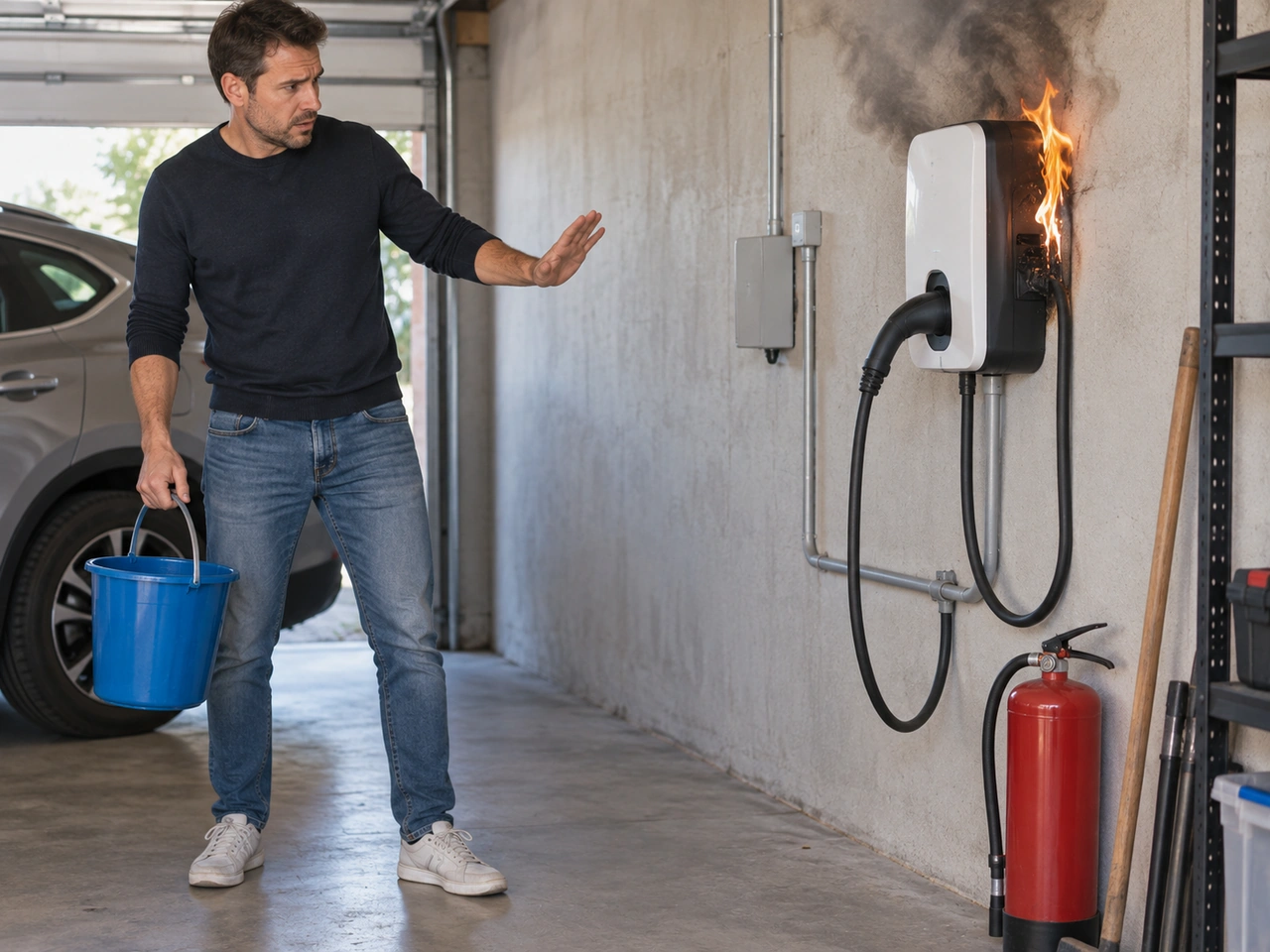
570. Why should you not use water on a fire involving live electrical equipment?
Do not use water on a fire involving energised electrical equipment, because water can conduct electricity and create a serious electric-shock hazard. Keep clear, disconnect the power only if it is safe to do so, and call the emergency services. Use only a suitable fire extinguisher if it is safe and you know how to use it.
AI-generated by Traffic-rules.com • WCIT • CC BY-SA
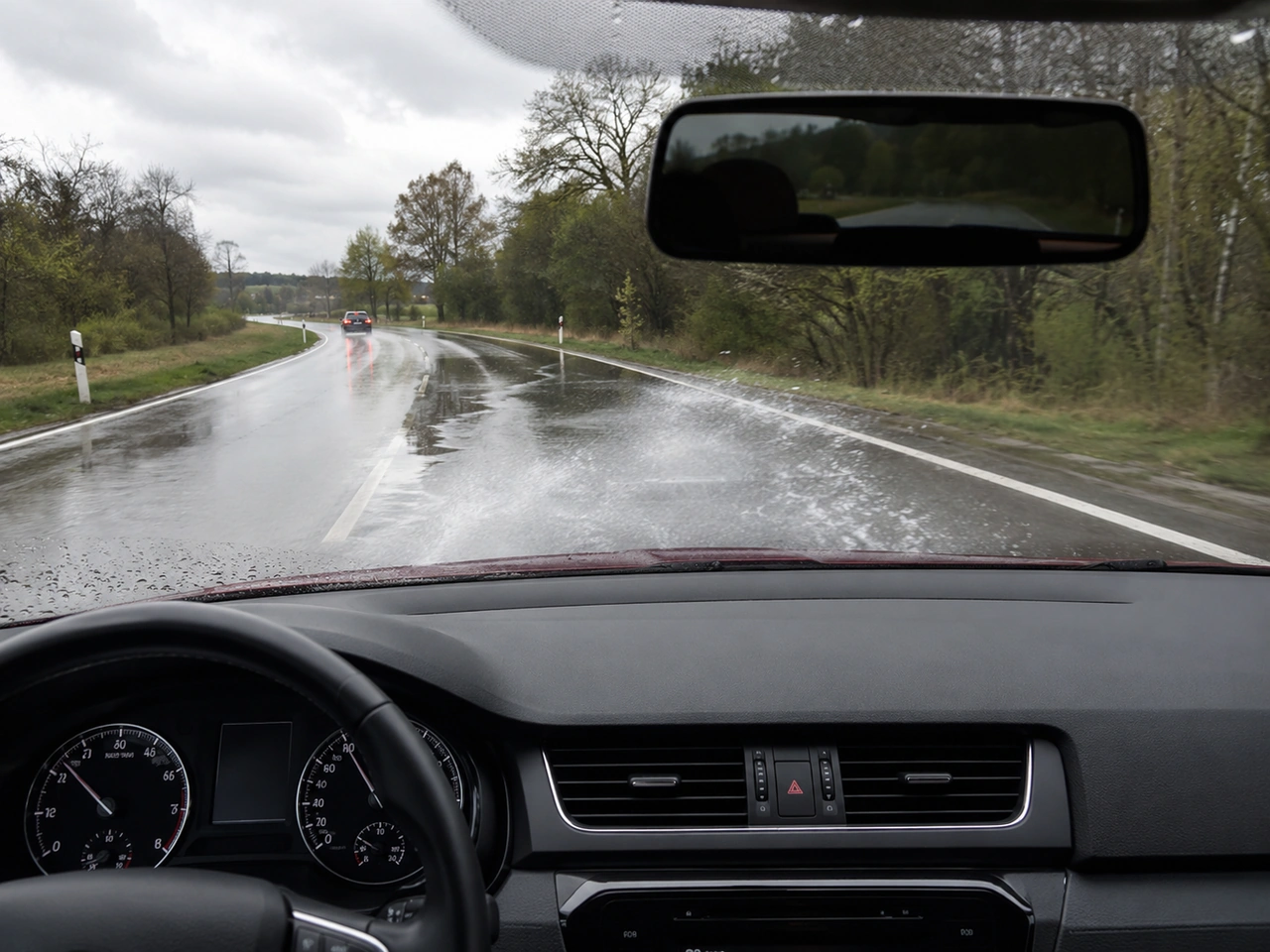
571. Why is it dangerous to drive through standing water at speed?
Driving too fast through water can cause aquaplaning, where the tyres lose grip and the driver may lose control.
AI-generated by Traffic-rules.com • WCIT • CC BY-SA
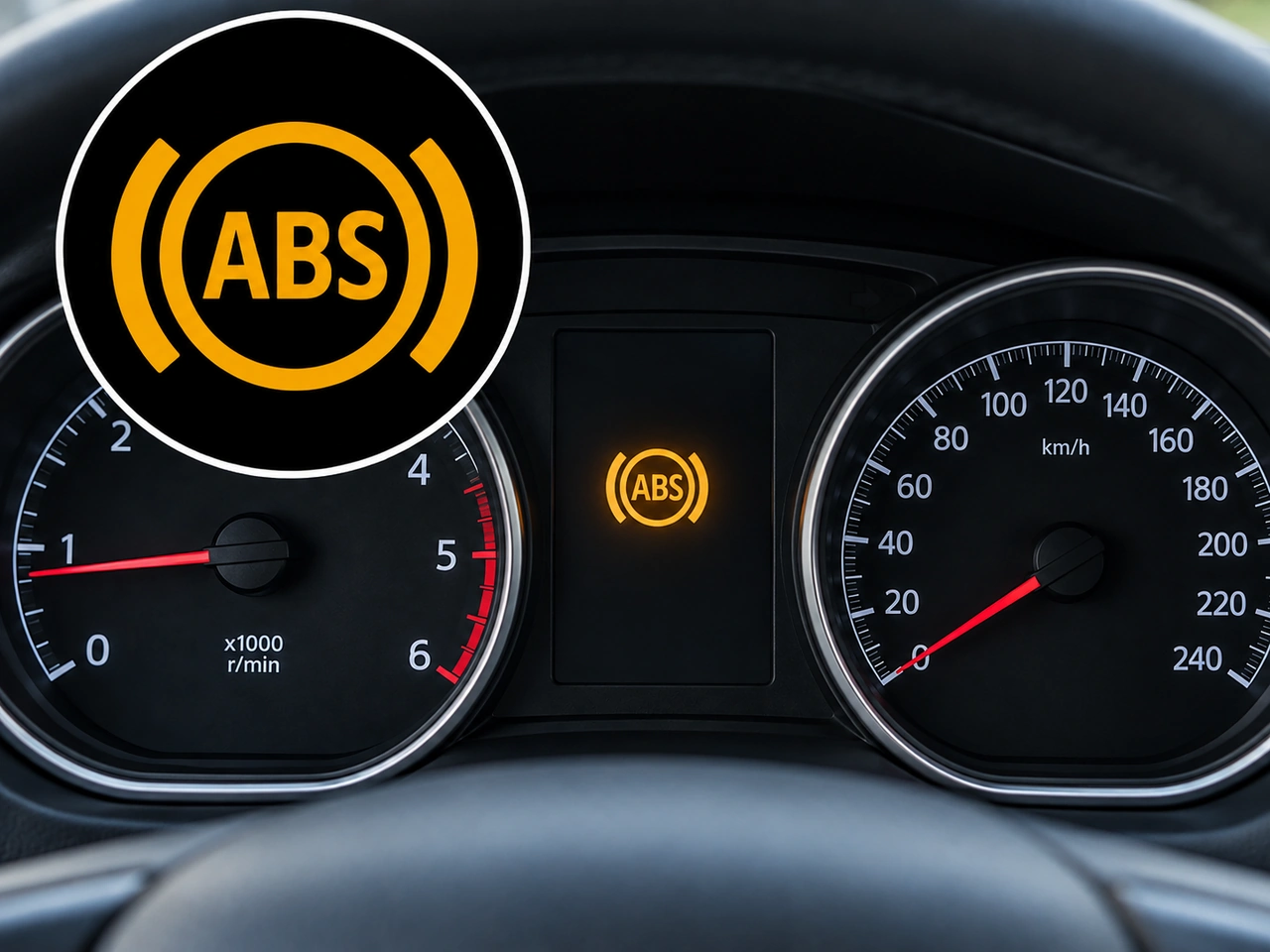
572. What does this dashboard symbol indicate?
This symbol indicates a possible fault with the anti-lock braking system (ABS). Normal braking may still be available, but ABS may not operate during heavy braking, so the system should be checked.
AI-generated by Traffic-rules.com • WCIT • CC BY-SA
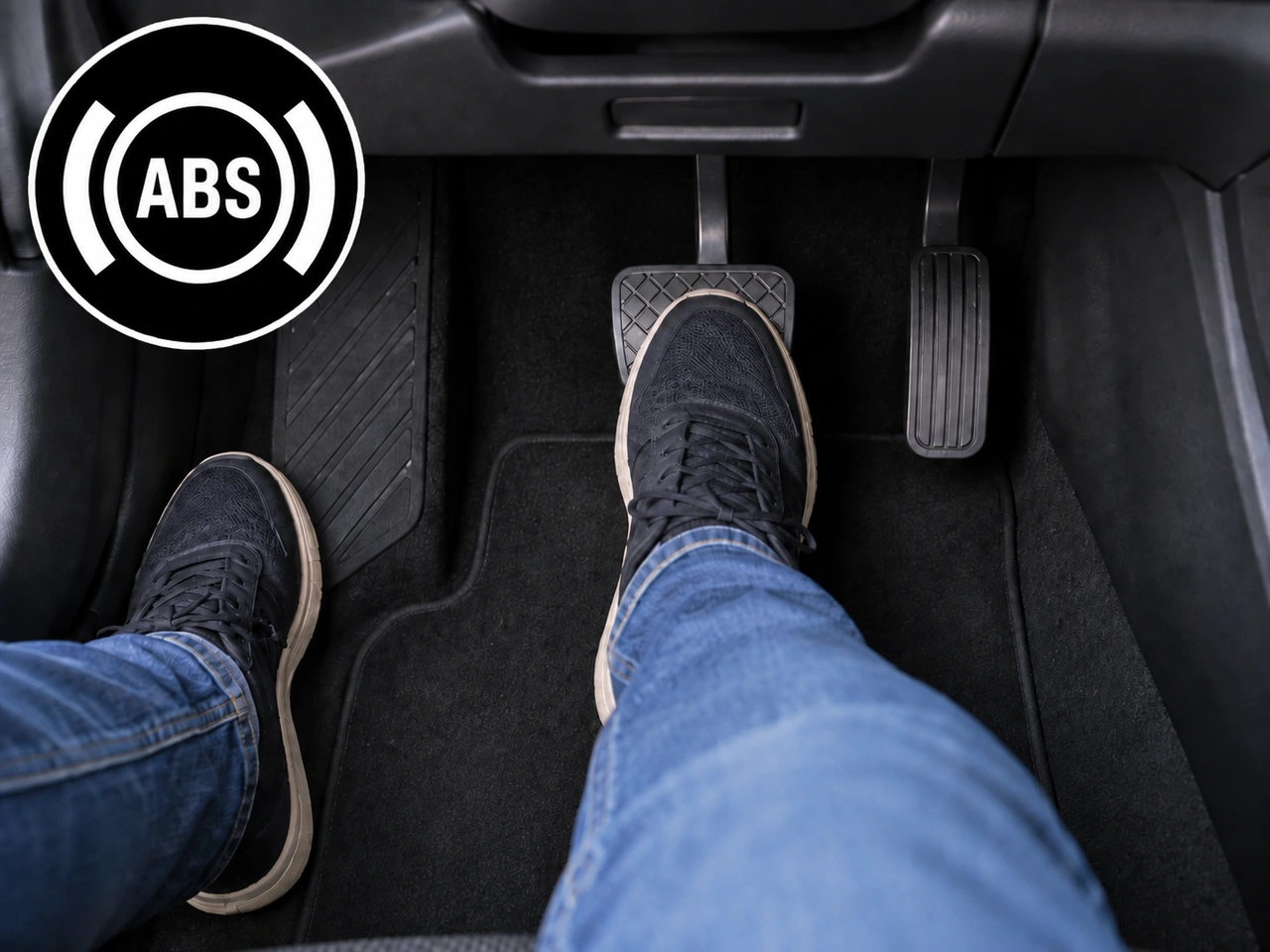
573. How should you use the brake pedal during emergency braking in a vehicle with ABS?
During emergency braking with ABS, press the brake pedal firmly and keep it pressed. Pulsation or vibration through the pedal can be normal while ABS is operating, so do not pump or release the brake.
AI-generated by Traffic-rules.com • WCIT • CC BY-SA
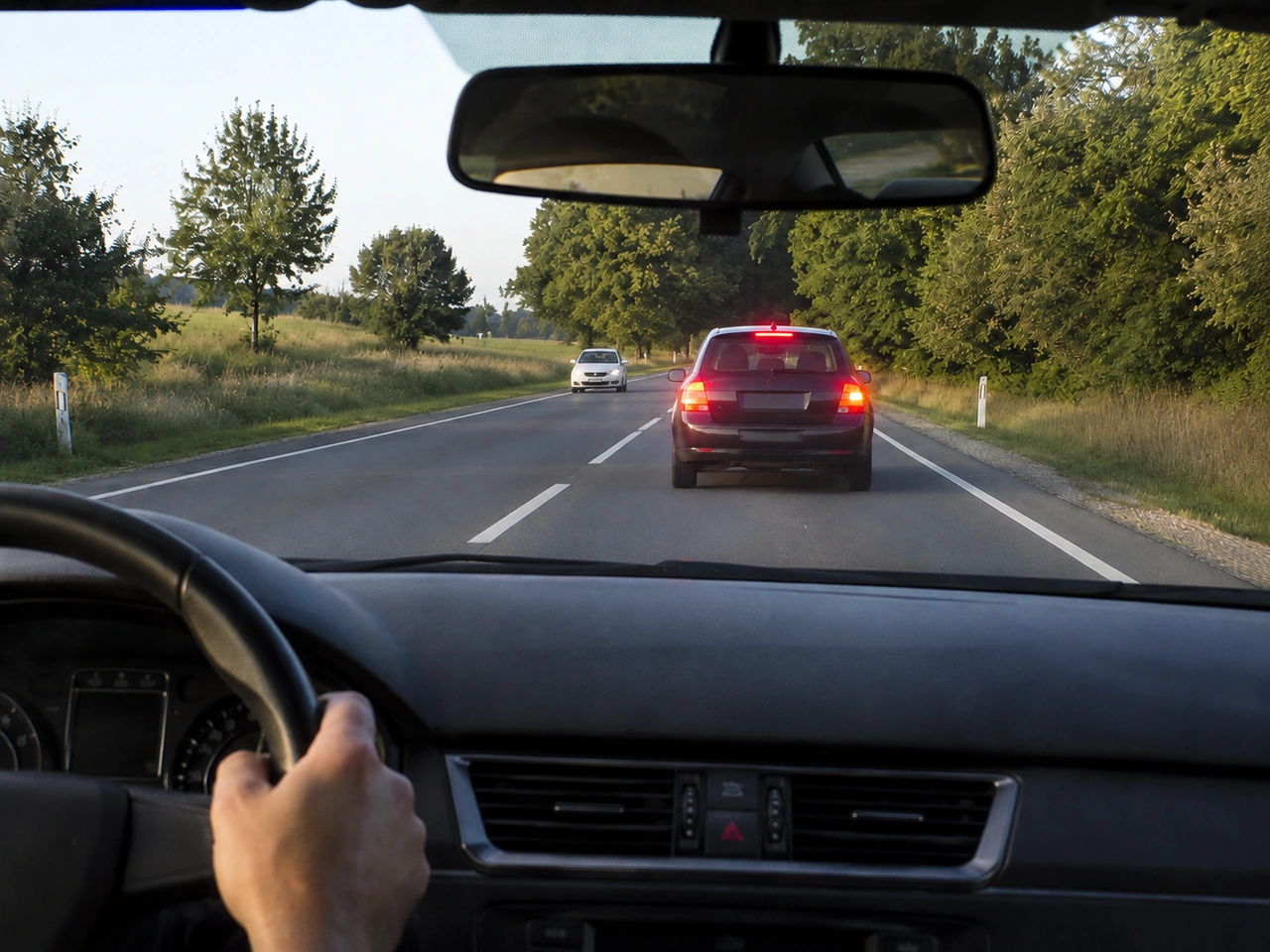
574. Why should you avoid sudden braking when it is not necessary?
Sudden braking can surprise drivers behind you and increase the risk of a rear-end collision.
AI-generated by Traffic-rules.com • WCIT • CC BY-SA
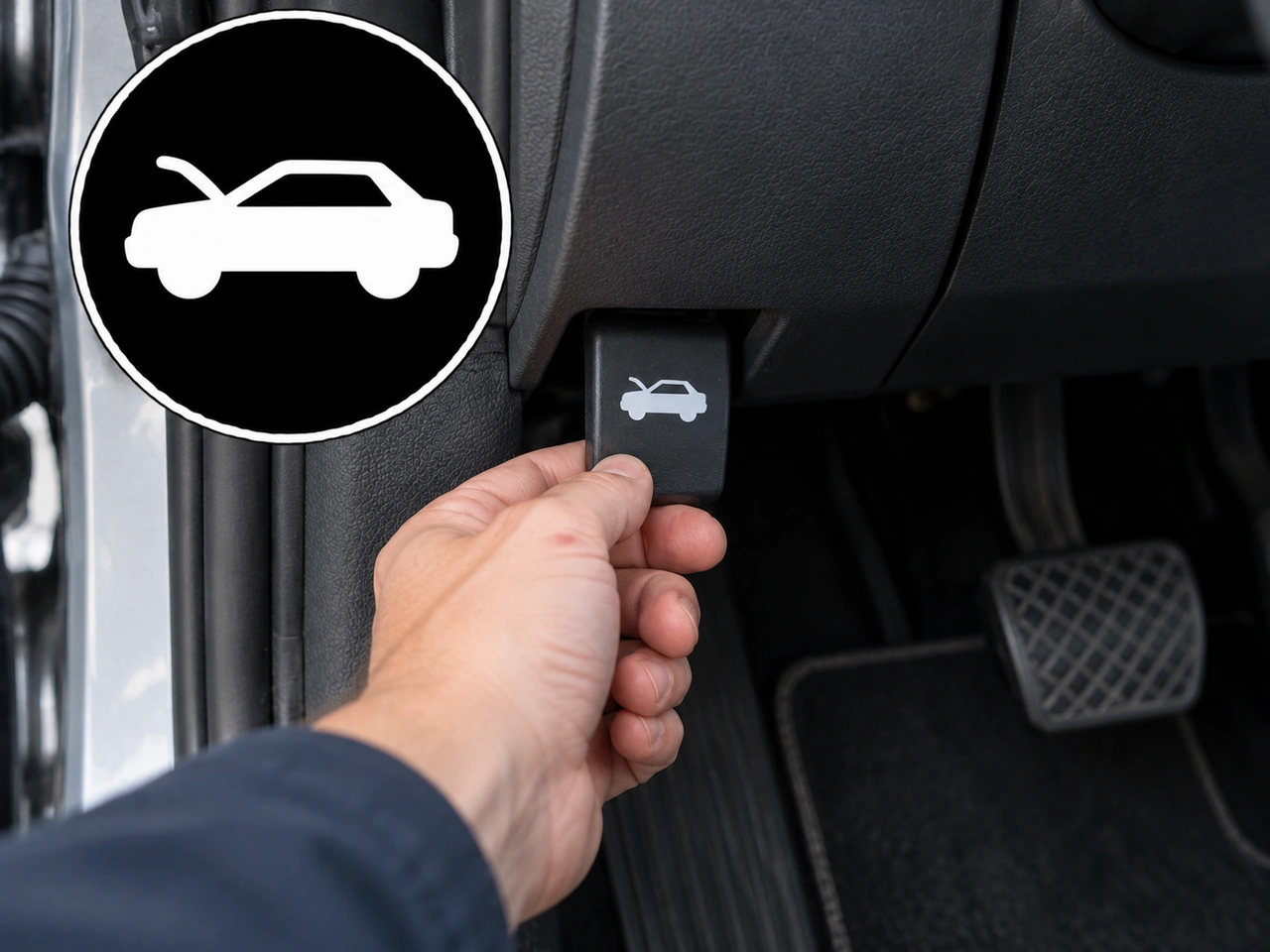
575. What does this vehicle-control symbol indicate?
This control releases the bonnet so that it can be opened. A secondary safety catch under the bonnet normally has to be released before it can be fully raised.
AI-generated by Traffic-rules.com • WCIT • CC BY-SA
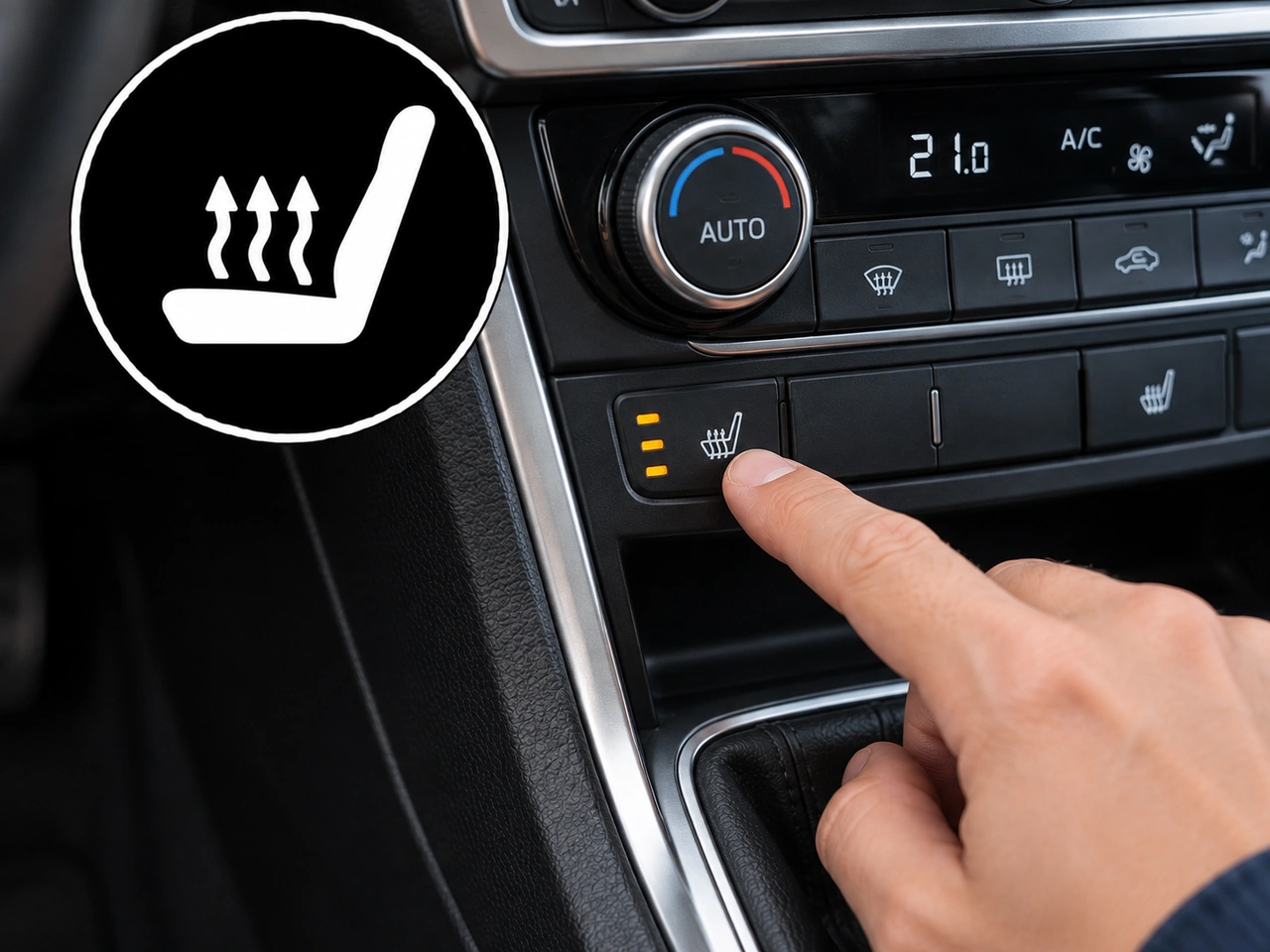
576. What does this vehicle-control symbol indicate?
This control activates the seat heating, which warms the seat cushion and, on many vehicles, the backrest. Several heat levels may be available.
AI-generated by Traffic-rules.com • WCIT • CC BY-SA
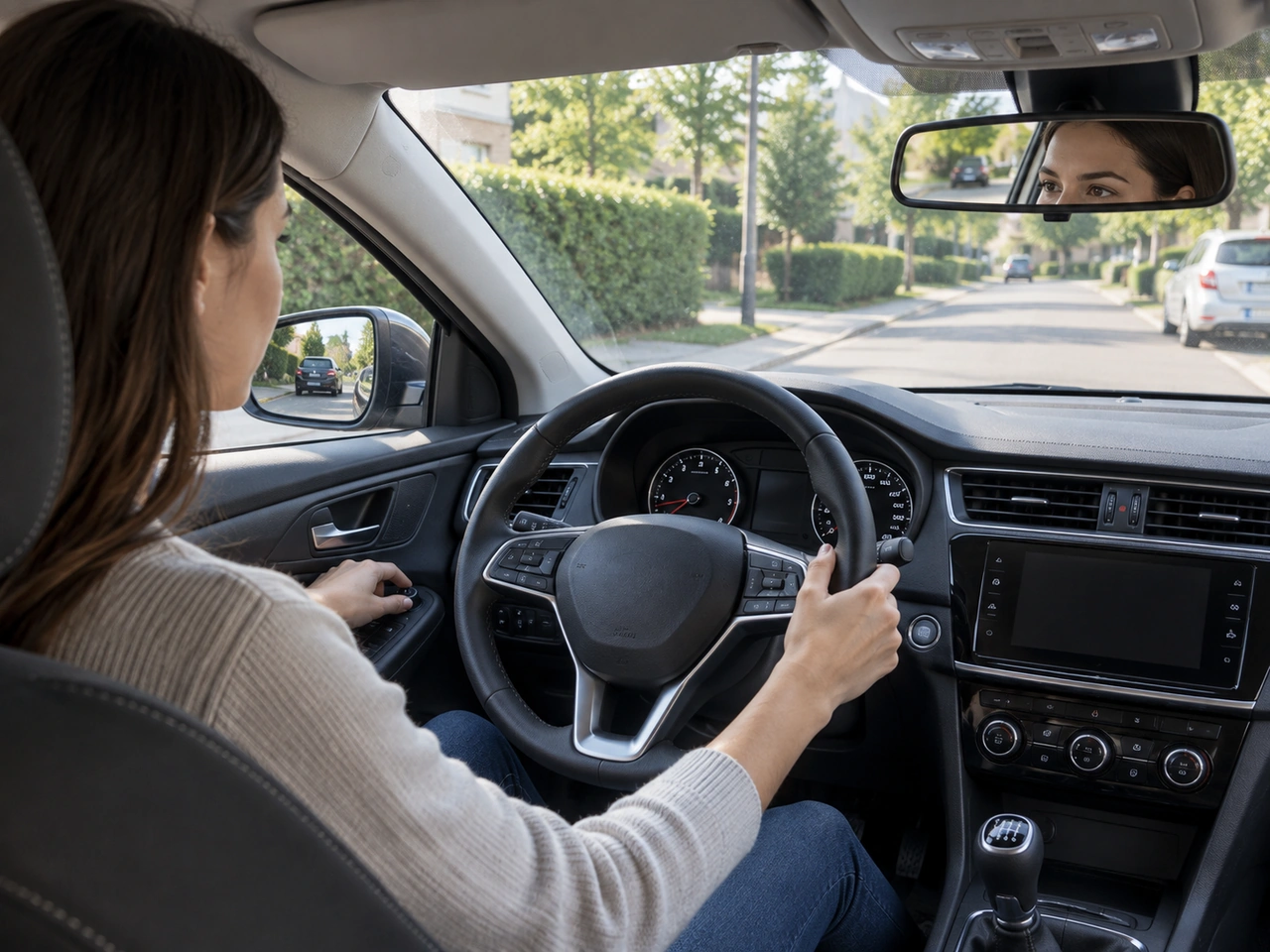
577. Why should you adjust the seat and mirrors correctly before driving?
A correct driving position helps you operate the pedals and steering comfortably and maintain proper control. Correctly adjusted mirrors improve your view around the vehicle and help reduce blind spots. Adjust both before starting your journey.
AI-generated by Traffic-rules.com • WCIT • CC BY-SA
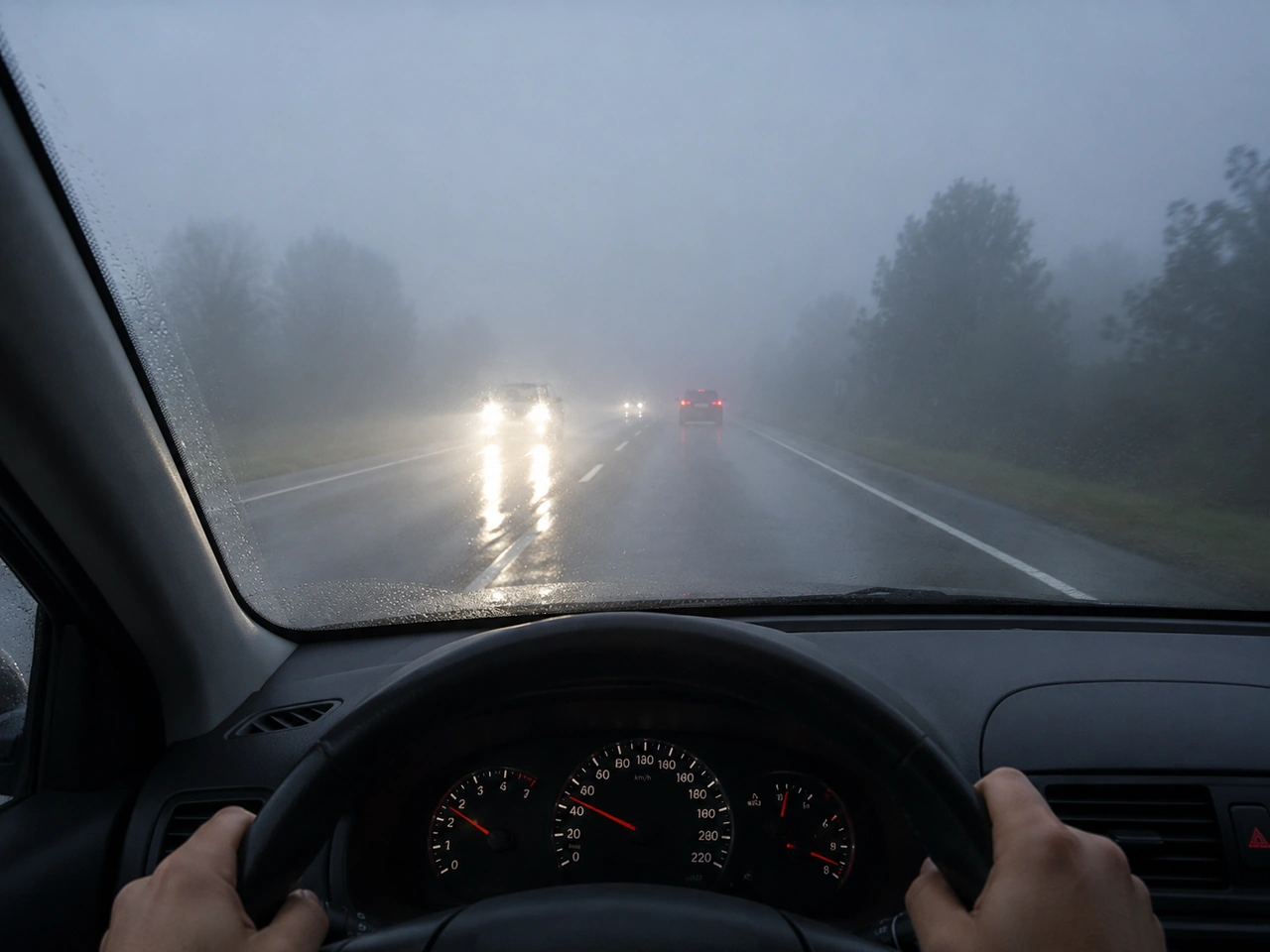
578. Why should you use headlights in poor visibility?
Headlights help you see the road and make your vehicle more visible to other road users in fog, rain, darkness, or poor weather.
AI-generated by Traffic-rules.com • WCIT • CC BY-SA
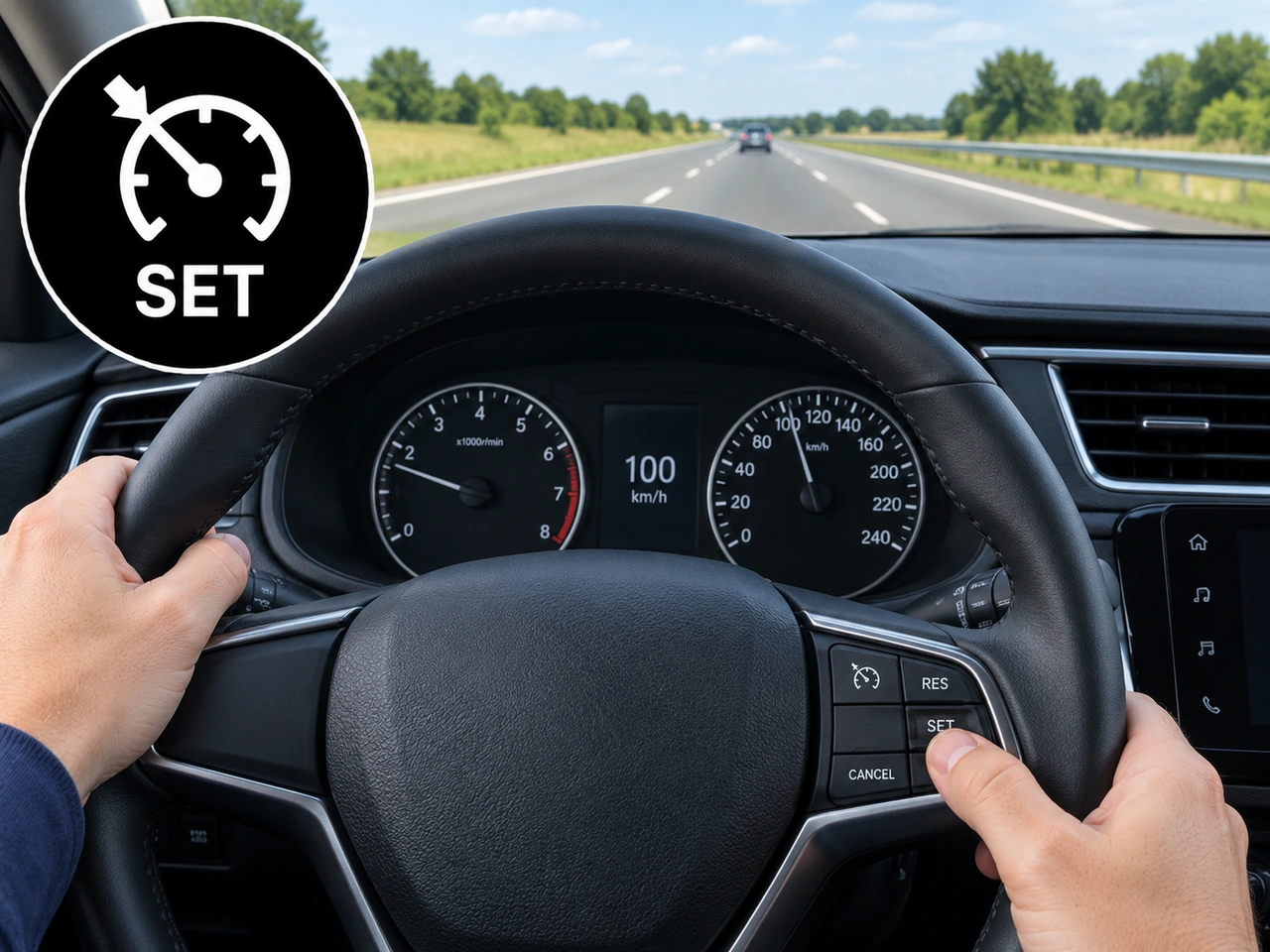
579. What does the SET function of cruise control normally do?
The SET function normally stores the vehicle's current speed as the cruise-control speed. Use it only when the road, traffic, and driving conditions are suitable.
AI-generated by Traffic-rules.com • WCIT • CC BY-SA
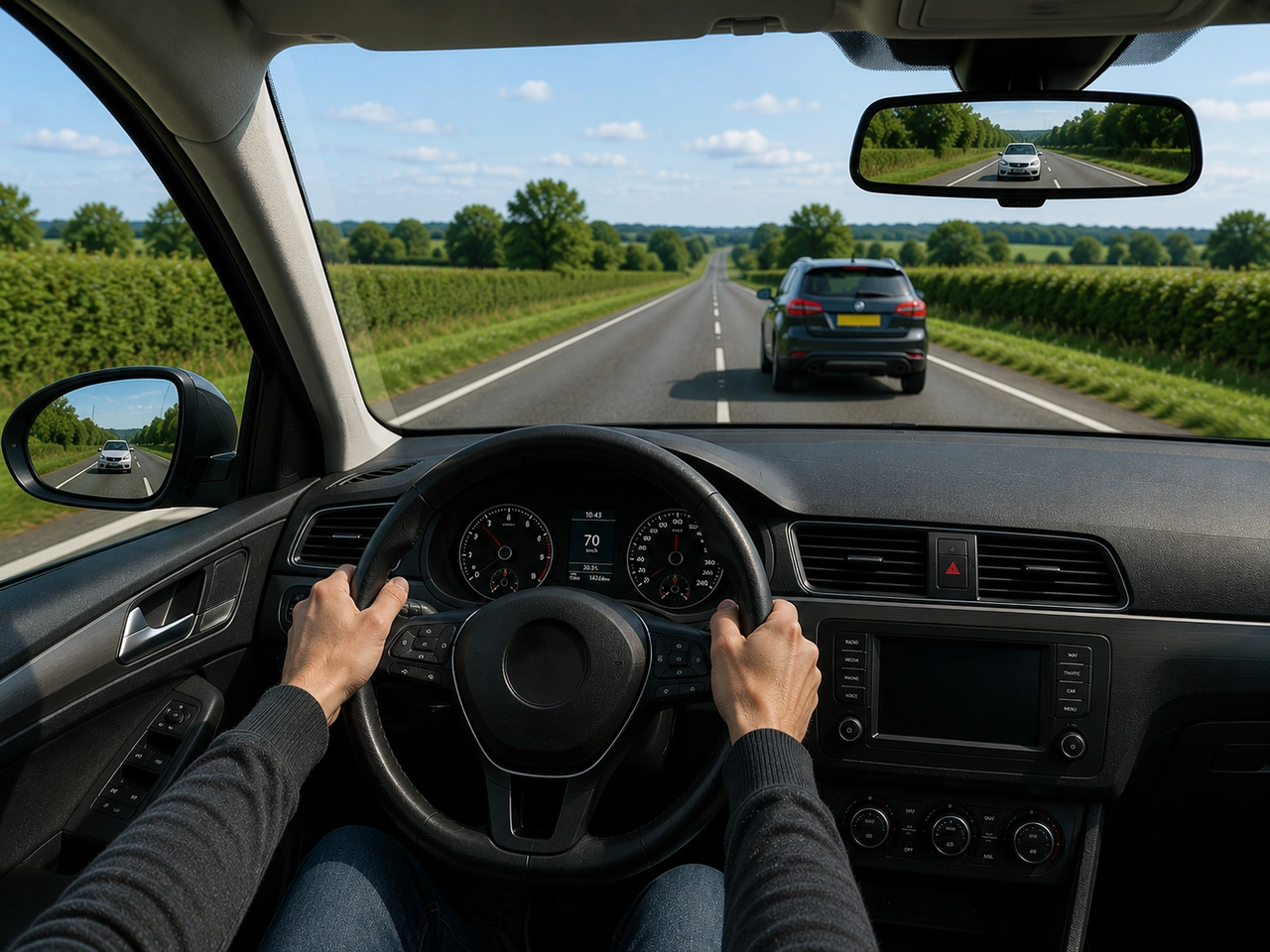
580. What should you do before overtaking another vehicle?
Before overtaking, check the road, mirrors, blind spots, signs, and markings, use your indicator, and only overtake when it is safe and permitted.
AI-generated by Traffic-rules.com • WCIT • CC BY-SA
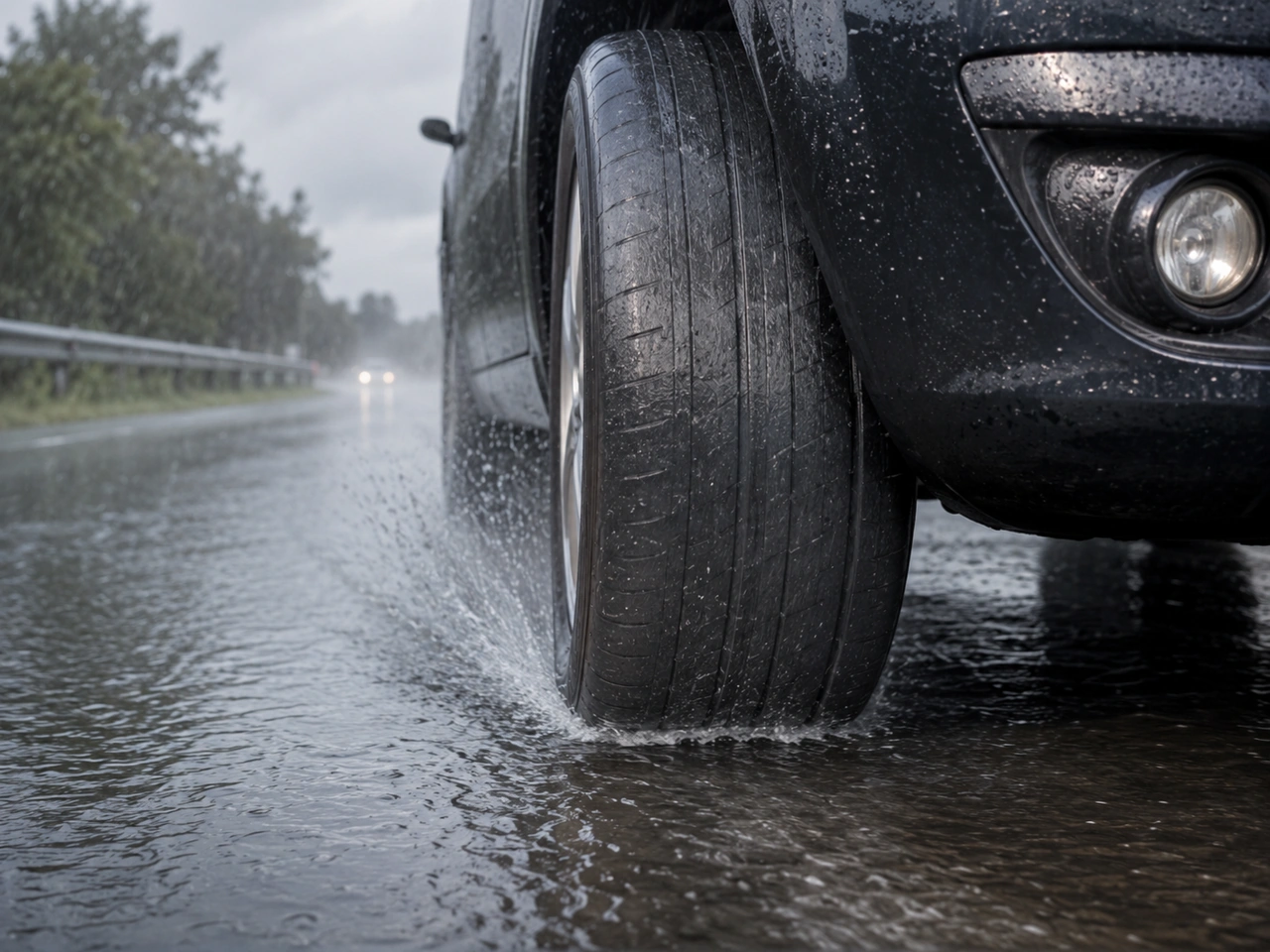
581. How can worn tyres affect driving in heavy rain?
Tyre tread helps channel water away and maintain grip. Worn tyres cannot clear water as effectively, increasing stopping distance and the risk of aquaplaning.
AI-generated by Traffic-rules.com • WCIT • CC BY-SA
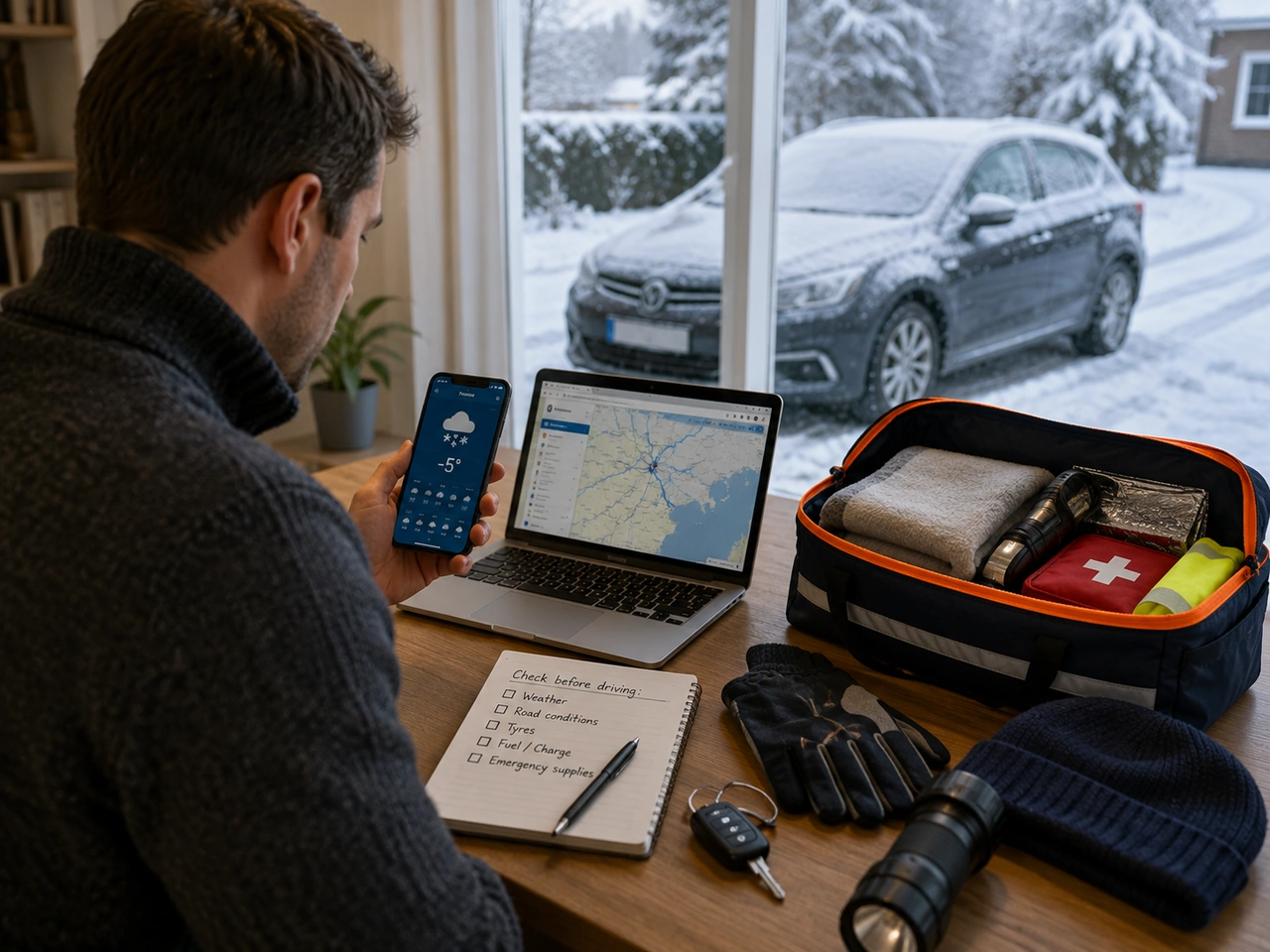
582. What should you check before beginning a journey in severe winter weather?
Check whether the journey is necessary and prepare for delays or changing conditions. Suitable tyres, sufficient fuel or charge, warm clothing, and basic emergency supplies may be important.
AI-generated by Traffic-rules.com • WCIT • CC BY-SA
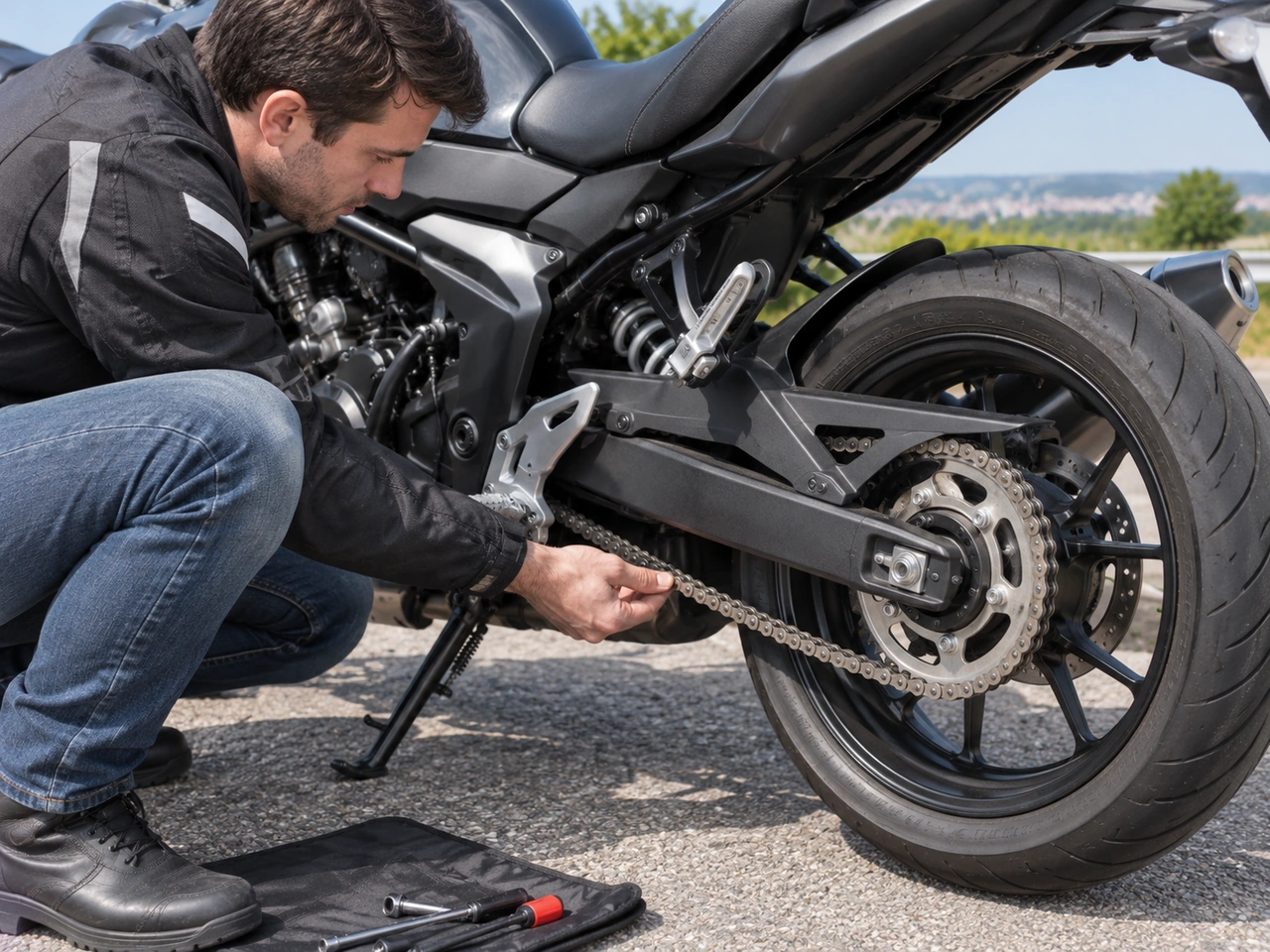
583. What should you do if a motorcycle's drive chain is too loose?
A loose drive chain can affect power transmission, damage components, or come off the sprockets. The chain should have the correct tension and lubrication specified by the motorcycle manufacturer. A chain that is too tight can also cause damage.
AI-generated by Traffic-rules.com • WCIT • CC BY-SA
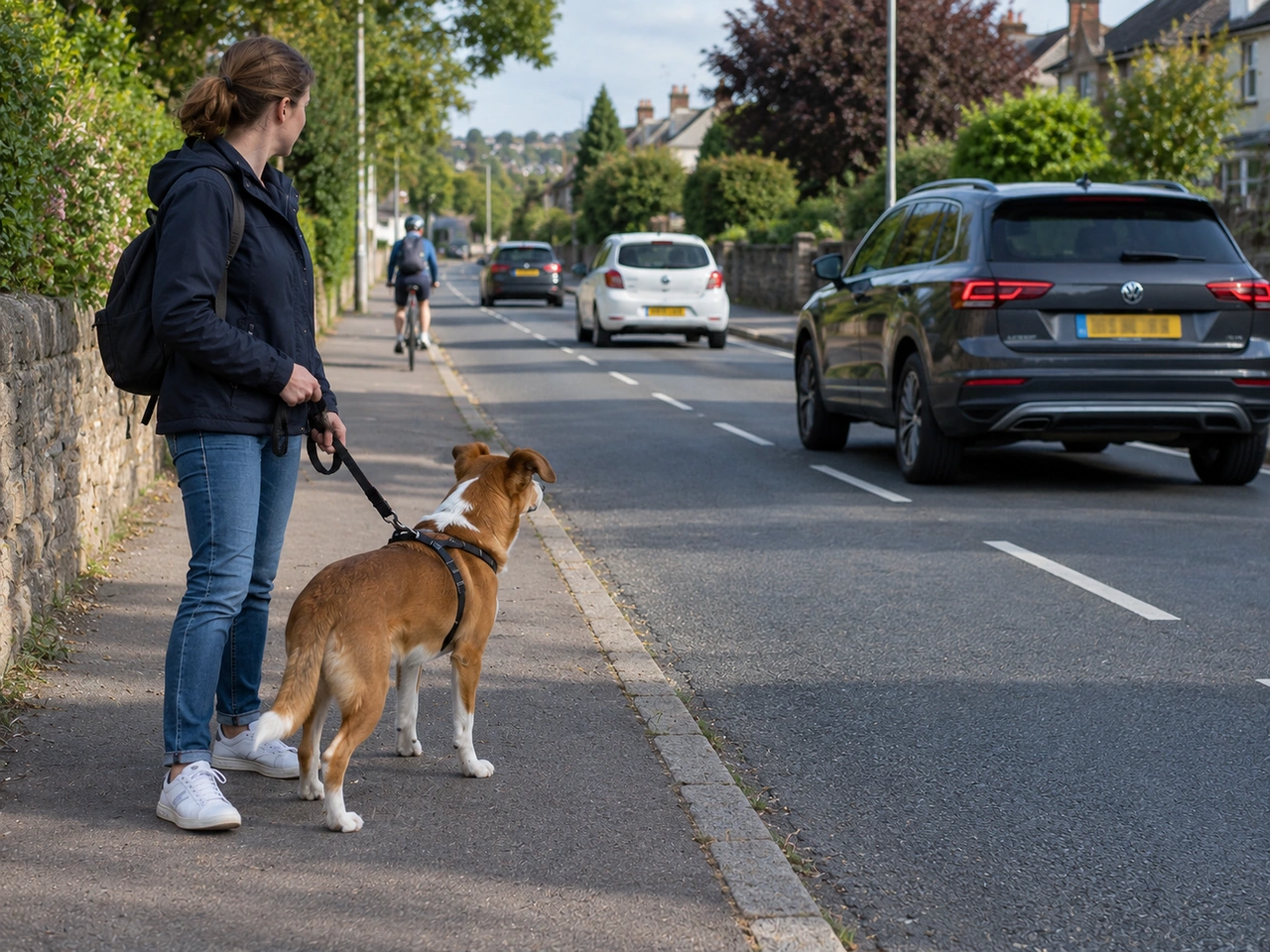
584. Why should you keep a dog on a leash near traffic?
Dogs can react unpredictably to vehicles, people, noises, or other animals. Keeping a dog under close control on a leash near traffic reduces the risk of it suddenly entering the road and endangering itself or other road users.
AI-generated by Traffic-rules.com • WCIT • CC BY-SA
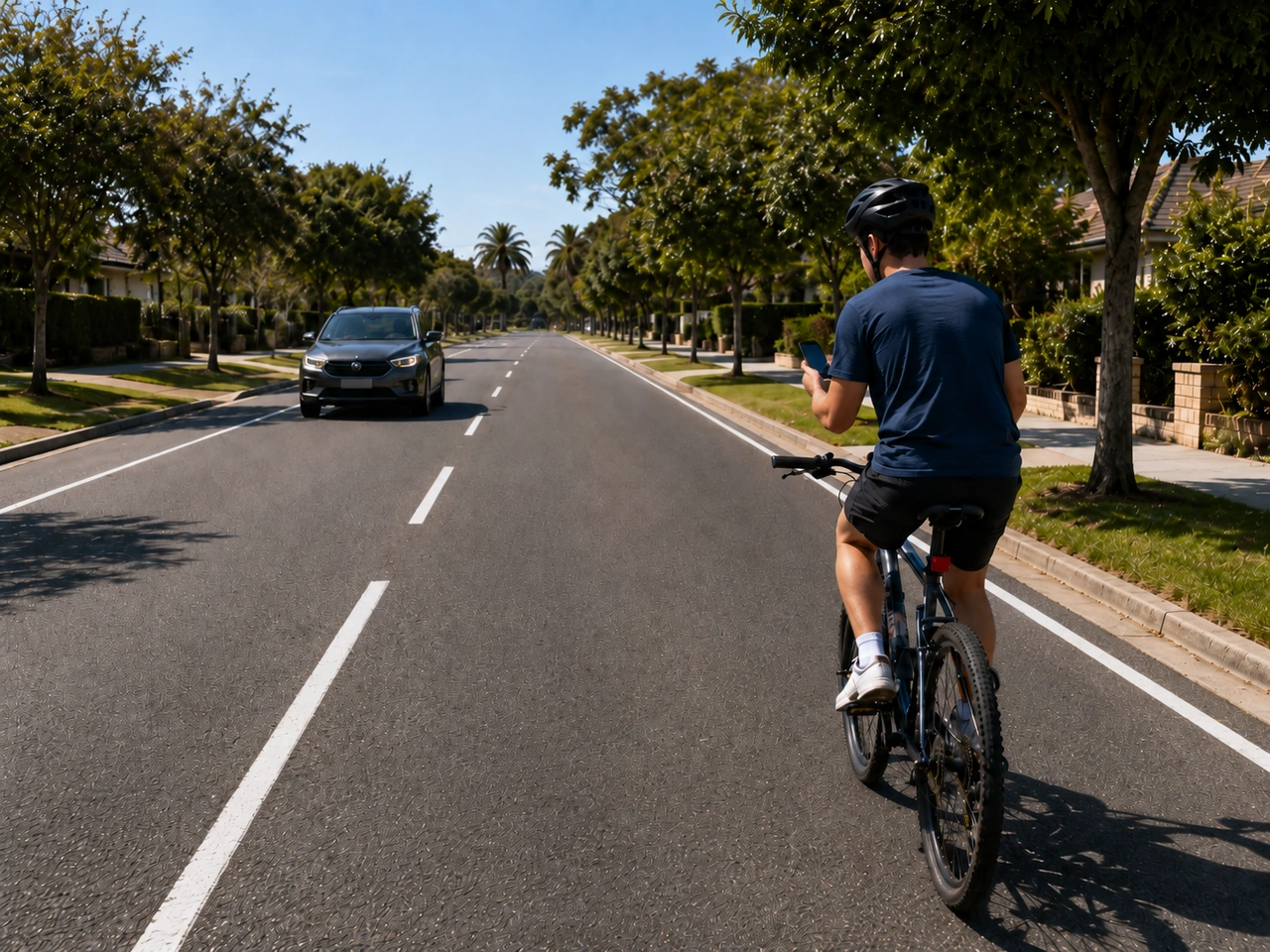
585. Why should cyclists avoid using a handheld phone?
Using a phone can distract you and may prevent you from steering, braking, or reacting properly.
AI-generated by Traffic-rules.com • WCIT • CC BY-SA
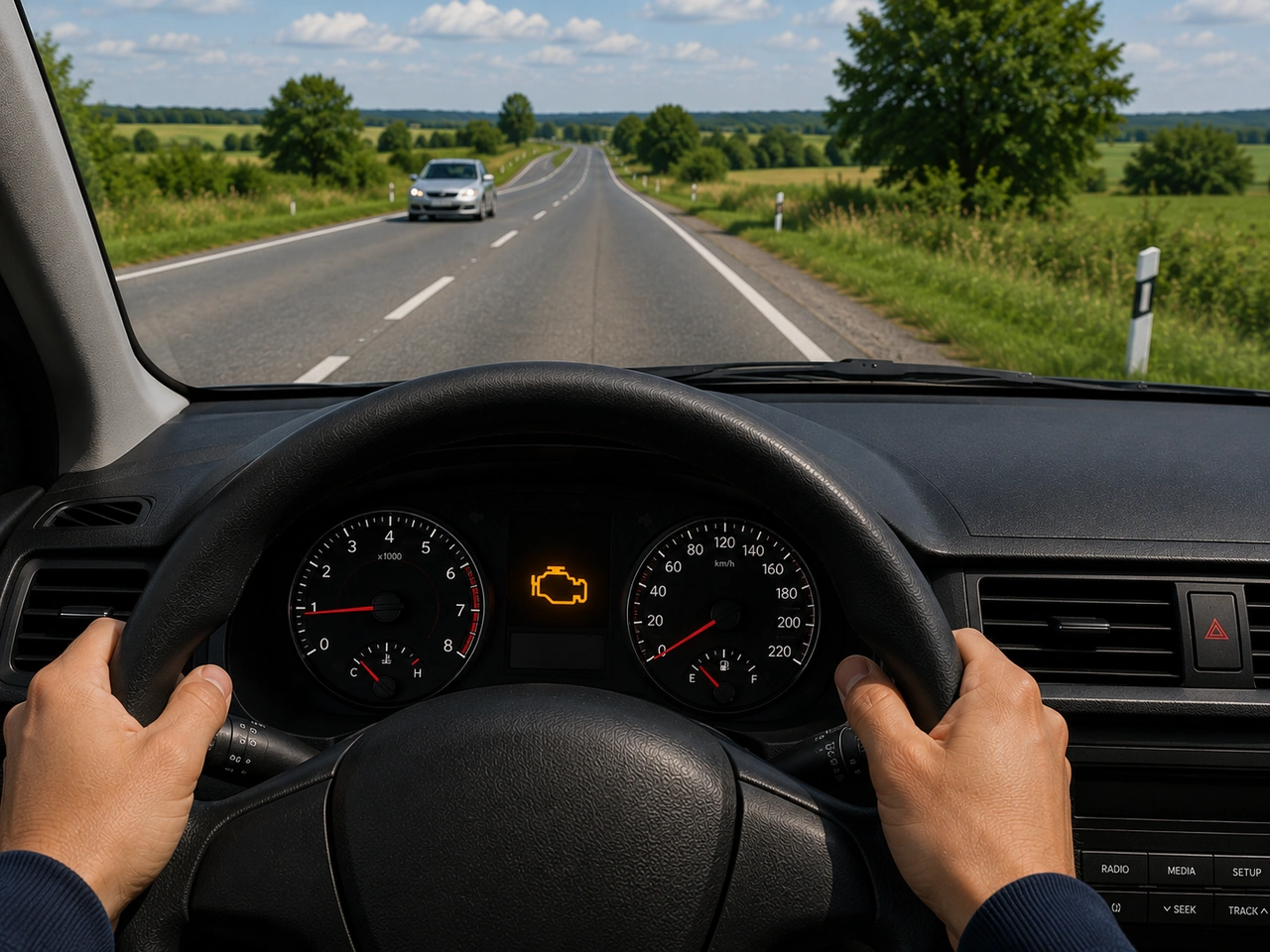
586. What should you expect if the engine suddenly stalls while the vehicle is moving?
Power assistance may be reduced when the engine stops. Keep control, use the hazard lights if needed, and steer toward a safe stopping area.
AI-generated by Traffic-rules.com • WCIT • CC BY-SA
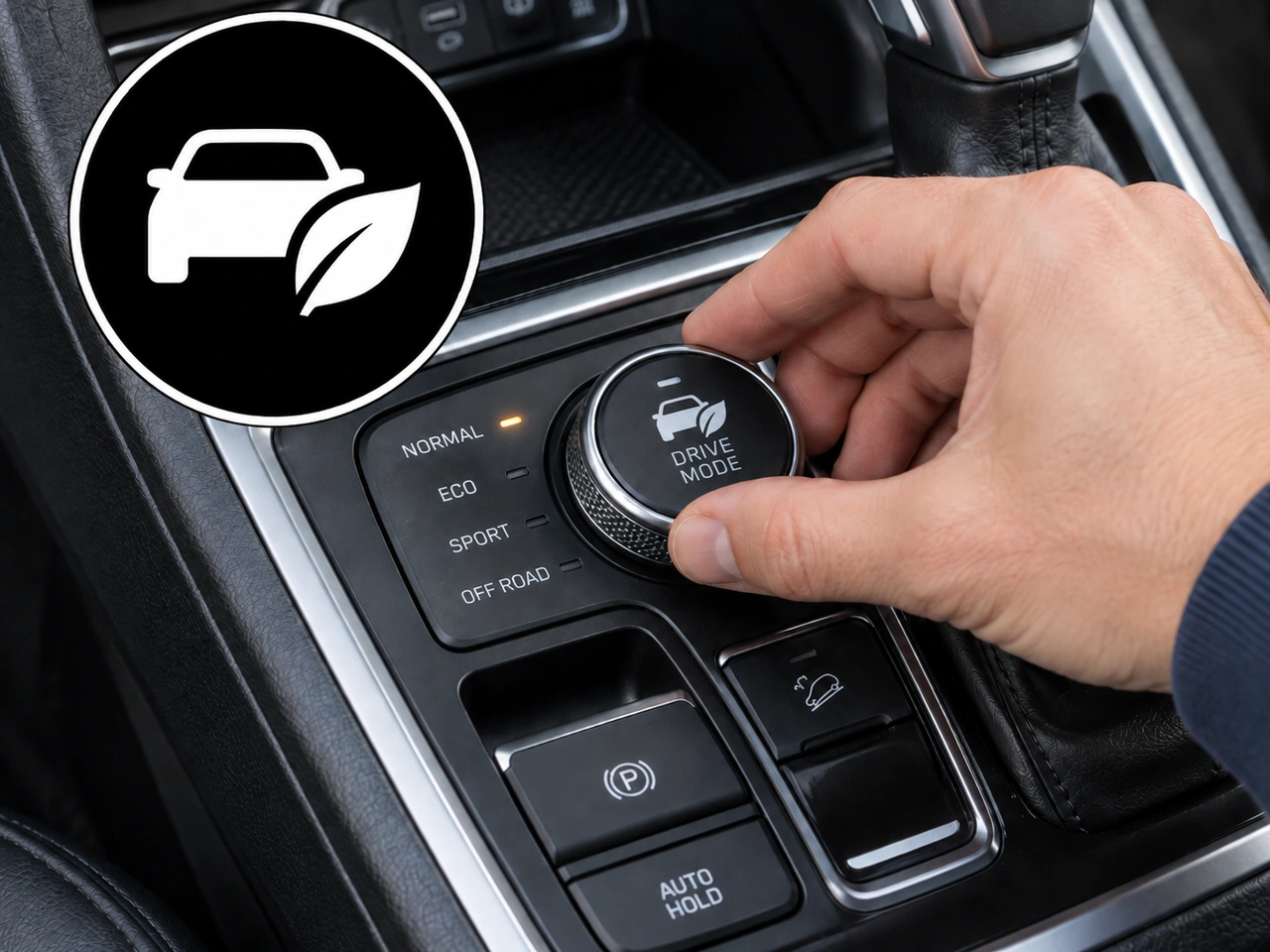
587. What does this vehicle-control symbol indicate?
This control selects a driving mode. Depending on the vehicle, different modes can alter characteristics such as accelerator response, steering assistance, transmission behaviour or energy use.
AI-generated by Traffic-rules.com • WCIT • CC BY-SA
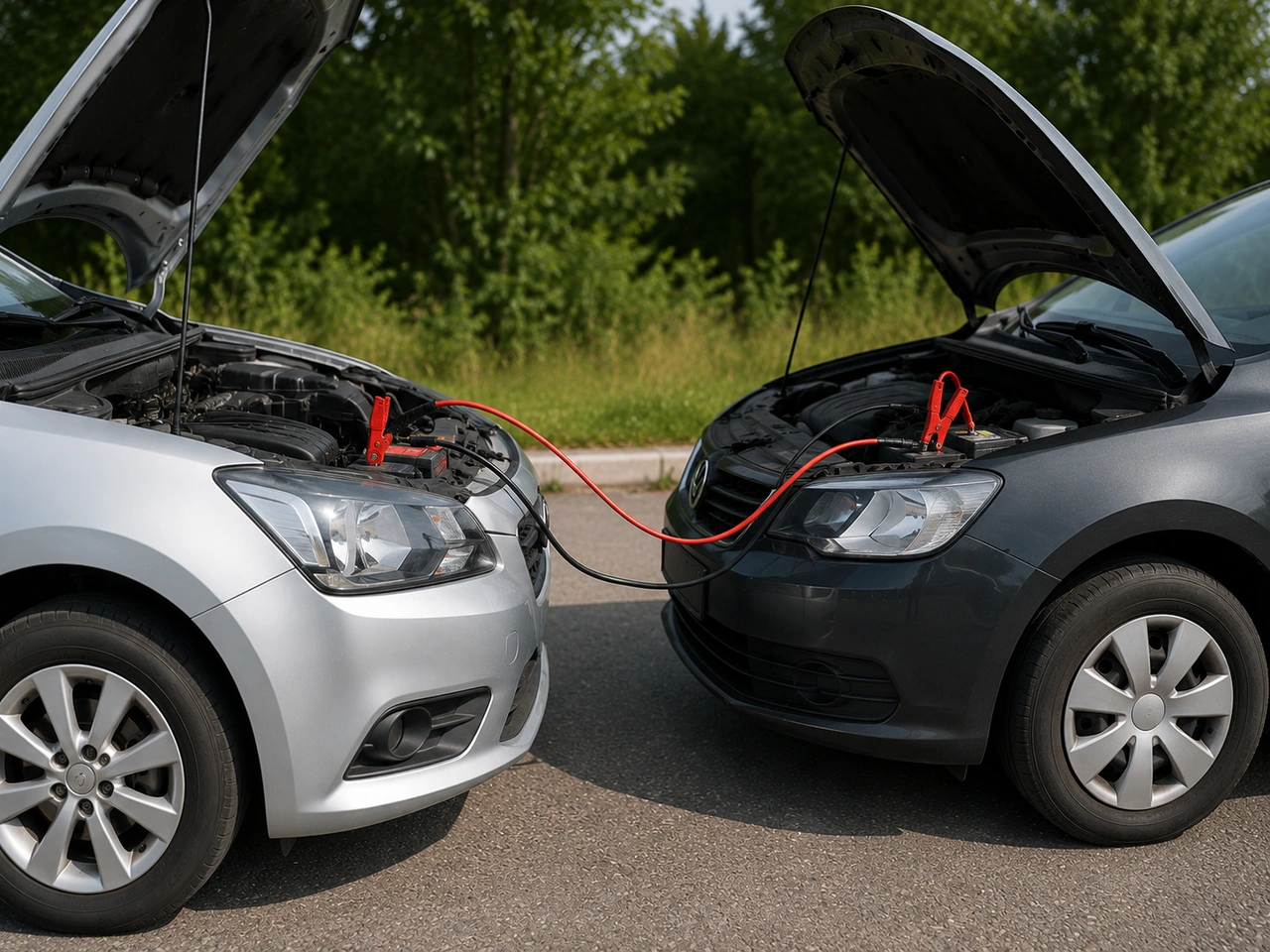
588. What should you do before attempting to jump-start a vehicle?
Incorrect jump-starting can damage electrical systems, cause sparks, or make a battery explode. Connect the leads in the correct order before starting the vehicles, and follow the manufacturer's procedure exactly.
AI-generated by Traffic-rules.com • WCIT • CC BY-SA
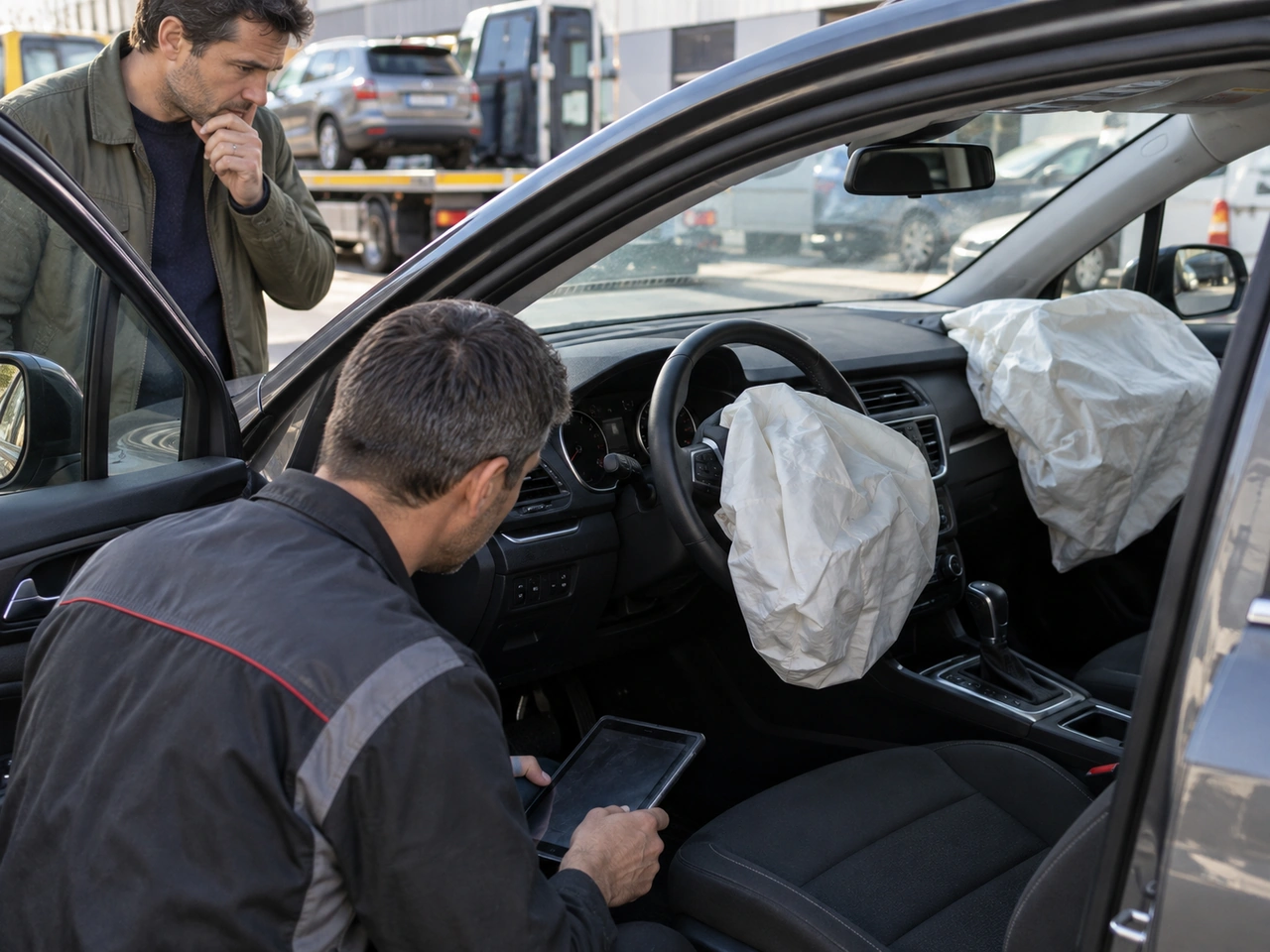
589. What should happen after an airbag has deployed?
A deployed airbag is a single-use safety component. After deployment, the restraint system should be professionally inspected and the airbag and any other affected components replaced or repaired as required before the system is relied upon again.
AI-generated by Traffic-rules.com • WCIT • CC BY-SA
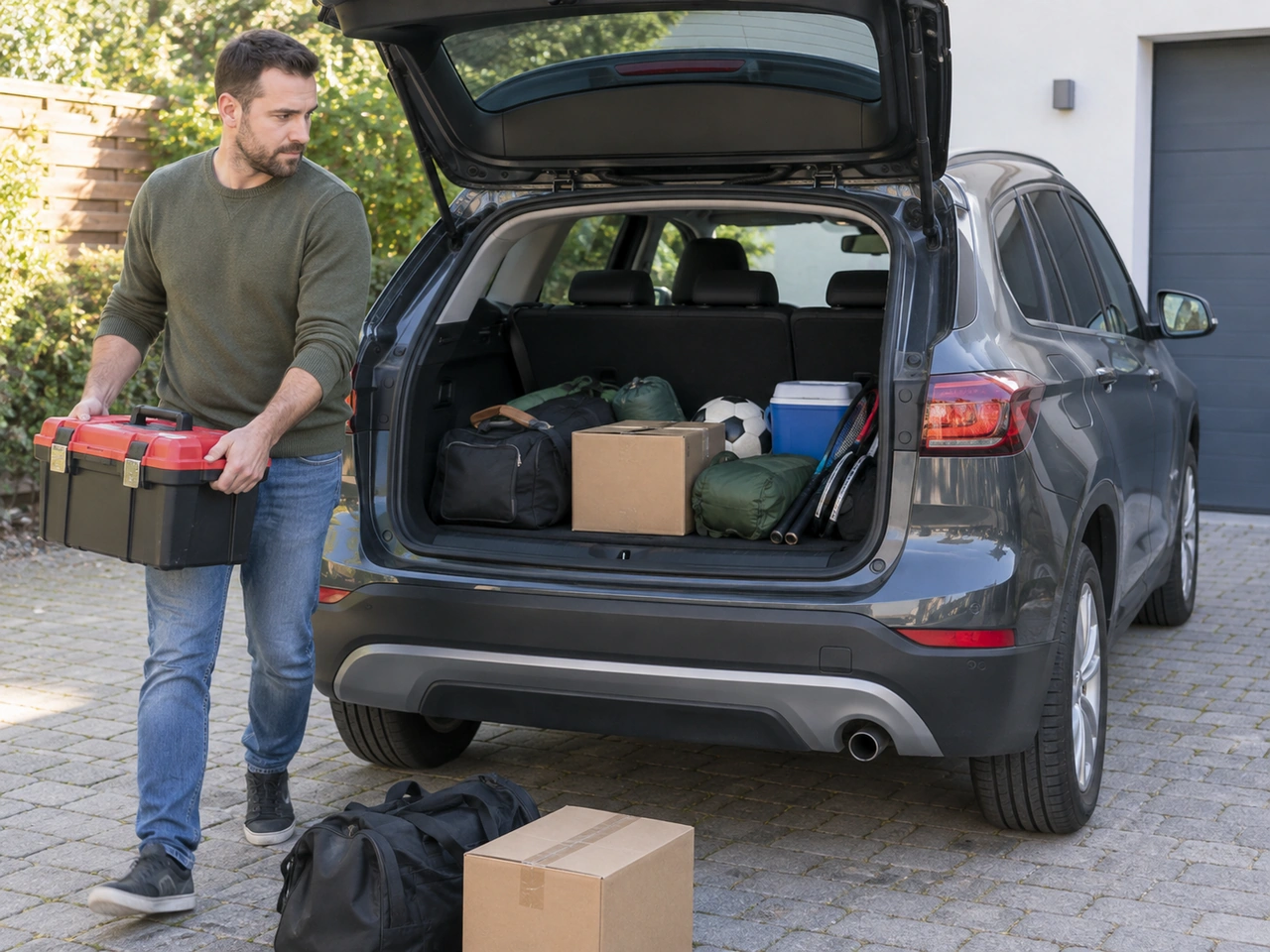
590. How can unnecessary weight affect a vehicle's energy use?
Extra weight generally requires more energy when accelerating and climbing. Removing unnecessary heavy items can help reduce fuel or energy consumption while keeping all essential equipment in the vehicle.
AI-generated by Traffic-rules.com • WCIT • CC BY-SA
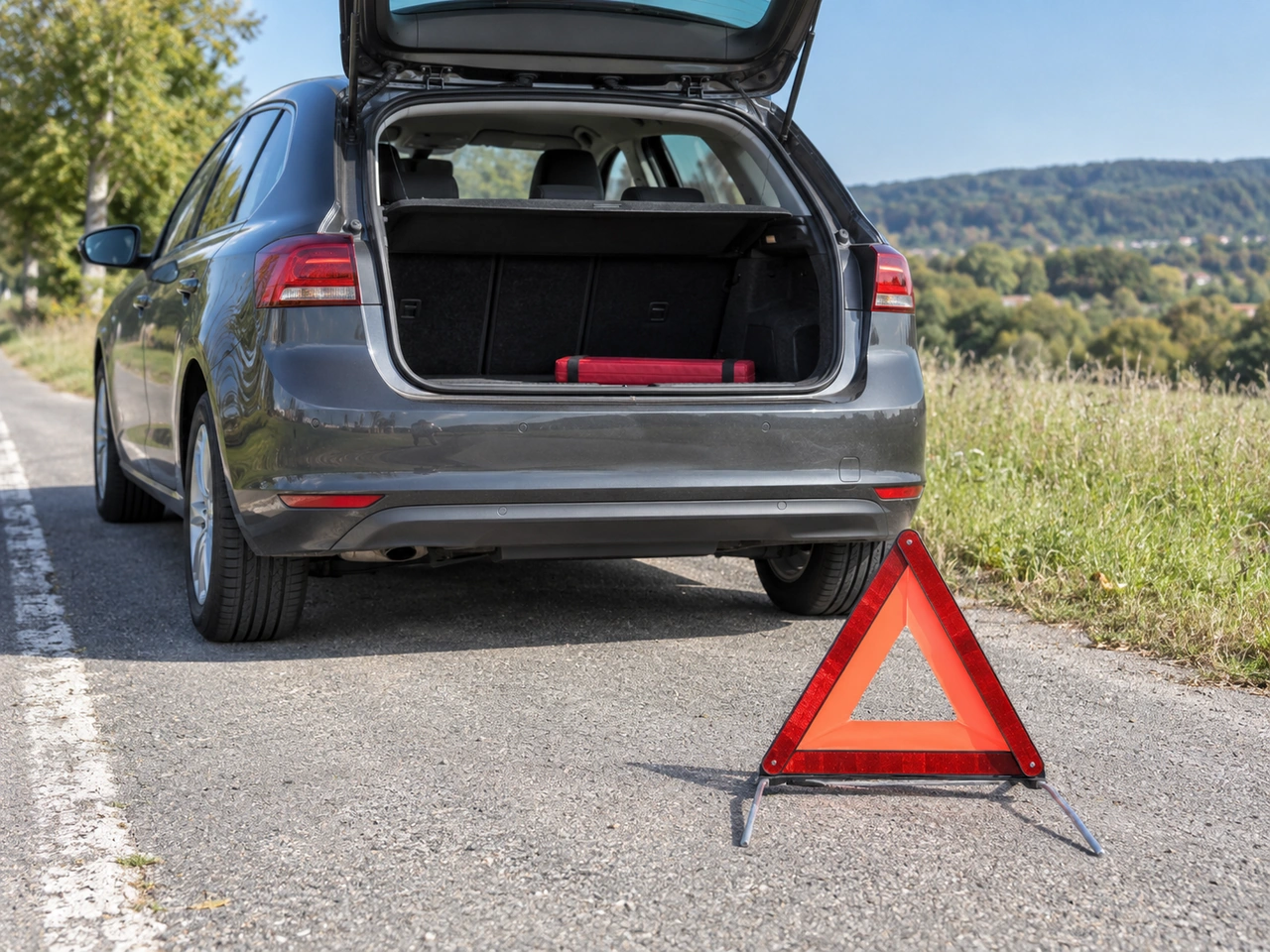
591. Is a warning triangle required in cars in Argentina?
Cars in Argentina are required to carry a warning triangle.
AI-generated by Traffic-rules.com • WCIT • CC BY-SA
