


QuizTraffic rulesArgentina
Test your knowledge with our multiple-choice quiz. Learn from each answer and improve your understanding of the traffic rules and road signs of Argentina.
 Traffic signs
 Traffic rules
 Argentina
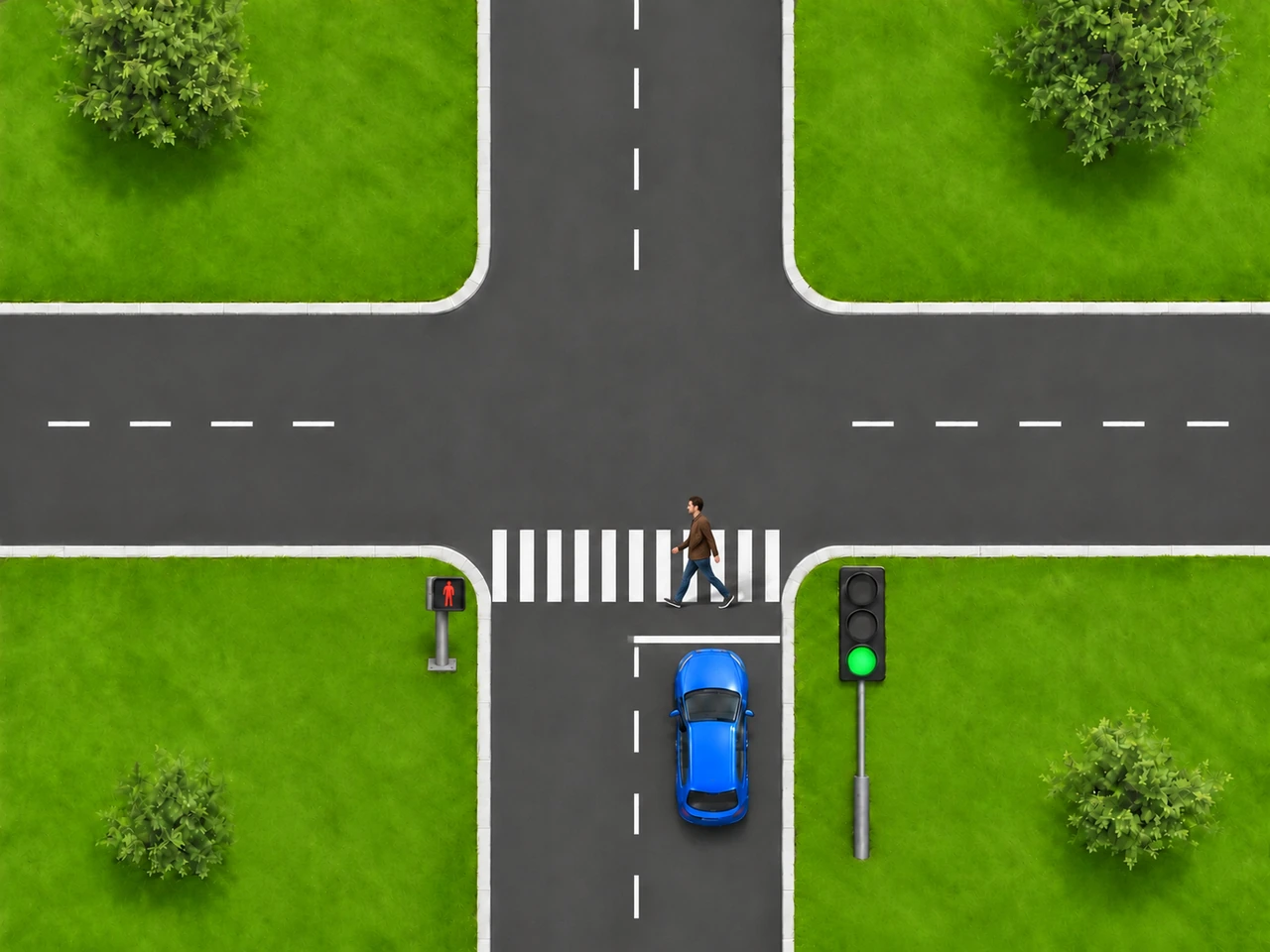
601. This pedestrian entered on green. Blue now has green. Must blue let the pedestrian finish?
The pedestrian entered lawfully on green and is still crossing. Blue must wait and allow the person to finish safely, despite its new green light. The pedestrian should continue promptly and safely; the changed signal does not authorise driving into their path. A waiting pedestrian may not start a new crossing on red.
🔗 Sources
AI-generated illustration • Traffic-rules.com / Rijbewijs-online.be • WCIT • CC BY-SA 4.0.
🔗 Argentina • National Traffic Act No. 24,449, Article 44(e)

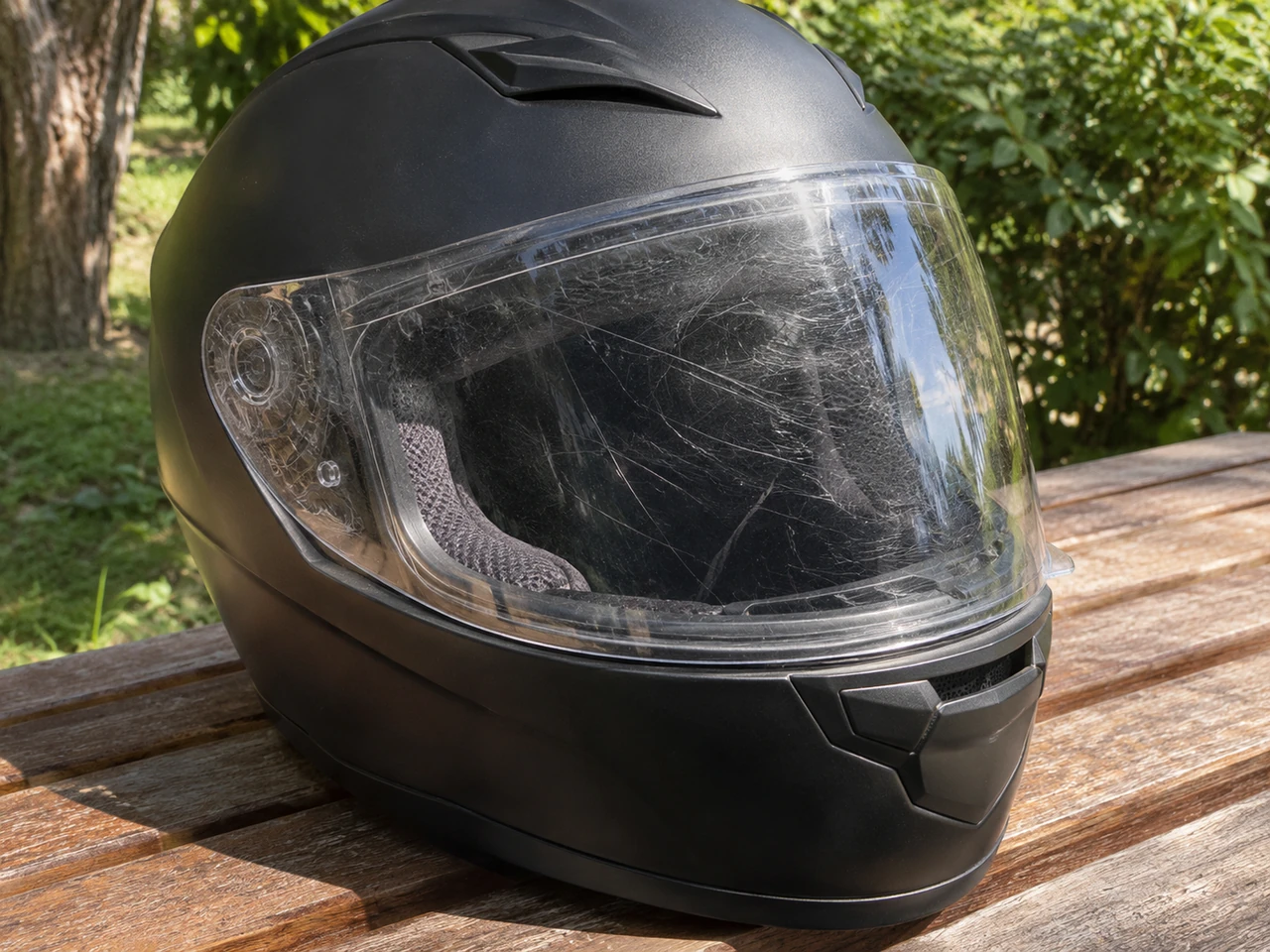
602. A badly scratched motorcycle visor cannot affect your view at night.
Scratches can distort your view and increase dazzle from headlights. Replace a scratched visor and keep the replacement clean, following the manufacturer's care instructions.
🔗 Sources
The Highway Code (Great Britain) • Safety guidance, Rule 84: eye protection and night-time visibility
Image credit: AI-generated
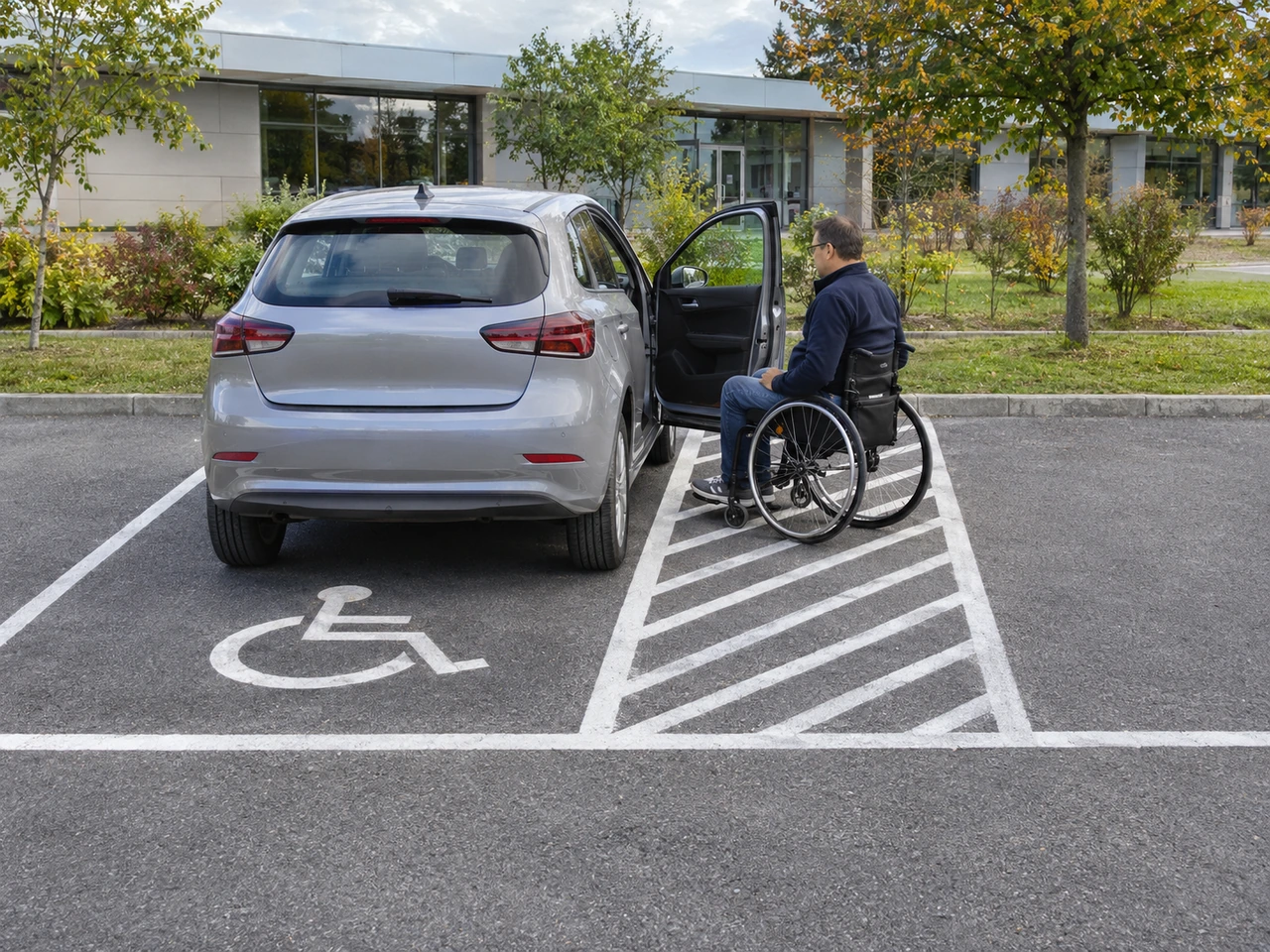
603. Why should you leave the marked access space beside an accessible parking bay clear?
The extra space allows doors to open and gives room for wheelchair transfers, ramps or other mobility aids. Keep it free of vehicles and objects.
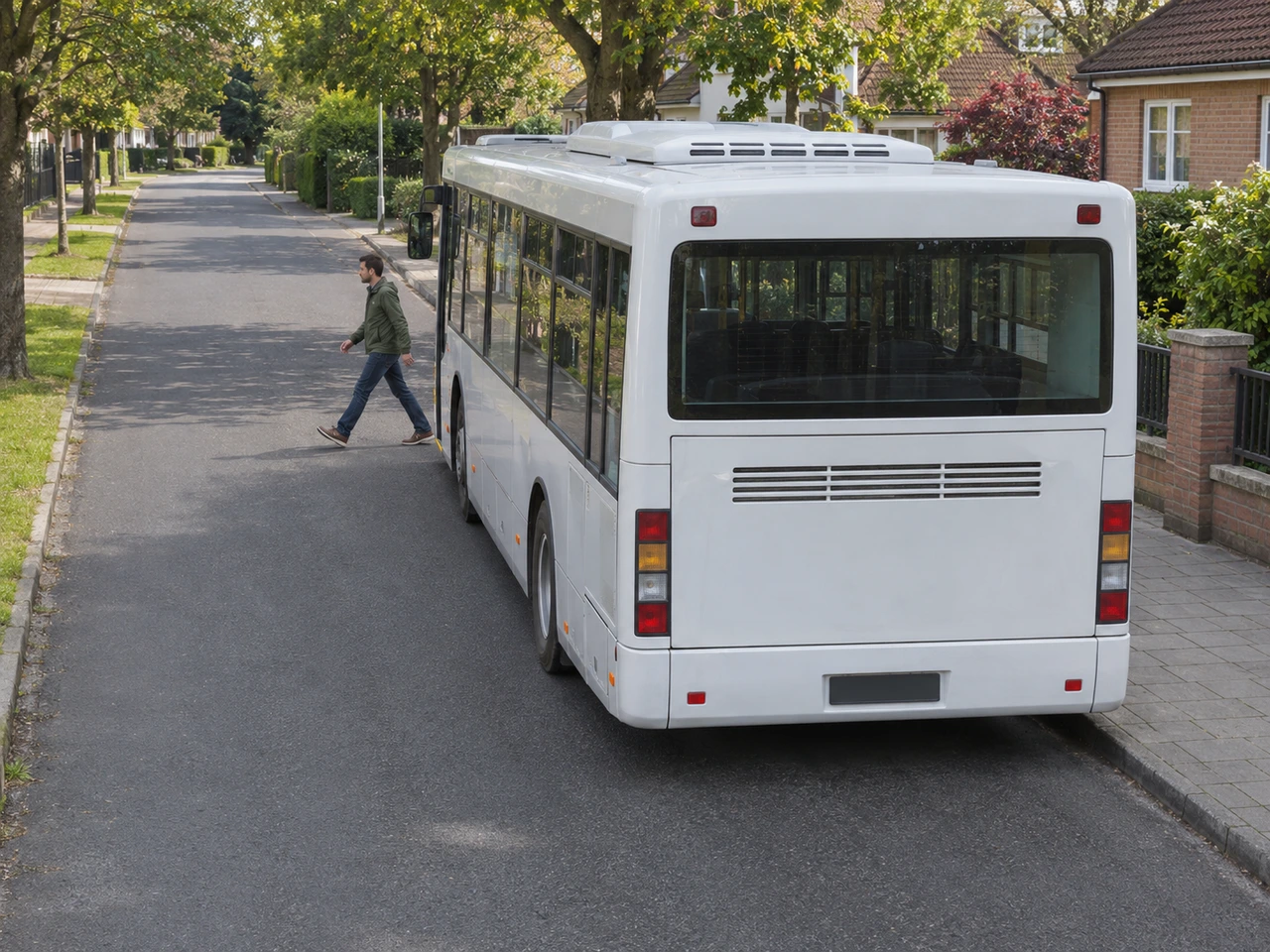
604. What is a common danger when passing a stopped bus?
A stopped bus can hide pedestrians from view. Slow down and be prepared for someone to step into the road from in front of or behind the bus.
🔗 Sources
UK Highway Code — General safety guidance: pedestrians may emerge near stopped buses, Rule 206
Image credit: AI-generated
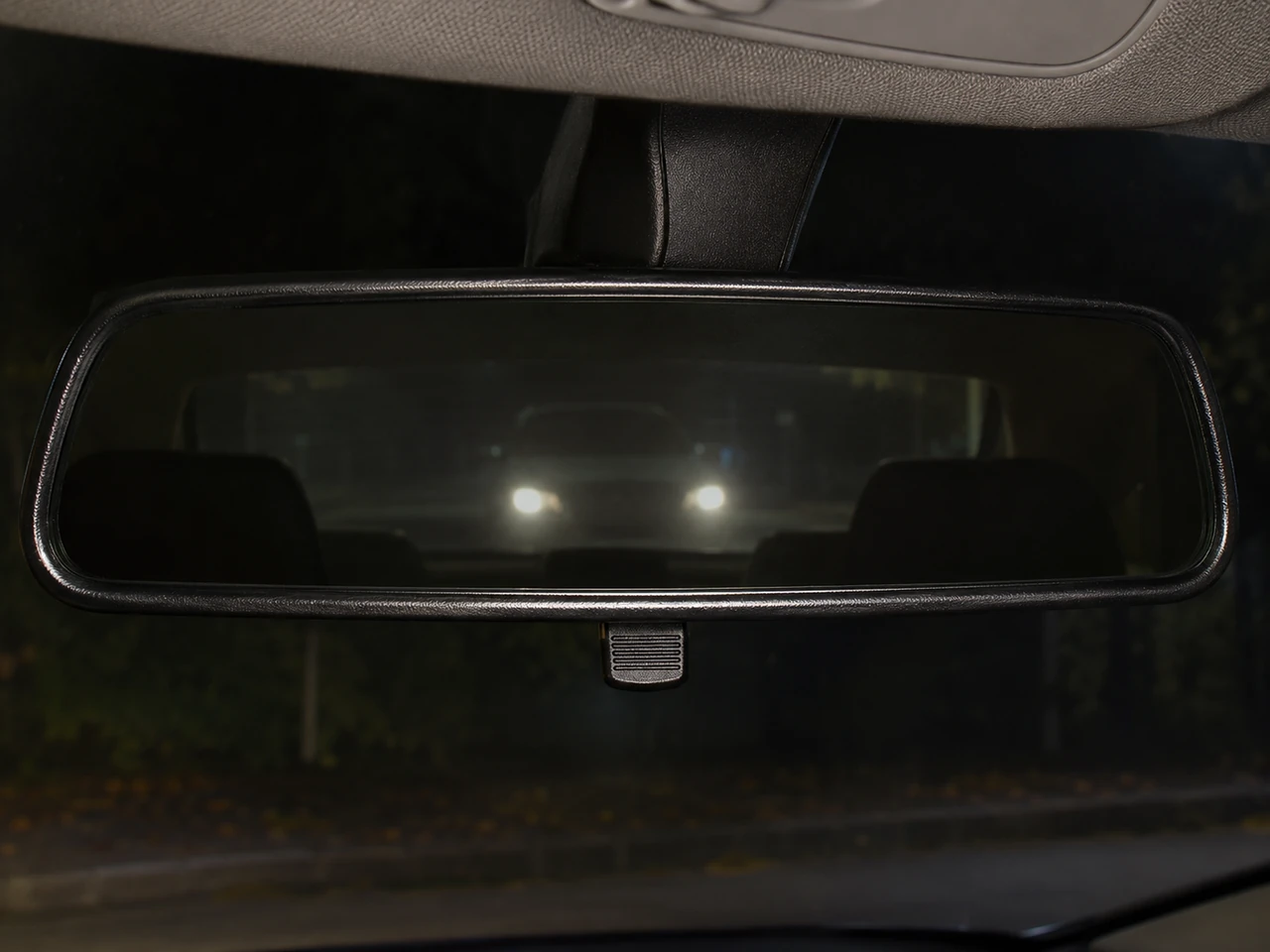
605. A rear-view mirror's anti-dazzle setting can reduce headlight glare from behind.
If fitted, use the mirror's dimming function as described in the vehicle handbook. It reduces the brightness of lights reflected from behind while you continue to monitor rearward traffic.
🔗 Sources
Department for Transport (Great Britain) • Safety guidance, rear-view mirror dimming
Image credit: AI-generated
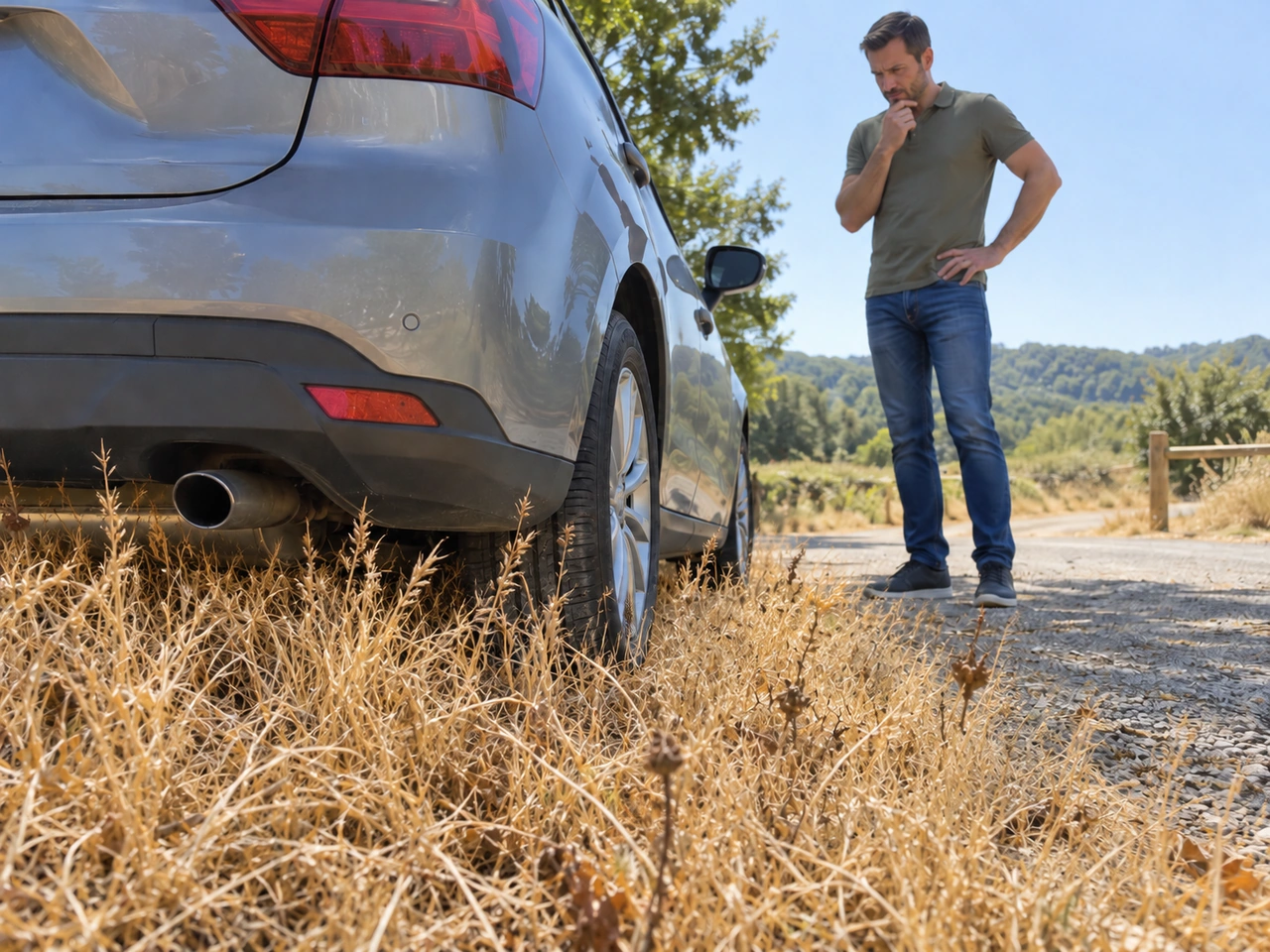
606. Why should you avoid parking a petrol or diesel vehicle on dry grass?
Parts of the exhaust system, especially the catalytic converter, can become very hot while driving. Parking over dry grass, leaves, or other combustible vegetation can create a fire risk. Park on a suitable non-flammable surface whenever possible.
🔗 Sources
Nissan 2025 Sentra manual — Model-specific exhaust gases, closed spaces and hot components example
Image credit: AI-generated
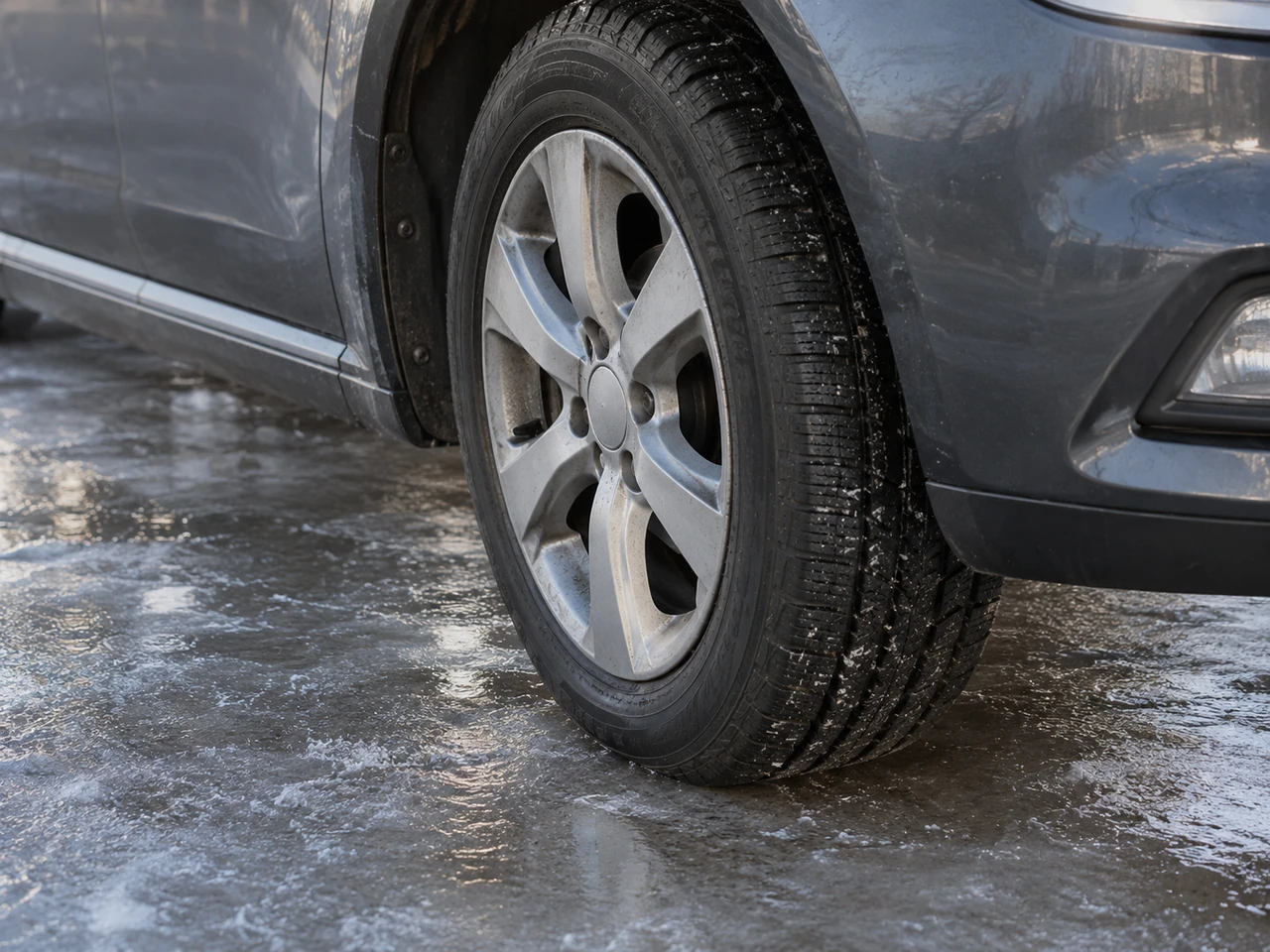
607. Electronic stability control guarantees that a car cannot skid.
Stability control can help by braking individual wheels and reducing engine power, but it cannot prevent every skid. Keep your speed and driving inputs suitable for the available grip.
🔗 Sources
Ford owner’s manual (manufacturer guidance) • Safety guidance, stability-control operation and physical limits
Image credit: AI-generated
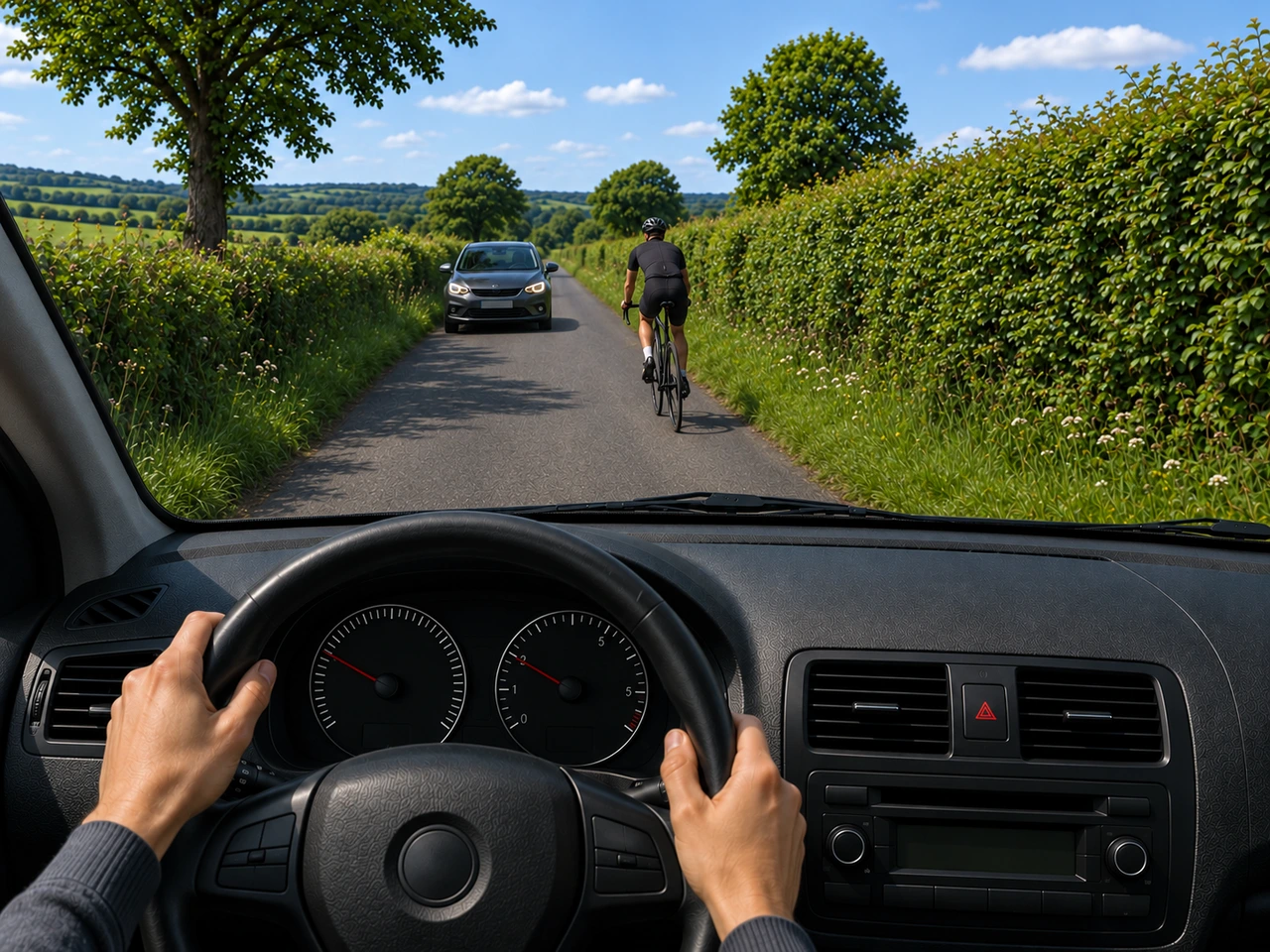
608. What should you do when following a cyclist on a narrow road?
Cyclists may need to avoid potholes, drains, or wind gusts. Keep distance and only pass when you can leave plenty of space.
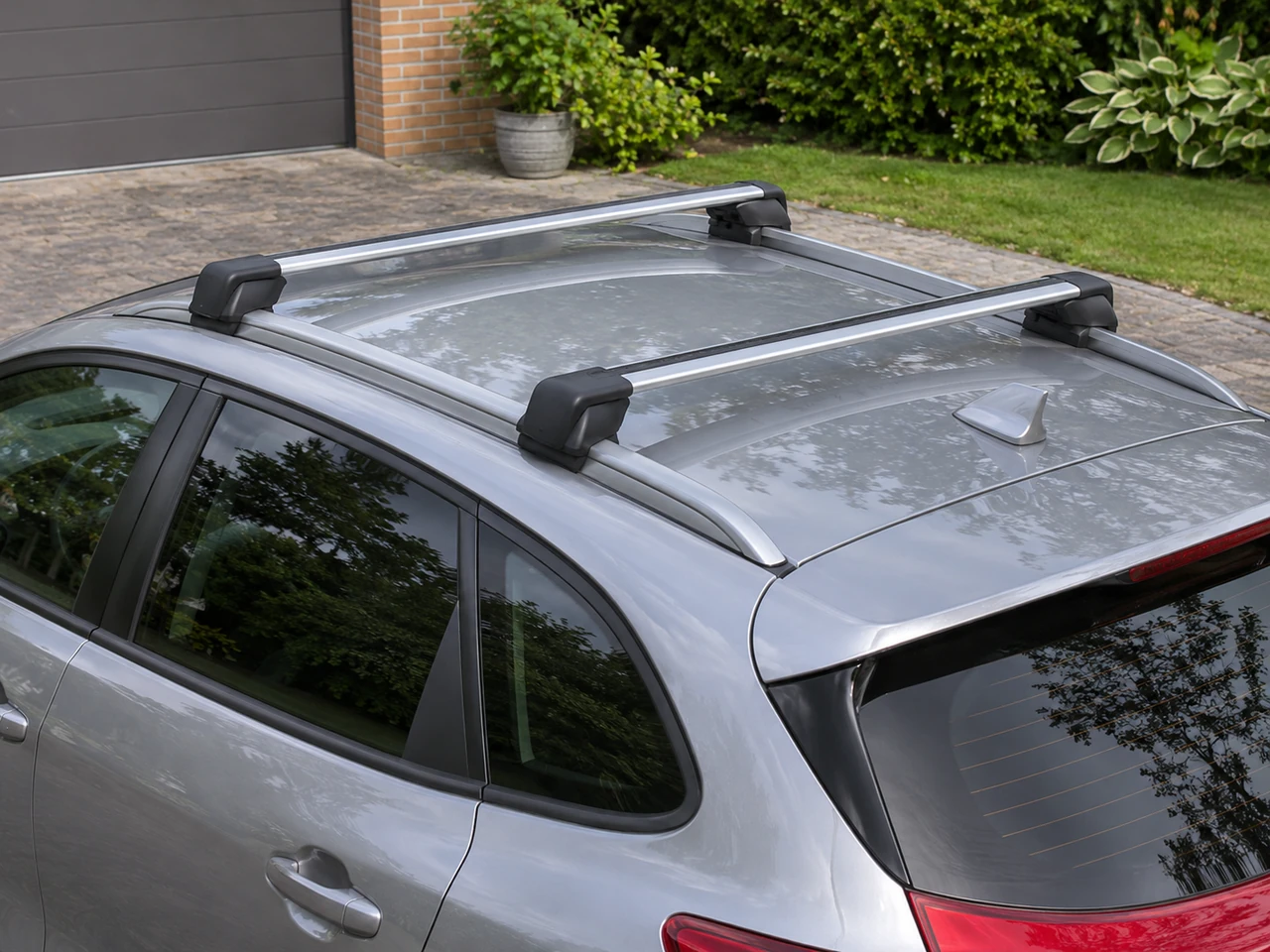
609. An unused roof rack can increase fuel consumption.
Roof racks and bars add air resistance even when empty. Remove removable equipment when it is not needed, following the fitting instructions. The effect varies with the vehicle, equipment and speed.
🔗 Sources
Vehicle Certification Agency (United Kingdom) • Safety guidance, Remove roof boxes, rack etc. when not in use
Image credit: AI-generated
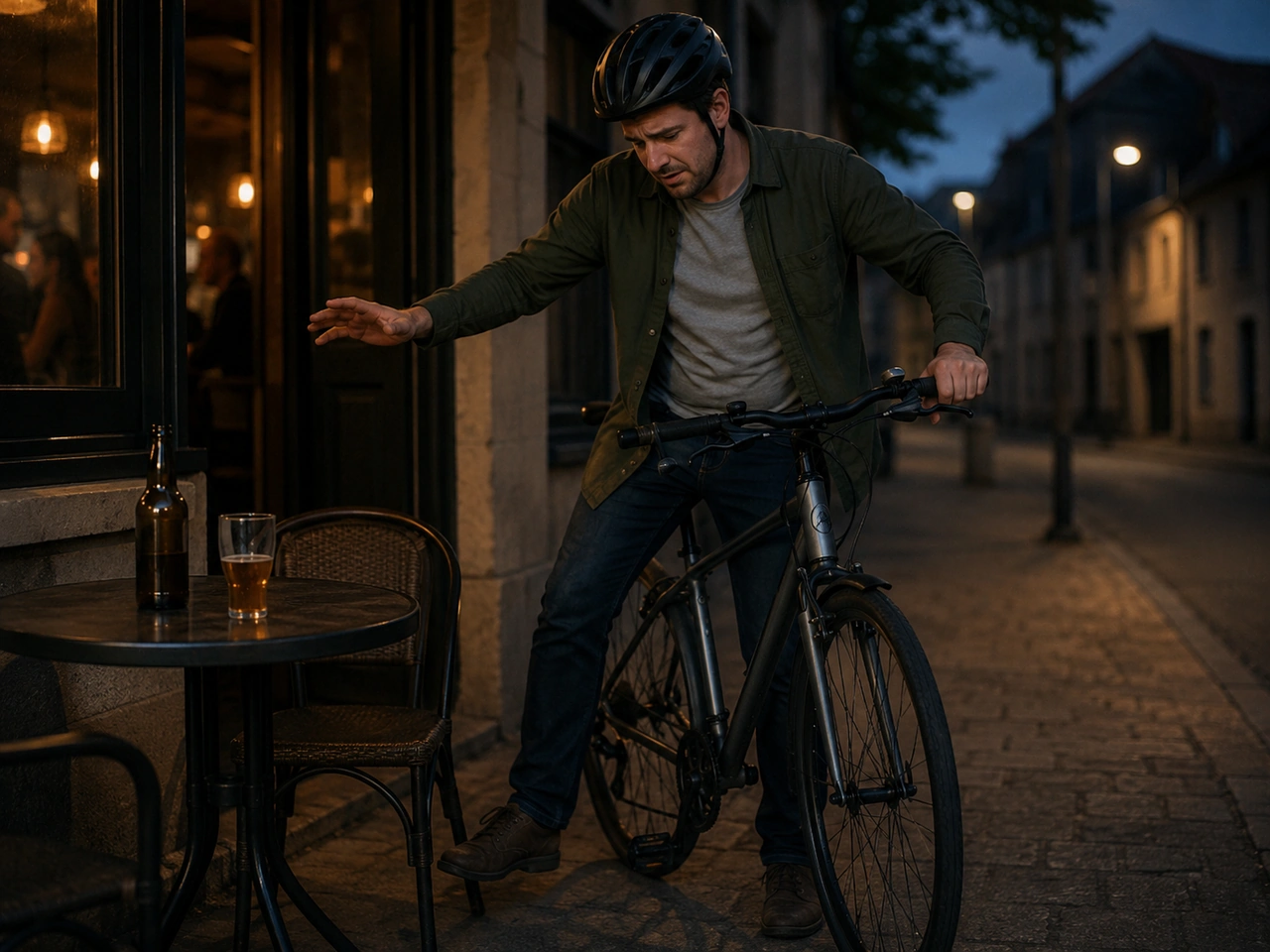
610. Why is riding a bicycle after drinking alcohol dangerous?
Alcohol can make it harder to balance, steer, judge distances, and react to hazards. Riding a bicycle while impaired may also be against the law.
Argentina. Alcohol can impair the balance, coordination and judgement needed to ride a bicycle. Leave the bicycle parked and make another plan for getting home.
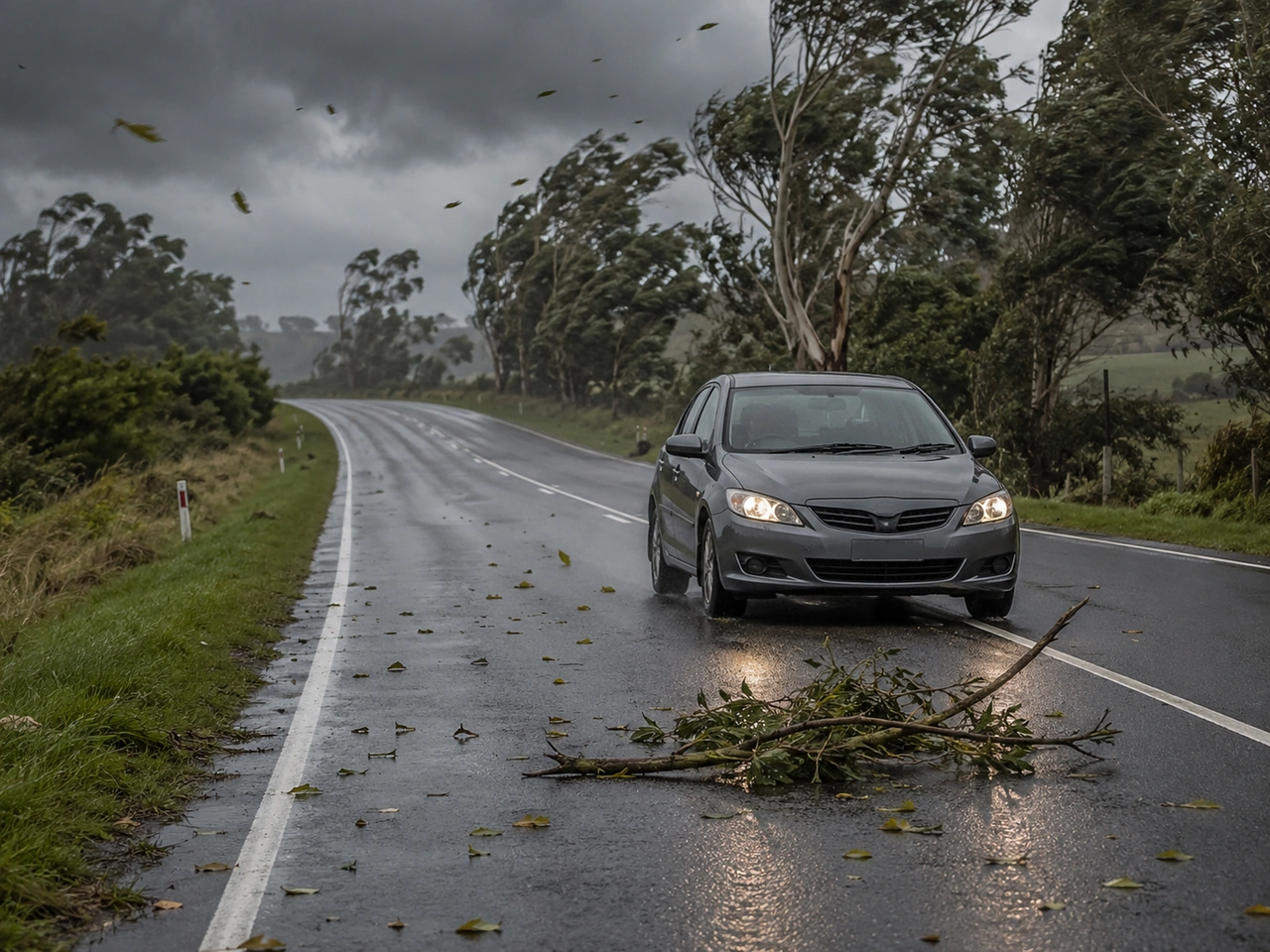
611. What should you do when branches or debris are blowing onto the road?
Strong wind can scatter branches and other objects across the road. Slow down early, leave extra following distance and check surrounding traffic before changing position. Stop if there is no safe way past an obstruction. Avoid a sudden swerve into another road user or driving over debris whose effects you cannot judge. Be especially cautious where bends or vegetation hide the road ahead.
Argentina. SINAGIR / SMN advises avoiding shelter near trees or electricity poles that could fall, and keeping away from fallen poles because of electrocution risk. Apply this to route choice and stopping: avoid a threatened area and never approach fallen electrical infrastructure to clear the road yourself.
🔗 Sources
SINAGIR / SMN • Strong-wind safety: shelter, trees and electricity poles
Image credit: AI-generated
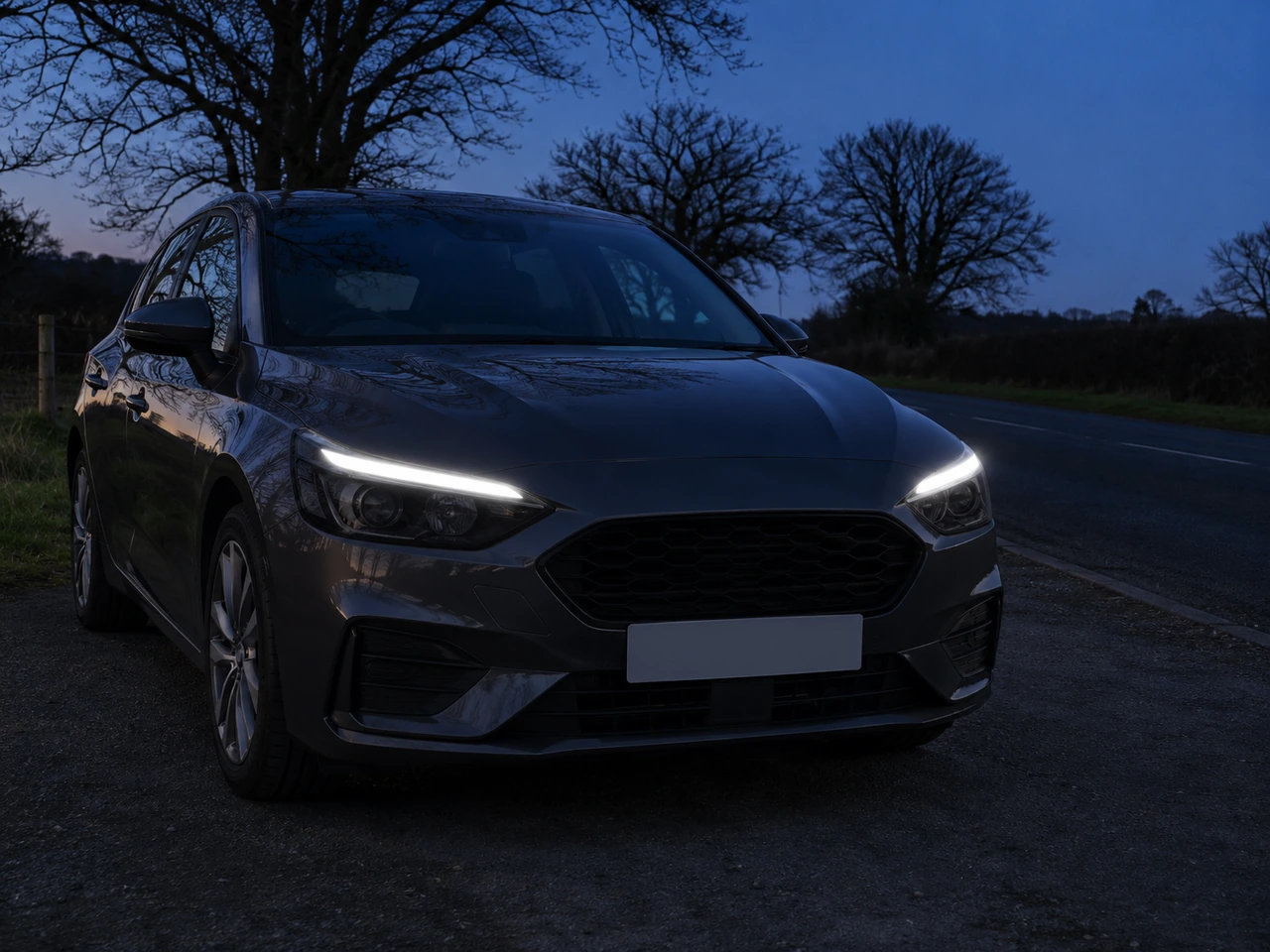
612. Why should you not rely only on daytime running lights at night?
Daytime running lights mainly make the vehicle visible during the day. They do not replace night-driving lights, and rear lights may remain off. Select suitable lighting and check its operation.
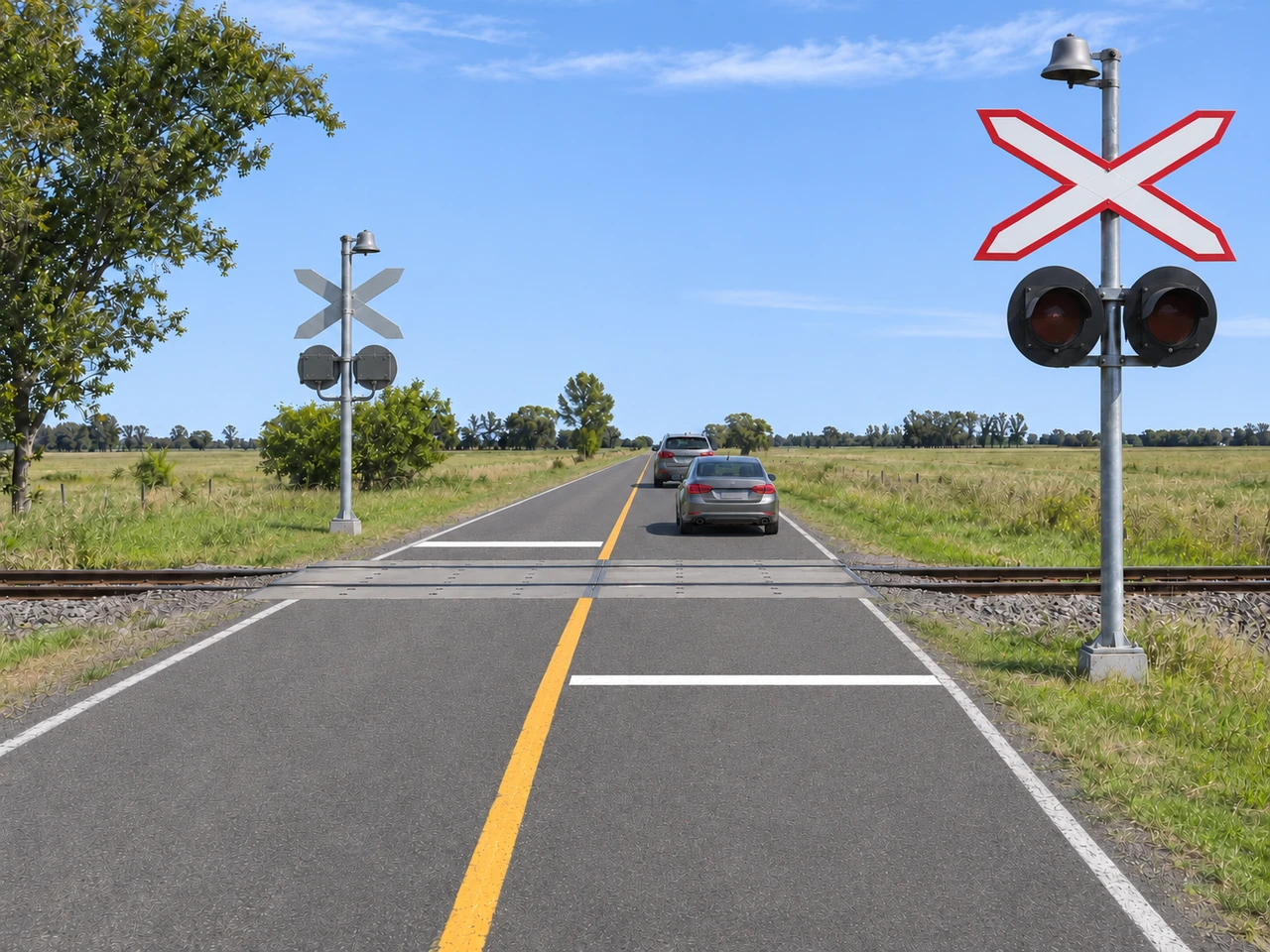
613. What should you do if traffic beyond a railway crossing is blocked?
Never enter a railway crossing unless you can clear the tracks completely. If traffic ahead is blocked, wait before the crossing so you cannot become trapped on the railway.
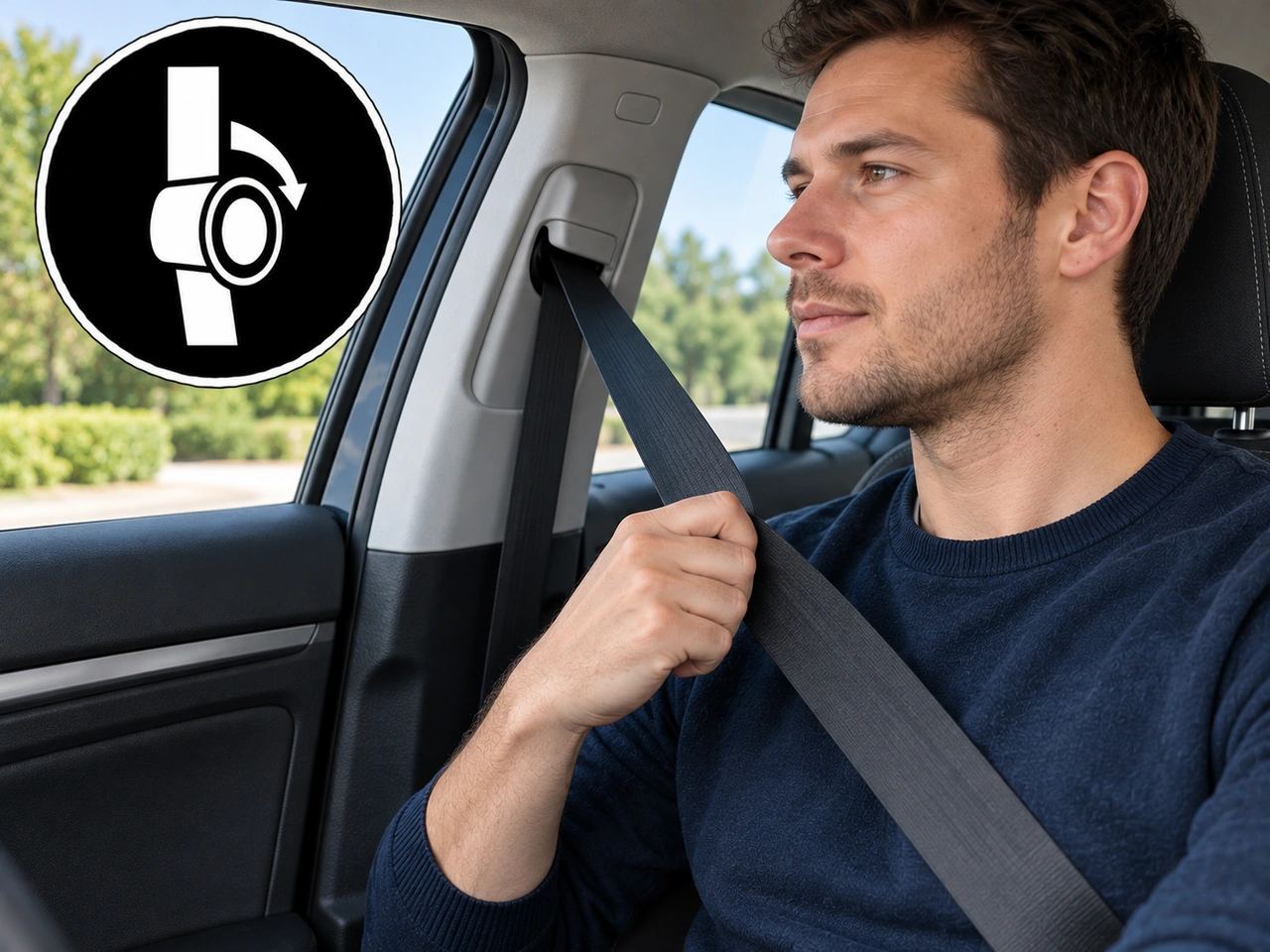
614. What is the purpose of the seat-belt retractor?
The seat-belt retractor takes up slack and helps keep the belt properly positioned against the body. It allows normal movement but can lock during sudden braking, rapid belt movement or a collision.
Pull the belt out steadily. The retractor can lock if the belt is pulled sharply or the vehicle brakes suddenly.
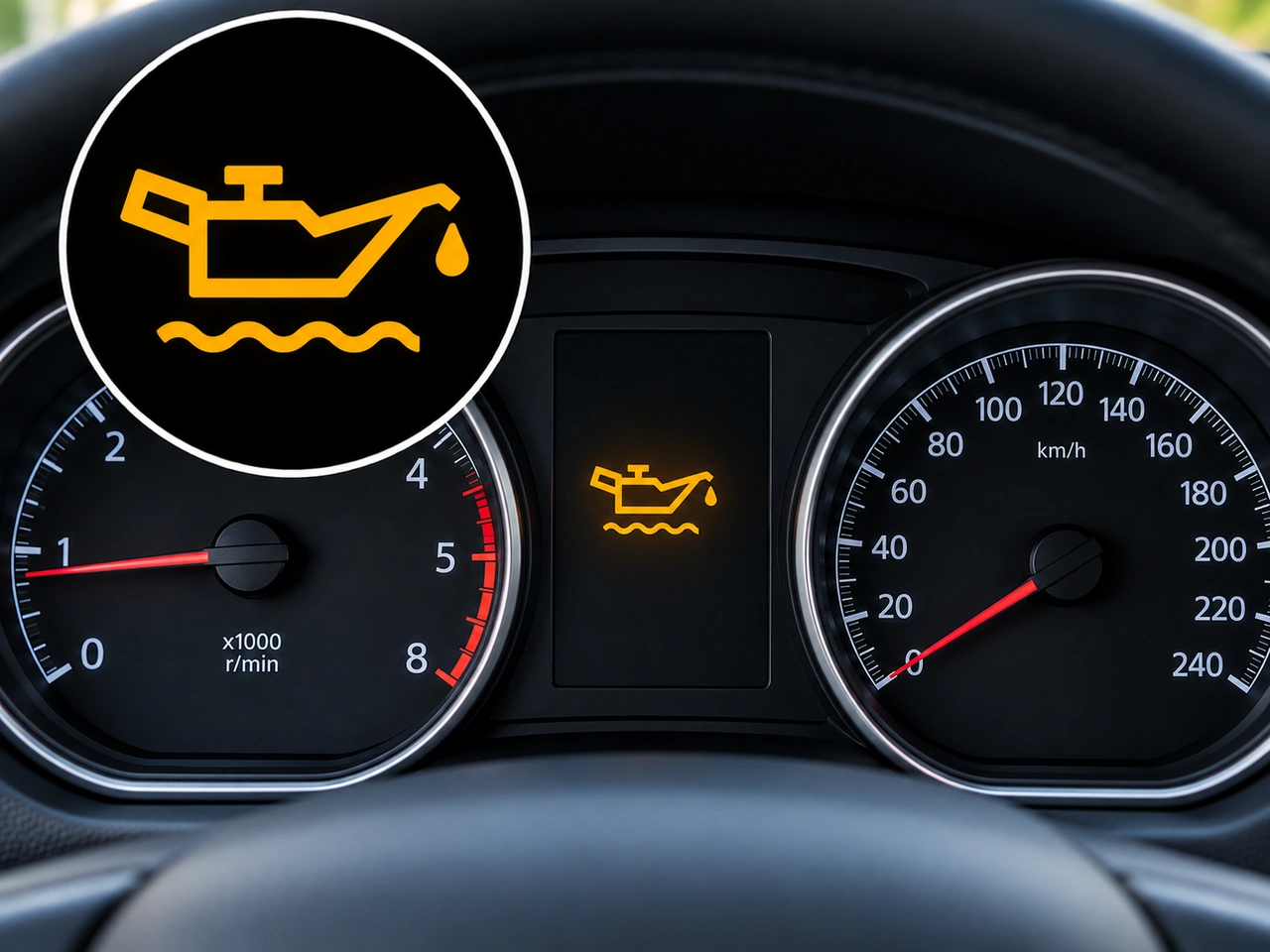
615. What does this dashboard symbol indicate?
This symbol indicates that the engine oil level is low. Check the oil level according to the manufacturer's instructions and add the correct oil if necessary.
Use the vehicle handbook to check the oil level and top up with the specified oil if needed. If you see a red oil-pressure warning, stop safely and switch off the engine.
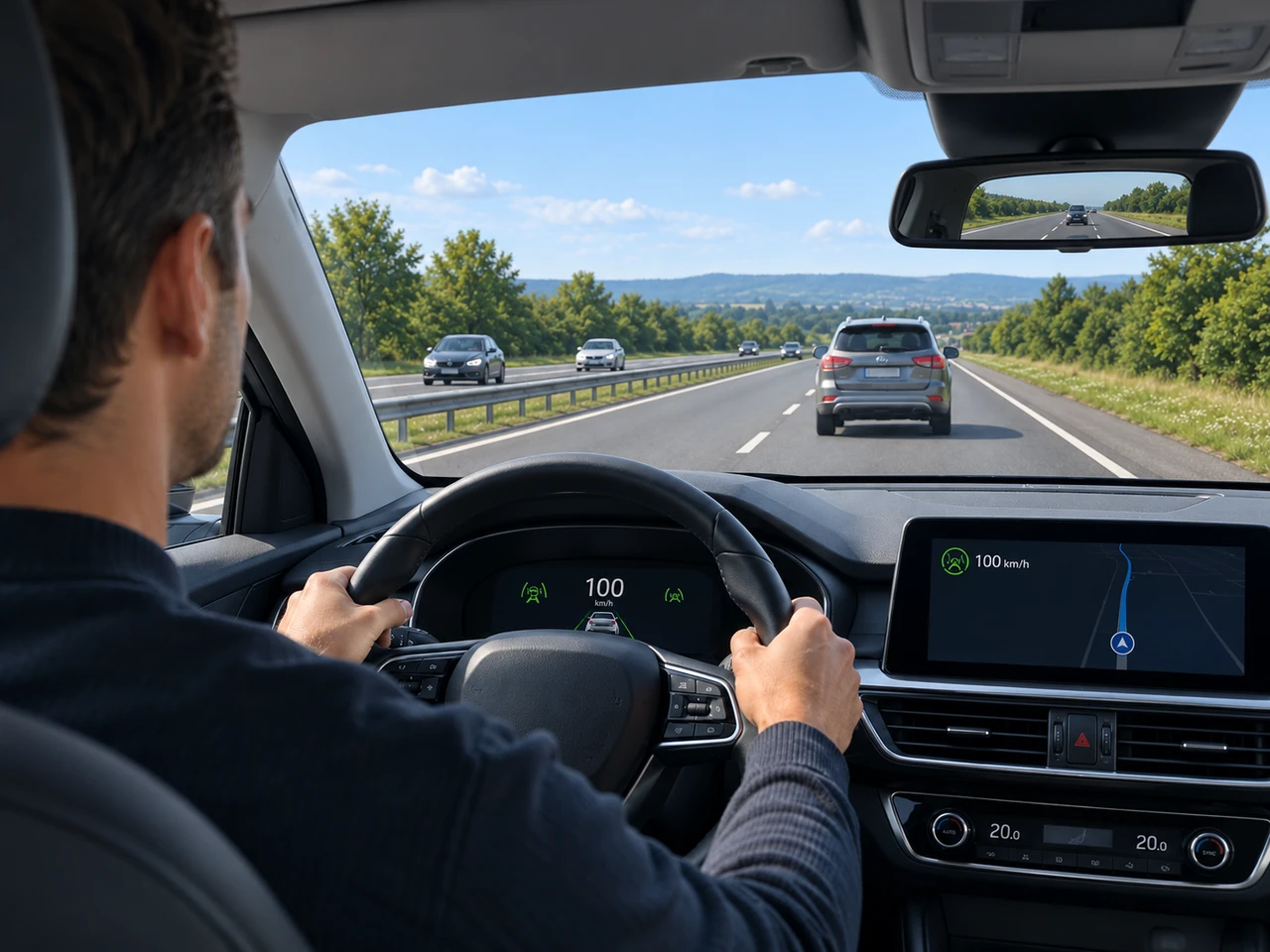
616. What should you remember when using driver-assistance systems?
Driver-assistance systems can help with tasks such as maintaining speed, monitoring lanes, or warning about hazards, but they do not replace the driver. Stay attentive, monitor the road and traffic, and be ready to take control whenever necessary.
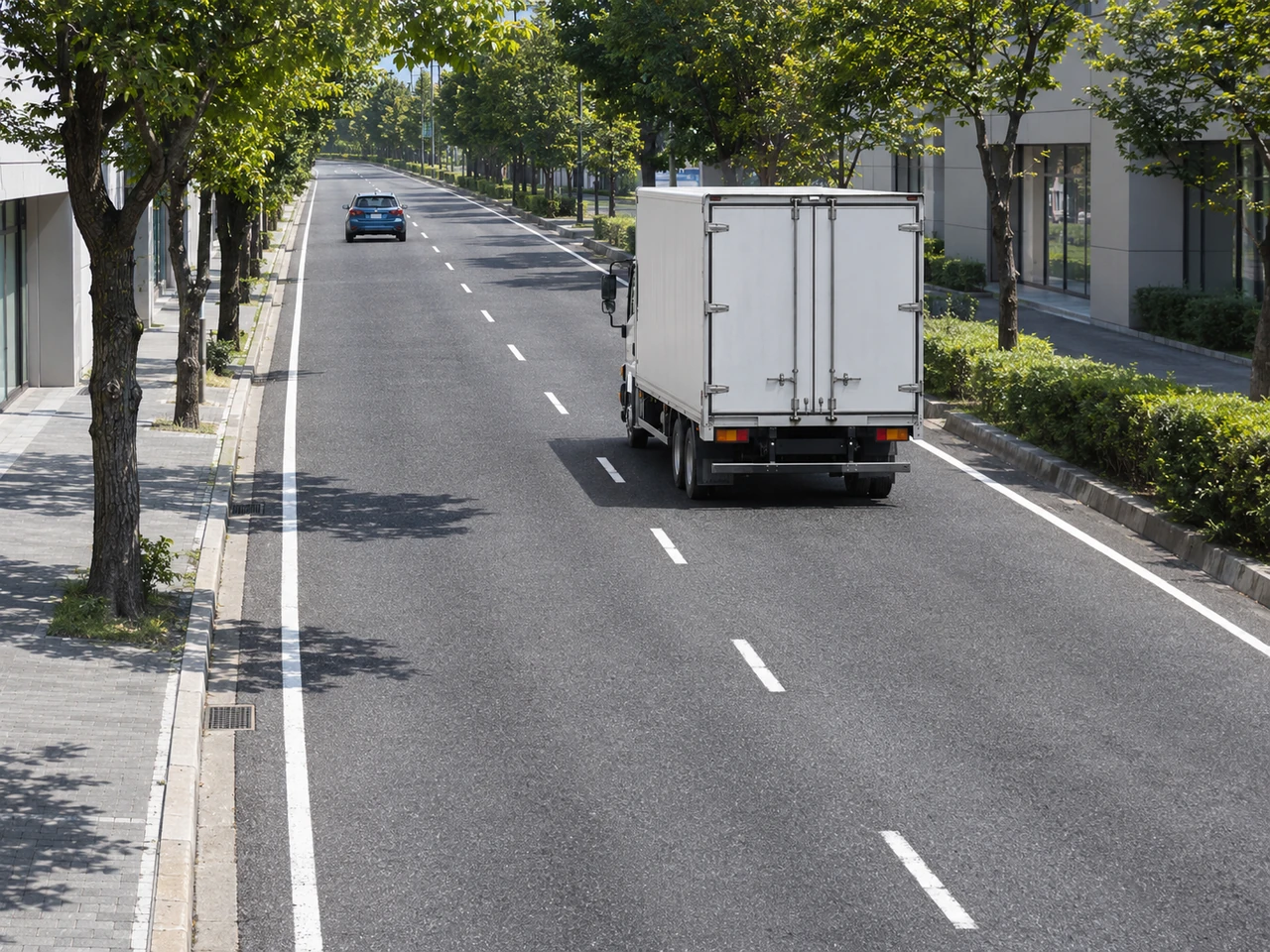
617. It is safe to cut closely in front of a lorry after overtaking.
Cutting in reduces the lorry's available stopping space. Leave a generous gap before returning to its lane, and do not force the driver to brake.
🔗 Sources
Virginia DMV (United States) • Safety guidance, Sharing the Road: do not cut in
Image credit: AI-generated
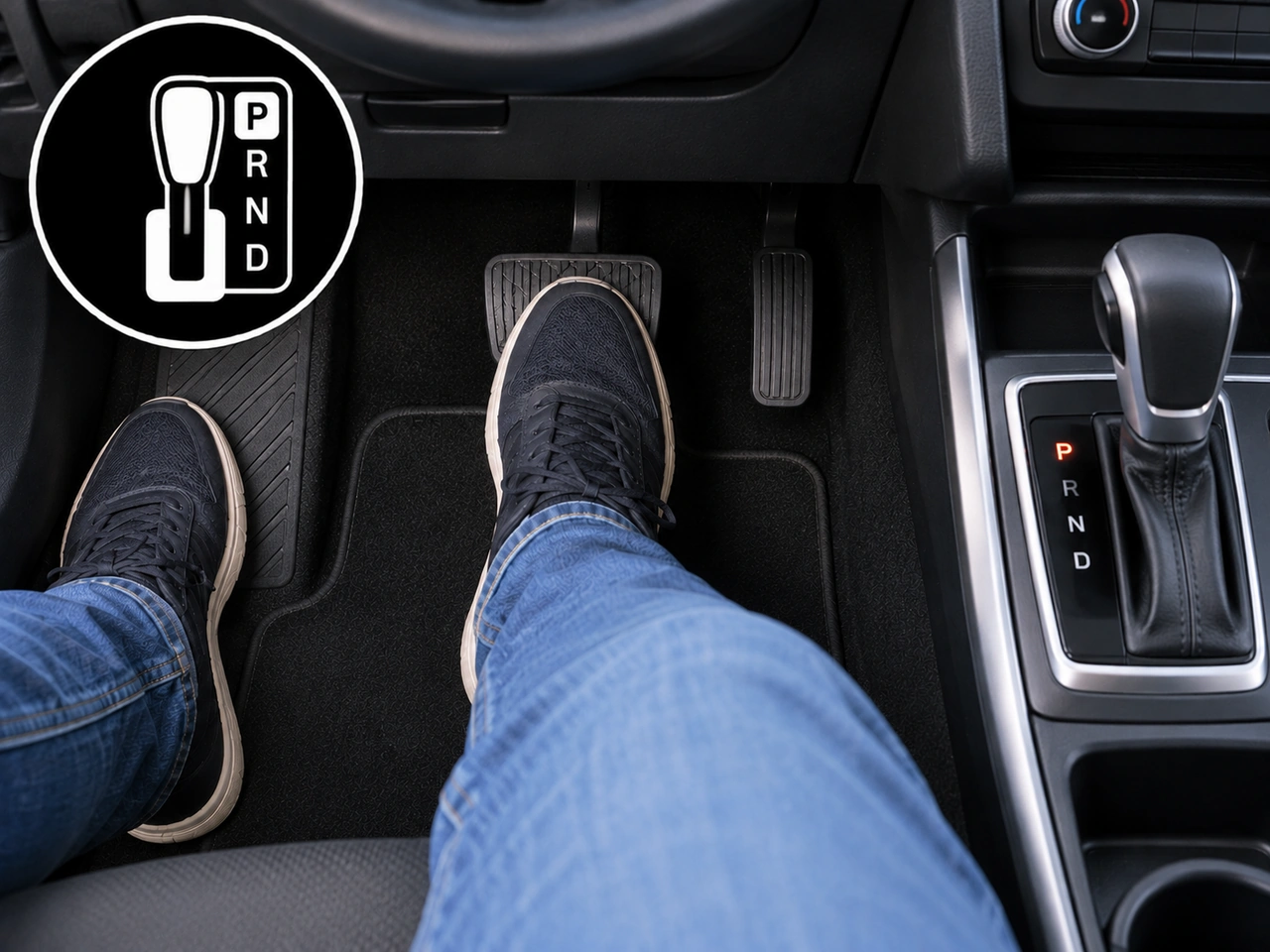
618. What should you normally do before starting an automatic vehicle?
For a normal start, apply the parking brake, select P (Park) and press the brake pedal. Follow the starting procedure in the vehicle handbook.
For a normal start, apply the parking brake, select P (Park) and press the foot brake. Check the vehicle handbook for the starting procedure.
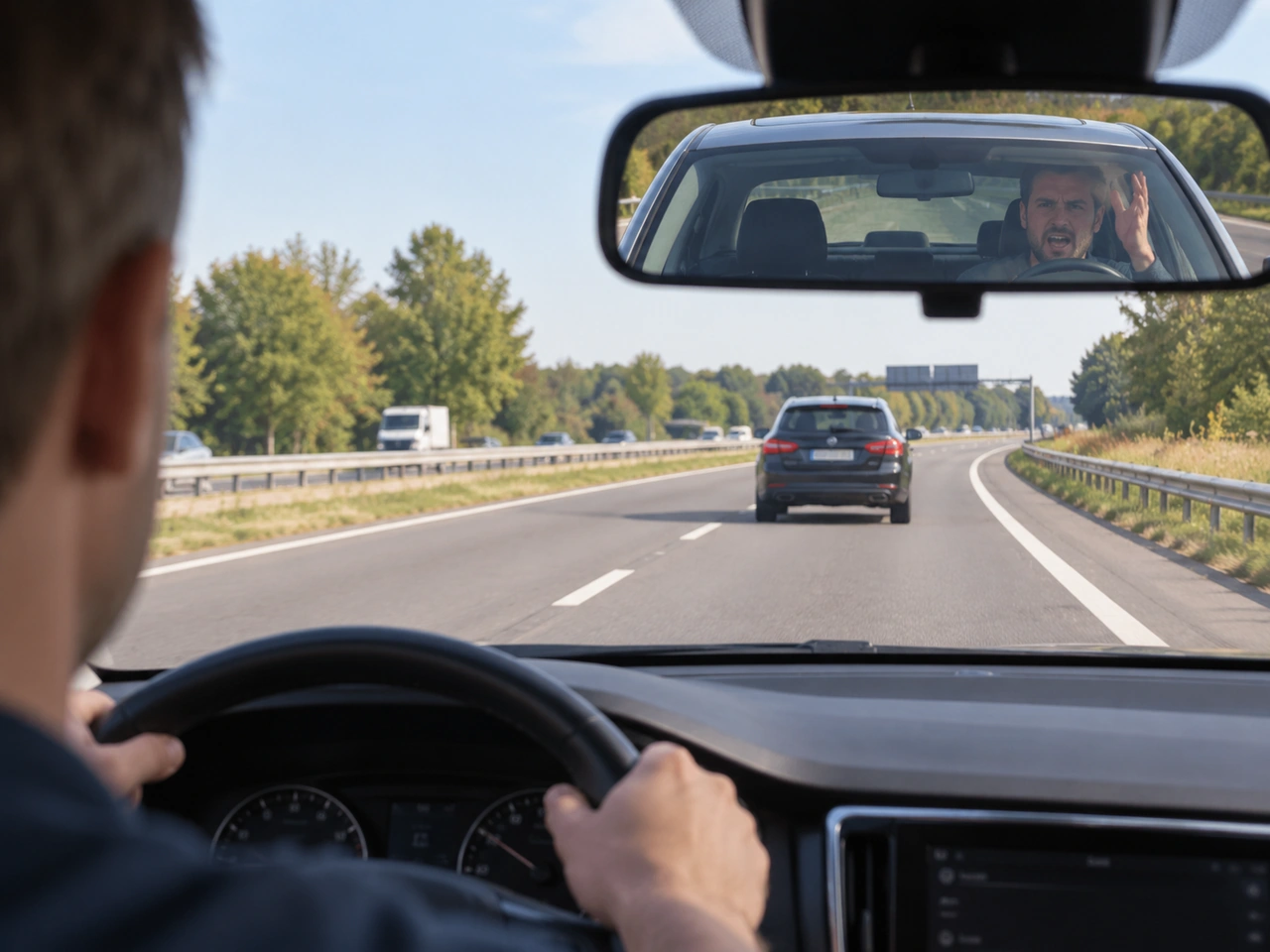
619. What should you do if another driver behaves aggressively towards you?
If another driver behaves aggressively, do not retaliate or become involved in a confrontation. Stay calm, increase the distance between you, and let the other vehicle move away when possible. If you feel threatened, go to a safe public place and seek appropriate assistance.
🔗 Sources
Great Britain — Highway Code, rule 147; general calm and considerate driving
Image credit: AI-generated
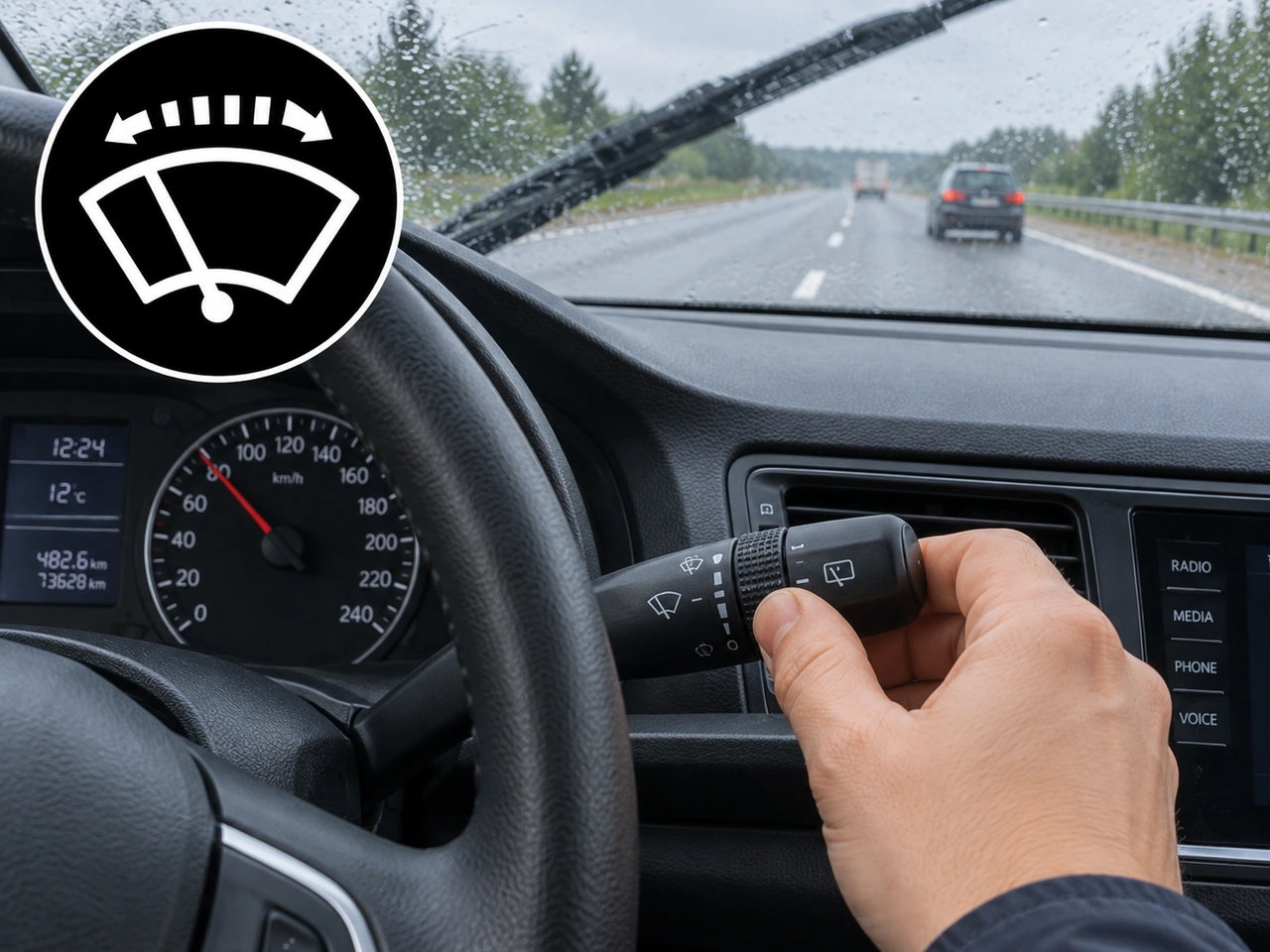
620. What does the intermittent wiper interval control adjust?
The intermittent wiper interval control adjusts the time between windscreen-wiper sweeps, allowing the driver to match the wiping frequency to light rain or spray.
Shorten the interval for more frequent sweeps or lengthen it when light rain needs less frequent wiping.
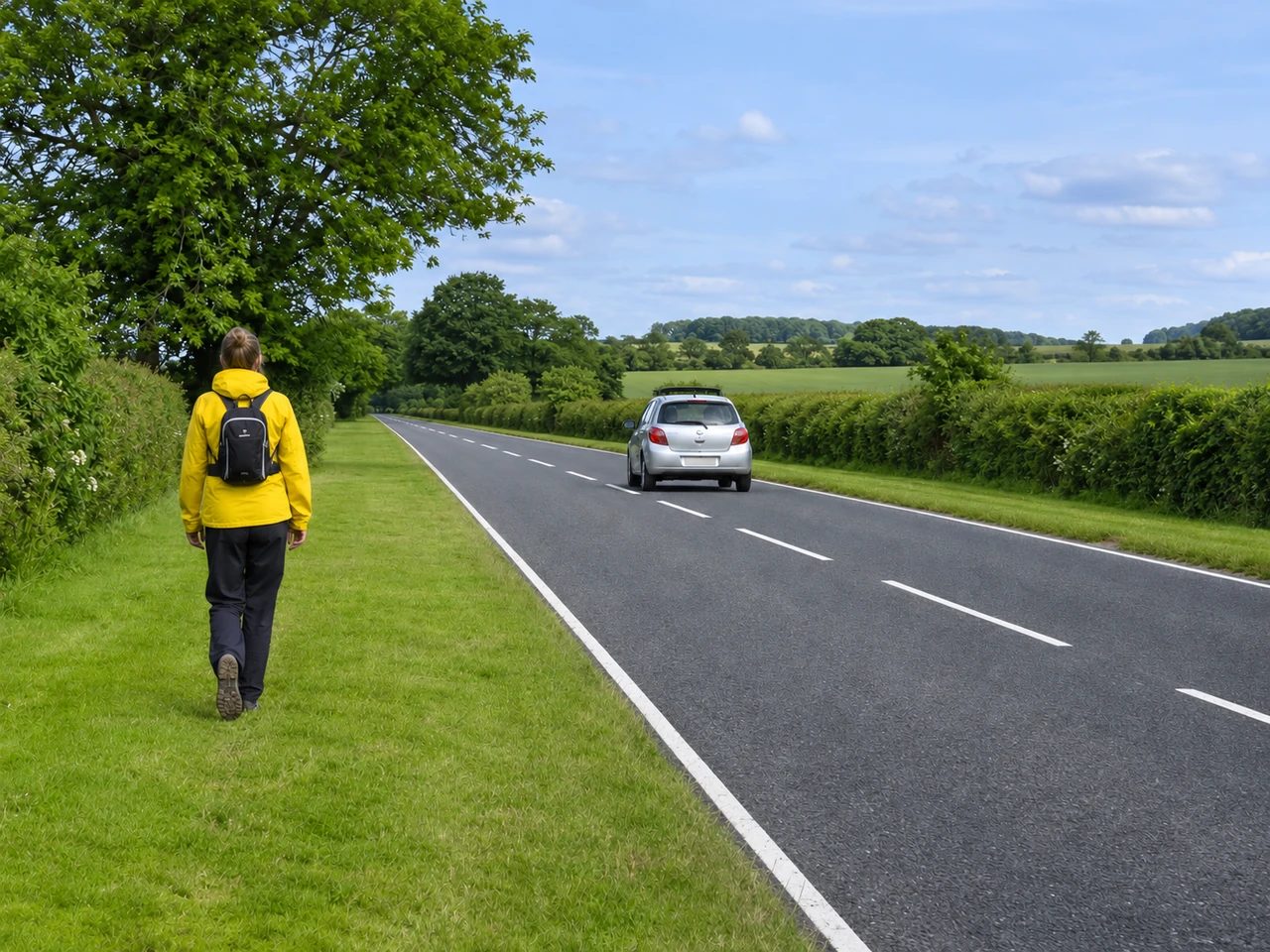
621. What should you do if there is no pavement?
If there is no pavement, keep as far from moving traffic as possible. Use a safe, usable verge where available, make yourself visible and stay alert. The image shows a walker separated from the carriageway by a broad grass verge. Follow local rules on which side to use and take account of visibility, bends and other hazards.
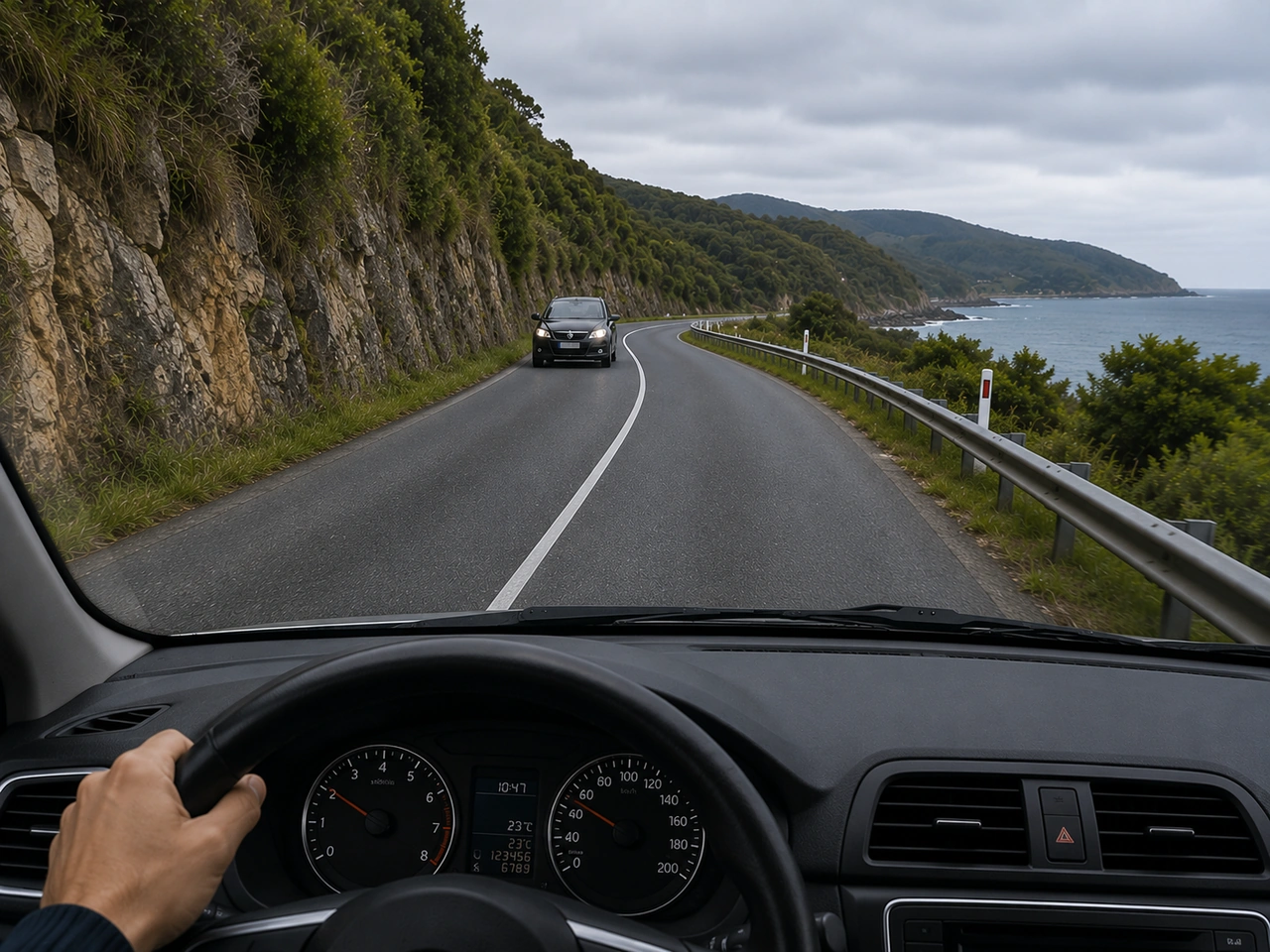
622. What should you do when approaching a curve with poor visibility?
A curve can hide oncoming traffic, obstacles, cyclists, or pedestrians. Reduce speed and keep a safe position.
Argentina. Choose a speed that lets you keep full control given the visibility, traffic and road conditions. Slow before entering a bend with a restricted view.
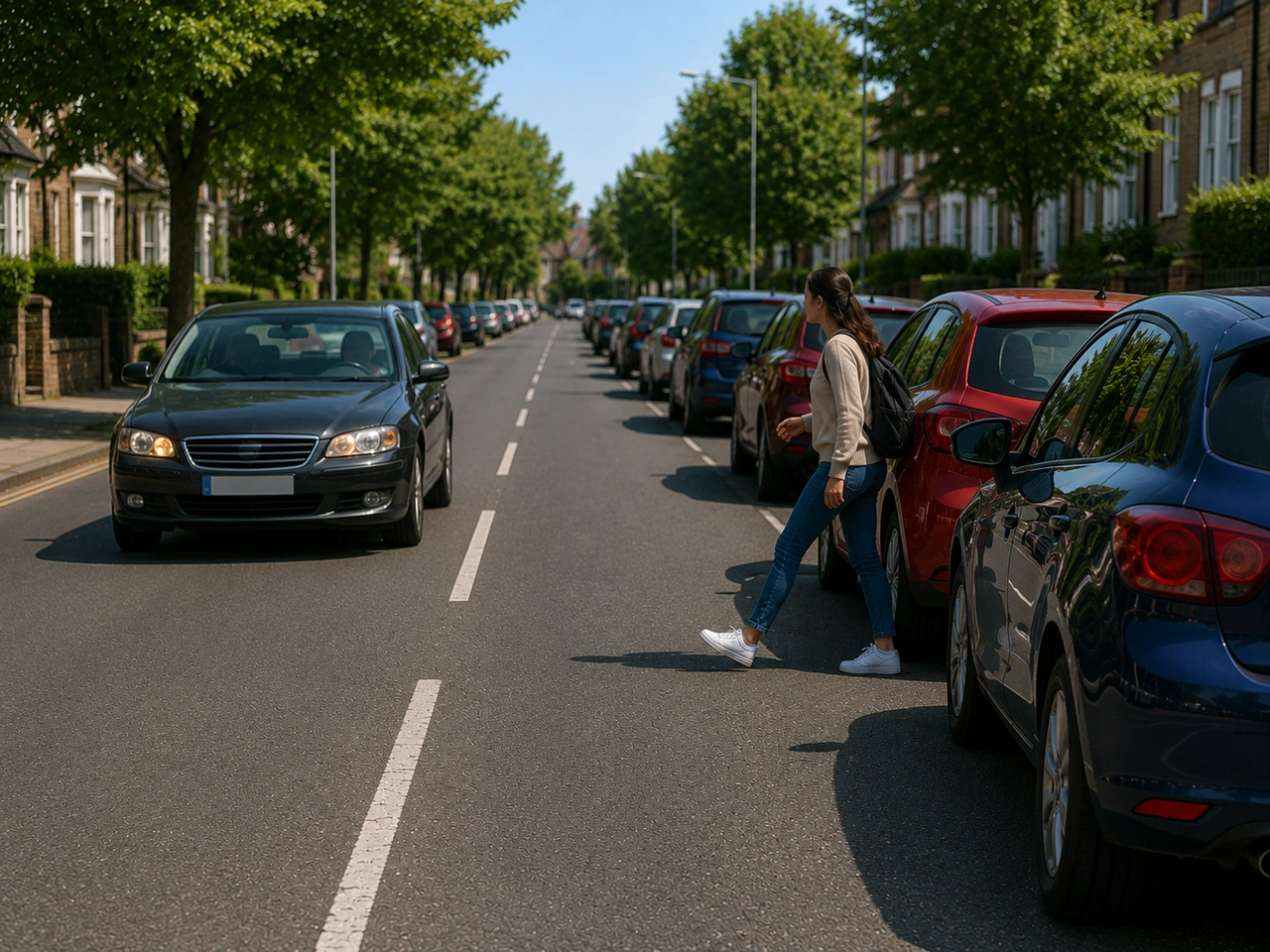
623. Why is it dangerous to cross between parked cars?
Parked vehicles can hide you from drivers and block your view of approaching traffic. Choose a crossing place with clear views whenever possible. If crossing between parked vehicles cannot be avoided, stop at their outer edges before entering the traffic lane, check all directions and make sure drivers can see you. Wait for a safe gap and check that you can reach the pavement on the other side. The images illustrate the visibility hazard, not recommended crossing behaviour.
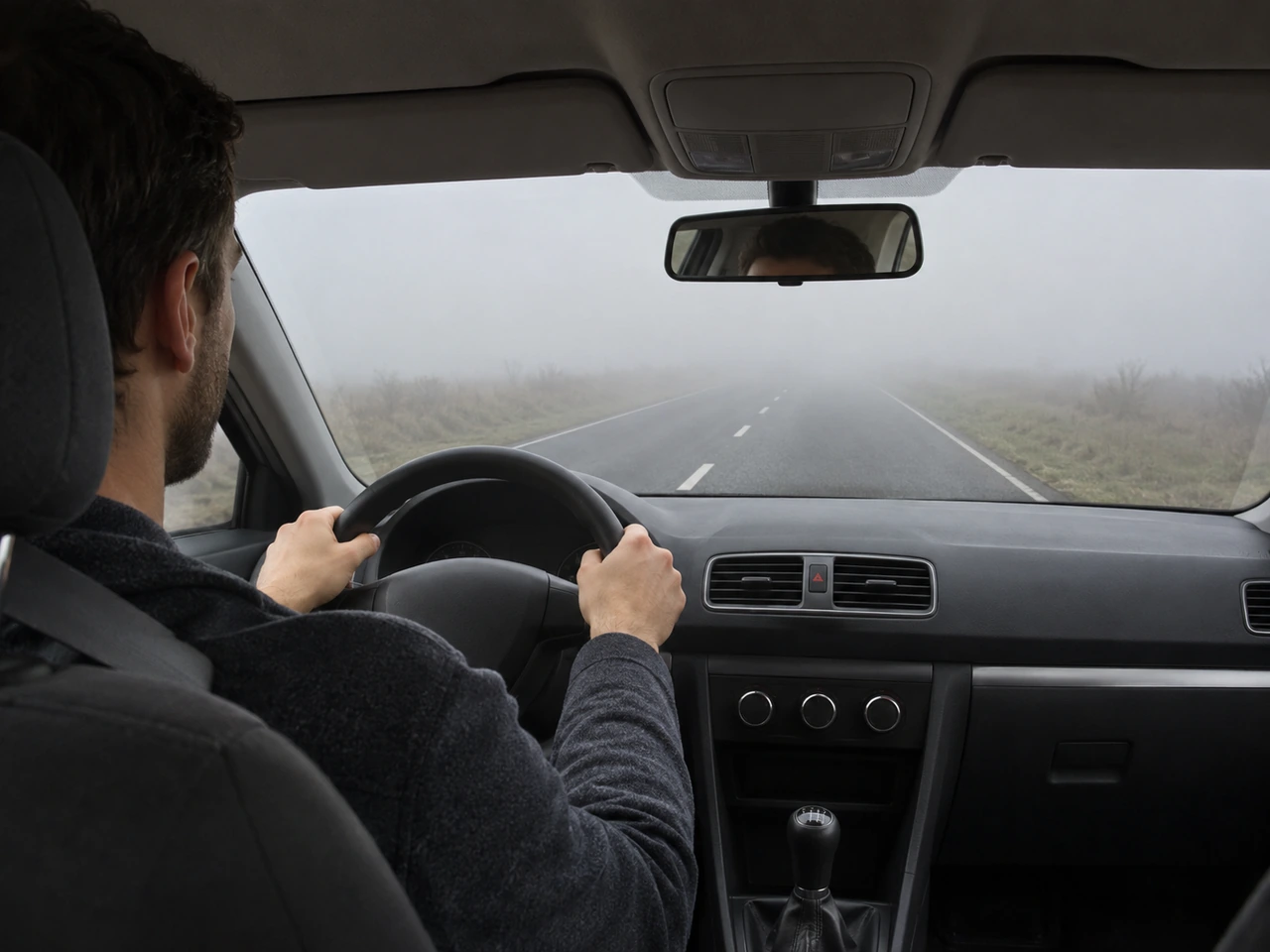
624. What should you do if visibility is reduced by fog?
Slow down, increase your following distance and choose lights suited to the conditions. Main beam can reflect from fog and worsen your view. Avoid following another vehicle closely as a guide.
🔗 Sources
England National Highways — General fog driving and safe stopping advice
Image credit: AI-generated
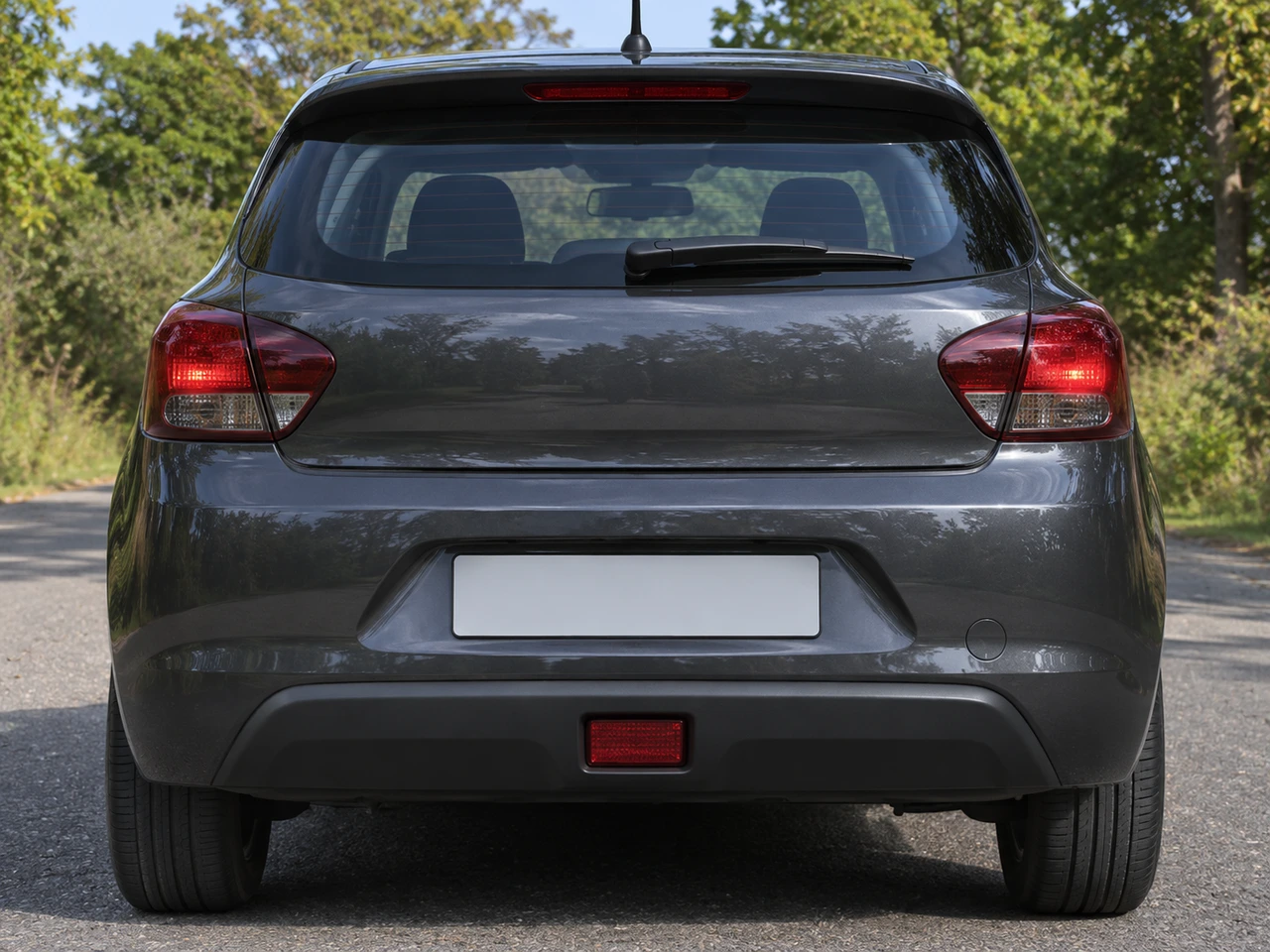
625. When should you switch off your fog lights?
Switch off fog lights when the conditions permitting their use have ended, because their brightness can dazzle others.
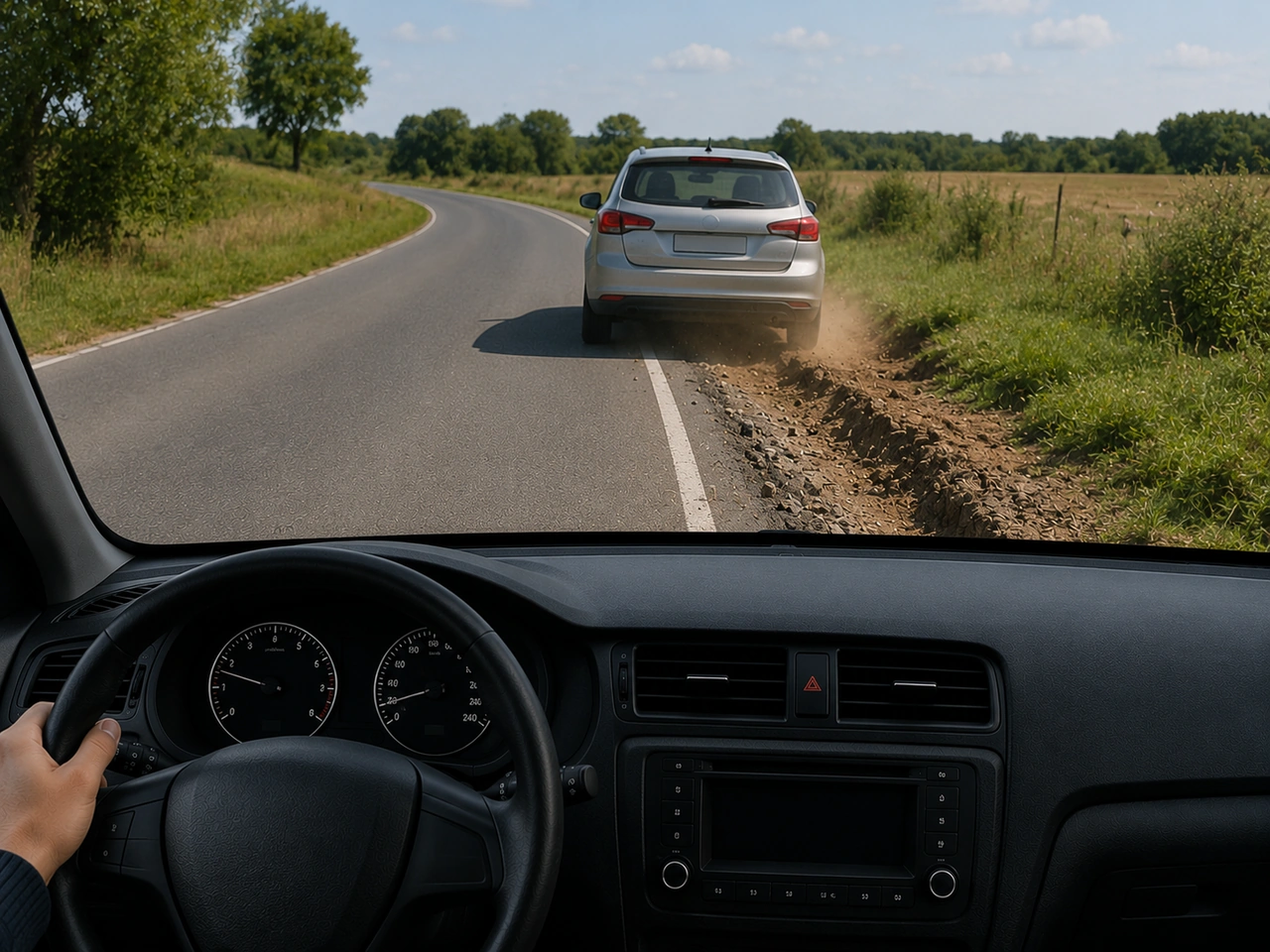
626. Why should you avoid driving too close to the edge of the road?
Road edges can be soft, uneven, or damaged. Driving too close to the edge can reduce control or cause the vehicle to leave the road.
🔗 Sources
Queensland — general advice on unstable road edges and heavy-vehicle visibility
Image credit: AI-generated
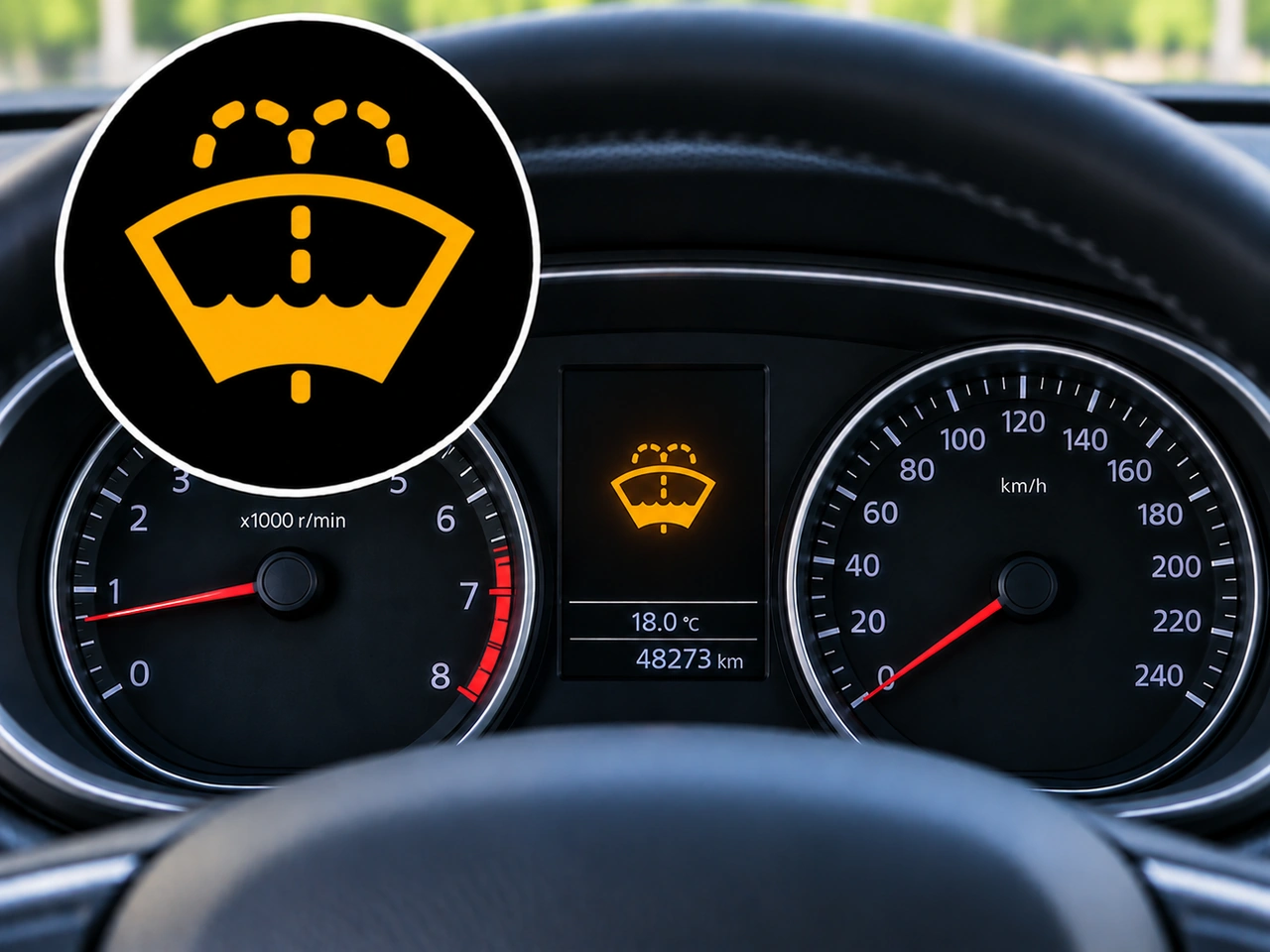
627. What does this dashboard symbol indicate?
This symbol indicates that the windscreen washer fluid level is low. Refill the washer-fluid reservoir with suitable fluid when possible.
Top up the washer reservoir with suitable screenwash. Use a fluid rated for the temperatures you expect.
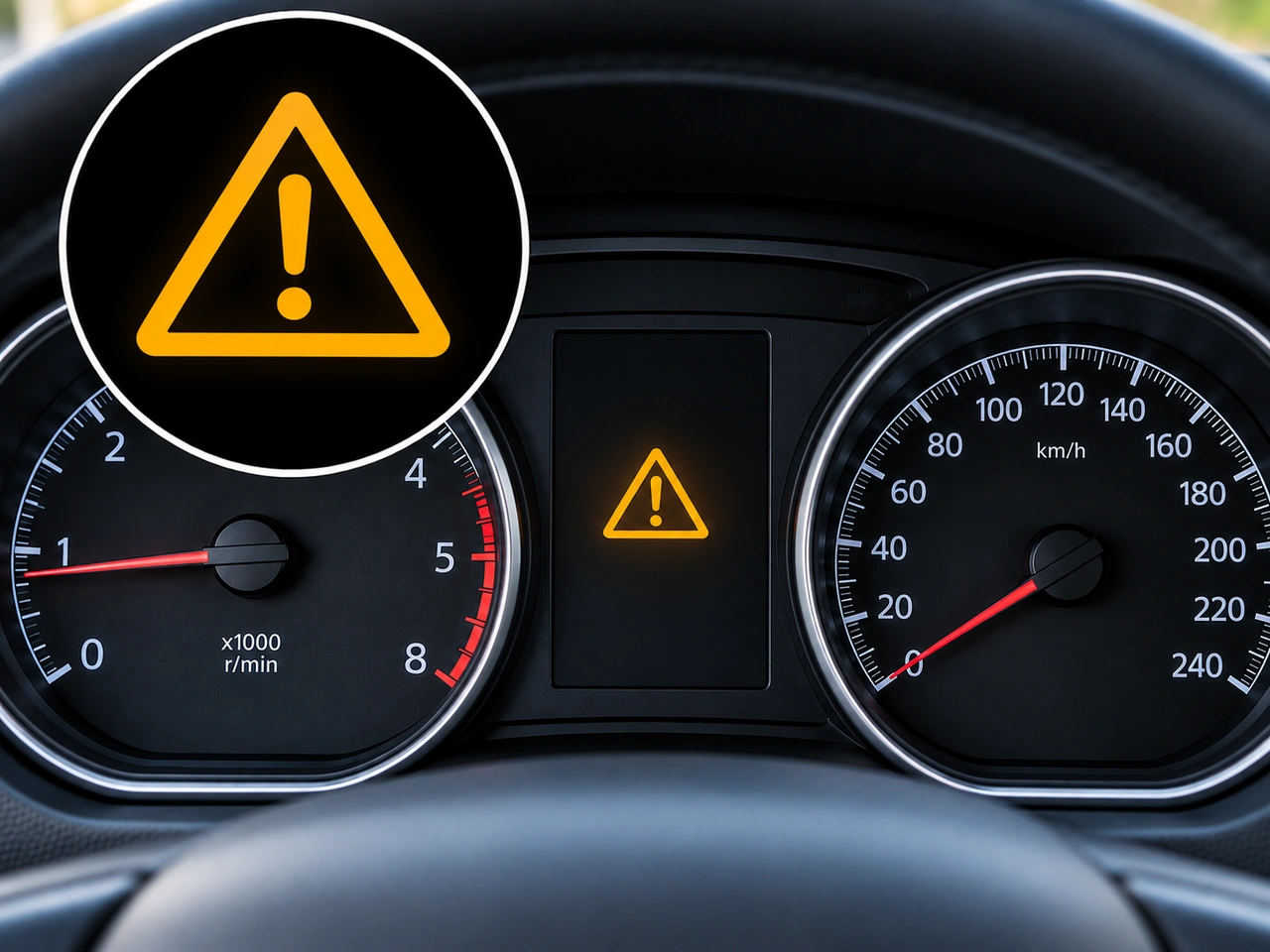
628. What does this dashboard symbol indicate?
This is a general or master warning symbol. It indicates that the vehicle has detected a condition requiring attention and is often accompanied by a message or another warning on the instrument display.
Read the message on the instrument display or look for another warning light. That information identifies the condition and the action to take.
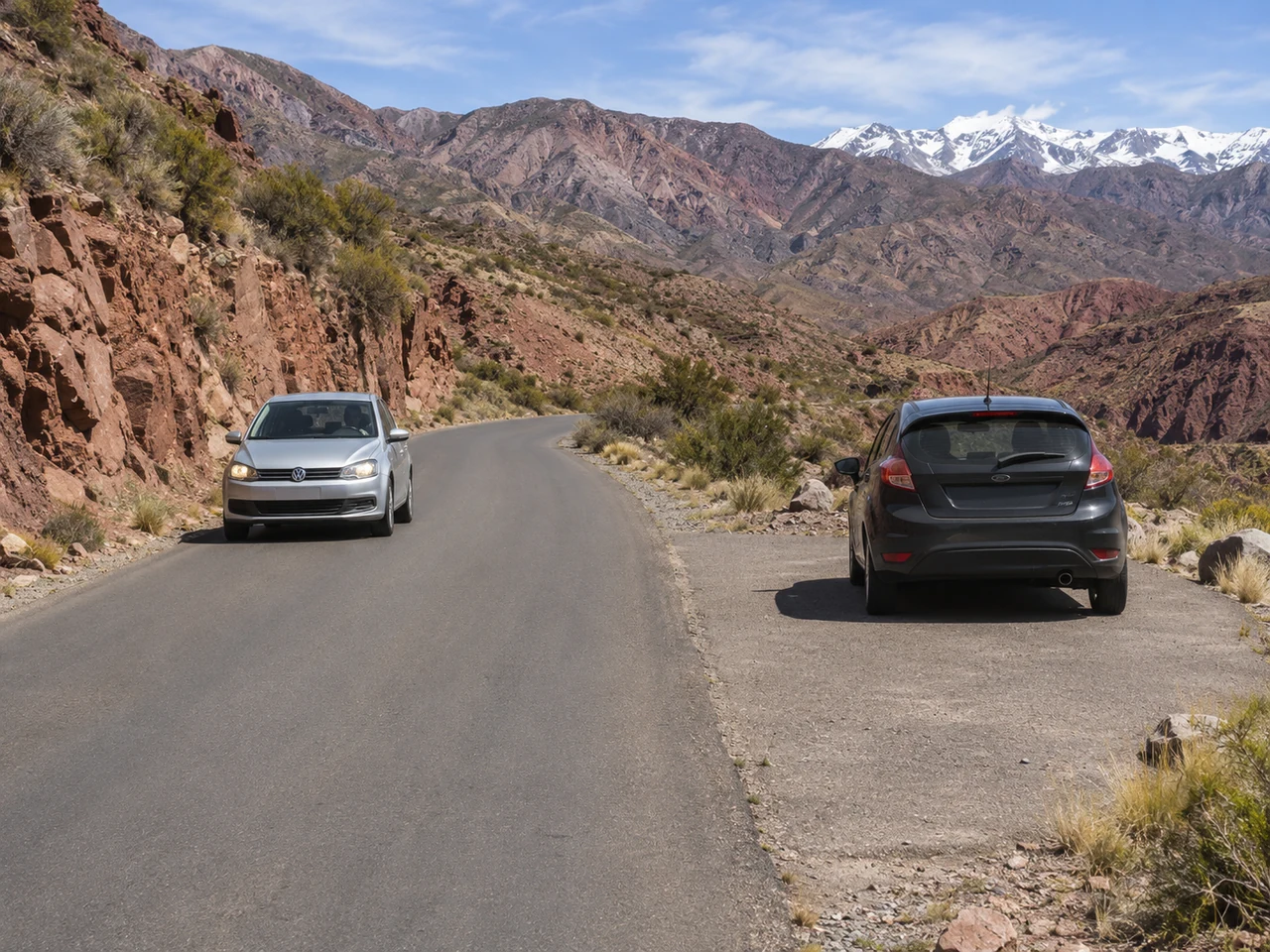
629. What should you do when meeting another vehicle on a narrow mountain road?
Narrow mountain roads may not provide enough space for two vehicles. Reduce speed and cooperate to pass safely.
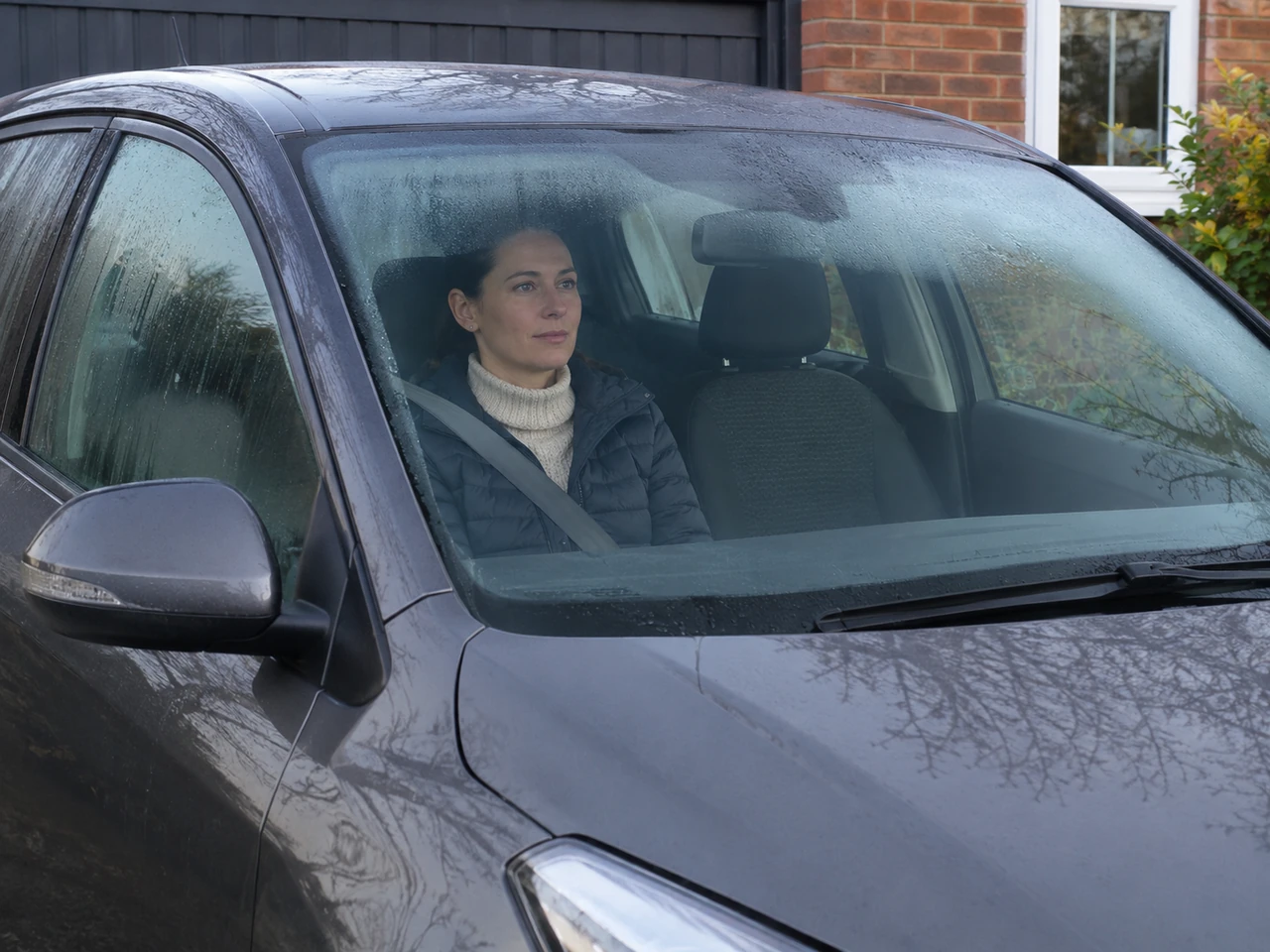
630. You should demist your windows before setting off.
Misted glass restricts your view. Use the ventilation and demister controls to clear the windows before moving, and keep them clear throughout the journey.
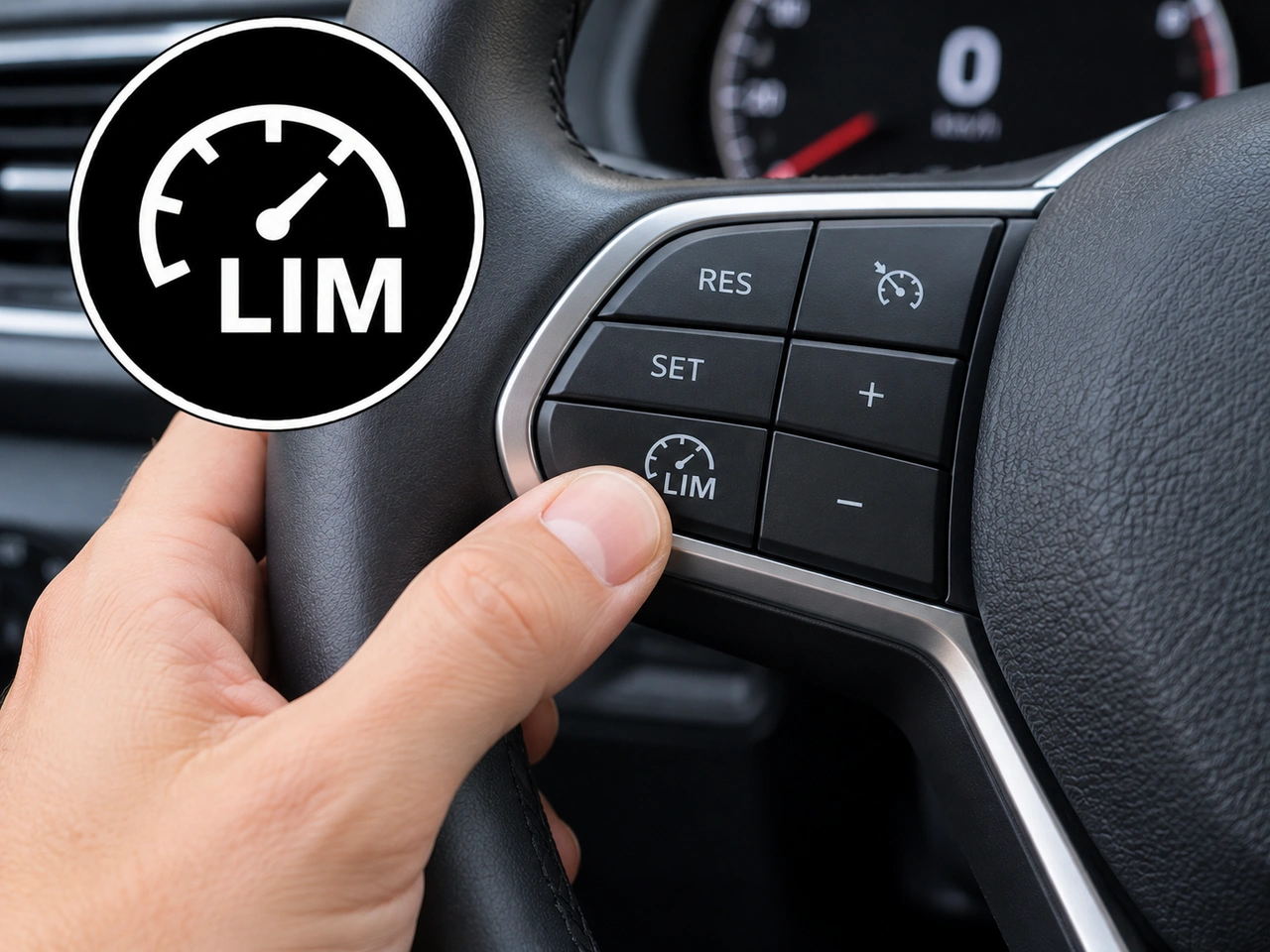
631. What does this vehicle-control symbol indicate?
The speed limiter allows the driver to set a maximum speed that the vehicle should not normally exceed while the accelerator is being used.
A limiter helps keep your speed below the selected value. Monitor your speed downhill and brake if needed, since some systems can allow the vehicle to exceed the setting.
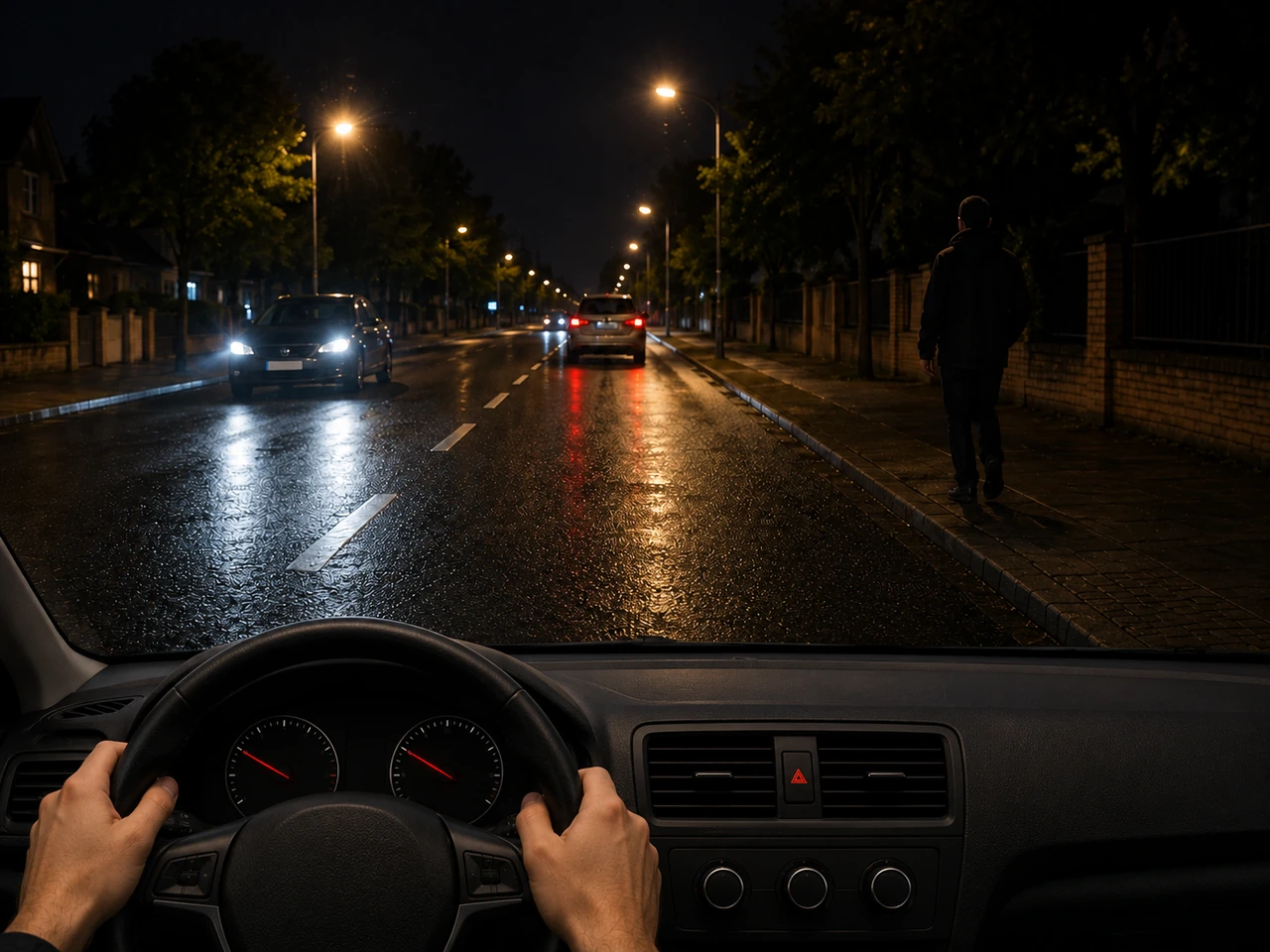
632. Why should you avoid wearing dark clothing at night?
Dark clothing can blend into the background at night, making it harder for drivers to notice a pedestrian. Wear or carry reflective material to help drivers using headlights see you. Bright or fluorescent clothing is useful in poor daylight, but reflective material is particularly important in darkness. Remain alert and do not assume a driver has seen you.
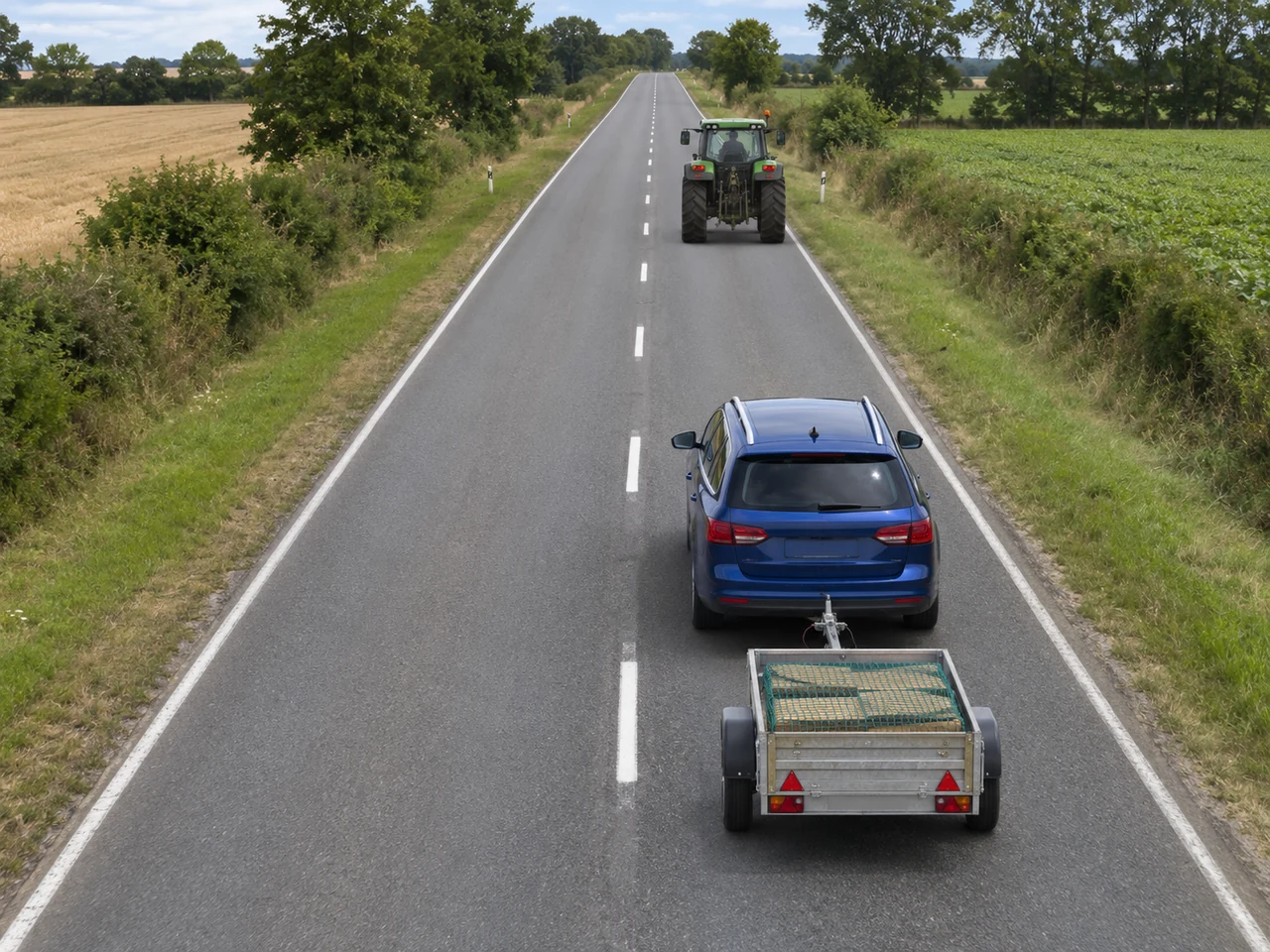
633. What should you do before overtaking while towing a trailer?
A towing vehicle accelerates more slowly, and the trailer makes the whole vehicle combination longer. Remember to allow a much larger safe gap before overtaking and enough space to return safely to your lane.
🔗 Sources
Argentina National Traffic Law 24.449, articles 48 and 57
NZTA safe loading and towing guide, practical guidance
Image credit: AI-generated
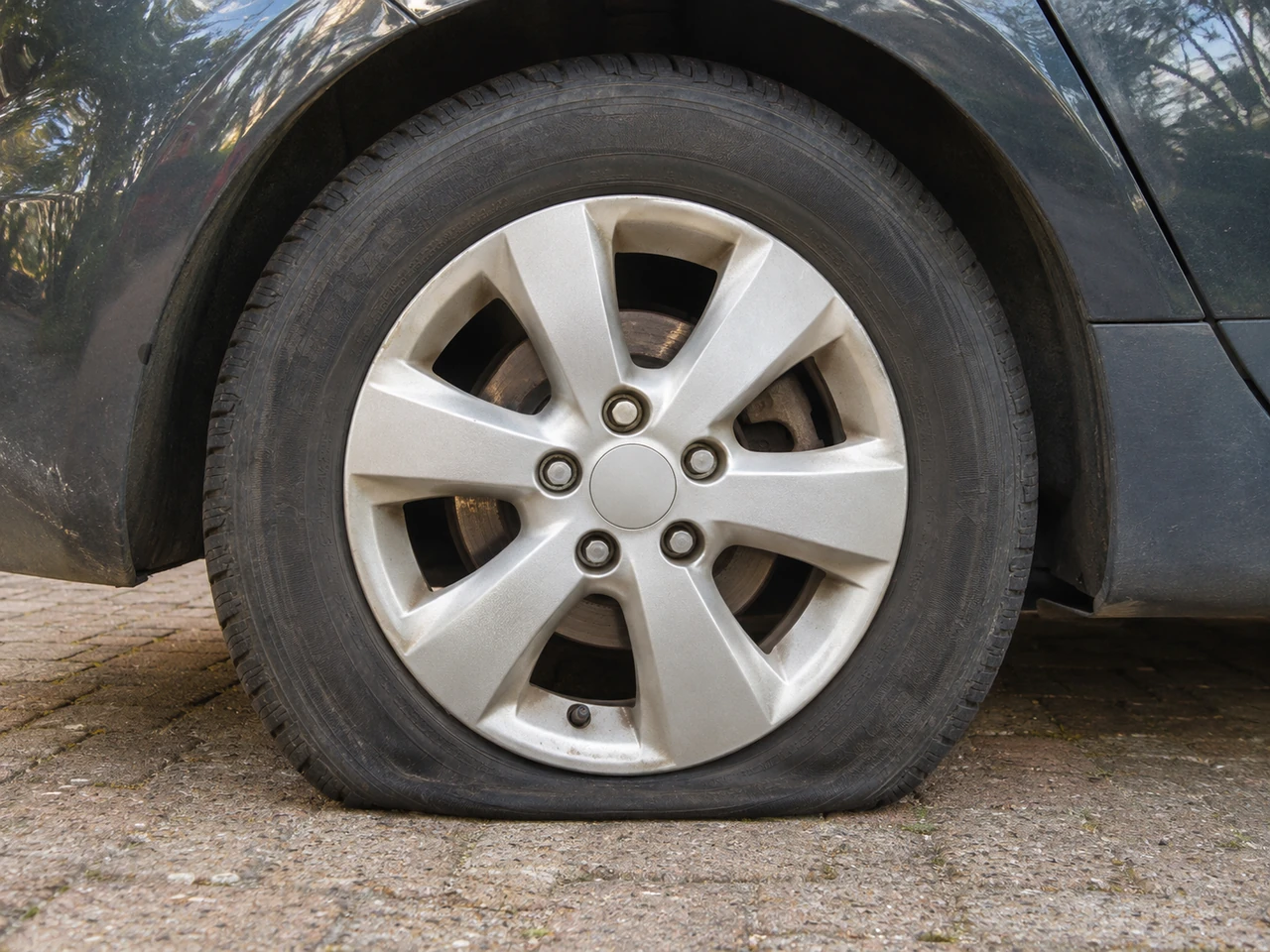
634. Driving on under-inflated tyres cannot cause excessive heat build-up.
Under-inflated tyres flex more and can build up excessive heat, increasing the risk of damage or failure. Use the recommended pressures for the vehicle and load, and check them when the tyres are cold.
🔗 Sources
Continental (manufacturer guidance) • Safety guidance, under-inflation, heat and tyre failure
Image credit: AI-generated
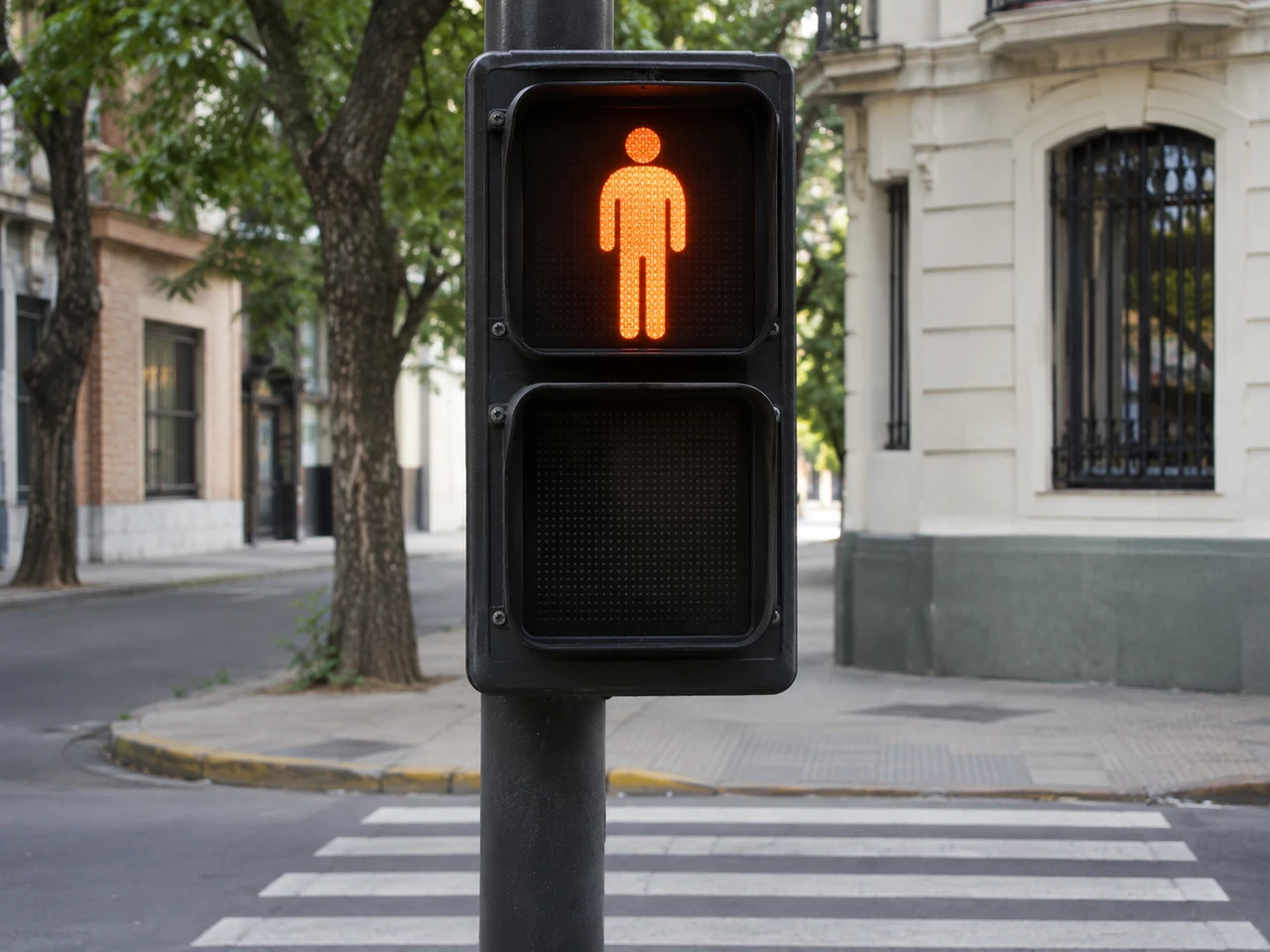
635. You are waiting to cross. What should you do at this pedestrian signal?
The signal shown means you should not start crossing. Wait for the pedestrian signal that permits you to cross, then check that it is safe.
🔗 Sources
Argentine Ministry of Transport • Pedestrian signal specifications
Argentina • Decree 196/2025, pedestrian signals
Image credit: AI-generated
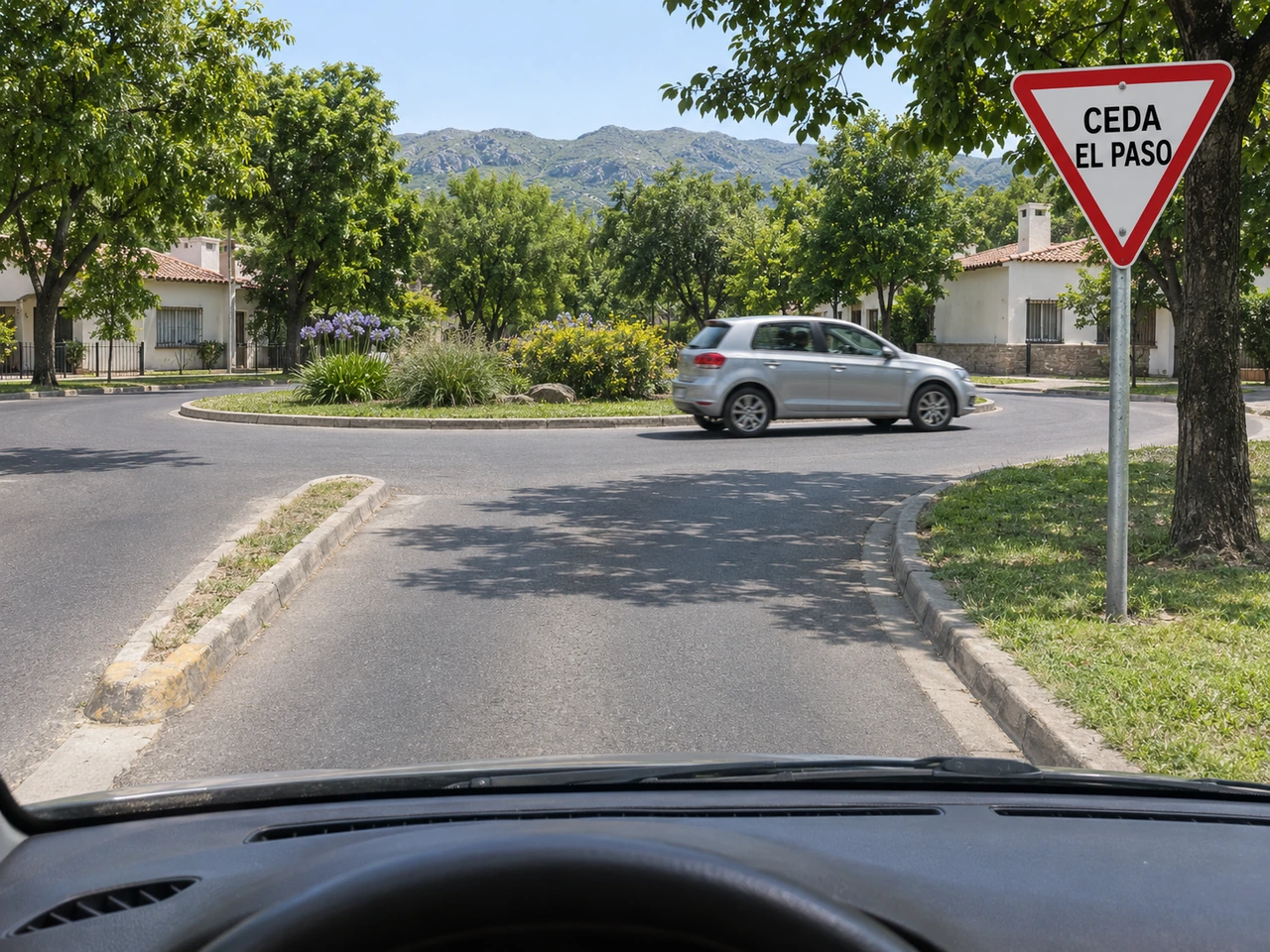
636. What should you do when entering a roundabout?
When approaching a roundabout, reduce your speed, observe traffic, follow the signs and local priority rules, and enter only when it is safe.
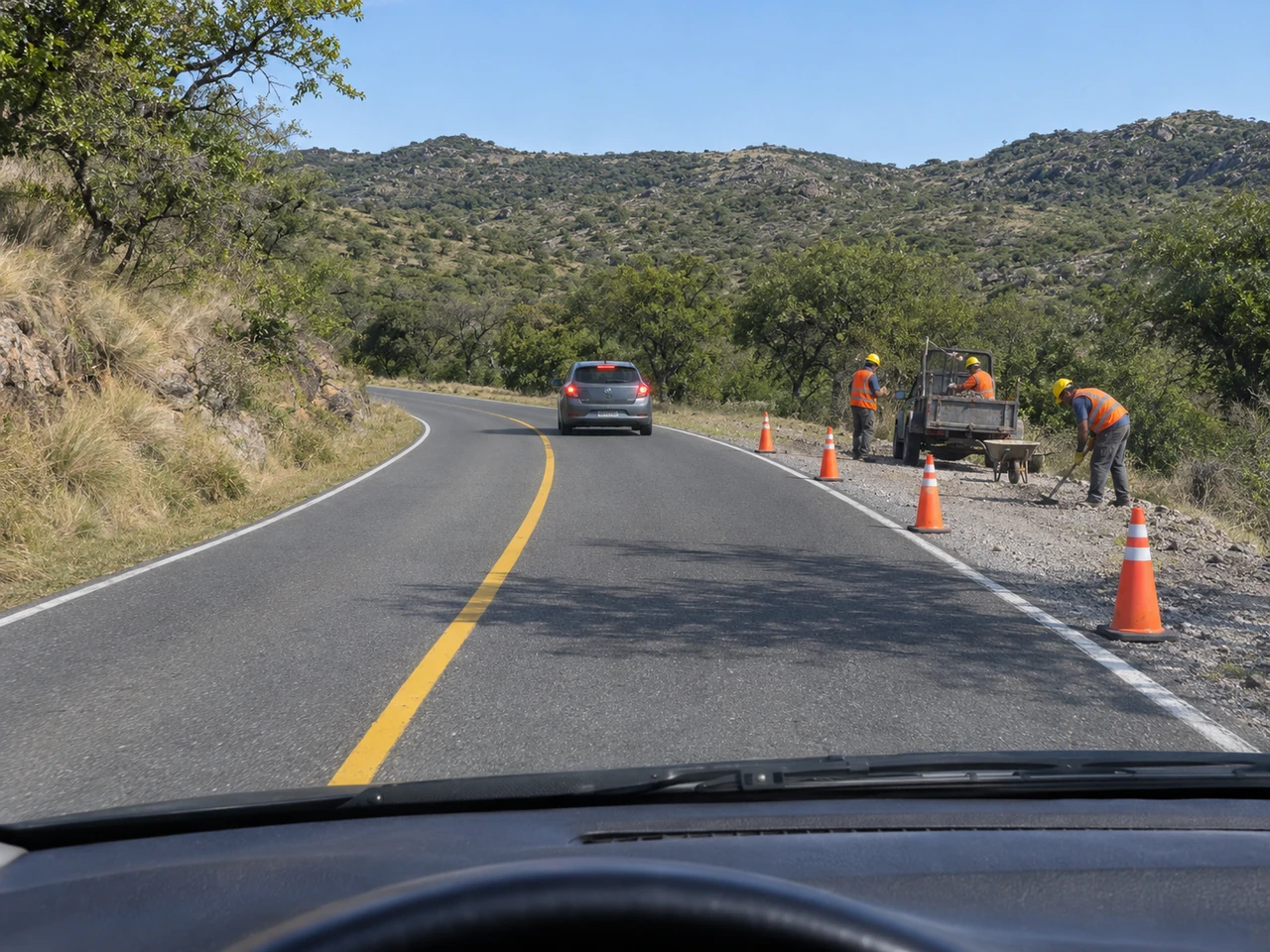
637. Why should you reduce speed when approaching roadworks?
Roadworks can involve workers, machinery, changing lane layouts, and uneven surfaces. Lower speed gives you more time to react.
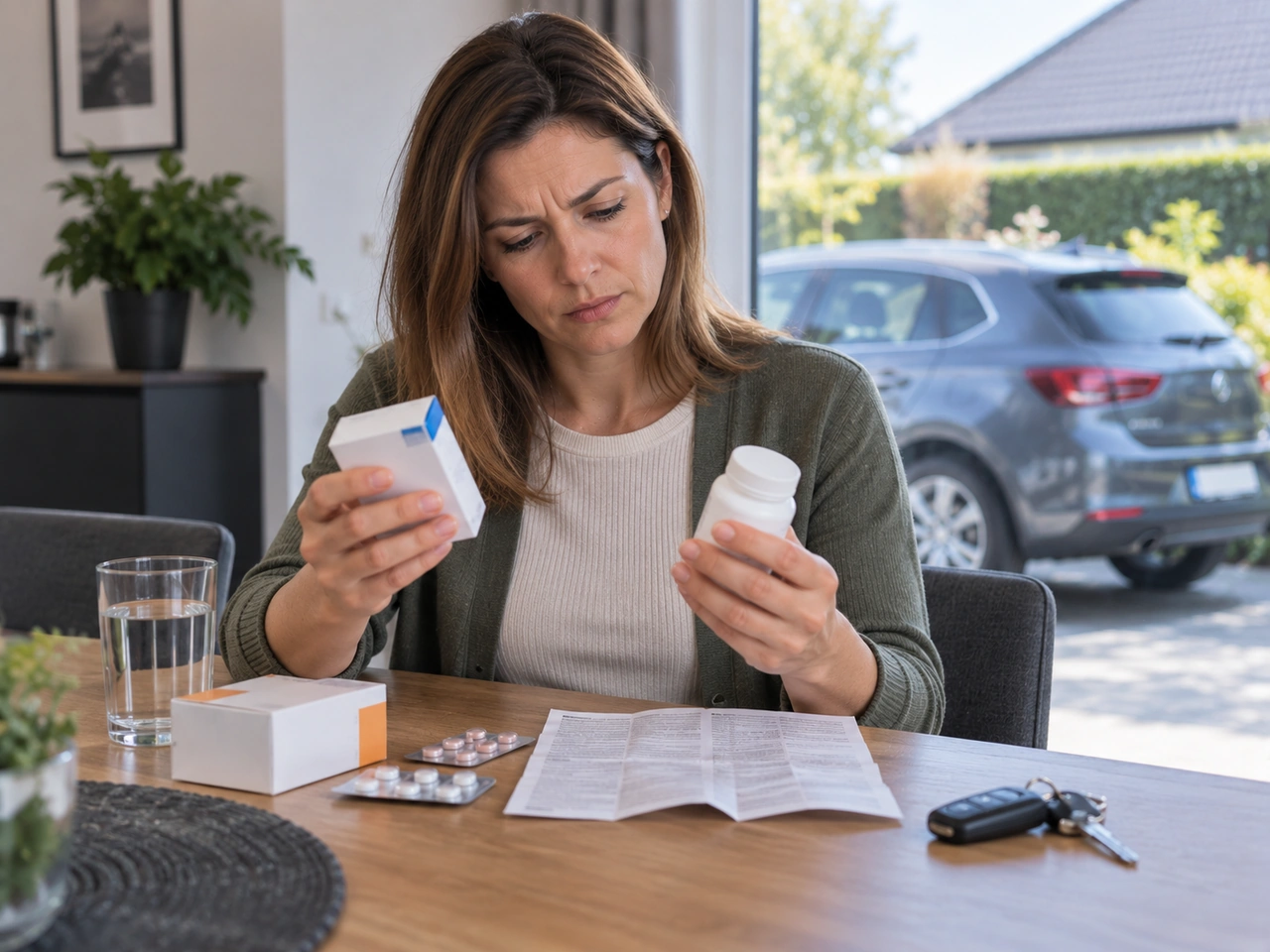
638. Why should you be careful when taking more than one medicine before driving?
Different medicines can interact or have combined side effects such as drowsiness, dizziness, blurred vision, or slower reactions. Check the instructions and seek advice from a doctor or pharmacist if you are unsure whether it is safe to drive.
Argentina. Two medicines that cause drowsiness can increase impairment. Tell your pharmacist about all the medicines you take, including products bought without a prescription.
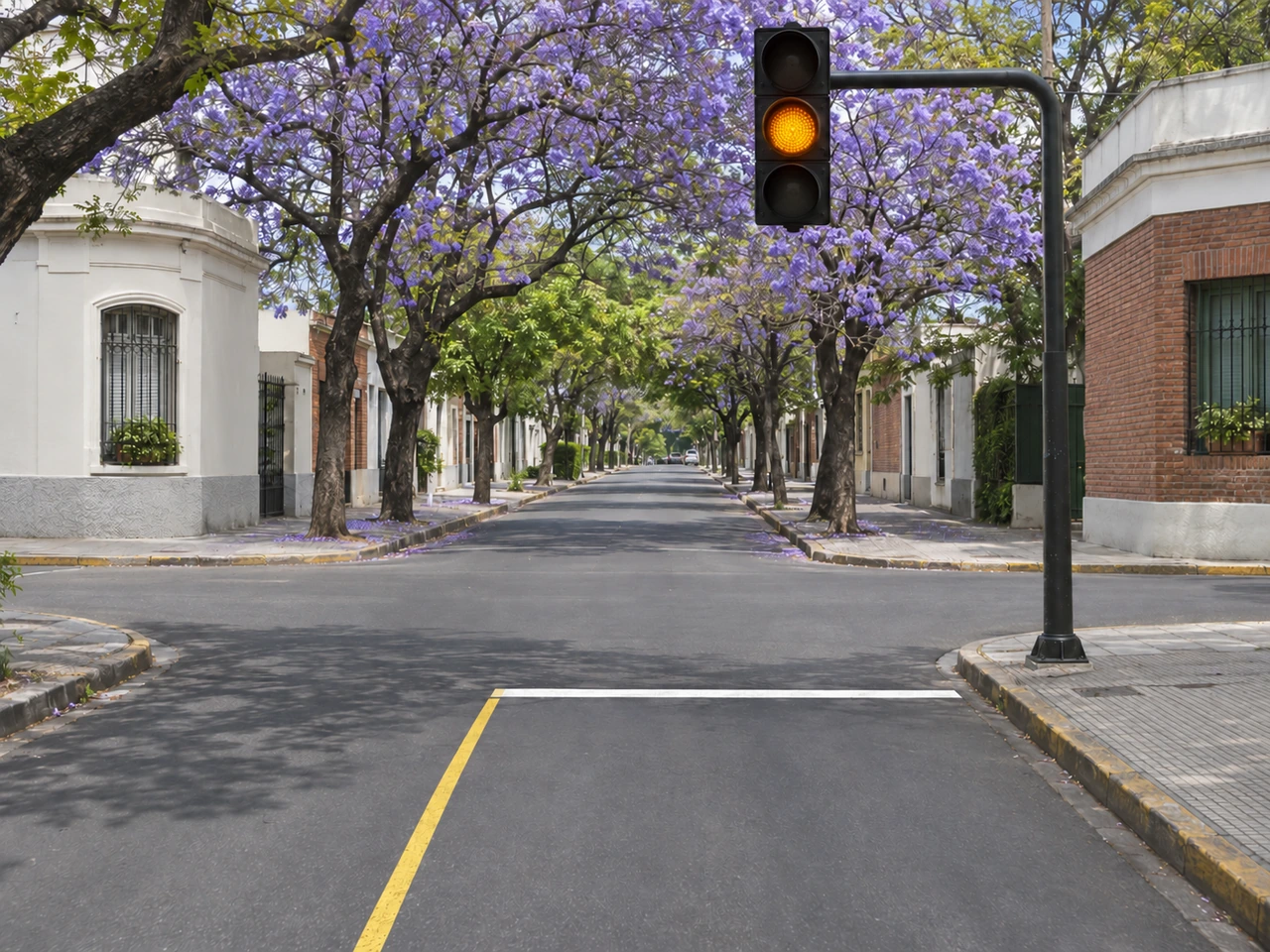
639. An amber traffic light means you should speed up to get through.
Do not speed up to beat an amber light. Stop if you can do so safely; if you are too close to stop safely, continue with caution.
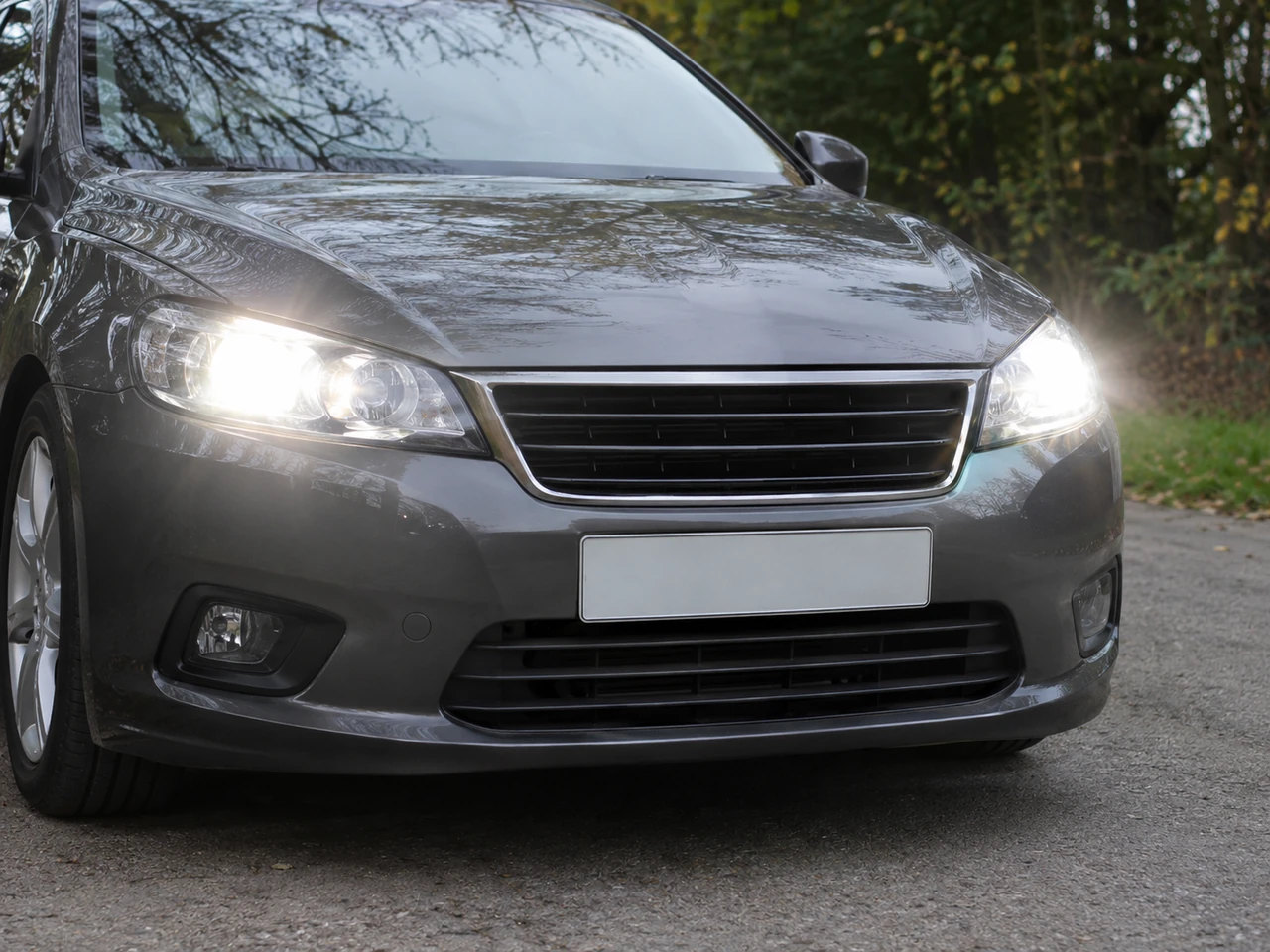
640. Flashed headlights guarantee that it is safe to pull out.
Do not treat a flash as proof that the road is clear. Assess traffic yourself and only pull out when it is safe.
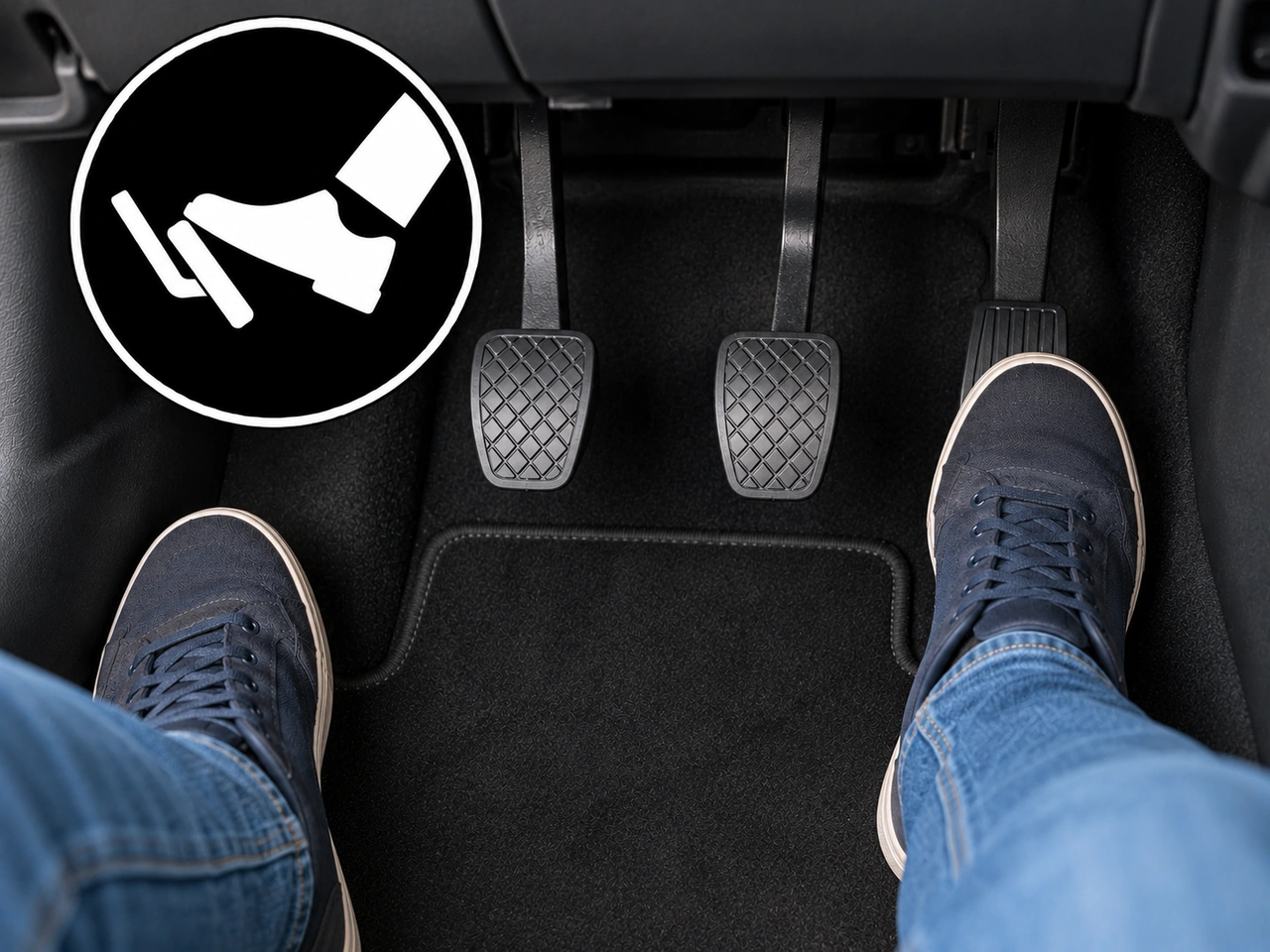
641. Which pedal is used to increase the vehicle's speed?
The accelerator pedal controls the amount of power delivered by the engine and is used to increase or maintain the vehicle's speed. It is the right-hand pedal.
The accelerator is the right-hand pedal in both manual and automatic cars. Press it smoothly when increasing speed.
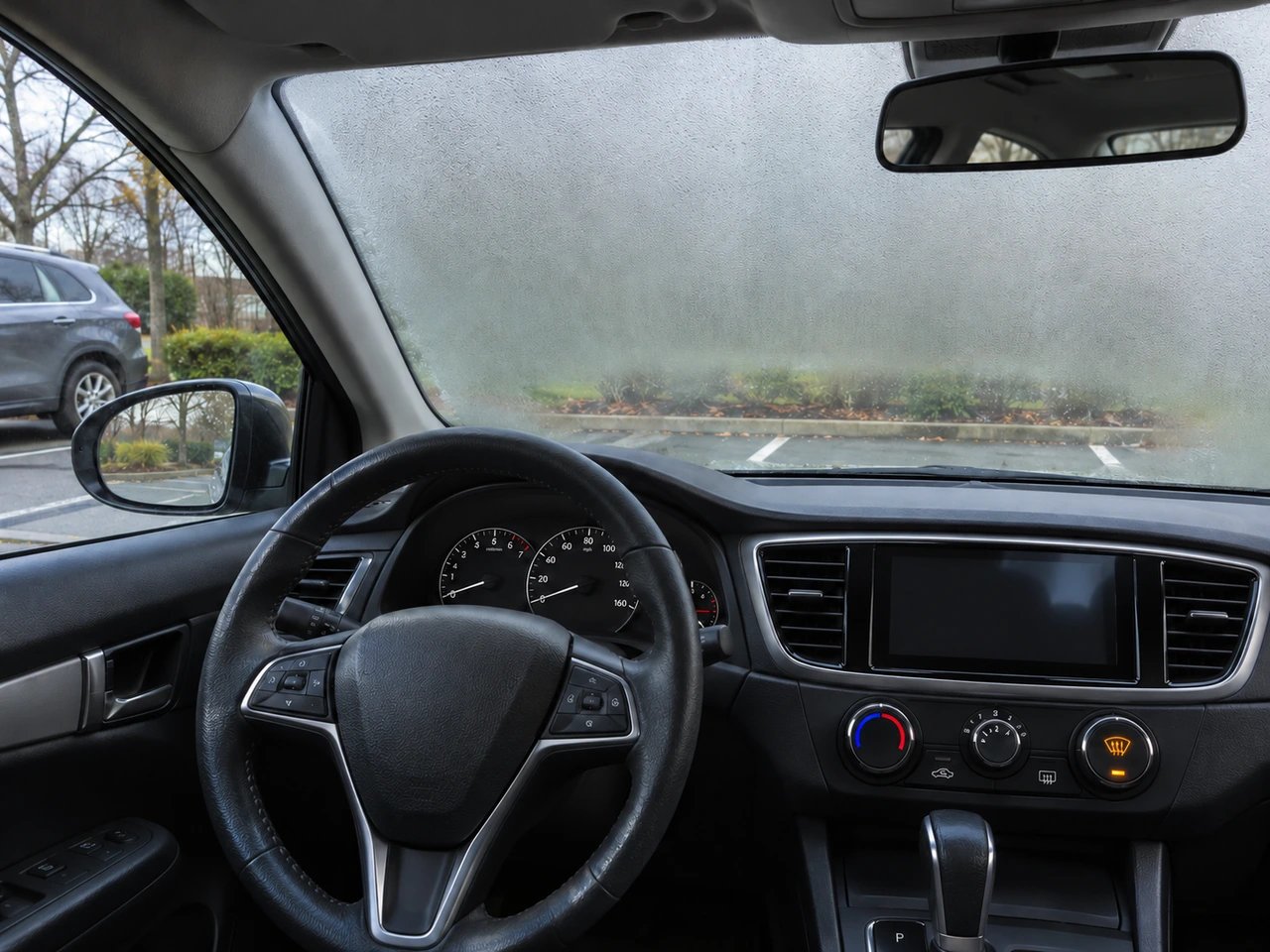
642. What should you do if mist inside the windscreen prevents a clear view?
You need a clear view to drive safely. Use the demisting controls and, if visibility is inadequate, stop as soon as it is safe. Restore a clear view before continuing.
🔗 Sources
GOV.UK — Great Britain
Met Office — United Kingdom
Reference: Rules 229 and 235
Image credit: AI-generated
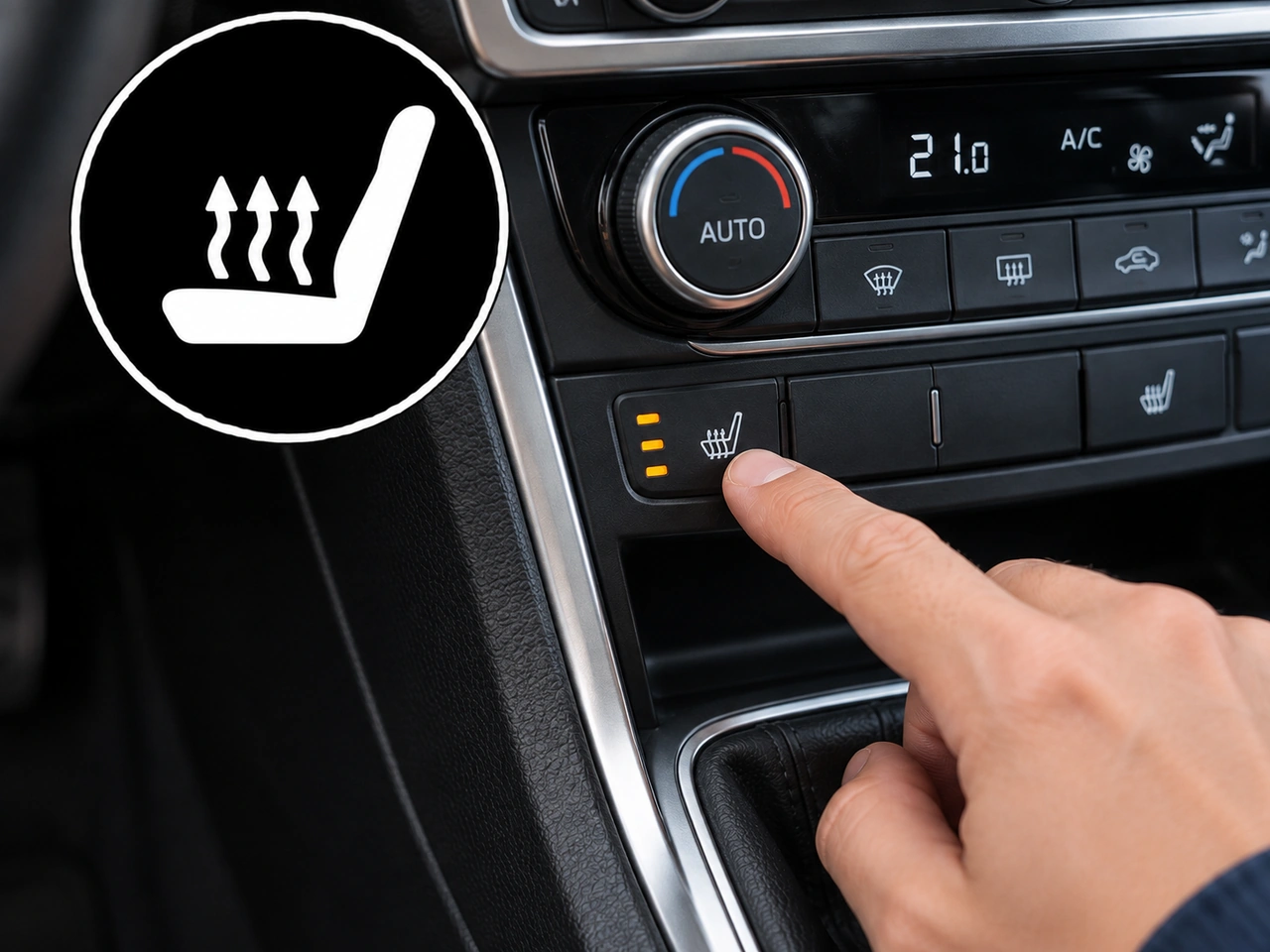
643. What does this vehicle-control symbol indicate?
This control activates the seat heating, which warms the seat cushion and, on many vehicles, the backrest. Several heat levels may be available.
On vehicles with several heat settings, use the control to select a comfortable level. The indicator can show which level is selected.
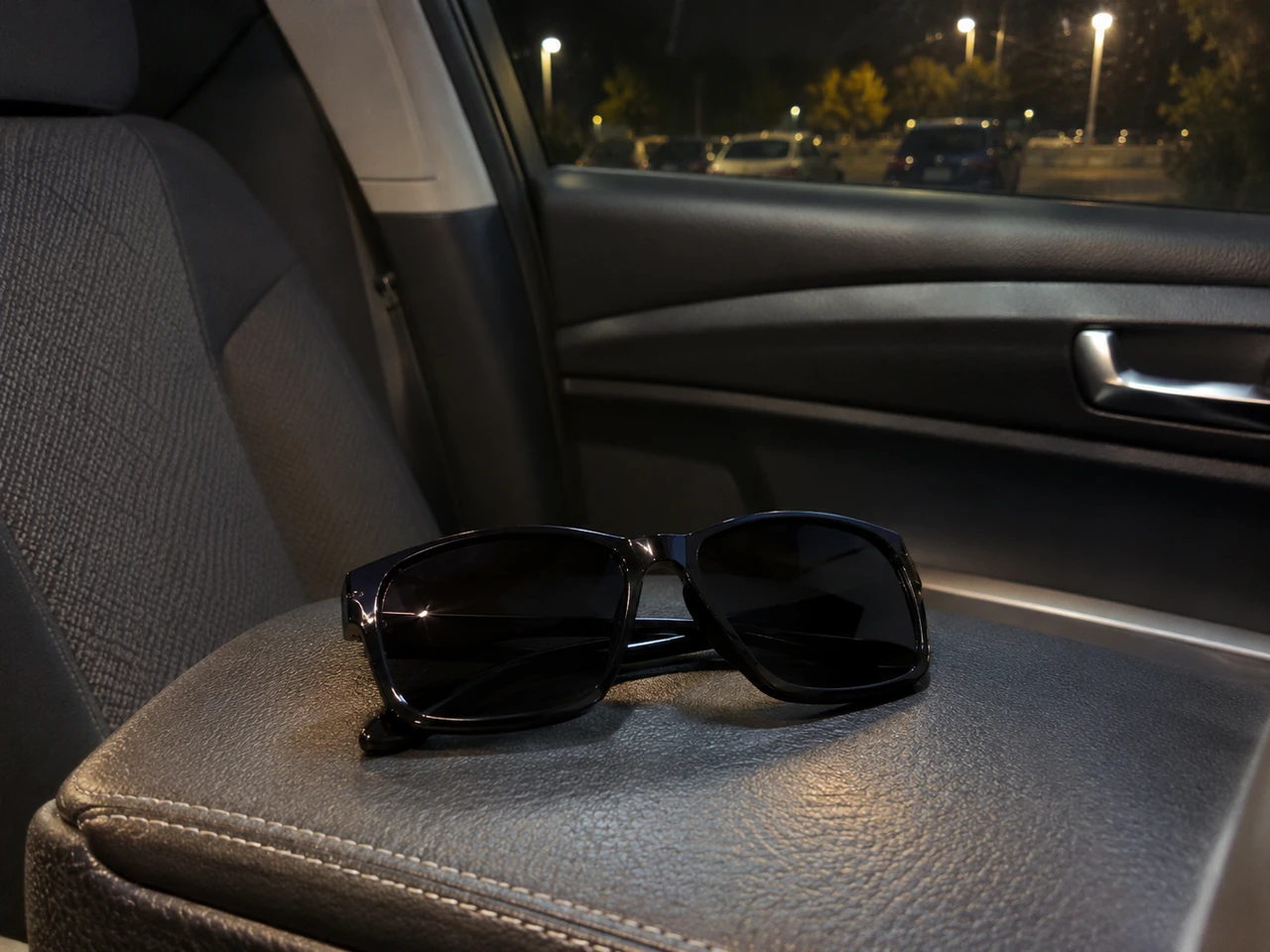
644. Dark sunglasses that restrict your vision are suitable for driving at night.
Dark lenses can reduce the light reaching your eyes and make hazards harder to see. Do not use tinted eyewear at night if it restricts your vision; wear prescribed corrective lenses when needed.
🔗 Sources
The Highway Code (Great Britain) • Safety guidance, Rules 92 and 94
Image credit: AI-generated
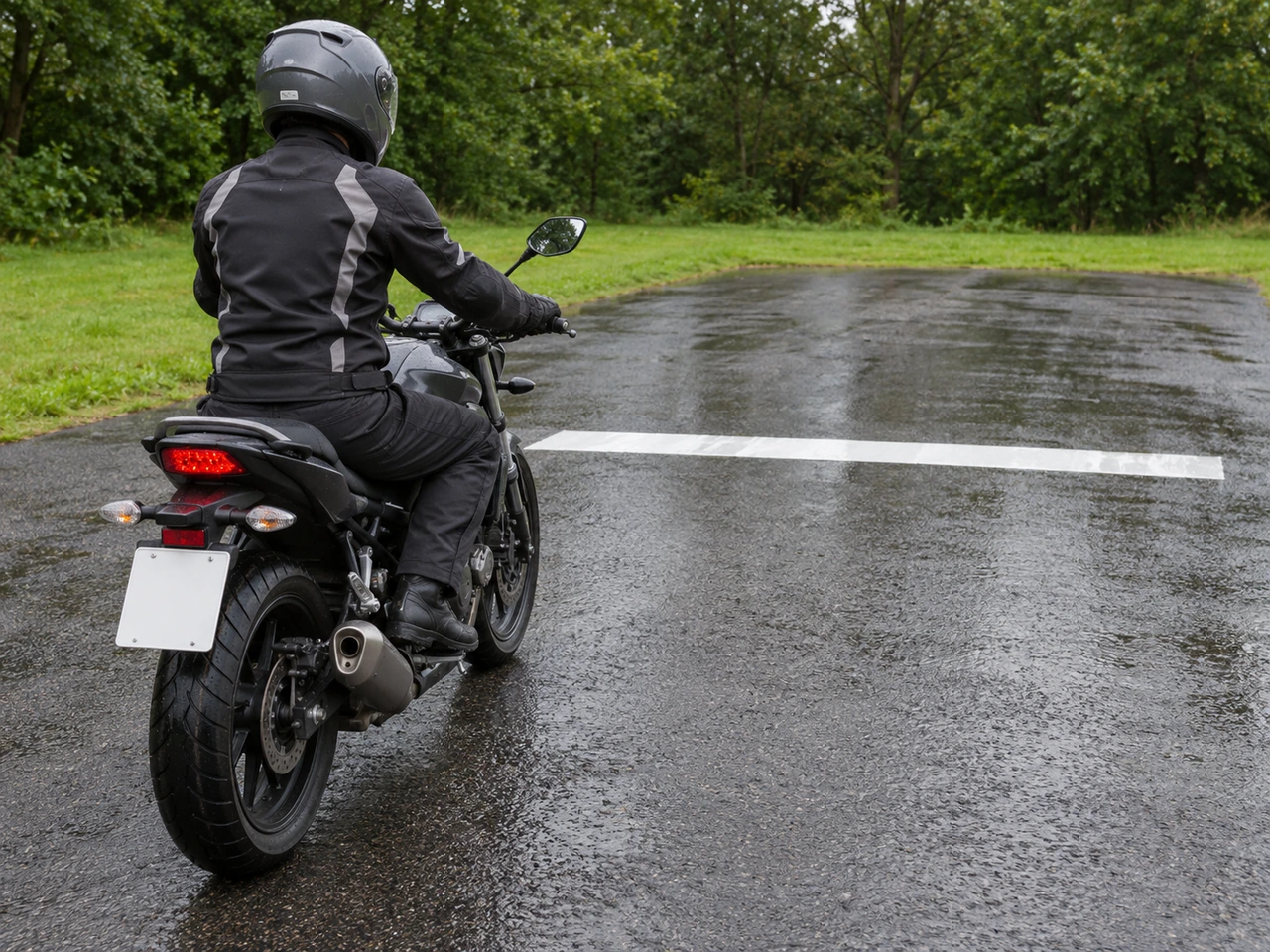
645. Why should motorcyclists take extra care on wet road markings?
Wet painted road markings can provide less grip than the surrounding road surface. Ride smoothly over them and avoid sudden braking, acceleration or steering that could cause the tyres to lose grip.
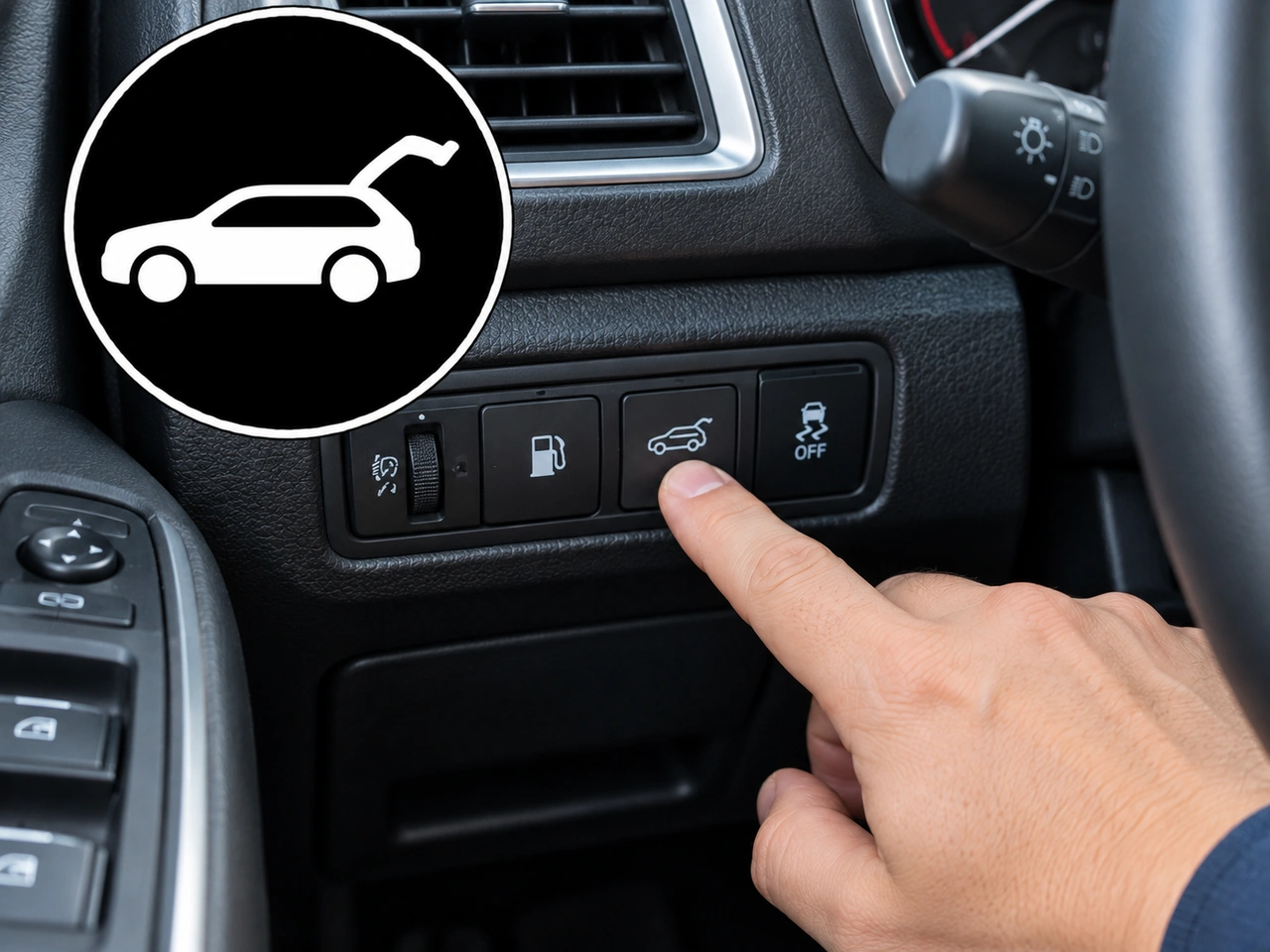
646. What does this vehicle-control symbol indicate?
This symbol indicates the boot or tailgate release. Operating the control unlocks or opens the luggage compartment, depending on the vehicle.
The open-tailgate symbol identifies the luggage-compartment release. Check there is room behind and above the vehicle before opening a powered tailgate.
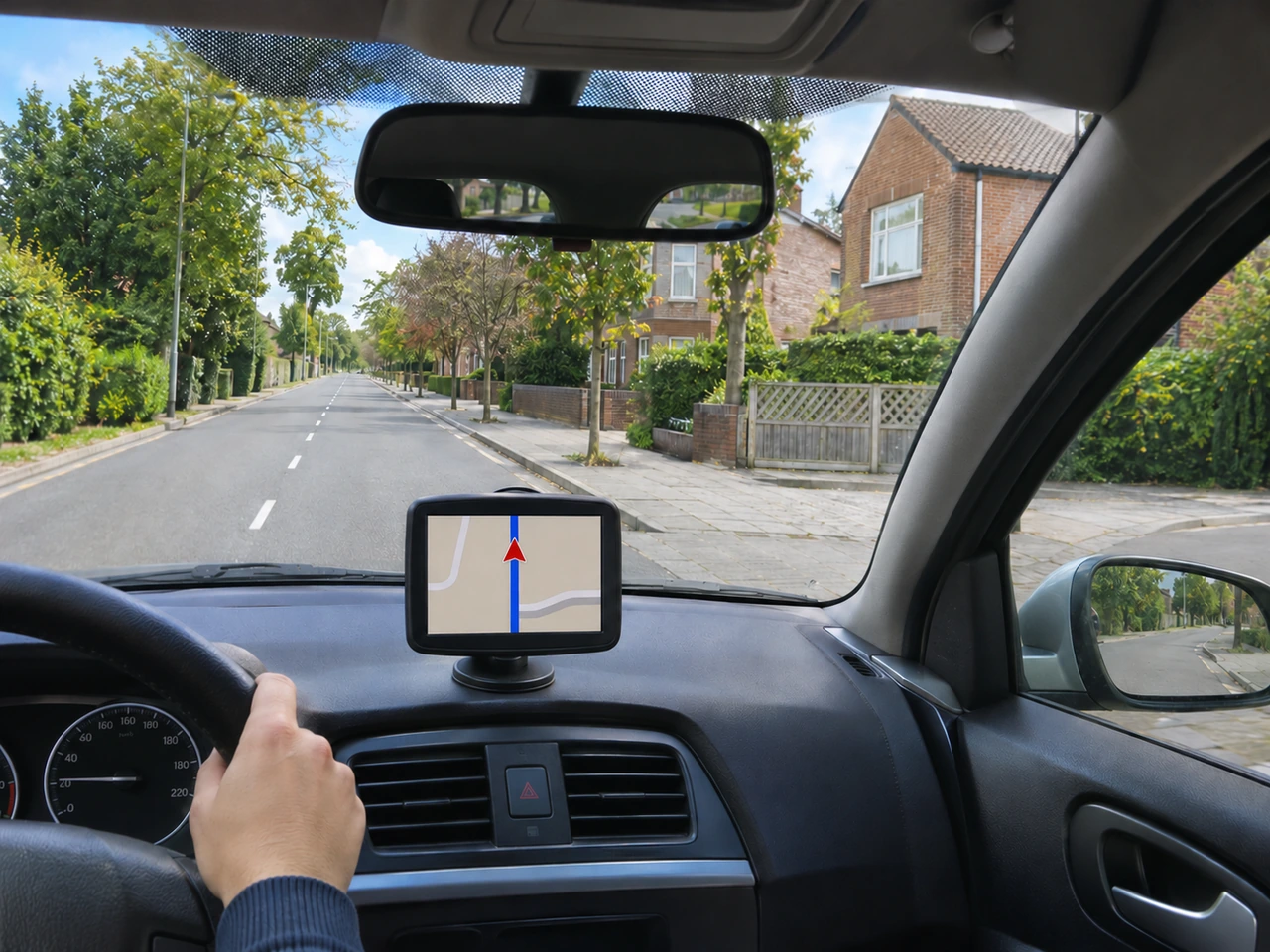
647. What should you do if you miss a turn suggested by your satnav?
Stay calm and keep control. A missed turn is not a reason for sudden braking, reversing or an unsafe turn. Continue safely and let the route be recalculated, or stop somewhere safe to plan it.
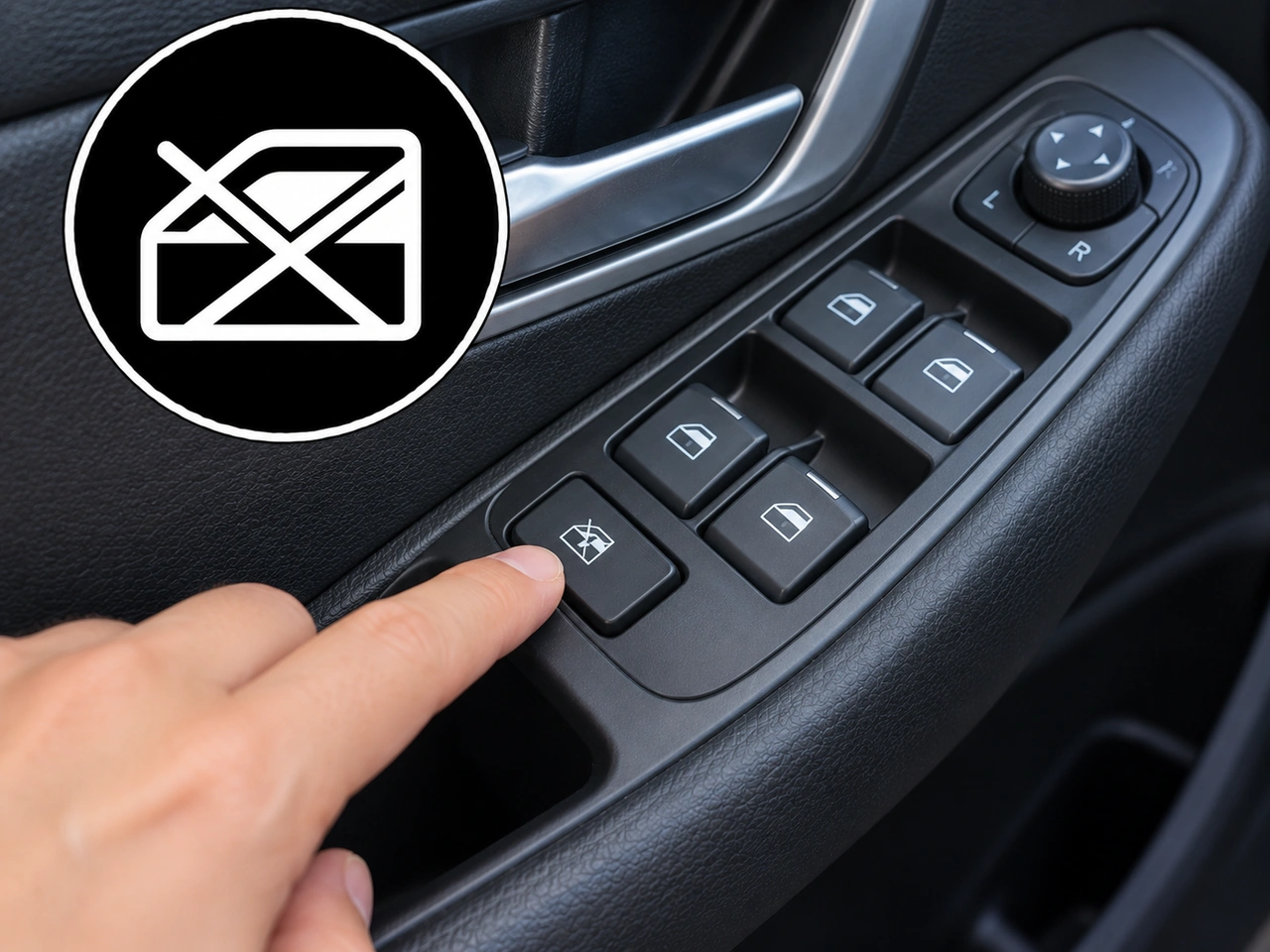
648. What does this vehicle-control symbol indicate?
This control activates the window lock, which normally prevents passengers from operating their electric windows while leaving control with the driver.
The window lock can disable the rear passengers’ window switches while leaving the driver able to operate the windows. Check which switches your vehicle locks.
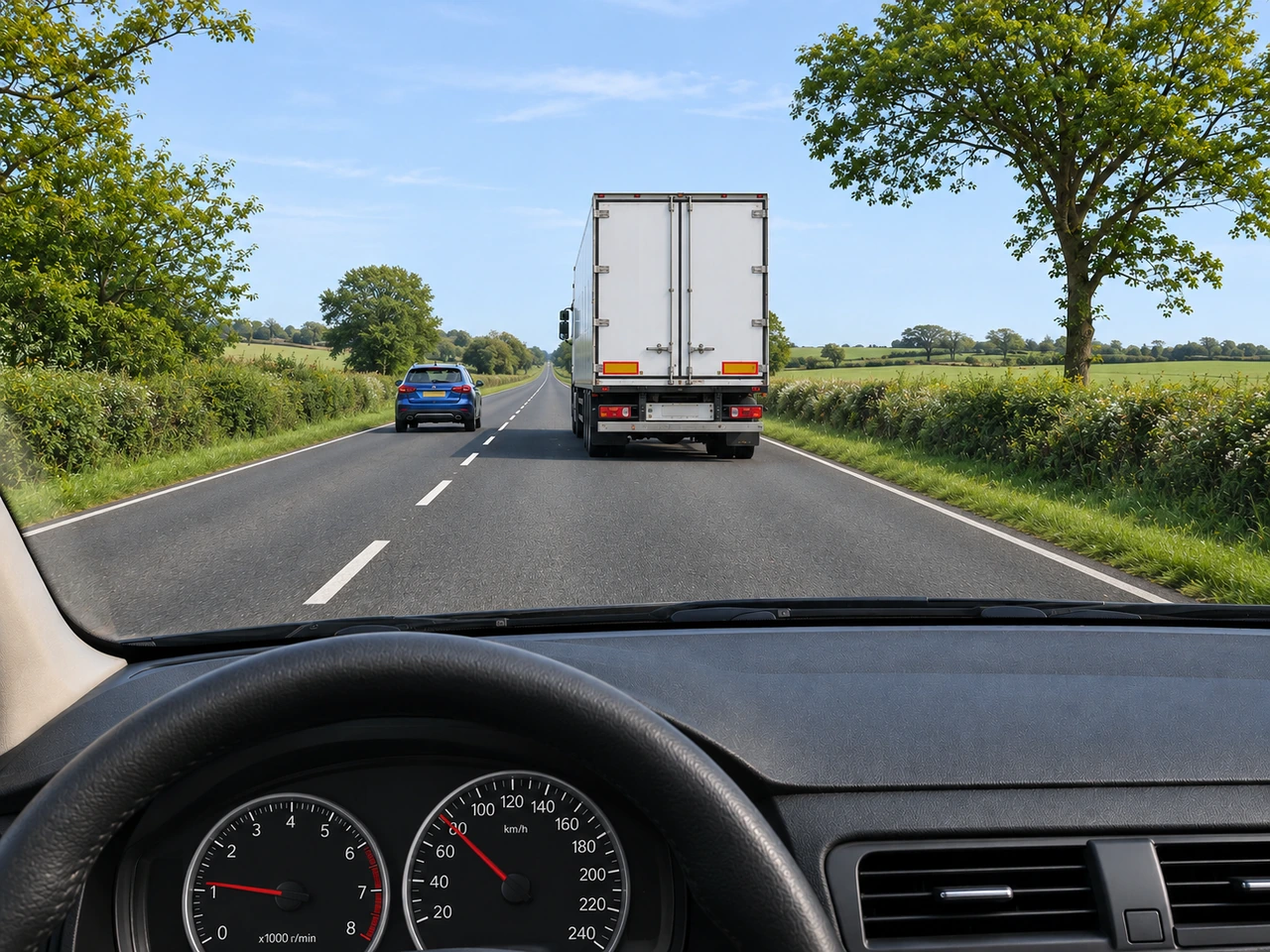
649. What should you check before following another vehicle into an overtake?
The leading driver may have enough space to pass when you do not. Independently check the view, approaching traffic, whether overtaking is permitted, and enough space to return safely.
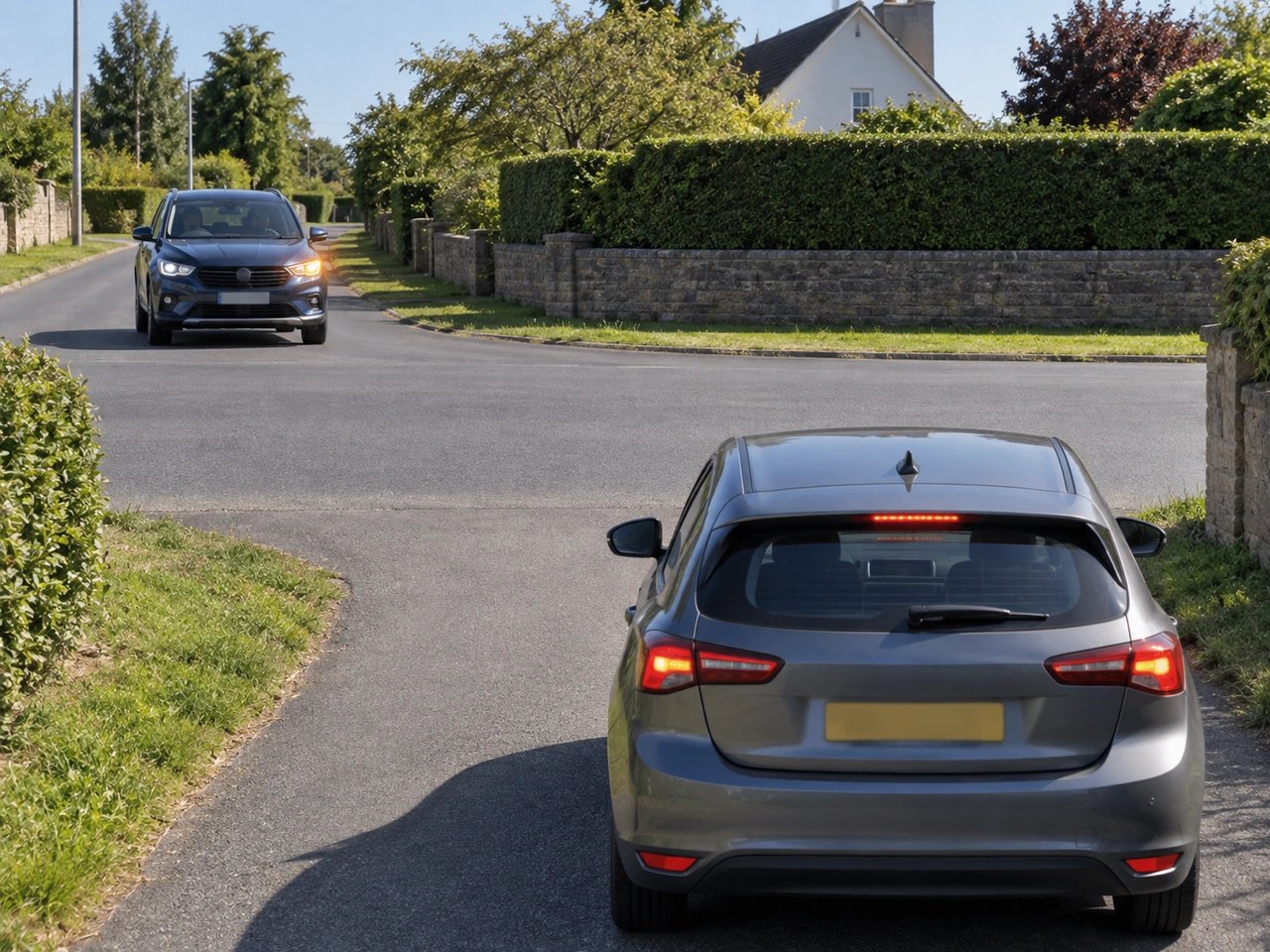
650. What should you do if another vehicle is signalling to turn?
An indicator shows an intention, but it does not guarantee that the driver will turn. The signal may have been left on accidentally or the driver's intentions may change. Observe the vehicle's speed and position and proceed only when you are sure it is safe.
🔗 Sources
Great Britain — Highway Code, rule 104; checking another driver’s signal
Image credit: AI-generated