


QuizTraffic rulesArgentina
Test your knowledge with our multiple-choice quiz. Learn from each answer and improve your understanding of the traffic rules and road signs of Argentina.
 Traffic signs
 Traffic rules
 Argentina
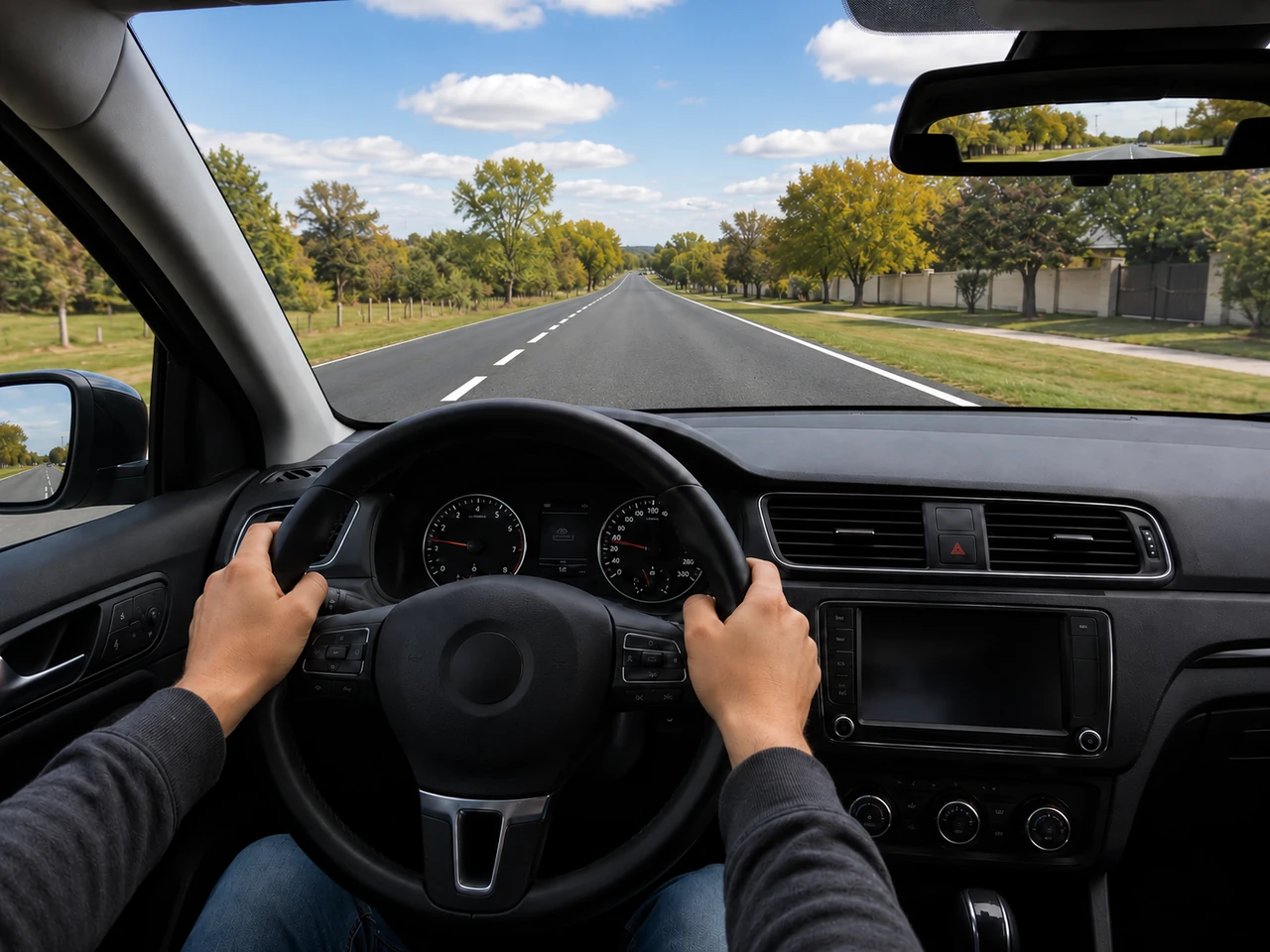
701. You should keep both hands on the steering wheel whenever possible.
Using both hands where possible helps you maintain steering control. Keep control of the vehicle when briefly using a gear lever or another necessary control.

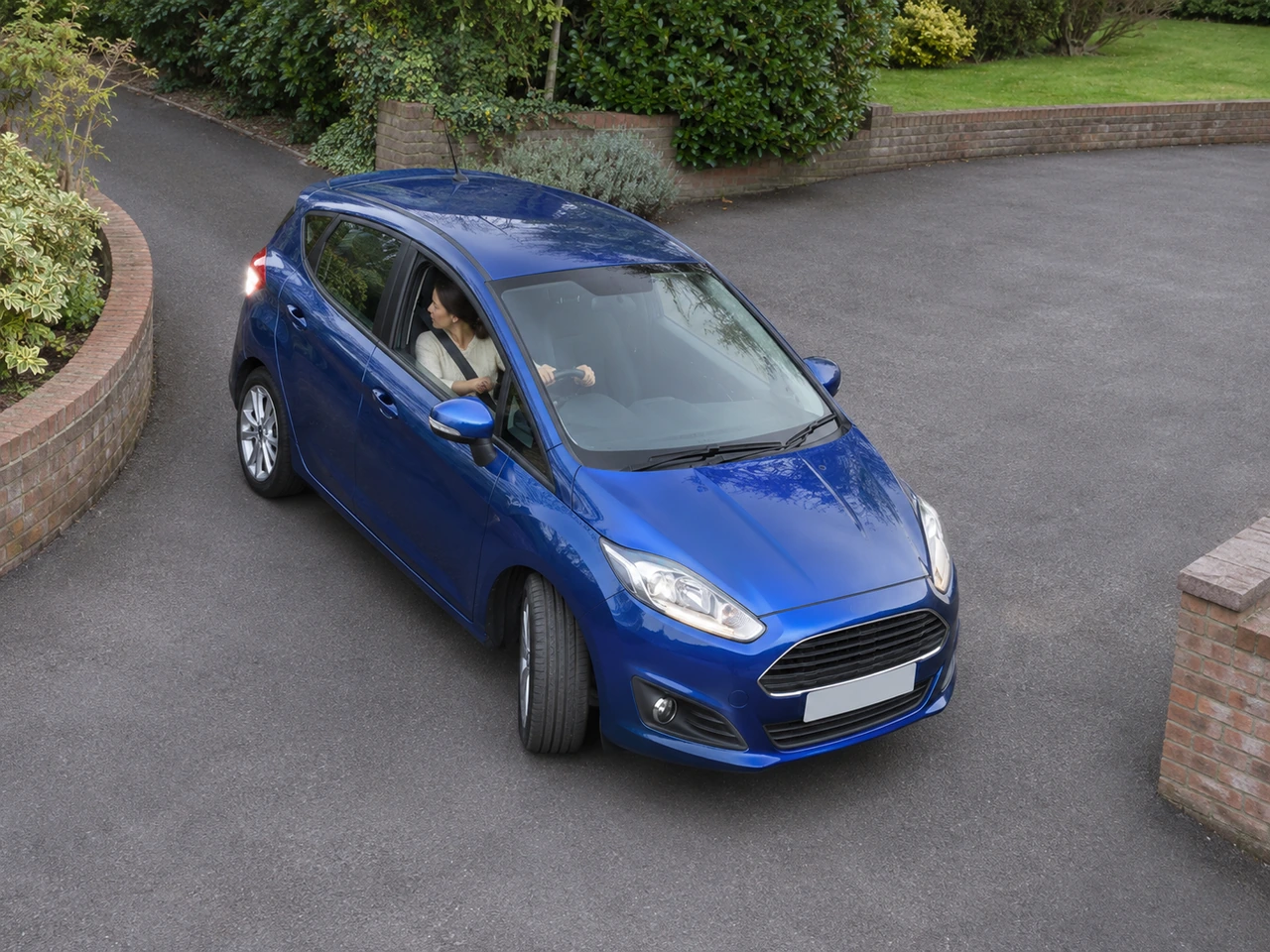
702. What must you allow for at the front when reversing around a corner?
As you steer while reversing, the front swings out. Check all around and leave enough clearance beside the front as well as behind.
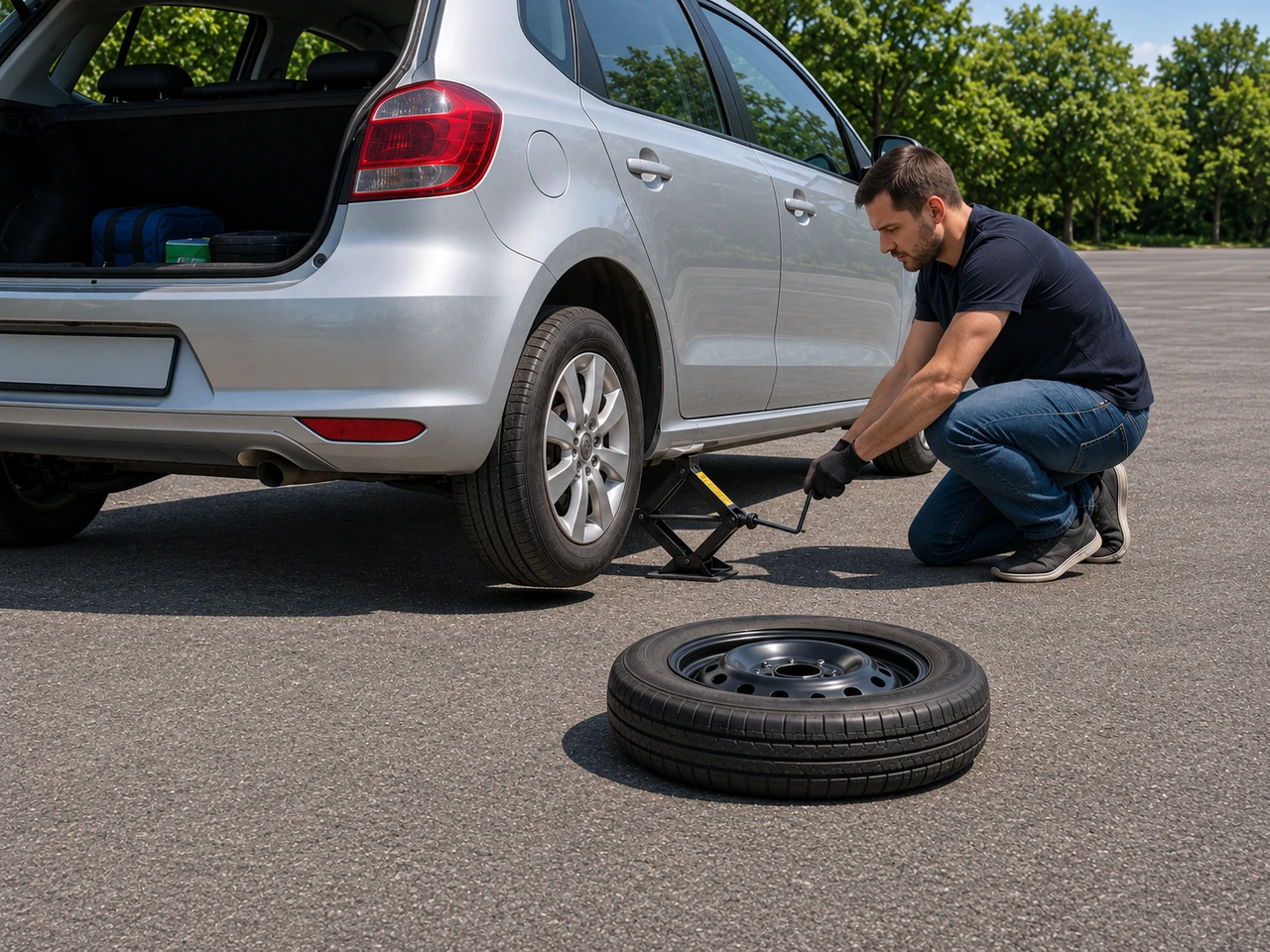
703. What is important when raising a vehicle with its jack?
Use the correct jack and the reinforced jacking point specified for the vehicle. The jack must stand securely on firm, level ground, and the vehicle must be secured as instructed in its handbook before lifting. Keep everyone out of the vehicle and never place any part of your body underneath a vehicle supported only by a jack. Do not start the engine while it is jacked up. If the jack, ground or lifting point is unsuitable or uncertain, request professional assistance.
Use your specified jacking point and a suitable jack on firm, level ground. Never put yourself underneath a vehicle supported only by a jack.
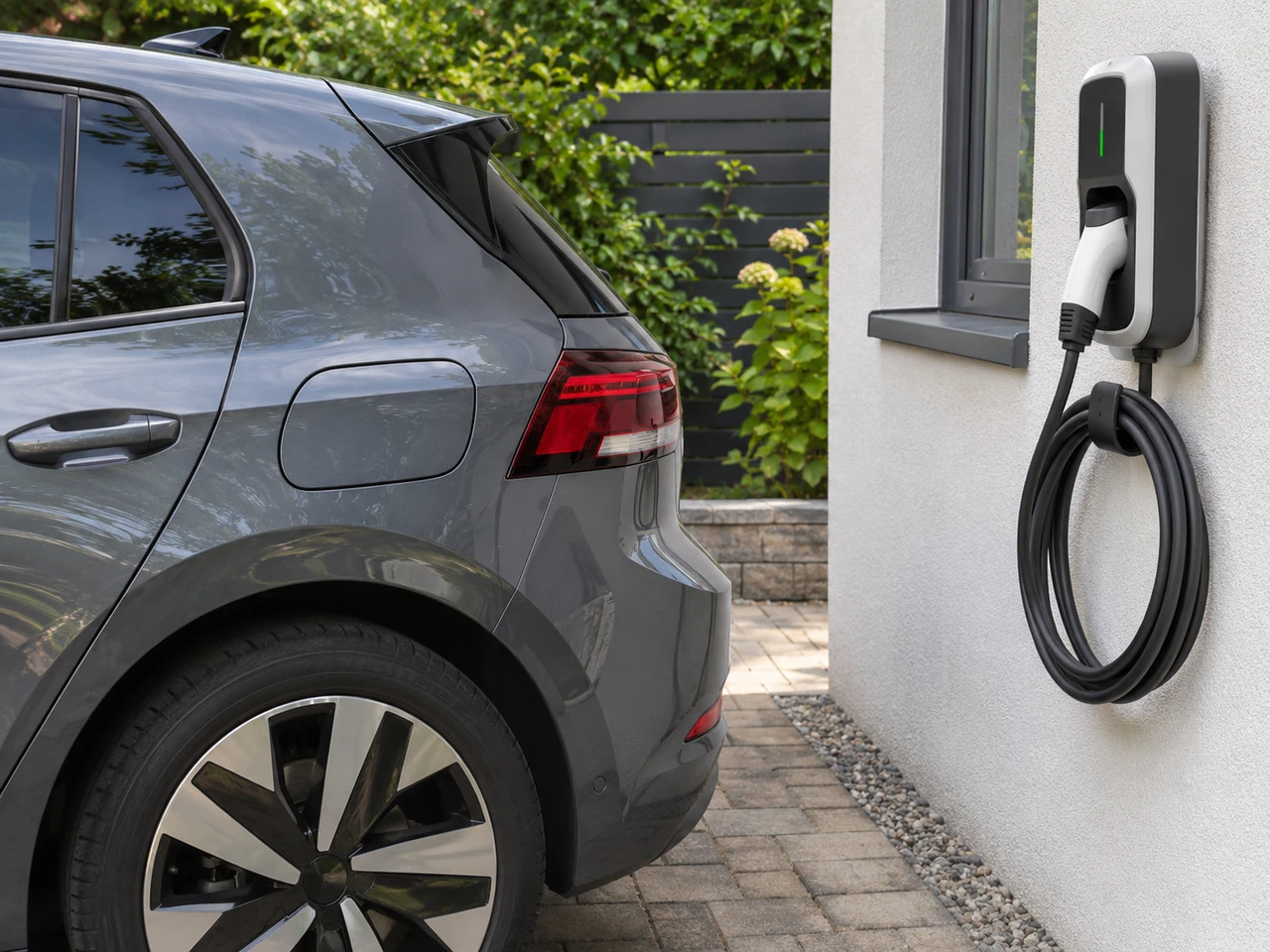
704. You should disconnect the charging cable before driving an electric car.
End charging and release the connector using the prescribed procedure before moving the car. Stow the cable safely and close the charging flap as instructed. Do not force a locked connector or rely only on a vehicle interlock.
🔗 Sources
Tesla Model 3 owner’s manual (manufacturer guidance) • Safety guidance, Stopping Charging; follow your vehicle and charger instructions
Image credit: AI-generated
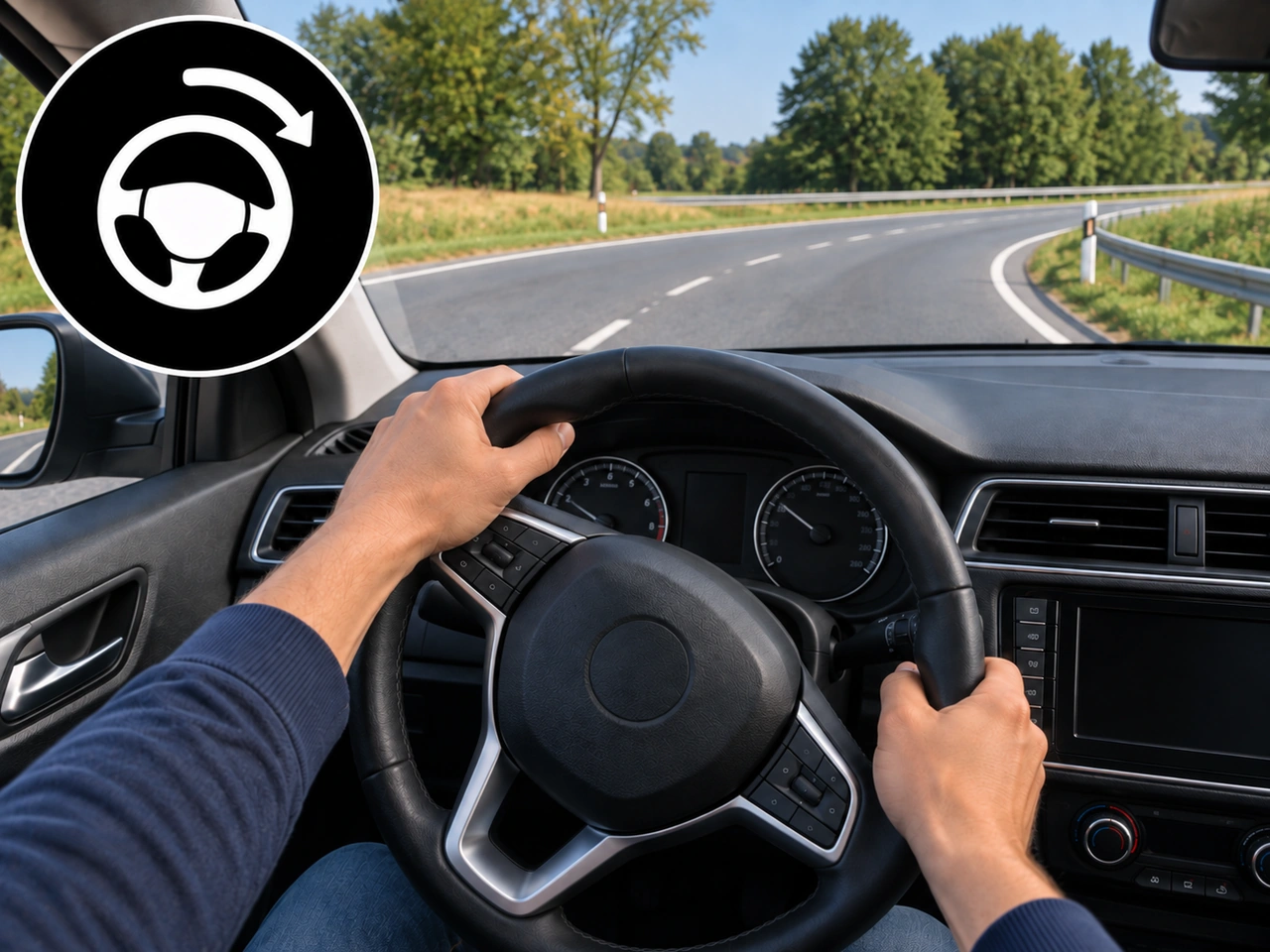
705. What should you do with the steering wheel after completing a turn?
After completing a turn, guide the steering wheel smoothly back towards the straight-ahead position while maintaining control. Do not allow the wheel to spin freely through your hands.
Keep control of the wheel as you guide it back towards the straight-ahead position after a turn.
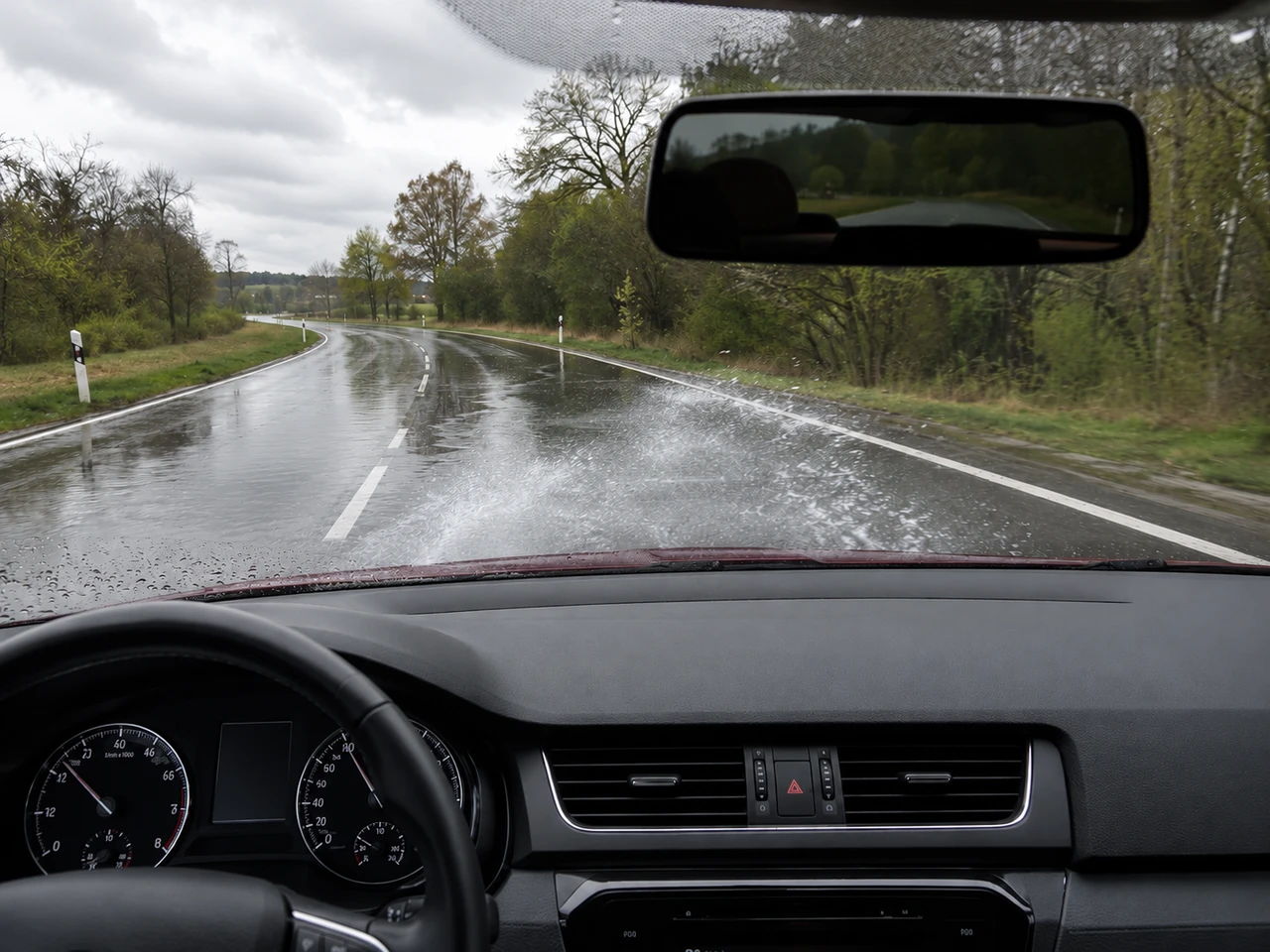
706. Why is it dangerous to drive through standing water at speed?
Driving too fast through water can cause aquaplaning, where the tyres lose grip and the driver may lose control.
🔗 Sources
Great Britain — Highway Code, rule 227; water and loss of tyre grip
Image credit: AI-generated
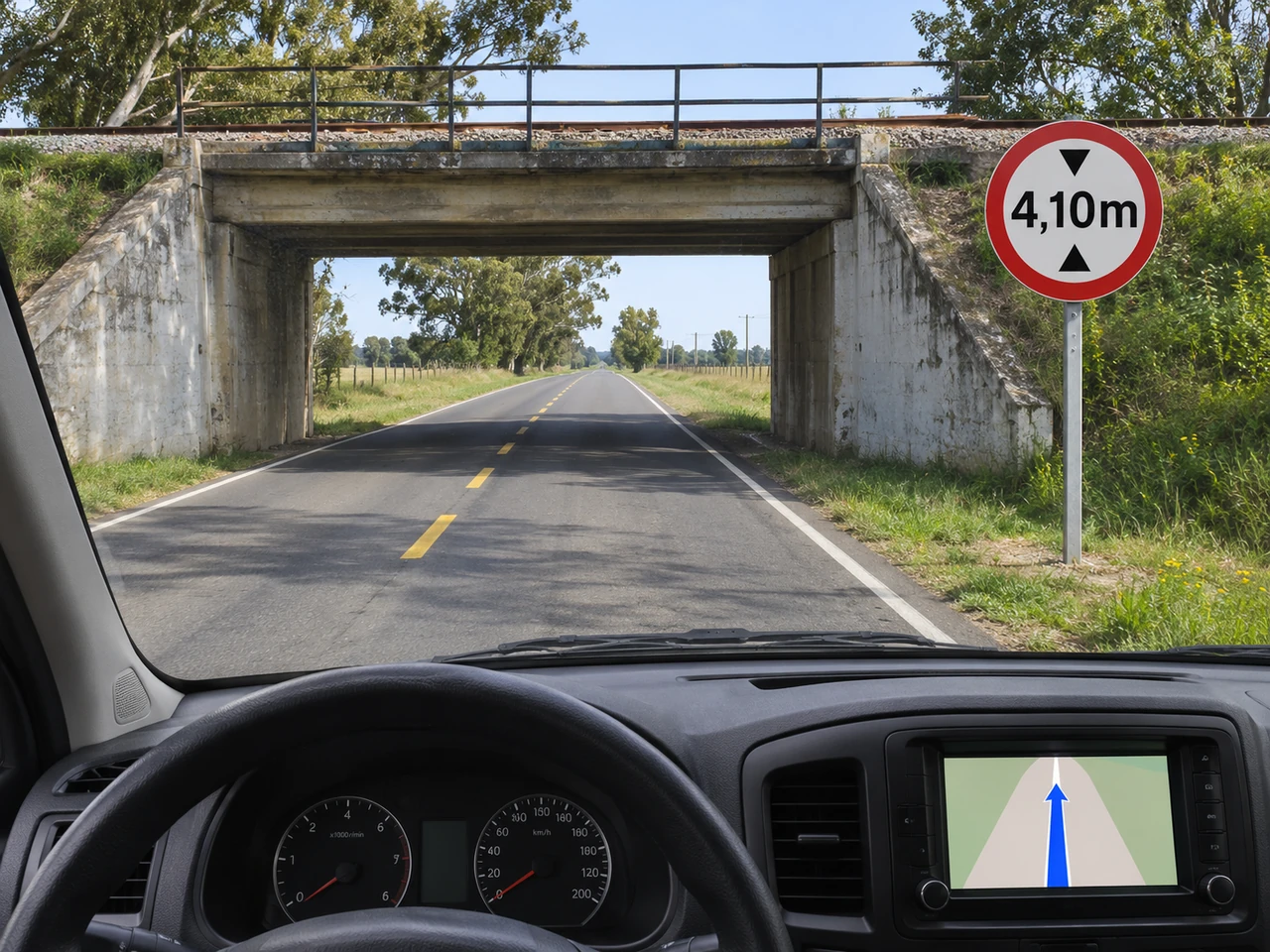
707. A sat-nav route is always suitable for your vehicle's height and weight.
A route may include low bridges or roads unsuitable for your vehicle. Know its dimensions and weight, use appropriate route-planning tools, and check the route and restrictions rather than relying only on navigation.
🔗 Sources
Argentina • National road-sign system, Decree 196/2025 • Sign R.12
Image credit: AI-generated
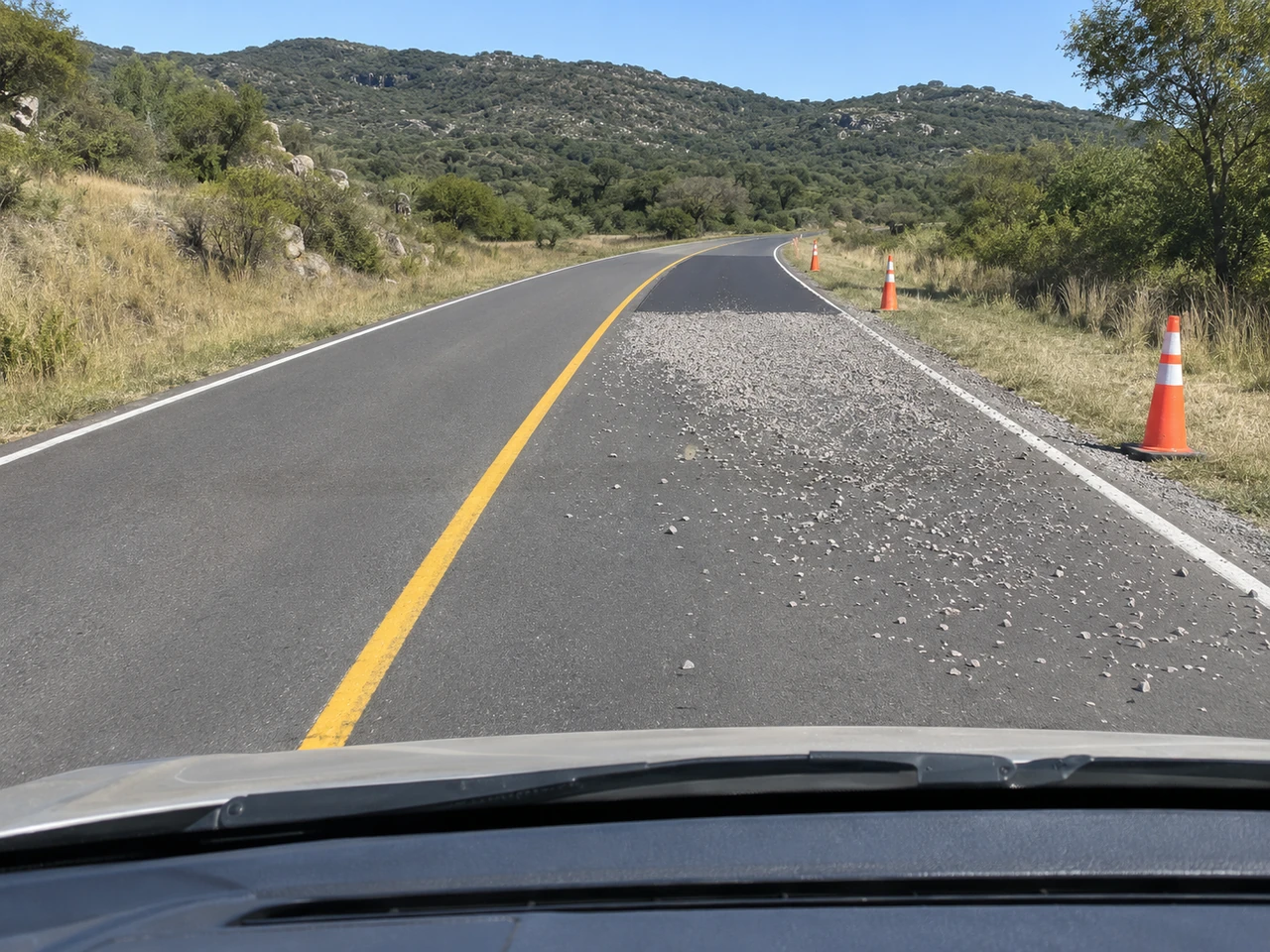
708. Why can temporary road surfaces increase stopping distance?
Temporary surfaces may provide less grip than normal asphalt. Reduce speed and allow more distance for braking.
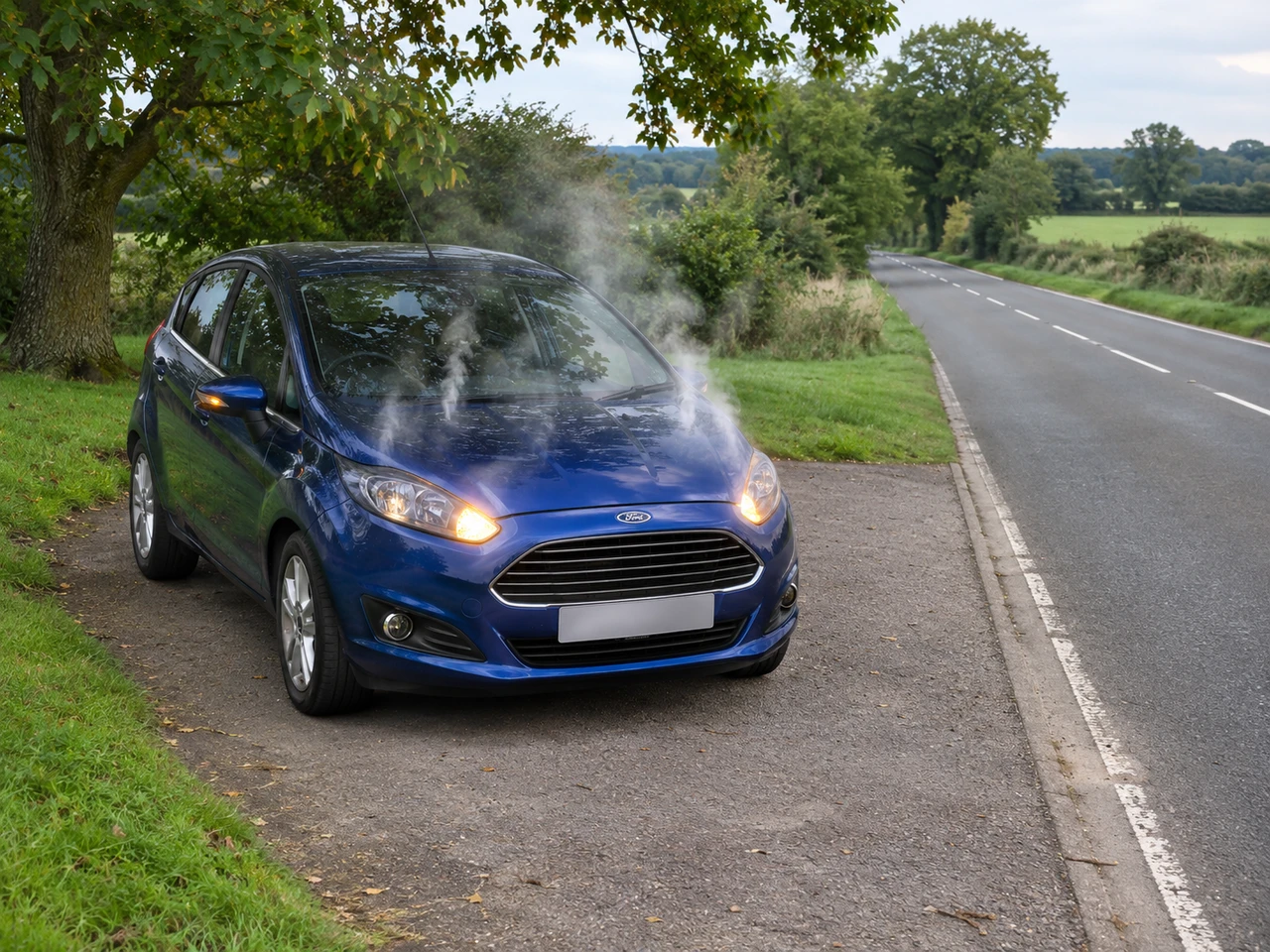
709. What should you do if steam begins coming from underneath the bonnet?
Steam or hot coolant escaping from the engine compartment can cause severe scalding. Stop safely, switch off the engine and keep people clear. Do not open the bonnet while steam is escaping, and never remove a coolant cap while the system is hot. Follow the vehicle handbook and arrange assistance. Do not use vapour colour alone to rule out a fire; move away and call the emergency services if a fire is suspected.
Allow an overheated engine to cool naturally before attempting coolant checks or removing its filler cap.
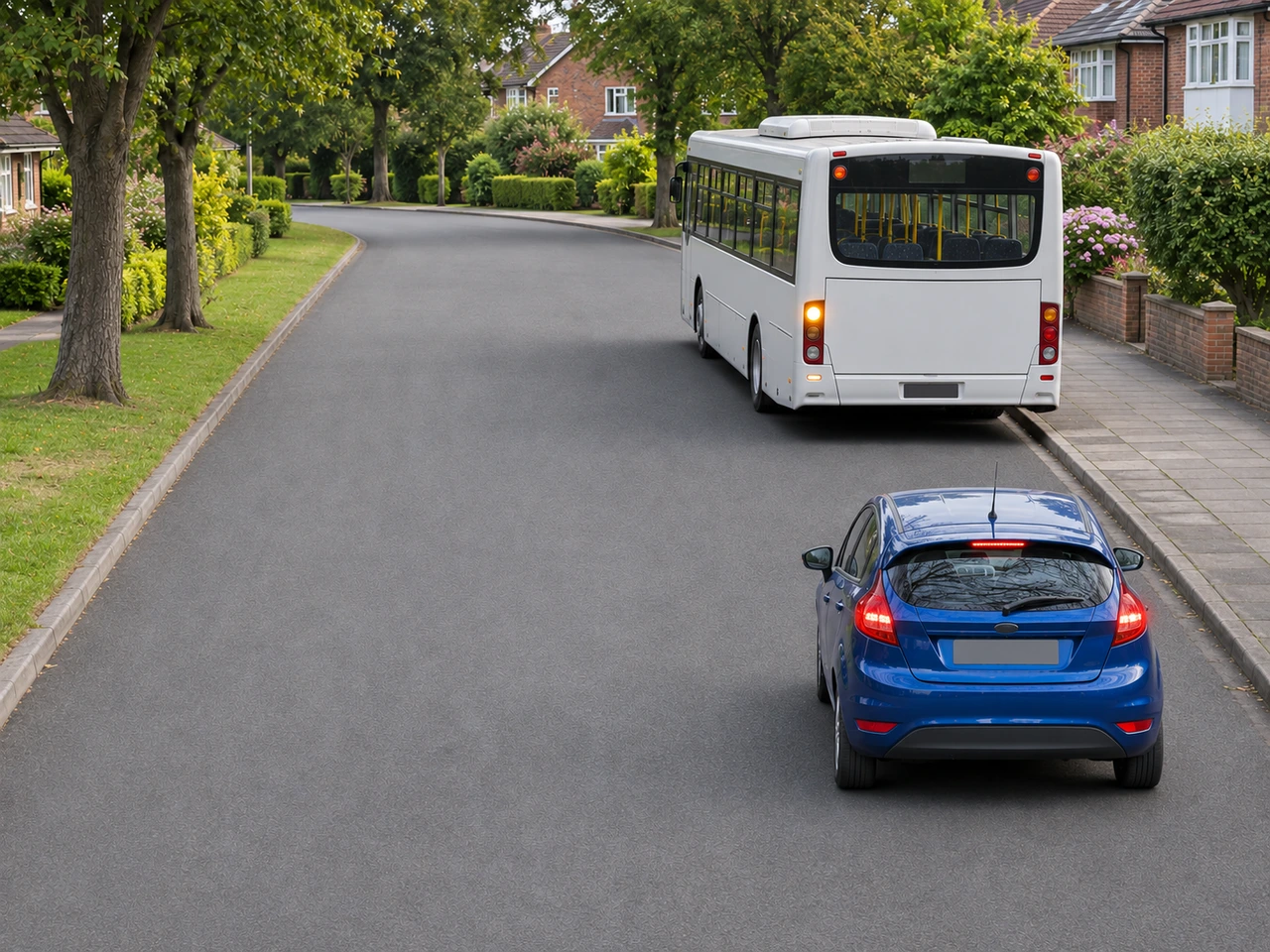
710. What should you do when a bus signals to pull away from a bus stop?
Buses may pull away after picking up passengers. Slow down, check the traffic situation, and allow space when it is safe.
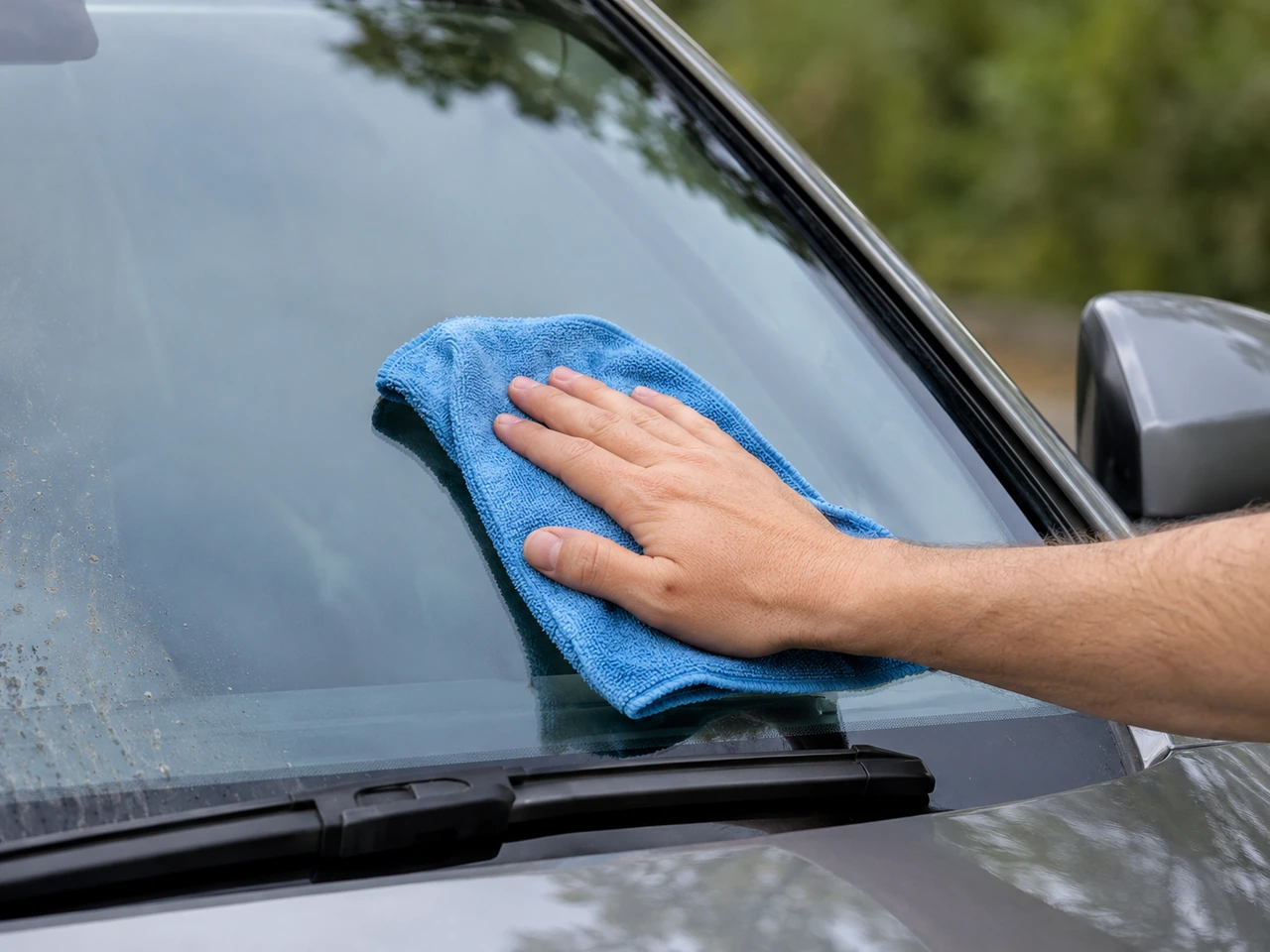
711. Why should you keep your windscreen clean?
A clean windscreen helps you notice road users and hazards sooner. Dirt and greasy film scatter light, making glare from low sun or headlights worse. Clean the glass inside as well as outside before setting off, keep the washer reservoir filled and check the wiper blades.
🔗 Sources
Great Britain — Highway Code Annex 6; general maintenance and visibility advice
Image credit: AI-generated
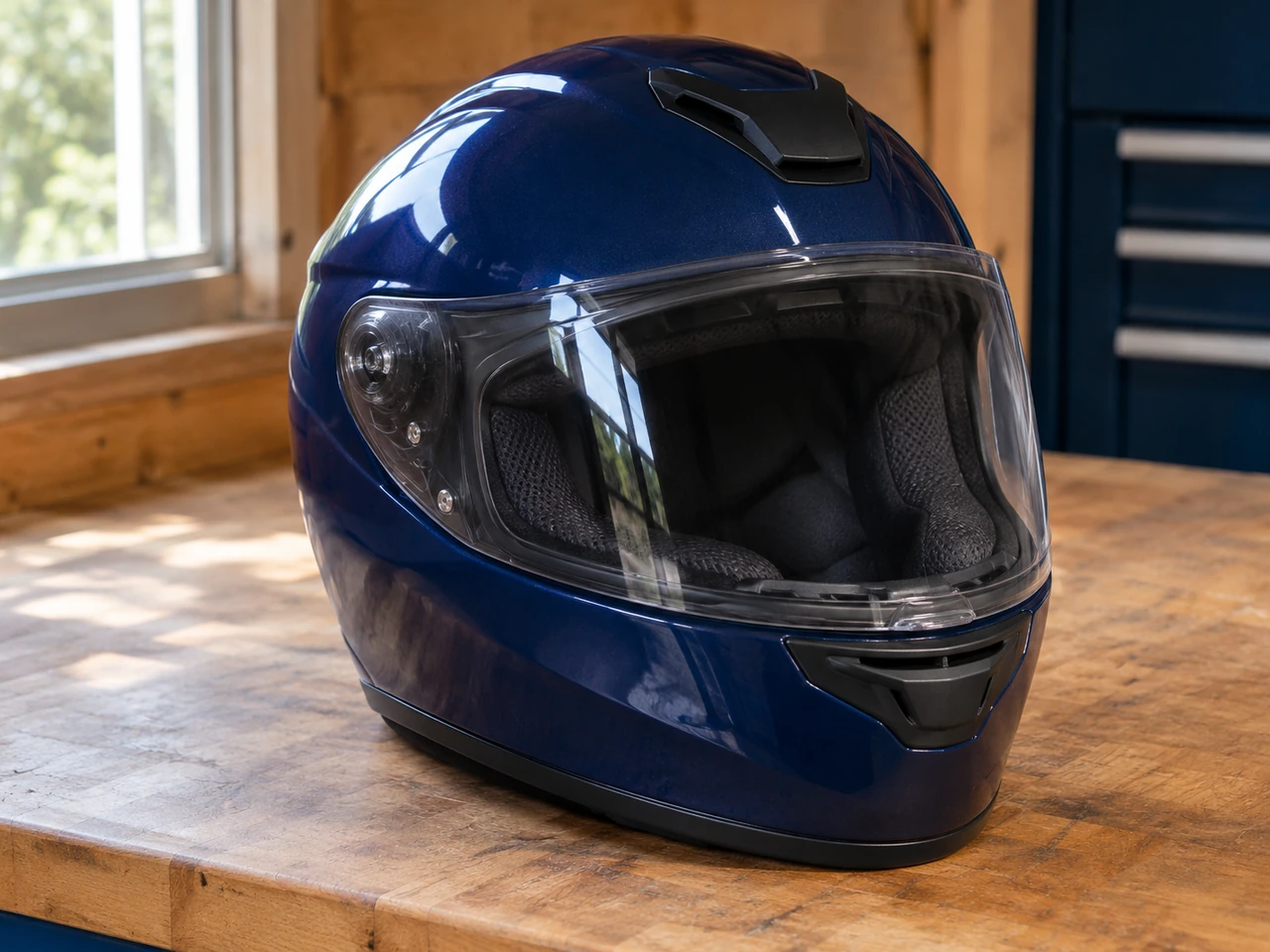
712. A motorcycle helmet is safe after a hard impact if no damage is visible.
An impact can damage the shell or protective lining without obvious marks outside. Replace a helmet after a crash impact, and follow the manufacturer's guidance if it has been dropped or struck.
🔗 Sources
Department for Transport SHARP (Great Britain) • Safety guidance, impact damage and replacement guidance
Image credit: AI-generated
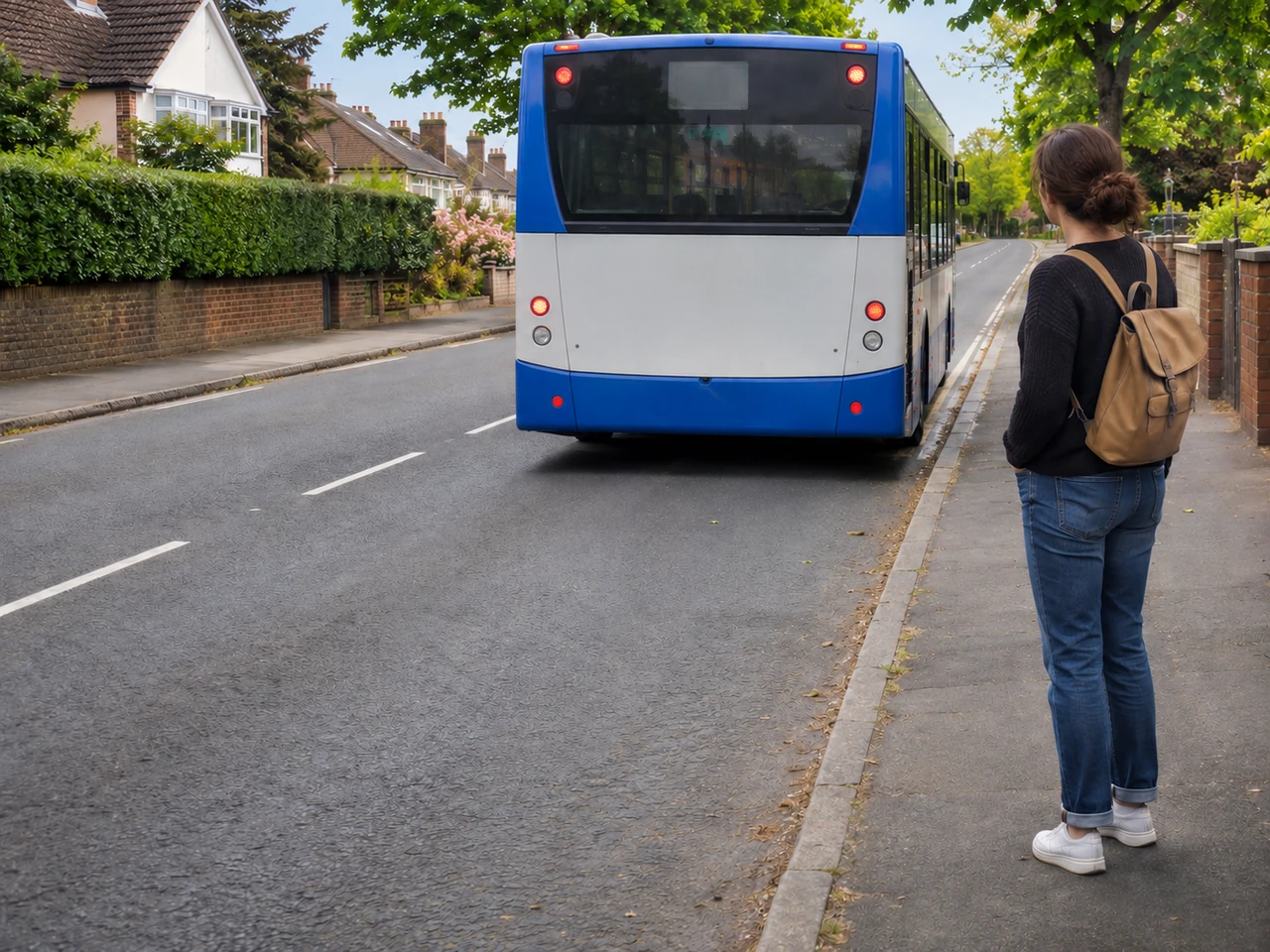
713. What should you do if a bus or large vehicle blocks your view of the road?
A bus or large vehicle can block your view and hide you from approaching drivers. Do not cross directly in front of or behind a bus. Wait safely on the pavement until it has moved off and you can see clearly in both directions. Use a designated crossing where available and cross only when it is safe.
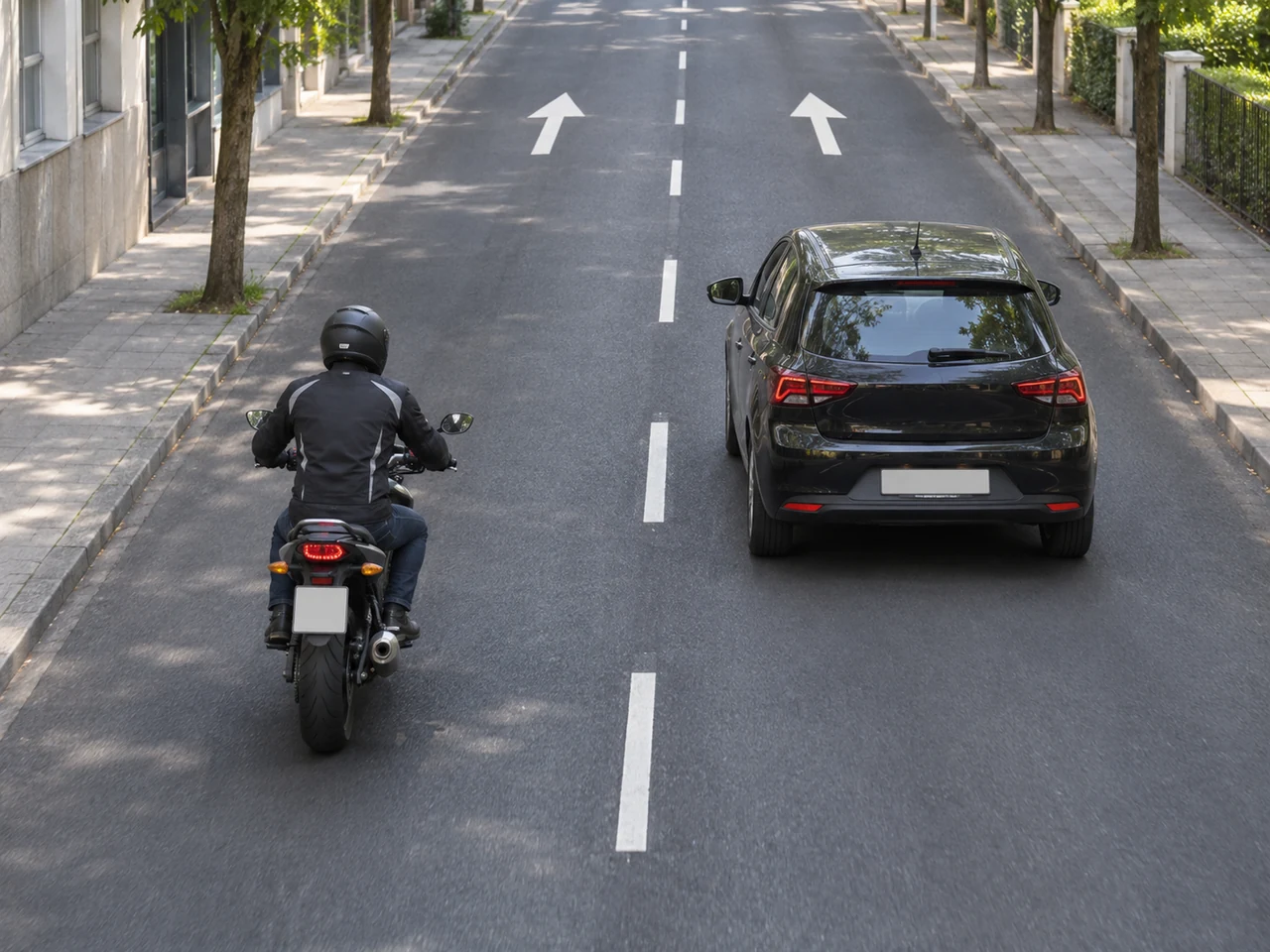
714. Why should a motorcyclist avoid riding in another vehicle's blind spot?
Motorcycles can be difficult to see, particularly when they remain in another vehicle's blind spot. Avoid staying alongside a vehicle where the driver may not see you, and choose a position where you are more likely to be visible.
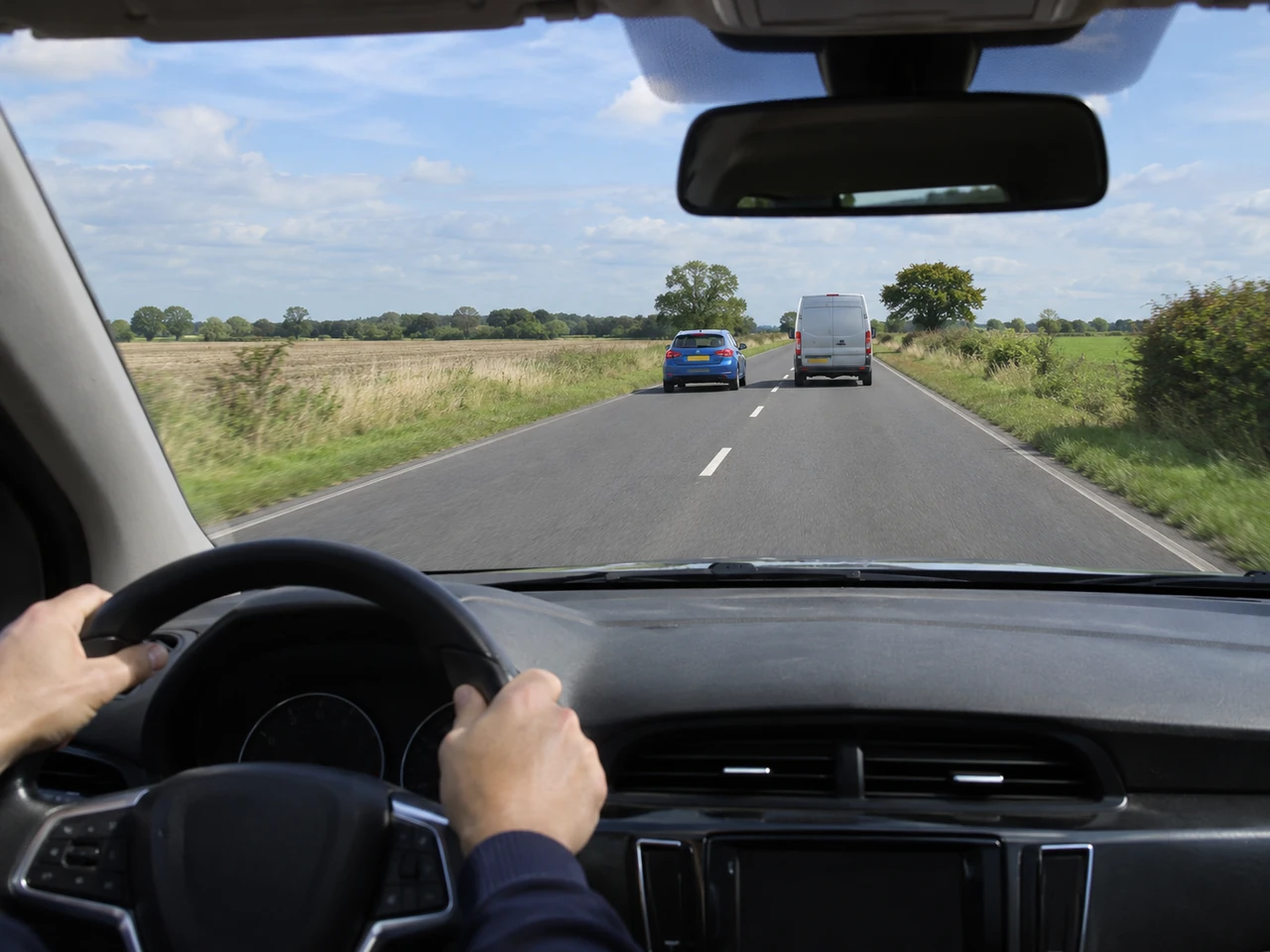
715. If another driver overtakes, it is safe to follow them past.
The other driver may have enough room to overtake when you do not. Check the road ahead and make your own safe decision before starting.
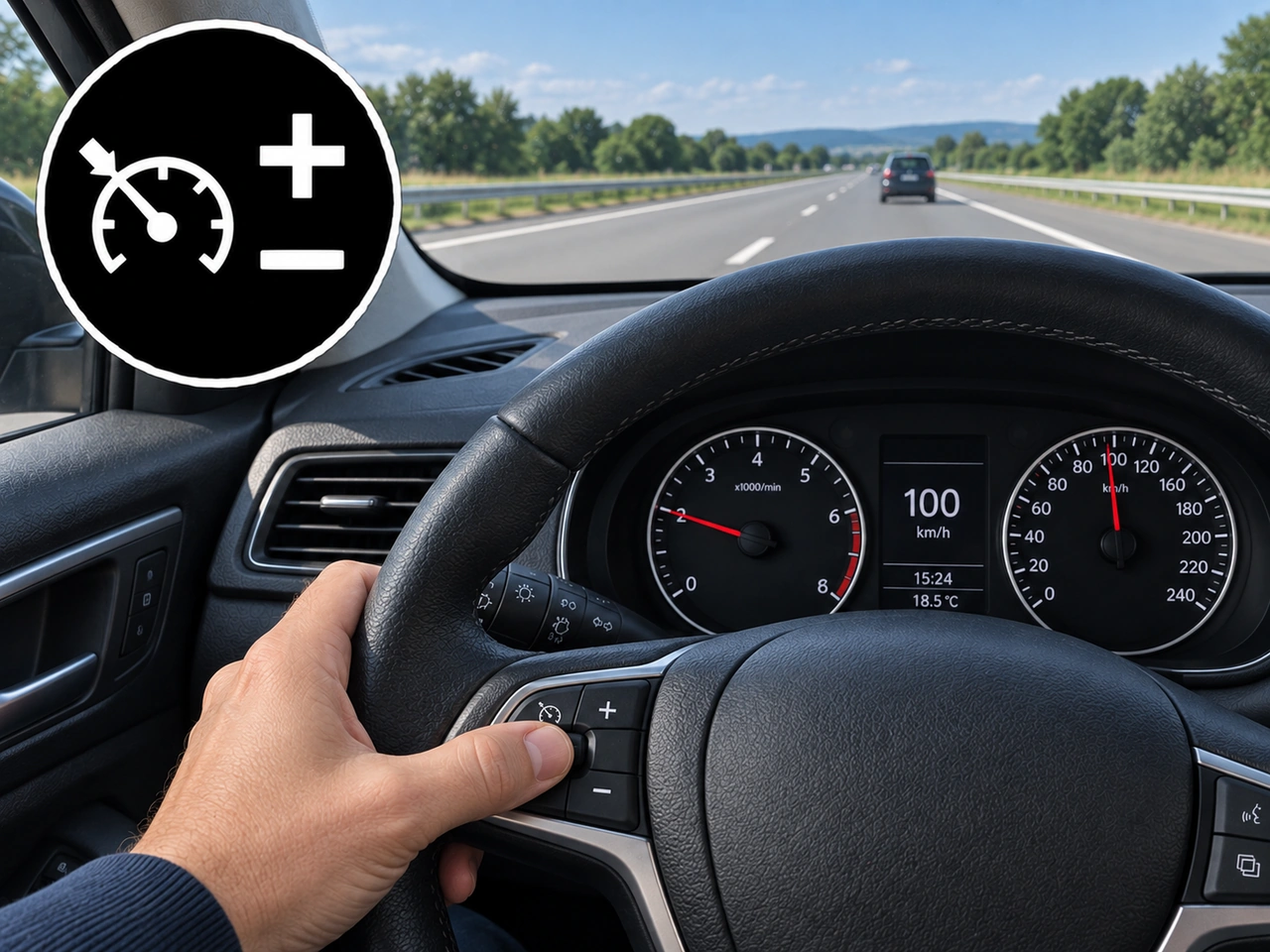
716. What do the + and − controls of cruise control normally do?
When cruise control is active, the + and − controls normally increase or decrease the selected cruising speed. The amount of each adjustment can vary between vehicles.
On some systems, a short press changes the stored speed by one step and holding the control lets you make a larger adjustment.
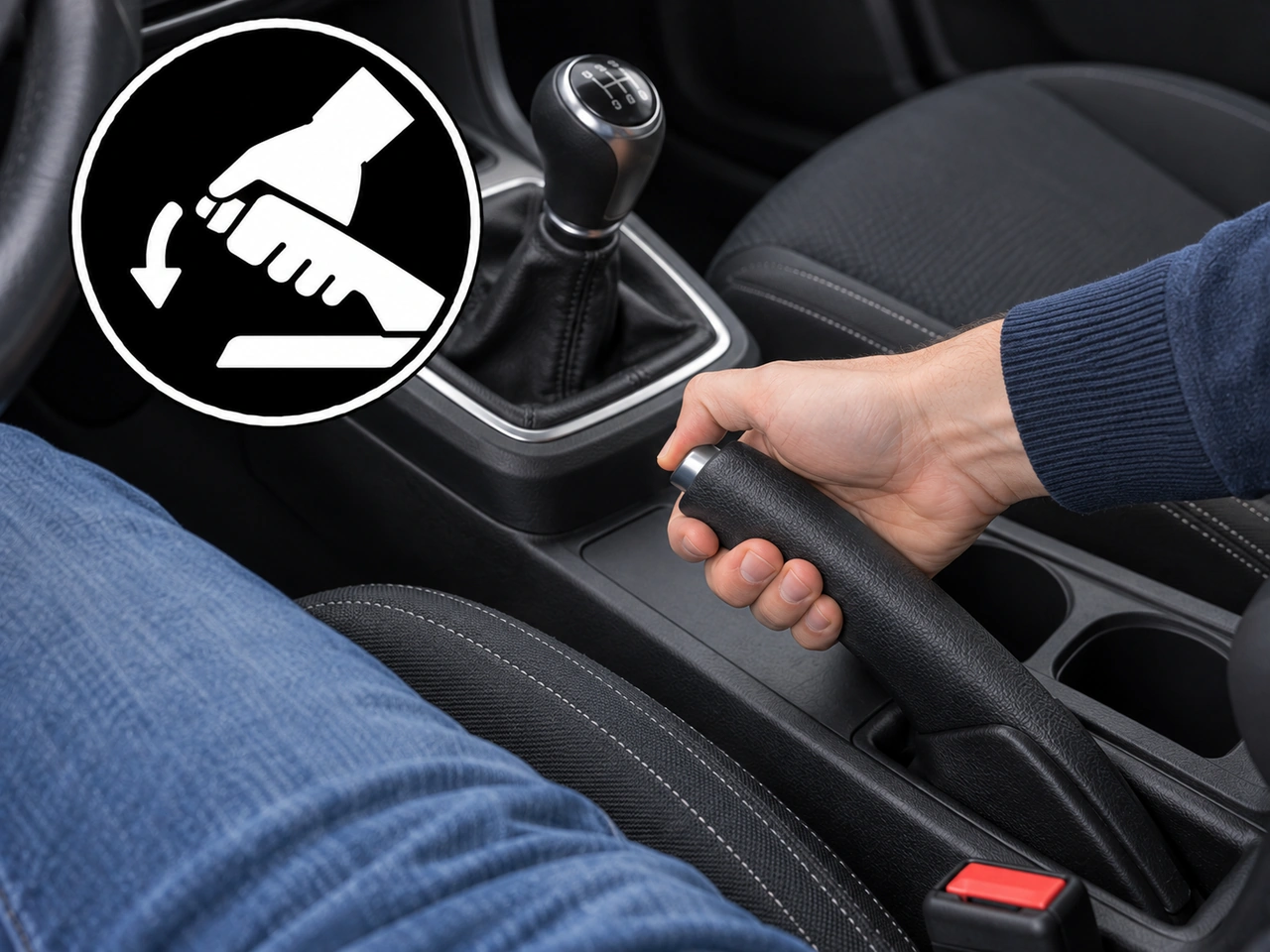
717. What should you do with a manual parking brake before driving away?
The manual parking brake should be released fully before driving away. Driving with it partly applied can cause unnecessary brake wear and overheating.
Hold the foot brake, lift the handbrake lever slightly, press its release button and lower the lever fully before moving off.
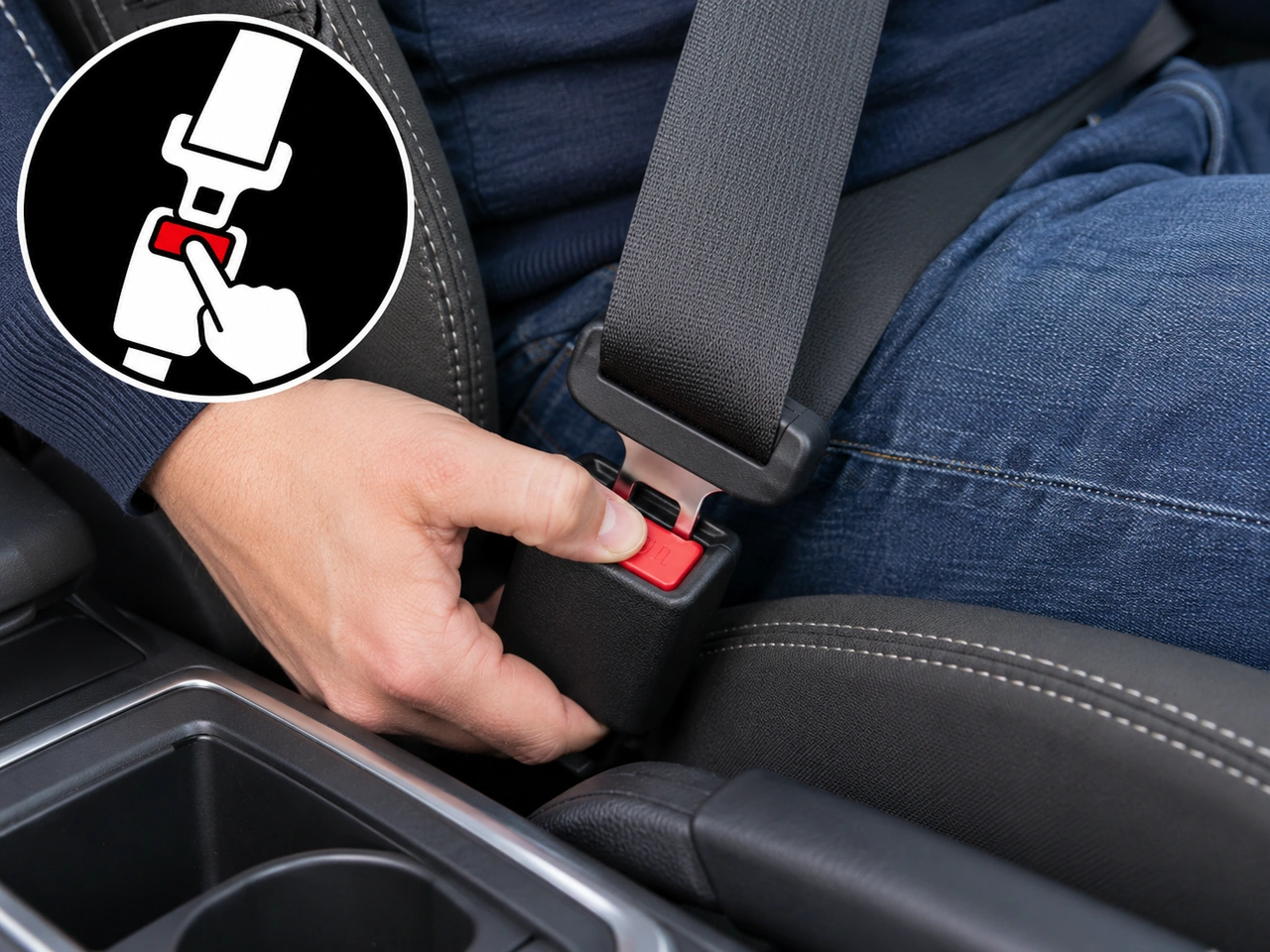
718. What is the button on a seat-belt buckle used for?
Pressing the button on the seat-belt buckle releases the latch so the belt can be unfastened. Keep the seat belt fastened whenever required while the vehicle is moving.
Press the buckle button to unfasten the belt, then guide the metal tongue back as the belt retracts.
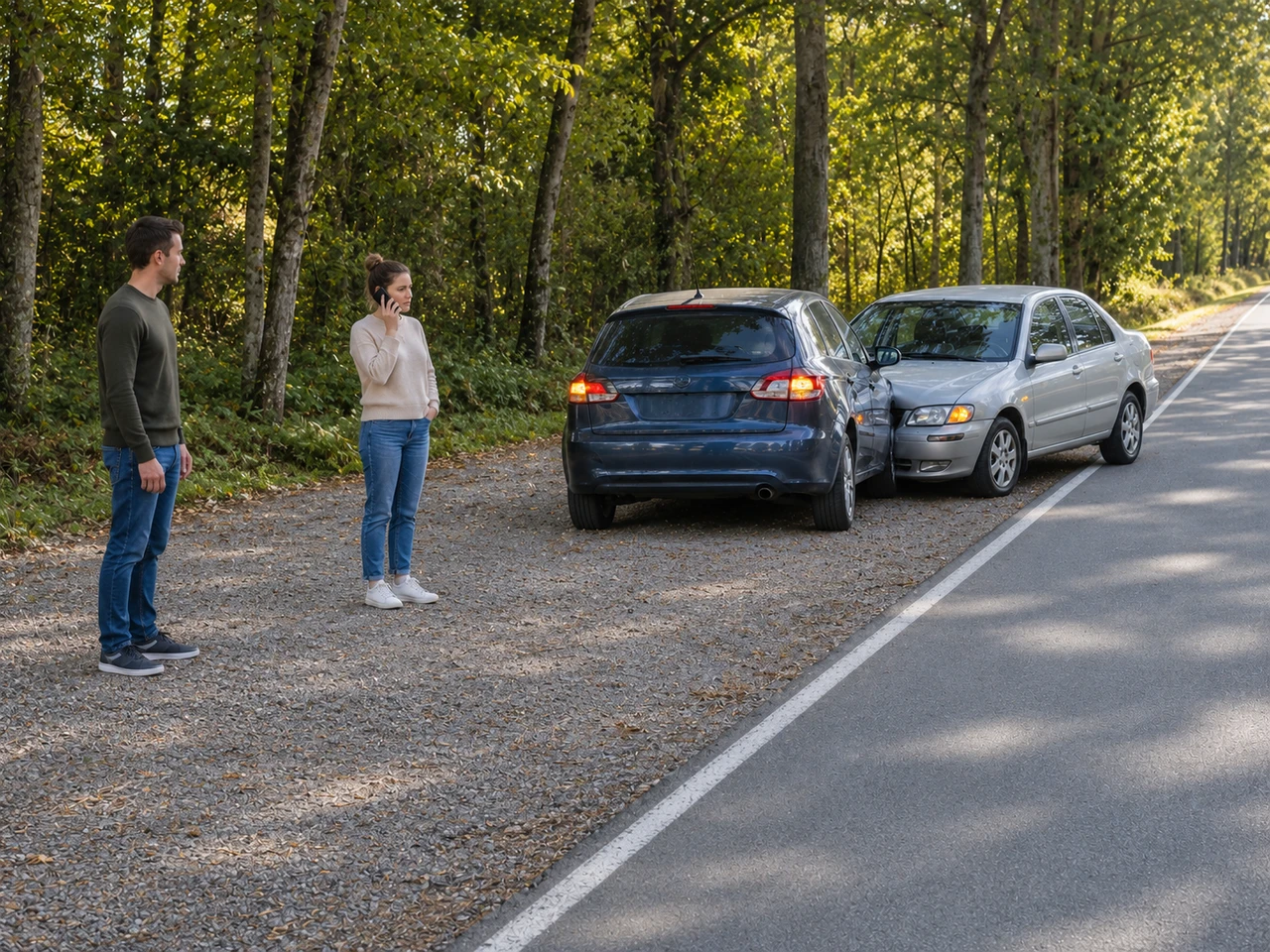
719. What should you do first after a collision?
Stop and assess immediate danger and injuries before discussing fault or insurance. Make the scene safer without exposing yourself to traffic, and call for emergency assistance when needed. Help injured people within your abilities and follow the emergency operator's instructions. Exchange details and comply with the local duties to remain, report the collision and preserve necessary evidence.
Stop in relative safety if possible, warn approaching traffic and move uninjured people away from danger. Report the location and casualties when requesting emergency help.
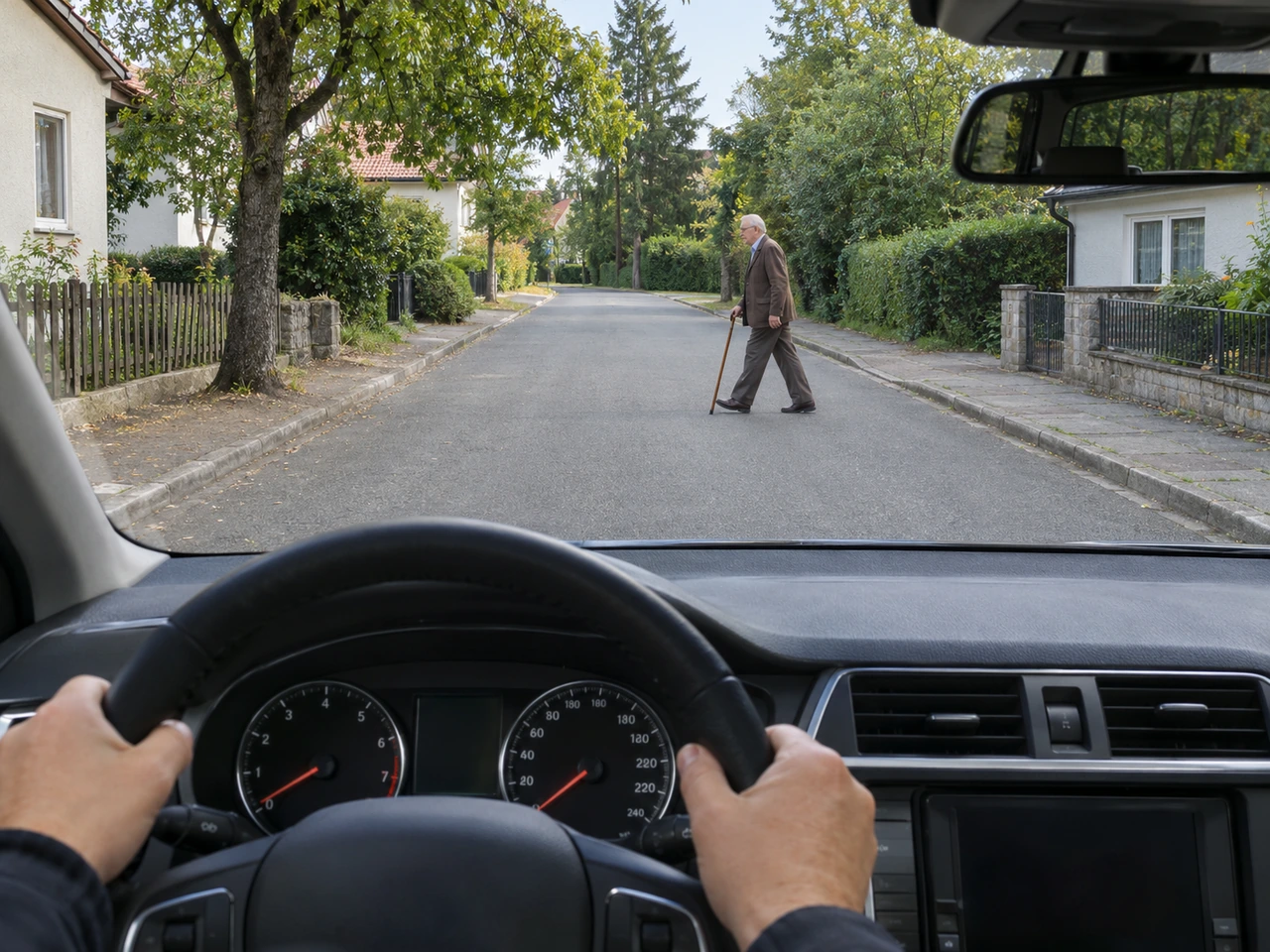
720. What should you do if a pedestrian is crossing slowly?
Some pedestrians may need more time to cross. Stay patient, keep a safe distance, and do not pressure them.
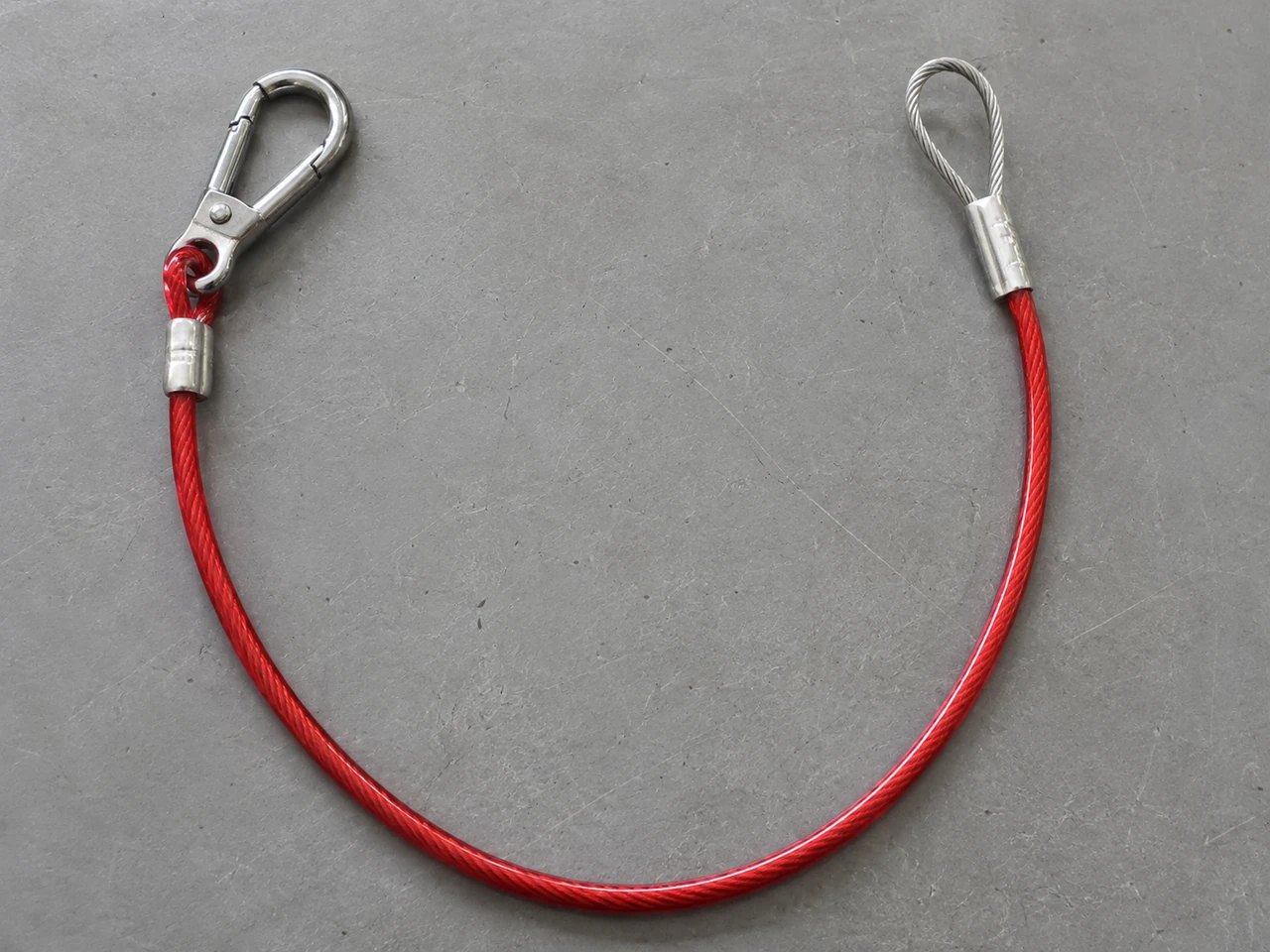
721. A trailer's breakaway cable should allow normal cornering without dragging on the ground.
A breakaway cable needs enough slack for normal articulation without unintentionally applying the trailer brakes. Route and attach it as the manufacturer directs, so it cannot drag or snag. Follow local requirements for the fitted safety device.
🔗 Sources
DVSA (Great Britain) • Safety guidance, breakaway cable: safe attachment, slack and routing; local requirements apply
Image credit: AI-generated
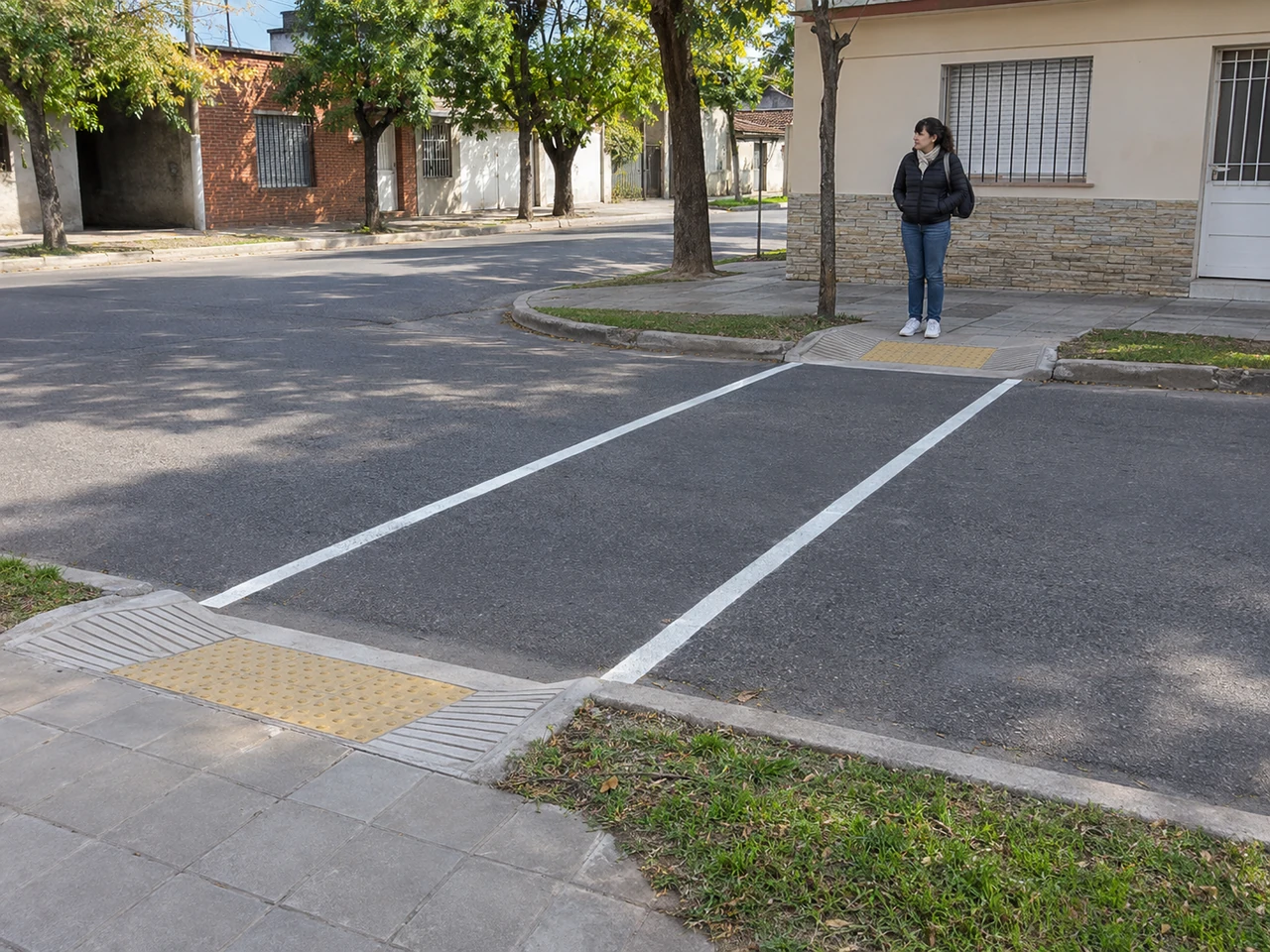
722. What is the best place to cross the road?
Use a designated crossing whenever possible. Stop on the pavement, check traffic in both directions and make sure it is safe before stepping into the road. Keep looking and listening as you cross.
🔗 Sources
National Road Traffic Regulations • H.5 pedestrian crossing markings
Image credit: AI-generated
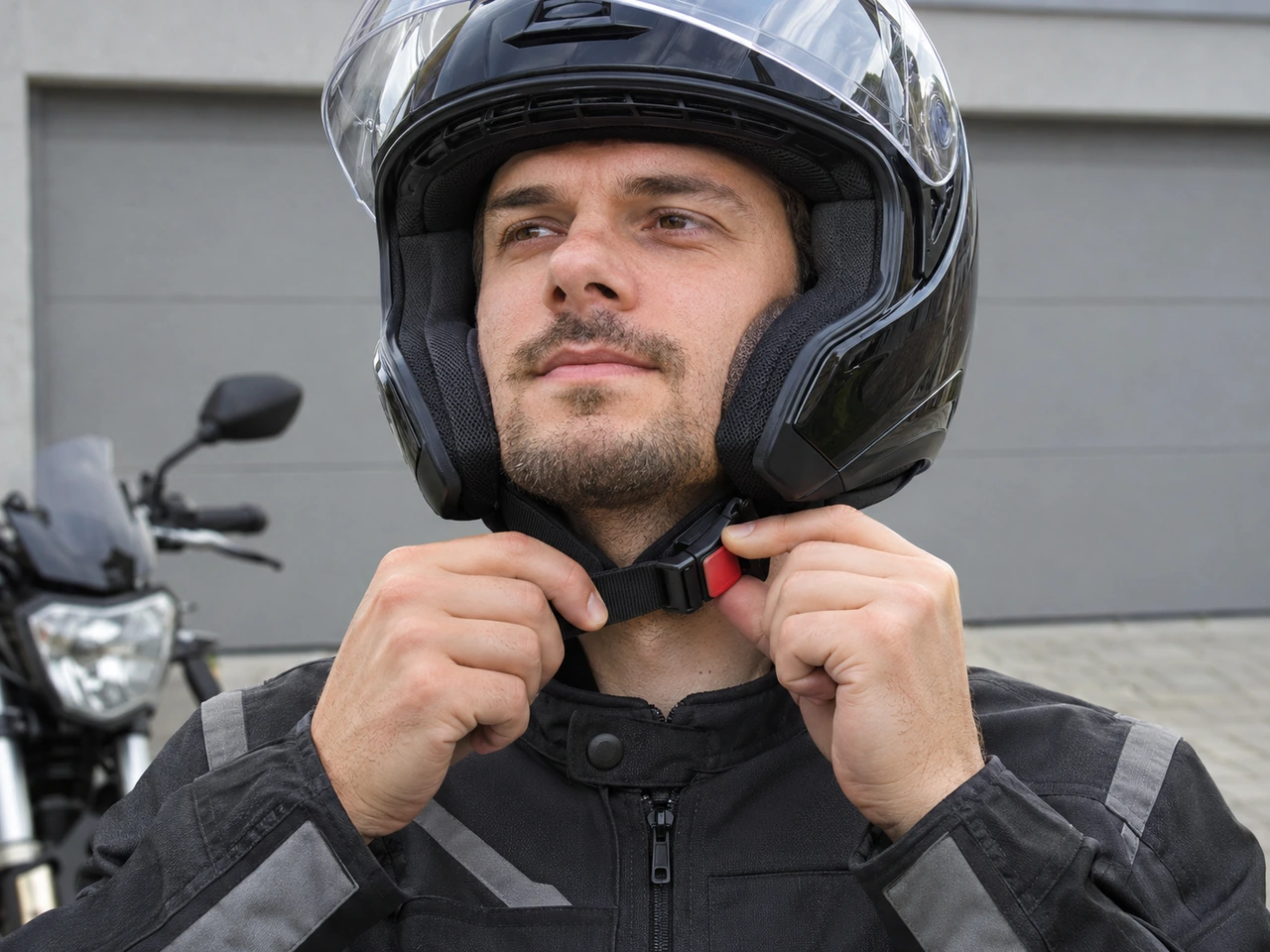
723. Why should a motorcycle helmet be worn correctly and securely fastened?
A correctly fitted and securely fastened motorcycle helmet helps protect the rider's head and can reduce the risk and severity of head injury in a collision or fall.
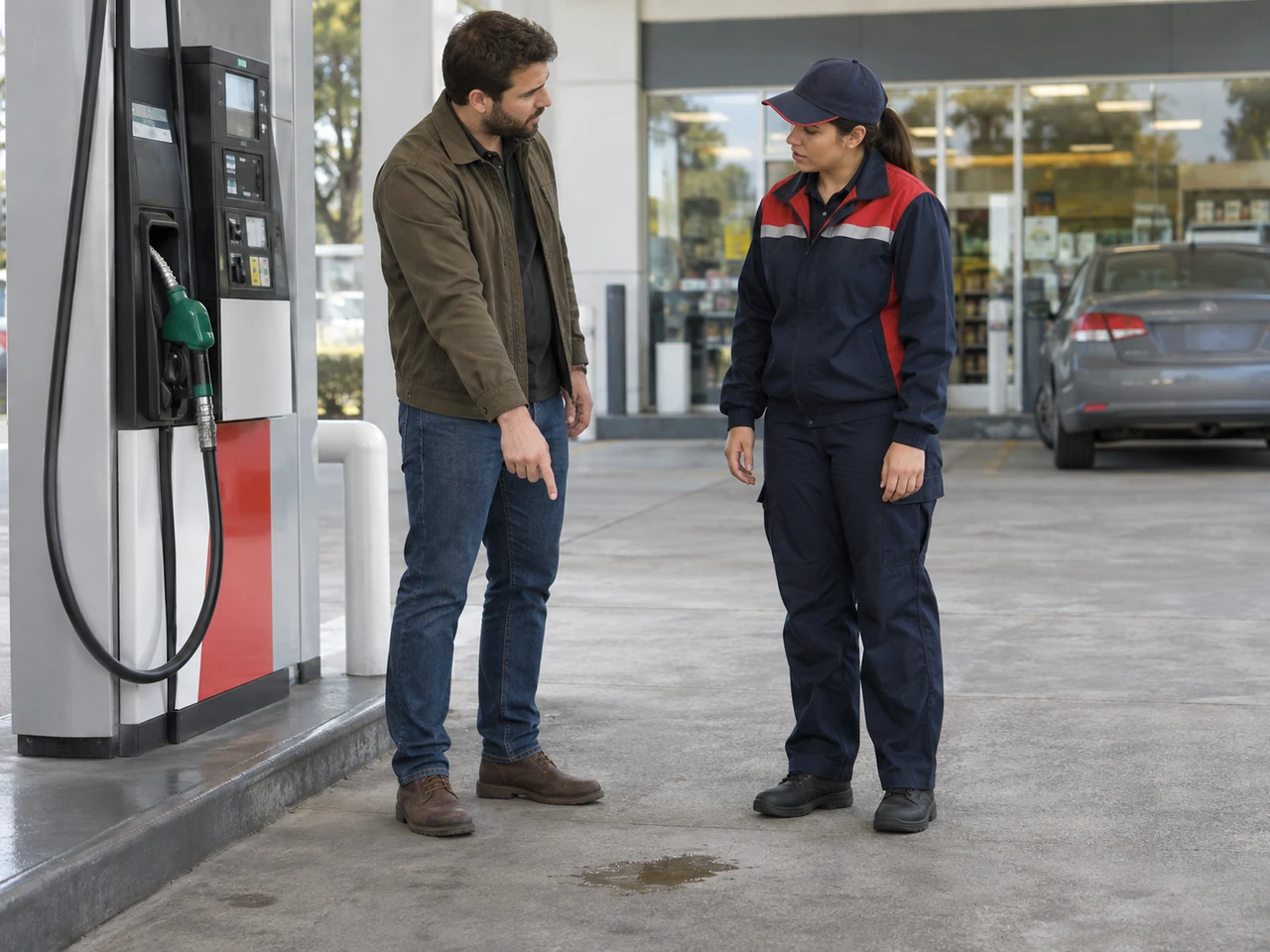
724. You should report a fuel spill on a petrol station forecourt to the attendant immediately.
Tell the station attendant promptly so the spill can be dealt with safely. Keep clear of the spill and follow staff instructions; do not attempt an improvised clean-up.
🔗 Sources
The Highway Code (Great Britain) • Safety guidance, petrol stations and fuel spills
Image credit: AI-generated
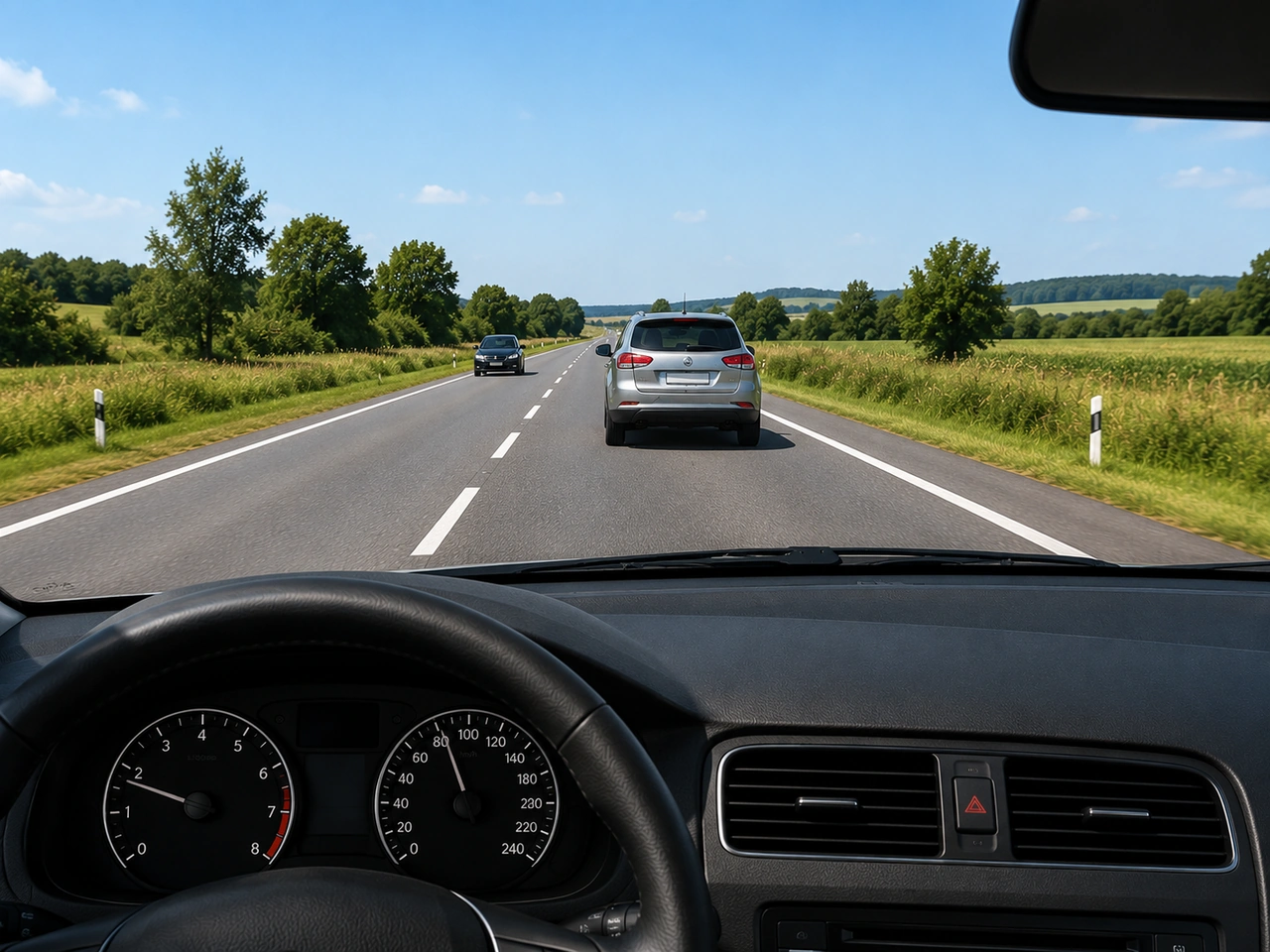
725. Why should you keep a safe following distance?
A safe following distance gives you enough time to react if the vehicle in front slows down or stops suddenly.
Argentina. Use at least a two-second gap when following in the same lane. Leave more space when your speed, the road surface or the weather makes it harder to stop.
🔗 Sources
Ley Nacional de Tránsito, article 48(g) and implementing regulation
Decreto 32/2018, following-distance provision
Image credit: AI-generated
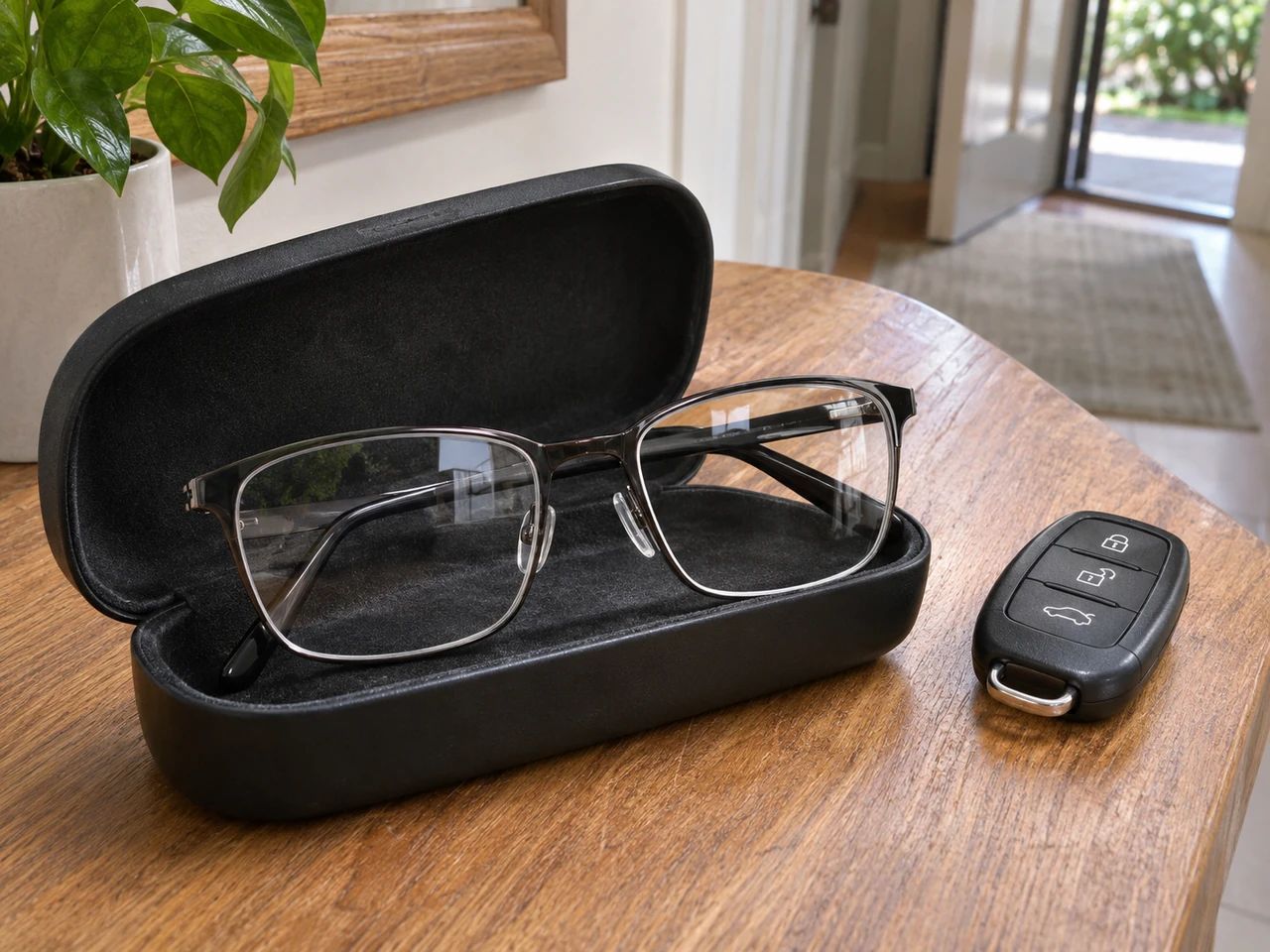
726. If you need glasses or contact lenses for driving, you should wear them on every journey.
Wear the corrective lenses you need to see clearly and meet the eyesight requirements for driving. A short or familiar journey does not remove that need.
🔗 Sources
The Highway Code (Great Britain) • Safety guidance, Rule 92; local eyesight requirements apply
Image credit: AI-generated
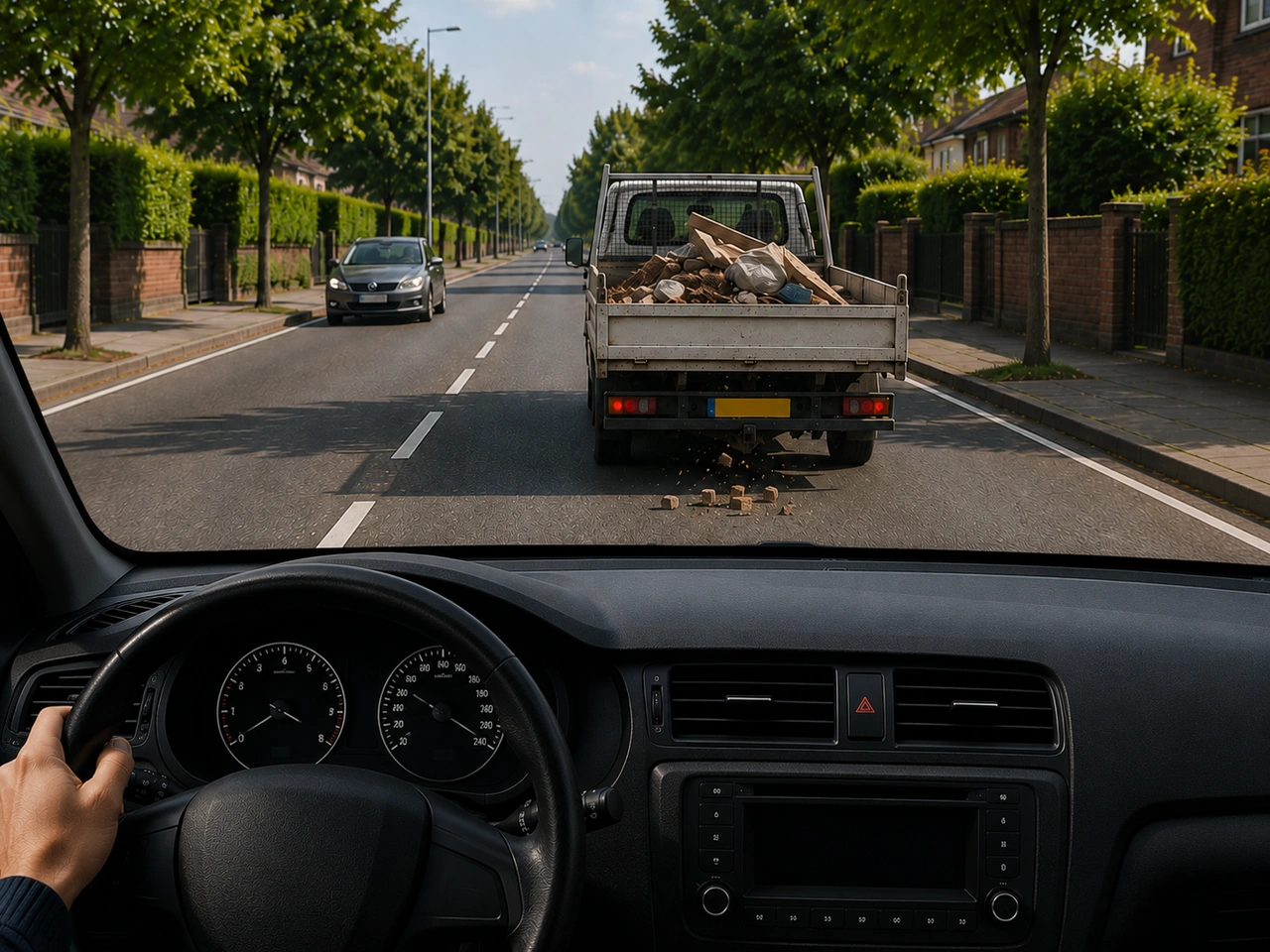
727. Why should you be cautious when following a vehicle carrying a loose load?
A poorly secured load can fall or shift suddenly. Keep extra distance and avoid following too closely.
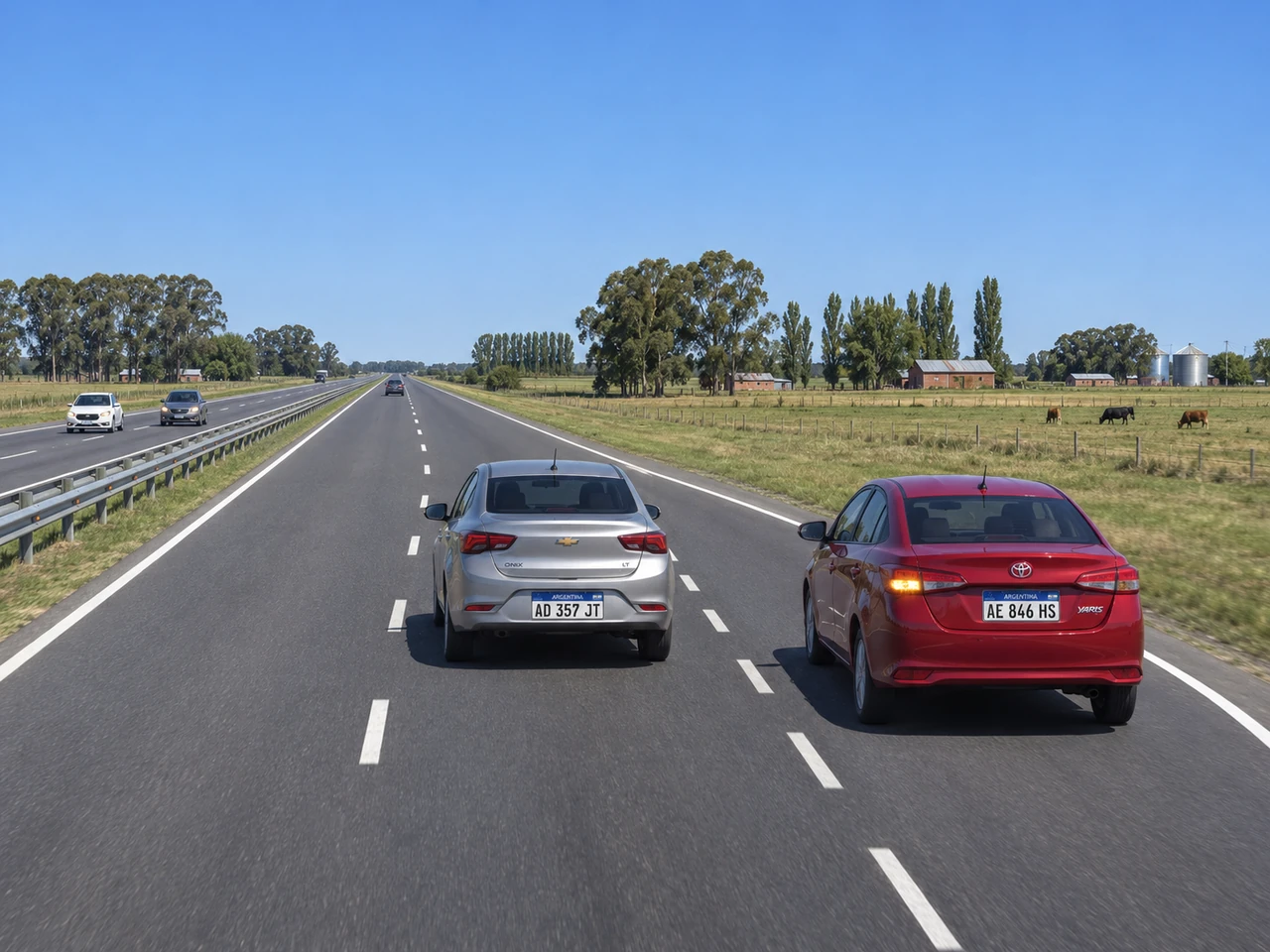
728. How should you merge at a motorway entry where you must give way?
Where motorway traffic has priority, adjust your speed and wait for a safe gap. Merge without forcing other drivers to brake or change direction.
Where you must give way, let through traffic pass. Signal and wait for a gap that lets you merge safely.
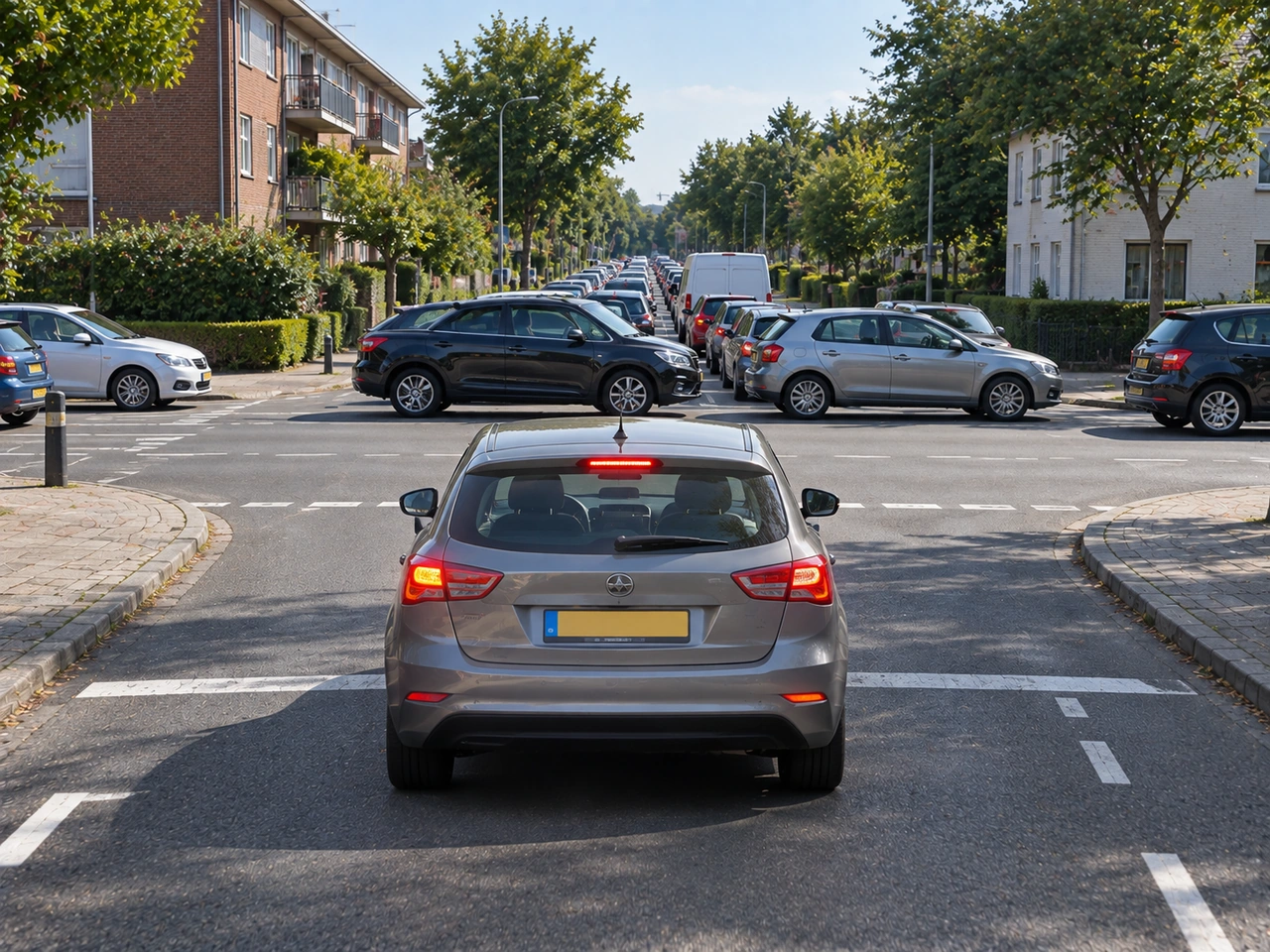
729. What should you do if traffic ahead is blocking a junction?
Do not enter a junction if traffic ahead prevents you from clearing it safely. Waiting before the junction helps avoid blocking crossing traffic, pedestrians, cyclists, or other road users.
Argentina. Even with a green light, wait before entering the junction if there is no room to clear it. Let traffic already in the junction finish crossing.
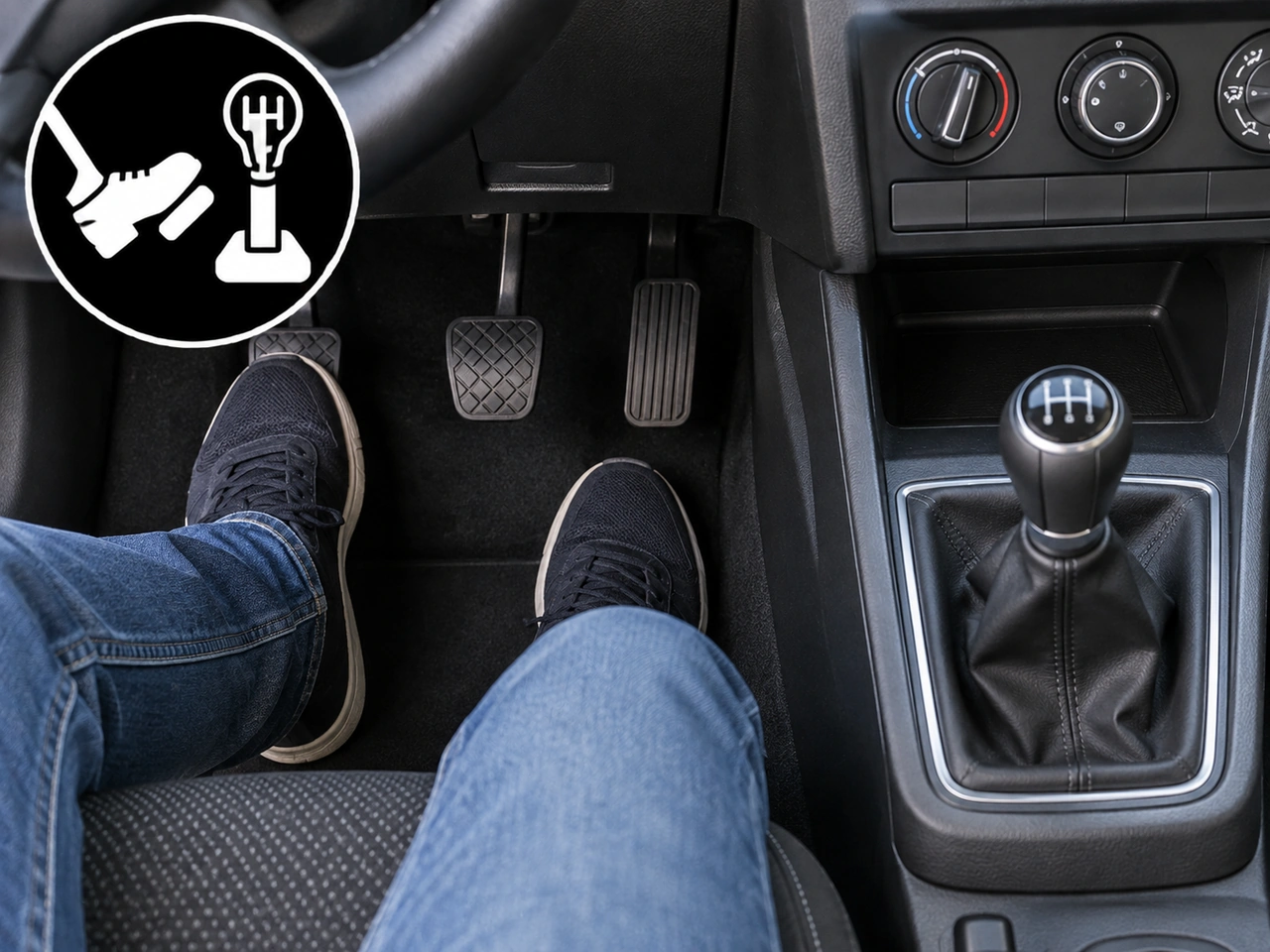
730. What should you check before starting a manual vehicle?
Before starting a manual vehicle, make sure the gearbox is in neutral and press the clutch pedal. This helps prevent the vehicle from moving unexpectedly when the engine starts.
Apply the parking brake, check that neutral is selected and press the clutch fully before starting.
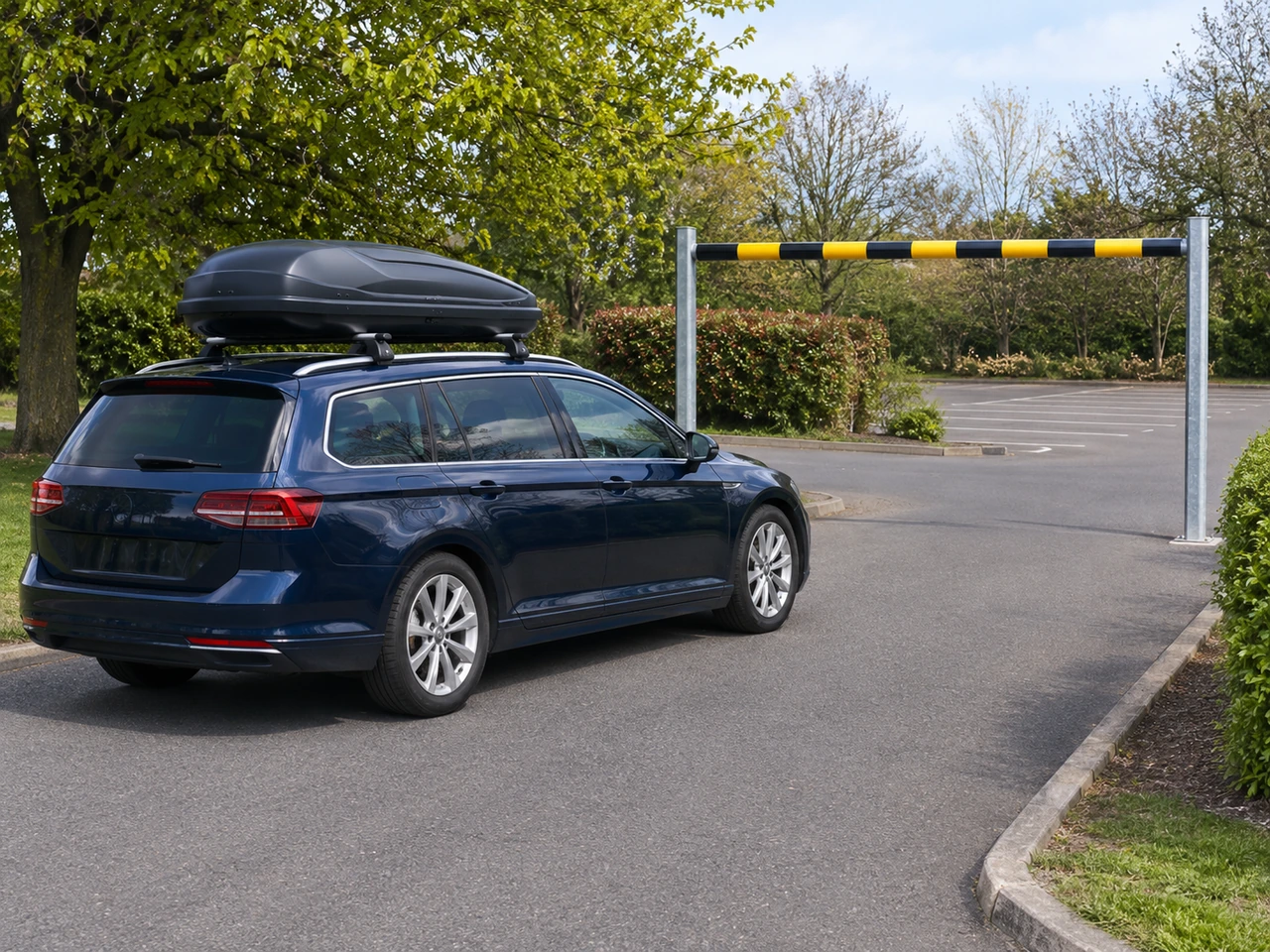
731. What height must you consider when planning a route with a roof load?
A roof rack, roof box or other roof load increases the overall height. Know the loaded height and check clearance before entering under bridges, barriers or other low structures. Do not guess whether it will fit.
🔗 Sources
Network Rail / Department for Transport — general bridge-clearance guidance
Ford — manufacturer vehicle dimensions
Reference: Check overall vehicle height including load or equipment; manufacturer dimensions distinguish the roof rack. General clearance advice, not a commercial-driver duty applied to every car.
Image credit: AI-generated
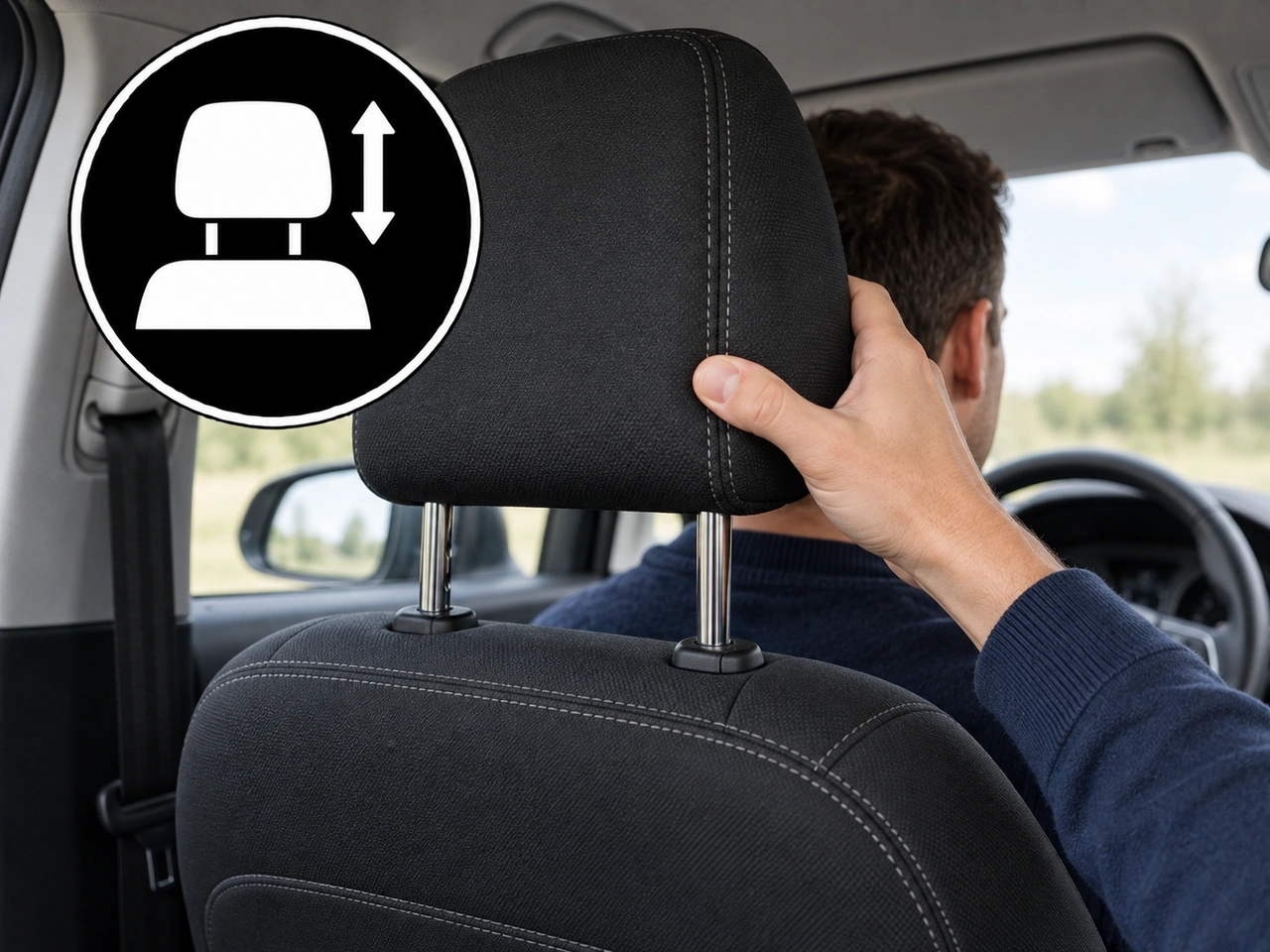
732. Why should the head restraint be adjusted correctly?
A correctly adjusted head restraint helps support the head and can reduce the risk of neck injury, especially in a rear-end collision. The top of the restraint should normally be level with the top of the head.
Adjust the head restraint before driving. Set its top level with the top of your head, keep it close behind your head, and check that it locks in place.
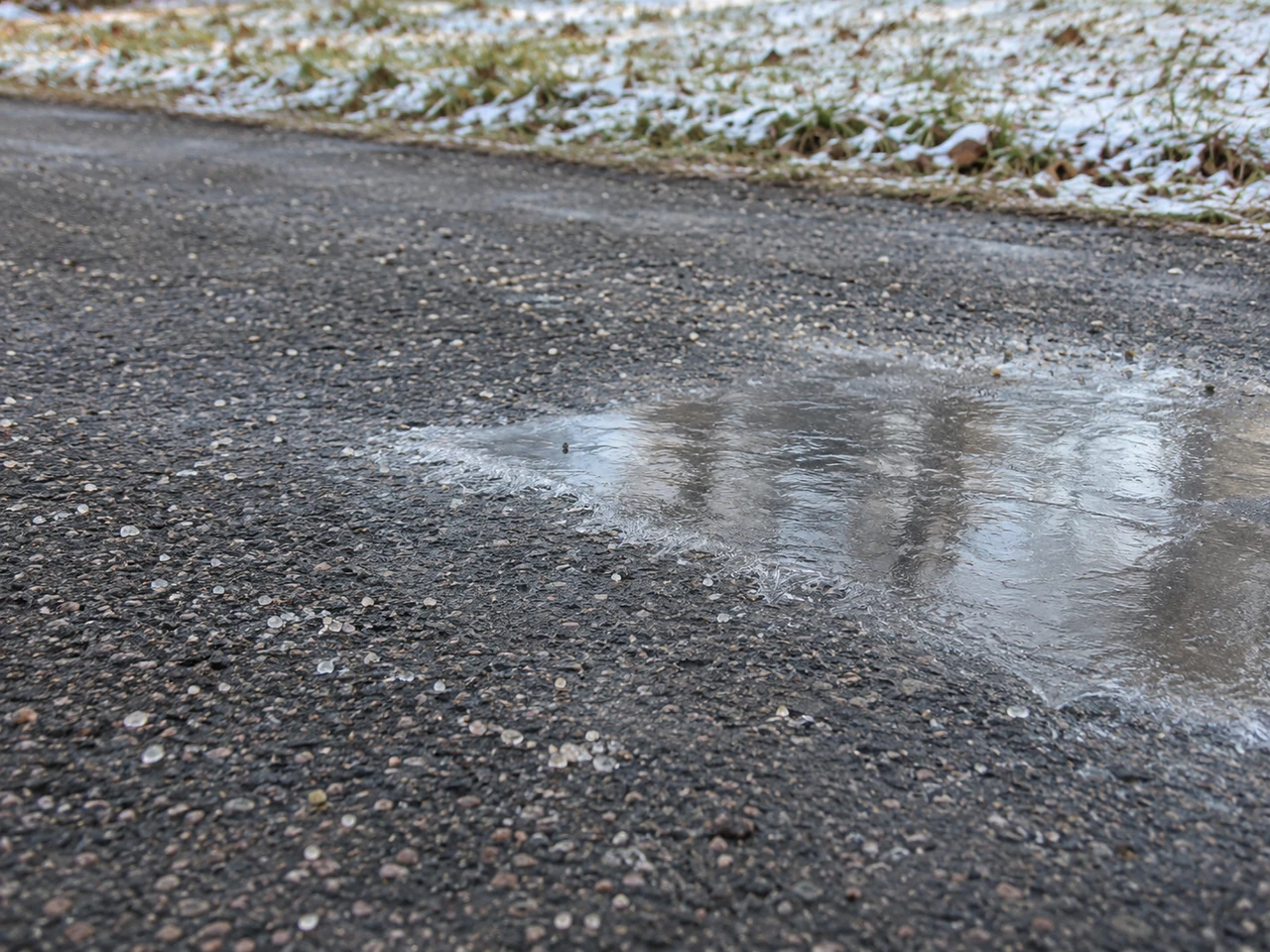
733. A road treated with salt is guaranteed to be free of ice.
Treatment does not guarantee good grip. Ice may remain or conditions may change, so drive cautiously and leave extra stopping space.
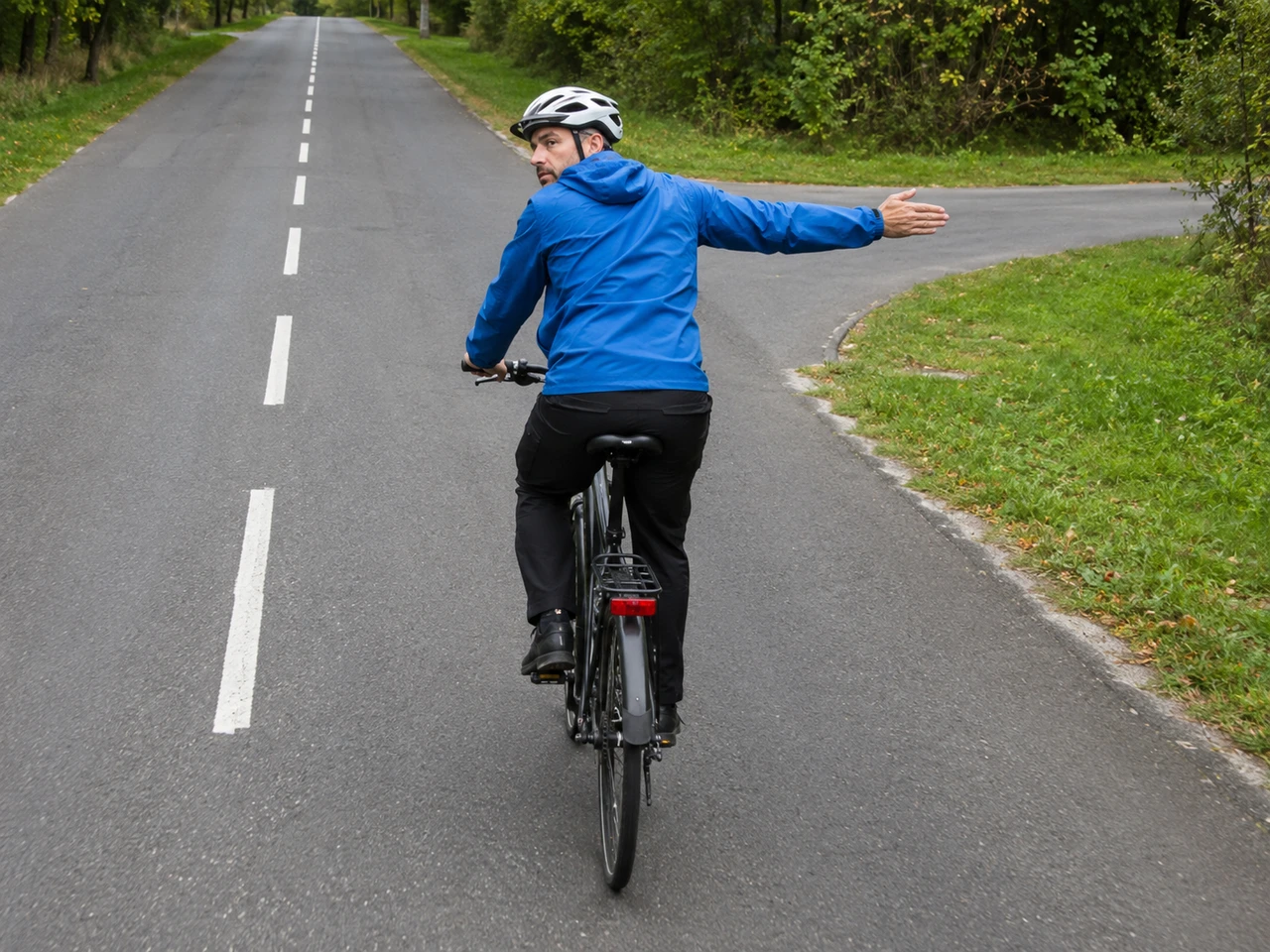
734. What should cyclists do before turning or changing position on the road?
Before turning or changing road position, check behind and around you, signal clearly when you can safely release a hand, and move only when it is safe. A signal tells others what you intend to do; it does not give you priority. Keep control of the bicycle throughout the manoeuvre.
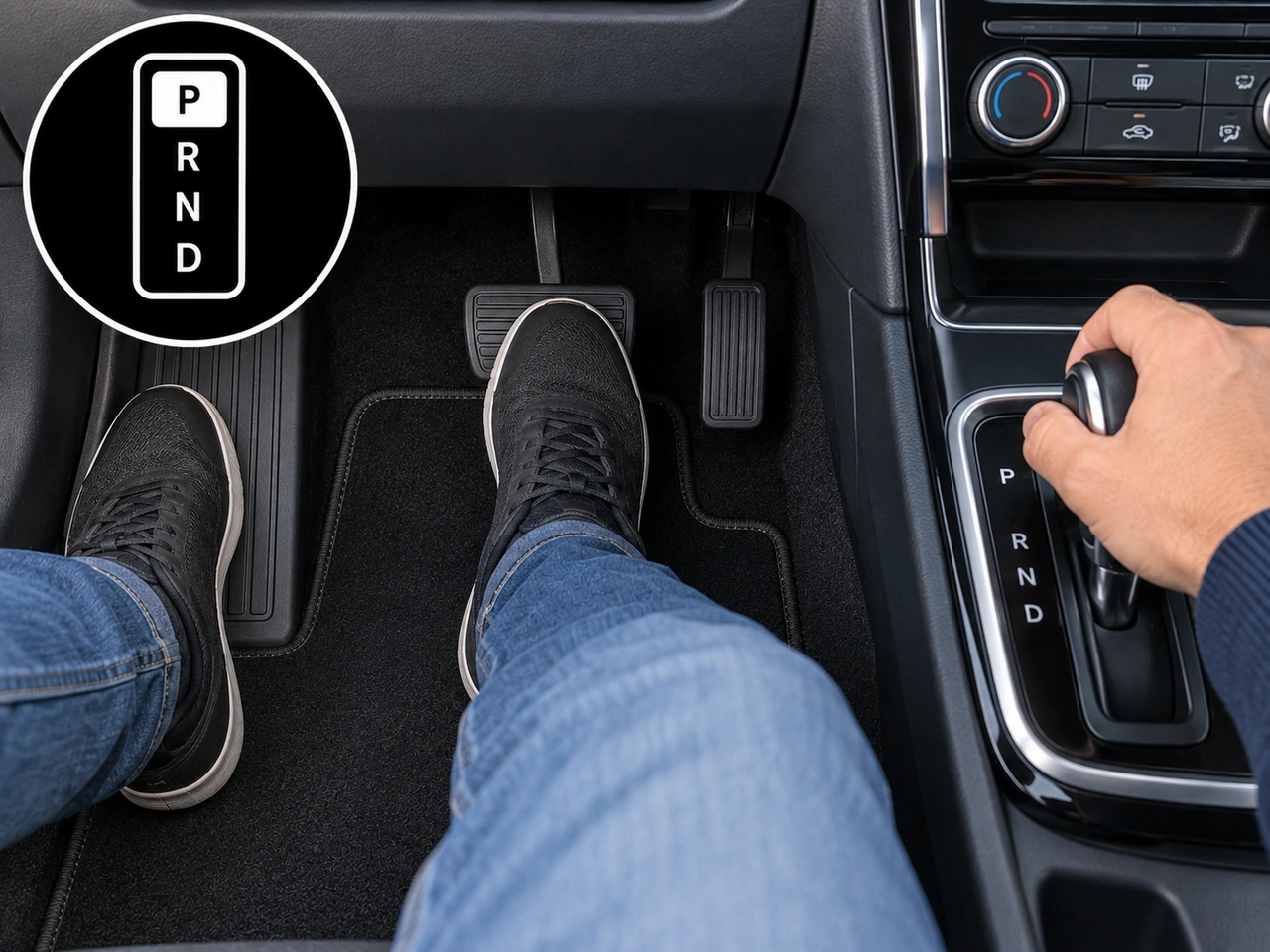
735. When should you select P (Park) in an automatic vehicle?
Select P (Park) only after the vehicle has come to a complete stop. Selecting Park while the vehicle is moving can damage the transmission.
Use the foot brake to bring the vehicle to a complete stop before selecting P (Park).
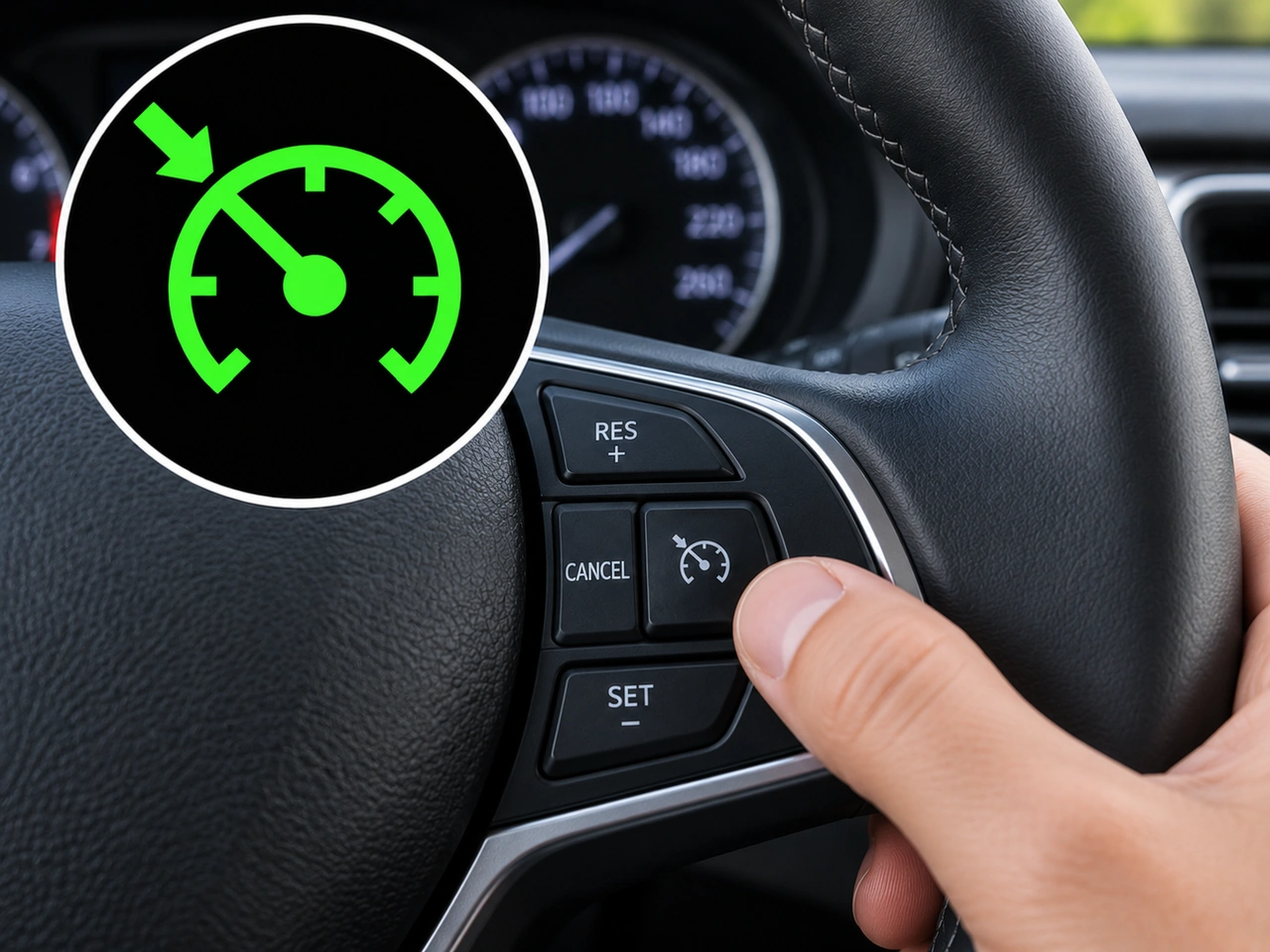
736. What does this dashboard symbol indicate?
This symbol indicates the cruise-control system. Cruise control can maintain a selected vehicle speed without the driver continuously pressing the accelerator. The exact indicator behaviour can vary between vehicles.
Check the cluster display for the set speed. Depending on the vehicle, the symbol can appear as soon as cruise control is switched on.
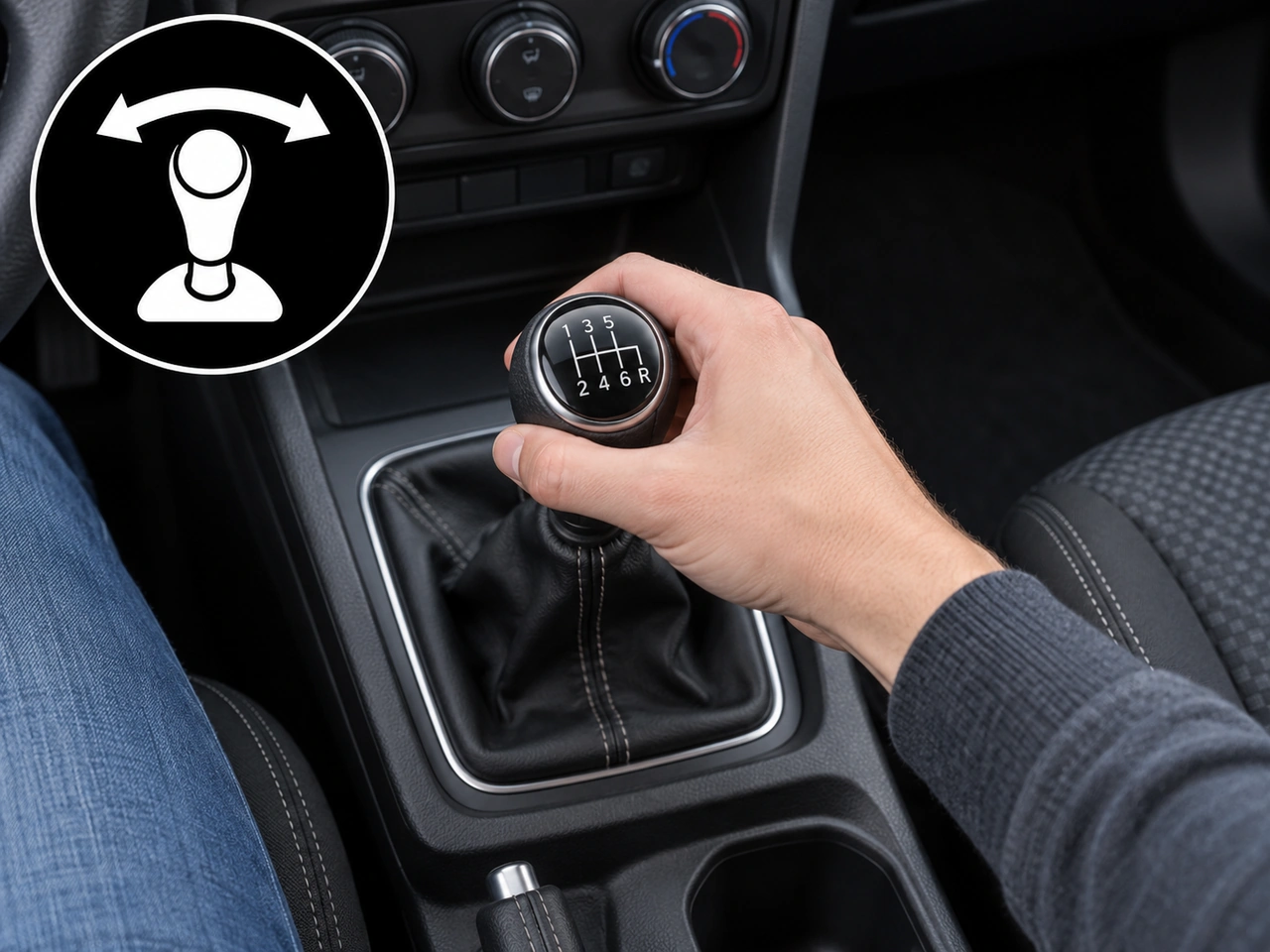
737. How can you check that a manual gearbox is in neutral?
When a manual gearbox is in neutral, the gear lever can normally be moved freely from side to side across the centre of the gear pattern. Check that neutral is selected before starting the engine when appropriate.
In neutral, a conventional manual gear lever moves freely from side to side across the gear pattern.
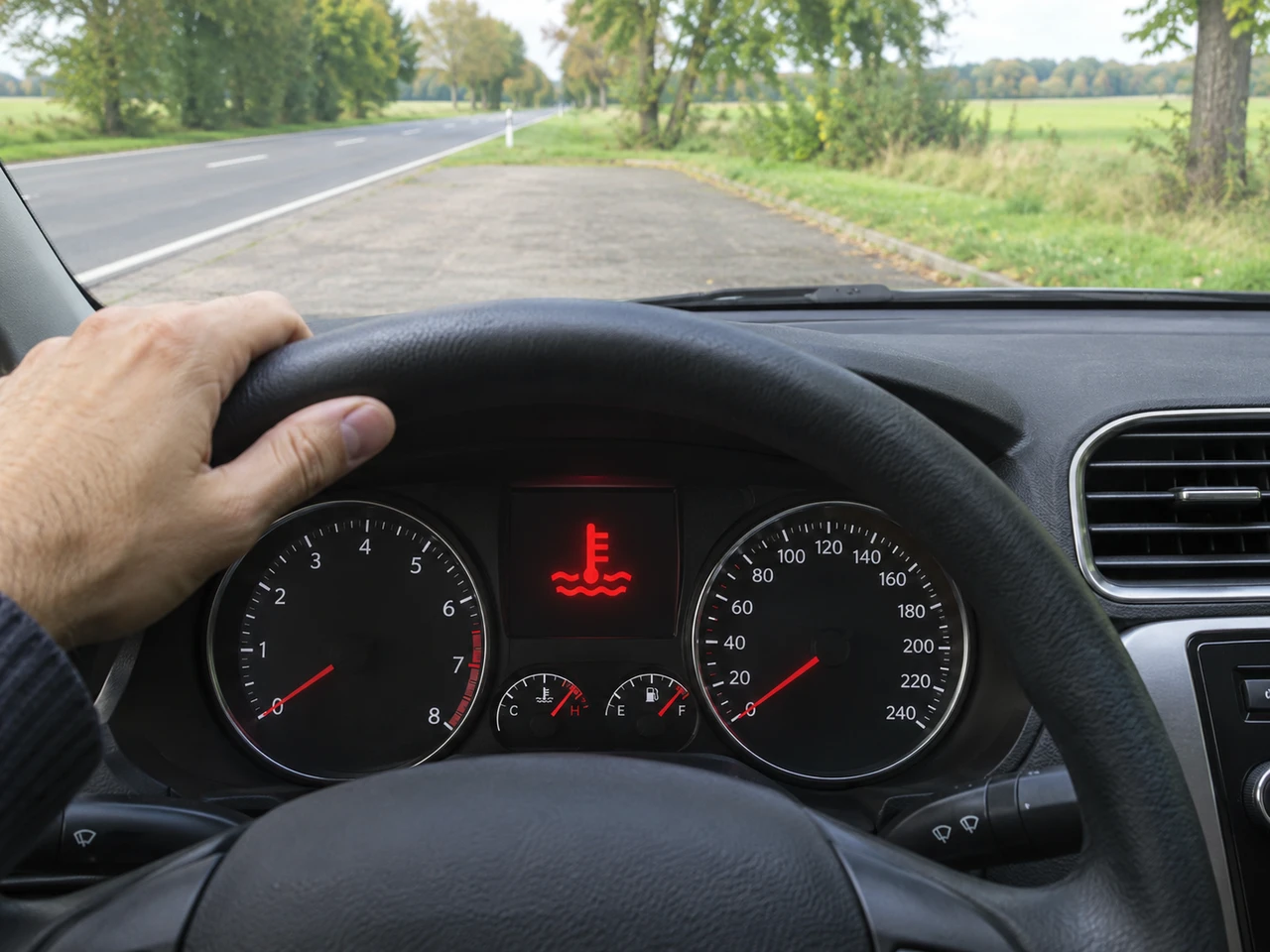
738. What should you do if the engine-temperature warning shows overheating?
An overheating warning requires a safe stop and the action specified by the vehicle handbook. Switching off the engine and allowing it to cool is the usual instruction, although some models specify a controlled cooling period at idle. Never remove a coolant cap while the system is hot: pressurised coolant and steam can cause severe burns. Arrange assistance if the warning persists or you suspect a leak; do not simply continue driving to see whether it clears.
Stop safely to investigate; let an overheated engine cool naturally before removing its coolant filler cap.
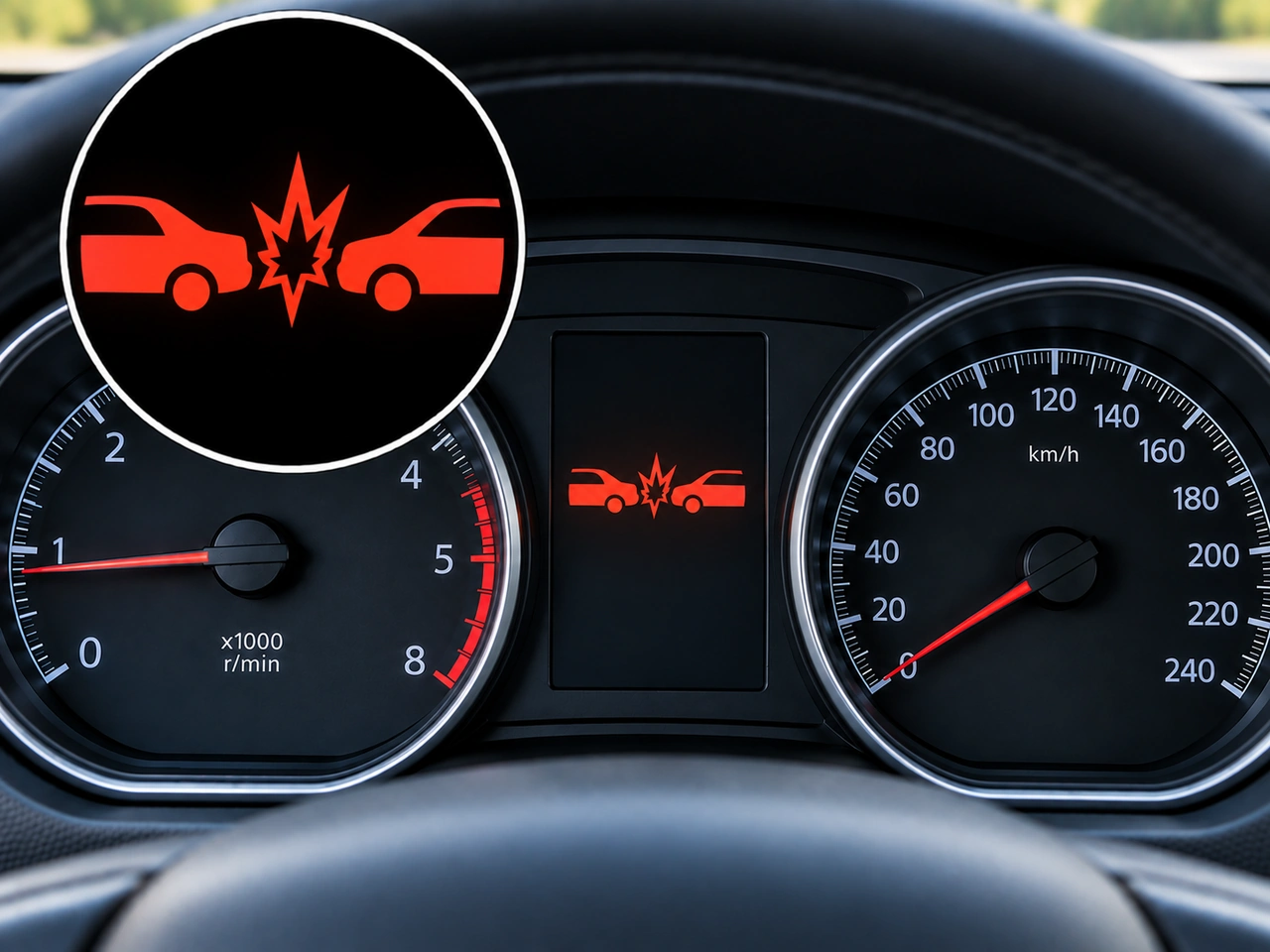
739. What does this dashboard symbol indicate?
This symbol relates to the forward-collision warning or automatic emergency braking system. It may warn the driver when the vehicle detects a risk of collision with traffic ahead.
If the display warns of a collision ahead, be ready to brake or take other safe action immediately.
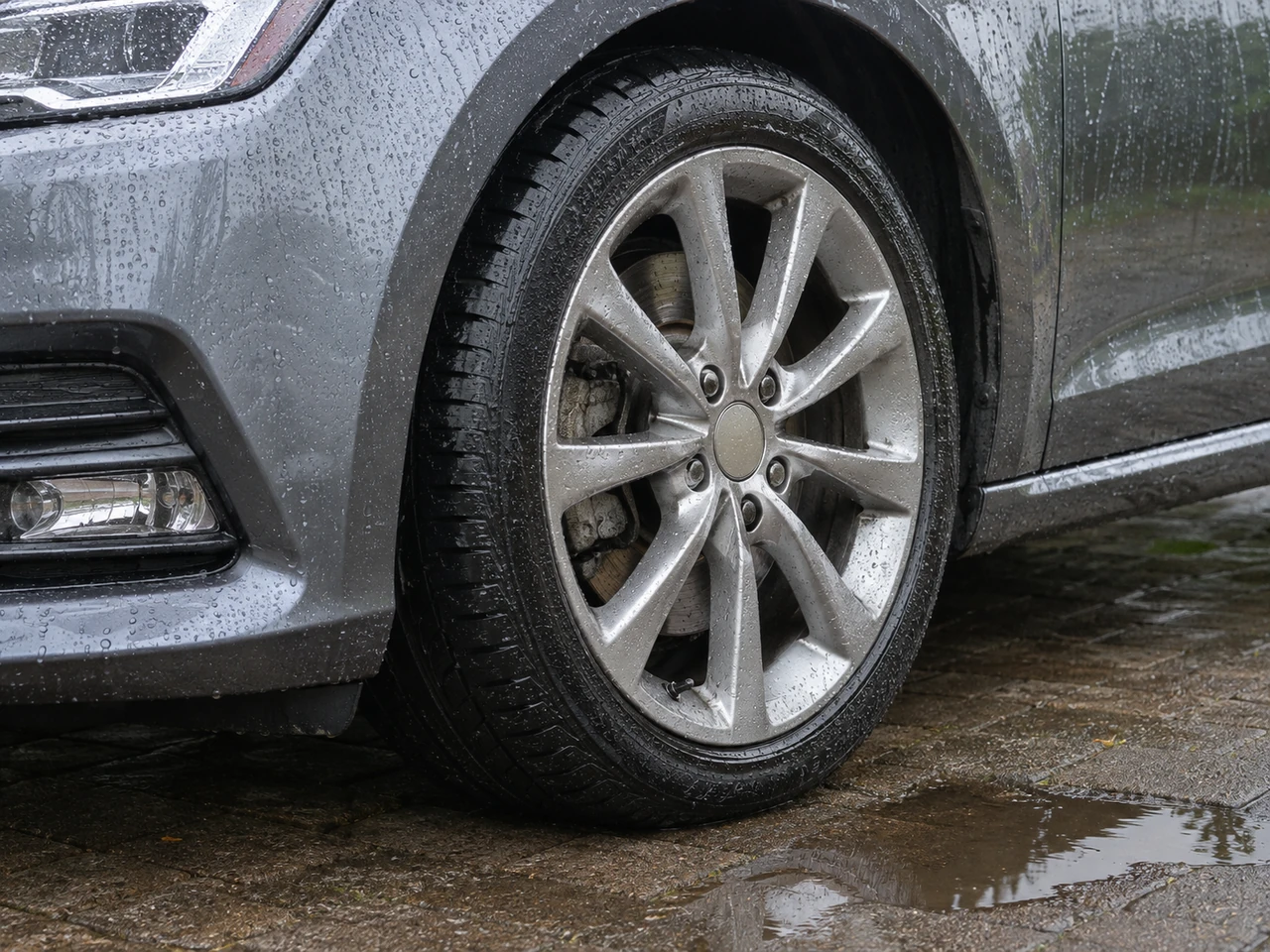
740. Brakes are always just as effective after driving through deep water.
Water can reduce brake effectiveness. Avoid entering floodwater. If you have driven through water, test the brakes gently at the first safe opportunity. Stop safely and seek help if they do not work normally.
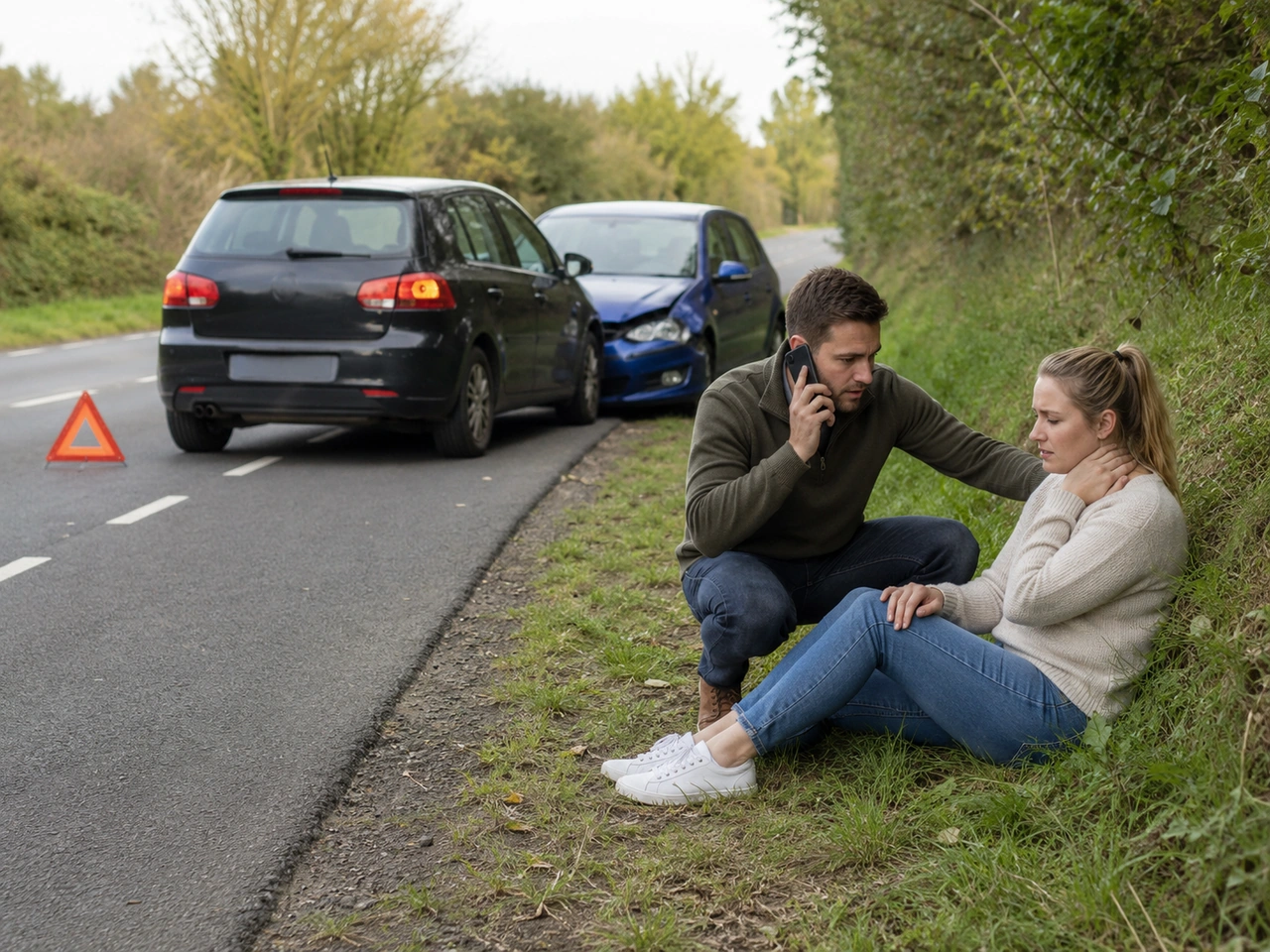
741. What should you do if someone is injured in a road collision?
Check that it is safe to approach and assess responsiveness. Call emergency services promptly for serious injuries or an unresponsive person, and check whether breathing is normal. If the person is unresponsive and not breathing normally, start CPR and use an AED when available, following the emergency operator's instructions. Avoid unnecessary movement, but airway care, resuscitation and escape from immediate danger take priority. Reassure conscious casualties and do not give food or drink.
Call emergency services and give the location and casualty details. Avoid moving an injured person from the vehicle unless immediate danger requires it.
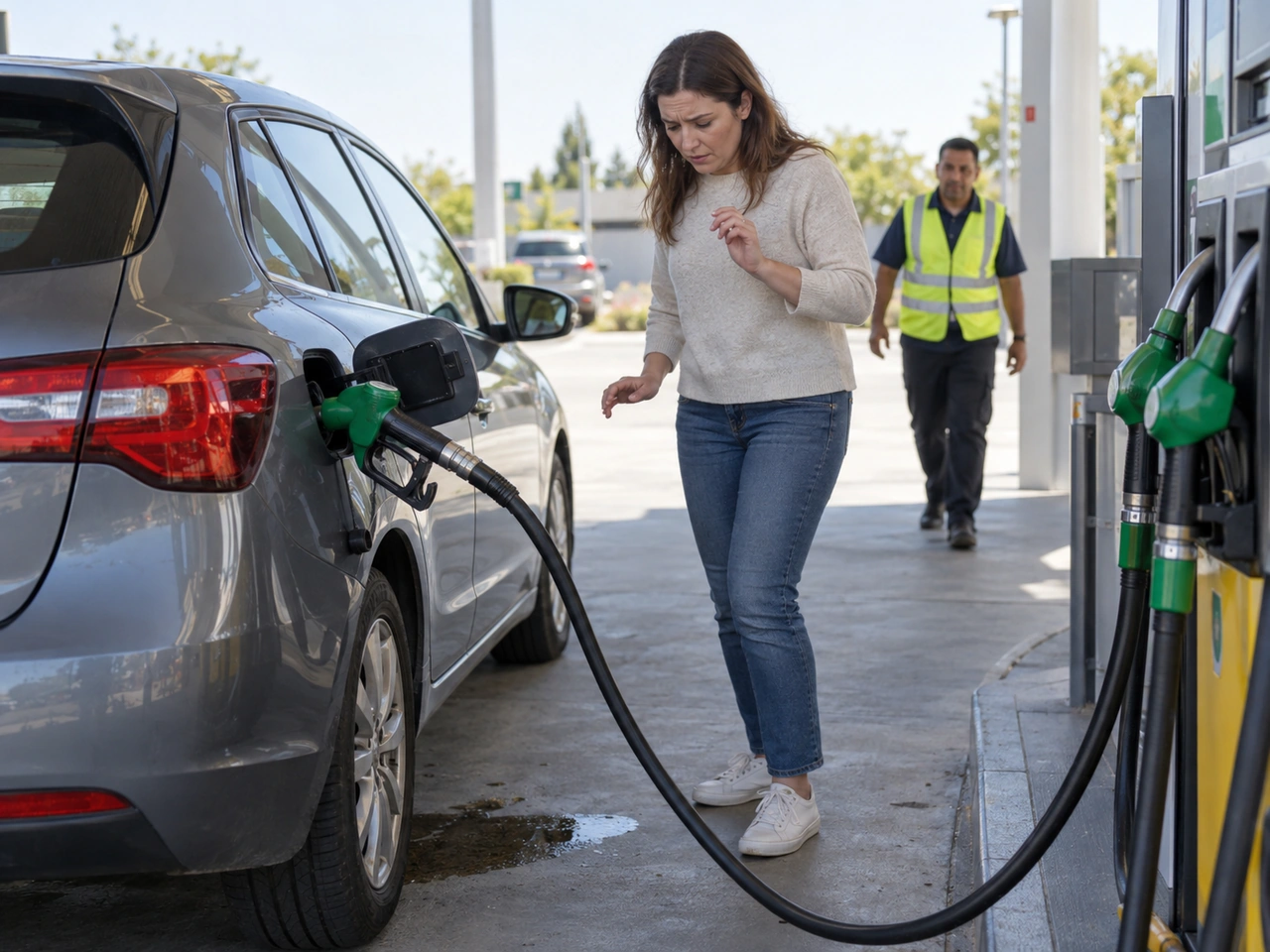
742. What should you do if fuel spills while you are refuelling?
If fuel is spilled, stop refuelling immediately. Keep flames, sparks and other ignition sources away, and leave the engine off until the area is safe. Alert filling-station staff if they are present. At an unattended station, follow the posted emergency instructions.
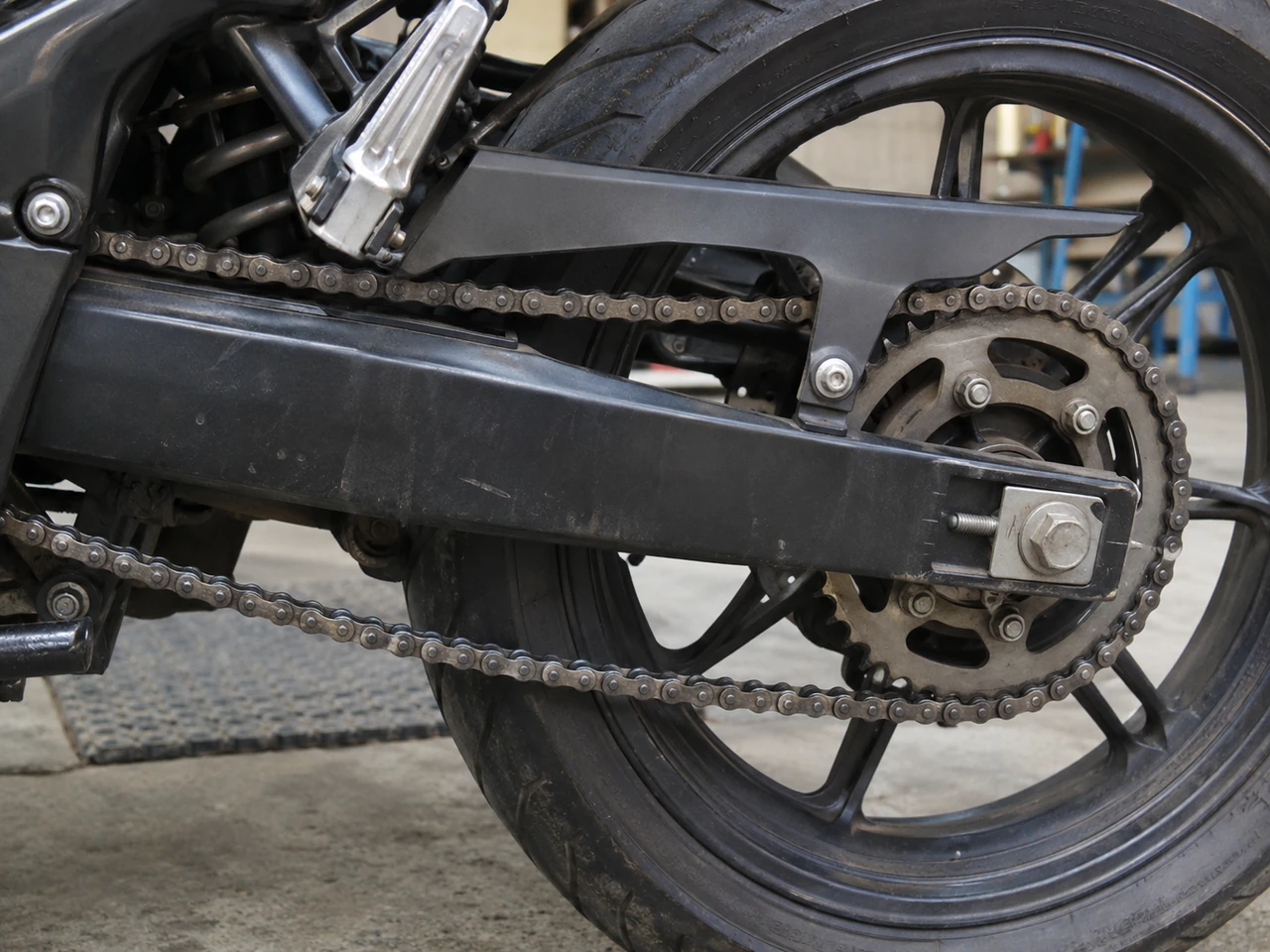
743. On a chain-driven motorcycle, drive-chain slack should be checked as the handbook directs.
The correct slack and checking method vary between motorcycles. Follow the handbook with the engine stopped, and arrange adjustment or inspection if the chain is outside specification or damaged.
🔗 Sources
Honda owner’s manual (manufacturer guidance) • Safety guidance, drive-chain inspection with the engine stopped; model-specific method and limits
Image credit: AI-generated
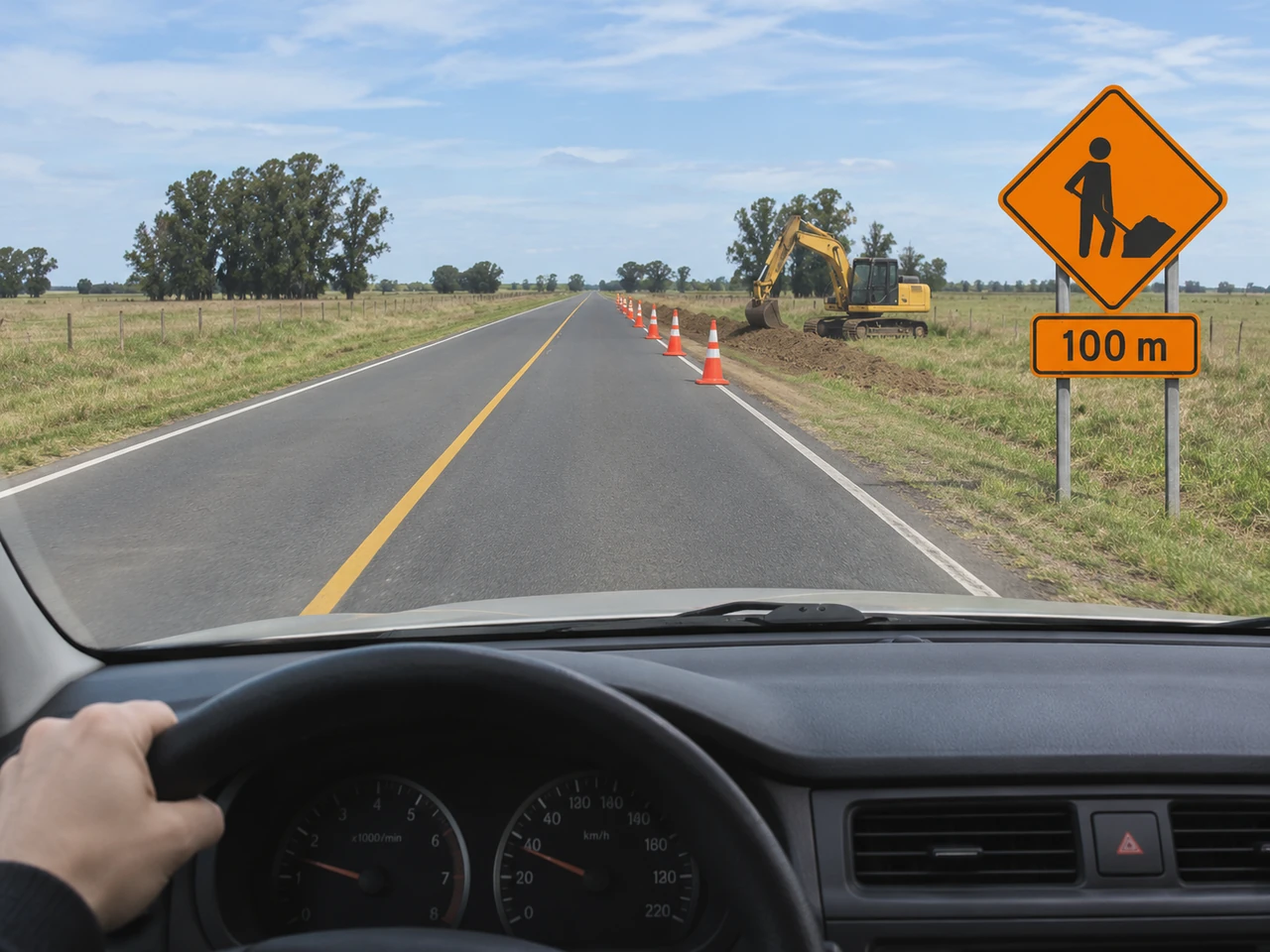
744. Lanes through roadworks may be narrower than usual.
Temporary layouts can reduce lane width and clearance. Slow down as needed, watch the lane edges and allow room for nearby vehicles.
🔗 Sources
Argentina • National road-sign system, Decree 196/2025 • T.6 Hombres trabajando and supplementary distance plate
Image credit: AI-generated
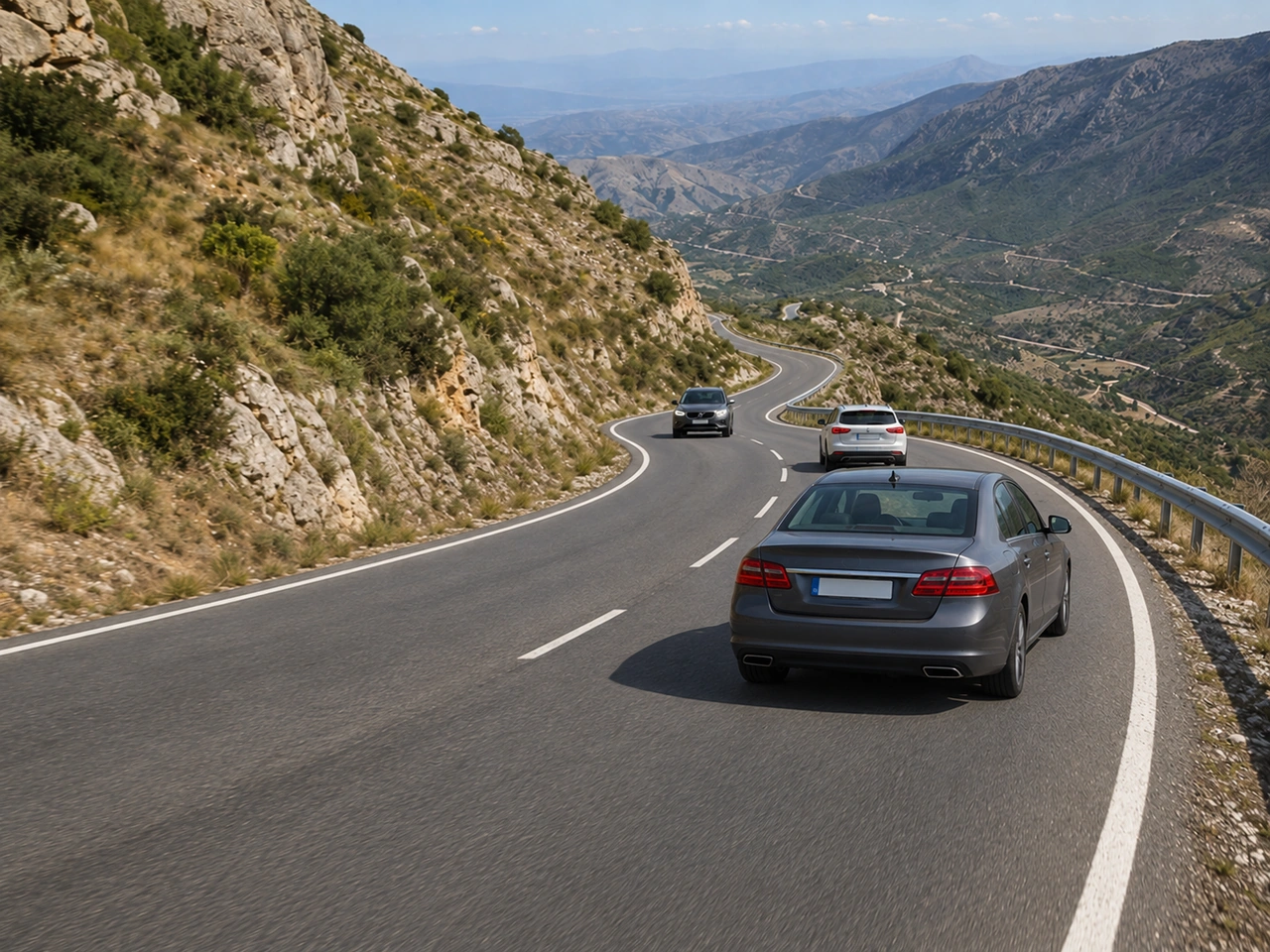
745. What can happen if you use the brakes continuously on a long descent?
Continuous braking can cause the brakes to overheat and fade, reducing braking performance. Use a lower gear to help control speed with engine braking.
🔗 Sources
Image credit: AI-generated, shared right-hand-traffic scene
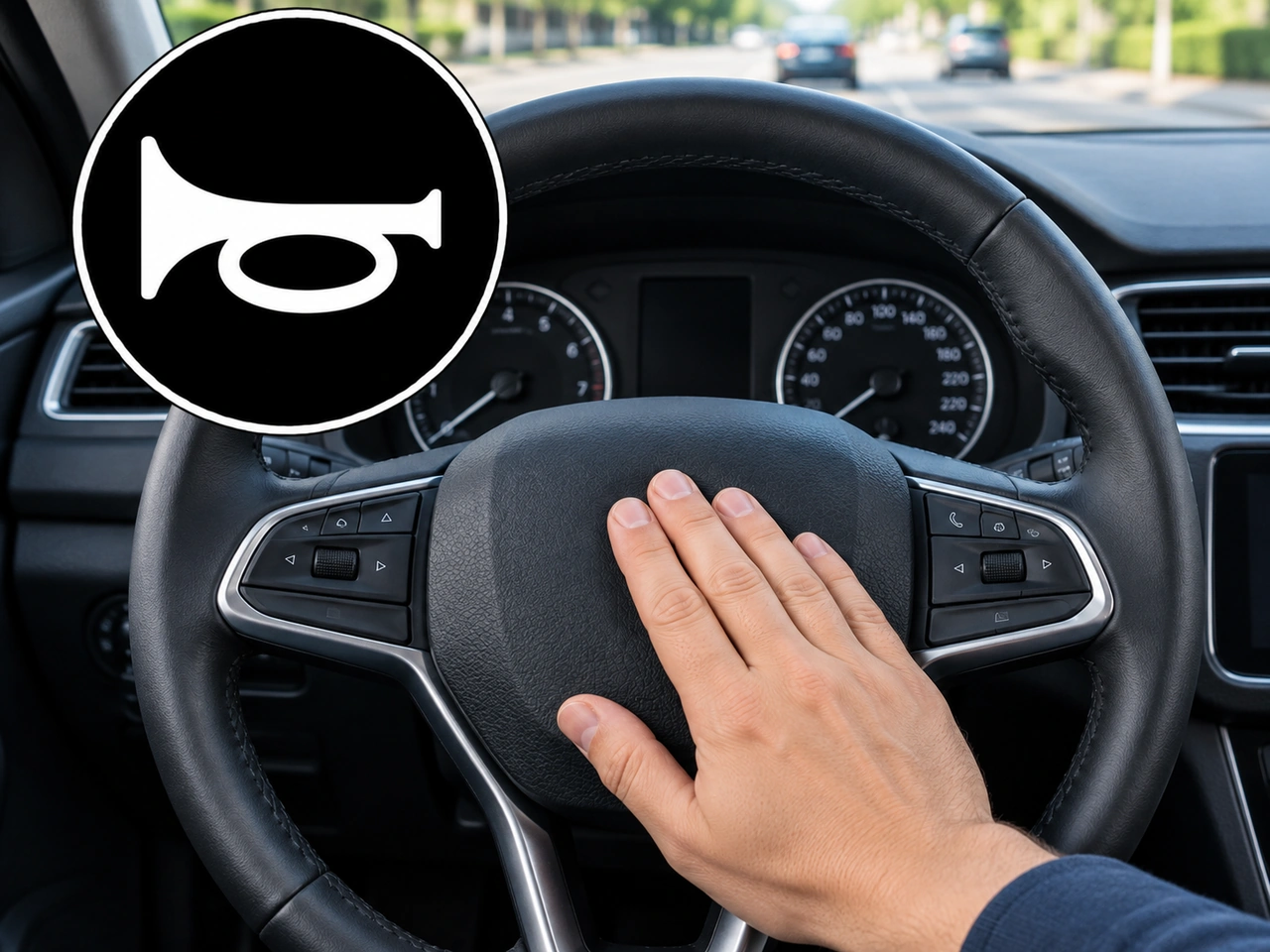
746. What does this vehicle-control symbol indicate?
This symbol indicates the horn control. The horn is used to warn other road users of your presence when necessary.
The horn symbol identifies the control for the vehicle’s audible warning. Use the horn only as permitted by local rules.
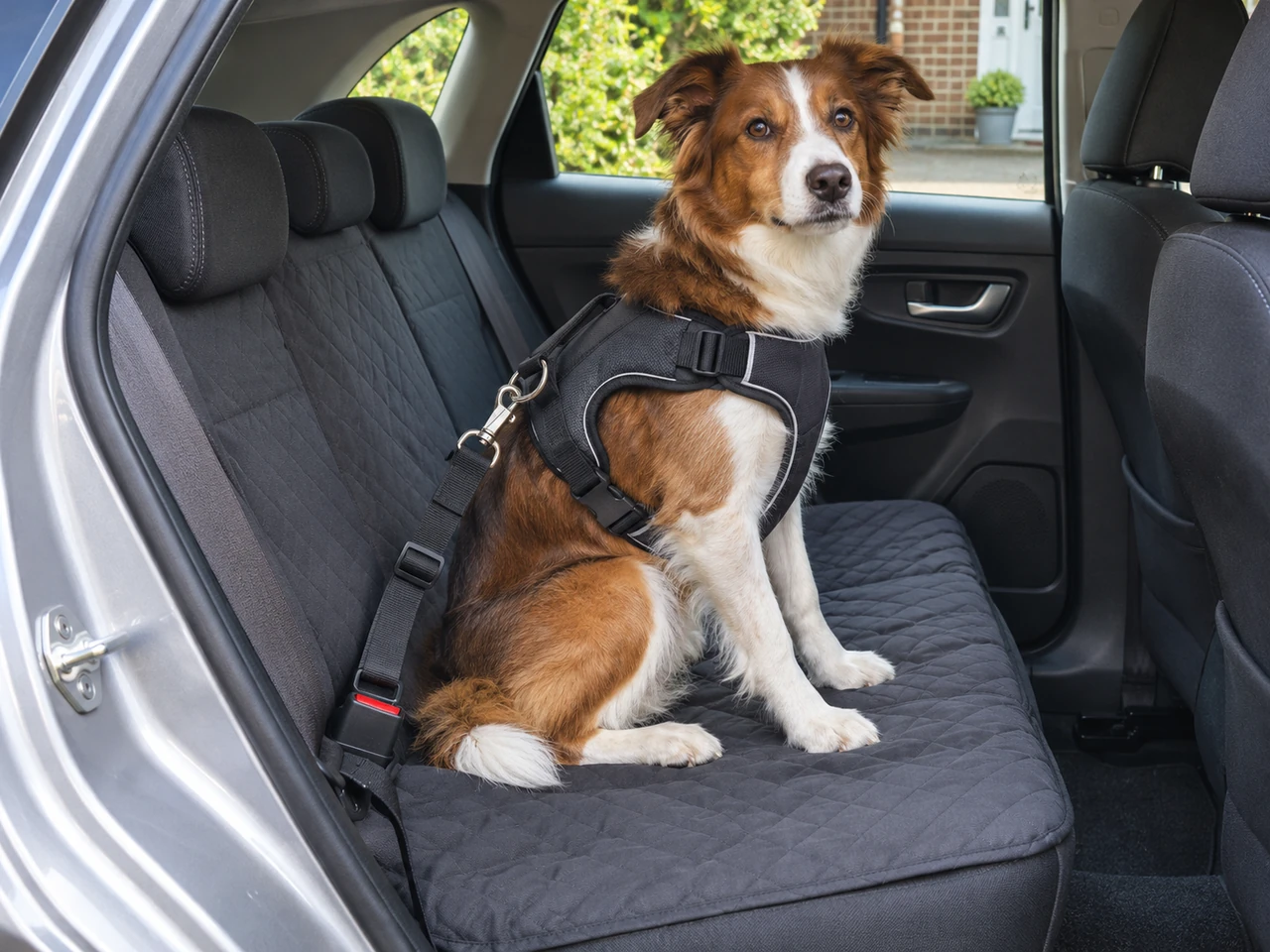
747. Animals should be suitably restrained when travelling in a car.
A loose animal can distract the driver or be injured during sudden braking. Use a suitable vehicle harness, carrier or other restraint, fitted according to its instructions.
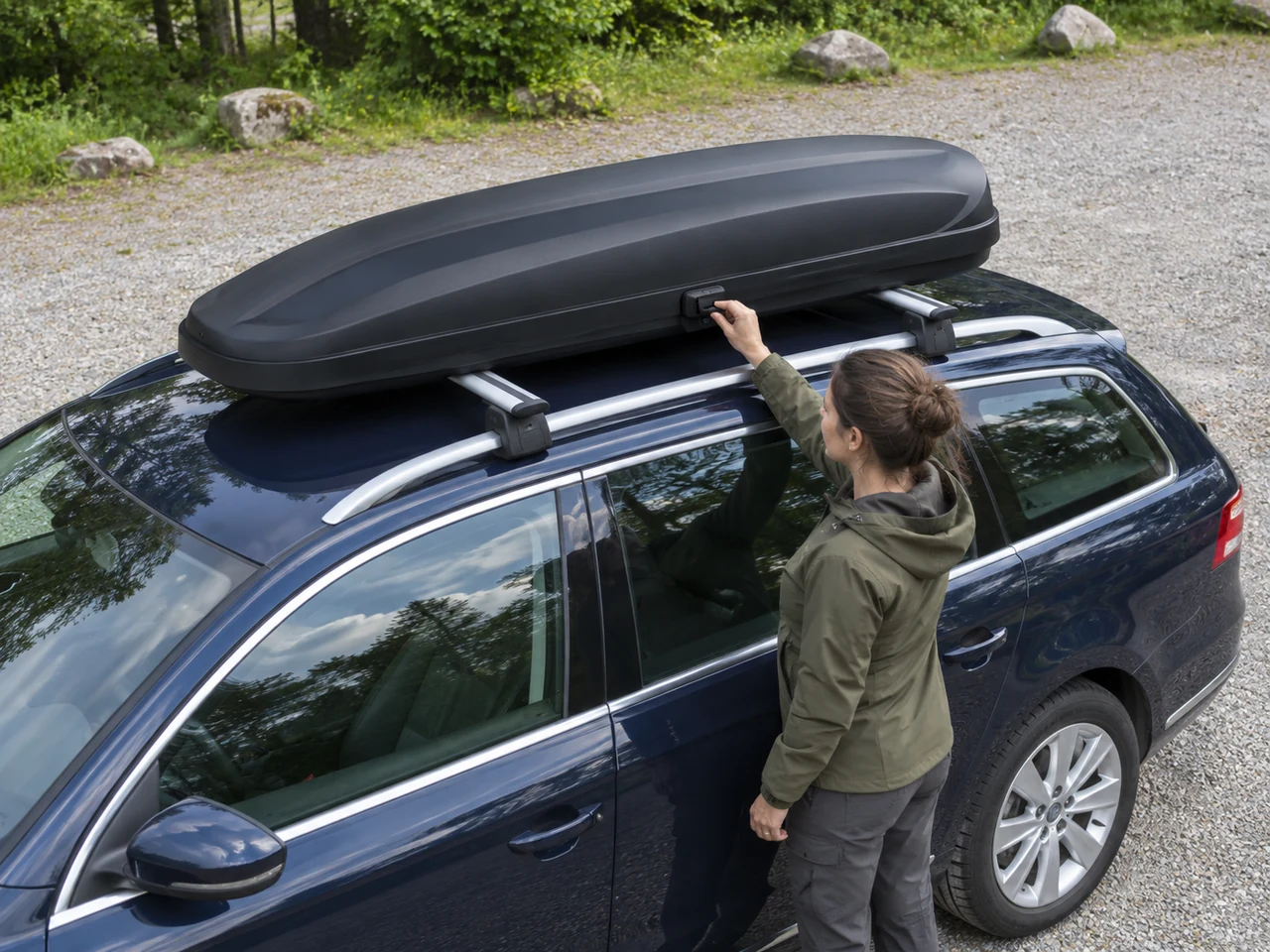
748. Why must a roof load be securely attached?
A roof load is exposed to strong airflow and movement. It must be restrained correctly and kept within the permitted limits.
🔗 Sources
Argentina National Traffic Law 24.449, articles 48 and 57
NZTA safe loading and towing guide, practical guidance
Image credit: AI-generated
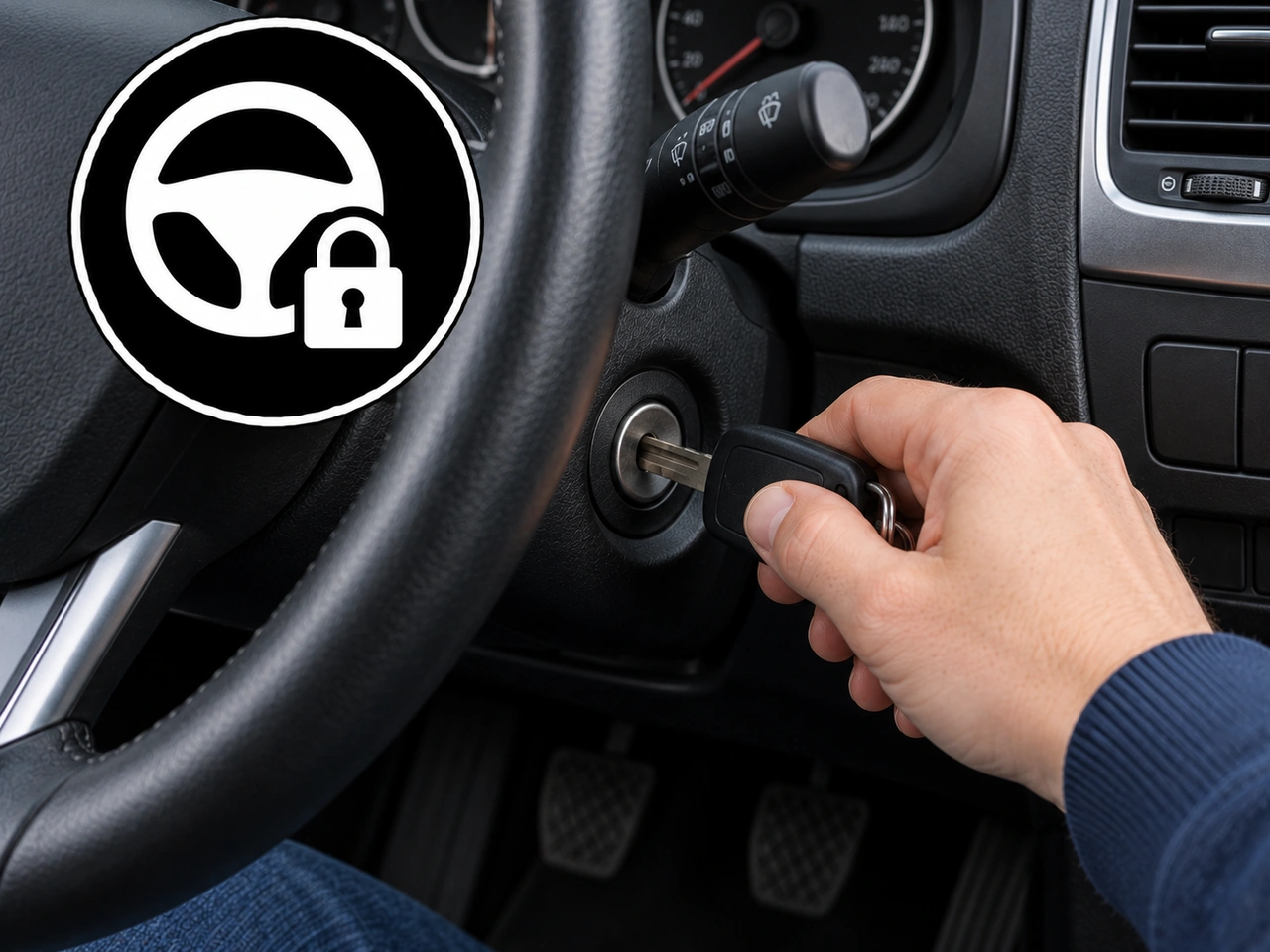
749. What may happen to the steering when the ignition key is removed?
On vehicles fitted with a steering lock, removing the ignition key may allow the steering lock to engage. Never remove the key while the vehicle is moving.
On some cars with a keyed ignition, the steering lock engages when the steering wheel is turned slightly after the key is removed. Check that the steering is unlocked before moving off.
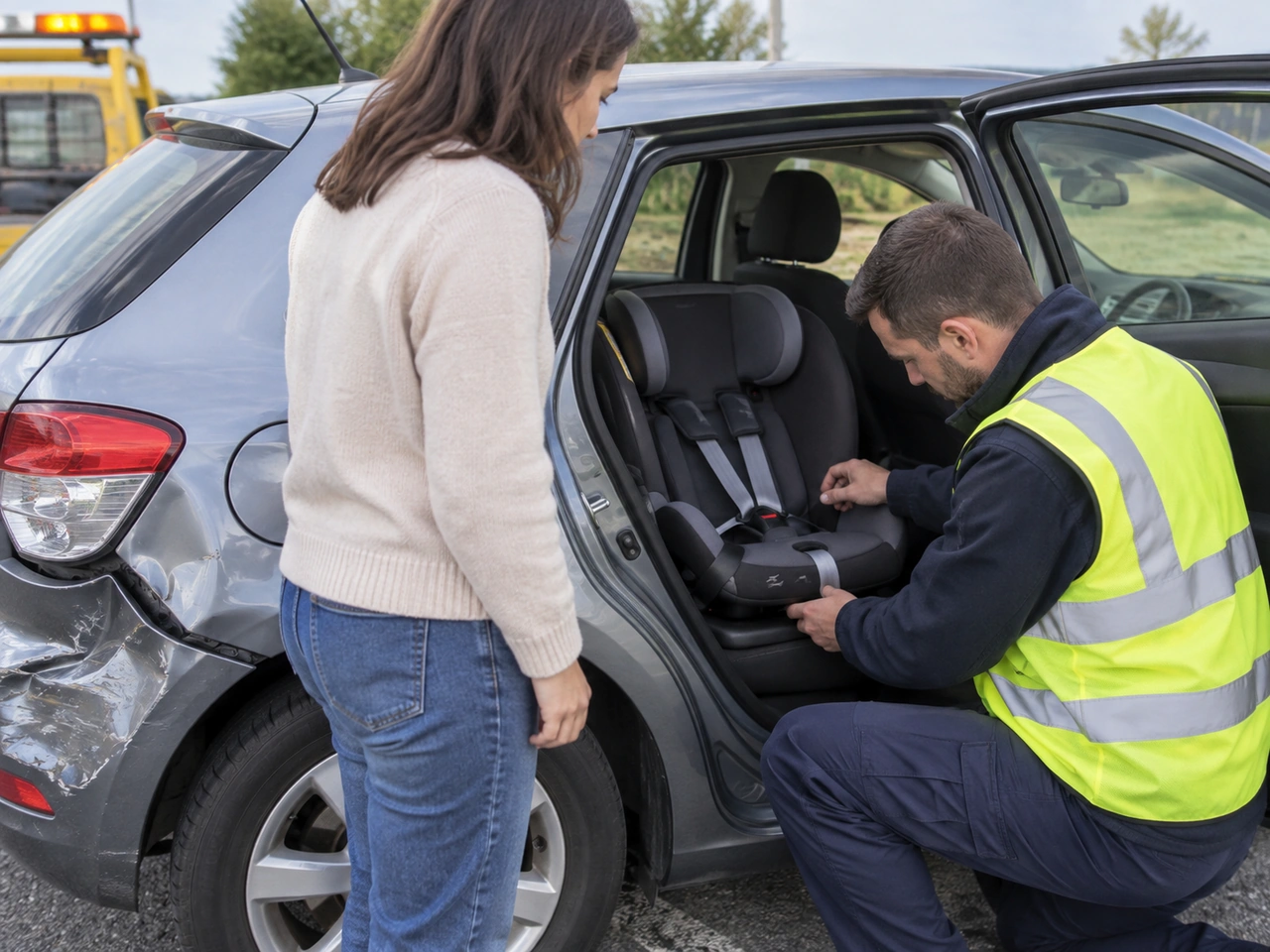
750. What should you do with a child restraint after a collision?
A child restraint may be damaged in a collision even when the damage is not obvious. Follow the manufacturer's instructions, as the restraint may need to be inspected or replaced before it is used again.
🔗 Sources
United States — NHTSA; child-seat crash replacement guidance and manufacturer instructions
Image credit: AI-generated