QuizTraffic rulesArgentina

Test your knowledge with our multiple-choice quiz. Learn from each answer and improve your understanding of the traffic rules and road signs of Argentina.

For informational purposes only. Always follow official regulations. Some content and images were created with AI assistance.


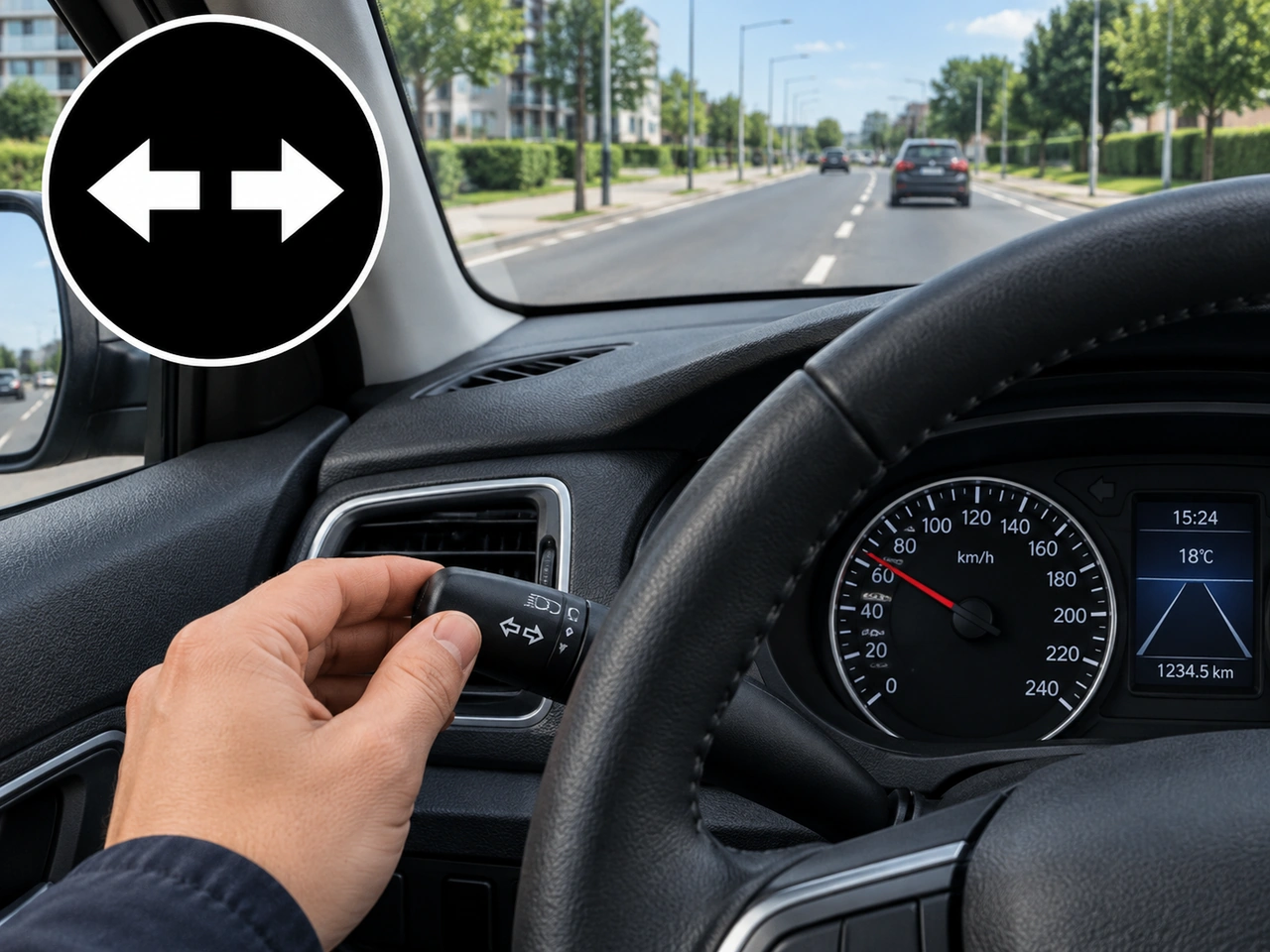
What should you do if a direction indicator does not cancel after a turn?

251. What should you do if a direction indicator does not cancel after a turn?

✓ Return the indicator control to its neutral position.
Press the horn.
Leave it flashing until the next turn.
Switch on the hazard warning lights.

Direction indicators often cancel automatically after a turn, but if an indicator remains on, return the indicator control to its neutral position so you do not mislead other road users.

Returning the indicator stalk to its neutral position.
After the manoeuvre, check that the indicator has stopped flashing. Cancel it manually if it is still on.
🔗 Sources

The Highway Code · Rule 103

Image credit: AI-generated

Should motorcyclists wear protective clothing?

252. Should motorcyclists wear protective clothing?

No, protective clothing is only needed in bad weather.
✓ Yes, it can reduce injuries from falls and contact with the road.
No, a helmet provides enough protection on its own.
No, it is only useful when riding at high speeds.

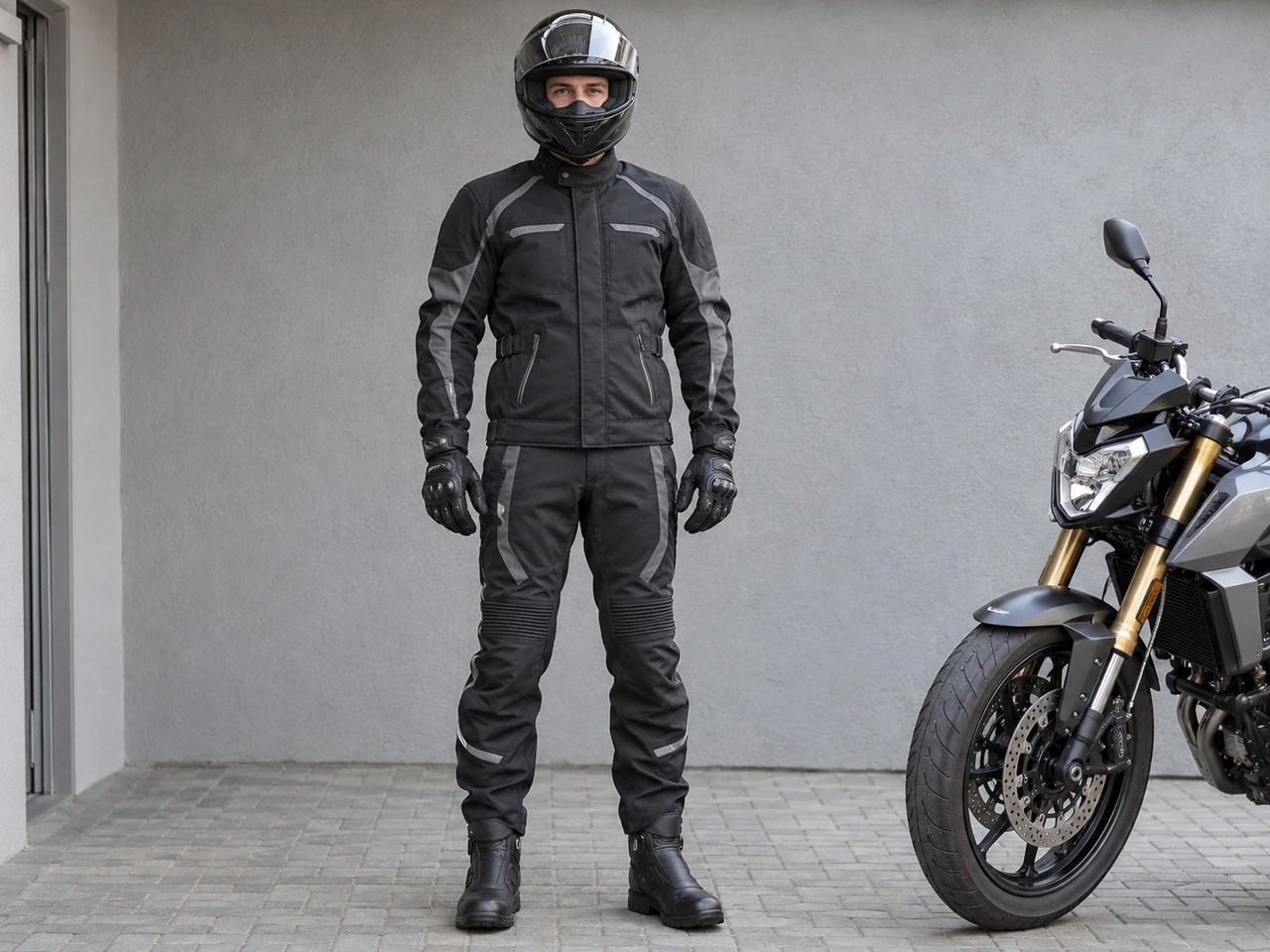
Motorcyclists should wear protective clothing because it can reduce injuries from falls, impacts and sliding on the road. Suitable jackets, trousers, gloves and boots provide additional protection, but they do not replace a securely fitted helmet or safe riding.
Wear protective riding equipment. The stationary rider demonstrates a helmet, gloves, protective jacket and trousers, and boots covering the ankles. Choose suitable gear that fits securely while allowing control of the motorcycle.
🔗 Sources

DLD.Utah.gov — Motorcycle Handbook, Clothing

Image credit: AI-generated

A damaged electric-car battery is safe if there is no smoke.

253. A damaged electric-car battery is safe if there is no smoke.

✓ False.
True.

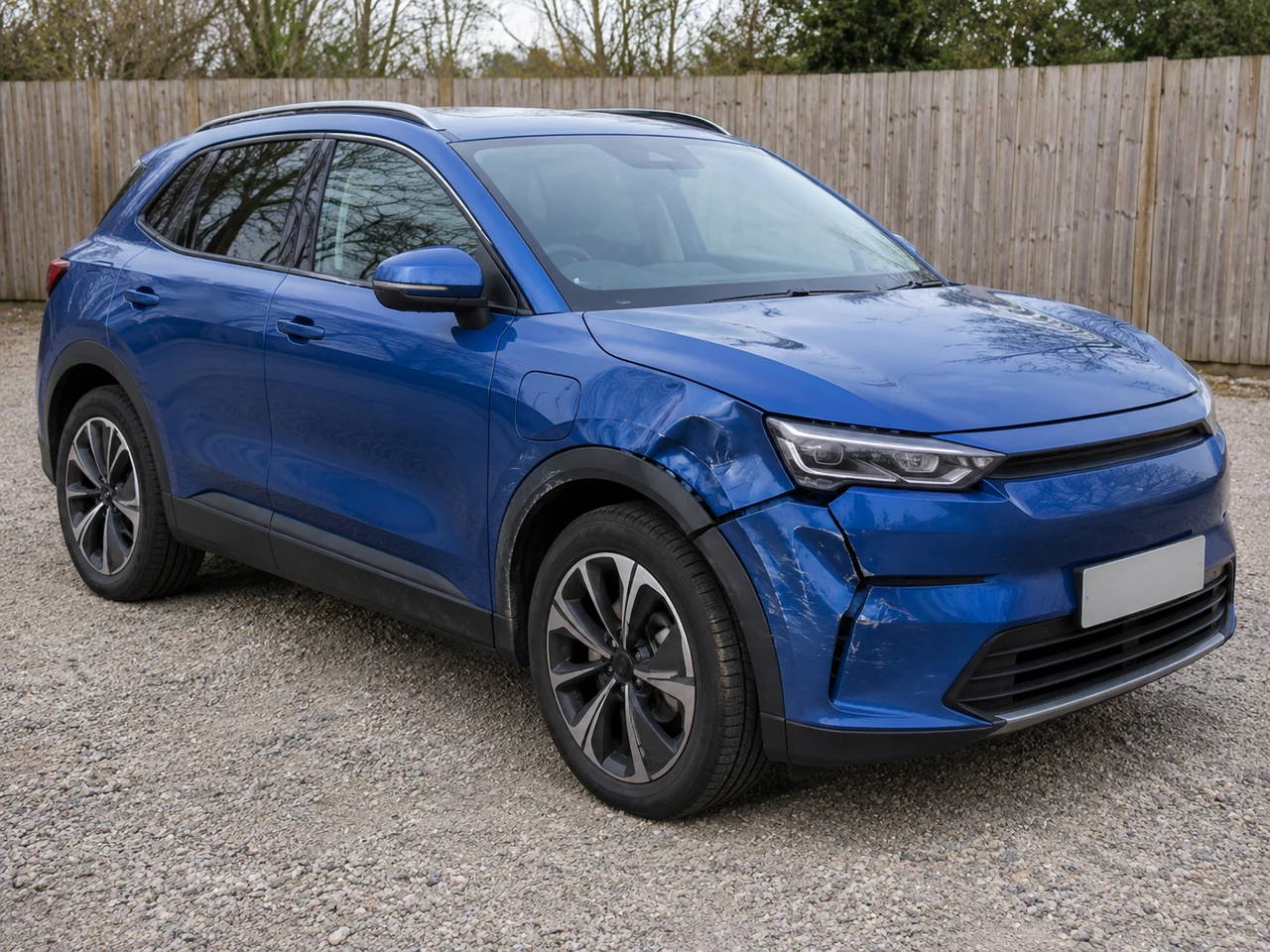
A damaged high-voltage battery can pose shock and fire risks, including a delayed fire. Keep clear of damaged electrical parts and seek specialist help. If there is smoke, fire or immediate danger, move away and call emergency services.

Battery damage can cause a delayed fire. A damaged high-voltage battery can pose shock and fire risks, including a delayed fire. Keep clear of damaged electrical parts and seek specialist help. If there is smoke, fire or immediate danger, move away and call emergency services.
🔗 Sources

NHTSA (United States) • Safety guidance, high-voltage battery damage and immediate or delayed fire risks

Image credit: AI-generated
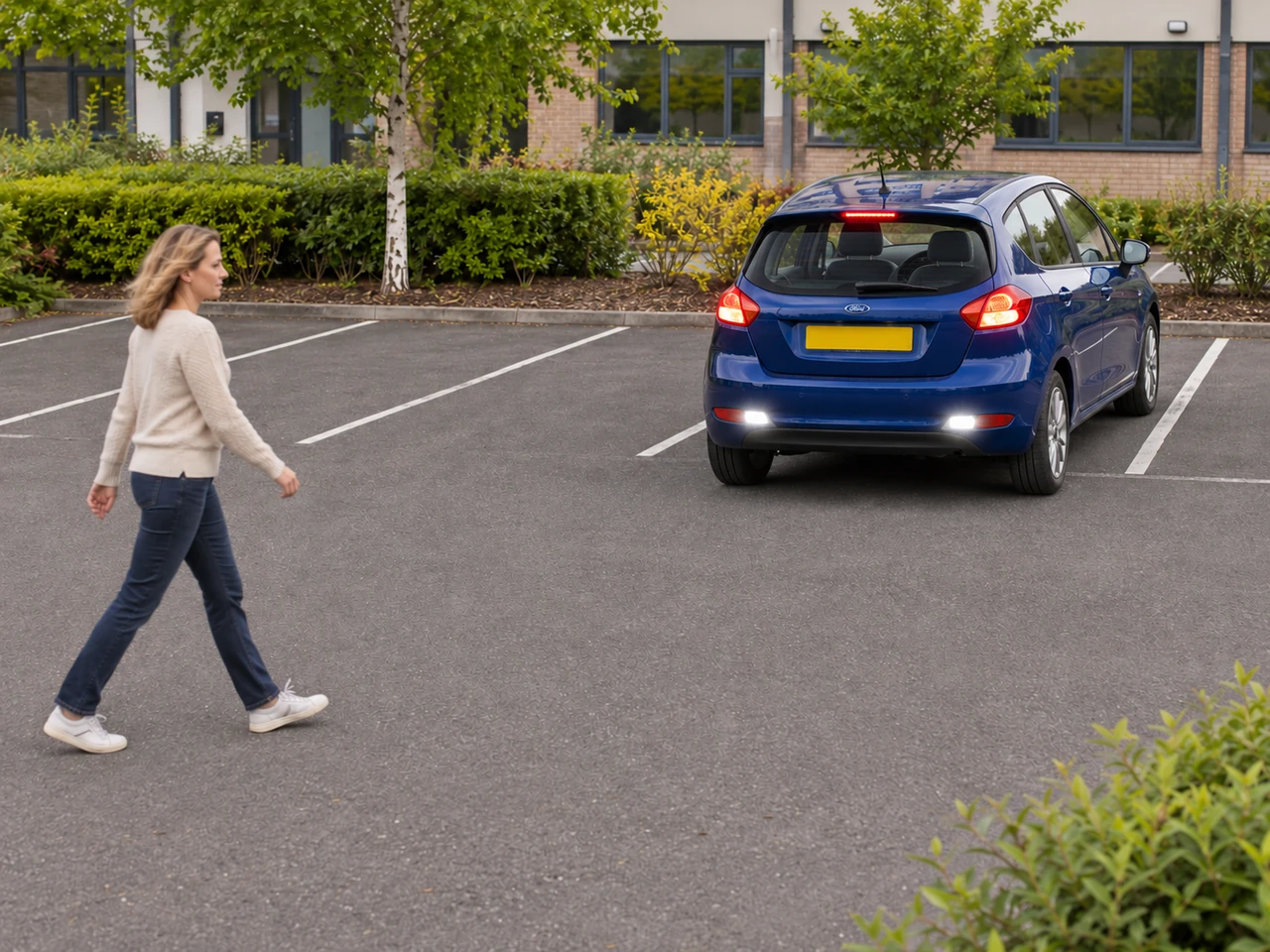
What should you do if a pedestrian enters your path while you are reversing?

254. What should you do if a pedestrian enters your path while you are reversing?

Keep reversing if the pedestrian has seen you.
Steer around the pedestrian without stopping.
✓ Stop and wait until your path is clear.
Sound the horn and continue at the same speed.

Stop promptly and let the pedestrian clear your path. Check all around again before moving, and reverse only when it is safe.
A driver stops reversing while an adult walks behind the car. General road-safety guidance: Stop promptly and let the pedestrian clear your path. Check all around again before moving, and reverse only when it is safe.
🔗 Sources

GOV.UK — Great Britain
Reference: Rule 202

Image credit: AI-generated

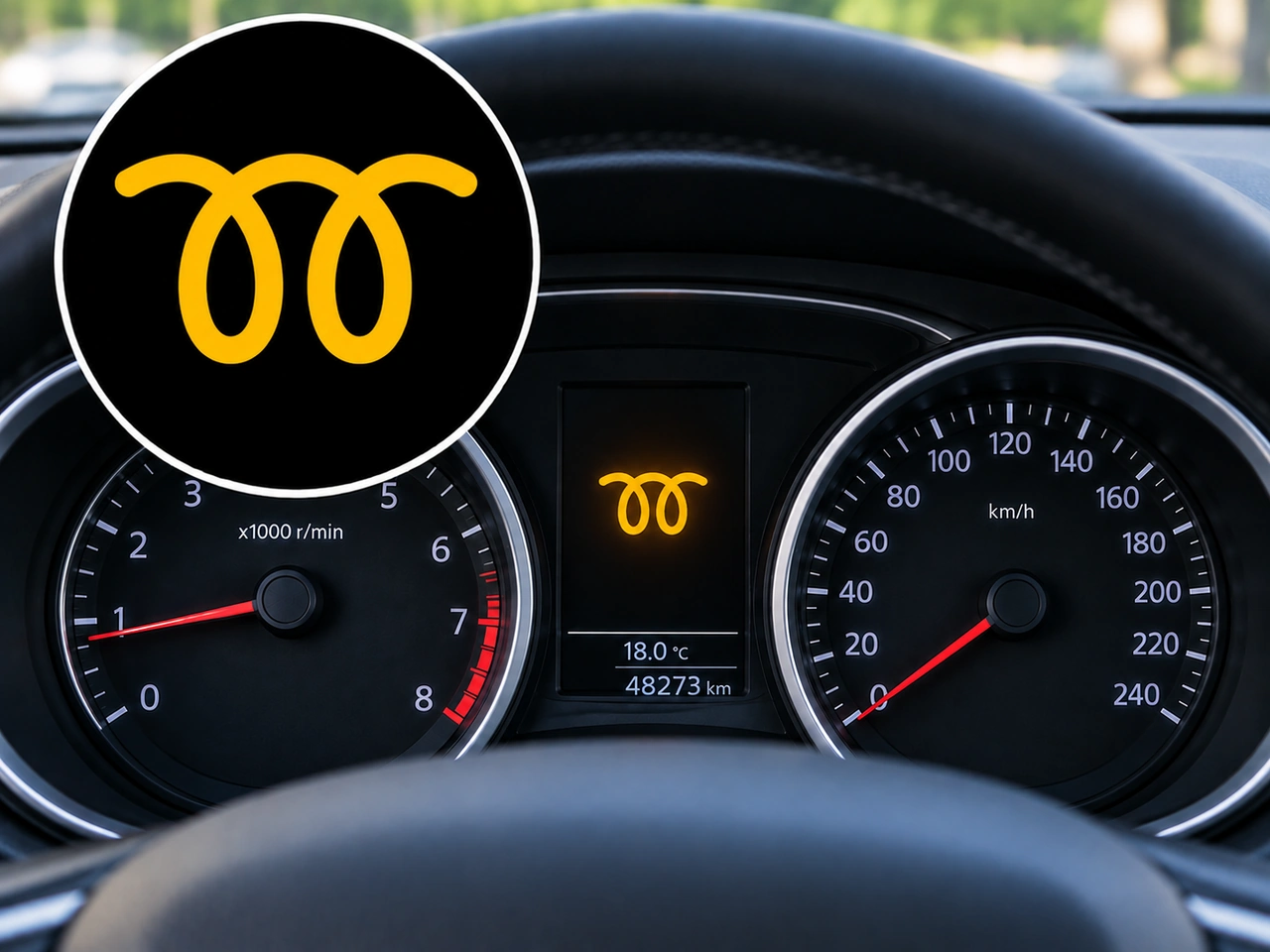
What does this dashboard symbol indicate?

255. What does this dashboard symbol indicate?

✓ Diesel glow-plug preheating.
Engine-management warning.
Diesel particulate filter warning.
Charging-system warning.

This symbol indicates the diesel glow-plug preheating system. In a diesel vehicle, wait for the light to go out before starting the engine when required. If it remains illuminated or flashes while driving, it may indicate a fault.

Diesel glow-plug preheating symbol on the dashboard.
The coil symbol can light up while a diesel engine preheats before starting. If it flashes while driving, check the handbook for the fault procedure.
🔗 Sources

Volkswagen · Dashboard warning and indicator lights

Image credit: AI-generated

Why should you wear suitable footwear when driving?

256. Why should you wear suitable footwear when driving?

So the vehicle uses less fuel.
✓ So you can operate the pedals accurately and safely.
So the clutch cannot wear out.
So the pedals require less force to operate.

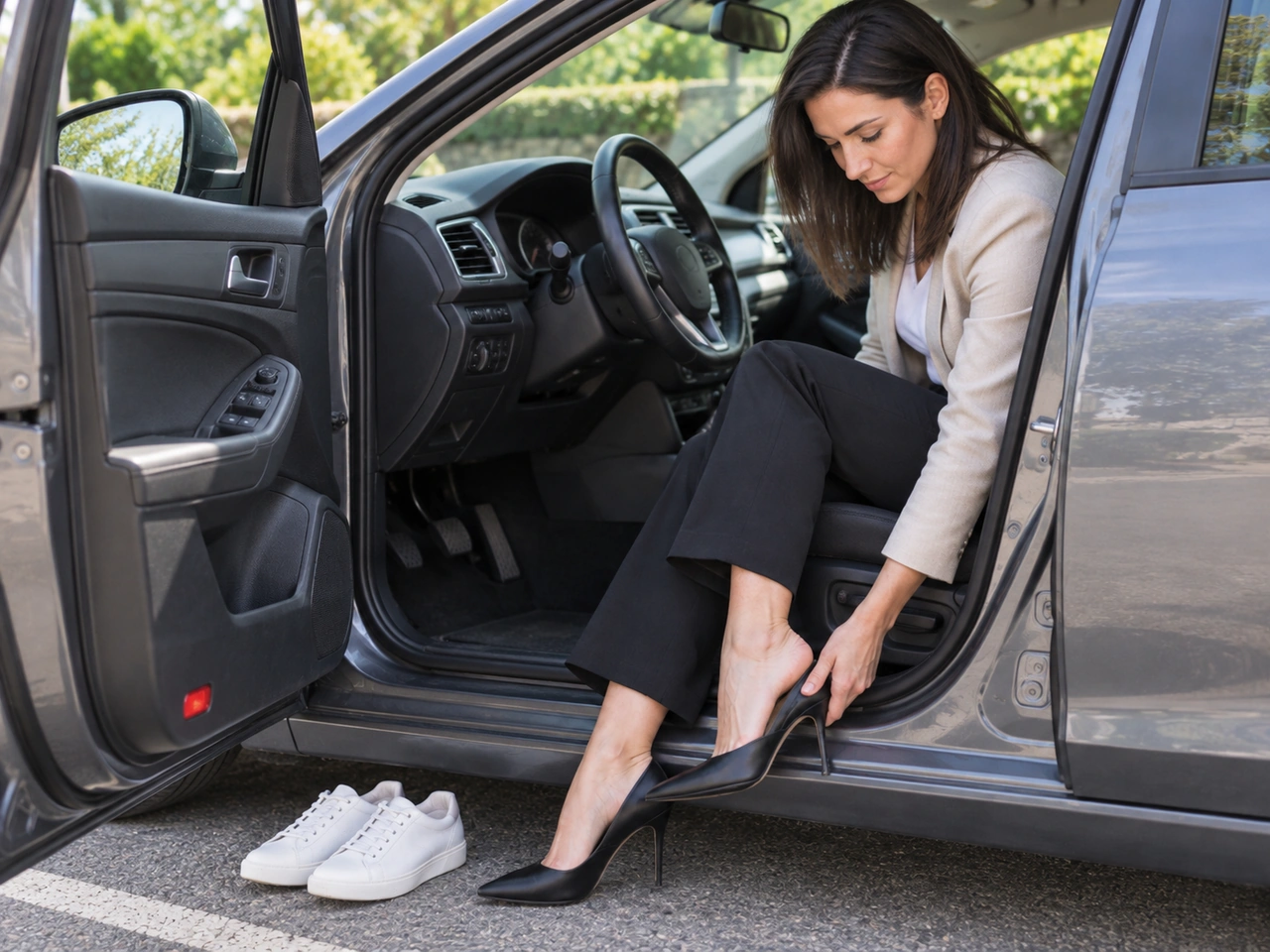
Suitable footwear helps you operate the accelerator, brake, and clutch accurately. Loose, bulky, or slippery footwear can interfere with pedal control or become caught around the pedals.

Driver's footwear and contact with the pedals.
🔗 Sources

Great Britain — Highway Code, rule 97; clear view, controls and footwear

Image credit: AI-generated
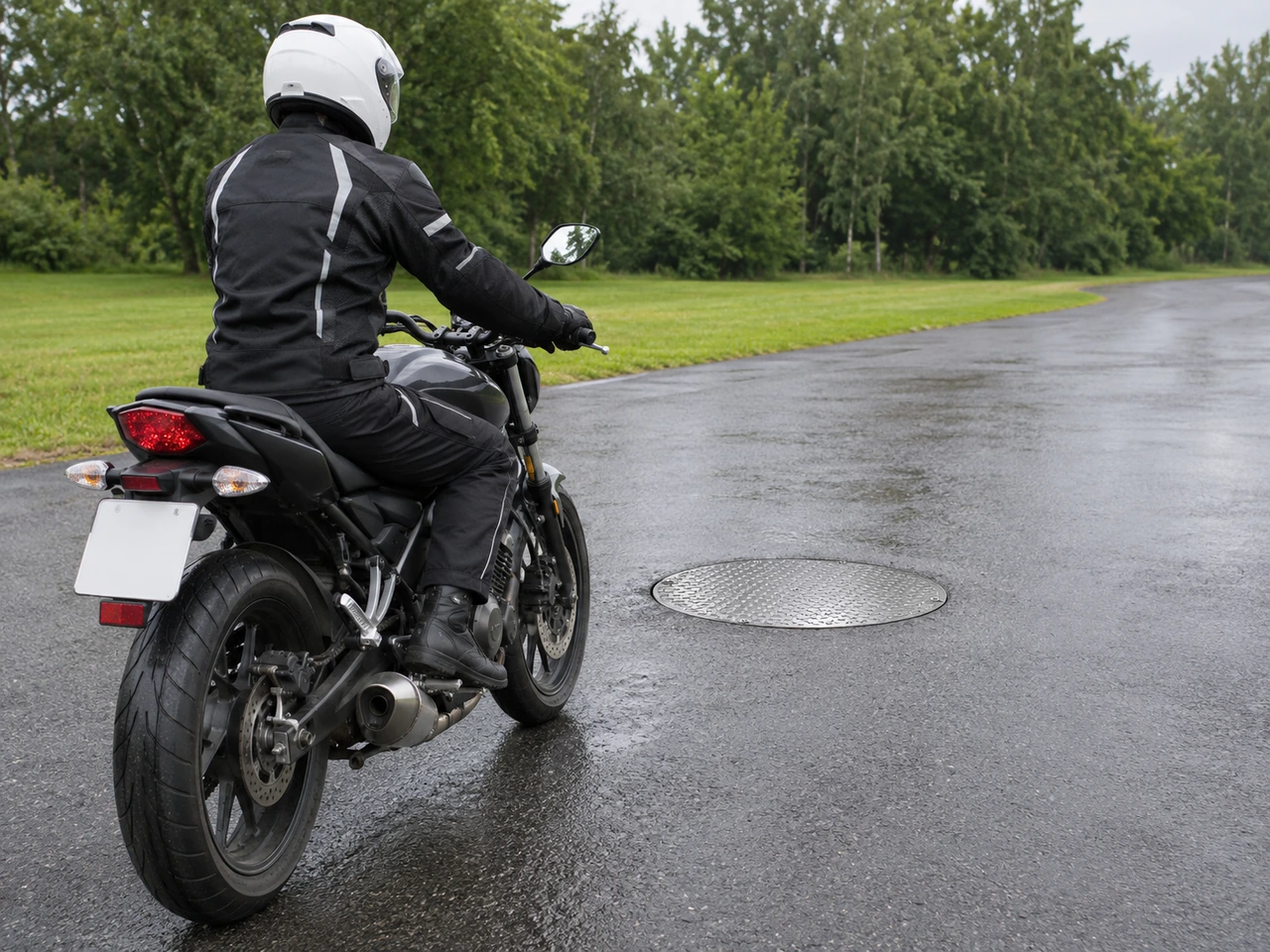
Why should motorcyclists take extra care on wet metal covers?

257. Why should motorcyclists take extra care on wet metal covers?

✓ They can provide much less grip than the surrounding road.
They can cause the tyre pressure to rise suddenly.
They can make the suspension become stiffer.
They can make the tyres overheat.

Wet metal surfaces, such as drain or inspection covers, can provide much less grip than the surrounding road. Cross them smoothly, keep the motorcycle as upright as practical and avoid sudden braking, acceleration or steering.
Wet metal can be slippery. A rider approaches a wet utility cover in a neutral training setting. Wet covers may offer less grip than the surrounding asphalt. Reduce speed beforehand and use smooth controls.
🔗 Sources

DLD.Utah.gov — Motorcycle Handbook, Handling dangerous surfaces

Image credit: AI-generated

A fluorescent jacket guarantees that other drivers will see a motorcyclist.

258. A fluorescent jacket guarantees that other drivers will see a motorcyclist.

True.
✓ False.

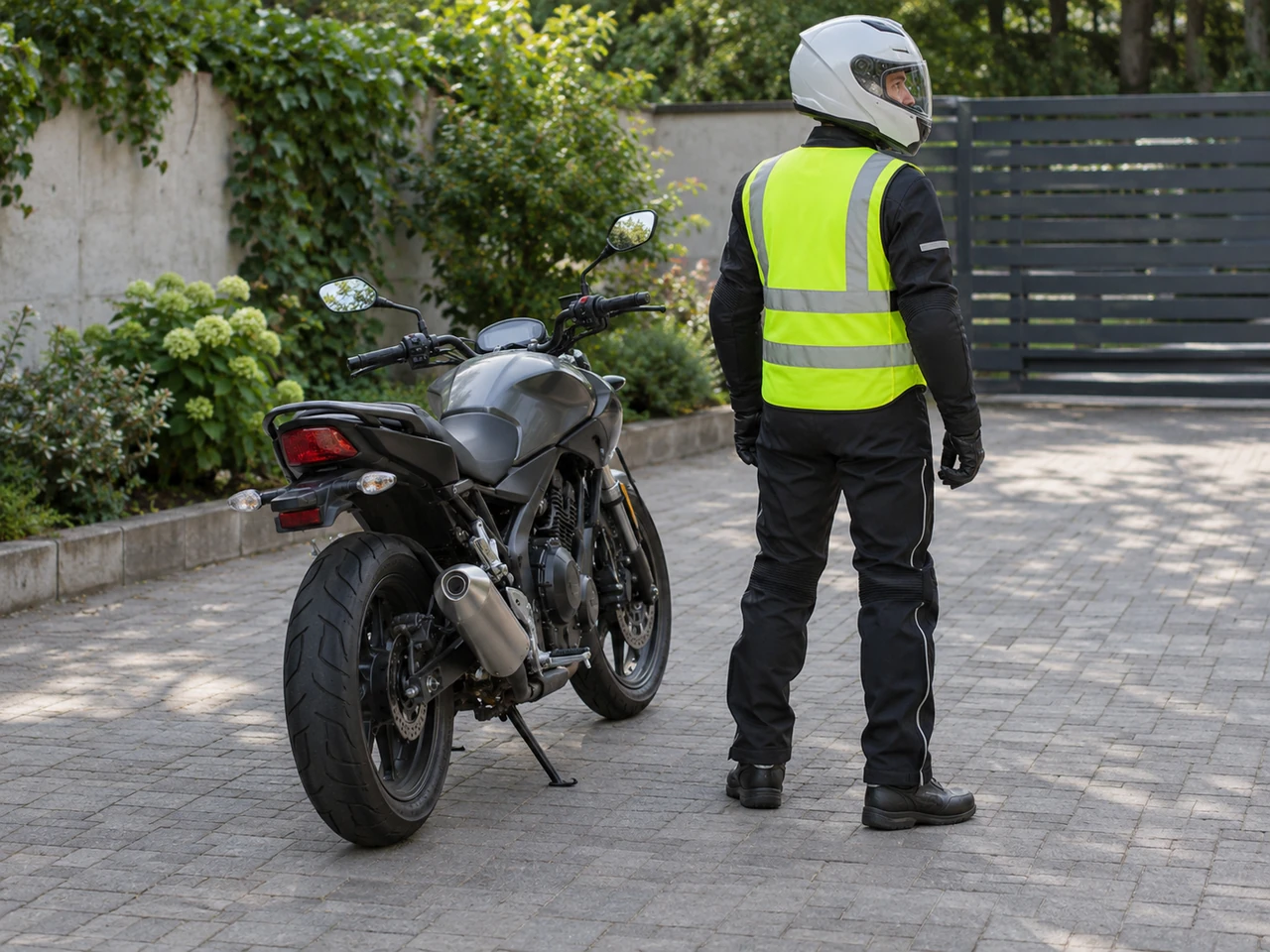
Fluorescent clothing can help a rider stand out in daylight, but another driver may still fail to notice them or misjudge their speed. Keep observing and allow for others' mistakes.
Fluorescent clothing does not guarantee visibility. Fluorescent clothing can help a rider stand out in daylight, but another driver may still fail to notice them or misjudge their speed. Keep observing and allow for others' mistakes.
🔗 Sources

The Highway Code (Great Britain) • Safety guidance, Rule 86

Image credit: AI-generated

A pedestrian is approaching along the pavement. What should blue do now?

259. A pedestrian is approaching along the pavement. What should blue do now?

✓ Wait in the driveway until the pedestrian has passed.
Reverse onto the pavement and wait for the pedestrian to go around.
Sound the horn and reverse before the pedestrian reaches the driveway.
Reverse first because blue is leaving private property.

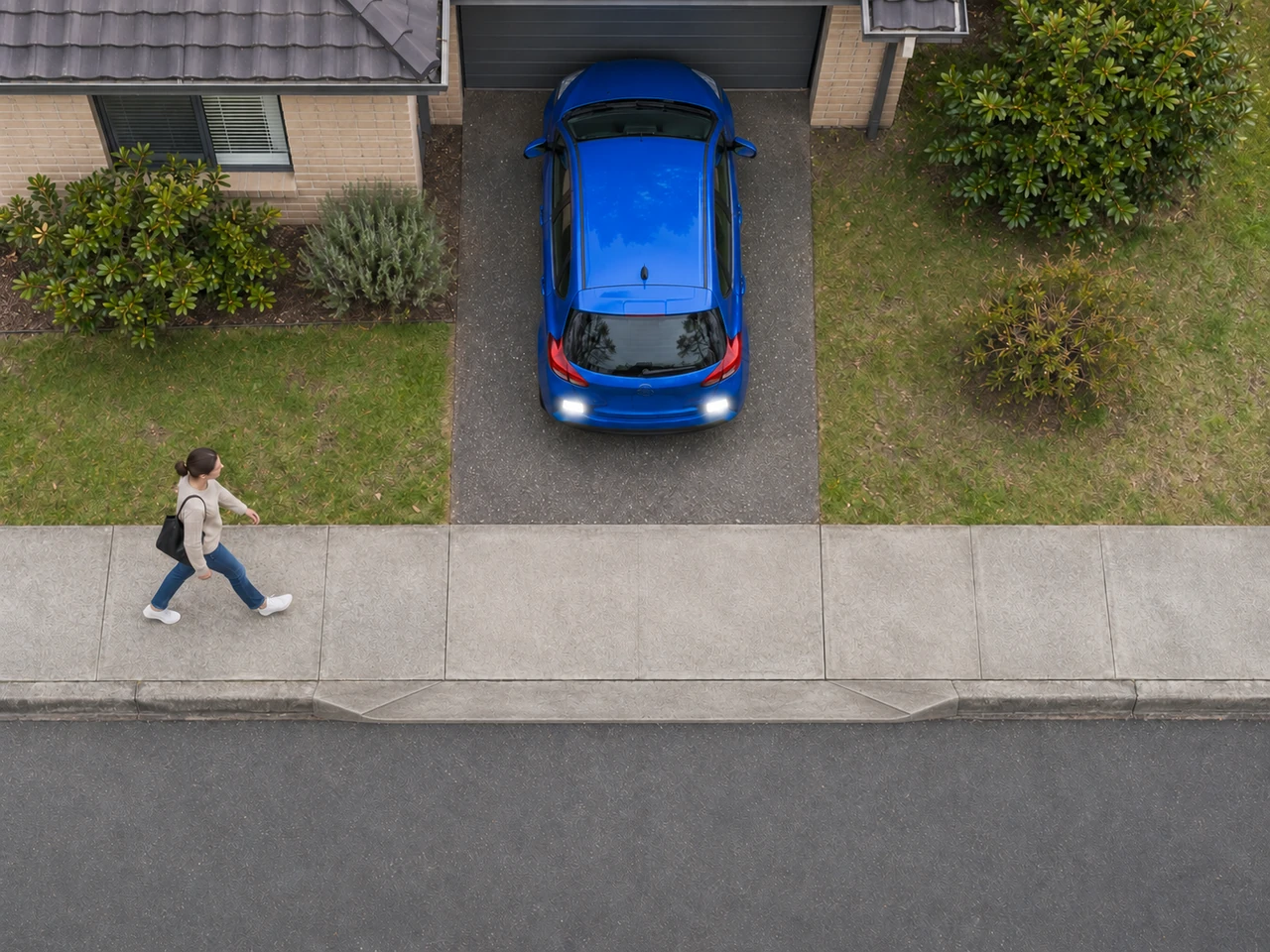
Keep the pavement clear until the pedestrian has passed. Before moving, check both directions on the pavement and road. Reverse only where the local rules permit it and the route is clear.

Blue is nose-in towards a garage. A pedestrian approaches along the continuous pavement behind it. Blue must wait within the driveway until the pedestrian has passed, then check the pavement and road before moving. Argentina: National Traffic Law 24.449, article 39(b), requires careful manoeuvres without creating risk or disrupting traffic. Article 48(h) generally prohibits reversing but expressly allows it to leave a garage. That exception does not remove the need to check for pedestrians and wait until their route is clear.
🔗 Sources

AI-generated illustration • Traffic-rules.com / Rijbewijs-online.be • WCIT • CC BY-SA 4.0.

🔗 Argentina.gob.ar • National Traffic Law 24.449, articles 39(b) and 48(h)
What is the general speed limit for cars on ordinary roads outside built-up areas?

260. What is the general speed limit for cars on ordinary roads outside built-up areas?

80 km/h.
✓ 110 km/h.
100 km/h.
90 km/h.

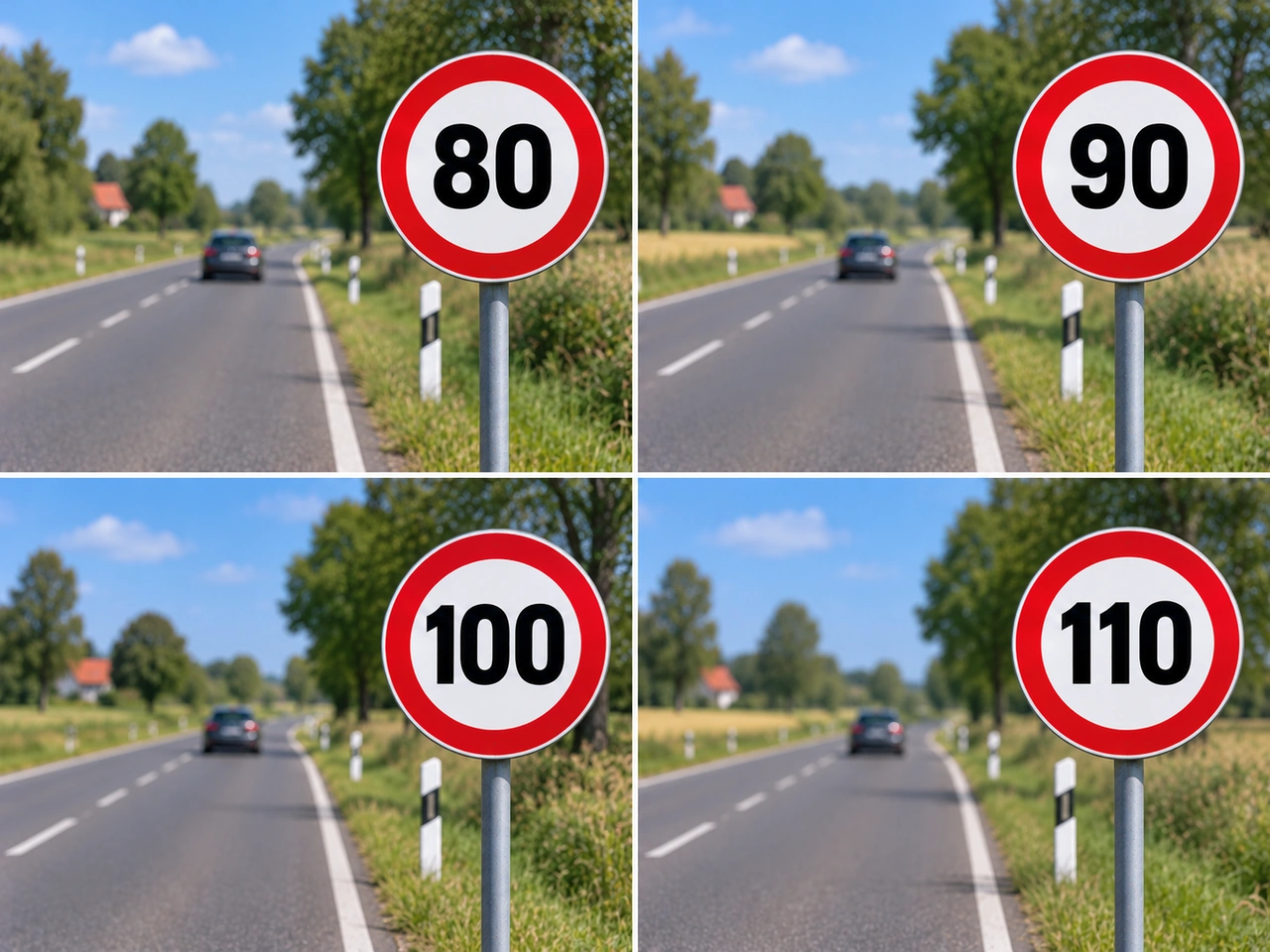
In Argentina, the general speed limit for cars on ordinary roads outside built-up areas is 110 km/h, unless signs indicate otherwise.

Speed limits for cars outside built-up areas.
🔗 Sources

Argentina — national traffic law, article 51; cars 110 km/h on rural roads and up to 130 km/h on motorways

Image credit: AI-generated

When should a passenger get on or off a motorcycle?

261. When should a passenger get on or off a motorcycle?

✓ When the motorcycle is stationary and the rider is ready.
Before the rider has balanced the motorcycle.
While the motorcycle is moving slowly.
As soon as the engine has been started.

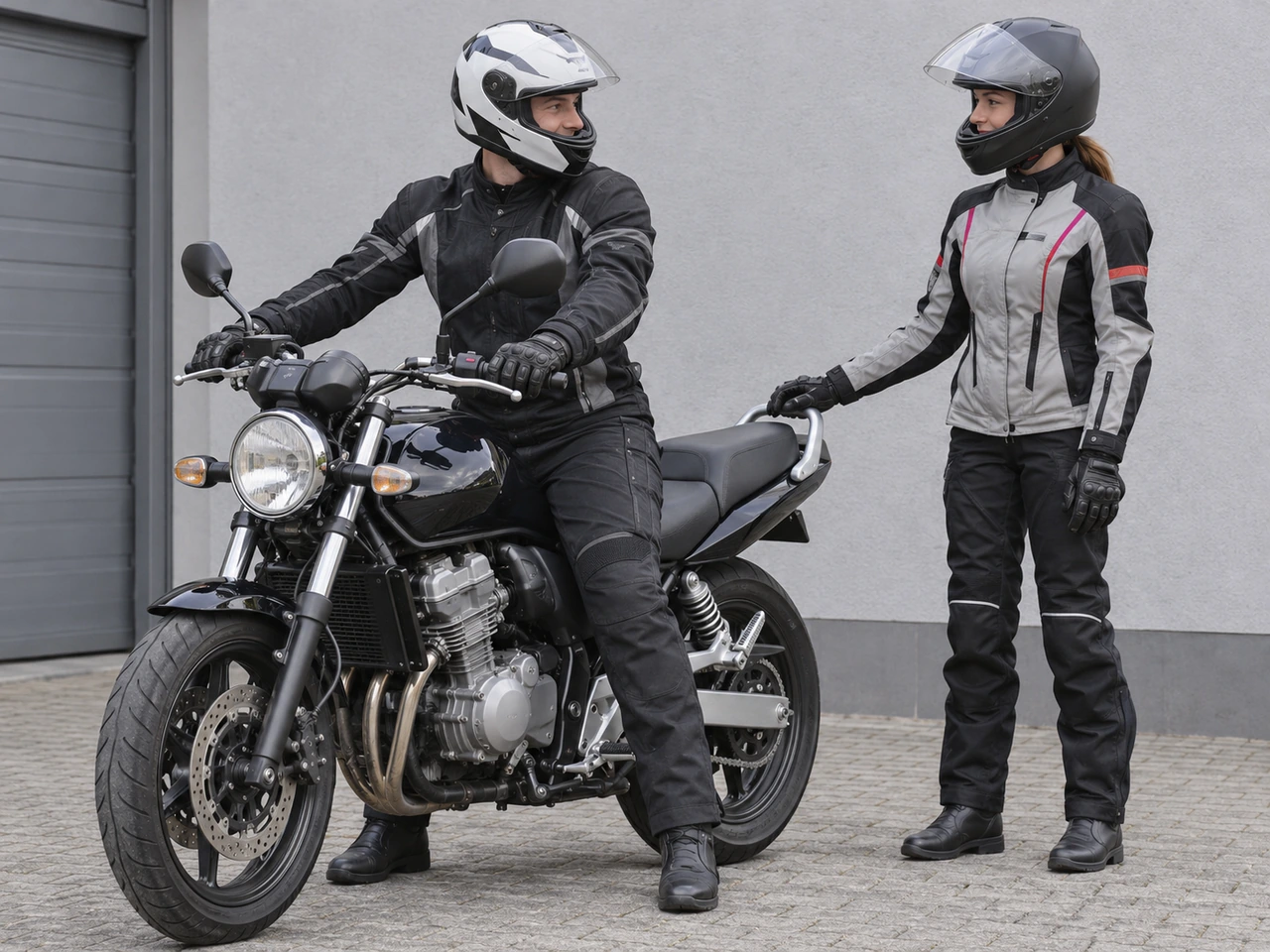
A passenger getting on or off can shift the motorcycle's balance suddenly. The motorcycle should be stationary and stable, and the passenger should wait until the rider is ready and prepared to support the extra movement.
Wait until the rider is ready. The passenger waits beside the stationary motorcycle while the seated rider holds it stable on firm ground. Agree before getting on or off and wait until the rider is ready to support the movement.
🔗 Sources

DLD.Utah.gov — Motorcycle Handbook, Preparing your passenger

Image credit: AI-generated

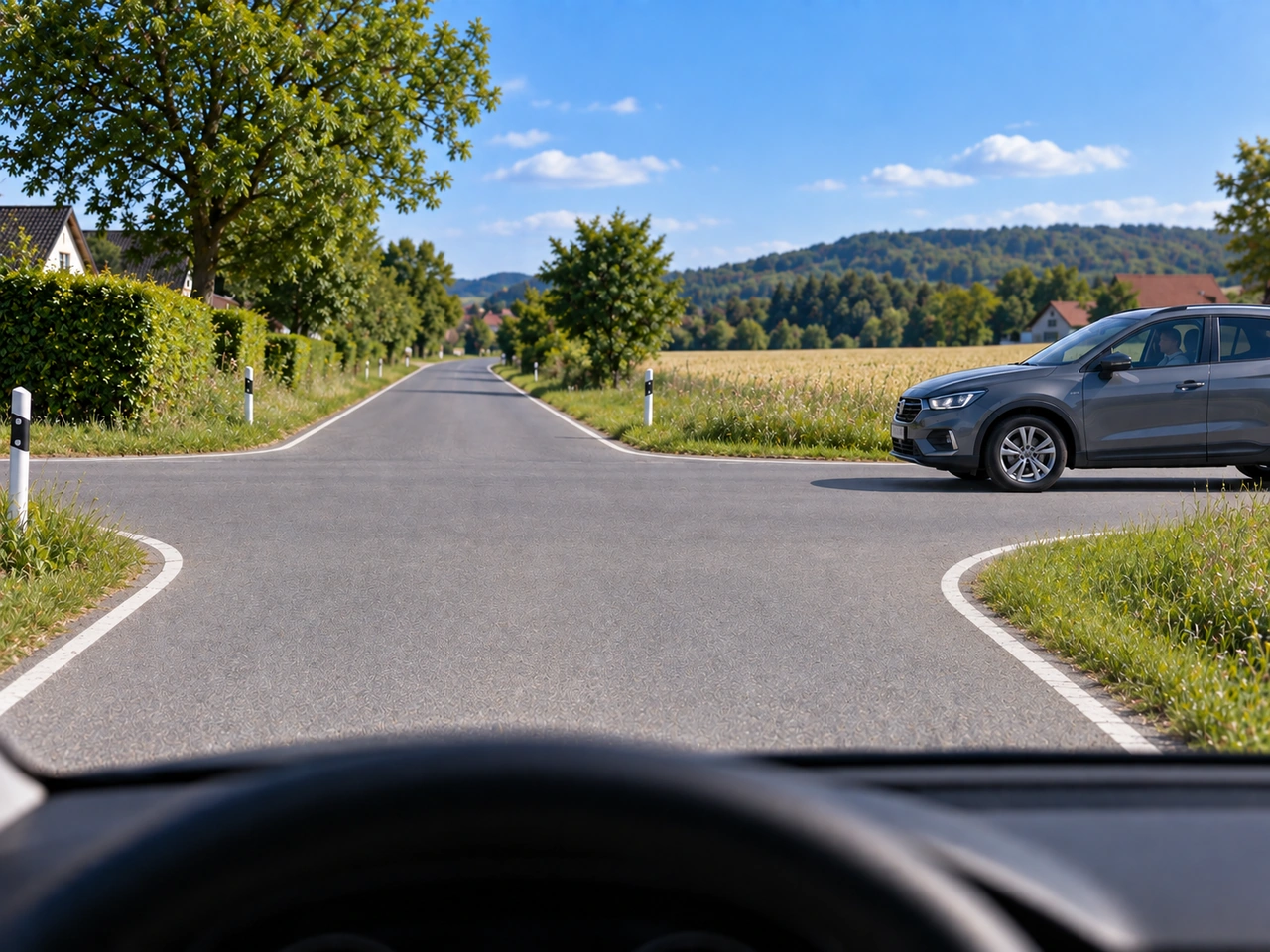
Who generally has priority at an uncontrolled intersection?

262. Who generally has priority at an uncontrolled intersection?

✓ Traffic approaching from the right.
Traffic approaching from the left.
The vehicle travelling fastest.
The largest vehicle.

At an uncontrolled intersection in Argentina, you generally give way to traffic approaching from the right.
After motorway driving, your speed can feel lower than it really is.

263. After motorway driving, your speed can feel lower than it really is.

False.
✓ True.

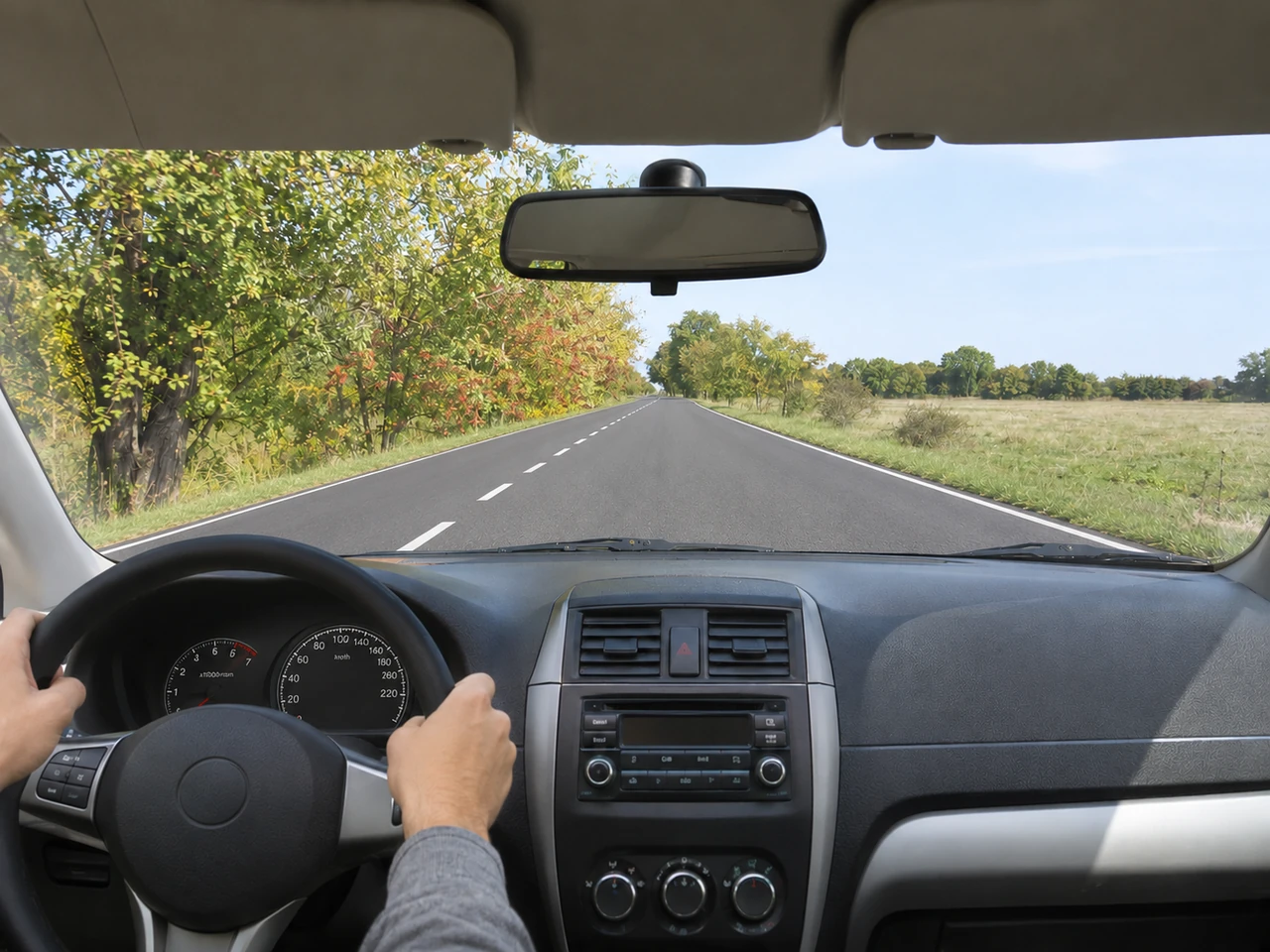
After sustained high-speed driving, a lower speed may feel slower than it is. Check your speedometer and adjust your speed for the road and conditions.
Check speed after leaving the motorway. After sustained high-speed driving, a lower speed may feel slower than it is. Check your speedometer and adjust your speed for the road and conditions.
🔗 Sources

The Highway Code (Great Britain) • Safety guidance, Rule 274

Image credit: AI-generated

What should you do if a motorcycle helmet visor is badly scratched?

264. What should you do if a motorcycle helmet visor is badly scratched?

Ride with the visor raised.
Cover the scratches with clear tape.
Use it only during daylight.
✓ Replace it before riding.

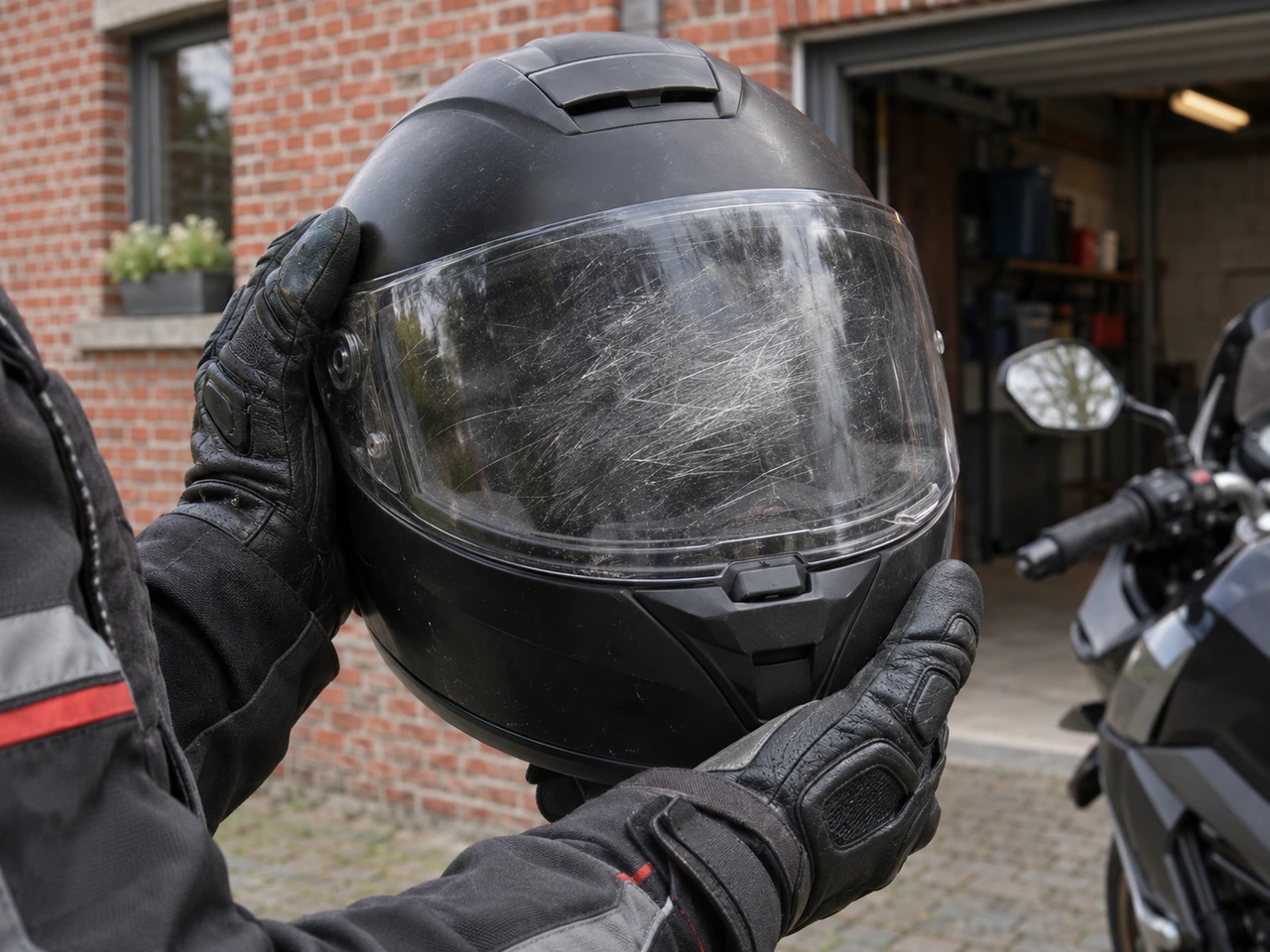
A badly scratched or damaged visor can reduce or distort your view, especially in bright sunlight or at night. Replace a visor that no longer provides a clear, safe view and follow the helmet manufacturer's instructions.
Damaged helmet visor. Deep scratches across the viewing area can obstruct a clear view. Replace a badly scratched visor with a compatible replacement following the helmet manufacturer's instructions before riding. This shared close-up illustrates general eye-protection guidance.
🔗 Sources

DLD.Utah.gov — Motorcycle Handbook, Eye and face protection

Image credit: AI-generated

What should you do before refuelling a petrol or diesel vehicle?

265. What should you do before refuelling a petrol or diesel vehicle?

Switch on the hazard lights while refuelling.
✓ Switch off the engine before starting to refuel.
Leave the engine running to protect the battery.
Increase the engine speed before removing the fuel cap.

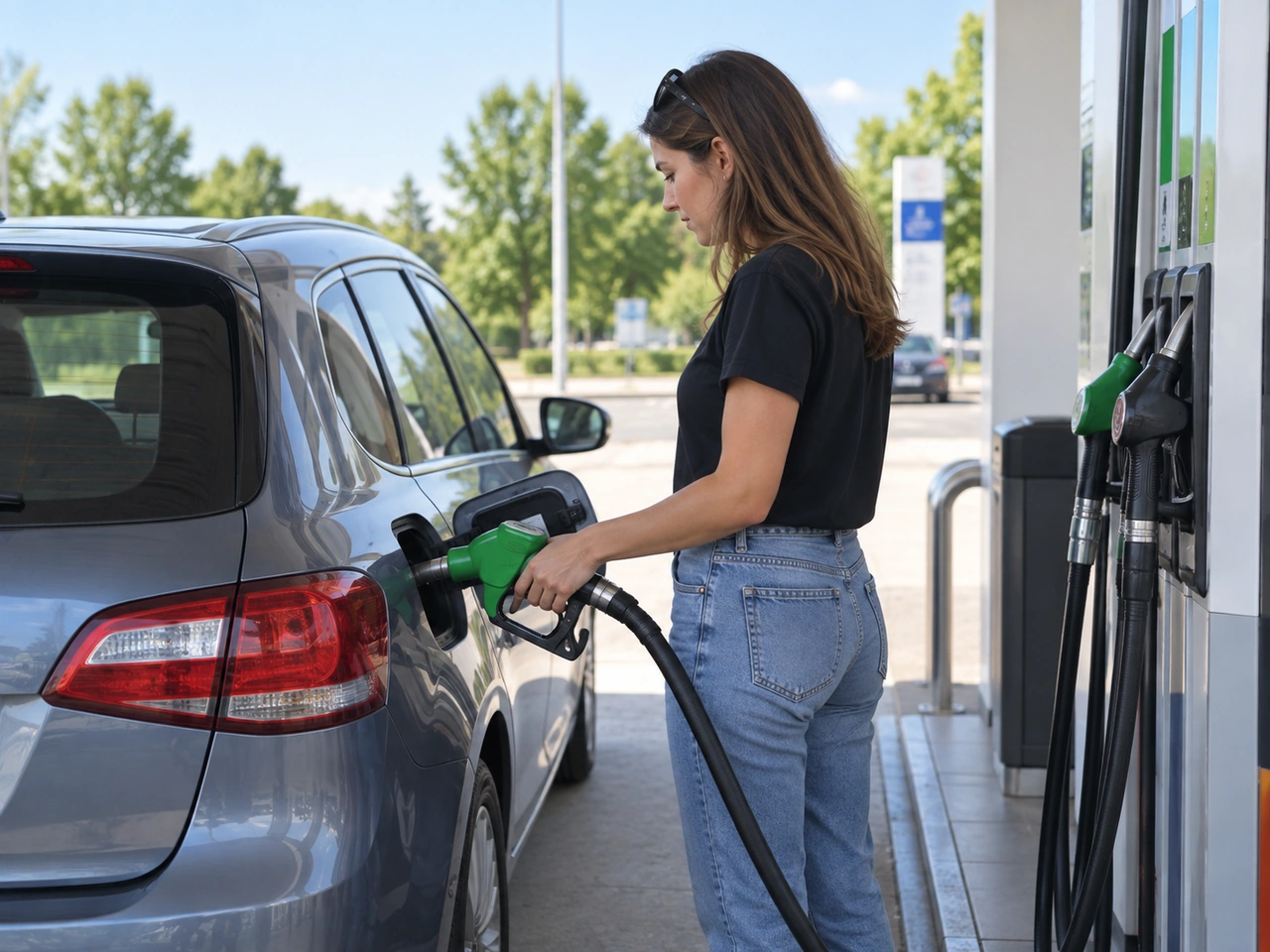
Switch off the engine before refuelling. Fuel vapours are flammable, so avoid ignition sources and follow the safety instructions at the filling station. If fuel is spilled, do not start the vehicle until the situation has been made safe.

Switch off the engine before using a self-service pump. Argentina’s self-service rules require signs instructing drivers to turn off the engine.
🔗 Sources

Argentina – Resolution 147/2025, self-service filling-station signs

Image credit: AI-generated
What should you do if you are unsure who has priority at a junction?

266. What should you do if you are unsure who has priority at a junction?

Enter slowly so the other driver has time to react.
Rely on eye contact and enter the junction first.
Check only the direction that normally has priority.
✓ Slow down and proceed only when it is safe.

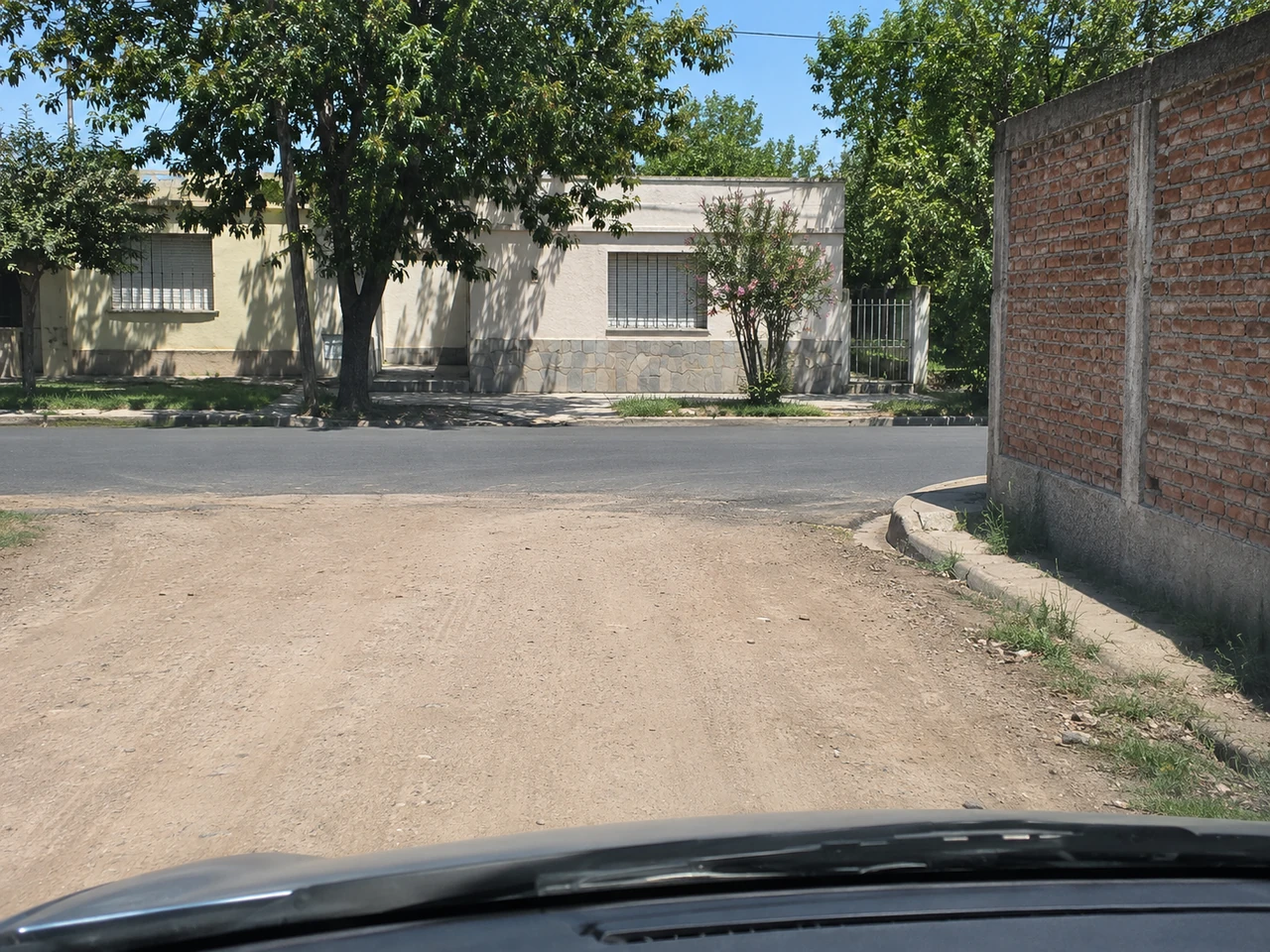
If priority is unclear, reduce speed, observe carefully, and avoid entering the junction until you are sure it is safe.
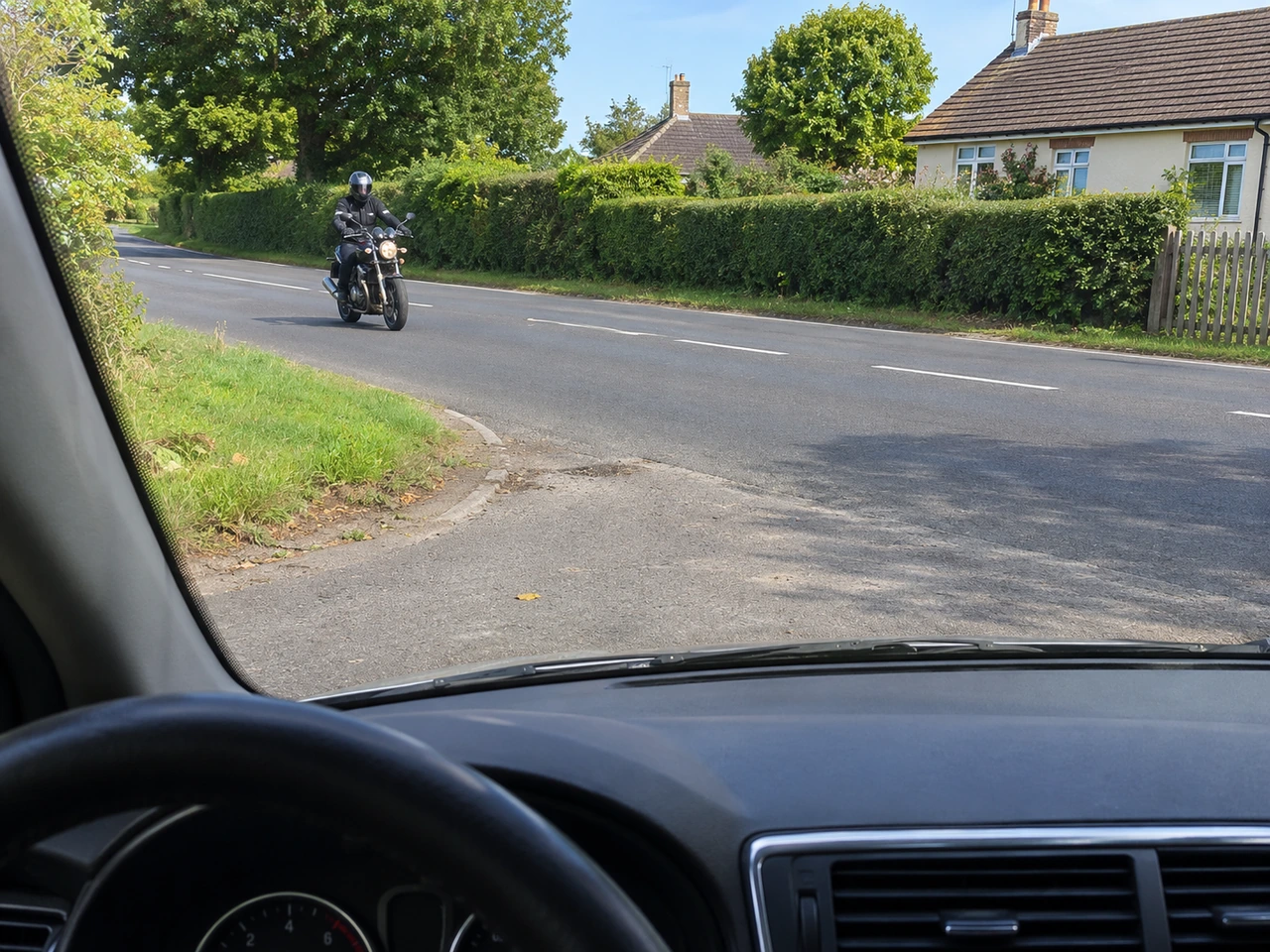
The wall limits your view of the paved road. Slow down and look both ways. When joining a paved road from an unpaved road, give way to traffic on the paved road.
🔗 Sources

Argentina • National Traffic Law 24.449, article 41

Image credit: AI-generated

Why should you check an approaching motorcycle carefully before emerging?

267. Why should you check an approaching motorcycle carefully before emerging?

Its headlight guarantees that it will stop for you.
Its rider always has room to swerve around you.
It loses priority whenever you begin to emerge.
✓ It may be approaching faster than you think.

A motorcycle can be easy to overlook, and its approach may be misjudged. Look carefully and wait for a safe gap rather than relying on a quick glance.
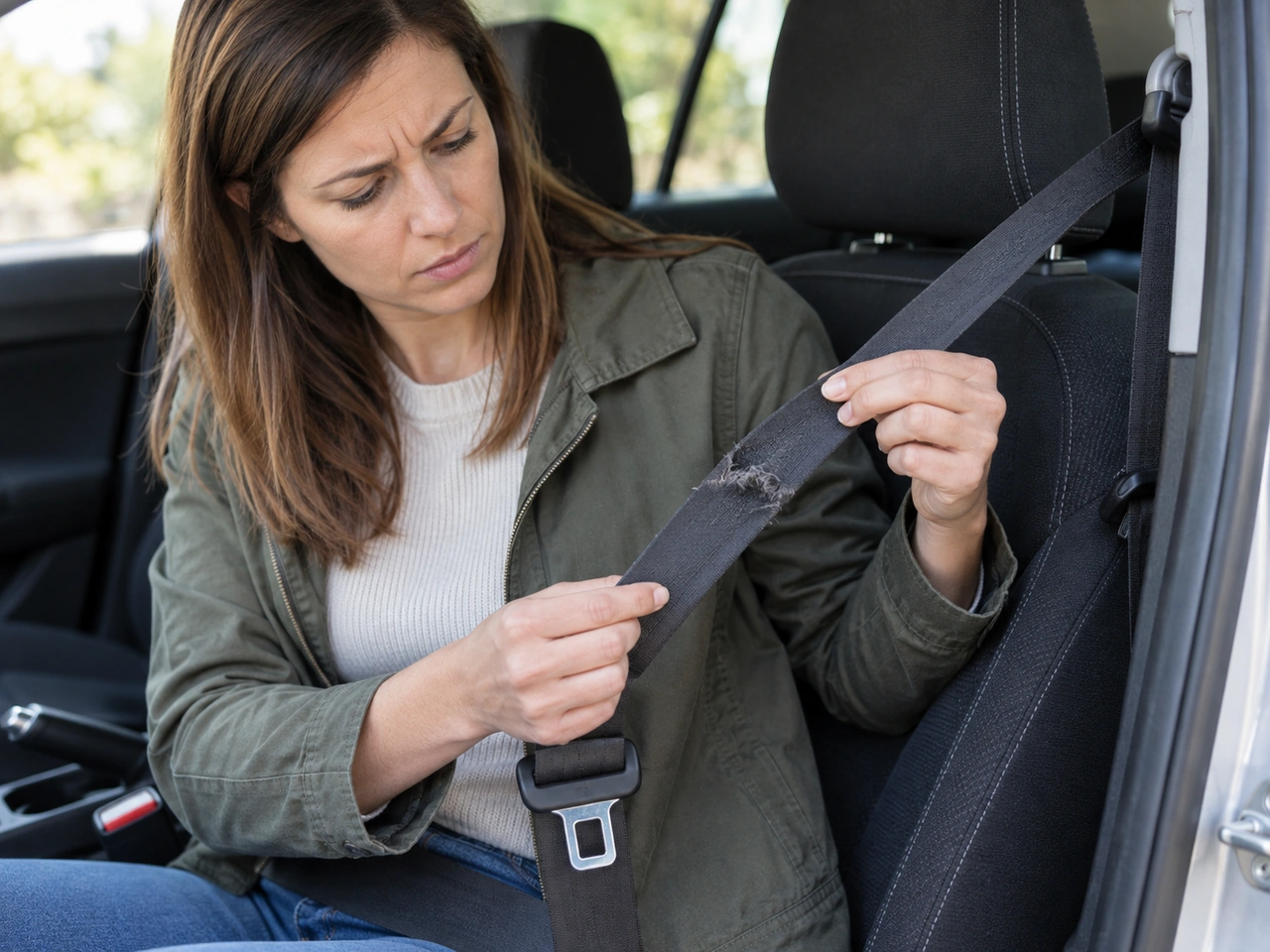
An approaching motorcycle viewed from a junction. General road-safety guidance: A motorcycle can be easy to overlook, and its approach may be misjudged. Look carefully and wait for a safe gap rather than relying on a quick glance.
🔗 Sources

GOV.UK — Great Britain
Reference: Rule 211

Image credit: AI-generated

What should you do if a seat belt is frayed or damaged?

268. What should you do if a seat belt is frayed or damaged?

Use it normally if the buckle still locks.
Cover the damaged section and continue using it.
✓ Have it inspected and replaced before relying on it.
Twist the damaged section so it cannot tear further.

A damaged seat belt may not provide proper protection in a collision. Frayed webbing, damaged buckles, faulty retractors, or other defects should be professionally inspected and repaired or replaced before the seat belt is relied upon.

Frayed or damaged seat-belt webbing.
🔗 Sources

Nissan 2025 Sentra manual — Model-specific seat-belt use, condition and maintenance example

Image credit: AI-generated
Why should you avoid changing lanes inside an intersection?

269. Why should you avoid changing lanes inside an intersection?

It can make your route through the junction longer.
It can make road markings harder to follow.
✓ It can confuse other road users and increase collision risk.
It can make it harder to maintain a steady speed.

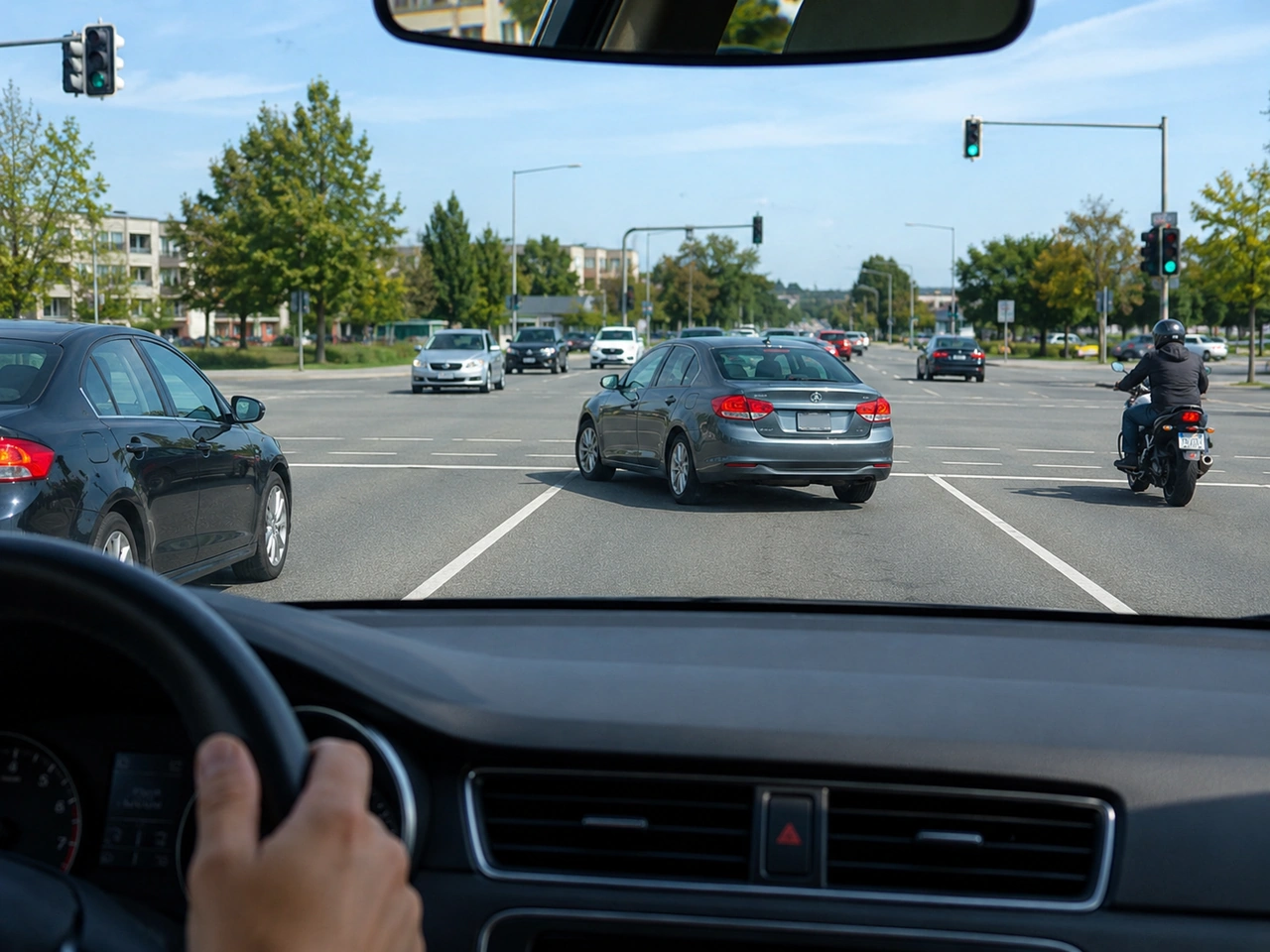
Changing lanes inside an intersection can surprise drivers, cyclists, and pedestrians. It is safer to choose the correct lane before entering.

Vehicle changing lanes within a junction.
🔗 Sources

Maryland Highway Safety Office — predictable driving, merging and avoiding lane changes in junctions

Image credit: AI-generated
Where should you change a wheel after a puncture?

270. Where should you change a wheel after a puncture?

On a slight slope if the parking brake is applied.
✓ On firm, level ground well away from moving traffic.
As close to moving traffic as possible to keep off the verge.
Where the puncture occurred, as long as the hazard lights are on.

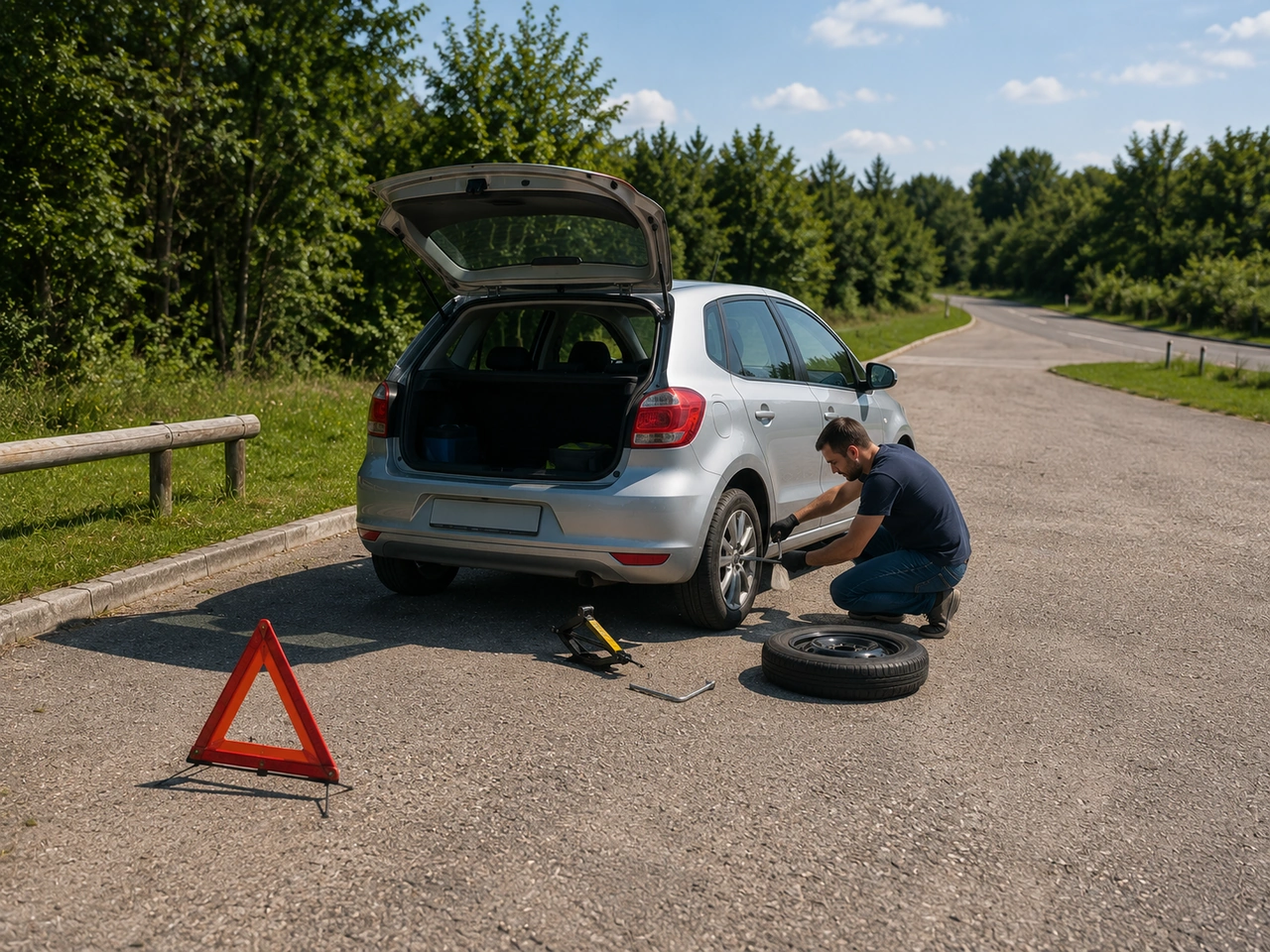
Choose firm, level ground with enough space to work well away from moving traffic. Secure the vehicle, switch off the engine and follow the handbook’s wheel-changing instructions, including the parking brake, transmission position and any wheel chocks. Keep passengers out while the vehicle is lifted. If there is no safe working area, request recovery rather than attempting a wheel change beside fast traffic. Only move towards a better location if the vehicle can still be moved safely.

Wheel change on firm ground away from traffic.
Choose firm, level ground clear of passing traffic. If a wheel change cannot be done safely, arrange assistance.
🔗 Sources

Ford manual: wheel-change example; Highway Code Annex 6 (GB).

Image credit: AI-generated

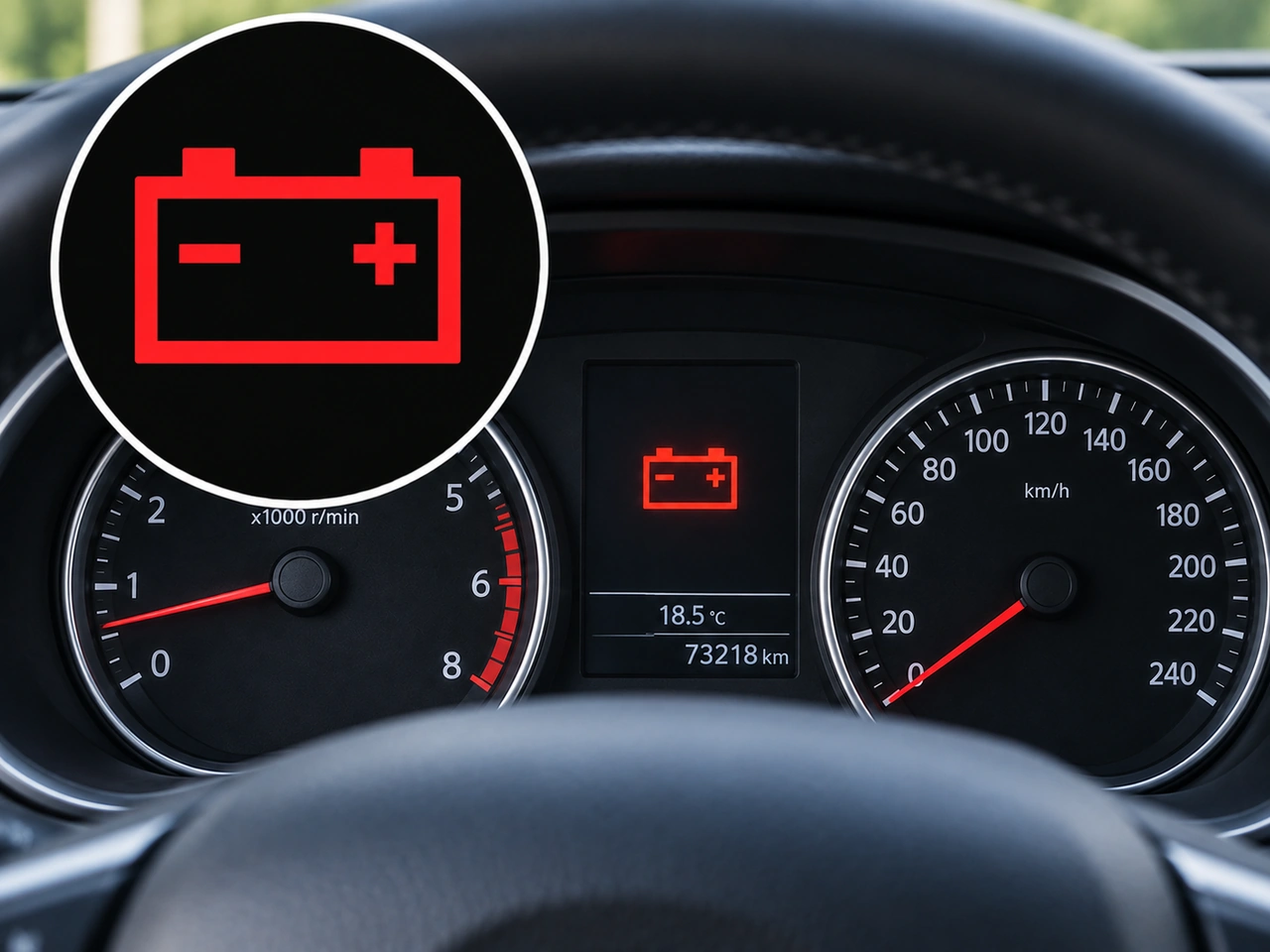
What does this dashboard symbol indicate?

271. What does this dashboard symbol indicate?

Engine-temperature warning.
Brake-system warning.
Engine-management warning.
✓ Charging-system warning.

This symbol indicates a problem with the vehicle's charging system. If it remains illuminated while the engine is running, the battery may not be charging correctly because of a fault with the alternator, battery, wiring, or related components.

Charging-system warning symbol on the dashboard.
If the battery-shaped warning stays on with the engine running, the charging system needs attention. Follow the vehicle handbook and seek assistance.
🔗 Sources

Volkswagen · Dashboard warning and indicator lights

Image credit: AI-generated

What should you do when walking near a driveway?

272. What should you do when walking near a driveway?

Watch only for vehicles leaving the driveway.
✓ Watch for vehicles entering or leaving.
Rely on engine noise to warn you of vehicles.
Assume vehicles will stop before crossing your path.

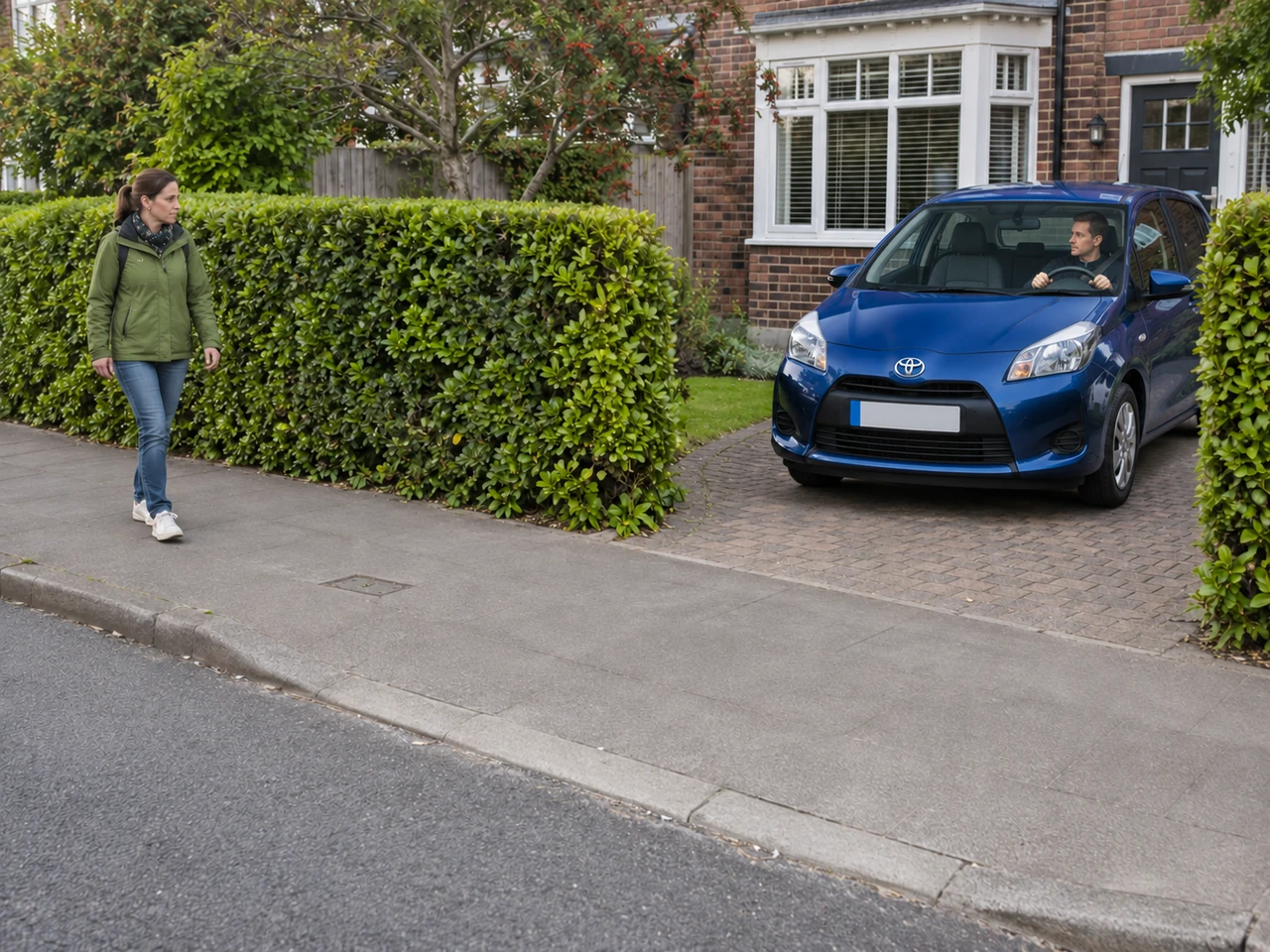
Check the driveway for vehicles coming out and the road for vehicles turning in. Stay alert to vehicles moving forwards or reversing, and do not rely on engine noise to warn you. Before crossing a vehicle path, make sure the driver has noticed you and that it is safe to proceed. Wait clear if a vehicle is moving.
A pedestrian checks a driveway before continuing along the pavement. A left-hand-drive car faces out of the driveway and waits behind the footway, leaving the walking route clear. Watch for vehicles entering or leaving and do not assume that a driver has seen you.
🔗 Sources

USA NHTSA — General pedestrian safety

Image credit: AI-generated

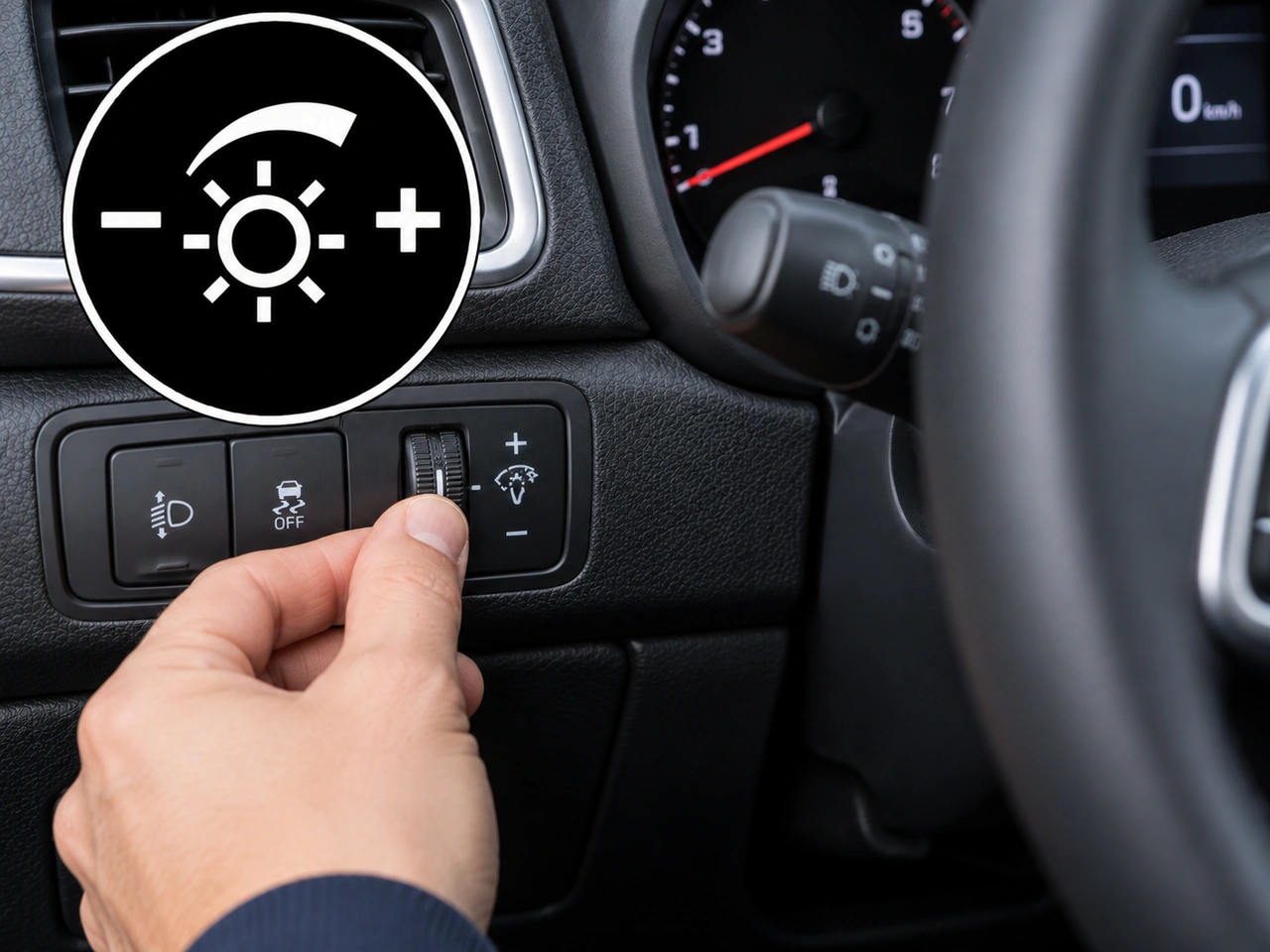
What does this vehicle-control symbol indicate?

273. What does this vehicle-control symbol indicate?

Automatic headlights.
Interior lighting.
✓ Instrument-panel brightness.
Headlight level adjustment.

This control adjusts the brightness of the instrument panel and dashboard illumination, allowing the driver to reduce or increase the lighting level.

Control for adjusting instrument-panel brightness.
Adjust the instrument lighting so you can read the display easily. A lower setting can reduce glare at night.
🔗 Sources

Ford owner’s manual · Instrument panel lighting brightness

Image credit: AI-generated

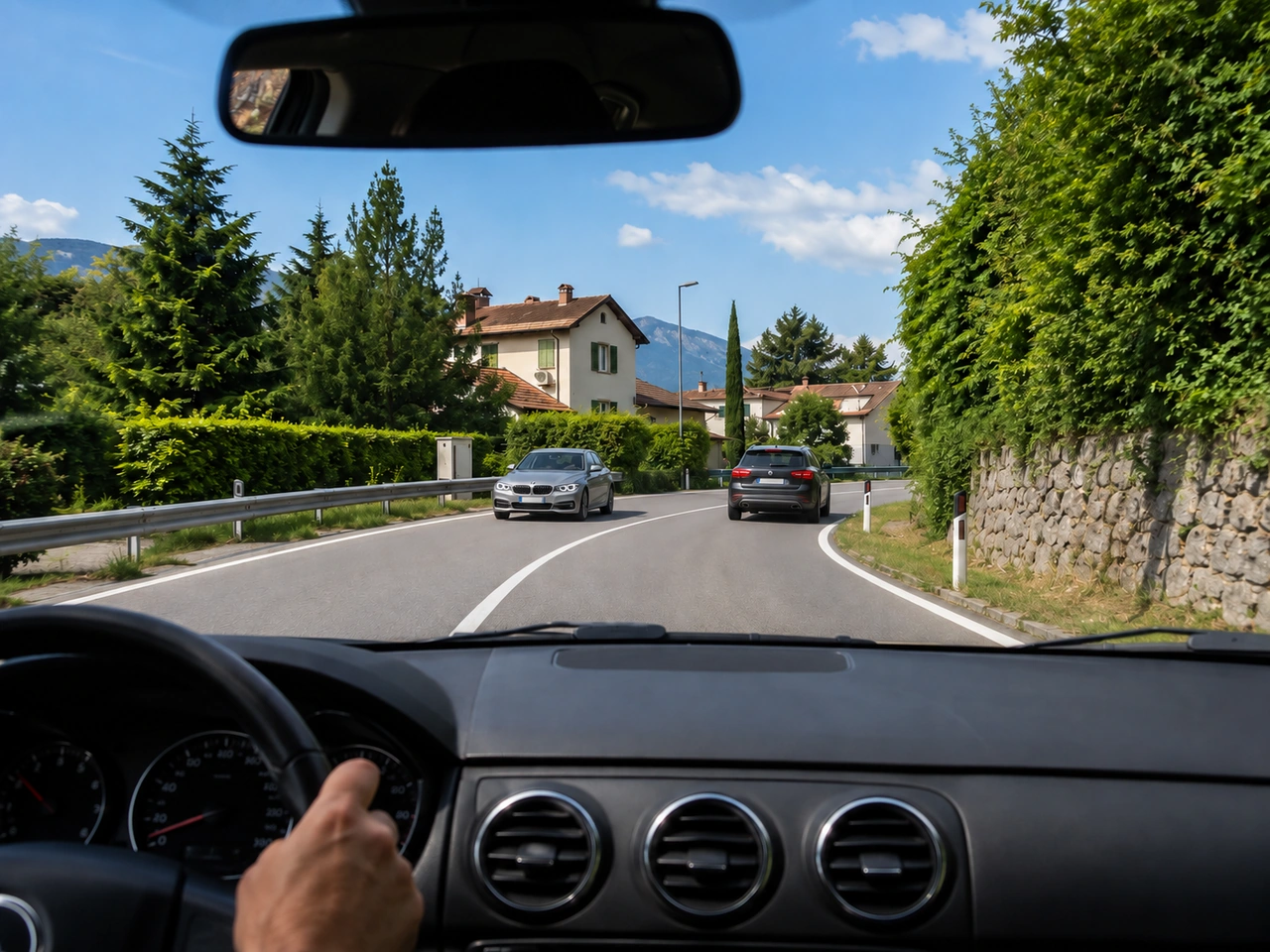
Why should you slow down before a sharp bend?

274. Why should you slow down before a sharp bend?

✓ To keep control of the vehicle.
To prevent other vehicles from overtaking.
To make the bend easier to see from a distance.
To make the steering feel lighter.

Sharp bends reduce your view and can make the vehicle harder to control, so you should slow down before entering the bend.

Vehicle approaching a sharp bend.
🔗 Sources

Great Britain — Highway Code, rule 125; speed appropriate to bends and conditions

Image credit: AI-generated
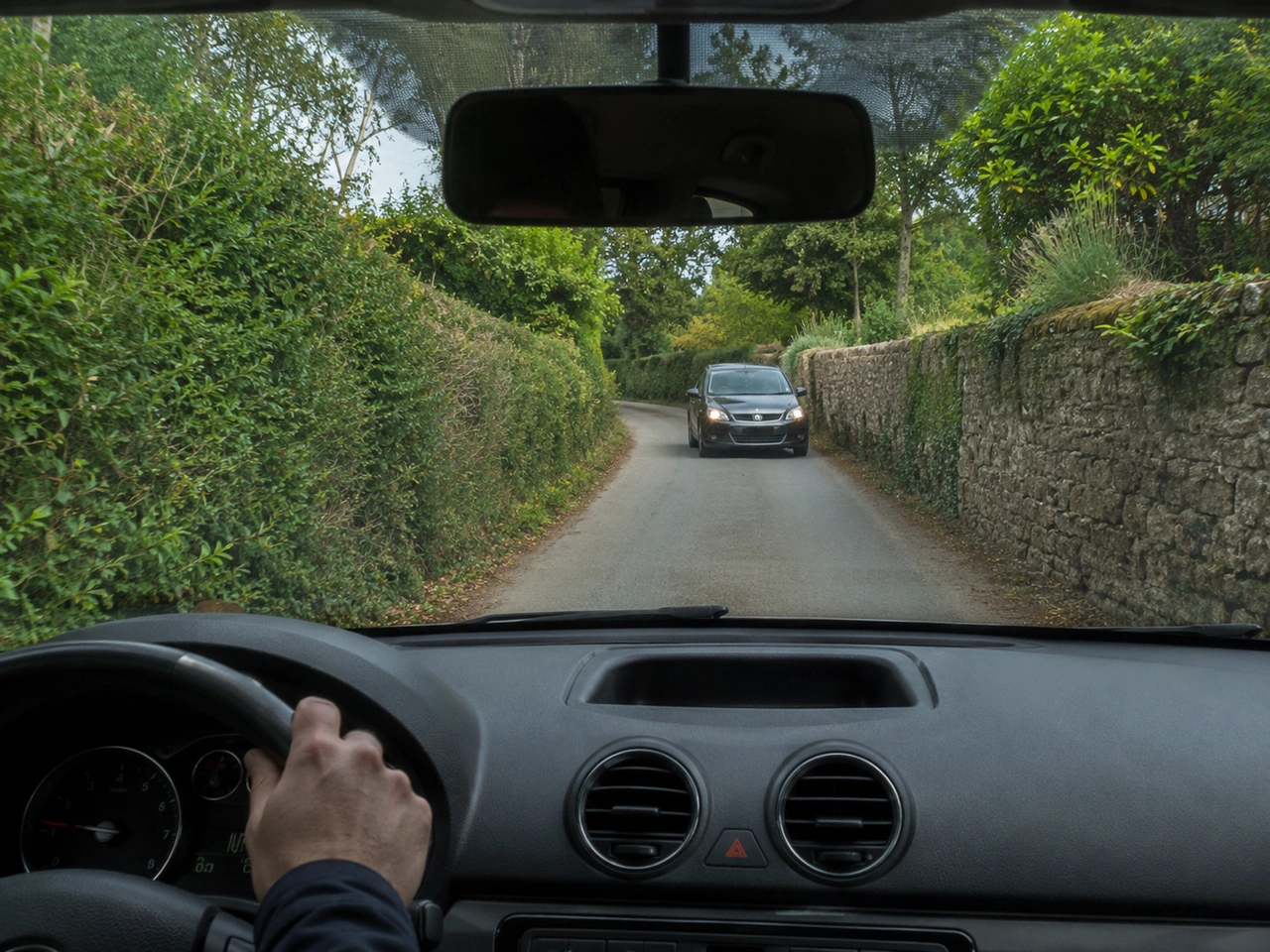
What should you do when approaching a narrow road with oncoming traffic?

275. What should you do when approaching a narrow road with oncoming traffic?

✓ Slow down and give space when needed.
Continue first if you entered the narrow section earlier.
Maintain your speed if there appears to be enough room.
Move closer to the road edge without reducing speed.

On narrow roads, reduce speed and be prepared to stop or use a suitable passing place. Leave enough space for the oncoming vehicle and avoid forcing either vehicle into an unsafe position.
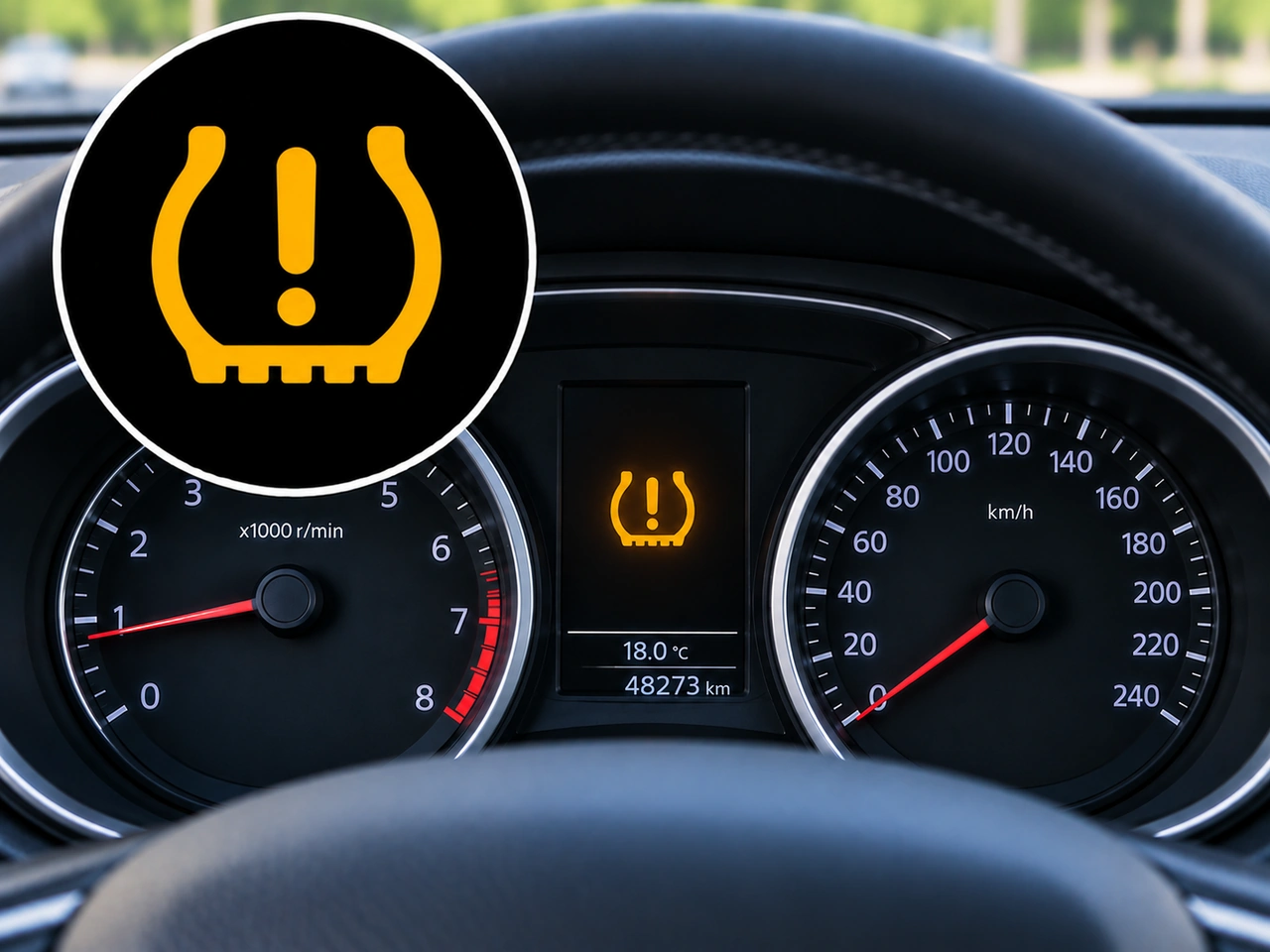
What does this dashboard symbol indicate?

276. What does this dashboard symbol indicate?

Engine-management warning.
Brake-system warning.
✓ Low tyre pressure.
Electronic stability control.

This symbol indicates that one or more tyres may have low pressure. Check the tyre pressures and inspect the tyres for damage or a puncture.

Tyre-pressure warning symbol on the dashboard.
Check all tyre pressures against the vehicle’s recommended settings and look for damage. If the light flashes, consult the handbook for the model-specific meaning.
🔗 Sources

Volkswagen · Dashboard warning and indicator lights

Image credit: AI-generated

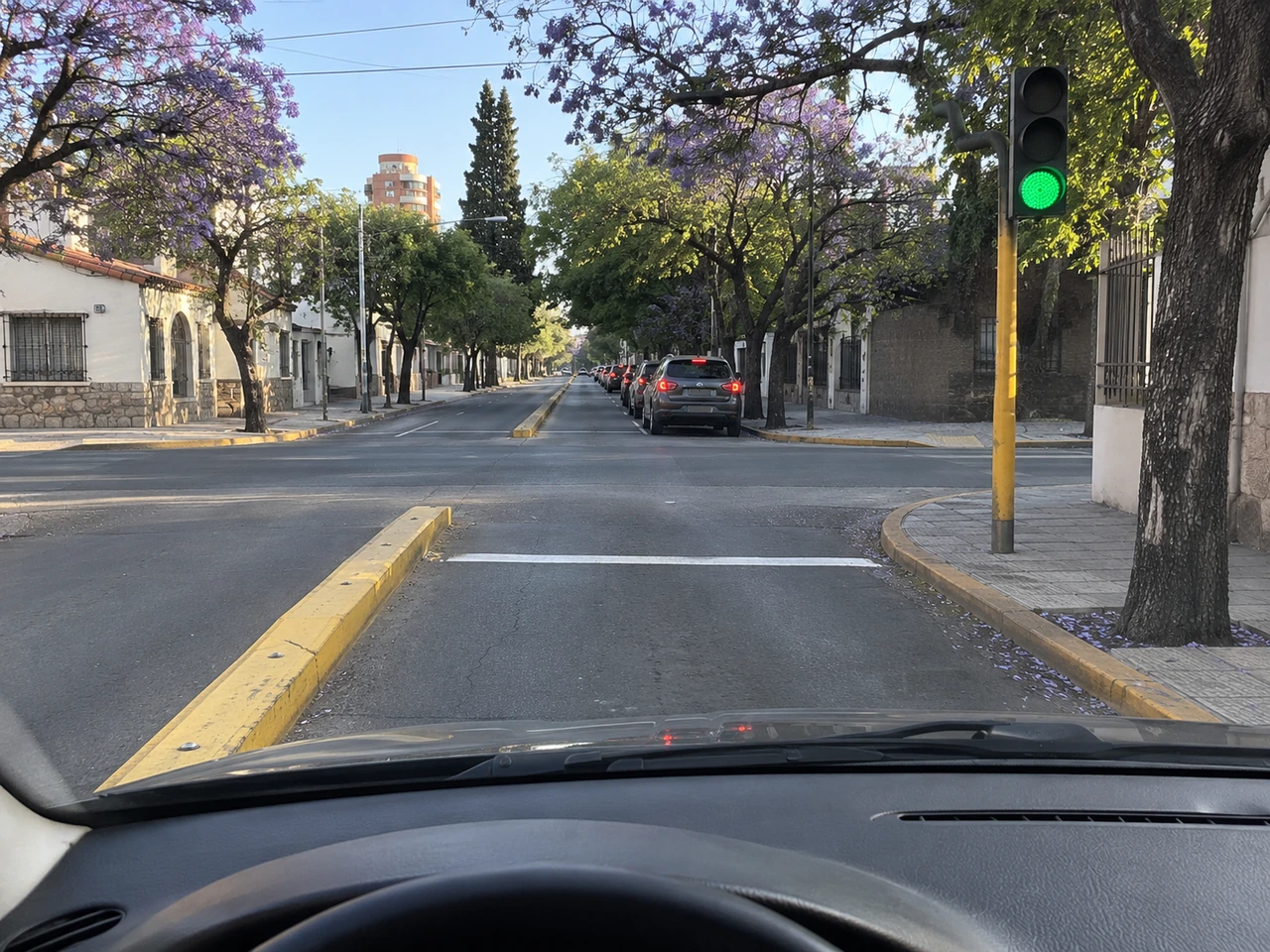
What does a green traffic light mean?

277. What does a green traffic light mean?

✓ You may proceed if it is safe.
You have priority over all other road users.
You must proceed as soon as the light turns green.
You may turn in any direction without checking the signs.

A green light allows you to continue, but you must still watch for pedestrians, cyclists, and other road users.
Let anyone already crossing finish. Even on green, wait before entering if there is too little space on the far side for your vehicle.
🔗 Sources

Argentina • National Traffic Law 24.449, article 44(e)

Image credit: AI-generated

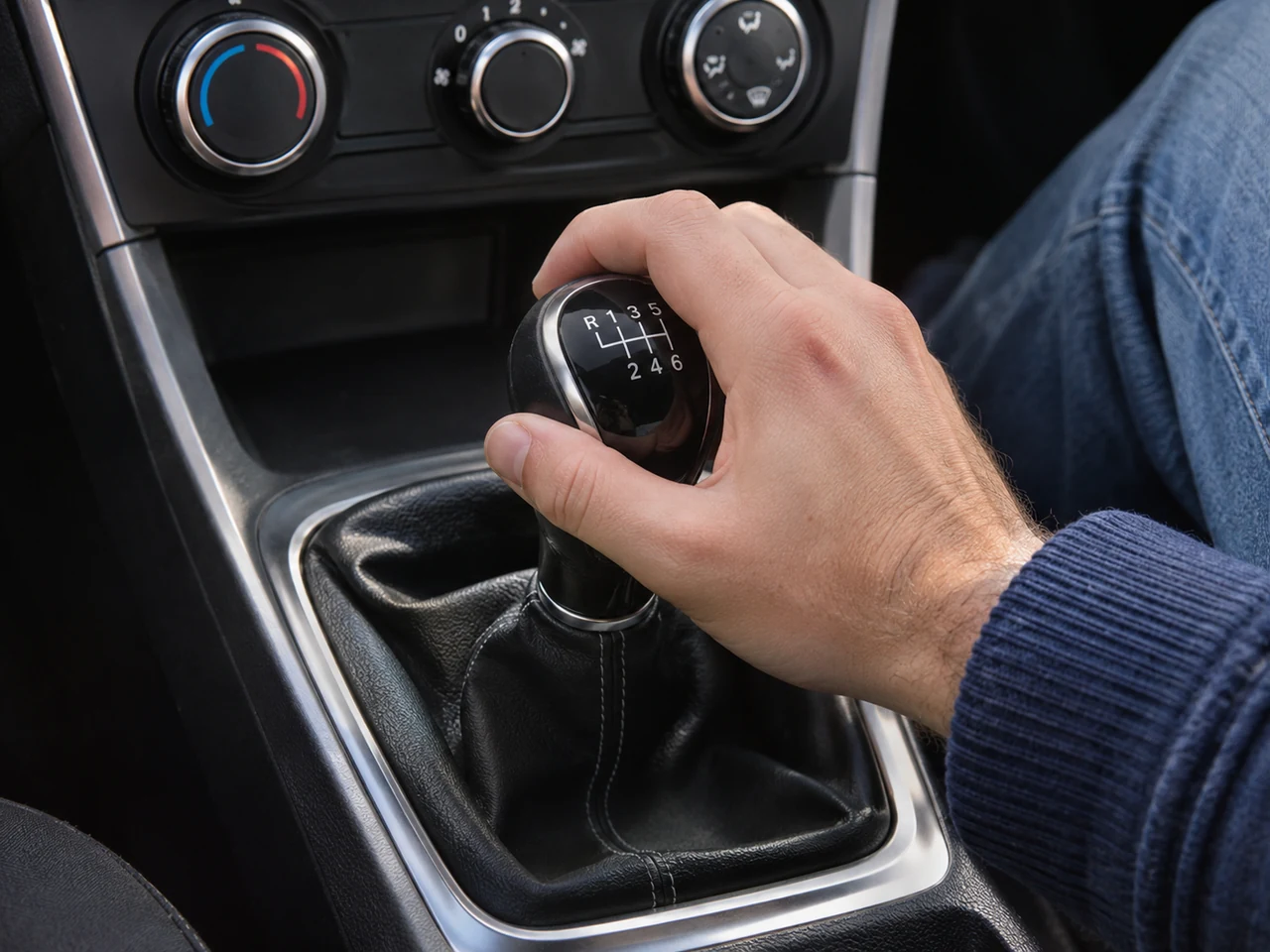
How can you reduce fuel use in a manual vehicle?

278. How can you reduce fuel use in a manual vehicle?

Stay in low gears for as long as possible.
✓ Avoid unnecessarily high engine speeds.
Keep the clutch partly pressed while driving.
Accelerate hard before every gear change.

In a manual vehicle, use an appropriate gear and avoid unnecessarily high engine speeds. Change gear smoothly and follow the manufacturer's guidance for efficient operation.
Argentina’s light-vehicle guide recommends avoiding unnecessarily high engine revs. In a manual car, use a gear that keeps the engine running smoothly at the current speed and load.
🔗 Sources

Argentina’s efficient-driving guide for light vehicles

Image credit: AI-generated

Large vehicles may need extra room to turn.

279. Large vehicles may need extra room to turn.

False.
✓ True.

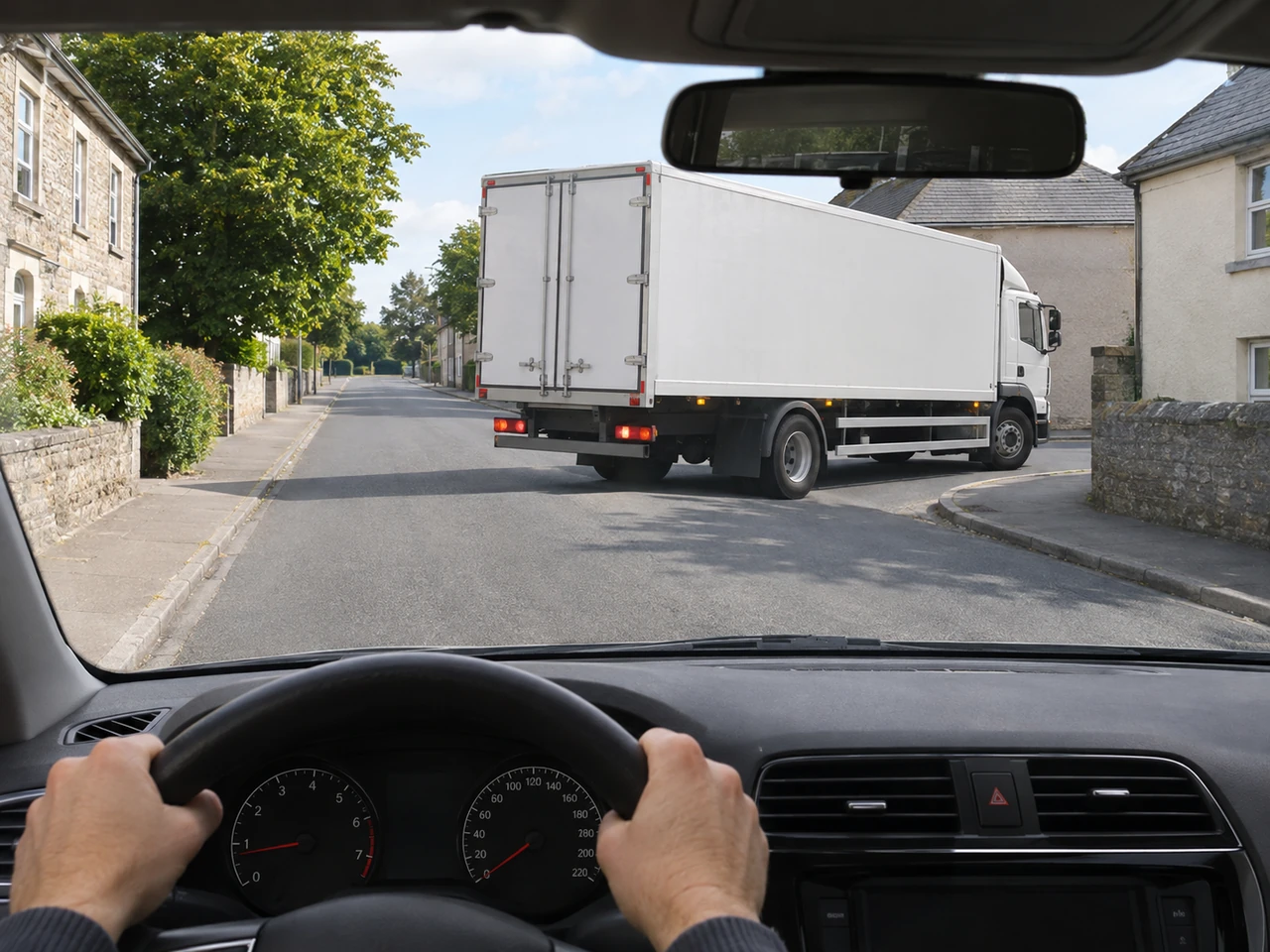
A bus or lorry may need more road space than a car to complete a turn. Keep clear and be prepared to wait rather than moving into the space it needs.
Keep clear of a large vehicle's turning space. A bus or lorry may swing out before turning, and its rear wheels can take a tighter path than the front. Hold back rather than entering a gap beside it. Be prepared to wait while it completes the turn.
🔗 Sources

The Highway Code (Great Britain) • Safety guidance, Rule 221

Image credit: AI-generated

What should you do if an EV charging cable or connector is damaged?

280. What should you do if an EV charging cable or connector is damaged?

Cover the damaged area and continue charging.
Use it if the vehicle still begins charging.
✓ Do not use it, and report or arrange repair of the damage.
Reduce the charging power and continue using it.

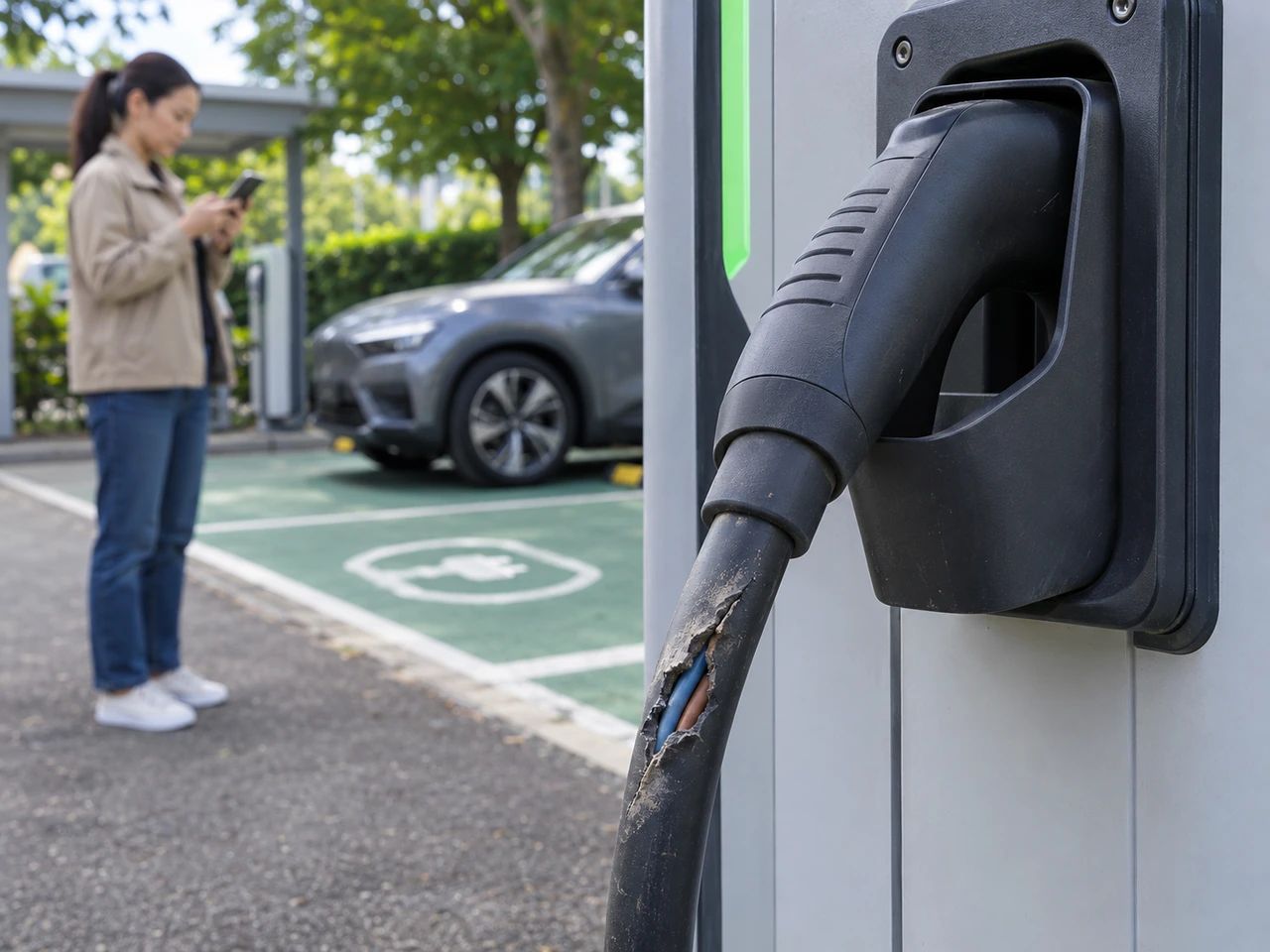
Do not use a damaged charging cable or connector. Damage can create a risk of electric shock, overheating, or fire. Use suitable undamaged charging equipment and report the fault or arrange professional repair or replacement.
Volvo’s EX30 Cross Country guide advises leaving worn or damaged charging cables out of use. At a public station, use another compatible cable or charging point.
🔗 Sources

Volvo Cars Argentina – EX30 Cross Country charging cables

Image credit: AI-generated

What does this vehicle-control symbol indicate?

281. What does this vehicle-control symbol indicate?

Brake-system warning.
Cruise control.
Parking assistance.
✓ Electronic parking brake.

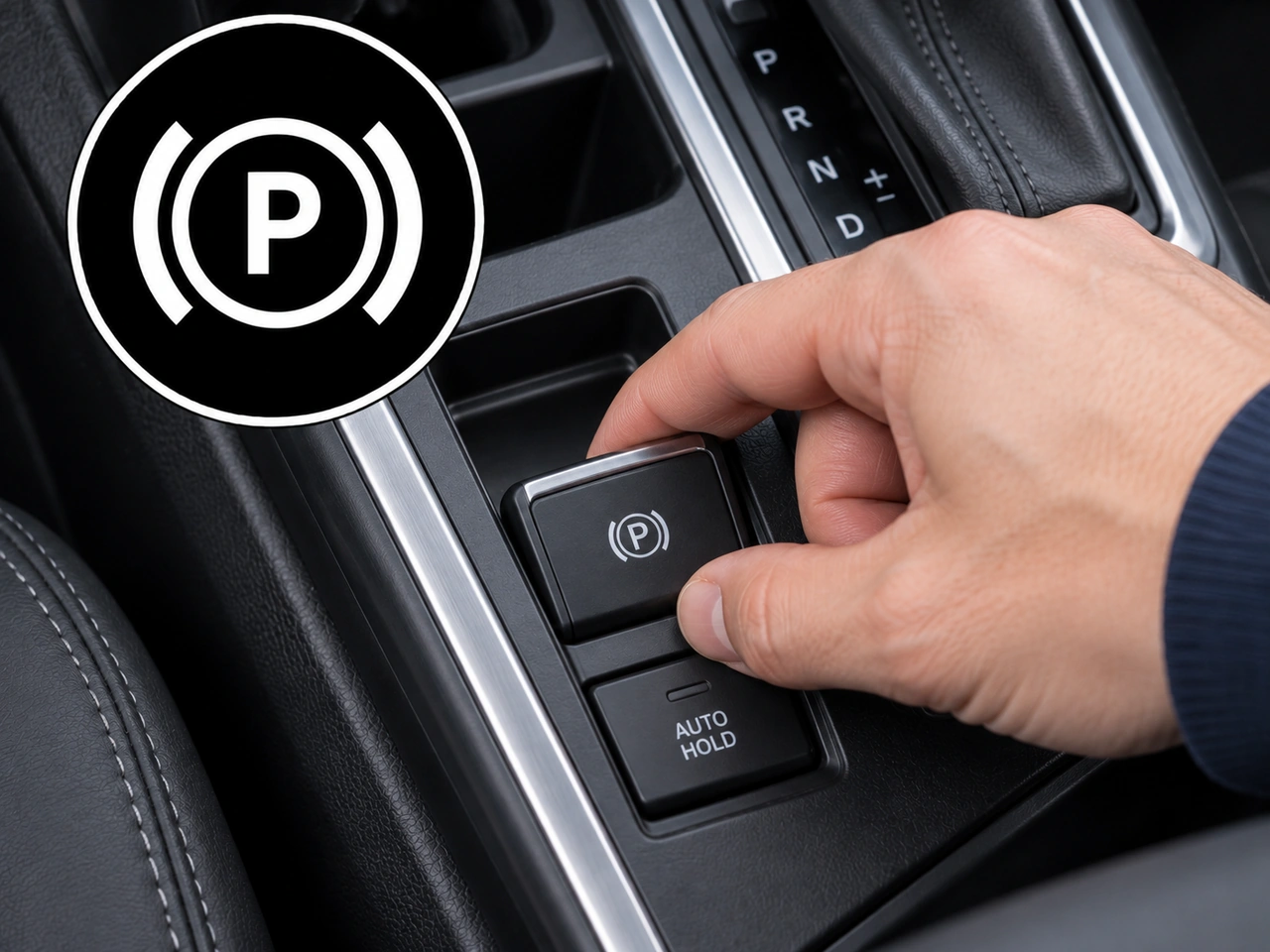
This control operates the electronic parking brake. Pulling or pressing the switch applies or releases the parking brake, depending on the vehicle.

Electronic parking-brake switch and symbol.
On vehicles with a pull-to-apply switch, pull it up to apply the parking brake. To release it manually, hold the brake pedal and press the switch. Check the brake indicator for confirmation.
🔗 Sources

Ford owner’s manual · Electric parking brake

Image credit: AI-generated

What should you do if an emergency vehicle approaches with lights or siren on?

282. What should you do if an emergency vehicle approaches with lights or siren on?

Speed up so the vehicle can follow you.
✓ Stay calm and make room safely.
Stop immediately wherever you are.
Move aside without checking surrounding traffic.

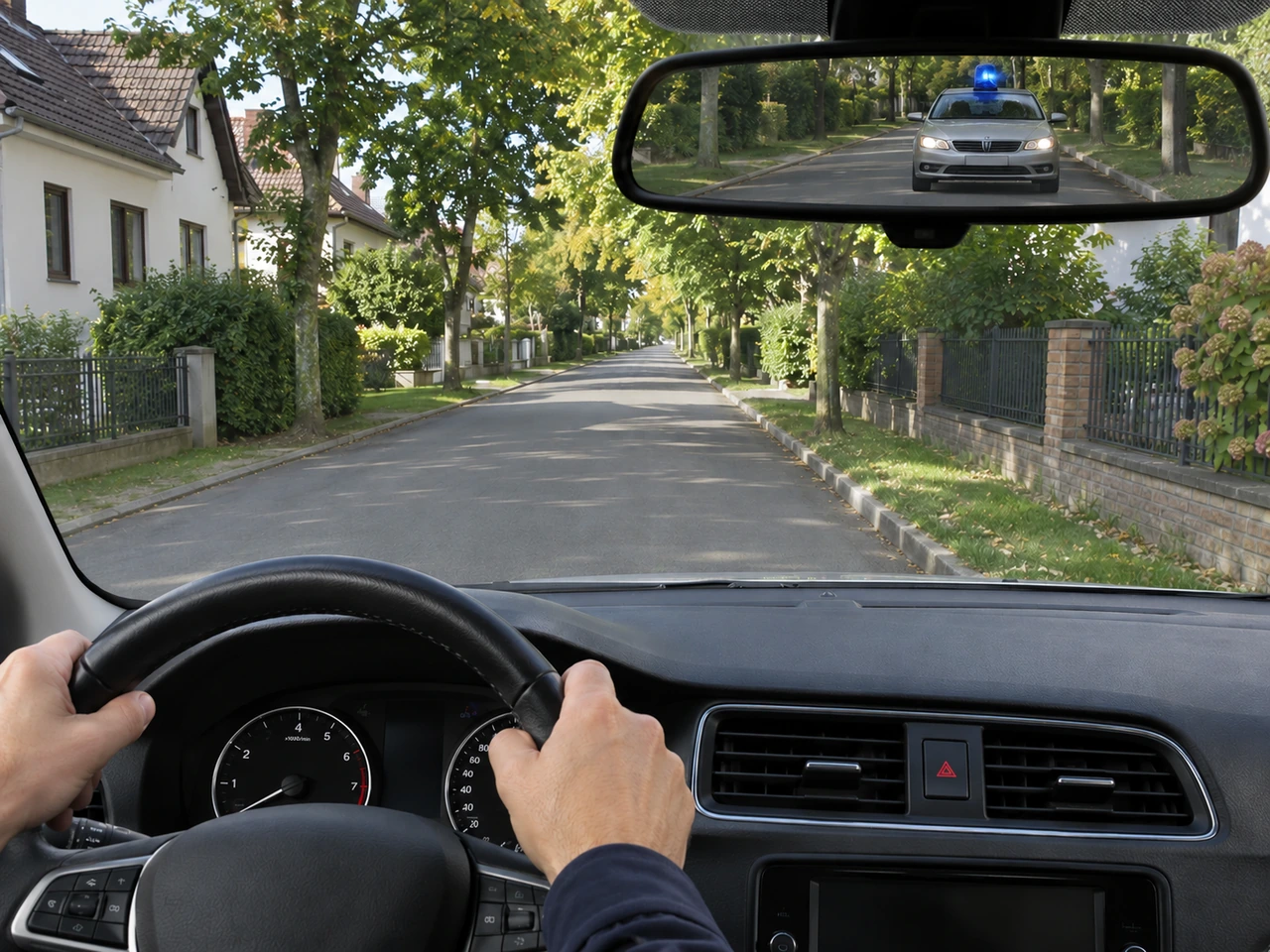
When an emergency vehicle uses lights or siren, check your surroundings and make room safely without sudden or dangerous movements.
A police or security vehicle with a flashing blue roof beacon is visible in the rear-view mirror. Under Argentina’s national traffic law, facilitate the passage of an emergency vehicle using its distinctive warning beacons; a siren is added for extraordinary urgency. Do not follow the vehicle to benefit from its passage.
🔗 Sources

Argentine National Traffic Law 24,449 — Articles 32(e) and 61

Image credit: AI-generated

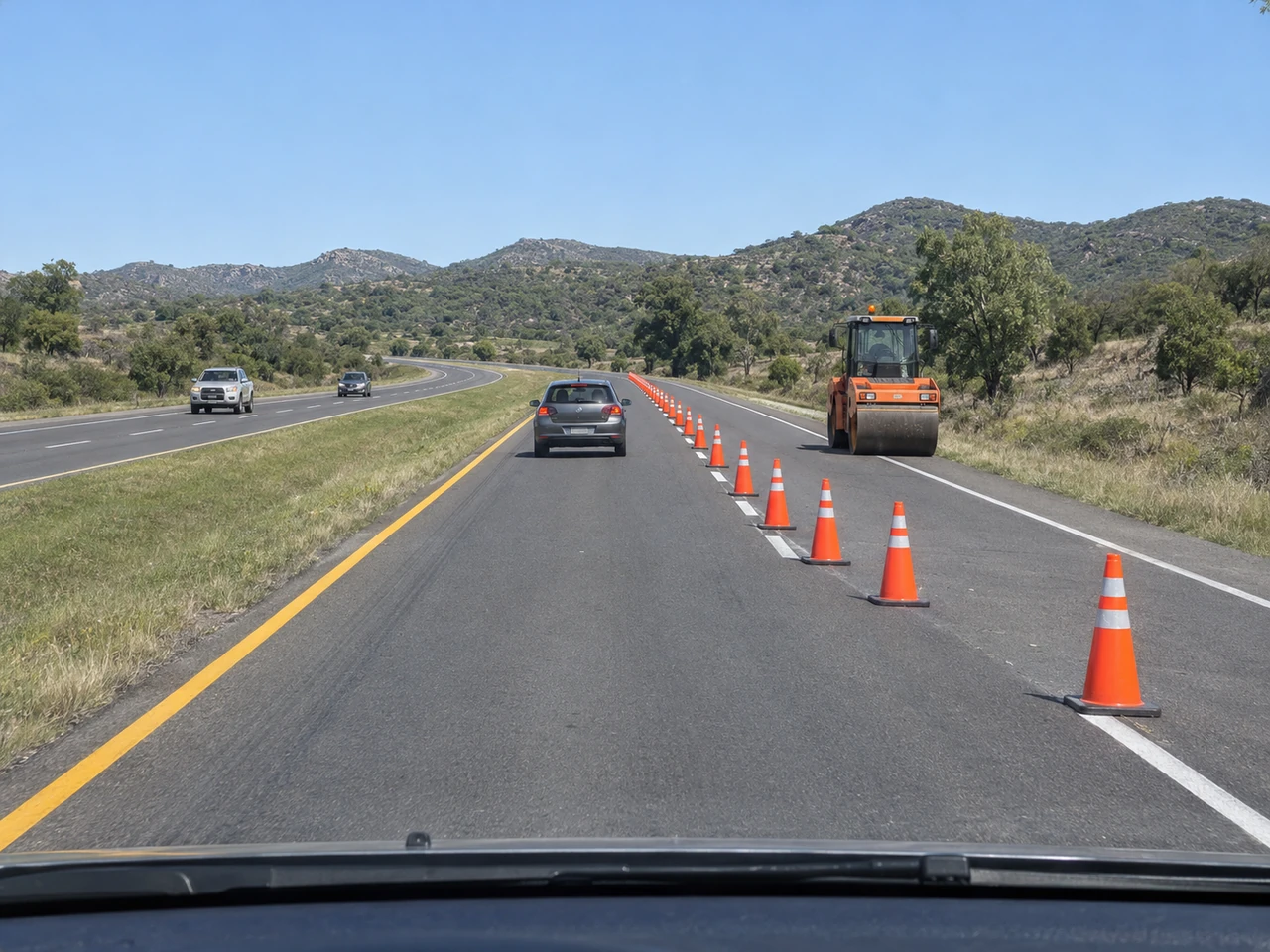
What should you do when approaching a temporary lane closure?

283. What should you do when approaching a temporary lane closure?

Merge without checking if traffic is moving slowly.
Reverse back the way you came.
Follow construction vehicles through the closed lane.
✓ Follow the temporary signs and merge safely when required.

Observe the temporary signs, adjust your speed, and merge safely according to the traffic situation and local rules.
The cones close the right lane. Follow the signs, check your mirrors and blind spot, and merge left when there is a safe gap.
🔗 Sources

Resolution 165/2001, section I.7

Image credit: AI-generated

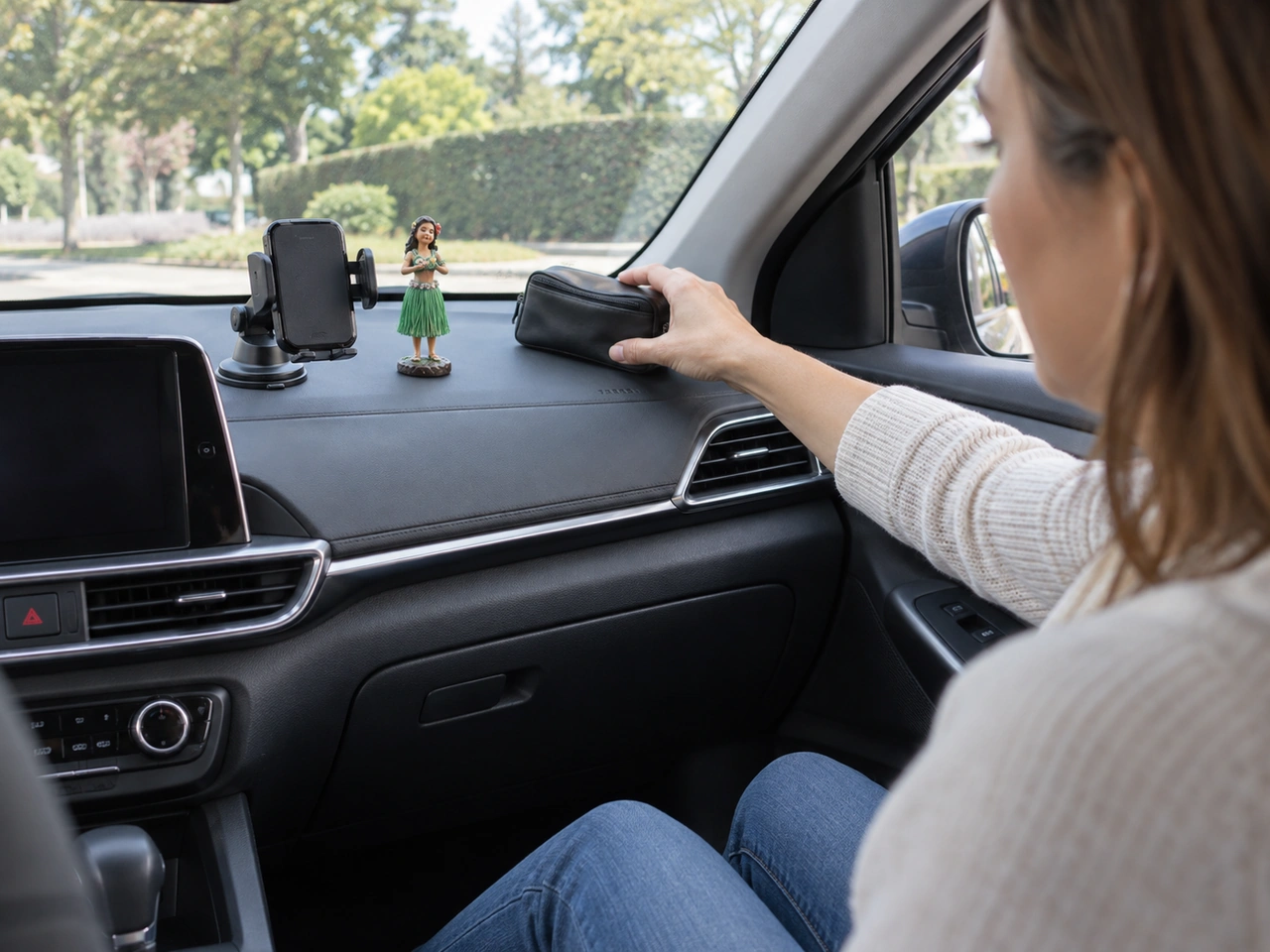
Why should you avoid placing objects on or over an airbag cover?

284. Why should you avoid placing objects on or over an airbag cover?

They could prevent the seat belt from locking.
They could cause the airbag warning light to stay on.
They could make the dashboard harder to clean.
✓ They could interfere with deployment and become dangerous projectiles.

Do not place or attach objects over an airbag cover or in an airbag's deployment area. They may interfere with the airbag as it inflates and could be thrown towards occupants when the airbag deploys.

Objects placed over a vehicle's airbag cover.
🔗 Sources

Nissan 2025 Sentra manual — Model-specific clear airbag deployment zones example

Image credit: AI-generated
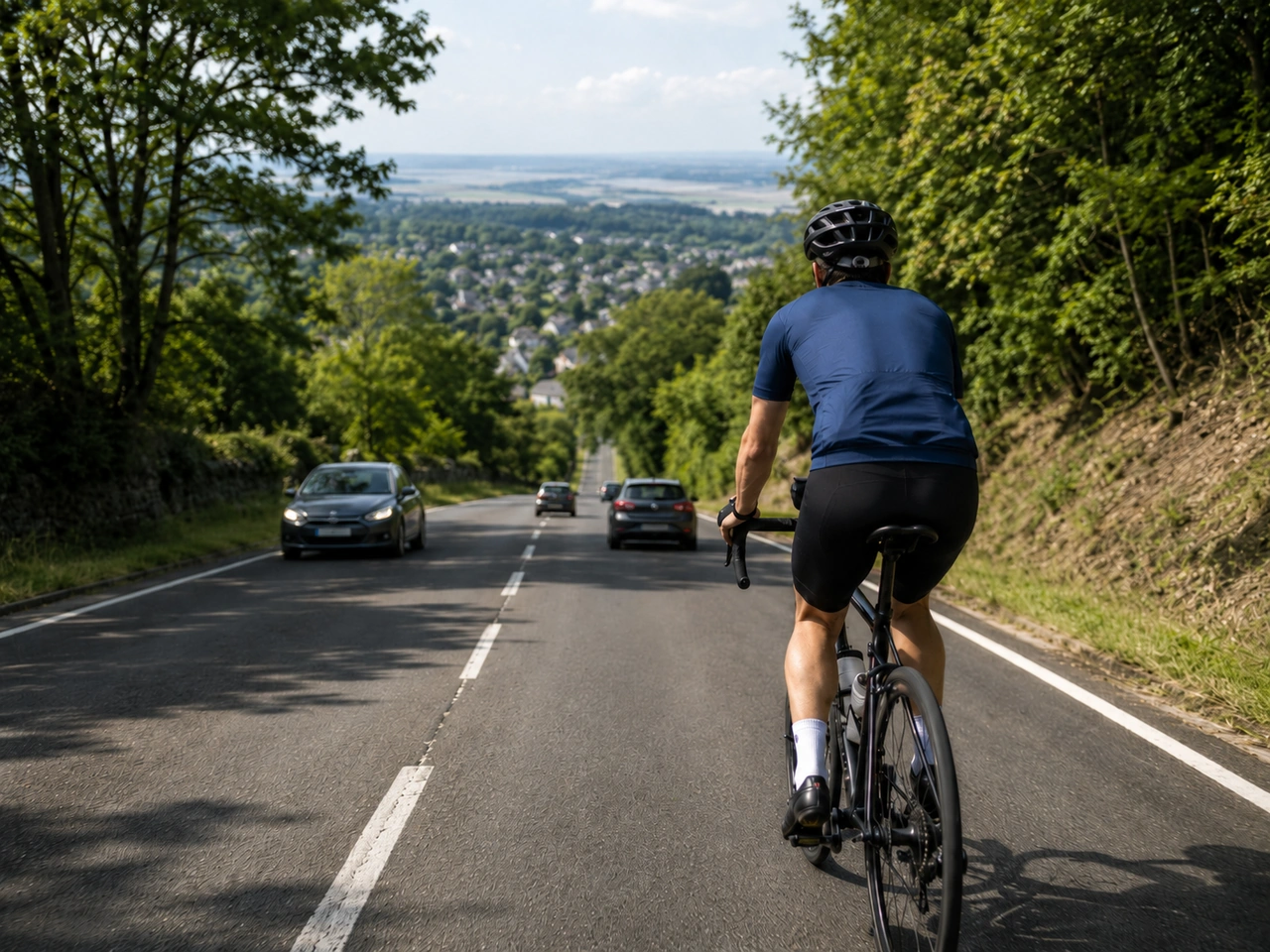
What should cyclists do when cycling downhill?

285. What should cyclists do when cycling downhill?

Use only one brake to reduce the risk of skidding.
Brake as late as possible before bends.
Look only at the road directly in front of you.
✓ Control your speed and keep both hands ready to brake.

Speed can build quickly on a descent, increasing stopping distance and leaving less time to respond to hazards. Keep both hands ready to brake and control your speed so you can stop within the distance you can see is clear. Brake smoothly before bends rather than entering them too fast.

Controlling downhill speed in Argentina. Watch for sudden descents and changes in the surface. Choose your speed to suit the conditions and slow down before a hazard.
🔗 Sources

Argentina — ANSV driver manual, cycling on changing surfaces and descents, printed pages 115–116

Image credit: AI-generated
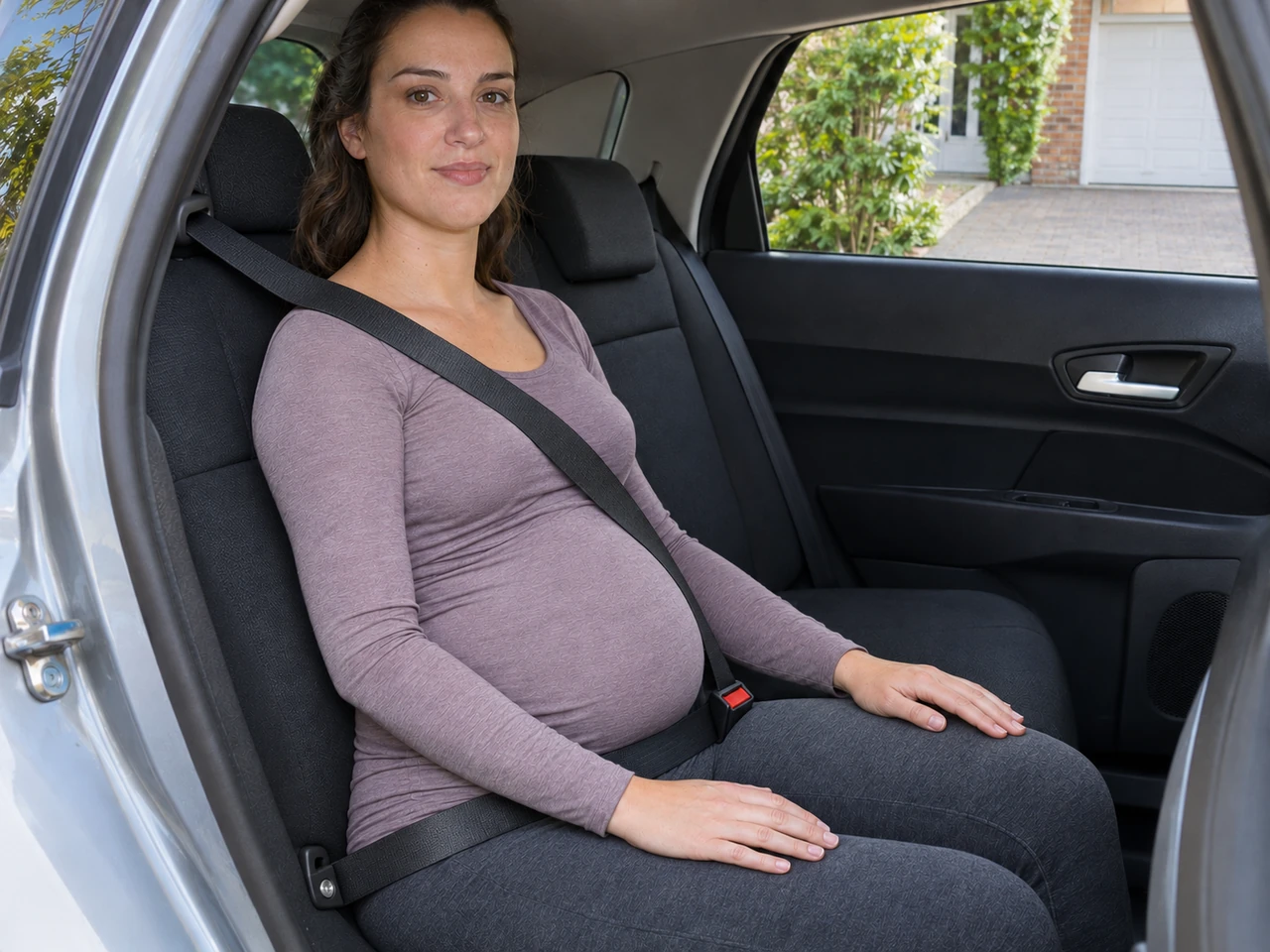
A correctly worn seat belt helps protect you during pregnancy.

286. A correctly worn seat belt helps protect you during pregnancy.

✓ True.
False.

Keep wearing the seat belt during pregnancy. Position the lap section snugly below the abdomen across the hips, and the shoulder section across the chest between the breasts. Never put the shoulder belt under an arm or behind the back. Ask a healthcare professional if you need individual advice.

Wear the seat belt correctly during pregnancy. Keep wearing the seat belt during pregnancy. Position the lap section snugly below the abdomen across the hips, and the shoulder section across the chest between the breasts. Never put the shoulder belt under an arm or behind the back. Ask a healthcare professional if you need individual advice.
🔗 Sources

NHTSA (United States) • Safety guidance, If You’re Pregnant: Seat Belt Recommendations

Image credit: AI-generated
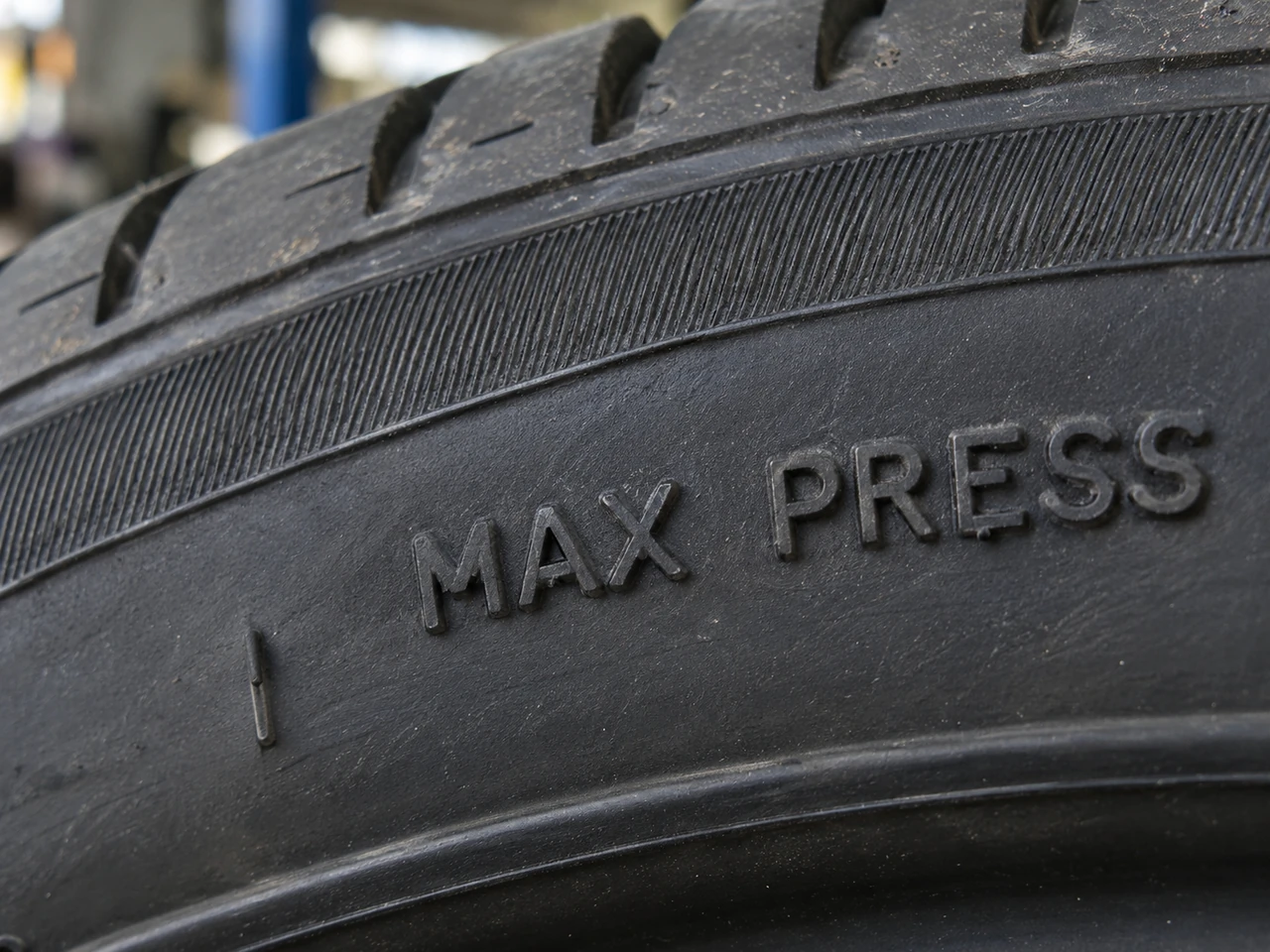
The maximum pressure on a tyre's sidewall is always the recommended pressure for the car.

287. The maximum pressure on a tyre's sidewall is always the recommended pressure for the car.

True.
✓ False.

Do not use the sidewall maximum as the routine inflation target. Find the recommended pressure on the vehicle's tyre-pressure label or in its handbook, allowing for the load and tyre specification.

Use the vehicle’s recommended tyre pressure. Do not use the sidewall maximum as the routine inflation target. Find the recommended pressure on the vehicle's tyre-pressure label or in its handbook, allowing for the load and tyre specification.
🔗 Sources

NHTSA (United States) • Safety guidance, Tyre Pressure: manufacturer label and handbook

Image credit: AI-generated
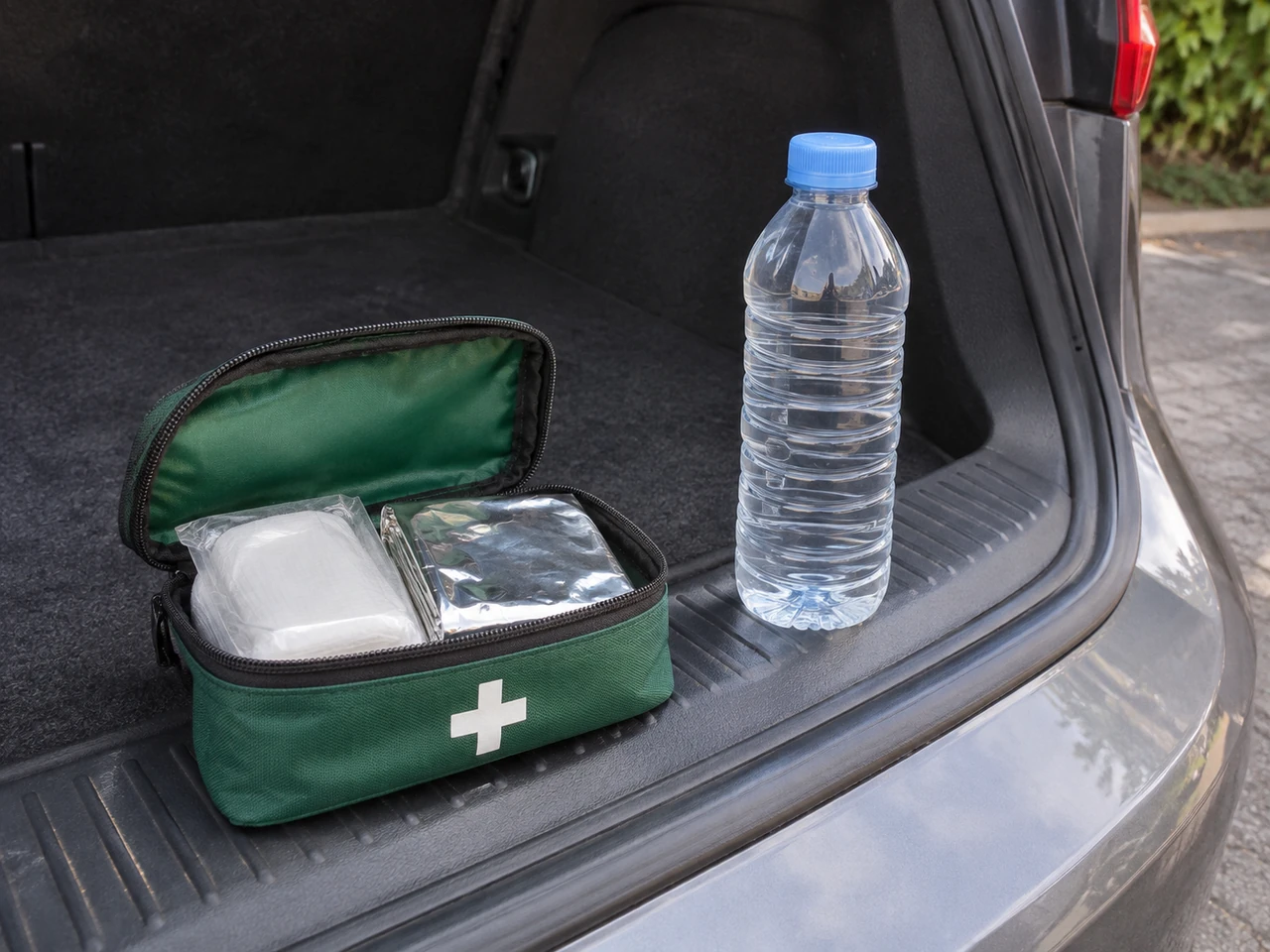
You should give water to an unconscious casualty.

288. You should give water to an unconscious casualty.

True.
✓ False.

An unconscious person may be unable to swallow safely. Do not give anything by mouth. Call the emergency services and follow the operator's instructions.

Do not give an unconscious person a drink. An unconscious person may be unable to swallow safely. Do not give anything by mouth. Call the emergency services and follow the operator's instructions.
🔗 Sources

The Highway Code (Great Britain) • Safety guidance, 3. Help those involved: nothing to eat or drink

Image credit: AI-generated
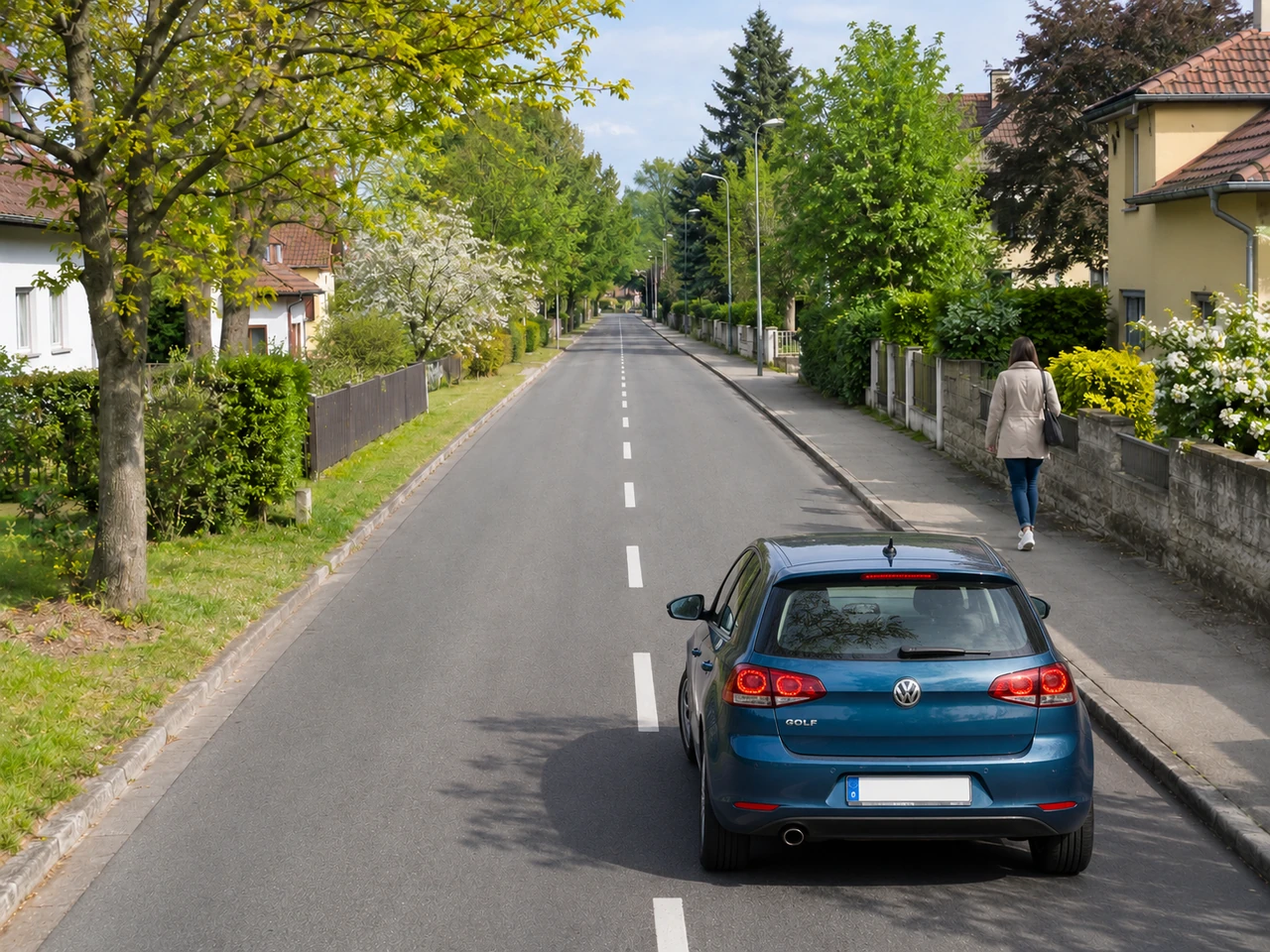
You can assume that a pedestrian has heard your car approaching.

289. You can assume that a pedestrian has heard your car approaching.

True.
✓ False.

A pedestrian may not hear or notice your vehicle. Slow down as needed, allow space and be prepared to stop.
A pedestrian may not hear your car. A pedestrian may not hear or notice your vehicle. Slow down as needed, allow space and be prepared to stop.
🔗 Sources

The Highway Code (Great Britain) • Safety guidance, Rule 207

Image credit: AI-generated

You should check that the bonnet is securely closed before driving.

290. You should check that the bonnet is securely closed before driving.

False.
✓ True.

An unsecured bonnet can open while driving and block your view. Check that it is fully latched, using the closing procedure in the vehicle handbook.

Check that the bonnet is securely latched. An unsecured bonnet can open while driving and block your view. Check that it is fully latched, using the closing procedure in the vehicle handbook.
🔗 Sources

DVSA (Great Britain) • Safety guidance, Field of vision: bonnet catches

Image credit: AI-generated
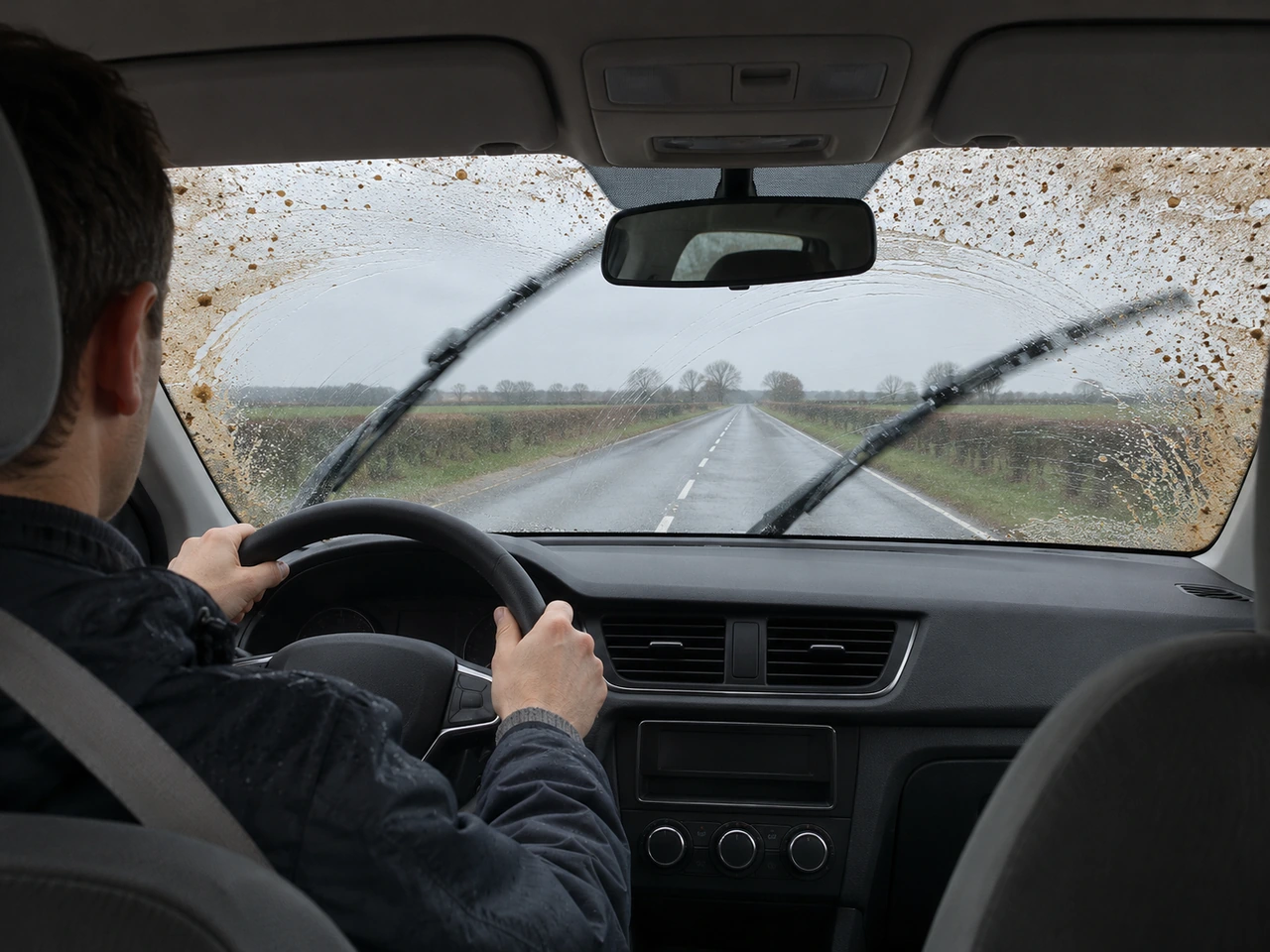
What should you do if your windscreen becomes covered with mud or spray?

291. What should you do if your windscreen becomes covered with mud or spray?

✓ Slow down safely and use the washers and wipers.
Increase speed so the airflow clears the windscreen.
Switch off the wipers until the windscreen dries.
Continue driving and wait for the spray to clear.

Mud and road spray can suddenly hide hazards. Ease off the accelerator, slow down safely and use washer fluid with the wipers to clear the glass. Leave enough space behind other vehicles to reduce spray and improve your view. If the glass does not clear sufficiently, stop somewhere safe to clean it; do not continue driving without a clear view.
What should you do if your vehicle develops a serious fault while driving?

292. What should you do if your vehicle develops a serious fault while driving?

Continue driving until the vehicle stops by itself.
Accelerate to see if the fault disappears.
Switch off the engine before slowing down.
✓ Keep control, reduce speed, and move to a safe place if possible.

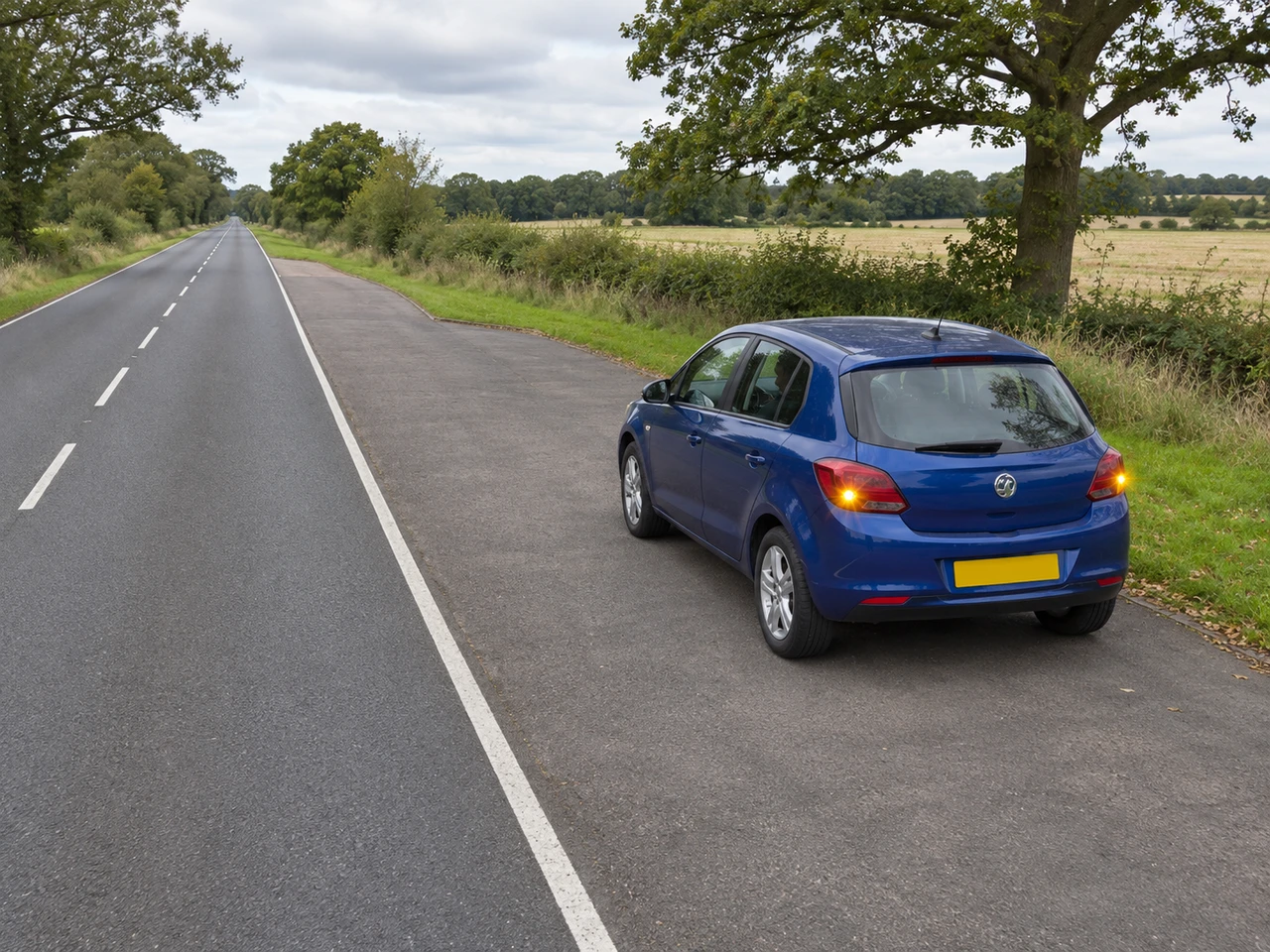
Keep control of the vehicle and reduce speed smoothly. If the vehicle can still be moved safely, leave the traffic lane and stop in a suitable protected place. Signal when appropriate and avoid sudden steering or braking unless necessary. Do not continue driving a vehicle that cannot be controlled safely.

Vehicle stopped fully in a lay-by after a fault, with hazard lights illuminated.
If control permits, leave moving traffic and choose a protected stopping place.
🔗 Sources

GOV.UK (Great Britain), rule 275.

Image credit: AI-generated

What should you do if strong winds push your vehicle sideways?

293. What should you do if strong winds push your vehicle sideways?

Turn sharply against the direction of the wind.
Release the steering wheel briefly and let the vehicle settle.
Accelerate to make the vehicle more stable.
✓ Keep calm and steer smoothly to maintain your lane.

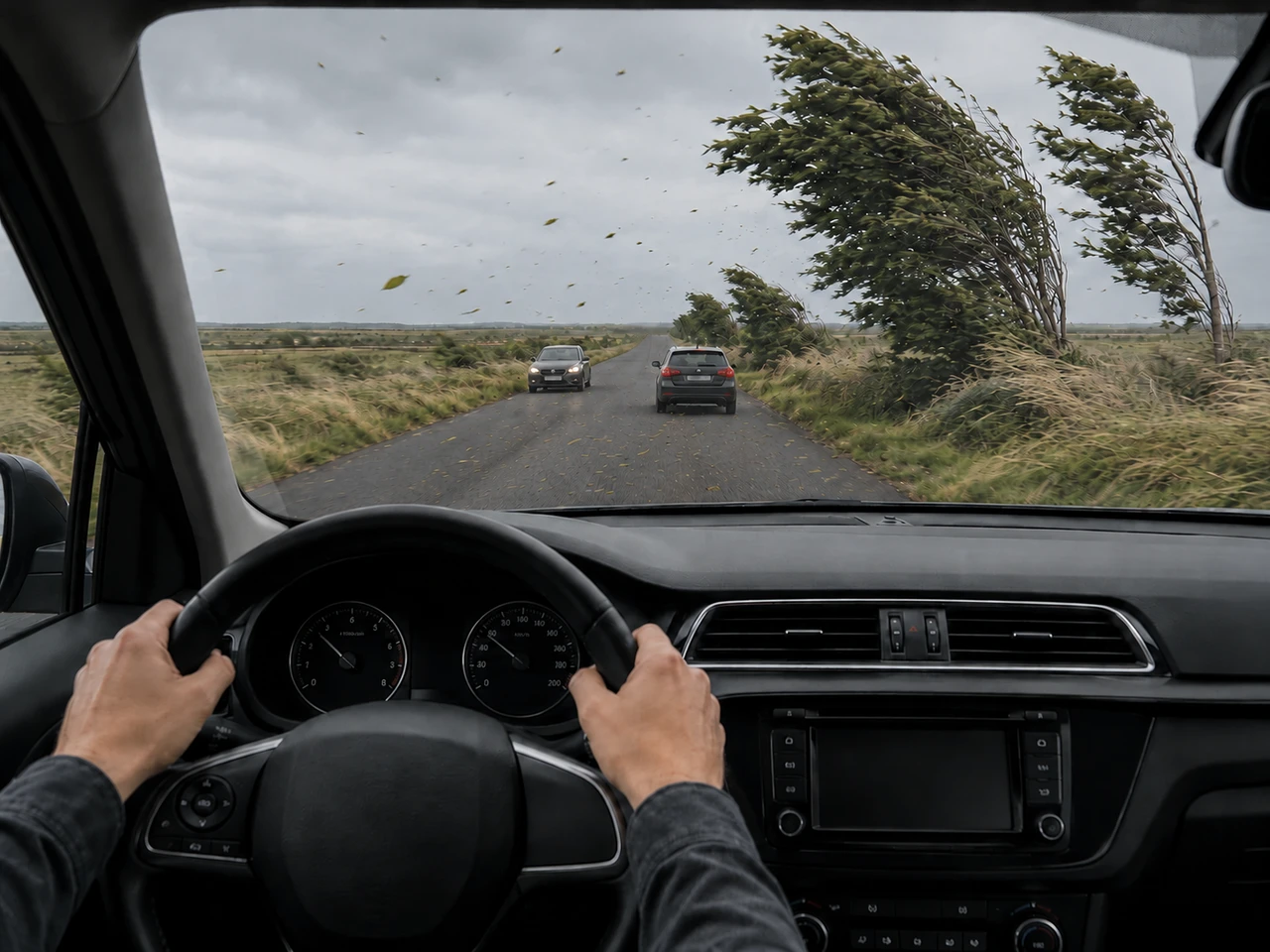
Look along your intended path, keep both hands on the wheel and make small, smooth corrections to maintain your lane. Ease off the accelerator to reduce speed as conditions require. Avoid an abrupt swerve or hard braking merely to counter the gust. Stay alert to other vehicles moving sideways. Emergency braking may still be necessary for an immediate hazard.

A driver holds the steering wheel with both hands as trees bend and leaves blow across the road.

Argentina. Buenos Aires City guidance explains that wind can affect a vehicle’s direction and path. Keep enough space to correct gently while staying in your lane. Article 50 requires continued control; if conditions prevent this, leave the road or stop safely.
🔗 Sources

Buenos Aires City • 2022 driver manual: wind and large vehicles
Argentina • Law 24,449, article 50: safe speed and vehicle control

Image credit: AI-generated
What should you do at a railway crossing when the barriers are closing?

294. What should you do at a railway crossing when the barriers are closing?

Follow the vehicle ahead across the tracks.
Cross quickly if you cannot see a train.
Stop only when the barriers are fully lowered.
✓ Stop. Wait for fully open barriers and warning signals to end.

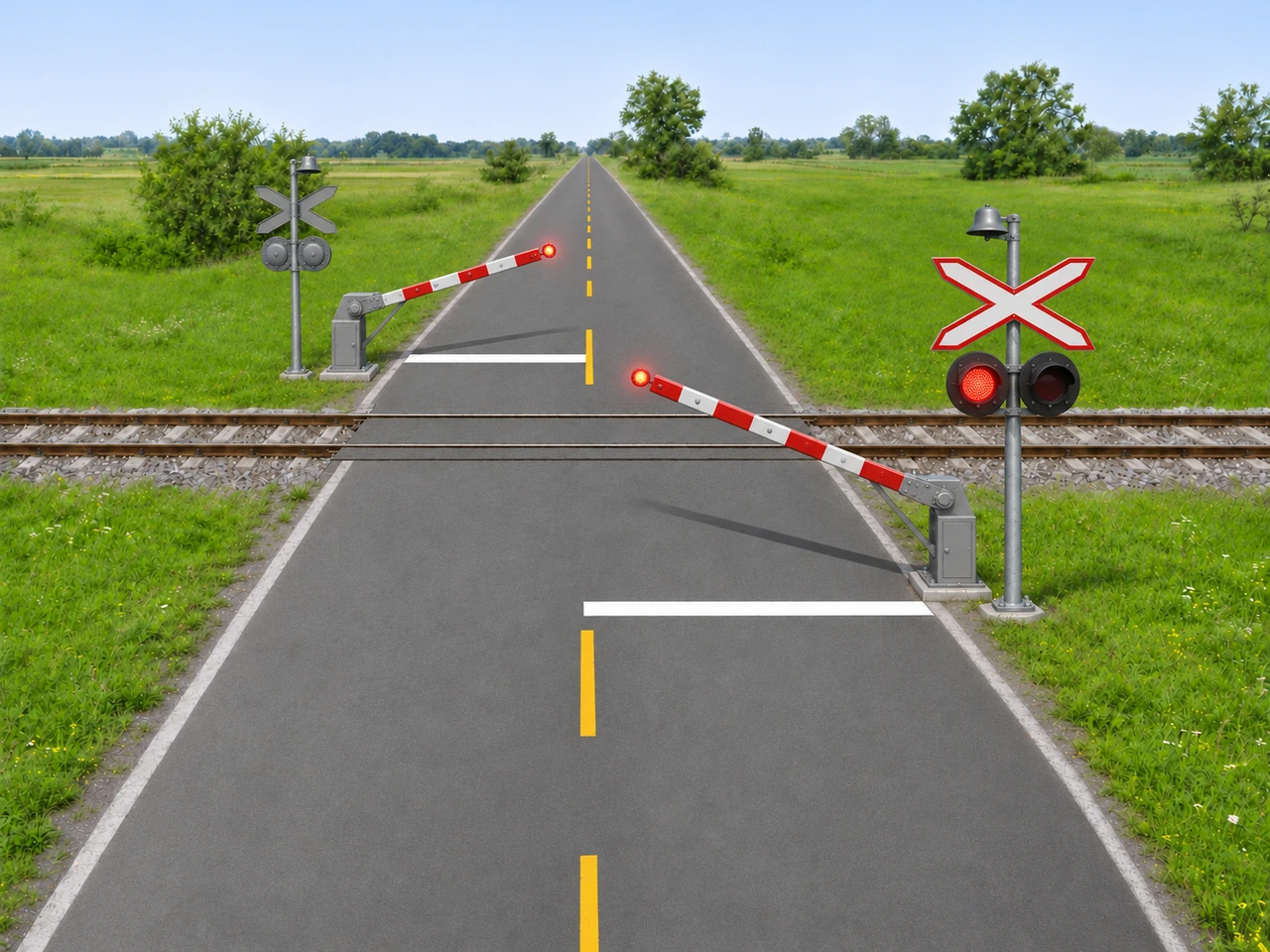
Stay off the crossing while the barriers are moving or the warnings are active. Once the barriers are fully open and all warnings have stopped, check that the tracks and the road beyond are clear.
Barriers are lowering on both approaches while a red warning lamp is lit. Stop before the stop line and do not drive around the barriers. Wait until the barriers are fully open and stop warnings have ended, then check for trains and a clear exit.
🔗 Sources

Argentina — Decree 196/2025, P.3 crossbuck and railway signals

Argentina National Road Safety Agency — Driver manual: railway level crossings

UK Highway Code — General crossing-safety guidance, Rules 291–298

Image credit: AI-generated

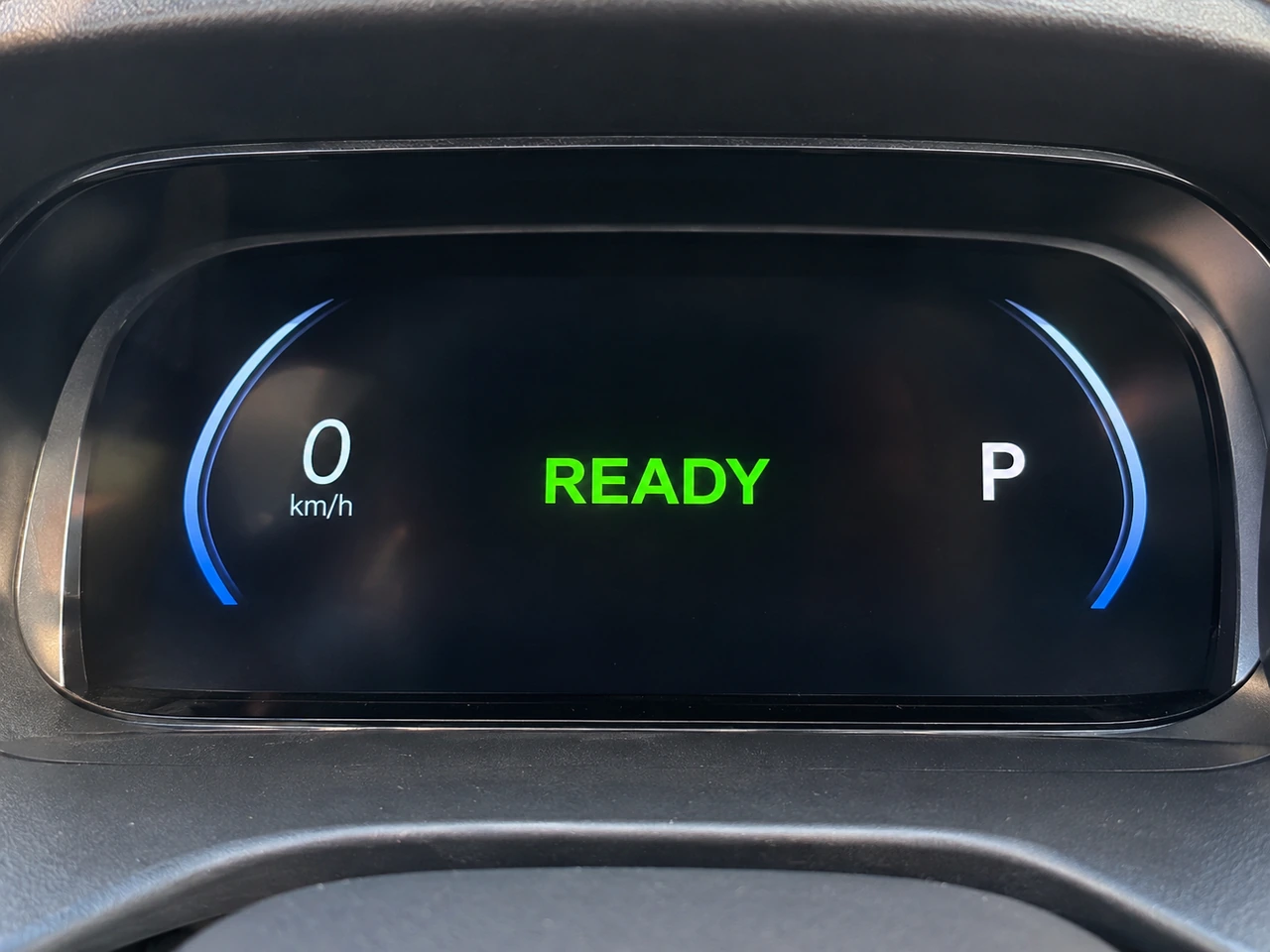
What does this EV's green READY indication tell you?

295. What does this EV's green READY indication tell you?

The parking brake has been released.
✓ The drive system is ready for the vehicle to move.
The vehicle has started moving.
The battery is fully charged.

An electric vehicle can be ready to move without engine noise. Use the vehicle's specified READY indication, and complete the normal safety checks before selecting a drive position or moving.
A READY indication shows that an electric drive system is operable. General road-safety guidance: An electric vehicle can be ready to move without engine noise. Use the vehicle's specified READY indication, and complete the normal safety checks before selecting a drive position or moving.
🔗 Sources

Hyundai — vehicle handbook
Reference: Ready indicator light

Image credit: AI-generated

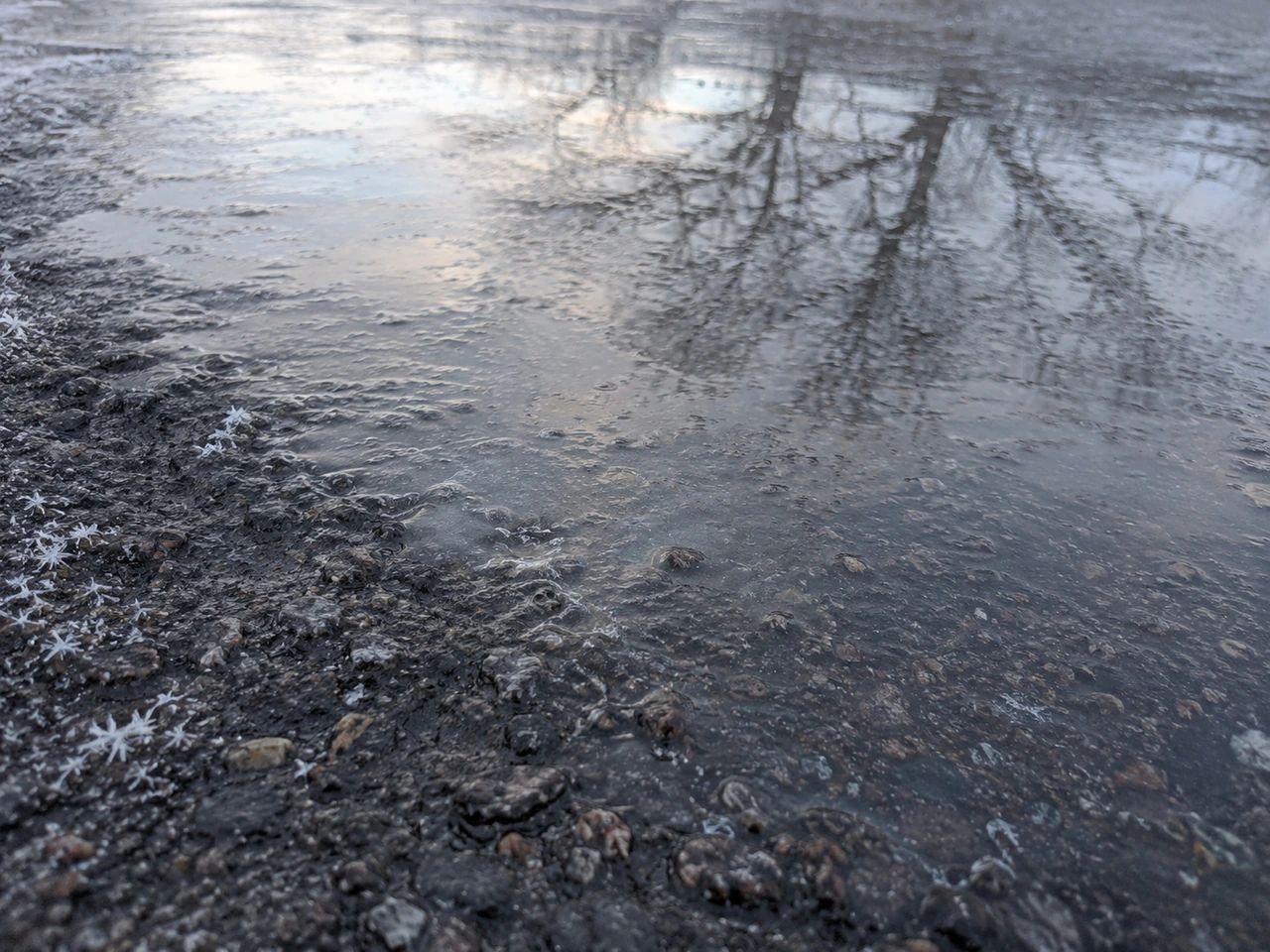
What is black ice?

296. What is black ice?

Snow mixed with road dirt.
✓ A thin, often transparent layer of ice that can be difficult to see.
A dark patch of wet asphalt.
Ice that forms only during darkness.

Black ice is often clear, allowing the dark road surface to show through. A patch can therefore look merely wet even though grip is very poor. It may form when rainwater or melted snow freezes, and can remain after nearby roads appear clear. Reduce speed before suspected icy areas and leave extra space.

Thin ice covering a road surface.
🔗 Sources

USA National Weather Service — Black ice formation and hidden road hazards

Image credit: AI-generated
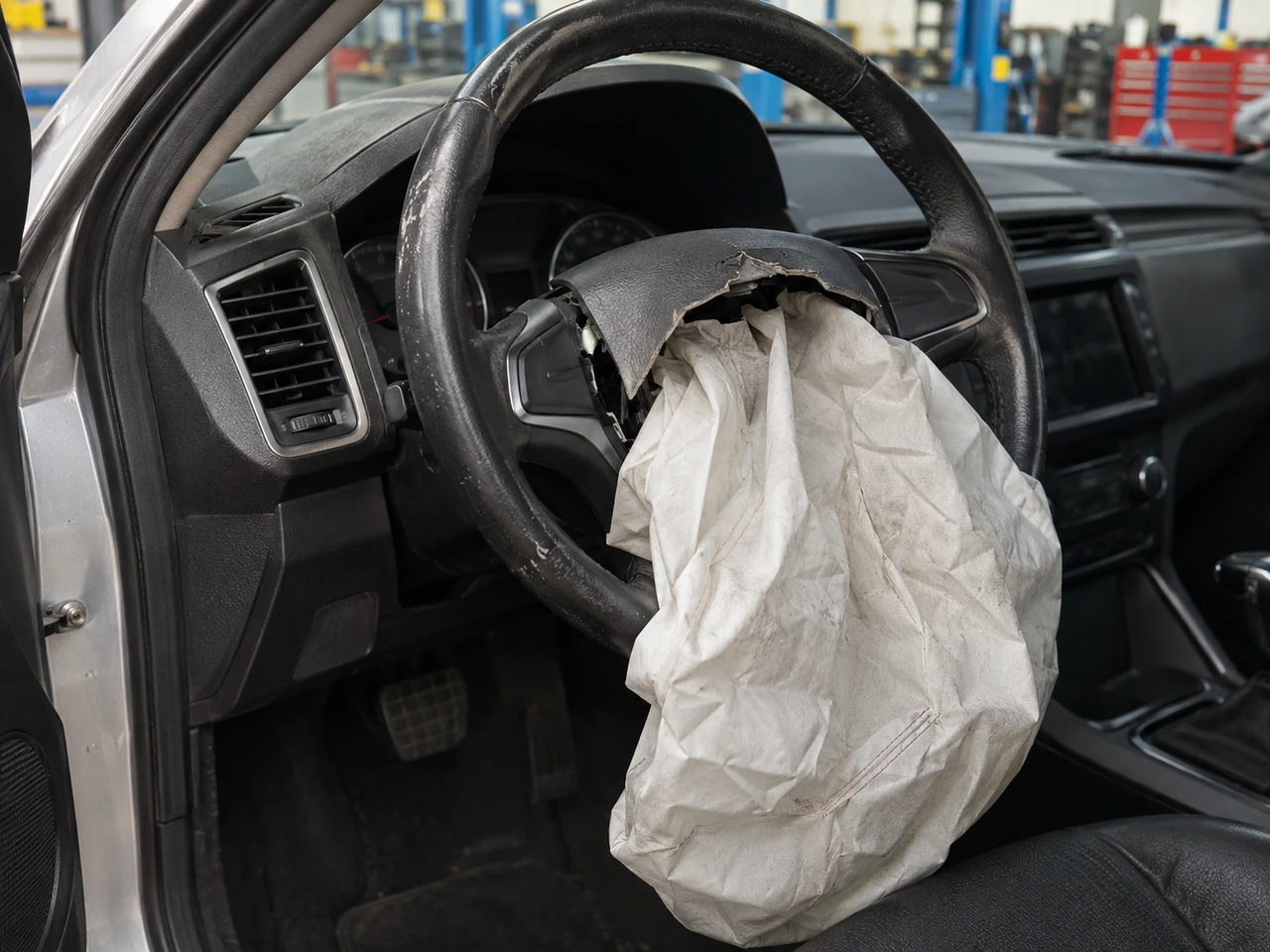
An airbag can be reused after it has deployed.

297. An airbag can be reused after it has deployed.

✓ False.
True.

An airbag can deploy only once. After deployment, have it replaced by a qualified repairer before using the vehicle again.

Replace deployed airbags before driving again. An airbag can deploy only once. After deployment, have it replaced by a qualified repairer before using the vehicle again.
🔗 Sources

NHTSA (United States) • Safety guidance, Replace Used Air Bags After a Crash

Image credit: AI-generated
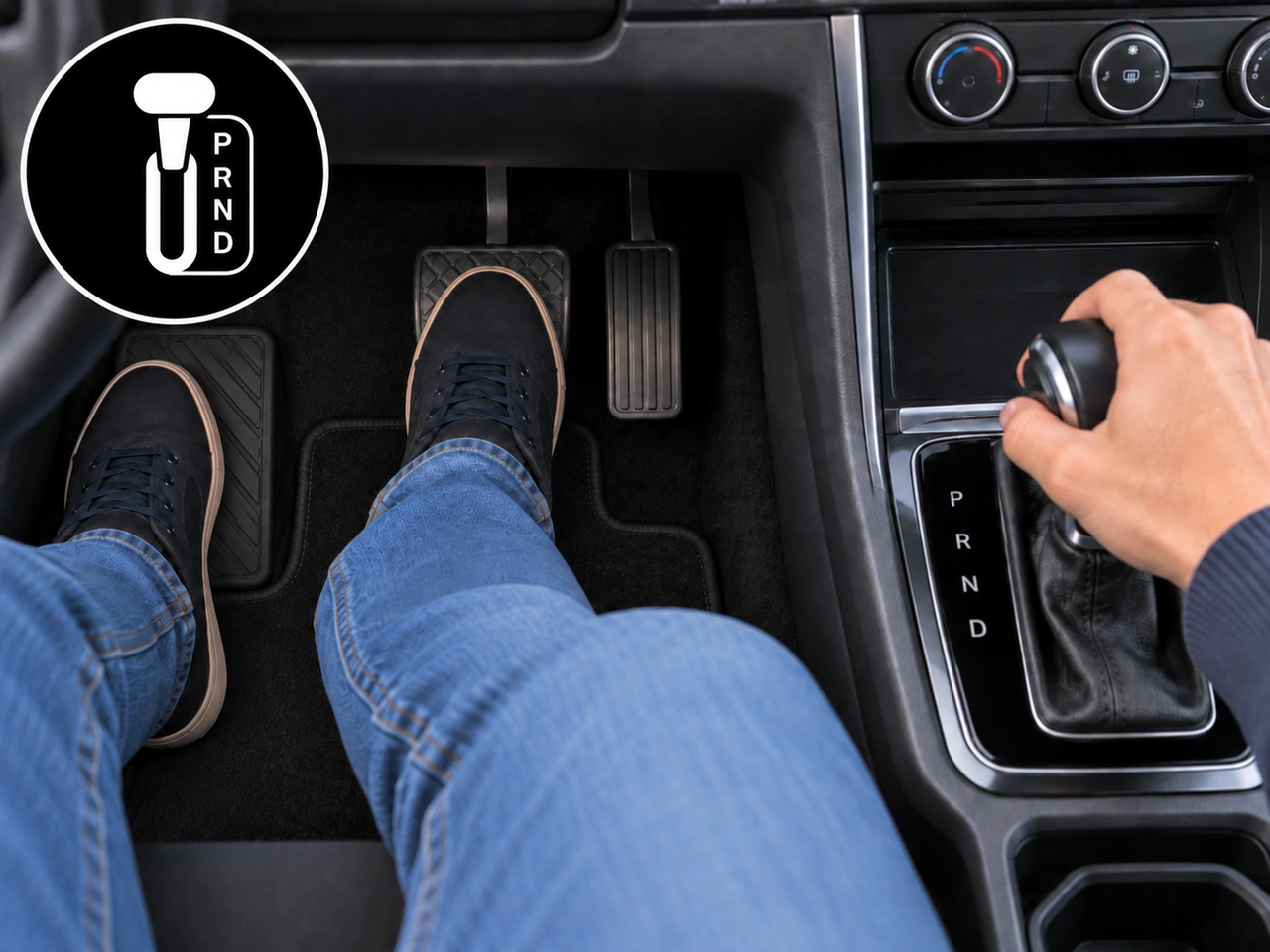
What should you normally do before selecting D or R in an automatic vehicle?

298. What should you normally do before selecting D or R in an automatic vehicle?

Press the accelerator pedal.
Apply the parking brake only.
Switch off the engine.
✓ Press and hold the brake pedal.

Before selecting D (Drive) or R (Reverse), keep the brake pedal pressed to prevent the vehicle from moving unexpectedly when the gear is engaged.

Holding the brake before selecting an automatic driving gear.
Keep the foot brake pressed while selecting Drive or Reverse. Stop completely before changing into or out of Reverse.
🔗 Sources

Ford owner’s manual · Automatic transmission

Image credit: AI-generated

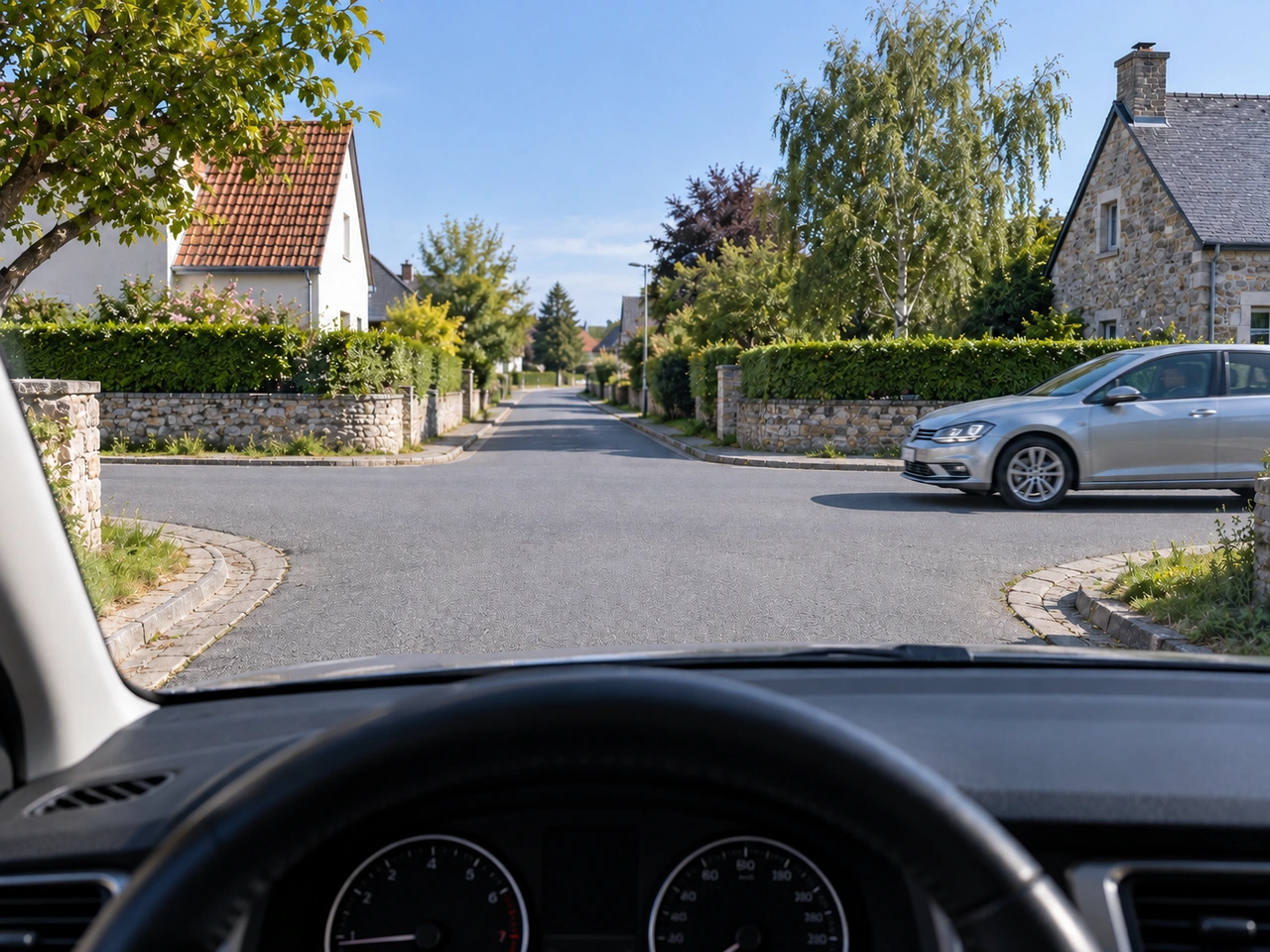
Does the priority-to-the-right rule apply?

299. Does the priority-to-the-right rule apply?

No.
✓ Yes.

In Argentina, the priority-to-the-right rule generally applies at uncontrolled intersections.
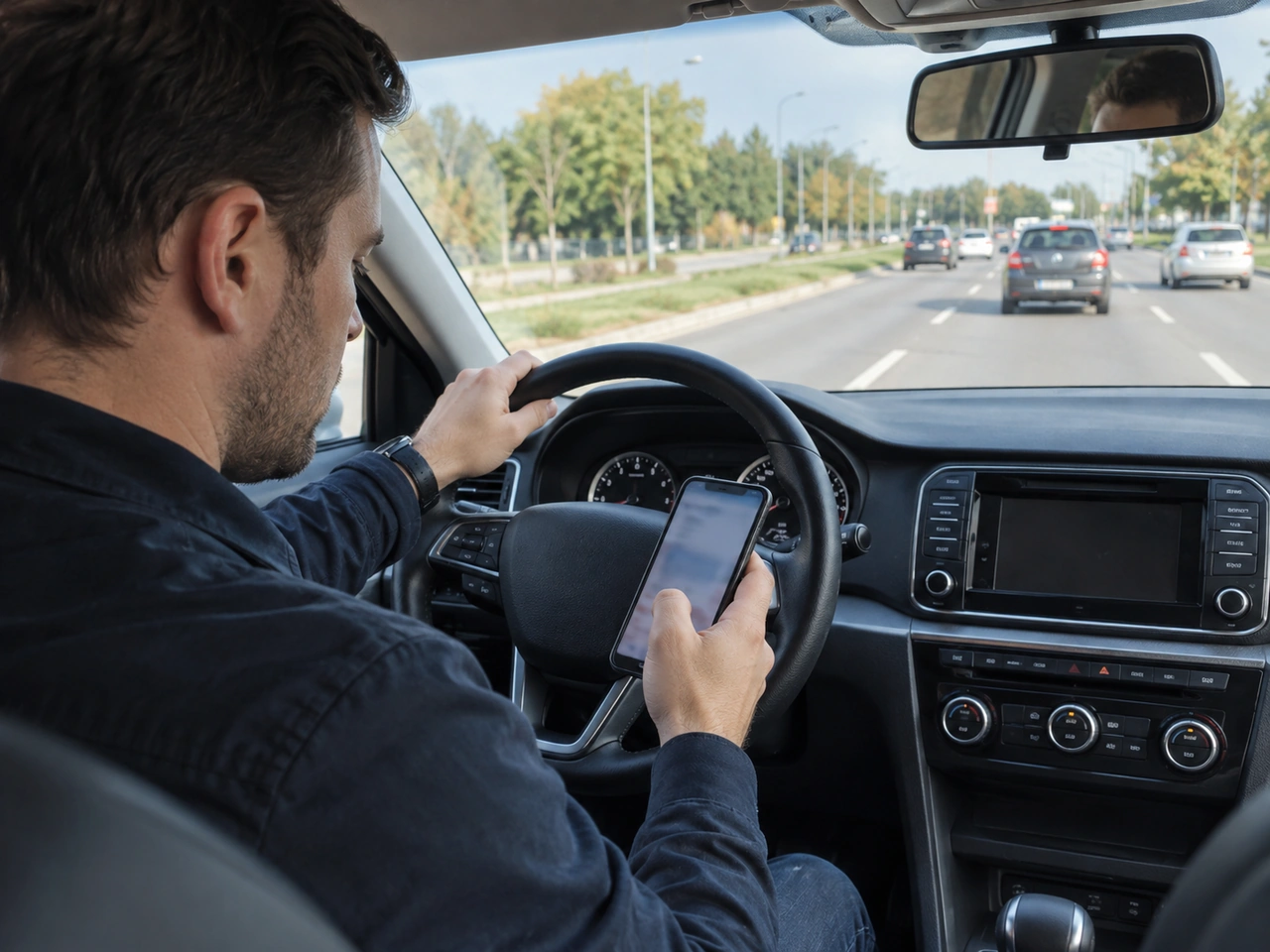
Why should you avoid using a phone while driving?

300. Why should you avoid using a phone while driving?

Because it can make your reactions faster.
Because it can disable the cruise control system.
Because it can cause road rage.
✓ Because it distracts you from the road.

Using a phone while driving reduces attention, reaction time, and control of the vehicle. A hands-free system may reduce the need to handle the phone, but the conversation itself can still be distracting.