


QuizTraffic rulesArgentina
Test your knowledge with our multiple-choice quiz. Learn from each answer and improve your understanding of the traffic rules and road signs of Argentina.
 Traffic signs
 Traffic rules
 Argentina
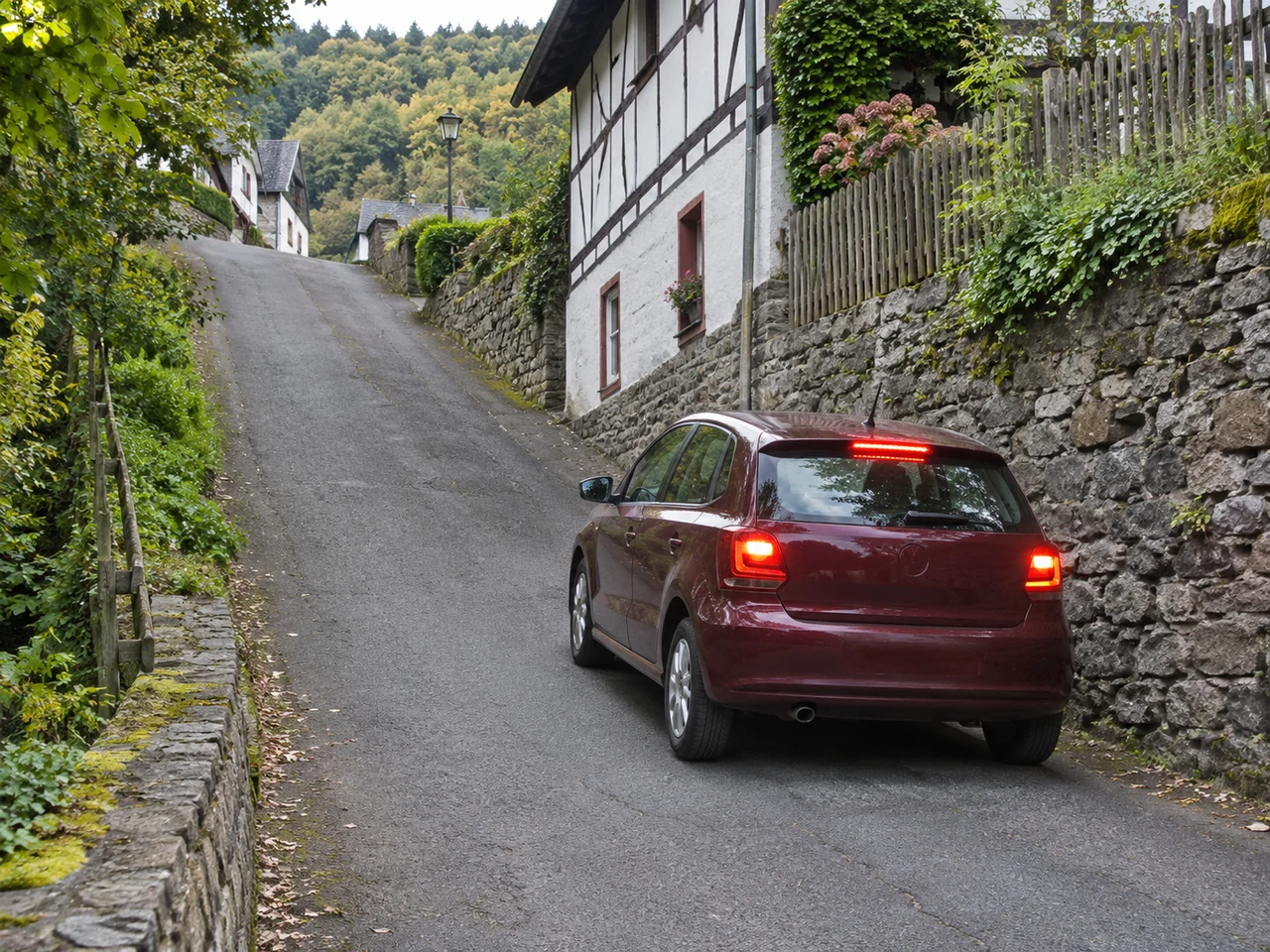
351. What should you do if your vehicle begins rolling backward on a steep incline?
Stop the vehicle under control, apply the parking brake if necessary, and prepare to move away again safely.
🔗 Sources
Image credit: AI-generated, shared right-hand-traffic scene

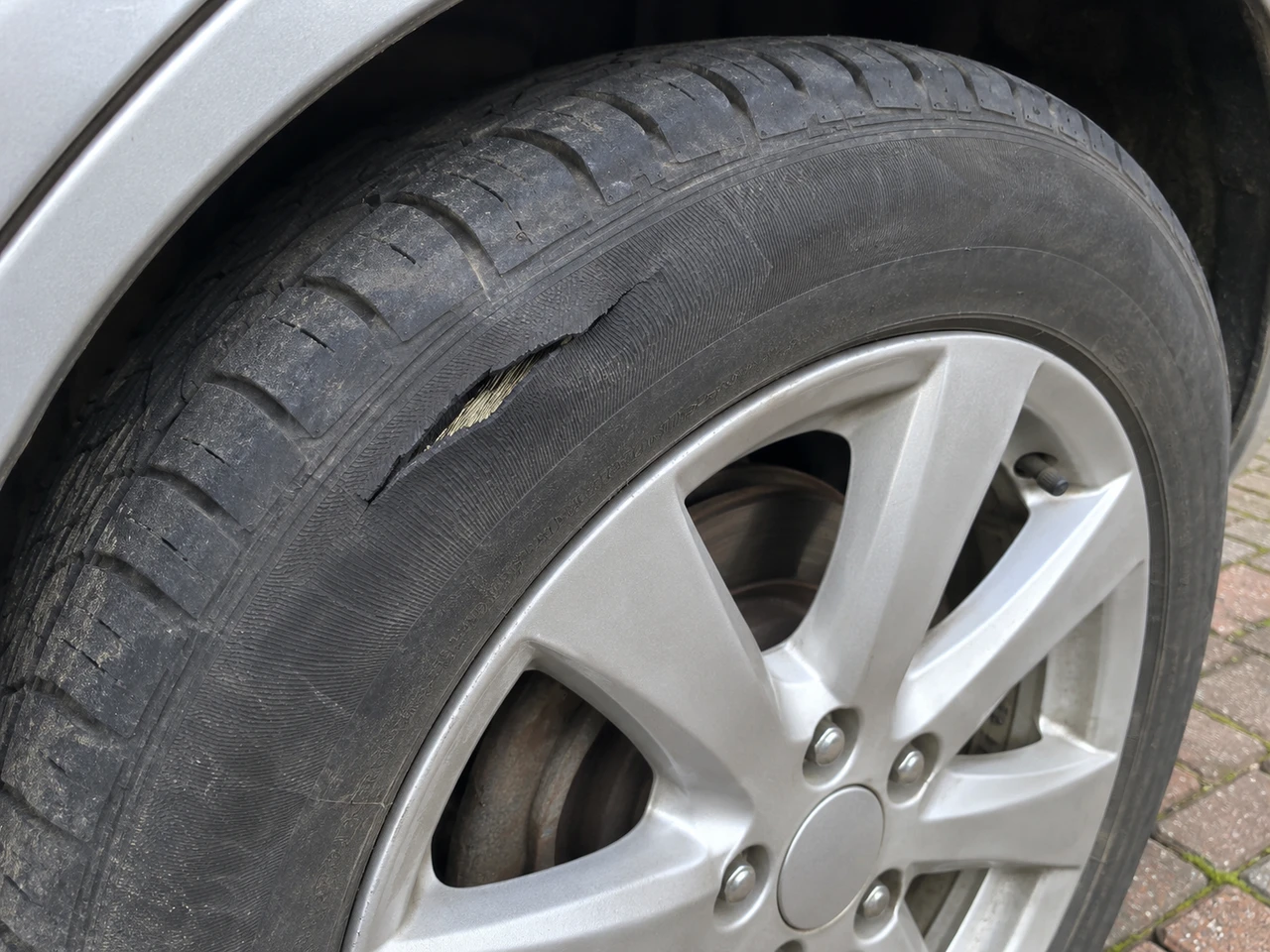
352. What should you do if a tyre has a deep cut, bulge, or exposed cords?
Cuts, bulges, and exposed cords can indicate serious structural damage. The tyre may fail suddenly and should not be used normally.
Argentina. Check the sidewalls as well as the tread. If you find a deep cut, bulge or exposed cords, arrange a safe replacement or recovery before driving.
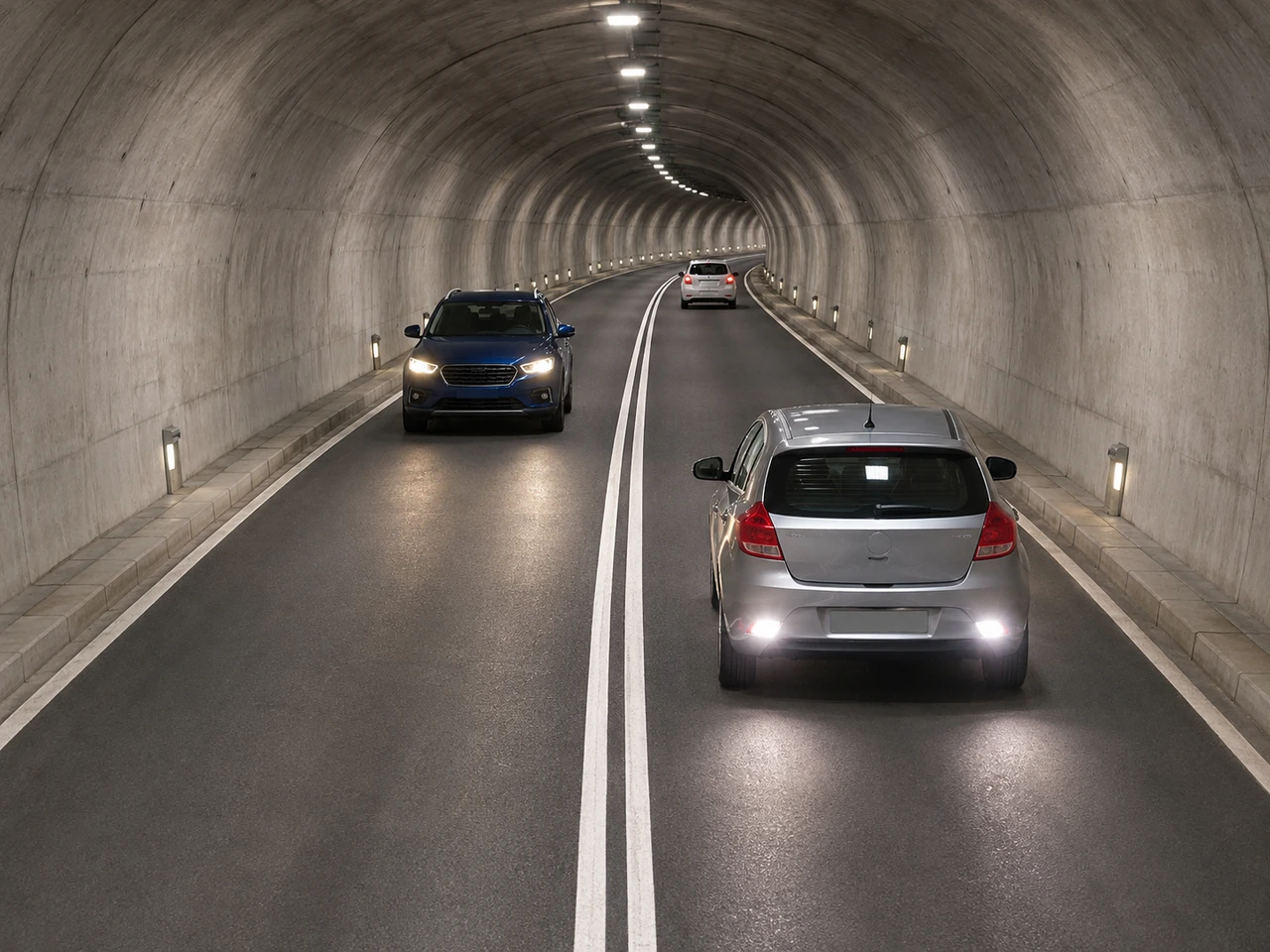
353. Why is unexpected reversing or a U-turn dangerous in normal tunnel traffic?
Unexpected reversing or a U-turn can put your vehicle in other traffic's path. Follow local controls and emergency instructions. Normal-traffic risk is distinct from directed or necessary emergency evacuation.
🔗 Sources
Great Britain Merseytravel — Operator guidance on tunnel traffic, breakdowns and evacuation
Image credit: AI-generated
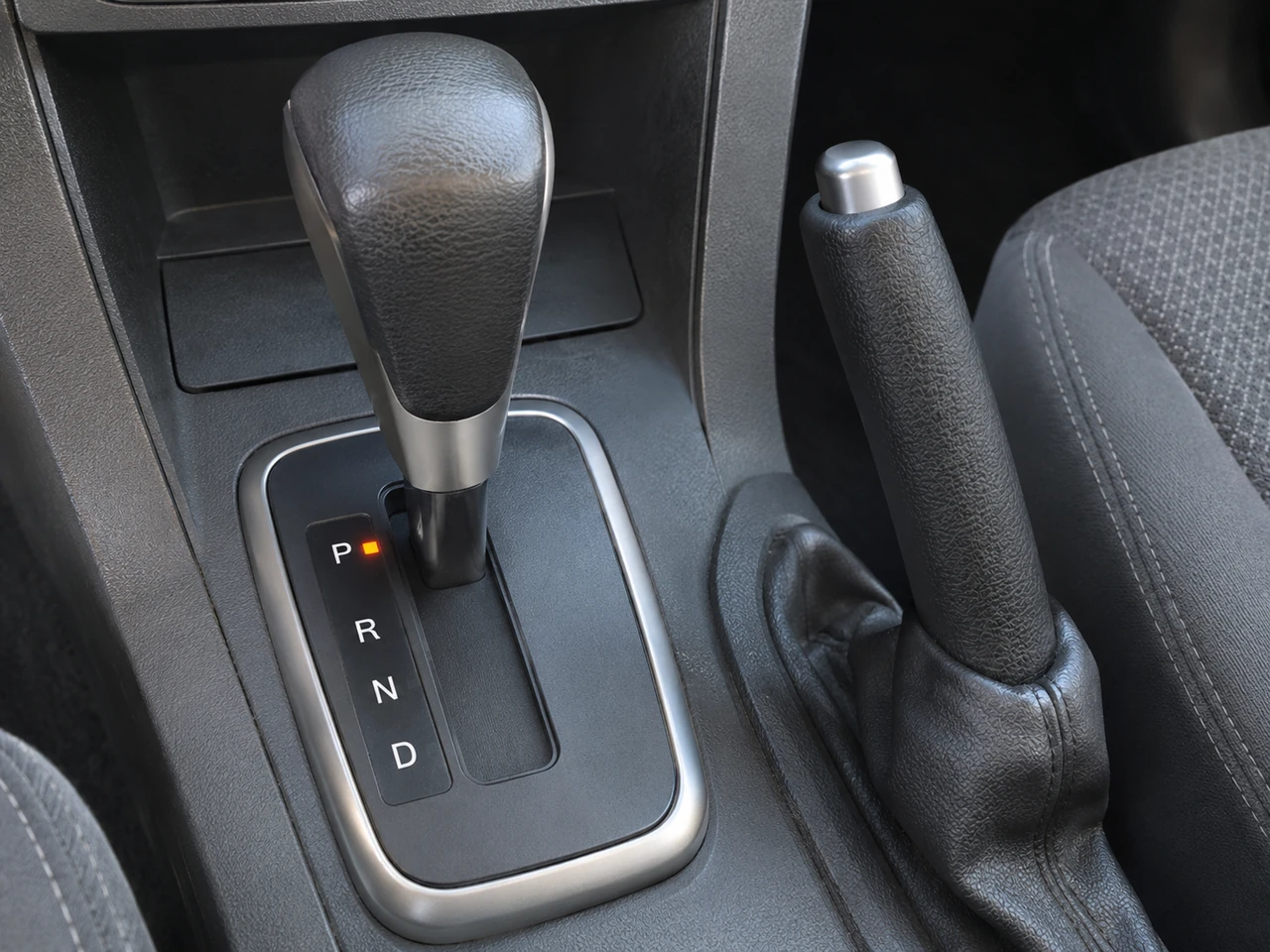
354. Selecting Park in an automatic car always removes the need for the parking brake.
Use the parking brake as well as Park, following the vehicle handbook. Some electric parking brakes apply automatically, so check that yours is applied and follow the instructions for your car.
🔗 Sources
The Highway Code (Great Britain) • Safety guidance, Rules 239 and 252; follow your vehicle’s handbook
Image credit: AI-generated
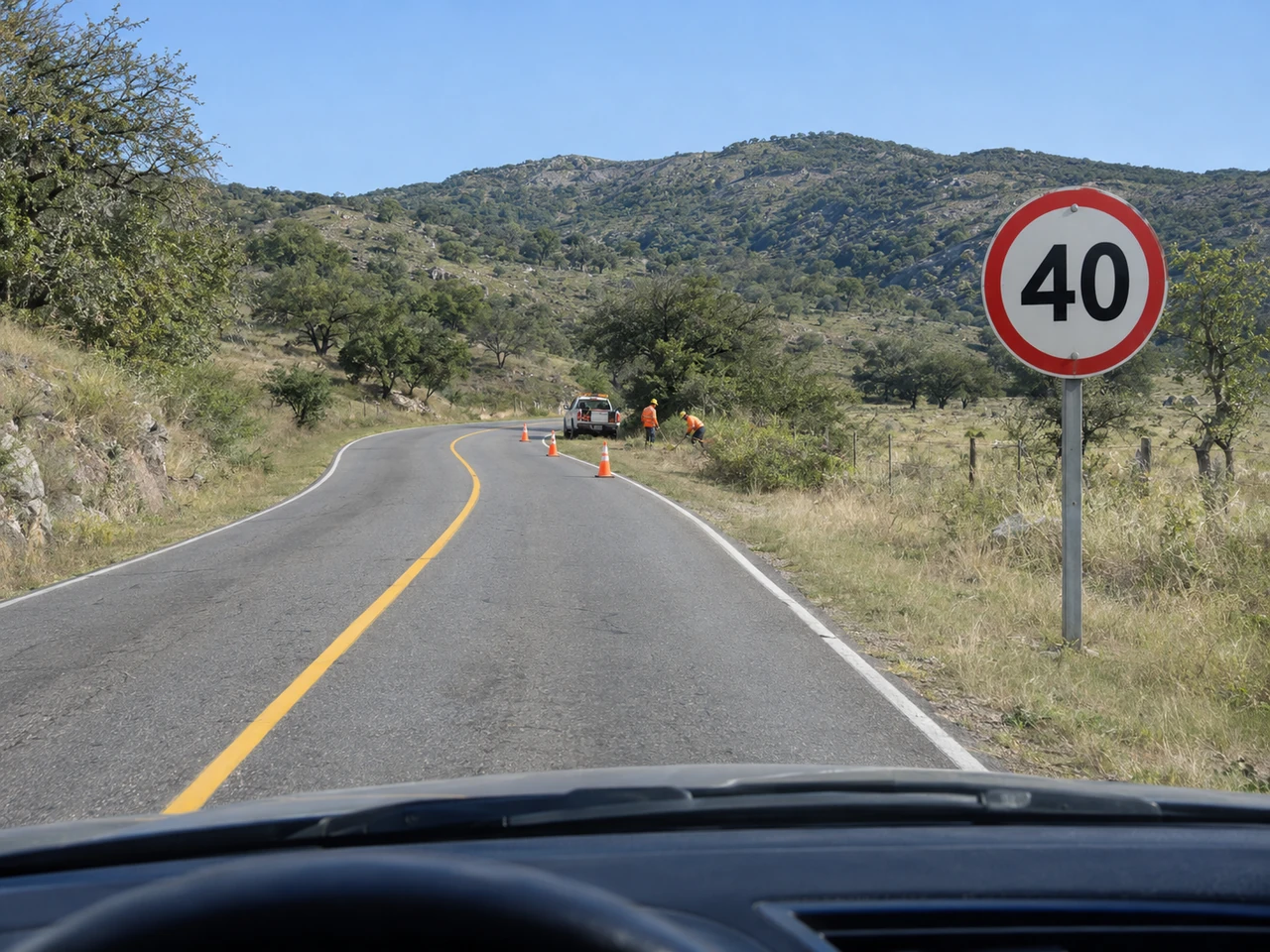
355. Why should you not ignore temporary speed limits?
Temporary speed limits may be used near roadworks, accidents, events, or dangerous conditions. They help keep traffic safe.
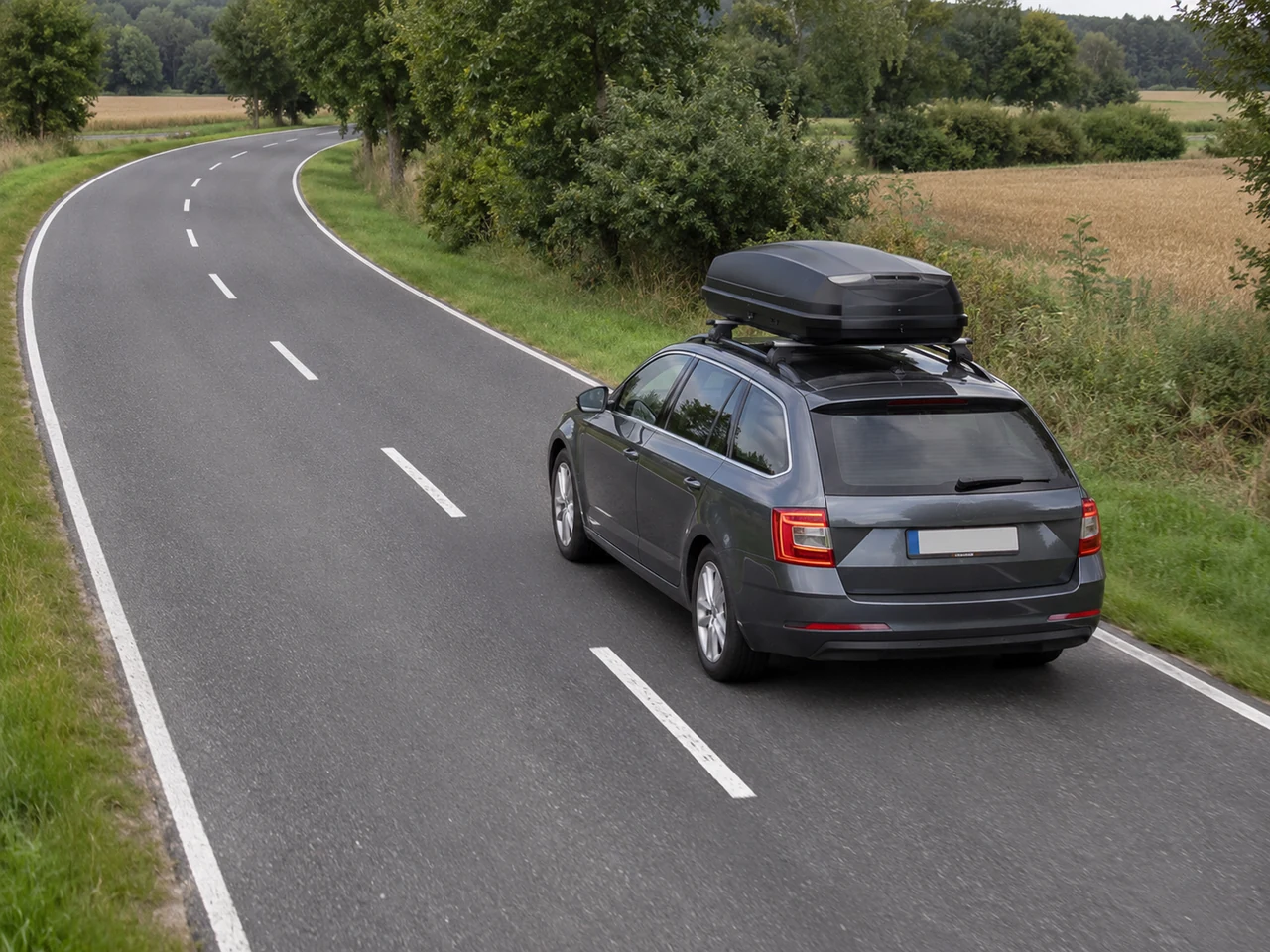
356. How can a roof load affect vehicle handling?
Weight carried high on the vehicle can increase body movement and make sudden steering or cornering less stable.
🔗 Sources
Argentina National Traffic Law 24.449, articles 48 and 57
NZTA safe loading and towing guide, practical guidance
Image credit: AI-generated
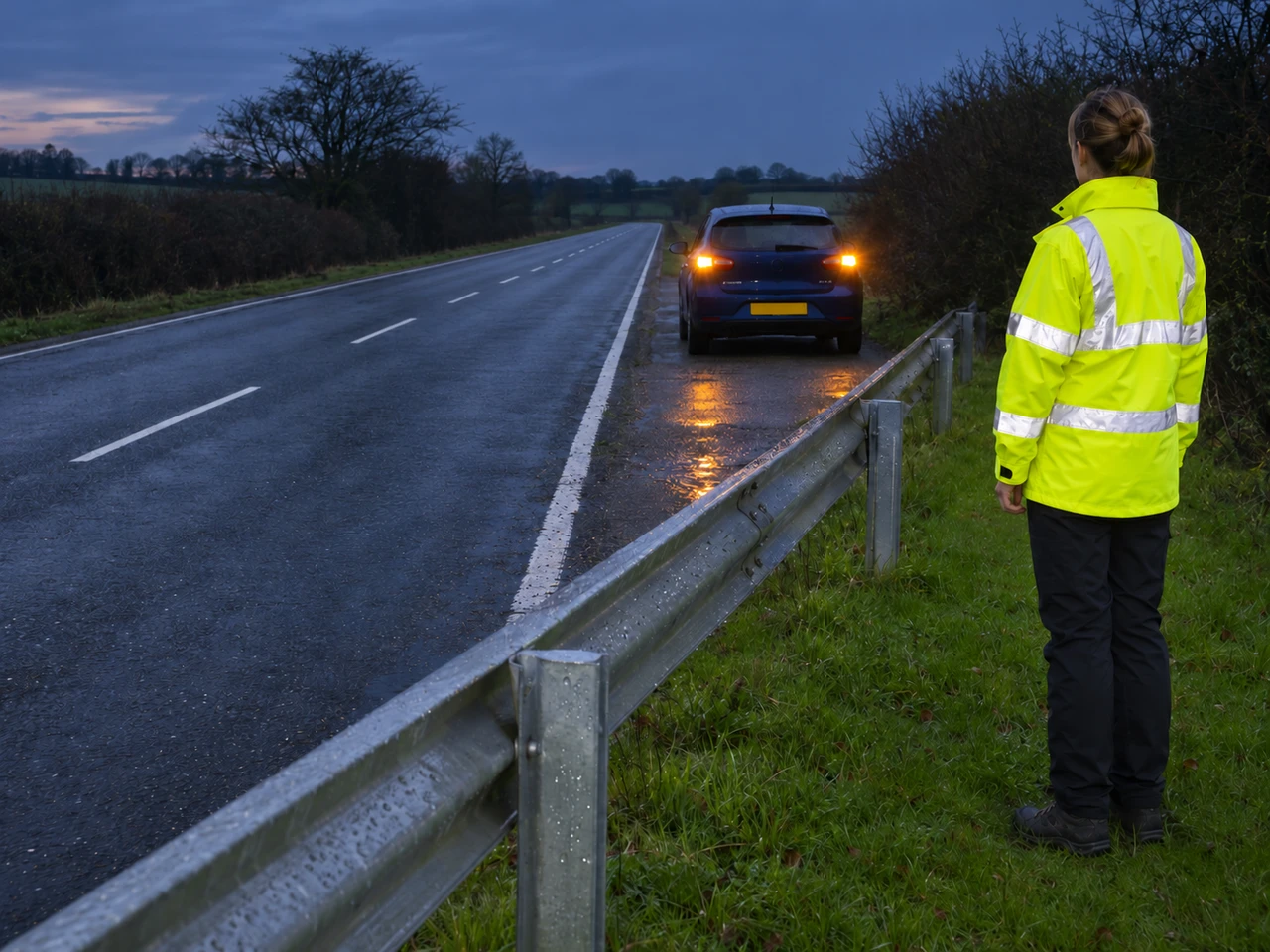
357. Why is high-visibility clothing useful during a roadside breakdown?
Fluorescent material helps you stand out in daylight, while retroreflective strips return light towards its source, such as approaching headlights. A high-visibility vest helps others see you but provides no protection from a collision. Keep it within reach and put it on before leaving where required, while still moving to a protected place away from traffic.
Reflective clothing helps visibility at night; continue keeping away from the vehicle and moving traffic.
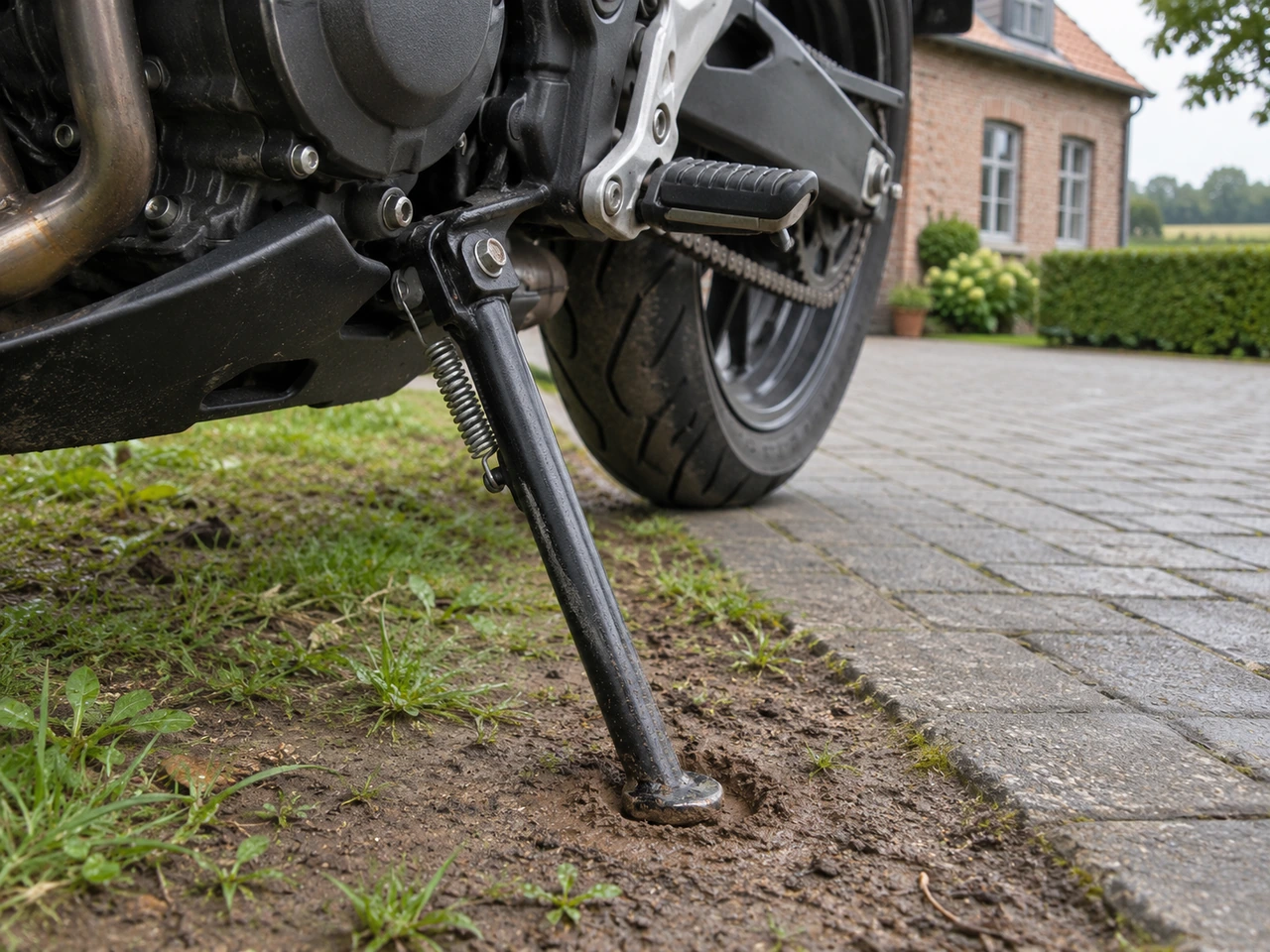
358. Why should you take care when parking a motorcycle on soft ground?
On soft or unstable ground, the side or centre stand can sink or move, causing the motorcycle to fall. Park on a firm, stable surface or use a suitable support under the stand when necessary.
🔗 Sources
Honda.com — Parking advice
HondaMotopub.com — Owner's manual, Parking
Image credit: AI-generated
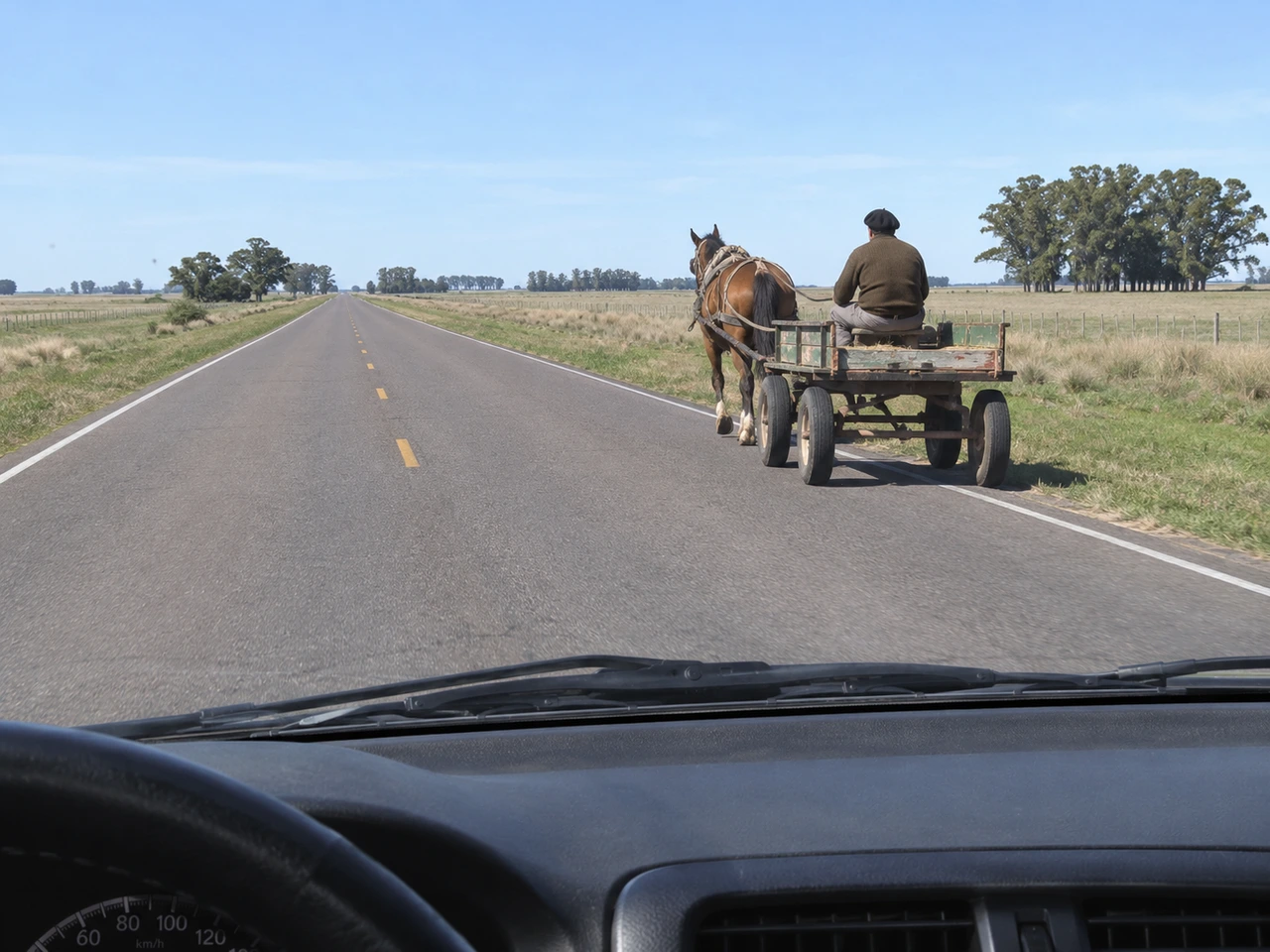
359. What should you do if you are approaching an animal-drawn vehicle?
Animals can be startled by noise or sudden movement. Reduce speed, keep distance, and pass only when it is safe.
🔗 Sources
UK Highway Code, rule 212, general guidance on giving animal-drawn vehicles room.
Scene credit: AI-generated.
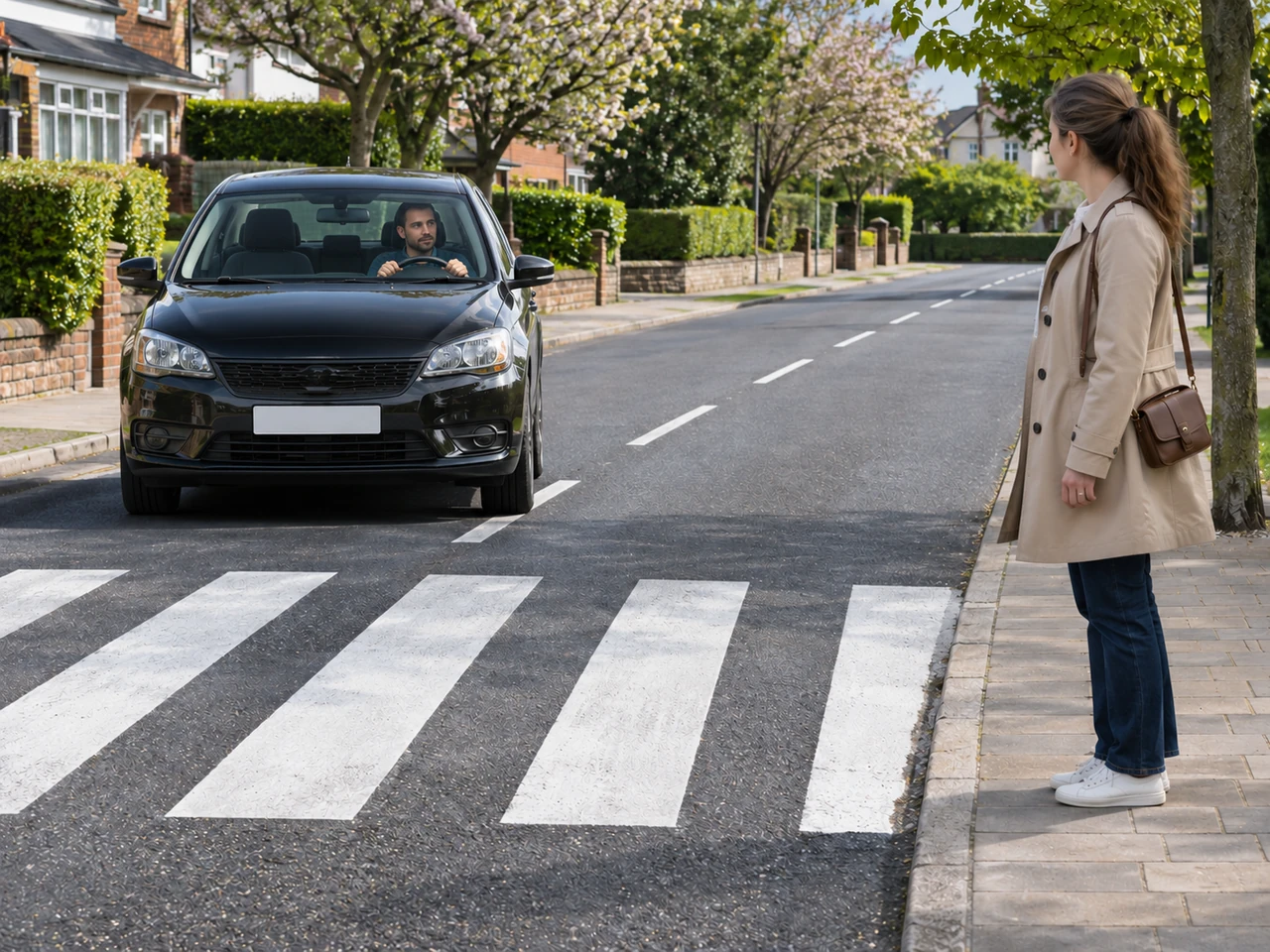
360. Why should you make sure drivers have seen you before crossing?
Check that approaching drivers have noticed you, but do not rely on eye contact alone. A driver may look towards you without seeing you or may be unable to stop in time. Stay on the pavement, check every lane and make sure traffic has stopped or the road is clear before crossing. Keep looking and listening as you cross.
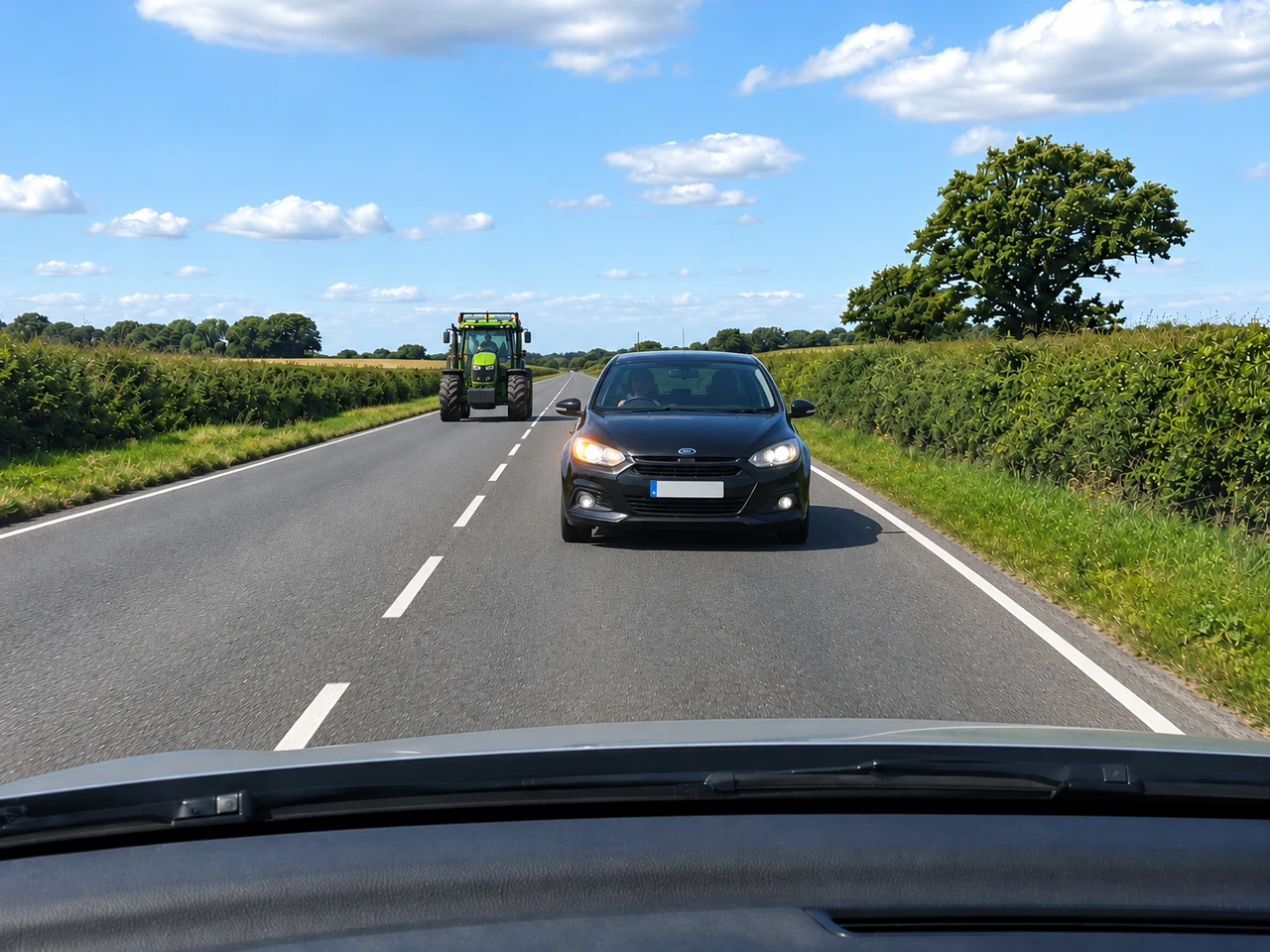
361. What should you do if an overtaking vehicle is coming toward you?
If an oncoming vehicle creates danger while overtaking, reduce speed and make space if it is safe to do so. Avoid sudden movements that could create an additional hazard.
🔗 Sources
Oregon DMV — general advice on road-edge recovery, oncoming hazards and night driving
Image credit: AI-generated
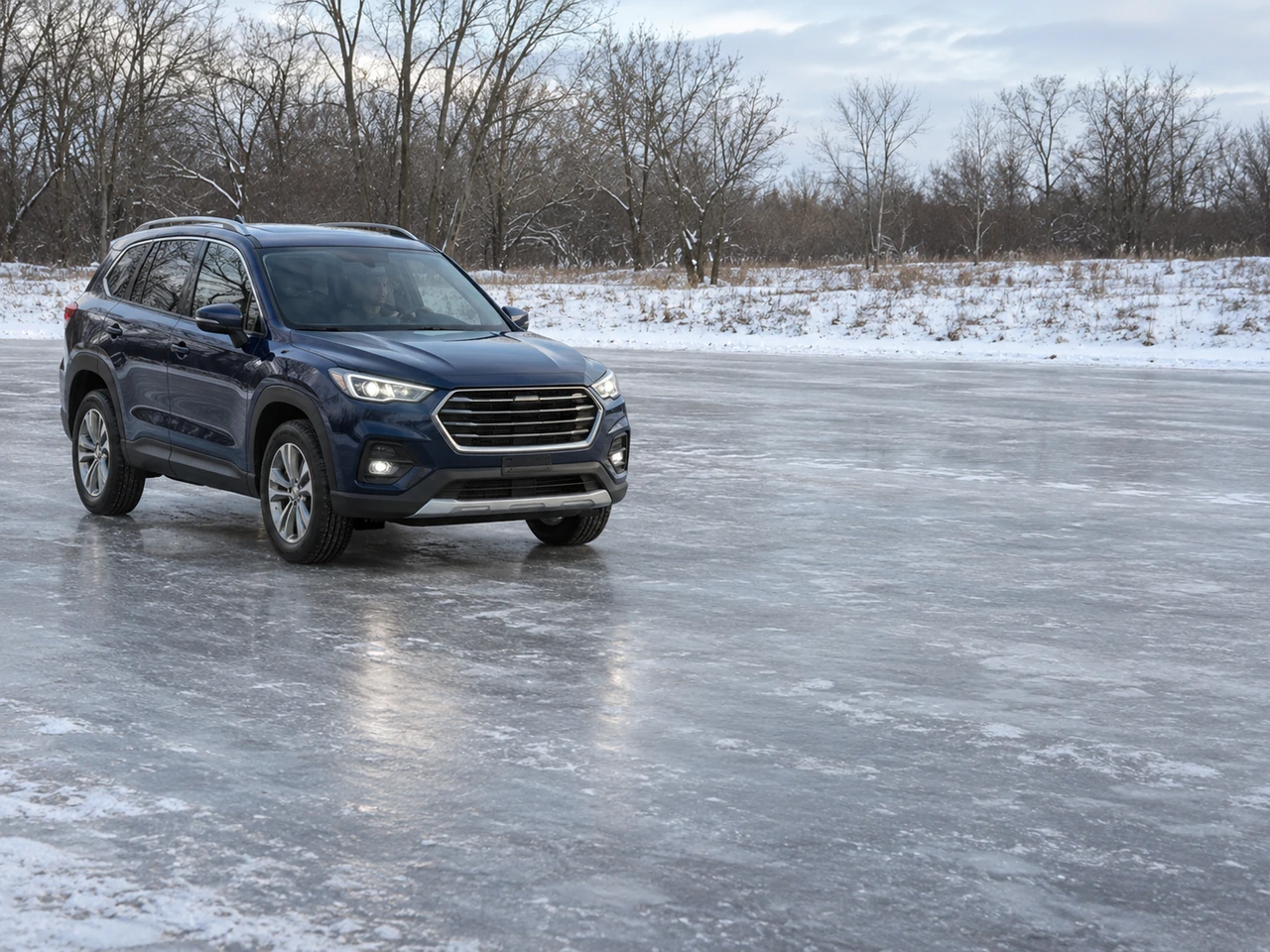
362. Does four-wheel drive remove the need for extra stopping space on ice?
Four-wheel drive may help a vehicle move off on a slippery surface, but it does not remove the limits of tyre grip when braking. Reduce speed and leave suitable stopping space on ice.
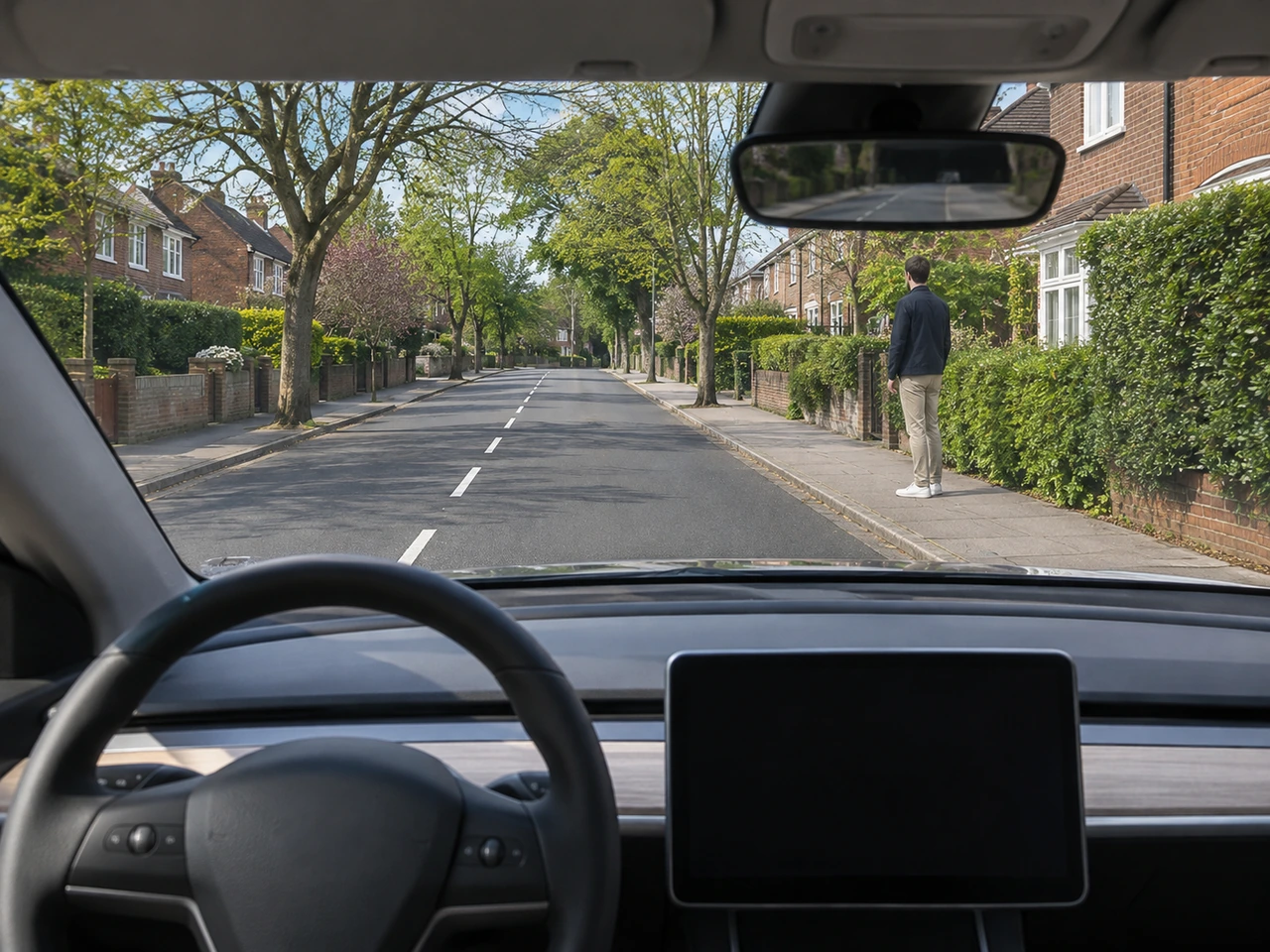
363. Why should you take extra care near pedestrians in a quiet electric vehicle?
Low vehicle noise can make your approach harder to notice. Drive cautiously and do not assume that a pedestrian has heard you, even if a warning sound is fitted.
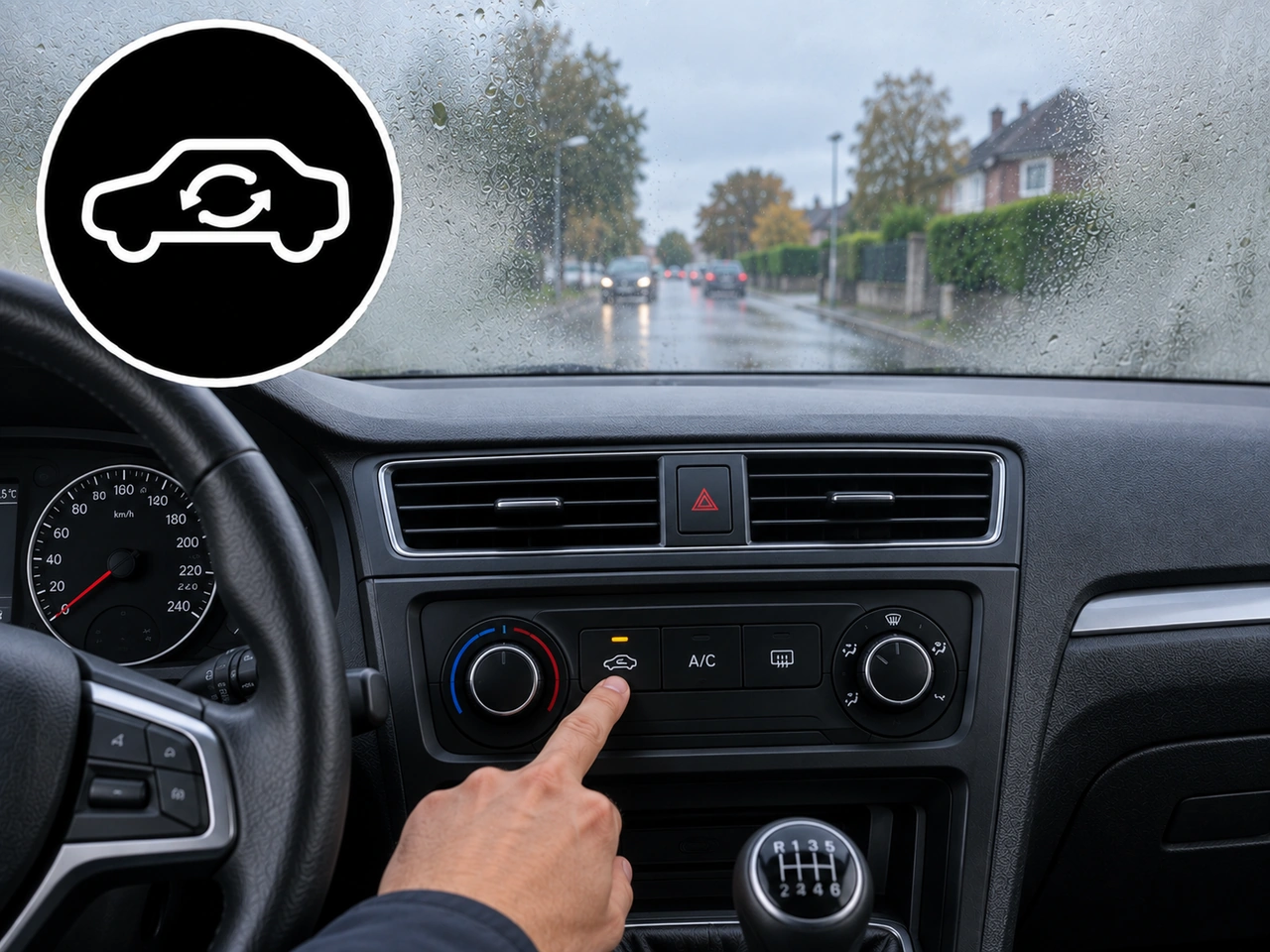
364. Why should you avoid using air recirculation for too long in damp conditions?
Using air recirculation for too long in damp conditions can allow moisture to build up inside the vehicle and increase window misting, especially when the air conditioning is not dehumidifying the air. Switching to fresh outside air can help clear condensation.
If the windows begin to mist with recirculation on, select fresh air and use the windscreen demist setting.
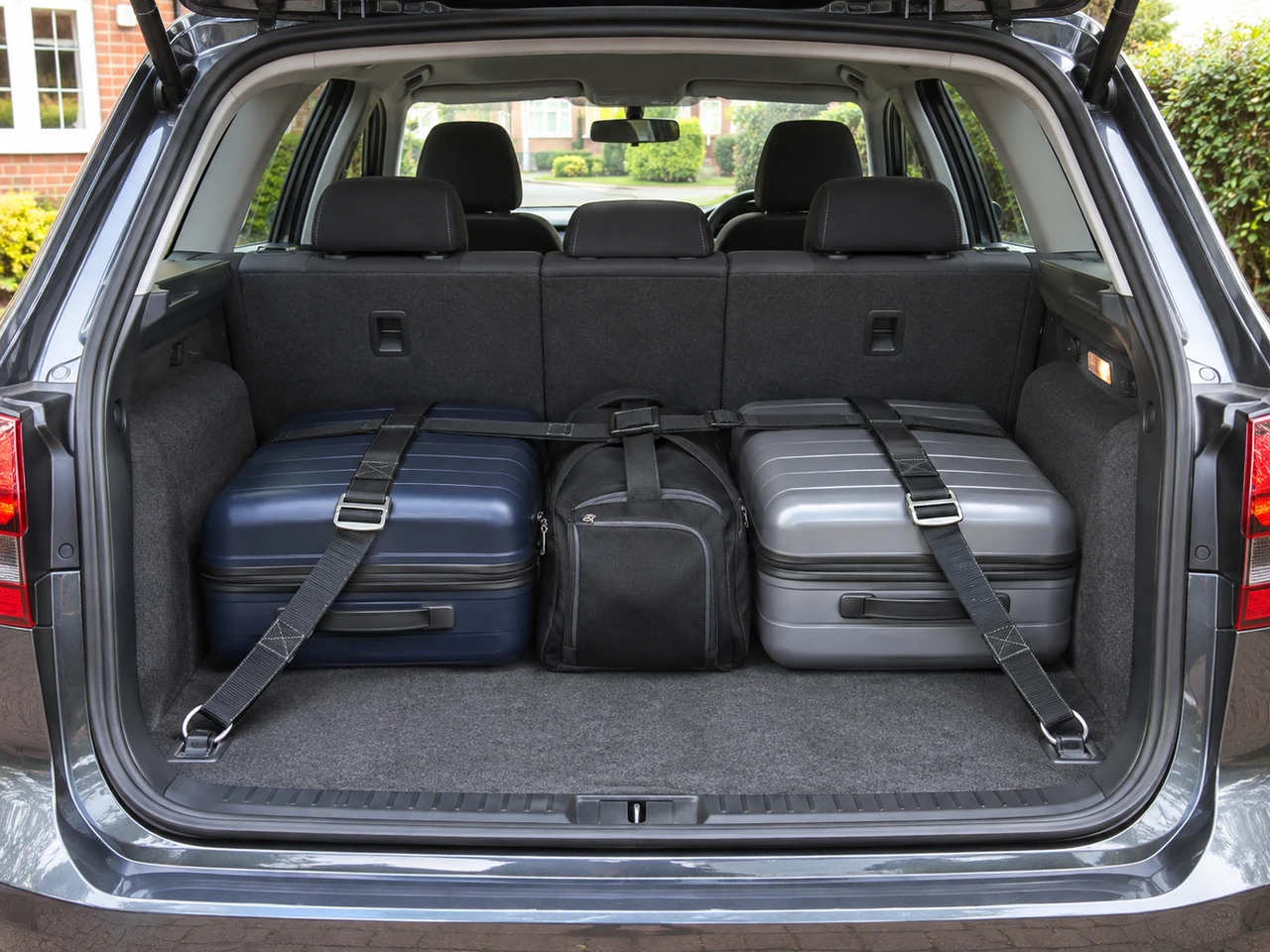
365. You should secure luggage before starting your journey.
Unsecured luggage can move during braking or a collision and injure occupants. Stow it securely without obstructing your view or access to the controls.
🔗 Sources
The Highway Code (Great Britain) • Rule 98 • General safety guidance on securing loads and objects.
Image credit: AI-generated. Existing same-entry detail photograph, reused for both driving sides.
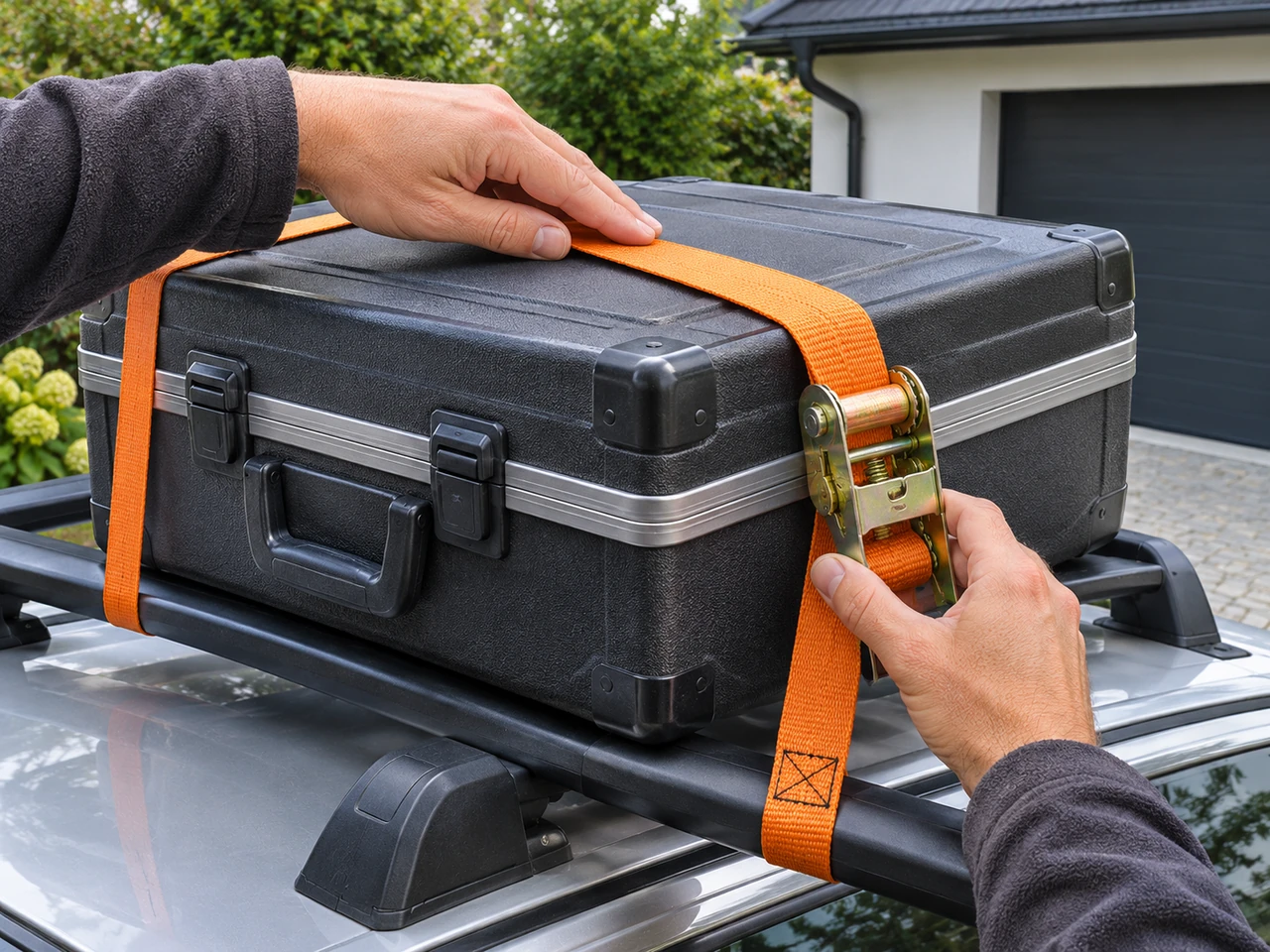
366. Load restraints should be checked at safe stops during a journey.
Loads can settle and straps can lose tension as you travel. Stop somewhere safe to check that the load and its restraints are still secure, following the equipment instructions.
🔗 Sources
DVSA load-securing guidance (Great Britain) • Safety guidance, Driver responsibilities: During the journey
Image credit: AI-generated
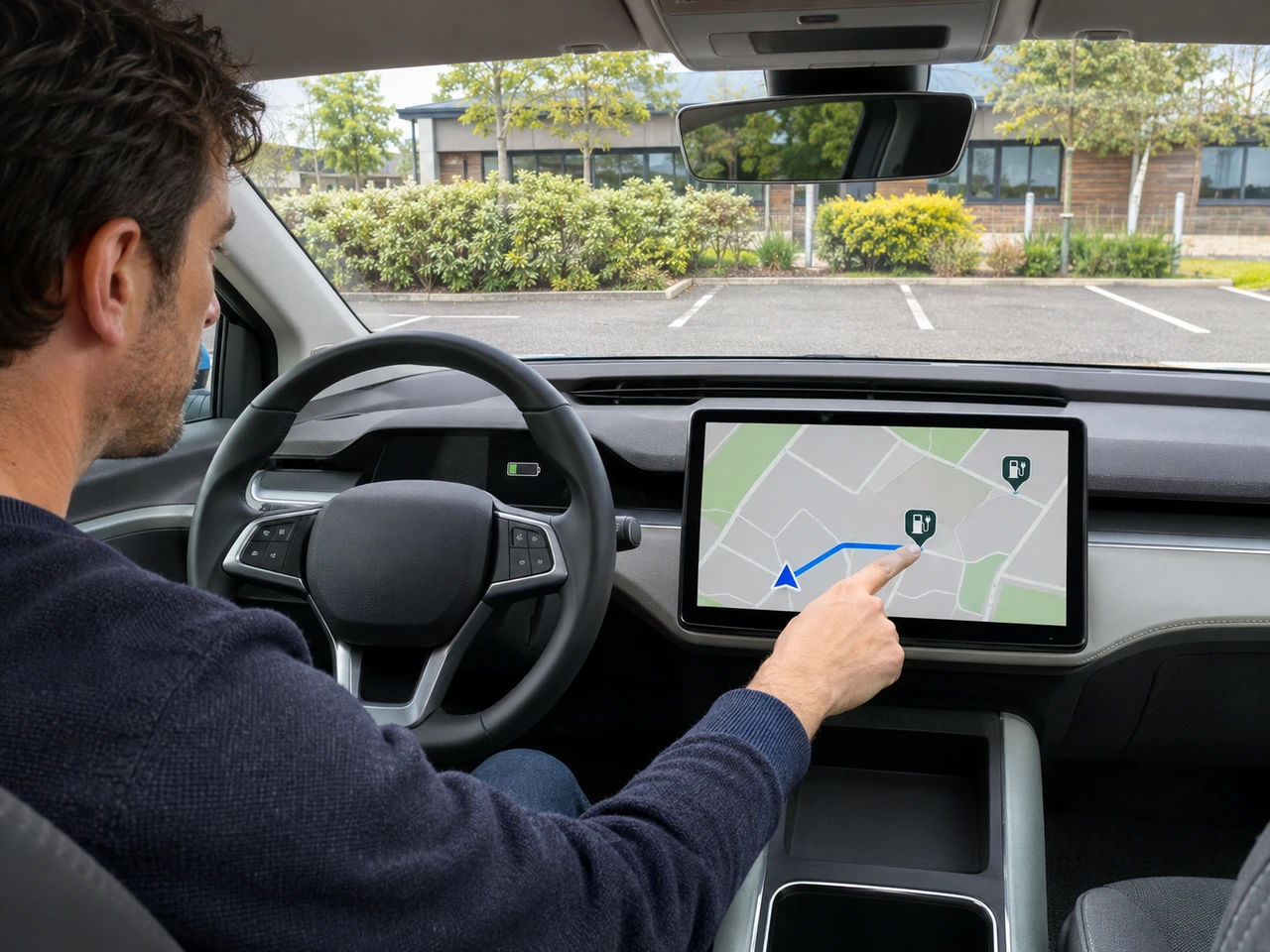
367. What should you do if your EV's remaining charge may not reach your destination?
Check suitable chargers along a safe route, including compatibility and availability, and allow a reserve for changing conditions. Replan from a safe stopping place or before setting off. Have an alternative if a charger is unavailable.
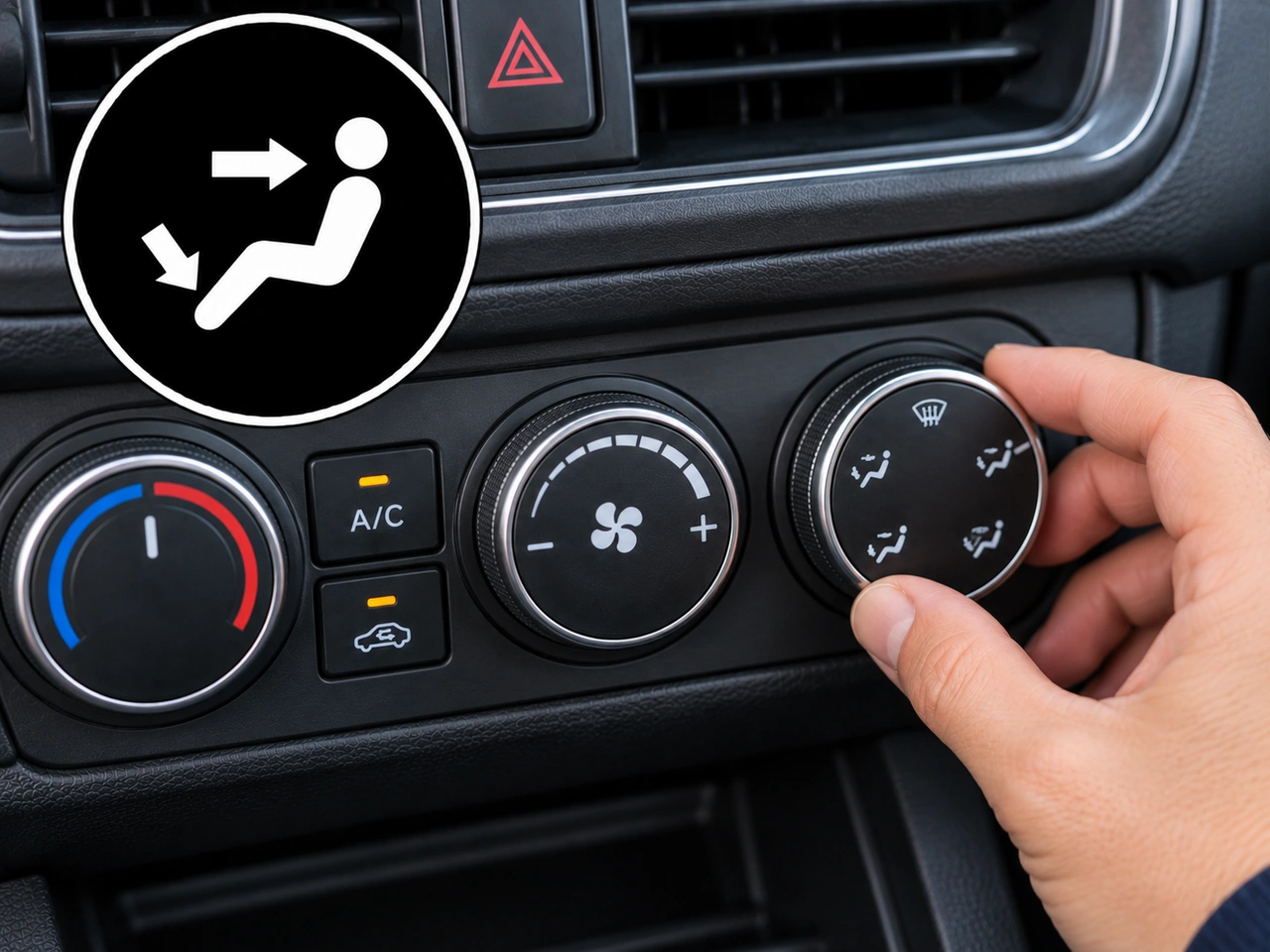
368. What does this vehicle-control symbol indicate?
This control selects the direction of the ventilation airflow, such as towards the face, feet or windscreen.
Choose where the air goes. For example, select the windscreen setting to direct airflow towards the glass when it starts to mist.
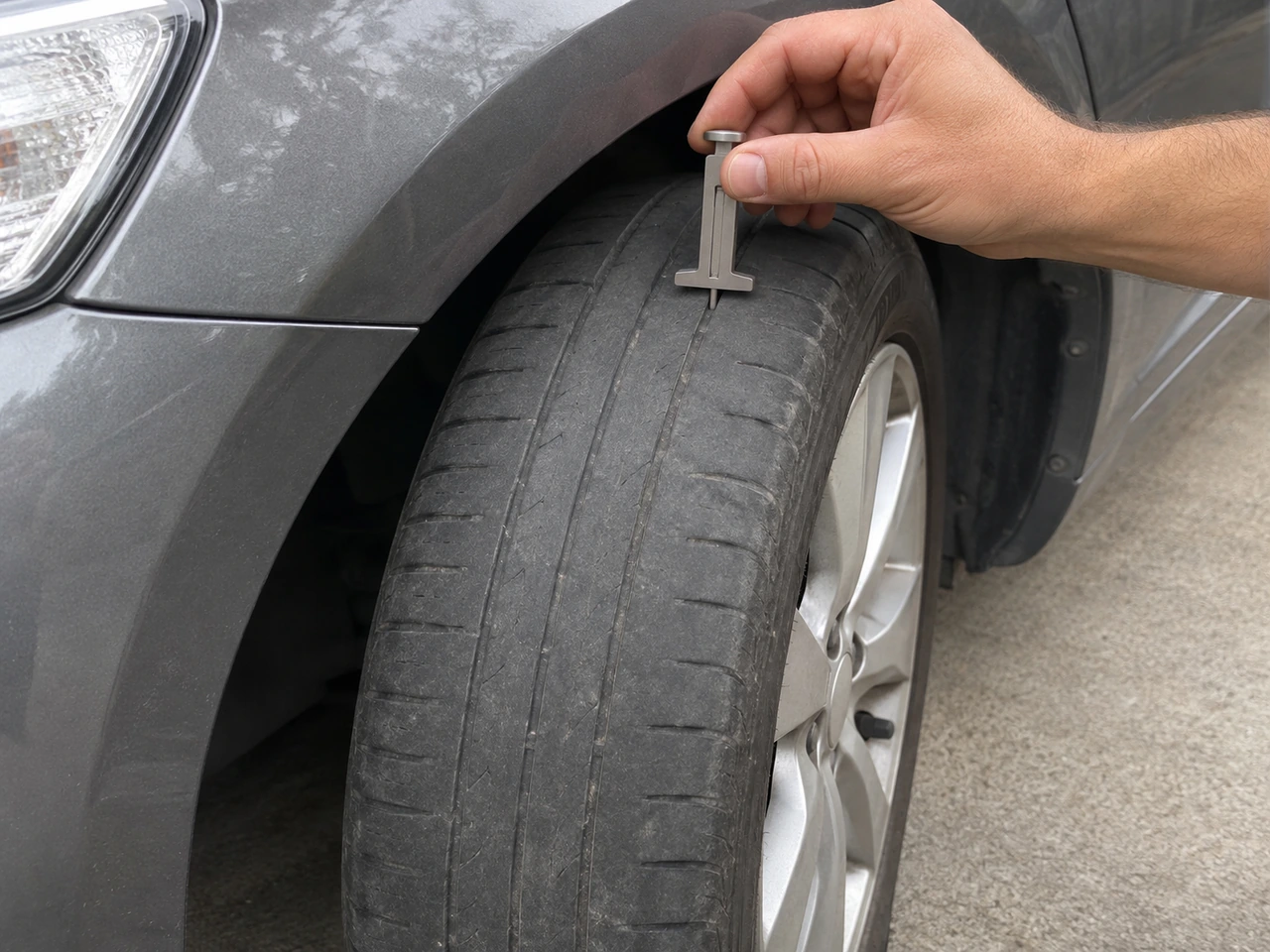
369. How can worn tyres affect driving in heavy rain?
Tyre tread channels water away from the contact area. As the tread wears down, water is harder to disperse and aquaplaning becomes more likely. Wet-road braking can also be affected. Check tyre condition and pressure before a journey, using the pressure recommended for the vehicle and its load. Replace worn or damaged tyres before driving.
🔗 Sources
Michelin — Technical explanation of tread and wet-road water drainage
Michelin — Technical aquaplaning explanation and prevention
Image credit: AI-generated
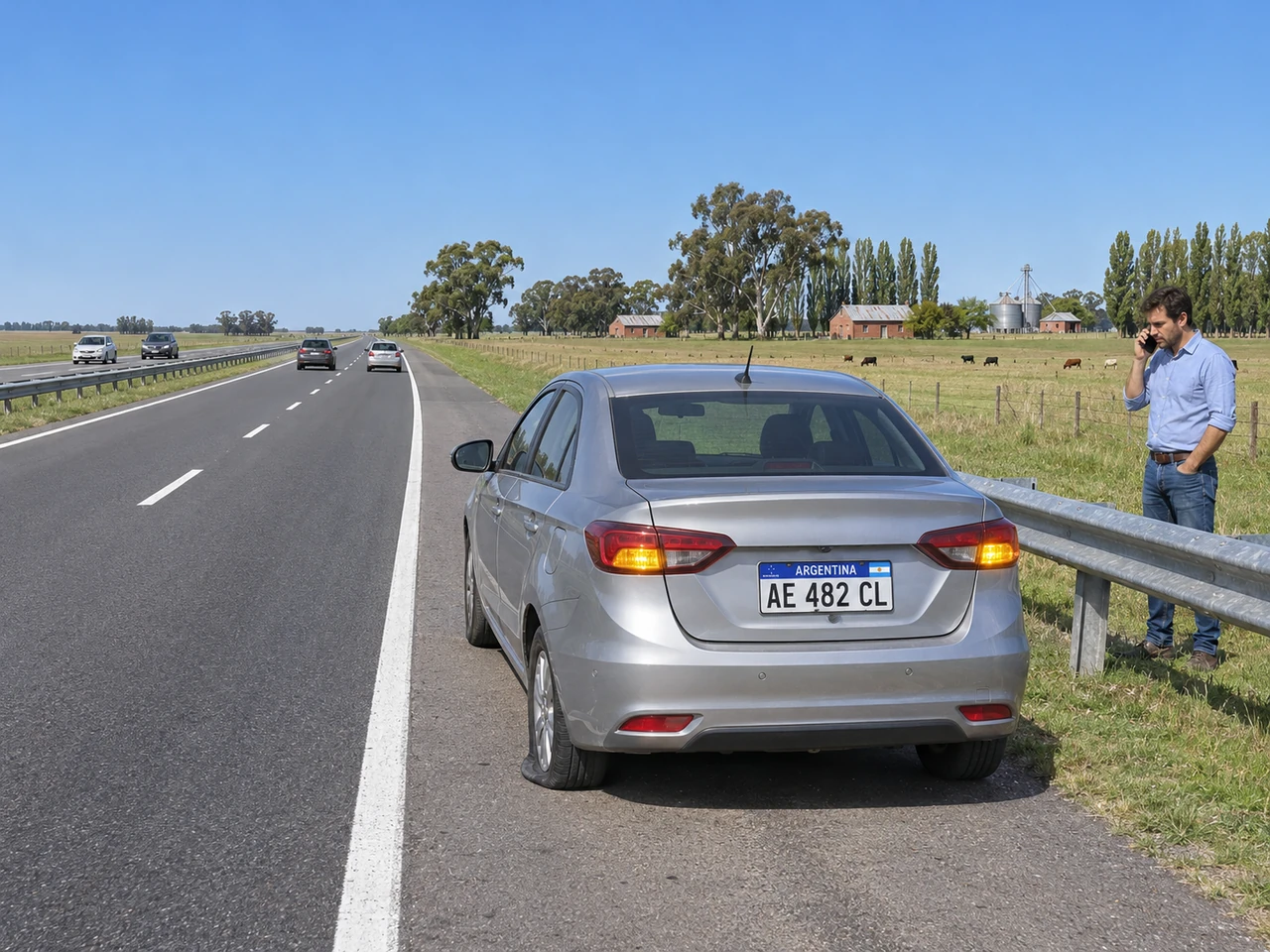
370. What should you do about a flat tyre on a high-speed road?
Changing a wheel close to high-speed traffic is extremely dangerous. Move away from traffic and use professional assistance.
Move onto the shoulder if a breakdown forces you to stop and you can do so safely. Warn approaching traffic with the required portable warning devices and arrange recovery.
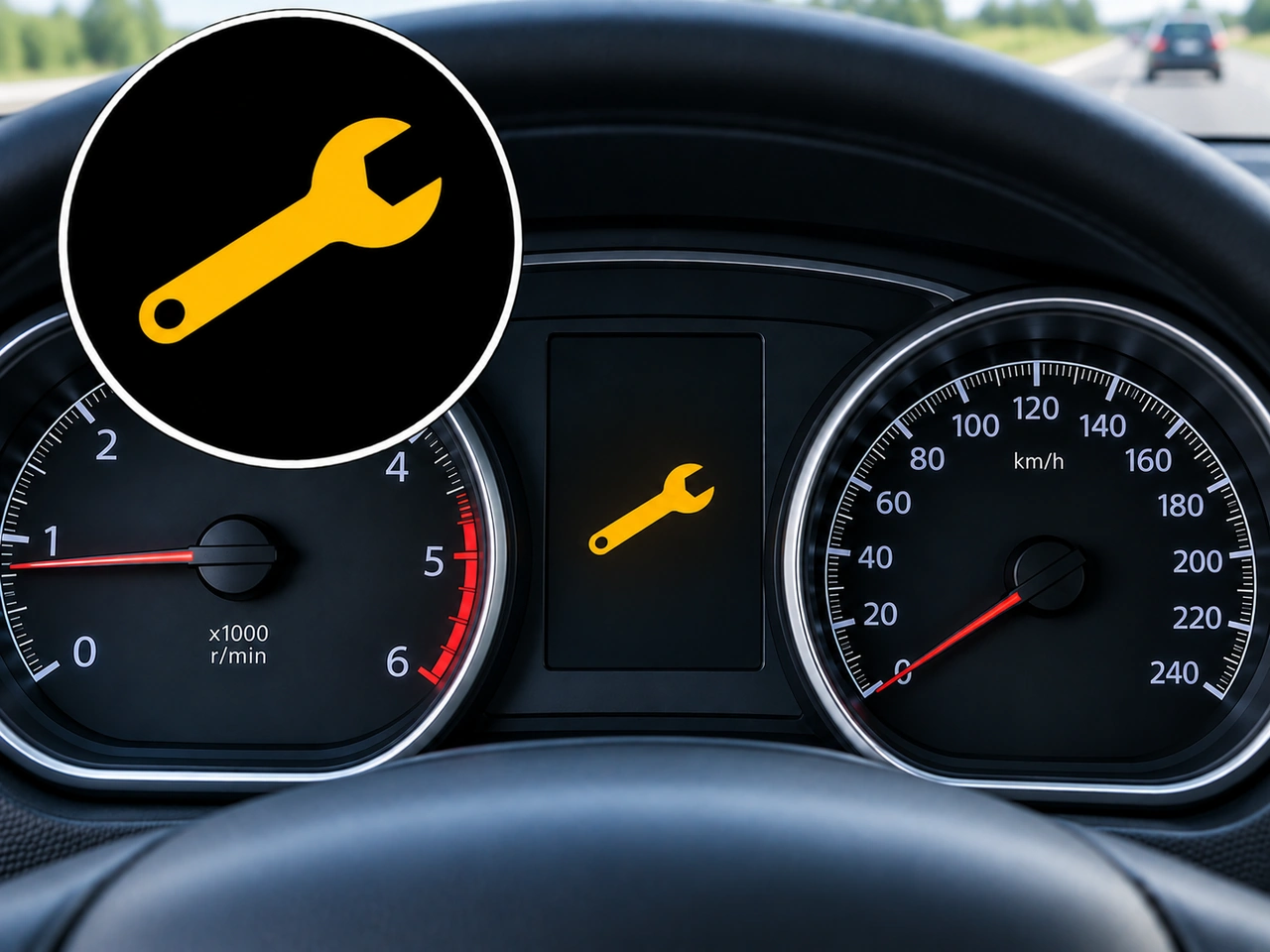
371. What does this dashboard symbol indicate?
This symbol indicates that the vehicle requires servicing or maintenance. The exact meaning and required maintenance can vary between vehicles, so check the vehicle information display or owner's manual.
Read the service message for the work due or the remaining time or distance. Follow the maintenance schedule for your vehicle.
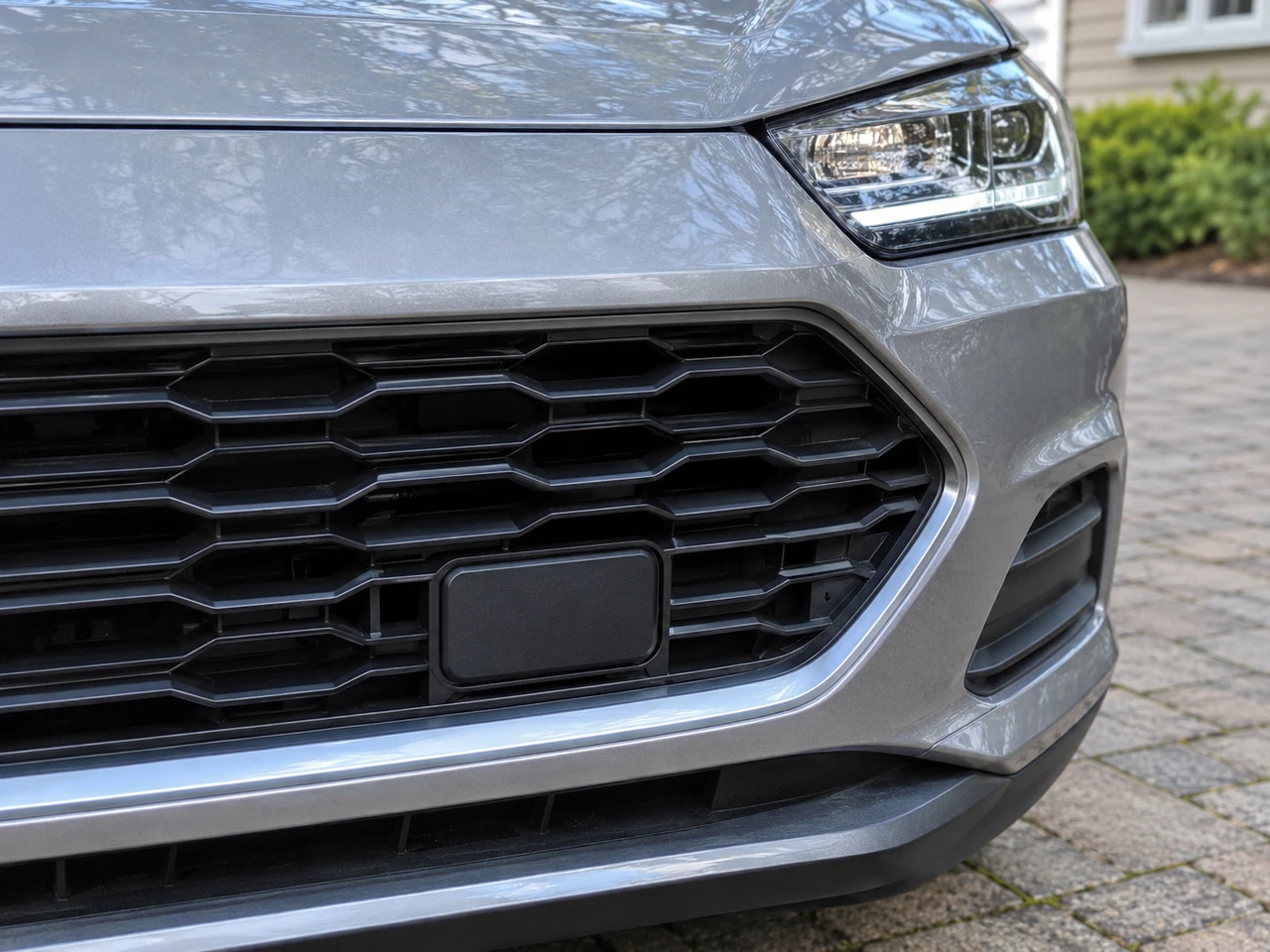
372. Forward-collision warning and automatic emergency braking are the same function.
Forward-collision warning alerts the driver to a possible collision. Automatic emergency braking can apply the brakes. Do not assume a warning-only system will brake for you.
🔗 Sources
NHTSA (United States) • Safety guidance, Forward Collision Warning and Automatic Emergency Braking
Image credit: AI-generated
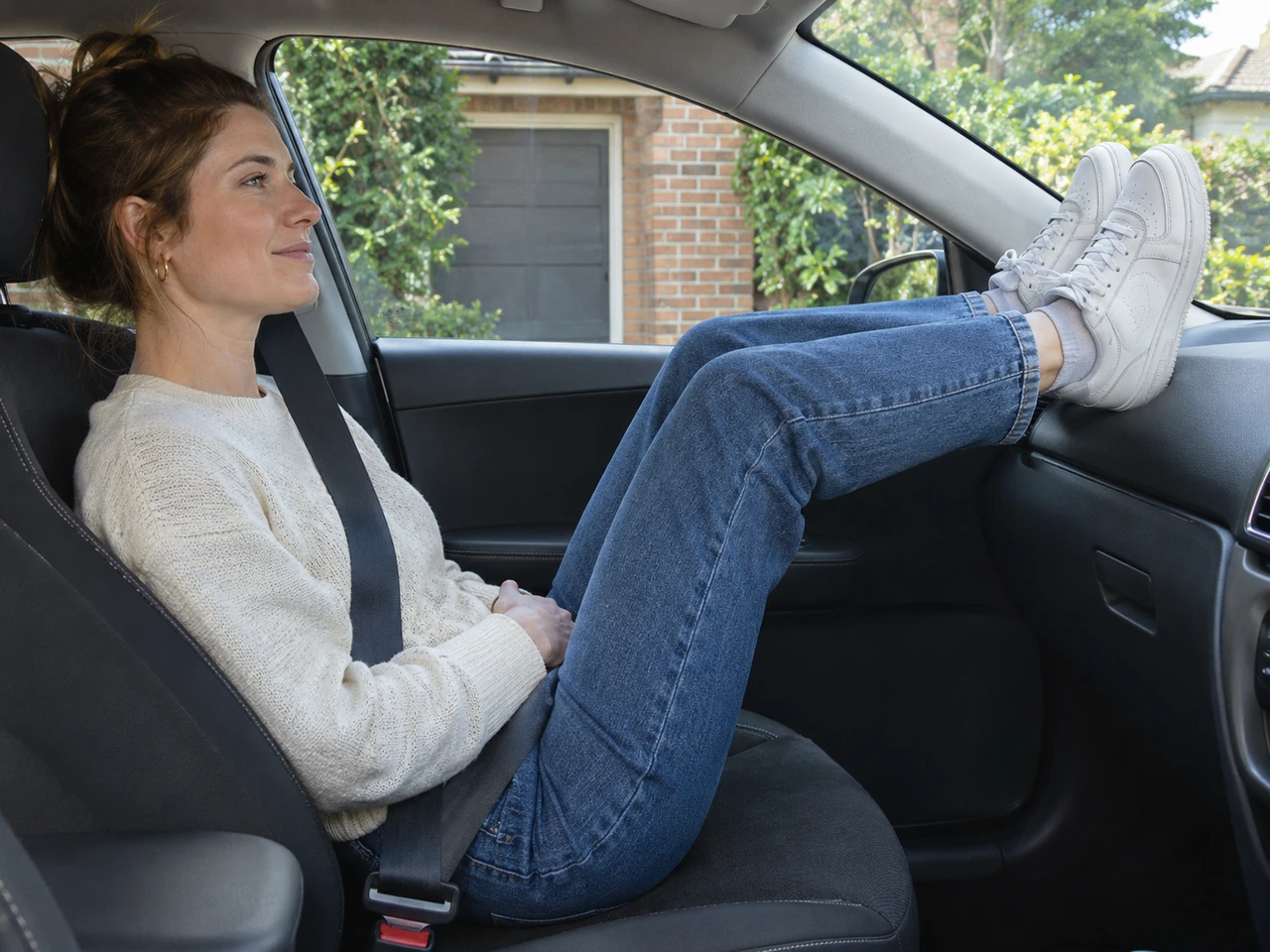
373. Resting your feet on the dashboard while travelling is safe if your seat belt is fastened.
A fastened belt does not make this posture safe. A collision or deploying passenger airbag can cause serious injury. Sit upright with your feet on the floor and wear the belt correctly.
🔗 Sources
Ford owner’s manual (manufacturer guidance) • Safety guidance, proper seating position and airbag protection; follow your handbook
Image credit: AI-generated
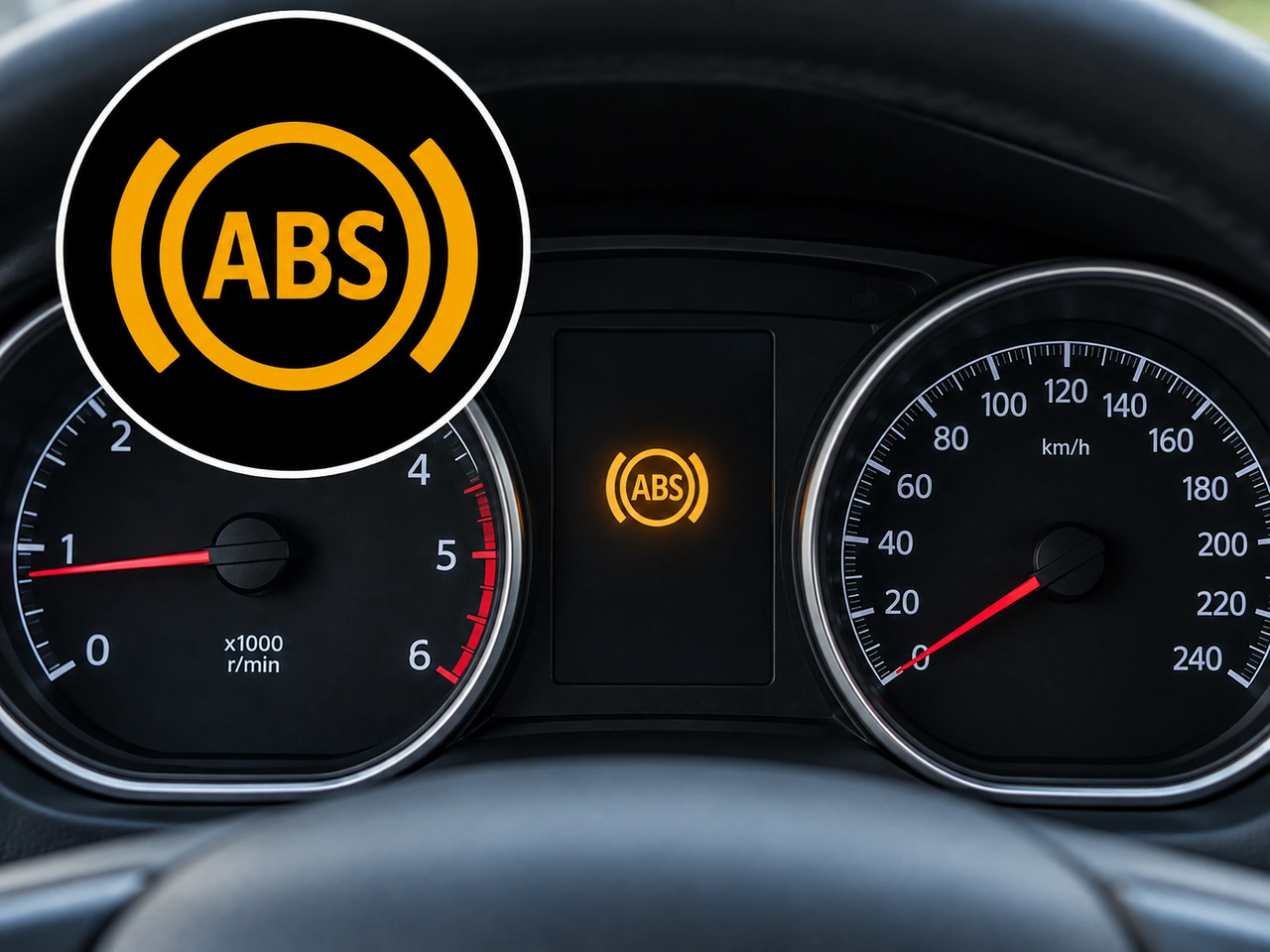
374. What does this dashboard symbol indicate?
This symbol indicates a possible fault with the anti-lock braking system (ABS). Normal braking may still be available, but ABS may not operate during heavy braking, so the system should be checked.
An ABS fault can leave conventional braking available while disabling anti-lock assistance. Follow the handbook and arrange an inspection.
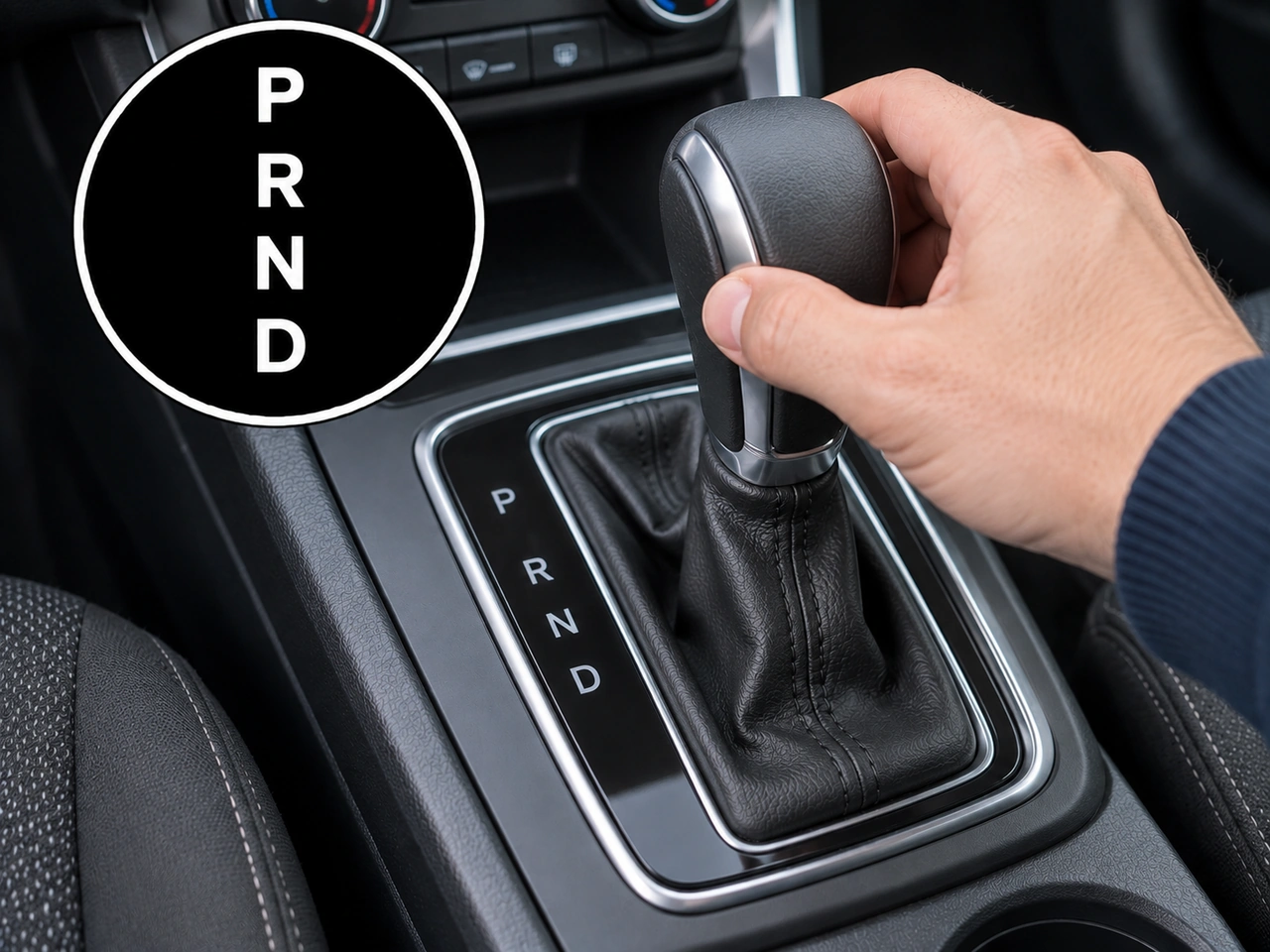
375. Which selector position is used to drive the vehicle backwards?
Select R (Reverse) when you need to drive the vehicle backwards. The vehicle should be stationary before selecting Reverse.
Bring the vehicle to a complete stop before selecting R. Check the area behind and around the vehicle before moving.
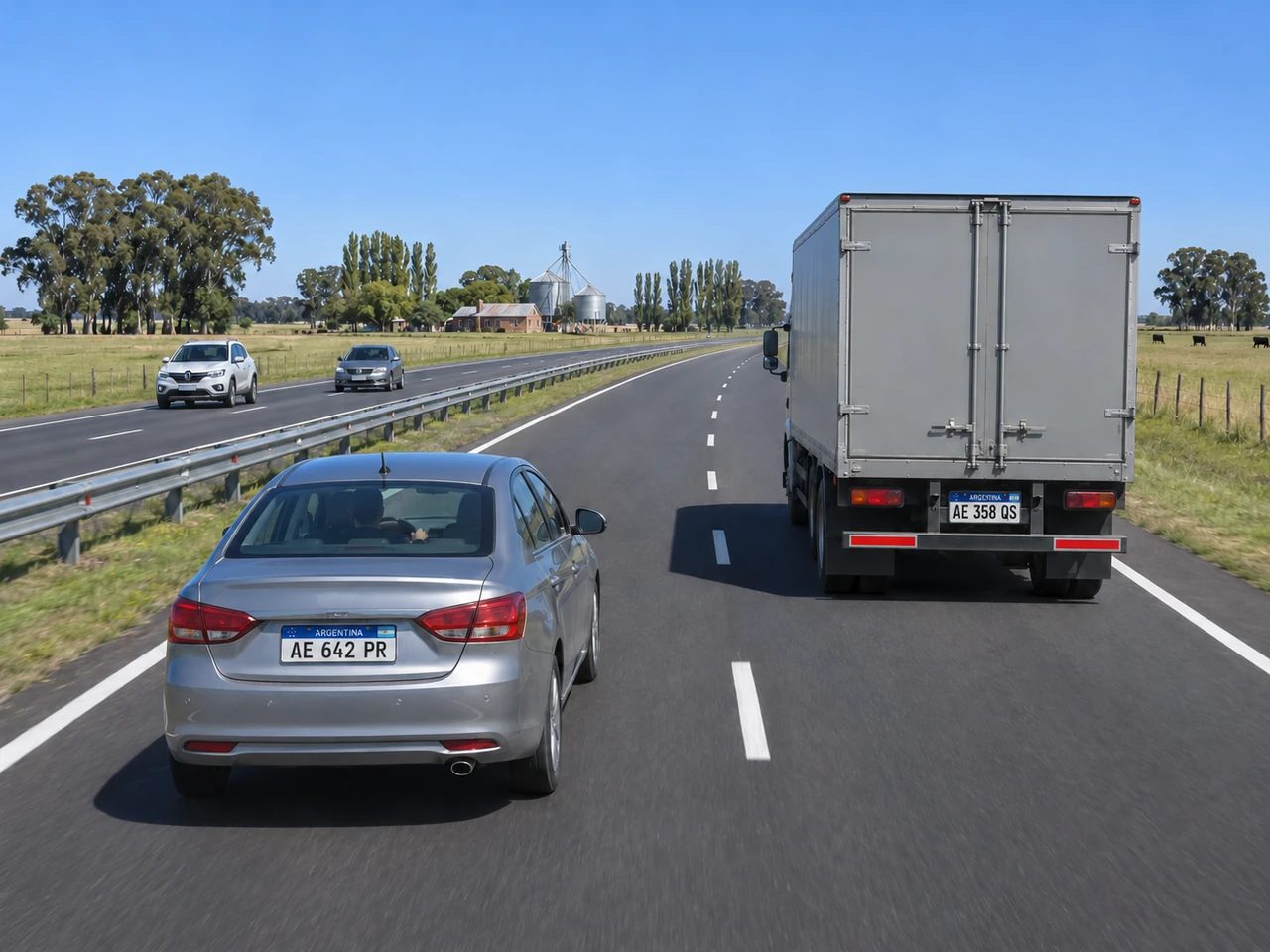
376. Why should you avoid remaining beside a large vehicle on a motorway?
Large vehicles have significant blind spots. Avoid travelling alongside them longer than necessary.
Avoid lingering beside a lorry where its driver may lose sight of you. Check that there is room to overtake and signal before returning to your lane.
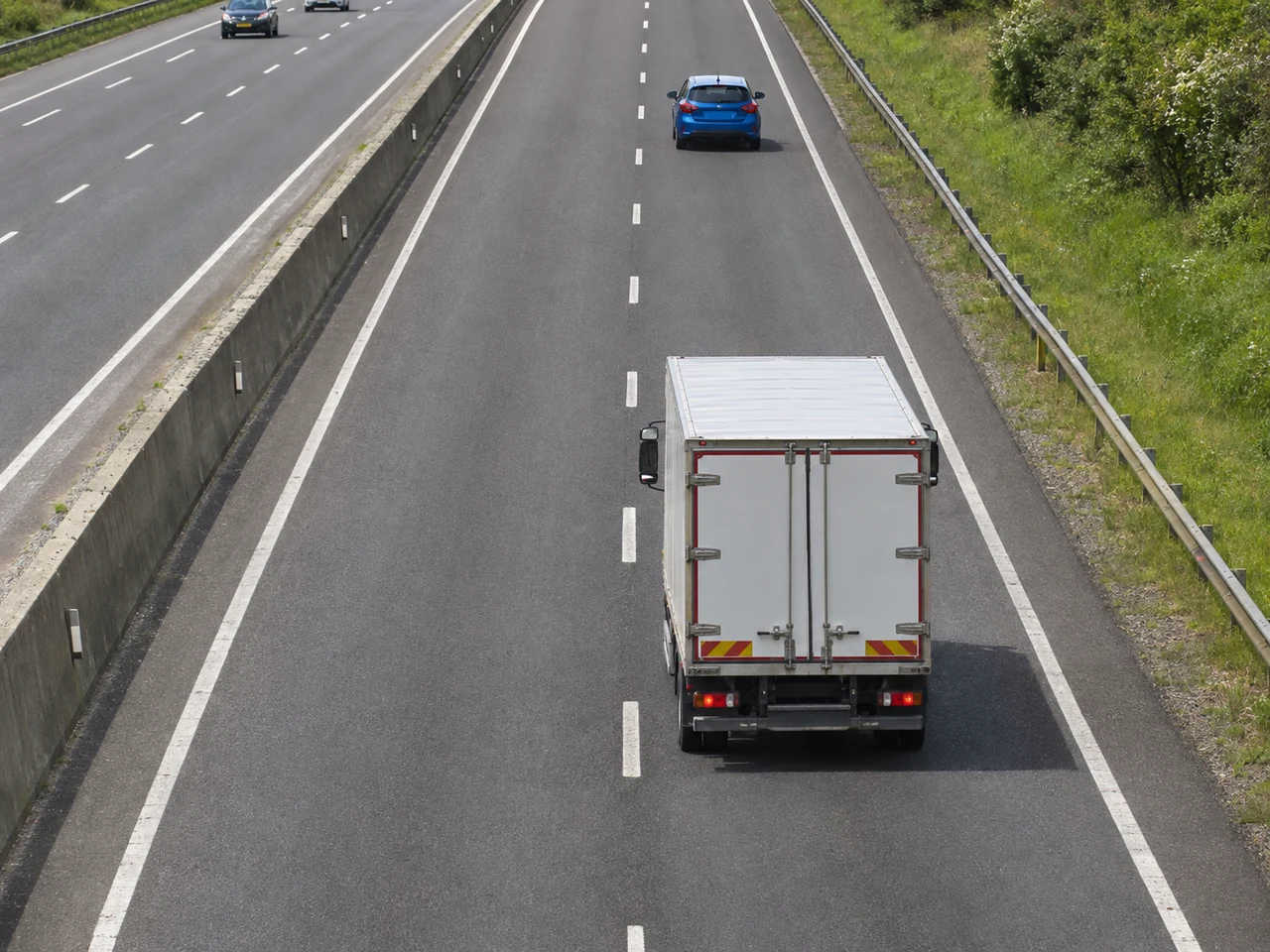
377. What should you normally do after completing an overtake?
After overtaking, return to the normal driving lane when you have passed the other vehicle by a safe distance. Check your mirrors, signal when appropriate, and avoid moving back too soon.
Argentina. Use your right indicator as you move back. Leave enough room for the driver you passed to continue without slowing or changing course.
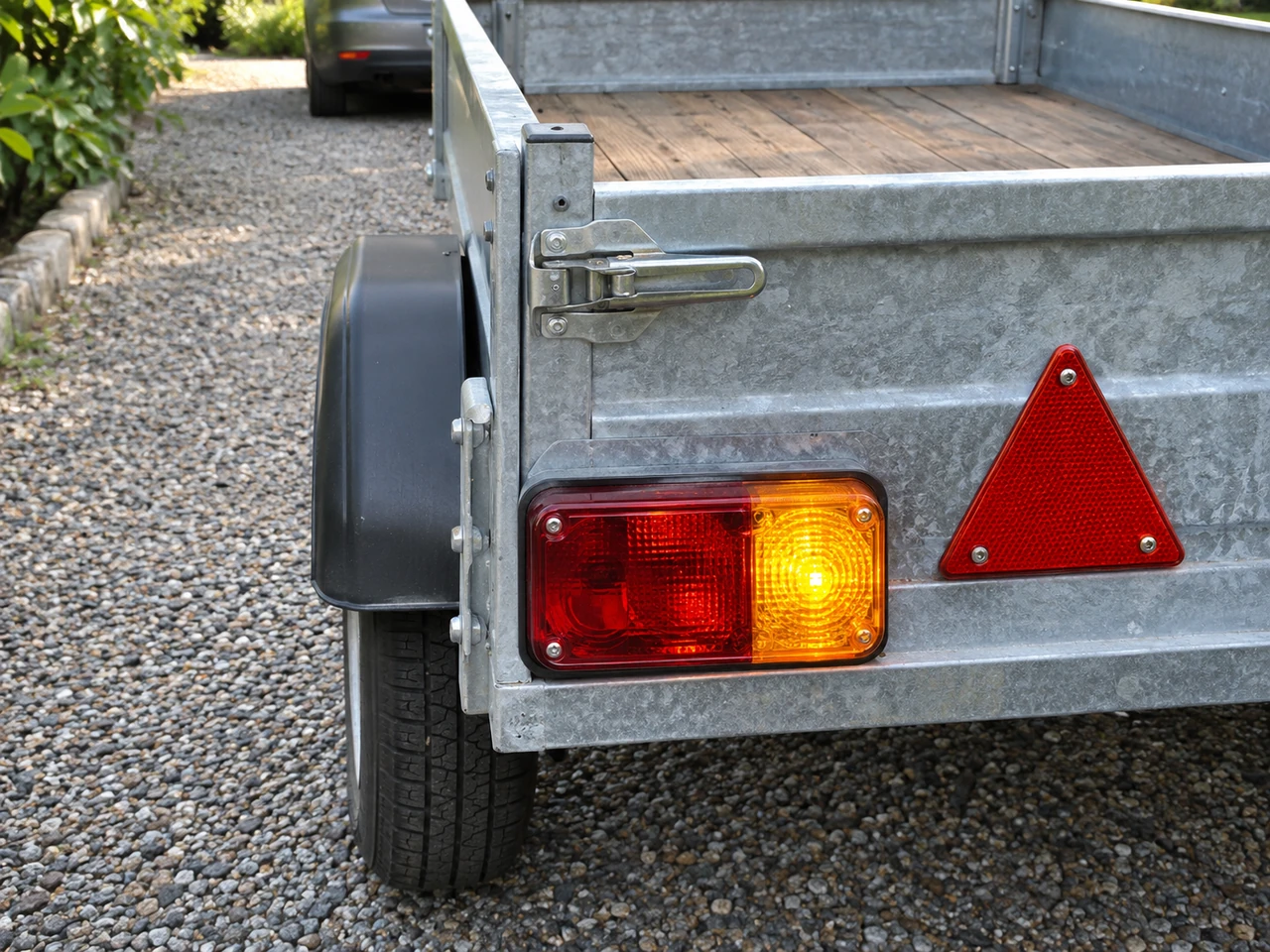
378. You should check that your trailer's lights work before each journey.
Check the trailer's lights and indicators as part of your pre-journey checks. The car's lights working does not prove that the trailer's lights work.
🔗 Sources
DVSA towing guidance (Great Britain) • Safety guidance, Lights and indicators
Image credit: AI-generated
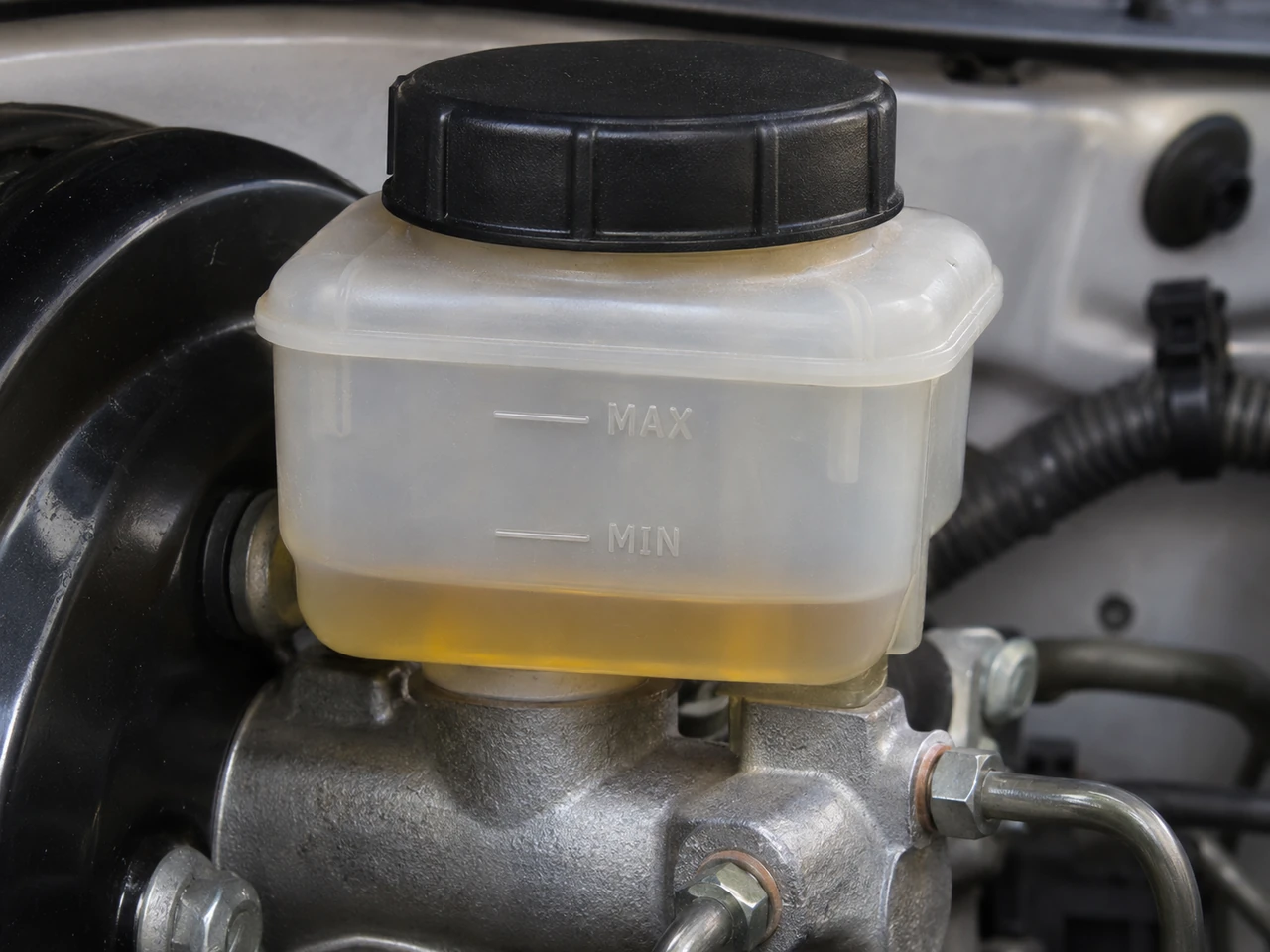
379. Brake fluid below the minimum mark needs prompt attention.
A level below the minimum mark can affect braking. Follow the handbook and have the brake system checked as soon as possible. If braking is affected, stop safely and arrange assistance.
🔗 Sources
The Highway Code (Great Britain) • Safety guidance, brake-fluid checks and brake failure
Image credit: AI-generated
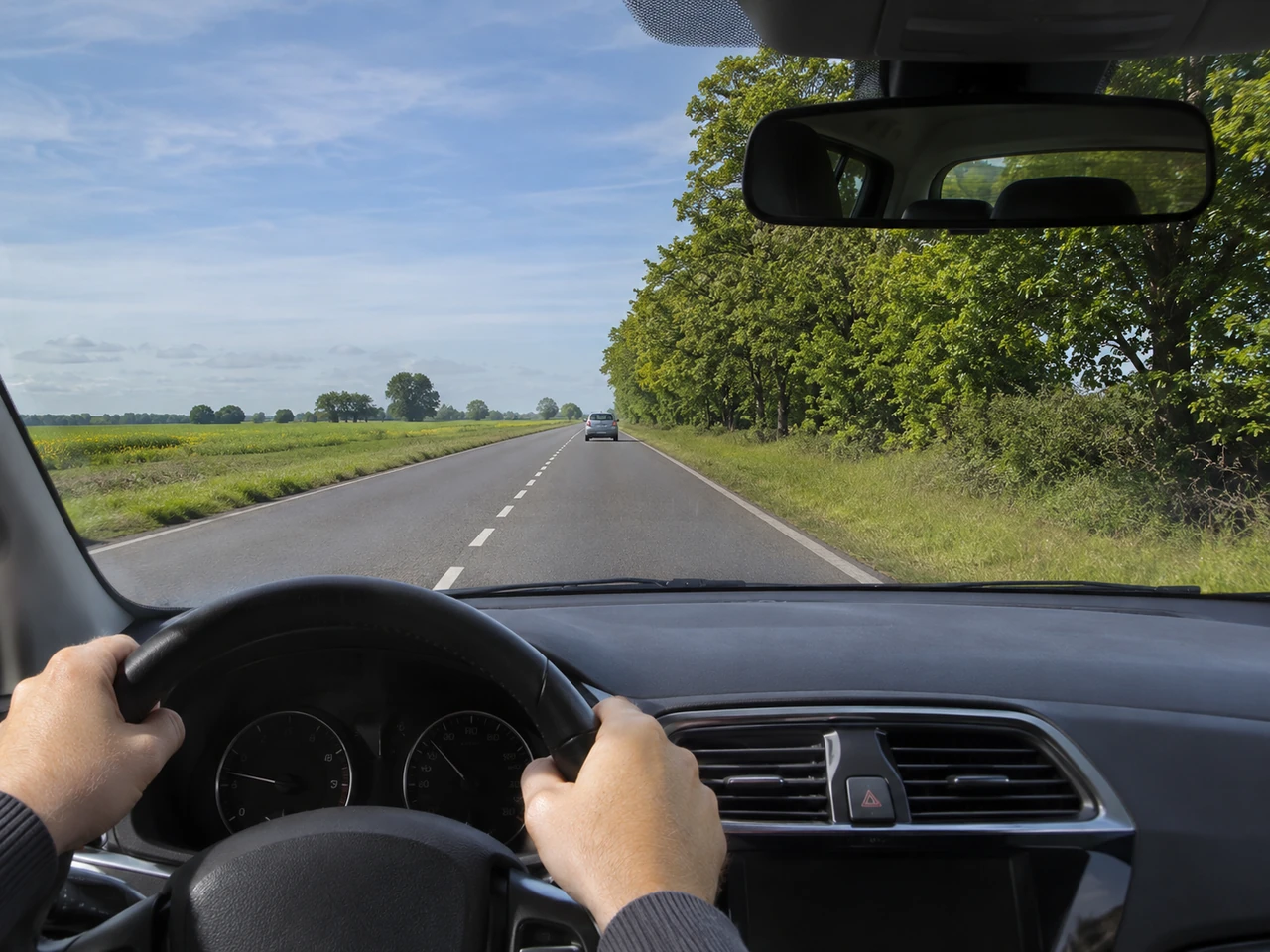
380. Adaptive cruise control means you no longer need to watch the road.
Adaptive cruise control assists with speed and following distance. Keep watching the road and remain ready to take control, following the vehicle handbook.
🔗 Sources
NHTSA (United States) • Safety guidance, Adaptive Cruise Control; driver responsibility
Image credit: AI-generated
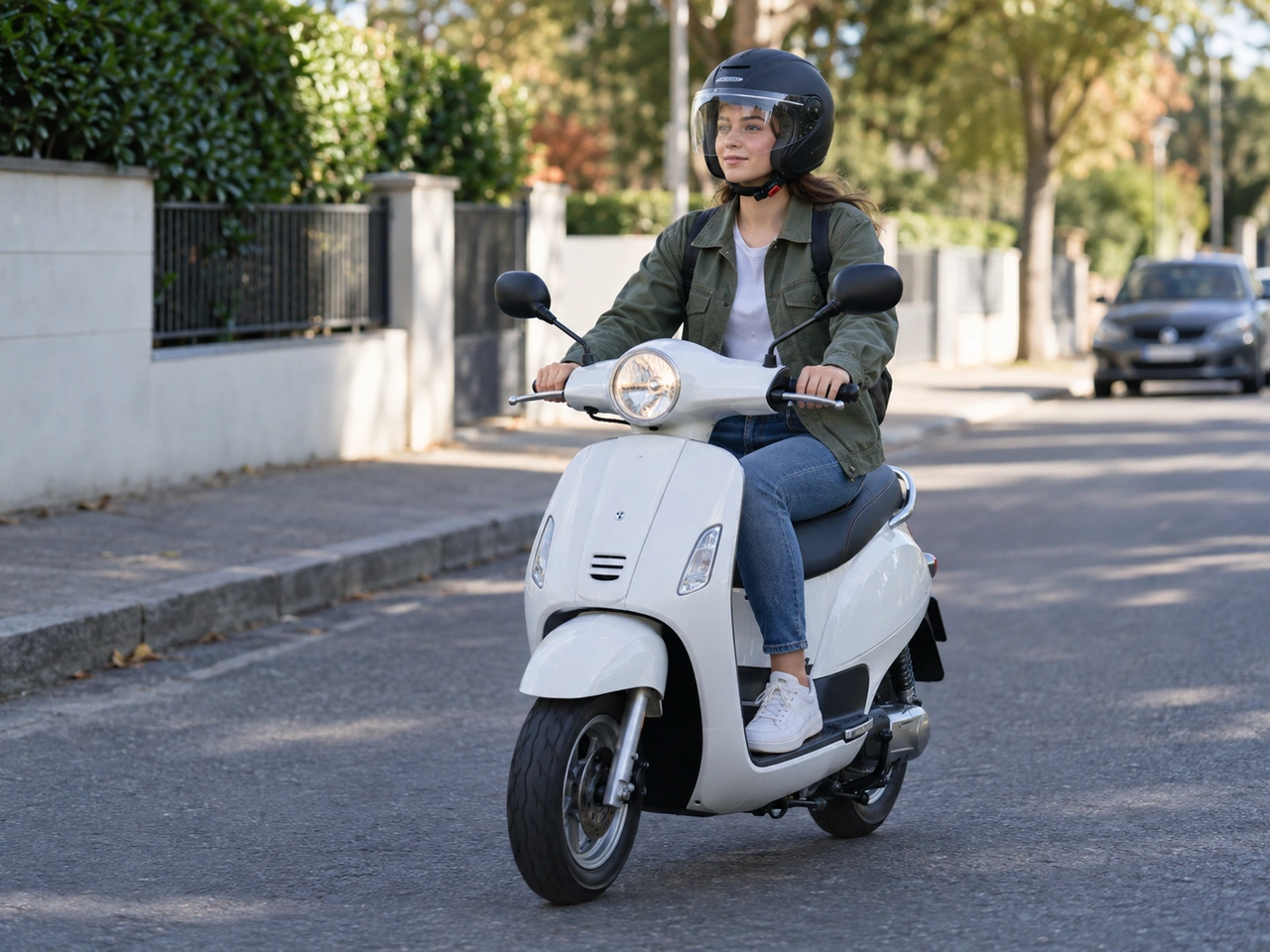
381. Are moped riders generally required to wear a helmet?
Moped riders in Argentina are generally required to wear an approved helmet.
🔗 Sources
Image credit: AI-generated
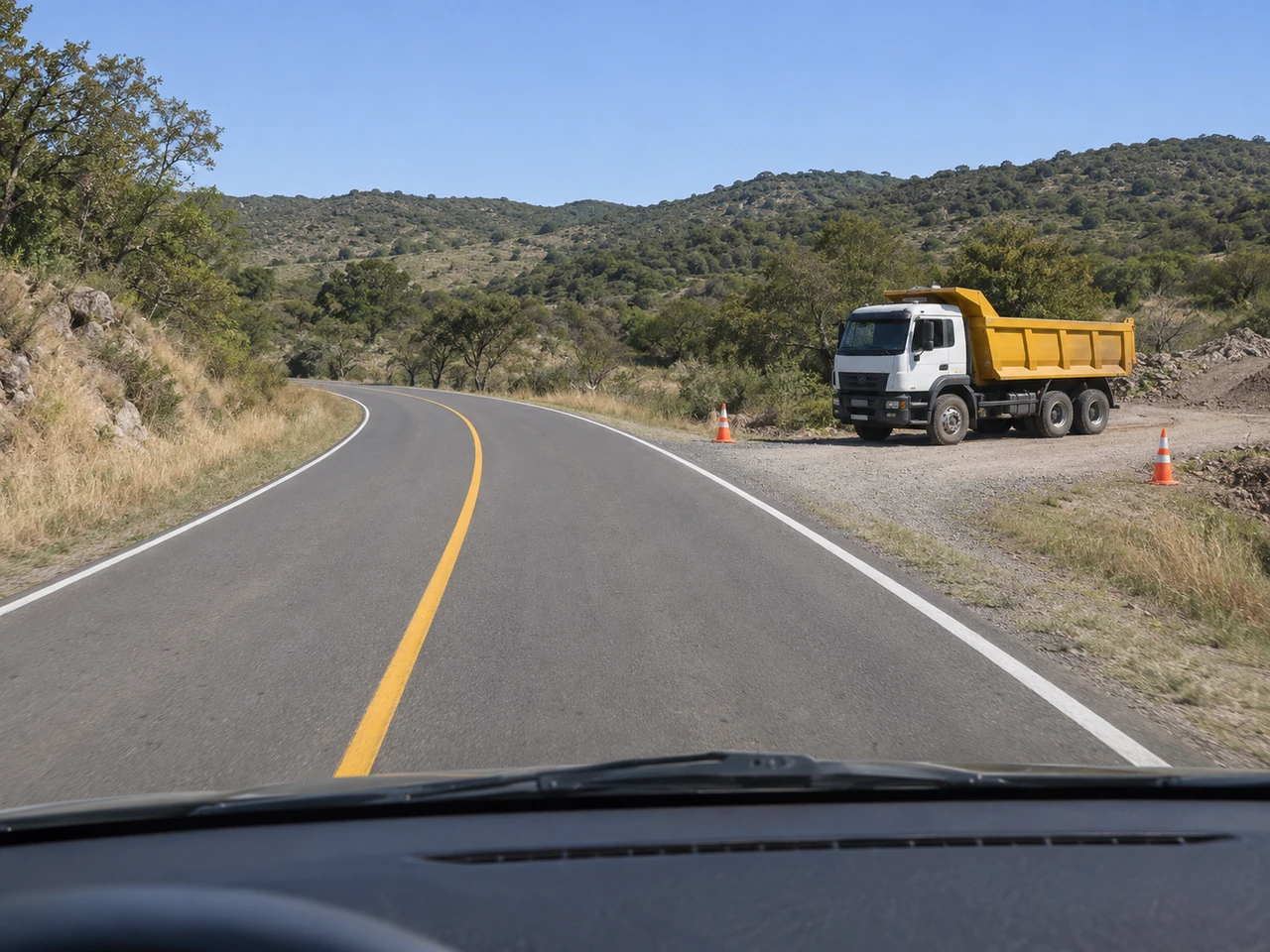
382. What should you do when construction vehicles enter or leave the road?
Construction vehicles may move slowly, have limited visibility, or carry loose material. Give them time and space to manoeuvre.
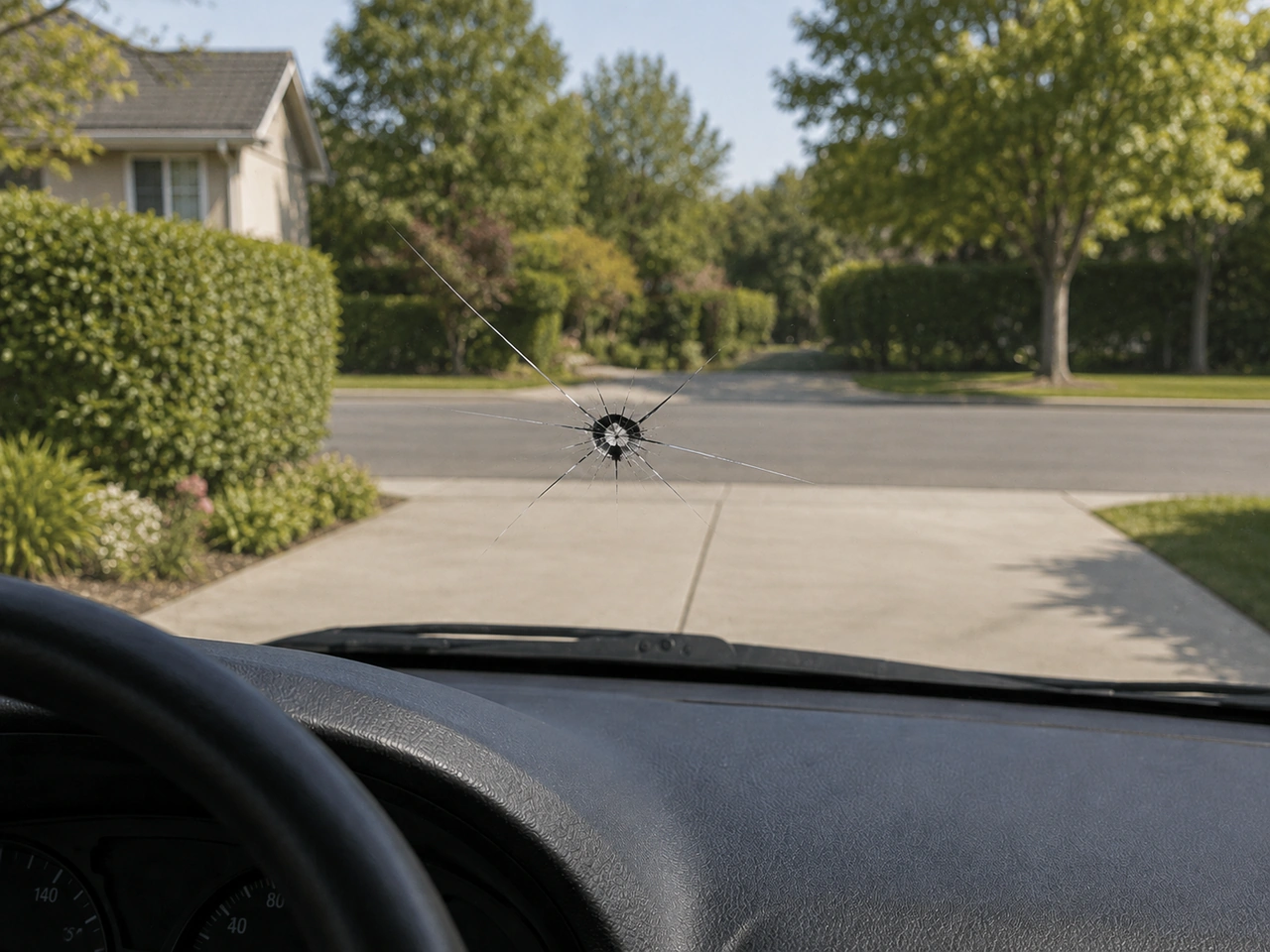
383. What should you do about a chip in the windscreen?
A chip can obstruct your view, weaken the glass, and develop into a larger crack. Have it checked and repaired promptly.
Argentina. Keep the windscreen clear so you can see the road ahead. Have a chip assessed promptly, especially if it is in your line of sight.
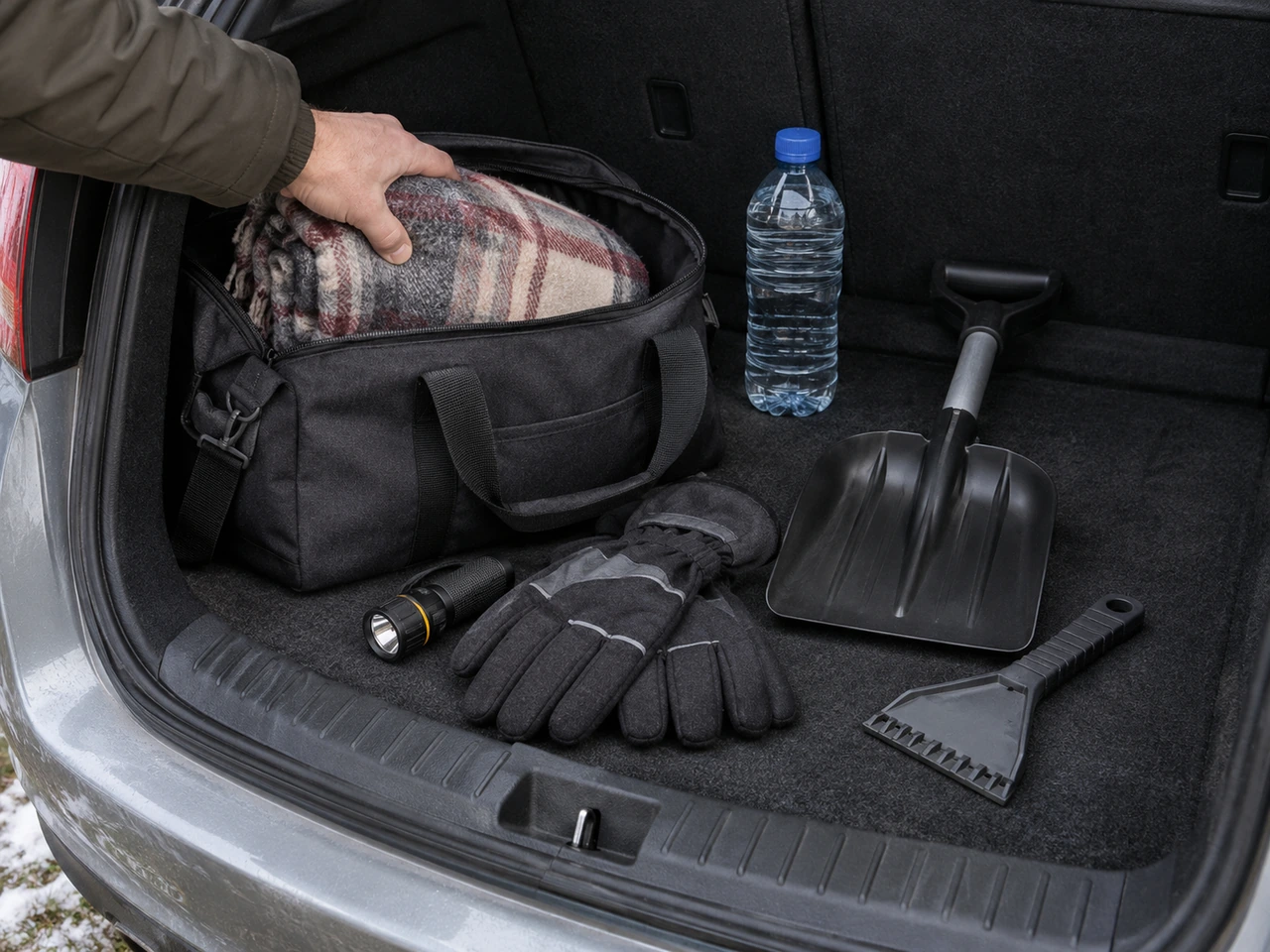
384. What should you check before beginning a journey in severe winter weather?
First consider whether the journey can be postponed. Check weather warnings, route conditions and likely delays, and allow extra time if you must travel. Check the tyres, lights, wipers and winter washer fluid, with enough fuel or charge for the journey and delays. Carry warm clothing and useful supplies such as an ice scraper, torch and small shovel. Preparation helps if conditions worsen, but does not make an unsafe route safe.
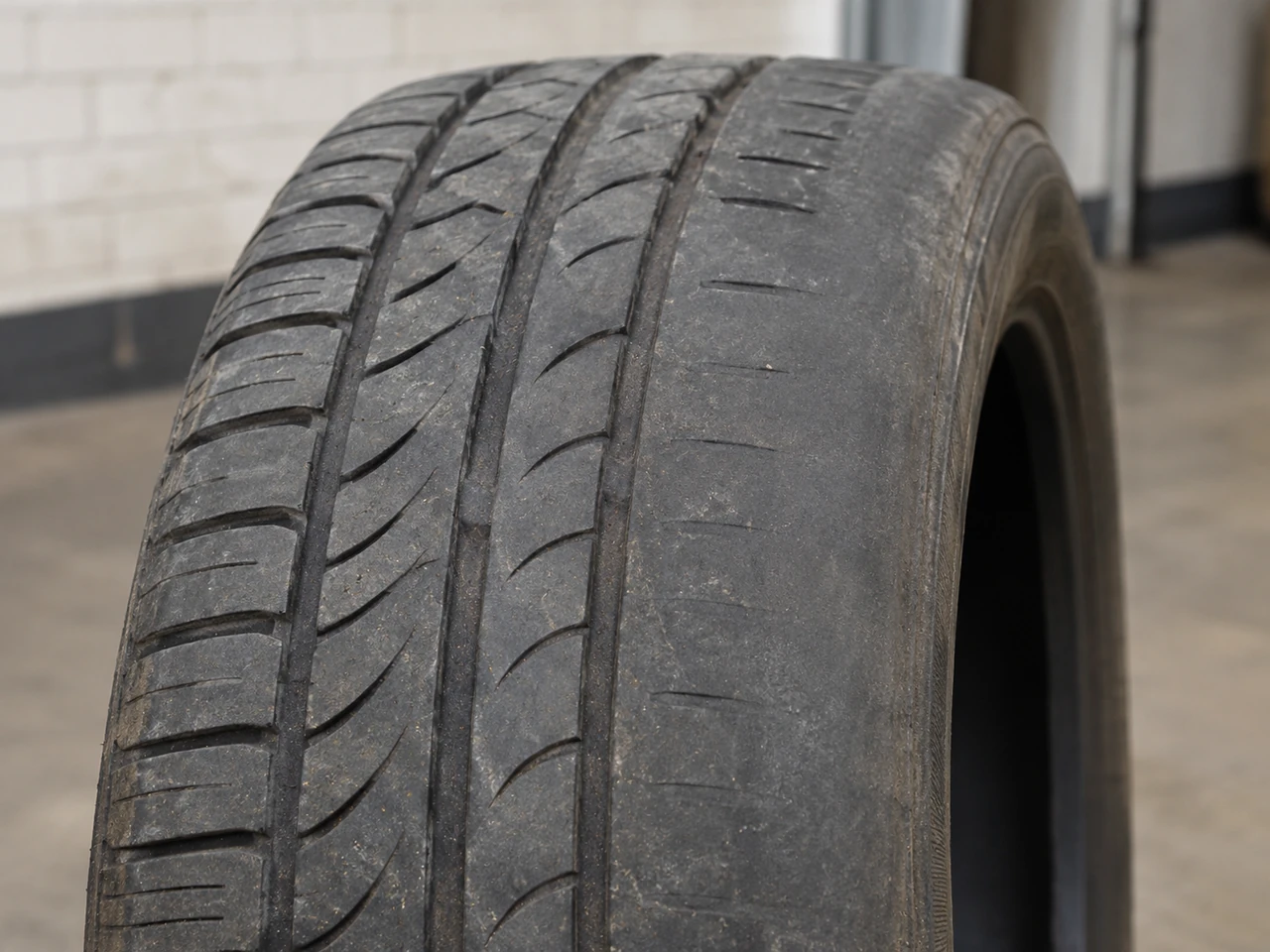
385. Uneven tyre wear can be a sign of an alignment or suspension problem.
Uneven wear can have several causes, including incorrect pressures, wheel alignment or worn suspension components. Have the tyre and vehicle checked by a professional rather than assuming the cause from appearance alone.
🔗 Sources
The Highway Code (Great Britain) • Safety guidance, tyre wear, braking, alignment and suspension faults
Image credit: AI-generated
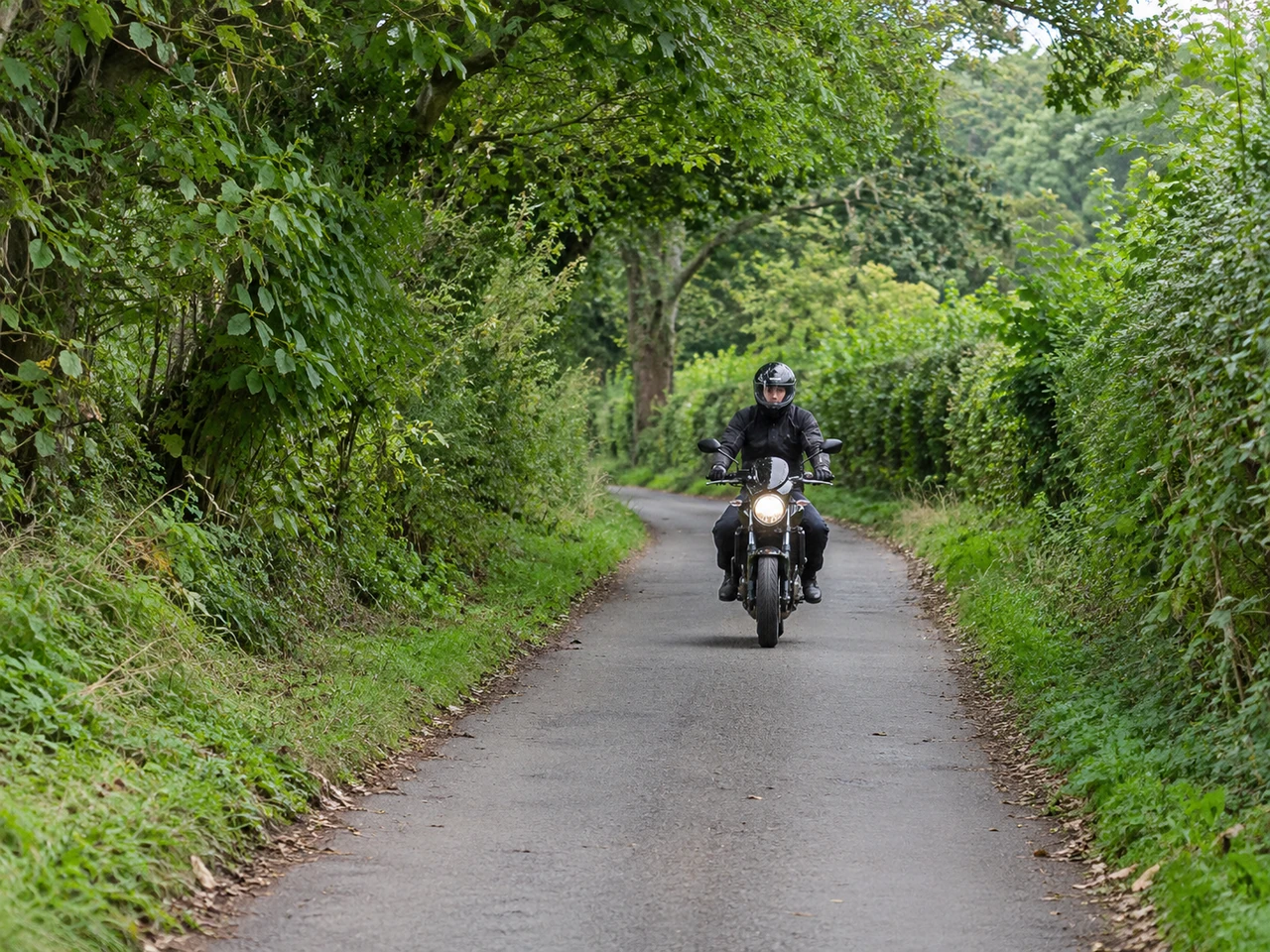
386. Motorcycles can be harder to spot than larger vehicles.
Their smaller size can make motorcycles less noticeable or hide them behind other vehicles. Look carefully before turning, emerging or changing lanes.
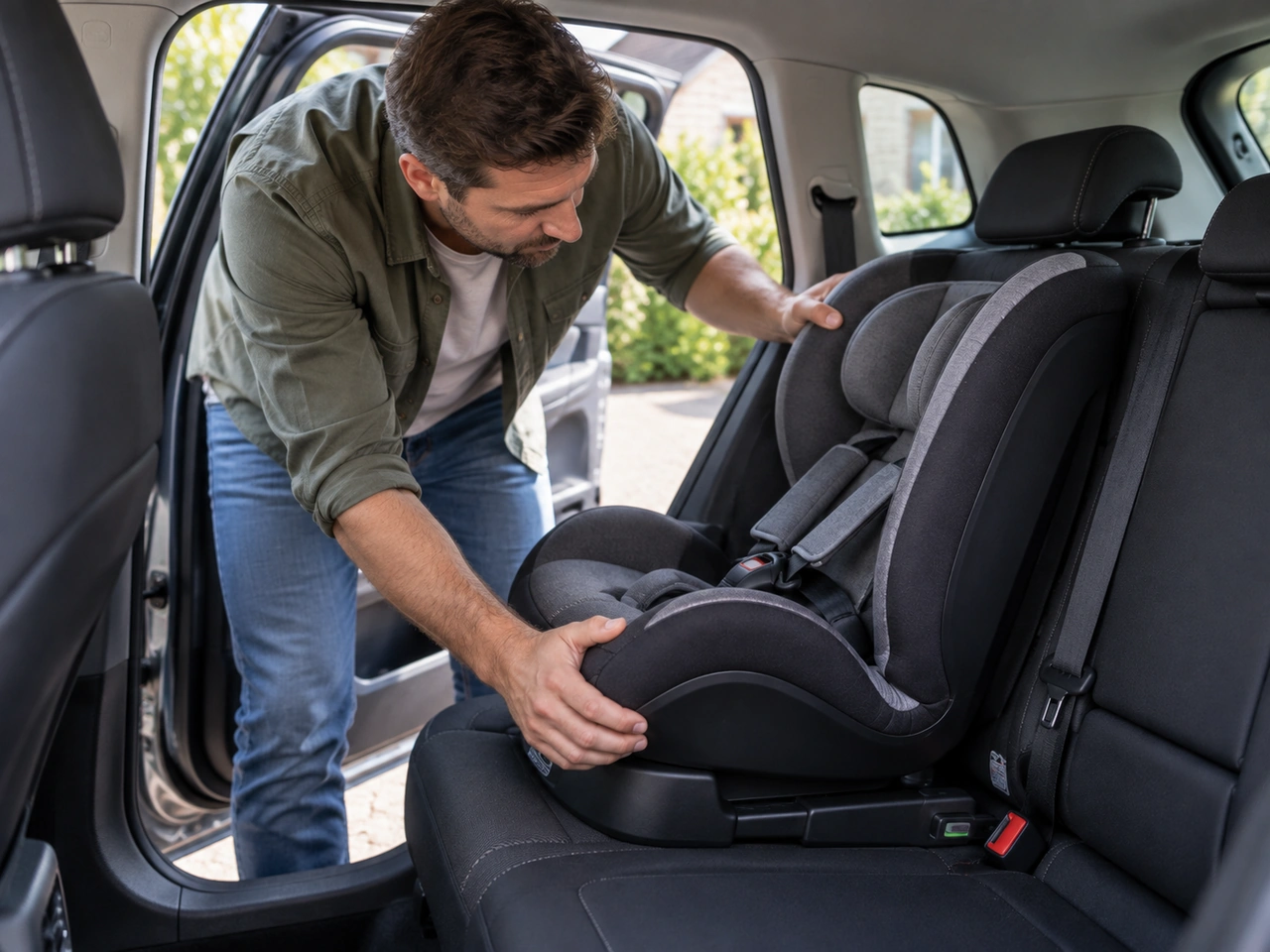
387. What should you check after fitting a child restraint?
A child restraint should be installed securely and used according to the manufacturer's instructions. Check that the seat is firmly attached, the belt or ISOFIX connection is correct, and the child is restrained properly before driving.
🔗 Sources
United States — NHTSA; suitable child restraints and installation to manufacturer instructions
Image credit: AI-generated
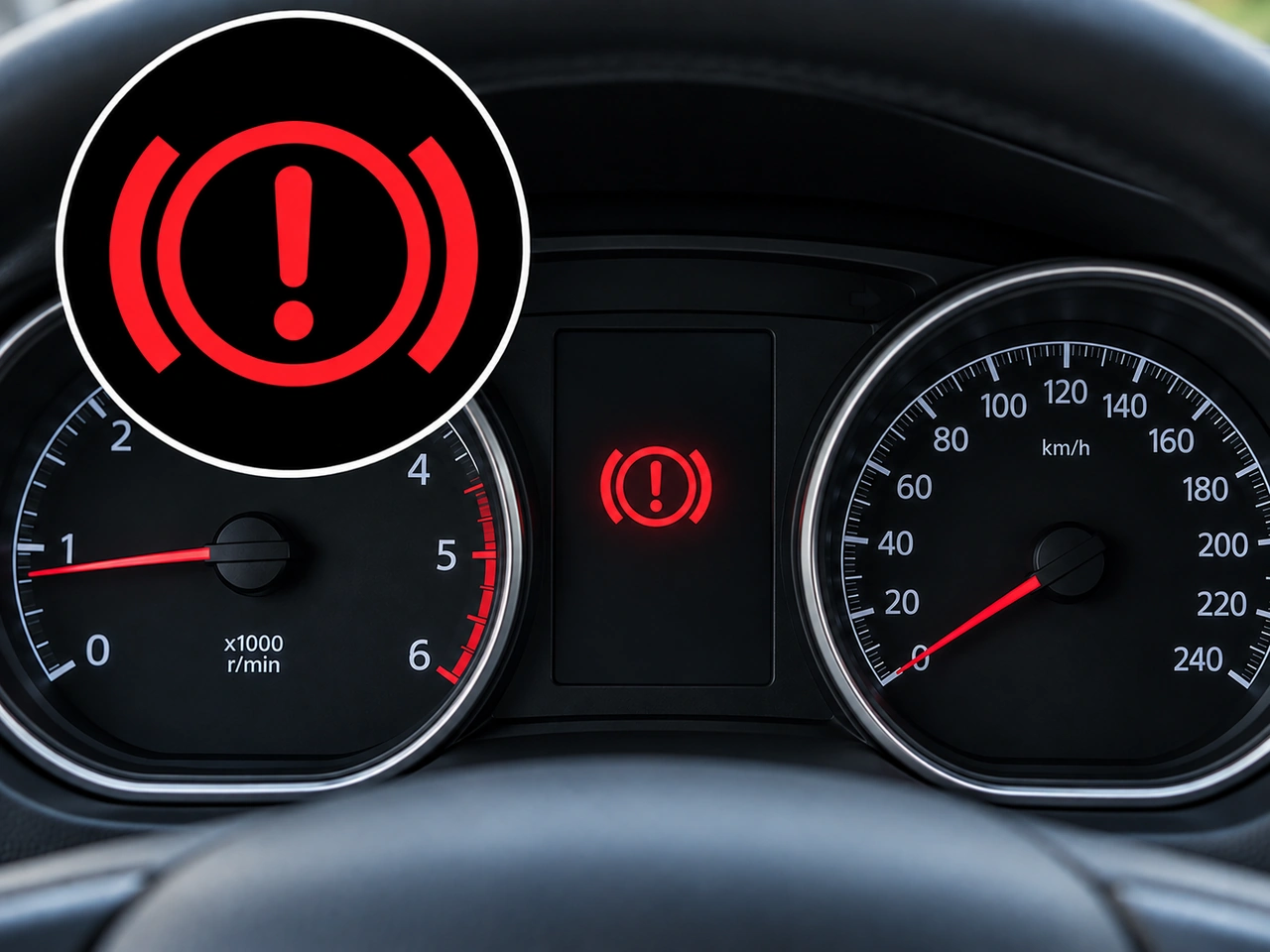
388. What does this dashboard symbol indicate?
This symbol indicates a possible brake-system fault. If it remains illuminated after the parking brake is released, stop safely and have the braking system checked.
If the red brake warning stays on after releasing the parking brake, stop safely and seek assistance. The warning may indicate low brake fluid or a brake-system fault.
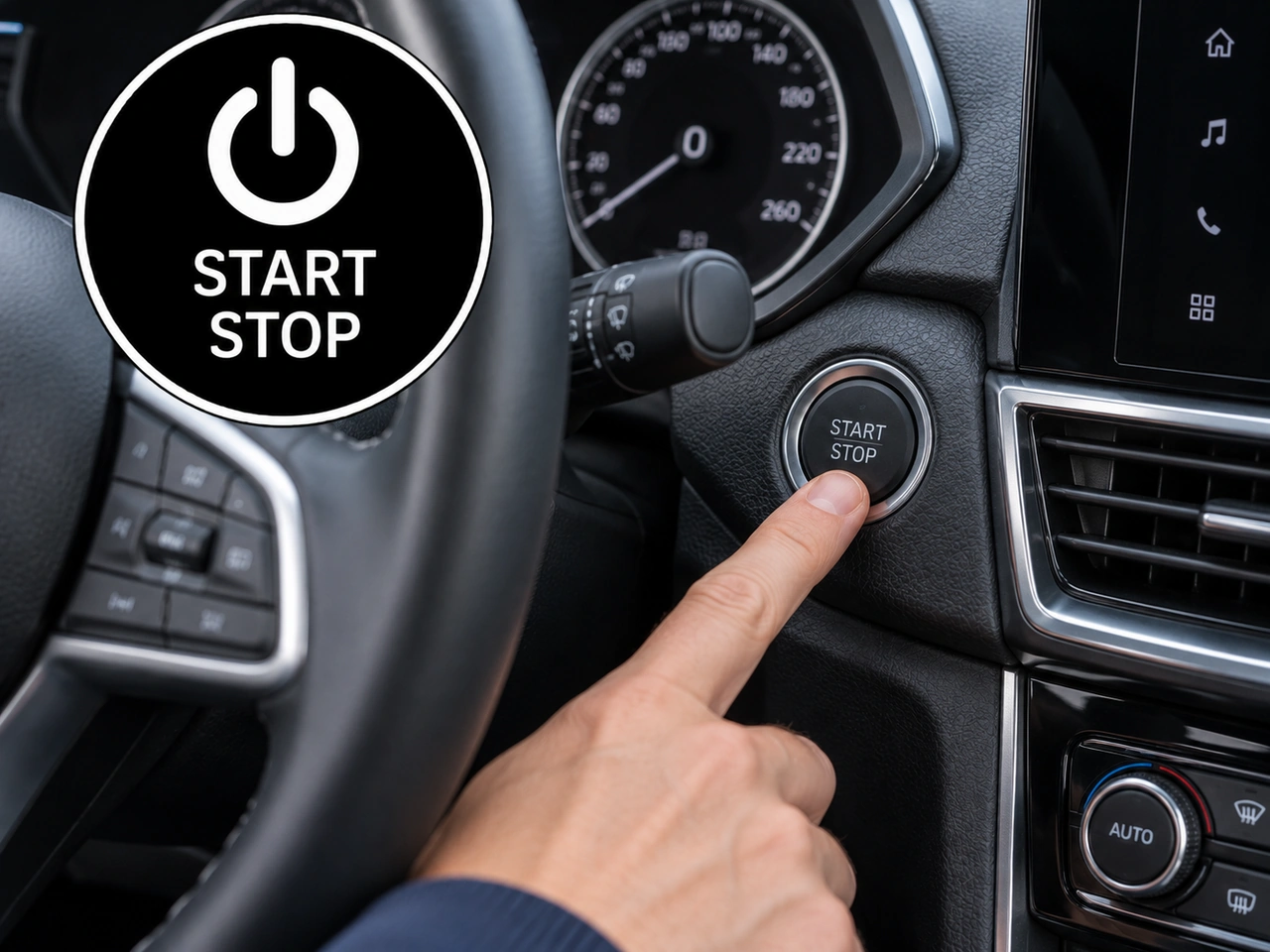
389. What does this vehicle-control button operate?
The engine start/stop button is used to start or switch off the vehicle's engine or electric drive system. Starting the vehicle normally also requires the brake or clutch pedal to be pressed.
On push-button models, starting usually requires the brake pedal on an automatic or the clutch pedal on a manual. Check the handbook for the starting sequence.
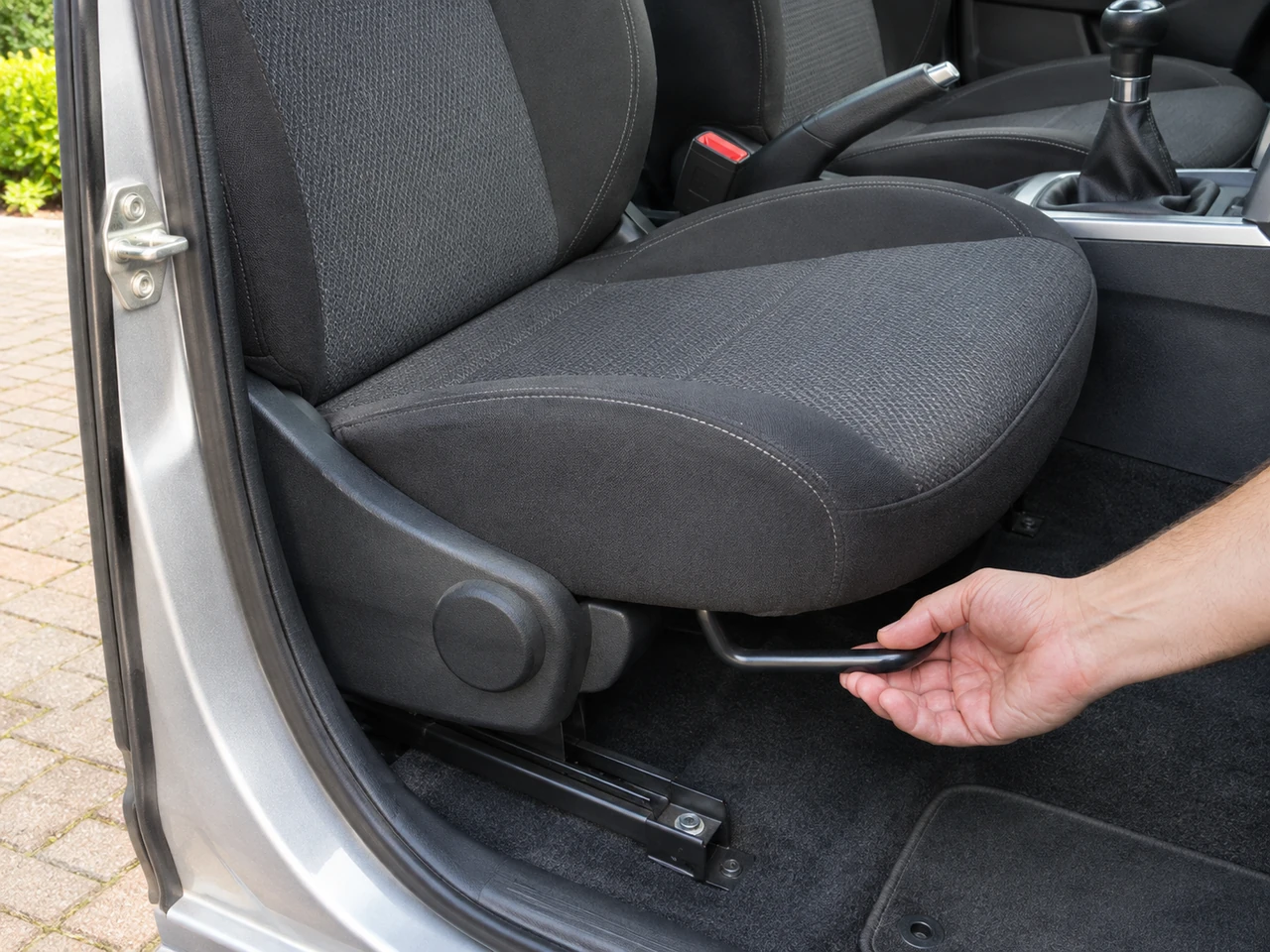
390. It is safe to adjust the driver's seat position while the car is moving.
Seat movement can change your reach to the controls and cause a loss of control. Adjust the seat while safely parked, and make sure a manually adjustable seat is locked in position before driving.
🔗 Sources
Ford owner’s manual (manufacturer guidance) • Safety guidance, Moving the Seat Backward and Forward; follow your vehicle’s handbook
Image credit: AI-generated
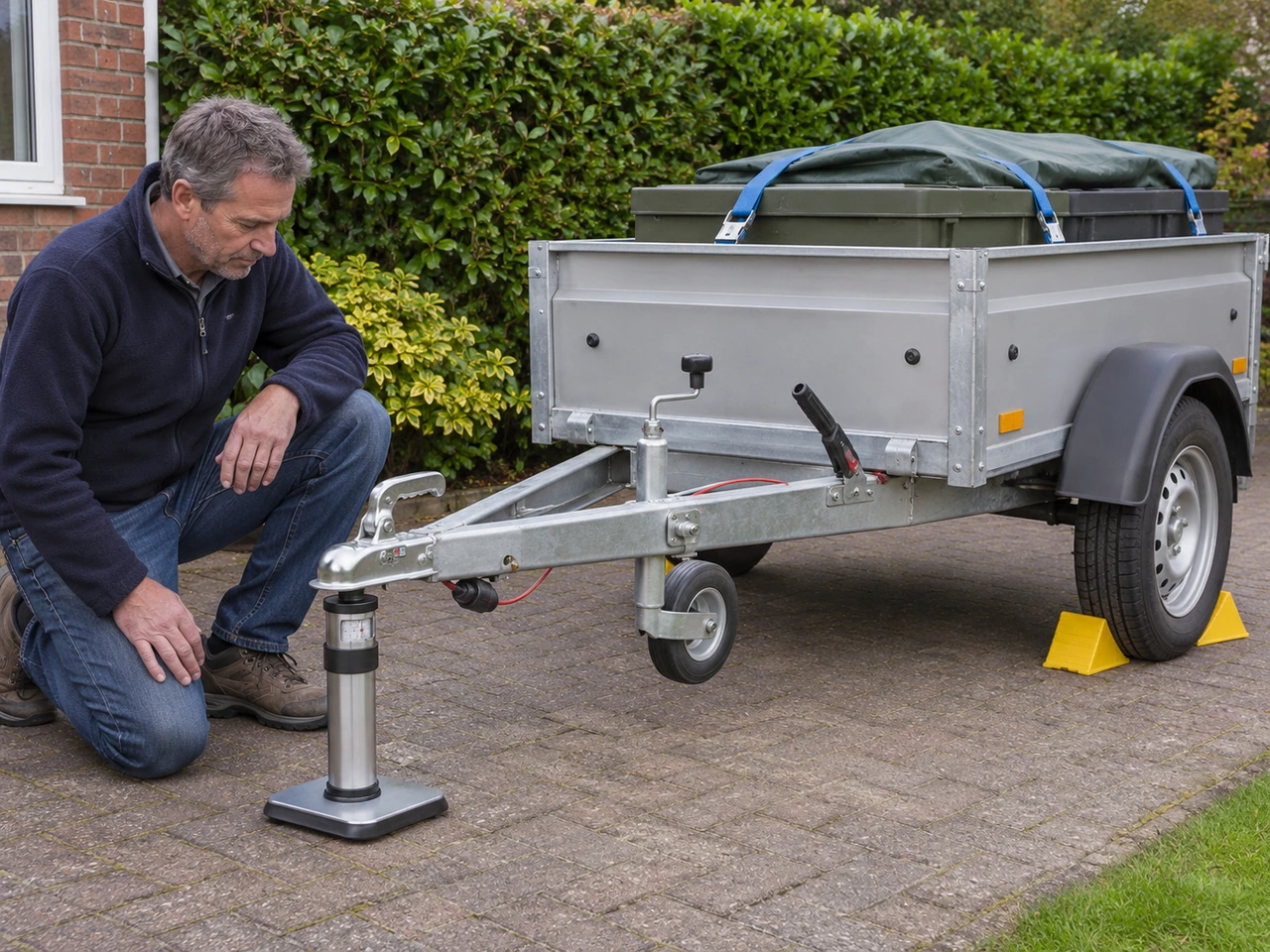
391. What should you check about a loaded trailer's noseweight before towing?
Noseweight is the downward load at the coupling. Check the recommended loading and permitted limits for the towing vehicle, towbar and trailer coupling. Correct load distribution matters as well as total trailer mass.
🔗 Sources
National Trailer and Towing Association — Great Britain
National Trailer and Towing Association — Great Britain
Image credit: AI-generated
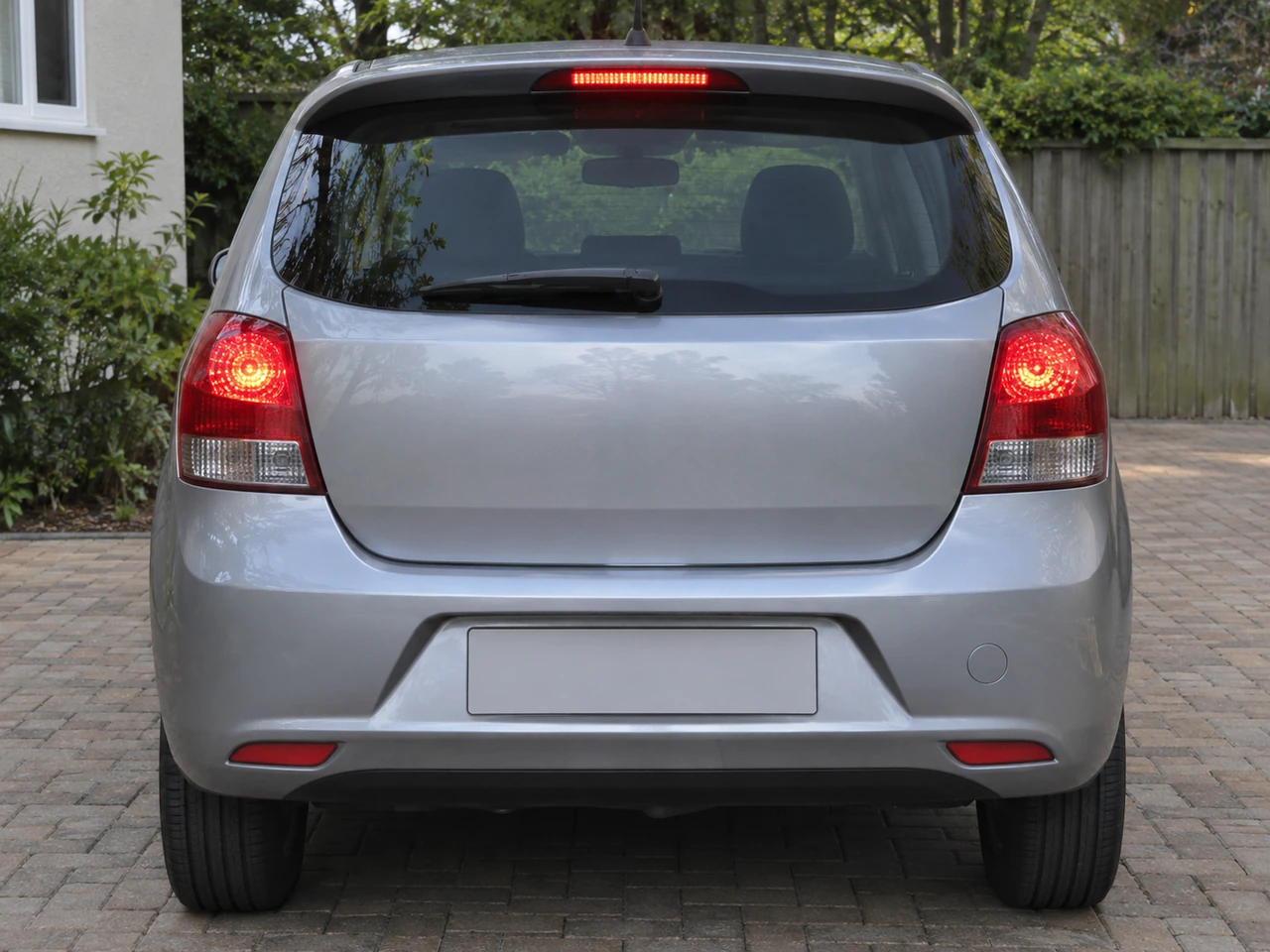
392. A helper can check your brake lights while you operate the brake pedal.
Keep the car safely stationary and operate the brake pedal while a helper observes the brake lights, including the high-mounted lamp if fitted. Follow the vehicle instructions and have faulty lights repaired.
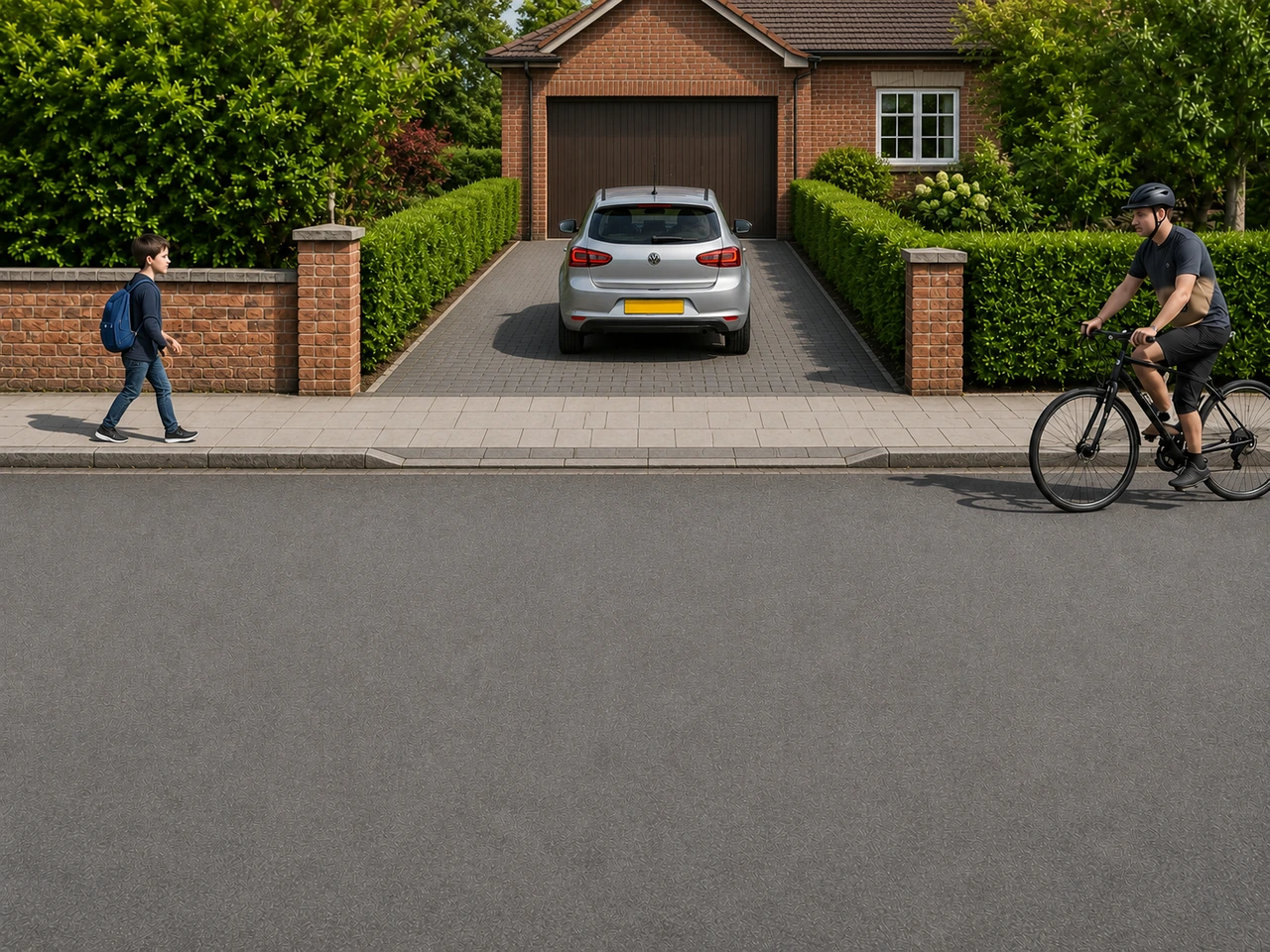
393. What should you do before reversing your vehicle?
Before reversing, check all around the vehicle, including blind spots, for pedestrians, cyclists, vehicles, and other hazards. Reverse slowly and keep checking as you move.
Argentina. On public roads, reversing is restricted to parking or leaving a garage or dead end. Check that the way is clear before starting the manoeuvre.
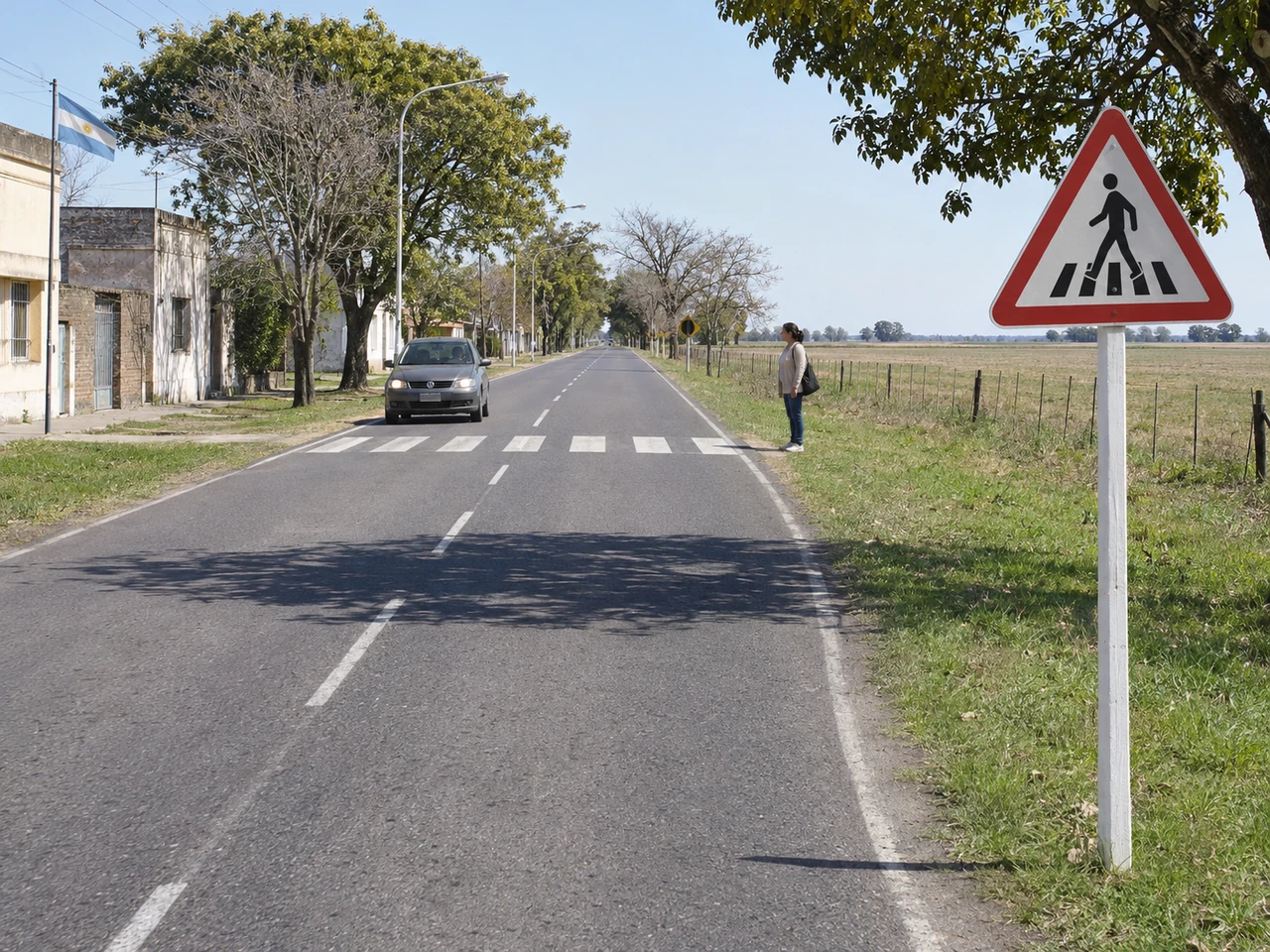
394. What should you do before using a pedestrian crossing?
Stop on the pavement before entering the crossing. Look and listen in both directions and check every lane. Wait until approaching traffic has stopped or the road is clear before stepping out. A vehicle slowing down, eye contact or the crossing markings alone do not show that every lane is safe. Keep checking traffic as you cross.
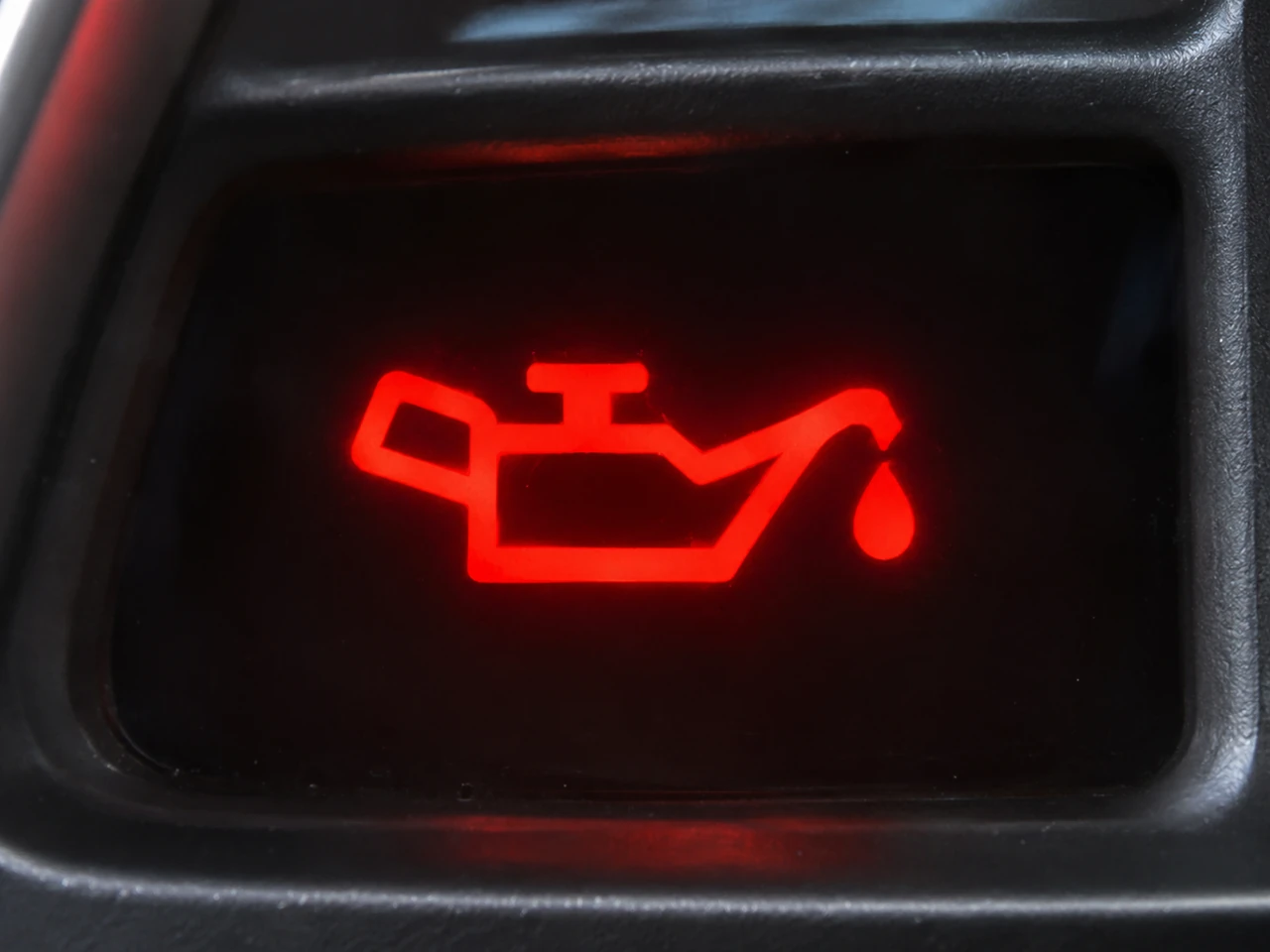
395. It is safe to keep driving with a low oil-pressure warning while the engine is running.
Stop as soon as it is safe and switch off the engine. Follow the handbook and seek help if the warning persists. This pressure warning needs prompt action; it is different from a routine oil-change reminder.
🔗 Sources
Ford owner’s manual (manufacturer guidance) • Safety guidance, Low Oil Pressure Warning Lamp; follow your vehicle’s handbook
Image credit: AI-generated
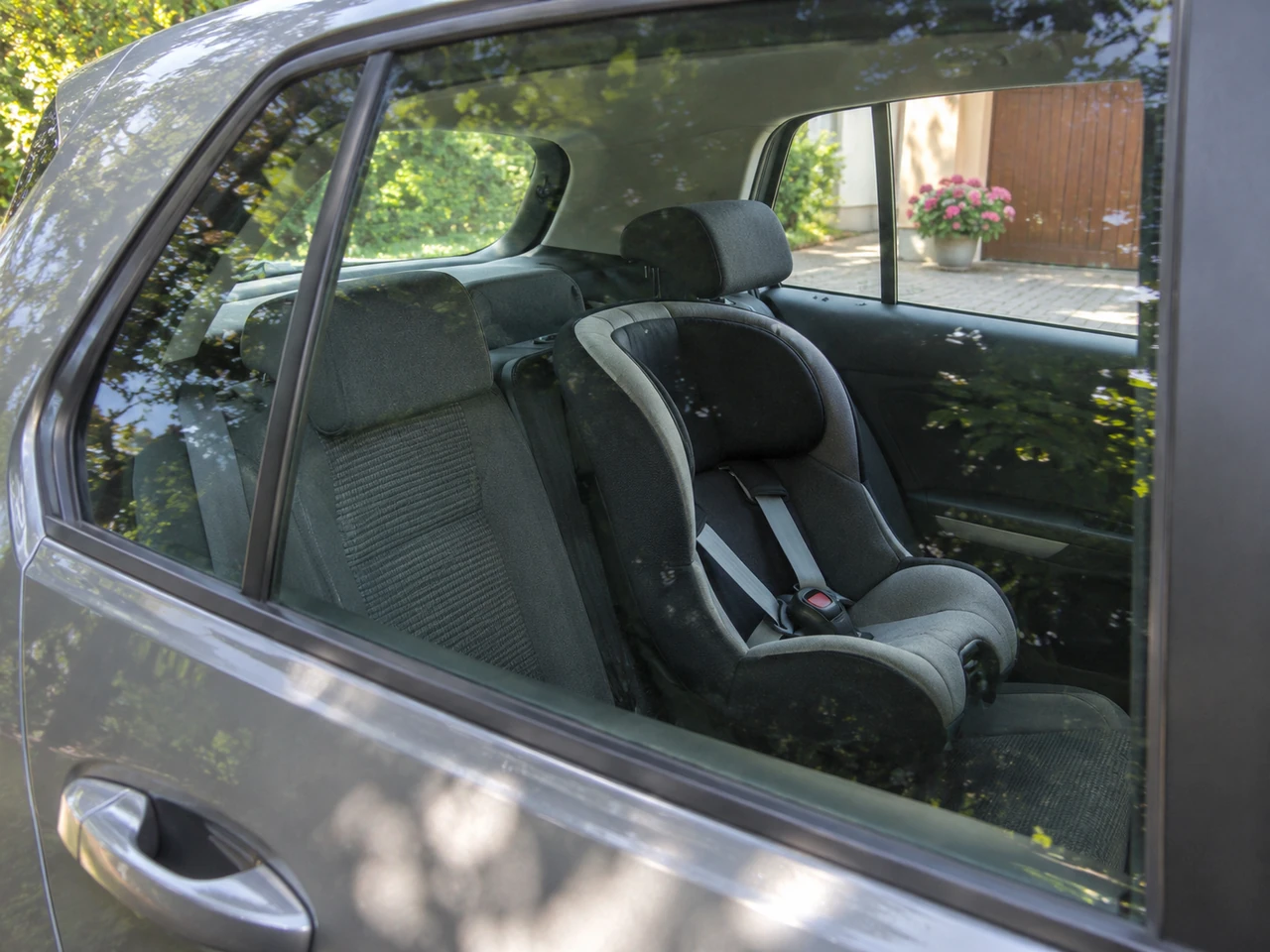
396. It is safe to leave a young child alone in a parked car for a quick errand.
Never leave a young child alone in a parked car, even briefly. Open windows or shade do not make it safe. Take the child with you and check the rear seats before locking the car.
🔗 Sources
NHTSA (United States) • Safety guidance, hot-car prevention and rear-seat checks
Image credit: AI-generated
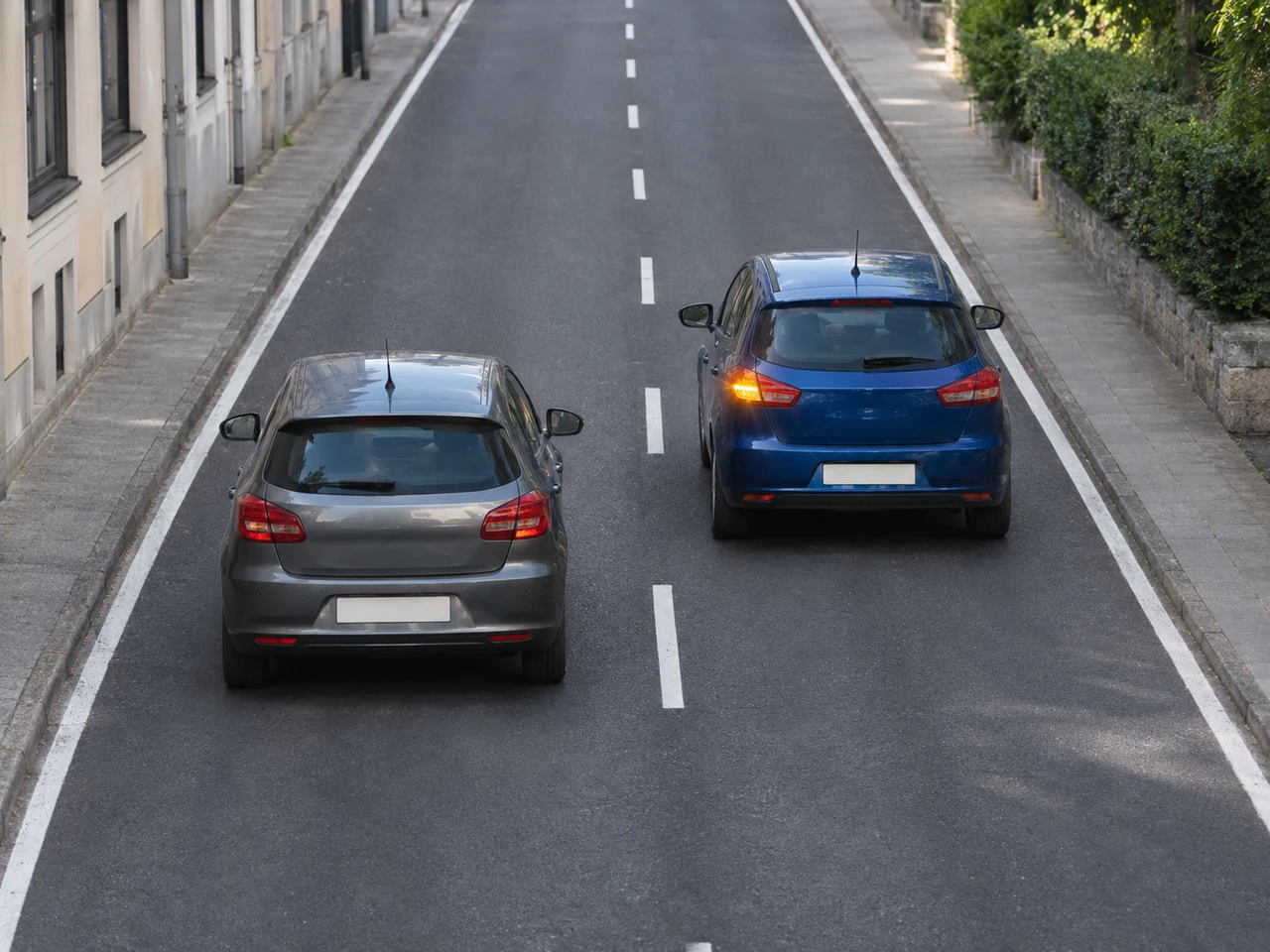
397. Signalling gives you an automatic right to change lanes.
A signal shows your intention, but it does not create a safe gap. Check mirrors and blind spots, and wait until you can change lanes safely.
🔗 Sources
The Highway Code (Great Britain) • Safety guidance, Rules 103 and 133
Image credit: AI-generated
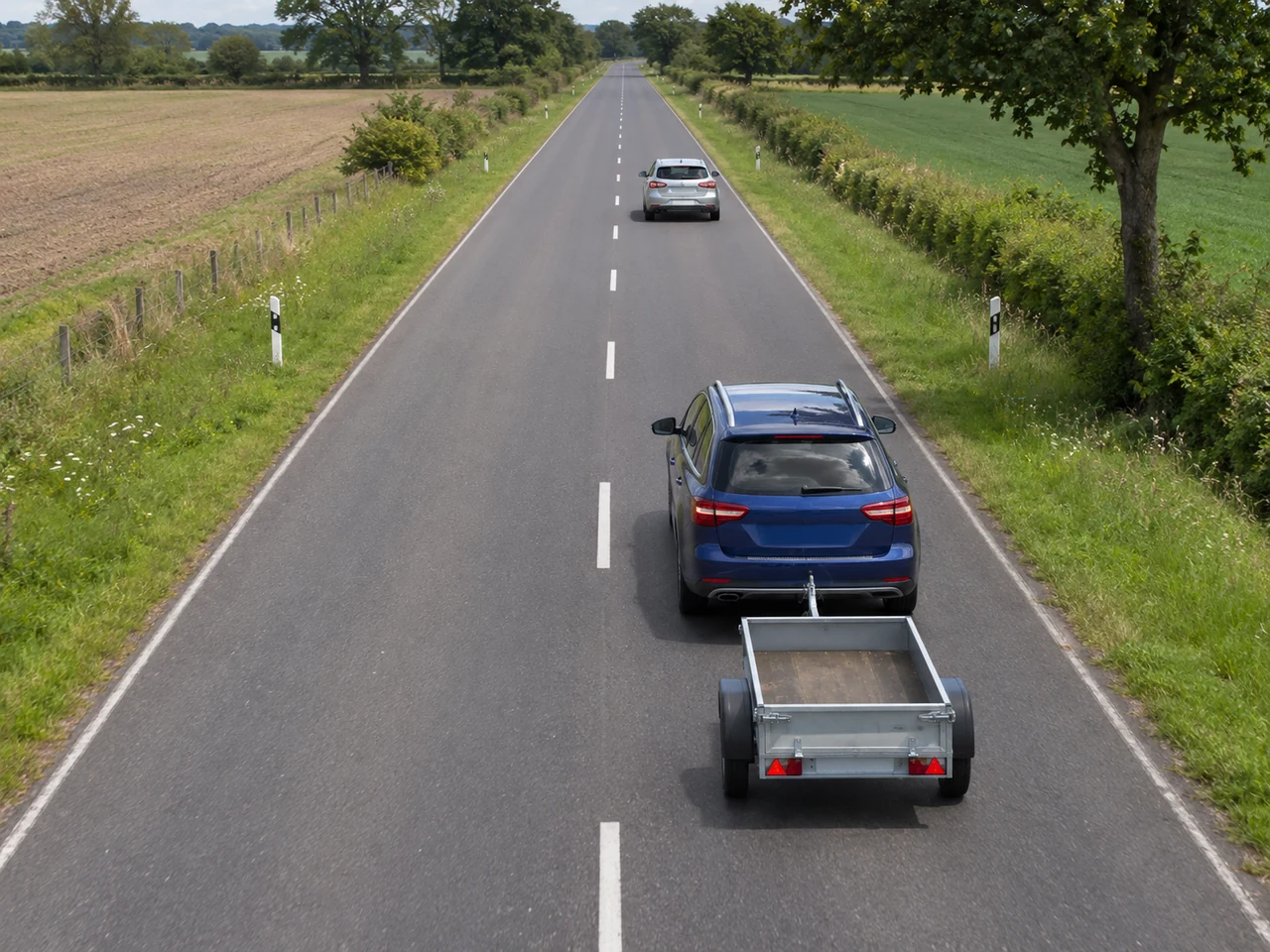
398. Why should you leave extra following distance when towing?
Towing adds weight and can increase stopping distance. Extra space gives you more time to react and brake smoothly.
🔗 Sources
Argentina National Traffic Law 24.449, articles 48 and 57
NZTA safe loading and towing guide, practical guidance
Image credit: AI-generated
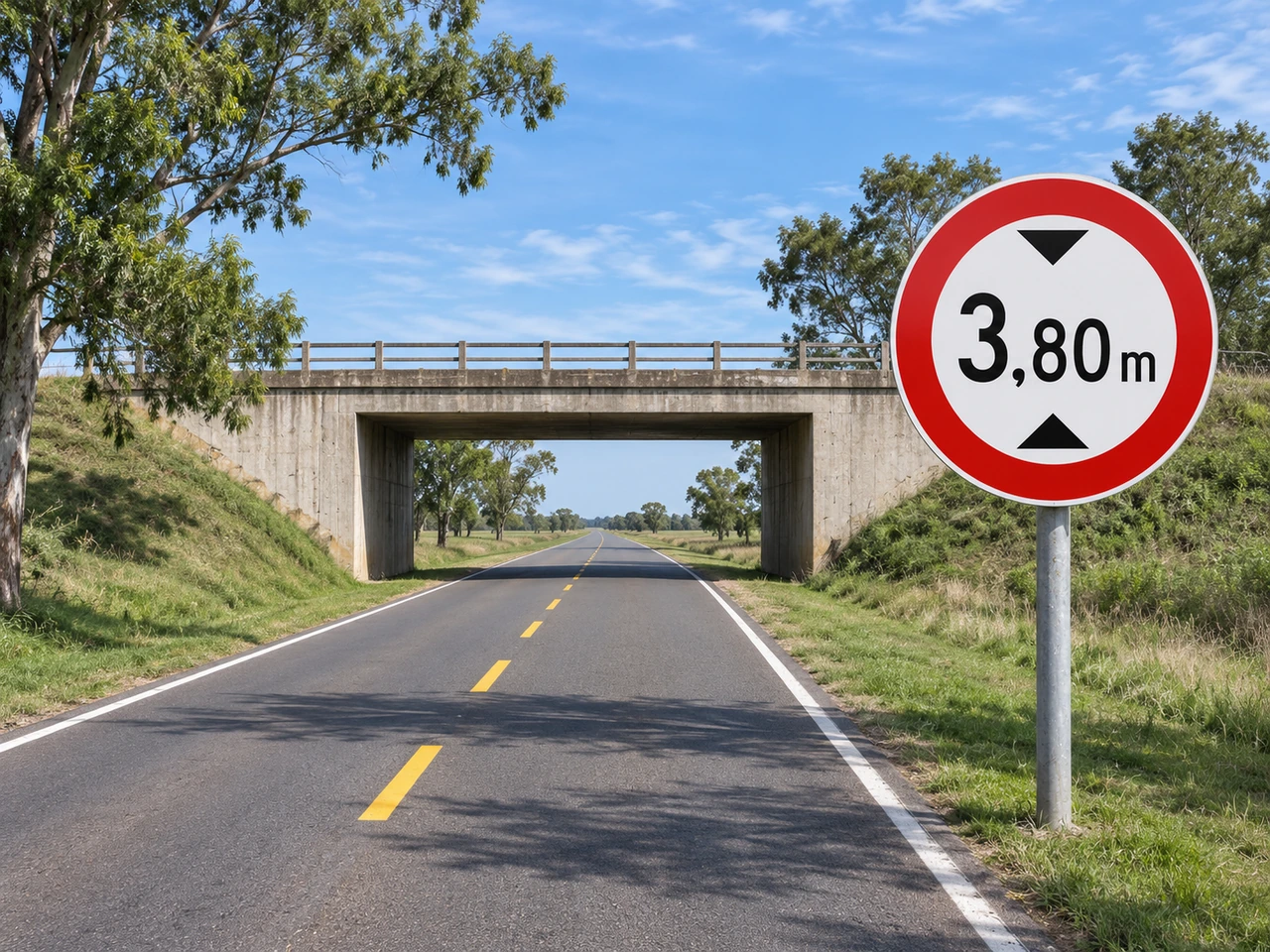
399. The height shown on this sign must be compared with the total height of the vehicle and its load.
The posted height concerns the actual height of the vehicle and its load together. Include roof boxes and other items carried above the vehicle. Check your total height before choosing a route.
🔗 Sources
Decree 779/1995, Annex L, as replaced by Decree 196/2025 — R.12/13
Image credit: AI-generated
Sign artwork reference: Vialidad Nacional / Civitas13, Wikimedia Commons, CC BY 4.0; incorporated into a generated photographic scene.

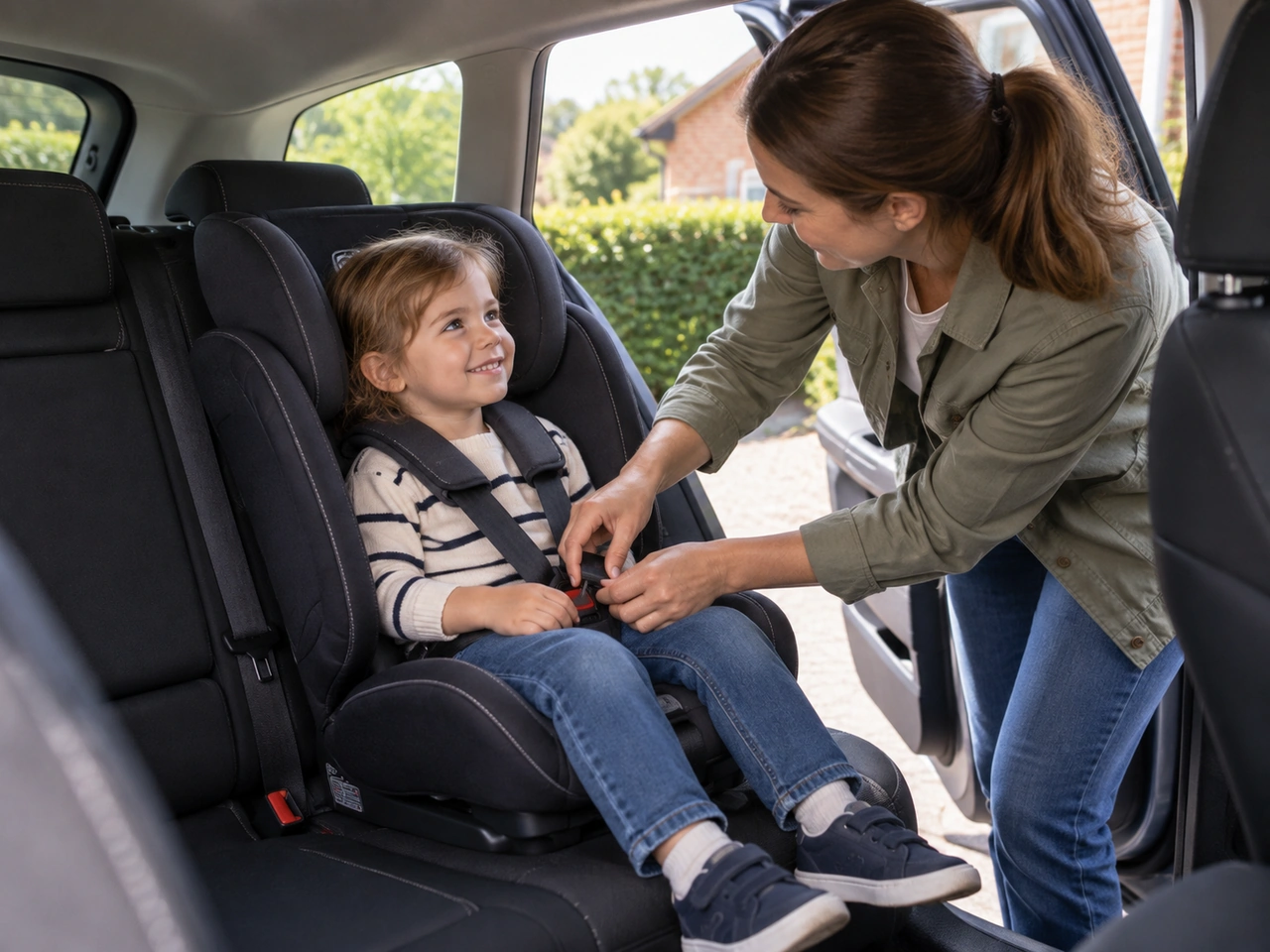
400. Why should a child use a suitable child restraint?
A suitable child restraint is designed to protect a child according to their size and development. It helps position and restrain the child correctly, reducing the risk of serious injury in a collision or sudden stop.
Argentina. Under the national rules, children under ten must travel in the rear using an approved restraint appropriate for their weight and size.