


QuizTraffic rulesArgentina
Test your knowledge with our multiple-choice quiz. Learn from each answer and improve your understanding of the traffic rules and road signs of Argentina.
 Traffic signs
 Traffic rules
 Argentina
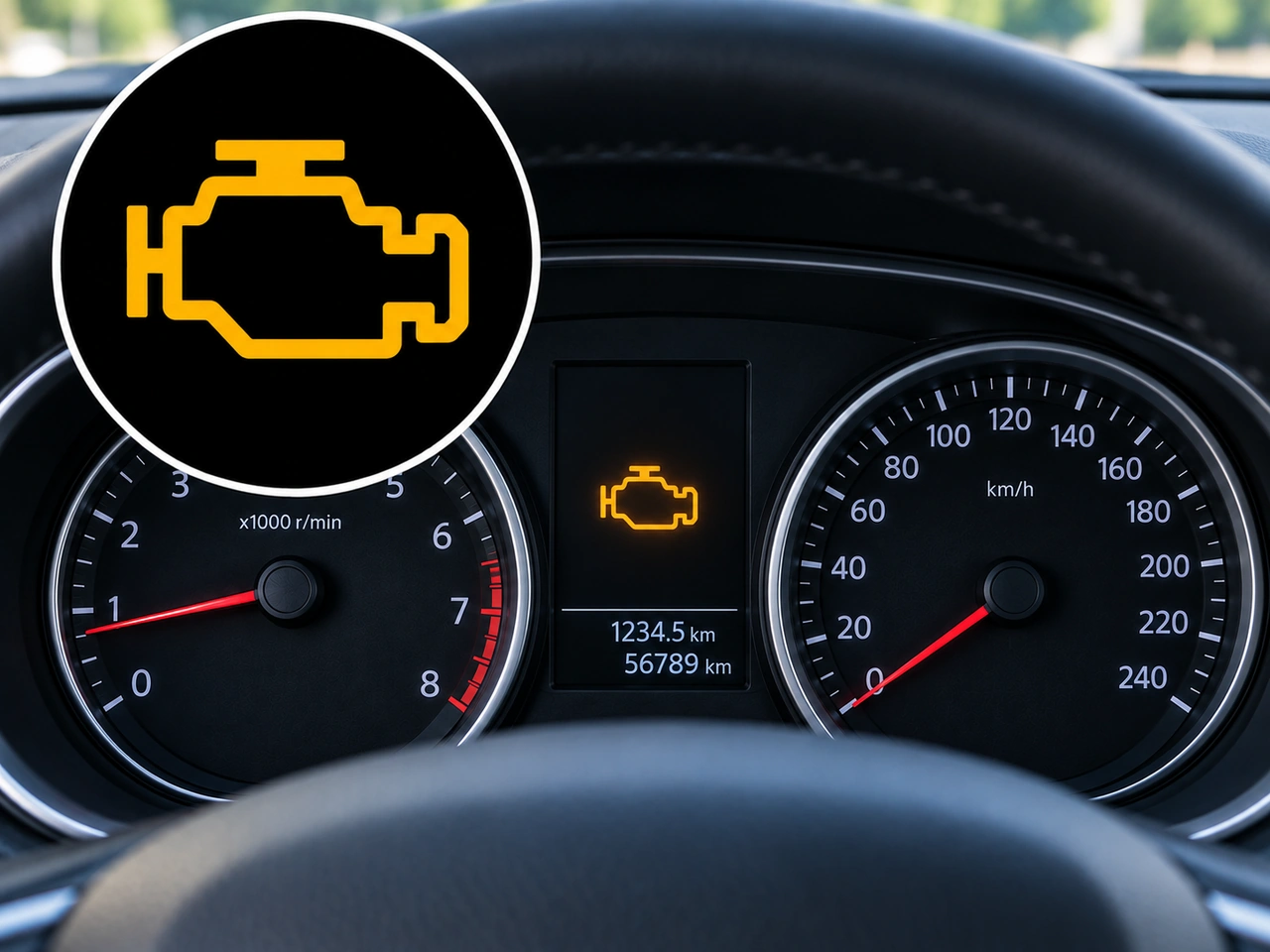
401. What does this dashboard symbol indicate?
This symbol indicates a fault detected by the engine-management or emissions-control system. If it remains illuminated while driving, the vehicle should be checked according to the manufacturer's instructions.
The engine-shaped light can indicate an engine or emissions fault. Check the handbook for the response to a steady or flashing light.

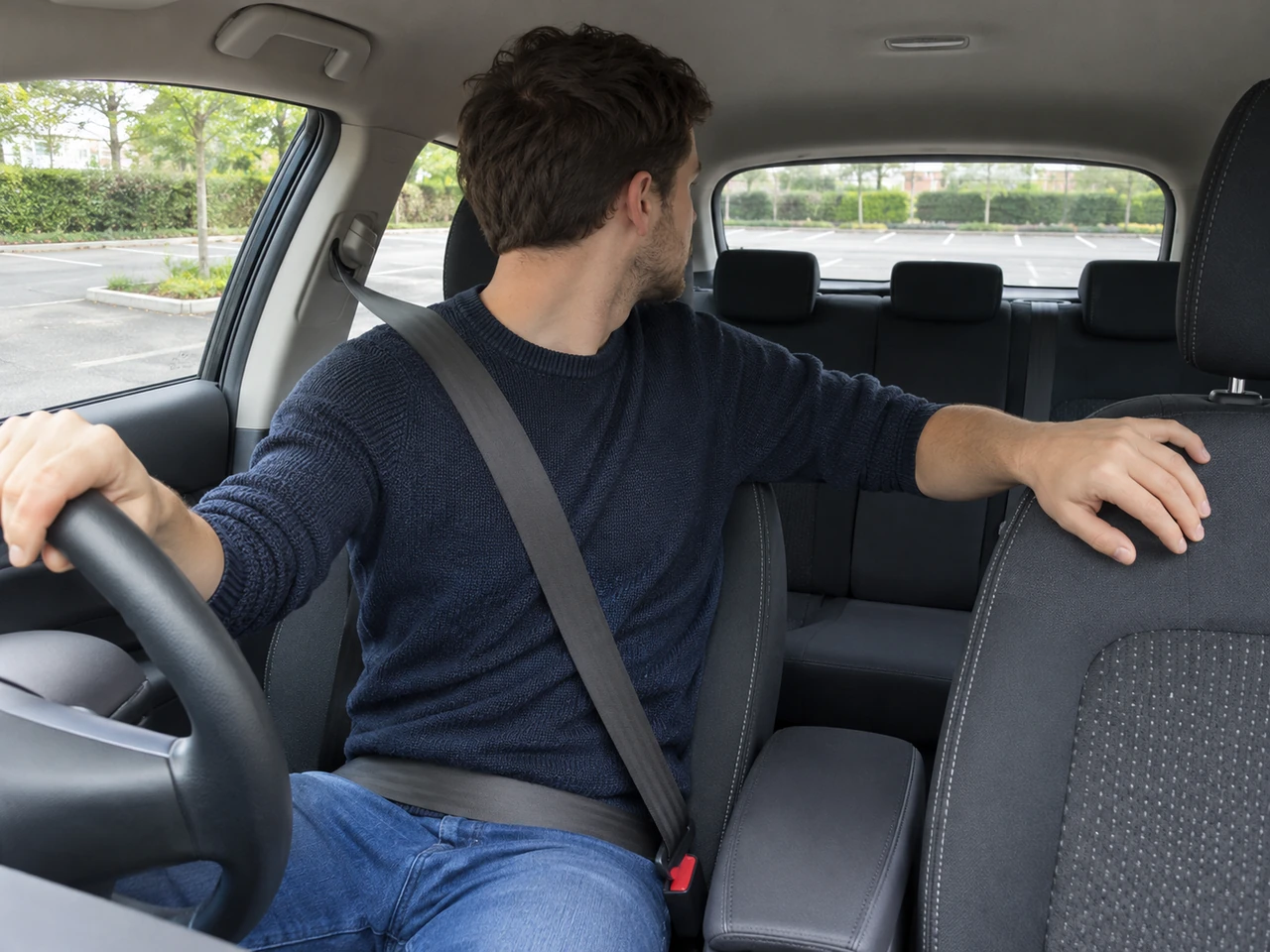
402. You should keep checking all around while reversing.
Your surroundings can change after your first check. Reverse slowly and keep checking for pedestrians, cyclists, vehicles and obstacles around the car.
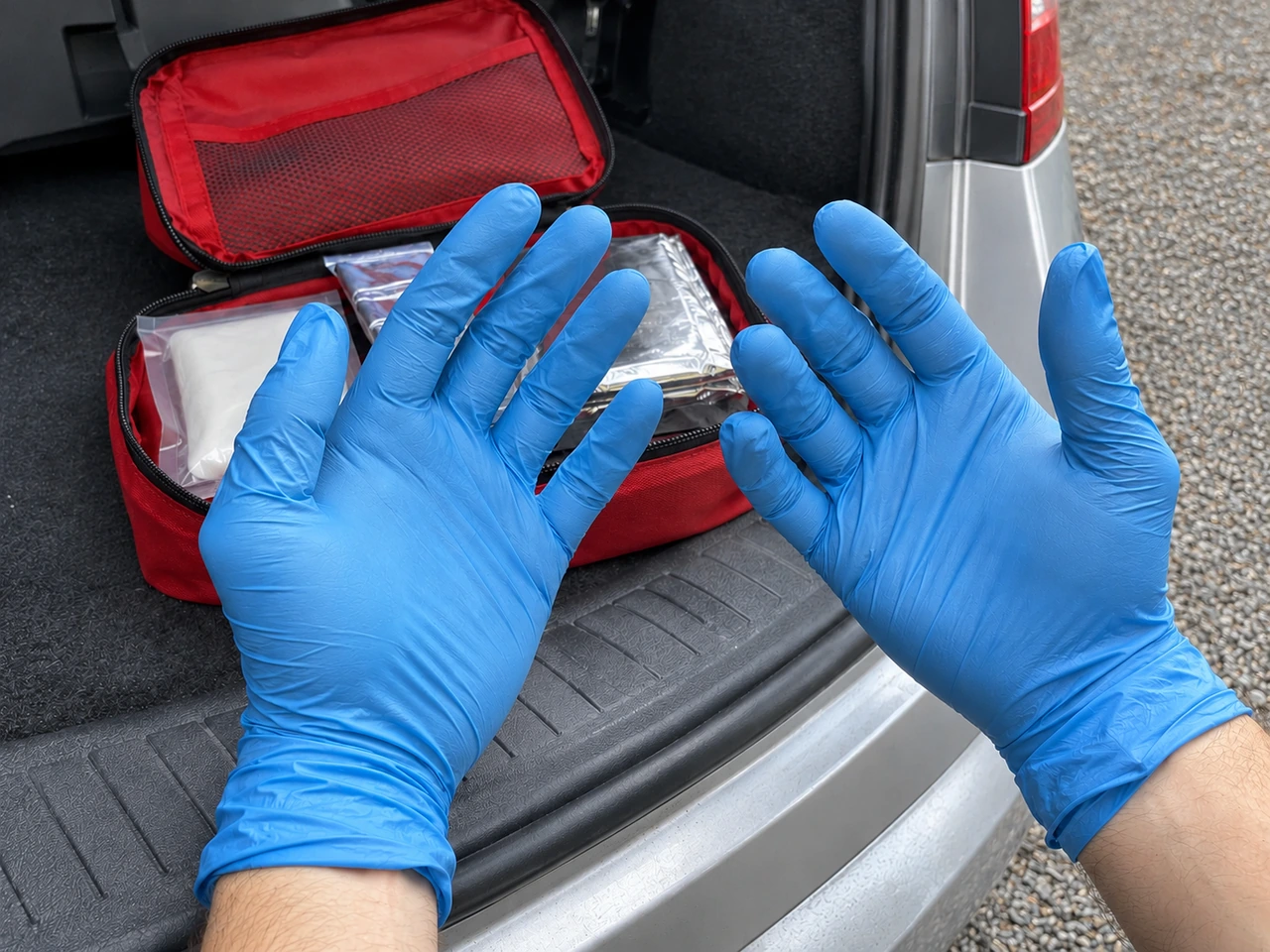
403. Disposable gloves can reduce infection risk when giving first aid.
Use suitable disposable gloves if available, particularly when contact with blood is possible. Gloves supplement hand hygiene and other safe practices. Call for emergency help when needed and follow the operator's instructions.
🔗 Sources
The Highway Code (Great Britain) • Safety guidance, 1. Deal with danger: first-aid kit gloves
NHS Scotland infection-control guidance • Gloves for blood exposure supplement hand hygiene.
Image credit: AI-generated
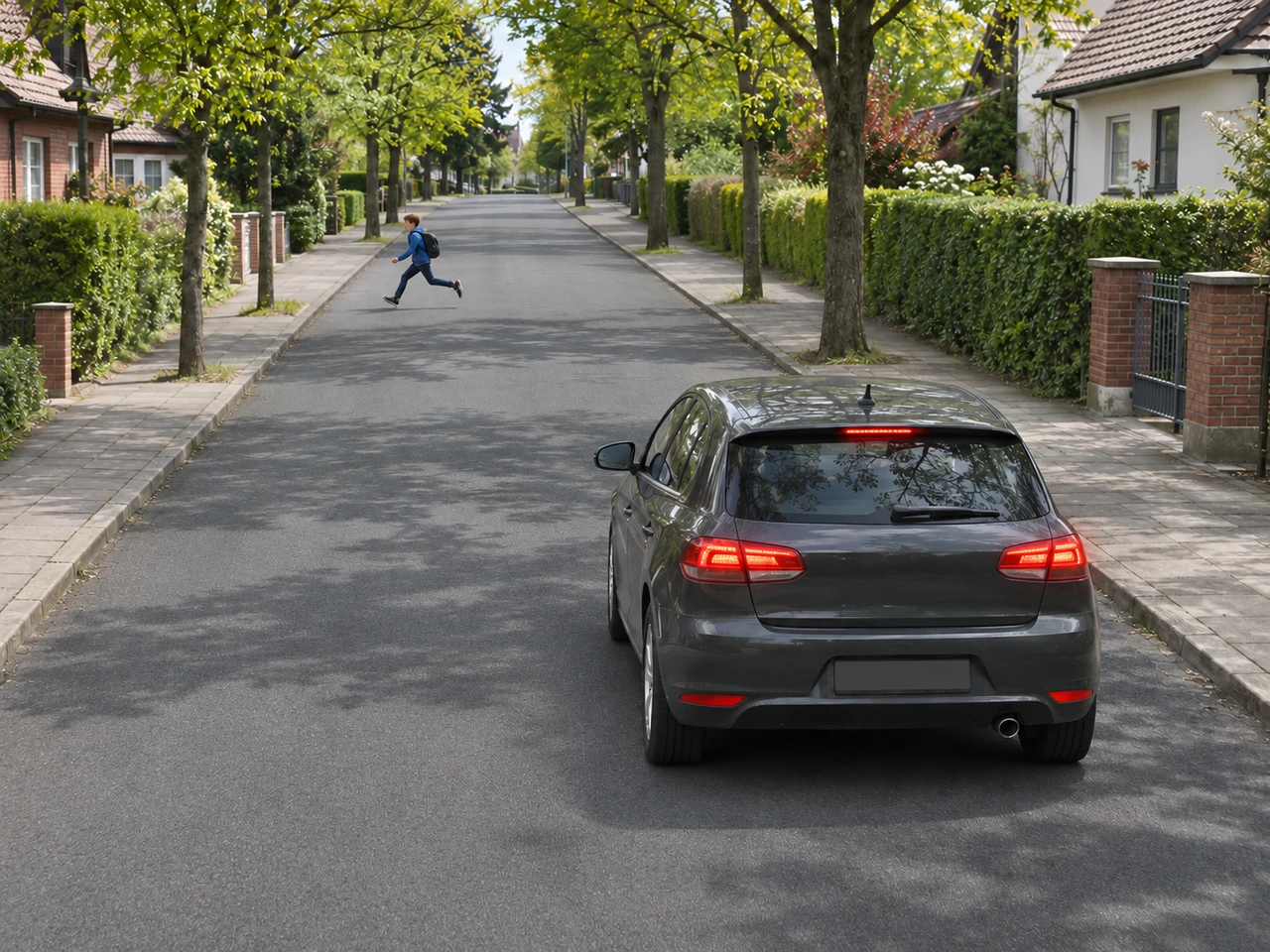
404. What should you do if a child runs onto the road ahead?
Children can act unpredictably. Brake firmly, stay alert, and be prepared for more children to follow.
🔗 Sources
UK Highway Code — General safety guidance around children: Rules 205–206
UK Highway Code — Emergency braking and control: Rules 118–120
Image credit: AI-generated
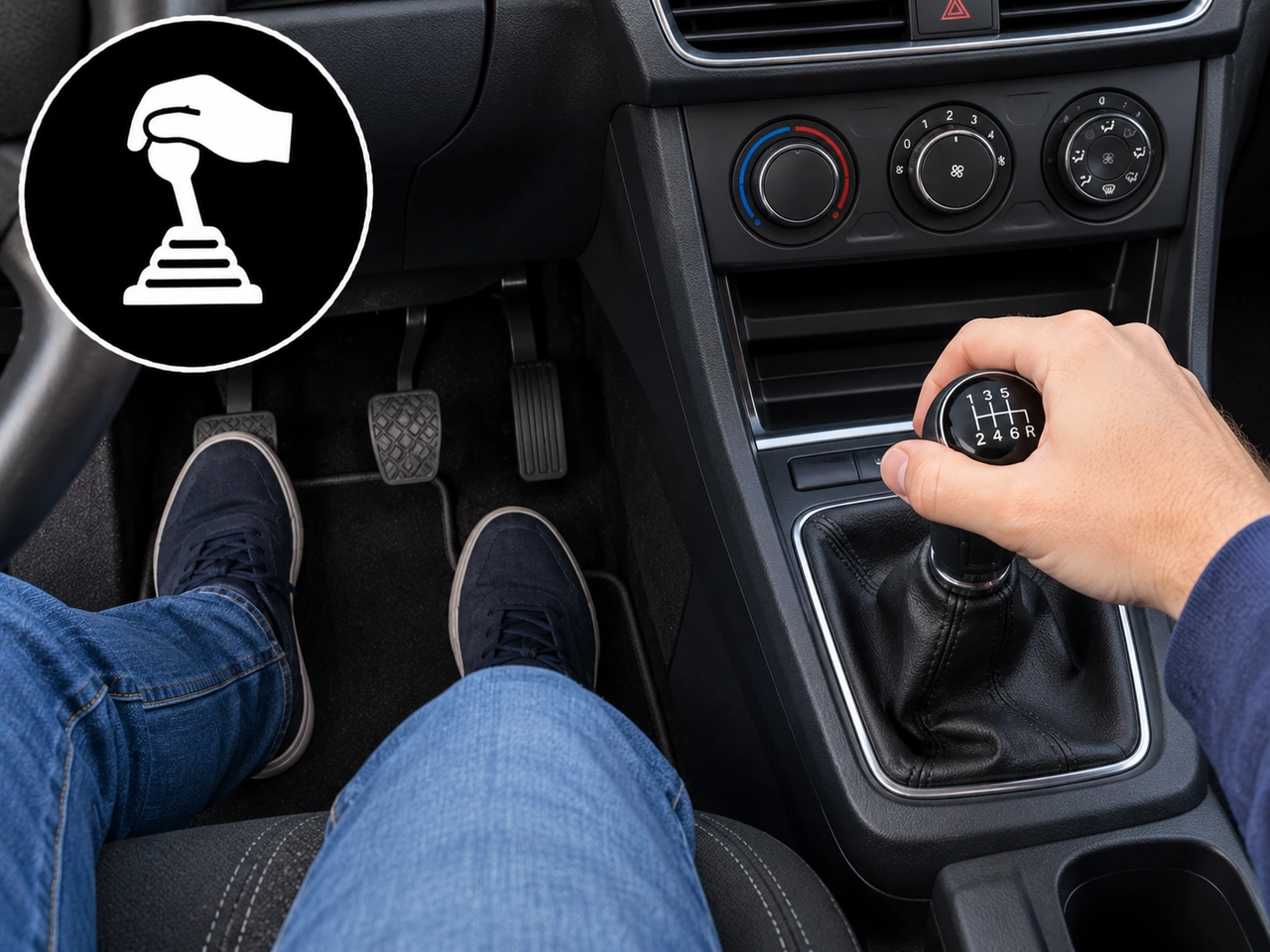
405. What should you do if a gear does not engage easily in a manual vehicle?
If a gear does not engage easily, do not force the gear lever. Make sure the clutch is fully pressed and the vehicle's speed is suitable for the gear before trying again.
If Reverse is hard to engage while stopped, some handbooks advise returning to neutral, releasing the clutch and pressing it fully again before retrying.
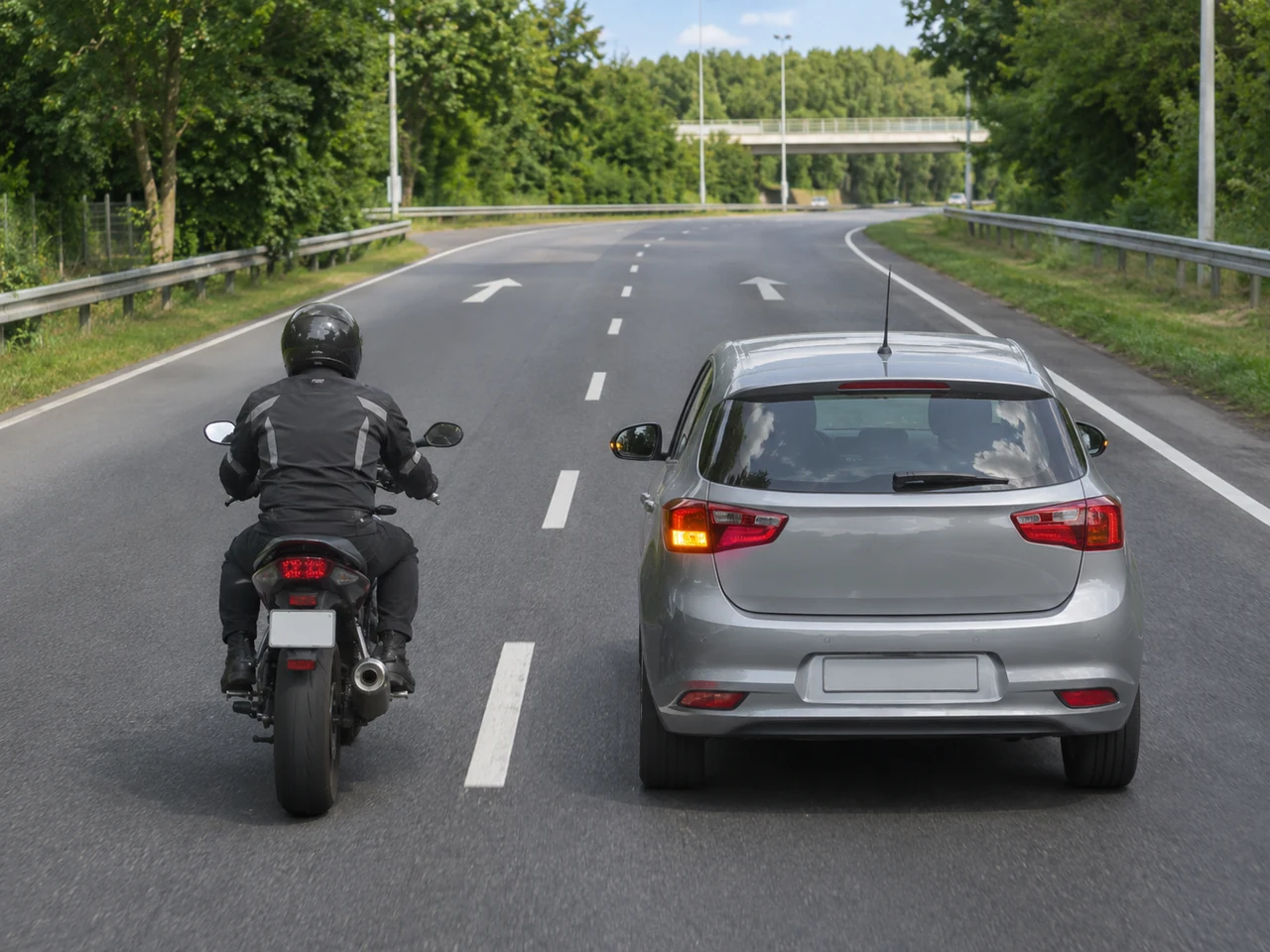
406. Why should you check for motorcyclists before changing lanes?
A motorcycle can be hidden in your blind spot. Check your mirrors and signal, then glance over your shoulder before moving across. If a rider is alongside, wait until the lane is clear.
🔗 Sources
UK Highway Code — General lane-changing safety guidance: Rule 133
UK Highway Code — Motorcyclists, mirrors and blind spots: Rule 211
Image credit: AI-generated
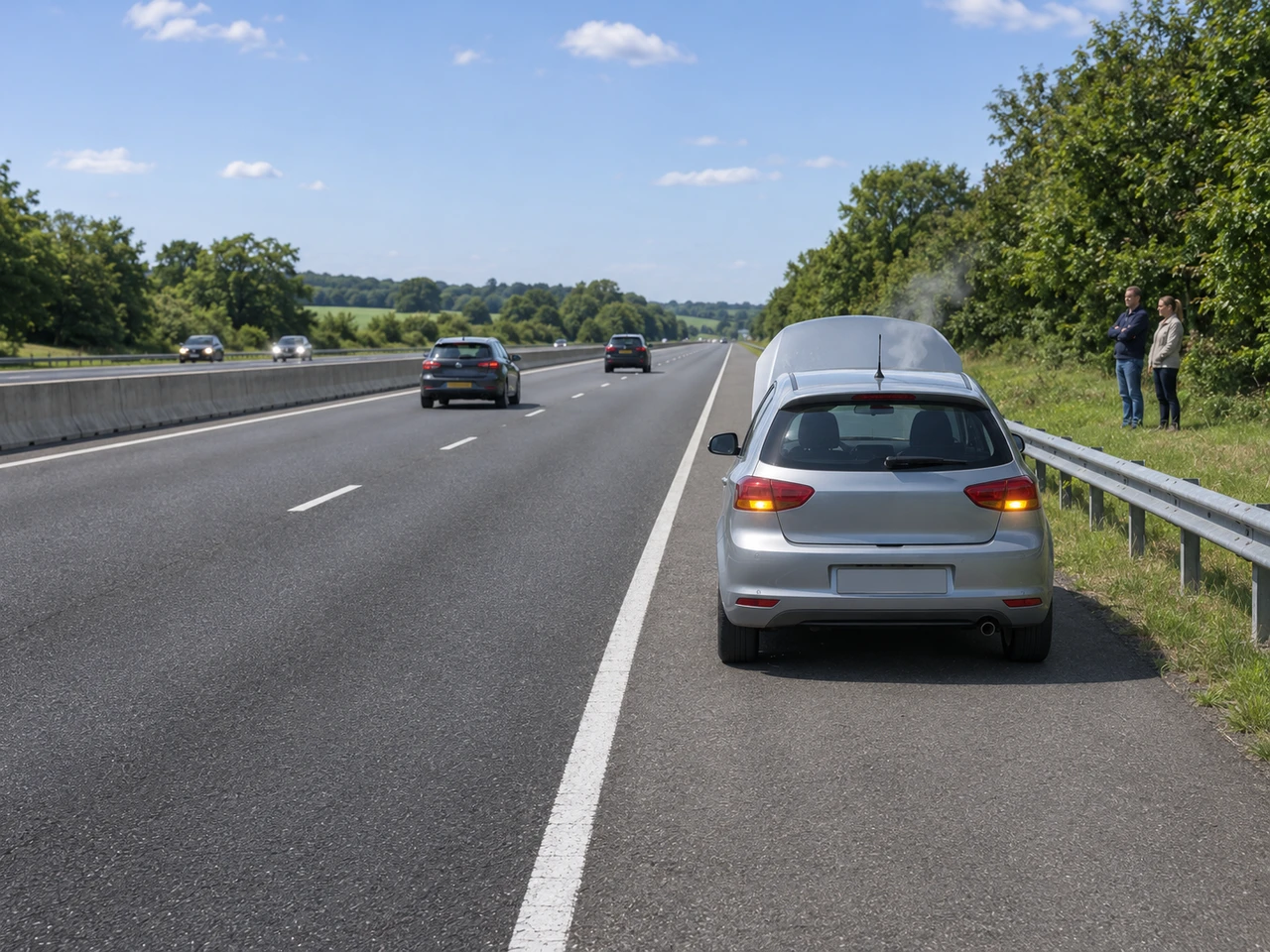
407. What should you do if your vehicle breaks down on a busy road?
If your vehicle breaks down, make it visible and get yourself away from moving traffic. Safety comes before repairing the vehicle.
Argentina. If an emergency forces you to stop on the road, warn approaching traffic with the prescribed portable warning devices and keep clear of moving traffic.
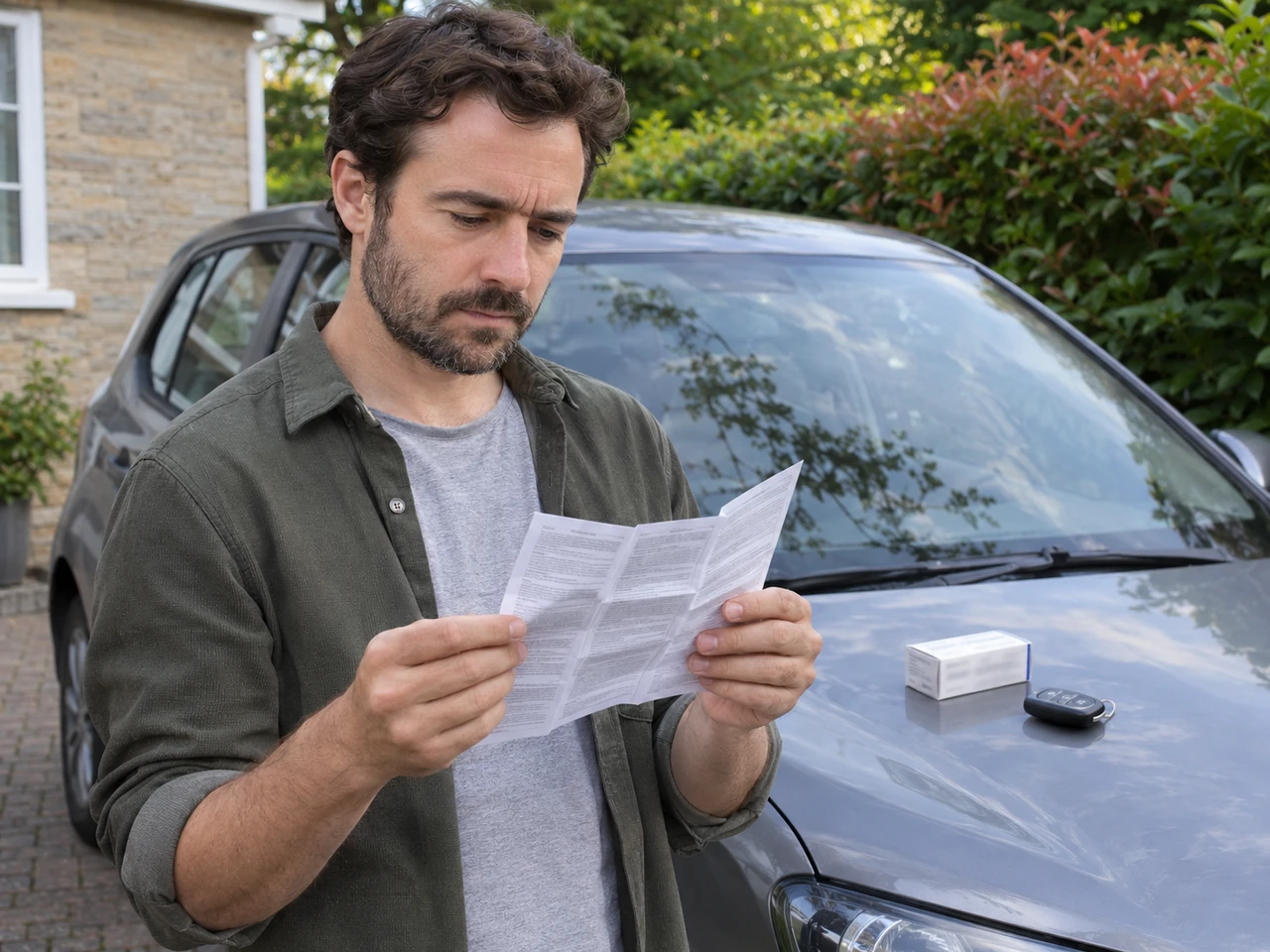
408. Medicines bought without a prescription cannot affect driving.
Some nonprescription medicines can cause drowsiness, blurred vision or slower reactions. Read the driving warnings and ask a pharmacist or doctor if you are unsure.
🔗 Sources
FDA (United States) • Safety guidance, nonprescription medicines and driving warnings
Image credit: AI-generated
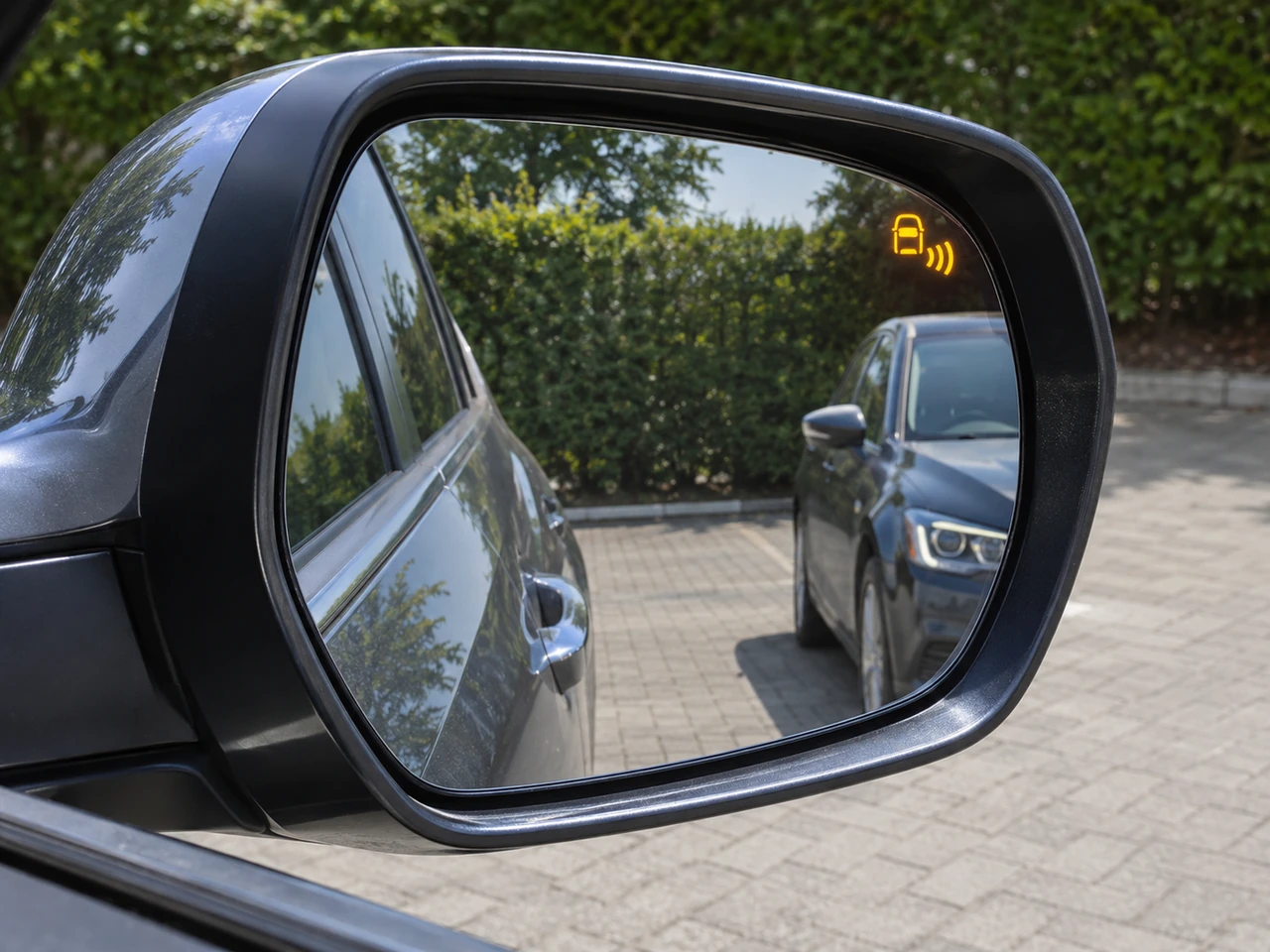
409. You still need to check your blind spots when using blind-spot warnings.
Warning systems can miss vehicles. Check your mirrors and the relevant blind spots before changing lanes, and move only when it is safe. Learn the system's limits from the vehicle handbook.
🔗 Sources
The Highway Code (Great Britain) • Safety guidance, Rules 159–161
Image credit: AI-generated
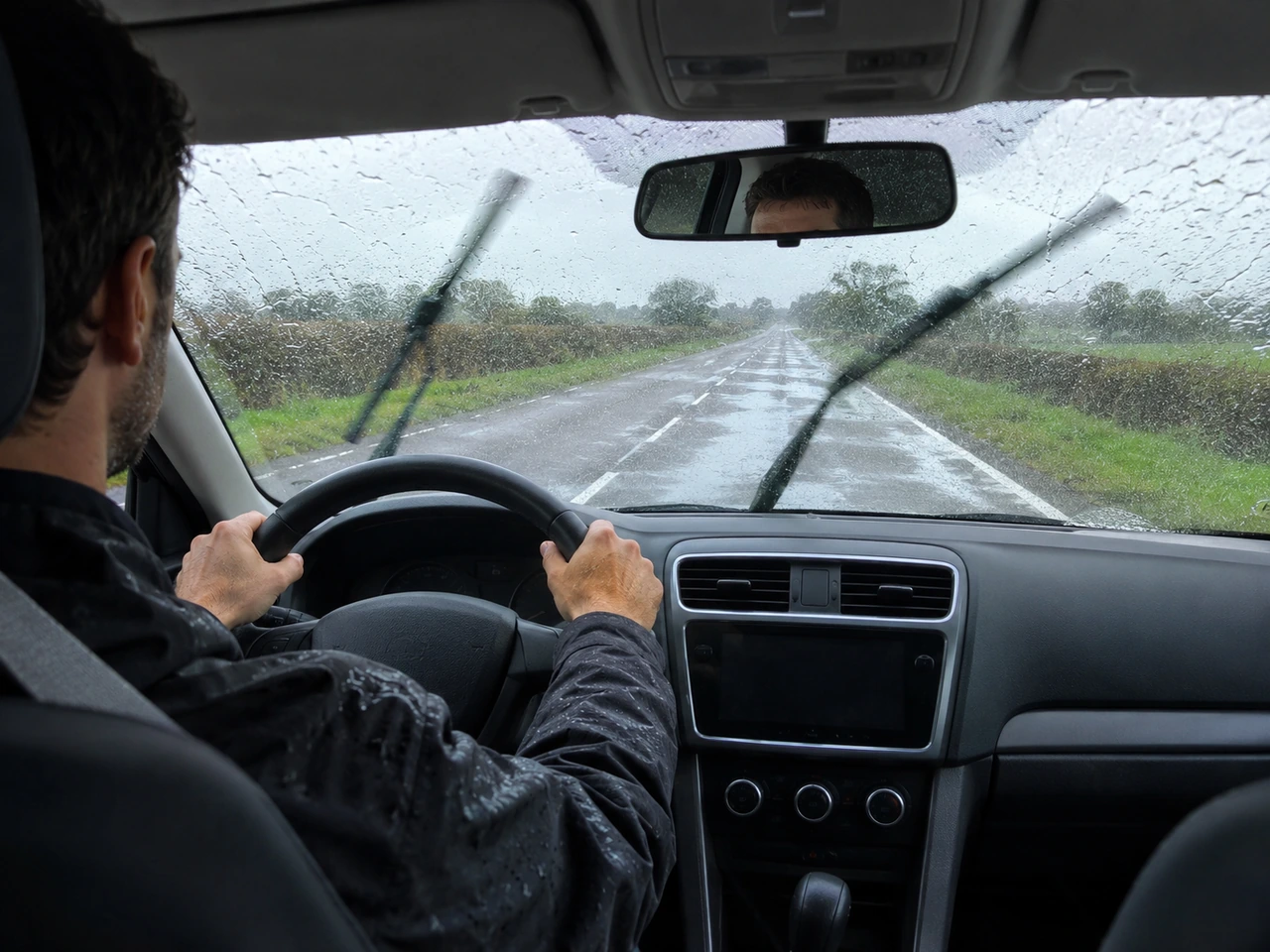
410. What should you do if your vehicle begins to aquaplane?
Stay calm and ease off the accelerator gradually. Look along your intended path and keep a steady course. Avoid sudden braking or sharp steering to escape the water: these can make control harder to regain. Allow the vehicle to slow until the tyres regain grip.
🔗 Sources
Great Britain — Highway Code, rule 227; general wet-road safety
Michelin — Technical aquaplaning explanation and prevention
Image credit: AI-generated

411. What is the safest choice if you have consumed alcohol?
Alcohol can impair judgement, coordination, vision, and reaction time. A sober driver, taxi, public transport, or an overnight stay is the safer choice.
Argentina. Choose an alcohol-free drink if you will be driving. Argentina applies a zero blood alcohol limit on national roads. If you plan to drink, arrange a sober ride before you go out.
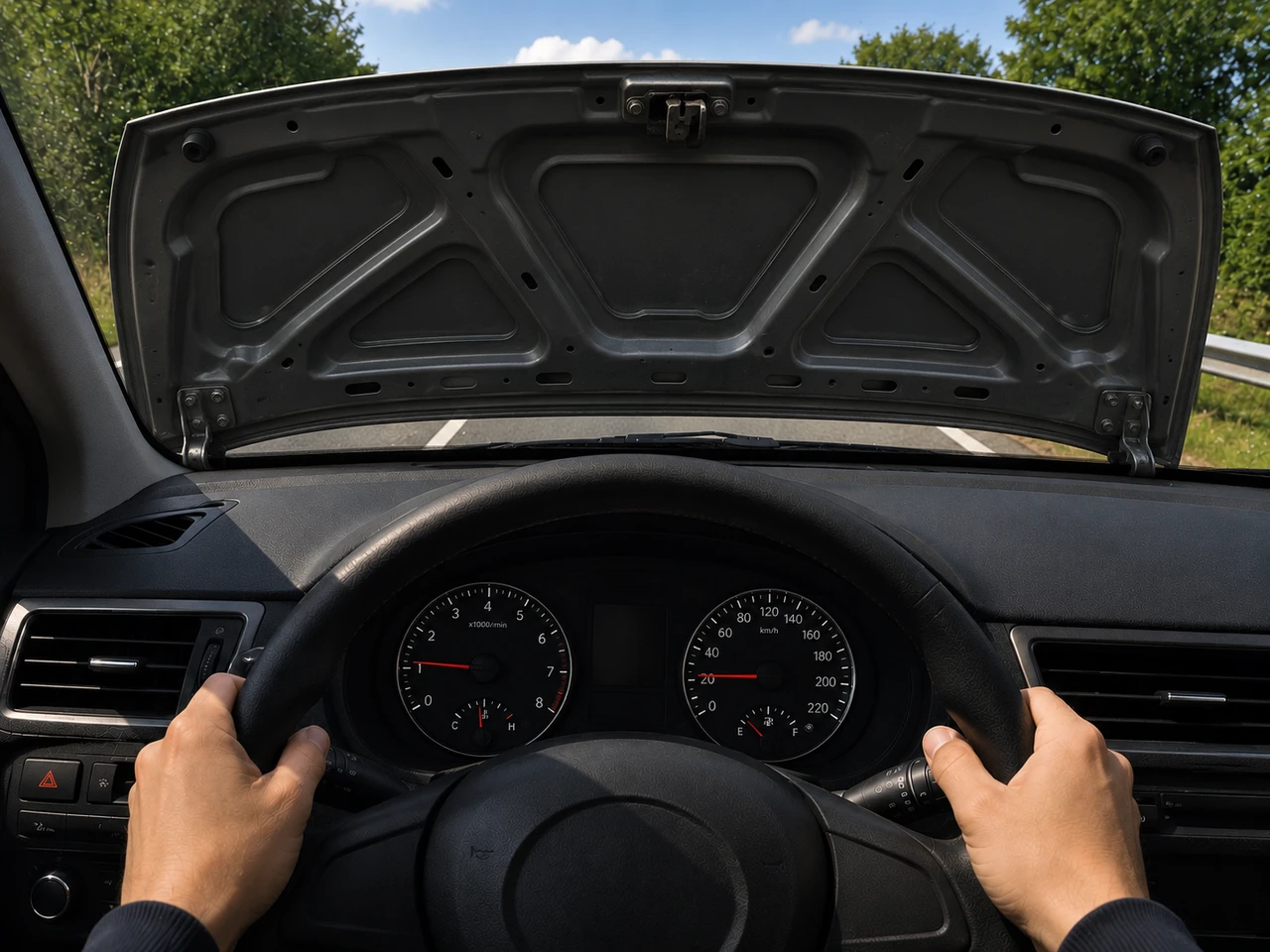
412. What should you do if the bonnet suddenly opens while you are driving?
A raised bonnet can block most of your forward view. Keep control, avoid abrupt steering or braking, and slow down smoothly. Use whatever view remains through a gap or at the edge of the bonnet to maintain direction only while reaching a safe stopping place. Do not continue your journey by trying to look around it. Once stopped, arrange assistance and have the bonnet and its retaining mechanism checked before driving again.
An open bonnet obstructs forward vision. Keep control and reach relative safety; restore clear vision before continuing.
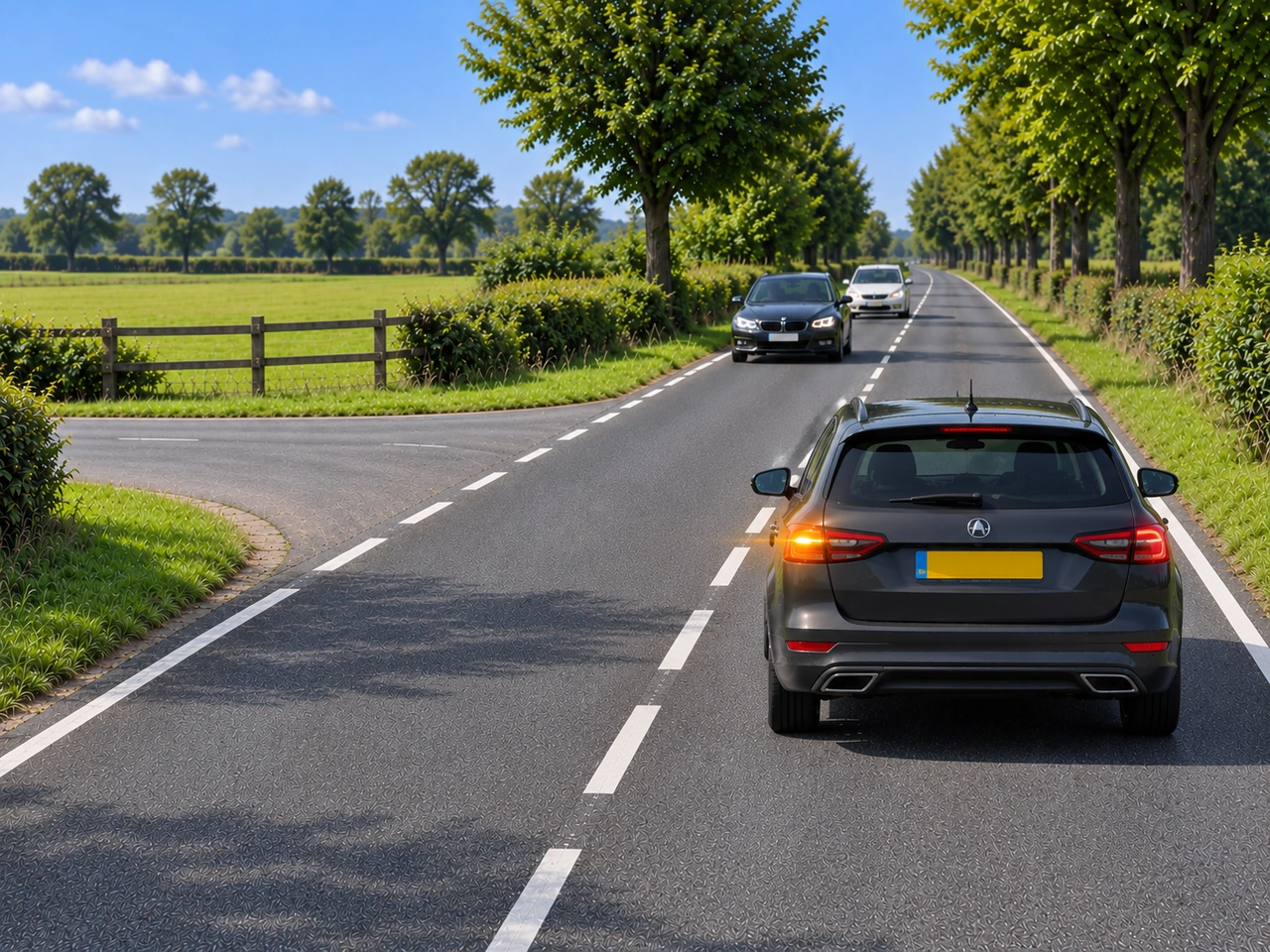
413. Why should you be careful when turning across oncoming traffic?
Turning across traffic requires careful observation. Misjudging speed or distance can lead to a serious collision.
🔗 Sources
Great Britain — Highway Code, rule 180; safe-gap observations when turning across traffic
Image credit: AI-generated
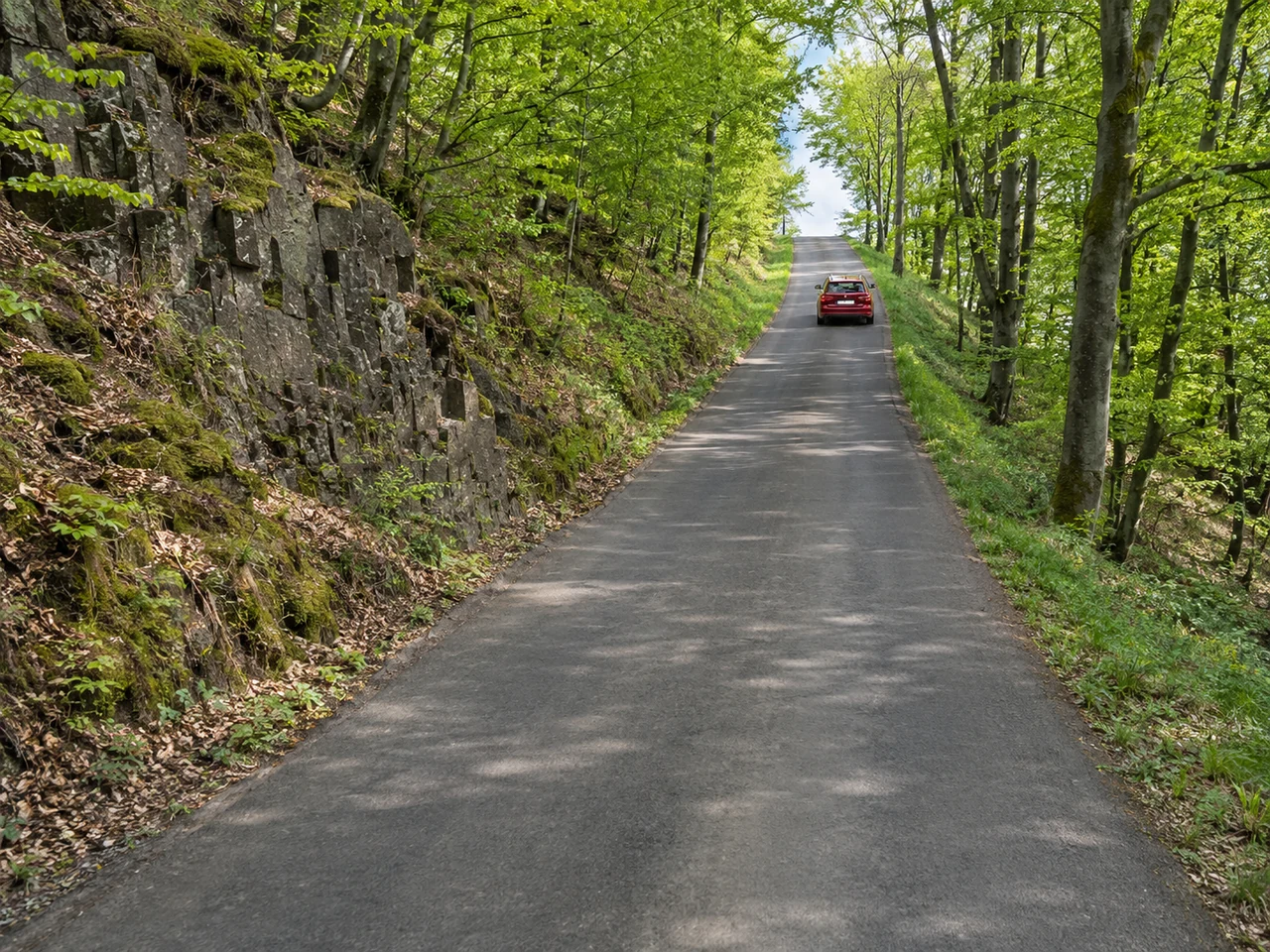
414. Why should you leave extra space behind a vehicle climbing a steep hill?
Vehicles may lose speed or briefly roll backward when starting on a steep incline. Extra space gives you more time to react.
🔗 Sources
Image credit: AI-generated, shared right-hand-traffic scene
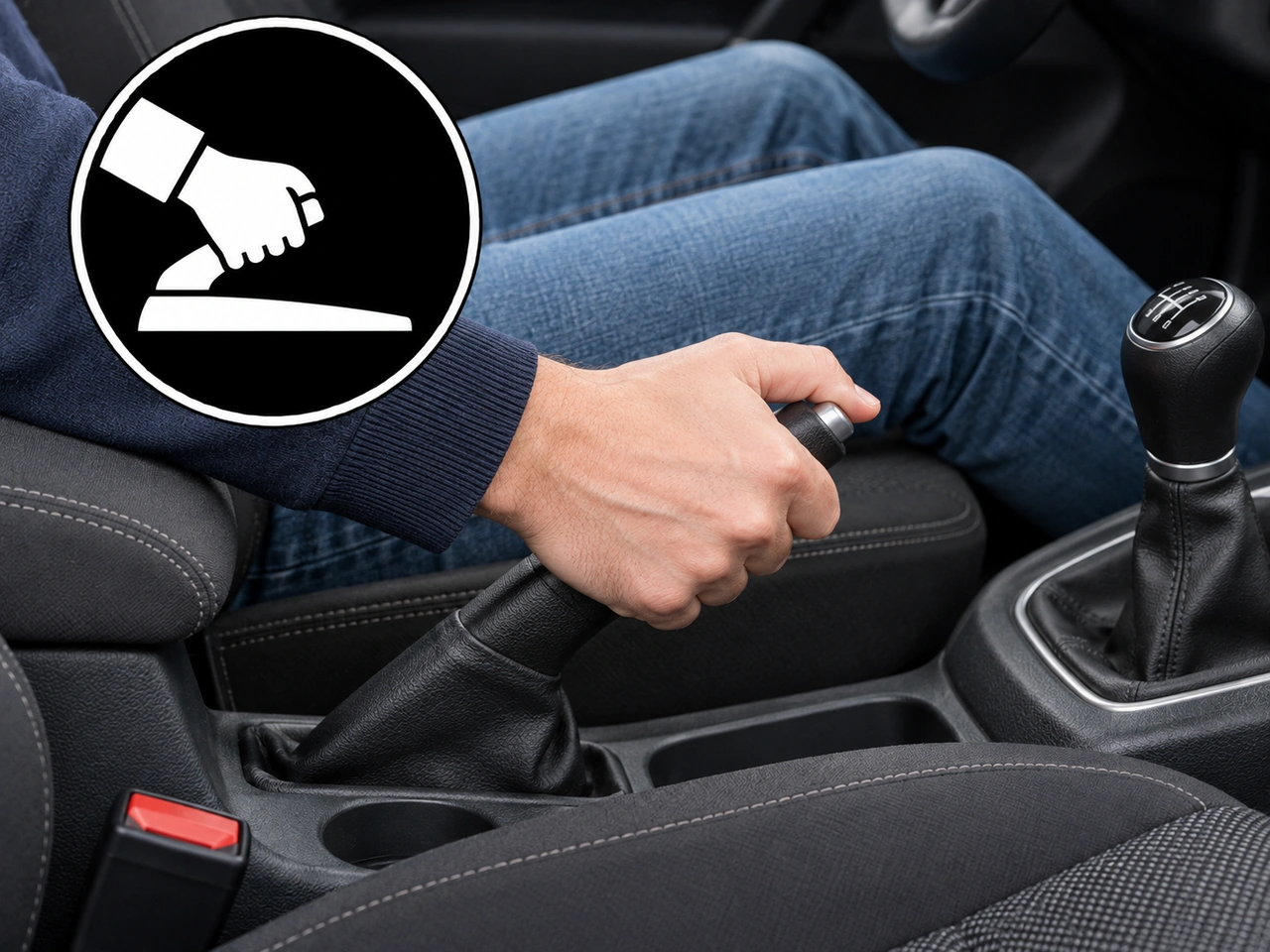
415. What is the purpose of the manual parking brake?
The manual parking brake helps keep the vehicle stationary when parked. It is normally applied by pulling up the handbrake lever and released before driving away.
With the vehicle stationary, hold the foot brake and pull the handbrake lever up firmly to secure the vehicle.
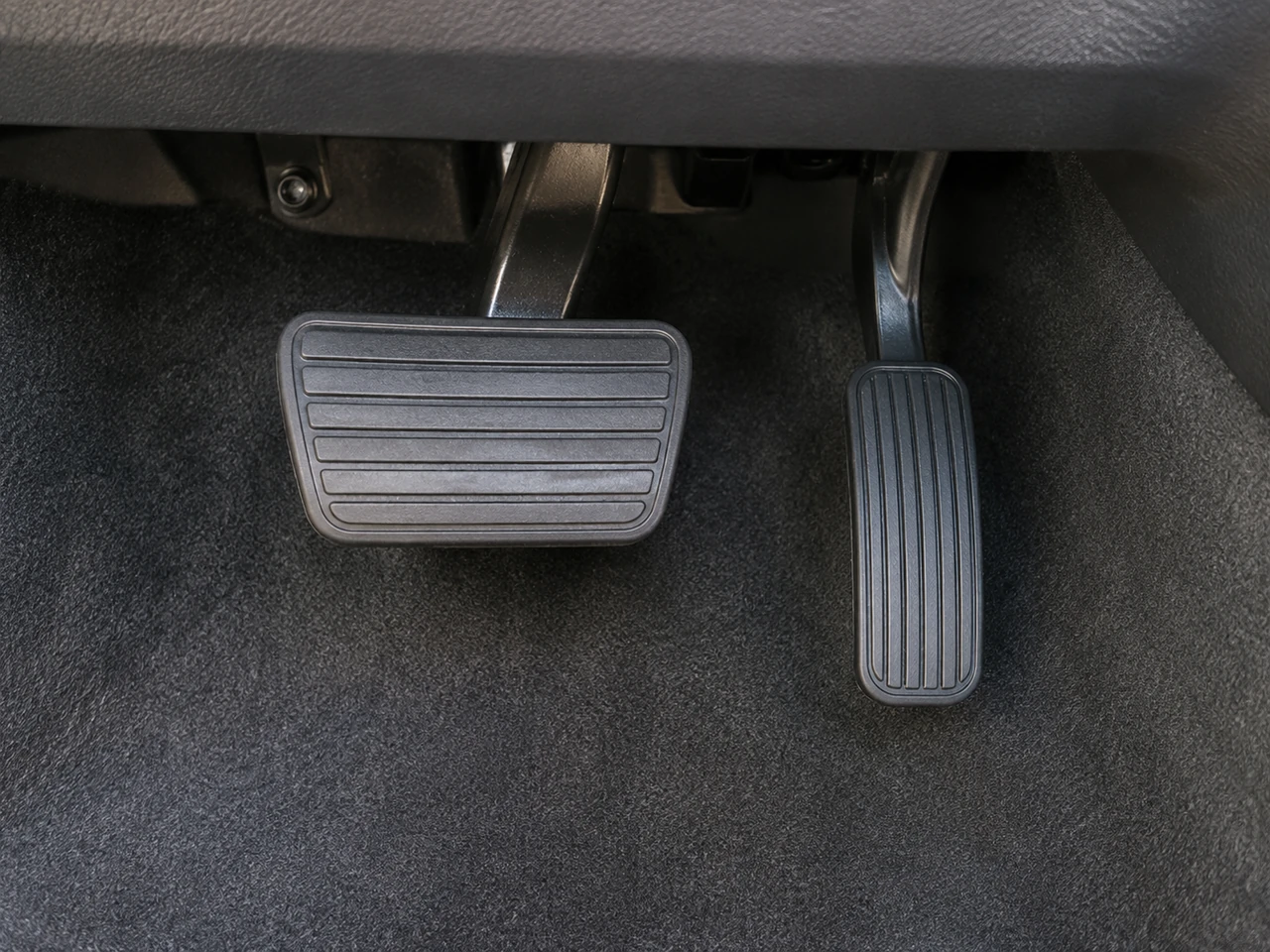
416. Braking always requires the same pedal effort after the engine is switched off.
Switching the engine off can reduce brake assistance, so more pedal force may be needed. Do not switch it off while moving except as directed for an emergency. Systems vary; normal automatic stop-start operation is different from switching the vehicle off.
🔗 Sources
Ford owner’s manual (manufacturer guidance) • Safety guidance, Stopping the Engine When Your Vehicle is Moving; systems vary
Image credit: AI-generated
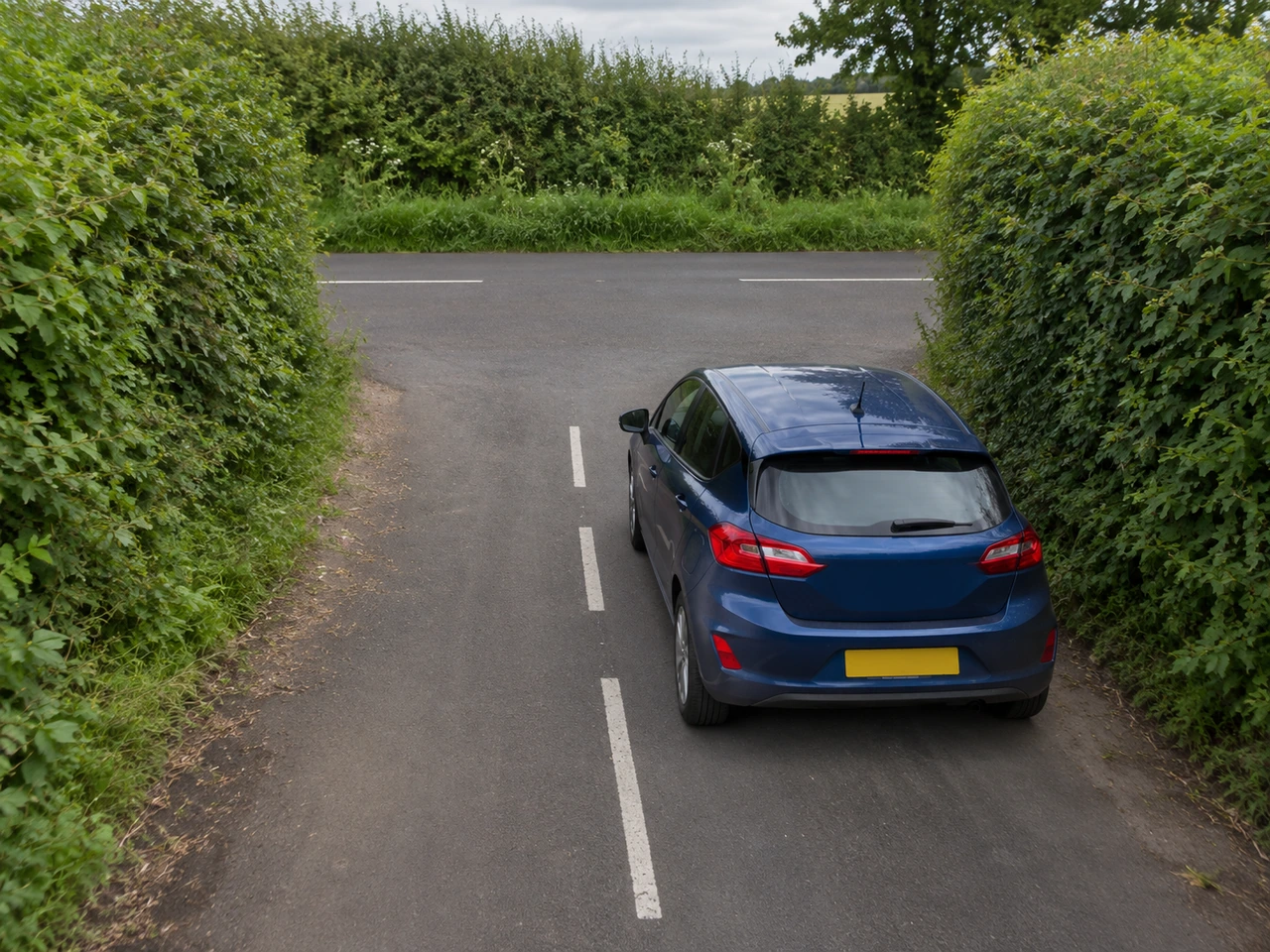
417. What should you do when your view is blocked at a junction?
Reduce speed early and stop if necessary to assess the junction. Look for traffic, cyclists and pedestrians in every relevant direction, and obey the applicable signals and priority rules. A hedge or building that hides the view is not a reason to enter blindly or rely on a horn.
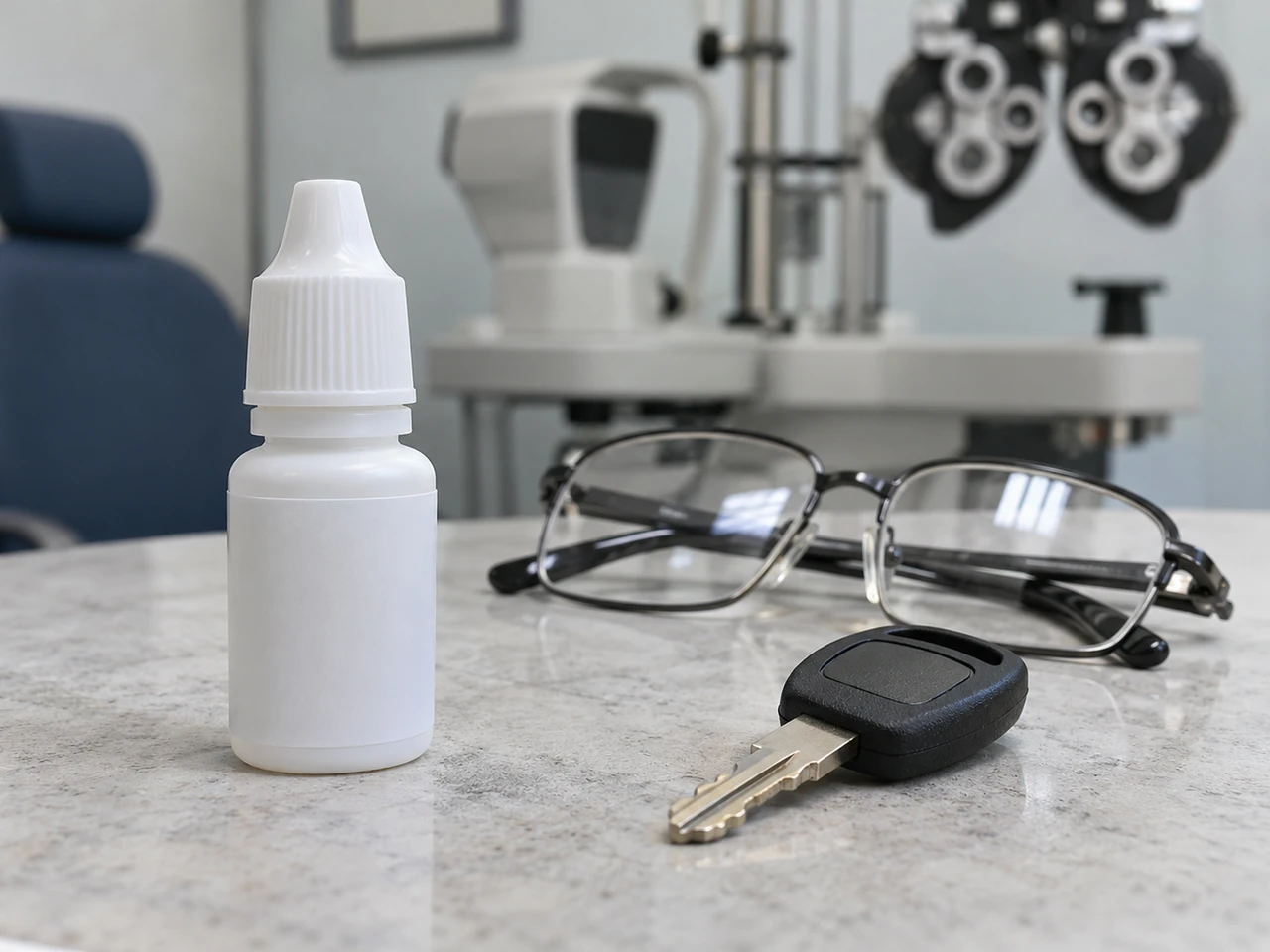
418. You can always drive immediately after having pupil-dilating eye drops.
Pupil-dilating drops can blur your vision and increase glare sensitivity. Arrange other transport and follow the clinic's advice about when you may drive again; do not drive while your vision is affected.
🔗 Sources
Moorfields Eye Hospital NHS (Great Britain) • Safety guidance, blurred vision and glare after pupil dilation; follow clinic advice
Image credit: AI-generated
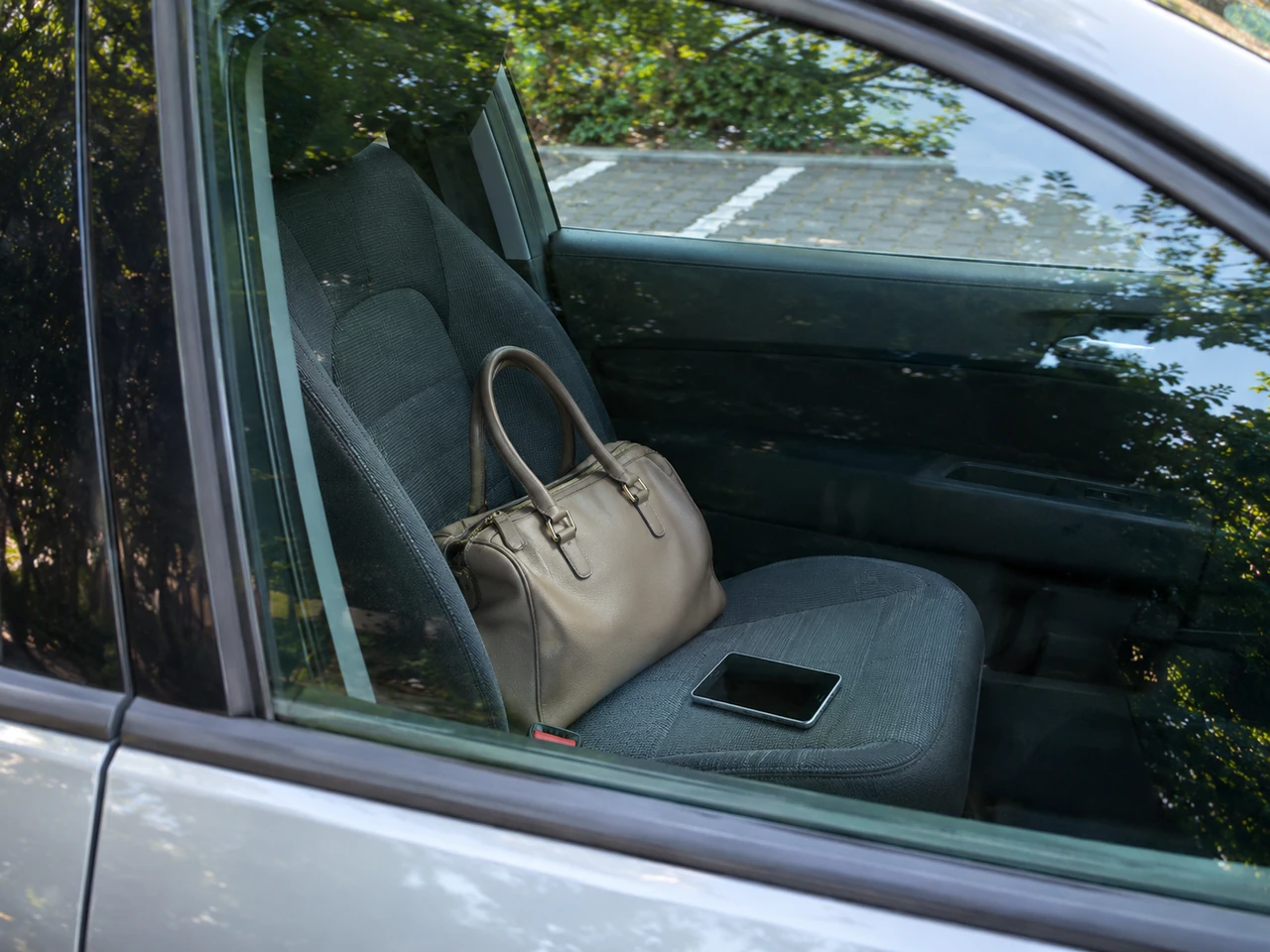
419. Leaving valuables in view can attract thieves to your parked car.
Bags, phones and other belongings left on show can attract thieves. Remove valuables when leaving the car; locking the doors does not remove the risk of theft.
🔗 Sources
The Highway Code (Great Britain) • Safety guidance, Vehicle security: contents out of sight
Image credit: AI-generated
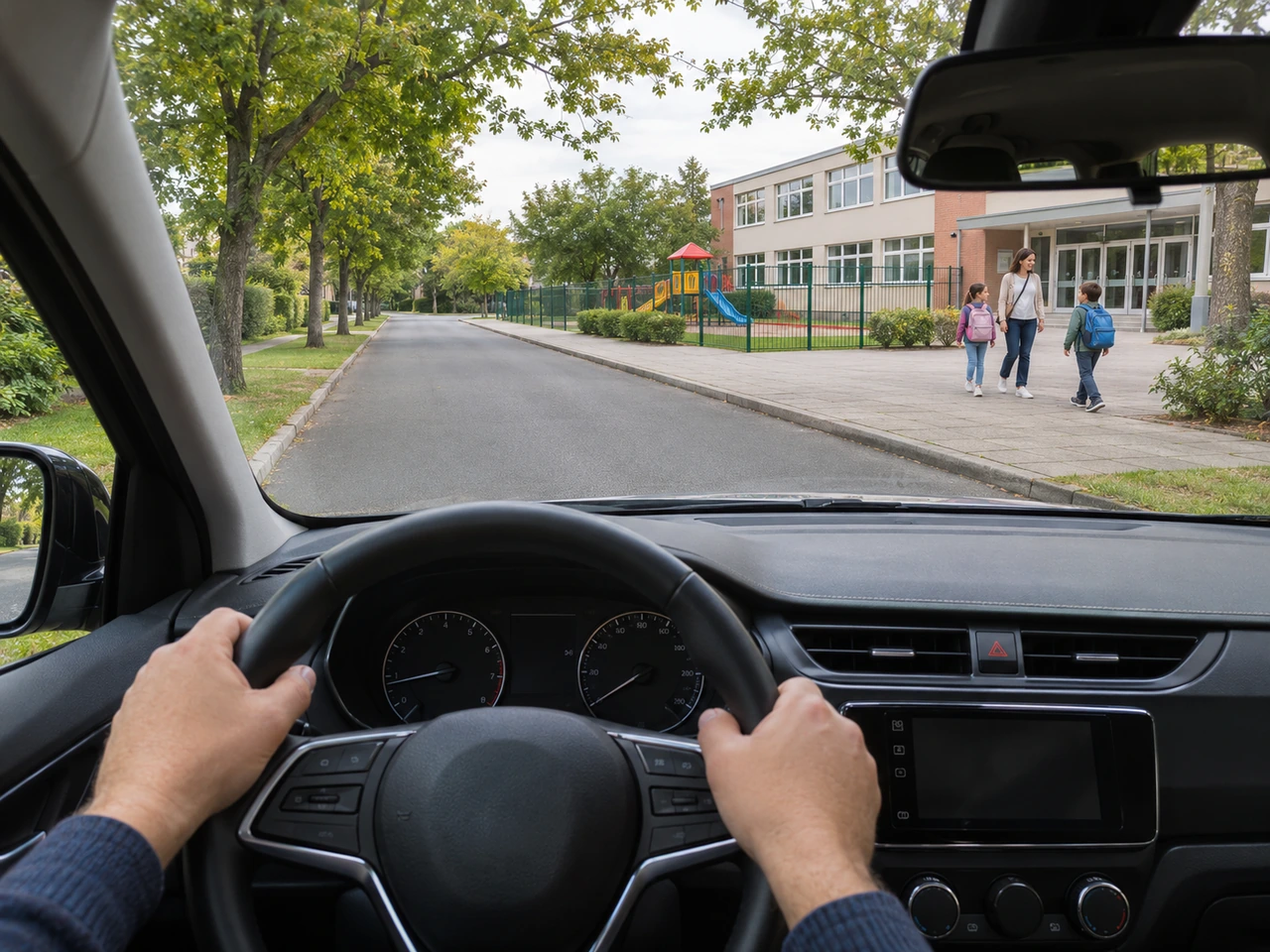
420. What should you do when driving near a school area?
Children near schools may cross unexpectedly or be hidden between parked vehicles. Reduce speed and be ready to stop.
🔗 Sources
UK Highway Code — General child-safety and school-area guidance: Rules 205, 206 and 208
Image credit: AI-generated
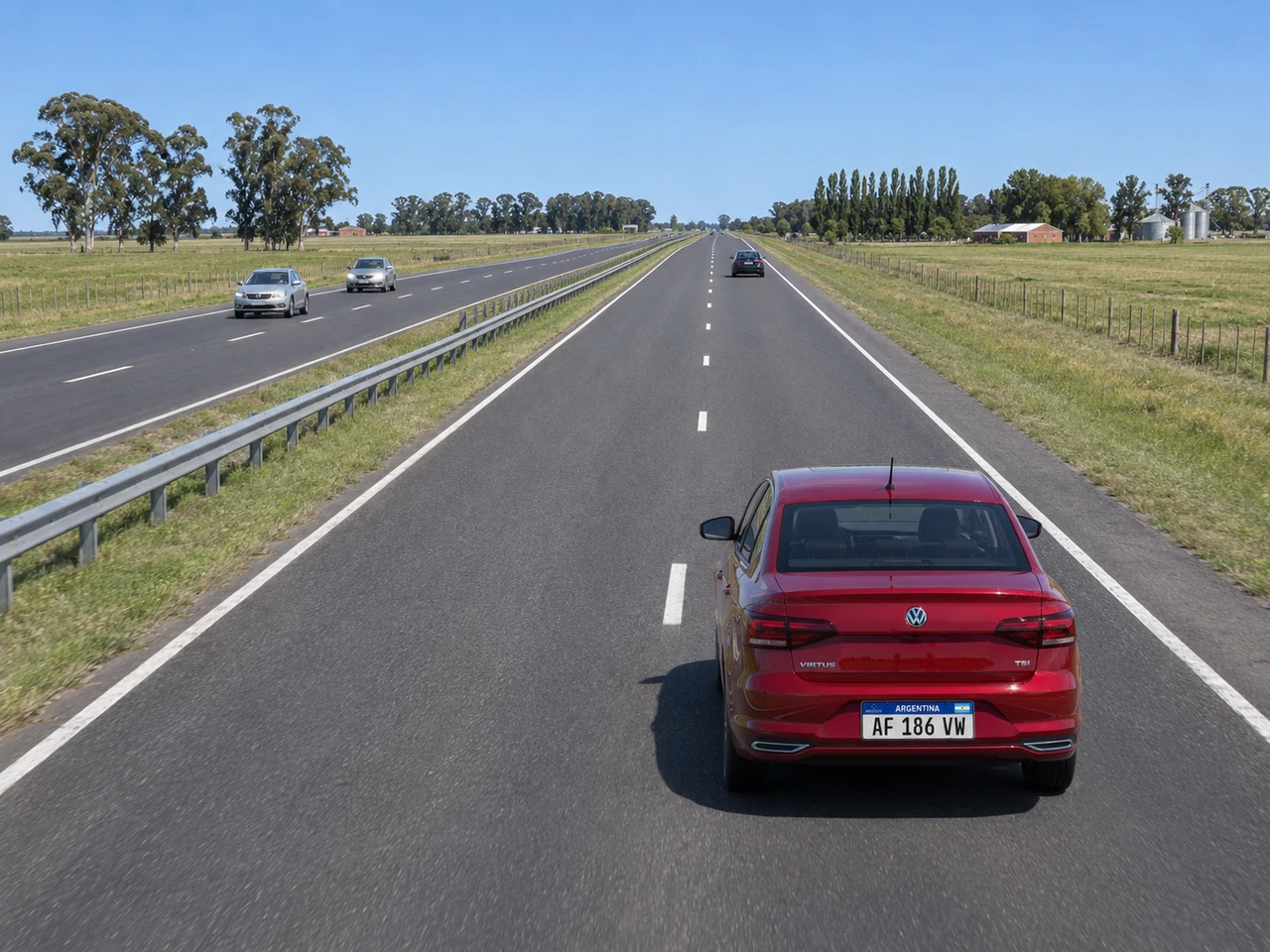
421. Why is a larger following distance needed at motorway speeds?
At higher speeds, you travel farther during your reaction time and need more distance to brake. A larger gap gives you more time and space to stop safely.
Leave a safe gap for your speed. Increase it when grip or visibility worsens so you can stop if the vehicle ahead brakes.
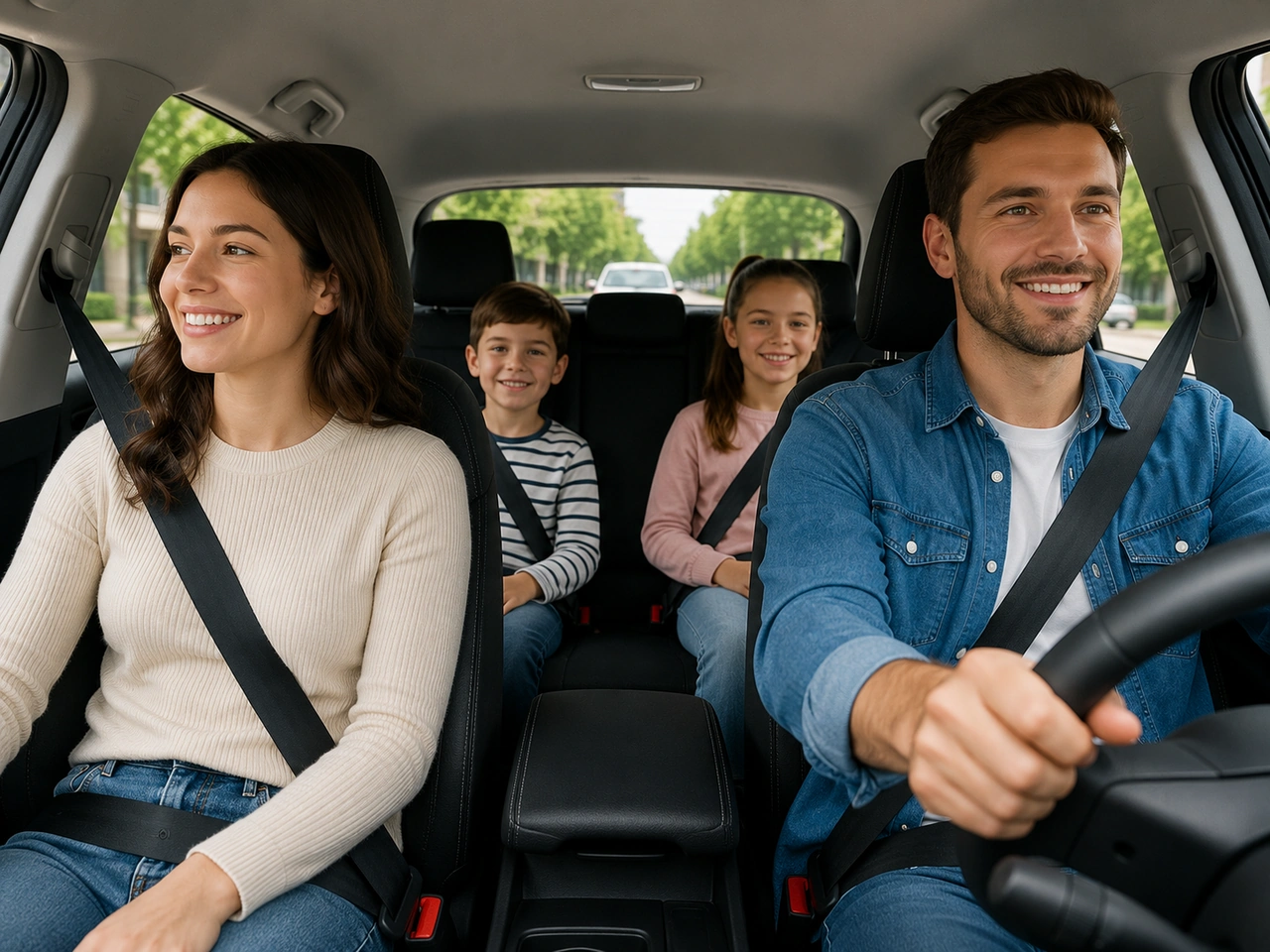
422. Who should always wear a seat belt?
Seat belts greatly reduce the risk of serious injury in a crash and should be worn by everyone in the vehicle.
🔗 Sources
USA NHTSA — General seat-belt fit, all seating positions and pregnancy guidance
Image credit: AI-generated
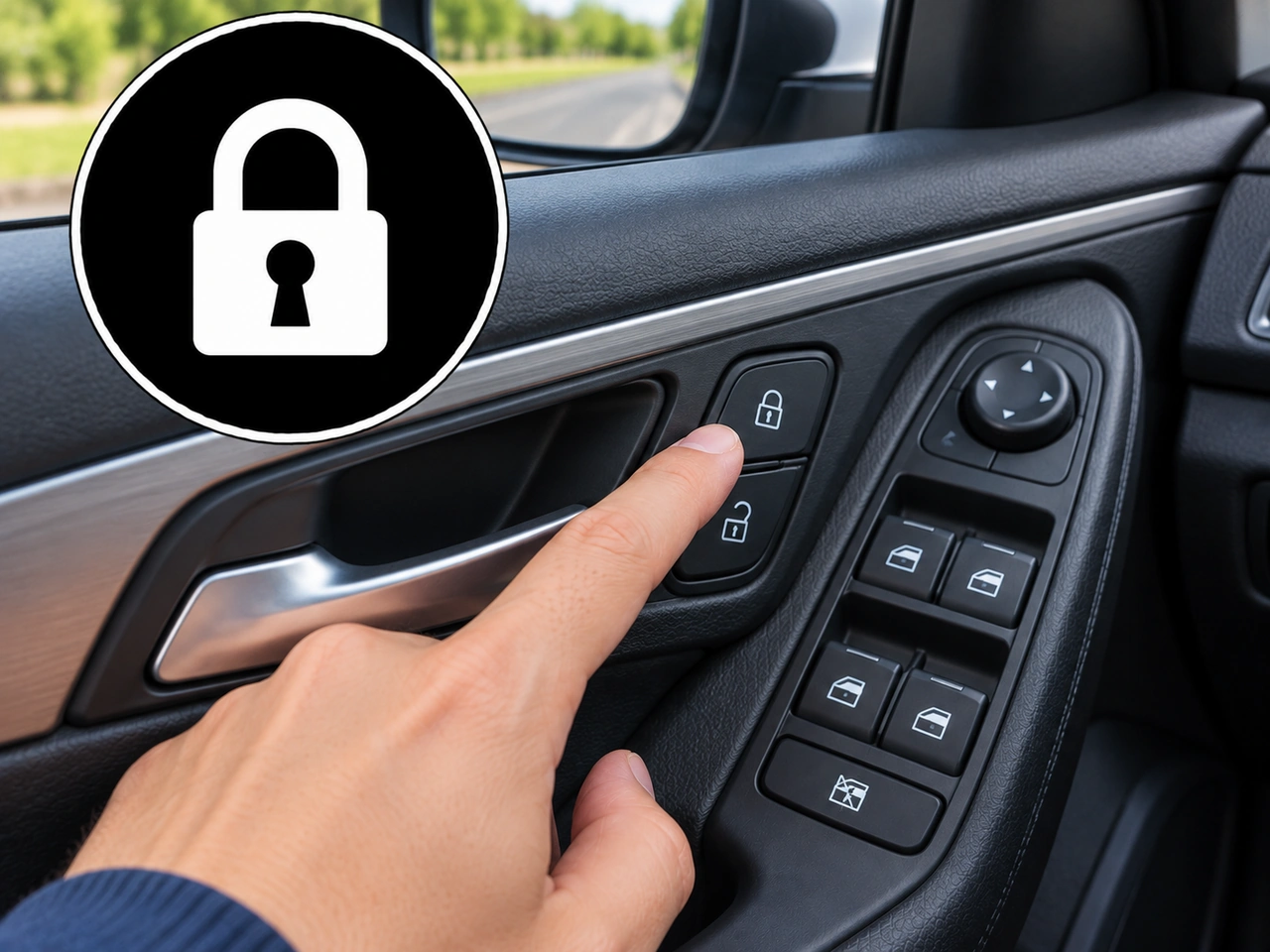
423. What does this vehicle-control symbol indicate?
Use the lock or unlock control to operate the central door locking system. Some vehicles use one button for both.
The lock and unlock controls operate the central locking system. A closed padlock identifies locking and an open padlock identifies unlocking on vehicles with separate buttons.
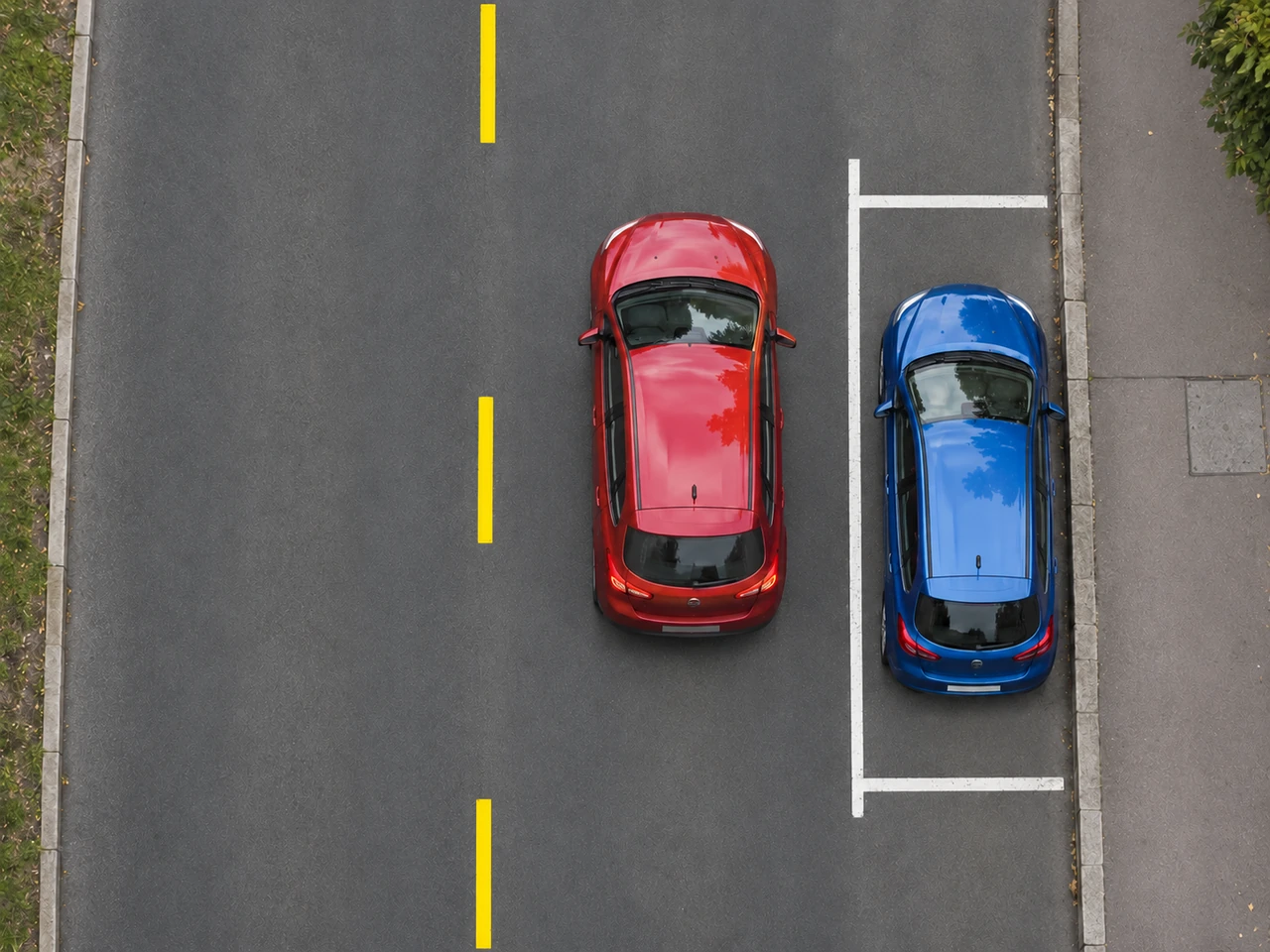
424. Blue plans to pull out of the parking bay once red has passed. When should blue signal?
Signal towards the traffic lane before pulling out so other road users know what you intend to do. Check mirrors and the blind spot and wait for a safe gap before joining traffic.
🔗 Sources
AI-generated illustration • Traffic-rules.com / Rijbewijs-online.be • WCIT • CC BY-SA 4.0.
🔗 Argentina Government • National Traffic Law 24,449, article 39(b)
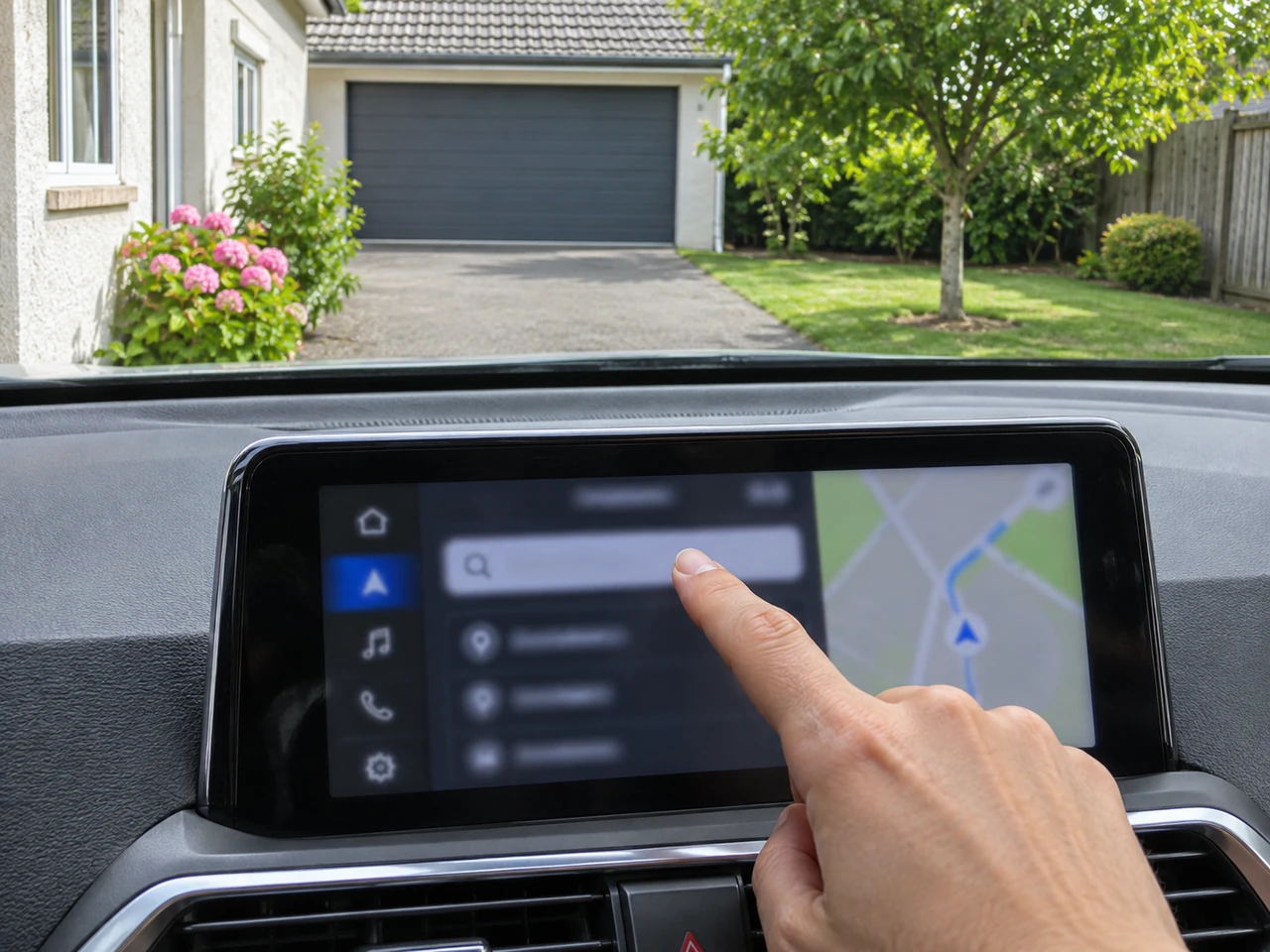
425. You should enter your navigation destination before starting to drive.
Set up the route while safely parked so that entering details does not distract you while driving. If you need to make changes, find a safe place to stop first.
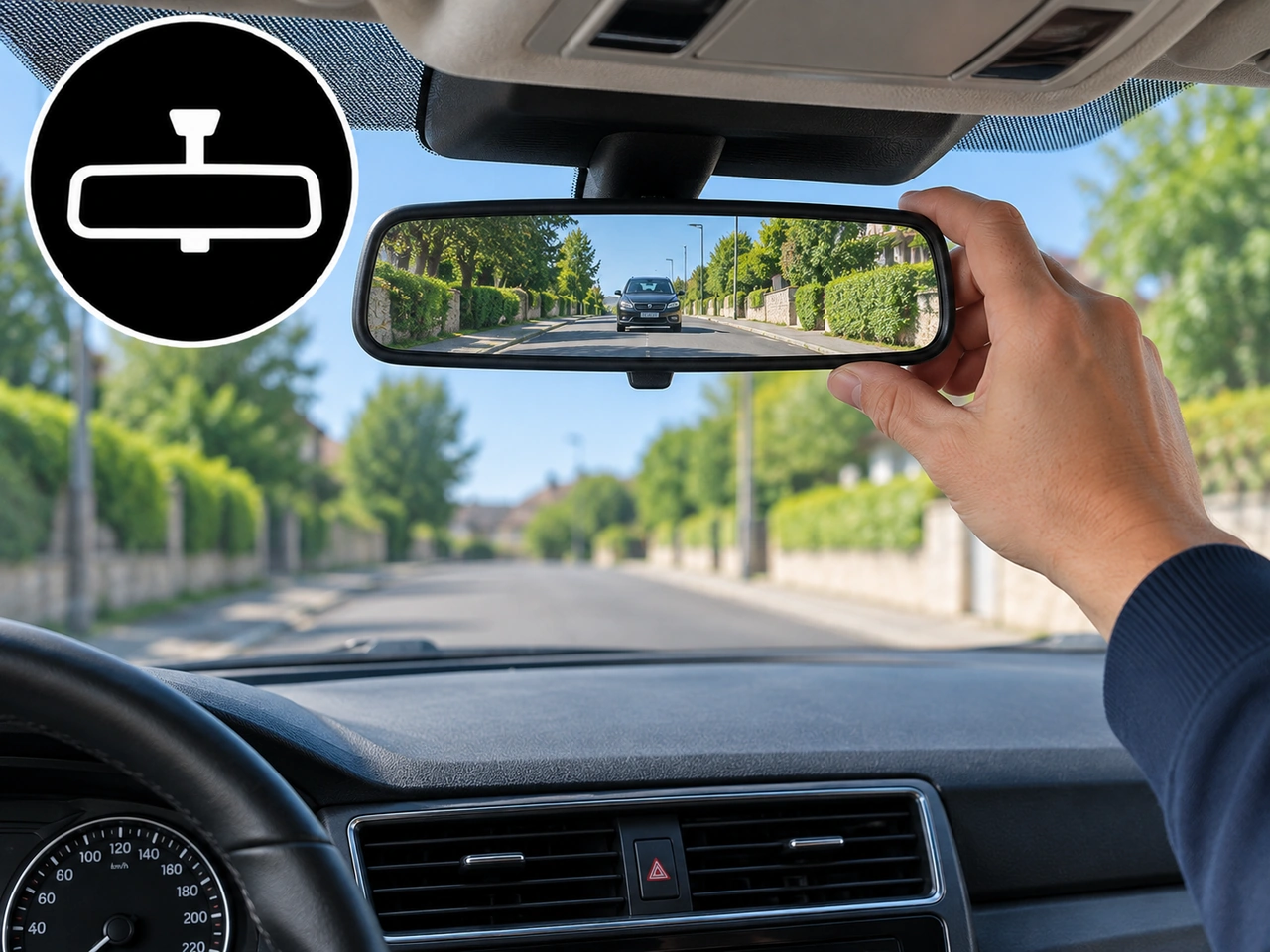
426. How should the interior rear-view mirror be adjusted?
Adjust the interior rear-view mirror before driving so that you have a clear view through the rear window without needing to move your head significantly.
Set your driving position first, then adjust the interior mirror to frame the rear window before moving off.
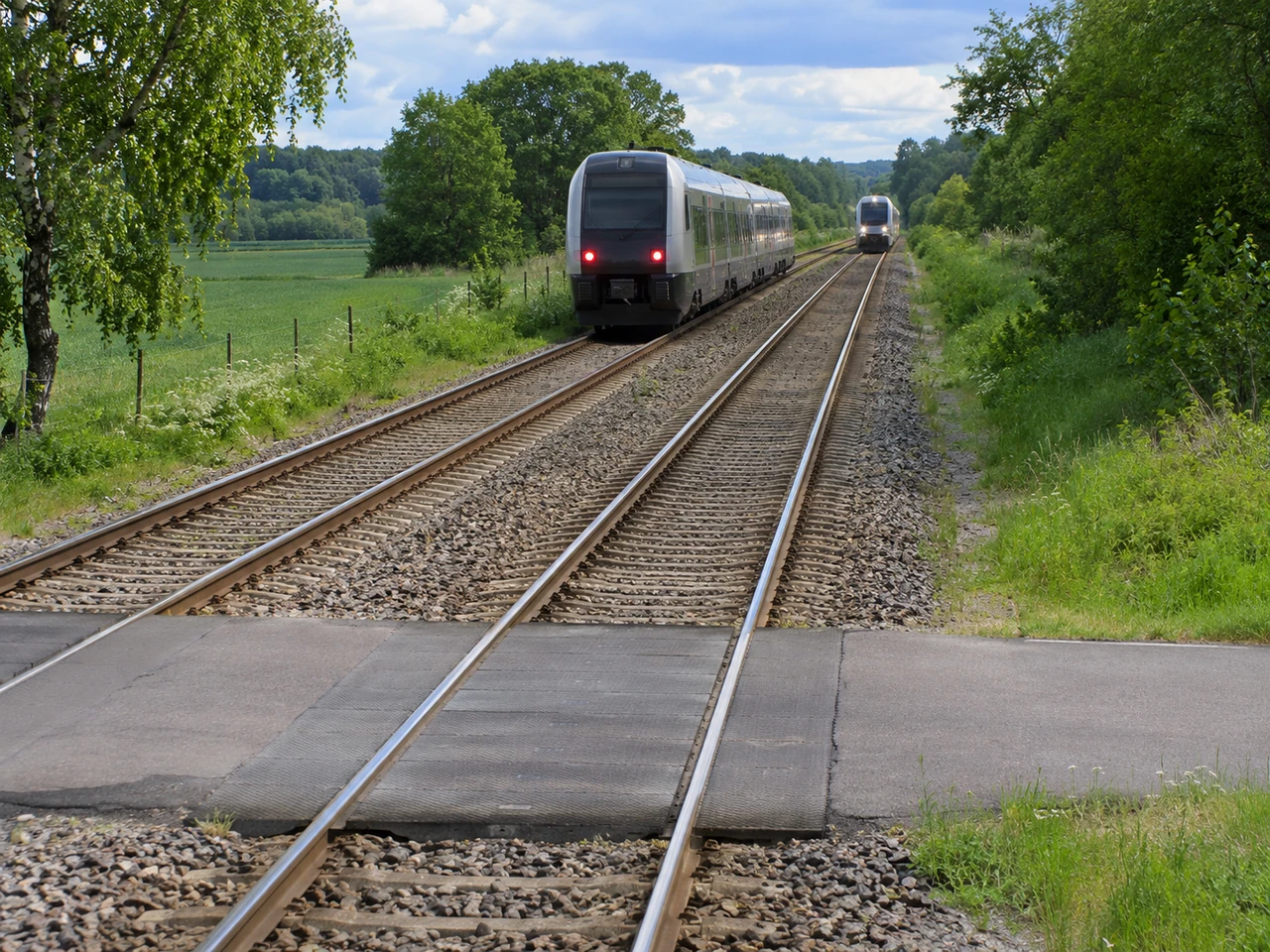
427. Once one train has passed, no other train can be approaching.
One train passing does not mean the crossing is clear. Another train may approach, so follow the crossing controls and check carefully before crossing.
🔗 Sources
The Highway Code (Great Britain) • Safety guidance, Rule 293; follow the crossing controls
Image credit: AI-generated
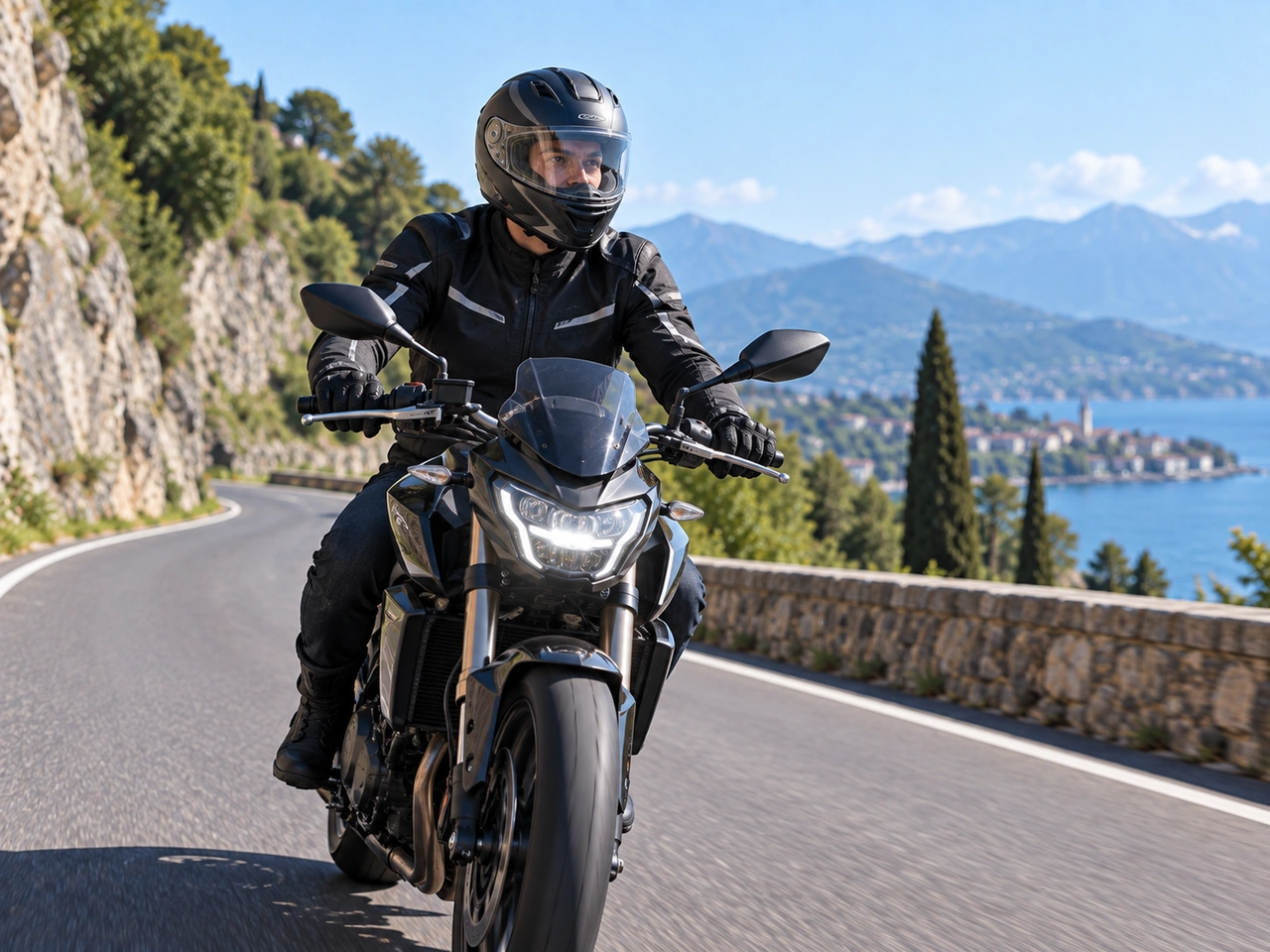
428. Are motorcycle riders generally required to wear a helmet?
Motorcycle riders in Argentina are generally required to wear an approved helmet.
🔗 Sources
Image credit: AI-generated
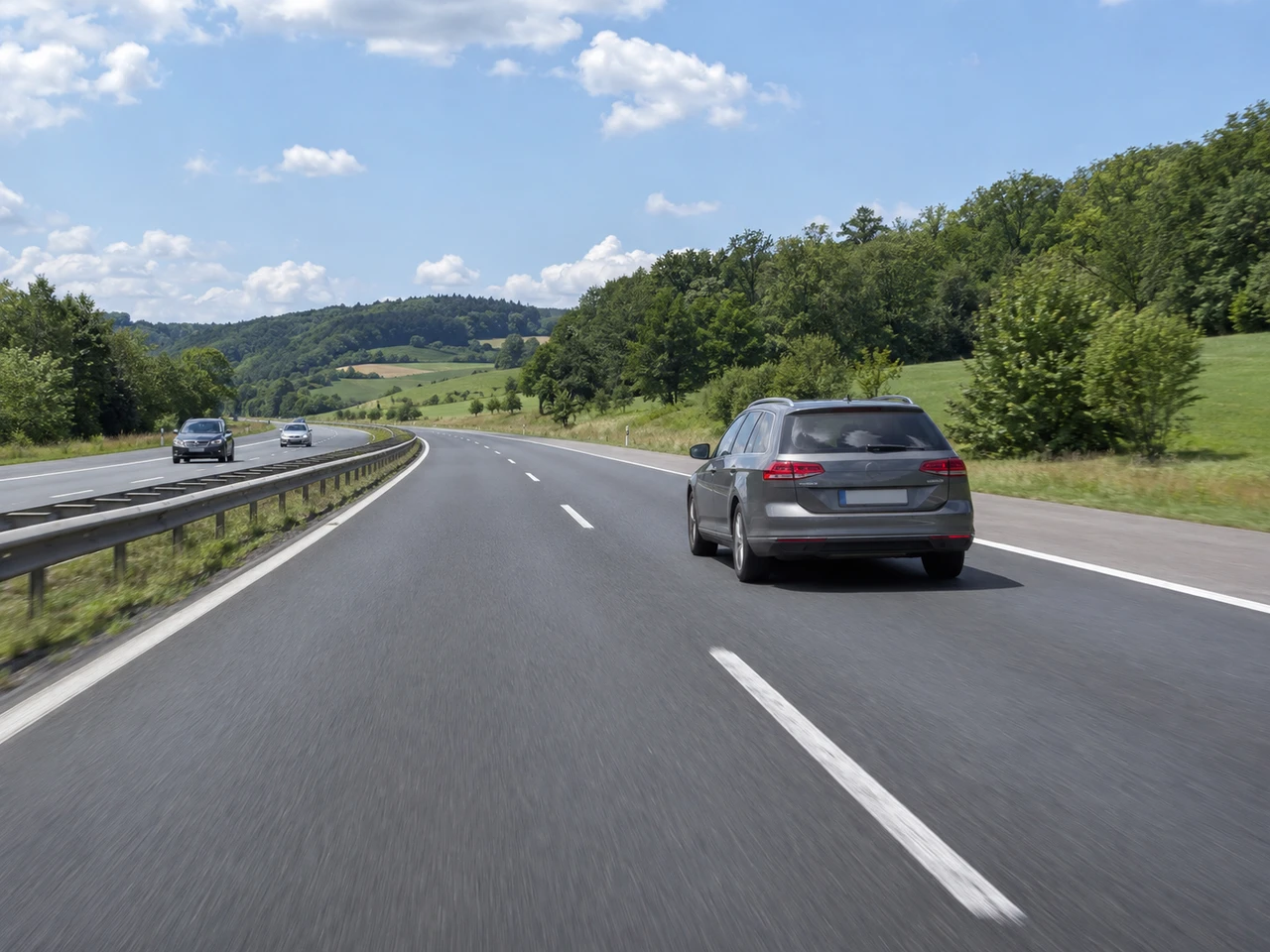
429. How can higher speed affect fuel or energy consumption?
As speed increases, aerodynamic resistance generally rises, so the vehicle needs more energy to maintain that speed. Driving smoothly at an appropriate speed can therefore reduce fuel or energy consumption.
🔗 Sources
Government of Argentina – Efficient driving guide for light vehicles
Image credit: AI-generated
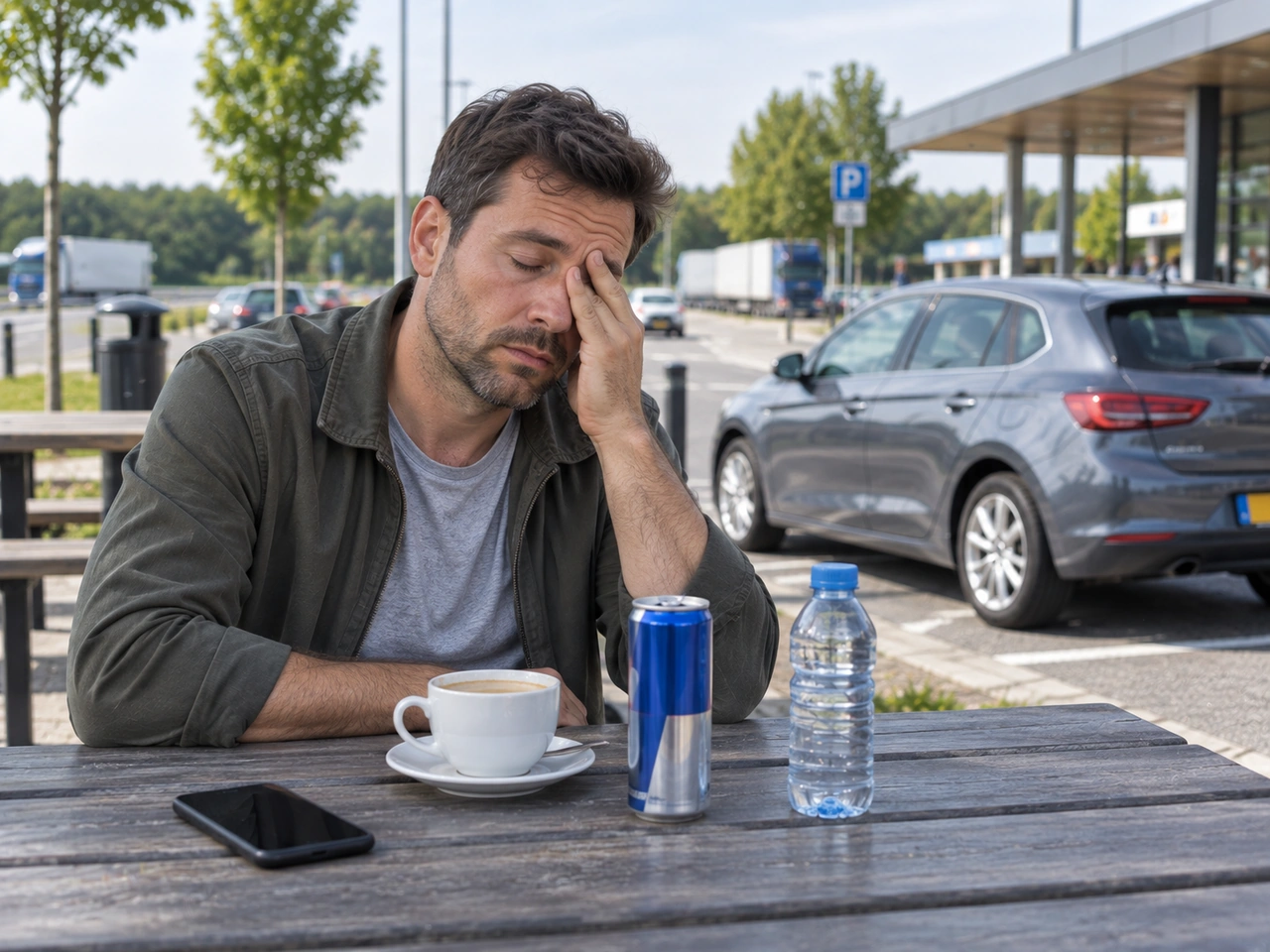
430. Can coffee, energy drinks, fresh air, or loud music replace proper rest when you are tired?
Coffee, energy drinks, fresh air, or loud music may make you feel more alert for a short time, but they do not remove fatigue. If you are too tired to drive safely, stop somewhere safe and get proper rest.
Argentina. Coffee may briefly improve alertness, but sleep deprivation can still cause a microsleep. If you feel drowsy, stop somewhere safe and rest.
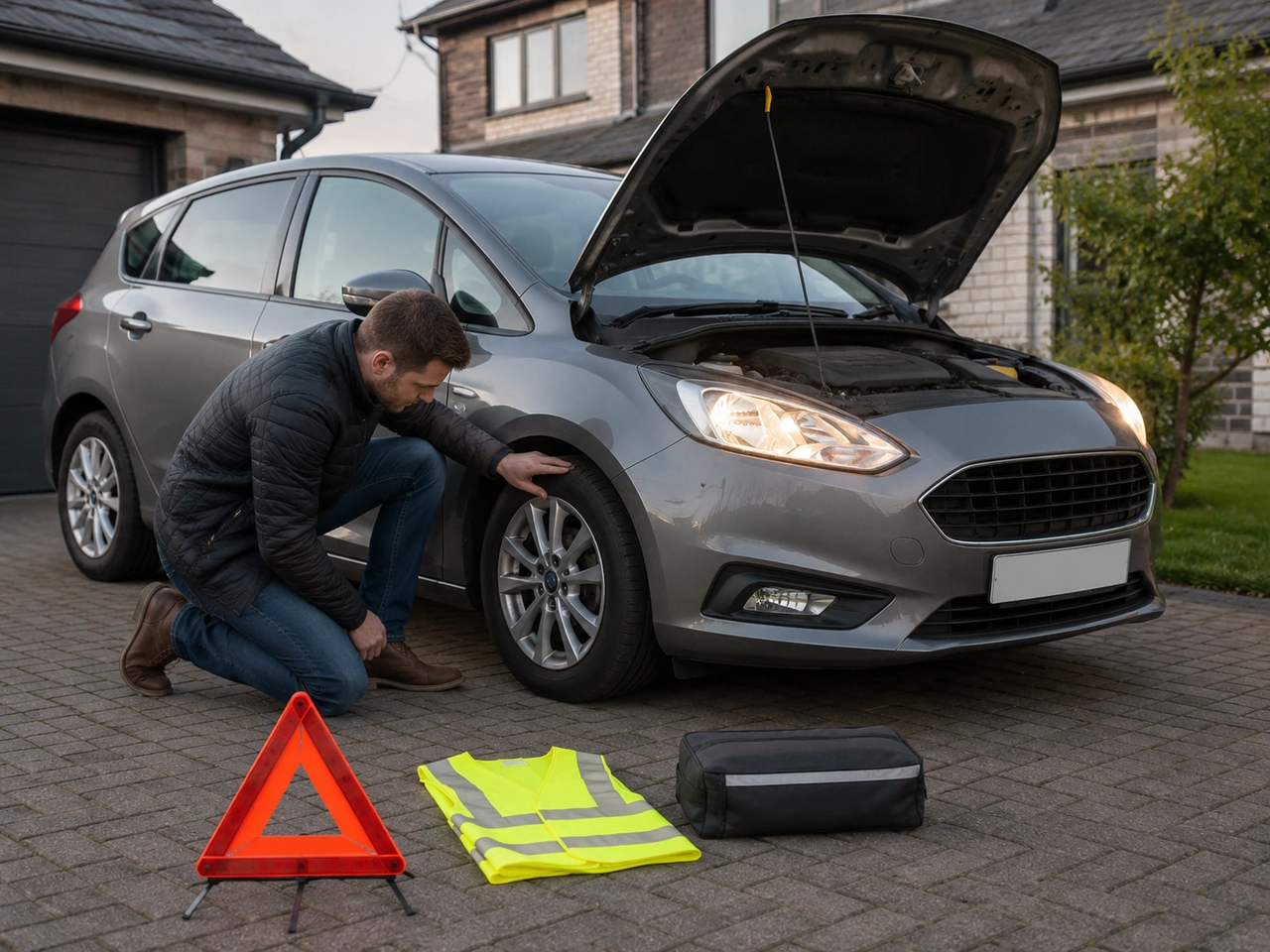
431. What should you check before starting a long journey?
A brief vehicle check can reveal tyre damage, low fluid levels, faulty lights, or visibility problems before they cause danger. Also confirm that any spare wheel or tyre-repair equipment is available and usable.
Argentina. Before a long trip, check tyre condition and pressure, lights, wipers and fluid levels. Use the manufacturer’s tyre pressure for the load you will carry.
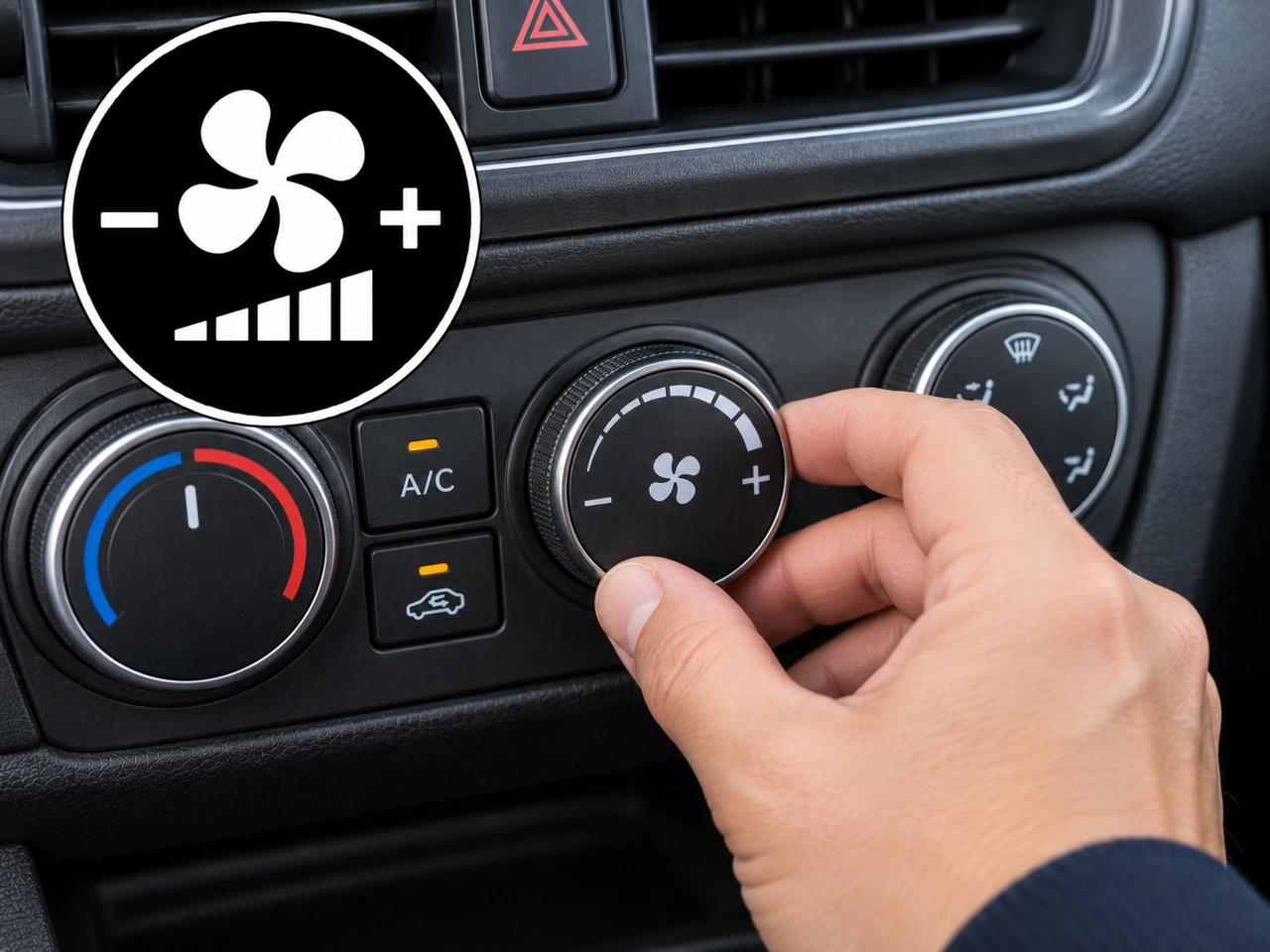
432. What does this vehicle-control symbol indicate?
This control adjusts the cabin ventilation fan speed. Increasing the setting moves more air through the vehicle's ventilation and climate-control system.
A higher fan setting increases the airflow from the selected vents. Use it with the windscreen setting when you need more air to clear mist.
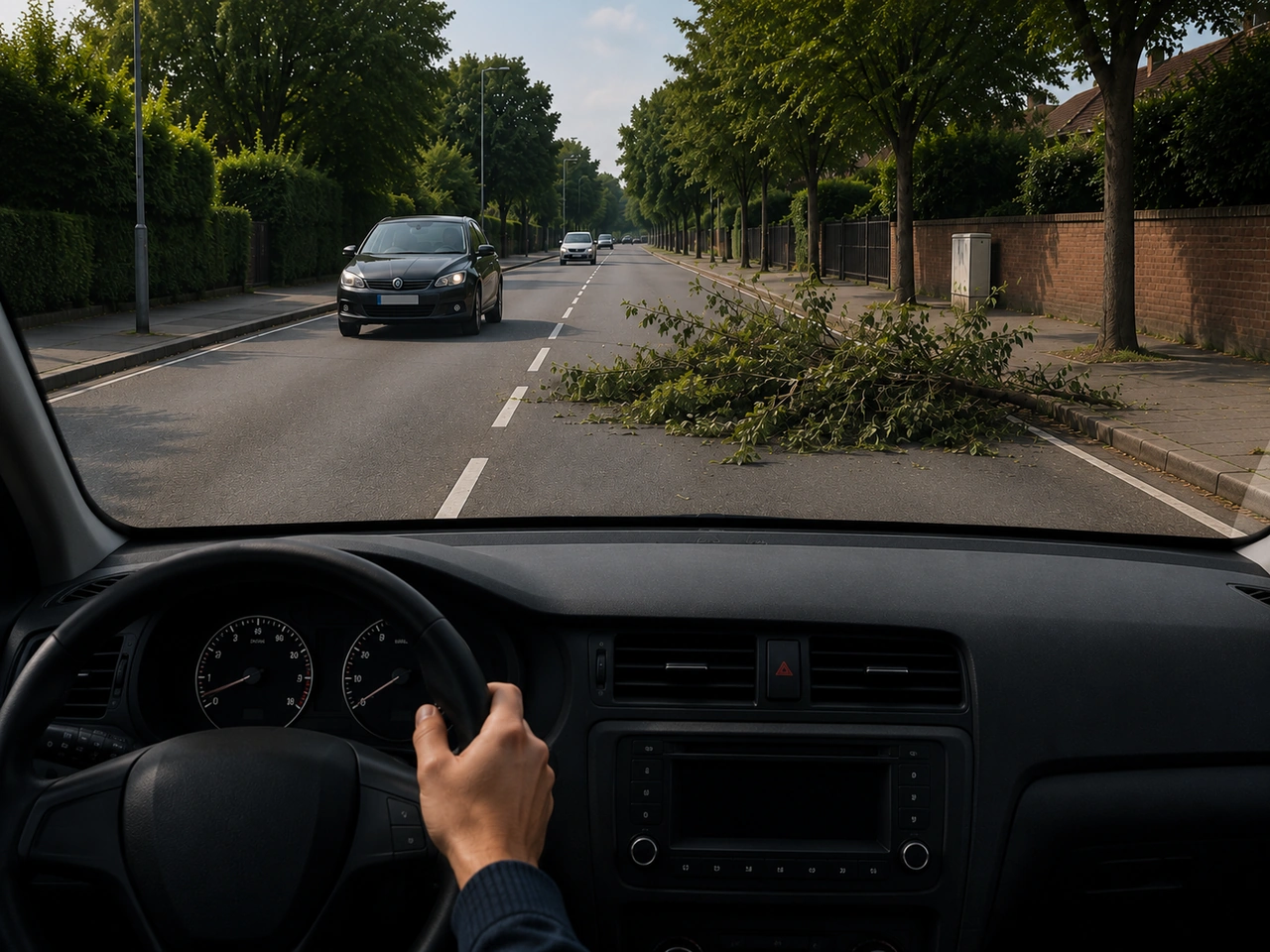
433. What should you do if your lane is blocked by an obstacle?
If your lane is blocked, reduce speed, check mirrors and oncoming traffic, and only move around the obstacle when it is safe.
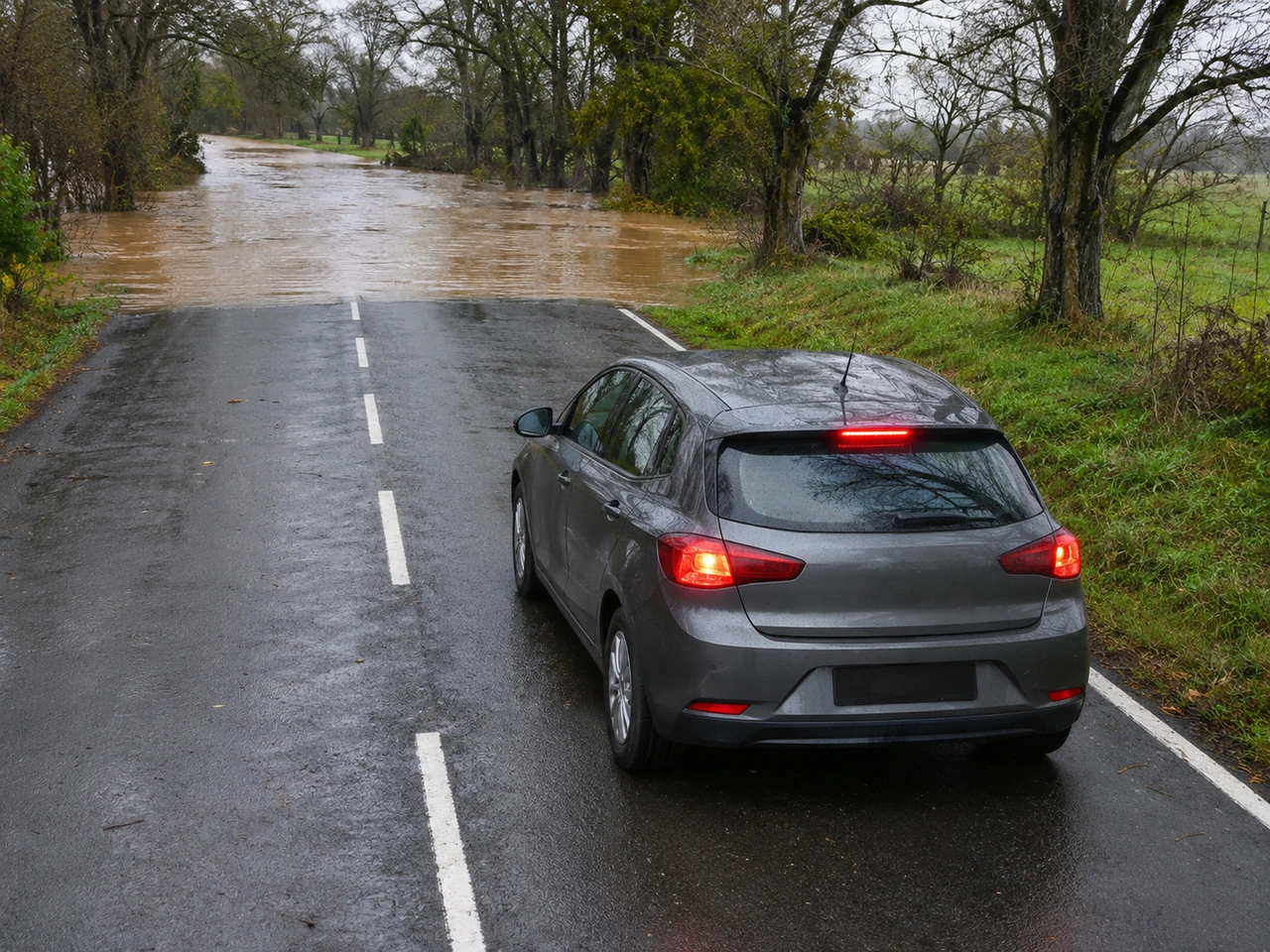
434. Why should you avoid driving through deep water?
Floodwater can conceal holes and damaged road edges, and moving water can carry a vehicle away. It can also damage the engine and affect braking. Do not enter a flooded road or try to determine a safe crossing speed from its appearance. Stop before the water where safe, then use another route.
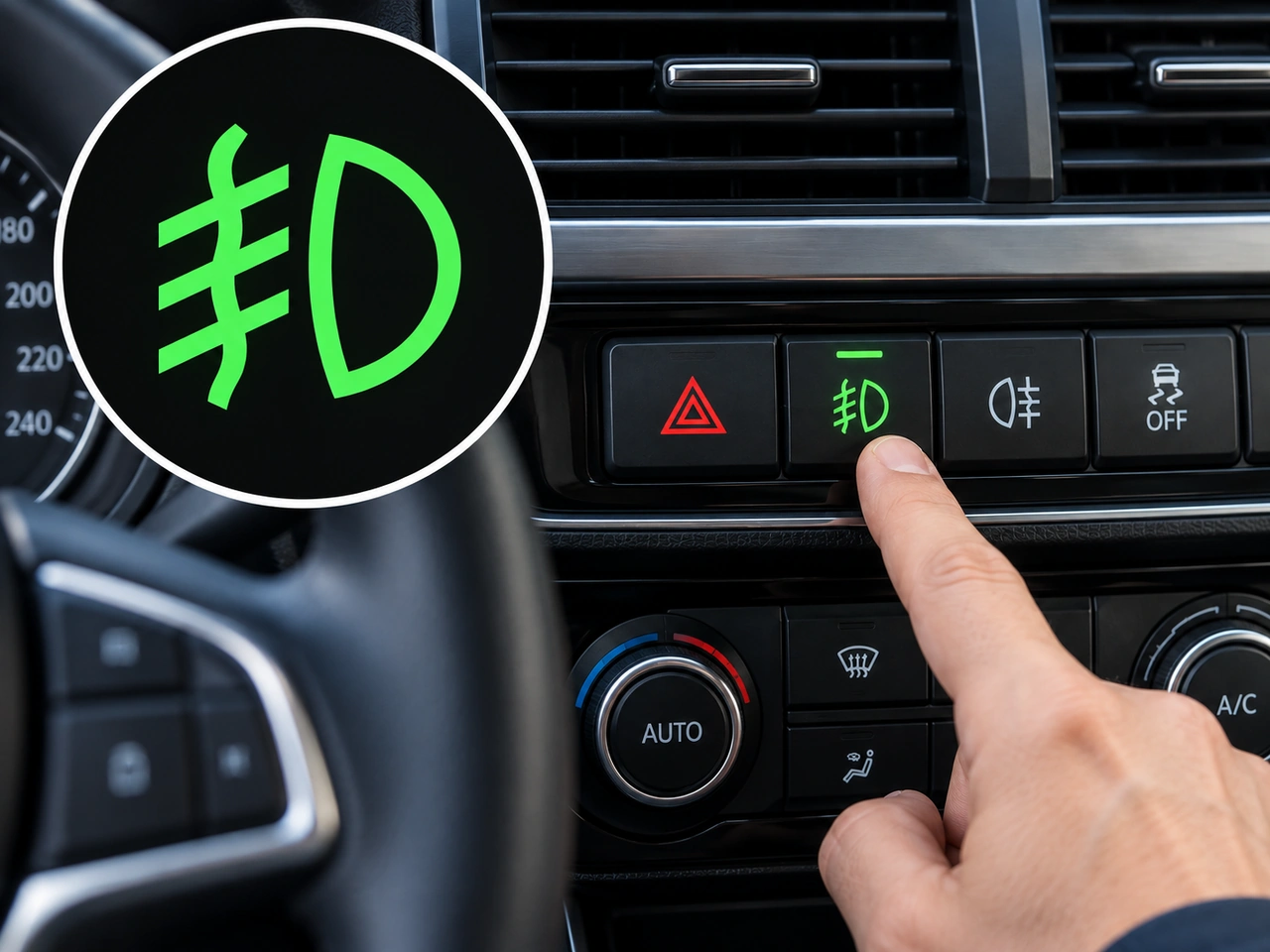
435. What does this dashboard symbol indicate?
This symbol indicates that the front fog lights are switched on. Front fog lights are designed to improve illumination close to the road in conditions of severely reduced visibility. Rules governing their use vary by country.
The front fog-light symbol has slanted beam lines crossed by a wavy line. Its indicator is green.

436. What should you do before a long journey to reduce the risk of driver fatigue?
Getting enough sleep before a long journey helps reduce the risk of driver fatigue. Plan breaks in advance and avoid starting a long drive when you are already tired.
Argentina. Get enough sleep before leaving. If you are already drowsy at departure time, delay the journey or share the driving with a rested, licensed driver.
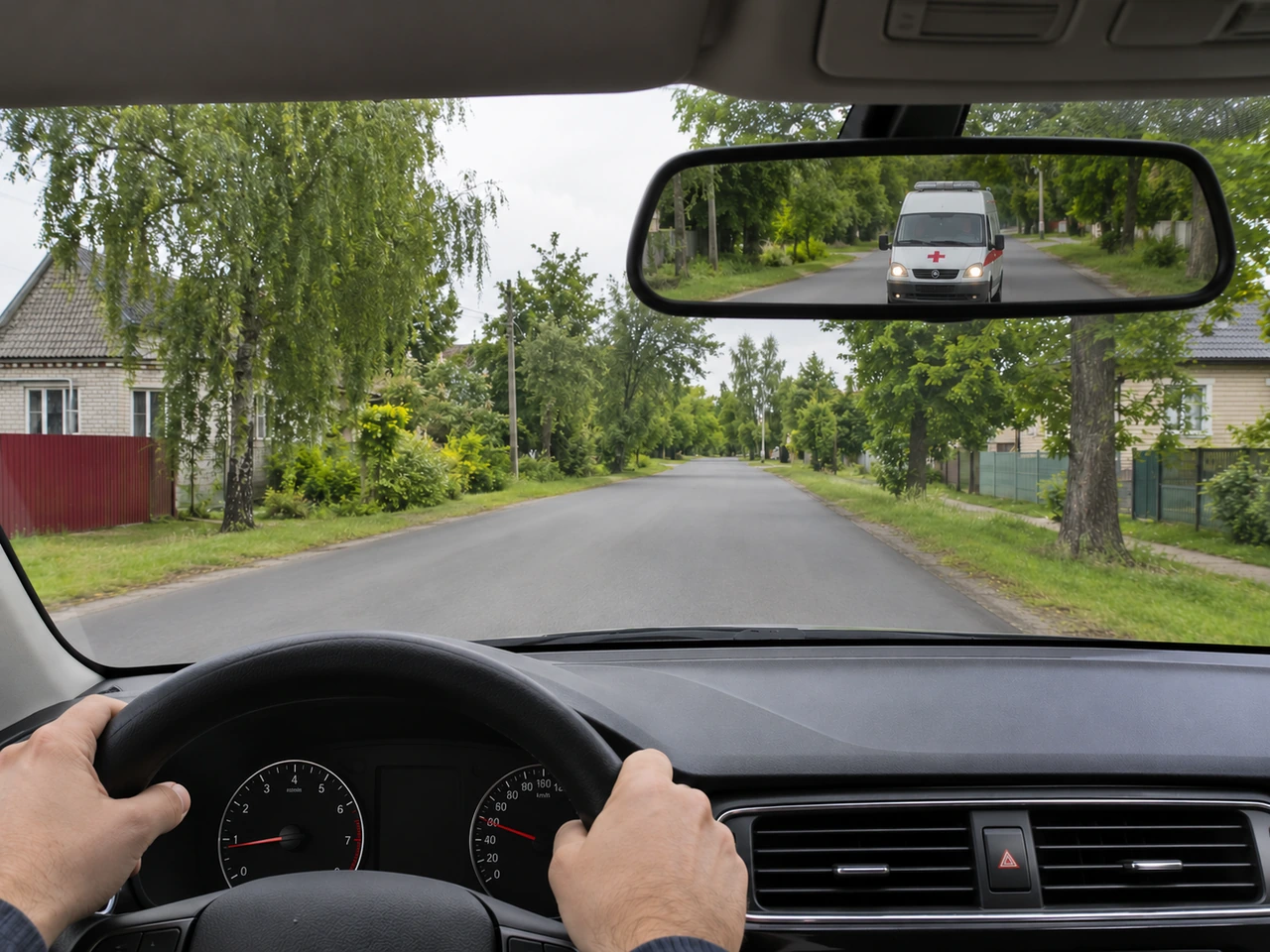
437. An ambulance follows without emergency warnings or a request to make way. What should you do?
With no emergency warnings or directions to make way, continue predictably under the usual traffic rules. Stay alert and make room safely if the ambulance indicates that it needs to pass. Unlit warning equipment does not by itself show whether an ambulance is on an urgent task.
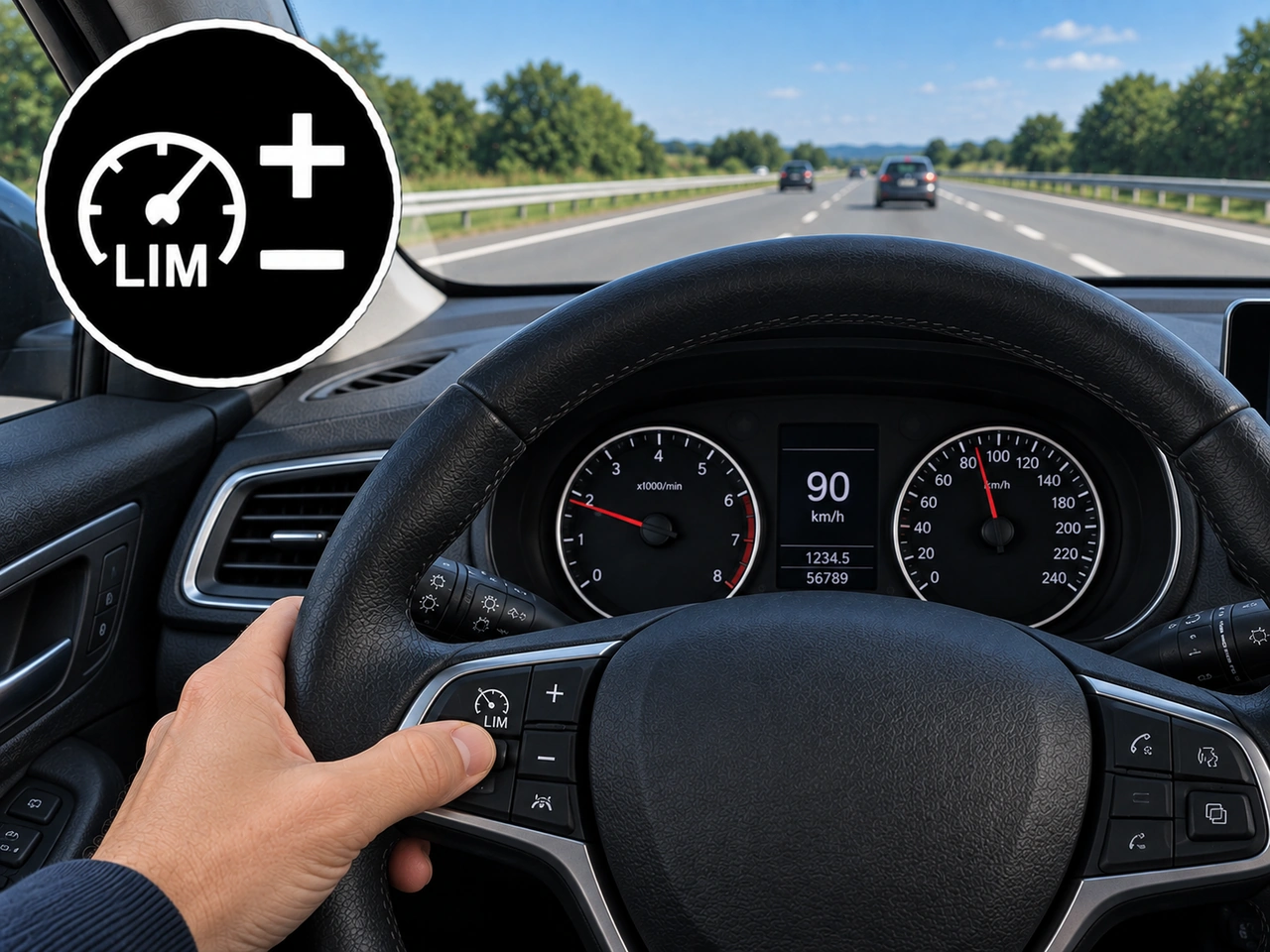
438. What do the + and − controls normally adjust when the speed limiter is active?
When the speed limiter is active, the + and − controls normally increase or decrease the selected maximum speed. The exact adjustment steps can vary between vehicles.
Use the limiter controls to change the set maximum. Check the new setting on the instrument display.
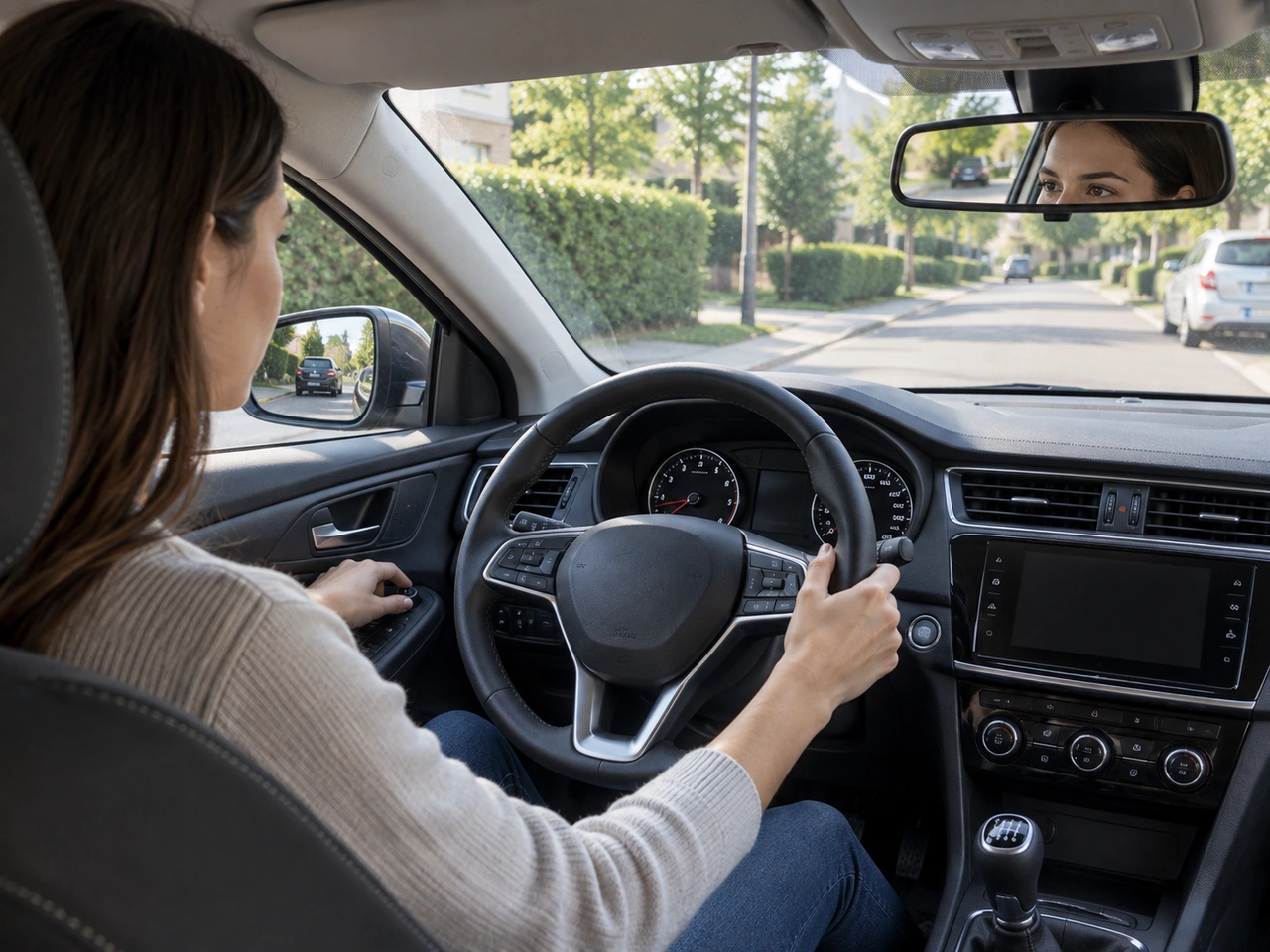
439. Why should you adjust the seat and mirrors correctly before driving?
A correct driving position helps you operate the pedals and steering comfortably and maintain proper control. Correctly adjusted mirrors improve your view around the vehicle and help reduce blind spots. Adjust both before starting your journey.
🔗 Sources
Great Britain — Highway Code, rule 97; clear view, controls and footwear
Great Britain — Highway Code, rule 161; effective mirror use
Image credit: AI-generated
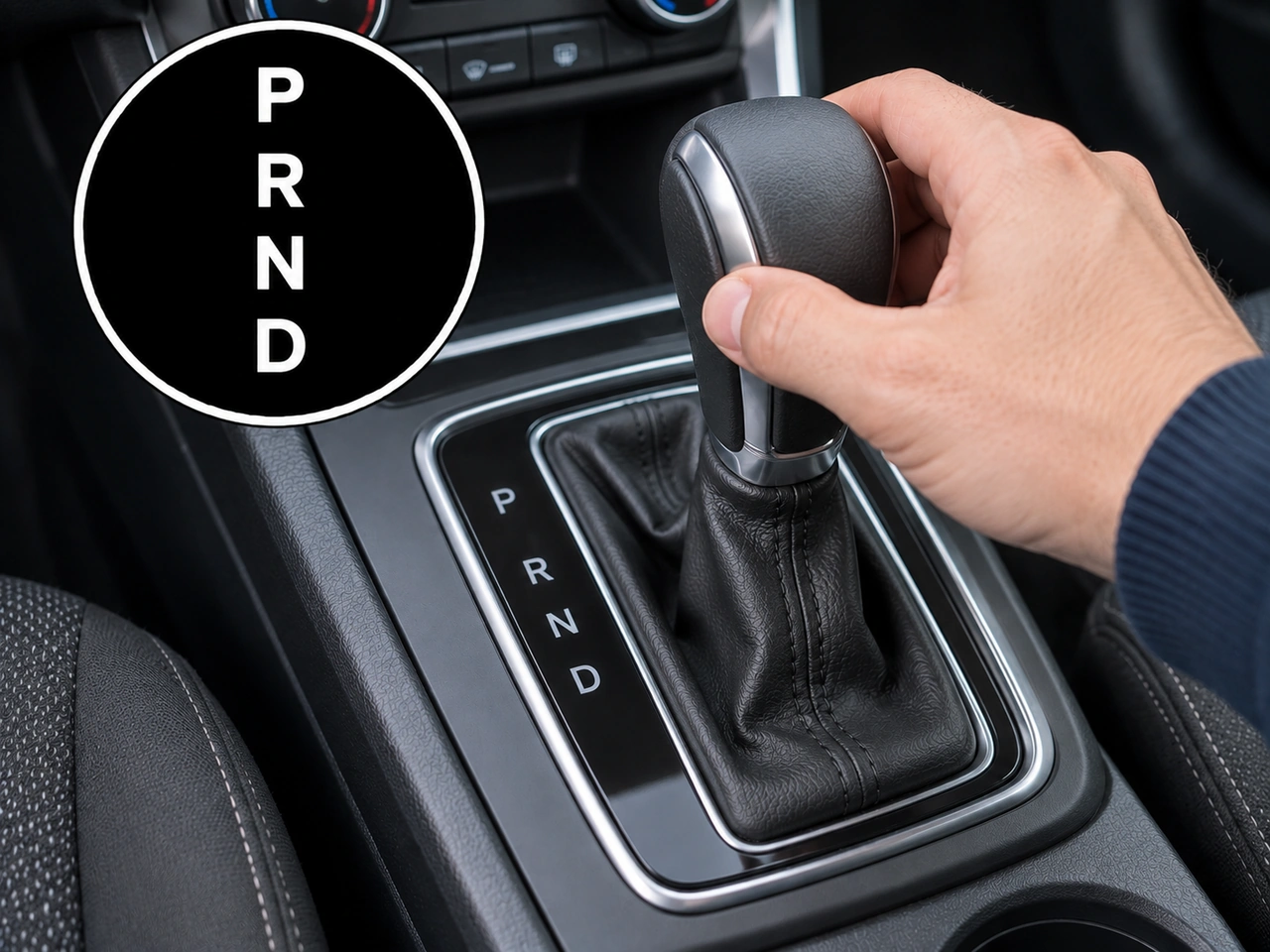
440. Which selector position is used when parking the vehicle?
Select P (Park) when parking an automatic vehicle. Park locks the transmission, but the parking brake should also be applied to secure the vehicle.
Stop completely before selecting P. Apply the parking brake as well to secure the vehicle.
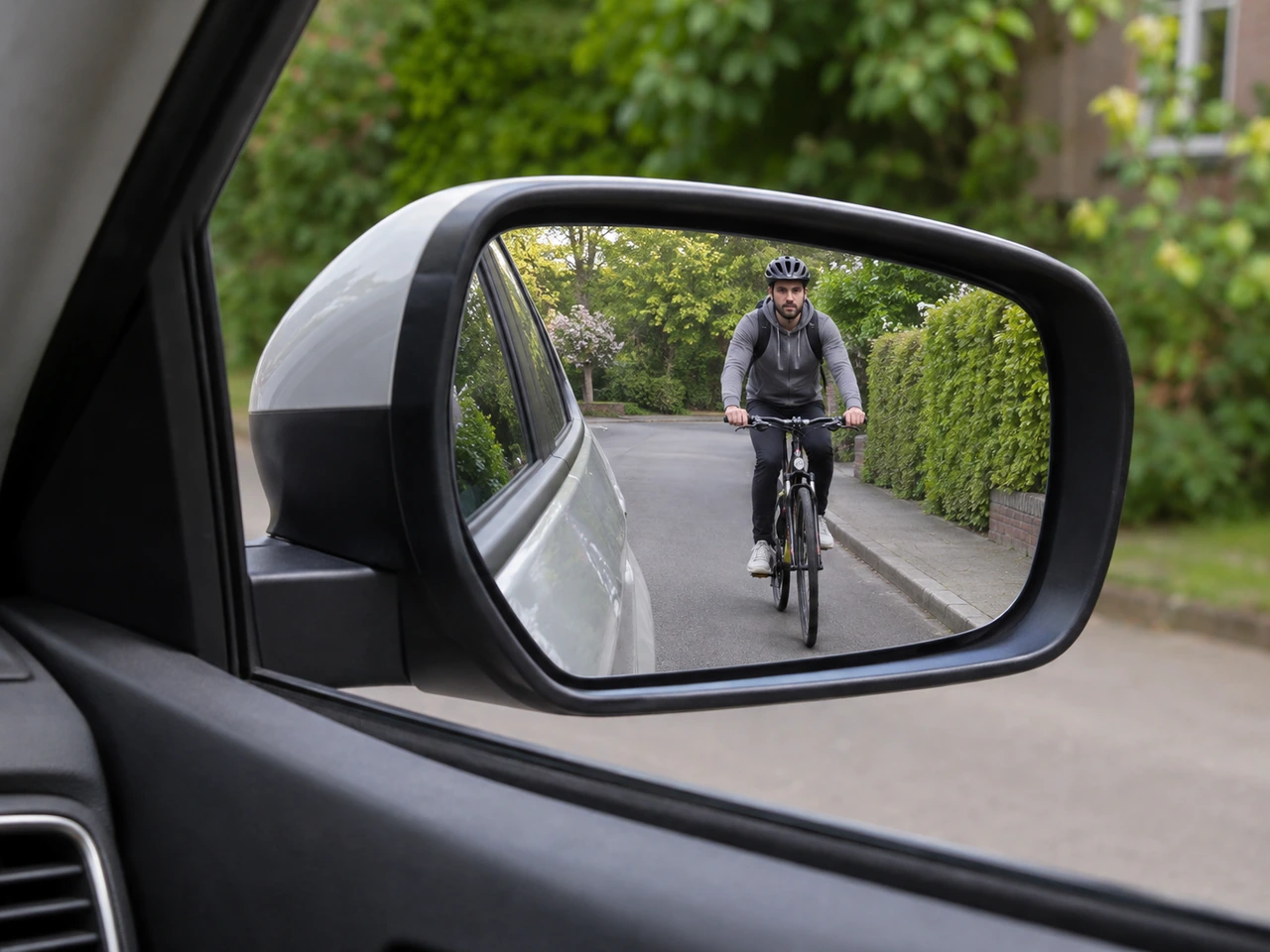
441. What should you do before turning across a cycle lane?
Cyclists may be beside or behind you when you turn. Check mirrors and blind spots, signal clearly, and turn only when it is safe.
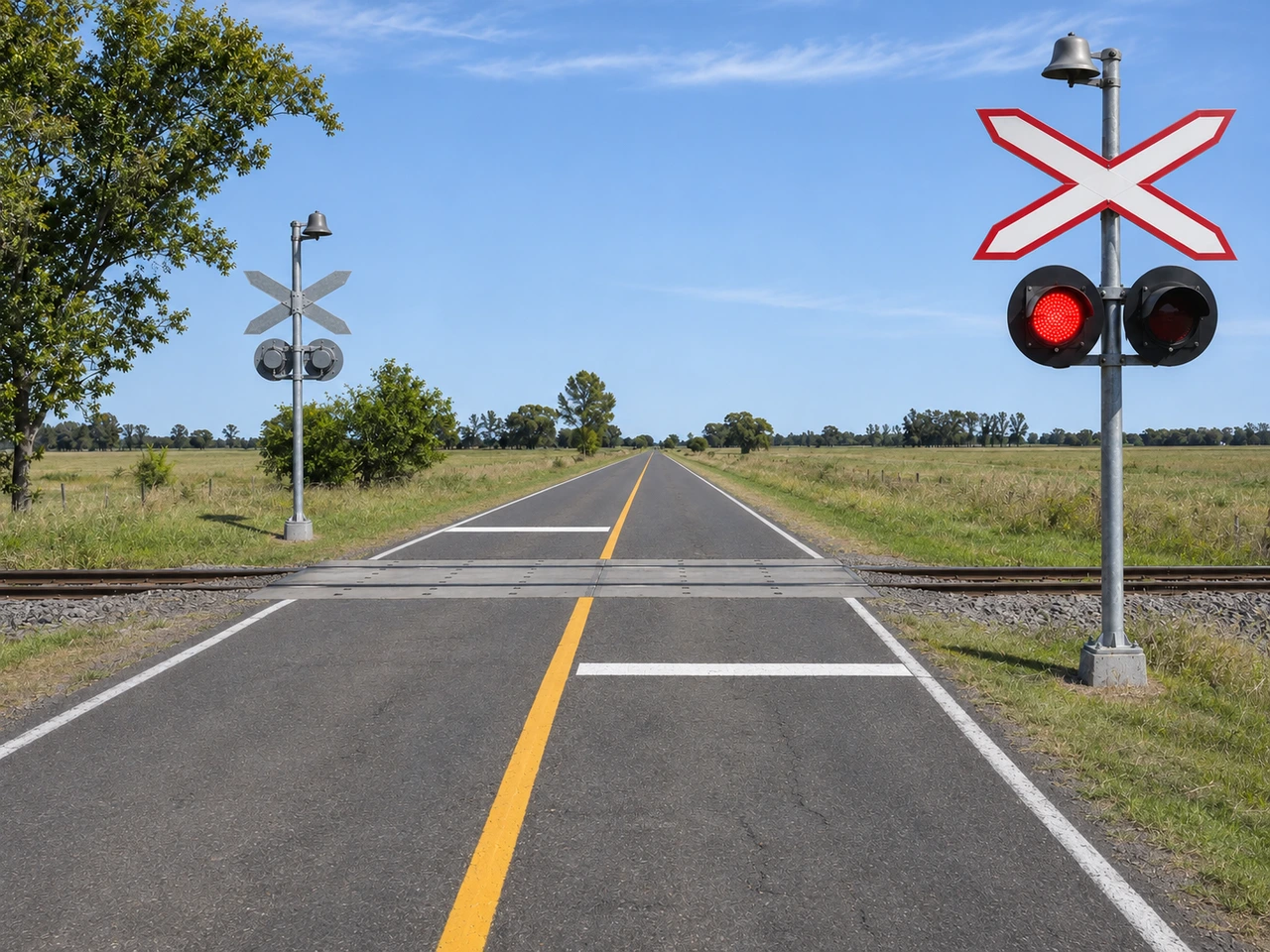
442. What should you do at a railway crossing with red warning lights flashing?
Flashing red warning lights mean stop. Wait until the red lights and audible warnings have stopped, any barriers are fully open, and the tracks and the road beyond are clear.
🔗 Sources
Argentina National Road Safety Agency — Driver manual: railway level crossings
Image credit: AI-generated
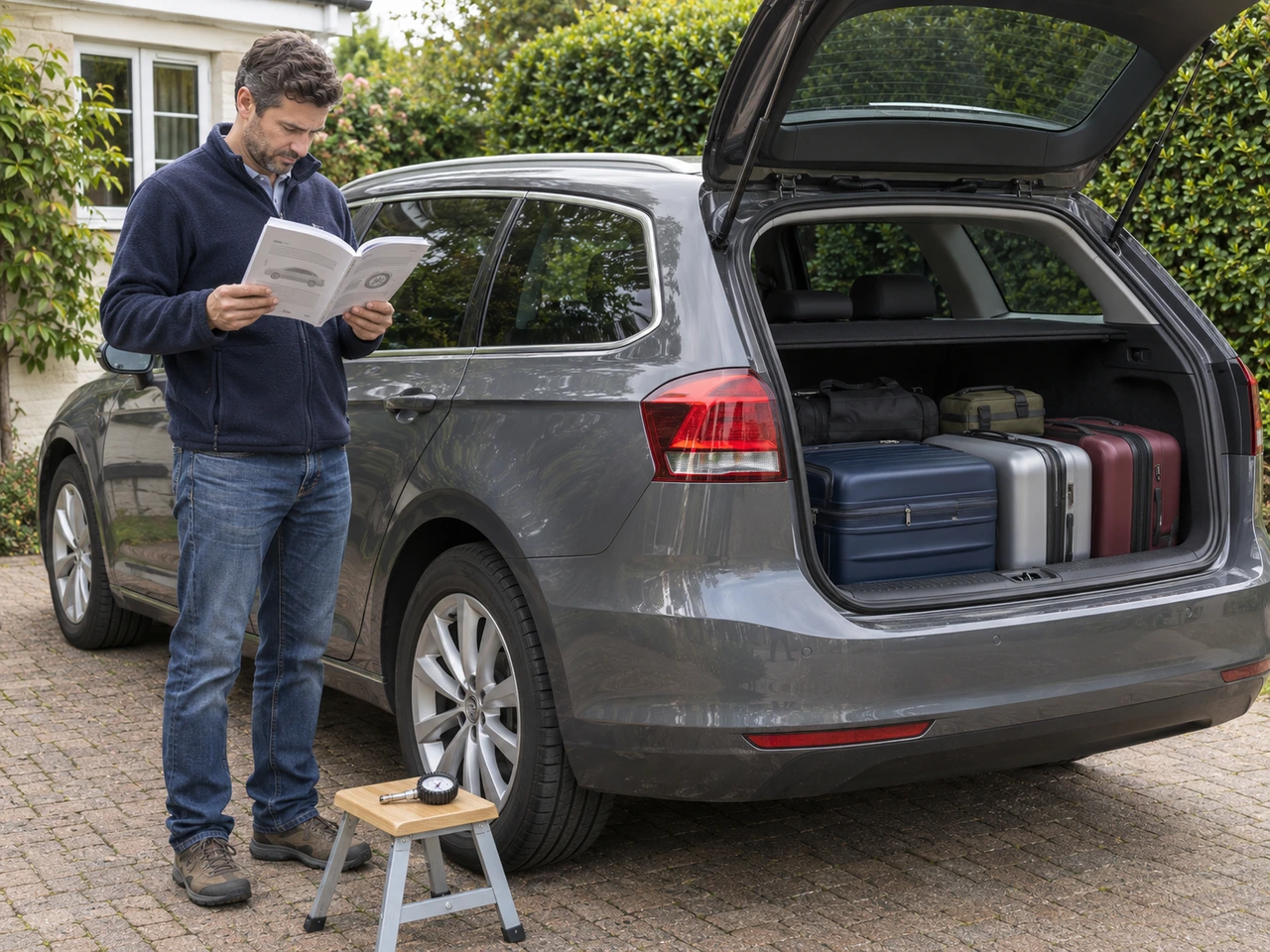
443. Where should you check the tyre-pressure setting for a fully loaded car?
Use the vehicle manufacturer's pressure specification for the load being carried. Check the handbook or vehicle data and measure pressures with cold tyres. Do not assume the lightly loaded setting is correct.
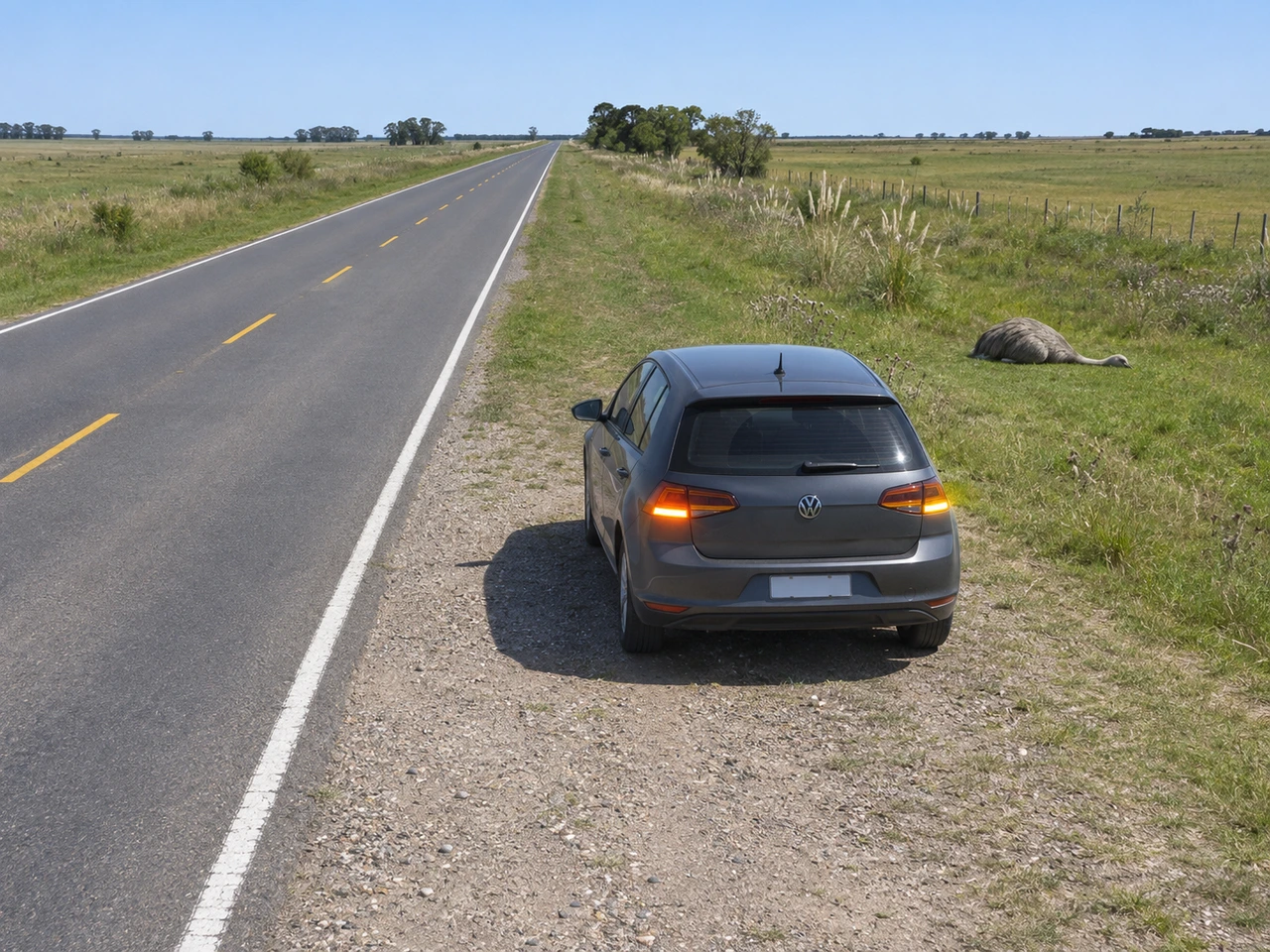
444. What should you do after hitting an animal with your vehicle?
After an animal collision, stop in a safe place if possible and protect yourself and other road users from further danger. Do not approach an injured or frightened animal unless it is safe to do so. Contact the appropriate police, road authority, animal service, or emergency service as required by the situation and local rules.
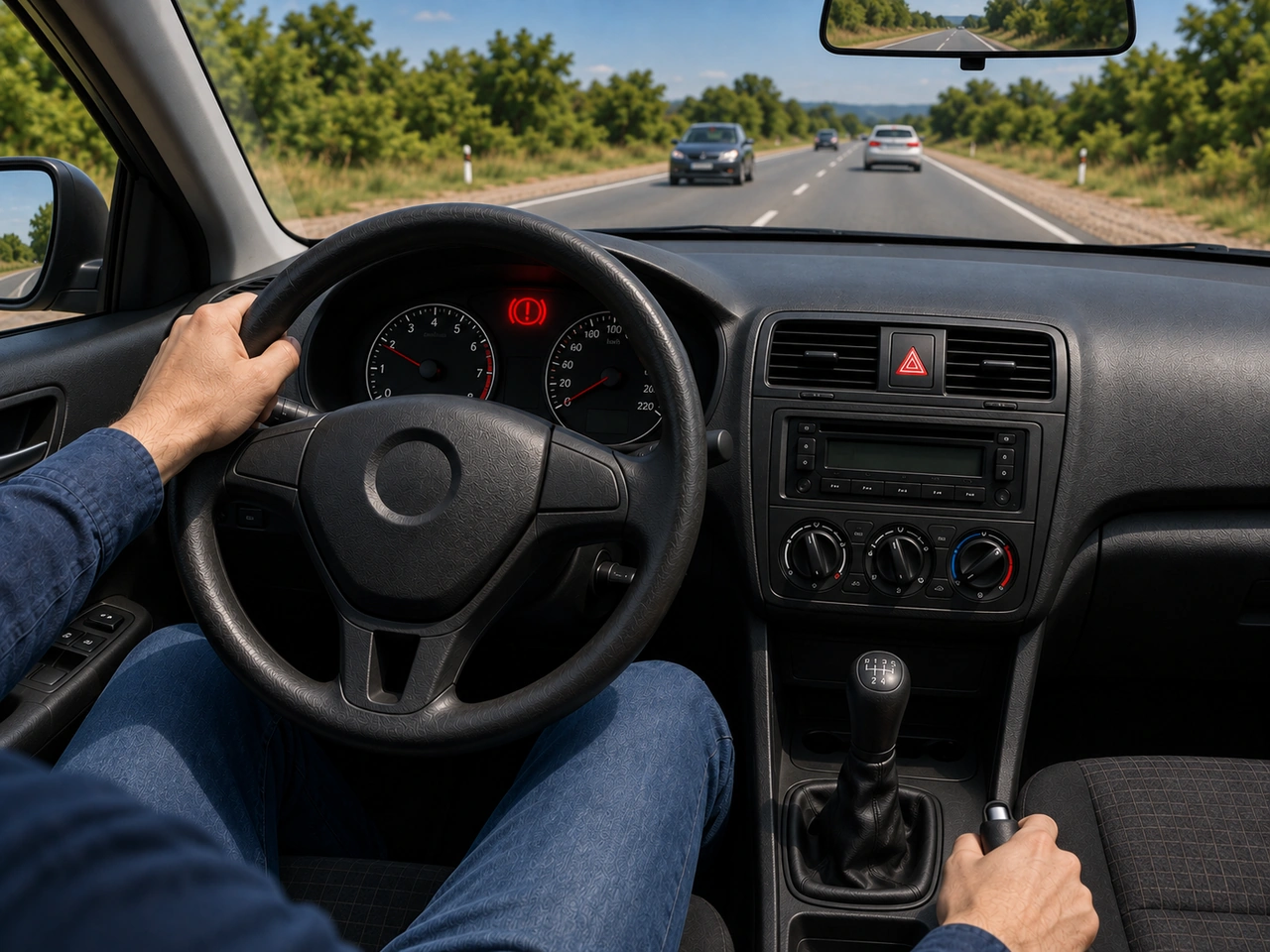
445. What should you do if the service brakes fail while driving?
Keep steering control, warn other road users and look for the safest available stopping area. Use engine braking by selecting a suitable lower gear where the vehicle permits. A parking or emergency brake may provide additional braking, but its operation depends on the vehicle: follow the handbook’s emergency procedure and avoid abrupt application that could cause a skid. Once stopped, arrange recovery and inspection rather than continuing to drive.
Where the vehicle permits, a suitable lower gear can help slow it. Follow your handbook for emergency braking and arrange recovery after stopping.
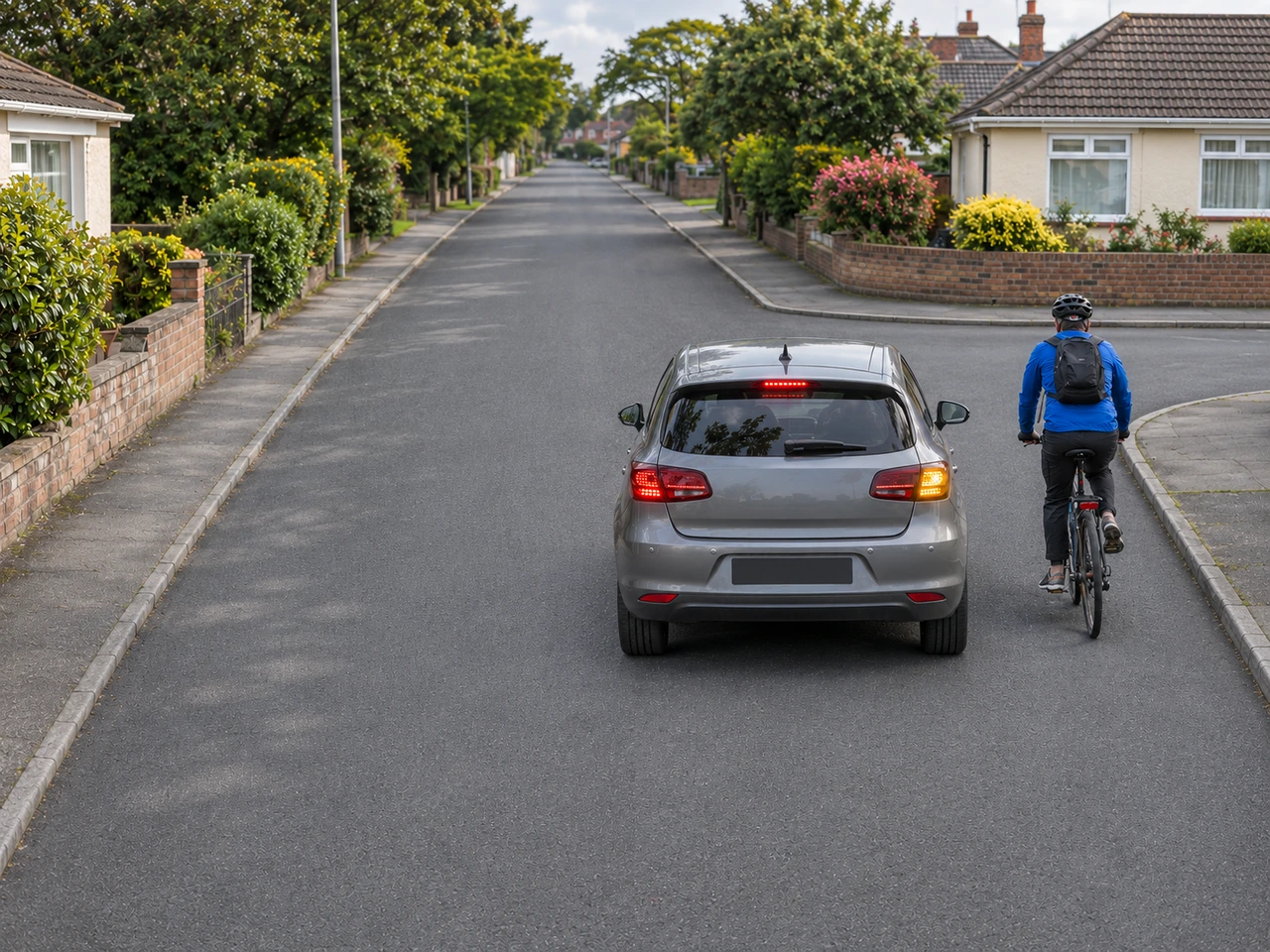
446. Why should you check for cyclists before turning?
Cyclists can be difficult to see, especially beside your vehicle or in a blind spot. Check mirrors and blind spots before turning.
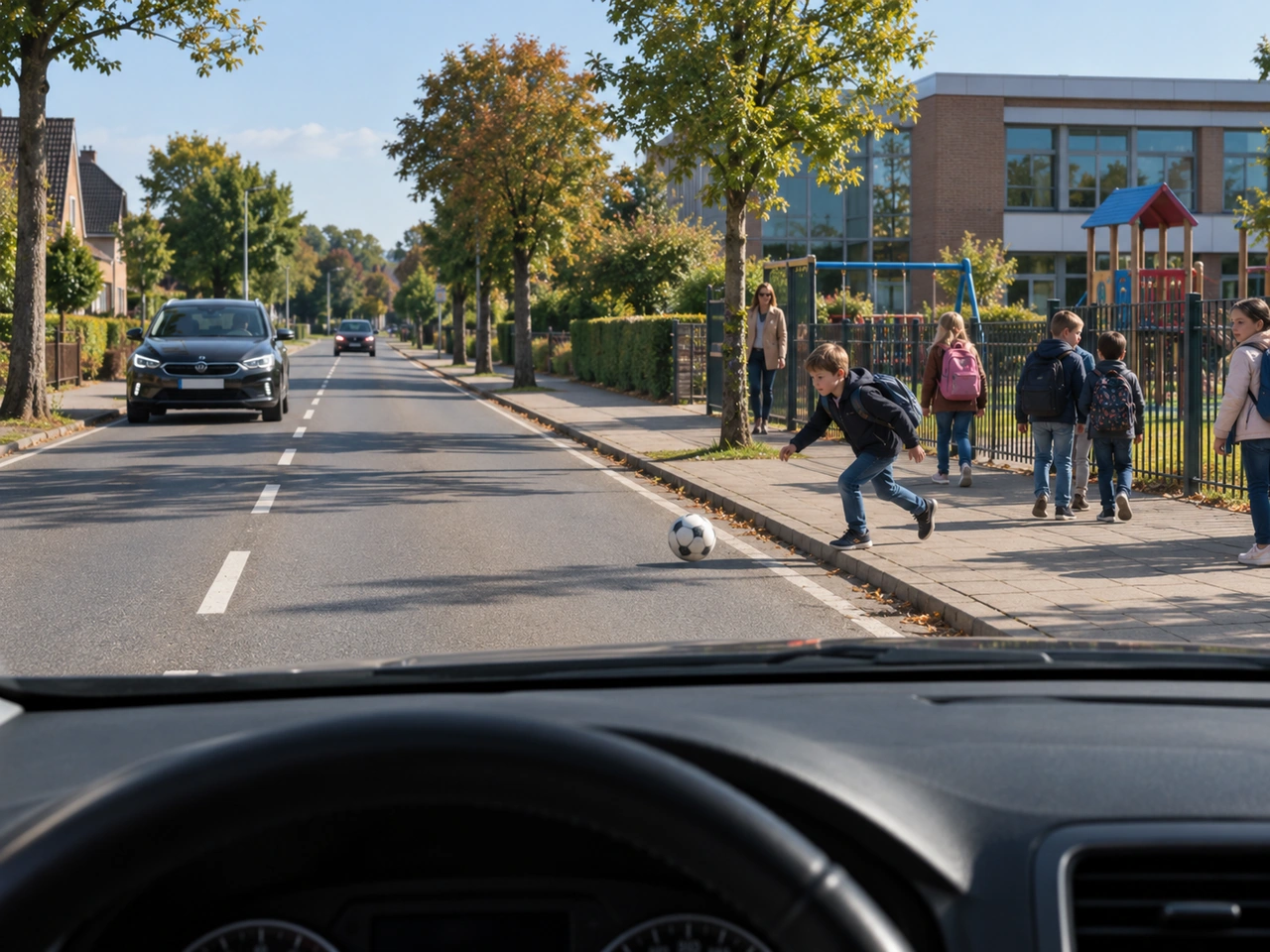
447. Why should you slow down near schools or playgrounds?
Children may suddenly cross the road or move unexpectedly, so drivers should slow down and stay alert near schools and playgrounds.
Argentina. When a school is operating, the national law sets a precautionary maximum of 20 km/h nearby. Slow further if needed to watch for children crossing.
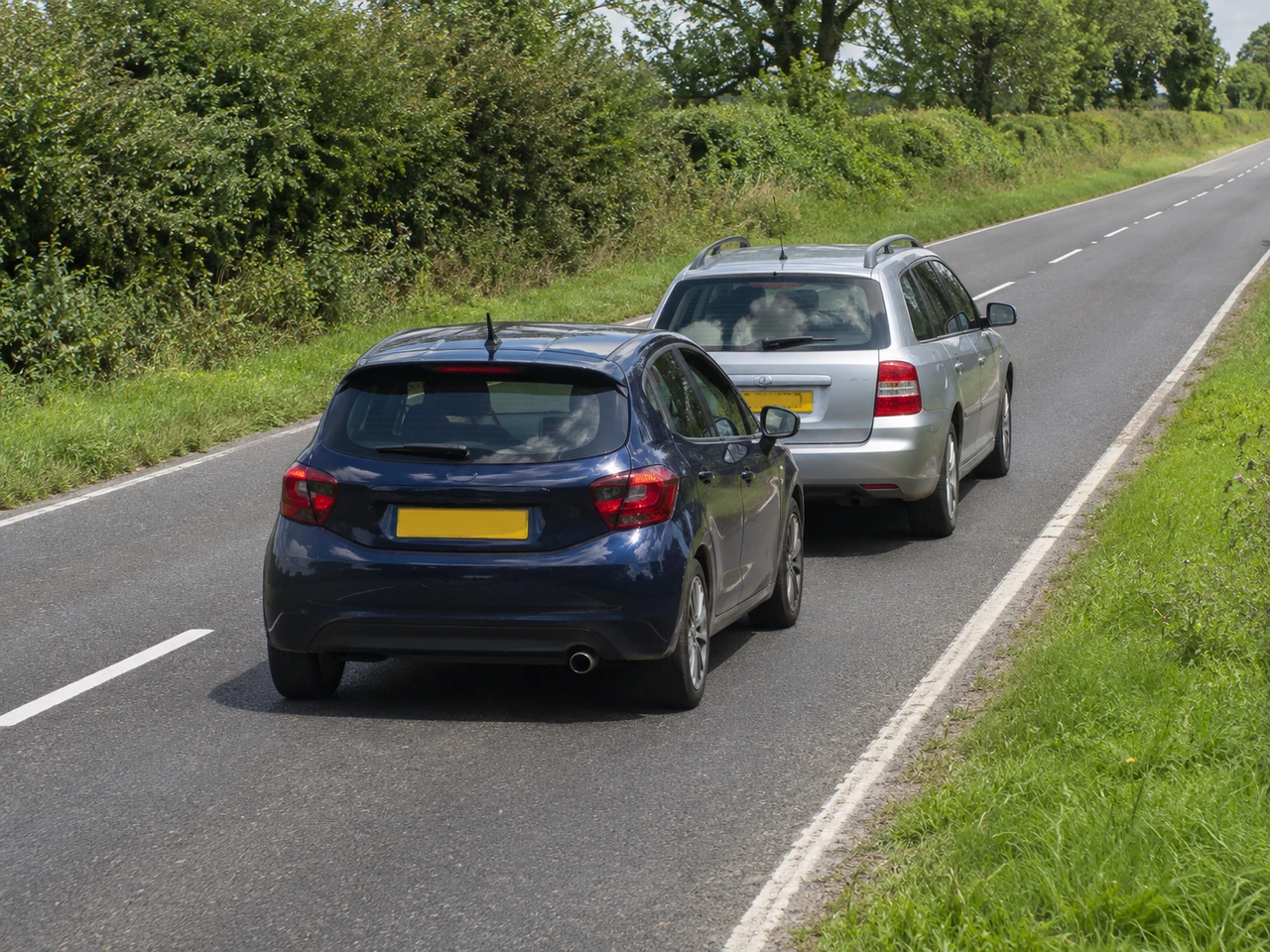
448. You should follow the vehicle in front as closely as possible in traffic.
You should keep a safe following distance so you have enough time to react if traffic slows or stops suddenly.
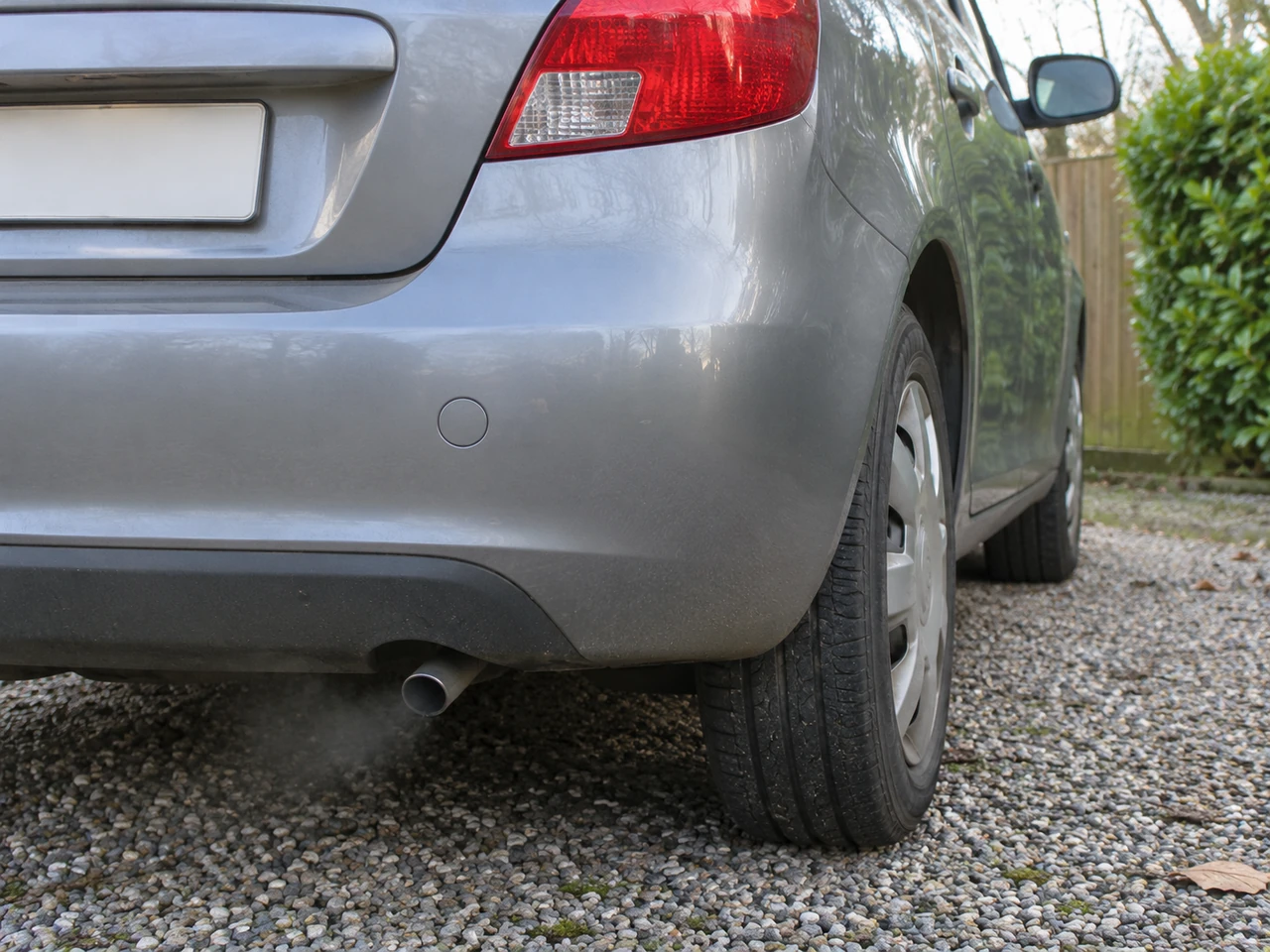
449. A petrol engine uses no fuel while idling in a parked car.
An idling petrol engine still burns fuel. Avoid unnecessary idling when safely parked, following the vehicle handbook. This does not mean switching the engine off while moving.
🔗 Sources
Vehicle Certification Agency (United Kingdom) • Safety guidance, Idling is wasting fuel
Image credit: AI-generated
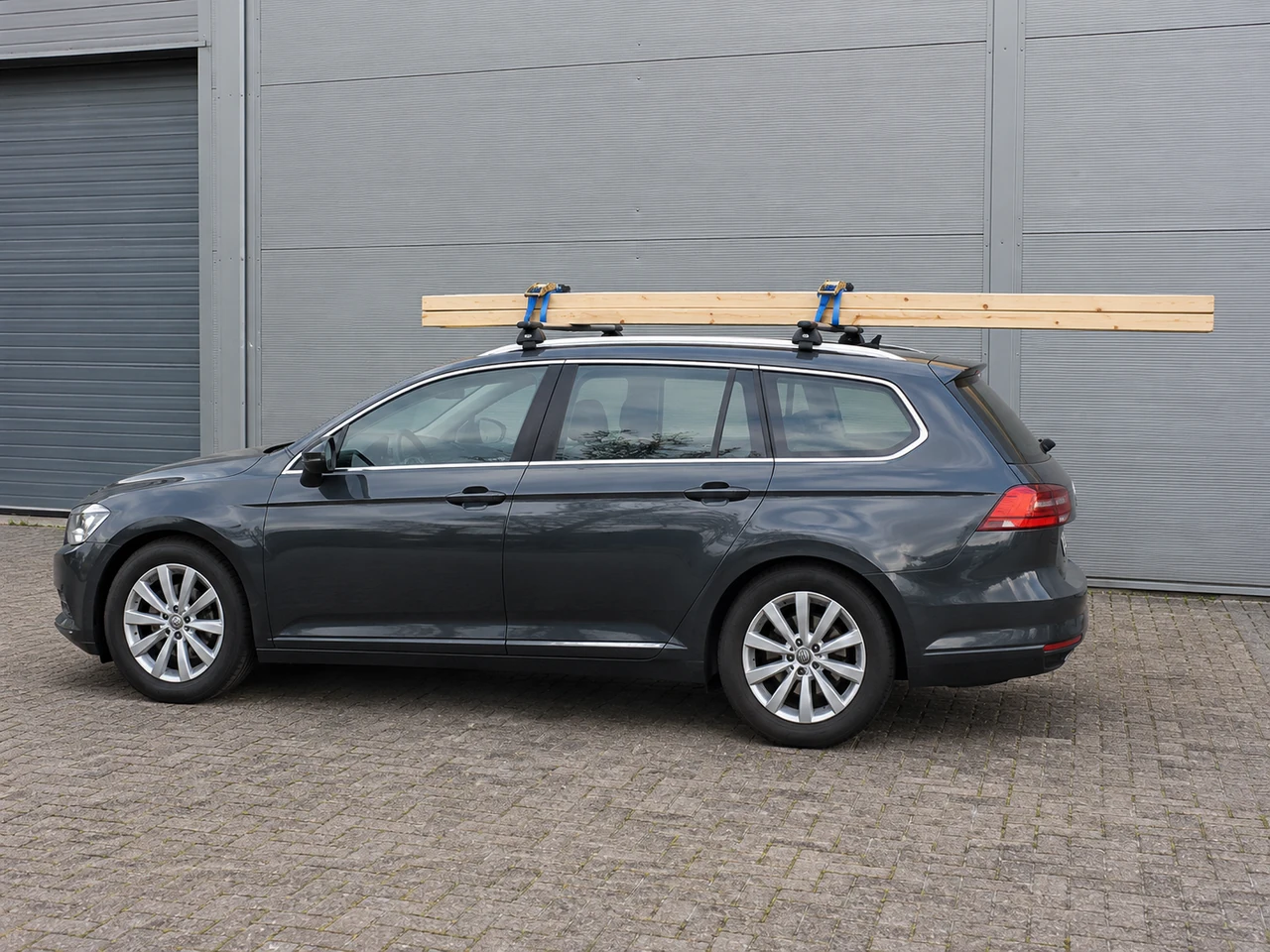
450. What should you do if a load extends beyond the vehicle?
An extending load may create additional danger and may require specific markings or equipment under local rules.