QuizTraffic rulesArgentina

Test your knowledge with our multiple-choice quiz. Learn from each answer and improve your understanding of the traffic rules and road signs of Argentina.

For informational purposes only. Always follow official regulations. Some content and images were created with AI assistance.


What should you do before joining a motorway?

451. What should you do before joining a motorway?

Signal and expect motorway traffic to make space for you.
Wait until the end of the slip road before checking for a gap.
✓ Check your mirrors and blind spot, signal, and look for a safe gap.
Check your mirrors only and assume the blind spot is clear.

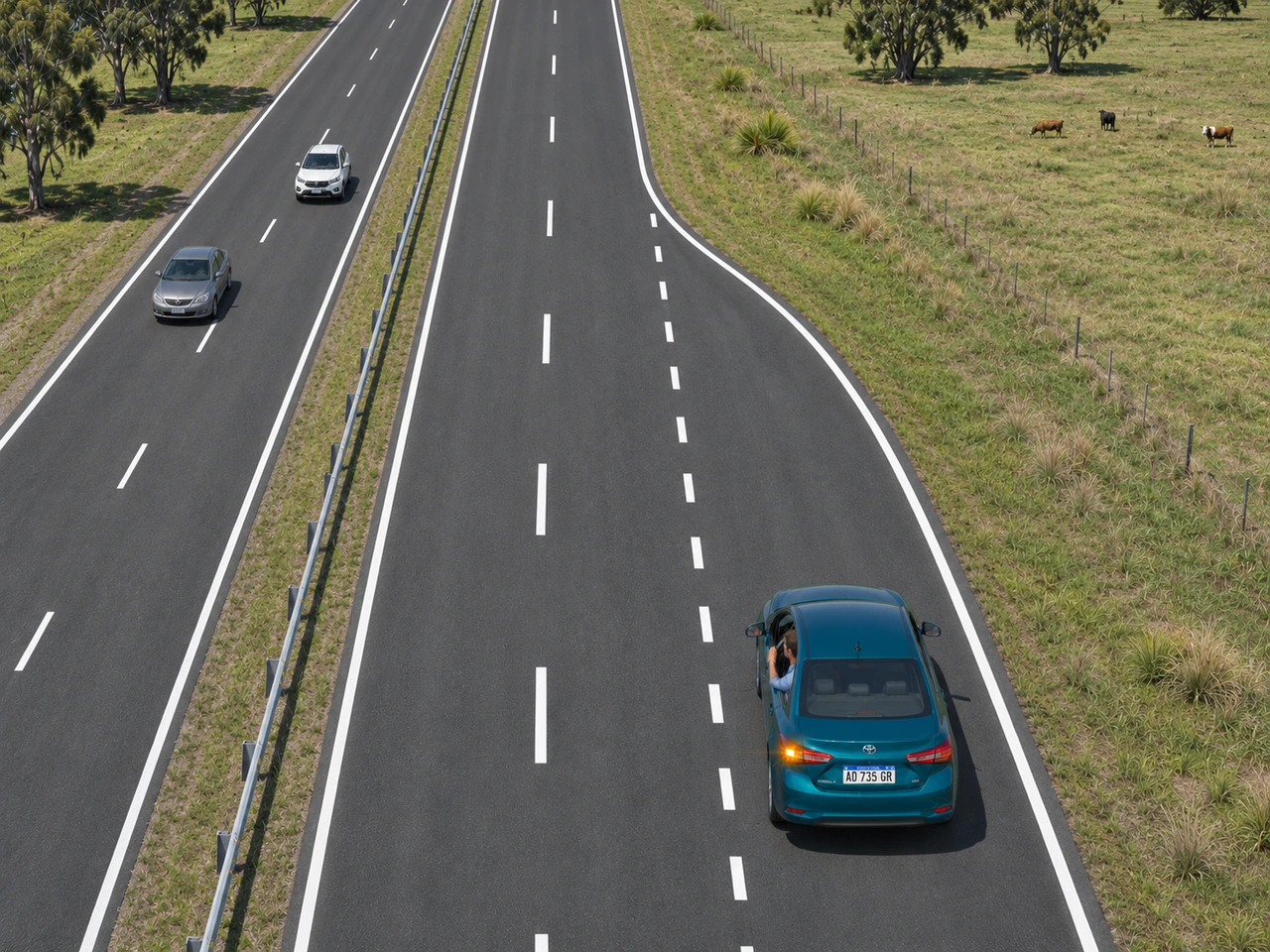
Observe motorway traffic early, signal clearly, and merge only when there is a safe gap.

Left-hand-drive driver checking traffic while signalling left in an Argentine motorway entry lane.
Look for a gap early. Check your mirrors and left blind spot, then signal before moving out of the entry lane.
🔗 Sources

Argentine National Traffic Law 24,449 · Articles 39 and 45

Image credit: AI-generated

What should you do when people are waiting at a pedestrian crossing?

452. What should you do when people are waiting at a pedestrian crossing?

✓ Slow down, be ready to stop and give way when required.
Continue if nobody has stepped onto the crossing.
Drive through if the pedestrians are still waiting.
Sound your horn so pedestrians wait.

Approach slowly enough to stop safely. Watch people waiting to cross and follow the local give-way rules for that crossing.
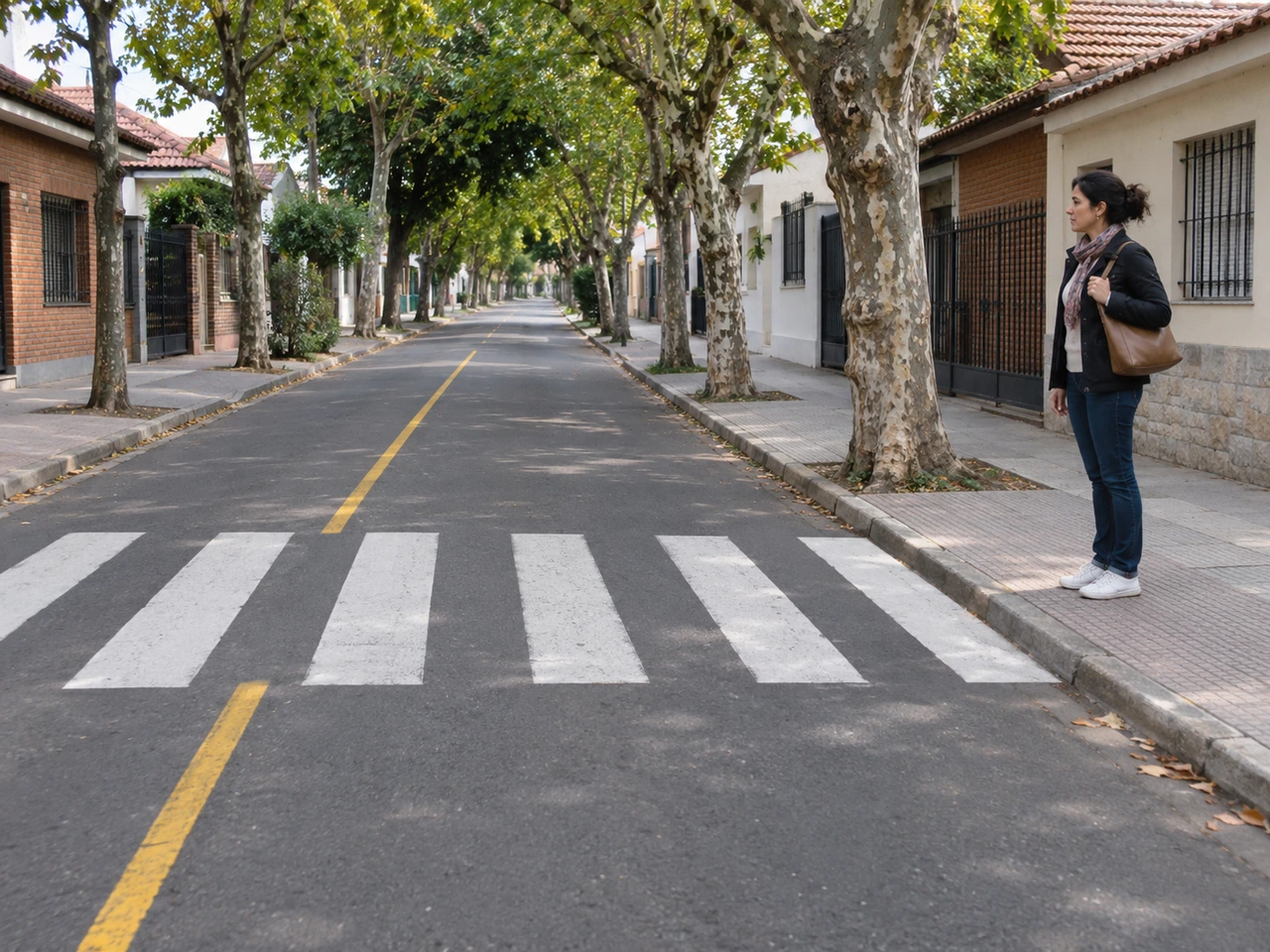
An adult waits at the kerb beside an Argentine zebra crossing. Pedestrians crossing at designated places have priority. Slow down on approach, watch the waiting pedestrian and stop when necessary to let pedestrians cross safely. Keep the crossing clear.
🔗 Sources

Argentine Decree 196/2025 — Annex L, H.5: pedestrian crossing markings and priority

Argentine Traffic Law 24449 — Article 41(e): pedestrian priority

Image credit: AI-generated

What should you do if you see fallen rocks on a mountain road?

453. What should you do if you see fallen rocks on a mountain road?

✓ Slow down. Stop if you cannot pass safely and legally.
Maintain speed and drive over smaller stones.
Swerve around them immediately without checking traffic.
Stop beside the rocks to inspect the road.

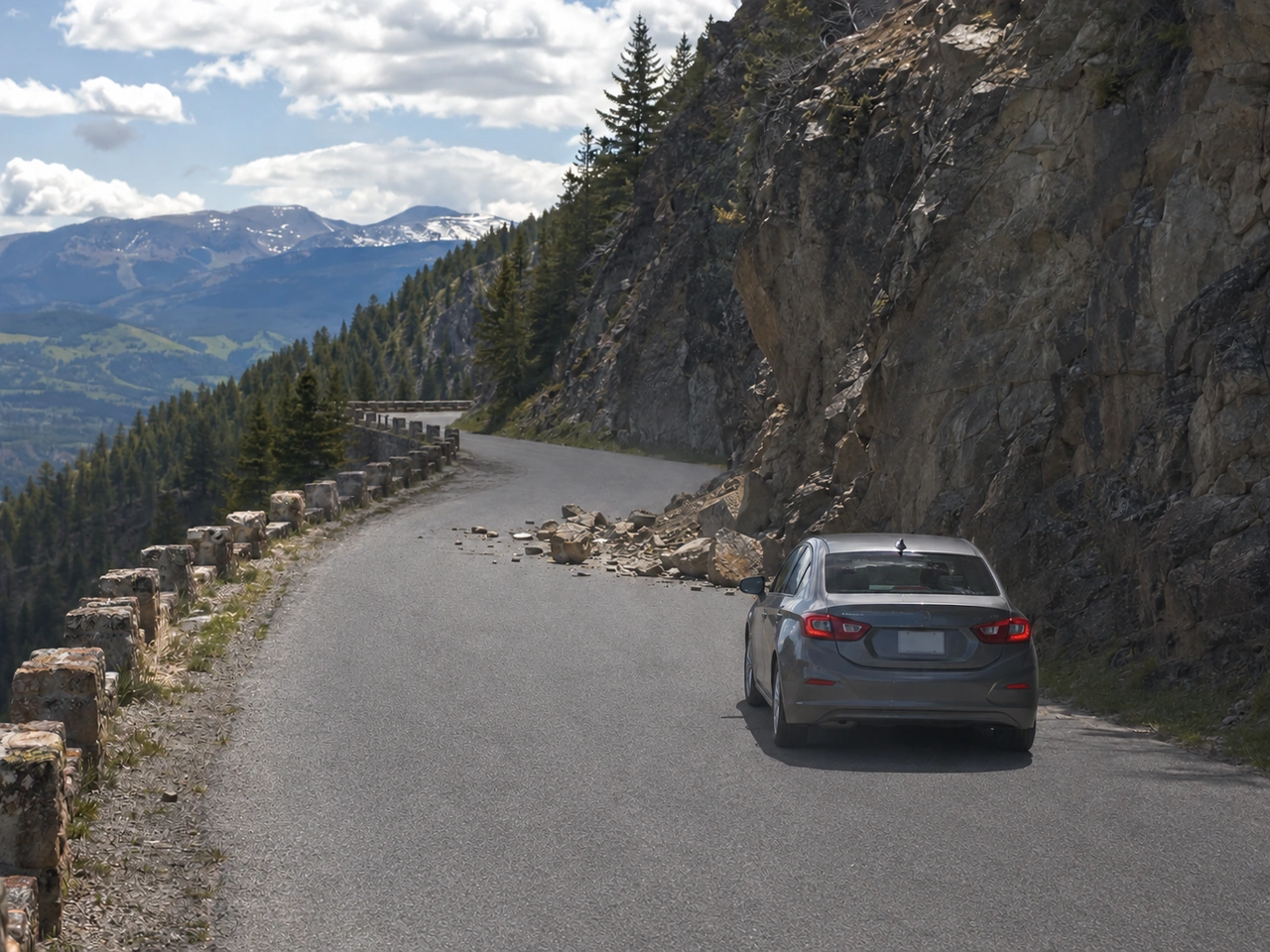
Loose rocks can damage tyres, affect steering, or block part of the road. Reduce speed and avoid sudden movements. If rocks are actively falling, do not enter or stop in the danger area. Keep a safe distance and, if necessary, wait in a safe place until it is safe to continue.

Slow before the rocks and stop if you cannot pass safely. Check the oncoming lane and road markings before moving around the obstruction.
🔗 Sources

Image credit: AI-generated, shared right-hand-traffic scene
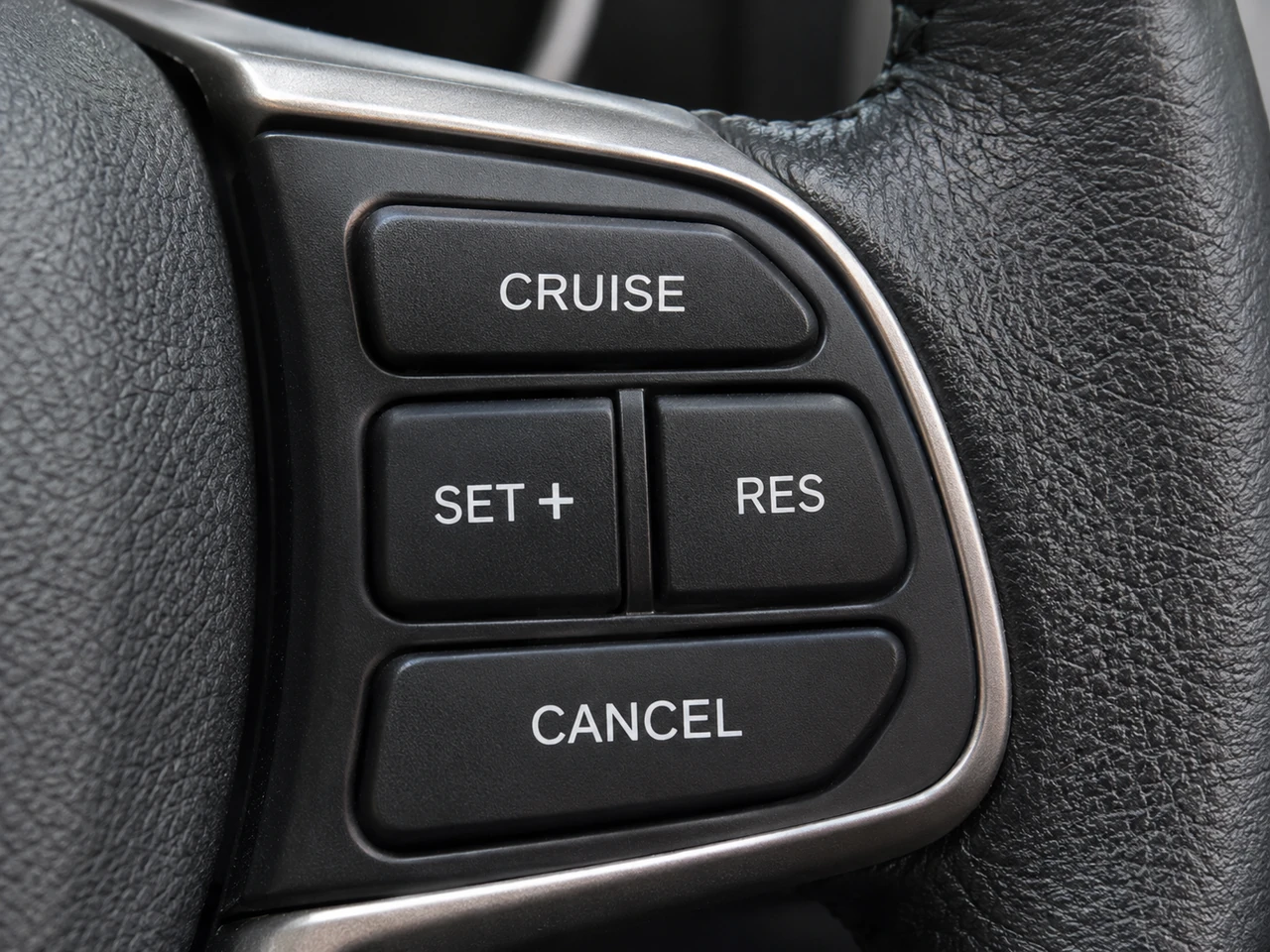
You should avoid using cruise control when the road surface is slippery.

454. You should avoid using cruise control when the road surface is slippery.

False.
✓ True.

Do not use cruise control on slippery roads. Control your speed directly, adapt it to the conditions and follow the vehicle handbook's restrictions on using the system.

Avoid cruise control on slippery roads. Do not use cruise control on slippery roads. Control your speed directly, adapt it to the conditions and follow the vehicle handbook's restrictions on using the system.
🔗 Sources

Ford owner’s manual (manufacturer guidance) • Safety guidance, cruise-control restrictions; follow your own vehicle’s handbook

Image credit: AI-generated
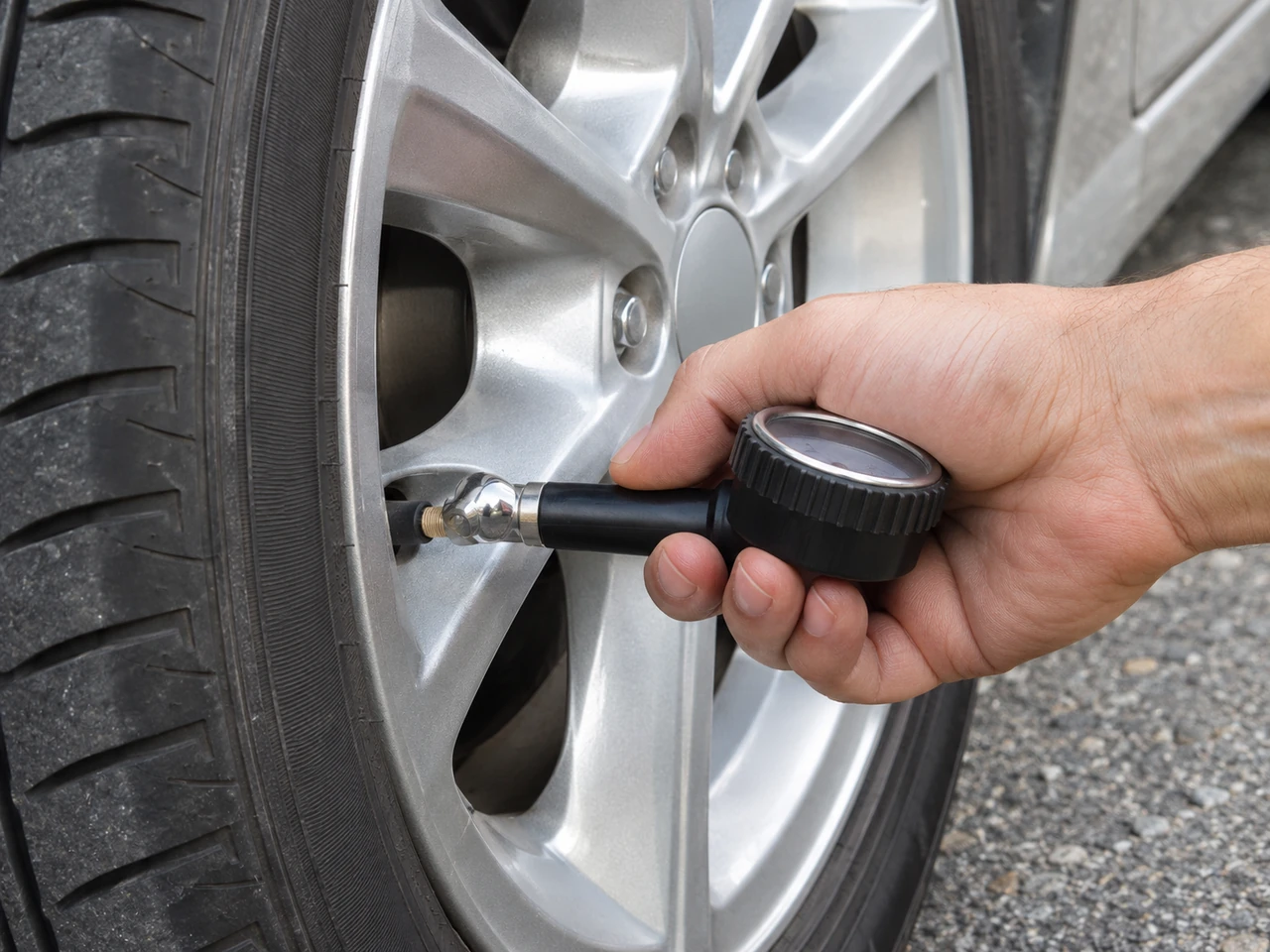
A tyre-pressure warning system removes the need for regular pressure checks.

455. A tyre-pressure warning system removes the need for regular pressure checks.

✓ False.
True.

Tyre-pressure monitoring is an aid, not a substitute for regular checks. Use a pressure gauge and follow the vehicle manufacturer's pressure and maintenance guidance.

TPMS does not replace pressure checks. Tyre-pressure monitoring is an aid, not a substitute for regular checks. Use a pressure gauge and follow the vehicle manufacturer's pressure and maintenance guidance.
🔗 Sources

NHTSA (United States) • Safety guidance, TPMS and regular tyre maintenance

Image credit: AI-generated
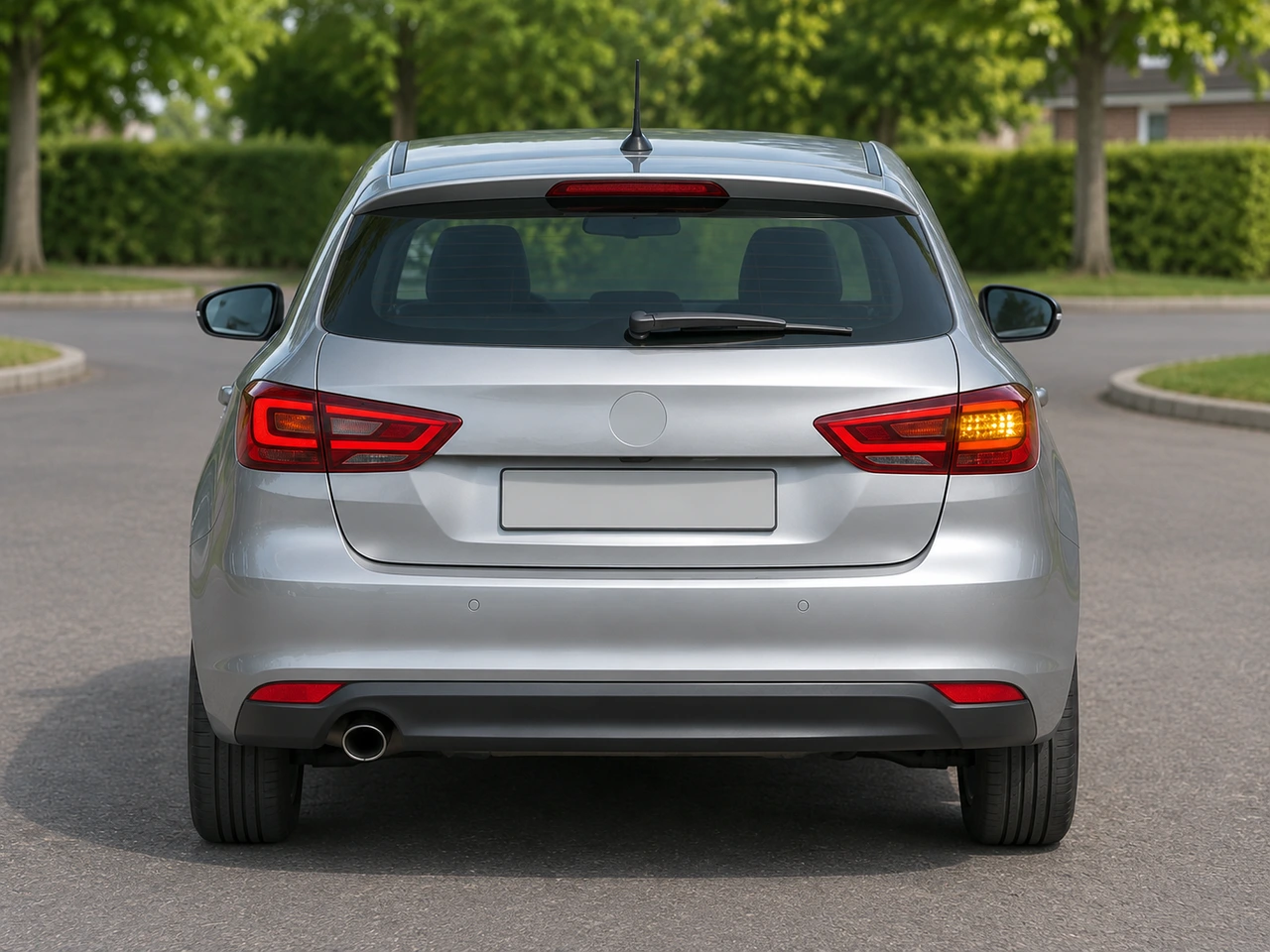
Why should you use your indicator before turning?

456. Why should you use your indicator before turning?

✓ To show other road users what you plan to do.
To show that the turn is safe to make.
To replace checking mirrors and blind spots.
To give yourself priority over other traffic.

Indicators help other drivers, cyclists, and pedestrians understand your intentions in time.

Vehicle indicator signalling an intended turn.
Argentina. When overtaking on the left, use the left indicator until you have finished moving out. Use the right indicator when moving back in.
🔗 Sources

National Traffic Law No. 24,449, article 42(c) and (d)

Image credit: AI-generated

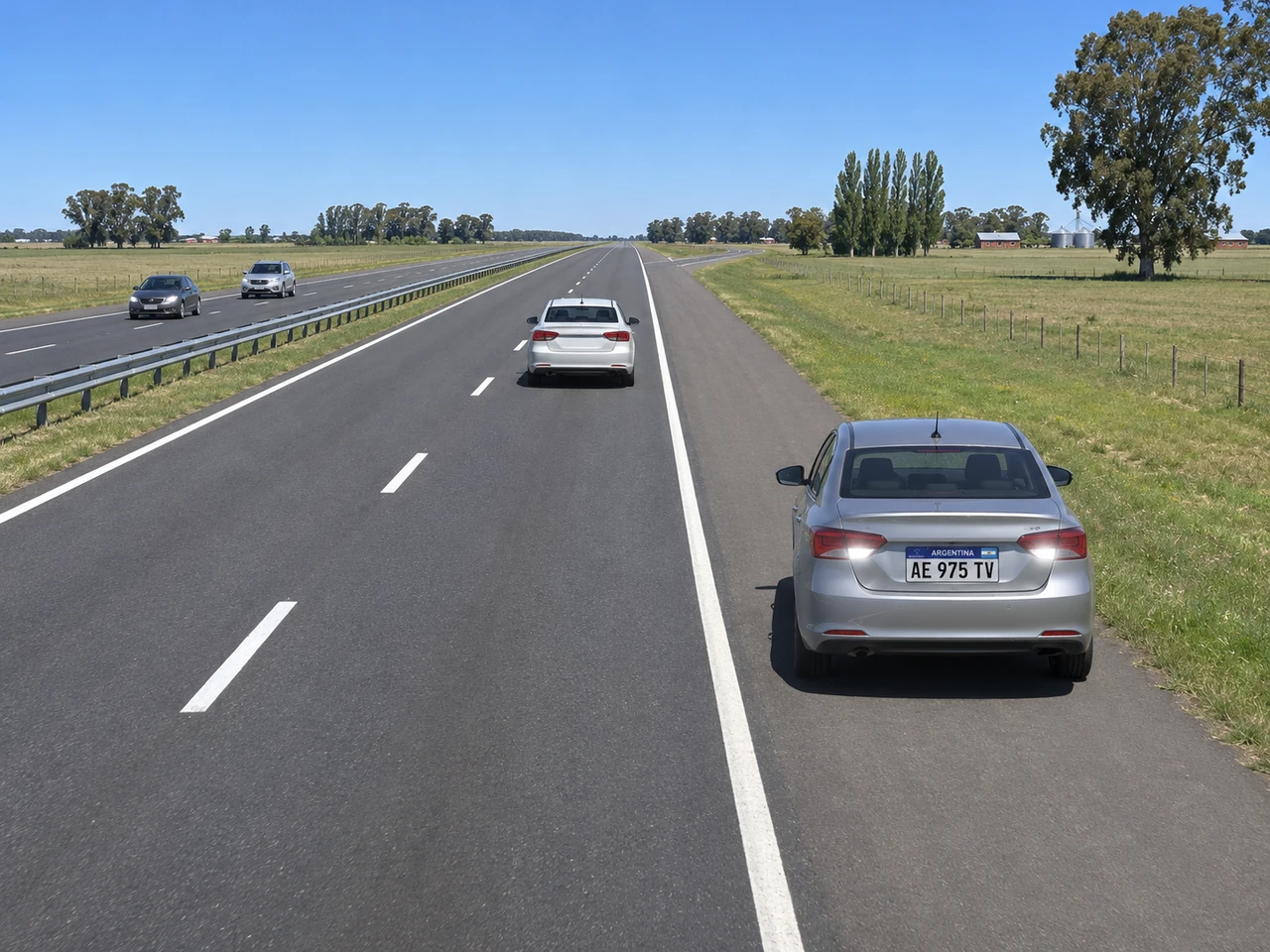
Why are reversing and making a U-turn on a motorway extremely dangerous?

457. Why are reversing and making a U-turn on a motorway extremely dangerous?

Motorway cameras may not recognise the vehicle correctly.
✓ Other drivers approach quickly and do not expect traffic facing them.
The steering may become heavier while turning around.
The vehicle may use more fuel during the manoeuvre.

Motorway traffic travels at high speed. Unexpected reversing or turning can cause a severe collision.

Sedan with white reversing lamps illuminated on an Argentine motorway hard shoulder beside moving traffic.
Reversing or turning across fast-moving traffic leaves approaching drivers little time to react. Continue to a suitable exit to change route.
🔗 Sources

Argentine National Traffic Law 24,449 · Article 48

Image credit: AI-generated

What should you do when an automatic vehicle is stationary in D?

458. What should you do when an automatic vehicle is stationary in D?

Release the parking brake.
Press the accelerator lightly.
✓ Keep the brake pedal pressed.
Select reverse gear.

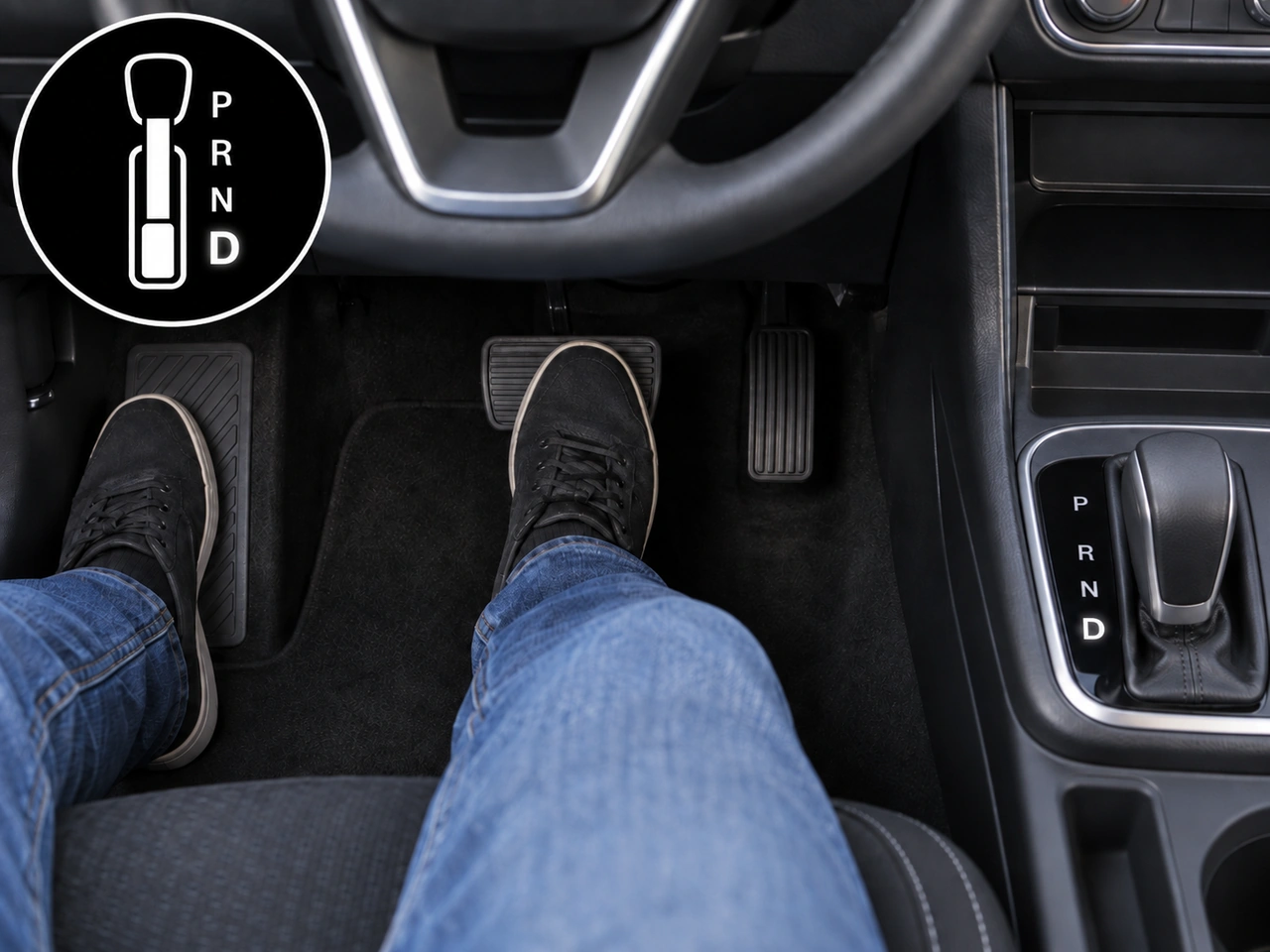
An automatic vehicle may creep forward when D (Drive) is selected, even without pressing the accelerator. Keep the brake pedal pressed while stationary to prevent unintended movement.

Automatic gear selector in Drive and brake-pedal control.
With Drive selected, some automatic cars begin to move as soon as you release the brake. Hold the brake until you are ready to move.
🔗 Sources

Mazda owner’s manual · Automatic transmission and creep

Image credit: AI-generated

A trailer's jockey wheel can be left touching the road while towing.

459. A trailer's jockey wheel can be left touching the road while towing.

True.
✓ False.

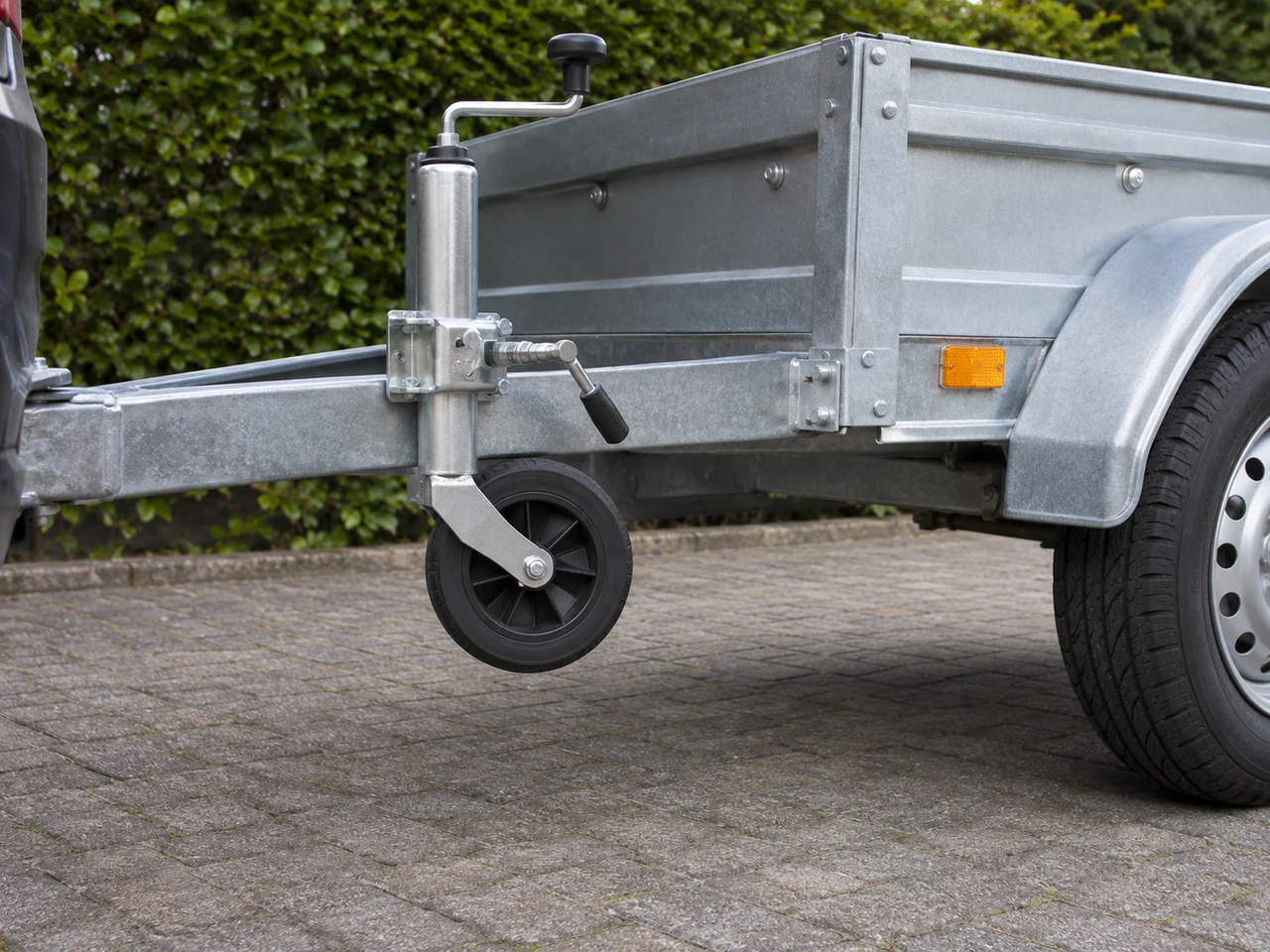
Raise and secure the jockey wheel in its specified travelling position before towing. A wheel left down can strike the road or obstacles. Follow the trailer and jockey-wheel instructions for retraction and clamping.

Raise and secure the jockey wheel for towing. Raise and secure the jockey wheel in its specified travelling position before towing. A wheel left down can strike the road or obstacles. Follow the trailer and jockey-wheel instructions for retraction and clamping.
🔗 Sources

National Trailer and Towing Association (Great Britain) • Safety guidance, pre-journey checks: jockey wheel and steadies secured

Image credit: AI-generated
What should a designated driver do?

460. What should a designated driver do?

Stop drinking shortly before driving.
Drink only low-alcohol drinks.
Do not carry passengers who have been drinking.
✓ Remain alcohol-free for the entire journey.

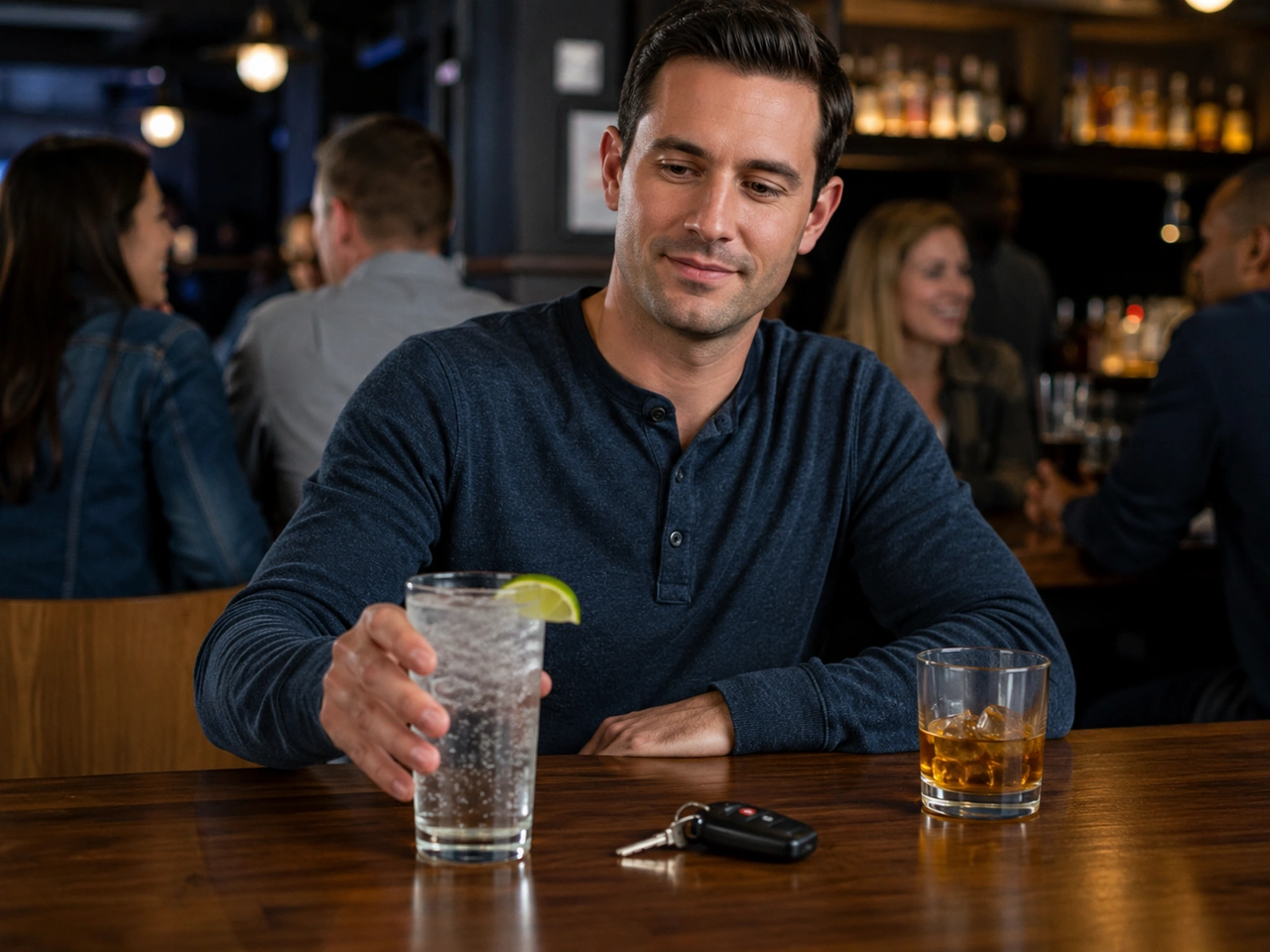
A designated driver should remain sober so they can drive safely and respond properly to traffic conditions.

Alcohol-free designated driver for a journey.
Argentina. Choose a designated driver before the outing and agree that they will stay alcohol-free throughout. If everyone has been drinking, arrange another way home.
🔗 Sources

NHTSA · Drunk Driving

Image credit: AI-generated

Why should you keep a dropped kerb at a pedestrian crossing point clear?

461. Why should you keep a dropped kerb at a pedestrian crossing point clear?

It provides a place to stop while using a phone.
✓ People may need it to cross without using a step.
It is intended as extra space for loading.
It is intended for parking small vehicles.

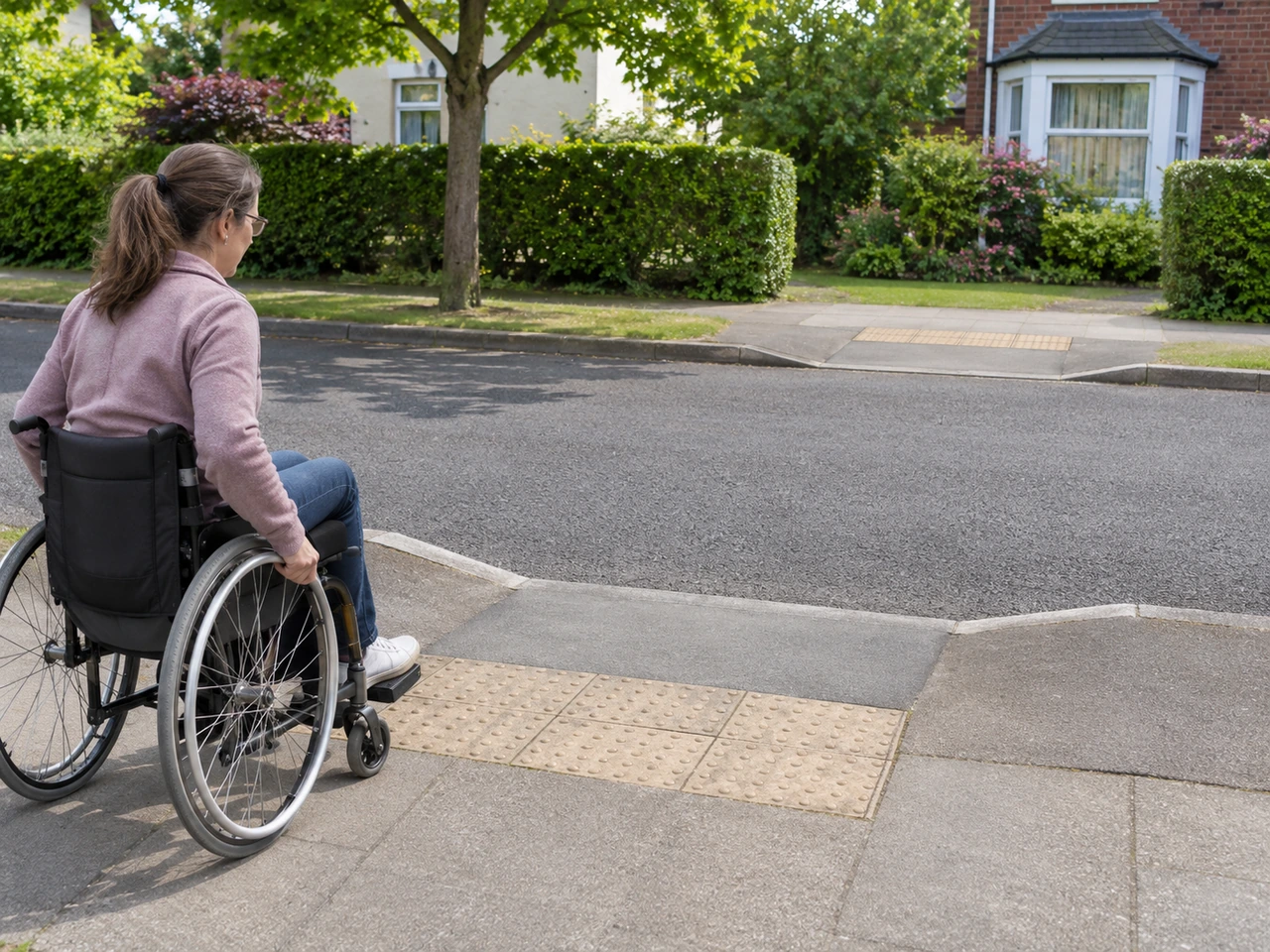
A dropped kerb helps wheelchair users and people with pushchairs cross the road. Blocking it can obstruct their route and force them towards moving traffic.
A dropped kerb providing an accessible pedestrian crossing point. General road-safety guidance: A dropped kerb helps wheelchair users and people with pushchairs cross the road. Blocking it can obstruct their route and force them towards moving traffic.
🔗 Sources

GOV.UK — Great Britain
Reference: Rule 243

Image credit: AI-generated

What should you do if the charging-system warning stays on while driving?

462. What should you do if the charging-system warning stays on while driving?

Switch on more electrical systems to test the battery.
✓ Switch off unnecessary equipment, stop safely, and seek help.
Increase engine speed until the warning light goes out.
Restart the engine repeatedly to reset the warning.

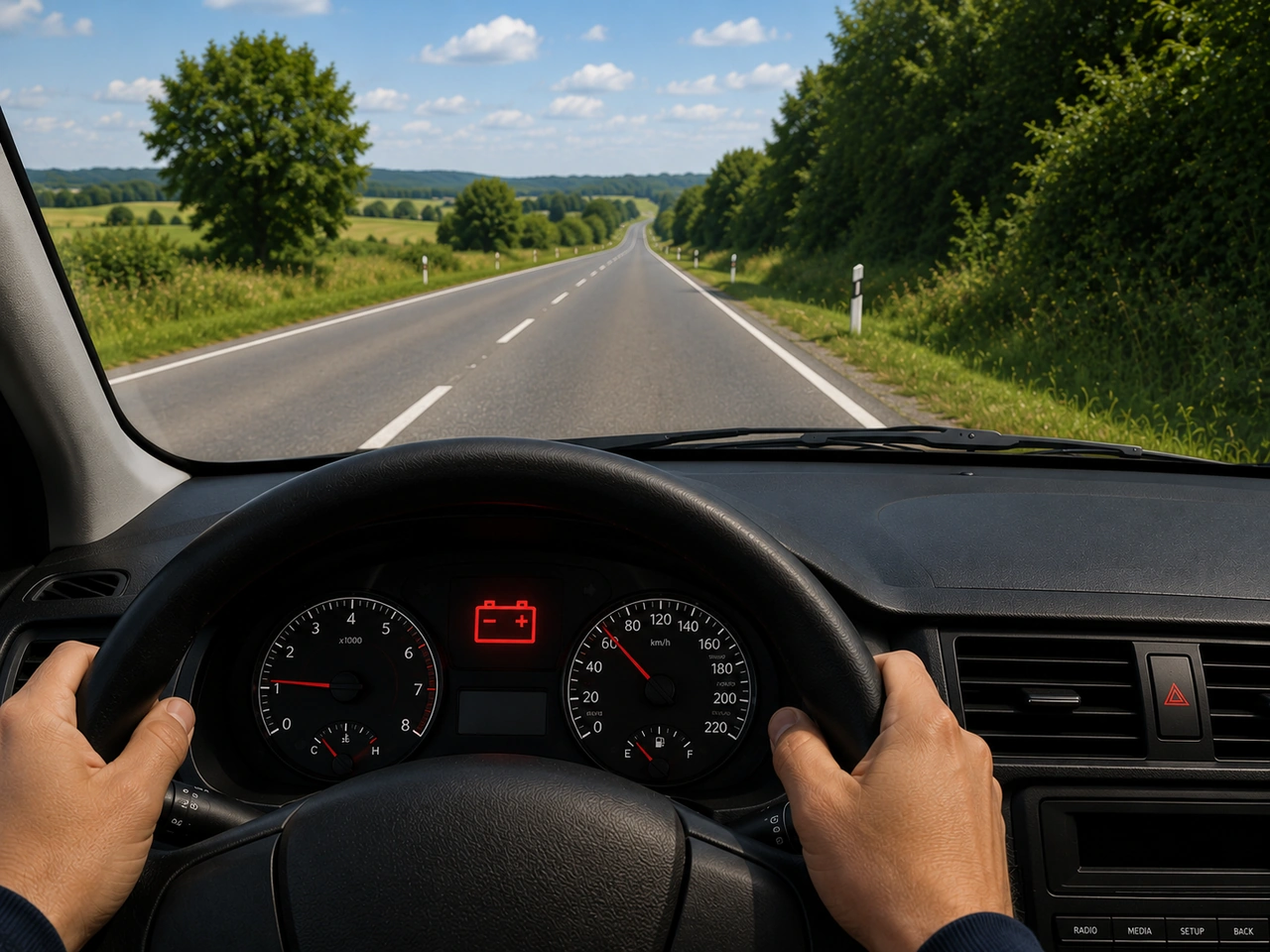
A persistent charging-system warning while driving can indicate a low-voltage charging fault. Switch off unnecessary electrical equipment, but retain the lights, wipers and other equipment needed for safety. Stop safely and follow the vehicle handbook or request assistance. Do not assume the warning simply means that the battery needs charging, and do not repeatedly restart the engine to try to clear it. Charging arrangements and required actions vary by vehicle.

Charging-system warning illuminated on the dashboard.
Investigate promptly: a battery-charging fault can eventually deprive lights and other electrical systems of power.
🔗 Sources

GOV.UK (Great Britain), Annex 6.

Image credit: AI-generated

How should the distance you can see clearly ahead affect your speed at night?

463. How should the distance you can see clearly ahead affect your speed at night?

Use the speed of an oncoming vehicle as your guide.
Maintain your daytime speed if the road is familiar.
Accelerate when the road ahead becomes harder to see.
✓ Keep a speed that lets you stop within the clear view.

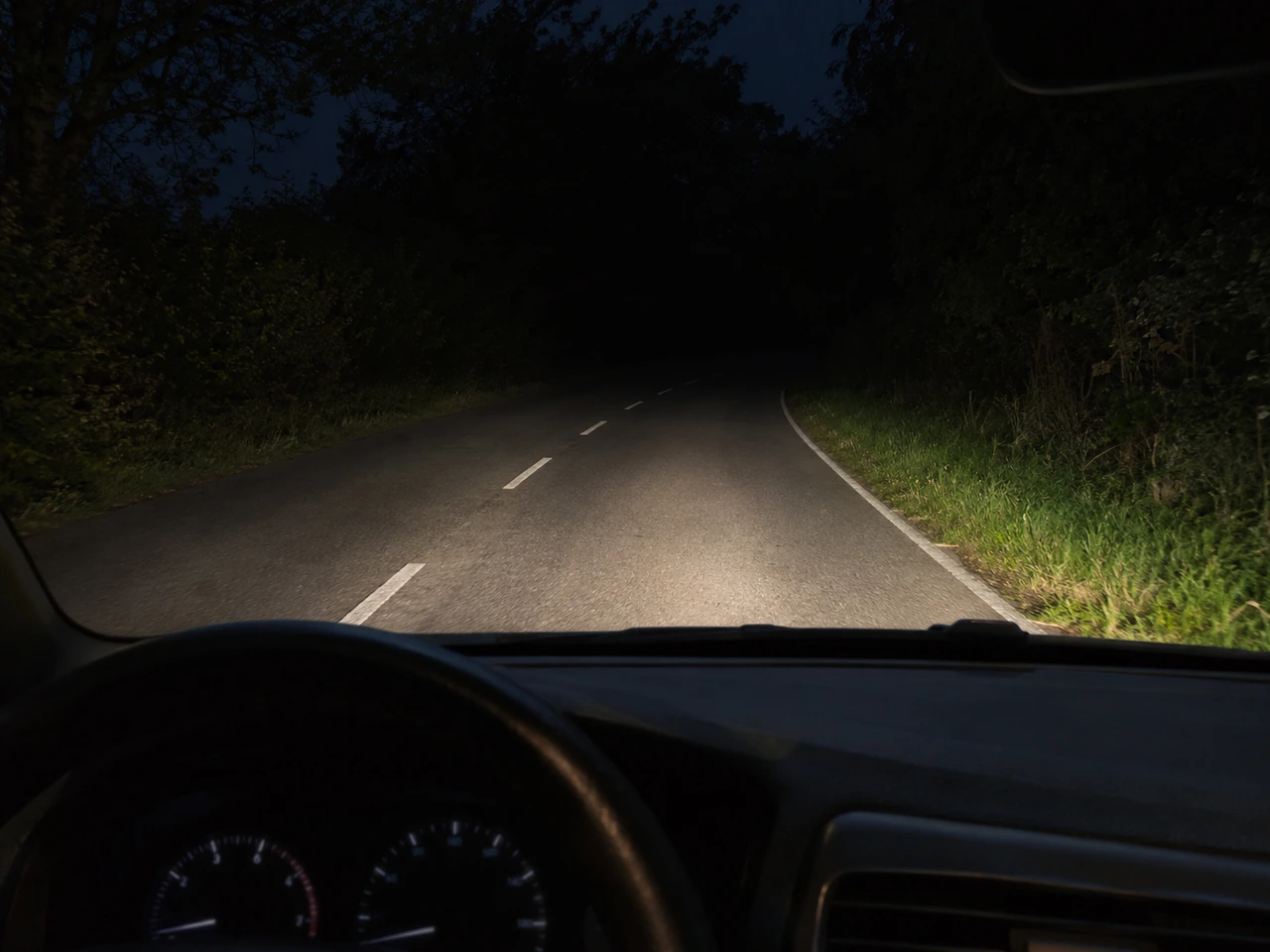
Choose a speed that leaves enough distance to react and brake within the road you can see is clear. Reduce speed when darkness, bends or other obstructions shorten that view.
Limited headlight visibility on an unlit road at night. General road-safety guidance: Choose a speed that leaves enough distance to react and brake within the road you can see is clear. Reduce speed when darkness, bends or other obstructions shorten that view.
🔗 Sources

GOV.UK — Great Britain
Reference: Rules 126 and 154

Image credit: AI-generated

How should you react if accelerating causes a skid on ice?

464. How should you react if accelerating causes a skid on ice?

Apply the parking brake to straighten the vehicle.
Steer rapidly from side to side.
Accelerate sharply to regain traction.
✓ Ease off the accelerator smoothly and steer gently.

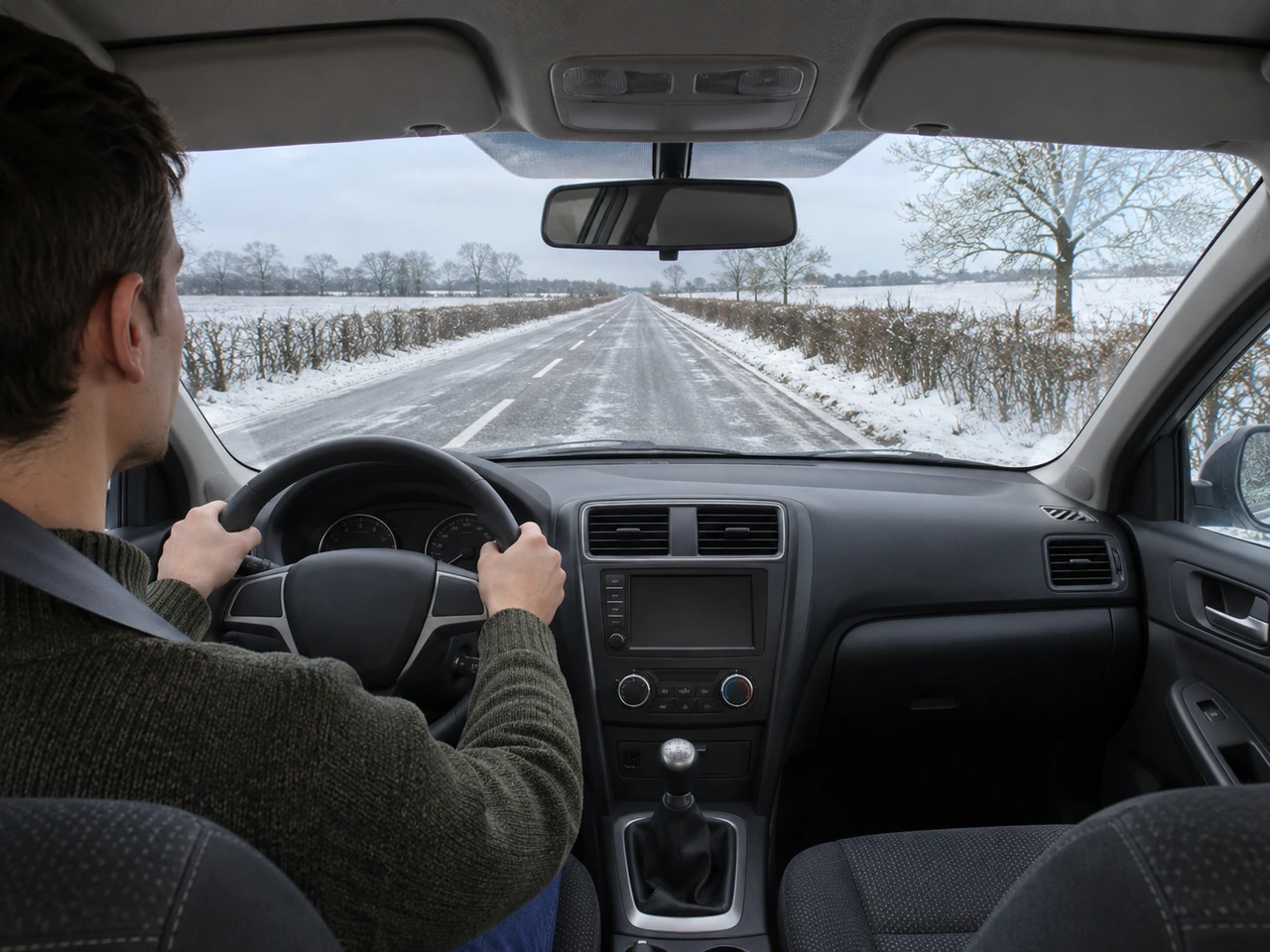
If excessive acceleration makes the tyres slip, ease off smoothly so they can regain grip. Look along your intended path and avoid sharp steering corrections. Do not try to restore grip by accelerating harder, stamping on the brake or applying the parking brake. The correct recovery also depends on the vehicle and the type of skid; follow the handbook.

A driver holds the steering wheel on a wintry road.
🔗 Sources

Great Britain — Highway Code, rule 231; smooth winter controls

Great Britain — Highway Code, rule 119; harsh inputs and loss of grip

Image credit: AI-generated
Why should you leave extra space when passing cyclists in strong winds?

465. Why should you leave extra space when passing cyclists in strong winds?

Wind increases the pressure in bicycle tyres.
Cyclists always ride more slowly in strong winds.
✓ They may be blown sideways unexpectedly.
Strong wind makes bicycle brakes less effective.

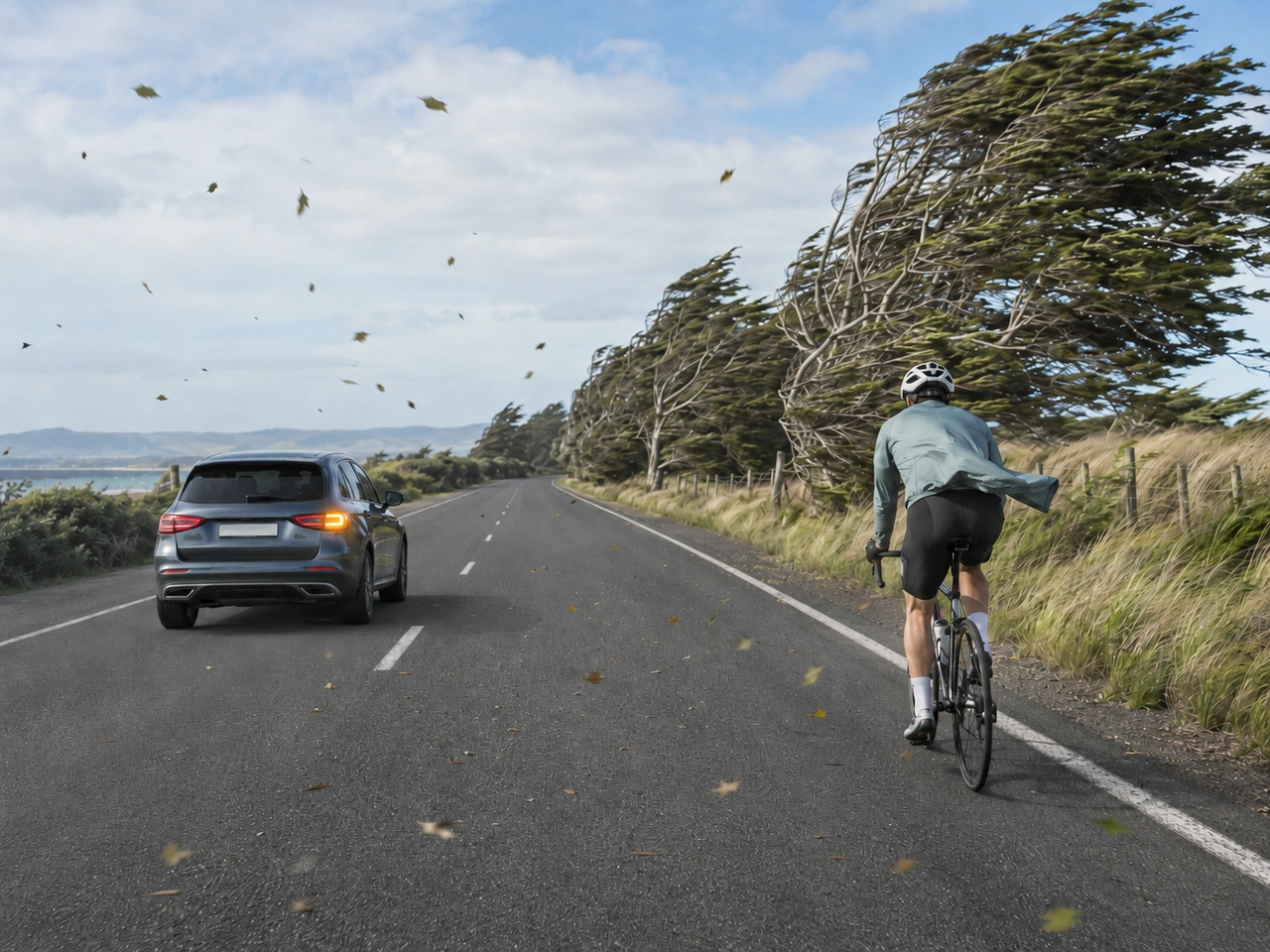
A gust can move a cyclist sideways without warning. Slow down and leave enough room for that movement, allowing more space than a legal minimum when necessary. Wait behind if the wind, road width, visibility or oncoming traffic makes passing unsafe. The illustrations show a driver waiting before overtaking; they do not demonstrate a measured lateral passing distance.

Car giving a cyclist extra passing space in strong wind

Argentina. Under the national framework, article 42 requires sufficient clear road and visibility for a safe overtake. Leave extra room for a cyclist to move in a gust; wait if a safe pass is unavailable. Provincial and local requirements must also be checked; no nationwide numerical passing distance is asserted here.
🔗 Sources

Argentina • Law 24,449, article 42: overtaking

Image credit: AI-generated

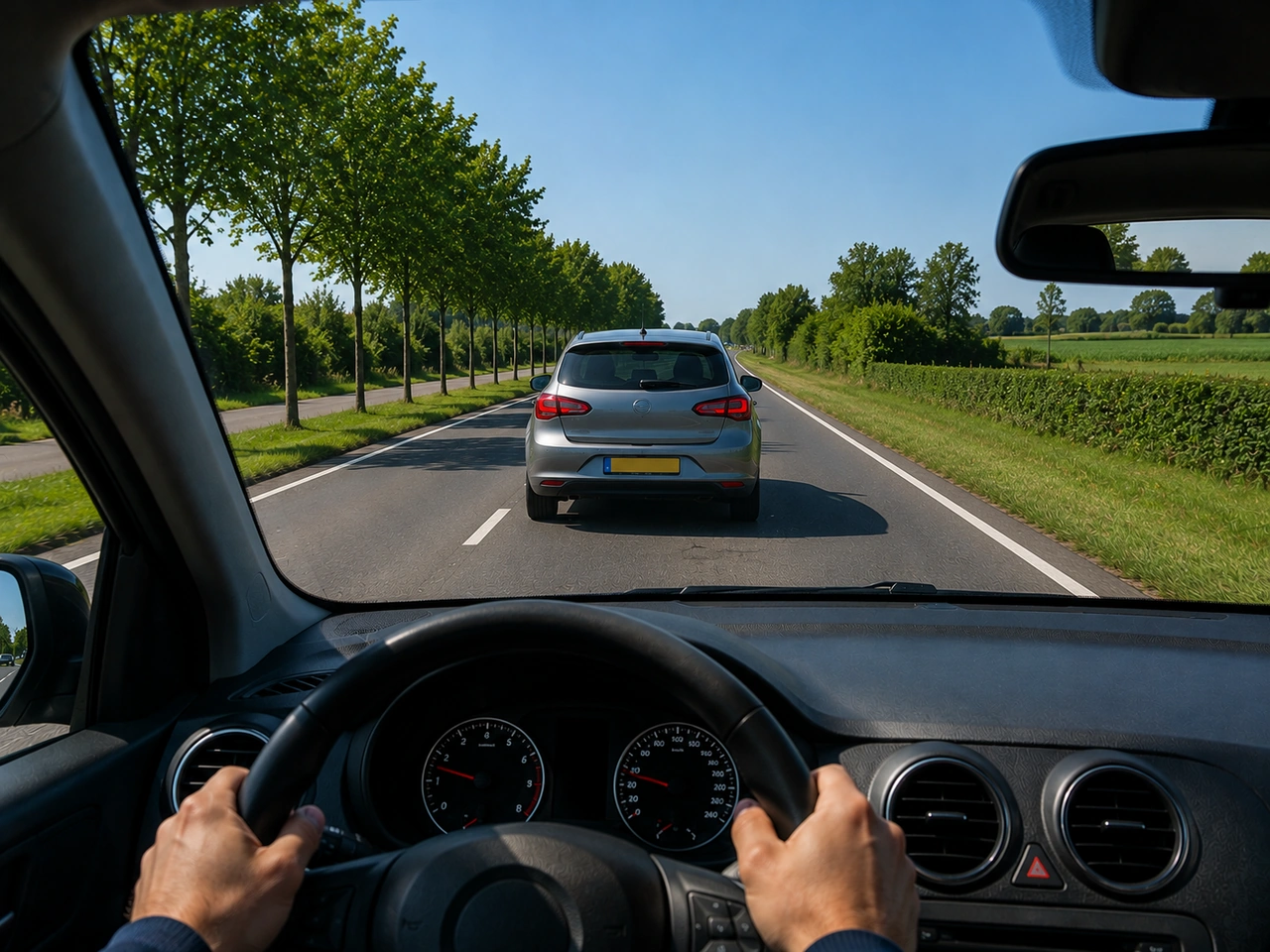
Why should you not drive too close behind another vehicle?

466. Why should you not drive too close behind another vehicle?

✓ You may not have enough time to stop.
It increases tyre pressure.
It makes your steering less responsive.
It causes the vehicle ahead to use more fuel.

Driving too close, or tailgating, reduces the time and space available to react and increases the risk of a rear-end collision. Use defensive driving and keep a safe following distance.

Vehicle tailgating the traffic ahead.
Argentina. Keep a prudent following distance for your speed. Increase it when traction or visibility makes it harder to stop safely.
🔗 Sources

Argentine National Traffic Act · Article 48

Image credit: AI-generated

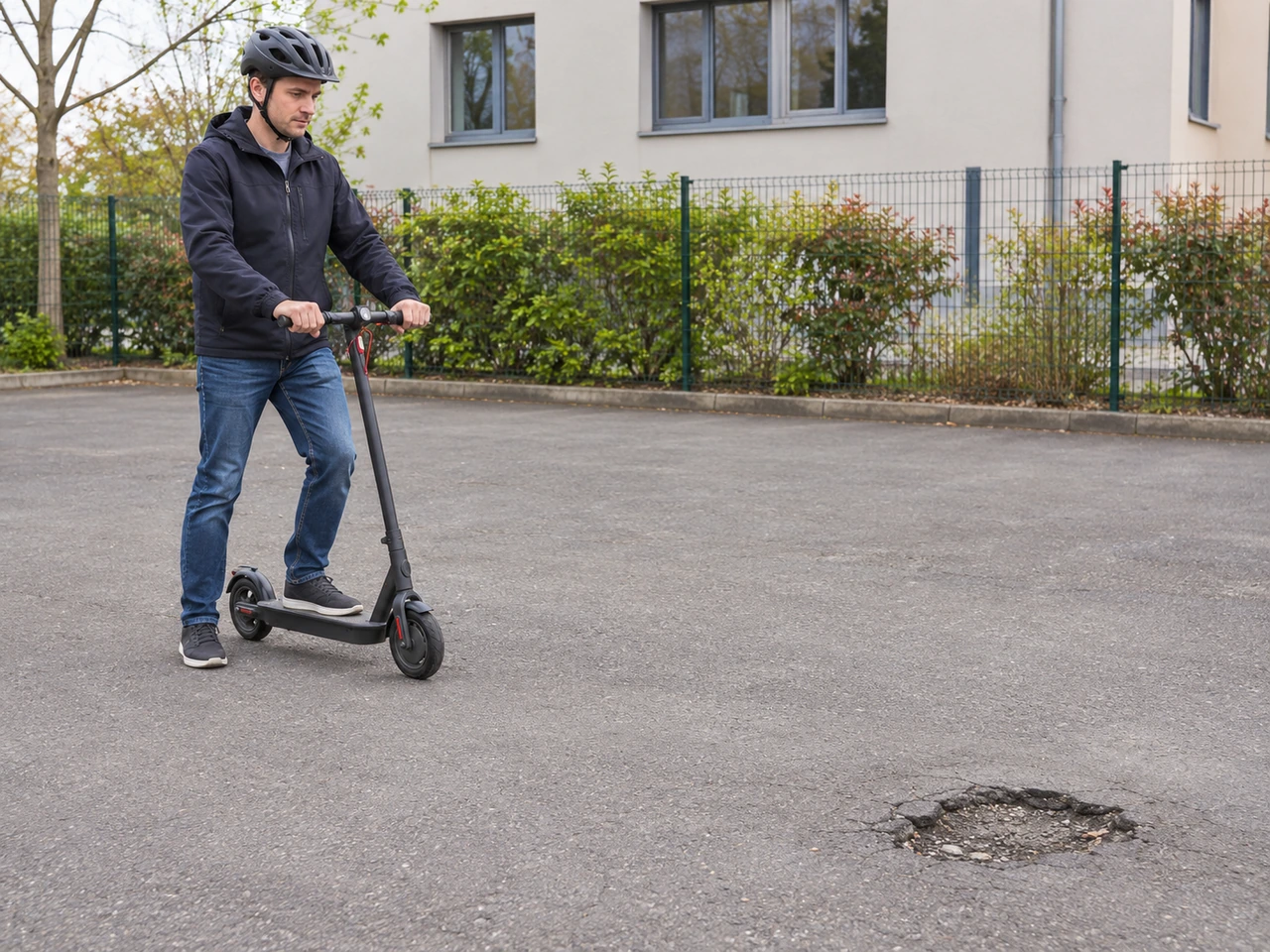
Why should an electric-scooter rider take extra care near potholes?

467. Why should an electric-scooter rider take extra care near potholes?

✓ Small wheels can be deflected or stopped by potholes.
A pothole affects only the scooter's battery range.
Small wheels bridge every pothole without difficulty.
Electric power prevents the front wheel from dropping.

Small scooter wheels can be more easily deflected or stopped by uneven surfaces. Look ahead, reduce speed in good time and avoid sudden swerves into other road users.

Small scooter wheels and a surface defect ahead. General road-safety guidance: Small scooter wheels can be more easily deflected or stopped by uneven surfaces. Look ahead, reduce speed in good time and avoid sudden swerves into other road users.
🔗 Sources

OECD / International Transport Forum
Reference: Vehicle risk factors: wheel size

Image credit: AI-generated
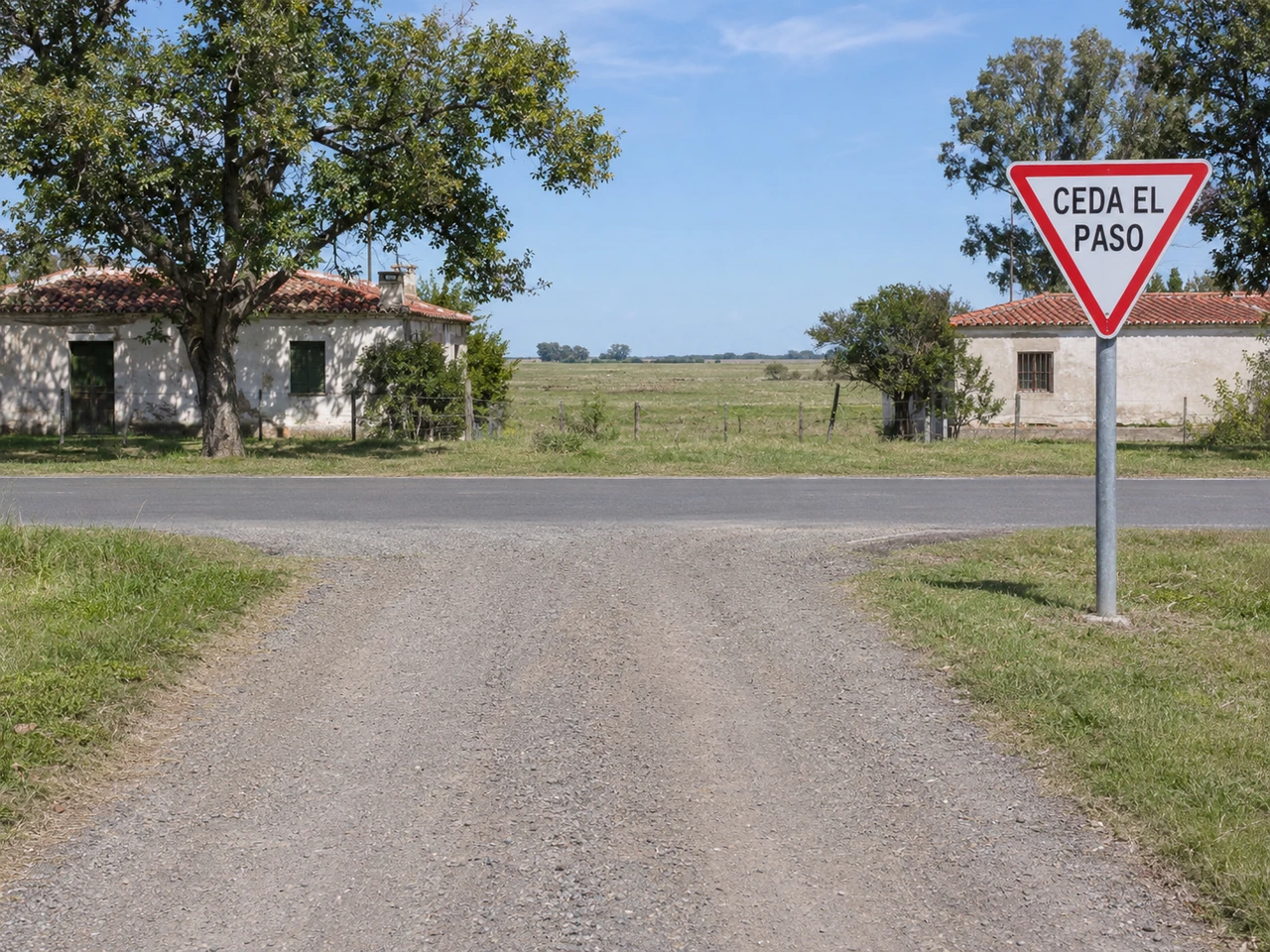
A triangular give-way sign always requires a complete stop, even when the way is clear.

468. A triangular give-way sign always requires a complete stop, even when the way is clear.

✓ False.
True.

The give-way sign requires you to yield to traffic with priority. Slow down, check carefully and stop when necessary. Unlike a stop sign, it does not require a complete stop on every approach.

Give way (R.28). Give priority to traffic crossing on the transverse road. You do not need to stop completely if you can ensure that traffic with priority can pass. The black wording CEDA EL PASO is part of this national sign.
🔗 Sources

Argentina.gob.ar • Uniform Road-Signing System • Annex L • R.28 Ceda el paso, updated by Decree 196/2025

Image credit: AI-generated

You should fully open the bonnet if you suspect an engine-compartment fire.

469. You should fully open the bonnet if you suspect an engine-compartment fire.

True.
✓ False.

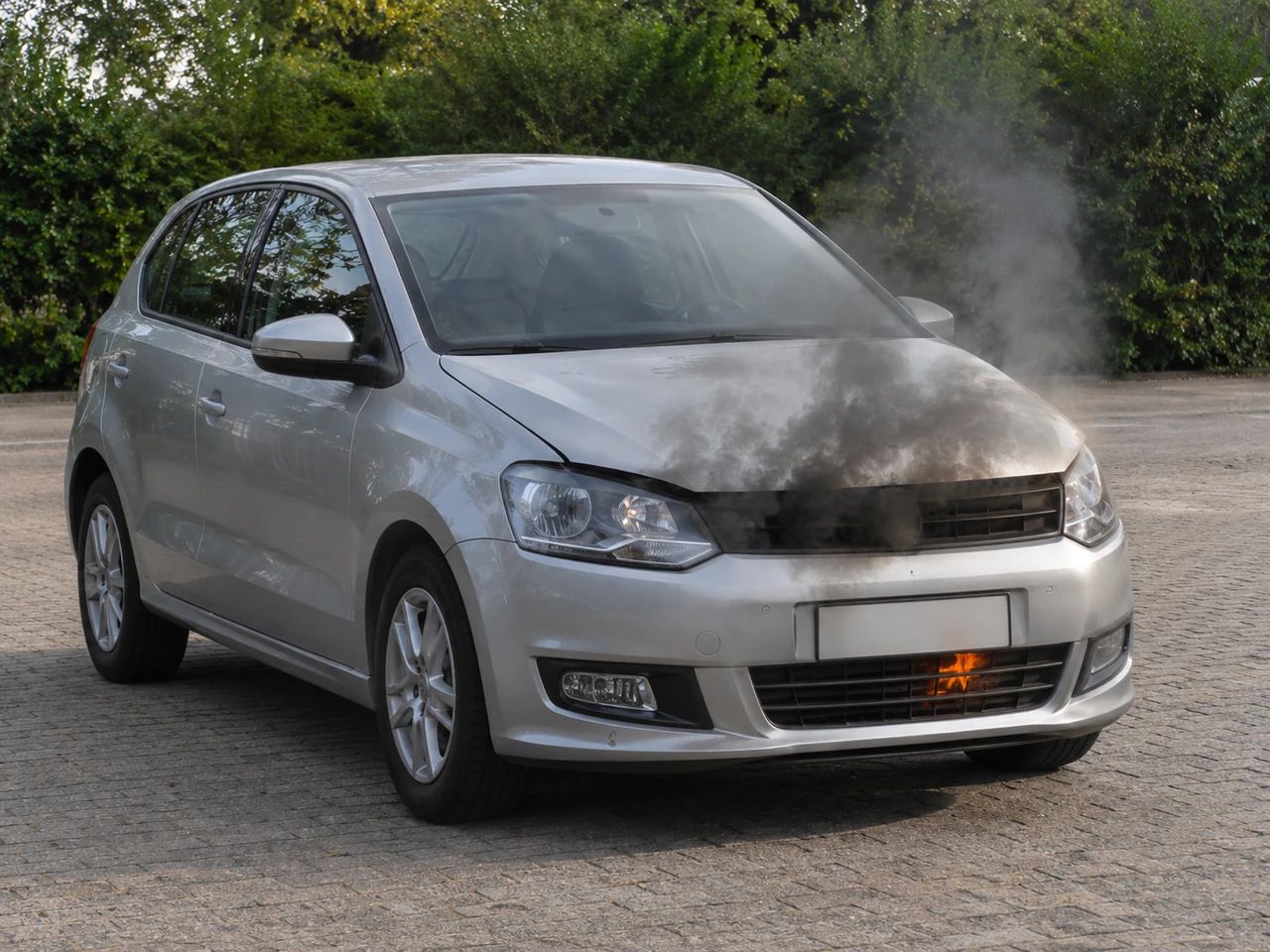
Opening the bonnet can make the fire grow or flare up. Keep it closed, get clear of the vehicle and call the fire service. Do not try to fight the fire yourself.
Keep the bonnet closed over a suspected fire. Opening it can make the fire grow. Leave the vehicle and move well away rather than approaching the engine bay. Call 100 for the fire brigade.
🔗 Sources

Argentine government — emergency number 100 for the fire brigade.

General fire-safety guidance: USFA — do not open the bonnet over a suspected fire.

Image credit: AI-generated

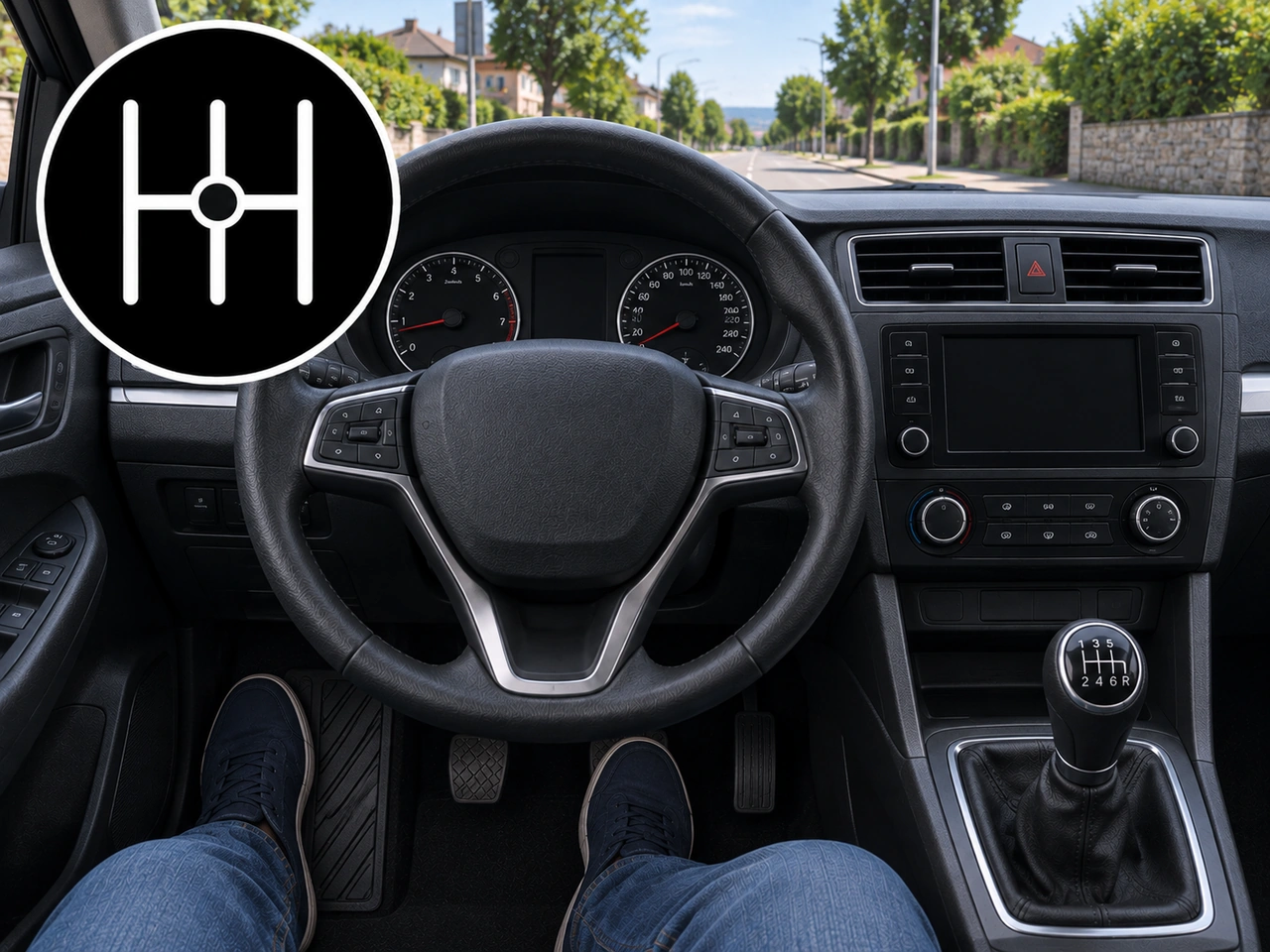
What should you normally do with the gearbox during a longer stop in a manual vehicle?

470. What should you normally do with the gearbox during a longer stop in a manual vehicle?

Select reverse gear.
Keep the accelerator pressed.
Keep first gear selected with the clutch pressed.
✓ Select neutral and release the clutch.

During a longer stop, selecting neutral and releasing the clutch can reduce unnecessary strain on the clutch release mechanism. Keep the vehicle securely held with the brake or parking brake as appropriate.

Neutral gear selection during a longer stop.
Once stopped, hold the vehicle with the brake while you select neutral and let the clutch pedal up. In some cars this also allows automatic stop-start to operate.
🔗 Sources

Ford owner’s manual · Auto-Start-Stop

Image credit: AI-generated

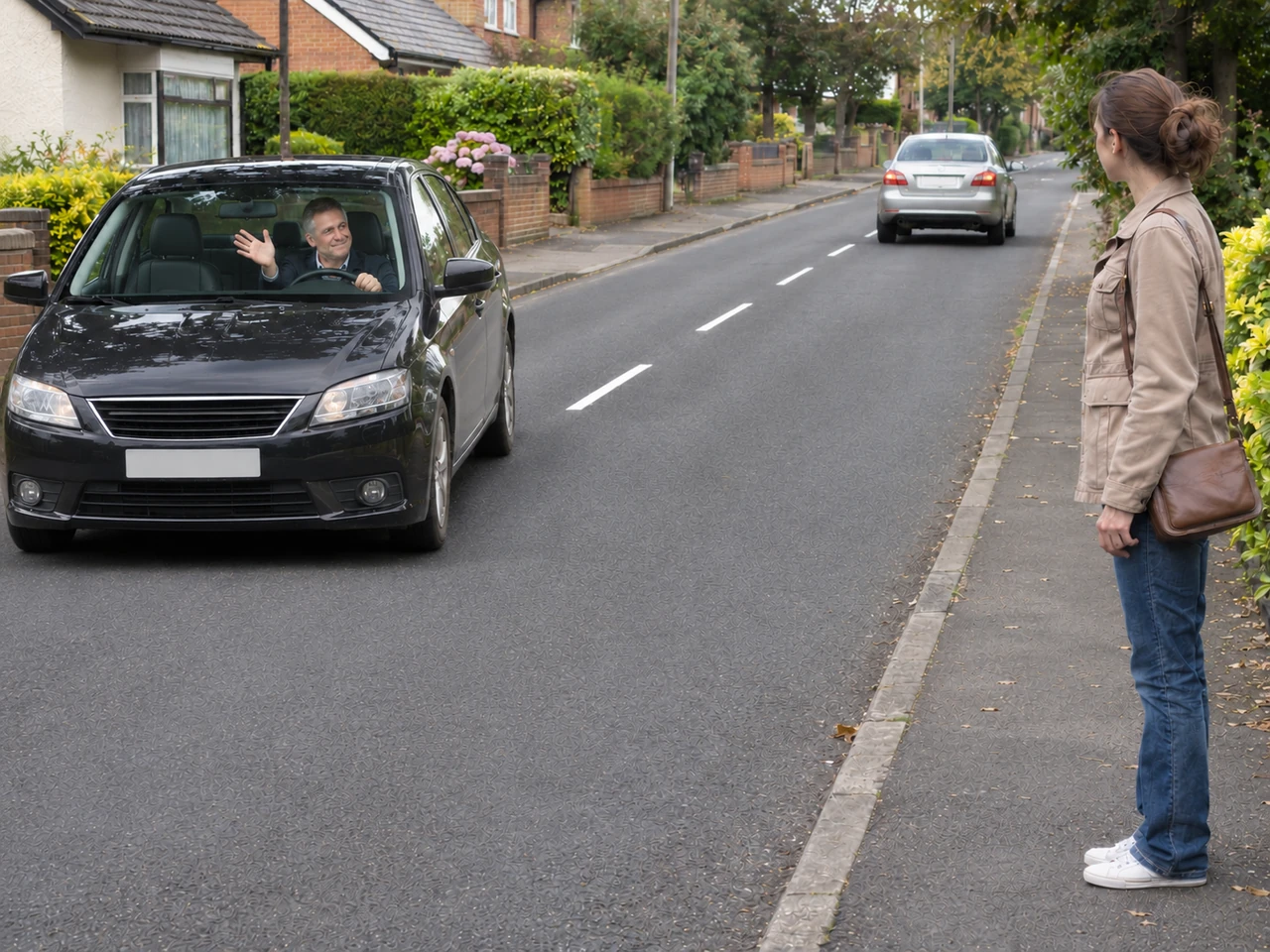
What should you do if a driver stops and waves you across?

471. What should you do if a driver stops and waves you across?

Check only the lane nearest to you.
Assume traffic in the other lanes will also stop.
✓ Check that all lanes are safe before crossing.
Cross immediately once the driver waves you through.

A wave from one driver does not show that every lane is safe. Other vehicles or cyclists may still be moving. Stay on the pavement, check traffic in both directions and cross only when it is safe.
A stopped driver waves towards a pedestrian who remains behind the kerb on a road with right-hand traffic. The pedestrian must check every lane independently before crossing; a wave is not an assurance that the road is clear.
🔗 Sources

Great Britain — Highway Code, rule 19; crossing observation

Image credit: AI-generated

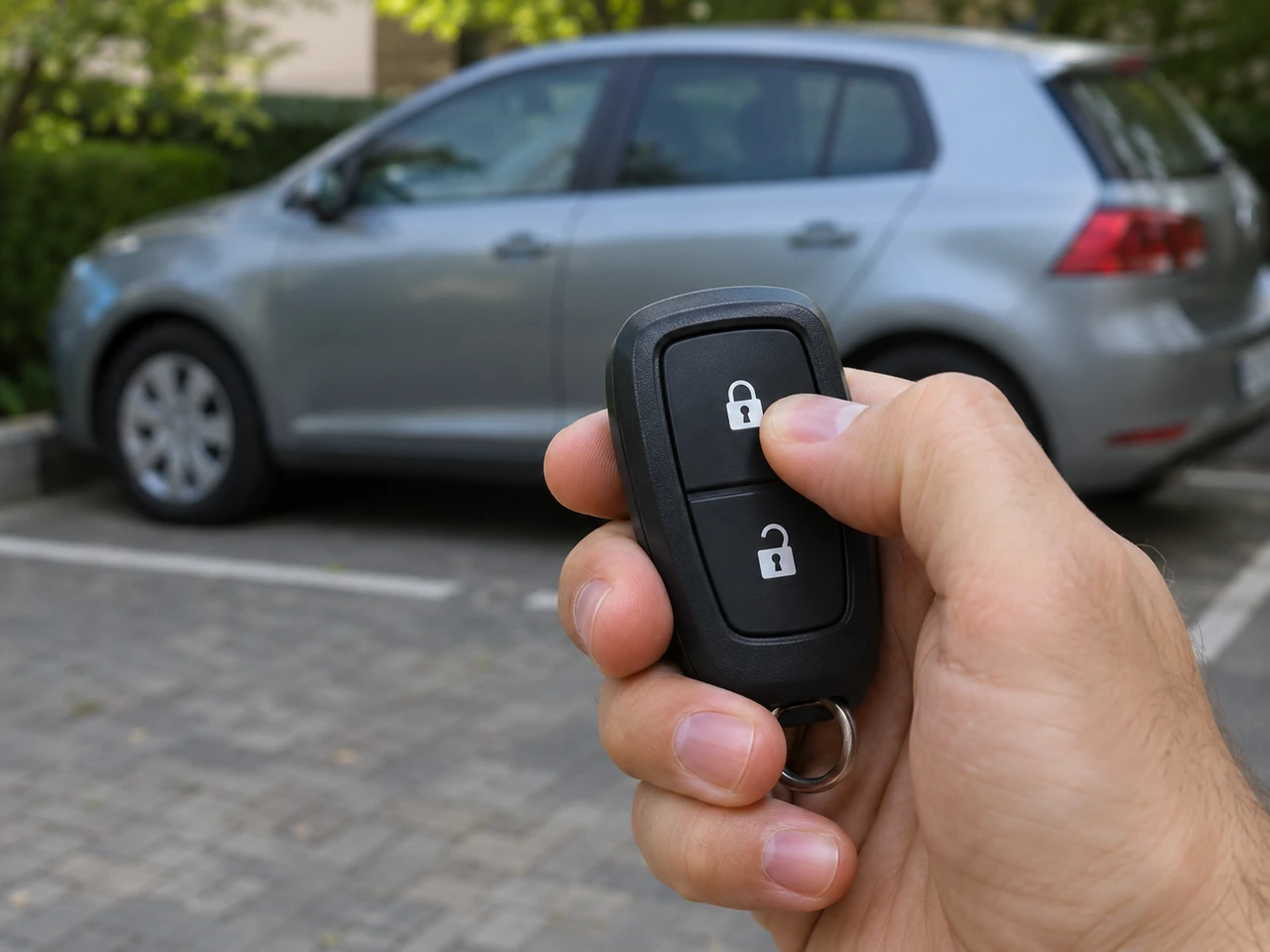
You should lock your car when leaving it unattended.

472. You should lock your car when leaving it unattended.

False.
✓ True.

Close the windows and sunroof, lock the doors and take the keys with you. Check that the car has actually locked rather than relying only on pressing the remote.

Lock the car and take the keys. Close the windows and sunroof, lock the doors and take the keys with you. Check that the car has actually locked rather than relying only on pressing the remote.
🔗 Sources

The Highway Code (Great Britain) • Safety guidance, Vehicle security

Image credit: AI-generated
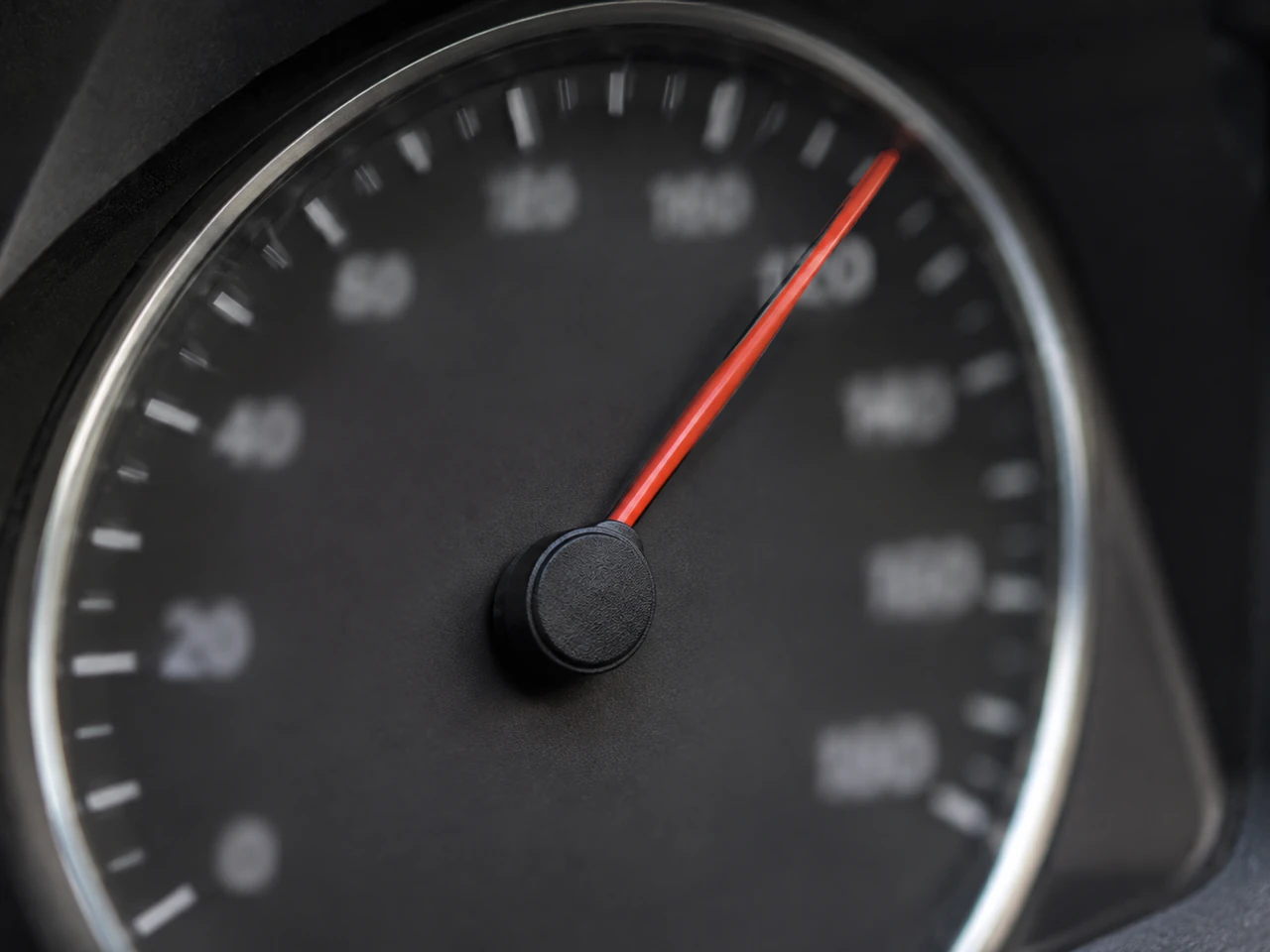
In the same conditions, doubling speed only doubles the braking distance.

473. In the same conditions, doubling speed only doubles the braking distance.

✓ False.
True.

Braking distance grows much faster than speed. Under comparable conditions, doubling speed makes braking distance roughly four times as long. This is separate from the distance travelled while reacting.

Braking distance grows faster than speed. Braking distance grows much faster than speed. Under comparable conditions, doubling speed makes braking distance roughly four times as long. This is separate from the distance travelled while reacting.
🔗 Sources

Queensland Government (Australia) • Safety guidance, dry-road comparison: 40 and 80 km/h; comparable conditions

Image credit: AI-generated
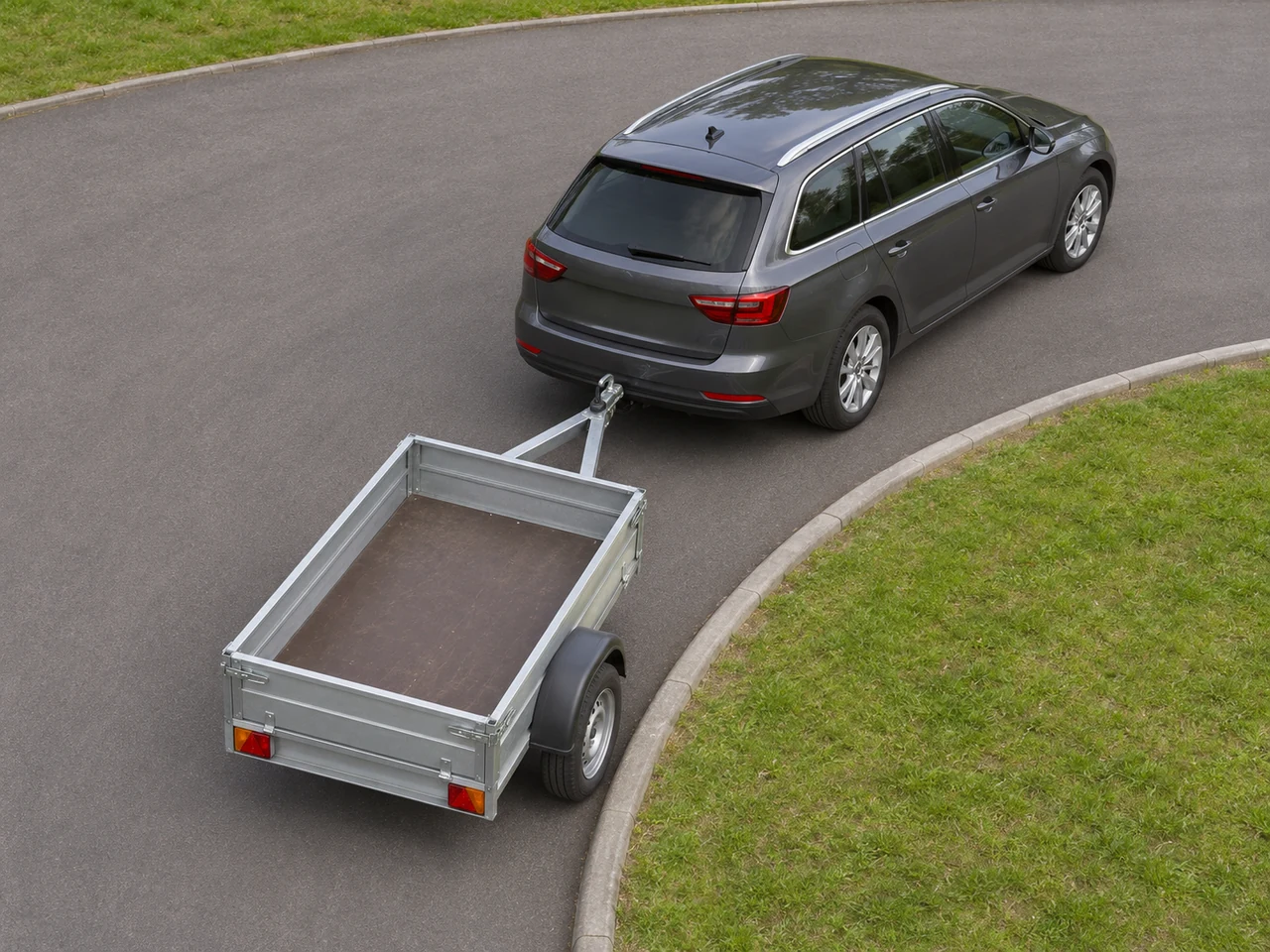
Why must you take wider turns when towing a trailer?

474. Why must you take wider turns when towing a trailer?

Wider turns reduce the trailer's stopping distance.
✓ The trailer follows a tighter path than the towing vehicle.
The trailer always follows the same path as the towing vehicle.
Wider turns decrease tyre wear.

Trailer wheels cut closer to the inside of a turn. Allow enough clearance from kerbs, signs, pedestrians, and other vehicles.
Argentina. Slow before turning and watch the inside of the bend. The trailer wheels follow a tighter path, so allow extra clearance from the kerb and other road users.
🔗 Sources

NZTA safe loading and towing guide, practical guidance

Image credit: AI-generated

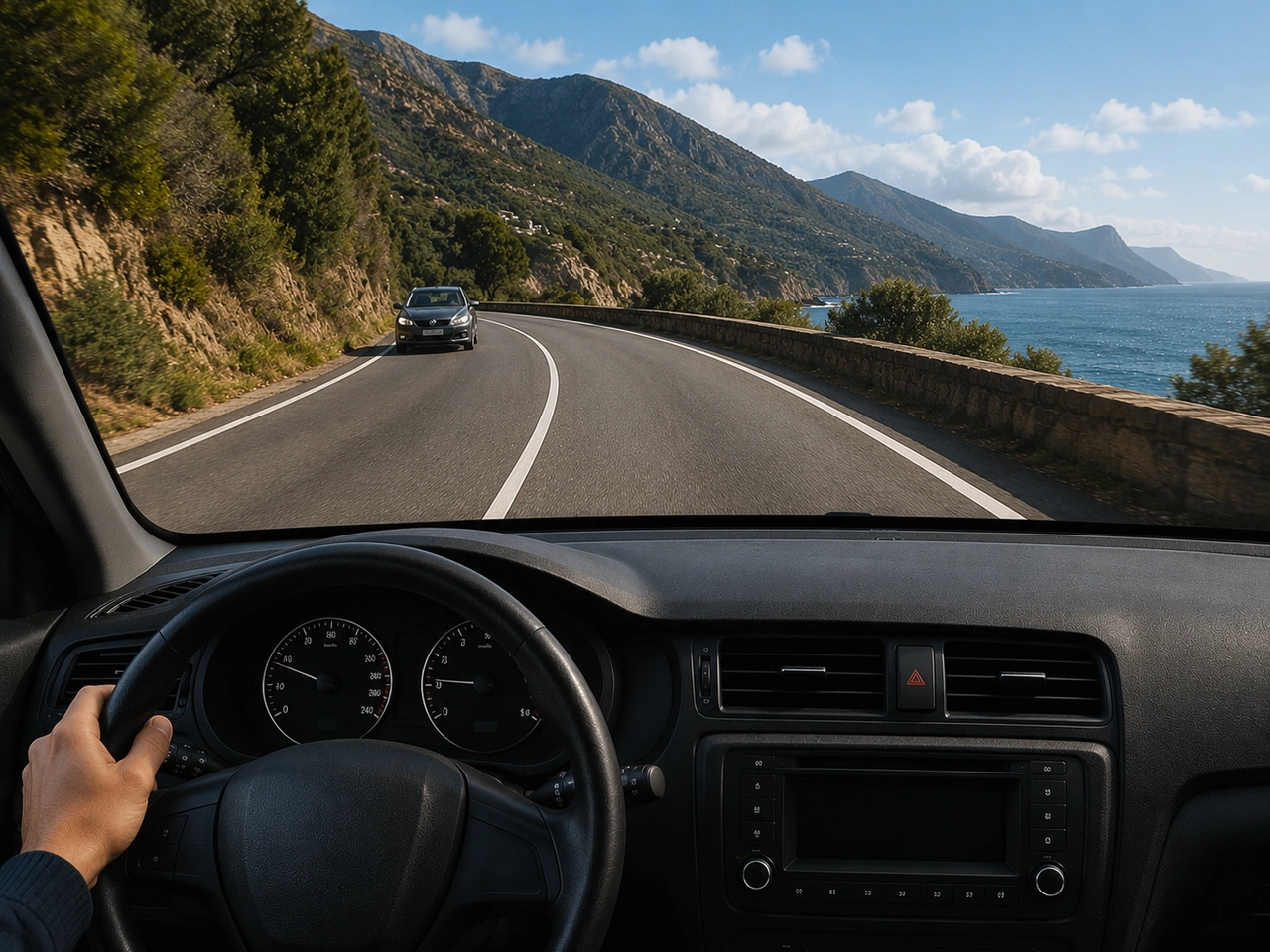
Why should you avoid braking hard on a curve?

475. Why should you avoid braking hard on a curve?

It can make the vehicle accelerate more slowly afterwards.
It can make the tyres grip the road more strongly.
✓ It can reduce control and increase the risk of skidding.
It can increase tyre pressure during the turn.

Hard braking on a curve can upset the vehicle's balance and reduce grip. Slow down before the curve and steer smoothly.
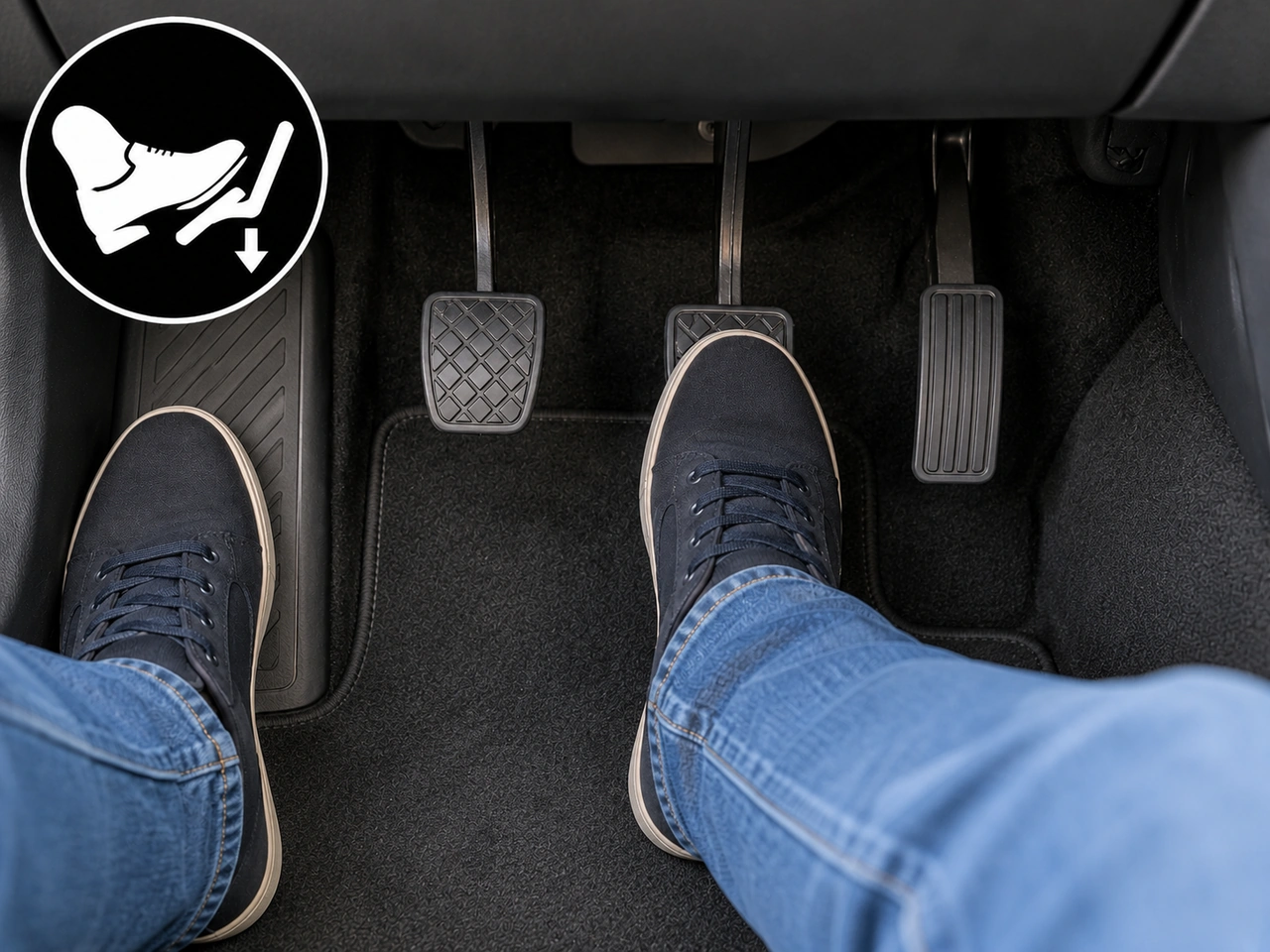
How should you normally apply the brake pedal for a smooth stop?

476. How should you normally apply the brake pedal for a smooth stop?

✓ Apply pressure progressively.
Press it as hard as possible immediately.
Use the parking brake instead.
Pump the pedal repeatedly.

For normal braking, apply the brake pedal progressively and smoothly. As the vehicle comes to a stop, easing the pressure slightly can help avoid a sudden jerk.

Progressive brake-pedal pressure for a smooth stop.
For a planned stop, ease off the accelerator and apply the brake smoothly. In a manual car, press the clutch fully shortly before stopping.
🔗 Sources

NZ Transport Agency · Moving off and stopping

Image credit: AI-generated

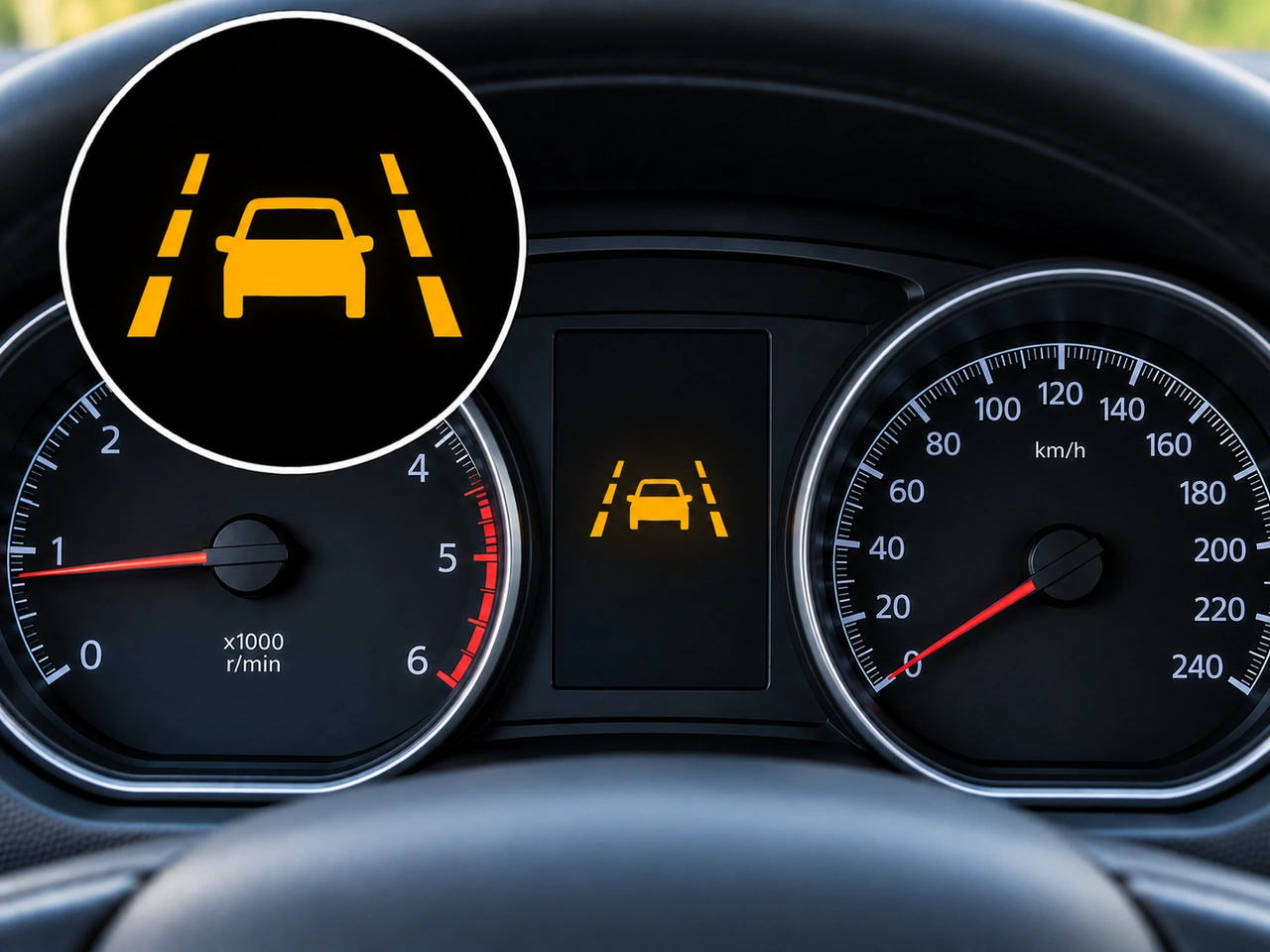
What does this dashboard symbol indicate?

477. What does this dashboard symbol indicate?

Electronic stability control.
Parking assistance.
✓ Lane-departure warning.
Automatic emergency braking.

This symbol relates to the lane-departure warning or lane-keeping system. The system monitors the vehicle's position within its lane and may warn the driver if the vehicle begins to leave the lane unintentionally.

Lane-departure warning symbol on the dashboard.
Check the display for the system status. A lane-assist symbol can show that the system is active, on standby or unavailable, depending on the vehicle.
🔗 Sources

Volkswagen · Dashboard warning and indicator lights

Image credit: AI-generated

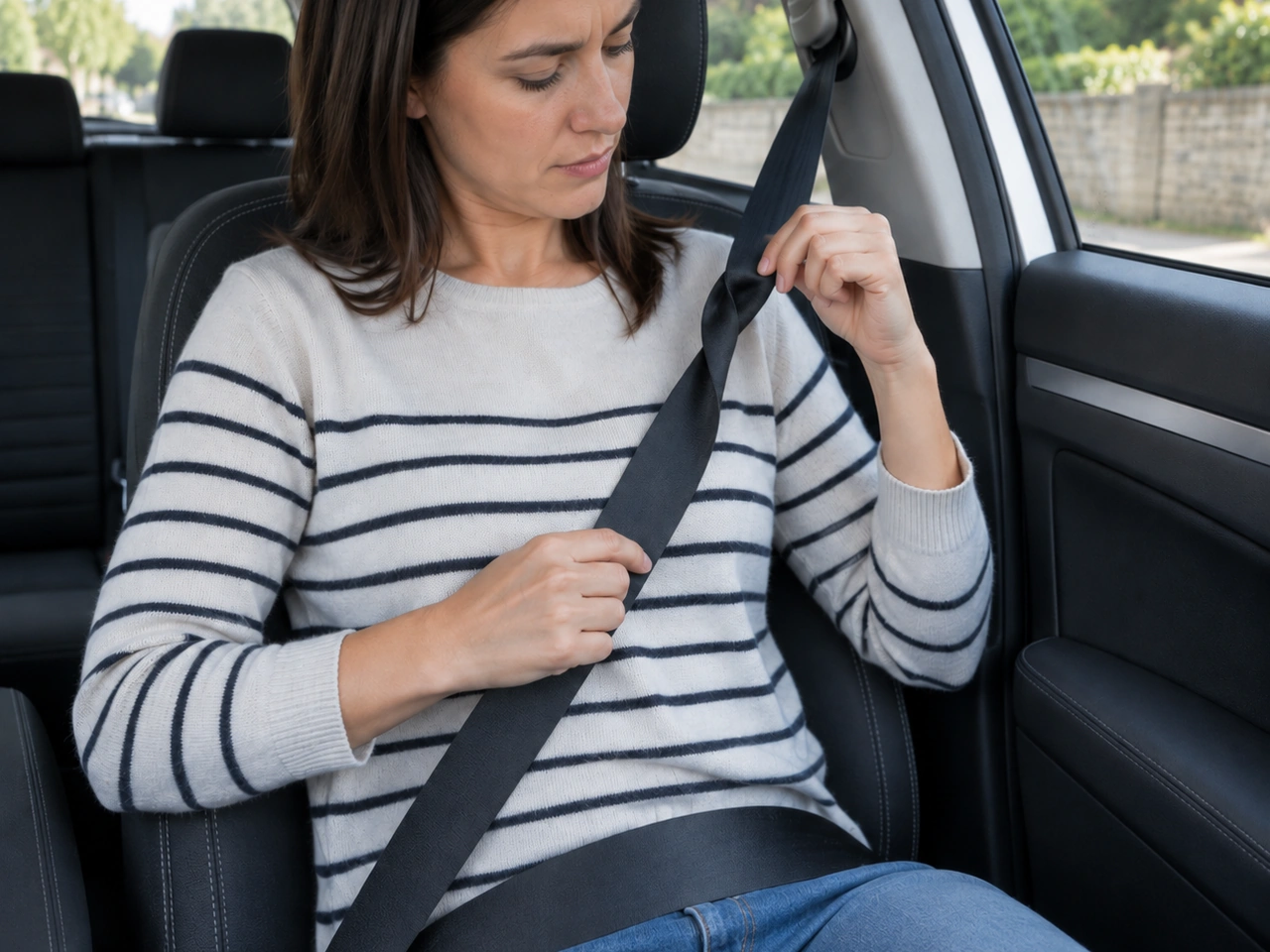
Why should a seat belt not be twisted when worn?

478. Why should a seat belt not be twisted when worn?

A twisted belt prevents the airbags from working.
✓ A flat belt spreads collision forces more effectively.
A flat belt makes the seat easier to adjust.
A twisted belt makes the brakes less effective.

A seat belt should lie flat against the body without twists. A twisted belt concentrates force over a smaller area and may provide less effective protection in a collision.

Twisted seat belt across an occupant's body.
🔗 Sources

Nissan 2025 Sentra manual — Model-specific seat-belt use, condition and maintenance example

Image credit: AI-generated
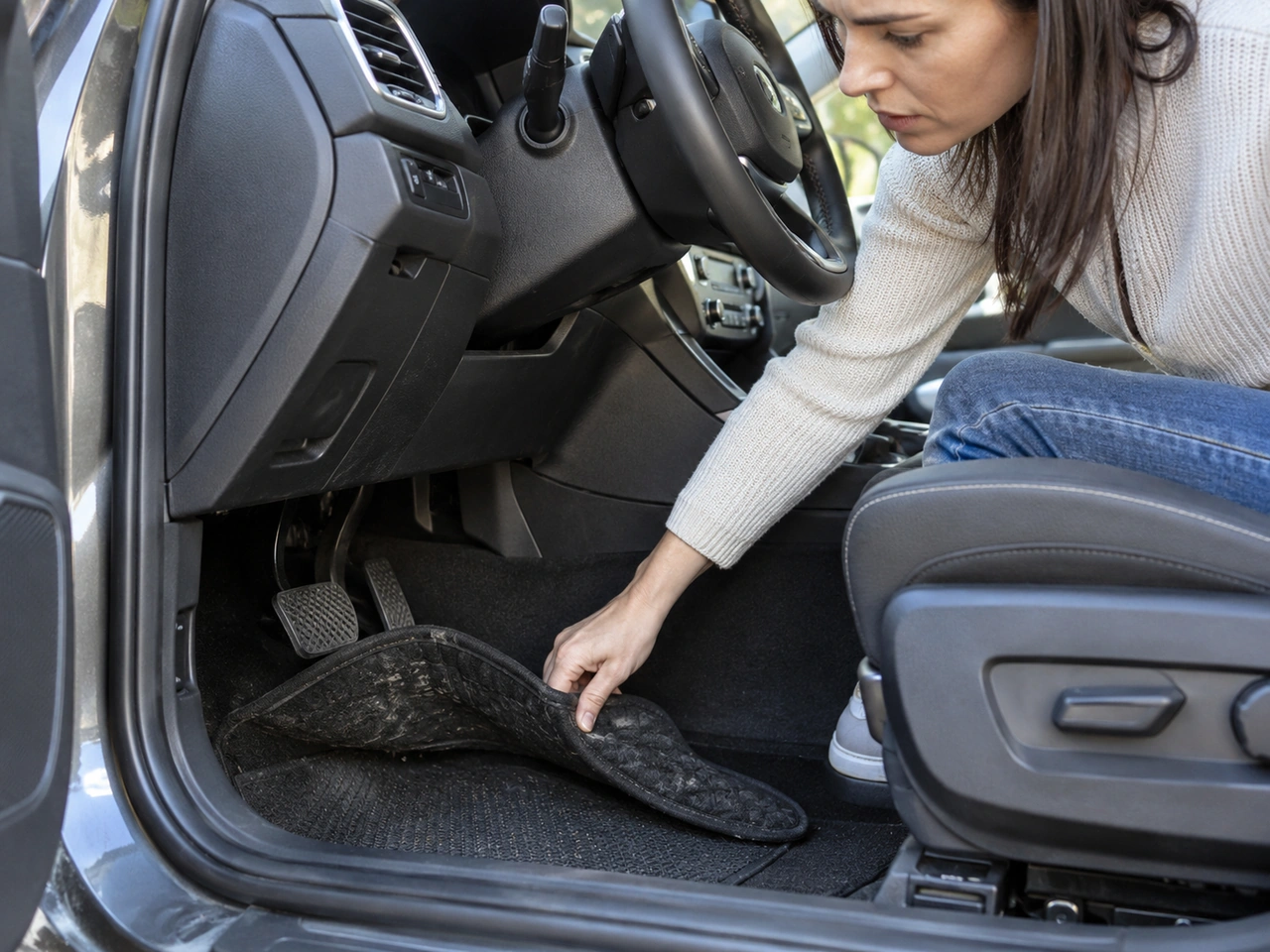
Why should the driver's floor mat be properly secured?

479. Why should the driver's floor mat be properly secured?

✓ It could slide forwards and interfere with the pedals.
It could make the steering wheel harder to turn.
It could prevent the seat belt from locking.
It could reduce the effectiveness of the airbags.

A loose or incorrectly fitted floor mat can move into the pedal area and interfere with the accelerator, brake, or clutch. Make sure the driver's floor mat is correctly fitted, secured, and does not obstruct any pedal.

Driver's floor mat near the pedals.
🔗 Sources

Nissan 2025 Sentra manual — Model-specific secure floor mats and clear pedals example

Image credit: AI-generated
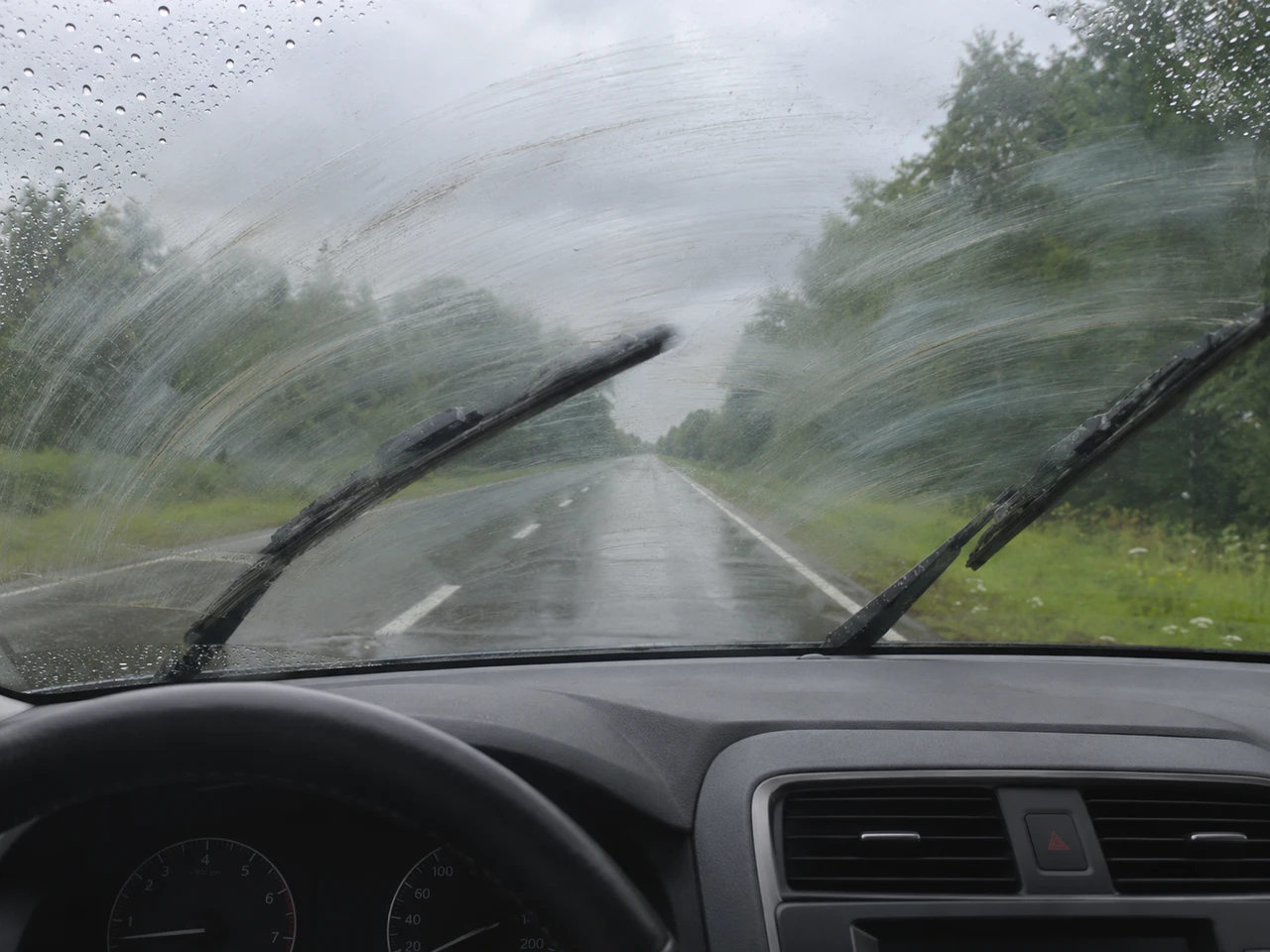
What should you do if the windscreen wipers leave the glass smeared?

480. What should you do if the windscreen wipers leave the glass smeared?

Use the wipers at a higher speed.
Ignore it unless the wipers stop moving.
✓ Clean the windscreen and blades, and replace worn blades.
Replace the washer pump instead of the blades.

Worn or dirty wiper blades can seriously reduce visibility in rain. Clean them first and replace them if they remain ineffective or damaged.

Curved wiper smears reducing the view through a wet windscreen.
Argentina. Make sure the wipers clear the area you look through when driving. Clean the glass and blades, then replace worn blades if they still leave smears.
🔗 Sources

National Road Safety Agency · Car driver course

Image credit: AI-generated

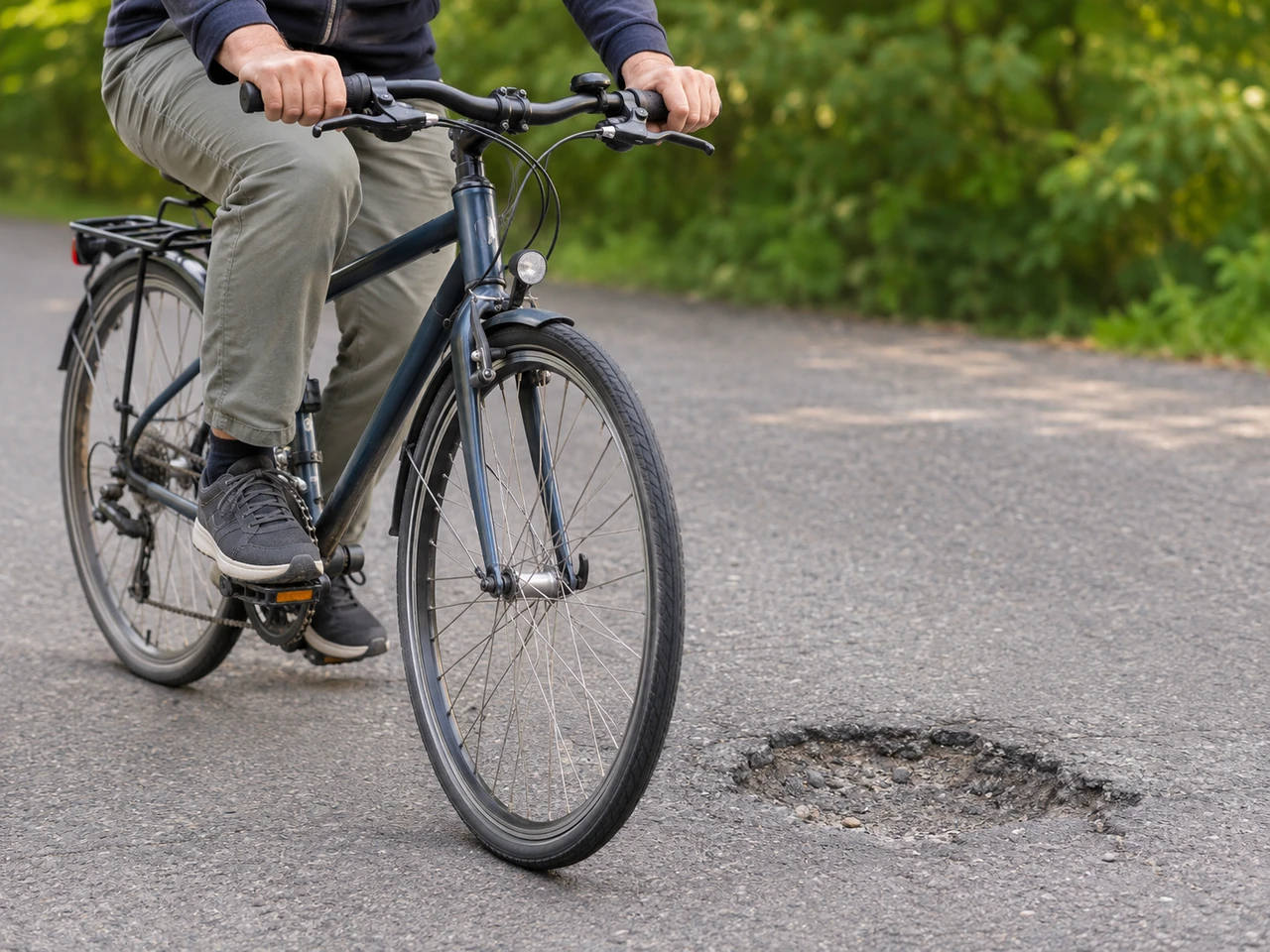
A cyclist may move sideways to avoid a pothole.

481. A cyclist may move sideways to avoid a pothole.

False.
✓ True.

Potholes and other surface hazards may cause cyclists to change direction. Slow down as needed and leave enough room for them to avoid the hazard.
Leave cyclists room to avoid hazards. Potholes and other surface hazards may cause cyclists to change direction. Slow down as needed and leave enough room for them to avoid the hazard.
🔗 Sources

The Highway Code (Great Britain) • Safety guidance, Rule 67

Image credit: AI-generated

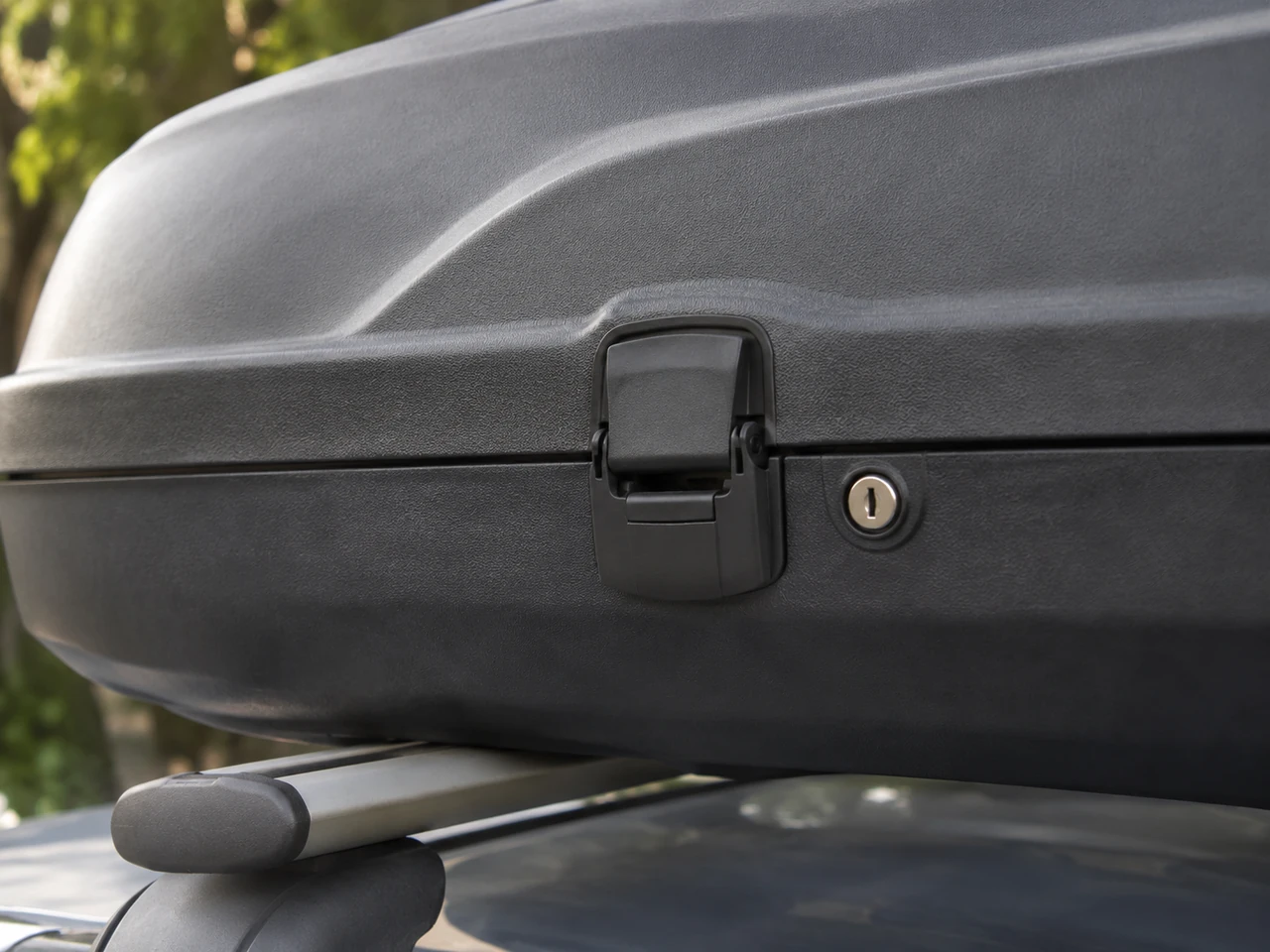
A roof box can be left unlatched if it is firmly attached to the roof bars.

482. A roof box can be left unlatched if it is firmly attached to the roof bars.

✓ False.
True.

Securing the box to the bars does not secure its lid. Before driving, close and secure every latch and lock as the manufacturer's instructions require, and remove the key if fitted.

Close and lock every roof-box latch. Securing the box to the bars does not secure its lid. Before driving, close and secure every latch and lock as the manufacturer's instructions require, and remove the key if fitted.
🔗 Sources

Thule (manufacturer guidance) • Safety guidance, lid closure and locking; follow your box’s instructions

Image credit: AI-generated
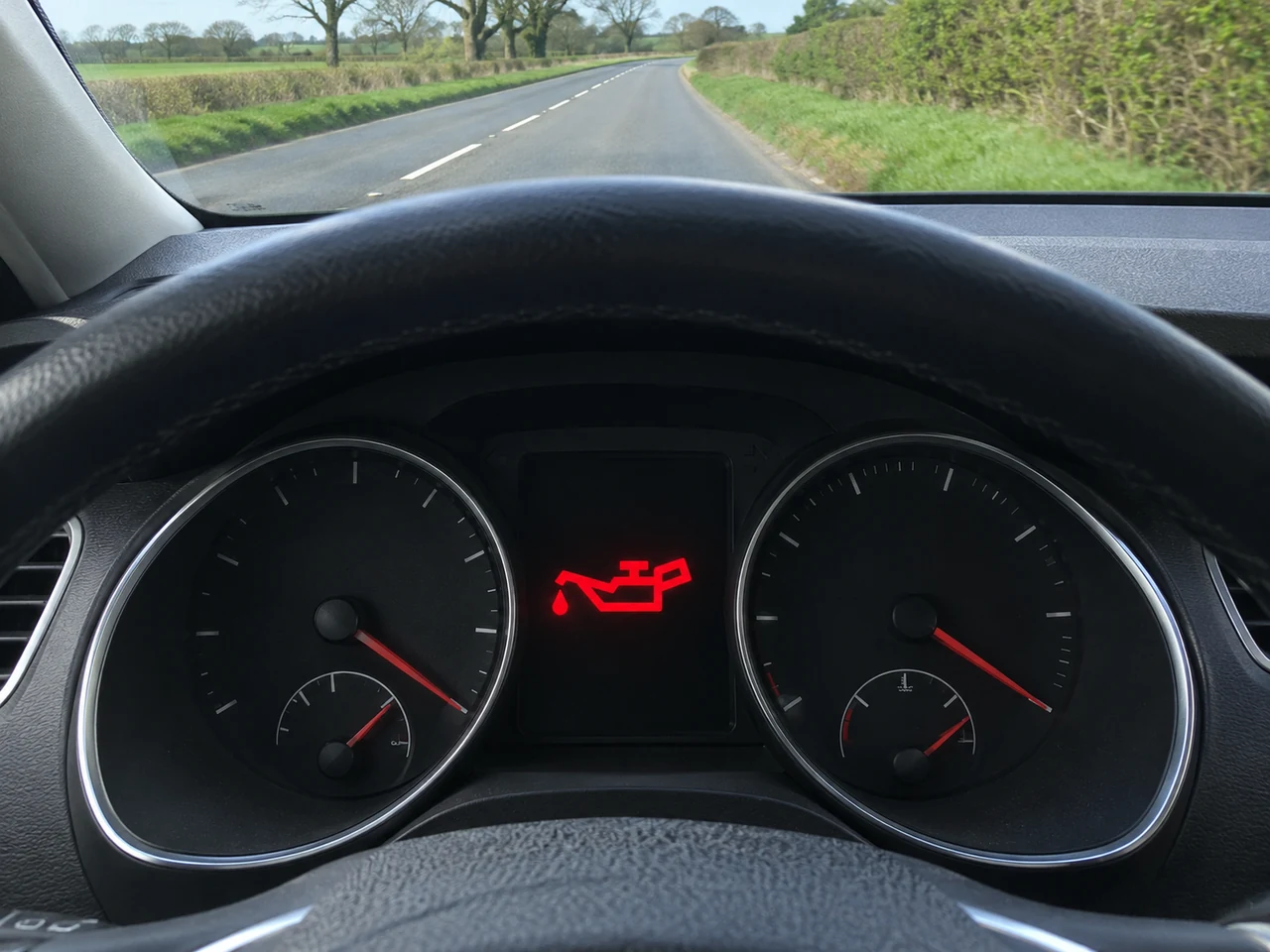
What should you do if a red engine warning appears with abnormal engine noise?

483. What should you do if a red engine warning appears with abnormal engine noise?

✓ Stop safely, switch off the engine, and seek assistance.
Ignore the noise if the warning light later goes out.
Wait until the next service to have it checked.
Continue slowly if the vehicle still responds normally.

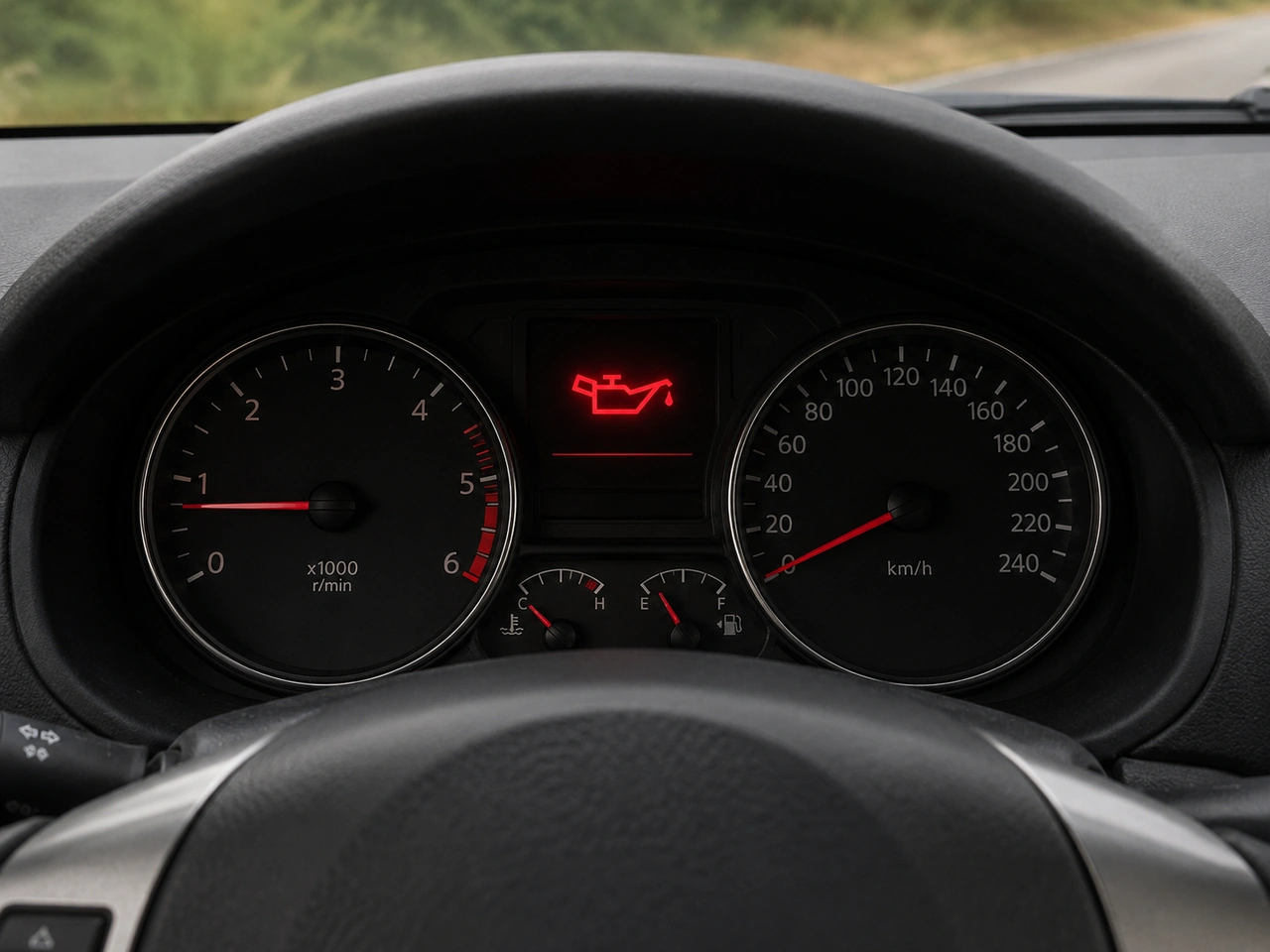
A red engine warning accompanied by abnormal engine noise may indicate a serious mechanical fault. Stop as soon as safely possible, switch off the engine and request assistance. The oil-pressure symbol shown is one example: an oil-pressure warning while the engine is running requires a safe stop and engine shutdown. Identify the specific warning in the vehicle handbook and do not assume that the problem has been resolved because the light goes out. Do not restart to test the noise before obtaining appropriate advice.

Red dashboard warning requiring the driver's attention.
Investigate warnings after stopping safely; they can indicate a serious developing fault.
🔗 Sources

GOV.UK (Great Britain), Annex 6.

Image credit: AI-generated

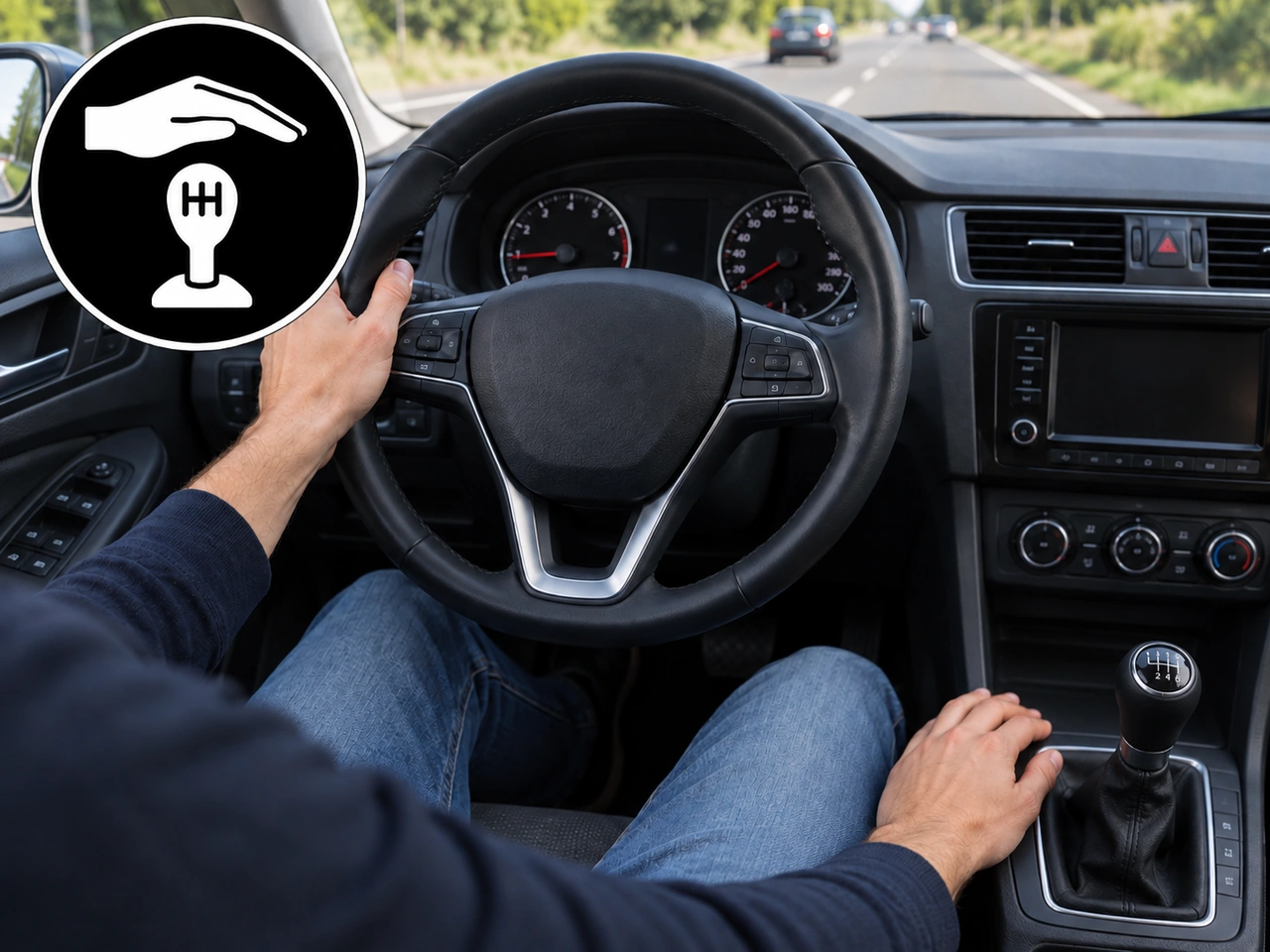
Why should you avoid resting your hand on the gear lever while driving?

484. Why should you avoid resting your hand on the gear lever while driving?

It can disengage the clutch.
It can apply the parking brake.
✓ It can cause unnecessary wear in the gear-selection mechanism.
It can increase engine speed.

Resting your hand on the gear lever can place unnecessary pressure on parts of the gear-selection mechanism and contribute to wear. Keep both hands on the steering wheel when you are not changing gear.

Driver's hand resting on a manual gear lever.
Return your hand to the steering wheel after a gear change. Some manufacturers warn that sustained pressure on the gear lever can cause wear.
🔗 Sources

Fiat owner’s manual · Manual gearbox

Image credit: AI-generated

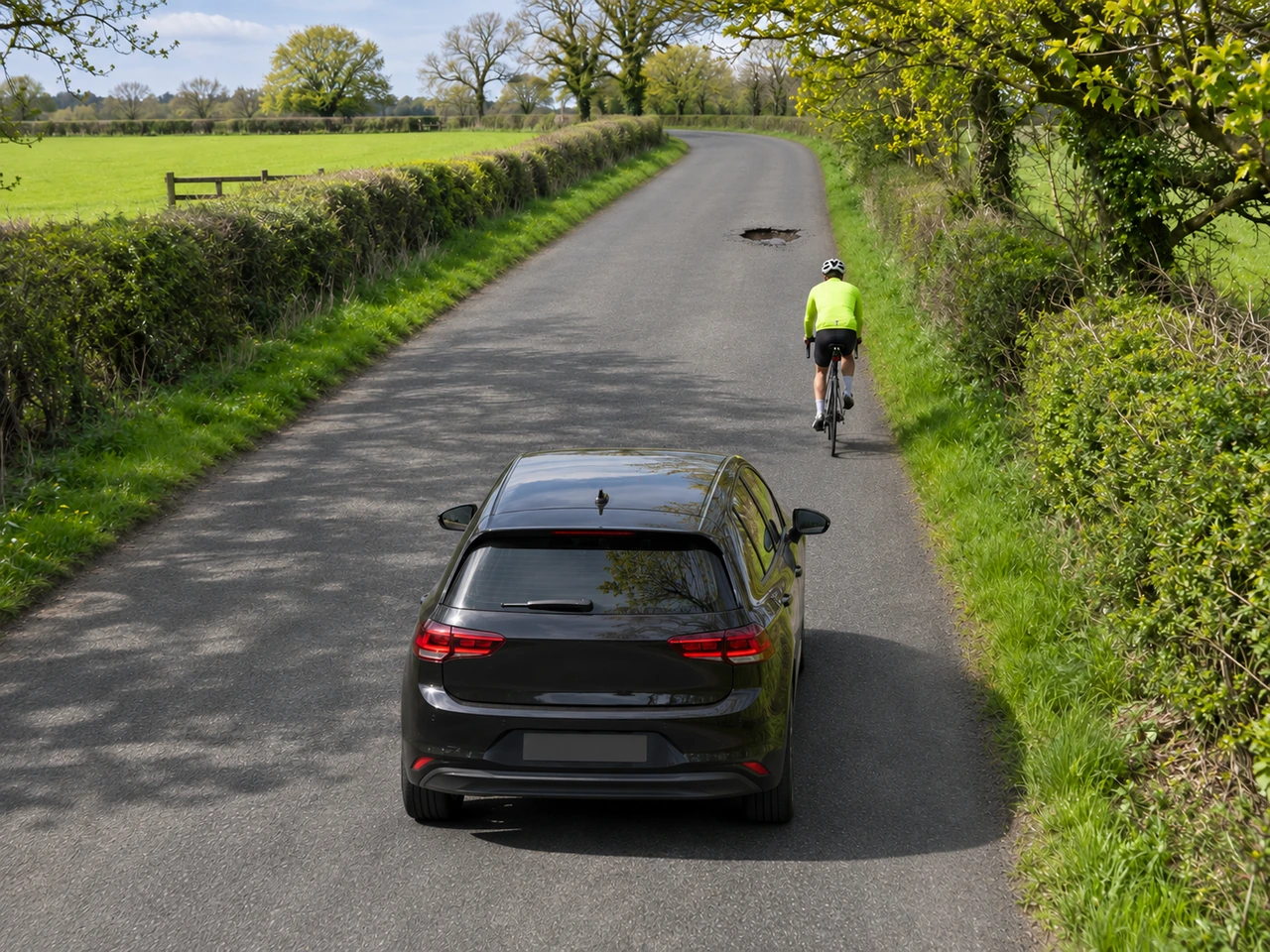
Why should you keep a safe distance from cyclists?

485. Why should you keep a safe distance from cyclists?

Cyclists always have priority over other traffic.
✓ They may need space to avoid obstacles.
Cyclists cannot signal before changing direction.
Bicycles need more stopping distance than cars.

Cyclists may need to move around potholes, parked cars, or drains. Giving them enough space helps prevent dangerous situations.
A car stays behind a cyclist approaching a pothole on the right side of an unmarked road. Give the cyclist room to move around potholes, drains or other obstacles. Slow down and wait behind if there is not enough room to pass safely.
🔗 Sources

UK Highway Code — General safety guidance: allow cyclists room to avoid obstacles, Rule 213

UK Highway Code — General safety guidance: wait behind when passing is unsafe, Rule 163

Image credit: AI-generated

What is the minimum age for a standard car driving licence?

486. What is the minimum age for a standard car driving licence?

✓ 17 years.
16 years.
18 years.
19 years.

A car driving licence can be obtained from 17 years in Argentina, subject to local conditions. An accompanying driver or other restrictions may be required until a later age.
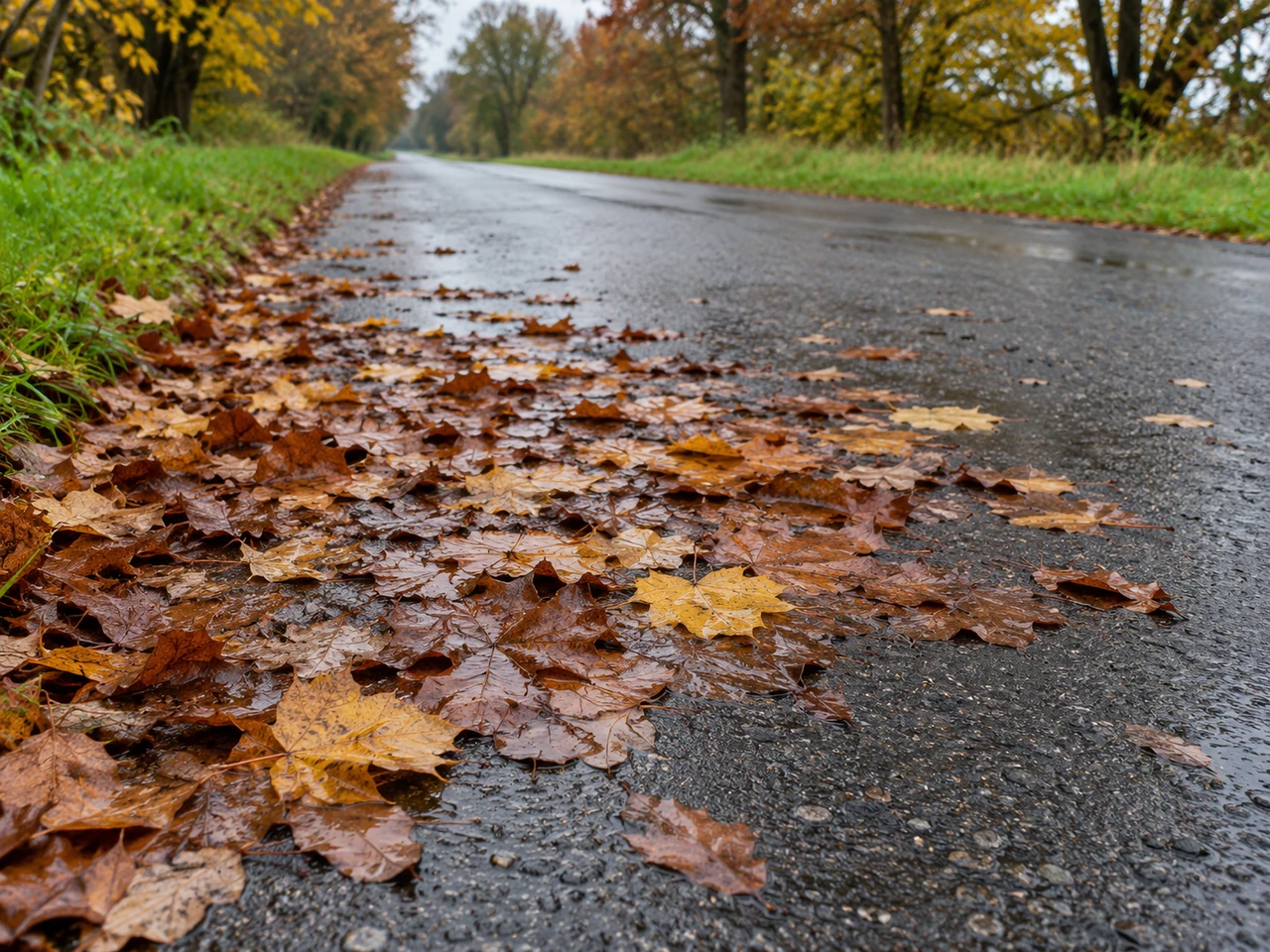
Wet fallen leaves improve tyre grip on the road.

487. Wet fallen leaves improve tyre grip on the road.

True.
✓ False.

Wet leaves can make the road slippery and increase the distance needed to stop. Reduce speed as needed, allow more space and use the controls smoothly.

Wet leaves can reduce grip. Wet leaves can make the road slippery and increase the distance needed to stop. Reduce speed as needed, allow more space and use the controls smoothly.
🔗 Sources

PennDOT (United States) • Safety guidance, leaf-covered roads and extra caution

Image credit: AI-generated
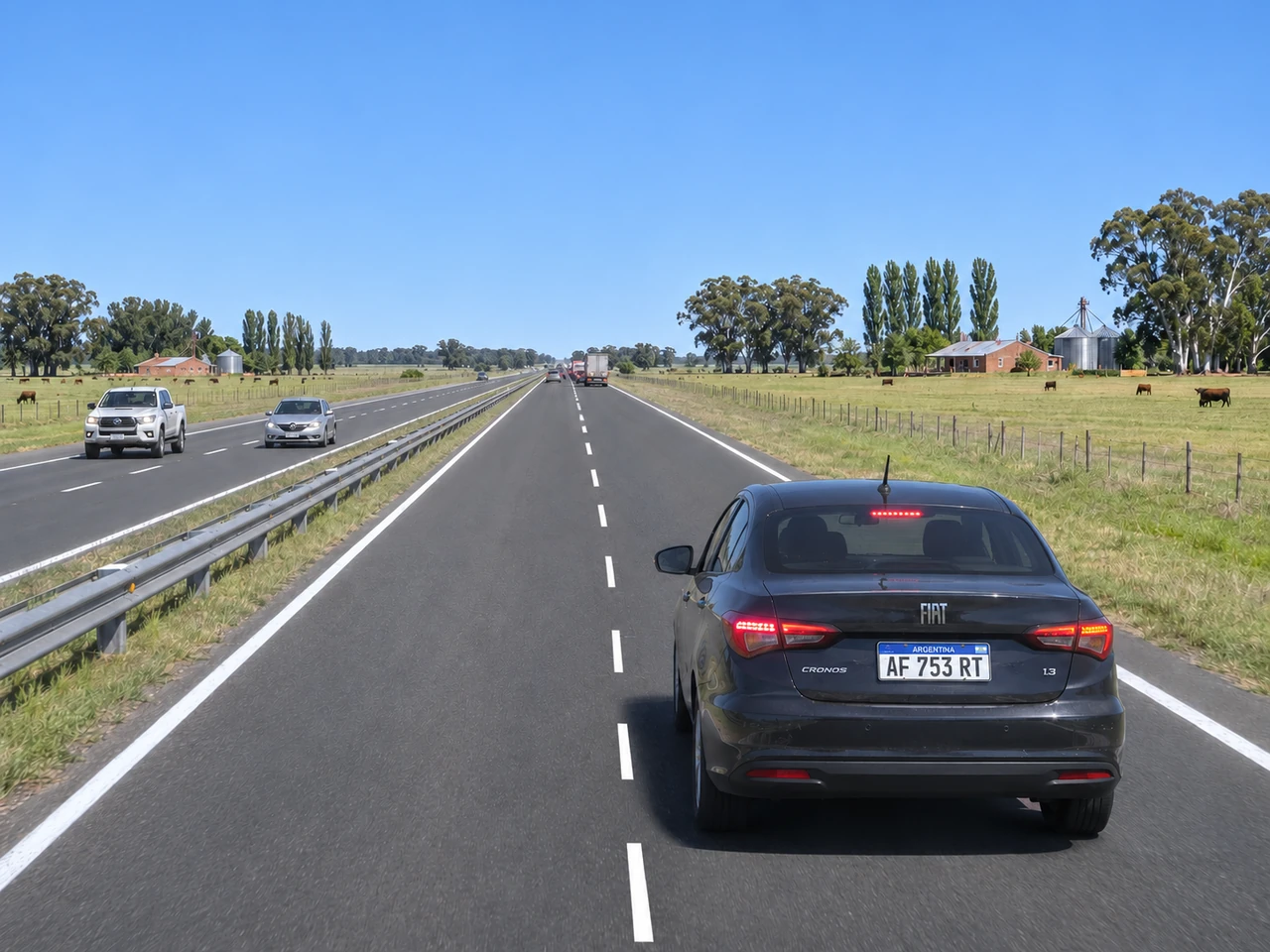
What should you do when approaching stationary or slow-moving traffic on a motorway?

488. What should you do when approaching stationary or slow-moving traffic on a motorway?

Change lanes immediately to avoid slowing down.
Brake only when the vehicle ahead begins braking.
✓ Reduce speed early and be prepared to stop.
Maintain speed until you are close to the queue.

Motorway queues can appear suddenly. Early braking gives following traffic more time to react.

Sedan braking with a generous gap before slow traffic on an Argentine motorway.
Slow in good time when you see a queue. Leave enough distance to stop if the vehicle ahead comes to a halt.
🔗 Sources

Argentine National Traffic Law 24,449 · Article 48

Image credit: AI-generated

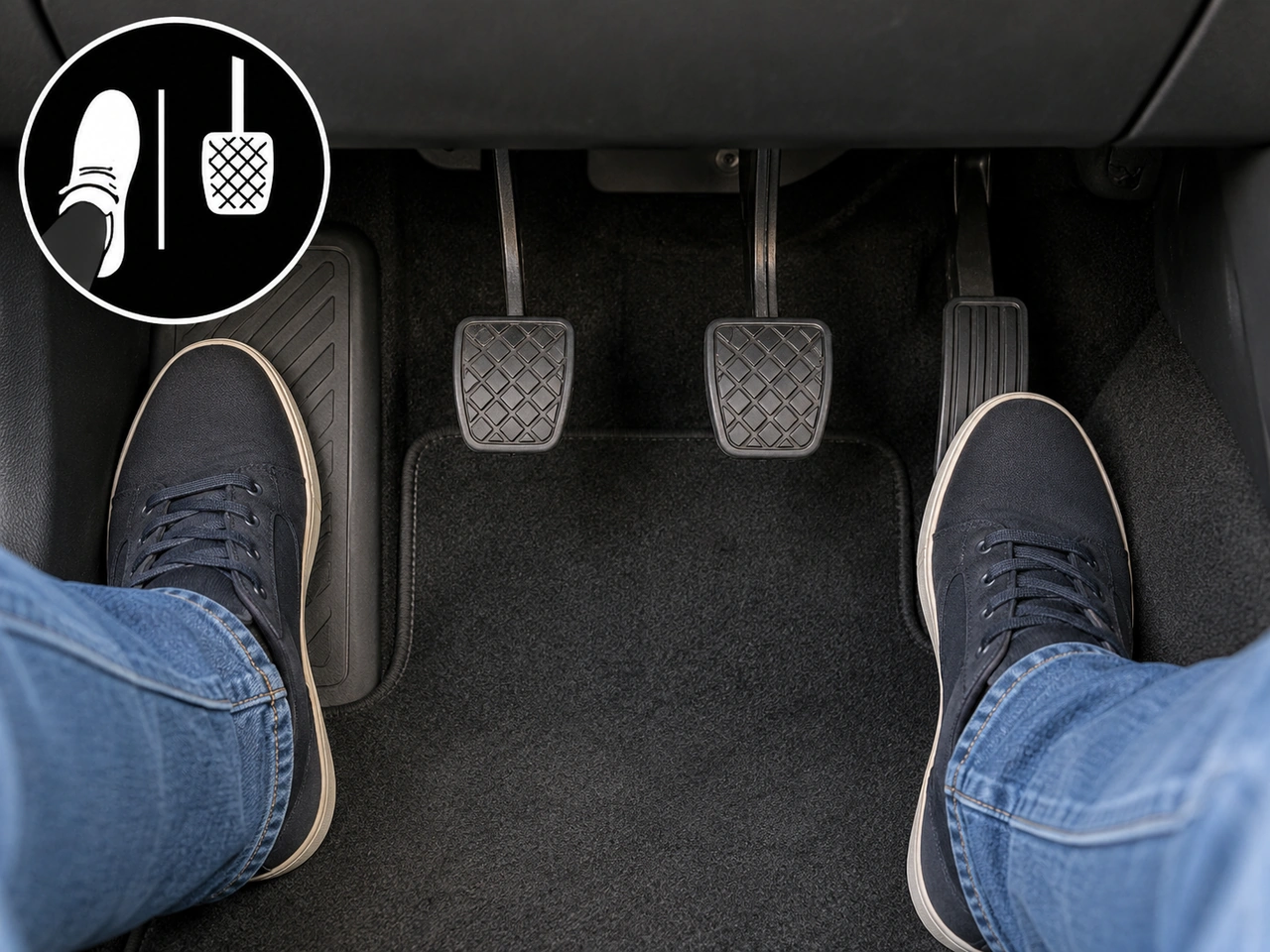
Why should you avoid resting your foot on the clutch pedal while driving?

489. Why should you avoid resting your foot on the clutch pedal while driving?

It can increase tyre pressure.
It can apply the parking brake.
✓ It can cause unnecessary clutch wear.
It can lock the steering.

Resting your foot on the clutch pedal can apply slight pressure to the clutch mechanism and cause unnecessary wear. Keep your left foot off the clutch when it is not needed.

Foot position near the clutch pedal.
Take your left foot off the clutch between gear changes. Use the brake to hold the vehicle stationary on a hill.
🔗 Sources

Ford owner’s manual · Manual transmission

Image credit: AI-generated

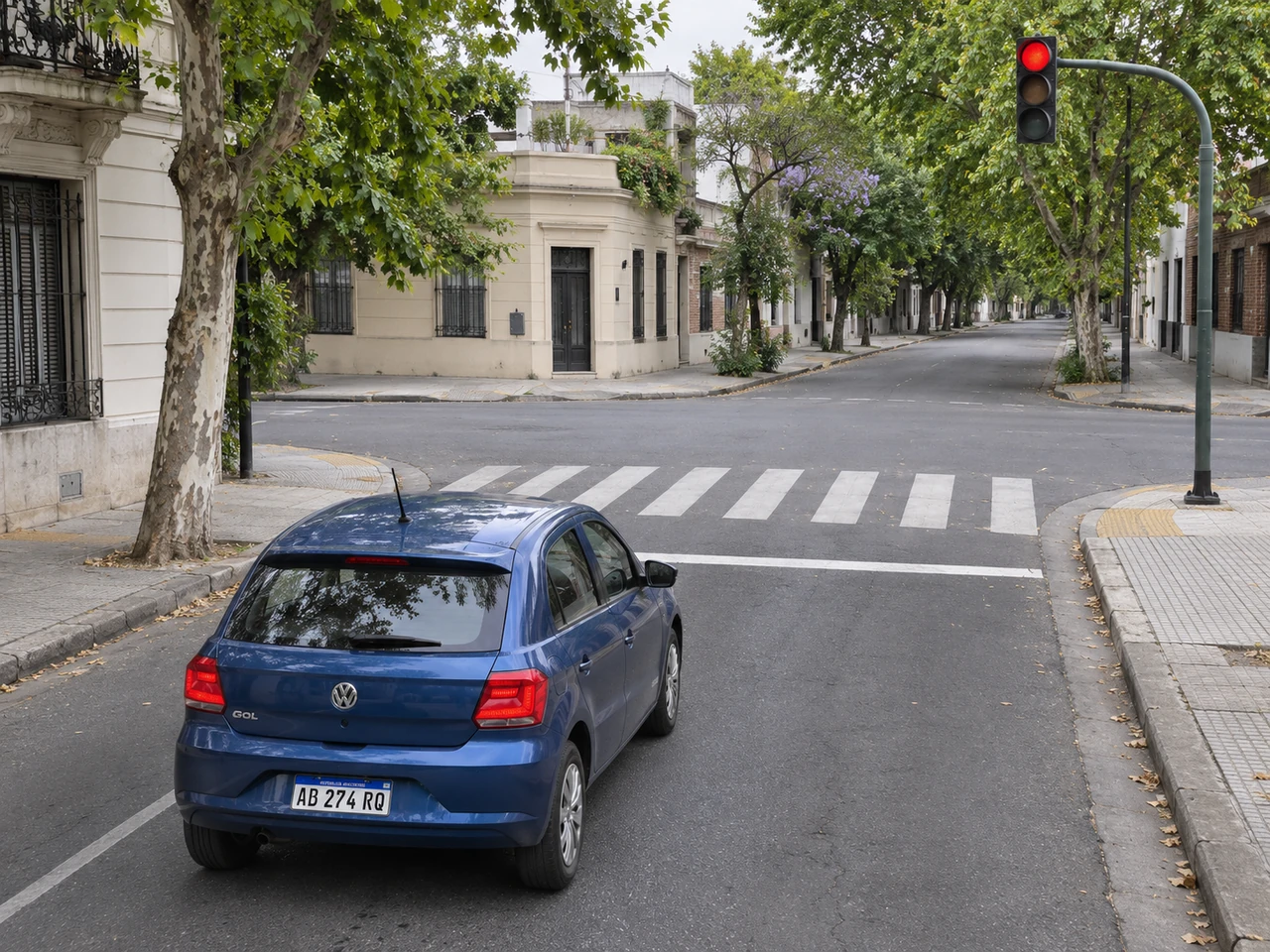
A steady red traffic light normally means you must stop.

490. A steady red traffic light normally means you must stop.

False.
✓ True.

Stop at the stop line and wait until you are allowed to proceed. Local rules may permit a movement under a separate green arrow or another specific exception. Follow directions from authorised traffic controllers.
Stop before the marked line or pedestrian crossing. Remain stationary while the signal is red.
🔗 Sources

Argentina, National Traffic Law 24.449, Article 44(a)(2)

Image credit: AI-generated

How should cyclists ride when travelling in a group?

491. How should cyclists ride when travelling in a group?

Keep the same speed even when gaps become unsafe.
✓ Predictably, with safe gaps and clear communication.
Ride as close together as possible to stay as one group.
Follow the cyclist ahead without checking traffic yourself.

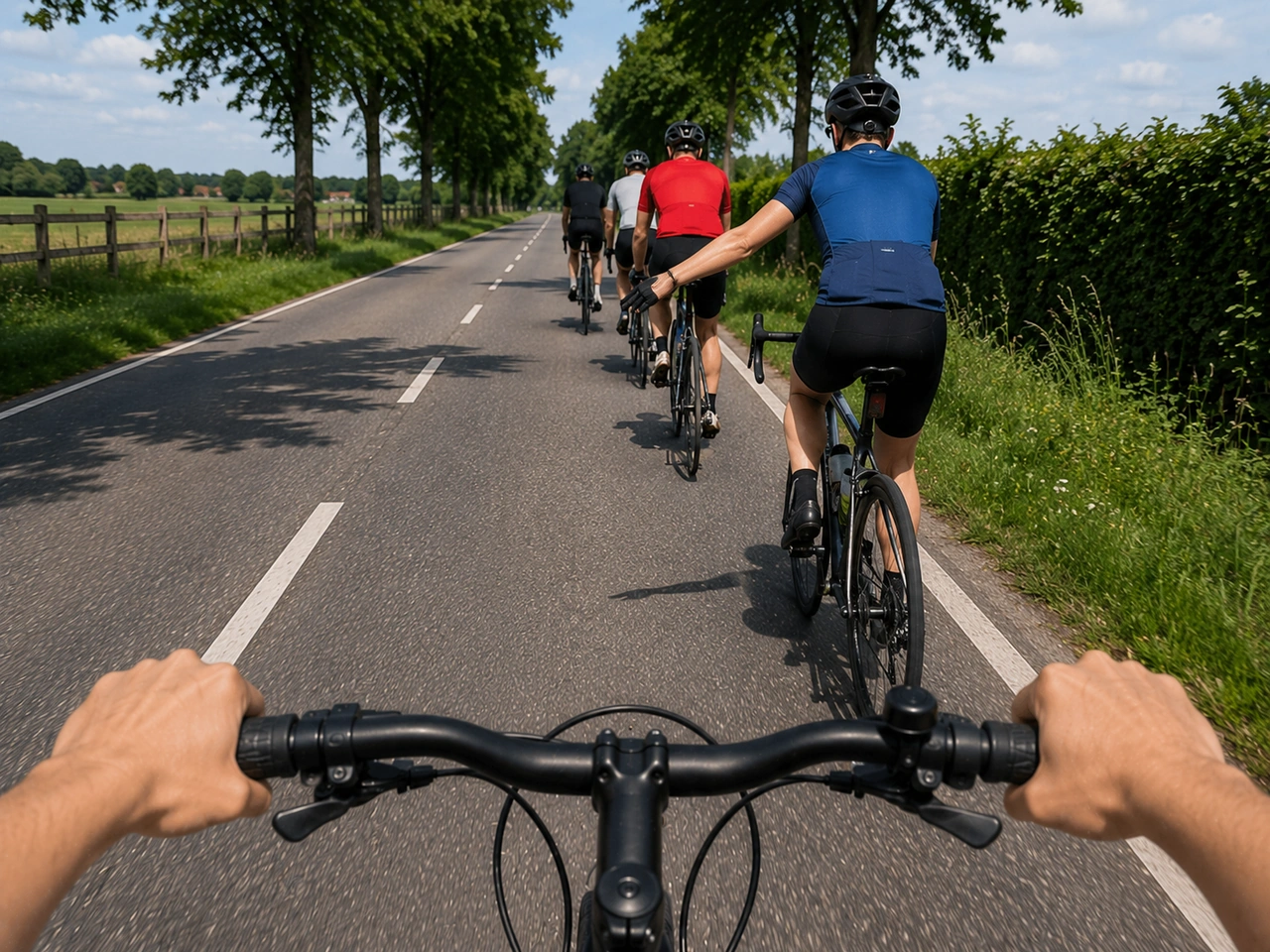
Ride predictably, leave enough space to react and communicate changes in speed or direction clearly. Each rider must observe traffic and follow the applicable rules rather than blindly following the cyclist ahead. Choose a formation that is lawful and safe for the road and traffic conditions.

Group riding in Argentina. Keep a safe gap from other riders and follow a predictable line. Check the road and traffic for yourself rather than relying only on the rider ahead.
🔗 Sources

Argentina — ANSV driver manual, safe following distance and predictable cycling, printed page 115

Image credit: AI-generated
What should you do if you miss your motorway exit?

492. What should you do if you miss your motorway exit?

Move onto the shoulder and reverse carefully.
Use an emergency opening in the central reservation.
✓ Continue to the next exit.
Turn around if traffic is light enough.

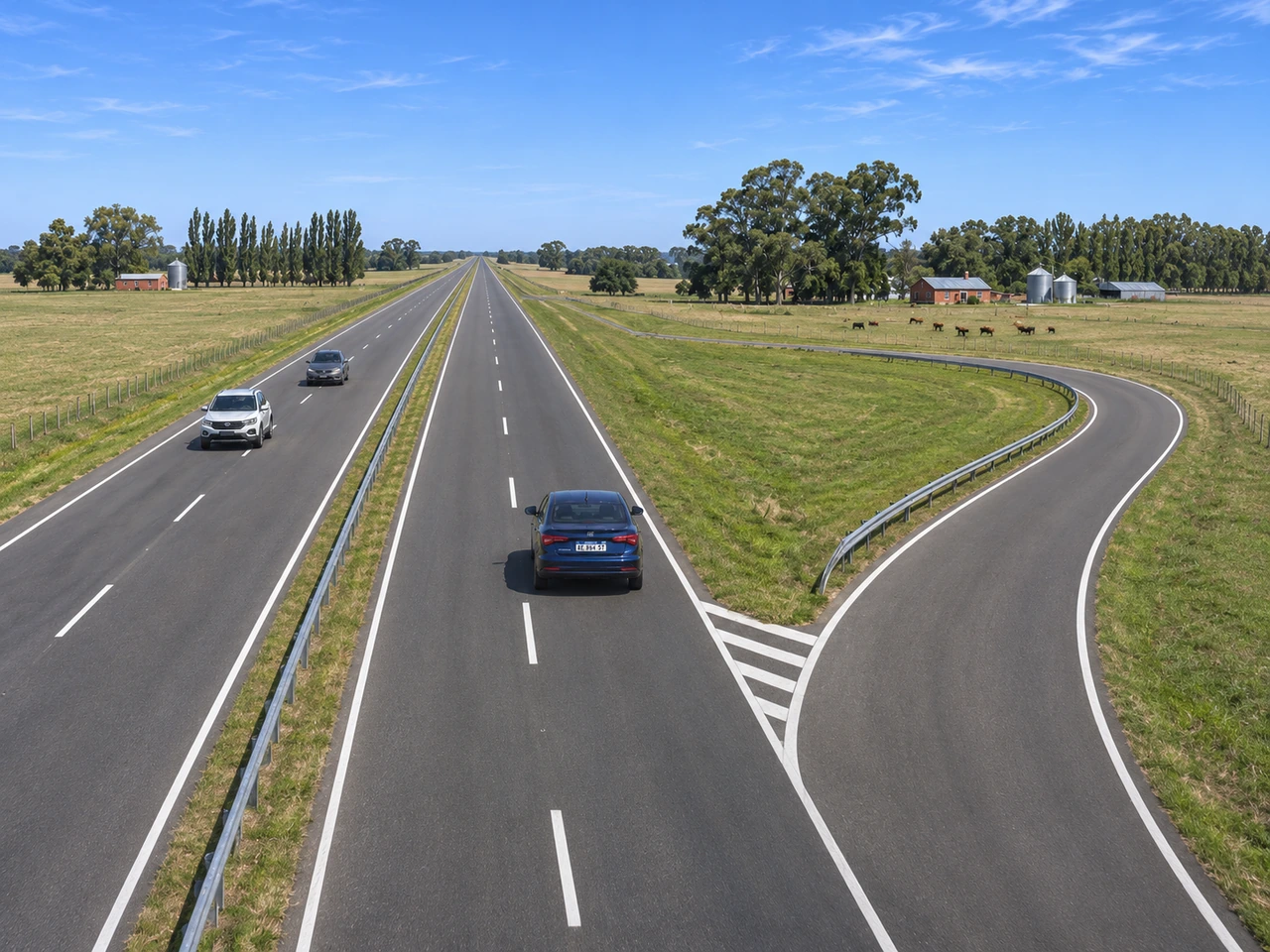
Never reverse or make a sudden manoeuvre. Continue safely and change your route at the next suitable exit.

Sedan continuing on an Argentine motorway after passing a separated exit ramp.
If you miss the exit, continue to the next suitable one. Reversing towards an exit is outside the limited situations in which reversing is permitted.
🔗 Sources

Argentine National Traffic Law 24,449 · Article 48

Image credit: AI-generated

What should you do if medicine makes you feel drowsy?

493. What should you do if medicine makes you feel drowsy?

Open a window to stay alert.
Drink coffee before driving.
Drive only for short distances.
✓ Do not drive until the effect has passed.

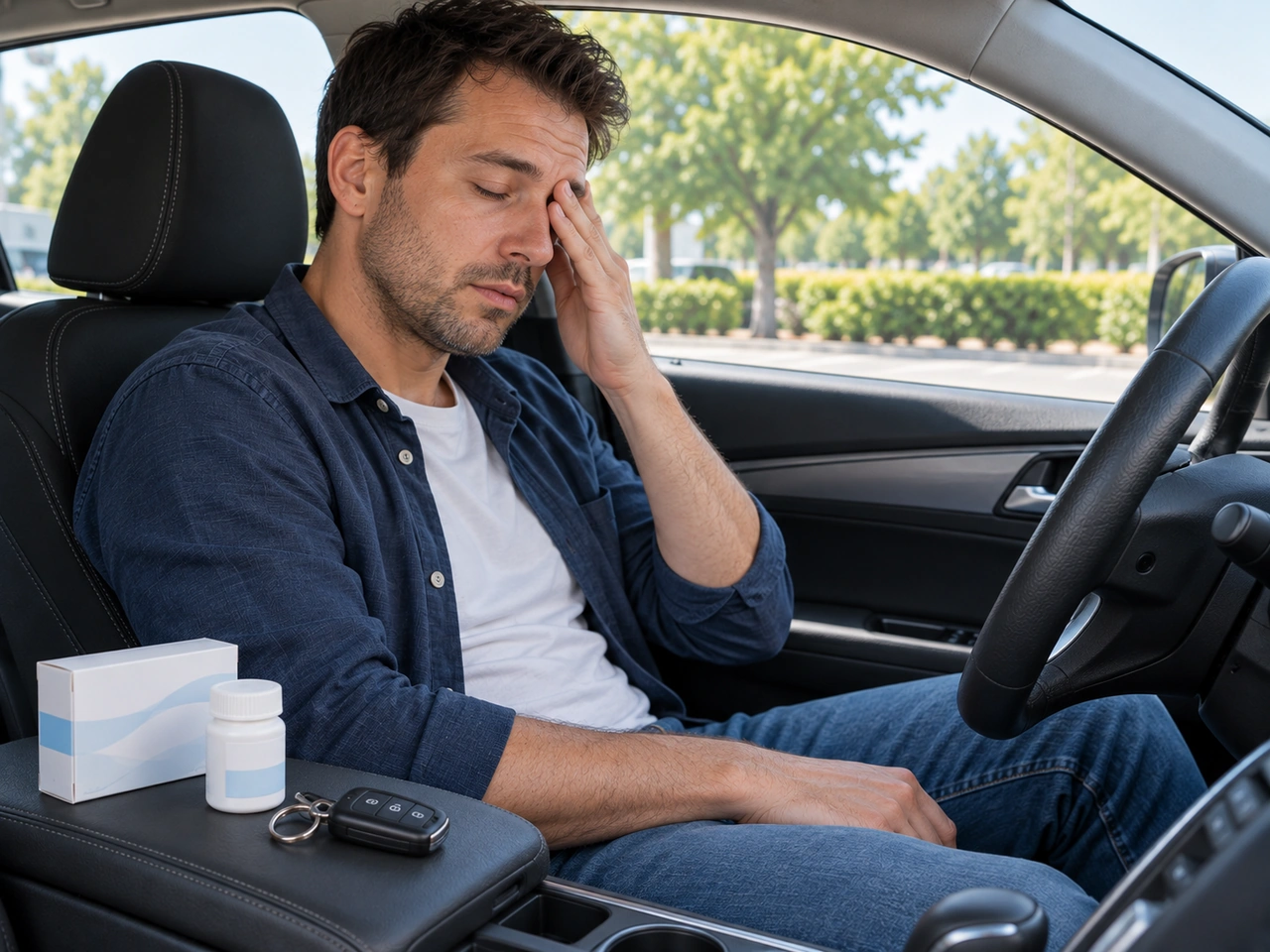
If a medicine causes drowsiness, your concentration, judgement, and reaction time may be reduced. Do not drive until you are fit to do so and the effect has passed.

Drowsiness after taking medicine.
Argentina. If a medicine makes you drowsy, postpone the drive or arrange another way to travel. Some antihistamines can also slow reactions and affect coordination.
🔗 Sources

Argentina · Traffic Law 24.449, Article 48

NHS · Antihistamines

Image credit: AI-generated

What should you do if the oil-pressure warning light stays on?

494. What should you do if the oil-pressure warning light stays on?

Increase the engine speed until the light goes out.
Add engine oil while the engine is still running.
Ignore it if the engine sounds normal.
✓ Stop safely, switch off the engine, and seek assistance.

Low oil pressure can quickly cause severe engine damage. Stop as soon as it is safe, switch off the engine, and investigate the cause before continuing.

Oil-pressure warning illuminated on the dashboard.
Argentina. Pull over safely and switch off the engine if the oil-pressure warning stays on. Check the handbook and arrange assistance before continuing.
🔗 Sources

Ford · Oil-pressure warning (manufacturer example)

Image credit: AI-generated

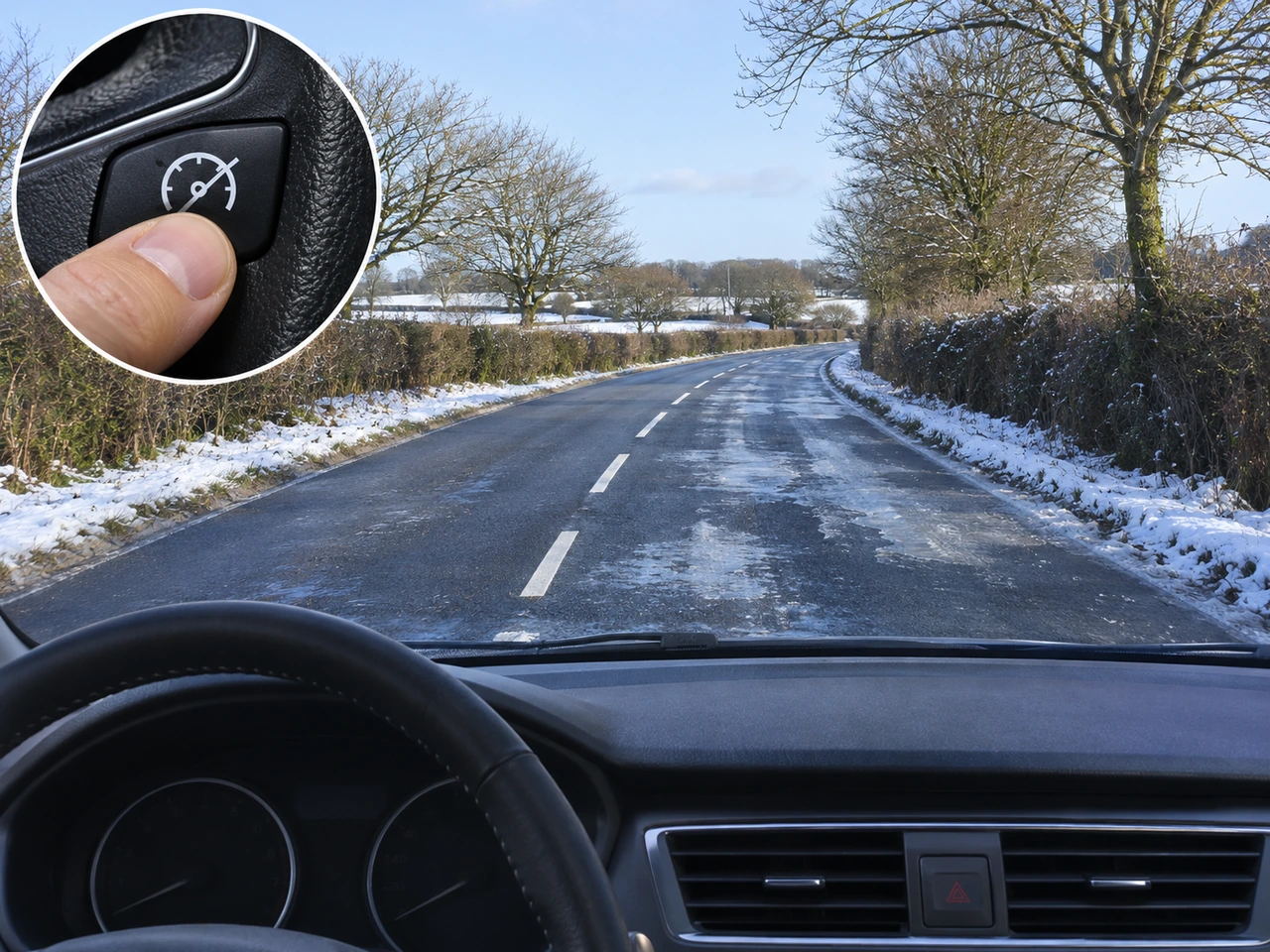
What should you do with conventional cruise control when the road becomes slippery?

495. What should you do with conventional cruise control when the road becomes slippery?

Keep it on because it guarantees tyre grip.
Use resume whenever the tyres begin to slide.
✓ Cancel it and control your speed carefully yourself.
Increase its set speed to prevent wheelspin.

Do not rely on conventional cruise control on a slippery surface. Cancel it safely, avoid abrupt control inputs and choose a speed suited to the available grip. Follow your vehicle's instructions.

Cruise control should be cancelled when road conditions are unsuitable. General road-safety guidance: Do not rely on conventional cruise control on a slippery surface. Cancel it safely, avoid abrupt control inputs and choose a speed suited to the available grip. Follow your vehicle's instructions.
🔗 Sources

Ford — manufacturer guidance
Reference: Cruise control, Principle of Operation: do not use cruise control on slippery road surfaces; follow the handbook for the fitted system.

Image credit: AI-generated
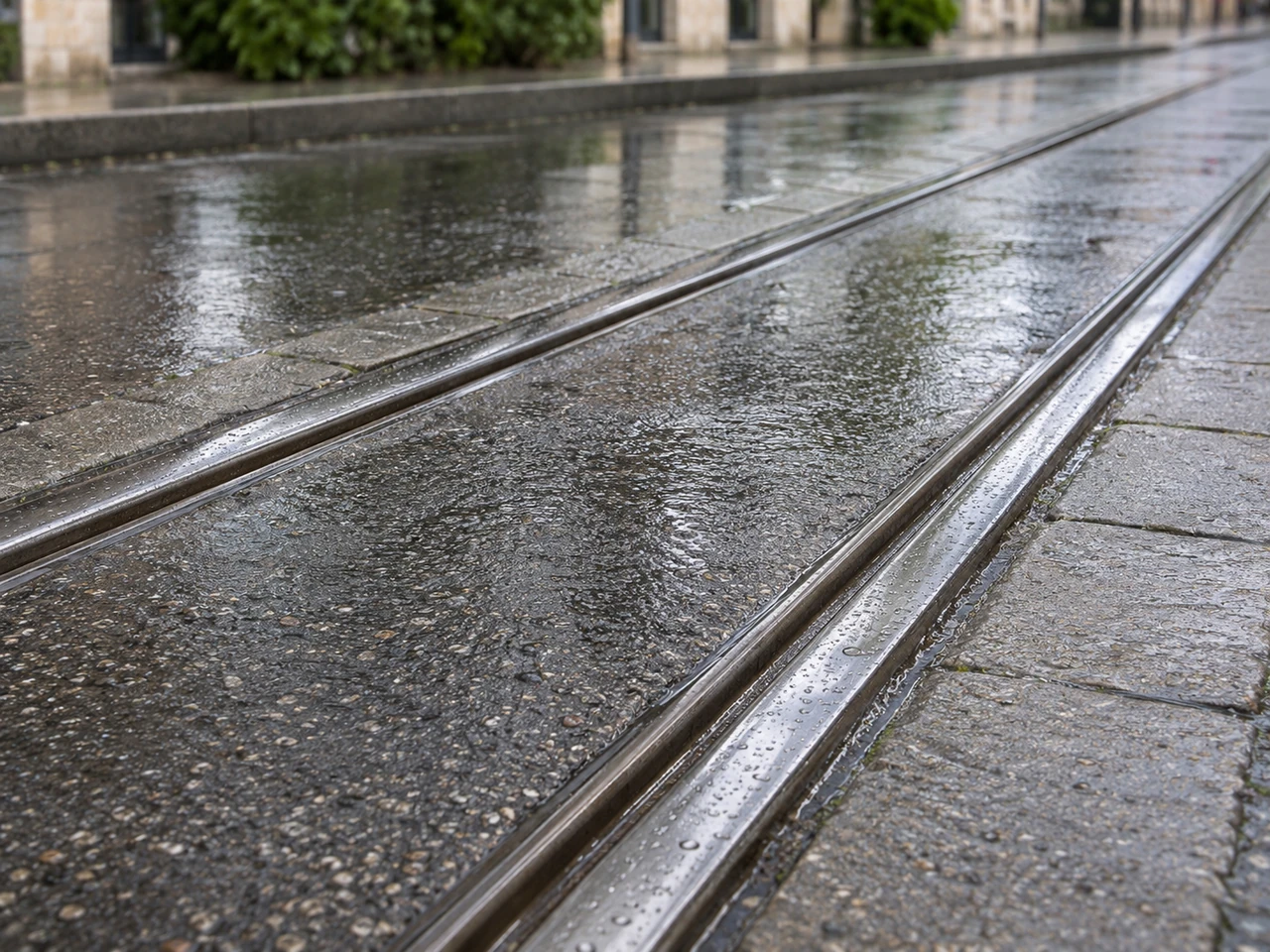
Wet tram rails can be slippery for cyclists and motorcyclists.

496. Wet tram rails can be slippery for cyclists and motorcyclists.

False.
✓ True.

Wet rails can reduce tyre grip and affect a rider's line. Leave cyclists and motorcyclists room to cross safely.
Wet rails need extra care. Wet rails can reduce tyre grip and affect a rider's line. Leave cyclists and motorcyclists room to cross safely.
🔗 Sources

The Highway Code (Great Britain) • Safety guidance, Rule 306

Image credit: AI-generated

Driving at the speed limit is always safe in any conditions.

497. Driving at the speed limit is always safe in any conditions.

✓ False.
True.

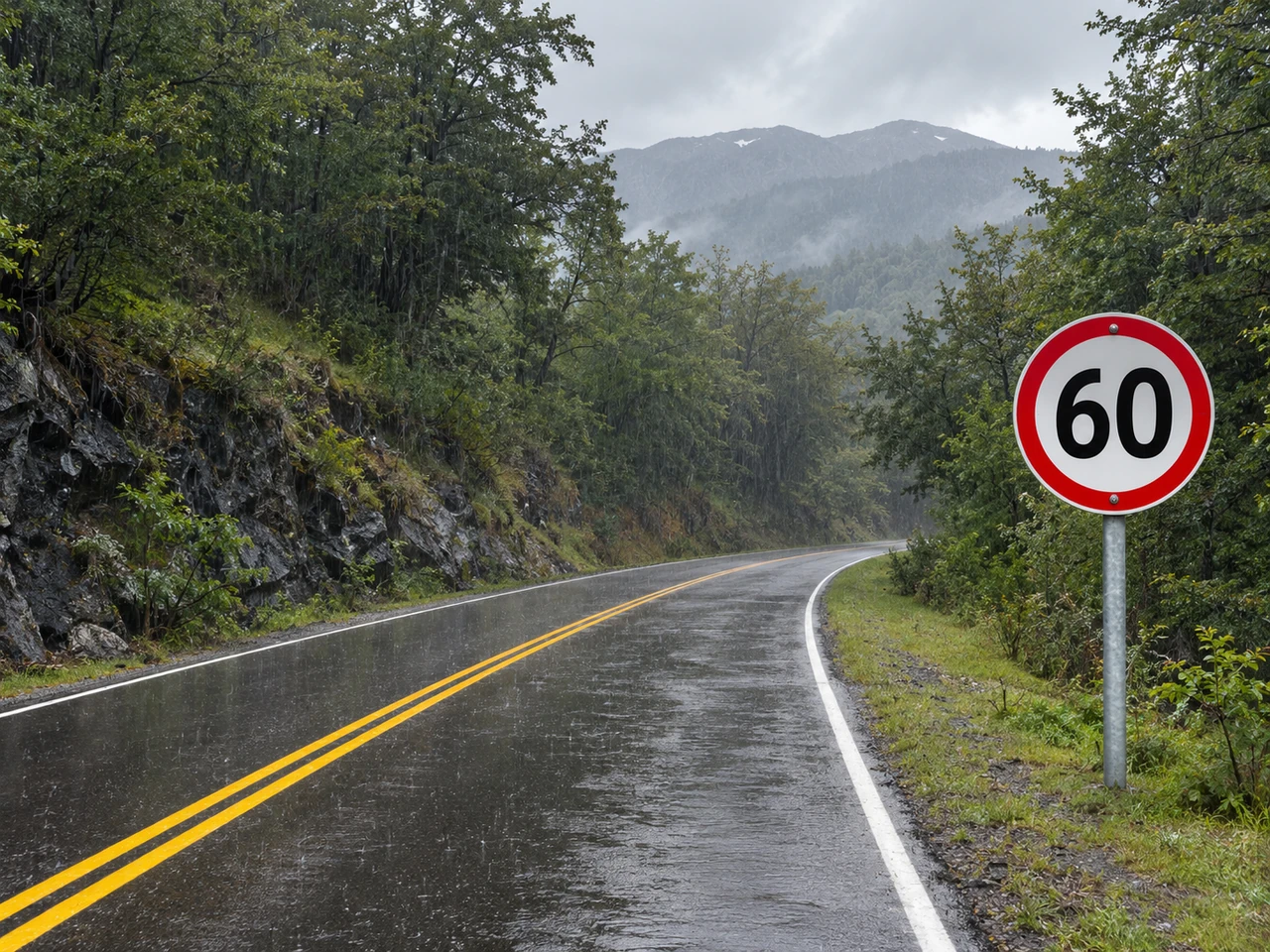
A speed limit is a maximum, not a target. Poor visibility, bends, weather or other hazards may require a lower speed.

Slow down to suit the conditions. In Argentina, sign R.15 shows a maximum of 60 km/h. Article 50 requires a prudent speed that accounts for visibility, road conditions and weather while keeping the vehicle under control. Reduce speed before this wet bend.
🔗 Sources

Argentine National Traffic Law 24,449 • Article 50; Road-sign regulations • R.15
Updated Argentine Road-sign Regulations • R.15

Image credit: AI-generated
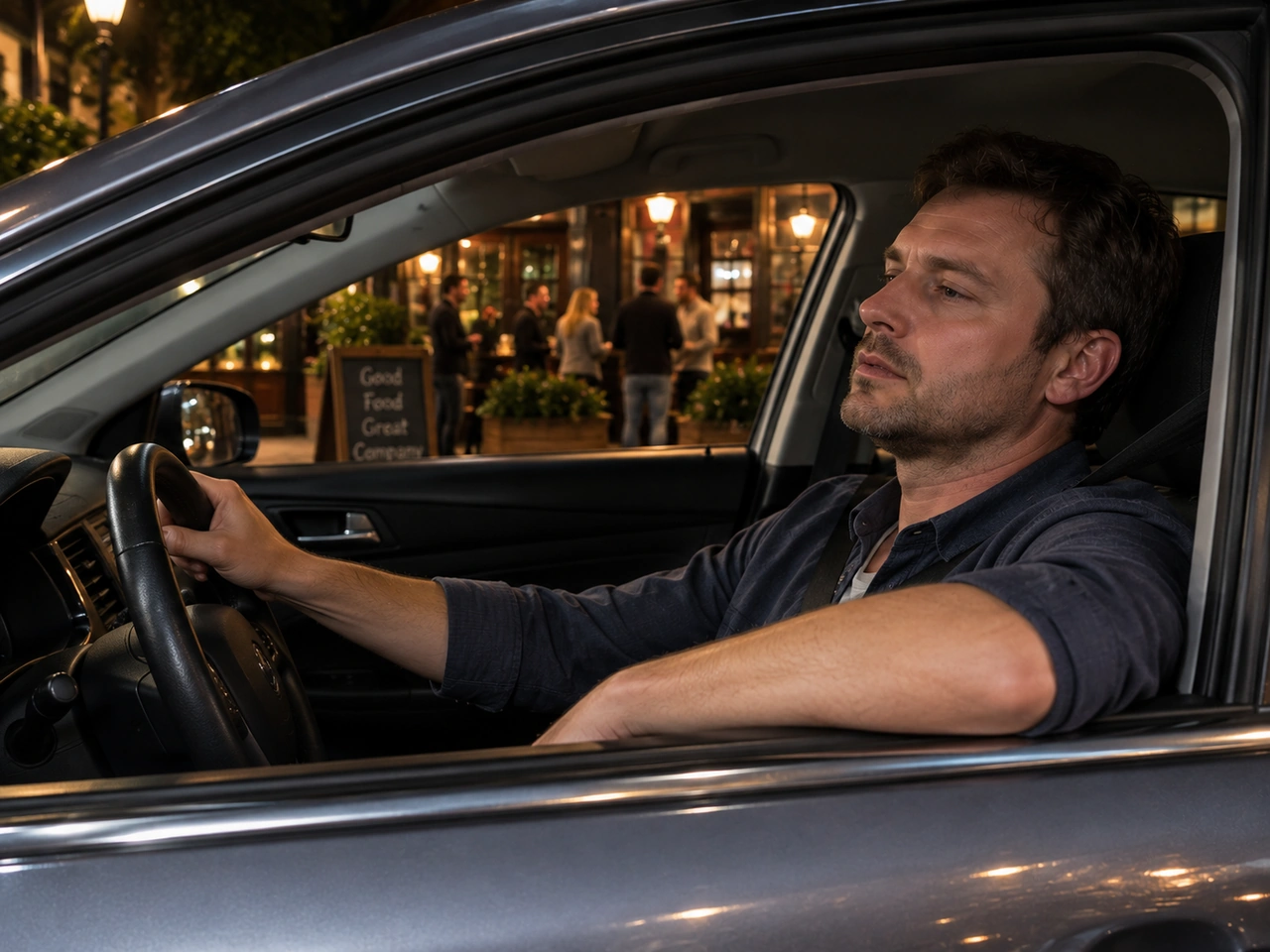
Does opening a window make an alcohol-impaired driver safe?

498. Does opening a window make an alcohol-impaired driver safe?

Yes, if you also drink some water.
Yes, but only when driving slowly.
✓ No, fresh air does not remove alcohol from the body.
Yes, because fresh air helps you sober up.

Fresh air may make someone feel more awake, but it does not reduce their alcohol concentration or restore safe driving ability.

Open car window and an alcohol-impaired driver.
Argentina. Fresh air may feel refreshing while alcohol continues to impair judgement and reactions. Arrange a sober ride.
🔗 Sources

NHTSA · Drunk Driving

Image credit: AI-generated

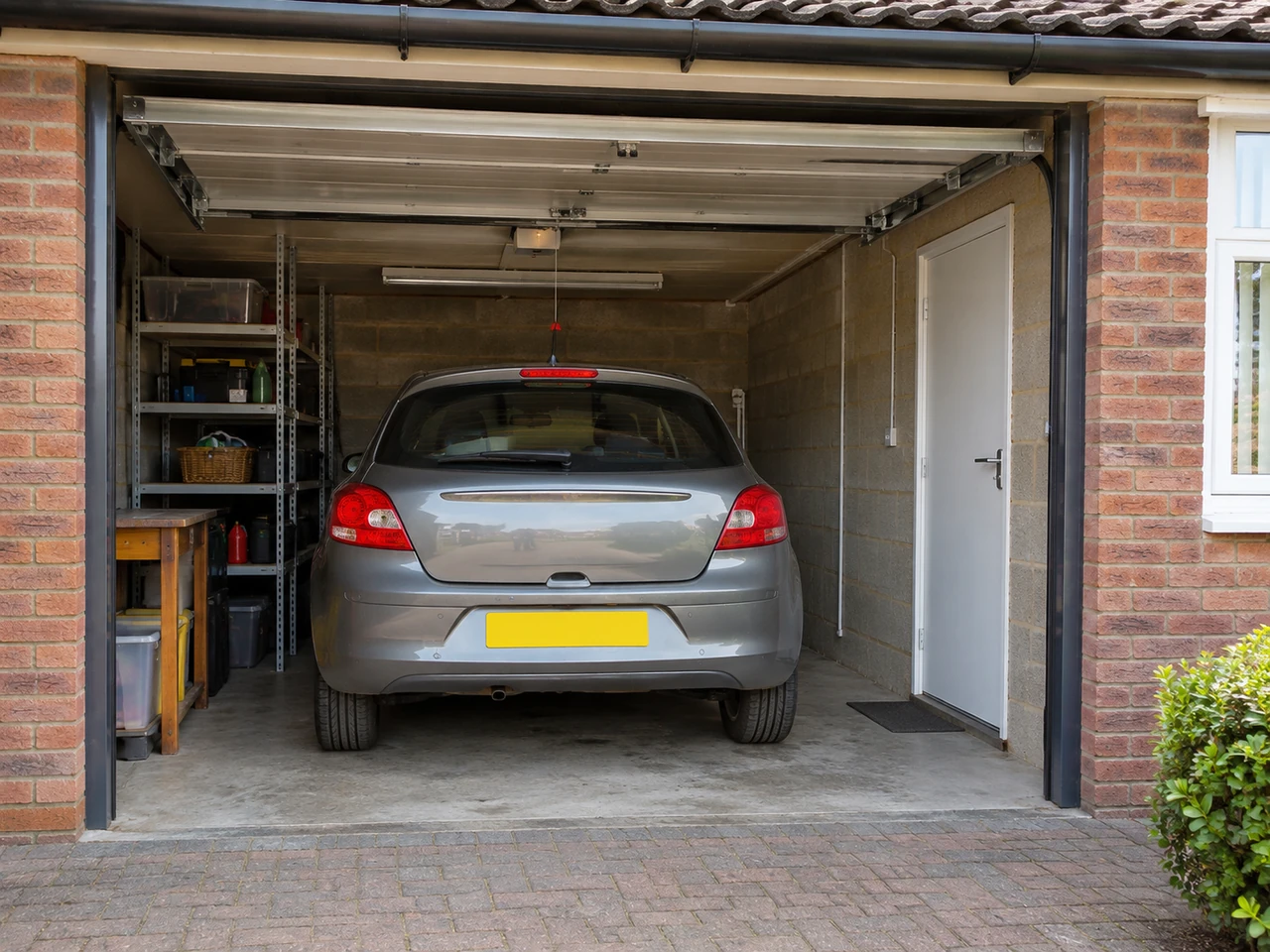
Leaving a petrol engine running in an attached garage is safe if the garage door is open.

499. Leaving a petrol engine running in an attached garage is safe if the garage door is open.

True.
✓ False.

Exhaust contains carbon monoxide, a poisonous gas that you cannot see or smell. Never leave a petrol or diesel engine running in a garage attached to a house, even with the garage door open.

Do not idle in an attached garage. Exhaust contains carbon monoxide, a poisonous gas that you cannot see or smell. Never leave a petrol or diesel engine running in a garage attached to a house, even with the garage door open.
🔗 Sources

CDC (United States) • Safety guidance, car exhaust and attached garages

Image credit: AI-generated
How should luggage be carried on a motorcycle?

500. How should luggage be carried on a motorcycle?

Loosely strapped so it can move with the motorcycle.
As high as possible so it stays away from the wheels.
✓ Securely and evenly, without affecting balance or control.
Hanging from the handlebars if the luggage is light.

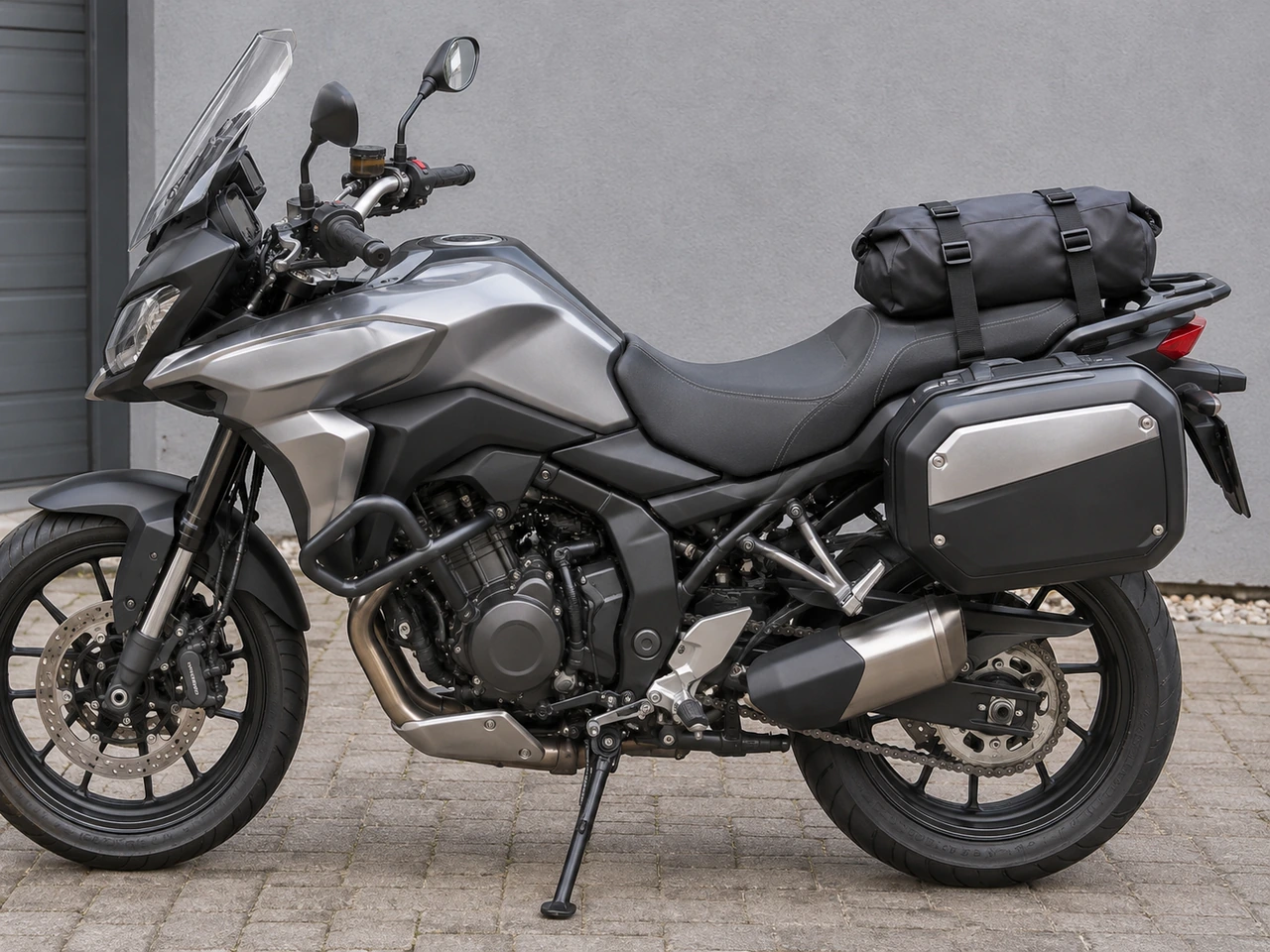
Motorcycle luggage should be securely fastened and sensibly distributed. A loose, uneven or badly positioned load can affect balance, steering and braking, or become caught in moving parts.

Keep luggage secure and balanced. A compact bag is strapped to a stationary motorcycle with fitted luggage. Keep loads low, distribute weight appropriately and secure all attachments. Stay within the motorcycle and luggage-system limits, keep straps clear of moving parts, and recheck the load during the journey.
🔗 Sources

DLD.Utah.gov — Motorcycle Handbook, Carrying loads

Image credit: AI-generated