


Emergency vehicle lightingAustralia
An introduction to the traffic rules and road signs of Australia. Learn about driving, road safety and much more in our illustrated book, with answers to frequently asked questions.
For informational purposes only. Always follow official regulations. Some content and images were created with AI assistance.
 Traffic rules
 Australia
82. Emergency vehicle lighting
Emergency vehicle lighting consists of special flashing or rotating lights used on authorised emergency or priority vehicles to make them highly visible and warn other road users. Police vehicles, ambulances, fire engines and other authorised response vehicles commonly use distinctive warning lights when responding to incidents.
The colour, meaning and permitted use of emergency lights vary between countries. When emergency lighting is active, road users should remain alert, identify the approaching vehicle and follow the local rules for giving way or creating a clear passage.
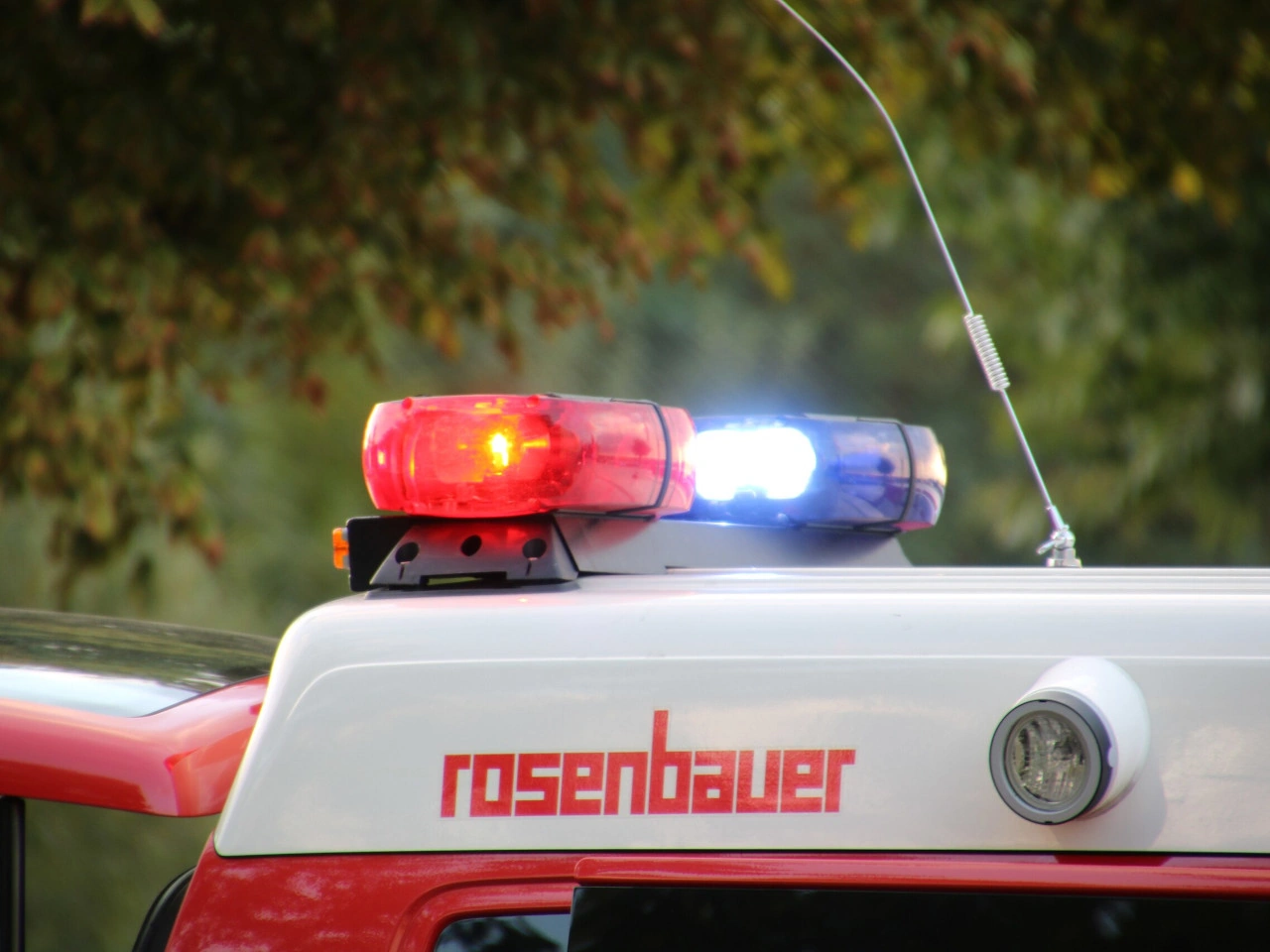
Wikimedia.org • BFV Radkersburg • CC BY-SA
What is emergency vehicle lighting?
Emergency vehicle lighting consists of special warning lights fitted to authorised emergency or priority vehicles to increase their visibility and alert other road users.
Which vehicles use emergency warning lights?
Depending on the country, they may be used by police vehicles, ambulances, fire engines, rescue vehicles and other authorised emergency services.
What should you do when you see emergency lights?
Remain alert, determine where the emergency vehicle is coming from and follow the applicable rules for giving way or creating a safe passage. The precise obligation depends on the country's traffic laws and whether an audible warning is also being used.


