QuizTraffic rulesBrussels

Test your knowledge with our multiple-choice quiz. Learn from each answer and improve your understanding of the traffic rules and road signs of Brussels.
For informational purposes only. Always follow official regulations. Some content and images were created with AI assistance.


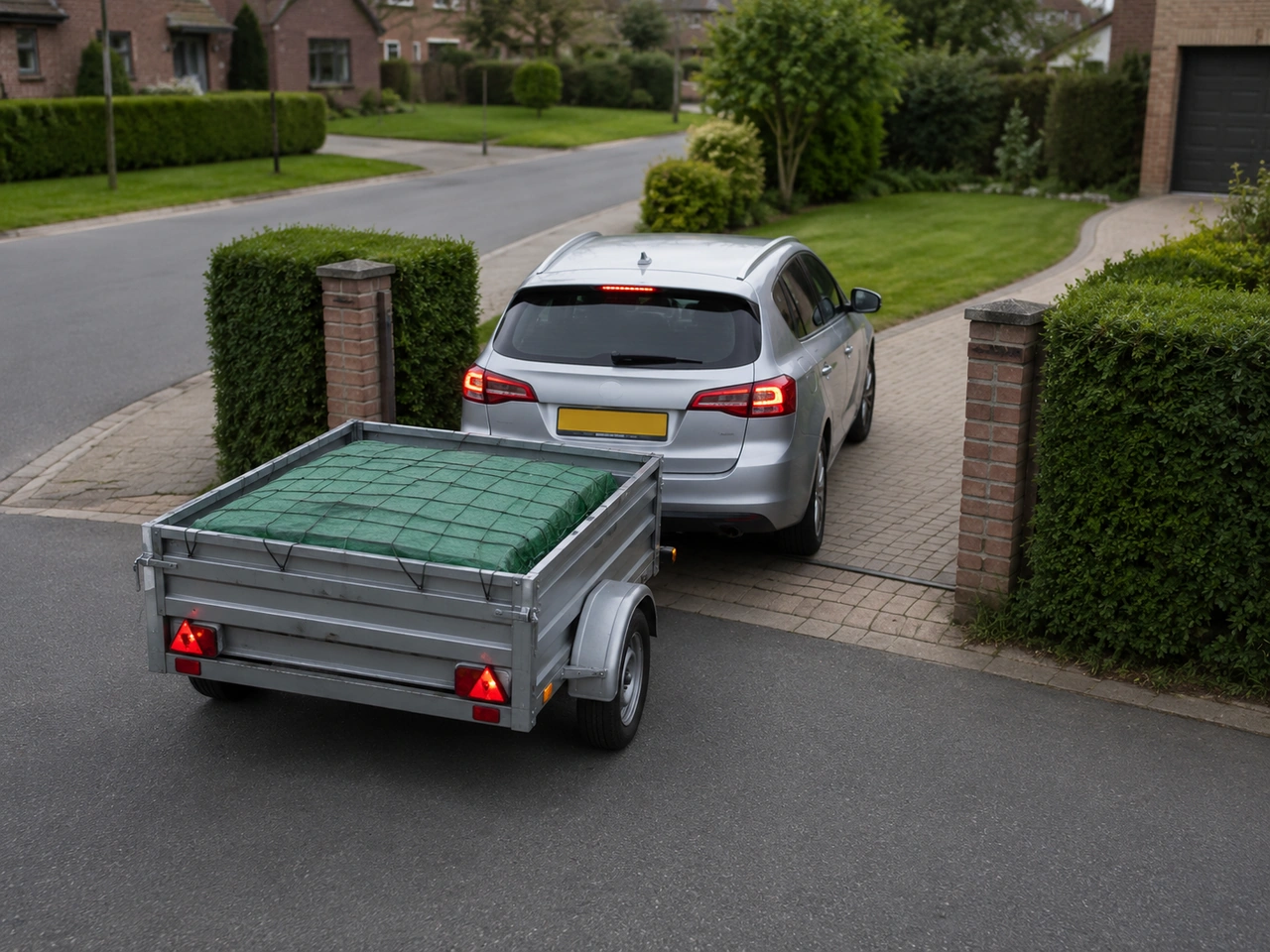
What should you do when reversing with a trailer?

201. What should you do when reversing with a trailer?

Make large steering corrections as soon as it turns.
Watch only the trailer and ignore surrounding traffic.
Ask a guide to stand directly behind the trailer.
✓ Reverse slowly and make small steering corrections.

Trailers react quickly to steering while reversing. Move slowly, observe carefully, and use a guide only from a safe visible position.

Vehicle reversing with a trailer
AI-generated by Traffic-rules.com • WCIT • CC BY-SA
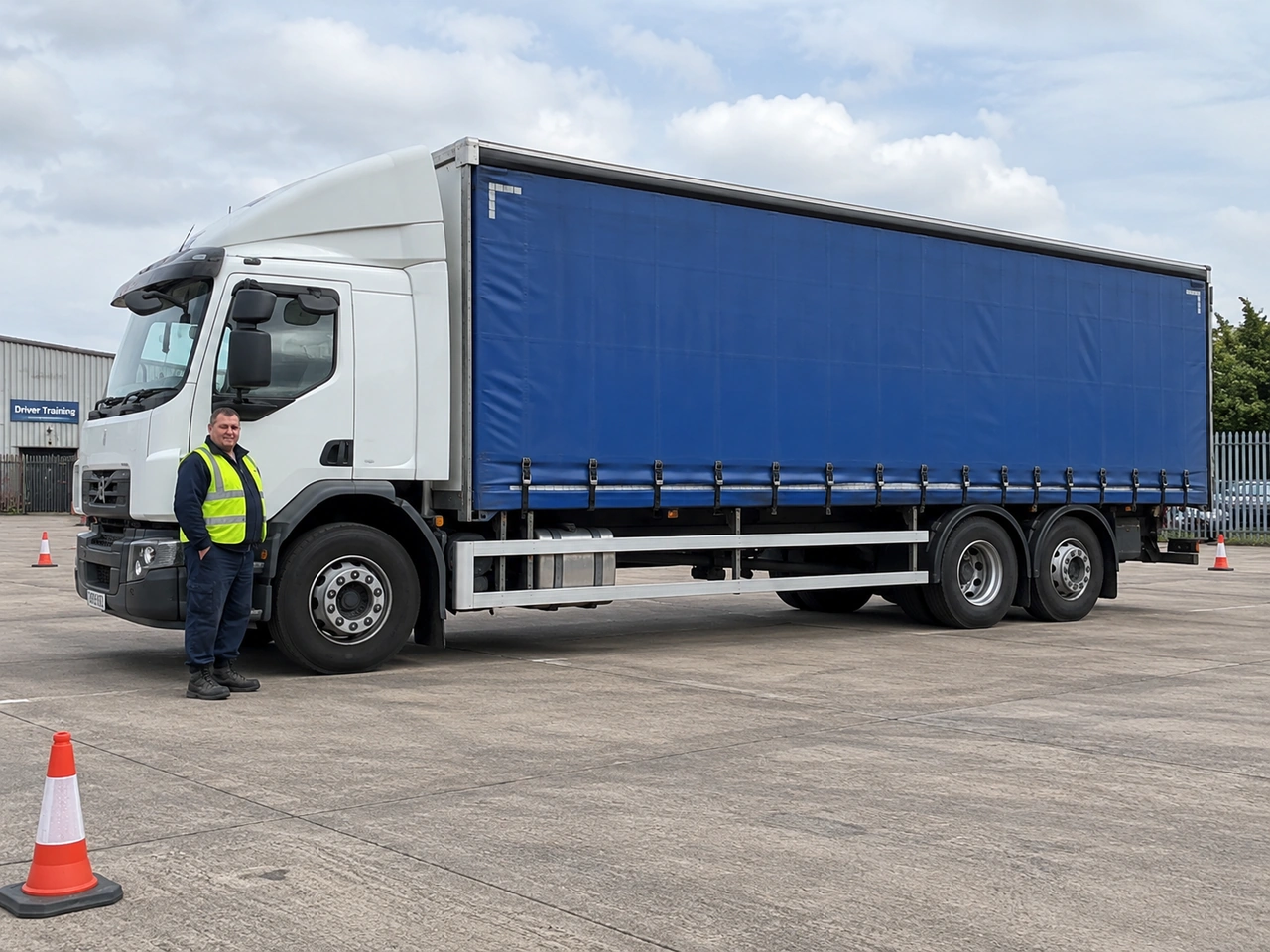
What is the minimum licence for a goods vehicle over 7,500 kg maximum authorised mass?

202. What is the minimum licence for a goods vehicle over 7,500 kg maximum authorised mass?

Licence C1.
Licence C1E.
✓ Licence C.
Licence B.

Category C1 is limited to vehicles with a maximum authorised mass not exceeding 7,500 kg. A goods vehicle above this limit requires category C.

Goods vehicle above 7,500 kg maximum authorised mass
AI-generated by Traffic-rules.com • WCIT • CC BY-SA
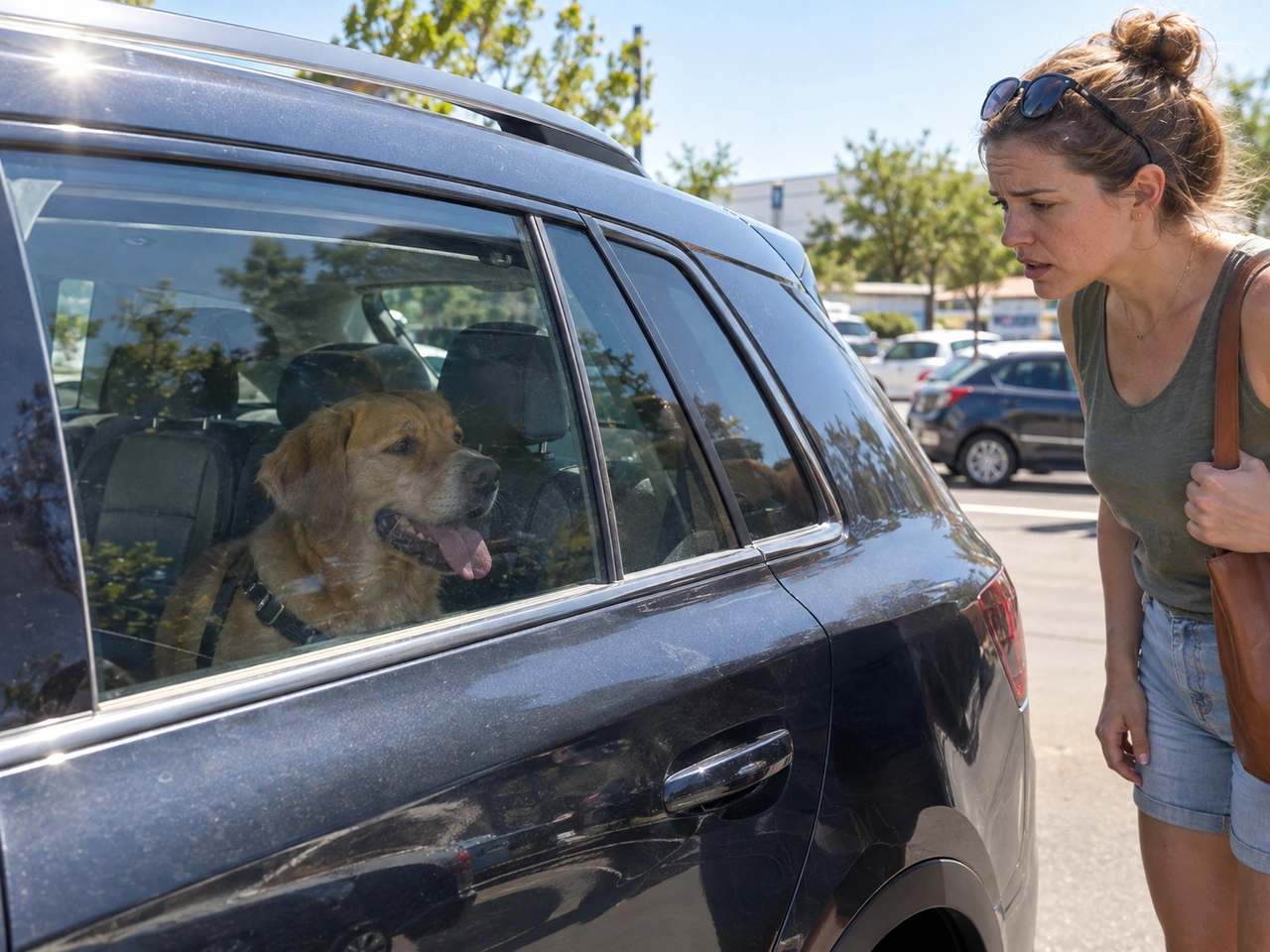
Why should you never leave a child or pet alone in a parked vehicle on a warm day?

203. Why should you never leave a child or pet alone in a parked vehicle on a warm day?

The tyres may lose pressure while the vehicle is parked.
✓ The interior can heat up quickly and cause serious heat illness.
The windows may become difficult to open.
The vehicle battery may discharge more quickly.

The inside of a parked vehicle can heat up rapidly, even when the outside temperature does not feel extreme. Children and animals are particularly vulnerable to overheating and heatstroke. Leaving a window partly open does not make the vehicle safe.

Parked vehicle and the danger of interior heat
AI-generated by Traffic-rules.com • WCIT • CC BY-SA
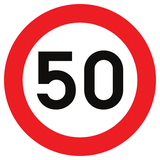
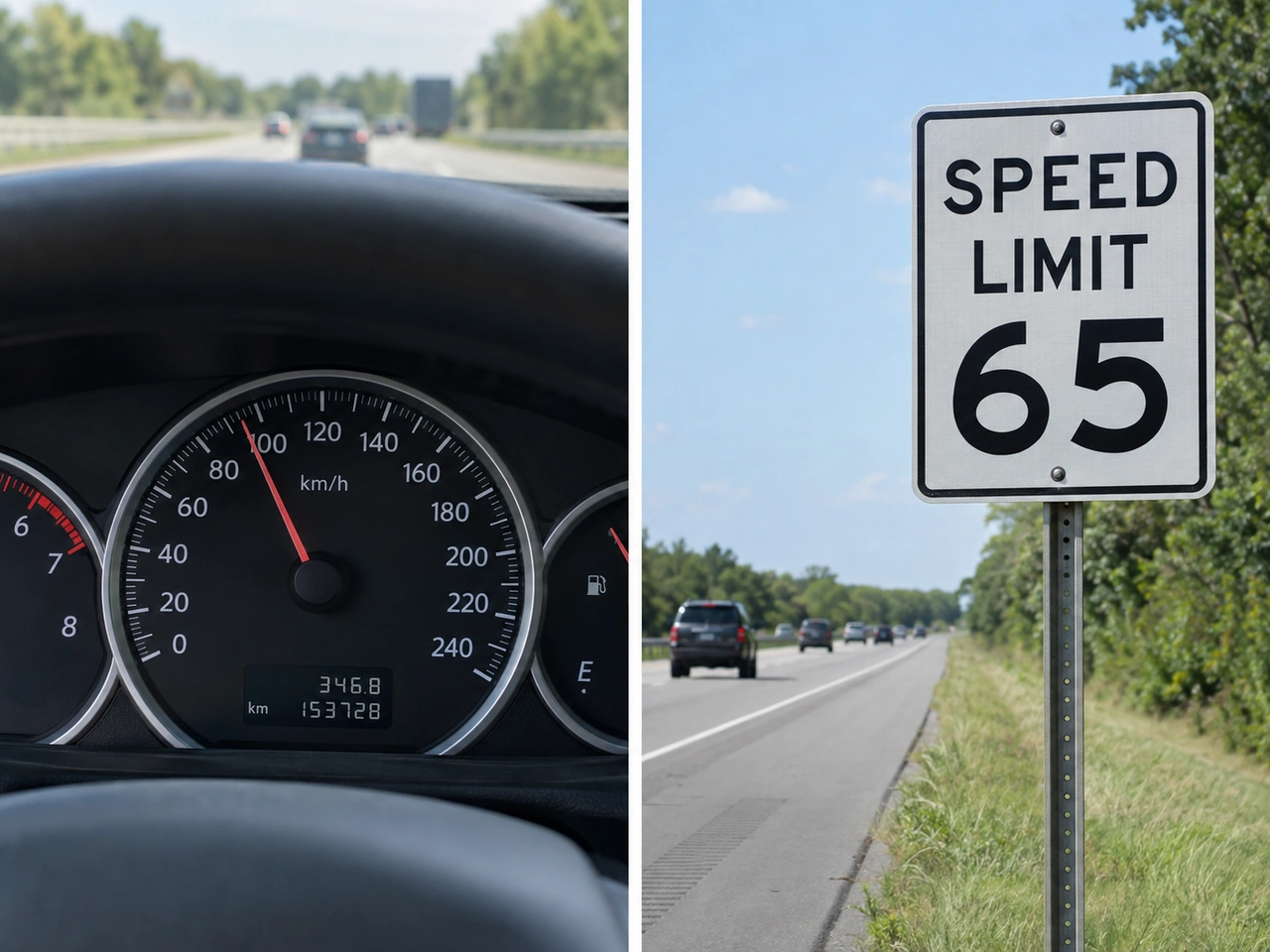
Which speed unit is used in Brussels?

204. Which speed unit is used in Brussels?

Miles per hour (mph).
✓ Kilometres per hour (km/h).

Road speeds in Brussels are shown in kilometres per hour (km/h).

Road speed expressed in kilometres per hour
AI-generated by Traffic-rules.com • WCIT • CC BY-SA
Why can mixing alcohol with medicine be dangerous for drivers?

205. Why can mixing alcohol with medicine be dangerous for drivers?

Medicine prevents alcohol from causing drowsiness.
The combination is safe if taken with food.
Alcohol leaves the body faster when taking medicine.
✓ The combination may increase drowsiness or impairment.

Some prescription and non-prescription medicines can intensify alcohol-related drowsiness, dizziness, poor coordination, or reduced concentration.

Alcohol and medicine as a driving-impairment risk
AI-generated by Traffic-rules.com • WCIT • CC BY-SA

What should you do when construction vehicles enter or leave the road?

206. What should you do when construction vehicles enter or leave the road?

Drive closely behind it until there is room to pass.
✓ Slow down and be prepared for them to move across your path.
Use your horn so the driver waits for you.
Accelerate before the vehicle reaches the road.

Construction vehicles may move slowly, have limited visibility, or carry loose material. Give them time and space to manoeuvre.

Construction vehicle entering or leaving a road
AI-generated by Traffic-rules.com • WCIT • CC BY-SA
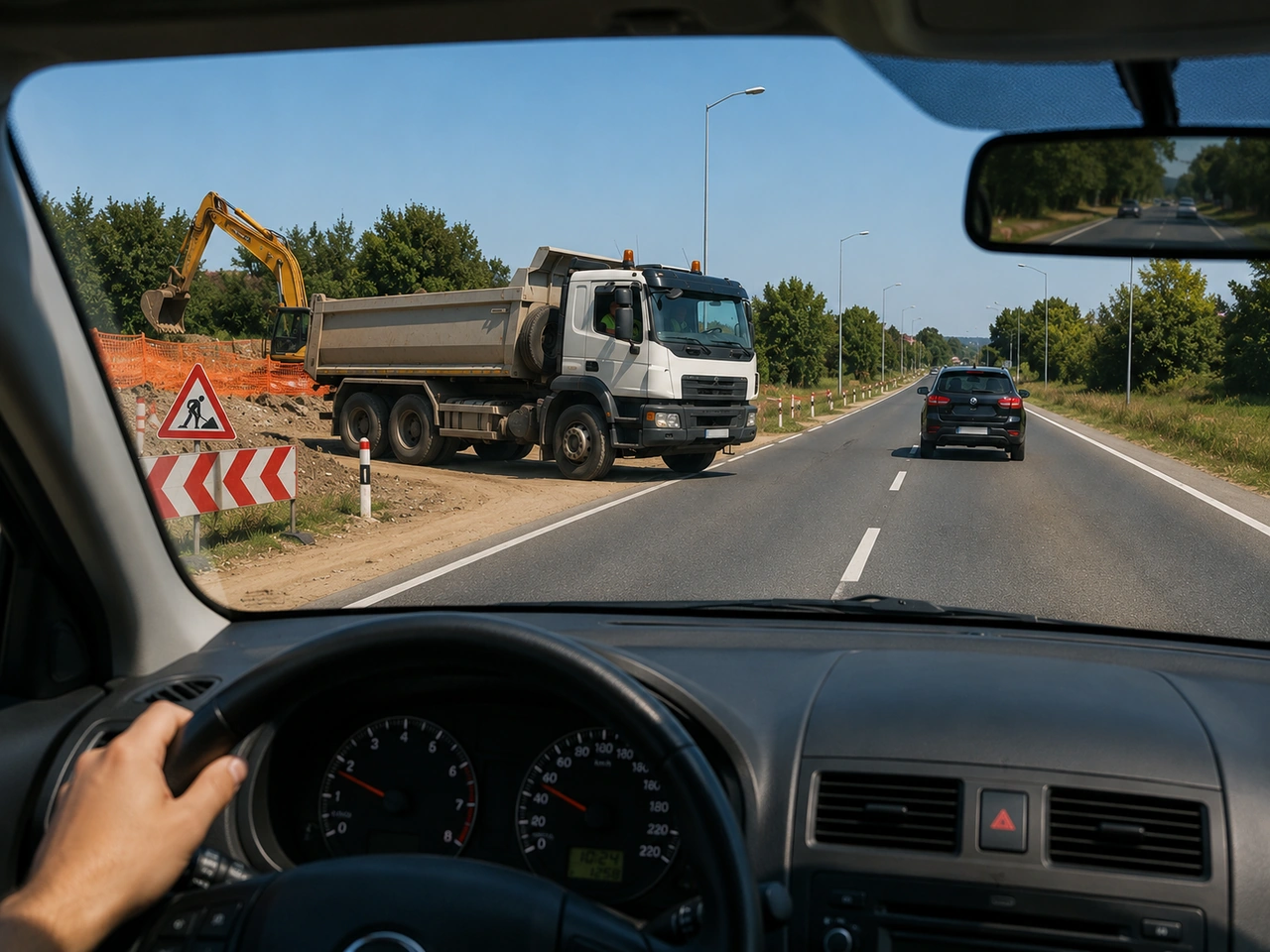
What is normally required to ride a speed pedelec in Belgium?

207. What is normally required to ride a speed pedelec in Belgium?

A category C driving licence.
Only a standard bicycle certificate.
A minimum age of 18 and a motorcycle licence A.
✓ A minimum age of 16 and a driving licence valid for category AM or B.

A speed-pedelec rider must normally be at least 16 years old and hold a driving licence valid for category AM or B.

Speed pedelec and driving licence requirements
AI-generated by Traffic-rules.com • WCIT • CC BY-SA
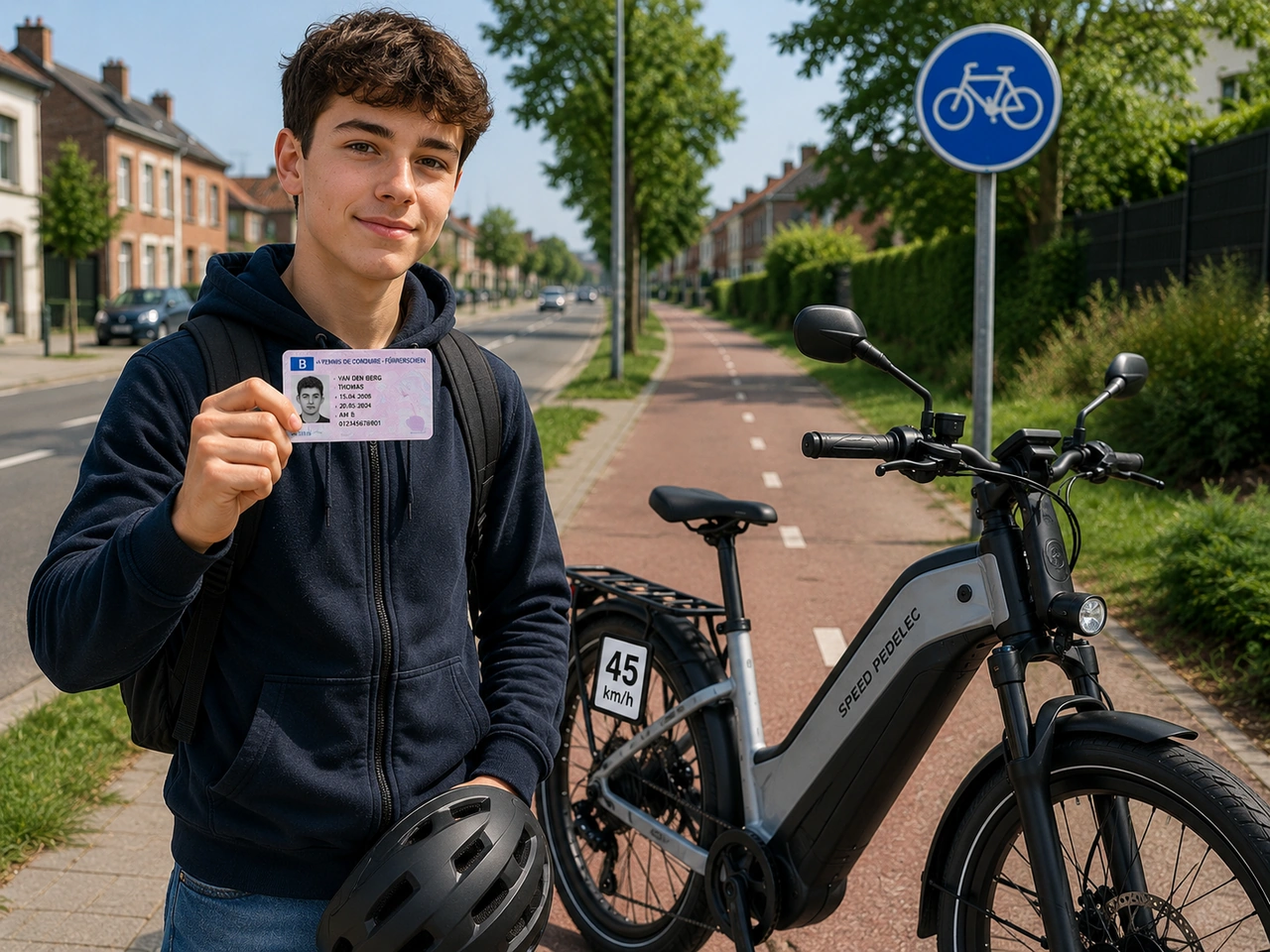
What does this dashboard symbol indicate?

208. What does this dashboard symbol indicate?

Front fog lights.
Rear fog lights.
Sidelights.
✓ Main beam.

This symbol indicates that the main beam headlights are switched on. Main beam illuminates the road farther ahead but can dazzle other road users, so it should be changed to dipped headlights when necessary.

Main-beam headlight symbol on the dashboard
AI-generated by Traffic-rules.com • WCIT • CC BY-SA
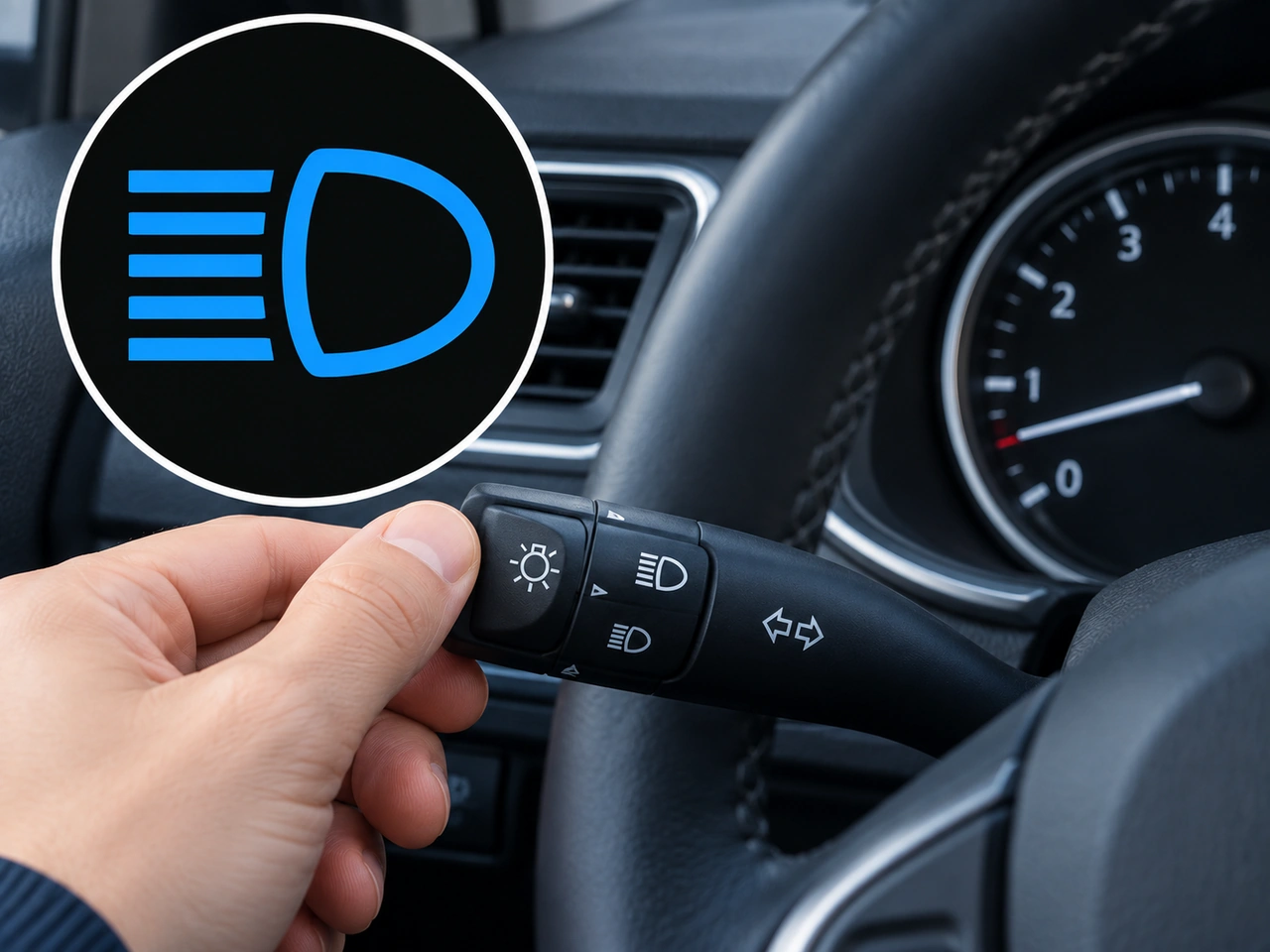
When should you switch off your fog lights?

209. When should you switch off your fog lights?

Never, because they always improve visibility.
Whenever you stop at a traffic light.
✓ When visibility improves and they are no longer needed.
When you enter a built-up area.

Fog lights can dazzle other road users when visibility is normal, so switch them off when conditions improve.

Fog-light control as visibility improves
AI-generated by Traffic-rules.com • WCIT • CC BY-SA
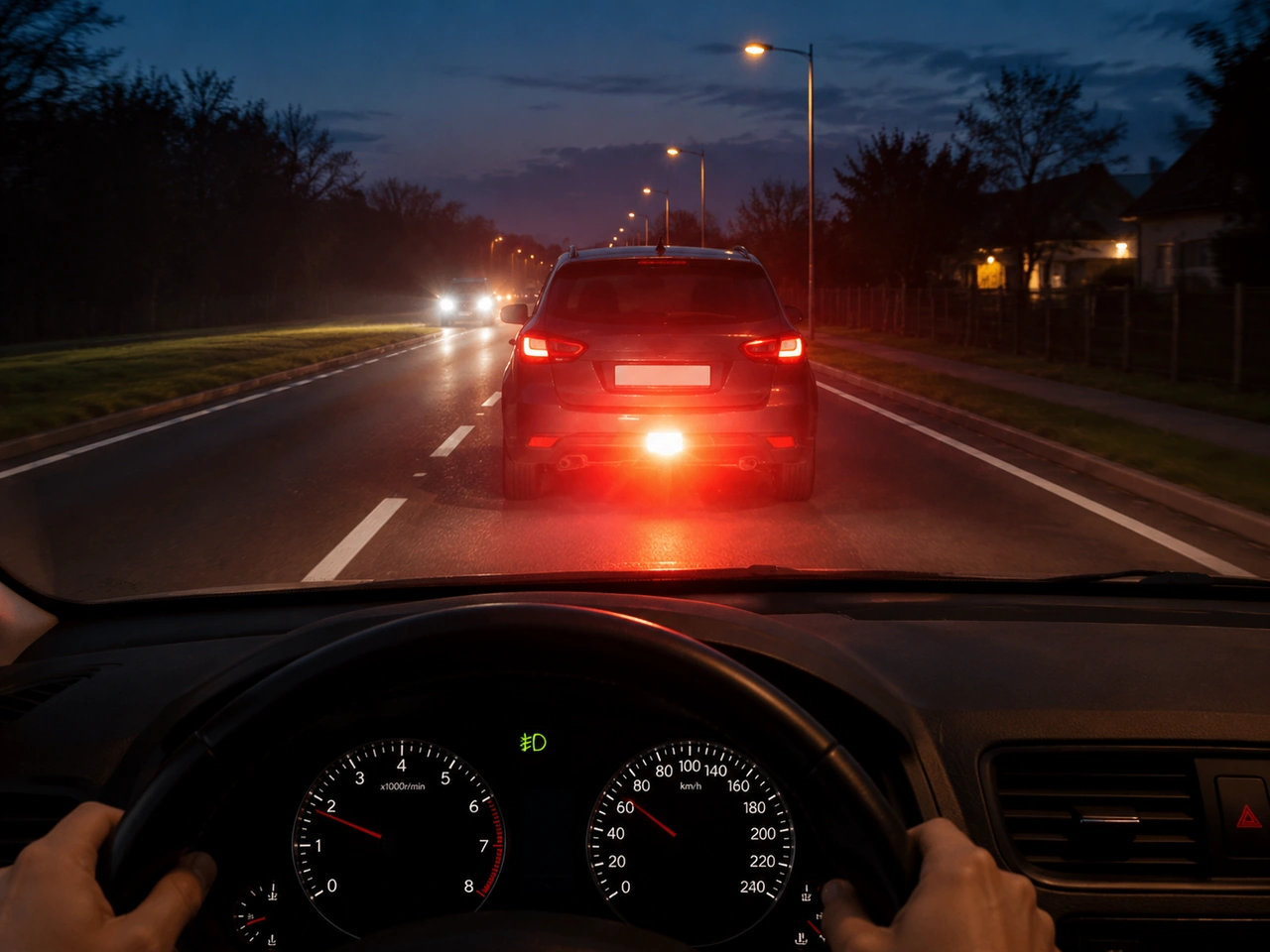
What is the main safety risk of aggressive driving?

210. What is the main safety risk of aggressive driving?

It can increase tyre and brake wear.
It can make the journey less comfortable.
It may attract the attention of the police.
✓ It increases the risk of crashes.

Aggressive driving, such as tailgating, speeding, or sudden lane changes, reduces safety margins and increases the risk of crashes and conflict with other road users.

Driver displaying aggressive behaviour in traffic
AI-generated by Traffic-rules.com • WCIT • CC BY-SA
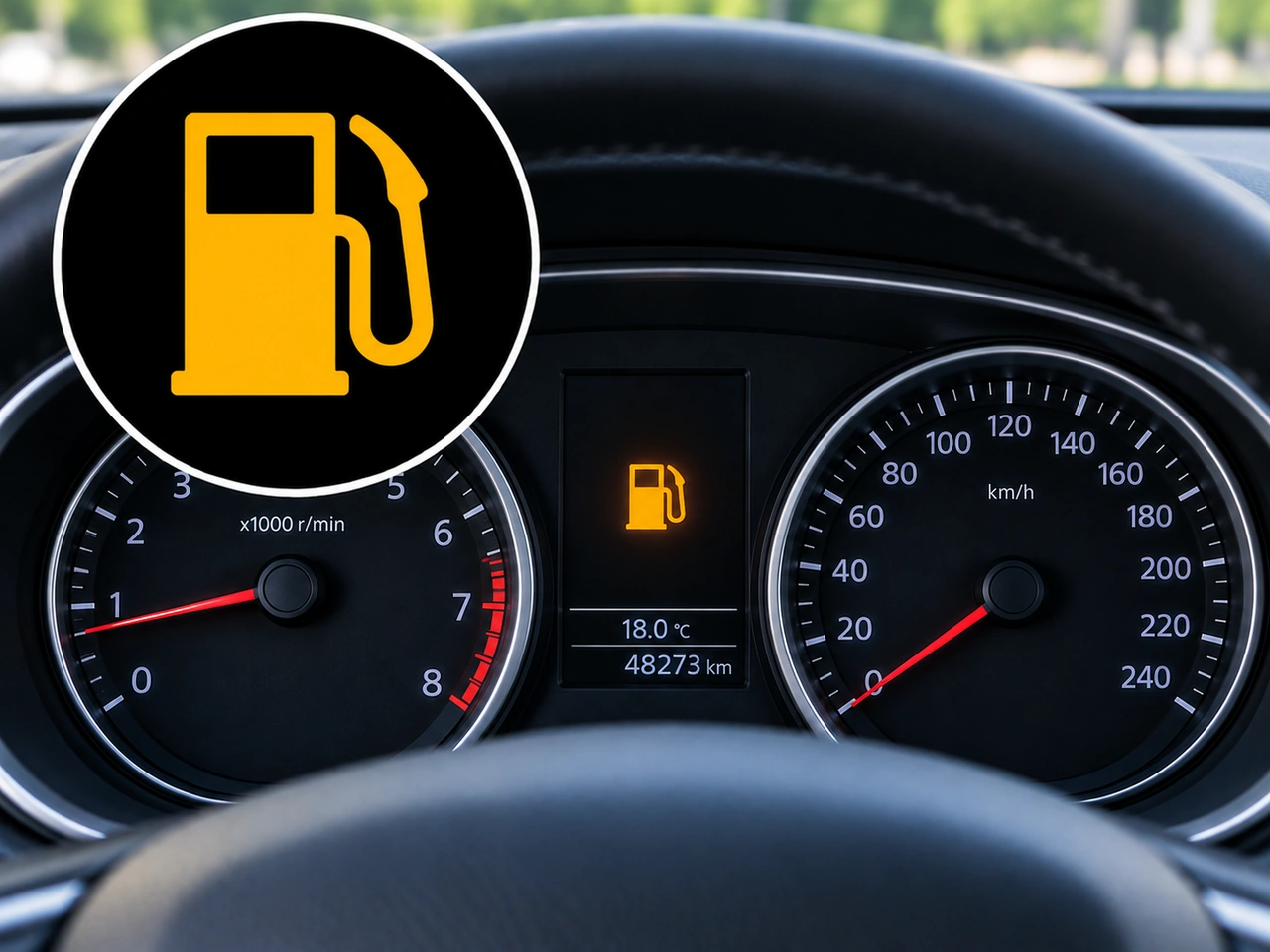
What does this dashboard symbol indicate?

211. What does this dashboard symbol indicate?

✓ Low fuel level.
Low engine oil.
Low washer fluid.
Charging-system warning.

This symbol indicates that the fuel level is low. Refuel soon to reduce the risk of running out of fuel.

Low-fuel warning symbol on the dashboard
AI-generated by Traffic-rules.com • WCIT • CC BY-SA
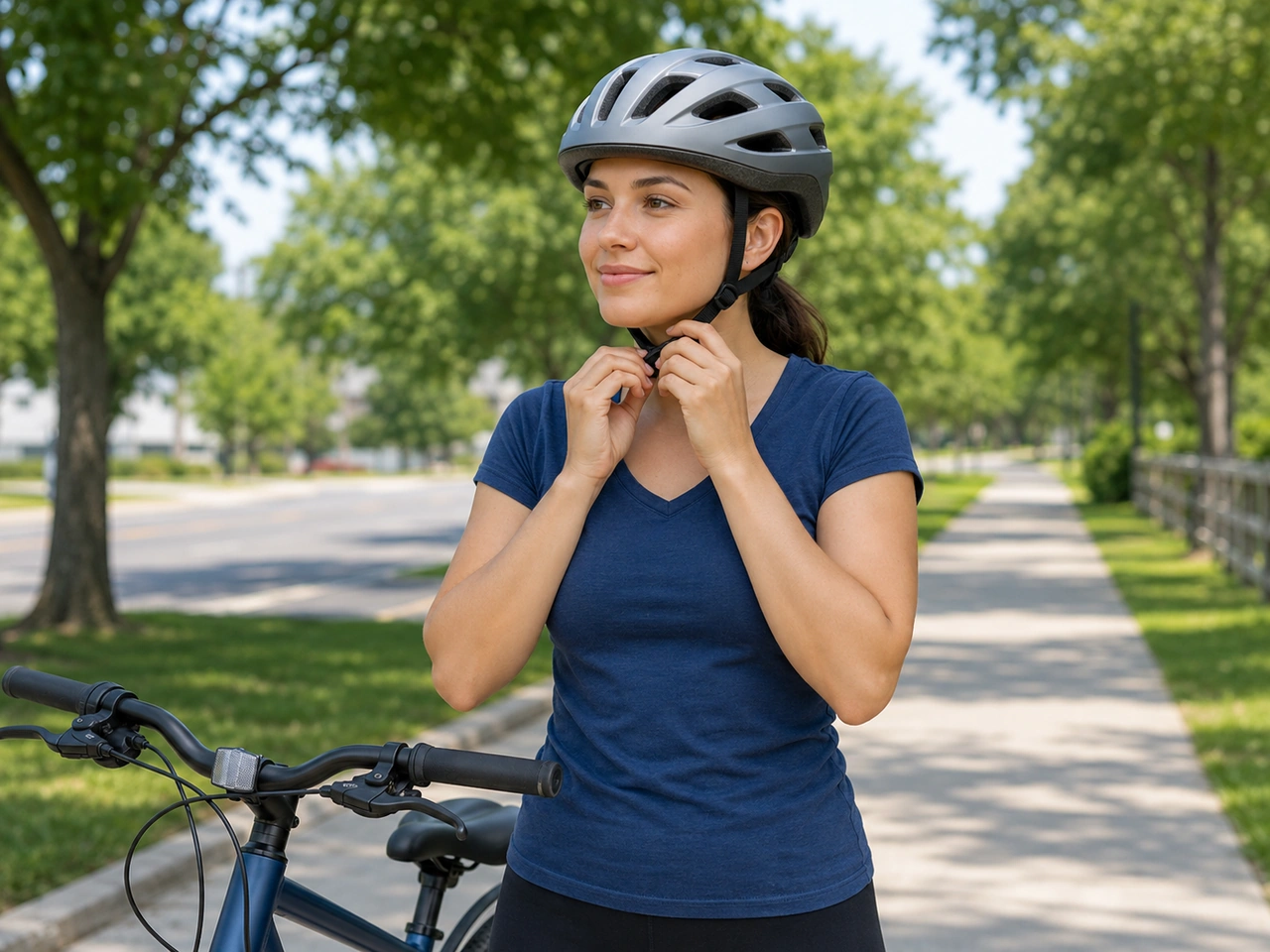
How should a bicycle helmet fit?

212. How should a bicycle helmet fit?

Tilted back to keep your forehead clear.
Tight enough to feel uncomfortable.
✓ Level, secure, and comfortably fitted.
Loose enough to move slightly on your head.

A helmet should sit level on the head and remain securely in place so it can provide effective protection.

Bicycle helmet positioned securely on the rider's head
AI-generated by Traffic-rules.com • WCIT • CC BY-SA
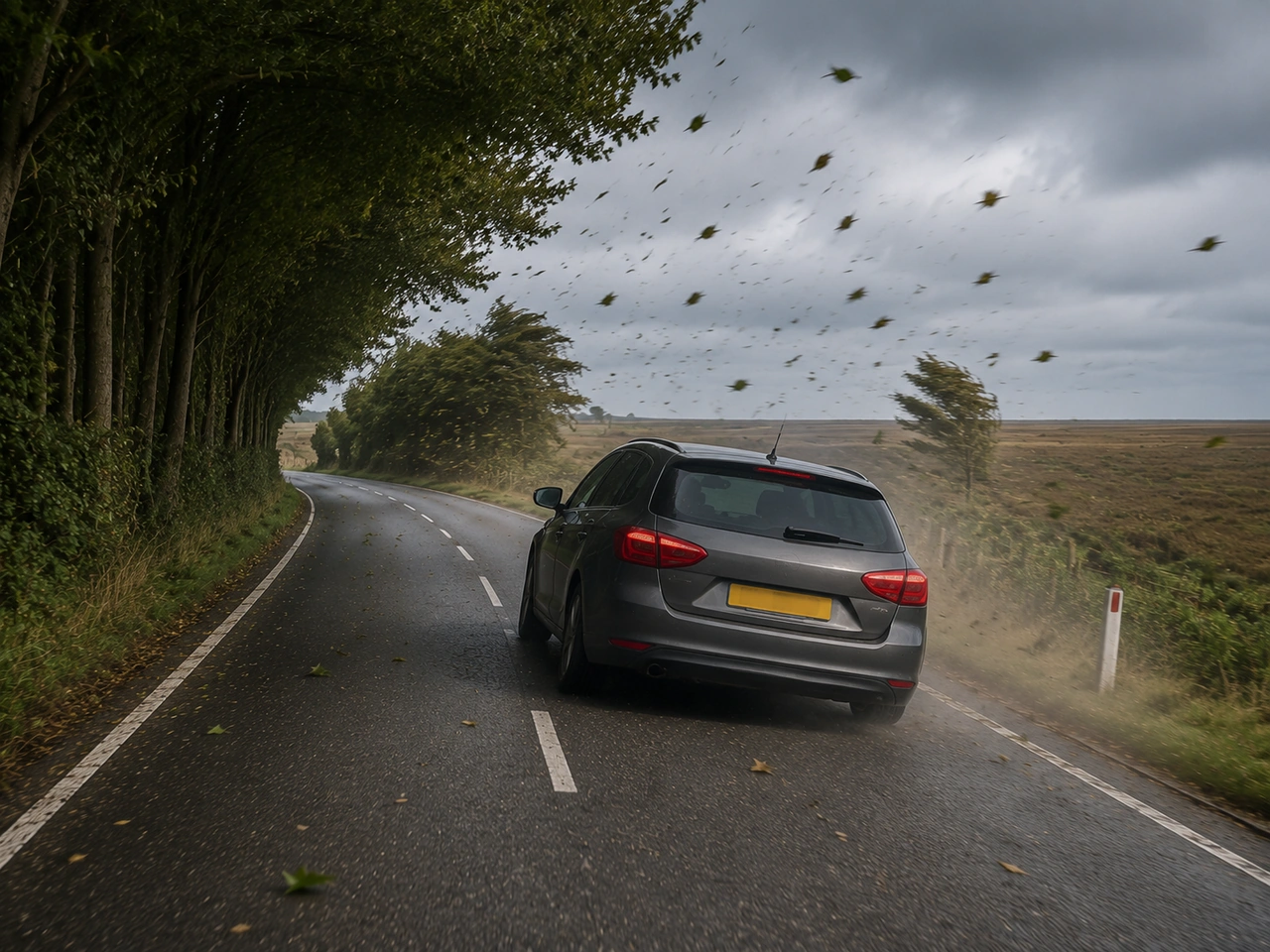
What should you expect when leaving a sheltered area during strong winds?

213. What should you expect when leaving a sheltered area during strong winds?

✓ A sudden gust may affect your vehicle.
The road surface may suddenly become more slippery.
Your steering may become lighter.
The vehicle may automatically slow down.

Buildings, trees, and other obstacles can block wind. When you leave shelter, a sudden gust may push your vehicle.

Vehicle leaving a sheltered stretch of road
AI-generated by Traffic-rules.com • WCIT • CC BY-SA
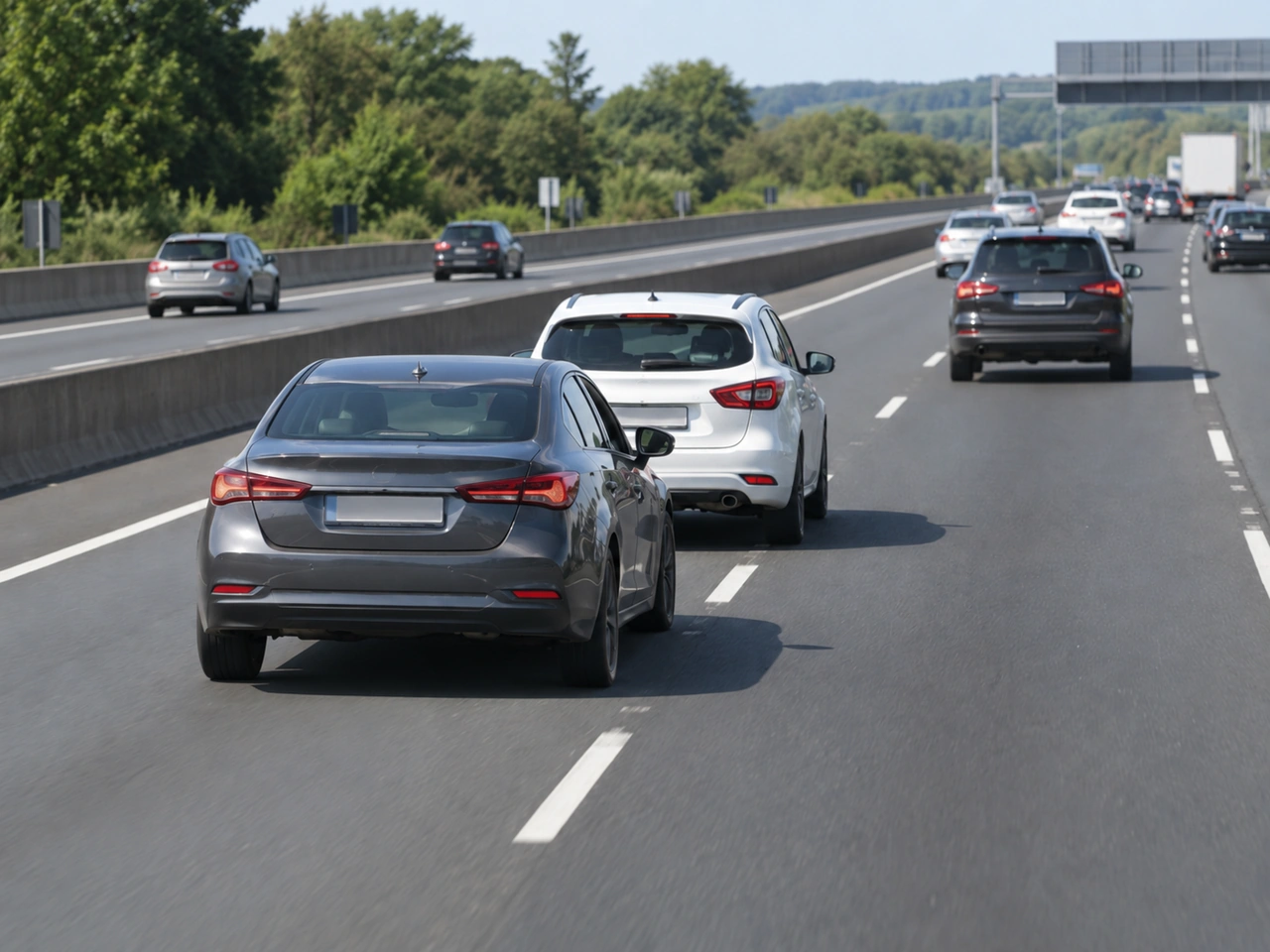
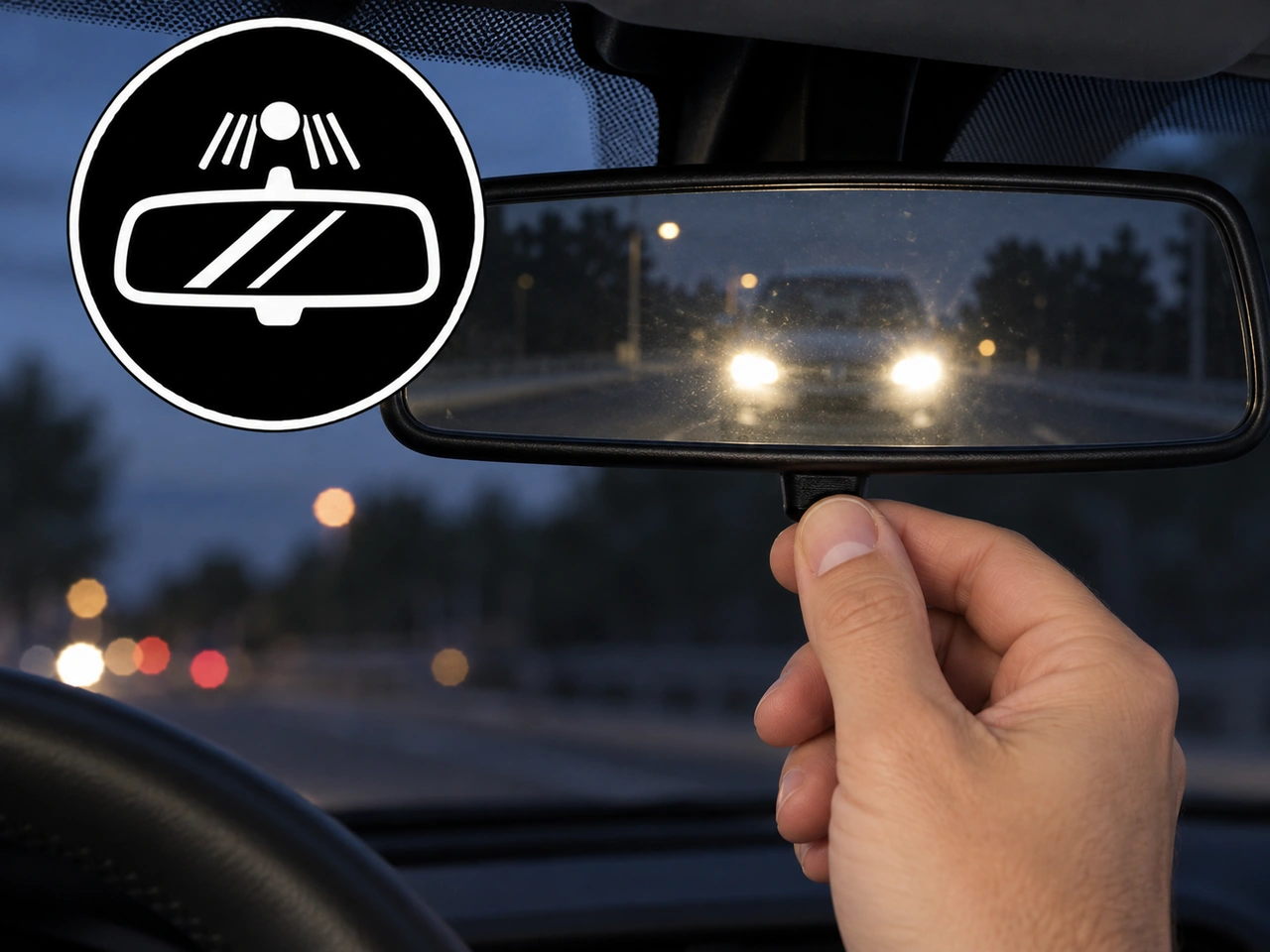
What is the purpose of the anti-dazzle control on the rear-view mirror?

214. What is the purpose of the anti-dazzle control on the rear-view mirror?

To heat the rear window.
To adjust the exterior mirrors.
To activate the reversing camera.
✓ To reduce glare from headlights behind.

The anti-dazzle setting reduces glare from the headlights of vehicles behind, helping the driver maintain a clear view without being dazzled.

Anti-dazzle control on an interior rear-view mirror
AI-generated by Traffic-rules.com • WCIT • CC BY-SA
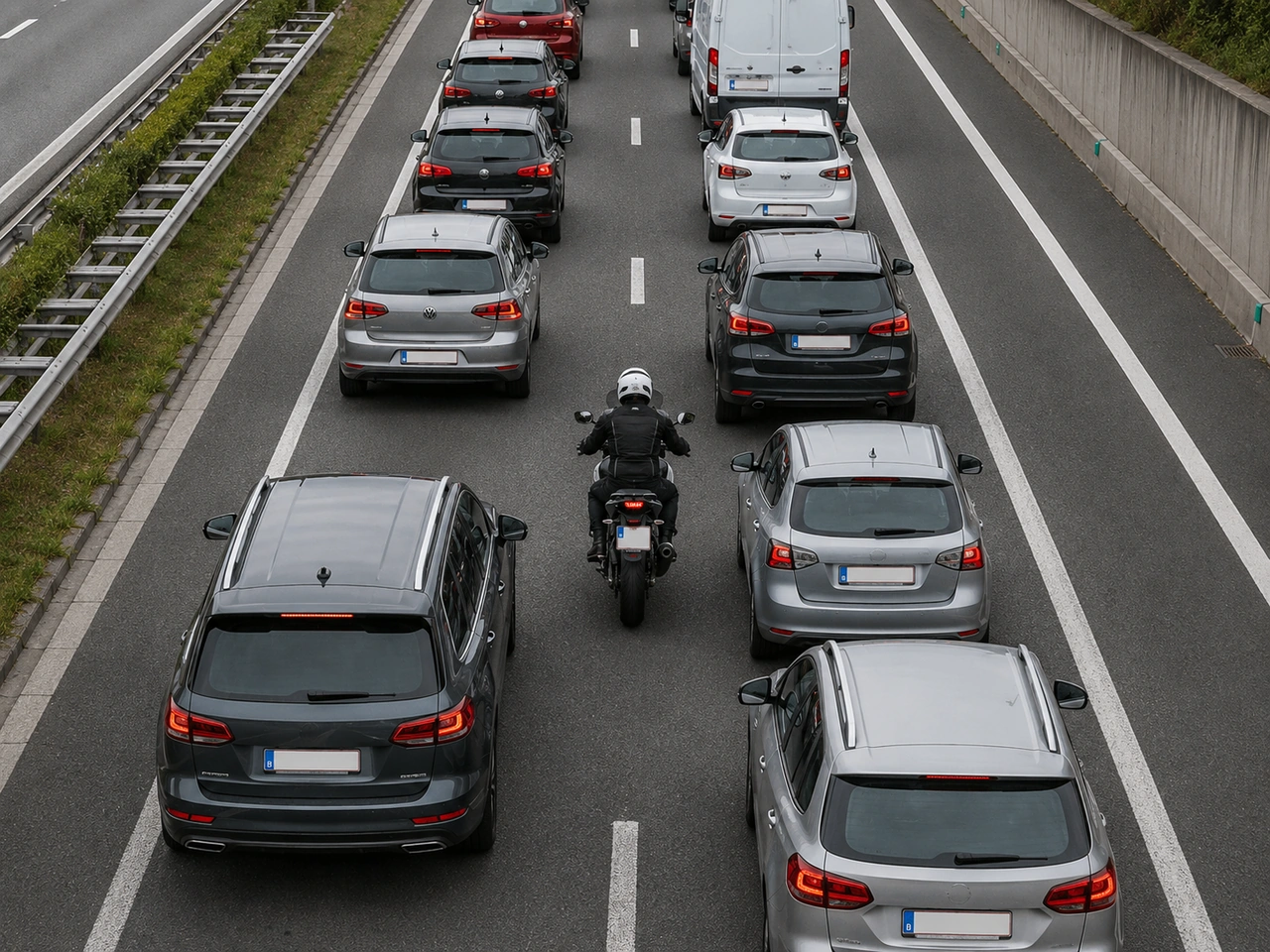
What limits apply when a motorcyclist filters between slow-moving traffic in Belgium?

215. What limits apply when a motorcyclist filters between slow-moving traffic in Belgium?

Filtering is permitted only on the hard shoulder.
No faster than 70 km/h with no limit on the speed difference.
✓ No faster than 50 km/h and no more than 20 km/h faster than the other traffic.
No speed limit applies while filtering.

A filtering motorcyclist may not exceed 50 km/h and may travel no more than 20 km/h faster than the surrounding traffic. On motorways and express roads, filtering takes place between the two leftmost lanes.

Motorcyclist filtering between slow-moving vehicles
AI-generated by Traffic-rules.com • WCIT • CC BY-SA
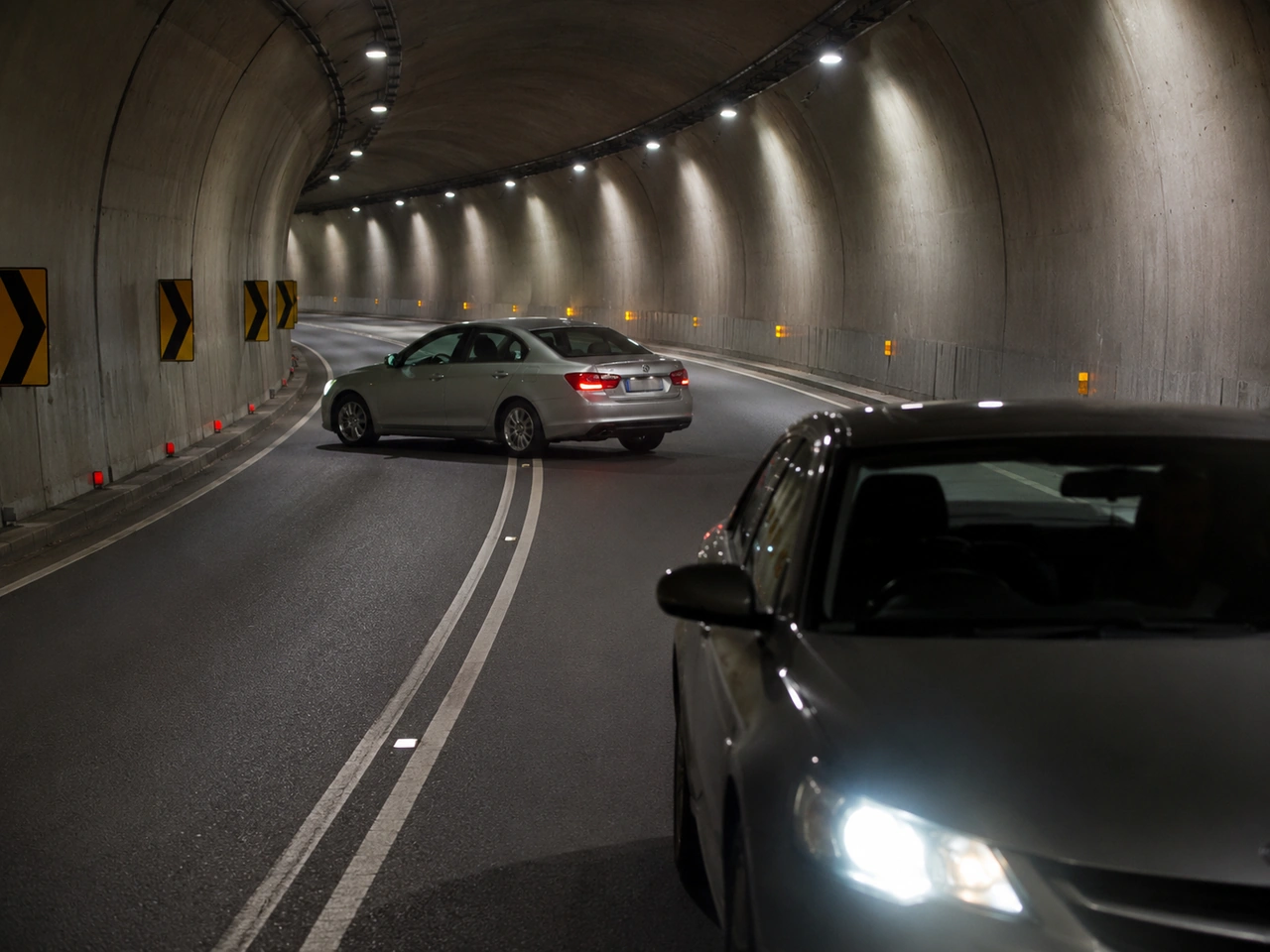
Why should you never reverse or make a U-turn inside a tunnel unless directed?

216. Why should you never reverse or make a U-turn inside a tunnel unless directed?

Tunnel ventilation works only in the normal direction of travel.
✓ It can cause a serious collision with approaching traffic.
A U-turn can confuse the tunnel's traffic monitoring system.
The tunnel may be too narrow for the vehicle to turn.

Other drivers may not expect a vehicle to reverse or turn around. Only change direction when instructed by police or tunnel staff.

Vehicle manoeuvring inside a road tunnel
AI-generated by Traffic-rules.com • WCIT • CC BY-SA
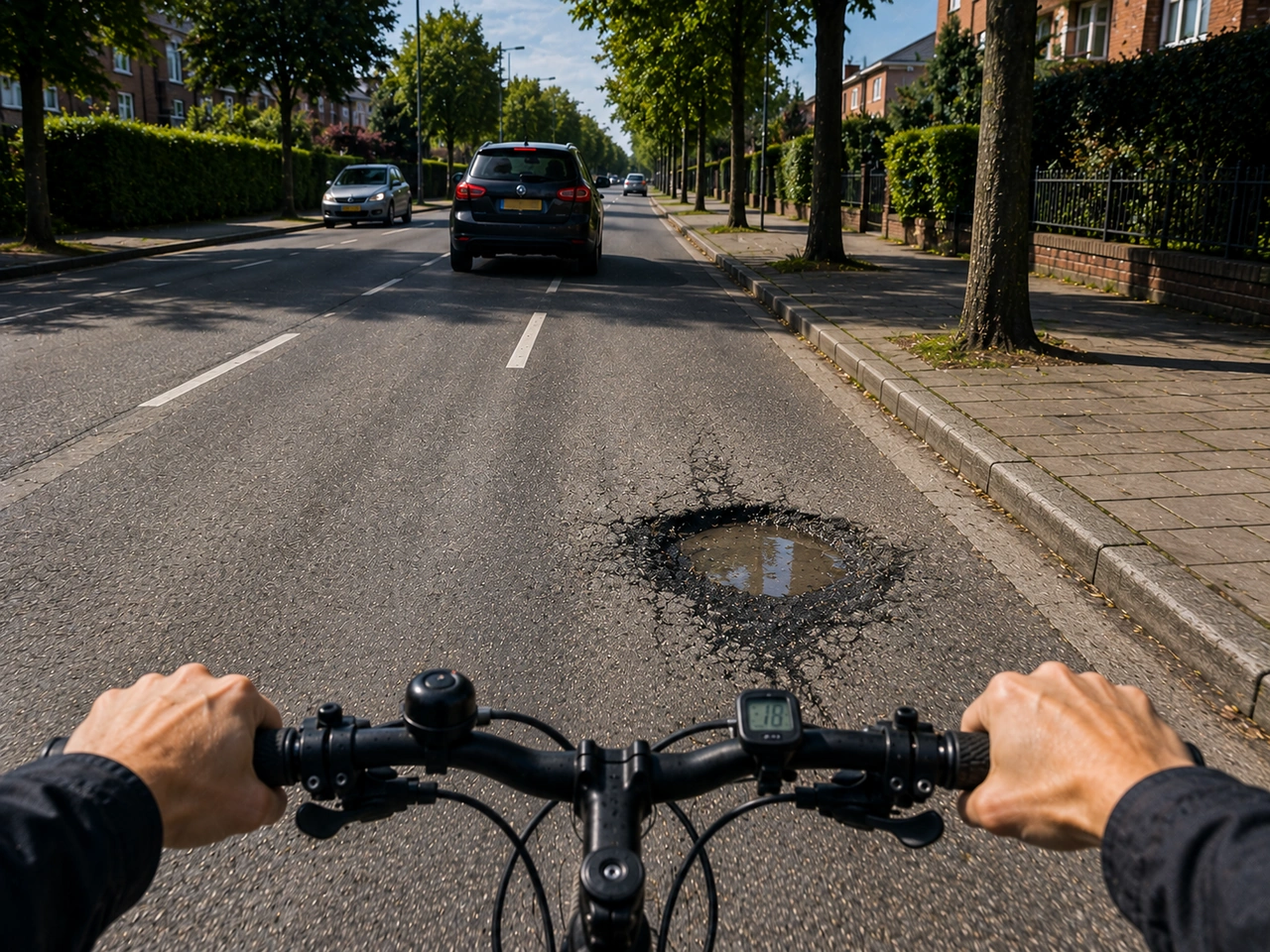
How should a cyclist react to a pothole?

217. How should a cyclist react to a pothole?

Swerve around it as soon as you notice it.
✓ Check surroundings, reduce speed, and avoid it smoothly.
Brake hard just before reaching the pothole.
Keep your speed and pass as close as possible.

Sudden swerving can place you in the path of traffic. Check your surroundings and change direction gradually.

Cyclist approaching a pothole
AI-generated by Traffic-rules.com • WCIT • CC BY-SA
What should you do before overtaking while towing a trailer?

218. What should you do before overtaking while towing a trailer?

✓ Allow extra time and distance for the manoeuvre.
Accelerate sharply once you move into the other lane.
Assume the trailer will follow the same path as the vehicle.
Begin overtaking as soon as the road looks clear.

A towing vehicle accelerates more slowly, and the trailer makes the whole vehicle combination longer. Remember to allow a much larger safe gap before overtaking and enough space to return safely to your lane.

Vehicle preparing to overtake while towing a trailer
AI-generated by Traffic-rules.com • WCIT • CC BY-SA
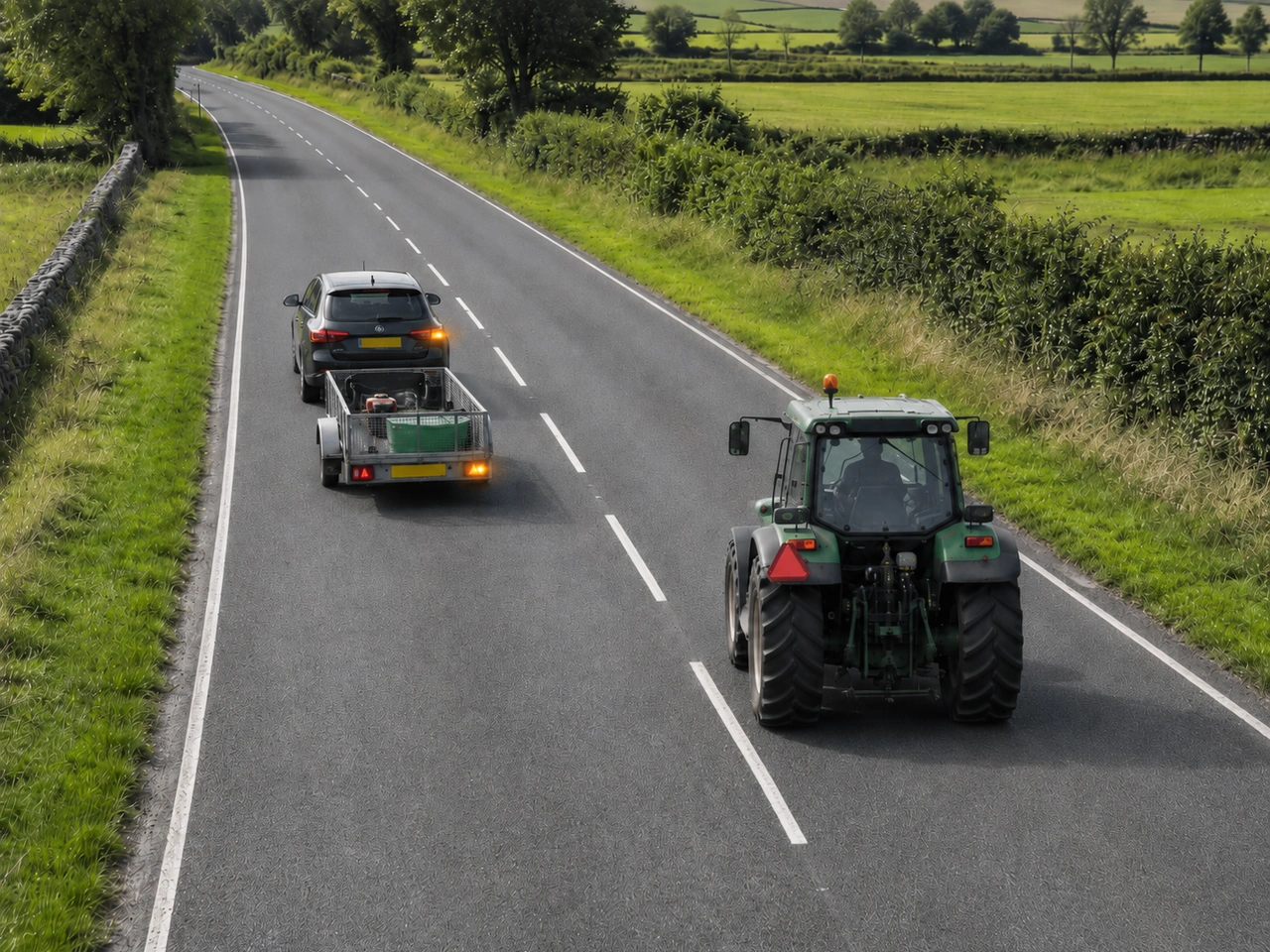
Which Belgian moped class has a design speed above 25 and up to 45 km/h?

219. Which Belgian moped class has a design speed above 25 and up to 45 km/h?

Class A.
✓ Class B.

A Belgian class B moped has a maximum design speed above 25 km/h and not exceeding 45 km/h. A driving licence valid for category AM is normally required.

Belgian class B moped limited to 45 km/h
AI-generated by Traffic-rules.com • WCIT • CC BY-SA
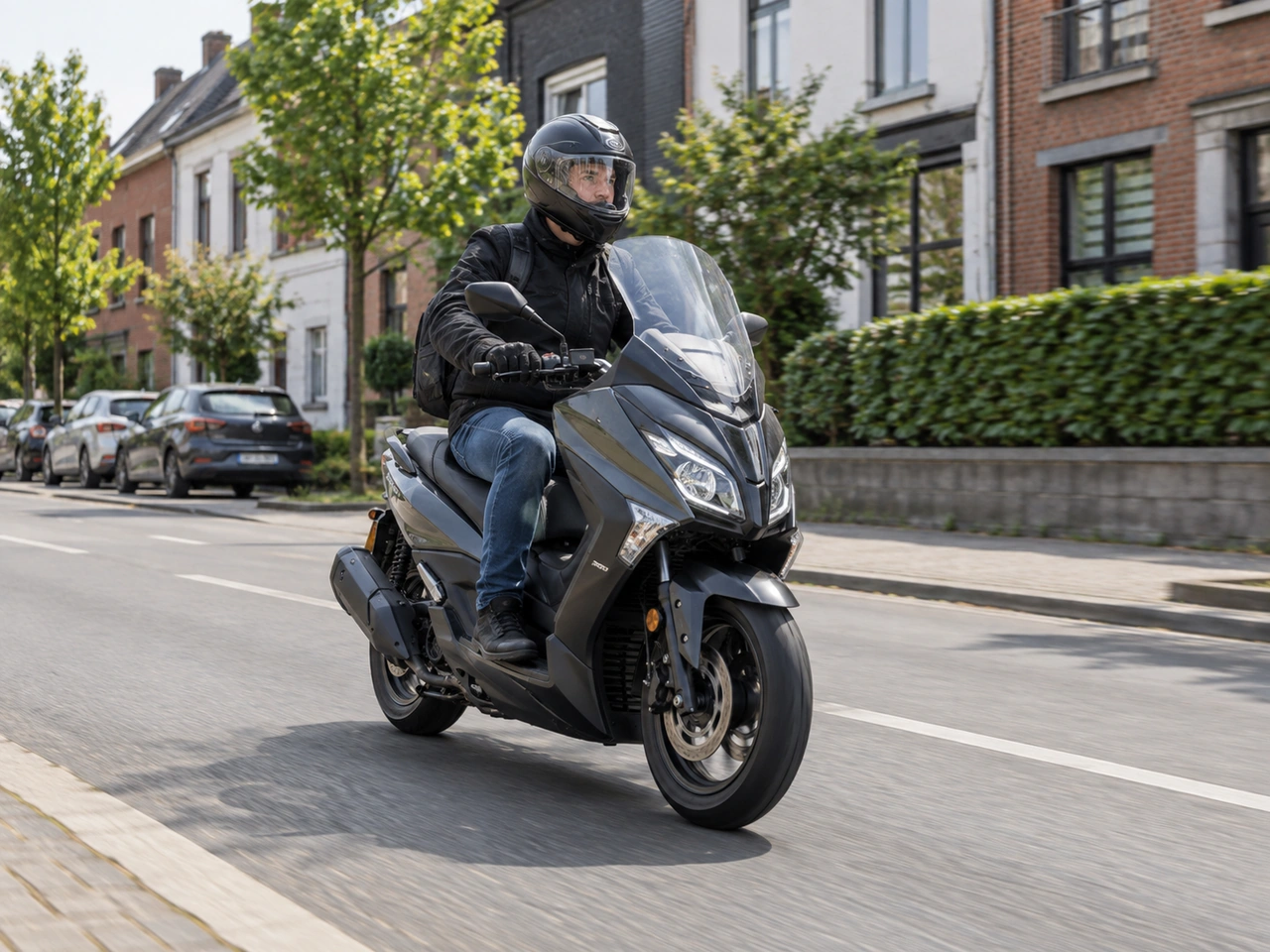
What is the best place to cross the road?

220. What is the best place to cross the road?

Between parked vehicles if traffic appears quiet.
✓ At a designated crossing.
At a junction without checking for turning traffic.
At the shortest point, even if visibility is limited.

Use a designated crossing whenever possible. It is usually the safest place to cross the road.

Designated crossing for pedestrians
AI-generated by Traffic-rules.com • WCIT • CC BY-SA
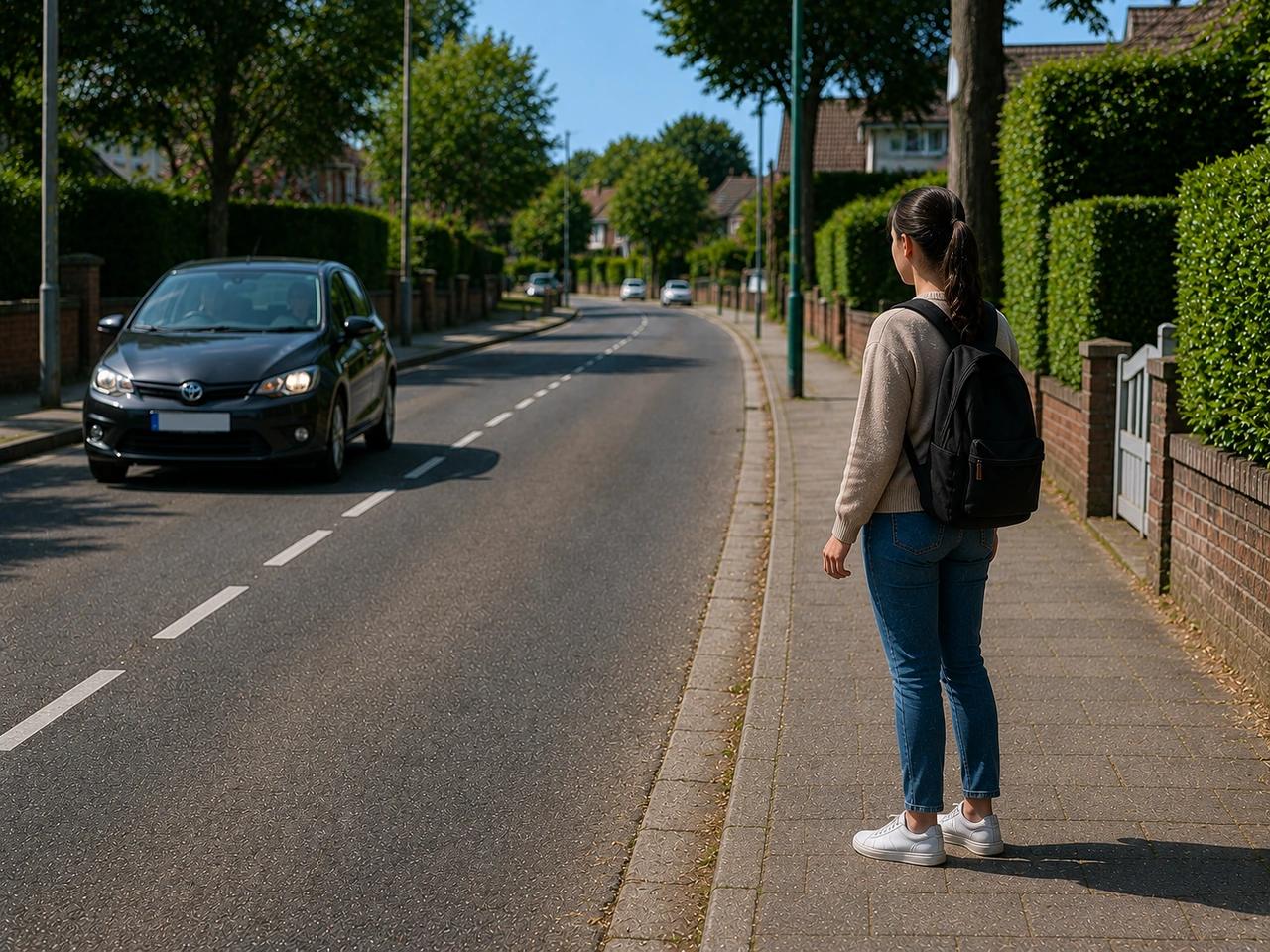
What does this dashboard symbol indicate?

221. What does this dashboard symbol indicate?

Front fog lights.
✓ Rear fog lights.
Sidelights.
Main beam.

This symbol indicates that the rear fog lights are switched on. Rear fog lights make the vehicle more visible from behind in conditions of severely reduced visibility, but they can dazzle other road users when used unnecessarily.

Rear fog-light symbol on the dashboard
AI-generated by Traffic-rules.com • WCIT • CC BY-SA
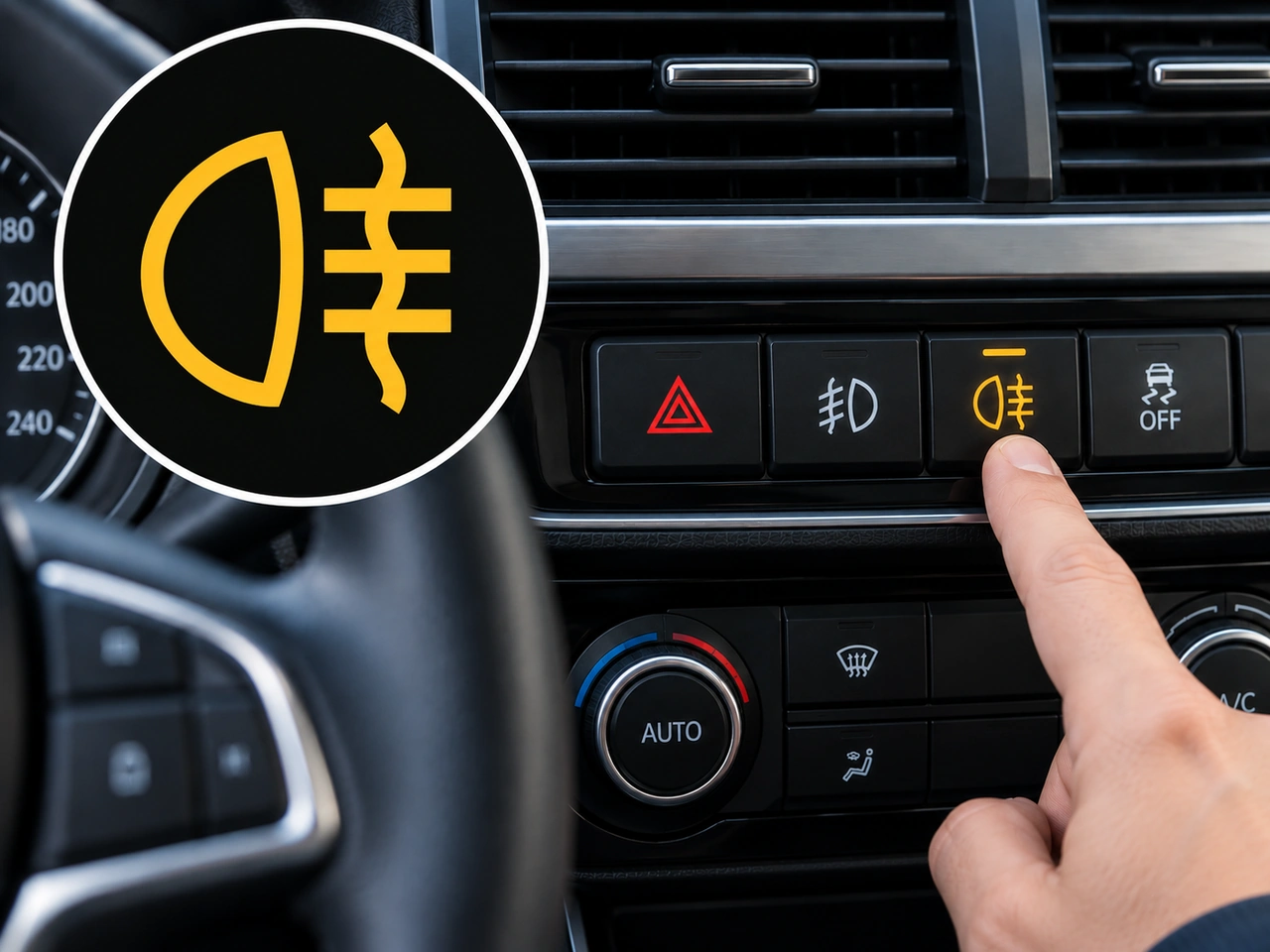
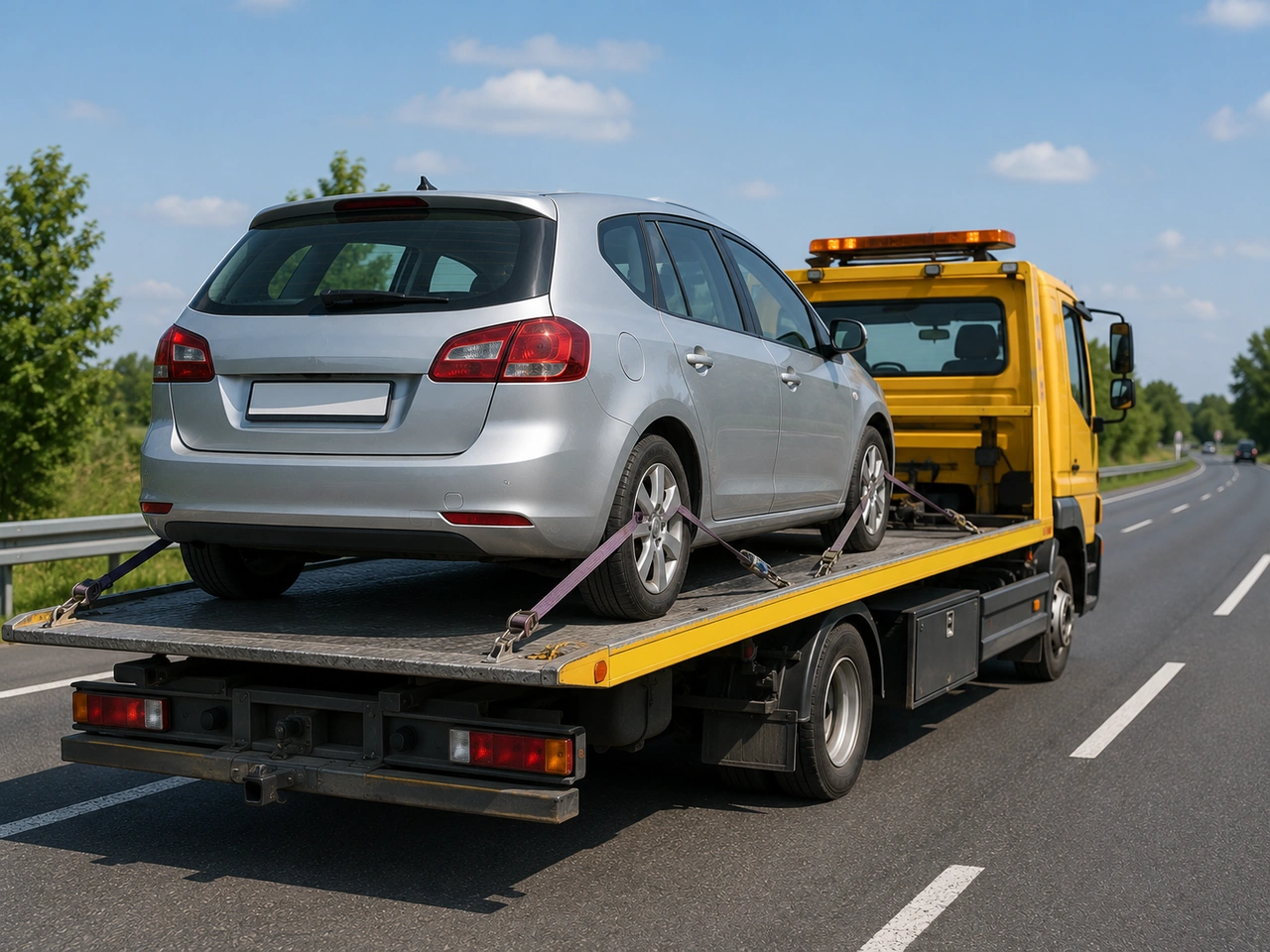
How should a disabled vehicle be towed?

222. How should a disabled vehicle be towed?

With nobody controlling the disabled vehicle.
At the highest possible safe speed.
Without checking the steering or brakes.
✓ Use approved towing points and a method permitted by local rules.

Incorrect towing can damage the vehicle or cause loss of control. Follow the manufacturer's instructions and local rules, and use professional recovery when the correct procedure is uncertain.

Disabled vehicle being towed
AI-generated by Traffic-rules.com • WCIT • CC BY-SA
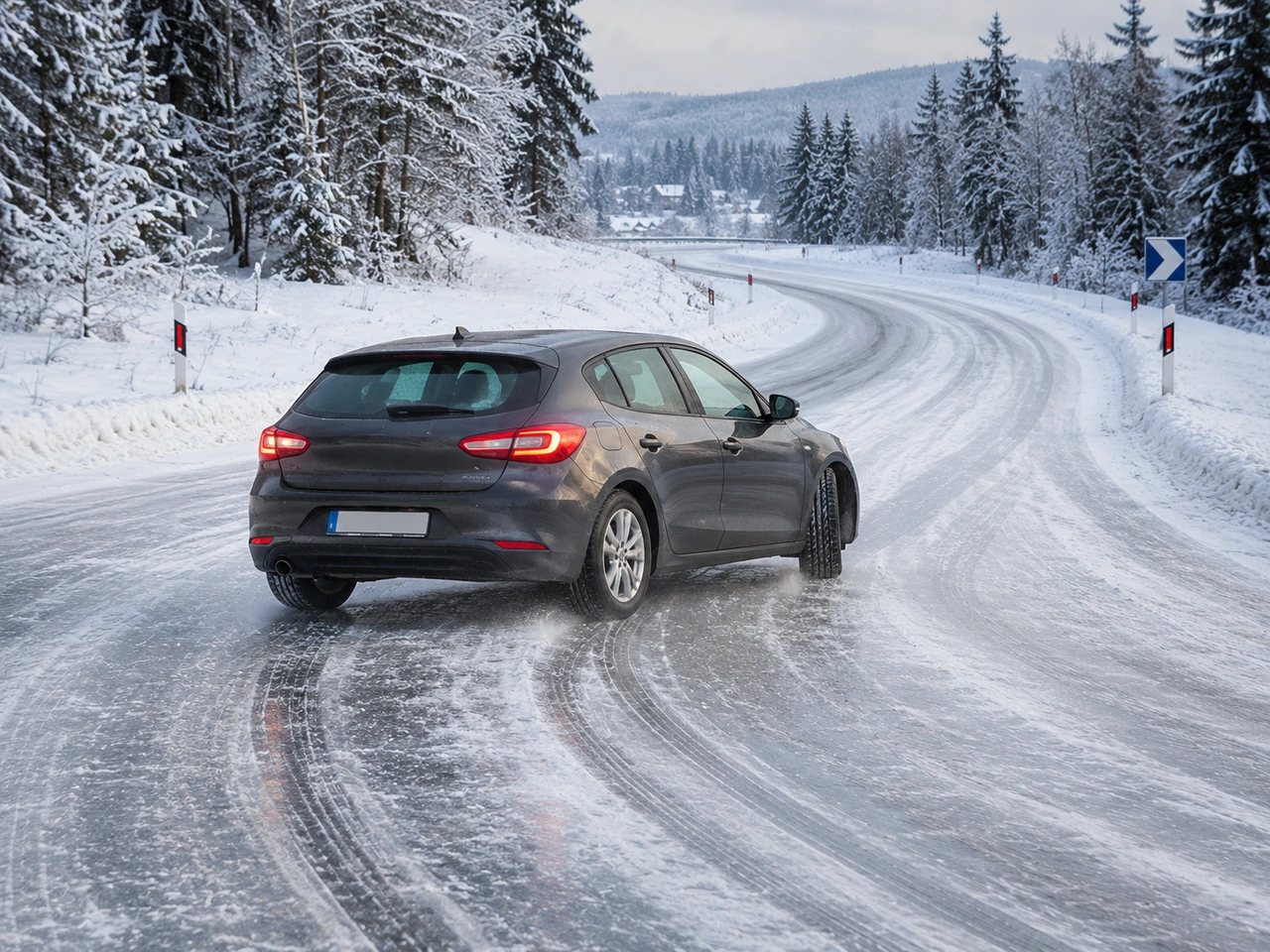
What should you do if your vehicle begins to skid on ice?

223. What should you do if your vehicle begins to skid on ice?

Press the brake pedal hard and hold it.
Accelerate sharply to regain traction.
✓ Ease off the accelerator and steer smoothly in the direction you want to travel.
Apply the parking brake to straighten the vehicle.

Avoid sudden braking or steering. Look where you want to go and use gentle controls while the tyres regain grip.

Vehicle skidding on an icy road
AI-generated by Traffic-rules.com • WCIT • CC BY-SA
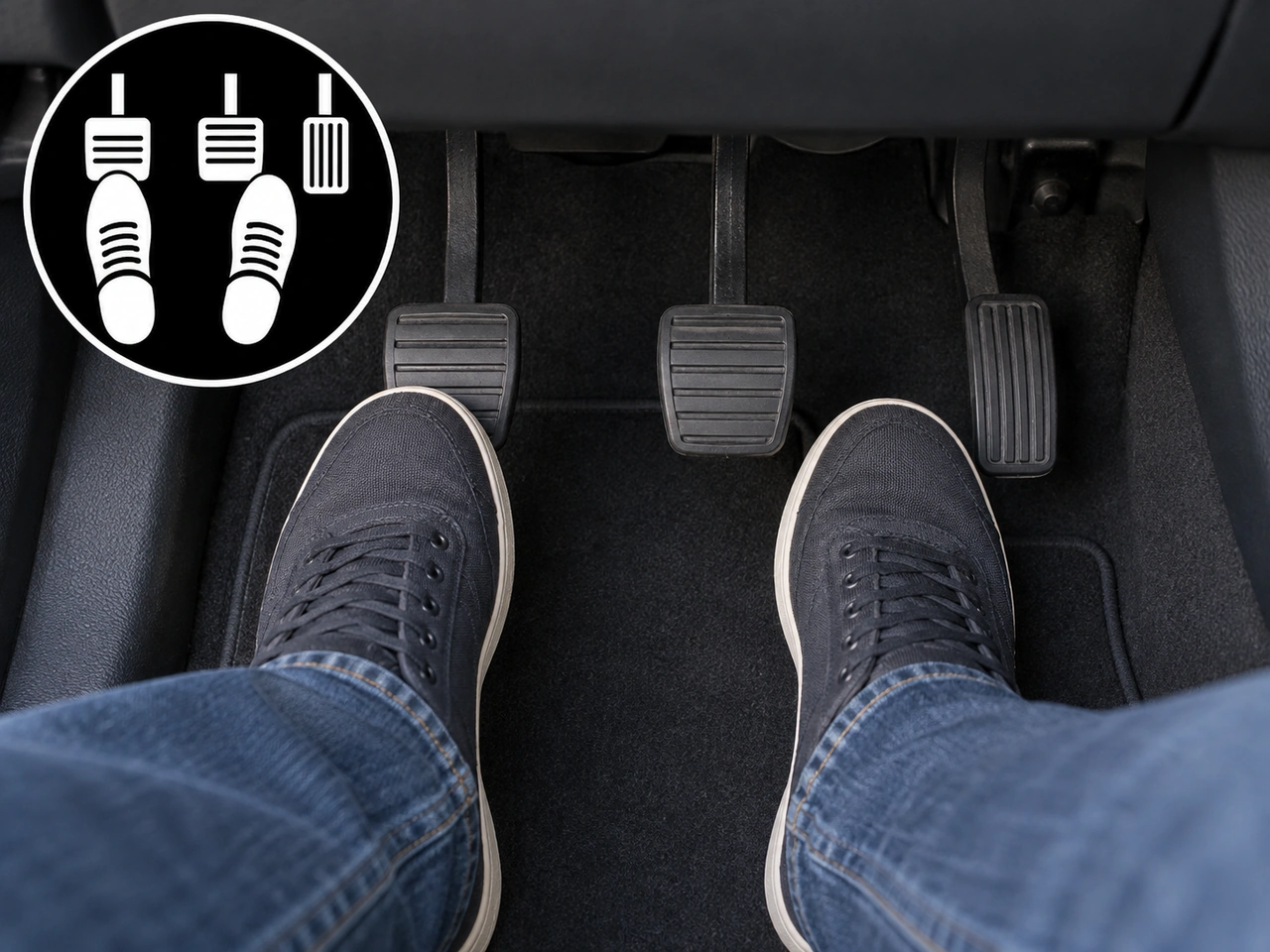
Which foot normally operates the brake and accelerator in a manual vehicle?

224. Which foot normally operates the brake and accelerator in a manual vehicle?

Either foot.
The left foot for the brake and right foot for the accelerator.
The left foot.
✓ The right foot.

In a manual vehicle, the right foot normally operates both the brake and accelerator pedals, while the left foot operates the clutch.

Pedal arrangement and foot controls in a manual vehicle
AI-generated by Traffic-rules.com • WCIT • CC BY-SA
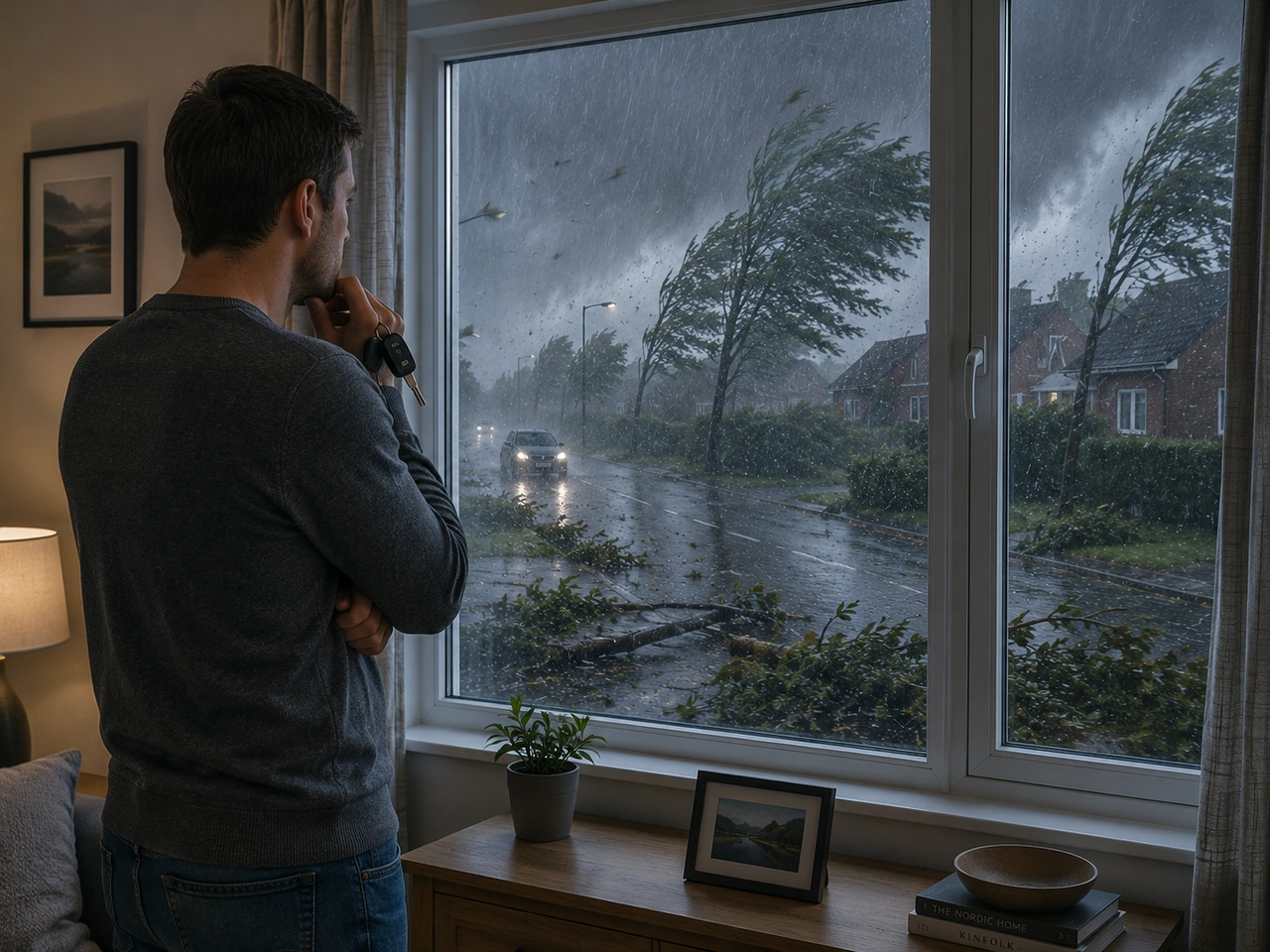
When should you consider delaying a journey because of severe weather?

225. When should you consider delaying a journey because of severe weather?

Only when your vehicle has no winter tyres.
✓ When conditions make driving unsafe.
Only when roads are closed.
Whenever the weather forecast mentions rain.

Severe weather can create dangerous conditions. Delaying a journey may be the safest choice when risks are too high.

Severe weather making a road journey hazardous
AI-generated by Traffic-rules.com • WCIT • CC BY-SA
Why should you obey traffic signs?

226. Why should you obey traffic signs?

To avoid checking for other road users.
To make sure you always have priority.
✓ To improve safety for everyone.
To make other drivers responsible for your safety.

Traffic signs help organise traffic and improve safety for drivers, cyclists, and pedestrians.

Traffic signs using Vienna-style designs
AI-generated by Traffic-rules.com • WCIT • CC BY-SA
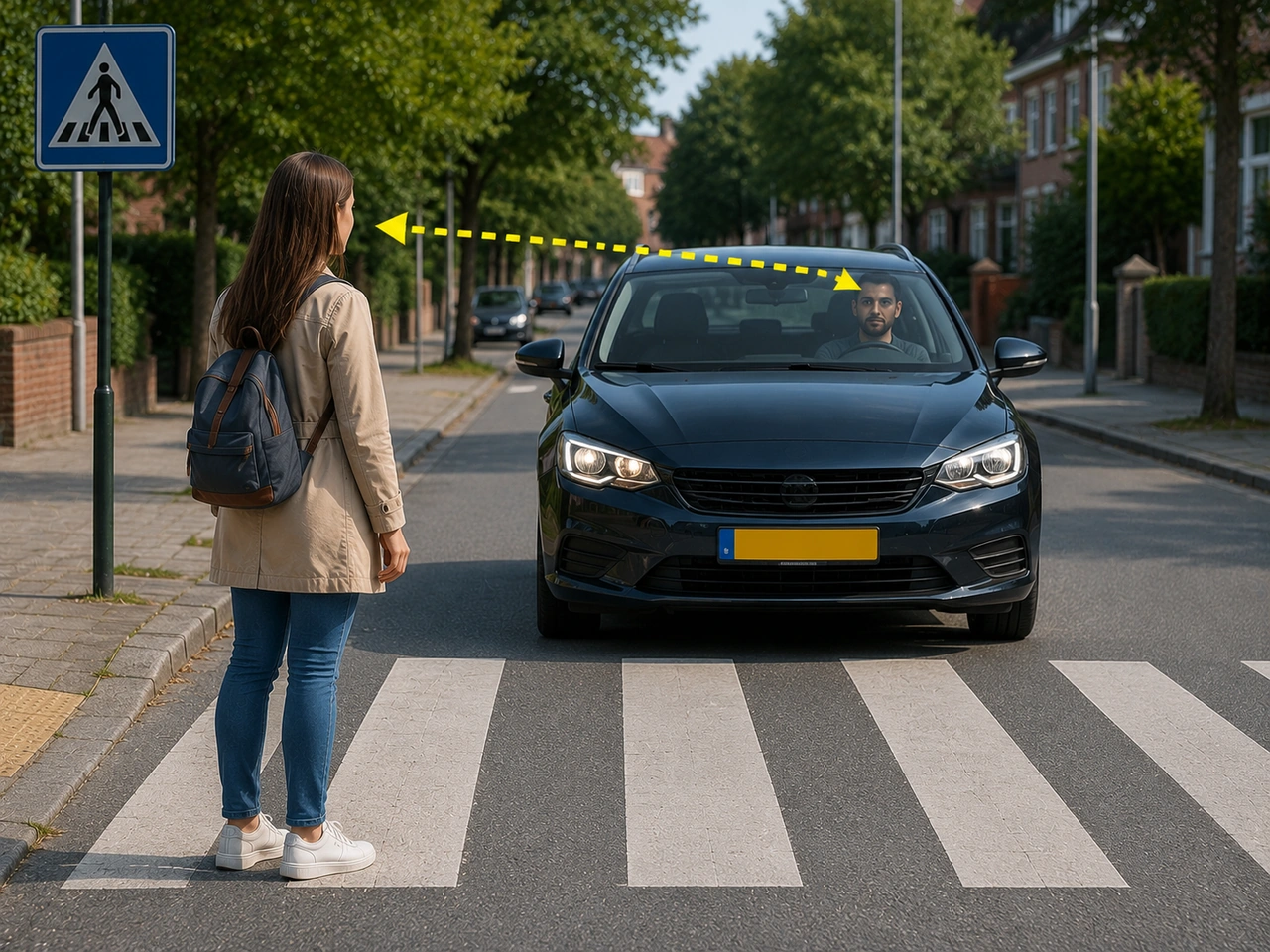
Why should you make sure drivers have seen you before crossing?

227. Why should you make sure drivers have seen you before crossing?

✓ To reduce the risk of stepping into their path.
A driver who sees you can always stop in time.
Eye contact means the driver must stop for you.
Once a driver sees you, no further checks are needed.

Before crossing, make sure approaching drivers have noticed you and that it is safe to proceed. Do not assume that a driver will stop simply because you have seen each other.

Pedestrian checking whether an approaching driver has seen them
AI-generated by Traffic-rules.com • WCIT • CC BY-SA
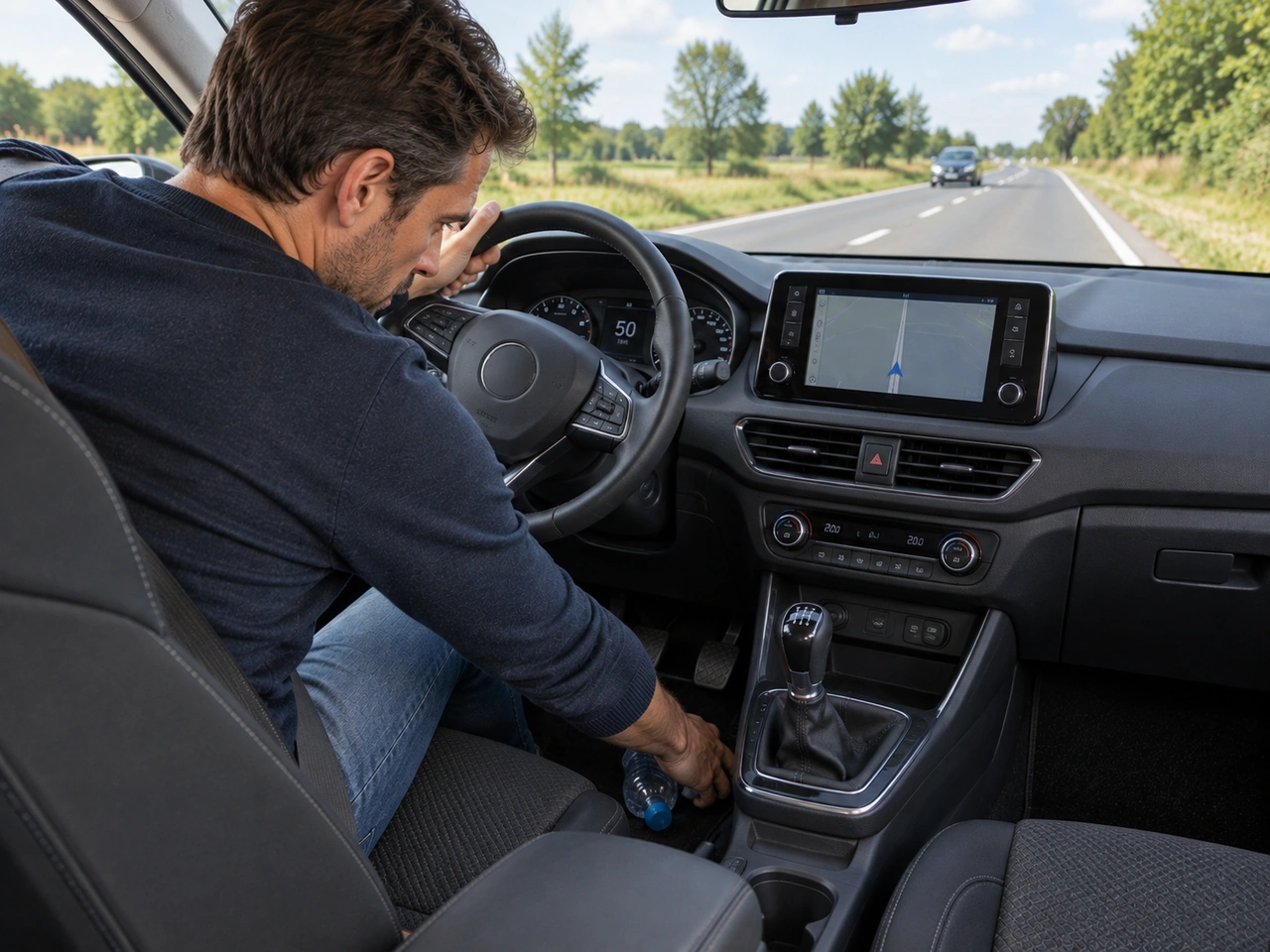
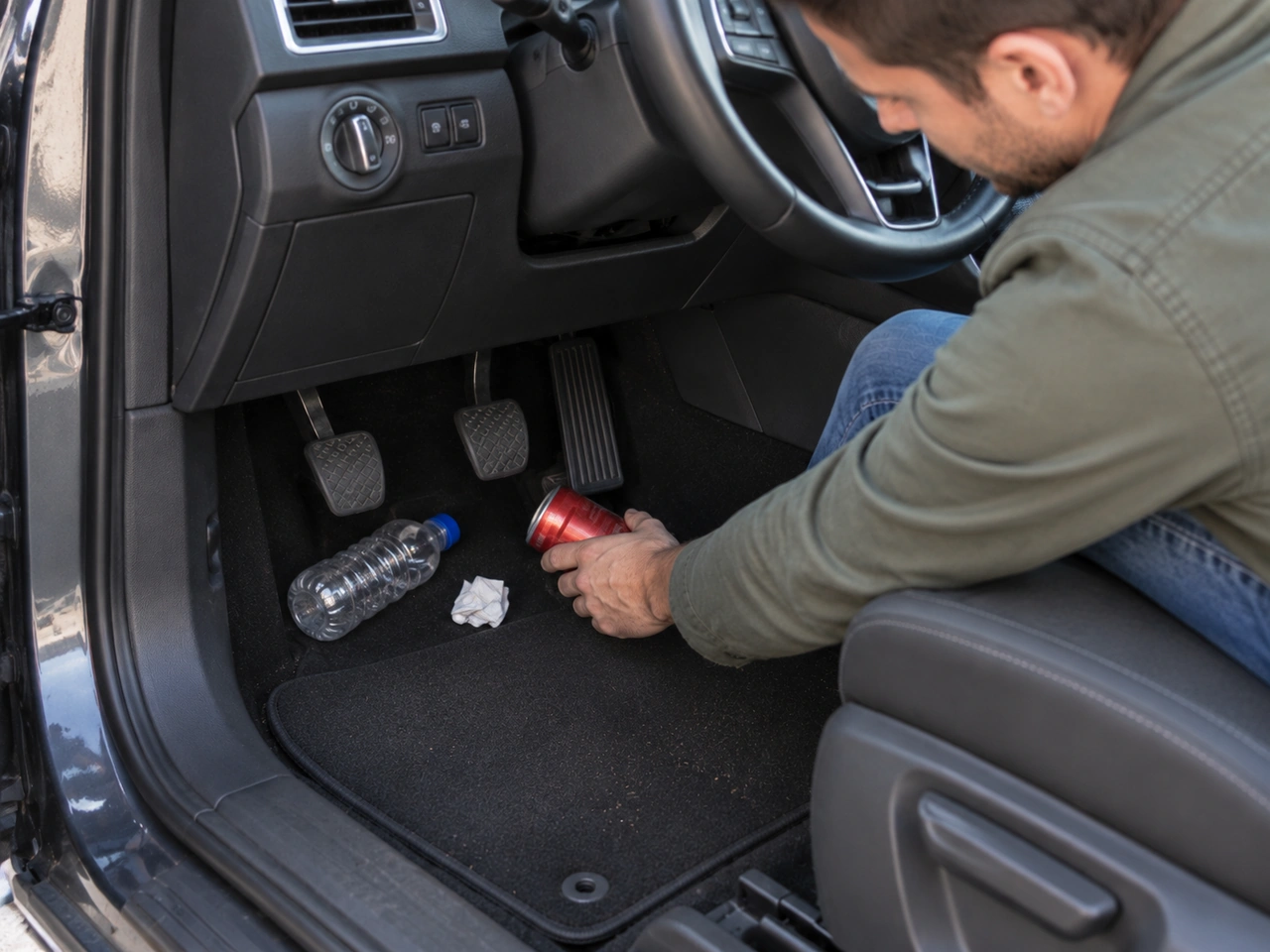
What should you do if an object falls into the driver's footwell while driving?

228. What should you do if an object falls into the driver's footwell while driving?

Brake suddenly so the object moves forwards.
✓ Keep control and stop safely before retrieving it.
Reach down and remove it while continuing to drive.
Keep driving unless the object touches a pedal.

Do not reach down for an object while driving, as this takes your attention away from the road and can affect vehicle control. If something falls into the driver's footwell, keep control of the vehicle and stop somewhere safe before removing it.

Dropped object close to the driver's pedals
AI-generated by Traffic-rules.com • WCIT • CC BY-SA
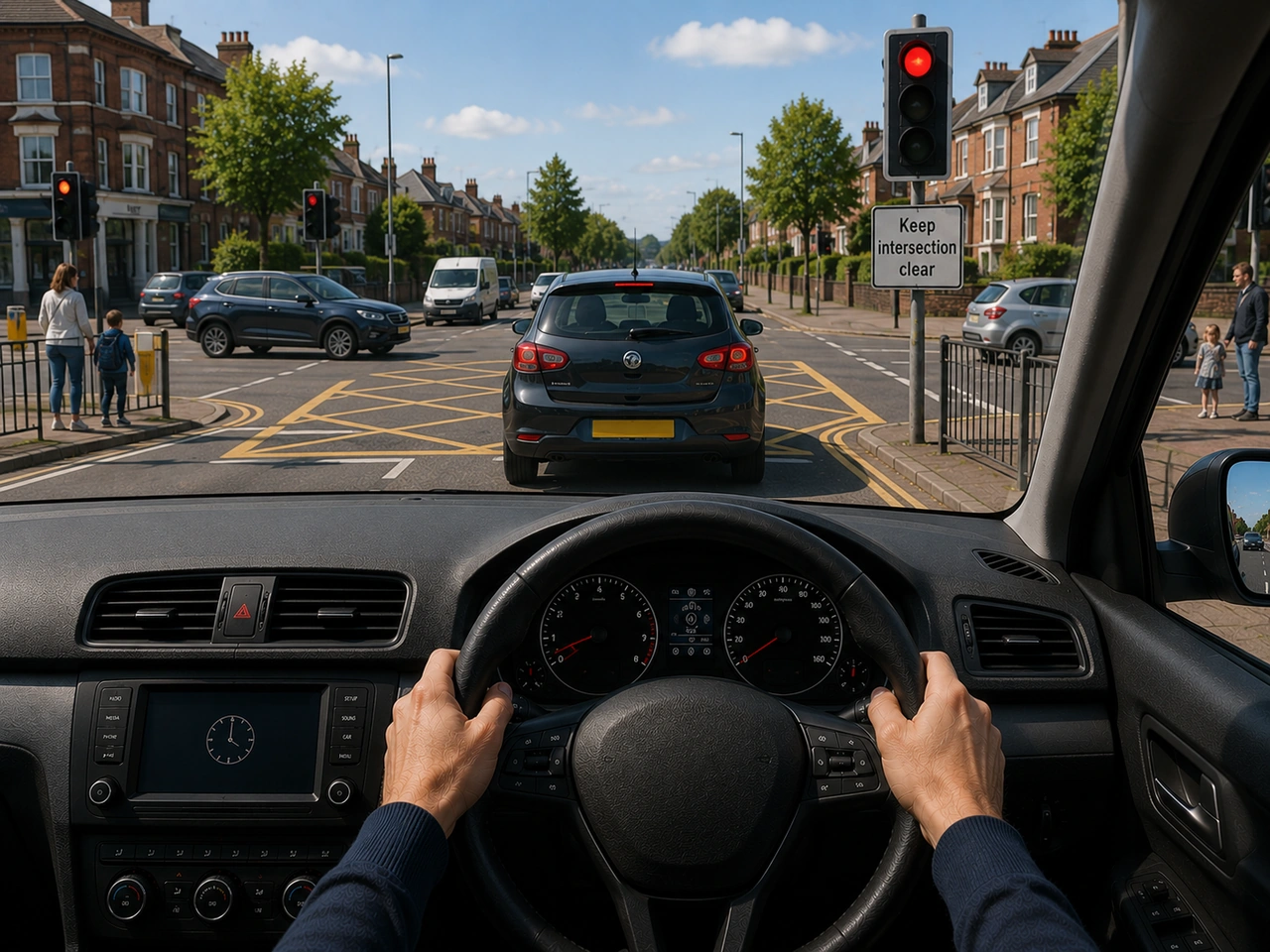
Why should you avoid blocking a junction?

229. Why should you avoid blocking a junction?

Junctions may only be entered at low speed.
Traffic lights may stop working.
✓ Other traffic needs space to move safely.
Your stopping distance becomes longer.

Blocking a junction can prevent vehicles, cyclists, or pedestrians from moving safely. Enter only when there is enough space to drive through and clear the junction.

Traffic blocking a road junction
AI-generated by Traffic-rules.com • WCIT • CC BY-SA
Why should you use a lower gear when driving downhill?

230. Why should you use a lower gear when driving downhill?

It increases tyre grip on steep roads.
It reduces engine braking to save fuel.
It makes the steering lighter on descents.
✓ It helps control speed using engine braking.

Engine braking helps prevent the vehicle from gaining too much speed and reduces strain on the brakes.

Lower-gear selection for a downhill road
AI-generated by Traffic-rules.com • WCIT • CC BY-SA
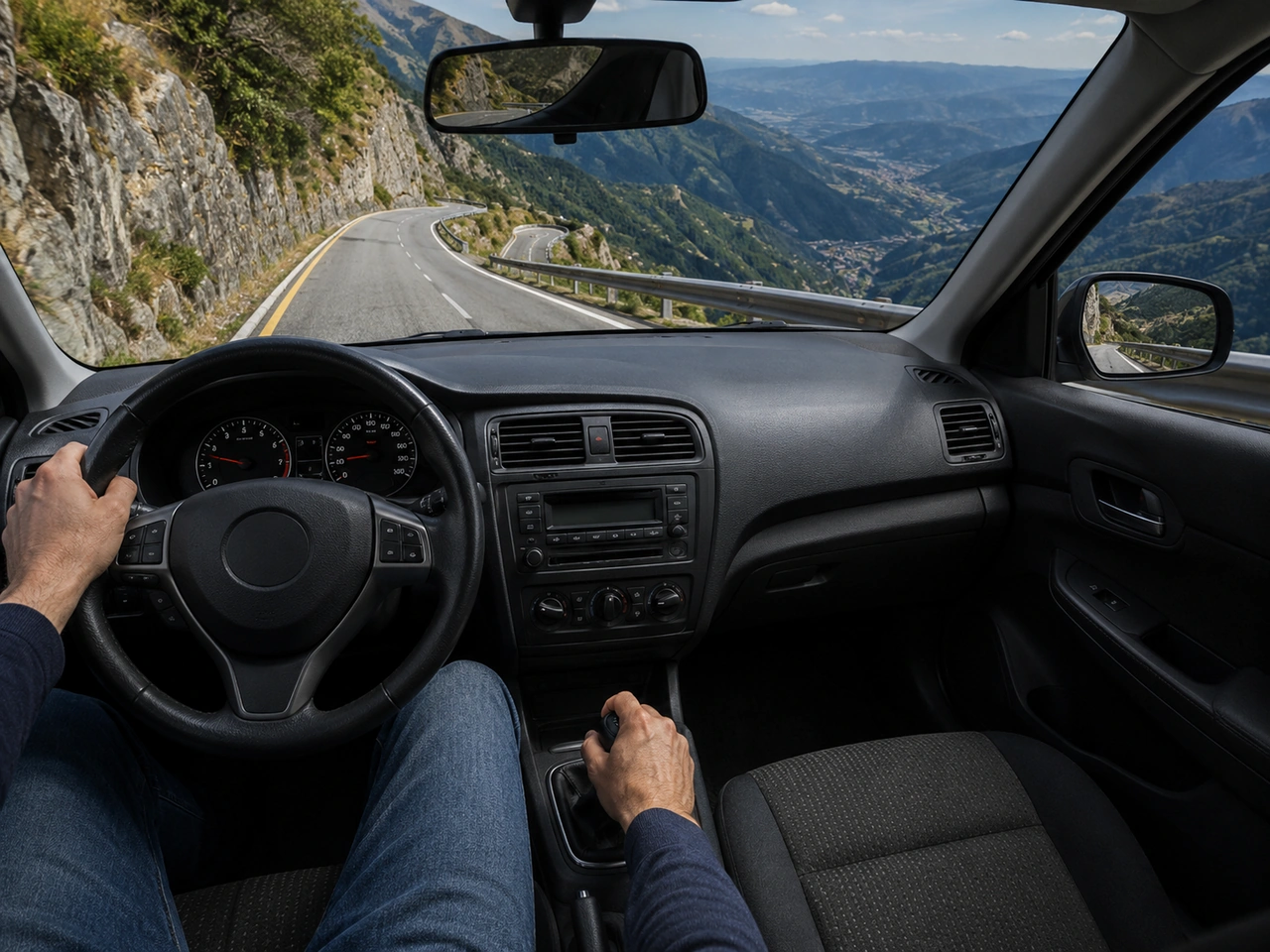
Which vehicle combination is covered by driving licence DE?

231. Which vehicle combination is covered by driving licence DE?

A category C vehicle with a heavy trailer.
A category B vehicle with a small trailer.
✓ A category D vehicle with a trailer over 750 kg.
A category D vehicle with a trailer up to 750 kg.

Category DE covers combinations consisting of a category D towing vehicle and a trailer with a maximum authorised mass above 750 kg.

Bus and trailer covered by category DE
AI-generated by Traffic-rules.com • WCIT • CC BY-SA
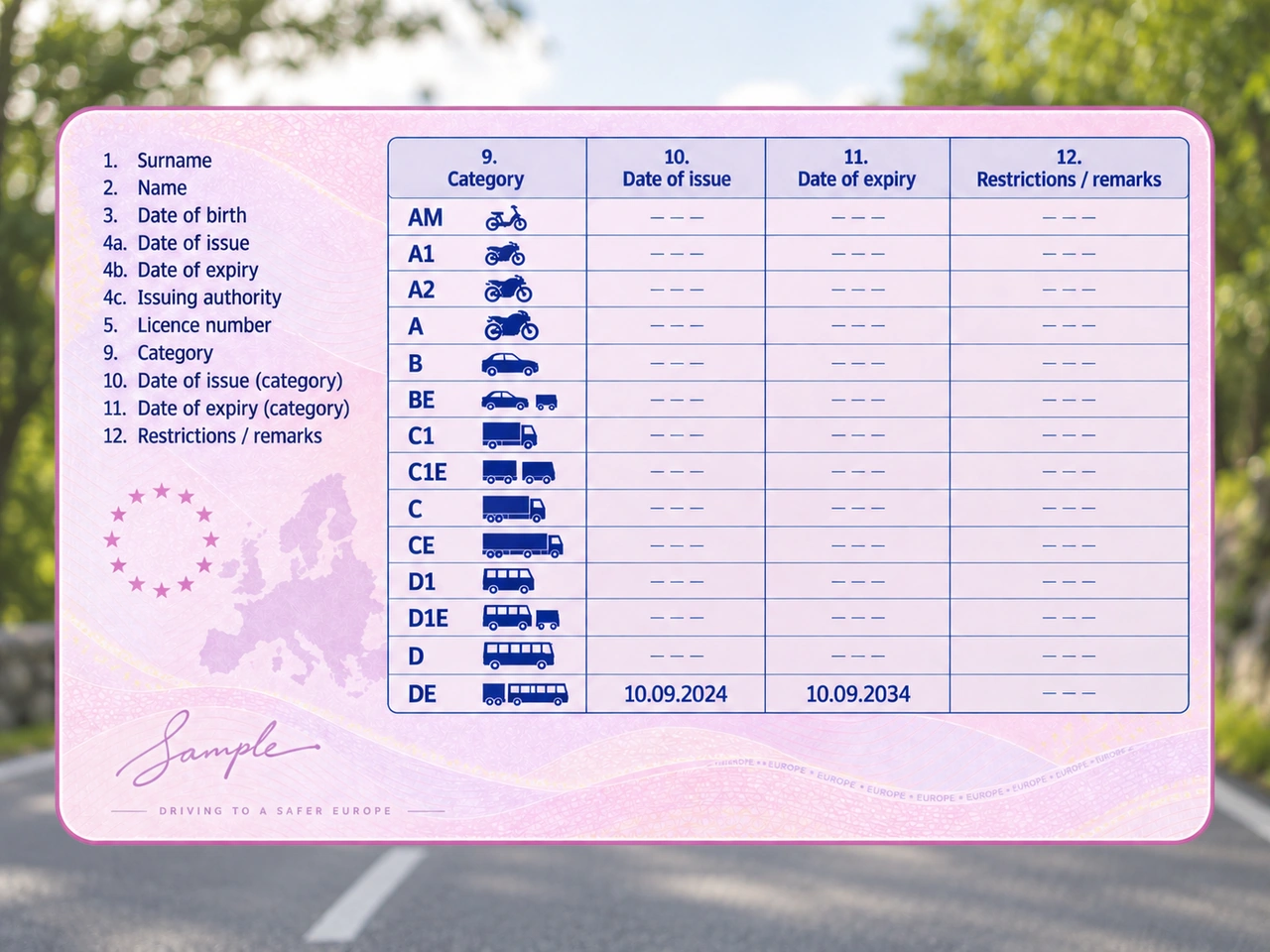
What should you do if the charging-system warning light comes on?

232. What should you do if the charging-system warning light comes on?

✓ Reduce electrical use, stop safely, and seek assistance.
Restart the engine repeatedly to reset the warning.
Increase engine speed until the warning light goes out.
Switch on more electrical systems to test the battery.

The alternator or charging system may have failed. The vehicle may stop once the remaining battery charge is exhausted.

Charging-system warning illuminated on the dashboard
AI-generated by Traffic-rules.com • WCIT • CC BY-SA
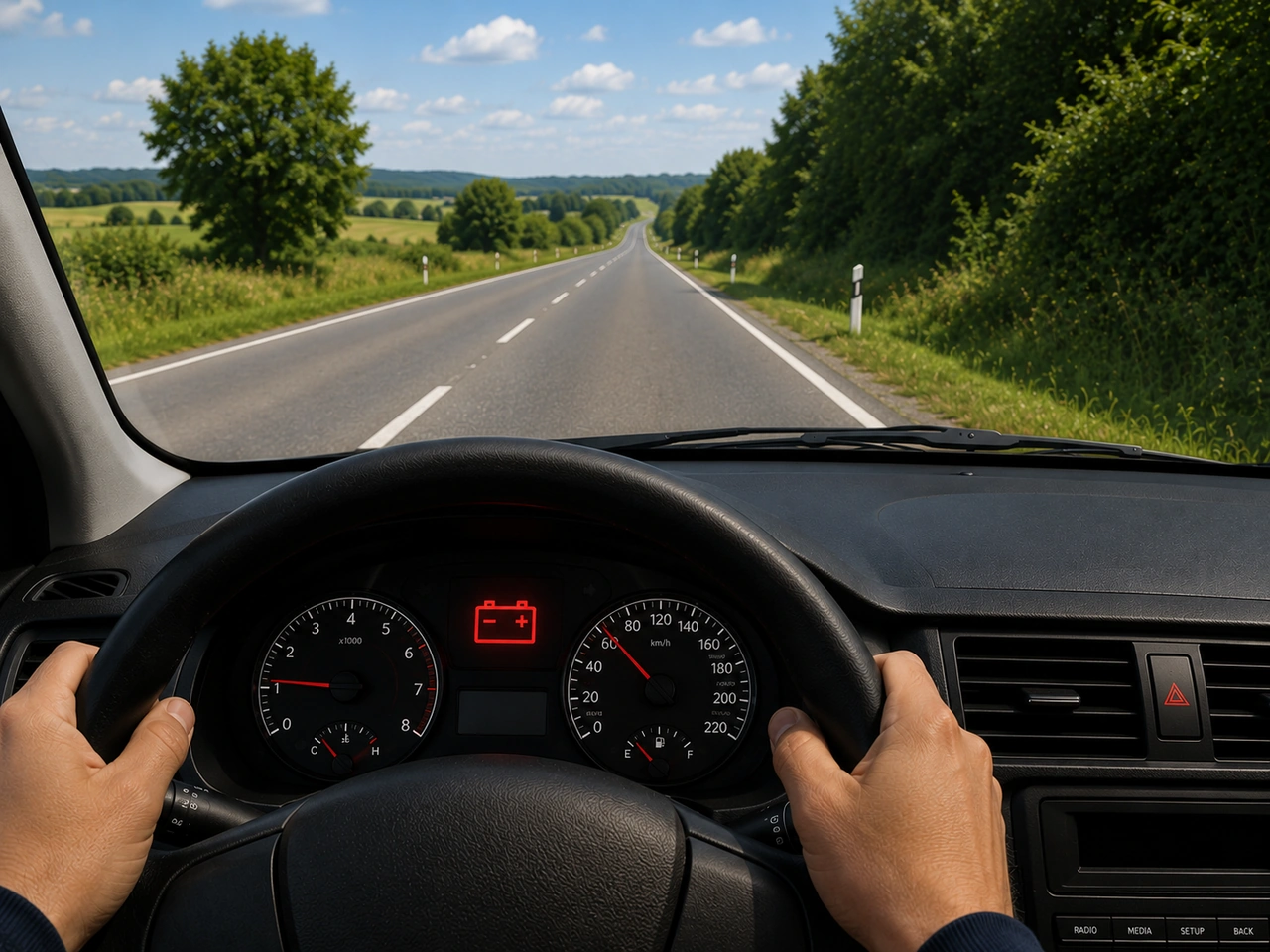
What is the main purpose of a motorway emergency lane or hard shoulder?

233. What is the main purpose of a motorway emergency lane or hard shoulder?

For driving when the motorway is busy.
For stopping to check directions.
For allowing faster vehicles to pass.
✓ For emergencies and breakdowns.

A motorway emergency lane or hard shoulder is primarily intended for emergencies and breakdowns, not normal driving. In some places it may be opened temporarily as a traffic lane when signs or signals specifically permit this.

Motorway hard shoulder beside the traffic lanes
AI-generated by Traffic-rules.com • WCIT • CC BY-SA
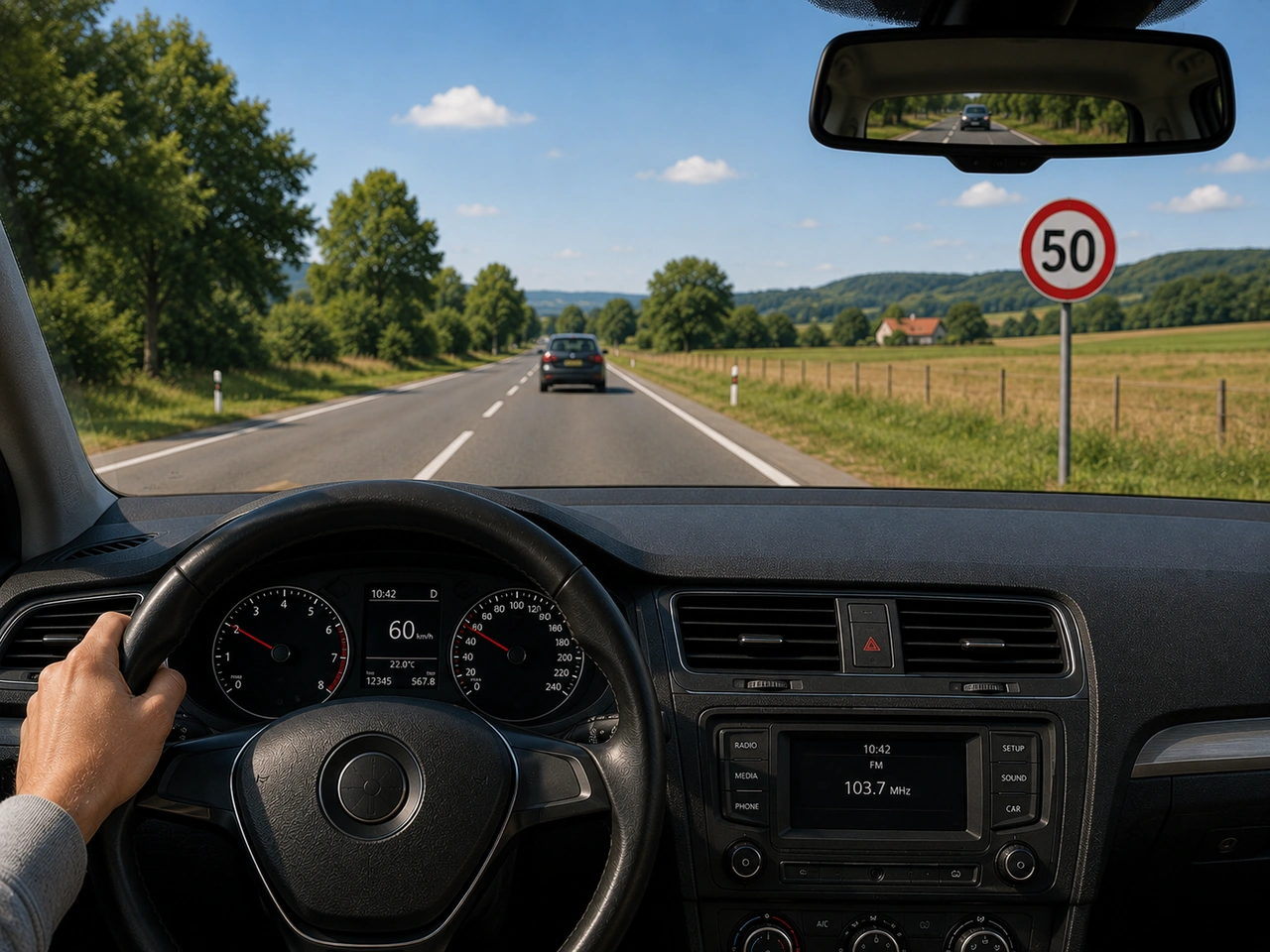
Speed limits only apply when there is heavy traffic.

234. Speed limits only apply when there is heavy traffic.

✓ False.
True.

Speed limits apply at all times unless a different limit is clearly indicated.

Speed-limit sign beside a road
AI-generated by Traffic-rules.com • WCIT • CC BY-SA
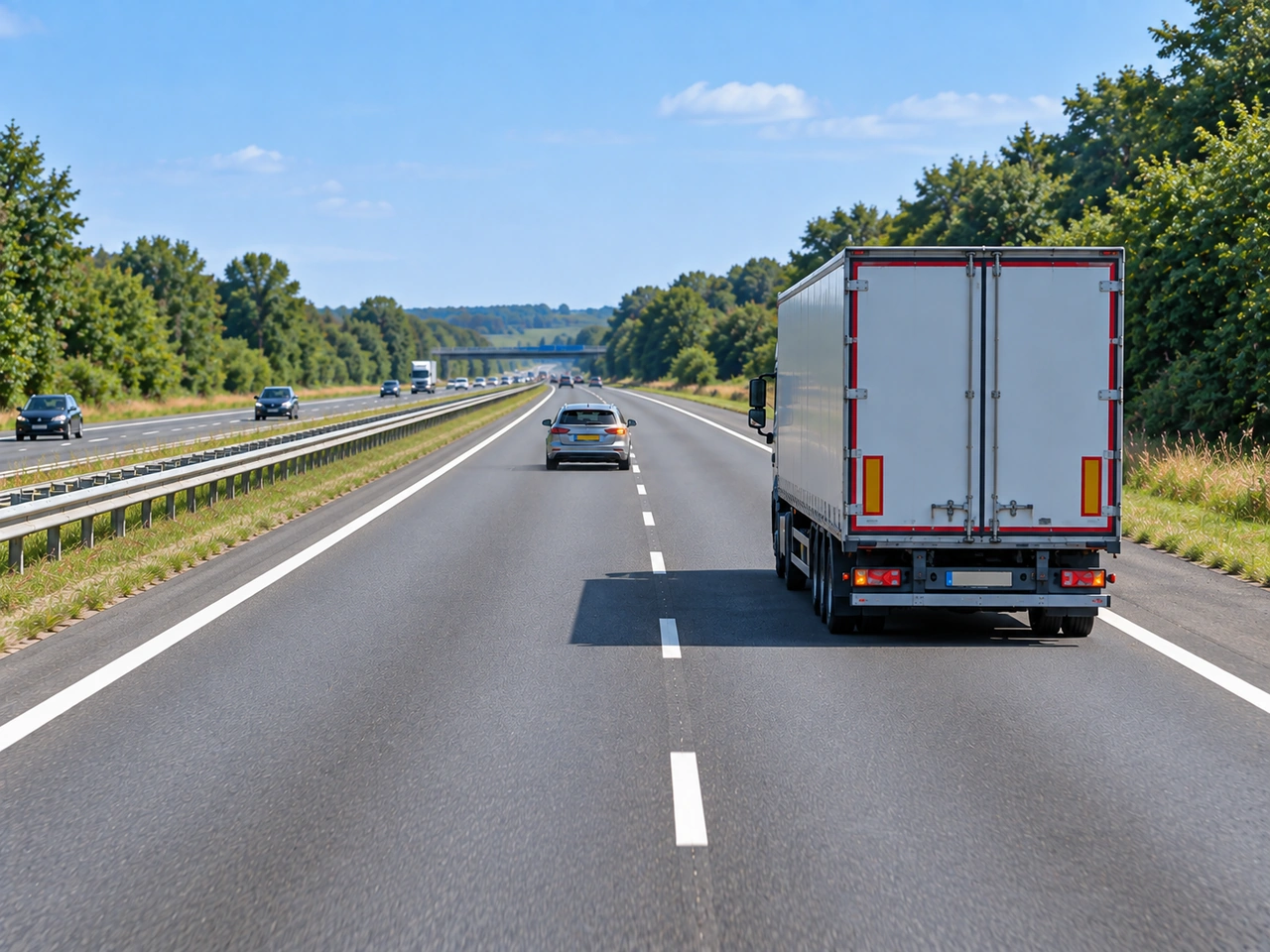
What should you normally do after completing an overtake?

235. What should you normally do after completing an overtake?

Move back immediately in front of the vehicle you passed.
✓ Return to the normal driving lane when it is safe.
Remain in the overtaking lane until another vehicle approaches.
Slow down before returning to the normal lane.

After overtaking, return to the normal driving lane when you have passed the other vehicle by a safe distance. Check your mirrors, signal when appropriate, and avoid moving back too soon.

Vehicle returning to its lane after overtaking
AI-generated by Traffic-rules.com • WCIT • CC BY-SA
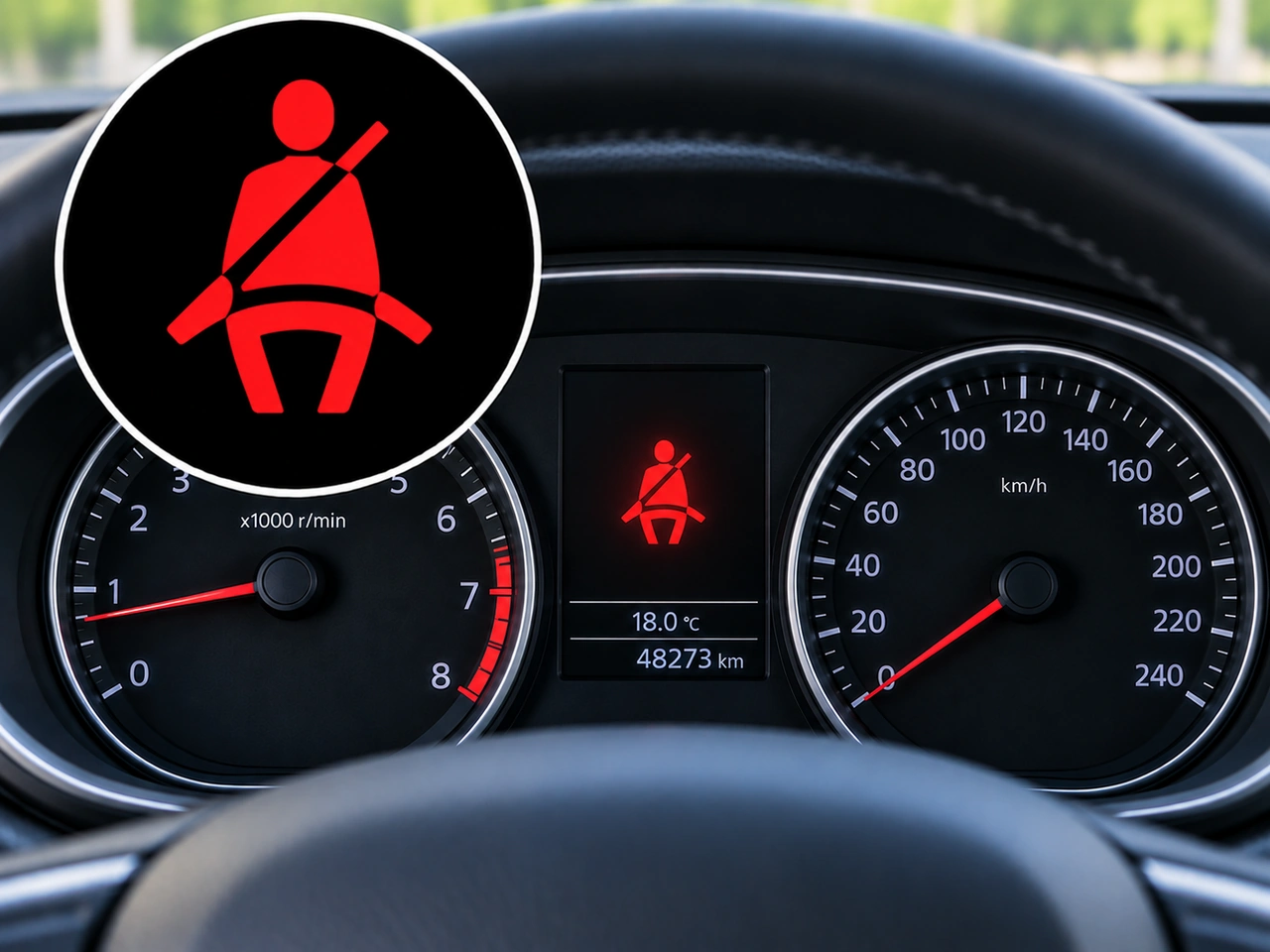
What does this dashboard symbol indicate?

236. What does this dashboard symbol indicate?

✓ Seat belt not fastened.
Airbag-system warning.
Parking brake applied.
Door open.

This symbol is a seat-belt reminder. It indicates that the driver or another detected occupant has not fastened their seat belt.

Seat-belt reminder symbol on the dashboard
AI-generated by Traffic-rules.com • WCIT • CC BY-SA
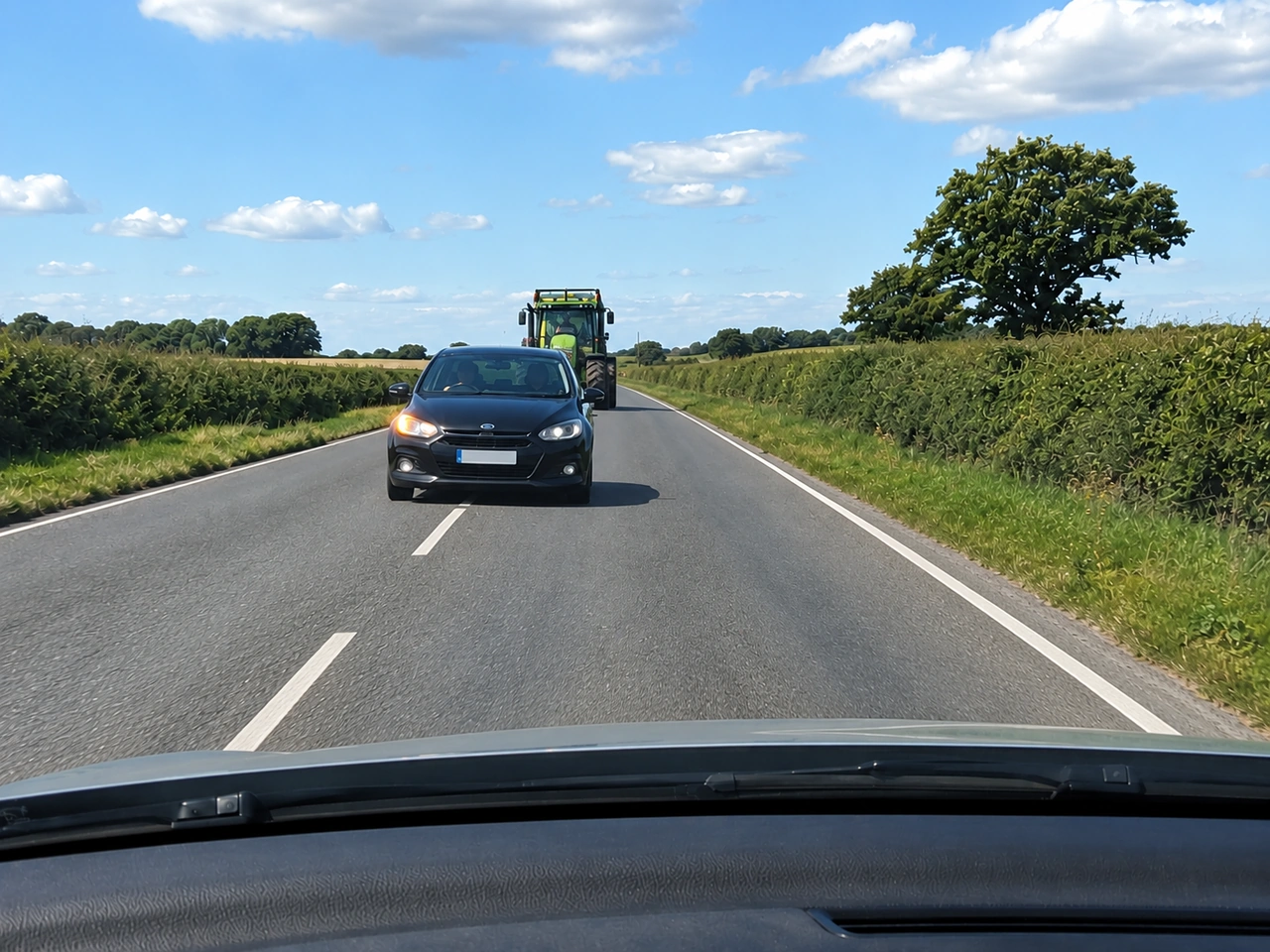
What should you do if an overtaking vehicle is coming toward you?

237. What should you do if an overtaking vehicle is coming toward you?

Move closer to the centre so the other driver notices you.
Accelerate to pass the danger point more quickly.
Brake sharply as soon as the vehicle enters your lane.
✓ Slow down and move slightly aside if safe.

If an oncoming vehicle creates danger while overtaking, reduce speed and make space if it is safe to do so. Avoid sudden movements that could create an additional hazard.

Oncoming vehicle overtaking into the driver's lane
AI-generated by Traffic-rules.com • WCIT • CC BY-SA
Why should you keep the driver's footwell free of loose objects?

238. Why should you keep the driver's footwell free of loose objects?

✓ They could roll into the pedals and interfere with control.
They could make it harder to adjust the driver's seat.
They could make the pedals noisier to operate.
They could damage the carpet around the pedals.

Loose objects in the driver's footwell, such as bottles, cans, or rubbish, can roll into the pedal area and interfere with the accelerator, brake, or clutch. Keep the footwell clear so you can operate the pedals safely and without obstruction.

Loose objects in the driver's footwell
AI-generated by Traffic-rules.com • WCIT • CC BY-SA
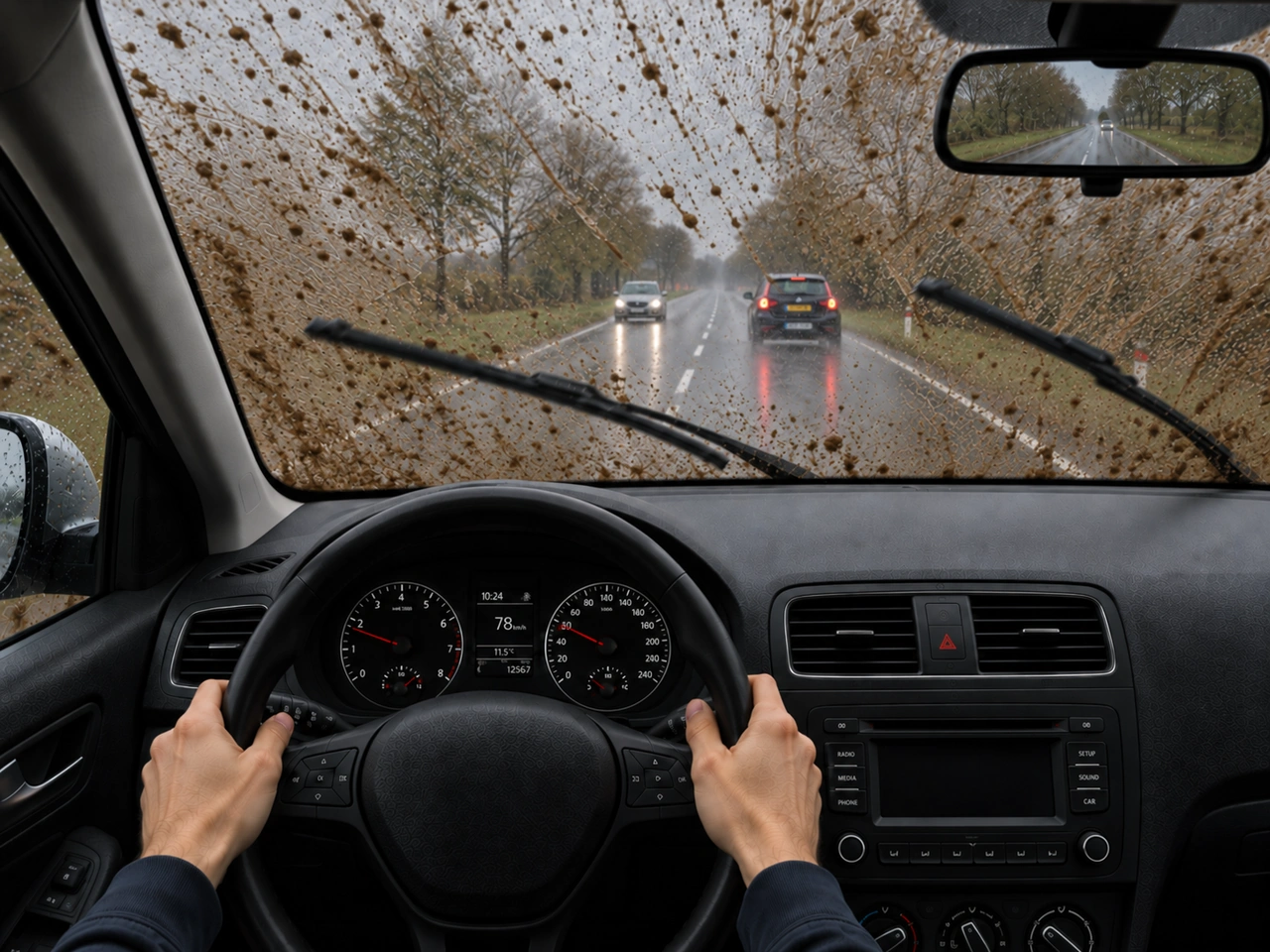
What should you do if your windscreen becomes covered with mud or spray?

239. What should you do if your windscreen becomes covered with mud or spray?

Use the demister instead of the washers.
Increase speed so the airflow clears the windscreen.
✓ Slow down and use the washers and wipers to restore clear vision.
Continue driving and wait for the spray to clear.

Clear visibility is essential. Slow down safely and use your washers and wipers until you can see the road clearly again.

Mud and spray obscuring a vehicle's windscreen
AI-generated by Traffic-rules.com • WCIT • CC BY-SA
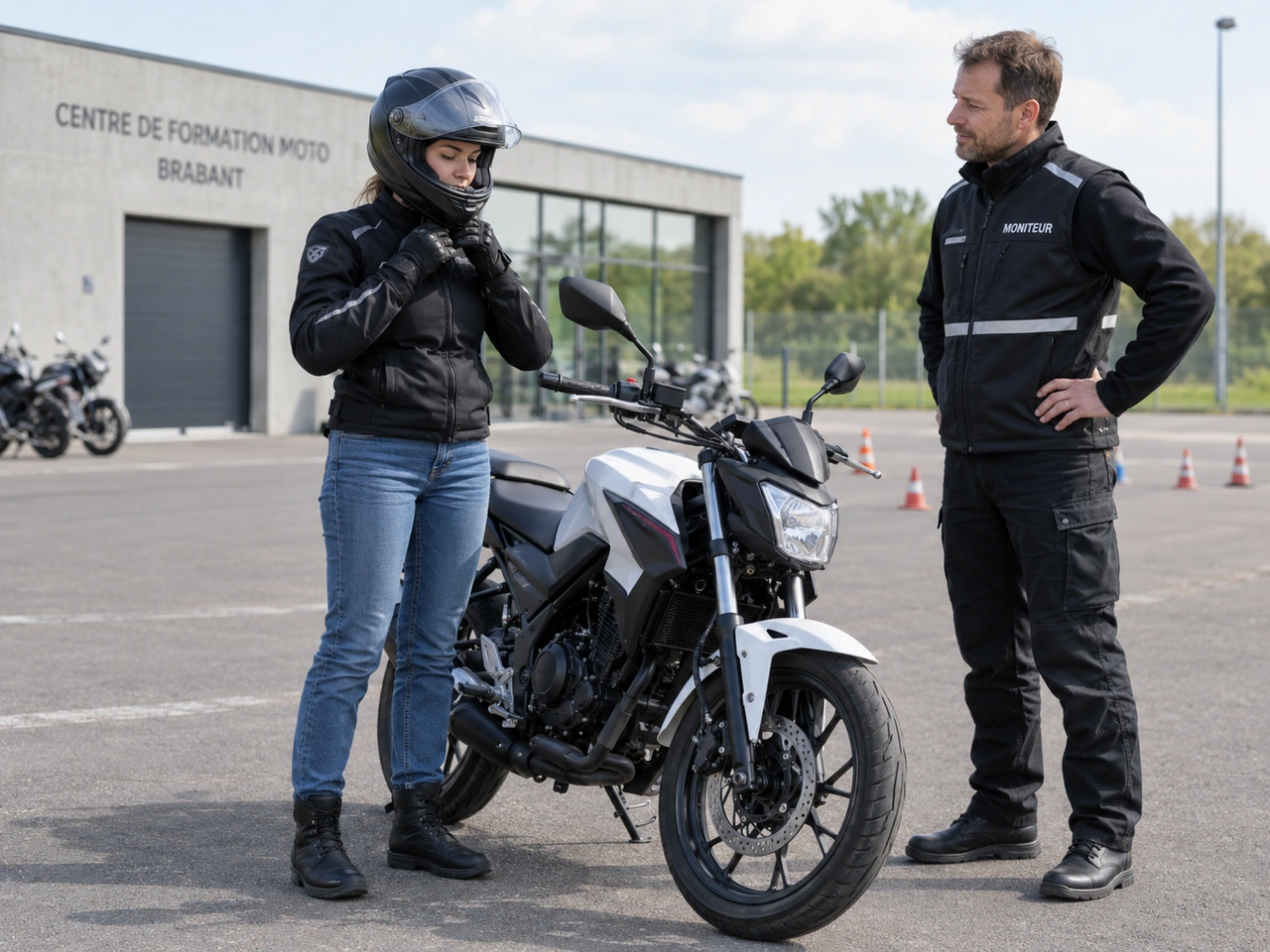
At what age can you obtain a Belgian driving licence A1?

240. At what age can you obtain a Belgian driving licence A1?

17 years.
20 years.
✓ 18 years.
16 years.

Driving licence A1 may be obtained from the age of 18 in Belgium.

Minimum age for a Belgian category A1 driving licence
AI-generated by Traffic-rules.com • WCIT • CC BY-SA
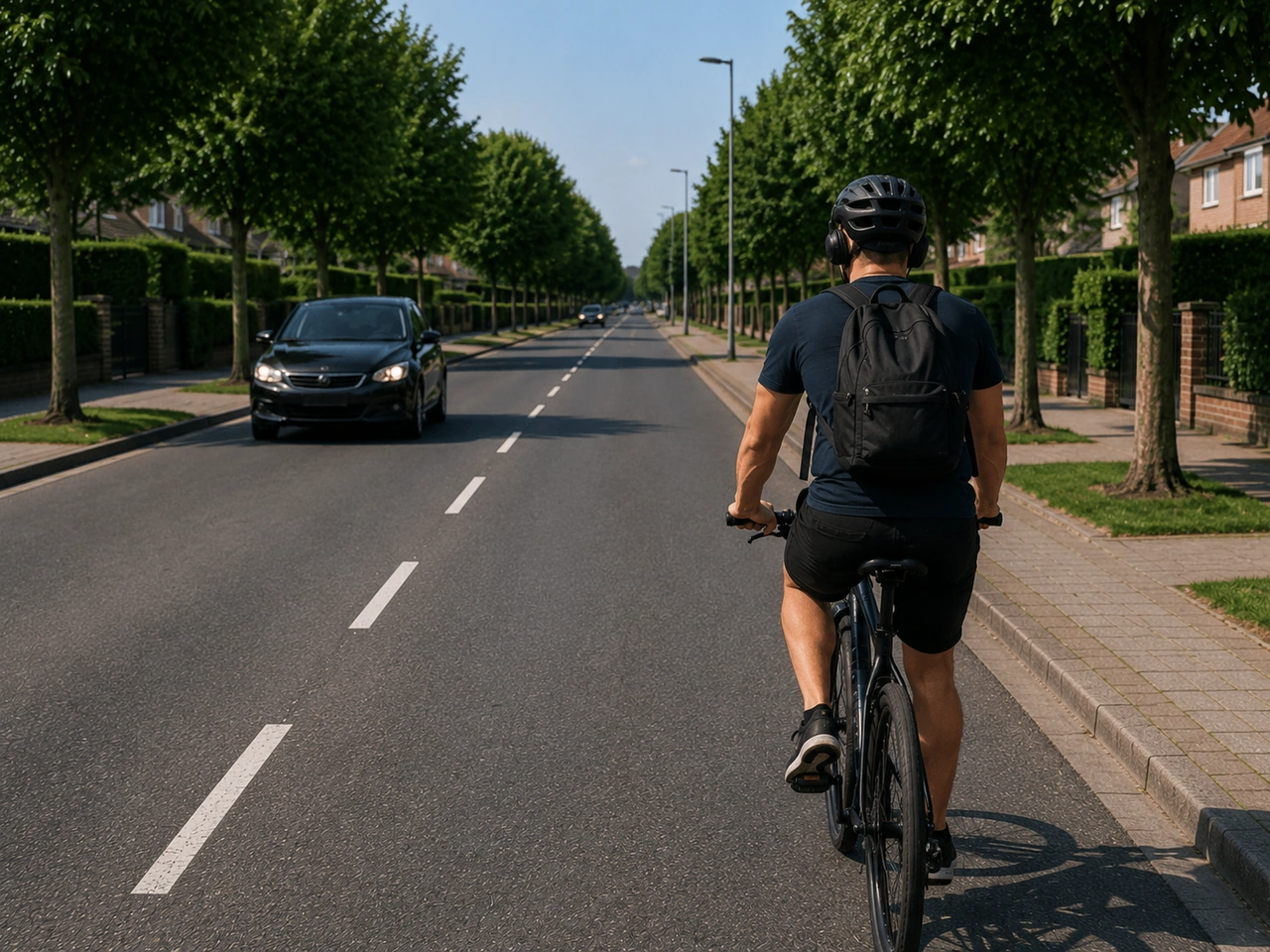
Why can loud music be dangerous while cycling?

241. Why can loud music be dangerous while cycling?

It reduces the grip of the tyres.
It makes the brakes respond more slowly.
It makes bicycle lights less effective.
✓ You may not hear traffic or warning sounds.

Hearing approaching vehicles, bells, horns, and other warning sounds is an important part of staying aware.

Cyclist listening to music near traffic
AI-generated by Traffic-rules.com • WCIT • CC BY-SA
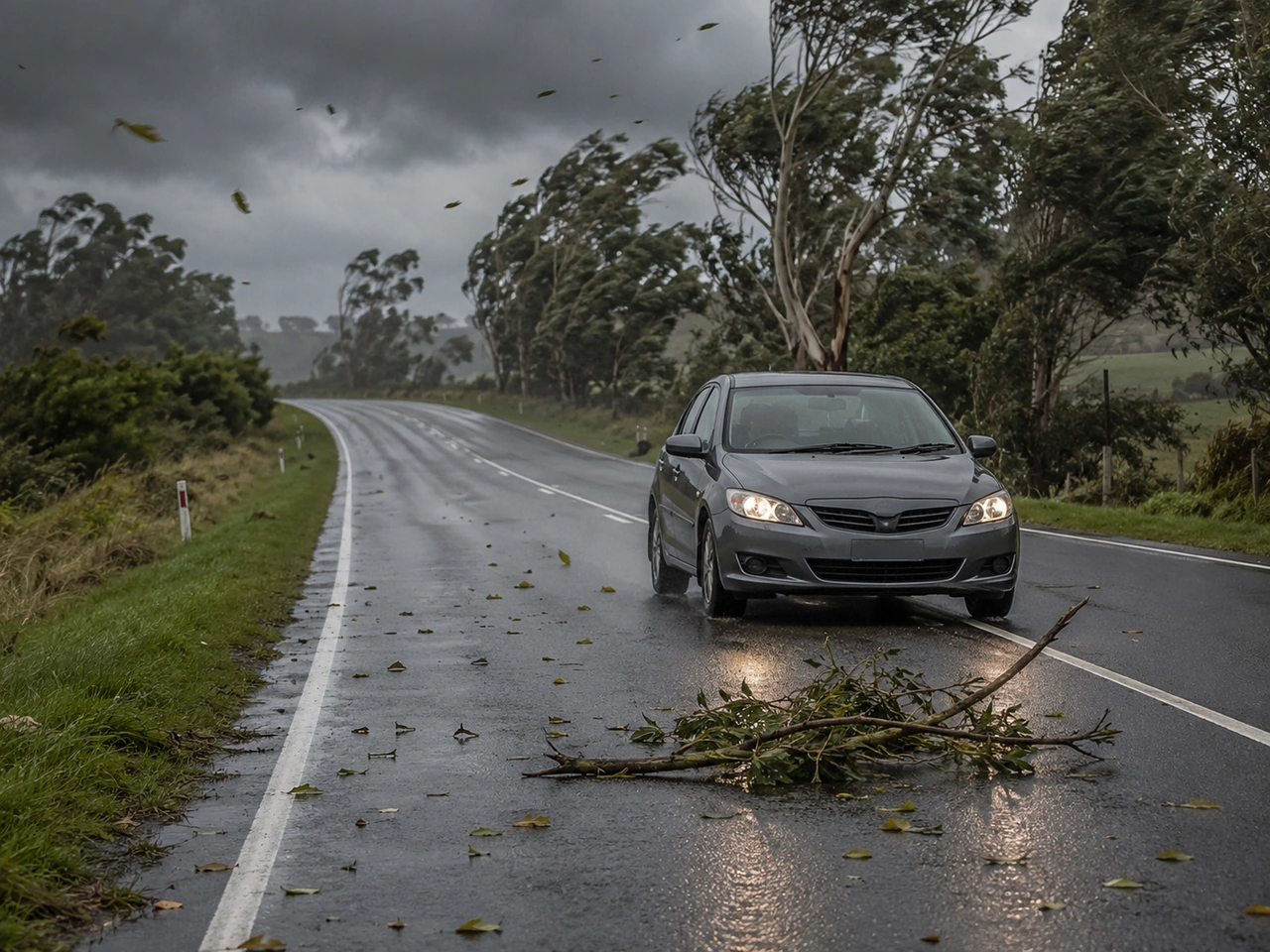
What should you do when branches or debris are blowing onto the road?

242. What should you do when branches or debris are blowing onto the road?

Maintain speed and steer around them when necessary.
Follow the vehicle ahead closely for protection.
✓ Slow down and avoid hazards safely.
Change lanes immediately without reducing speed.

Wind can blow unexpected obstacles onto the road. Reduce speed and avoid them safely.

Wind-blown branches and debris on a road
AI-generated by Traffic-rules.com • WCIT • CC BY-SA
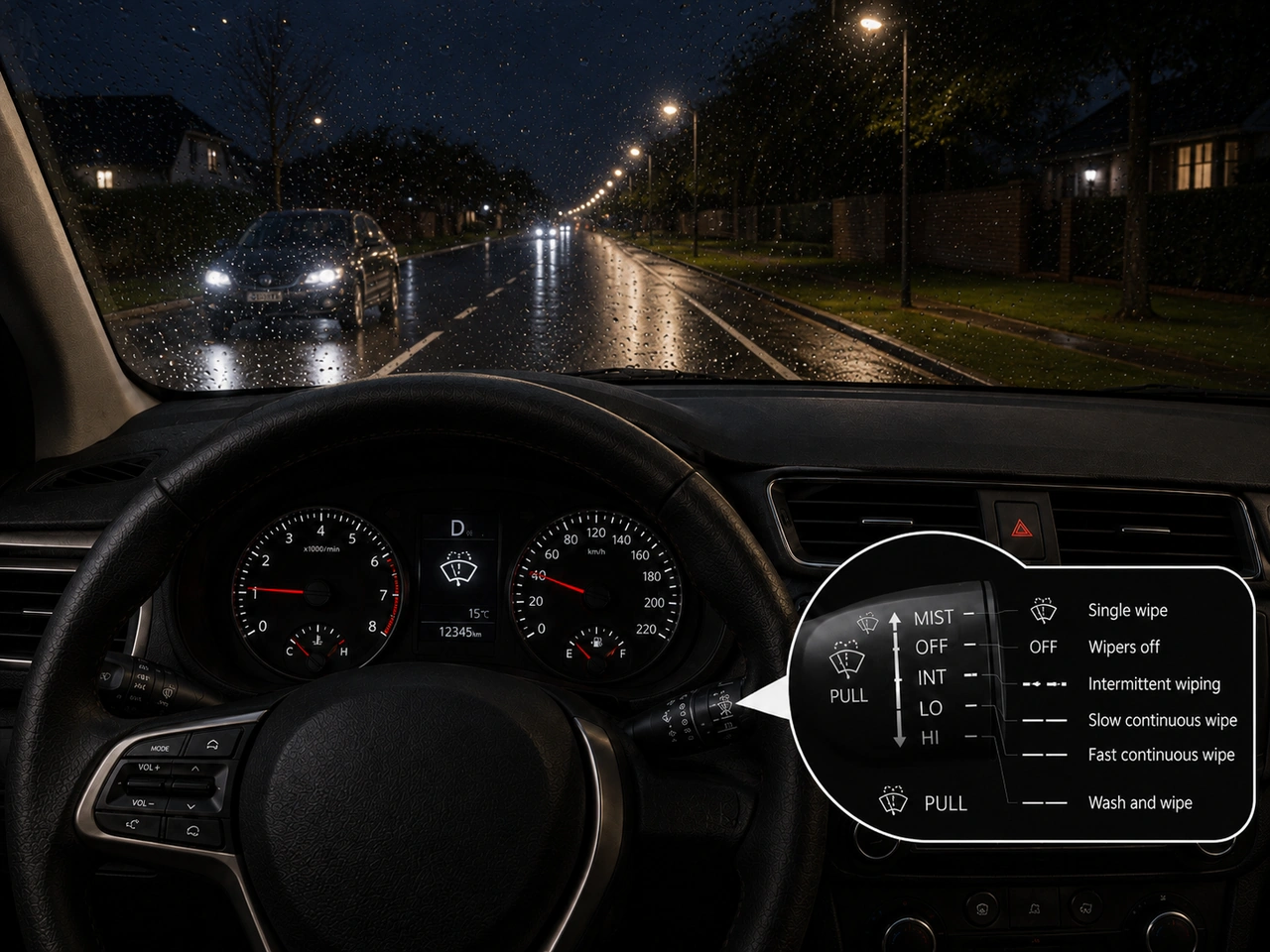
What should you do if the windscreen wipers stop working during heavy rain?

243. What should you do if the windscreen wipers stop working during heavy rain?

Use the washer fluid repeatedly to clear the windscreen.
Continue slowly using the hazard lights.
✓ Reduce speed and stop in a safe place as soon as possible.
Open a side window and continue driving carefully.

Do not continue when you cannot see clearly. Slow down smoothly and stop somewhere protected from traffic.

Windscreen wipers failing during heavy rain
AI-generated by Traffic-rules.com • WCIT • CC BY-SA
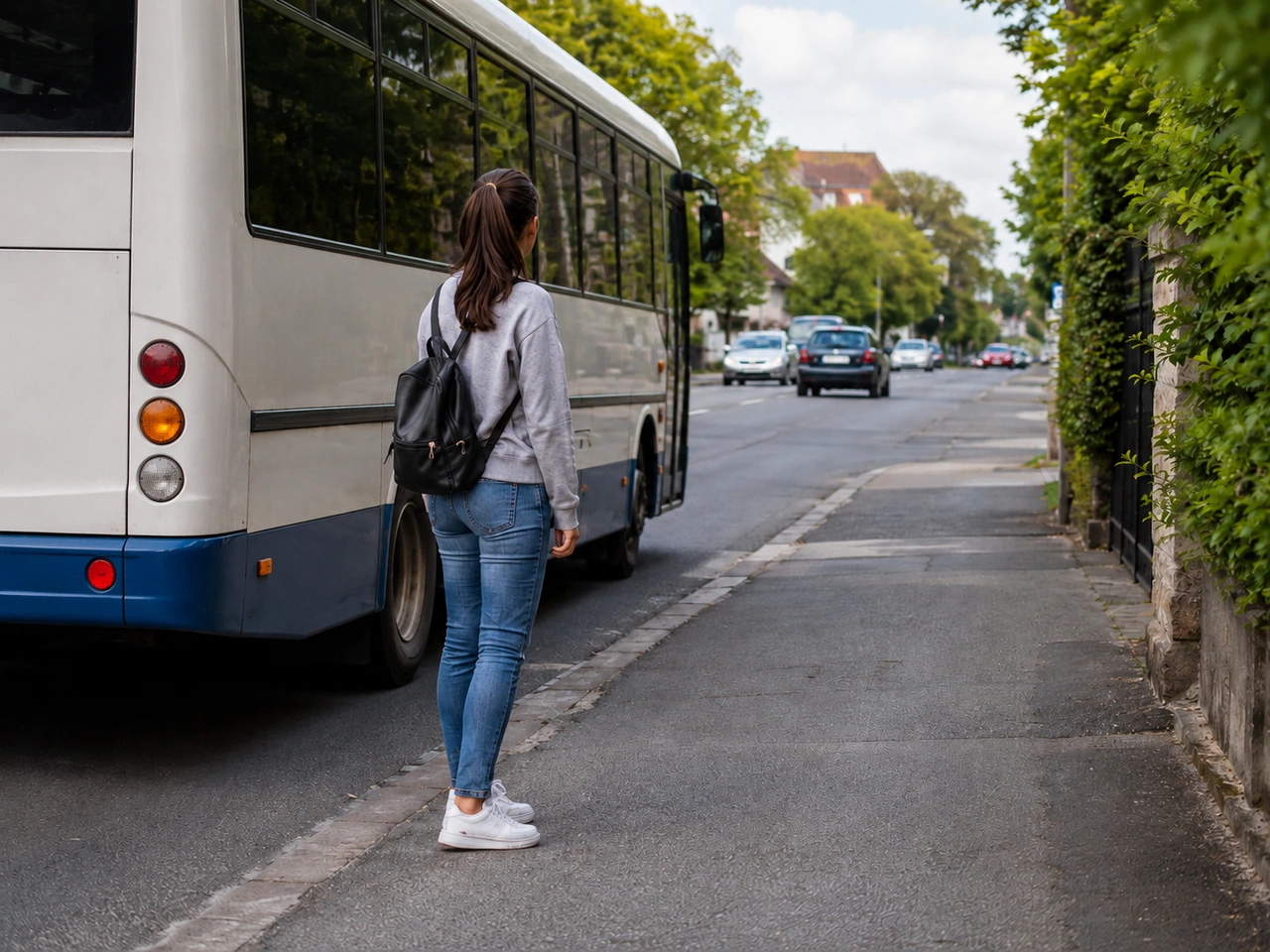
What should you do before crossing behind a bus or large vehicle?

244. What should you do before crossing behind a bus or large vehicle?

Listen for traffic and cross if you hear none.
Stay close behind the vehicle while crossing.
Cross if the nearest traffic lane appears clear.
✓ Wait until you have a clear view of the road.

Large vehicles can block your view and hide you from drivers. Wait until you can clearly see the road before crossing.

Pedestrian preparing to cross behind a bus
AI-generated by Traffic-rules.com • WCIT • CC BY-SA
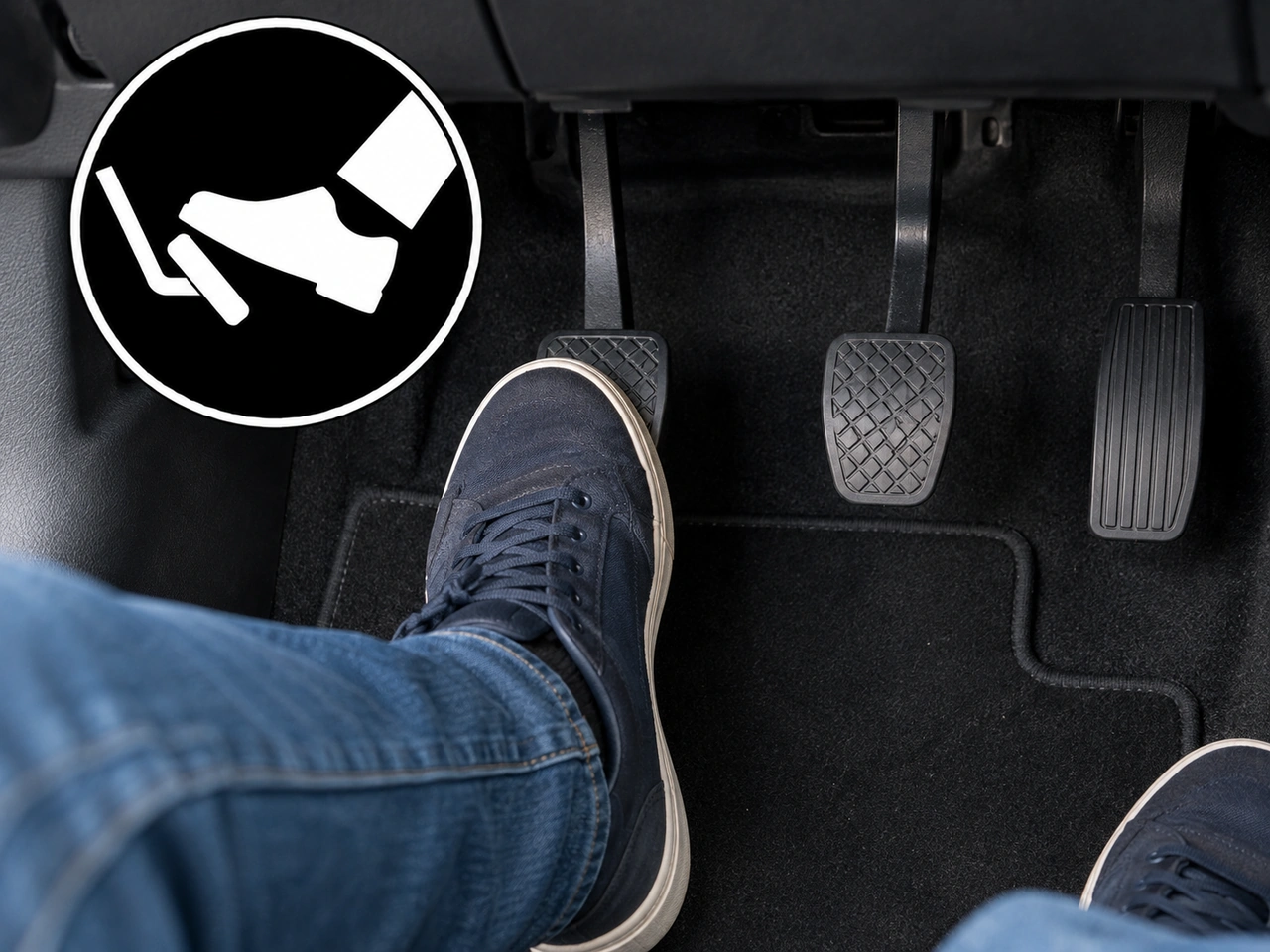
What is the purpose of the clutch pedal in a manual vehicle?

245. What is the purpose of the clutch pedal in a manual vehicle?

To increase the engine speed.
✓ To disconnect the engine from the transmission.
To apply the parking brake.
To slow the vehicle using the brakes.

Pressing the clutch pedal temporarily disconnects the engine from the transmission, allowing the driver to change gear or stop without stalling the engine.

Clutch pedal in a manual vehicle
AI-generated by Traffic-rules.com • WCIT • CC BY-SA
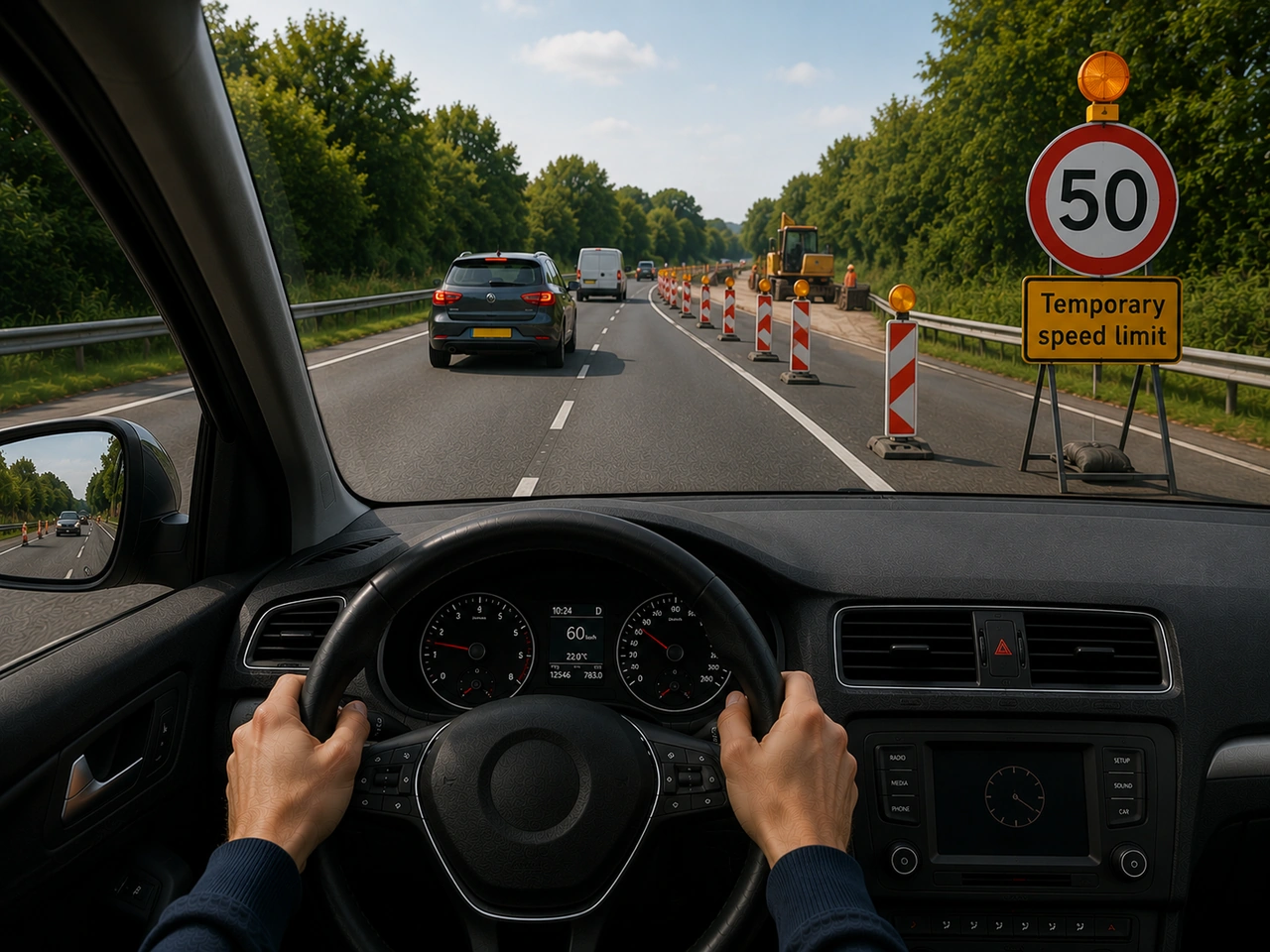
Why should you not ignore temporary speed limits?

246. Why should you not ignore temporary speed limits?

They are recommendations rather than limits.
✓ They are used to protect people and manage hazards.
They apply only to road workers.
They apply only when traffic is congested.

Temporary speed limits may be used near roadworks, accidents, events, or dangerous conditions. They help keep traffic safe.

Temporary speed-limit sign at roadworks
AI-generated by Traffic-rules.com • WCIT • CC BY-SA
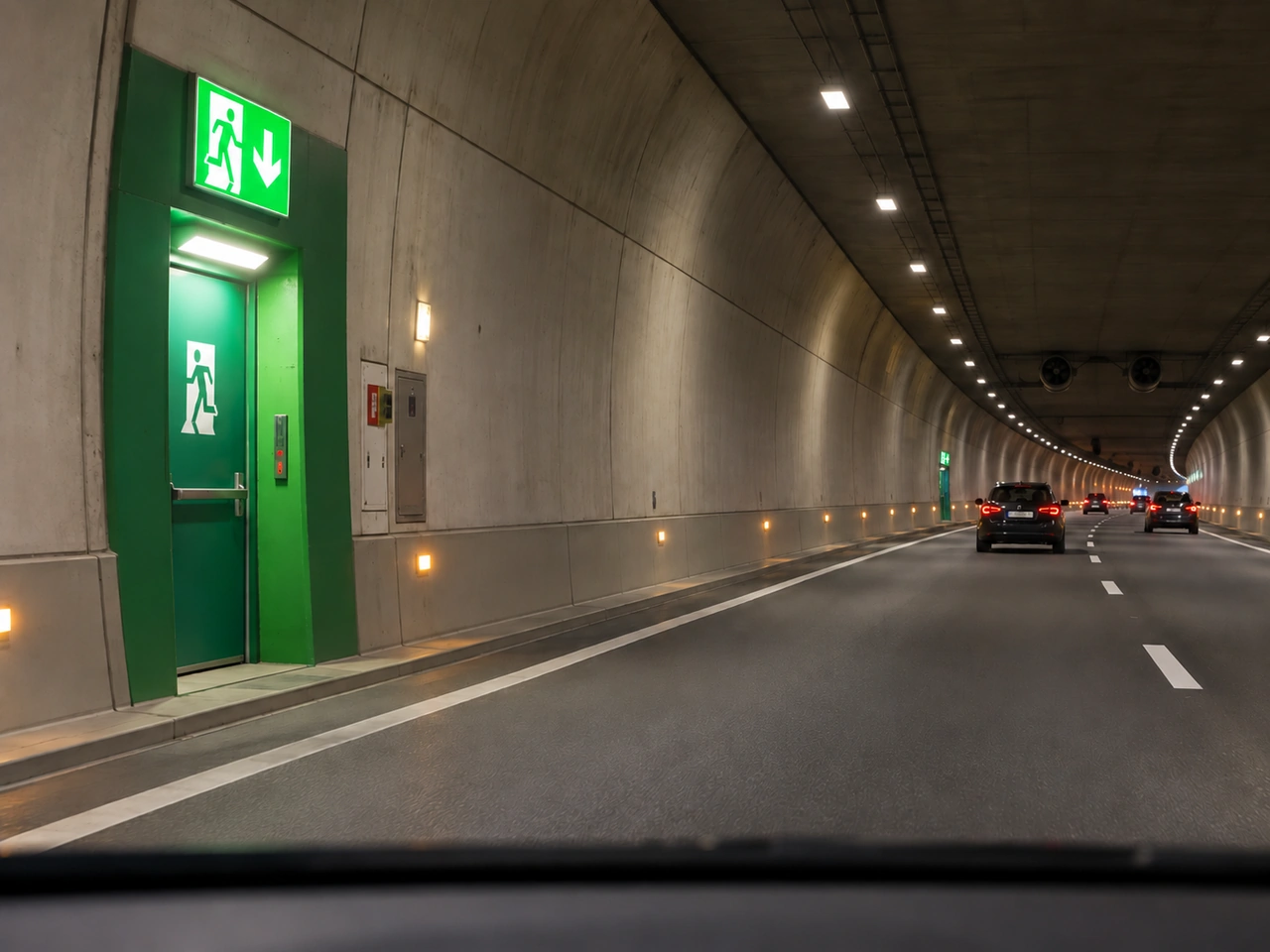
Why should you notice the location of emergency exits in a tunnel?

247. Why should you notice the location of emergency exits in a tunnel?

✓ You may need to reach one quickly during an emergency.
They show where overtaking is prohibited.
Pedestrians may be crossing near them.
They provide shortcuts to nearby roads.

Knowing where emergency exits and refuge areas are located can save valuable time during a fire, collision, or evacuation.

Emergency exit inside a road tunnel
AI-generated by Traffic-rules.com • WCIT • CC BY-SA
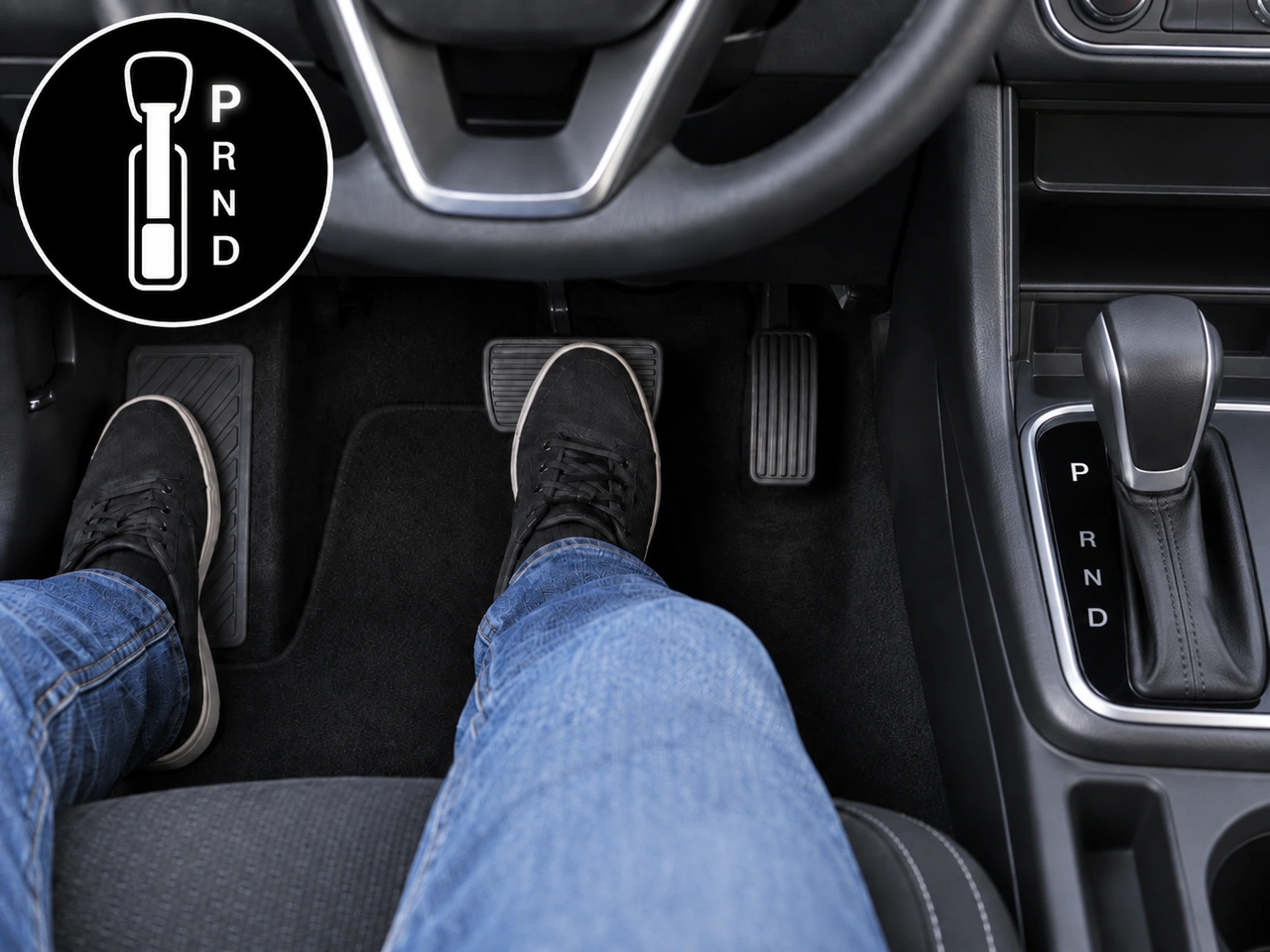
What should you normally select before leaving an automatic vehicle parked?

248. What should you normally select before leaving an automatic vehicle parked?

R (Reverse).
D (Drive).
✓ P (Park).
N (Neutral).

Select P (Park) before leaving an automatic vehicle parked. Park locks the transmission to help prevent the vehicle from rolling; the parking brake should also be applied.

Park position on an automatic gear selector
AI-generated by Traffic-rules.com • WCIT • CC BY-SA
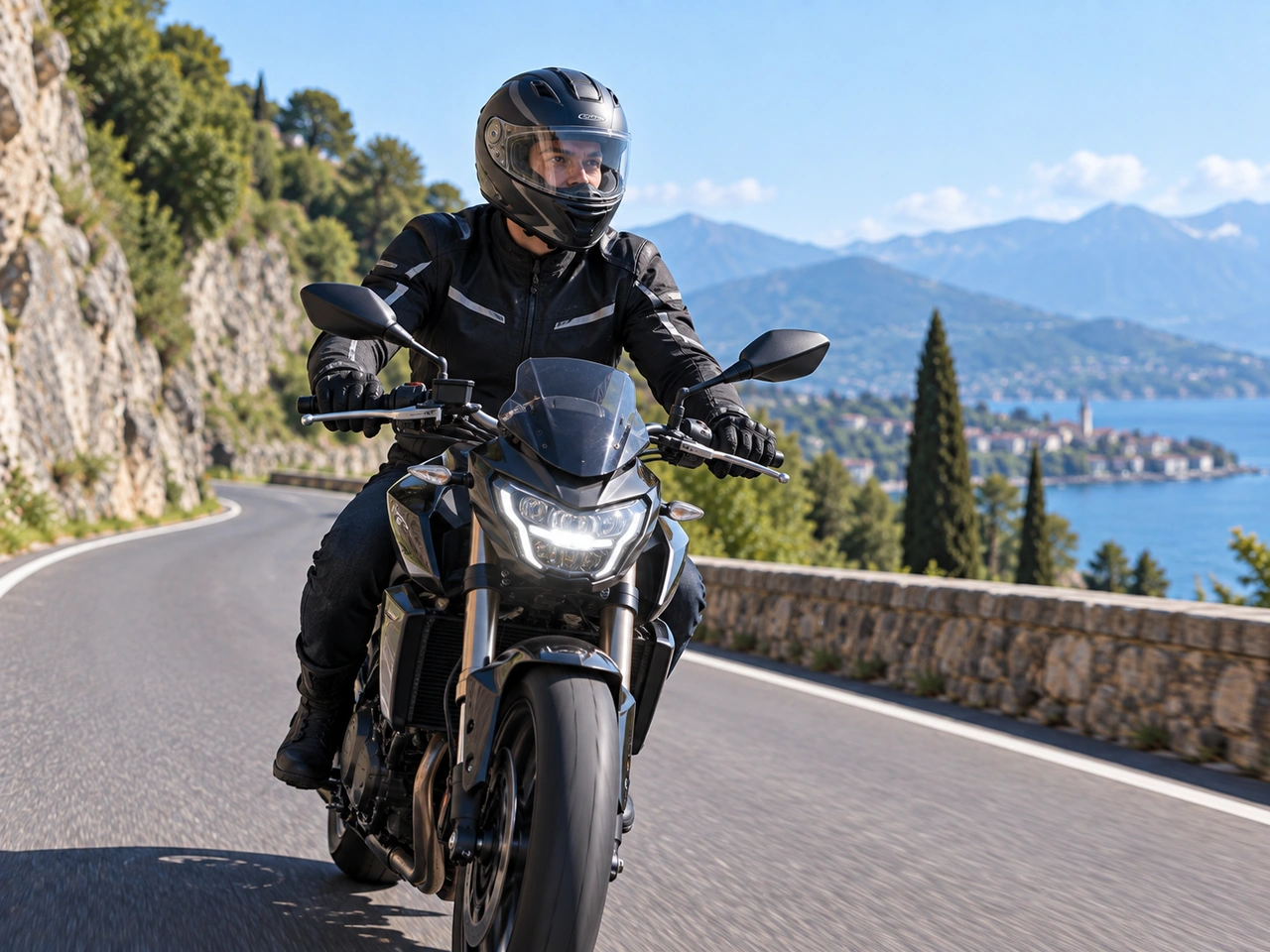
Are motorcycle riders generally required to wear a helmet in Brussels?

249. Are motorcycle riders generally required to wear a helmet in Brussels?

No.
✓ Yes.

Motorcycle riders in Brussels are generally required to wear an approved helmet.

Motorcyclist wearing a protective helmet
AI-generated by Traffic-rules.com • WCIT • CC BY-SA
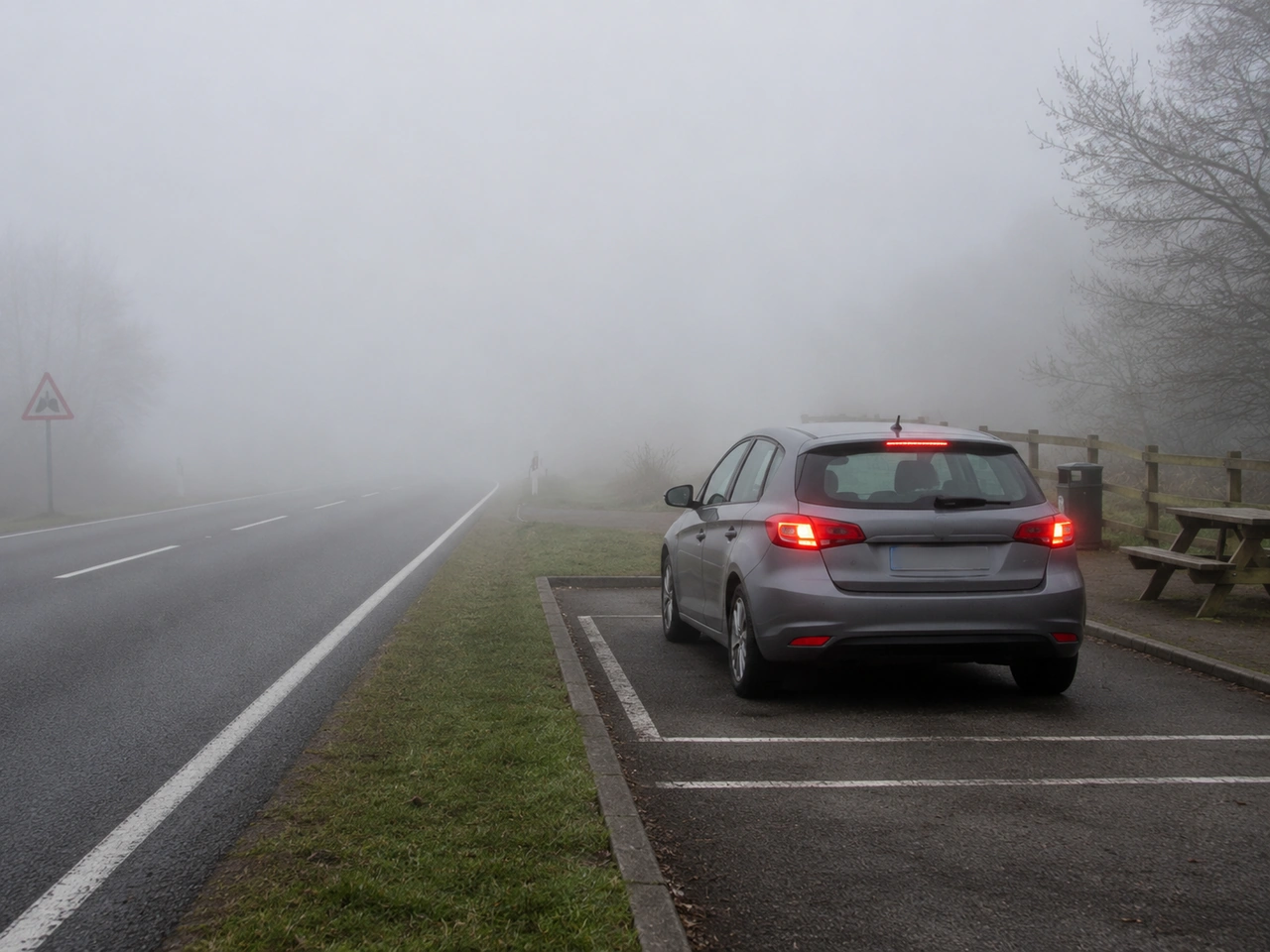
What should you do if fog becomes so thick that you cannot see safely?

250. What should you do if fog becomes so thick that you cannot see safely?

Follow the vehicle ahead closely for guidance.
Use main beam and keep driving.
Stop immediately in the traffic lane.
✓ Slow down and stop in a safe location away from traffic if necessary.

If visibility becomes dangerously poor, find a safe place to stop rather than continuing without being able to see clearly.

Dense fog obscuring the road ahead
AI-generated by Traffic-rules.com • WCIT • CC BY-SA