


QuizTraffic rulesIndia
Test your knowledge with our multiple-choice quiz. Learn from each answer and improve your understanding of the traffic rules and road signs of India.
 Traffic signs
 Traffic rules
 India
India
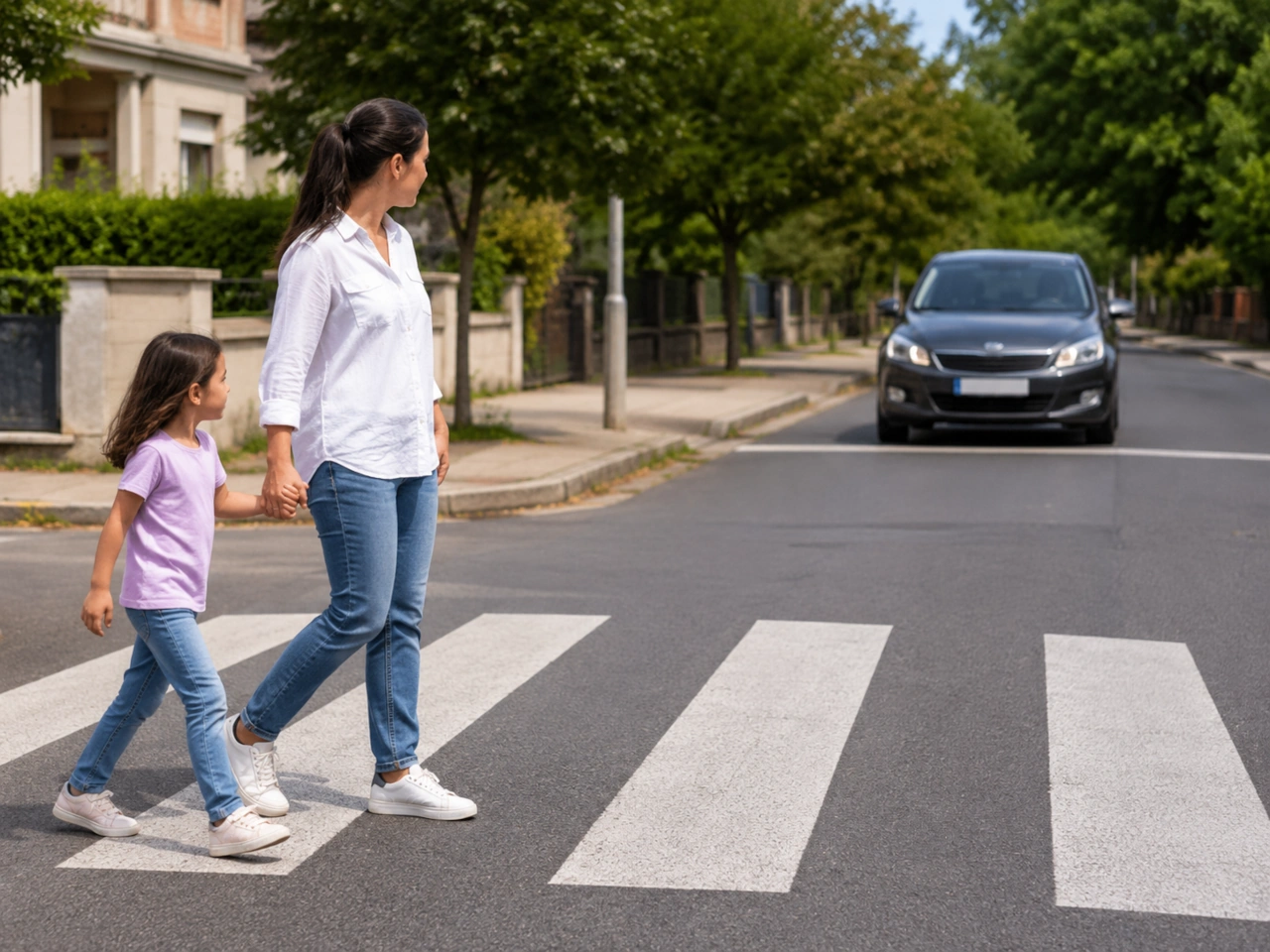
1. What is the safest way to cross the road with a child?
Children can be unpredictable near traffic. Keep them close and guide them safely across the road.
AI-generated by Traffic-rules.com • WCIT • CC BY-SA

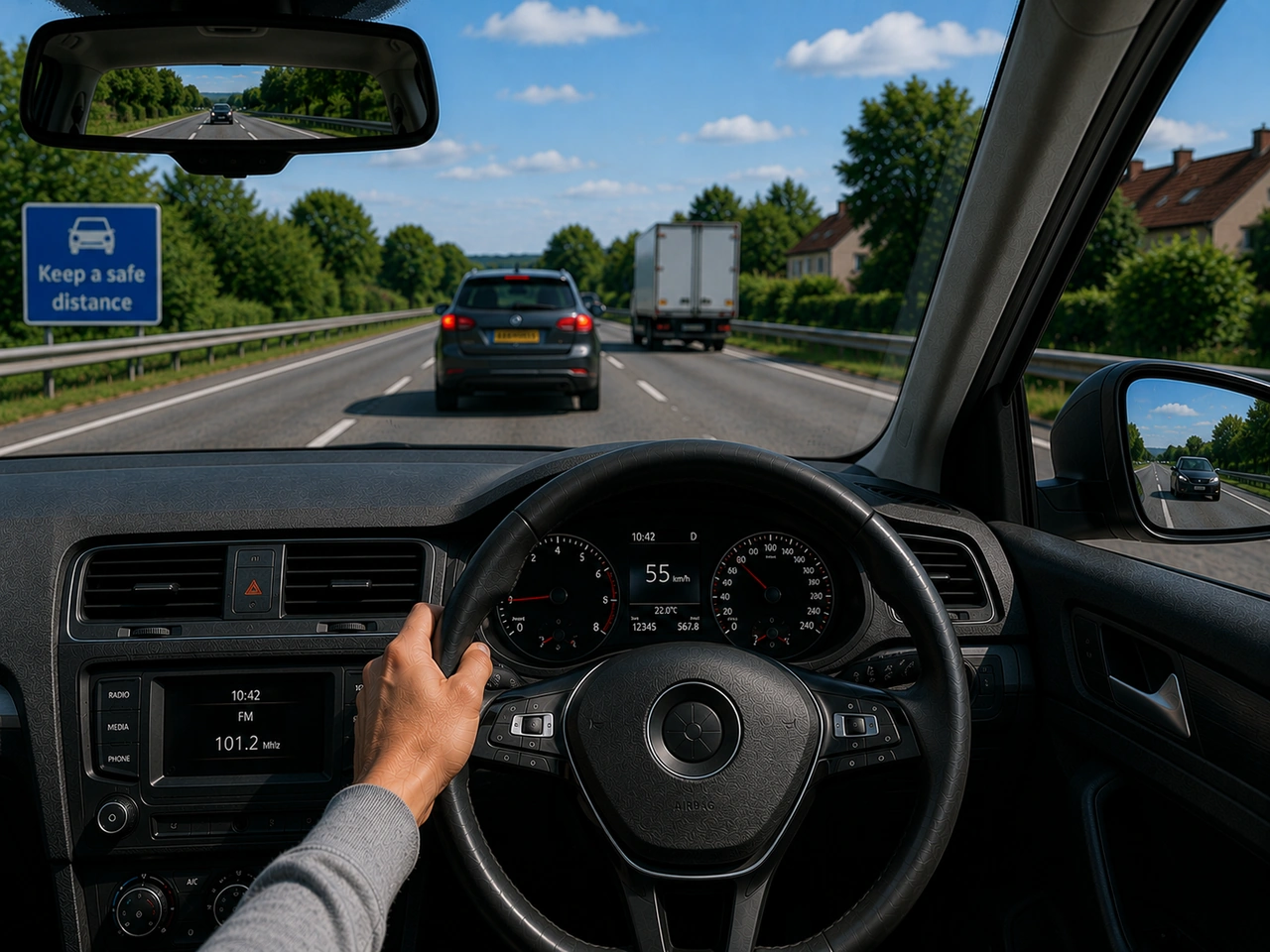
2. You should follow the vehicle in front as closely as possible in traffic.
You should keep a safe following distance so you have enough time to react if traffic slows or stops suddenly.
AI-generated by Traffic-rules.com • WCIT • CC BY-SA
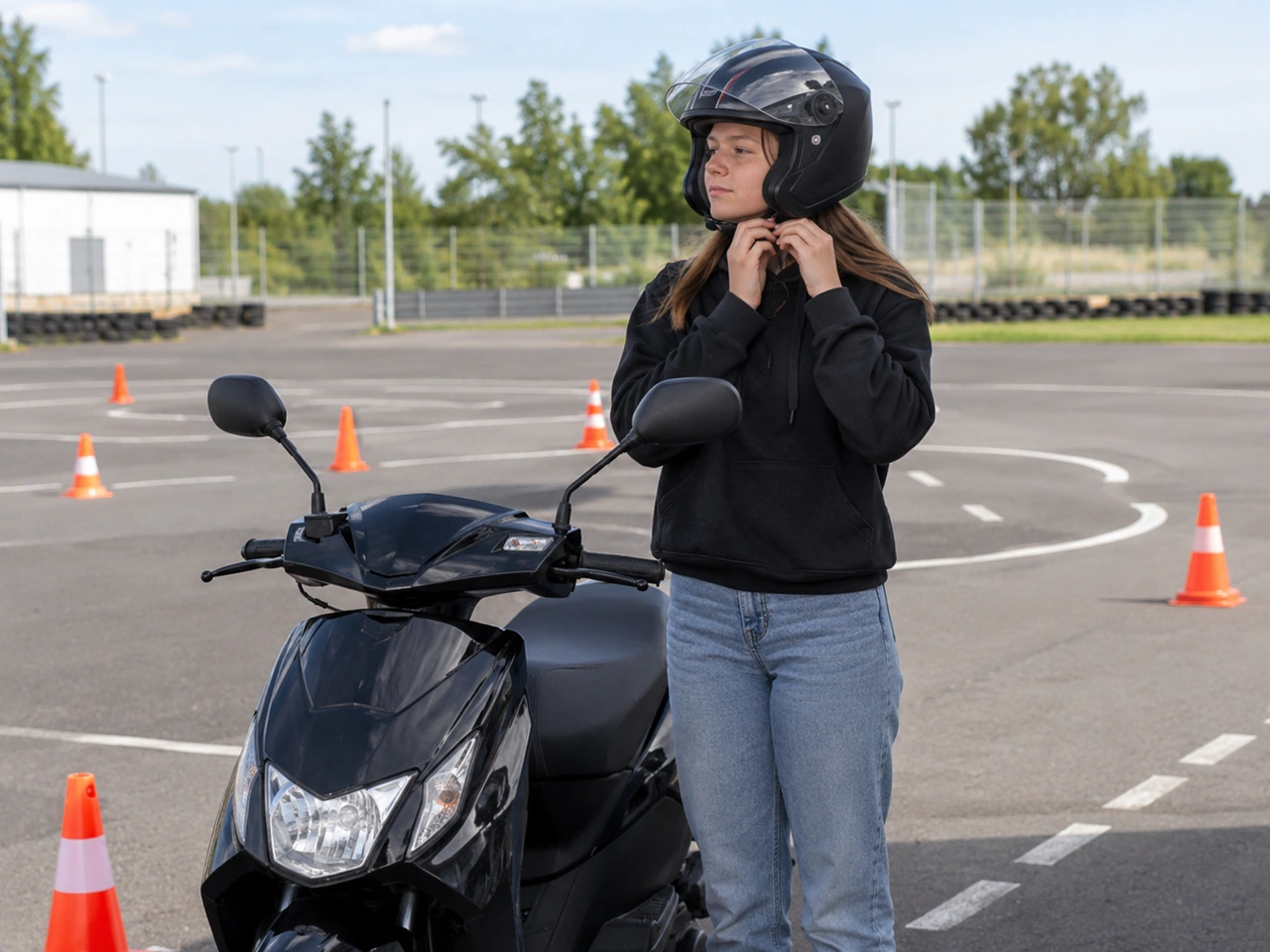
3. What is the minimum age for riding a moped in India?
The minimum age for riding a moped in India is generally 16 years.
AI-generated by Traffic-rules.com • WCIT • CC BY-SA
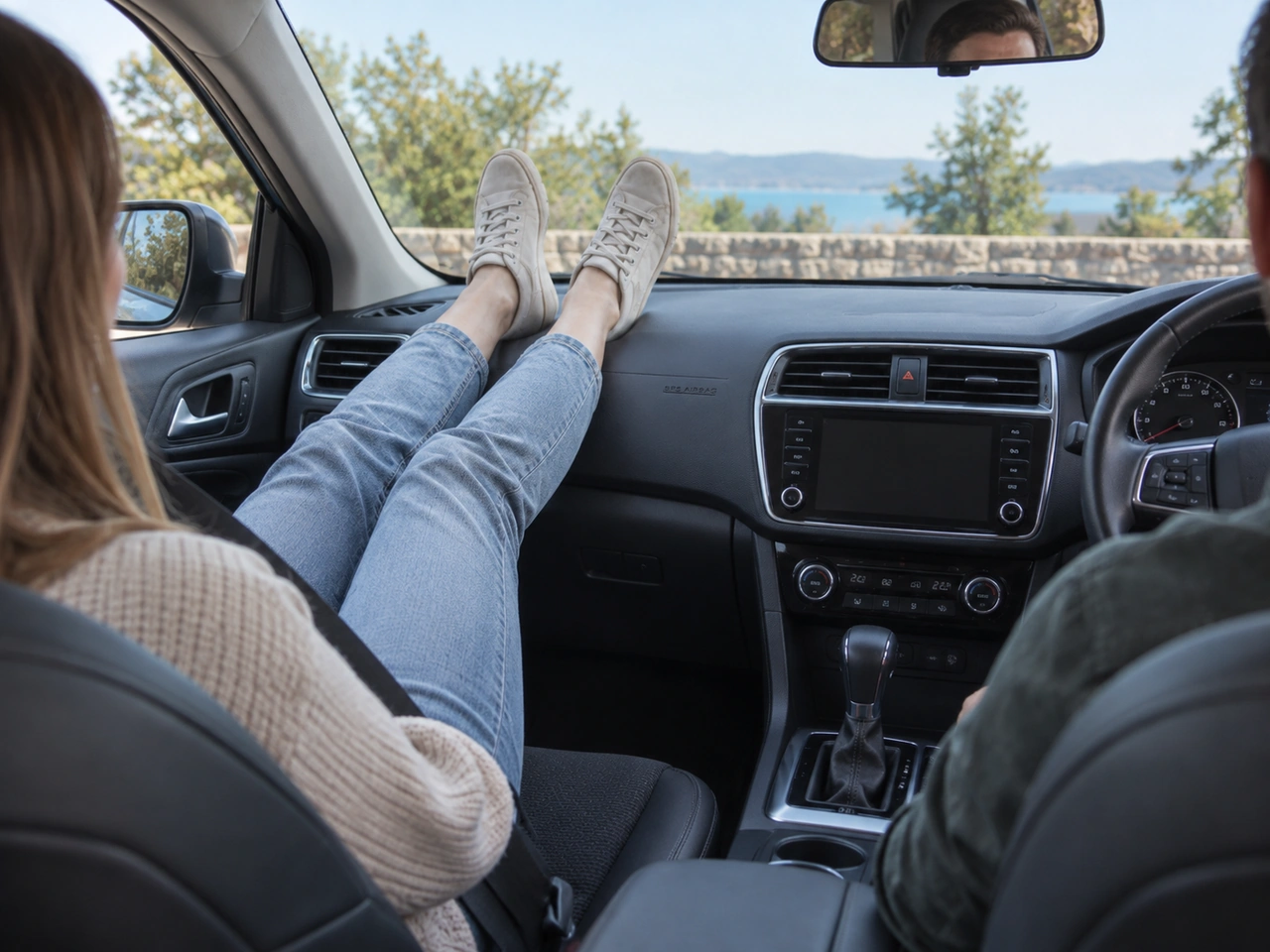
4. Why should a front passenger keep their feet off the dashboard?
A front airbag deploys very quickly and with considerable force. If a passenger has their feet or legs on the dashboard, airbag deployment can force their legs backwards and greatly increase the risk of serious injury. Passengers should sit normally with their feet in the footwell and wear their seat belts correctly. The driver should make sure everyone is seated and restrained safely before setting off.
AI-generated by Traffic-rules.com • WCIT • CC BY-SA
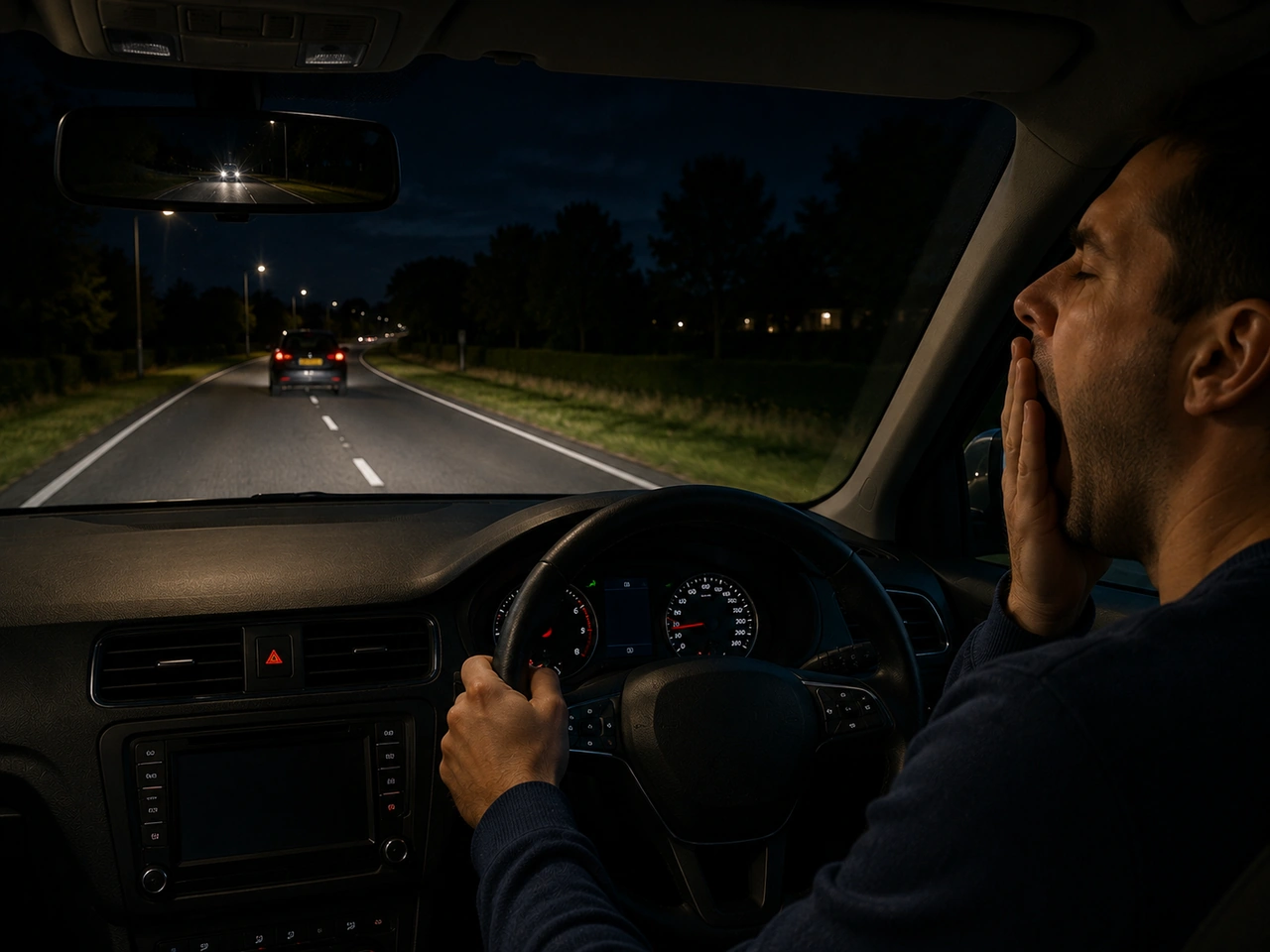
5. What should you do if you feel tired while driving?
Driving while tired reduces concentration and reaction time. Stop somewhere safe and rest before continuing.
AI-generated by Traffic-rules.com • WCIT • CC BY-SA
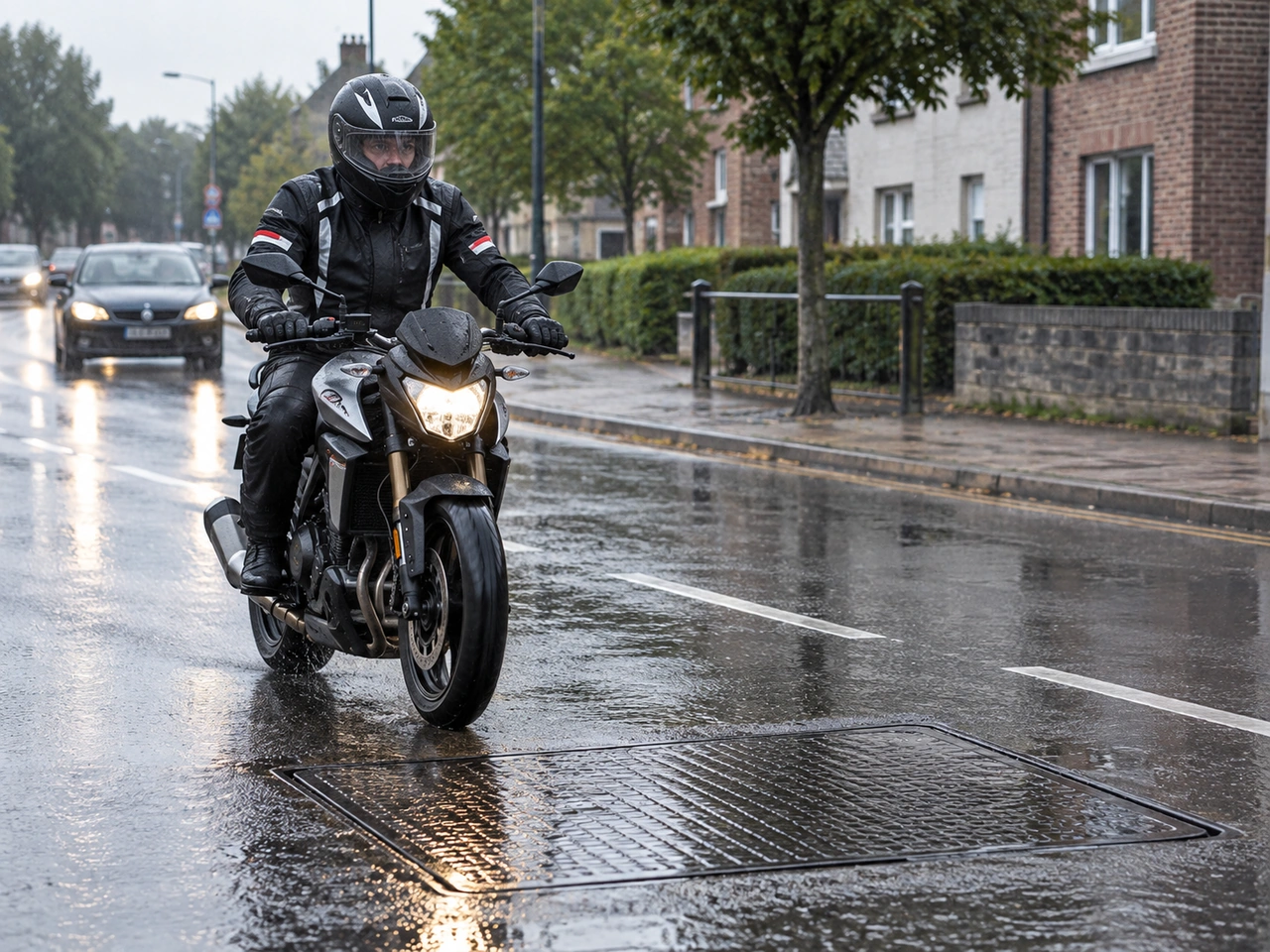
6. Why should motorcyclists take extra care on wet metal covers?
Wet metal surfaces, such as drain or inspection covers, can provide much less grip than the surrounding road. Cross them smoothly, keep the motorcycle as upright as practical and avoid sudden braking, acceleration or steering.
AI-generated by Traffic-rules.com • WCIT • CC BY-SA
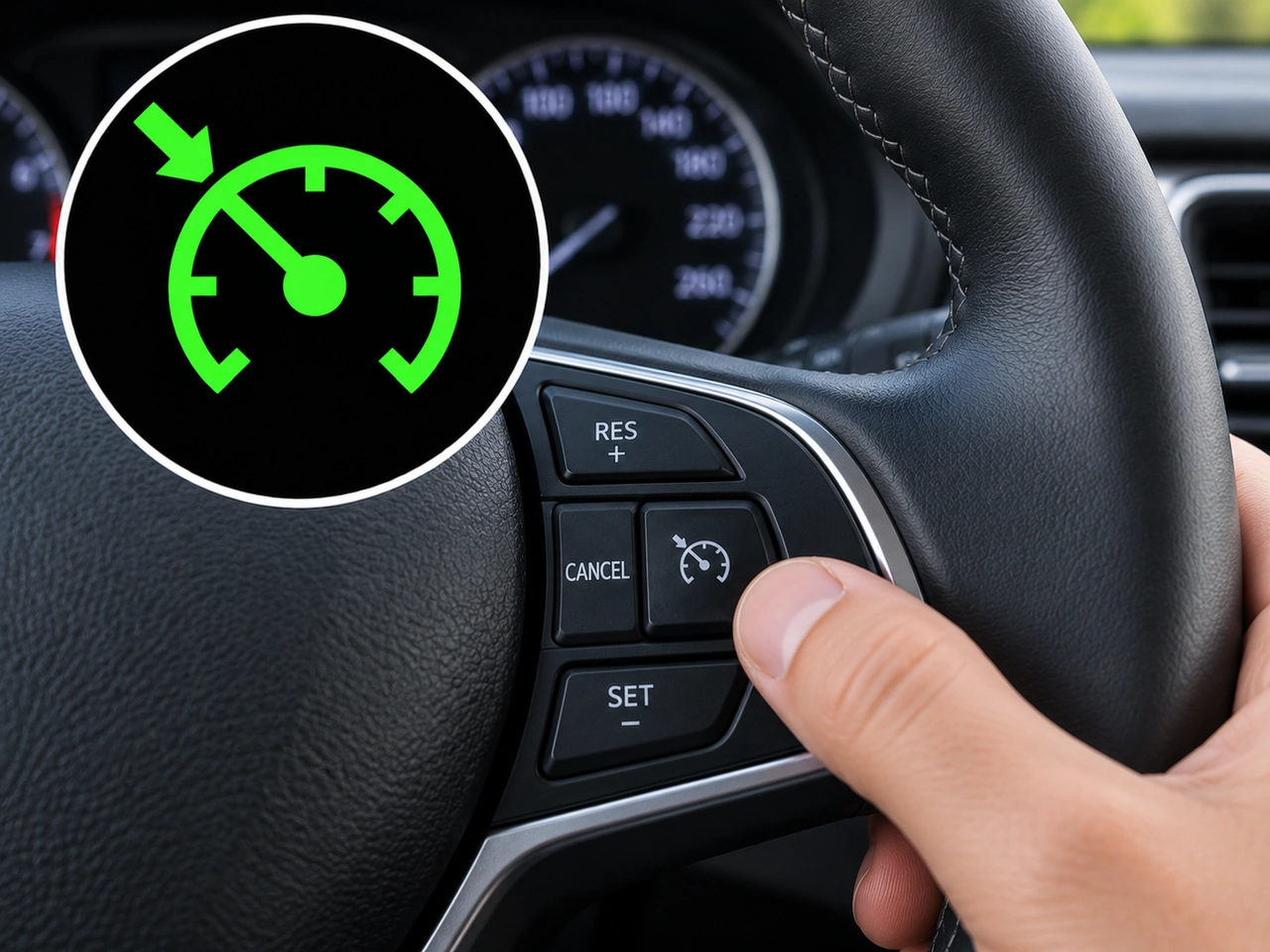
7. What does this dashboard symbol indicate?
This symbol indicates the cruise-control system. Cruise control can maintain a selected vehicle speed without the driver continuously pressing the accelerator. The exact indicator behaviour can vary between vehicles.
AI-generated by Traffic-rules.com • WCIT • CC BY-SA
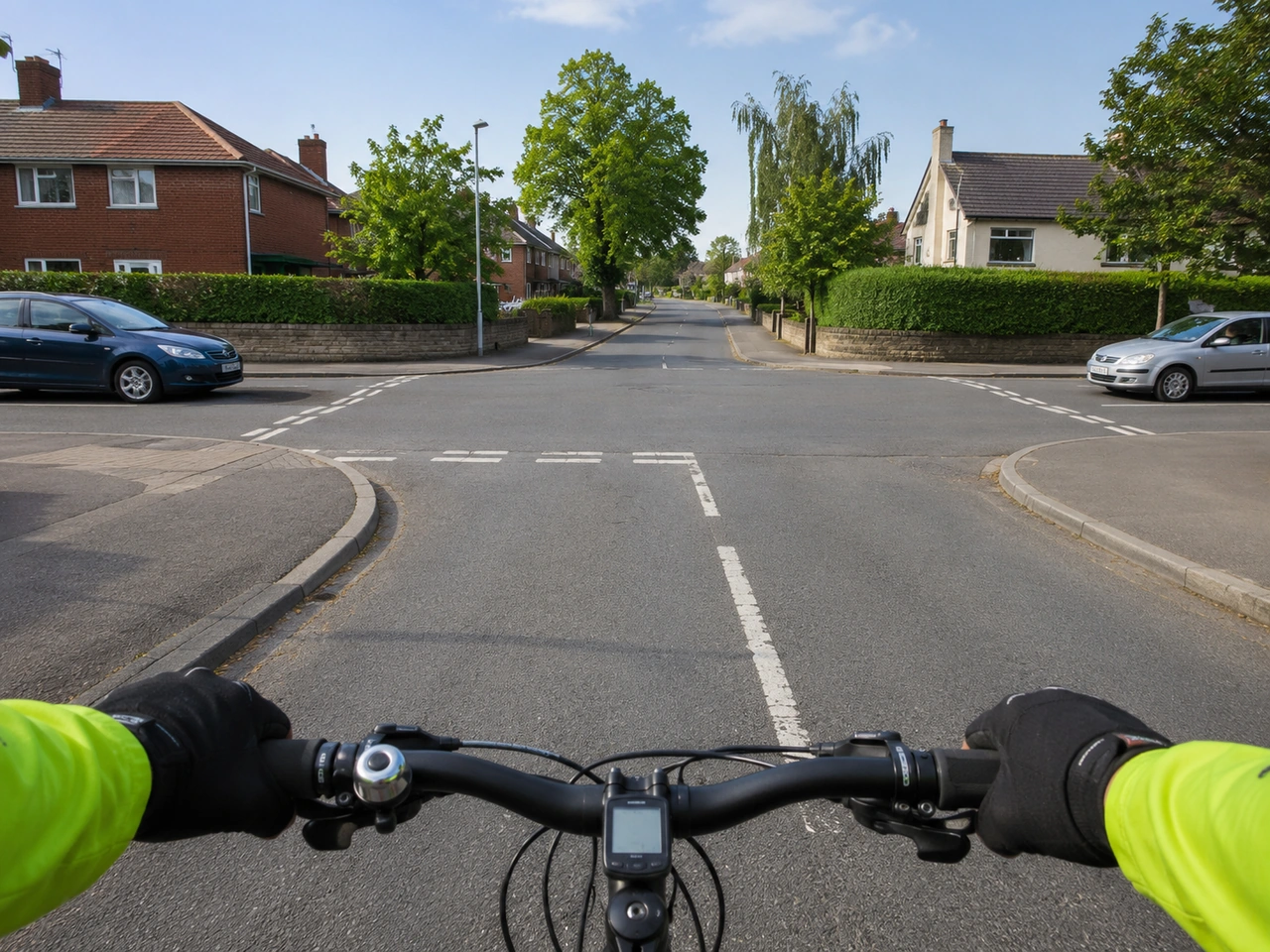
8. What should cyclists do when approaching a junction?
Junctions create conflict points between road users. Slowing down gives you more time to see hazards and react safely.
AI-generated by Traffic-rules.com • WCIT • CC BY-SA
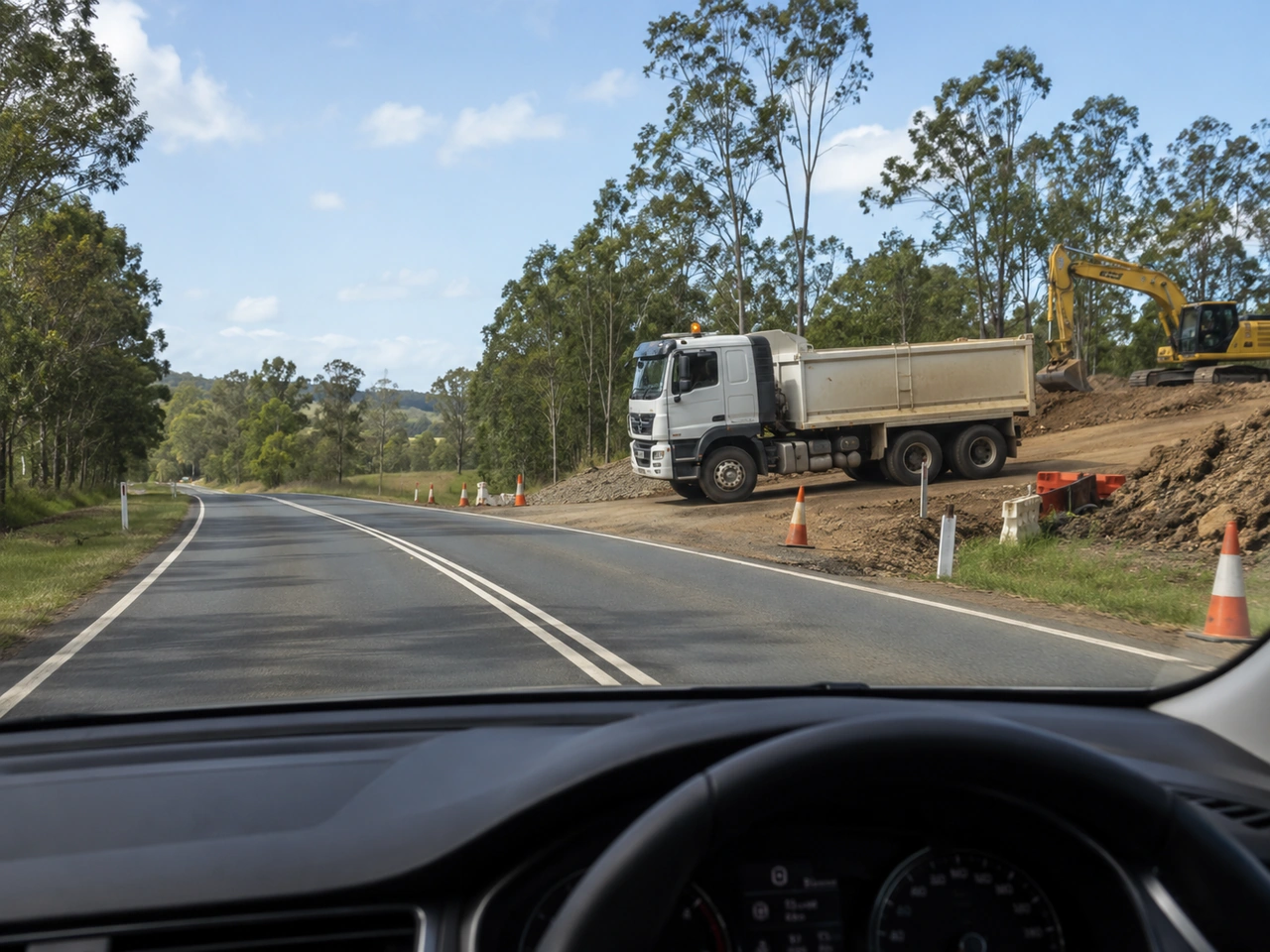
9. What should you do when construction vehicles enter or leave the road?
Construction vehicles may move slowly, have limited visibility, or carry loose material. Give them time and space to manoeuvre.
AI-generated by Traffic-rules.com • WCIT • CC BY-SA
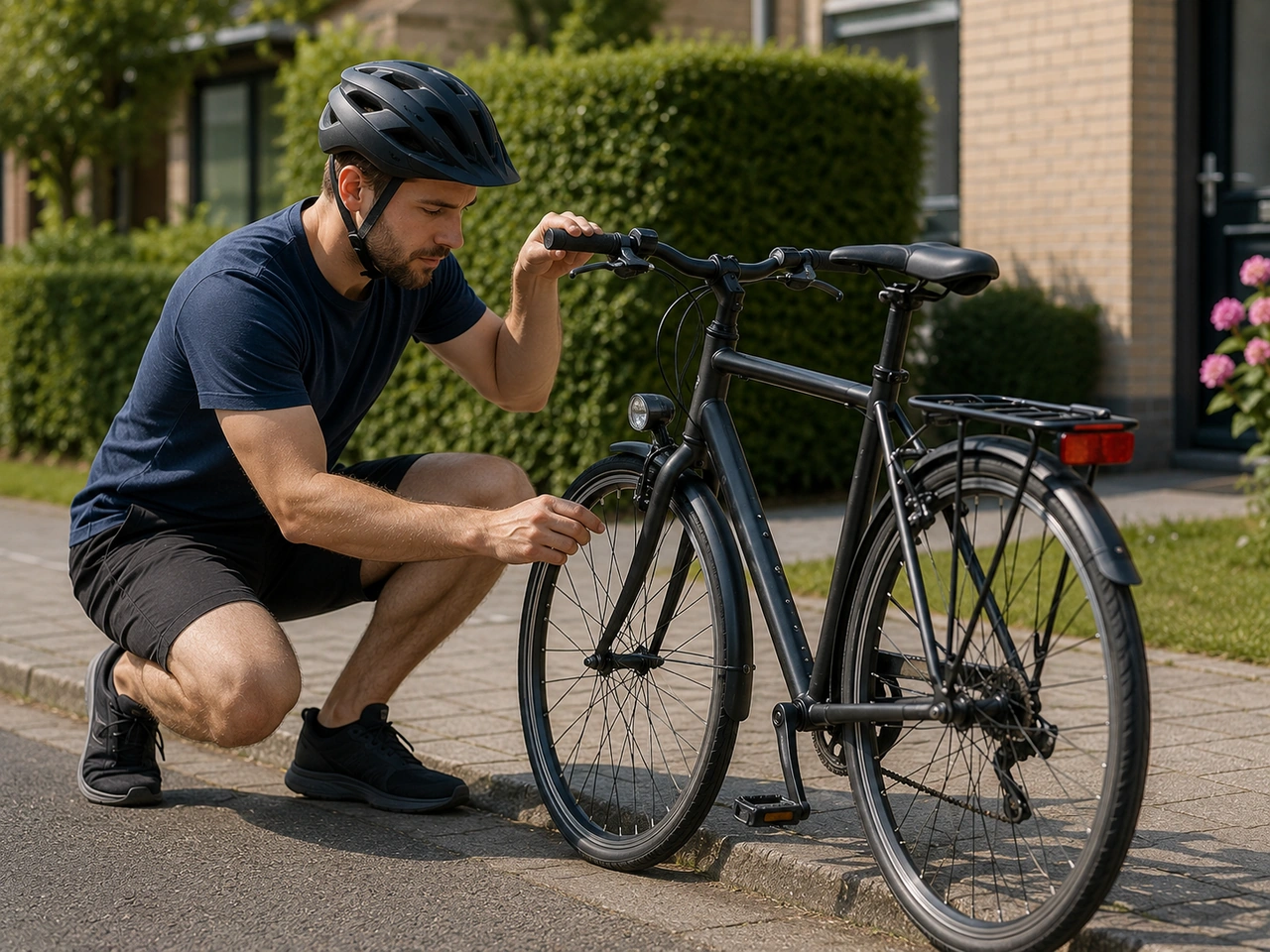
10. What should you check before starting a bicycle journey?
A basic safety check can reveal problems with the brakes, tyres, lights, or steering before they cause an accident.
AI-generated by Traffic-rules.com • WCIT • CC BY-SA
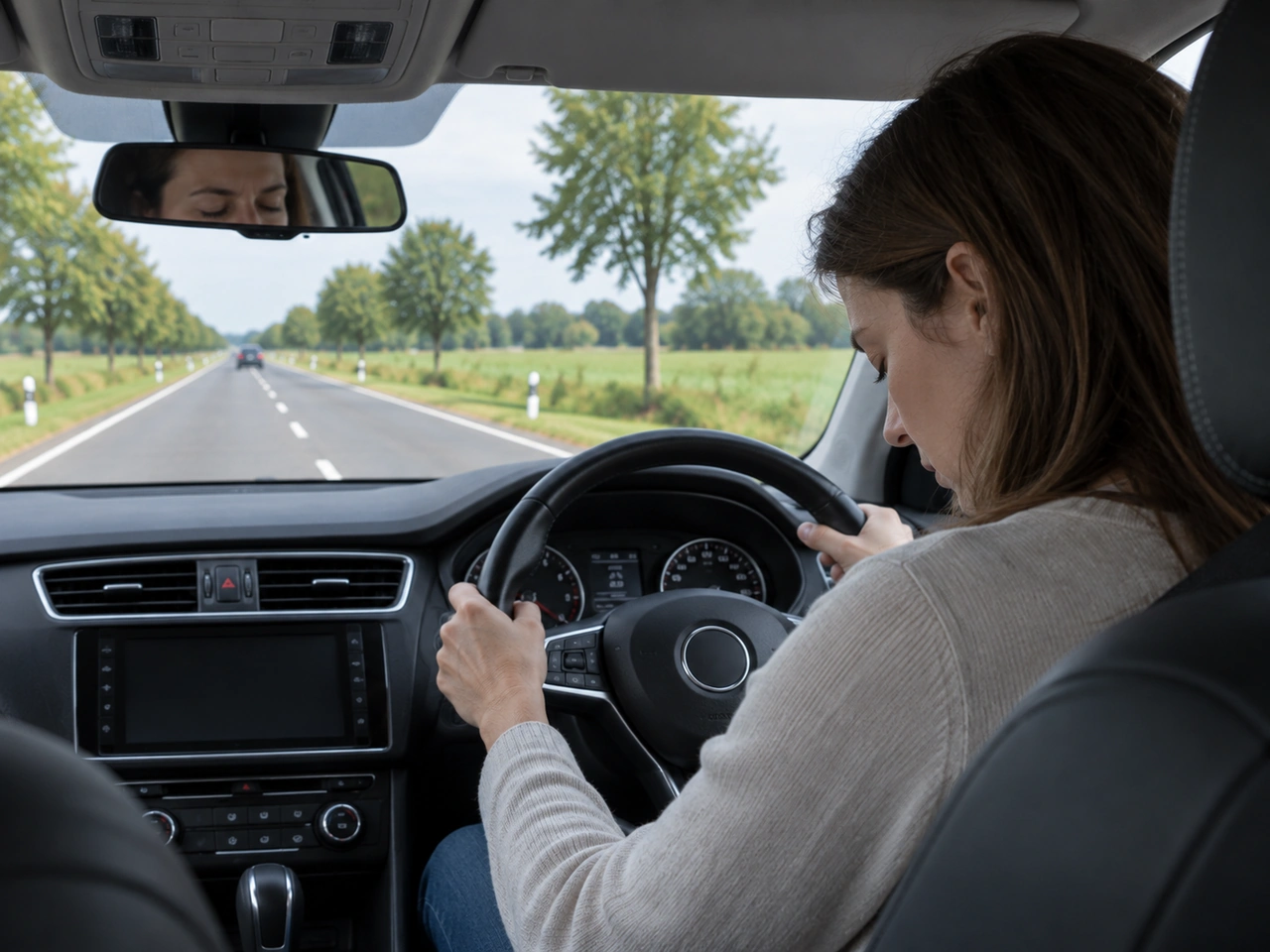
11. Why is a microsleep especially dangerous while driving?
A microsleep is a brief, involuntary episode of sleep that can last for a few seconds. During that time, you may lose awareness of the road and travel a considerable distance without reacting to hazards.
AI-generated by Traffic-rules.com • WCIT • CC BY-SA
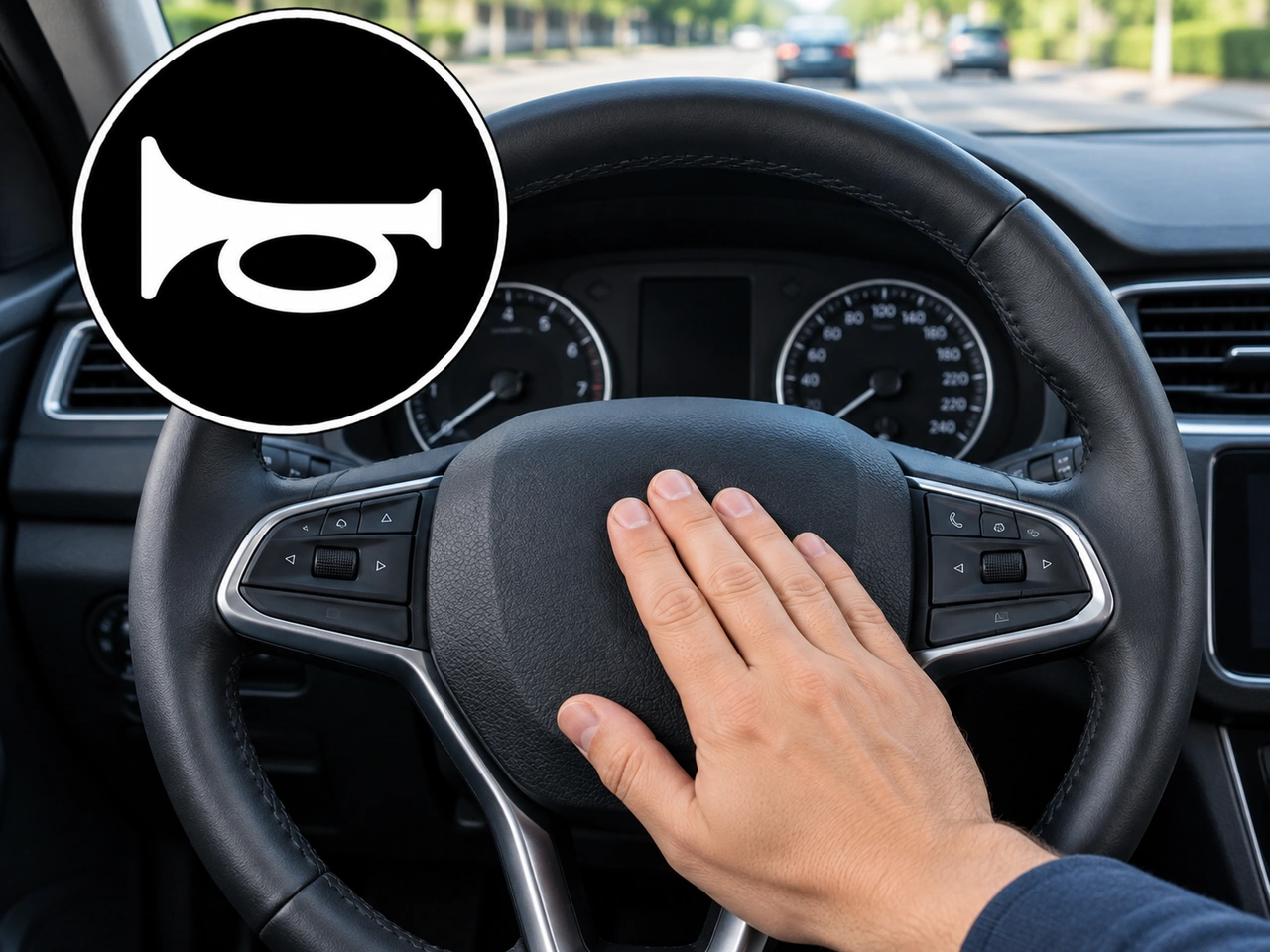
12. What does this vehicle-control symbol indicate?
This symbol indicates the horn control. The horn is used to warn other road users of your presence when necessary.
AI-generated by Traffic-rules.com • WCIT • CC BY-SA
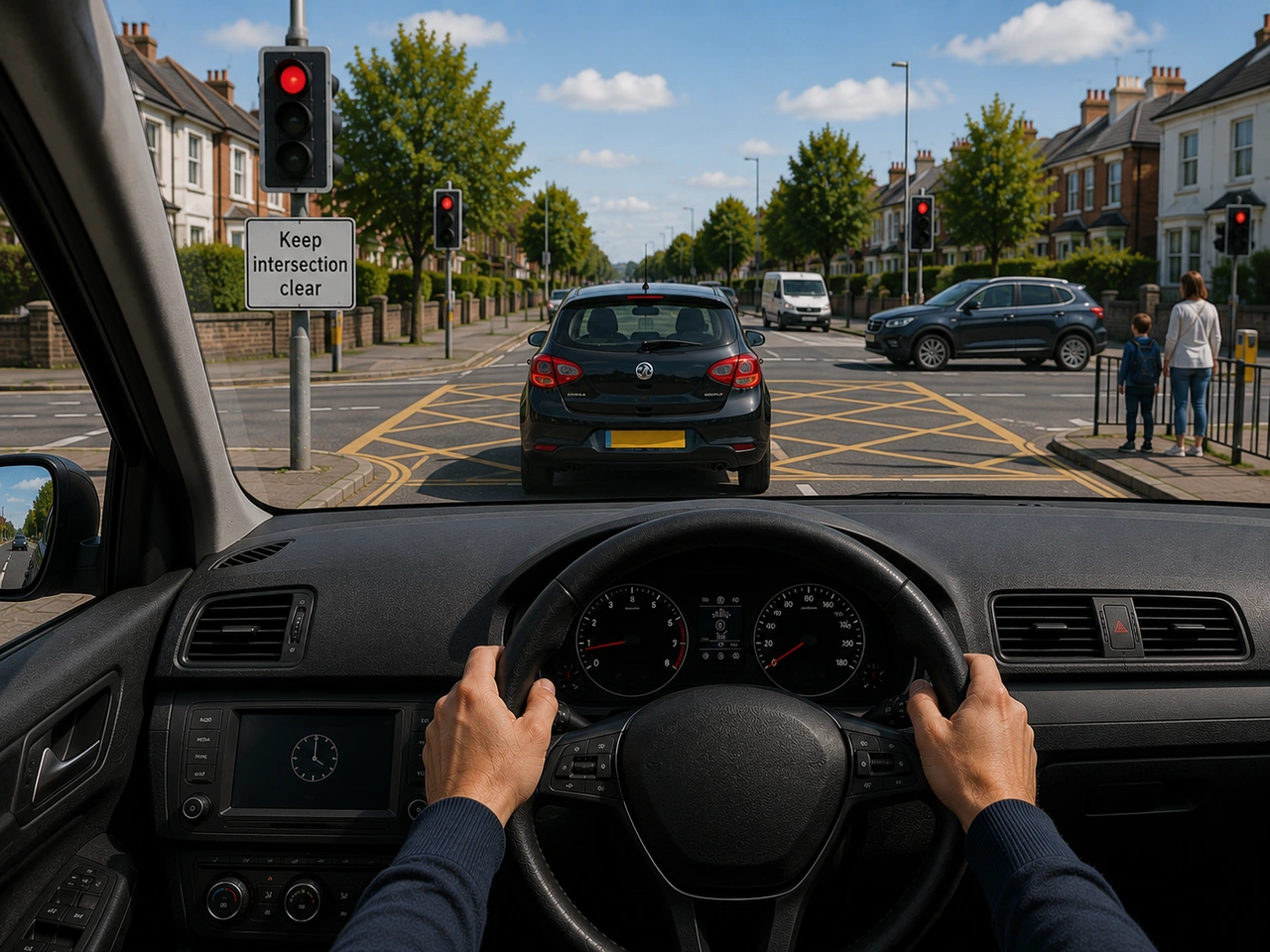
13. Why should you avoid blocking a junction?
Blocking a junction can prevent vehicles, cyclists, or pedestrians from moving safely. Enter only when there is enough space to drive through and clear the junction.
AI-generated by Traffic-rules.com • WCIT • CC BY-SA
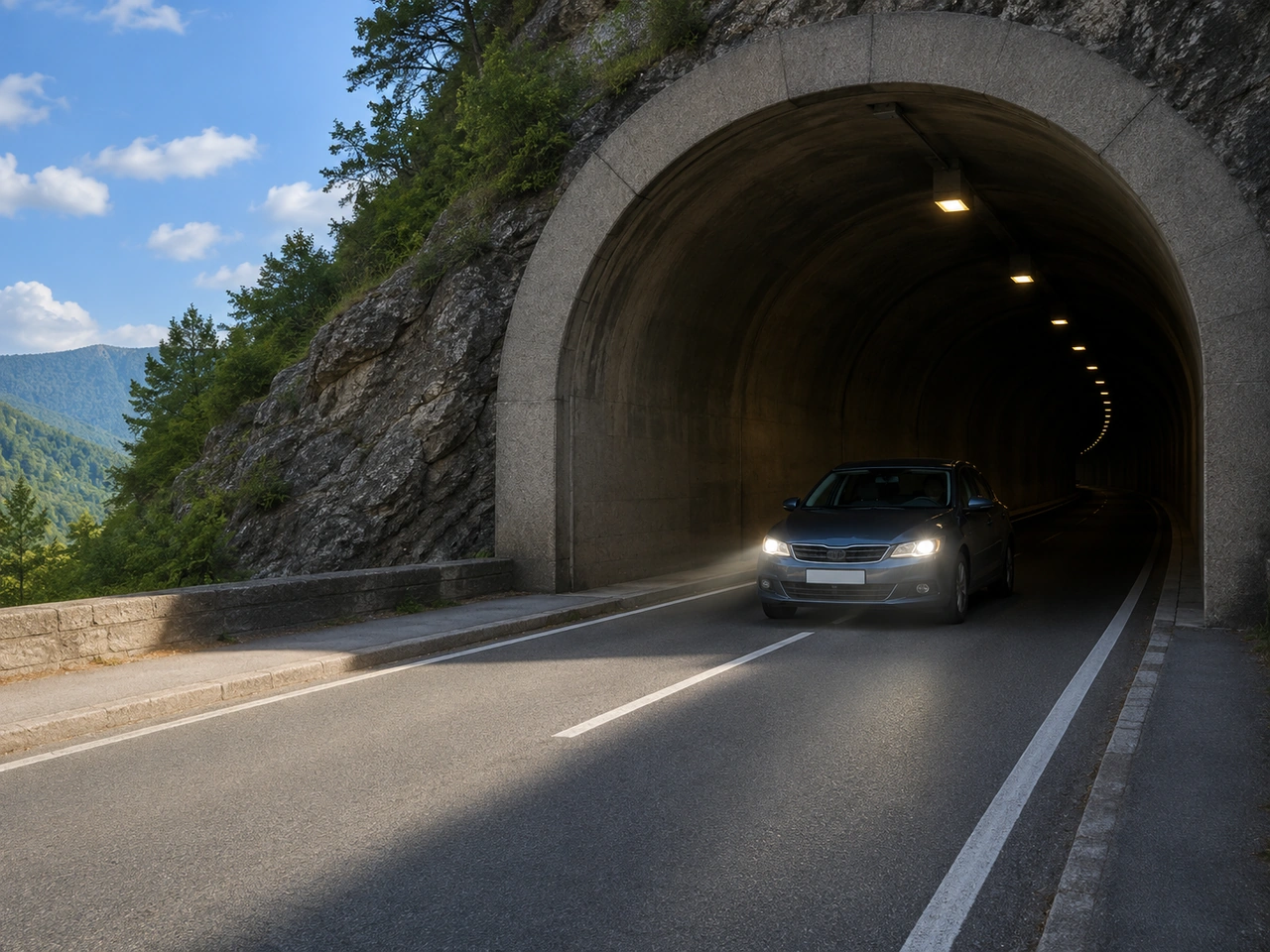
14. Why should you switch on dipped headlights before entering a tunnel?
Tunnel lighting may be much darker than daylight. Dipped headlights help you see and make your vehicle more visible.
AI-generated by Traffic-rules.com • WCIT • CC BY-SA
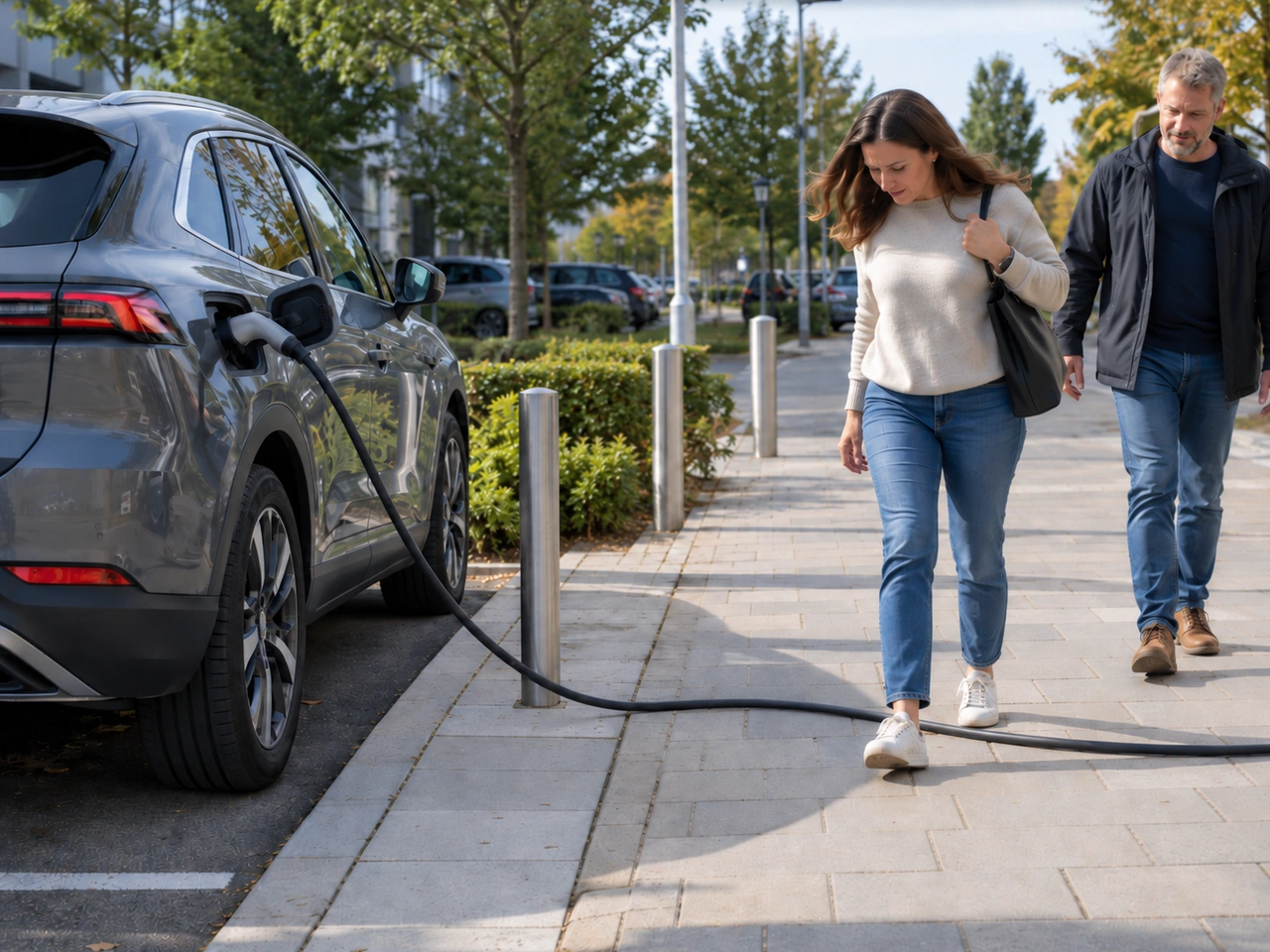
15. How should an EV charging cable be positioned where pedestrians may pass?
An EV charging cable should be positioned so it does not create a trip hazard or unnecessarily obstruct pedestrians. Where a cable must cross a walking route, use an appropriate approved cable-management or protection system and follow local requirements.
AI-generated by Traffic-rules.com • WCIT • CC BY-SA
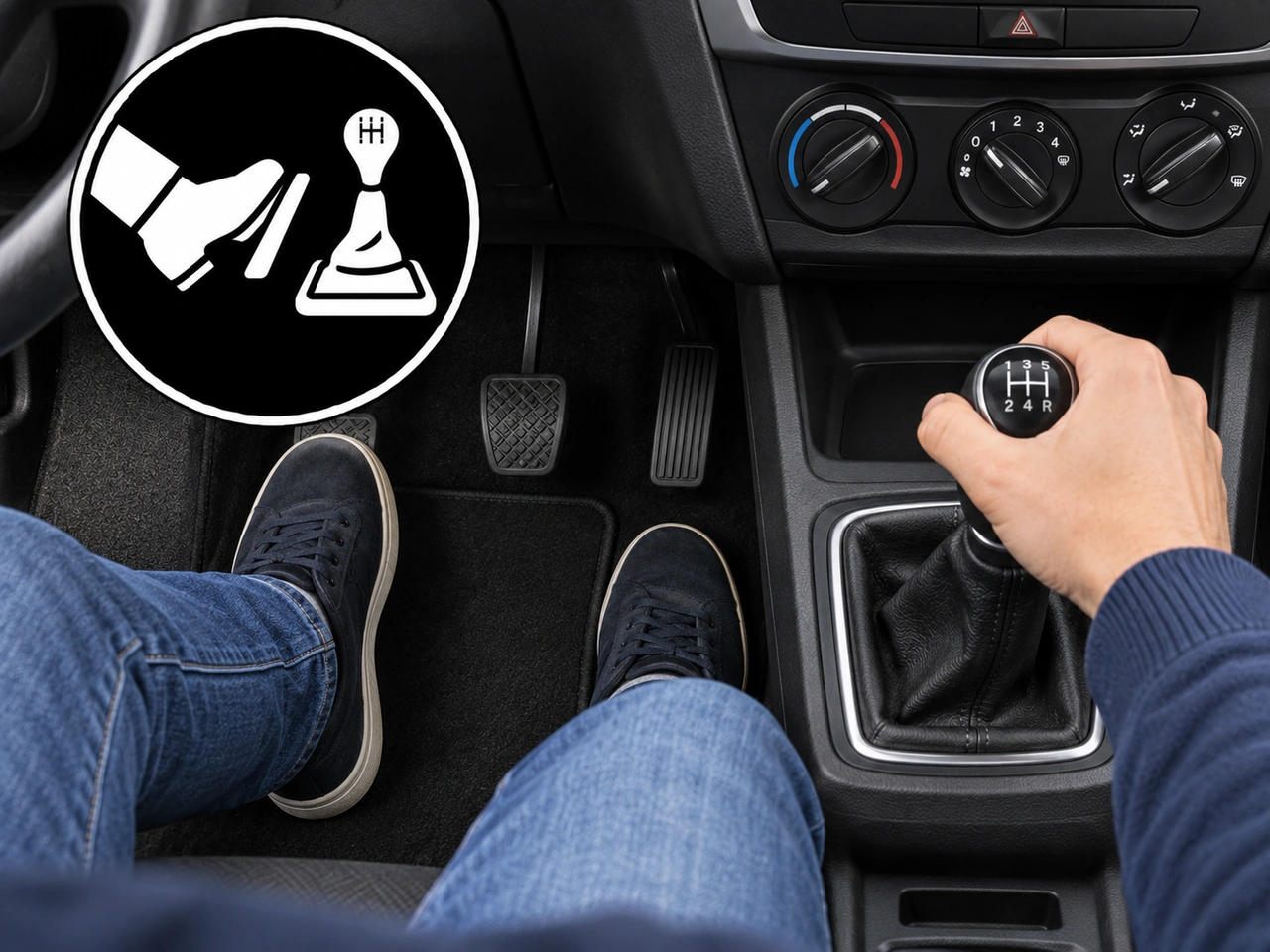
16. What should you normally do before changing gear in a manual vehicle?
Pressing the clutch pedal disconnects the engine from the transmission so that another gear can be selected. After changing gear, the clutch should be released smoothly.
AI-generated by Traffic-rules.com • WCIT • CC BY-SA
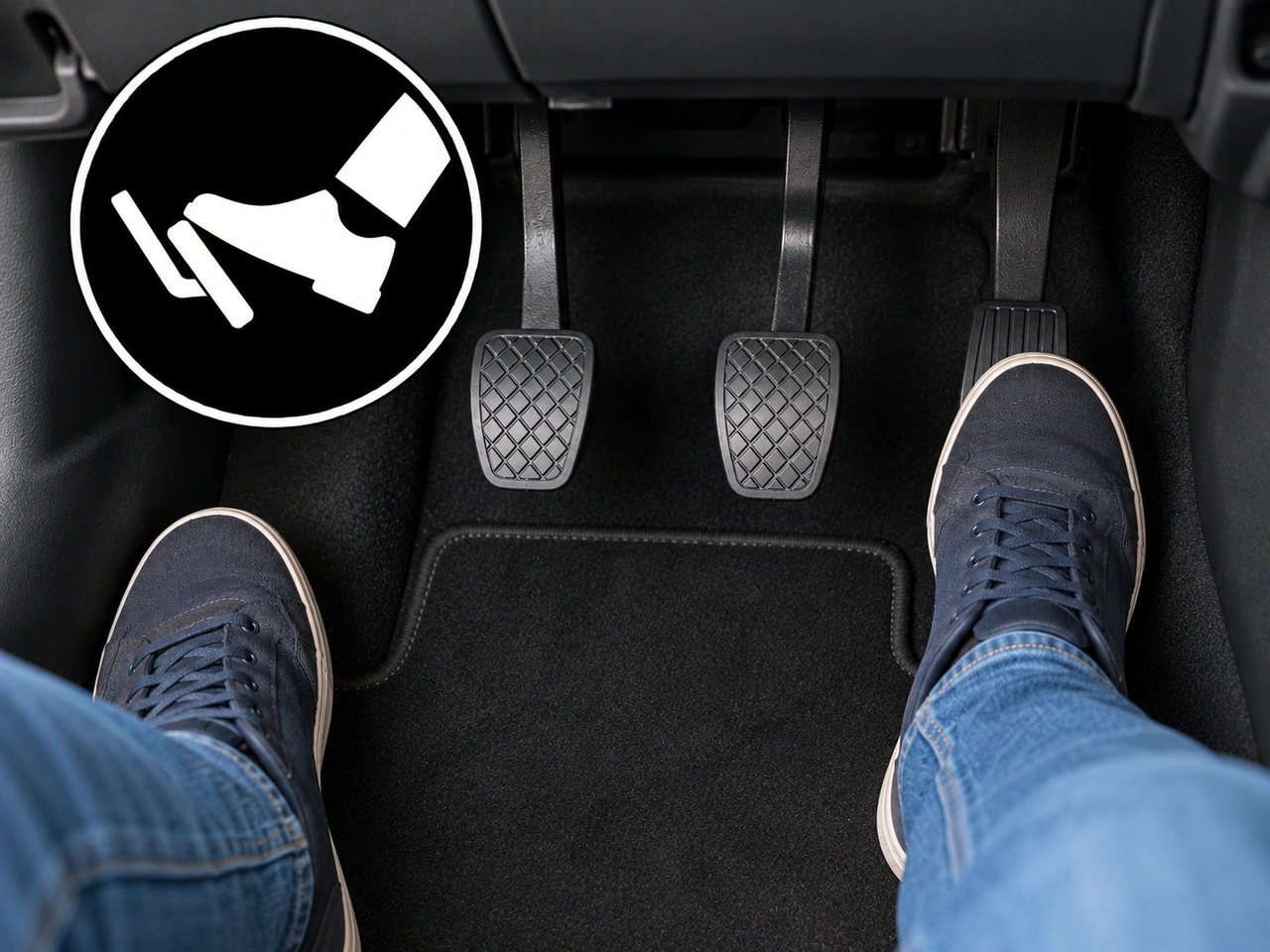
17. Which pedal is used to increase the vehicle's speed?
The accelerator pedal controls the amount of power delivered by the engine and is used to increase or maintain the vehicle's speed. It is the right-hand pedal.
AI-generated by Traffic-rules.com • WCIT • CC BY-SA
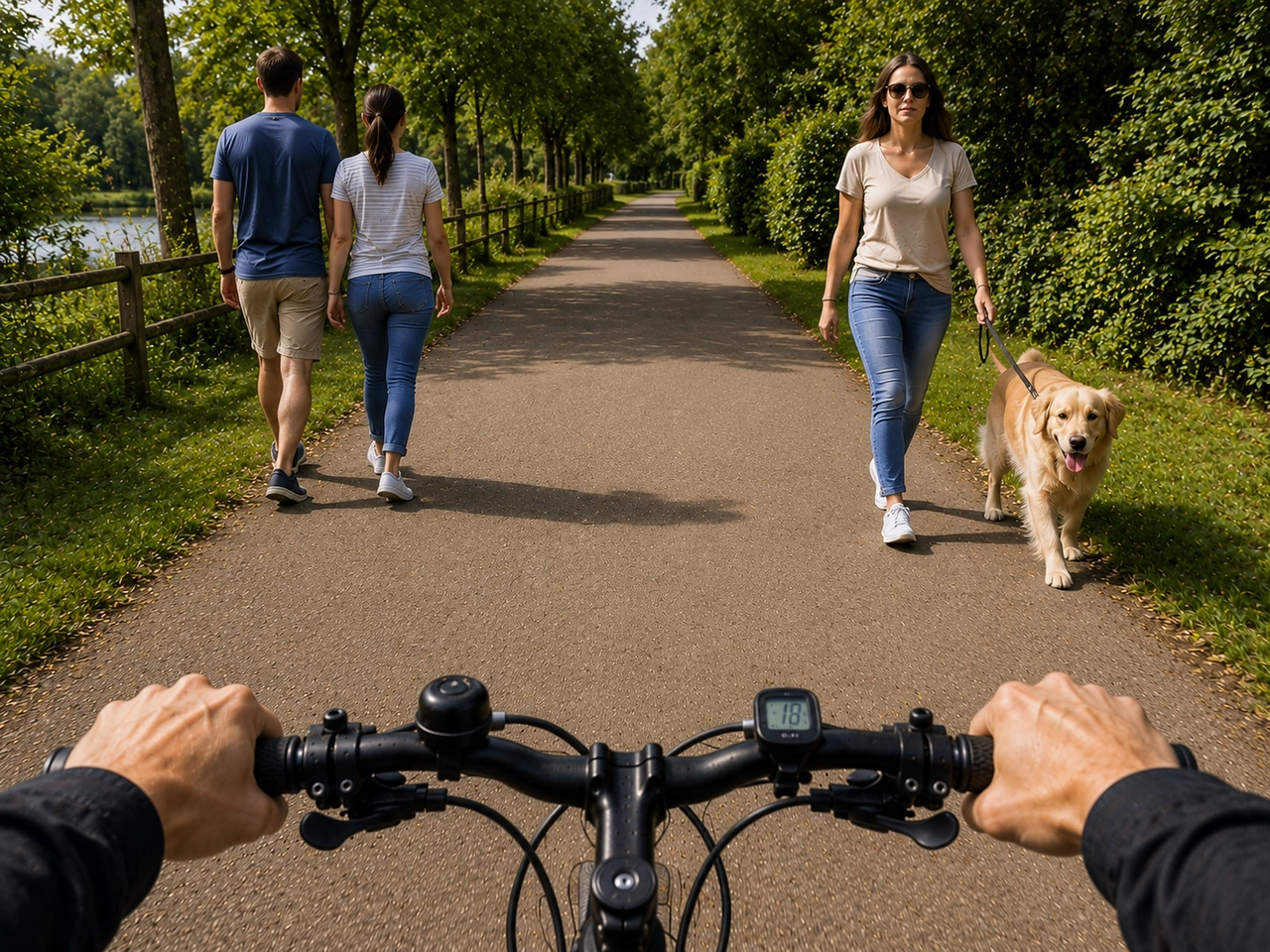
18. What should cyclists do when passing pedestrians on a shared path?
Pedestrians may change direction unexpectedly. A warning and safe passing distance reduce the risk of a collision.
AI-generated by Traffic-rules.com • WCIT • CC BY-SA
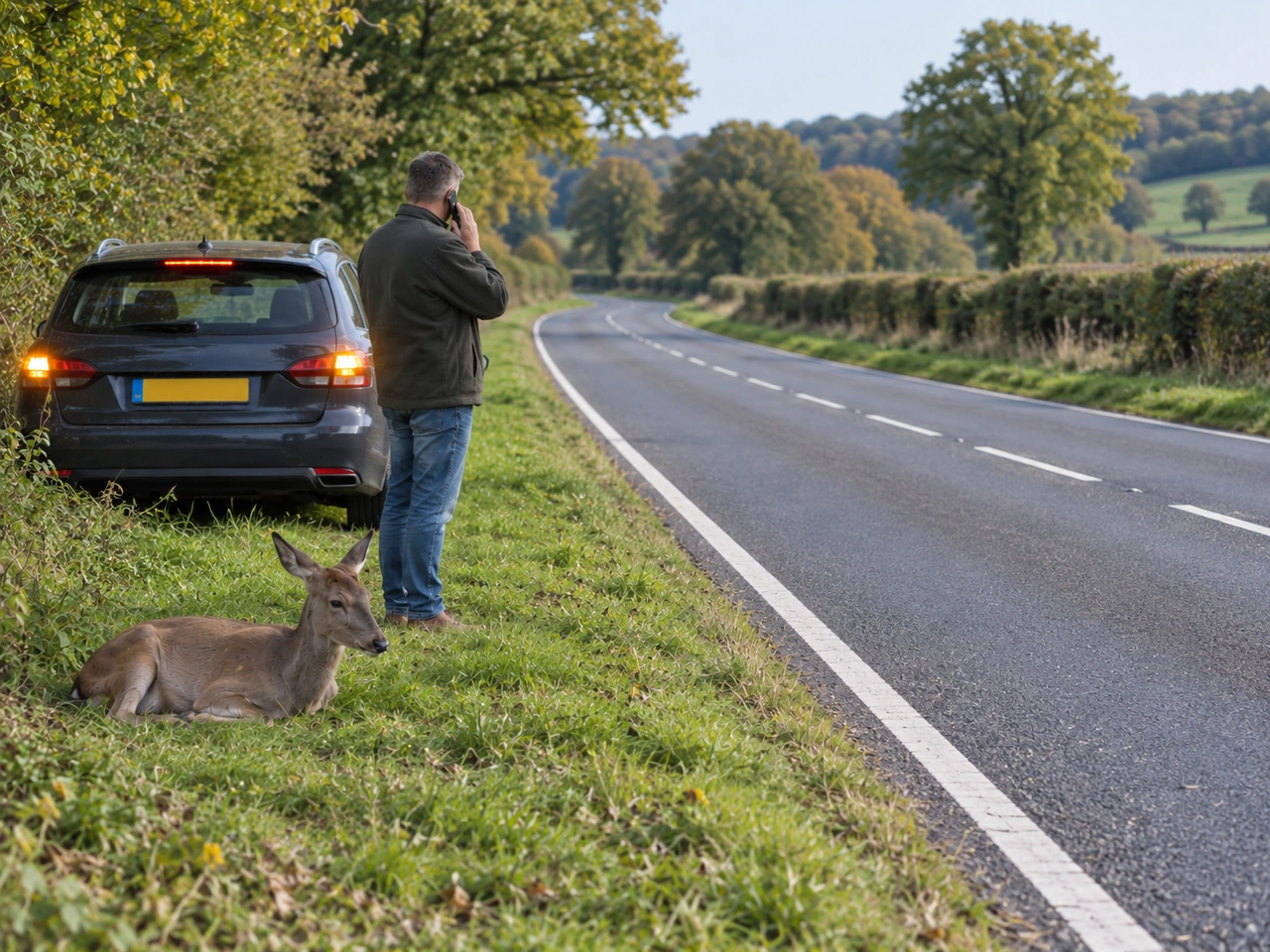
19. What should you do after hitting an animal with your vehicle?
After an animal collision, stop in a safe place if possible and protect yourself and other road users from further danger. Do not approach an injured or frightened animal unless it is safe to do so. Contact the appropriate police, road authority, animal service, or emergency service as required by the situation and local rules.
AI-generated by Traffic-rules.com • WCIT • CC BY-SA
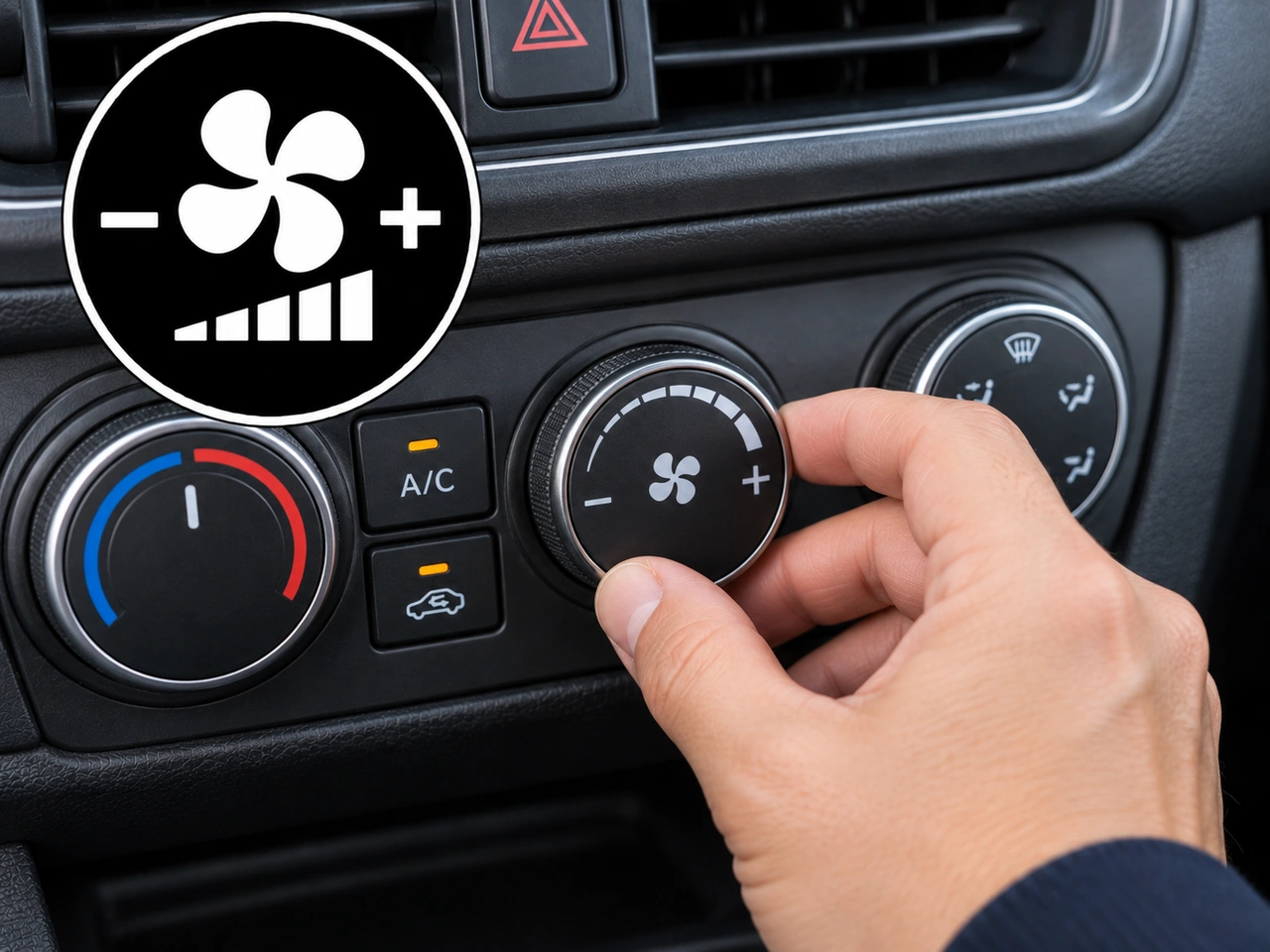
20. What does this vehicle-control symbol indicate?
This control adjusts the cabin ventilation fan speed. Increasing the setting moves more air through the vehicle's ventilation and climate-control system.
AI-generated by Traffic-rules.com • WCIT • CC BY-SA
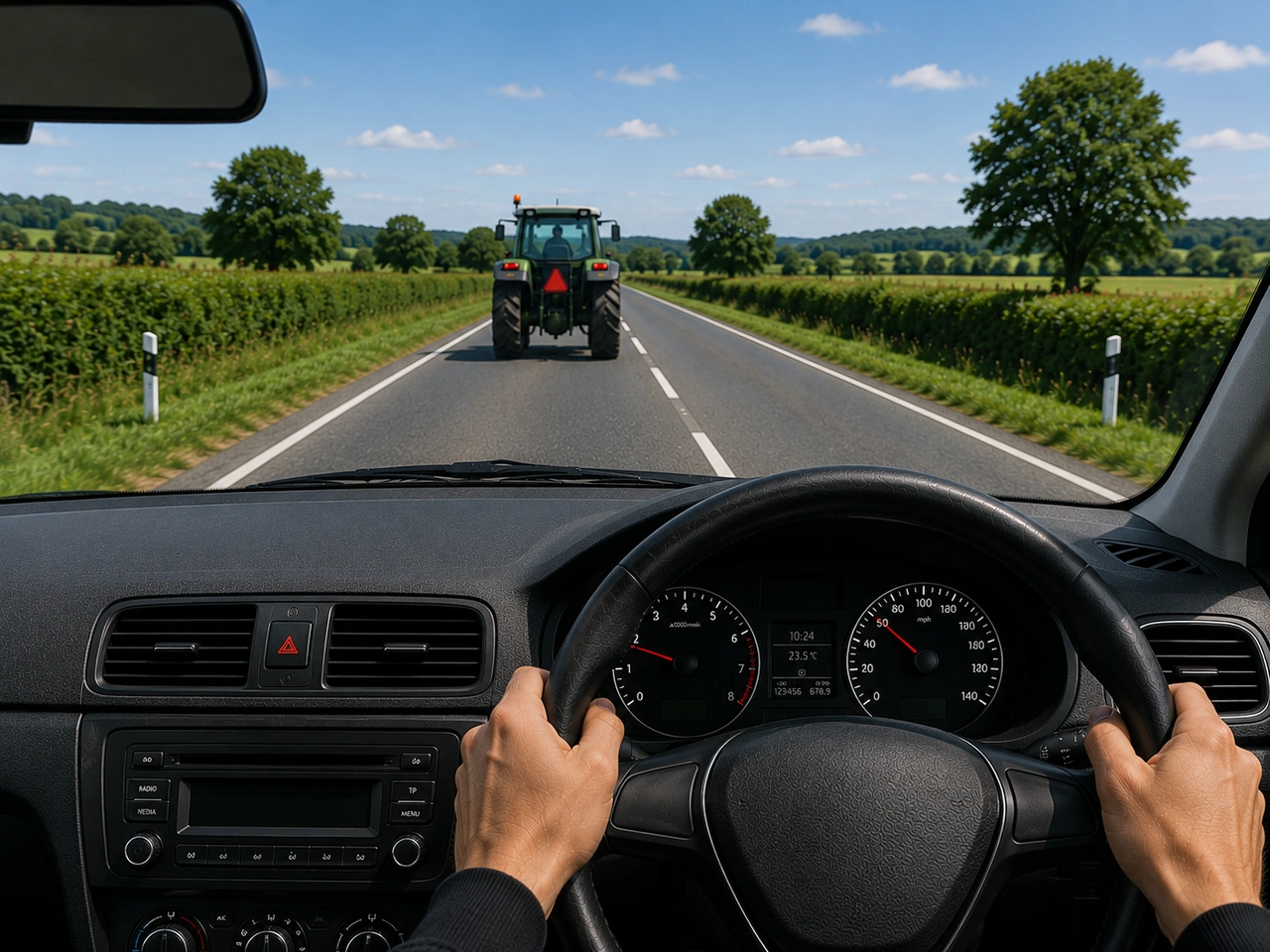
21. What should you do before overtaking a slow-moving vehicle?
Before overtaking, make sure you have enough visibility, space, and time. Signal clearly before moving out, do not exceed the speed limit, and never overtake if the road ahead is not clear.
AI-generated by Traffic-rules.com • WCIT • CC BY-SA
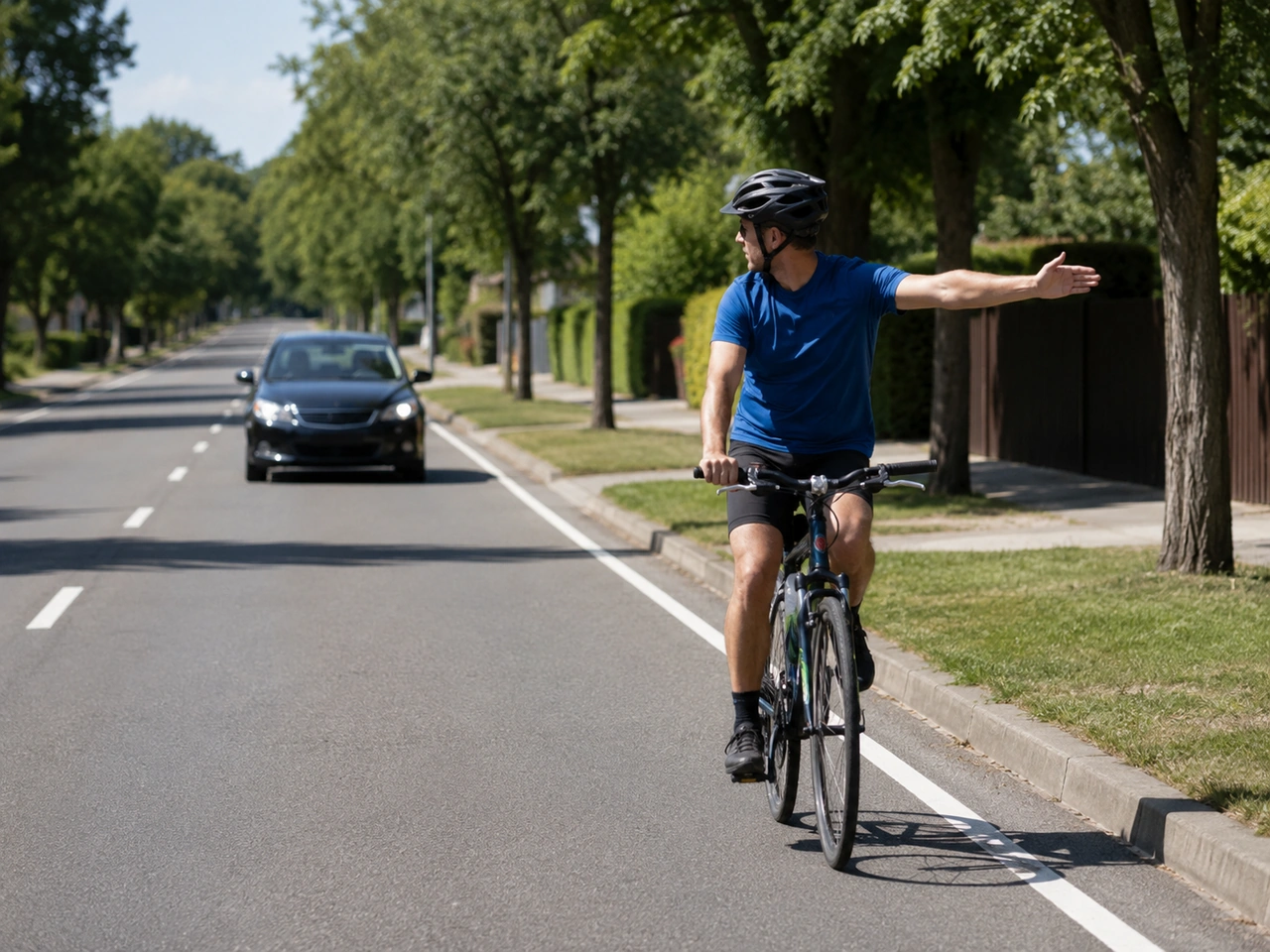
22. What should cyclists do before turning or changing position on the road?
Checking behind and signalling gives other road users time to understand what you intend to do.
AI-generated by Traffic-rules.com • WCIT • CC BY-SA
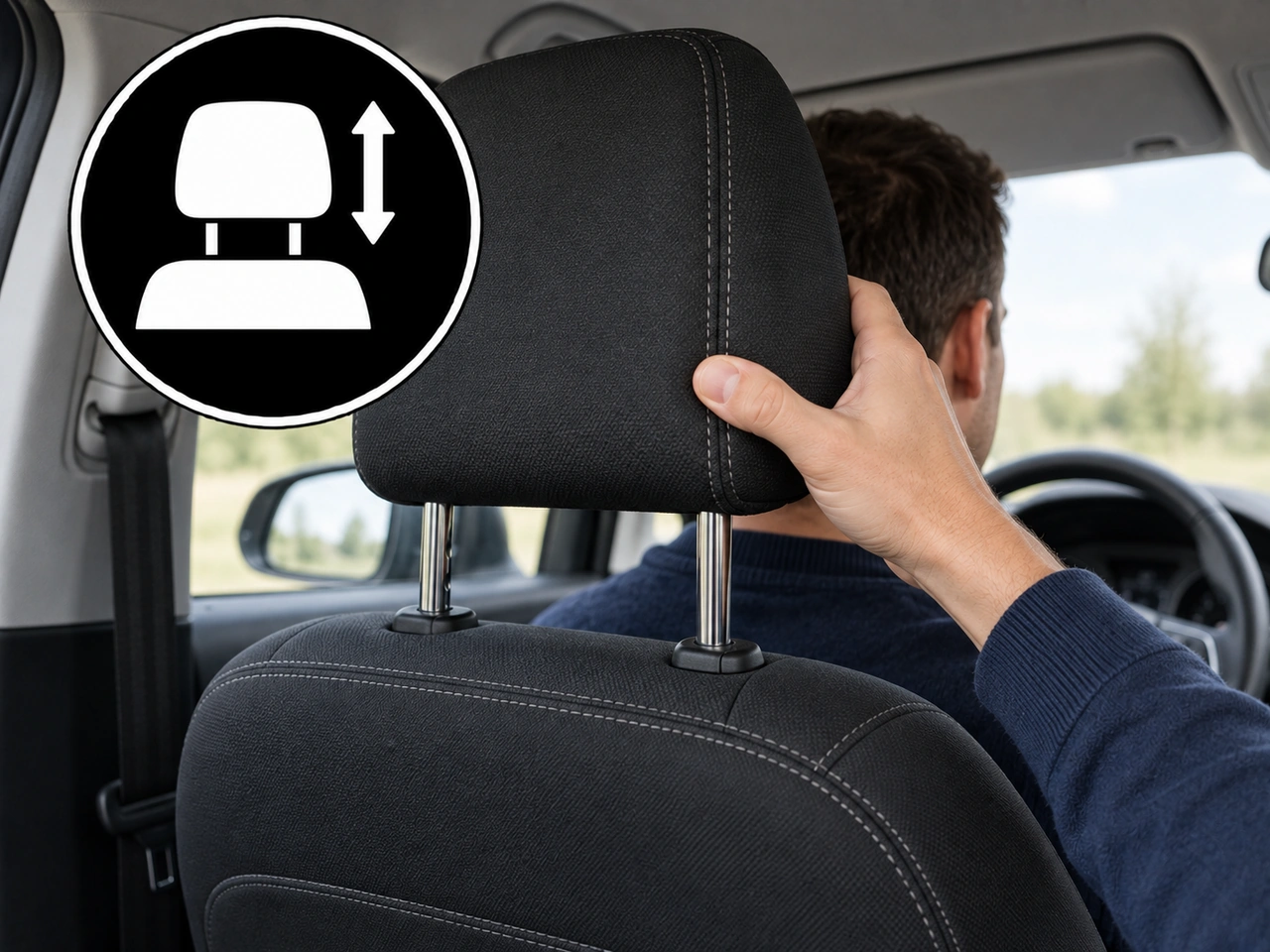
23. Why should the head restraint be adjusted correctly?
A correctly adjusted head restraint helps support the head and can reduce the risk of neck injury, especially in a rear-end collision. The top of the restraint should normally be level with the top of the head.
AI-generated by Traffic-rules.com • WCIT • CC BY-SA
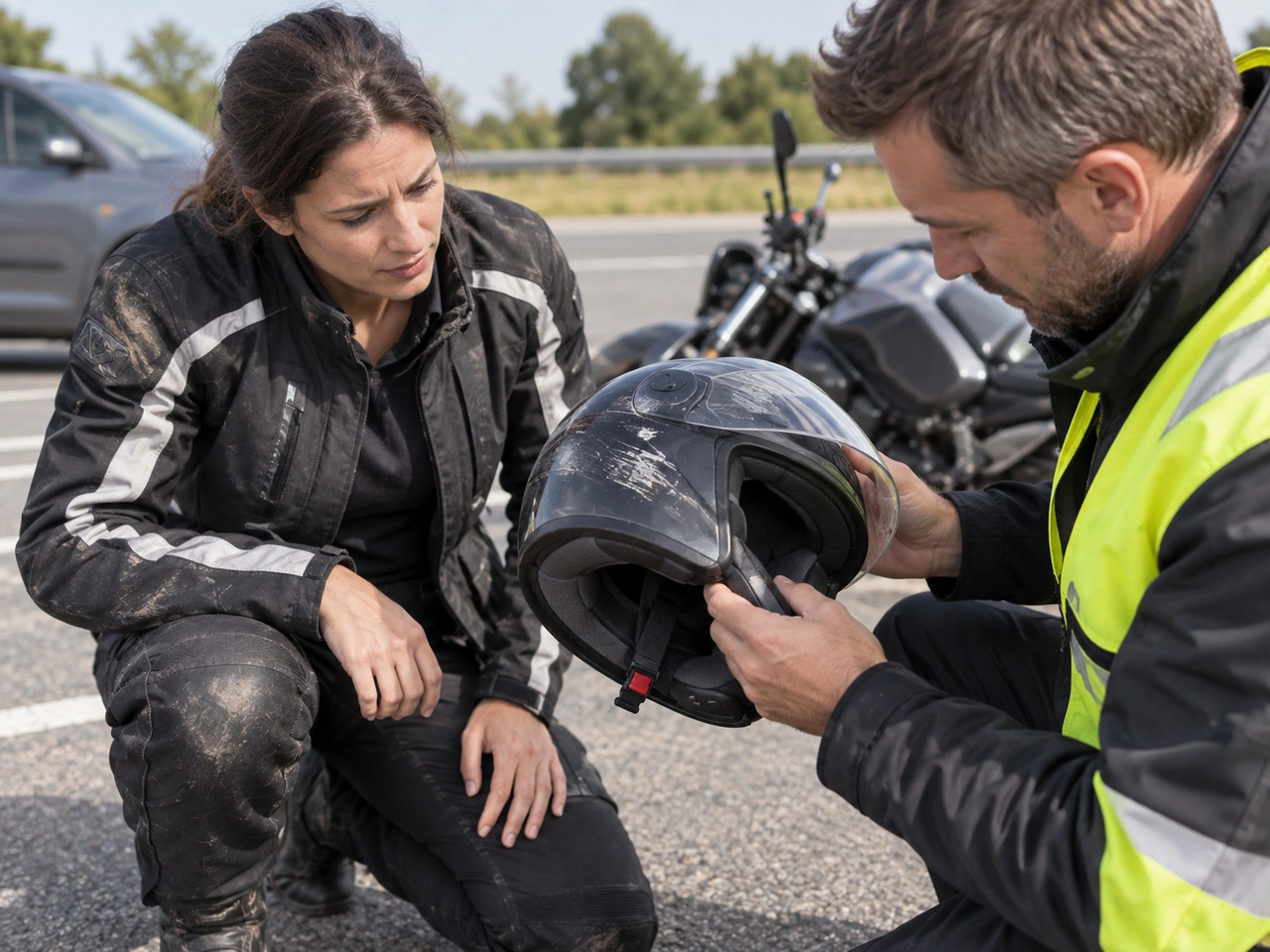
24. What should you do with a helmet that has taken a significant impact in a collision?
A helmet can be damaged internally by a significant impact even when no damage is visible from the outside. Stop using the helmet and follow the manufacturer's guidance, which will commonly require replacement after a significant impact.
AI-generated by Traffic-rules.com • WCIT • CC BY-SA
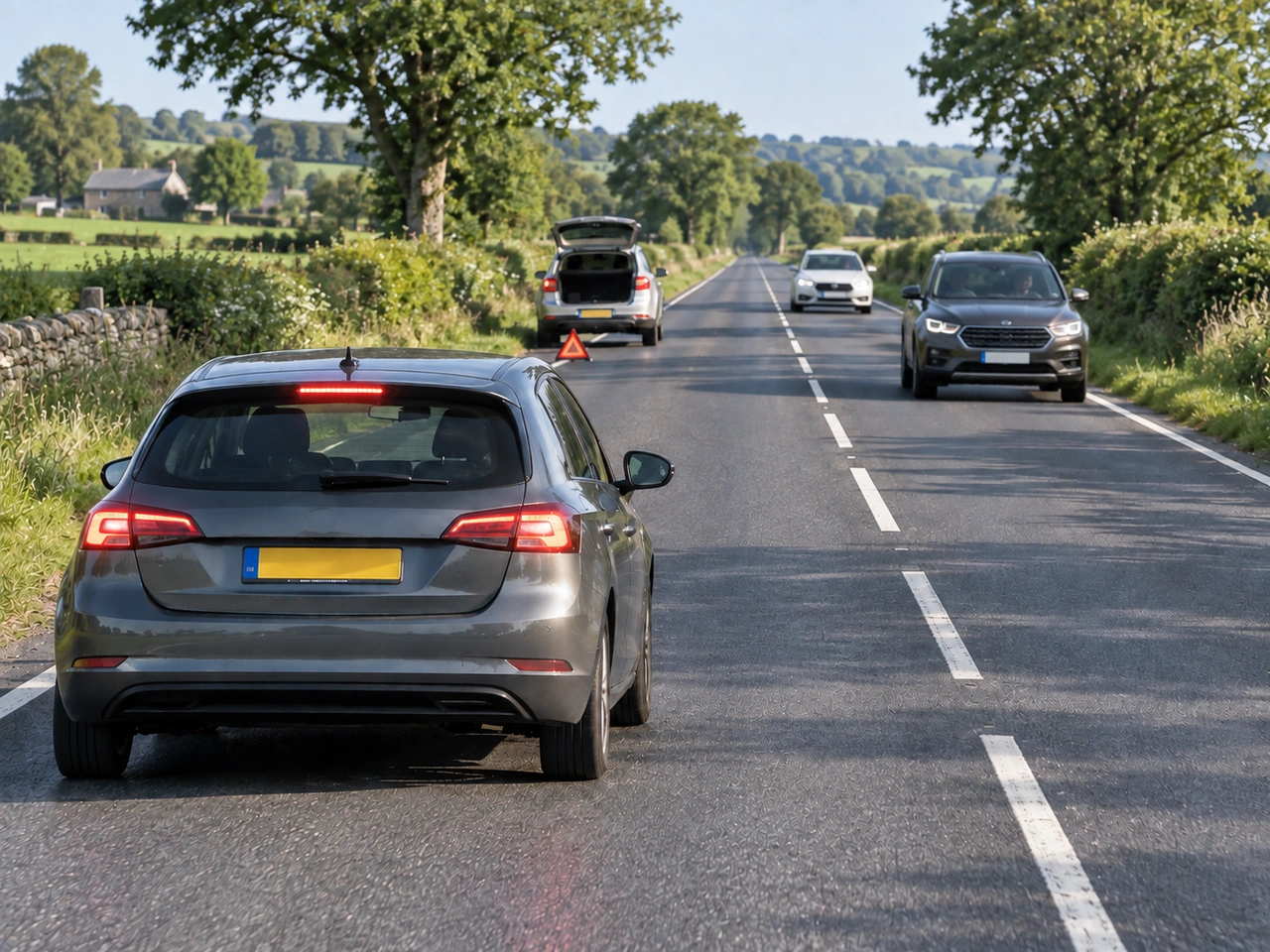
25. What makes up the total stopping distance of a vehicle?
The total stopping distance consists of the distance travelled while the driver reacts to a hazard plus the distance travelled while the vehicle is braking to a stop.
AI-generated by Traffic-rules.com • WCIT • CC BY-SA
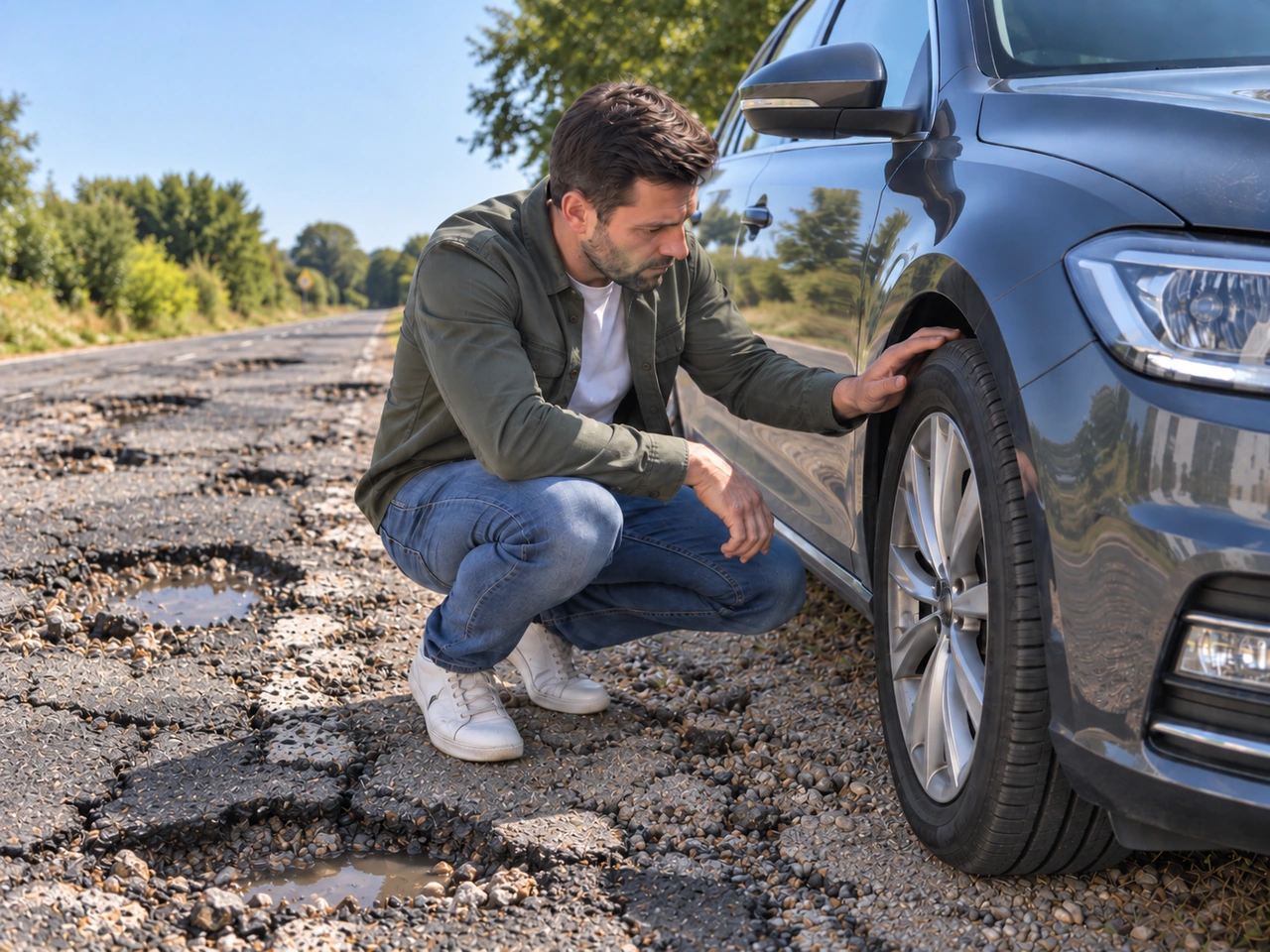
26. What should you do after hitting a deep pothole hard?
A hard impact with a pothole can damage tyres, wheel rims, steering, suspension, or wheel alignment. When it is safe to stop, inspect the tyres and wheels and pay attention to unusual vibration, pulling, or steering changes. Have the vehicle checked if you suspect damage.
AI-generated by Traffic-rules.com • WCIT • CC BY-SA
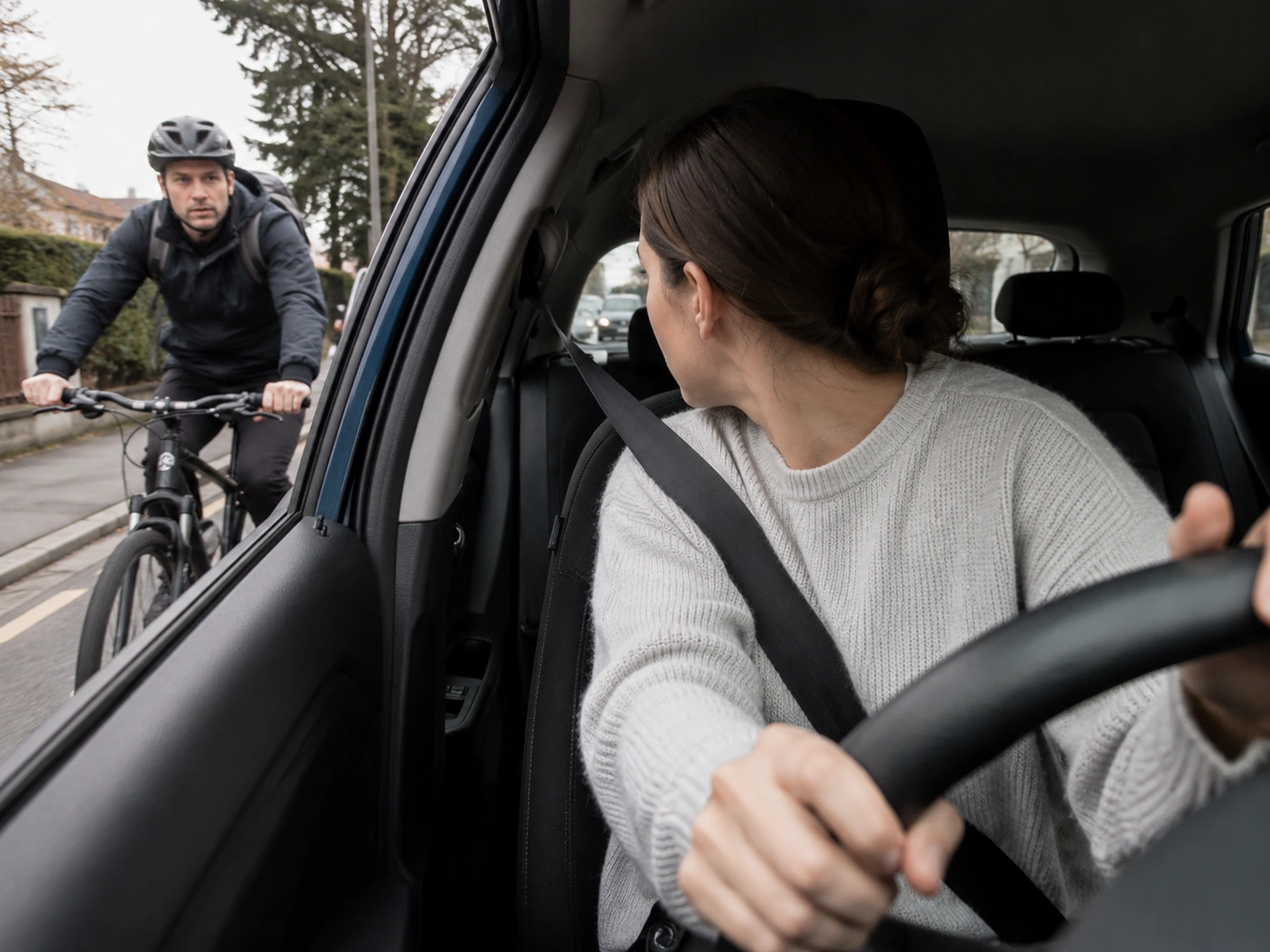
27. Why should you check blind spots before moving off?
Mirrors do not show every area around your vehicle. A blind-spot check can reveal cyclists, pedestrians, motorcyclists, or vehicles before you move off.
AI-generated by Traffic-rules.com • WCIT • CC BY-SA
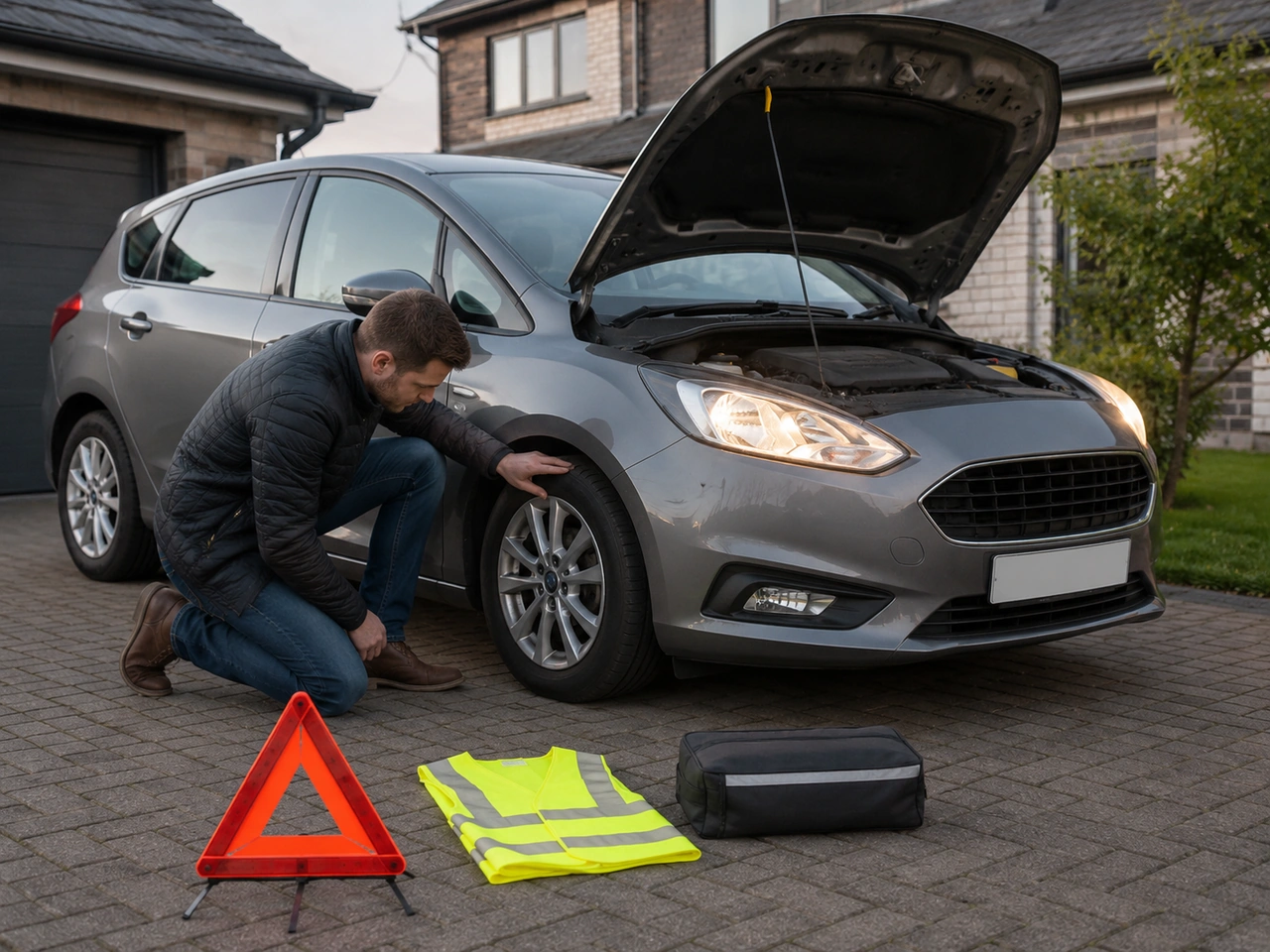
28. What should you check before starting a long journey?
A brief vehicle check can reveal tyre damage, low fluid levels, faulty lights, or visibility problems before they cause danger. Also confirm that any spare wheel or tyre-repair equipment is available and usable.
AI-generated by Traffic-rules.com • WCIT • CC BY-SA
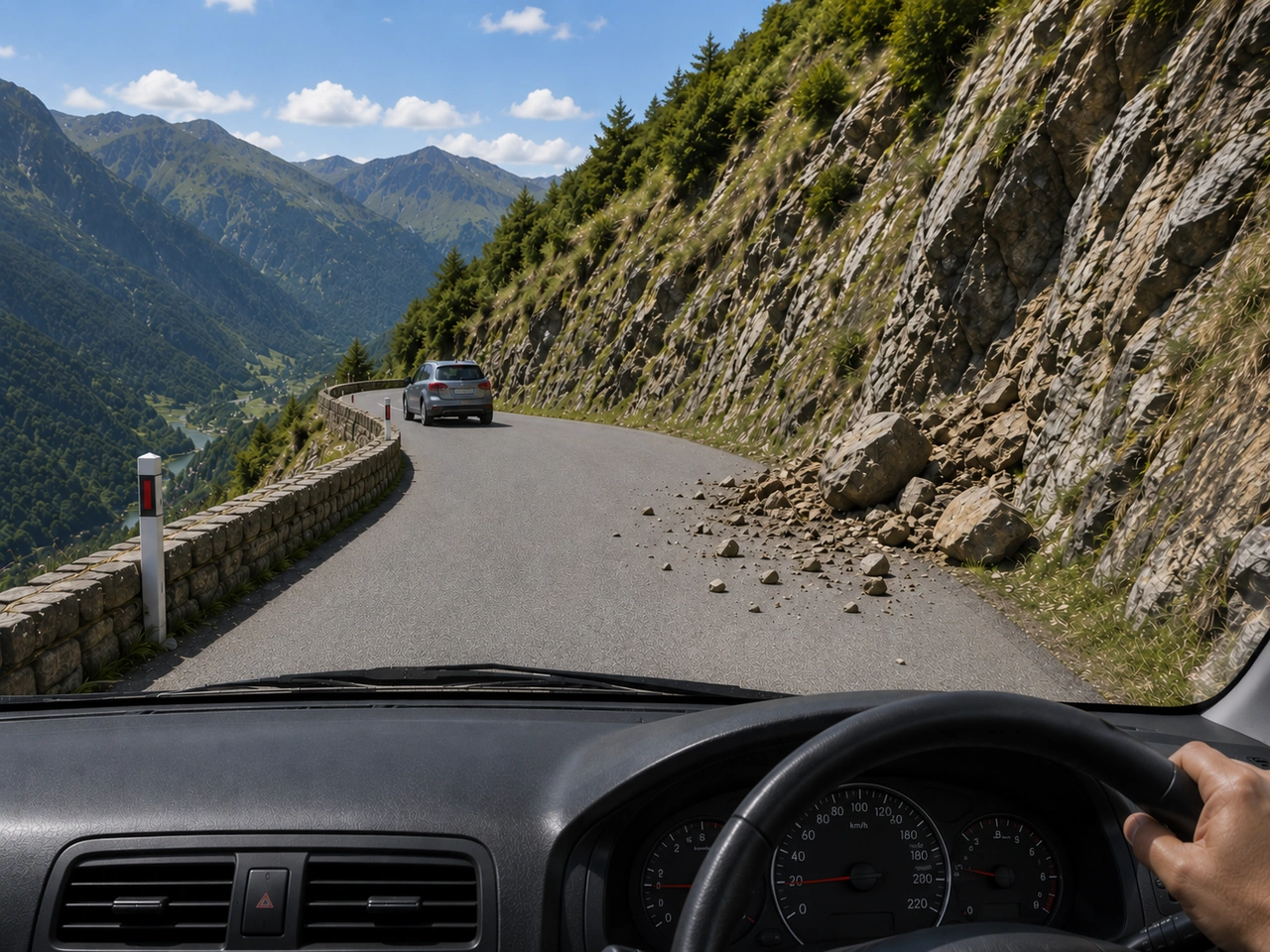
29. What should you do if you see fallen rocks on a mountain road?
Loose rocks can damage tyres, affect steering, or block part of the road. Reduce speed and avoid sudden movements. If rocks are actively falling, do not enter or stop in the danger area. Keep a safe distance and, if necessary, wait in a safe place until it is safe to continue.
AI-generated by Traffic-rules.com • WCIT • CC BY-SA
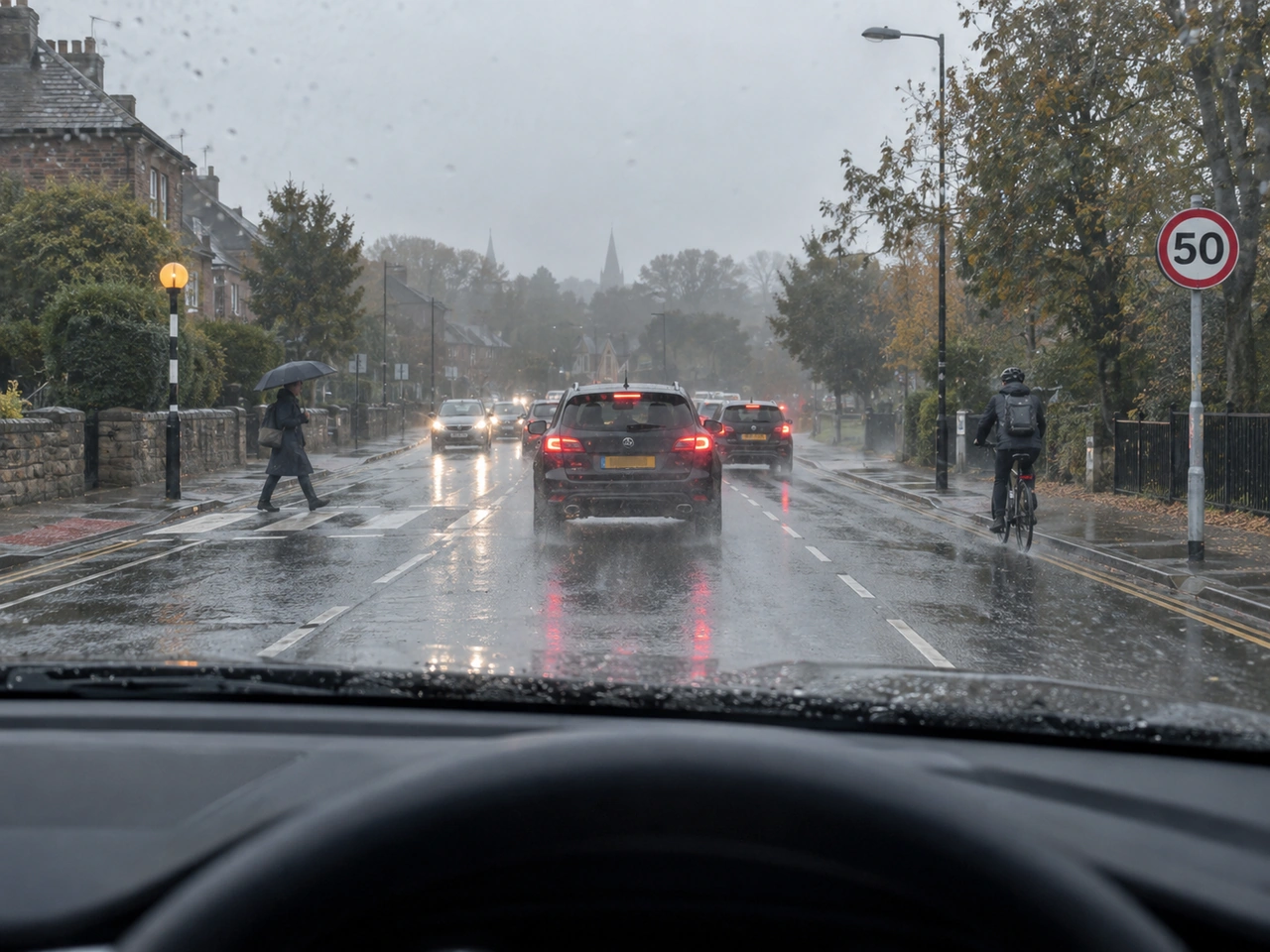
30. Does driving at the speed limit always mean your speed is safe?
A speed limit is a maximum permitted speed, not a target. You may need to drive more slowly because of traffic, poor visibility, weather, road conditions, pedestrians, cyclists, or other hazards.
AI-generated by Traffic-rules.com • WCIT • CC BY-SA
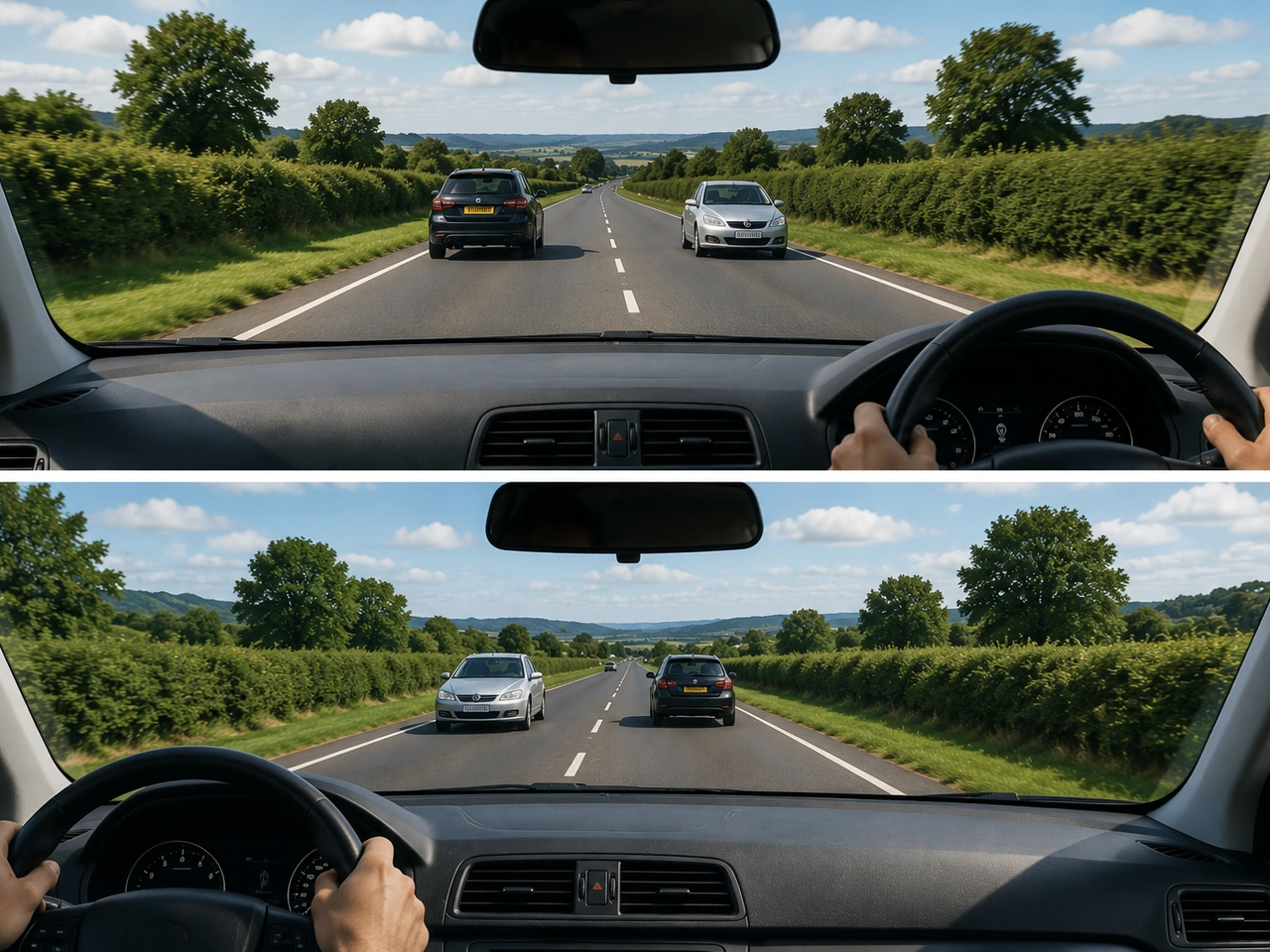
31. Which side do people drive on in India?
Traffic drives on the left-hand side of the road in India.
AI-generated by Traffic-rules.com • WCIT • CC BY-SA
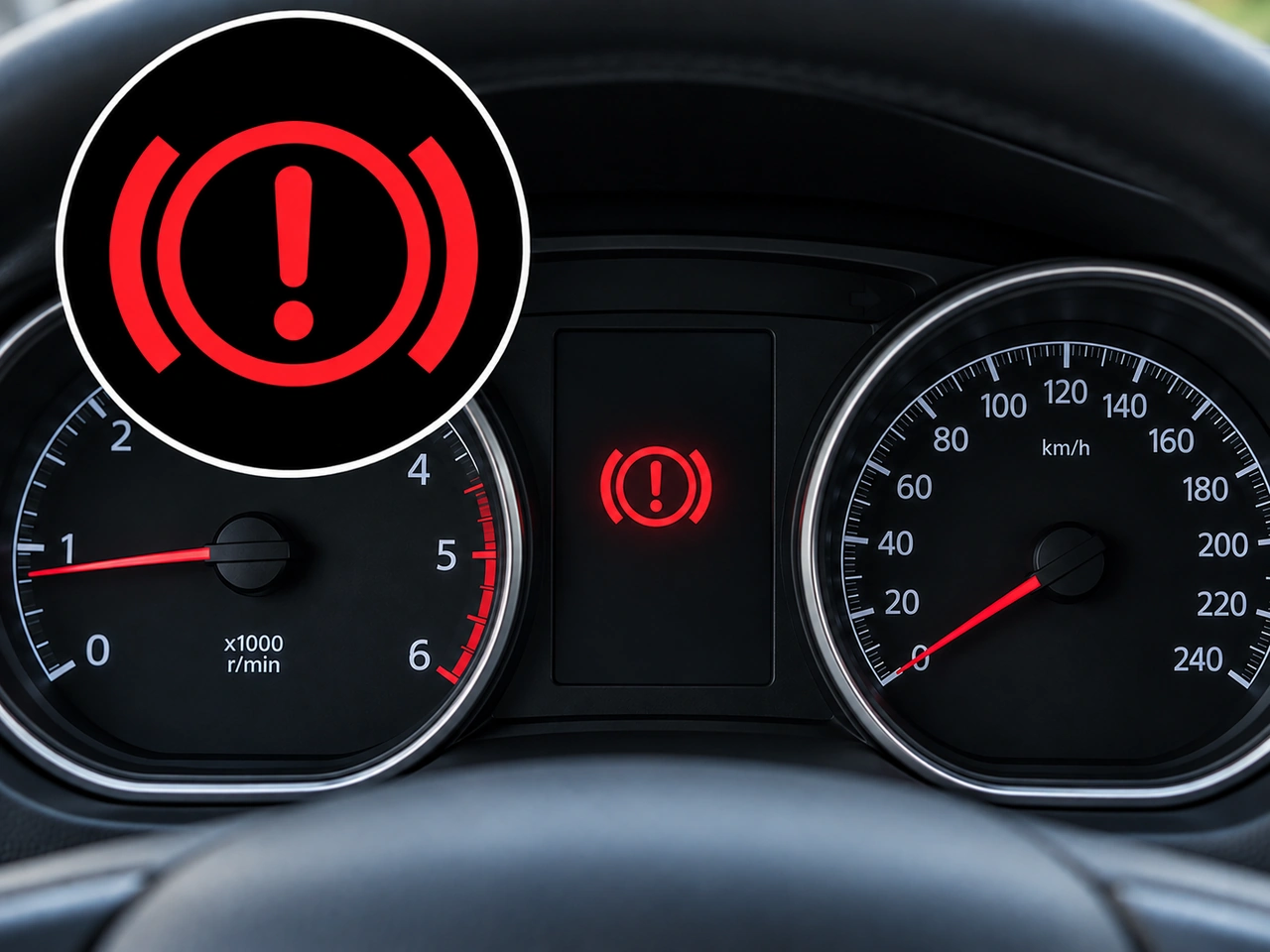
32. What does this dashboard symbol indicate?
This symbol indicates a possible brake-system fault. If it remains illuminated after the parking brake is released, stop safely and have the braking system checked.
AI-generated by Traffic-rules.com • WCIT • CC BY-SA
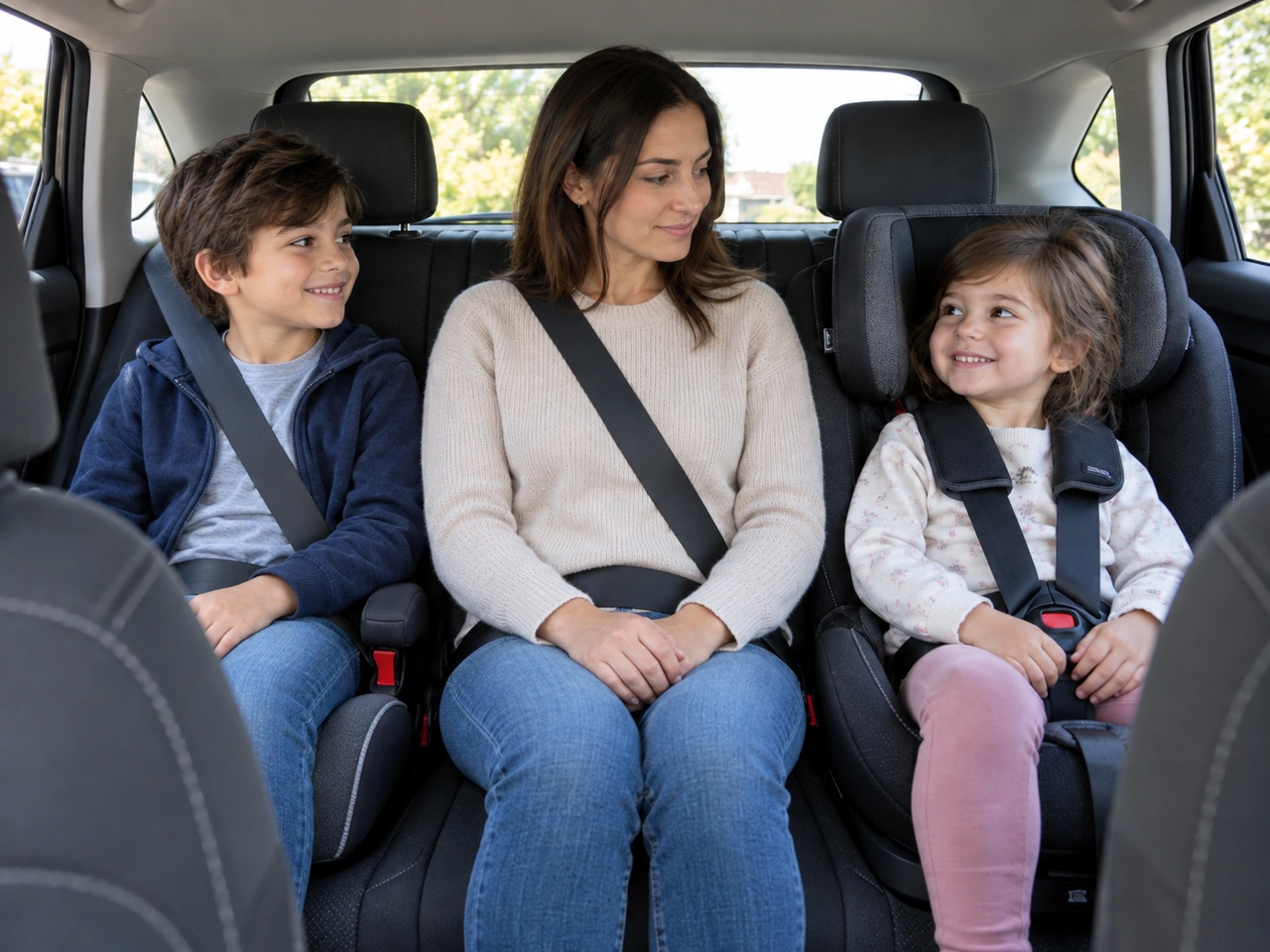
33. Should rear-seat passengers be securely restrained?
Rear-seat passengers should be securely restrained using seat belts or suitable child restraints as appropriate. Proper restraint reduces the risk of serious injury and prevents occupants from being thrown around or forwards in a collision.
AI-generated by Traffic-rules.com • WCIT • CC BY-SA
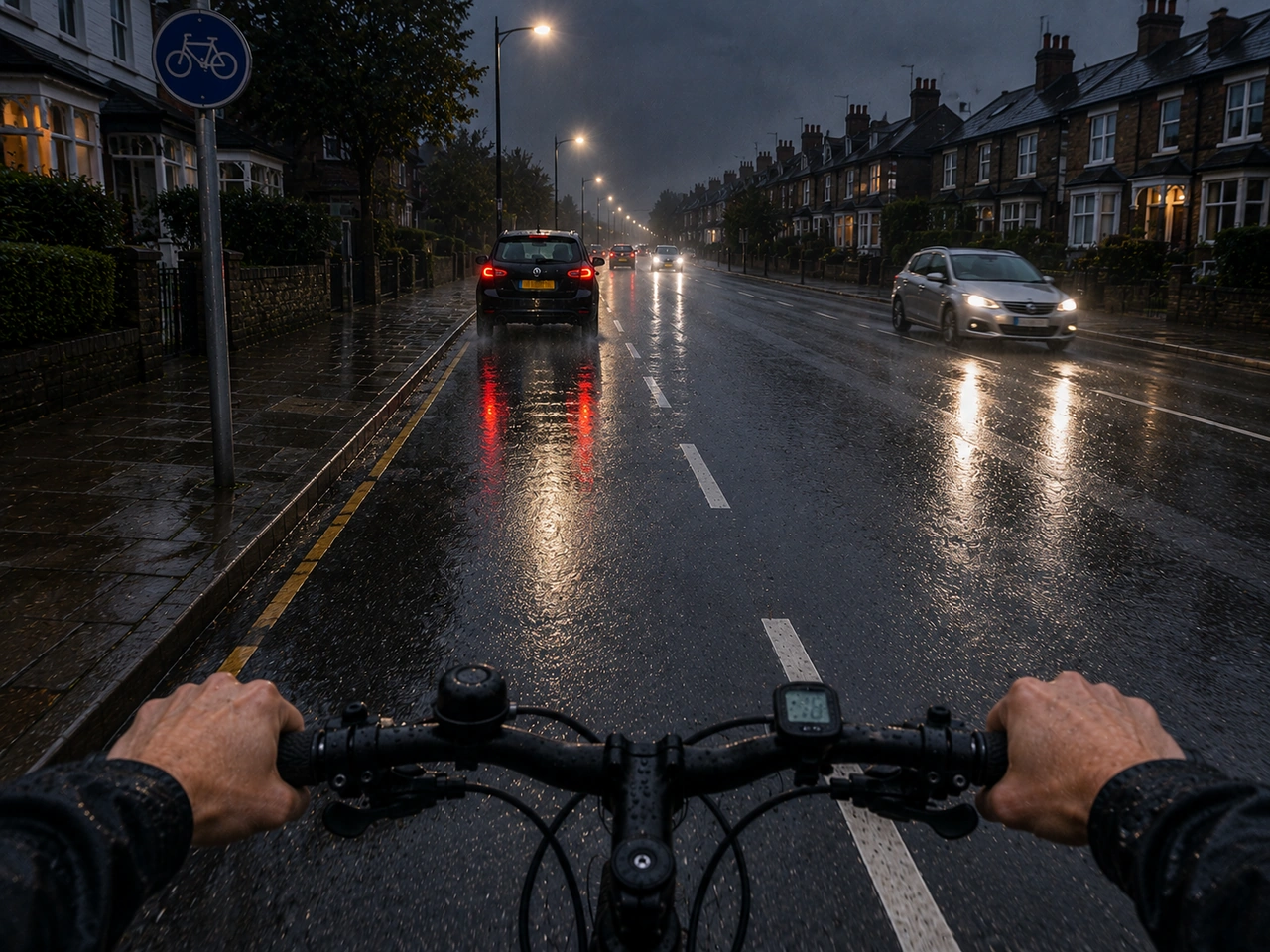
34. How should cyclists brake on a wet road?
Wet surfaces reduce grip and increase stopping distance. Smooth, early braking helps prevent skidding.
AI-generated by Traffic-rules.com • WCIT • CC BY-SA
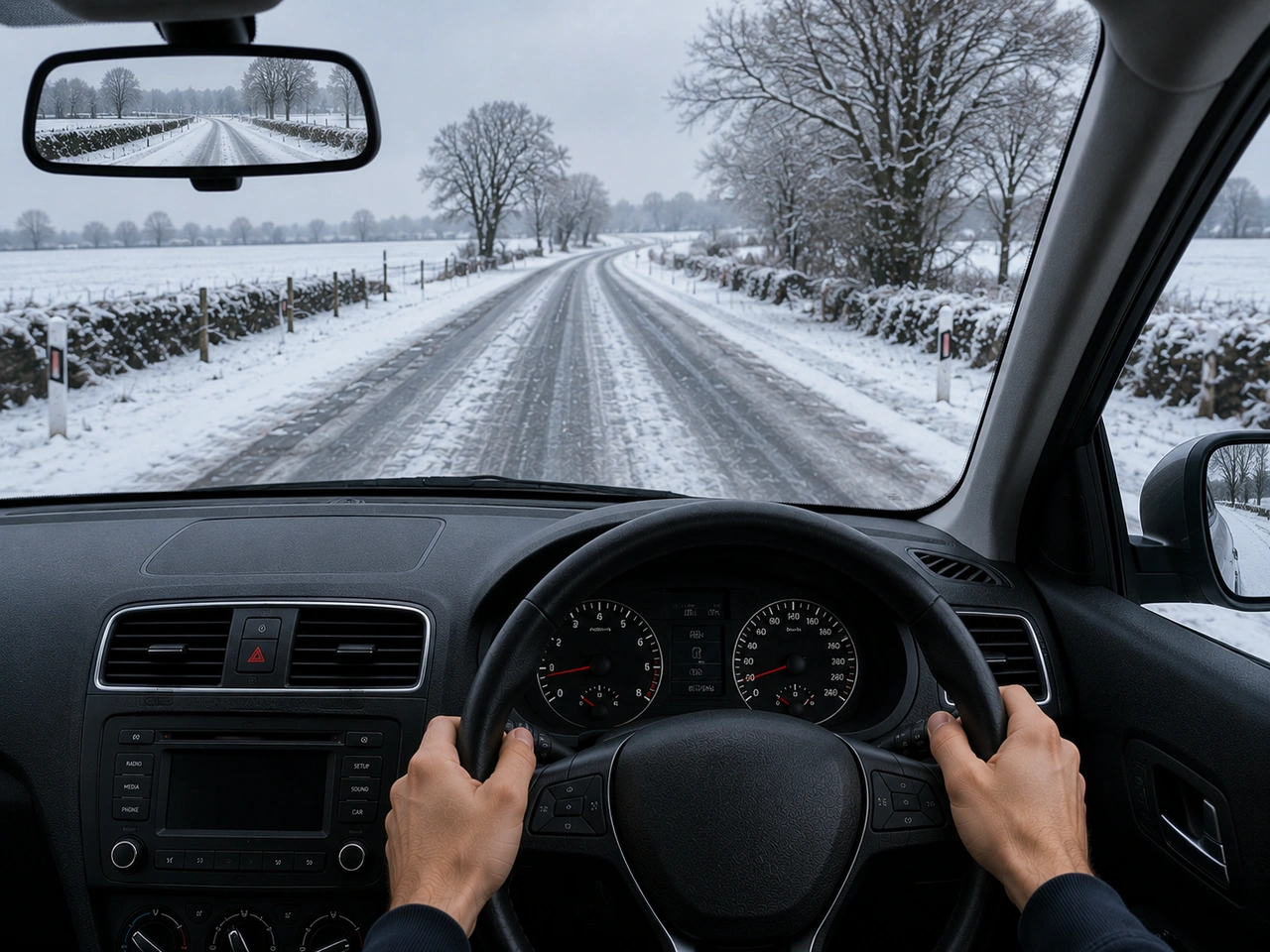
35. What should you do when driving on icy roads?
Ice greatly reduces tyre grip. Drive gently, keep extra distance, and avoid sudden movements that could cause a skid.
AI-generated by Traffic-rules.com • WCIT • CC BY-SA
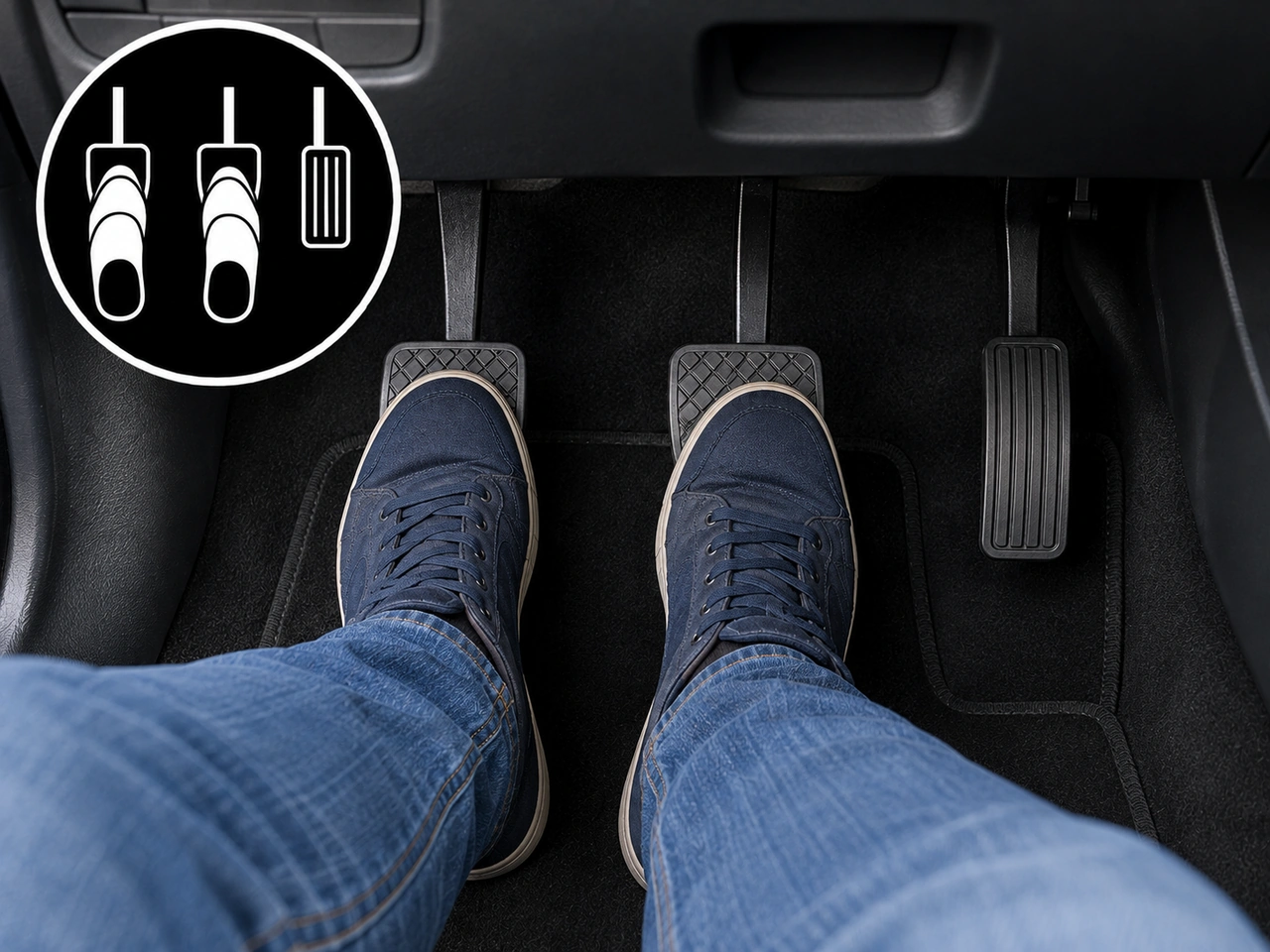
36. What should you do with the clutch during emergency braking in a manual vehicle?
During emergency braking in a manual vehicle, maintain firm pressure on the brake and press the clutch pedal fully so the engine does not stall as the vehicle slows. Do not reduce braking pressure while operating the clutch.
AI-generated by Traffic-rules.com • WCIT • CC BY-SA
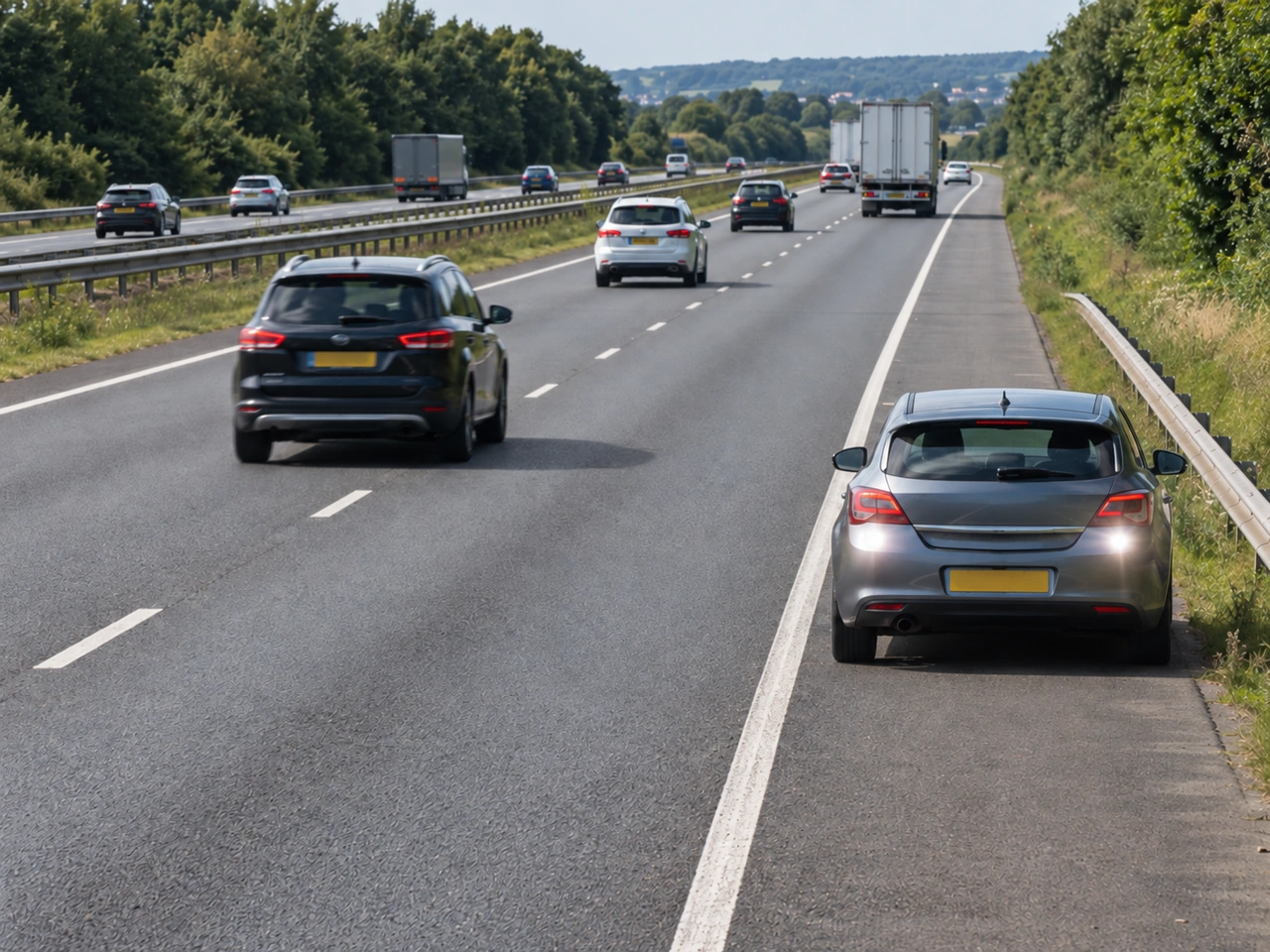
37. Why are reversing and making a U-turn on a motorway extremely dangerous?
Motorway traffic travels at high speed. Unexpected reversing or turning can cause a severe collision.
AI-generated by Traffic-rules.com • WCIT • CC BY-SA
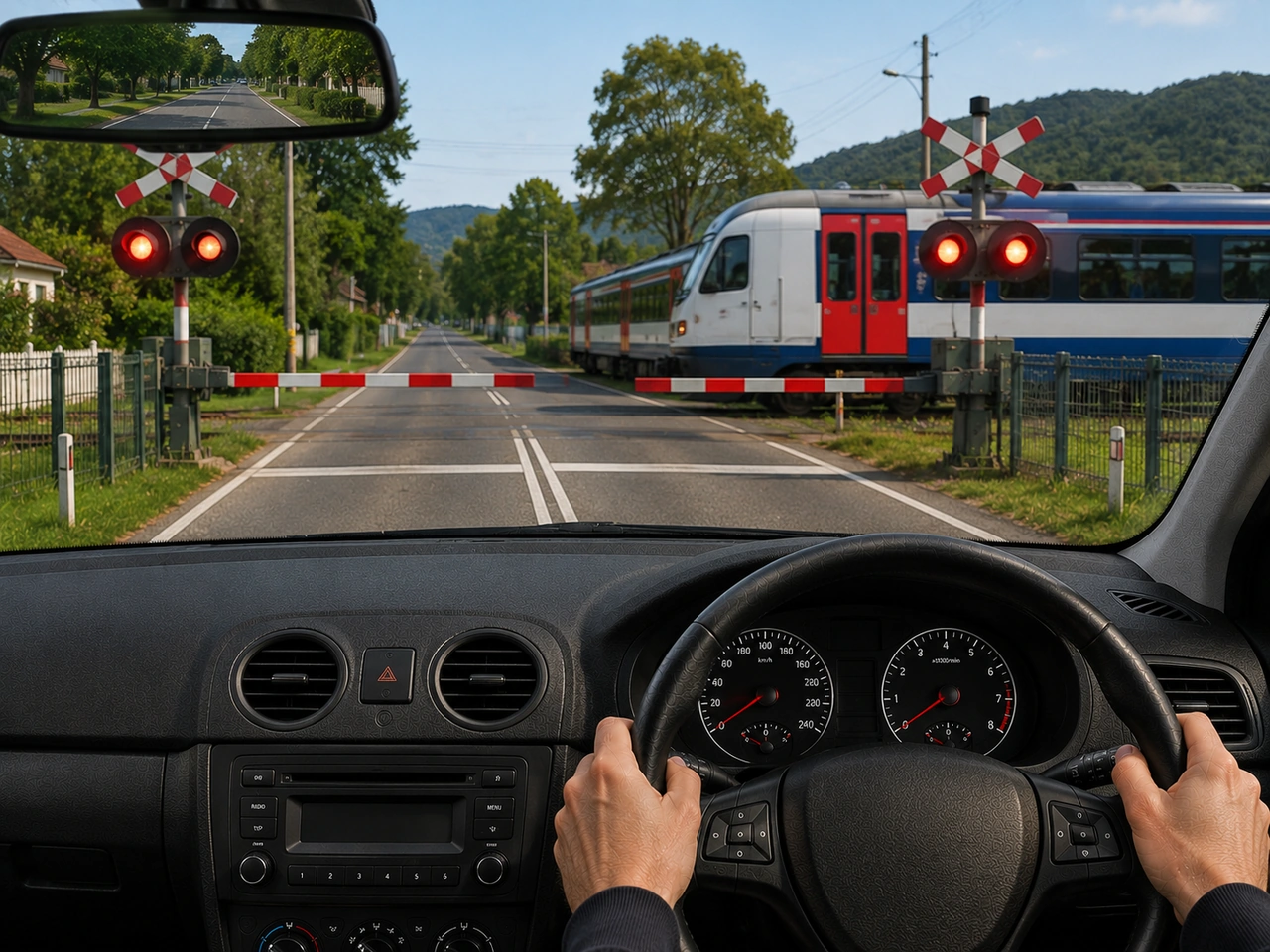
38. What should you do at a railway crossing with warning lights flashing?
Flashing warning lights mean a train may be approaching. Stop before the crossing and wait until the warning has ended and the crossing is clear.
AI-generated by Traffic-rules.com • WCIT • CC BY-SA
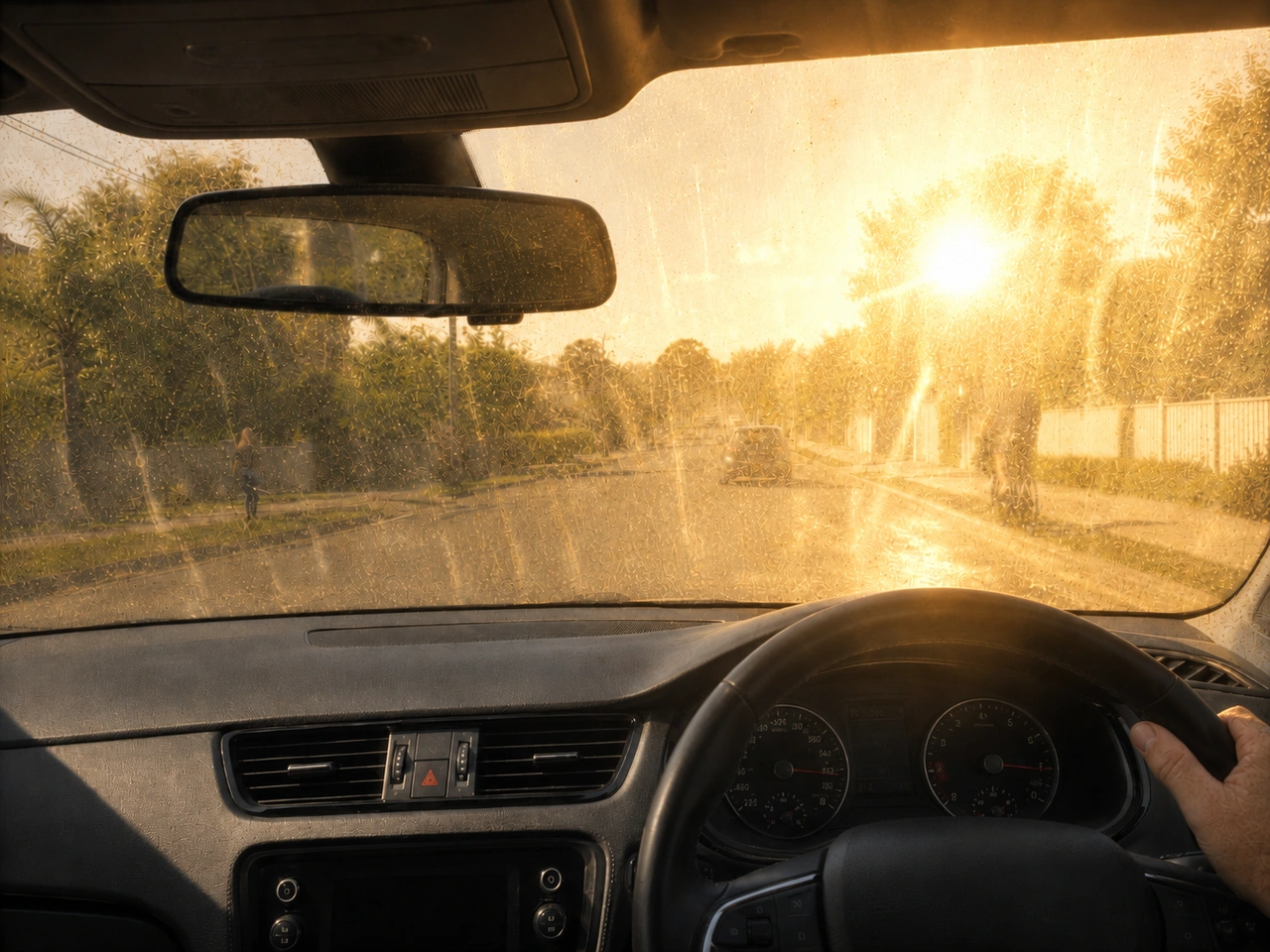
39. Why should you keep your windscreen clean?
A clean windscreen gives you a clear view of the road, signs, pedestrians, cyclists, and other vehicles.
AI-generated by Traffic-rules.com • WCIT • CC BY-SA
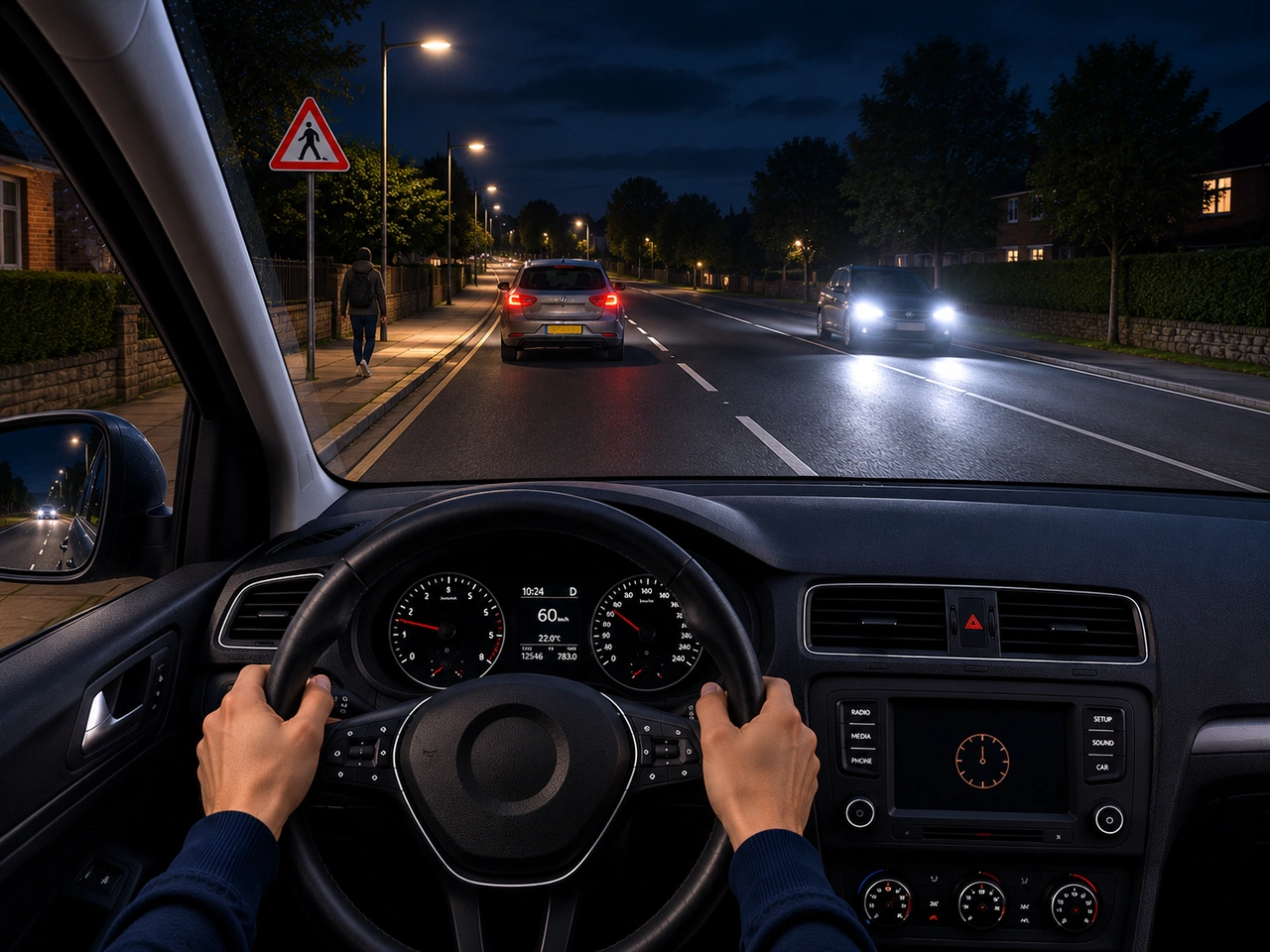
40. Why should you be extra careful at night?
At night, it is harder to see pedestrians, cyclists, road markings, and hazards. Reduce speed and use the correct lights.
AI-generated by Traffic-rules.com • WCIT • CC BY-SA
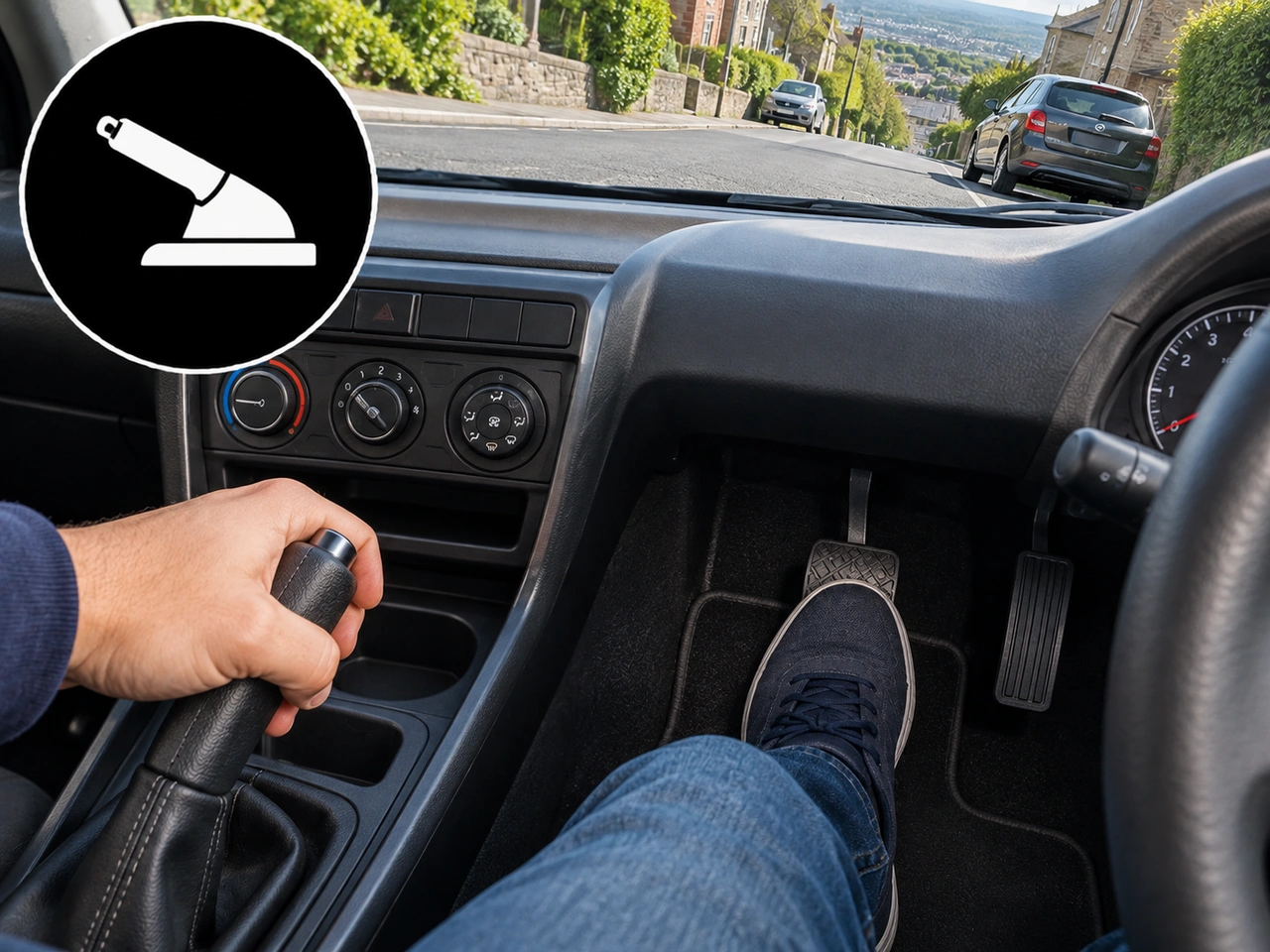
41. What should you do before releasing the parking brake on a slope?
Before releasing the parking brake on a slope, make sure the vehicle cannot roll unexpectedly. Use the service brake or, when moving off in a manual vehicle, establish the clutch biting point and sufficient power before releasing the parking brake.
AI-generated by Traffic-rules.com • WCIT • CC BY-SA
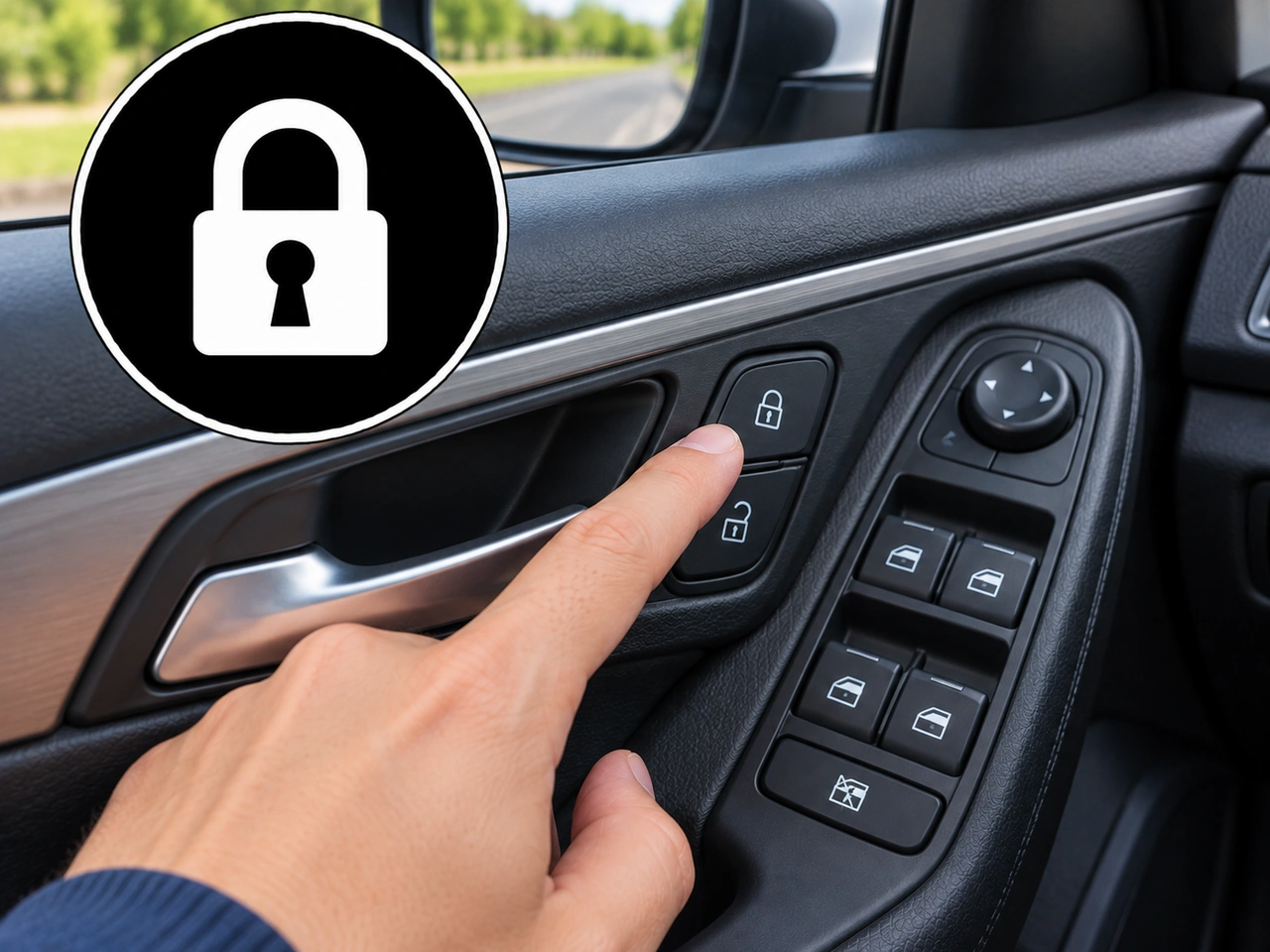
42. What does this vehicle-control symbol indicate?
This control operates the vehicle's central door locking system. Pressing it locks or unlocks the vehicle's doors, depending on the current lock state.
AI-generated by Traffic-rules.com • WCIT • CC BY-SA
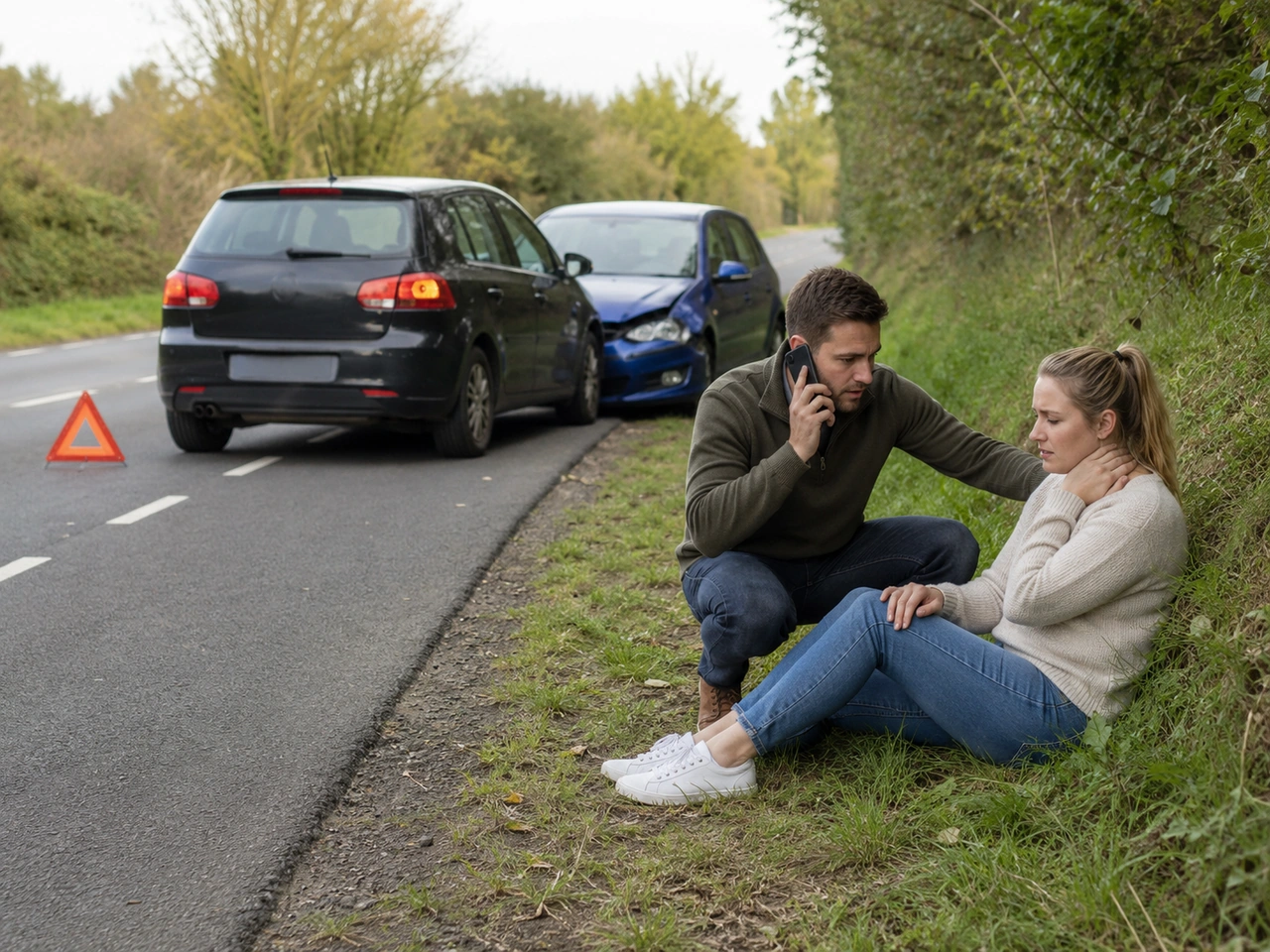
43. What should you do if someone is injured in a road collision?
Moving an injured person can worsen spinal or other injuries. Keep them calm, protect them from further danger, and provide first aid only within your level of training.
AI-generated by Traffic-rules.com • WCIT • CC BY-SA
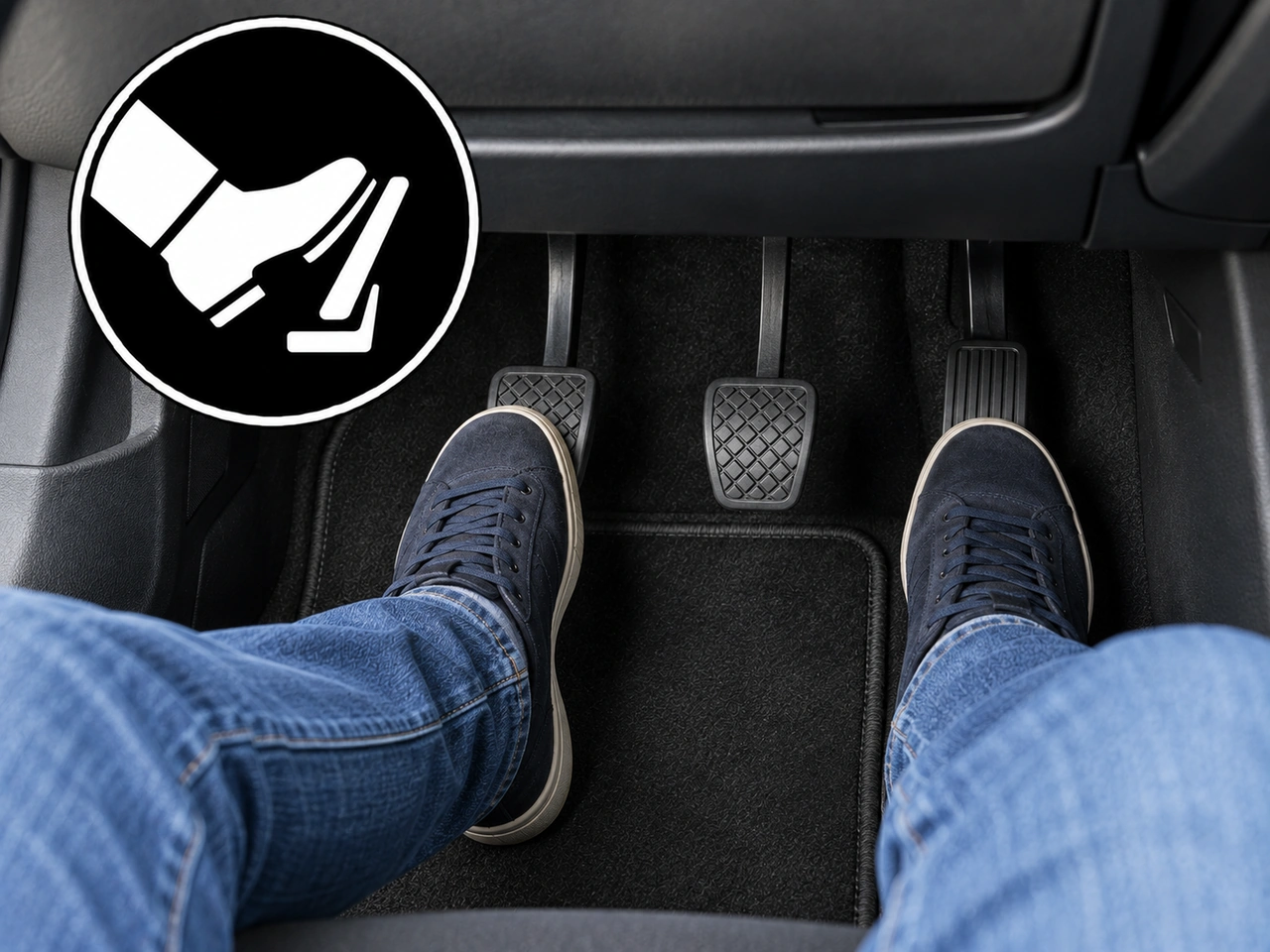
44. What is the clutch biting point?
The clutch biting point is reached as the clutch pedal is released and the clutch begins to transmit power from the engine to the transmission. Controlling this point helps the driver move off smoothly.
AI-generated by Traffic-rules.com • WCIT • CC BY-SA
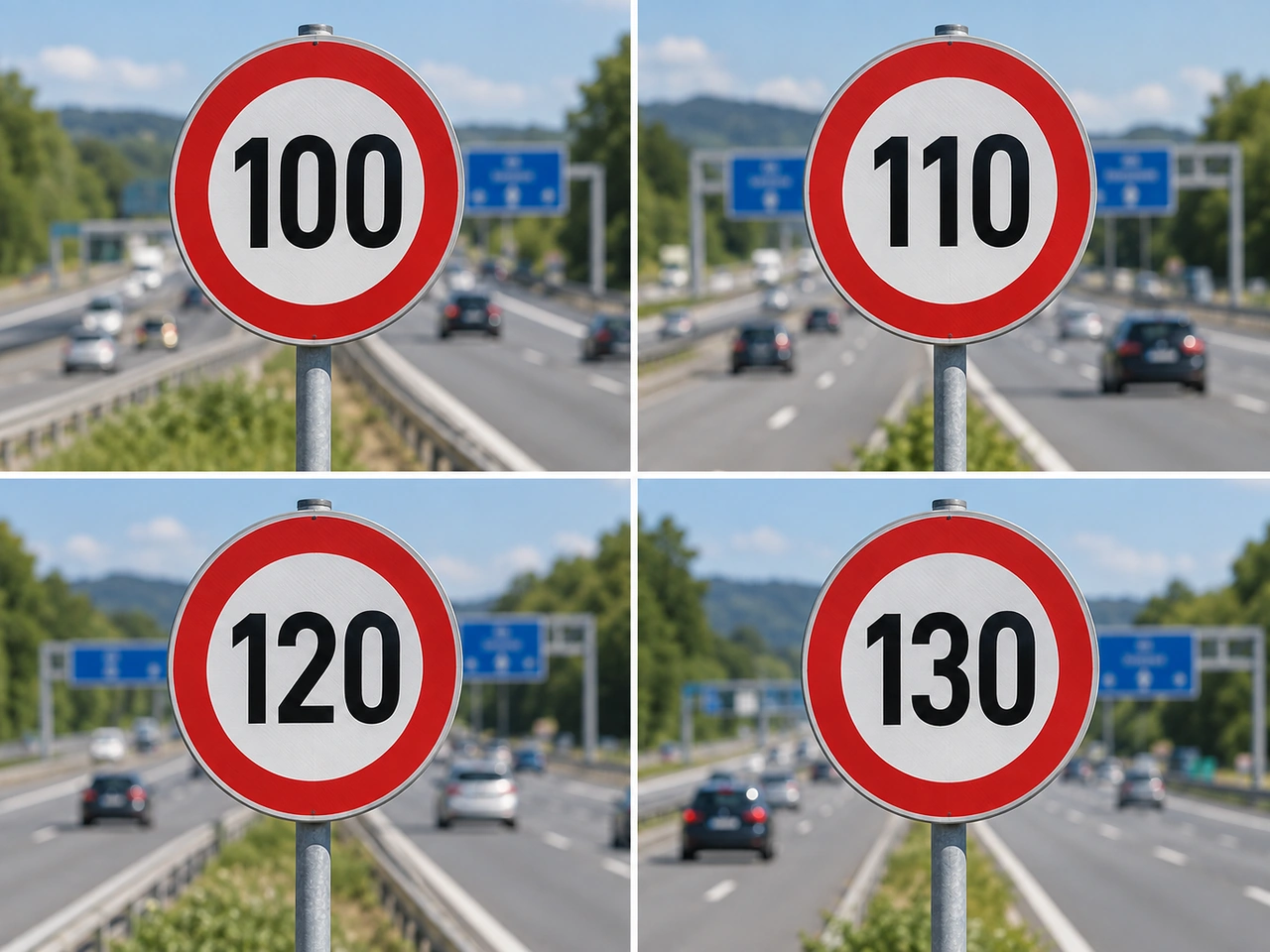
45. What is the general motorway speed limit for cars in India?
The general motorway speed limit for cars in India is 120 km/h, unless signs indicate otherwise.
AI-generated by Traffic-rules.com • WCIT • CC BY-SA
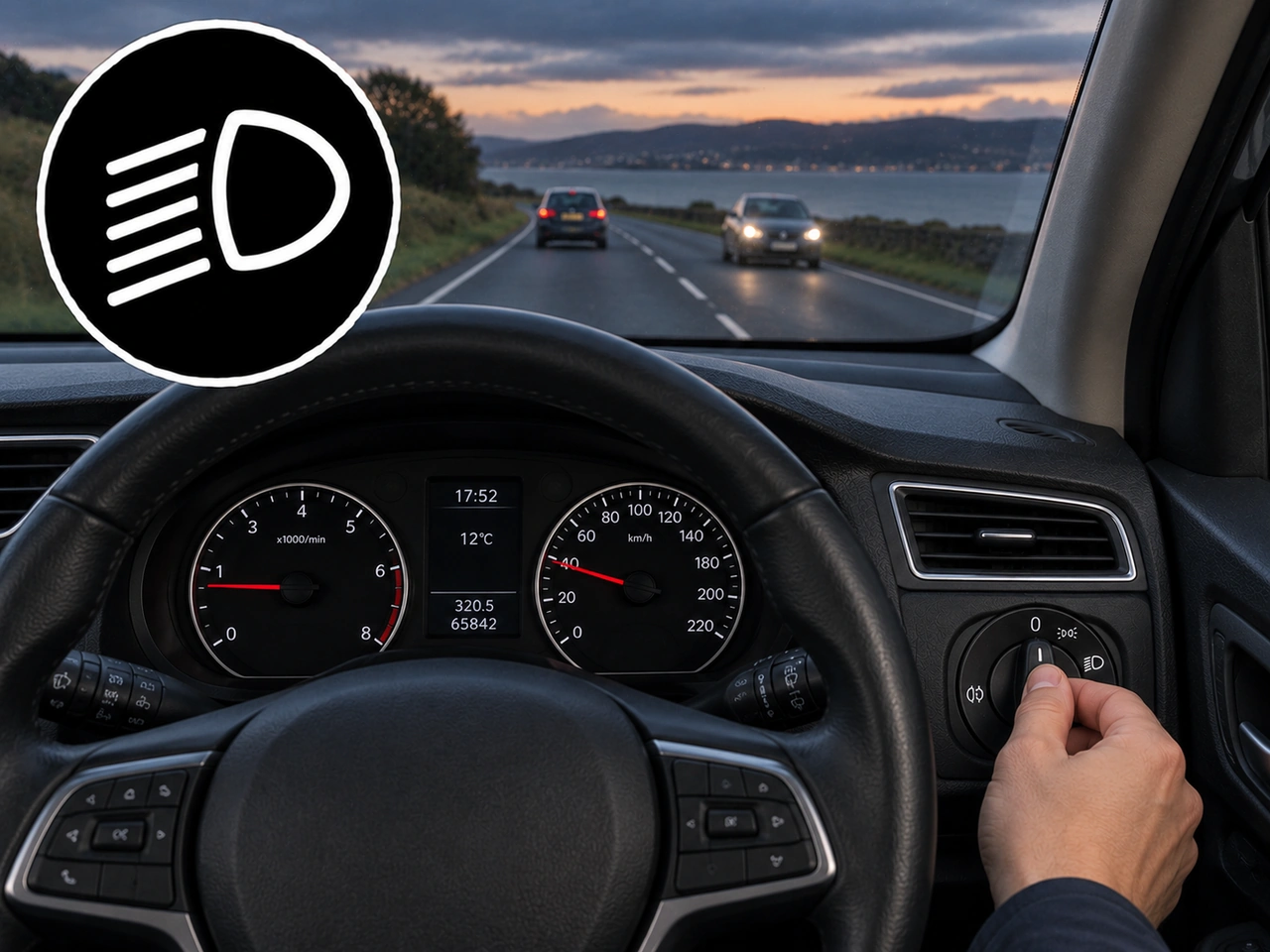
46. Which control is normally used to switch on the dipped headlights?
The lighting control is normally used to switch on the dipped headlights. Depending on the vehicle, it may be a rotary switch or part of a lighting stalk.
AI-generated by Traffic-rules.com • WCIT • CC BY-SA
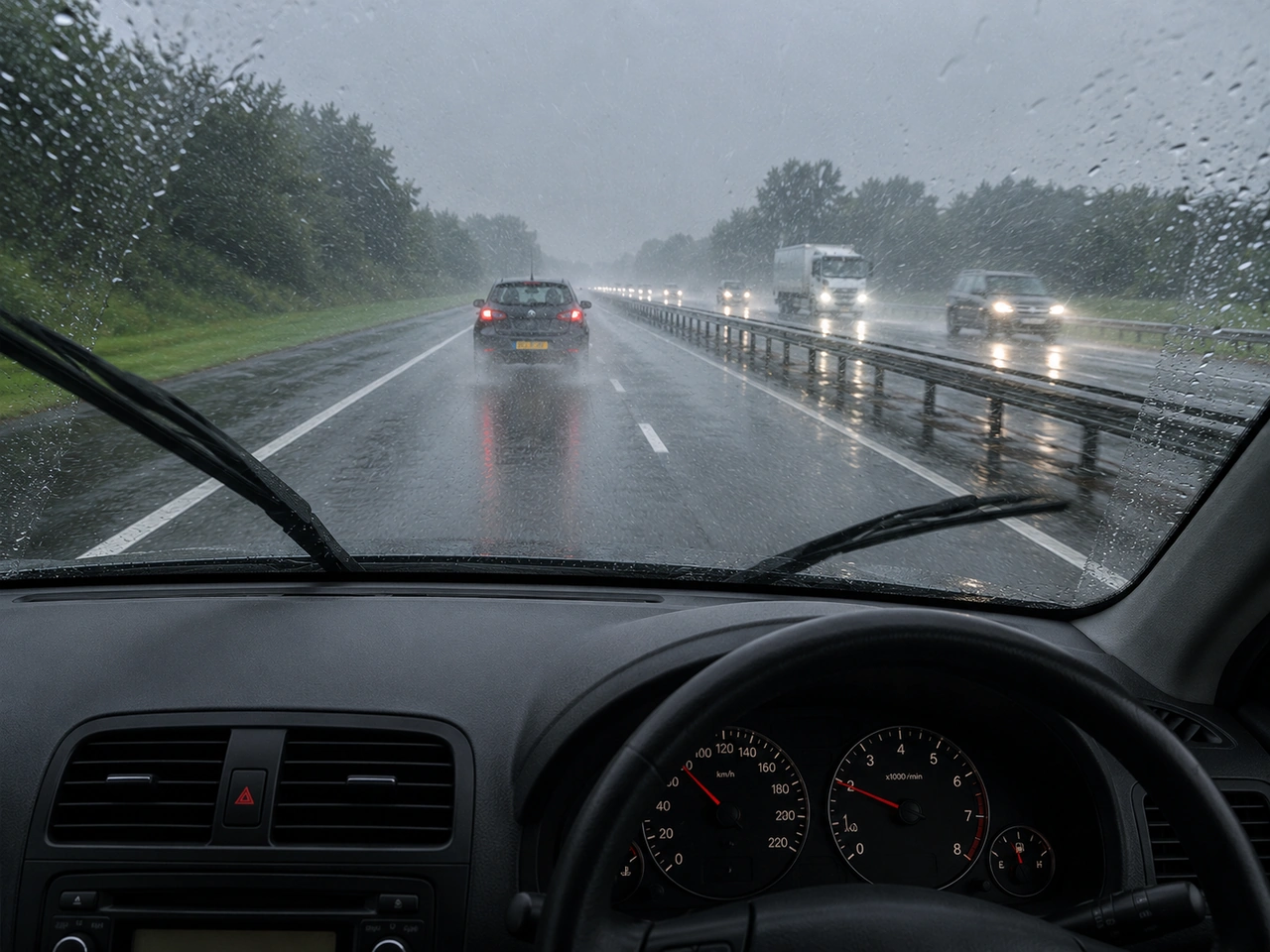
47. Why should you increase your following distance on wet roads?
Water reduces grip between the tyres and the road, so it takes longer to slow down or stop safely.
AI-generated by Traffic-rules.com • WCIT • CC BY-SA
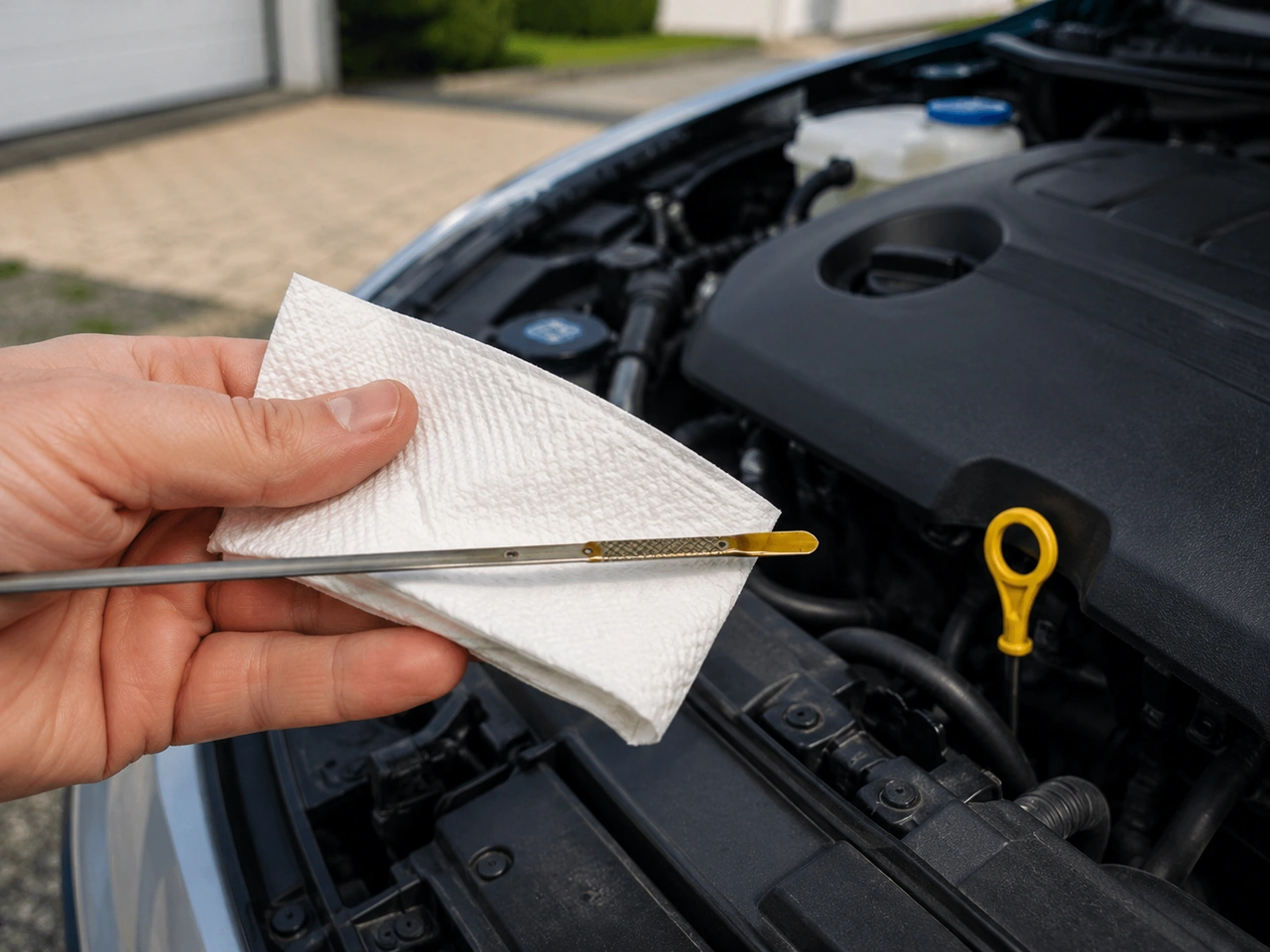
48. How should you check the engine oil level?
Use the dipstick or electronic oil-level system as described in the owner's manual. The engine is usually switched off, and the vehicle should be standing on level ground.
AI-generated by Traffic-rules.com • WCIT • CC BY-SA
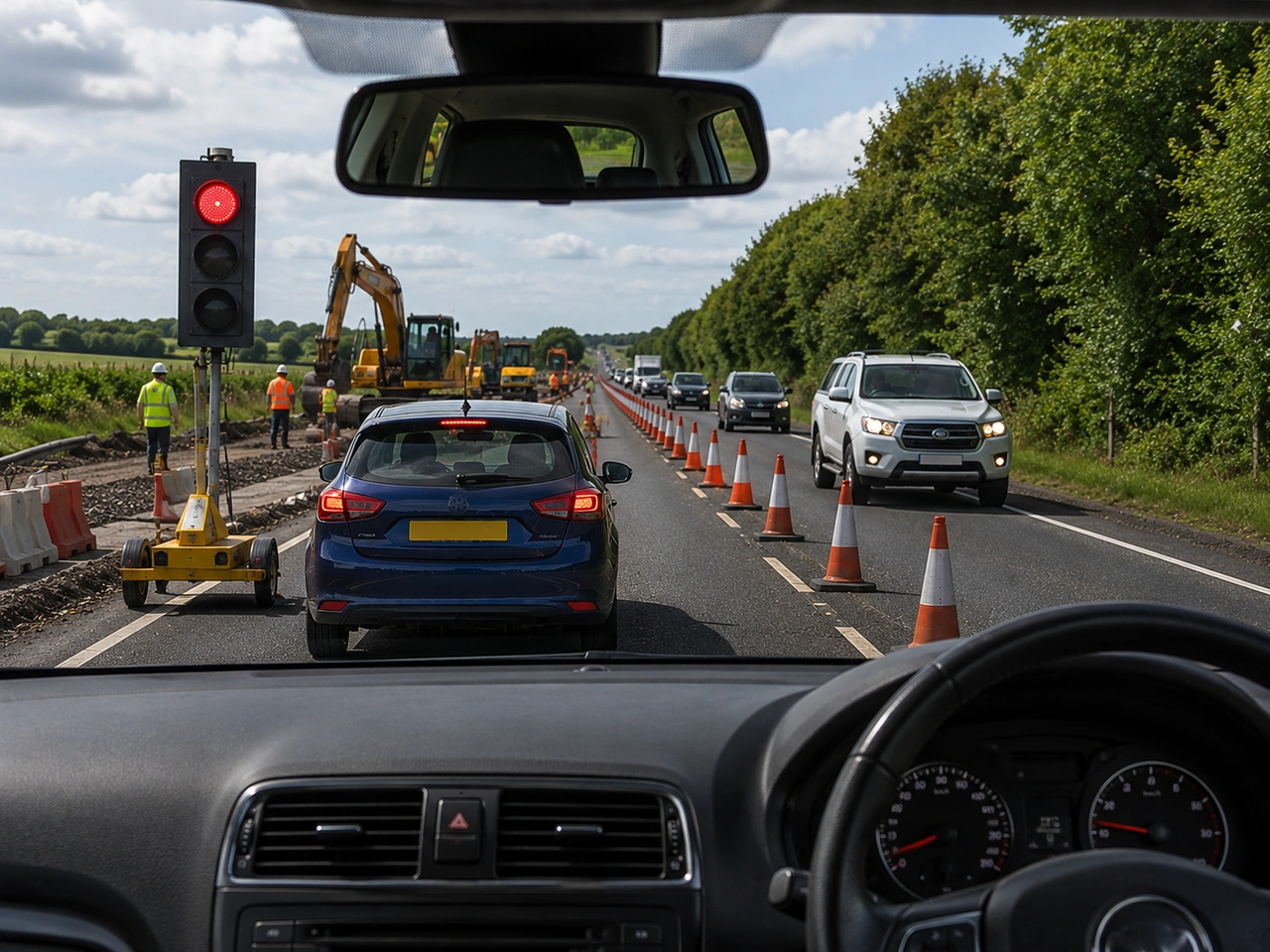
49. What should you do when temporary traffic lights show red?
Temporary traffic signals must be obeyed like permanent signals. Stop and wait until you are permitted to continue.
AI-generated by Traffic-rules.com • WCIT • CC BY-SA
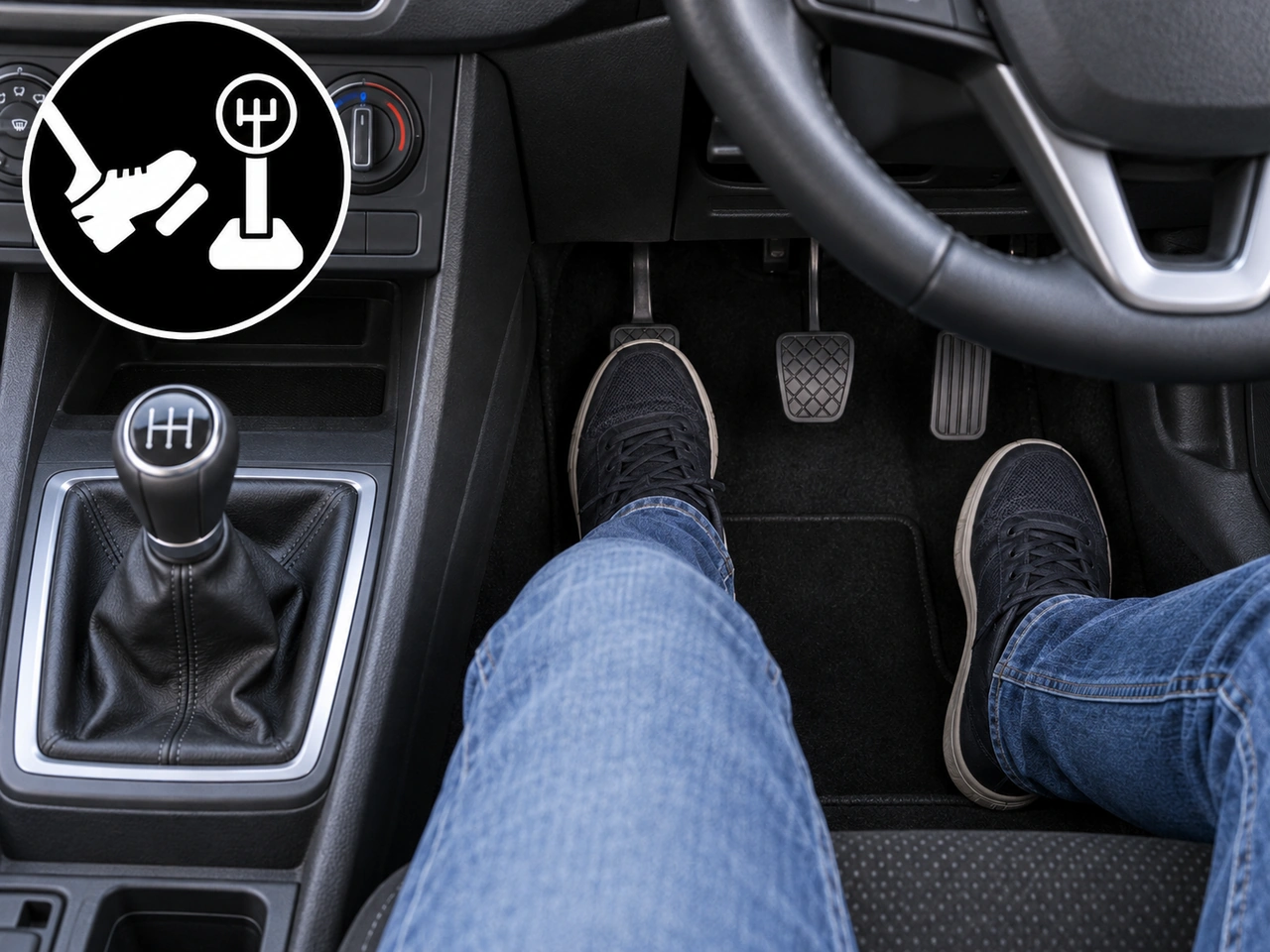
50. What should you check before starting a manual vehicle?
Before starting a manual vehicle, make sure the gearbox is in neutral and press the clutch pedal. This helps prevent the vehicle from moving unexpectedly when the engine starts.
AI-generated by Traffic-rules.com • WCIT • CC BY-SA