


QuizTraffic rulesIndia
This interesting quiz helps you test your knowledge in a clear and visual way. With easy multiple-choice questions, you can quickly build confidence and learn new facts while keeping it simple, interactive, and fun.
 Traffic signs
 Traffic rules
 India
India
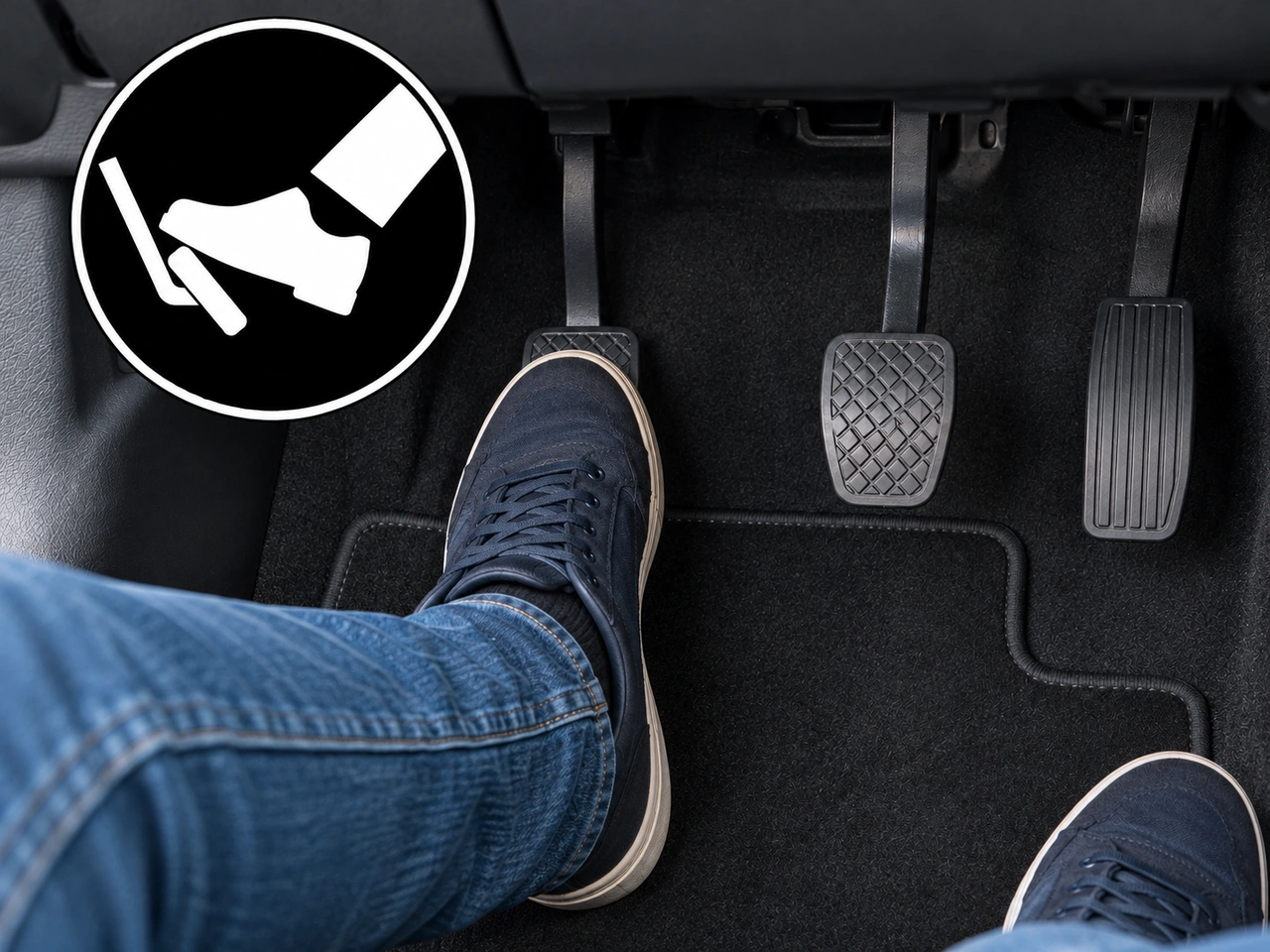
501. Why should you press the clutch pedal fully when changing gear?
Pressing the clutch pedal fully disengages the engine from the transmission, allowing the gear to be changed smoothly and reducing unnecessary wear on the gearbox and clutch.
AI-generated by Traffic-rules.com • WCIT • CC BY-SA

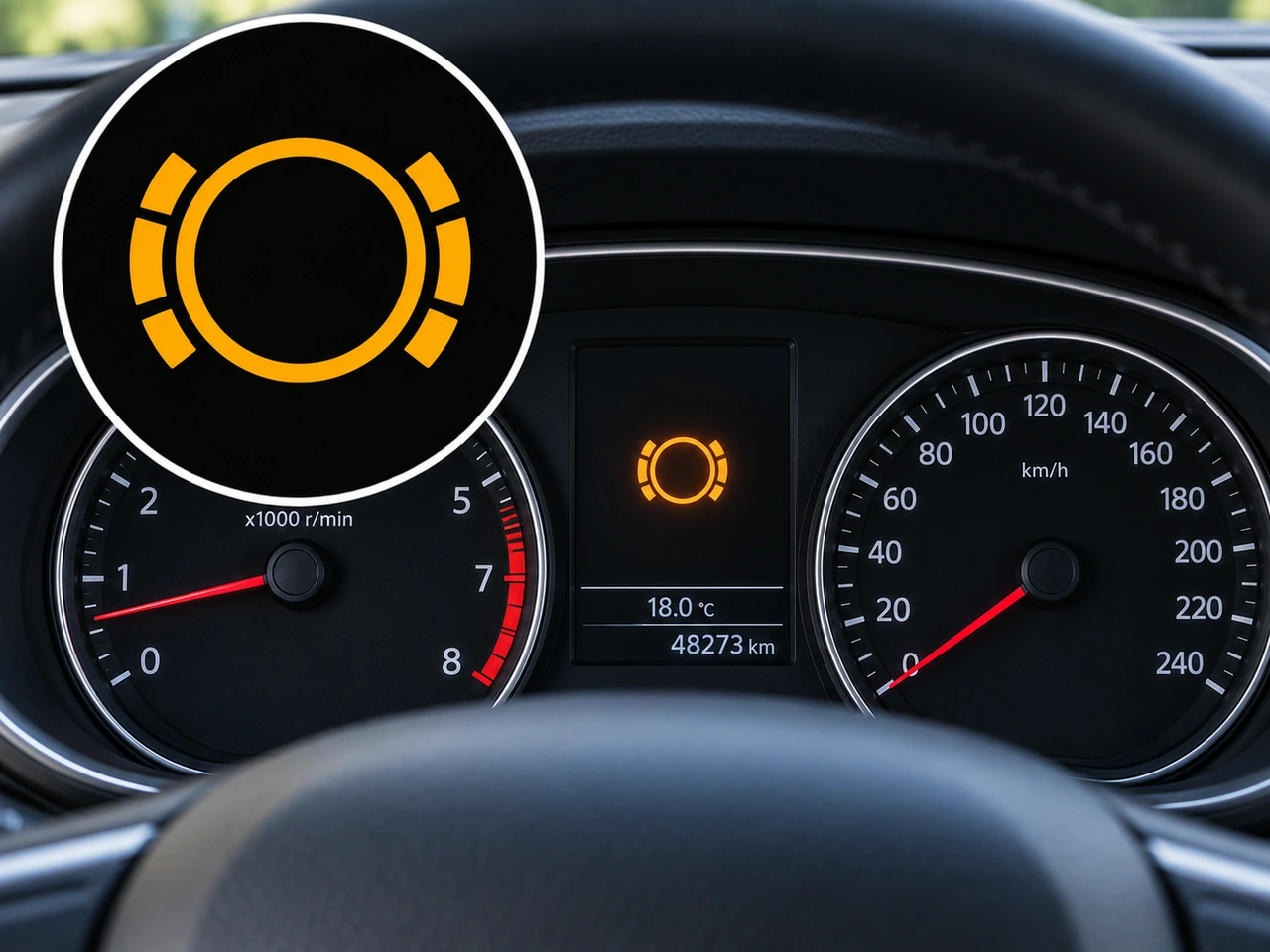
502. What does this dashboard symbol indicate?
This symbol indicates that the brake pads may be worn and should be inspected. Continuing to drive with excessively worn brake pads can reduce braking performance and damage other brake components.
AI-generated by Traffic-rules.com • WCIT • CC BY-SA
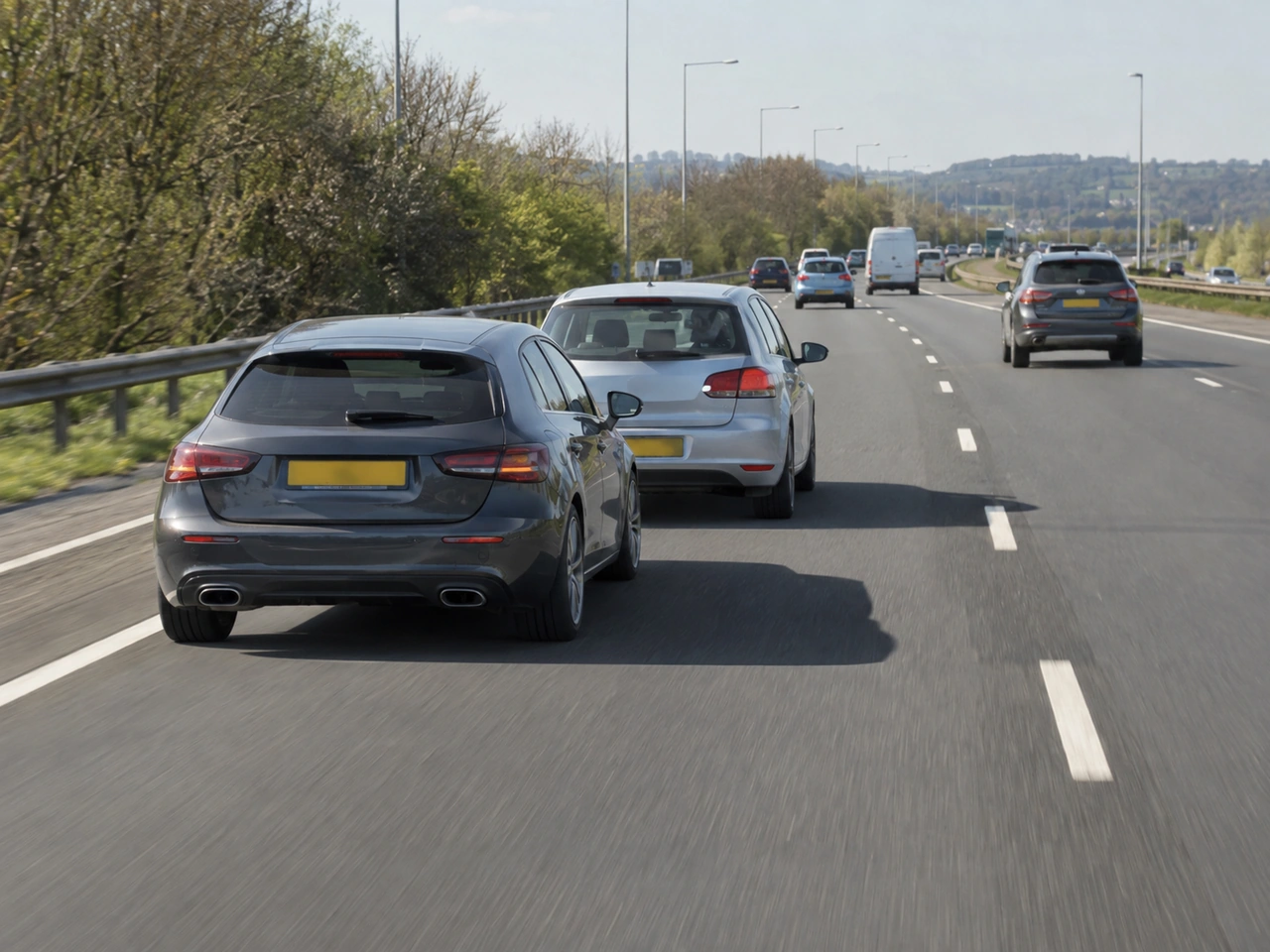
503. What is the main safety risk of aggressive driving?
Aggressive driving, such as tailgating, speeding, or sudden lane changes, reduces safety margins and increases the risk of crashes and conflict with other road users.
AI-generated by Traffic-rules.com • WCIT • CC BY-SA
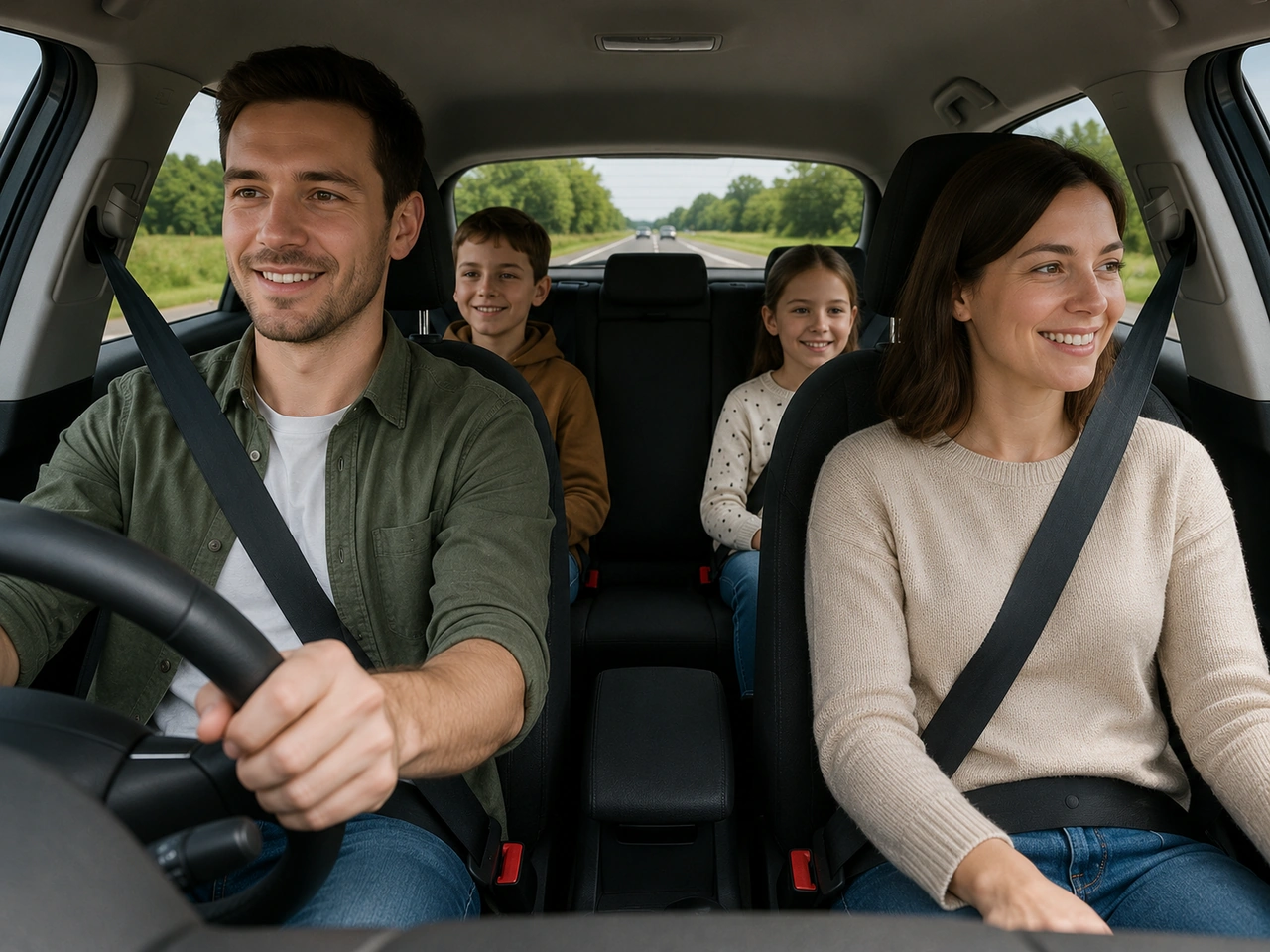
504. Who should always wear a seat belt?
Seat belts greatly reduce the risk of serious injury in a crash and should be worn by everyone in the vehicle.
AI-generated by Traffic-rules.com • WCIT • CC BY-SA
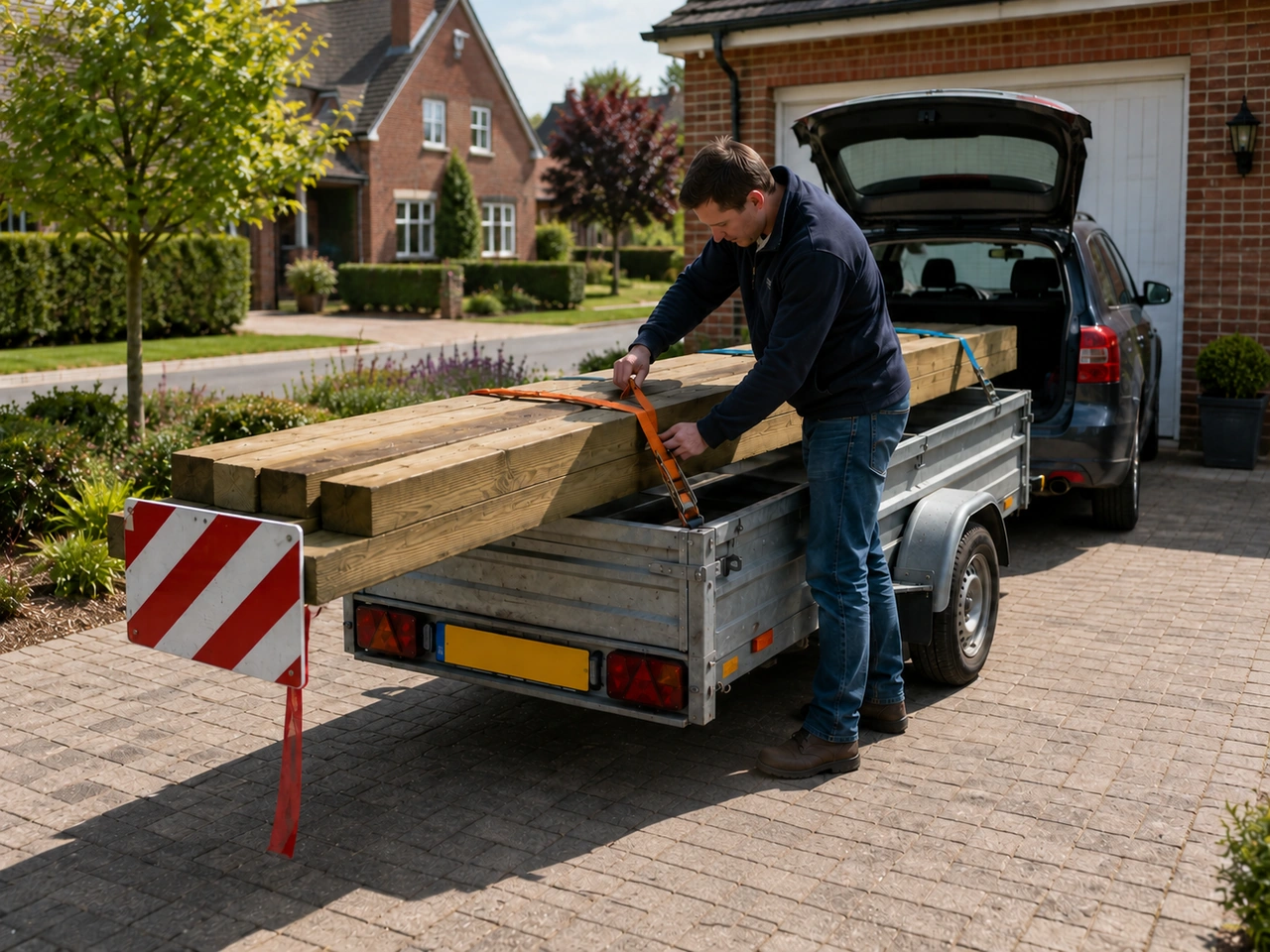
505. What should you do if a load extends beyond the vehicle?
An extending load may create additional danger and may require specific markings or equipment under local rules.
AI-generated by Traffic-rules.com • WCIT • CC BY-SA
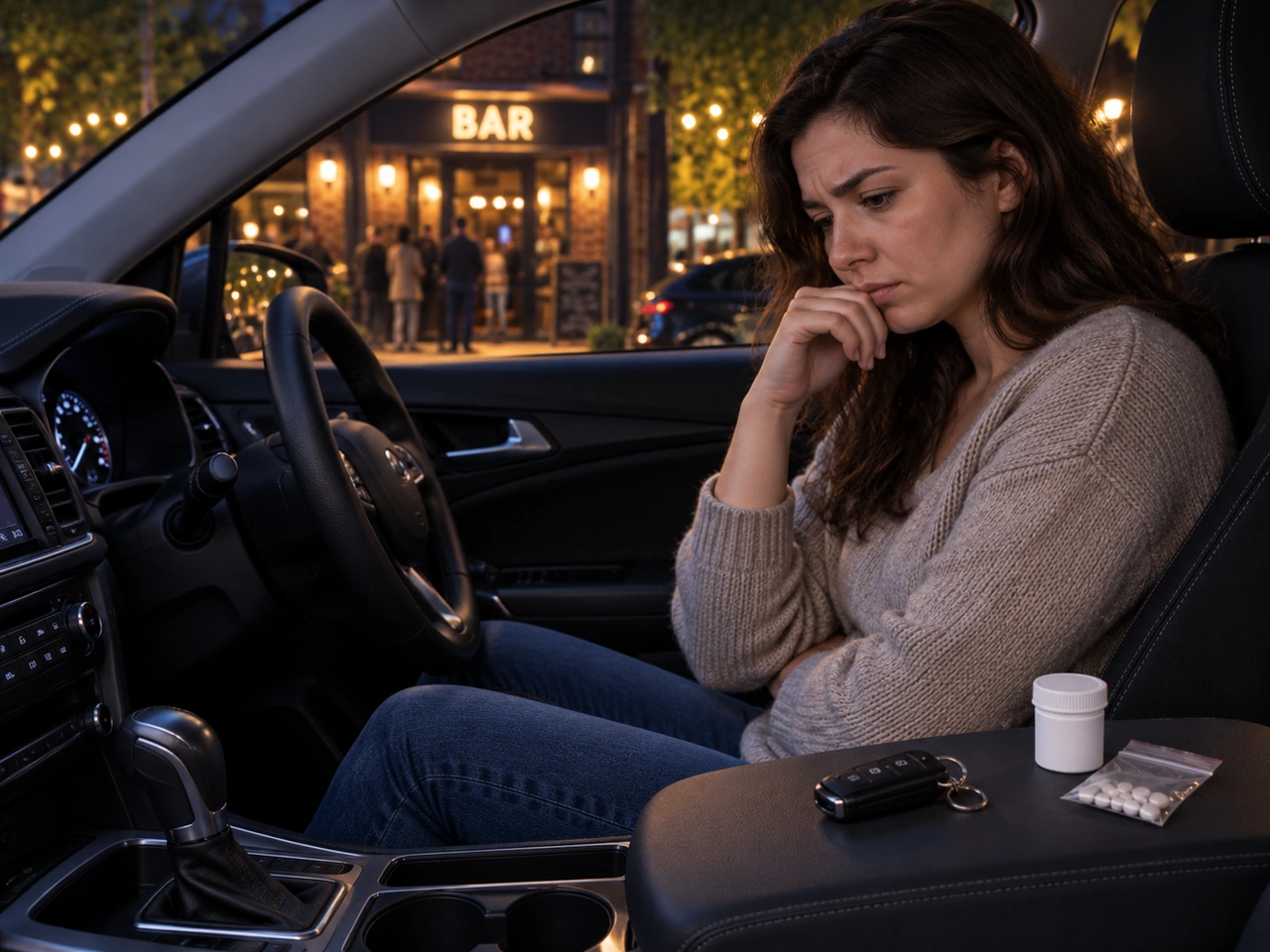
506. What should you do if you have taken drugs that may impair your driving?
Drugs can impair judgement, coordination, concentration, and reaction time. Their effects can be unpredictable and may continue after you feel that the main effects have passed. Do not drive while impaired.
AI-generated by Traffic-rules.com • WCIT • CC BY-SA
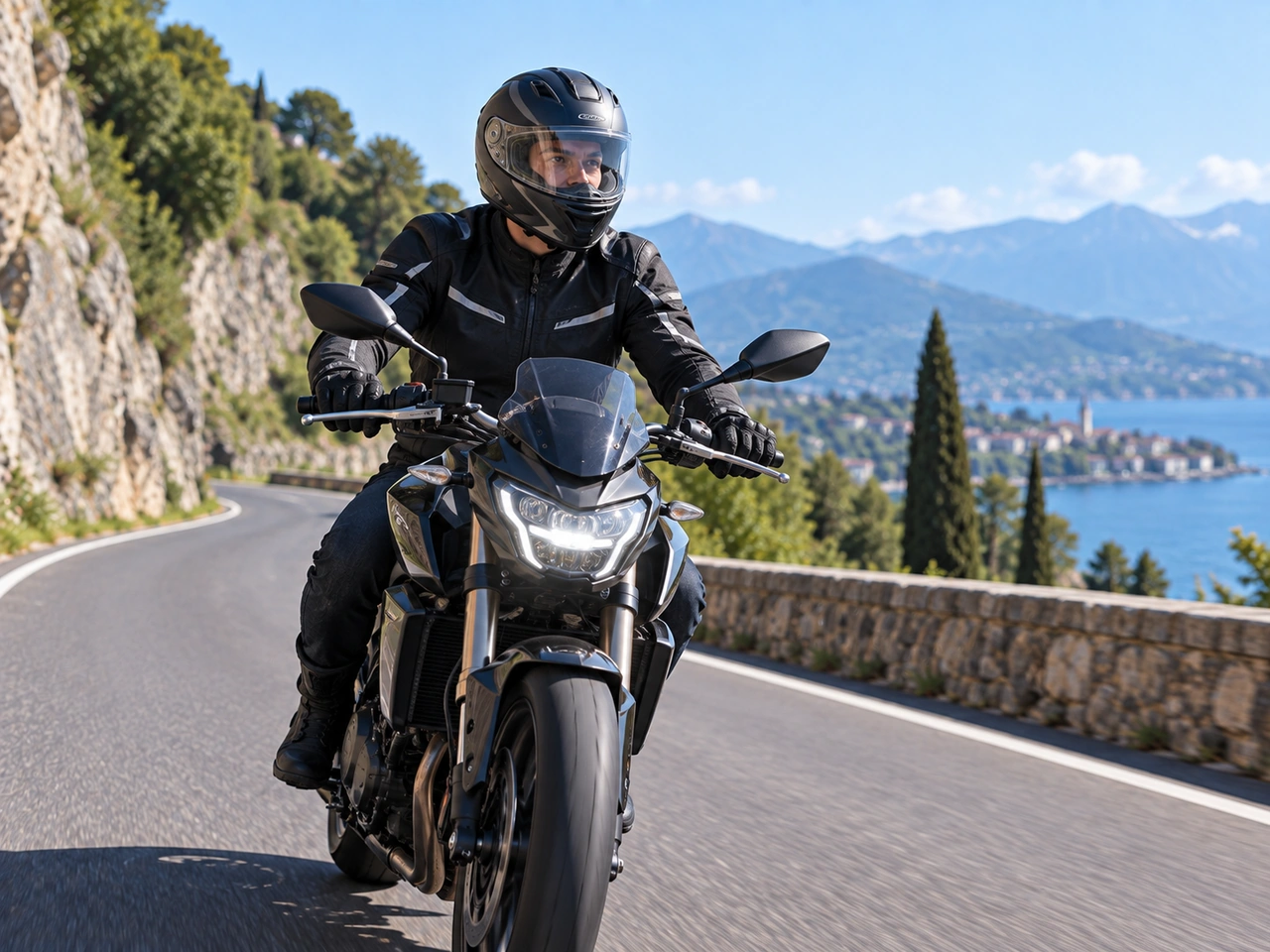
507. Are motorcycle riders generally required to wear a helmet in India?
Motorcycle riders in India are generally required to wear an approved helmet.
AI-generated by Traffic-rules.com • WCIT • CC BY-SA
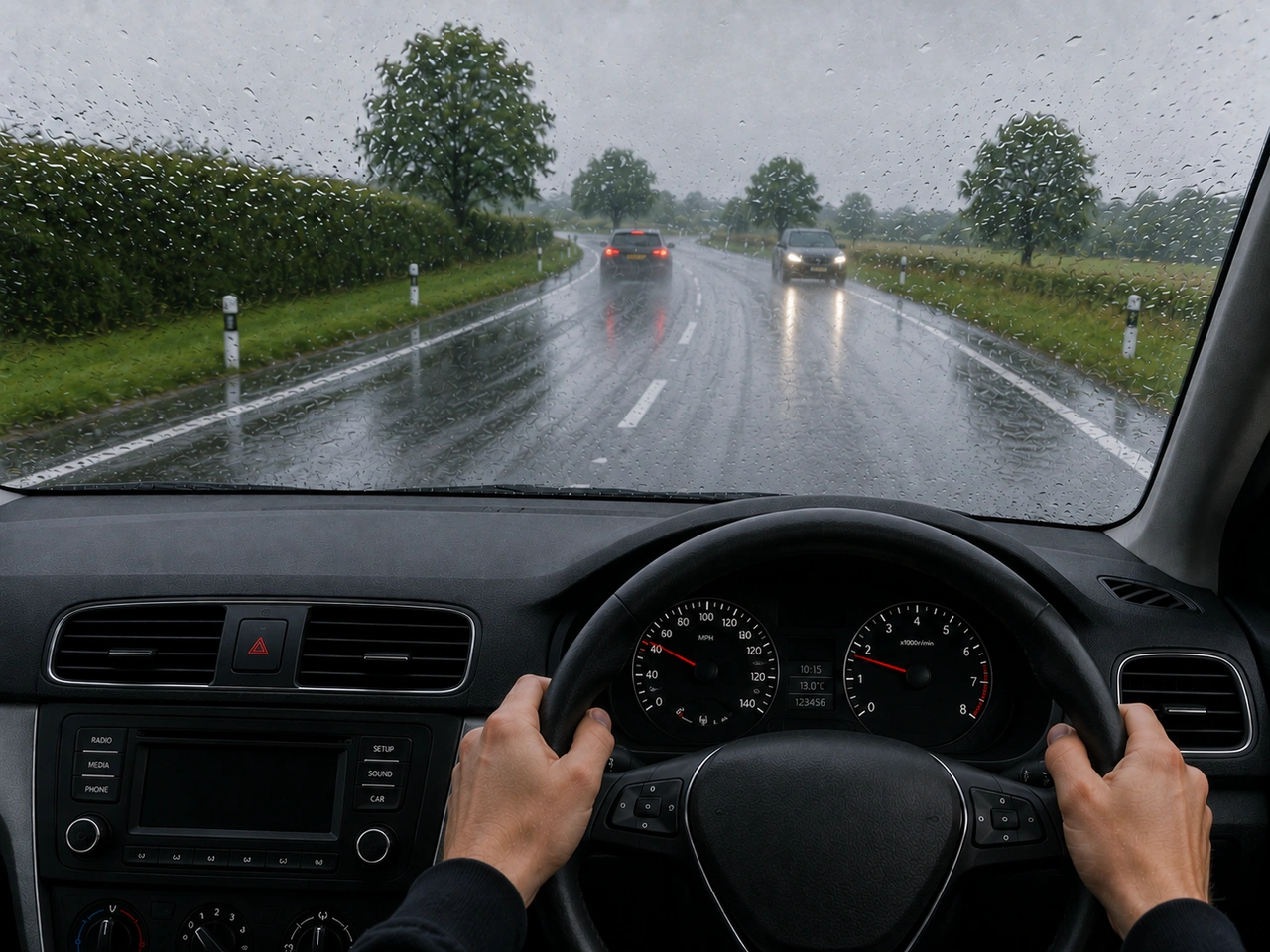
508. What should you do if your vehicle begins to aquaplane?
Aquaplaning happens when the tyres lose contact with the road surface. Ease off the accelerator, avoid sudden movements, and wait for grip to return.
AI-generated by Traffic-rules.com • WCIT • CC BY-SA
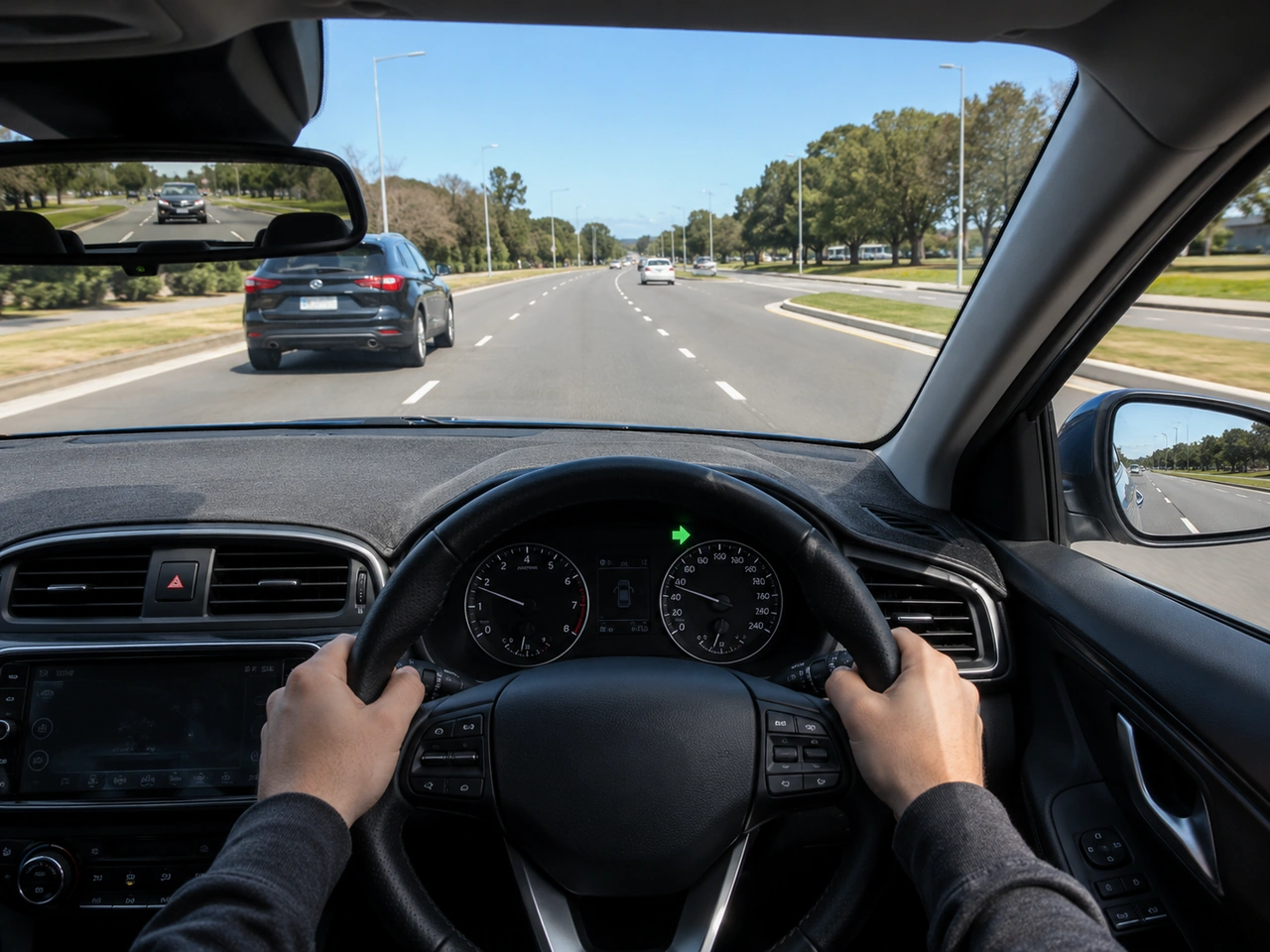
509. You should signal before turning or changing lanes.
A clear signal helps other road users understand your intentions, but you must still check that the manoeuvre can be made safely.
AI-generated by Traffic-rules.com • WCIT • CC BY-SA
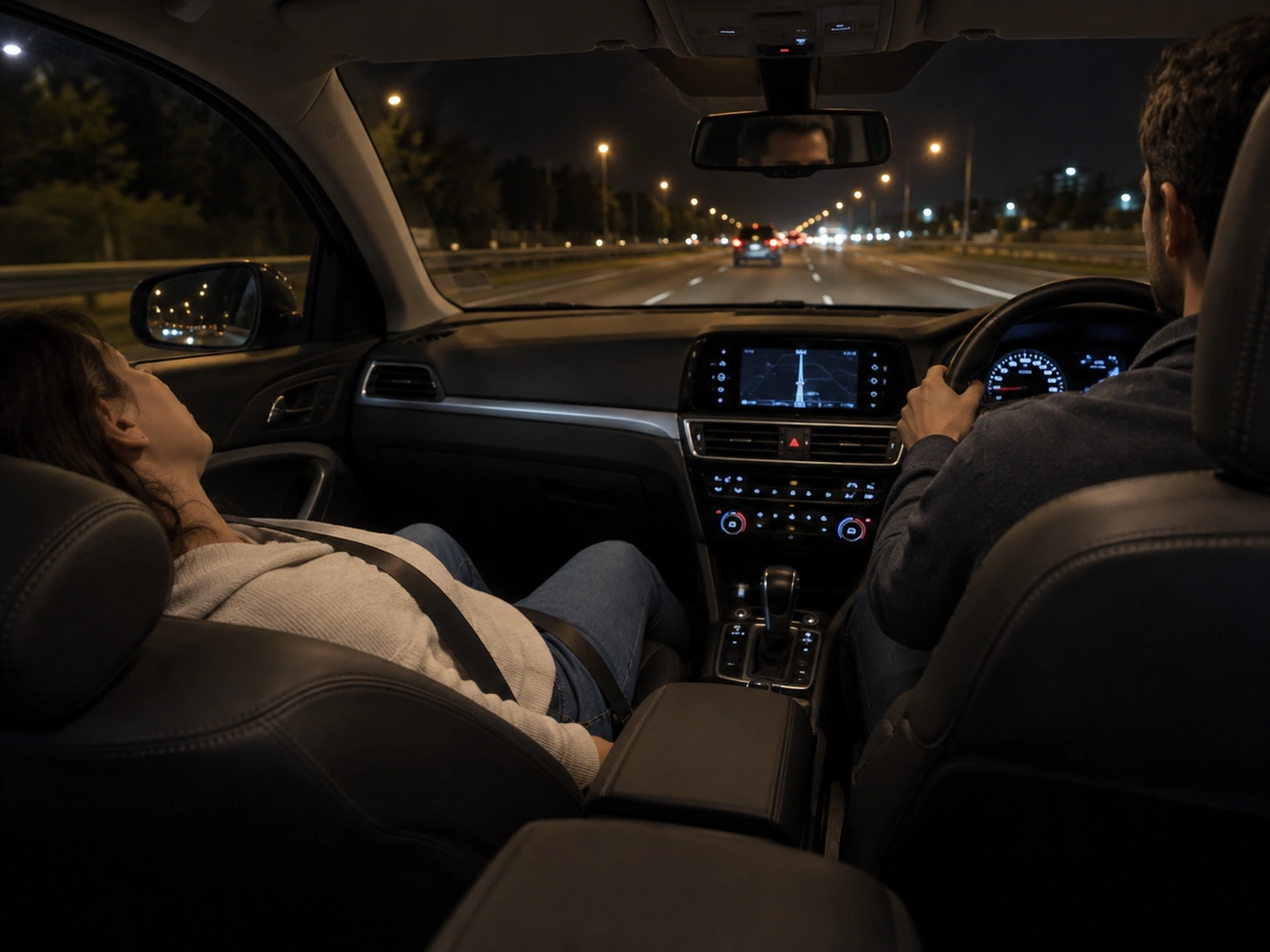
510. Why should you avoid travelling with the seatback excessively reclined?
An excessively reclined seat can affect how the seat belt fits and restrains your body and may increase the risk of sliding under the lap belt in a collision. Sit in a reasonably upright position so the lap belt stays low across the hips and the shoulder belt lies correctly across the chest.
AI-generated by Traffic-rules.com • WCIT • CC BY-SA
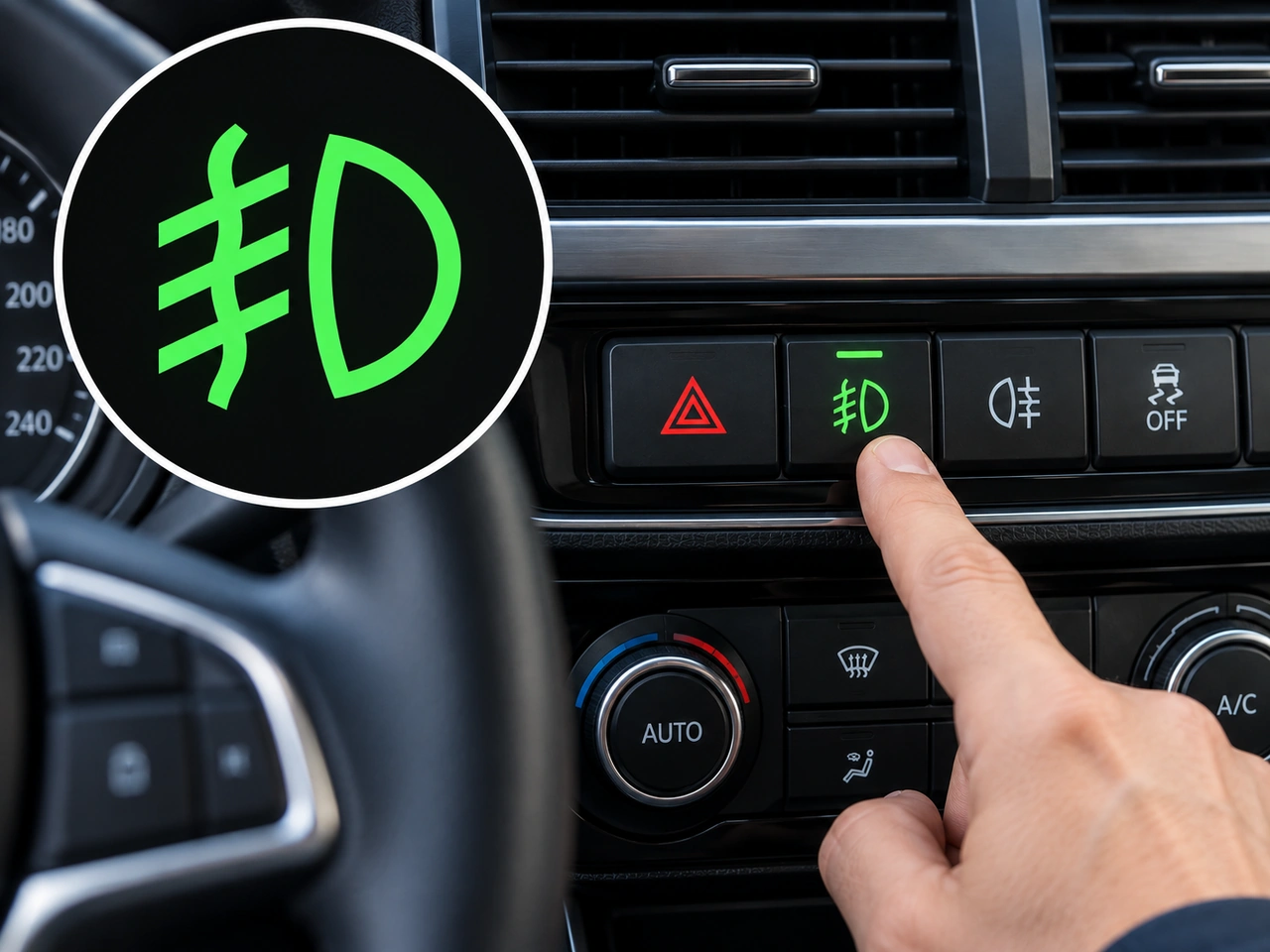
511. What does this dashboard symbol indicate?
This symbol indicates that the front fog lights are switched on. Front fog lights are designed to improve illumination close to the road in conditions of severely reduced visibility. Rules governing their use vary by country.
AI-generated by Traffic-rules.com • WCIT • CC BY-SA
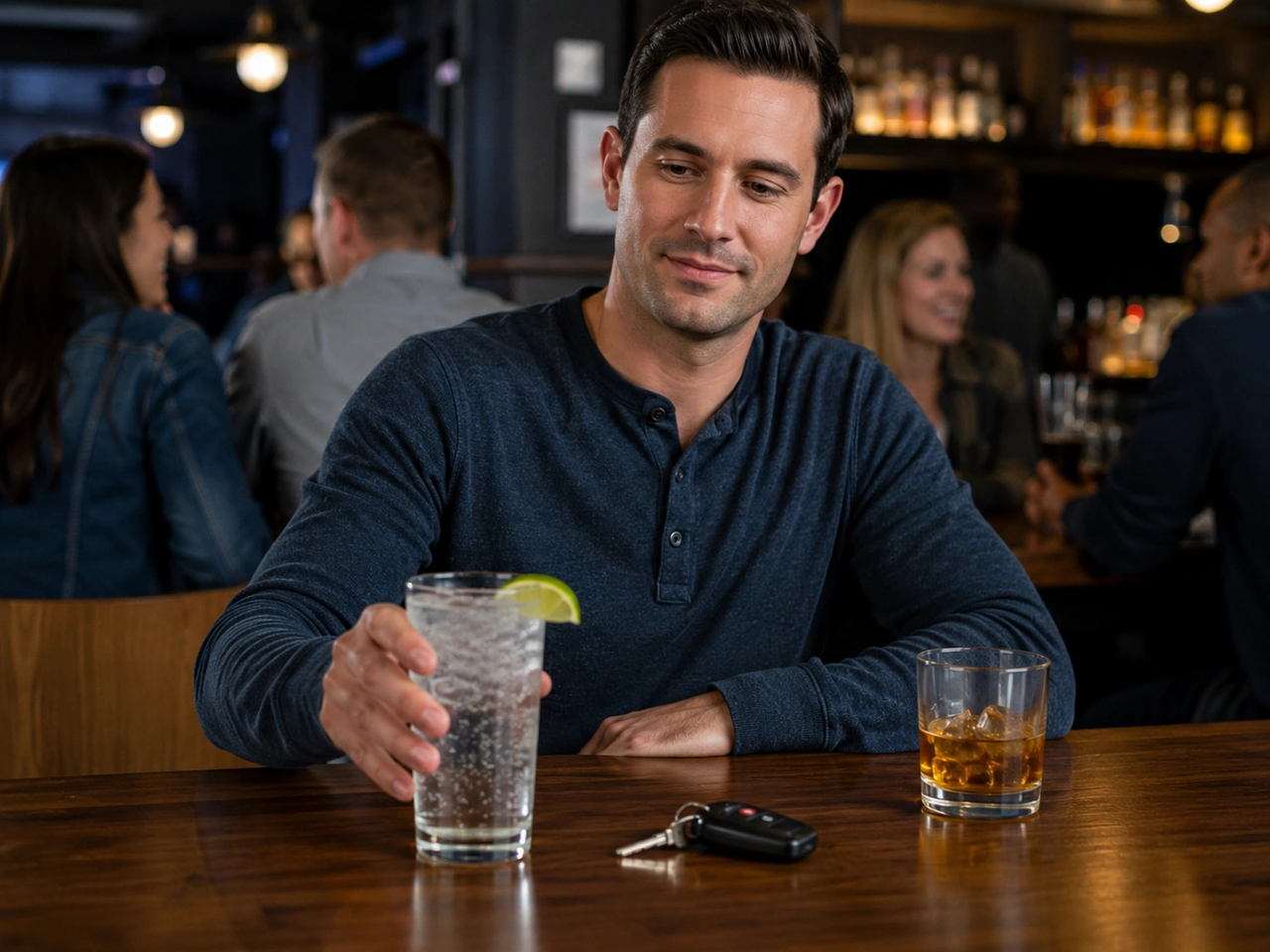
512. What should a designated driver do?
A designated driver should remain sober so they can drive safely and respond properly to traffic conditions.
AI-generated by Traffic-rules.com • WCIT • CC BY-SA
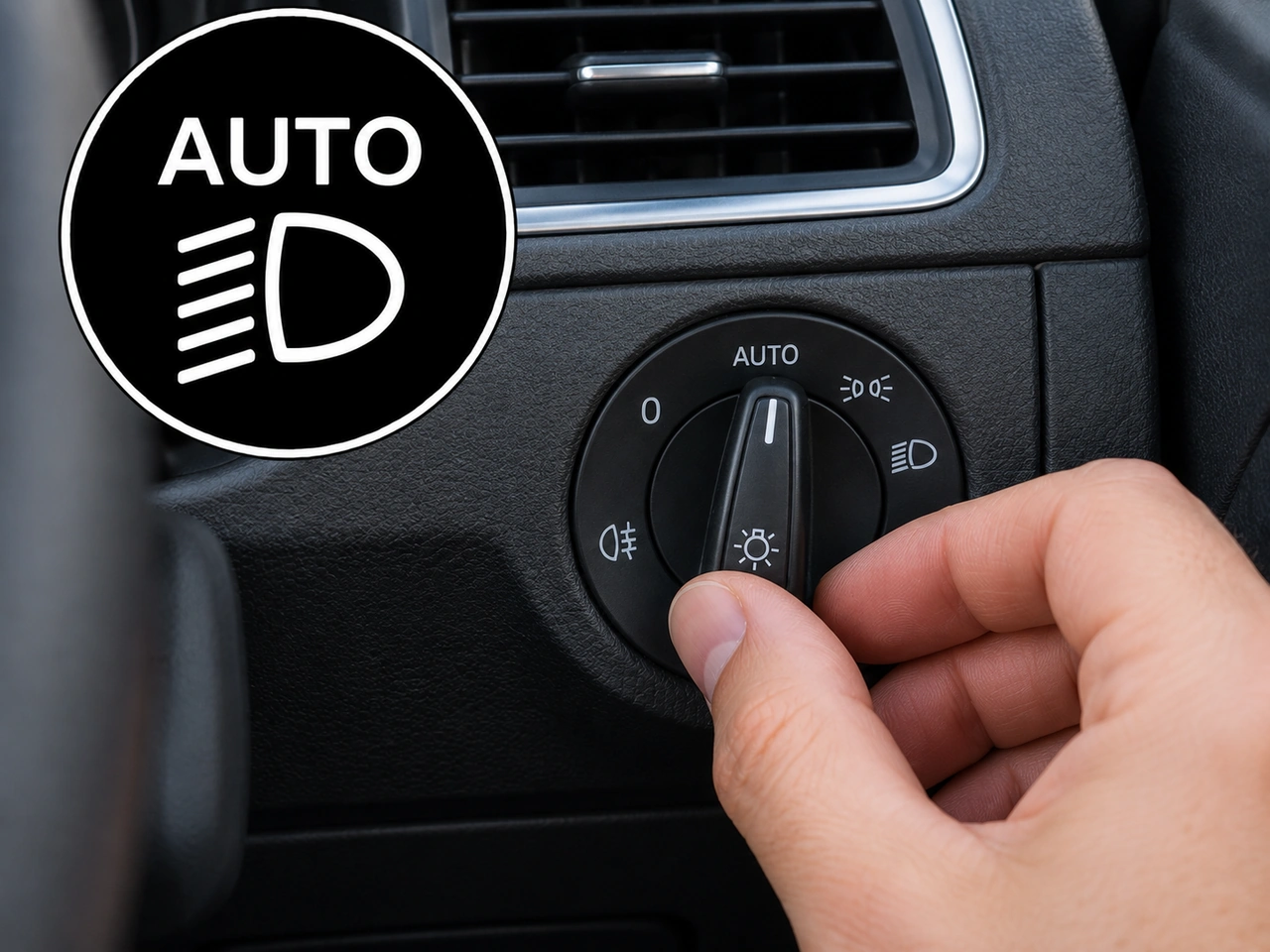
513. What does the AUTO setting on the lighting control do?
The AUTO lighting setting allows the vehicle to switch its exterior lights on or off automatically according to ambient light conditions. The driver remains responsible for ensuring that the correct lights are being used.
AI-generated by Traffic-rules.com • WCIT • CC BY-SA
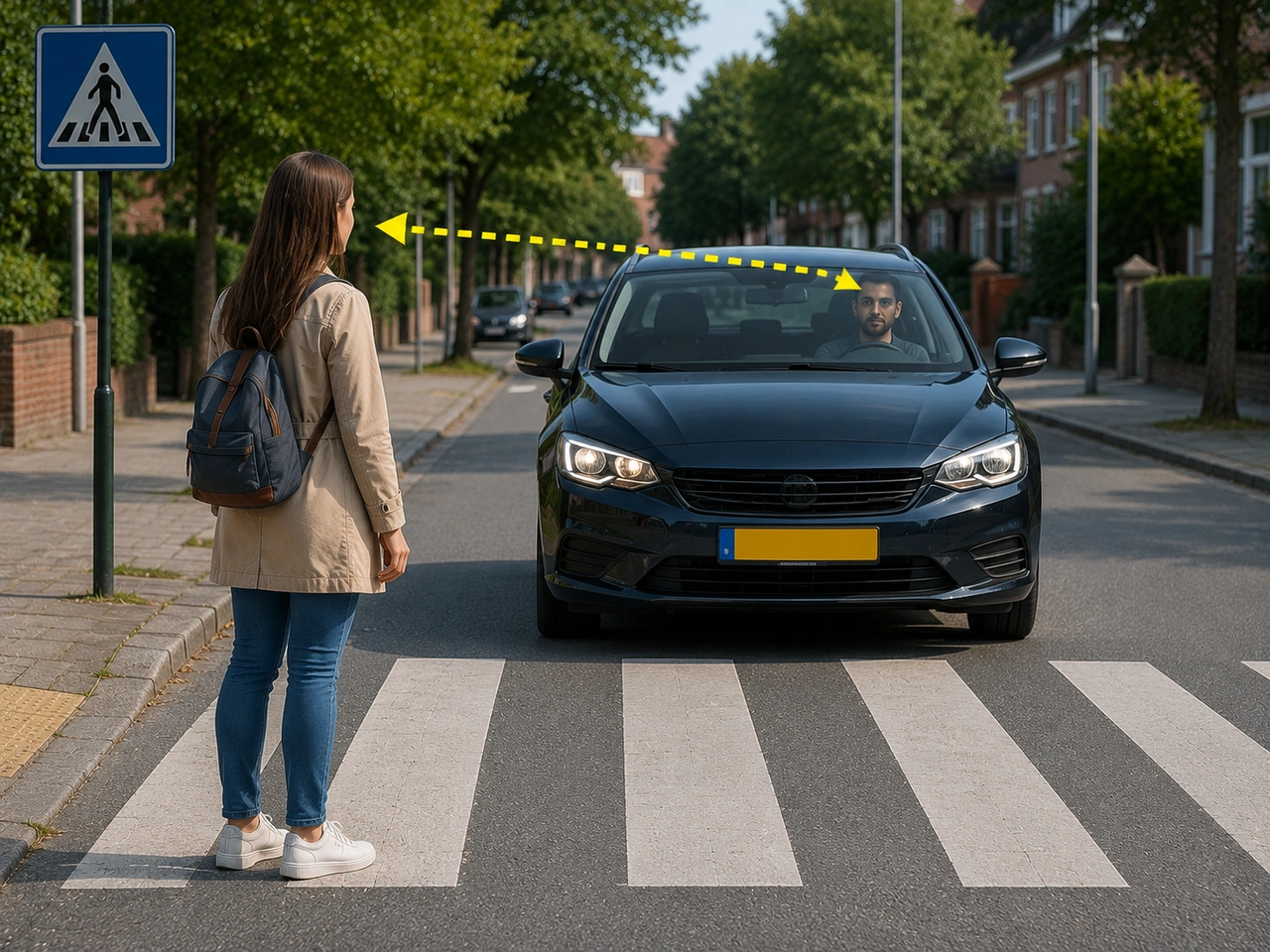
514. Why should you make sure drivers have seen you before crossing?
Before crossing, make sure approaching drivers have noticed you and that it is safe to proceed. Do not assume that a driver will stop simply because you have seen each other.
AI-generated by Traffic-rules.com • WCIT • CC BY-SA
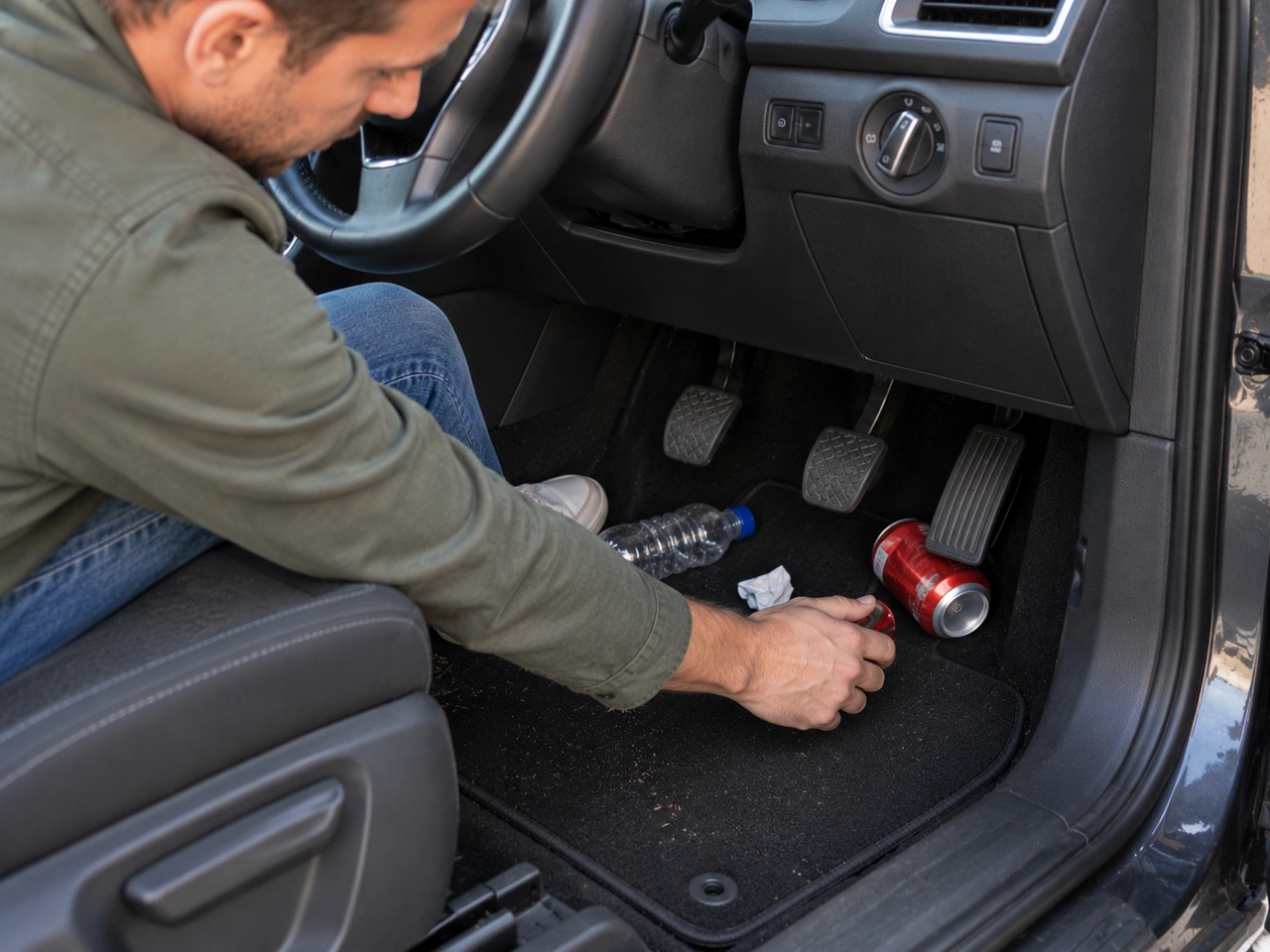
515. Why should you keep the driver's footwell free of loose objects?
Loose objects in the driver's footwell, such as bottles, cans, or rubbish, can roll into the pedal area and interfere with the accelerator, brake, or clutch. Keep the footwell clear so you can operate the pedals safely and without obstruction.
AI-generated by Traffic-rules.com • WCIT • CC BY-SA
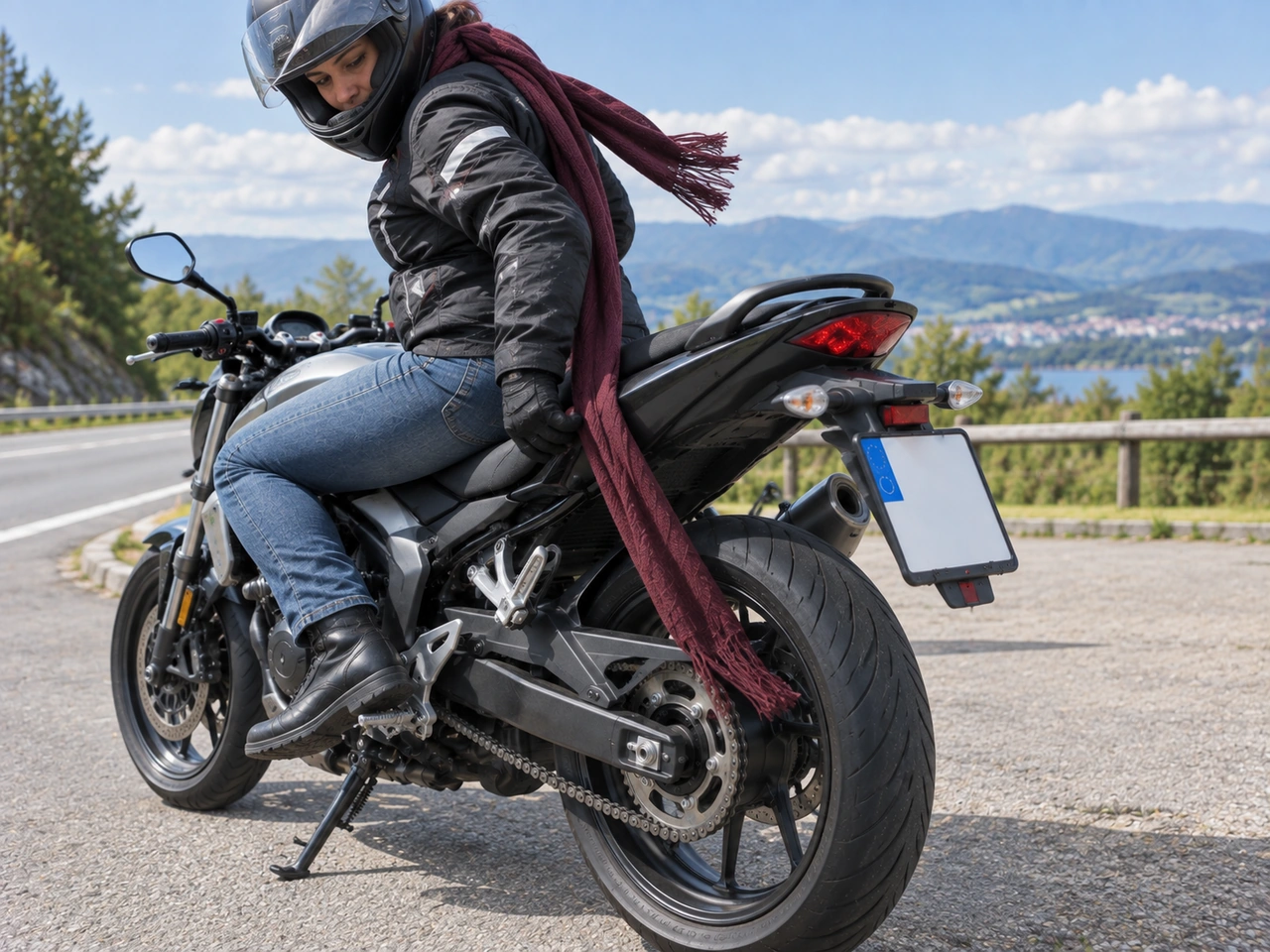
516. Why should loose clothing be avoided when riding a motorcycle?
Loose clothing, straps or scarves can flap in the wind or become caught in moving parts such as the chain or wheel. Motorcycle clothing should fit securely and should not have loose items that could interfere with safe riding.
AI-generated by Traffic-rules.com • WCIT • CC BY-SA
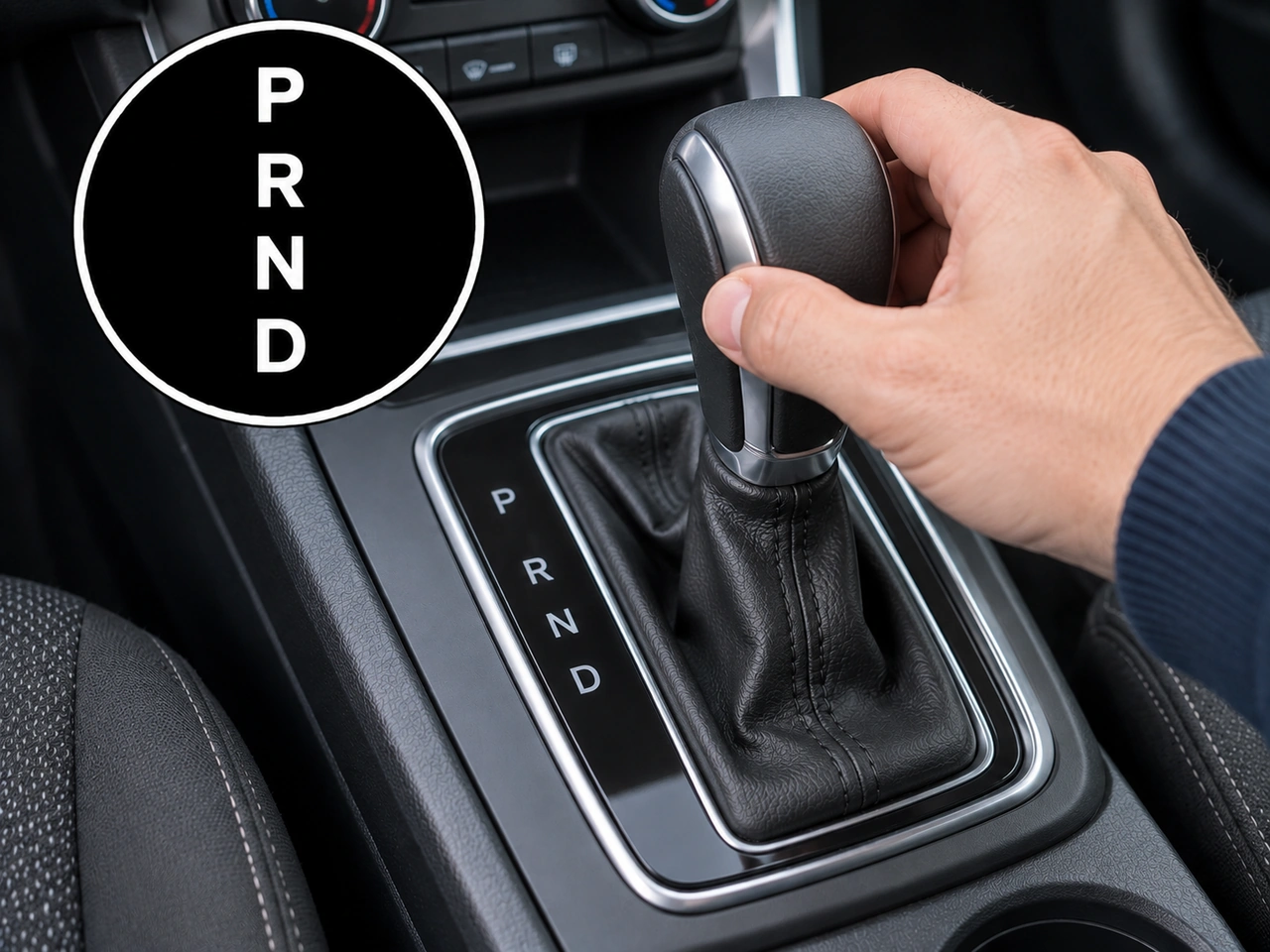
517. Which selector position prevents drive being transmitted to the wheels?
Select N (Neutral) when drive should not be transmitted to the wheels. Unlike Park, Neutral does not lock the transmission to prevent the vehicle from rolling.
AI-generated by Traffic-rules.com • WCIT • CC BY-SA
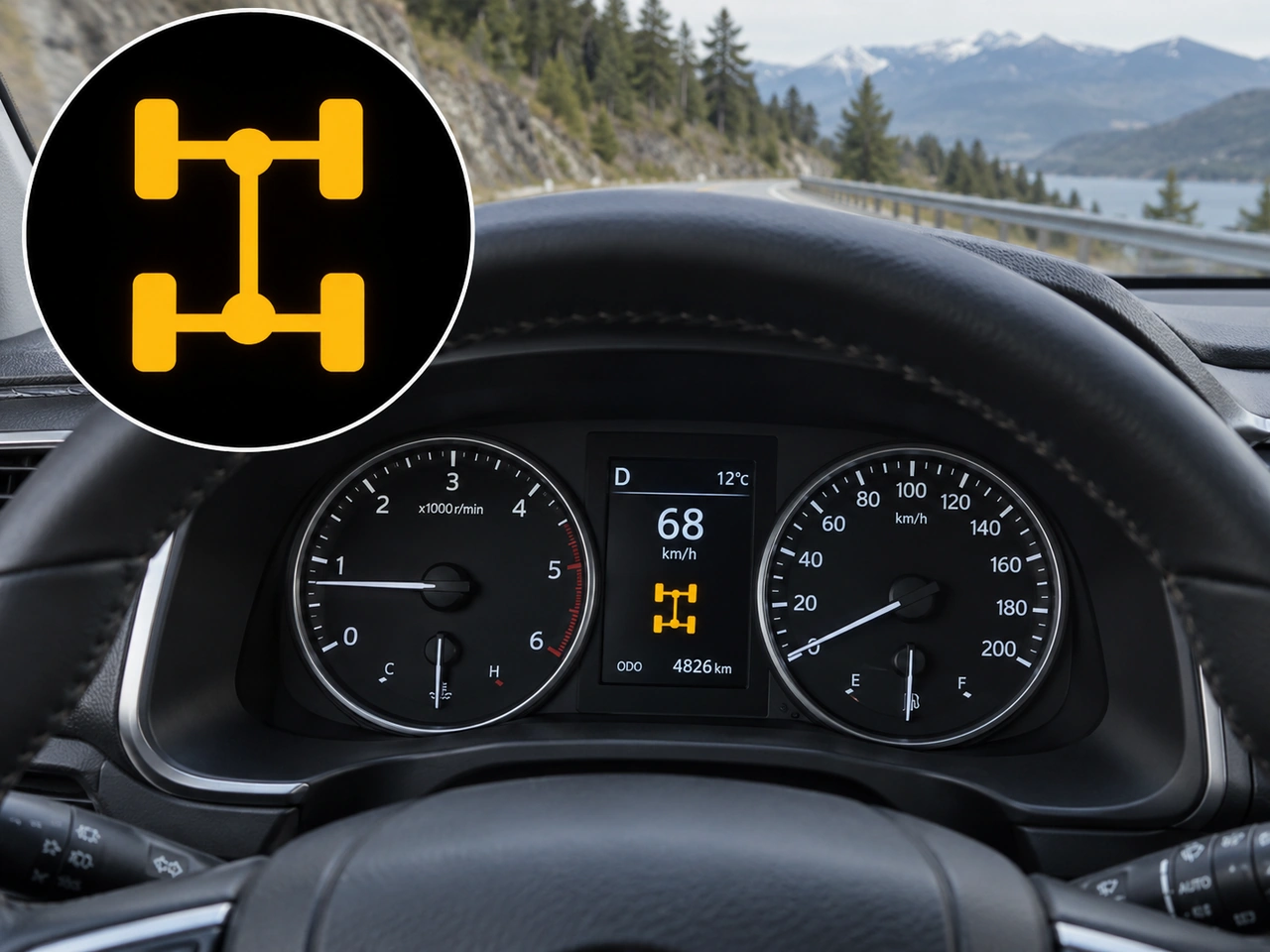
518. What does this dashboard symbol indicate?
This symbol relates to the vehicle's four-wheel-drive system, which can transmit power to all four wheels. The exact symbol and operating modes vary between vehicles.
AI-generated by Traffic-rules.com • WCIT • CC BY-SA
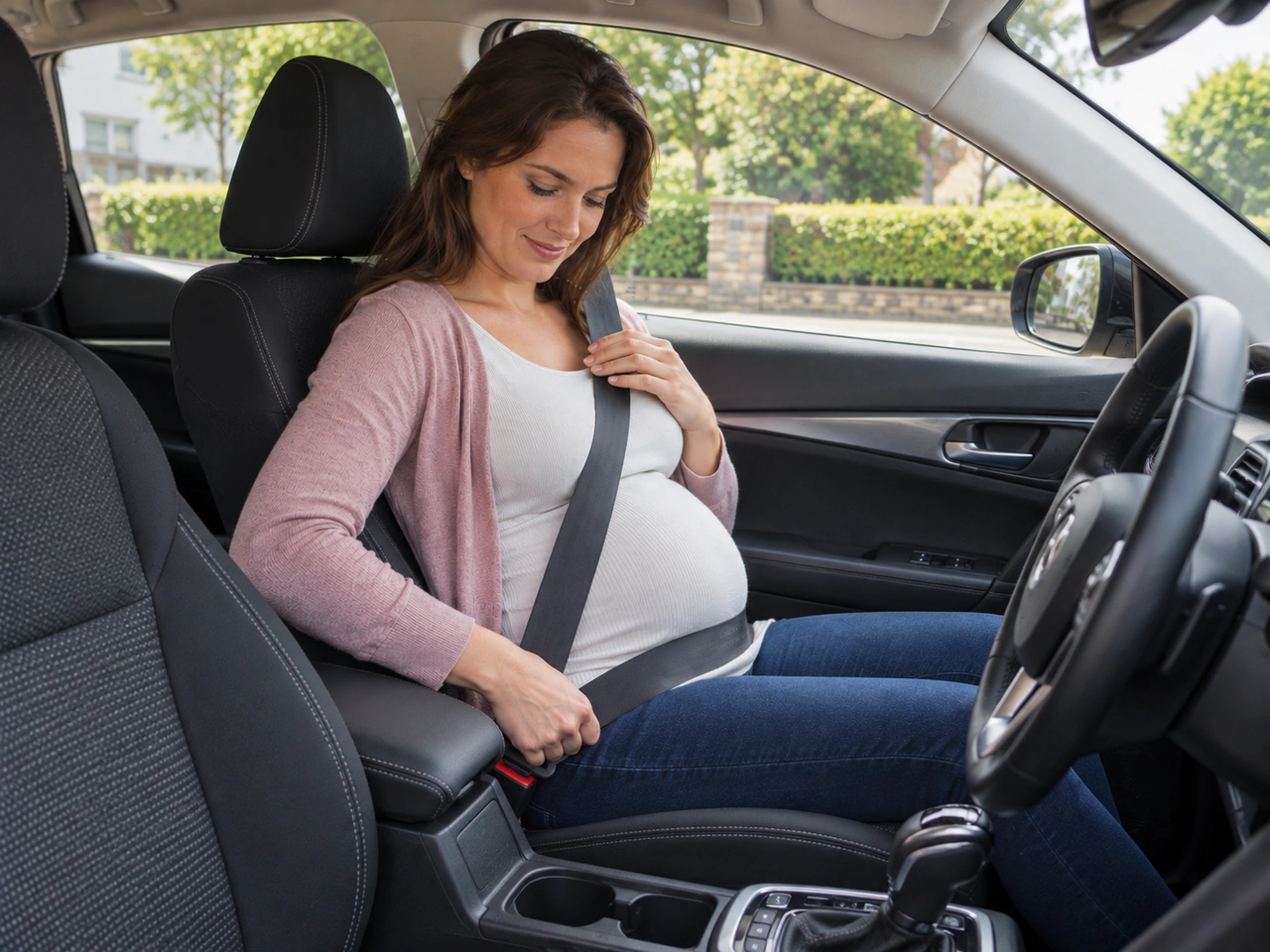
519. How should a three-point seat belt normally be worn during pregnancy?
During pregnancy, a three-point seat belt should be worn correctly. The lap belt should sit low across the hips, below the abdomen, while the shoulder belt should pass across the chest and to the side of the abdomen. The belt should fit snugly and should not be placed behind the back or under the arm.
AI-generated by Traffic-rules.com • WCIT • CC BY-SA
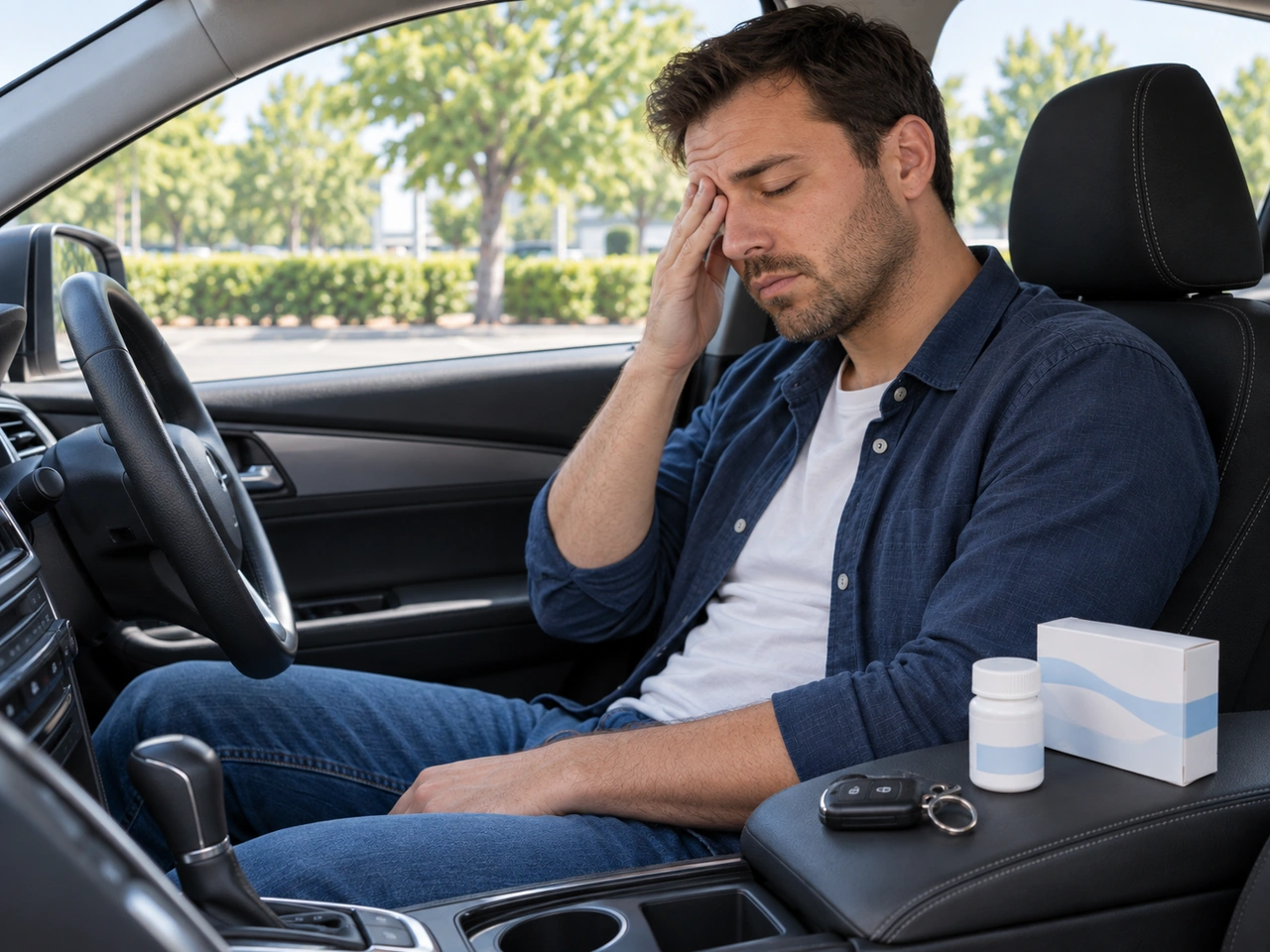
520. What should you do if medicine makes you feel drowsy?
If a medicine causes drowsiness, your concentration, judgement, and reaction time may be reduced. Do not drive until you are fit to do so and the effect has passed.
AI-generated by Traffic-rules.com • WCIT • CC BY-SA
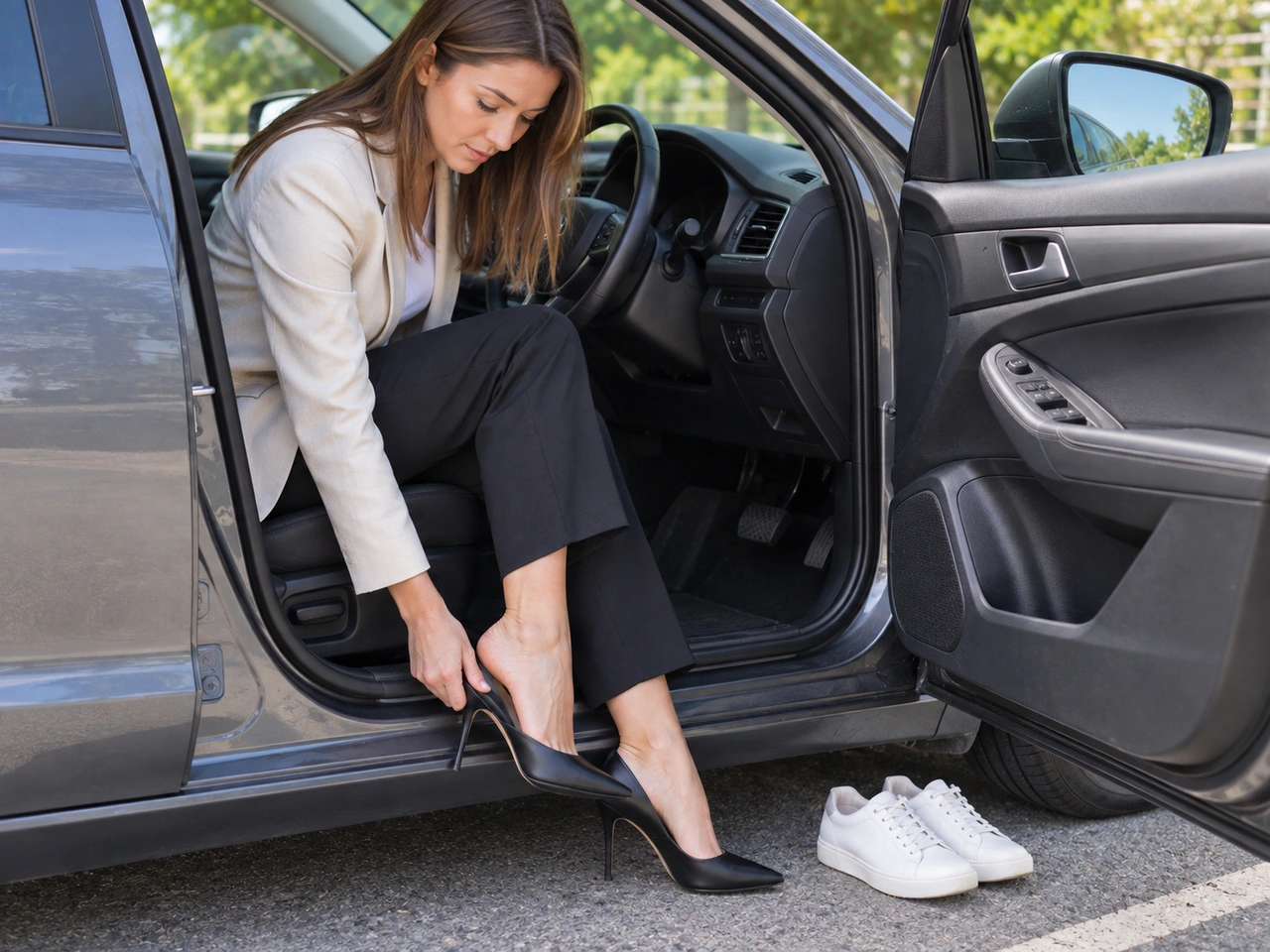
521. Why should you wear suitable footwear when driving?
Suitable footwear helps you operate the accelerator, brake, and clutch accurately. Loose, bulky, or slippery footwear can interfere with pedal control or become caught around the pedals.
AI-generated by Traffic-rules.com • WCIT • CC BY-SA
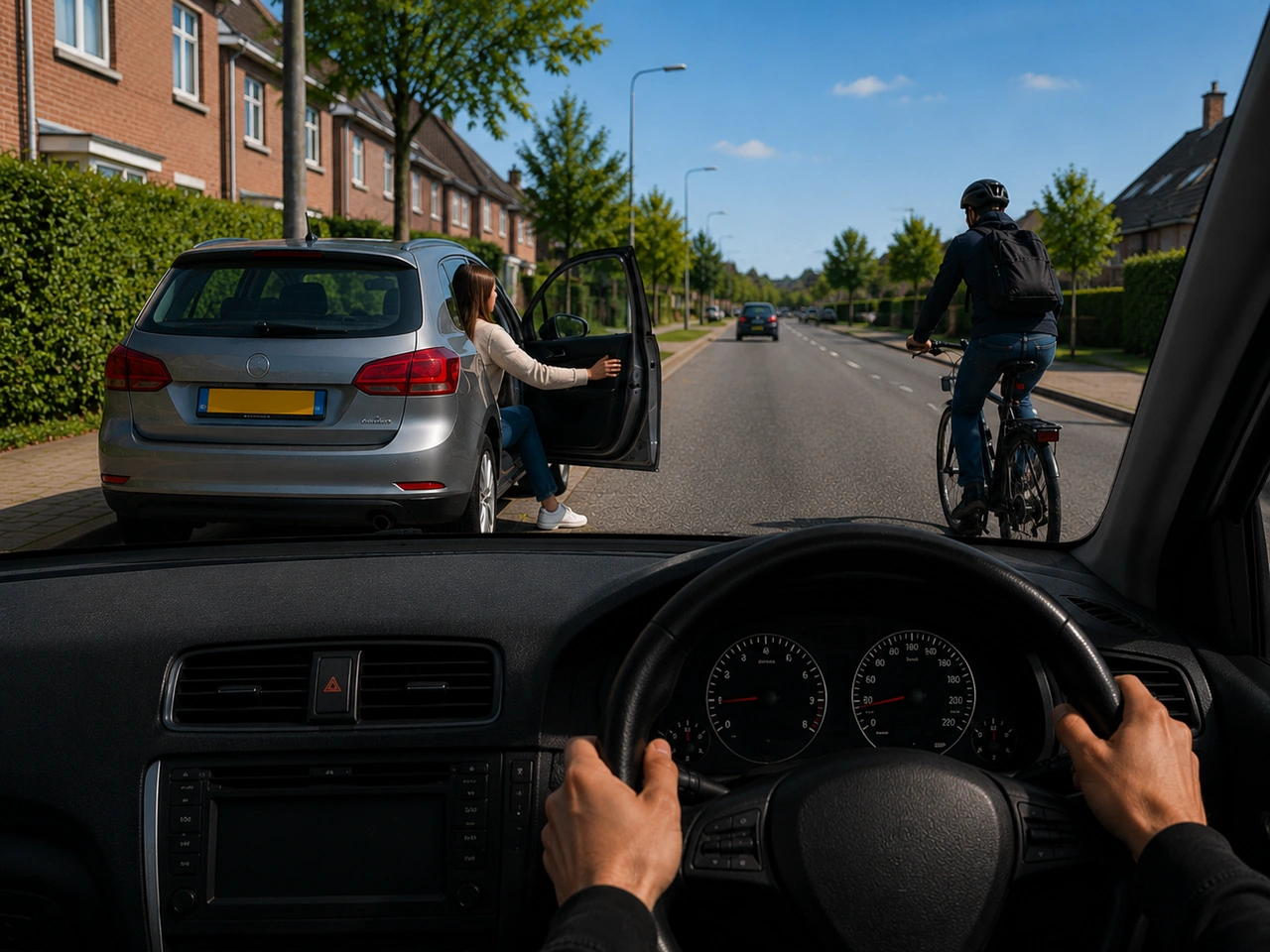
522. What should you do before opening your car door near traffic?
Before opening a car door, check carefully for cyclists, pedestrians, and vehicles to avoid causing a collision.
AI-generated by Traffic-rules.com • WCIT • CC BY-SA
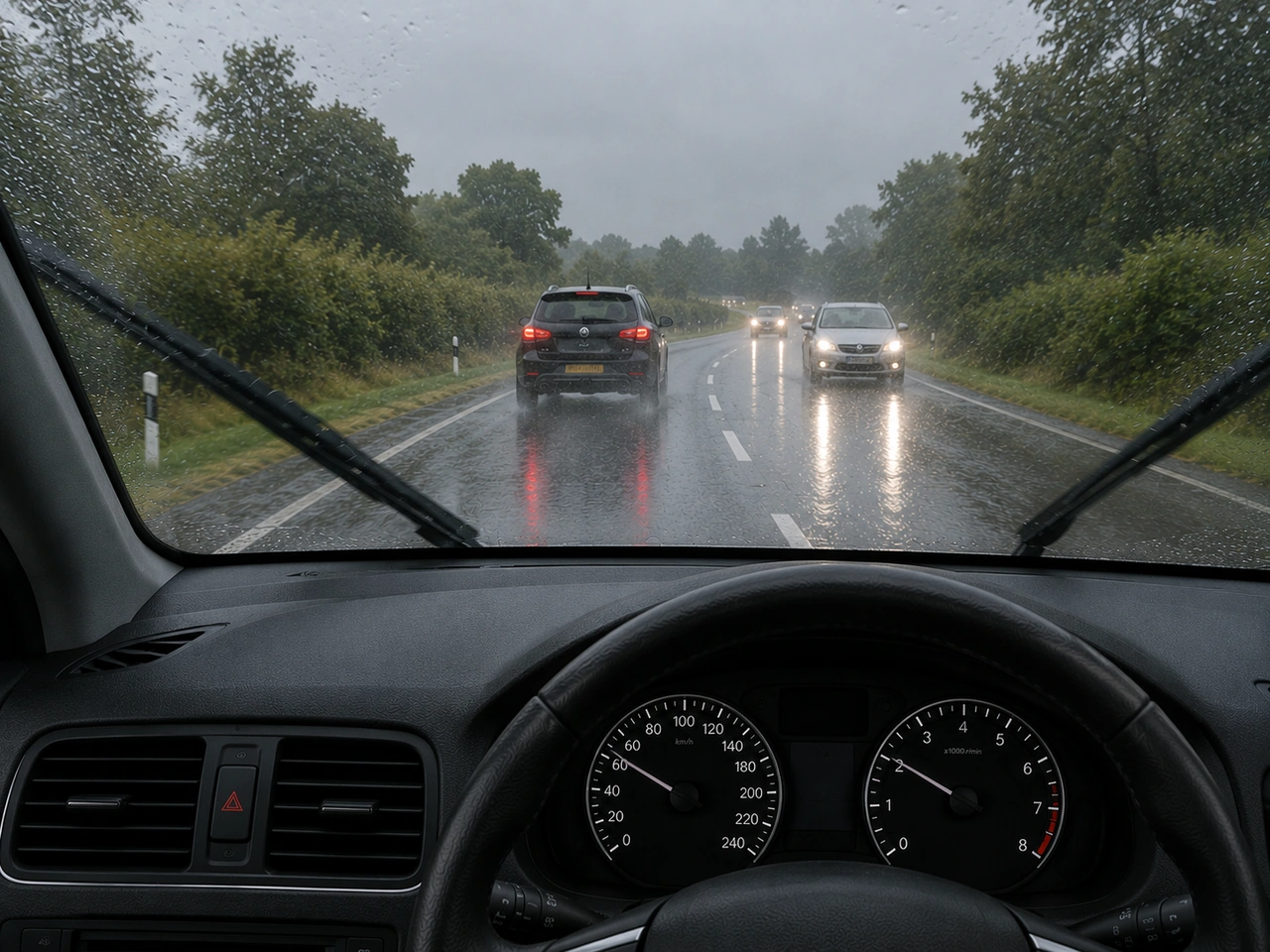
523. Why should you adjust your speed in bad weather?
Rain, snow, fog, and ice can reduce visibility and tyre grip. Lower speed gives you more time and distance to react and stop safely.
AI-generated by Traffic-rules.com • WCIT • CC BY-SA
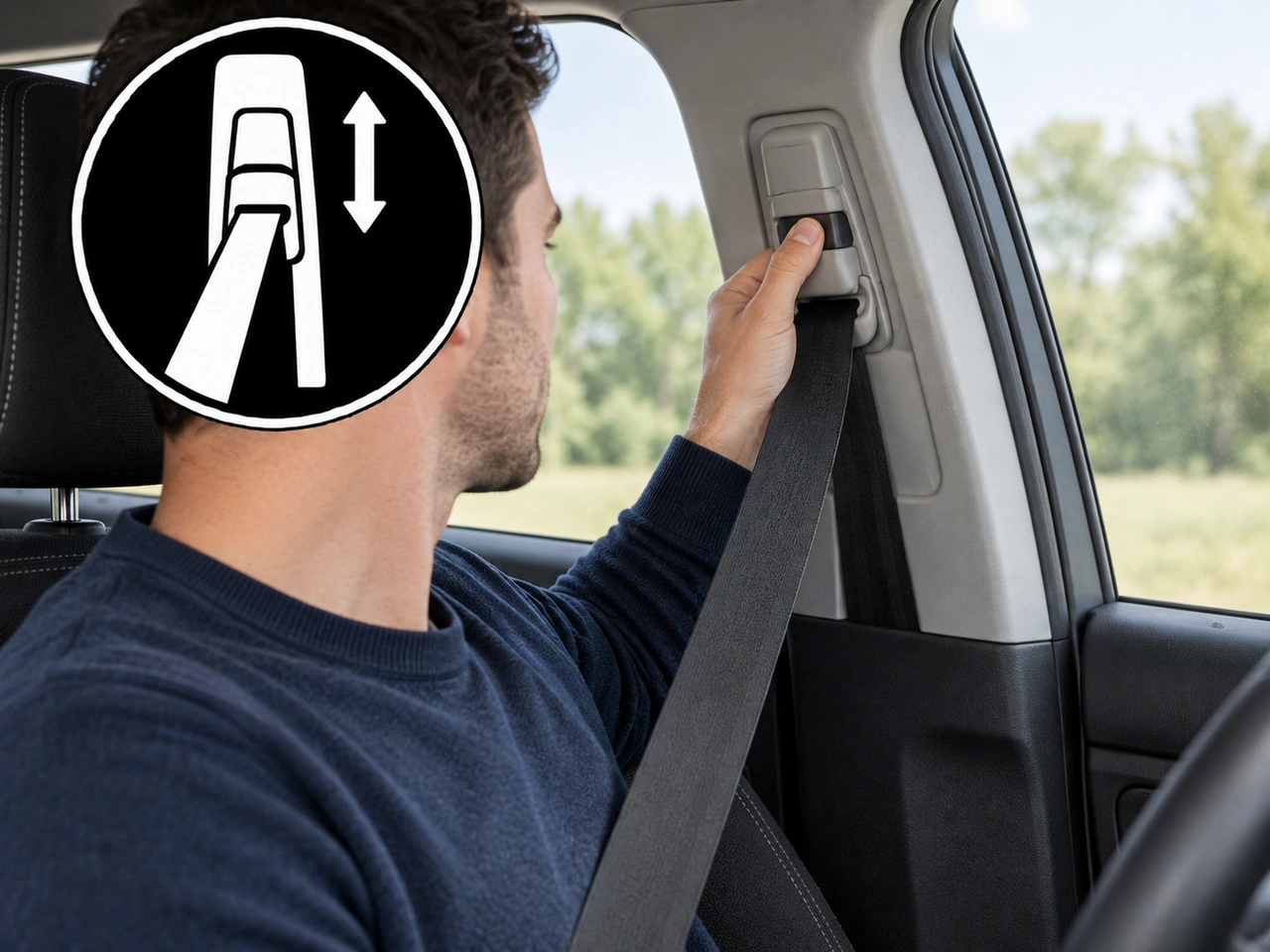
524. Why should the seat-belt height be adjusted correctly?
The seat-belt height adjustment helps position the shoulder belt correctly across the chest and shoulder. It should not run across the neck or under the arm.
AI-generated by Traffic-rules.com • WCIT • CC BY-SA
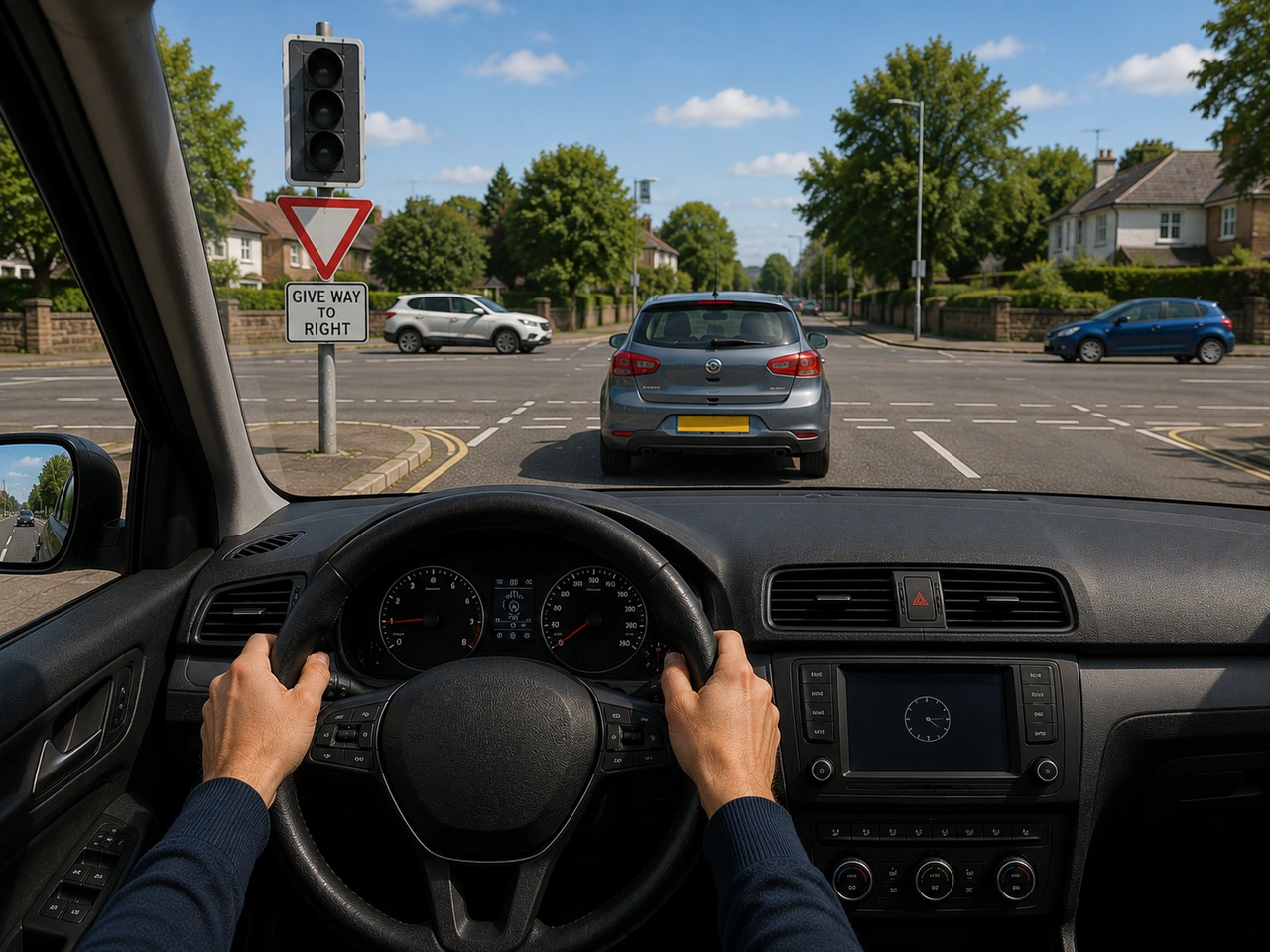
525. What should you do when traffic lights are not working?
If traffic lights are not working, slow down, observe carefully, and follow signs, road markings, or local priority rules.
AI-generated by Traffic-rules.com • WCIT • CC BY-SA
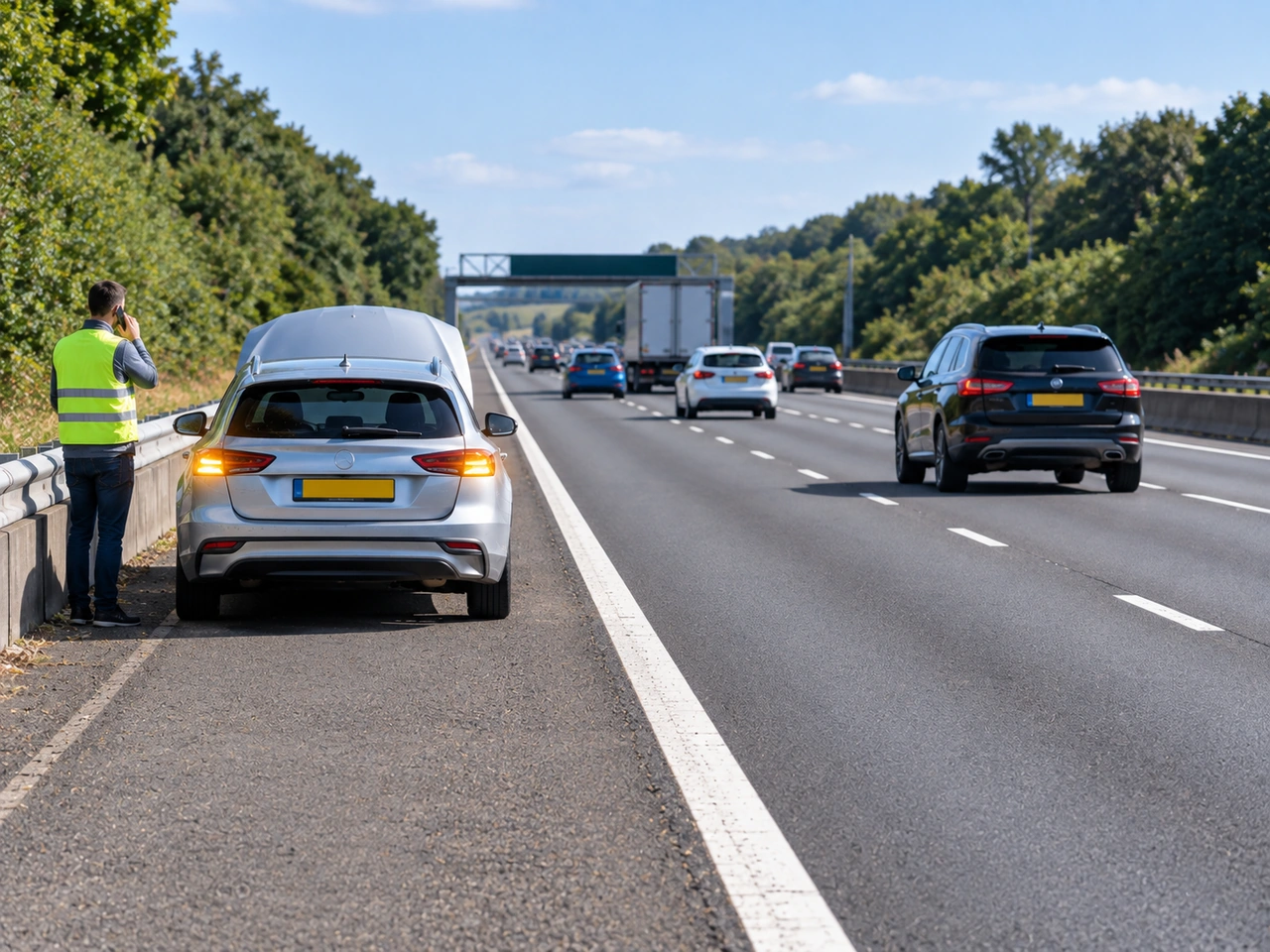
526. What is the main purpose of a motorway emergency lane or hard shoulder?
A motorway emergency lane or hard shoulder is primarily intended for emergencies and breakdowns, not normal driving. In some places it may be opened temporarily as a traffic lane when signs or signals specifically permit this.
AI-generated by Traffic-rules.com • WCIT • CC BY-SA
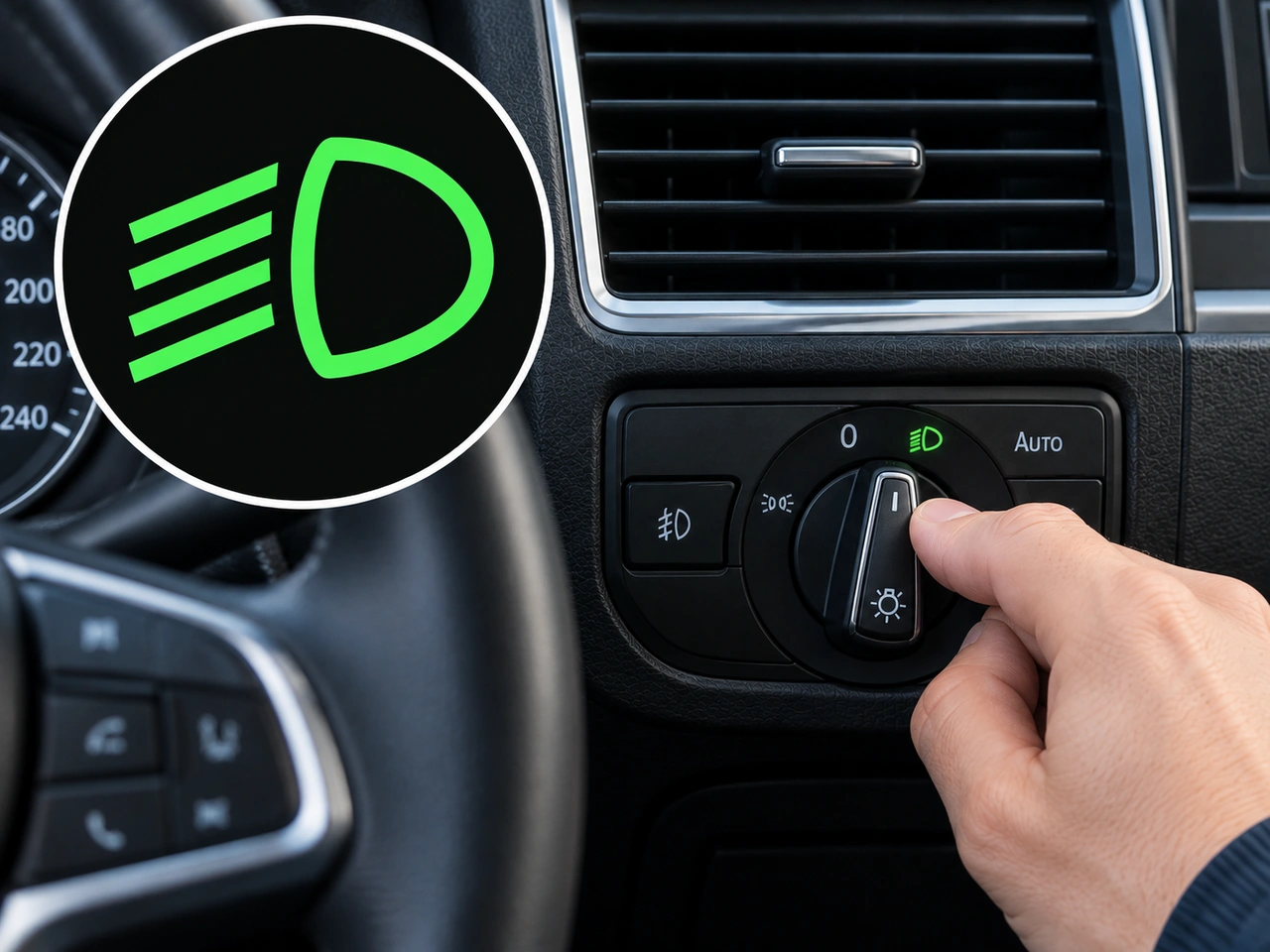
527. What does this dashboard symbol indicate?
This symbol indicates that the dipped headlights are switched on. Dipped headlights illuminate the road ahead while limiting glare for other road users.
AI-generated by Traffic-rules.com • WCIT • CC BY-SA
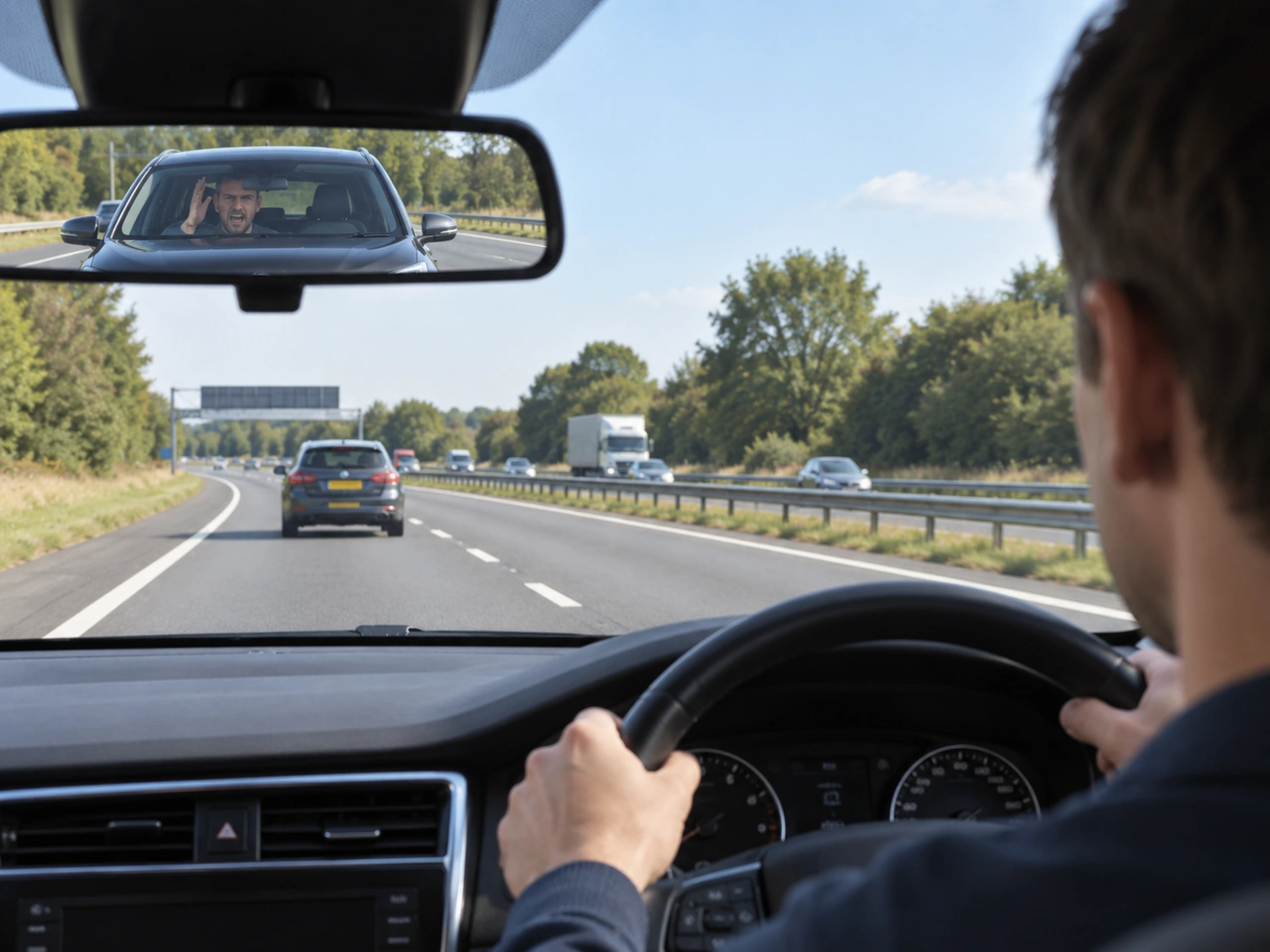
528. What should you do if another driver behaves aggressively towards you?
If another driver behaves aggressively, do not retaliate or become involved in a confrontation. Stay calm, increase the distance between you, and let the other vehicle move away when possible. If you feel threatened, go to a safe public place and seek appropriate assistance.
AI-generated by Traffic-rules.com • WCIT • CC BY-SA
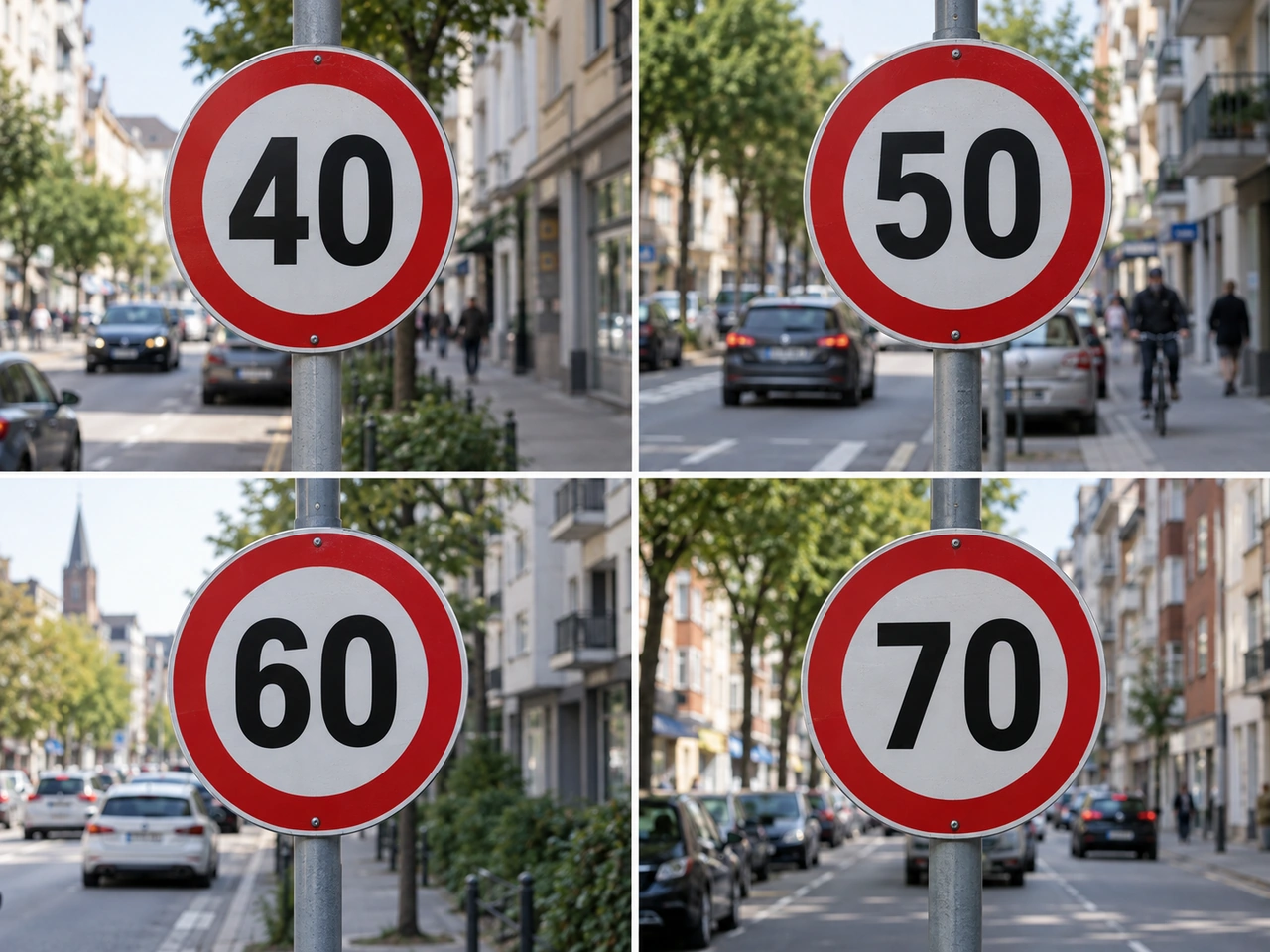
529. What is the general speed limit for cars in built-up areas in India?
The general speed limit for cars in built-up areas in India is 70 km/h, unless signs indicate otherwise.
AI-generated by Traffic-rules.com • WCIT • CC BY-SA
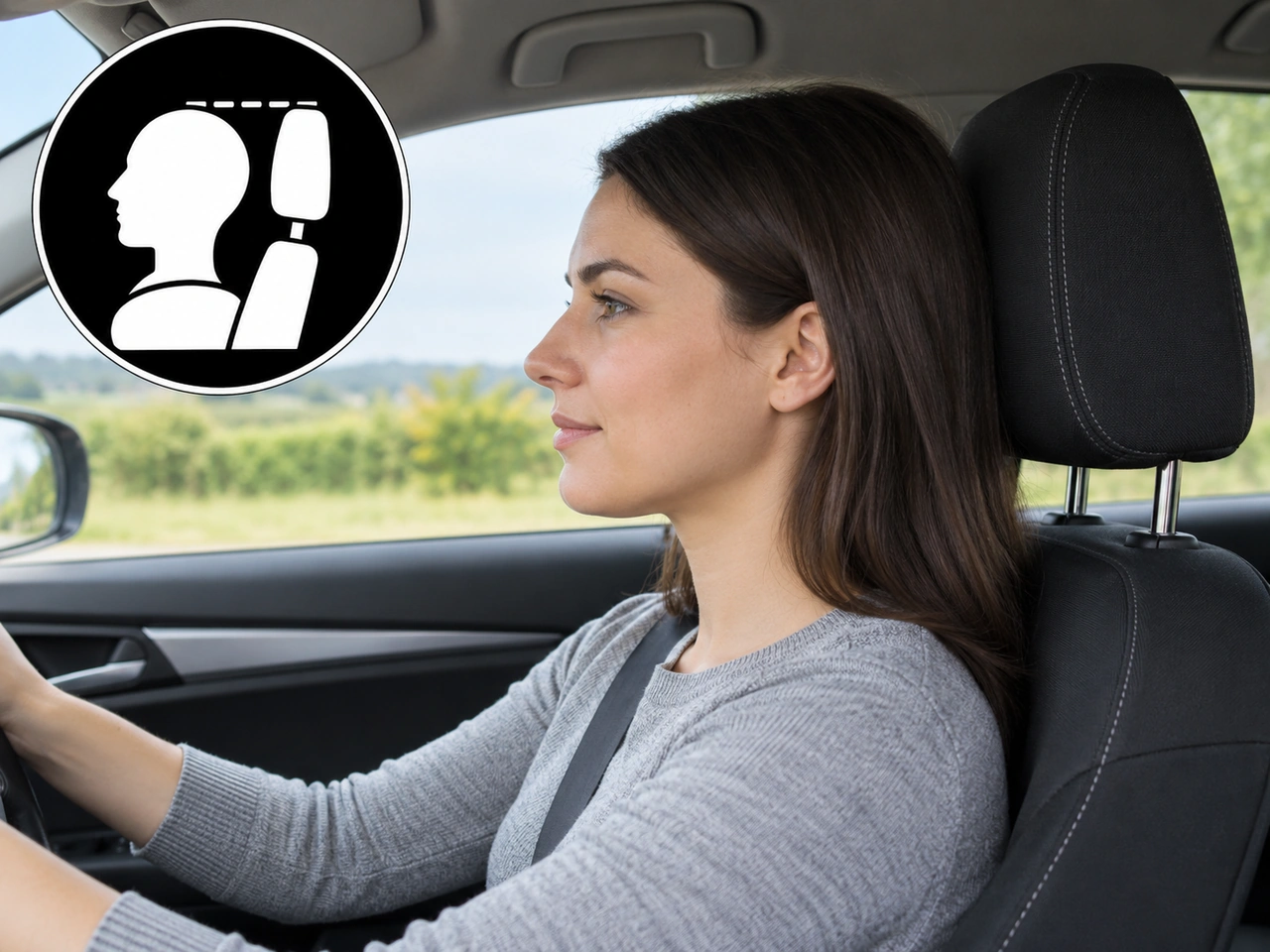
530. Where should the top of the head restraint normally be positioned?
The head restraint should normally be adjusted so that its top is approximately level with the top of the head. This helps reduce the risk of neck injury in a collision.
AI-generated by Traffic-rules.com • WCIT • CC BY-SA
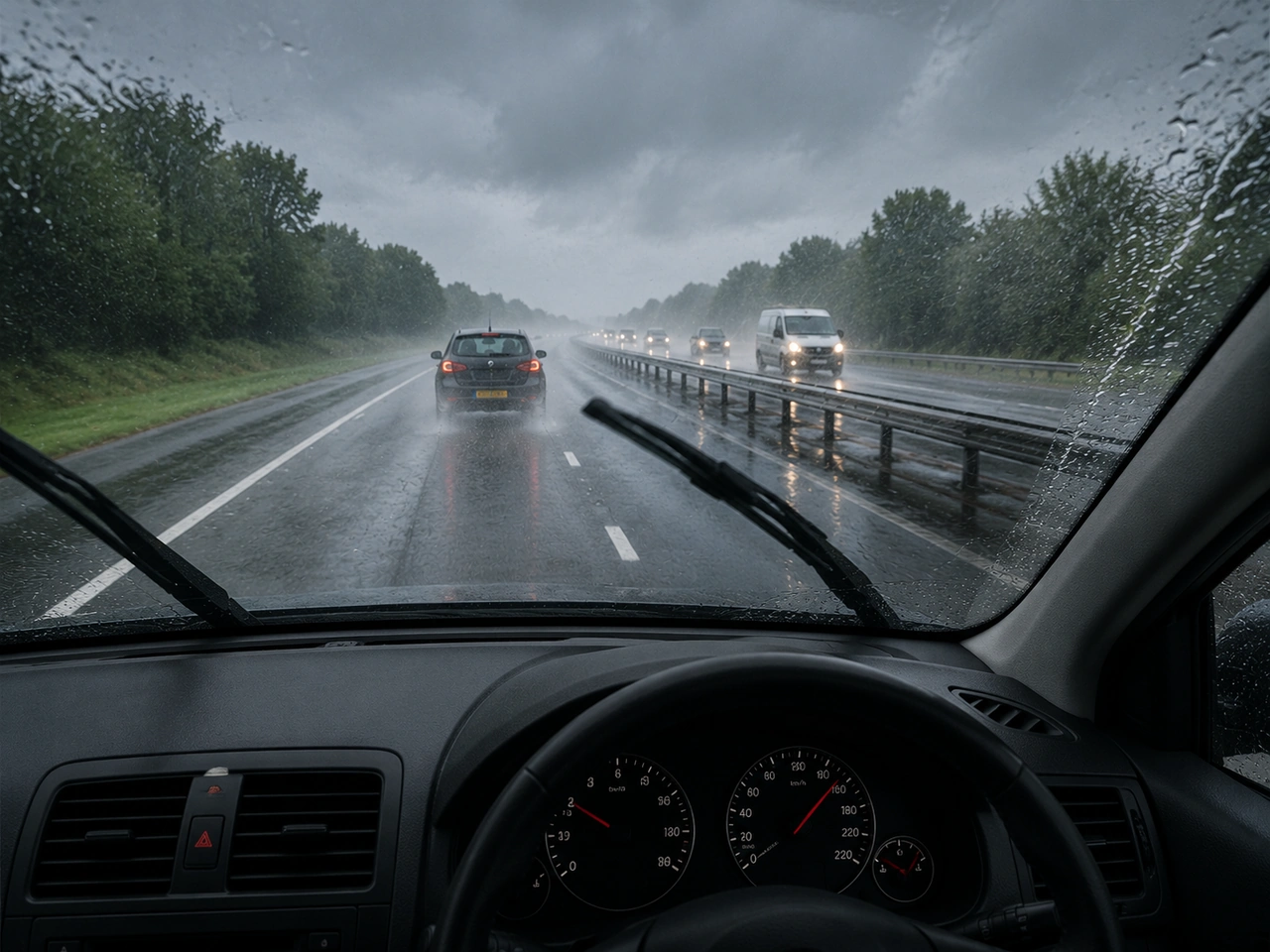
531. What should you do when driving through heavy rain?
Heavy rain reduces grip and visibility. Lower speed and extra distance give you more time to react safely.
AI-generated by Traffic-rules.com • WCIT • CC BY-SA
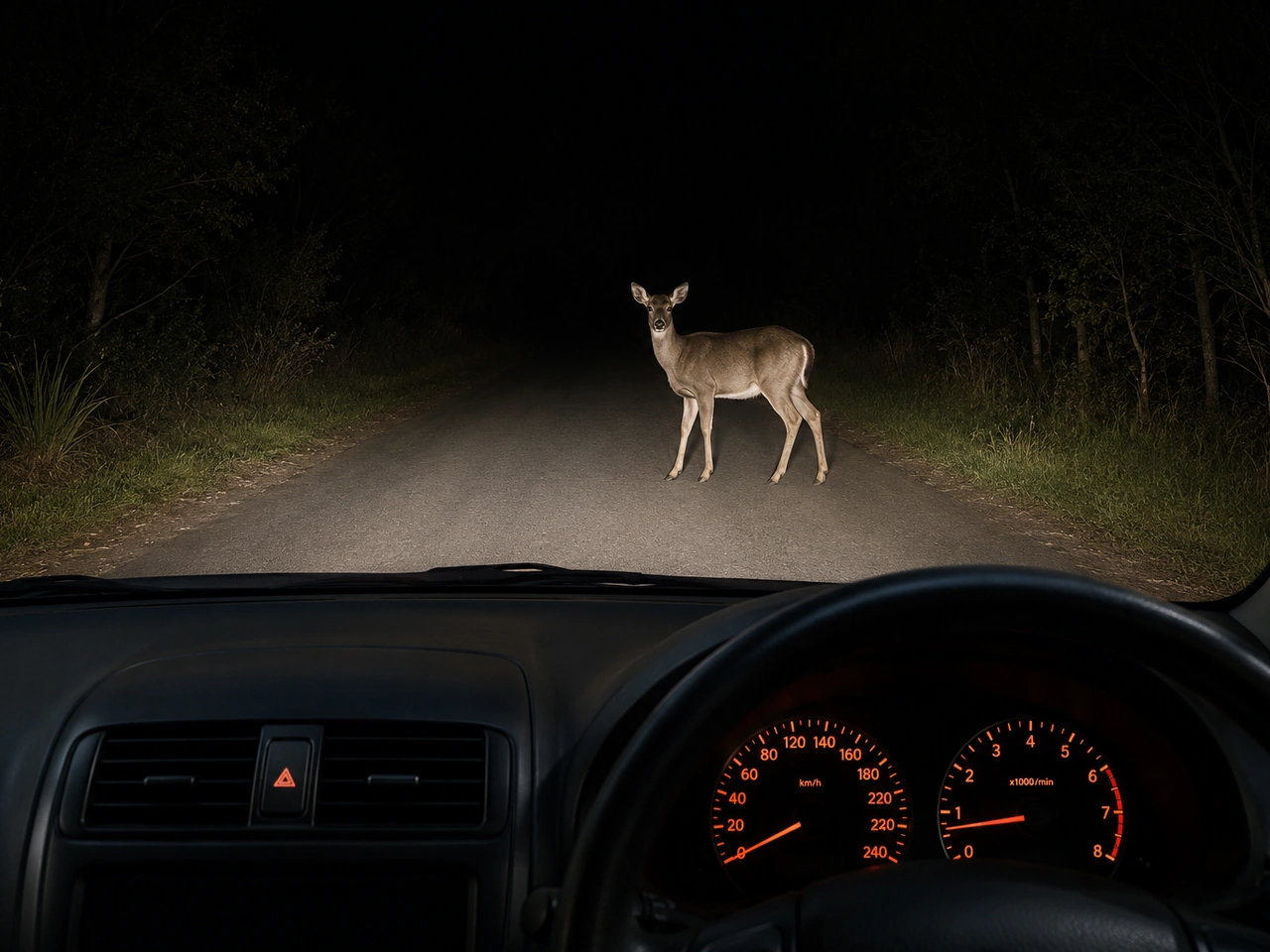
532. What should you do if an animal is standing on the road at night?
Animals may freeze, turn back, or move unpredictably when caught in vehicle headlights.
AI-generated by Traffic-rules.com • WCIT • CC BY-SA
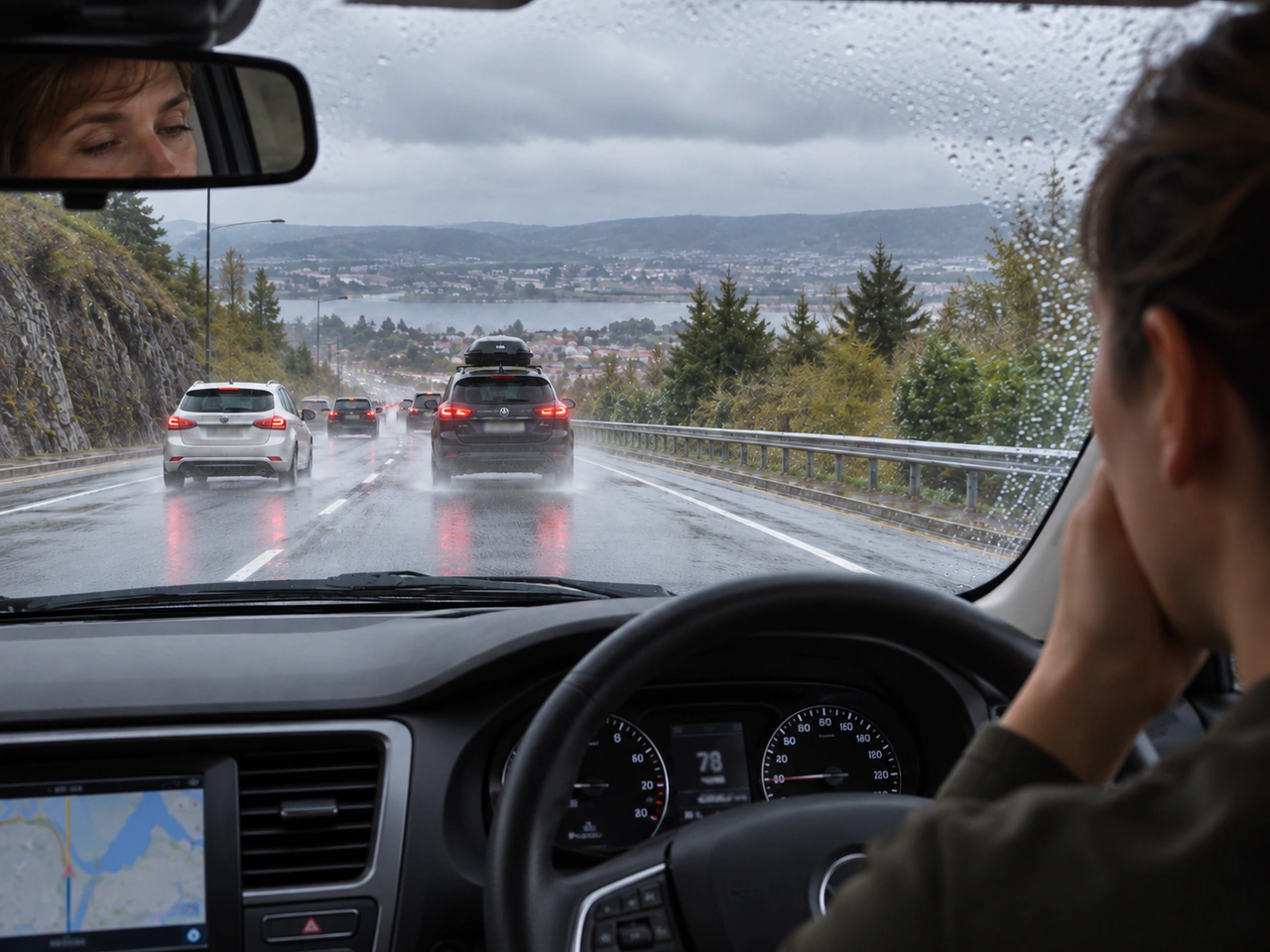
533. Which factors can increase a vehicle's stopping distance?
Stopping distance can increase because of higher speed, slower driver reactions, reduced tyre grip, poor weather or road conditions, worn tyres, weak brakes, or a heavier vehicle. Both the driver's reaction distance and the vehicle's braking distance can be affected.
AI-generated by Traffic-rules.com • WCIT • CC BY-SA
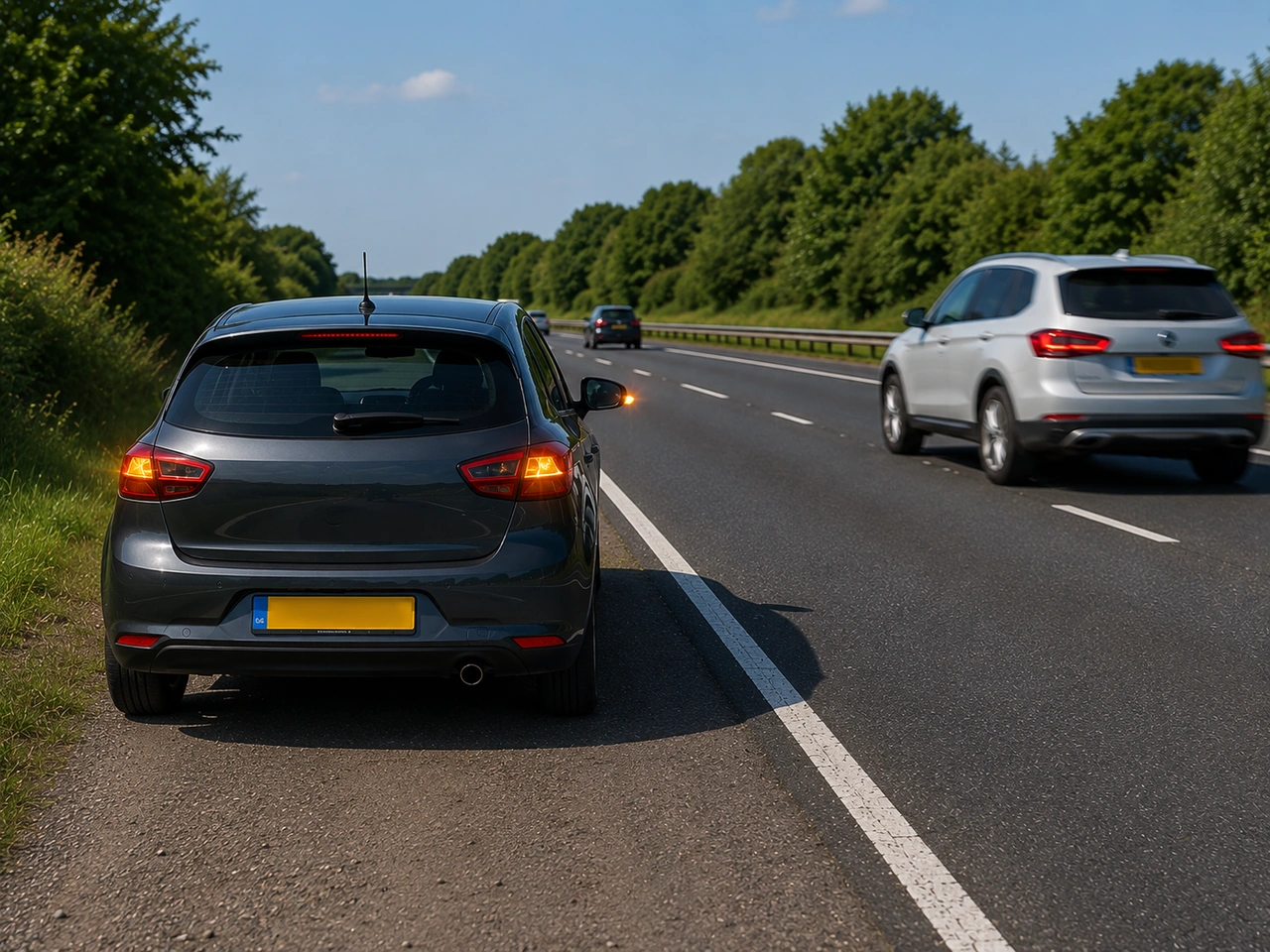
534. What should you do before rejoining traffic after a breakdown?
Check mirrors and blind spots, signal clearly, and build up speed safely without causing approaching traffic to brake suddenly.
AI-generated by Traffic-rules.com • WCIT • CC BY-SA
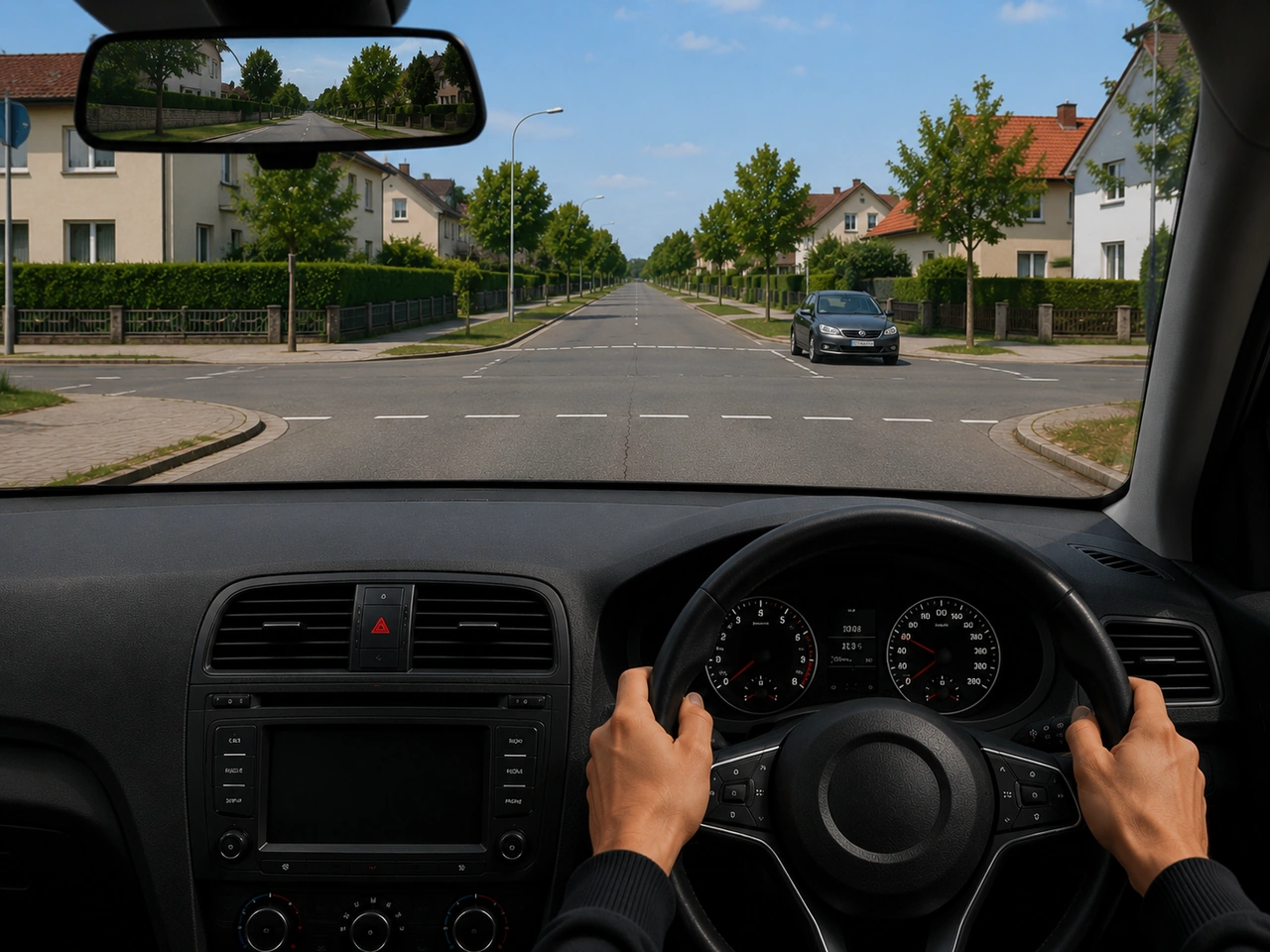
535. What should you do if you are unsure who has priority at a junction?
If priority is unclear, reduce speed, observe carefully, and avoid entering the junction until you are sure it is safe.
AI-generated by Traffic-rules.com • WCIT • CC BY-SA
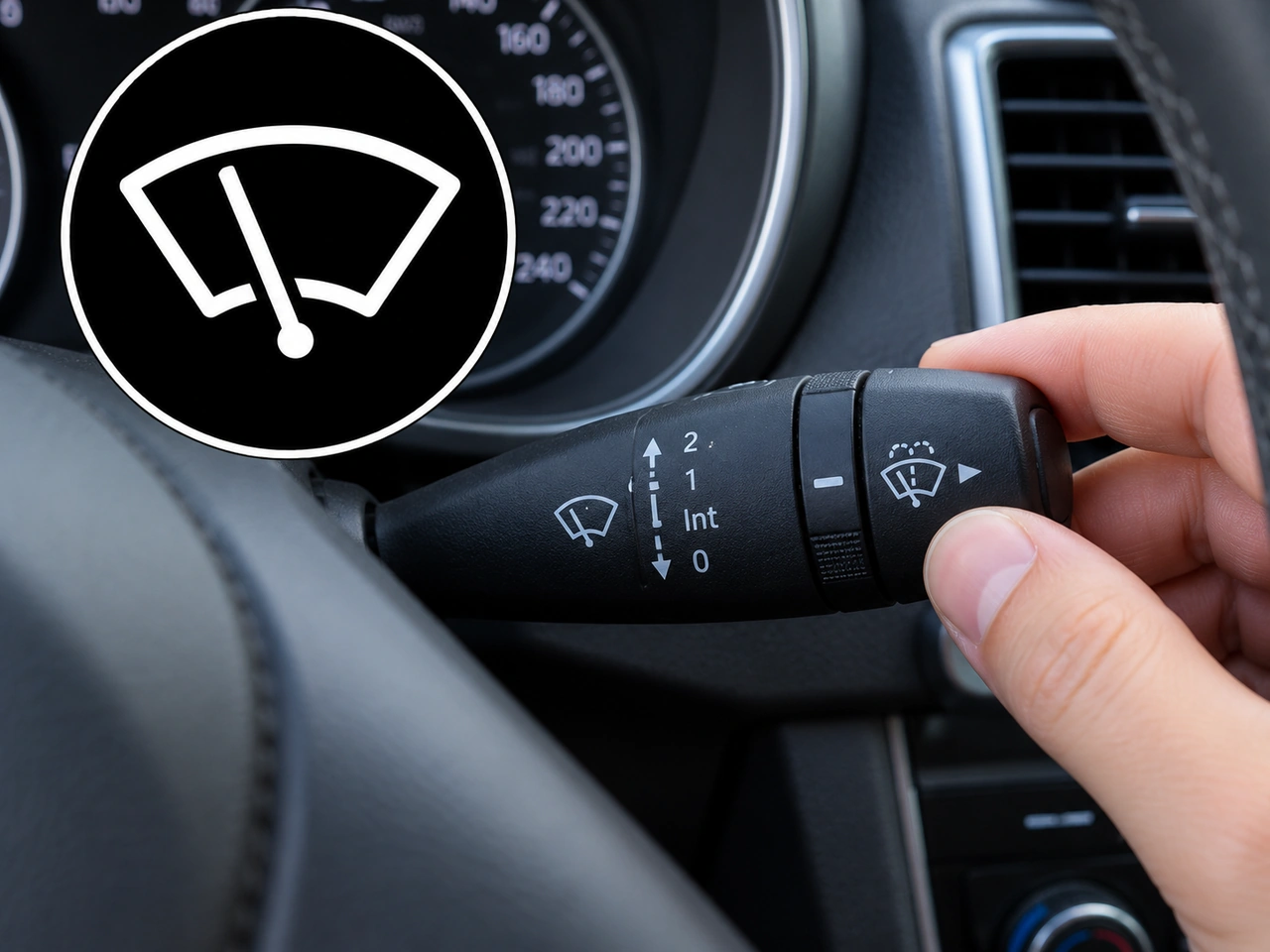
536. What does this vehicle-control symbol indicate?
This symbol relates to the windscreen wipers. The control allows the driver to select an appropriate wiping mode or speed for the amount of rain and visibility conditions.
AI-generated by Traffic-rules.com • WCIT • CC BY-SA
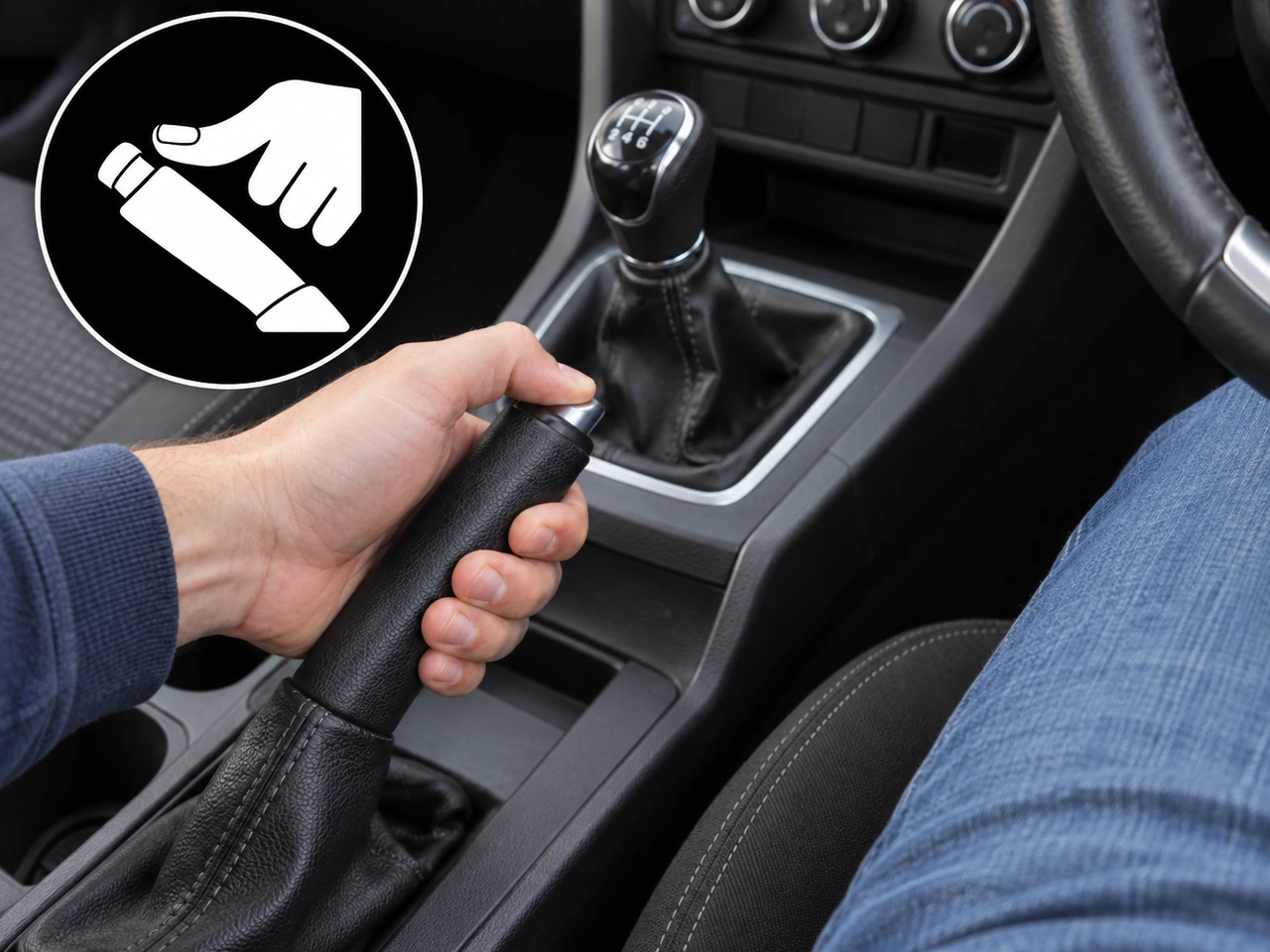
537. What is the button on a manual handbrake lever used for?
To release a manual handbrake, pull the lever up slightly, press and hold the release button, then lower the lever under control.
AI-generated by Traffic-rules.com • WCIT • CC BY-SA
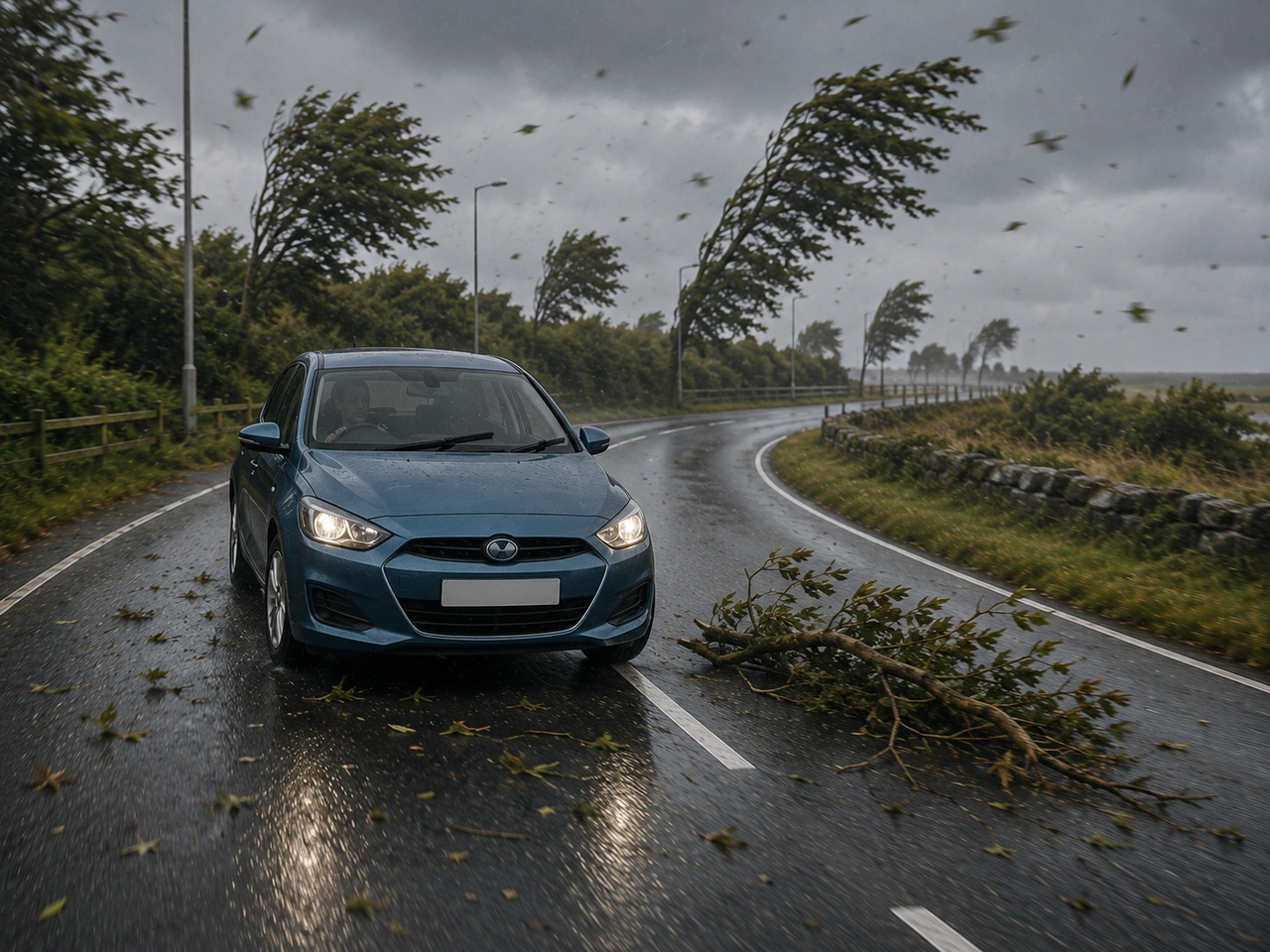
538. What should you do when branches or debris are blowing onto the road?
Wind can blow unexpected obstacles onto the road. Reduce speed and avoid them safely.
AI-generated by Traffic-rules.com • WCIT • CC BY-SA
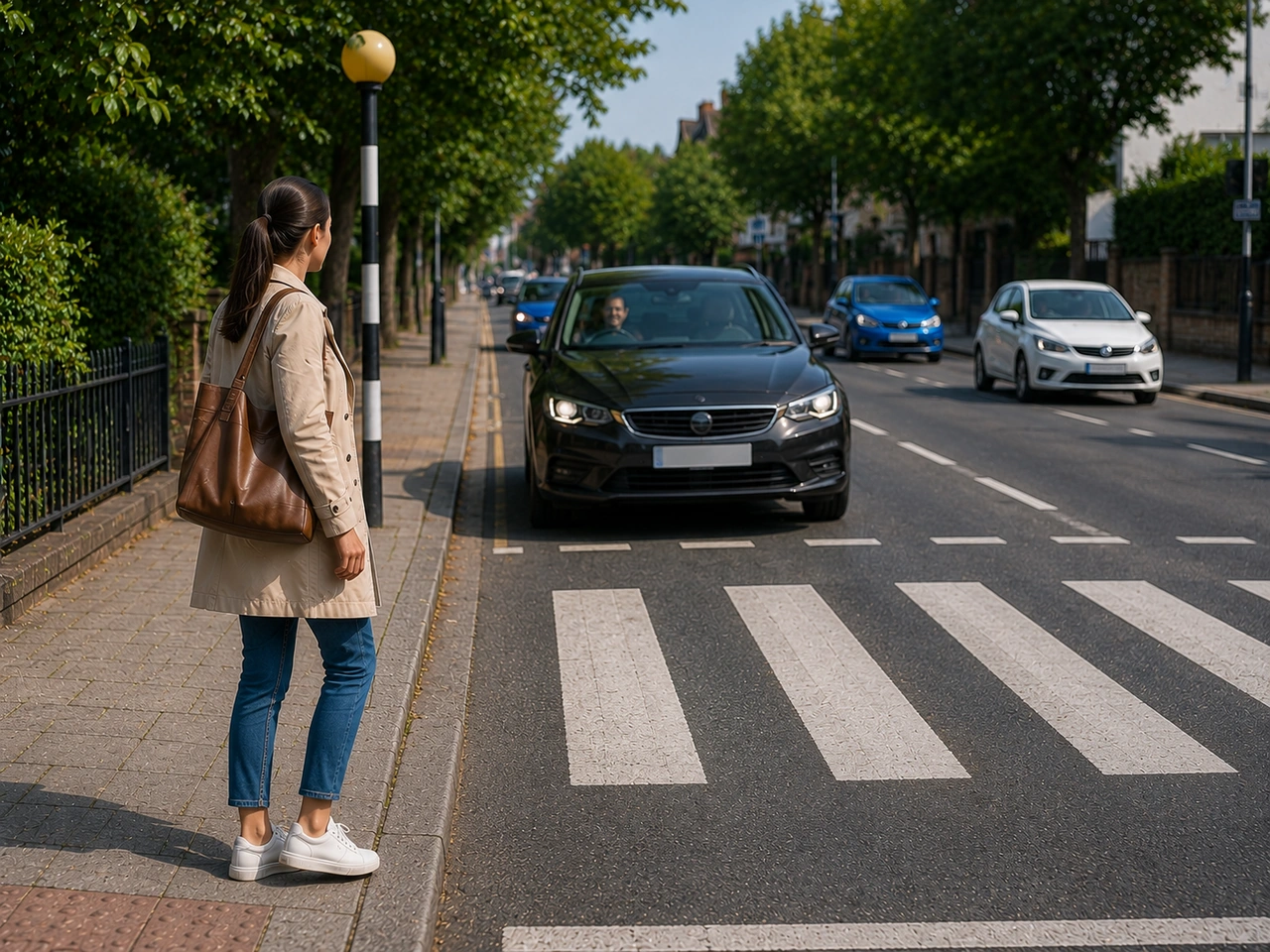
539. What should you do if traffic stops and a driver waves you across?
One driver may stop, but other vehicles may still be moving. Always check all lanes before crossing.
AI-generated by Traffic-rules.com • WCIT • CC BY-SA
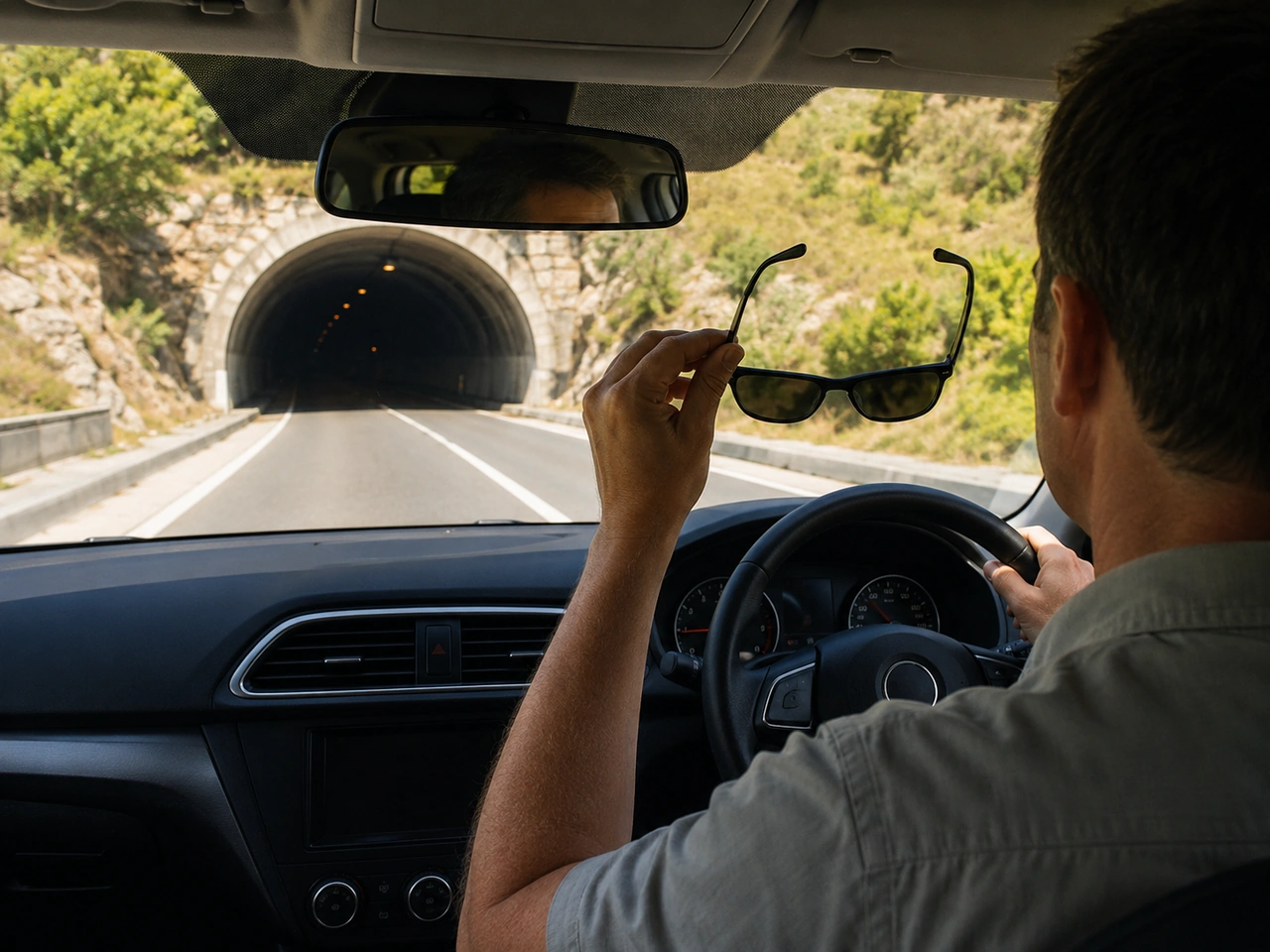
540. Why should you remove dark sunglasses before entering a tunnel?
Dark sunglasses reduce the amount of light reaching your eyes and can make hazards inside a tunnel harder to see.
AI-generated by Traffic-rules.com • WCIT • CC BY-SA
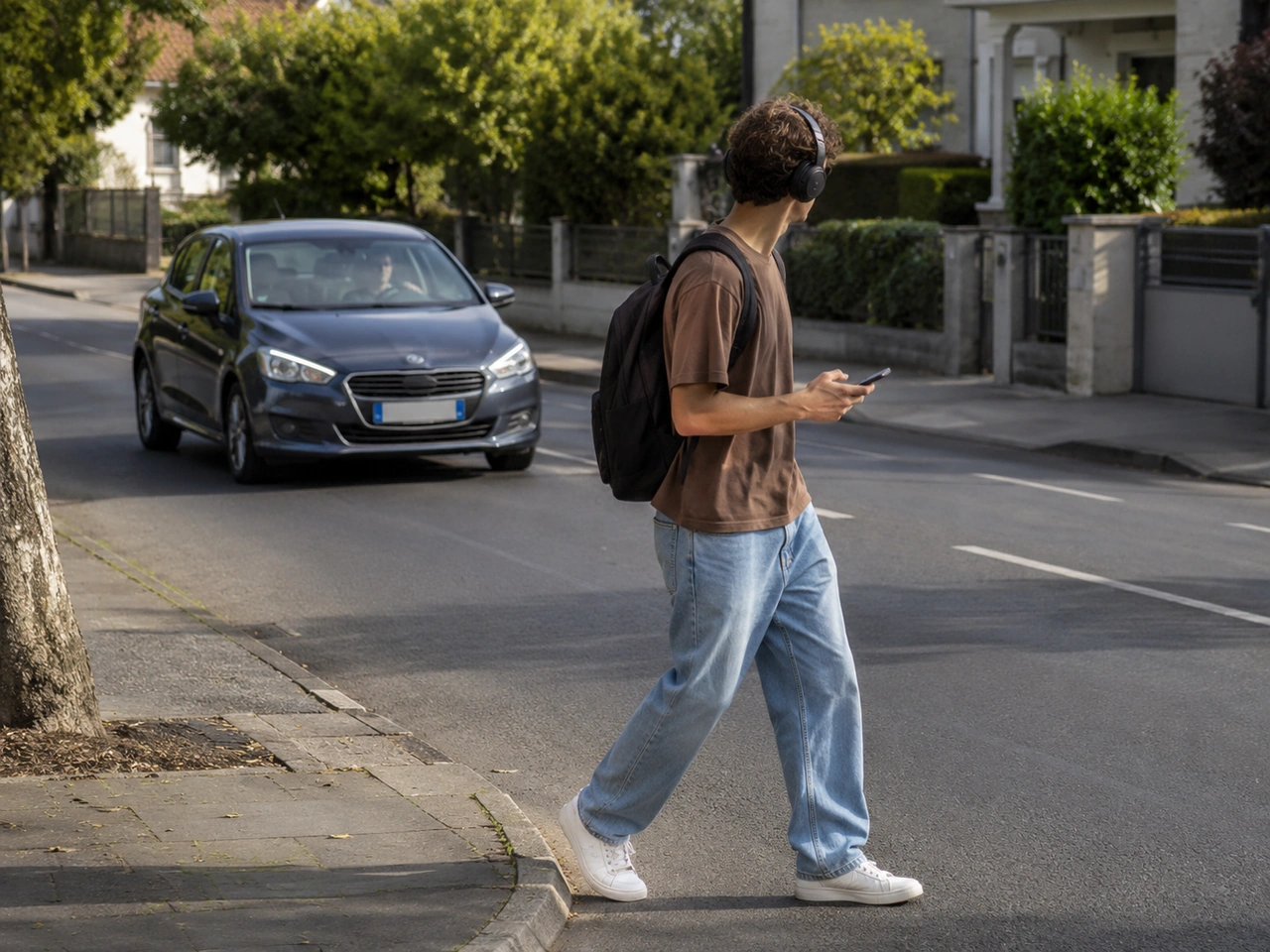
541. Why is it dangerous to cross while listening to loud music?
Loud music can reduce your awareness of vehicles, bicycles, horns, and other warning sounds.
AI-generated by Traffic-rules.com • WCIT • CC BY-SA
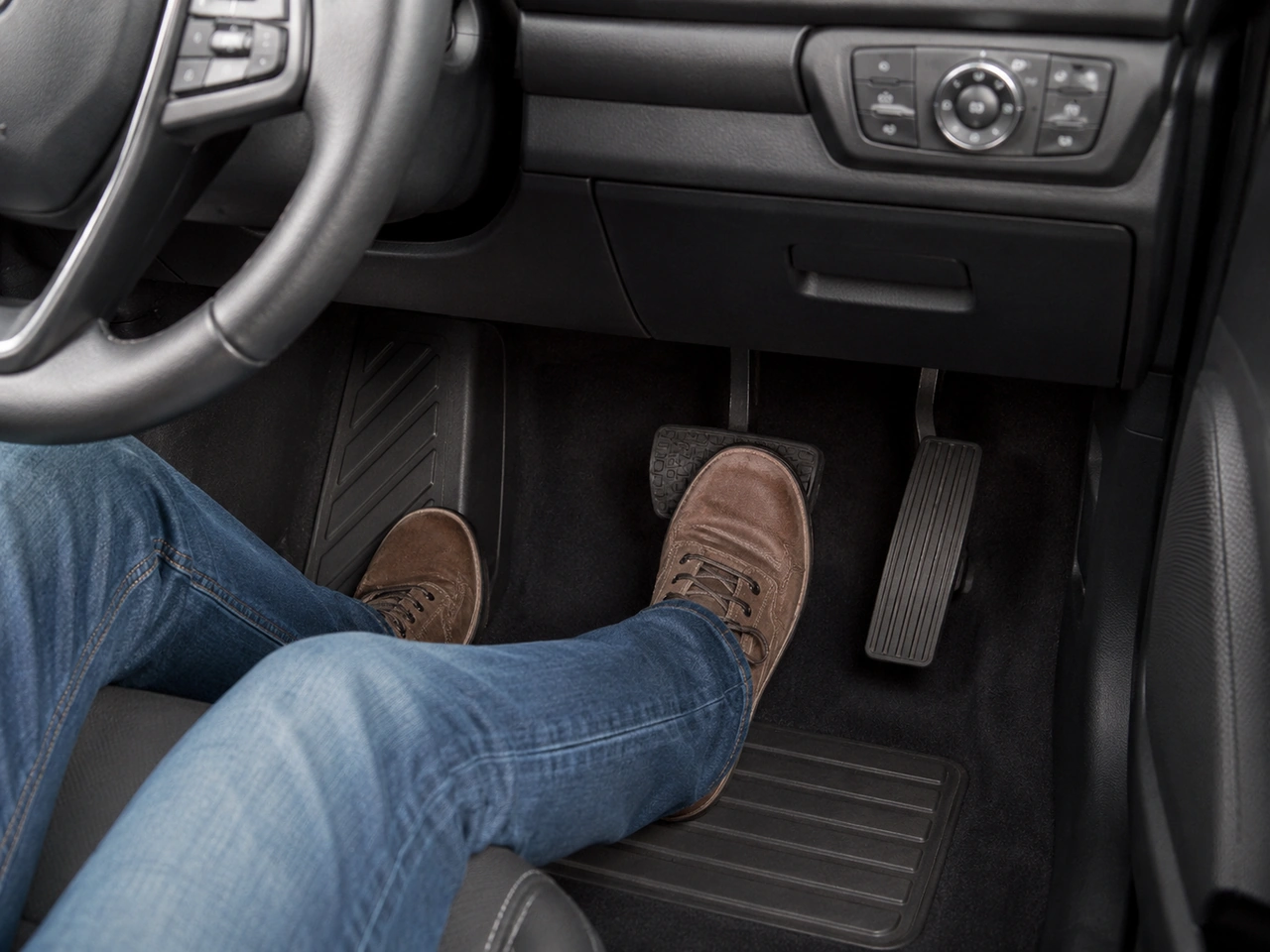
542. What should you do if the brake pedal feels unusually soft?
A soft brake pedal or increased stopping distance may indicate a serious brake fault. Do not continue driving normally until the system has been checked.
AI-generated by Traffic-rules.com • WCIT • CC BY-SA
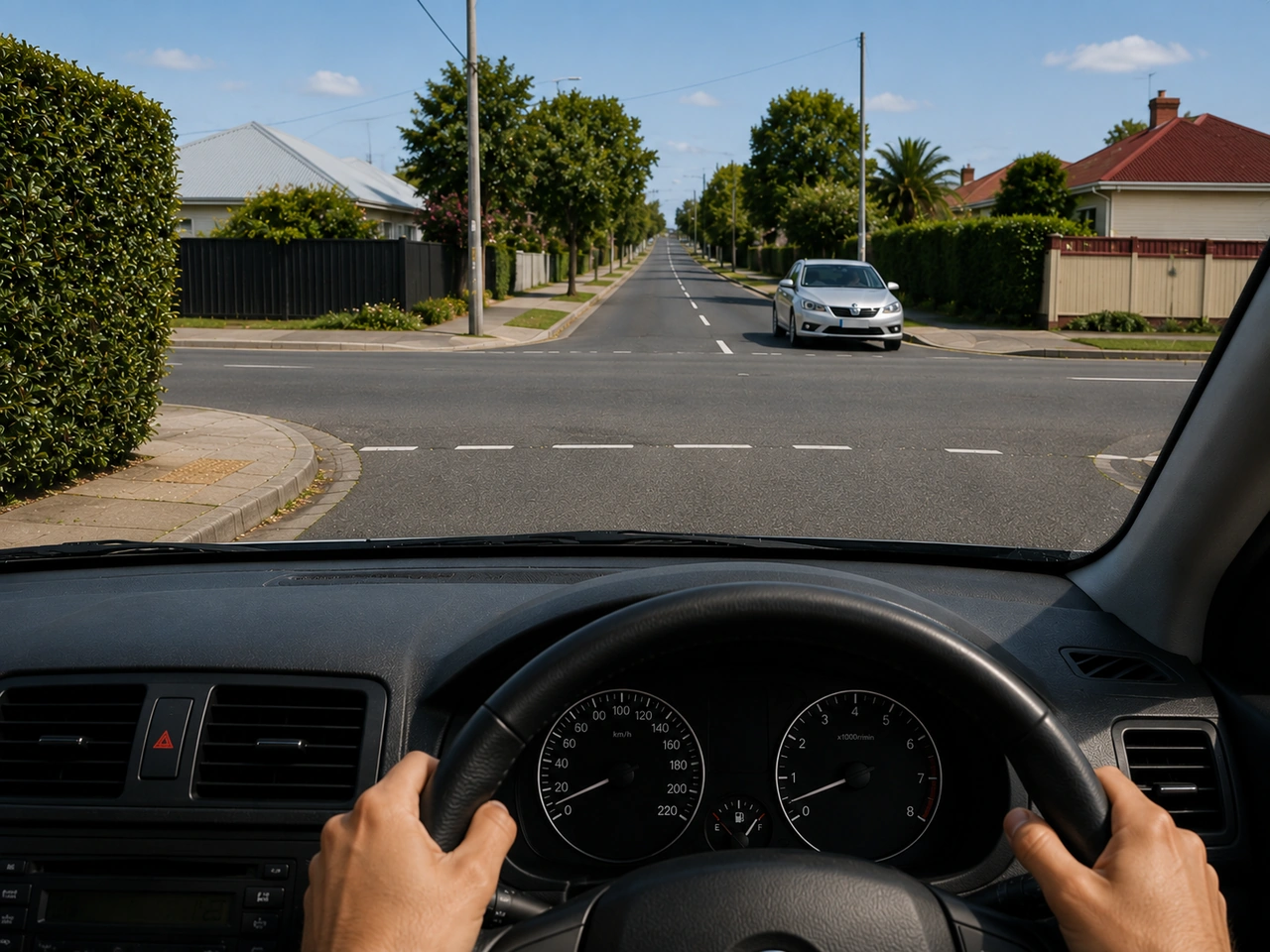
543. What should you do when your view is blocked at a junction?
If your view is blocked, slow down and make sure the way is clear before entering the junction.
AI-generated by Traffic-rules.com • WCIT • CC BY-SA
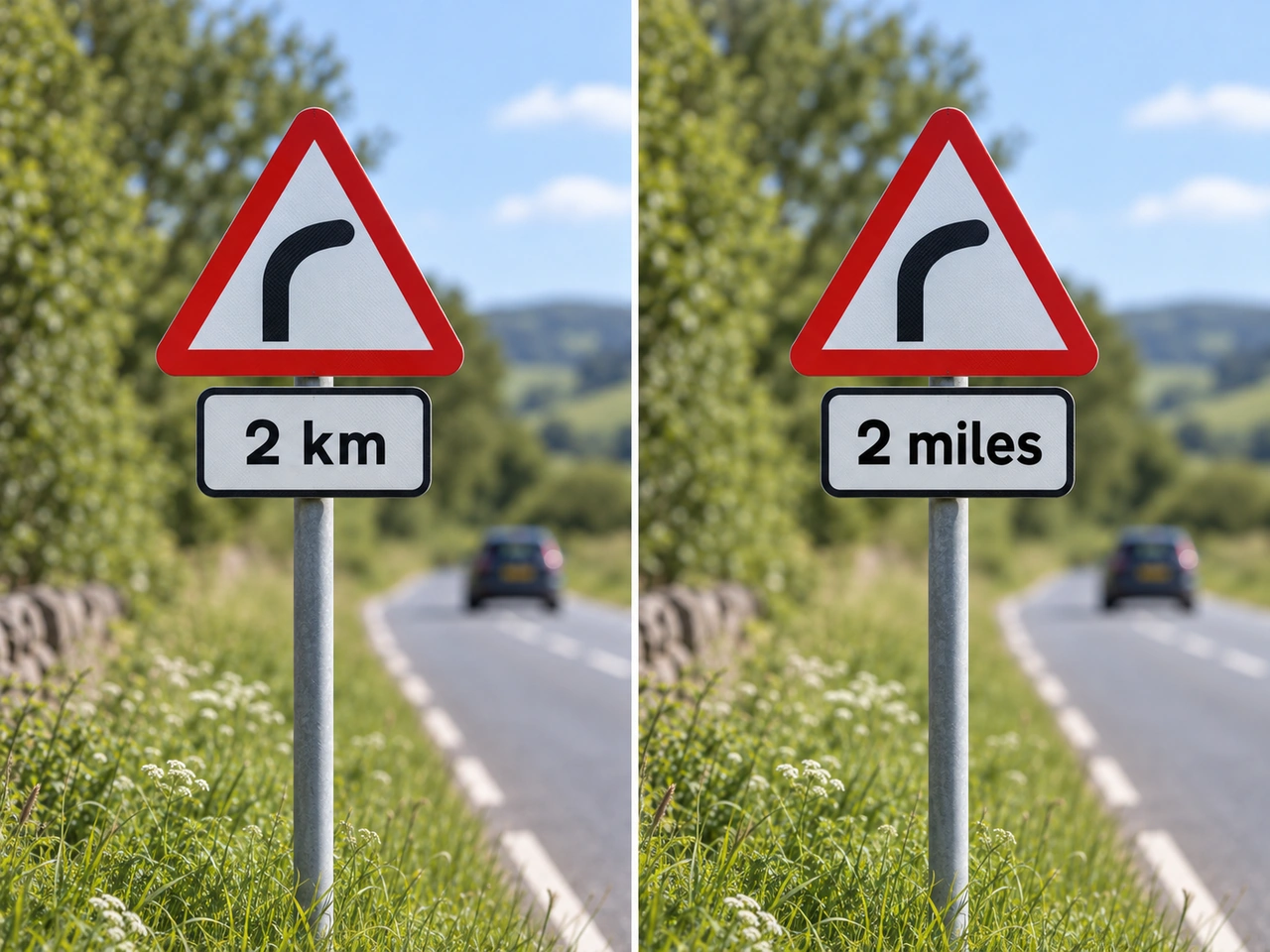
544. Which distance unit is used on road signs in India?
Road distances in India are normally shown in kilometres.
AI-generated by Traffic-rules.com • WCIT • CC BY-SA
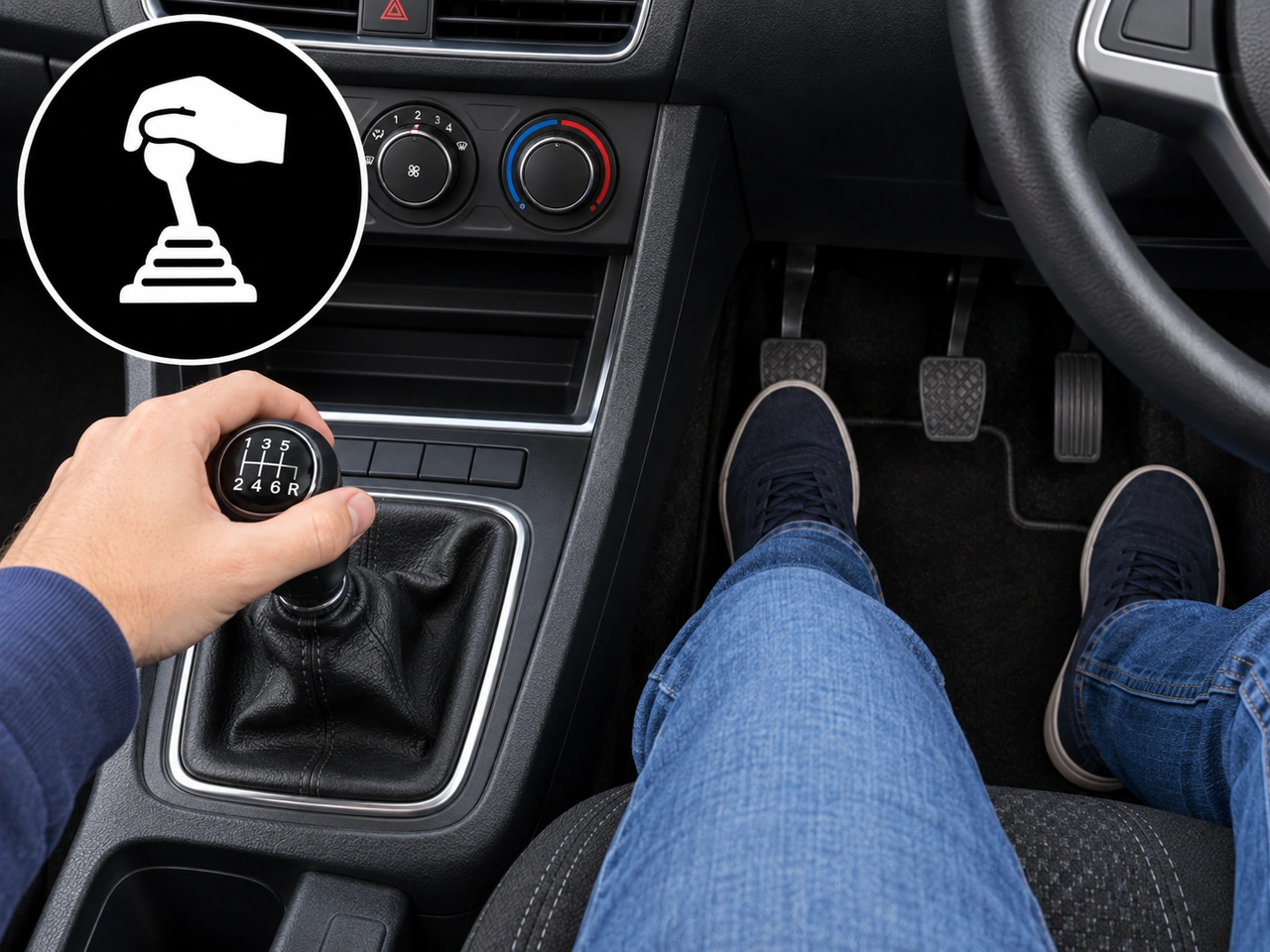
545. What should you do if a gear does not engage easily in a manual vehicle?
If a gear does not engage easily, do not force the gear lever. Make sure the clutch is fully pressed and the vehicle's speed is suitable for the gear before trying again.
AI-generated by Traffic-rules.com • WCIT • CC BY-SA
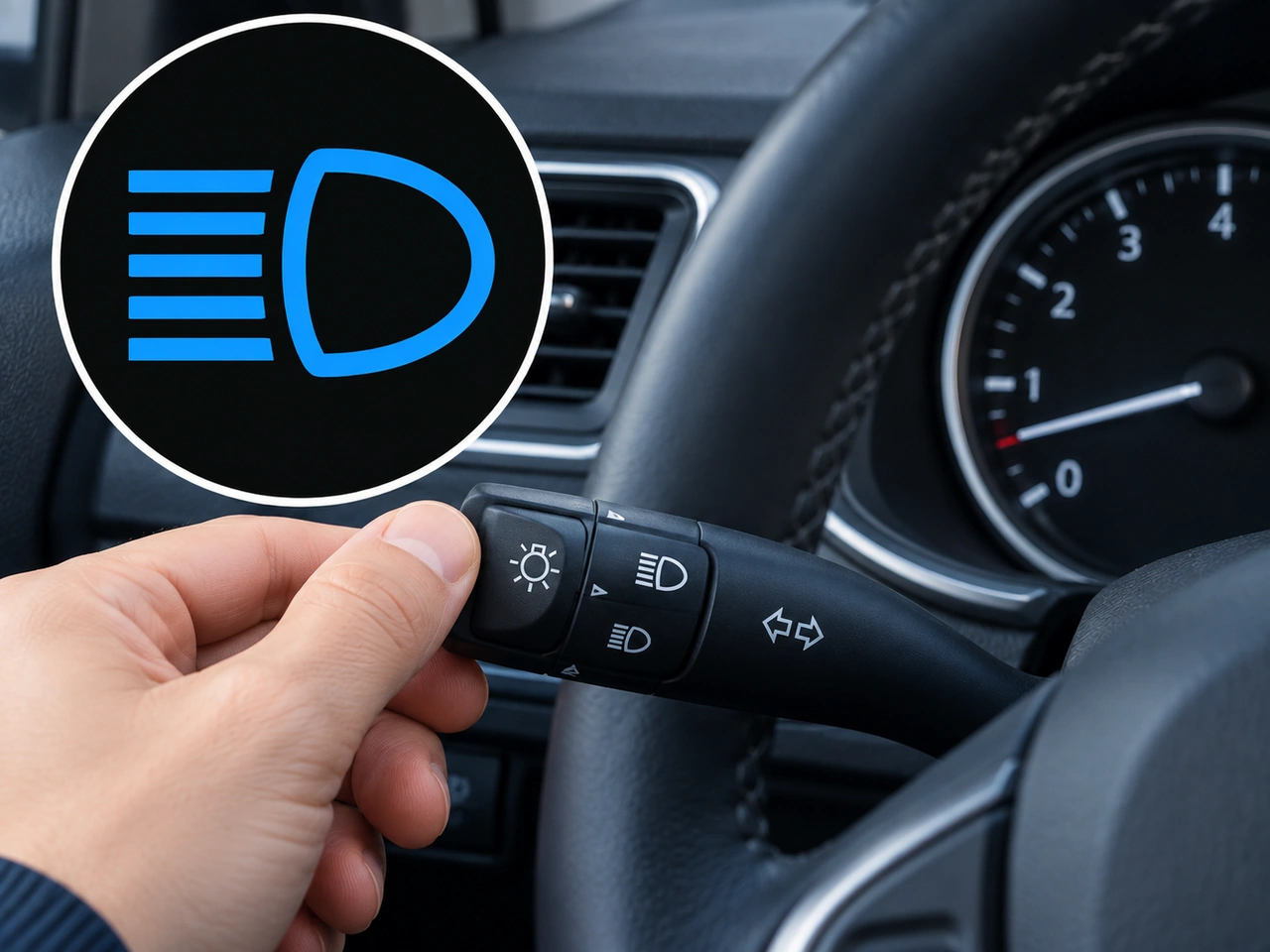
546. What does this dashboard symbol indicate?
This symbol indicates that the main beam headlights are switched on. Main beam illuminates the road farther ahead but can dazzle other road users, so it should be changed to dipped headlights when necessary.
AI-generated by Traffic-rules.com • WCIT • CC BY-SA
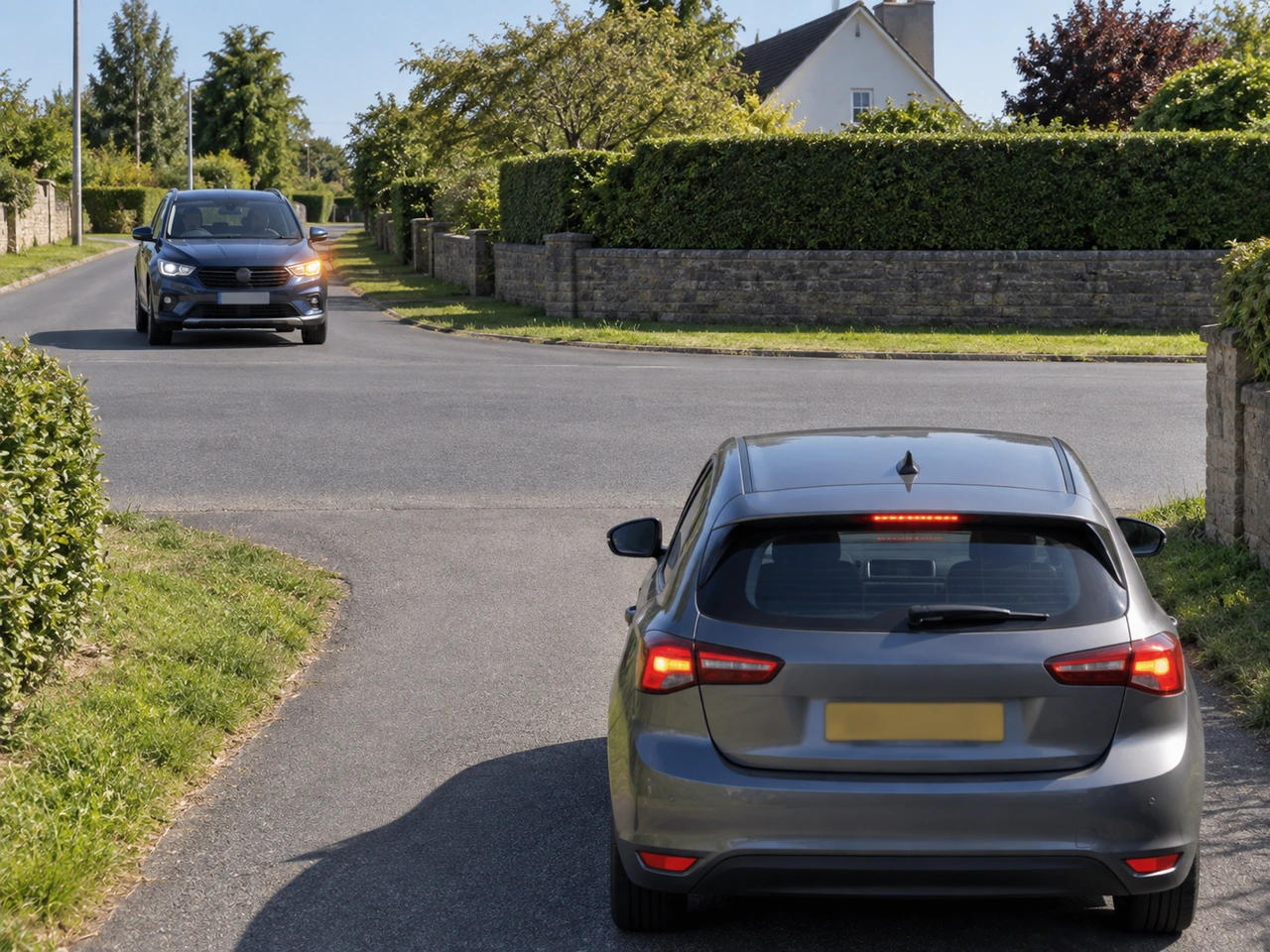
547. What should you do if another vehicle is signalling to turn?
An indicator shows an intention, but it does not guarantee that the driver will turn. The signal may have been left on accidentally or the driver's intentions may change. Observe the vehicle's speed and position and proceed only when you are sure it is safe.
AI-generated by Traffic-rules.com • WCIT • CC BY-SA
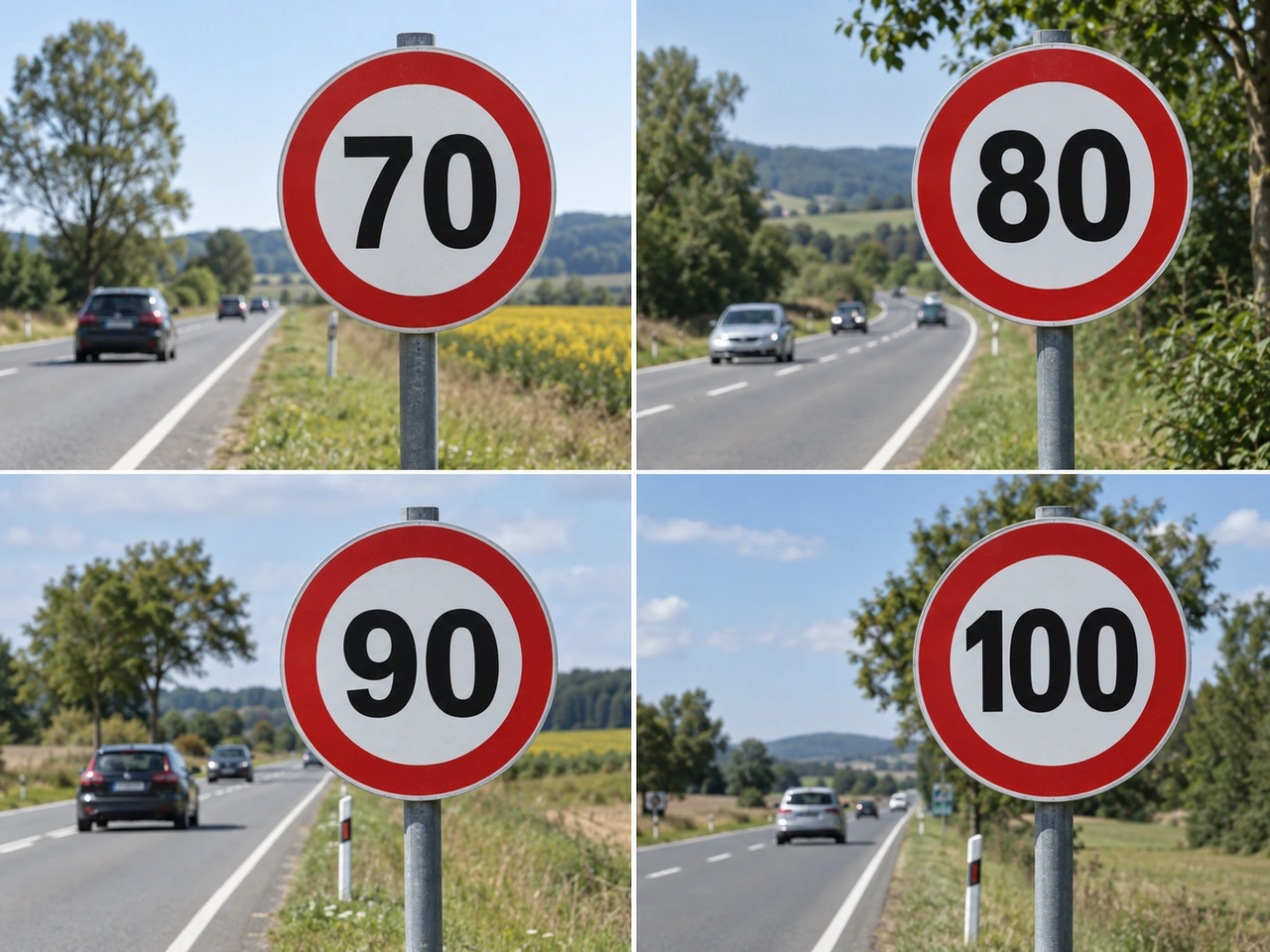
548. What is the general speed limit for cars on ordinary roads outside built-up areas in India?
In India, the general speed limit for cars on ordinary roads outside built-up areas is 70 km/h, unless signs indicate otherwise.
AI-generated by Traffic-rules.com • WCIT • CC BY-SA
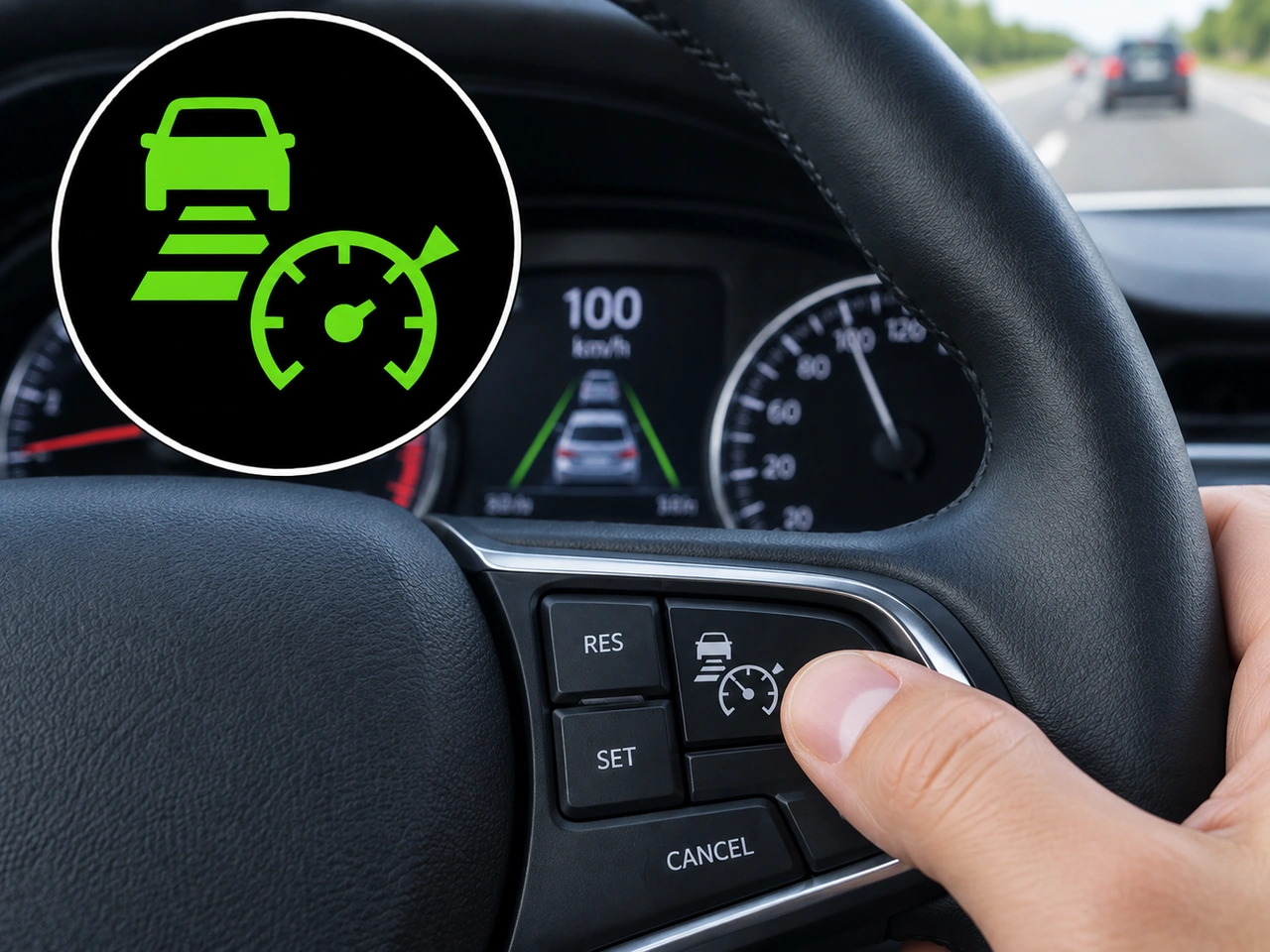
549. What does this dashboard symbol indicate?
This symbol relates to adaptive cruise control (ACC). The system can maintain a selected speed and automatically adjust the vehicle's speed to help maintain a set distance from traffic ahead.
AI-generated by Traffic-rules.com • WCIT • CC BY-SA
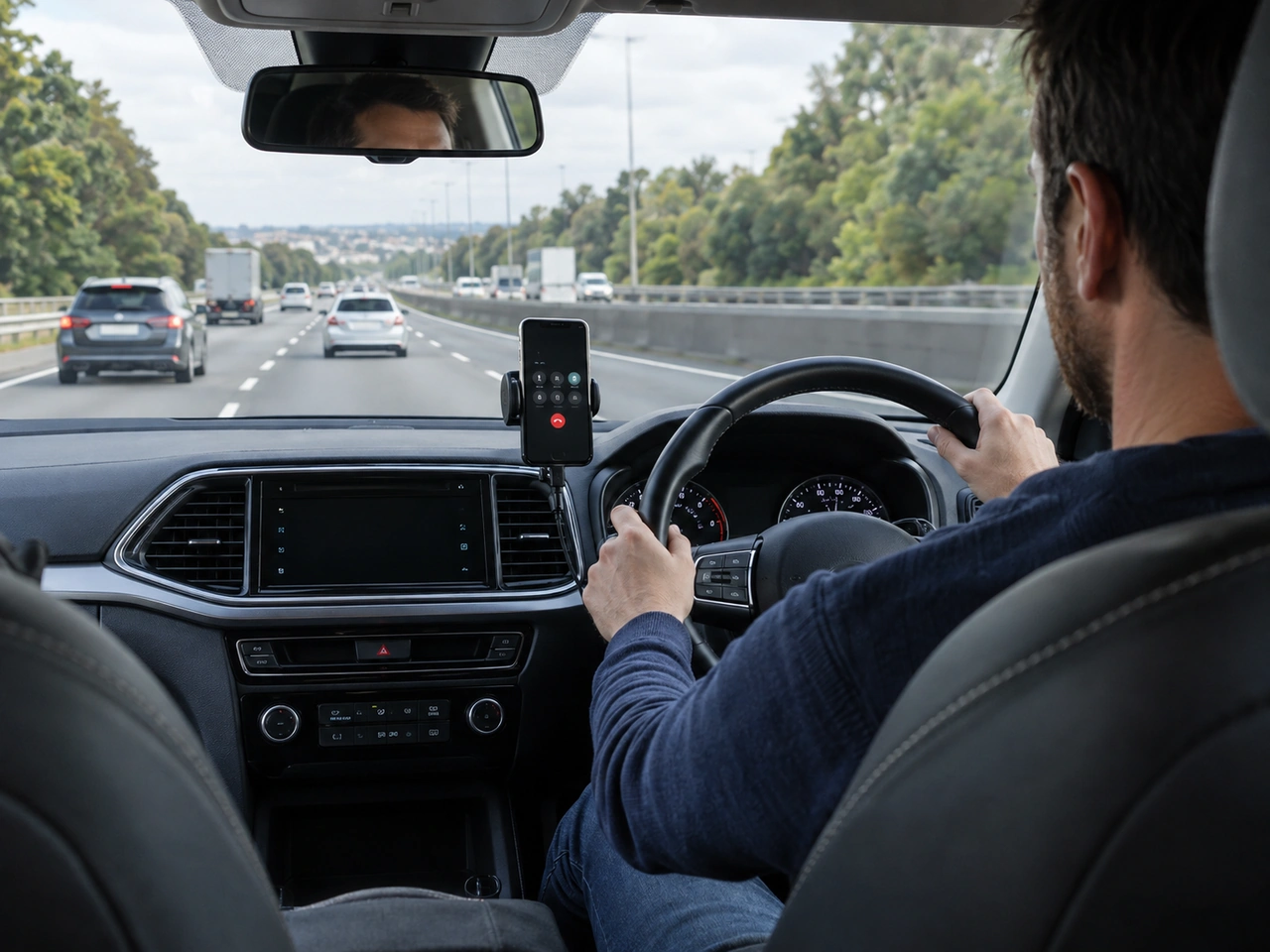
550. How may drivers normally use a phone while driving in India?
When phone use while driving is permitted in India, drivers must generally use a hands-free system rather than holding the phone.
AI-generated by Traffic-rules.com • WCIT • CC BY-SA