

QuizTraffic rulesItaly
This interesting quiz helps you test your knowledge in a clear and visual way. With easy multiple-choice questions, you can quickly build confidence and learn new facts while keeping it simple, interactive, and fun.
 Traffic signs
 Traffic rules
 Italy
Italy
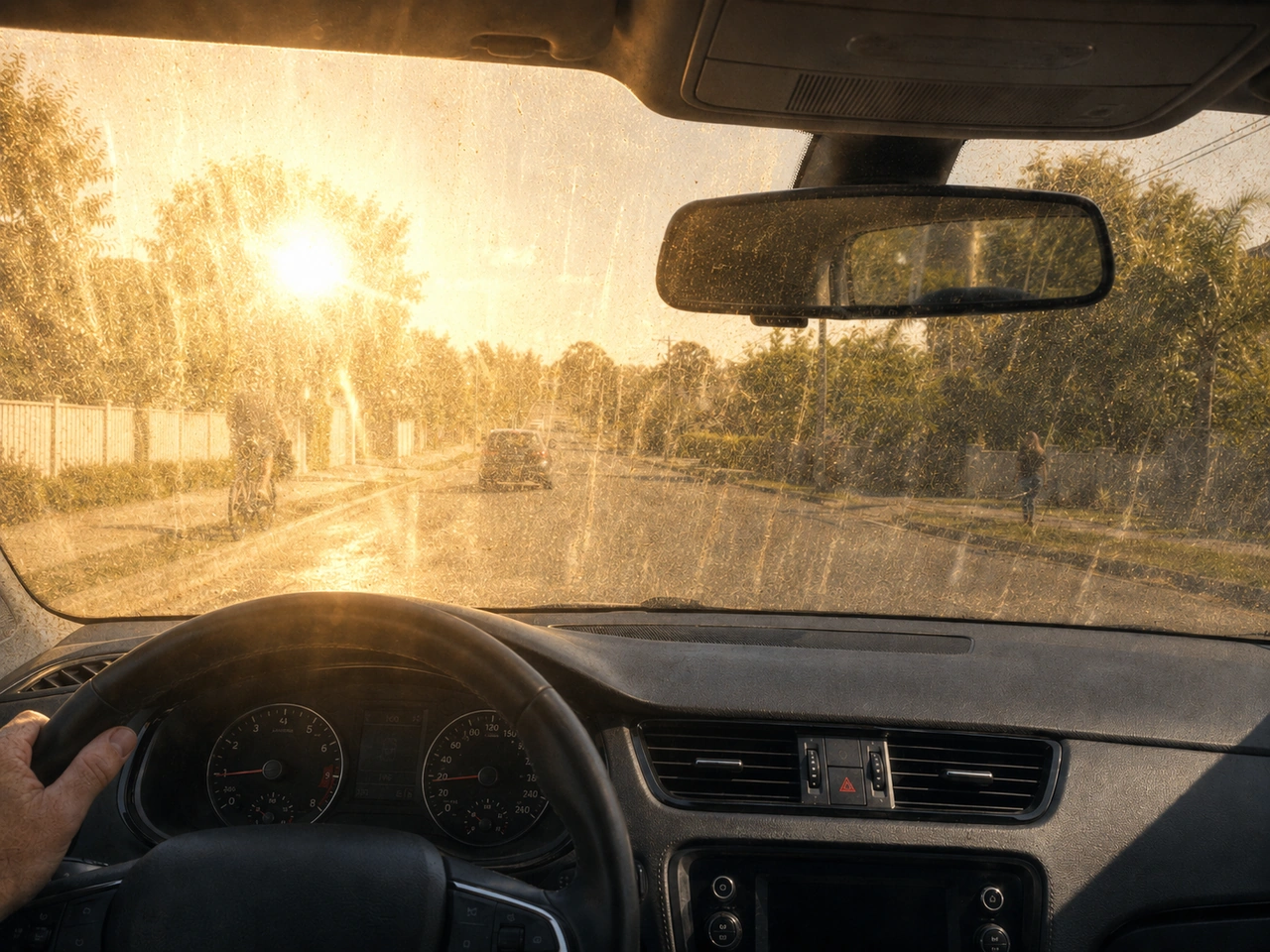
551. Why should you keep your windscreen clean?
A clean windscreen gives you a clear view of the road, signs, pedestrians, cyclists, and other vehicles.
AI-generated by Traffic-rules.com • WCIT • CC BY-SA

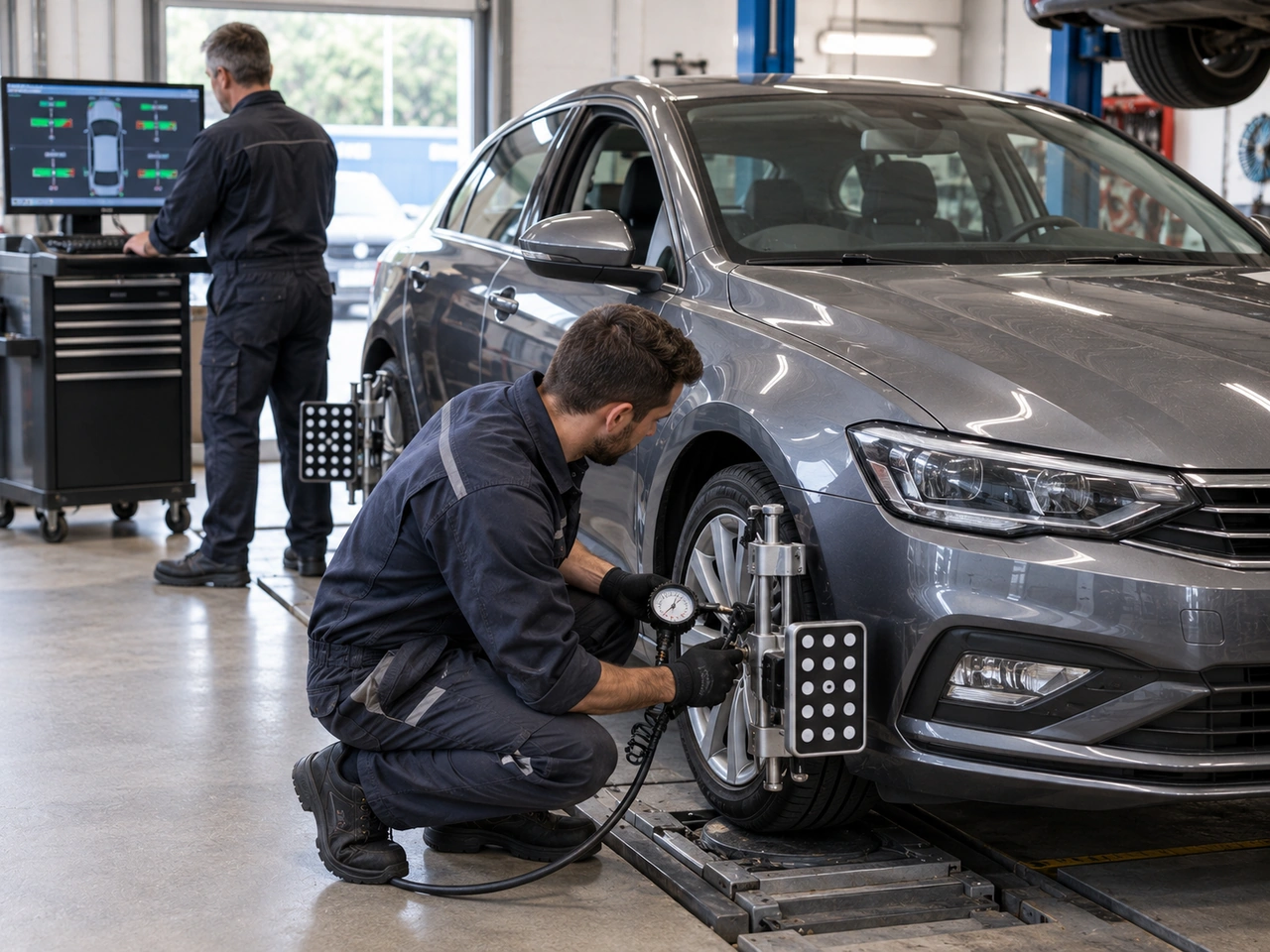
552. What should you do if the vehicle consistently pulls to one side?
Persistent pulling can be caused by incorrect tyre pressure, wheel misalignment, suspension wear, or a braking fault. It should not be ignored.
AI-generated by Traffic-rules.com • WCIT • CC BY-SA
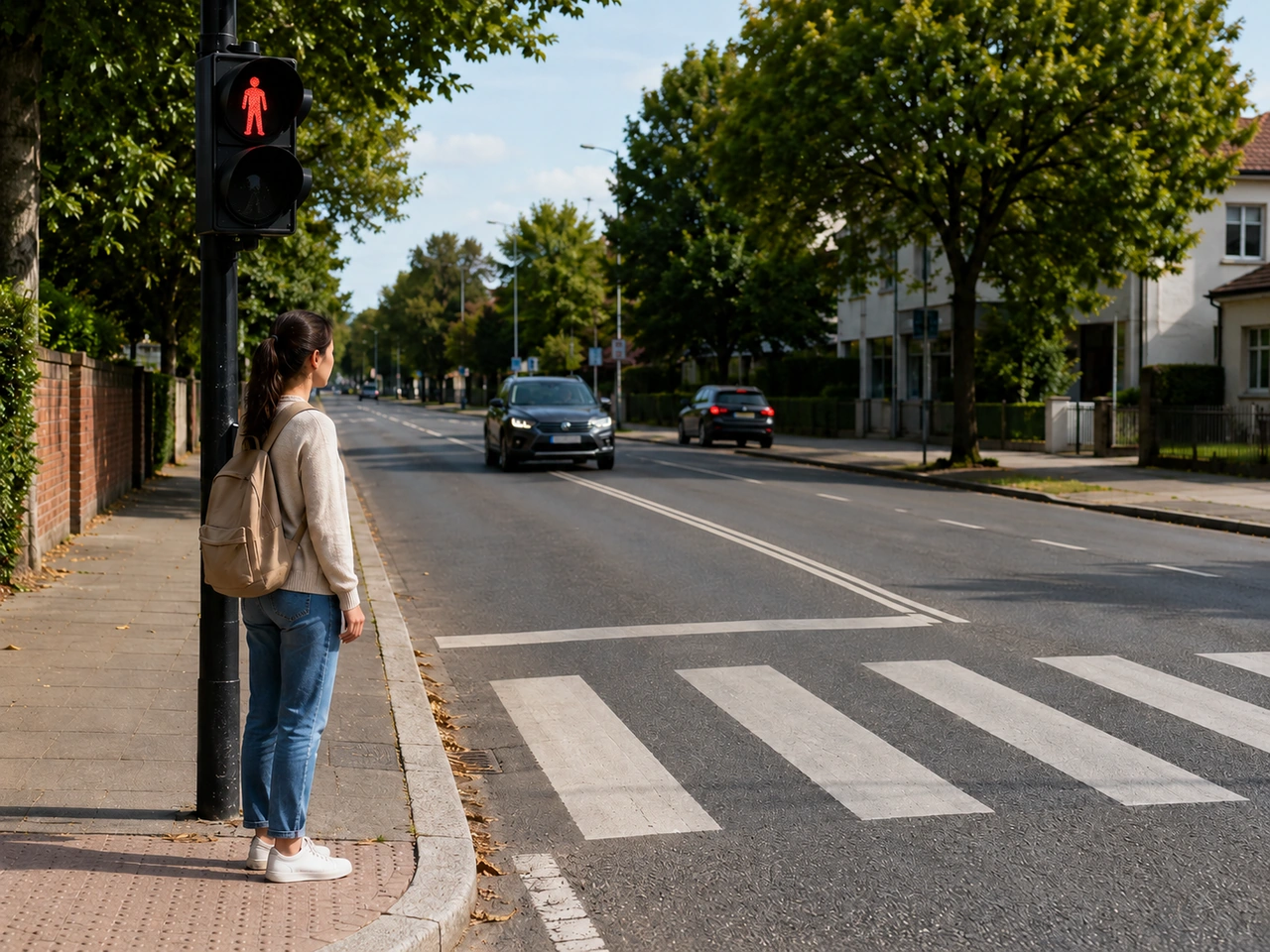
553. What should you do if the pedestrian light is red?
A red pedestrian signal means you should wait before crossing.
AI-generated by Traffic-rules.com • WCIT • CC BY-SA
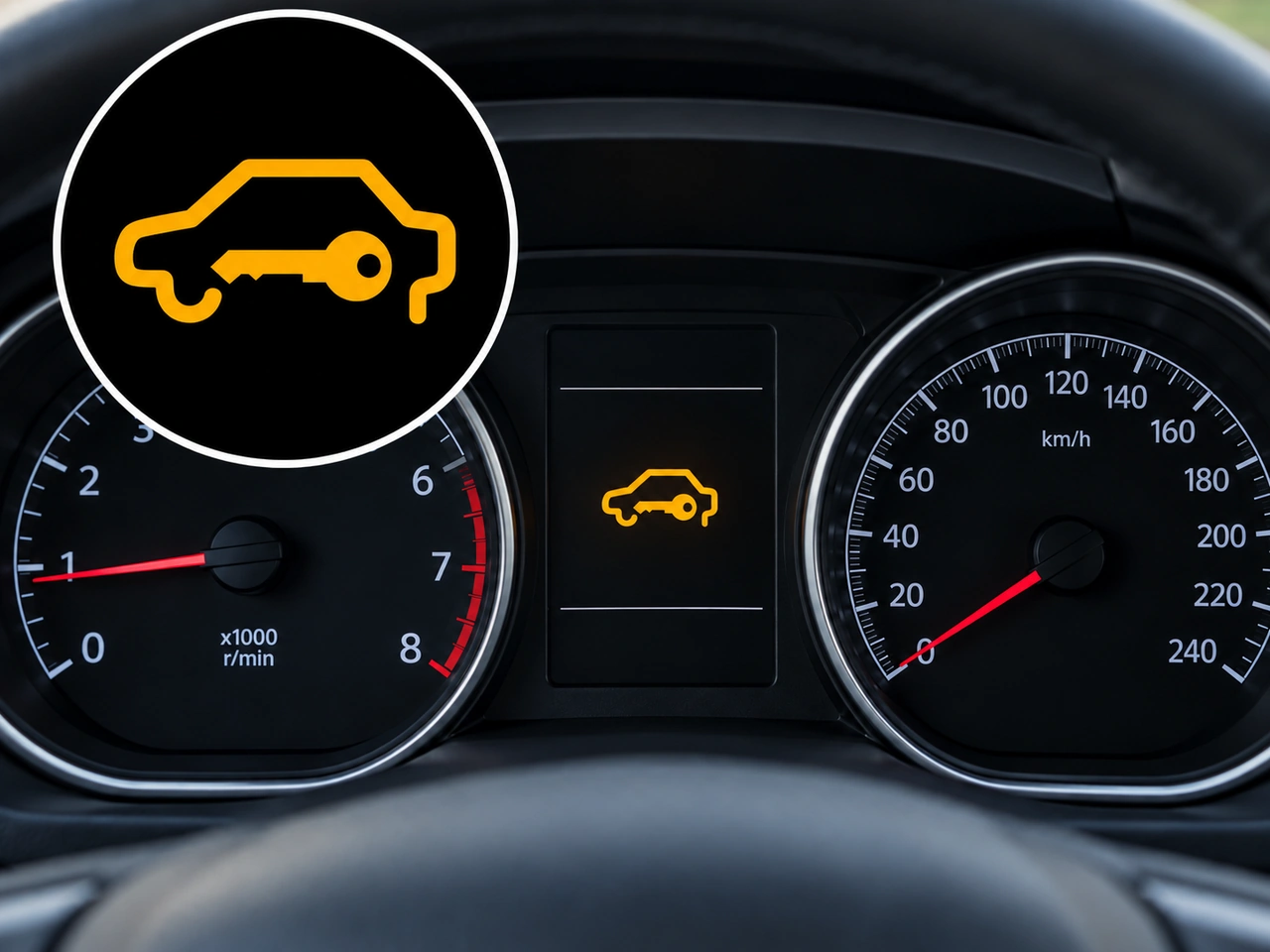
554. What does this dashboard symbol indicate?
This symbol relates to the vehicle's immobiliser or anti-theft system. If it remains illuminated or flashes unexpectedly, the vehicle may not recognise the key or there may be a fault in the security system.
AI-generated by Traffic-rules.com • WCIT • CC BY-SA
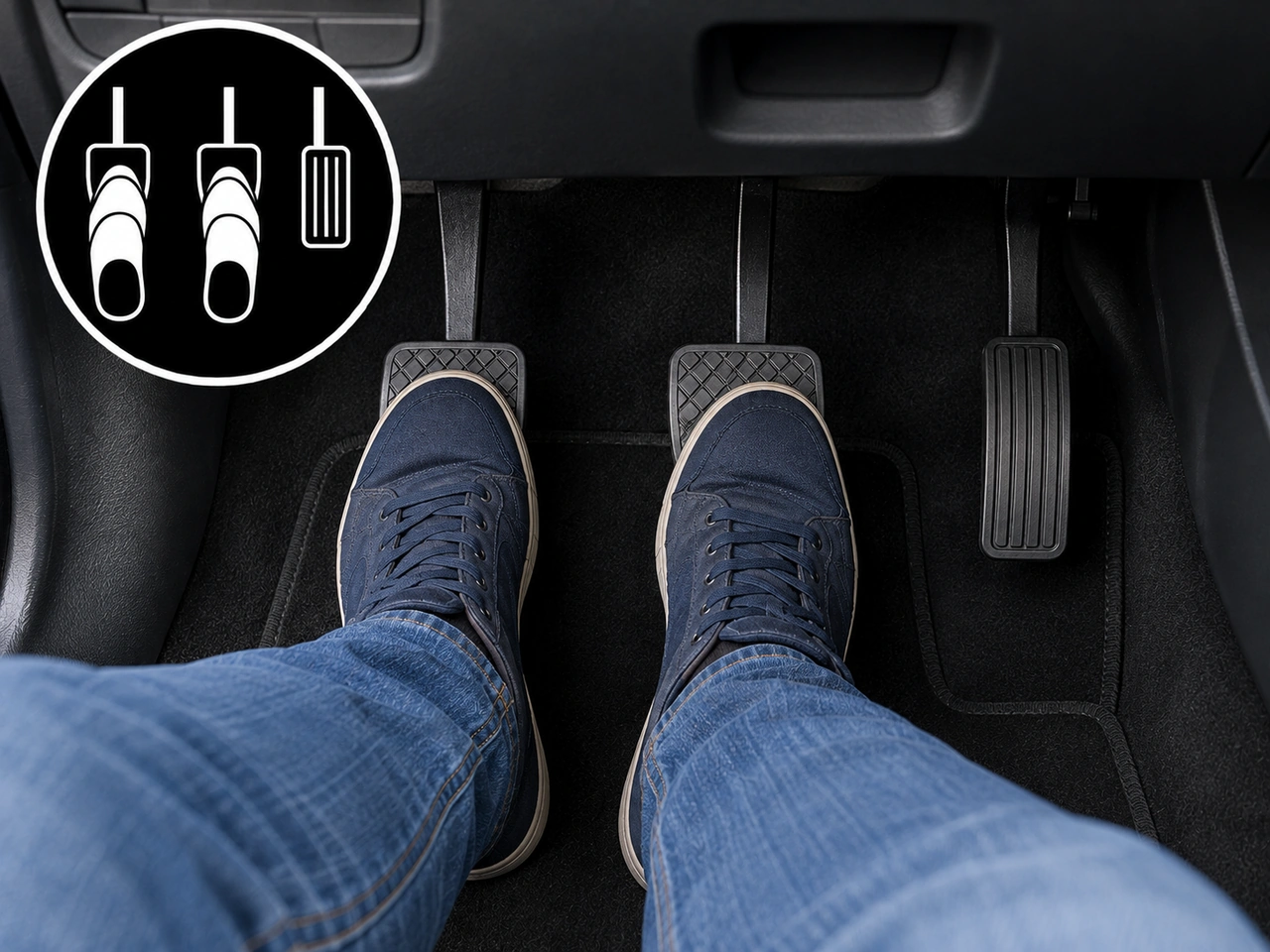
555. What should you do with the clutch during emergency braking in a manual vehicle?
During emergency braking in a manual vehicle, maintain firm pressure on the brake and press the clutch pedal fully so the engine does not stall as the vehicle slows. Do not reduce braking pressure while operating the clutch.
AI-generated by Traffic-rules.com • WCIT • CC BY-SA
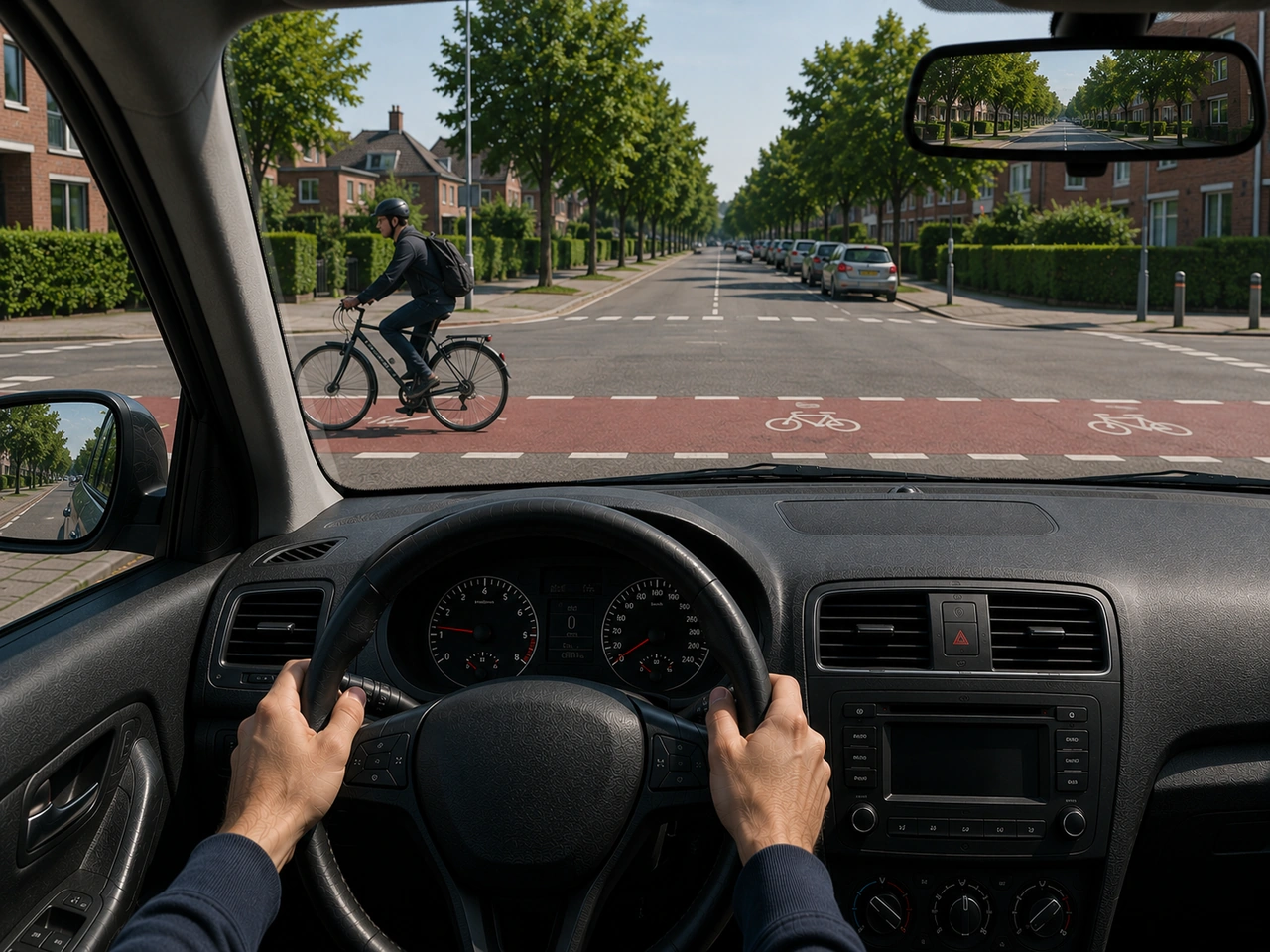
556. What should you do before turning across a cycle lane?
Cyclists may be beside or behind you when you turn. Check mirrors and blind spots, signal clearly, and turn only when it is safe.
AI-generated by Traffic-rules.com • WCIT • CC BY-SA
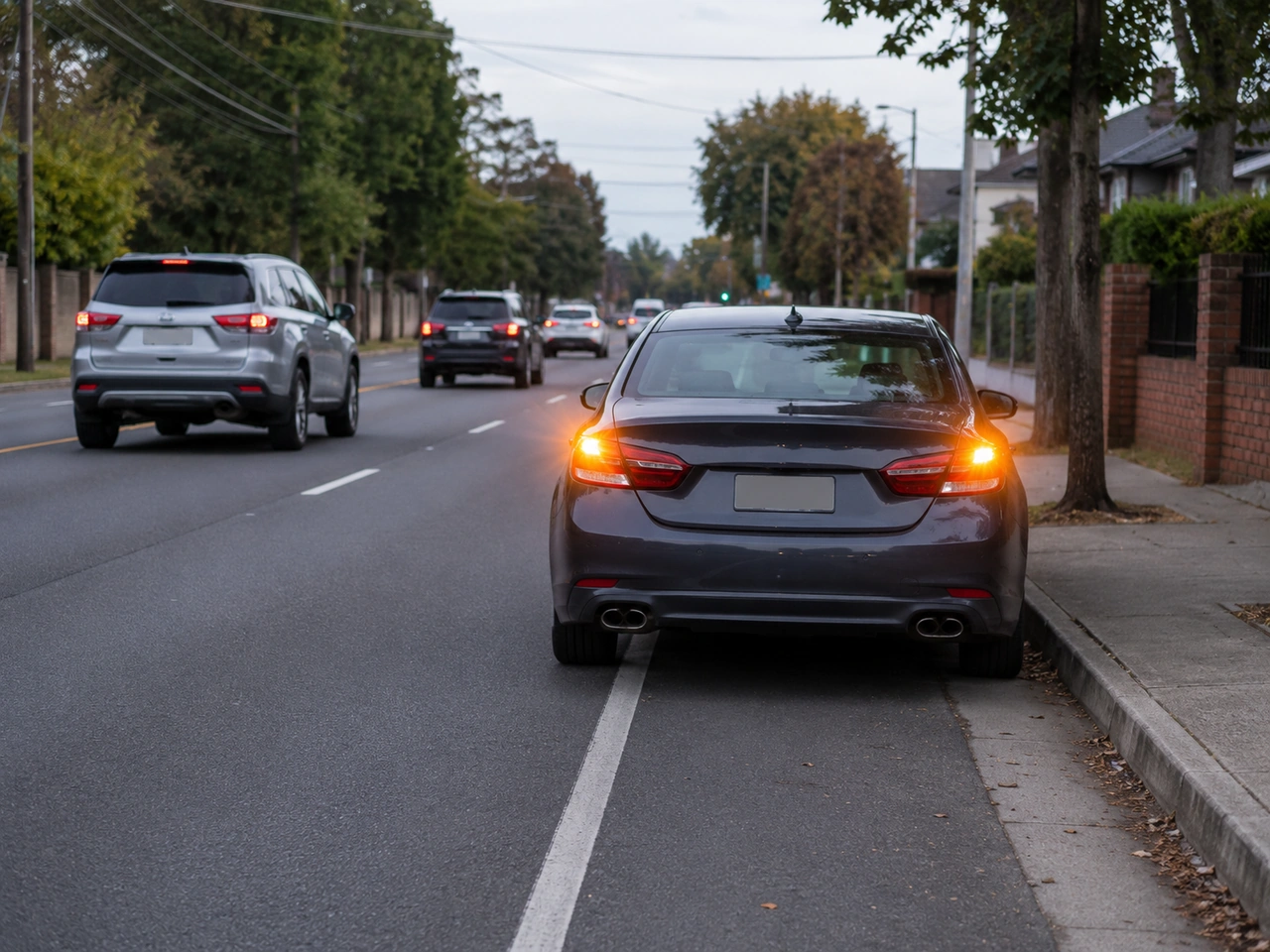
557. You may park anywhere as long as you leave your hazard lights on.
Hazard lights are used to warn other road users of a hazard or an unexpectedly stopped vehicle. They do not make illegal or unsafe parking acceptable.
AI-generated by Traffic-rules.com • WCIT • CC BY-SA
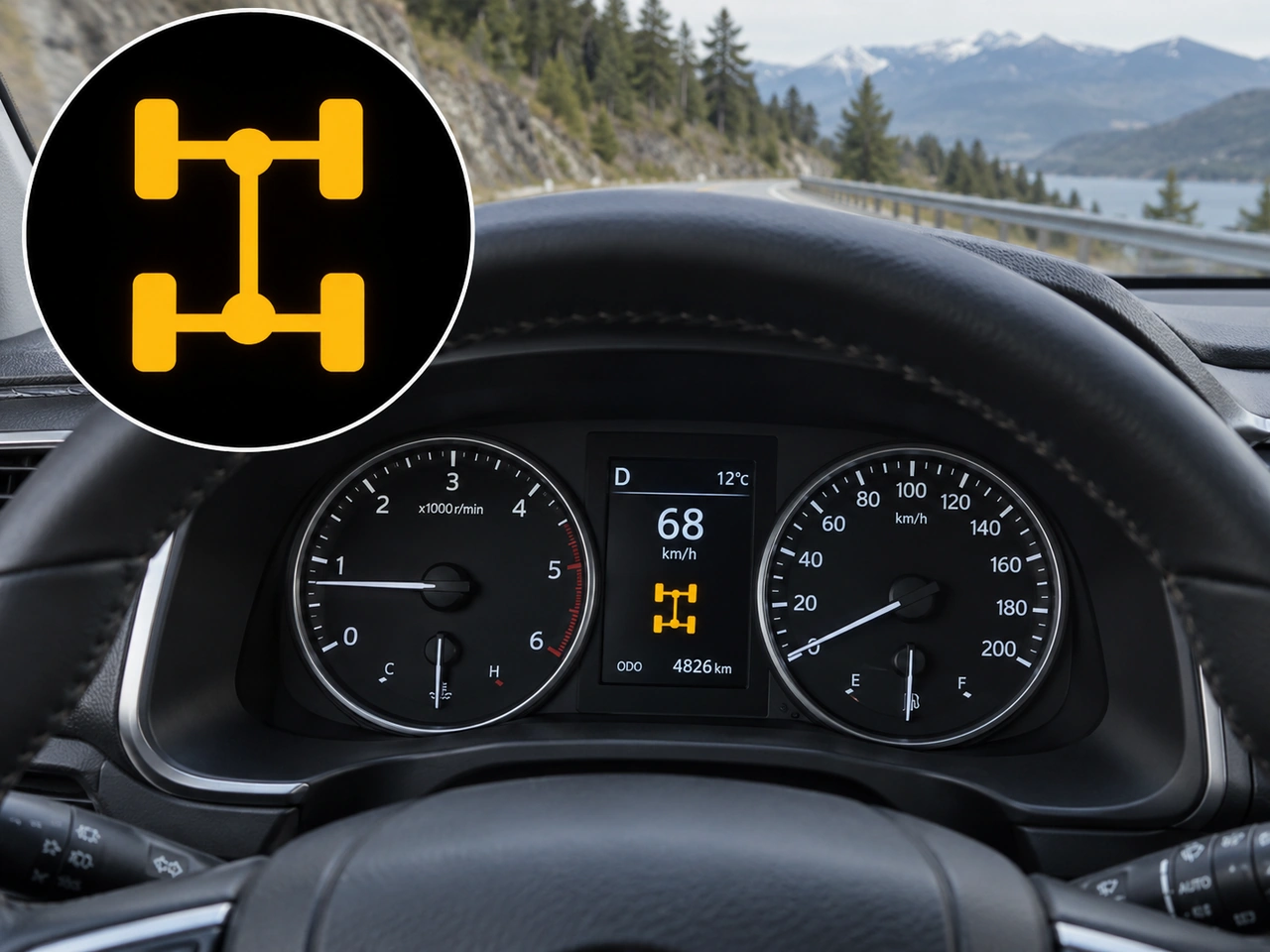
558. What does this dashboard symbol indicate?
This symbol relates to the vehicle's four-wheel-drive system, which can transmit power to all four wheels. The exact symbol and operating modes vary between vehicles.
AI-generated by Traffic-rules.com • WCIT • CC BY-SA
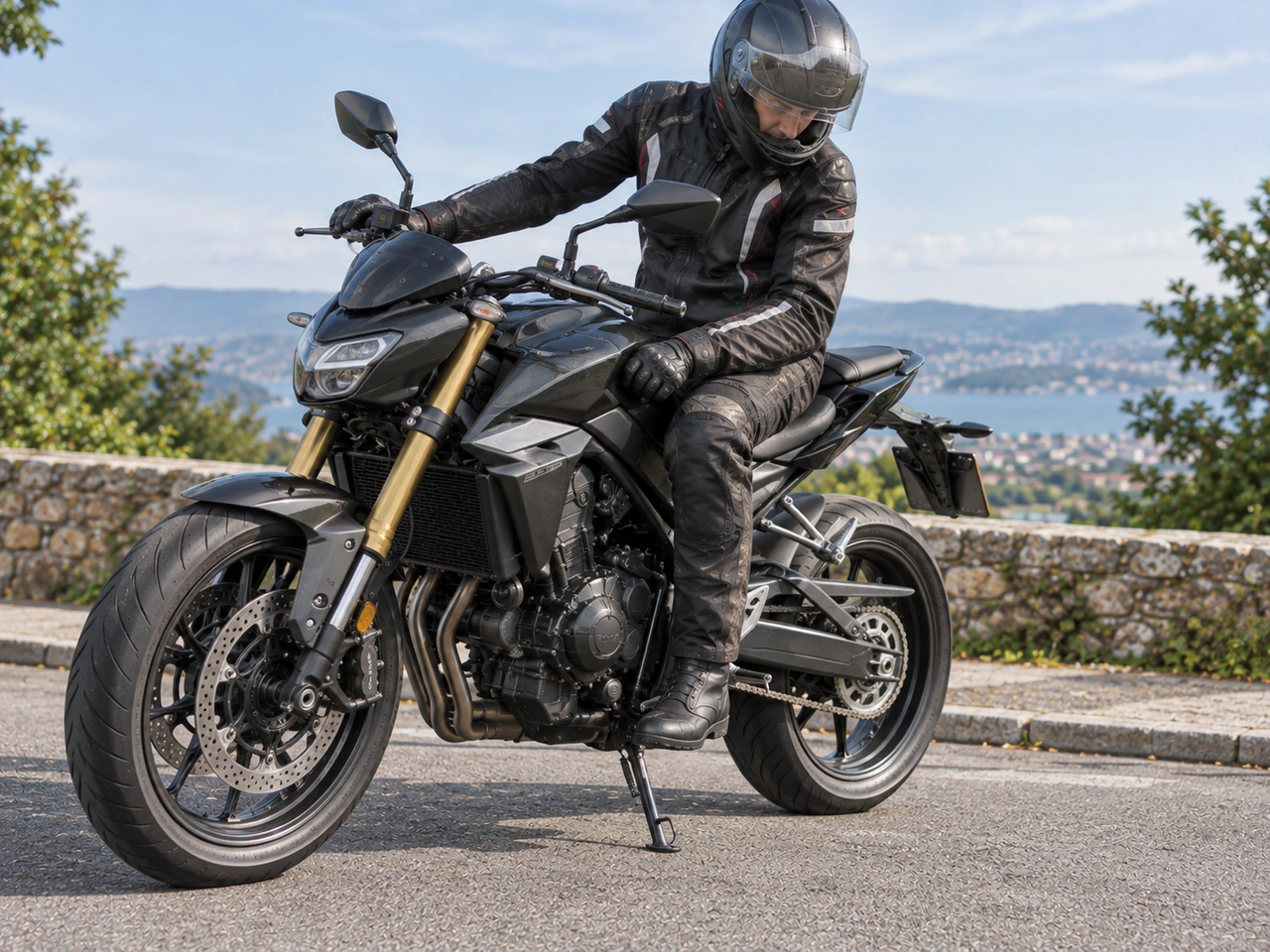
559. Should the side stand be fully raised before riding a motorcycle?
The side stand should be fully raised before riding. If it remains down, it may strike the road surface, particularly when turning, and could cause the rider to lose control.
AI-generated by Traffic-rules.com • WCIT • CC BY-SA
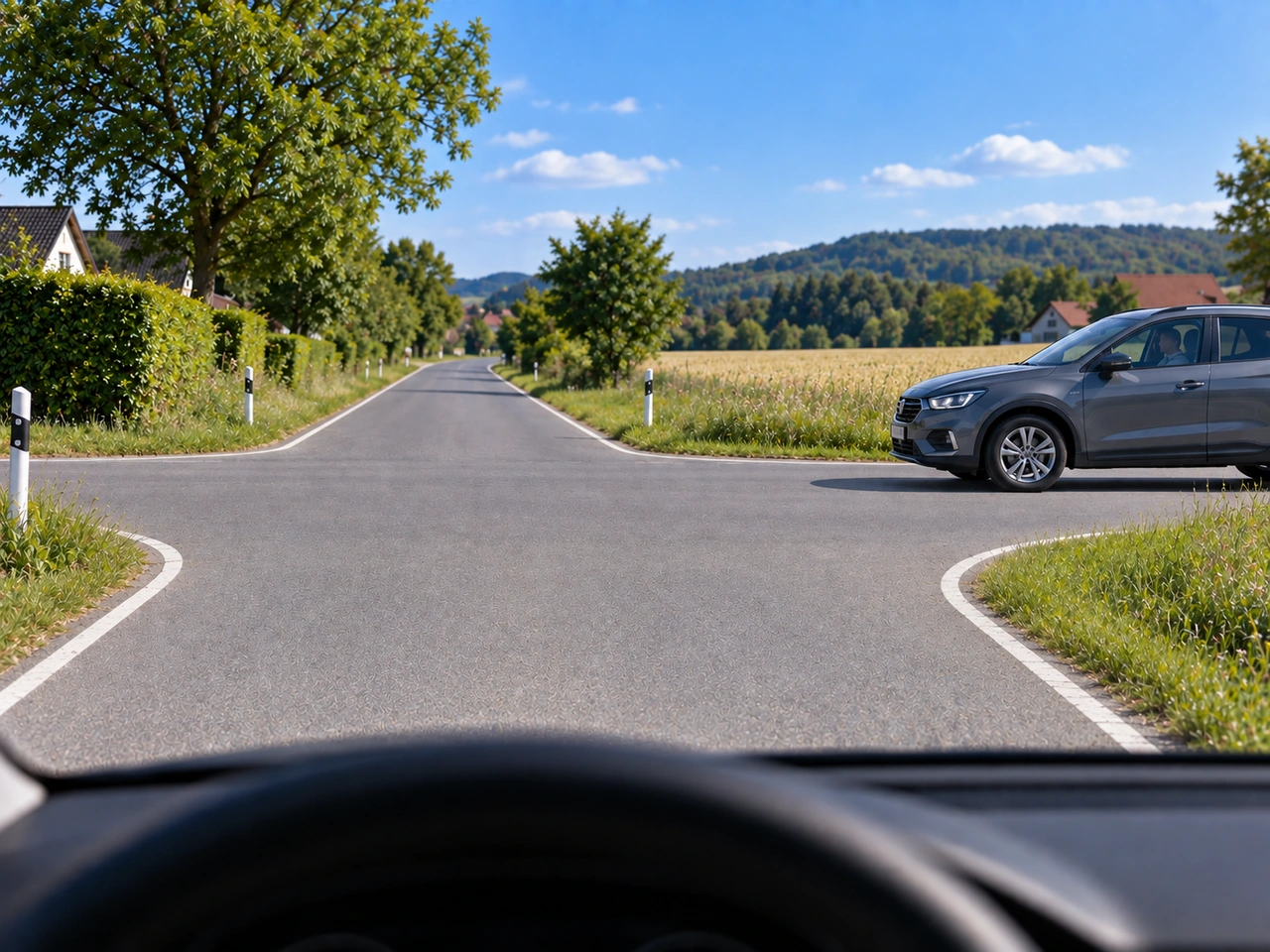
560. Who generally has priority at an uncontrolled intersection in Italy?
At an uncontrolled intersection in Italy, you generally give way to traffic approaching from the right.
AI-generated by Traffic-rules.com • WCIT • CC BY-SA
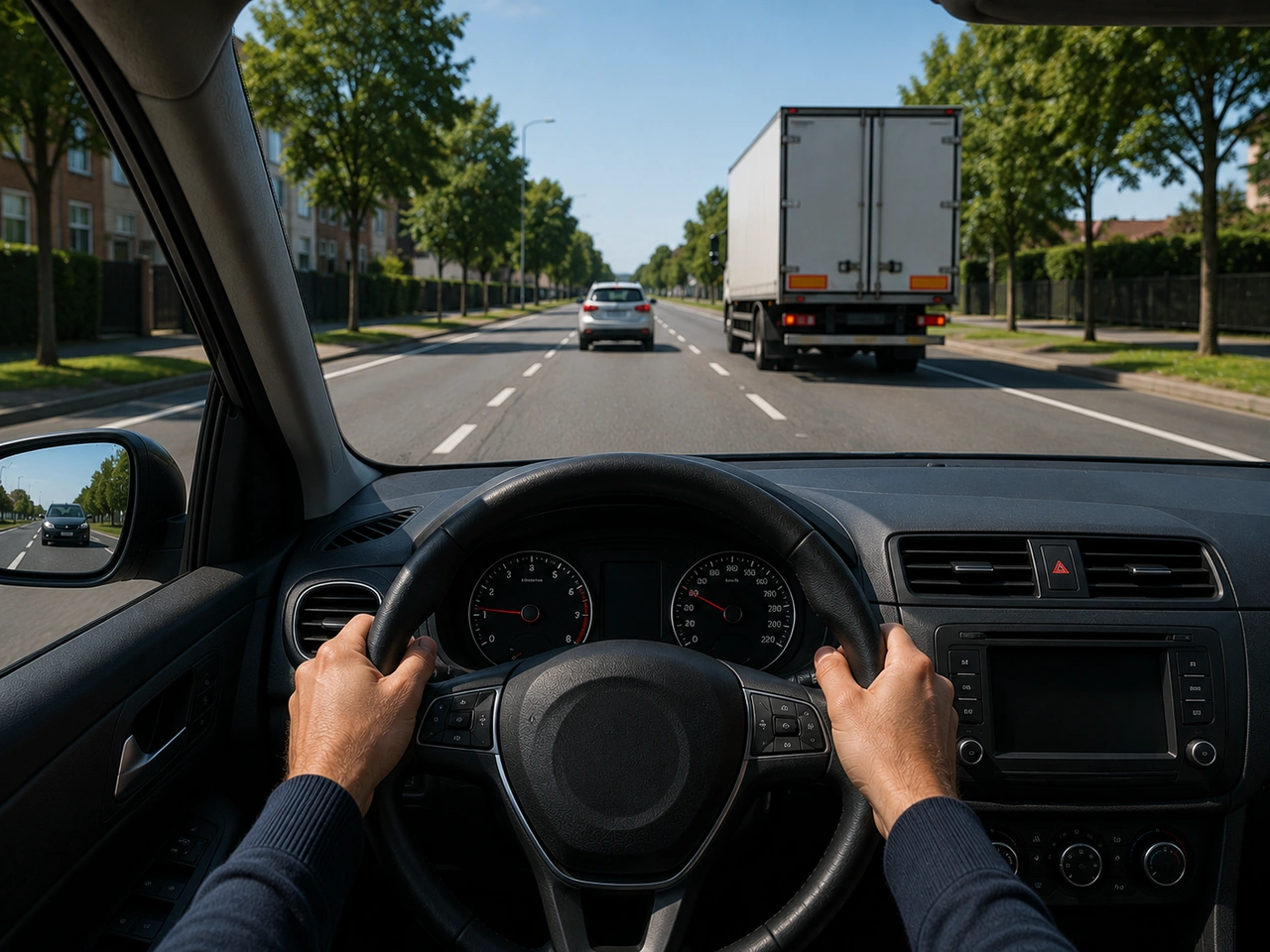
561. You should stay focused on the road and avoid unnecessary distractions.
Distractions reduce awareness and reaction time, making driving more dangerous.
AI-generated by Traffic-rules.com • WCIT • CC BY-SA
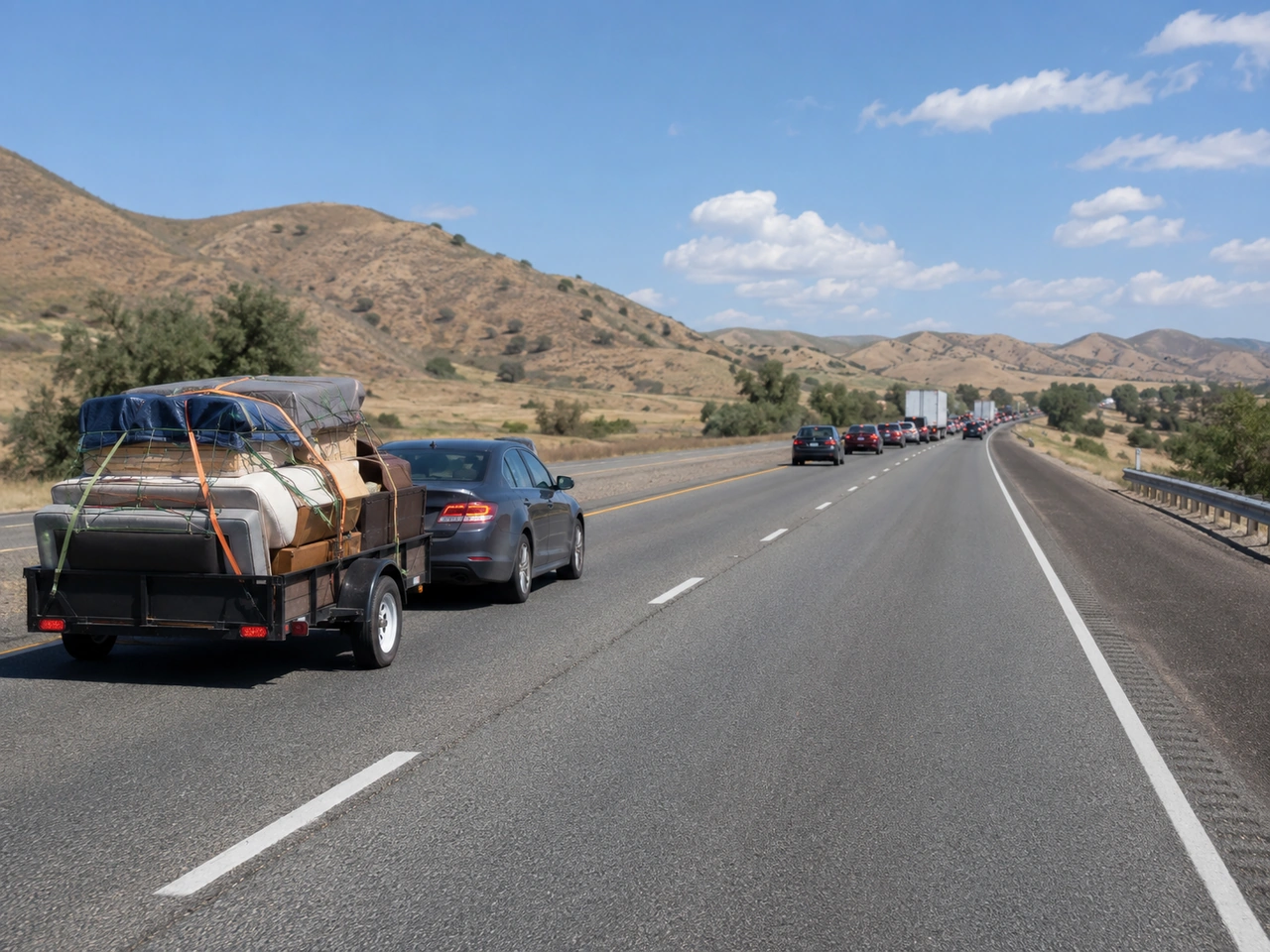
562. How can a heavy load affect stopping distance?
A heavily loaded vehicle has more mass and may require additional distance to slow down or stop safely.
AI-generated by Traffic-rules.com • WCIT • CC BY-SA
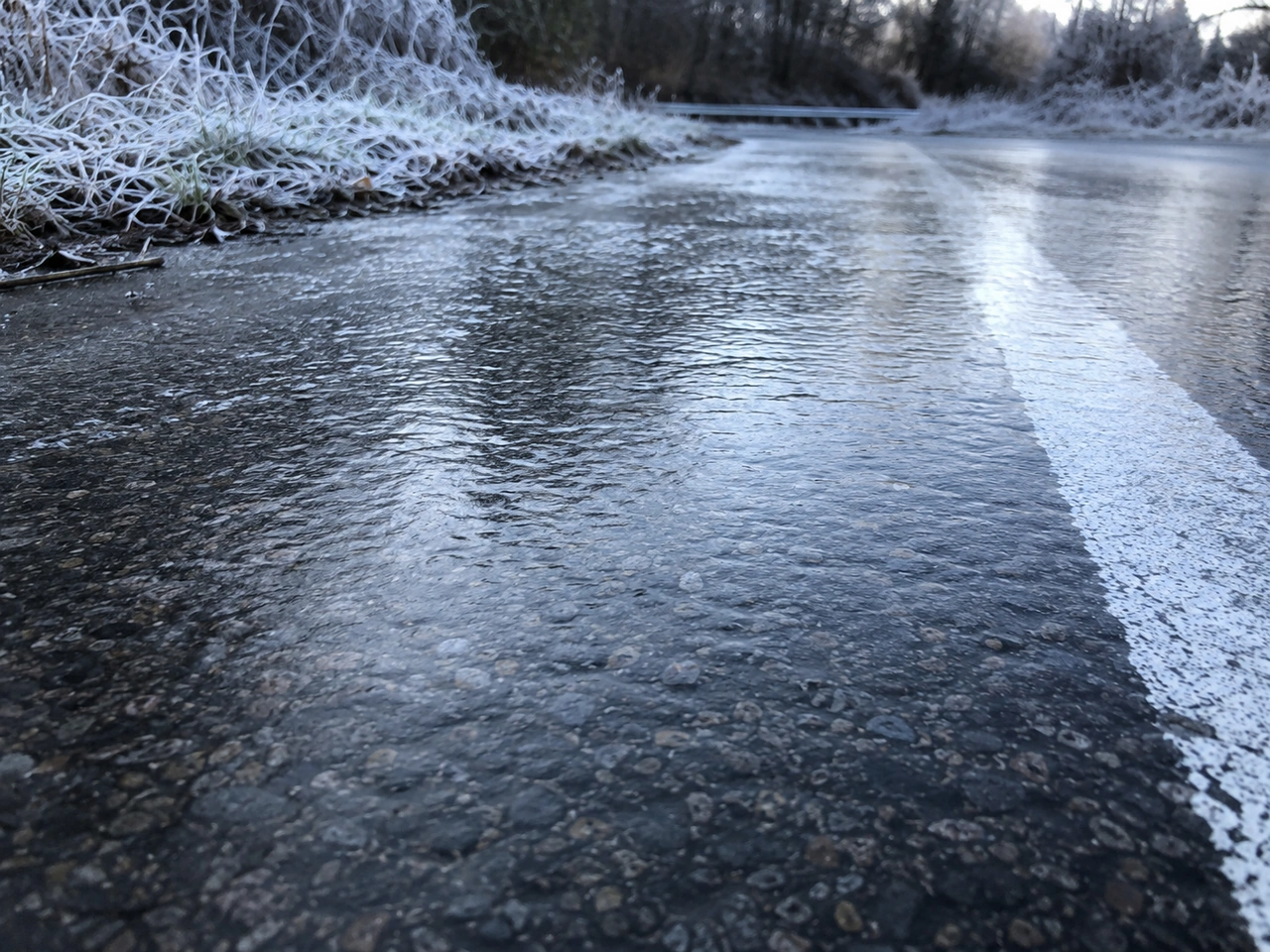
563. What is black ice?
Black ice is difficult to detect because the road surface may look merely wet. It can cause a sudden and severe loss of grip.
AI-generated by Traffic-rules.com • WCIT • CC BY-SA
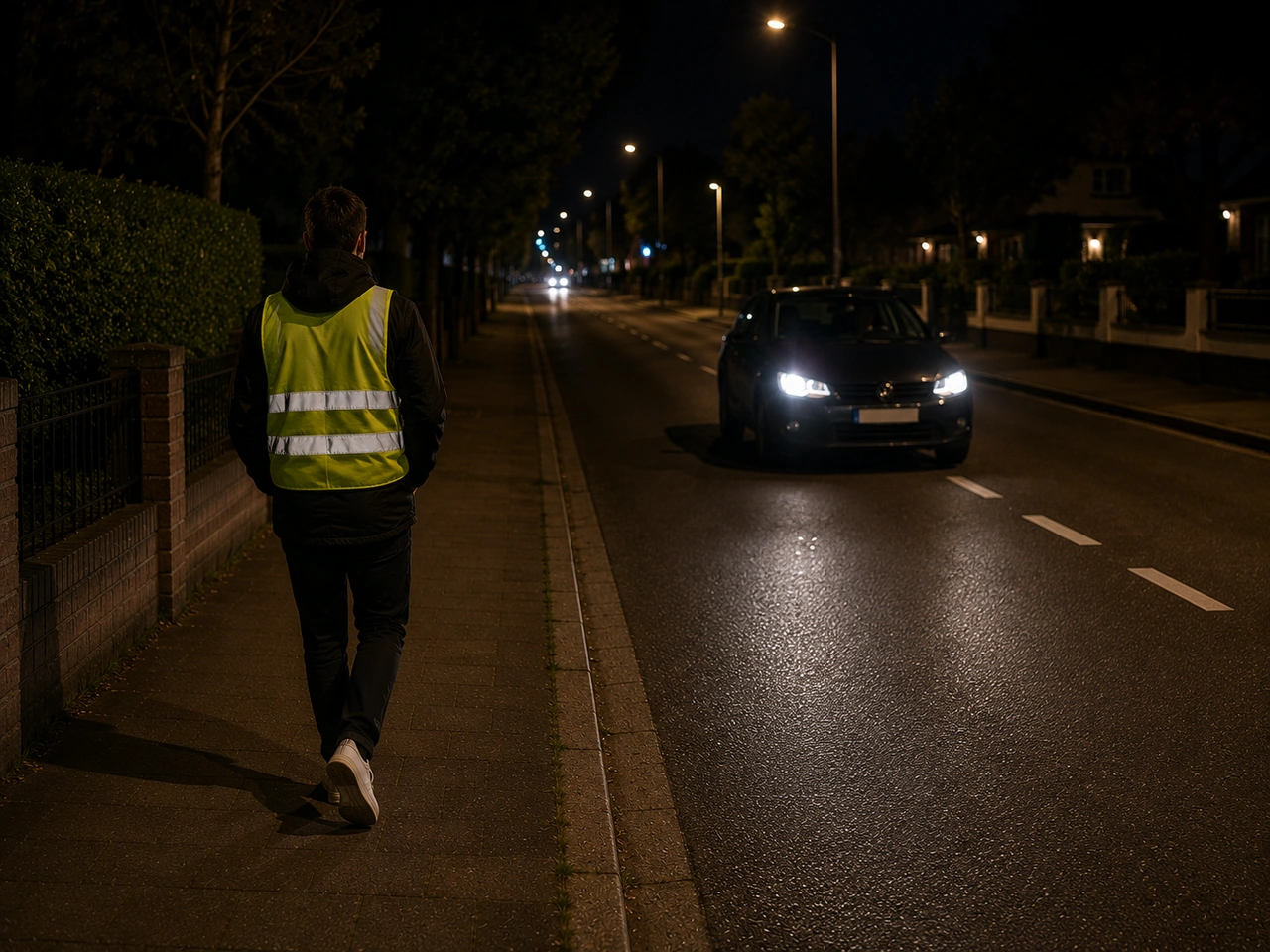
564. Why is it important to make yourself visible at night?
Bright or reflective clothing helps drivers notice pedestrians in low-light conditions.
AI-generated by Traffic-rules.com • WCIT • CC BY-SA
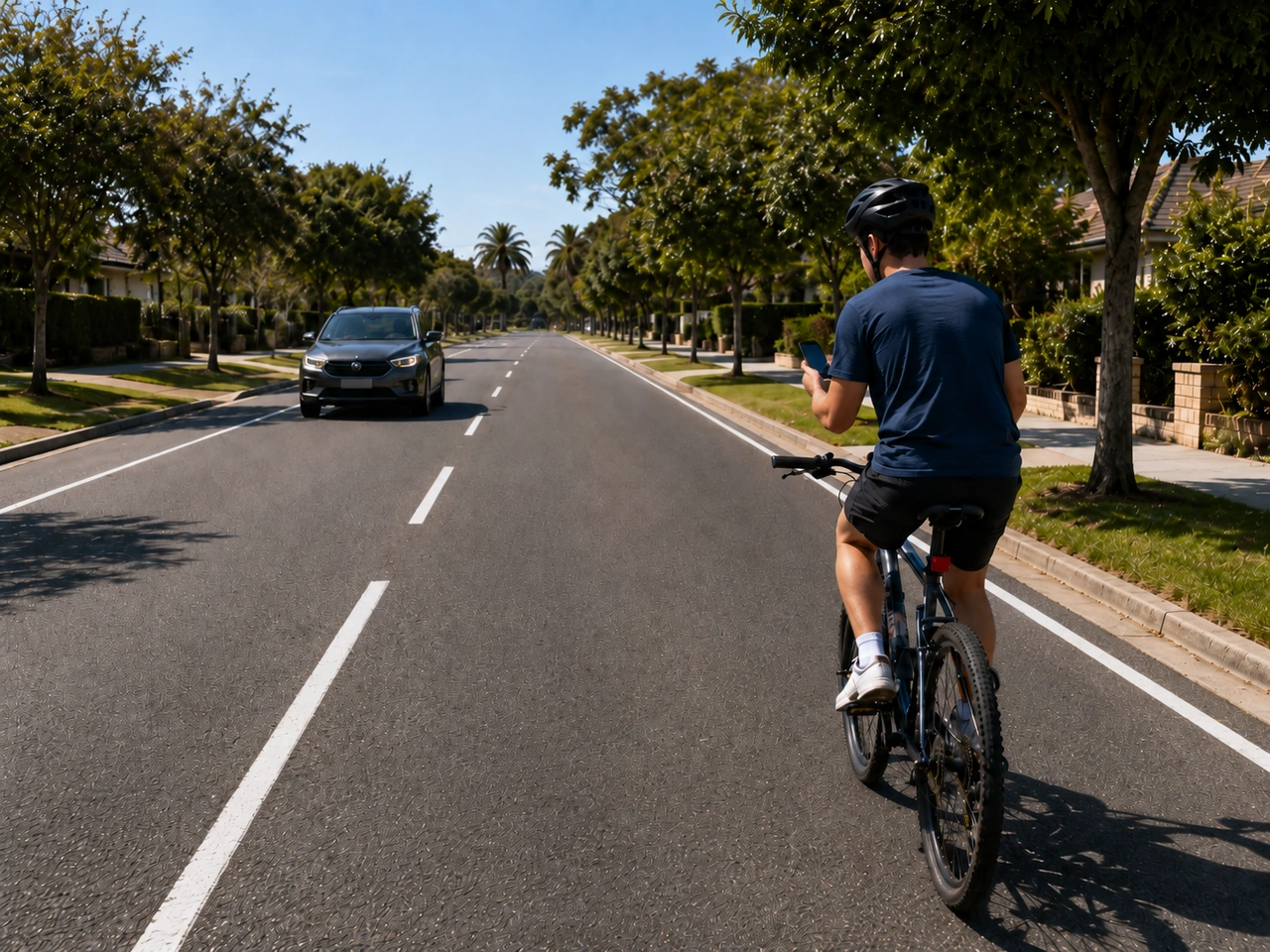
565. Why should cyclists avoid using a handheld phone?
Using a phone can distract you and may prevent you from steering, braking, or reacting properly.
AI-generated by Traffic-rules.com • WCIT • CC BY-SA
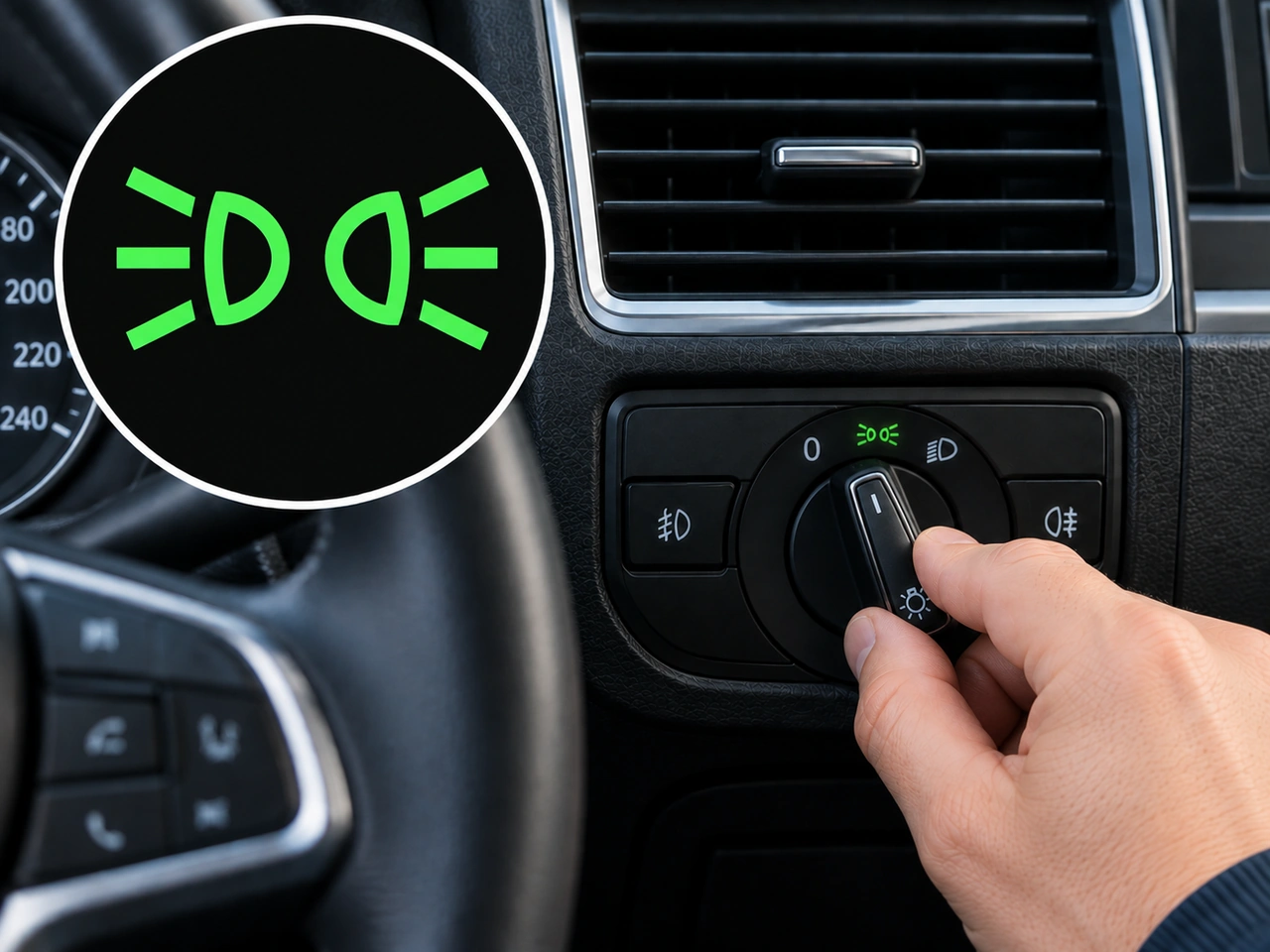
566. What does this dashboard symbol indicate?
This symbol indicates that the sidelights, also known as position or parking lights, are switched on. They help make the vehicle visible to other road users but provide little illumination of the road ahead.
AI-generated by Traffic-rules.com • WCIT • CC BY-SA
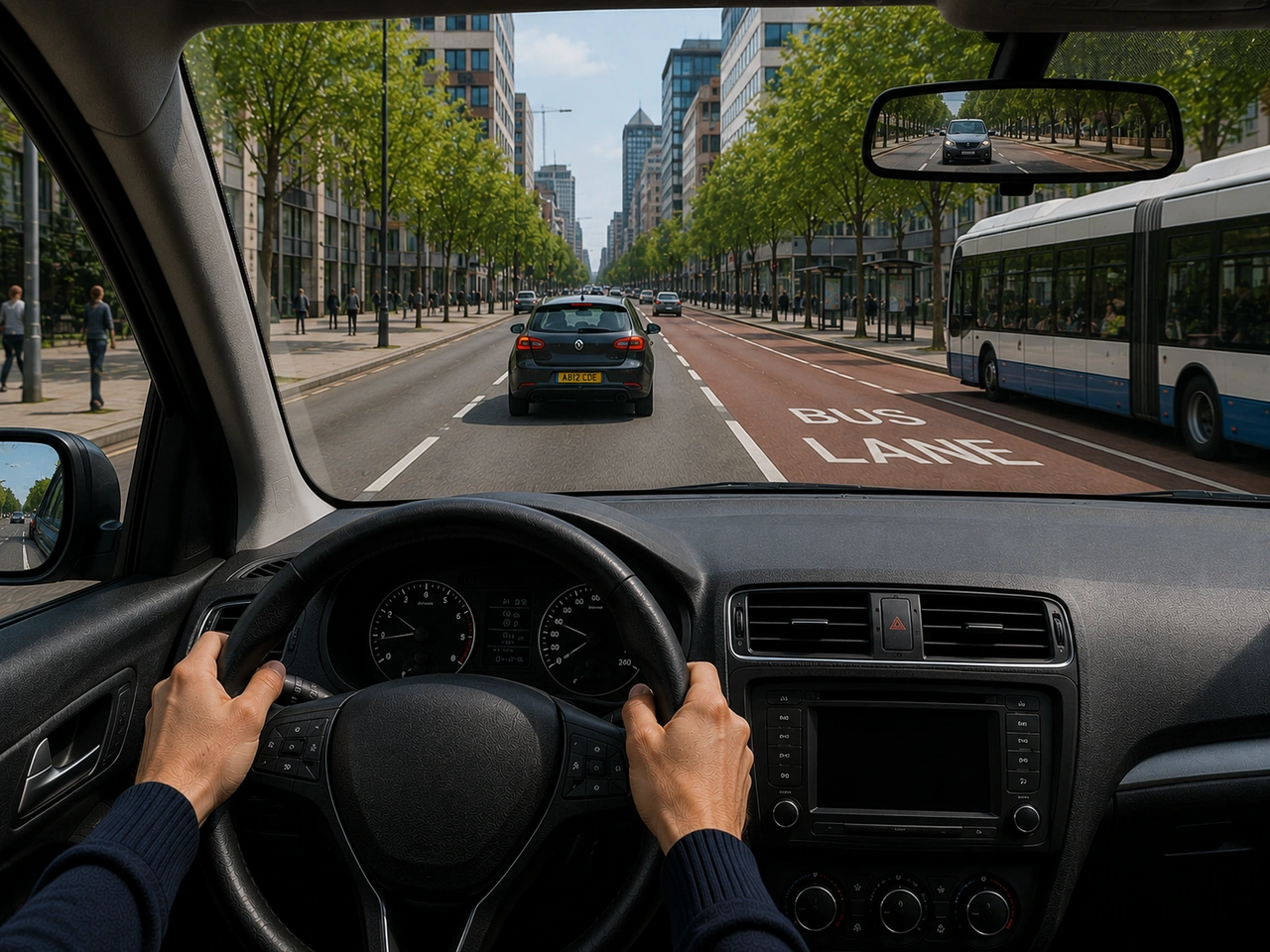
567. Why should you take extra care when crossing a tram or bus lane?
Check carefully before crossing or entering a tram or bus lane. Trams cannot steer around obstacles, and both trams and buses may need significant distance to stop.
AI-generated by Traffic-rules.com • WCIT • CC BY-SA
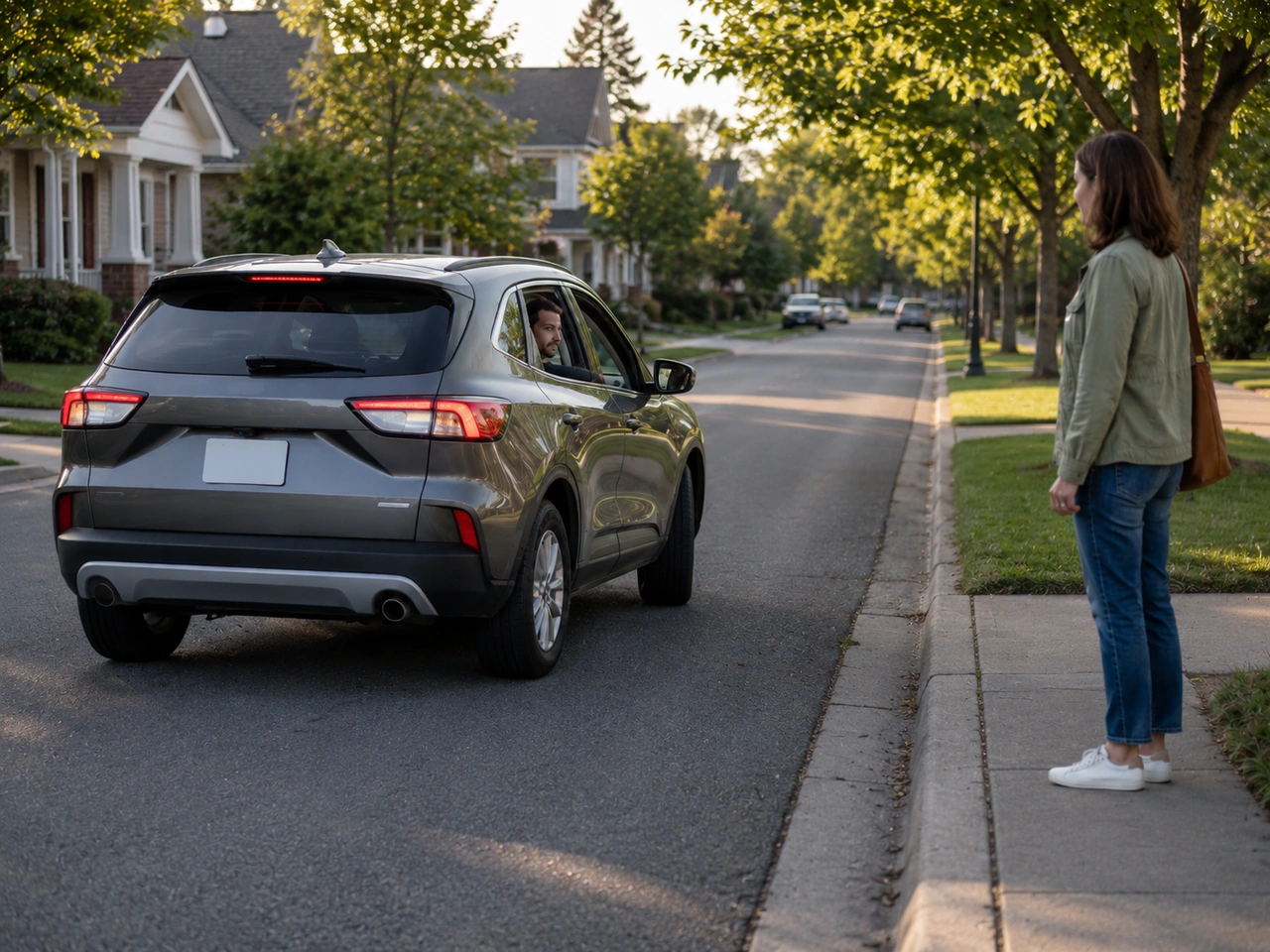
568. What should you do if a vehicle is reversing near you?
Reversing vehicles have blind spots. Stay away from the vehicle and make sure the driver can see you.
AI-generated by Traffic-rules.com • WCIT • CC BY-SA
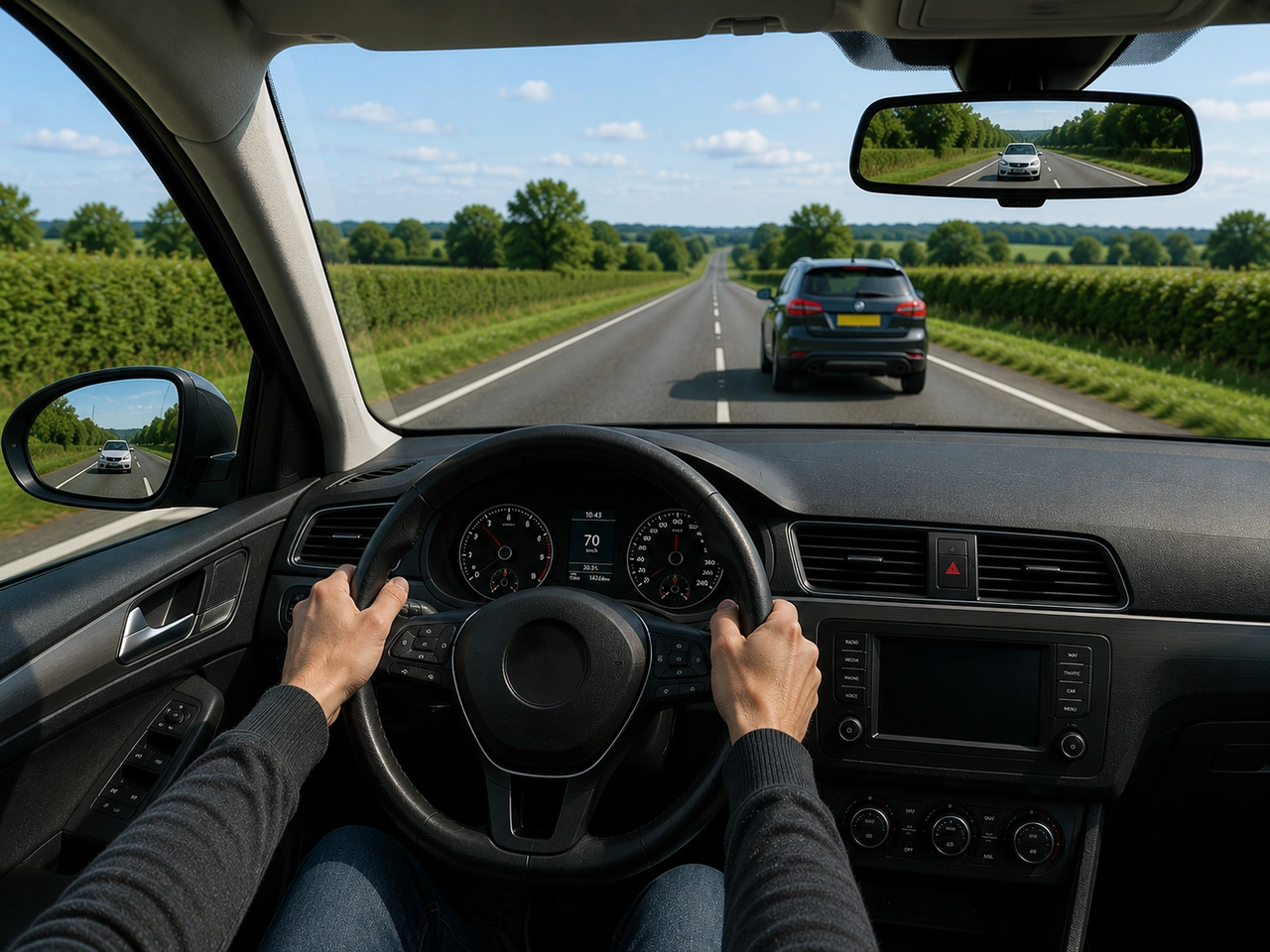
569. What should you do before overtaking another vehicle?
Before overtaking, check the road, mirrors, blind spots, signs, and markings, use your indicator, and only overtake when it is safe and permitted.
AI-generated by Traffic-rules.com • WCIT • CC BY-SA
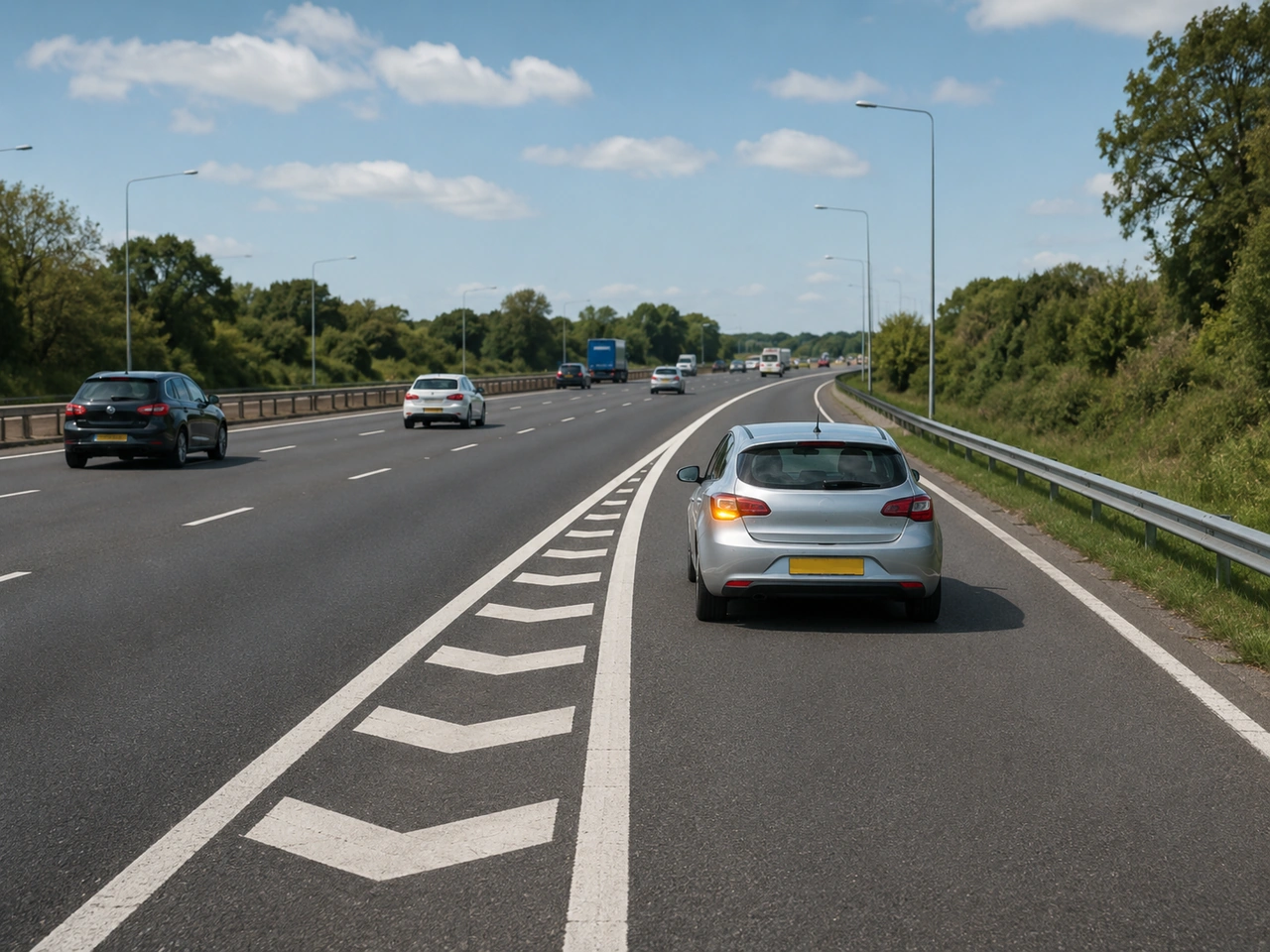
570. What should you do before joining a motorway?
Observe motorway traffic early, signal clearly, and merge only when there is a safe gap.
AI-generated by Traffic-rules.com • WCIT • CC BY-SA
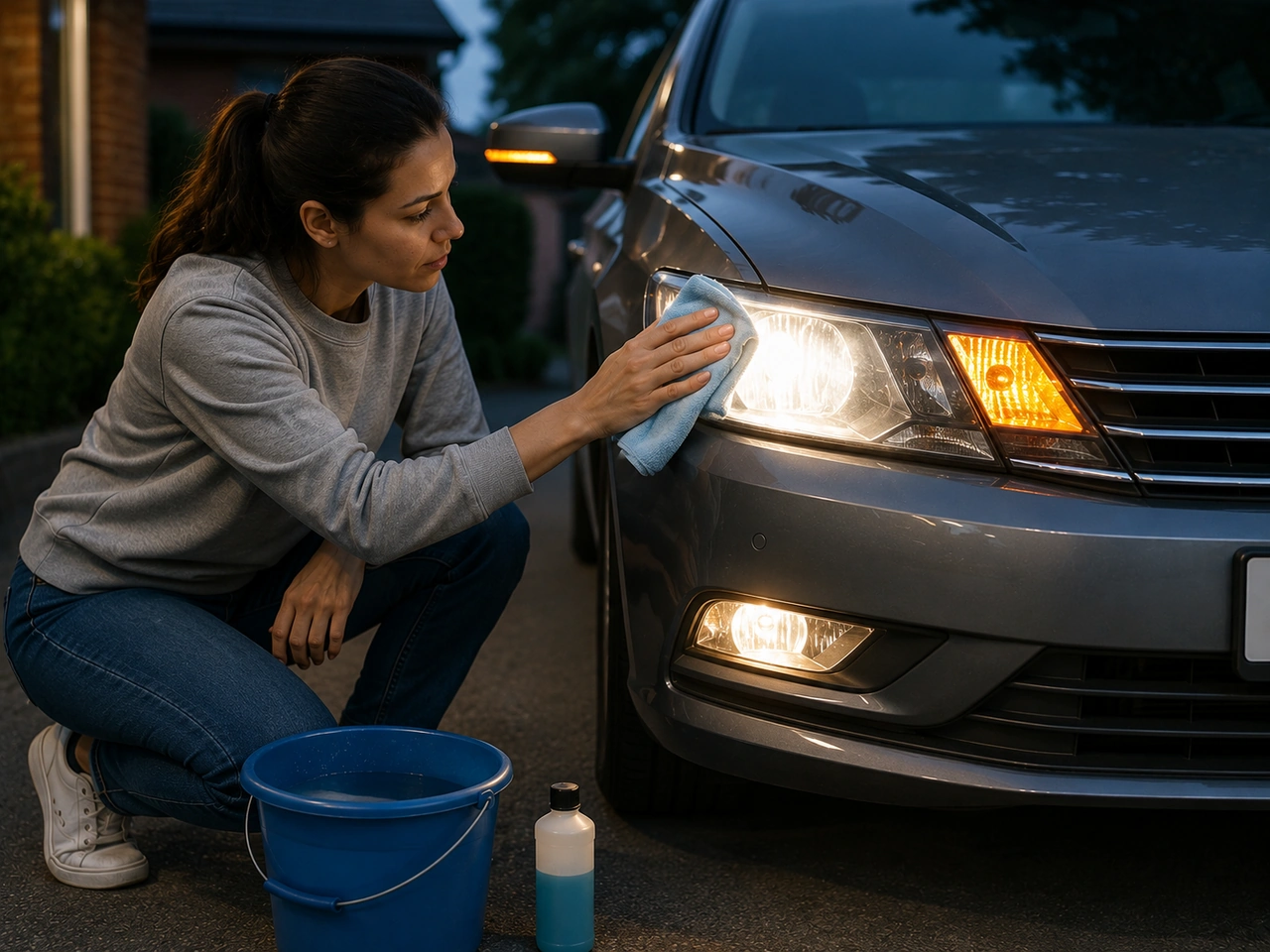
571. Why should headlights, indicators, and other exterior lights be kept clean and working?
Dirty or faulty lights reduce visibility and make it harder for other road users to understand when you are braking, turning, reversing, or changing position.
AI-generated by Traffic-rules.com • WCIT • CC BY-SA
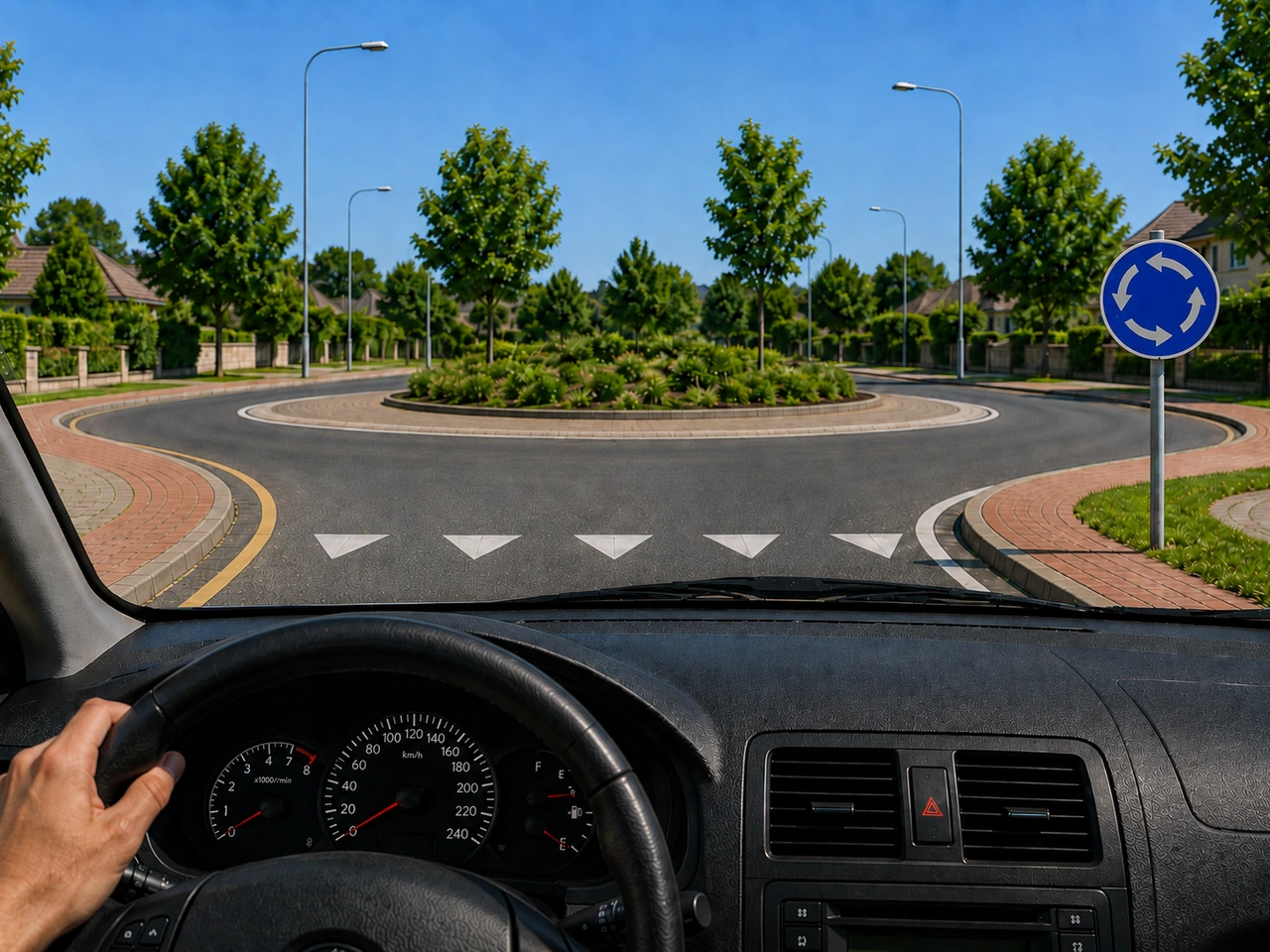
572. What should you do before entering a roundabout?
Before entering a roundabout, reduce your speed, observe traffic, and give way according to the local rules.
AI-generated by Traffic-rules.com • WCIT • CC BY-SA
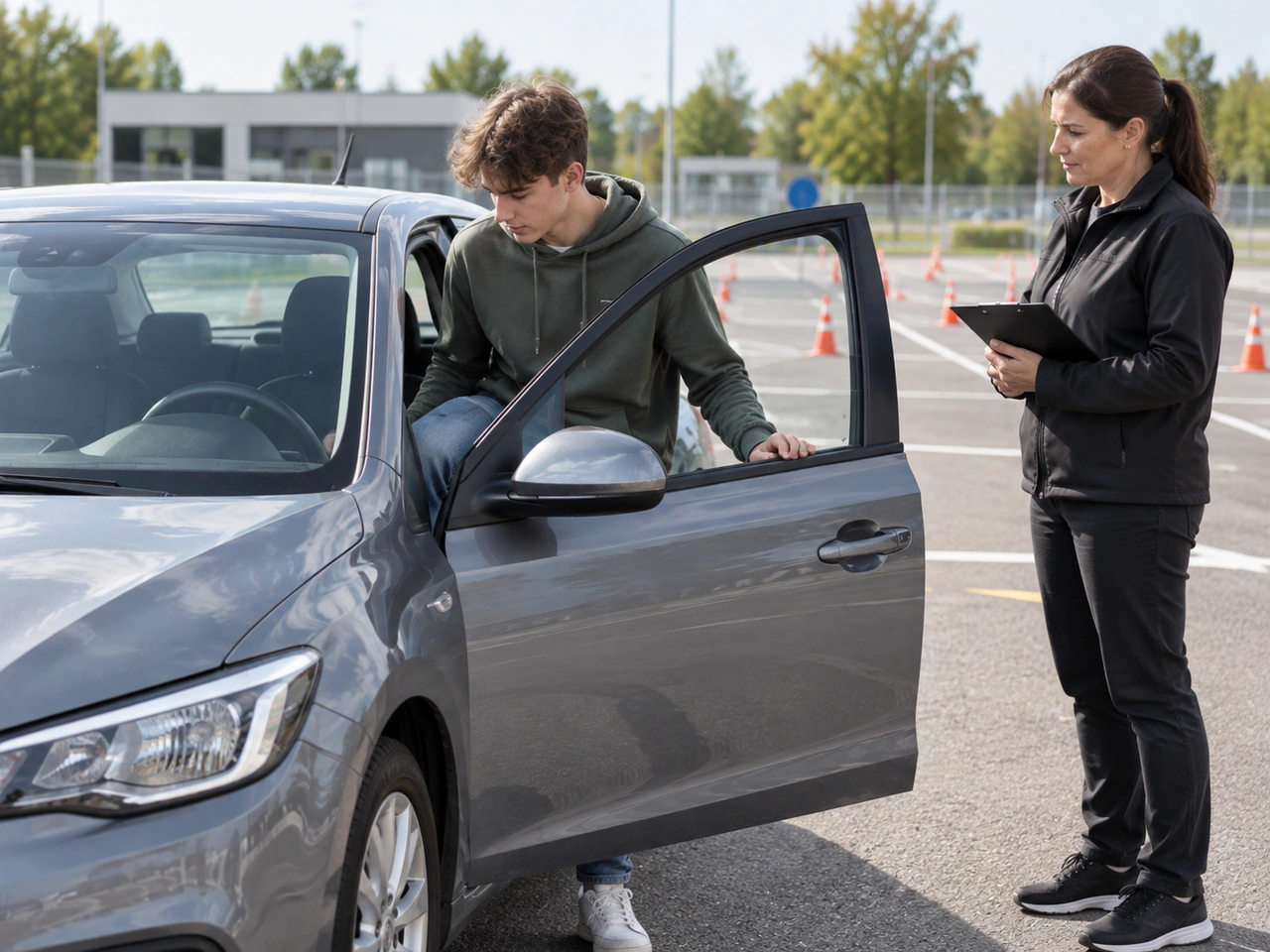
573. What is the minimum age for a standard car driving licence in Italy?
The minimum age for a standard car driving licence in Italy is 18 years.
AI-generated by Traffic-rules.com • WCIT • CC BY-SA
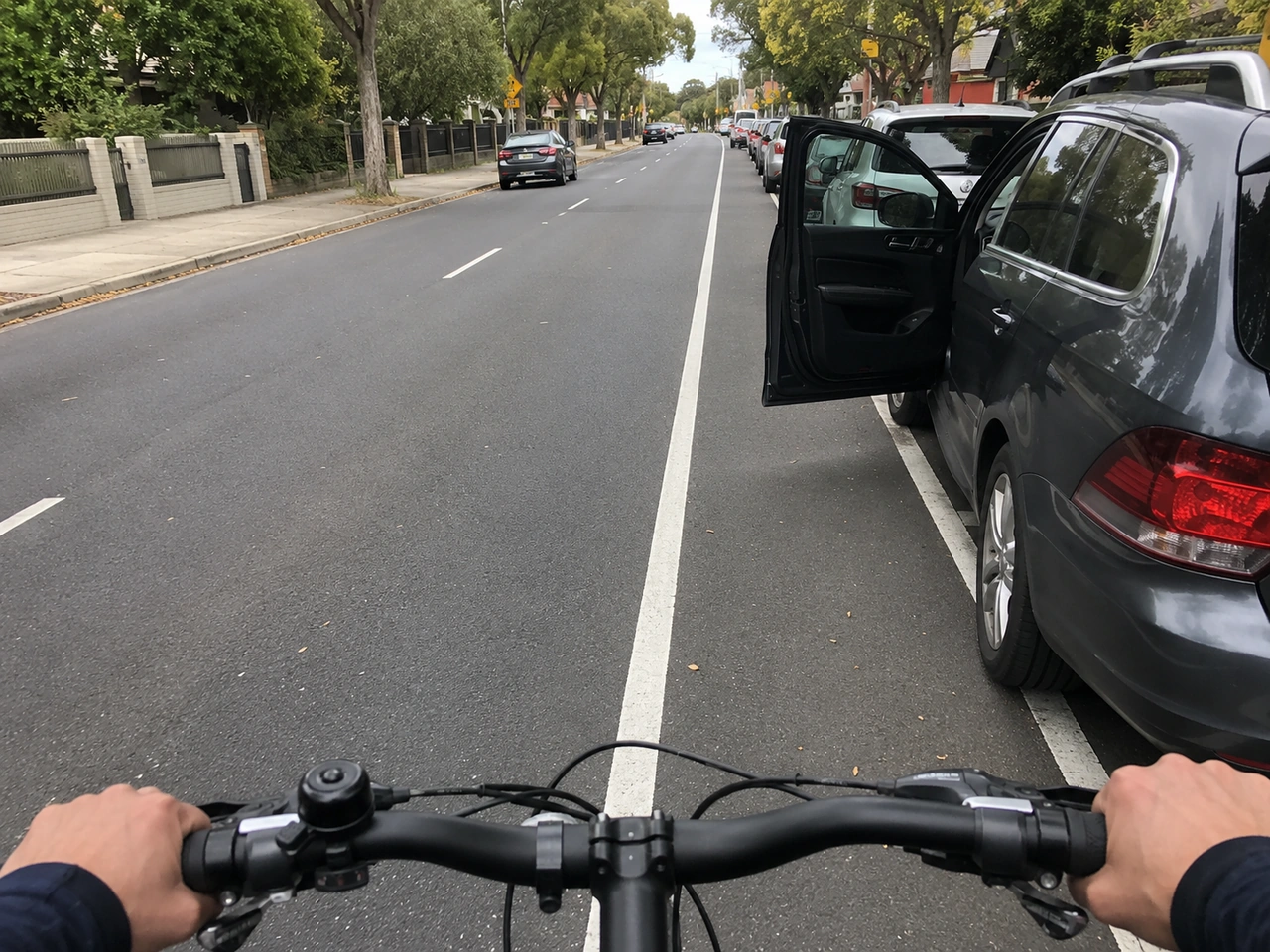
574. Why should you leave space when cycling beside parked cars?
A driver or passenger may open a door without seeing you. Leaving space reduces the risk of a dooring collision.
AI-generated by Traffic-rules.com • WCIT • CC BY-SA
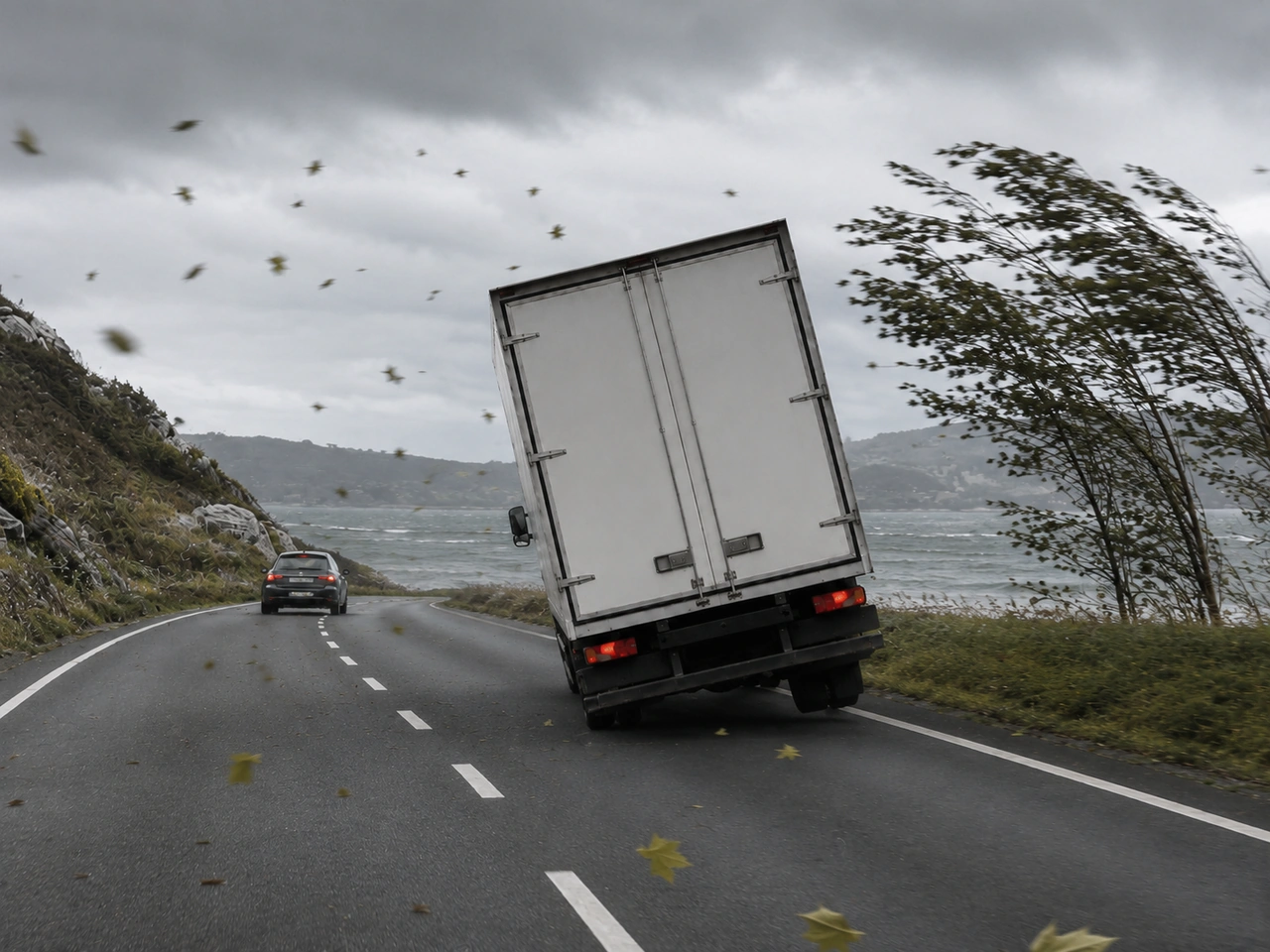
575. Which vehicles are especially vulnerable to strong crosswinds?
High-sided vehicles can be pushed sideways because of their large side area. Cyclists and motorcyclists can also be strongly affected by sudden gusts.
AI-generated by Traffic-rules.com • WCIT • CC BY-SA
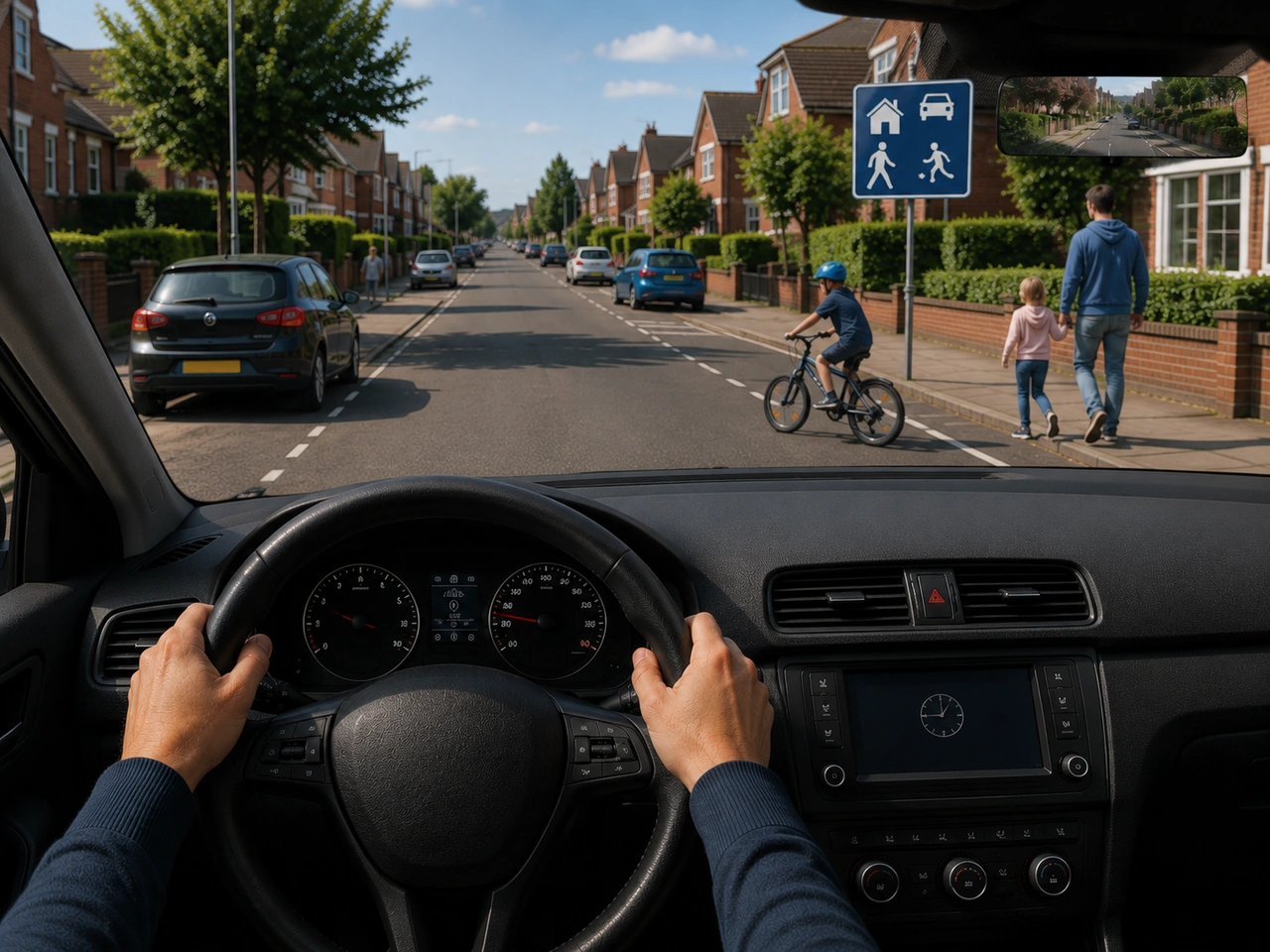
576. Why should you reduce speed in residential areas?
Residential areas often have pedestrians, cyclists, parked vehicles, driveways, and children, and hazards may appear suddenly. Lower speed gives you more time to react and stop safely.
AI-generated by Traffic-rules.com • WCIT • CC BY-SA
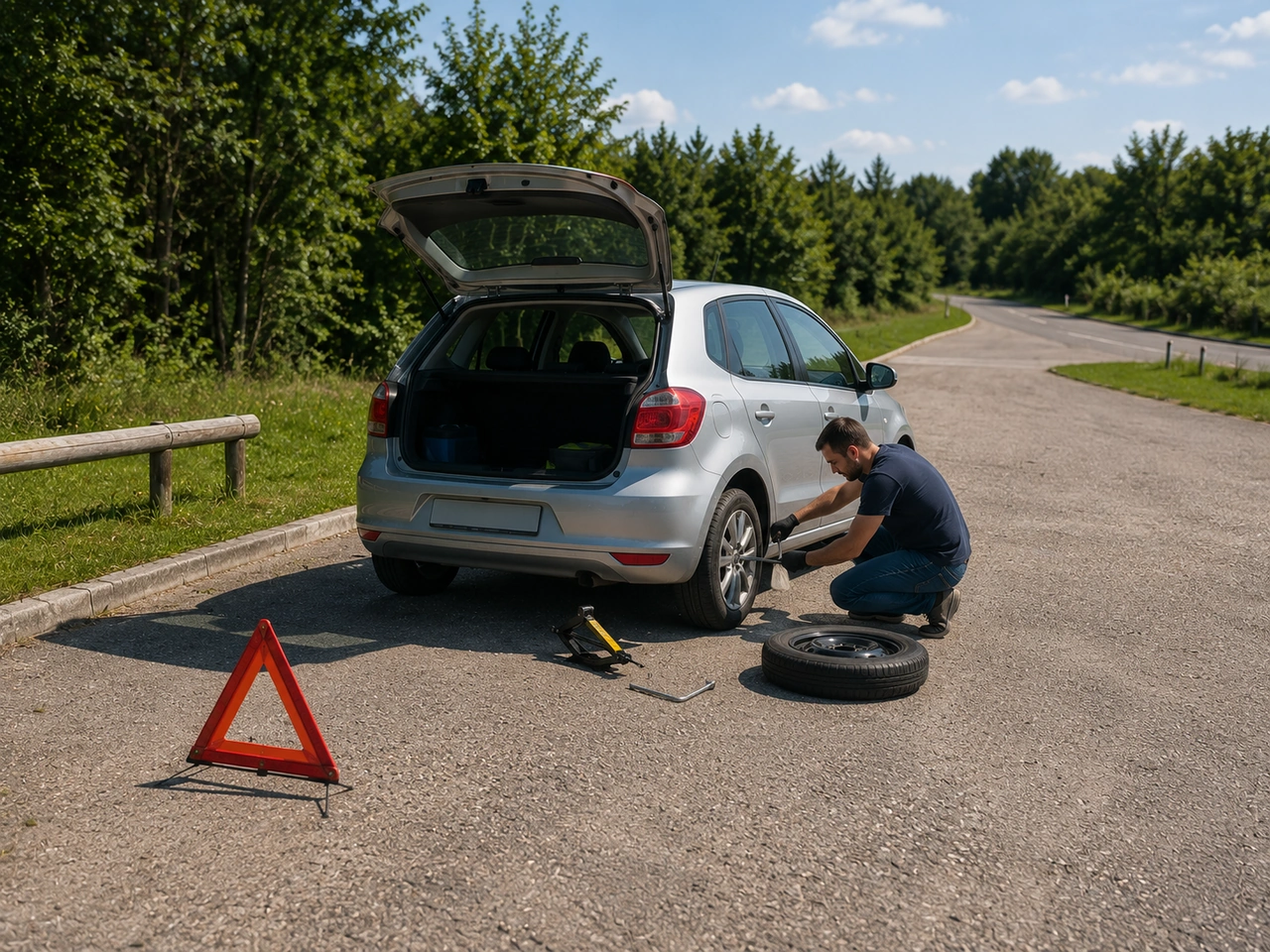
577. Where should you change a wheel after a puncture?
The vehicle must be stable and protected from traffic. Apply the parking brake and follow the manufacturer's wheel-changing instructions.
AI-generated by Traffic-rules.com • WCIT • CC BY-SA
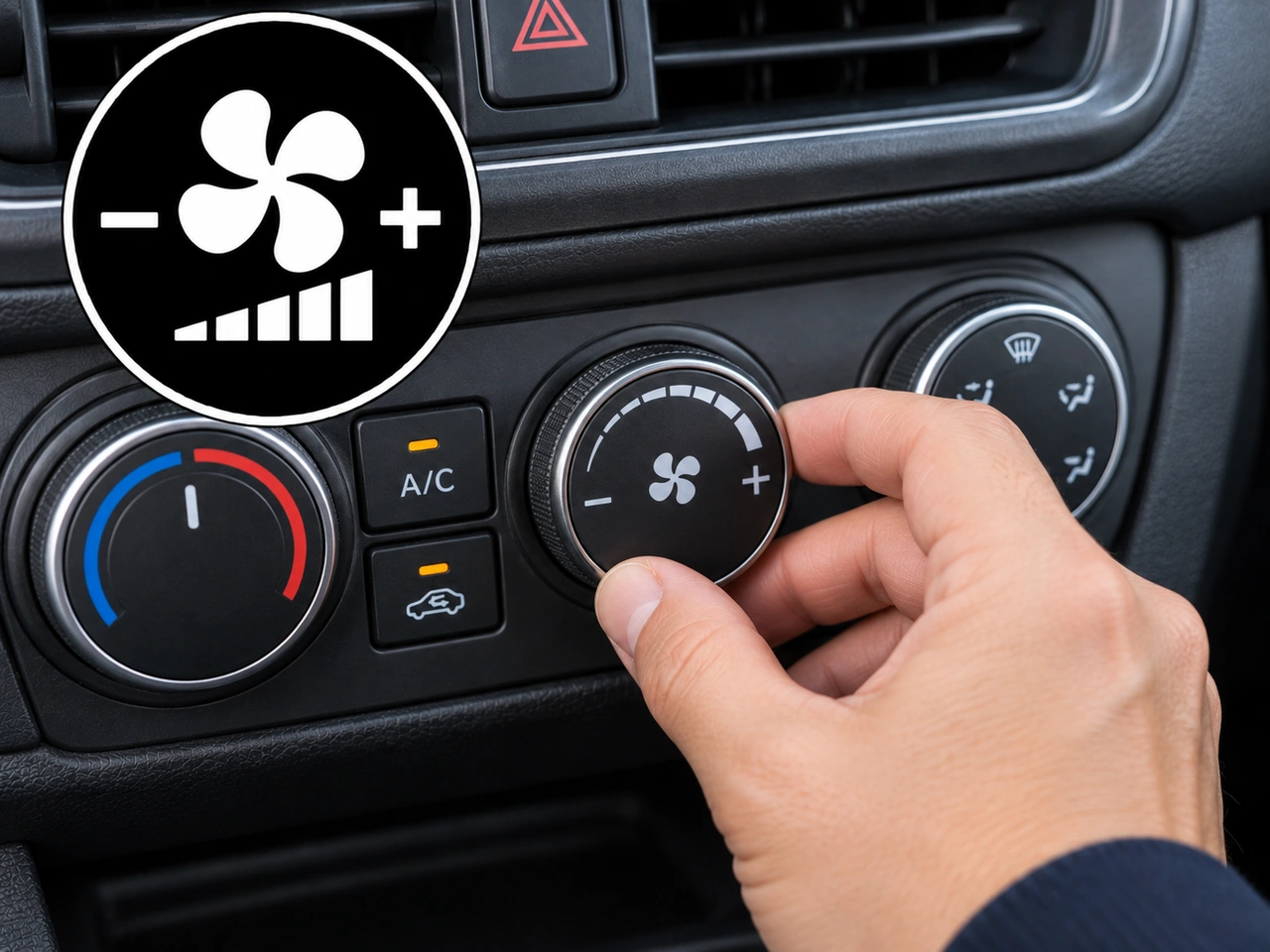
578. What does this vehicle-control symbol indicate?
This control adjusts the cabin ventilation fan speed. Increasing the setting moves more air through the vehicle's ventilation and climate-control system.
AI-generated by Traffic-rules.com • WCIT • CC BY-SA

579. What should you do before a long journey to reduce the risk of driver fatigue?
Getting enough sleep before a long journey helps reduce the risk of driver fatigue. Plan breaks in advance and avoid starting a long drive when you are already tired.
AI-generated by Traffic-rules.com • WCIT • CC BY-SA
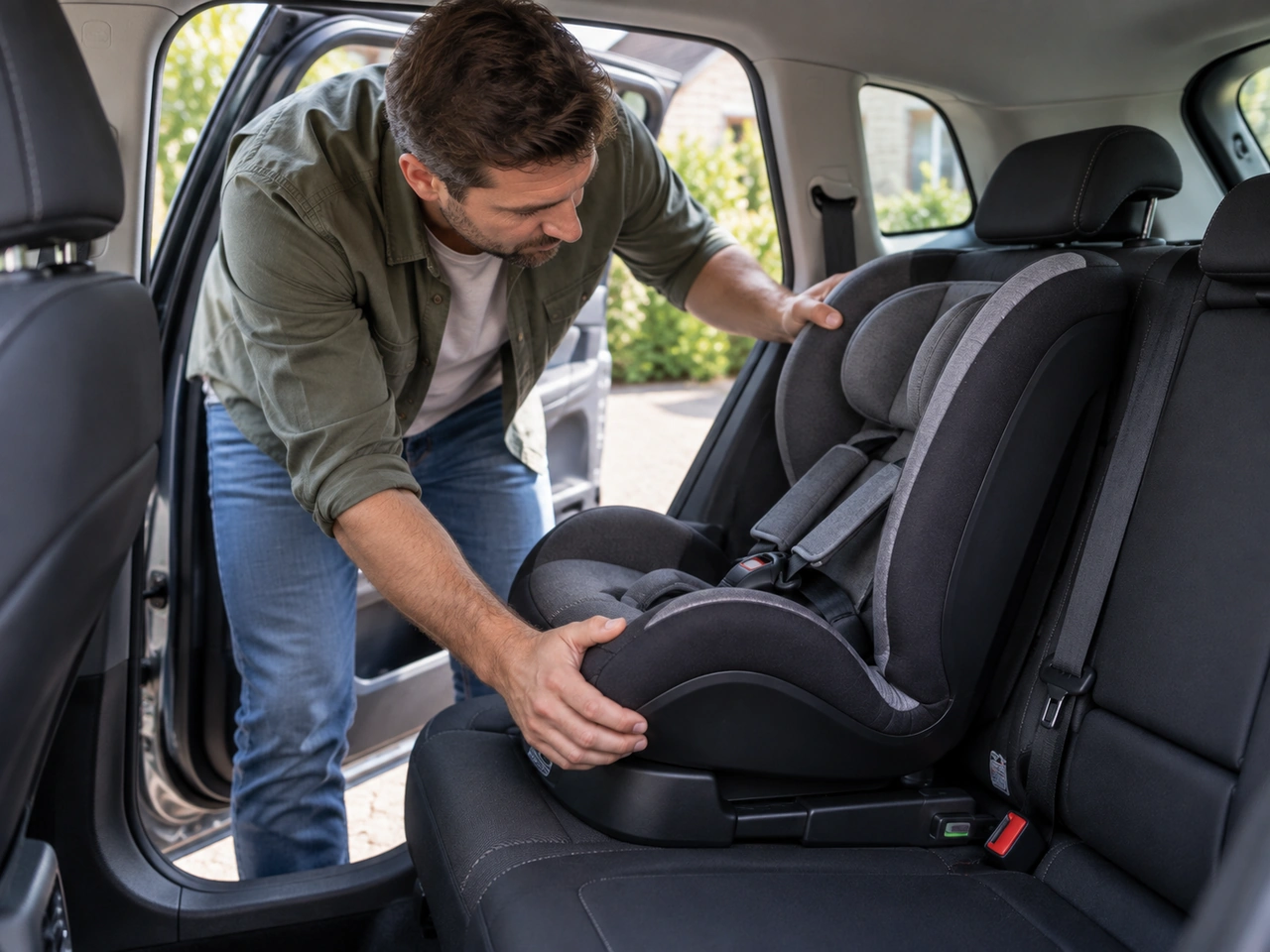
580. What should you check after fitting a child restraint?
A child restraint should be installed securely and used according to the manufacturer's instructions. Check that the seat is firmly attached, the belt or ISOFIX connection is correct, and the child is restrained properly before driving.
AI-generated by Traffic-rules.com • WCIT • CC BY-SA
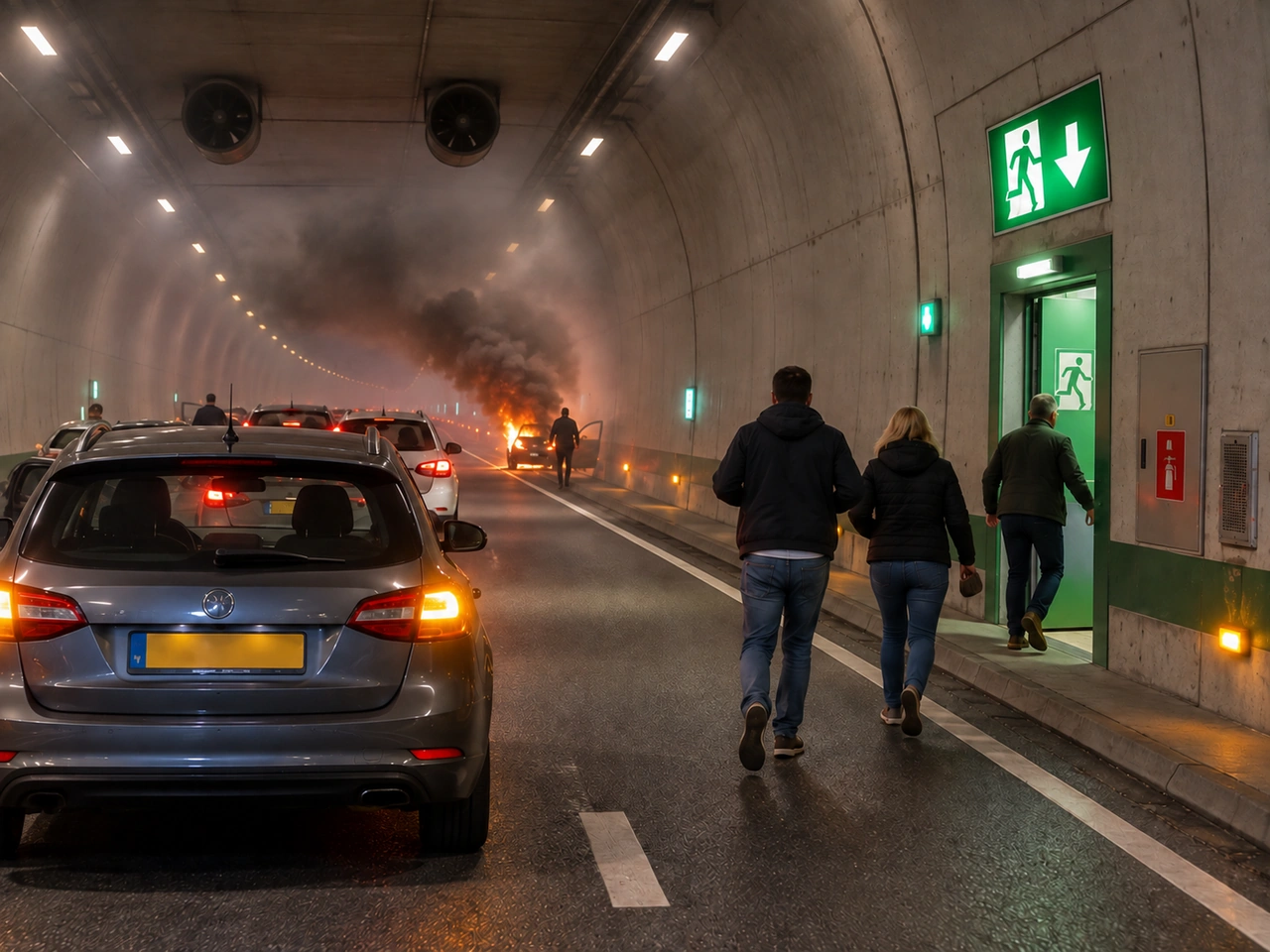
581. What should you do if you see smoke or fire inside a tunnel?
If it is safe to drive out of the tunnel, do so. If you cannot continue safely, stop, switch off the engine, leave the vehicle, and use the marked emergency exits or refuge routes. Follow tunnel-control instructions.
AI-generated by Traffic-rules.com • WCIT • CC BY-SA
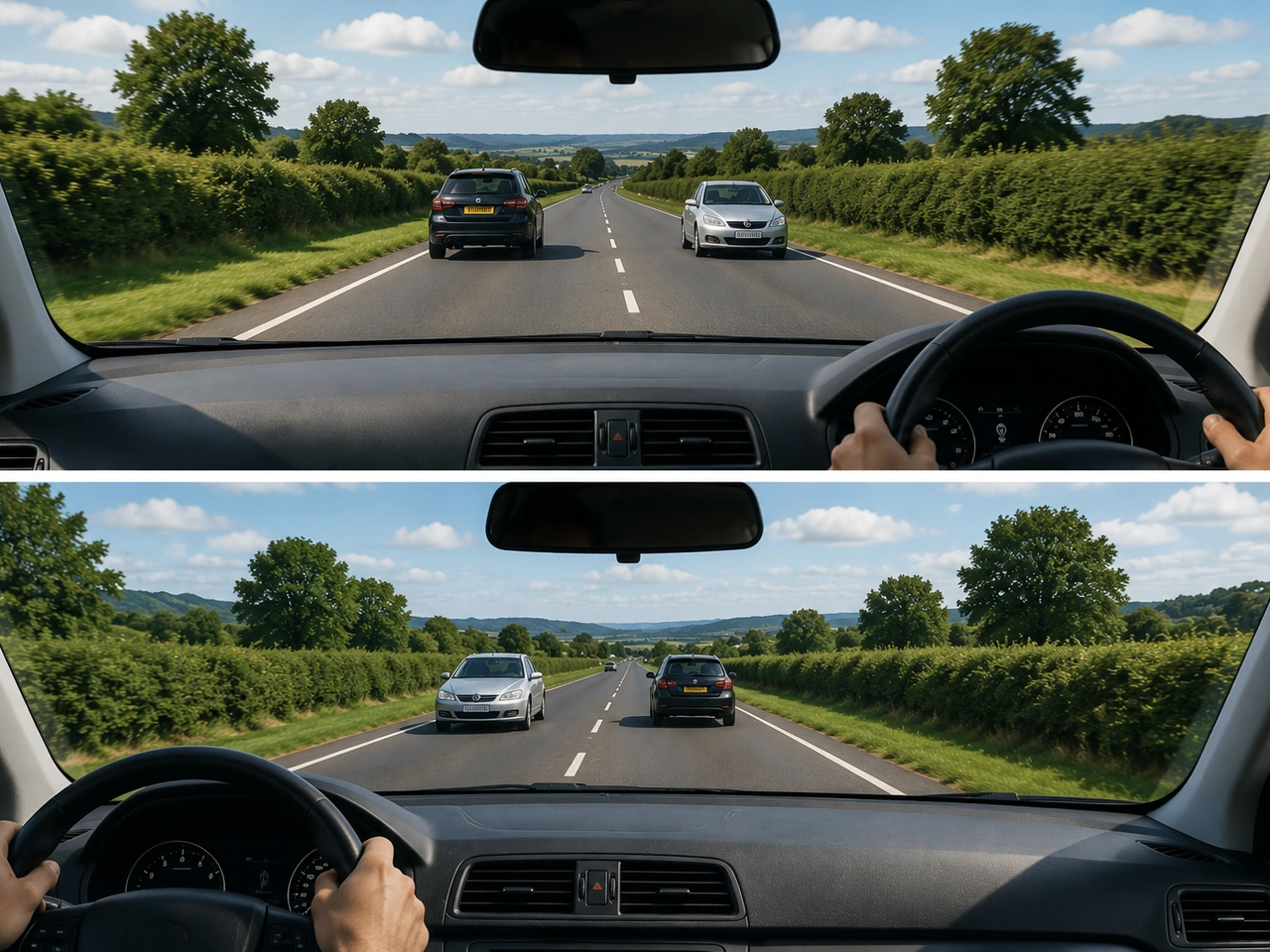
582. Which side do people drive on in Italy?
Traffic drives on the right-hand side of the road in Italy.
AI-generated by Traffic-rules.com • WCIT • CC BY-SA
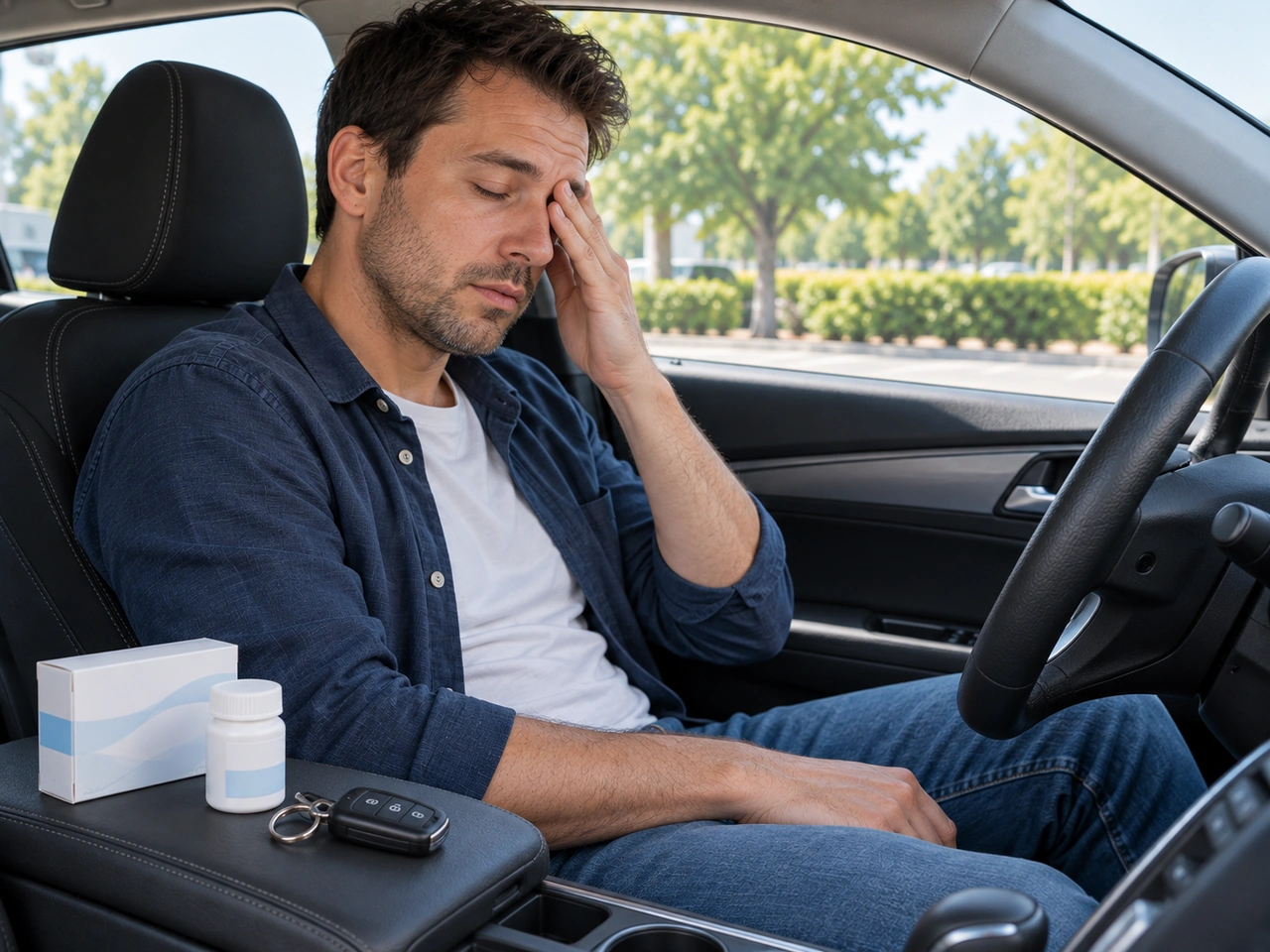
583. What should you do if medicine makes you feel drowsy?
If a medicine causes drowsiness, your concentration, judgement, and reaction time may be reduced. Do not drive until you are fit to do so and the effect has passed.
AI-generated by Traffic-rules.com • WCIT • CC BY-SA
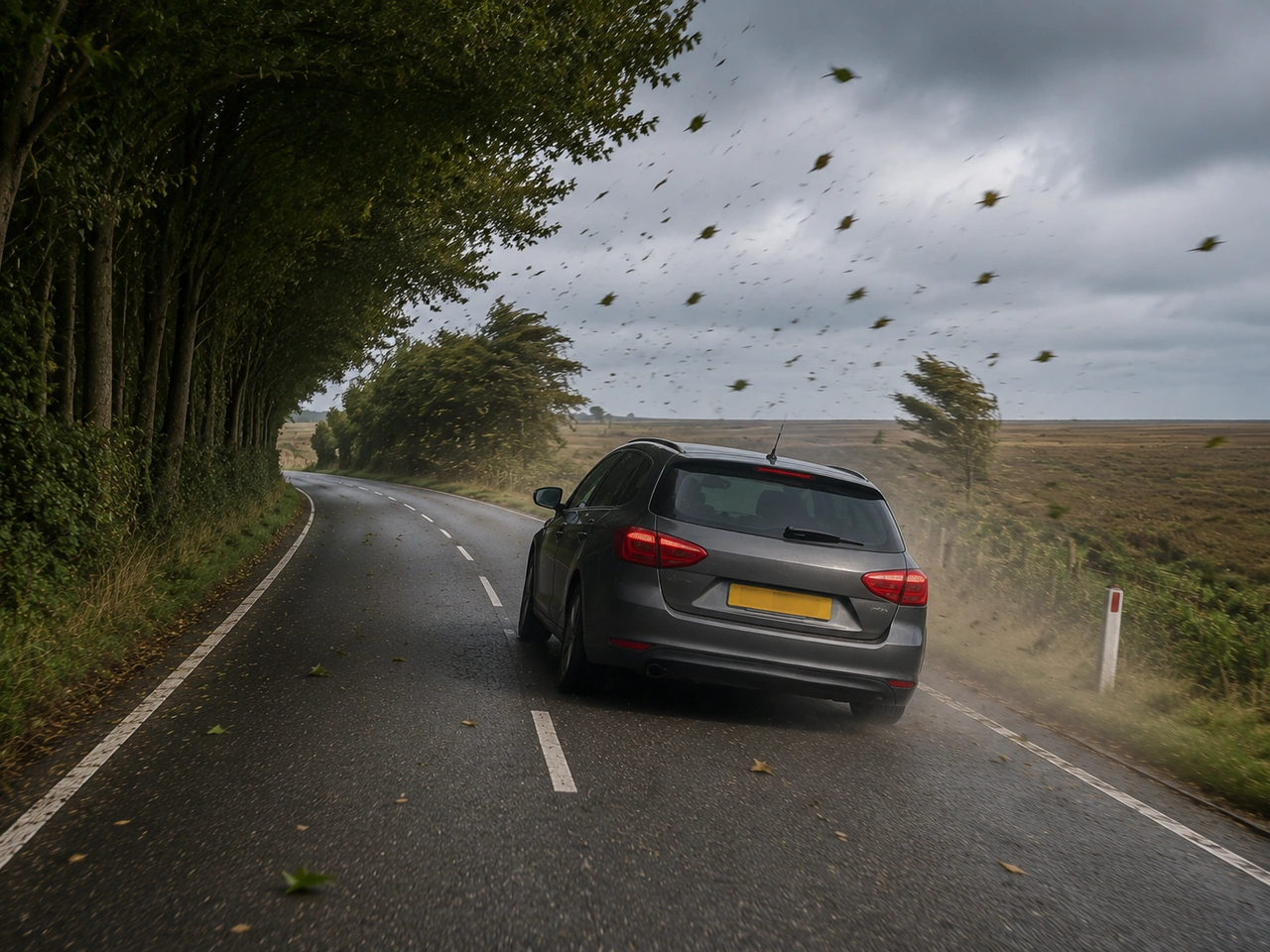
584. What should you expect when leaving a sheltered area during strong winds?
Buildings, trees, and other obstacles can block wind. When you leave shelter, a sudden gust may push your vehicle.
AI-generated by Traffic-rules.com • WCIT • CC BY-SA
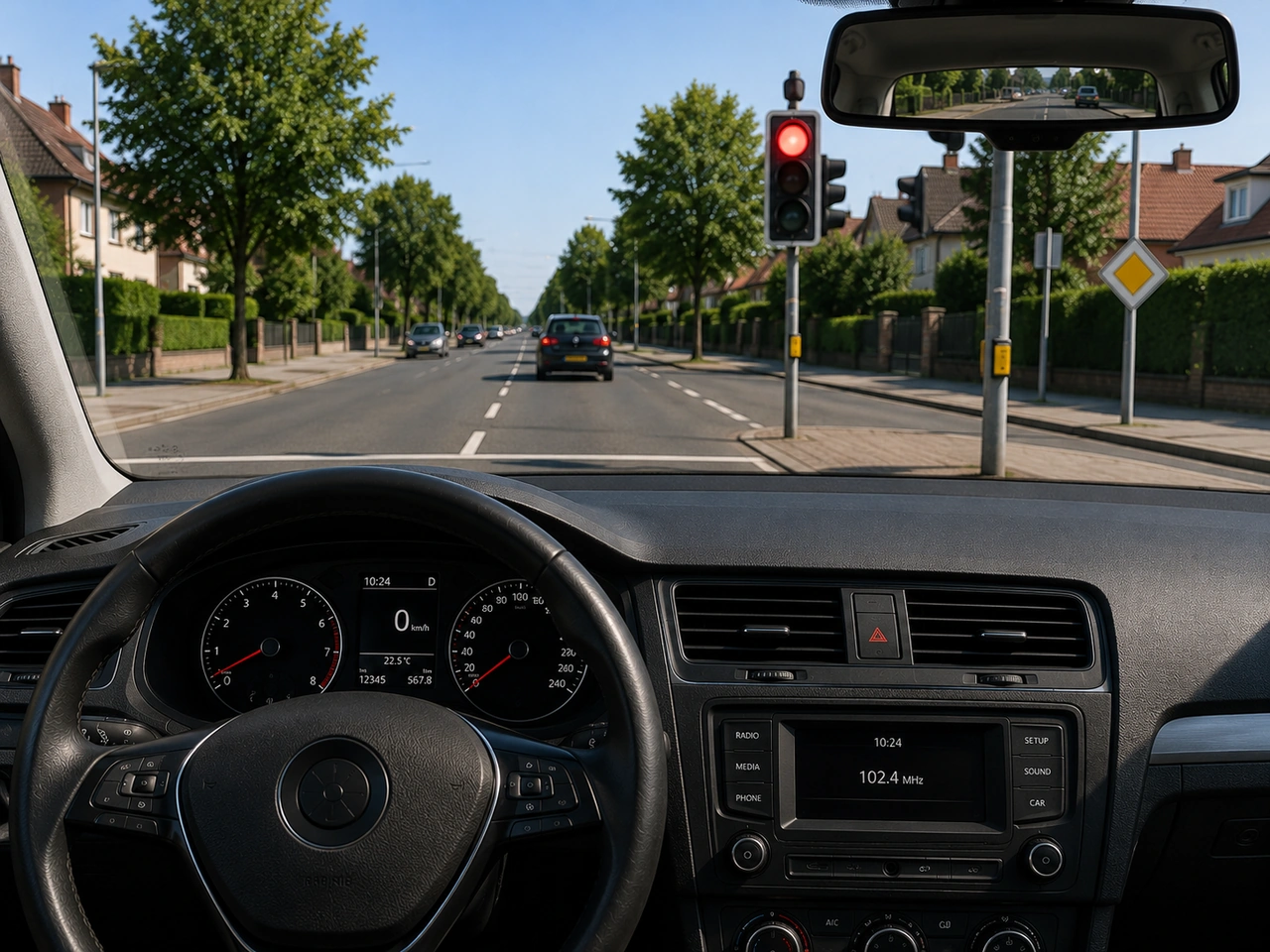
585. You must stop at a red traffic light.
A red traffic light means you must stop and wait until it is allowed to proceed.
AI-generated by Traffic-rules.com • WCIT • CC BY-SA
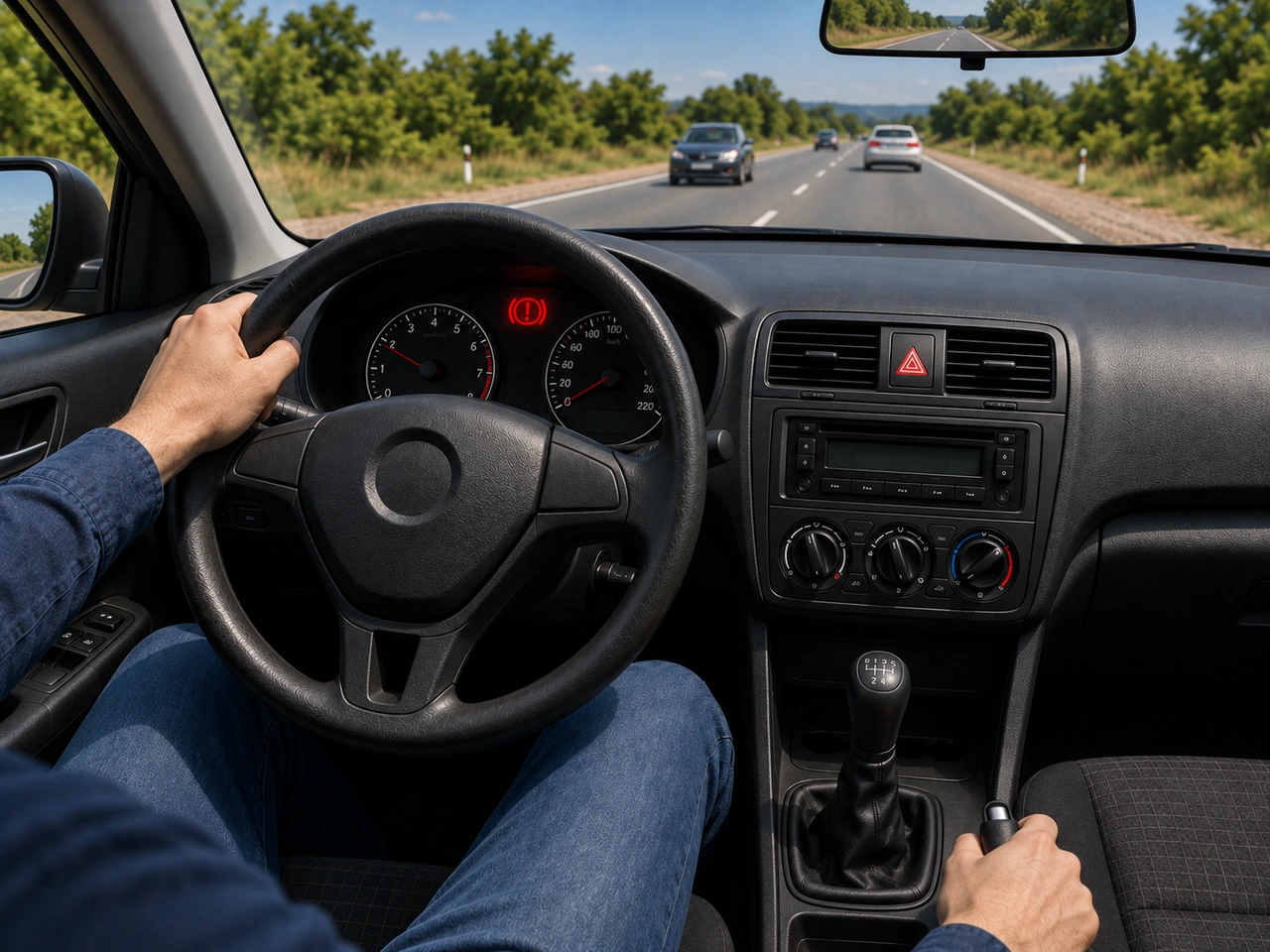
586. What should you do if the service brakes fail while driving?
Remain calm, warn other road users, and use other available braking methods to reduce speed. This may include engine braking or a lower gear, and careful use of the parking or emergency brake according to the vehicle's design. Steer toward the safest available stopping area.
AI-generated by Traffic-rules.com • WCIT • CC BY-SA
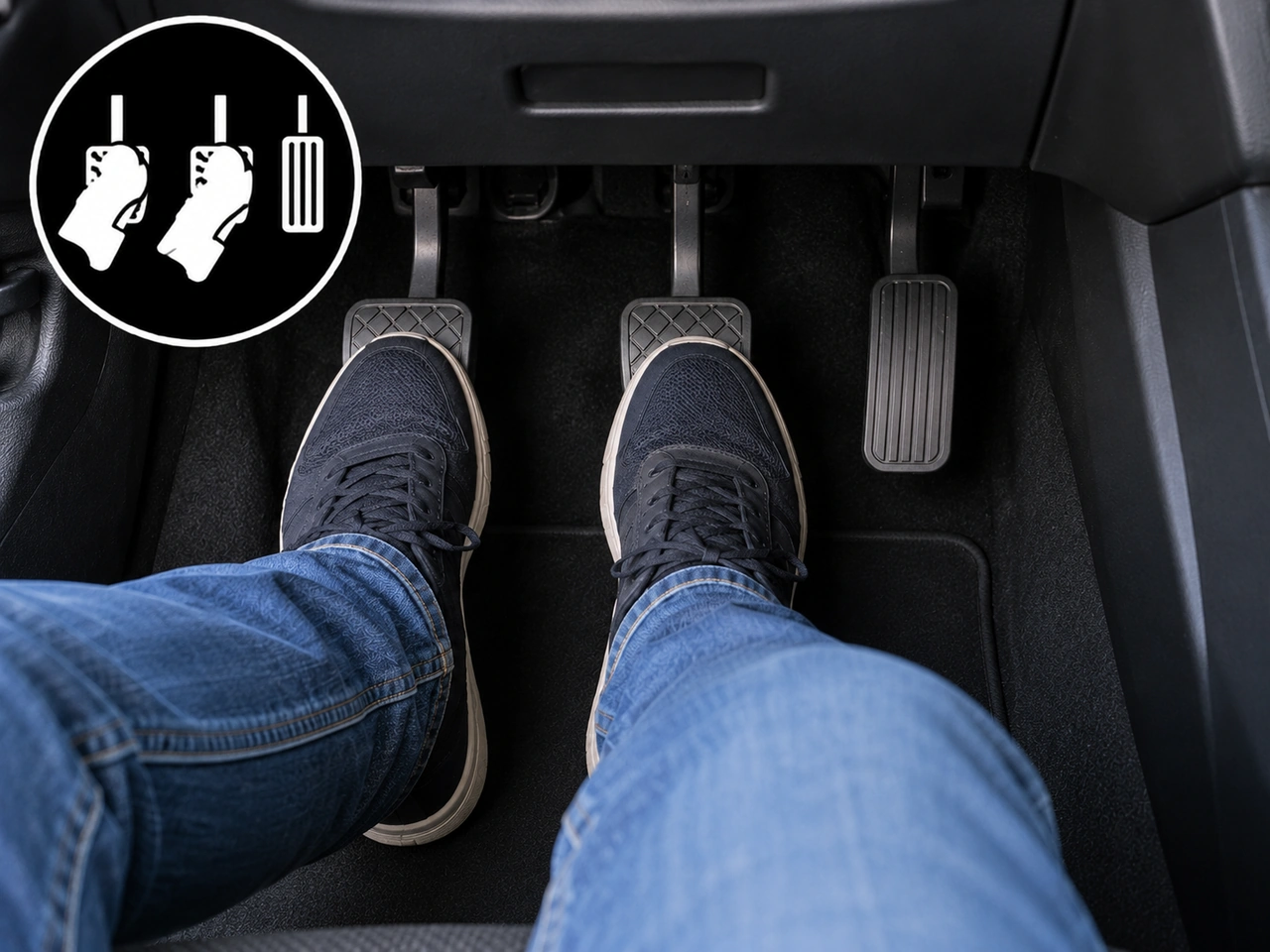
587. What should you do with the clutch when bringing a manual vehicle to a stop?
When stopping a manual vehicle, brake normally and press the clutch pedal before the engine speed becomes too low and the engine stalls. Avoid pressing the clutch unnecessarily early, as this reduces engine braking.
AI-generated by Traffic-rules.com • WCIT • CC BY-SA
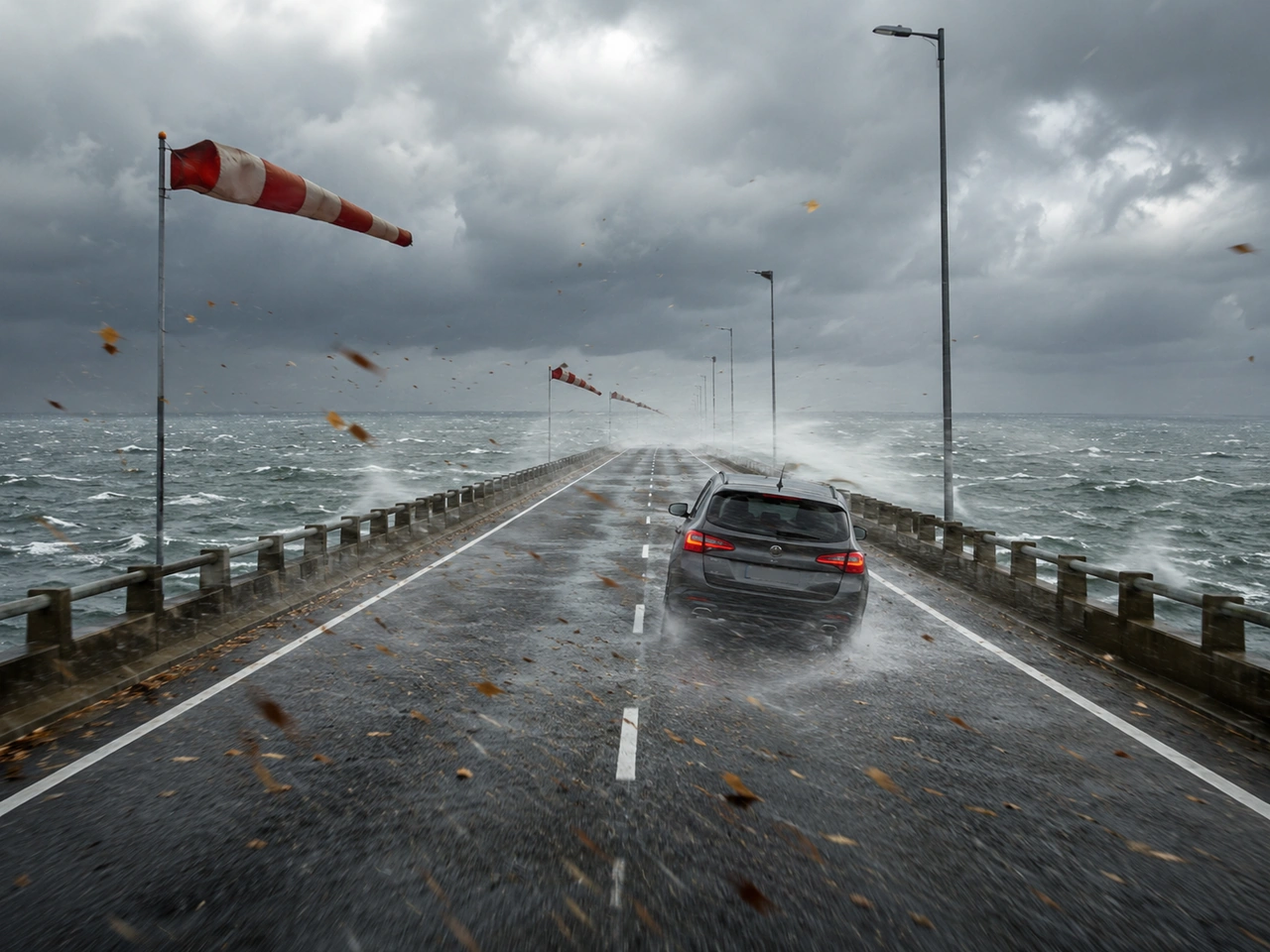
588. Why can bridges be dangerous in strong winds?
Bridges are often open and exposed, allowing strong winds to affect vehicles more suddenly.
AI-generated by Traffic-rules.com • WCIT • CC BY-SA
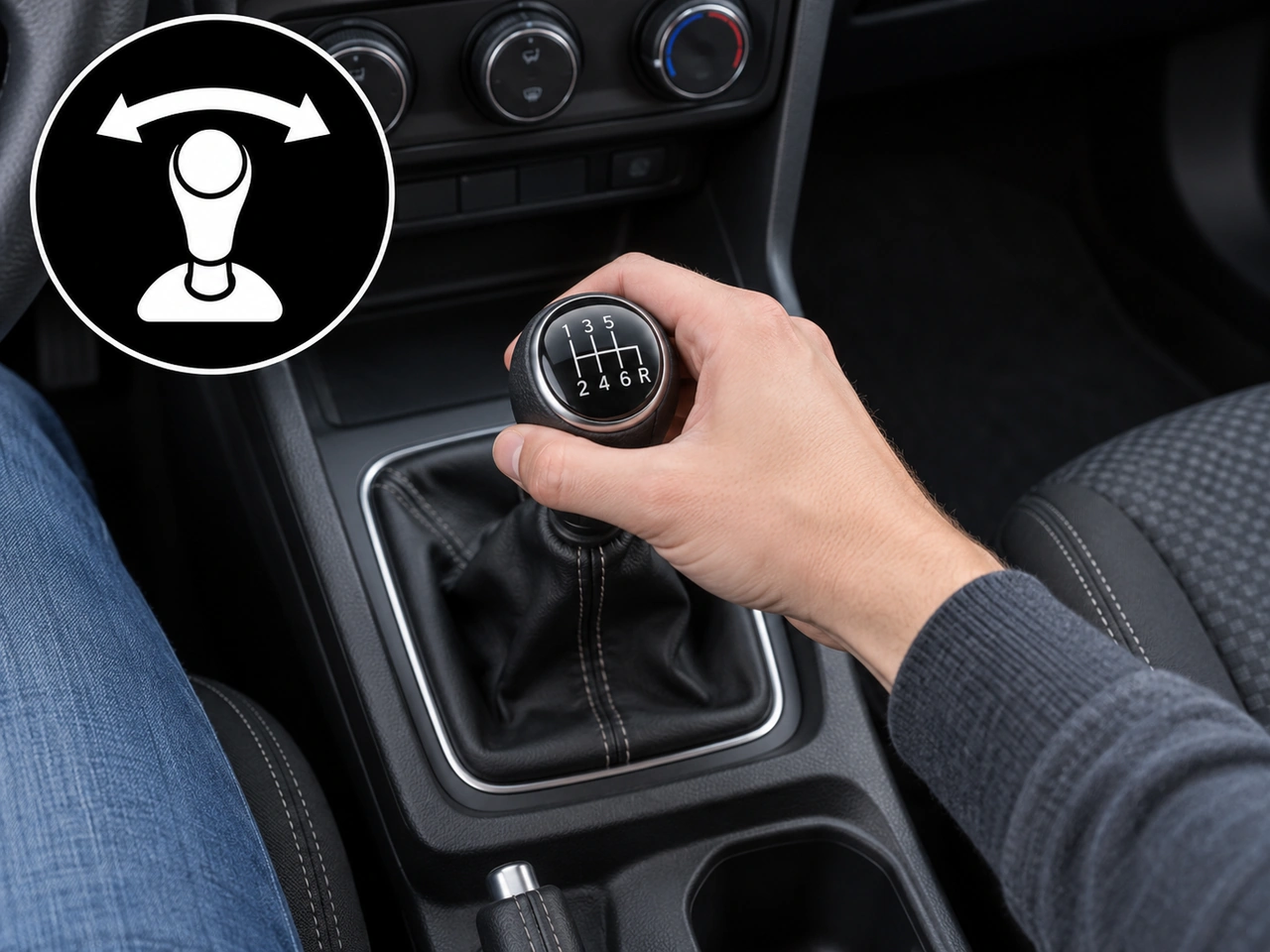
589. How can you check that a manual gearbox is in neutral?
When a manual gearbox is in neutral, the gear lever can normally be moved freely from side to side across the centre of the gear pattern. Check that neutral is selected before starting the engine when appropriate.
AI-generated by Traffic-rules.com • WCIT • CC BY-SA
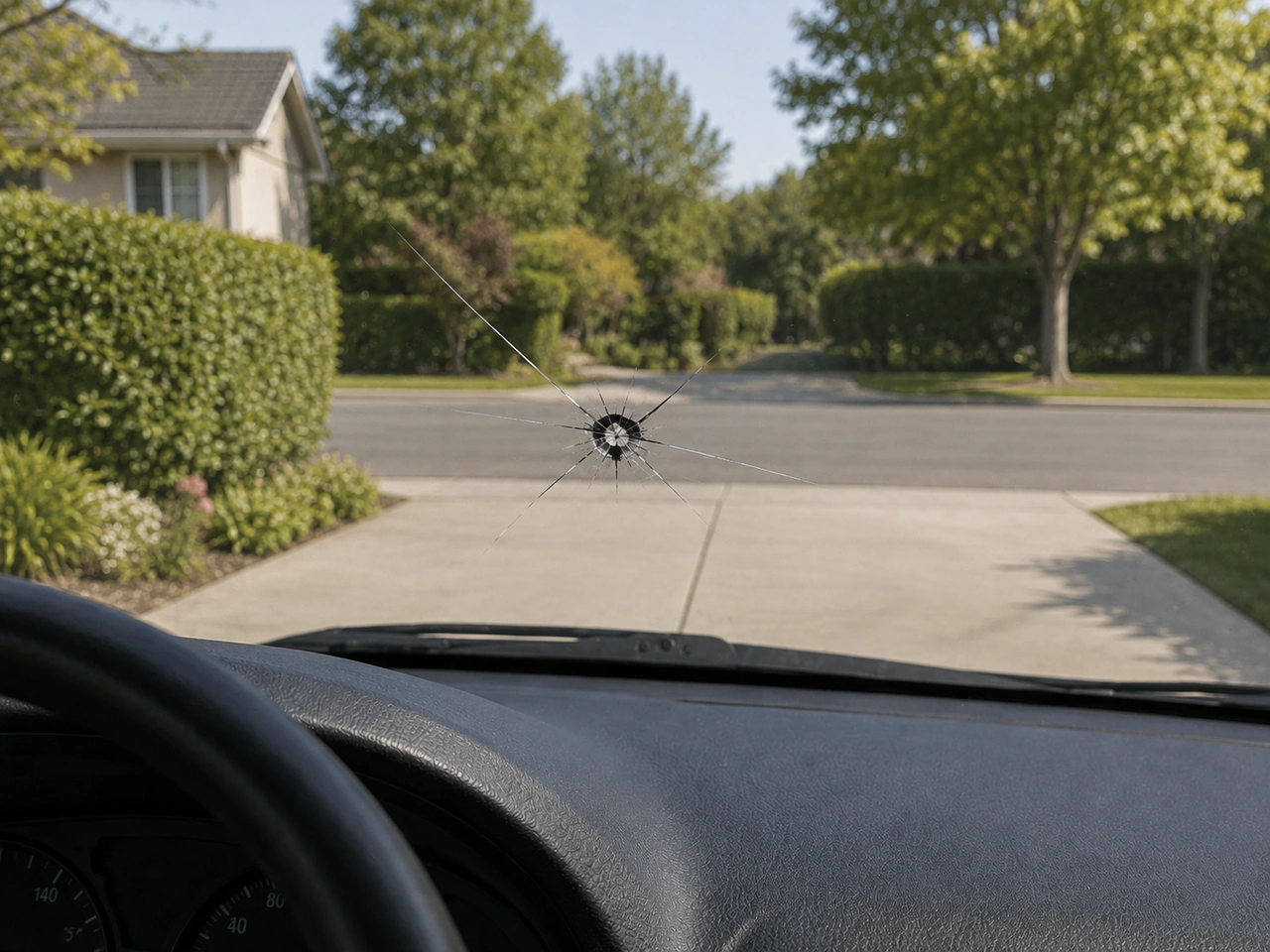
590. What should you do about a chip in the windscreen?
A chip can obstruct your view, weaken the glass, and develop into a larger crack. Have it checked and repaired promptly.
AI-generated by Traffic-rules.com • WCIT • CC BY-SA
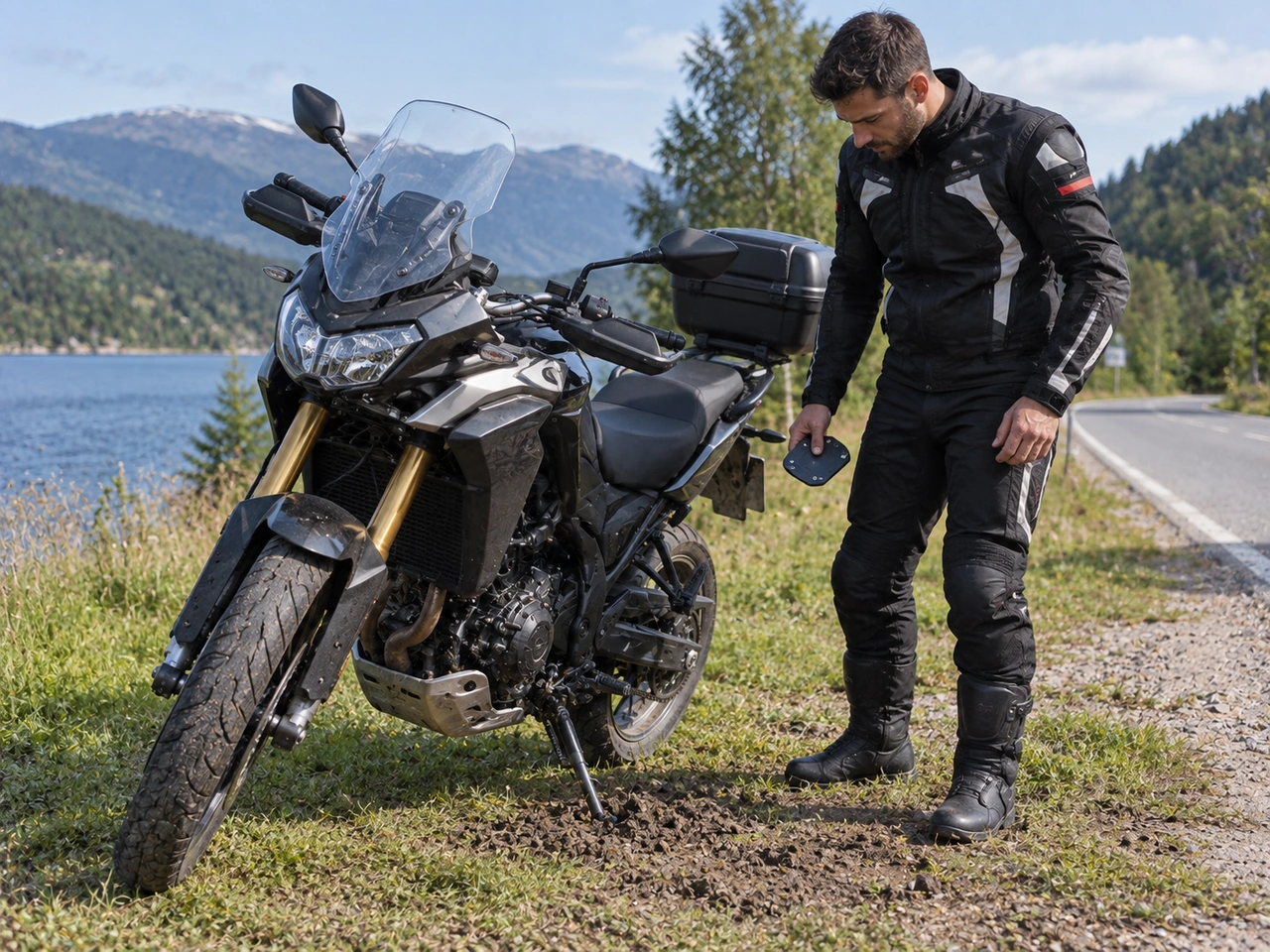
591. Why should you take care when parking a motorcycle on soft ground?
On soft or unstable ground, the side or centre stand can sink or move, causing the motorcycle to fall. Park on a firm, stable surface or use a suitable support under the stand when necessary.
AI-generated by Traffic-rules.com • WCIT • CC BY-SA
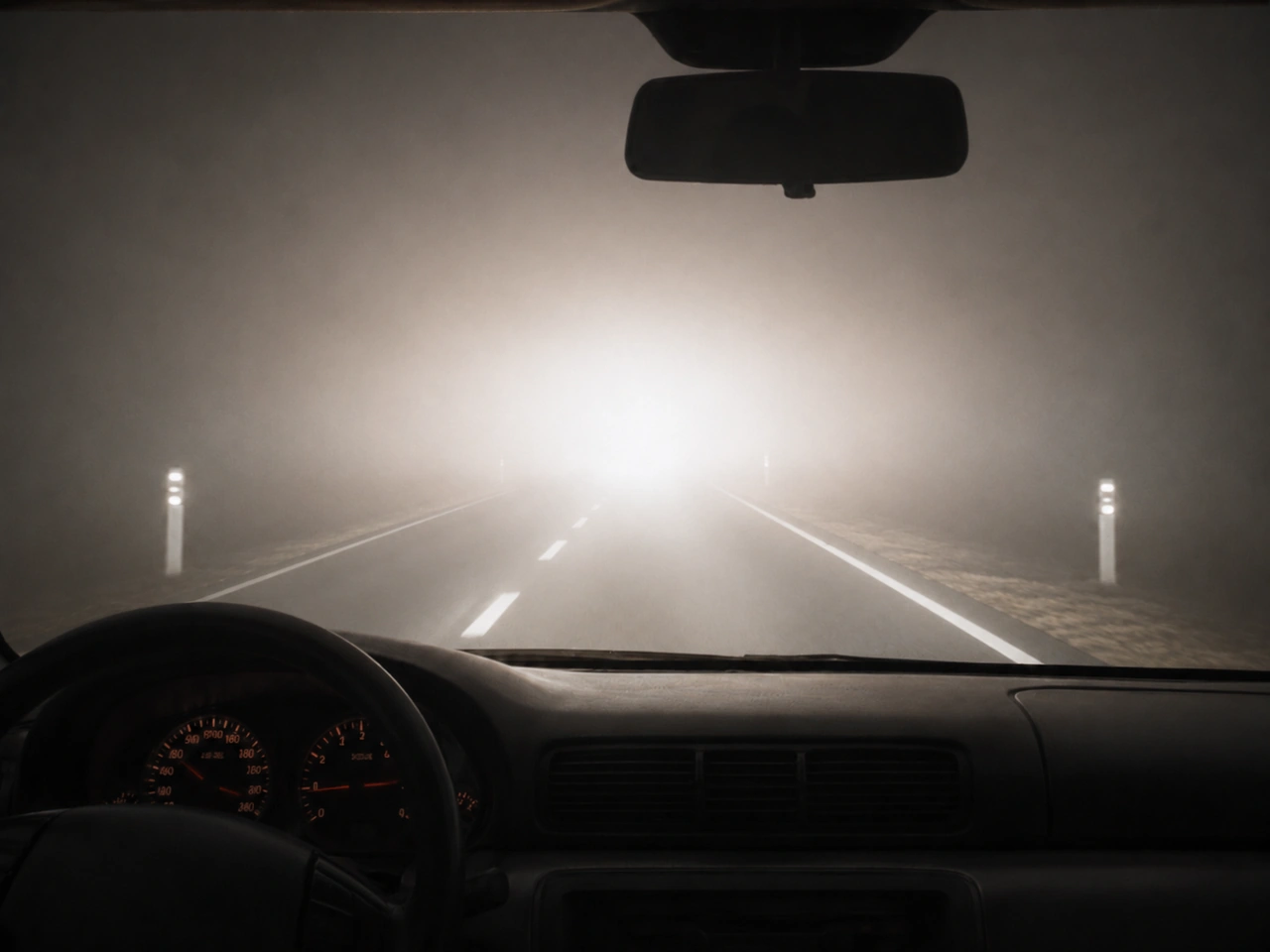
592. Why can main-beam headlights make driving in fog more difficult?
Main beam can reflect back from fog and create glare, making it harder to see the road ahead.
AI-generated by Traffic-rules.com • WCIT • CC BY-SA
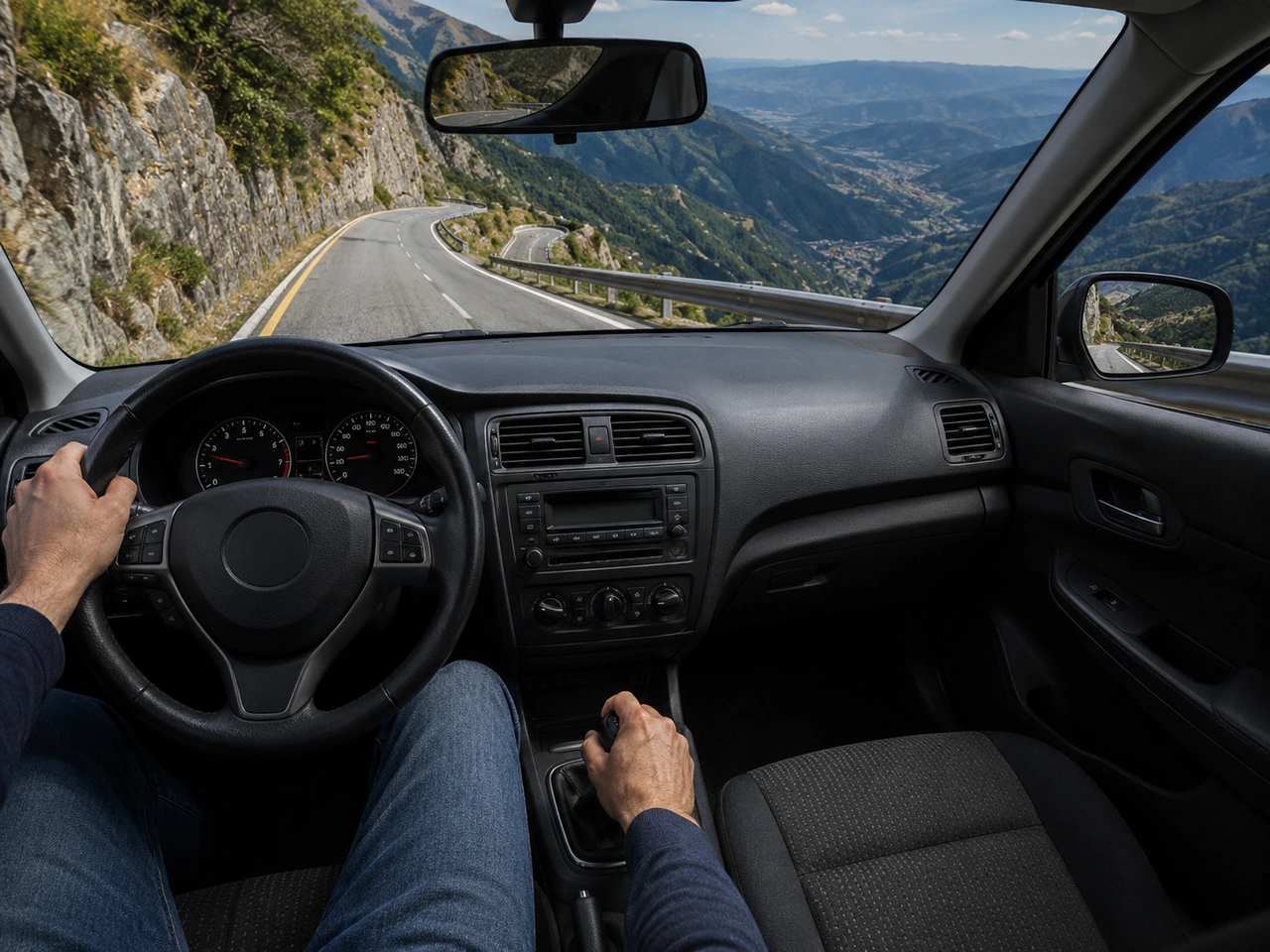
593. Why should you use a lower gear when driving downhill?
Engine braking helps prevent the vehicle from gaining too much speed and reduces strain on the brakes.
AI-generated by Traffic-rules.com • WCIT • CC BY-SA
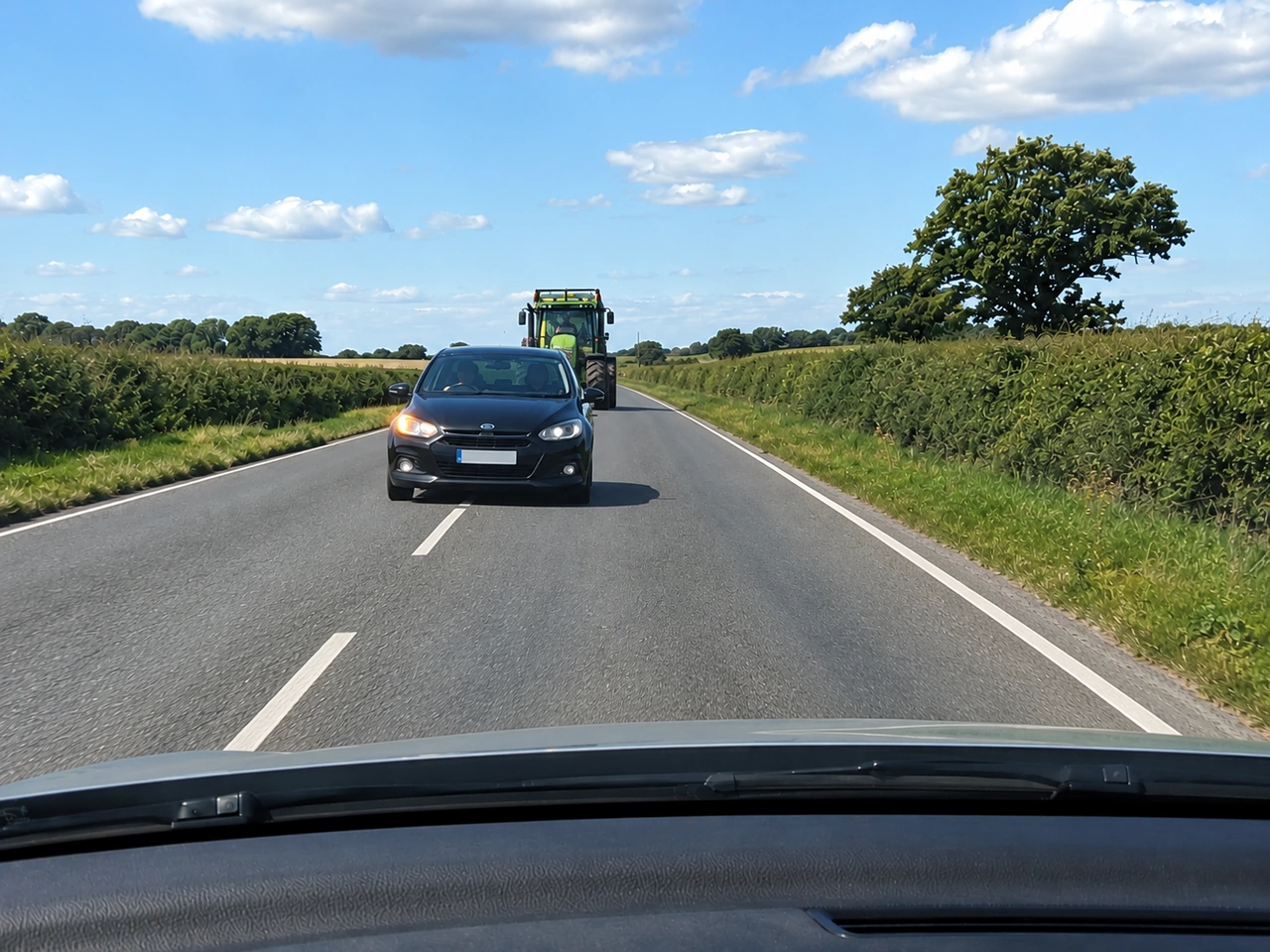
594. What should you do if an overtaking vehicle is coming toward you?
If an oncoming vehicle creates danger while overtaking, reduce speed and make space if it is safe to do so. Avoid sudden movements that could create an additional hazard.
AI-generated by Traffic-rules.com • WCIT • CC BY-SA
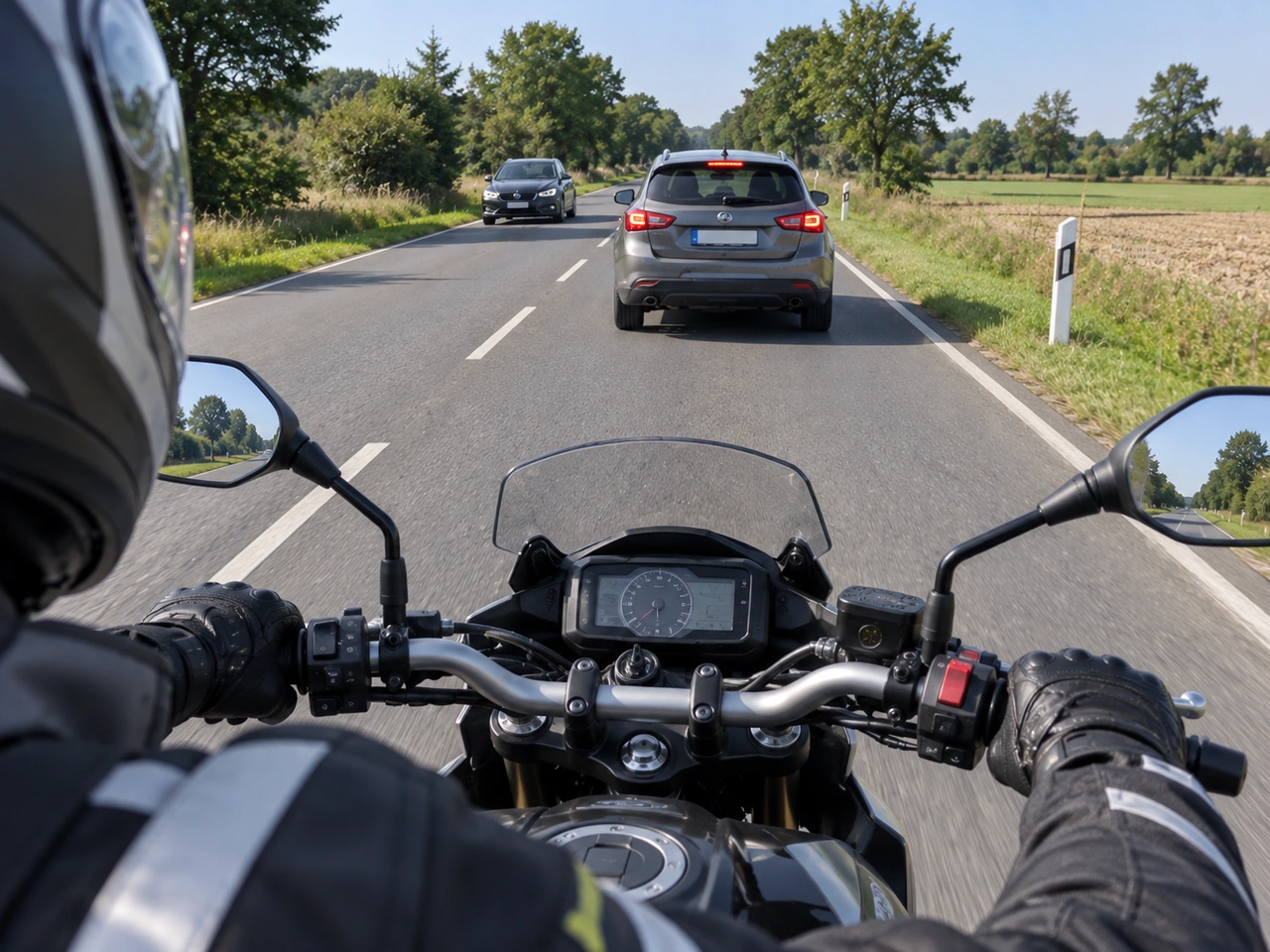
595. How should you normally brake on a motorcycle?
During normal braking, use both the front and rear brakes smoothly and progressively. The front brake normally provides much of the braking force, while the rear brake also helps slow and stabilise the motorcycle. Sudden or poorly balanced braking can reduce stability or cause a wheel to lose grip.
AI-generated by Traffic-rules.com • WCIT • CC BY-SA
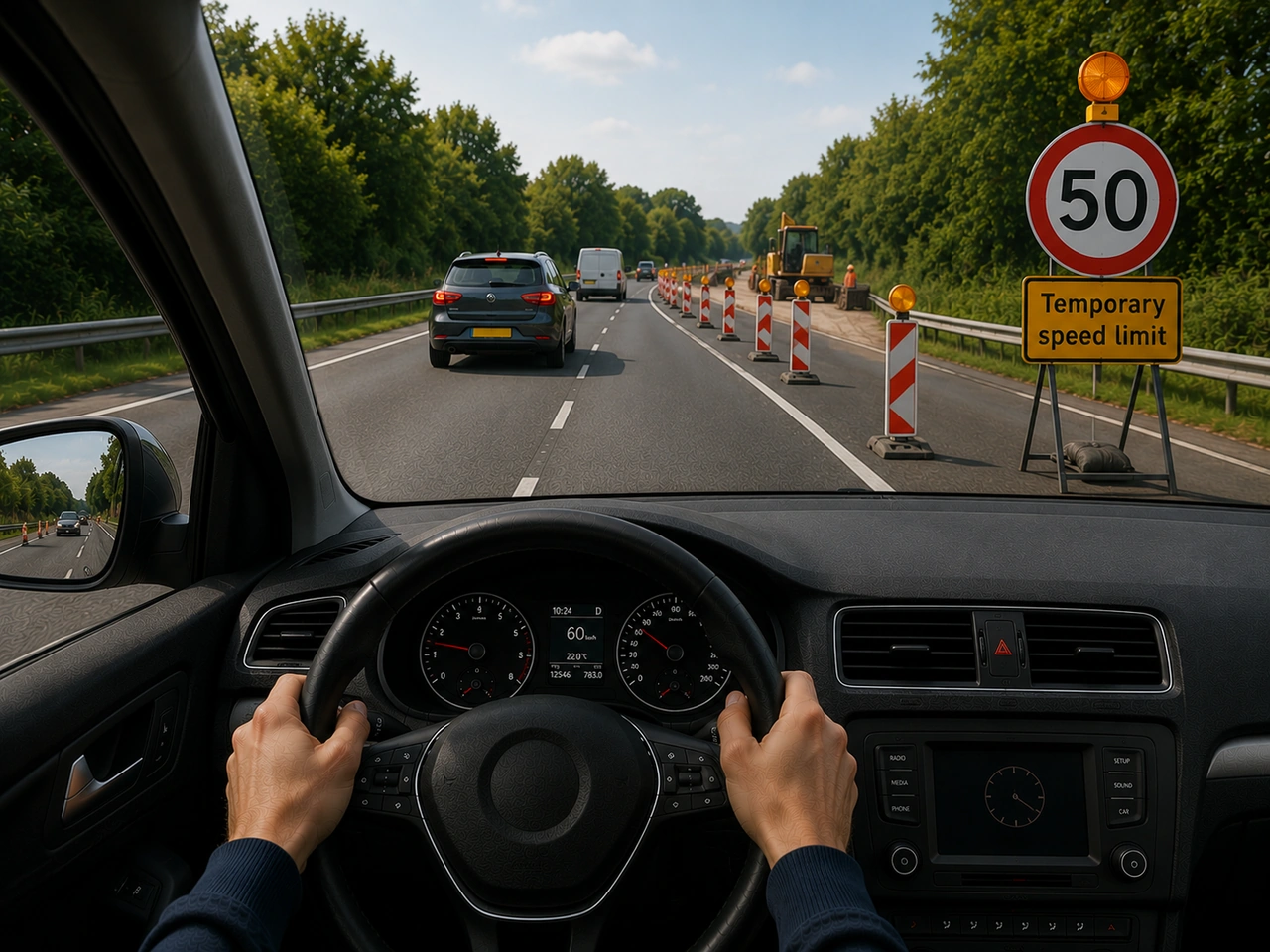
596. Why should you not ignore temporary speed limits?
Temporary speed limits may be used near roadworks, accidents, events, or dangerous conditions. They help keep traffic safe.
AI-generated by Traffic-rules.com • WCIT • CC BY-SA
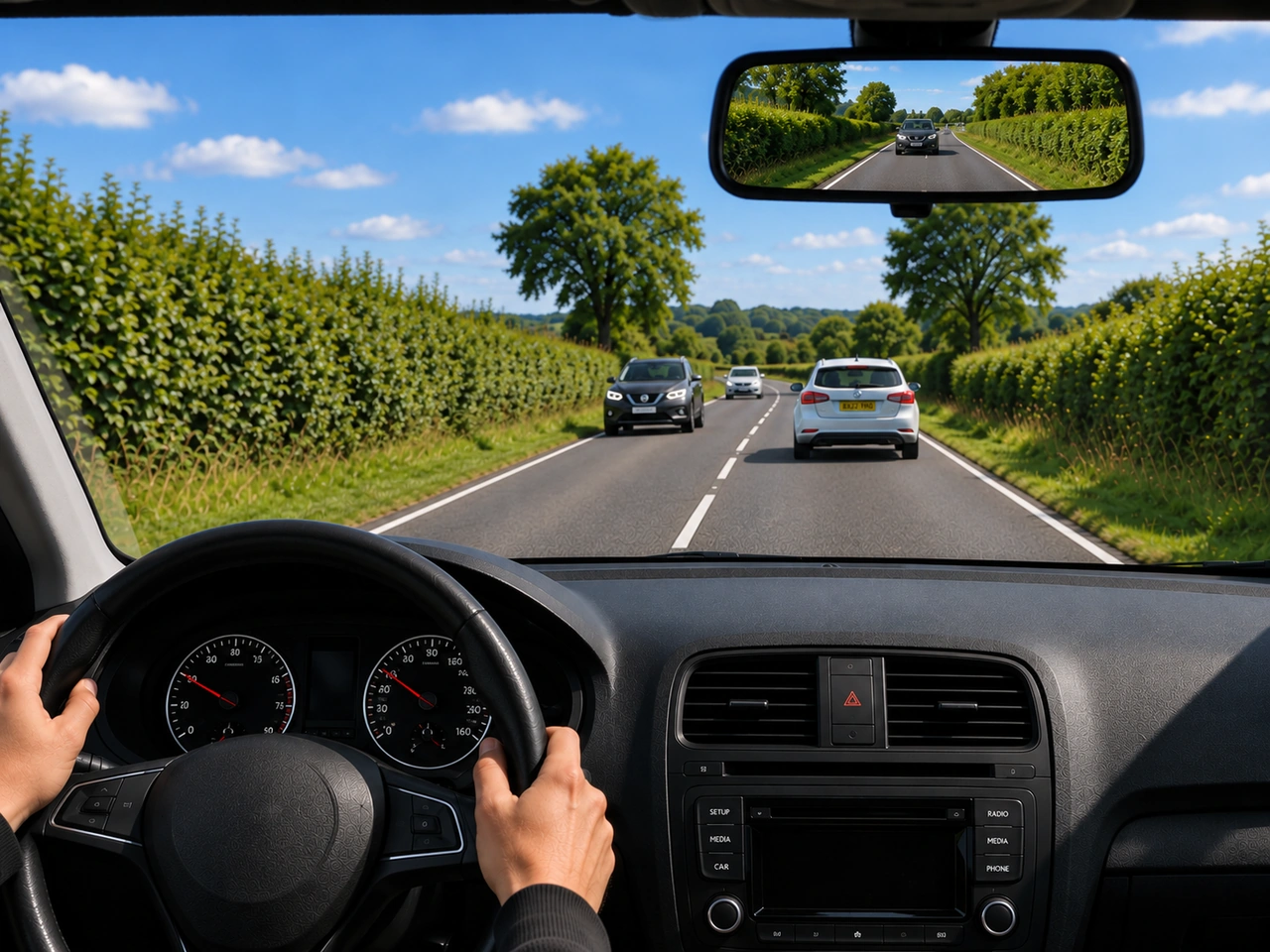
597. Why should you check your mirrors before braking?
Checking your mirrors helps you understand what is happening behind you and anticipate how following traffic may react. In an emergency, do not delay necessary braking.
AI-generated by Traffic-rules.com • WCIT • CC BY-SA
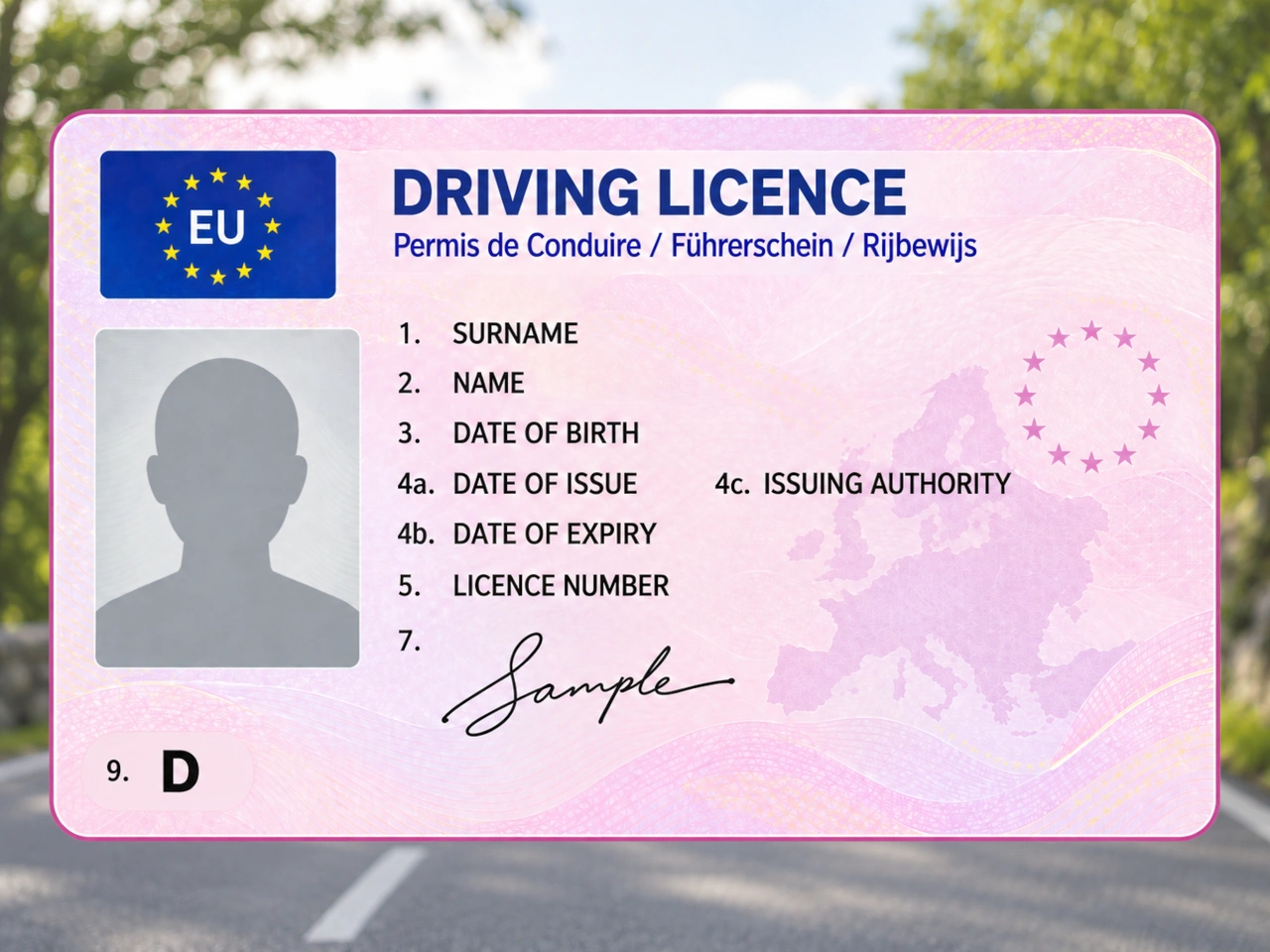
598. Which vehicle type is mainly associated with driving licence D?
Driving licence D is mainly associated with buses. Category D1 covers smaller buses, D covers larger buses, and D1E and DE allow heavier trailers.
AI-generated by Traffic-rules.com • WCIT • CC BY-SA
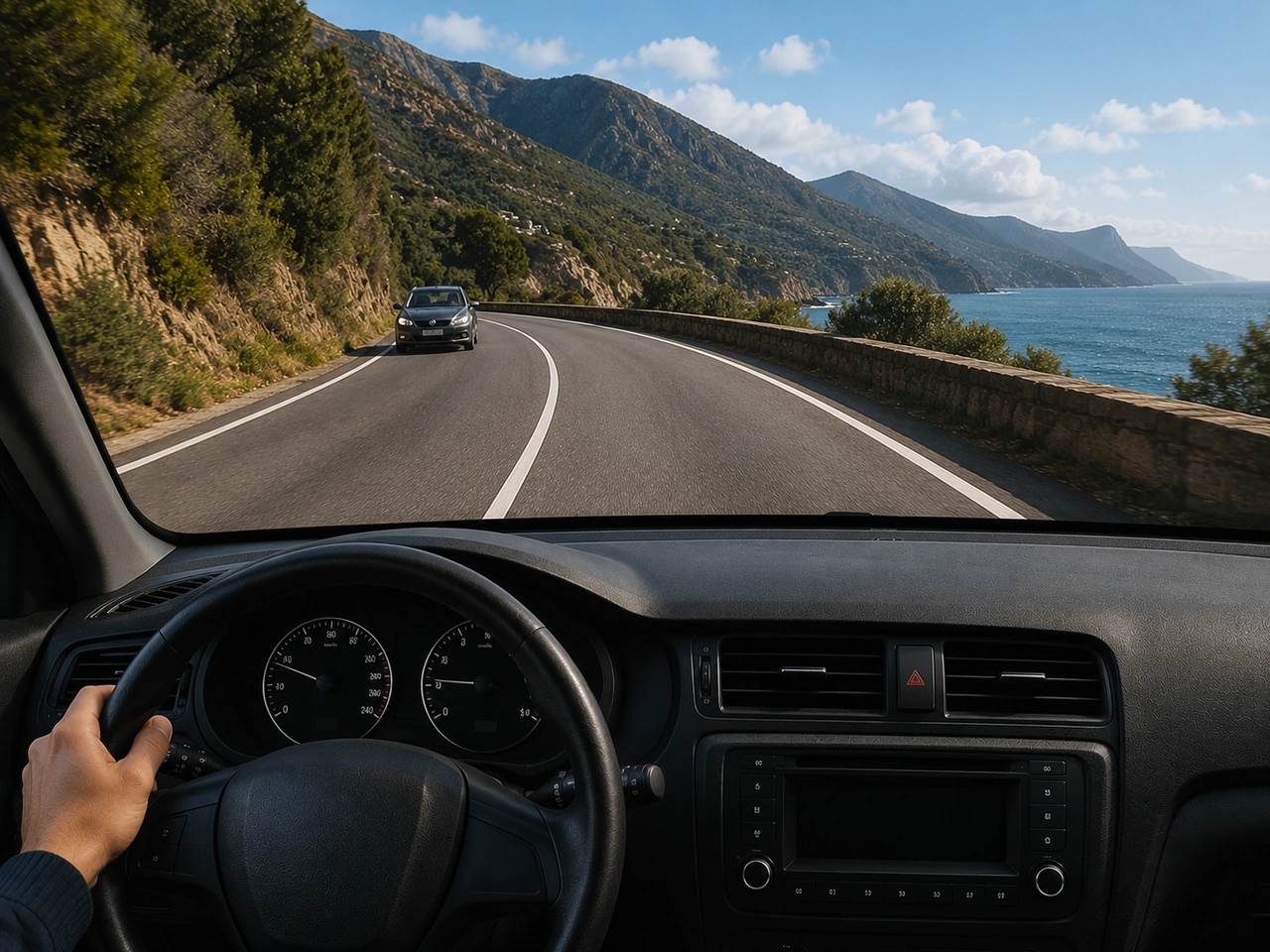
599. Why should you avoid braking hard on a curve?
Hard braking on a curve can upset the vehicle's balance and reduce grip. Slow down before the curve and steer smoothly.
AI-generated by Traffic-rules.com • WCIT • CC BY-SA
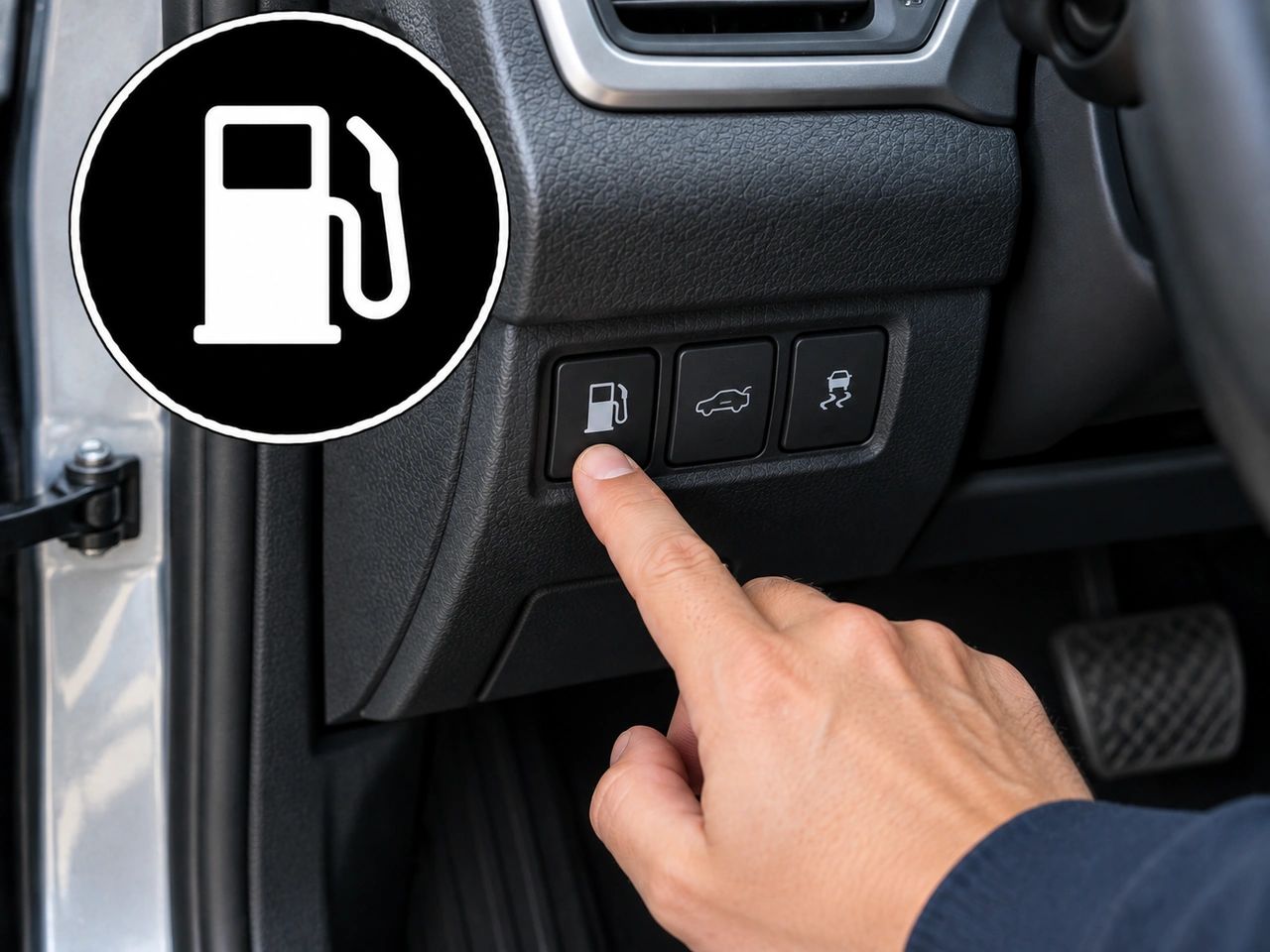
600. What does this vehicle-control symbol indicate?
This control releases the fuel-filler flap, allowing access to the vehicle's fuel filler.
AI-generated by Traffic-rules.com • WCIT • CC BY-SA