

QuizTraffic rulesItaly
This interesting quiz helps you test your knowledge in a clear and visual way. With easy multiple-choice questions, you can quickly build confidence and learn new facts while keeping it simple, interactive, and fun.
 Traffic signs
 Traffic rules
 Italy
Italy
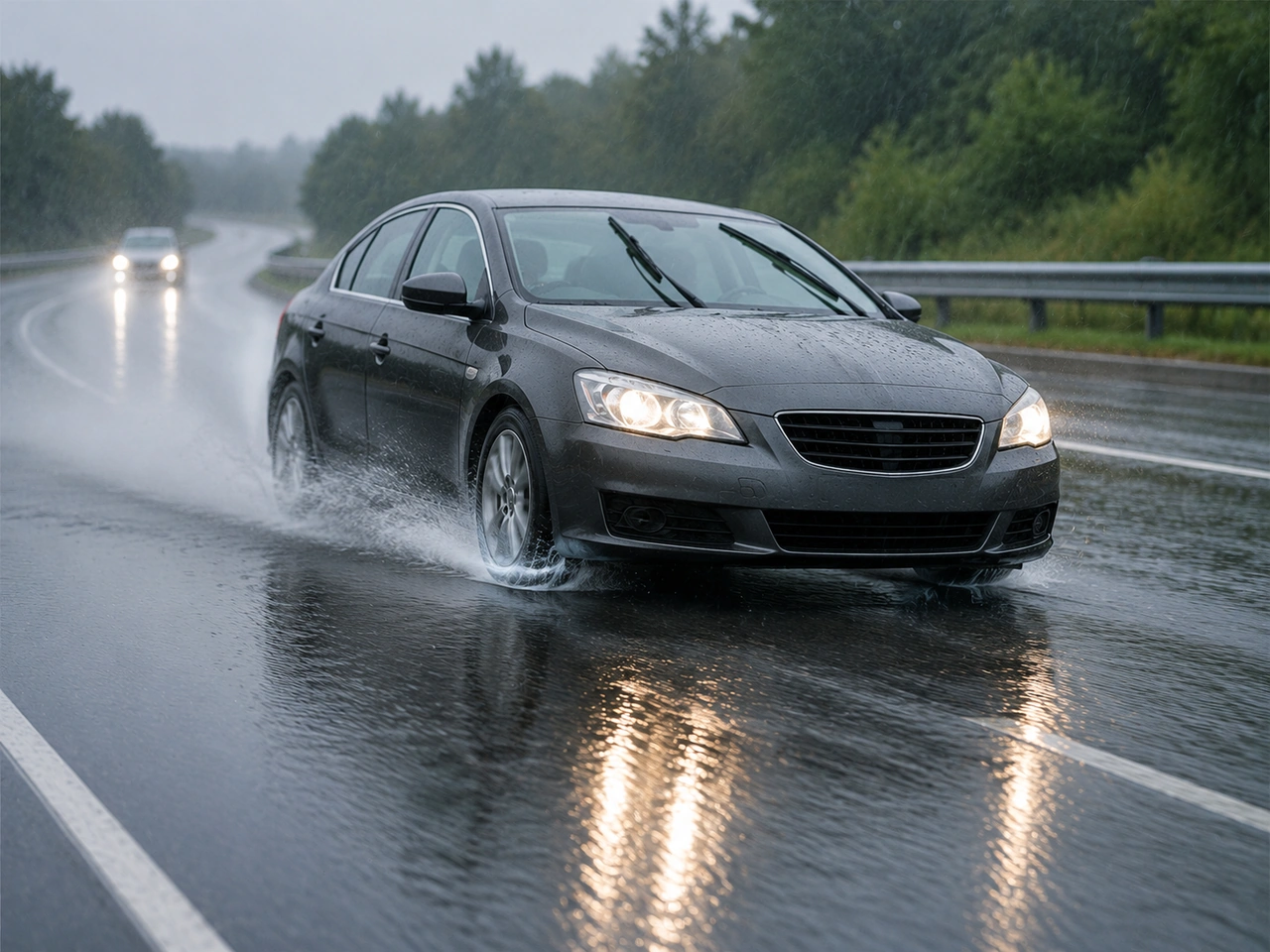
351. What is aquaplaning?
Aquaplaning occurs when water builds up between the tyres and the road, causing a loss of grip and control. The risk increases at higher speeds.
AI-generated by Traffic-rules.com • WCIT • CC BY-SA

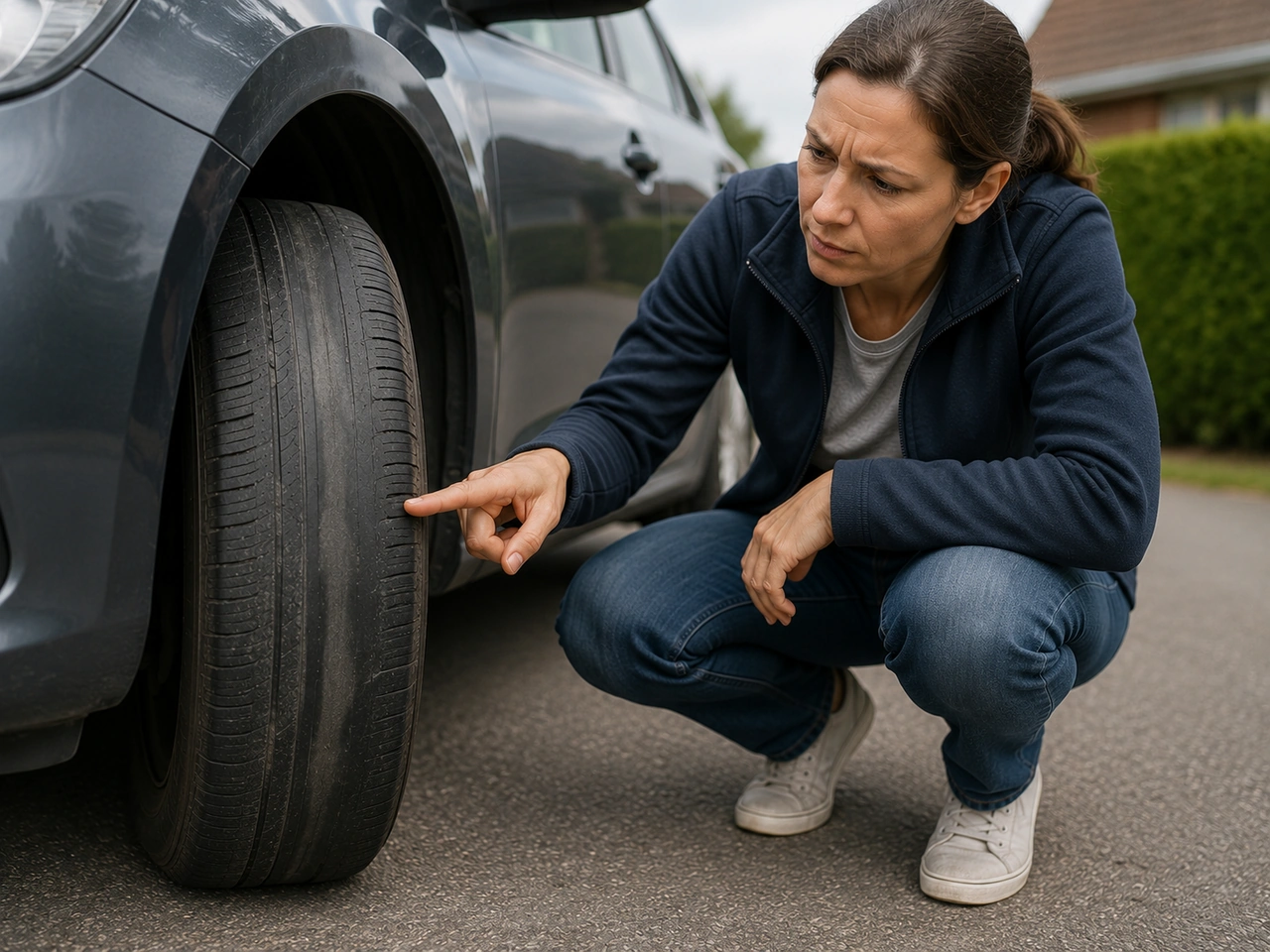
352. What can uneven tyre wear indicate?
Uneven wear may result from incorrect tyre pressure, wheel misalignment, worn suspension parts, or a brake that is not releasing properly.
AI-generated by Traffic-rules.com • WCIT • CC BY-SA
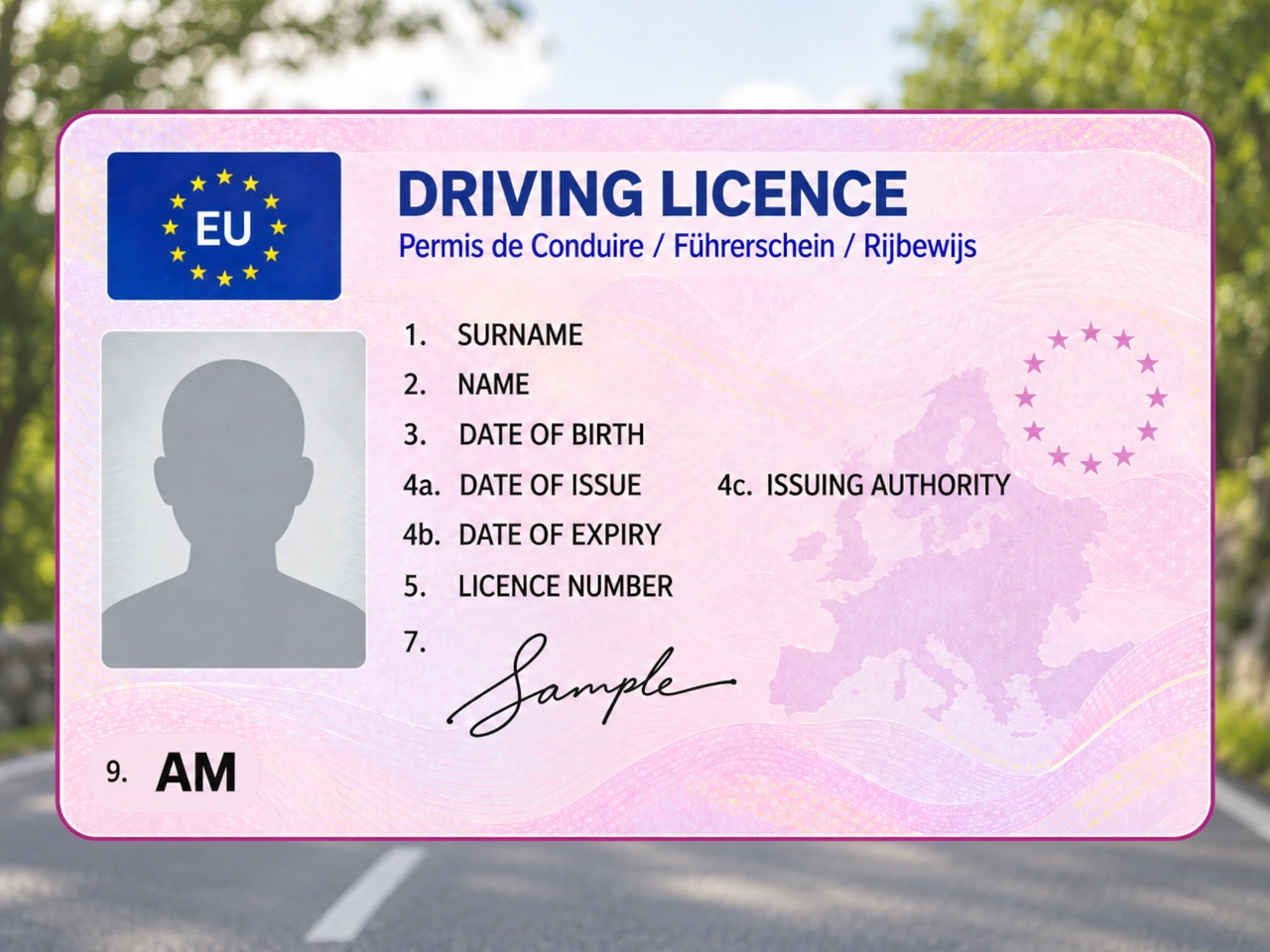
353. Which vehicle type is mainly associated with driving licence AM?
Driving licence AM is mainly associated with mopeds. Category AM covers mopeds with a design speed above 25 km/h and up to 45 km/h.
AI-generated by Traffic-rules.com • WCIT • CC BY-SA
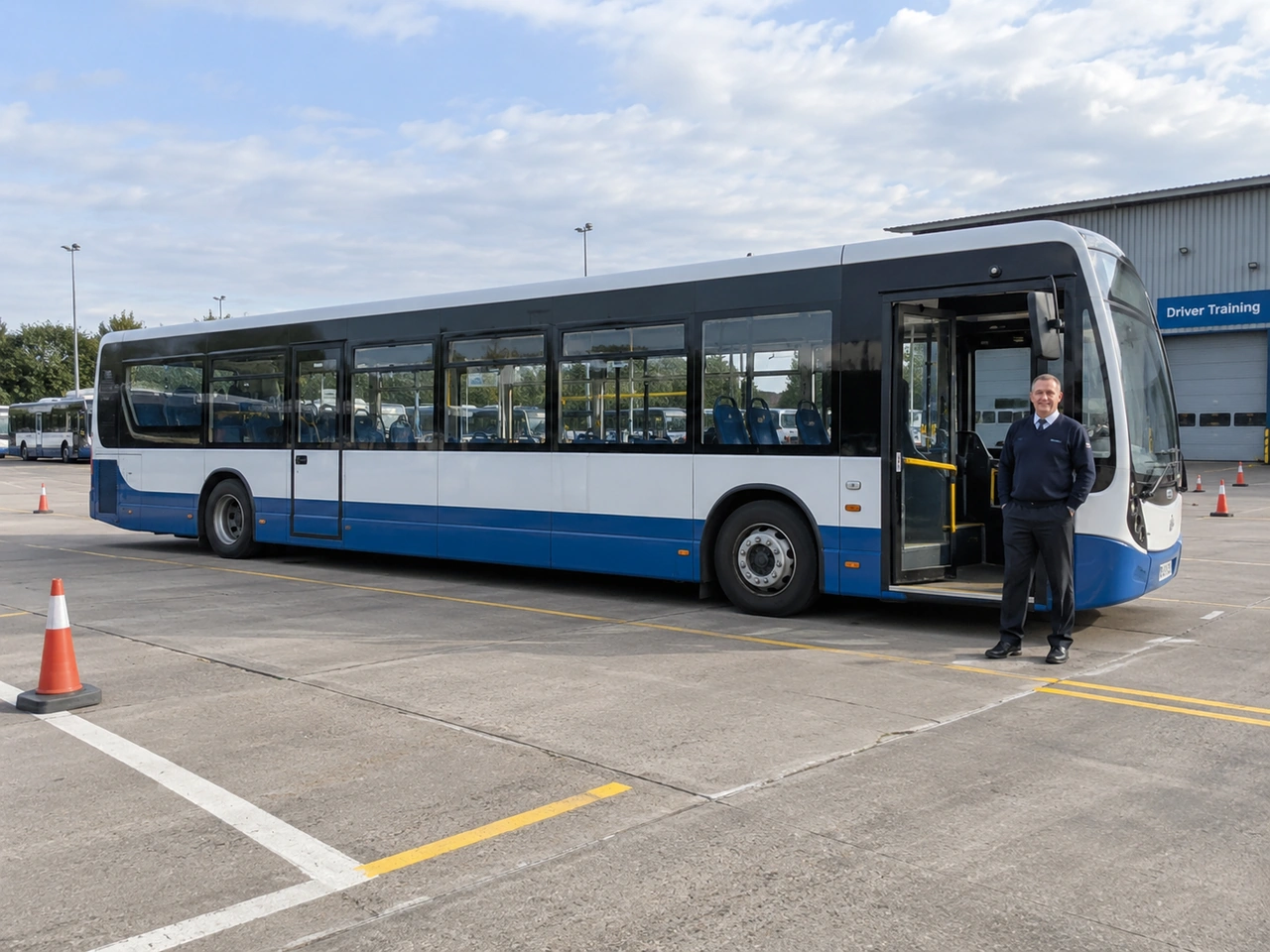
354. What is the minimum licence for a bus designed for more than 16 passengers?
Category D1 is limited to vehicles designed for no more than 16 passengers in addition to the driver. A bus designed for more than 16 passengers therefore requires category D.
AI-generated by Traffic-rules.com • WCIT • CC BY-SA
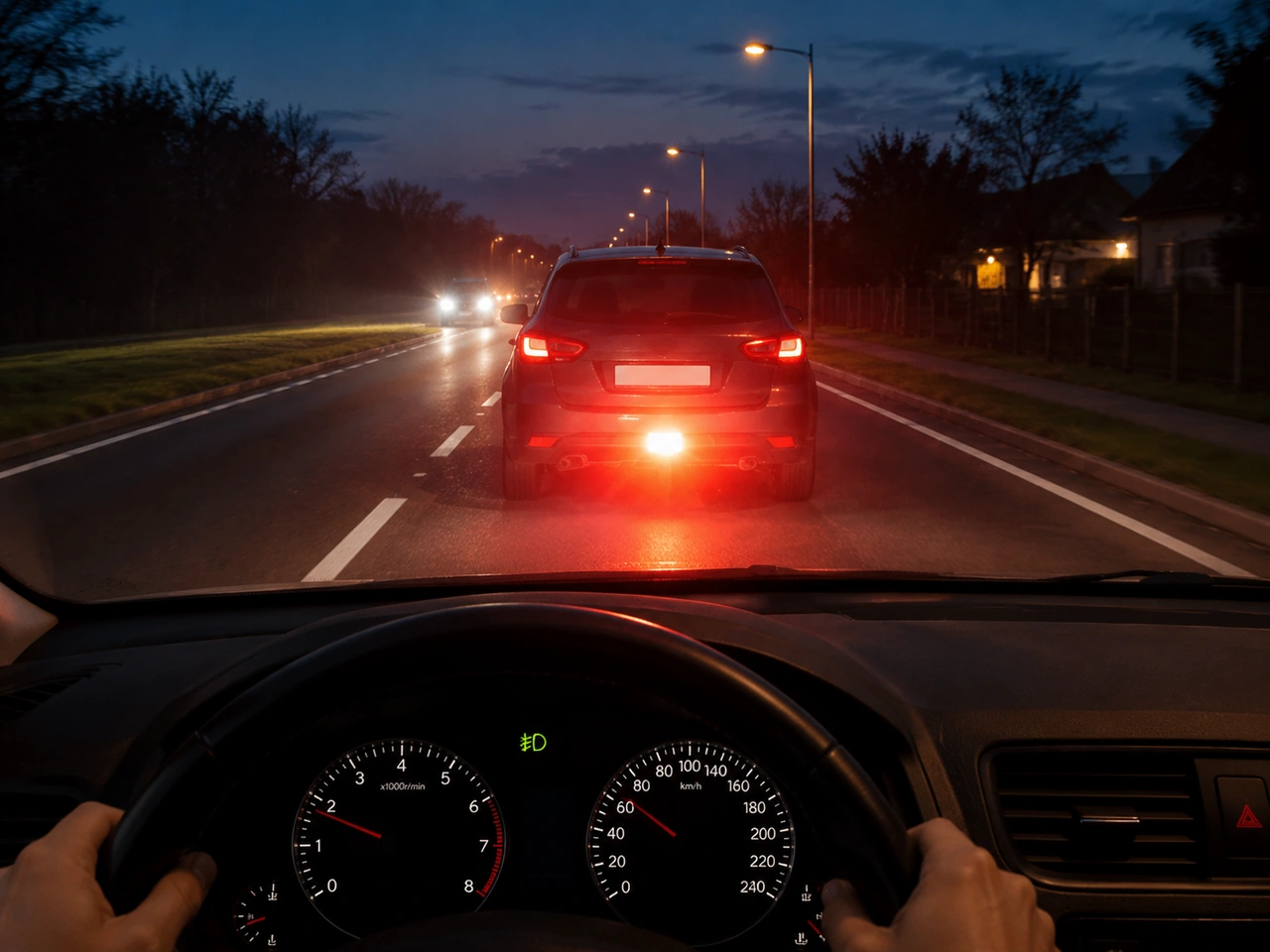
355. When should you switch off your fog lights?
Fog lights can dazzle other road users when visibility is normal, so switch them off when conditions improve.
AI-generated by Traffic-rules.com • WCIT • CC BY-SA
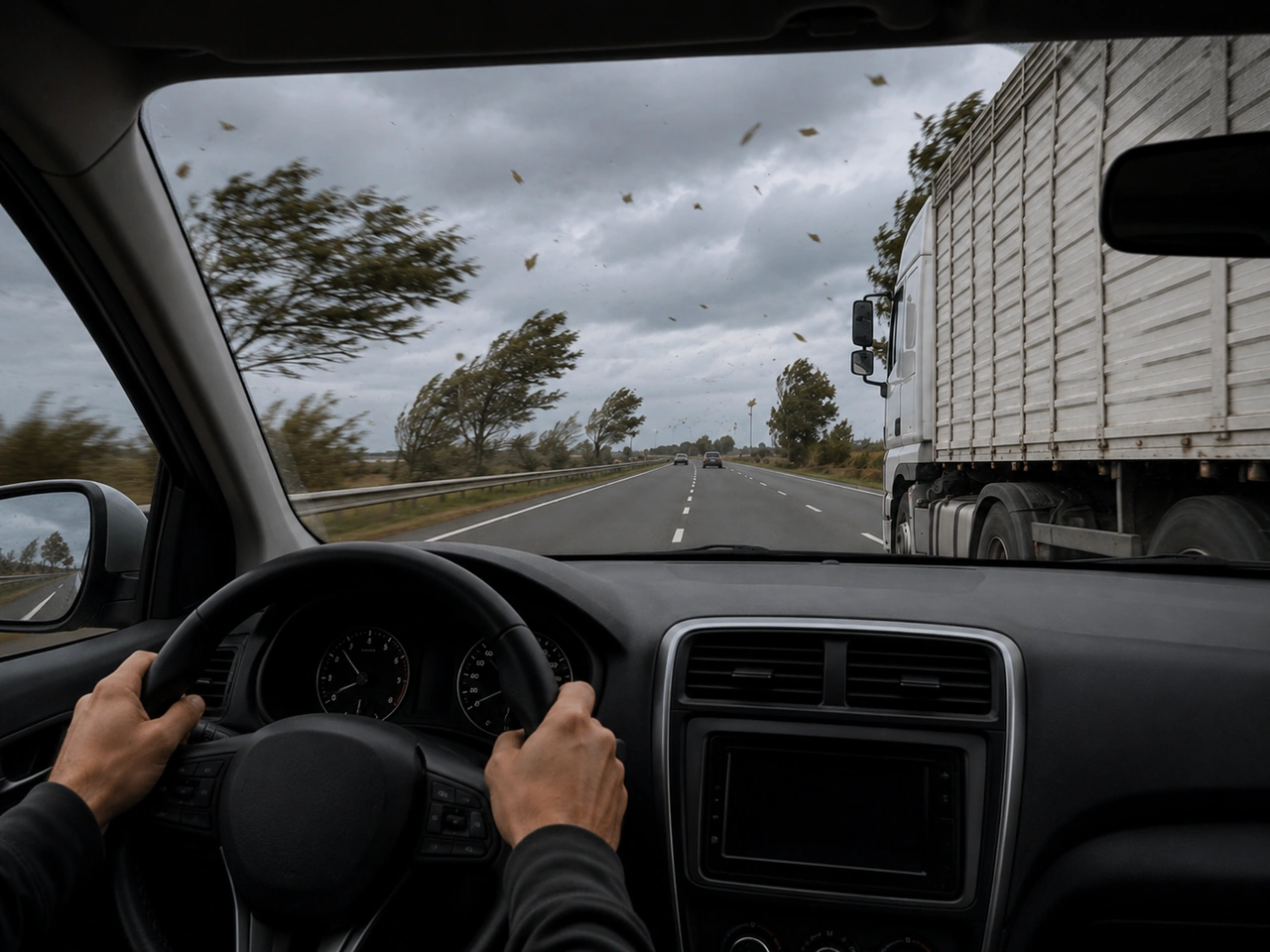
356. How should you pass a large vehicle in strong winds?
Large vehicles can block wind and then expose you to strong gusts when you pass them.
AI-generated by Traffic-rules.com • WCIT • CC BY-SA
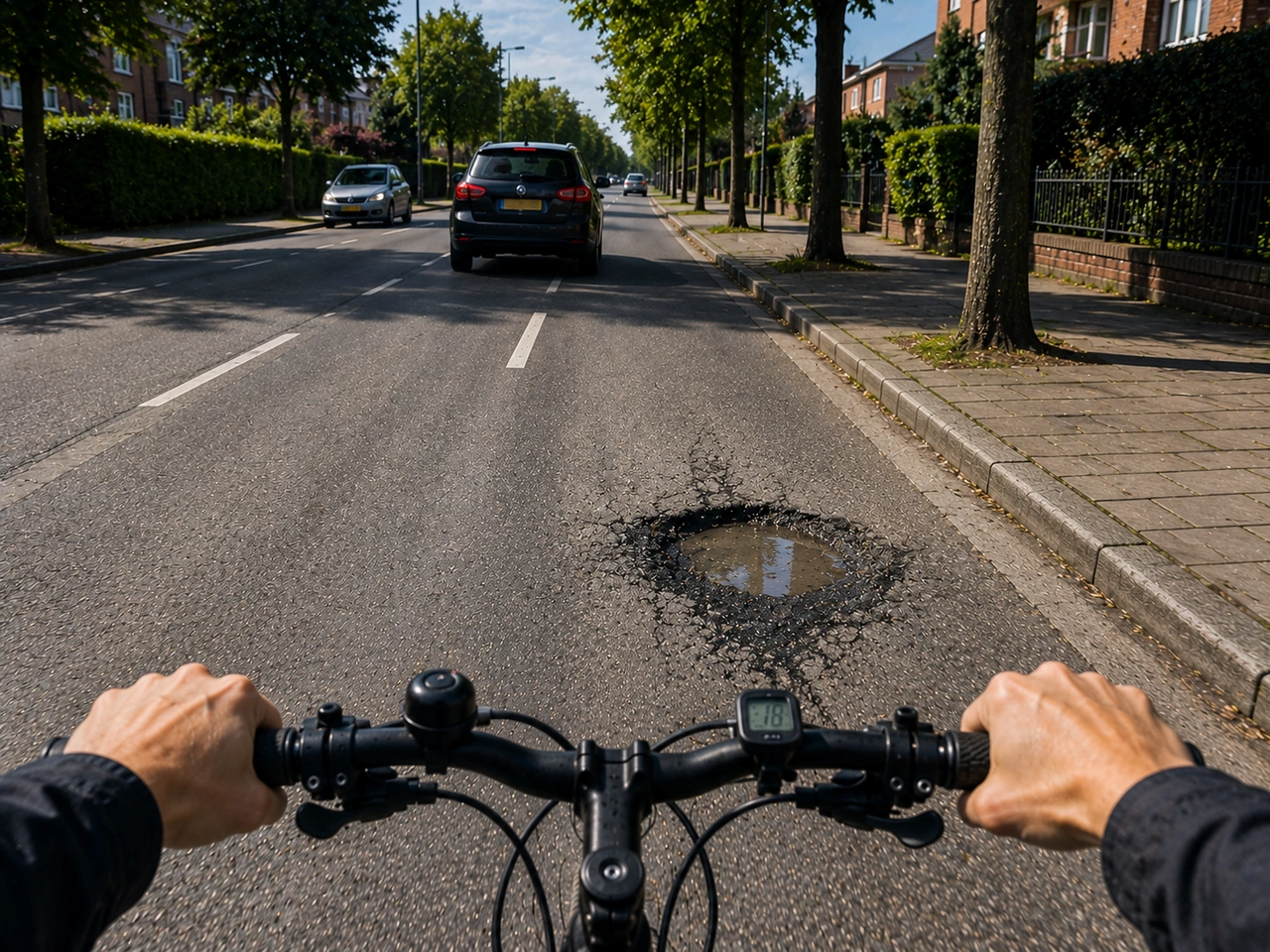
357. How should a cyclist react to a pothole?
Sudden swerving can place you in the path of traffic. Check your surroundings and change direction gradually.
AI-generated by Traffic-rules.com • WCIT • CC BY-SA
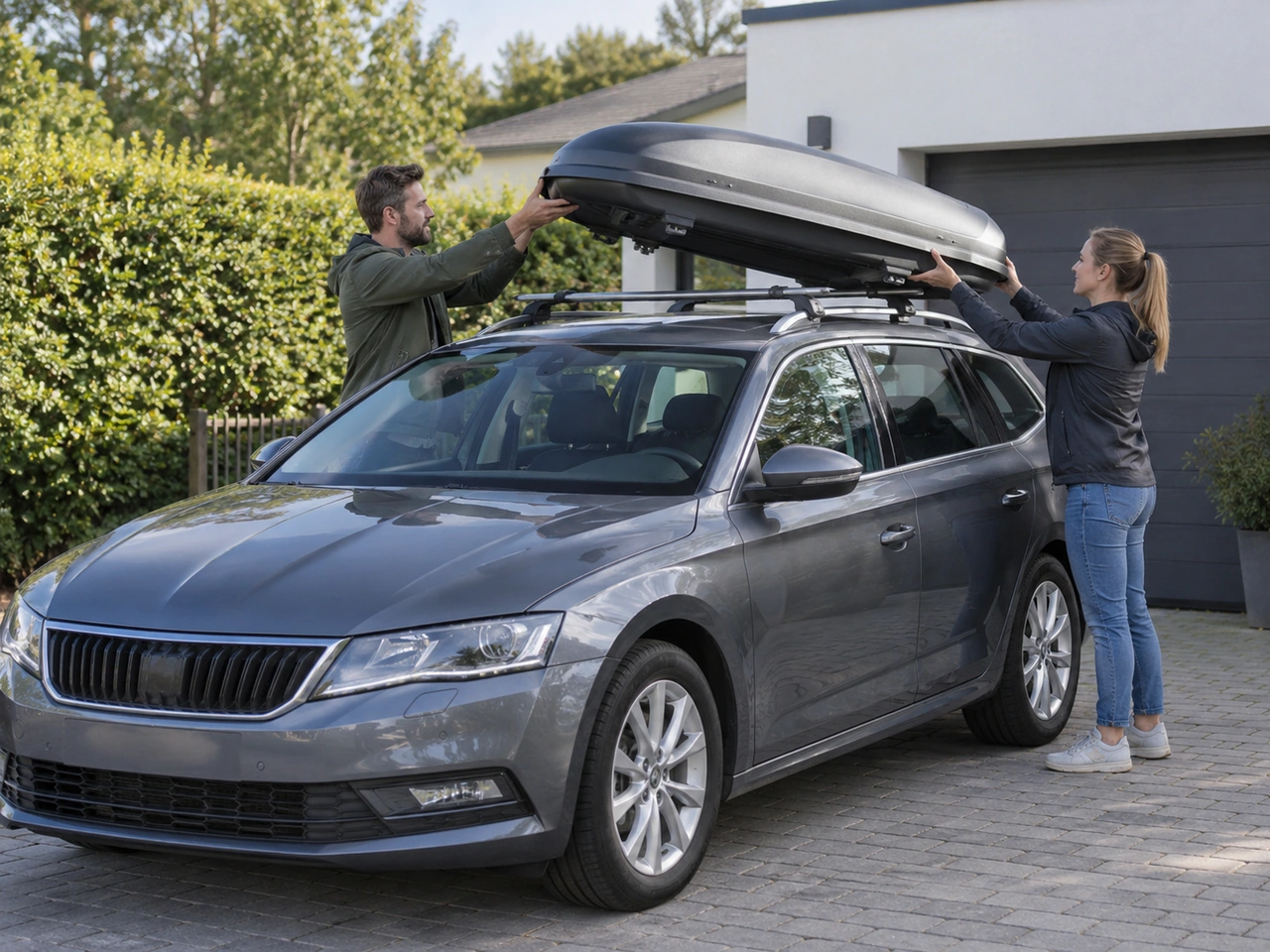
358. Why should an unused roof rack or roof box be removed?
An unused roof rack or roof box increases aerodynamic drag, particularly at higher speeds. Removing it when it is not needed can reduce fuel or energy consumption.
AI-generated by Traffic-rules.com • WCIT • CC BY-SA
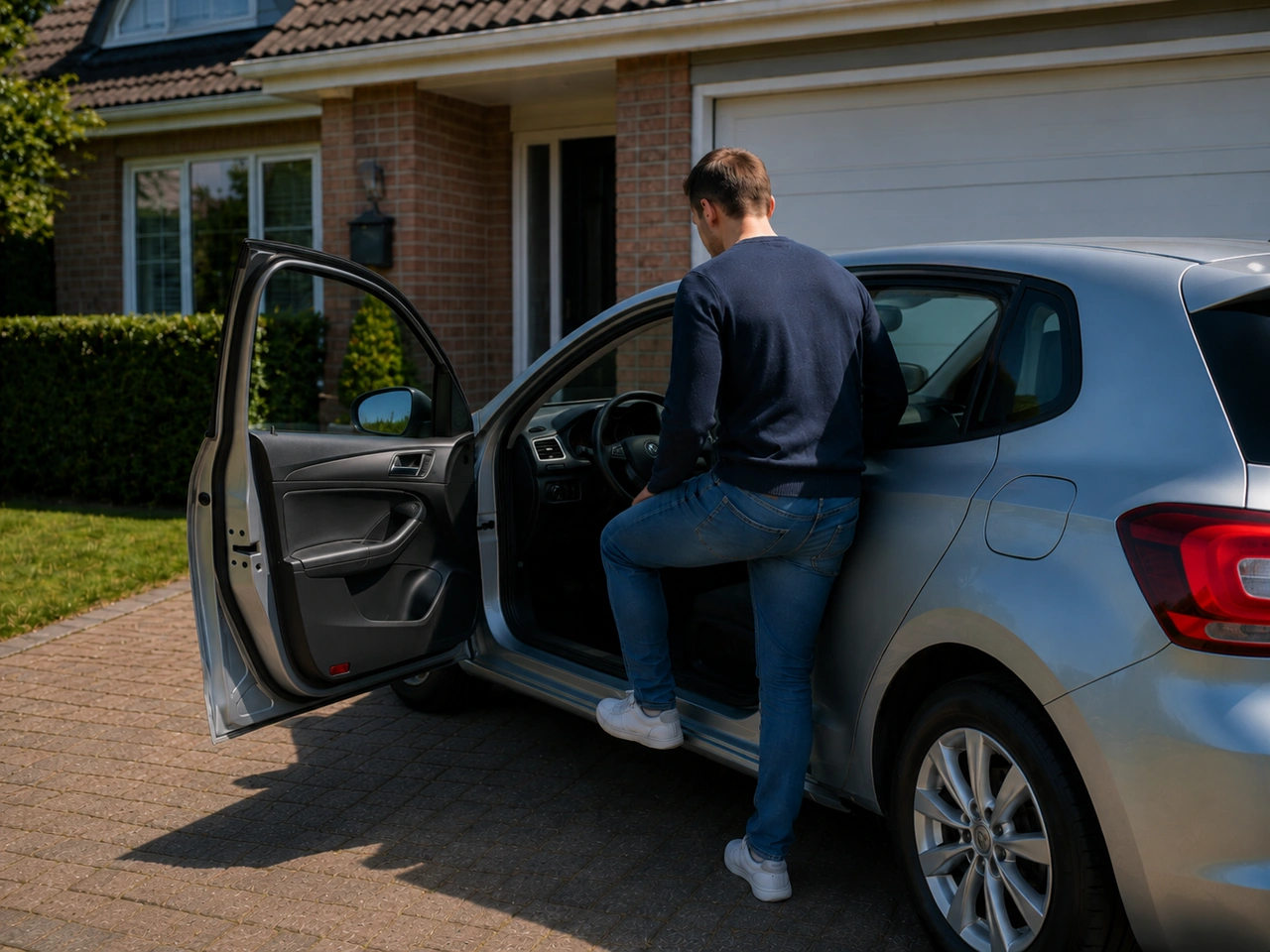
359. When should you fasten your seat belt?
Fasten your seat belt before the vehicle starts moving and keep it fastened throughout the journey. Make sure your passengers are also safely seated and properly restrained.
AI-generated by Traffic-rules.com • WCIT • CC BY-SA
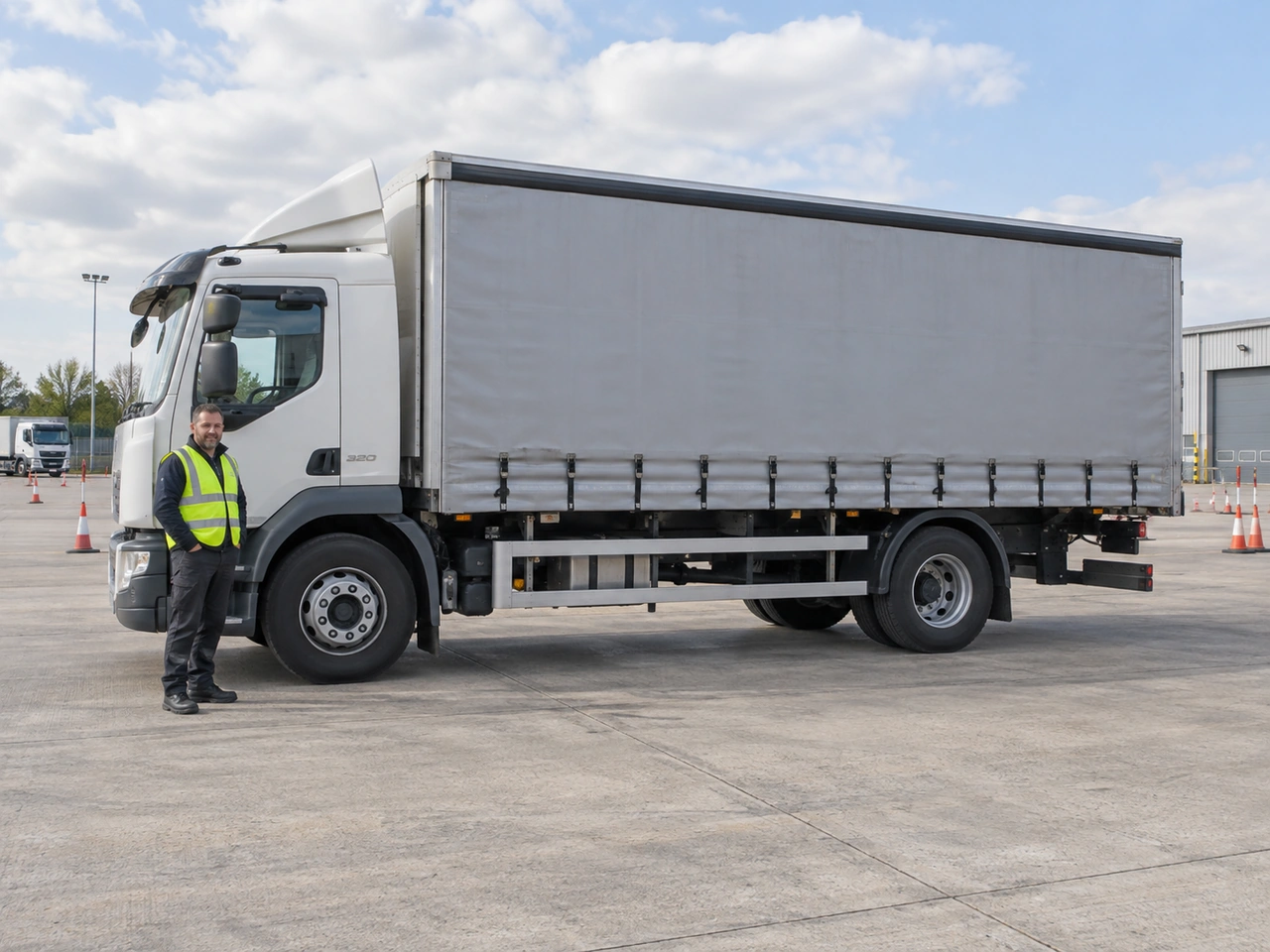
360. Which licence category is mainly associated with trucks?
Driving licence C is mainly associated with trucks. Category C1 covers smaller heavy vehicles, C covers larger heavy vehicles, and C1E and CE allow heavier trailers.
AI-generated by Traffic-rules.com • WCIT • CC BY-SA
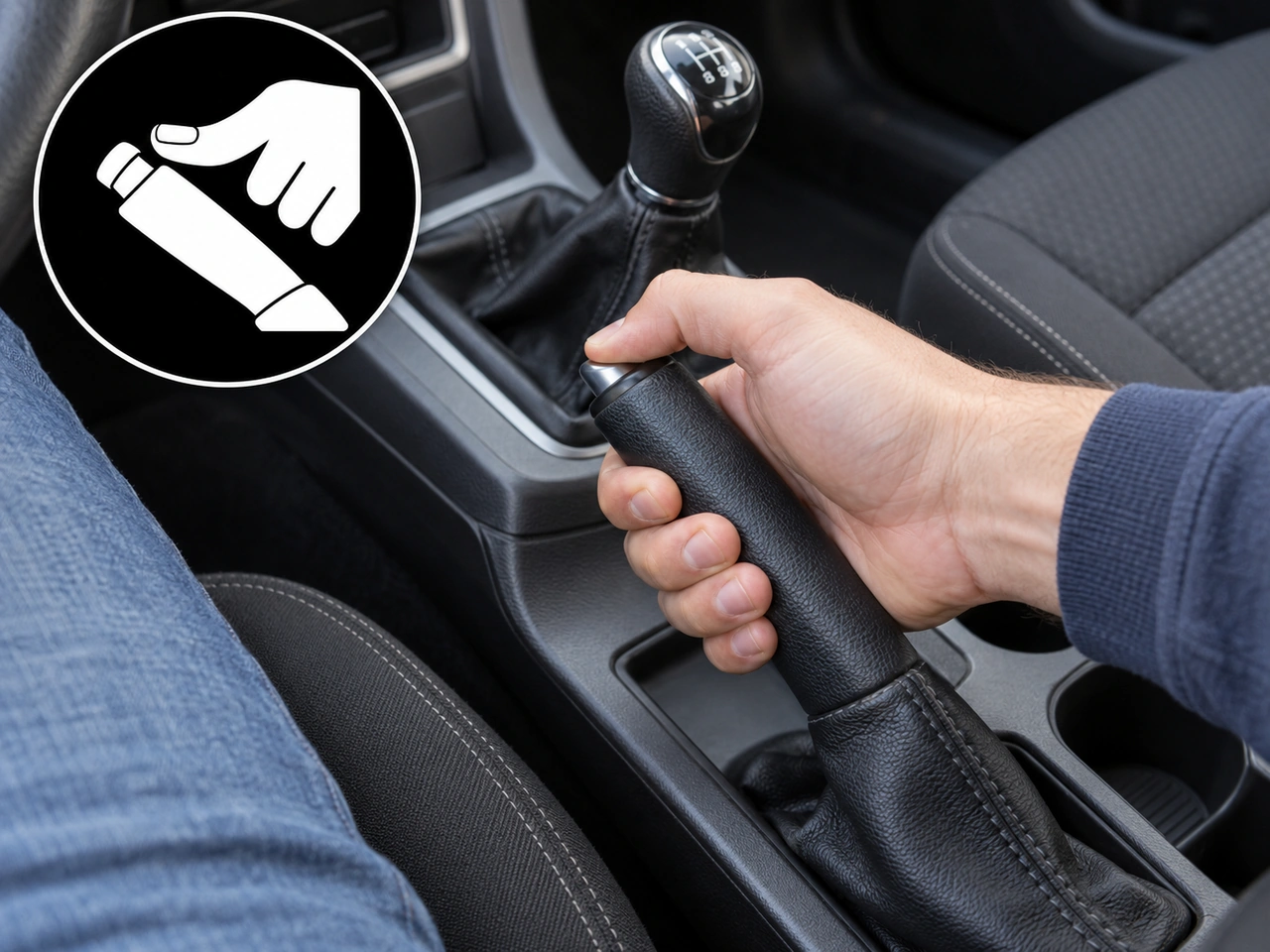
361. What is the button on a manual handbrake lever used for?
To release a manual handbrake, pull the lever up slightly, press and hold the release button, then lower the lever under control.
AI-generated by Traffic-rules.com • WCIT • CC BY-SA
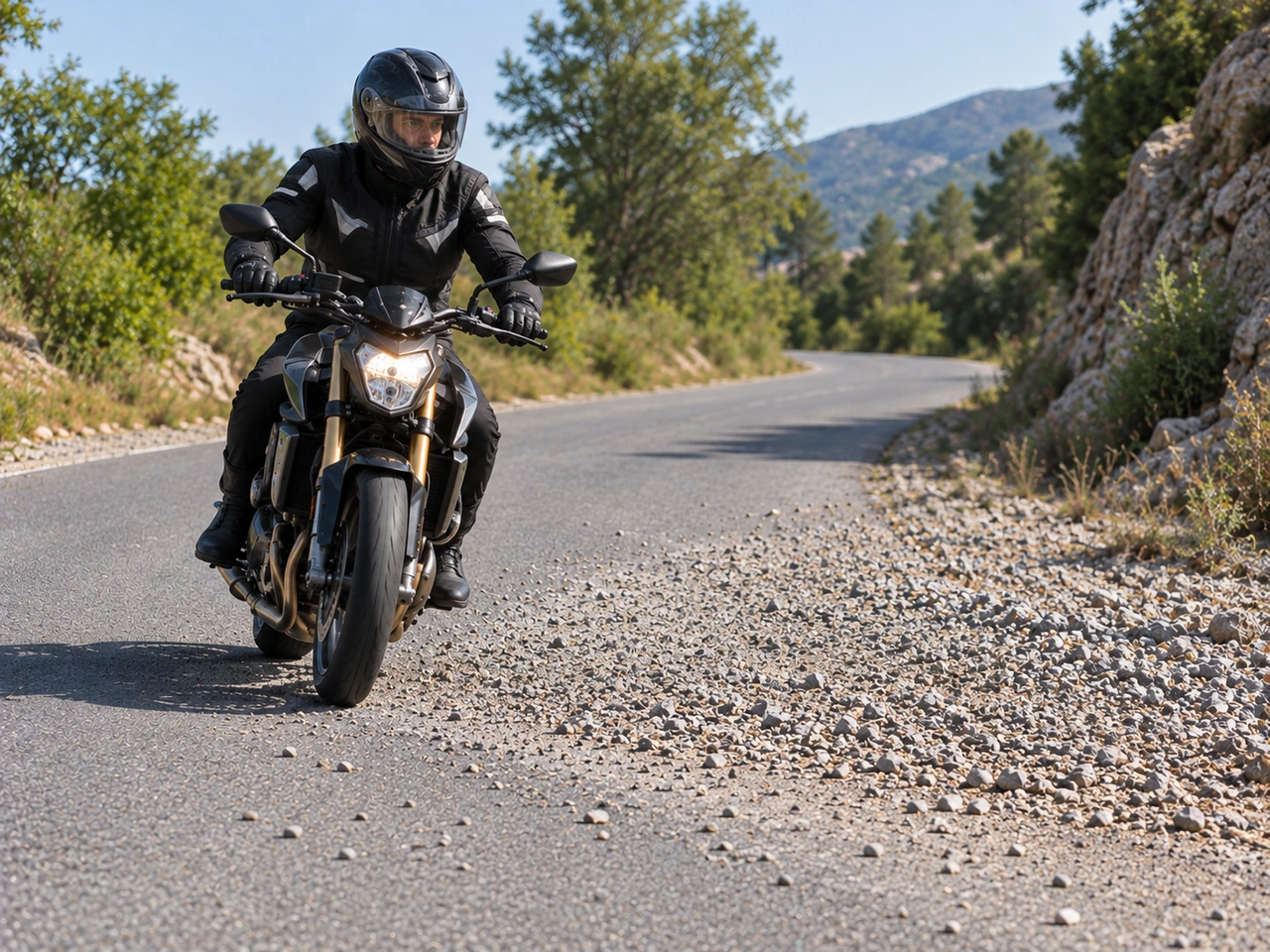
362. What should a motorcyclist do when approaching loose gravel?
Loose gravel can significantly reduce tyre grip. Reduce speed before reaching it, keep the motorcycle as upright as practical, and avoid sudden braking, acceleration or steering while crossing the loose surface.
AI-generated by Traffic-rules.com • WCIT • CC BY-SA
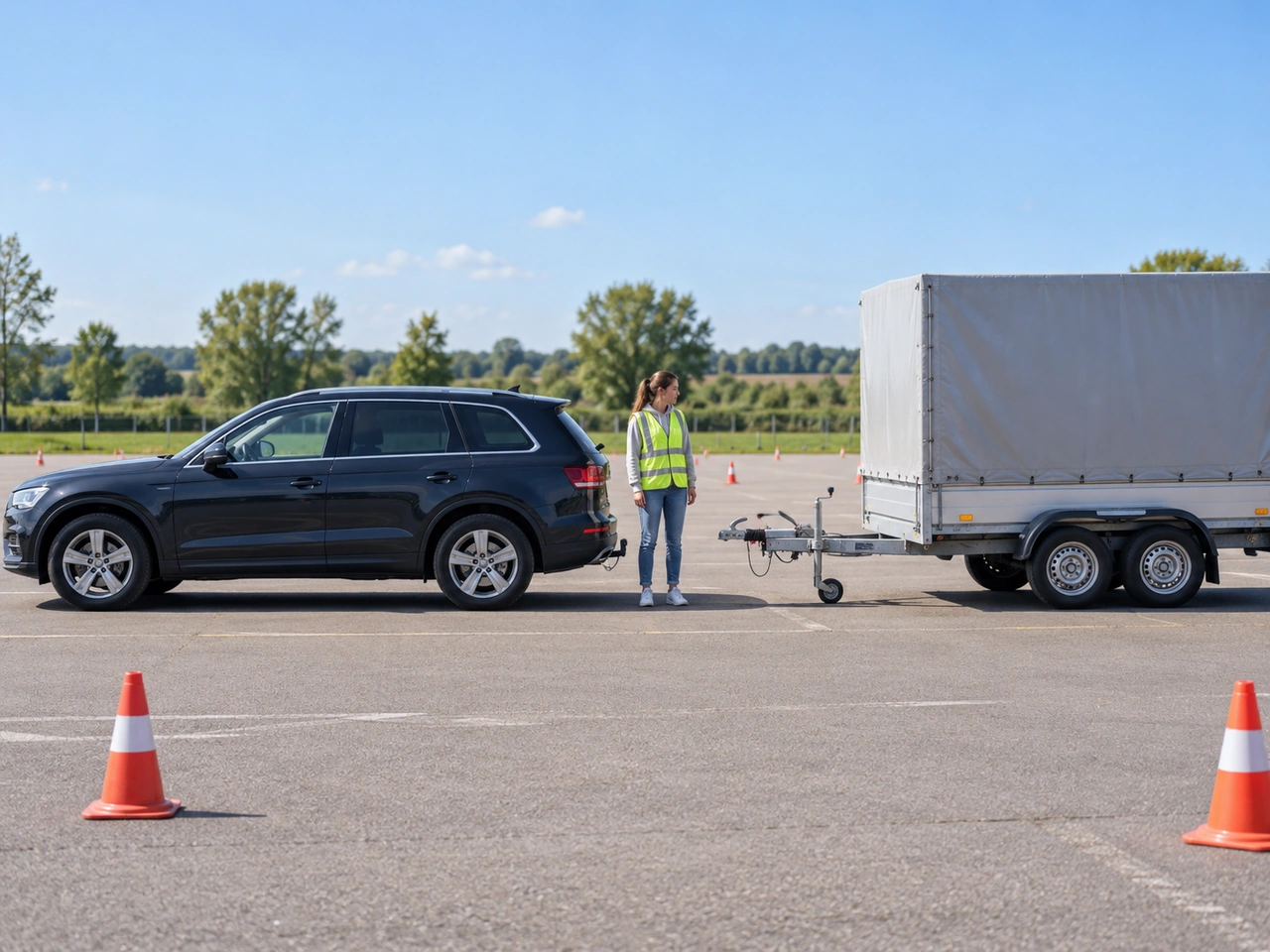
363. What licence is needed for a B vehicle towing a trailer up to 3,500 kg above 4,250 kg combined MAM?
Category BE covers a category B towing vehicle with a trailer or semi-trailer having a maximum authorised mass of up to 3,500 kg. Category B with Code 96 is limited to combinations with a maximum authorised mass of up to 4,250 kg.
AI-generated by Traffic-rules.com • WCIT • CC BY-SA
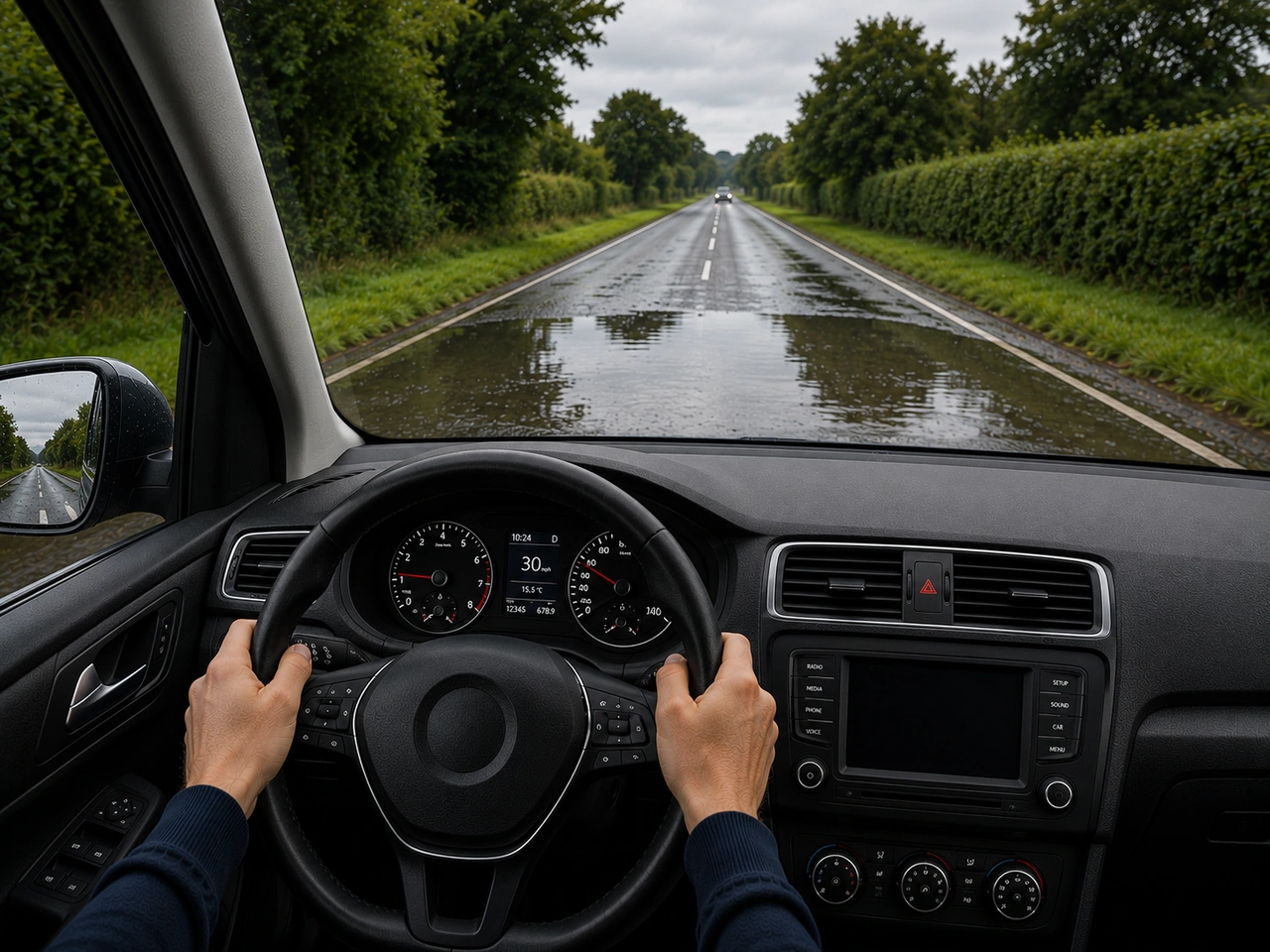
364. What should you do before driving through a puddle?
Large puddles can hide holes, reduce grip, or cause water to splash onto pedestrians or other vehicles. Slow down and proceed carefully.
AI-generated by Traffic-rules.com • WCIT • CC BY-SA
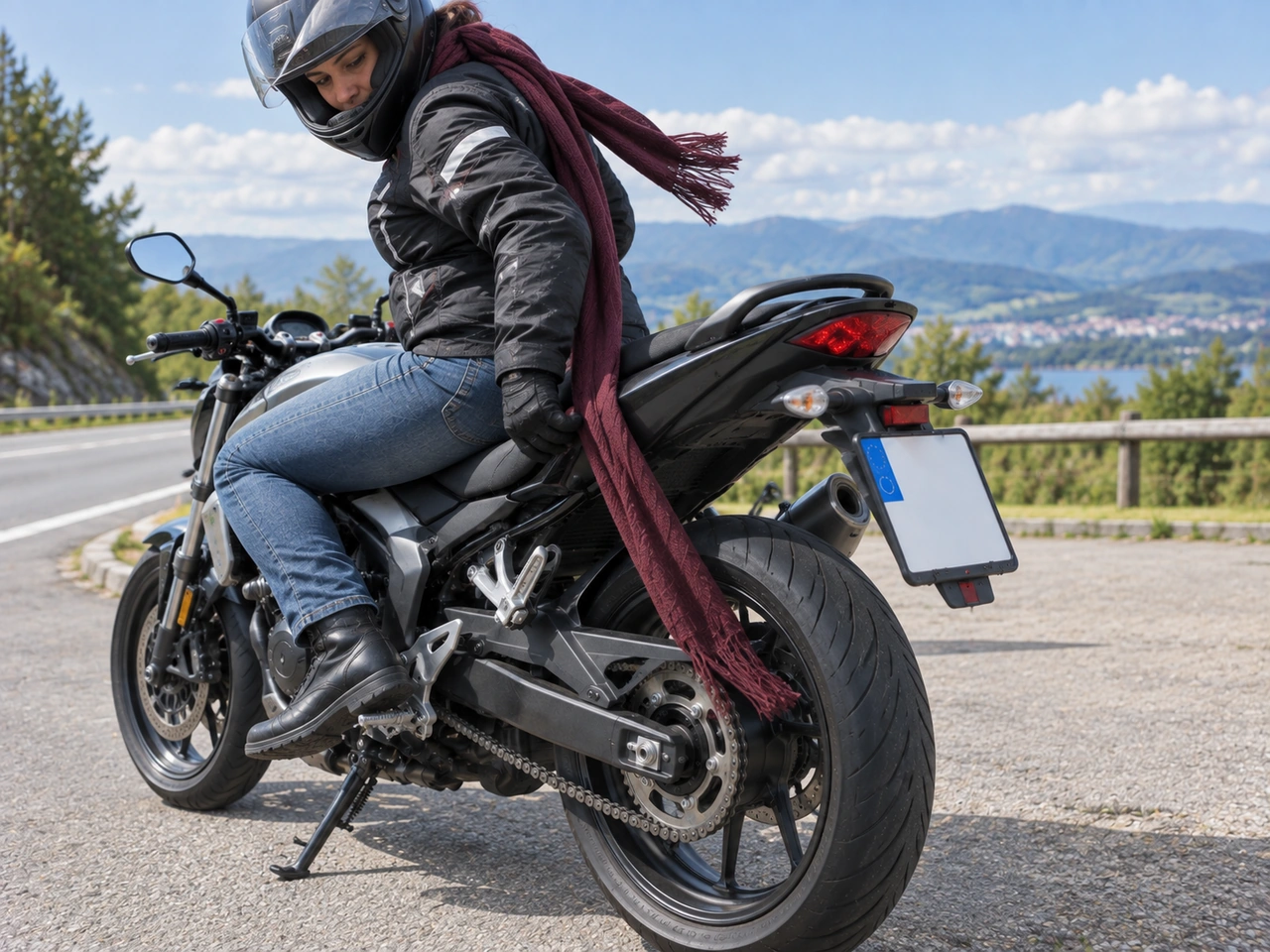
365. Why should loose clothing be avoided when riding a motorcycle?
Loose clothing, straps or scarves can flap in the wind or become caught in moving parts such as the chain or wheel. Motorcycle clothing should fit securely and should not have loose items that could interfere with safe riding.
AI-generated by Traffic-rules.com • WCIT • CC BY-SA
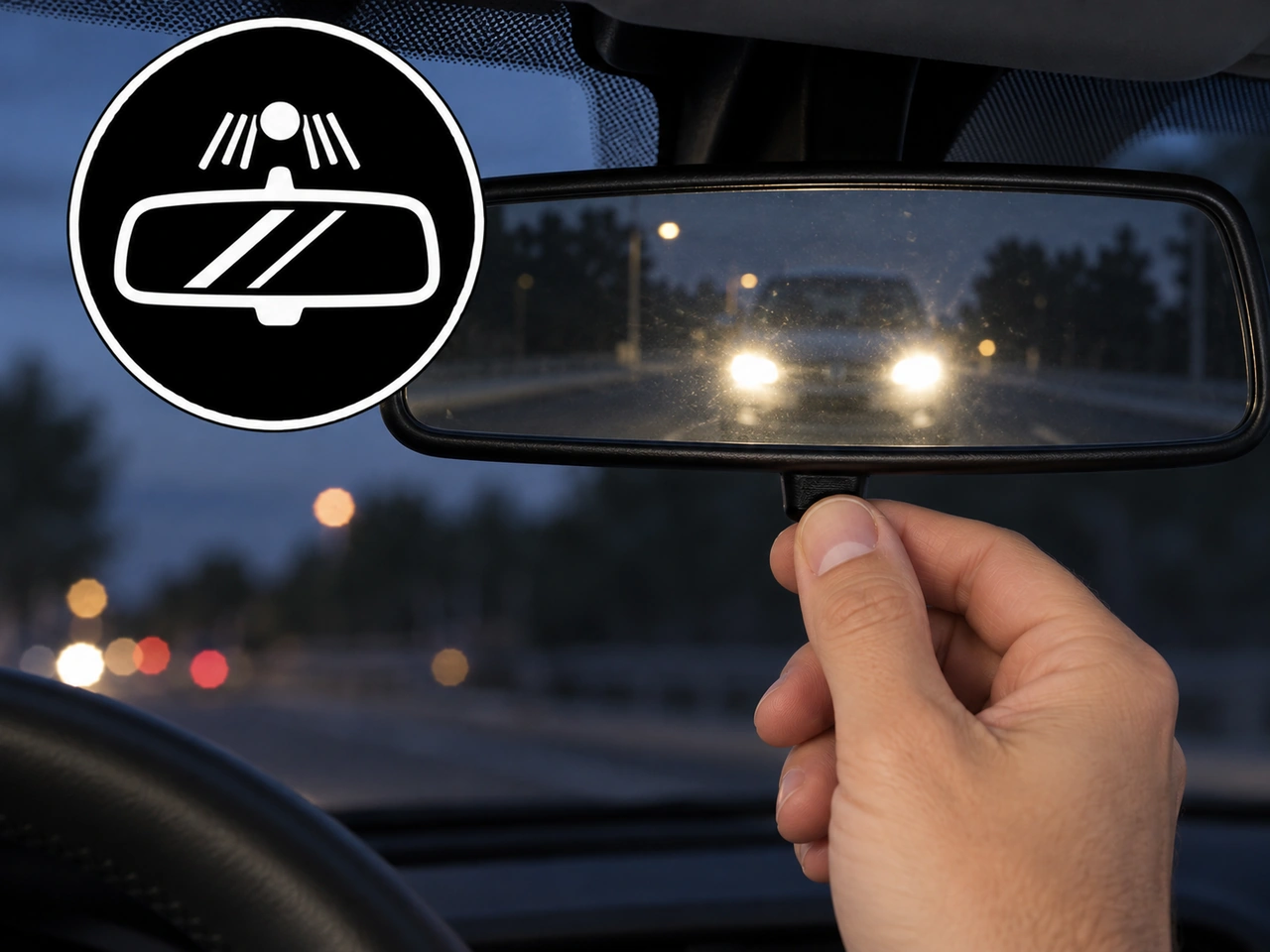
366. What is the purpose of the anti-dazzle control on the rear-view mirror?
The anti-dazzle setting reduces glare from the headlights of vehicles behind, helping the driver maintain a clear view without being dazzled.
AI-generated by Traffic-rules.com • WCIT • CC BY-SA
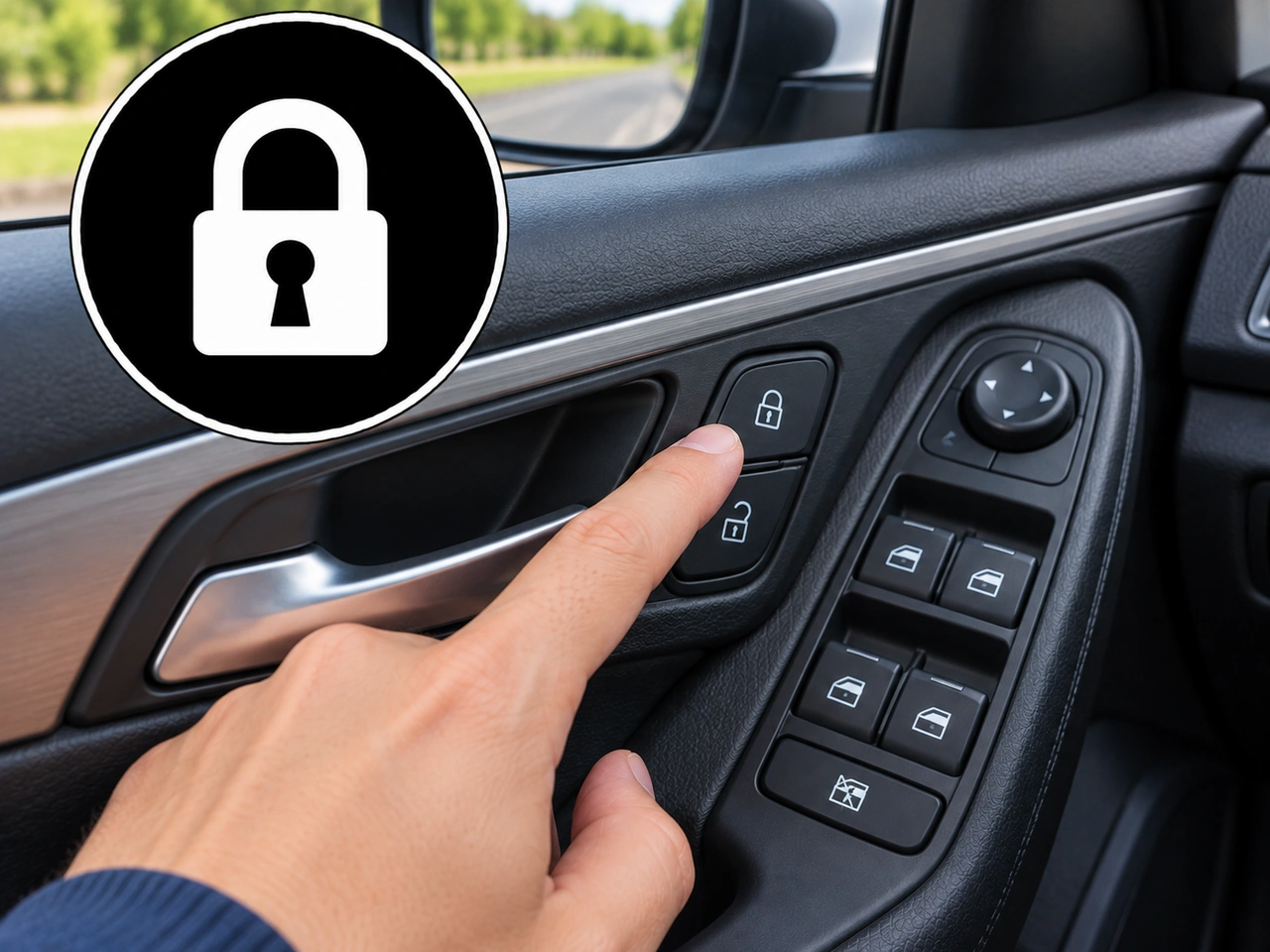
367. What does this vehicle-control symbol indicate?
This control operates the vehicle's central door locking system. Pressing it locks or unlocks the vehicle's doors, depending on the current lock state.
AI-generated by Traffic-rules.com • WCIT • CC BY-SA
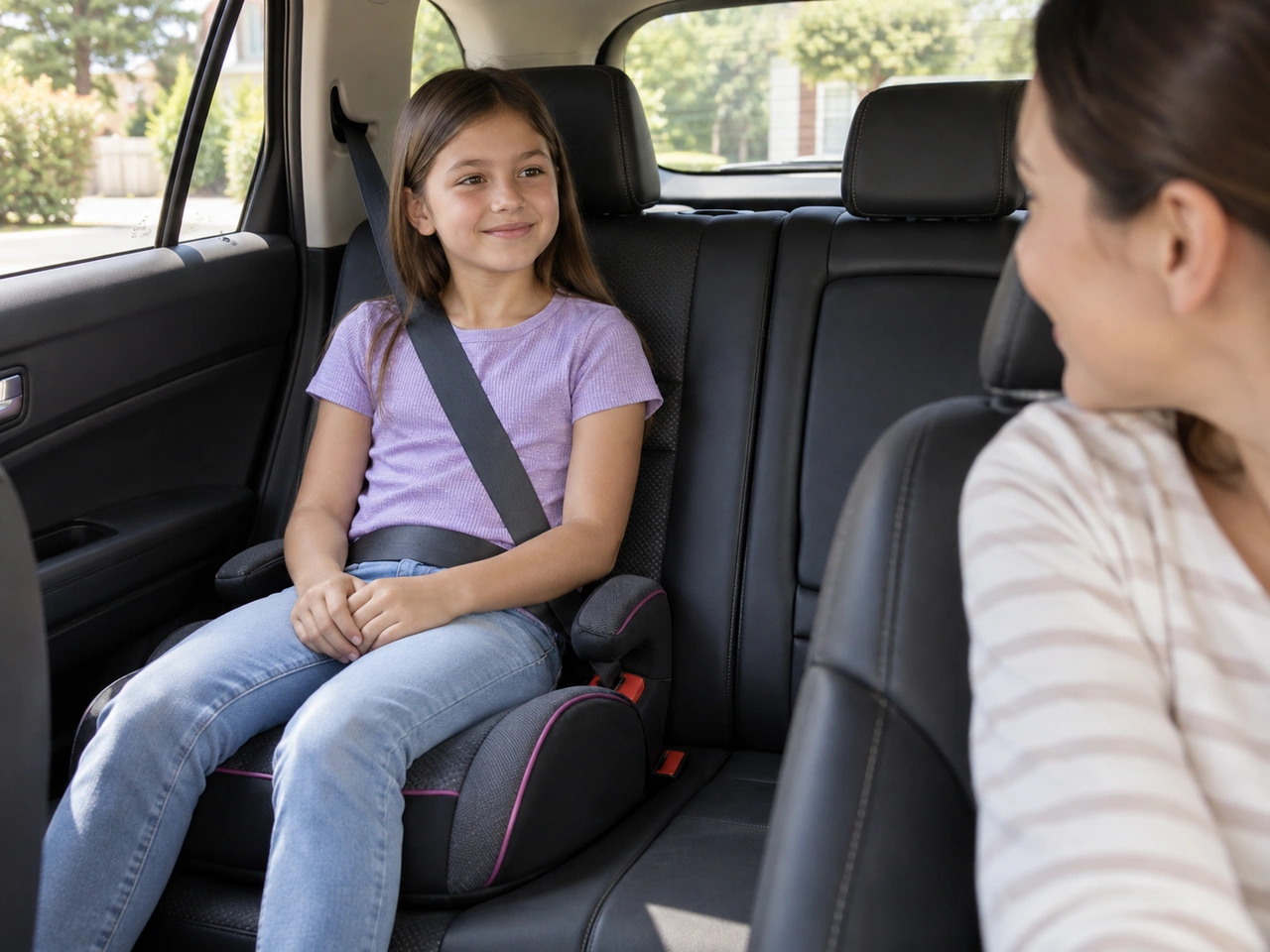
368. What is the main purpose of a booster seat?
A booster seat raises and positions a child so the vehicle seat belt fits correctly. The lap belt should sit low across the hips and the shoulder belt should pass across the chest and shoulder, rather than the neck or abdomen.
AI-generated by Traffic-rules.com • WCIT • CC BY-SA
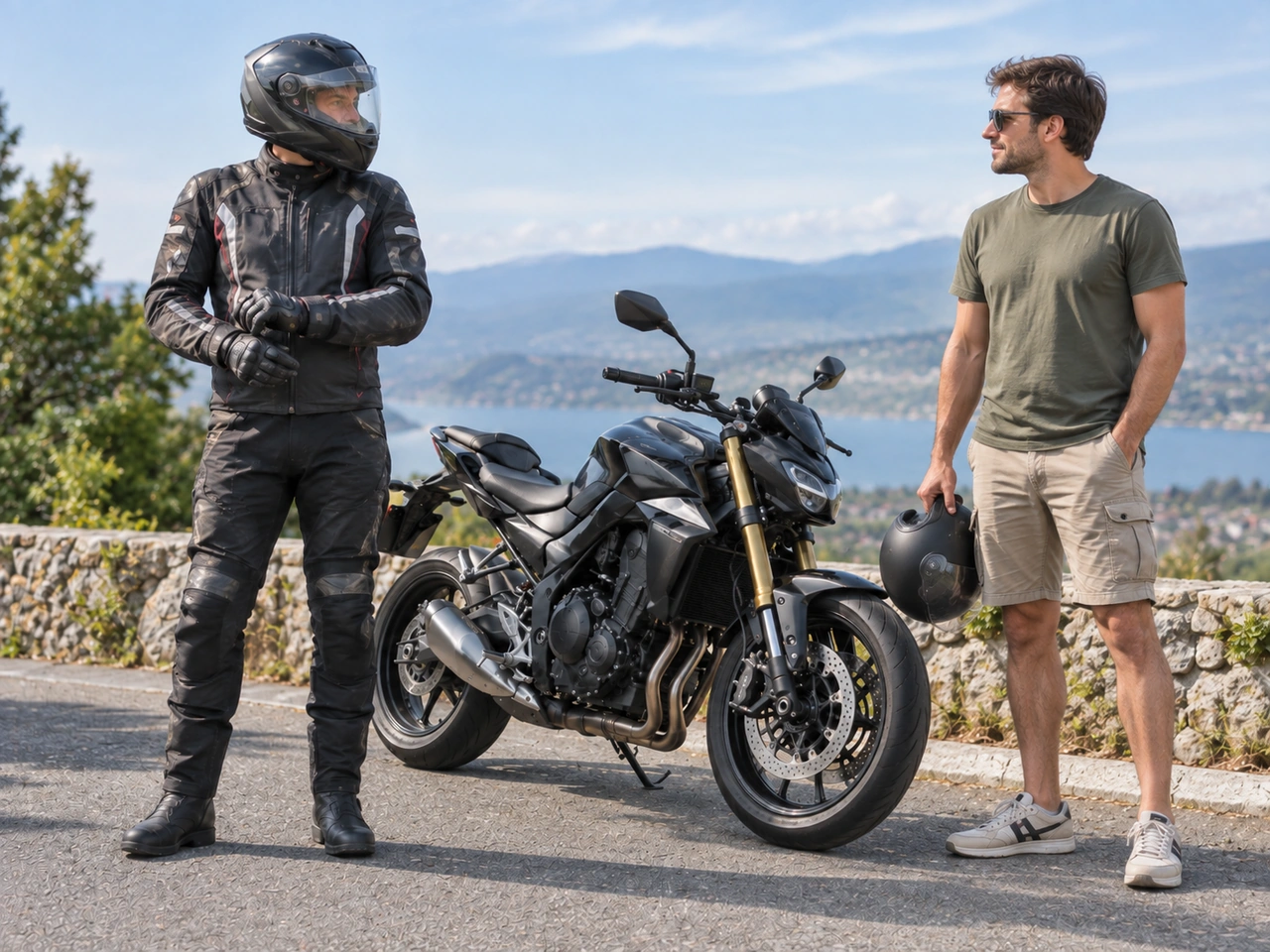
369. Should motorcyclists wear protective clothing?
Motorcyclists should wear protective clothing because it can reduce injuries from falls, impacts and sliding on the road. Suitable jackets, trousers, gloves and boots provide additional protection, but they do not replace a securely fitted helmet or safe riding.
AI-generated by Traffic-rules.com • WCIT • CC BY-SA
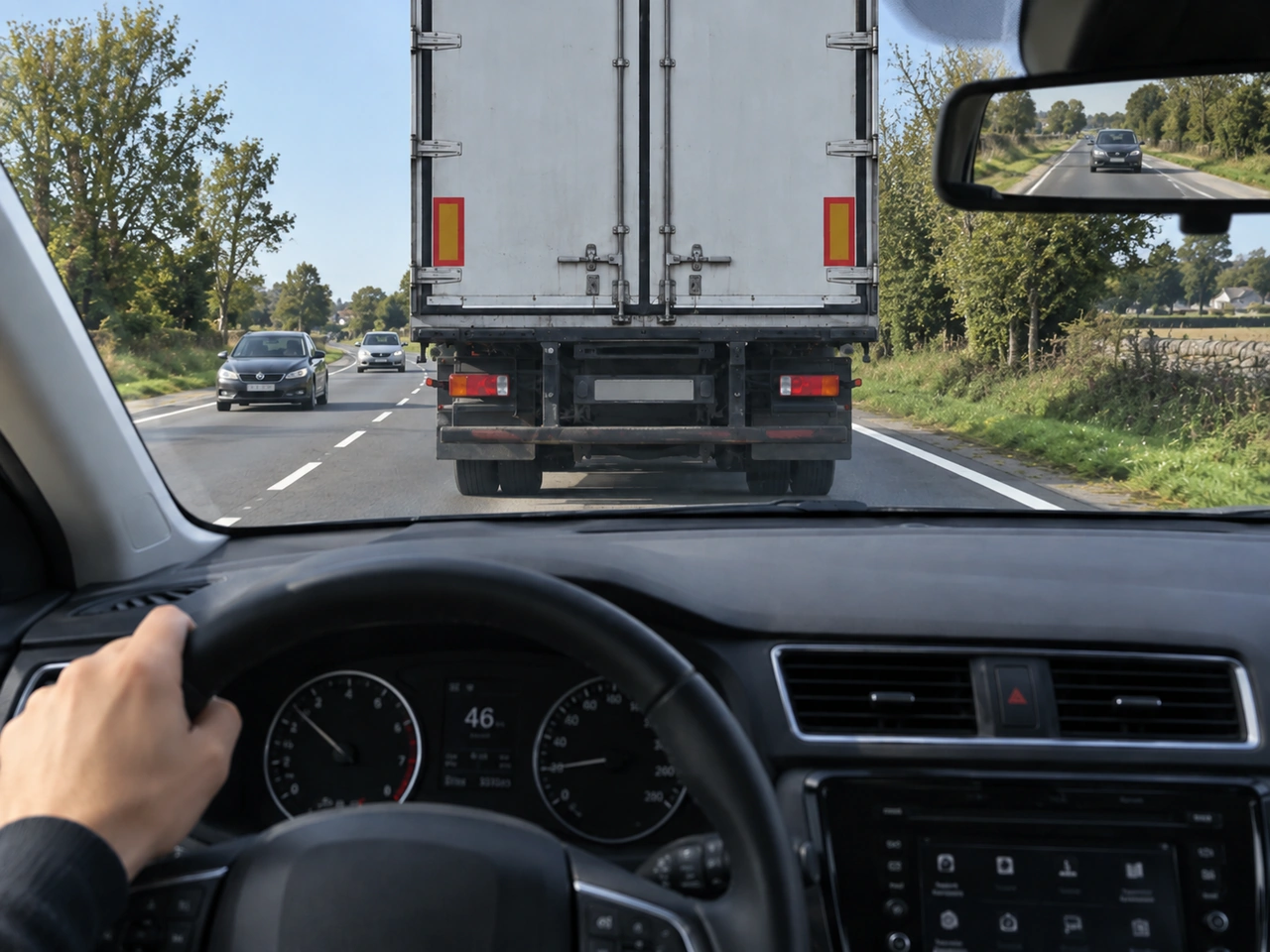
370. Why should you leave extra space when following a large vehicle?
A large vehicle can block your view of traffic, signs, junctions, or hazards ahead. Leaving extra space improves your view and gives you more time to react if traffic slows or a hazard develops.
AI-generated by Traffic-rules.com • WCIT • CC BY-SA
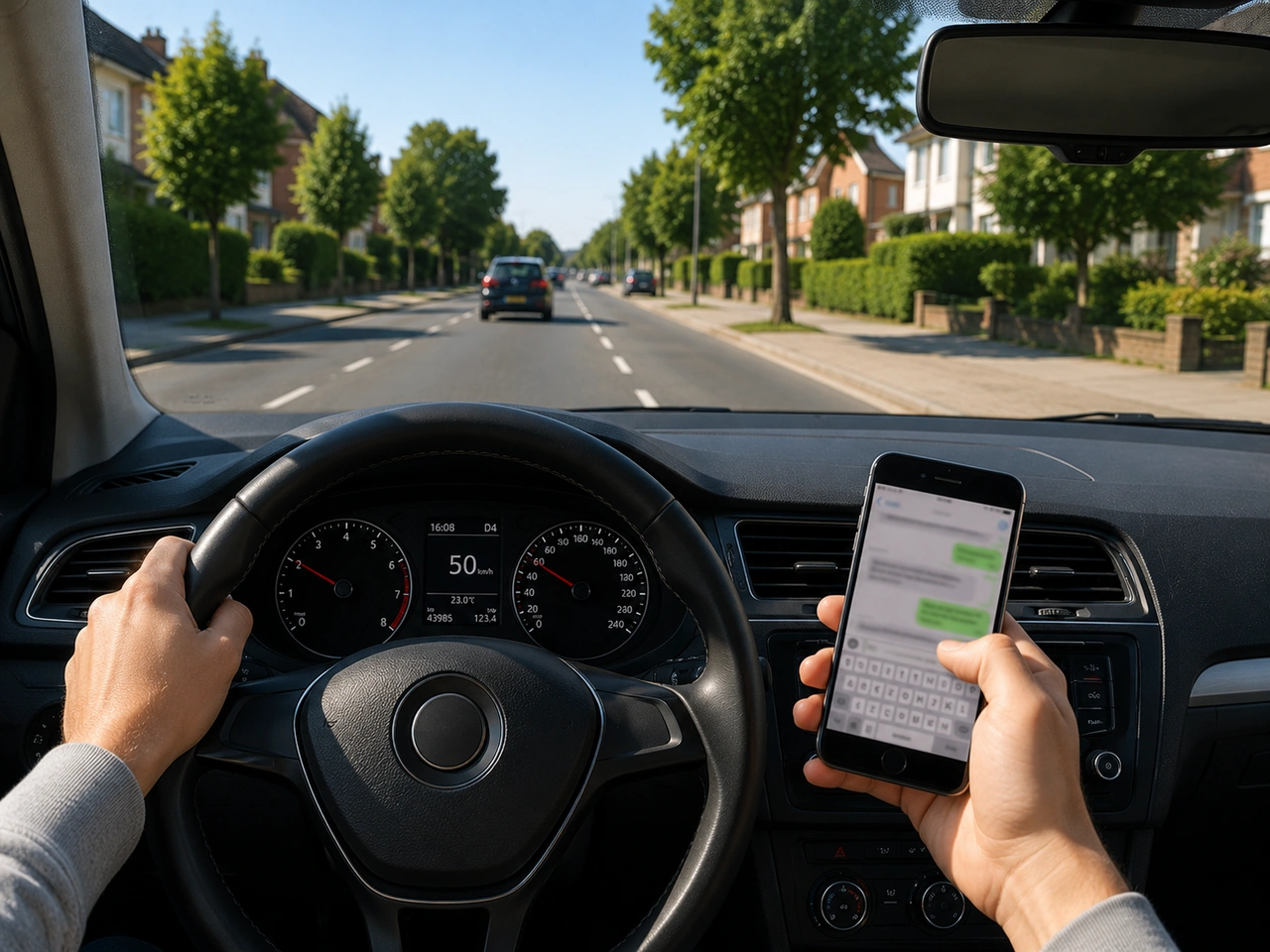
371. It is safe to look at your phone briefly while driving.
Using your phone while driving is distracting and dangerous, even for a very short moment.
AI-generated by Traffic-rules.com • WCIT • CC BY-SA
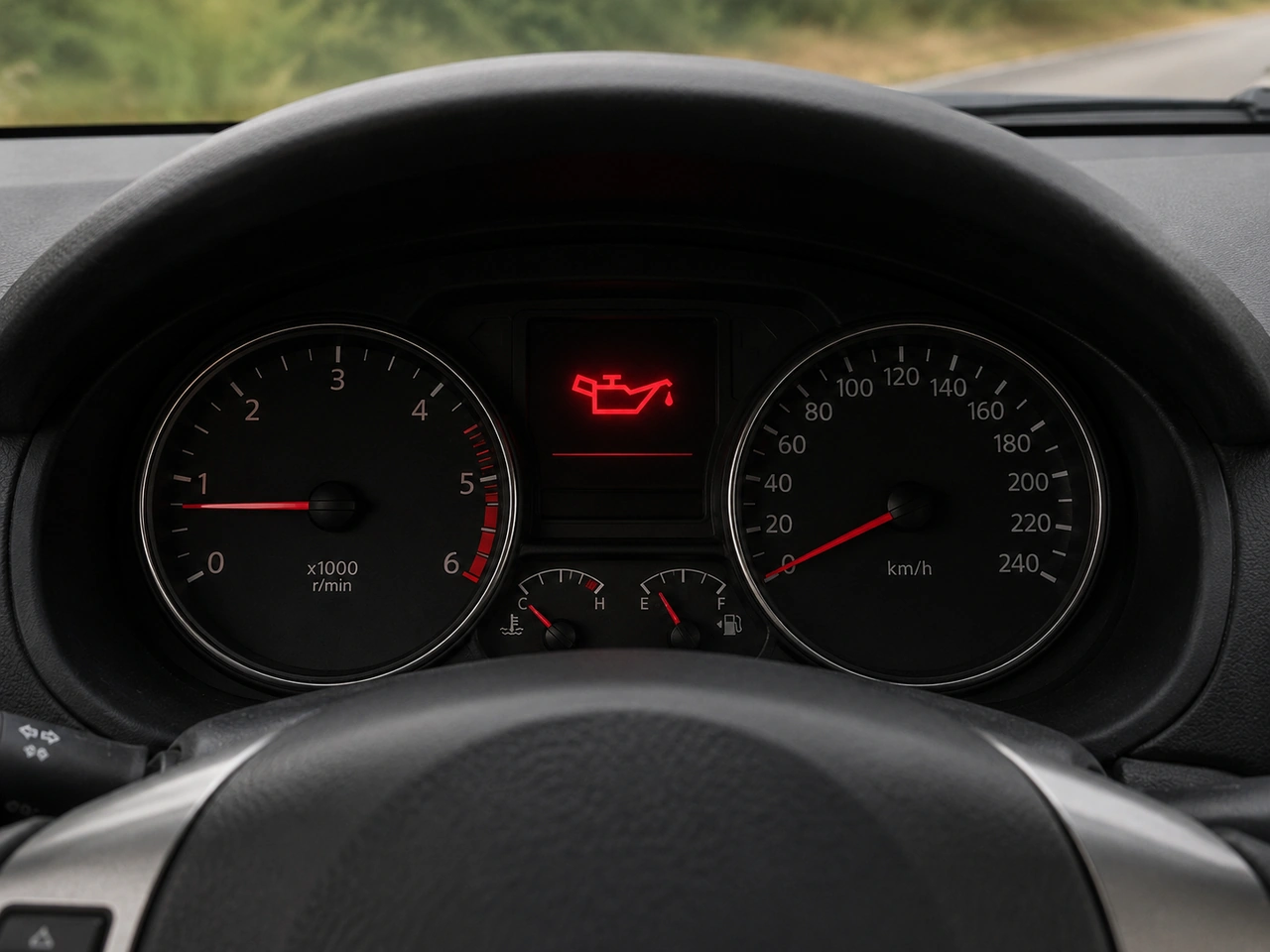
372. What should you do if the oil-pressure warning light stays on?
Low oil pressure can quickly cause severe engine damage. Stop as soon as it is safe, switch off the engine, and investigate the cause before continuing.
AI-generated by Traffic-rules.com • WCIT • CC BY-SA
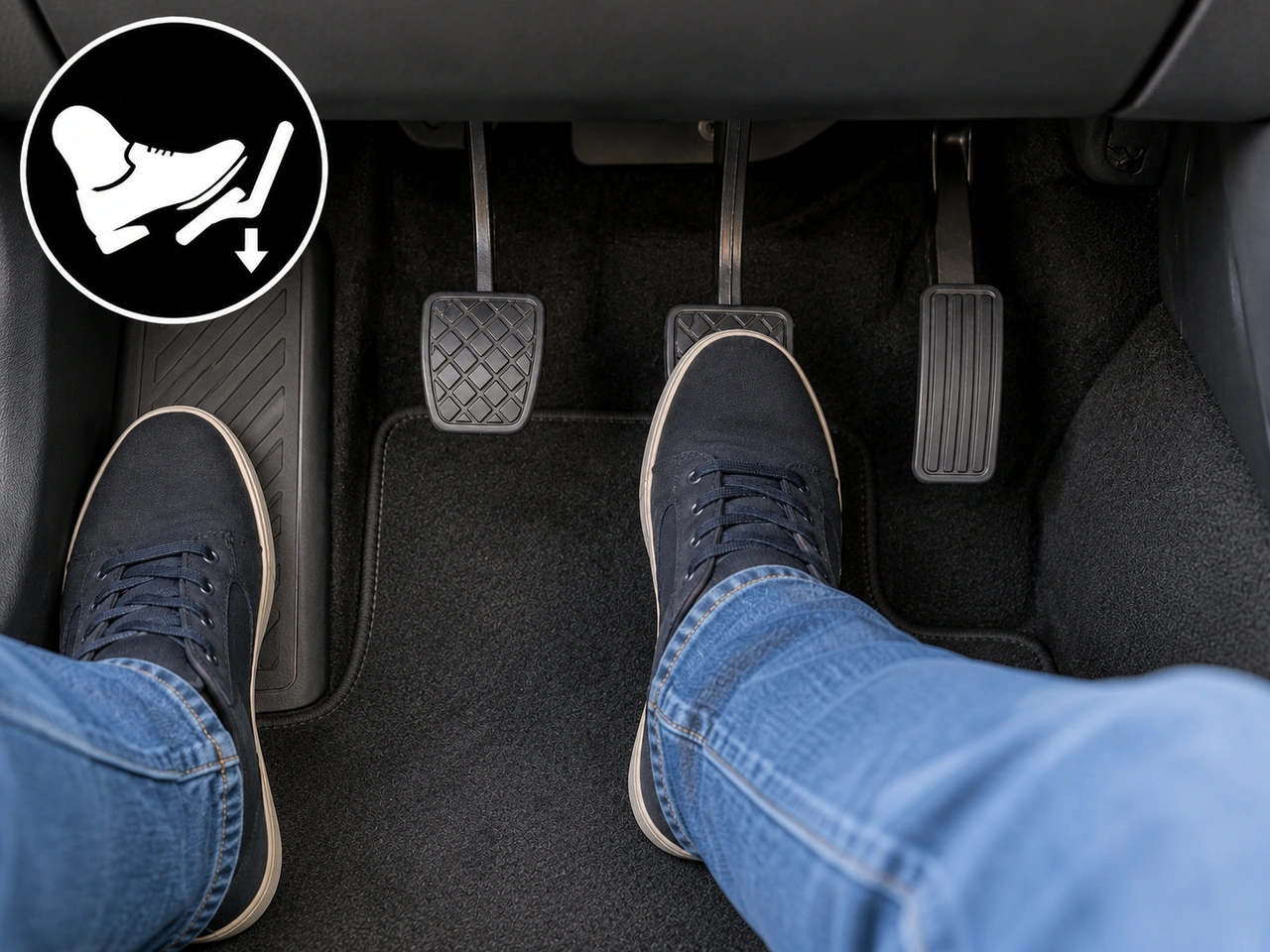
373. How should you normally apply the brake pedal for a smooth stop?
For normal braking, apply the brake pedal progressively and smoothly. As the vehicle comes to a stop, easing the pressure slightly can help avoid a sudden jerk.
AI-generated by Traffic-rules.com • WCIT • CC BY-SA
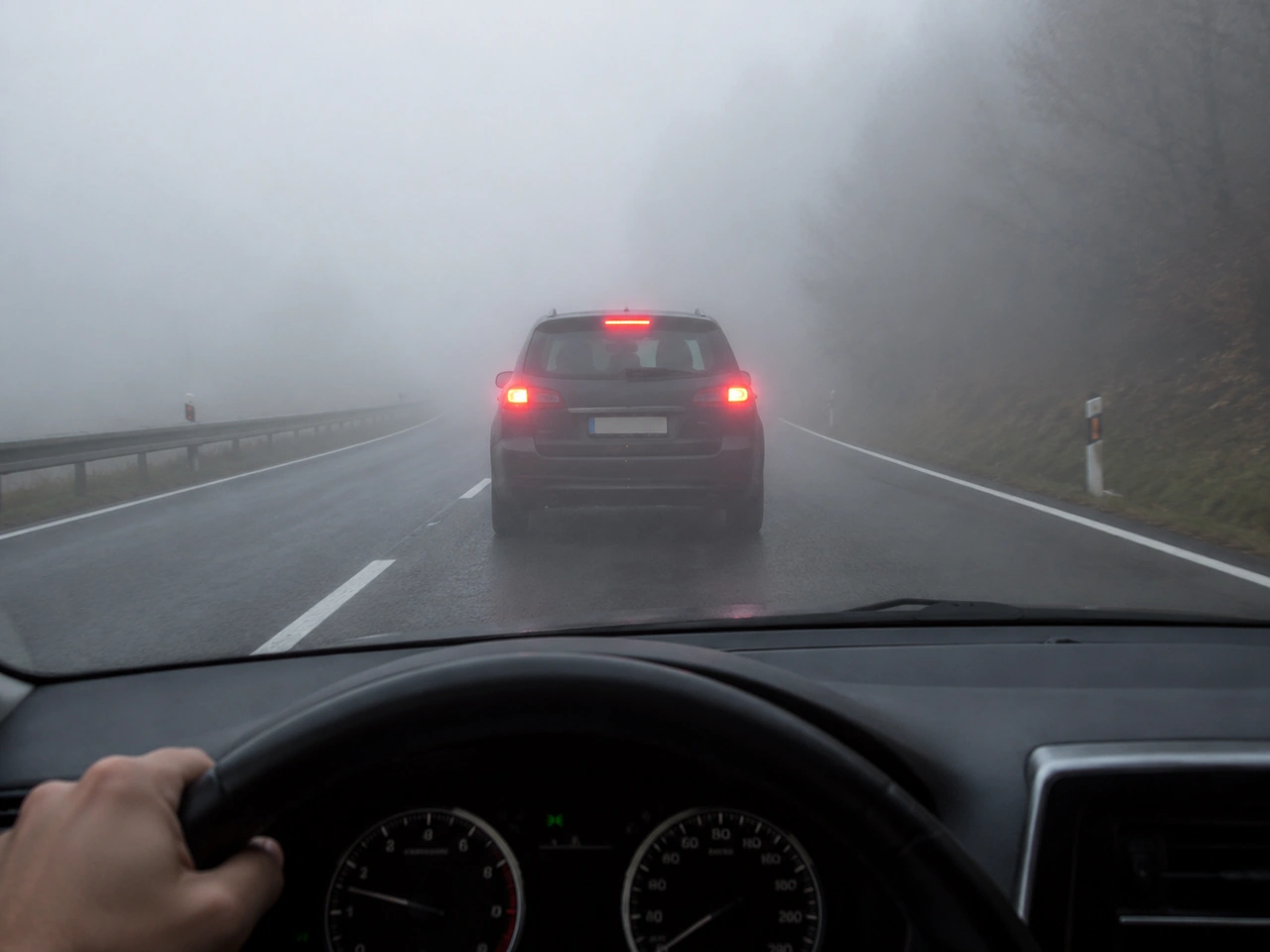
374. Why should you avoid following another vehicle too closely in fog?
Following too closely reduces your reaction time and can lead to a collision if the vehicle ahead slows unexpectedly.
AI-generated by Traffic-rules.com • WCIT • CC BY-SA
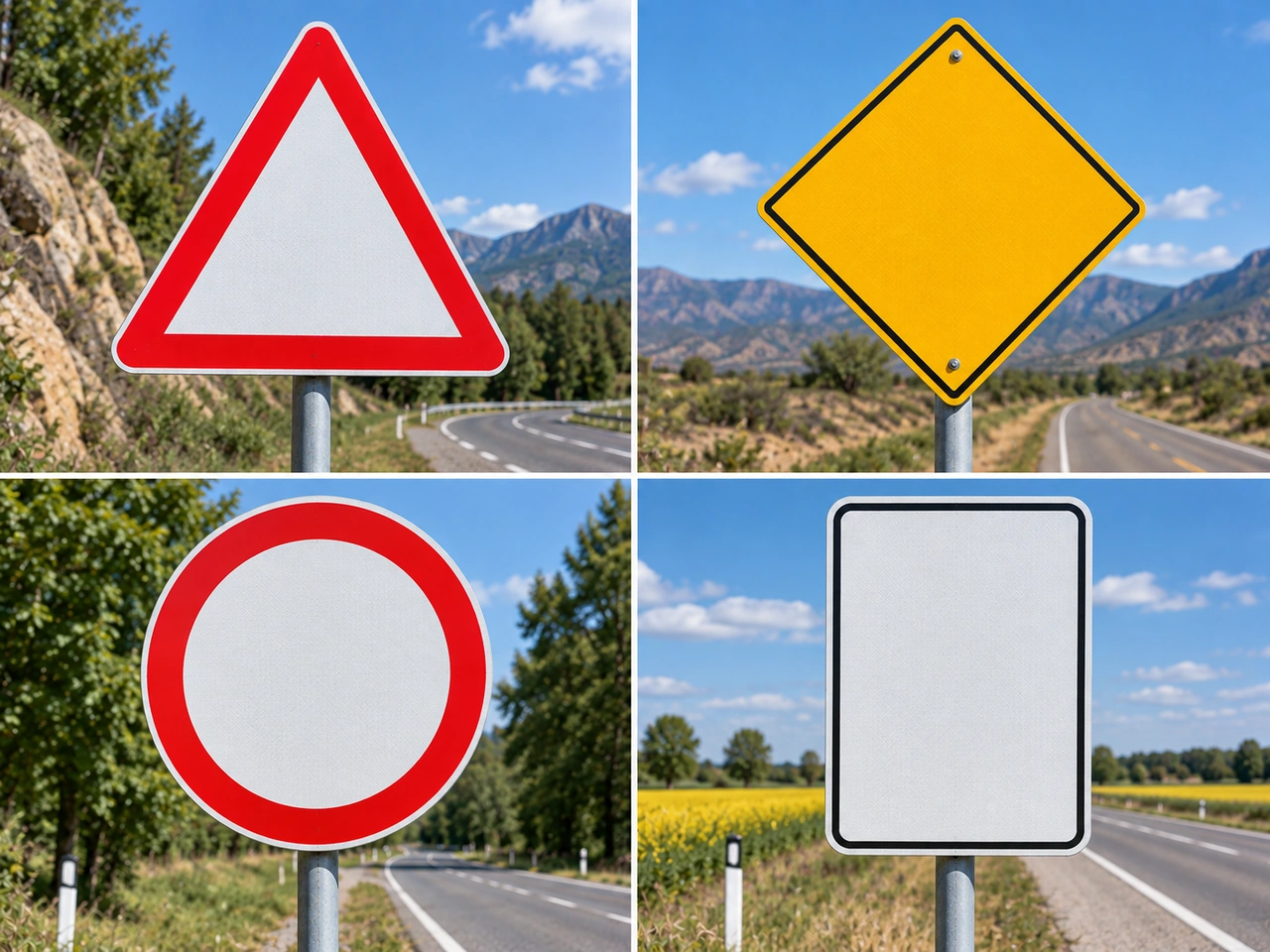
375. What shape are most warning signs in Italy?
Most warning signs in Italy are triangular.
AI-generated by Traffic-rules.com • WCIT • CC BY-SA
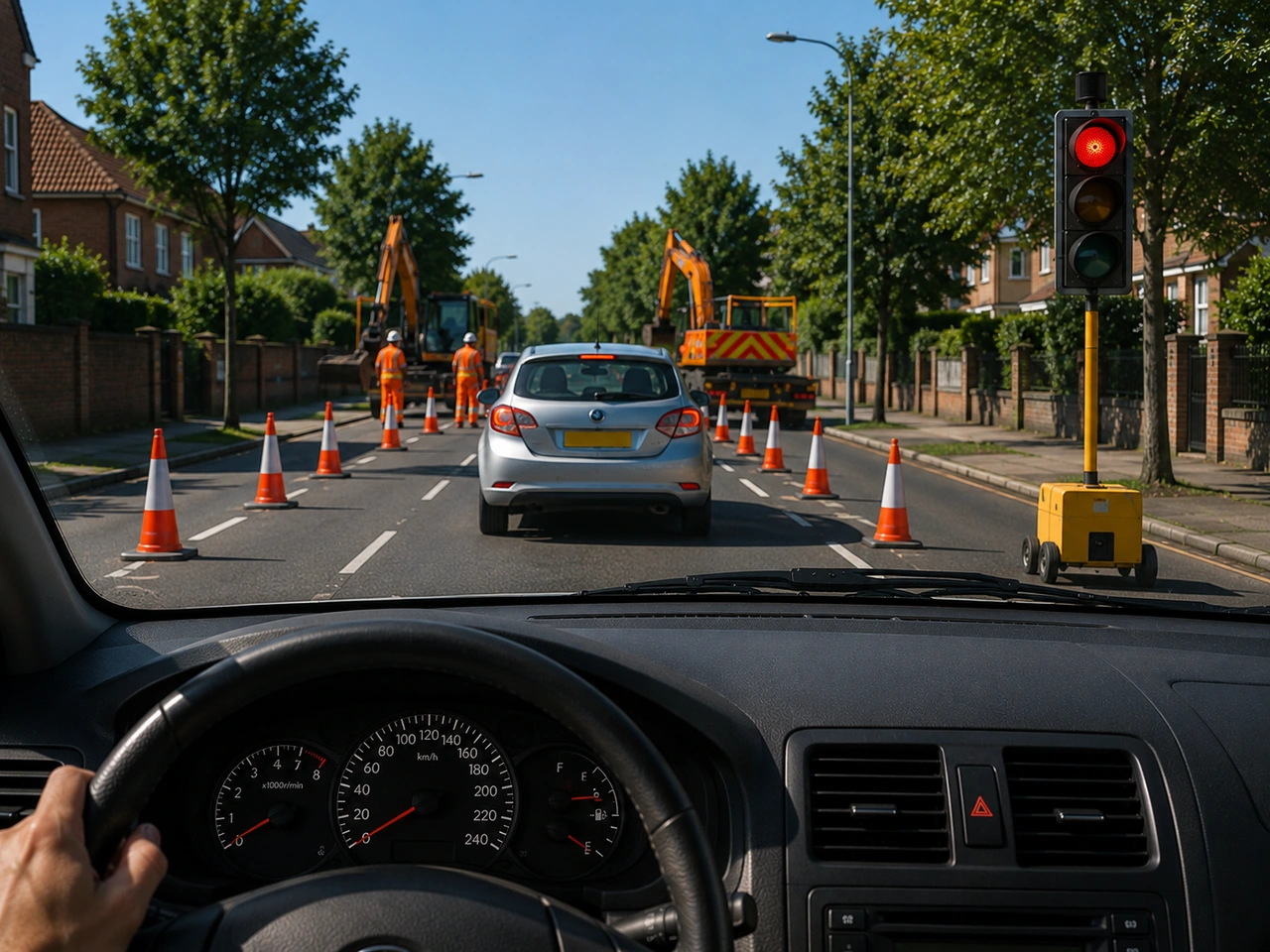
376. What should you do when roadworks are ahead?
Roadworks can create narrow lanes, workers near traffic, uneven surfaces, and temporary rules. Slow down and follow the signs.
AI-generated by Traffic-rules.com • WCIT • CC BY-SA
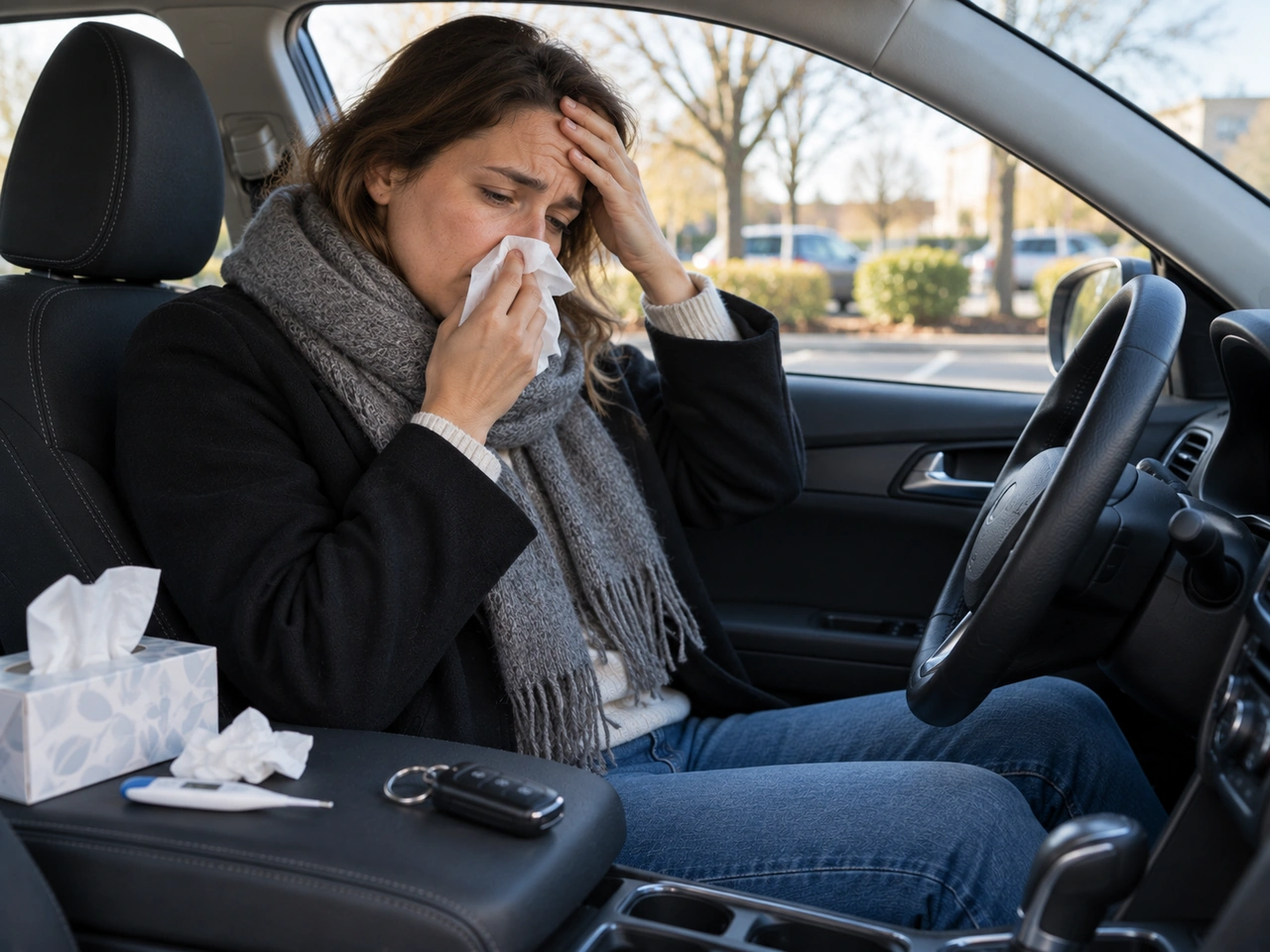
377. What should you do if illness affects your ability to drive safely?
Illness can reduce concentration, alertness, coordination, or reaction time. If you do not feel fit to drive safely, postpone the journey or use another form of transport.
AI-generated by Traffic-rules.com • WCIT • CC BY-SA
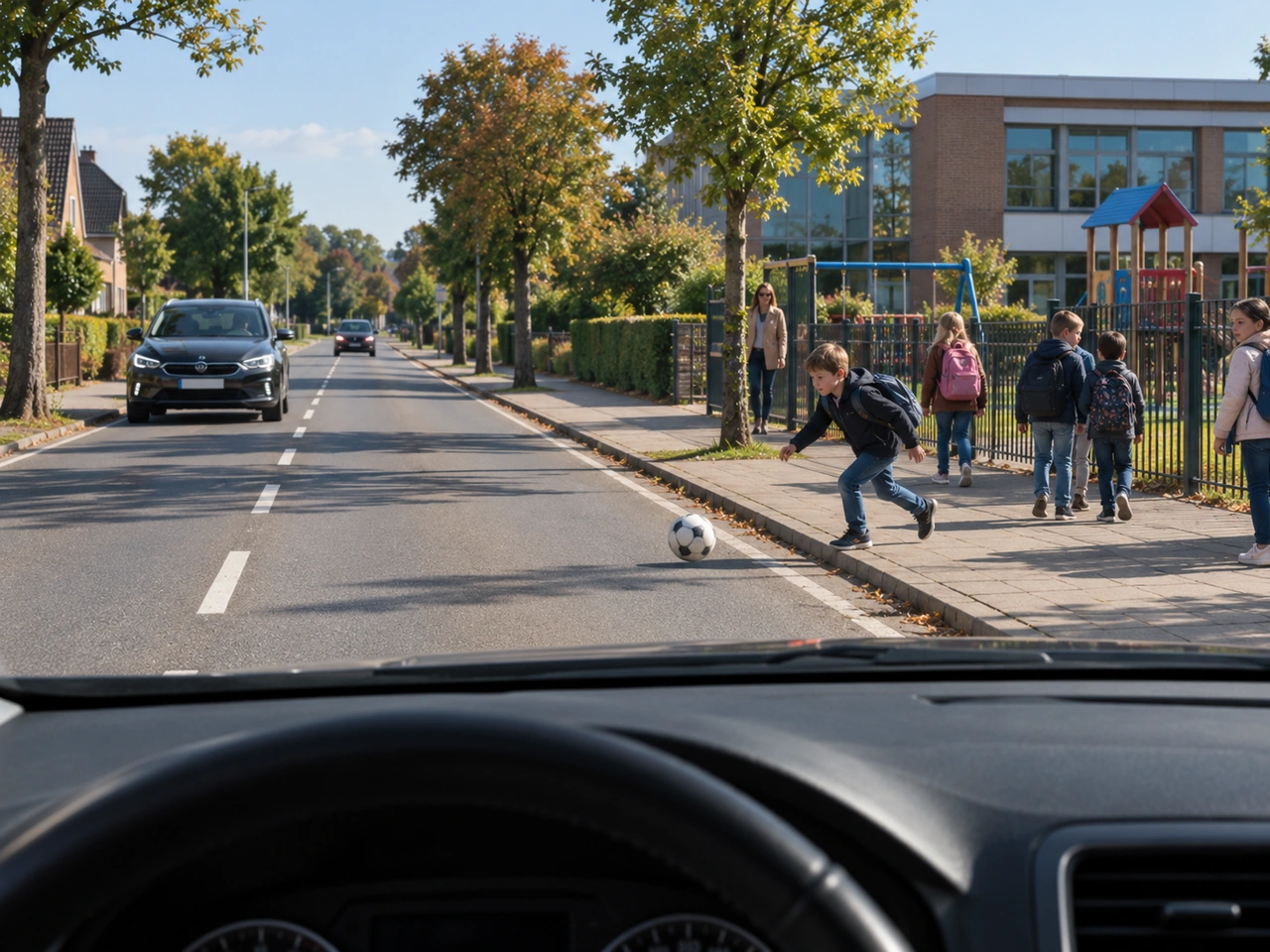
378. Why should you slow down near schools or playgrounds?
Children may suddenly cross the road or move unexpectedly, so drivers should slow down and stay alert near schools and playgrounds.
AI-generated by Traffic-rules.com • WCIT • CC BY-SA
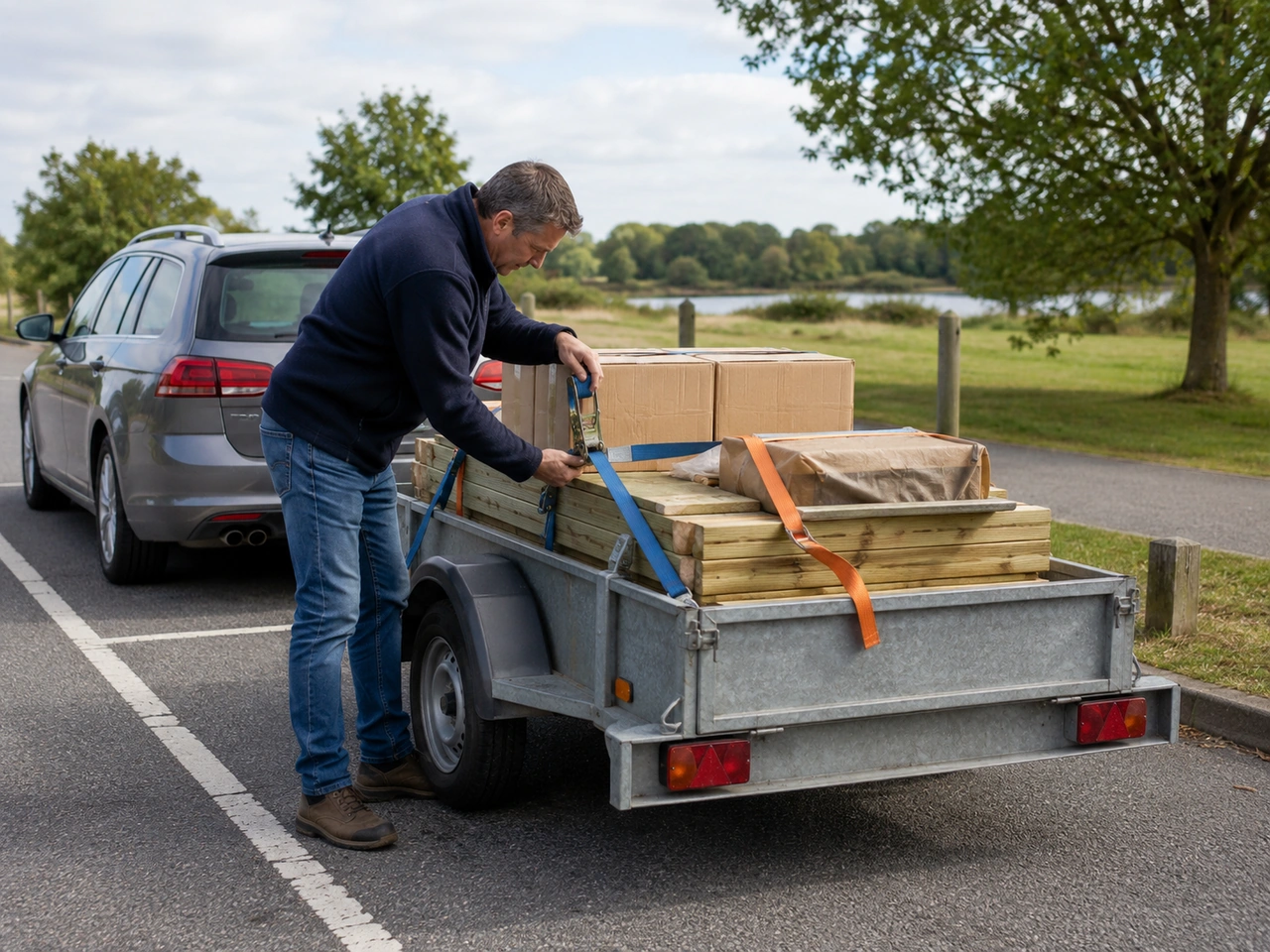
379. What should you check shortly after securing a load?
Loads and straps may settle or loosen after the journey begins. Recheck them at a safe stopping place.
AI-generated by Traffic-rules.com • WCIT • CC BY-SA
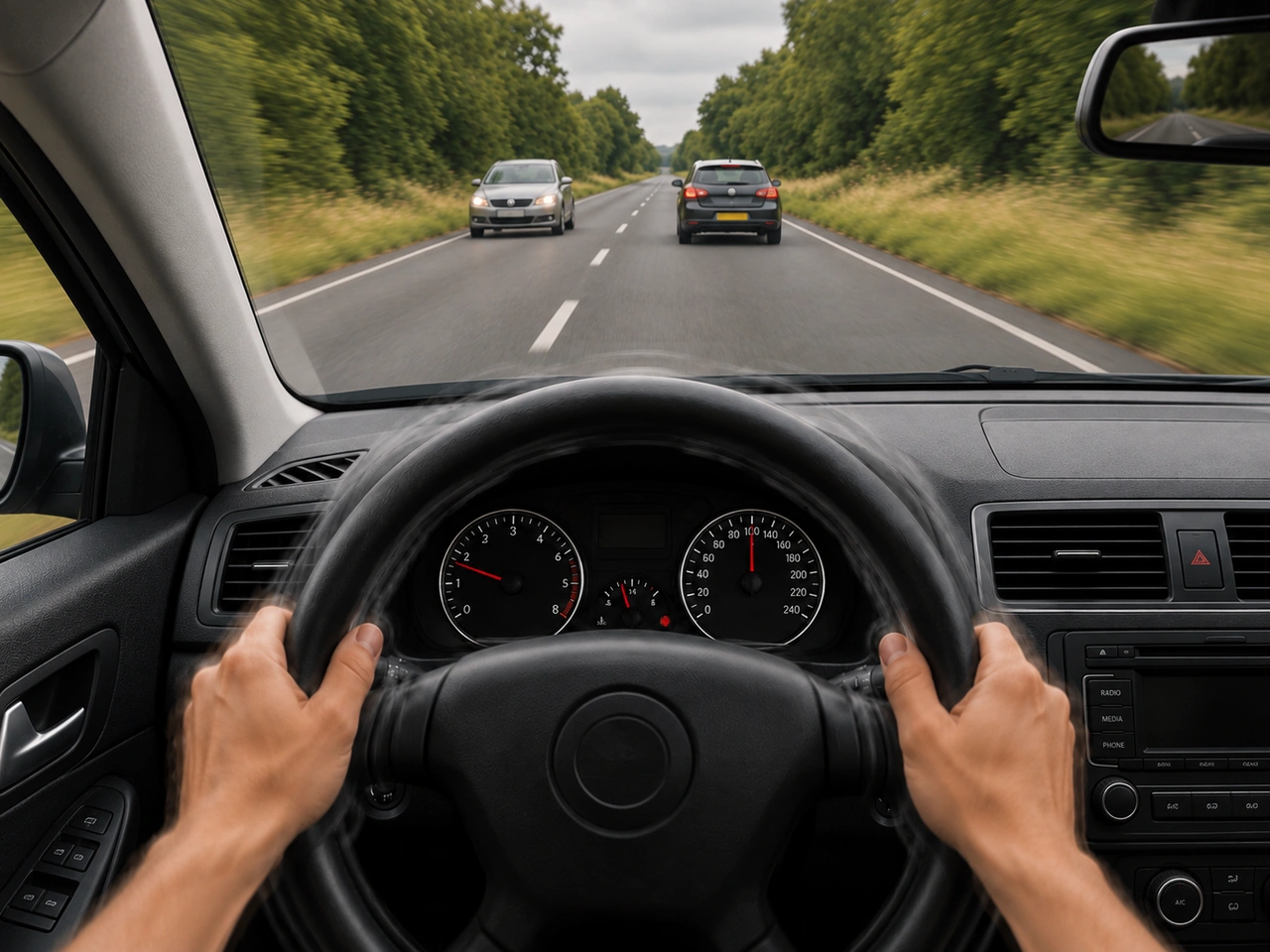
380. What should you do if an unusual vibration develops in the steering wheel?
An unusual vibration may indicate tyre damage, wheel imbalance, loose components, or another mechanical fault. Reduce speed and arrange an inspection.
AI-generated by Traffic-rules.com • WCIT • CC BY-SA
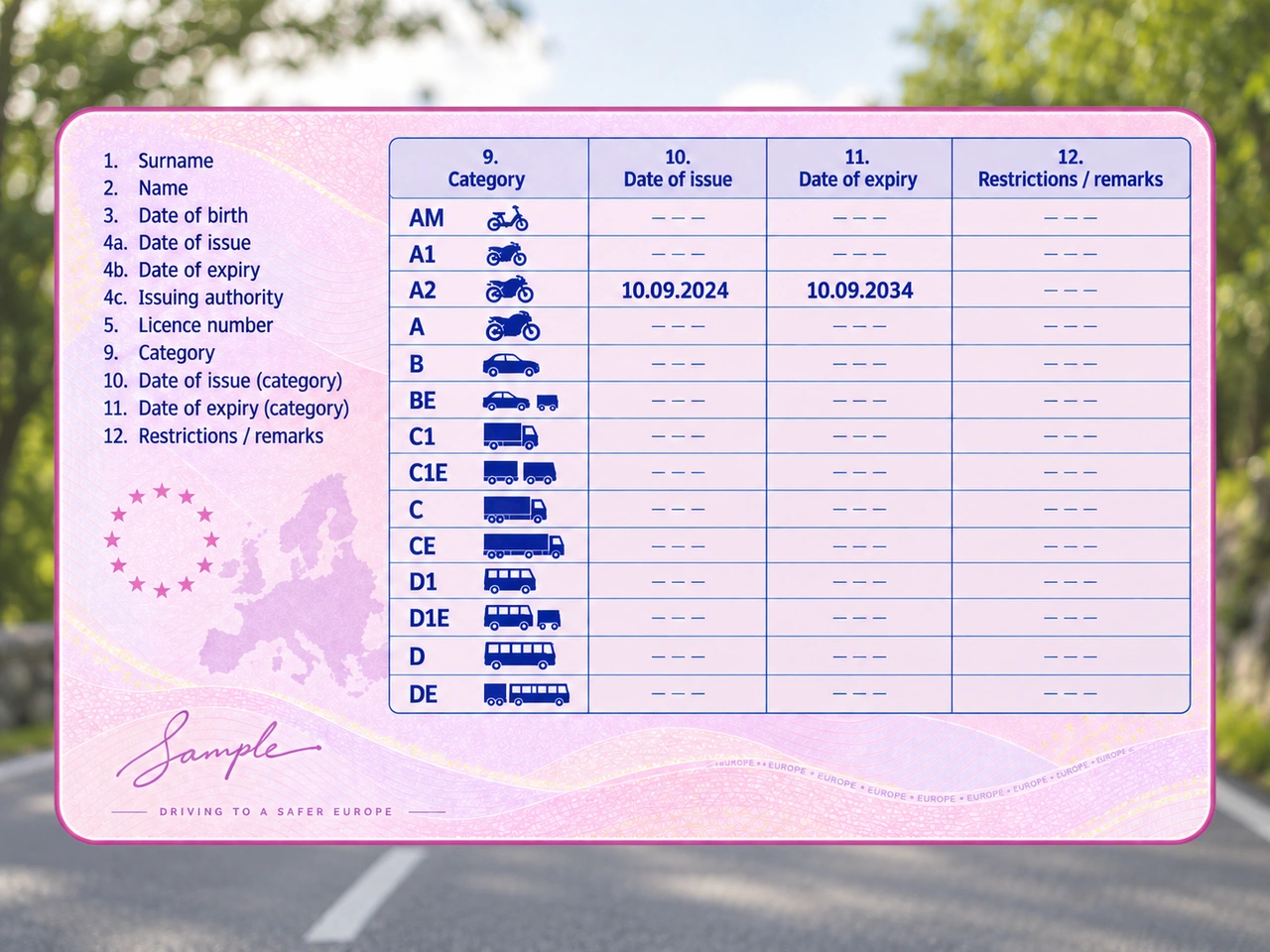
381. Which motorcycles are covered by driving licence A2?
Category A2 covers motorcycles with power not exceeding 35 kW and a power-to-weight ratio not exceeding 0.2 kW/kg. The motorcycle must not be derived from a vehicle with more than double its power.
AI-generated by Traffic-rules.com • WCIT • CC BY-SA
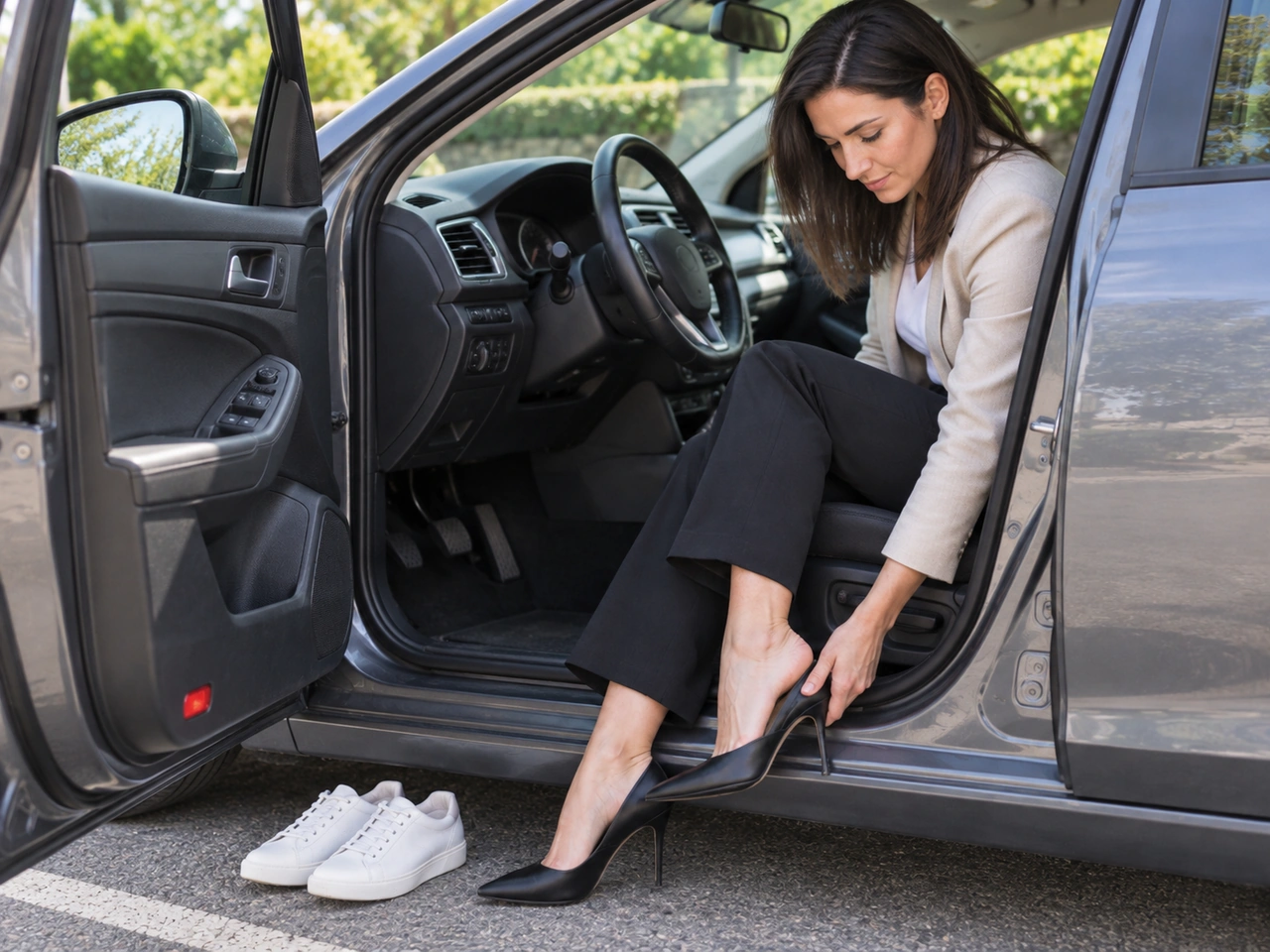
382. Why should you wear suitable footwear when driving?
Suitable footwear helps you operate the accelerator, brake, and clutch accurately. Loose, bulky, or slippery footwear can interfere with pedal control or become caught around the pedals.
AI-generated by Traffic-rules.com • WCIT • CC BY-SA
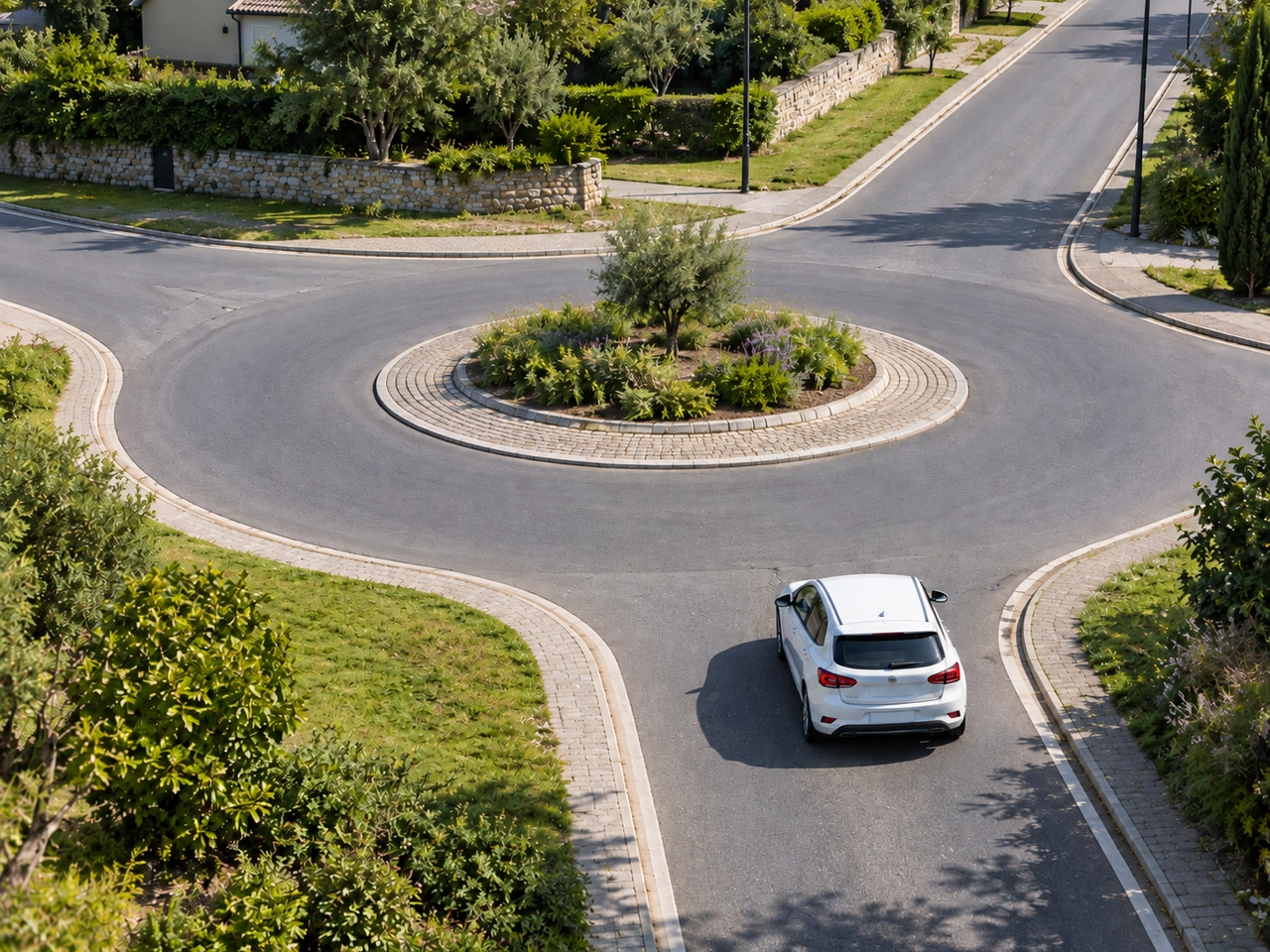
383. Who normally has priority at roundabouts in Italy?
In Italy, traffic entering a roundabout normally gives way to traffic already circulating.
AI-generated by Traffic-rules.com • WCIT • CC BY-SA
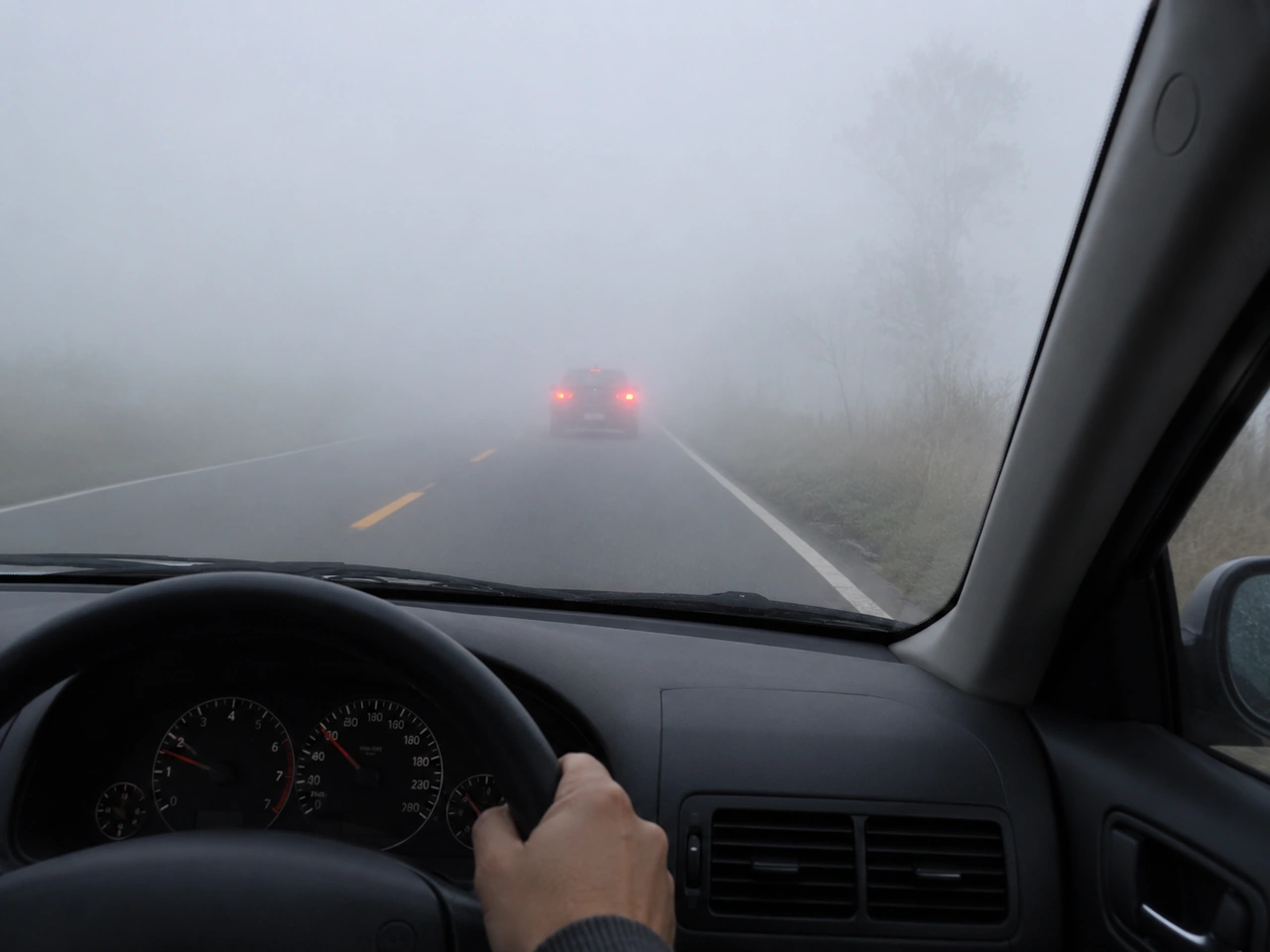
384. Why should you reduce speed in fog?
Fog can hide obstacles, pedestrians, and other vehicles. Lower speed gives you more time to react.
AI-generated by Traffic-rules.com • WCIT • CC BY-SA
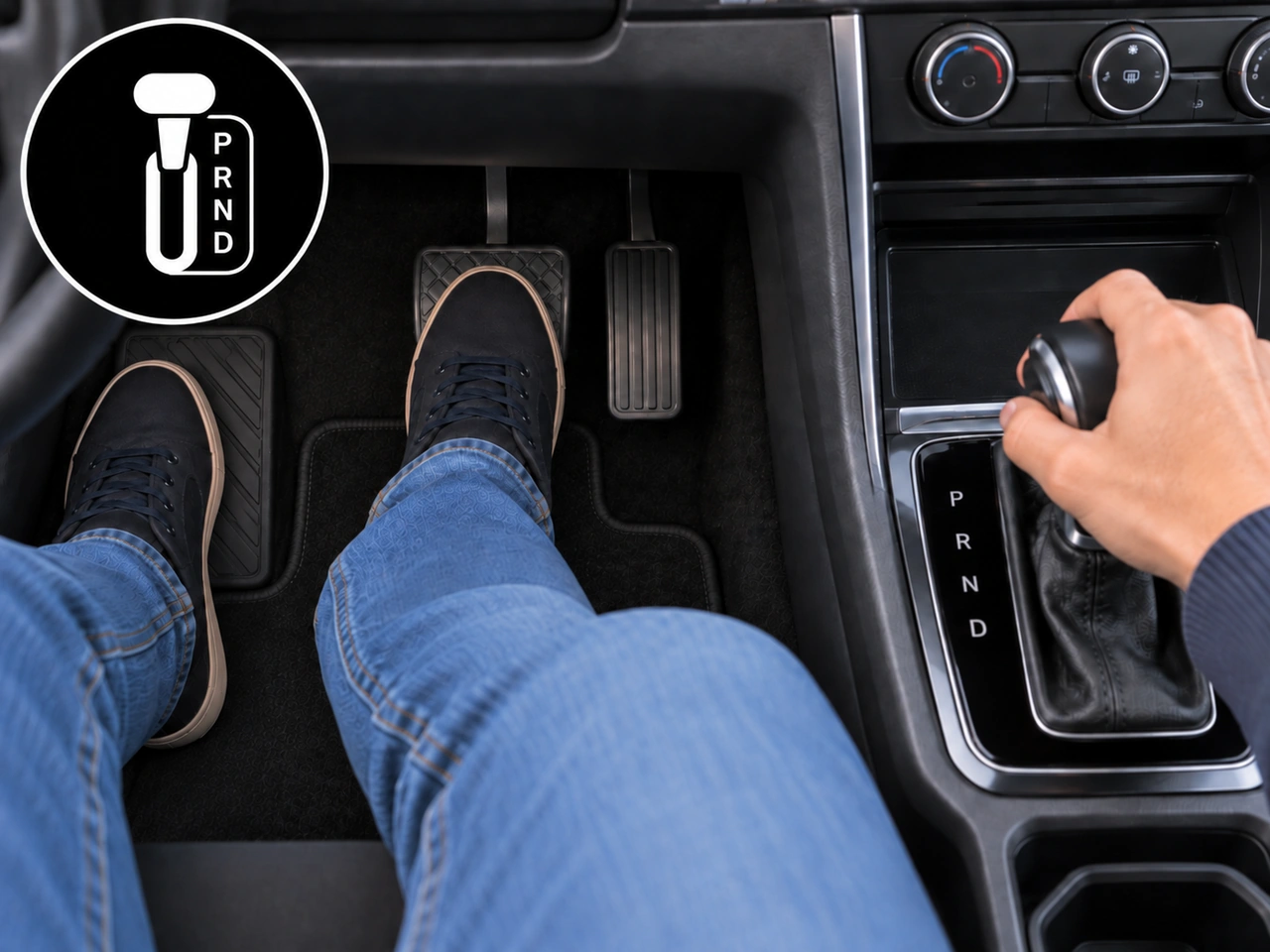
385. What should you normally do before selecting D or R in an automatic vehicle?
Before selecting D (Drive) or R (Reverse), keep the brake pedal pressed to prevent the vehicle from moving unexpectedly when the gear is engaged.
AI-generated by Traffic-rules.com • WCIT • CC BY-SA
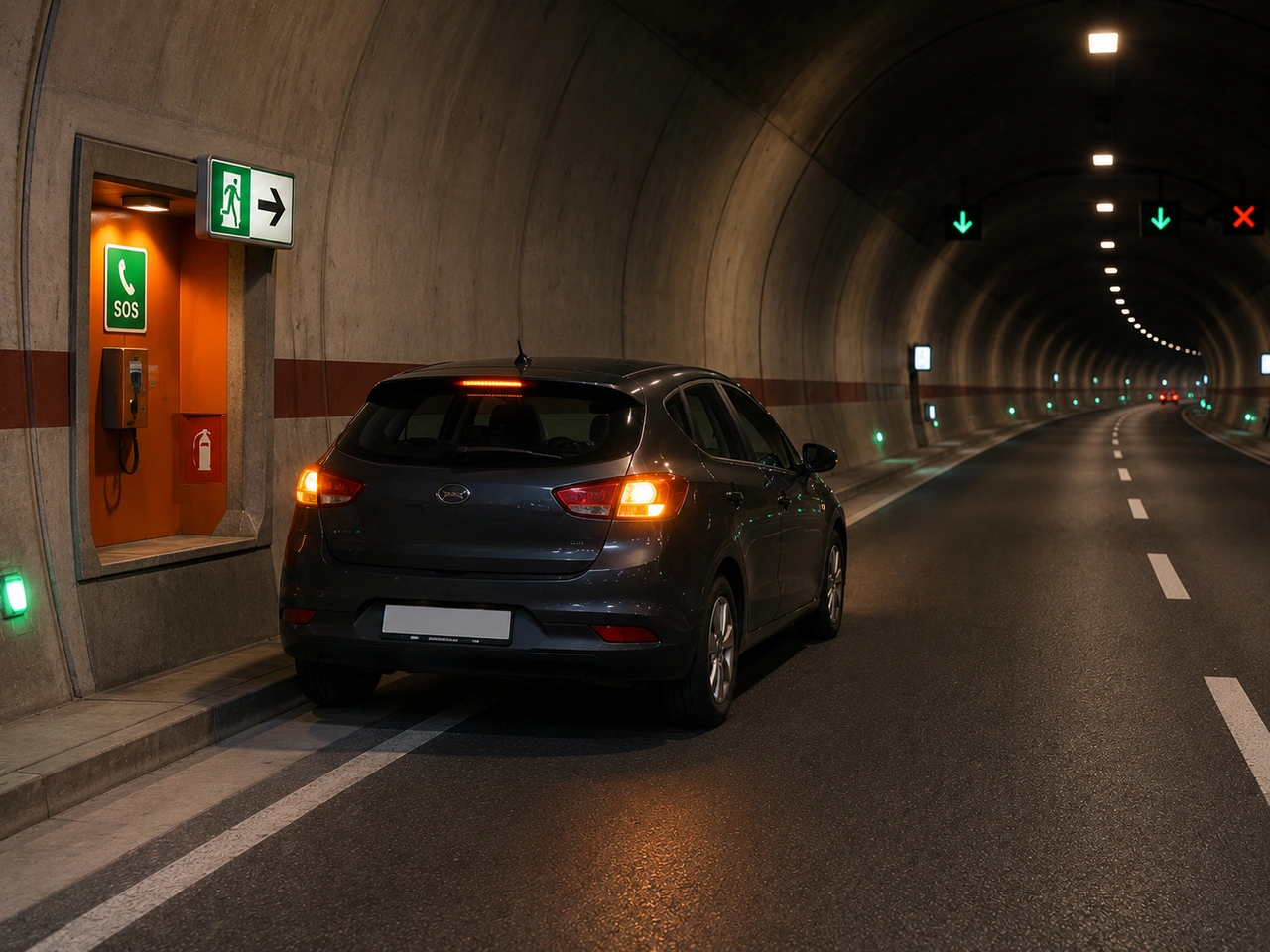
386. What should you do if your vehicle breaks down inside a road tunnel?
If possible, stop in an emergency bay or another safe place and use the hazard lights. Contact tunnel control using an emergency telephone or other available assistance system, and follow the tunnel signs and instructions.
AI-generated by Traffic-rules.com • WCIT • CC BY-SA
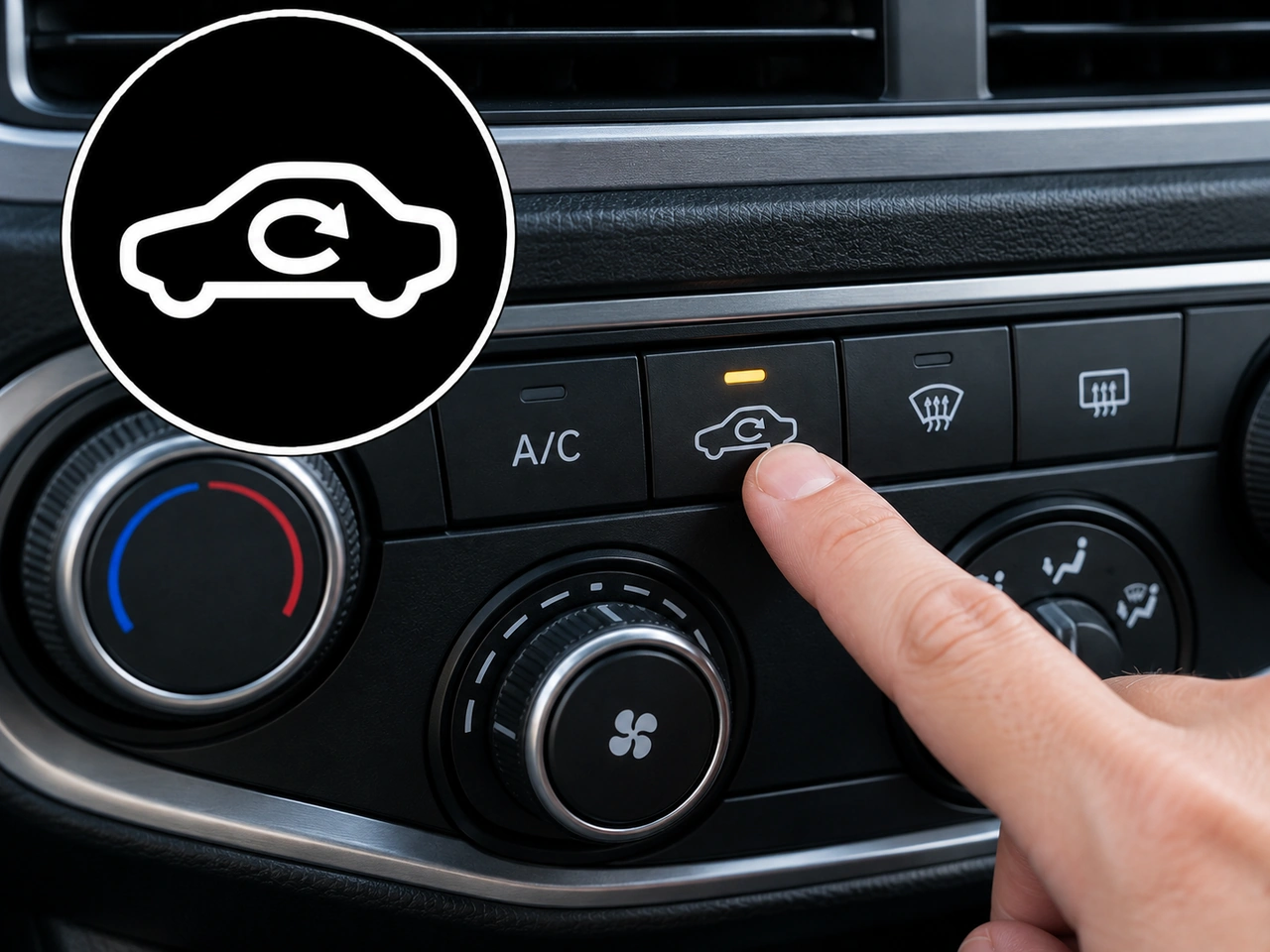
387. What does this vehicle-control symbol indicate?
This symbol activates air recirculation, which reduces the amount of outside air entering the vehicle and recirculates air already inside the cabin. It can be useful when driving through polluted air or when cooling the interior quickly.
AI-generated by Traffic-rules.com • WCIT • CC BY-SA
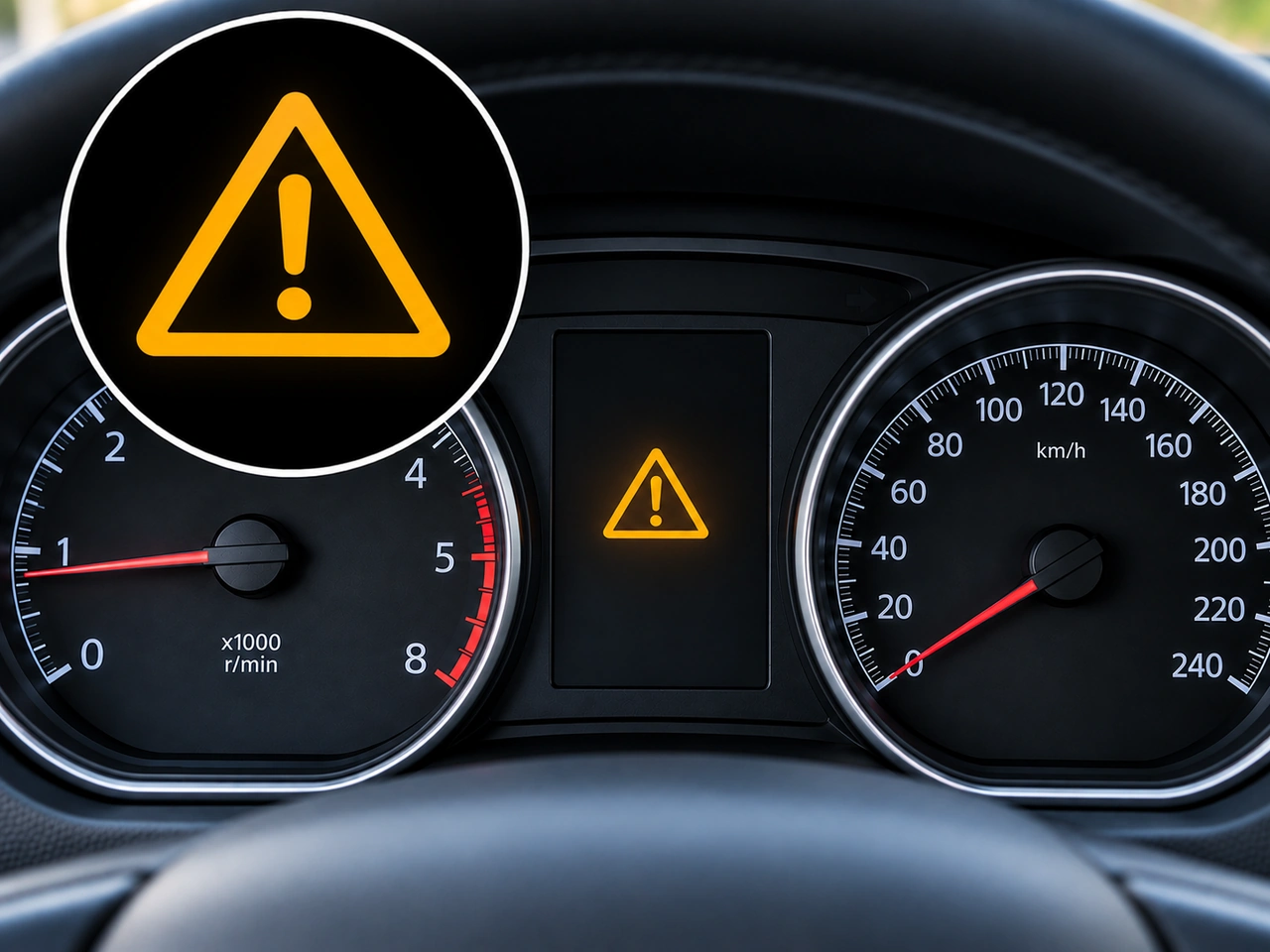
388. What does this dashboard symbol indicate?
This is a general or master warning symbol. It indicates that the vehicle has detected a condition requiring attention and is often accompanied by a message or another warning on the instrument display.
AI-generated by Traffic-rules.com • WCIT • CC BY-SA
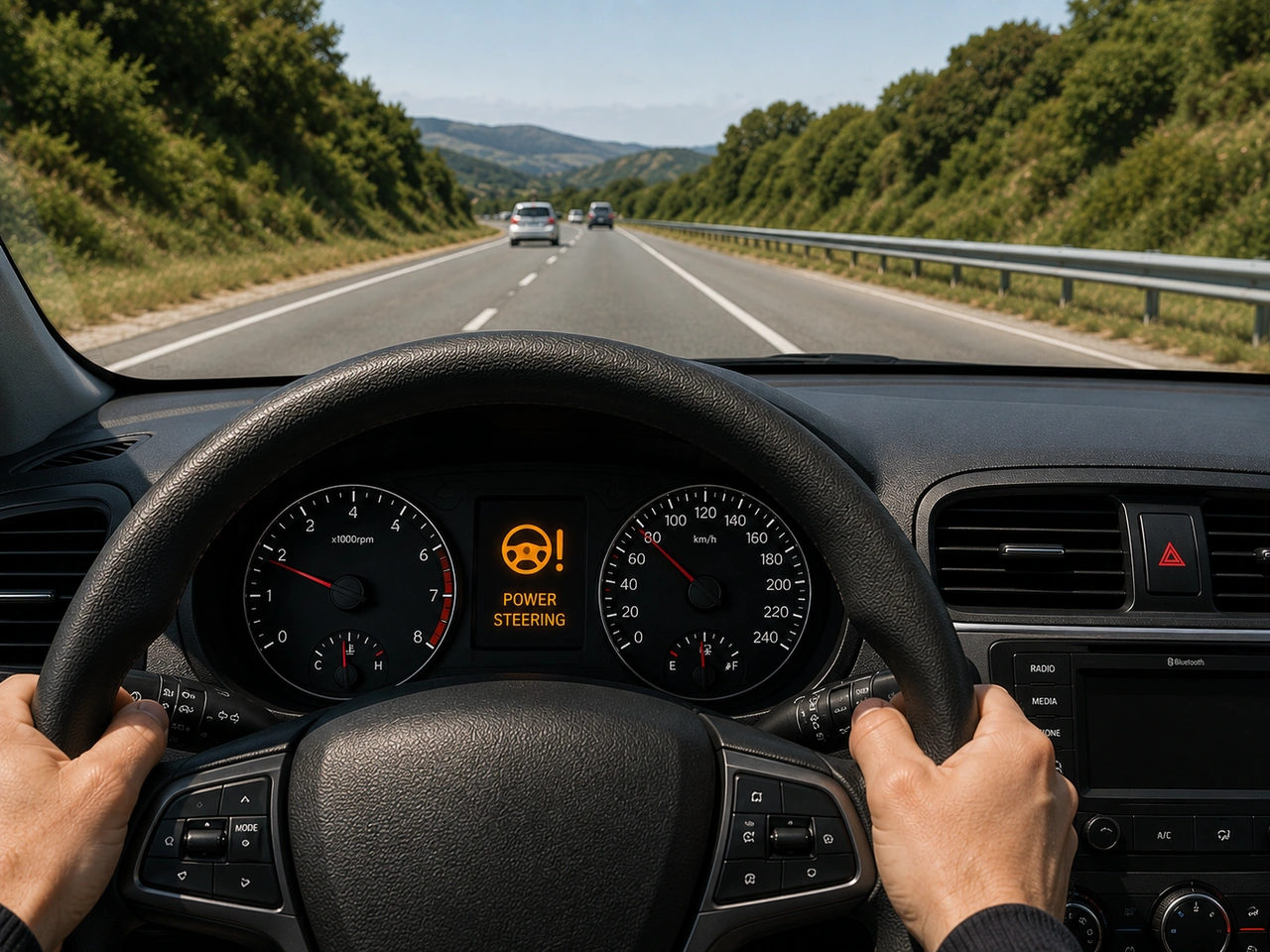
389. What should you do if the power steering suddenly stops assisting you?
The vehicle can normally still be steered, but much more effort may be required. Reduce speed and arrange an inspection.
AI-generated by Traffic-rules.com • WCIT • CC BY-SA
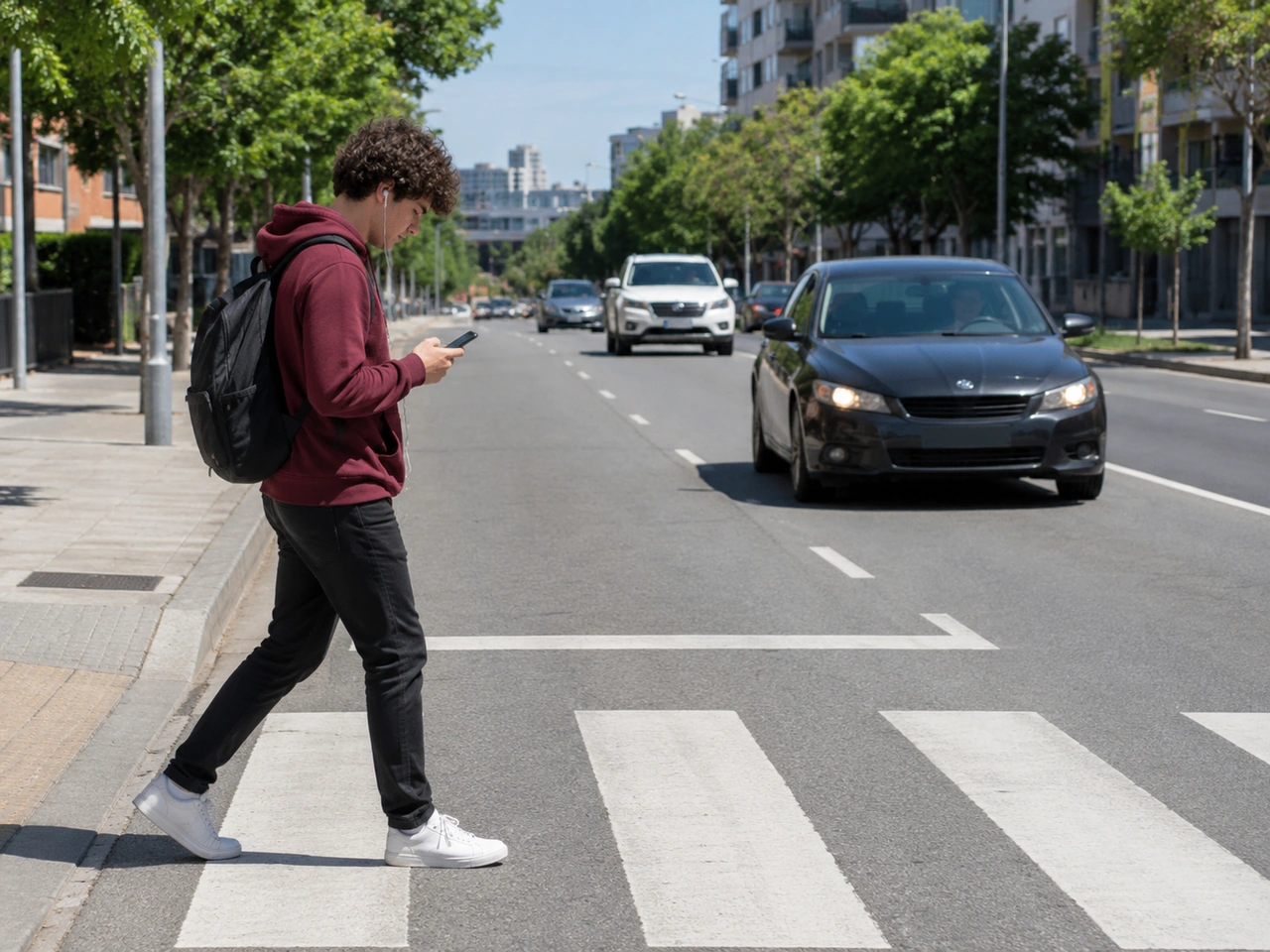
390. Why is it dangerous to cross while listening to loud music?
Loud music can reduce your awareness of vehicles, bicycles, horns, and other warning sounds.
AI-generated by Traffic-rules.com • WCIT • CC BY-SA
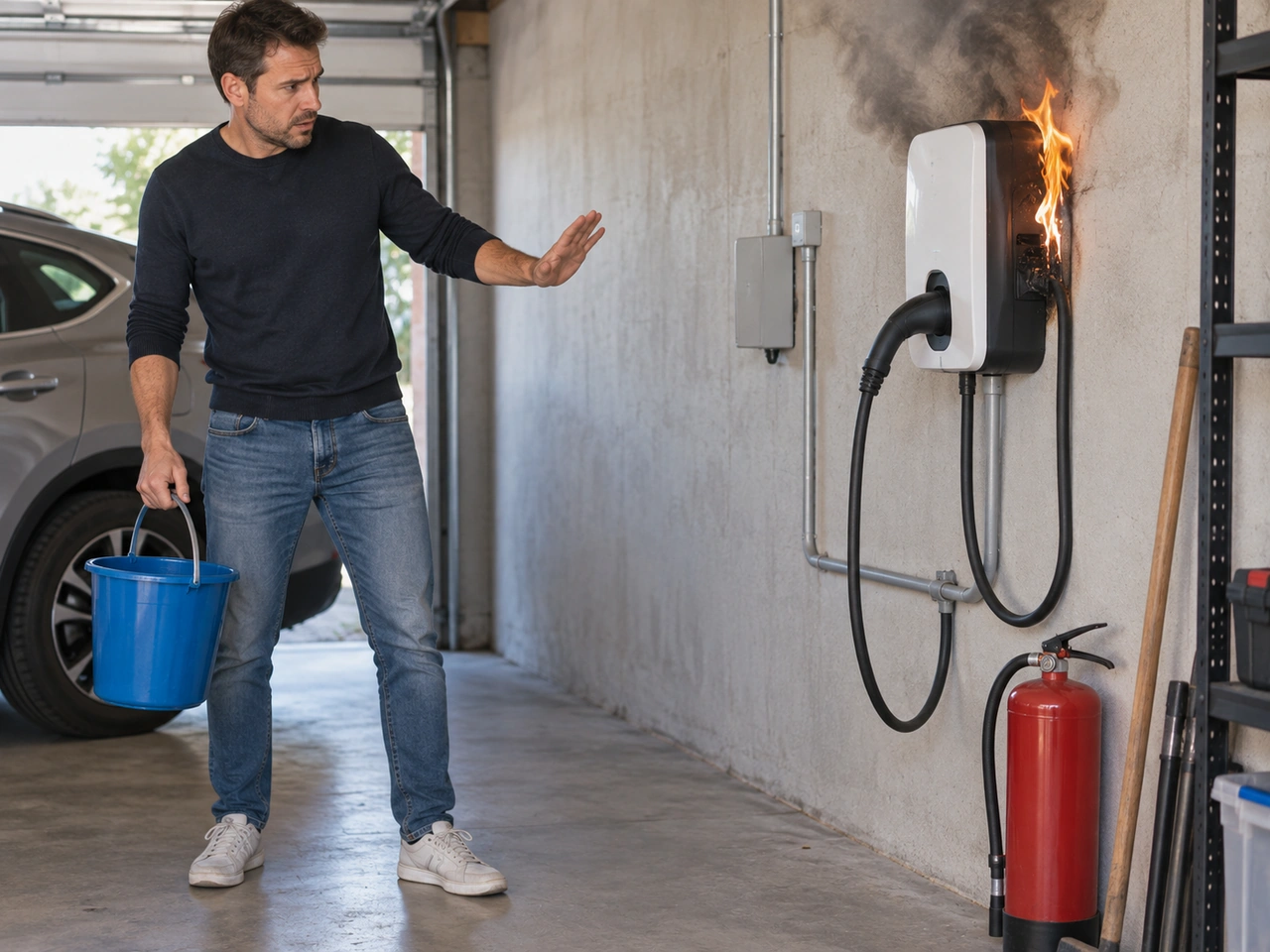
391. Why should you not use water on a fire involving live electrical equipment?
Do not use water on a fire involving energised electrical equipment, because water can conduct electricity and create a serious electric-shock hazard. Keep clear, disconnect the power only if it is safe to do so, and call the emergency services. Use only a suitable fire extinguisher if it is safe and you know how to use it.
AI-generated by Traffic-rules.com • WCIT • CC BY-SA
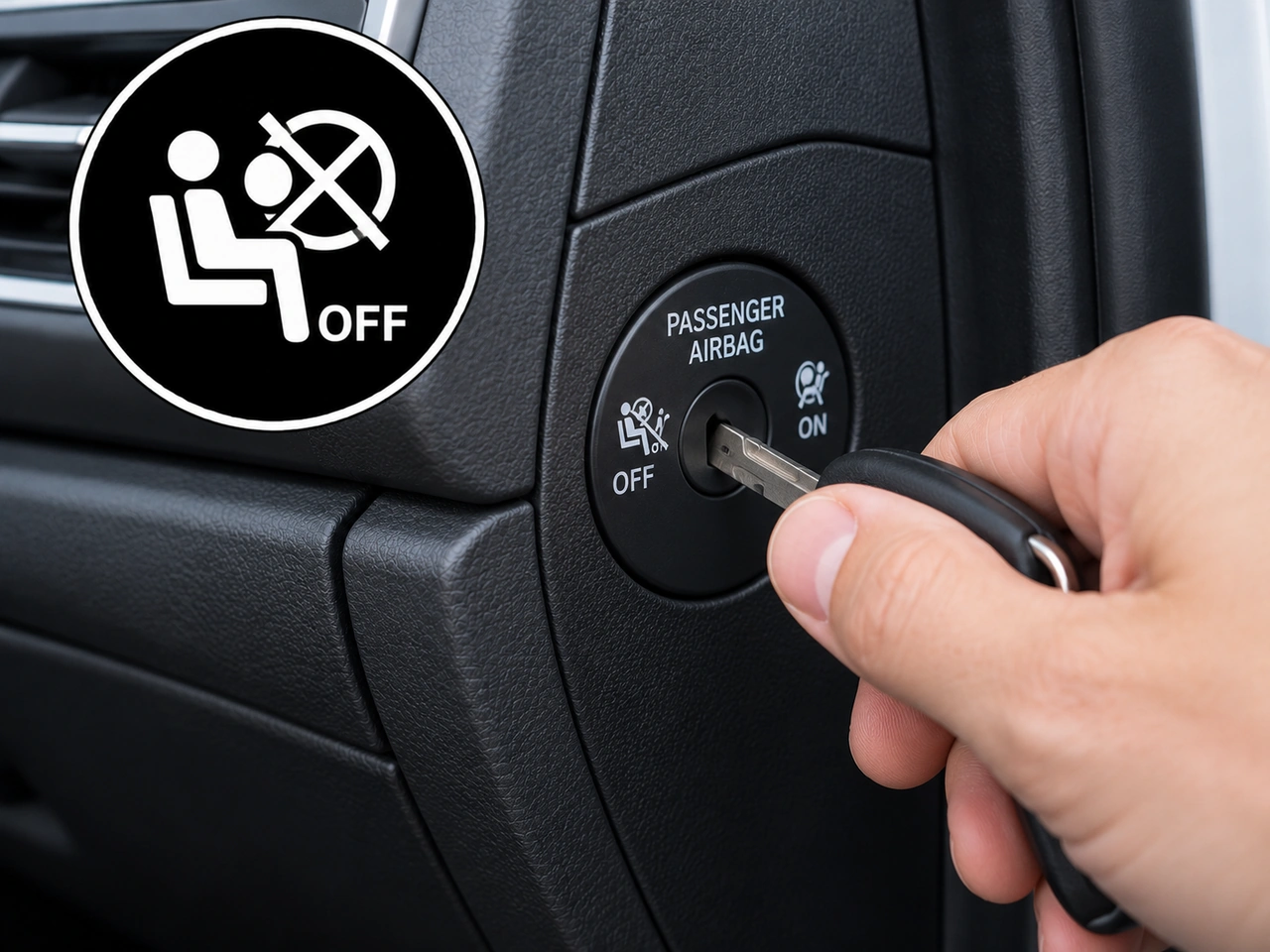
392. What does this vehicle-control symbol indicate?
This control allows the front passenger airbag to be deactivated on vehicles equipped with this function. The airbag must be deactivated when a rear-facing child restraint is used on the front passenger seat.
AI-generated by Traffic-rules.com • WCIT • CC BY-SA
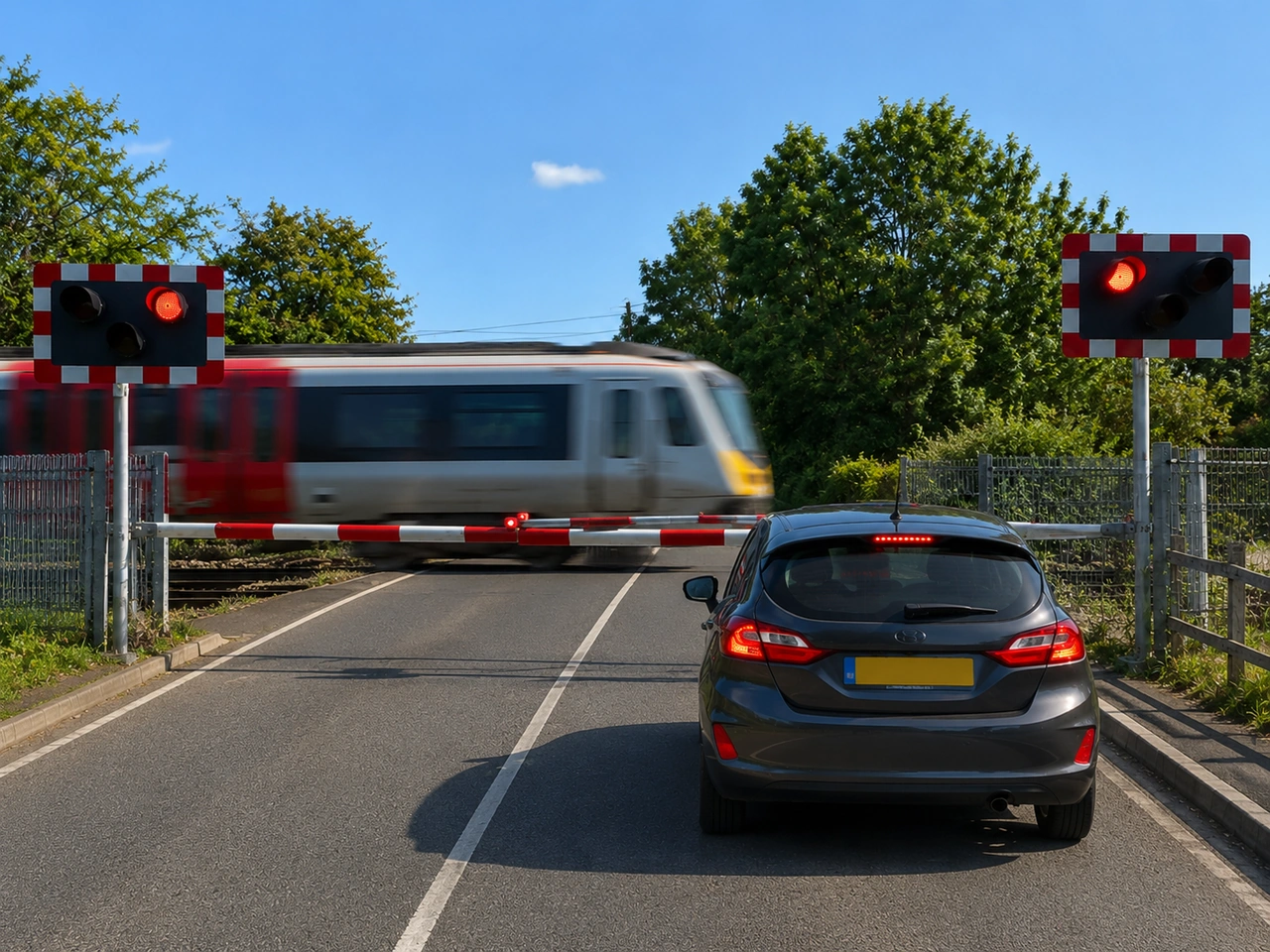
393. What should you do at a railway crossing when the barriers are closing?
Never enter a railway crossing when barriers are closing or warning signals are active. Stop and wait until it is safe.
AI-generated by Traffic-rules.com • WCIT • CC BY-SA
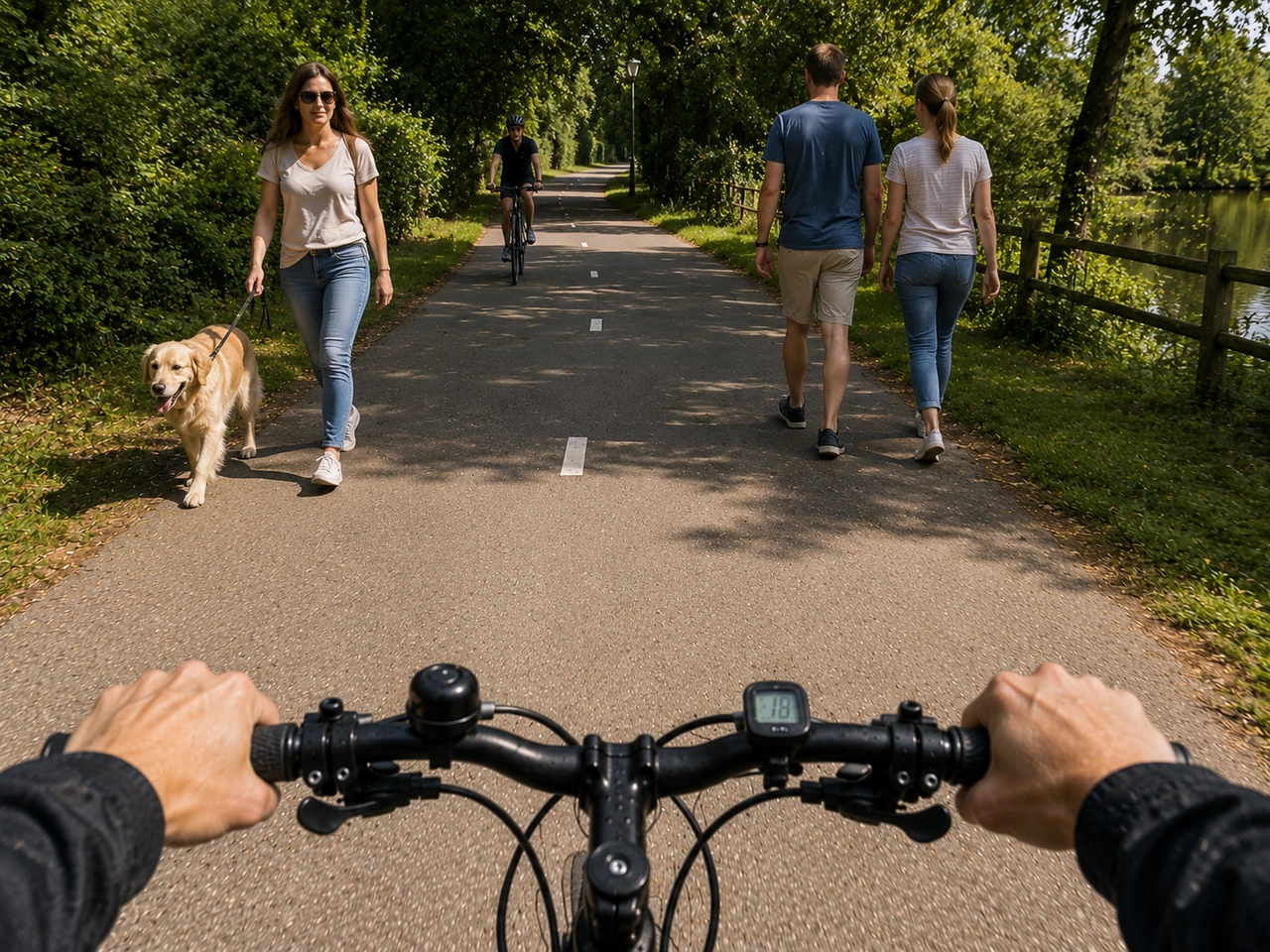
394. What should cyclists do when passing pedestrians on a shared path?
Pedestrians may change direction unexpectedly. A warning and safe passing distance reduce the risk of a collision.
AI-generated by Traffic-rules.com • WCIT • CC BY-SA
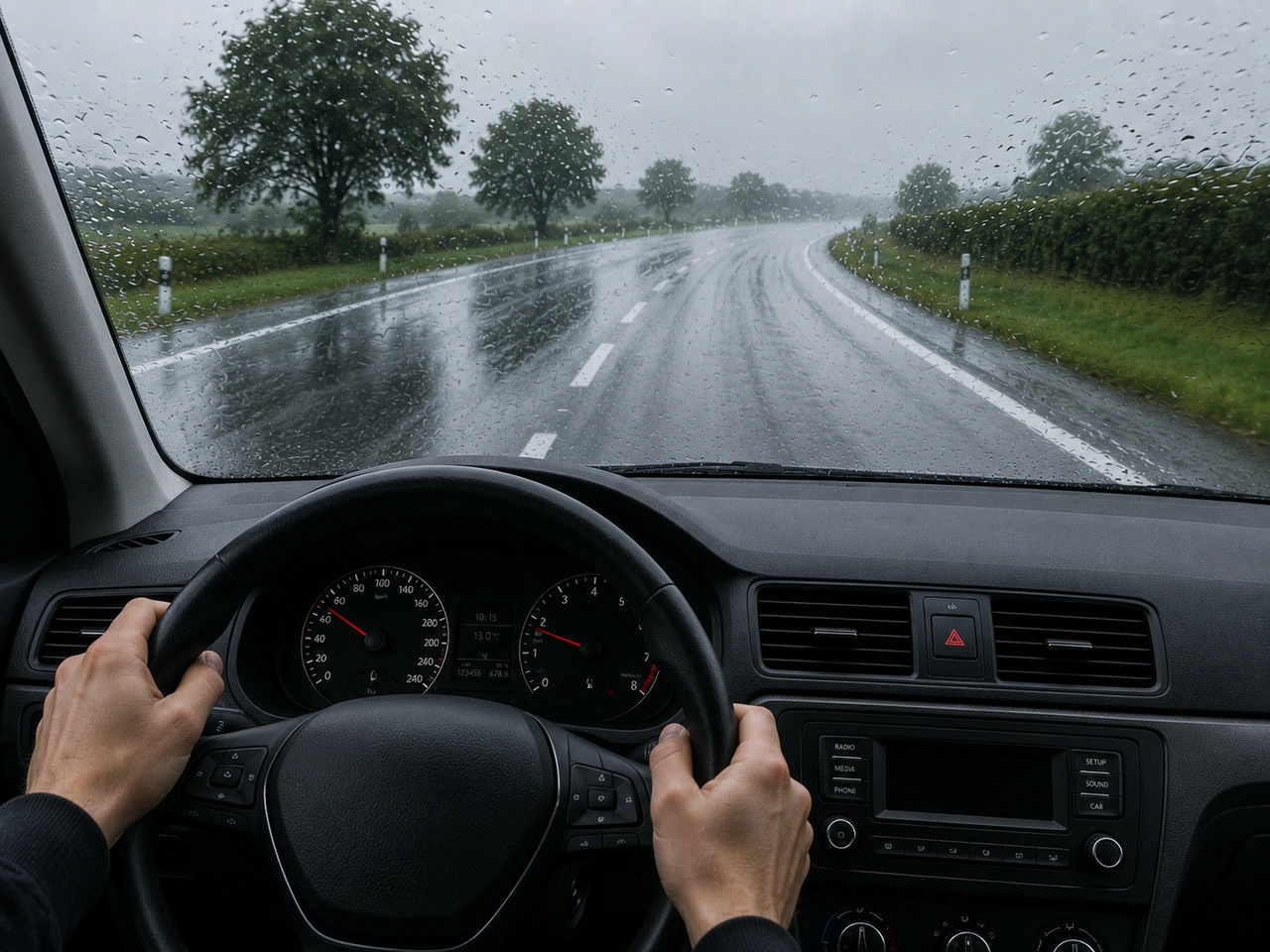
395. What should you do if your vehicle begins to aquaplane?
Aquaplaning happens when the tyres lose contact with the road surface. Ease off the accelerator, avoid sudden movements, and wait for grip to return.
AI-generated by Traffic-rules.com • WCIT • CC BY-SA
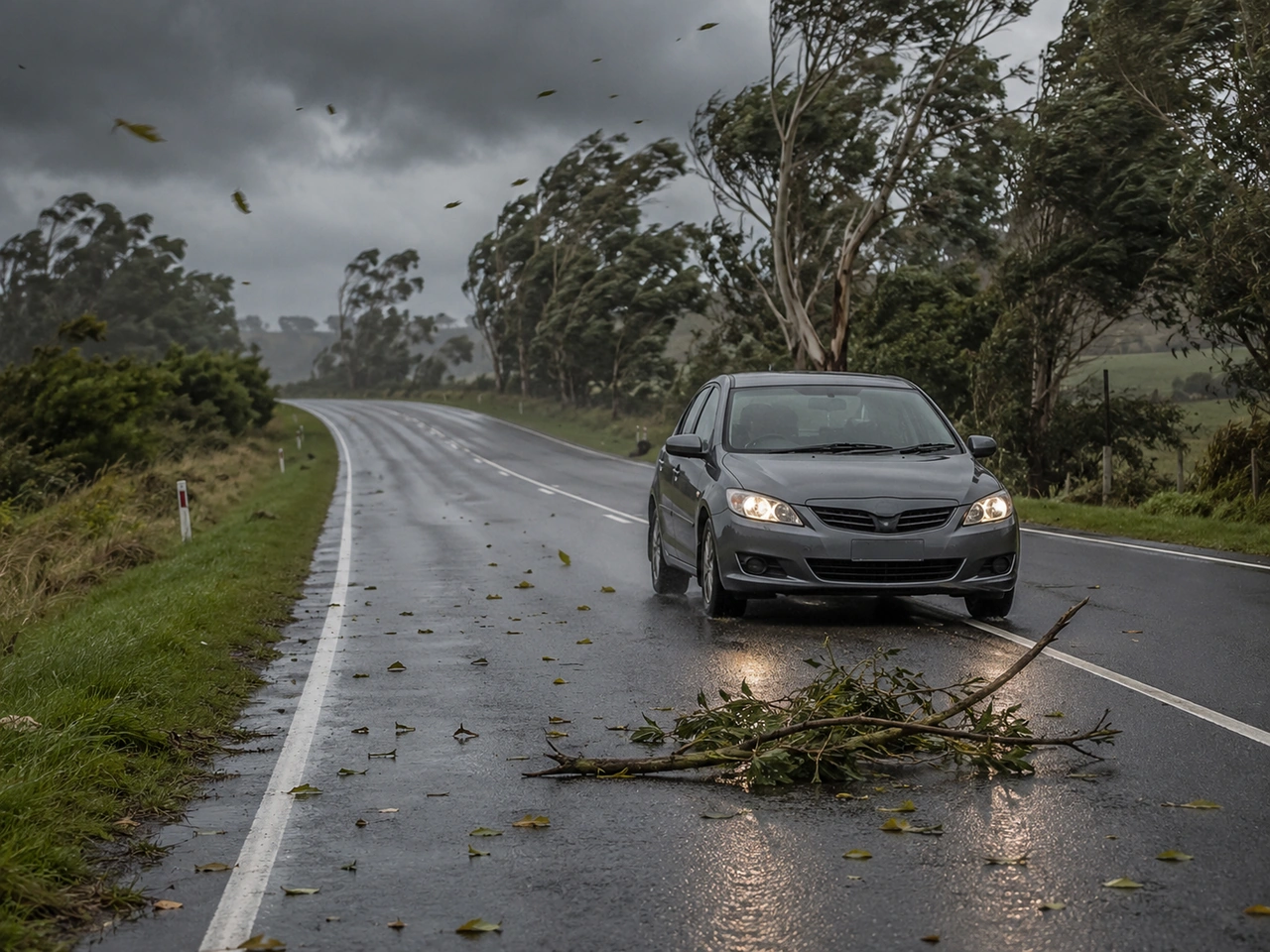
396. What should you do when branches or debris are blowing onto the road?
Wind can blow unexpected obstacles onto the road. Reduce speed and avoid them safely.
AI-generated by Traffic-rules.com • WCIT • CC BY-SA
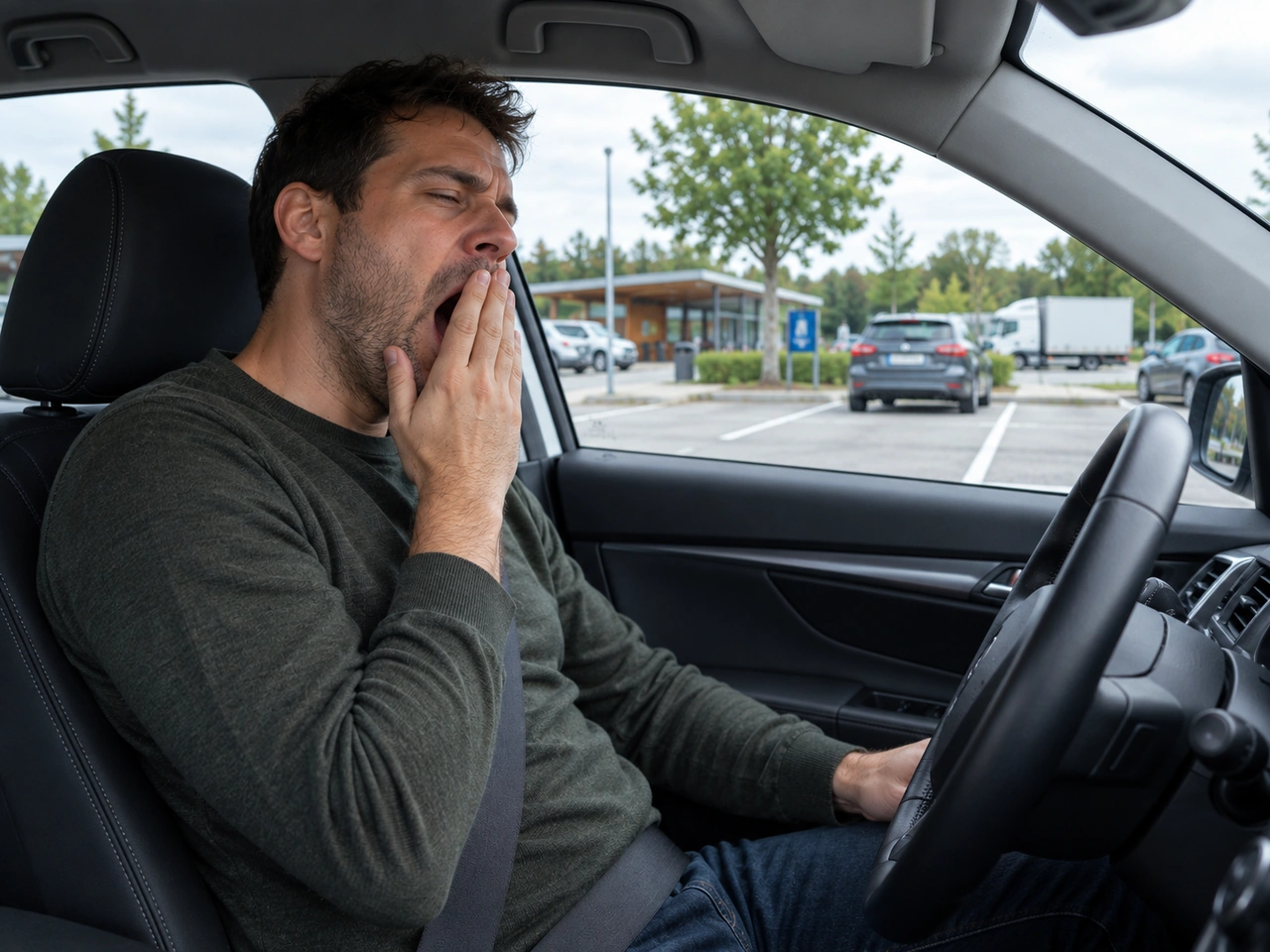
397. Which signs may indicate that you are becoming too tired to drive safely?
Warning signs of driver fatigue can include repeated yawning, heavy eyelids, difficulty concentrating, wandering thoughts, and trouble maintaining a steady road position. These signs mean you should stop and rest before continuing.
AI-generated by Traffic-rules.com • WCIT • CC BY-SA
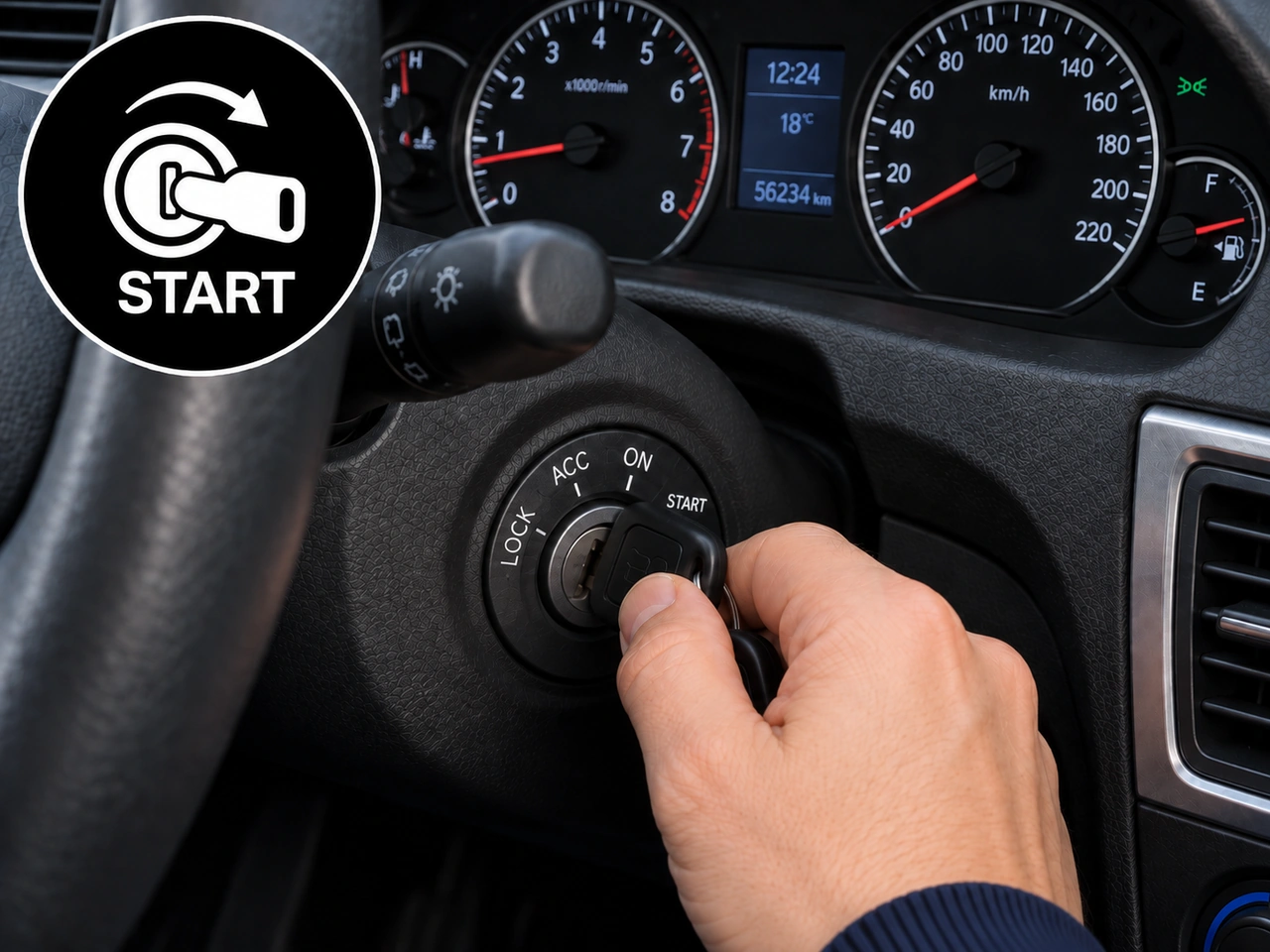
398. What should you do with the ignition key once the engine starts?
Once the engine starts, release the ignition key so it returns from START to the ON position. Holding the key in START unnecessarily can keep the starter motor engaged.
AI-generated by Traffic-rules.com • WCIT • CC BY-SA
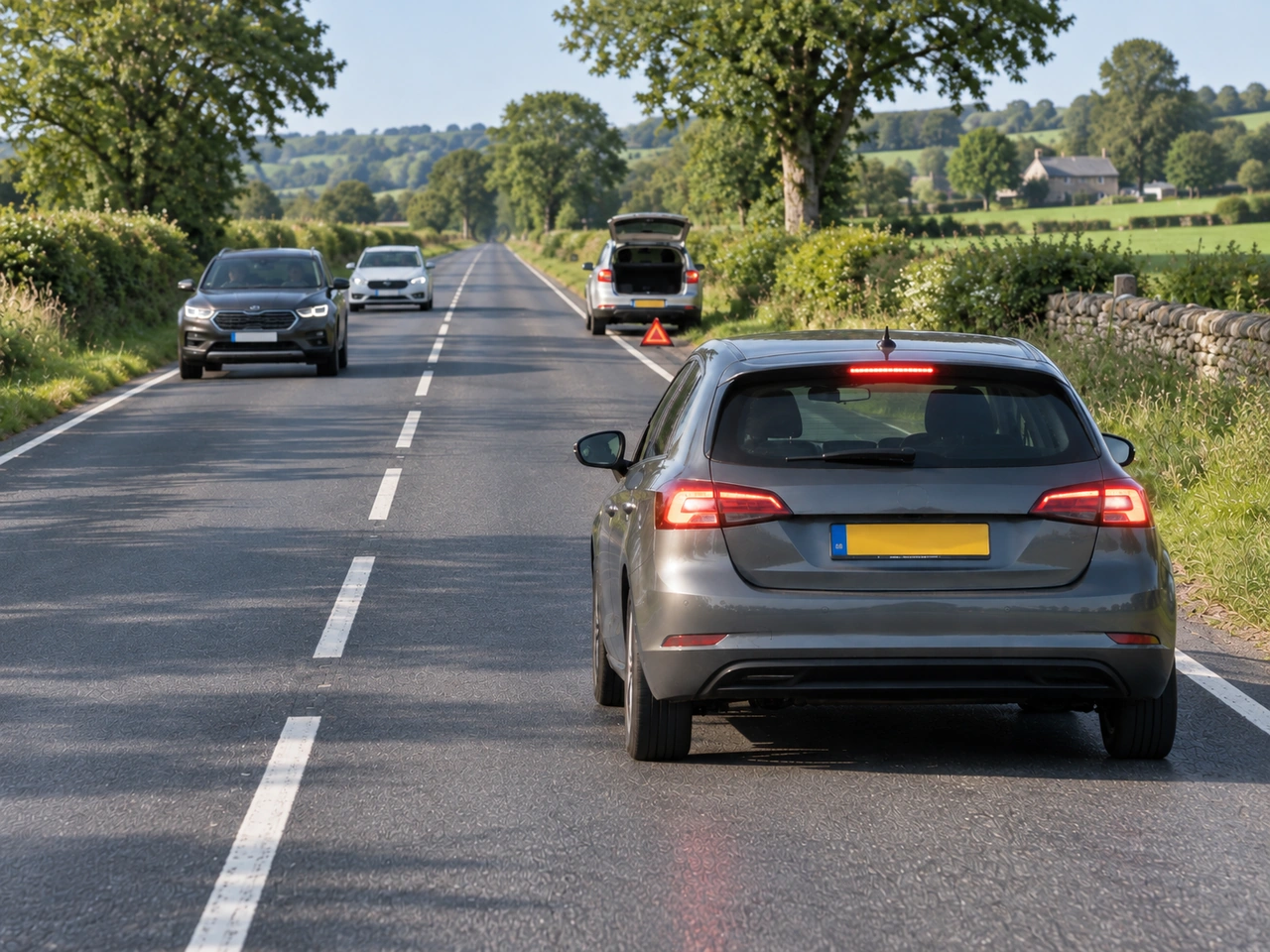
399. What makes up the total stopping distance of a vehicle?
The total stopping distance consists of the distance travelled while the driver reacts to a hazard plus the distance travelled while the vehicle is braking to a stop.
AI-generated by Traffic-rules.com • WCIT • CC BY-SA
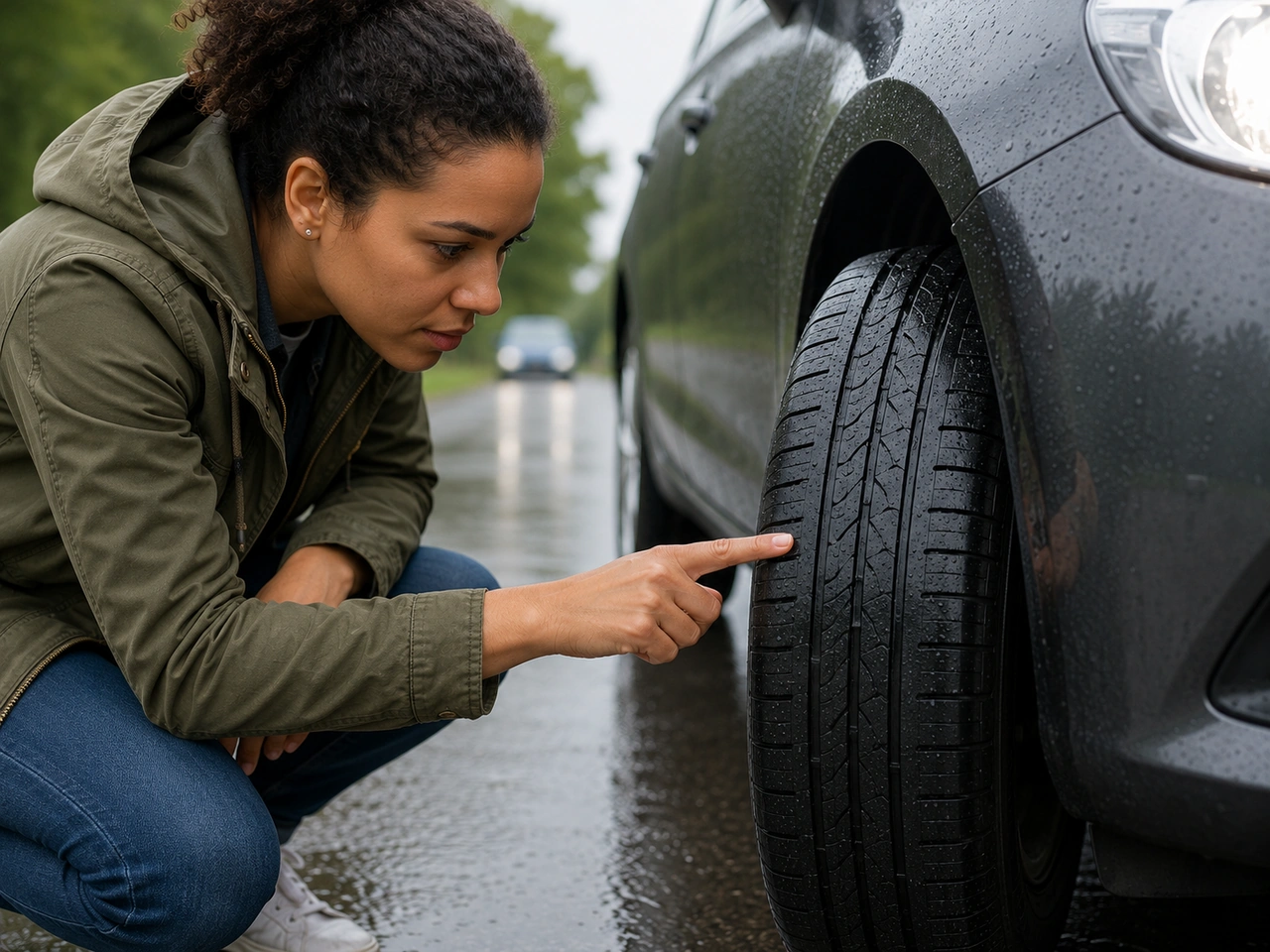
400. Why is adequate tyre tread important?
Tyre tread helps the vehicle grip the road and disperse water. Worn tread increases the risk of skidding and aquaplaning, especially in wet conditions.
AI-generated by Traffic-rules.com • WCIT • CC BY-SA