QuizTraffic rulesPanama

This interesting quiz helps you test your knowledge in a clear and visual way. With easy multiple-choice questions, you can quickly build confidence and learn new facts while keeping it simple, interactive, and fun.

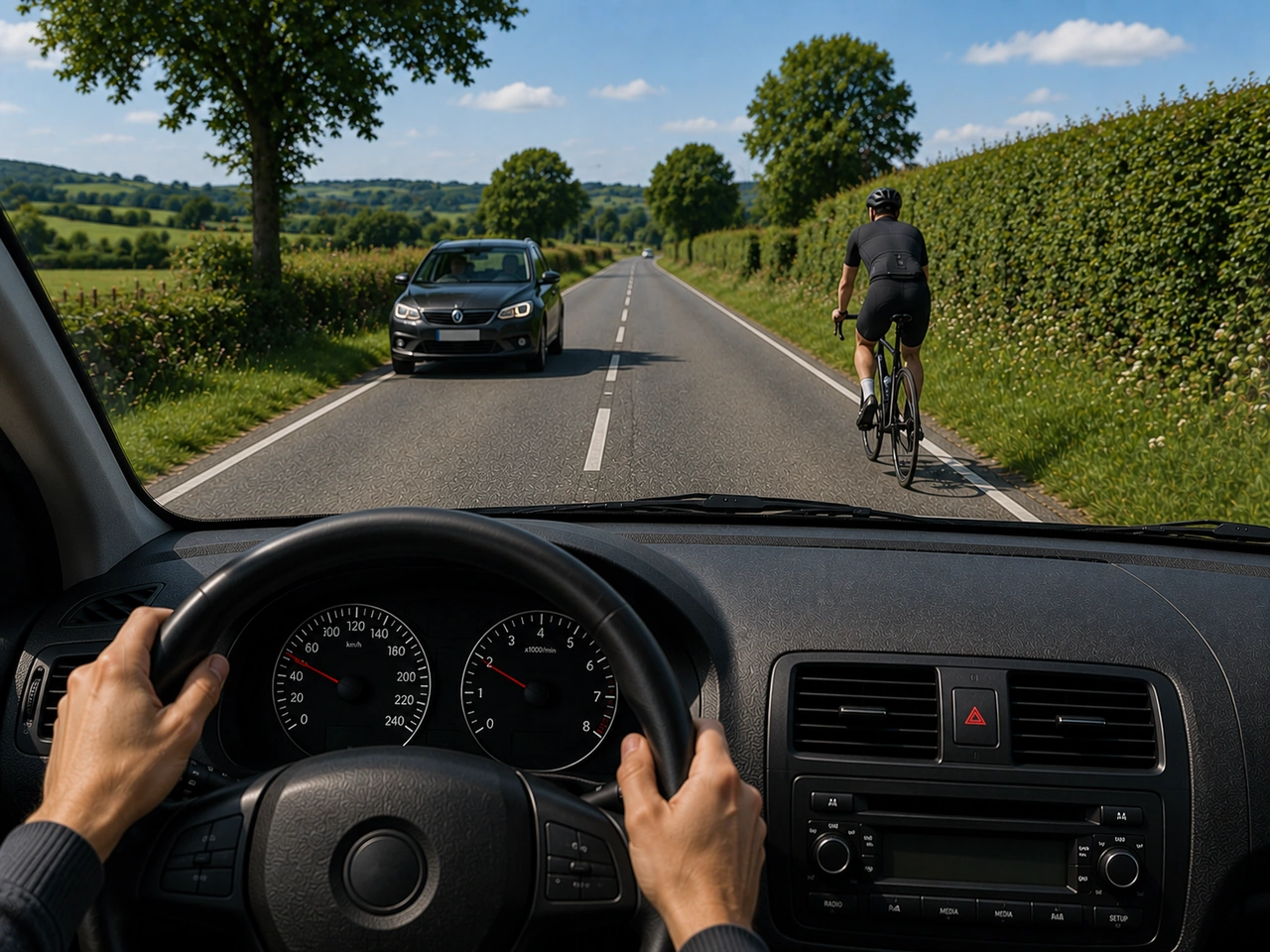
What should you do when following a cyclist on a narrow road?

151. What should you do when following a cyclist on a narrow road?

Overtake as soon as your vehicle can fit past.
Sound your horn so the cyclist moves aside.
Pass even if you cannot leave much space.
✓ Keep a safe distance and overtake only when there is enough space.

Cyclists may need to avoid potholes, drains, or wind gusts. Keep distance and only pass when you can leave plenty of space.

Vehicle following a cyclist on a narrow road
AI-generated by Traffic-rules.com • WCIT • CC BY-SA
What should you check before starting a long journey?

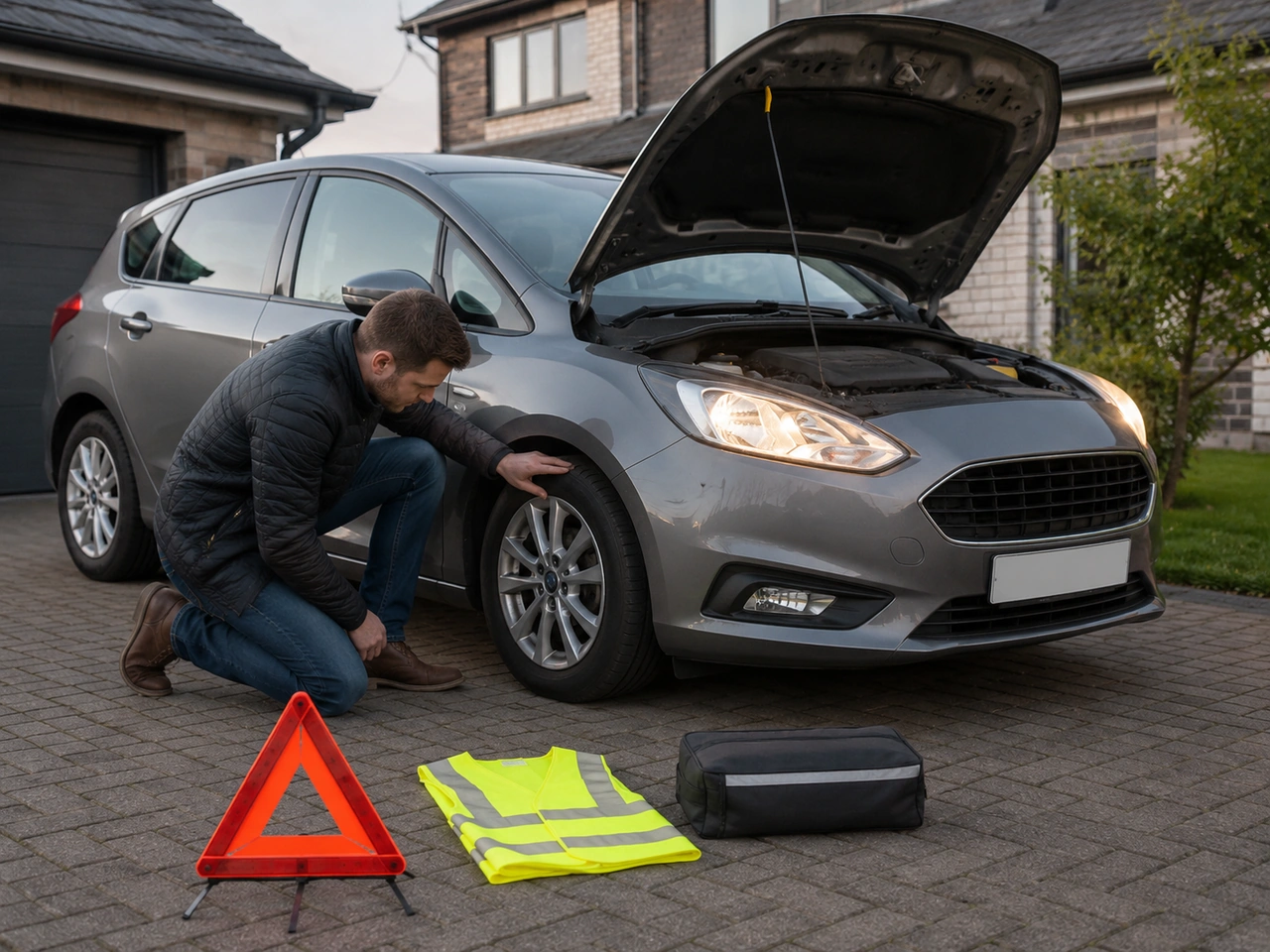
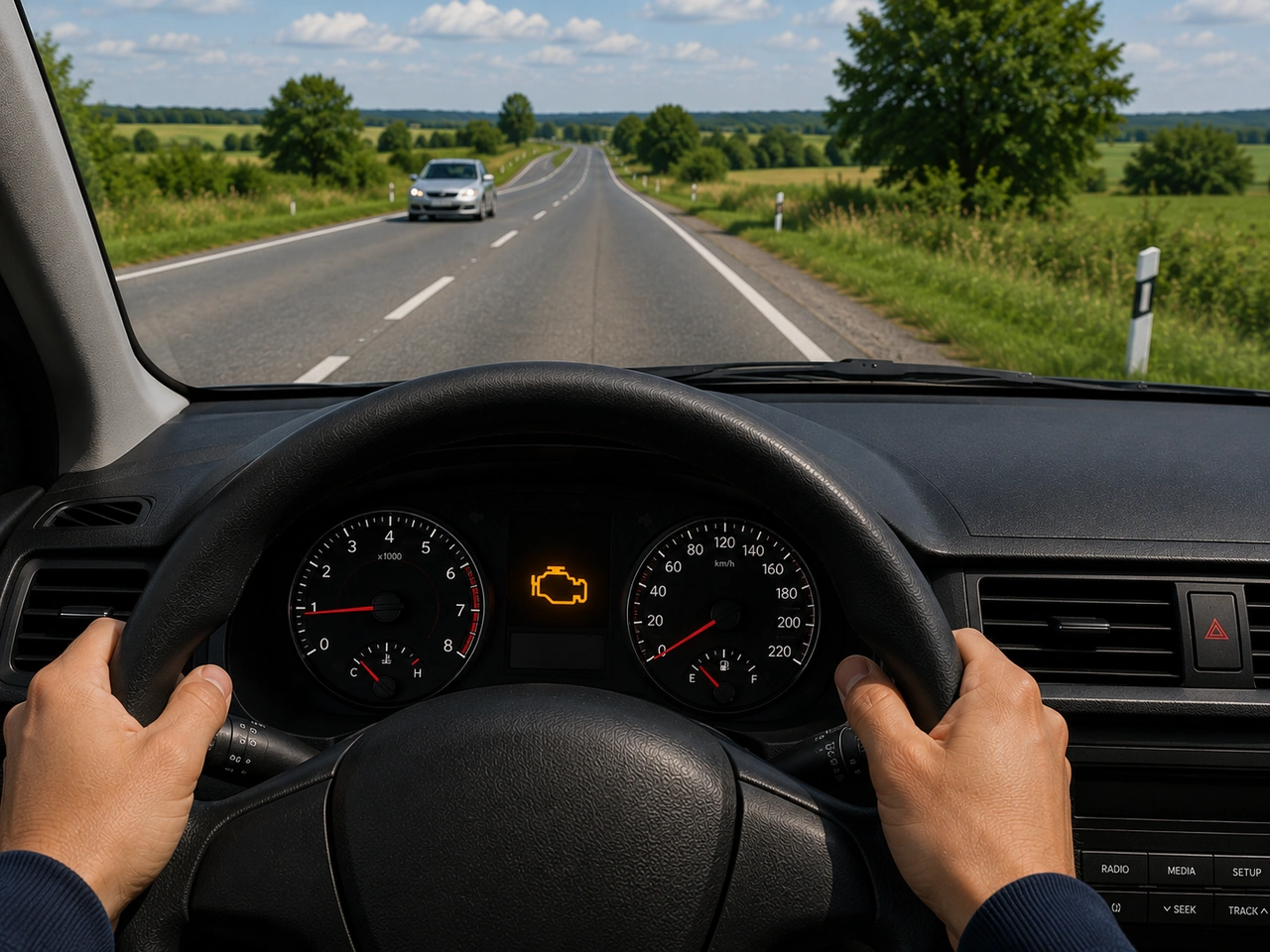
152. What should you check before starting a long journey?

Only the dashboard warning lights.
Nothing if the vehicle was recently serviced.
Only the lights if you plan to drive at night.
✓ Tyres, lights, fluids, windows, mirrors, and essential equipment.

A brief vehicle check can reveal tyre damage, low fluid levels, faulty lights, or visibility problems before they cause danger. Also confirm that any spare wheel or tyre-repair equipment is available and usable.

Vehicle safety checks before a long journey
AI-generated by Traffic-rules.com • WCIT • CC BY-SA
What may happen if you release the clutch too quickly when moving off?

153. What may happen if you release the clutch too quickly when moving off?

The parking brake may engage.
The steering may lock.
✓ The engine may stall.
The headlights may switch off.

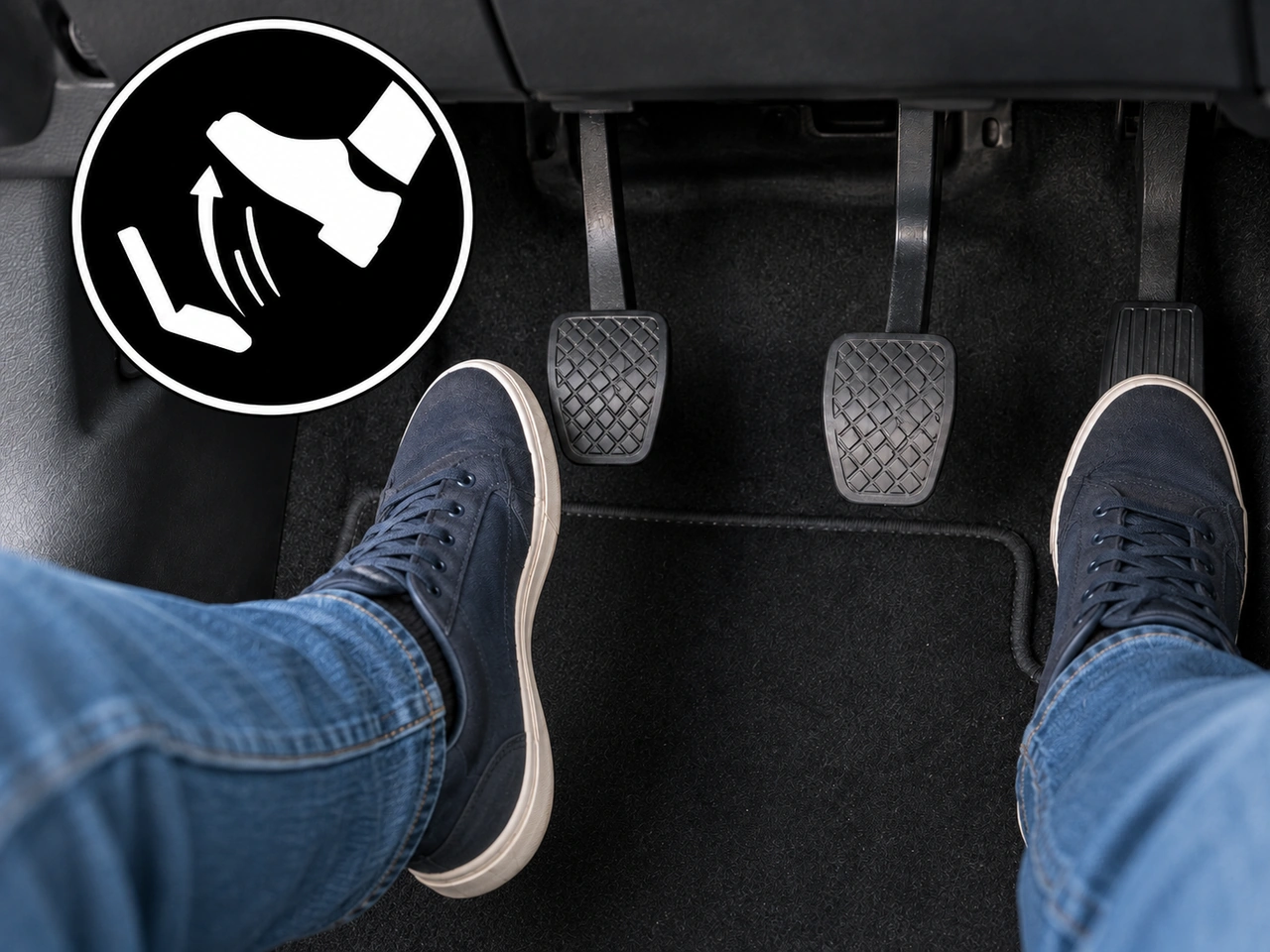
Releasing the clutch pedal too quickly when moving off can cause the engine to stall. Release the clutch smoothly through the biting point while applying the accelerator progressively.

Clutch release and engine stalling when moving off
AI-generated by Traffic-rules.com • WCIT • CC BY-SA
Can you assume that you are safe to drive the morning after drinking?

154. Can you assume that you are safe to drive the morning after drinking?

Yes, if you only need to drive a short distance.
Yes, if you feel completely sober.
Yes, if you eat breakfast before driving.
✓ No, alcohol may still remain in your body.

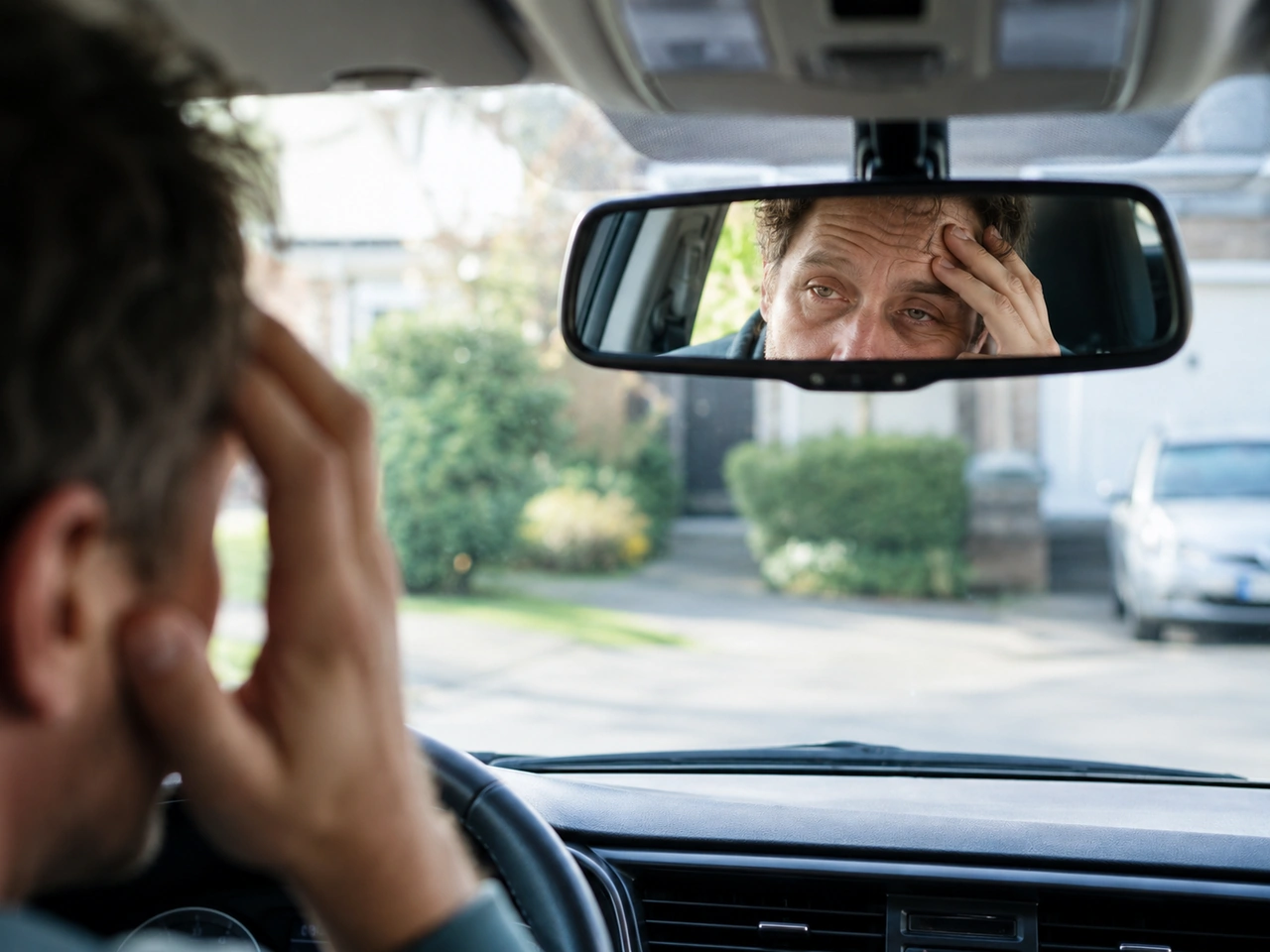
The body needs time to process alcohol. Sleeping, eating, showering, or drinking coffee does not instantly remove it.

Fitness to drive the morning after drinking
AI-generated by Traffic-rules.com • WCIT • CC BY-SA
What should you do when approaching a hill crest?

155. What should you do when approaching a hill crest?

Overtake before reaching the crest.
✓ Slow down and be prepared for hidden hazards.
Move toward the centre of the road for a better view.
Maintain speed if no traffic is visible.

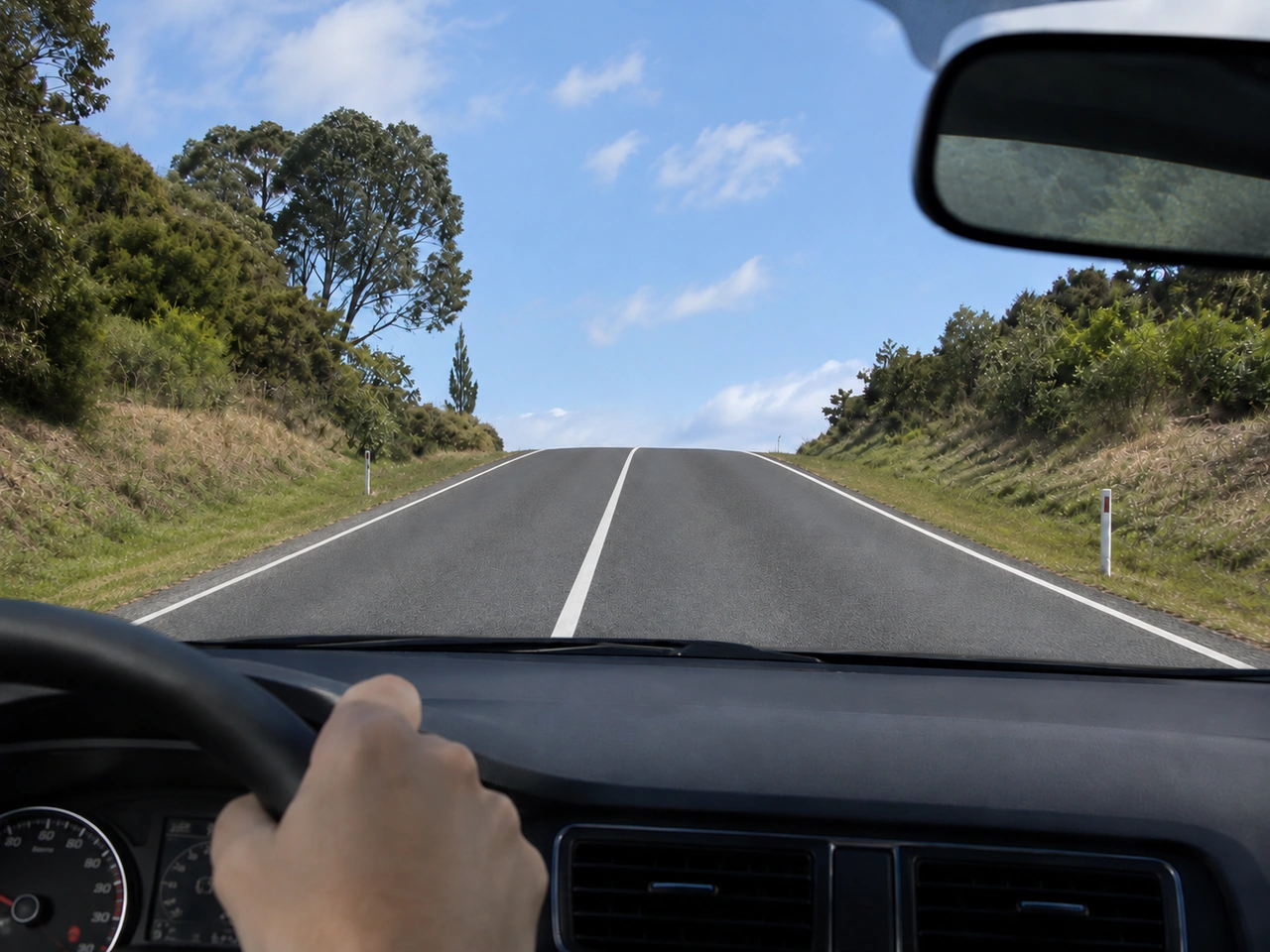
A hill crest can hide vehicles, cyclists, pedestrians, or obstacles. Reduce speed and stay in your lane.

Vehicle approaching the crest of a hill
AI-generated by Traffic-rules.com • WCIT • CC BY-SA
How should cyclists brake on a wet road?

156. How should cyclists brake on a wet road?

Use only one brake to avoid skidding.
Brake later and more firmly than usual.
✓ Brake earlier and more gradually than usual.
Brake sharply once you are close to stopping.

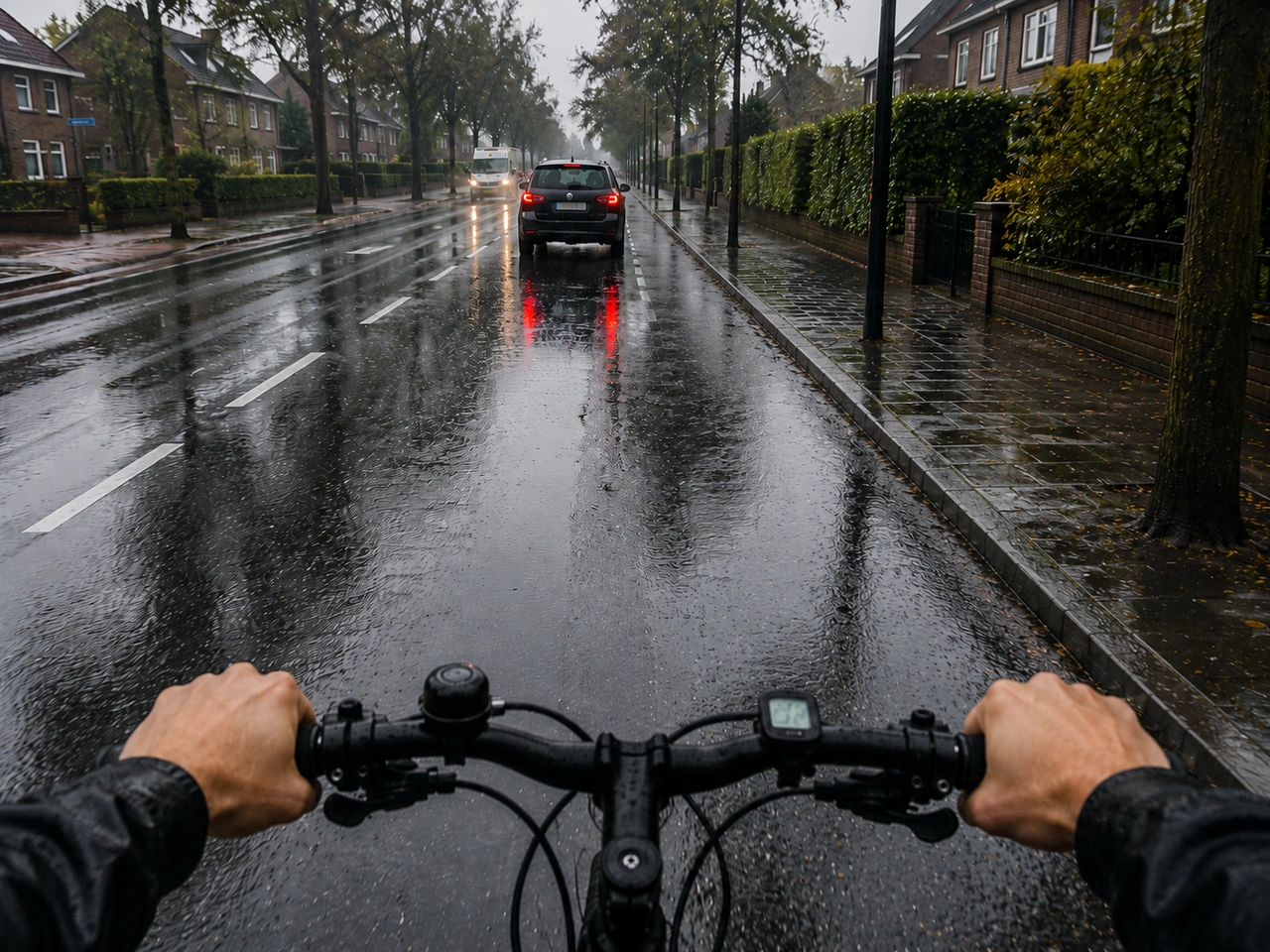
Wet surfaces reduce grip and increase stopping distance. Smooth, early braking helps prevent skidding.

Cyclist braking on a wet road
AI-generated by Traffic-rules.com • WCIT • CC BY-SA
Who is responsible for staying safe when crossing the road?

157. Who is responsible for staying safe when crossing the road?

✓ Everyone using the road.
Only the road user without priority.
Only drivers when pedestrians have priority.
Only pedestrians once they enter the road.

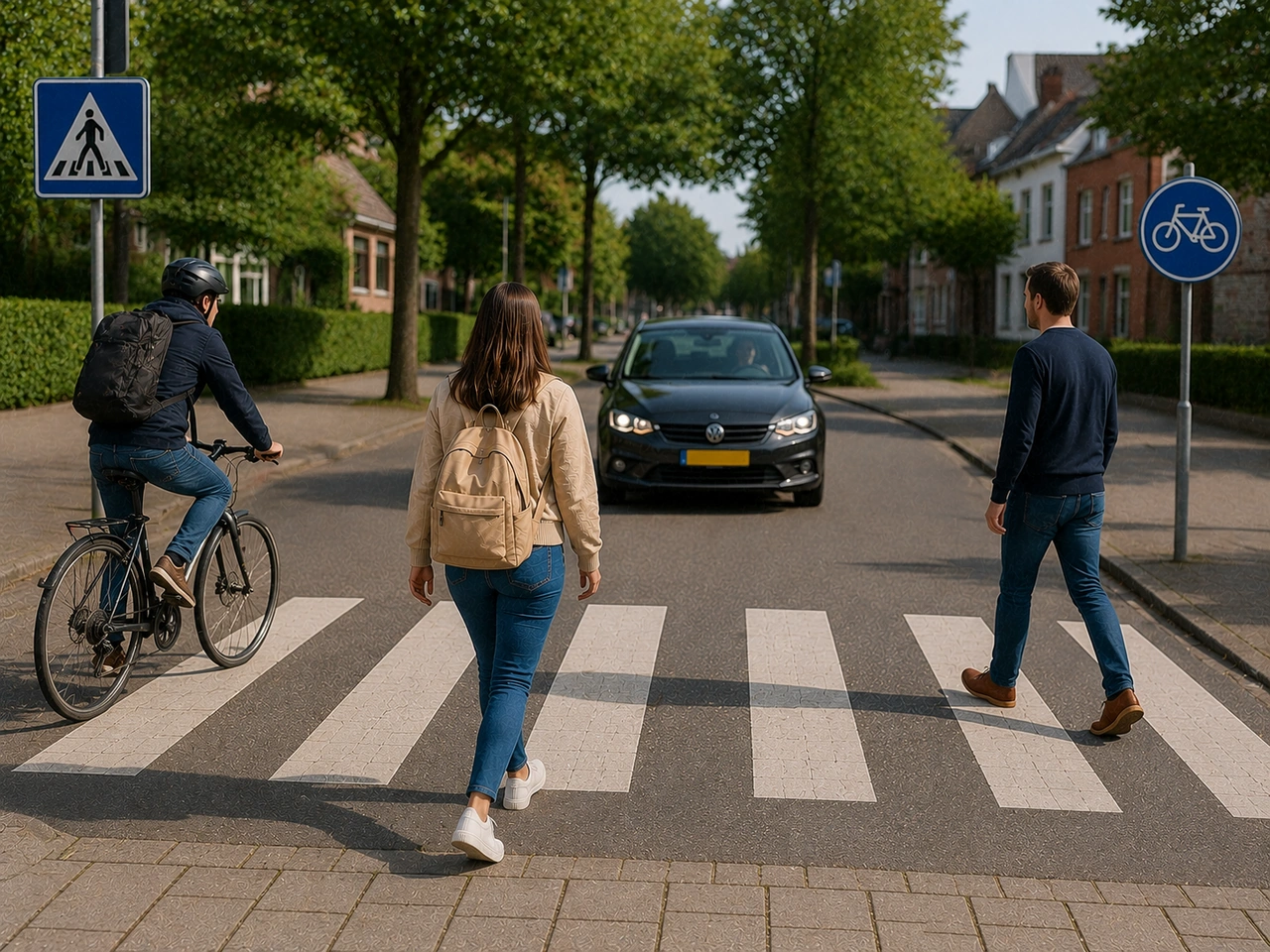
Road safety is a shared responsibility. Pedestrians, drivers, and cyclists all need to stay alert and follow the rules.

Pedestrians and traffic sharing a road crossing
AI-generated by Traffic-rules.com • WCIT • CC BY-SA
Why should you slow down before a sharp bend?

158. Why should you slow down before a sharp bend?

To prevent other vehicles from overtaking.
✓ To keep control of the vehicle.
To make the steering feel lighter.
To make the bend easier to see from a distance.

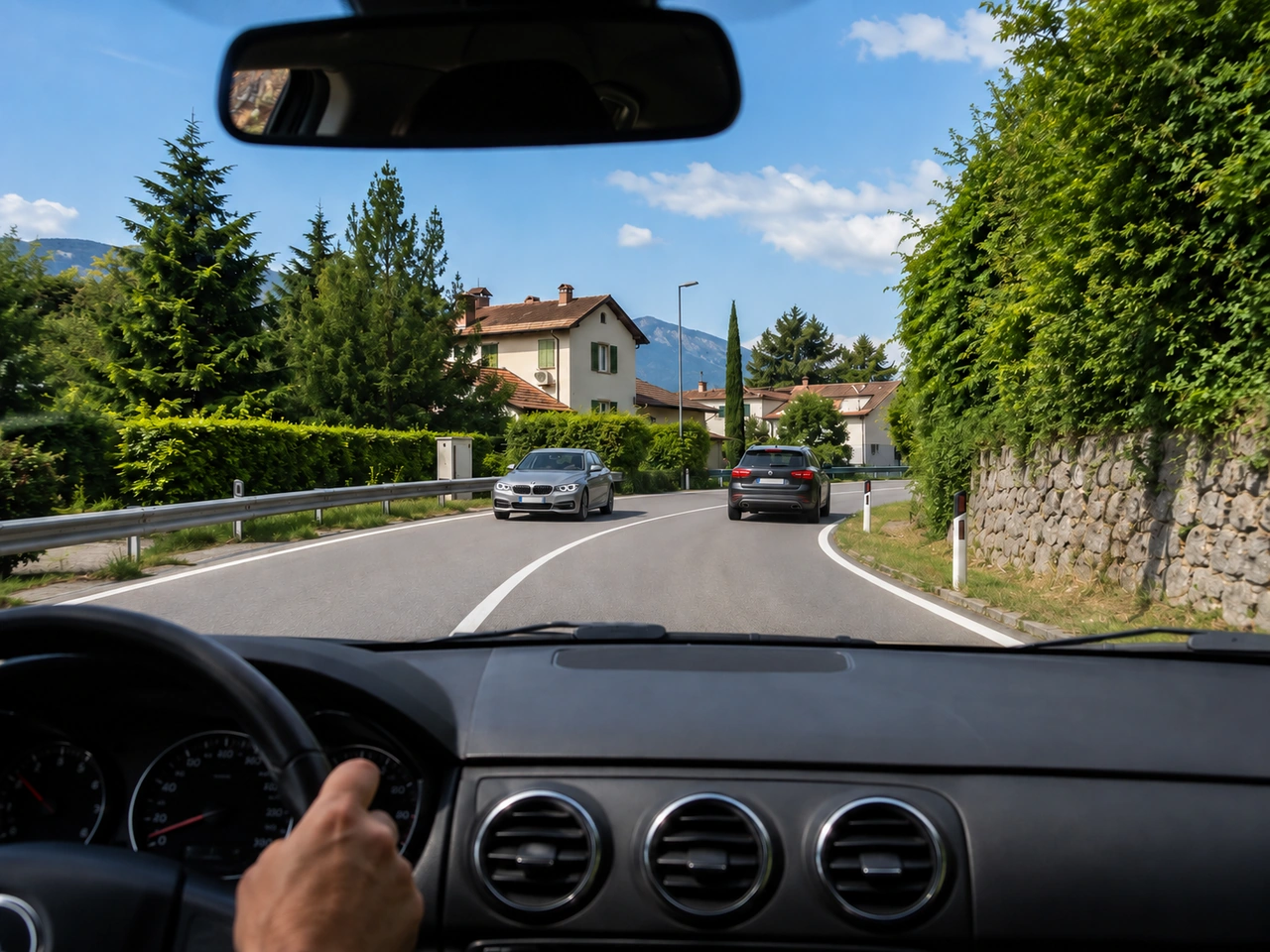
Sharp bends reduce your view and can make the vehicle harder to control, so you should slow down before entering the bend.

Vehicle approaching a sharp bend
AI-generated by Traffic-rules.com • WCIT • CC BY-SA
What is aquaplaning?

159. What is aquaplaning?

When low tyre pressure causes a tyre to burst.
When water enters the engine and causes it to stop.
✓ When tyres ride on a layer of water and lose contact with the road.
When steering becomes heavier on a dry road.

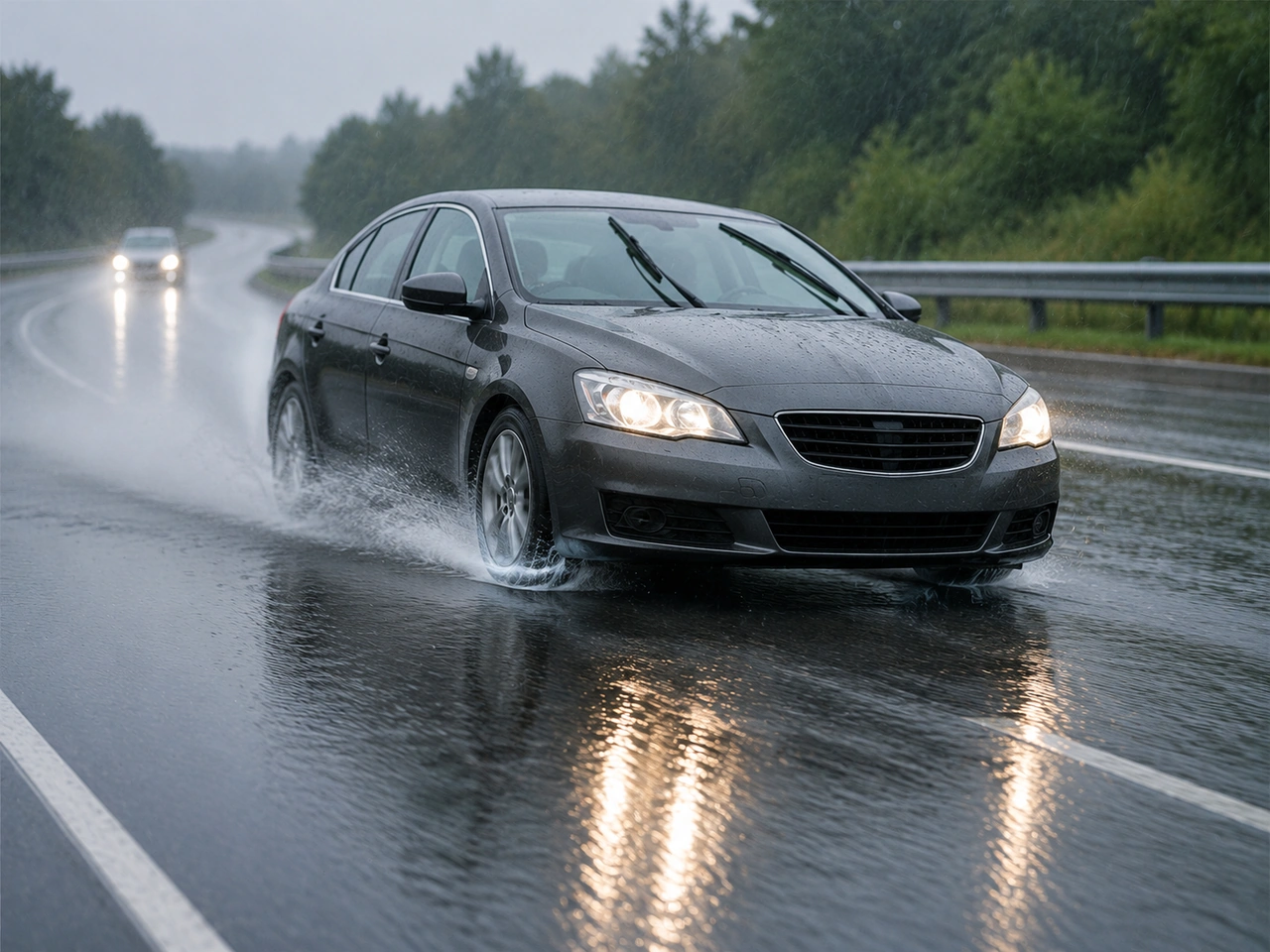
Aquaplaning occurs when water builds up between the tyres and the road, causing a loss of grip and control. The risk increases at higher speeds.

Water separating a tyre from the road surface
AI-generated by Traffic-rules.com • WCIT • CC BY-SA
Why can temporary road surfaces increase stopping distance?

160. Why can temporary road surfaces increase stopping distance?

Roadworks switch off anti-lock braking.
Construction dust increases tyre pressure.
Temporary roads always slope downhill.
✓ Loose gravel, mud, or uneven material may reduce tyre grip.

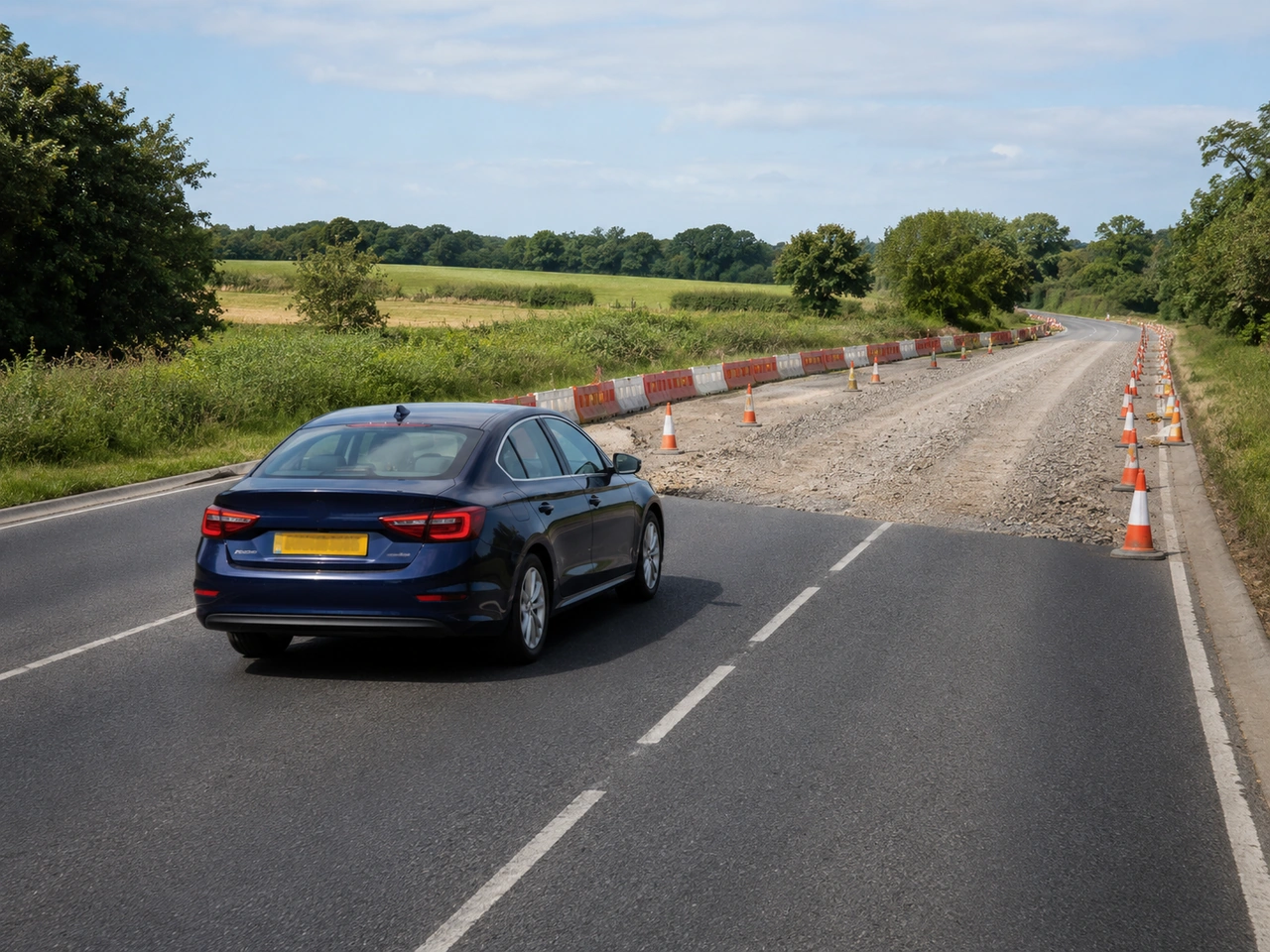
Temporary surfaces may provide less grip than normal asphalt. Reduce speed and allow more distance for braking.

Loose or uneven road surface through roadworks
AI-generated by Traffic-rules.com • WCIT • CC BY-SA
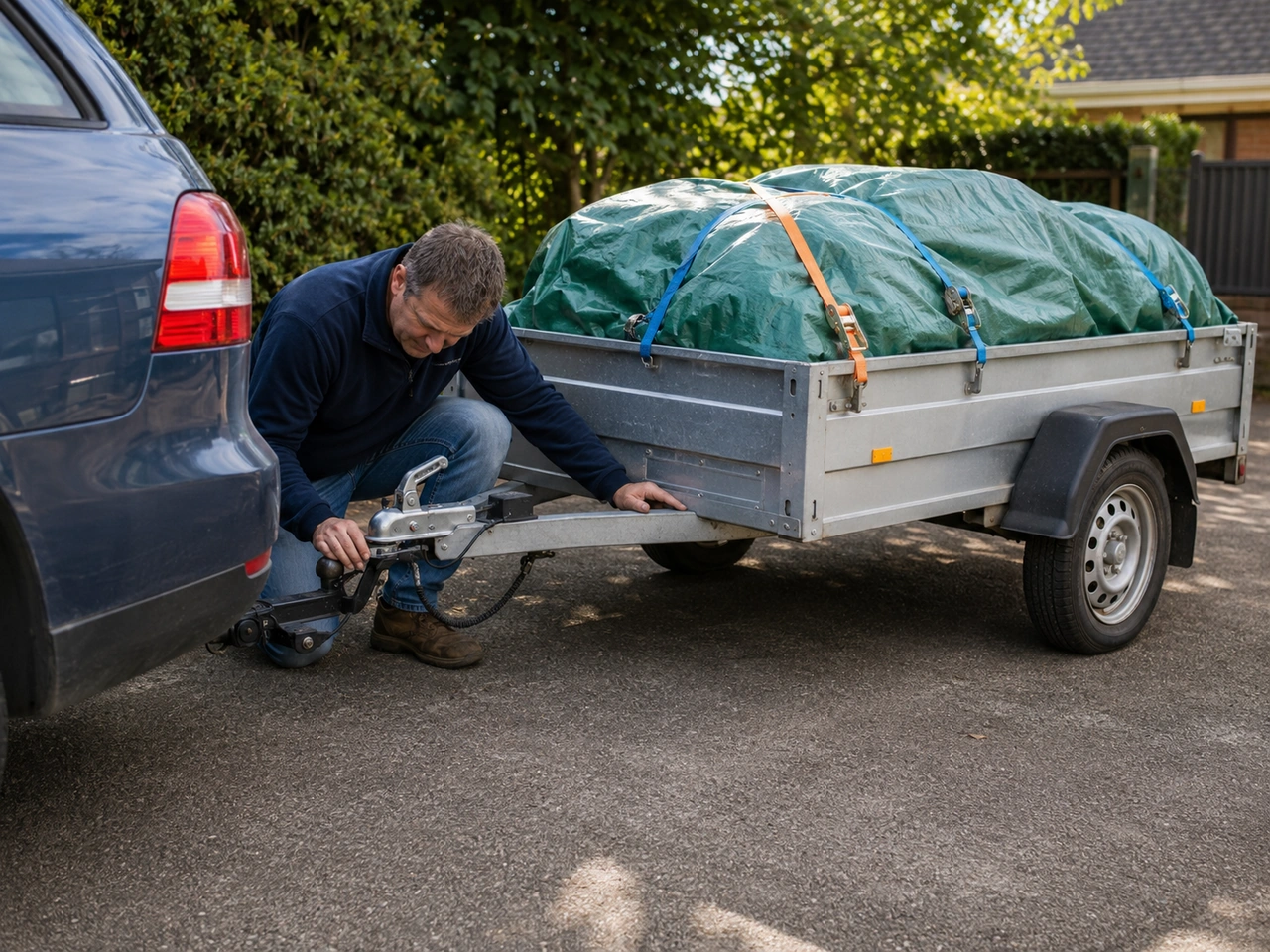
What should you check before towing a trailer?

161. What should you check before towing a trailer?

Check the tyres only if the trailer has been unused.
Check the lights after you have started driving.
✓ The coupling, safety connections, lights, tyres, and load.
Check only that the trailer is securely coupled.

The trailer must be correctly connected and roadworthy. Its lights, tyres, safety connections, and load should all be checked.

Checking a trailer before towing
AI-generated by Traffic-rules.com • WCIT • CC BY-SA
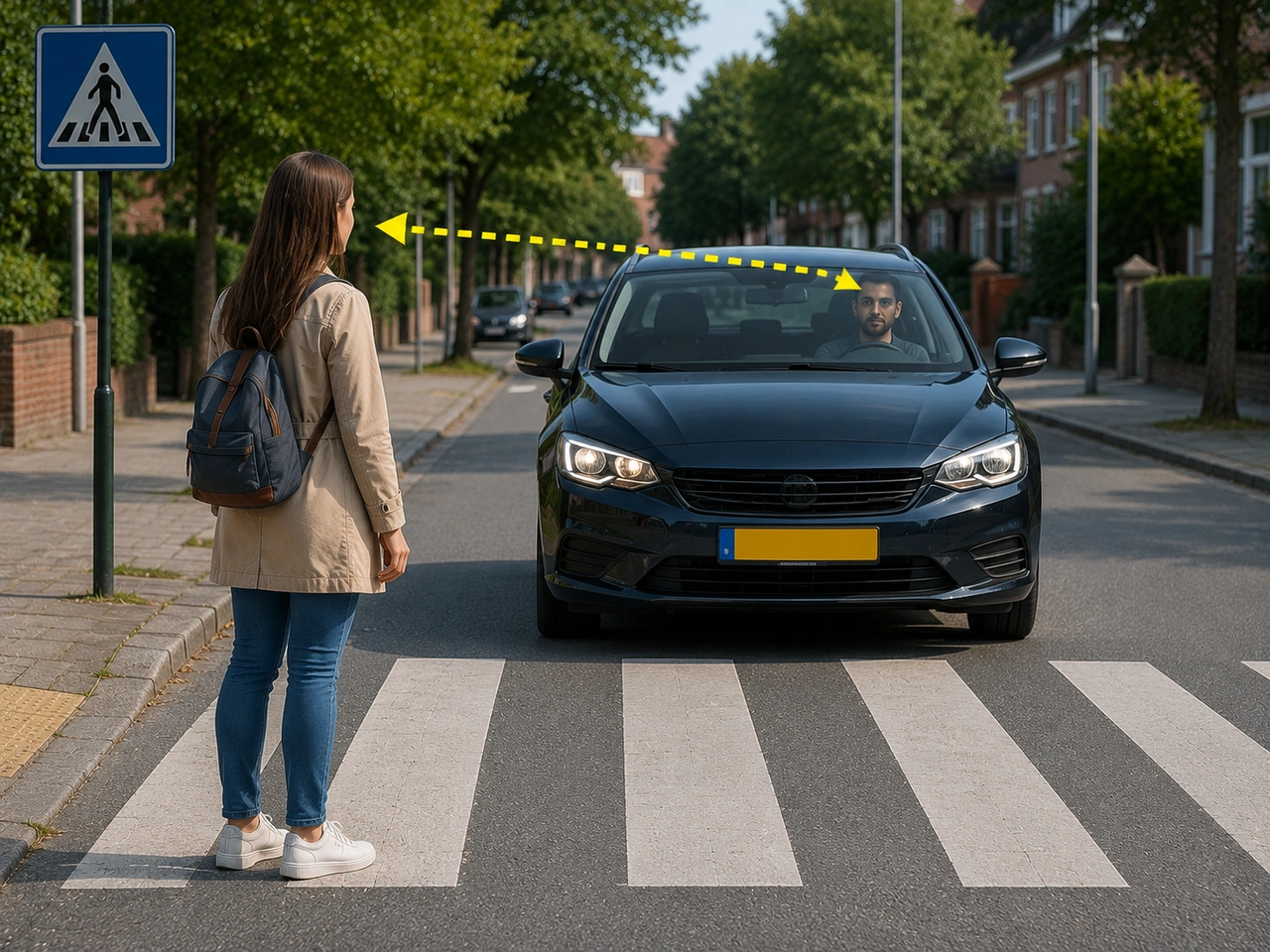
Why should you make sure drivers have seen you before crossing?

162. Why should you make sure drivers have seen you before crossing?

✓ To reduce the risk of stepping into their path.
A driver who sees you can always stop in time.
Making eye contact gives you priority.
Eye contact means the driver must stop for you.

Before crossing, make sure approaching drivers have noticed you and that it is safe to proceed. Do not assume that a driver will stop simply because you have seen each other.

Pedestrian checking whether an approaching driver has seen them
AI-generated by Traffic-rules.com • WCIT • CC BY-SA
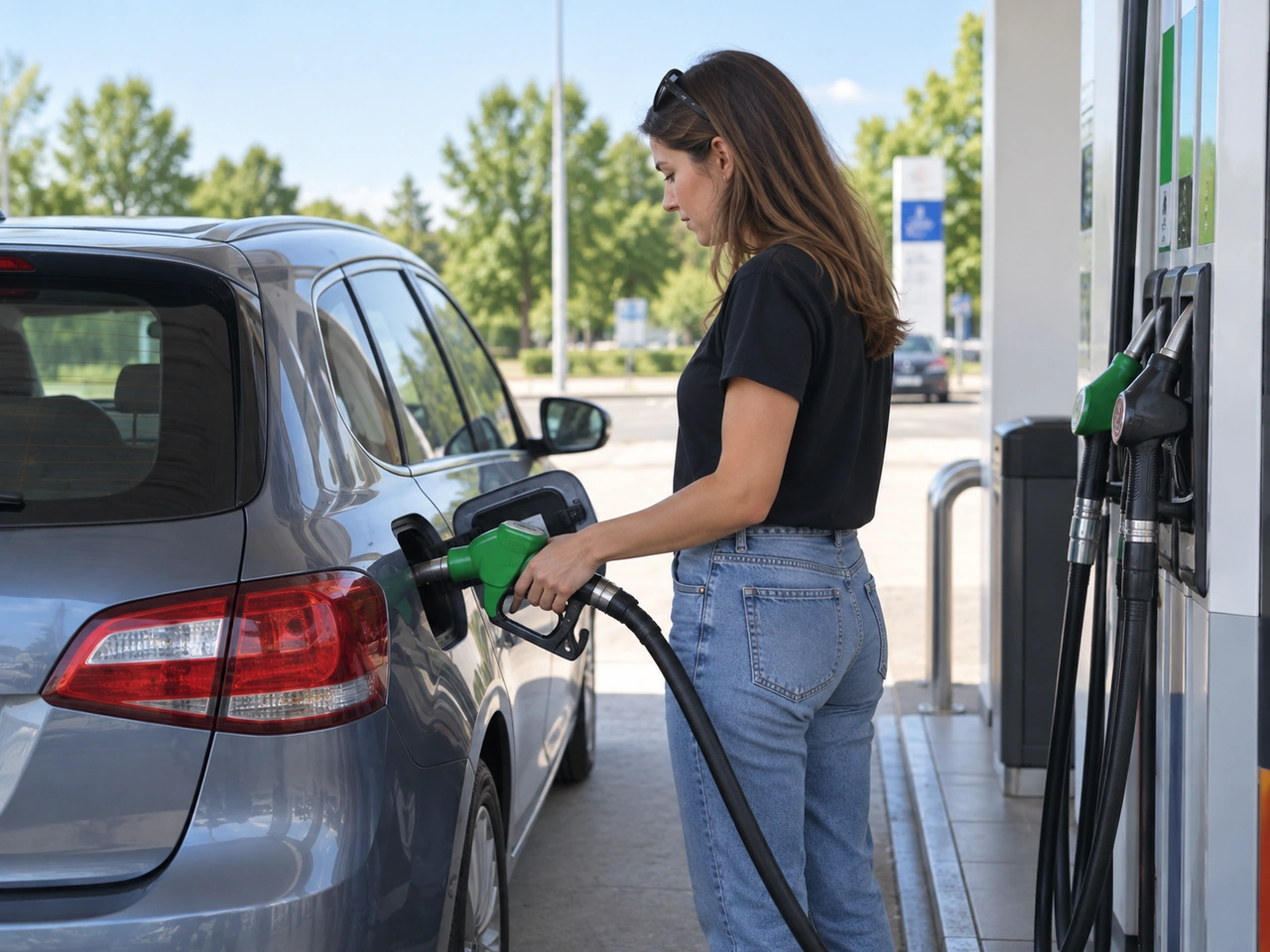
What should you do before refuelling a petrol or diesel vehicle?

163. What should you do before refuelling a petrol or diesel vehicle?

Keep the engine idling if the vehicle is outside.
Switch on the hazard lights while refuelling.
Increase the engine speed before removing the fuel cap.
✓ Switch off the engine before starting to refuel.

Switch off the engine before refuelling. Fuel vapours are flammable, so avoid ignition sources and follow the safety instructions at the filling station. If fuel is spilled, do not start the vehicle until the situation has been made safe.

Vehicle at a pump before refuelling
AI-generated by Traffic-rules.com • WCIT • CC BY-SA
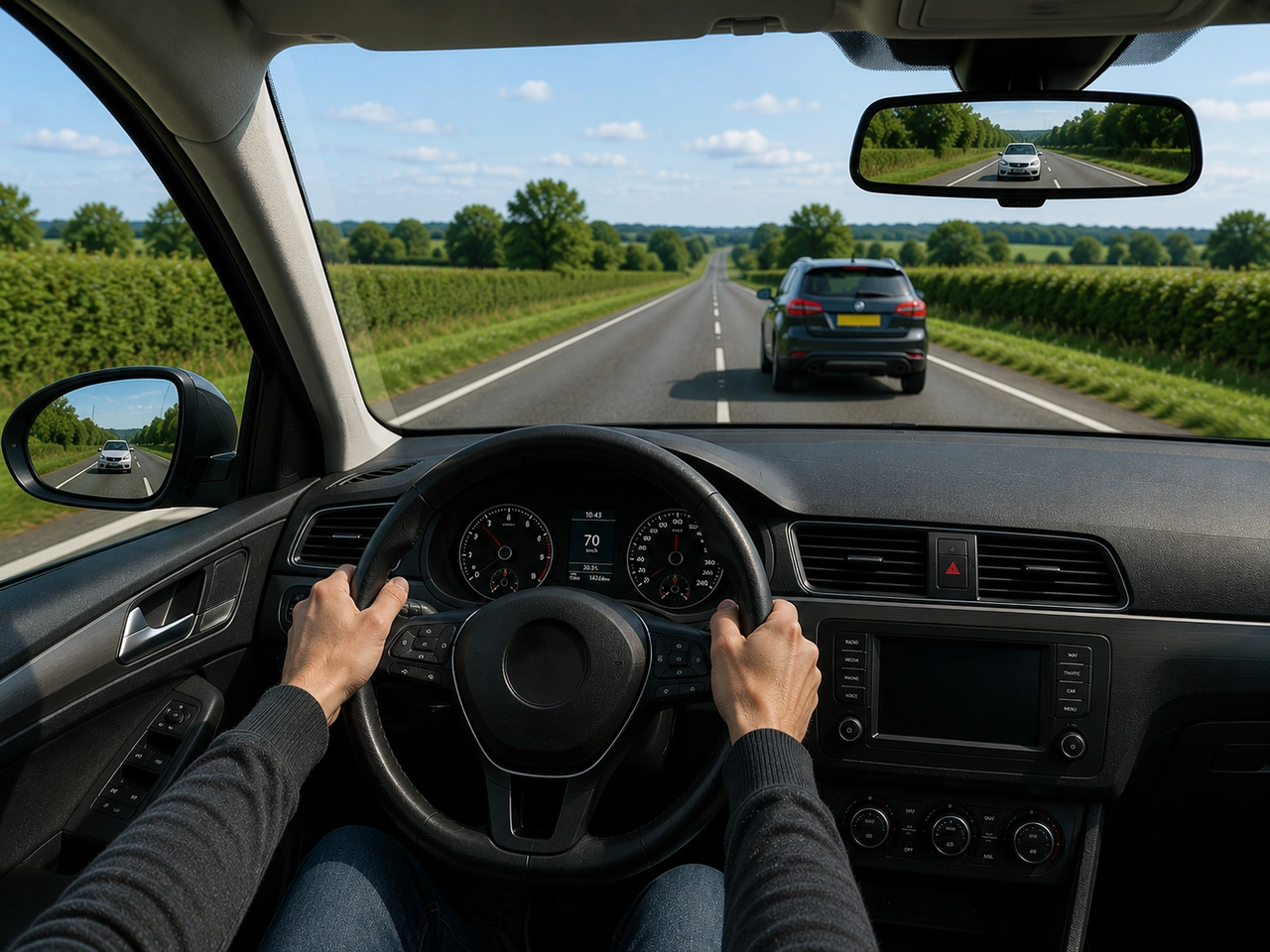
What should you do before overtaking another vehicle?

164. What should you do before overtaking another vehicle?

Overtake whenever the vehicle ahead is moving slowly.
✓ Make sure it is safe and allowed.
Move out first and check whether the road is clear.
Signal and expect other traffic to make room.

Before overtaking, check the road, mirrors, blind spots, signs, and markings, use your indicator, and only overtake when it is safe and permitted.

Vehicle preparing to overtake another vehicle
AI-generated by Traffic-rules.com • WCIT • CC BY-SA
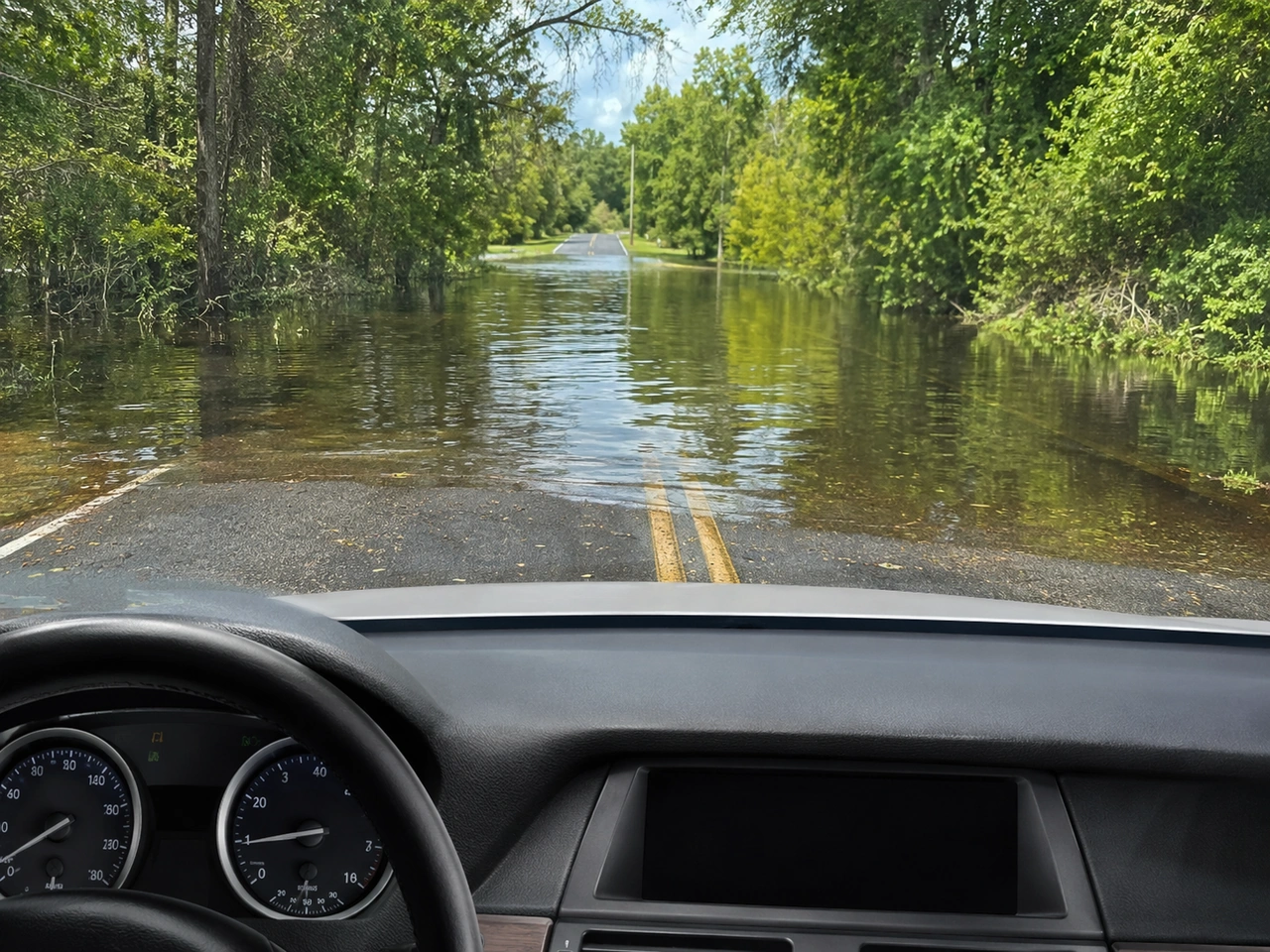
Why should you avoid driving through deep water?

165. Why should you avoid driving through deep water?

Water causes the tyres to lose air pressure.
Deep water makes the engine use too much oil.
Increase speed to maintain full control through the water.
✓ It can damage your vehicle or make you lose control.

Deep water can damage the engine, reduce braking ability, hide hazards, or cause the vehicle to lose grip. Reduce speed, assess the depth and conditions carefully, and avoid entering the water if you are unsure it is safe. If necessary, stop and use another route.

Deep water covering part of a road
AI-generated by Traffic-rules.com • WCIT • CC BY-SA
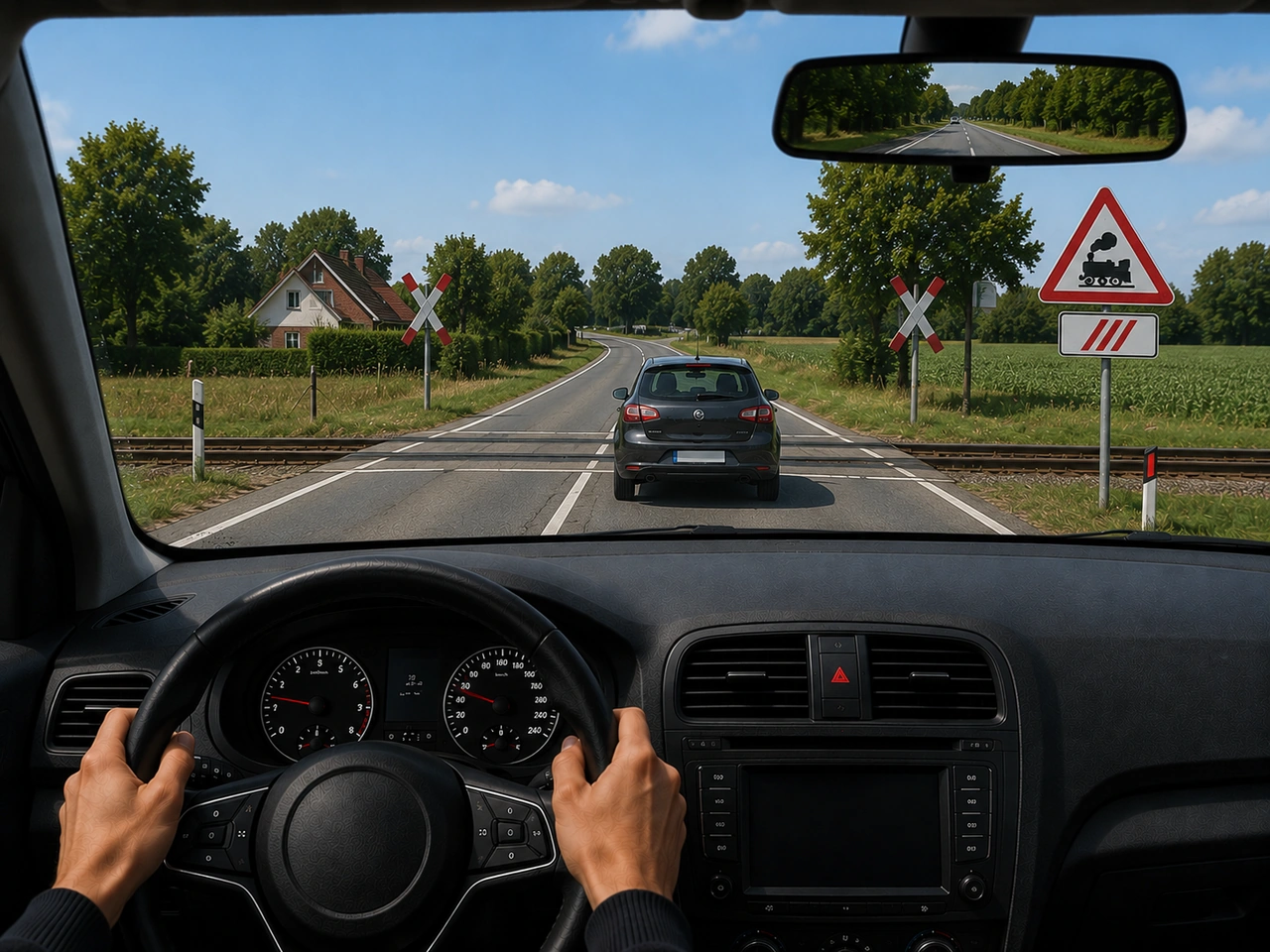
What should you do at a railway crossing without barriers?

166. What should you do at a railway crossing without barriers?

Follow the vehicle ahead without checking yourself.
✓ Stop if required, check carefully, and cross only when safe.
Maintain your speed if the tracks look clear.
Cross quickly if you cannot see a train.

Approach railway crossings carefully, obey any requirement to stop and any warning signals or barriers, and cross only when it is safe.

Railway crossing without barriers
AI-generated by Traffic-rules.com • WCIT • CC BY-SA
What should you do before a long journey to reduce the risk of driver fatigue?

167. What should you do before a long journey to reduce the risk of driver fatigue?

✓ Get enough sleep before starting the journey.
Keep the cabin as warm as possible.
Avoid taking any breaks until you feel tired.
Drink several energy drinks before leaving.

Getting enough sleep before a long journey helps reduce the risk of driver fatigue. Plan breaks in advance and avoid starting a long drive when you are already tired.

Rest and preparation before a long drive
AI-generated by Traffic-rules.com • WCIT • CC BY-SA

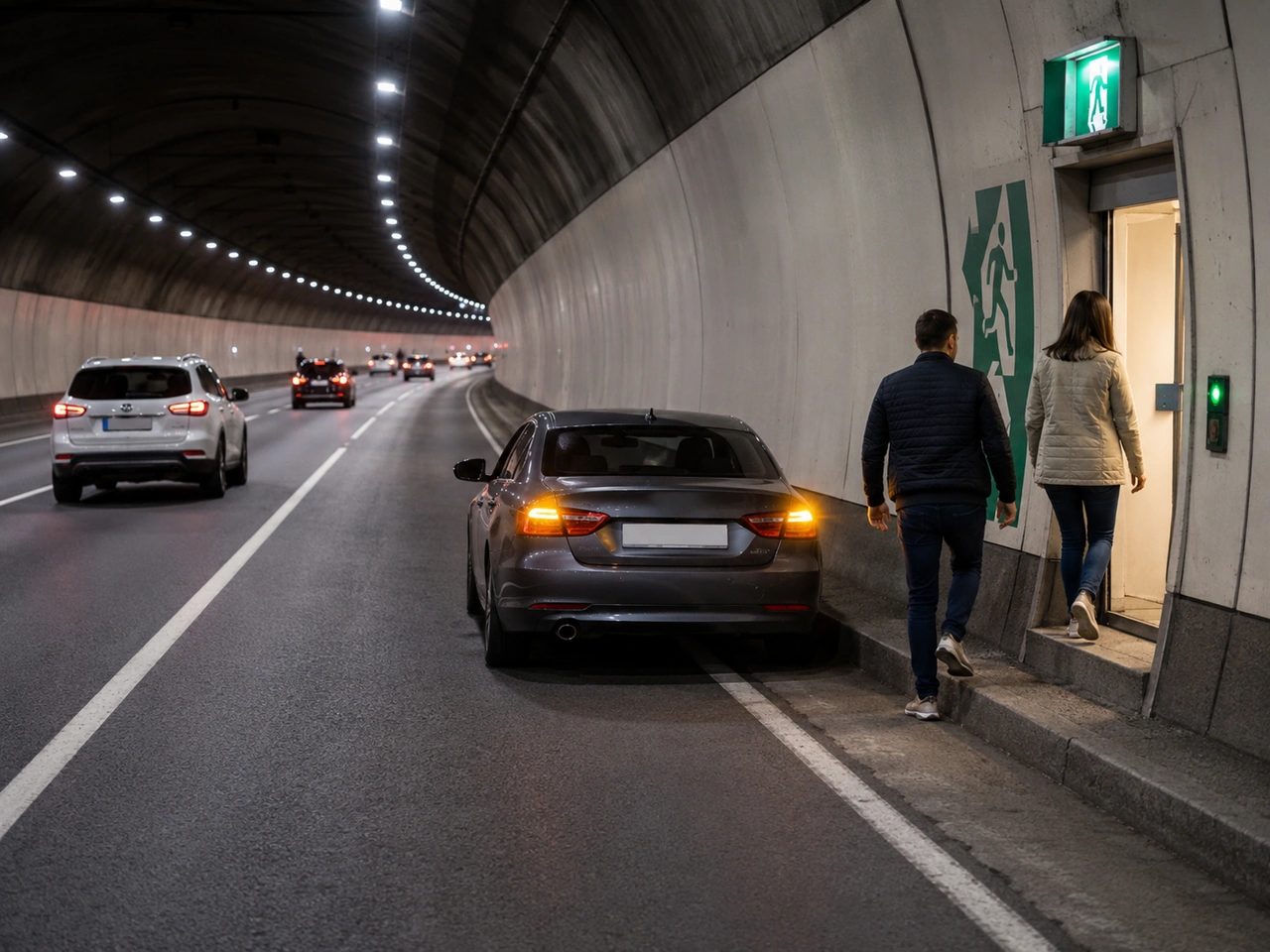
Where should you go after safely leaving a disabled vehicle in a tunnel?

168. Where should you go after safely leaving a disabled vehicle in a tunnel?

Wait directly behind the vehicle where drivers can see you.
Walk along the traffic lane toward the tunnel entrance.
✓ To a protected emergency area or exit away from traffic.
Remain beside the vehicle and wait for assistance.

Move away from live traffic and use a marked emergency exit, refuge area, or protected walkway where available.

Leaving a disabled vehicle for a tunnel emergency area
AI-generated by Traffic-rules.com • WCIT • CC BY-SA
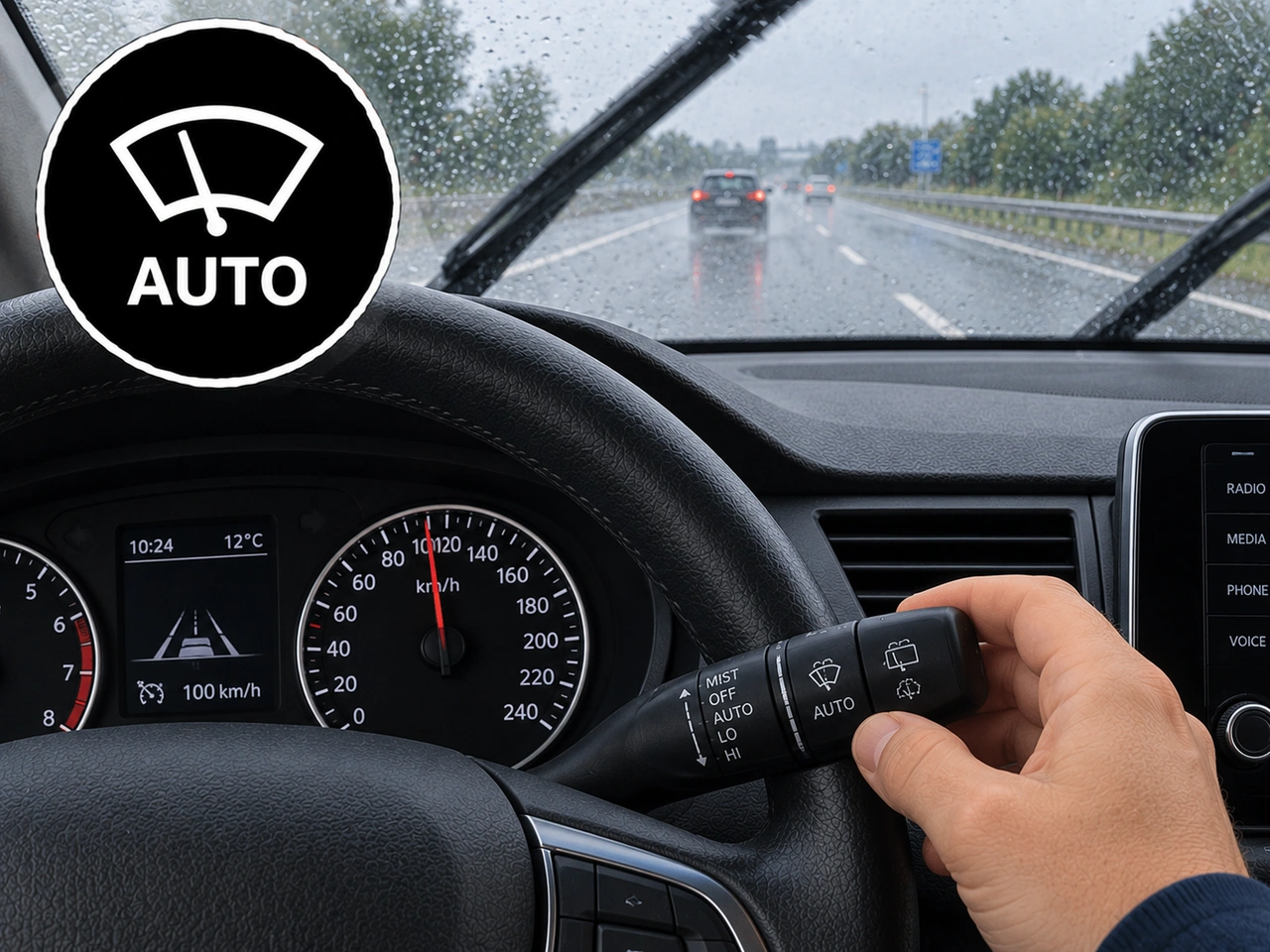
What does AUTO on a windscreen-wiper control normally do?

169. What does AUTO on a windscreen-wiper control normally do?

Sprays washer fluid automatically.
Runs the wipers continuously at maximum speed.
Operates only the rear wiper.
✓ Operates the wipers automatically when rain is detected.

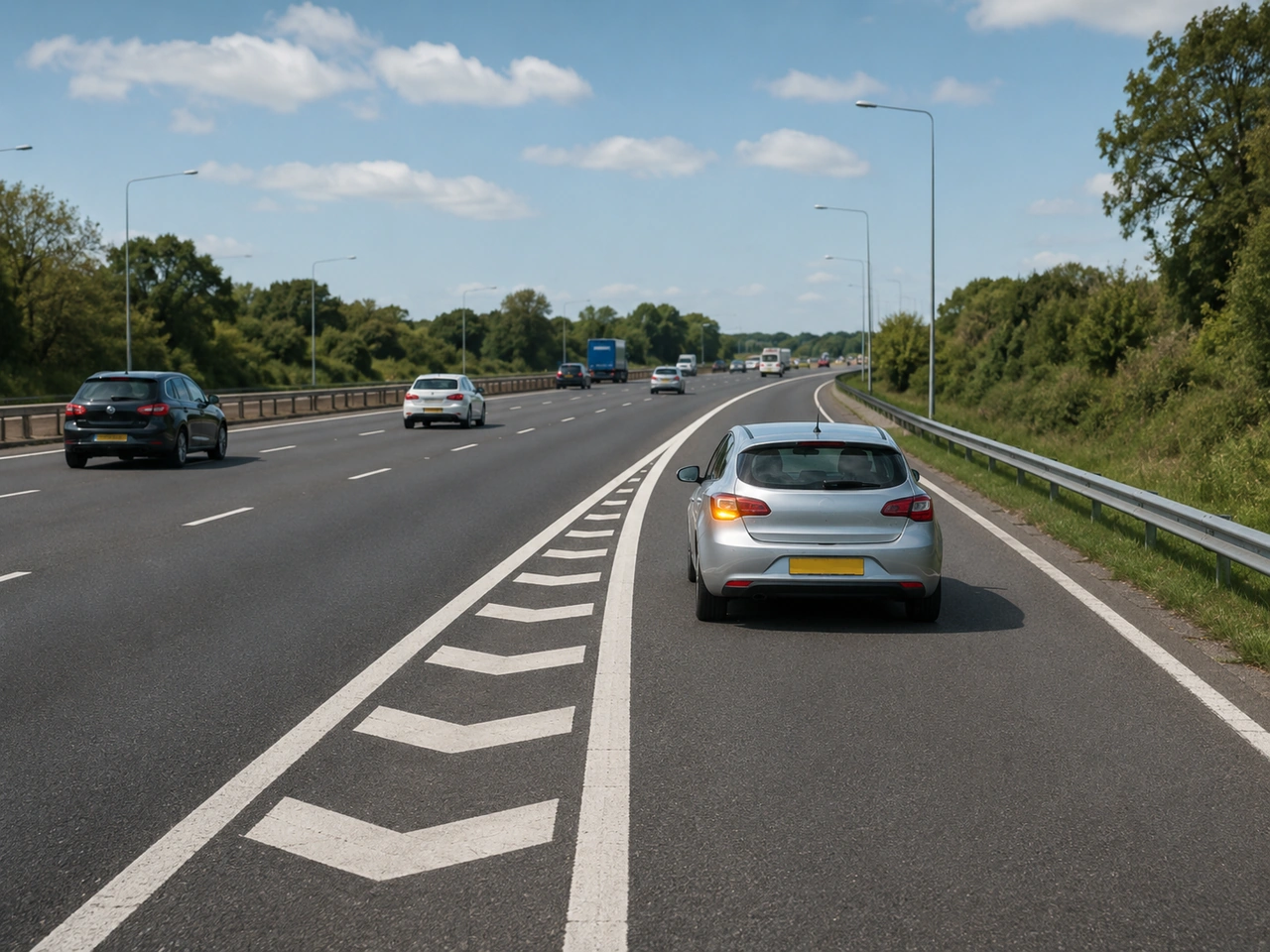
When AUTO is selected, a rain sensor can operate the windscreen wipers automatically and adjust their operation according to the amount of moisture detected on the windscreen.

AUTO setting on the windscreen-wiper control
AI-generated by Traffic-rules.com • WCIT • CC BY-SA
What should you do before joining a motorway?

170. What should you do before joining a motorway?

✓ Check your mirrors and blind spot, signal, and look for a safe gap.
Wait until the end of the slip road before checking for a gap.
Move onto the motorway as soon as the lane markings allow.
Check your mirrors only and assume the blind spot is clear.

Observe motorway traffic early, signal clearly, and merge only when there is a safe gap.

Driver checking motorway traffic before merging
AI-generated by Traffic-rules.com • WCIT • CC BY-SA
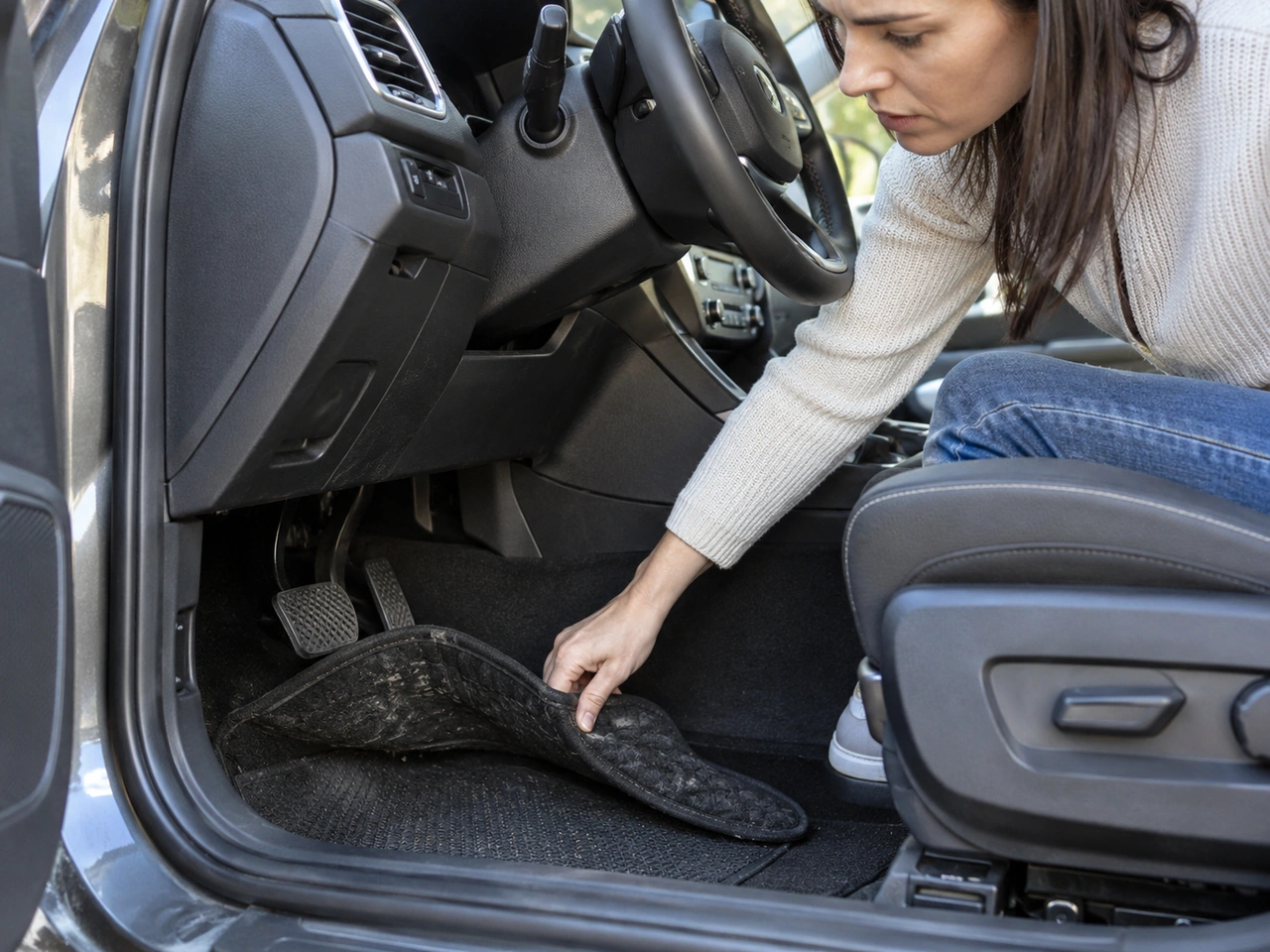
Why should the driver's floor mat be properly secured?

171. Why should the driver's floor mat be properly secured?

It could prevent the seat belt from locking.
It could reduce the effectiveness of the airbags.
✓ It could slide forwards and interfere with the pedals.
It could make the steering wheel harder to turn.

A loose or incorrectly fitted floor mat can move into the pedal area and interfere with the accelerator, brake, or clutch. Make sure the driver's floor mat is correctly fitted, secured, and does not obstruct any pedal.

Driver's floor mat near the pedals
AI-generated by Traffic-rules.com • WCIT • CC BY-SA
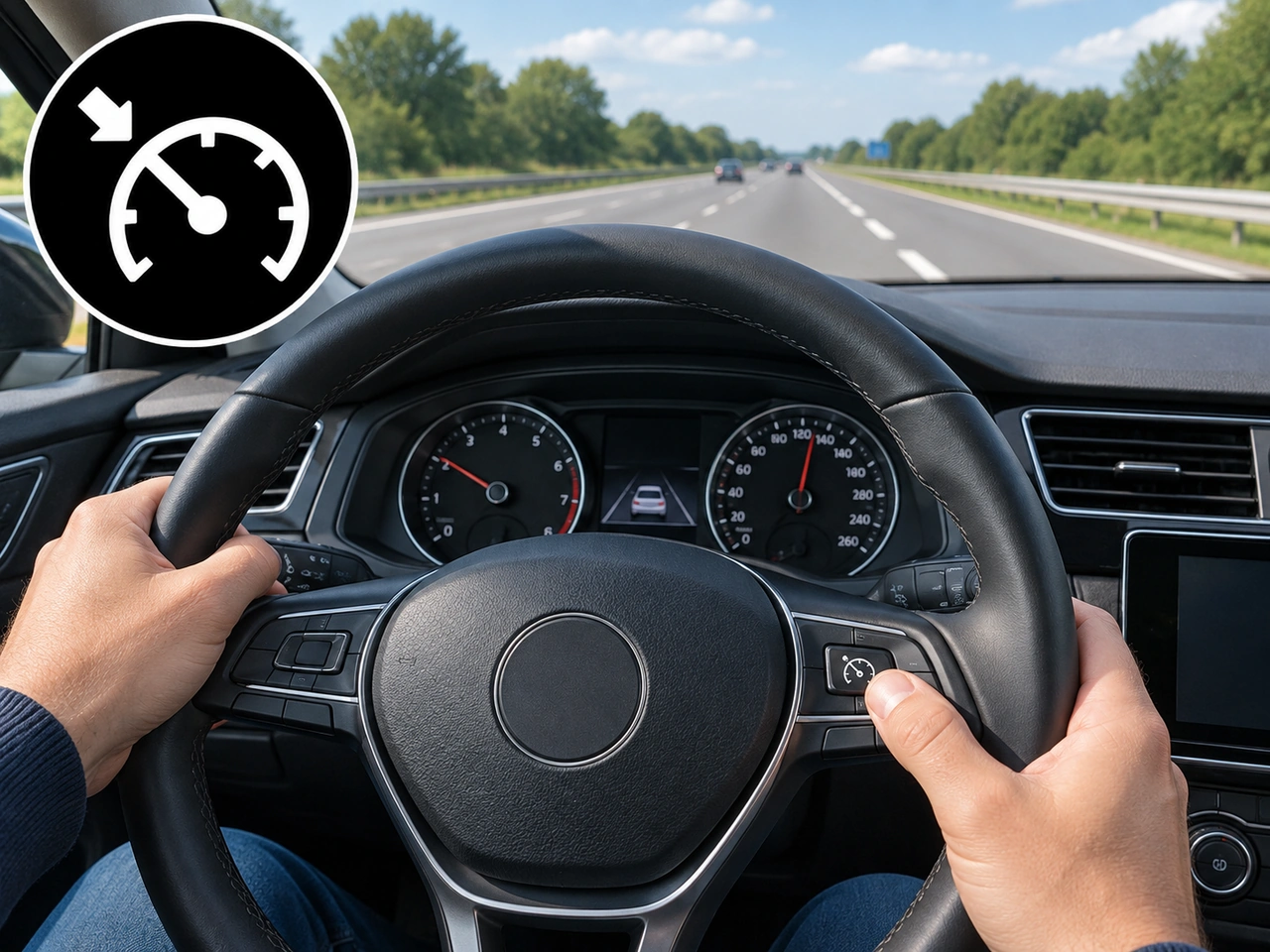
What is the purpose of cruise control?

172. What is the purpose of cruise control?

To keep a fixed distance from the vehicle ahead.
To steer the vehicle automatically.
✓ To maintain a selected speed without continuous accelerator use.
To prevent the vehicle from exceeding any speed limit.

Cruise control can maintain a selected speed without the driver continuously pressing the accelerator. The driver must remain attentive and ready to brake or take control when necessary.

Vehicle cruise-control buttons and symbol
AI-generated by Traffic-rules.com • WCIT • CC BY-SA
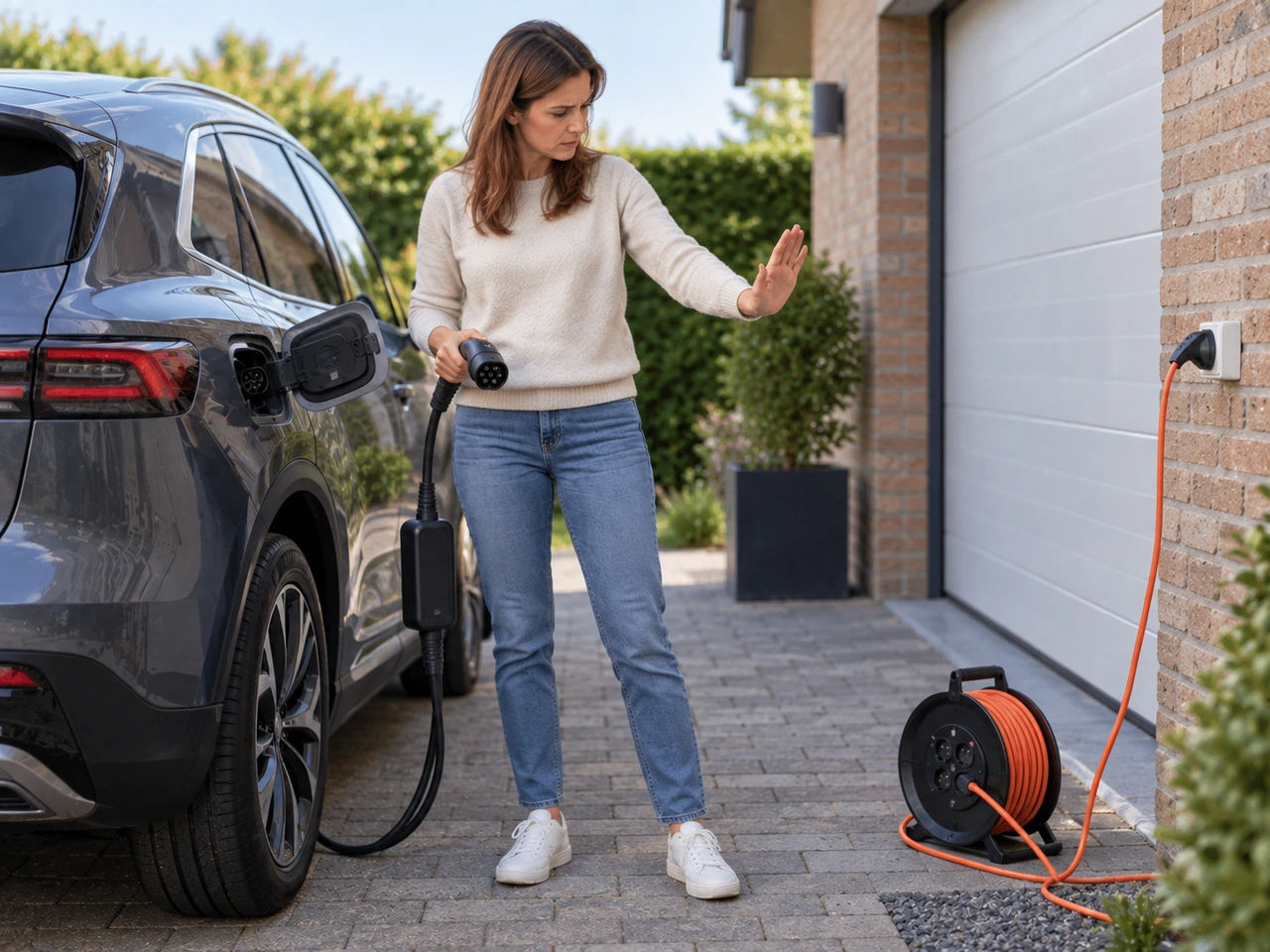
Why should you avoid using an ordinary extension lead to charge an electric vehicle?

173. Why should you avoid using an ordinary extension lead to charge an electric vehicle?

It will always charge the vehicle too quickly.
It can make the vehicle battery lose capacity immediately.
✓ It may overheat because it is not designed for continuous high-power charging.
It prevents the charging port from closing afterwards.

An ordinary household extension lead may not be designed for the sustained electrical load required for EV charging and can overheat. Use suitable approved charging equipment and follow the vehicle and charging-equipment manufacturer's instructions.

Extension lead used for electric-vehicle charging
AI-generated by Traffic-rules.com • WCIT • CC BY-SA
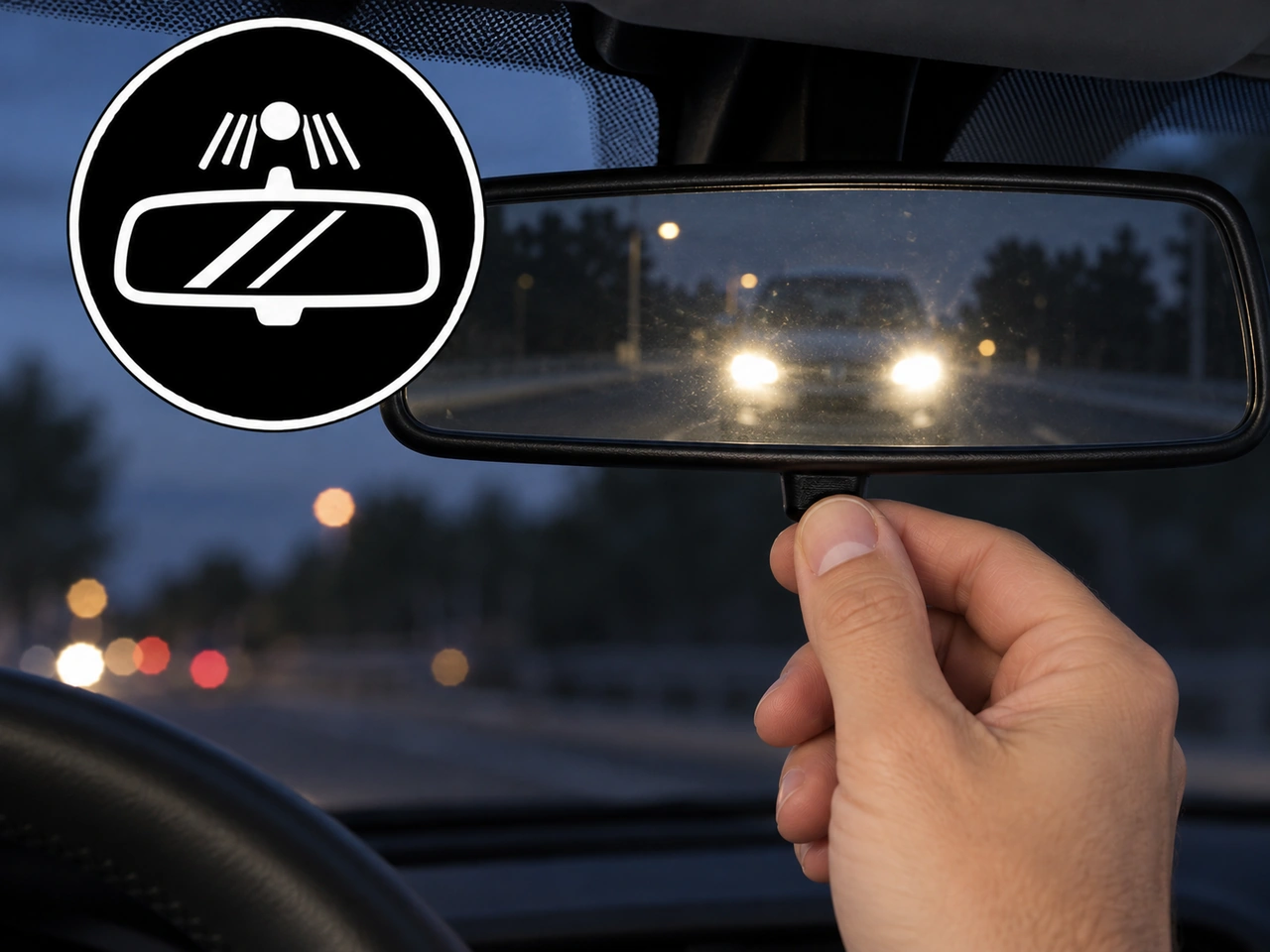
What is the purpose of the anti-dazzle control on the rear-view mirror?

174. What is the purpose of the anti-dazzle control on the rear-view mirror?

To heat the rear window.
✓ To reduce glare from headlights behind.
To activate the reversing camera.
To enlarge the view behind.

The anti-dazzle setting reduces glare from the headlights of vehicles behind, helping the driver maintain a clear view without being dazzled.

Anti-dazzle control on an interior rear-view mirror
AI-generated by Traffic-rules.com • WCIT • CC BY-SA
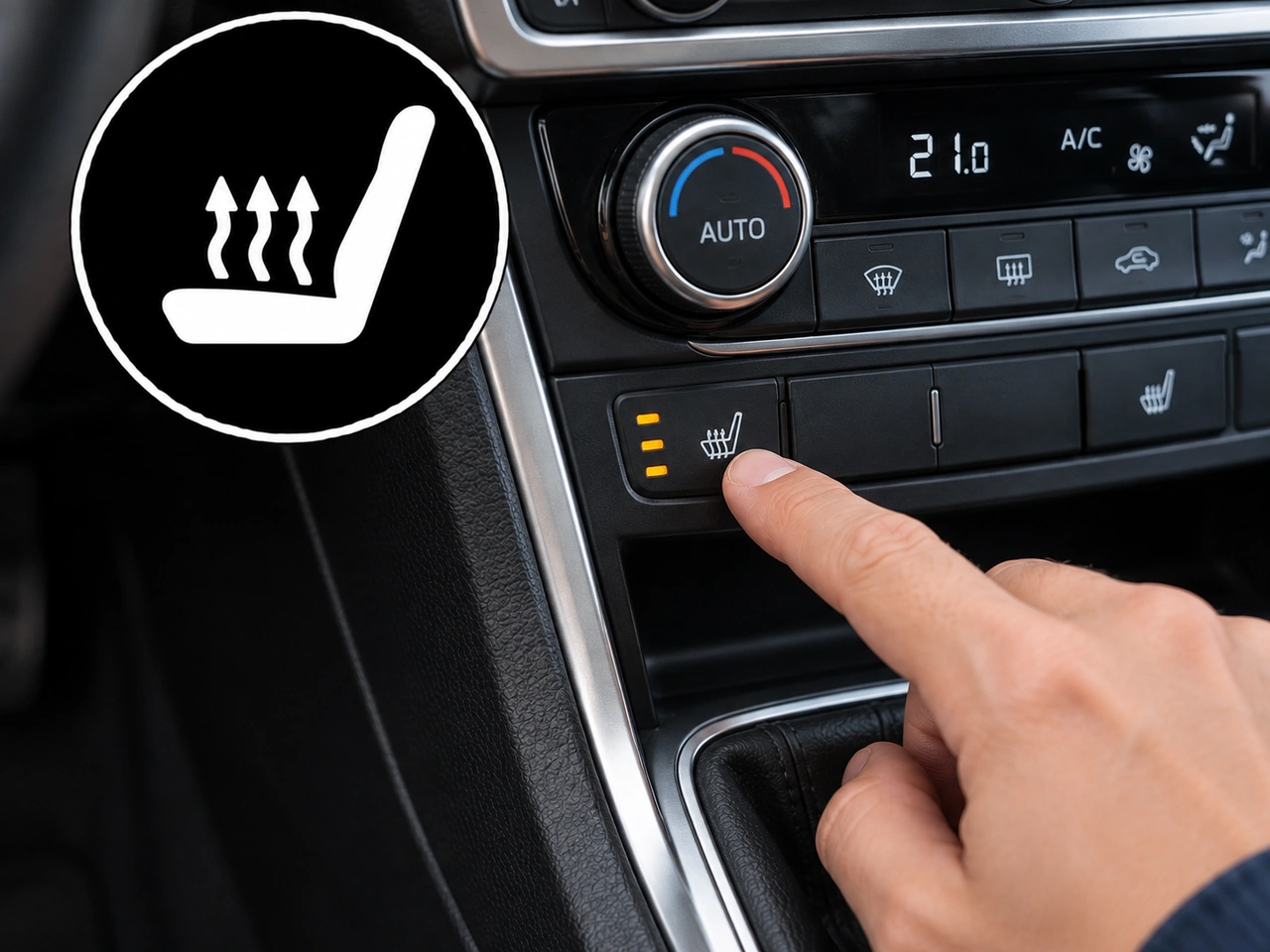
What does this vehicle-control symbol indicate?

175. What does this vehicle-control symbol indicate?

Rear window demister.
✓ Seat heating.
Heated steering wheel.
Seat ventilation.

This control activates the seat heating, which warms the seat cushion and, on many vehicles, the backrest. Several heat levels may be available.

Heated-seat control and symbol
AI-generated by Traffic-rules.com • WCIT • CC BY-SA
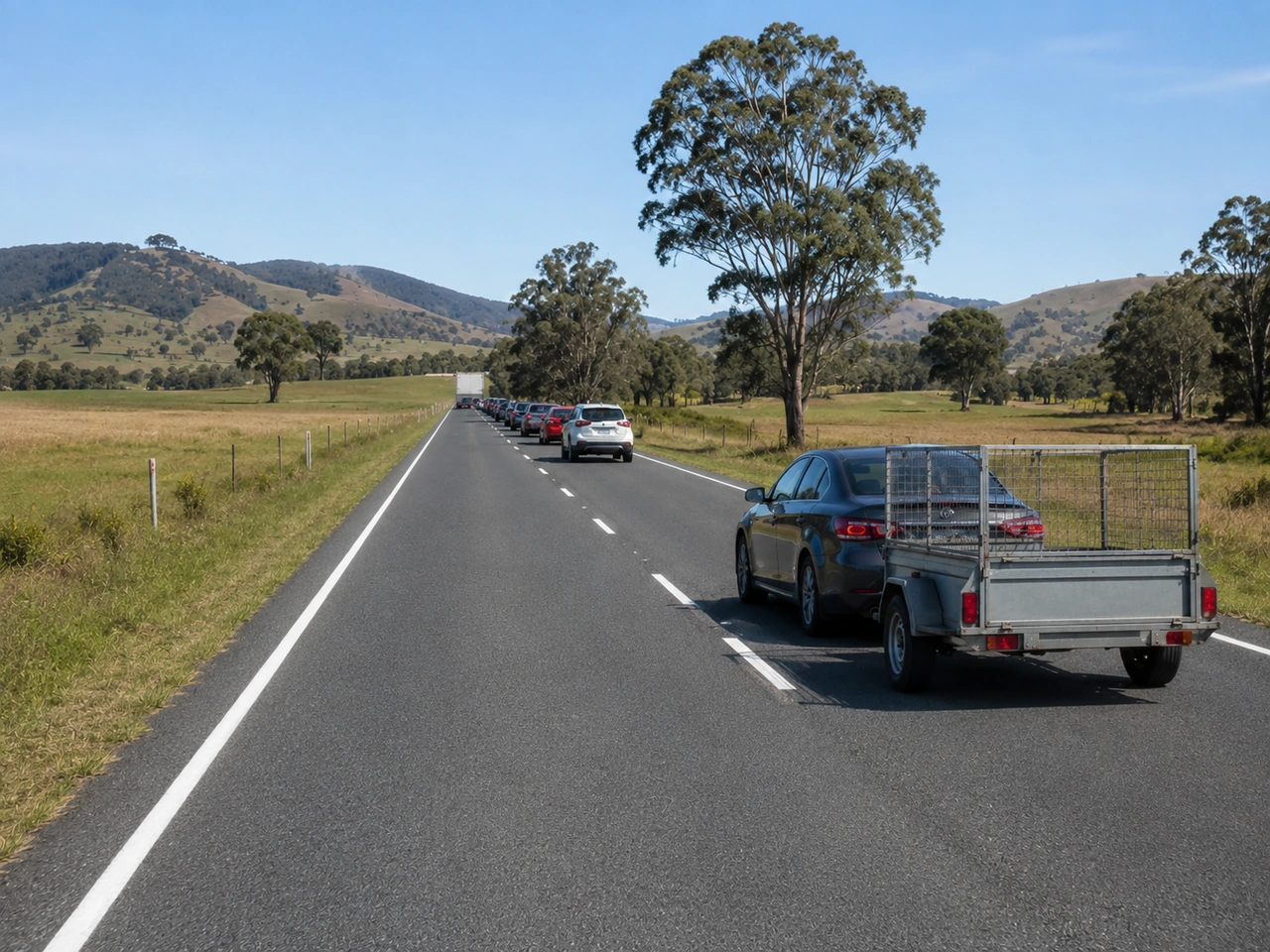
Why should you leave extra following distance when towing?

176. Why should you leave extra following distance when towing?

To prevent the trailer from blocking your view.
To reduce tyre wear on the towing vehicle.
✓ Your vehicle combination may take longer to stop.
To keep the trailer from moving side to side.

Towing adds weight and can increase stopping distance. Extra space gives you more time to react and brake smoothly.

Vehicle towing a trailer behind other traffic
AI-generated by Traffic-rules.com • WCIT • CC BY-SA
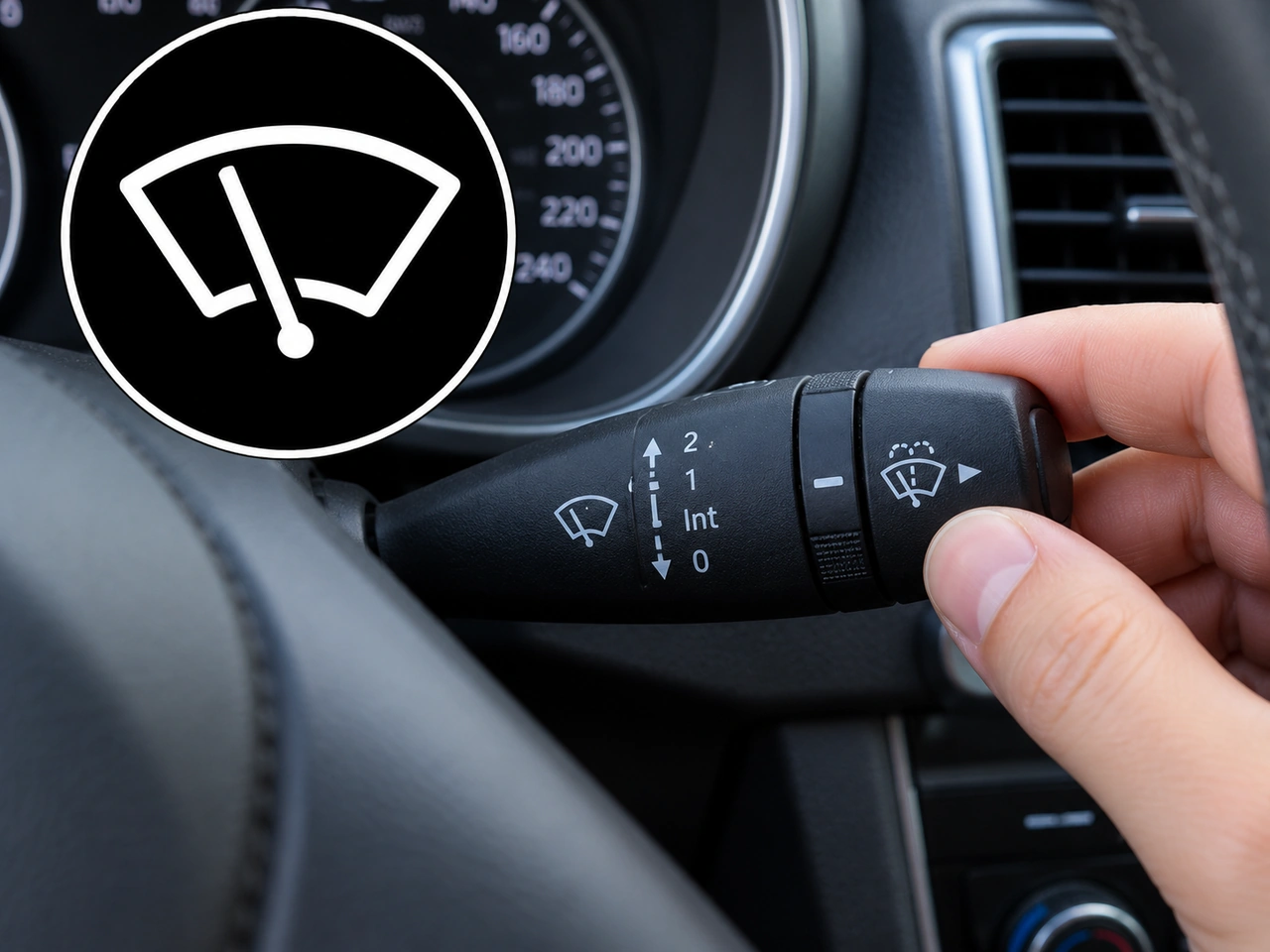
What does this vehicle-control symbol indicate?

177. What does this vehicle-control symbol indicate?

✓ Windscreen wiper speed.
Air recirculation.
Windscreen washer.
Rear window demister.

This symbol relates to the windscreen wipers. The control allows the driver to select an appropriate wiping mode or speed for the amount of rain and visibility conditions.

Windscreen-wiper control for adjusting wiping speed
AI-generated by Traffic-rules.com • WCIT • CC BY-SA
What should you do before attempting to jump-start a vehicle?

178. What should you do before attempting to jump-start a vehicle?

Use any battery that physically fits the vehicle.
Start both vehicles before connecting the leads.
✓ Check the owner's manual and make sure the connections are compatible.
Connect the leads without checking their polarity.

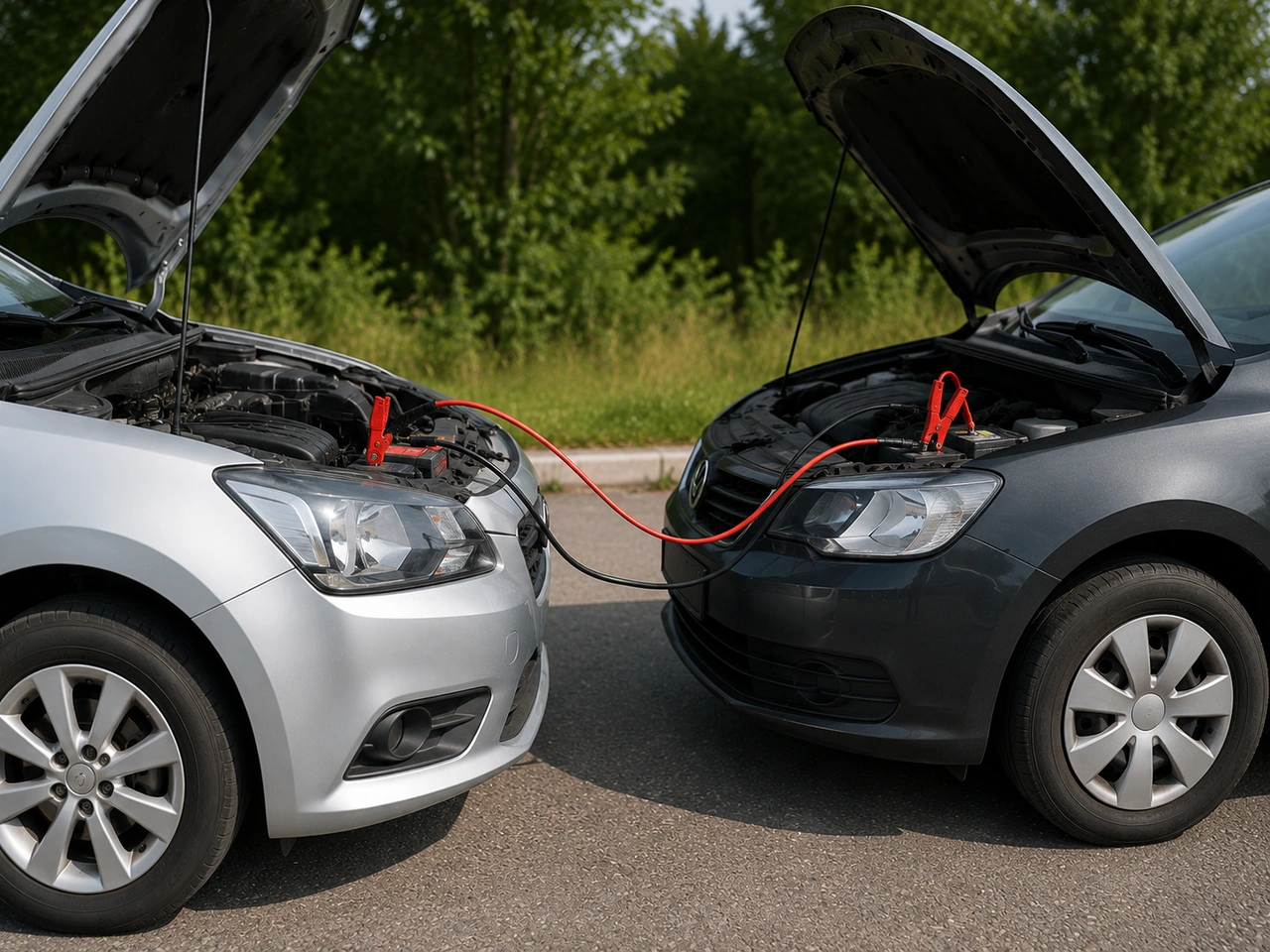
Incorrect jump-starting can damage electrical systems, cause sparks, or make a battery explode. Connect the leads in the correct order before starting the vehicles, and follow the manufacturer's procedure exactly.

Preparing to jump-start a vehicle battery
AI-generated by Traffic-rules.com • WCIT • CC BY-SA
Which control is normally used to operate the direction indicators?

179. Which control is normally used to operate the direction indicators?

The windscreen-wiper stalk.
The cruise-control button.
✓ The steering-column indicator stalk.
The hazard-warning button.

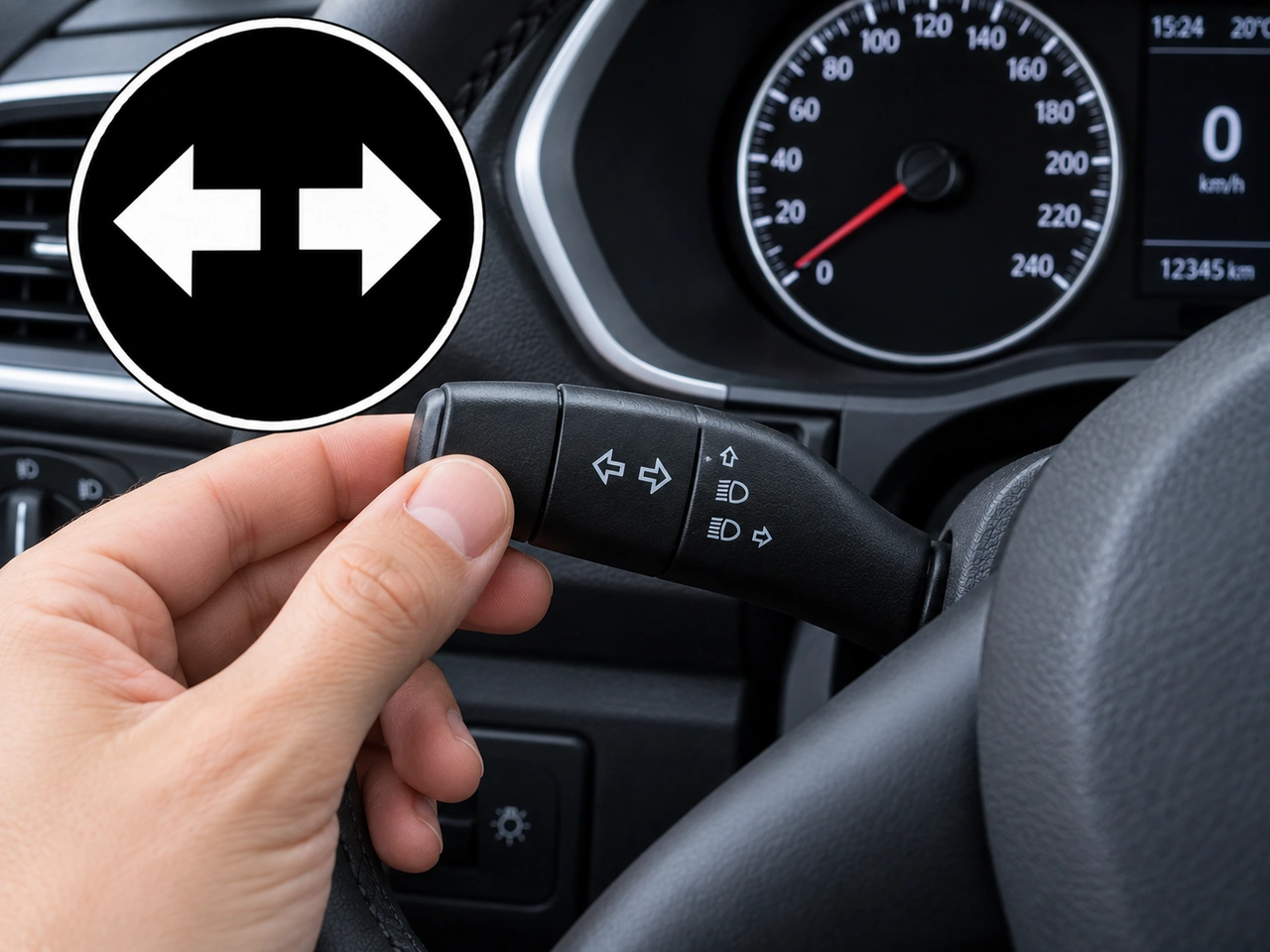
The direction indicators are normally operated using a stalk beside the steering wheel. Moving the stalk up or down activates the indicators on the corresponding side of the vehicle.

Steering-column stalk for the direction indicators
AI-generated by Traffic-rules.com • WCIT • CC BY-SA
What should you do if your vehicle begins to drift onto the shoulder?

180. What should you do if your vehicle begins to drift onto the shoulder?

Keep driving on the shoulder until the road becomes wider.
Steer back onto the road as quickly as possible.
✓ Ease off the accelerator and steer back smoothly when safe.
Accelerate slightly before steering back onto the road.

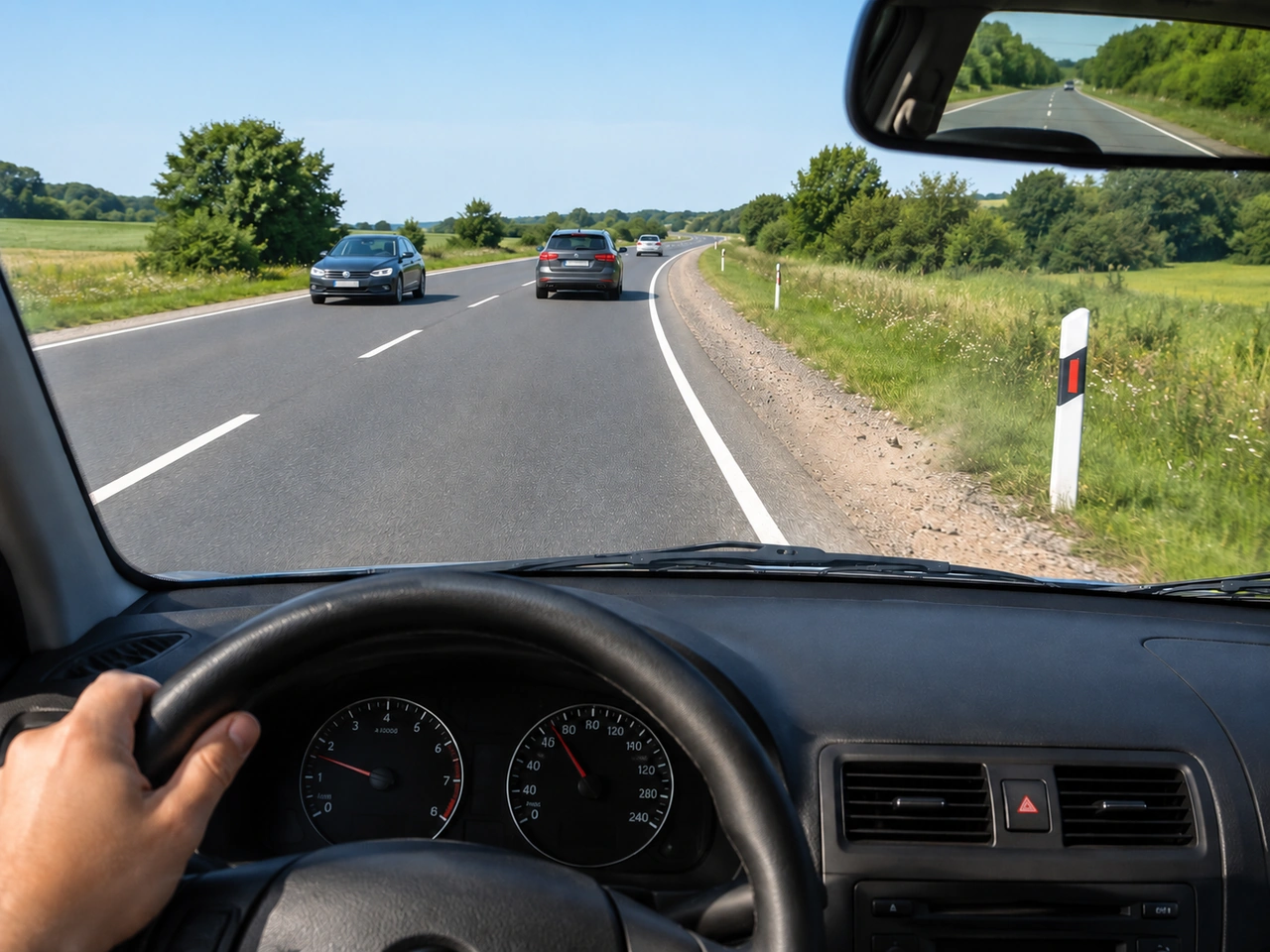
If you drift onto the shoulder, avoid sudden steering or braking. Slow gently and return to the road smoothly when it is safe.

Vehicle drifting towards the road shoulder
AI-generated by Traffic-rules.com • WCIT • CC BY-SA
What should you do if the bonnet suddenly opens while you are driving?

181. What should you do if the bonnet suddenly opens while you are driving?

Accelerate briefly to try to close the bonnet.
✓ Look through any available gap, slow down smoothly, and stop safely.
Turn sharply toward the side of the road.
Brake hard immediately, even if traffic is behind you.

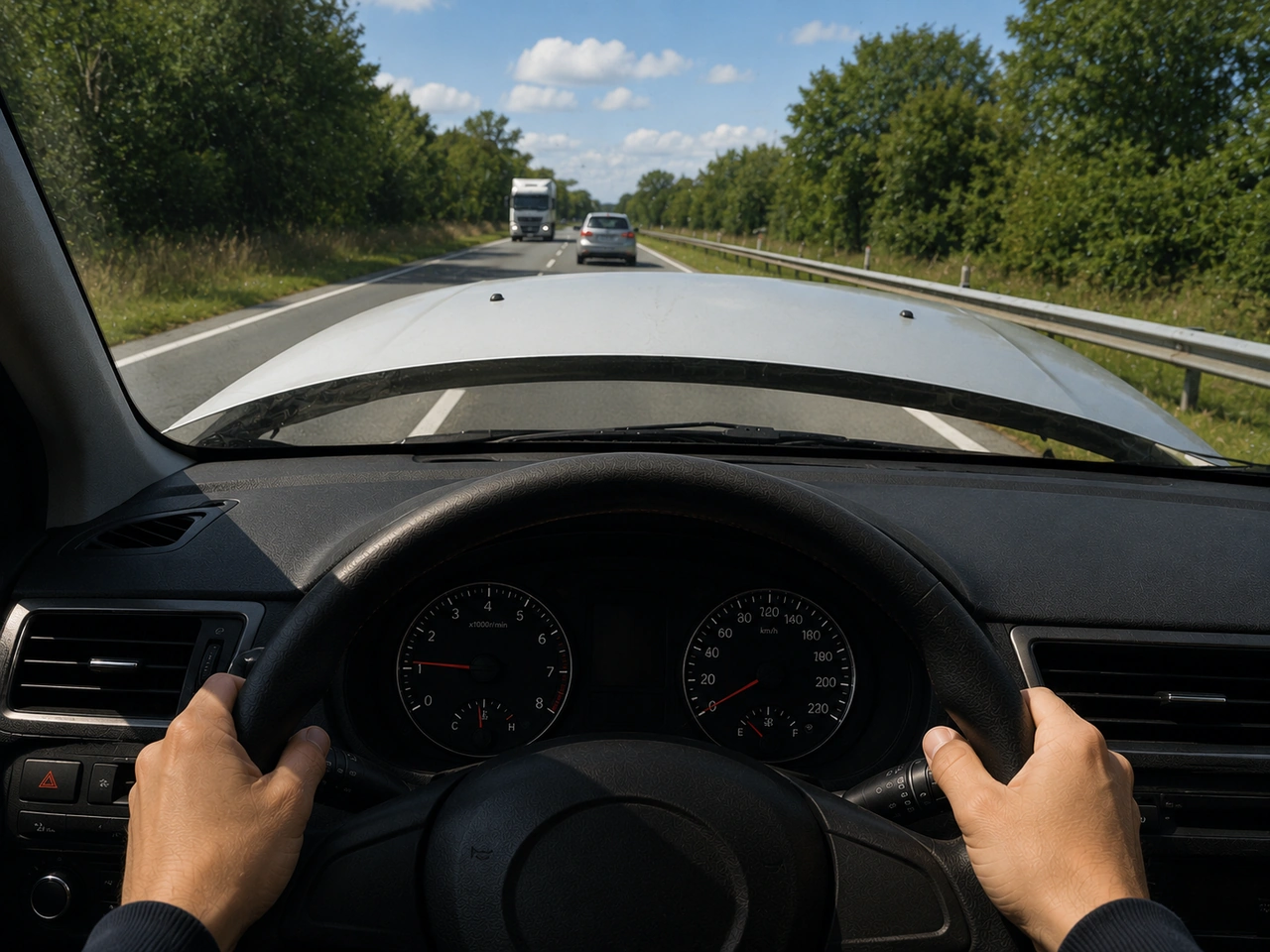
The bonnet may completely obstruct your view. Avoid sudden movements, use the road markings or available gap to maintain direction, and stop safely.

Raised bonnet obstructing the driver's forward view
AI-generated by Traffic-rules.com • WCIT • CC BY-SA
What should you do after stopping because of a breakdown?

182. What should you do after stopping because of a breakdown?

✓ Apply the parking brake, switch off the engine, and use hazard lights.
Leave the engine running and keep the vehicle in neutral.
Stand behind the vehicle to warn approaching traffic.
Switch off the hazard lights once the vehicle has stopped.

Secure the vehicle so that it cannot move and use the hazard warning lights to alert approaching traffic. Where required and safe, place a warning triangle to give additional warning.

Broken-down vehicle with hazard warning lights
AI-generated by Traffic-rules.com • WCIT • CC BY-SA
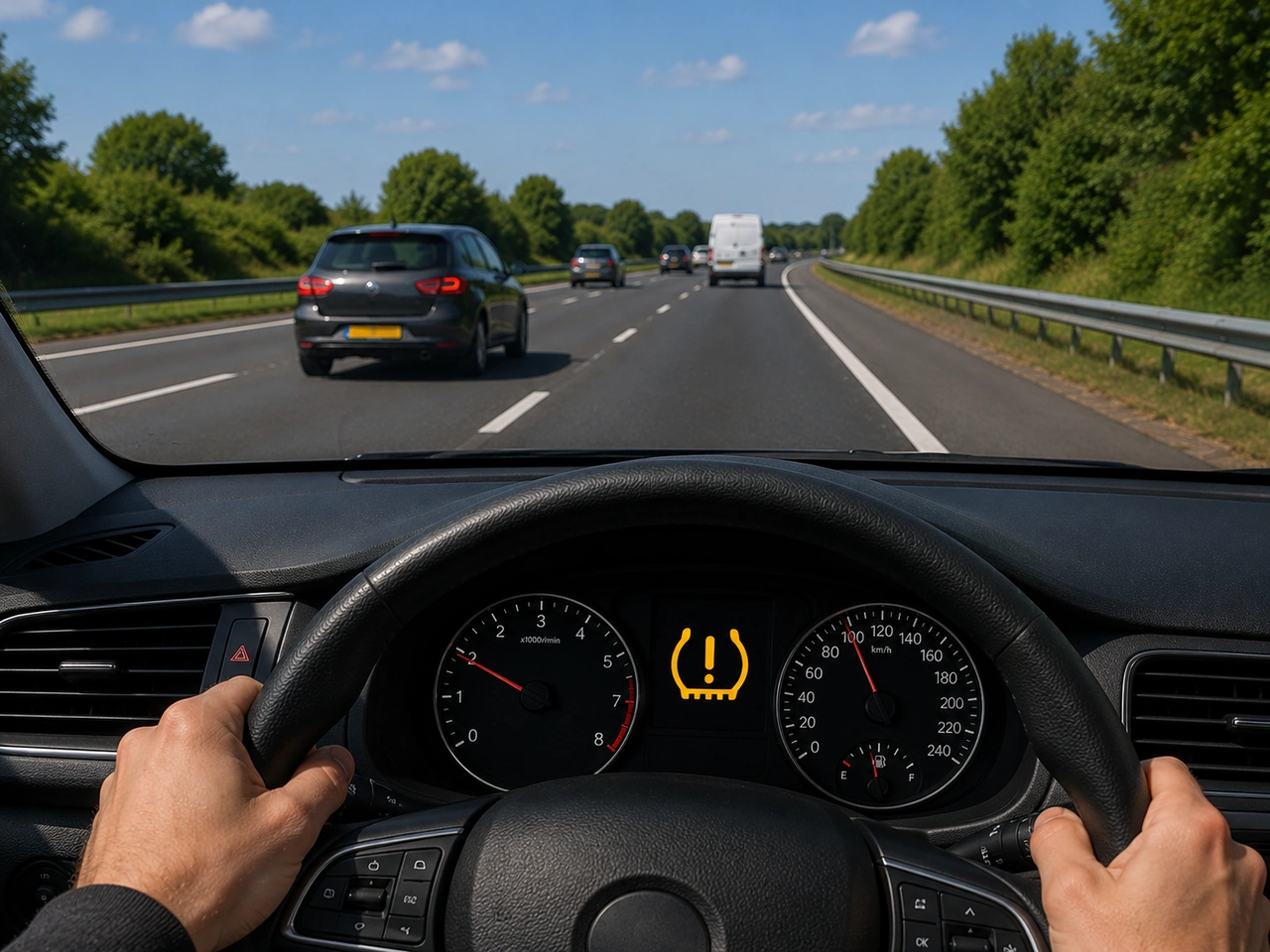
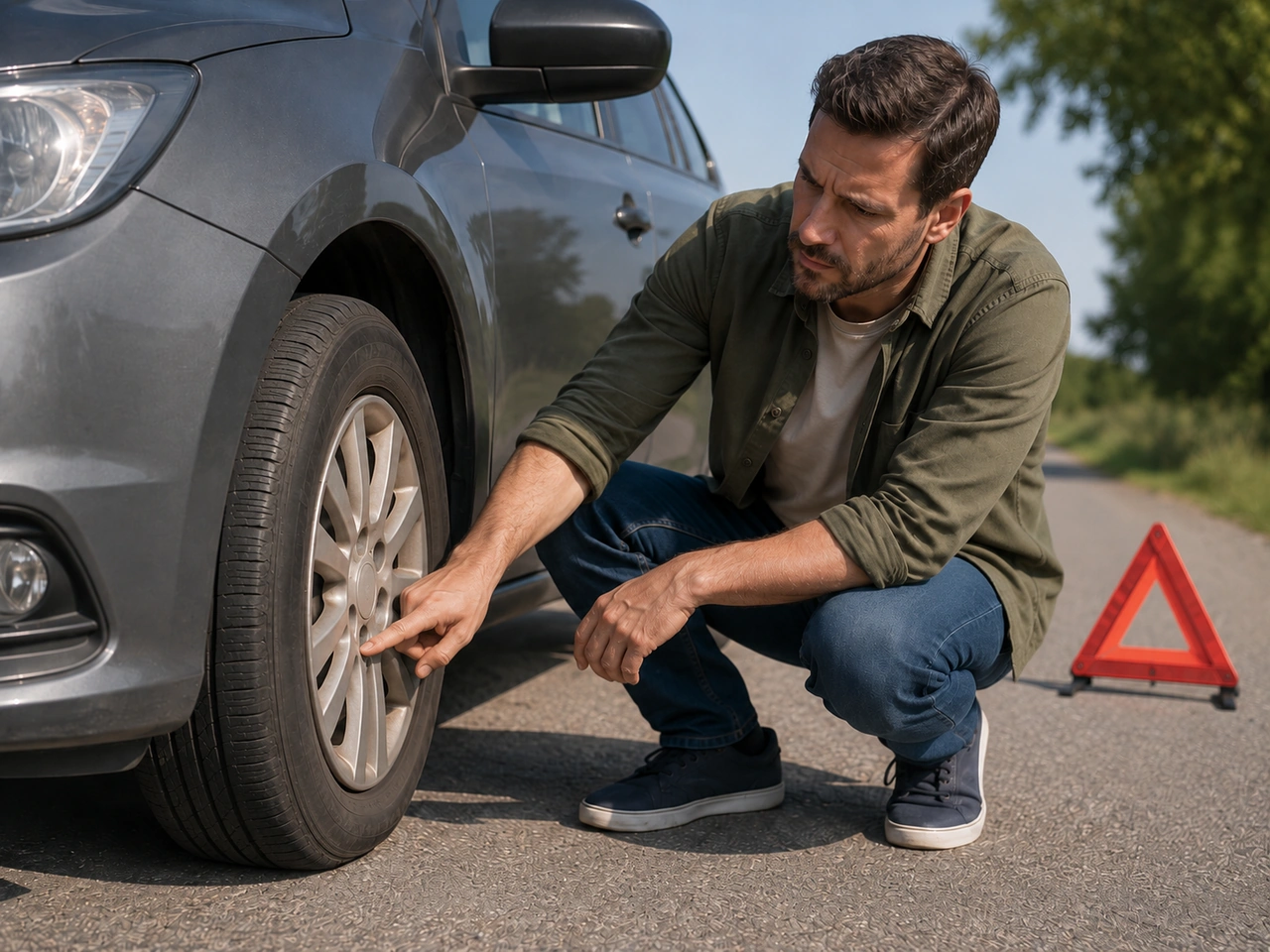
What should you do if a tyre-pressure warning appears and handling changes?

183. What should you do if a tyre-pressure warning appears and handling changes?

Accelerate slightly to warm the tyre.
Brake firmly to test whether the tyre still has grip.
Release air from the other tyres to balance the pressure.
✓ Reduce speed and stop safely to check the tyres.

A pressure loss or damaged tyre can affect steering and braking. If the tyre-pressure warning appears together with a change in handling, it may indicate a serious tyre problem. Stop safely and inspect the tyres before continuing.

Tyre-pressure warning and a tyre inspection
AI-generated by Traffic-rules.com • WCIT • CC BY-SA
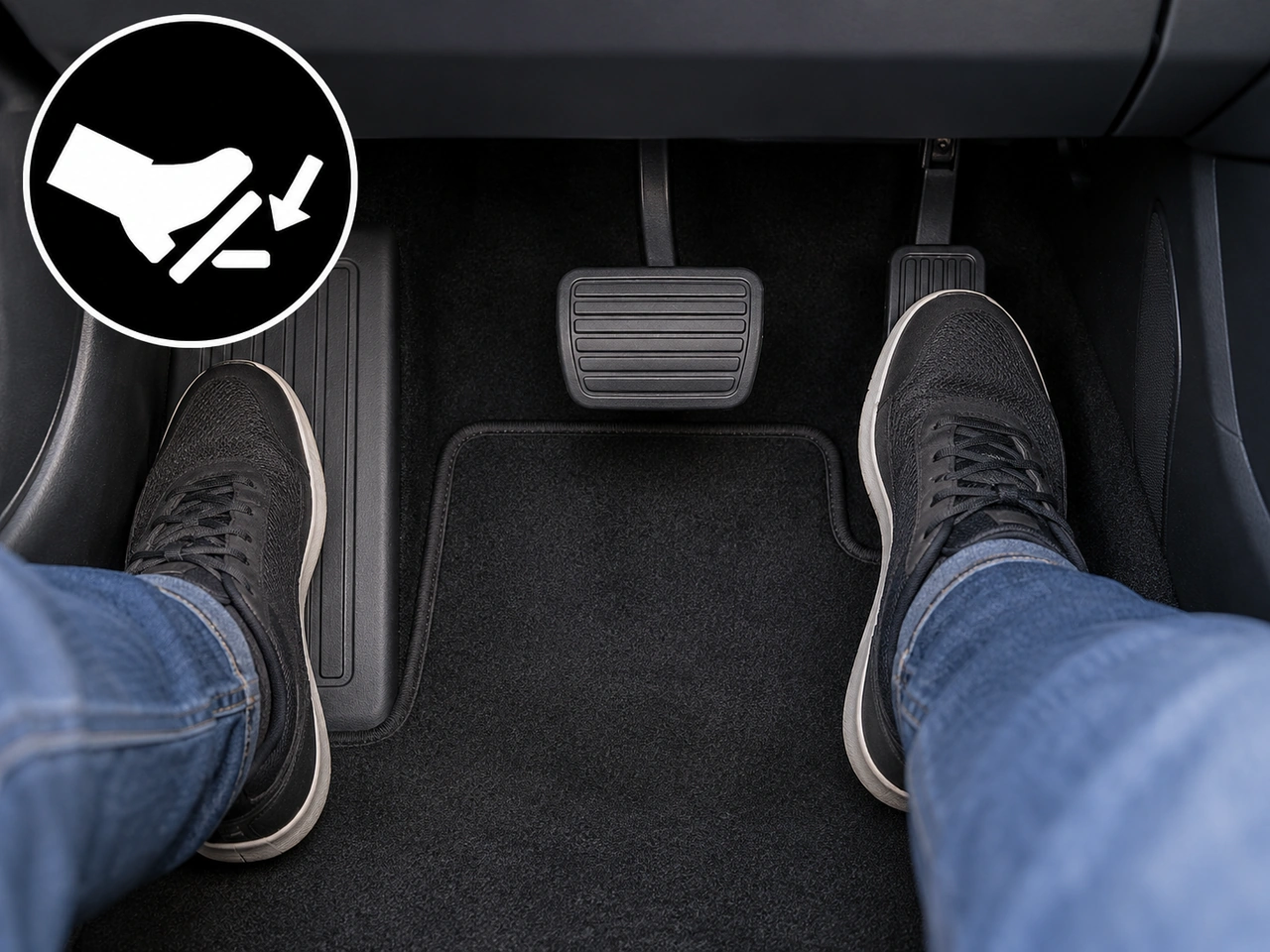
What may happen when you press the accelerator fully in an automatic vehicle?

184. What may happen when you press the accelerator fully in an automatic vehicle?

The engine switches off.
✓ The transmission may shift to a lower gear for stronger acceleration.
The transmission selects Park.
The parking brake applies automatically.

In many automatic vehicles, pressing the accelerator fully can activate kickdown, causing the transmission to select a lower gear and provide stronger acceleration.

Accelerator-pedal operation for automatic kickdown
AI-generated by Traffic-rules.com • WCIT • CC BY-SA
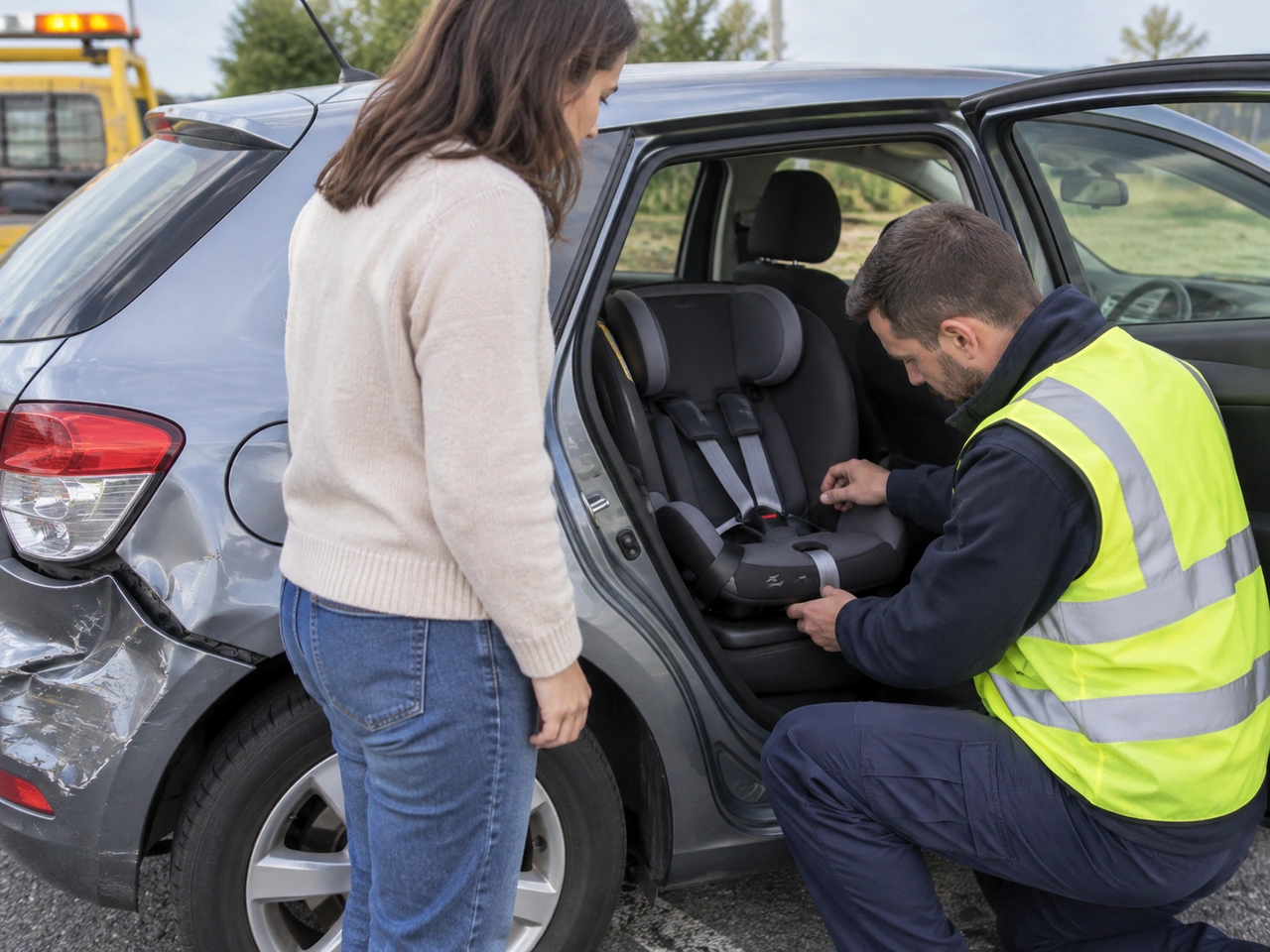
What should you do with a child restraint after a collision?

185. What should you do with a child restraint after a collision?

Replace only the seat cover.
✓ Follow the manufacturer's instructions about inspection or replacement.
Keep using it if no damage is visible.
Use it normally after tightening the straps.

A child restraint may be damaged in a collision even when the damage is not obvious. Follow the manufacturer's instructions, as the restraint may need to be inspected or replaced before it is used again.

Child car seat requiring inspection after a collision
AI-generated by Traffic-rules.com • WCIT • CC BY-SA
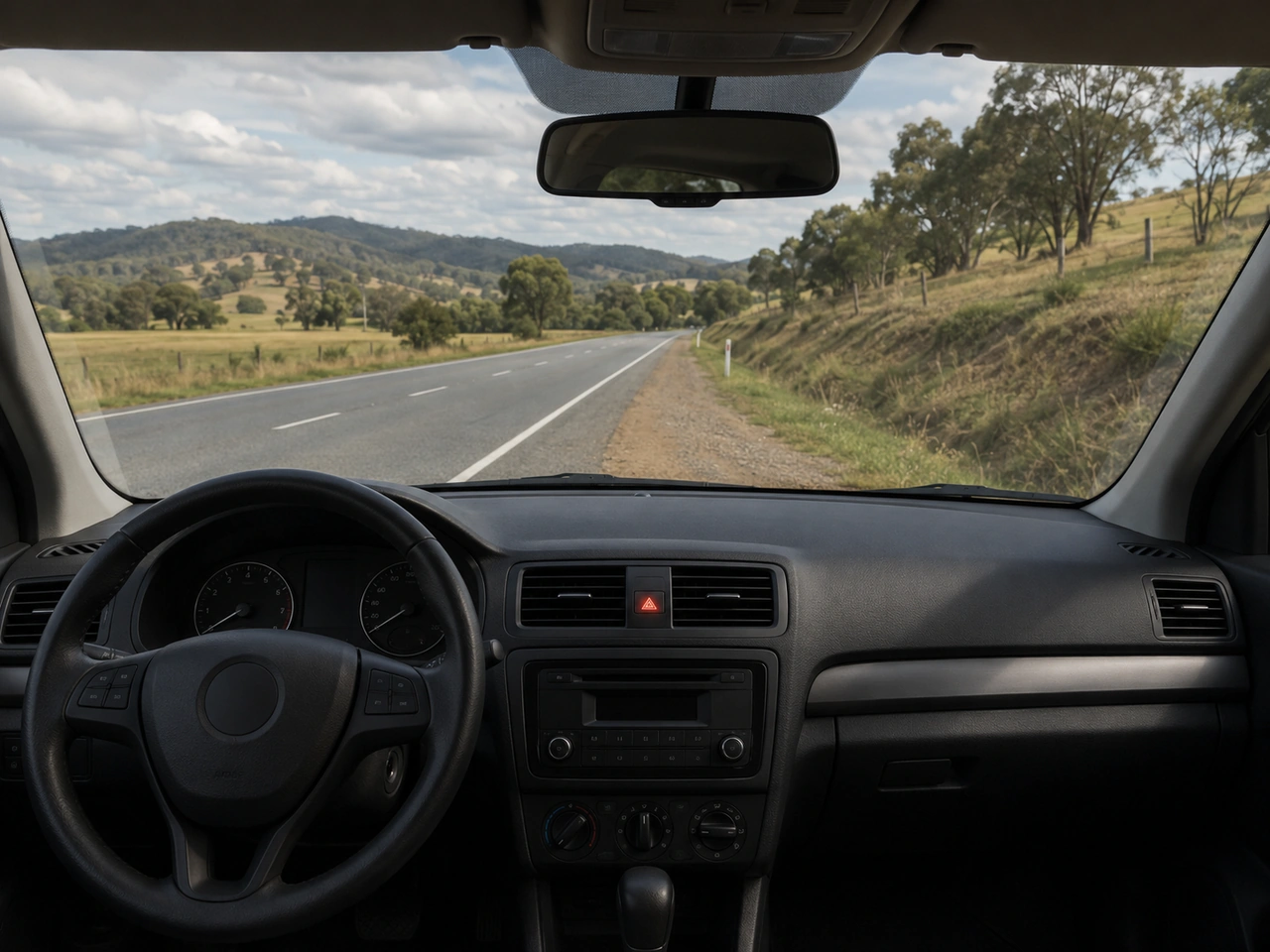
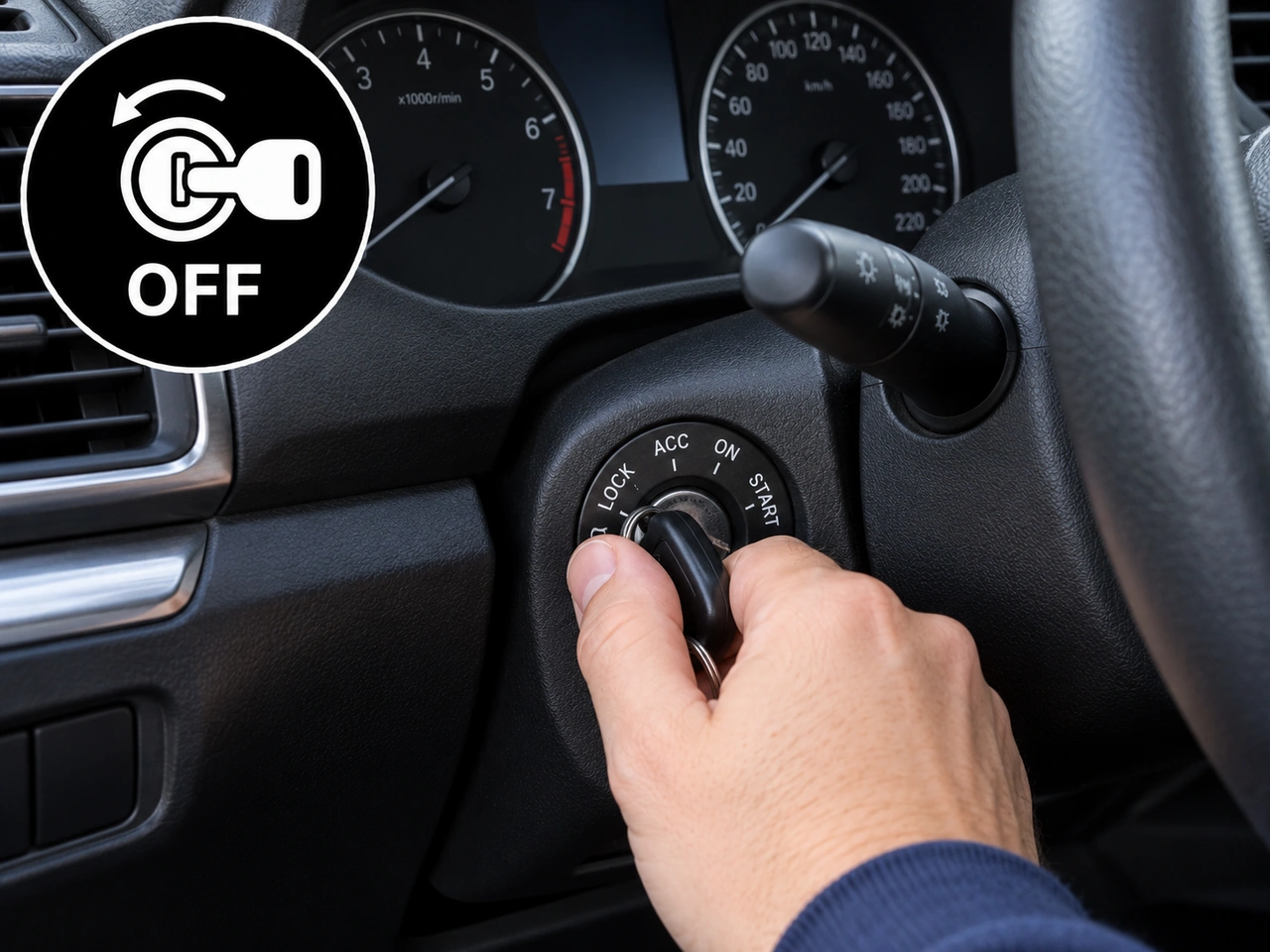
What does turning a traditional ignition switch to OFF normally do?

186. What does turning a traditional ignition switch to OFF normally do?

Releases the parking brake.
Operates the starter motor.
✓ Switches off the engine and ignition systems.
Selects accessory power.

Turning a traditional ignition switch to OFF switches off the engine and ignition systems. The key can then normally be moved to the LOCK position and removed.

OFF position on a traditional ignition switch
AI-generated by Traffic-rules.com • WCIT • CC BY-SA
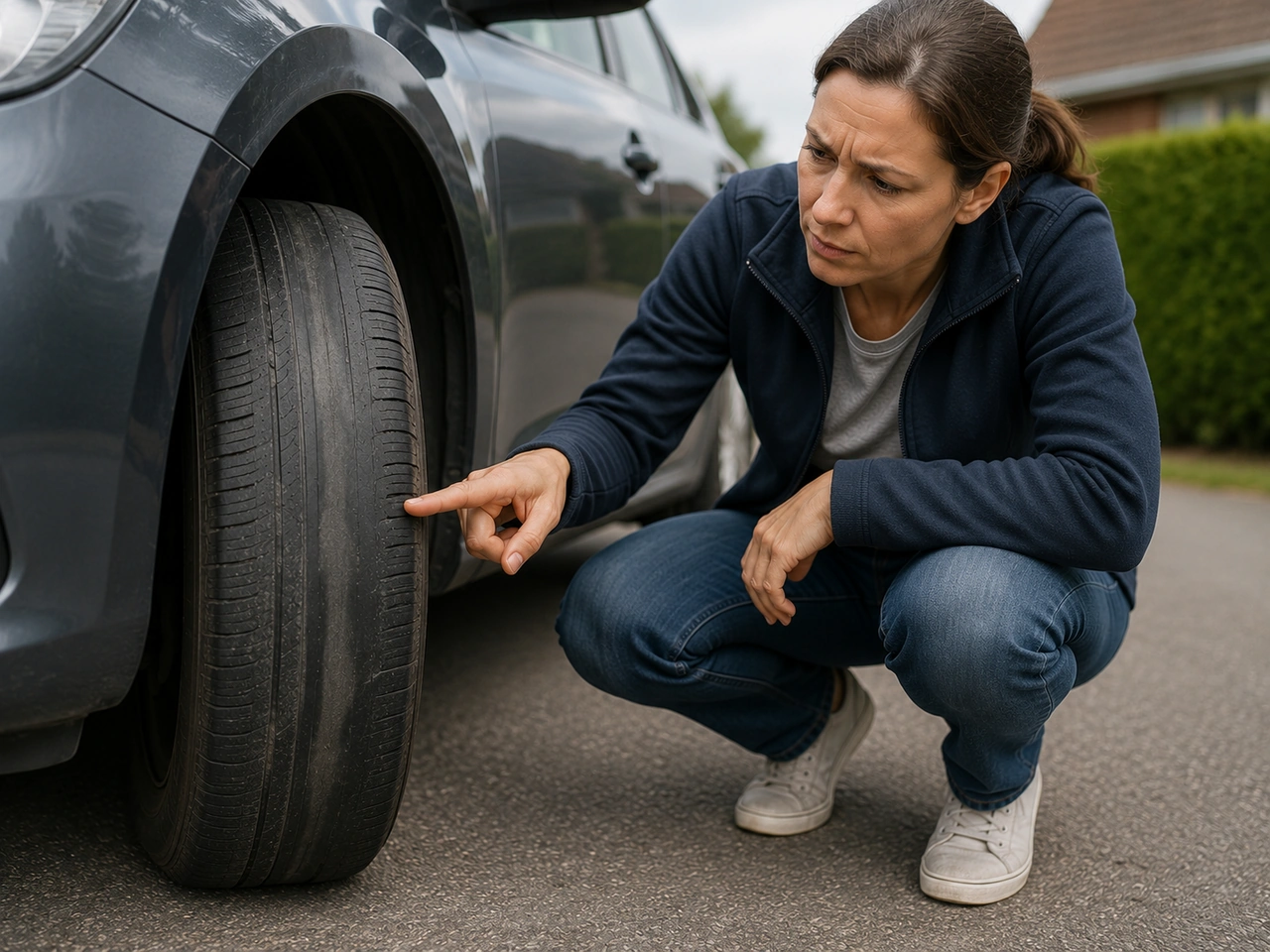
What can uneven tyre wear indicate?

187. What can uneven tyre wear indicate?

The wheels are correctly aligned.
The tyres have reached normal operating temperature.
The vehicle has been driven mainly at low speeds.
✓ Incorrect pressure, poor alignment, or a suspension or braking problem.

Uneven wear may result from incorrect tyre pressure, wheel misalignment, worn suspension parts, or a brake that is not releasing properly.

Uneven wear across a vehicle tyre
AI-generated by Traffic-rules.com • WCIT • CC BY-SA
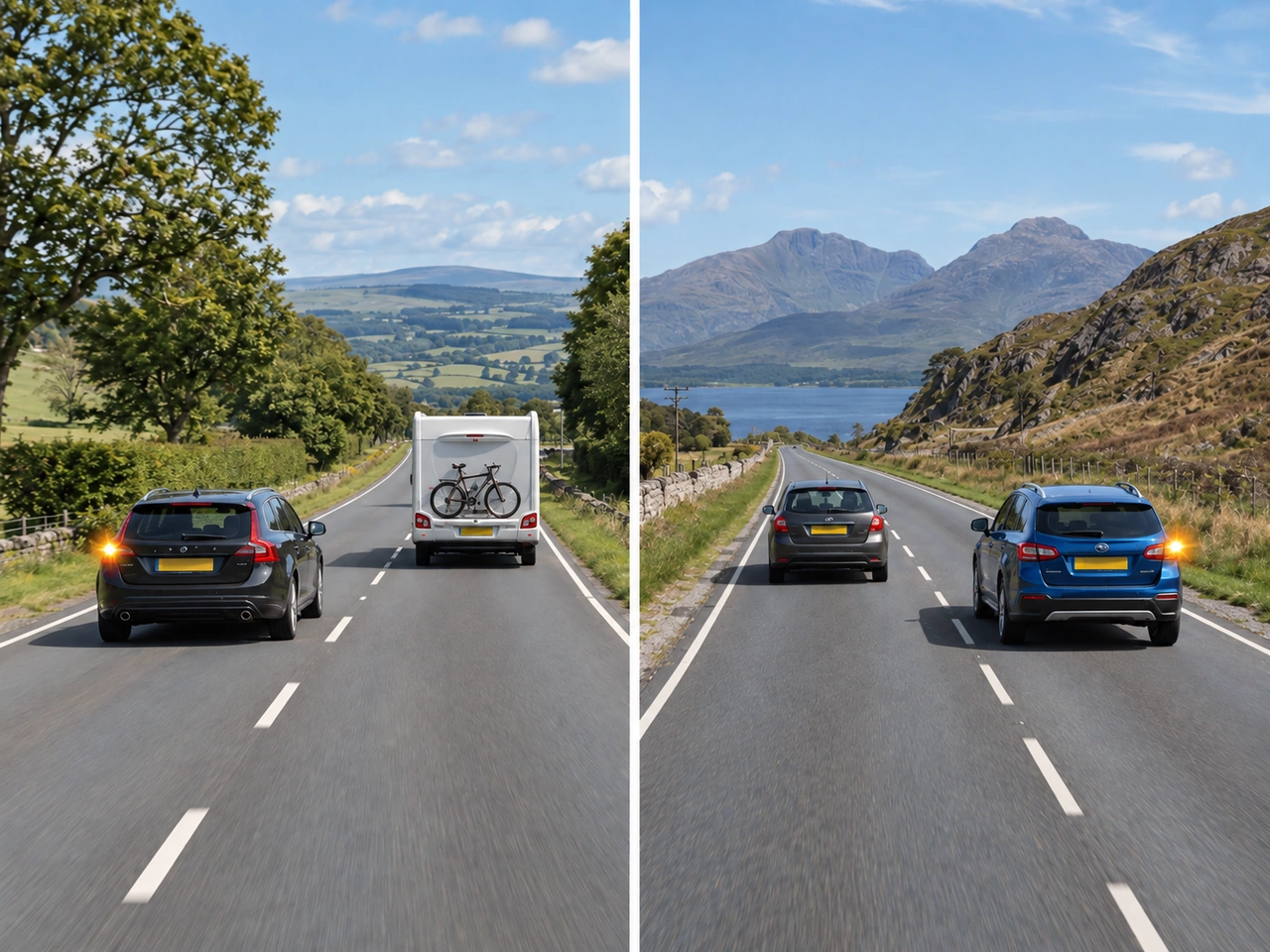
Which side is normally used for overtaking in Panama?

188. Which side is normally used for overtaking in Panama?

✓ Left-hand side.
Right-hand side.

Drivers normally overtake on the left-hand side in Panama.

Vehicle overtaking on the left
AI-generated by Traffic-rules.com • WCIT • CC BY-SA
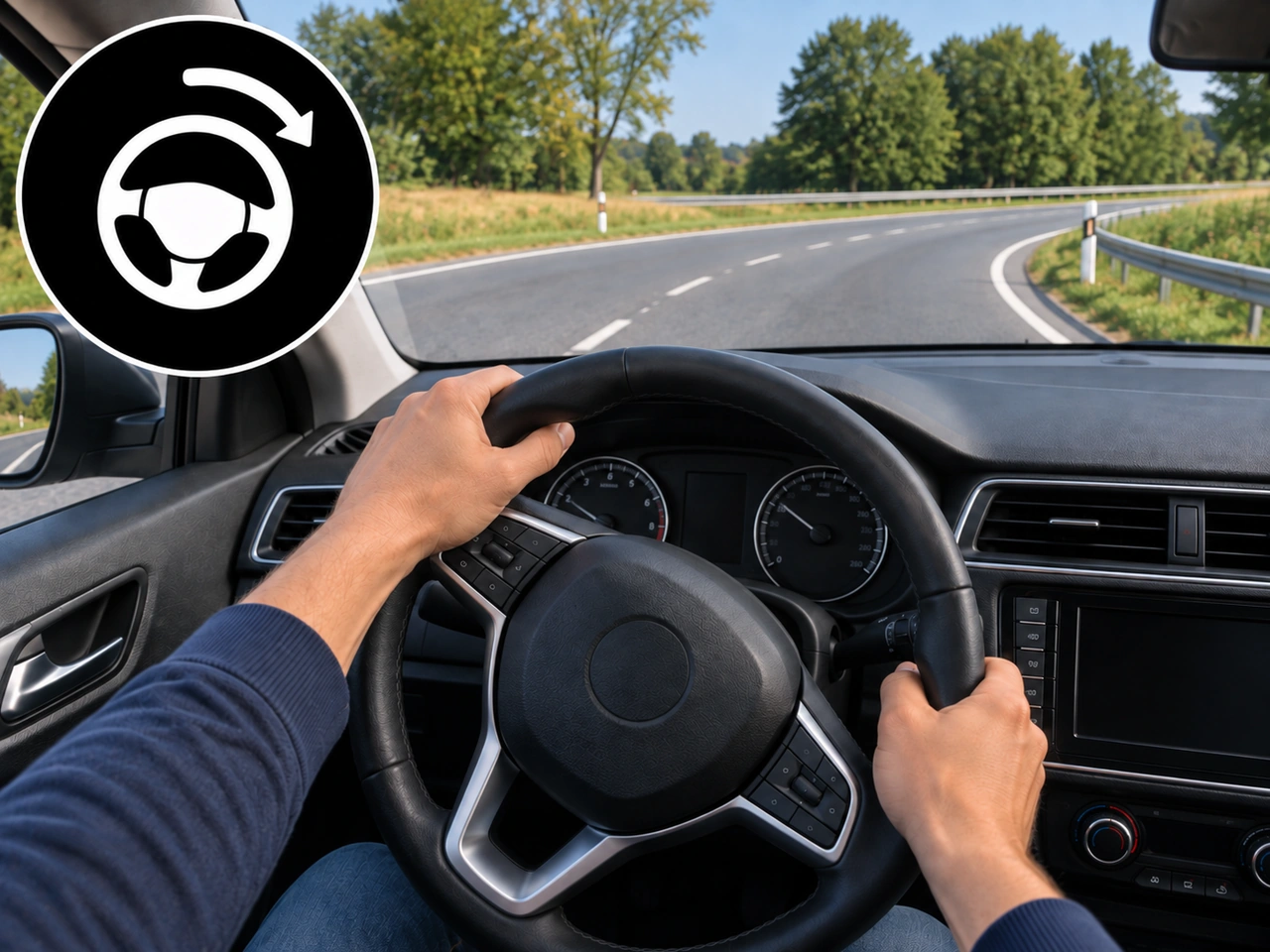
What should you do with the steering wheel after completing a turn?

189. What should you do with the steering wheel after completing a turn?

Release it completely and let it spin freely.
Hold it in the turned position.
✓ Guide it smoothly back towards the straight-ahead position.
Turn it quickly in the opposite direction.

After completing a turn, guide the steering wheel smoothly back towards the straight-ahead position while maintaining control. Do not allow the wheel to spin freely through your hands.

Guiding the steering wheel back after a turn
AI-generated by Traffic-rules.com • WCIT • CC BY-SA
Why should you check for motorcyclists before changing lanes?

190. Why should you check for motorcyclists before changing lanes?

✓ Motorcycles can be harder to see and may be in your blind spot.
Motorcycles need more road space than cars.
Motorcycles always travel faster than other traffic.
Motorcyclists are required to stay beside the kerb.

Motorcyclists are smaller and can be hidden in blind spots. Check mirrors, signal, and look carefully before changing lanes.

Motorcycle near a vehicle preparing to change lanes
AI-generated by Traffic-rules.com • WCIT • CC BY-SA
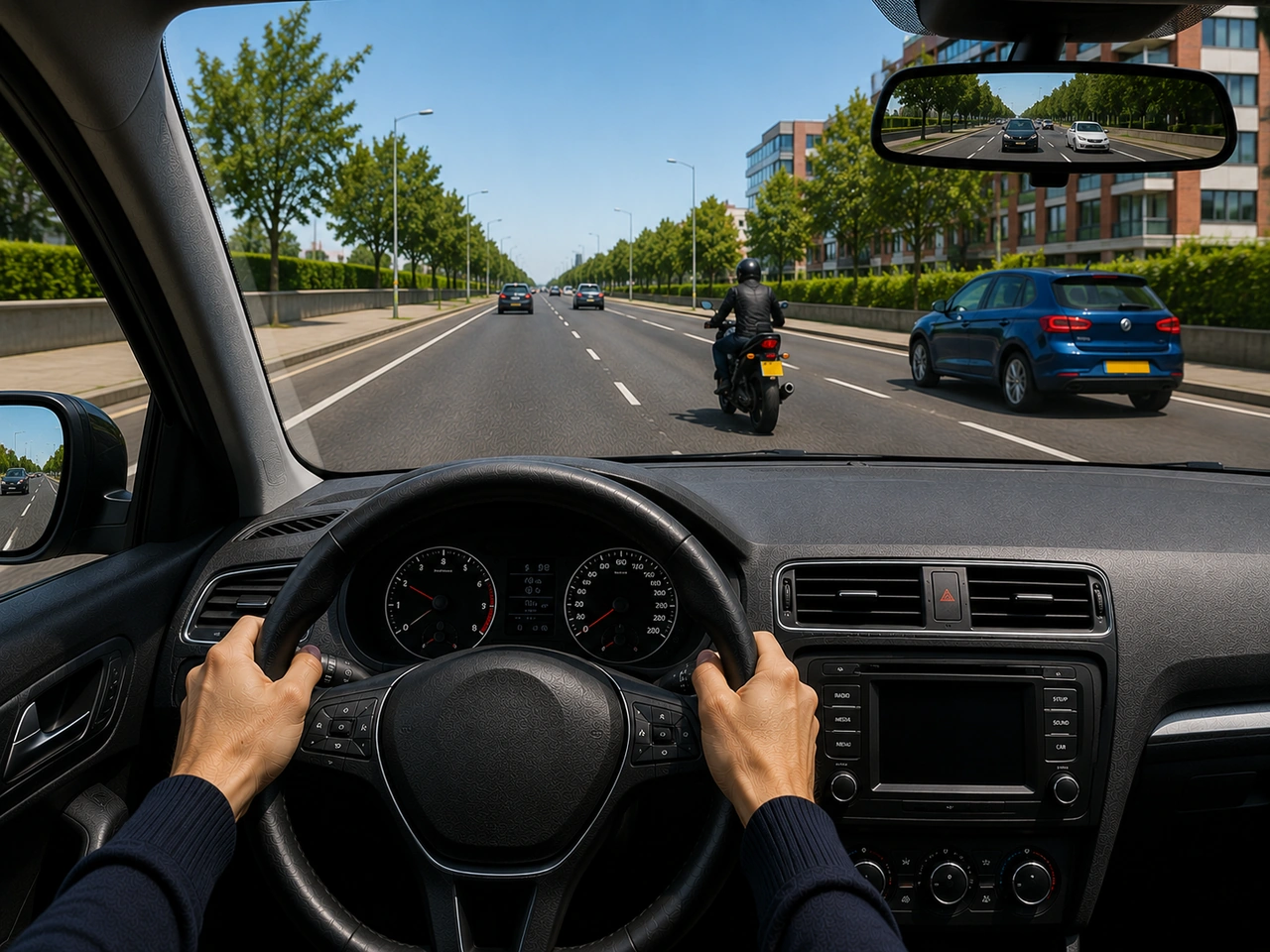
Why should you check your mirrors regularly while driving?

191. Why should you check your mirrors regularly while driving?

To see whether road signs behind you have changed.
To check whether passengers are comfortable.
✓ To stay aware of traffic around you.
To judge your speed from vehicles behind.

Regular mirror checks help you understand what is happening behind and beside your vehicle.

Driver checking traffic in a rear-view mirror
AI-generated by Traffic-rules.com • WCIT • CC BY-SA
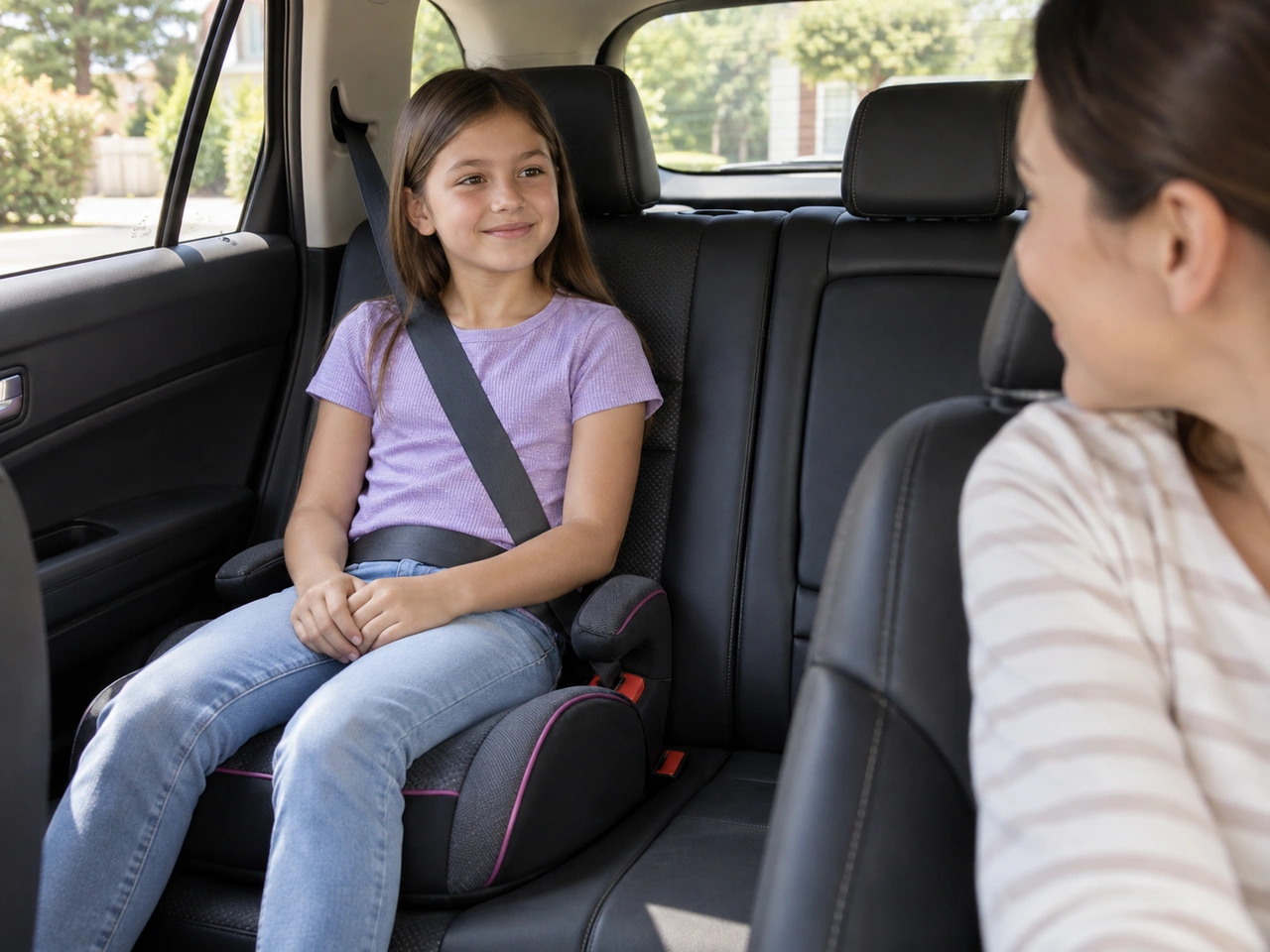
What is the main purpose of a booster seat?

192. What is the main purpose of a booster seat?

To replace the vehicle's seat belt completely.
To make the child high enough to see through the windscreen.
To move the child closer to the front seats.
✓ To position the vehicle seat belt correctly on the child.

A booster seat raises and positions a child so the vehicle seat belt fits correctly. The lap belt should sit low across the hips and the shoulder belt should pass across the chest and shoulder, rather than the neck or abdomen.

Child seated in a booster with a vehicle seat belt
AI-generated by Traffic-rules.com • WCIT • CC BY-SA
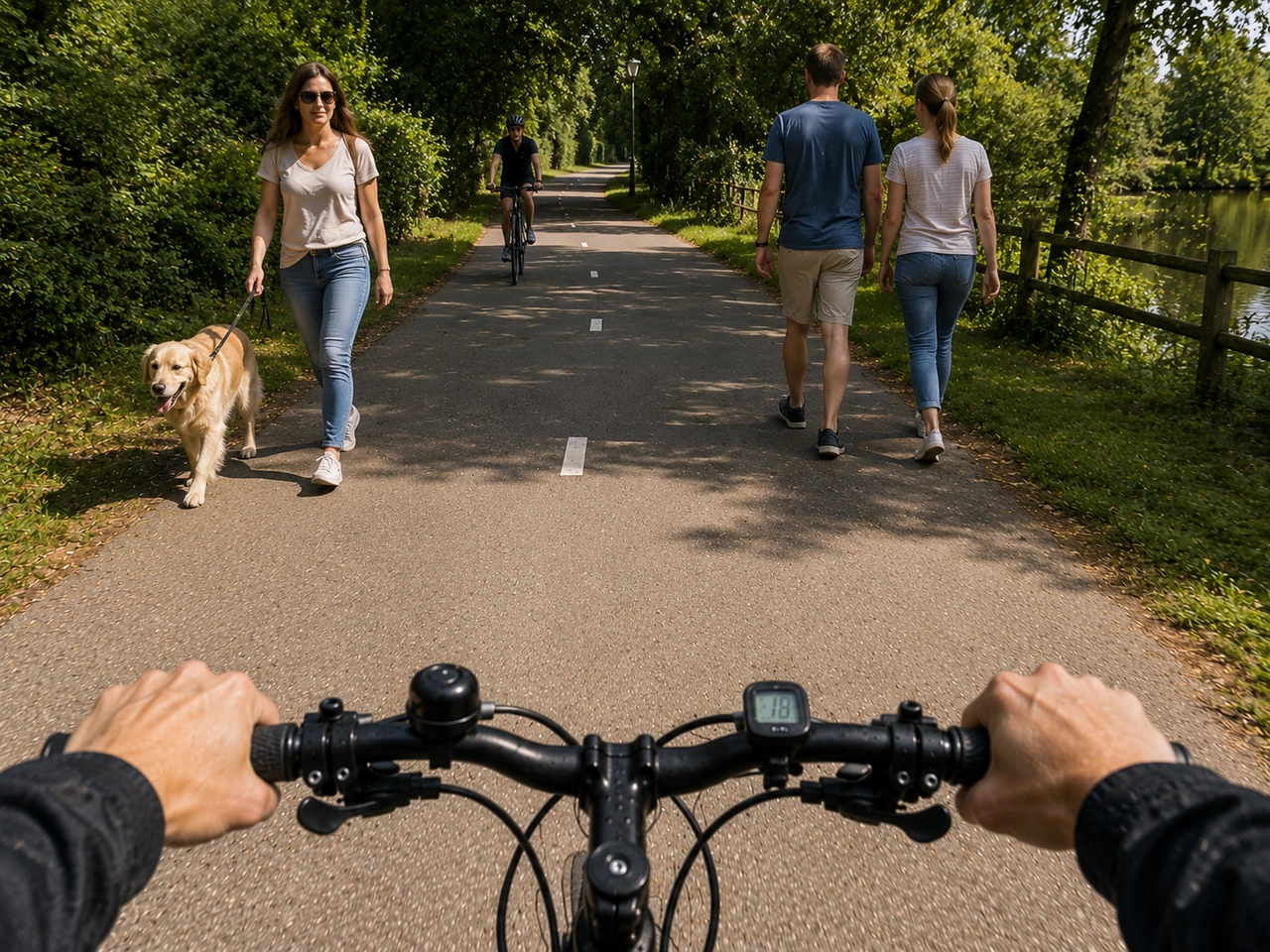
What should cyclists do when passing pedestrians on a shared path?

193. What should cyclists do when passing pedestrians on a shared path?

Pass closely if there is not enough room.
✓ Slow down, give warning, and leave enough space.
Pass quickly before they change direction.
Use your bell and keep the same speed.

Pedestrians may change direction unexpectedly. A warning and safe passing distance reduce the risk of a collision.

Cyclist passing pedestrians on a shared path
AI-generated by Traffic-rules.com • WCIT • CC BY-SA
What should you expect if the engine suddenly stalls while the vehicle is moving?

194. What should you expect if the engine suddenly stalls while the vehicle is moving?

The vehicle will stop immediately when the engine stops.
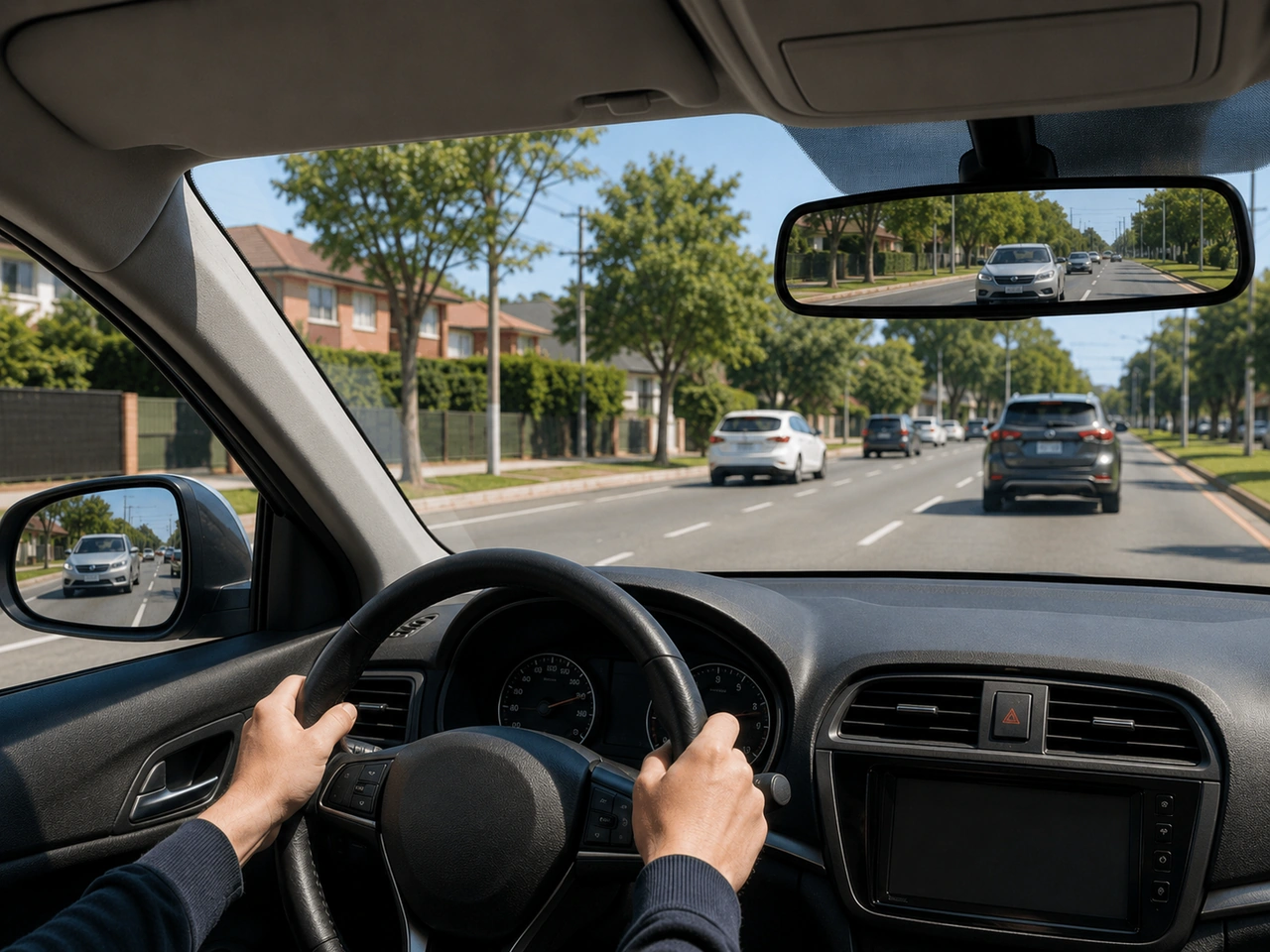
✓ Steering and braking may require more effort, so move to a safe place.
The steering will become lighter as the vehicle slows.
The steering and brakes will stop working completely.

Power assistance may be reduced when the engine stops. Keep control, use the hazard lights if needed, and steer toward a safe stopping area.

Driver responding to an engine stall while moving
AI-generated by Traffic-rules.com • WCIT • CC BY-SA
What should you check before starting a motorcycle journey?

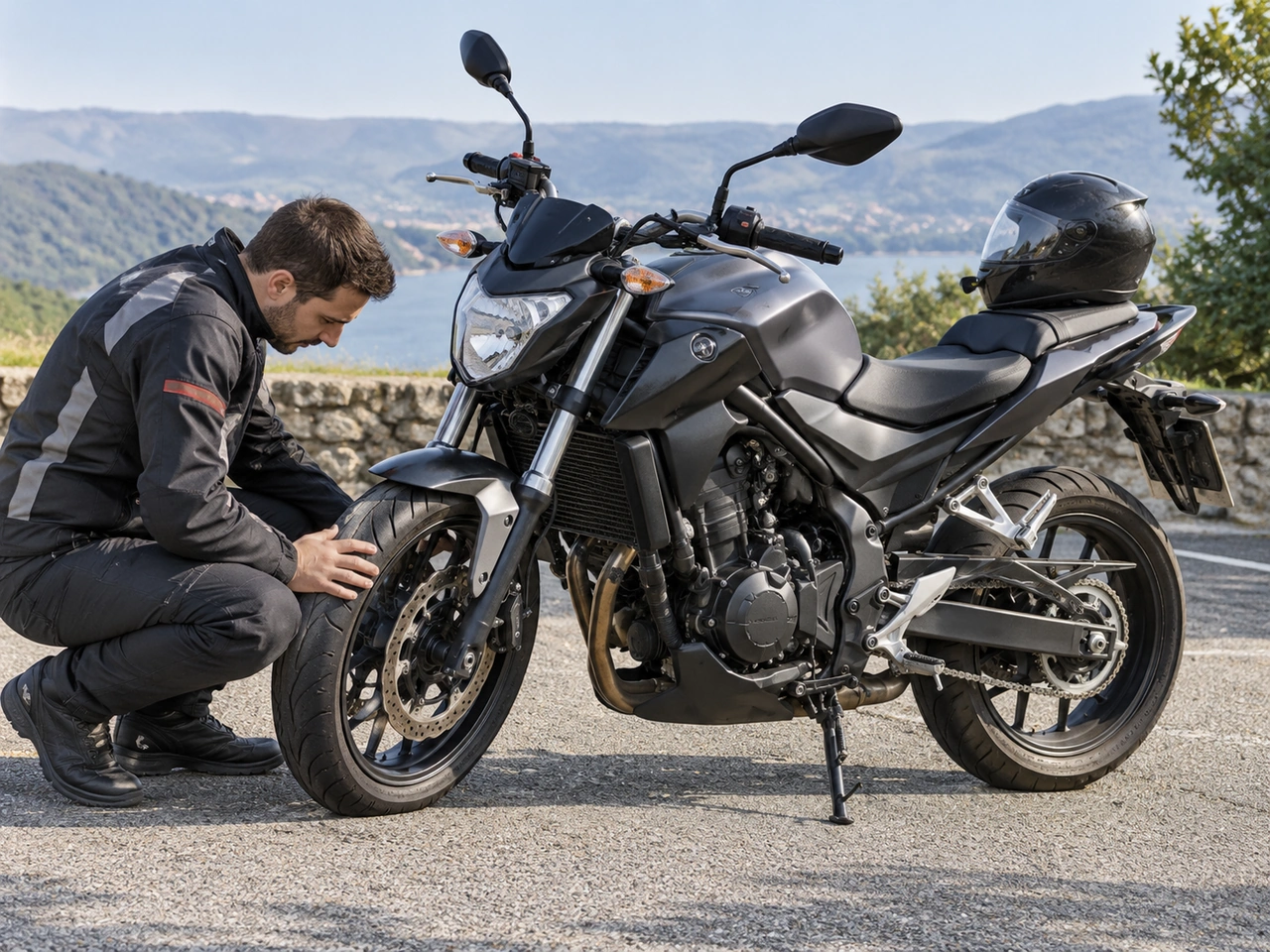
195. What should you check before starting a motorcycle journey?

Only the brakes and lights.
✓ Tyres, brakes, lights, steering, and controls.
Only the fuel level and mirrors.
Nothing if the motorcycle was recently serviced.

Before riding, carry out a basic safety check. Check the tyres, brakes, lights, steering and controls, and inspect the drive chain, belt or other drive components where applicable. Finding a problem before setting off can prevent a breakdown or loss of control.

Checking a motorcycle before a journey
AI-generated by Traffic-rules.com • WCIT • CC BY-SA
Why should you never leave a child or pet alone in a parked vehicle on a warm day?

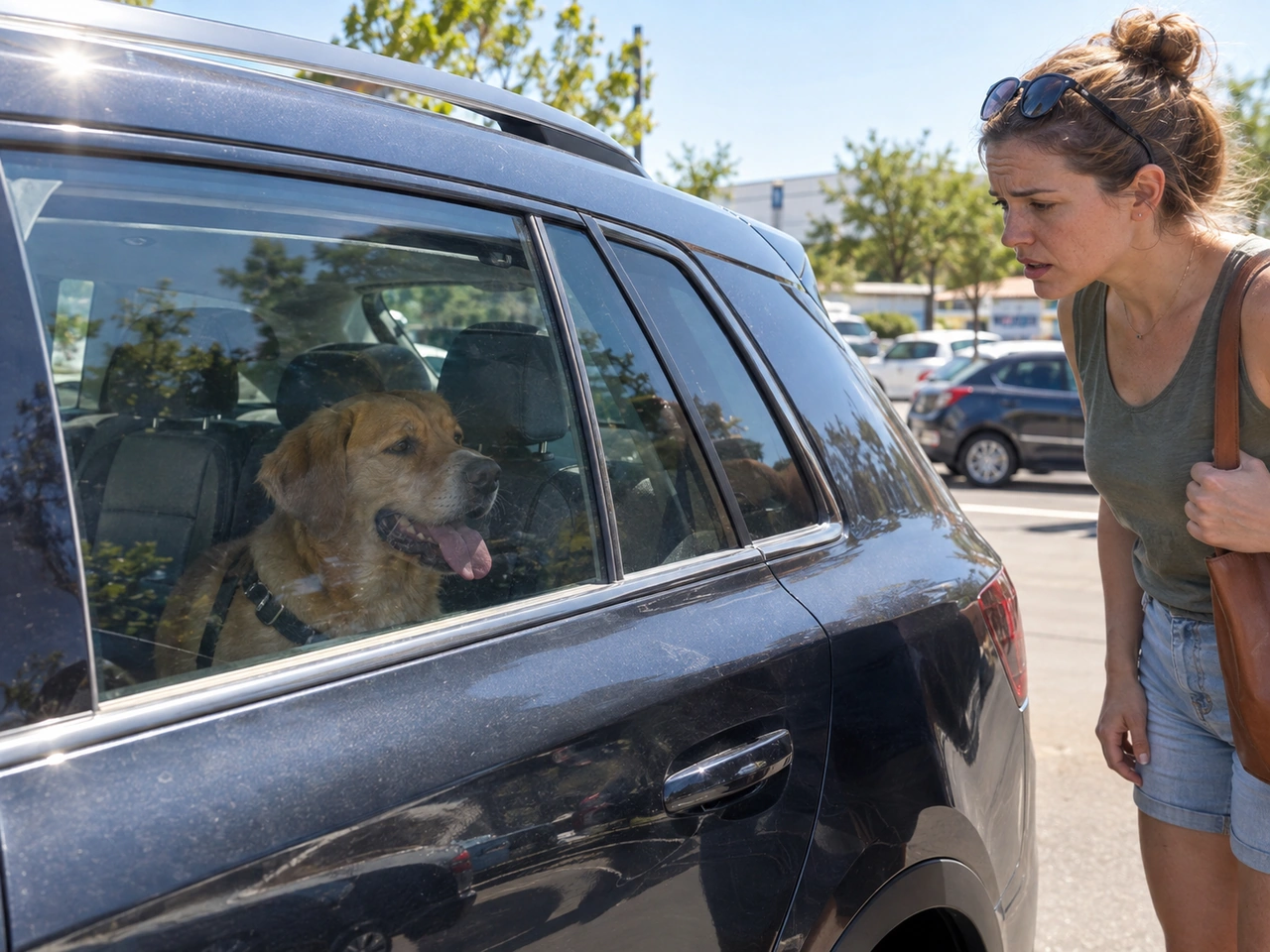
196. Why should you never leave a child or pet alone in a parked vehicle on a warm day?

The tyres may lose pressure while the vehicle is parked.
The alarm system may activate unexpectedly.
The windows may become difficult to open.
✓ The interior can heat up quickly and cause serious heat illness.

The inside of a parked vehicle can heat up rapidly, even when the outside temperature does not feel extreme. Children and animals are particularly vulnerable to overheating and heatstroke. Leaving a window partly open does not make the vehicle safe.

Parked vehicle and the danger of interior heat
AI-generated by Traffic-rules.com • WCIT • CC BY-SA
Why should you leave extra space when following a large vehicle?

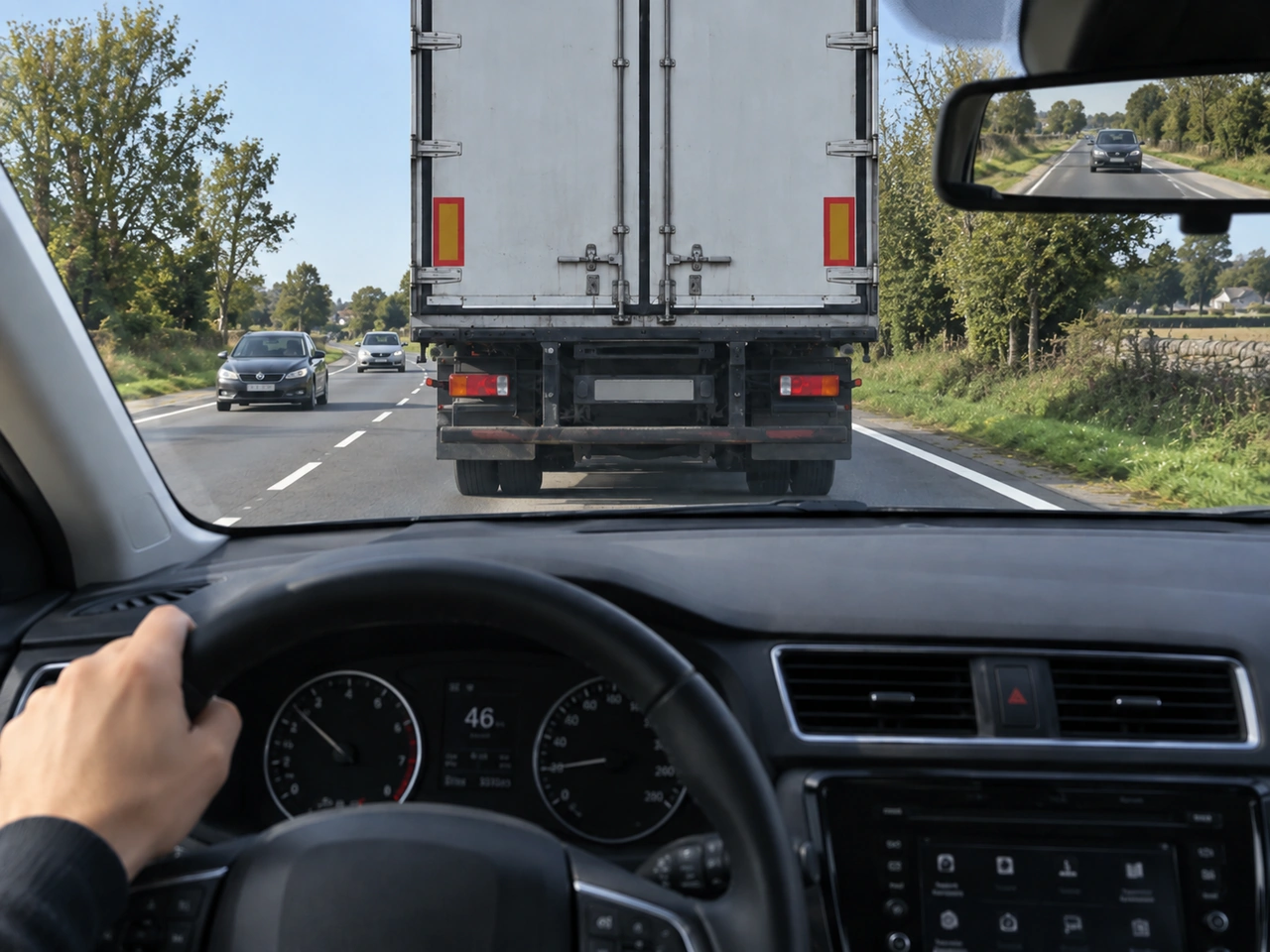
197. Why should you leave extra space when following a large vehicle?

To prevent the large vehicle from changing lanes.
To reduce the amount of fuel your vehicle uses.
✓ To improve your view ahead and give yourself more time to react.
To make it easier for the large vehicle to accelerate.

A large vehicle can block your view of traffic, signs, junctions, or hazards ahead. Leaving extra space improves your view and gives you more time to react if traffic slows or a hazard develops.

Large vehicle limiting a following driver's view
AI-generated by Traffic-rules.com • WCIT • CC BY-SA
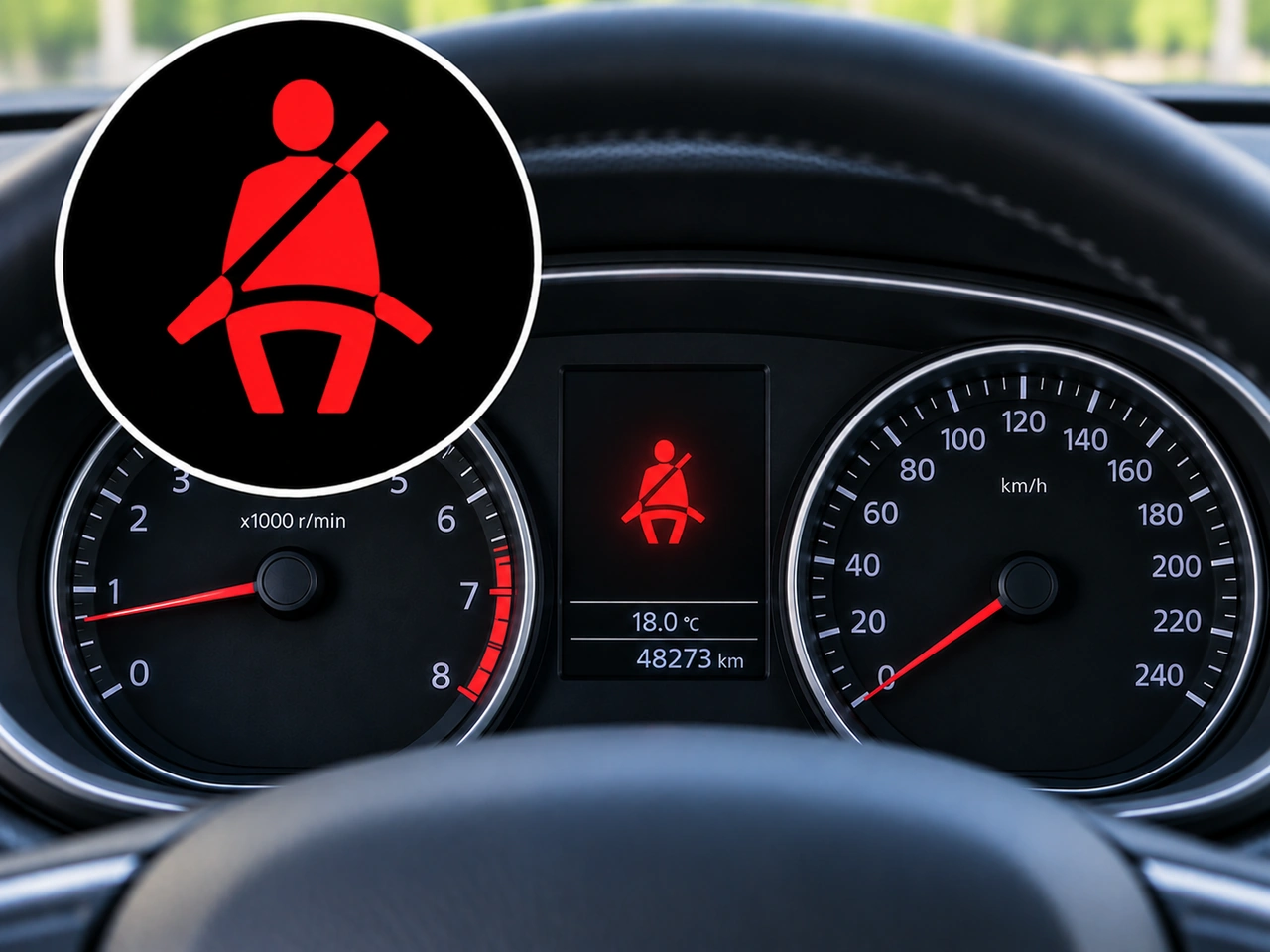
What does this dashboard symbol indicate?

198. What does this dashboard symbol indicate?

Airbag-system warning.
Brake-system warning.
✓ Seat belt not fastened.
Parking brake applied.

This symbol is a seat-belt reminder. It indicates that the driver or another detected occupant has not fastened their seat belt.

Seat-belt reminder symbol on the dashboard
AI-generated by Traffic-rules.com • WCIT • CC BY-SA
What should you do if a tyre has a deep cut, bulge, or exposed cords?

199. What should you do if a tyre has a deep cut, bulge, or exposed cords?

Increase the tyre pressure and continue driving.
Move the damaged tyre to another wheel position.
✓ Stop using the tyre and arrange professional inspection or replacement.
Cover the damaged area and keep using the tyre.

Cuts, bulges, and exposed cords can indicate serious structural damage. The tyre may fail suddenly and should not be used normally.

Damaged vehicle tyre requiring inspection
AI-generated by Traffic-rules.com • WCIT • CC BY-SA
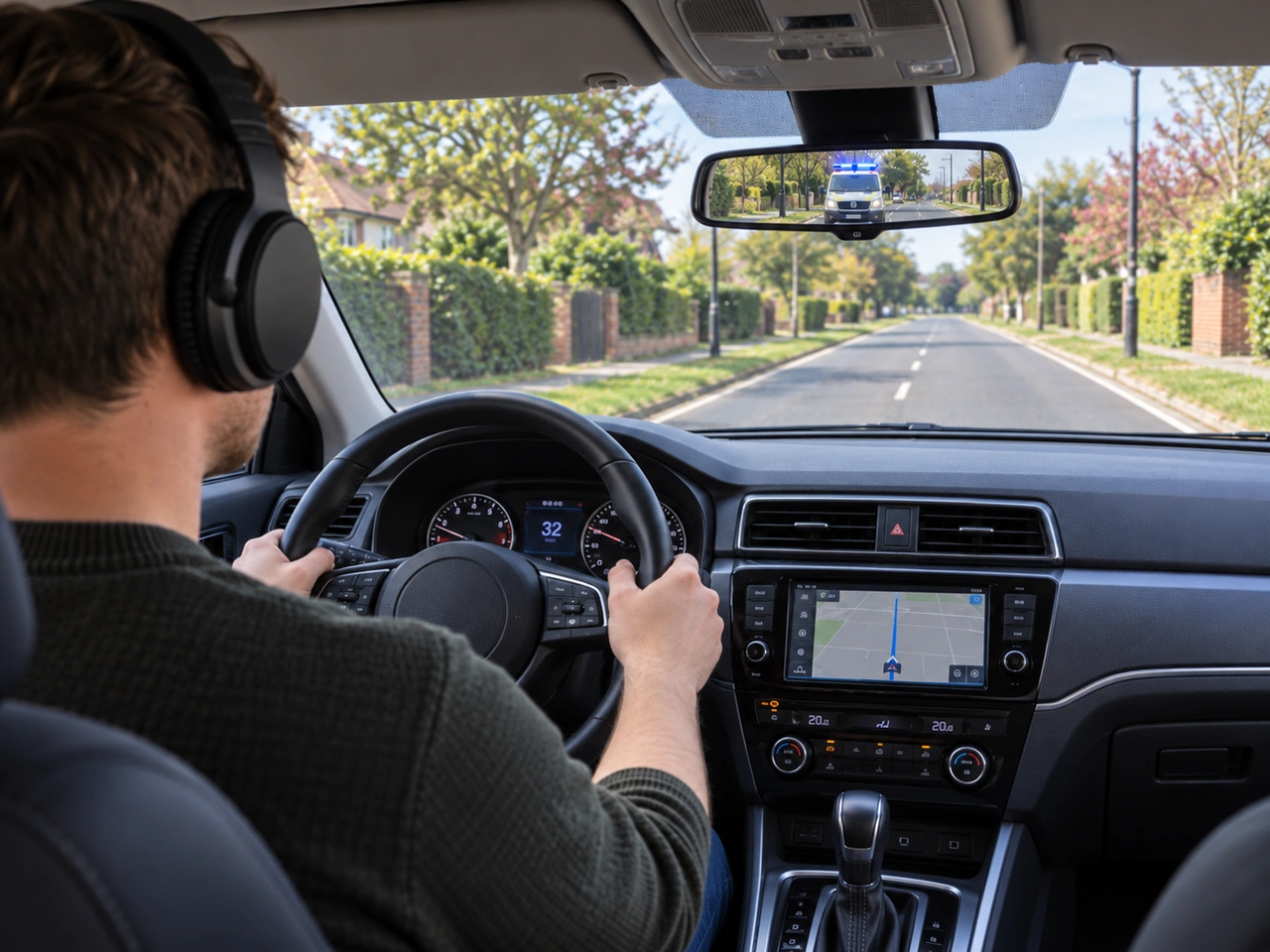
Why can headphones or very loud music be dangerous while driving?

200. Why can headphones or very loud music be dangerous while driving?

They can prevent the horn from working properly.
They can make the mirrors more difficult to adjust.
✓ They can make important warning sounds harder to hear.
They can make road signs harder to read.

Headphones or very loud music can reduce your awareness of horns, sirens, warning sounds, and surrounding traffic. Keep the volume at a level that allows you to remain aware of what is happening around the vehicle.

Driver wearing headphones at the wheel
AI-generated by Traffic-rules.com • WCIT • CC BY-SA