


QuizTraffic rulesPhilippines
Test your knowledge with our multiple-choice quiz. Learn from each answer and improve your understanding of the traffic rules and road signs of Philippines.
 Traffic signs
 Traffic rules
 Philippines
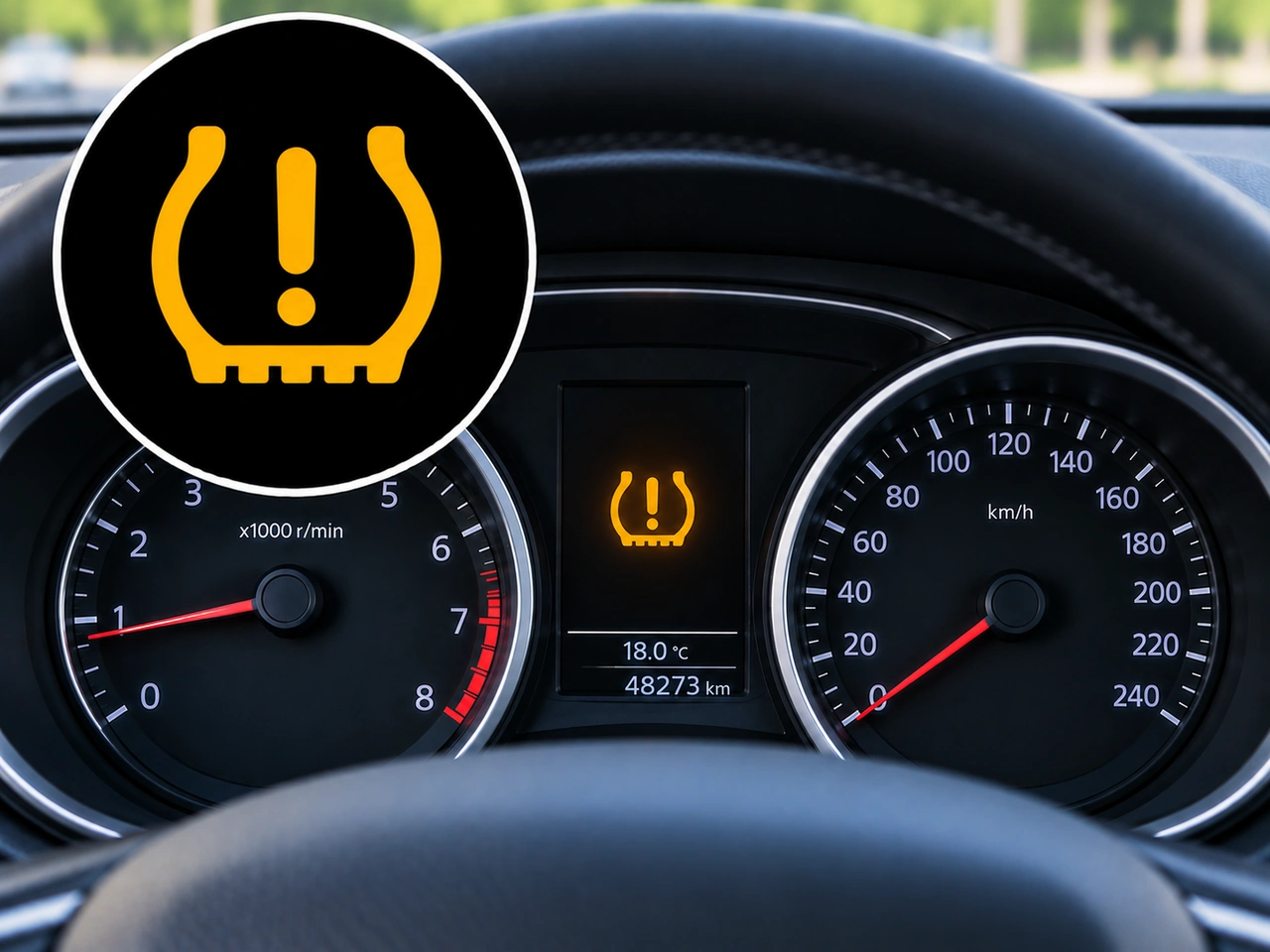
551. What does this dashboard symbol indicate?
This symbol indicates that one or more tyres may have low pressure. Check the tyre pressures and inspect the tyres for damage or a puncture.
AI-generated by Traffic-rules.com • WCIT • CC BY-SA

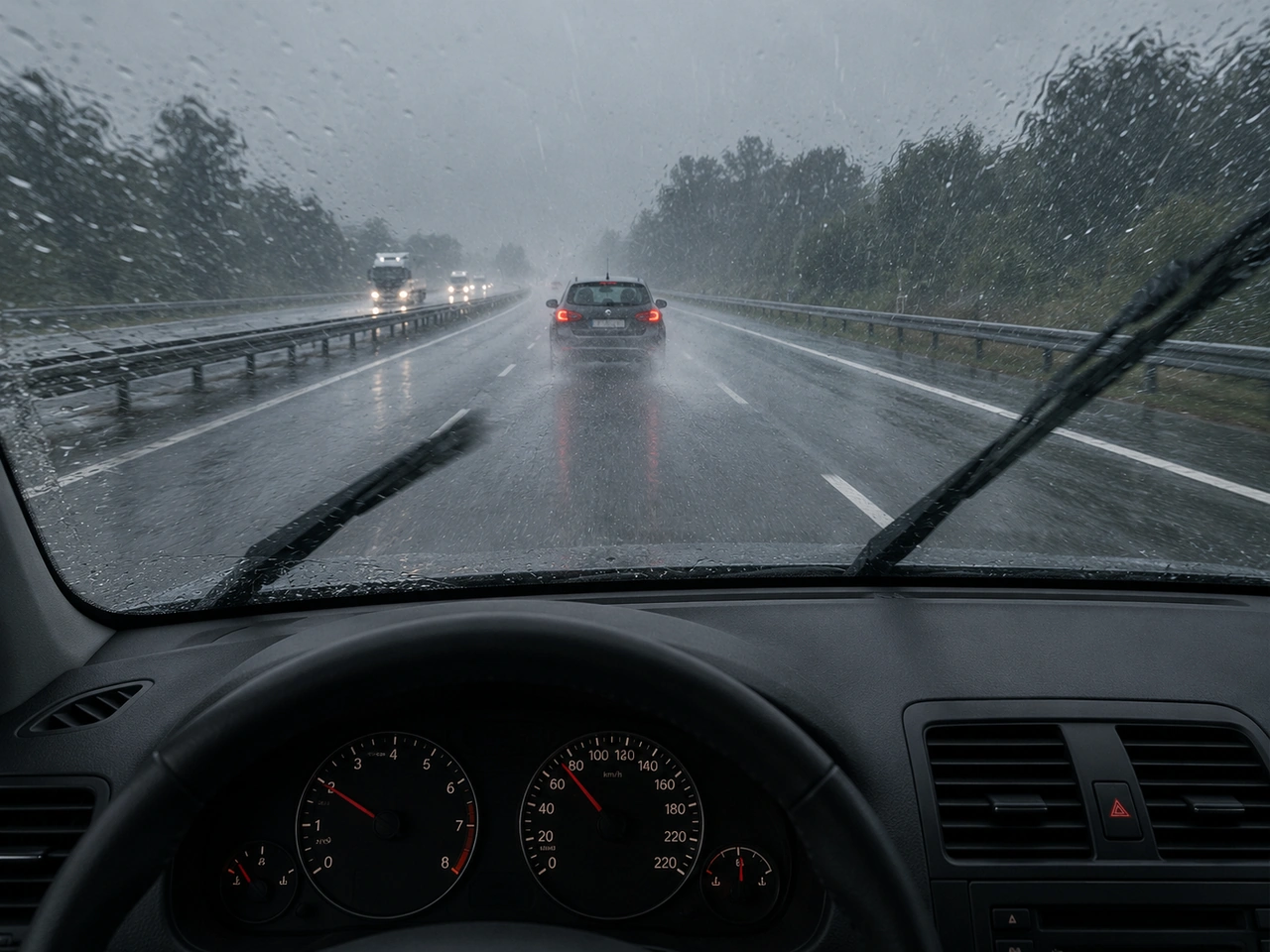
552. What should you do when driving through heavy rain?
Heavy rain reduces grip and visibility. Lower speed and extra distance give you more time to react safely.
AI-generated by Traffic-rules.com • WCIT • CC BY-SA
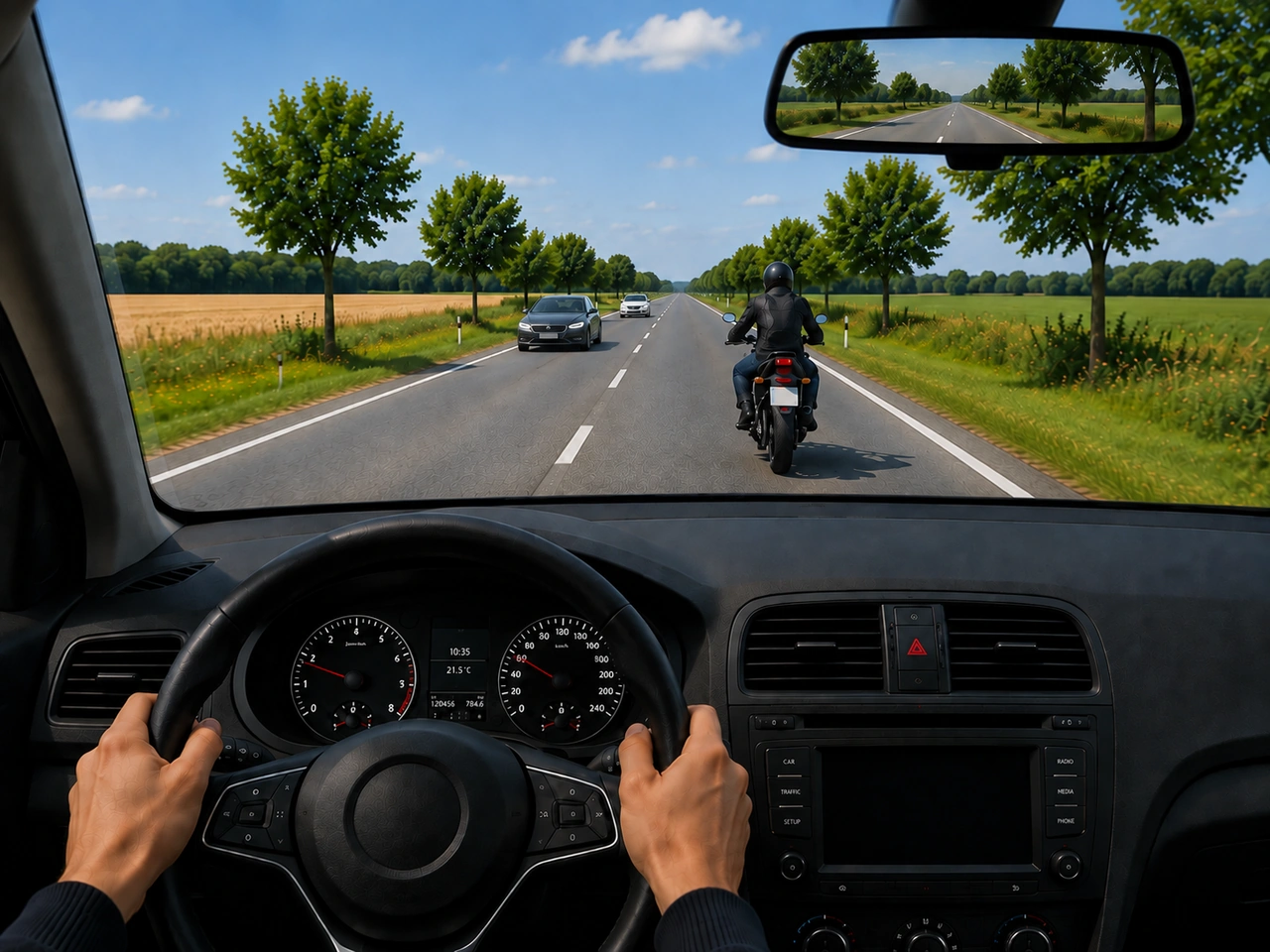
553. Why should you leave extra space behind a motorcycle?
Motorcyclists are more exposed than car drivers. Extra following distance gives you more time to react safely.
AI-generated by Traffic-rules.com • WCIT • CC BY-SA
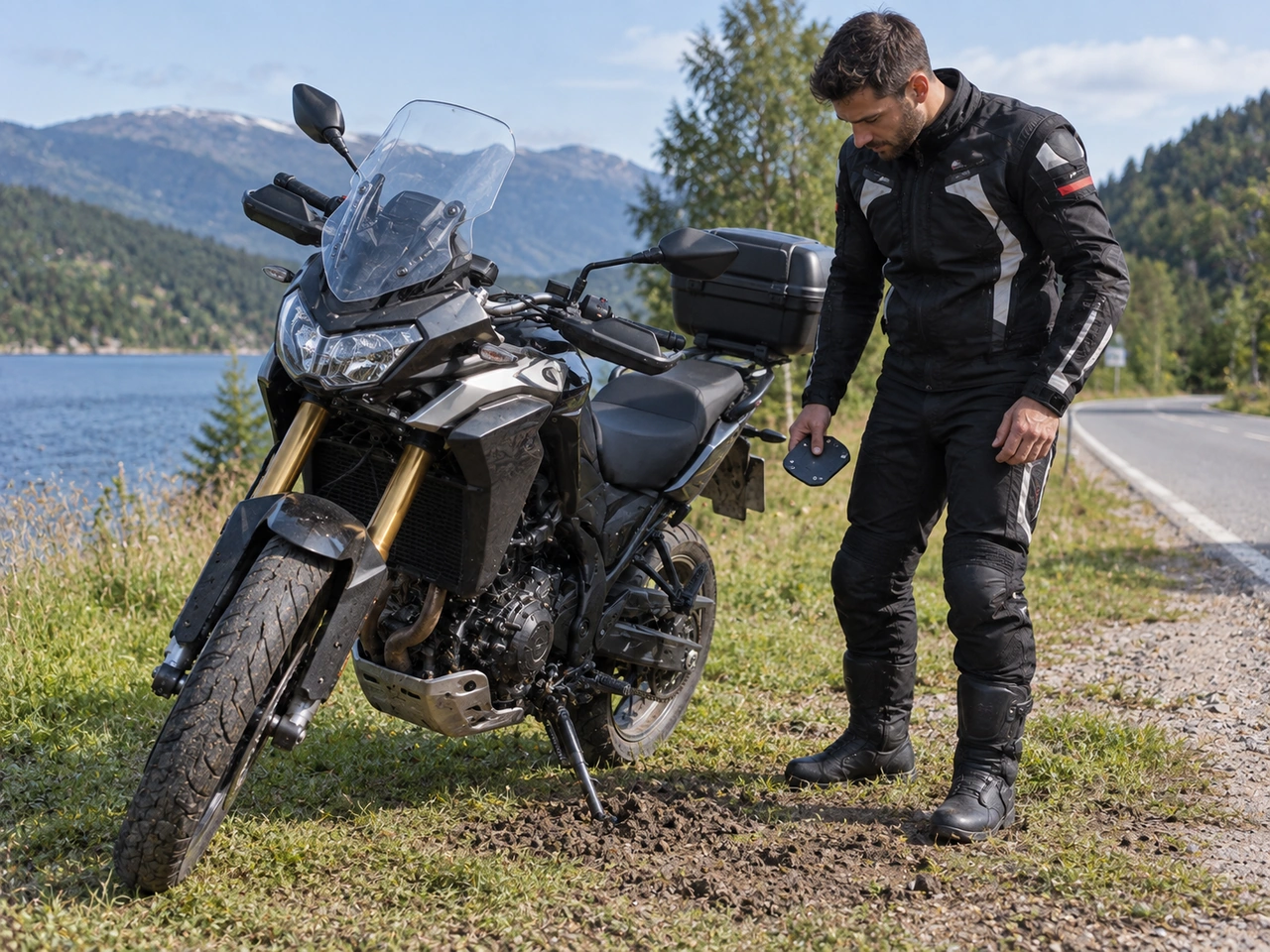
554. Why should you take care when parking a motorcycle on soft ground?
On soft or unstable ground, the side or centre stand can sink or move, causing the motorcycle to fall. Park on a firm, stable surface or use a suitable support under the stand when necessary.
AI-generated by Traffic-rules.com • WCIT • CC BY-SA
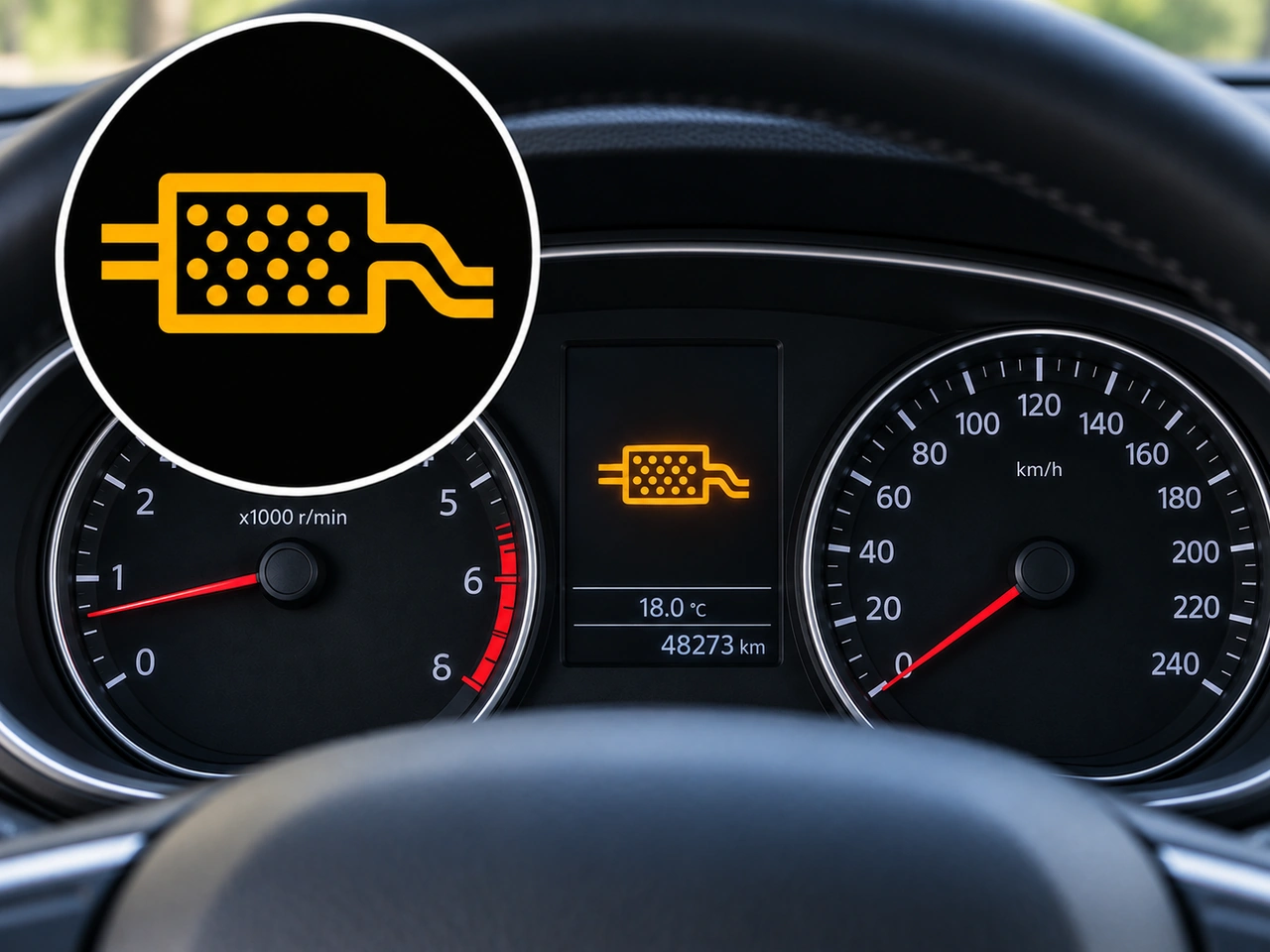
555. What does this dashboard symbol indicate?
This symbol indicates a problem with the diesel particulate filter (DPF), often because soot has accumulated in the filter. The vehicle may require regeneration or professional inspection, depending on the vehicle and warning status.
AI-generated by Traffic-rules.com • WCIT • CC BY-SA
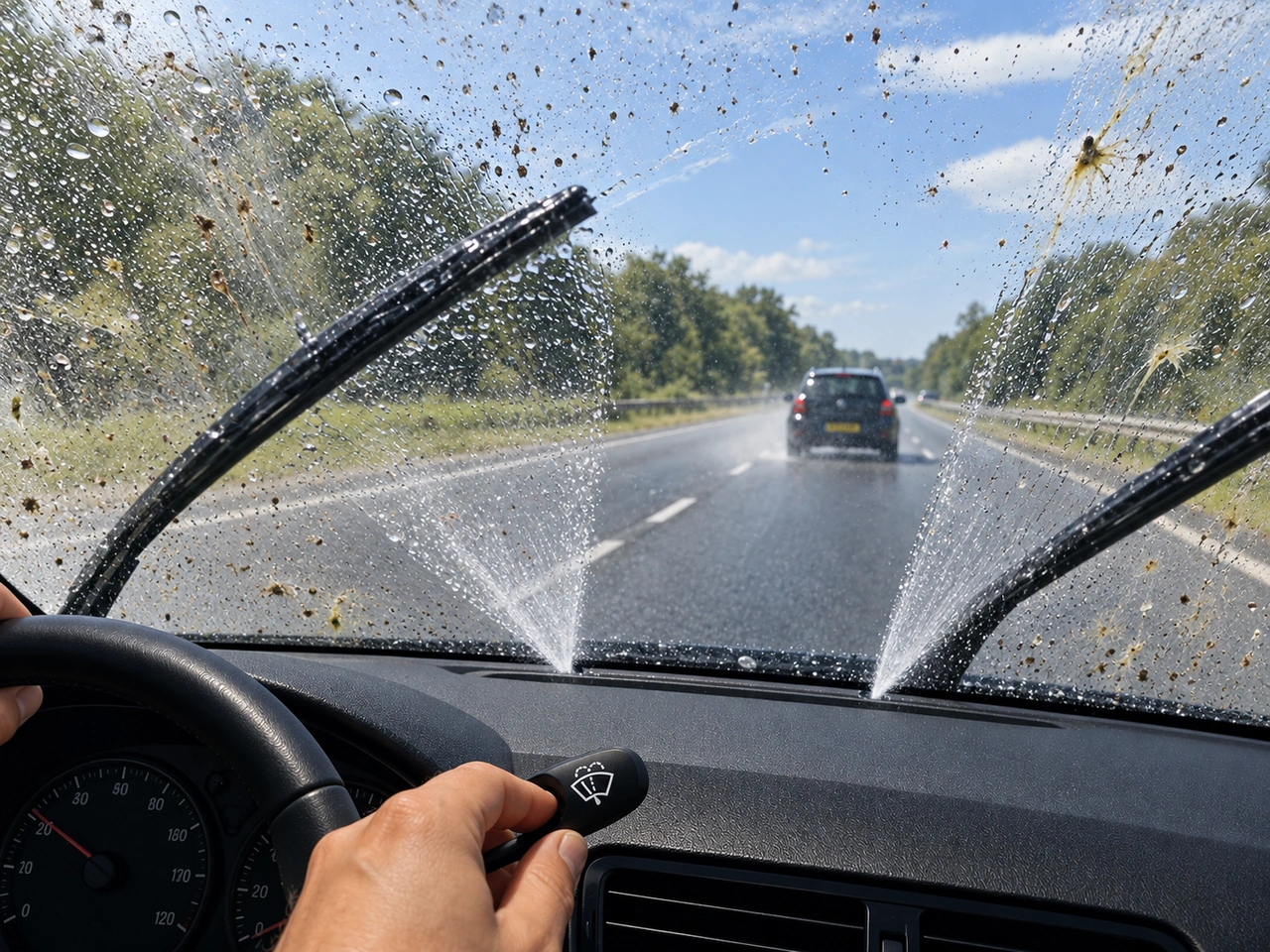
556. Why should the windscreen washer reservoir contain suitable washer fluid?
A clear windscreen is essential for safe observation. Suitable washer fluid helps clean the glass and may provide protection against freezing in cold conditions.
AI-generated by Traffic-rules.com • WCIT • CC BY-SA
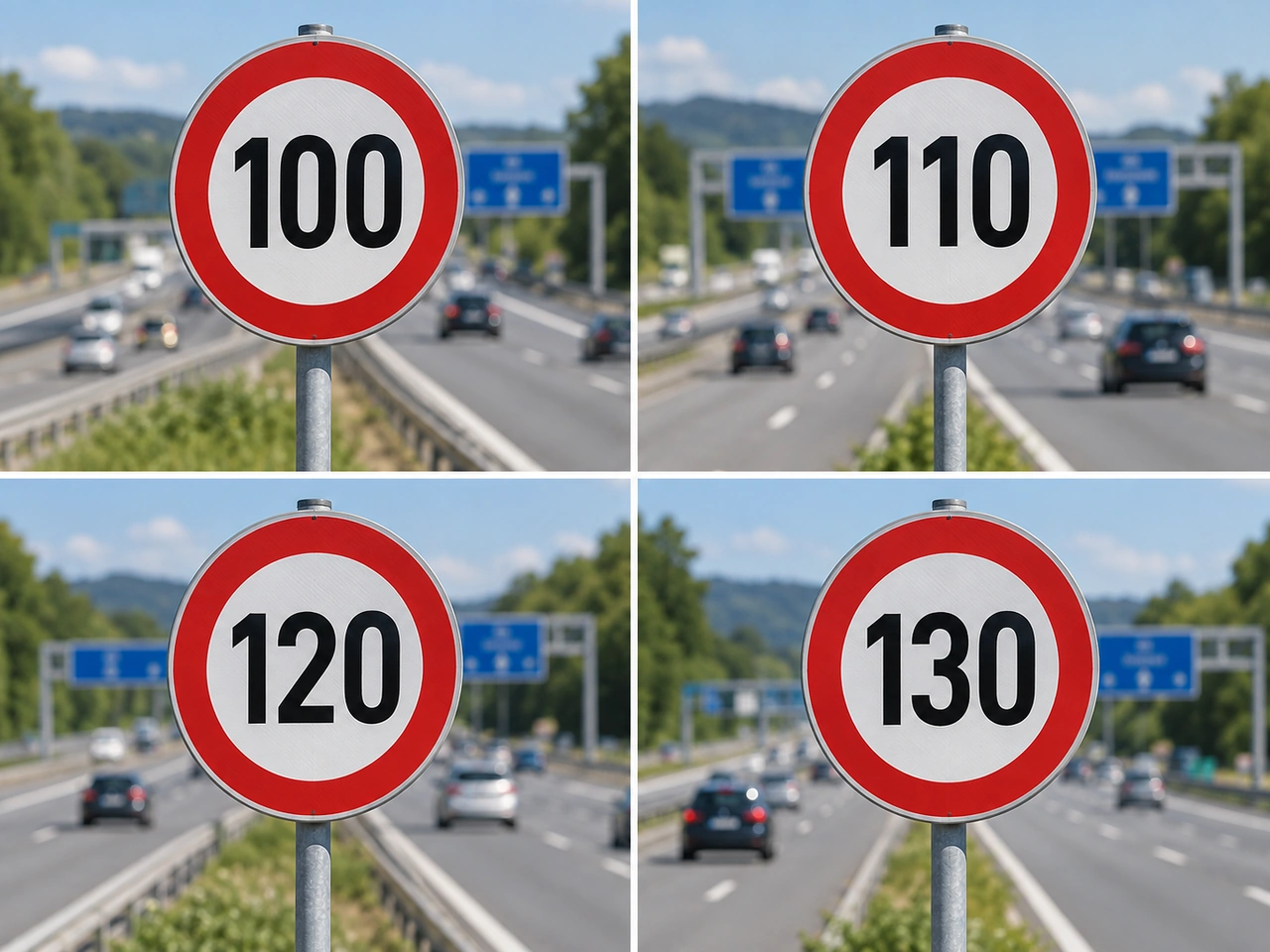
557. What is the general motorway speed limit for cars in Philippines?
The general motorway speed limit for cars in Philippines is 100 km/h, unless signs indicate otherwise.
AI-generated by Traffic-rules.com • WCIT • CC BY-SA
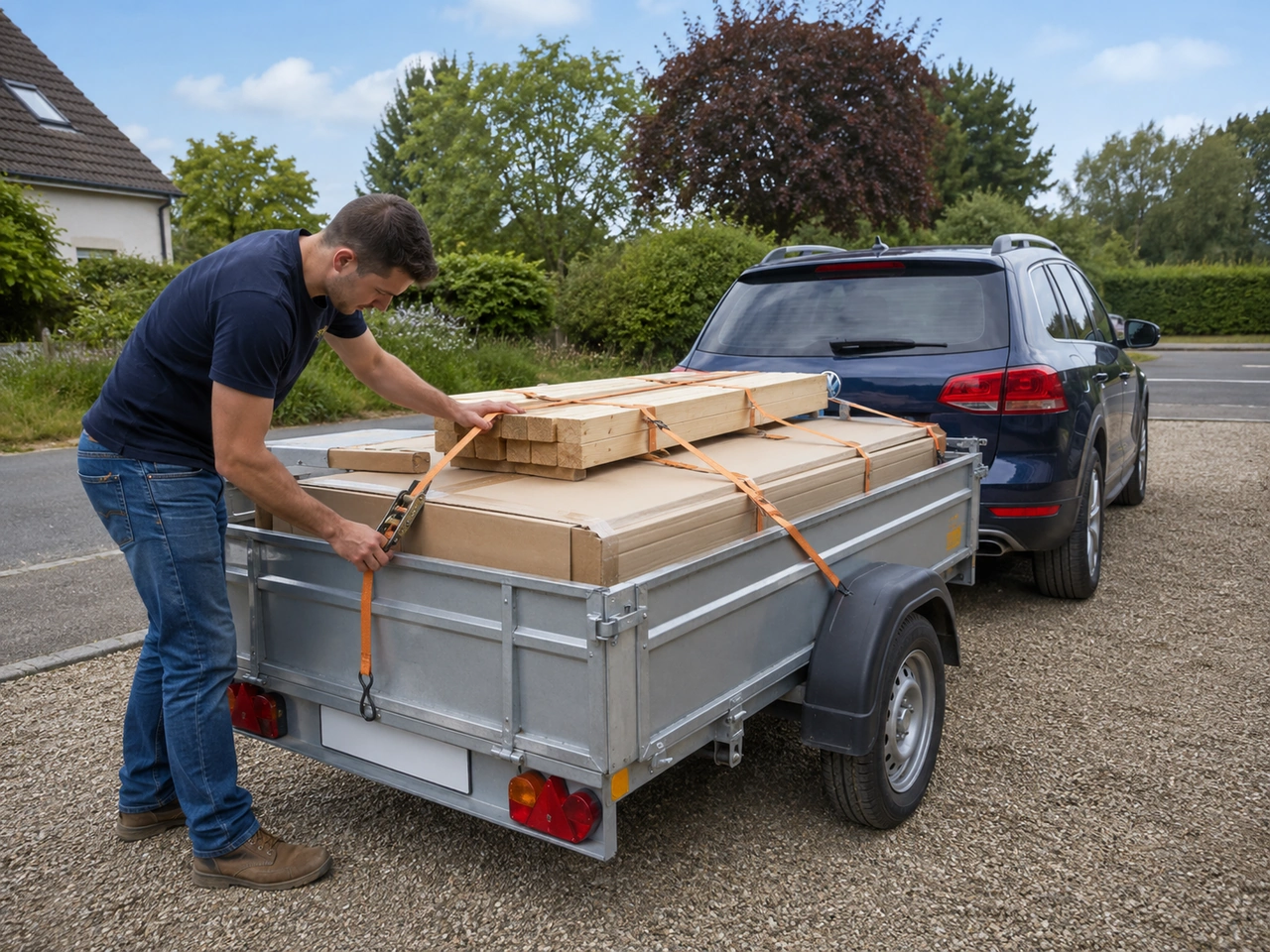
558. What should you do before driving with a load?
An unsecured load can shift, affect vehicle control, or fall into the road. Check that everything is safely restrained before moving.
AI-generated by Traffic-rules.com • WCIT • CC BY-SA
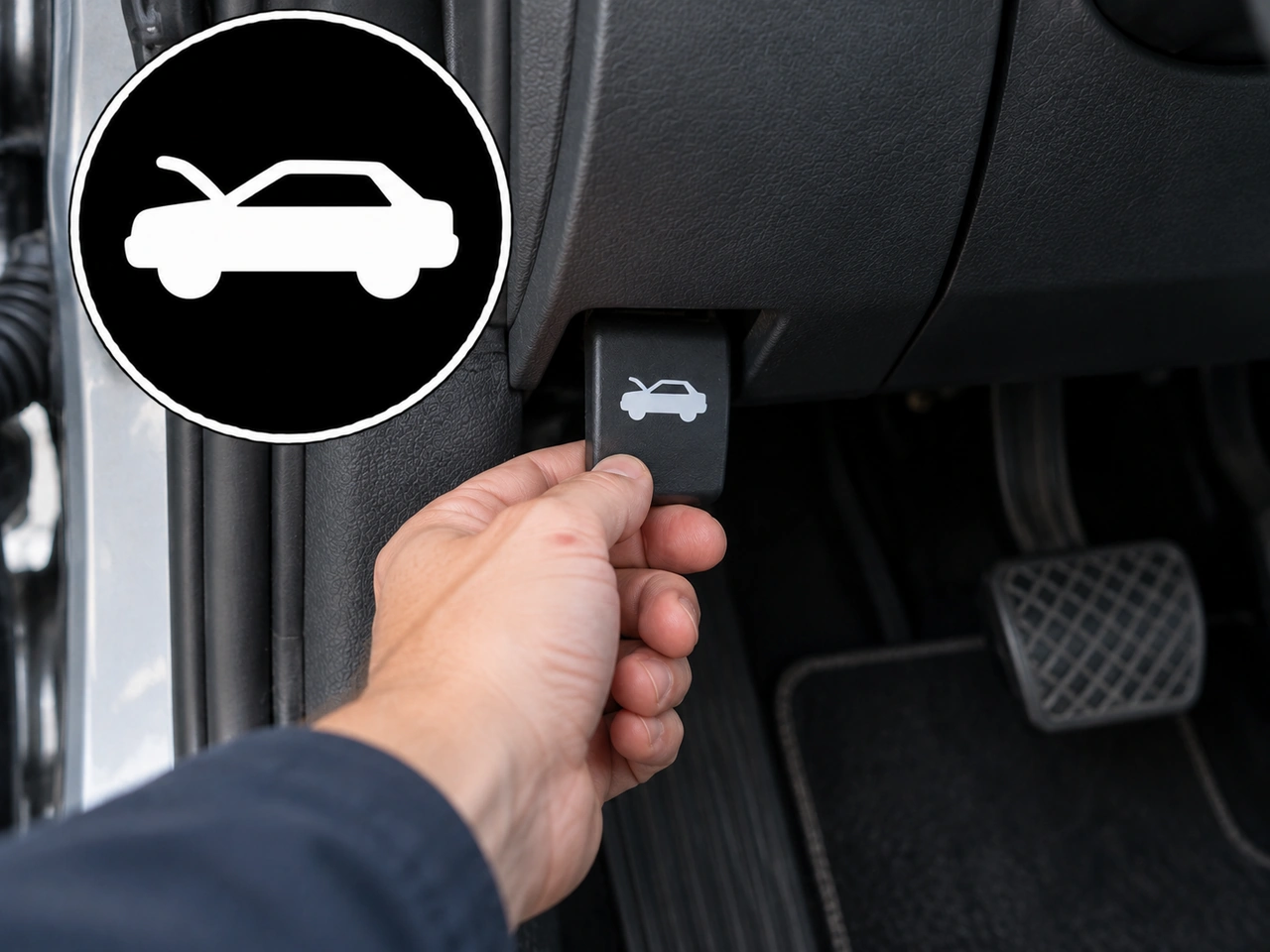
559. What does this vehicle-control symbol indicate?
This control releases the bonnet so that it can be opened. A secondary safety catch under the bonnet normally has to be released before it can be fully raised.
AI-generated by Traffic-rules.com • WCIT • CC BY-SA
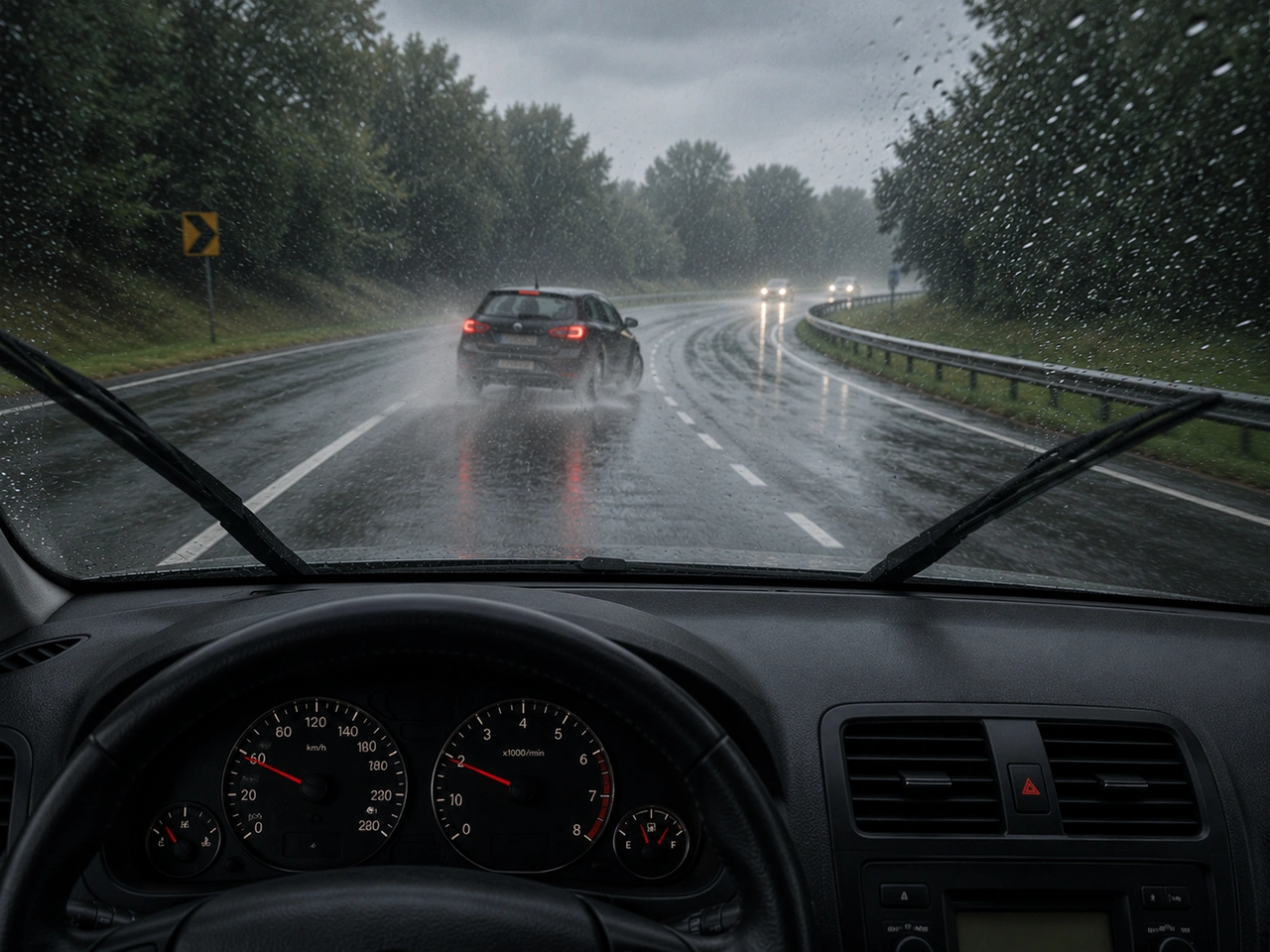
560. What should you avoid if your vehicle loses grip on a wet road?
Abrupt inputs can upset the vehicle further. Smooth control gives the tyres a better chance to regain grip.
AI-generated by Traffic-rules.com • WCIT • CC BY-SA
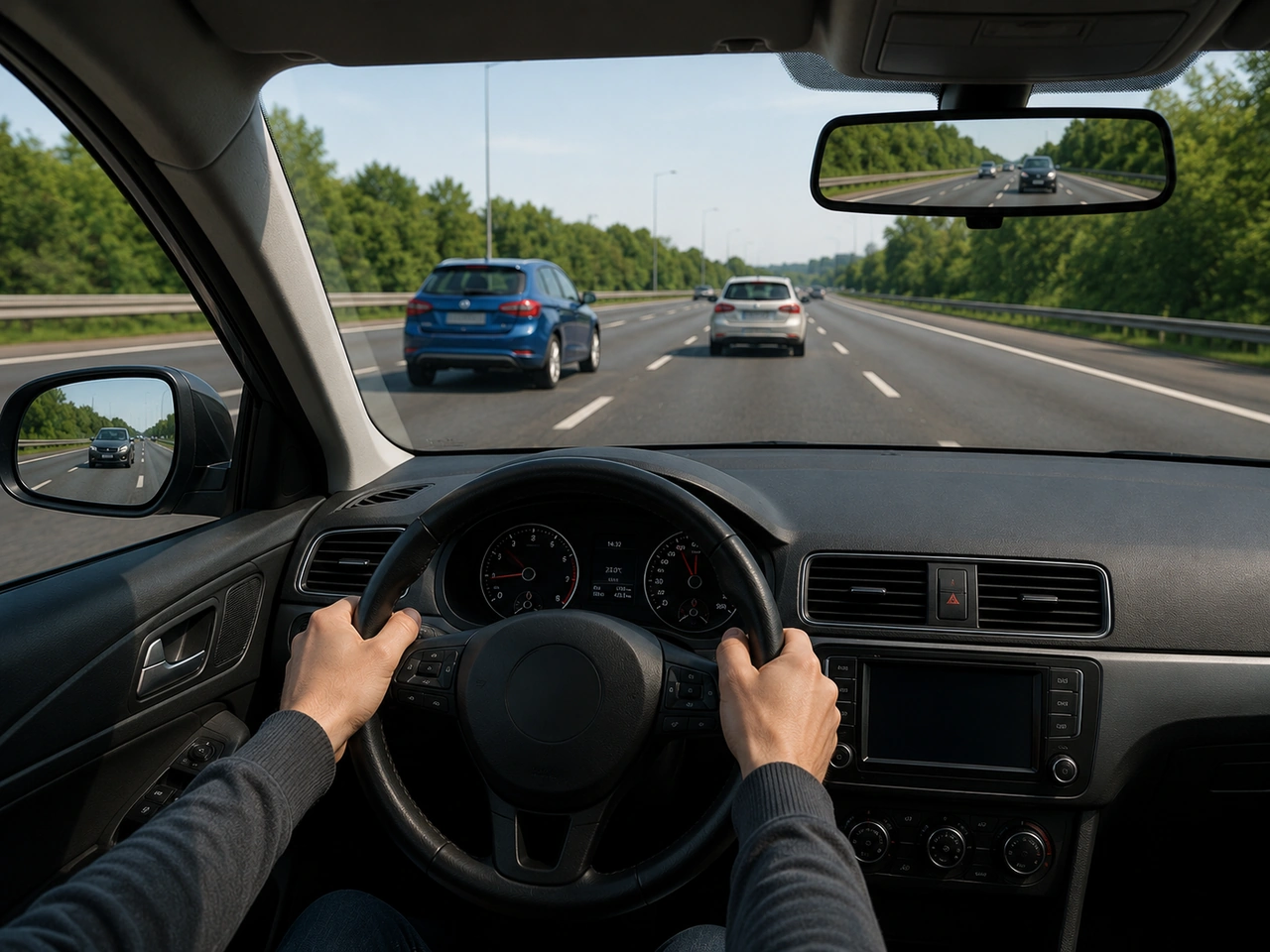
561. What should you do before changing lanes?
Always check your mirrors, look over your shoulder if necessary, and make sure it is safe before changing lanes.
AI-generated by Traffic-rules.com • WCIT • CC BY-SA
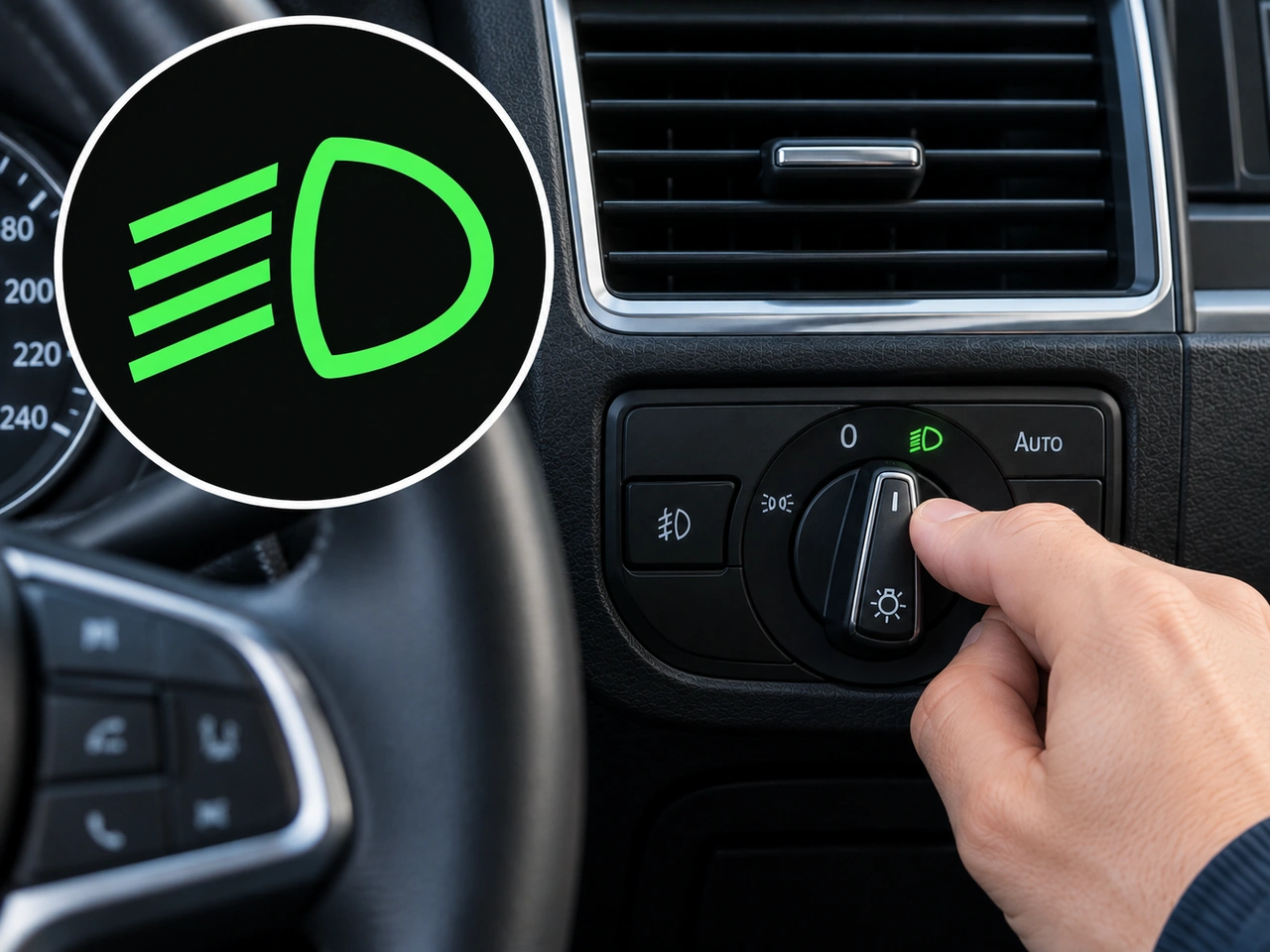
562. What does this dashboard symbol indicate?
This symbol indicates that the dipped headlights are switched on. Dipped headlights illuminate the road ahead while limiting glare for other road users.
AI-generated by Traffic-rules.com • WCIT • CC BY-SA
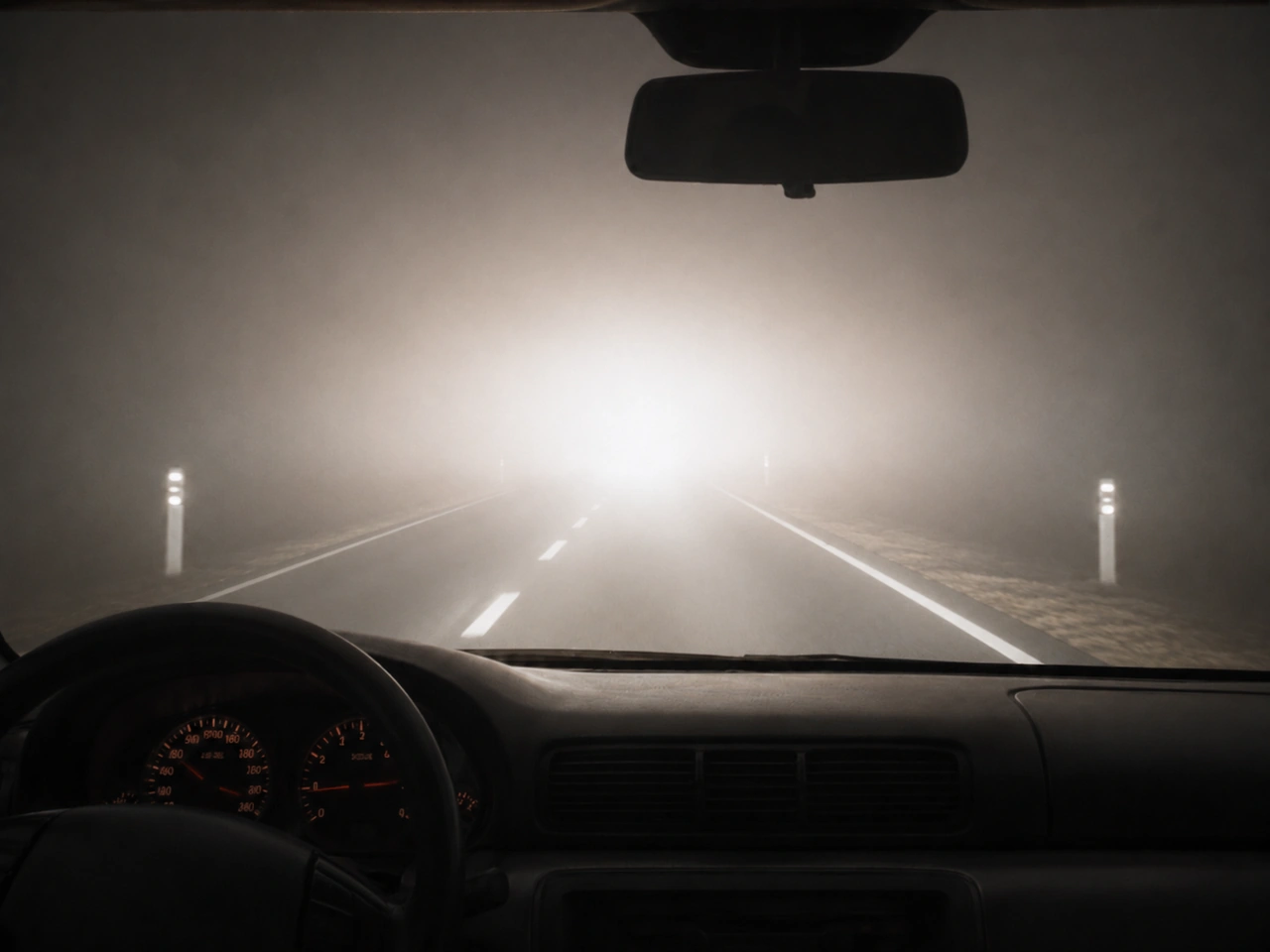
563. Why can main-beam headlights make driving in fog more difficult?
Main beam can reflect back from fog and create glare, making it harder to see the road ahead.
AI-generated by Traffic-rules.com • WCIT • CC BY-SA
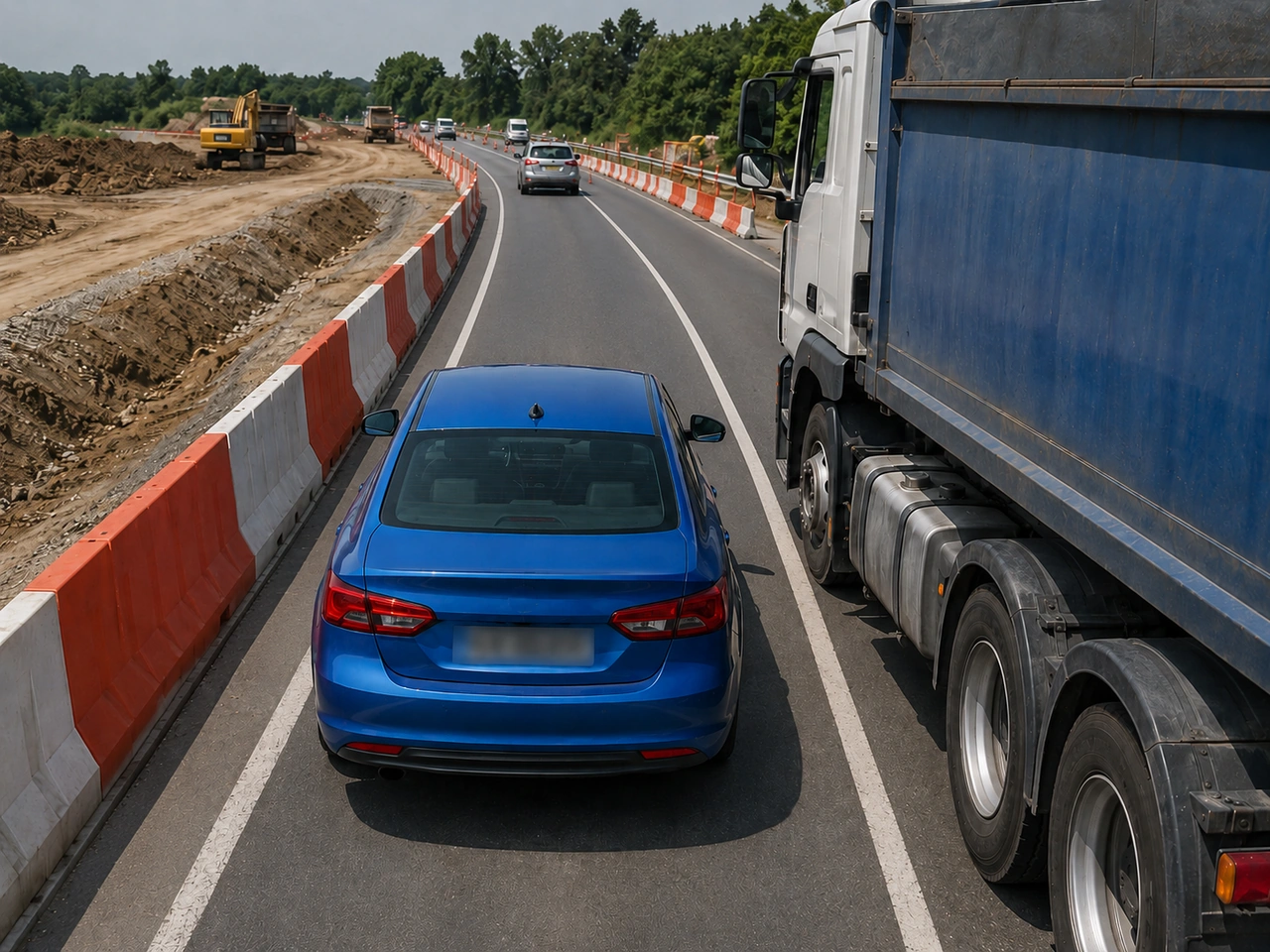
564. What should you expect when lanes become narrower in roadworks?
Narrow lanes leave less room for error. Keep a steady position, avoid drifting toward barriers or nearby vehicles, and reduce speed if necessary.
AI-generated by Traffic-rules.com • WCIT • CC BY-SA
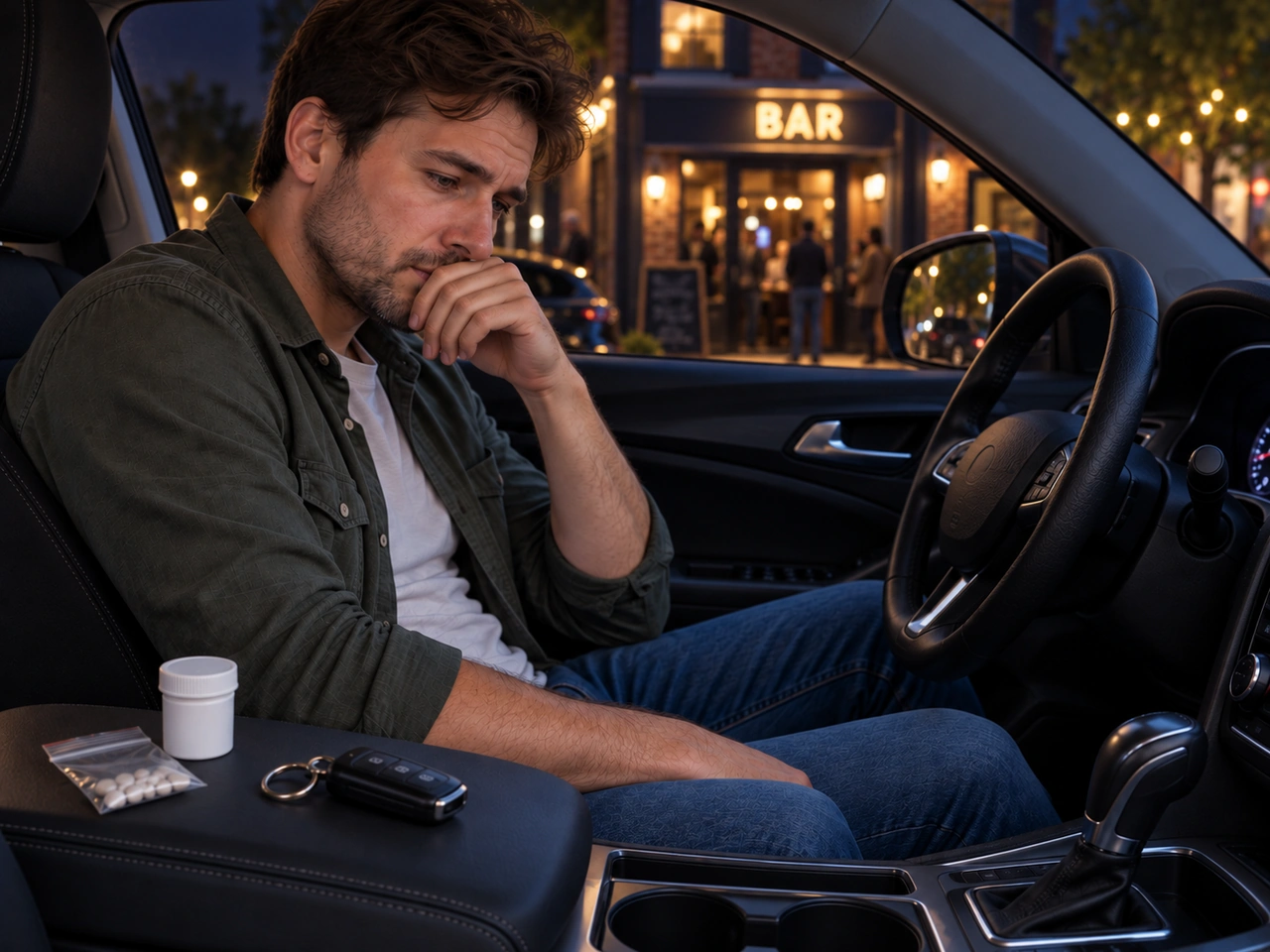
565. What should you do if you have taken drugs that may impair your driving?
Drugs can impair judgement, coordination, concentration, and reaction time. Their effects can be unpredictable and may continue after you feel that the main effects have passed. Do not drive while impaired.
AI-generated by Traffic-rules.com • WCIT • CC BY-SA
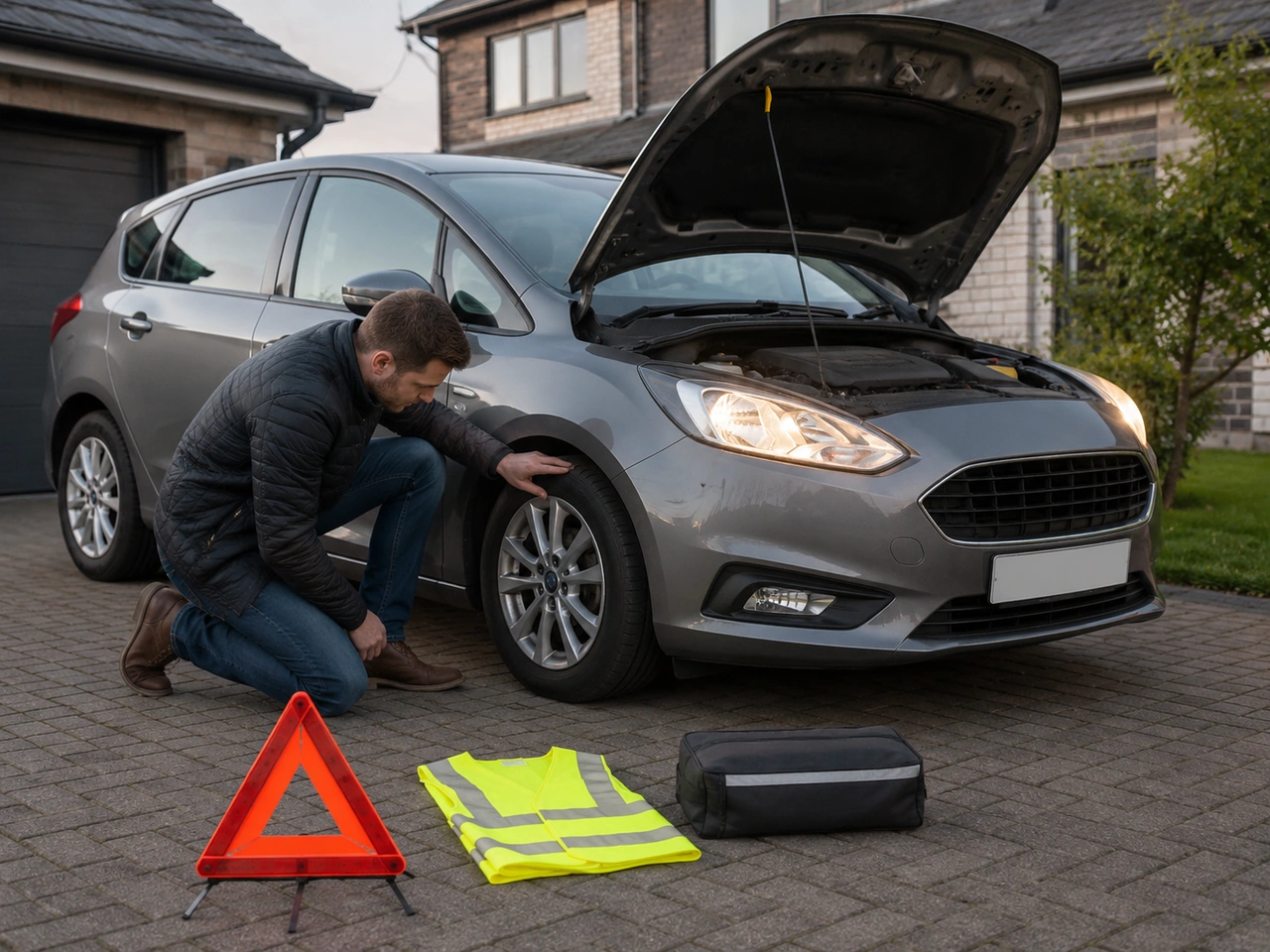
566. What should you check before starting a long journey?
A brief vehicle check can reveal tyre damage, low fluid levels, faulty lights, or visibility problems before they cause danger. Also confirm that any spare wheel or tyre-repair equipment is available and usable.
AI-generated by Traffic-rules.com • WCIT • CC BY-SA
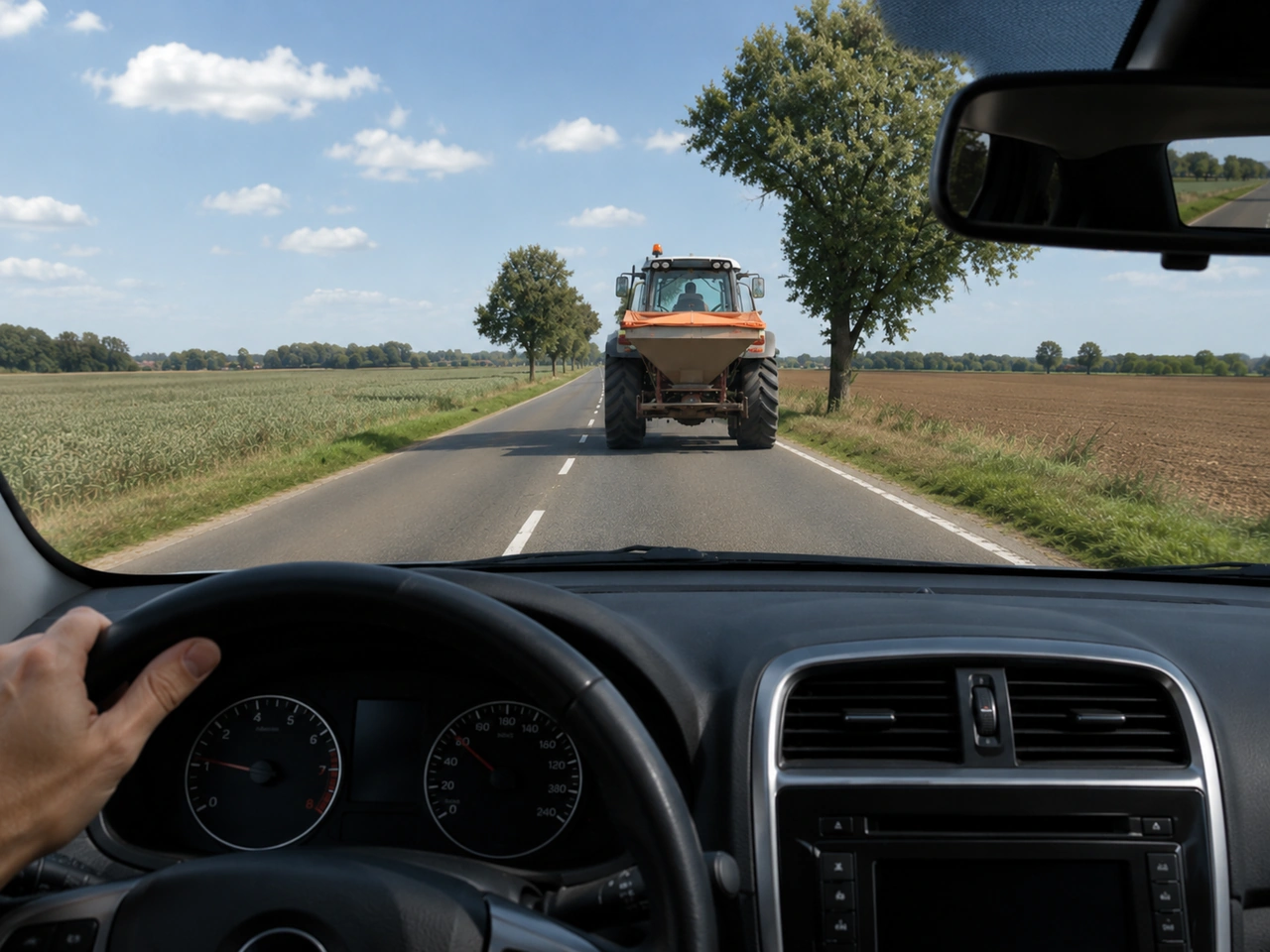
567. What should you do if you approach slow-moving farm machinery?
Farm machinery may be wide, slow, or turn unexpectedly. Keep distance and only overtake when you have a clear view and enough space.
AI-generated by Traffic-rules.com • WCIT • CC BY-SA
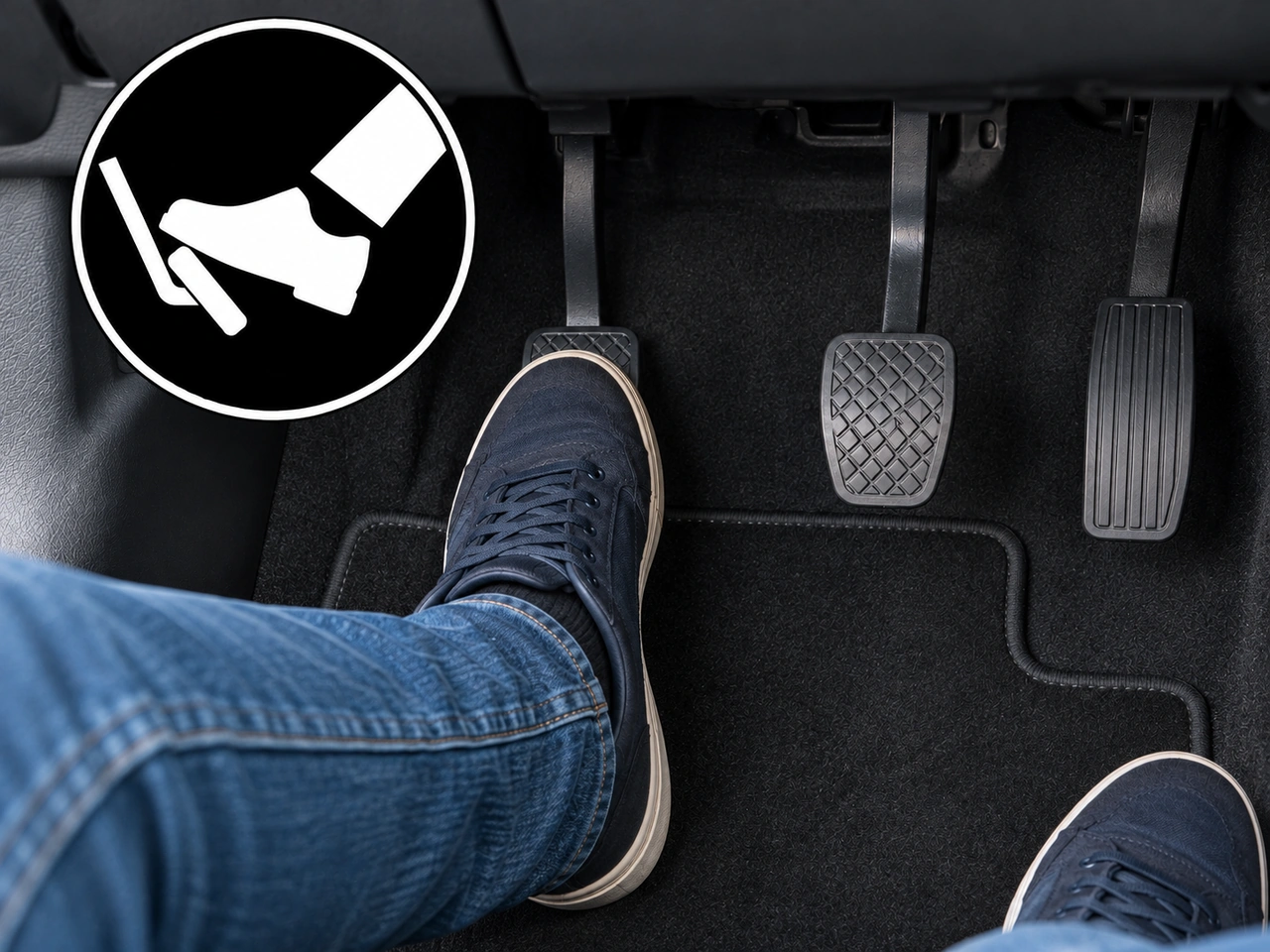
568. Why should you press the clutch pedal fully when changing gear?
Pressing the clutch pedal fully disengages the engine from the transmission, allowing the gear to be changed smoothly and reducing unnecessary wear on the gearbox and clutch.
AI-generated by Traffic-rules.com • WCIT • CC BY-SA
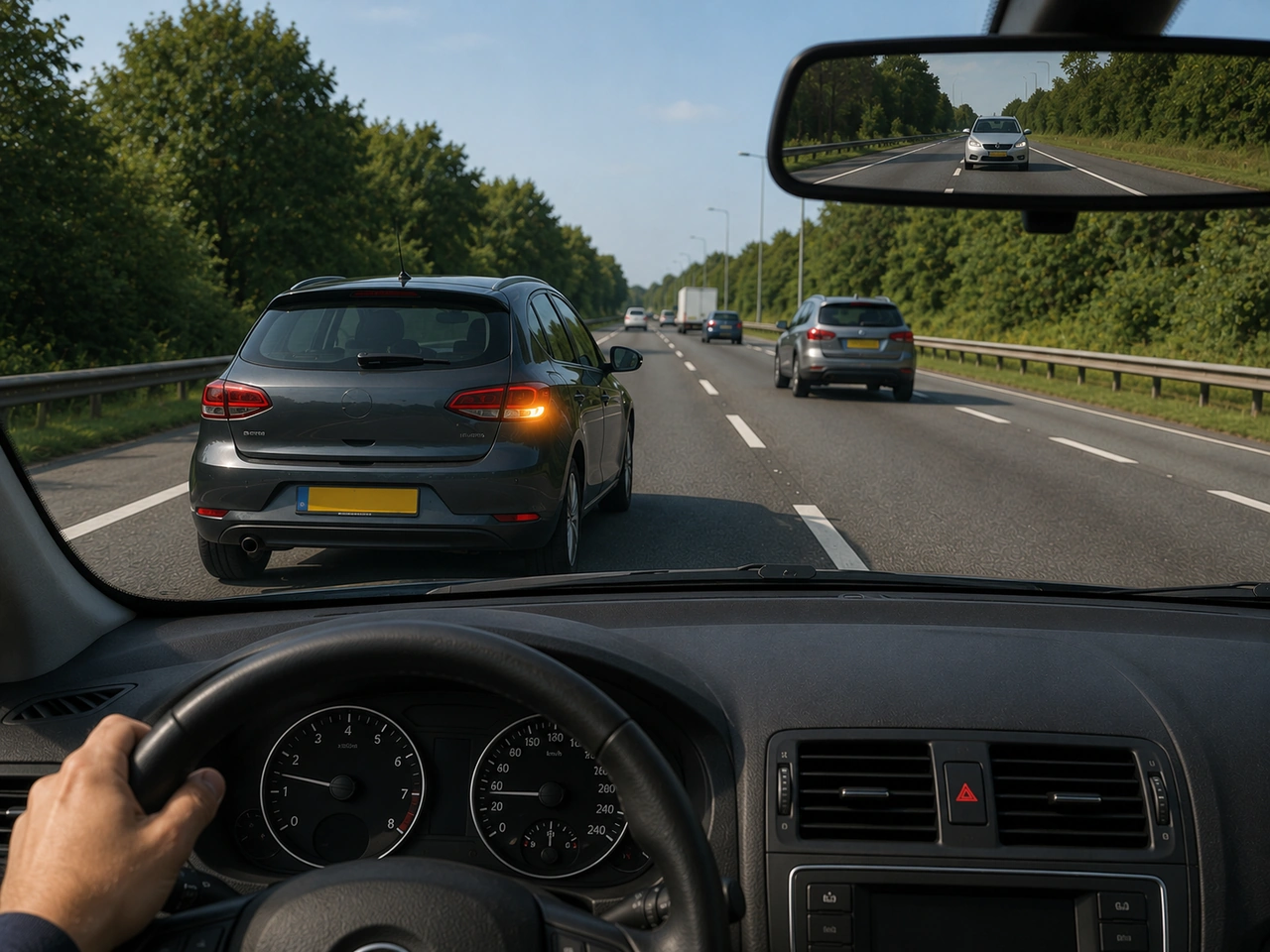
569. You should signal before turning or changing lanes.
A clear signal helps other road users understand your intentions, but you must still check that the manoeuvre can be made safely.
AI-generated by Traffic-rules.com • WCIT • CC BY-SA
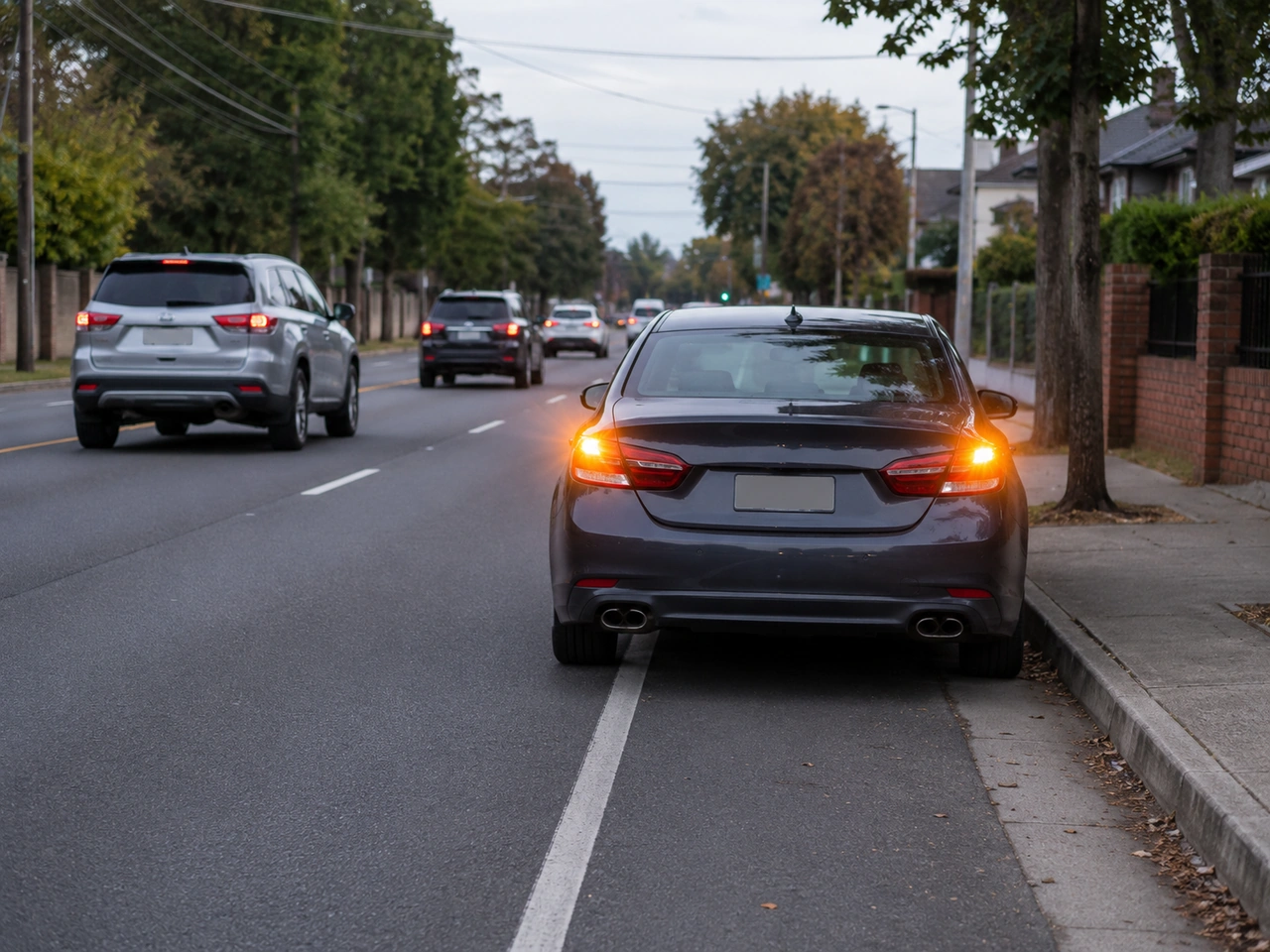
570. You may park anywhere as long as you leave your hazard lights on.
Hazard lights are used to warn other road users of a hazard or an unexpectedly stopped vehicle. They do not make illegal or unsafe parking acceptable.
AI-generated by Traffic-rules.com • WCIT • CC BY-SA
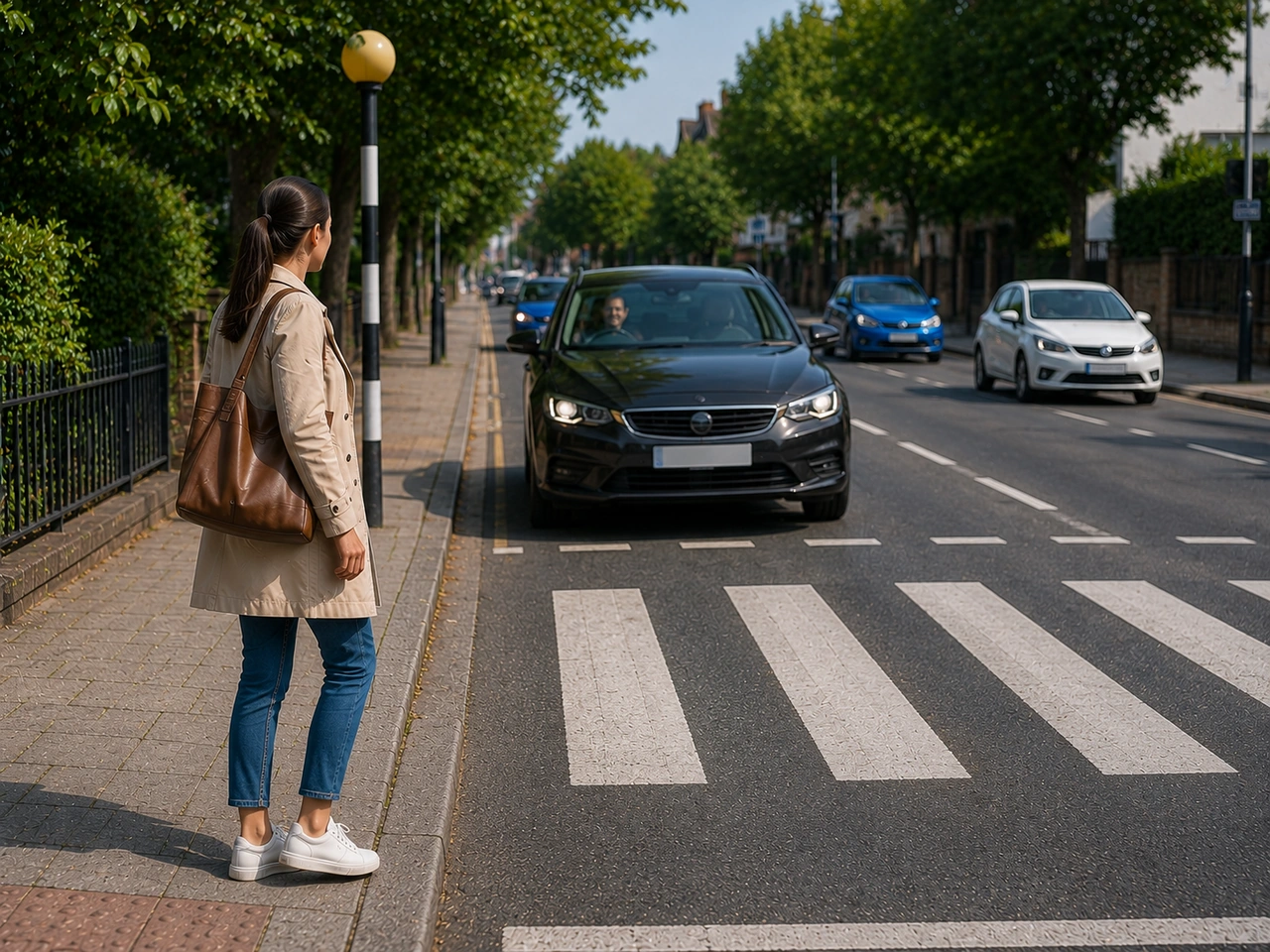
571. What should you do if traffic stops and a driver waves you across?
One driver may stop, but other vehicles may still be moving. Always check all lanes before crossing.
AI-generated by Traffic-rules.com • WCIT • CC BY-SA
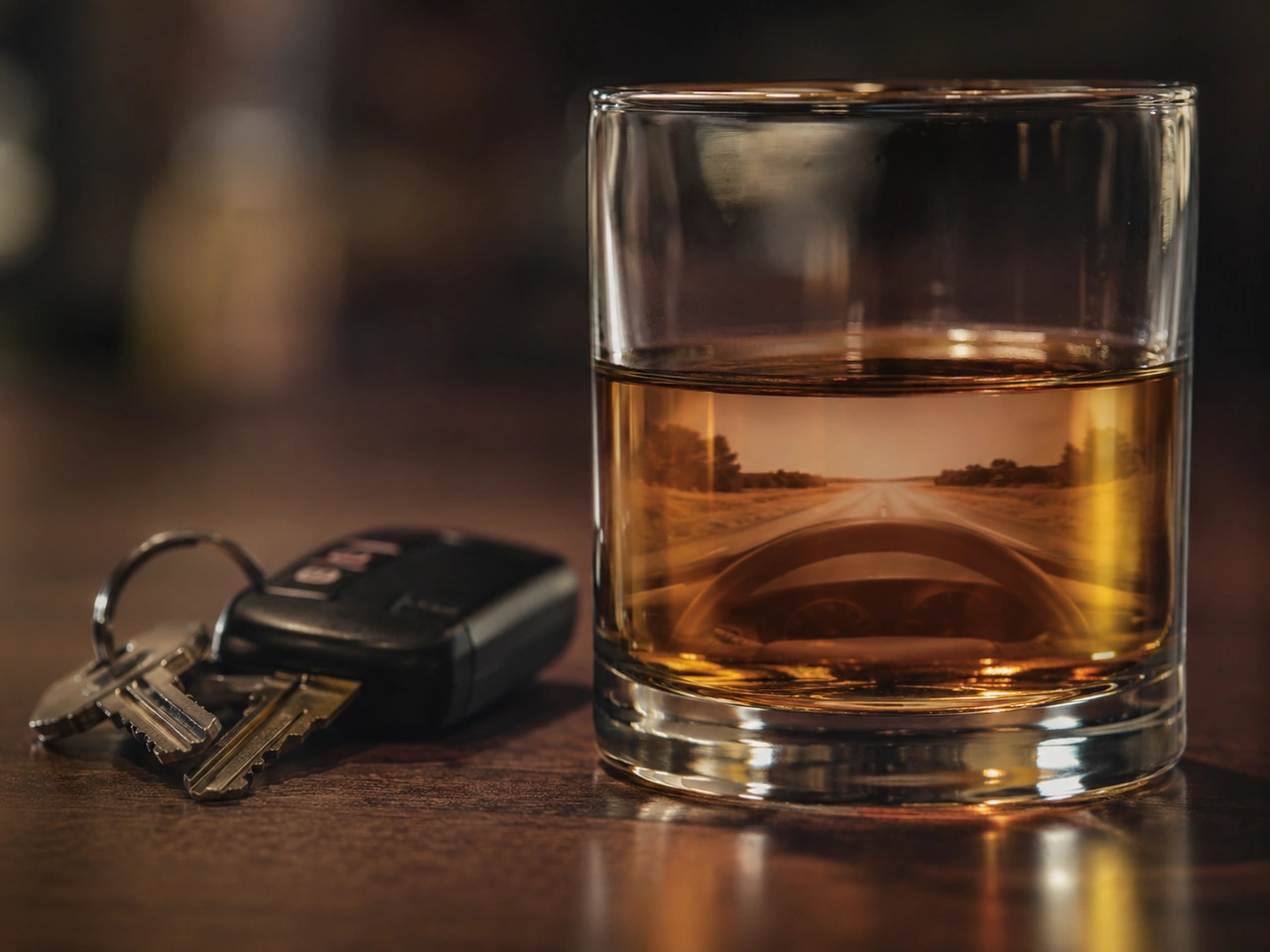
572. How can alcohol affect your driving ability?
Alcohol affects several abilities needed for safe driving, including concentration, decision-making, coordination, and hazard perception.
AI-generated by Traffic-rules.com • WCIT • CC BY-SA
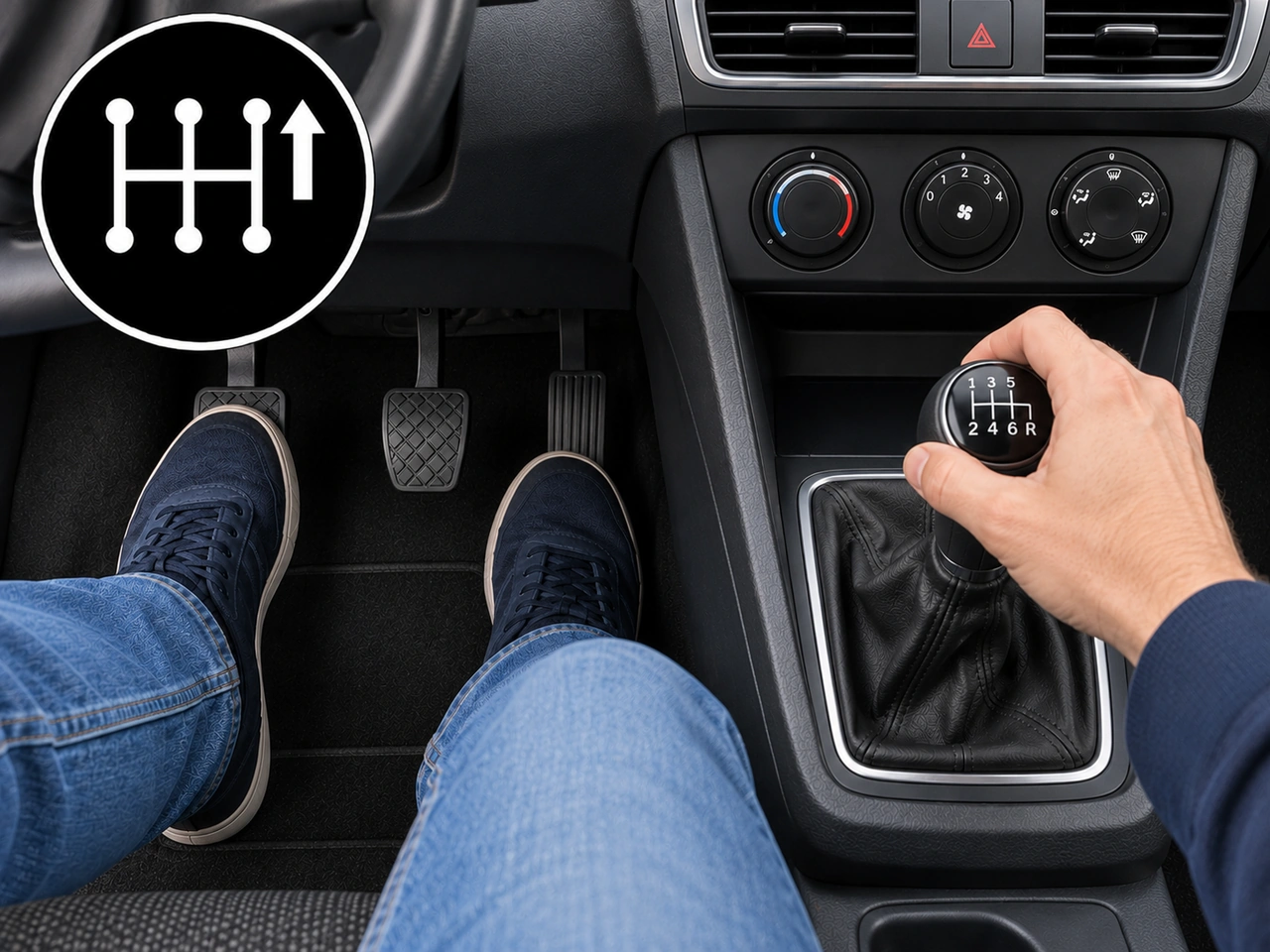
573. What should you normally do with the accelerator when changing to a higher gear?
When changing to a higher gear, ease off the accelerator as you press the clutch and select the next gear. Release the clutch smoothly and then apply the accelerator progressively.
AI-generated by Traffic-rules.com • WCIT • CC BY-SA
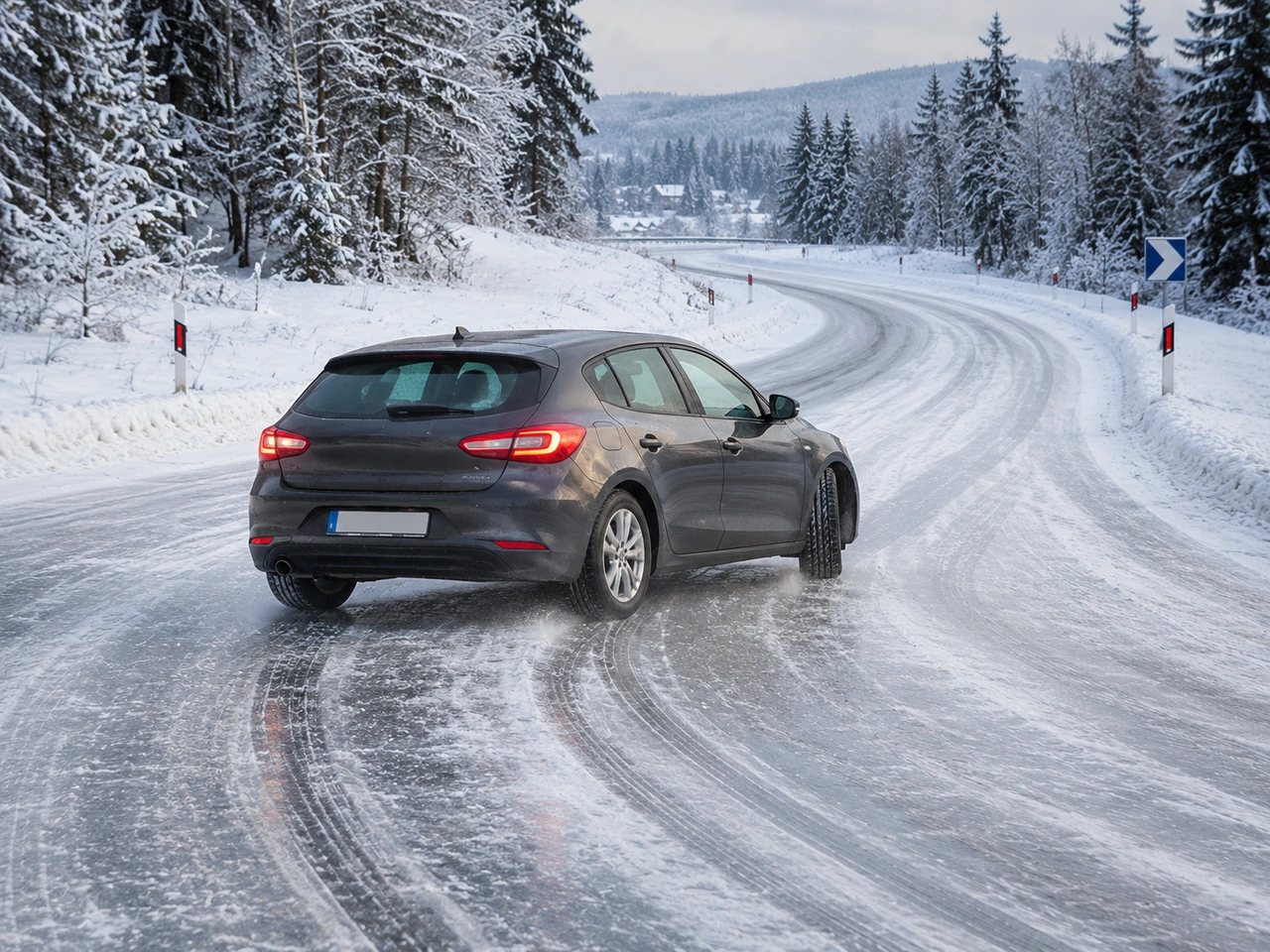
574. What should you do if your vehicle begins to skid on ice?
Avoid sudden braking or steering. Look where you want to go and use gentle controls while the tyres regain grip.
AI-generated by Traffic-rules.com • WCIT • CC BY-SA
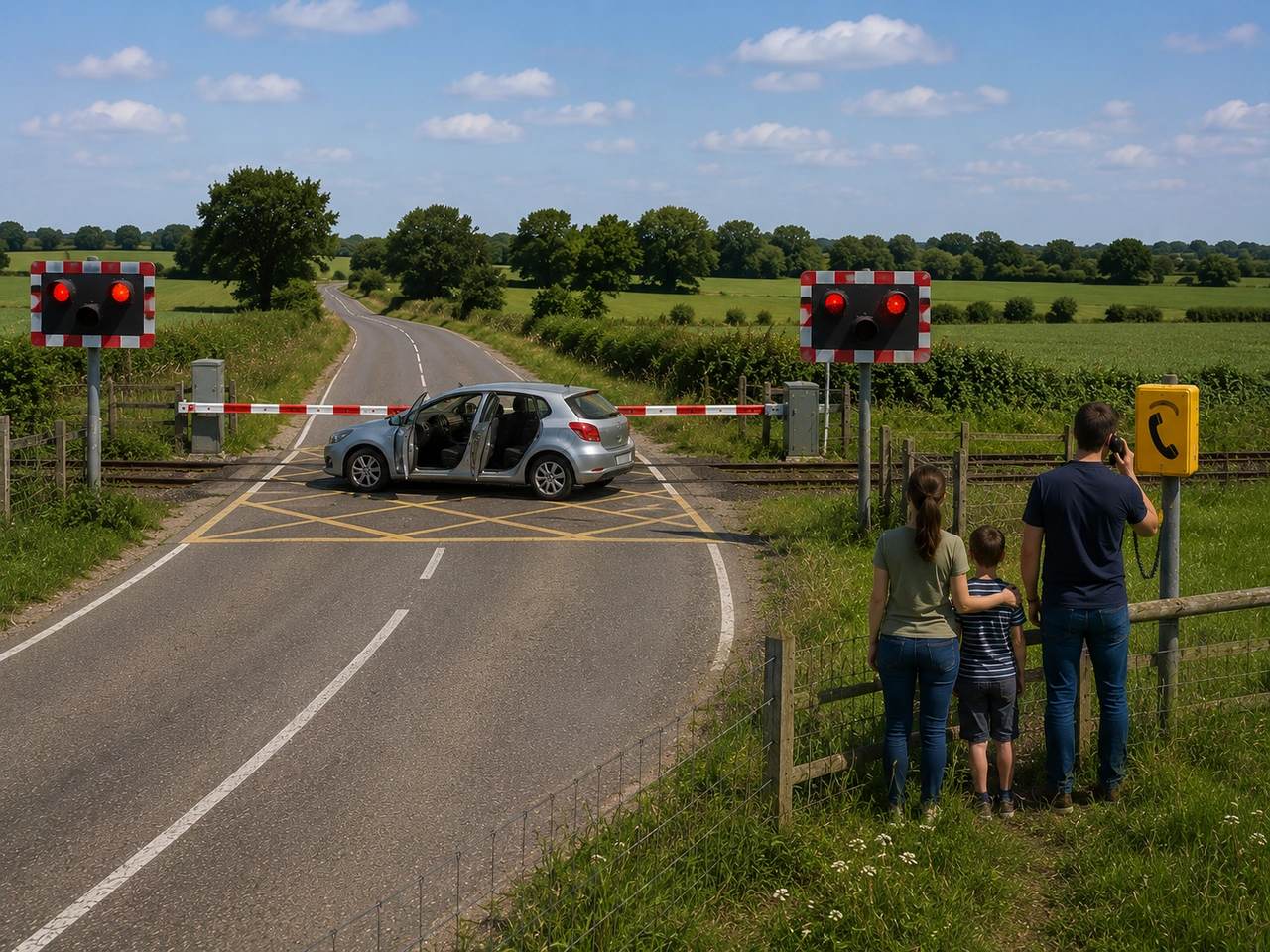
575. What should you do if your vehicle becomes stuck on a railway crossing?
Move everyone well away from the tracks. Use the crossing emergency telephone or displayed contact information where available, or contact the emergency services immediately.
AI-generated by Traffic-rules.com • WCIT • CC BY-SA
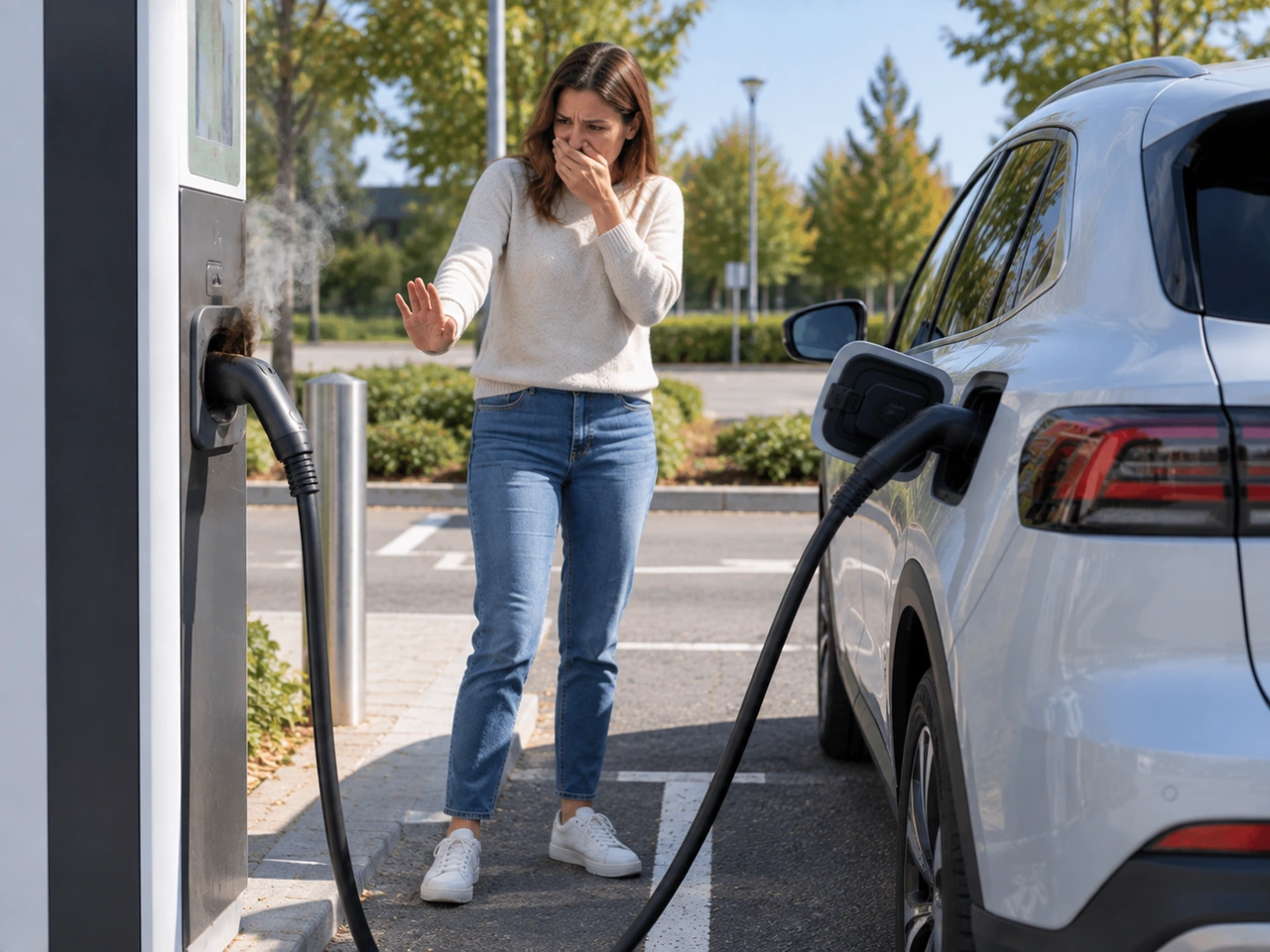
576. What should you do if EV charging equipment becomes unusually hot or smells burnt?
Unusual heat, a burning smell, smoke, sparks, or repeated charging faults can indicate an electrical problem. Stop using the charging equipment if it is safe to do so, keep clear of anything damaged or overheating, and report the fault or seek appropriate assistance.
AI-generated by Traffic-rules.com • WCIT • CC BY-SA
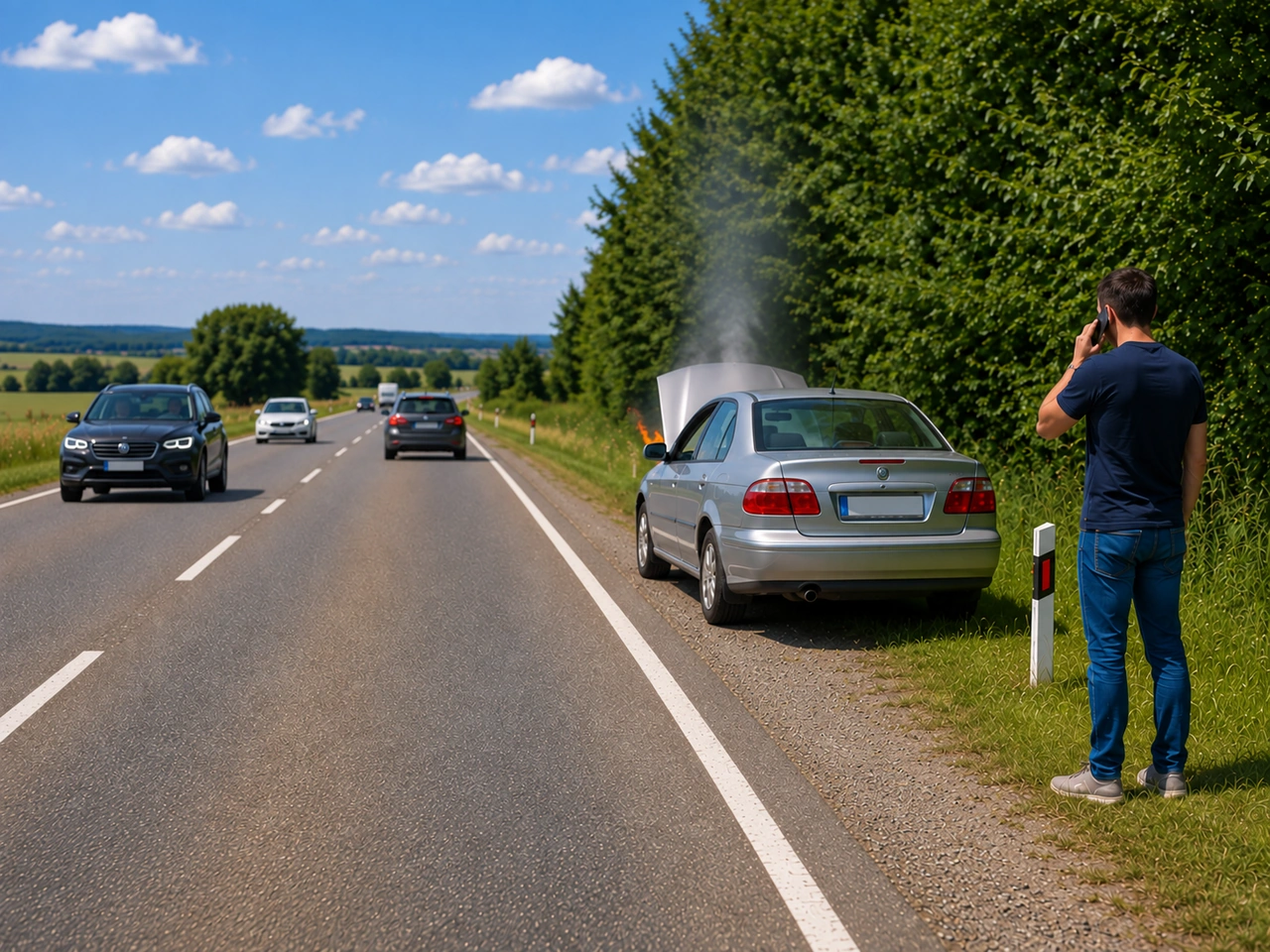
577. What should you do if your vehicle catches fire?
Move everyone well away from the vehicle and call emergency services. If the fire is small and it is safe to do so, use a suitable fire extinguisher. Opening the bonnet fully can supply additional oxygen and cause the fire to intensify.
AI-generated by Traffic-rules.com • WCIT • CC BY-SA
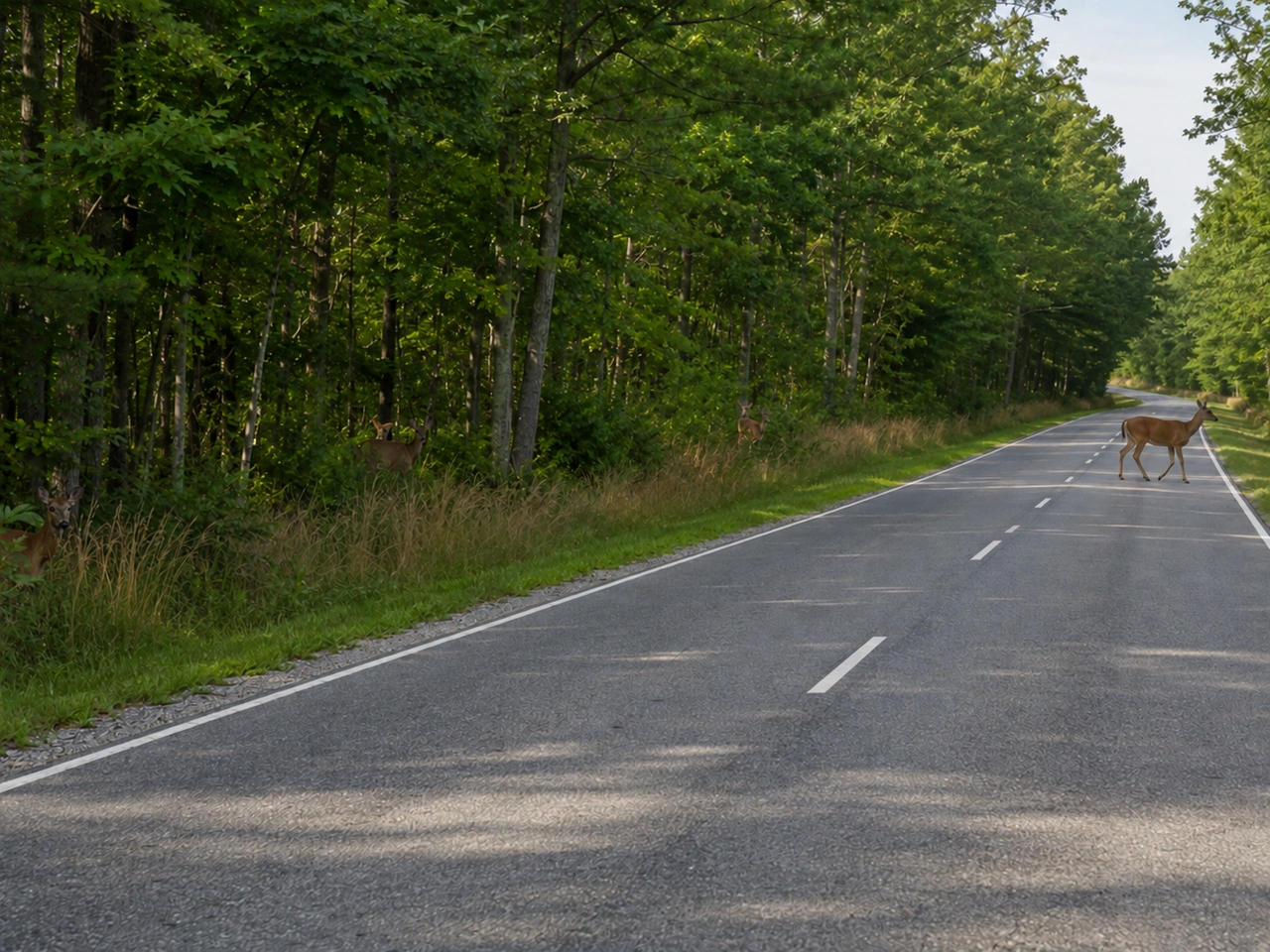
578. What should you expect after one wild animal crosses the road?
Many animals travel in groups. Slow down and continue watching both sides of the road.
AI-generated by Traffic-rules.com • WCIT • CC BY-SA
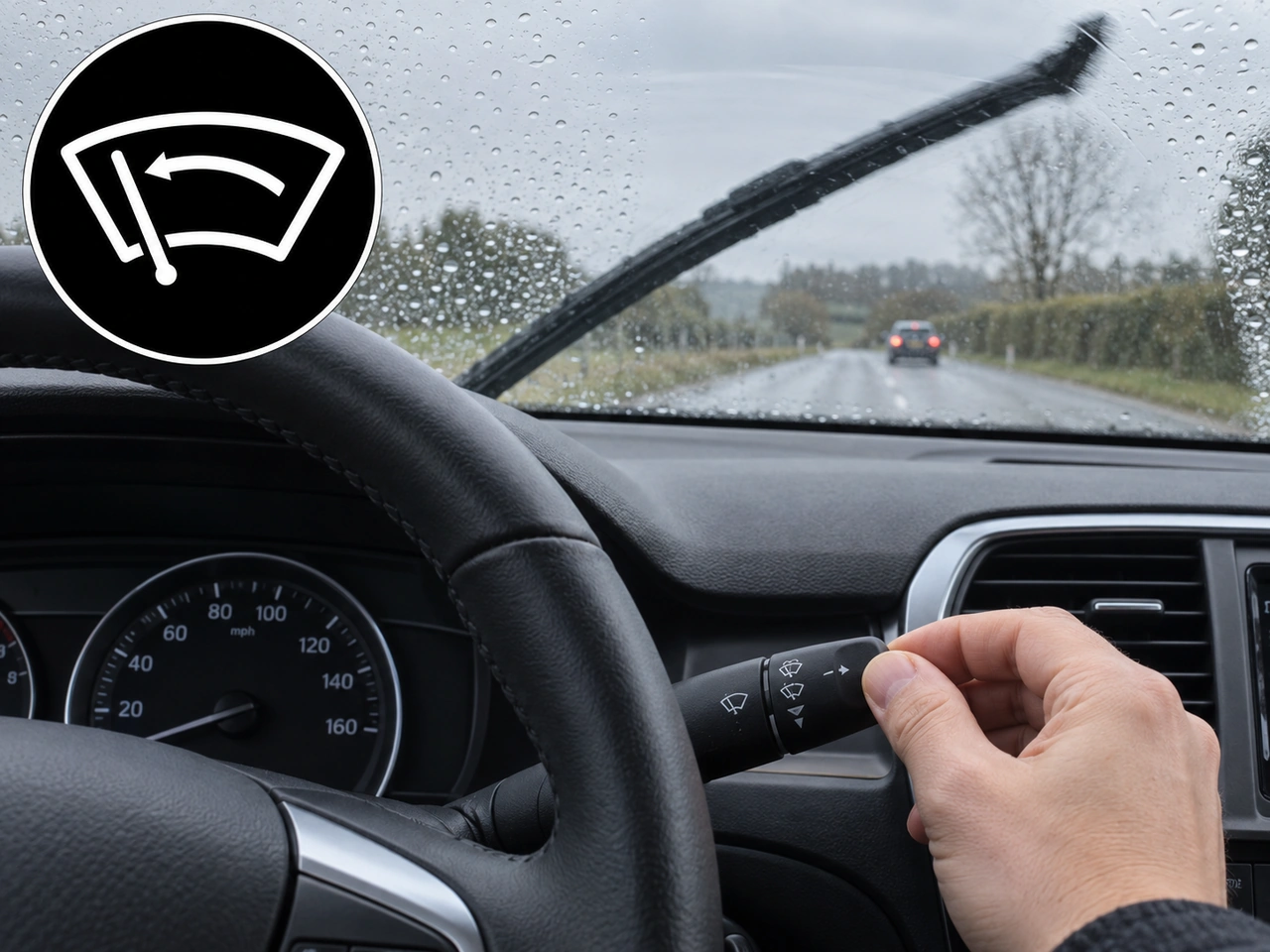
579. What does the single-wipe position of the windscreen-wiper control do?
The single-wipe position operates the windscreen wipers for one sweep and then stops. It is useful when only a small amount of water or spray needs to be cleared from the windscreen.
AI-generated by Traffic-rules.com • WCIT • CC BY-SA
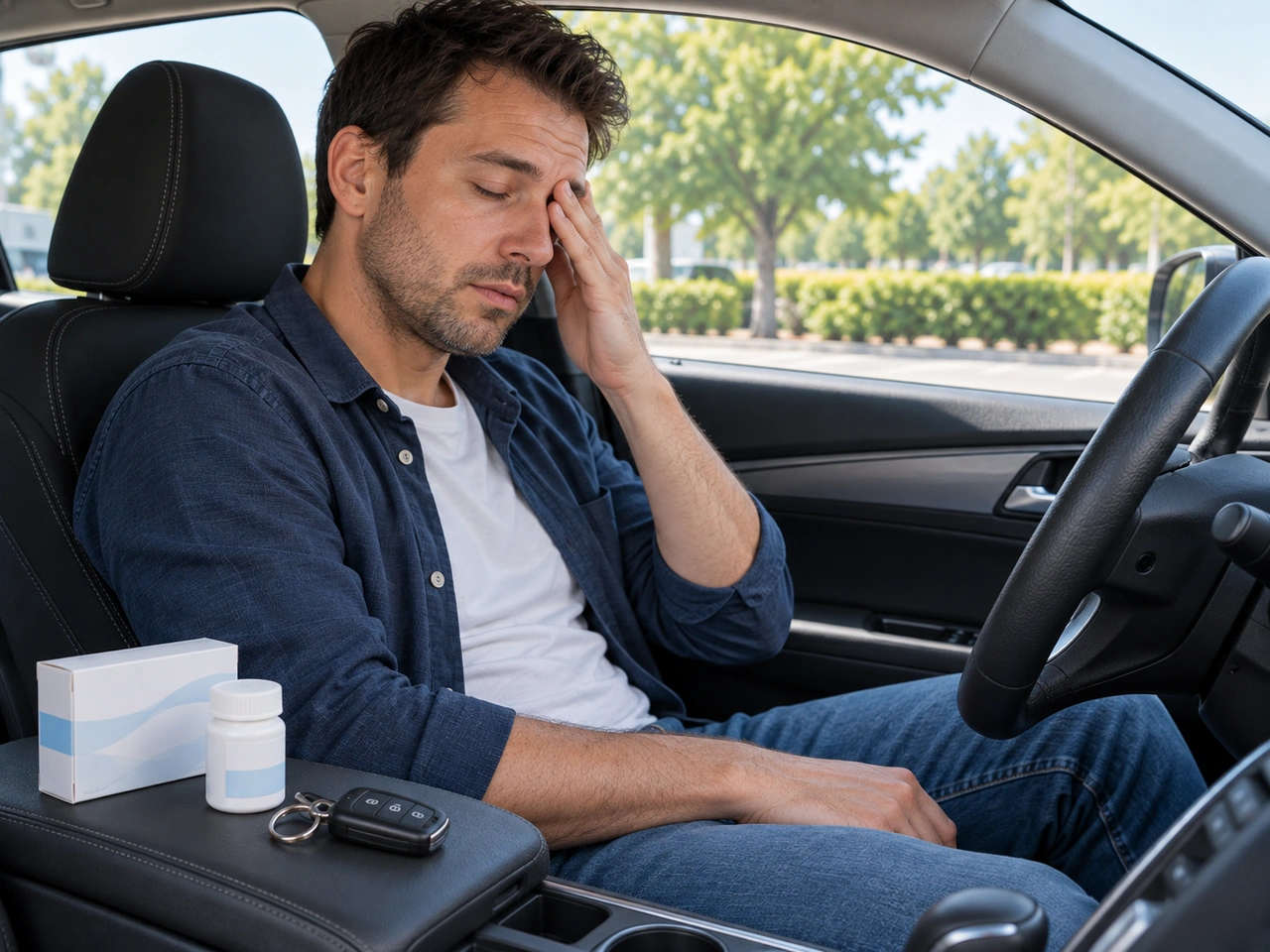
580. What should you do if medicine makes you feel drowsy?
If a medicine causes drowsiness, your concentration, judgement, and reaction time may be reduced. Do not drive until you are fit to do so and the effect has passed.
AI-generated by Traffic-rules.com • WCIT • CC BY-SA
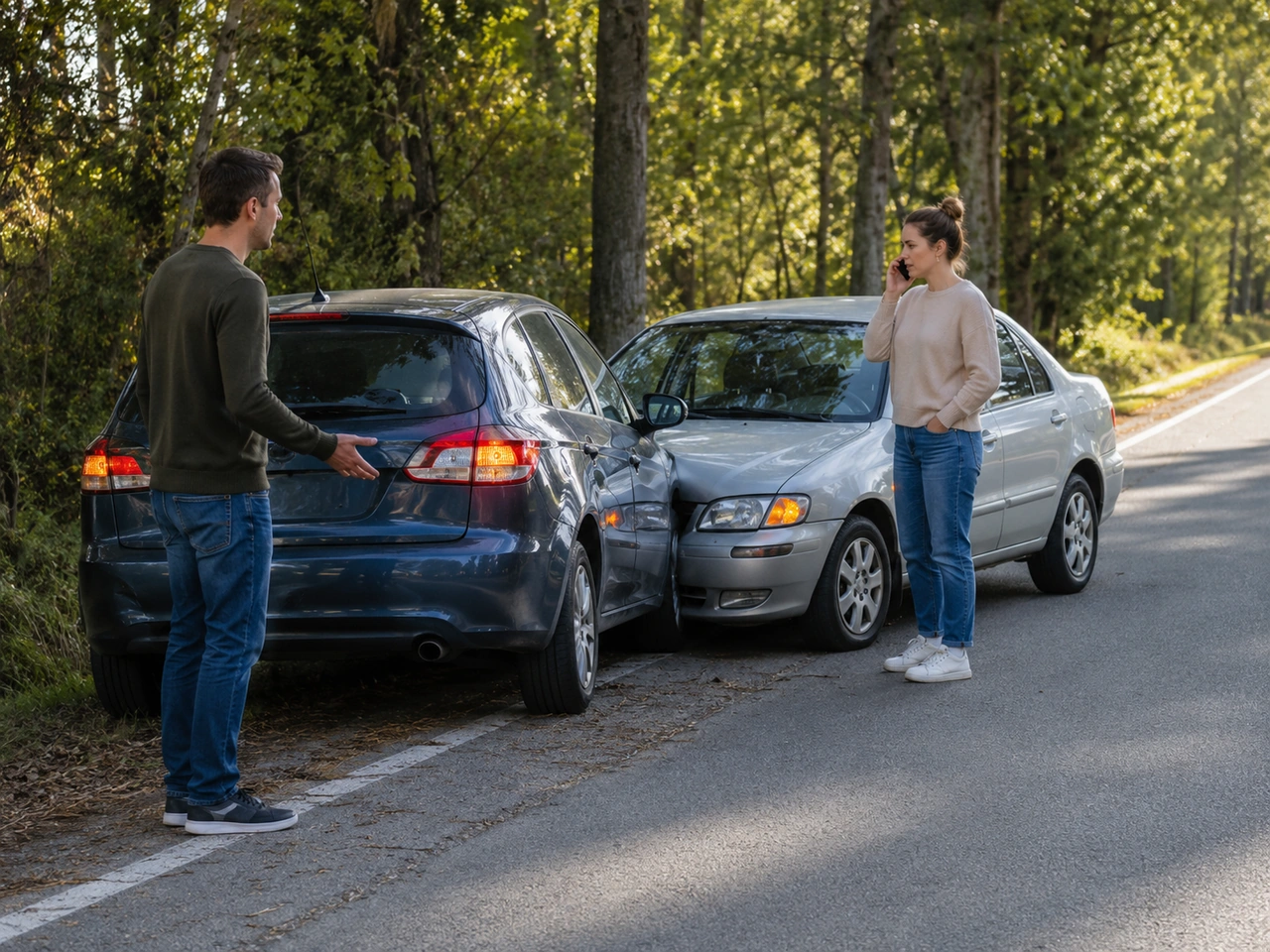
581. What should you do first after a collision?
Stop the vehicle, warn other traffic where appropriate, assess immediate danger and injuries, and contact the emergency services when needed. Exchange any details required by local law.
AI-generated by Traffic-rules.com • WCIT • CC BY-SA
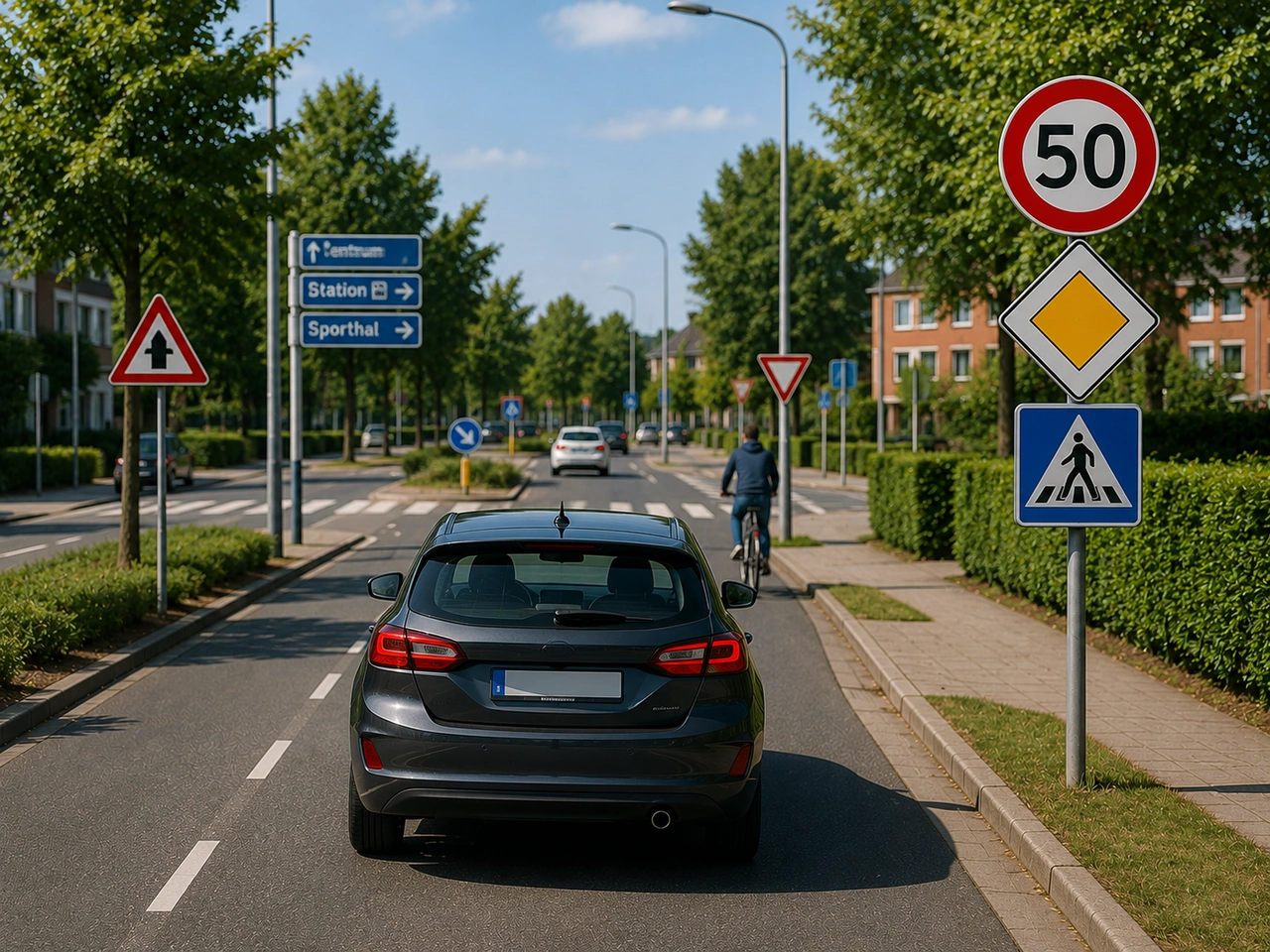
582. Why should you obey traffic signs?
Traffic signs help organise traffic and improve safety for drivers, cyclists, and pedestrians.
AI-generated by Traffic-rules.com • WCIT • CC BY-SA
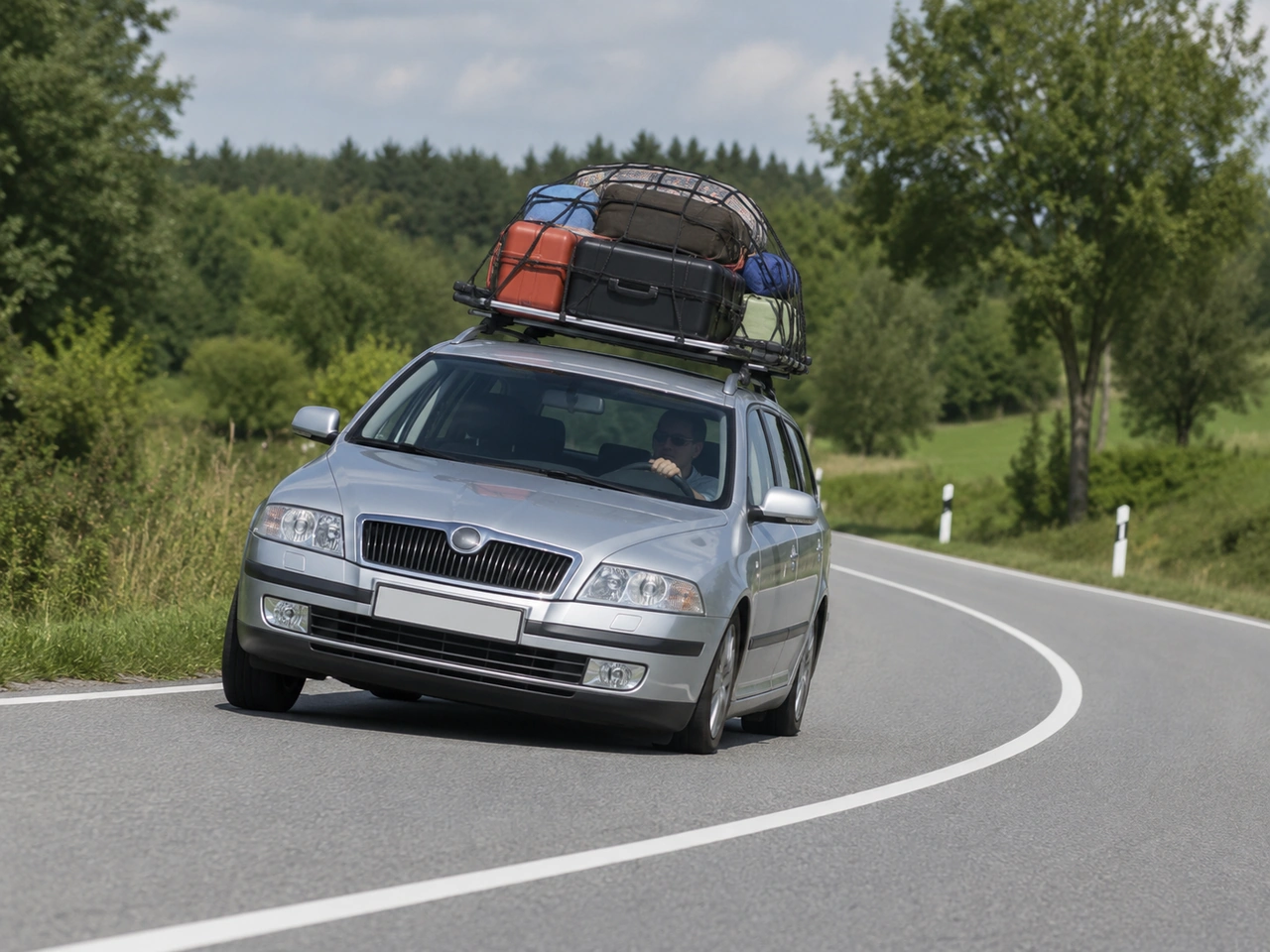
583. How can a roof load affect vehicle handling?
Weight carried high on the vehicle can increase body movement and make sudden steering or cornering less stable.
AI-generated by Traffic-rules.com • WCIT • CC BY-SA
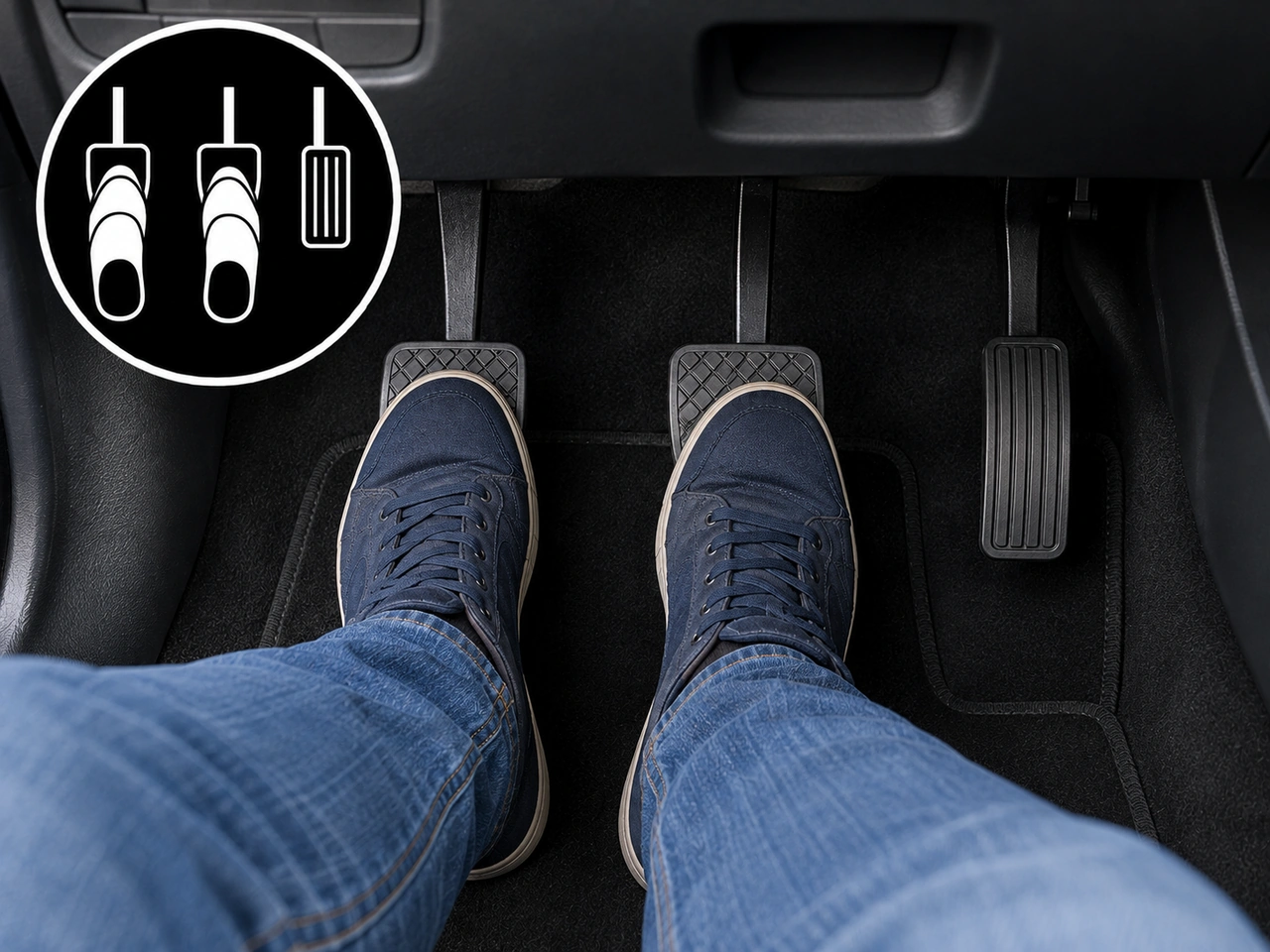
584. What should you do with the clutch during emergency braking in a manual vehicle?
During emergency braking in a manual vehicle, maintain firm pressure on the brake and press the clutch pedal fully so the engine does not stall as the vehicle slows. Do not reduce braking pressure while operating the clutch.
AI-generated by Traffic-rules.com • WCIT • CC BY-SA
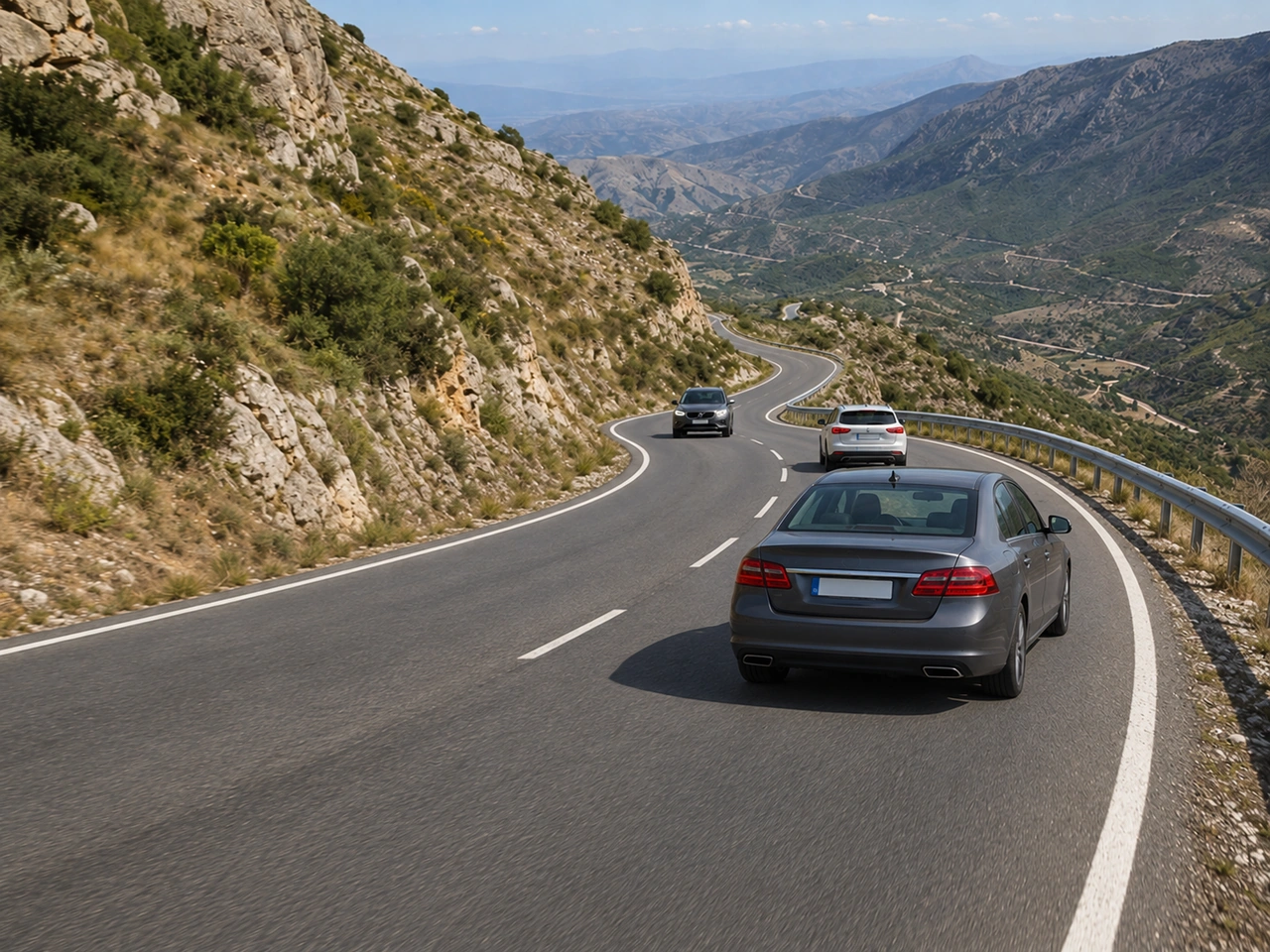
585. What can happen if you use the brakes continuously on a long descent?
Continuous braking can cause the brakes to overheat and fade, reducing braking performance. Use a lower gear to help control speed with engine braking.
AI-generated by Traffic-rules.com • WCIT • CC BY-SA
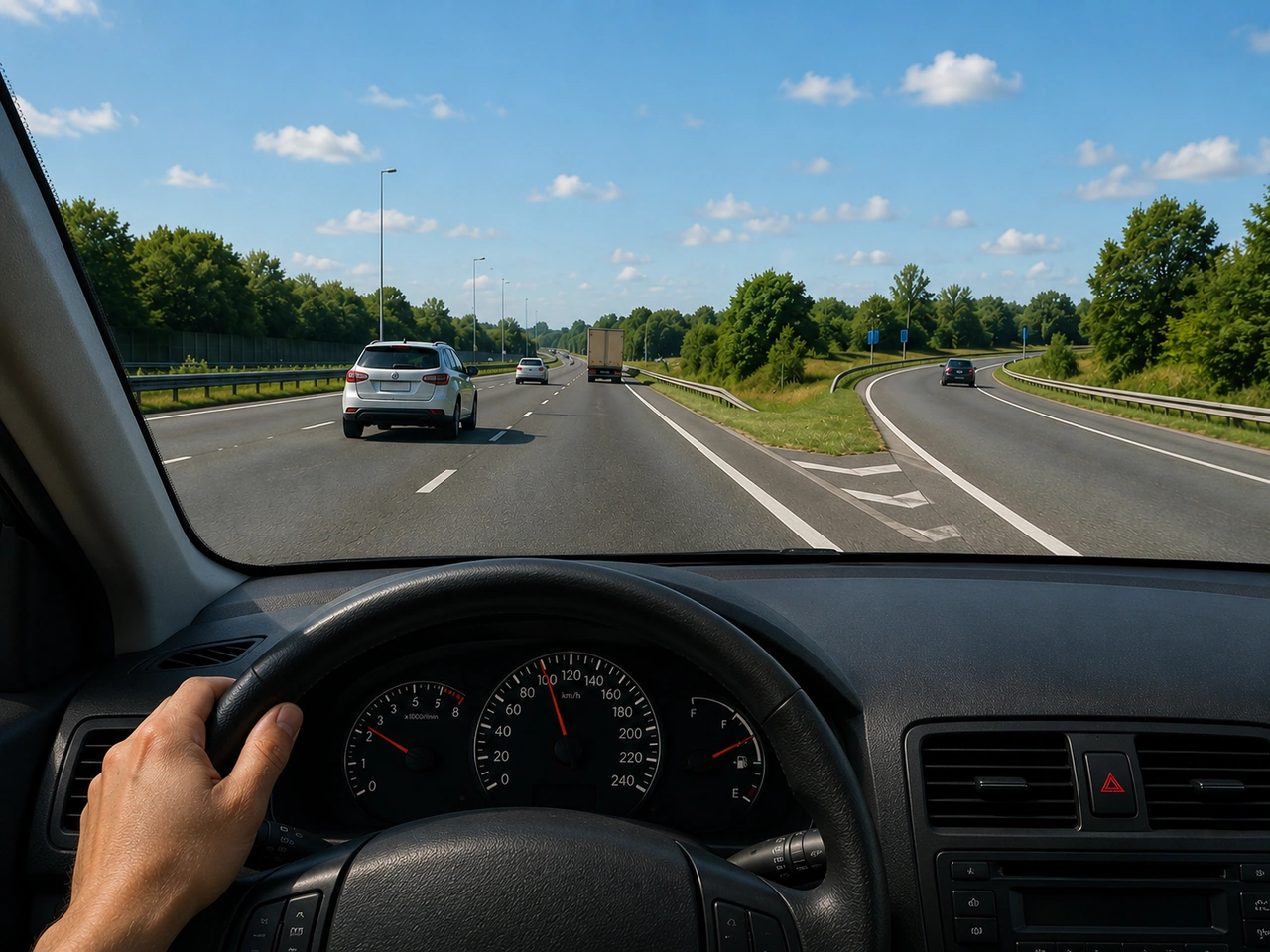
586. What should you do if you miss your motorway exit?
Never reverse or make a sudden manoeuvre. Continue safely and change your route at the next suitable exit.
AI-generated by Traffic-rules.com • WCIT • CC BY-SA
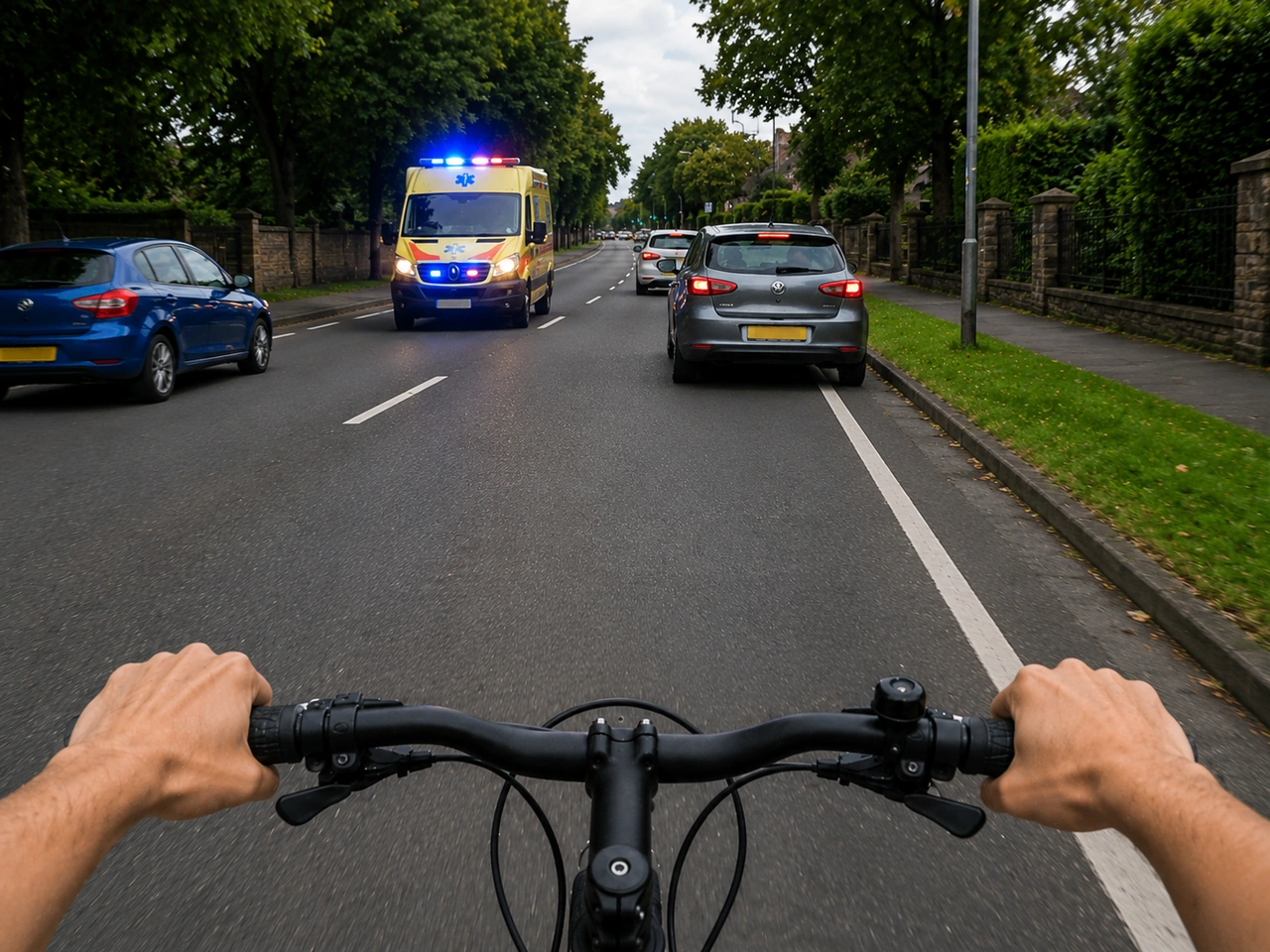
587. What should cyclists do when an emergency vehicle with lights and siren approaches?
Emergency vehicles need a clear route. Move predictably and stop only where doing so is safe.
AI-generated by Traffic-rules.com • WCIT • CC BY-SA
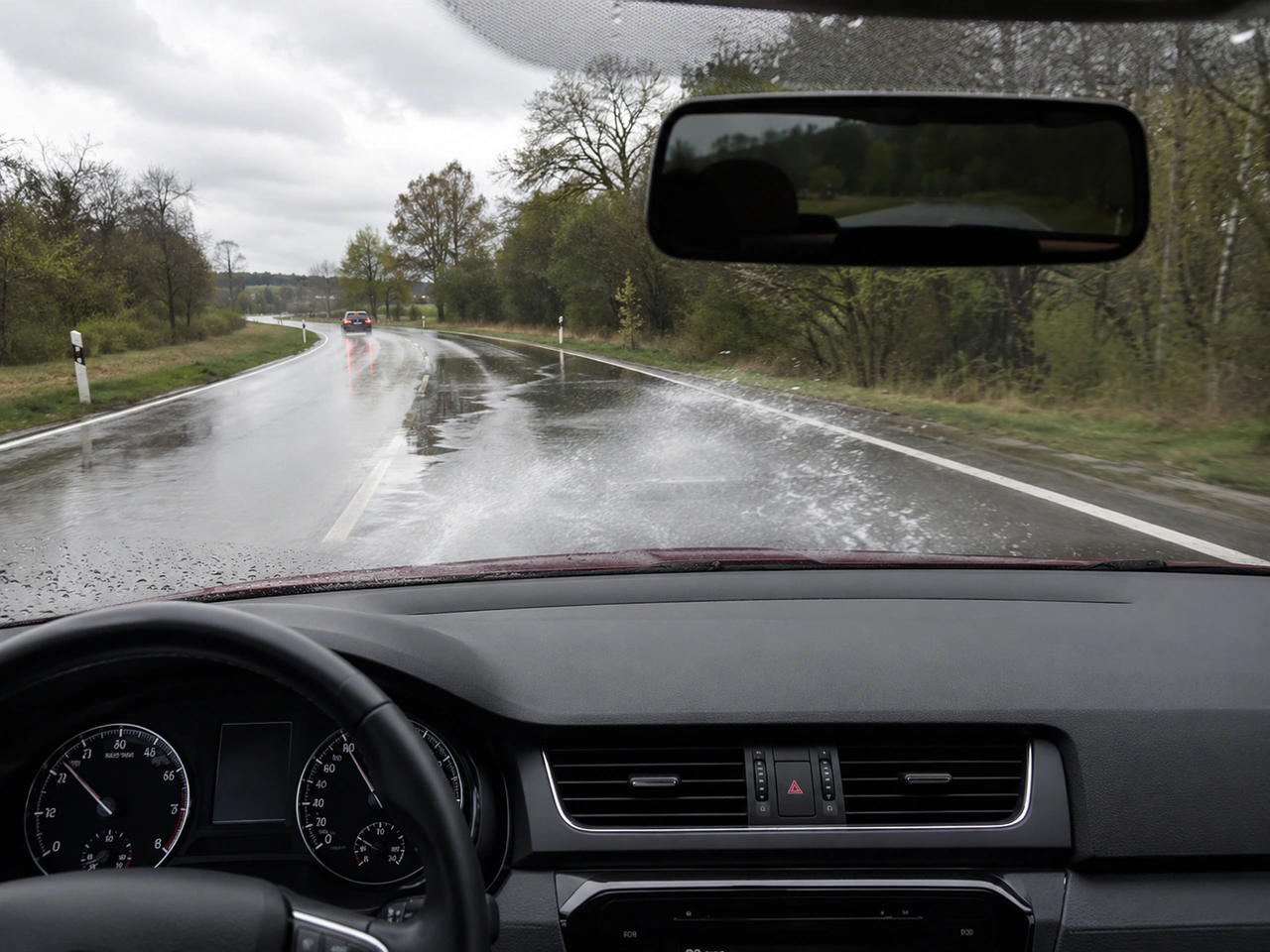
588. Why is it dangerous to drive through standing water at speed?
Driving too fast through water can cause aquaplaning, where the tyres lose grip and the driver may lose control.
AI-generated by Traffic-rules.com • WCIT • CC BY-SA
