


QuizTraffic rulesPhilippines
This interesting quiz helps you test your knowledge in a clear and visual way. With easy multiple-choice questions, you can quickly build confidence and learn new facts while keeping it simple, interactive, and fun.
 Traffic signs
 Traffic rules
 Philippines
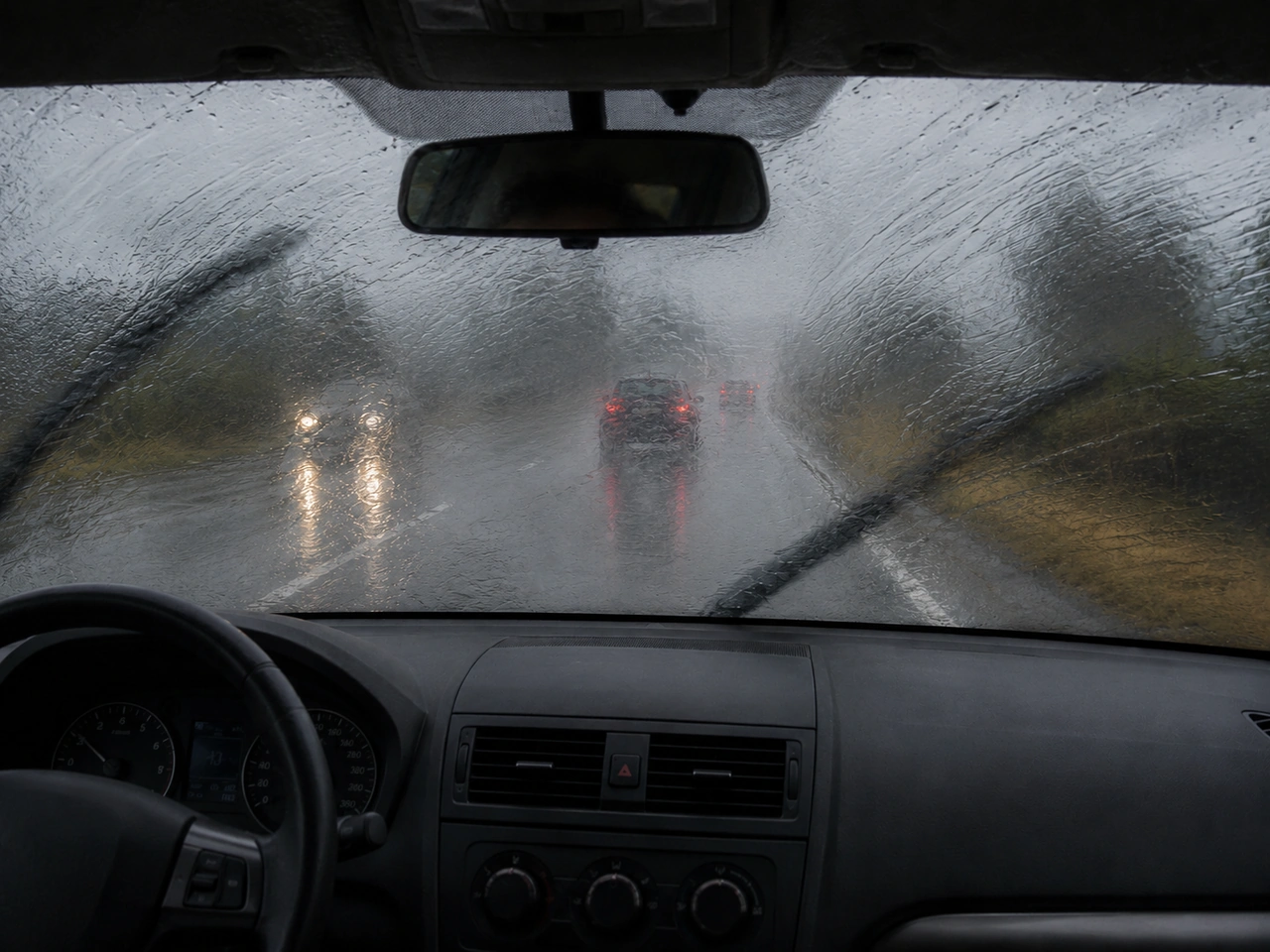
301. What should you do if the windscreen wipers leave the glass smeared?
Worn or dirty wiper blades can seriously reduce visibility in rain. Clean them first and replace them if they remain ineffective or damaged.
AI-generated by Traffic-rules.com • WCIT • CC BY-SA

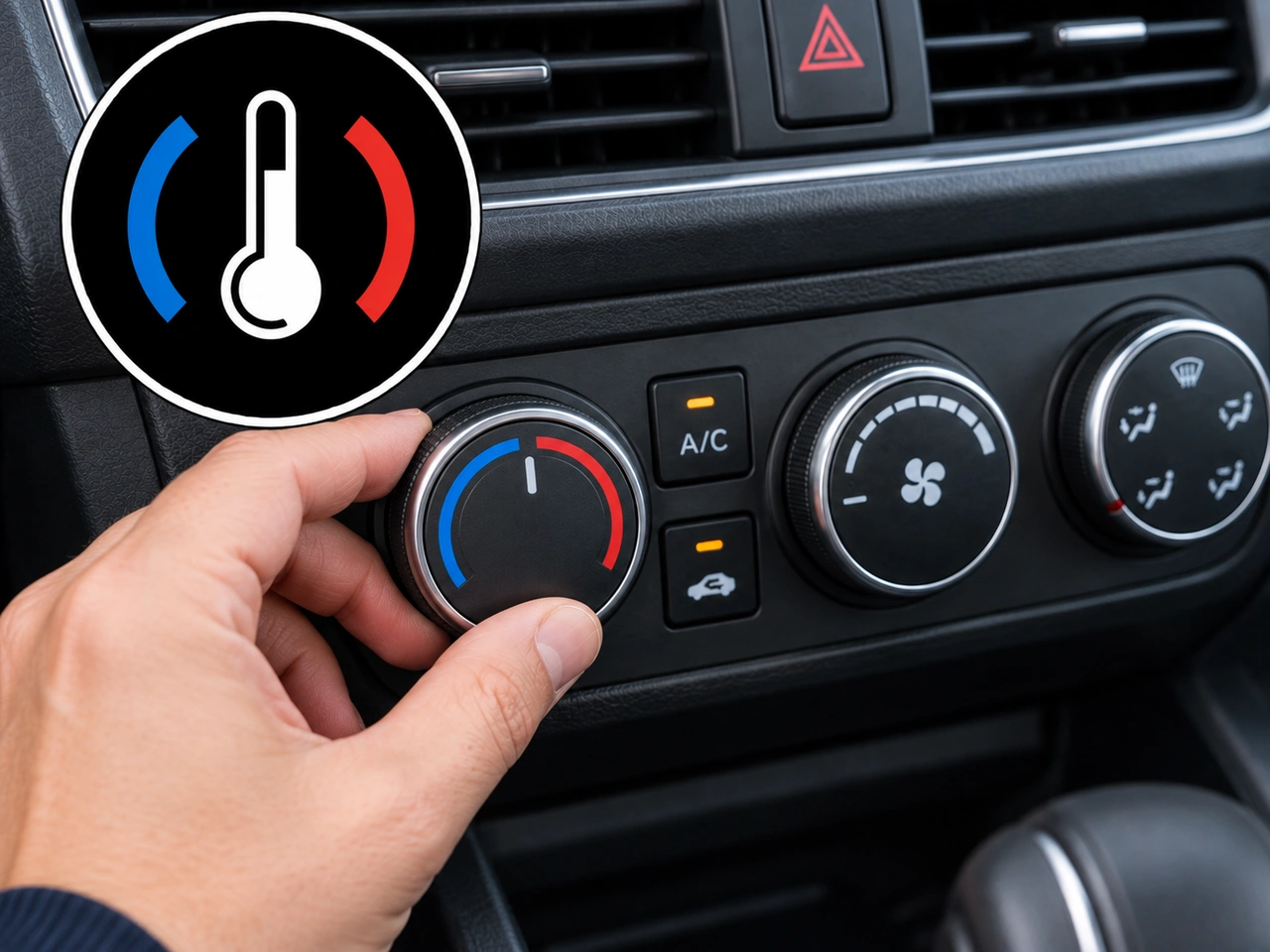
302. What does this vehicle-control symbol indicate?
This control adjusts the temperature of the air supplied to the cabin. Turning it towards the blue side lowers the selected temperature, while turning it towards the red side raises it.
AI-generated by Traffic-rules.com • WCIT • CC BY-SA
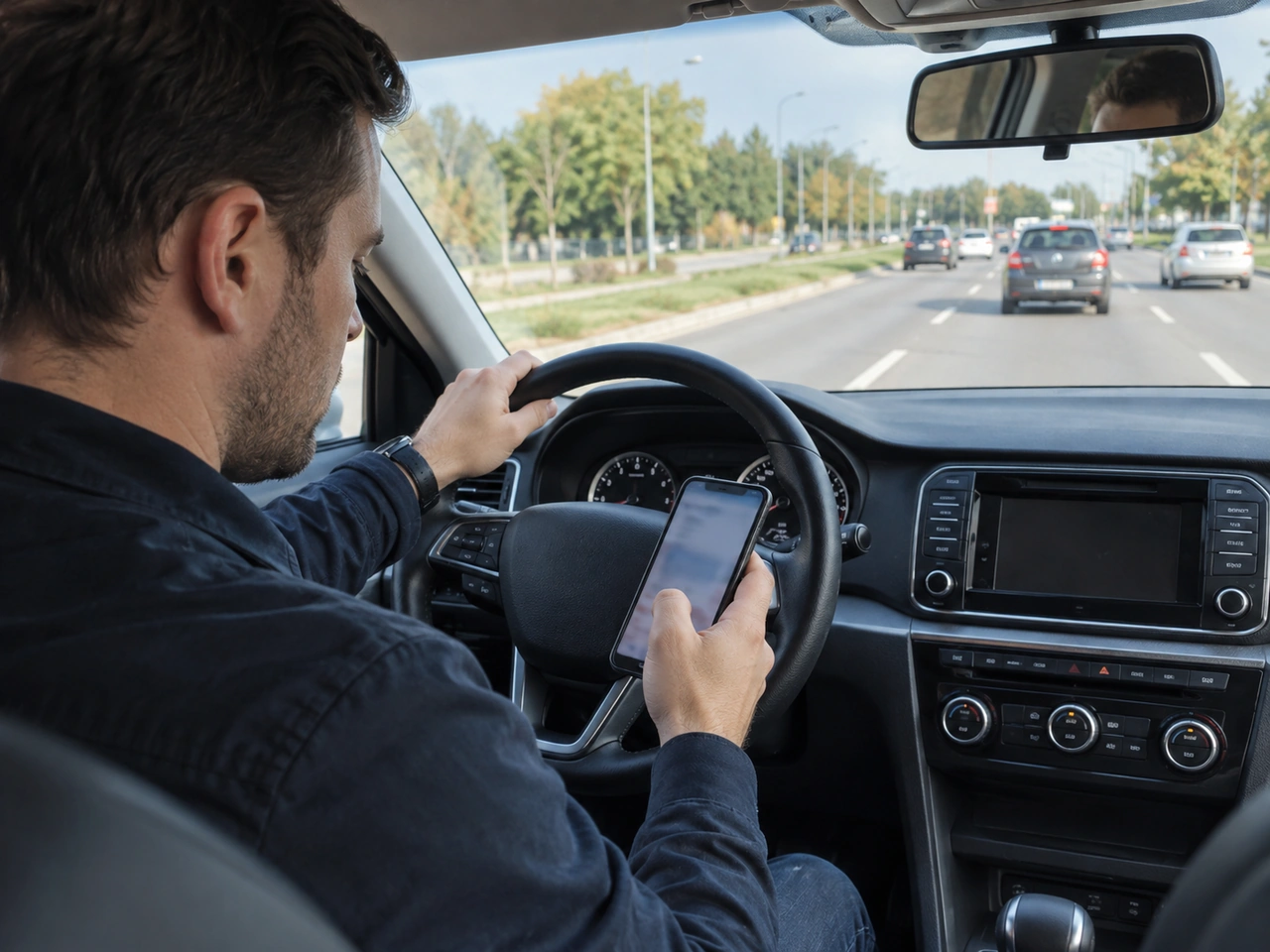
303. Why should you avoid using a phone while driving?
Using a phone while driving reduces attention, reaction time, and control of the vehicle. A hands-free system may reduce the need to handle the phone, but the conversation itself can still be distracting.
AI-generated by Traffic-rules.com • WCIT • CC BY-SA
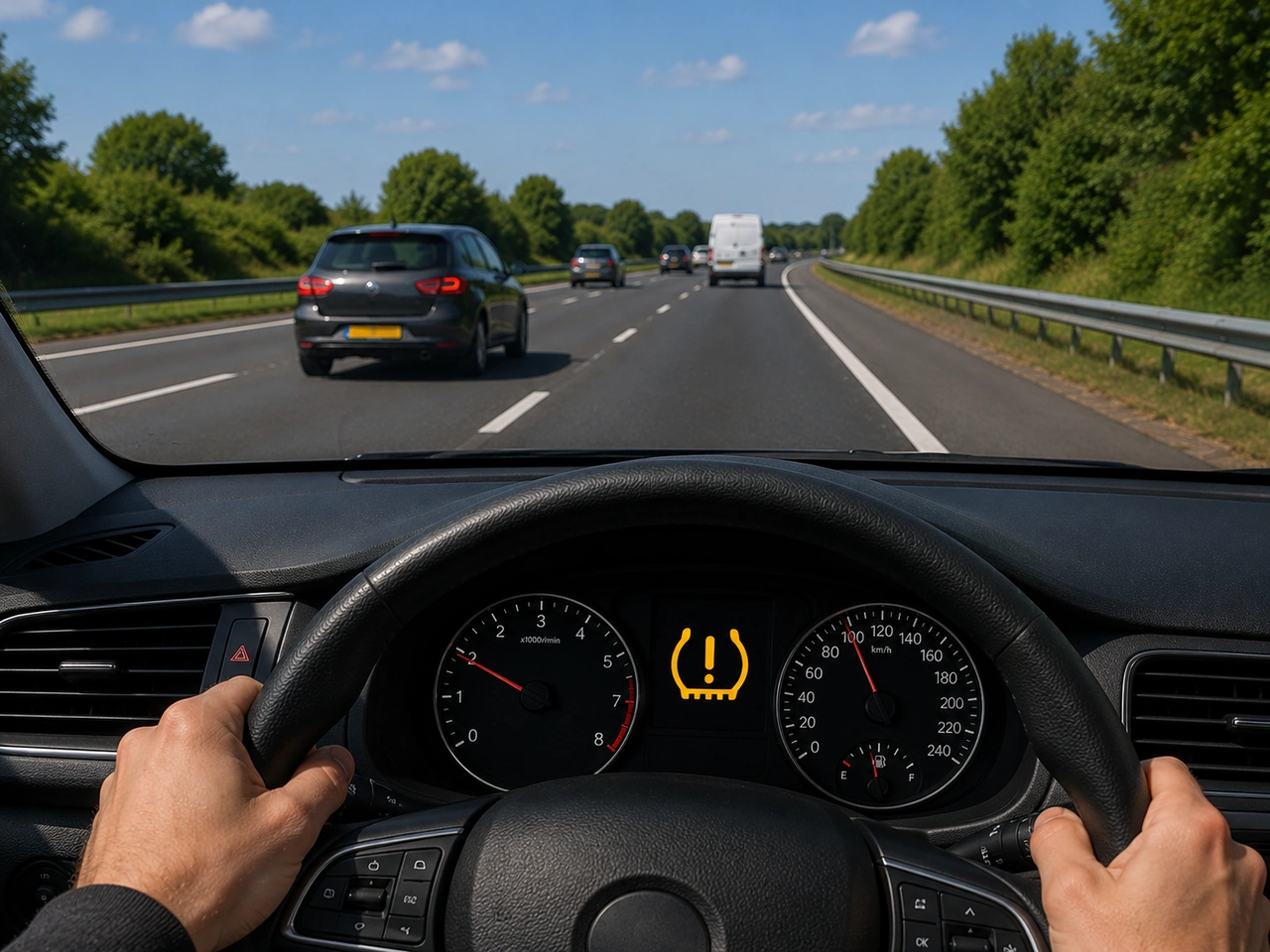
304. What should you do if a tyre-pressure warning appears and handling changes?
A pressure loss or damaged tyre can affect steering and braking. If the tyre-pressure warning appears together with a change in handling, it may indicate a serious tyre problem. Stop safely and inspect the tyres before continuing.
AI-generated by Traffic-rules.com • WCIT • CC BY-SA
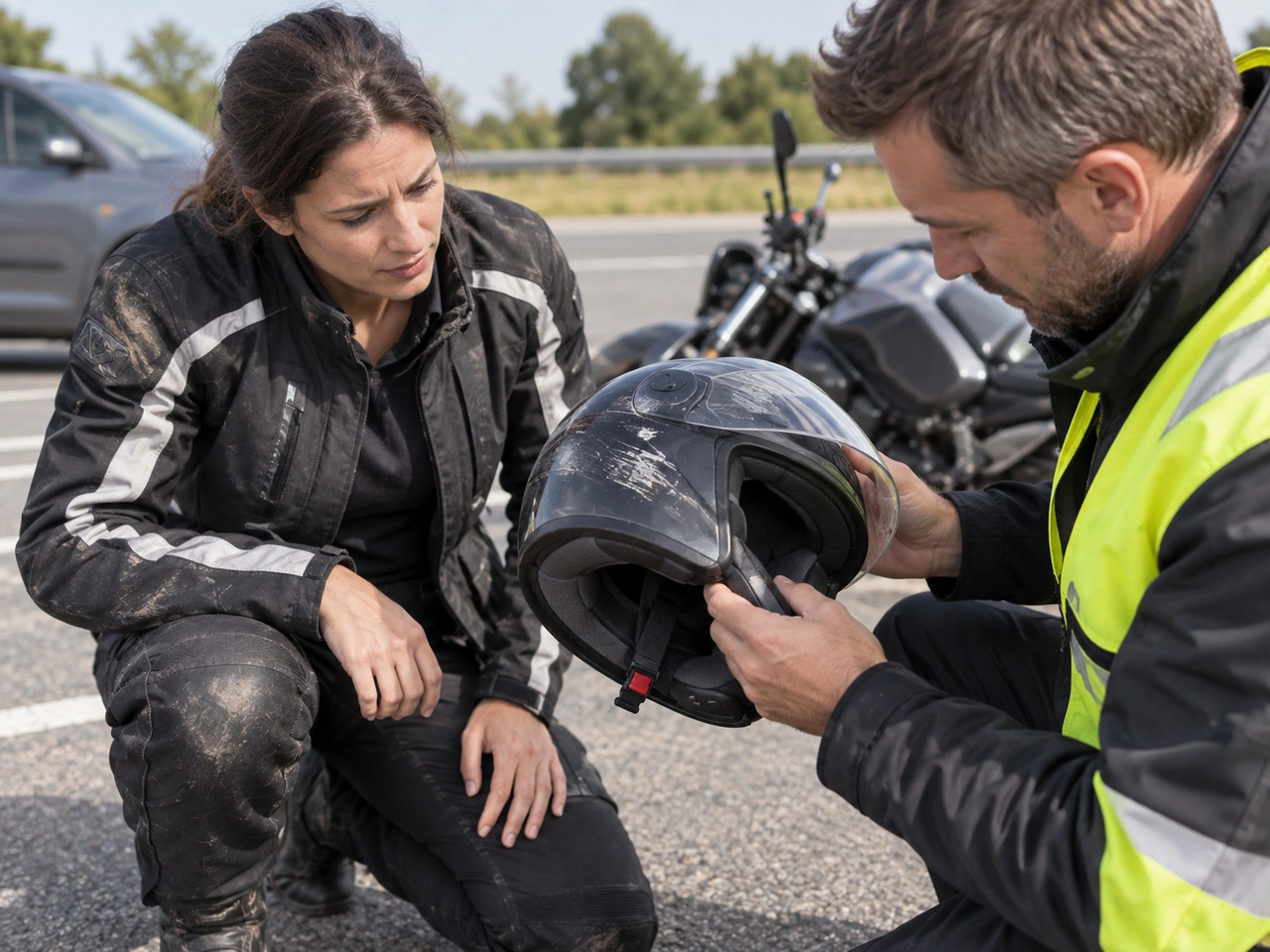
305. What should you do with a helmet that has taken a significant impact in a collision?
A helmet can be damaged internally by a significant impact even when no damage is visible from the outside. Stop using the helmet and follow the manufacturer's guidance, which will commonly require replacement after a significant impact.
AI-generated by Traffic-rules.com • WCIT • CC BY-SA
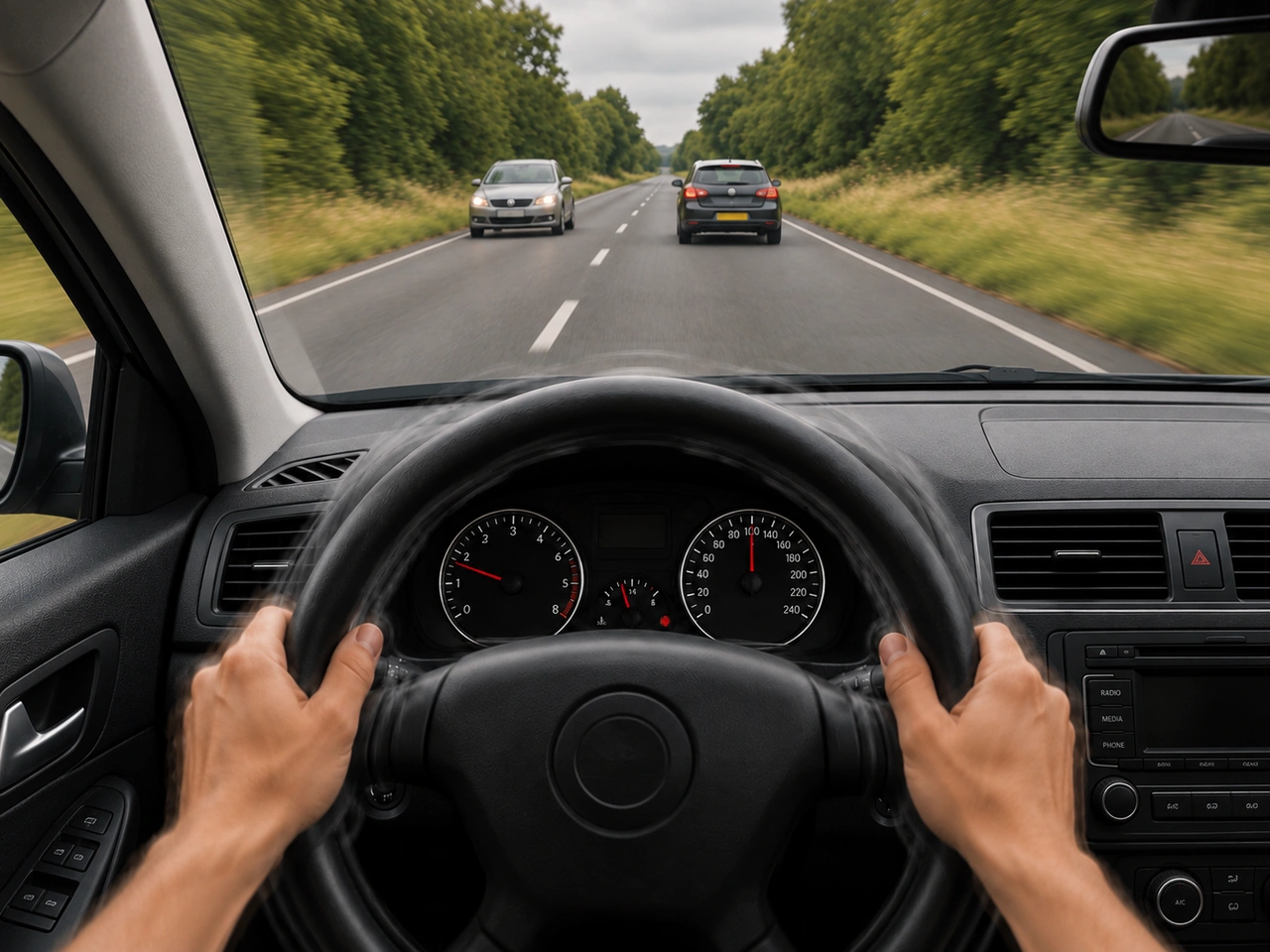
306. What should you do if an unusual vibration develops in the steering wheel?
An unusual vibration may indicate tyre damage, wheel imbalance, loose components, or another mechanical fault. Reduce speed and arrange an inspection.
AI-generated by Traffic-rules.com • WCIT • CC BY-SA
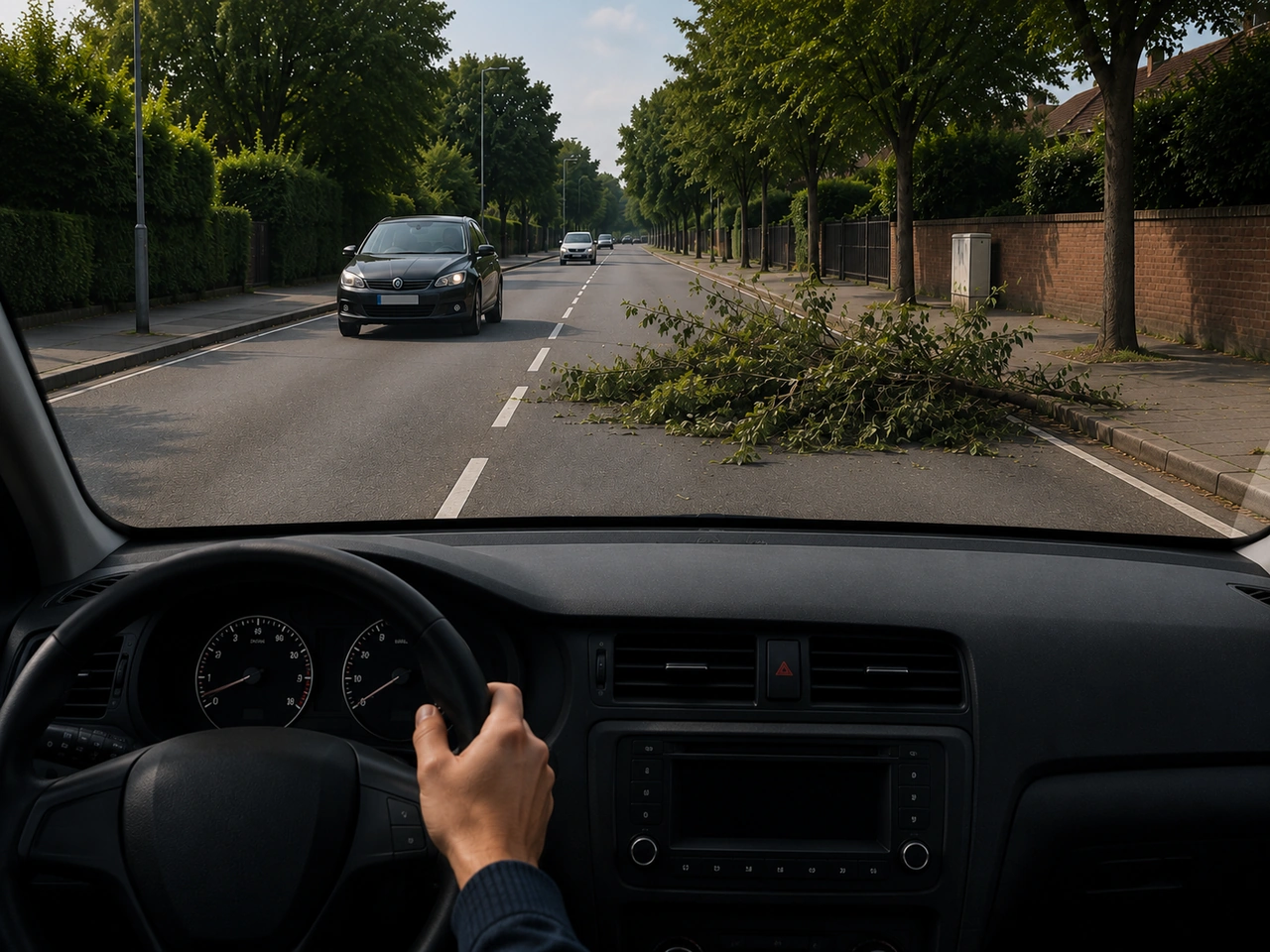
307. What should you do if your lane is blocked by an obstacle?
If your lane is blocked, reduce speed, check mirrors and oncoming traffic, and only move around the obstacle when it is safe.
AI-generated by Traffic-rules.com • WCIT • CC BY-SA
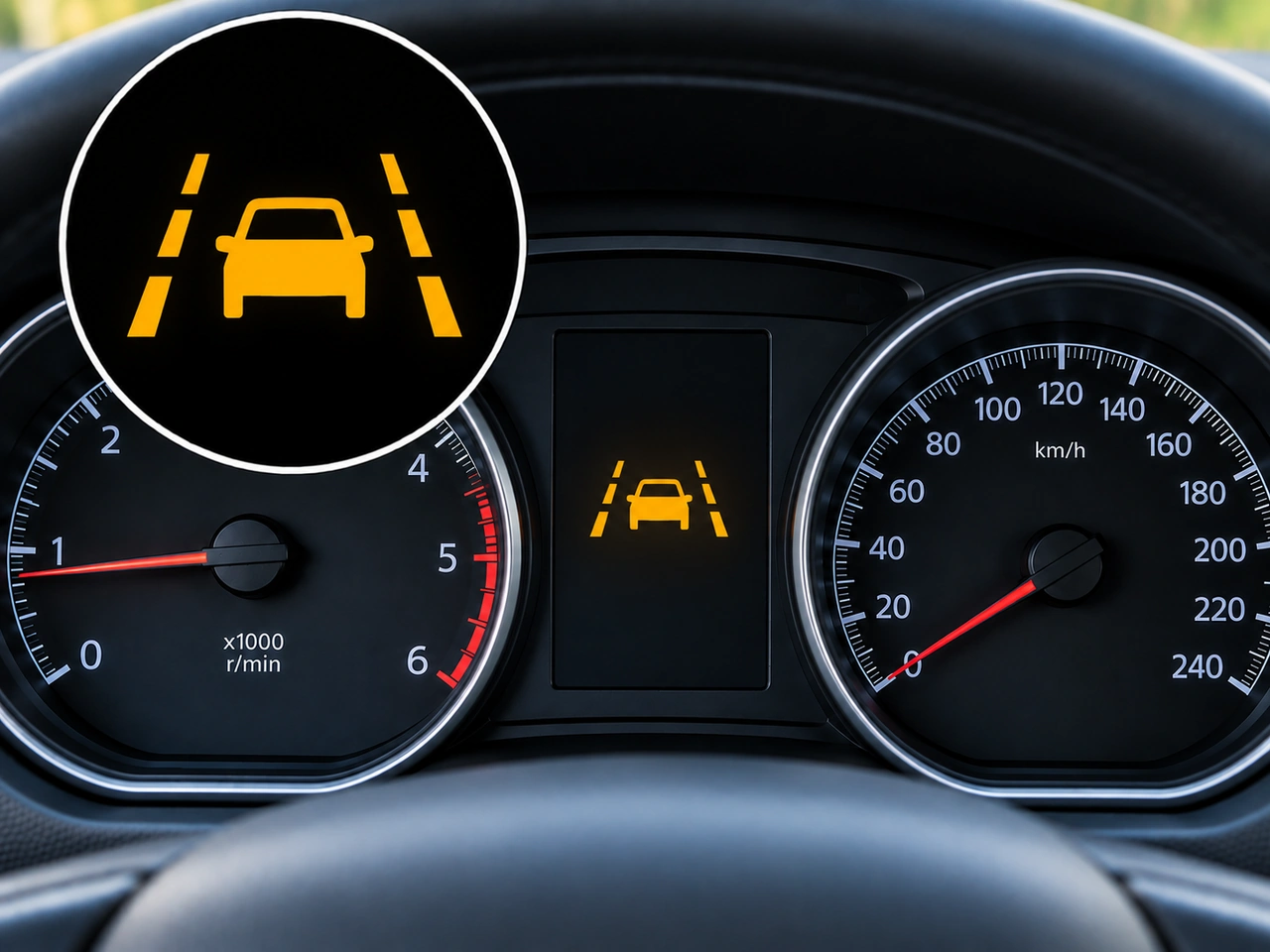
308. What does this dashboard symbol indicate?
This symbol relates to the lane-departure warning or lane-keeping system. The system monitors the vehicle's position within its lane and may warn the driver if the vehicle begins to leave the lane unintentionally.
AI-generated by Traffic-rules.com • WCIT • CC BY-SA
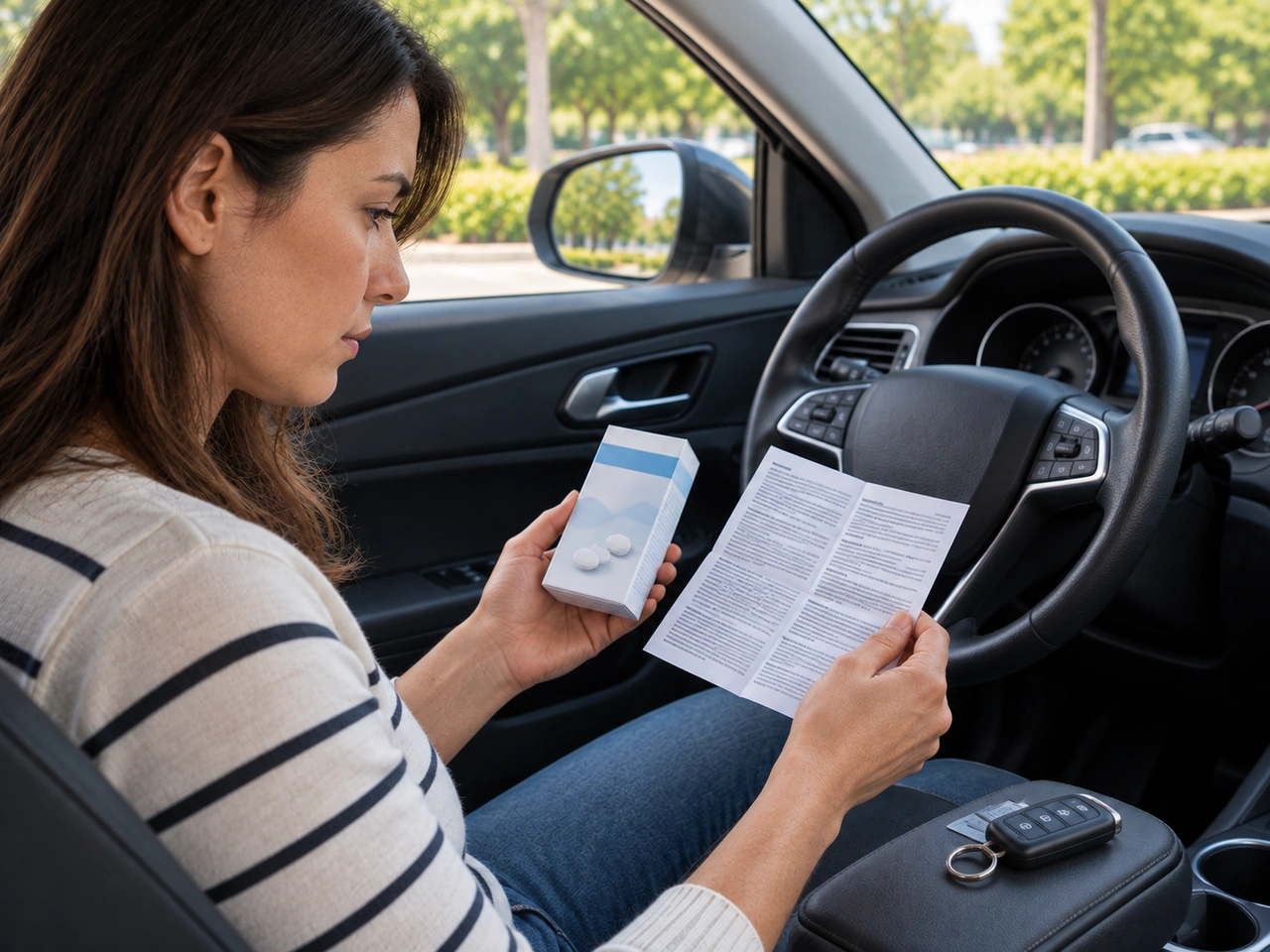
309. What should you do before driving after taking medicine?
Some medicines can affect driving ability by causing drowsiness, dizziness, blurred vision, slower reactions, or reduced concentration. Check the label or patient information and follow advice from your doctor or pharmacist before driving.
AI-generated by Traffic-rules.com • WCIT • CC BY-SA
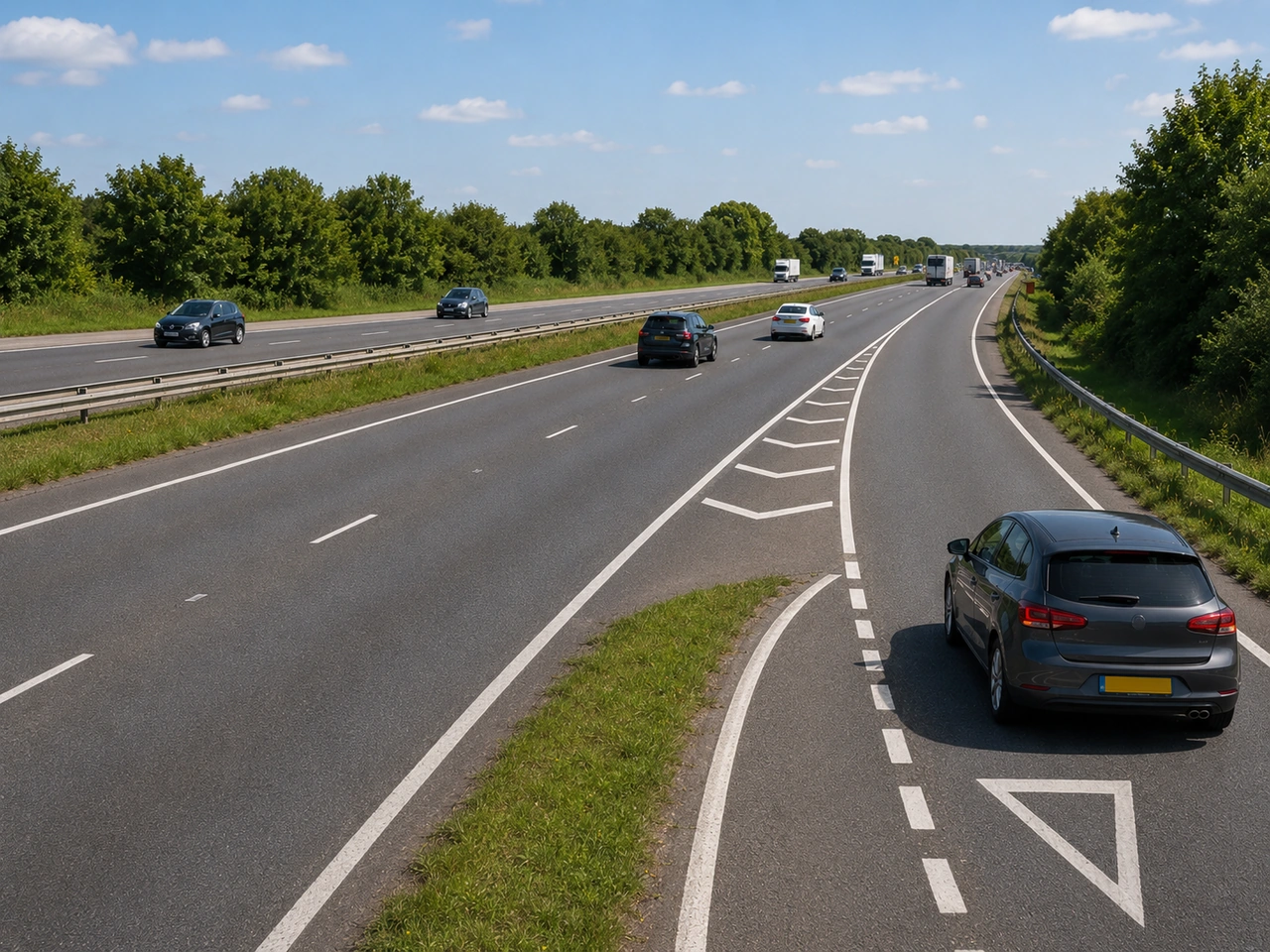
310. Who normally has priority when you enter a motorway from an entry lane?
You must adjust your speed and find a safe gap without forcing motorway traffic to brake or change direction.
AI-generated by Traffic-rules.com • WCIT • CC BY-SA
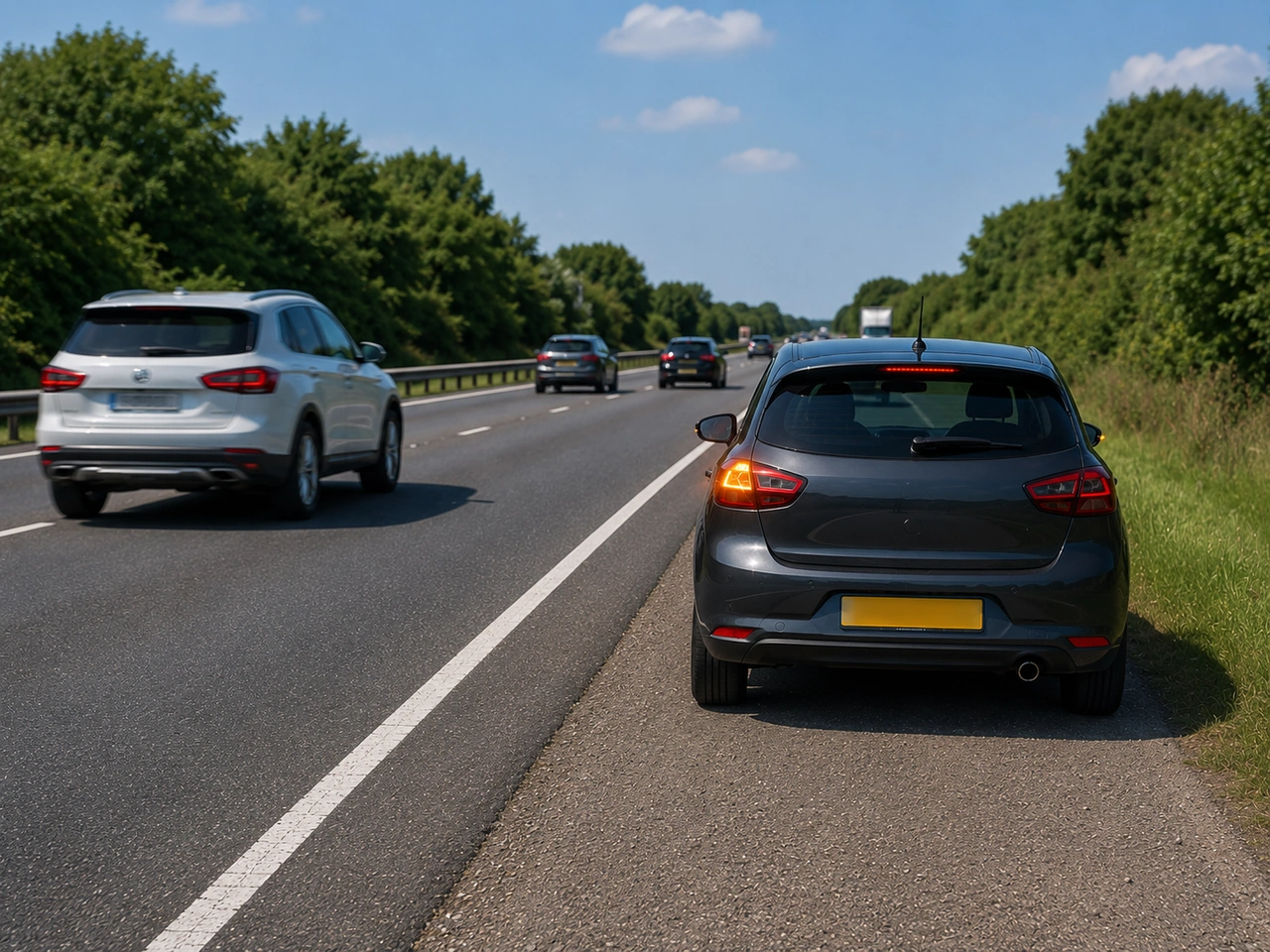
311. What should you do before rejoining traffic after a breakdown?
Check mirrors and blind spots, signal clearly, and build up speed safely without causing approaching traffic to brake suddenly.
AI-generated by Traffic-rules.com • WCIT • CC BY-SA
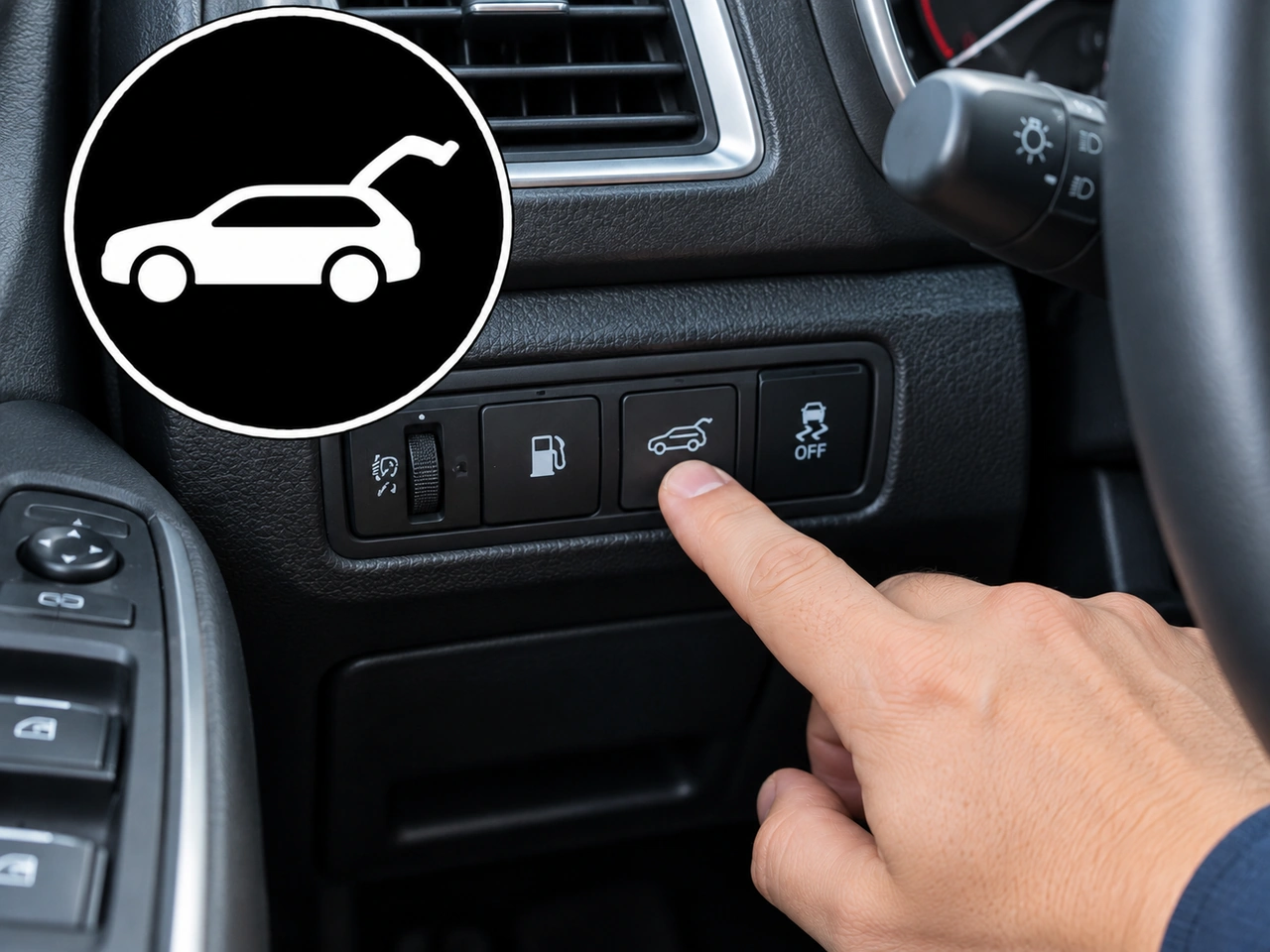
312. What does this vehicle-control symbol indicate?
This symbol indicates the boot or tailgate release. Operating the control unlocks or opens the luggage compartment, depending on the vehicle.
AI-generated by Traffic-rules.com • WCIT • CC BY-SA
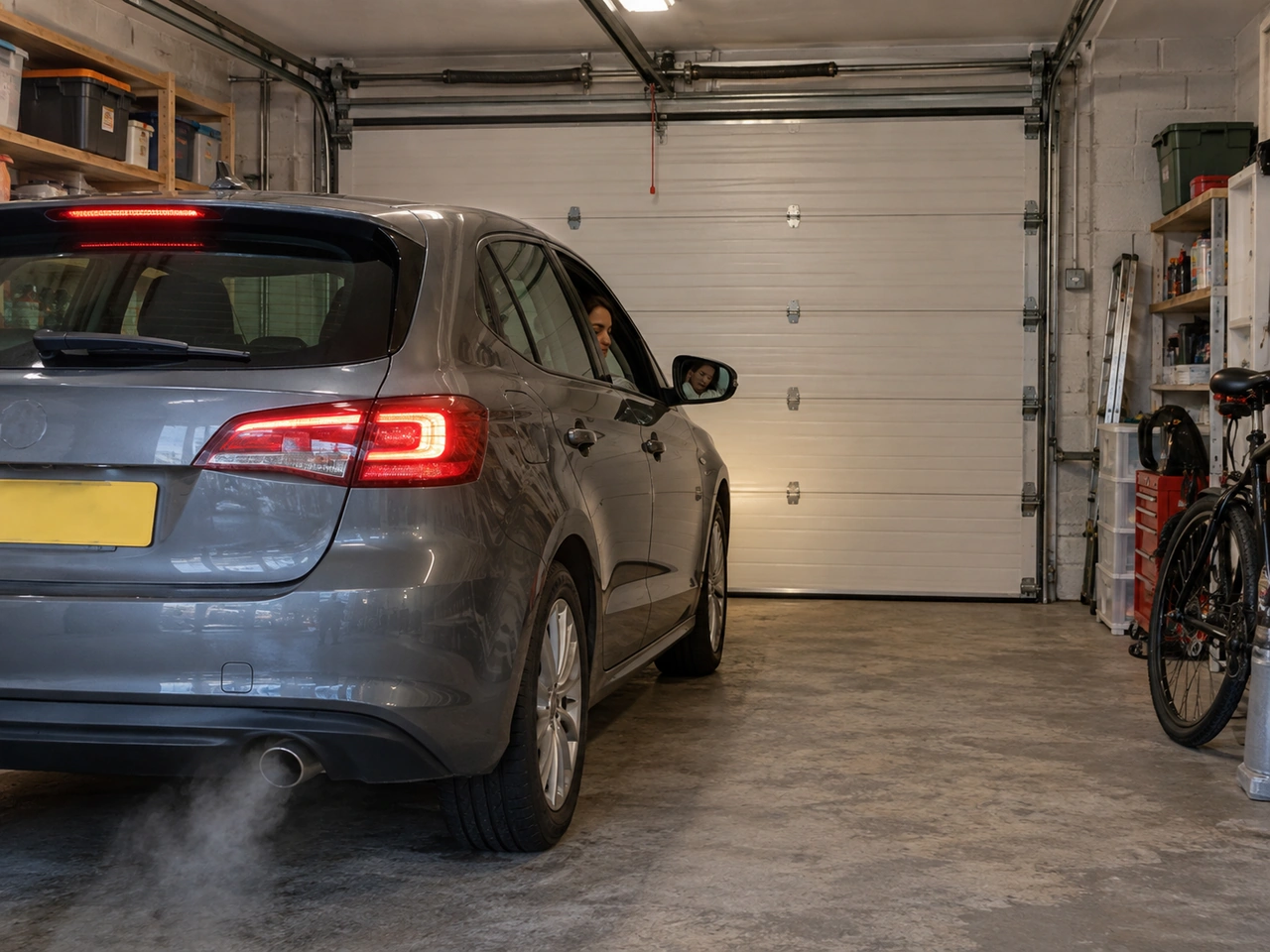
313. Why should you never leave a petrol or diesel engine running in an enclosed space?
Exhaust gases from petrol and diesel engines can contain carbon monoxide, a poisonous gas that can build up quickly in an enclosed or poorly ventilated space. Never leave the engine running inside a closed garage or similar area.
AI-generated by Traffic-rules.com • WCIT • CC BY-SA
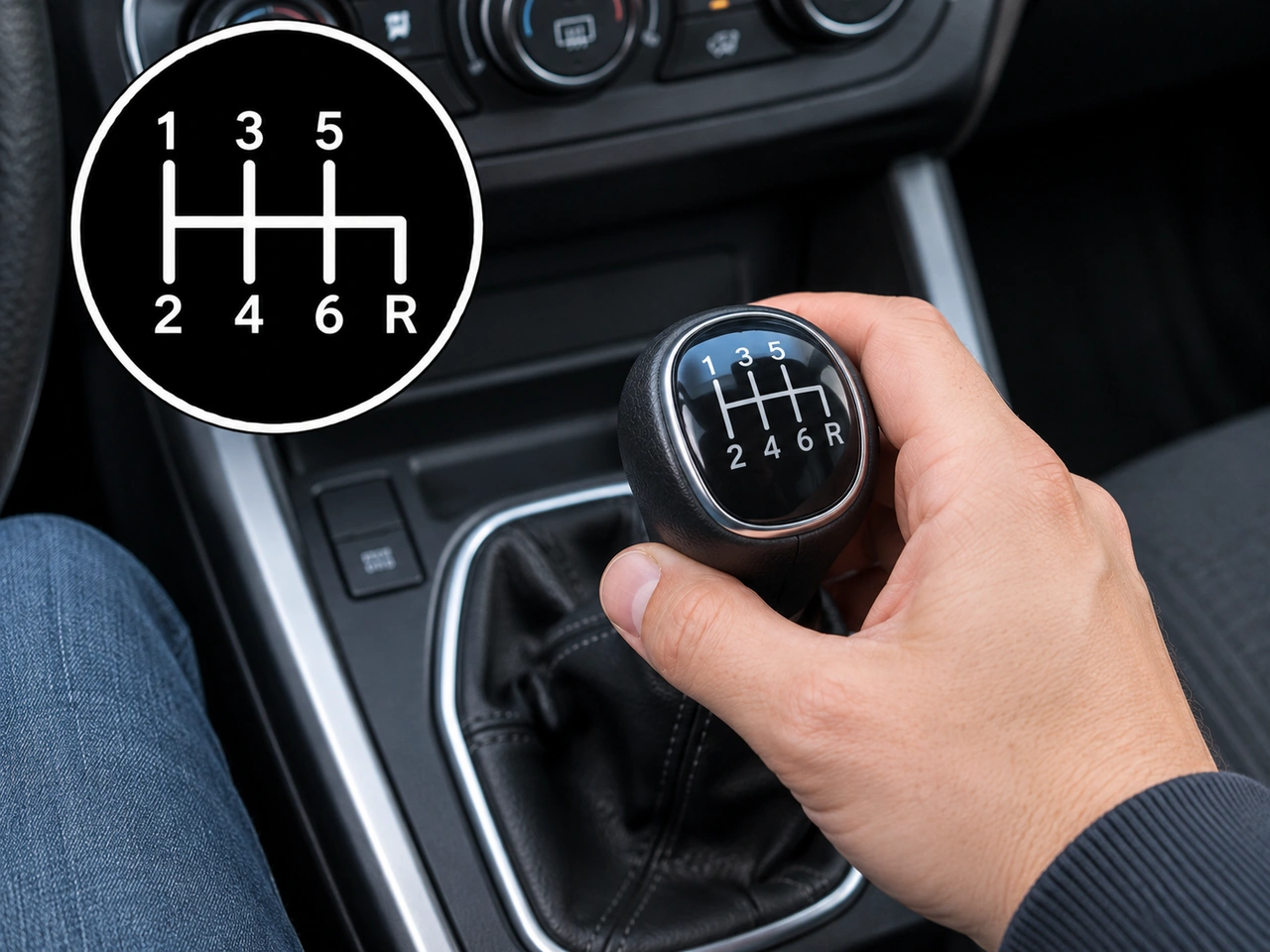
314. Which gear is normally used when moving off from a standstill?
1st gear is normally used when moving off from a standstill because it provides the greatest pulling power at low speed.
AI-generated by Traffic-rules.com • WCIT • CC BY-SA
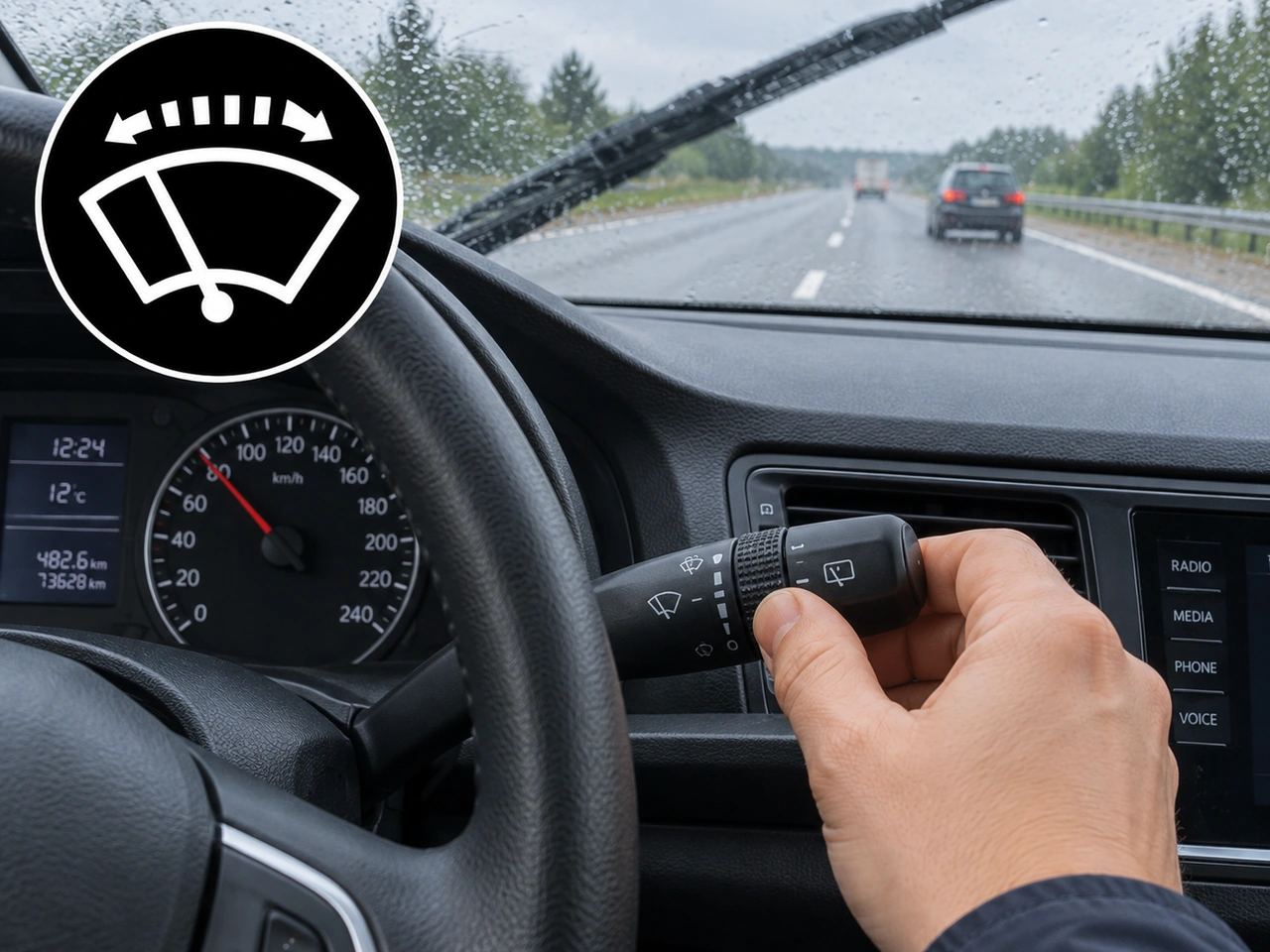
315. What does the intermittent wiper interval control adjust?
The intermittent wiper interval control adjusts the time between windscreen-wiper sweeps, allowing the driver to match the wiping frequency to light rain or spray.
AI-generated by Traffic-rules.com • WCIT • CC BY-SA
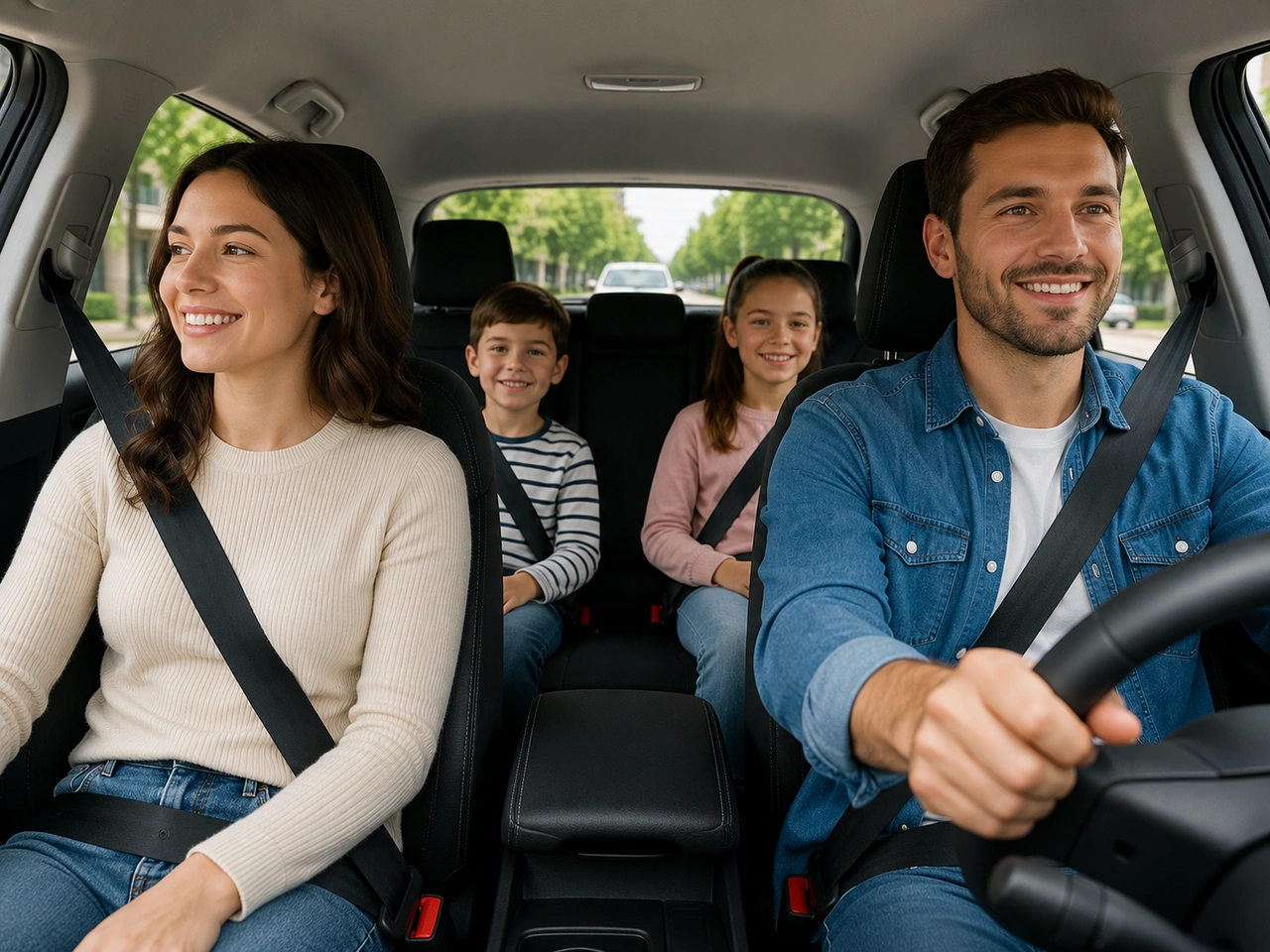
316. Who should always wear a seat belt?
Seat belts greatly reduce the risk of serious injury in a crash and should be worn by everyone in the vehicle.
AI-generated by Traffic-rules.com • WCIT • CC BY-SA
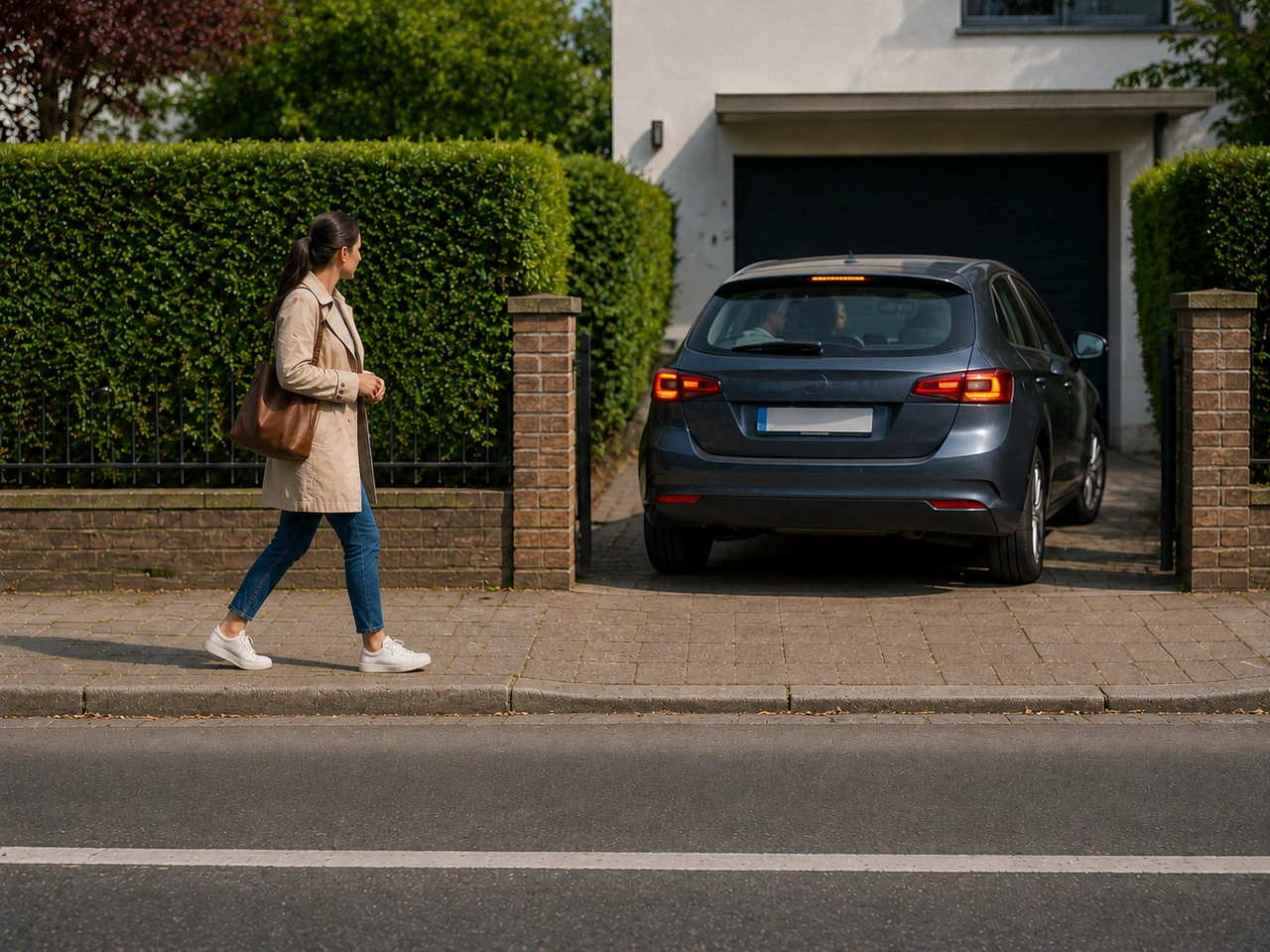
317. What should you do when walking near a driveway?
Vehicles may enter or leave driveways suddenly. Stay alert and check for moving vehicles.
AI-generated by Traffic-rules.com • WCIT • CC BY-SA
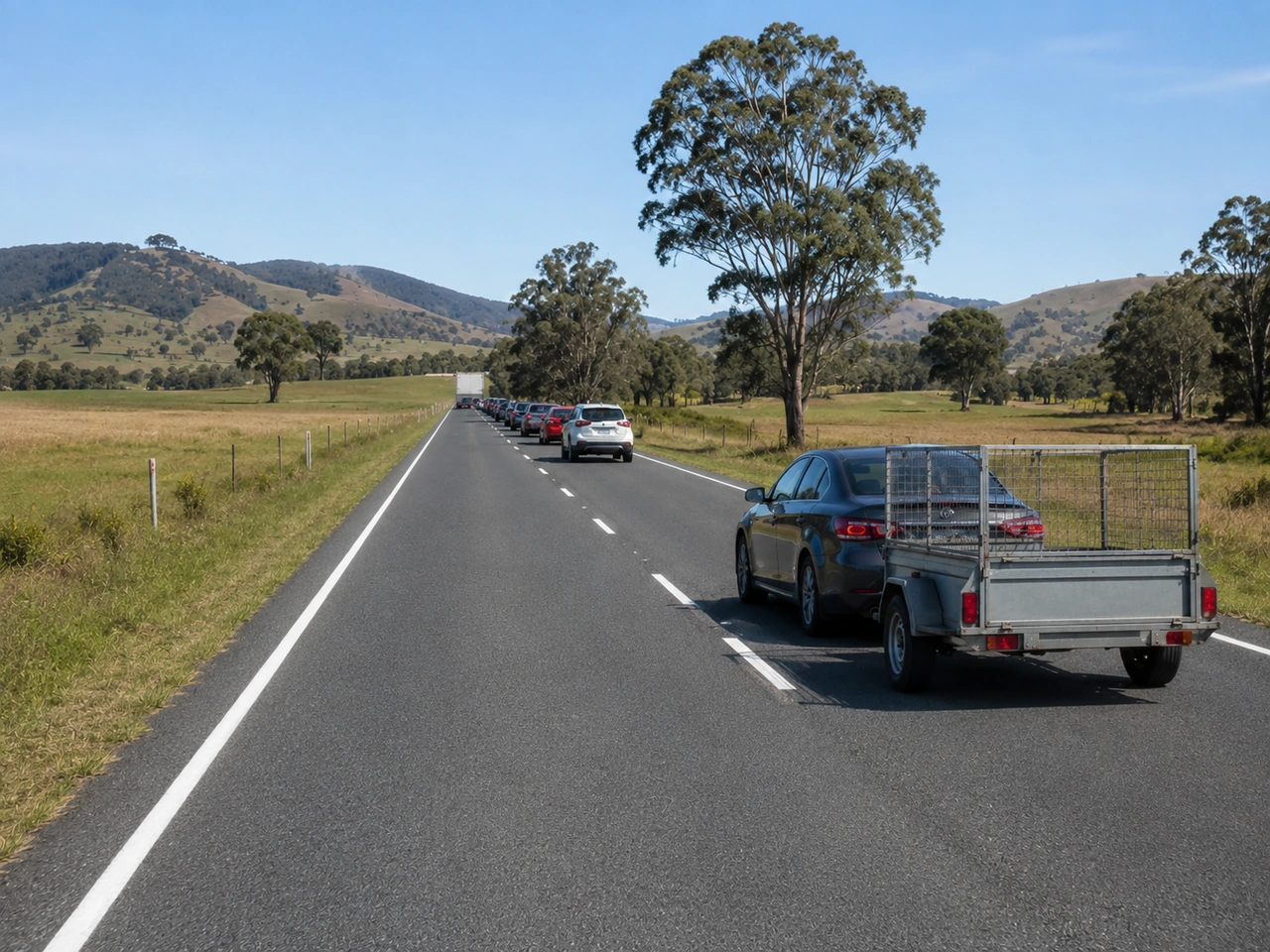
318. Why should you leave extra following distance when towing?
Towing adds weight and can increase stopping distance. Extra space gives you more time to react and brake smoothly.
AI-generated by Traffic-rules.com • WCIT • CC BY-SA
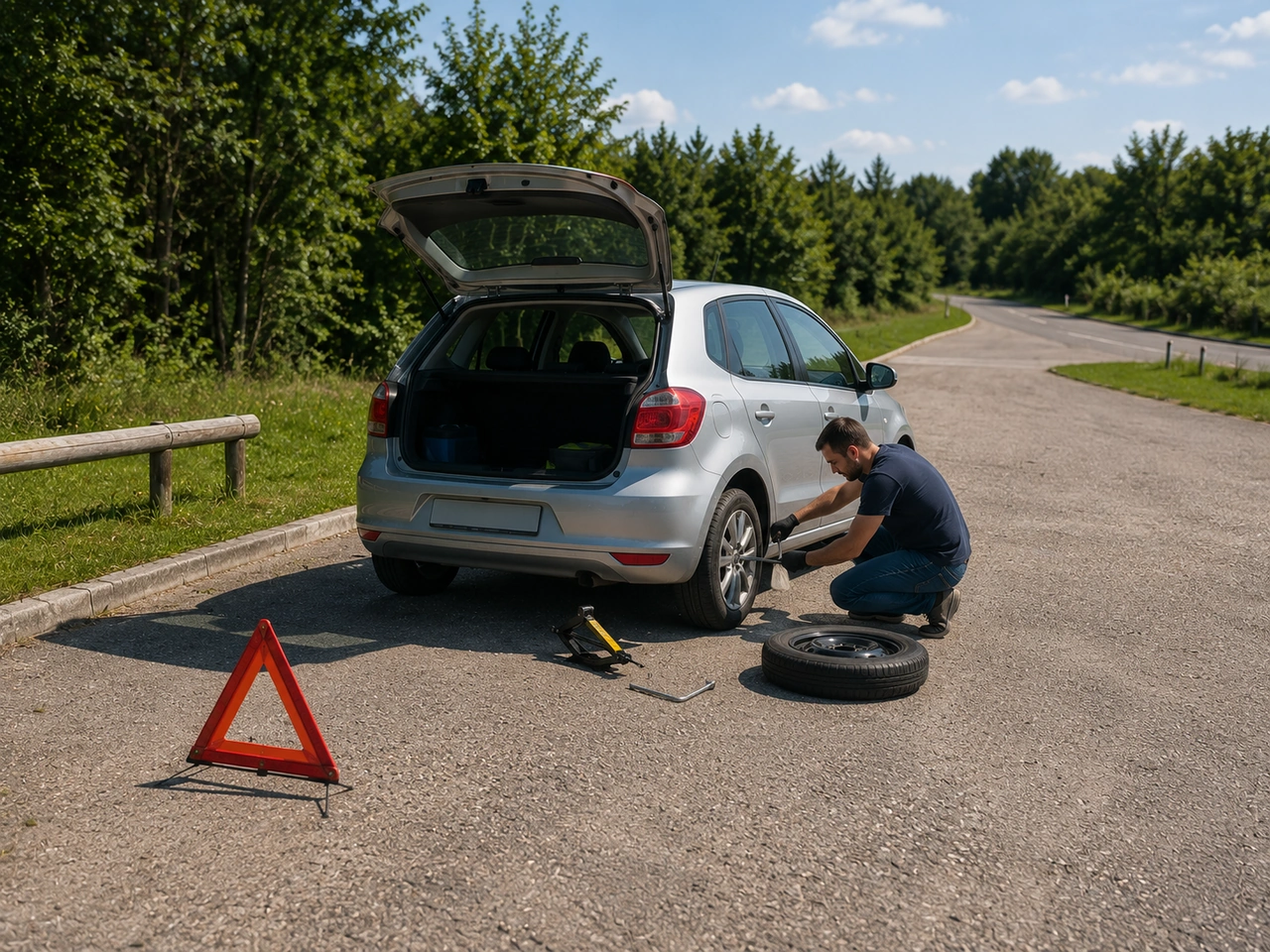
319. Where should you change a wheel after a puncture?
The vehicle must be stable and protected from traffic. Apply the parking brake and follow the manufacturer's wheel-changing instructions.
AI-generated by Traffic-rules.com • WCIT • CC BY-SA
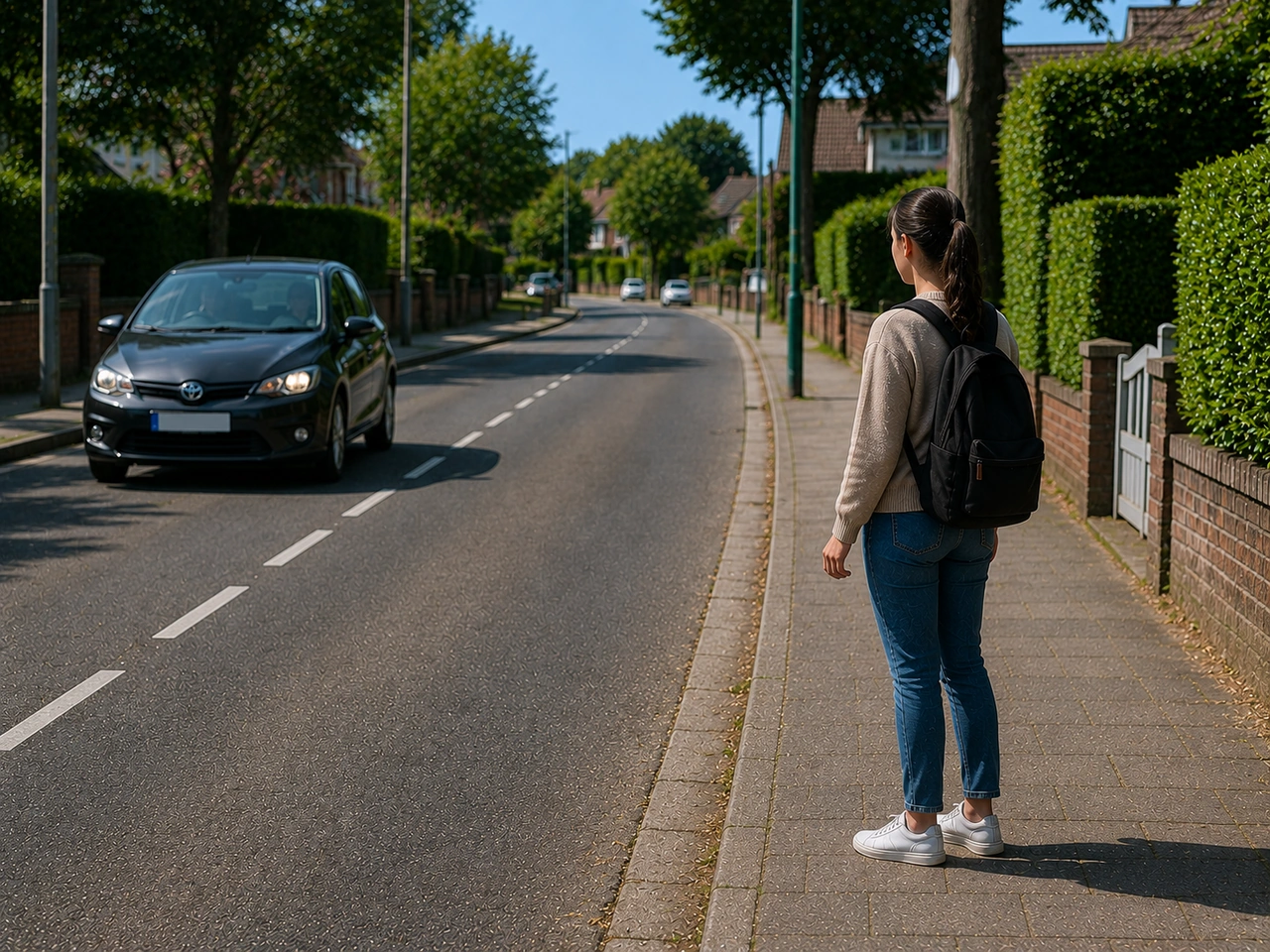
320. What is the best place to cross the road?
Use a designated crossing whenever possible. It is usually the safest place to cross the road.
AI-generated by Traffic-rules.com • WCIT • CC BY-SA
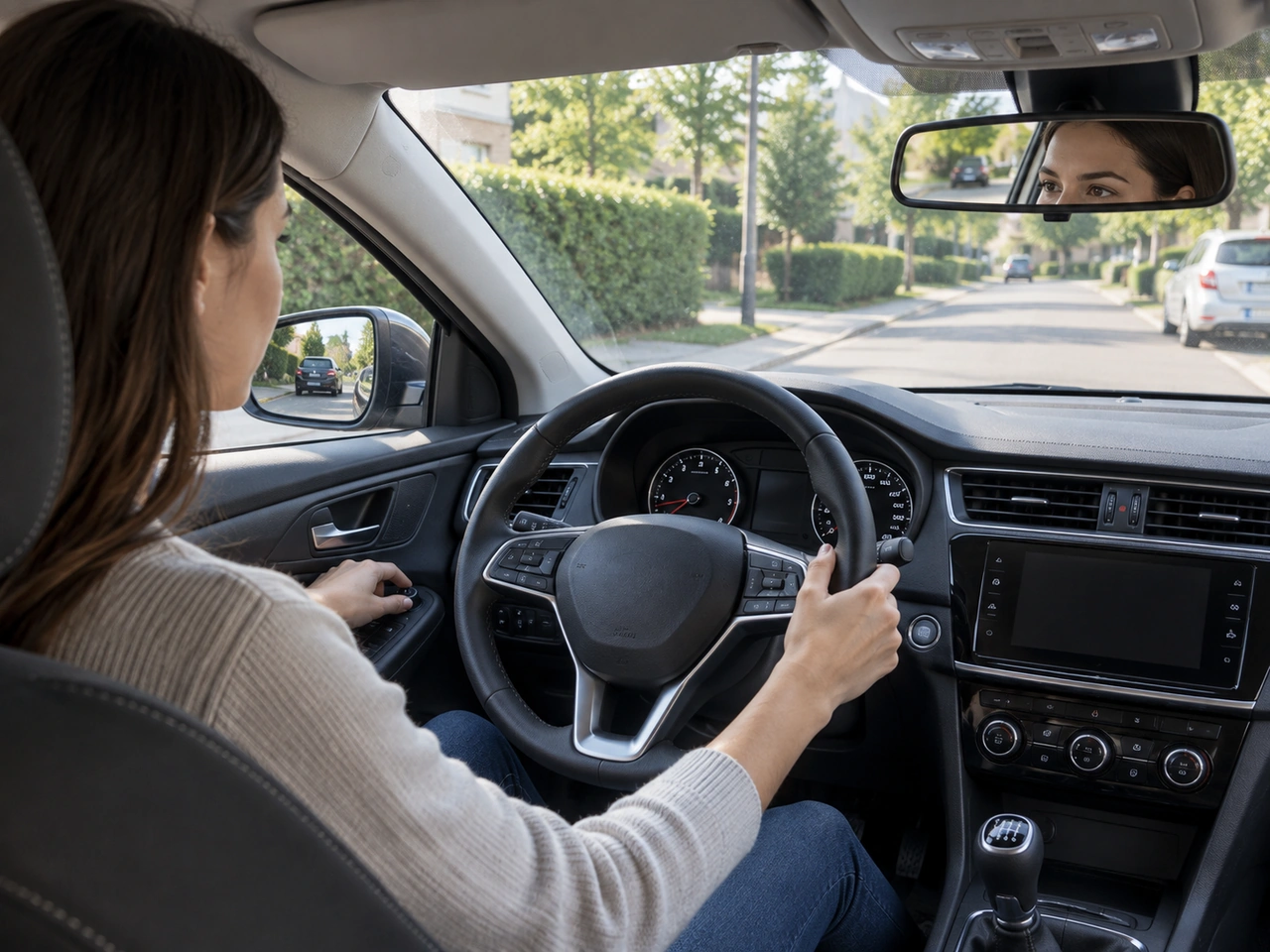
321. Why should you adjust the seat and mirrors correctly before driving?
A correct driving position helps you operate the pedals and steering comfortably and maintain proper control. Correctly adjusted mirrors improve your view around the vehicle and help reduce blind spots. Adjust both before starting your journey.
AI-generated by Traffic-rules.com • WCIT • CC BY-SA
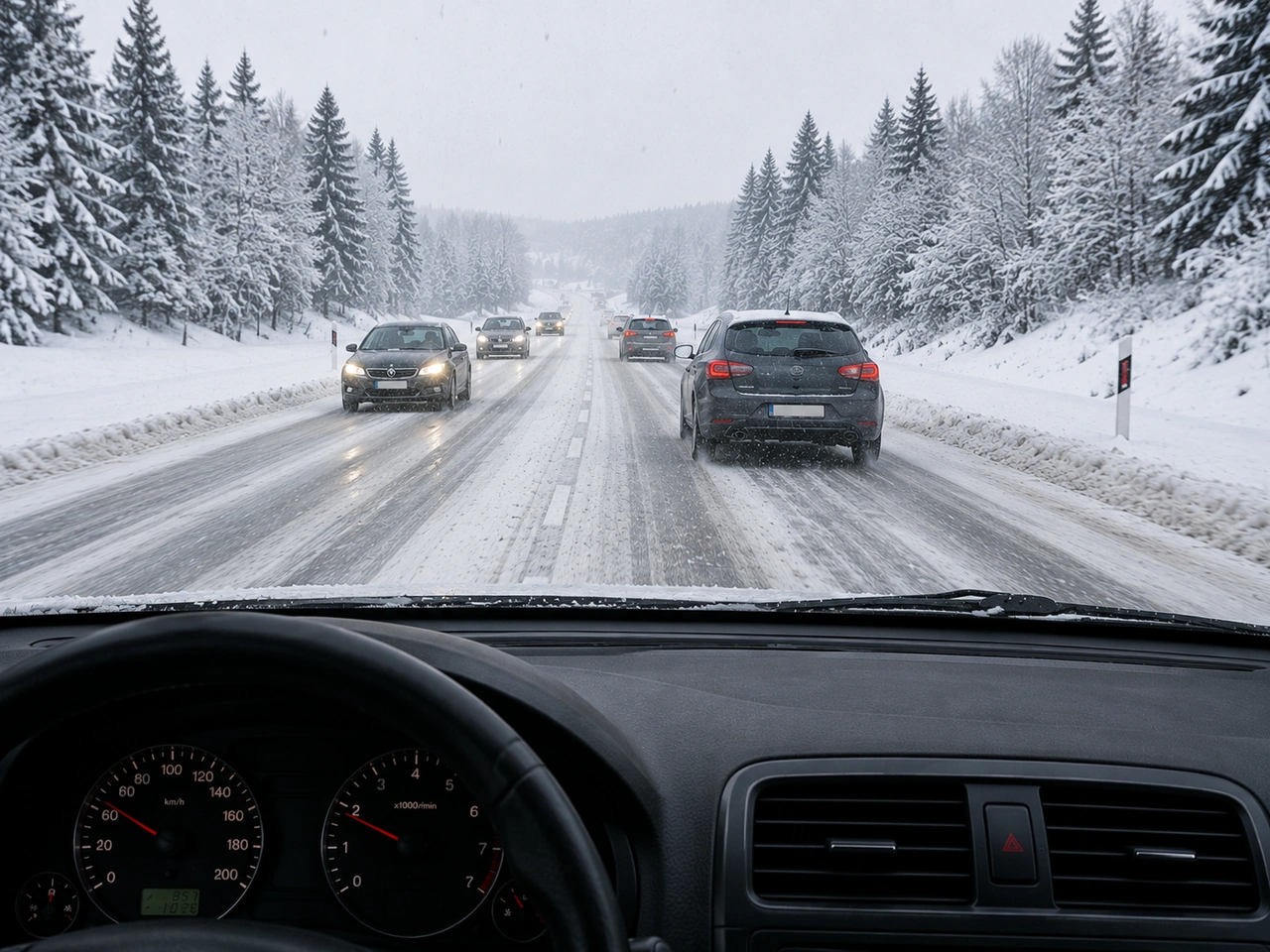
322. What should you do when the road is covered with snow or ice?
Snow and ice greatly reduce tyre grip. Lower speed, extra distance, and gentle steering, braking, and acceleration help maintain control.
AI-generated by Traffic-rules.com • WCIT • CC BY-SA
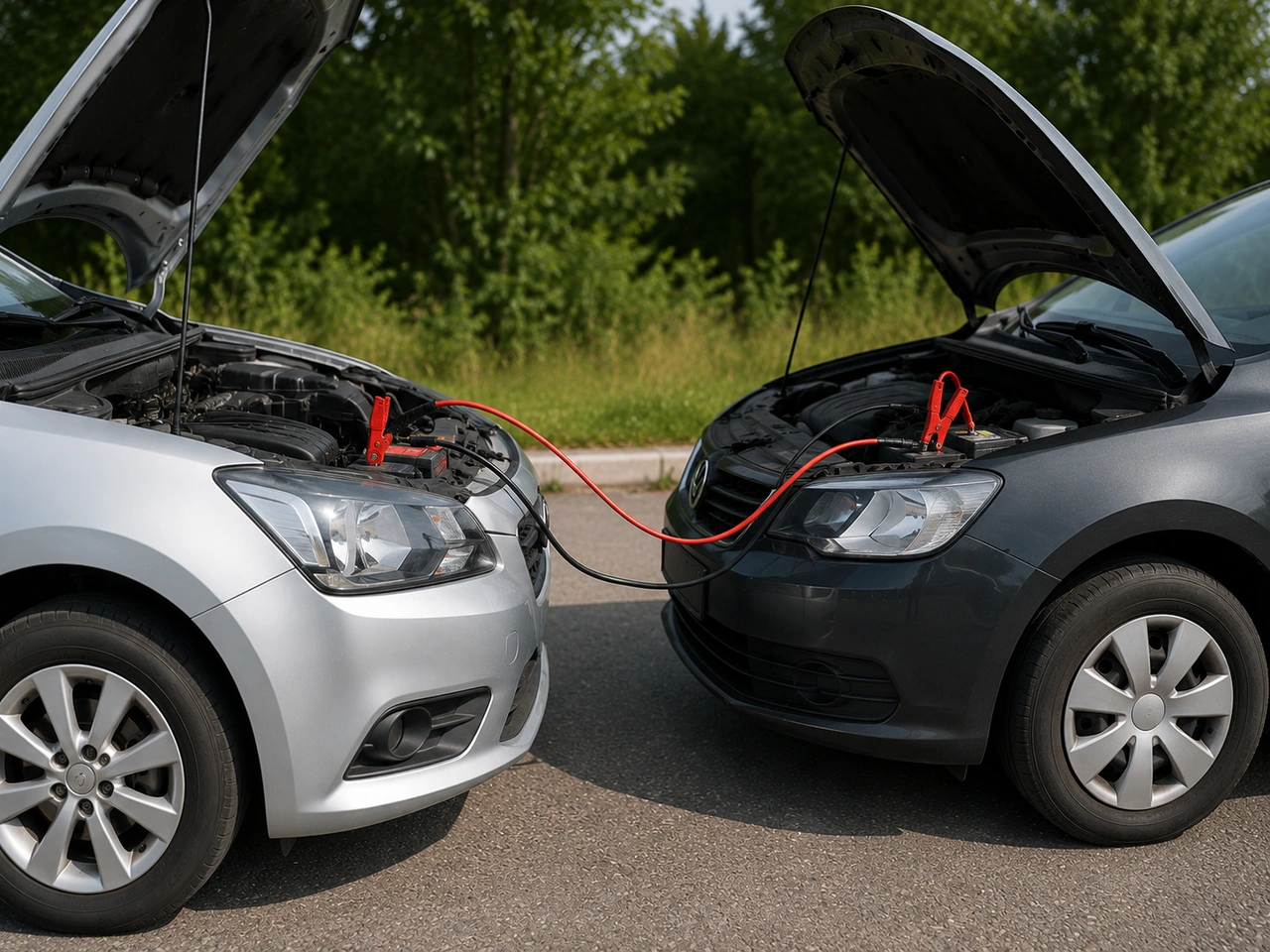
323. What should you do before attempting to jump-start a vehicle?
Incorrect jump-starting can damage electrical systems, cause sparks, or make a battery explode. Connect the leads in the correct order before starting the vehicles, and follow the manufacturer's procedure exactly.
AI-generated by Traffic-rules.com • WCIT • CC BY-SA
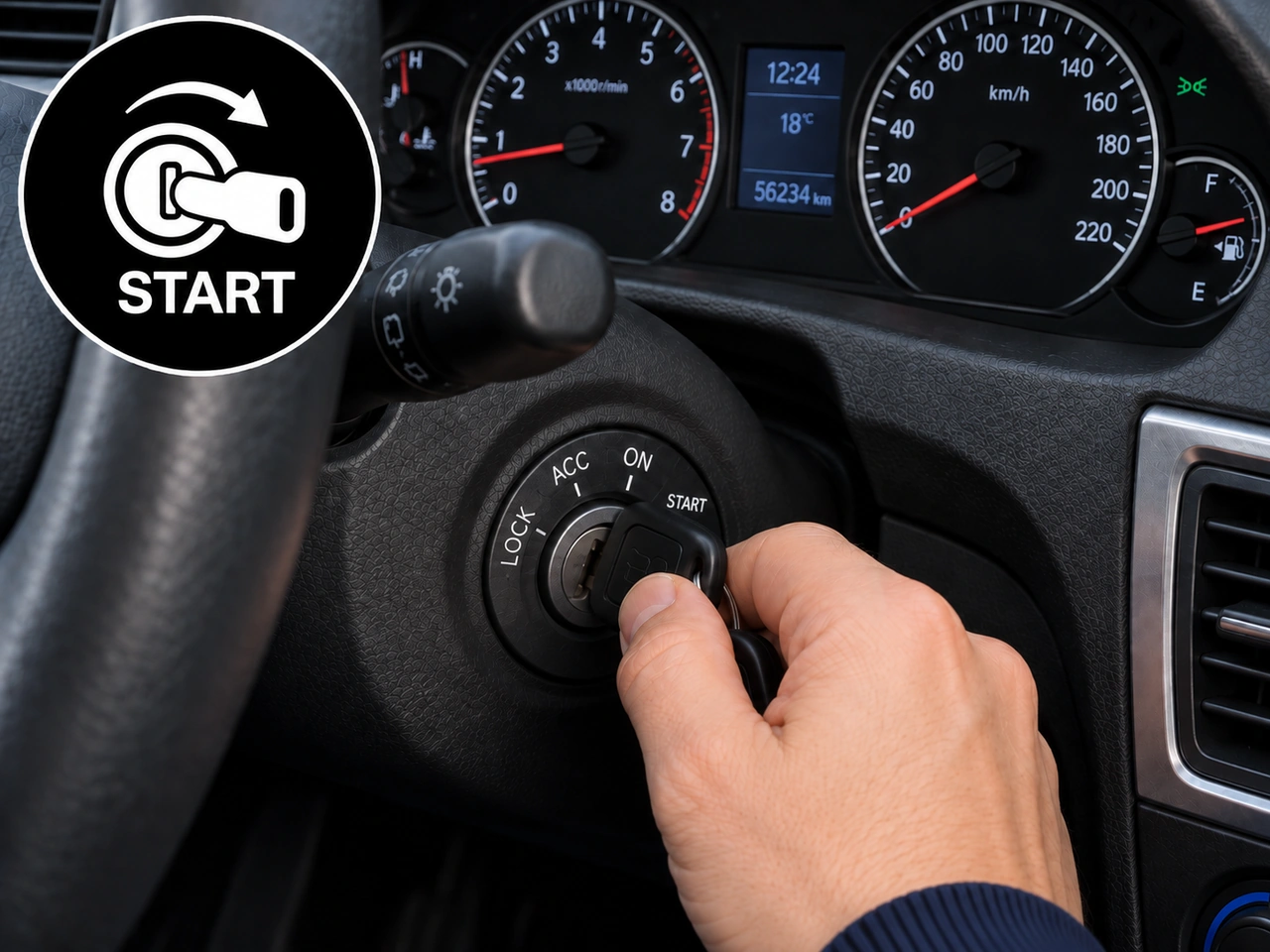
324. What should you do with the ignition key once the engine starts?
Once the engine starts, release the ignition key so it returns from START to the ON position. Holding the key in START unnecessarily can keep the starter motor engaged.
AI-generated by Traffic-rules.com • WCIT • CC BY-SA
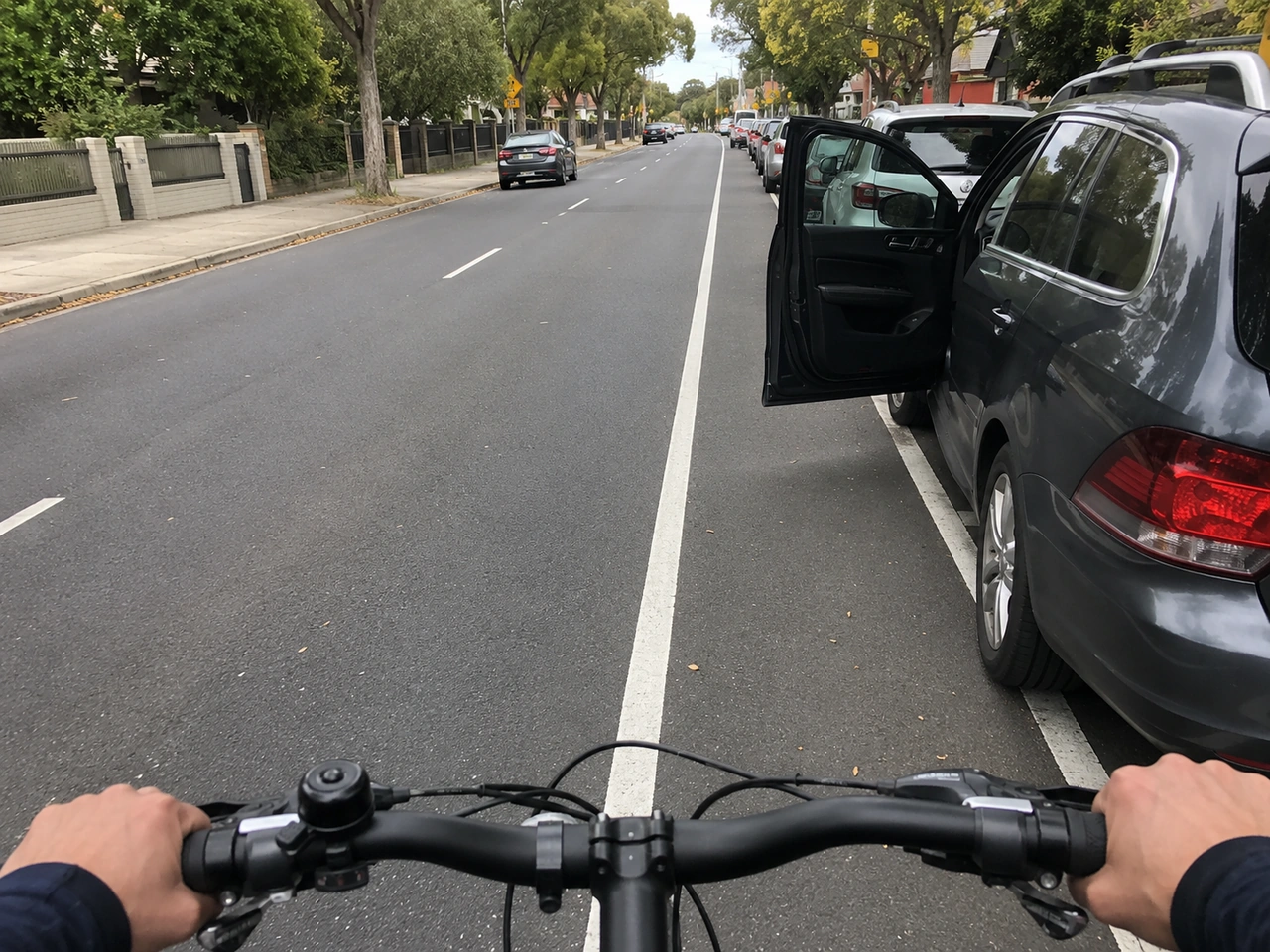
325. Why should you leave space when cycling beside parked cars?
A driver or passenger may open a door without seeing you. Leaving space reduces the risk of a dooring collision.
AI-generated by Traffic-rules.com • WCIT • CC BY-SA
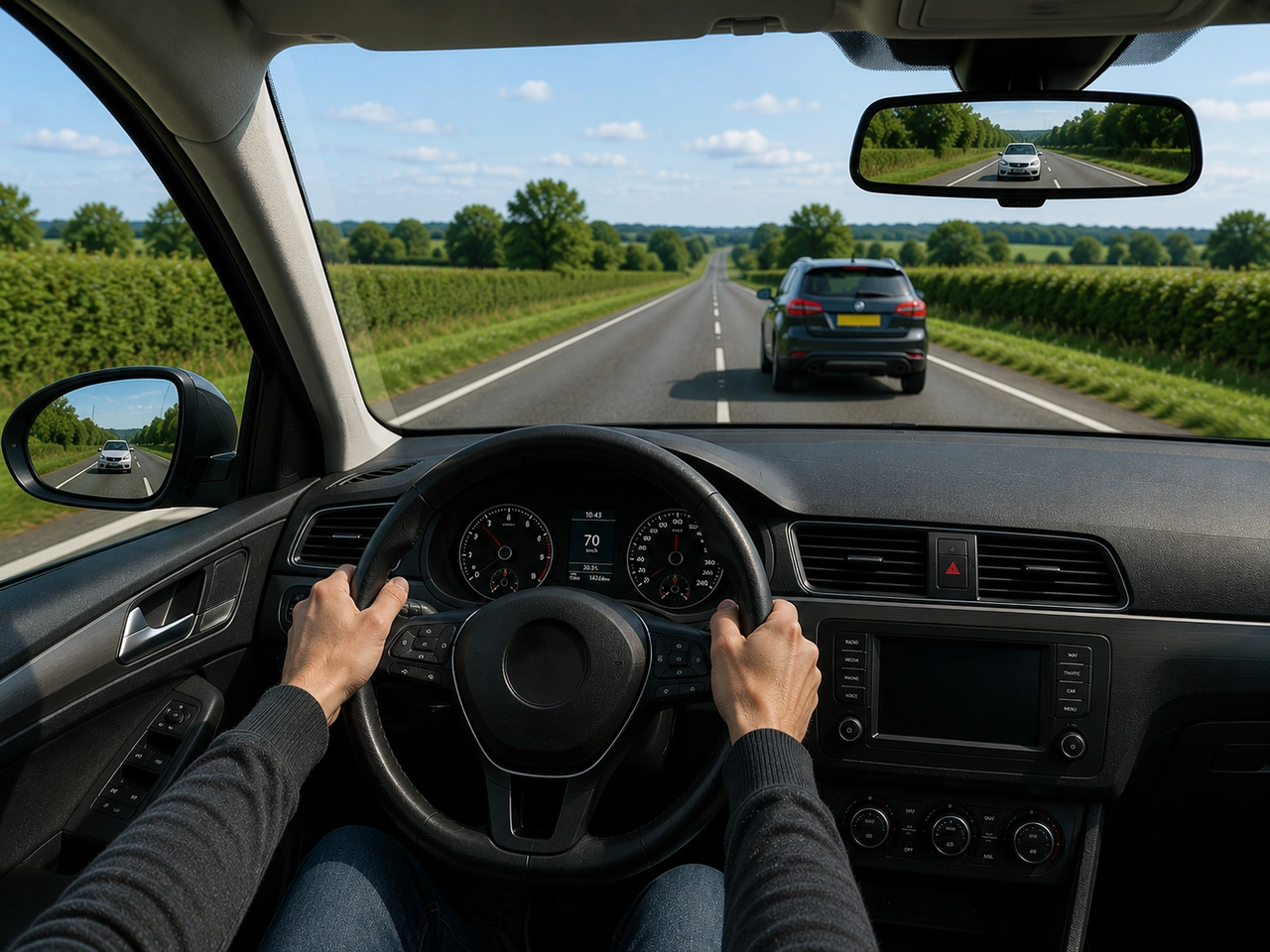
326. What should you do before overtaking another vehicle?
Before overtaking, check the road, mirrors, blind spots, signs, and markings, use your indicator, and only overtake when it is safe and permitted.
AI-generated by Traffic-rules.com • WCIT • CC BY-SA
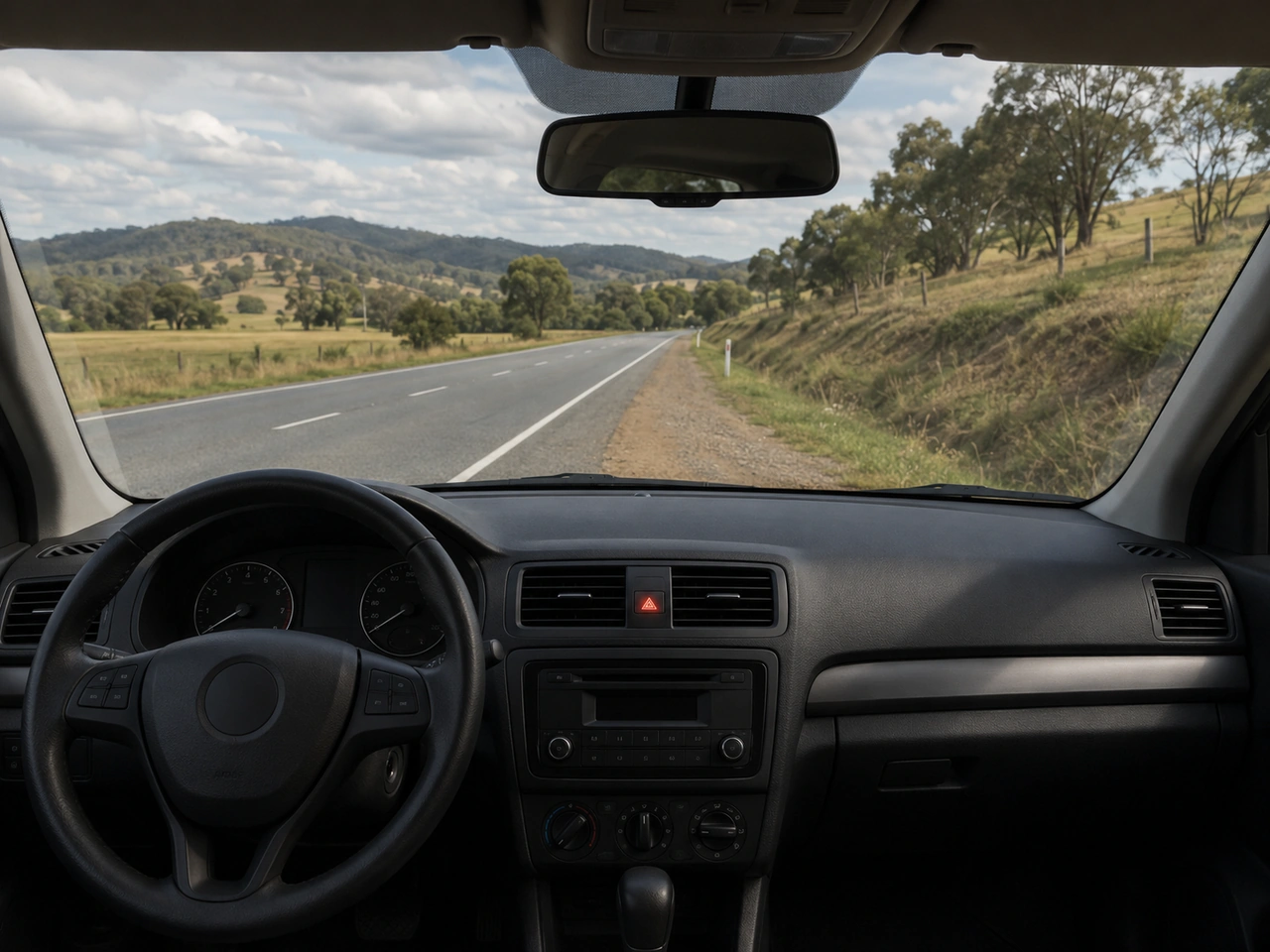
327. What should you do after stopping because of a breakdown?
Secure the vehicle so that it cannot move and use the hazard warning lights to alert approaching traffic. Where required and safe, place a warning triangle to give additional warning.
AI-generated by Traffic-rules.com • WCIT • CC BY-SA
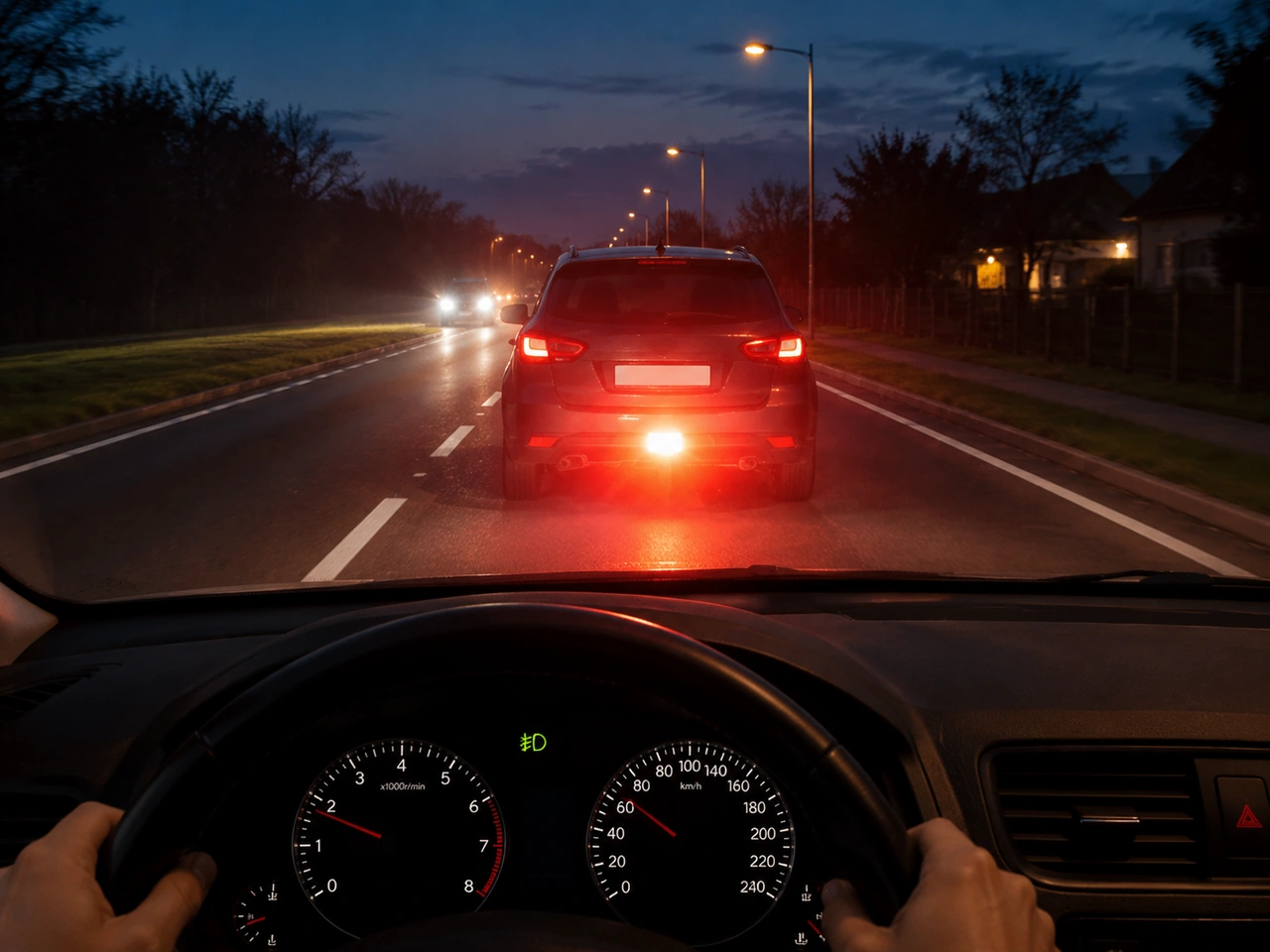
328. When should you switch off your fog lights?
Fog lights can dazzle other road users when visibility is normal, so switch them off when conditions improve.
AI-generated by Traffic-rules.com • WCIT • CC BY-SA
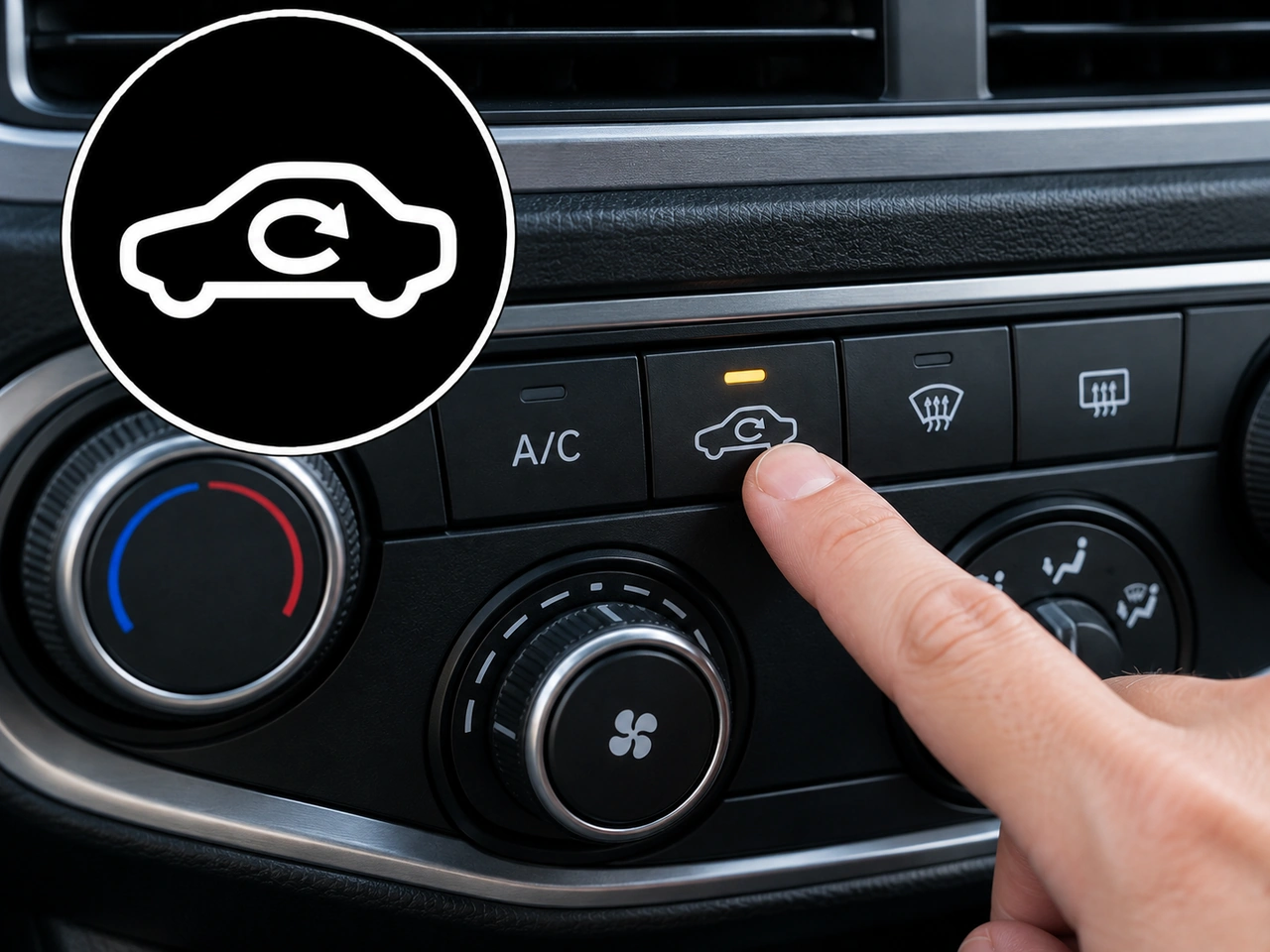
329. What does this vehicle-control symbol indicate?
This symbol activates air recirculation, which reduces the amount of outside air entering the vehicle and recirculates air already inside the cabin. It can be useful when driving through polluted air or when cooling the interior quickly.
AI-generated by Traffic-rules.com • WCIT • CC BY-SA
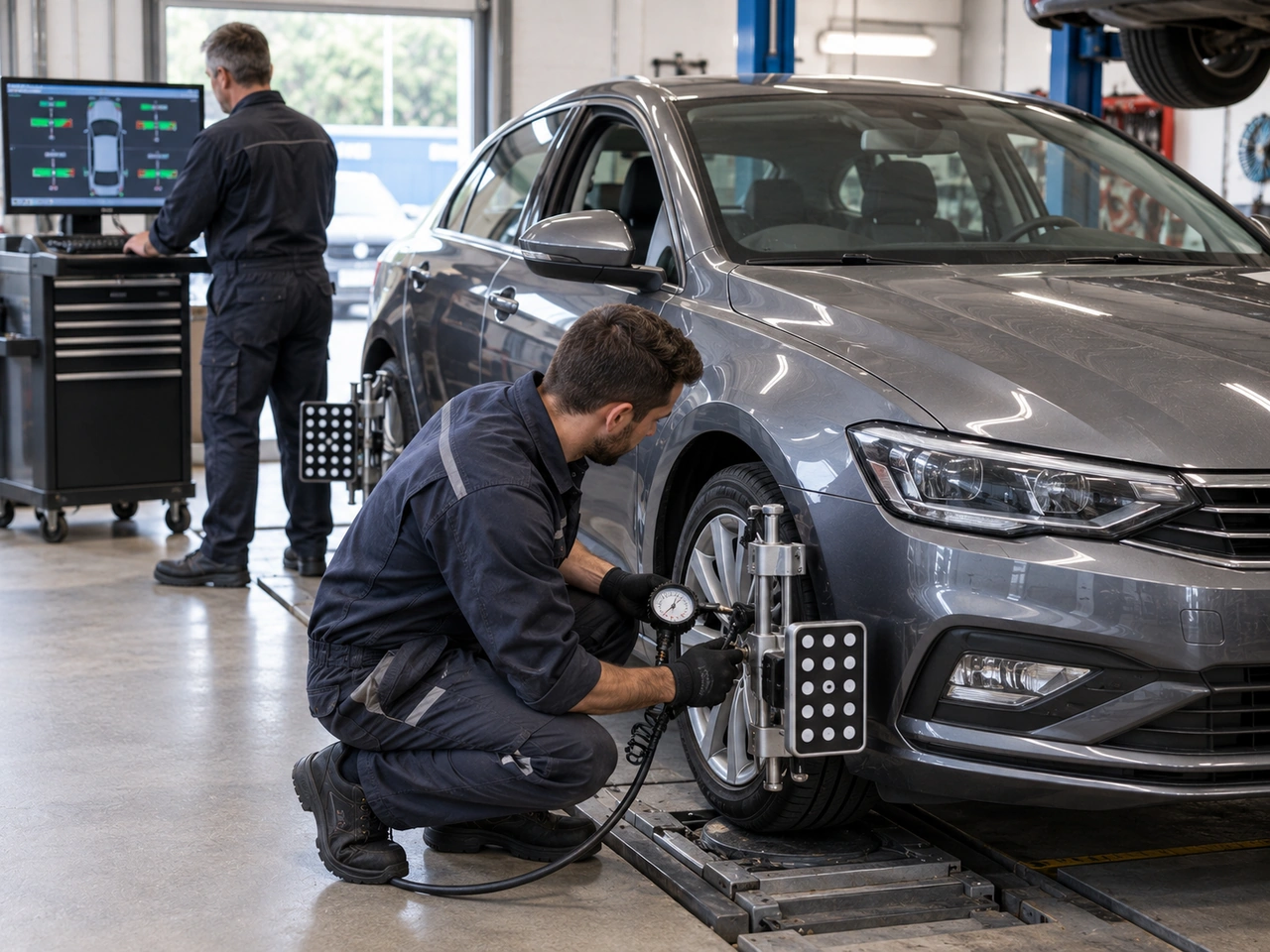
330. What should you do if the vehicle consistently pulls to one side?
Persistent pulling can be caused by incorrect tyre pressure, wheel misalignment, suspension wear, or a braking fault. It should not be ignored.
AI-generated by Traffic-rules.com • WCIT • CC BY-SA
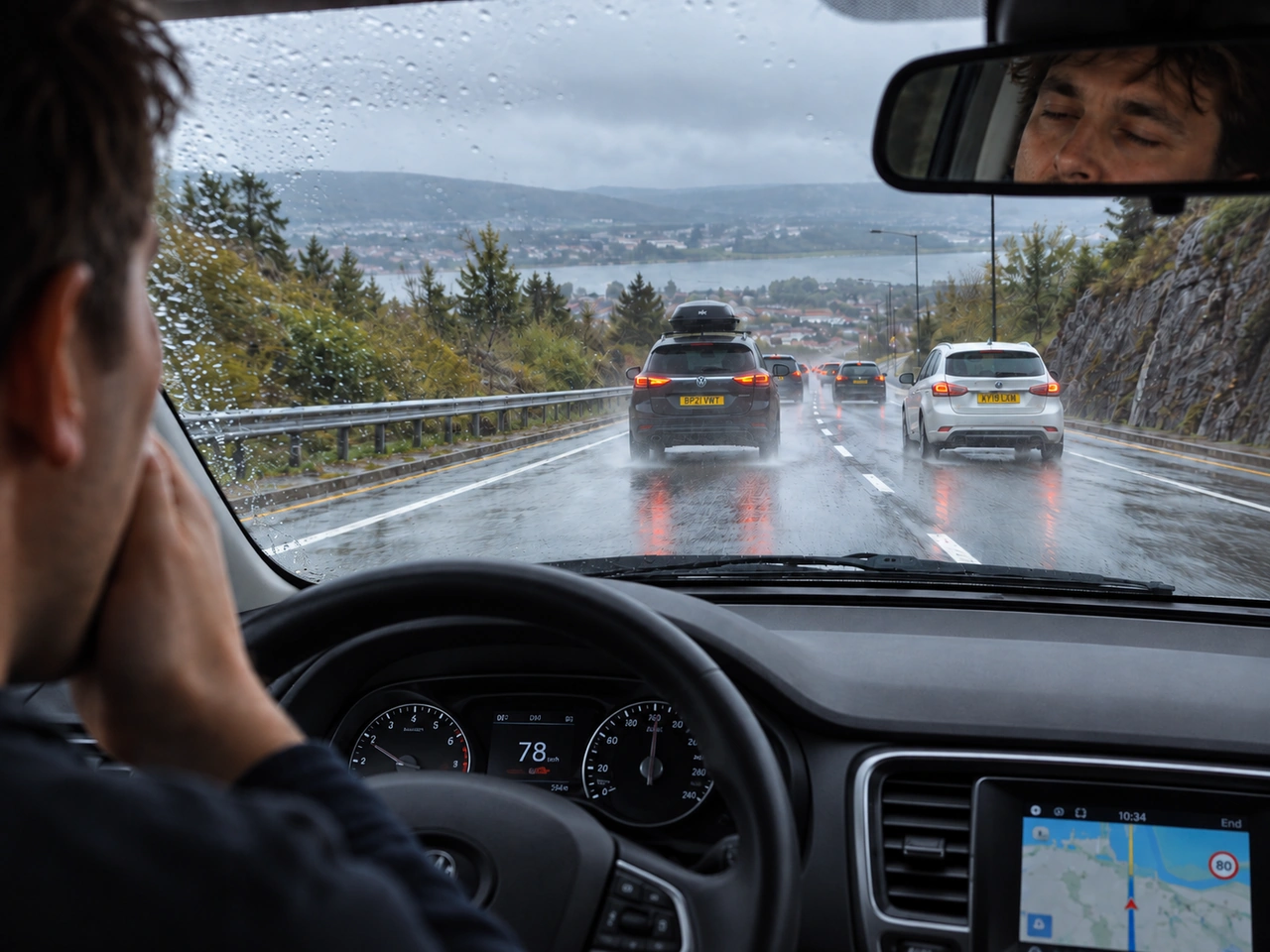
331. Which factors can increase a vehicle's stopping distance?
Stopping distance can increase because of higher speed, slower driver reactions, reduced tyre grip, poor weather or road conditions, worn tyres, weak brakes, or a heavier vehicle. Both the driver's reaction distance and the vehicle's braking distance can be affected.
AI-generated by Traffic-rules.com • WCIT • CC BY-SA
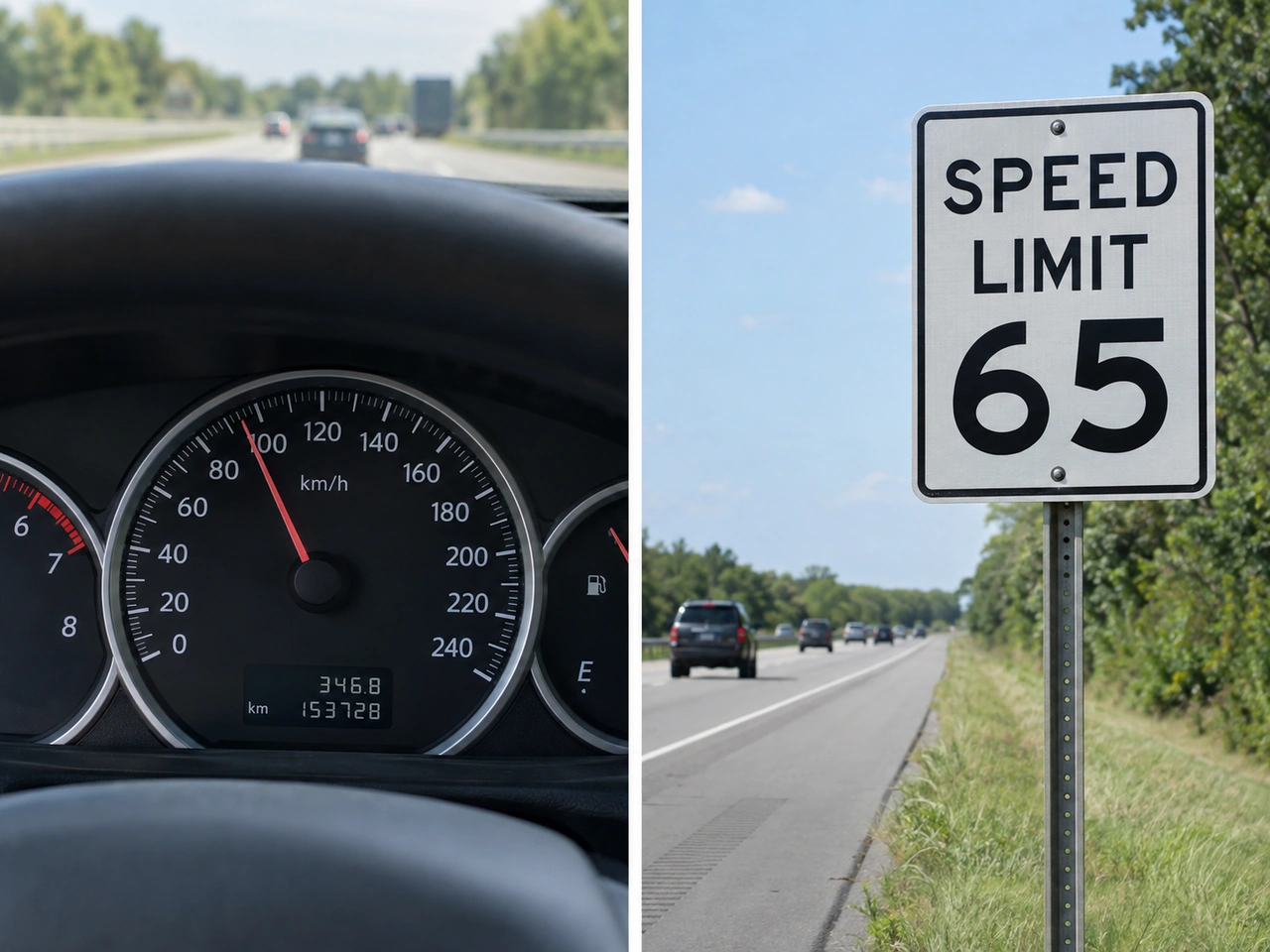
332. Which speed unit is used in Philippines?
Road speeds in Philippines are shown in kilometres per hour (km/h).
AI-generated by Traffic-rules.com • WCIT • CC BY-SA
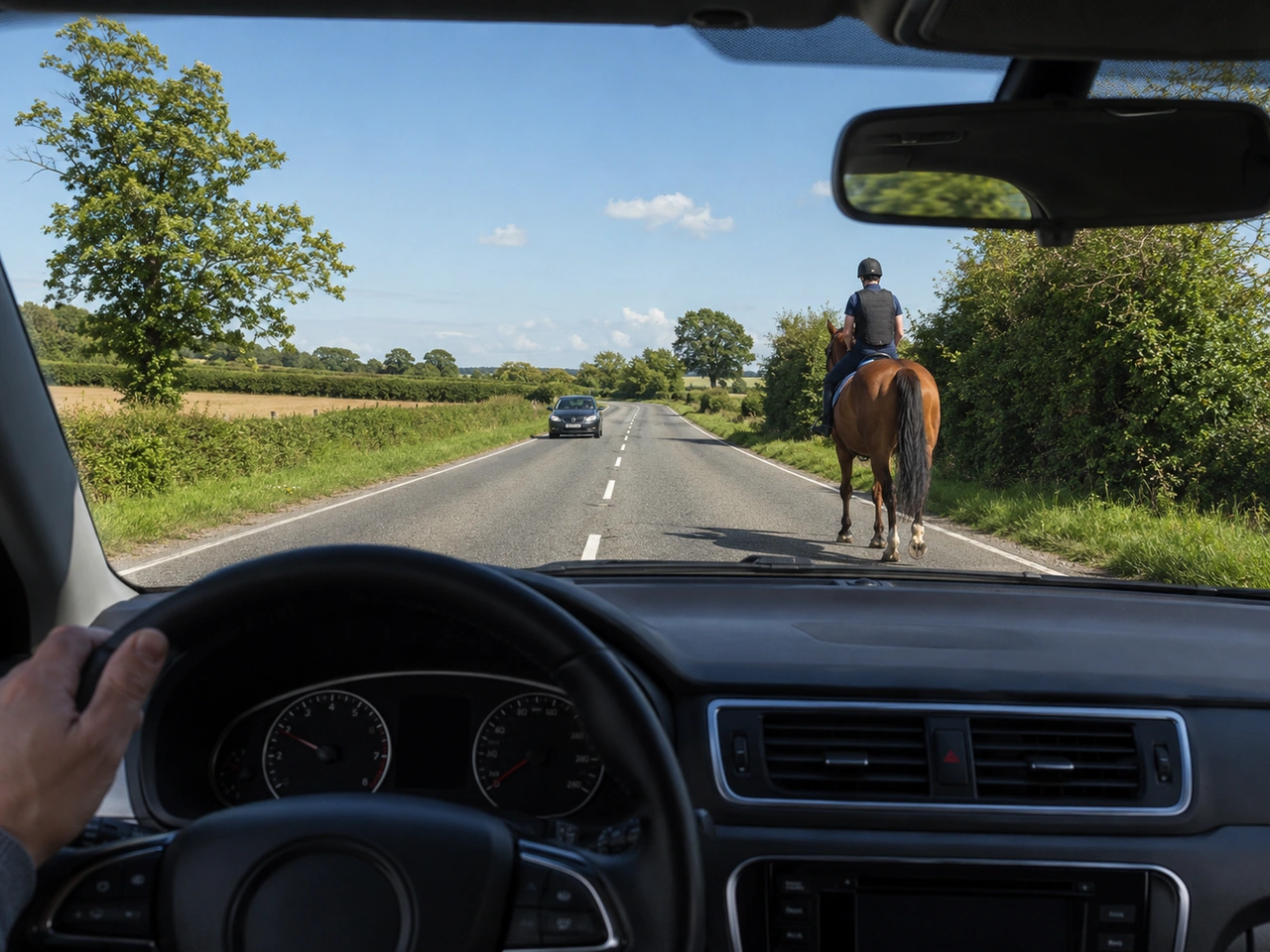
333. What should you do when passing a horse rider?
Horses can be startled by noise or sudden movement. Slow down, pass carefully, and leave enough space.
AI-generated by Traffic-rules.com • WCIT • CC BY-SA
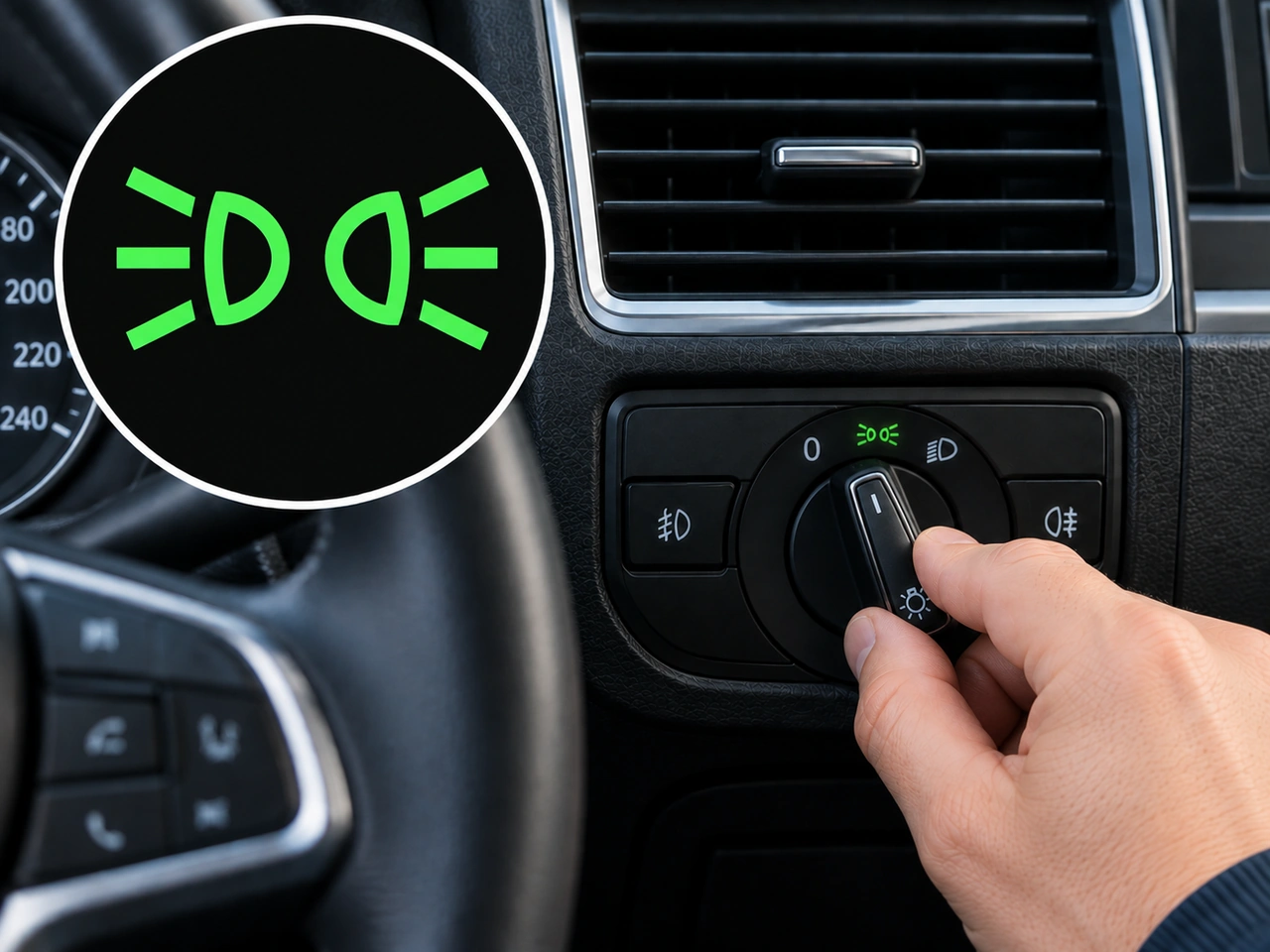
334. What does this dashboard symbol indicate?
This symbol indicates that the sidelights, also known as position or parking lights, are switched on. They help make the vehicle visible to other road users but provide little illumination of the road ahead.
AI-generated by Traffic-rules.com • WCIT • CC BY-SA

335. What should you do before a long journey to reduce the risk of driver fatigue?
Getting enough sleep before a long journey helps reduce the risk of driver fatigue. Plan breaks in advance and avoid starting a long drive when you are already tired.
AI-generated by Traffic-rules.com • WCIT • CC BY-SA
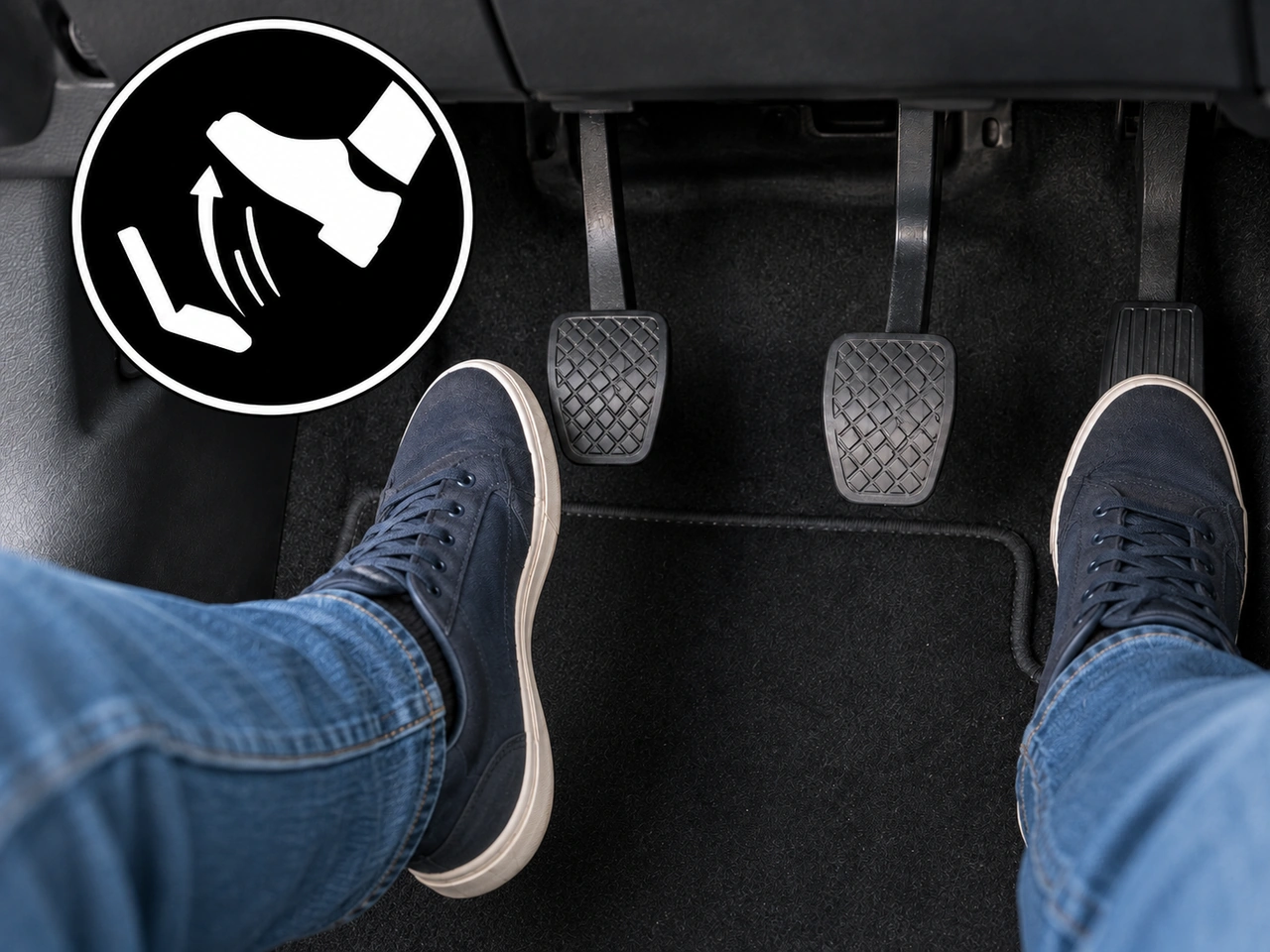
336. What may happen if you release the clutch too quickly when moving off?
Releasing the clutch pedal too quickly when moving off can cause the engine to stall. Release the clutch smoothly through the biting point while applying the accelerator progressively.
AI-generated by Traffic-rules.com • WCIT • CC BY-SA
337. Which gear is used to drive a manual vehicle backwards?
Select R (Reverse) when you need to drive a manual vehicle backwards. The vehicle should be stationary before Reverse is selected.
AI-generated by Traffic-rules.com • WCIT • CC BY-SA
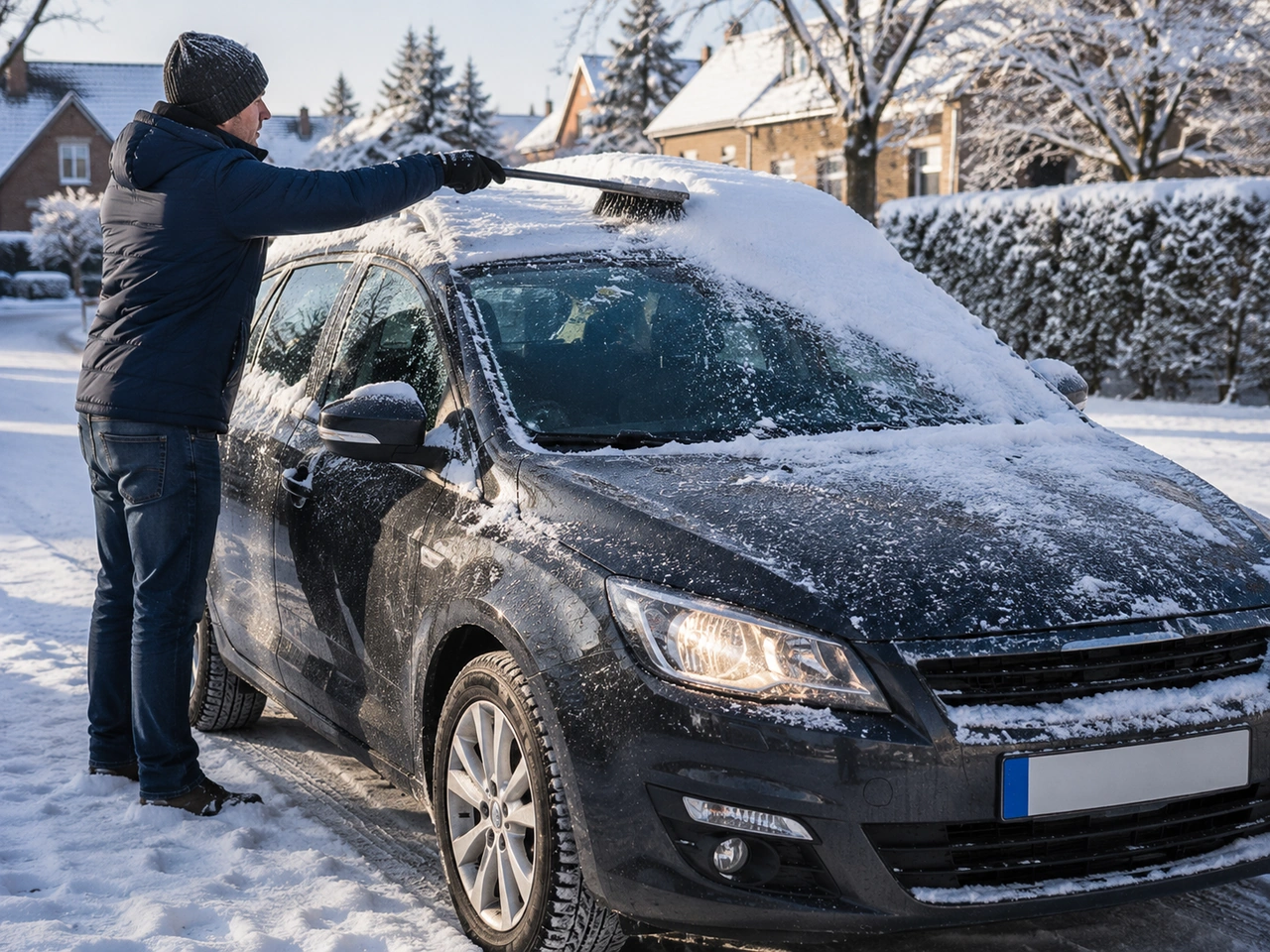
338. What should you do before driving if snow or ice covers your vehicle?
You need a clear view in every direction. Snow or ice left on the roof can also fall or blow onto other road users.
AI-generated by Traffic-rules.com • WCIT • CC BY-SA
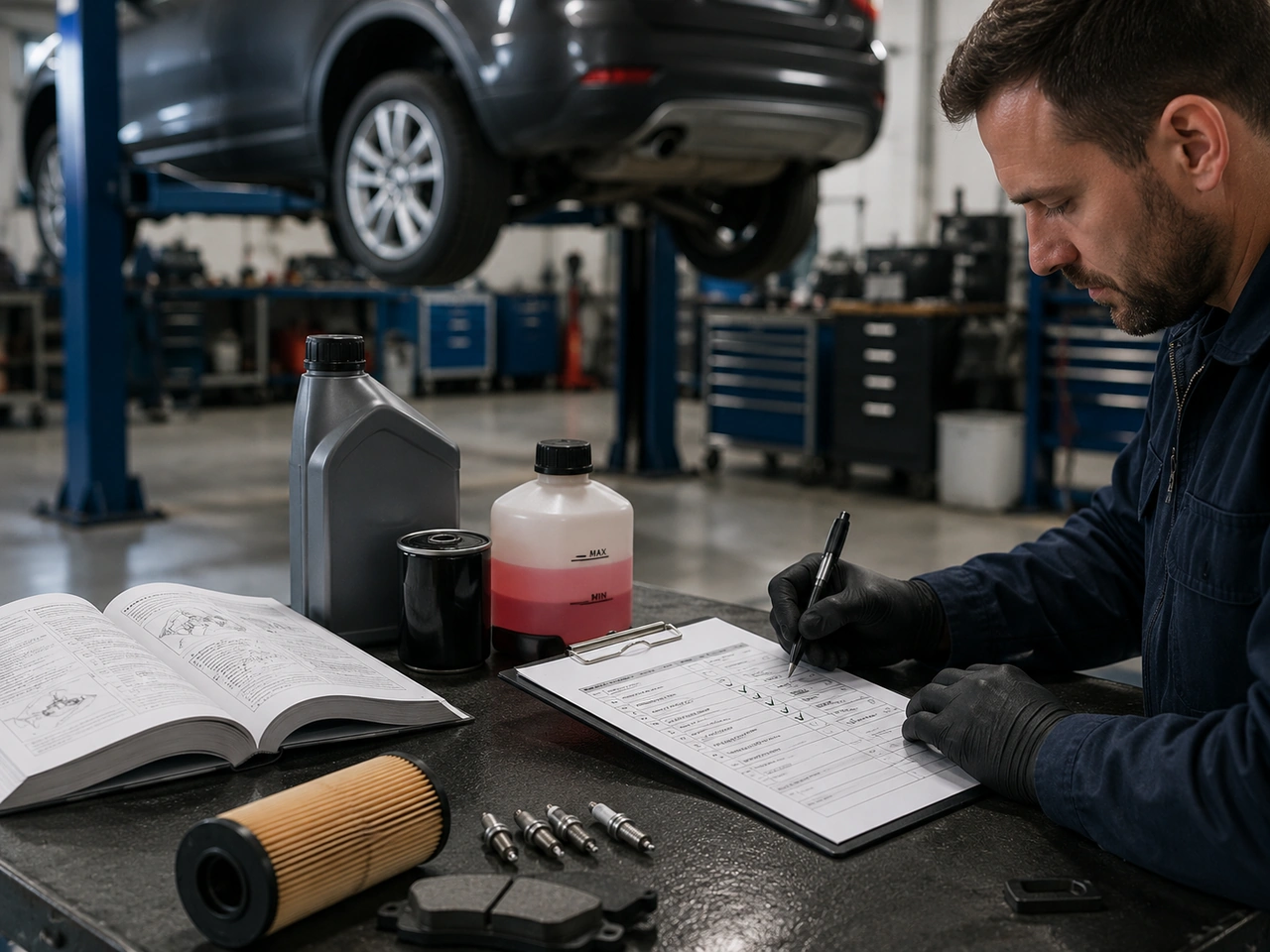
339. Why should you follow the manufacturer's service schedule?
Scheduled servicing helps ensure that brakes, tyres, fluids, filters, steering, suspension, and other important systems are checked and maintained before faults become more serious.
AI-generated by Traffic-rules.com • WCIT • CC BY-SA
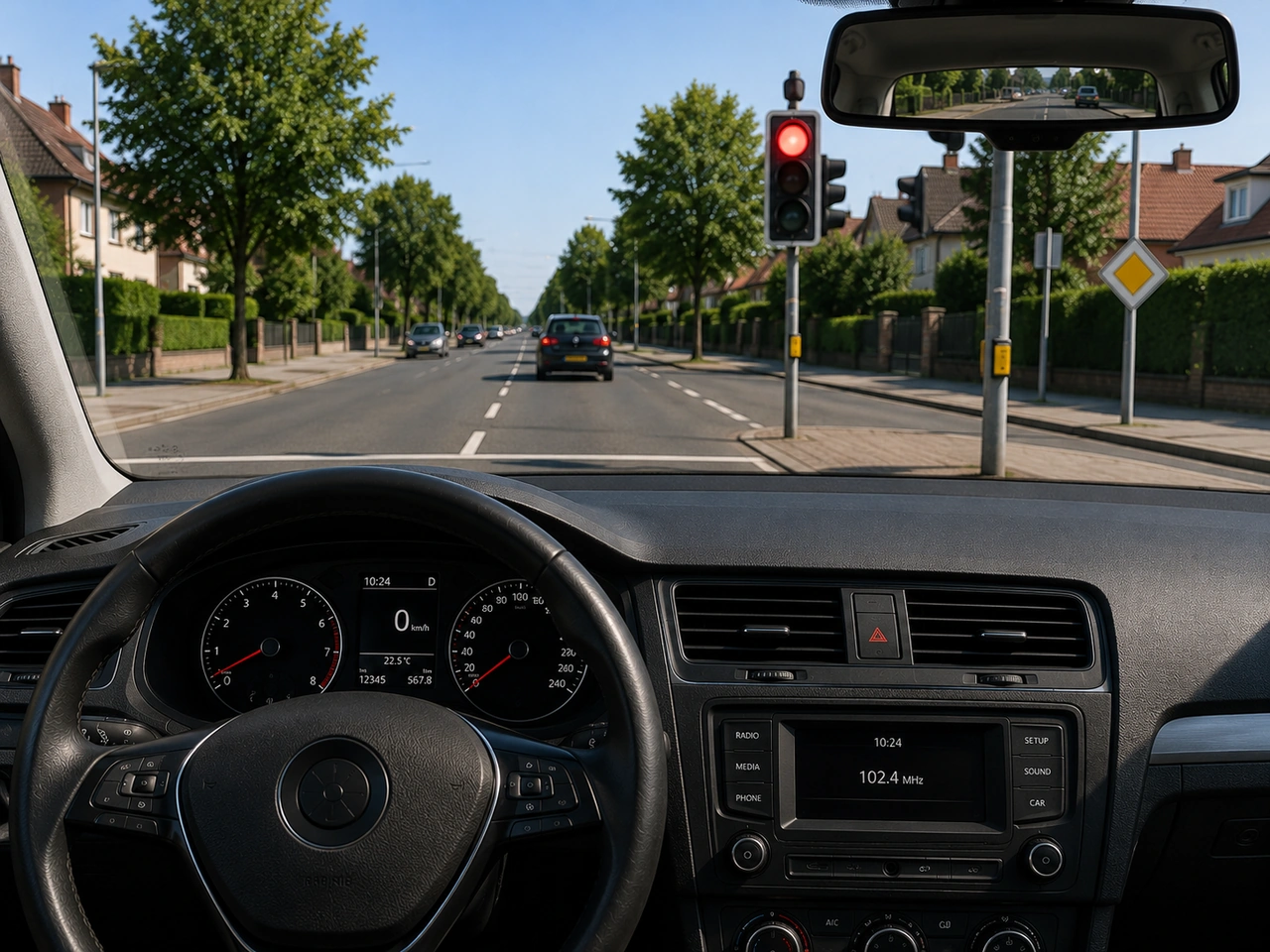
340. You must stop at a red traffic light.
A red traffic light means you must stop and wait until it is allowed to proceed.
AI-generated by Traffic-rules.com • WCIT • CC BY-SA
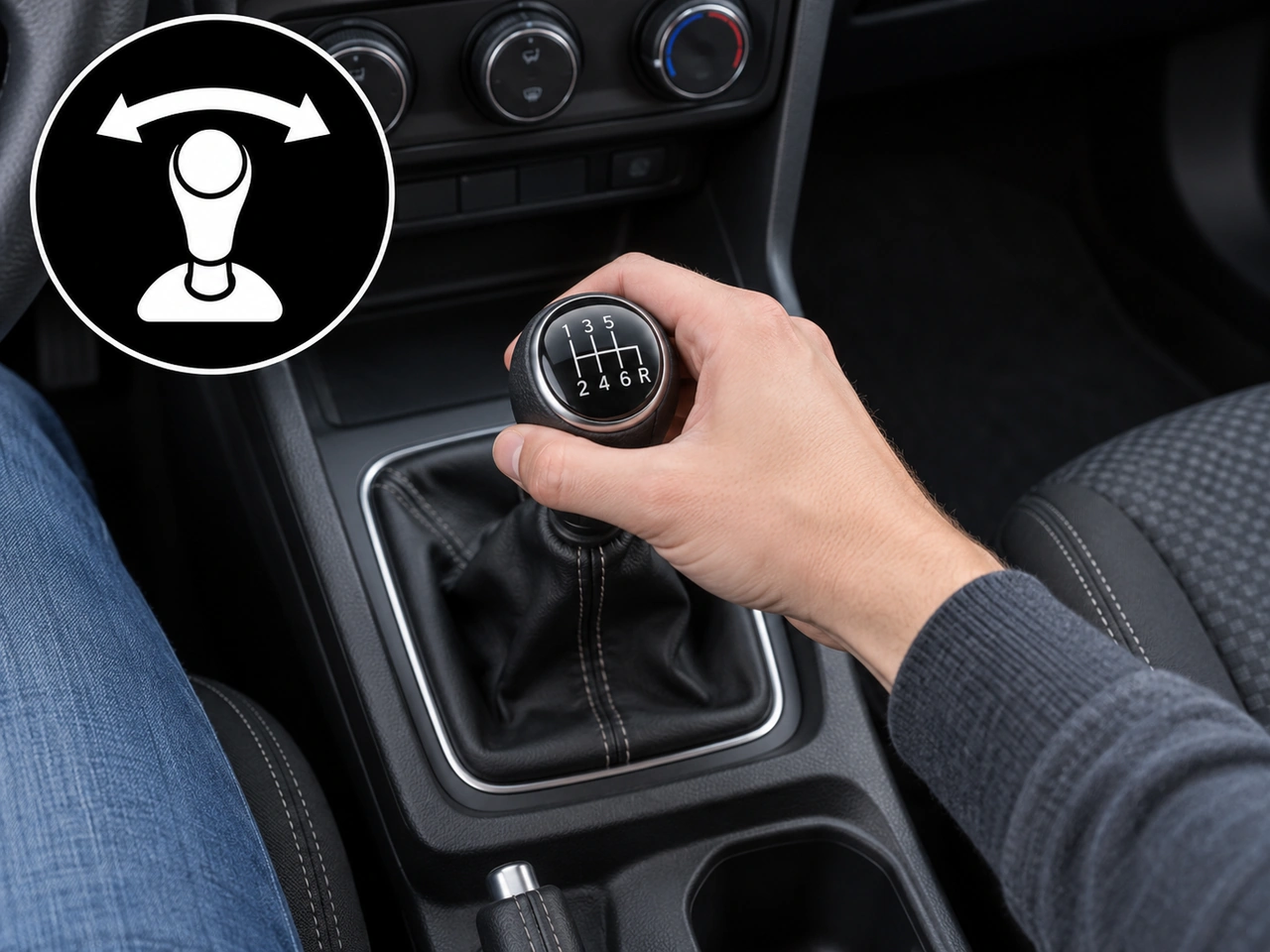
341. How can you check that a manual gearbox is in neutral?
When a manual gearbox is in neutral, the gear lever can normally be moved freely from side to side across the centre of the gear pattern. Check that neutral is selected before starting the engine when appropriate.
AI-generated by Traffic-rules.com • WCIT • CC BY-SA
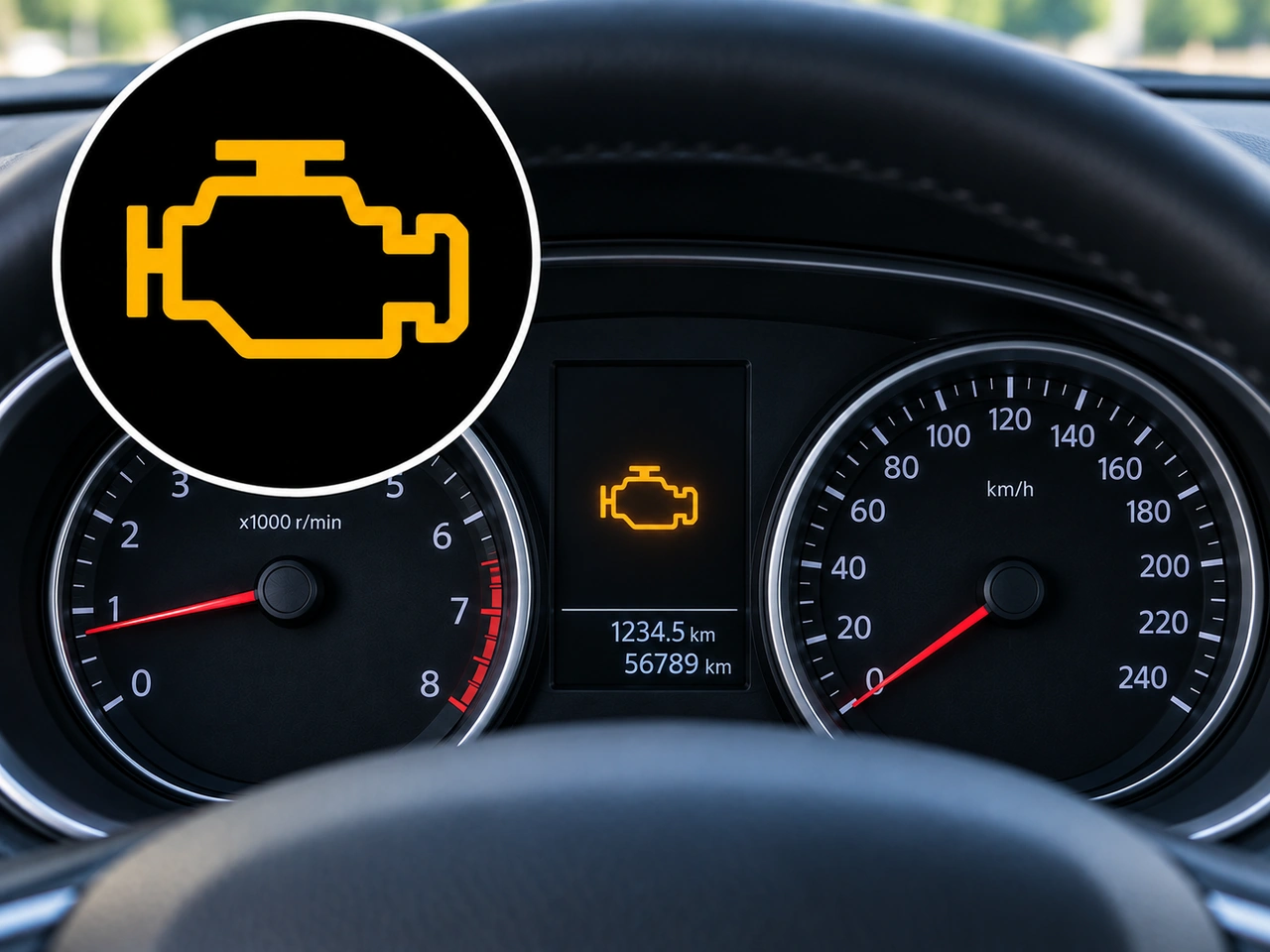
342. What does this dashboard symbol indicate?
This symbol indicates a fault detected by the engine-management or emissions-control system. If it remains illuminated while driving, the vehicle should be checked according to the manufacturer's instructions.
AI-generated by Traffic-rules.com • WCIT • CC BY-SA
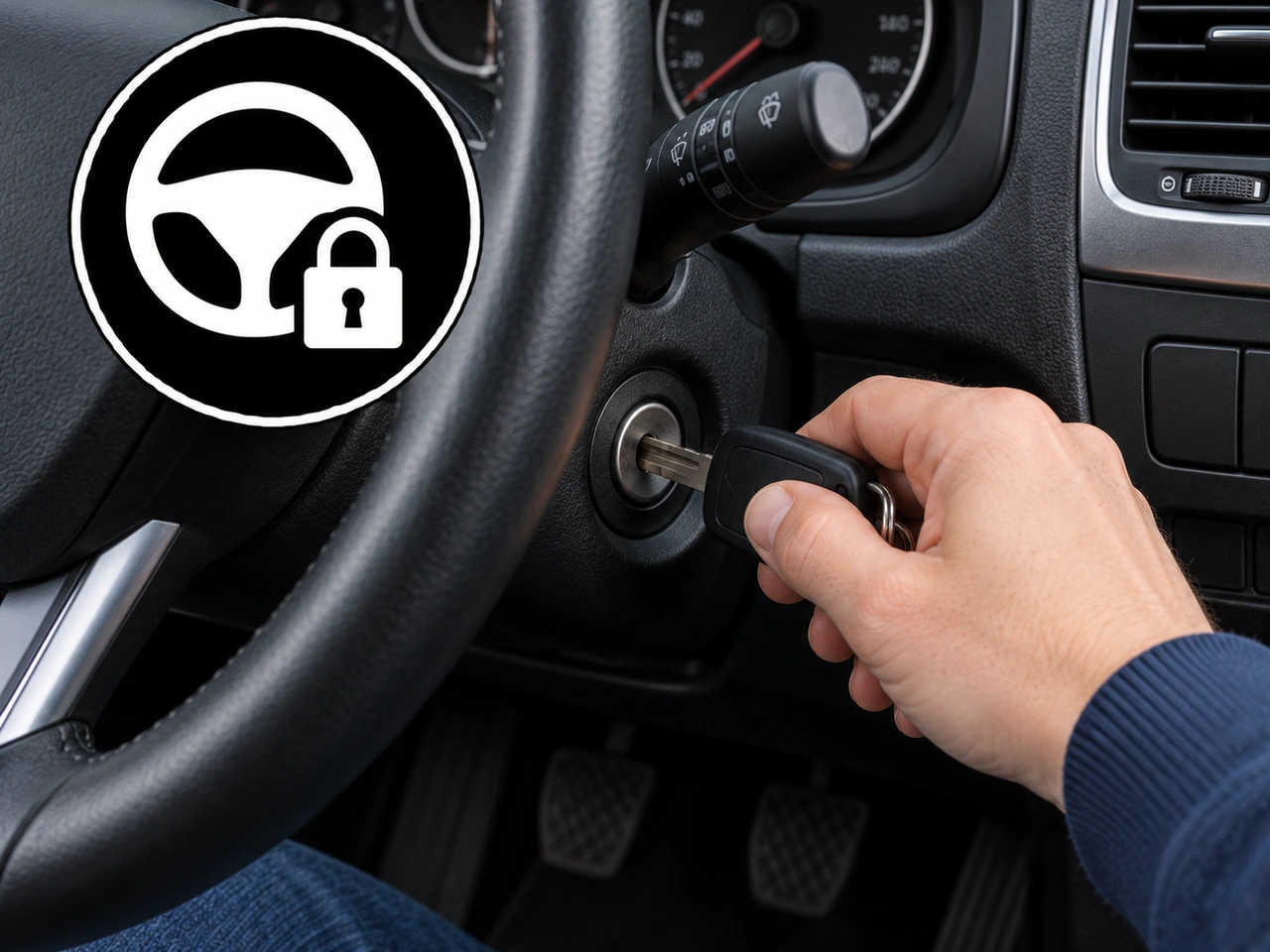
343. What may happen to the steering when the ignition key is removed?
On vehicles fitted with a steering lock, removing the ignition key may allow the steering lock to engage. Never remove the key while the vehicle is moving.
AI-generated by Traffic-rules.com • WCIT • CC BY-SA
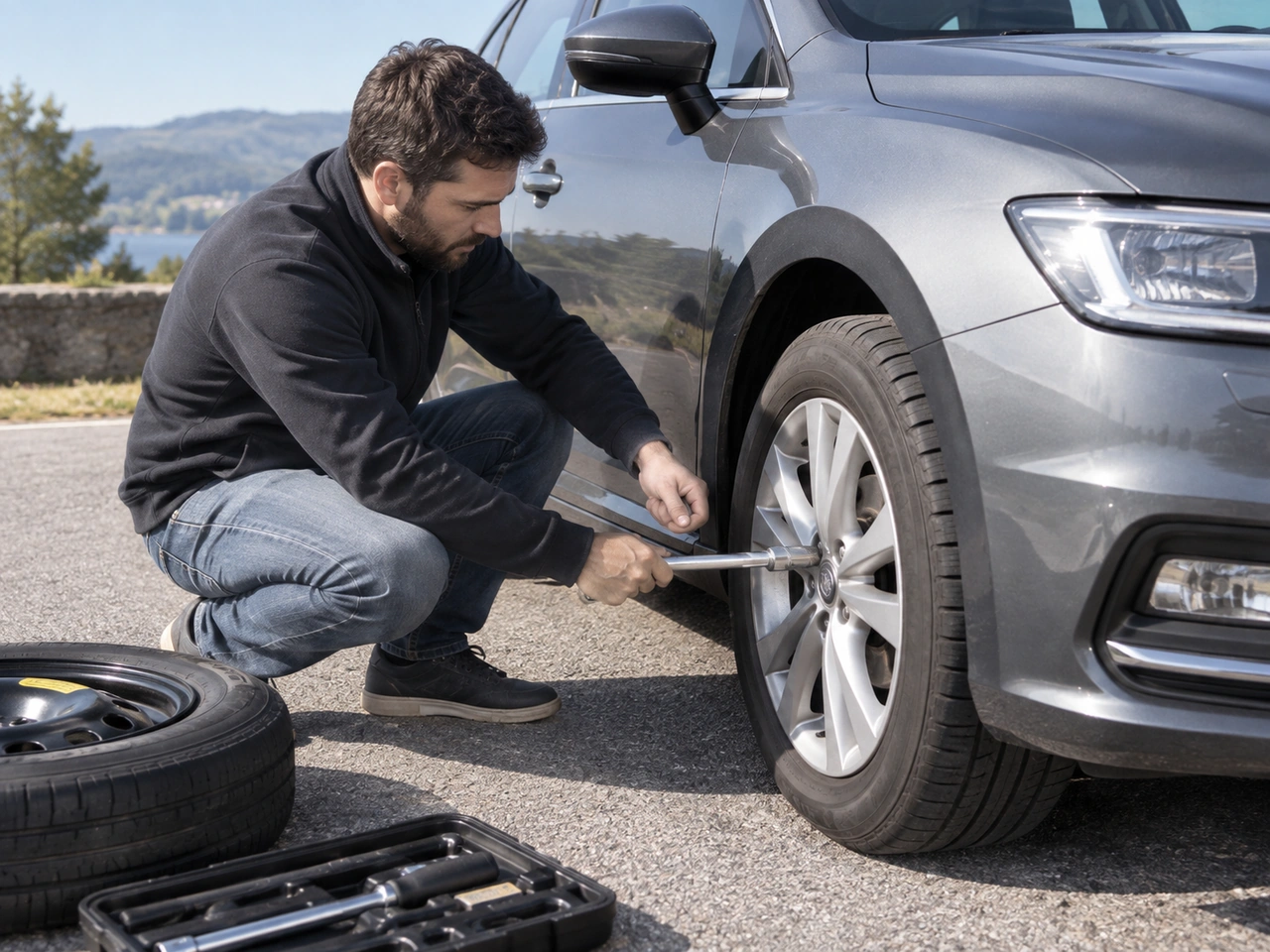
344. What should you check after fitting a wheel?
After fitting a wheel, make sure the wheel nuts are tightened correctly using the manufacturer's specified procedure and torque. Incorrectly tightened wheel nuts can loosen or damage the wheel. Recheck them later if the vehicle or wheel manufacturer recommends it.
AI-generated by Traffic-rules.com • WCIT • CC BY-SA
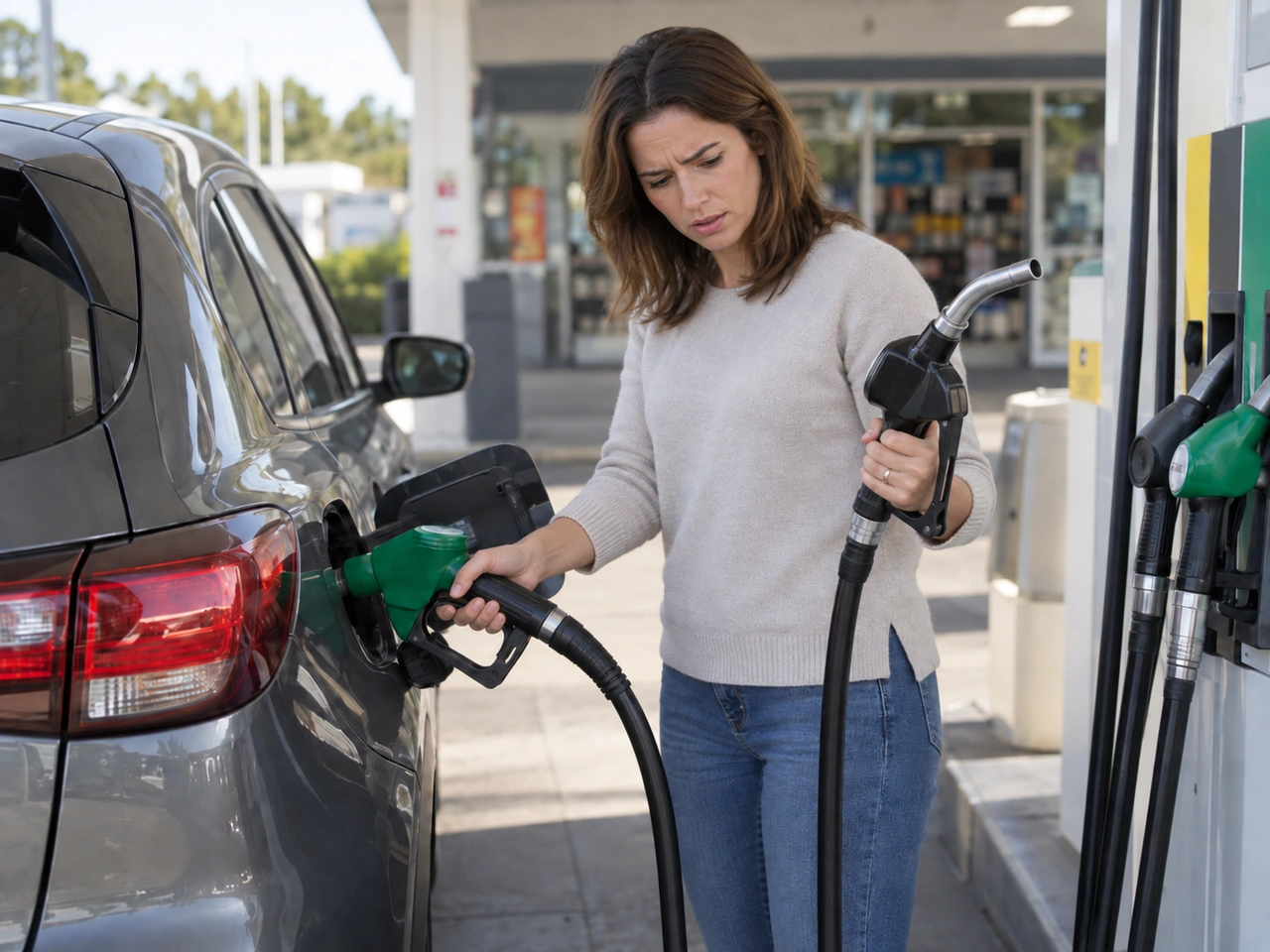
345. What should you do if you realise you have put the wrong fuel in your vehicle?
If you have used the wrong fuel, do not start the engine. Starting it can circulate the incorrect fuel and cause further damage. If possible, avoid switching on the ignition and seek appropriate roadside or workshop assistance.
AI-generated by Traffic-rules.com • WCIT • CC BY-SA
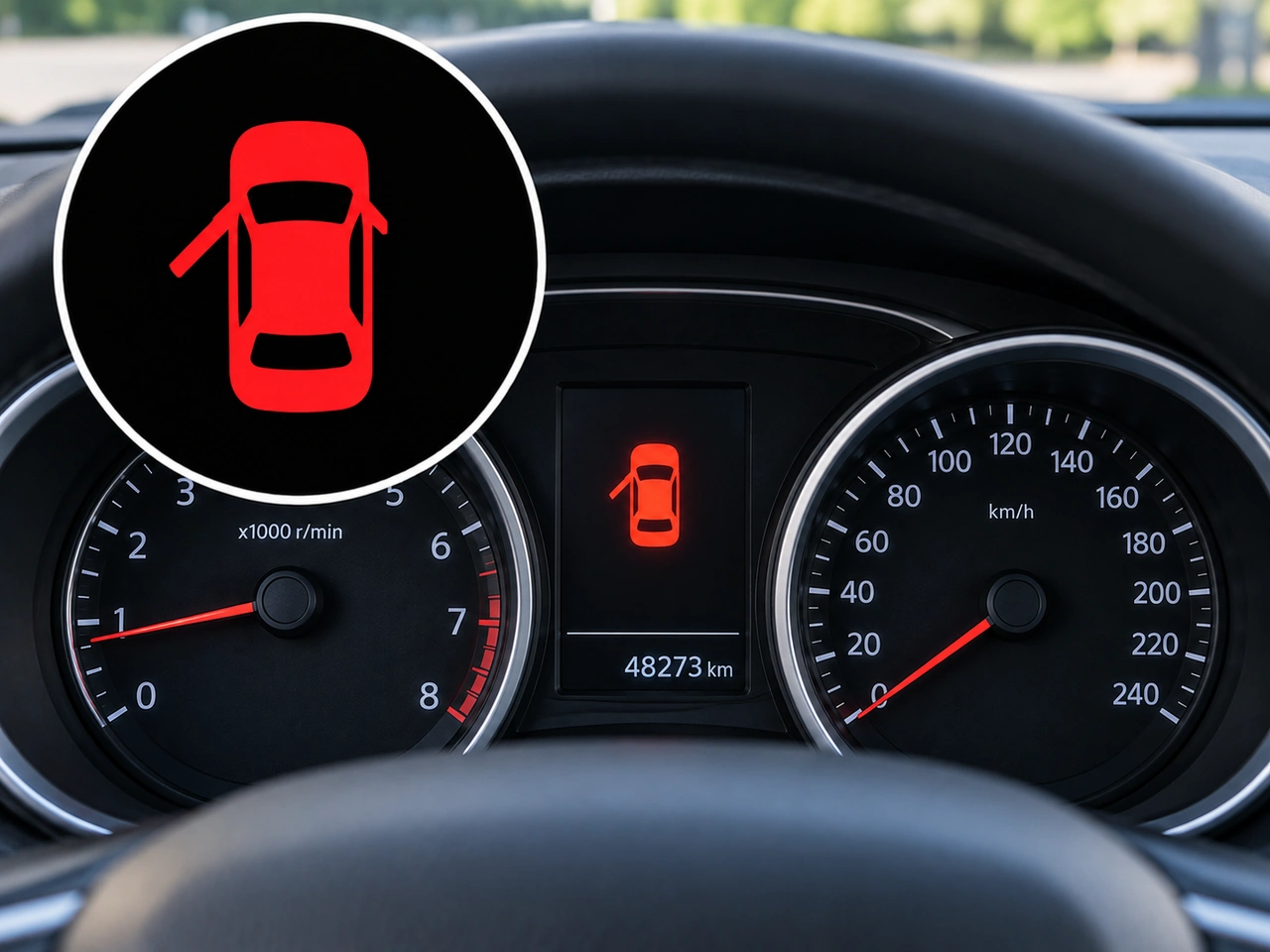
346. What does this dashboard symbol indicate?
This symbol indicates that one or more vehicle doors are not fully closed. Check that all doors are securely shut before driving.
AI-generated by Traffic-rules.com • WCIT • CC BY-SA
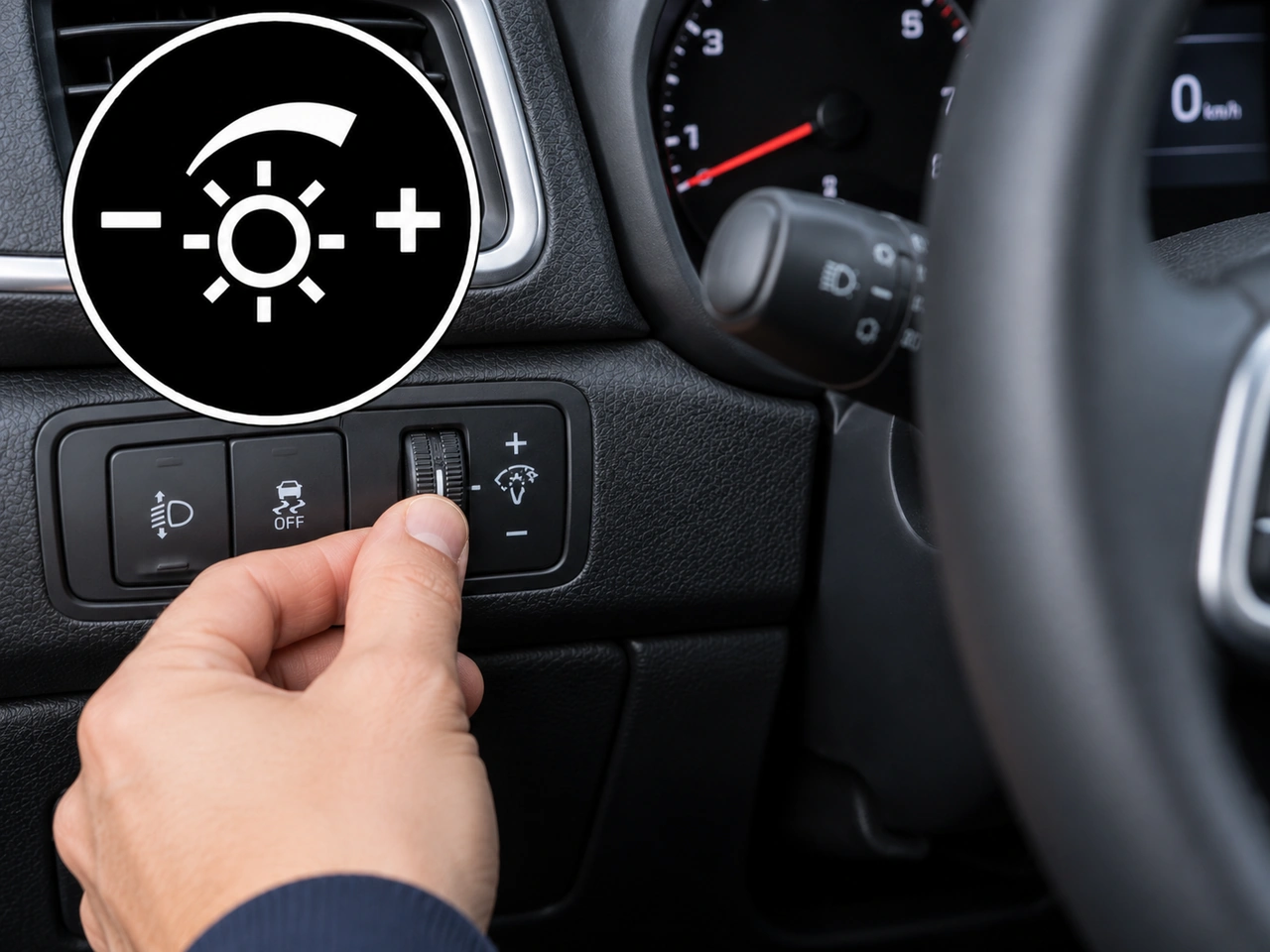
347. What does this vehicle-control symbol indicate?
This control adjusts the brightness of the instrument panel and dashboard illumination, allowing the driver to reduce or increase the lighting level.
AI-generated by Traffic-rules.com • WCIT • CC BY-SA
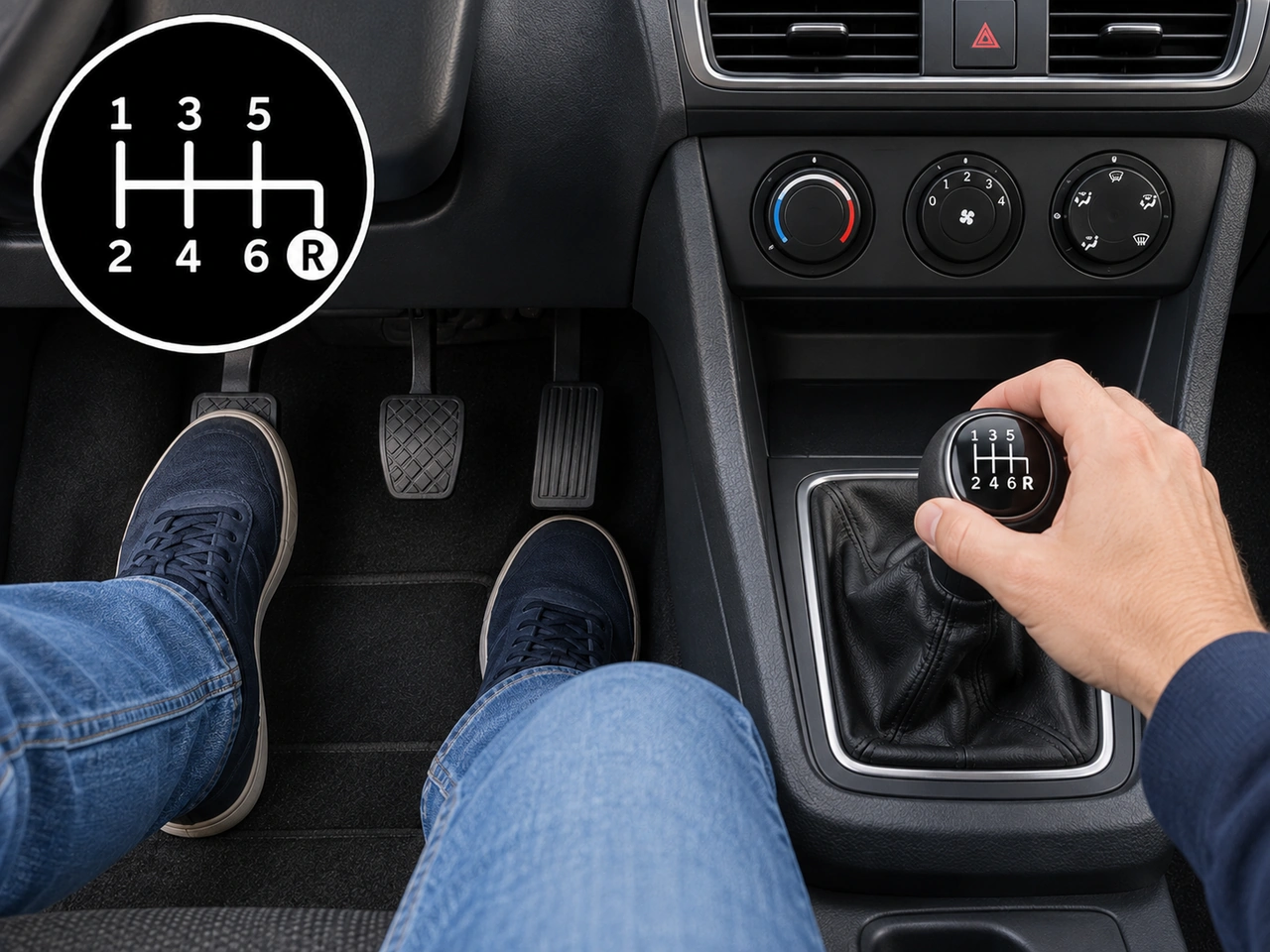
348. When should you select reverse gear in a manual vehicle?
Select reverse gear only after the vehicle has come to a complete stop. Press the clutch fully before selecting reverse to avoid unnecessary wear or damage to the transmission.
AI-generated by Traffic-rules.com • WCIT • CC BY-SA
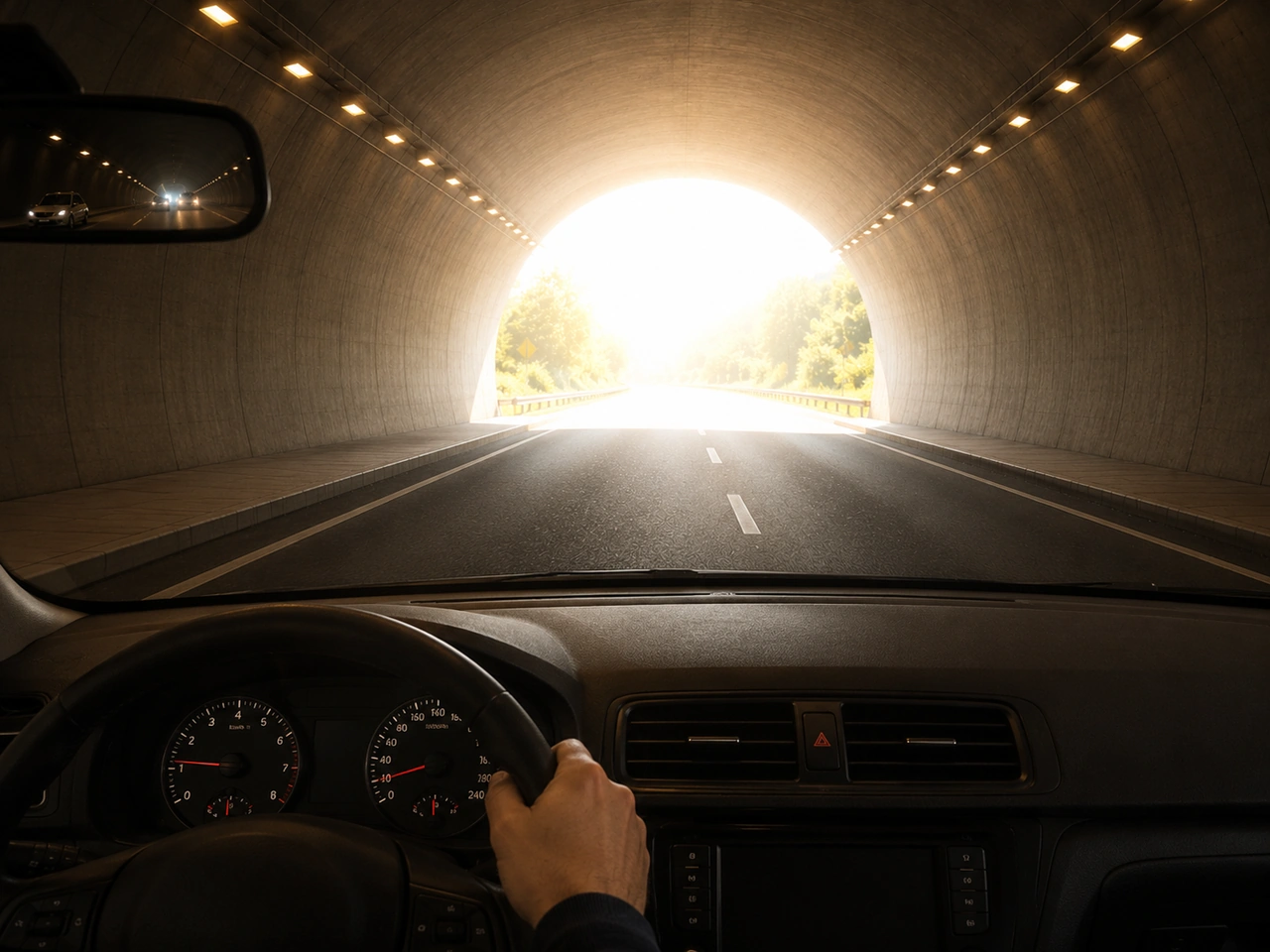
349. What should you expect when leaving a tunnel in bright sunlight?
Your eyes may need time to adjust from the darker tunnel to bright daylight. Reduce speed if necessary and remain alert.
AI-generated by Traffic-rules.com • WCIT • CC BY-SA
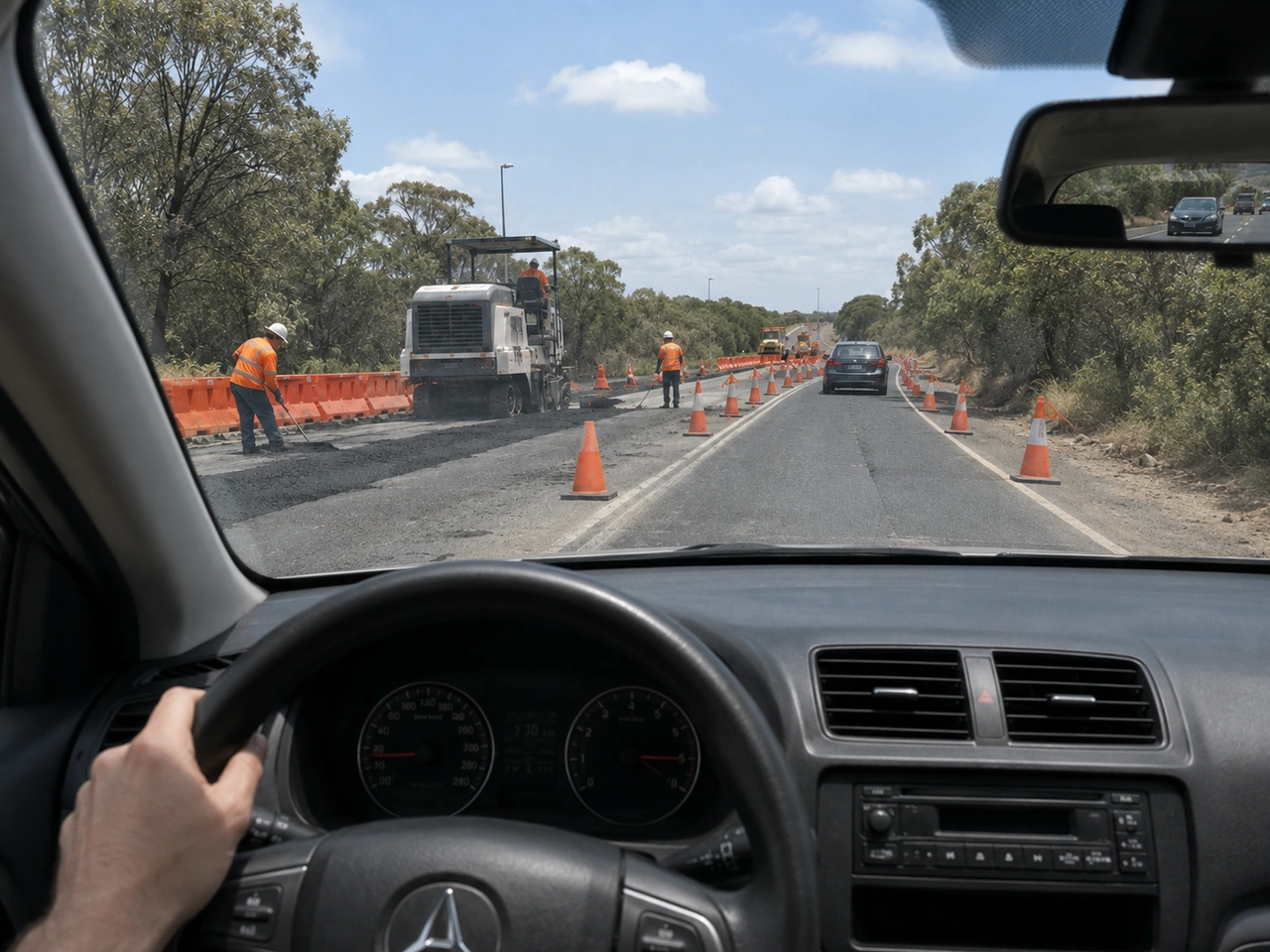
350. Why should you reduce speed when approaching roadworks?
Roadworks can involve workers, machinery, changing lane layouts, and uneven surfaces. Lower speed gives you more time to react.
AI-generated by Traffic-rules.com • WCIT • CC BY-SA