


QuizTraffic rulesPhilippines
This interesting quiz helps you test your knowledge in a clear and visual way. With easy multiple-choice questions, you can quickly build confidence and learn new facts while keeping it simple, interactive, and fun.
 Traffic signs
 Traffic rules
 Philippines
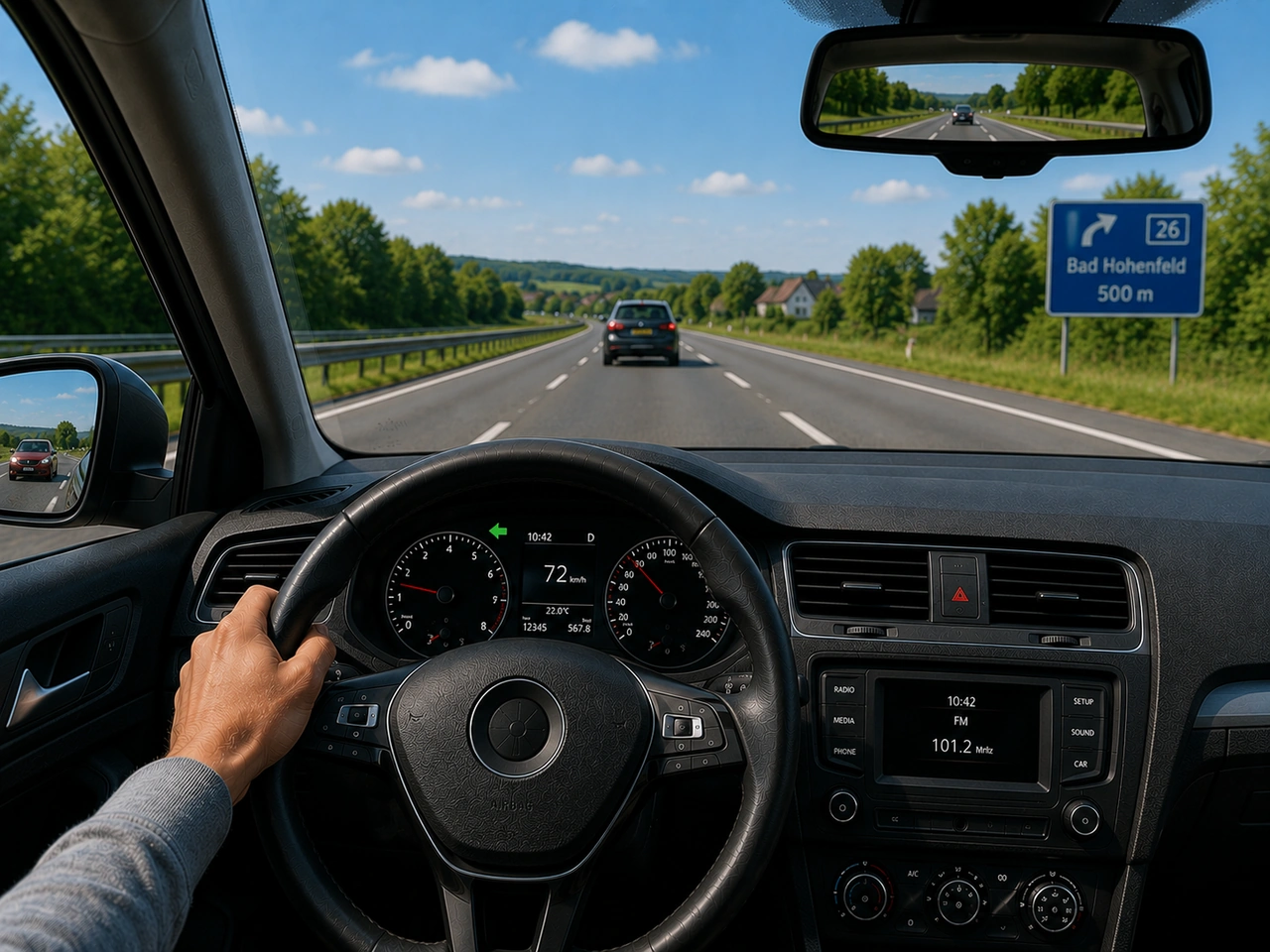
451. Using indicators helps other road users understand your intentions.
Indicators help communicate your intended direction and improve safety for everyone on the road.
AI-generated by Traffic-rules.com • WCIT • CC BY-SA

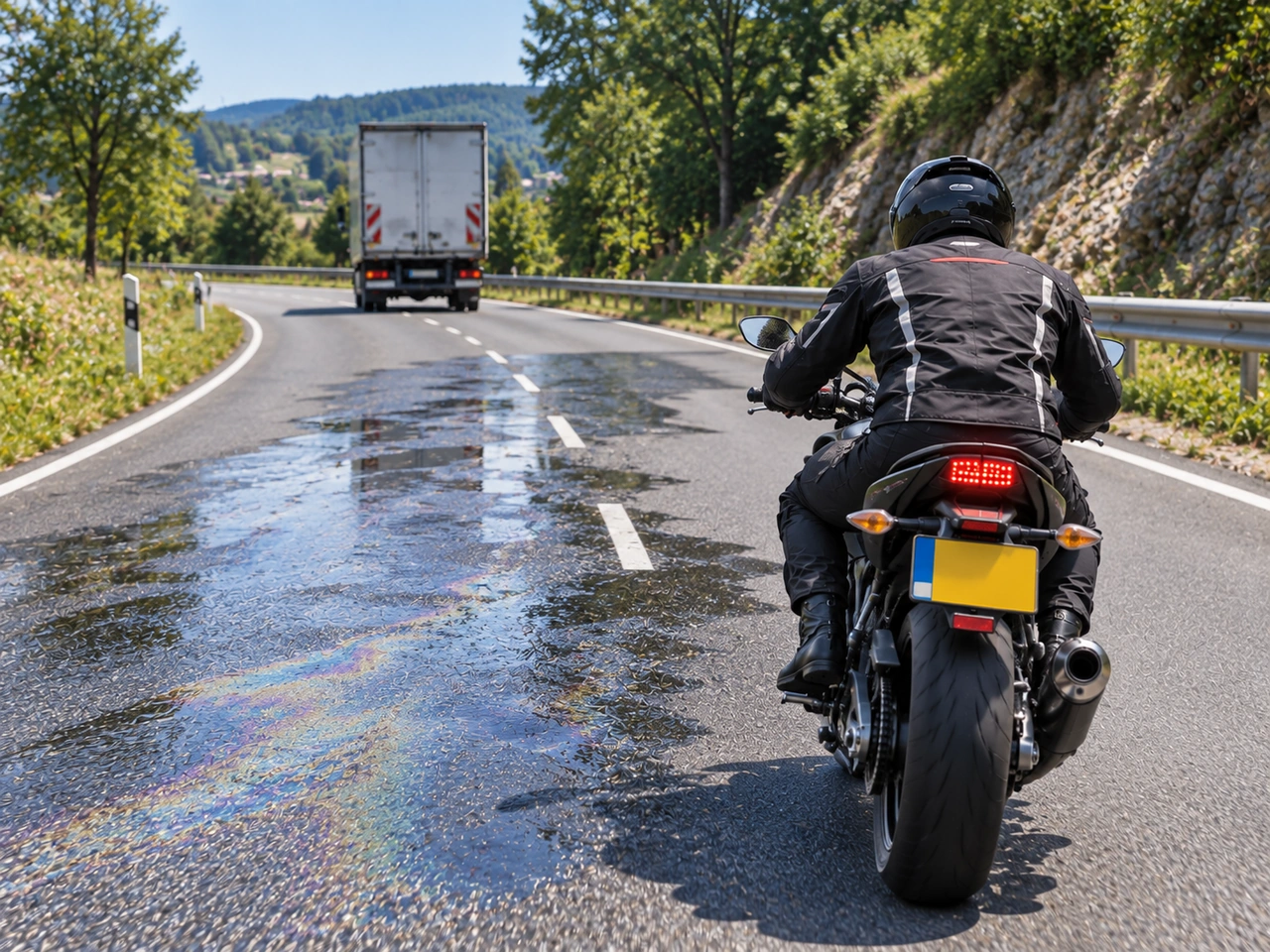
452. Why should you take extra care if oil or diesel is spilled on the road?
Oil, diesel and other fluids can create a very slippery road surface, particularly for motorcycles and bicycles. Reduce speed, avoid sudden braking or steering and keep the vehicle as stable as possible when crossing a contaminated area.
AI-generated by Traffic-rules.com • WCIT • CC BY-SA
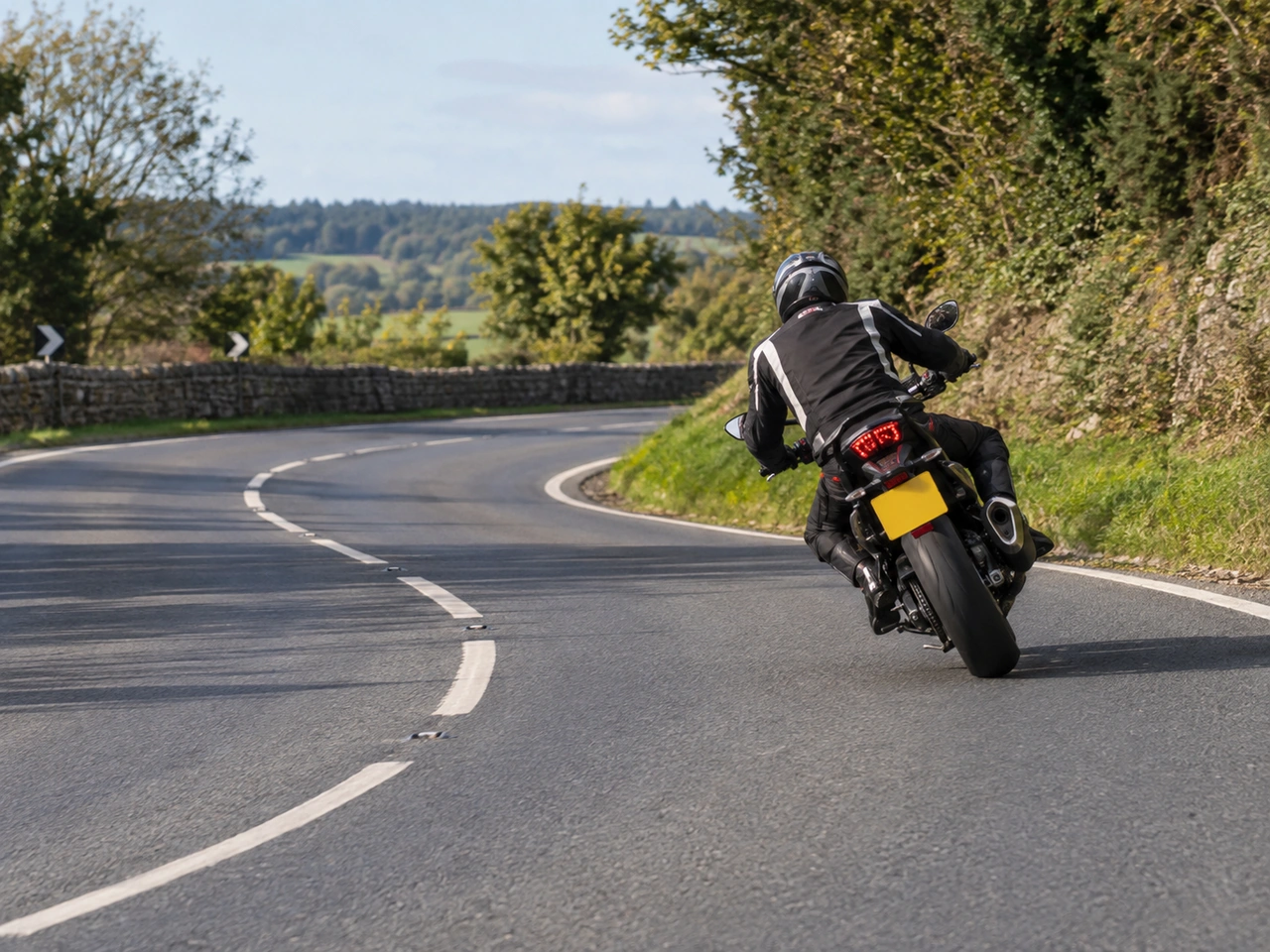
453. Why should hard braking be avoided while a motorcycle is leaning in a bend?
When a motorcycle is leaning, the tyres are already using grip to turn. Hard braking can demand additional grip and may reduce stability. Whenever possible, adjust speed before the bend and use smooth, controlled inputs while cornering.
AI-generated by Traffic-rules.com • WCIT • CC BY-SA
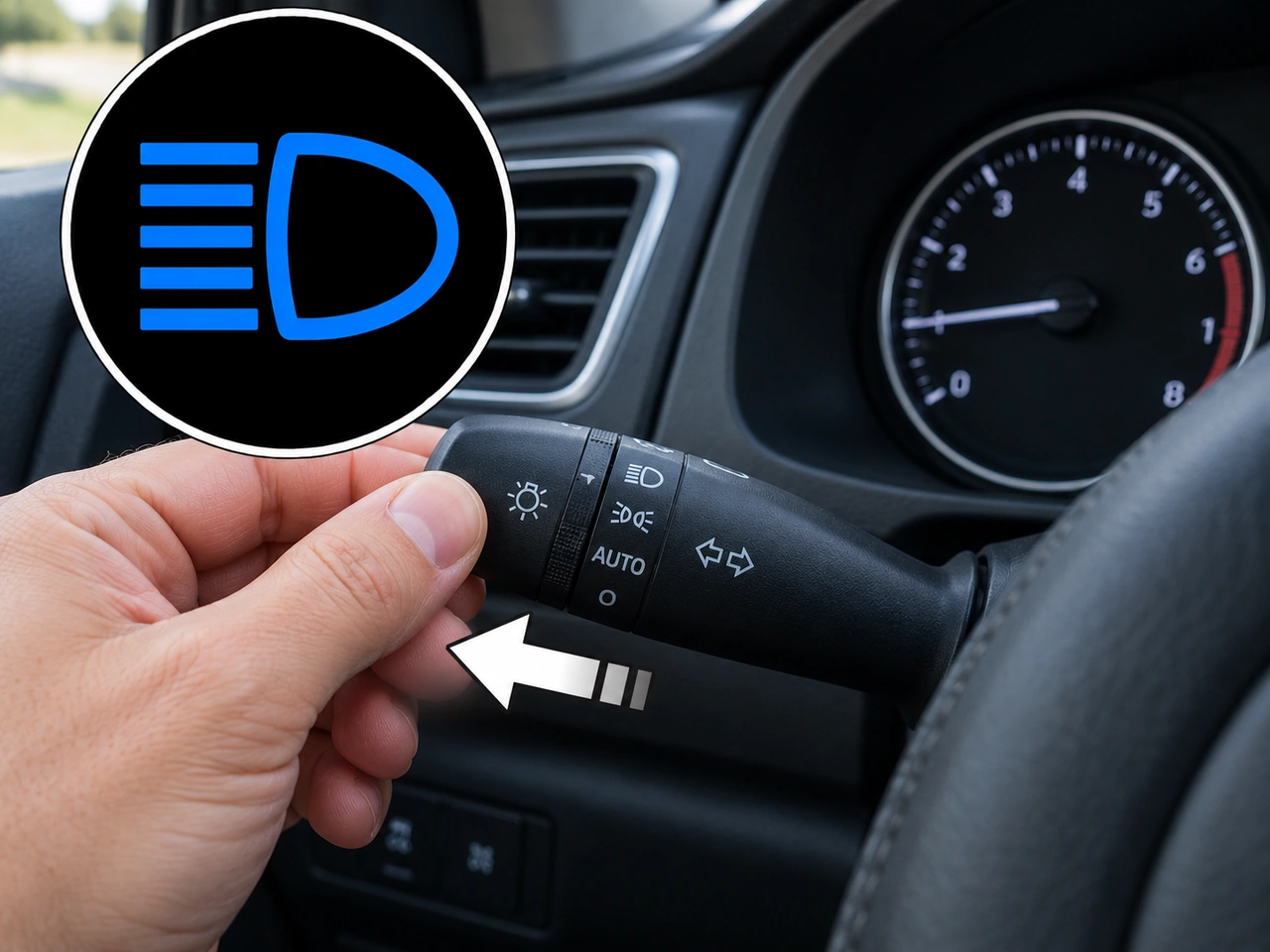
454. What does pulling the lighting stalk towards you normally do?
Pulling the lighting stalk towards you normally flashes the main-beam headlights. This briefly illuminates the main beam while the stalk is held or operated.
AI-generated by Traffic-rules.com • WCIT • CC BY-SA
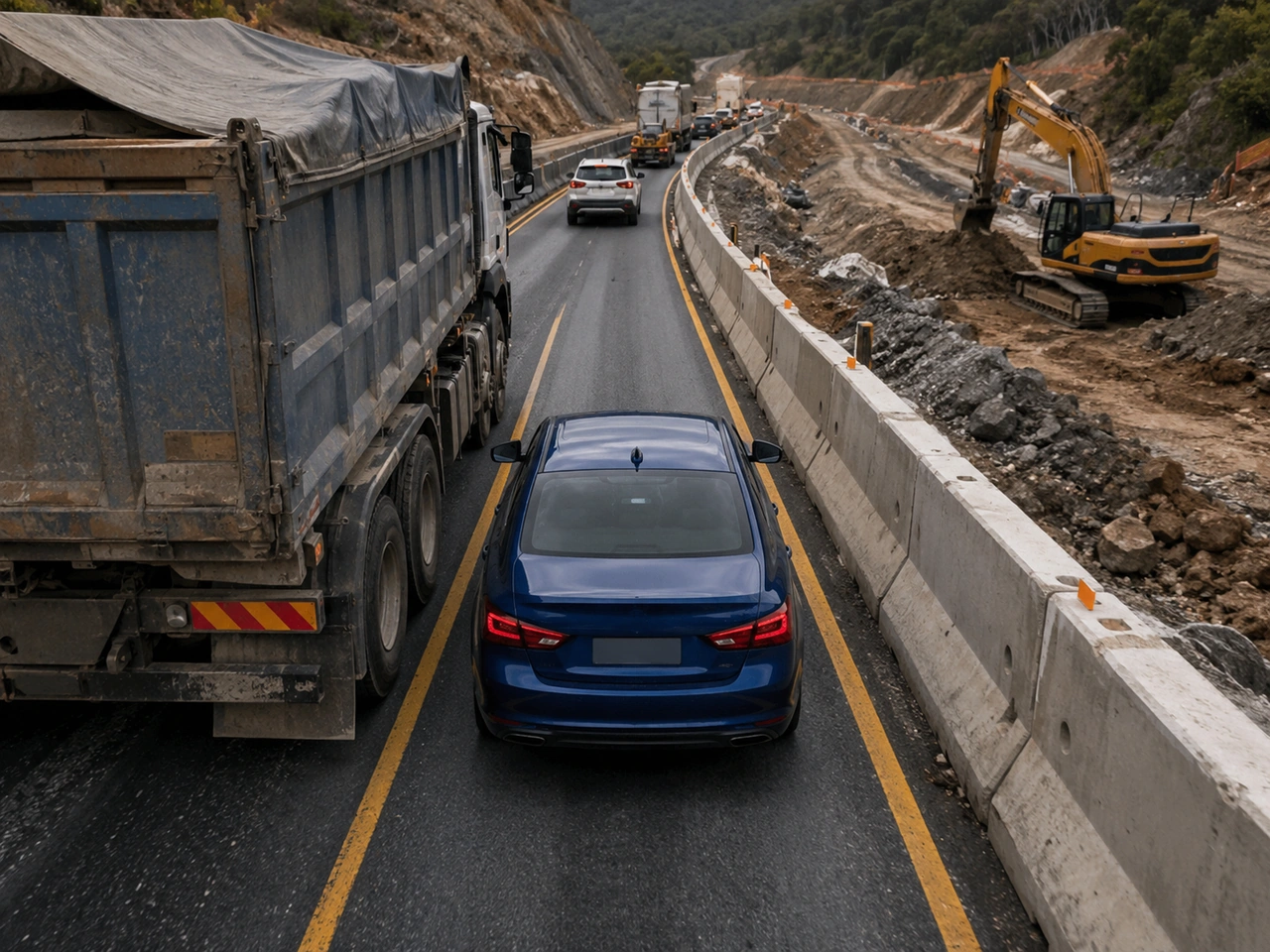
455. Why should you avoid unnecessary lane changes in roadworks?
Frequent lane changes create additional risk where space is limited and drivers are already adapting to temporary layouts.
AI-generated by Traffic-rules.com • WCIT • CC BY-SA
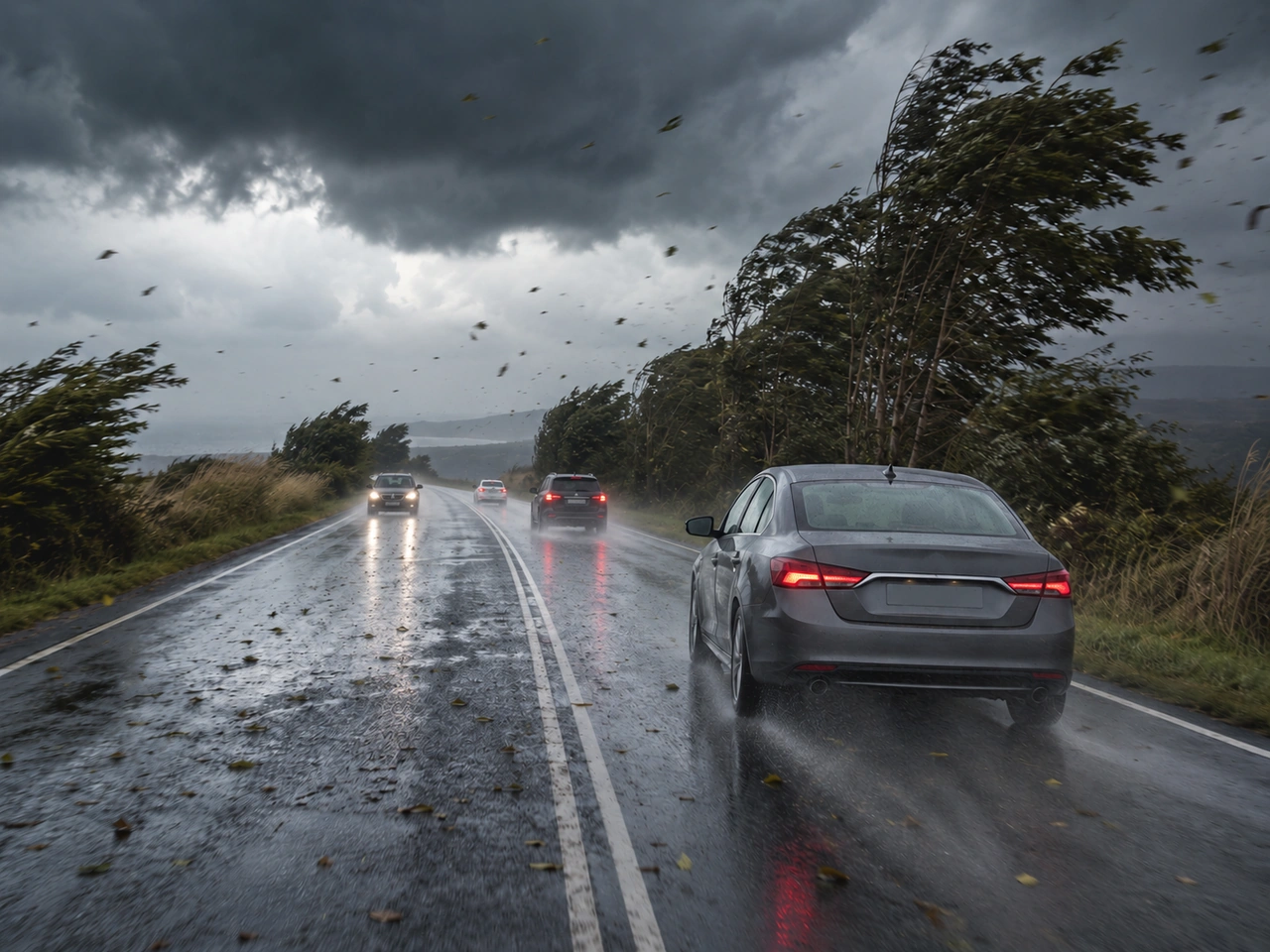
456. Why should you hold the steering wheel firmly during strong gusts?
A firm but relaxed grip helps you respond safely to sudden changes caused by wind.
AI-generated by Traffic-rules.com • WCIT • CC BY-SA
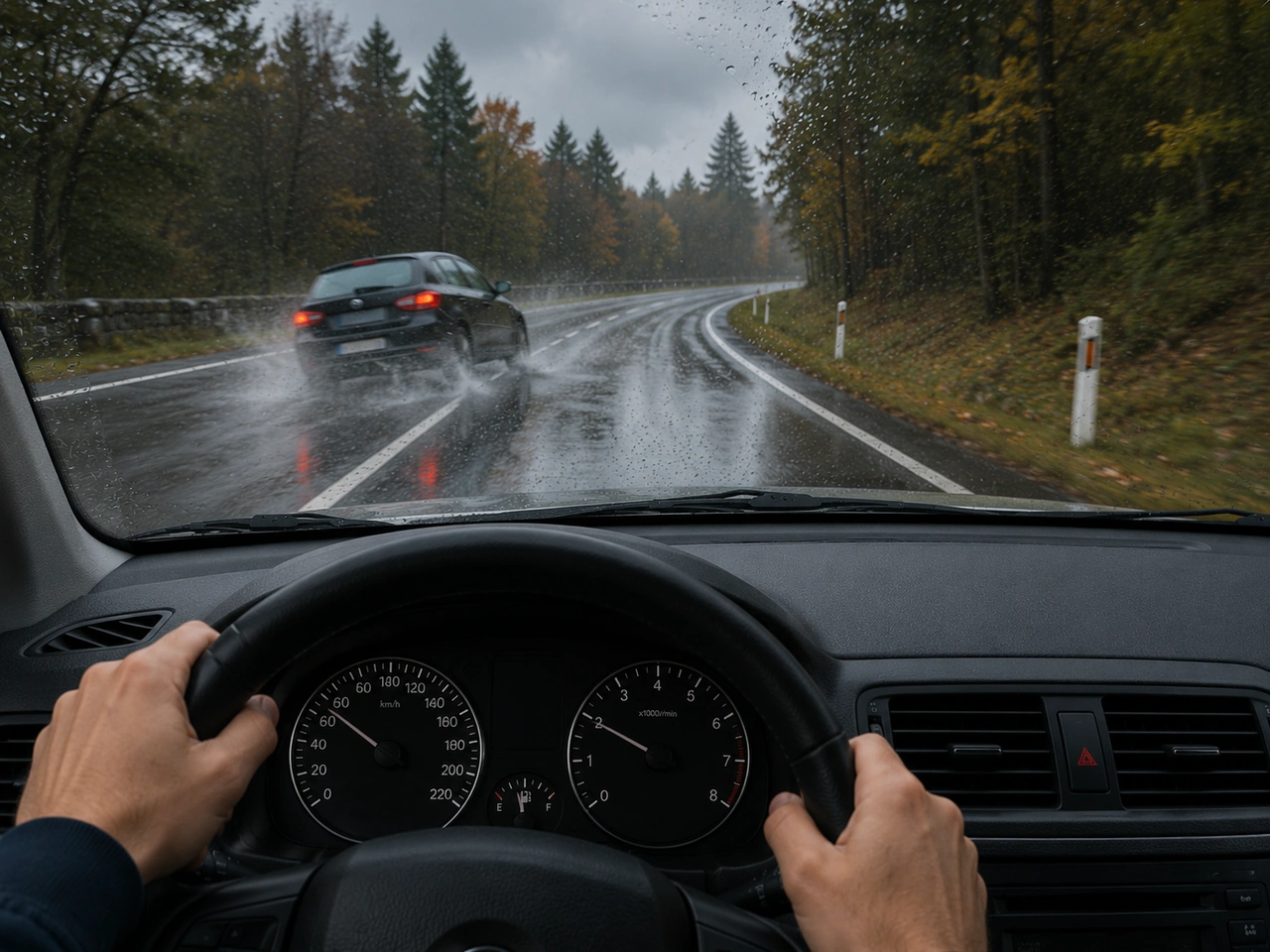
457. What should you avoid if your vehicle starts to skid?
Sudden braking, acceleration, or steering can make a skid worse. Stay calm and use smooth controls while the tyres regain grip.
AI-generated by Traffic-rules.com • WCIT • CC BY-SA
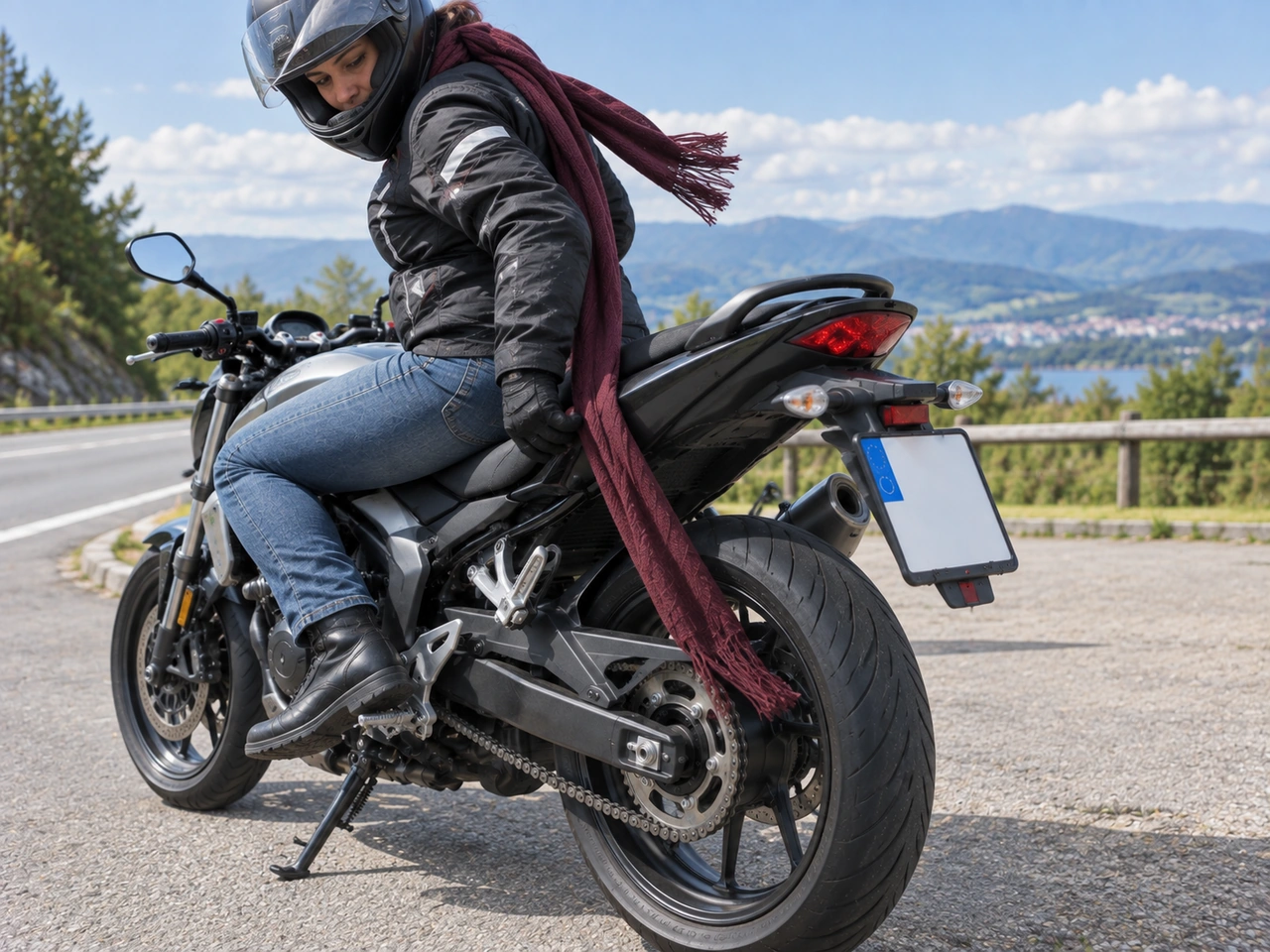
458. Why should loose clothing be avoided when riding a motorcycle?
Loose clothing, straps or scarves can flap in the wind or become caught in moving parts such as the chain or wheel. Motorcycle clothing should fit securely and should not have loose items that could interfere with safe riding.
AI-generated by Traffic-rules.com • WCIT • CC BY-SA
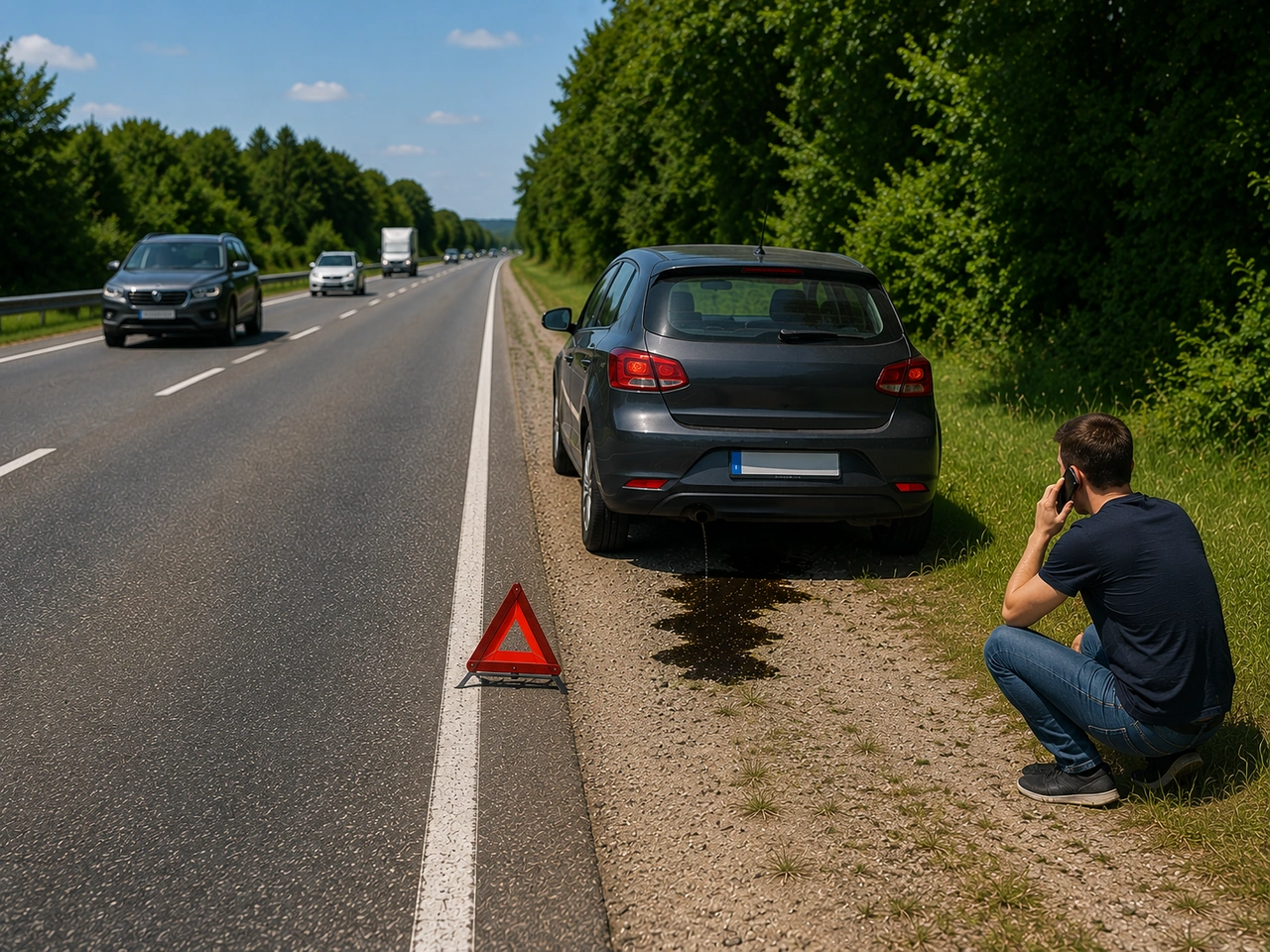
459. What should you do if you smell fuel or see fuel leaking from your vehicle?
Leaking fuel creates a serious fire risk. Keep people away, do not restart the engine, and arrange professional assistance.
AI-generated by Traffic-rules.com • WCIT • CC BY-SA
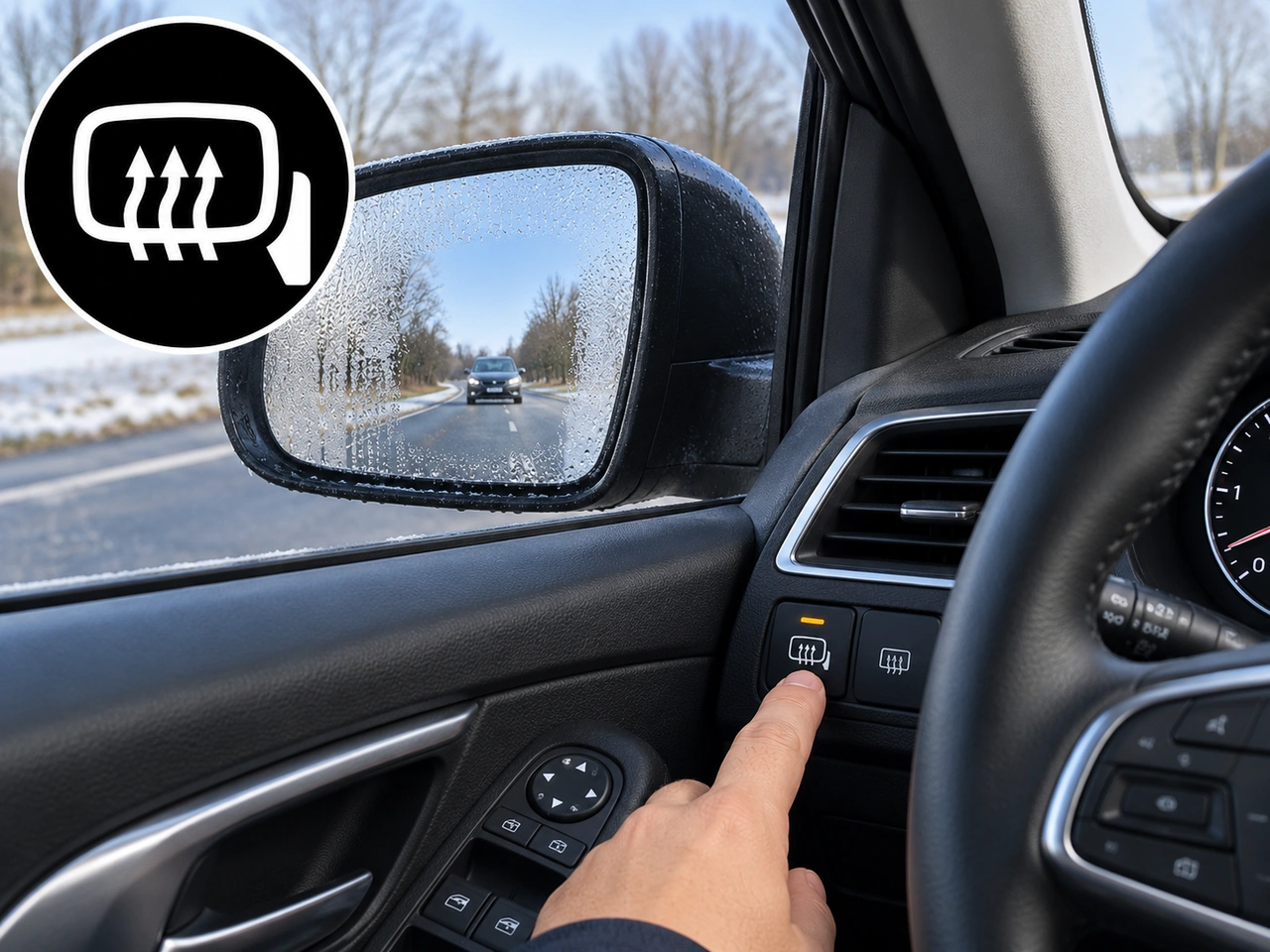
460. What is the purpose of heated door mirrors?
Heated door mirrors warm the mirror glass to help clear mist, condensation, or light ice and improve rearward visibility. On some vehicles, they operate together with the rear-window demister.
AI-generated by Traffic-rules.com • WCIT • CC BY-SA
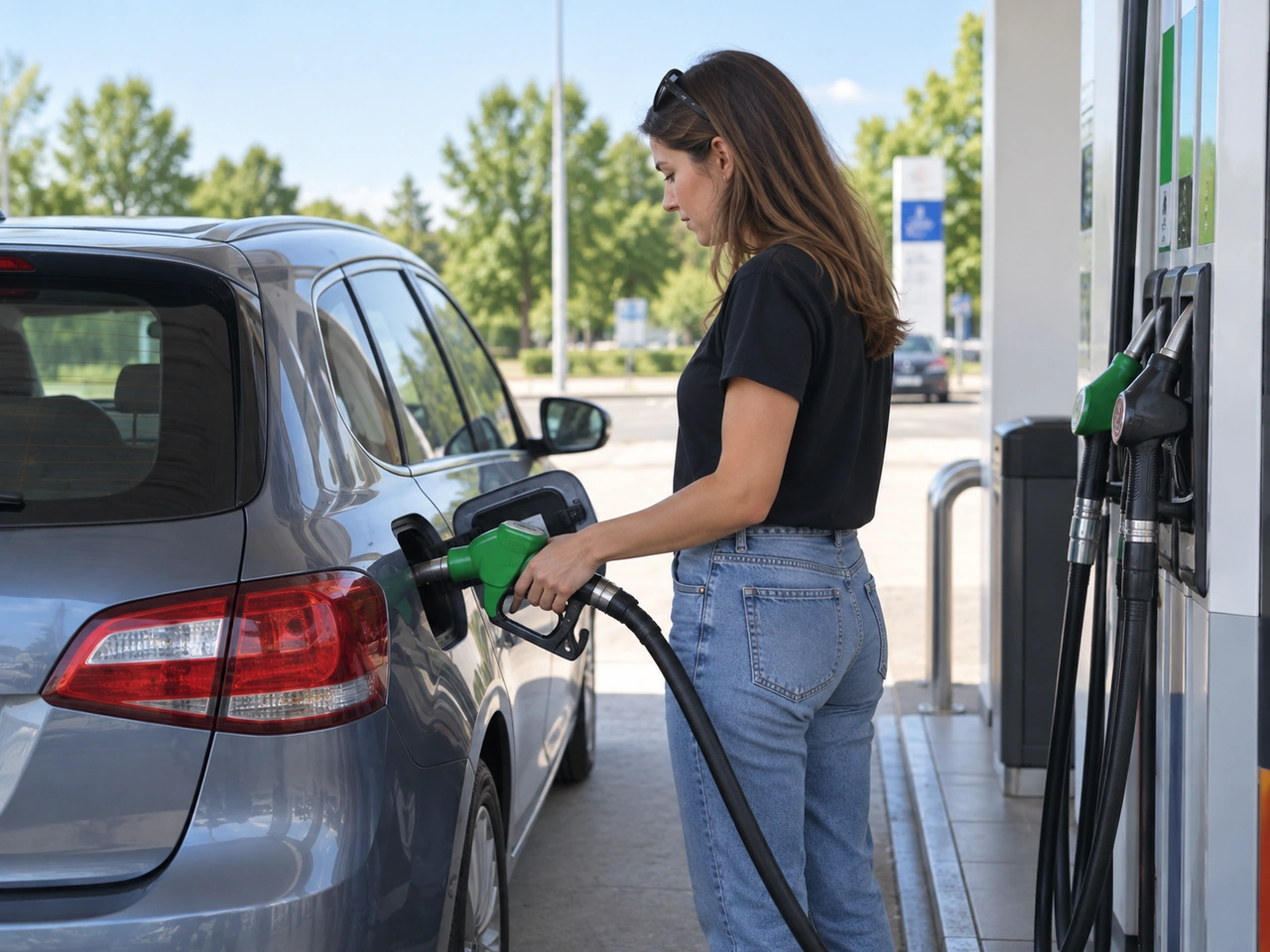
461. What should you do before refuelling a petrol or diesel vehicle?
Switch off the engine before refuelling. Fuel vapours are flammable, so avoid ignition sources and follow the safety instructions at the filling station. If fuel is spilled, do not start the vehicle until the situation has been made safe.
AI-generated by Traffic-rules.com • WCIT • CC BY-SA
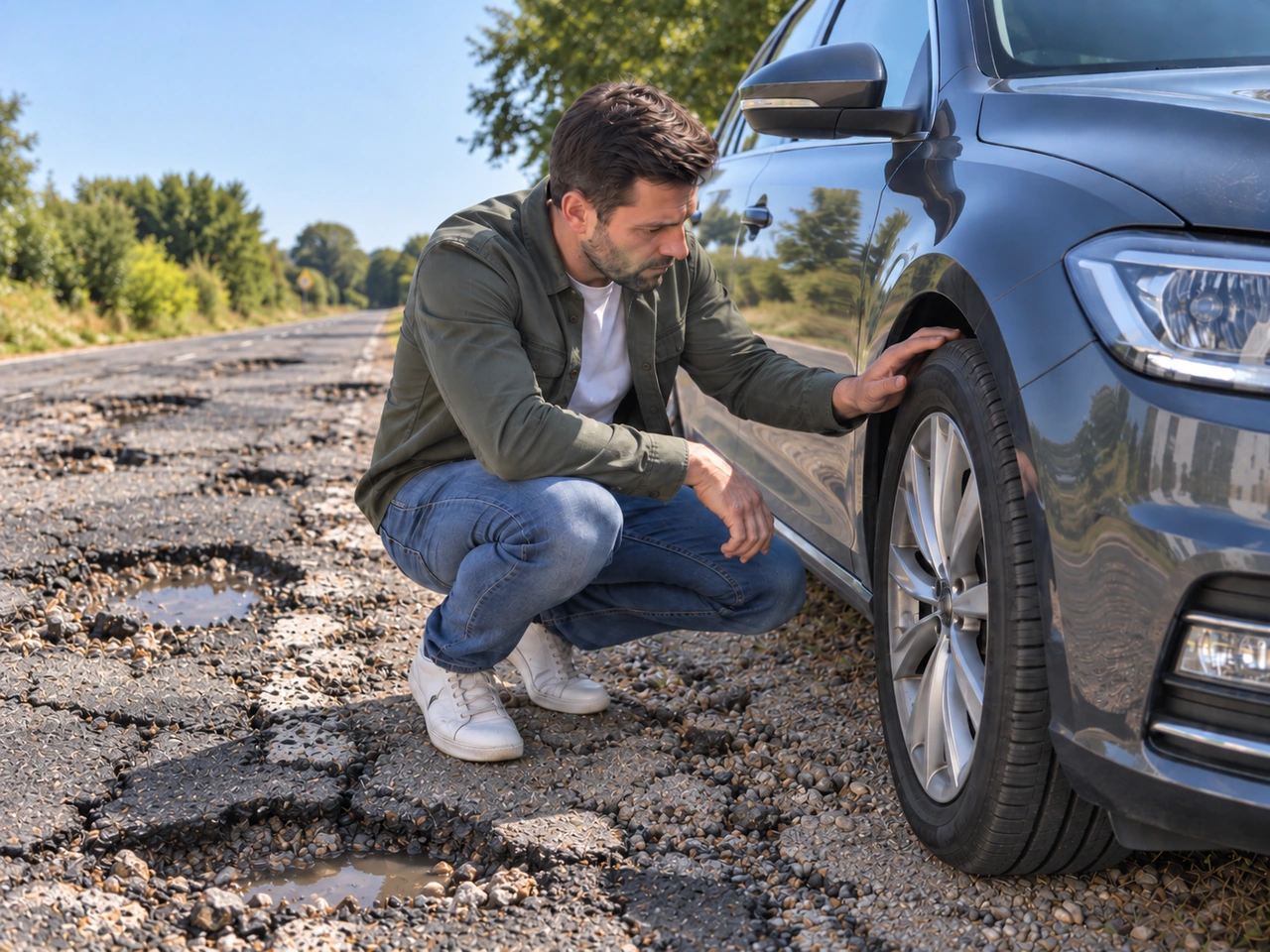
462. What should you do after hitting a deep pothole hard?
A hard impact with a pothole can damage tyres, wheel rims, steering, suspension, or wheel alignment. When it is safe to stop, inspect the tyres and wheels and pay attention to unusual vibration, pulling, or steering changes. Have the vehicle checked if you suspect damage.
AI-generated by Traffic-rules.com • WCIT • CC BY-SA
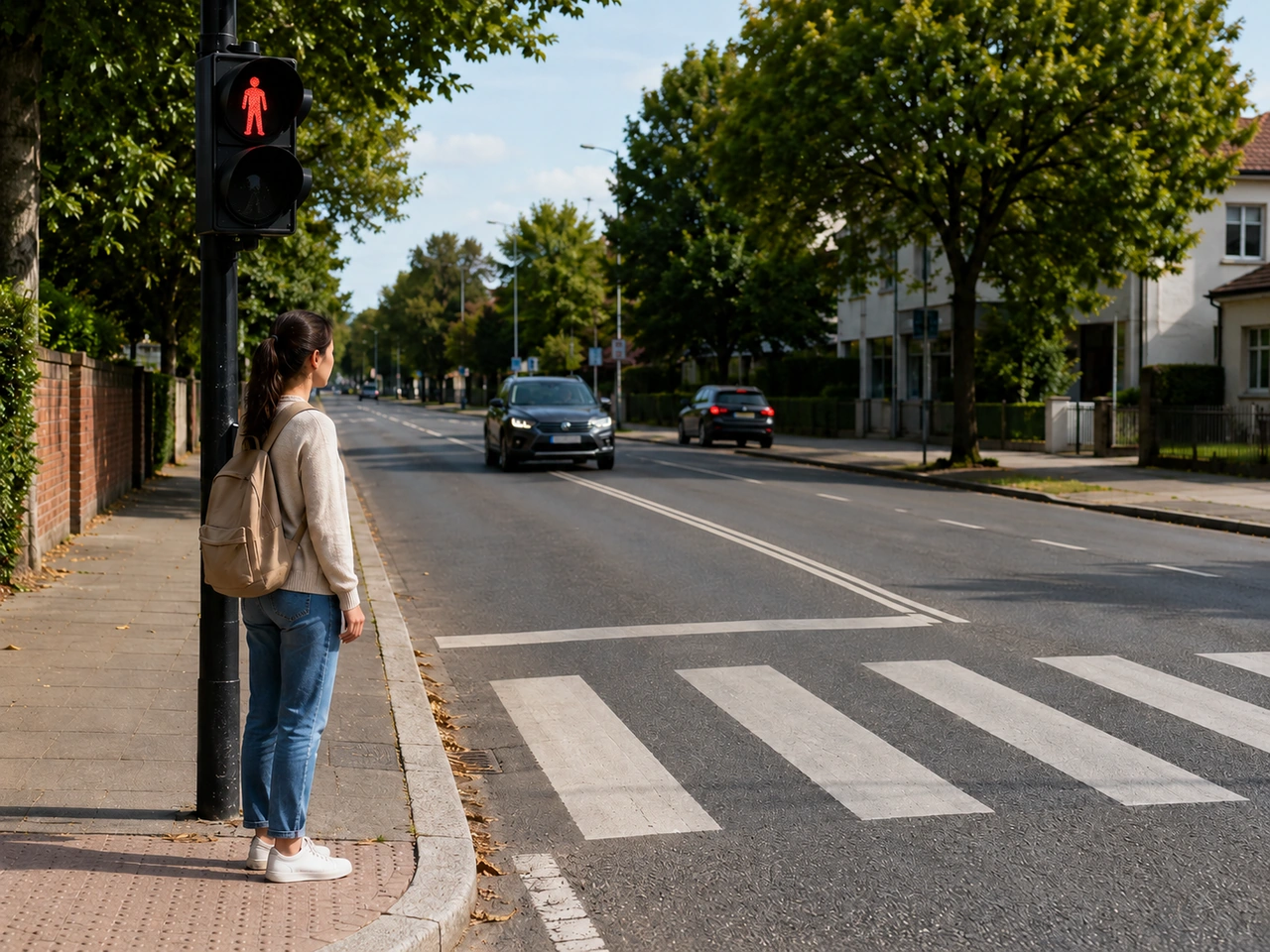
463. What should you do if the pedestrian light is red?
A red pedestrian signal means you should wait before crossing.
AI-generated by Traffic-rules.com • WCIT • CC BY-SA
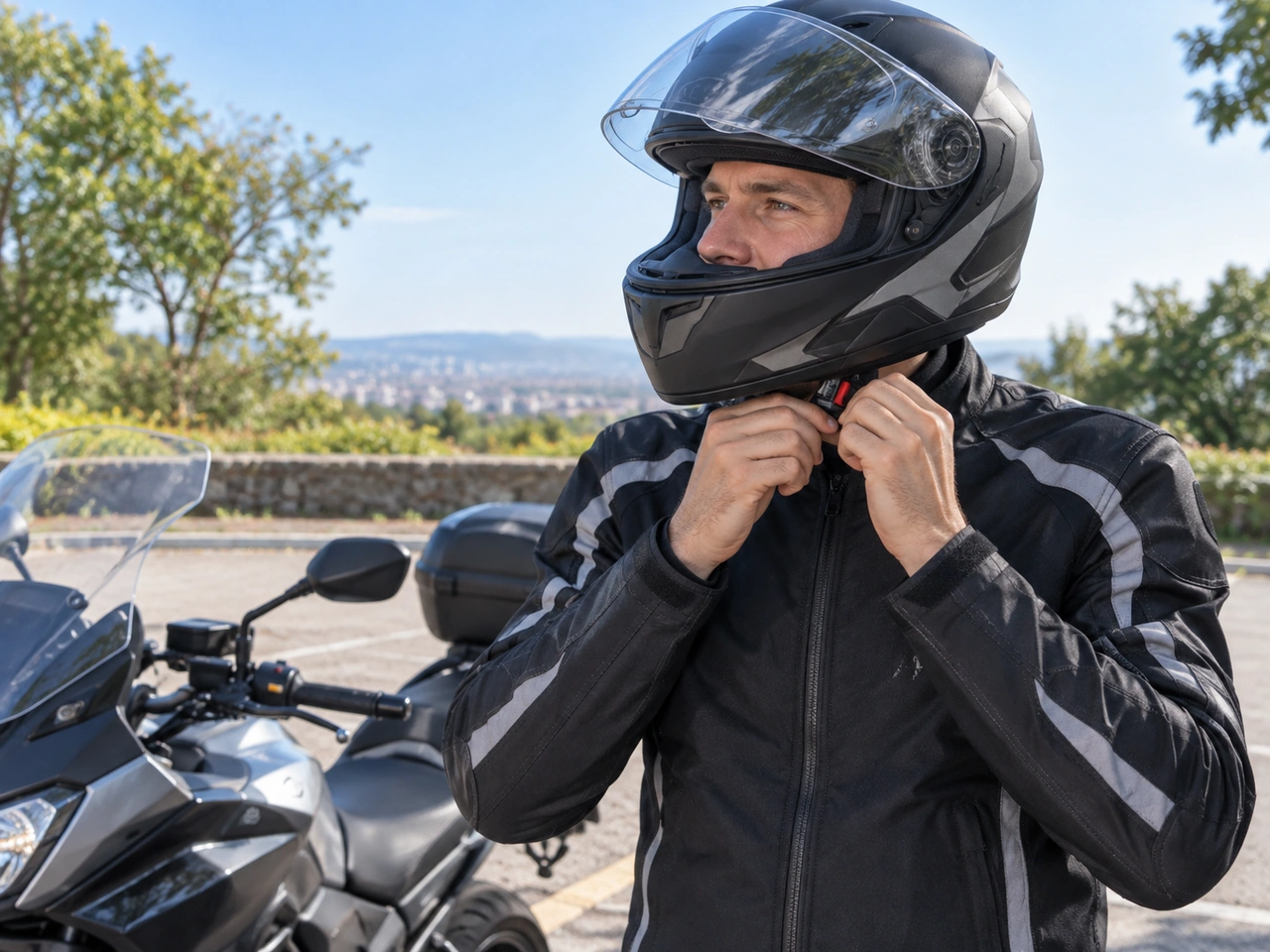
464. Why should a motorcycle helmet be worn correctly and securely fastened?
A correctly fitted and securely fastened motorcycle helmet helps protect the rider's head and can reduce the risk and severity of head injury in a collision or fall.
AI-generated by Traffic-rules.com • WCIT • CC BY-SA
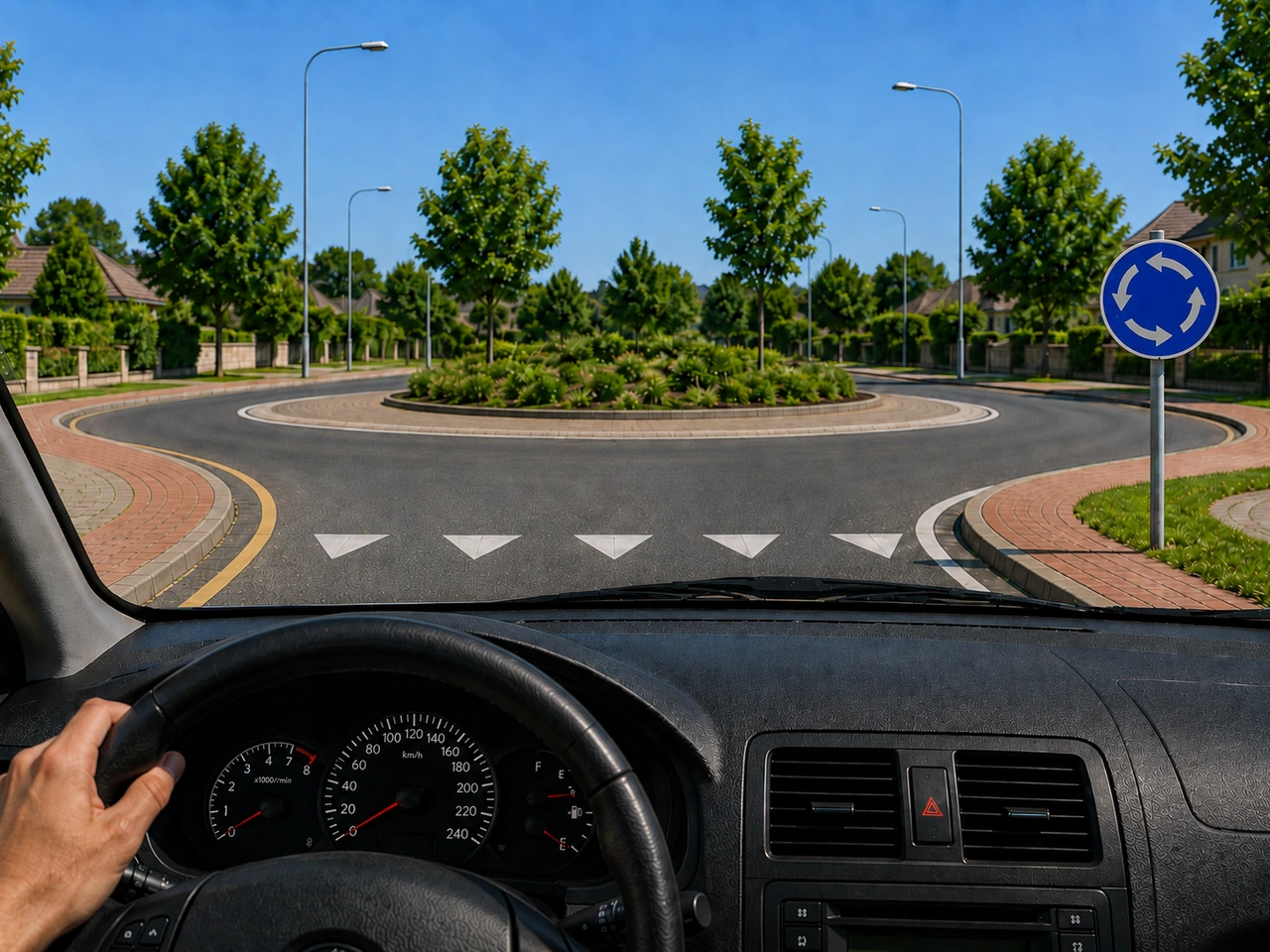
465. What should you do before entering a roundabout?
Before entering a roundabout, reduce your speed, observe traffic, and give way according to the local rules.
AI-generated by Traffic-rules.com • WCIT • CC BY-SA
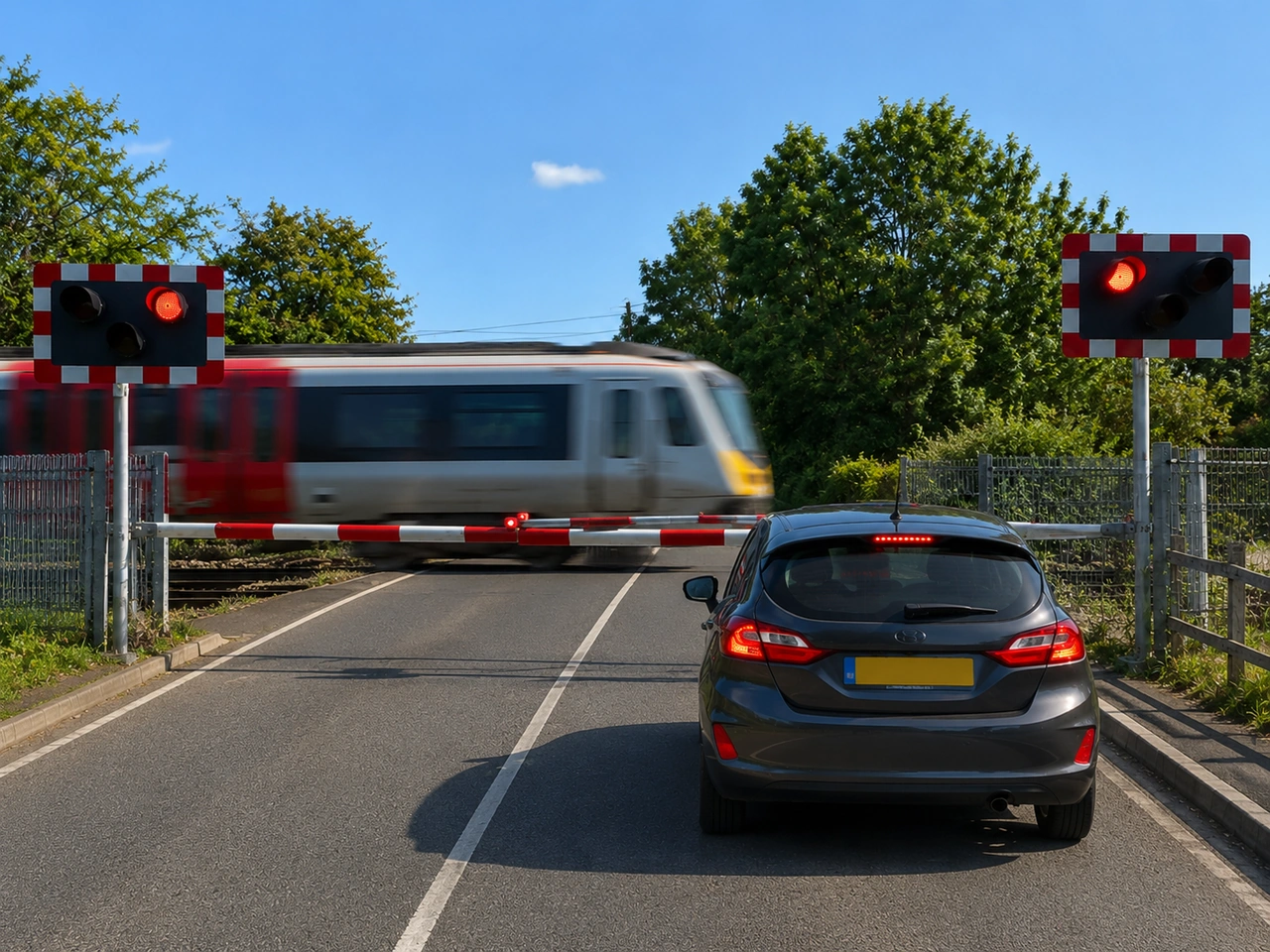
466. What should you do at a railway crossing when the barriers are closing?
Never enter a railway crossing when barriers are closing or warning signals are active. Stop and wait until it is safe.
AI-generated by Traffic-rules.com • WCIT • CC BY-SA
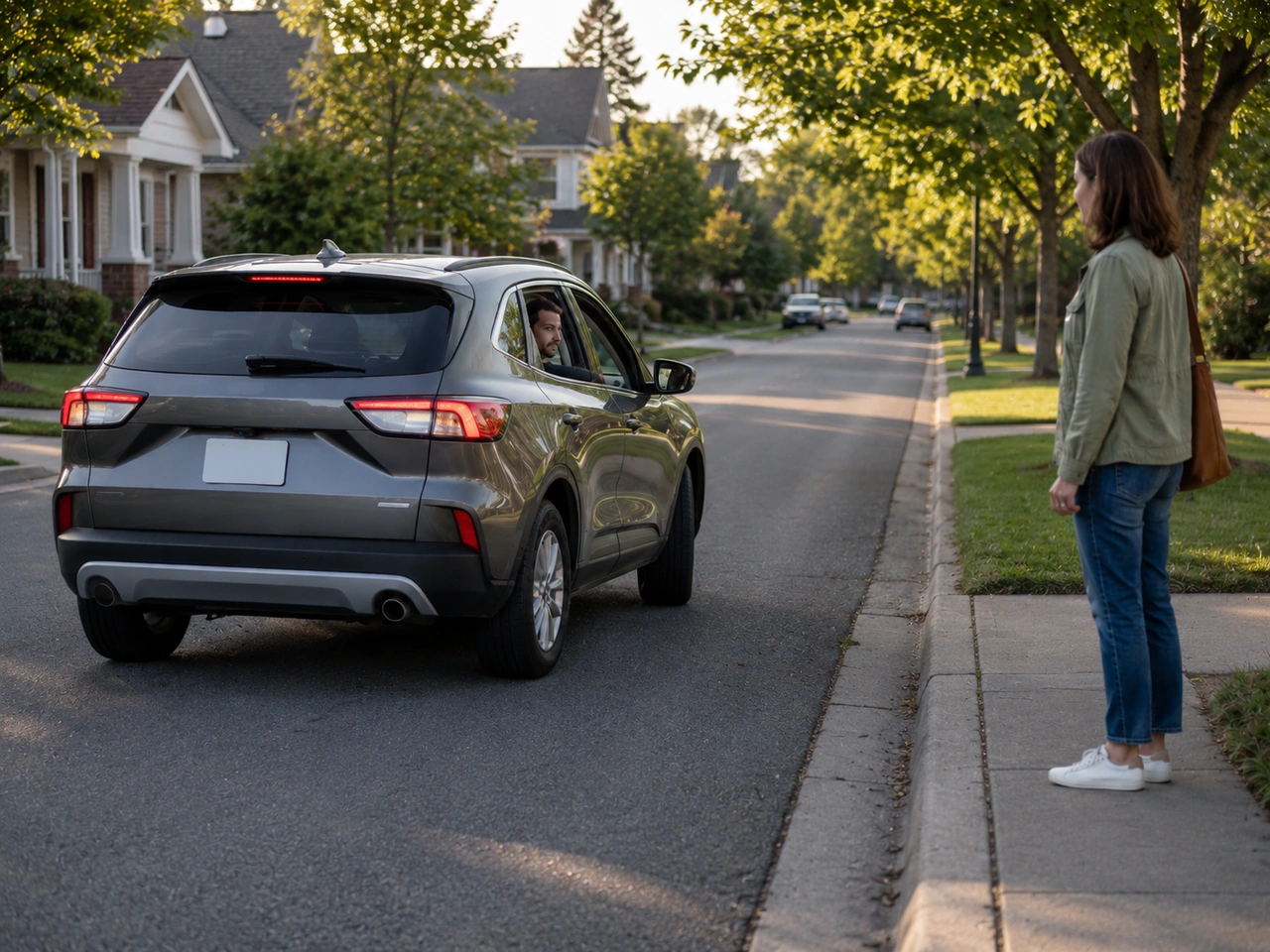
467. What should you do if a vehicle is reversing near you?
Reversing vehicles have blind spots. Stay away from the vehicle and make sure the driver can see you.
AI-generated by Traffic-rules.com • WCIT • CC BY-SA
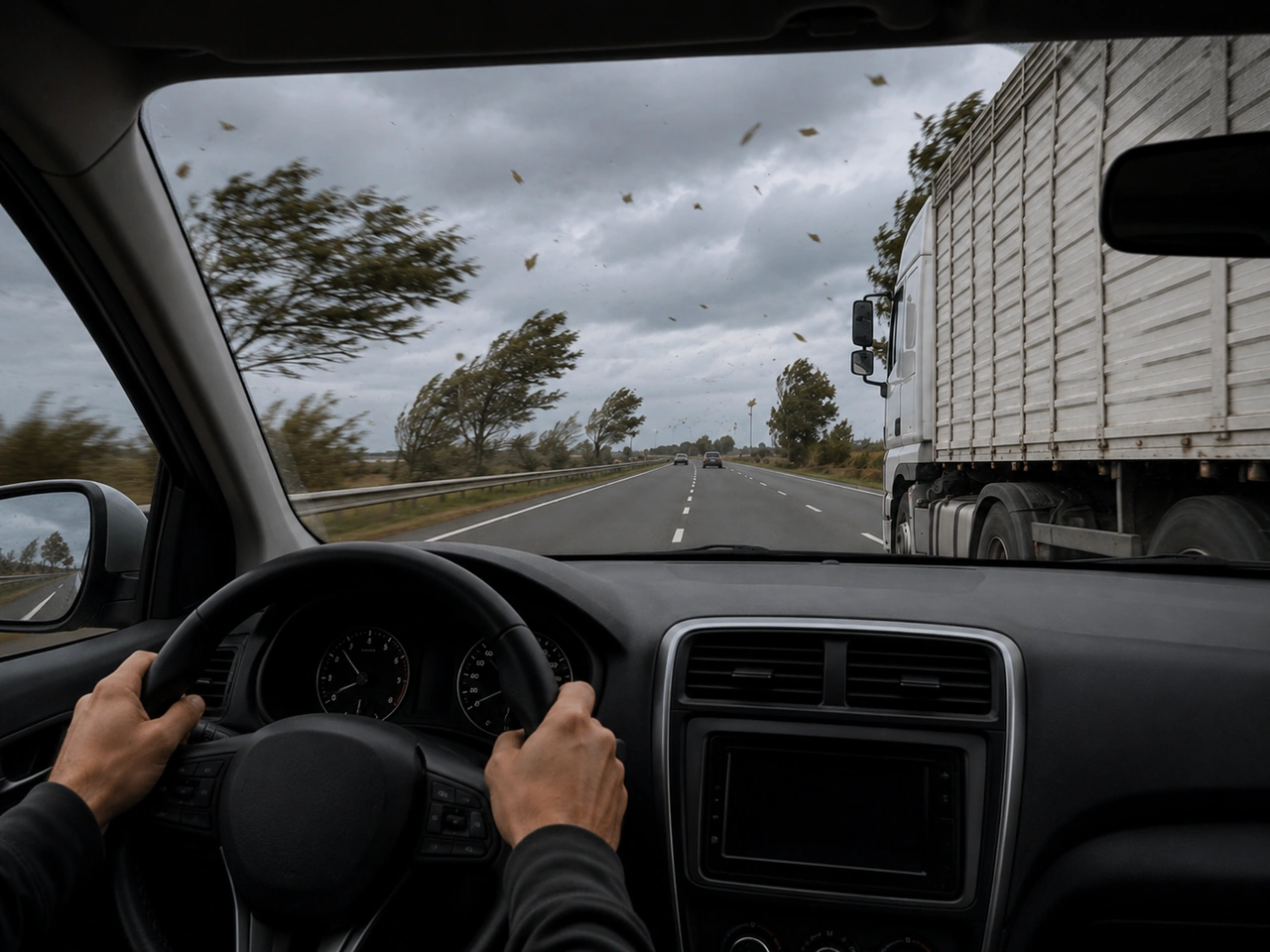
468. How should you pass a large vehicle in strong winds?
Large vehicles can block wind and then expose you to strong gusts when you pass them.
AI-generated by Traffic-rules.com • WCIT • CC BY-SA
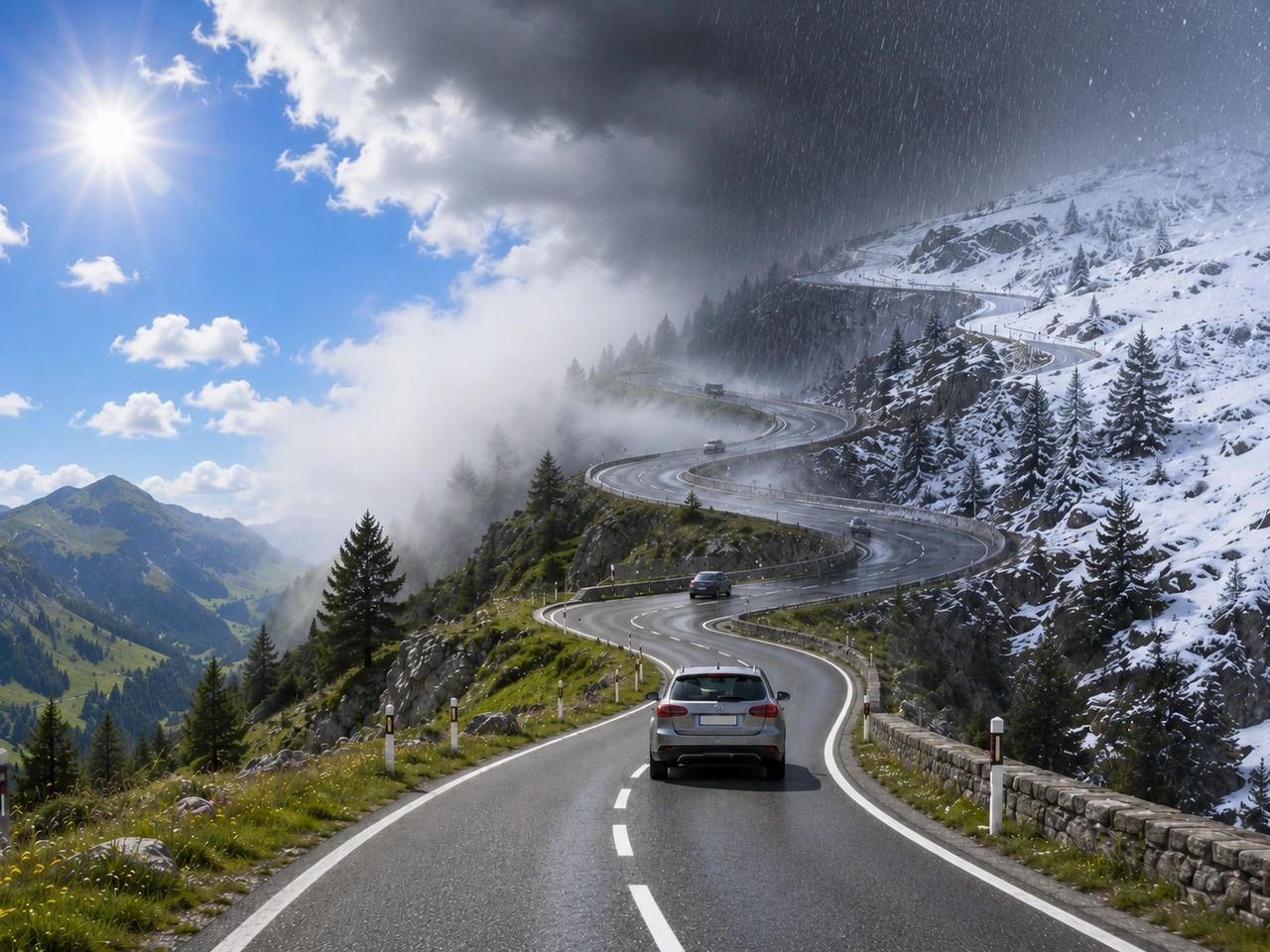
469. Why should you be prepared for changing conditions on mountain roads?
Fog, rain, snow, ice, falling rocks, and strong winds can develop rapidly in mountainous areas.
AI-generated by Traffic-rules.com • WCIT • CC BY-SA
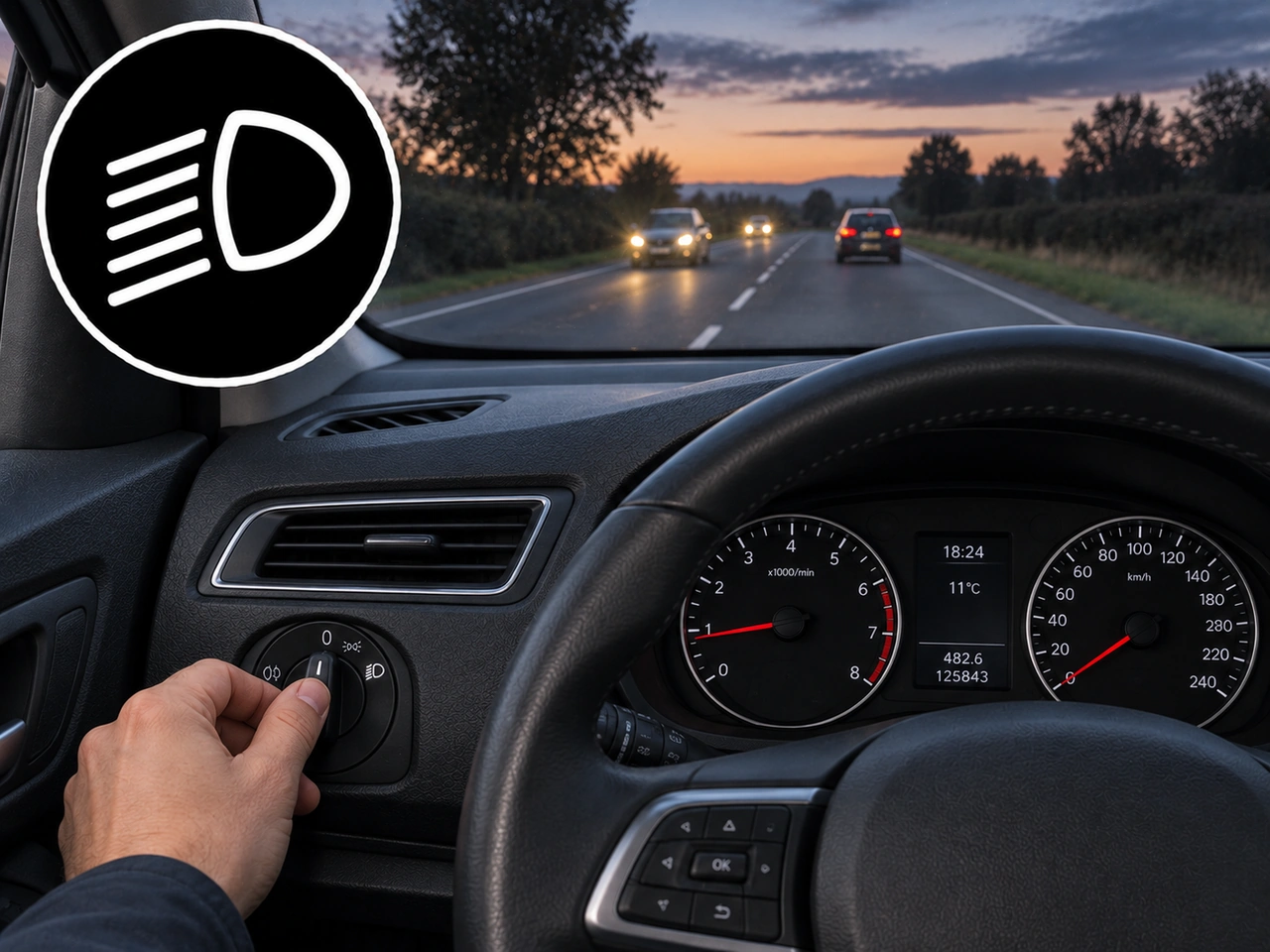
470. Which control is normally used to switch on the dipped headlights?
The lighting control is normally used to switch on the dipped headlights. Depending on the vehicle, it may be a rotary switch or part of a lighting stalk.
AI-generated by Traffic-rules.com • WCIT • CC BY-SA
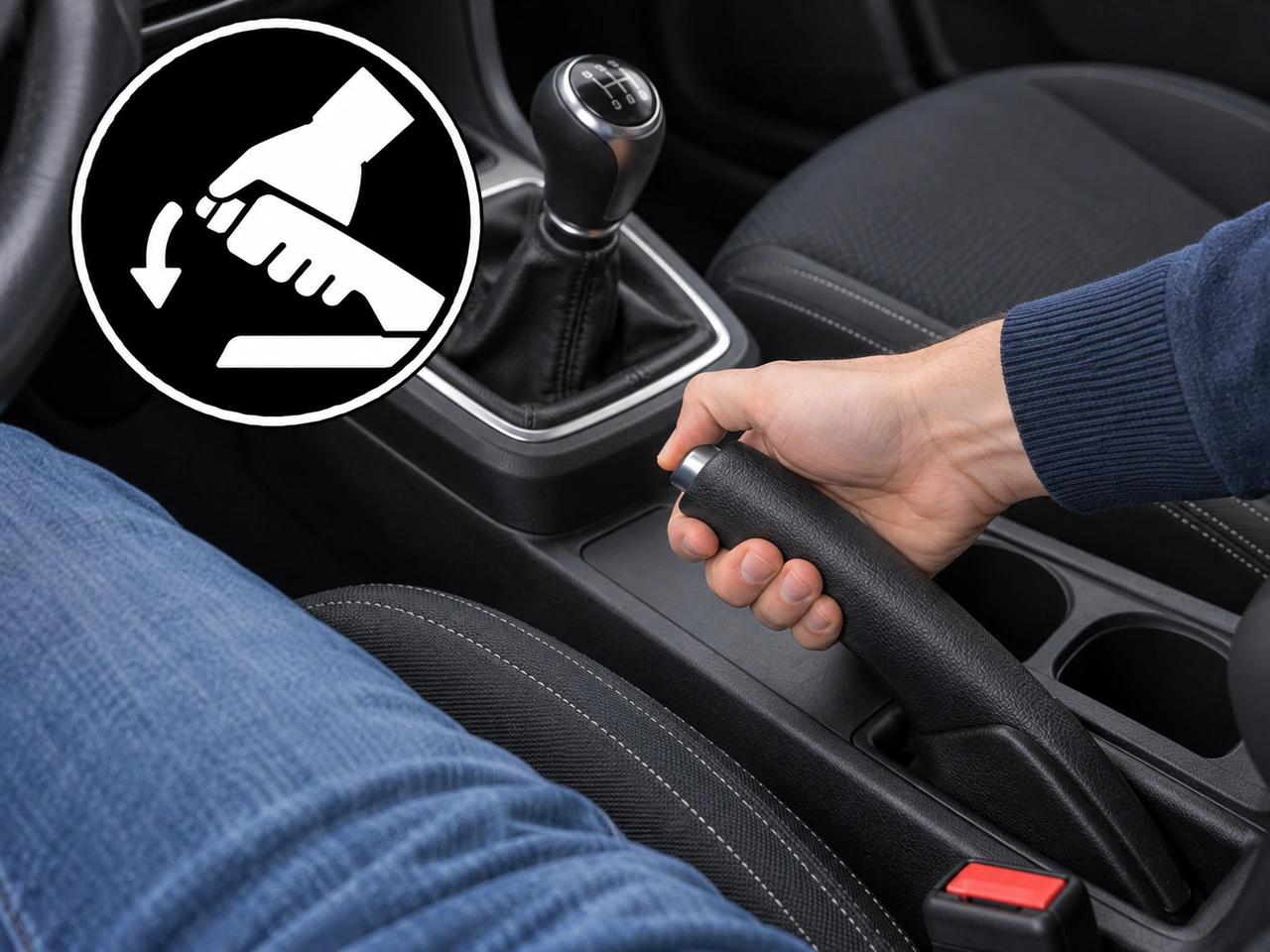
471. What should you do with a manual parking brake before driving away?
The manual parking brake should be released fully before driving away. Driving with it partly applied can cause unnecessary brake wear and overheating.
AI-generated by Traffic-rules.com • WCIT • CC BY-SA
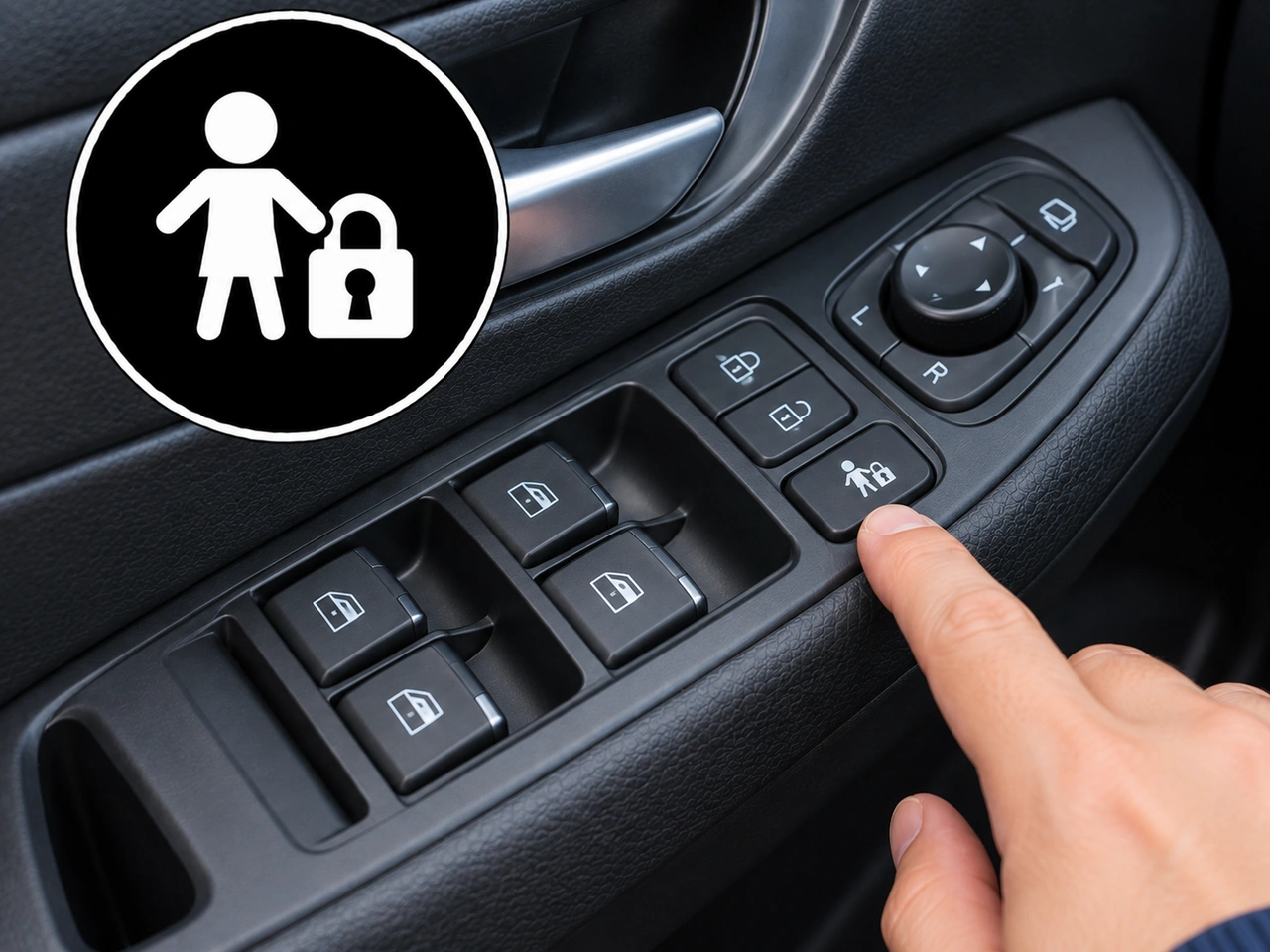
472. What does this vehicle-control symbol indicate?
This control activates the child safety lock. It helps prevent a rear door from being opened from inside the vehicle, depending on the vehicle and system design.
AI-generated by Traffic-rules.com • WCIT • CC BY-SA
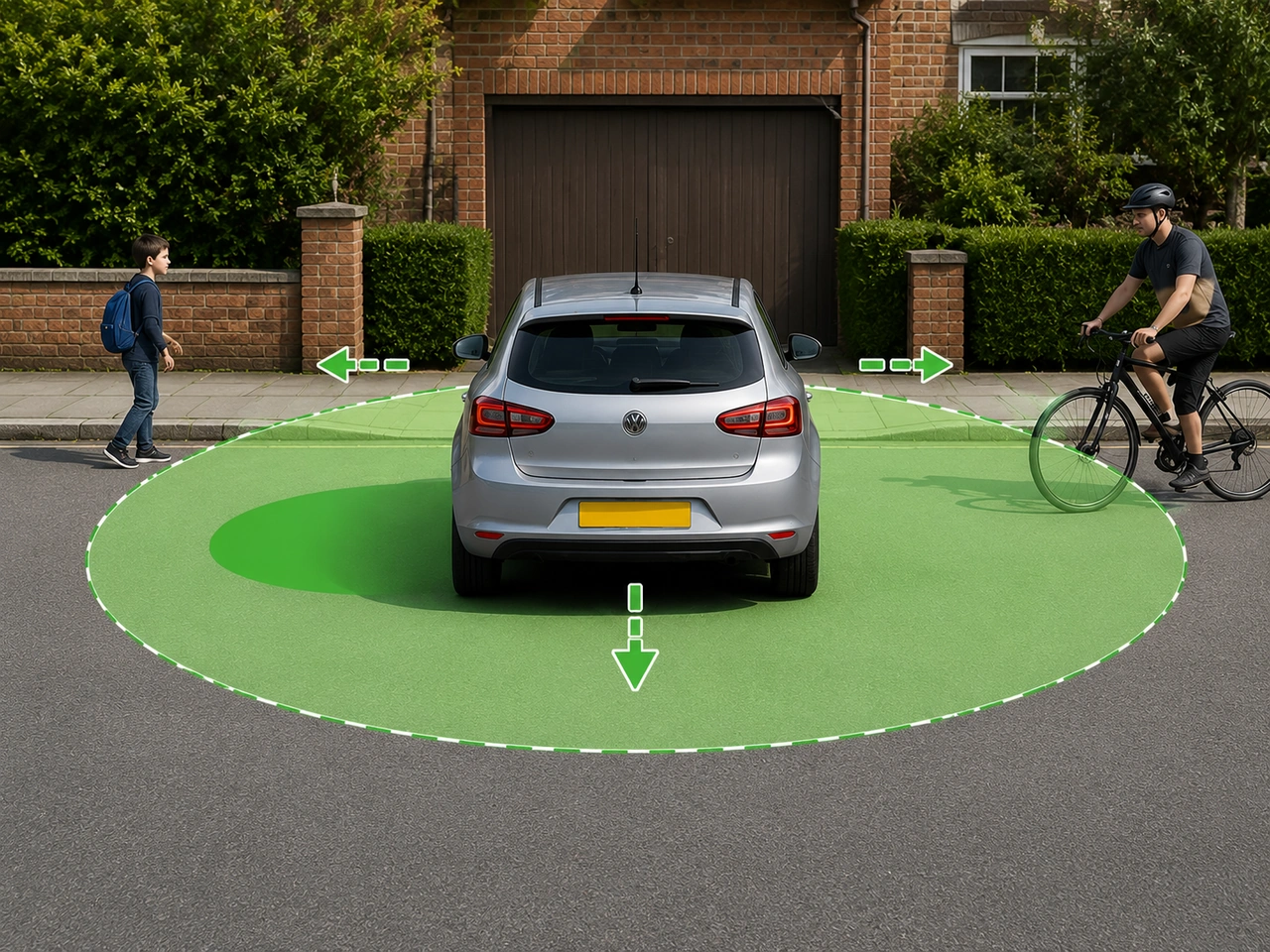
473. What should you do before reversing your vehicle?
Before reversing, check all around the vehicle, including blind spots, for pedestrians, cyclists, vehicles, and other hazards. Reverse slowly and keep checking as you move.
AI-generated by Traffic-rules.com • WCIT • CC BY-SA

474. What should you do if a friend who has been drinking wants to drive?
Preventing an impaired person from driving can protect them, their passengers, and other road users. Arrange a sober driver, taxi, public transport, or accommodation.
AI-generated by Traffic-rules.com • WCIT • CC BY-SA
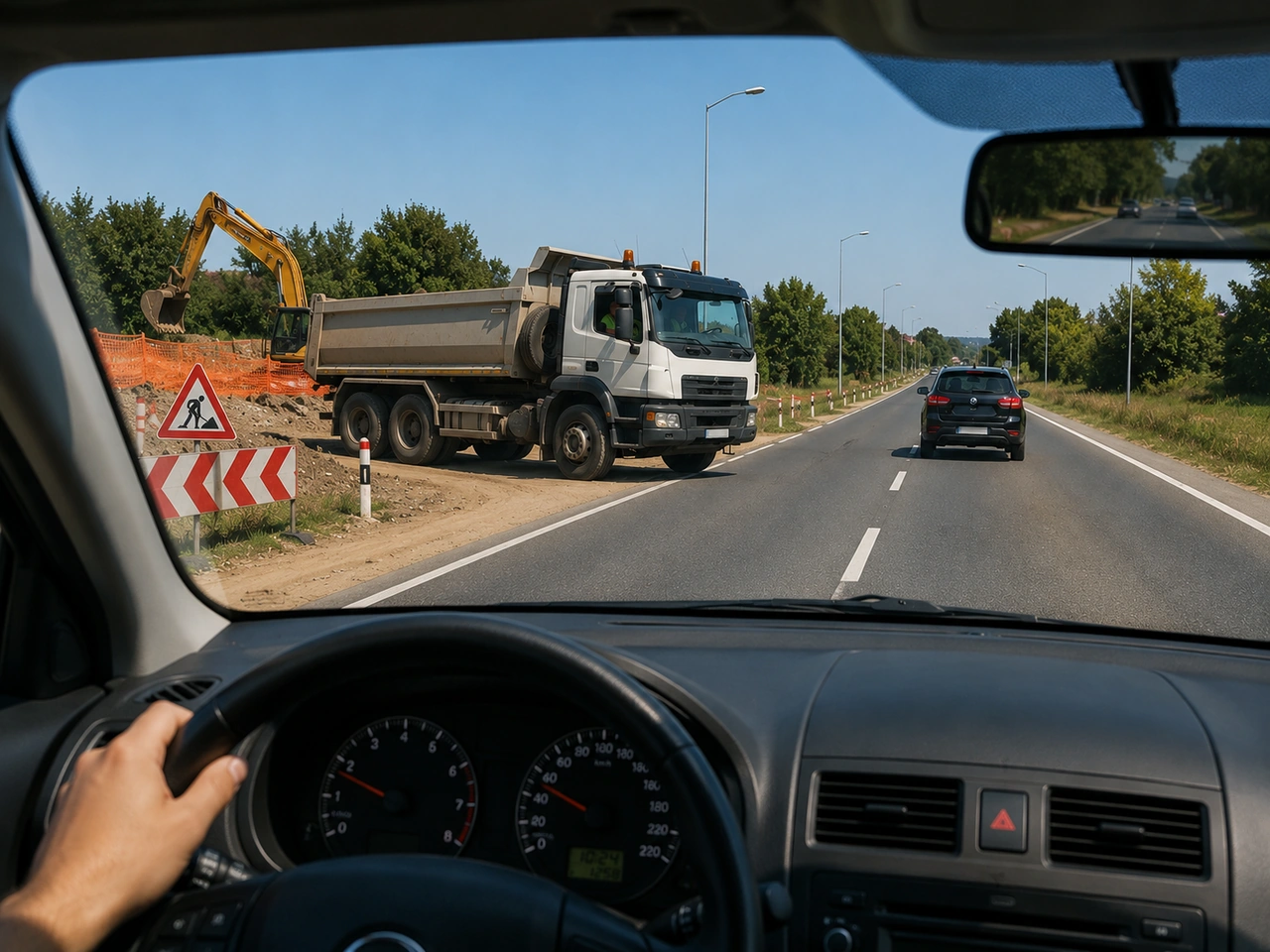
475. What should you do when construction vehicles enter or leave the road?
Construction vehicles may move slowly, have limited visibility, or carry loose material. Give them time and space to manoeuvre.
AI-generated by Traffic-rules.com • WCIT • CC BY-SA
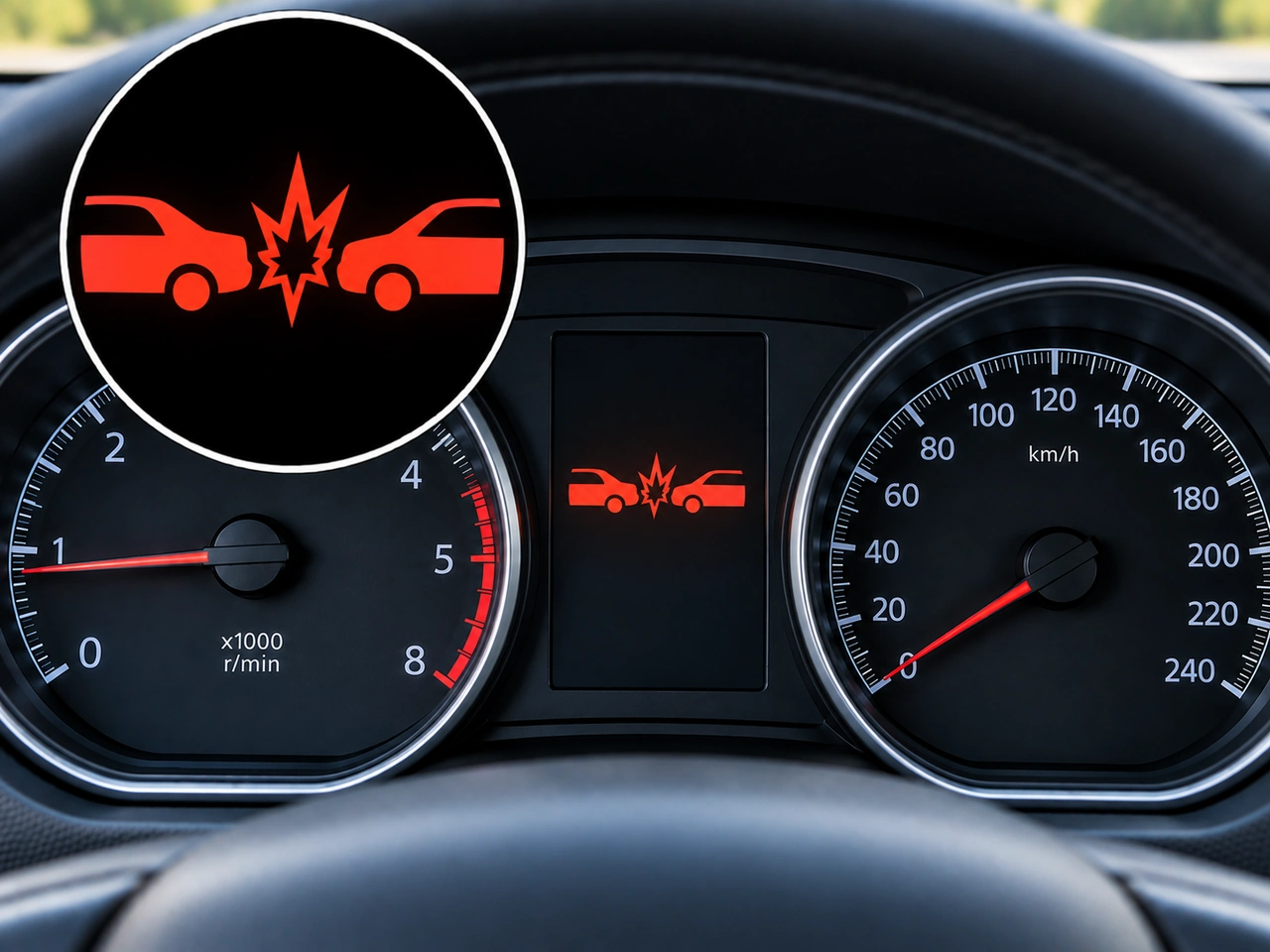
476. What does this dashboard symbol indicate?
This symbol relates to the forward-collision warning or automatic emergency braking system. It may warn the driver when the vehicle detects a risk of collision with traffic ahead.
AI-generated by Traffic-rules.com • WCIT • CC BY-SA
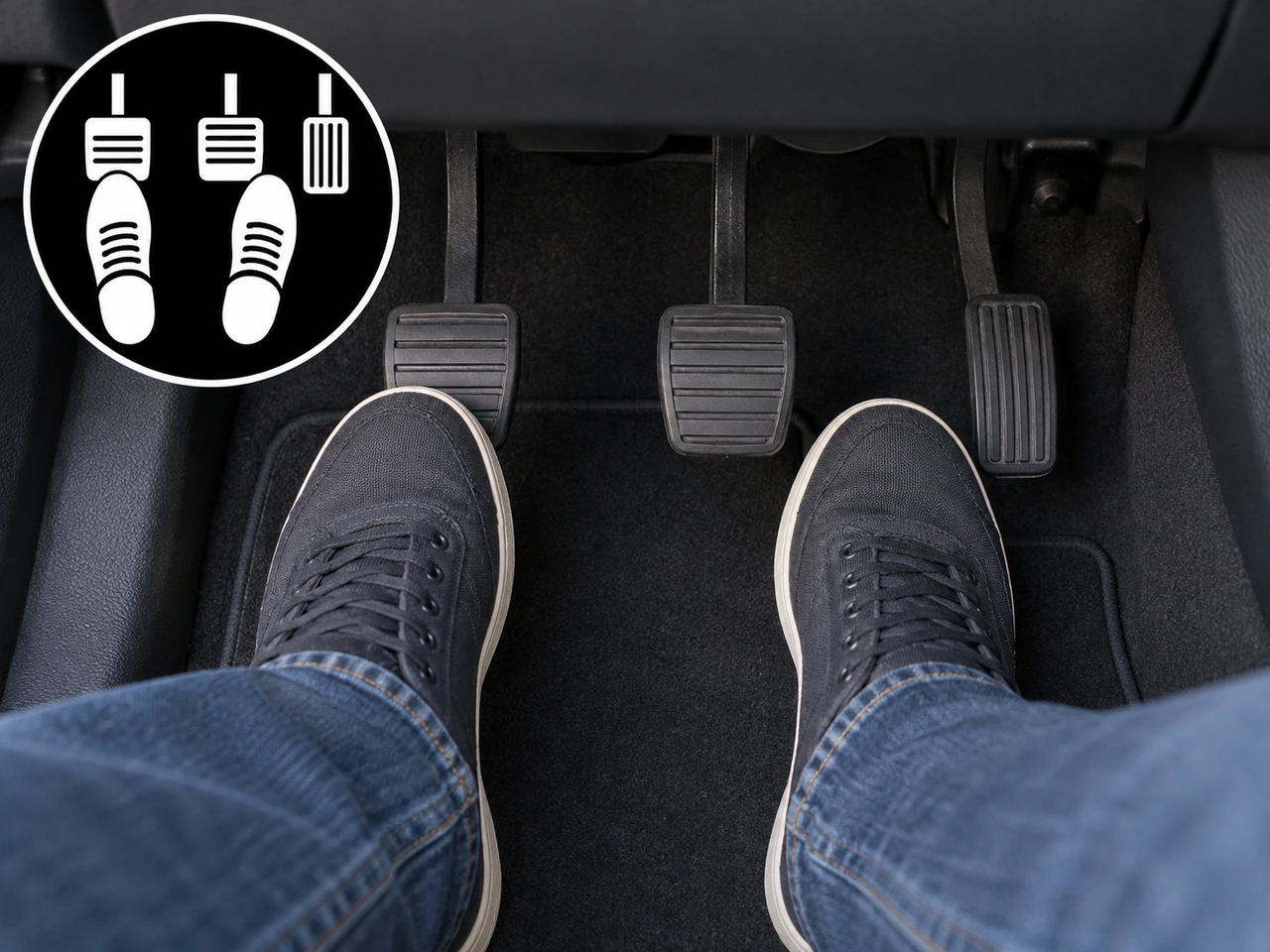
477. Which foot normally operates the brake and accelerator in a manual vehicle?
In a manual vehicle, the right foot normally operates both the brake and accelerator pedals, while the left foot operates the clutch.
AI-generated by Traffic-rules.com • WCIT • CC BY-SA
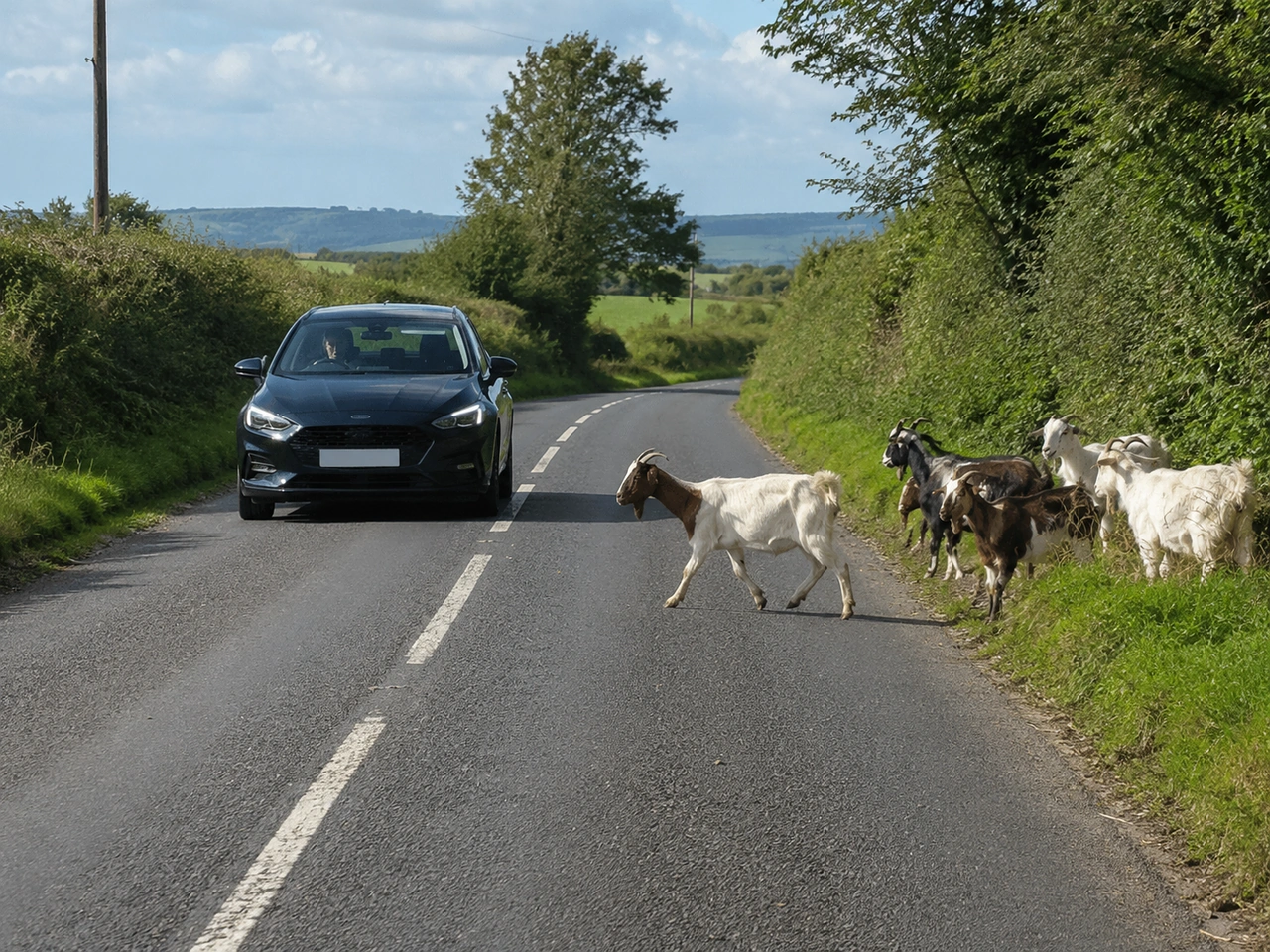
478. What should you do if animals are gathered beside a narrow rural road?
Animals beside a narrow road may step into your path. Slow down and leave as much safe space as possible.
AI-generated by Traffic-rules.com • WCIT • CC BY-SA
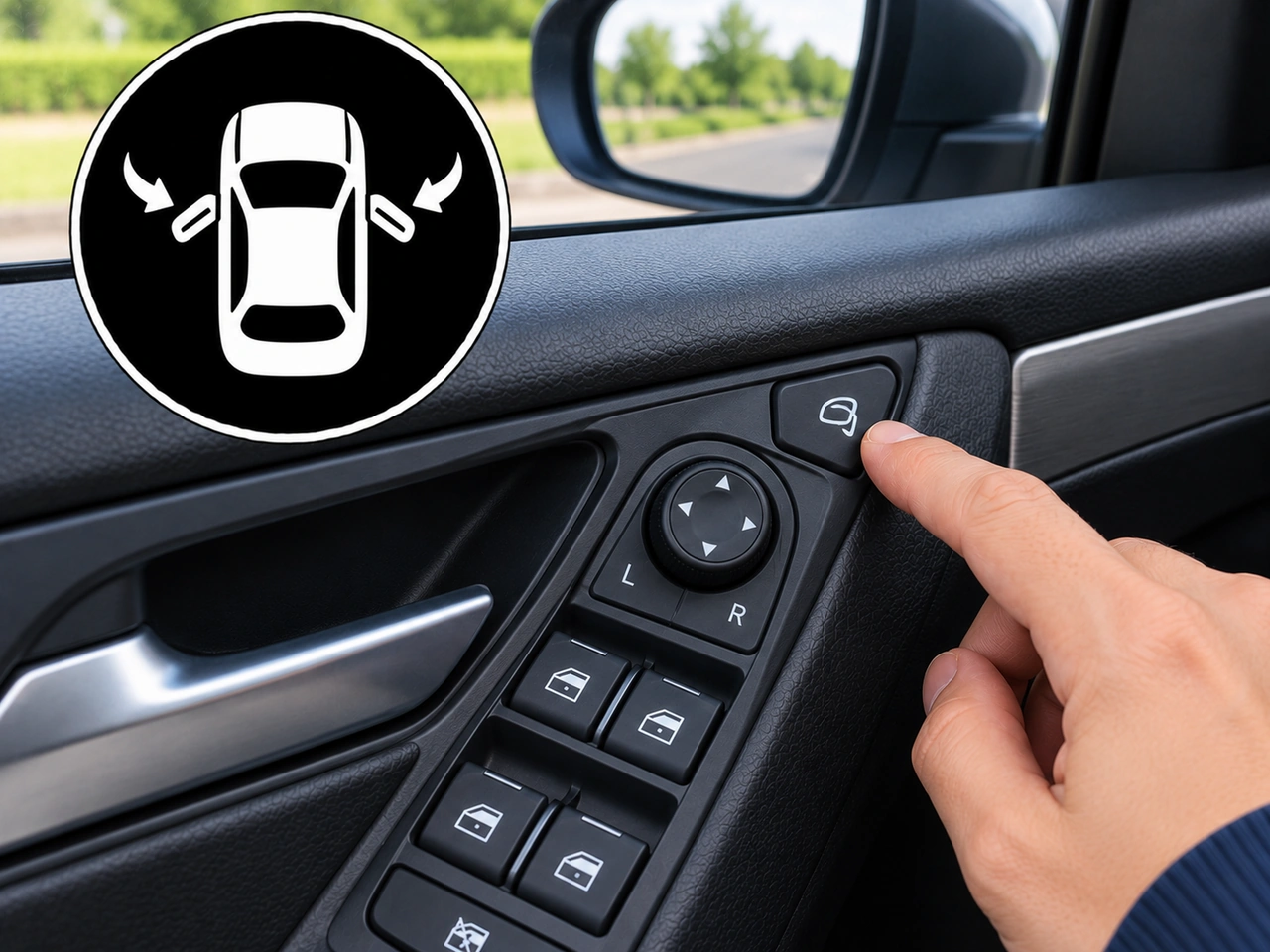
479. What does this vehicle-control symbol indicate?
This control folds or unfolds the vehicle's exterior mirrors. It is useful when parking in narrow spaces or when leaving the vehicle parked.
AI-generated by Traffic-rules.com • WCIT • CC BY-SA
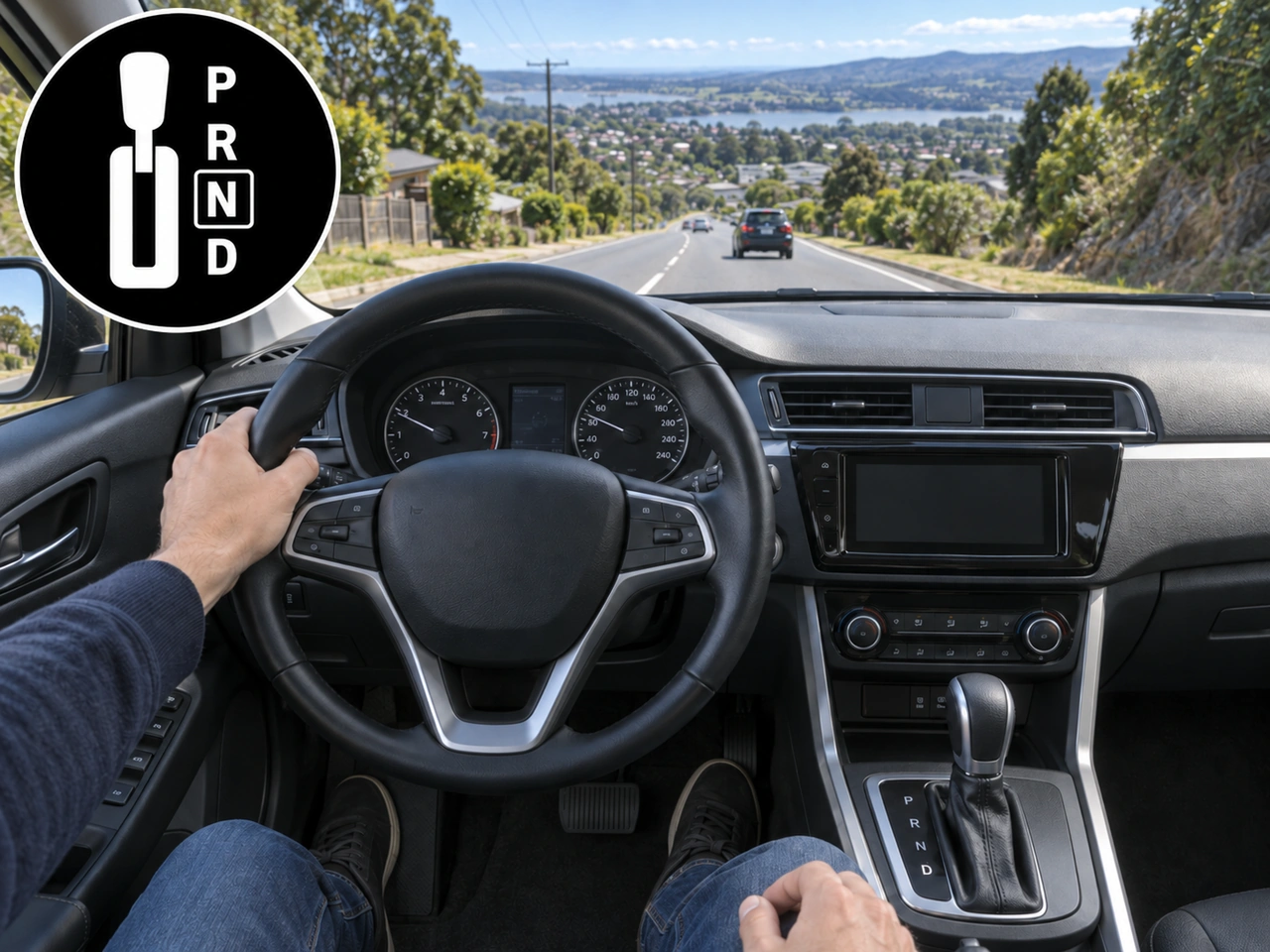
480. Why should you avoid selecting N while driving downhill in an automatic vehicle?
Selecting N (Neutral) while driving downhill disconnects the engine from the driven wheels, reducing engine braking. Keep an appropriate drive or gear selected so you can maintain better control of the vehicle.
AI-generated by Traffic-rules.com • WCIT • CC BY-SA
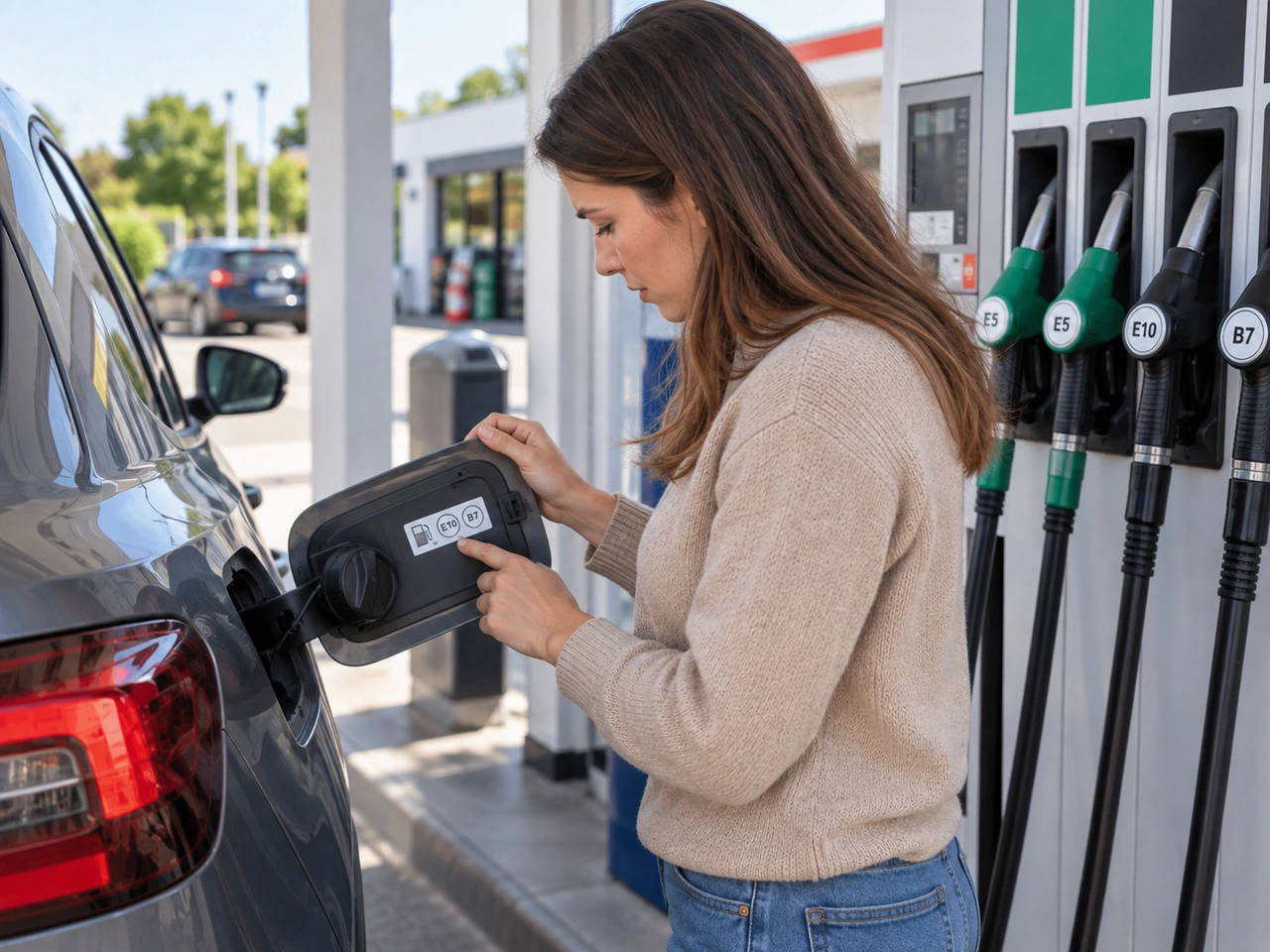
481. How can you check which fuel is suitable for your vehicle?
Before refuelling, check which fuel type the vehicle requires. The correct fuel is often shown inside the fuel-filler flap, on or near the fuel cap, or in the vehicle information or owner's manual. Do not rely only on nozzle colours, as these can vary between filling stations and countries.
AI-generated by Traffic-rules.com • WCIT • CC BY-SA
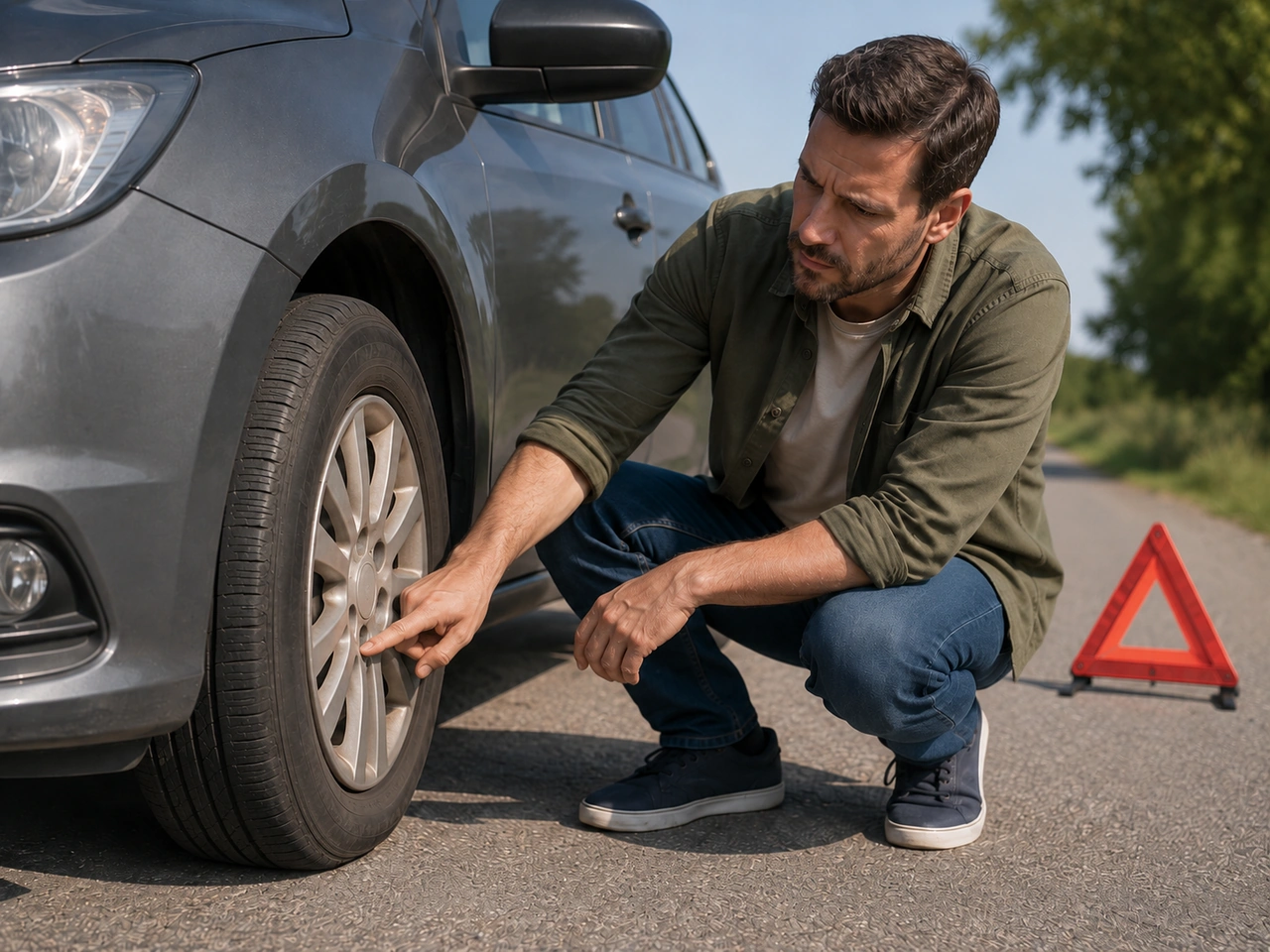
482. What should you do if a tyre has a deep cut, bulge, or exposed cords?
Cuts, bulges, and exposed cords can indicate serious structural damage. The tyre may fail suddenly and should not be used normally.
AI-generated by Traffic-rules.com • WCIT • CC BY-SA
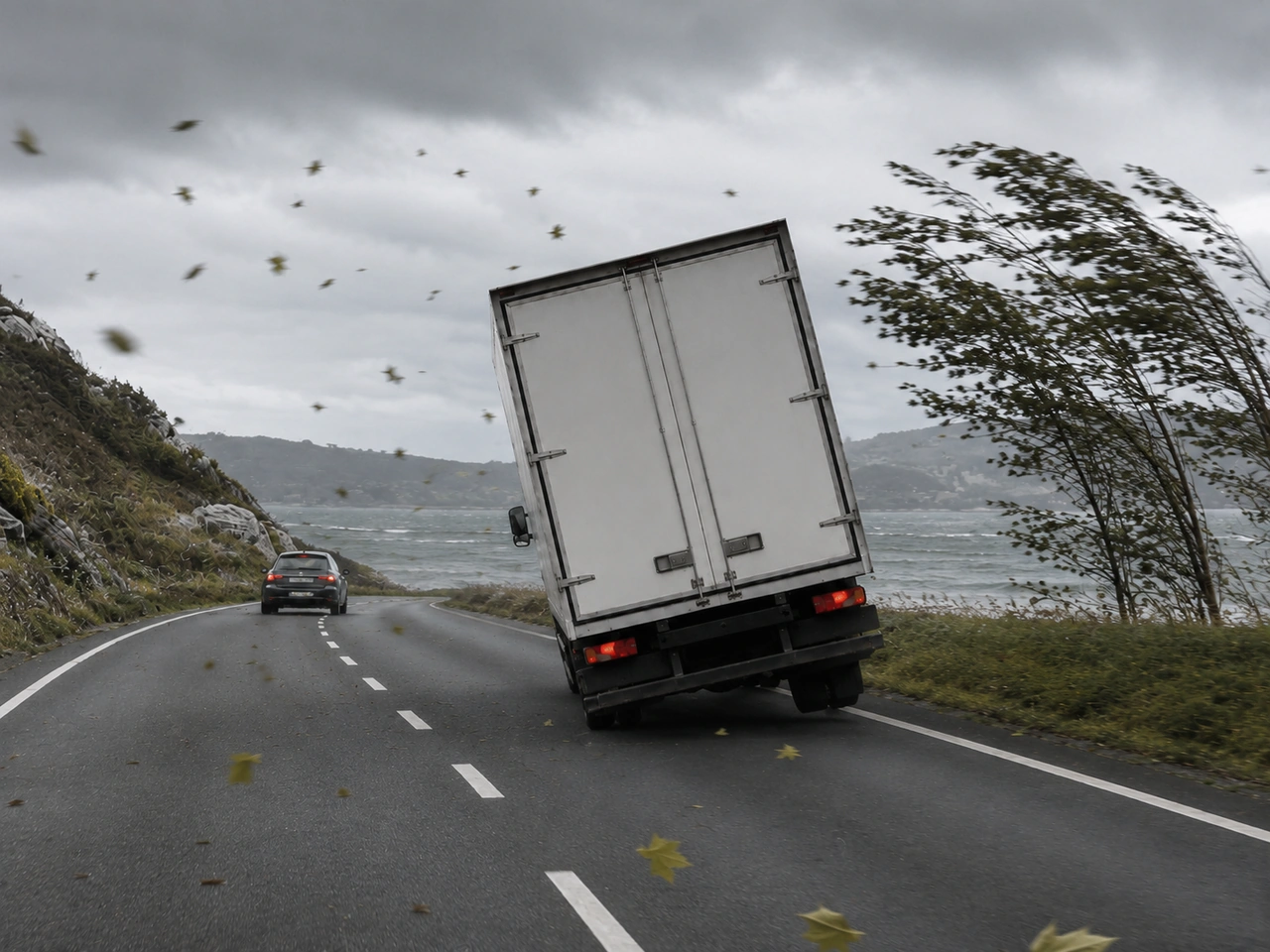
483. Which vehicles are especially vulnerable to strong crosswinds?
High-sided vehicles can be pushed sideways because of their large side area. Cyclists and motorcyclists can also be strongly affected by sudden gusts.
AI-generated by Traffic-rules.com • WCIT • CC BY-SA

484. Why is riding a bicycle after drinking alcohol dangerous?
Alcohol can make it harder to balance, steer, judge distances, and react to hazards. Riding a bicycle while impaired may also be against the law.
AI-generated by Traffic-rules.com • WCIT • CC BY-SA
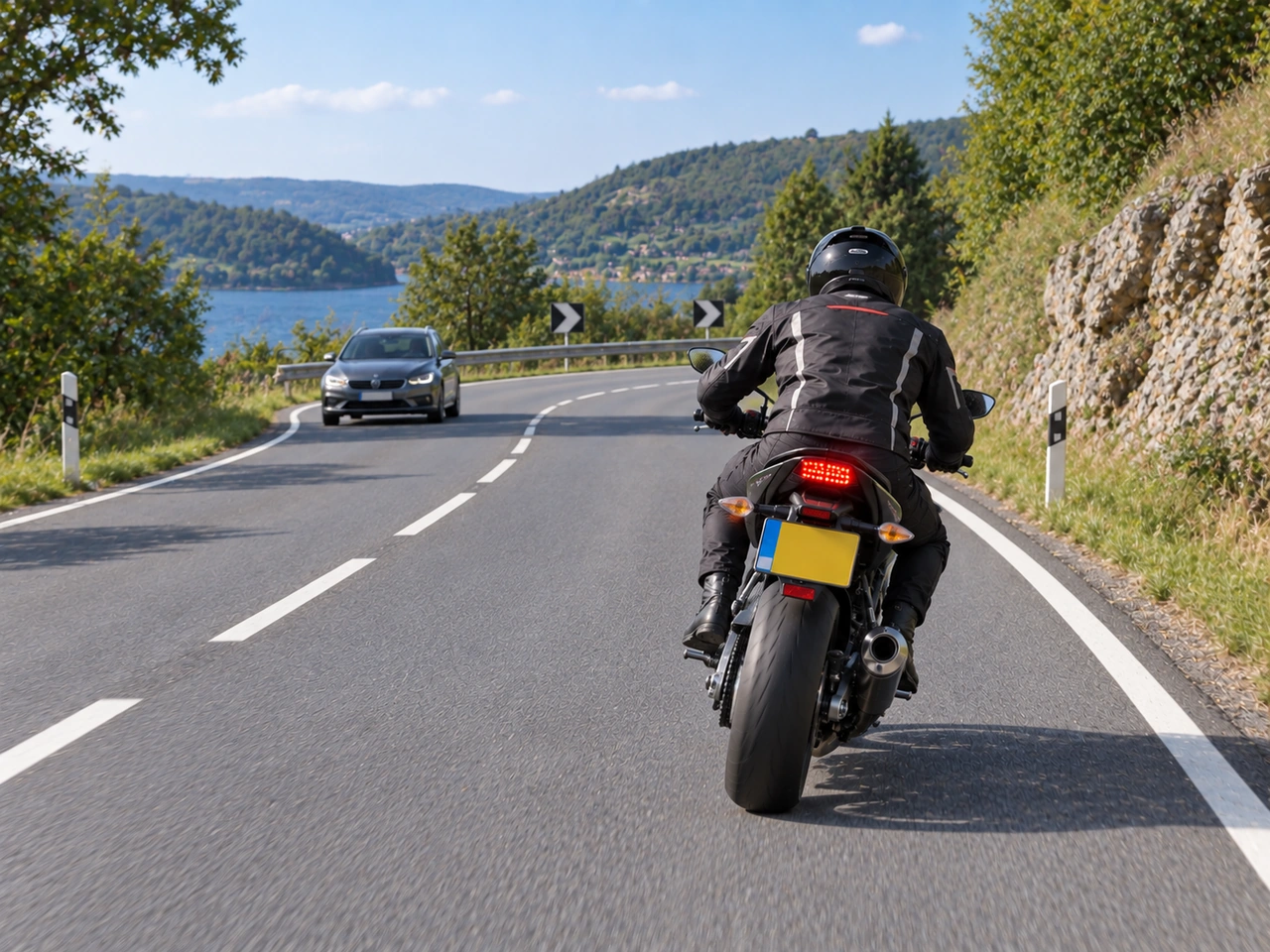
485. What should a motorcyclist do before entering a bend?
Adjust your speed before entering the bend so you can steer smoothly and remain within a safe position. Look through the bend towards where you want to travel and be prepared for hazards that may be hidden from view.
AI-generated by Traffic-rules.com • WCIT • CC BY-SA
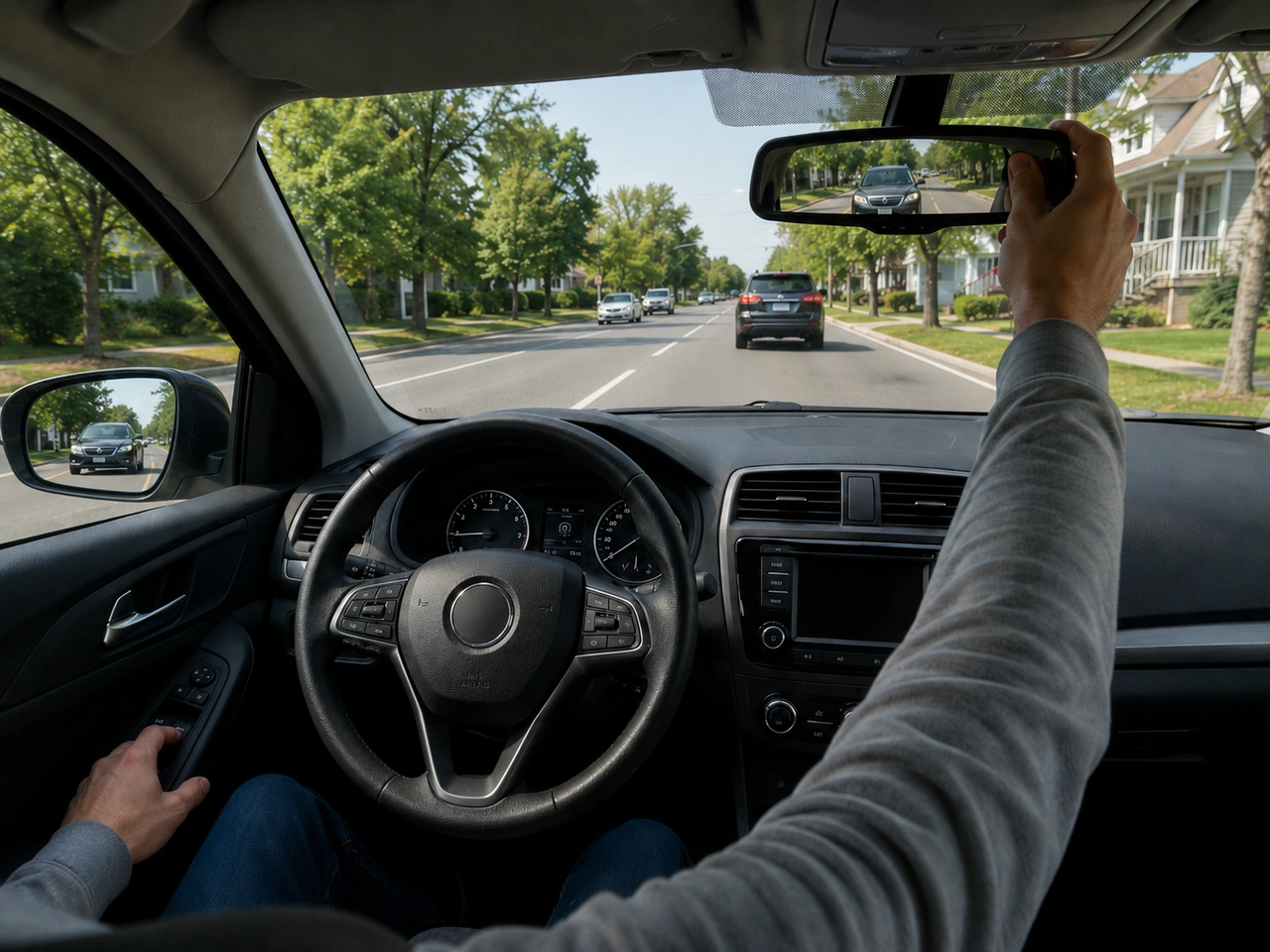
486. You should adjust your mirrors before you start driving.
Properly adjusted mirrors improve visibility and help you monitor traffic around your vehicle.
AI-generated by Traffic-rules.com • WCIT • CC BY-SA
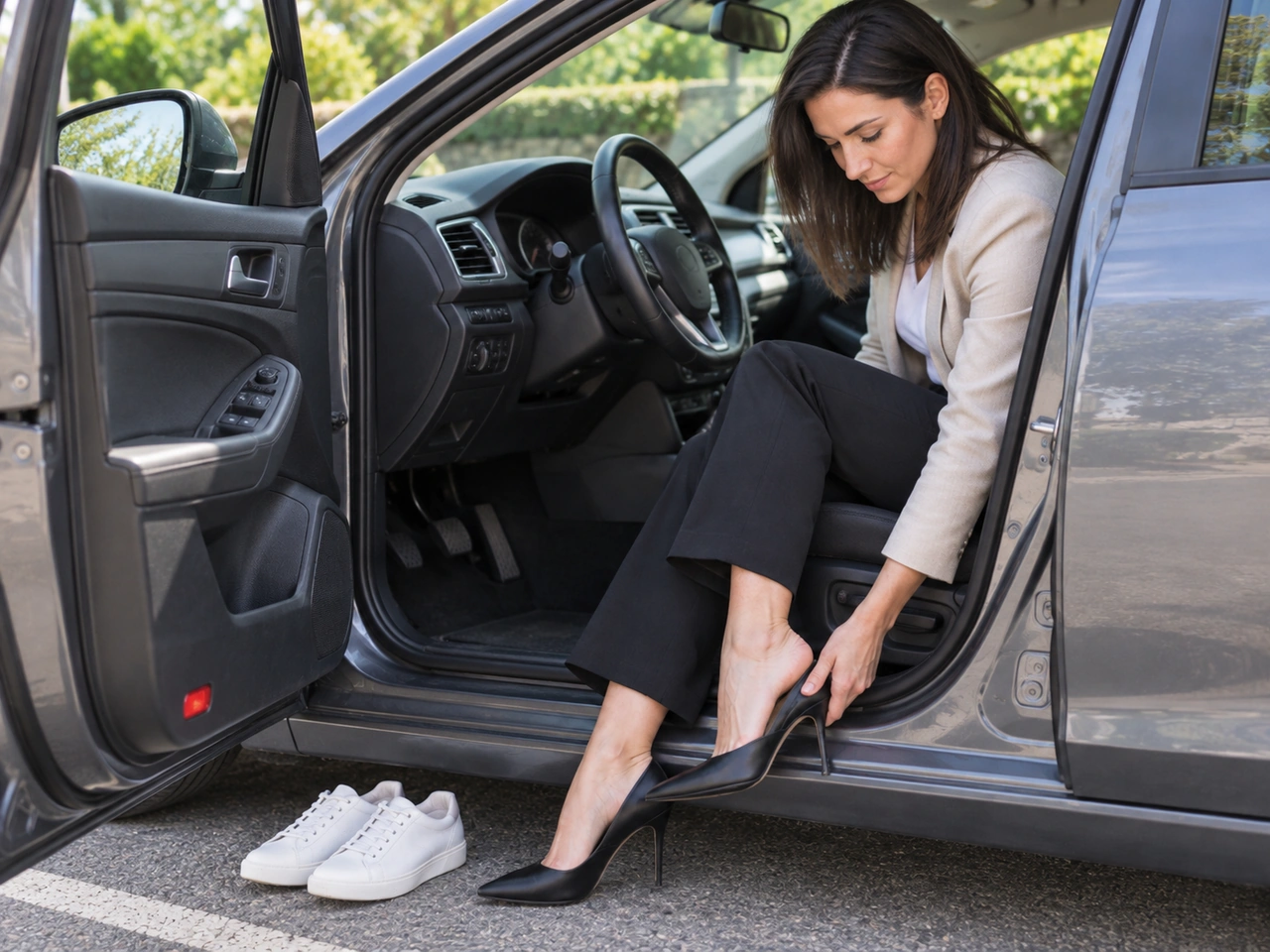
487. Why should you wear suitable footwear when driving?
Suitable footwear helps you operate the accelerator, brake, and clutch accurately. Loose, bulky, or slippery footwear can interfere with pedal control or become caught around the pedals.
AI-generated by Traffic-rules.com • WCIT • CC BY-SA
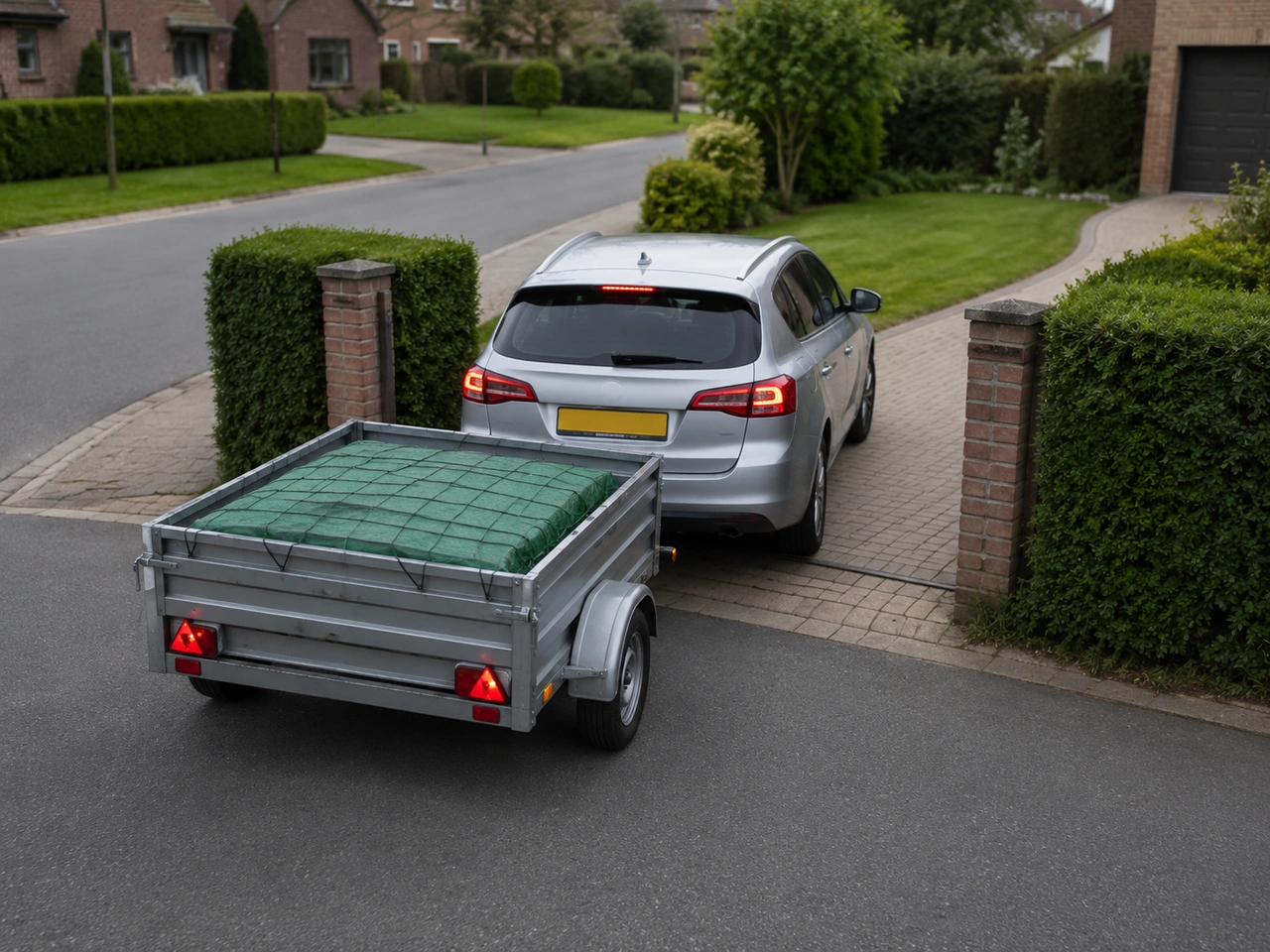
488. What should you do when reversing with a trailer?
Trailers react quickly to steering while reversing. Move slowly, observe carefully, and use a guide only from a safe visible position.
AI-generated by Traffic-rules.com • WCIT • CC BY-SA
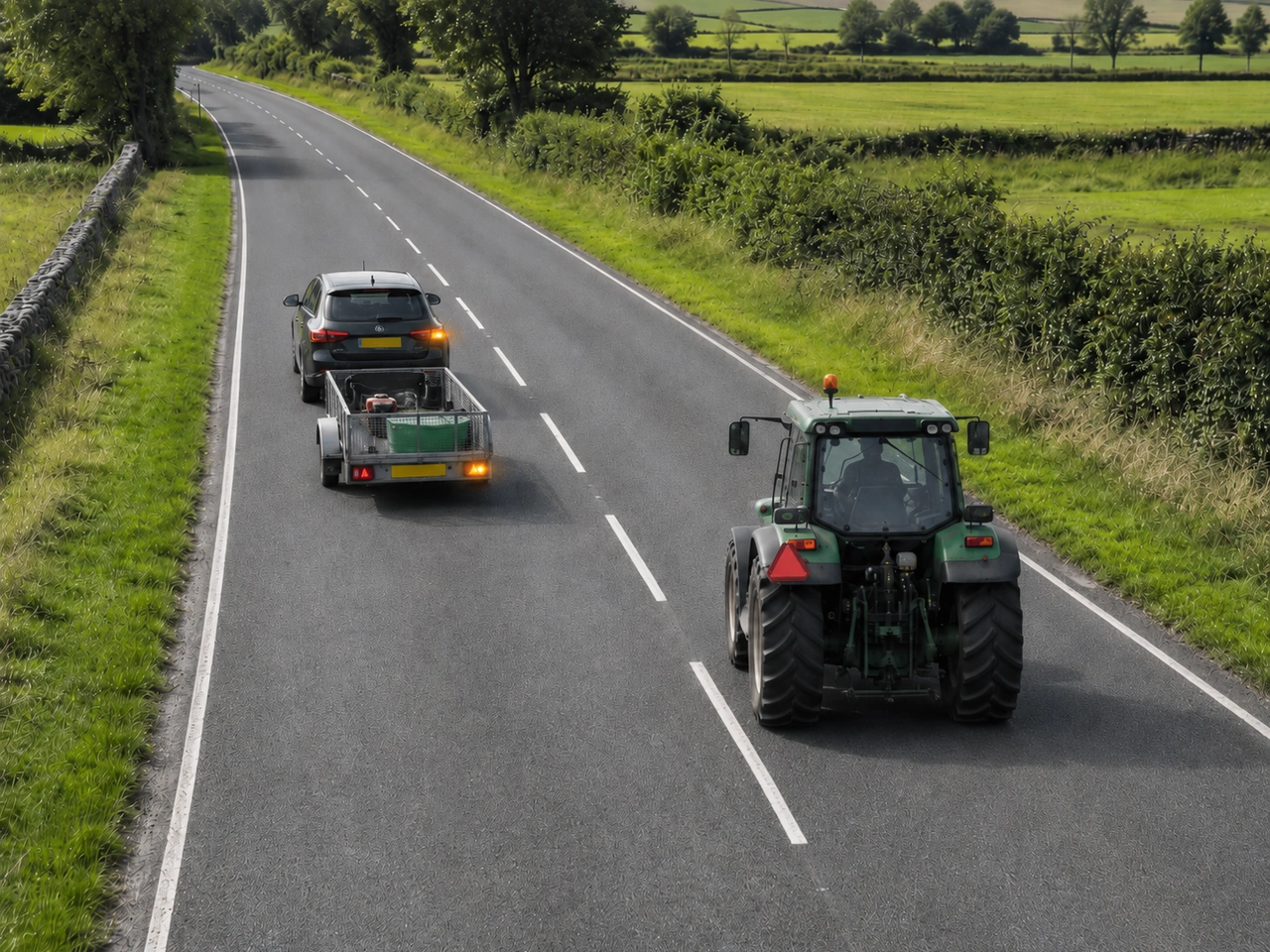
489. What should you do before overtaking while towing a trailer?
A towing vehicle accelerates more slowly, and the trailer makes the whole vehicle combination longer. Remember to allow a much larger safe gap before overtaking and enough space to return safely to your lane.
AI-generated by Traffic-rules.com • WCIT • CC BY-SA
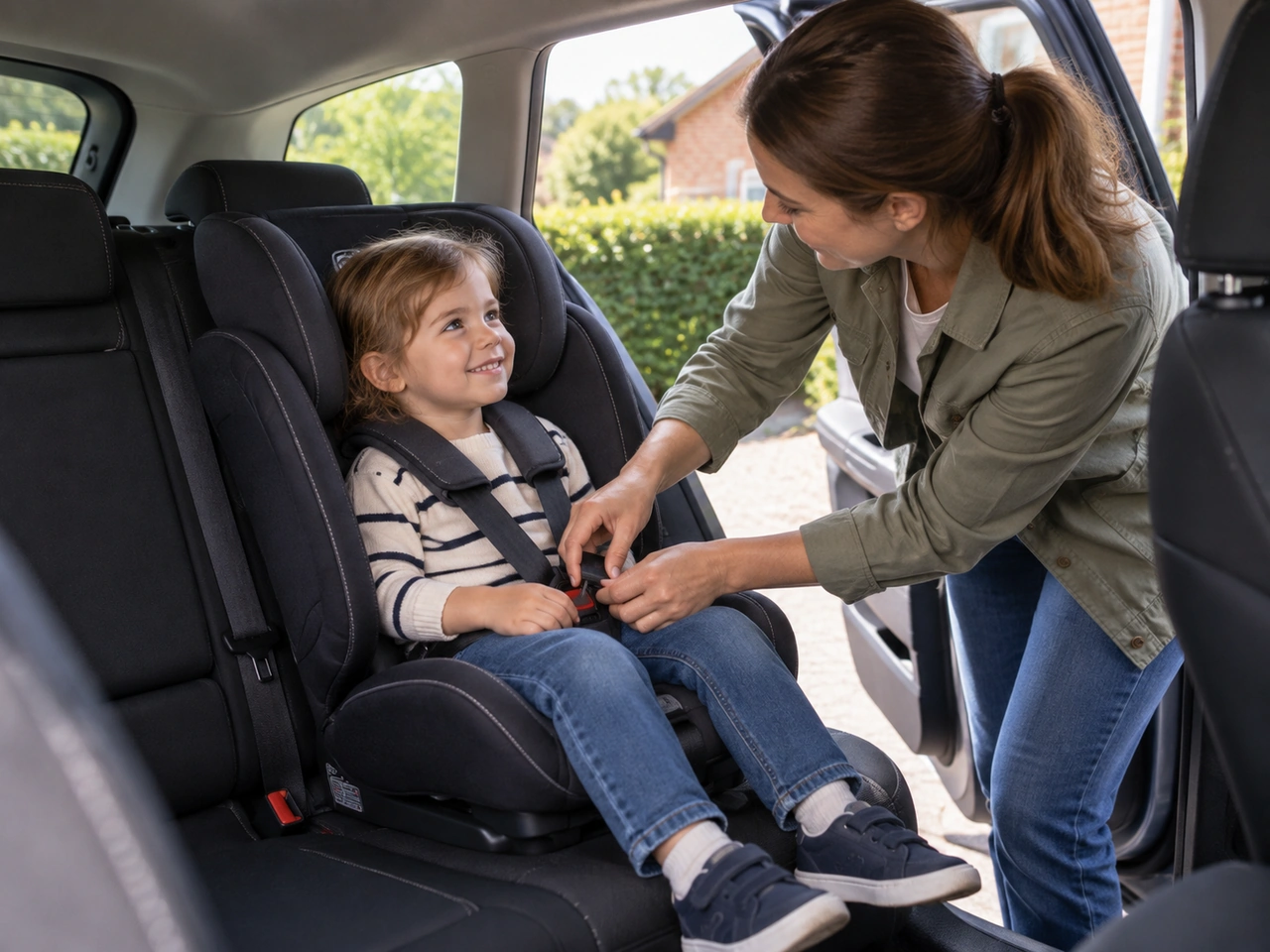
490. Why should a child use a suitable child restraint?
A suitable child restraint is designed to protect a child according to their size and development. It helps position and restrain the child correctly, reducing the risk of serious injury in a collision or sudden stop.
AI-generated by Traffic-rules.com • WCIT • CC BY-SA
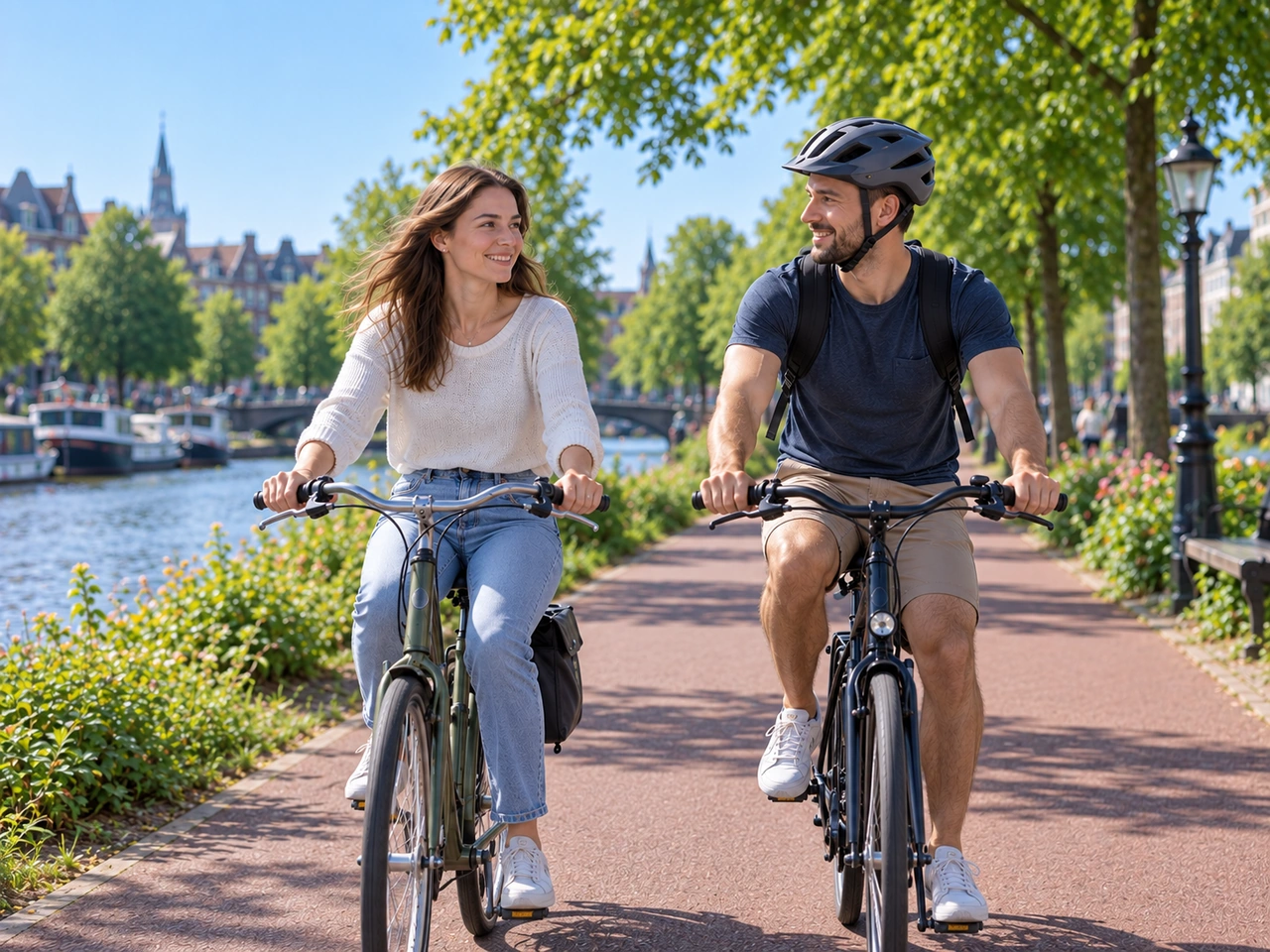
491. Are bicycle helmets generally required in Philippines?
Bicycle helmets are not generally required for all cyclists in Philippines, although specific age or regional rules may apply.
AI-generated by Traffic-rules.com • WCIT • CC BY-SA
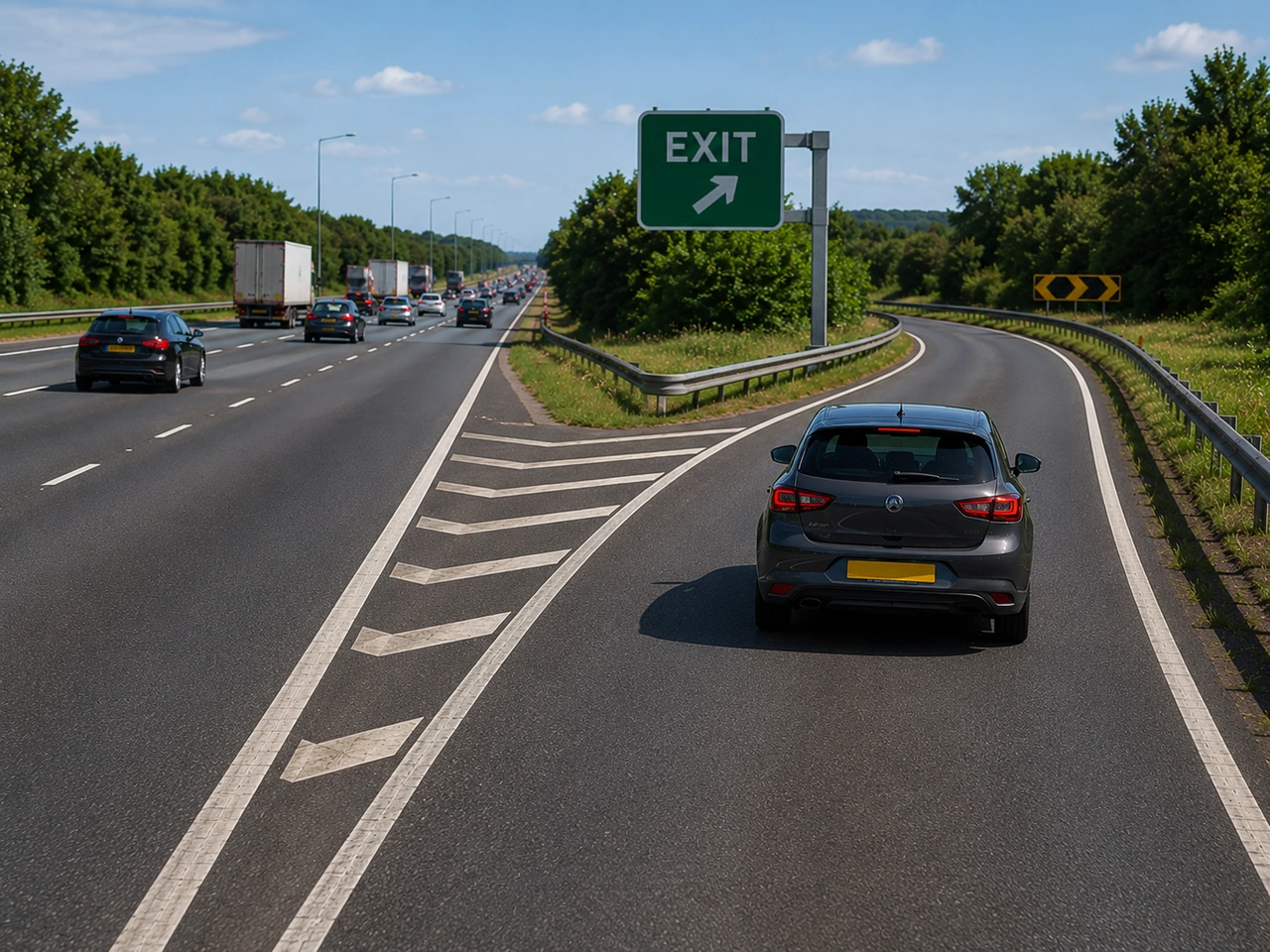
492. What should you do before leaving a motorway?
Plan your exit early, move into the correct lane safely, and reduce speed after entering the exit road where appropriate.
AI-generated by Traffic-rules.com • WCIT • CC BY-SA
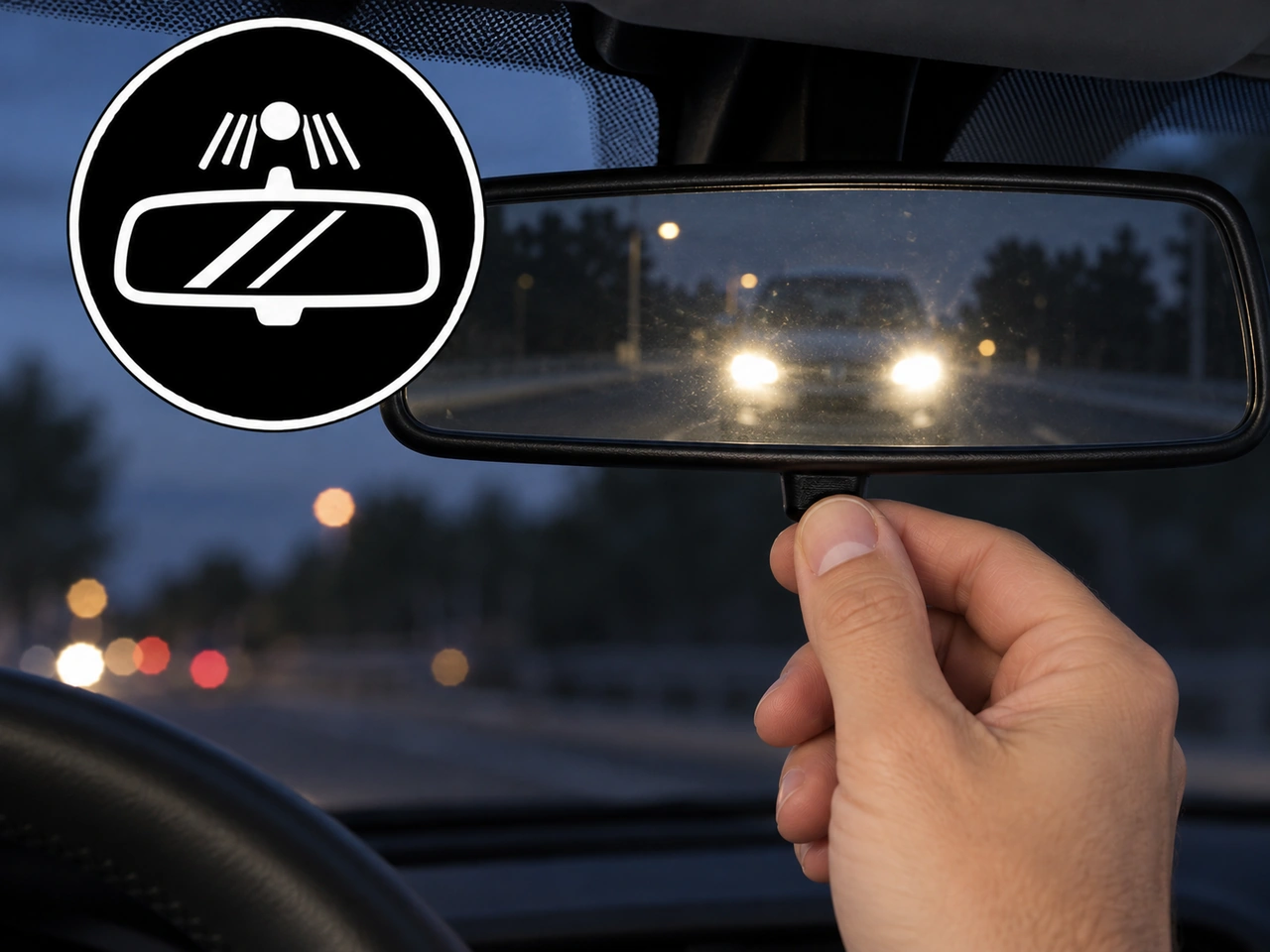
493. What is the purpose of the anti-dazzle control on the rear-view mirror?
The anti-dazzle setting reduces glare from the headlights of vehicles behind, helping the driver maintain a clear view without being dazzled.
AI-generated by Traffic-rules.com • WCIT • CC BY-SA
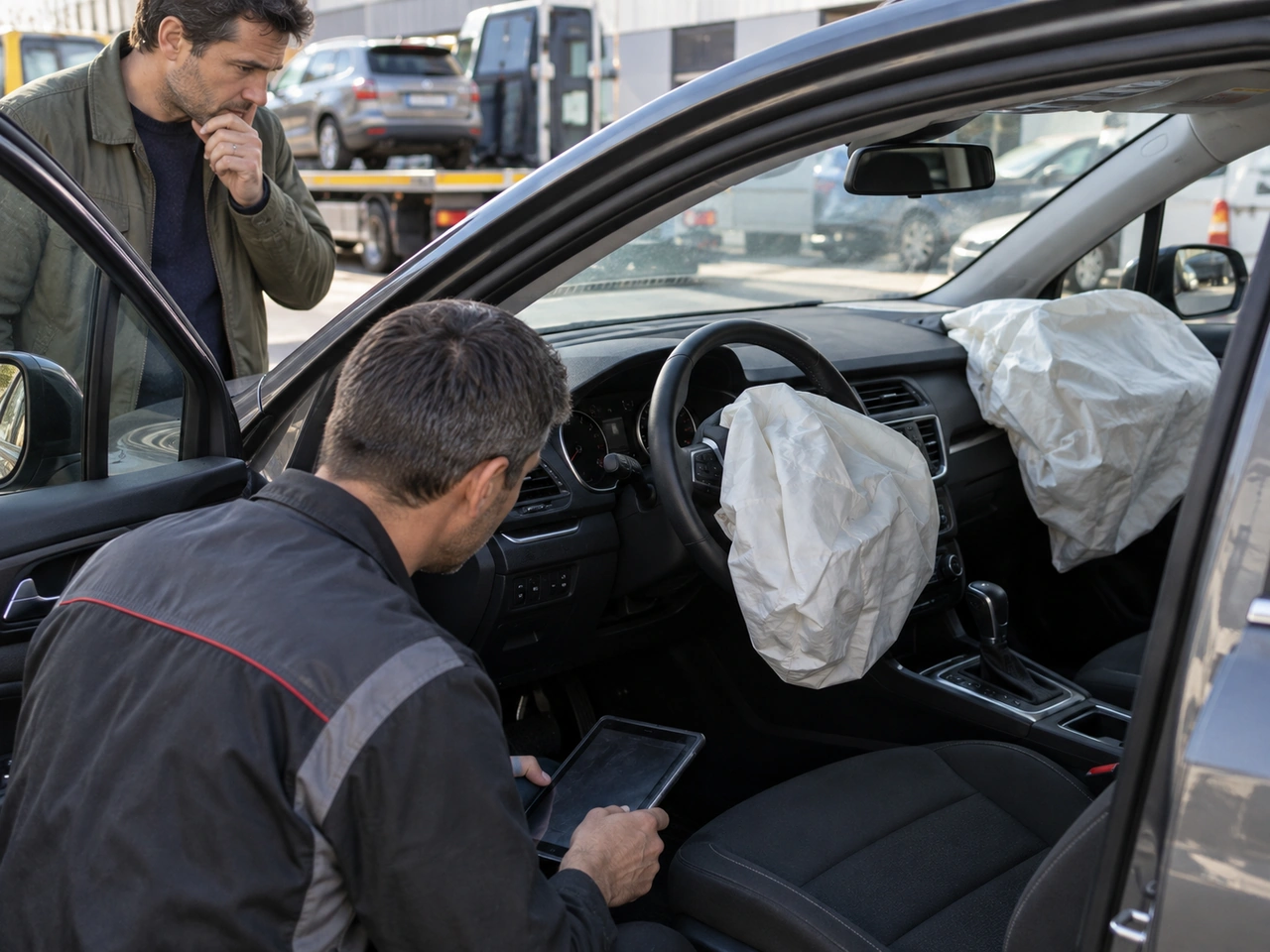
494. What should happen after an airbag has deployed?
A deployed airbag is a single-use safety component. After deployment, the restraint system should be professionally inspected and the airbag and any other affected components replaced or repaired as required before the system is relied upon again.
AI-generated by Traffic-rules.com • WCIT • CC BY-SA
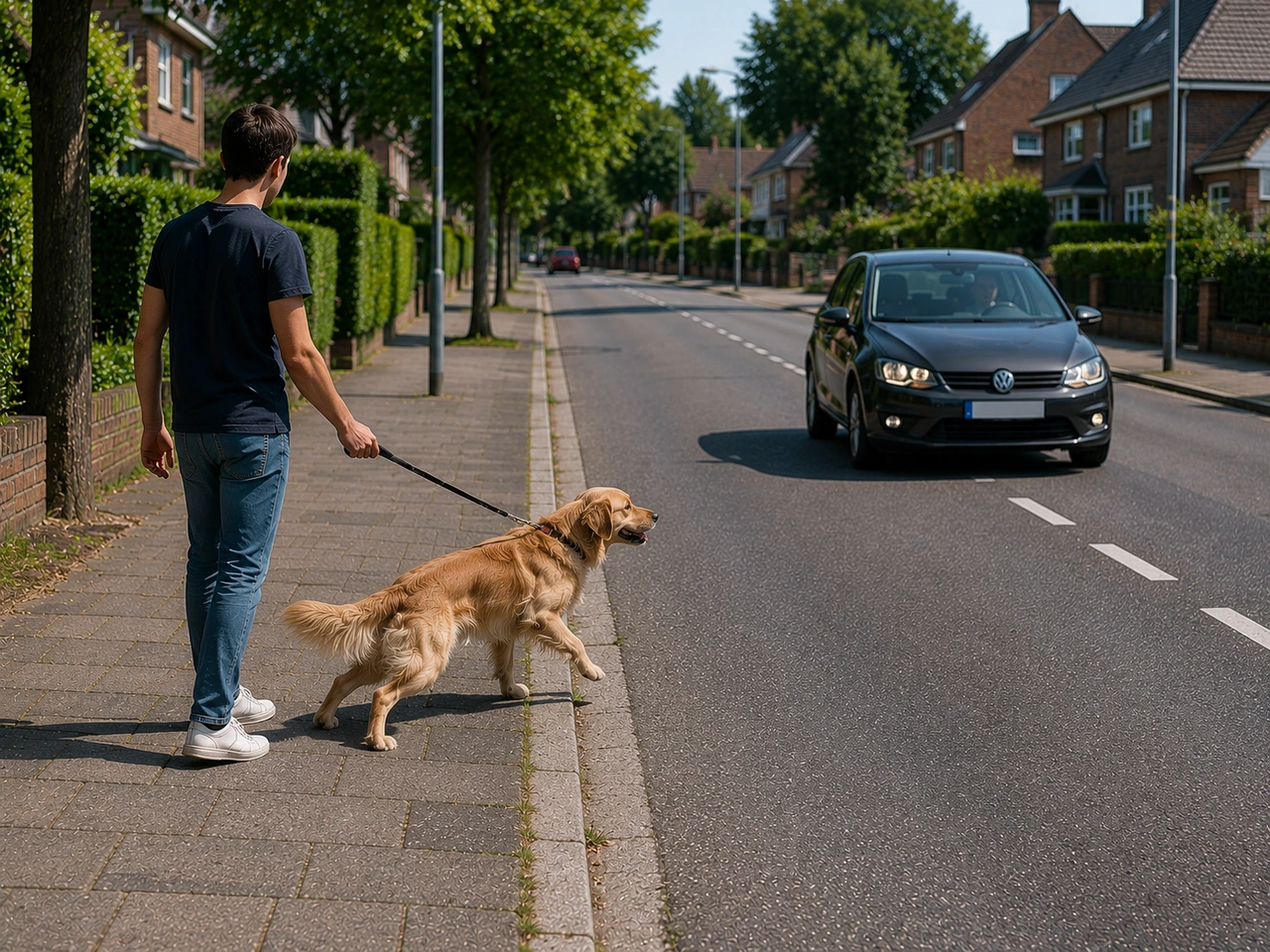
495. Why should pedestrians avoid sudden movements near traffic?
Sudden movements can surprise drivers and reduce the time they have to slow down or stop safely.
AI-generated by Traffic-rules.com • WCIT • CC BY-SA
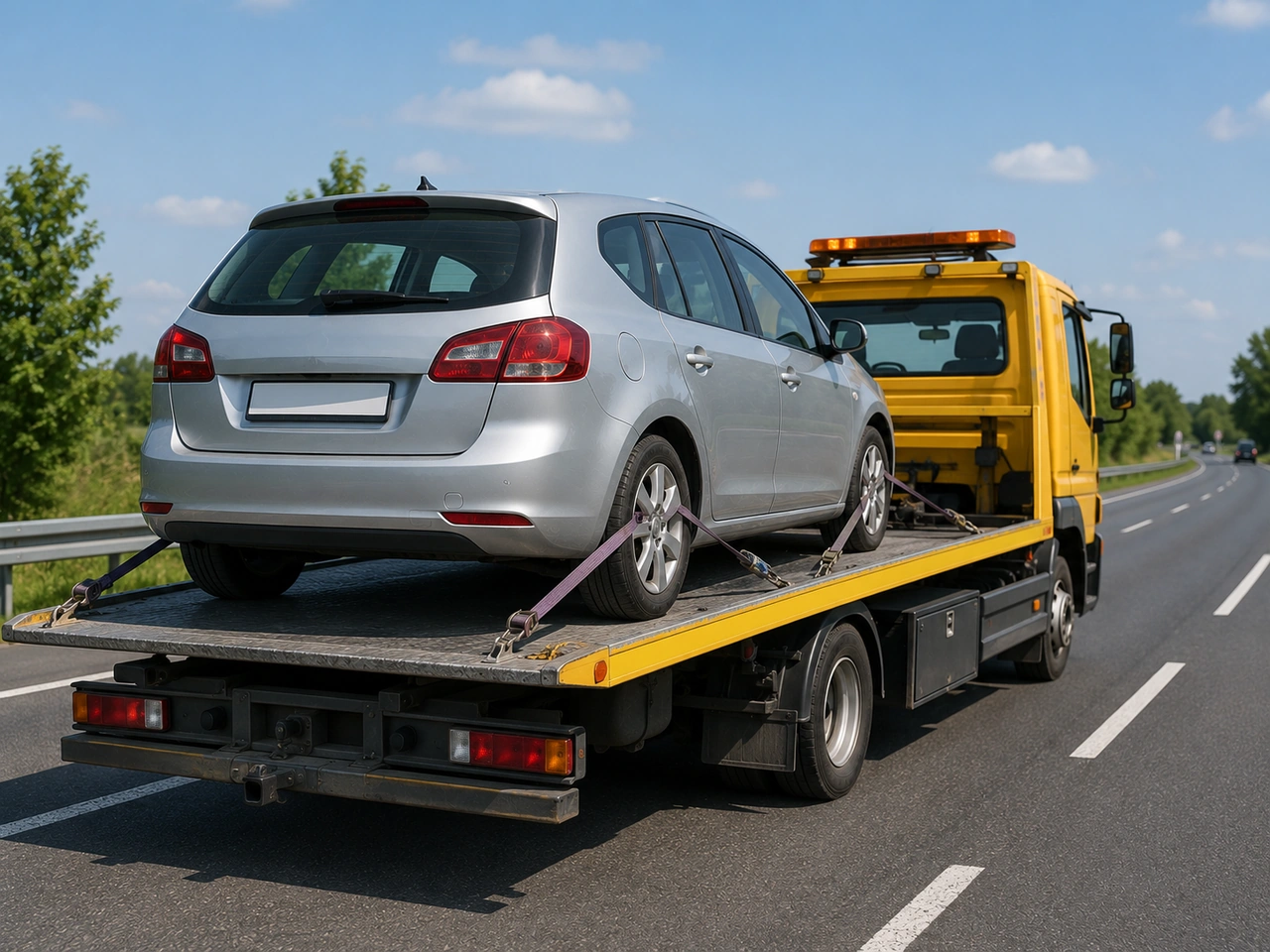
496. How should a disabled vehicle be towed?
Incorrect towing can damage the vehicle or cause loss of control. Follow the manufacturer's instructions and local rules, and use professional recovery when the correct procedure is uncertain.
AI-generated by Traffic-rules.com • WCIT • CC BY-SA
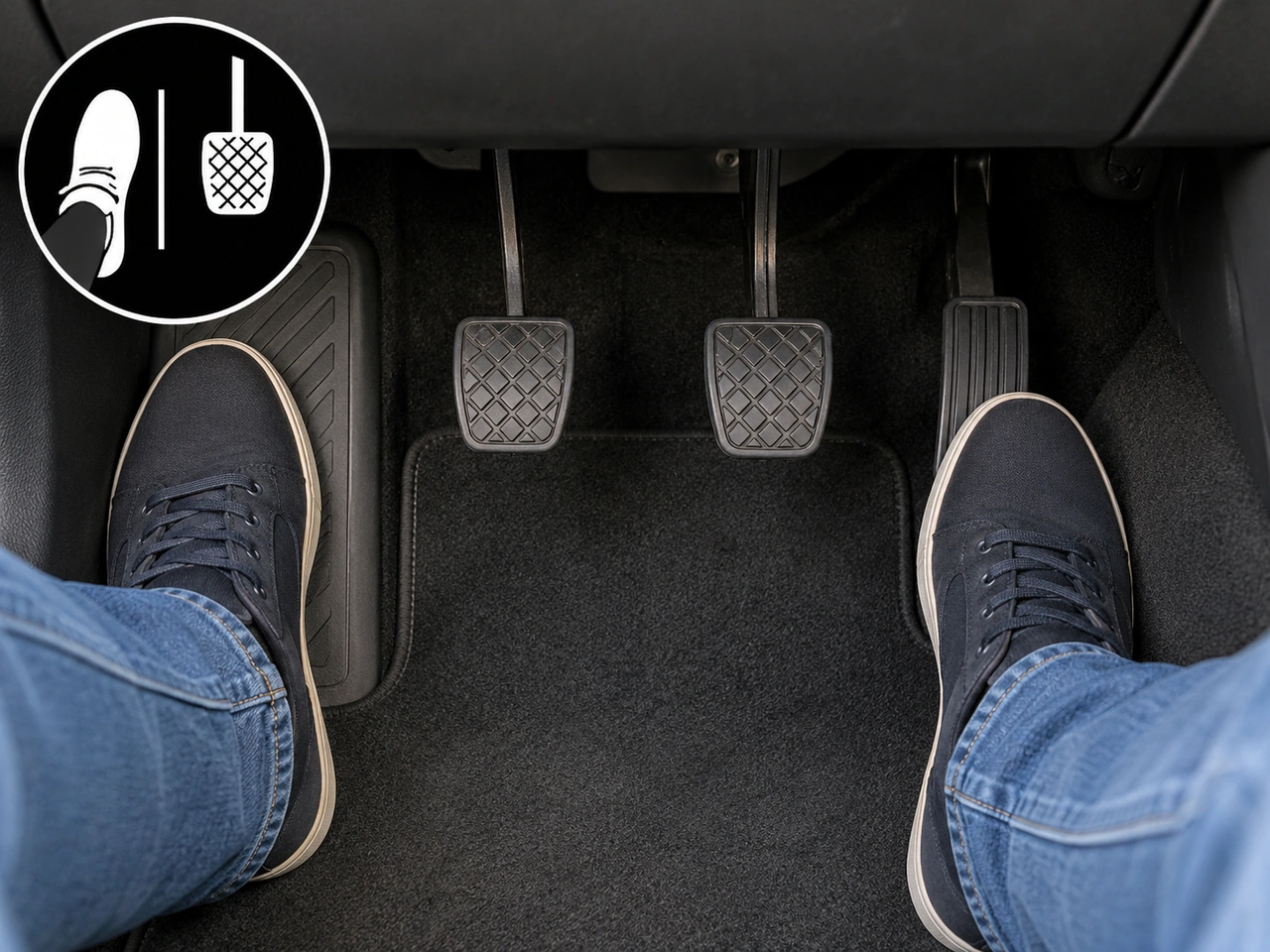
497. Why should you avoid resting your foot on the clutch pedal while driving?
Resting your foot on the clutch pedal can apply slight pressure to the clutch mechanism and cause unnecessary wear. Keep your left foot off the clutch when it is not needed.
AI-generated by Traffic-rules.com • WCIT • CC BY-SA
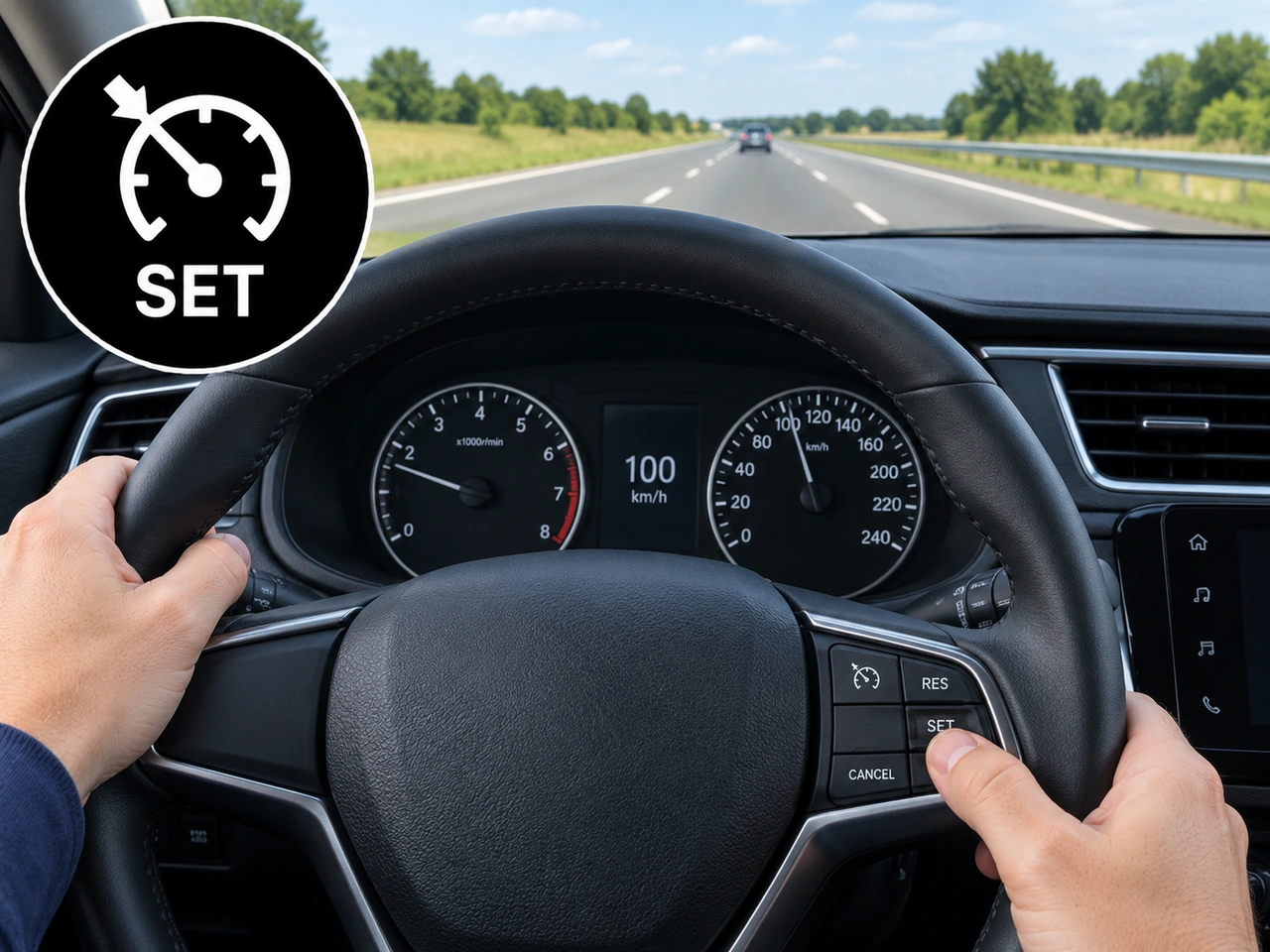
498. What does the SET function of cruise control normally do?
The SET function normally stores the vehicle's current speed as the cruise-control speed. Use it only when the road, traffic, and driving conditions are suitable.
AI-generated by Traffic-rules.com • WCIT • CC BY-SA
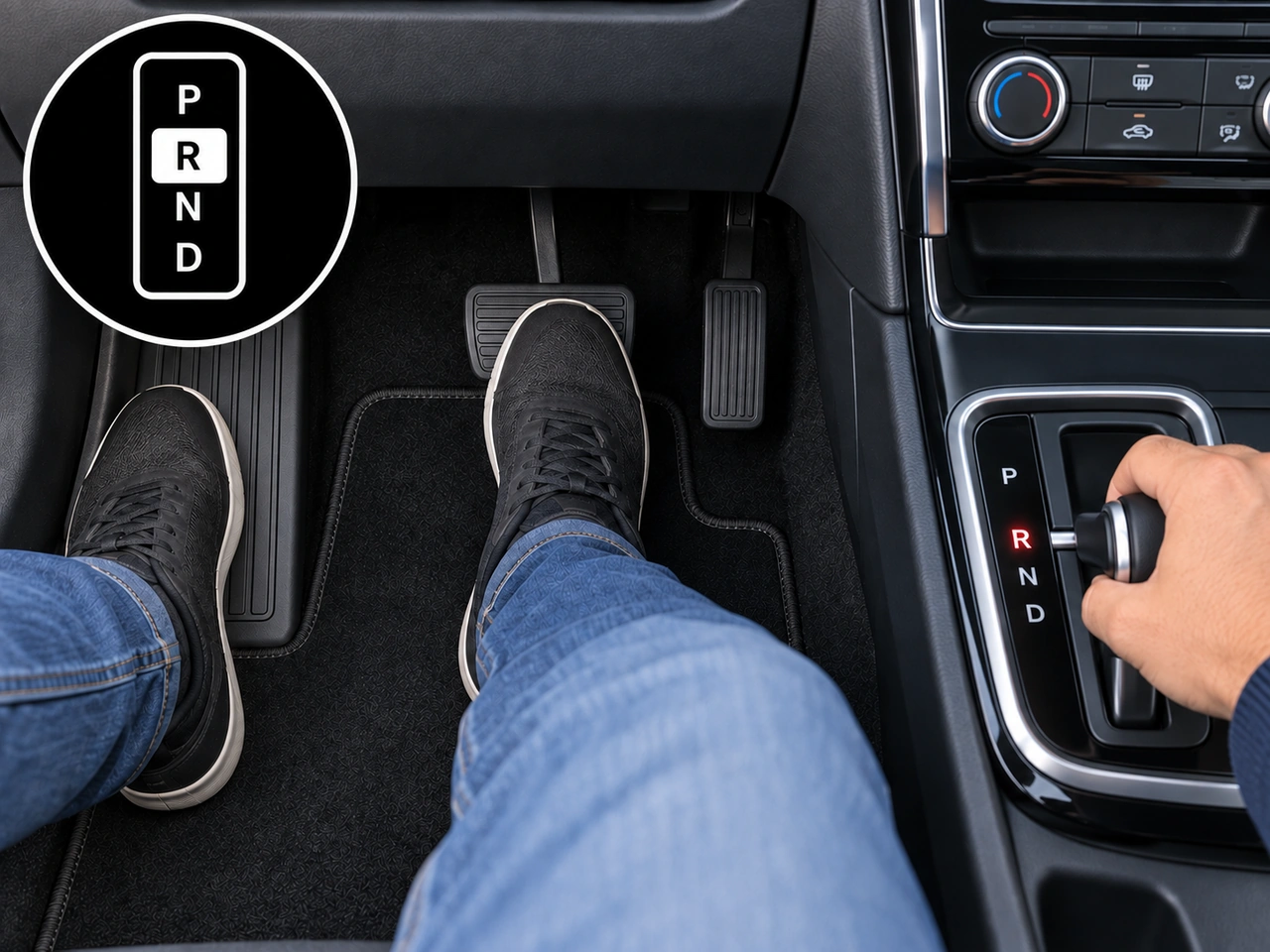
499. When should you select R (Reverse) in an automatic vehicle?
Select R (Reverse) only after the vehicle has come to a complete stop. Selecting Reverse while the vehicle is still moving forward can damage the transmission.
AI-generated by Traffic-rules.com • WCIT • CC BY-SA
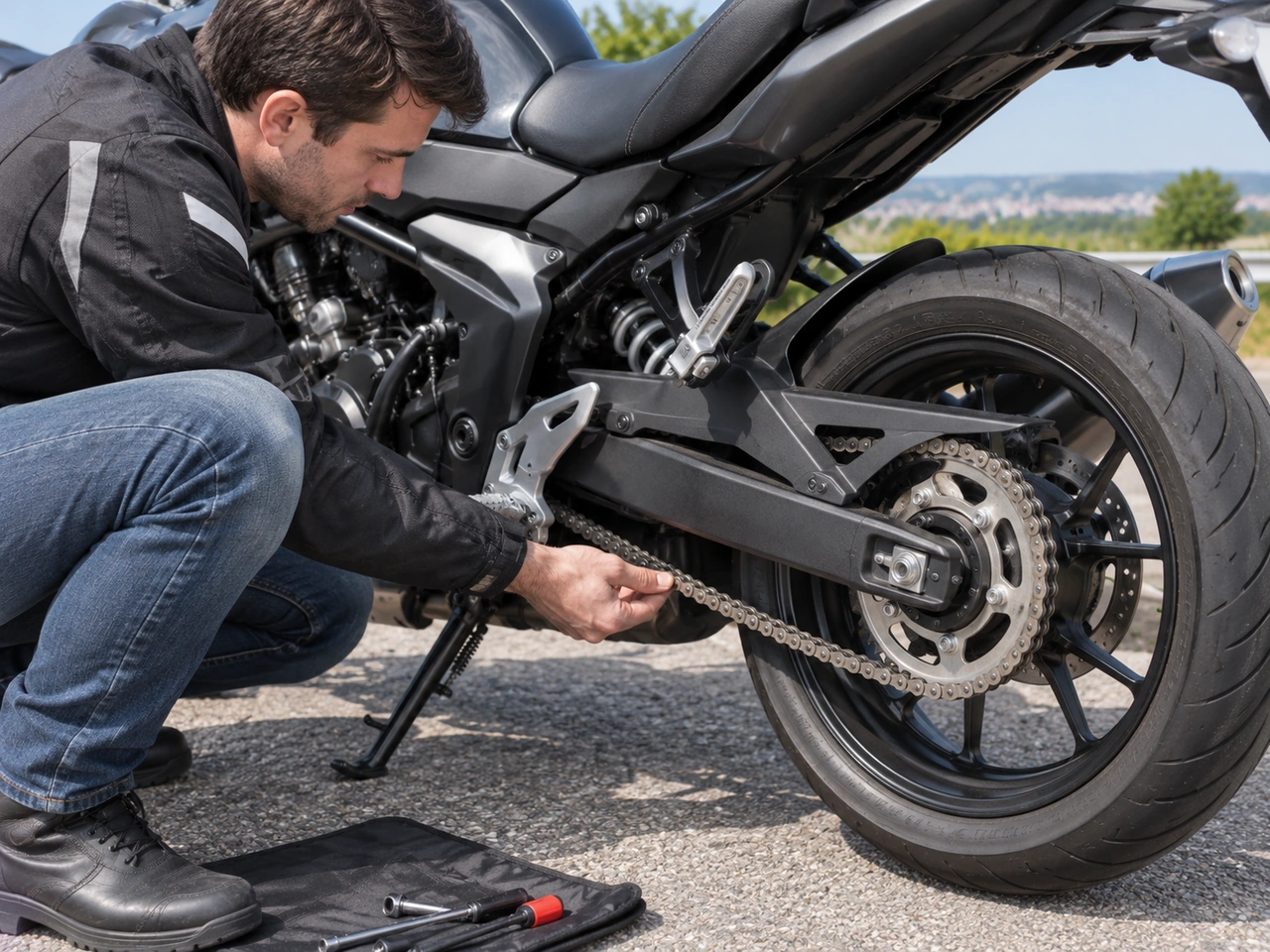
500. What should you do if a motorcycle's drive chain is too loose?
A loose drive chain can affect power transmission, damage components, or come off the sprockets. The chain should have the correct tension and lubrication specified by the motorcycle manufacturer. A chain that is too tight can also cause damage.
AI-generated by Traffic-rules.com • WCIT • CC BY-SA